The musical equivalent of comfort food. These three were three of the best voices in country music at the time, and they use those voices to great effect here. Trio is truly a collaborative effort, as most of the songs here feature all three singers performing some of the most gorgeous harmonies you've ever heard. To me, Parton easily has the most distinct voice and the best performances, but the thing that makes this album work is how all three work together to make something even better than the sum of their parts. Musically, this album takes a variety of different styles and merges them into a quiet, cozy country pop sound. The gentles guitars and pianos aren't the most adventurous thing in the world, but they're easy on the ears and act as the perfect foundation for the trio's vocals to build upon.
1001 Albums Summary
Rating Distribution
Rating Timeline
Taste Profile
Breakdown
By Genre
Tap a bar to see the albums behind it
Top Styles
Tap a bar to see the albums behind it
By Decade
By Origin
Albums
You Love More Than Most
| Album | You | Global | Diff |
|---|---|---|---|
|
Junkyard
The Birthday Party
|
5 | 2.15 | +2.85 |
|
You're Living All Over Me
Dinosaur Jr.
|
5 | 3.1 | +1.9 |
|
Vespertine
Björk
|
5 | 3.19 | +1.81 |
|
Fetch The Bolt Cutters
Fiona Apple
|
5 | 3.2 | +1.8 |
|
The College Dropout
Kanye West
|
5 | 3.31 | +1.69 |
|
The Downward Spiral
Nine Inch Nails
|
5 | 3.35 | +1.65 |
|
Crime Of The Century
Supertramp
|
5 | 3.39 | +1.61 |
|
Hard Again
Muddy Waters
|
5 | 3.6 | +1.4 |
|
The Velvet Underground & Nico
The Velvet Underground
|
5 | 3.62 | +1.38 |
|
The Miseducation of Lauryn Hill
Lauryn Hill
|
5 | 3.67 | +1.33 |
You Love Less Than Most
| Album | You | Global | Diff |
|---|---|---|---|
|
Black Holes and Revelations
Muse
|
1 | 3.59 | -2.59 |
|
The Rising
Bruce Springsteen
|
1 | 3.05 | -2.05 |
|
The Doors
The Doors
|
2 | 3.93 | -1.93 |
|
Moondance
Van Morrison
|
2 | 3.68 | -1.68 |
|
Hybrid Theory
Linkin Park
|
2 | 3.39 | -1.39 |
|
Neon Bible
Arcade Fire
|
2 | 3.33 | -1.33 |
|
From Elvis In Memphis
Elvis Presley
|
2 | 3.33 | -1.33 |
|
Sound Affects
The Jam
|
2 | 3.25 | -1.25 |
|
Peter Gabriel
Peter Gabriel
|
2 | 3.23 | -1.23 |
|
Henry's Dream
Nick Cave & The Bad Seeds
|
2 | 3.09 | -1.09 |
Artists
Favorites
Tap an artist to see their albums
| Artist | Albums | Average |
|---|---|---|
| Nirvana | 2 | 5 |
5-Star Albums (20)
View Album Wall










Popular Reviews
One of those times where a mostly pretty good album gets overshadowed by one incredible track. In this case, it's Bitter Sweet Symphony, an all-time great Britpop ballad that manages to feel epic in scope without devolving into corniness. The rest of the album is a mix of soft-rock sentimentality and swirling psychedelia, heavy on atmosphere and light on compositional variety. This approach mostly works for the band, with their talented playing and dense layers of instrumentation allowing the listener to easily sink into the sound. Sometimes, though, the lack of variety get a little too noticeable, especially as the longer songs tend to trail off in a way that loses my attention. There are some other smatterings of greatness sprinkled throughout the tracklist, particularly The Drugs Don't Work and Neon Wilderness, but that opening track is still the clear standout.
Given how much generic British new wave is on this list, I had pretty low expectations for this album going in, but it ended up surprising me. There are three major aspects to this album that impressed me: the production, the musicianship, and the sheer variety of sounds and styles. There's some standard 70s new wave here, but there's also slower lounge numbers, some aggressive quasi-punk, and very catchy pop hooks. The guitar parts are some of the best moments, pulling out a lot of stylistic flare and killer solos that you don't typically get from this style of music. The production does an excellent job of emphasizing these moments, and there's a lot of interesting textures to pick out. I get why some people wouldn't like Peter Perrett's nasally whine, but I think his voice provided this album with a lot of personality. If you're skeptical about this style of music, I would recommend giving this a listen, it just might win you over.
The title track here is, hands down, one of the greatest country songs of all time, an absolute tearjerker of a ballad focusing on two of the genre's favorite subjects: God and poverty. I'm a sucker for songs about being happy despite difficult circumstances, and Coat of Many Colors definitely fits the bill. The rest of the songs don't quite match that song's quality, but it's still all very well done country pop. The midsection of the album can get a bit repetitive, with a stretch of songs with very similar structures and chord progressions, but Dolly is a talented enough singer and songwriter to make it work. The back half of the album starts showing off more variety, with the musicians embracing more diverse sounds without straying too far from the country pop mold. This is not the best country album, or even the best Dolly Parton album I've ever heard, but there's still a lot to like about it.
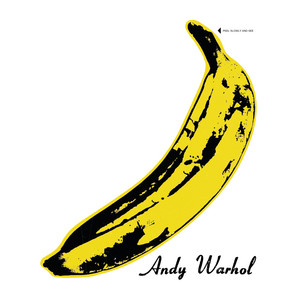
When listened to older albums renowned for being experimental and game changing, I sometimes worry that they'll sound dated after decades of iteration on the formula they established. This is not the case with The Velvet Underground & Nico. More accurately, the datedness is part of the appeal. You can see all the rhythmic and instrumental elements of 50s and 60s present here, but stripped for parts and reassembled into new, jagged, unstable shapes. I love the scuzzy, lo-fi nature of the recording. Even on a remastered digital edition it has the feeling of a worn old curiosity pulled out of a dusty bin of an old record shop. Lou Reed and Nico are both excellent and dramatically different vocalists, with Reed bringing a punk swagger to the table and Nico providing a mysterious, ghostly counterpoint. In this single album, you can see the shapes that alternative and independent rock would take in the coming decades, but it still feels so singular that it can't truly be replicated.
1-Star Albums (2)

All Ratings (101)
Queen is at their best when they're at their most theatrical, and there are times here when they fully commit, but other times where they don't. Songs like Stone Cold Crazy, In The Lap of the Gods, and the first two tracks fulfill the genre label of "glam rock", sounding both epic and ridiculously fun. Other tracks feel a lot more dull, and like they could be made by any random 70s band. They don't go full hard rock, but they aren't particularly theatrical either, so they just don't emotionally register for me. Of course, the standout part of the album is Freddie Mercury, who more than proves why he's considered one of the greatest performers ever. The worst thing that a band like Queen can be is dull, and unfortunately on this album, they fall into that trap too many times.
The title track here is, hands down, one of the greatest country songs of all time, an absolute tearjerker of a ballad focusing on two of the genre's favorite subjects: God and poverty. I'm a sucker for songs about being happy despite difficult circumstances, and Coat of Many Colors definitely fits the bill. The rest of the songs don't quite match that song's quality, but it's still all very well done country pop. The midsection of the album can get a bit repetitive, with a stretch of songs with very similar structures and chord progressions, but Dolly is a talented enough singer and songwriter to make it work. The back half of the album starts showing off more variety, with the musicians embracing more diverse sounds without straying too far from the country pop mold. This is not the best country album, or even the best Dolly Parton album I've ever heard, but there's still a lot to like about it.
Absolutely gorgeous exploration of the intersection between folk, rock, and jazz. The arrangements here, for the most part, are stunning, subtly complex in a way that takes a truly close listen to fully appreciate. It feels like wandering along a peaceful river, not always knowing where it leads but still knowing that there's a clear path. There's a gentle playfulness that's present on a lot of Joni Mitchell albums, but is rarely as pronounced as it is here. Of course, Joni is an excellent lyricist, and while her writing doesn't explore the same depths as something like Blue, there's still plenty of insightful observations about life and love to be found here. Like the production, her songwriting style often feels unpredictable, sometime adhering to traditional pop structures only to veer unexpectedly in a new direction. This album is a bit frontloaded, with some of the jazzier tracks like Down to You or Twisted feeling a little clunky, but this is still an overall great experience.
One of the best psychedelic rock albums I've ever heard. Carlos Santana and his band really knew how to jam. I'm not familiar with the recording process of this album, but the arrangements are all so loose and adventurous that it gives the feeling that it's all been improvised. Everyone involved does an incredible job but Santana's guitar work is truly the star of the show, his playing is so emotive and driving with tons of memorable riffs. This is primarily a rock album but the flourishes of blues, jazz, and Latin music give it so much personality and color. This is primarily instrumental but the portions with vocals are excellent. The lyrics are nothing special but they don't need to be, as the vocals clearly aren't the primary focus and are more just a component of the greater ensemble. The two most famous singles, Black Magic Woman and Oye Como Va, are obviously both excellent, but the deep cuts hold their own quality-wise. So many albums from this era label themselves as "psychedelic" but very few truly live up to that descriptor like this one does. It truly does feel like an acid-tinged journey through space and time, and it's easily my favorite on the list so far.
Is it possible for something to be pleasant to a fault? If it is, this album is a perfect example. Paul Simon is a rock-solid songwriter, his harmonies with Art Garfunkel sound excellent, and the songs are all beautifully arranged, but the cutesiness can get to be a bit much sometimes. I like folk music a lot, and I'm not against music sounding sweet and cozy like this, but all the nature imagery and lullaby-esque melodies and glockenspiel parts on songs like Cloudy or 59th Street Bridge feel like eating too much ice cream and getting a stomachache. My favorite aspect of this album was the sound of recording, I loved the ramshackle feeling of it. It almost sounds cavernous at times, like you're listening to them in a massive, empty concert hall with amazing acoustics. This was solid but definitely not my favorite in this style. Also, credit where credit is due, the Bob Dylan parody was pretty funny.
I don't know what the consensus is among Queen fans, but I liked this a lot more than Sheer Heart Attack. They fully leaned into their theatricality on this one, and managed to back it up with some truly stunning, mystical arrangements. This feels much proggier than what they would do on later projects, and it makes for some of their most exciting songs. I didn't expect the heavy high-fantasy theme on this project, and while it sometimes veers into corniness, it mostly works perfectly with the glam-rock aesthetic they're going for. The first half is solid, but this album truly comes alive in the second, Freddie Mercury-penned half, where they fully commit to the fantasy themes in both the lyrics and the sound. The band really focuses on creating a continuous album experience on this, and the way the songs flow together is wonderful. The real crown jewel is the multi-phased epic the March of the Black Queen, which I highly recommend to those who love what they were doing on Bohemian Rhapsody. Highly evocative imagery, wild swings in mood and tempo that feel earned rather than jarring, and an excellent performance from Mercury.
Decently fun slice of throwback synthpop. The production on this was uniformly excellent, filled with so much detail and utterly pristine. There's a variety of moods being explored in the music, all of which sounded great, but the more dance oriented cuts stood out the most to me. Chris is an excellent, very theatrical performer, sometimes reminding me of Michael Jackson at his wildest. The real draw for me was the lyrics, focusing on themes of queer love and exploration of identity. The writing can feel a bit clunky in the English language version of the album, but given that English is his second language I'll give him the benefit of the doubt. I listened to both the English and French version, and while both are good, the French version is definitely better. His voice just sounds so much more natural in his native language. If there's one thing that holds this album back for me, it's how beholden to pastiche it is, but when the pastiche is this well done, it's hard to complain.
One of the most aggressively 60s albums I've ever heard: primarily a folk rock album, heavy on the psychedelia, with lyrics that split the difference between abstract surrealism and political content. Apparently this was one of the first psychedelic rock albums, and while I do think its approach is relatively simplistic compared to what would come after, I found it charming rather than dated. There's a colorfulness this album brings to the table that just makes it such a fun, easy listen. The obvious standout is Eight Miles High, which features a fantastic guitar solo from Roger McGuinn, but I also loved the lush folk instrumentation on tracks like Wild Mountain Thyme and the slightly dour tone of What's Happening. It surprised me how versatile this album was with its combinations of folk, rock, and country, but it was a welcome surprise.
The title track here is an absolute all timer, featuring an absolutely electric rhythm section and excellent interplay between the organ and the guitar. It's impossible to listen to it and not nod along. So much swagger and coolness contained in such a simple track. Everything else here ranges from "enjoyable enough" to "mostly forgettable". There isn't really a bad song on this album, but everything besides the iconic title track blends together into an easy listening mush. It's a shame because you can tell the players here are talented, and even in these other tracks there are occasional flashes of brilliance. But when everything relies on the same chords, similar structures, and similar BPMs, it's hard to feel like any of it is truly essential.
Beautifully done singer-songwriter music. Neil Young is an all-time great songwriter, and this album is littered with thoughtful and introspective takes on love and life. However, I can't talk about this album without talking about the music, an excellent mix of rock, country, and folk that's pure ear candy. The flourishes of harmonica and slide guitar give this record so much personality and color. You can tell a lot of time and effort was put into make it sound good, but it always retains a slight rough edge that prevents it from sounding too sanitized. There are some great jammy moments, particularly on the last track, where the band just lets loose and sounds like they're having a ton of fun. The one sore spot here are the orchestral moments, particularly A Man Needs a Maid. It just doesn't fit the emotions that the rest of the album is going for. Otherwise, really good stuff.
Now THIS is how you do blues. I've heard so much modern blues rock that has all the rough edges sanded off, and it's so refreshing to hear some that still has some tangible grit to it. The playing from everyone involved is excellent. It sticks very close to the standard blues formula of improvising around a consistent series of chords, but the improvising is so well done that it's hard to complain. The guitar and harmonica solos in particular are great, there's so much personality and feeling to match the technical ability. I was honestly shocked to find out that this isn't a live album. Muddy Waters himself is an excellent vocalist, bringing some incredibly passionate and soulful vocals to the table. I loved his self-depreciating, mildly raunchy sense of humor, it gave this album such a distinct personality. Highly recommend this to anyone who appreciates some hard-nosed rock and roll.
X's debut album, Los Angeles, is one of my all time favorite punk albums. This album was a slight letdown compared to that one, but it's still very good. They're known for blending punk's attitude and raw style with rockabilly arrangements, and here they lean more into the rockabilly side of their sound than on Los Angeles, which is unfortunately not my cup of tea. That being said, everything that makes this band great is still present on the more punk leaning tracks. Their lyrics and playing, while still raw and unrefined, are a bit more professionally done than other punk bands of their time. The key to X's appeal is the interplay between vocalists John Doe and Exene Cervenka, and their chemistry here is excellent. Like I said earlier, still good, but I think they've done better.
Feel very similarly about this one as I do the Booker T. album I listened to last week. Generally pleasant, with a lot of talent and raw musicianship on the way and a killer title track/lead single, but eventually blends into the background. This being a jazz album, there's a bit more going on musically, and the horn sections in particular are very good, but ultimately it does little to distinguish itself. The title track, as mentioned earlier, is great, and the vocalist in particular does an excellent job. Everything else here is good background music, but still just background music at the end of the day.
Big empty music. Attempts to sound grand and sweeping, but nothing about it ends up sticking. Everything is competently made but there's barely any standout lyrics, hooks, melodic ideas, instrumental passages. There were many instances where I assumed I was 5 minutes into a song's runtime, checked the progress, and discovered it was only 3 minutes long. It gets slightly better towards the end, I think Cornish Town, Reinstated, and Daniella are solid songs, but not enough to save the whole experience from being too boring to remember.
Bono and co. are going for a big, arena-ready sound here, and sometimes it works. The three singles that open the album are solid, and there are some great deep cuts, like the grungy Bullet the Blue Sky and the desert-tinged In God's Country, but a lot of the surrounding material doesn't live up to the grandness the band is attempting. A good portion of this album just sounds flat, and the ocassional flashes of brilliance that shine through just make those portions easy more dull in comparison. I appreciate the socio-political themes that Bono works into his lyrics, especially on the closer Mothers of the Disappeared, but lyrics without good music to back it up only get you so far.
There's a fair amount of 90s alternative rock I like, but a lot of it can feel like a slog to get through. Here, Garbage comes through with one of the most fun takes on the genre I've ever heard. They take the standard heavy guitars and snarling angst typical of the decade and make it dance-floor ready through fuzzy guitar feedback, delirious electronic effects, and driving drum beats. The drums in particular give this album a real sense of motion that makes it such a joy to listen to. I really appreciated the variety of moods that Garbage brings to the table, from the more angry tracks like As Heaven is Wide, to upbeat bangers like Stupid Girl, to lowkey, almost trip-hop adjacent cuts like Milk. Shirley Manson is an excellent vocalist, bringing a palpable simmering anger to the table that still retains the fun of the instrumentation. Her lyrics are very blunt, but that bluntness serves the tone of the album really well. This was one of the biggest surprises on this list so far, given I hadn't heard of this band before, but it won me over in a big way.
This album came so close to winning me over. I was very skeptical going into it, given the massive runtime, the child-like aesthetic of the cover, and my general dislike of Billy Corgan as a public figure. I ended up enjoying most of it, but there were some definite stumbling points. In particular, the parts where the band strays away from their grunge roots were very hit or miss, and it felt like Corgan's nasally vocals didn't match with the softer moments. Plus, while there weren't any songs that I felt were particularly bad, the two-hour runtime didn't feel justified. That being said, it was hard to deny the sheer ambition of the album and Corgan's complete sincerity with how he handles every aspect of the album. His lyrics can come across as overly melodramatic or pretentious at times, but he delivers it with such conviction and without any irony that it didn't bother me. The heavier moments on this album were when the band really shined, especially the guitar parts and how Corgan's vocals meshed with the instrumentals. This is an album I can certainly see growing on me in the future with repeated listens, especially since my primary issues are fairly surface level, but right now those issues still bother me.
I've heard a lot of praise for Alanis Morissette as a songwriter, but I didn't really understand it until I sat down and paid attention to this album. She isn't exactly subtle, and there are a few clunky moments (e.g. the infamous ten thousand spoons line), but she more than makes up for it with her raw anger and sharp sense of humor. This is primarily a breakup album, but she deals with a lot of other topics, such as Catholic guilt on Forgiven, parental expectations on Perfect, and depression on Mary Jane, and she makes all these very familiar topics feel fresh and new with how much passion she puts into the performance and the writing. I liked the combination of grungy guitars and trip-hop electronic drums that comprise the bulk of this album, it reminds me of a more restrained version of the Garbage album I recently listened to. This isn't the most revolutionary album on the planet, but it's such a well constructed and charming piece of pop rock that it ended up winning me over.
This was an extremely frustrating album to listen to. When Peter Gabriel locks in and writes a truly great pop rock song, it works wonders, like on Solsbury Hill, Slowburn, and Modern Love. Other times, it feels like he's just throwing shit at the wall to see what sticks. Moribund the Burgermeister is completely incoherent, Excuse Me feels like a worse version of the Beatles' more wacky songs, and tracks like Waiting for the Big One and Here Comes the Flood drag on for way longer than they should. This album is a mess on a wider structural level too, as there's no sense of progression or consistency. I respect Gabriel for wanting to try his hand at a wide variety of different style, but the execution didn't match the ambition.
This was a great album, but one I don't have very much to say about. The appeal of it is fairly simple: it's just a rock-solid collection of bluesy hard rock. The band achieves a nice mix of ballads and bangers, and the tracklist is structured to ensure that the album doesn't get stuck in one mode for too long. The lyrics aren't mindblowing, but there's some solid storytelling and some excellent hooks. Of course, the crown jewel of the album is Free Bird, a 9 minute Southern rock epic with some outstanding guitar work. It's an all-time great closing track, and the fact that they save it for the end is proof of this album's incredibly tight sequencing. Part of me wishes that the production had a bit more grit to it, but that's a very minor complaint for what's otherwise a very catchy and fun rock album.
Ever since I've been involved in music nerd spaces, I've been hearing that Eric Clapton is some sort of guitar god. After hearing this, I honestly don't see it. He's certainly talented, and there are a few standout moments, like the arpeggios on Dance the Night Away and the hypnotic wah-wahs on Tales of Brave Ulysses, but for the most part it sounded like enjoyable but fairly standard blues guitar to me. I was honestly more impressed with the drumming. "Enjoyable but fairly standard" is a good way to describe the album as a whole. It doesn't hit as hard as other blues rock I've heard, but it doesn't achieve the same lush atmosphere as other psych rock I've heard. Some of the slower cuts, like Blue Condition or We're Going Wrong, failed to make any impression on me whatsoever. I enjoyed the lyrics for the most part, which leaned into surrealism while still maintaining some grounding in the loneliness of blues. This is solid, but compared to other 60s blues-psych like Jimi Hendrix, I'd hardly call it essential.
For an album in a genre that's frequently accused of being repetitive, there's a fair amount of variety in the instrumentation. It's all anchored around the standard reggae beat, of course, but everything surrounding that anchor point sounds distinct on each song. For example, the blissful guitars and harmonica solos on Talking Blues, or the gentle horn sections on So Jah S'eh, or the organs on No Woman No Cry. There's a clear formula at play, but the formula works, creating an inviting and laid-back, but deceptively layered atmosphere. As a vocalist, Bob Marley has an easygoing charisma that instantly pulls you into this atmosphere. He has two primary focuses as a songwriter: sensual love ballads and pointed political commentary, both of which he pulls off with straightforward and thoughtful lyricism. This album works well as background music, but rewards active listening too, which is a balance less talented artists struggle to achieve in the way that Marley and his band did.
A common complaint I've heard about this album is that, if you're familiar with the electronic music that inspired it, it doesn't sound all that special. I think this criticism misses the point. This album may not be as game-changing as many critics once claimed it to be, but it's a perfect synthesis of moody art rock and otherworldly electronics that creates a distinctly alienating and disorienting atmosphere. I do generally prefer the more rock-leaning cuts, but every song here is so good that the distinction is barely worth mentioning. Thom Yorke is infamously not a technically gifted singer but his strained, distant vocals match the atmosphere perfectly, and the vocal effects give the impression that he's singing to you from an alternate dimension. His writing is impressionistic and relies on simplistic, repeated phrases, which can seem shallow at first but provide a clear emotional impact upon repeated listens. The themes of loneliness and isolation can seem vague on paper, but come across beautifully when combined with the music. Personally, this is my favorite album that I've listened to for this list so far, the perfect balance between atmosphere and songwriting, and a classic for a reason.
This is a difficult album to talk about, because while it's clearly very good, it did nothing for me on an emotional level. This a very symphonic, theatrical take on pop, with immaculate orchestral arrangements and dramatic vocals. Neil Hannon is a great frontman, both technically gifted and emotionally expressive. His lyrics, while sometimes cheesy, do a great job of capturing a romantic, lovelorn energy. He brings to mind a protagonist in a romantic Broadway musical, over-the-top and passionate and absolutely commanding everyone's attention. Unfortunately, nothing about this really appeals to me. It all feels a little too tasteful and methodically composed for my preferences. I like a little more mess in my music than what The Divine Comedy provides here. I can see why someone would love this, but it's just not for me.
Arcade Fire is clearly aiming for a Springsteen-esque arena rock sound here, but something about it feels weirdly underpowered. The production feels like it doesn't have any bite to it, and as a consequence all the grandiosity falls flat. There are some decent instrumental ideas but none of them really clicked for me. All the songs feel like they're pulling off a very similar trick where they culminate in grand instrumental swells, and it makes what's supposed to be a varied instrumental pallette feel very repetitive. Win Butler admittedly brings some sharp commentary about the alienation of late-stage capitalism to the table, but it didn't make up for how boring this album was. There were some strong tracks near the end, particularly My Body Is a Cage and (Antichrist Television Blues), but it wasn't enough to save this album for me. As someone who's a sucker for overblown sentimental indie rock, this was a big letdown.
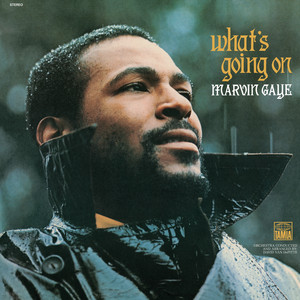
Unquestionably one of the greatest soul albums of all time. The instrumental are gorgeous, combining strings, horns, and gentle percussion to create a warm and inviting atmosphere. Something this gentle sounding could easily become boring, but the layers of different instruments give this album so much texture and character that it becomes an extremely immersive experience. This warm atmosphere provides the perfect compliment to Gaye's politically charged lyrics. He addresses a lot of very fraught topics, from war to environmentalism to religion, but the gentle instrumentation and his buttery smooth vocals make everything he's saying strangely comforting. It's like he's telling you that, in spite of all the issues, everything is going to be alright. His lyrics rely on observations more than complex analysis, making it sound more like a friend venting his frustrations with you rather than a lecture. He takes on a very everyman role, making it even more approachable on top of the smooth sound. What's Going On, above all else, feels like a reminder that you're not alone in this world, and other people are going through the same problems that you are.
This type of corny, overwrought 70s balladry typically isn't my thing, but I ended up being won over by just how ridiculous and theatrical it was. The story is absurdly theatrical, being about a boy who gets into a motorcycle accident and tries to come back to life to get back with his crush. Meat Loaf matches this concept with ridiculously theatrical vocals. On every track he completely commits every emotion he's trying to get across, especially his passionate caterwauling on the ballads. Despite its goofiness, the music is technically very impressive, with Jim Steinman's compositions calling for extremely complex and bombastic performances from all the musicians involved. The guitar work from Todd Rundgren is especially well done, with some great solos peppered throughout the tracklist. This isn't the kind of thing I can see myself returning to frequently, but I can't help but admire how much everyone involved committed to something so over the top.
This doesn't have the same psychedelic atmosphere as the last Byrds album I listened to, but the more straightforward folk-rock approach here has its own distinct charm. I loved the sunny, jangly tone of the infamous 12-string guitar of this album, and I can see how that guitar would become influential to future strains of indie rock. A lot of this feels like very obvious worship of Bob Dylan and the Beatles, especially with the 4 different Dylan covers, but the musicianship is so tight that the heavy influence doesn't bother me. In the case of the Dylan covers, the aforementioned 12-string give them a unique character that makes them feel distinct from Dylan's versions. The original songs are great too, with the band showing their knack for a good pop hook at an early stage in their career. It's just a fun little album that does a great job of demonstrating what made 60s folk such a compelling scene.
As someone who's not particularly into synthpop, this blew me away. The synths on this album have such a uniquely gloomy character, and I loved how that contrasted with the upbeat compositions. Almost all of the tracks have this propulsive momentum that's absolutely infectious, with the exception of the beautifully haunting Elegia, which acted as a great intermission from the high energy of the rest of the album. I also liked the slightly roughshod nature of the production, it was a welcome departure from the more polished synthpop that I typically don't enjoy as much. For something so distinctly 80s, it still feels so fresh and exciting. Great stuff.
It's hard for me to see how anyone could dislike this album. The Isley Brothers' brand of super smooth, funky, sunshiney soul music is ridiculously likeable and fun, and it always manages to put me in a good mood. There's a lot of strong musicianship at play here, with some especially great guitar and bass parts. The fuzzed out guitar solos in particular bring a slight edge to the otherwise smooth textures. Ronald Isley is an incredible singer, bringing a lot of charisma to the table whether he's performing an uptempo funk banger or a sensual ballad. You've probably heard soul in this vein plenty of times, but it's very rarely been executed this well.
This album makes me sad that I'll never get to see Johnny Cash live. This is one of the recordings from his legendary tour of prison shows, and while this isn't quite as legendary as his Folsom Prison album, it's just about as good. The recording does an excellent job of capturing Cash's incredible command of the audience. His between-song banter showcases his distinctly off-the-cuff sense of humor, and the raucous cheers from the crowd during San Quentin, a song detailing how terrible prison is, demonstrates his instinct for knowing what songs will appeal to what audience. The setlist is a perfect mix of some of his most famous songs and covers of artists of a similar stripe. Him and his band maintain a sense of infectious fun thanks to the live setting, but their musicianship and the recording quality make it sound just as good as a studio recording. That mix of professionalism and looseness perfectly capture what made Cash such a compelling artist, and make this the gold standard of live albums.
This was a lot more interesting musically and lyrically than the previous Simon & Garfunkel album I heard. On this album, their straightforward folk pop songwriting is a lot sharper, and there are some intriguing experimental portions that diversify their sound without distracting from it. Songs like America and Mrs. Robinson showcase Simon's ability to write thoughtful, socially conscious lyrics interspersed with details that give it a personal touch. Admittedly, they still display certain qualities that don't fully work for me, like the somewhat saccharine tone on tracks like Punky's Dilemma and At the Zoo, but overall this is a marked improvement over Parsley, Sage, Rosemary and Thyme.
It's a bit surprising to me that this album is considered punk, because so much of it feels so bland. You can see some of the punk inspiration in the song structures, melodies, and lyricism, but the production is so flat and sterile that it ends up sucking the energy out of the music. Beyond that, a fair number of these songs feel a bit too predictable and low-energy for rock music of this era, and the mixing is noticeably uneven, with Paul Weller's vocals being buried beneath the bass and drums. It's a shame, because there are some flashes of brilliance here. The stretch of songs of the middle, in particular Set the House Ablaze and Start, manage to overcome the sterile production thanks to their raw energy, and Weller's talent for sticky hooks and trenchant observations make That's Entertainment a must-listen. Plus, in spite of how much they overwhelm the mix, there are some truly great basslines on this album. Unfortunately, these high points only further highly how dull a significant portion of Sound Affects is.
If you haven't listened to this album on a good pair of headphones, you're missing out. Wilco takes the basic building blocks of folk rock and adds so many wonderful details and textures that elevate it to an entirely different place. Everything from unusual percussion patters, to squelching electronic effects, to layers of distorted feedback, to subtle string arrangements give this album its unique character. The songwriting at the core is fairly straightforward, and a weaker band could use these unique textures as a distraction from this simplicity, but Wilco strikes a perfect balance between these two elements of their sound. Jeff Tweedy's lyrics focus on the isolation and confusion brought on by 21st century life, and the unusual instrumentation is the perfect compliment to these themes. This is the perfect example of how tweaking a familiar formula can create something transcendent.
I haven't really been impressed with much Foo Fighters music in the past, but I ended up liking this a lot. This was their first album after Kurt Cobain's death, when the band was more of a Dave Grohl solo vehicle than an actual band, and there's an element of him tinkering with the sound to see what works for him that makes this a very charming listen. This retains the heaviness of the grunge sound, but adds some shoegazy reverb and more poppy melodic structures in a way that feels very predictive of the direction rock would be headed in the 2000s. Grohl isn't the greatest songwriter ever, but he knows his way around a good hook and has a lot of charisma, and the dense and slightly lo-fi production manages to pick up the rest of the slack. He does a fairly good job playing most of the instruments, but of course the drums stick out the most, providing the necessary aggression to keep the energy up across the runtime.
The production on this album is on another level. The Bomb Squad pulls out all the stops here, overwhelming you with pounding drums, discordant samples, and seemingly random sound effects for a complete assault on the senses. It's almost hard to believe something this abrasive got as popular as it was. You can really see how this would go on to influence so much experimental hip-hop to come. Chuck D is a pure force of nature, splitting the difference between righteous political commentary and pure shit-talking with his authoritative voice and surprisingly nimble flow, and the assists from Flava Flav keep things fun. Like the production, the political commentary pulls no punches, directly confronting politicians, Hollywood, the records industry, and every other major force in white America. If there's one issue with this album, it's that it can start to feel one note with its hour-long run time, but that note is a powerful one.
One of those times where a mostly pretty good album gets overshadowed by one incredible track. In this case, it's Bitter Sweet Symphony, an all-time great Britpop ballad that manages to feel epic in scope without devolving into corniness. The rest of the album is a mix of soft-rock sentimentality and swirling psychedelia, heavy on atmosphere and light on compositional variety. This approach mostly works for the band, with their talented playing and dense layers of instrumentation allowing the listener to easily sink into the sound. Sometimes, though, the lack of variety get a little too noticeable, especially as the longer songs tend to trail off in a way that loses my attention. There are some other smatterings of greatness sprinkled throughout the tracklist, particularly The Drugs Don't Work and Neon Wilderness, but that opening track is still the clear standout.
Regardless of whether you like the sound of this album, it's hard to think of anything that sounds quite like it. M.I.A. and her collaborators take grooves and patterns from around the world, particularly South Asia, and combine them with contemporary EDM and hip-hop sounds for something that splits the difference between danceable and abrasive. Rather than try to mush these styles together, they embrace how much they clash, a strategy that is sometimes annoying but frequently brilliant. While songs like 20 Dollar and the turn don't quite click for me, songs like BirdFlu, XR2, and the legendary Paper Planes brim with so much color and vigor that it's hard not to be impressed. As a rapper, M.I.A. focuses less on technical ability and more on complimenting the instrumentals. Her raw energy and stunning command of hooks more than make up for somewhat limited rapping skills. This is an incredibly unique and audacious album that always goes for big swings, even if they don't end up connecting.
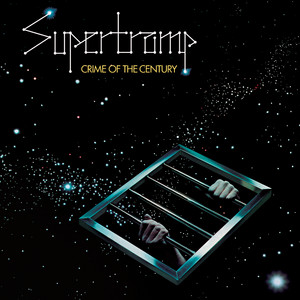
Taking progressive rock style compositions and applying them to the sunshiney pop-rock sounds of the 70s is such a good idea that I don't know why more bands didn't try it. What Supertramp really excels at on this album is combining both of these elements is that neither of them feel watered down by the presence of the other. The band does an excellent job at building and releasing tension and managing tempo and volume, in the way all the prog greats do. The fact that they do it with bright, upbeat piano and horns lines and incredibly sticky hooks makes it all the more impressive. The cherry on top is the vocal performance from frontman Rick Davies, who goes from gentle crooning to passionate, growling wails on the turn of a dime. It's a bit of a cliched statement, but he truly knew how to use his voice as an instrument. Above all else, I appreciate how this band manages to straddle both technical mastery and a sense of playfulness, something that a lot of prog rock bands struggle with and can make their music seem too academic at times. Every song here has its own unique progression and character, and I was never bored listening to it.
You can feel the band pulling apart while listening to this album. The three songwriters of the group clearly each had different directions they wanted to go in: Christine McVie's songs are more conventional soft rock, the kind they had been known for up to that point, while Stevie Nicks took a more ethereal and dreamy approach, and Lindsey Buckingham was pulled more towards post-punk. I typically like this sprawling, messy approach to album construction, but unfortunately the song quality is as inconsistent as the sound. Buckingham's tracks in particular are very hit-or-miss, and a fair portion of them lack the punch that makes the best post-punk work for me. Nicks is far and away the strongest on Tusk, with tracks like Sara, Beautiful Child, and Sisters of the Moon being personal standouts. McVie's contributions are solid, but feel somewhat boring compared to the other two. I appreciate the experimental approach they took here, but I ended up respecting it more than I actually liked it.
I enjoyed most everything The Cars did on this album, but none of it really blew me away. Every song here is a very well crafted pop song, and they were all very fun to listen, but none of them really grabbed me beyond that. The production is the best part, with the crisp, clear tones of the music. adding a lot of color and flavor. I also liked the dramatic vocals from Ric Ocasek, and the uniformly great guitar and synth work. I'm not quite sure what it is that prevents me from fully loving this, but I think there just wasn't much that grabbed me emotionally. Really enjoyable overall, but I doubt it will ever be an all time favorite for me.
I love Springsteen as much as the next person, but this was a tough listen. This was written and recorded in response to 9/11, and while I don't doubt his sincere horror to the events of that day, this album falls too quickly into the same corny sentimentality that a lot of post-9/11 music did. Springsteen is no stranger to sentimentality, of course, but it's typically paired with better songwriting. The stories he writes here are a lot lighter on the specifics compared to his best work, making the emotional aspect feel much cheaper and unearned. There are exceptions, like the hauntingly dark Nothing Man and the vivid imagery on My City of Ruins, but these are few and far between. The E-Street Band is doing their best music-wise, but they're kneecapped by overly slick production and generic arrangements. The worst part is that this album is over an hour long, making this a complete slog to sit through. I didn't have high expectations for post-80s Bruce, but this failed to live up to even those lowered standards.
Reading the backstory for this album before listening really piqued my curiosity: a Serbian musician living in Brazil, attempting to combine the local samba and bossa nova sounds with contemporary downtempo and electronic instrumentation. I would say this album mostly lives up to my initial intrigue. The combination of these sounds creates a simultaneously warm and nocturnal atmosphere, like wandering through a busy city on a muggy summer night. If this album was all atmosphere, though, it wouldn't stick with me like it did, and Suba displays a genuine talent for songcraft throughout the tracklist. There's some truly ingenious instrumental work at play here, particularly the enveloping bass and the combination of digital and analog percussion. Each song, while mining a similar energy and tone, had a distinct progression and instrumental palette, ensuring that the album didn't remain too monotonous. It's sad that, shortly after this album's released, Suba passed away, because Sao Paulo Confessions feels like it could have been the start of a very special music career.
You're Living All Over Me basically has everything I want out of an indie rock record. Great riffs, sticky melodies, unorthodox songwriting, a unique vocalist, and heavy layers of distortion and feedback. This isn't just indie in aesthetic, but in attitude. The lo-fi recording style gives the album an organic and ramshackle feeling, making up for a lack of polish with an exciting DIY atmosphere. J Mascis' vocals are snotty and yelpy, feeling very predictive of how grunge vocalists would sound in the 90s. All these elements could make this an excessively abrasive listen, which it is to a degree, but the band's strong melodic senses help you stay invested. Take away the noise and the lo-fi production and it's almost a pop album. That juxtaposition is the secret sauce that makes this album truly special. This has long been a personal favorite for me, and every listen makes it even better.
When this album is at its best, it's some of the most exhilarating mainstream rock of the 80s. What really set Van Halen apart from their contemporaries was just how good they were at playing, and how willing they were to show off their skills. The fact that the band was named after their guitarist was appropriate, because Eddie Van Halen is the true star of the show here, pulling out some of the most ridiculous guitar solos I've ever heard. David Lee Roth as a frontman is mostly great, but the worst parts of this album come about because of his limitations. Hot for Teacher, while featuring some truly incredible guitar work, takes Roth's horndog persona a little too far for my liking, and some of the slower cuts showcase his inability to sell more emotional moments. For the most part though, he's able to match the bombast of the rest of the band.
When listened to older albums renowned for being experimental and game changing, I sometimes worry that they'll sound dated after decades of iteration on the formula they established. This is not the case with The Velvet Underground & Nico. More accurately, the datedness is part of the appeal. You can see all the rhythmic and instrumental elements of 50s and 60s present here, but stripped for parts and reassembled into new, jagged, unstable shapes. I love the scuzzy, lo-fi nature of the recording. Even on a remastered digital edition it has the feeling of a worn old curiosity pulled out of a dusty bin of an old record shop. Lou Reed and Nico are both excellent and dramatically different vocalists, with Reed bringing a punk swagger to the table and Nico providing a mysterious, ghostly counterpoint. In this single album, you can see the shapes that alternative and independent rock would take in the coming decades, but it still feels so singular that it can't truly be replicated.
This was a very pleasant listen, but I don't have many more thoughts on it other than that. If there's one mark against this album, it's that I don't think Sinatra's stately crooning quite fits the light, airy bossa nova instrumentation. Other than that, it's a fairly easy listen: his voice still sounds good despite the slight incongruity and the band is proficient if repetitive. Jobim's songwriting is the best part of this, with him penning some excellent melodies and gentle, lovelorn lyrics. I wish we got more of his vocal contributions, but his few appearances were much appreciated. I don't see myself returning to this very often, but it was enjoyable nonetheless.
This is generally considered the weakest of the 3 Jimi Hendrix Experience albums, and while I would agree with that consensus, it's still Jimi Hendrix, and he's still one of the most compelling vocalists and guitarists of all time. Here, him and his band lean hard into the "psychedelic" part of psychedelic rock, utilizing more unconventional song structures and rhythms to create a spacey, shifting atmosphere. The band loses a little bit of the bite that their other two albums have, but the alien energy of this album more than makes up for it. Jimi, as usual, is excellent, especially his off-the-wall guitar solos. As a frontman he's incredibly flamboyant, his half-singing half-speaking cutting through the hazy instrumentation and adding even more personality to the already unique sound. Absolutely a must-listen if you love psychedelic rock of this era.
This is the last album Johnny Cash released during his lifetime, and the specter of death hangs heavy over it. It's almost entirely covers, but Cash manages to make every song here his own. His advanced age hadn't diminished his pathos as a singer, and in some way even amplified it. The strongest songs here are the ones that either engage directly with death or with some unspoken end. The most obvious one is his heartrending take on Hurt, taking the angst of the original and adding a healthy dose of quiet wisdom to it. Other songs that work in this vein include In My Life and the closing number We'll Meet Again, ending the album on an ominous note. Despite the collaborations with younger artists and the covers of newer songs, the sound is defiantly old school, sounded very in-step with the outlaw blues Cash made his name on in the 50s and 60s. It's a fitting send-off to one of modern music's most beloved and influential artists, both dark and defiant in tone.
Going into this, I suspected that Elvis was more of a singles artists than an album artist, and I think my suspicions were correct. There are some individually great tracks here: the barnburner I'm Movin' On, the bluesy Power of My Love, and the more emotional cuts like Long Black Limousine and In The Ghetto. Other than that, most of this album didn't move me. It felt like fairly standard country soul, albeit somewhat elevated by Elvis's passionate vocal performances. I can see why he became such a big star: his voice has a lot of power and soul behind it, and he's good at handling a variety of different moods and sounds. I just don't think he was built for the album format.
An album I dearly love, but rarely ever go out of my way to put on, due to how heavy it is both sonically and emotionally. The soundscape is extremely intense, typically relying on heavily distorted guitars, droning synths, and pummeling drum machines. There's rarely any tangible grooves to latch onto either, the songs trudge along at a slow pace instead, forcing you to wallow in the dreary atmosphere. It could be too overwhelming, but Trent Reznor is a master of dynamics, altering between crushing loudness and discomforting quiet to keep you on your toes. This atmosphere provides the perfect backdrop for Reznor's lyrics, focusing on depression, substance abuse, hedonism, self-hatred, and all the other darkest corners of his soul. Like the music, his vocal performance ranges from gravelly screams to whispers, emphasizing the chaos and confusion of the subject matter. It can be a difficult listen, but that's what makes it so special.
Given how much generic British new wave is on this list, I had pretty low expectations for this album going in, but it ended up surprising me. There are three major aspects to this album that impressed me: the production, the musicianship, and the sheer variety of sounds and styles. There's some standard 70s new wave here, but there's also slower lounge numbers, some aggressive quasi-punk, and very catchy pop hooks. The guitar parts are some of the best moments, pulling out a lot of stylistic flare and killer solos that you don't typically get from this style of music. The production does an excellent job of emphasizing these moments, and there's a lot of interesting textures to pick out. I get why some people wouldn't like Peter Perrett's nasally whine, but I think his voice provided this album with a lot of personality. If you're skeptical about this style of music, I would recommend giving this a listen, it just might win you over.
This was a strangely bittersweet listen for me. This was a favorite for me in high school, but for obvious reasons I haven't felt the need to return to it recently. It's easy to forget, given his behavior in the 2020s, how charming Kanye was when he started out. He was very down to earth, casually funny, and thoughtful. Even his more ambitious and egotistical moments felt relatable, given how much of an underdog he was at the time. He perfectly bridged the gap between the socially conscious streak of the underground and the aspirational flyness of the mainstream, erasing both of their worst impulses in the process. The production is excellent, not as ostentatious as any of his following album, but I've always preferred the minimalism on this album. It's bouncy and fun like the best pop rap, but still retains a bit of a scrappy edge that keeps it from sounding too sanitized. Kanye's producer's ear also helps this album maintain an excellent track-to-track flow. There are so many great transitions, especially between the songs and the skits. In spite of the sour taste Kanye's antics have put in my mouth, this album hasn't lost any of its appeal to me, and it makes me a little sad knowing what the deeply relatable and ambitious young man shown here turned into.
Tom Waits is one of my favorite artists, and Nick Cave is clearly playing in a similar sandbox, but for some reason this album does absolutely nothing for me. Maybe it's the instrumentation: I see what he's going for with the spare acoustic sound, but it just ends up sounding very brittle and plain to me. All the songs trudge along with these really stiff rhythms that don't match Cave's dramatic performance at all. Speaking of his performance, it was a mixed bag for me. He's got a strong eye for imagery and storytelling, and there are times where his melodrama works for me, but a lot of times his performance felt very artificial to me, like watching a bad one-man show at a cheap local theater. Credit where credit is due, there's a clear artistic vision at work here that's very admirable, but it didn't move me at all.
I have to give Green Day credit for their ambition here. An ultra-political punk rock opera is certainly an interesting idea, and they almost stick the landing. The music here ranges from good to excellent, but I felt the strongest portions were when they stuck closer to their punk roots, like Holiday and St. Jimmy. The longer 9 minute suites felt strangely repetitive, and I didn't think Billie Joe Armstrong's voice fit the ballads. The narrative aspect of this album starts out strong, but ends up falling apart by the end as they begin straying away from the core themes of the album. The political messaging didn't fully work for me, either; while I do believe the band had specific critiques of the American government, it hits a strangely individualistic note that ends up diluting the message. As I said, I respect the ambition, and most of it ends up working, but a lot of it doesn't fully land for me.
For about the first 6 tracks, I was ready to give this a 4/5. I was skeptical about the prospect of a white band making a reggae-rock album, but I found they did a good job at taking the skeletal rhythms of reggae and fleshing them out with more diverse instrumentation and eclectic song structures. Songs like Message in a Bottle and Walking on the Moon are obviously classics, but I was also impressed by deep cuts like It's Alright For You and Bring on the Night. However, by the second half, the cracks were starting to show. Some of the tracks felt like they were bringing diminishing returns with the reggae-rock concept, and Sting's bizarre quasi-Jamaican accent was starting to lose any charm in previously had. There are a lot of strong moments here, but the quality varies too much for me to fully get behind.
This is a very good album, albeit one that would be much better with some editing. The strongest thing this album has going for it is that Adams is a rock-solid songwriter, able to effectively weave evocative imagery and heightened emotion into an impressive tapestry of sentimentality and heartbreak. Occasionally, the sentiment does lean a little too far into cheesiness, particularly on tracks When the Stars Go Blue and Sylvia Plath, but he's able to carefully thread the needle for the most part. The album's sound is a combination of gentle Americana, rollicking blues rock, and wistful Springsteen-esque pop rock. It's very lush and well-crafted, and his songwriting style and performances work well on all of it, but it can become very bland at times, especially with an album that's this long. I could see myself loving this if some of the weaker tracks were cut out, but as it stands, I still like it a lot.
The Strokes are a difficult band for me to write about, not because I can't form an opinion on them, but because everything about them is fairly straightforward, especially on Is This It. Their upbeat, polished style of garage rock is very meat-and-potatoes, and I mean that as a compliment. The hooks are sharp, the guitars are catchy, and the drums are energetic. Julian Casablancas is a very charismatic frontman, and while his sleazily cool persona can sometimes feel like a performance, it's a performance he puts on effectively. If there's one issue I have with this album, it's that the sound is a bit too uniform. Given that it's only 35 minutes, this isn't a massive problem, but it's difficult to pick out standout moments when every song sounds more or less the same. Regardless, it's still a very likeable album, and I'll never complain when it's on.
Not my favorite Metallica, but still a lot of fun. Most everything that makes the band great is present here: wild guitar solos, pummeling drums, and adventurous song structures. This album is infinite for how inaudible the bass is, and while that does make it slightly worse than their best work, it didn't bother me as much as I anticipated. James Hetfield's lyrics split the difference between political commentary and personal demons. It's not exactly the deepest or most intricate look at these issues, but Hetfield's raw emotion in both the delivery and the writing really sells it. The most emotionally effecting parts come from the tributes to their former bandmate Cliff Burton, who died shortly before the recording of this album. I wouldn't describe it as a beautiful sendoff, but the raw aggression feels fitting.
The first Led Zeppelin album has a lot going for it, but for me the primary appeal has always been the guitar. Jimmy Page is the true star of the show here, taking standard blues riffs and bending them to be more aggressive and in-your-face. The band alternates between hard rock bangers and longer, bluesier slow burns, and while my favorite moments are the bangers I'm always impressed by the raw atmosphere the blues cuts bring to the table. I also love this album's ramshackle, unpolished sound. It's not something you often get out of bands of this size, and it's definitely how I prefer my music to sound, so I appreciate it quite a bit. A lot of their subsequent albums would get more adventurous, but I'll always appreciate the more straightforward nature of this one.
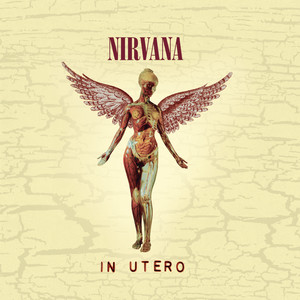
I don't think it would be controversial to call this the greatest grunge album of all time. The band takes the hookiness and songcraft they developed on their first two albums and crank up the noisiness and chaos, with some help from producer Steve Albini. Many of the singles could've fit on Nevermind, but a lot of the deeper cuts stack up with some of the wildest noise rock of the era, which is impressive given how popular Nirvana was at the time. The abrasiveness is perfectly counterbalanced by Kurt Cobain's excellent songwriting, which combined dark and raw lyricism with a strong sensibility for traditional rock song structures. It will always be sad that this was the last Nirvana album, but what an album to go out on.
Going into this, my knowledge of Chicago mainly consisted of their big singles from the 80s, most of which I can't stand. Imagine my surprise when I ended up loving this album! Rather than dull balladry, this is a wildly creative collection of proggy jazz-rock. A lot of prog rock can turn me off with pointless noodling, and while there is a lot of noodling, there's always something interesting going on with it. The guitar solos from Terry Kath in particular are excellent, and I would put them up with some of the best of this era. I also loved the contrast between the bluesy hard-nosed guitar tones and the bright enthusiastic horn section. The band's approach to arrangements, where each song has a consistent rhythm section for the other instruments to improvise on top of, appealed to me a lot, as it gave the solos a real sense of structure even without a specific progression. This is an absolute masterclass in genre-bending and songwriting and I'm glad I got over my skepticism to appreciate it.
The Doors inspire very strong feelings of both love and hate in people, so it was a bit shocking to me how bored I was by this album. I like a lot of this era of psych rock but this really didn't feel very psychedelic to me, and the parts that did were actively annoying (particularly Alabama Song). I think the lack of bass guitar really didn't do this band any favors, because every song lacks a certain depth of sound that bass provides, and without that depth a lot of these songs just sort of slide off my ears. This is especially a problem in a genre like psych rock where wallowing in the atmosphere is an essential part of the atmosphere, and these songs feel like they have no atmosphere without a bass player. The organ parts were frustrating because Ray Manzarek is clearly talented, but the organ he's playing sounds so chintzy that it becomes grating. For me, the saving grace of this album was Jim Morrison. I get why people find him annoying, but I liked how much raw energy he put into his performances, especially when he just lets loose on tracks like Back Door Man. I don't think it's necessarily a bad album but I have trouble seeing how it's considered such an important part of the rock canon.
I don't have much to say about this album other than "it's really fun" and "I can't believe this came out in 2003." This is pure, unadulterated, goofy throwback glam rock, with heavy guitar riffs, catchy guitars, and a ridiculously flamboyant singer. It's not doing anything new or innovative with the form, but it's not trying to. It just wants you to accept its raw silliness, and if you're able to do that, you're gonna have an amazing time with this record, like I did. If there's one thing that separates it from the hard rock of the 80s that it's imitating, it's how much more consciously silly it's being. The band isn't being ironic about it, far from it, but they're cranking the inherent humor found in 80s hair metal up to 11, and that line between taking the craft seriously but having a fun-loving attitude about it is the secret sauce that makes this album work as well as it does.
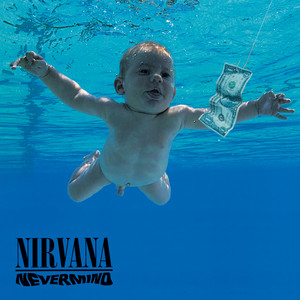
In my review of In Utero, I talked about how Nirvana cranked up the loudness and distortion from their previous albums, but I think that undersold how chaotic Nevermind was. It sounded a bit more polished than In Utero, but it still showcased their mastery of alternating between soft and loud dynamics that was the signature of their sound. The louder tracks in particular really demonstrate their talent for turning raw noise and aggression into something tangible and cohesive. Cobain, of course, was one of the best songwriters of his generation, both in lyricism and arrangements, and his skills are out in full force here. I still like In Utero a little more, but this is still an excellent album, and would likely be most other bands' magnum opus.
There's so much going on with this album that it's hard to know where to start. With the theatricality, the eclectic mix of sounds, the high-concept storytelling, this album is dense in a way that's difficult to communicate in a short, paragraph long review. The absurd amount of care and craft that Monae and her collaborators put into The ArchAndroid is truly staggering, pulling together strands of pop, soul, funk, electronic, jazz and more to communicate a story so epic in scope that it took multiple albums to finish. Despite this, the story doesn't feel incomplete at all, and the fact that this album stands on its own as well as it does is a feat unto itself. Very few vocalists would be able to tackle so many different sounds and styles, but Monae manages to do it all with an upbeat sense of wonder and theatricality. Maybe the most impressive thing is how, in all of its denseness, this is still a ridiculously fun listen, with the music providing a ton of propulsive energy to keep you engaged with the story. If there's one minor issue for me, it's that I think the more pop-oriented first half is stronger than the more experimental half, but like I said, it's a minor issue, one that can't keep this from being one of the most unique and ambitious albums ever.
This wasn't a bad album, but it could have been so much better. A progressive rock album with jazz and folk influences sounds like it could have been right up my alley, but the band unfortunately does very little with it. The biggest problem is how standard most of the arrangements are. The jazz grooves are straightforward to a fault, which especially becomes an issue when the band stretches songs out to 7 minutes with very little variation. It sounds like these songs are meant to meander, but everything feels too static and locked in place. The standout track for me is the titular John Barleycorn, a more straightforward folk song with some excellent harmonies. This album did sound pleasant, and the band clearly has talent, I just wish they did more with it.
Really struggling to write a review for this one. It was just a standard Britpop album that didn't leave much of an impression on me. There were a couple standout tracks, like the upbeat piano grooves of One To Another, the Oasis-esque bombast of How High, and the bugged out instrumental cut Area 51 but the quasi-danceable drum patterns and fuzzed out guitars of the rest of the album ended up blending together for me. If you really enjoy Britpop you might like this, but other than that I don't see why this would be considered essential.
I think what the White Stripes really mastered on this album was a mix of simplicity and variety. The band has a very stripped back approach that works wonders for them, making sure nothing distracts from their talent and visceral emotion. The contrast between Jack's showy guitar work and Meg's no-frills drumming keeps the songs feeling fresh and exciting without losing their rawness. About this half of the tracklist sticks to their traditional mix of heavy garage and blues rock, and the other half finds them wading out into more diverse sounds. I personally prefer their bluesier tracks, but the variety helps keep the album from feeling too one note. Jack is also a very talented songwriter, mining the relationship woes that blues is built on and combining them with more contemporary 21st century anxieties about changing times and social status. That mixture between old and new is basically the appeal of the band as a whole, and none of their other albums quite exemplify that mixture like this one.
Absolutely gorgeous 60s folk, really feels like an encapsulation of everything that was going on in the Laurel Canyon scene at the time. There's a decent amount of variety here, less with genre exploration and more exploring different sounds within a similar framework. They all stick pretty close to the sunny folk sound from their scene, but there's upbeat, almost rock-leaning cuts, more mystical-sounding songs taking inspiration from British folk, and more expansive, winding progressive folk tracks. All three members of this group are excellent songwriters, but it becomes clear that their individual talents are much less important than the collective, something emphasized with the stunning 3-part harmonies all over the project. Their biggest collective strength is their way with melodies, with every song here having several moments that stick in your brain hours after hearing it. They would only improve from here, especially after adding a fourth member to diversify their sound even more, but even on their first album as a group they showed a lot of talent.
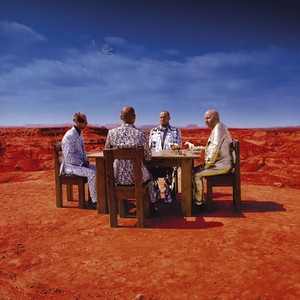
This album is one of the worst examples of one of my least favorite trends in 2000s rock: taking musical elements from metal and making them so overblown and polished that they lose all potential weight and emotion. It makes it feel like the band is trying to convince you of how epic and grand everything is without actually doing anything to demonstrate it, and it all feels so empty and hollow as a result. There are very few compelling melodic ideas, which could work if they committed to the heaviness that the guitars and drums are going for, but it lacks anything of denseness or messiness required to pull that off. Apparently the lyrics here are supposed to be meaningful and politically charged, but I couldn't get past Matt Bellamy's incessant moaning to fully take it in. His singing sounds like what Thom Yorke must sound like to people who hate Thom Yorke's voice. The best track here is Exo-Politics, where he finally drops the moan for a decent hook. I can sense the ambition from this band but to me it just felt like any other obnoxious 2000s rock band, just with more synths.
If nothing else, Bert Jansch is an incredible fingerpicker. There are so many great little melodies and chord progression he pulls off with just his fingers. His style is a mix of blues and traditional English folk, combined with a very sparse and isolating atmosphere that makes for a surprisingly emotionally affective listen. The only instruments present here are his guitar and his voice, so it's a testament to his skill that he's able to keep this album as compelling as it is. That being said, he's not that impressive as a lyricist or a vocalist. He certainly is competent, and those aren't as important to this album's quality as his guitar playing, but it does hold this album back from being truly great. I typically preferred the few instrumental tracks, since those gave him more space to experiment with his guitar. That being said, this was still a good album, and I could see how it would influence a lot of other great artists down the line, although I do think a lot of them improved on the base he built here.
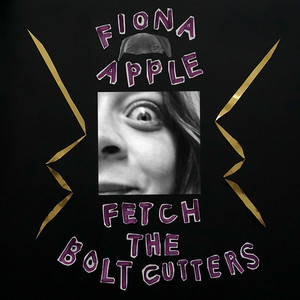
A deeply uncomfortable listen, and I mean that as a compliment. This album is about the complicated and messy feelings that came about from an abusive relationship that Apple was in, and the music here does everything it can to put you in that mindset. She takes her established brand of soul-inspired piano rock and infuses it with unusual drum patterns, wild tone and tempo swings, and sour chord progressions, making you feel as if you're on uneasy ground with no way to steady yourself. The distinct lack of recognizable hooks gives you nothing familiar or comforting to latch onto, forcing you to sit with the discomfort of the music. However, if there's one thing that really sells the unsteadiness of this record, it's Apple's vocal performance. She leans hard into the theatricality and heavy emotions, relying on pure manic energy rather than technical skill, even making inhuman wordless vocalizations to demonstrate the difficult emotions she's attempting to convey. Hell, the occasional recordings of dogs barking alone communicates what this album is trying to tell you. It's not an easy listen, and I don't return to this regularly, but it's a raw emotional experience that everyone needs to hear at least once.
An extremely silly and willfully dumb take on hard rock and punk. The best tracks here toe the line between being satire of ultra-macho 70s rock and just being an example of that kind of rock, with a lot of raw energy and killer guitar riffs. Admittedly, some of the humor comes across as very misguided, and probably landed better in the 70s then they do now, but most of the jokes stick the landing. There isn't much more to say here, as this isn't an album that requires much deeper analysis or discussion, it's just some goofy fun.
It's impossible to have a bad time listening to this album. Dave Brubeck and his band's take on cool jazz is laid back and sunny, perfect music for taking a walk on a warm summer day. What really makes it stick, though, is that it works both as background music and an active listening experience. The band experiments with different time signatures and rhythms to create a loose, freewheeling feel that perfectly compliments the bright tone of the instruments. There's plenty of space for great piano and saxophone solos, which draw your attention without being too much of a distraction. If you're looking to get into jazz, this is a great starting point: complex but accessible.
One thing about me is I love a singer with a unique voice. Janis Joplin, with her distinct scratchiness, was certainly one of those singers, and she used it to great effect on this album. On tracks like Cry Baby and Get It While You Can, she shows a great mastery of how to use intensity to sell emotion, practically screaming on the choruses but scaling it back down on the verses. Her voice is the main appeal here, but she's also a solid songwriter, although the standout track for me is her excellent cover of Kris Kristofferson's Me and Bobby McGee, where she transitions from the bluesy soul of most of the record into a more country adjacent sound. The band here does a solid job as well, with some particularly catchy organ sections. It does suffer from some lack of variety, but when you have such a passionate singer at the center it's hardly even an issue.
I feel ridiculously out of my depth talking about this album. This is a live recording of an entirely improvised solo jazz piano concert, over an hour in length, making it hard to pull out individual details or movements. What I can say about it, though, is that this album is incredible. Keith Jarrett has a lot of technical chops, with so many incredible complex melodic passages that it's hard to believe that this piece was entirely improvised. Being a piano solo, it makes for easy background music fodder, but closer listening reveals so many incredible details, and Jarrett's jazz sensibilities always keeps things interesting. The best way to describe the experience of listening to The Koln Concert is overwhelming. Once you're dialed in, Jarrett completely pulls you into his world and doesn't let you go for the entire runtime. I'm typically easily distracted, but I was never bored during my listen, and I think that's a testament to Jarrett's skills that he can keep me engrossed for this long.
The musical equivalent of comfort food. These three were three of the best voices in country music at the time, and they use those voices to great effect here. Trio is truly a collaborative effort, as most of the songs here feature all three singers performing some of the most gorgeous harmonies you've ever heard. To me, Parton easily has the most distinct voice and the best performances, but the thing that makes this album work is how all three work together to make something even better than the sum of their parts. Musically, this album takes a variety of different styles and merges them into a quiet, cozy country pop sound. The gentles guitars and pianos aren't the most adventurous thing in the world, but they're easy on the ears and act as the perfect foundation for the trio's vocals to build upon.
A fairly forgettable take on trip hop, so forgettable that I'm having trouble coming up with anything to say about it even shortly after listening. There were some individual moments that caught my ear: the pleasant hook on Squares, the more energetic drums on Quiet, the glitchy sound effects that peppered the whole project. Other than that, nothing was distinct enough to make any sort of comment on. Cool album cover though.
One of those albums that's so self evidently great that it's hard to know what to even add to the conversation. The most obvious place to start is Hendrix's performance, both as a singer and a guitarist. His style in both respects is extremely distinct and flamboyant, his guitar work in particular being extremely thrilling to listen to. However, I feel like what makes this album truly special is something more intangible. The contrast between the highly skilled, driving performances and the cavernous atmosphere create a distinct feeling, psychedelic and mysterious yet simultaneously energetic. Hendrix is also very underrated as a songwriter, with the imagery in his lyrics contributing to the aforementioned psychedelic atmosphere quite a bit. When an album has two track approaching 15 minutes and both feeling absolutely essential, you know it's a good album. I think it's safe to call this my personal favorite psychedelic rock album of all time.
My impression of disco going into this was that it's a singles-oriented genre, so I was impressed with how well this functioned as an album. The vast majority of this album is silky-smooth but upbeat dance numbers, with some startlingly impressive musicianship on display, especially from the guitar and the bass. There are a few slower tracks, which didn't do as much for me as the more uptempo tracks, but those were in the minority here. The most impressive aspect of this album to me was the production from Nile Rodgers, which was richly layered and incredibly clean. The song Le Freak is somewhat infamous for how often it's used on soundtracks, so I expected to be annoyed by it, but hearing the rich production with a closer listen really made me appreciate it in a whole new way.
This was one of the more intriguing albums on the list: an industrial album that mixed in elements of dark cabaret. If I was being reductive, I would describe it as the halfway point between Ministry and Tom Waits. The music flicks rapidly between theatrical orchestra samples and jagged guitars, while the vocalist, Franz Treichler, provides a wild performance of guttural growls. While I did think this combination of sounds was interesting, it didn't quite have the emotional impact on me that the band probably intended. It may just come down to personal preference, since I typically prefer my industrial rock to be a bit more percussive than this one was. The one track that I felt truly worked as intended was the closer, Les Enfants, thanks to the droning guitar loops and echoing drums. However, this is one I would like to give another try at some point in the future, because I do think the band was onto something here.
This is an album that really lives up to its title. Air's brand of electronic music is very spacey and ambient, pulling from lounge music for an elegant and laid back sound. It sounds like something that you'd listen to on a space cruise. For something so laid back, though, it's also shockingly adventurous with both its arrangements and sonic choices. The opening track, La femme d'argent, goes through so many subtle changes across its runtime without pulling you out of the chill vibe. While the majority of this album is instrumental, and those instrumentals are very compelling, some of my personal favorite tracks are the ones where they bring in vocalist Beth Hirsch, whose vocals lend a certain antique quality to this very future-facing record.
I've come to the conclusion that I respect Frank Sinatra's legacy more than I actually enjoy his music. In the Wee Small Albums is clearly a good album, with a lot of effort, care, and talent put into its creation, plus the fact that's it's widely credited as being one of the first ever concept albums. I understand how important it is, but unfortunately this style just does not interest me. There's only so much I can take of dramatic singing and sweeping violins and sad but nonspecific lyrics, and the fact that this album is nearly an hour doesn't help. Some musical and lyrical choices caught my ear, but mostly this just faded into the background for me.
Everything I said about the last Public Enemy album I rated applies here. The beats are noisy and chaotic, the rapping is confrontational, the content is radically political. I loved those aspects of that album, and I love them here too. That being said, I think this album is a little more consistent on a song-by-song basis than Fear of a Black Planet. Regardless, it's impossible to listen to this album without getting hyped up. There's so much going on on every single track that it feels like you can't catch every aspect of it on a single listen, especially when it comes to the ridiculous amount of samples going into every beat. It feels very of its time, but simultaneously it's hard to believe that this is a product of the 80s with how forward thinking it feels. Absolutely necessary listening for any hip hop fan.
I appreciate when live recordings like this maintain that live feeling that makes them so appealing to listen to. There's a funny moment on Willow Weep For Me where the band keeps playing past when the song was supposed to end, so Vaughan starts improvising lyrically. On the closing track, she admits she doesn't know the words to the song but promises to sing it "all crazy" like Ella Fitzgerald does. Moments like this give this album a lot of personality and a warm, lived in quality that studio recordings often miss. That sort of looseness lends itself well to jazz in particular. Beyond these sillier moments, the thing that most exemplifies this quality is Vaughan's singing. She's clearly a trained and talented singer, but there's a rawness to her performance that really brings these very mellow songs to life.
It's surprisingly difficult to describe this album in a traditional sense. I can only really talk about it by describing what it feels like. Vespertine sounds like devotional songs for a religion that doesn't exist. It sounds like standing in the middle of a meteor shower. It feels like being beckoned into a dark forest on a warm night. It feels like discovering a secret, hidden part of a city where magic is real. It's an absolutely gorgeous, enthralling experience, and nothing else sounds quite like it.
It's interesting to listen to the quality of an album actively deteriorate as it goes along. The opening track, I Had Too Much to Dream (Last Night), is easily the best thing here: a dark, multi-phased psych odyssey about longing for love. The next few tracks are serviceable but somewhat forgettable in the greater 60s rock scene. Around the halfway point, though, things really start to fall apart as the band leans into full on novelty tracks. I appreciate the attempts at humor, but these songs just come across as obnoxious. For example, on The King is Counting House, the band performs some faux-baroque instrumentation and the lead singer puts on a terrible British accent. Don't get me started on The Toonerville Trolley, which sounds like the Beatles' at their wackiest but way less fun. It's a shame, because that first track showed they had true talent. If only they could marshal that talent for a full album.
Earlier this week, I talked about how I like the raw, unpolished feeling that good live albums provide, and Sam Cooke is an artist who definitely benefits from this feeling. Everyone knows he's a great singer, but his energy as a live performer is absolutely relentless in a way that doesn't often get captured on his studio albums. Him and his band barely stop for breath from song to song, giving this album a ridiculous amount of momentum that perfectly compliments the upbeat tone of the songs. It's honestly a little surprising how much Cooke and his band are able to keep the energy up for a full 40 minutes while barely taking a break. It's equally impressive that they're able to maintain a loose, fun feeling while moving at such a breakneck pace. The songs at the core are excellent too, a perfectly curated set of Southern soul bangers that just make me want to move. Absolutely a must listen.
Queens of the Stone Age are one of my favorite bands, but this is not a very good choice to be their one representation on this list. It's not a bad album, but you can tell it's their debut. They certainly have the vibe down from the beginning, which is not very surprising, given that Josh Homme was already an experienced musician when they made this album. It's a lot of heavy guitars, pummeling drums, and a slow, methodical pace. This is a style that I find it very easy to be immersed in, and that's enough for me to say that this album is at least good. Unfortunately, Homme had not quite developed his songwriting skills yet. The structures of the songs get very repetitive, with a few notable exceptions such as How to Handle a Rope and You Can't Quit Me Baby, making this relatively short album feel a lot longer than it is. Furthermore, there are very few interesting melodic ideas or strong lyrics, which are two of the things that made this band stand out from the pack on later releases. Like I said, this is still a good album, and QOTSA definitely deserves to be here, but I wish they had gone with Songs for the Deaf or Rated R instead.
More interesting in concept than in execution. The lyrical content seems like something I would be very excited by: an exploration of post-WWII Britain and how the decline of the empire affects everyday people. They take a lot of interesting angles on this concept too, digging into military life, consumerism, the class divide, and more. However, the actual music is very hit or miss. On this album, The Kinks play a mix of straightforward rock n' roll and gaudy Vaudeville-adjacent sounds, and the former is definitely my preference. The incessant quirkiness of the latter type of tracks really started grating on my nerves after a while, even if I could recognize the talent and musicianship behind them. Maybe I just wasn't in the right mood during my listen, but when such a high portion of an album irritates me like this, I can't give it many props, in spite of its ambitions.
Alex Harvey and his band pack a lot of ideas into 35 short minutes. This is primarily a glam rock album, but they also try their hand at blues to prog rock to rock n roll, and they do a good job of combining these inspirations into something that feels cohesive. There's even a cabaret-inspired track in the middle of the album, and they pull it off surprisingly well. There's a raw, unpolished quality to the production that appeals to me a lot, and adds a real sleazy energy that serves this sort of glam rock well. What really ties this album together is Harvey's wild performance, which is a perfect mix between wide-eyed theatricality and hard-nosed rock swagger. It feels like watching a band in a grimy dive bar put their all into their set, even though there's only a few patrons watching.
I liked this album a LOT more than my first introduction to Nick Cave, mainly because of how much he truly commits to the bit on this album. It also helps that the musical backing is much more interesting, being some of the wildest and most discordant takes on punk music I've ever heard. The guitars sound sour and hell, the echoing bass gives the impression that this album was recorded in an abandoned warehouse, and the drums fire off at random. Despite all the chaos, there's clear intention behind every decision, with the songs having a clear structure and progression that prevent this from being random noise. Cave's vocal performance matches this grimy energy, feeling truly unrestrained in a way that doesn't feel forced or unnecessary. His lyrics are once again filled with dark, unpleasant imagery, and this time it feels like the instrumentals are prepared to match that energy. This is a dirty, grimy, raw album, one that not everyone is going to like, but if you're tuned into its frequency you'll get a lot out of it.
Every time I listen to a new live album on this list, I get a different idea of how artists approach live albums. For the Allman Brothers, their approach is to take their songs and turn them into sprawling, improvised jam sessions, and the results are great. This rendition of Whipping Post, the final song on the album, is nearly 25 minutes long, but the band does so much with that time that it feels earned. The original is a solid 5 minutes, but the version here is a multi-phased saga, cycling through different tempos and arrangements in such a skilled way that you would think the band rehearsed it ahead of time. The band is also smart enough to break up these longer tracks with more straightforward renditions. Plus, the original songs at the core are excellent, a batch of straightforward but soulful blues rock that's absolutely infectious.
A stone cold alt-rock classic. The perfect mix of accessibility and wild, manic energy. Frank Black sounds like a man possessed on every track here, screaming and screeching his way through the discordant guitars and driving basslines. The tracks themselves follow unpredictable patterns, swinging between loud and quiet seemingly at random. What this makes this album really work, though, is its sense of humor. While they aren't my favorite tracks, I've always loved the genre pastiches here, like the old-school rock n roll of Here Comes Your Man or the faux-country of Silver. The band is still at their best, though, playing straightforward rock bangers, like Gouge Away and Wave of Mutilation. It's weird, angsty, funny, and basically everything I could want out of a rock album.
Many people have tried fusing hip hop and soul, but none have done it quite as elegantly as Lauryn Hill. Primarily because very few people are as talented in both fields as she is. As a singer, she hits the perfect balance between technical proficiency and raw emotion, with a real knack for harmonies and hooks. As a rapper, she's rough and rugged, pulling out clever rhyme schemes and wordplay while maintaining a bruising force behind her bars. She uses both of these talents to explore one of music's most well-trod topics (love) from every angle she possibly can. Both falling in love and out of love are dissected with a level of detail and passion few could rival. On the musical end, her production matches her vocals with its ability to switch from lush and sensual to hard hitting on the turn of a dime. Absolutely deserving of the reputation it deserves, and it's truly sad that we'll likely get another studio album from her.
Pleasant but generally kind of dull. The most interesting thing about Van Morrison's music is his distinct voice, and as someone who likes a distinct voice that really kept me engaged. Everything else about this album was very boring to me. The instrumentals are a folkier take on soul and jazz, and unfortunately the way those genres are combined here remove pretty much anything interesting about them. Outside of a few solid acoustic moments, particularly on the excellent Into the Mystic, the music was mostly edgeless and forgettable. It sounds like something your uncle would put on because he thinks it sounds sexy. As a songwriter, Morrison is passable, but I've heard much better in this territory. He seems mainly content to let his voice do the heavy lifting, and in fairness, it does carry even some of the weaker material here. But I don't think that's ultimately enough to make me revisit this album.
Very of its time, for better and for worse. This is very representative of the sound of hip-hop at the time, straightforward bars and flows over drum-heavy beats. It's mostly fun, but it's not really built for the album format, as the formula for each song doesn't leave a whole lot of room for variety. Fortunately, Run and DMC are very charismatic vocalists, with a lot of fun chemistry and a great sense of humor. This especially comes through on more storytelling-focused tracks like You Be Illin and Dumb Girl. One of the most notable things about this album is how they incorporated rock samples into some of the songs. Rap rock isn't my favorite style but the guitars fit well with the heavy drums. Overall, this was fun, but I found it more interesting as a time capsule than something I'd actually revisit.
Ridiculously fun album (technically an EP, I think maybe the only EP on the list?) This is one of the earliest entries in the grunge genre, so you can really hear the strong punk and metal roots coming through. I particularly liked how much the drums were clearly punk inspired. This album is super noisy, raw, and unrefined, pretty much everything I like from this form of rock music. The band doesn't quite have the distinct songwriting chops of a Nirvana or an Alice in Chains, but they have a solid ear for hooks and are willing to play with song structure in some interesting in fun ways. This is a good listen for those who are both interested in tracing the roots of grunge and for those who just want a really fun rock album.
Something I've been realizing about my taste in hard rock is that the sillier it is, the higher chance I'll like it. Deep Purple aren't exactly silly, but they don't take themselves super seriously, and that makes me like them a lot more. It's hard for me to dislike an album where one of the songs is about driving a truck through the solar system. Combine that with the fact that the band combines this with some genuinely excellent guitar work, particularly in the solos, and you're in for a great time. If there's one minor nitpick I have, it's that I think the production wasn't as heavy as it could have been, which ended up really limiting this album's sound. Still, the songs at the core were fun enough that I can't complain.
I can see how, if you listened to this at a certain point in your life, this would really resonate with you, but this did absolutely nothing for me. To start with, the music isn't particularly great, aiming for a lot of bombast, but the polished production takes all of the power out of it. It doesn't help that the guitars sound pretty much identical on every song, with no distinct riffs to speak of. What I will give the band credit for is that they do a decent job of combining rock and rap sounds in a way that sounds natural, but that doesn't take away from the overall dreary sound. The two vocalists have talent, but can be one trick ponies: Chester Bennington's nasally whine has a very limited range, while Mike Shinoda's rapping tends to fall into a repetitive fast-rap zone that reads as dated by today's standards. They're also both very unspecific writers, defaulting to literal descriptions of their emotions in a way that I just find boring. They do have good chemistry though, and there are times where they do some fun vocal interplay. Finally, I do appreciate how short this album is, particularly for an album in the early 2000s where every album was about 8 tracks longer than it needed to be. If nothing else, they knew how to edit themselves.