Listened to before? Yes Context of album? End of Simon and Garfunkel’s time as a duo, a clear departure from their usual sound, spawned countless hits that basically everyone has heard before, revolutionary production. *Reviewed in a song-by-song format* I don’t like when albums begin with the title track. It’s like being thrown into the deep end—a shocking plunge into the heart of an album rather than a journey along a narrative line of action. Sadly, this album does begin with the title track. However, it’s so good I can’t even be all that mad about it. The piano floats and swells perfectly—the vocals are careful, controlled, and technically impressive while also being incredibly raw. It’s just a perfect song. There’s nothing more I can say about it. El Condor begins with a similar feel, with its creepy intro, but the song becomes something bittersweet and thoughtful as the vocals start. The instrumentals are curious and thoughtful. The vocals are dreamy. Cecelia then begins with Afro-influenced drums, bringing the album’s danceability up significantly. It’s an amazing song, just like the previous two, but the transition into Keep the Customer Satisfied is entirely too sudden. It throws me off every time. Keep the Customer Satisfied is one of my favorites. The chorus is so satisfying and the fanfare trumpets add an excellent flare. Not to mention the lethal sarcasm. Just one hell of a song. So Long, Frank Lloyd Wright slows things down once more. It’s almost trance like, with the rhythmic vocals and the combination of mysterious flute, beautiful acoustic guitar, and rain-like drums. The melody of The Boxer is beautiful. The gentle arpeggios and “lie lie lies” paired with the crashing drum during the chorus and the occasional odd instrument are just fantastic, and allows the song to maintain a feeling of zoned-out thoughtfulness while remaining dynamic and interesting. The build up at the end is transcendent and the return to simple acoustic guitar makes for a perfect resolution. Baby Driver swings the emotional pendulum of the album back in the more Cecelia direction. It’s a fun, folksy song with a subtle biting undertone. There’s even the sound of a car amongst a jazzy solo, which escalates into the chaotic ending. Only Living Boy has a fantastic, introspective narrative with wonderful drum fills and background vocals that make for a perfectly dynamic song, with contrasting loud/quiet sections creating a middle ground between a nostalgia and a hope. Why Don’t You Write Me is physically impossible not to dance to. Despite the anger behind it, everything about it is relentlessly fun. It’s a perfect movie soundtrack song. Then there’s Bye Bye Love, which would be a sad song, except for the fact that it’s live, and the audience is beautifully energetic. Including a live take in an album—especially for a cover—is such a creative idea. The audience takes their cover from being good to being excellent. The fade out of audience cheers into the slow Song for the Asking beautifully summarizes the bittersweetness present throughout BOTW, with the ultimate ode to solitude and reflection amongst community and
1001 Albums Summary
Rating Distribution
Rating Timeline
Taste Profile
Breakdown
By Genre
Tap a bar to see the albums behind it
Top Styles
Tap a bar to see the albums behind it
By Decade
By Origin
Albums
You Love More Than Most
| Album | You | Global | Diff |
|---|---|---|---|
|
I Am a Bird Now
Antony and the Johnsons
|
5 | 2.84 | +2.16 |
|
Merriweather Post Pavilion
Animal Collective
|
5 | 2.92 | +2.08 |
|
Sweet Baby James
James Taylor
|
5 | 3.22 | +1.78 |
|
Unknown Pleasures
Joy Division
|
5 | 3.48 | +1.52 |
|
Document
R.E.M.
|
5 | 3.54 | +1.46 |
|
Natty Dread
Bob Marley & The Wailers
|
5 | 3.55 | +1.45 |
|
Yoshimi Battles The Pink Robots
The Flaming Lips
|
5 | 3.57 | +1.43 |
|
The Low End Theory
A Tribe Called Quest
|
5 | 3.7 | +1.3 |
|
Group Sex
Circle Jerks
|
4 | 2.75 | +1.25 |
|
Dookie
Green Day
|
5 | 3.79 | +1.21 |
You Love Less Than Most
| Album | You | Global | Diff |
|---|---|---|---|
|
...And Justice For All
Metallica
|
2 | 3.41 | -1.41 |
|
Hybrid Theory
Linkin Park
|
2 | 3.39 | -1.39 |
5-Star Albums (12)
View Album Wall





4-Star Albums (8)


All Ratings (24)
Listened to before? Yes Context? Album full of 90s hits, a major label debut from a young punk band that achieved unexpected major success and brought punk mainstream amongst the brooding sounds of "grunge." *Reviewed in a holistic format* When we were little, my mom would play Dookie for my brother and me on car rides. She thought it would be tolerable for us, as we'd rejected every other punk band she tried to play for us (Dead Kennedys, MxPx, Hole, Minor Threat, Descendants, Sex Pistols...) save for the Ramones. She was right—it was tolerable—but I still asked her to turn it off. It sounded too much like that upbeat, careless music people in movies got into car crashes to. It stressed me out; the pop hooks and East-Bay-Johnny-Rotten vocals were the calm before the storm. While I now like every single band mentioned above, at the time, the only music I knew was what my gym teacher played while we ran laps. Still, despite my lack of knowledge, Green Day managed to get their point across. Like many young punks, this was the album that brought me into the genre. It was my go-to throughout my very early teens. From the very beginning of "Burnout" ("I declare I don't care no more/I'm burning up and out and growing bored") there was something instantly compelling about this album. Despite the discussions of panic attacks, poverty, anger, and the like, this was the lighter side of alternative rock, and I realized that before I even knew what "alternative rock" meant. It talked about anxiety and queer identity. It talked about anger and disillusionment with the world around you. It was lazy and pissed off and suburban and relentlessly catchy. It even had some cool drum fills just for the heck of it. While simple and not carrying the same emotional weight as other 90s albums (for example, Live Through This, The Downward Spiral, and Dummy all came out within just the same year) Dookie has a singularity to it. No other band has been able to replicate it, try as they might. And man, they really have tried. What Green Day is excellent at is the sheer breadth of emotion their songs cover. Any Green Day song worth its salt will fit into just about any circumstance, whether it be a road trip sing-along or a long day at school. Dookie does this better than any other Green Day album. While it may not have the stylistic diversity as Nimrod, or the high concept of American Idiot, there is a distilled, human essence in this album. The boredom. The frustration. The biting-at-your-nails anxiety. It's all relentlessly and beautifully casual. Green Day isn't a go-to band for me anymore, but they will always hold a special place in my heart. And I've gotten over my fear of playing them in the car, and now I blast this album through the speakers, alongside some Dead Kennedys, MxPx, Hole, Minor Threat, Descendants, Sex Pistols...
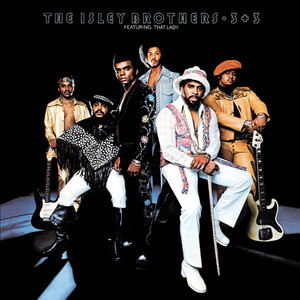
Listened to before? No Context? The band’s eleventh album, and the beginning of their huge commercial success, added more funk to their sound. *Reviewed in a song-by-song format* I was skeptical at first, because the first thirty seconds was obnoxious, but they had me at the chorus of That Lady. It’s not a particularly original song, but god it’s good. What makes it even better is the jam that ends it—a dance of ridiculously fun funk guitar and dance synth. The vibe is immediately changed with Don’t Let Me Be Lonely Tonight, which features wonderfully raw vocals and a beautiful smattering of instrumentals, including a soulful and twinkling piano, soft drums, and a bluesy guitar. If You Were There immediately offers itself as a middle ground between the previous two songs. It’s fun—there’s plenty of funky guitar, and it’s relatively uptempo—but there’s a reflective tone from the very start that the lyrics only reinforce. The lyrics aren’t anything special, but they’re sung with conviction and passion. His voice is clean and he’s obviously a technically proficient singer, but he knows how to let his voice expertly crack on the emotional notes. I will say, at this point I am a bit tired of fade-outs. You Walk Your Way is a perfect follow up, thematically and sonically. It’s a song that would be perfect for a movie—it’s a song that makes me feel like I’m in a movie. The near-call-and-response vocal with the slightly-upbeat instrumentals are total perfection. Listen to the Music is the most danceable song since the opener, and it has these shuffled layers to it that just make you want to move around—incredibly fitting for what it’s about. Perfection, just like the last one. What It Comes Down To has some awesome synth and an impressive vocal performance. Once more, I love all the different textures. The guitar solo is also awesome. Sunshine is immediately different than the other songs, with a super sinister introduction, an immediate tenseness. The vocals and lyrics are the best of the album thus far. It has an amazing political edge to it and is probably my favorite on the record. The softer songs immediately return with Summer Breeze, which has some disgustingly fantastic guitar. Just absolutely transcendent. A fabulous centerpiece. And god, the mid-song return to the repetitive synth sound that was at the beginning…so perfectly done. Maybe I’m just really tired but this song is making me teary with how good it is. Right of the bat, Highways makes sense as a closing track. It has a pretty piano intro, and once the vocals start, they’re softer than they’ve been for a while. It almost put me to sleep, but in a good way.
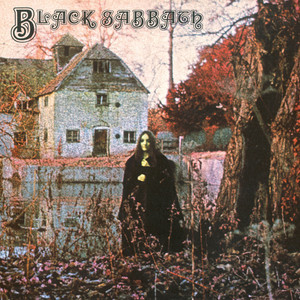
Listened to before? Partially Context? The debut album of THE foundational metal band, explored a never-before-heard dark, sluggish, heavy sound *Reviewed in a holistic format* The fact that this album came to be due to a factory accident is all too fitting. There's a horror here that's very specifically working-class—a B-movie horror lurking beneath the lives of your average laborer and church-goer. It's the darkness webbed between the bare trees lining your walk home from school—the spirits flitting between the unkempt graveyard of the local chapel—an occult secret hanging like fog over the dreary Birmingham streets. A seminal heavy metal album, Black Sabbath's self-titled debut, in all its detuned guitar work and building tension, was something novel to the world of 1970. It drew upon classic literature such as Lord of the Rings (similar to Led Zeppelin) and H.P. Lovecraft to bring a fantastical darkness to life. Characters include mysterious figures, Satan, a wizard, corrupt politicians, and demons, positioned against vivid imagery and a gritty sonic landscape. The album is extremely focused, with only five songs spanning the length of forty minutes. The guitar work is impressive. Listening to this album, you can see why the genre is called "metal." It's as if Tony Iommi never quite left that sheet metal factory. Even the faster-paced riffs and solos have that detuned, sludgy bite to them (solo around the three-minute mark of "Wicked World," for example.) Outside of the heavy metal sound, there's a harmonica riff, as well as some clear blues and jazz influences. As unique as the album was for the time, there's a clear line of influence, which only serves to add more credit to the album. They managed to take the raw emotion of that blues sound and turn it into something dark. This is clearest in the melodies, sludgy riffs, and Ozzy Osbourne's style of singing. In front of any other instrumentals, he would be a blues singer. His vocals are another majorly impressive part of this album. The whole world of music fundamentally changed after hearing him yell "Oh, no, no! Please, God, help me!" on the opening track. And I'm glad it did.
Listened to before? Partially Context? A popular 80s hard rock album, with many ambiguous hits. Reviewed in a holistic format. I have a personal vendetta against mainstream hard rock music. It's trashy without political subtext. It's relentlessly masculine (and often misogynistic). It reminds me of those white middle aged couples that go to sports games and get drunk and start making out. Still, I have to credit "Living On a Prayer" for being a huge factor in getting me into rock music, even if I did end up going on a much more alternative route. It and "You Give Love a Bad Name" are undeniably great songs. I'd even say "Let It Rock" is a pretty good song. The rest are okay at best: very heavily dated and cushion for the smash hits. The whole album is also very one-note and can get it old when it's not being exceptional. Ultimately, I feel the same way about this album as I do about songs like "Party in the USA": unless I'm at some kind of fun event, where everyone's singing along, I don't want to hear it. And even then, in an ideal world, we'd be singing along to "Wild in the Streets" by the Circle Jerks rather than "Wild in the Streets" by Bon Jovi.
Listened to before? No Context? Bob Marley’s first album without the other two Wailers, considered a standard of his career. Reviewed in a holistic format. I don’t know a whole lot about reggae, unless it’s reggae-punk (The Slits, The Clash, etc…). I’ve listened to Exodus before, though, and I’d rank it among the top 100 albums of all time. Still, it’s easy enough for me to see the influences—the soul and funk throughout—as well as to tell that this album is GOOD. While not incredibly diverse sonically, Marley’s voice carries a huge weight, and it’s relentlessly danceable. The bass, especially, is great. Songs like “Lively Up Yourself” and “No Woman, No Cry” contrast wonderfully with the likes of “Them Belly Full (But We Hungry)” and “Revolution”, which both have an strong bite to them beneath all the staccato rhythms and trumpets. The lyrics are what makes this album what it is. They have hope, love, warning, and a call to action. They’re deeply political even in their most personal moments.
Listened to before? Yes Context? A hardcore staple from the SoCal scene, the band’s debut. Reviewed in a holistic format. It’s always nice to have an album where the number of tracks is greater than the runtime. My favorite type of music is the stuff that makes you ask “how’d we get from Mozart to THIS? Whose idea was it, anyway?” In other words: this. This is an undeniable staple of hardcore, from the short songs to the probably-carpel-tunnel-inducing riffs to the vocals that switch abruptly from searing aggression to taunting snark. While more party than political, it even inspired the likes of Bad Religion and Pennywise. Punk as a whole wouldn’t be the same without this album. The devil-may-care attitude throughout is infectious. After listening to this, I immediately found myself reaching for Minor Threat, Bikini Kill, and Bad Religion. While I think Wild in the Streets is the superior Circle Jerks album, with more political lyrics and snarkier vocals, this album isn’t diminished by it.
Listened to before? No Context? The album that propelled them into stardom; considered to arguably be their best. *Reviewed in a holistic format* "Shining Star" has to be the universal childhood song. Even if you've literally never heard it before, it's your childhood song, somehow. It just has that power. That universal goodwill is really what defines this album. Everything is about connection and reassurance. "You'll find peace of mind"—"don't stop caring for one another"—"you got to love you"—"I'm a blossom in the sun." It's so positive that I'd find it obnoxious if it were lesser sonically. Instead, this is an album that actually puts me in a better mood. I honestly haven't met a single person who doesn't like EW&F. Again: they're universal. But, yeah, it is great sonically. The bass in this thing is incredible. I love the funk guitars. It uses the more "dramatic" instruments in all the right places, sparing the listener from an overload of fanfare that so many albums of this time period and genre tend to have. It's also very rhythmically complex. The standout in terms of that is obviously "Africano". Man, is that an amazing song. I will say...I don't like "Reasons". I can't stand that song. His falsetto is really annoying. It's the one song on here that actually does piss me off with it's overwhelming positivity and lovey-dovey-ness. The instrumentals are good, but man, please drop it down an octave or two. The human voice is an instrument, and this type of falsetto singing just reminds me of a really self-indulgent guitar solo or perhaps some shriek-y harmonica. I will say, the backing vocals are amazing, at least. My only other critique of this album is that the talking on "All About Love" very heavily dated it. It's also just...bad. The lyrics and vibes do make up for it, but it's not a great addition. Despite that, I would put this as one of the all-time best soul-funk albums. I genuinely don't know who could dislike this thing as a whole. There's a song on here for anyone and everyone.
Listened to before? No Context? His breakthrough album, with the opener/title track being a smash hit. *Reviewed in a holistic format* Opening an album with the best song always seems like a bad move. And the opener here was the best song by far. The way he sings in “Let’s Stay Together” has an addicting quality to it, and the instrumentals are beautiful. Of course, just because the first song is the best doesn’t mean the rest are bad. Immediately afterwards, you get “La-La For You”, which has some fantastic guitar. In fact, the guitar was probably my favorite part of this whole album. Which, googling it…the guitarist was Drake’s uncle? Too bad his talent didn't get passed down the family tree… My thoughts on this album are pretty simple: it’s a good soul pop record. Not great, not bad, not average—good. Excellent instrumentals with amazing vocals (though the vocal style is not my cup of tea). It was even fairly revolutionary for the softness of which he sang and presented himself lyrically. Even the album’s political leanings are presented in a very personal manner in the title track, which at surface level reads as being about a relationship. There aren’t many highlights outside of the first two songs, except for maybe “Old Time Lovin”. That isn’t necessarily a bad thing. There isn’t a whole lot of sonic diversity, but that’s okay, because it’s meant to be chill: something to slow dance to or put on while reading a book in your living room. There’s more emotion to it if you’re a huge fan, of course, but unless you dissect the lyrics or are the type to feel the brass section in your bones, it’s a good radio song. And I mean all that as a compliment. Maybe not a huge compliment, but as a compliment.
Listened to before? Yes Context? One of the biggest and earliest albums of the early 70s singer-songwriter movement; features James Taylor's first hits as well as some of his most successful; strongly critically acclaimed, though not entirely overwhelmingly so. As with a lot of singer-songwriter albums of this time period, I found myself listening, and thinking "wow! These are a lot of covers!" before looking at the songwriting credits and realizing...oh wow, these songs are all originals. I hadn't heard a lot of them before, but even those I felt like I'd heard before. The melodies are so perfect that they feel like standards. Sure, it's a dated album. Very 70s singer-songwriter, and the early rock n roll, folk, soul, and all-around Americana can occasionally toe the line of derivative. But the songs are just so good that it doesn't even matter. Not to mention that the melodies are utterly timeless. The instrumentation is also incredibly tasteful—which is impressive for a second album. What many artists seem to struggle with early on in their careers is knowing when to strip back on arrangements and add dynamics to their songs—to let them marinate before piling everything on. But it seems as if Taylor has it figured out. The arrangements and instrumentation are all beautifully mapped out to maximize the emotional affect. The emotional affect is kind of insane. It's a very happy album—from the opener about his love for his nephew to the closer detailing his love for rock n roll. A lot of singer-songwriter music tends to focus on sad subject matter, which is perfectly fine and honestly what I personally prefer, but it's always refreshing to see a poet who writes about love and its relation to humanity rather than pain. It's a very calming album. I swear, my blood pressure dropped while listening to it. I remember my parents singing "Sweet Baby James" to my younger brother when he was a baby. Maybe there's some sort of bias from that memory, but I honestly don't think so. I was sort of primed to dislike this album because the cover makes him look like a serial killer, and I'm not a huge fan of Americana stuff, but God, these songs were classics before they were written.
Listened to before? No Context? Beck's breakthrough album following the his hit "Loser", securing him in the 90s canon; considered arguably his best album. *Reviewed in a holistic format.* If somebody asked me what "slacker pop" was, I'd play them this album. I mean, it's the natural conclusion of the 90s. You have Nirvana making alternative mainstream—specifically, the slow, laidback sounds of grunge. You have hip-hop/rap hitting the mainstream. You have artists like Alanis Morissette blending pop with alternative rock and singer/songwriter sensibilities. Odelay is like taking all of that and putting it in a blender. It's like Sonic Youth had a baby with Eric B. & Rakim. I can imagine Beck taking the same approach to rapping as Rakim, with sitting down and all to get that laid-back sound. While definitely not as good as Rakim—I mean, high bar, so doesn't mean too much—he gets his point across. It's artsy, but it isn't high-brow. It's full of noisy fuzz, but it's infectiously melodic. It's city-folk and alternative-pop and slacker-jazz and funk that makes you do some self-reflection. Like any good hip-hop record, there are layers of samples and noise that feel as if they were created through some "so what if..." and heavy use of Ctrl+C/Ctrl+V. Every track is its own collage, and the sonic palette knows no limits, but its cohesive through the overlay of fuzz and the—I apologize immensely for this terminology—vibes. There, I said it. There are some great vibes here. I was trying to get through this review without saying "vibes", but we all knew there was no chance of that. While things do get a bit repetitive, even that feels purposeful. It's like a fifty minute jam or a psychedelic record or an ambient album. I'd have to say that my favorite song on here is "Jack-Ass". The folkiness of it is so perfectly done, and the lyrics combined with his vocal style are so beautifully calm. This is definitely a song I'm putting on as much as humanly possible during Autumn. I'm torn between a four and a five here. My primary criticisms boil down to: a bit repetitive and a little too vibe-centric. I mean, as good as it is, it's still like if you distilled you're local Vans store into an album. But there's something to be said about capturing that so perfectly. And I'd be lying if I said I didn't love it. Ultimately, I will have to go with a four. It's a bit bloated and it'd feel disingenuous to give this the highest rating allowed. This is one of those instances where I wish it were out of ten, so I could give it a more nuanced 8/10. That said, I would say this is a very important album, as it was an early example of genre-blending with rap in pop—as well as a precursor to 21st century alternative-pop and indie. I would also say this is an excellent, creative album. And, really, that creativity may be what compelled him to leave so many unnecessary tracks on here, and that's okay. I'm in complete favor of artists throwing ideas at the wall and ending up with a bloated final project because of it, as long as they're the ones throwing the ideas rather than some focus group. Also, I love the dog on the cover so much. Fun fact I learned while doing some background research on this album is that Beck accidentally ended up living down the street from the dog's puppy!
Listened to before? No Context? Follow up to Master of Puppets and first album after the death of Cliff Burton; complex musically and a break away from a lot of the "pop" songwriting formats seen on the likes of Master of Puppets. *Reviewed in a holistic format.* Man. Okay. The mix of this album makes me feel like I'm trying to spread cold butter over stale bread. I do not understand why they would make that choice. I don't even care about the light bass or anything—whatever. But what were they thinking with how dry the mix is. It made it genuinely painful to listen to at times. I don't understand how these bands have millions of dollars and access to the very best producers around yet still end up messing it up. This record was very high-concept, from the album cover to the over-an-hour-long runtime. That said, I didn't feel like it said much. Obviously, it's a very political album, and the lyrics tackle those sorts of topics—primarily, the subject matter of false freedom and false justice. But I can't really say that it said anything that made me think of things in a new way, or that it told a story that presented an interesting emotional or philosophical angle on anything described. Looking at other political albums, there's always a very specific angle. American Idiot is from the perspective of a young working class couple and their struggles with mental health, survival, and agency under the Bush administration. Fresh Fruit For Rotting Vegetables satirizes those in power through absurd lyrics and attitudes mixed with harsh and unsettling descriptions. To Pimp a Butterfly tells a story interconnected by the formation of a poem and the struggles of Black music industry figures dealing with the ramifications of racism even after gaining cultural power. Rage Against the Machine mixes call-to-action with lyrics that go so in-depth into the nuances of issues that they can nearly function as history lessons. And in this album, Metallica says...there's no justice? Okay. I understand that, due to the genre, there aren't going to be as many lyrics, but I feel like that should just mean that each line carries even more weight. There are exceptions, of course. Parts of the title track are pretty good, such as the lines "Lady justice has been raped/Truth assassin/Rolls of red tape seal your lips." There's some pretty potent imagery and metaphor here, but moments like those are few and far between. I'd say that the only songs I thoroughly enjoyed were "One" and "Dyers Eve", and then "Blackened" was pretty good, too. "One" actually cuts to a pretty great emotional core, and with "Dyers Eve", the anger in his voice seems to be actual anger instead of just generic metal vocals. Then "Blackened" just has good riff and melody, but I don't like it as much because the lyrics just follow such a typical Metallica-cadence in the rhyme and flow. If this album had a better mix, I feel like there could have almost been an excuse for the lack of substance, because it would've given the songs more character. The dry mix makes all of the riffs sound like copyright-free metal. All the riffs also sound pretty similar, anyway. And yes, before anyone says anything, I do listen to metal quite frequently. The mix also makes the solos sound super out-of-place, and it just makes the vocals boring. It becomes very one-note. It's disappointing, as I do really like Metallica, and the idea of a political album from them should be very exciting. Sadly, the execution was way off. What I did like was the unconventionality of it. I appreciate the odd song structures as well as the longer songs. It would also work well as background music for a movie, and I mean that in a good way. It's heavy. It's dramatic and dark. In terms of mood, there isn't much improvement that could be made.
Listened to before? Yes Context? Flaming Lips' "comeback" album after essentially being boxed in as 90s one-hit wonders; made at the same time they were working on several other artistic projects. *Reviewed in a holistic format* Flaming Lip’s 2002 release, Yoshimi Battles the Pink Robots, is like any good cult classic: odd, niche, and quality in a way that nothing front-and-center of the mainstream can quite capture. There’s a sort of futuristic melancholy to it, and the imagery is of a world exactly like that of the album cover—like if OK Computer was a children’s cartoon. “Yoshimi Battles the Pink Robots, Pt 1” is an obvious and fantastic standout here, with campy lyrics that tie this album into something almost concept-like. The song sounds both deeply human and impossibly futuristic, combining downtrodden vocals and acoustics with odd electronics and—at the very end—an extremely satisfying panning effect that sounds like slipping out of your own body. This album is one of those things that makes me just love art. It tells a story. The cover is perfect. There’s a strong, cohesive mood. Even the history of this album, with Flaming Lips working on a film and a film soundtrack at the same time as this, is amazing. Certain artists just feel truly artistic to me—David Bowie, My Chemical Romance, Patti Smith—and this album gives me the same sense that their work does.
Listened to before? No Context: Considered to be a classic power-pop album and a perfect example of raw rock n roll energy; Cheap Trick's best selling record. This is so so so so so rock n roll. There's no other way to describe it. Just absolutely rock n roll. This is one of those live albums that I actually enjoy. It has great energy to it and the recording is solid. It also captures the—once more—rock n roll energy of Cheap Trick better than their studio stuff. I'd be thrilled to be at this concert. It sounds like a hell of a good time. That said, it's hard to give a live album a perfect rating. There's little cohesion to it, as most live albums are just the best sellers mixed with some new material, and hearing the crowd is annoying at times. That said, this album comes sort of close, I guess. Just absolutely rock n roll—not much else to say.
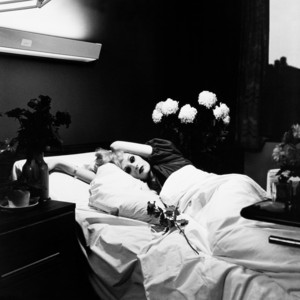
Listened to before? No Context? The band's second album; very critically-acclaimed. At the first song, I was unsure. That vibrato was too much. I couldn't tell what she was saying whatsoever. The piano was very lo-fi but not charmingly so—just sort of grating. However, by the three minute mark, they'd won me over. It's raw. It's beautiful. The piano ended up being absolutely fantastic. The vocals remind me a lot of Nina Simone in the expressiveness and range. It also very much comes off as soul-influenced, even though it's more art-pop. It's easy to get so caught up in the raw vocals and beautiful piano and strings that you almost miss the lyrics, which are deeply personal, yet still highly distilled. They explore themes of transgenderism in a very interesting way, with a hopeful, almost childlike sentiment ("For Today I Am A Boy") as well as a sort of horror that drowns under the beautiful arrangements ("Lady Story"). There's also discussions of relationships, both good ("You Are My Sister") and bad ("Fistful of Love"). Speaking of the latter, it's easily the best song on the album. Just absolutely stellar. Somebody tried to talk to me when I was listening to it and I shanked them on the spot. There was a lot of blood. Jokes aside, it nearly moved me to tears. The brass section—the passion in her voice—the lyricism—just 100/10 all around. On the subject of what this album does brilliantly, man, the cover being a picture of a transgender Warhol actress on her death bed while the title is "I Am a Bird Now"? Just...wow. Real quick, I will say some things I really didn't like, though. For one, I've listened to this album four times now, and I still can't stand the first three minutes. Maybe because it takes me some time to adjust to her voice. Oh, man, her voice. It's not bad by any means. In fact, it's quite good. But that doesn't change the fact that I want to shake her by the shoulders and yell "CUT IT OUT WITH THE VIBRATO." Similarly, the mixing for the vocals isn't great. Especially the backing vocals. For the record, I don't mind lo-fi whatsoever—my favorite genre is punk—but it can be grating when there's a genuine attempt for it to be good, and it isn't, while at the same time there is a disgusting amount of vibrato. As a side note, I'd like to see Anohni sing a Green Day song, because Billie Joe Armstrong uses, like, absolutely zero vibrato in his voice. It would be really funny. Despite all that, I can't bring myself to dock a star from this album. It's just so beautifully raw. It's so artistic and poetic and all of those good things. The beauty here outweighs any overused vibrato or bad mixing. While reading the Wiki page, I saw that it mentioned a music critic from Tiny Mix Tapes who said "I'd put on my music critic's cap and dive into scrutiny, but I am too enraptured by the artist's music." And yeah, that's exactly how I feel. 100%.
Listened to before? Yes Context? The first album where The Monkees had any significant creative control; a huge commercial success as well. This is my second attempt at the 1001 Albums project. I got this album my first attempt. I'm pretty tired, as I spent seven hours of this blessed Sunday at a Panera writing a paper for chemistry, with only some cold matzo ball soup, thirty ounces of lukewarm coffee, and an M&M cookie to sustain me. So, of course, I was excited to get an album I'd already reviewed! I could copy and paste the review from my last project! But, of course, I was a stupid idiot three months ago. Looking at my old project, the only comments I'd left on this album was a three star rating and the sentence "pretty good but what the frick is this album cover". So now I sit here, waiting for my two (2) vegan chicken nuggies to finish cooking, using my last braincell to write a review of a band that's considered rock n roll's first great embarrassment. But hey, at least I don't have to cite any sources. I stand by both of my original statements, but I would like to elaborate. First, to say that I'm sympathetic towards The Monkees. They may have been created as a K-Pop-level corporate abomination, but they also had genuine artistic interest that they fought their label to pursue. I mean, there's a reason that Minor Threat covered "Stepping Stone". Just saying. This was the first album where they really saw that fight for artistic control pay off. They got to play their own instruments (wow!) and choose their producer. And the result is...decent. It's still very much a "but we have The Beatles at home!" scenario, but at least there's passion. And none of the songs are bad. Commonplace? Yes. Derivative? 100%. But definitely not bad. Just some good 60s pop songs. But seriously, what the frick is the album cover.
Listened to before? Yes Context? REM's most successful album, as well as their first with their longtime producer; expanded their sonic palette and featured a handful of hits. I have a love/hate relationship with REM. Their music is very nostalgic for me, but at the same time, I find that they have a lot of songs that sound exactly the same. Outside of their hits, they can get quite boring. This album, however, has no duds. It's also incredibly diverse sonically, from the heavy one-chord riff of "Finest Worksong" to the sax solo on "Fireplace" to the dulcimer on "King of Birds". Not to mention the production ("Lightnin'" and "151", for example). From just the first three songs, you can tell that it's great. They cover three of the most important types of political songs just between them: absolute banger, haunting, and satire that devolves into chaos. "Exhuming McCartney" is reminiscent of Dead Kennedys. And man, is the lyricism excellent. There's nothing too on-the-nose, but it's still scathing. "Copper, steel, and cattle." "Held and dyed and skinned alive". "Loyal to Bank of America." Just the absolute tension of Stipe repeating "Something's going on and it's not quite right." And, of course, there's "It's the End of the World". It has to be one of the best songs of all time. The absolute genius of the lyricism—the perfect shaking of his voice—the background vocals saying "I think I need some time alone"—even the title. I was blown away by this song when I was six, and I still am today. And right after it is "The One I Love". About six months ago, I went through a phase where I listened to that song on loop for about two weeks straight. And man, was I so correct in doing that. It's also probably one of the best songs of all time. The guitar work on this album may actually be underrated. The solo of "151" is really, really creative. And the ability to create such a great riff out of one chord ("Finest Worksong") is impressive as hell. The bass is also fantastic—especially the way its mixed. It always peeks out at just the right times. This is really just the kind of political album I love: subtle-but-harsh, and working primarily through non-enumerations, except for the occasional moment where it really needs to drive the point home. It's smart. It's also brilliantly melodic. Despite the fact that it's down-to-earth, this album is quite grand. I can definitely see how the tension in it went on to inspire albums like OK Computer, and how it paved the way for the alt-rock boom of the 90s.
Listened to before? Yes Context? Considered a seminal hip-hop record, and one of the best rap records of all time. That transition into Butter was smooth…like…like butter… Sorry. Anyways. I’ve listened to this once before and I didn’t really like it. But that was before I’d really gotten into rap, or even music in general. Because of that, I sort of sighed when I got this. Five seconds in, I immediately changed my mind. The production is absolutely insane. Just super jazzy and some awesome bass. And some super fun funk elements. Man…my one problem is some of the lyrics. Which yeah, I know: 90s rap album isn’t PC. Fork found in kitchen or whatever the kids these days say. Which is why I’m just…keeping myself blissfully unaware. Just letting the ✨vibes✨ and production do the talking. They really do have the “Vibes and Stuff”. But, in the words of Mr. Quest himself: “your lyrics is BUTT.” (ALSO complete jumpscare by the Donald Trump mention. Skypager is a great song with some of the best production of the whole thing but WOW that was that scary.) Actually, the lyrics aren’t bad for all of it, though. The lyricism is good when women aren’t involved. Show Business has some awesome lyrics, as a good example. It’s just that the, uh, eighth track does not. Bro really wrote the lyrics “sweetheart we ain’t goin out like that” and thought that was something good to put out into the world. Sadly, it is then followed up by the utterly fantastic percussion on Check the Rhime. So here I am, praising misogynistic men because they made good art. Again. But yes, back to that art aspect! I can definitely see how influential the production was. It reminds me a lot of the jazzy-ness of To Pimp a Butterfly, and the general build/dynamics of the instrumental definitely seems like it could’ve been a blueprint for OutKast. Jazzy hip-hop will always be one of my favorite subgenres of hip-hop. Just the ultimate blend for smoothness. Smooth…like butter… My favorite song has to be “What?” Just a perfect mix of political and funny. Scenario and Excursions are also fantastic.
Listened to before? Partially, because in the end, it's inescapable... Context? Linkin Park's debut, and the album that launched them into the mainstream. I do not like Linkin Park. They are overproduced as hell. I find them boring. The lyricism is raw, and I respect that, but it's also quite stale. They're Evanescence for people who think drinking Monster is an aesthetic and edgy personality trait. Not that Evanescence isn't sort of that already, I guess. I'm gonna go into this with a positive mindset, though. I have a lot of friends who like them, and those friends are all great artists, so I'm sure they have some taste... Aaaaaand my primary comment is: what is that sound at the end of Points of Authority? It sounds like a cartoon duck going da da da da-da, da-da-da-da-da-da as a parody of a Linkin Park song, rather than an actual part of a Linkin Park song. Anyway, yeah: I'll start with the positive. They use dual vocals very well. In the End is also a pretty great song, with that piano and all, and the sheer desperation in his voice. It's also very honest, which I have a lot of respect for. And now the negative. I played guitar in a music collective with this annoying guy once. He was a great guitarist when it came to playing these downtuned nu-metal riffs. He had one of those bluetooth guitars for some weird reason. And he owned, like, ten Korn shirts. We were planning on doing a bunch of covers of 2000s songs at a local bar. In rehearsal, we were trying to decide which songs to play. I'm a huge Rage Against the Machine fan, so I jokingly go, "Oh, they're a 2000s band, right? Because Battle of Los Angeles came out 1999 and then there was that covers album?" He proceeds to turn around, give me the nastiest look known to man, and recount RATM's entire timeline to me. Mind you, I was literally wearing an Evil Empire shirt. Not a good start. There was also a time when I was literally turning the gain up on my amp, and he comes over and goes "oh, the volume knob is here." This happened half a dozen times throughout those rehearsals, to a point where my friend and I say "volume knob" instead of "mansplaining." Which, mind you, there was another guitarist there, and he never did anything like that to him. Felt oddly misogynistic... Anyway, you can probably guess that this guy loved Linkin Park. He loved loved loved turning up his amp to the nth degree and showing off that he could play such-and-such riff in drop-z or something while creating a one-man wall-of-sound effect. He's the only stereotypical Linkin Park fan I've ever met, though. All the other ones I know are my friends, who are obnoxious, sure, but they're very sensitive people. They're artistic and self-aware. They like the band because they can place these really personal issues over the backdrop of a killer riff. I can see both people in this album: the obnoxious and the sensitive. I don't think you can write these lyrics without going through some genuine pain. But, at the same time, you're still assaulting peoples' eardrums with a storm of down-tuned guitars and the most compressed vocals known to man. I don't think an artist's fans should reflect too strongly on the artist themselves, but I think it does reflect on what the outward draw of their art is. Here, it seems to be drama. The big, loud riffs. The lyricism that's so on-the-nose it's got it's finger up its nostril and through its own brain. The rapping and screaming twisting together to reach peak banger-dom. That drama may make songs like In The End undeniable bangers, but it takes away much of its artistic merit. I really just don't feel like they have anything interesting or new to say about their subject matter. I'm glad that they're putting their struggles into art, but as art under scrutiny of critique, it doesn't hold up. Why would I listen to somebody just...saying things, when I could listen to somebody reframing their struggles through a unique lens that speaks to me as a person, rather than a one-size-fits-all narrative? I certainly do get the appeal. It's a compulsion to head-bang to this thing. The vocals really are desperate, and I can imagine having a long day and screaming along. Maybe sitting in the backseat of a car, blasting this through a pair of old headphones. Ultimately, this album sounds like a heroic way to die. I wish there was something more poetic in here. I wish that all the life hadn't been sucked out of the compressed vocals and canned riffs. These guys are obviously talented and have the cathartic edge to make something great, but instead they vacuum-sealed this thing in some plastic wrap and broad appeal.
Listened to before? No Context? Animal Collective’s most popular and most critically acclaimed album, regarded as a hallmark of indie music; recorded after the departure of their guitarist, and thus features no guitar. My general philosophy is to meet an album where it’s at. You can’t blame a dance album for being repetitive. You can’t judge the mixing on a punk album. You can’t expect a pop album about partying to discuss geopolitics. Sadly, it’s difficult to meet this album where it’s at, because where it’s at is shrooms and LSD. Even though the band members were sober in its making, all their previous albums were rooted in their use of psychedelics, and primarily meant to listen to while on psychedelics, and that’s still the case here. And as much as I want to review things well, I will most definitely not be taking acid. Luckily, there are some moments where you can sort of simulate the experience. If not through mind-altering drugs, then through some pleasant moments where the bright synths and playful lyrics feel crushingly joyful and cinematic. I found those moments in these places: -Listening to the album while putting make-up on before a party. -Listening while half-asleep on the subway. -Listening through my low-quality iPhone speaker while taking a hot shower. -Listening while petting my dog. -Listening at 3 am. -Listening while drinking a cup of fancy cherry vanilla green tea and eating an ultra-buttery Sam’s Club croissant. And yes, I listened to this thing probably 10+ times, because I kept getting interrupted while listening, or didn’t feel like I paid enough attention. It was kind of cursed in that way. Thankfully, I loved this album. I have to note that I’m actually very frustrated about the overall reviews this album has on this website. Given the nature of the 1001 albums generator, I thought people here would be more open-minded, or at least willing to dislike stuff in a way that isn’t just “this is weird and complex! Ew!” Ultimately, I don’t care what your opinion on this album is, but most of these reviews just show an unwillingness to engage or listen critically. But I digress. This album feels like childhood—running through heatwaves to reach the ice cream truck and jumping into lakes from a rope swing. The name of the album actually came from a music venue of the same name, which—not to dox myself—is pretty close to where I live, and I’ve been there for concerts. It’s honestly a great venue for the kind of feeling described in this album: it’s outdoors, with an open grassy area behind the rows of seats. It’s one of the few places nearby where you can get cheap tickets, as the grass tickets are genuinely cheaper than going to shows at bars now. There were $30 tickets to see the Beach Boys there, for example. Families go and lay out picnic blankets, and it’s very festival-like. Lots of little kids, young couples, boxes of pizza, and beach balls. People bring the same fold-out chairs they do to little league baseball games. It has that suburban summer feel, which is very much the same thing this album encompasses. The album can sometimes feel like something set out in the sun too long. An oozing strawberry. The sweet scent of moldy bread. Sucralose and Red 40. Not necessarily because there’s any sort of negative emotion introduced, but because of the nature of nostalgia and human memory. It’s either expired, artificially preserved, or made hazy in some way. This effect makes the songs all the more potent. There’s a barely-contained joyousness as well. Lyrics like “I’m getting lost in your curls.” “Everything around seemed to giggle in glee.” “I want to walk around with you!” “There isn’t much that I feel I need.” The lyricism is sensual and diary-like. Its exact phrasing doesn’t always make sense, but it doesn’t really need to. It’s smudged out by the heatwaves. The few moments of inner turmoil don’t feel all that sad, either. “Also Frightened,” for example, has a comforting quality that resolves its underlying anxiety when placed between “My Girls” (the best song on the album!) and “Summertime Clothes.” And the existential nature of “Taste” is made more curious than soul-crushing through the anecdote of laughing with a friend, as well as the friend saying he doesn’t want fancy clothes because “you can’t eat those.” That’s another element of the album: rejection of the material world. The narrator doesn’t care about “material things,” and has only simple needs in the physical realm. Despite most of the talk about this regarding adult things, like wanting a house, it is rather childlike: content with happiness and the natural world. It adds to the psychedelic, detached feel of the album. Sonically, it’s highly processed. There are countless layers of synth, and no guitar. The band ran everything separately through a PA system to replicate their live sound, which they then sampled, layered, and manipulated. The only acoustic instrumentation is drums, which were heavily processed after their initial recording. The synths have a shimmer over them, and tend to float in the high-ends, soaked in reverb. The vocal melodies are simple, and border on monotone; instead, they focus on rhythm and simply being catchy. It works, too. If there was ever an album perfect for listening during the summer, it’s this one. It’ll make you feel like a dog sleeping under a beam of light: content, comforted, and perhaps a little bit lazy.
Listened to before? Yes Context? One of Metallica's best-selling albums; widely considered one of their best, as well as the beginning of them stepping away from thrash metal and into more refined heavy metal with shorter songs. This is the second Metallica album I've gotten on the list, and thank god it's better than the last. I wasn't a fan of "...And Justice For All". Sure, the compositions were fine, but the production was physically painful, and the lyrics were reaching for heights they just couldn't quite get to. "The Black Album" is much, much better. As much as Metallica was at odds with their producer throughout the whole thing, Bob Rock did a great job. The guitars don't sound like a scraped knee, and the bass is present. Beyond the mix, there's also more complexity in the sonic palette, with some cleaner vocals and orchestral instrumentals such as cellos. It's a solid metal album from start to finish. Each song is interesting, and while I do think one or two could've been cut (especially given the runtime), none of them are bad. The lyricism is also much better than on "...And Justice For All". There are very specific stances taken against things such as self-victimization ("Misery"), aspects of cruelty in our culture ("Of Wolf And Man") and arrogance ("Holier Than Thou"), rather than broad criticisms with little personality to support them. That said, I do find "Don't Tread On Me" to be cheesy. But, just for the record, I'd find it cheesy no matter what political stance he was taking (which, it being "Don't Tread On Me" doesn't really signify much of a political stance beyond some level of anti-government thinking, anyway). He could've growled "WOMEN'S RIGHTS" or "SAVE THE PUPPIES" at the end and I still would've had the same reaction—which was pausing briefly to faceplant. I also find it really funny that not one—not two—but THREE members of this four-person band were going through a divorce during the making of this album. And you can really hear it. These lyrics are petty as hell at times—admittedly, all lyrics I found myself relating to, but still. Wow. I know James Hetfield must have been in hell, but it's also really funny imagining him playing some kind of therapist role in it all. Also, apparently the working title of this album was "Married to Metal" as a joke about all the marriage troubles. Geez. As much as I find the sheer amount of divorced-male-metal-head stereotype going on here funny, it really does make the album great. Sure, this album may be them stepping into a more polished sound, but it's also still so, so angry and dark—from the cover to the lyricism to the aggressive playing. According to Bob Rock, they were using the recording sessions for this album as a catharsis for all the turmoil in their personal lives, and it really shows. I have got to say: I'm not a big fan of Metallica's lyricism. I want to like it. I do actually like a lot of it. They're really good with imagery, symbolism, honesty—all that good stuff. But god, the rhyme schemes are just a tad bit too Seussian for my liking. Very little use of any sort of complex rhyming. They're always hitting that end vowel like it's another guitar chug. Please, dear lord, use some good old slant rhymes. I'm begging you. But as much as I like to make fun of them, Metallica is quite good, and this album is pretty awesome. The songs are infectious and—as the kids these days say—straight bangers. I wouldn't say it's as good as Master of Puppets, but it's up there. I also like that they stepped away from being so complex in the guitar parts. As much as I love some good leads, they can get boring. Like wow! Another technically insane solo! And two minutes longer than the last one???? It allows the song to have more of an identity. Sure, Metallica has some indisputably great solos, but they're often solos more aligned to genre than to song. For example, imagine swapping the solos on Blackened and Dyer's Eve (adjusting for key, tempo, etc—whatever) versus, say, swapping the solos on, Paranoid Android and Electioneering. And I'm not saying every band that plays solos has gotta be as experimental as Radiohead—especially given genre conventions—but if you aren't, I don't want to hear ten minutes worth of solos per album. Sure, it's a staple of Metallica and most metal, but that doesn't make it enjoyable. I don't care how precisely you have to hit the harmonic of the "Master of Puppets" solo, that doesn't mean I wanna hear it repeatedly rather than. Y'know. An actual song. Also, simplicity on the part of the rhythm guitar means makes the songs on this so infectious. The groove is dug in there like a gouge through a linoleum print. I give Metallica a lot of hate, but I mean most of it pretty light-heartedly. They're good songwriters and have multiple solid albums under their belt, and I would say this definitely qualifies as a solid album.
Listened to before? Yes Context: Joy Division’s debut album, and considered one of the most influential albums of all time, with the band coming out of their punk roots with the help of producer Martin Hannett; a staple of the post-punk/goth genres. I originally listened to Joy Division because of research I was doing for a short story. I was into punk at the time, but not any of the artsy stuff—mostly pop- and skate-punk, with a little hardcore sprinkled in. I was writing a character who was more goth, however, and I wanted to understand more about the music scene so I simply Googled “goth bands.” Of course, Joy Division showed up, and I was intrigued by the album cover of Unknown Pleasures. I didn’t listen to it, but it stuck in my mind. A year later, when I had to cover “Love Will Tear Us Apart” on guitar for a show, I was reminded of the surreal album art and decided to press play on “Disorder.” I loved it so much that—inspired by the opening bassline—I went out and bought a $100 bass the very next day. That’s what an untold number of people have felt since the release of Unknown Pleasures in 1979—many of whom would go on to change the face of music forever. There was a poster of the album on the wall of Thom Yorke’s college dorm. Robert Smith called the band “the best thing [he’d] seen.” Trent Reznor has covered multiple of their songs, including one for the soundtrack of The Crow. With their cultural position, as well as Ian Curtis’s suicide turning him into a sort of martyr, it can be difficult to view the band objectively. However, I’ve tried my best, and I can honestly say that if there’s anything indicative of a band being great, it’s returning to them again and again. And since my initial listen, I have done that. While reading the Wiki article for Unknown Pleasures, I found a quote from a review of the album written for Melody Maker by Mary Harron. She gave the album a negative review, saying it was like “Jim Morrison without flair.” Which yes, it is. And that’s why it’s fantastic. There are a lot of similarities between Ian Curtis and Jim Morrison. For one, the vocals. They’re both notable baritones (though Curtis’ is forced, and he was naturally a tenor.) They both had their extreme moments on stage—Morrison with his violence and lewdness, and Curtis with pushing himself into having seizures. They were both obsessed with literature and wrote poetry. They both famously died young. (They also both had issues with infidelity, but that’s irrelevant, I guess.) But yeah: the flair that was such a part of Jim Morrison is definitely not there in Ian Curtis and Joy Division. It is noticeably absent, in fact. Ian Curtis constantly sounds exhausted. In just about every photo, he’s wearing a dark-colored button down. He and the rest of the band look incredibly awkward in every recorded live performance. Essentially, they’re reserved. Introverted. It’s what makes the music so atmospheric. Part of the atmosphere comes from the sheer amount of low-end. I tried listening to Unknown Pleasures on a plane once, and the turbulence combined with my stopped-up ears reduced it to a sort of empty, painful shrieking. Producer Mike Hannett pushed Peter Hook’s bass guitar up to the front of the mix, and bass is what primarily carries the instrumental melodies. It makes the album feel like carrying giant weights over your shoulder. It’s also incredibly sparse, making the whole thing appear gray and brutalist (fitting, given the band name.) The minimalism allows space for a sort of icy calm to grow, forming a photo negative, and for the lyrics and bass melodies to have all the room they need to make themselves known. Much of what makes this album so great can be attributed to Hannett. He used Joy Division’s typical punk cluelessness about studio effects to take some creative liberties and craft the atmosphere of the album, such as adding in odd, candid sounds, recording Curtis’ vocals for “Insight” down a telephone line, and reversing guitar sections. While not all of the band liked what Hannett did—particularly in the way he scaled back the guitar—the production was a huge aspect of what made the album so influential—and what drove home the disturbedness behind the songs. Much of the album’s lyrics focus on Curtis’ epilepsy and depression. “Disorder” in particular, as he sings about flashing lights and crashing cars, and asks “Could these sensations make me feel the pleasures of a normal man?” Once more, the sparseness comes into play: there’s something missing from his life. He breaks his usual monotone vocals at the end to chant the word “feeling” in sheer desperation. “She’s Lost Control” is also about epilepsy, though not his own. Curtis had previously worked with epilepsy patients, and the song was written about a patient, reflecting on the terror of losing control of one’s body to seizures. It features an electronic back beat, which grows higher pitched towards the end of the song, mirroring the panic the seizures induced. (It also creates the most satisfying ending of perhaps any song ever.) Time is also a major theme in Unknown Pleasures. “Insight” is a prime example of this, with lyrics about remembering youth, giving up, and a wasted past. (It also has cool sci-fi sound effects that somehow fit perfectly?) “Day of the Lords”—one of the darkest songs on the album—also discusses childhood, though its discussion of time is more so one of slow, painful passage than reminiscing. It’s all connected in “I Remember Nothing”—the haunting, near six-minute closing track—when Curtis sings “may just pass the time.” Essentially, regardless of the speed at which life is passing, it’s always wrong, and The End is the desirable state of things. The common connecting thread throughout all of the struggles of Unknown Pleasures is isolation. Every single song has some sort of focus on isolation. In “Disorder” and “She’s Lost Control,” it’s an isolation from one’s own body and mind. In “Interzone,” “Shadowplay,” “Candidate,” and “I Remember Nothing,” it’s failed human connection and relationships. In “Day of the Lords” and “Insight,” it’s a disconnection with the past. This is—again—where the sparse sound comes into play. The emptiness is intentional. Curtis’ lyrics remain fairly cryptic throughout the album, but there are a few on-the-nose moments—the most prominent of which is the line “a loaded gun won’t set you free”: a stark reminder that one of the things that makes this album so emotionally heavy is Curtis’ suicide. Suicide is the underlying murk of the album, both muddying and enhancing its lyrics and legacy. The lyrical and poetic techniques Curtis uses are simple but impactful. Repetition, primarily, such as in “Wilderness” and “Shadowplay.” There’s also a great deal of end rhyme—about half perfect rhymes, and about half imperfect. It borders dangerously on being elementary, but the words Curtis fits into these simple structures are so haunting and thoughtful that it would honestly be a disservice to complicate matters. Post-punk is still punk; it’s raw. And Curtis certainly knows how to use symbolism and imagery better than the majority of lyricists of any genre, so the rudimentary structures distill rather than dilute. As for the instrumentals, Peter Hook’s bass is most notable. He knows how to write some excellent basslines. His parts aren’t complex (he even plays with a pick—the horror!), but they are melodic and a perfect driving force for the music. With Hannett pushing bass to the forefront, the low-end sounds can craft the atmosphere while Bernard Sumner’s guitar adds accents. It all makes for a unique sound that acts as a perfect mirror of the album’s themes. While the bass is the atmosphere, and the guitar is the accent, Stephen Morris’s drums are the foundation. He plays with precision, and brings in a krautrock influence. Oftentimes, the drums are what allow the song’s calm feel to flourish. Morris also rarely ever uses cymbals, which keeps everything towards the low end. I’m not as knowledgeable about drums as I am about guitar and bass, so it’s difficult for me to describe, but the way the drums can either be the primary focus of attention in a Joy Division song or a completely simplistic background instrument—and the way in which both things can be true within the same song—is something I don’t find in a lot of bands. The drum parts are just damn good. There’s a reason Joy Division was such an influential band. They achieved the rare balance of great production, great instrumentals, great lyricism, great aesthetics, and a haunting cultural legacy. In some ways, they can be directly compared to the Velvet Underground through Brian Eno’s often-quoted comment regarding the dismal initial release sales of their seminal album, The Velvet Underground & Nico: “everyone who bought one of those 30,000 copies started a band.” Unknown Pleasures may have only sold 15,000 copies prior to Ian Curtis’s death, but the momentum they gained in the following years, as well as the artists they’ve inspired, have cemented their cultural legacy and allowed them to reach millions. And thank God they did, because Unknown Pleasures is fantastic.
Listened to before? No Context? Paul Simon’s comeback album after losing cultural and monetary relevance; helped introduce South African music to mainstream Western audiences, though it drew some criticism in the process. Before I tear into this album, I want to be clear: I do not think it was cultural appropriation. Cultural appropriation is copying part of a culture in an offensive, unappreciative, or ignorant manner. I don’t think that Simon hearing a cassette of a South African band, loving their music, and going to collaborate with them in their hometown is doing that—especially because songwriting credits and acknowledgements were given. While there is something to be said about Simon being the one who brings it to the mainstream, and how that does reflect prejudice on the consumer’s part to only appreciate it when done by a white person, it would be insane to say that Simon shouldn’t have pursued an artistic collaboration solely because of a systematic issue outside of his control that doesn’t even make the collaboration itself inherently problematic. I’m not saying that he handled the situation perfectly (for example, he oscillates between describing the collaboration as a political statement, and saying he doesn’t think it’s political), but the collaboration and release of the album was not appropriation. There’s also the issue of breaking the embargo on South Africa, but honestly that’s an issue I don’t think I have the knowledge or information to speak on properly. I say all that because I do have grievances with this album, and people who don’t enjoy this album tend to dislike it because they believe it’s cultural appropriation. I just want to make it clear that I am not one of those people. Graceland is sickeningly happy. Despite having its serious moments, the tunes remain relentlessly upbeat. As Paul Simon described it, “Harmonically, African music consists of three major chords—that’s why it sounds so happy—so I could write any melody I wanted in a major scale.” I don’t dislike happy songs, but there’s something about these that are bothersome. Simon’s vocals weigh the songs down in a way that makes them feel oddly exhausted. I’m sure the intent was to feel calm and homely, and that effect comes across well in songs such as “Graceland”, but for a vast majority of the songs it makes the otherwise-exciting tunes clash. This is best exemplified in “I Know What I Know,” where Simon sings “I know what I know/I’ll sing what I’ve said/We come and we go/That’s a thing that I keep in the back of my head,” while the South African group General M.D. Shirinda & the Gaza Sisters sing in Shangaan in the background. Simon arranged their vocals to be purposefully higher-pitched and slightly out of tune to contrast with his rhythmic lines. This works for the first chorus, and arguably even for the second, but by the ending it’s quite grating. The contrast in energy between the two vocal parts becomes unintentionally discordant. Even if it was meant to be juxtaposed, the execution just wasn’t the best. It’s like a Bob Dylan harmonica solo in that way (sorry, Bob.) The way he sings the melody on the verse also makes it sound incredibly forced, with the part that goes “paaarTY,” “fuuuNNY,” et cetera. It doesn’t help that he keeps repeating the phrase “I/she said” beforehand. I want to like this song, because it has some interesting moments in the guitar and lyricism, but it’s just…irritating. There’s also some vocal issues on “You Can Call Me Al,” which is the big hit from Graceland. And it’s an amazing song, between the synths, lyrics, melody, background humming, and percussion. BUT. His voice sounds horribly thin when he reaches for the high notes on the “call me Al” segment. It almost ruins the entire song for me. Simon’s voice is good for folk music. Singing with a folk music vocal style over the South African musical styles he employed just doesn’t work very well. As for the positives, Paul Simon is known for making sophisticated music. He can write a damn good song, with some clean chords, a bait-and-hook melody, and tasteful arrangements. And that is still true here, despite my grievances. I actually went back and re-listened to “Bridge Over Troubled Water” (which I gave a 5 on here!) to see what similarities I could find between it and Graceland. And there are many. On top of that, Graceland isn’t just repeating what Paul Simon had done in the past—whether it be solo or with Art Garfunkle—as it adds in a very new sonic palette through using South African musical styles such as isicathamiya and mbaqanga, as well as African-American music styles such as zydeco. The album’s opening track, “Boy In the Bubble”, is excellent in the way it combines images of war with that of opulence. It also uses some great rhyming and alliteration, such as in the line “There was a bright light, a shattering of shop windows/The bomb in the baby carriage was wired to the radio.” It’s probably the best song on the album. Sonically, it features Bakithi Kumalo’s iconic fretless bass playing, which plays an ornamental, octave-hopping bassline during the verse, and a more tasteful, functional bassline during the chorus. It’s impeccably written. My favorite bass parts occur a few seconds before each chorus, and I’d tab it out here except the formatting would get messed up. It also has accordion played by Forere Motloheloa, which is used to create the foreboding intro that’s cut with booming drum beats to kick off the album. As the song continues, the accordion is used to craft the sense of unease that reflects the themes of the song. Simon’s folk voice fits well into the song. He even noted that the song sounded like American folk music, to which guitarist Ray Phiri told him that he’d used a relative minor chord to make the song sound more like American music. The second song and titular track digs even deeper into the album’s messages of optimism and solace through painful things. It describes a man traveling alongside companions who he describes as “ghosts and empty sockets,” yet he still believes they’ll be "received in Graceland.” Due to the bittersweet tone, Simon’s voice fits better here than it does on any other song on the album. He has a voice very well suited for bittersweet music. After the previously-discussed “I Know What I Know,” there’s “Gumboots,” which is performed with the Boyoyo Boys. It uses a narrative lyrical style to describe the narrator running into various characters, and features some amazing accordion bits. It’s a good song, but the lazy and sudden fade out mars it. “Diamonds On the Soles of Her Shoes” begins with an excellent intro, with Simon singing about a rich girl who, well, wears diamonds on the soles of her shoes. Unlike on “I Know What I Know,” it has pleasant backing vocals. The pleasantness continues throughout the song, with a calming jangly guitar riff and a syncopated, shuffling beat that feels like ocean waves. Then, of course, there’s “You Can Call Me Al.” This is the most pop song on the album, with the bright, celebratory synths and relentlessly catchy melody. Despite my grievances with the vocal performance, and the fact that Simon’s almost drowned out by the synths during the chorus, I do like this song. It has some extremely clever lyrics, and it’s just plain fun. “Under African Skies” is…fine. It’s a little too white boy. Toto-esque, if you will. Simon’s vocals also sound thin. That said, it’s catchy, and the guitar is excellent. The eighth track, “Homeless,” notably lacks Simon for about two-thirds of the song, as it features the group Ladysmith Black Mambazo singing for the first 2 and a half minutes. It’s a haunting, beautiful moment of quiet. When Simon does join, he manages to meld with them quite well, turning the song into call-and-response. It’s almost more of an interlude than a song. “Crazy Love, Vol II” is fantastic. The lyrics are absolutely incredible, with the story of Fat Charlie the Archangel and his nihilism. It’s one of my favorites on the whole album—though it does have some issues with that vocal thinness towards the end. “That Was Your Mother” is a fun song in a lot of ways, though it has some…questionable lyrics. It’s a real dance number, with an energetic pulse and melody. It uses some great accordion and washboard as well. In terms of the album sequence, it’s a great final moment of fun before the album launches itself into its finale. “All Around the World or The Myth of Fingerprints” has a blistering, stadium rock intro that’s like ice cold water after the folkiness of the rest of the album. The opening drums inexplicably remind me of the song “Vampire Money” by My Chemical Romance. If Paul Simon wrote a song like “Vampire Money,” the world would literally explode. The rest of the song, however, doesn’t sound much like the intro. The instrumentals quiet down when Simon starts to sing the verse. That’s sort of a pet peeve of mine in a lot of songs: making this big intro to hook the listener, and then immediately dialing back on the noise and energy. I also really don’t like how the song fades out. Fade outs aren’t inherently bad if done right, but ending a whole album on one feels lazy. I realize it was probably intentional to leave an open-ended, looping feel given the themes of the song, but it just isn’t executed well. It does have some great lyrics, however—even if they are nonsensical and cryptic at times. Simon uses imagery really well. The melodies are also infectious. It’s the perfect happy note to end the album on. Whatever you or I think of this album, it can’t be denied that it’s an important, influential work. It may be a pop record, but it experimented and pushed Simon out of his comfort zone. While it has quite a few flaws, ultimately, the skill of the instrumentalists (particularly in bass and accordion), Simon’s lyricisms, the compelling grooves, and the relentlessly catchy melodies make it hard to hate.
Listened to before? Yes Context? Radiohead’s second album and what’s considered to be their first masterpiece. How does one, in the span of merely two years, go from writing songs like “Thinking About You” to masterpieces such as “Street Spirit (Fade Out)”? How do lyrics transform from the blatant sneers of something almost as Sex-Pistols-esque as “How Do You?” to the cleverness of “My Iron Lung”? Was it belated puberty? Extensive devotion to the songwriting craft? Exhaustion? It wasn’t like Radiohead didn’t have songwriting ability beforehand. Just look at songs like “Creep” or “Anyone Can Play Guitar”. In the former, you had Yorke’s wide vocal range and raw lyricism on full display, as well as odd chord progressions and experimental guitar technique. In the latter, you have biting satire that manages to be both personal and political (as things often are) as well as drenched in noise. But there’s something so much greater about The Bends. Maybe it’s the pauses taken throughout—something lacking in Pablo Honey—or maybe it’s the heights they reached for. Maybe it was a newfound awareness of the surrounding world. Radiohead’s roots are present. There’s still the band with the spazz of a singer who called Jim Morrison fat, ugly, and dead before nearly drowning himself. There’s still the guy who plays guitar like he’s trying to ride a bucking horse. But they’re stepping up to the studio with the wisdom of seasoned people-watchers. The songs unfold like a pulse reverberating against a fingertip. Yorke tends to write about others more than himself. The album is full of grocery store personalities. Wives and husbands. Reckless young men. It’s all very empathetic; he mourns the situations of those around him. This is what makes the song “Bullet Proof” so particularly shocking. It’s entirely in first person. It’s the people-watcher going home after a day out. You can picture the barren kitchen—the dark room. There’s all this exhaustion from seeing so much bad. Masterfully located after it is “Black Star”—the climax of the album: the point where this defeated observer attempts to reach out after all this time as a bystander. It revolves around this central figure who is deeply unhappy, but refuses to acknowledge the true root of that unhappiness. The observer is begging them to see what is truly wrong, but ultimately has to step away from the situation. And, of course, there’s the perspective change in “Fake Plastic Trees”—arguably the best song on the album. A beautiful ballad about consumerism, it tells the story of a deeply unhappy woman, who lives in a place folding in on itself—who’s married to a man who’s life work is defeated by something as basic and constant as gravity. Neither of them have a purpose, and they both claw desperately at a passionate, reckless way out. By the end of the song, the previous third person refrain of “it wears [her/him] out” switches to the first person “it wears me out”. Listening, you can imagine Yorke seeing this couple in the grocery store, using them as vessels for this emotional critique before turning inward to examine the weight all this bears on him as well. When the song builds to a downpour of acid rain, obscuring the details of the events in favor of raw emotion, everyone involved is soaked. When the downpour stops, you’re reminded that the observer is there as well. Whether you as a listener identify with the third or first person narrative doesn’t matter. Just as what is presented later in “Black Star”, this is a collective suffering. “Fake Plastic Trees” almost feels like the natural conclusion of the “I don’t care if it hurts/I want to have control/I want a perfect body/I want a perfect soul” part of “Creep”, as well as the thesis of the album as a whole: the artificial against the real. This is even presented in the album cover; it looks like the crash test dummy has found Nirvana. This theme is pretty strong throughout, but there’s never quite a consistency to how it’s presented. “Kill yourself for recognition”. “I don’t want to be a krippled kracked”. “Prozac painkillers”. “A lack of oxygen from my life support/my iron lung”. The observer struggles as much as their subjects. Of course, all of this vulnerability and despair is tempered with anger and snark. “My Iron Lung” practically predicted the modern day Facebook aunt or the teen using ChatGPT for an essay. “Just” has the famous refrain of “you do it to yourself/you do/and that’s what really hurts”. The observer even pulls himself out of mourning the lives of these sad people, straight-up saying “you don’t get my sympathy”. “Sulk”—which is probably the weakest song on the album, despite still being quite good—contains the biting line “just like your dad/you’ll never change”. This is what really makes the emotional depth and nuance of the album. For all the empathy the observer has for the people trapped in the box of consumerism and conformity and mental illness and performative nonsense, they’re also rightfully angry at the stupidity and lack of courage that led them into that trap in the first place. There’s no single way the observer feels about everything; it’s all in conflict. The observer even fears falling into that trap themself on “Bones”, which laments the physical and mental toll of life and how that wears on youth. Which, as a retail worker with chronic pain. Yeah. Accurate. While “Bones” was written about the negative effects of touring, its emotional connotations extend well beyond that context. After all, if you’re Jonny Greenwood, you’re probably pretty worried about getting carpel tunnel or crippling neck pain. Not only because it leads to physical pain and means you can’t play your instrument on the same technical level, but because that instrument and your dynamics and the way in which you play it in a live setting is an emotional expression. The same could apply to any young person wanting to make a change, but worn down and afraid the world will steal their passion. “The Bends” (title track) captures a similar anxiety, holding all of the subject matter of the album in the palm of its hands. There’s political unrest. Nostalgia. A sense of waiting for something bad to happen. And, again: an artificial life support, as he’s “lying in the bar with [his] drip feed on”. There’s such anxiety in it—a sense of “just let it happen already—get it over with”. Anxiety is a feeling Radiohead does extremely well. While it’s brought to new heights as the emotional foundation of OK Computer, it’s also what makes much of The Bends so lyrically rich. “Street Spirit (Fade Out)” is a perfect closer. The main riff sounds like trying to run from impending death. It’s probably the bleakest the band gets to. The observer has snapped and spiraled. While it offers no hope, it does offer catharsis. While the observer, the subject, and the listener blur into a muddled haze, what stays constant is the shared emotional experience; they can descend together. On a sonic level, Radiohead takes things to a much more complex level than on Pablo Honey. It’s not that Pablo Honey didn’t already have its fair share of technical playing, but it was pretty much pure noise. The Bends takes deep breaths. It knows how to build. “My Iron Lung” does this the best, with the octave-shifted arpeggios slowly building to distorted choruses, complete with slap bass and all. Then there are the ballad-y builds in “High and Dry” as well as “Fake Plastic Trees”, and the insane dynamics of “Just”. “High and Dry” has what’s probably the most tasteful guitar solo of Radiohead’s career. And it’s hard to imagine that Jonny Greenwood, who’d been so angry about how quiet “Creep” was, had matured enough to include the great number of slow acoustic songs on The Bends. Not that he still doesn’t make himself heard loud and clear, of course—and thank god for that. The Bends is, at its core, just an amazing guitar album, from the songwriting to the experimentation to the tone. There’s also the use of some more effects, with a lot of octave shifting and delay. It seems to be the first album where Ed O’Brien stepped beyond simply gluing together Yorke’s and Greenwood’s guitar parts with distortion, and started adding more dynamic textures. Thom Yorke brought out some of his higher vocals as well. It was clear from songs like “Creep” that he knew how to sing that high, but it seemed as if he was almost ashamed of it. He was going for that more angry, snarling sound. After all, it was ‘93: the successful alt rock vocalists were people like Kurt Cobain and Eddie Vedder, with low, ugly voices. Was there any place for an anti-rock-star, anti-society alt-rocker who could sing falsetto? Sure, he could sing lower just fine, but it would’ve been a waste if he hadn’t made use of his full vocal range. Thankfully, it was one of the elements brought into the expanded sonic palette of The Bends. There’s also more experimentation with genre. “Bones”, dare I say, has a bit of a bluesy touch to it. “Fake Plastic Trees” and “High and Dry” could be classified as singer/songwriter. On songs like “Nice Dream” and “My Iron Lung”, they take the loud/quiet dynamics popularized by the grunge movement outside of their original context to emphasize a sense of growing frustration. It’s also the first of their albums where the label of “art-rock” starts to truly make sense as a way to describe their sound. The Bends may not be Radiohead’s masterpiece in the same way OK Computer is, but it is their album that arguably best reaches the sweet spot between art, craft, and emotion. There’s a reason it’s continued to resonate through later generations—and not just because of the band’s uncanny ability to predict the future. The songs are accessible, timeless, raw, and well-written. Everything from the tilt of the dummy on the album cover to the falsetto on the chorus of “High and Dry” was destined to become ubiquitous. In other words, The Bends is Radiohead’s album that’s most accessible while also being extremely well-written. Sure, Amnesiac is a good album and all, but it’s an acquired taste. In contrast, anyone from the most pretentious critic to a ten year old can appreciate “High and Dry”. If you haven’t already, give this album a listen. Not only is it just fantastic, but Radiohead does societal critiques and political songs much better than most other bands. And even outside the lyrics, you can appreciate a lot of these songs for just being bangers.