Not their best album, not their deepest album, but one of their most vital.
Artistically: very good.
Historically: massive (it’s said to be)
Pure listening pleasure: still high.
Not “important” because people say it is, but because it still works immediately.
Artistically, very strong within its lane.
Historically, bigger than people sometimes admit.
Not their most sophisticated record, but arguably their most overwhelming.
Artistically, savage and brilliant.
Historically, absolutely deserved classic status.
Pure listening pleasure, massive, provided you want impact over elegance.
Not Miles at his most profound, but Miles at one of his most historically decisive moments.
Artistically elegant, smart, beautifully constructed. Inspiring, especially once you stop demanding drama from it and let it work on its own terms.
It captures a specific kind of modern fame sickness better than almost anything from its period. It is grandiose, ugly, seductive, wounded, and manipulative. It wants your admiration while confessing why it may not deserve it.
My verdict: not their biggest album, but one of their most important.
Artistically: sharp, dark, confident.
Historically: a major turning point.
Pure listening pleasure: very high, especially if you like your rock with dirt under its nails.
people talk about it like it is pure chaos, but the truth is almost the opposite. This is not some sloppy accident of rage. It is a highly controlled, brutally efficient demolition job.
What makes the album so powerful is that it takes punk’s basic promise — speed, contempt, confrontation, anti-pretension — and delivers it in a form that is far more musically solid than the myth suggests. The guitars are huge, dense, and sharp. The rhythm section hits like machinery. Rotten’s voice is sneering, theatrical, sarcastic, and weirdly precise. This is not elegant music, but it is not dumb music either.
What separates it from lesser shock records is that the songs are really there. The hooks are there. The storytelling is there. The performance is there. The technical mastery is absolutely there. This is not a scandal with beats. It is a major artistic statement made by someone who understood exactly how powerful and destructive his own voice could be.
It is urgent, angry, messy in the right ways, and more thoughtful than its rough surface first suggests.
Sulk is not perfectly disciplined. It can feel more intoxicating than coherent. There are moments where texture and performance matter more than structural payoff. Some tracks feel like they live on emotional tone rather than fully realized composition. And yes, there is a certain kind of listener who will hear all this drama and conclude that it is beautiful nonsense.
Led Zeppelin III is not as consistently overwhelming as II or as all-conquering as IV. It is more uneven. Some tracks feel more interesting than essential. “Friends” is cool and texturally rich, but not fully transcendent. “Hats Off to (Roy) Harper” is the kind of track people politely call adventurous when they really mean minor and odd. The album has a few moments where experimentation adds color more than greatness.
This is not The Who at their tightest or most emotionally direct. It is The Who deciding that raw power is no longer enough and trying to build something monumental. Sometimes it soars. Sometimes it strains under its own concept. But even when it strains, it matters.
It is not consistent in the way a great studio album by a band is consistent. Some pieces matter more as mood, scene-setting, or sonic spectacle than as stand-alone songs. There are moments where the record feels more like a box of brilliant materials than a single fully locked statement. That is the cost of the format.
It is built from tension between the ancient and the modern, the human and the synthetic, the lonely and the euphoric. Moby takes blues, gospel, and field-recording-derived vocal fragments and places them inside sleek electronic production
The album’s biggest strength is that it sounds foundational without sounding dusty. “It’s Like That” still lands because its social frustration gives the album a seriousness that separated it from lighter rap of the period. “Rock Box” matters because it pushed rap toward rock texture.
It has an identity strong enough that even the lesser songs still feel like part of a world. The band sounds completely sure of its aesthetic. Everything is sharp-edged, danceable, and faintly amused with itself. That coherence matters.
It is a little too long, and not every song hits with equal force. This is not the ruthlessly compact brilliance of Either/Or. There are moments where the album feels more impressive than necessary, where the ornate surfaces slightly diffuse the emotional impact instead of sharpening it. A few tracks register more as beautifully made Elliott Smith songs than essential ones.
What makes it great is that it does not pretend to be more refined than it is. The fuzz is the point. The sneer is the point. The whole record sounds like it was dragged through a garage floor, kicked down a staircase, and then turned up louder.
Gary Numan does not oversell anything here. He does not beg for your affection, and he does not try to simulate human warmth he clearly is not interested in projecting. The vocals are stiff on purpose, the synths are sleek and ominous, the rhythms are mechanical, and the whole album feels like it was designed in a chrome room with the curtains permanently shut.
What makes the album work is that it understands vibe is not enough unless the songs can carry it. A lot of groove-heavy records give you one atmosphere and then coast.
What makes Parallel Lines so strong is that it pulls off a balance most bands never manage: it is polished without becoming lifeless, catchy without becoming stupid, and stylish without becoming hollow. Producer Mike Chapman helped shape the album toward sharper pop form, and you can hear it everywhere.
Cars understood something a lot of rock bands never do: cool is useless unless the songs land. These songs land. The band fused new wave, power pop, and electronic rock into something sleek enough for the future and catchy enough for radio.
Duck Stab/Buster & Glen is what happens when avant-garde weirdos accidentally make something close to a pop record and then sabotage it just enough to keep it unsettling.
Some singers have versatility because they adapt. Aretha has versatility because everything becomes Aretha. Ballads, grooves, pain, pride, heartbreak, release — it all comes through the same central quality: total conviction.
Some sections feel more admirable than emotionally overwhelming. Some transitions and miniatures register more as brilliant architecture than as songs you will live inside forever. The record is so conceptually loaded that people sometimes respect it before they love it. That is a real issue. This is not a casual, throw-it-on pop album. It asks for attention.
What makes Be great is that it understands restraint. The album is only 11 tracks on its original release, and it wastes almost nothing. The beats are soulful, warm, and crisp; the writing is thoughtful without becoming sleepy; and Common sounds like he has stopped reaching for abstraction and reconnected with clarity. This is conscious rap without the lecture tone that ruins lesser albums.
What makes Kiwanuka great is atmosphere with backbone. A lot of “serious” modern soul records confuse softness with depth. This one does not. The arrangements are spacious, psychedelic, and often beautiful, but there is tension underneath them. You can feel doubt, history, fatigue, and stubborn dignity running through the whole thing. The album does not shout its importance. It earns it by control.
This is not just a great soul album. It is one of those records where musical intelligence, emotional force, social awareness, and pure groove all hit the room at once.
What makes Aftermath great is not polish. It is expansion. The Stones are still dirty, sarcastic, and sexually combative, but now they are also more texturally ambitious and more compositionally confident. Brian Jones is a huge part of that leap: the album is full of unusual colors for a Stones record of the period, including marimba, dulcimer, and sitar, which helps explain why the record feels like more than just tougher blues-rock.
What really works is the tension between clarity and mystery. The songs are still songs. They still have hooks, structure, motion. But they are no longer trying to win you over in the easy, shiny way. There is more space here, more air, more patience, more faith in atmosphere. Mark Hollis sounds less like a frontman chasing attention and more like someone quietly reshaping the emotional temperature of pop music.
Thrash before this could often sound like adrenaline with guitars. Master of Puppets sounds architectural. The songs are longer, smarter, and more developed than the genre supposedly allowed. Britannica’s summary gets at part of the point: the title track’s riff became one of metal’s signature figures, while songs like “Battery” and “Damage, Inc.” helped define thrash metal itself.
My verdict: not just Metallica’s best album, but one of heavy music’s clearest cases of raw power becoming high art.
It catches CCR before refinement starts smoothing the edges. There is hunger in this record. Dirt. You can hear a band realizing that directness is not a limitation; it is their advantage. They do not sound like they are reaching for greatness. They sound like they found a sound strong enough to make greatness possible.
This one does not feel lazy. It feels deliberate. Alison Goldfrapp and Will Gregory make the songs airy, soft-edged, and intimate, but there is still structure underneath the haze. The mood is sensual in a less obvious way than their clubbier records. It is not trying to dominate the room. It is trying to reshape the light in it.
What makes it great is not variety in the conventional sense. In fact, one of the most obvious risks here is sameness. The album moves slowly, keeps a tight emotional temperature, and rarely breaks the spell to offer easy relief. But that restraint is exactly why it works.
The band are ridiculous here. Plant is all appetite and swagger. Bonham sounds like gravity itself. Jones keeps the whole thing from turning stupid. And Page is the architect, not just the guitarist. That is the key. This album feels less like a jam and more like a machine built for maximum force.
What makes Natty Dread so powerful is confidence. The grooves are relaxed, but the album is not sleepy. The spirituality is present, but it does not float off into vagueness. The politics are there, but the songs still move like songs rather than lectures. Marley sounds completely in control of the balance between devotion, defiance, tenderness, and street-level realism.
What makes it so powerful is release. Harrison does not sound like he is making a careful debut. He sounds like years of backlog, resentment, spirituality, tenderness, and melodic invention have all been uncorked at once. That is the album’s real electricity. You are hearing someone who had been rationed to a couple songs per Beatles record suddenly arrive with an entire inner world intact.
Parts of Faith are so glossy and era-defining that they can feel trapped inside their own late-’80s perfection. This is not an album of mystery. It is an album of execution. If you want mess, ambiguity, or emotional danger of the kind that later defined Listen Without Prejudice Vol. 1, this record can feel a little too eager to conquer, a little too aware of how good-looking it is.
Bummed is the sound of a band getting messier, smarter, and more dangerous at the exact same time.
What makes it great is restraint. A lot of trip-hop-adjacent records from the era confuse slowness with depth. This one does not. The grooves are measured, the arrangements are spacious, and the album understands that tension does not always need to arrive as menace. Sometimes it arrives as distance, coolness, and emotional ambiguity. That is where Protection lives.
Not the smartest hard-rock album, not the deepest, but one of the most electrifying debuts ever made.
Artistically: savage and massively effective.
Historically: enormous.
Pure listening pleasure: extremely high.
Catch a Fire is the sound of reggae stepping onto a bigger stage without sanding off the grit that made it matter. Released in 1973, it was the Wailers’ first album for Island Records, and it is widely treated as the record that helped carry Bob Marley & The Wailers from Jamaican giants into international focus.
It captures psychedelia before it hardened into cliché. It still feels curious, elegant, and slightly improvised, like a gifted songwriter discovering how far he can stretch pop without snapping it.
Microshift is not a record built on immediate hooks or brute-force gratification. Some of its power is cumulative, and some listeners hear the central stretch as immersive while others hear it as slightly drawn out. Even positive reactions sometimes noted that the album can blur at the edges if you are not willing to give yourself over to its pacing and atmosphere.
What makes the album great is that Nyro does not write songs so much as she hurls them through different moods in real time. Soul, pop, gospel, jazz, Brill Building craft, and near-operatic drama all collide here. A lesser artist doing this much would sound undisciplined.
This album is so canonical that people rarely say the obvious thing. It is also the moment when the Eagles’ strengths become inseparable from their weaknesses. The precision can feel icy. The professionalism can feel bloodless. The emotional distance is part of the point, but it also keeps the album from hitting with the raw human force of the very greatest records.
What makes it great is not just anthem-making. Plenty of bands can write big songs. Very few can make bigness feel earned. The Joshua Tree sounds huge, but it is not empty. There is spiritual hunger in it, political unease in it, romantic confusion in it, and a genuine fascination with America as both promise and damage. That tension is the whole engine. The grandeur is real, but so is the doubt.
Joan Armatrading is the sound of someone too emotionally intelligent to settle for ordinary singer-songwriter neatness.
What gives Joan Armatrading lasting power is that it sounds like self-possession becoming art.
This is not an album built to please you. It is built to overwhelm you, agitate you, and force you to pay attention. That is exactly why it is one of the greatest rap albums ever made.
It does not sound like a comeback, a nostalgia exercise, or a professional live set. It sounds like a man trying to rip the roof off the room because restraint would be a personal insult.
This is not Jerry Lee Lewis at his most refined, but probably Jerry Lee Lewis at his most unstoppable. It’s savage and towering.
This album is not subtle, not elegant, and not interested in being tasteful.
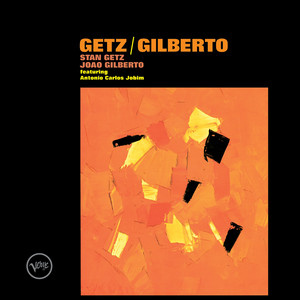
This album is so smooth and famous that people sometimes mistake it for mere background elegance. That is lazy listening. The greatness here is not surface prettiness. It is control. Nothing is pushed too hard. Nothing begs. João’s guitar and voice are so quiet they almost seem casual, Getz’s saxophone glides instead of dominating, Jobim supplies harmonic intelligence without clutter, and Astrud’s untrained, nearly weightless singing on “The Girl from Ipanema” and “Corcovado” gives the record its ghostly softness.
…And Justice for All is the band at their most extreme in another way: longer songs, more intricate arrangements, sharper angles, less swing, less warmth, more control.
Nina Persson’s cool, almost innocent delivery, the bright melodies, the elegant arrangements, the polished pop shape. Underneath that, a lot of these songs are sour, passive-aggressive, wounded, or emotionally evasive. That contrast is the whole trick. The album sounds sweet without actually being naive.
This is not a disciplined masterpiece. It is too long, too restless, too packed with ideas, and occasionally too pleased with its own weirdness. It is also one of the best post-band identity records ever made because the excess is where the life is.
Thom Yorke is the emotional center, but the real triumph is collective. The band sound less like five players and more like one nervous system. The Edge-style guitar prettiness of lesser ’90s alt-rock is nowhere near enough here; Jonny Greenwood’s parts bite, hover, and destabilize. The rhythm section never shows off, but it constantly keeps the album from floating away into art-rock abstraction.
What gives it lasting power is that it never sounds respectable. Even polished, it is still twitchy, perverse, and slightly unwell. The biblical imagery, surrealism, death, sex, environmental dread, and black humor all feel crammed into tiny songs that move too fast to fully explain themselves.
Ocean Rain is not trying to be everyday post-punk. It is trying to sound like moonlight hitting stone. It wants elegance, mystery, melancholy, and a little decadence, and it gets there more often than not.
What makes it great is the tension between toughness and naivete. Plenty of proto-punk records sound aggressive. This one sounds alert, awkward, funny, and almost embarrassingly sincere.
The best thing about Sweetheart of the Rodeo is its restraint. It does not try to overpower you. It does not bludgeon its way into greatness. It wins through feel, touch, and conviction.
The biggest strength is that Monáe understands theater without losing discipline. She is not just performing songs; she is staging them.
The same qualities that make it transportive can also make it blur at the edges. There are stretches where mood carries more weight than distinct songwriting, and if you are not in the right frame of mind, the album can feel more enveloping than revelatory.
The sound is synthetic, clipped, and often emotionally icy, but Lennox’s voice keeps it from becoming sterile.
The best thing about the record is that it understands contradiction. It wants beauty and despises what beauty demands. It wants love and distrusts dependence. It wants power but knows how often power arrives contaminated.
California is not for everyone. It is not dynamic in the normal sense. It can feel airless if you are not tuned into its frequency. Some songs are more atmosphere and confession than conventional payoff. If you want big choruses, sharp tempo changes, or easy catharsis, this album will probably feel too gray, too static, too defeated.
This is not an exciting album in the obvious sense. It is not fiery. It is not dramatic. It is not packed with surprise.
At Newport 1960 does not sound curated for posterity. It sounds caught in the act. The roughness helps. The repetition helps. The sense that Muddy is less interested in “putting on a great show” than in flattening the crowd helps. That is why it still feels alive while so many historical live records feel embalmed.
This is not a grand, canonical singer-songwriter masterpiece in the modern album sense.
Porcupine is not trying to charm you. It is trying to overwhelm you with mood, scale, and internal pressure. That makes it less immediately lovable than Ocean Rain, but in some ways more impressive. It catches the band in the middle of strain and turns that strain into form.
Raw Power lasts because it sounds like a blueprint for punk and hard rock written in acid and broken glass.
This album is so canonized that people stop hearing its excesses. It is self-mythologizing, occasionally overblown, and very pleased with its own power.This is not a humble record. It is a monument.
It is a very good-to-great album with one immortal song, several excellent songs, and a handful that are more charming than truly great.
This is not a humane album, and it is not emotionally balanced. It is so locked into masculine damage, erotic guilt, and self-inflicted ruin that it can feel claustrophobic. That is part of its power, but also part of its limit.
This album is more primal than complete. It is not especially varied. It lives inside one hot, dirty, feverish mood for most of its runtime. If you do not respond to Pierce’s voice or to the record’s sleazy, half-feral attack, it can feel one-note rather than hypnotic. And some of its power absolutely comes from atmosphere and attitude rather than pristine songwriting craft.
What gives Madman Across the Water lasting power is its willingness to stay unresolved. These songs don’t offer clean conclusions. They drift between myth, memory, loneliness, fame, family, and spiritual searching without tying everything together. That ambiguity gives the album a depth that rewards repeated listening.
There are no concise pop songs, no dramatic stylistic shifts, and almost no concessions to accessibility. Even compared with later Fela records, the political dimension is less developed here. This is primarily about musical transcendence.
It’s an important album, a charismatic album, and occasionally a brilliant one—but it is also inconsistent, derivative, and desperately eager to prove its credibility.
The songwriting occasionally leans too heavily on atmosphere, the emotional palette is narrower than it first appears, and its influences remain more obvious than transformative.
But when it’s at its best—especially on “The Age of the Understatement,” “Standing Next to Me,” and “My Mistakes Were Made for You”—it’s among the most stylish and rewarding British rock albums of its era.
This is one of the most important albums Ray Charles ever made, but it is not his greatest. It is a magnificent achievement that occasionally gets elevated into the very top tier because of its historical significance. Artistically, it falls just short of absolute perfection.
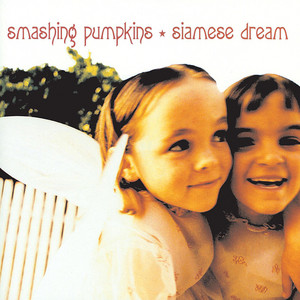
What gives Siamese Dream lasting greatness is that it transforms deeply personal insecurity into something enormous and universal. Corgan isn’t writing about abstract ideas. He’s writing about depression, alienation, self-loathing, and hope—and wrapping those feelings in some of the most beautiful guitar textures ever recorded.
Ramones isn’t trying to say much about society, politics, or the human condition.
It’s trying to make you move.
And it succeeds spectacularly.
But its ambitions are intentionally narrower.
What gives Ramones lasting greatness is not complexity.
It’s clarity.
Every second of this album understands exactly what it wants to be.
There is no filler.
No pretension.
No wasted gesture.
No attempt to impress anyone with virtuosity.
That purity of purpose is incredibly rare.
The album’s length, occasional self-indulgence, and unevenness keep it just below Prince’s absolute peak.
1999 changed pop music forever. But the truly astonishing thing is that Prince would make even better records afterward.
This is an album where the strengths are so overwhelming that the flaws become part of the experience rather than meaningful artistic failures.
It doesn’t simply express emotion.
It creates an emotional world so complete that, for seventy minutes, nothing outside it seems to exist.
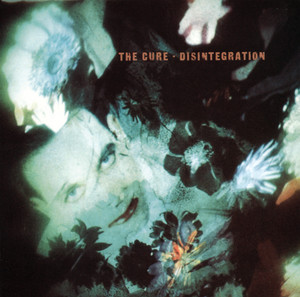
The album is brilliantly cohesive, but it lacks the emotional depth, compositional richness, and sustained brilliance of Disintegration. It feels like the blueprint rather than the cathedral.
Surfer Rosa isn’t the finished masterpiece.
It’s the explosion that made the masterpiece possible—and one of the most thrilling explosions rock music has ever produced
Its age shows.
Its recording technology is dated.
Its repertoire belongs to an earlier phase of Brown’s career.
None of those criticisms meaningfully diminish the experience.
This isn’t merely a great concert preserved on tape.
It’s the album that redefined what a live album could be, and more than sixty years later, it still sounds like the room might explode before the final applause.
Amnesiac is perhaps Radiohead’s most literary album. It doesn’t unfold like a novel with a clear arc; it reads like a box of recovered memories—some complete, some damaged, some impossible to place. That makes it less immediately satisfying than their masterpieces, but endlessly fascinating.
Vol. 4 is the album where Black Sabbath stopped being merely the founders of heavy metal and became one of the most creatively fearless rock bands of the 1970s. It doesn’t quite surpass their absolute masterpieces, but it proves their genius extended far beyond crushing riffs.
when Urban Hymns reaches its peak—“Bitter Sweet Symphony,” “Sonnet,” and “The Drugs Don’t Work”—it achieves something very few rock albums do: it makes intimate emotions feel genuinely monumental.
Urban Hymns isn’t just an album about sadness. It’s an album about dignity in the face of sadness. That’s the subtle difference that separates it from many of its imitators—and why it still resonates nearly three decades later.
After the Gold Rush isn’t trying to impress you. It whispers instead of shouts, asks instead of answers, and often ends before you’ve fully understood what you’ve heard. That’s precisely why it has remained so enduring. It feels less like an album you master than one you keep returning to, finding new meanings each time.
Aladdin Sane isn’t the polished myth of Ziggy Stardust. It’s what happens after the myth comes true. That makes it messier, more anxious, and ultimately more human. In many ways, it’s the first David Bowie album where the masks begin to crack—and that’s exactly why it remains so compelling.
Stories from the City, Stories from the Sea isn’t PJ Harvey becoming less interesting.
It’s PJ Harvey becoming more emotionally open without becoming less dangerous.
And that’s probably the album’s greatest achievement.
“This Is Love,” “Good Fortune,” “A Place Called Home,” and “You Said Something” are Harvey at her most immediate—and the fact that she could make songs this accessible without sounding remotely generic is why this record deserves its reputation.
Next isn’t a polished masterpiece.
It’s something arguably more interesting:
a great band refusing to behave like a normal band.
And Alex Harvey himself is the reason it works. He had absolutely no interest in looking cool. He wanted to entertain, provoke, disgust, seduce and make you laugh—sometimes within the same song.
That makes Next messy.
It also makes it unforgettable.
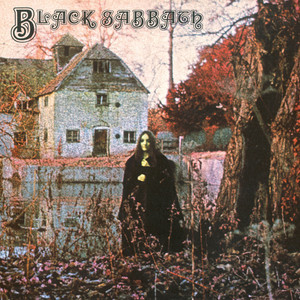
The most remarkable thing about Black Sabbath isn’t that it sounds heavy.
It’s that nothing sounded like this before it.
Plenty of albums are technically better.
Plenty are more sophisticated.
Plenty are better produced.
But almost no albums in rock history have the sensation of watching an entirely new musical language being invented in front of you.
ABBA are so dangerous to underestimate. They can make something sound effortless that is actually the product of extraordinary compositional and production discipline.
The Only Ones is probably one of those albums where the band’s influence is greater than its commercial footprint.
If you like The Velvet Underground, Television, Richard Hell, Buzzcocks, or early post-punk, this record is practically mandatory.
“Another Girl, Another Planet” alone is worth the price of admission.
There’s also a certain mythology surrounding Cash’s relationship with prisoners that deserves nuance.
He wasn’t simply a fearless rebel who walked into prison and liberated everyone spiritually. His prison performances were carefully constructed entertainment, and Cash himself was a complicated man with his own mythology and contradictions.
But that doesn’t diminish the power of what happened in that room.
His greatest talent wasn’t singing.
It wasn’t songwriting.
It wasn’t even his stage presence.
It was his ability to make outsiders feel like the center of the story.
At San Quentin, that ability was operating at full power.
This is an album you study more than binge.
Put on the best 45–60 minutes and it’s almost untouchable.
Listen to the entire project in one sitting and the law of diminishing returns inevitably kicks in.
And that’s the brutal distinction: the material is almost perfect; the package is not.
But Ella’s ability to make Gershwin sound simultaneously sophisticated, intimate, playful and completely natural is something very few singers in the history of recorded music could replicate.
Elvis didn’t need to prove he could still sing.
He needed to prove he still had something to say.
From Elvis in Memphis is the moment he finally did.
I think xx is genuinely one of the most important indie debuts of the 2000s.
But I don’t think it’s a masterpiece in the same way OK Computer, Disintegration, Doolittle, or After the Gold Rush are.
It’s too limited in palette.
Too repetitive.
Too dependent on atmosphere.
The Who Sell Out is The Who discovering that rock music could be funny without becoming disposable.
And that’s more important than it sounds.
In an era increasingly obsessed with psychedelic seriousness and grand artistic statements, The Who basically said:
“What if we made an album that sounds like you’re listening to the radio while eating baked beans?”
Then they quietly inserted one of the most explosive rock songs of the decade into it.
That combination of absurdity and ambition is what makes the album special.
The Band isn’t really an album about the past.
It’s an album about how people remember the past.
That’s why it feels simultaneously authentic and mythological.
And that’s why, more than fifty years later, it remains one of the foundational records of American roots rock.
Marianne Faithfull takes everything that should have disqualified her from making a great record—age, addiction, damaged relationships, damaged voice, exhaustion—and turns those liabilities into the album’s greatest strengths.
And The Ballad of Lucy Jordan may be the single most devastating example of that transformation.
Two transcendent songs.
Several excellent ones.
A few that history remembers more fondly than the actual music warrants.
That’s a masterpiece-adjacent album—not an untouchable one.
A great debut.
A fantastic singles record.
And proof that sometimes immaturity can be an artistic strength—as long as you have the songs to back it up.
American Idiot is not a perfect album about America.
It’s a very good album about being young, angry, alienated and desperate to escape—with America serving as the environment that produces those feelings.
And that’s why it has lasted.
The politics date.
The Bush-era references date.
The pop-punk aesthetic dates.
But the central feeling doesn’t:
“Something is wrong with the world I’m inheriting, and I don’t know whether I should fight it, escape it, or become part of it.”
That’s why American Idiot remains powerful.
Final verdict
The most remarkable thing about Coat of Many Colors is that Dolly takes poverty and refuses to let it be a story about poverty.
It’s a story about memory.
About parents.
About shame.
About dignity.
And about how children can misunderstand what their parents are giving them until they’re old enough to understand the sacrifice.
That’s why the title song is so devastating.
The coat was made from rags.
But Dolly understood something the children at school didn’t:
the value of something isn’t determined by what it costs.
That’s Dolly Parton the songwriter at her very best.
Mike Ladd had the imagination of a great speculative-fiction writer and the instincts of an underground hip-hop producer—but sometimes he forgot that an album still needs to be an album.
Welcome to the Afterfuture is full of extraordinary ideas.
It just needed someone to walk into the studio and say:
“That’s brilliant. Cut it.”
Green is the sound of a great band realizing it could become enormous without completely selling its soul.
Sometimes that transition is awkward.
Sometimes it’s brilliant.
And when it produces “Orange Crush,” it’s fucking extraordinary.
The album isn’t as consistently great as Murmur.
It isn’t as emotionally devastating as Automatic for the People.
And it isn’t quite as unified as the very best R.E.M.
But it captures something incredibly valuable:
the moment an underground band discovers its future without entirely abandoning its past.
At Folsom Prison works because Johnny Cash never walks into the prison pretending to be their savior.
He walks in as Johnny Cash.
He sings about murder.
Prison.
Drugs.
Loneliness.
Regret.
Women.
Death.
Humor.
And freedom.
And the prisoners respond because he doesn’t judge them from above.
He sings from somewhere beside them.
That’s why the cheers sound so different from normal concert applause.
They’re not just cheering a celebrity.
They’re hearing someone tell stories about people they recognize.
And then Greystone Chapel gives the final word to an actual prisoner.
That’s almost impossibly good sequencing.
Heartattack and Vine is the sound of Tom Waits standing at the edge of his own transformation.
He hasn't yet become the full-on experimental artist of the 1980s.
But he's already doing things that most singer-songwriters never even attempt.
And the best songs are extraordinary.
“On the Nickel” is a masterpiece of empathy.
“Ruby's Arms” is a masterpiece of heartbreak.
“Jersey Girl” is a masterpiece of romantic simplicity.
And “Heartattack and Vine” is a masterpiece of ugly, electric blues.
That's a pretty impressive collection.
But the album itself is not quite a masterpiece.
Songs of Leonard Cohen is a landmark debut because it introduced an artistic voice that was already unusually mature, intimate, and unsettling. It is not a perfect album, and its narrow mood and occasional musical stiffness keep it below the absolute top tier.
But its strongest songs are extraordinary, and its influence is not based on mythology alone. This is a record that changed what a singer-songwriter could sound like: less entertainer, less confessor, more haunted literary presence.
This Nation’s Saving Grace is one of The Fall’s rare albums where the band’s antagonism, intelligence, humor, and musical discipline all reinforce one another. It is catchy without being comfortable, experimental without becoming shapeless, and abrasive without relying solely on noise.
It falls short of a 9.5 because the second half is less essential and the album occasionally mistakes repetition for development. But its best songs are undeniable, and its overall identity is remarkably strong.
The Fall did not sell out here. They simply learned how to make their hostility memorable.
There’s a Riot Goin’ On is not a perfect album, and it is not even Sly and the Family Stone’s most immediately pleasurable one. It is too murky, too repetitive, and too dependent on atmosphere to earn a higher score.
But it captures something almost no other major funk album captures: the moment when music built on joy, unity, and movement begins to feel haunted by its own collapse. The album’s roughness is not incidental. It is the message.
A damaged masterpiece—and perhaps the most convincing funk album ever made about the disappearance of hope.
Parachutes is Coldplay at their most intimate and least overproduced. It contains several excellent songs—“Don’t Panic,” “Shiver,” “Sparks,” “Trouble,” and “Yellow”—and it establishes a distinctive emotional atmosphere with remarkable confidence.
But it is not a perfect album. The lyrics can be vague, the pacing occasionally drags, and some tracks feel more like mood pieces than fully developed compositions. Its influence and importance are also partly the result of what Coldplay became afterward.
A beautiful, restrained debut—but a very good album rather than an untouchable classic.
The Predator is a major rap album because Ice Cube turns anger into atmosphere, personality, and unforgettable music. It contains one of the greatest rap songs ever recorded, several outstanding political tracks, and a performance style that remains intimidating decades later.
But it is not flawless. The album is overextended, occasionally repetitive, and sometimes too dependent on confrontation without enough variation or reflection.
Still, its best moments are undeniable. “It Was a Good Day,” “When Will They Shoot?,” “The Predator,” and “Wicked” alone make this essential listening. It is not quite as tightly constructed as Death Certificate, but it is more accessible, more varied in places, and arguably more influential as a mainstream statement.
A classic—with some very real dead weight.
Aja is one of those albums where the word “masterpiece” is completely understandable.
But I don’t think it’s flawless.
It’s too controlled.
Too polished.
Too emotionally detached.
It’s not merely an album that sounds perfect. It’s an album about imperfect people, performed almost perfectly.
Aja is one of those albums where the word “masterpiece” is completely understandable.
But I don’t think it’s flawless.
It’s too controlled.
Too polished.
Too emotionally detached.
Get Behind Me Satan is the sound of a band deliberately sabotaging its own formula.
And I respect the hell out of that.
The piano replaces the guitar.
The marimba replaces some of the aggression.
The songwriting becomes more exposed.
And Jack White proves he can write compelling songs without relying on distortion to make them interesting.
But here’s the important distinction:
It’s more adventurous than Elephant.
It’s not better than Elephant.
The record has too many good-but-not-great songs to reach the 9+ territory, and several experiments feel more admirable than essential.
Straight Outta Compton is one of those records where the flaws are part of the historical fingerprint—but they’re still flaws.
Its greatest songs are phenomenal:
“Straight Outta Compton” — 10
“Fuck tha Police” — 9.5
“Express Yourself” — 9.5
“Dopeman” — 9
Those tracks alone secure its place in hip-hop history.
But the album isn’t perfectly consistent. There are weaker tracks, repetitive ideas, simplistic arguments, and production that would be surpassed dramatically by Dre within a few years.
And yet…
When that opening beat hits and Cube says “You are now about to witness…”, the album’s authority is immediate.
There aren’t many albums that sound like they’re announcing the arrival of an entirely new cultural force.
This one does.
Vespertine is one of the rare albums where production becomes part of the songwriting.
The clicks aren’t decoration.
The strings aren’t decoration.
The whispers aren’t decoration.
The tiny beats aren’t decoration.
Everything contributes to the feeling of being inside an intensely private emotional space.
Here’s Little Richard isn’t a perfect album.
Some of the lesser tracks are basically competent blues/R&B numbers, the production is primitive, and the songwriting is generally simpler than the mythology surrounding Richard might suggest.
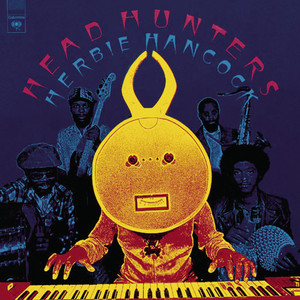
Head Hunters is jazz that learned how to sweat.
It takes the harmonic sophistication and improvisational freedom of jazz and puts it inside grooves powerful enough to move an entire room.
And the brilliance is that Hancock never treats funk as something intellectually inferior.
He treats the groove as a serious compositional language.
“Chameleon” is the masterpiece.
“Watermelon Man” is the transformation.
“Sly” is the experiment.
“Vein Melter” is the atmospheric epilogue.
And together they form one of the most influential jazz-funk statements ever recorded.
A gorgeous, melancholic, quietly ambitious masterpiece—and one of the best examples of how an album can sound simultaneously optimistic and profoundly sad.
Parsley, Sage, Rosemary and Thyme is the album where Simon & Garfunkel become more than a successful folk duo.
It’s the beginning of their transformation into sophisticated studio artists and Paul Simon’s emergence as one of America’s major songwriters.
It’s beautiful, intelligent and meticulously constructed.
But it’s not flawless, and I’m glad we’re being stricter with the ratings: the supporting material doesn’t consistently reach the astonishing level of its best songs.
brilliant, witty, musically sophisticated, and slightly uneven. Steely Dan at the moment when complexity became effortless.
1984 is Van Halen at the point where virtuosity, songwriting and commercial instinct collide.
Eddie Van Halen proves he can make the synthesizer as exciting as a guitar. Alex Van Halen sounds monstrous behind the kit. David Lee Roth turns every song into a theatrical event. And the production makes the whole thing enormous without completely sanding off the band’s personality.
The Trinity Session is one of the great atmospheric albums of the late 1980s.
Its greatest achievement isn’t virtuosity.
It’s restraint.
The Cowboy Junkies understood that a whisper can be more powerful than a scream, that silence can function as an instrument, and that a great recording doesn’t necessarily require layers upon layers of production.
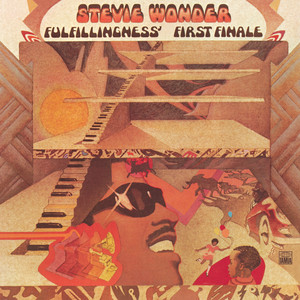
Fulfillingness’ First Finale is Stevie Wonder looking inward after having spent years looking outward.
It’s spiritual without being preachy, political without becoming didactic, romantic without becoming sentimental, and funky without sacrificing sophistication.
Tracy Chapman is one of the strongest singer-songwriter debuts of its era.
It doesn’t rely on virtuosity.
It doesn’t need elaborate production.
It doesn’t need a giant band.
Chapman takes an acoustic guitar and a remarkably expressive voice and writes songs about poverty, love, racism, domestic violence, ambition, consumerism, escape and disappointment without ever making the listener feel like they’re sitting through a lecture.
And that is incredibly difficult.
The Freewheelin’ Bob Dylan is the moment Dylan’s artistic identity becomes unmistakable.
It’s not perfectly consistent, and it doesn’t have the sonic richness of later Dylan records. Some songs are essentially sketches, and the primitive recording occasionally makes the album feel like a document of a young musician rather than a fully realized studio production.
But that’s also part of its power.
This is Dylan before the mythology became larger than the man.
He’s young, angry, funny, romantic, confused, politically engaged and wildly ambitious.
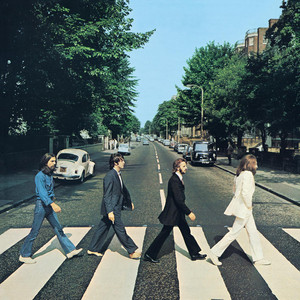
Abbey Road is The Beatles turning the impending end of their greatest creative partnership into one final demonstration of what they could accomplish together.
“Come Together” is hypnotic. “Something” is one of the great love songs. “I Want You” is terrifyingly obsessive. “Here Comes the Sun” is pure beauty. And the entire medley on side two is an astonishing feat of arrangement, sequencing and musical architecture.
The album isn’t perfect in the literal sense. There are weaker songs.
But as an album, it achieves something very close to perfection.
And the final sequence is almost unbearably appropriate:
“And in the end, the love you take is equal to the love you make.”
Then silence.
Phrenology is The Roots refusing to become predictable.
It takes the live-band foundation established on their earlier records and pushes it into rock, soul, funk, psychedelia and experimental hip-hop.
Black Thought is phenomenal throughout, Questlove’s drumming is ridiculous, and “The Seed (2.0)” is an absolute monster of a song.
But the album isn’t perfectly disciplined.
Some experiments are brilliant.
Some are merely intriguing.
Some are simply unnecessary.
Strangeways, Here We Come is The Smiths ending at the exact moment they were becoming more interesting.
The guitar-pop foundation is still there, but Marr is increasingly interested in atmosphere, texture and unusual arrangements. Morrissey remains sarcastic and melodramatic, but there’s more vulnerability beneath the persona.
And then there are the songs.
“Stop Me If You Think You’ve Heard This One Before” is brilliant pop songwriting. “Last Night I Dreamt That Somebody Loved Me” is devastating. “Paint a Vulgar Picture” is one of their sharpest pieces of social commentary. And “I Won’t Share You” is an unexpectedly beautiful farewell.
The weaker tracks prevent absolute perfection, but the album’s peaks are extraordinary.
Blood Sugar Sex Magik is the record where the Red Hot Chili Peppers grew up without actually growing up.
They’re still immature.
Still obscene.
Still ridiculous.
Still obsessed with sex.
But now they can write a devastating ballad about addiction, a genuinely beautiful song about heartbreak, a political funk anthem, a tribute to a dead friend and one of the greatest alternative-rock singles ever recorded.
That’s the transformation.
The musicianship is exceptional, the chemistry is undeniable, and Rick Rubin gives the band the space to become something much bigger than their previous incarnation
Different Class is one of the great albums of the Britpop era, but its importance goes well beyond nostalgia for 1995.
Pulp understood that the most revealing stories aren't necessarily about celebrities, heroes or people who change the world. They're about ordinary people trying to escape their circumstances, impress someone, get laid, feel important, find love or convince themselves that their lives mean something.
Architecture & Morality is one of the defining achievements of early electronic pop because it understands something that many more technically ambitious records miss: technology is most expressive when it serves an emotional idea.
OMD don't merely write songs with synthesizers. They use electronic sound to create a distinctive emotional language—one that can feel architectural, devotional, lonely, and unexpectedly tender. The album's finest moments are not just catchy or influential; they feel like places you can enter.
Its weaker tracks prevent it from being completely untouchable, but the best material more than compensates. “Souvenir” is a miniature study in melancholy, “Joan of Arc” is a beautifully controlled crescendo, and “Maid of Orleans” is the kind of composition that can make an entire album feel essential.
New Wave is a superb debut that occupies an unusual place in British guitar music. It has the melodic craft of classic pop, the literate sharpness of the best alternative rock, and a worldview that is considerably darker than its catchy arrangements initially suggest.
Luke Haines is the album's great asset. He understands that social pretension is often funniest when it is also sad, that glamour can conceal desperation, and that the people most convinced of their own sophistication can be the least self-aware. The band's arrangements give those observations a musical elegance that prevents the record from becoming merely a collection of sneering lyrics.
But I wouldn't call it a flawless masterpiece. Some songs are stronger in concept than in execution, and the album's emotional reserve occasionally makes its characters feel like objects of observation rather than people we come to care about.