My first album in this project and unfortunately I don't have a whole lot to say about it. I'd only been familiar with Santana from his later pop career (mostly the overplayed "Smooth") and didn't know him as a prog rock guitarist. His guitar playing is instantly recognizable and impressive.
I'm really unfamiliar with prog rock so I have a hard time picking out details about this album. Oddly enough, my favorite track was probably the atmospheric opener "Singing Winds, Crying Beasts" and it led me to think I was going to enjoy the album a lot more than I did. This may be because it's an instrumental track and I enjoyed the instrumentation more than the bland vocals from Gregg Rolie (sorry, I'm not a Journey fan either).
I think this album might grow on me over time. This is probably an album best enjoyed when put on a turntable in the background with a glass of wine (or something much stronger) rather than focused listening through headphones. It's great at contributing to a hazy and psychedelic mood even when the individuals songs don't particularly impress.
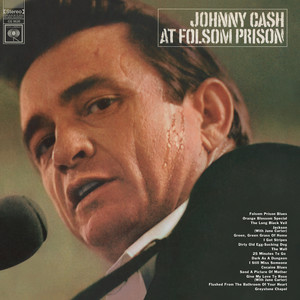
A more fascinating historical document than it is an album. I accidentally listened to the recent re-release that includes both of Cash's performances at Folsom prison, so I'm not sure I got the original experience which supposedly has the best moments of each performance spliced into one. My favorite moment of that re-release, which was the American tall-tale storytelling of "The Legend of John Henry's Hammer" on side 1, apparently didn't make the original release (the performance of the same song on side 2 didn't go as well). It tells a story (relevant once again) of workers trying to resist being replaced by machines.
The stunt of recording a live album at a prison with these songs, which often have lyrics about outlaw characters who end up in prison, is very successful, and the audience reactions add a lot to the atmosphere.
On a first time listen, it struck me how much of this album diffused into future rock albums from different bands; this may be why this album is catching accusations of sounding generic.
One example of this is the harmonized vocals on "Head Down" sounding very similar to what System of a Down was doing on their Hypnotize/Mezmerize album. (Also, did anyone else notice how the melody of "Black Hole Sun" sounds REALLY similar to "Wicked Little Town" from Hedwig? I'd always thought that musical was purely inspired by Bowie but clearly there is Soundgarden influence as well!)
They're also doing interesting things with time signatures in these songs, which could go unnoticed since it's more subdued that the flamboyant time signature switch-ups of bands like Tool or SOAD.
Impressive vocal range from Chris Cornell. I love the falsetto on "She Likes Surprises" right before the breakdown.
Great guitar riffs throughout. I love the creepy descending riff on "The Day I Tried to Live".
"Spoonman" is the song I'd heard before and I still like it just as much. It hits a happy medium of being heavy and interestingly structured while still being a perfect candidate for radio play.
I do feel like the album is too long and a bit exhausting for a single session. I started running out of energy at "Kickstand", and the back half of the album started to feel lethargic (other than "Half" coming out of left-field with its Bollywood sound). Breaking the album up into multiple sessions would probably allow you to appreciate the later songs more.
Adding a star because of how incredibly influential this album was, but I can't say I find this album especially pleasant to listen to outside of a specific mood. The singles "C.R.E.A.M." and the ensemble piece "Wu-Tang Clan Ain't Nuthing ta F'Wit" are the standouts here. It's really incredible that a production with so many limitations still turned out this serviceable. While the backing samples are interesting and were unique for the time (the kung-fu film samples are especially fun) they still become too repetitious for such a lengthy hip hop album.
Having worked retail jobs for some years, Christmas music has mostly been ruined for me, and it's a rare day when I choose to put it on of my own free will. That said, it's the holiday season and I'm feeling generous; this is probably the best Christmas music can aspire to be. Having the album be a compilation of various artists really helps cut down on the repetition that a full Christmas album would typically involve.
The production is unusually good for this kind of music. In general, many Christmas songs have wimpy, music-box instrumentation with the vocals way in the front of the production, and there's none of that here. The instruments and vocals are balanced to the point where you feel we're all in the room together (I guess this is Phil Specter's "Wall of Sound" concept). I particularly like the trumpet solo on "Here Comes Santa Clause".
Darlene Love's "Christmas", which originated with this album and is probably one of the best Christmas songs out there, is the standout here.
At the end of the day, though, these are still Christmas standards we've all heard a million times, and I felt my attention wandering on some tracks. I think this is ideally just thrown on in the background to contribute to a holiday mood; just a slightly elevated version of what we do already with Christmas music, but I'd rather hear this than a Spotify playlist that might subject me to something too saccharine and annoying (although I'd put "Parade of the Wooden Soldiers" off this album in that category).
To me, this is the platonic ideal of swing/big band music. Since this is a purely instrumental album, I don't have enough musical training to coherently write about the details, but I sure enjoyed it.
The propulsive opening of "The Kid from Red Bank" flows right into the groovy "Duet"; this song sounds like the soundtrack for strolling down a trendy city street on your way to a jazz club. "After Supper" is a more staid affair but the energy picks up again and doesn't much let up after that.
I LOVE the brash brassiness of "Double-O"; the horns and saxophone just sound so good here. It's very 'noisy' and goes just to the edge of playing with dissonance, but also sounds warm and pleasant, which seems like such a difficult balance to achieve.
"Teddy the Toad" is kind of a rhyming callback to "Duet". Next is the charming swagger of "Whirly-Bird" which will definitely wake up you with its relentless energy if you're feeling tired by this point. Then "Midnite Blue", which starts out slow and moody but eventually erupts. I really like the satisfying horn motif on "Splanky". And "Lil Darlin" gently closes out the album.
Overall, there's not a dull song in the bunch! Albums like this are the reason I want to do this project, and The Atomic Mr Basie is definitely going into my regular rotation.
I'd listened to the opening of this album a number of times over the years, but strangely enough I never continued listening to the rest. "The Suburbs" (title song) is still great in how it captures a certain wistfulness and nostalgic melancholy. It exemplifies something this album does very well, which is to have the instrumentation work in tandem with the lyrics to illustrate them. I do think though, that since this is partly an album about midlife disenchantment, that this CAN manifest as boredom in the production itself.
I have to admit that I found it a little too easy to zone out during this album, and there are definitely moments of tedium; weirdly enough, the tedium seems more pronounced during the more ostensibly upbeat songs ("Month of May" being a particular low point, for me, and an introduction to a weaker, more meandering section of the album). The album picks back up, though, with "We Used to Wait" and finishes strong with the two-part suite "Sprawl". Part II is the climax of the album when all the plodding angst suddenly unfurls into something euphoric, like waking up to a beautiful sunset after a night of despair.
"Ready to Start" is also particularly great. I really like that moment when the vocals get a half-step out of sync with the backing instruments on the lyric 'if I was pure, you know I would'; to me it adds authenticity as it signals the character's hesitancy, almost as if he's questioning whether he really means what he's saying.
It took me a couple of tries to listen through this album because I wasn't in the mood for it, and my first attempt ended with a splitting headache (not promising, I know, but I'm determined to give the album a fair shake).
If I'm being honest, the vocals were always what prevented me from getting into this band, as the instrumentation is usually quite interesting with awesome guitar riffs, but something about Plant's shrieky vocals are unpleasant to me. It's hard to put a finger on what exactly I don't like about it; I do sometimes enjoy heavy music with screamed vocals, so it's not just the volume. The song "What is and What Never Should Be" is emblematic of this problem for me. The band gets into such a good, satisfying groove that I want to enjoy but Plant shrieking "baby baby baby" on top of the mix just worming into my ears in a very irritating manner (and that's not the only song in which he does that with the same lyric).
I think it doesn't help that the lyrics on some of these songs are often very surface-level and showing no attempt to make the mode of delivery seem appropriate ("Whole Lotta Love" & "The Lemon Song"). There are some notable exceptions, and I much prefer the more descriptive, mysterious lyrics on songs like "Ramble On", with its Middle-Earth references.
I think what I've typed here is more harsh than I meant it, but this is a band for which I missed the boat and I just don't love it the way others do (by way of explanation, I'm a millennial).
Influential punk album with decent musical variety that I probably won't return to. "White Girl" is the major standout here. It has an interesting structure with an anxious guitar riff and enigmatic lyrics (I don't love the chorus though). "Universal Corner" is also pretty good. "In This House That I Call Home" is a real low point for me, with its call-and-response structure between the unappealing vocals and annoying guitar riff.
A fairly middling and unmemorable listen for me.
I’ve tried several times to get into Prince, but he’s one of those artists that leaves me wondering if I’m hearing something different from everyone else (Kanye West being another of those artists).
I’ve heard nothing but praise for how genius this album supposedly is, but to me it just sounds repetitive & (dare I say it?) boring. The mix doesn’t even sound balanced to me… there’s so much treble that it grates on the ears after a while, especially on the songs with the screeching vocals. I prefer the 2015 remaster for this reason.
Sure, these songs are catchy but they aren't songs I enjoy having stuck in my head. I do like the energetic one-two punch of "I Would Die 4 U" and "Baby I'm a Star". However, I actively dislike the over-indulgent title track, and getting through its nearly 9 repetitive minutes is a real chore.
My first encounter with this band and Britpop in general, and now I feel embarrassed for thinking newer bands like The Arctic Monkeys somehow originated this type of rock music with regional English accents (to be clear, Oasis has a heavier sound than that band).
The sneering vocals matches well with the intensity of the driving guitars and percussion. The lyrics I can make out don't seem particularly meaningful or effective at storytelling but that can be forgiven for music you can rock out to. This is definitely an album I'll return to.
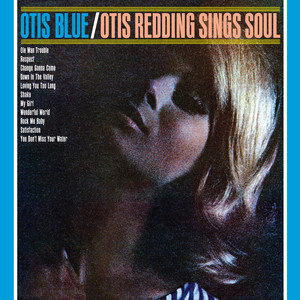
First impressions are that the horns and drums sound so good on this. The recording is so clear that it sounds like you're in the room with the musicians. The civil-rights song "A Change is Gonna Come" is a real standout in the passion that Redding brings to his vocals.
It gets some automatic points off for lack of originality since it's mostly covers of other people's songs. I do wish the album had more variety. I can't quite get on board with the cover of "Satisfaction" but the "My girl" cover is one of the best ever.
I'd never heard this original rendition of "Respect" and it's so interesting how Aretha Franklin made the song more meaningful by singing the same lyrics as a woman.
This is like an anachronistic vision of what '50s music would be like if they'd had punk rock back then, along with hammer-horror-esque lyrics. This music is intentionally abrasive so I can see why it's not popular, but I respect how eccentric this is.
Perhaps this star rating is unfair, because LL Cool J does have rapping skill, but I've never been a big fan of the type of 90s hip-hop that this album embodies. Cool J delivers his lines with energy but the lyrics are the typical braggadocio -- not inspiring or interesting to listen to.
The comedy works at the beginning but runs out of steam over the course of this album's hour-long runtime. Most of these raps are about sex but it doesn't *sound* sexy at all, and I can't picture a woman ever choosing to listen to this, especially the date rapey "Mr. Good Bar".
I listened to this album walking the streets of NYC which felt like the ideal way to experience it.
High Point: I like the jazzy sample in "To Da Break of Dawn".
Low Point: I truly hated the album closer "The Power of God"... he says something like 'time for something more smooth' but this song is horribly sluggish with a muffled background sample that sounds like your neighbors through the apartment wall are having a party at 4AM while you're trying to sleep, and there's even a crying baby thrown into the mix.
Ok, this rocks! I'm glad this project contains contentious underground music like this and not only classics that we might otherwise encounter normally; the sense of discovery makes it seem worth it.
I feel like my ears have taken a serious beating but wow this has so much feral energy created with only a drum and bass guitar. This is the kind of music that will have a mosh-pit instantly forming when played live.
This is the first time during the project that I instantly looked up whether the band was touring.
A warning: this is a tiny bit disconcerting to listen to through headphones because the live recording has such high fidelity that I kept thinking someone was behind me because of sounds of quiet voices, glasses clinking, and footsteps. I found it much more enjoyable to play through speakers.
I hope this list doesn't have many more Prince albums. If I didn't like Purple Rain, there's not a lot of hope for me with his music.
I don't like the artificial sound of the synthesizer and drum machine; it's repetitive and annoying. I'm not against synthesizers at all, artists like Kate Bush and Enya got beautiful use out of them. But here I just wish I could reach through the speakers to unplug it and make it stop.
The lyrics also strike me as superficial. When the messy singalong backing vocals kicked in during "Forever in My Life" I truly questioned whether I could finish this album. And "Housequake" is absolutely appalling.
Maybe my rating is unfair because I know Prince was a trailblazer in some ways, but I truly could not bear to listen to this album ever again.
The sound is incredibly dated; I feel like hip-hop albums from this era (80s) sometimes sound even more ancient than music from medieval times would...
Also, these songs largely don't even sound like they belong in the same album together. "Scorpio"'s vocoder techno-pop sound was apparently innovative for its time but today sounds tired and generic. "It's Nasty" is alright but relies on a sample that I've liked better in other songs. The two ballads "Dreamin'" and "You Are" are genuinely bad, with the latter sounding like a filler song from a Christian album. The title song is certainly the highlight, but I wouldn't listen again. The stuttery closing song "The Adventures of Grandmaster Flash..." is baffling; it's anchored around a bassline from Queen but Grandmaster Flash adds voices that continually interrupt each other. The result for me is that the song sounds kind of startling to listen to, and not in a good way.
This is a hard album to rate, because I think I would have enjoyed this quite a bit if it weren't for the horrendously tuneless vocals (I'd venture to say the singer's a bit tone deaf).
The guitar is great and the country-twang instrumentation is ear-catching. This blend of punk and country is unique even to this day; I can't think of another band who does music like this. It's all dragged down by the vocals though, the awfulness of which can't be overstated. The vocals work a little bit better on a song like "Lake of Fire" where he just partially screams instead of attempting to carry a melody. This would have been a great band if they'd had a capable singer. I really wavered between 2 and 3 stars for this reason, but truthfully I wouldn't come back to this album.
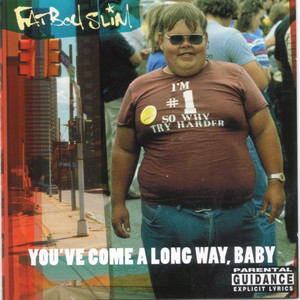
I'd only known Fatboy Slim from the song "Wonderful Night" which does not appear on this album. That particular song was featured in a Dance Dance Revolution game and got a lot of play in my household because it was a song with easy choreography and a steady beat, but I never really enjoyed listening to it due to its repetition. After listening to this album, that appears to be Fatboy Slim's modus operandi. The repetition of the spoken lyrics is unbearable at times and for that reason, I think this album could be used as a form of aural torture. "Kalifornia" is bearable, largely because I couldn't understand what the robotic voice was saying and therefore couldn't get annoyed by hearing the same phrase over and over. I really didn't want to finish listening to this even after the first song (I did though, for the sake of this project). Hated it.
Referring to an album as "mood music" has the danger of a carrying a negative connotation, conjuring memories of characterless elevator muzak. That's not what I mean when I refer to Moon Safari as sublime mood music.
This album instantly changes the room's atmosphere from the first song "La femme d'argent" making it feel instantly more sophisticated. There are obvious comparisons to be made with Daft Punk but I feel like Air uses less vocal repetition which makes this more listenable for me than something like DP's "Discovery".
The bass sounds so good throughout the whole album. I love the euphoric vocoder on "Kelly Watch the Stars". The opening minute of "New Star in the Sky" sounds like it should soundtrack a mysterious desert town in a JRPG.
The album is mellow, textured and dreamy. However, this is music to put on in the background, and not as satisfying to actively listen to, which is where some of the vitriol is perhaps coming from.
This album sounds like Los Angeles, for both good and ill. Even the melancholy songs are sun-drenched. It opens with an all-time stretch of radio classics, a streak that is rudely interrupted by the abrasively juvenile “Get on Top”. The less said about those lyrics, the better. In general, these songs have really great instrumentation but are brought down by shallow off-the-cuff lyrics that sometimes feel like a joke at the listener’s expense. I also think on some songs (like on “Easily”) this band falls too in love with certain guitar riffs, where they stretch a song past the point of tedium and have me reaching for the skip button.
It’s hard to argue with that initial streak, from the energetic syncopation of “Around the World” through “Californication”. And I sure do like the cover art. I think this is a really uneven album, but it definitely achieves a consistent mood similar to what the cover art evokes. This is a band who live and breathe LA and this only could have been made there.
My first, unexpected reaction to the opening song was to laugh. It really does sound like Halloween music at first. But opening with that song was just a sign of Tom Waits' boldness and uncompromising approach to his artistic project. You'll either get on board or not, and Waits doesn't care either way.
He's created something so odd and anachronistic here. Line by line, the lyrics seem like they could have been written in an 18th century port town or in 20th century New York. You have songs that are practically sea shanties alongside something like "9th and Hannipen", which is like spoken-word poetry from a film noir. I could be crazy, but I think it's a sign of immense creativity that the closest predecessor to what Waits is doing here with his odes to the outcast of '80s New York society who populate these songs would be Charles Baudelaire.
Musically, it's pulling from an enormous selection of instruments that are seldom heard at this point in history. It's unbalancing at first, but you quickly notice you're listening to something entirely singular. And despite the (affected?) gruffness of the vocals, Waits doesn't withhold pleasure for the sake of his project either; the warm percussion on this record is especially lovely to listen to.
This is very well-made pastiche; the downside of that being that the band doesn't have much of an identity of its own. Some of it works (jazz is always a good companion to rock) and some of it doesn't (the hawaiian instruments feel overused and out-of-place).
It did get me thinking, though, about what makes the difference between musical pastiche and a band that uses an obvious assemblage of influences to create something truly additive. A band like Animal Collective is what I'm thinking of here, which uses a lot of the same historical material as Roxy Music, down to the '50s doo-wap. I don't have the answer yet, it's just a thought.
What a surprise, though, to hear Brian Eno's synthesizer in the music of a band I've never even heard of! Easily my favorite part of the record, especially on the fun and irreverent "Ladytron"(a standout for me).
This was my first encounter with an entirely unfamiliar genre: krautrock, which appears to be psychedelia from West Germany in the ‘70s. True to the band's name, this was definitely a new kind of sound in 1975. Today it doesn't sound particularly exciting, but is still a rewarding listen that doesn't overstay its welcome.
I’d describe the album opener “ISI” as sci-fi lounge music. “Leb’ wohl” is entirely transporting with its ambient ocean waves, though it could also put the listener to sleep. I like the use of ambient sound in general. The howling wind overtop a vaguely demonic moaning towards the end of "E-Musik" definitely intrigues and makes me lean in to hear better.
This is easily my favorite White Stripes album, and as such I've listened to it many times over the years, especially the faultless initial stretch of five songs from "Dead Leaves and the Dirty Ground" to "Expected". I have good memories of driving around aimlessly with my sister in the car with this in the CD player.
I still think it's great musically, but I've never liked Jack White's lyrics; they give a surface impression of telling a story but end up aimless and incoherent without compelling enough details to latch onto. If I'm honest, his lyrics also reflect such a deeply heterosexual male posturing of machismo that I find alienating and unrelateable (hate this term, but it's true, and relevant for music that's intended to be entertainment rather than art).
"Seven Nation Army" isn't on this album, but I think that song in particular really harms their legacy in a way and makes it odd to try and remember how this album felt and sounded in its time. That song has been so overplayed at this point, even being piped into sports stadiums as background music for crowds of hundreds of tipsy, beleaguered sports fans. I think it's hard for a band to recover any sense of mystique when a song of theirs gets so enormously popular, especially with a band like this where so much of their appeal comes from a certain charming amateurishness which gets lost when they get to the sports-stadium level.
I think this is pleasant enough but it does kind of fade into the background after awhile.
I'm not crazy about the vocals throughout this record. Sometimes Mayfield's falsetto sounds appropriate for the mood of the song, but he doesn't have much vocal strength in that register and it can often sound faltering and flat as he struggles to hold the notes. It can even get a bit grating, like on "Jesus" where he just keeps hammering this particular note over and over until it kind of gave me a headache (but I was already on edge from being unexpectedly transported to church against my will). That's also the point in the record when I got bored and checked out, although Hard Times almost brought me back on board.
I think, unfortunately, the vocals distracts me from the great musicianship going on behind it. The brass section in "So in Love" sounds especially good, and I like the saxophone in Love to the People.
Nixon is an interesting album because it's an exercise by British musicians of adopting the aesthetics of an imagined Americana that doesn't really exist. Despite the album's title, there's really no political content here. The lyrics are mostly illustrative embellishments of the Nashville folk-inspired music. That's not meant to be a criticism, by the way; there's room in music for fantasy.
This album exemplifies the biggest problem with this album project, namely that I'm often introduced to a band by its most recent work rather than having the opportunity to start at the beginning and follow a band through its creative development. My enjoyment of this band in particular definitely suffers from this because this album apparently performed so badly that the band broke up over it, and for someone who hasn't heard their other works, it's easy to see why. When the band actually gets around to playing music, it's great: I love when pop music includes brass instruments, and the horns here give the music a lot of energy. I don't even mind the eccentric vocals.
The problem is that a lot of the space of this album is not actually dedicated to music. There's a lot of talking over the instruments and even entirely blank space dedicated to inane chatter, which stops the album dead in its tracks. It especially harms the song "This is What She's Like", which is actually a great song once you get past the very long skit at the beginning. If they really wanted to put these in, I think musical artists have solved this by having them be separate lead-in tracks so they can be easily skipped. It's really a baffling decision, because the talking doesn't appear to be *about* much of anything, although it's often hard to even make out the words because of the vocal mixing. Anyhow, I probably wouldn't return to this album but I'd be willing to look at some of their earlier work; here's hoping it's less messily arranged than this is.
Morose, bland, and completely lacking variation. Beck remains in a single emotional & musical register for the entire album. More sleepy than sad. I didn't want to finish the album because it felt like the same song 12 times, but I did it for the sake of the project.
I won't be able to properly explain this, but something about this strikes me as musically unsophisticated. I think it has to do with the way the vocal melodies are often sing-songy and also too similar to what the instruments are playing, sometimes even being identical.
I'm probably being ungenerous with this rating but nothing about this whatsoever strikes me as belonging on a list like this. This just isn't a notable album in any way.
It says everything about this album that even after dozens of listens over the years, I was excited to hear it again when it appeared on my feed here.
Amy Winehouse was a completely singular artist. She was a complete original and there will never be another person like her. Her great innovation was her particular use of juxtaposition of old, elegant forms of jazz/blues music combined with heartfelt lyrics that were completely modern; her lyrics are strikingly frank and unguarded, profane, and somehow both conversational and poetic. Hearing *these* lyrics coming from *that* voice still somehow sounds surprising (and the sheer beauty and expressiveness of her voice makes the darkness of subject matter go down easier).
Of course, lying beneath the music itself like a pitch-black abyss is the tragedy of Amy's life, impossible to extricate from the music given the lyrics about depression, alcoholism, and the toxic relationship that fueled them. It's unpopular today to be seen as somehow 'romanticizing' mental illness by looking at how it affects a person's artistic production, but Amy Winehouse is an example of someone who made something beautiful out of her pain, even as it was killing her.
I've had mixed feelings on this album since its debut in 2010. Kanye West (starting with College Dropout) is responsible for changing the trajectory of hip-hop, for the worse in my opinion. That said, as much as I want to dislike Kanye as a person and an artist, it's difficult to deny the sheer mastery on display in this album.
The triumph of this album is of course the creative sampling and production on display, coupled with an atypical (at the time) perspective from a hip hop artist being simultaneously insecure, self-critical, narcissistic, delusional and grandiose. Kanye's lyrics aren't particularly artful, but they're interesting because of the unconcealed view we get into his psychology. The problem is the amount of imitators that were encouraged by this lyrical approach -- none of whom rose to this level -- who flooded the hip-hop of the 2000s in a sea of mediocrity. Really my beef here is with College Dropout, but I'm not expecting to see that on this list, and My Beautiful Dark Twisted Fantasy is the highest possible peak of this approach to hip hop.
Some of the instrumentation on here is so menacing and disturbing. I remember being too high one time when the minor-key descending piano scale from "Runaway" began playing and I just got this sinking feeling that something was terribly, existentially wrong; it nearly instantly gave me a panic attack, it really sounds that evil (and of course thoroughly appropriate for the lyrical content about an unrepentant narcissist). It's still difficult for me to listen to the song; for me the musical phrase exudes a sense of impending doom. It really says something about this song that the menace of the backing music in 'So Appalled' doesn't warrant a mention in comparison. Then, 6 minutes in, the vocoder line kicks in along with some symphonic strings and instantly changes the mood to one of lightness, beauty, and a sense of uplift. This is a very impressive dance between opposite extremes (I don't want to psychoanalyze too much, but is this perhaps an intentional evocation of Kanye's bipolar disorder, which he's been open about having importance to his artistic process?).
Have I talked myself into giving this album 5 stars? This is the only album I've encountered where I feel so torn between ratings, depending on the day. When I revisited this album I expected to give it 2 stars based on my memories of it, but against all expectations it's getting a perfect score.
I really need to stop browsing the user reviews here before fully listening to an album, because they had me primed to dislike this before I heard the first note.
Contrary to the popular write-ups here, I found this to be an excellent album, one that is ambitious in a way that's rare today. Before most people's attention spans were decimated by algorithmic video, an album like this was thought of as generous rather than self-indulgent.
People also seem to dislike this largely because they find the lyrics hard to relate to and therefore pointless. The odd thing to me is the tone of personal offense that reviewers seem to take to not being catered to (an expectation that those aforementioned algorithms have trained into them).
One thing these reviewers fail to mention is that a great deal of this album is purely instrumental; even if one doesn't find the story of the album compelling, there are still many musical pleasures to be found here, such as instrumental flourishes played once and never again.
But dismissing what The Who tried to do here in bringing wider respect to rock music by writing an album that functions as a musical, complete with an overture & leitmotifs, is unfortunate to see, especially in a time when nothing like this is really attempted anymore.
This is definitely an album I plan to return to because I can see that it has a lot to uncover with repeated listening. Having started with The Who's first album earlier in this project and finding it fairly middling, I was also impressed at how much the band grew and changed between that album and this one, and I look forward to the others that will inevitably appear on this project.