A very solid and representative big band record from the late 1950s. The highlights are the arrangements: sharp, elegant, and driven by a steady groove that keeps everything tightly locked in. The orchestra sounds compact and precise, with strong riffs and an excellent sense of balance throughout. That said, the album feels quite uniform from start to finish. There are no major surprises or dramatic shifts in mood or style, which makes it consistently enjoyable but ultimately limits its impact, leaving it a bit dull. Well suited for a light study session.
Listened to the 1994 Roulette Jazz CD catalog number "7243 8 28635 2 6". Solid master overall.
6/10 While I enjoyed it, it’s not an album I’d actively choose to revisit in full.
The Dark Side of the Moon is not merely an album, it is an experience, a meticulously constructed journey through the anxieties, contradictions, and quiet terrors of the human condition. This is not the first time I listen to it, and that fact only reinforces its greatness. Even after multiple listens, it refuses to fade into familiarity. Instead, it deepens. Every return reveals new emotional textures, subtle details, and lyrical resonances that feel as relevant today as they did in 1973.
What makes this album extraordinary is its cohesion. The lyrics explore time, mortality, greed, madness, and alienation with a clarity that is both intimate and universal. Musically, it is flawless in its restraint: nothing is excessive, nothing is accidental. The production is pristine, yet never cold. Synths breathe, guitars ache, and the rhythm section moves with a hypnotic patience that pulls the listener forward whether they intend to follow or not.
Even the simplest interludes, heartbeat pulses, cash registers, snippets of human speech, carry weight. They are not filler; they are connective tissue. These moments give the album its cinematic flow and emotional continuity, proving that depth does not require complexity, only intention. Few albums can make silence, space, and repetition feel this profound. At times, the music doesn’t just sound good, it sends chills down your spine.
Criticism of The Dark Side of the Moon often says more about the listener than the record. Those who dismiss it as boring or overrated usually approach it with the attention span of a goldfish scrolling TikTok at 2x speed. This is not an album designed for passive consumption or shuffled playlists. It demands focus. It asks to be heard from beginning to end, as a complete conceptual work.
Judging The Dark Side of the Moon as a loose collection of individual songs misses the point entirely. If taken apart and evaluated track by track, it might lose some of its magic, but that’s like judging a film by watching random scenes out of order. Its true power lies in its continuity, in how each piece feeds into the next. As a unified whole, it is greater than the sum of its parts.
In the landscape of modern music history, The Dark Side of the Moon stands as one of the finest albums ever created. Not because it tries to impress, but because it understands exactly what it wants to say, and says it with haunting precision.
I listened to the "MFQR 1-017" Ultra High Quality Record pressing release by MFSL, and in my opinion it is a marvel, quite possibly the best master and pressing of this album.
9.5/10
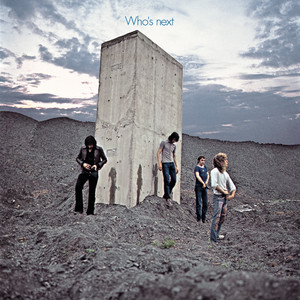
My first listen to Who’s Next left me oddly cold. I understood its reputation, but it didn’t immediately feel like the untouchable classic it’s often described as. On a second listen, however, the album revealed itself more clearly, not as a flawless masterpiece, but as a record with very high peaks and noticeable structural issues.
The opening is almost unfairly strong. “Baba O’Riley” isn’t just a great song; it’s a statement. The iconic synth loop, the slow emotional build, and the explosive release make it one of the most powerful album openers in rock history (shoutout to all the House M.D. fans who can’t hear it without thinking of that final scene). The problem is that this level of impact sets expectations the album struggles to maintain.
For the next four tracks, Who’s Next enters a stretch that is perfectly competent but largely unremarkable. The songs are well-played, well-produced, and structurally sound, yet they lack distinctive hooks or moments that truly stick. They function more as solid filler than essential statements, which is especially disappointing given how strong the album begins. Nothing here is actively bad, but very little demands to be remembered.
This exposes the album’s main weakness: pacing. Who’s Next often relies on sheer power and texture rather than consistently strong songwriting. When the band is inspired, the results are massive and emotionally direct. When they aren’t, the record coasts on volume, attitude, and reputation. The midsection, in particular, tends to blur together, creating a sense of imbalance between legendary highs and merely decent album cuts.
For this listen, I played the Steve Hoffman CD master (MCAD-37217), and it deserves specific praise. It’s an excellent mastering job, easily one of the best masters I’ve heard. The dynamics are intact, the instrumental layers are clearly separated, and the album breathes in a way that modern remasters often flatten. The clarity and depth of this version significantly enhance the experience, even when the material itself isn’t at its strongest.
In the end, Who’s Next did grow on me. Out of its nine tracks, five genuinely worked for me, while four landed firmly in “meh” territory. And since an album has to be judged as a whole, I can’t justify giving it more than an 8/10 (and even that feels quite generous given its inconsistency).
With the Beatles is a classic example of the band’s early, slightly naïve approach to love songs. The album leans heavily into simple romantic themes, which can feel a bit corny at times, but it suits the youthful energy the Beatles were projecting at this stage of their career.
One of the record’s strengths lies in its cover songs. The Beatles deliver solid and well-executed versions of non-original tracks, showing their tight musicianship and obvious influences, even if these songs don’t always feel essential to their legacy.
The album is short and efficiently put together, making it an easy and light listen from start to finish. It flows well and never overstays its welcome. However, this also contributes to one of its weaknesses: With the Beatles isn’t particularly memorable as a whole. While it’s enjoyable in the moment, few tracks truly linger after it ends.
I listened to the master from the Beatles in Mono edition (5099963379716). It’s a good-quality master that respects the original recordings, although it’s obvious that the material comes from early 1960s sessions—the age of the recordings is clearly noticeable in the sound.
That said, songs like “All My Loving” and “Money (That’s What I Want)” stand out as highlights, offering more energy and personality than the rest of the tracklist.
7/10
I went into Achtung Baby knowing it’s supposed to be that U2 album. You know, the bold reinvention, the artistic leap, the one critics keep bringing up like it personally changed their lives. Unfortunately, I didn’t make it to the end.
Not because it’s bad, nothing here is offensively awful, but because it’s painfully, relentlessly uniform. Track after track blends into a grey musical smoothie. The songs just… exist. They pass by politely, shake your hand, and leave absolutely no memory behind.
The obvious exception is “One”, which is genuinely great and fully deserves its legendary status. It’s emotional, well-written, and actually feels alive. Sadly, once that song ends, the album goes right back to sounding like Bono is singing from inside a fog machine.
Production-wise, the whole thing has a very lo-fi, murky feel that becomes tiring fast. It’s not raw in a cool way, it’s more like listening through a slightly broken speaker. I listened to the original 1991 CD (314-510 347-2), and the master itself is fine but completely unremarkable; because the sound is already so lo-fi, it barely feels any different from today’s ultra-compressed streaming or modern CD versions. I wouldn’t even put this on as background music while studying, because I’d either get bored or slowly fall asleep on my notes.
So yeah, I can’t fail it. There’s nothing terrible here, no musical crimes committed. But there’s also nothing that makes me want to come back, either. Competent, historic, and deeply unexciting.
5/10
Not bad enough to hate. Not good enough to finish.
…And Justice for All is one of Metallica’s most complex and demanding records, and also one of its most divisive. Musically, it’s a relentlessly dynamic album that rarely settles into comfortable patterns. The constant shifts in tempo, harmony, and rhythm keep the listener on edge, giving the record a progressive edge that rewards close attention. Tracks often evolve rather than repeat, which prevents the album from ever feeling stagnant or predictable.
That said, this ambition can also work against it. The arrangements are dense and occasionally overlong, and the famously dry, bass-light mix can make the album feel cold and fatiguing over extended listens. While this stark sound reinforces the album’s sense of tension and paranoia, it also strips some tracks of warmth and low-end impact.
I listened to the MFSL SuperVinyl master, which does a commendable job of extracting clarity and detail from the original mix. Instrument separation is improved and the overall presentation feels more controlled, though it can’t fully overcome the fundamental production choices.
Overall, …And Justice for All is an intellectually engaging album that rewards patience and repeated listens, even if it lacks the emotional immediacy of Metallica’s earlier work.
8/10
Let’s be honest: this album is a turd. A straight-up musical bs. The music is bad, the production is worse, and everything sounds like it was recorded while someone was actively stepping on a dying seagull hooked up to a cheap keyboard. Nothing here is tight, clean, or pleasant. It screeches, it wobbles, it actively assaults your ears.
And yet… it’s funny as hell.
This is music with the same energy as making a terrible decision on a night out purely for the story. You don’t like it, you know it’s wrong, but you do it anyway because it’ll be hilarious in retrospect. That’s The B-52’s. It’s not good, it’s just committed. Fully, shamelessly committed to being annoying.
“Rock Lobster” is the perfect example. It’s stupid, it’s unbearable, it’s catchy in the most cursed way possible. It sounds like a joke that goes on way too long, but that’s the joke. This whole album feels like shitpost music decades before shitposting existed: loud, dumb, ugly, and weirdly unforgettable.
So no, this album isn’t good. The production sucks, the songs are ridiculous, and listening to it sober feels like a mistake. But it is entertaining, in the same way bad ideas often are. You don’t respect it, you don’t recommend it, but you laugh, and sometimes that’s enough.
5/10
R O C K L O B S T E R
Note to my future self:
listen to this while absolutely obliterated
When I read that Zombie was recorded in Nigeria by a label called Coconut Records, I knew it would be either total BS or an absolute banger. Thankfully, it’s much closer to the latter.
On a recording level, it’s solid: raw, warm, and full of atmosphere. The groove is there, the horns bite, and everything sounds alive. Conceptually, it’s peak, funny, and fearless, turning the military into brainless “zombies” with brutal elegance.
Where it falls short is execution. Not in intention, but in skill. Parts feel loose in a way that isn’t fully intentional, and the band never quite shows the technical sharpness needed to elevate the idea. The groove holds, but the playing doesn’t always convince.
Still, the message, the vibe, and Fela’s presence do most of the heavy lifting. Flawed, a bit rough around the edges, but overall very enjoyable.
7/10.
Ten is a powerful and emotionally driven debut that helped define early ’90s rock. Eddie Vedder’s voice is the album’s emotional anchor, especially on tracks like “Alive,” “Black,” and “Jeremy,” which still hit hard years later.
I listened to the original CD release, and while the songwriting and performances remain strong, the mastering leaves something to be desired. The album lacks dynamic range, and the dense, compressed sound can make the epic moments feel flatter than they should. Musically effective rather than groundbreaking, Ten sometimes leans too heavily into polish and grandeur.
Still, its emotional weight and iconic songs secure its status as a classic.
8/10
Doolittle is one of those albums that I respect more than I genuinely enjoy. It’s not exactly my cup of tea, but I completely understand why it’s become such a sacred text in alternative rock history. The record lives in that constant tension between catchy, almost pop-leaning melodies and moments that feel like being shouted at by a deranged preacher. Sometimes it flows; other times it just yells, and very deliberately so.
Lyrically, it’s mostly grim, uncomfortable, and borderline grotesque. But that’s clearly the point. The songs seem to revel in unease, surreal violence, and general weirdness, and the ugliness is part of the charm. Doolittle doesn’t try to seduce you on first listen; it sort of pushes you away. This is very much an acquired taste kind of album: the first time through, you’re unlikely to fall in love, but slowly it starts to grow in you. One day you realize you know half the tracklist by heart, and not long after that, it’s somehow ended up in your collection.
I listened to the MFSL SACD 2033 version, which is a solid master with good dynamic range, though that quality isn’t always obvious, since the album’s whole aesthetic leans toward a raw, abrasive, scratchy sound. Polishing it too much would probably miss the point anyway. This is music that’s meant to feel slightly uncomfortable, like it’s always on the verge of falling apart.
All things considered, I admire Doolittle more than I love it. It’s influential, distinctive, and undeniably effective at what it sets out to do, but it still doesn’t fully click with me.
6.5/10 (as of today, first hearing ever)
Spiderland is the biggest piece of dogshit I’ve ever listened to, and I say that with full awareness that actual effort went into it. Someone had to think these ideas. Someone had to rehearse them. Someone had to record, mix, master, and at no point did anyone say, “Maybe this doesn’t need to exist.” For that alone, I can't grade it a 0/10.
Musically, this album sounds like a band actively trying to remove pleasure from rock music. The guitars creep around like they’re afraid of being noticed, the bass sulks, and the drums show up only to remind you that time is passing and you are not enjoying it. The vocals are half-spoken, half-muttered, as if the singer is embarrassed to be heard but insists on talking anyway.
Nothing resolves. Nothing satisfies. Every song feels like it’s building toward something and then decides not to, out of spite. It’s tense, awkward, and emotionally cold, like being trapped in a conversation with someone who insists this is “about the atmosphere.”
And yet, here’s the annoying part, I didn’t completely hate the experience. Not because it’s good, but because it’s committed. Spiderland believes in its own misery with absolute sincerity. It’s not accidental garbage; it’s carefully constructed, intentional discomfort. You can hear the thought, the labor, the decisions, even if all those decisions led directly to boredom and irritation.
So no, this is not a masterpiece. It’s not genius. It’s not even enjoyable. But it is the result of people working hard to make something this unwelcoming, and I respect the effort more than the outcome.
3/10.
I won’t recommend it.
I won’t defend it.
But I acknowledge that someone suffered to make me suffer, and I respect that.
Sweetheart of the Rodeo is an album I approached with some distance, mainly because country is not a genre I’m particularly drawn to. Still, taken on its own terms, it’s an album I generally enjoyed.
The record is quite homogeneous in sound and mood, maintaining a consistent style throughout. This could risk becoming monotonous, but its short length works in its favor. At just a minutes over half an hour, it never overstays its welcome and remains an easy, focused listen.
However, there isn’t much here that truly stands out. None of the tracks left a strong impression on me, and while the songwriting and performances are solid, the album feels more cohesive than memorable.
From a technical perspective, it’s very well done. I listened to the original 1968 vinyl pressing (CS 9670), and both the recording and mastering are of high quality, with a clear, warm sound that holds up very well.
Overall, Sweetheart of the Rodeo is a competent and well-produced album that I respect more than I connect with. A solid listen, even if it didn’t leave a lasting mark.
I probably would not come back to it tbh.
6/10
Iron Maiden’s self-titled debut is a confident and gritty introduction that presents the band in its most raw and street-level incarnation. The album doesn’t aim for grand ambition or stylistic diversity; instead, it focuses on establishing a clear identity built around sharp, no-nonsense riffs, a punk-inflected sense of urgency, and an aggressive attitude that sets it apart from many of its contemporaries. From the very beginning, there’s a feeling of momentum and hunger, as if the band is more concerned with making an impact than refining every idea to perfection.
In terms of songwriting, the record is a mixed but consistently solid package. There are several genuinely strong tracks that immediately stand out and hint at the melodic instincts and power that Iron Maiden would later develop in greater depth. Alongside these, some songs feel more “workmanlike” or transitional, serving the album’s flow rather than demanding attention on their own. That said, none of the material feels weak or poorly executed. The main limitation is a certain uniformity in tone: while the songs are clearly distinguishable, they often operate within the same sonic and emotional space, which can make the album feel less varied than later releases.
Where the album truly excels is in its sound. The original master and vinyl pressing (EMC 3330) are outstanding, delivering a warm, punchy and dynamic listening experience that perfectly suits the raw nature of the performances. The production enhances the album’s rough edge without muddying the instruments, allowing the energy of the band to come through naturally. While Iron Maiden may not be as ambitious, epic, or diverse as the band’s future classics, it remains a strong and enjoyable debut, one that has aged surprisingly well and stands as a compelling first chapter in their discography.
7.5/10
Kenza is the exact soundtrack that starts playing the second you step into a questionable phone shop or climb into a Pakistani uncle’s taxi at 2 a.m. that hypnotic, ultra-polished, zero-personality oriental raï-pop that’s been scientifically engineered to make you scroll TikTok faster while smelling shawarma.
It’s basically like if George Michael from the 90s had been born African, kept the mustache for life, and decided to drop raï bangers instead of soul-pop ballads. Same seductive driver pose next to the car, same “I’ve seen things” vibe, just swap the London minicab for a tuktuk and some oriental synths.
However, production is clean, mix is good and master is crisp. That I can appreciate (at least it doesn’t sound like it was recorded inside a washing machine).
2/10
The New Tango by Astor Piazzolla is a striking and refreshing experience, especially for a listener who may not be accustomed to tango or its modern interpretations. From the very first moments, the music feels bold and unconventional, breaking away from traditional expectations and opening the door to something far more exploratory.
What makes this album particularly compelling is how Piazzolla blends the emotional intensity of tango with elements of jazz and classical music. The result is a sound that feels both raw and sophisticated, familiar yet constantly surprising. There is a strong sense of tension and movement throughout the pieces, which keeps the listener engaged even when the structures feel unfamiliar.
Although this is not a style I usually gravitate toward, I found The New Tango to be very, very interesting. Its originality and expressive depth demand attention, and by the end, it becomes clear why Piazzolla’s work is considered so influential. This is not just tango, it is a reinvention of the genre, and a rewarding listen for anyone willing to step outside their musical comfort zone.
8/10
Lady Soul is an absolute banger, the kind of album that grabs you by the shoulders and makes it physically impossible to sit still. At just around 30 minutes, it feels almost unfairly short, especially when it works so well as a workday companion that turns your office chair into a dance floor. By the time it ends, you’re left thinking, That was it? Already?
Aretha Franklin’s voice is the undeniable centerpiece here, and it’s nothing short of incredible. She sounds powerful, confident, and completely at home, effortlessly switching between grit and elegance. Every note feels intentional, every phrase drenched in soul. Even decades later, her presence is magnetic.
That said, while the album is very enjoyable, it’s also quite homogeneous. The songs share a similar vibe and palette, but thankfully it never becomes tiring. Each track manages to carve out its own little pocket of personality, small shifts in mood, groove, or attitude that keep things engaging even if the overall sound remains consistent.
The age of the record does show. It’s well recorded for its time, but you can still hear the years in the production, which slightly dulls the impact compared to more modern recordings. More importantly, despite how much fun it is, Lady Soul doesn’t quite feel like an album that transmits something deeper or lasting. It’s a great time, a joyous listen, but not one that leaves a strong emotional or conceptual mark once it’s over.
For all that, it’s hard not to enjoy yourself while it’s playing. Just don’t expect it to linger long after the final note.
7.5/10
A historically significant live album whose reputation rests more on musicianship than on emotional or conceptual depth. The Allman Brothers Band display outstanding ensemble chemistry, with fluid twin-guitar interplay and a rhythm section capable of sustaining long, disciplined improvisations. The performances feel confident and natural, capturing the band at a clear creative high.
However, much of the album plays more like the kind of experience you’d get at a jazz-bar–style live show than a carefully shaped album production. The extended jams work well in the room, feeding off atmosphere and immediacy, but on record they can feel meandering and interchangeable. That said, because it functions more as a live document than as a fully realized album, and because it becomes long and homogeneous over time:
5.5/10
Fred Neil is one of those albums that sounds great while somehow doing very little with that greatness. The production is warm, the grooves are loose and inviting, and Neil’s voice has that gravelly, late-night wisdom that makes you lean in. On a purely sonic level, it’s pleasant, sometimes even seductive. You can imagine this record playing in a smoky room where everyone pretends they’re listening very carefully.
But then you actually listen. And wait. And keep waiting. The songs drift, circle the block, and never quite park. What should feel hypnotic ends up feeling half-finished, like a jam session that forgot to become a song. There’s atmosphere for days, but ideas are on a strict ration. It’s not bad because it’s ugly; it’s bad because it’s boring in slow motion. Dogshit? Harsh, but let’s say conceptually dogshit, executed with a very nice guitar tone.
In the end, Fred Neil is a record you respect more than you enjoy. It sounds good, it feels authentic, and it absolutely refuses to reward your attention. Five out of ten: pleasant on the ears, empty in the soul, music that lounges confidently while accomplishing almost nothing.
5/10
Screamadelica is one of those albums whose reputation almost precedes the listening experience. It sits at a strange crossroads between rock, acid house, dub, and gospel-tinged psychedelia, and even decades later it still feels oddly alien if you’re not used to that blend. That said, the album is undeniably interesting, even when it doesn’t fully click.
Overall, I enjoyed it more than I expected. It’s a weird record, often drifting rather than driving, more concerned with atmosphere and texture than with traditional songcraft. Tracks like “Loaded” or “Come Together” feel less like songs and more like environments you step into. That quality makes the album surprisingly effective as background music for light work: immersive, steady, and unobtrusive without being dull. However, that same strength is also its weakness. It rarely demands attention in a way that makes me want to actively choose it for pure listening pleasure.
One area where the album clearly falls short is the mastering, at least in the version I’ve heard. I wasn’t able to get hold of a MOV vinyl pressing or a well-regarded CD edition, so I listened to the Tidal master, which is supposedly the same as the 20th anniversary CD. Unfortunately, it’s fairly underwhelming. The sound is fatiguing, with limited dynamic range, and the mix often feels compressed in a way that blunts the album’s hypnotic potential. Given how much this record relies on space, groove, and gradual build-ups, a more dynamic master could have elevated the experience significantly.
In the end, Screamadelica earns respect more than affection. It’s a solid and sometimes fascinating listen, especially in the right context, but not something I’d reach for on my own just for enjoyment. Historically important, stylistically bold, and occasionally captivating, but personally distant.
6/10
Going into 1999 as a first exposure to Prince is tricky, and honestly, I get the disappointment. Prince’s reputation is massive, innovator, virtuoso, genre-bender, and that weight of expectation works against this album if you’re coming in fresh. Rather than feeling revelatory, 1999 can feel bloated, repetitive, and weirdly exhausting.
The album is packed with ideas, but very few of them fully land. There are decent tracks scattered throughout, yet none that truly justify the legendary status Prince is often given. A lot of the material leans heavily on early-80s synths and drum machines, which today sound dated rather than charming. Instead of timeless funk or pop brilliance, much of the record feels locked into its era, and not in a flattering way.
One of the biggest issues is length. At over 70 minutes, 1999 overstays its welcome badly. Songs drag on without developing enough to justify their runtime, and what might have worked as a tighter, punchier album ends up feeling indulgent. Prince’s confidence as a creator is obvious, but here it crosses into excess. You start wanting the album to end long before it actually does.
Lyrically and thematically, the record flirts with provocation and hedonism, but rarely says anything compelling enough to sustain interest. There’s attitude, sure, but not much emotional or musical payoff. For a first-time listener, it’s hard to connect with the material beyond surface-level curiosity.
Not great, no terrible (enough no fail it):
5/10
Mama’s Gun works best when it’s minding its own business in the background, playing quietly while you wash dishes or stare into the void. At low volume, it behaves: warm, inoffensive, like music that apologizes for existing. The moment you turn it up or decide to actually listen, the album immediately starts making bad decisions.
The production is the main culprit here. Everything sounds aggressively compressed, like the entire mix was put in a hydraulic press and told to “feel the groove.” There’s basically no dynamic range—just vibes, then louder vibes. And the bass? Completely unhinged. The low end is so exaggerated it stops being musical and becomes a physical event. My fucking subwoofer started jumping around the room like it was trying to escape the mix and apply for witness protection.
Vocally, Badu is doing her thing: smooth, expressive, clearly in control, but she’s trapped inside this dense sonic soup. Her voice keeps trying to float to the surface, only to get dragged back down by the bass and compression like it owes them money. Any sense of intimacy gets lost somewhere between “thick” and “why does this sound like it’s being played through a pillow?”
The arrangements suggest groove, nuance, and intention, but the sound treatment flattens everything into the same mushy plane. It’s less “organic and warm” and more “sonically overcooked".
In the end, Mama’s Gun is perfectly serviceable as low-volume background music, the kind that exists but doesn’t ask questions. As a focused listening experience, though, it’s sabotaged by overcompression and a bass response that should probably be registered as domestic violence. The ideas are there. The mix said “nah".
5/10
My first hearing of this album and this band, it feels like emotional archaeology: delicate, important, and miserable to experience in real time. The songs are beautiful in a “please don’t make me feel this much on a weekday” way. Everything drifts, nothing lands, and the sadness is so tasteful it almost asks for applause. I respect it deeply. I am also bored and stressed.
The master is bad, and not in a charming way. Even the Master Omnivore Test Pressing sounds like listening to a chamber orchestra through a half-open car window on the highway. The highs scrape, the mids are oddly hollow, and the lows feel like a rumor. Instruments coexist but do not acknowledge each other, like coworkers who only communicate via passive-aggressive emails.
In the end, it’s a shit album with a legendary status that sounds like it’s actively resisting being played. An album you’re supposed to love, preserved in audio conditions that feel legally questionable.
5/10
(song writing is not even half-bad, tho)
Sheer Heart Attack is a good, energetic album that captures Queen at their most aggressive and playful. It’s loud, colorful, and unapologetically over the top, blending hard rock punch with theatrical flair. Not everything is perfectly balanced, but the attitude and momentum carry it far.
The highs are undeniable. Songs like “Brighton Rock” and “Stone Cold Crazy” are fast, sharp, and powerful, with Brian May’s guitars cutting through the mix and Roger Taylor driving everything forward with real force. “Killer Queen” stands out for its elegance and confidence, showing the band’s flair for style and drama without losing bite. On vinyl, especially a WLP CSM pressing, the album sounds fantastic: thick guitars, clear separation, and a raw energy that really comes alive.
Still, the album isn’t flawless. A few tracks feel more like experiments than fully developed ideas. They’re not bad, just less memorable, and they slightly disrupt the flow. This unevenness keeps Sheer Heart Attack from being a top-tier Queen album, even if it never becomes boring.
Overall, Sheer Heart Attack is classic, potent Queen: bold, noisy, and full of character. Some songs hit hard, others barely leave a mark, but as a whole it’s an exciting listen, especially on vinyl.
7.5/10
Let's Stay Together works mainly because of Al Green himself. His voice is smooth, controlled, and emotionally convincing, carrying the song almost effortlessly. The groove is relaxed and pleasant, and the production feels warm without being distracting.
The problem is that the song doesn’t go much further than that. The melody circles the same ideas without developing, and the lyrics are extremely straightforward—romantic, yes, but also predictable. Once the mood is set, there’s little reason to stay fully engaged, especially on repeat listens.
It’s enjoyable and easy on the ears, but it plays things too safe. Strong vocals and atmosphere keep it afloat, while the lack of depth and musical risk hold it back.
6/10
Listening to Rum Sodomy & The Lash feels like being trapped in a pub where the floor is sticky, the accordion is legally intoxicated, and every song is determined to shout sea shanties directly into your soul whether you consent or not.
The vocals sound like he’s wrestling while talking loudly through a megaphone submerged in whiskey. Charming? Heh. Pleasant? Only if your idea of pleasure includes tinnitus and the smell of regret. The band barrels forward with such enthusiasm that subtlety is left face-down in a puddle outside the pub.
I wouldn't notice if you played just one song in loop bc they all sound the same. Altough, it has some "character". But so does a raccoon with a drum kit, it doesn’t mean I want to hear it for forty minutes. By the end, you don’t feel moved; you feel like you survived a 1700's pirate raid.
2/10
Beyond the first shock, It Takes a Nation of Millions to Hold Us Back reveals itself as a chaotic but fascinating experience. The beats hit hard, the bass feels alive, and everything sounds sharp and crispy, almost like the album is yelling at you on purpose. As a first-time hip hop listener, it can feel like trying to read subtitles while running a marathon. Still, even when you don’t fully catch the lyrics, the energy and attitude come through loud and clear. It’s demanding, a bit overwhelming, but never boring.
7/10
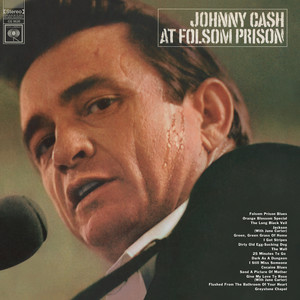
At Folsom Prison is a raw, iconic live album that captures Johnny Cash at his most direct and uncompromising. While the overall musical style can feel a bit repetitive across the tracklist, the songs themselves are consistently strong and carry a distinctive charm that keeps the listening experience engaging. The real centerpiece, though, is Cash’s voice, deep, authoritative, and emotionally loaded, which commands the room and gives every song a sense of gravity and authenticity.
Listening to the SACD version elevates the album even further. The soundstage is remarkably immersive, making it feel as if the concert is happening right in your living room. Audience reactions, ambience, and Cash’s presence are rendered with impressive realism, reinforcing the live energy that defines the album. Despite its stylistic uniformity, At Folsom Prison remains a powerful and enjoyable record, especially when experienced in a high-quality format.
7.5/10
Fetch the Bolt Cutters feels less like a carefully produced studio album and more like an experimental diary accidentally uploaded to streaming services. On first listen, the production can genuinely sound like something stitched together in GarageBand with stock samples, odd percussion, and deliberately rough textures. The moment you discover that, yes, it was largely made with GarageBand, the reaction is half disbelief, half “ah… that explains everything.”
To be fair, Fiona Apple clearly has a strong and expressive voice, and there are flashes of interesting ideas scattered throughout the album. Unfortunately, those ideas rarely come together into a coherent musical ensemble. Instead, the arrangements often feel chaotic and undercooked, as if musical structure was intentionally abandoned halfway through. At times it sounds less like bold minimalism and more like a five-year-old enthusiastically mashing an iPad keyboard after stealing it from their parent.
The album’s rawness and DIY ethos will surely appeal to listeners who value artistic intent over listenability, but for others it can be an exhausting experience. In short: some talent, questionable execution, and a record that feels far more interesting to talk about than to actually sit through.
Shut uuuuuuup. Is so shit.
The World Is a Ghetto by War is an album whose reputation slightly outweighs the actual listening experience. The band’s musicianship and their blend of funk, Latin, and jazz are undeniable, and when they keep things focused, most notably on “The Cisco Kid”, the album really works. In those moments, the grooves are tight, the hooks are clear, and the performances feel purposeful rather than indulgent.
The problem is the album’s lack of restraint. It frequently drifts into overlong jam sessions, stretching simple ideas far past their impact and draining the momentum established at the start. Even the title track, despite its strong atmosphere and concept, loses force through repetition and extended solos. For me, it’s a record full of strong ideas and talent that needed firmer editing, making it a solid but ultimately unspectacular listen.
6/10
This album sounds like Michael Kiwanuka recorded it inside a warm blanket while nodding slowly and saying “yeah… this grooves.” And honestly? He’s not wrong.
KIWANUKA is very lo-fi, like “someone spilled coffee on the mix and decided it was a vibe.” Everything is dusty, soft, and kind of blurry. Sometimes it feels intentional and deep. Other times it feels like the album is afraid of being loud or doing too much. Wake up bro, turn the lights on.
BUT. The groove? Yeah, the groove is doing WORK. Basslines are walking confidently, drums are locked in, and even when the songs kind of melt into each other, your head is still bobbing like “ok fine, I’m still here.” It’s perfect background music for staring at the ceiling and thinking you’re the main character.
There are really good ideas all over this thing. You can hear moments where the songs could absolutely take off… and then they just kinda don’t. It’s like edging but for music. The vibes are there, the soul is there, but the album refuses to fully commit to going hard.
End result: respectable, groovy, tasteful, slightly sleepy. An album you nod at and say “yeah this is good” instead of screaming “THIS IS INSANE.”
6.5/10
There’s an undeniable swagger to the Pretenders' debut album, mostly thanks to Chrissie Hynde’s effortlessly cool vocal delivery and the band's tight, new wave-meets-punk energy. After sitting down with it, I can clearly see why it's considered a staple of its era, even if it isn't an absolutely flawless ride from front to back. For this listen, I spun a 1st UK pressing on vinyl, and I have to say, it is absolutely fantastic. Both the pressing quality and the mastering are top-notch, providing a warmth, detail, and dynamic punch that completely elevates the entire listening experience.
The album is packed with some genuinely great tracks. Songs like "Brass in Pocket" and "Kid" are absolute standouts, catchy, sharp, and totally timeless. "Precious" sets an incredible tone right out of the gate with its raw, biting attitude, while the guitar work from James Honeyman-Scott gives the whole record a fantastic, jangly edge. The highs on this project are incredibly high, showcasing a band that clearly knew exactly what their sound was from day one.
That being said, the reason it doesn't quite reach that perfect masterpiece status for me is that the momentum isn't always sustained perfectly. A few of the deeper cuts tend to fade a bit into the background compared to the sheer, undeniable hooks of the main singles. It's not bad filler by any means, but it does make the pacing feel a little uneven at times.
Overall, it's a remarkably strong debut. Even with a few slight lulls, the highlights are just too good to ignore. I will definitely be coming back to this album in the future to revisit those killer tracks and soak in that signature attitude.
7.5/10
Felt Mountain feels like the opening credits to a James Bond film, sleek, icy, cinematic, and wrapped in an air of retro-futurist glamour. That comparison isn’t a criticism in itself; in fact, it’s one of the album’s strongest initial hooks. The lush strings, whispery vocals, and shadowy electronic arrangements create an immediately seductive atmosphere.
The problem is consistency to a fault. Nearly every track leans into the same spy-noir aesthetic, and while the mood is impeccably crafted, it rarely evolves. What begins as elegant and mysterious gradually becomes predictable. The album prioritizes texture and ambience over dynamic songwriting, which can leave the listener admiring the surface rather than feeling deeply engaged.
Alison Goldfrapp’s voice is undeniably striking, cool, controlled, and otherworldly, but it’s often used more as another instrument than as a narrative force. Tracks blur together, reinforcing the album’s cohesion but also limiting its emotional range. There are moments of beauty and sophistication throughout, yet few surprises.
In the end, Felt Mountain is stylish and confident, but a bit too comfortable in its own aesthetic. It’s an album that knows exactly what it wants to be, and refuses to be anything else.
6/10
Ellington at Newport lives up to its reputation largely because of Paul Gonsalves’ extraordinary 27-chorus tenor solo on “Diminuendo and Crescendo in Blue.” It’s a genuine eruption: the band locks in, the crowd erupts, and the energy feels raw and unrehearsed in the best way. That one extended moment is still one of the most thrilling things captured on a jazz record.
The rest of the album is excellent but more predictable, Hodges at his most lyrical on “I Got It Bad” and “Jeep’s Blues,” Carney’s warm baritone, the familiar orchestral elegance of “Mood Indigo” and “Sophisticated Lady.” It’s beautifully played big-band swing, but it mostly reaffirms what Ellington had already mastered for decades rather than pushing into new territory.
Overall, it’s a strong, important live document with one transcendent highlight. The complete concert editions sound much better than the original patched LP.
7/10
Let’s get the obvious out of the way: the opening track is… rough. It feels like two completely unrelated ideas awkwardly glued together, like someone decided to multitask in the worst possible way, half vibing, half doing something they definitely shouldn’t be doing while music is playing. It’s jarring, confusing, and not exactly a great first impression.
Thankfully, things pick up after that questionable start. The rest of the album settles into a more coherent groove, leaning heavily on storytelling. The lyrics are the real highlight here, engaging, often witty, and structured almost like a spoken-word poem laid over a laid-back rap backdrop. It’s less about traditional musicality and more about narrative flow, which works surprisingly well.
That said, it doesn’t exactly break new ground. The themes feel familiar, and while they’re handled with charm, you won’t find anything radically original here. Still, it’s an enjoyable listen once you get past the rocky introduction.
6/10
Let’s be honest: Alice Cooper in 1973 was less of a rock star and more of a theatrical menace with a budget. Billion Dollar Babies is the peak of that "more is more" philosophy. From the moment the title track kicks in with that iconic drum fill, you know exactly what you’re in for, a lavish, slightly oily cocktail of vaudeville, hard rock, and the kind of macabre humor that makes your parents want to call a priest. It’s peak Alice Cooper Group, and they sound like they’re having almost too much fun spending the money they’re singing about.
That said, while the highs are sky-high (I will defend "No More Mr. Nice Guy" and the sleazy charm of "Elected" until my dying breath), the album does suffer from a bit of "look at me!" syndrome. Some of the experimental flourishes feel like they’re trying to hide the fact that the songwriting is occasionally spread a little thin. It’s a spectacular circus, sure, but sometimes the clowns overstay their welcome just by a hair. It’s theatrical, it’s campy, and at times, it’s just a little bit exhausting.
7/10
The Lamb Lies Down on Broadway is a gloriously overblown concept album: ambitious, surreal, occasionally baffling, and far more compelling than its excesses should allow. The story often feels like a fever dream in platform boots, but that is part of the appeal. Rather than presenting a neat narrative, Genesis builds a strange, theatrical world that pulls you along through atmosphere, tension, and sheer conviction. As a concept album, it works less because it is perfectly coherent and more because it feels so complete in its own odd logic.
What really makes it land is the music. Even when the plot threatens to disappear into symbolism and eccentricity, the band keeps everything alive with urgency, beauty, and a sense of scale. There are moments of real grandeur alongside passages that feel intimate and haunted, and that contrast gives the album its staying power.
8/10
We Are Family is a timeless disco classic that perfectly captures the energy and spirit of its era. From the very first track, the album delivers an infectious groove, driven by tight rhythms, rich basslines, and vibrant vocals. It’s the kind of record that feels both polished and effortlessly fun, with a sound that still holds up remarkably well today.
What stands out most is the sheer number of standout tracks, there’s hardly a dull moment. Each song brings its own flavor while maintaining a cohesive, danceable vibe throughout. I listened to the original CD pressing (R2 71587), and there’s nothing in particular to note about the mastering, it’s solid and does the job without drawing attention to itself. Overall, a strong album and a must-listen for anyone interested in classic disco.
8/10
If you're in the mood for nearly two hours of straight, unfiltered hillbilly music, Will the Circle Be Unbroken delivers exactly that, and not much else.
This 1972 triple album (or its various reissues) brings together the Nitty Gritty Dirt Band with a who's-who of country and bluegrass legends like Roy Acuff, Maybelle Carter, Jimmy Martin, Earl Scruggs, Doc Watson, and Merle Travis. The intent was noble: bridge the generational gap between young long-haired rock/country fans and the old guard of traditional American roots music. In theory, it's a beautiful tribute to the circle of tradition.
In practice? It's mostly just okay. The performances are competent and respectful, but the energy feels polite and a bit flat for such a stacked lineup. Too many tracks drag on with that same mid-tempo, earnest delivery, pleasant enough in small doses, but exhausting over the full runtime. The mediocre hillbilly music vibe is real charming for a few songs, then it starts blending together into one long, twangy blur.
Standouts exist (the title track with its emotional weight, some of the instrumental showcases), but they're outnumbered by filler that never quite catches fire.
4/10
Bug by Dinosaur Jr. is a mixed bag that leans heavily on its signature distorted guitar sound and the laid-back vocal style, but doesn’t fully capitalize on its strengths.
While there are flashes of energy and melodic hooks, much of the record feels repetitive and lacks standout moments. The production and songwriting don’t evolve enough across the tracklist, which makes the album blur together over time. It’s not without charm, especially if you already like their sound, but overall it comes off as fairly average and somewhat forgettable.
5/10
The Black Saint and the Sinner Lady by Charles Mingus is one of those jazz albums that critics often hail as a masterpiece, but for me it lands squarely in "perfectly fine" territory. It's a dense, ambitious work, part suite, part extended composition, with Mingus's signature blend of gospel, blues, and avant-garde swing. The ensemble playing is tight, the arrangements are complex, and there's real emotional weight behind the horns and rhythms.
That said, it never quite grabbed me on a visceral level. The music feels more like a technical achievement than something I'd reach for when I want to feel jazz. The pieces flow into each other, but they don't leave a strong individual imprint. It's respectable, well-crafted jazz... and that's about it.
6/10
Songs for Swingin’ Lovers! by Frank Sinatra is a defining statement of mid-century vocal jazz. Backed by Nelson Riddle’s sharp, buoyant arrangements, Sinatra delivers effortless phrasing, wit, and rhythmic precision throughout. The album balances charm and technical control, turning standards into something vivid and contemporary for its time.
It’s not just a collection of songs, it’s a cohesive mood, polished and confident, though occasionally a bit too pristine to feel emotionally risky.
8/10
Being There, released in 1996 by Wilco, is an album that mixes alt-country roots with experimental tendencies. The ambition is clear: Wilco attempts to combine introspective lyricism with sprawling musical passages.
However, the execution is uneven. Tracks like “Misunderstood” and “Far, Far Away” showcase narrative songwriting and a keen sense of melody, but they sit alongside moments that feel overextended or underdeveloped, such as the repetitive stretches in “Shot in the Arm.” The blend of earnest country inflections and experimental elements often results in an indecisive identity. Production favors a raw, rough-hewn sound, which lends authenticity but at times exposes weaknesses in pacing and cohesion.
Ultimately, Being There offers glimpses of strong ideas but lacks focus and polish. It is an album of moments rather than fully realized songs.
6.5/10
Faith is like a well-tailored suit: it fits perfectly, looks sharp, and makes you feel good wearing it, but you know, it’s not going to start a fashion revolution. George Michael proves he can carry a solo album without the Wham! baggage, delivering hits like “Faith” and “Father Figure” that still make you want to strut around your living room.
That said, the album has a tendency to play it safe. There’s a pleasant groove running through almost every track, which is enjoyable, but after a while, it’s like eating the same dessert every night, even if it’s chocolate mousse, you start craving something unexpected. Still, the charm, smoothness, and sheer ‘good vibes’ factor make it easy to forgive the little sameness.
7/10
Pink Moon by Nick Drake feels less like an album and more like finding an old cassette under the passenger seat of a damp British car. It’s intimate to the point of claustrophobia: just Drake, a guitar, and recording quality that occasionally sounds like the microphone was wrapped in a wool sweater. The lo-fi production does give it a certain ghostly charm, but there are several moments where the vocals and guitar distort enough to pull you out of the experience rather than deepen it.
The biggest issue is how homogeneous the whole thing feels. The songs blur together into one long, melancholic sigh, and while the album’s short runtime saves it from becoming actively tedious, it also leaves surprisingly little impact once it ends. Nothing here is offensively bad, in fact, parts of it are genuinely pretty, but it never really develops beyond “sad man quietly strums guitar in your attic.” You keep waiting for a track to fully grab you by the collar, and instead the album politely nods at you for half an hour before disappearing into the fog again.
That said, there’s something weirdly respectable about how committed it is to its fragile little world. I can understand why people mythologize it, even if I personally wouldn’t queue it up again after finishing it. Solid atmosphere, inconsistent execution, and a recording quality that’s either “raw authenticity” or “demo tape found in a shoebox” depending on your mood.
5/10 album
10/10 cover art tho
I listened to Are You Experienced expecting some untouchable masterpiece because of the way people talk about it, but honestly I don’t really get the hype. I can respect what Jimi Hendrix did for rock music and it’s obvious he was insanely talented, but as an actual listening experience the album feels pretty inconsistent. The guitar work is great, sure, but after a few tracks the whole psychedelic blues-rock formula starts blending together and a lot of the songs feel more historically important than genuinely exciting to listen to today.
That’s kind of my main issue with the album: people seem to confuse influence with quality. I totally understand why this blew people’s minds in 1967, especially the distortion, feedback, and experimental production, but listening to it now in 2026, I don’t think the songwriting is strong enough to justify the “greatest album ever” status it gets. Hendrix the guitarist completely carries Hendrix the songwriter for most of the record, and the vocals and lyrics don’t really add much for me either.
There are definitely some iconic moments and I’m not saying it’s bad at all, but personally it’s like a mid album that’s been elevated by decades of mythology. Important? Absolutely. Revolutionary for its era? Probably. But as a front-to-back album experience, I think it’s pretty mid compared to a lot of music that came after it.
6/10
There is a point, somewhere around track four of Ace of Spades, when you begin to suspect that Motörhead may have accidentally recorded the same song twelve times and simply changed the titles.
This is an extremely homogeneous album. It starts at full throttle, stays at full throttle, and ends at full throttle. Distorted guitars, Lemmy barking over the top, drums charging forward: repeat until finished. Dynamics are apparently considered a sign of weakness.
Which brings us to “Ace of Spades”, by far the most famous song here. My theory? It’s the first track and it has the same name as the album.
Had “Love Me Like a Reptile” opened the record and the album been called Love Me Like a Reptile, I’m half-convinced that would now be the legendary Motörhead anthem instead. There simply isn’t enough separating these songs for me to understand why the title track towers so dramatically above the rest.
And the sameness gets tiring. Listening to the whole thing on headphones feels less like an album and more like an endurance test for your ears. The guitars never stop grinding, the intensity barely changes, and when the record finishes, the silence feels fantastic.
The production doesn’t help either. Even on an original UK vinyl pressing, the mastering sounds rather compressed and congested, which only exaggerates how relentlessly similar everything is.
Still, I can’t score it lower. There’s obvious skill, energy and conviction here. The problem is that the consistency becomes repetition.
Ace of Spades reminds me of those school essays with a minimum word count: you’ve already made your point, but you’re 500 words short, so you start rewriting the same paragraph with longer adjectives.
That is this album.
Here is riff.
Here is riff again, slightly faster.
Here is riff wearing a different jacket.
Here is riff with a new song title.
5/10
Tommy is an ambitious concept album with a genuinely fascinating premise, but the execution never feels as clear or dramatic as the idea deserves. The story is there, yet the album often struggles to communicate progression through the music itself, so what should feel like a journey can instead feel strangely flat.
Sonically, though, it is excellent. The mastering is superb, the performances are powerful, and the musicianship is consistently impressive. The problem is that the album is far too homogeneous, similar textures, dynamics and arrangements keep returning until individual songs start bleeding into one another.
There are very few obvious bridges, pauses or structural landmarks, so Tommy gives you almost no breathing room. Instead of peaks and valleys, it often feels like one enormous continuous slab of rock music. If the intention was to make something completely monolithic, then mission accomplished, but for a narrative-driven rock opera, a little more contrast would have made the story much easier to follow.
Excellent music trapped inside an album that could desperately use more separation, variety and space. By the end, it feels longer than it actually is, not because the material is bad, but because it never really lets you reset.
Probably would need to second or third listen to know if I really like or dislike it.
7/10.
The College Dropout is an attempted concept album that mistakes repetition for cohesion. The college theme is beaten to death through endless skits, while the actual songs rarely build toward anything meaningful. Instead of feeling like a carefully structured statement, it feels bloated, unfocused and desperately in need of an editor.
The production is the biggest problem for me. That constant chipmunk-soul style is unbelievably grating: pitched-up vocal samples, crowded arrangements and harsh mastering pile on top of each other until the album becomes physically tiring to listen to. After about thirty minutes, it stops being “soulful” and starts sounding like Alvin and the Chipmunks discovered a sampler and refused to turn it off.
And the songs themselves simply aren’t strong enough to justify the runtime. Too many tracks drag, hooks repeat endlessly, the rapping is technically limited, and the humour ranges from mildly amusing to painfully dated. Even the supposedly emotional moments often feel buried underneath production that is constantly screaming for attention.
There may be an interesting album somewhere inside The College Dropout, but this version is overlong, badly paced, poorly mastered and genuinely headache-inducing. If dropping out of college was the concept, apparently dropping out of mixing school was part of it too.
5/10
When 21 hits, it really hits. “Rolling in the Deep,” “Don’t You Remember,” “Set Fire to the Rain,” “He Won’t Go,” and “Someone Like You” are undeniable bangers. Adele sounds like she’s going through the worst breakup in human history, and thankfully, we all get to benefit from it.
The problem is everything in between. Strip away the monster singles and a lot of 21 feels like your standard singer-songwriter album, except the singer-songwriter has somehow been granted unlimited access to an orchestra. Piano? Check. Strings swelling dramatically? Check. Adele staring emotionally into the middle distance? Spiritually, always.
Obviously, having one of the best voices of her generation helps enormously, and the production gives even the less memorable songs a sense of importance. But sometimes the album seems to confuse sounding grand with actually being interesting.
Still, the highs are ridiculously high. There are enough career-defining songs here to make the weaker stretches easy to forgive.
7/10