I don't think I gave this album a fair shake when it came out. My dad loved Sufjan Stevens and had all his records, but I wasn't particularly interested at the time. I must have heard Illinois once or twice, but this just wasn't where my musical tastes were in 2005. I hadn't really fallen into this particular strain of indie folk yet. That would come later with bands like The Shins. This whole indie folk, freak folk, hipster indie rock thing was still percolating, and it would really come into its own over the next five to ten years. Even then, I tended to prefer the bands that rocked a little harder, like Arcade Fire, over the more delicate, acoustic stuff from artists like Bon Iver, Grizzly Bear, or Fleet Foxes. So I guess I just wasn't ready for Sufjan Stevens. Which is ridiculous, because on paper, this album might as well have been written specifically for me. A sprawling concept album about obscure American history, strange little towns, UFO sightings, and eccentric historical figures, all centered around a single state? Andrew Jackson, Mary Todd Lincoln, the Chicago World's Fair, bizarre local folklore, and gloriously absurd song titles with subtitles that practically require subtitles of their own? I mean, come on. I love concept albums. I love rock music. I love quirky historical shit. This is extremely my shit. How the hell did I miss it? Musically, there's an enormous amount to unpack. Some of it veers a little too far into the cutesy, precious territory that tends to put me off this genre, but so much of it is just gorgeous. The opening track, "Concerning the UFO Sighting Near Highland, Illinois," is beautiful. "Jacksonville" is another early standout, with an opening guitar figure that has a little Jerry Garcia "St. Stephen" thing going on. But "Chicago" is clearly the centerpiece. I think it was the radio single, to the extent that radio still existed in 2005. What an absolutely gorgeous song. The swelling orchestration, the hypnotic repetition, the sheer grandeur of the arrangement. There's something very Revolver-era Beatles about it, almost like "Tomorrow Never Knows" with a full orchestra. It's psychedelic, euphoric, and genuinely moving. The kind of song that just builds and builds until you're completely swept away by it. And then there are "Casimir Pulaski Day" and "John Wayne Gacy, Jr.," two songs that absolutely rip my heart out of my chest. For all the album's whimsy, historical eccentricities, and orchestral grandeur, Stevens is equally capable of stripping everything back and delivering something utterly devastating. "Casimir Pulaski Day" is a heartbreaking meditation on young love, death, and the apparent indifference of God. "John Wayne Gacy, Jr." is something else entirely, a haunting, almost unbearably gentle song about unimaginable evil that somehow turns the mirror back on the listener. Neither needs the elaborate arrangements or musical fireworks found elsewhere on the record. They're almost unbearably beautiful in their simplicity, and all the more powerful for it. What's becoming increasingly apparent is that this isn't passive listening. You can't listen to this album once and be done with it. This is the kind of record that demands, and rewards, obsessive listening. There are so many layers to peel back, so many musical and lyrical details to uncover, so many historical references and little melodic flourishes buried in the arrangements, that one spin barely scratches the surface. I need to get to know this record. I need to live with it. I suspect it would take dozens of listens to even begin to appreciate everything that's happening here. And I have a feeling each successive listen would reveal something new. I don't love every minute of it. Some of the preciousness still rubs me the wrong way, and there are stretches where I admire what Stevens is doing more than I actually enjoy listening to it. But there's something extraordinary here. It's an album of almost absurd ambition that somehow manages to feel deeply personal. It can be playful and eccentric one moment, overwhelmingly beautiful or emotionally crushing the next. It's simultaneously whimsical, grandiose, intimate, and devastating. There's an entire world inside this record, and I've barely begun exploring it. I don't know how I missed it twenty-one years ago. But I know I'll be coming back. I have a feeling Illinois is going to get better every time I hear it. 7.8/10
1001 Albums Summary
Rating Distribution
Rating Timeline
Taste Profile
Breakdown
By Genre
Tap a bar to see the albums behind it
Top Styles
Tap a bar to see the albums behind it
By Decade
By Origin
Albums
You Love More Than Most
| Album | You | Global | Diff |
|---|---|---|---|
|
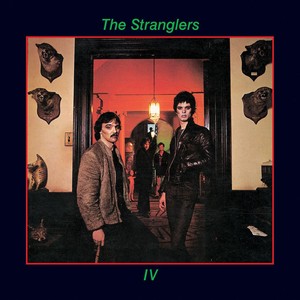
Rattus Norvegicus
The Stranglers
|
5 | 3.15 | +1.85 |
|
At Fillmore East
The Allman Brothers Band
|
5 | 3.36 | +1.64 |
|
Zombie
Fela Kuti
|
5 | 3.46 | +1.54 |
|
Born In The U.S.A.
Bruce Springsteen
|
5 | 3.69 | +1.31 |
|
Southern Rock Opera
Drive-By Truckers
|
4 | 2.82 | +1.18 |
|
Electric Ladyland
Jimi Hendrix
|
5 | 3.93 | +1.07 |
|
Hunky Dory
David Bowie
|
5 | 3.99 | +1.01 |
You Love Less Than Most
| Album | You | Global | Diff |
|---|---|---|---|
|
Damaged
Black Flag
|
1 | 2.86 | -1.86 |
|
Dummy
Portishead
|
2 | 3.71 | -1.71 |
|
Duck Rock
Malcolm McLaren
|
1 | 2.62 | -1.62 |
|
Winter In America
Gil Scott-Heron
|
2 | 3.24 | -1.24 |
|
Songs In The Key Of Life
Stevie Wonder
|
3 | 4.08 | -1.08 |
5-Star Albums (10)
View Album Wall





Popular Reviews
One of my desert island records. Probably a top-ten album of all time for me, and one that I know so intimately I could practically play the whole thing in my head. *At Fillmore East* is everything I love about the Allman Brothers Band, everything I love about blues rock, and really, everything I love about music in general. It's an absolute masterpiece. Duane Allman is at his peak here. The tone, the phrasing, the slide work, the interplay with Dickey Betts. Just astonishing stuff. And what makes it so special isn't simply the technical brilliance, although there's plenty of that. It's the way these guys listen to each other, respond to each other, and build something collectively that none of them could have created alone. Gregg sounds phenomenal, his voice carrying that impossibly soulful, world-weary blues quality that somehow sounds like it belongs to a man three times his age. And the rhythm section is just a monster. Two drummers, Berry Oakley's bass weaving through everything, and the whole band moving together like some enormous, six-headed organism. And the songs. Jesus Christ, the songs. "Statesboro Blues" is about as perfect an opening statement as you could ask for. "Done Somebody Wrong" and "Stormy Monday" are fantastic, but it's when the band really starts stretching out that this album becomes something transcendent. "In Memory of Elizabeth Reed" is one of the greatest instrumental performances in rock history. The interplay between Duane and Dickey, the way the improvisation builds and evolves, the shifting dynamics, the sheer musical conversation happening between everyone onstage. It's breathtaking. And then there's "Whipping Post." Seventeen minutes of absolute fucking glory. That entire final side of the original record is just massive. The song starts with that iconic bass line, Gregg sounds like he's singing from the bottom of his soul, and then the band just takes off into another dimension. The tension, the release, the extended solos, the way everything seems to fall apart and then miraculously come back together. It's not just a long song. It's a journey. And even after hearing it countless times, I still get completely swept up in it. This album, along with Cream's first couple of records, was really my introduction to the idea of the extended rock jam. Before I even knew what a jam band was, I knew that there was something about a group of extraordinary musicians taking a blues progression and spending fifteen or twenty minutes exploring every possible corner of it that absolutely fascinated me. The thrill of a seventeen-minute blues improvisation turned me on infinitely more than any three-minute pop song ever could. I wanted the solos to keep going. I wanted to hear where the musicians would take things next. I loved that the same song could be played differently every night, that the magic was happening in real time, and that nobody, including the musicians themselves, necessarily knew exactly where it was going. And I think that experience fundamentally shaped my musical tastes. My love of improvisation, blues guitar, long-form instrumental passages, and musicians who can communicate through their instruments rather than simply reproduce a studio recording all traces back, at least in part, to records like this one. It's probably also why I've always gravitated toward guitarists like Duane Allman, Clapton, and Hendrix over the more technically acrobatic shredders who came later. There's a conversational quality to this kind of playing. It's about feel, phrasing, spontaneity, and knowing when to play and when to let the music breathe. The recording itself is fantastic, too. There's a warmth and immediacy to it that makes you feel like you're sitting somewhere in the Fillmore East, watching this incredible band do what they do best. You can hear the instruments clearly, but it never feels sterile or overly polished. It's raw and organic without sacrificing fidelity. And unlike so many live albums, there's absolutely no sense that the band is just running through its greatest hits for an audience. These are the definitive versions of these songs. In many cases, the studio recordings almost feel like sketches compared with what happens here. There's also something bittersweet about listening to Duane at the absolute height of his powers, knowing how little time he had left. He sounds completely fearless, completely in command of his instrument, and completely immersed in the music. The fact that he was only 24 when he died later that year is almost impossible to comprehend. What he accomplished in such a short time, and what he might have gone on to accomplish, is one of rock music's great tragedies. I know this record like the back of my hand. Every solo, every transition, every little musical flourish. And somehow, after all these years, it still sounds as exciting to me as it did when I first discovered it. That's the mark of something truly special. Not just an album you admire, or one you recognize as historically important, but one that's become part of your musical DNA. One of the greatest live albums ever recorded. One of the greatest blues-rock albums ever recorded. Hell, one of the greatest rock albums ever recorded, period. 10/10. Perfect. Desert island stuff.
1-Star Albums (2)


All Ratings (35)
Probably my favorite Bowie album. Even better than *Ziggy Stardust*, which is really saying something. "Life on Mars?" might be the single greatest song in Bowie's entire catalog. Just an astonishing piece of songwriting. The melody, the arrangement, the sheer theatrical absurdity of it all. It's grandiose, ridiculous, beautiful, and somehow completely sincere. Everything that makes Bowie Bowie, packed into four minutes. And the rest of the album is just an embarrassment of riches. I mean, come on. "Changes," "Oh! You Pretty Things," "Kooks," "Queen Bitch." One brilliant song after another. Even the weirder B-side stuff like "Andy Warhol," "Eight Line Poem," and "The Bewlay Brothers" is fantastic. I love that Bowie can go from these gorgeous, almost conventional piano-driven pop songs to something strange, unsettling, and completely off the wall without ever making it feel like two different albums. The weirdness isn't some distraction from the songwriting. It's part of what makes it so good. This is everything I love about Bowie distilled into one absolute masterpiece. 70s glam, rock and roll, theater, camp, art, and just the right amount of eccentricity. There's a little bit of everything here. The music hall theatricality, the literary references, the surreal imagery, the swagger, the humor, the vulnerability. It's simultaneously sophisticated and gloriously silly, and Bowie seems to understand better than almost anyone that those two things aren't mutually exclusive. What I especially love is that this is Bowie just before he fully becomes Ziggy Stardust. You can hear him figuring out all these different pieces of his artistic identity, trying on different personalities and sounds, and somehow producing something that feels completely cohesive. There's a freedom and playfulness to it that I think makes it even more appealing than *Ziggy*. As much as I love the latter, *Hunky Dory* feels a little less constrained by a concept and a little more like Bowie simply throwing every brilliant idea he has at the wall. And somehow, every single one sticks. It's theatrical without being pretentious, eccentric without sacrificing melody, and unmistakably a product of the early 70s while still sounding timeless. It's hard to imagine a better showcase of what made Bowie such a singular artist. An absolute masterpiece from beginning to end. Not a wasted moment. 10/10. Perfect.
Absolutely incredible. Apparently, one of my favorite things in the world is a 15-minute Afrobeat funk jam session, because I could listen to this stuff all day. This album is just an absolute explosion of rhythm, energy, and groove. It's hypnotic, infectious, and almost impossible to listen to without moving some part of your body. If this doesn't get your foot tapping, you might want to check your pulse. Hell, I'm pretty sure this music could literally reanimate a corpse, which, given the album's title, seems appropriate. What I love most is how organic and alive the whole thing feels. It reminds me of Santana and the Grateful Dead in the best possible way. Not necessarily because the music sounds the same, but because of that loose, improvisational, almost communal quality. Everyone is locked into the same groove, but there's so much happening within it. The bass is relentless, the percussion is polyrhythmic and hypnotic, the horns come blasting in, the guitars weave around everything, and the call-and-response vocals turn the whole thing into something that feels less like a collection of songs and more like a living, breathing organism. And the repetition is the whole point. These aren't songs that need to rush toward a chorus or a big payoff. They establish a groove, let it simmer, and then spend the next 15 minutes finding a thousand different ways to make it more interesting. Little rhythmic variations, shifting instrumental textures, horns jumping in and out, layers building on top of layers. It's almost psychedelic in the way it pulls you in. You stop thinking about where the song is going and just surrender to wherever the groove takes you. There's also something wonderfully defiant about the whole thing. Knowing the political context behind Fela Kuti's music, and particularly the way "Zombie" mocks the mindless obedience of the Nigerian military, adds another dimension to an album that would already be extraordinary on purely musical grounds. It's protest music, but instead of beating you over the head with its message, it makes you dance your ass off while delivering it. That's a pretty remarkable achievement. I love music that feels like musicians genuinely having a blast playing together, and this is that feeling distilled into its purest form. It's funky, jazzy, psychedelic, relentlessly rhythmic, and absolutely bursting with life. There's something almost primal about it. You don't even have to understand the lyrics to understand what the music is doing to you. Just an astonishing album. Fifteen-minute grooves have absolutely no business being this consistently captivating, but here we are. 9.5/10. This could wake the dead.
First things first, this album sounds fucking fantastic. Seriously, the production on *Crime of the Century* is phenomenal. Everything is crisp, clean, warm, and beautifully balanced. The piano sounds gorgeous, the bass is rich, the saxophone cuts through perfectly, and every instrument seems to occupy its own little corner of the soundstage. For an album recorded in 1974, it's genuinely impressive. I can absolutely understand why audiophiles love this thing. If I were reviewing the production alone, we'd be having a very different conversation. The music itself, though? Eh. It's fine. I guess. I didn't hate it. I didn't particularly like it either. It's pleasant enough in that very polished, piano-driven, saxophone-heavy, 70s soft rock sort of way. Somewhere halfway between Billy Joel and Pink Floyd, except considerably worse than both. It's got Joel's theatrical piano-pop sensibilities mixed with some of Floyd's progressive ambitions and atmospheric production, but without the consistently memorable songwriting of the former or the emotional and psychedelic depth of the latter. And that's really my problem with it. Everything sounds so meticulously crafted, so carefully arranged, so technically accomplished, but very little of it actually grabs me. I can appreciate the musicianship, the arrangements, and the obvious care that went into making this record without necessarily wanting to listen to it again. It's the musical equivalent of walking through a beautifully decorated house and thinking, "Wow, somebody spent a lot of money on this," without having any particular desire to live there. There are moments when the band starts to stretch out into more interesting progressive territory, and I find myself getting a little more engaged. But then we're back to the earnest piano melodies and smooth saxophone, and I remember why this particular brand of 70s rock has never really been my thing. It's not bad. It's not even remotely offensive. It's just a little too polite, a little too safe, and a little too forgettable for my taste. Which is funny, because I generally love this era of music. I love progressive rock. I love ambitious arrangements, conceptual albums, theatricality, and bands that aren't afraid to get a little weird. On paper, Supertramp should be right up my alley. And yet, somehow, the whole thing leaves me pretty cold. All the ingredients are there, but the finished product just doesn't do much for me. I completely understand why people love this album, and I wouldn't argue with anyone who considers it a classic. The talent is undeniable, and the production really is spectacular. But great sound and great music aren't necessarily the same thing. Ultimately, *Crime of the Century* is an exceptionally well-produced album full of music I feel exceptionally indifferent about. 6.7/10. Sounds incredible. Wish I liked it more.*
A live album like no other. What makes *At Folsom Prison* so extraordinary is that the crowd itself is every bit as integral to the record as Johnny Cash. This isn't just a concert that happens to have been recorded inside a prison. The prison is practically another member of the band. The jeering for the officers. The clanking of locks and chains. The announcements over the PA system. The sheer banality of hearing some prisoner, Duffy, 4-5-6-7 or whatever, being summoned to report to this officer or that. All these little reminders that you're listening to a performance inside an actual functioning prison, surrounded by men who aren't going anywhere when the show ends. It creates an atmosphere that no studio recording, no matter how polished, could ever hope to replicate. And meanwhile, Johnny Cash is standing there, in the belly of the beast, gleefully sticking his thumb in the eye of the very authorities running the place. I know everybody loves to debate which band invented punk rock, which obscure garage record came first, or who was sneering at the establishment before the Sex Pistols and the Ramones. But I'm sorry, if this isn't punk rock, I don't know what is. The sheer contempt for authority, the law, the man, the system, the judges who put these guys away. Cash is practically spitting in their faces, right in front of them, while the prisoners cheer him on. And he's doing it with an acoustic guitar, a black suit, and that unmistakable baritone. No distortion pedals or safety pins required. Just pure, unadulterated defiance. And the beautiful thing is that none of it feels performative. Cash isn't playing some rebellious character for an audience of comfortable suburban teenagers. He's singing songs about murder, imprisonment, regret, injustice, and redemption to people who have actually lived those things. There's something incredibly powerful about that relationship between performer and audience. You can hear the mutual understanding, the appreciation, the sense that Cash is genuinely on their side. He isn't singing *at* these men. He's singing *for* them. And, of course, Cash himself is absolutely bringing his A game. The energy is tremendous. "Cocaine Blues" is practically feral, "Folsom Prison Blues" takes on an entirely different meaning in this setting, and "I Got Stripes" feels tailor-made for the occasion. The duets with June Carter are fantastic, injecting some warmth, humor, and genuine affection into an otherwise pretty grim environment. And then there are the heartbreaking moments, like "The Long Black Veil," where Cash reminds you that beneath all the swagger and outlaw mythology is a storyteller capable of absolutely devastating emotional sincerity. What I particularly love is the contrast between the music and the setting. One minute the crowd is roaring with laughter at some joke about shooting a man or disrespecting a judge, and the next there's a moment of genuine tenderness or sorrow. It's funny, irreverent, tragic, joyful, and deeply human, sometimes all within the same song. The prisoners aren't just background noise. Their reactions give the songs context, meaning, and an emotional weight that simply wouldn't exist anywhere else. There's a reason this album is historic. It captures something far bigger than a great musician giving a great performance. It's a document of a particular moment, a particular place, and a remarkable connection between an artist and an audience that society had largely written off. It's raw, imperfect, confrontational, and bursting with personality. Everything a great live album should be, and then some. And nearly sixty years later, it's still an absolute pleasure to experience. 8/10. Punk rock in a black suit.
This is music for people who are on drugs, but decidedly not the kinds of drugs I like to take. *Dummy* by Portishead sounds like a shittier version of Radiohead fronted by a female vocalist, except somehow even more miserable, paranoid, and emotionally unwell. It's dark, brooding, atmospheric, and relentlessly bleak. I get that this is supposed to be the appeal, but Jesus Christ, does anybody involved in making this album ever crack a smile? This is the sound that office printers and scanners make when they're daydreaming. Weird electronic clicks, mechanical rhythms, ominous little noises, and Beth Gibbons singing like she's just witnessed something unspeakable and hasn't slept in six weeks. There's a hypnotic quality to it, I'll give them that, but it's the sort of hypnosis that makes me wonder whether I'm being slowly inducted into a cult. This is music that British vampires have murder orgies to in the rain. And look, I can appreciate what they're doing here. The production is interesting, the atmosphere is incredibly well realized, and there's clearly an artistic vision behind the whole thing. The combination of hip-hop-inspired beats, eerie samples, noirish textures, and ghostly vocals is certainly distinctive. I understand why this album is considered influential, and I can even admire its commitment to making everything sound like the soundtrack to a heroin-induced nightmare. But admiring something and actually enjoying listening to it are two very different things. I like experimental music. I like weird music. I like dark music. Hell, I love Radiohead. But there's something about this particular brand of slow, narcotized despair that just doesn't connect with me. It feels like the music is perpetually building toward something that never arrives, content instead to wallow in its own beautifully produced misery. I will say, though, the music video for "Numb" is fucking cool. Scary as hell, genuinely unsettling, and a perfect visual representation of the album's whole aesthetic. It's like somebody filmed a panic attack in an abandoned Victorian asylum. I might actually enjoy the music more when there's something equally disturbing to look at. Ultimately, I respect the artistry more than I enjoy the result. It's atmospheric, inventive, and undeniably influential, but it's also a pretty exhausting listening experience. Maybe you need to be in a very particular state of mind to fully appreciate it. Or on a very particular combination of pharmaceuticals. Whatever it is, I'm apparently not taking the right drugs. 5.3/10. Heroin nightmare music.
Don't get me wrong, I really like this record. I just wish I could hear it with fresh ears. And I mean that in two very different ways. First, I wish I could listen to it without having heard half these songs approximately 10,000 times over the course of my life. "Runnin' with the Devil," "Eruption," "Ain't Talkin' 'Bout Love," "Jamie's Cryin'," "You Really Got Me." These songs are so deeply embedded in the DNA of classic rock radio that it's almost impossible for me to hear them objectively anymore. They're great songs, obviously, but familiarity breeds something resembling contempt, or at least indifference. It's hard to be blown away by something you've been hearing since you were a kid. But more importantly, I wish I could travel back to 1978 and hear this album for the very first time, completely unaware of what was coming. Imagine putting this record on, having never heard Eddie Van Halen play guitar, and then getting to "Eruption." Holy shit. It must have sounded like something from another planet. By the time I discovered Van Halen, Eddie was already Eddie Van Halen. I'd heard his playing, his imitators, and the countless guitarists who spent the next several decades trying to out-Eddie Eddie. But in 1978? This must have been an absolute revelation. One of those rare moments in rock history where you can almost hear the dividing line between what came before and what came after. That being said, Eddie has never been my favorite kind of guitarist. I can absolutely appreciate his technical brilliance, and I love his tone. That thick, saturated, harmonically rich brown sound is just phenomenal. But as a guitarist myself, it's not really how I approach the instrument. I'm much more of an improvisational blues and riff-rock guy. Give me a great groove, a dirty riff, and a guitarist who can make three notes say something interesting. I'm not particularly interested in two-handed tapping, insane dive bombs, pinch harmonics, or a million notes played at the speed of light. The whole lineage of virtuoso guitarists who followed in Eddie's footsteps, guys like Steve Vai, Joe Satriani, and John Petrucci, has always left me relatively cold. I can watch them play and appreciate that they're doing something technically extraordinary, but that doesn't necessarily mean I want to listen to it. Guitar playing isn't an Olympic sport. And yet, there's something about Eddie's playing on this record that transcends the technical fireworks. He's not just showing off. He's got incredible rhythm, fantastic riffs, and a sense of swagger that makes the whole band sound enormous. The guitar is practically another lead vocalist. And the songs themselves are really fucking good. In fact, the best evidence that I genuinely love this album is how much I enjoyed the songs I haven't been beaten over the head with for the past 40 years. "Atomic Punk," "On Fire," "Feel Your Love Tonight," "I'm the One." These tracks were an absolute blast to revisit. Without the baggage of decades of overexposure, I could actually hear how exciting, energetic, and ridiculously fun this band was. There's a looseness and a rawness to the whole thing that sometimes gets lost when we talk about Van Halen as this polished, larger-than-life arena rock institution. On their debut, they sound hungry, dangerous, and like they're having the time of their lives. And then there's David Lee Roth. In a lot of ways, Diamond Dave is still the prototype for the modern rock frontman. The jumping, the high kicks, the leather pants, the shirtless swagger, the ridiculous sexual bravado, the larger-than-life personality. He helped define what a rock and roll singer who doesn't play an instrument is supposed to look and act like. The guy was practically a cartoon character, but in 1978, it worked magnificently. His voice, his attitude, his manic energy, and his refusal to take any of it too seriously were the perfect counterbalance to Eddie's almost supernatural guitar playing. The problem is that it's increasingly difficult to separate the David Lee Roth of 1978 from the David Lee Roth of 2026. The guy is now in his seventies, still doing variations of the same shirtless, leather-pants, high-kicking routine, except the voice and physical abilities aren't what they once were. There's something a little sad about watching someone cling so desperately to a persona that was absolutely electrifying nearly fifty years ago. And then there's his reputation for being a difficult, egotistical asshole, not to mention the decades of feuding with Eddie Van Halen. None of that does him any favors. It's unfortunate, because the original Diamond Dave really was one of the great rock frontmen, and I wish it were easier to appreciate that version of him without the baggage of everything that followed. But none of that changes what this album accomplished. *Van Halen* is an astonishing debut, a record that simultaneously captured the raw energy of a great rock band and fundamentally changed what electric guitar playing could sound like. It's loud, obnoxious, technically dazzling, gloriously sleazy, and packed with fantastic songs. There's a reason it became such a foundational record for the next generation of hard rock. I just wish I could hear it without knowing any of that. Without the radio saturation, without the guitar hero mythology, without the decades of imitators, and without knowing what eventually became of the personalities involved. Just me, a turntable, and a brand-new record in 1978. I suspect that version of me would have absolutely lost his mind. 8.0/10. Four stars.
One of the best. An absolute masterpiece, and one of those rare albums that somehow manages to be about five different things at once without ever losing its identity. It's a great party record, a dance record, a rock record, a new wave/synth-pop record, a showcase for guitar virtuosity, and an absolute pop phenomenon. And somehow, Prince makes all of those things coexist effortlessly. What really blows me away is the sheer range of it. "Let's Go Crazy" is a full-blown rock anthem, complete with one of the most ridiculous guitar outros ever committed to tape. "When Doves Cry" is this bizarre, minimalist, bass-less piece of electronic funk that somehow became an enormous pop hit. "I Would Die 4 U" and "Baby I'm a Star" are infectious, synth-driven dance tracks. "The Beautiful Ones" is practically musical theater, building from a delicate ballad into an absolutely unhinged vocal performance. And then there's the title track, which is just monumental. A sprawling, emotional, guitar-soaked power ballad that earns every second of its running time. And that's what makes Prince so extraordinary. He's not just a great songwriter or performer. He's a genuinely astonishing musician who can move between genres as though the boundaries don't even exist. The guy can write an irresistible pop hook, construct an intricate funk groove, sing his ass off, and then turn around and absolutely shred on guitar. There aren't many artists in popular music history who can credibly do all of those things at this level. Now, I'll admit that some of the production has aged a little. Those unmistakably 80s synthesizers, electronic drums, and occasionally brittle, artificial-sounding textures can make certain moments feel very much of their time. It's not always the warmest or most organic-sounding record, and there are places where I find myself wishing for a little more breathing room in the arrangements. But that's a relatively minor complaint, especially considering how much of this sound Prince helped define in the first place. And honestly, part of the album's greatness is precisely how unapologetically 1980s it is. This isn't some timeless record that exists outside its era. It's an album that practically embodies its era, while simultaneously sounding like nothing else being made at the time. It's sexy, theatrical, outrageous, emotional, funky, and occasionally completely ridiculous. All the things that make Prince Prince. What I especially appreciate is that beneath all the spectacle, the costumes, the sexuality, and the larger-than-life persona, the songs are just phenomenal. Strip away the mythology and you're still left with an extraordinary collection of melodies, grooves, performances, and guitar work. It's a pop album with the ambition of a progressive rock record and the energy of a live funk revue. There's a reason *Purple Rain* occupies the place it does in music history. It's the sound of an artist operating at an almost absurd level of confidence and creativity, making exactly the record he wants to make and somehow bringing the entire world along for the ride. A few dated production choices notwithstanding, this is an absolute triumph. 9/10. A masterpiece.
Not my favorite Springsteen album, but still tremendous. And considering the competition, that's hardly a criticism. If I were ranking Bruce's catalog, I'd probably go *Born to Run*, *Darkness on the Edge of Town*, *Greetings from Asbury Park*, *The River*, *The Wild, the Innocent & the E Street Shuffle*, and then *Born in the U.S.A.*, followed by *The Rising*, *Nebraska*, *Tunnel of Love*, and the rest. So we're talking about an album that barely cracks my top six from an artist whose sixth-best record is still better than most musicians' entire careers. What's particularly interesting about *Born in the U.S.A.* is how much of Springsteen's image, even today, comes from this specific period. The sleeveless denim jacket, the bandana, the muscles, the working-class American iconography, the whole heartland rock persona. Obviously, Bruce had been exploring the lives of forgotten American workers, dying industrial towns, and people struggling against economic and social forces beyond their control for years. *Darkness on the Edge of Town* is practically built around those themes. But *Born in the U.S.A.* takes that identity and permanently engraves it into the American cultural consciousness. This is the album that transforms Springsteen from a great American songwriter into something approaching a national symbol. And there's a lot here that I absolutely love. The title track is a monster, an angry, bitter protest song disguised as a triumphant patriotic anthem, which remains one of the great examples of an entire country spectacularly misunderstanding the lyrics to a song. "Cover Me" is fantastic, "I'm on Fire" is a beautifully restrained little masterpiece, and "I'm Goin' Down" is just ridiculously fun. Then you've got "Glory Days" and "Dancing in the Dark," two nearly perfect examples of radio-friendly rock songwriting. They're catchy, accessible, endlessly replayable, and still unmistakably Springsteen. But for me, the real highlights might be "No Surrender" and "Bobby Jean." Those are quintessential Bruce songs, the kind of enormous, emotionally charged, fist-in-the-air anthems that make you want to sing along at the top of your lungs with 50,000 other people. Songs about friendship, loyalty, youth, loss, and the passage of time that somehow manage to feel deeply personal and universally relatable at the same time. I genuinely think both are good enough to stand alongside the best of his catalog, including "Badlands" and "Born to Run." That's about as high as praise gets from me. But there's also a fair amount that doesn't really land. "Darlington County" and "Working on the Highway," for example, just don't do much for me. They're fine, I suppose, but compared with the storytelling, ambition, and musical richness of his 70s material, they feel a little lightweight. There's a certain depth and romanticism to early Springsteen that I find less consistently present here. The sprawling narratives, the cinematic imagery, the sense that every song is populated by actual characters living desperate, complicated lives. That stuff is still here in places, but it's sharing space with a much more streamlined, commercial sound. And that brings me to the production. Man, this album sounds like 1984. Those enormous gated drums, the synthesizers, the glossy, almost mechanical sheen on certain tracks. It's not necessarily bad, and in some cases it works beautifully, but it definitely dates the record. It's particularly interesting that I happened to listen to this back-to-back with Prince's *Purple Rain*, because both albums are such definitive statements of mid-80s popular music, and both suffer a little from production choices that haven't aged especially gracefully. The difference is that Prince seems to embrace those electronic textures as an essential part of his musical identity, whereas with Springsteen, I sometimes find myself wishing the production would get out of the way and let the E Street Band sound like the E Street Band. And maybe that's ultimately why I prefer Bruce's 70s records. There's something about the rawness, the warmth, the desperation, and the sheer romantic ambition of those albums that connects with me on a deeper level. *Born to Run* sounds like a young man trying to escape his entire existence. *Darkness* sounds like that same man discovering that escape might not be possible. *Born in the U.S.A.* sounds like a guy who's figured out how to turn those experiences into some of the biggest rock songs in the world. That's an incredible achievement, but I think I prefer the earlier versions of the story. Still, this is a tremendous record. It's packed with classics, contains some of Springsteen's greatest songwriting, and helped define not just his career but an entire era of American popular culture. Its enormous commercial success can sometimes obscure just how much anger, melancholy, and disillusionment is buried beneath those massive choruses. Not quite the Bruce I love most, but still Bruce operating at a level most artists could only dream of. 8.4/10. A great album from an artist who's made even greater ones.
One of my desert island records. Probably a top-ten album of all time for me, and one that I know so intimately I could practically play the whole thing in my head. *At Fillmore East* is everything I love about the Allman Brothers Band, everything I love about blues rock, and really, everything I love about music in general. It's an absolute masterpiece. Duane Allman is at his peak here. The tone, the phrasing, the slide work, the interplay with Dickey Betts. Just astonishing stuff. And what makes it so special isn't simply the technical brilliance, although there's plenty of that. It's the way these guys listen to each other, respond to each other, and build something collectively that none of them could have created alone. Gregg sounds phenomenal, his voice carrying that impossibly soulful, world-weary blues quality that somehow sounds like it belongs to a man three times his age. And the rhythm section is just a monster. Two drummers, Berry Oakley's bass weaving through everything, and the whole band moving together like some enormous, six-headed organism. And the songs. Jesus Christ, the songs. "Statesboro Blues" is about as perfect an opening statement as you could ask for. "Done Somebody Wrong" and "Stormy Monday" are fantastic, but it's when the band really starts stretching out that this album becomes something transcendent. "In Memory of Elizabeth Reed" is one of the greatest instrumental performances in rock history. The interplay between Duane and Dickey, the way the improvisation builds and evolves, the shifting dynamics, the sheer musical conversation happening between everyone onstage. It's breathtaking. And then there's "Whipping Post." Seventeen minutes of absolute fucking glory. That entire final side of the original record is just massive. The song starts with that iconic bass line, Gregg sounds like he's singing from the bottom of his soul, and then the band just takes off into another dimension. The tension, the release, the extended solos, the way everything seems to fall apart and then miraculously come back together. It's not just a long song. It's a journey. And even after hearing it countless times, I still get completely swept up in it. This album, along with Cream's first couple of records, was really my introduction to the idea of the extended rock jam. Before I even knew what a jam band was, I knew that there was something about a group of extraordinary musicians taking a blues progression and spending fifteen or twenty minutes exploring every possible corner of it that absolutely fascinated me. The thrill of a seventeen-minute blues improvisation turned me on infinitely more than any three-minute pop song ever could. I wanted the solos to keep going. I wanted to hear where the musicians would take things next. I loved that the same song could be played differently every night, that the magic was happening in real time, and that nobody, including the musicians themselves, necessarily knew exactly where it was going. And I think that experience fundamentally shaped my musical tastes. My love of improvisation, blues guitar, long-form instrumental passages, and musicians who can communicate through their instruments rather than simply reproduce a studio recording all traces back, at least in part, to records like this one. It's probably also why I've always gravitated toward guitarists like Duane Allman, Clapton, and Hendrix over the more technically acrobatic shredders who came later. There's a conversational quality to this kind of playing. It's about feel, phrasing, spontaneity, and knowing when to play and when to let the music breathe. The recording itself is fantastic, too. There's a warmth and immediacy to it that makes you feel like you're sitting somewhere in the Fillmore East, watching this incredible band do what they do best. You can hear the instruments clearly, but it never feels sterile or overly polished. It's raw and organic without sacrificing fidelity. And unlike so many live albums, there's absolutely no sense that the band is just running through its greatest hits for an audience. These are the definitive versions of these songs. In many cases, the studio recordings almost feel like sketches compared with what happens here. There's also something bittersweet about listening to Duane at the absolute height of his powers, knowing how little time he had left. He sounds completely fearless, completely in command of his instrument, and completely immersed in the music. The fact that he was only 24 when he died later that year is almost impossible to comprehend. What he accomplished in such a short time, and what he might have gone on to accomplish, is one of rock music's great tragedies. I know this record like the back of my hand. Every solo, every transition, every little musical flourish. And somehow, after all these years, it still sounds as exciting to me as it did when I first discovered it. That's the mark of something truly special. Not just an album you admire, or one you recognize as historically important, but one that's become part of your musical DNA. One of the greatest live albums ever recorded. One of the greatest blues-rock albums ever recorded. Hell, one of the greatest rock albums ever recorded, period. 10/10. Perfect. Desert island stuff.
I really, really like this album. *Traffic* is absolutely steeped in that late-60s British R&B sound that I love so much, sharing a ton of musical DNA with the Kinks, Stones, Who, Cream, and even early Jethro Tull. It's that wonderful period when British rock bands were taking American blues and R&B, mixing in jazz, psychedelia, folk, and whatever else they could get their hands on, and creating something entirely their own. And when Traffic gets it right, they get it really fucking right. What's become pretty clear to me, though, is that I much prefer the Steve Winwood material to the Dave Mason stuff. Songs like "Who Knows What Tomorrow May Bring" and "40,000 Headmen" are fantastic. I absolutely love the way these tracks start out so eerie, sparse, and open, almost like the band is feeling its way through the music in real time. There's this loose, freeform quality to the arrangements, with instruments drifting in and out, little musical ideas appearing and disappearing, and then suddenly everything starts to coalesce into these enormous, heavy blues-rock jams. That's the stuff that really gets me going. When they start stretching out into that Cream- or Who-style rock-out territory, with the bass practically playing its own melody, the keyboards doing something completely different, and the drums holding the whole thing together through sheer force of will. There's so much musical conversation happening. Everyone seems to have the freedom to explore their own ideas without losing the thread of the song. It's loose and improvisational, but never aimless. Just truly awesome stuff. And Winwood is such a phenomenal musician. His voice has that soulful, bluesy quality that sounds like it belongs to someone who's been singing in smoky clubs for about forty years, despite the fact that he was barely out of his teens when this album came out. His organ playing is terrific, too. There's something about that Hammond-driven British blues-rock sound that I find almost impossible to resist. It's warm, gritty, occasionally jazzy, and capable of turning even a relatively simple musical idea into something that feels enormous. Now, don't get me wrong, Dave Mason certainly has his moments. "Feelin' Alright?" is an absolute classic and easily his crowning achievement on this record. It's one of those songs with such a naturally great groove and such a timeless melody that it's almost impossible to screw up. There's a reason it became a standard, and the original version more than holds its own. But some of Mason's other material just doesn't work nearly as well for me. "You Can All Join In," "Don't Be Sad," and "Vagabond Virgin" have this distinctly late-60s, almost music-hall sing-along quality that feels a little dated. Campy, maybe. I don't quite want to call it corny, because there's clearly some charm there, but it's definitely not the side of Traffic that interests me most. There's something a little too cheerful, a little too whimsical, a little too self-consciously swinging-Sixties about it. And that's really the interesting contrast on this album. The more whimsical, pop-oriented material feels very much like a product of 1968, whereas the bluesier, jazzier, more exploratory stuff feels practically timeless. You could drop some of those Winwood-led jams into a set by Cream, the Allman Brothers, or any number of great improvisational rock bands, and they'd fit right in. There's an organic quality to that music that doesn't really age. Great musicians locking into a groove, listening to one another, and letting the song develop naturally. That's always going to work for me. I also love how this record captures that moment before the boundaries between rock genres had really hardened. It's psychedelic without necessarily being psychedelic rock, progressive without being prog, jazzy without being jazz-rock, and bluesy without being strictly blues. It feels like a band experimenting with all these different sounds before anybody had figured out what to call them. Sometimes the results are a little uneven, but when everything clicks, it's fantastic. Ultimately, I really enjoyed this record. There's a handful of songs that feel a little trapped in their era, but the highlights are genuinely excellent, and the musicianship is consistently impressive. Give me the spooky, spacious intros, the soulful Winwood vocals, the swirling organ, and those extended blues-rock grooves all day long. 8.1/10. More Winwood, less whimsy.
I really hadn't given Drive-By Truckers a fair second chance. I saw them at the Stone Pony many years ago, and I think I caught them again at Bonnaroo, and neither time did they particularly click with me. I remember thinking that I just didn't get what this band was doing. They had this devoted following, people clearly loved them, and I just couldn't figure out what all the fuss was about. Well, apparently it took twenty years, because *Southern Rock Opera* has completely won me over. It's funny how much your musical tastes can evolve over time. There are bands I loved twenty years ago that do absolutely nothing for me now, and apparently there are bands I dismissed twenty years ago that I was simply not ready to appreciate. This is definitely one of the latter. First of all, there's some fantastic guitar riffing and country rocking on this thing. To my ears, it sounds like the Mother Hips meets the Minutemen meets ZZ Top, which is a combination I didn't know I needed in my life. It's got that loose, ragged, rootsy Southern rock sound, but there's also a punk sensibility running through it. The guitars are gritty, the arrangements are often deceptively simple, and the whole thing feels gloriously unpolished. It's not trying to be slick or sophisticated. It's just a bunch of guys playing loud, dirty rock and roll with a hell of a lot to say. And I think that's what I was missing the first time around. The storytelling. When I was younger, I probably wanted these guys to shut up and get back to the guitar solos. All the spoken-word passages, historical references, and meandering narratives probably struck me as distractions from the music. Now, they're some of my favorite parts of the entire album. There's something wonderful about a band using Southern rock not just as a musical style, but as a vehicle for exploring the complicated history, mythology, contradictions, and identity of the American South. And the Lynyrd Skynyrd material is especially fascinating. "Ronnie and Neil," "Let There Be Rock," "The Three Great Alabama Icons," the whole mythology surrounding Skynyrd, George Wallace, and the South's complicated relationship with its own history. There's so much going on here beyond just paying tribute to a great rock band. It's affectionate and critical at the same time, celebrating the music while wrestling with the cultural and political baggage surrounding it. The idea that a band could build an entire rock opera around these themes, and somehow make it work, is pretty remarkable. I particularly love the way the album treats Skynyrd as something more than just the band that recorded "Free Bird" and "Sweet Home Alabama." There's an attempt to understand what that music meant, what the people making it actually believed, and how those things became tangled up with the mythology of Southern identity. The George Wallace material adds another layer to that conversation. It's messy, complicated, occasionally uncomfortable, and infinitely more interesting than a straightforward nostalgia trip. And then there's the music itself, which is just a blast. The riffs are great, the guitars sound fantastic, and there's this wonderful combination of country swagger, garage-rock energy, and genuine Southern rock grandeur. It feels like music made by people who grew up loving Skynyrd and the Stones but also spent a lot of time listening to punk records. That Mother Hips/Minutemen/ZZ Top comparison might sound ridiculous on paper, but I swear it makes perfect sense when you're listening. It's also an album that really rewards paying attention. The more I listened, the more the songs started connecting with one another, and the more I appreciated the overarching concept. What might initially seem like a sprawling, somewhat ramshackle collection of Southern rock songs gradually reveals itself as something much more deliberate and ambitious. And I love that the band doesn't feel the need to sand down the rough edges. The imperfections are part of the charm. Ultimately, this has been one of the more satisfying discoveries of this whole album-listening project, precisely because it wasn't really a discovery at all. I knew this band. I'd seen them live. I'd already made up my mind about them. And then, twenty years later, I came back with a different set of ears and realized there was something pretty special here all along. Funny how that works. Sometimes the music doesn't change. You do. 8.3/10. Twenty years late to the party, but I'm glad I finally showed up.
I can't believe this album is twenty years old. I can't believe I didn't love it when I first heard it. And I can't believe "Valerie" isn't on this fucking album. Somehow, in my mind, that song is so inseparable from Amy Winehouse and this particular era that I just assumed it had to be here. What a fucking talent. Seriously. Listening to *Back to Black* now, it's almost impossible not to think about what might have been. I genuinely believe that if Amy had lived, she could have become a pop superstar in the same league as Lady Gaga. Not because they sounded particularly alike, but because they shared that rare combination of extraordinary talent, a completely distinctive artistic identity, and the ability to take older musical traditions and make them feel fresh, exciting, and entirely their own. Amy had that kind of star power, and it's heartbreaking to think about how much more she might have accomplished. What I particularly love about this record is the sound. It's rooted in classic R&B, Motown, girl-group pop, and 60s soul, but updated with these fantastic boom-bap hip-hop drums, crisp production, and a distinctly modern sensibility. It's simultaneously retro and contemporary without ever feeling like some cheap nostalgia act. There's an organic warmth to the horns, bass, and backing vocals, but the beats have this wonderful punch and swagger. It's like someone took a stack of old Motown and Stax records, ran them through a hip-hop producer's brain, and came out with something completely new. And then there's Amy herself. That voice is just ridiculous. Smoky, soulful, jazzy, a little rough around the edges, and absolutely dripping with personality. She can sound like a classic soul singer one moment and a foul-mouthed girl from North London the next, sometimes within the same line. There's something wonderfully irreverent about the whole thing. She clearly worships the great singers who came before her, but she's not interested in behaving like them. She's funny, sarcastic, vulnerable, confrontational, and occasionally downright filthy. Which brings me to one of my favorite things about Amy Winehouse: how much she loves the word "fuckery." What a magnificent word. There's something so perfectly Amy about hearing this gorgeous, old-fashioned soul voice casually toss out a word like that. It's the collision of elegance and vulgarity that makes her so appealing. She could sound like a lost recording from 1965 and then immediately remind you that she was a thoroughly modern, sharp-tongued, occasionally obnoxious twenty-something. I love that. And the songs are fantastic. "Rehab" is such an audacious opening statement, an irresistibly catchy pop song about something that, in retrospect, is almost unbearably tragic. "You Know I'm No Good" has one of the best grooves on the record, "Tears Dry on Their Own" is a brilliant piece of retro soul-pop, and the title track is just devastating. There's so much attitude and personality here, but also a tremendous amount of sadness. It's an album that makes you want to dance while the person singing sounds like she's slowly falling apart. And that's probably the most haunting thing about listening to it now. At the time, the drinking, drugs, dysfunctional relationships, and self-destructive behavior were all part of the Amy Winehouse persona, treated by the tabloids almost like entertainment. With the benefit of hindsight, it's difficult not to hear the album differently. What once sounded rebellious and outrageous now sounds like a series of increasingly desperate warning signs. It's a strange experience, listening to music that's so joyful and infectious on the surface while knowing how tragically the story ends. I also think it's remarkable how influential this record became. That whole wave of retro-soul and vintage-inspired pop that followed owes an enormous debt to what Amy and her collaborators accomplished here. But what separates *Back to Black* from so many of its imitators is that it never feels like a calculated exercise in nostalgia. There's too much personality, too much messiness, too much genuine emotion. The production might be lovingly recreating the sounds of another era, but the person at the center of it is unmistakably contemporary. I really wish we'd gotten to see where she went next. She was only 27 when she died, and it's almost impossible to imagine that she'd already exhausted her creative potential. Would she have become an even bigger pop star? Returned to her jazz roots? Reinvented herself entirely? I would have loved to hear what a forty-year-old Amy Winehouse sounded like. That's one of the great musical what-ifs. Ultimately, this is a terrific record, and one that I appreciate far more now than I did when it first came out. The combination of classic soul, modern hip-hop production, sharp songwriting, and that extraordinary voice is pretty irresistible. It's stylish, funny, heartbreaking, and completely distinctive. 7.5/10. What a talent. What a loss.
This is an absolute time-travel record for me. Hearing it immediately brings me back to where I was when I first discovered it, but it also feels like such a perfect time capsule of the late ’90s and early 2000s. There’s a certain millennial earnestness to it, that slightly quirky, emotionally sincere sensibility that has become easy to make fun of in retrospect, but none of that really matters because the record is just so freaking good. Wayne Coyne’s vocals are a huge part of it. He has this delicate, vulnerable quality, like he might emotionally disintegrate at any moment, and there’s really nobody else who sounds quite like him. The Flaming Lips hit exactly the right level of weirdness here while still having incredible pop instincts. There are genuinely great three-minute power-pop songs alongside these huge, atmospheric, layered, almost Pink Floyd-esque soundscapes. It’s not quite my favorite Flaming Lips record. That would be the next one, Yoshimi Battles the Pink Robots. But they’re neck and neck, and The Soft Bulletin is still a great record that means a lot to me. 8.1/10.
Gotta get this off my chest: I fucking hate this album. Songs in the Key of Life is constantly rated as one of the greatest albums of all time. People talk about it like it’s fucking Sgt. Pepper. And I just do not get it. So much of this thing is cheesy as hell. Overproduced. Corny. Easy-listening soft R&B. It makes me feel like I’m trapped at a cocktail hour I don’t want to be at, listening to music that’s a heartbeat away from Lionel Richie-era ’80s telephone-hold muzak. The album is at its best when Stevie turns the funk all the way up. I can get behind the funky organs, clavinet, electric guitars, and weird instrumental stuff, especially something like “Contusion.” That gets close to P-Funk in a really good way, almost prog-rock at times. I really like “I Wish” too. Very funky, very fun. Maybe part of that is because I love Will Smith’s sampled/stolen version in “Wild Wild West,” but that bass-and-guitar figure is just fantastic. The way those lines do this chromatic walk in opposite directions is ridiculously cool. Speaking of samples, I legitimately did not know until today that “Gangsta’s Paradise” came from “Pastime Paradise.” Somehow that escaped me my entire life. And there is definitely some cool stuff on the later part of the second disc. “As” and “Another Star” are both very cool, very funky, and a hell of a lot more interesting to me than the softer stuff. But then there’s something like “Isn’t She Lovely,” and I’m right back at the cocktail hour. Basically, I’m in when Stevie hews closer to “Superstition,” and I’m out when he gets closer to “I Just Called to Say I Love You.” I know this is considered one of the greatest albums ever made. I know this is probably music-nerd sacrilege. I’d rather get a root canal. 5.3/10 Also, he’s faking the whole blind thing.
Thoroughly enjoyed this listen. There’s a Riot Goin’ On shares a lot of DNA with one of my favorite records, Maggot Brain by Funkadelic. It doesn’t have quite as much of the extended guitar-jam stuff, but holy shit does it bring the funk. It’s kind of a shame Sly Stone doesn’t get talked about in the same breath as guys like Hendrix or Prince as this absolute musical virtuoso. I know he probably did for a long time, but I feel like he’s been lost to time in a way those guys haven’t. Maybe some of that has to do with what happened to him later in life. But as a songwriter, producer, arranger, bandleader, multi-instrumentalist, just a total musical architect, the guy was ridiculous. And I always love that nasty envelope-filter quack. There are moments on this record where I swear you can hear the DNA of Shakedown Street and a lot of the disco-funk Dead that came later. Then you’ve got that huge, honking bass sound just driving the whole thing forward like a freight train. The record feels murky and loose and kind of fucked up, but the groove never lets go. One of my favorite tracks is “Runnin’ Away,” mostly because it sounds like it wandered in from a completely different record. I can’t even really tell if Sly is singing half the time. It almost sounds like some lost B-side from Magical Mystery Tour. Just this strange, delightful little pop song in the middle of all this grimy funk. It’s like Aftermath-era Stones meets Syd Barrett-era Pink Floyd meets late Beatles meets George Clinton. Such a killer track. And of course “Family Affair” and “Thank You for Talkin’ to Me Africa” are huge standouts too. Those were the ones that felt familiar going in, unlike most of the rest of the album. I think this record probably gets overshadowed a little by some of Sly’s more commercially successful late-’60s stuff, especially Stand!, but I honestly think I like this better. Stand! feels like this intersection of psychedelic rock, protest music, soul, R&B, gospel, funk, all of it happening at once. This one is just: Funk. Funk. Funk. Funk. Funk. And I mean that as the highest possible compliment. 7.8/10
This album feels much more like a proof of concept for System of a Down than a fully realized version of the band. It’s an amazing concept, obviously, because some of their later records are among my absolute favorites. But honestly, I think every album they made after this is better, which makes me a little surprised to see the debut on a list of the 1,001 greatest albums. Don’t get me wrong, I like it. There are definitely tracks where you can hear exactly what’s coming, especially “Sugar,” “Suite-Pee,” “Spiders,” and “War?” But a lot of the time it still feels like a more conventional late-’90s metal album, with Serj doing that scream-roar thing you’d hear from bands like Pantera, Sepultura, Lamb of God, whatever. The really interesting moments are when he stops sounding like a metal singer and starts sounding like Serj Tankian. You get those bizarre pitched-up and pitched-down voices, the sudden character changes, the rapid-fire almost-spoken, almost-rapped delivery. They would lean into that stuff so much harder on the later records, and that’s when the band really becomes something nobody else could possibly imitate. You can also already hear the Armenian and Middle Eastern melodic ideas creeping into the music, which would become another huge part of their identity. When that starts mixing with the metal, the hardcore, the strange vocal stuff, and eventually these absurdly catchy pop hooks, that’s the System of a Down I love. And the politics are already completely there. That part of the band did not need to be figured out. From the beginning, they knew what they wanted to say. The anger, the anti-authoritarianism, the Armenian political consciousness, the criticism of war and power and institutions, all of that is baked into the record from the outset and would remain a defining part of who they were as a band. The comparison I keep coming back to is Rage Against the Machine. Rage also sounded like absolutely nobody else when they appeared. The difference is that when Rage Against the Machine came out, they were basically fully formed. You heard that first record and thought, what the fuck is this? They had already figured out exactly what Rage Against the Machine was. And although The Battle of Los Angeles is a very good record, I don’t think anything else in their catalog quite touches the debut. System of a Down feels almost like the reverse of that. The debut gives you the blueprint. The politics are there. The weirdness is there. The Armenian melodies are there. Serj is beginning to become Serj. But they’re still figuring out exactly how all of those ingredients fit together. And then the record ended, and Spotify immediately played “Deer Dance” from Toxicity. Holy shit. Yes. THAT is System of a Down. Toxicity is obviously a little more polished in terms of production, but more importantly, the songwriting just levels up dramatically. Suddenly all of those strange ingredients that are fighting for space on the debut lock together perfectly. This is a good record by a band that was about to become great. 6.8/10
I've never really understood the appeal of Black Flag. Henry Rollins is an interesting, crazy dude, but the music itself has never done much for me. This wasn't my first time hearing Damaged, but lately I've had some surprisingly revelatory experiences revisiting bands I previously disliked, like Drive-By Truckers, so I went into this hoping for a similar experience. I get that the shitty production, sloppy playing, stupid songs, and DIY aesthetic are kind of the point. Doesn’t make it any less shitty. I enjoy plenty of rough-around-the-edges music, from early Ramones to Nirvana's Bleach. There are even moments here where I genuinely like the guitar playing, particularly some of the power-chord rhythms. But then Rollins starts screaming about how he's stupid, confused, hates himself, hates his life, hates the world, wants to die, etc., and I just cringe. Maybe that kind of adolescent angst was groundbreaking in 1981, but listening to it now feels like being screamed at by a Spencer Gifts T-shirt. There are two positive things I can say about this record. First, "TV Party" is genuinely funny and fun, and probably the only song I'd ever voluntarily listen to again. Second, I can absolutely imagine Black Flag being a blast at some sweaty basement show, blackout drunk in the middle of a circle pit. But sitting in my office listening to this album through headphones? Fucking torturous. I understand the historical significance, and I can appreciate what they were going for, but this particular brand of hardcore punk has never resonated with me. I was hoping this album might change my mind. The last few albums I've approached with negative preconceptions have been revelatory. This one was reaffirming. 2.4/10
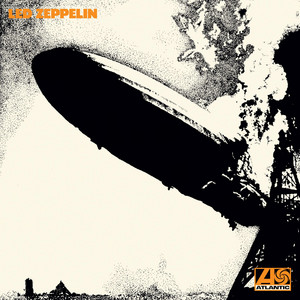
Led Zeppelin – Led Zeppelin (1969) “Good Times Bad Times” comes out of nowhere like a thunderbolt. I can only imagine what it must have sounded like hearing this for the first time in 1969. It’s probably the greatest opening track on a debut album ever. You can hear where the band came from, the Yardbirds, Cream, the Jeff Beck Group, but it also sounds completely different. All four members of this, for all intents and purposes, supergroup announce themselves immediately. Bonham’s drumming in particular is just insane. Absolutely insane. “Babe I’m Gonna Leave You” gives you a glimpse of where Zeppelin would eventually go, and what they would ultimately perfect. That distinctly Zeppelin atmosphere, like an ethereal fog rolling over the English countryside, with this undercurrent of occult dread, mysticism, ancient legends and mythology, while Plant’s vocals soar over everything. It’s all there already, on the second track of their first record. A lot of this album is essentially a straight blues record, probably more so than any of their subsequent albums. But unlike Cream, Traffic, the Yardbirds, the Spencer Davis Group, John Mayall’s Bluesbreakers, or any of those other English bands interpreting American blues music, Zeppelin completely transforms it by running it through this live-wire electrical conduit. It sounds like the American blues being played by the thunder of the gods in Valhalla. “Dazed and Confused” is the apotheosis of all of this. It’s like being trapped inside a sonic hurricane. Plant belting, Page’s guitar answering him, Bonham’s thundering drums, and John Paul Jones’s ominous, prowling bass. Jones deserves special mention because his playing is so distinctive and so integral to the sound that you simply cannot separate him from the equation. He’s every bit as important as the other three. That’s the thing about Zeppelin. You can hear four extraordinarily talented musicians doing their own thing, but somehow it all comes together into something greater than the sum of its parts. And Jimmy Page is one of my absolute guitar idols. His riff-forward, Gibson-into-a-Marshall approach to guitar playing is basically my approach to guitar playing. I learned it from him. How could it be any other way? What struck me most about revisiting this album is how fresh it still sounds. When I recently listened to Van Halen’s debut again, as much as I love that record, I couldn’t really get past the feeling that I’d heard it a million times. My ears were tired of it. I couldn’t hear it with fresh ears anymore. I expected that might happen here, too, but it was the complete opposite. I’m hearing things I hadn’t appreciated before, marveling at the interplay between these four guys, and remembering exactly why I fell in love with this band in the first place. And now, having finished their debut for probably the thousandth time, all I want to do is listen to the entire Led Zeppelin discography again. Right now. That’s how good this record still is. 9.1/10
I really did not like this album. And it's not that it's bad, necessarily. It's just absolutely, unequivocally not for me. It's got that contemporary R&B sound that I really struggle to connect with. Everything is so slick, so polished, so meticulously produced that it almost feels overproduced to the point of sterility. There's definitely a neo-soul thing happening here, somewhere in the universe of Frank Ocean and D'Angelo, neither of whom are particularly my cup of tea either. But where those artists at least have a certain weirdness or experimental quality that I can appreciate, this feels comparatively straightforward and conventional to me. And frankly, less interesting as a result. Kelela is clearly a talented vocalist. I don't think there's any denying that. But she's doing that sort of Mariah Carey-inspired, melismatic R&B vocal thing that just does absolutely nothing for me. I can recognize the technical ability without deriving any particular enjoyment from listening to it. It's an aesthetic that I've never particularly cared for, and there's a whole lot of it here. I can certainly appreciate that there's a lot of craft involved in making a record like this, and I understand why it might appeal to people who enjoy this particular genre. But I just found the whole experience kind of boring. Nothing really grabbed me. Nothing made me want to go back and listen again. The production, the songwriting, the vocal performances, none of it elicited much of an emotional response beyond general disinterest. And that's really all I can say about it. Sometimes an album challenges your tastes and wins you over. Sometimes you discover something completely outside your musical wheelhouse that blows you away. And sometimes you listen to an album that's probably quite good at what it's trying to do, but what it's trying to do is something you have absolutely no interest in hearing. This is very much the latter. 3.2/10
What can possibly be said about *Rubber Soul* that hasn't already been said? It's probably the most reviewed, analyzed, and celebrated album of all time, and rightfully so. It's one of the greatest albums ever made, one of the most important albums in the history of rock and roll, and a masterpiece whose musical brilliance and historical significance are matched in equal measure. It's in the running for the greatest album ever made, by the greatest band that ever was. The accolades are endless, and frankly, they're all deserved. Personally, this might be my favorite Beatles album. It's certainly in my top four, but at this level, we're really just splitting hairs. What distinguishes *Rubber Soul* from some of their later albums, particularly *The White Album* and beyond, is its cohesiveness. You're hearing the Beatles as a musical unit, a band firing on all cylinders, rather than four increasingly distinct creative personalities sharing space on the same record. That's not to say you can't hear their individual identities. "Drive My Car" is unmistakably a Paul song, while "Norwegian Wood" and "Nowhere Man" have John written all over them. But there's something about the interplay here, the way they complement each other, that makes the whole feel greater than the sum of its already extraordinary parts. And the influence of this record is almost impossible to overstate. They're helping establish a blueprint for a kind of jangly, folk-inflected guitar rock that would resonate for the next half-century and beyond. Some of the sound is admittedly locked in that mid-'60s psychedelic folk era, but those chiming guitars, those melodies, those harmonies! You can hear their influence in contemporaries like the Byrds and trace it all the way through alternative rock in the '90s and beyond. The harmonies on a song like "Nowhere Man" are practically unparalleled. I want to highlight four songs, one for each Beatle, because each represents something I love about this album. And yes, I realize I just spent a paragraph praising the band's cohesiveness, but the fact that a song is unmistakably John, Paul, or George doesn't mean you can't hear the fingerprints of the others all over it. First, "I'm Looking Through You." This is an absolutely quintessential Paul McCartney song. He's taking that Little Richard-inspired rock and roll scream he'd perfected on covers like "Kansas City" and songs like "I'm Down" and incorporating it into his own increasingly sophisticated songwriting. The result is, as the kids would say, an absolute banger. That organ riff that comes in after the chorus is so infectious, and the whole thing is just an extraordinary piece of pop rock craftsmanship. Nobody did this stuff better than Paul. Next, "In My Life." This might be John Lennon's masterpiece. People often look to his post-Beatles career when discussing his greatest artistic achievements, but for me, this is it. This is a song that belongs in the pantheon of the greatest compositions of all time, not just rock songs, but music, period. There's something almost mythic, something approaching divinity, in its beauty. The melody, the arrangement, the lyrics, they somehow combine to produce this overwhelming emotional response that's difficult to even articulate. It's the kind of song that can make you well up with tears without entirely understanding why. And that's really the magic of music, isn't it? Why do these particular frequencies, arranged in this particular sequence, make human beings feel something so profound? What is it about music that allows it to reach into us and pull out emotions we didn't even know were there? "In My Life" possesses that mysterious quality in abundance. Maybe some of that is my own deeply personal relationship with Lennon and the Beatles, but I find this song devastatingly beautiful. It's why we listen to music. Then there's George's "If I Needed Someone." He's finally got one on the board that can stand shoulder to shoulder with the Lennon-McCartney material. It's not quite at the level of the masterpieces he'd produce later, but it's an incredible song in its own right. In fact, if I had to pick one track that captures the quintessential *Rubber Soul* sound, this might be it. Those gorgeous, jangling guitars, the folk-rock sensibility, the harmonies. It's a sound that countless bands would spend decades trying to recreate. And finally, Ringo's "What Goes On." I absolutely love when Ringo does country music. Love it. Can't get enough of it. And this is a terrific example of why. The band is just swinging here. It's loose, fun, infectious, and endlessly singable. I much prefer this side of Ringo to some of his earlier, somewhat awkward attempts at R&B and early rock and roll covers. This is his wheelhouse, and he sounds completely at home. Of course, there are a few things to nitpick. "Run for Your Life" is a bit of a bust for me, particularly as the album's closer. And a handful of tracks, like "You Won't See Me," "Think for Yourself," and "The Word," feel a little more anchored to their particular moment in the mid-'60s. But we're talking about the Beatles here. Even the lesser material is operating on a level that most bands could only dream of reaching. Is this the greatest Beatles album? Maybe. Is *Revolver* better? Maybe. Could you make the case for *Sgt. Pepper*, *Abbey Road*, or any number of the records that followed? Absolutely. We're talking about a band whose creative achievements over a remarkably short period of time are almost beyond comprehension. I'll end with this. It's October 13th as I'm writing this, a beautiful, crisp autumn day in New Jersey. The air is cool, the leaves are changing colors, and there's that unmistakable feeling of fall settling in. And as I listen to this record, I can't help but think that *Rubber Soul* is the ultimate autumn album. There's something about its warmth, its melancholy, its jangling guitars and gorgeous harmonies that feels perfectly suited to a day like today. Sixty-one years later, it's still magic. 10/10
First time hearing this album, and holy shit. Incredible. It's like a new wave version of IDLES, except somehow from 1977. These guys are just firing on all cylinders. Fast-moving, absolutely ferocious basslines, killer synths and keyboards, and this relentless energy that never really lets up. The keyboard work in particular is phenomenal. There's so much Ray Manzarek in here, but I also hear Sparks, Steve Nieve from Elvis Costello and the Attractions, and even some Zappa. Imagine Steve Nieve playing with the Doors while Glenn Danzig handles lead vocals. That's sort of what we're dealing with here. It's so aggressively, unmistakably British. It's giving Buzzcocks. It's giving the Misfits. It's giving the Smiths. I can hear the influence on the Strokes, and it really reminds me of Jonathan Richman and the Modern Lovers, especially in that combination of driving, almost primitive rock and roll with these wonderfully absurd, deadpan lyrics. And the lyrics! They're so fucking dumb that they're brilliant. There's something almost confrontational about how ridiculous some of this stuff is. Like they're daring you to take it seriously, while the music behind it is absolutely phenomenal. And that's what really elevates this album for me. Underneath all the punk and new wave attitude, there's some seriously sophisticated musicianship going on. The basslines are practically lead instruments, and the keyboards aren't just adding texture. They're weaving in and out of everything, sometimes driving the melody, sometimes doing these wild, almost psychedelic runs that sound straight out of the Doors. The whole thing has this fascinating layered quality, where it feels like instruments and musical ideas are being stacked on top of one another. There's almost a progressive rock or jam-band sensibility to some of the arrangements, like Zappa filtered through the British punk scene. It's chaotic, but somehow incredibly tight and deliberate. These guys can really fucking play. And I mean, any album that closes with a miniature, multi-part rock opera about sewer rats is absolutely my shit. "Down in the Sewer" is just glorious. It's ridiculous, ambitious, musically adventurous, and completely committed to the bit. Who the hell thinks to do something like that on their debut album? And who manages to make it work this well? I think what I love most about this record is how many seemingly incompatible things are happening at once. It's punk, but it's too musically sophisticated to fit comfortably into that box. It's new wave, but it's dirtier, meaner, and more aggressive. It's got the manic energy of garage rock, the keyboards of psychedelic rock, the attitude of punk, and these weird, almost progressive arrangements holding everything together. And somehow it all works. It sounds like a band that doesn't particularly give a shit what they're supposed to sound like, and the result is something completely distinctive. This is exactly the kind of album I love discovering through this project. Something I'd never really spent time with before, that sounds simultaneously like a dozen bands I already love and yet entirely like its own thing. It's funny, nasty, weird, absurd, incredibly catchy, and musically brilliant. What a fucking debut. 9.1/10.
When I saw this album come up today, I kind of raised an eyebrow. It’s funny because LL Cool J has become such a familiar, affable television personality that he almost reminds me of Michael Strahan. Strahan went from terrorizing quarterbacks on the football field to being this warm, perpetually smiling morning-show host, and LL has undergone a similar transformation. It’s easy to forget that the guy who now seems like everyone’s lovable TV personality was once genuinely on the cutting edge of hip-hop. But I was pleasantly surprised. I was expecting something closer to the more rudimentary, old-school hip-hop of Grandmaster Flash and that first generation of rappers. Instead, a lot of this sounds much closer to the early-‘90s East Coast hip-hop that I actually enjoy, particularly A Tribe Called Quest. It’s got that same emphasis on rhythm, groove, and musicality, although there’s a harder, more aggressive edge to LL’s delivery. There are a few moments that veer dangerously close to Fresh Prince territory, but for the most part, I enjoyed it. What really surprised me was how musical the whole thing is. Marley Marl’s production is just relentlessly funky. There are these great, thick bass lines, terrific drum grooves, and occasional bursts of scratching, but nothing feels particularly cluttered. It’s actually a pretty sample-heavy record, drawing on funk and soul artists like James Brown and Sly and the Family Stone, but the samples are assembled so seamlessly that they almost sound like a live band. A lot of the time, it’s just this great fucking rhythm section laying down a groove while LL raps straight over it. There’s something refreshingly uncomplicated about that. And LL himself is genuinely impressive. He’s got a terrific rhythmic command of the language, and a lot of his rhymes are clever, playful, and surprisingly funny. You can hear why he was such an important figure in the development of the genre. There’s a swagger and confidence to the whole thing that feels earned, particularly considering this was something of a comeback record for him. Ultimately, I enjoyed this more than I expected to, even if it’s not necessarily an album I’m going to find myself returning to very often. There are stretches where the material doesn’t do a whole lot for me, but the grooves are infectious, the rapping is sharp, and there’s more here for me to appreciate musically than I anticipated. A pleasant surprise. 5.8/10
What the fuck is a Finley Quaye? I’ve gone 40 years as a self-declared music aficionado, and I don’t think I’ve ever heard those two words strung together. My first few tracks were a bit of a musical journey. First thought: Oh, okay, a reggae album. Then: Oh, okay, a weird, psychedelic, almost electronic, borderline dubstep reggae album. Very cool. Then things got a little more polished and poppy, almost Jamiroquai-esque, with some really nice organ work, jazzy guitar, and fantastic bass. Then “Sunday Shining” comes along and suddenly I’m hearing what sounds like a reggae song laid over an Oasis or Blur track. Reggae meets Britpop. Didn’t see that coming. And that’s really where this album shines, when it gets a little freaky. Some trippy production, unexpected musical detours, and weird psychedelic backwards guitar solos. Never hurt anybody. Unfortunately, the novelty starts to wear off. A lot of the songs begin to blend together, and despite the interesting production and musicianship, I found myself getting a little bored. It’s perfectly enjoyable, but it’s not Marley. It’s not Toots and the Maytals. It’s not Peter Tosh. And while I appreciate Quaye’s willingness to push reggae into some interesting territory, I can’t say much of it really stuck with me. Interesting, occasionally inventive, and certainly better when it’s weird. But ultimately, just not quite my thing. 3.8/5
Another one of my desert-island records. The first and last tracks, the two halves of “Shine On You Crazy Diamond,” might be this band’s absolute high-water mark. Which is effusive praise considering the album that preceded this one is, rightfully, considered one of the greatest records in the entire rock canon. But the atmosphere here. The searing guitar leads, the sinister lyrics, the madness and tragedy of Syd Barrett, the synths, the sheer weight of it all. Gorgeous. A cathedral of rock. Just when you think David Gilmour can’t bring you any closer to the edge with his playing, he grabs you and rips you over it. That opening verse is brutal. Kills me. This is the ultimate stoned-with-really-good-headphones experience, which happens to be one of my favorite experiences. The way the chorus of “Shine On” hits like a full fucking heavenly choir. Then a sinister laugh and a sneer, followed by an absolutely incredible saxophone solo. As it fades, we’re left with the low rumble of machinery. Something ejects. Something whirs and buzzes. I can hardly catch my breath. It feels otherworldly, like something is hovering just beyond our perception. And then those ominous acoustic chords announce the arrival of “Welcome to the Machine.” And that’s just the opening track. “Welcome to the Machine” is a sinister exploration of the mind. The processed vocals, the searing synthesizers, everything building and escalating until I can practically feel my heart beating. It’s frightening in this post-apocalyptic, science-fiction kind of way. The age of the machines. Humanity enslaved. Terminator robots scouring a devastated landscape for the last remnants of human resistance. We jack into a neural simulation and dream of the world before. The machines keep humming. Something speeds away. Something is ejected. It’s terrifying and magnificent. And then “Have a Cigar.” That funky riff! One of Gilmour’s best. The cynicism of the lyrics is delicious. The band is fantastic, that’s really what I think, and oh, by the way, which one’s Pink? We’re riding the gravy train! Gilmour tears the house down again with his solos. So melodic. You can sing every single note. Those bends! That tone! Nobody makes a guitar speak quite like this man. And the way it all zaps down to near silence at the end, the channel changes, and suddenly we’re listening to a tinny radio playing the opening guitar of “Wish You Were Here.” Fuck. Just hearing that G-centered acoustic riff breaks my heart. The little acoustic solo that follows is so simple, so pretty. And then some of my favorite lyrics of all time. That devastating sequence about trading your heroes for ghosts, hot ashes for trees, cold comfort for change, and ultimately exchanging a walk-on part in the war for a lead role in a cage. What an extraordinary way to describe the surrender of your ideals and freedom for the illusion of success. Fuck. Fuck. The slide guitar after the first verse has George Harrison written all over it. So restrained, so achingly beautiful. And then the culmination into the chorus. Huge. Massive. Heartbreaking. Cathartic. I want to sing this with 100,000 people in a stadium, the way people sing Oasis songs, every voice joining in until the whole place shakes. And then the wind blows fiercely. Waters taps out those ominous bass notes. Something is coming again. The second half of “Shine On You Crazy Diamond” is a perfect preview of where Floyd is going next with Animals, another one of my favorite records. In so many ways, this album is the ideal midpoint between Dark Side and Animals. Synth-driven, progressive, electronic, satirical, biting, but still maintaining the tight songwriting and radio-friendly melodies without disappearing completely into an acid trip. Screaming guitar harmonies over synthesizer leads. Everything building and building, settling into an irresistible groove. The riff returns, followed by those heartbreaking lyrics wondering where this lost soul has gone, whether he’s near or impossibly far away. And then the absolute ecstasy of that enormous, shouted chorus. Shine on, you crazy diamond. From there, we’re drifting again, fading into space and time. Funky jamming. Dark Star and Terrapin Station at once. The music rises and falls in these extraordinary instrumental passages, everything peaking and receding, wave after wave. Just when you think the band has reached its climax, another wave comes crashing down. Until finally we’re washed over by vibrations. Sinister vibrations. Sorry, Brian Wilson. These aren’t good vibrations. This is music for the moment the villain takes his throne in hell and places a crown of thorns upon his head. And yet, beneath all that darkness and grandeur, there’s this overwhelming sadness. A band mourning its lost friend, mourning its innocence, raging against the machine that made it successful, and producing something almost impossibly beautiful in the process. The whole record feels enormous and deeply personal at the same time, somehow both a warning about the future and an elegy for the past. Fuck, dude. Is this better than The Dark Side of the Moon? Jesus la weez. 10/10
I don't think I gave this album a fair shake when it came out. My dad loved Sufjan Stevens and had all his records, but I wasn't particularly interested at the time. I must have heard Illinois once or twice, but this just wasn't where my musical tastes were in 2005. I hadn't really fallen into this particular strain of indie folk yet. That would come later with bands like The Shins. This whole indie folk, freak folk, hipster indie rock thing was still percolating, and it would really come into its own over the next five to ten years. Even then, I tended to prefer the bands that rocked a little harder, like Arcade Fire, over the more delicate, acoustic stuff from artists like Bon Iver, Grizzly Bear, or Fleet Foxes. So I guess I just wasn't ready for Sufjan Stevens. Which is ridiculous, because on paper, this album might as well have been written specifically for me. A sprawling concept album about obscure American history, strange little towns, UFO sightings, and eccentric historical figures, all centered around a single state? Andrew Jackson, Mary Todd Lincoln, the Chicago World's Fair, bizarre local folklore, and gloriously absurd song titles with subtitles that practically require subtitles of their own? I mean, come on. I love concept albums. I love rock music. I love quirky historical shit. This is extremely my shit. How the hell did I miss it? Musically, there's an enormous amount to unpack. Some of it veers a little too far into the cutesy, precious territory that tends to put me off this genre, but so much of it is just gorgeous. The opening track, "Concerning the UFO Sighting Near Highland, Illinois," is beautiful. "Jacksonville" is another early standout, with an opening guitar figure that has a little Jerry Garcia "St. Stephen" thing going on. But "Chicago" is clearly the centerpiece. I think it was the radio single, to the extent that radio still existed in 2005. What an absolutely gorgeous song. The swelling orchestration, the hypnotic repetition, the sheer grandeur of the arrangement. There's something very Revolver-era Beatles about it, almost like "Tomorrow Never Knows" with a full orchestra. It's psychedelic, euphoric, and genuinely moving. The kind of song that just builds and builds until you're completely swept away by it. And then there are "Casimir Pulaski Day" and "John Wayne Gacy, Jr.," two songs that absolutely rip my heart out of my chest. For all the album's whimsy, historical eccentricities, and orchestral grandeur, Stevens is equally capable of stripping everything back and delivering something utterly devastating. "Casimir Pulaski Day" is a heartbreaking meditation on young love, death, and the apparent indifference of God. "John Wayne Gacy, Jr." is something else entirely, a haunting, almost unbearably gentle song about unimaginable evil that somehow turns the mirror back on the listener. Neither needs the elaborate arrangements or musical fireworks found elsewhere on the record. They're almost unbearably beautiful in their simplicity, and all the more powerful for it. What's becoming increasingly apparent is that this isn't passive listening. You can't listen to this album once and be done with it. This is the kind of record that demands, and rewards, obsessive listening. There are so many layers to peel back, so many musical and lyrical details to uncover, so many historical references and little melodic flourishes buried in the arrangements, that one spin barely scratches the surface. I need to get to know this record. I need to live with it. I suspect it would take dozens of listens to even begin to appreciate everything that's happening here. And I have a feeling each successive listen would reveal something new. I don't love every minute of it. Some of the preciousness still rubs me the wrong way, and there are stretches where I admire what Stevens is doing more than I actually enjoy listening to it. But there's something extraordinary here. It's an album of almost absurd ambition that somehow manages to feel deeply personal. It can be playful and eccentric one moment, overwhelmingly beautiful or emotionally crushing the next. It's simultaneously whimsical, grandiose, intimate, and devastating. There's an entire world inside this record, and I've barely begun exploring it. I don't know how I missed it twenty-one years ago. But I know I'll be coming back. I have a feeling Illinois is going to get better every time I hear it. 7.8/10
Imagine Art Garfunkel heard Paul Simon was making Graceland and decided to beat him to South Africa by way of the Amistad. That's Malcolm McLaren's Duck Rock. A dorky-looking white English dude doing nursery rhymes in the style of the Sugarhill Gang over a bewildering assortment of world music. African rhythms, Caribbean calypso, soukous, early hip-hop, and eventually what sounds like an Appalachian square dance being assaulted by a turntable. It's an absolutely ridiculous record. The thing is, I actually enjoy a lot of the African and Caribbean music here. There are some genuinely infectious rhythms, and when the album settles into those grooves, I can almost convince myself I'm having a good time. But then McLaren comes crashing back in with his goofy, sing-song proto-rapping, and the whole thing falls apart. It's impossible to get lost in the music when you keep remembering what this guy looks like. Ironically, the best parts of the album aren't really songs at all. They're the interludes featuring the World's Famous Supreme Team, broadcasting their wonderfully chaotic New York-area hip-hop radio show. Women calling in from Brooklyn talking about doing cocaine until four in the morning. DJs talking shit, taking calls, and creating this incredible atmosphere of early-'80s New York nightlife. I could listen to that stuff all day. There's something wonderfully surreal about hearing this authentic slice of New York radio culture, expecting the DJ to spin some old-school hip-hop, and instead being transported to South Africa. And I understand the historical significance. McLaren was experimenting with the collision of hip-hop, scratching, and global musical traditions years before that kind of cross-pollination became commonplace. There's a legitimate artistic concept here. But being ahead of your time doesn't automatically make you good. Sometimes it just means you were the first person to have a terrible idea. By the time the final track rolls around, we're listening to what sounds like straight-up square dancing with sound effects and scratching layered over it. Put me out of my misery. I can appreciate Duck Rock as a cultural artifact, an ambitious experiment, and a strange little time capsule of early hip-hop history. But as an album I actually have to sit through? Absolutely fucking not. 1.8/10
Rain Dogs sounds like the music playing under a bridge in the bad part of town, where a secret carnival is being run by pirates, drug addicts, bootleggers, and assorted degenerates. It's a bizarre, grotesque, occasionally terrifying world, but somehow one you can't help wanting to spend more time in. There's something about songs like "Singapore" and "Rain Dogs" that reminds me of the first two Doors albums. They evoke that strange, sinking feeling in the pit of your stomach when you encounter something so absurd that it becomes genuinely unsettling. You don't know whether to laugh, run away, or join in. It's the musical equivalent of stumbling into a traveling circus where something has gone horribly wrong. And yet, despite all that menace, the music makes you want to jump out of your chair and dance the Mamushka. But underneath all the weirdness is something deeply rooted in the American musical tradition. "Big Black Mariah" and "Gun Street Girl" have this primitive Mississippi Delta blues quality, recalling Howlin' Wolf and Muddy Waters, only twisted into something darker and more sinister. There's Appalachian folk music, New Orleans jazz, country, vaudeville, and the ghosts of a hundred forgotten musical traditions rattling around in here. It's as though Waits has excavated the entire history of American music from beneath the floorboards of a condemned saloon. And the characters inhabiting these songs are just as fascinating as the music. Rain Dogs feels like an American folk tale told from the perspective of the people history forgot. The bootleggers, vagabonds, sots, criminals, thieves, and assorted lost souls who lived on the margins of respectable society. These are the people whose stories never made it into the history books, but whose lives became the stuff of folklore. There's something almost mythological about them, even as Waits portrays their world as filthy, desperate, and absurd. What's remarkable is how effortlessly Waits can pivot from this grotesque carnival atmosphere to moments of extraordinary beauty. "Time" and "Hang Down Your Head" are absolutely gorgeous songs, with a tenderness and melodic sensibility that recall Dylan and the Byrds. Strip away the theatrical growling and junkyard instrumentation, and you discover a songwriter with an astonishing gift for melody and emotional storytelling. You can also hear why Bruce Springsteen was drawn to Waits and ultimately covered "Jersey Girl." They share a fascination with the forgotten Americans, the lonely people living on the fringes, and the romance and heartbreak buried in ordinary lives. Where Springsteen often imagines his characters searching for escape or redemption, Waits seems perfectly content to sit beside them at the bar and listen to their stories. "Blind Love" might be the standout track for me. What an absolutely beautiful song. There's a soulful, country-inflected quality to it that feels straight out of the Bruce Springsteen and Southside Johnny universe. I hear shades of the emotional territory Bruce would explore on Tunnel of Love, Human Touch, and Lucky Town. It's romantic, wounded, and deeply soulful, the kind of song you could imagine Southside and the Asbury Jukes playing in some half-empty Jersey Shore bar at two in the morning. It's almost startling to encounter something so achingly beautiful in the middle of all this madness. And that's ultimately what makes Rain Dogs work so well. The strangeness isn't merely an affectation or an exercise in musical experimentation. It's an entire world, one that feels simultaneously imaginary and completely authentic. The bizarre carnival music, the sinister blues, the drunken sea shanties, and the heartbreaking ballads all belong together because they're telling different stories about the same forgotten people. It's the sound of American folklore filtered through a fever dream. The Doors running away with a traveling circus, discovering Howlin' Wolf and Bob Dylan along the way, and eventually winding up drunk beneath a highway overpass. And somehow, against all odds, it's beautiful. 8.1/10
Man, I feel like Whitey saying this, but I'm just all the way out on this album. What happened to all that Black Power on The Revolution Will Not Be Televised? This feels like Black Power took a nap after eating too much cornbread. Maybe I'm just tired today, but I need a lot more energy if I'm going to listen to jazz. Most of this just sits in this laid-back pocket without doing anything particularly interesting. Gil sounds like he's barely hanging on to the key half the time, and the organ arrangements remind me of those 1970s Charlie Brown Thanksgiving and Halloween specials. It's not necessarily bad, but it's just not doing much for me. There is some good stuff here, though. The basslines are interesting, particularly on "The Bottle," which has a genuinely infectious groove. And then there's "H2Ogate Blues," which is legitimately great. The basswork is fantastic, and this is the Gil Scott-Heron I want on every track. Angry, funny, sarcastic, politically charged, and actually doing something interesting musically. What's fascinating about "H2Ogate Blues" is that it's simultaneously the most extreme mid-1970s thing imaginable and somehow completely current. America is still blind, it still feels like '38, we're still bombing people, prices are still soaring, and we're still asking what really happened with J. Edgar Hoover. Or is it Jeffrey Epstein now? King Richard becomes King Donald. Beneath that cesspool, drain the swamp, Watergate. It's the same political circus with a different cast of characters. It follows a pattern, if you dig what I mean. Fifty-two years later, and it feels like we haven't learned a goddamn thing. Unfortunately, the rest of the album just doesn't come close to matching that energy. I appreciate the political consciousness and the musicianship, but appreciating something intellectually isn't the same as enjoying listening to it. "H2Ogate Blues" almost makes the rest of the album more frustrating because it demonstrates just how compelling Scott-Heron can be when everything clicks. Maybe I just caught this one on the wrong day, but outside of a couple of tracks, winter in America put me to sleep. 4.1/10
I’m really not all that familiar with The Cure outside of a handful of their hits, particularly “Friday I’m in Love,” which I love and actually sing with my band. My knowledge of Robert Smith is largely limited to his public persona and, of course, that time he defeated Mecha-Streisand on South Park. I came into this expecting something relentlessly melancholic, sort of proto-emo goth music, but what surprised me is how much of this album is actually danceable. Robert Smith sings like he’s either crying or just finished crying, but the music behind him is often pretty upbeat, with these driving basslines and jangly, new-wave guitar arrangements. “A Forest” is exactly what I think of when I think of The Cure. Not to harp too much on South Park, but this is precisely the music Trey Parker and Matt Stone are parodying when the Goth Kids do that weird little disaffected dance shuffle. It’s dark and moody, but there’s a genuinely infectious groove underneath it. “Play for Today” is another standout, probably my favorite alongside “A Forest.” “M” is in that same vein, although not quite as good. Where the album loses me is in some of the more atmospheric material. Tracks like “A Reflection” are essentially reverberating, discordant guitar chords chiming out into an echo chamber. They’re fine as little interludes, I guess, but they’re not particularly interesting compositions. “At Night” has this fantastic, super-fuzzed-out guitar sound that I really dig, but the song itself doesn’t do much for me. It’s not like I’m ever going to be sitting around thinking, “Man, I really need to put on ‘At Night.’ That’ll get me going.” I appreciate the atmosphere they’re creating, and there’s something genuinely compelling about the contrast between the gloomy vocals and the surprisingly energetic instrumentation. But I find myself enjoying the actual songs much more than the sonic experiments. When The Cure give me a memorable melody and a great groove, I’m completely on board. When they’re just creating an atmosphere, I start losing interest. There’s some really good stuff here, and I can certainly hear why this became such an influential sound, but I don’t think every interesting musical texture necessarily makes for an interesting song. 5.5/10
This album is exactly why I find this project so rewarding. Going in, I had a neutral impression of Elliott Smith at best, and a negative one at worst. I’d always associated him with whiny, depressing, tortured, emo-adjacent music. My only real familiarity with his work was “Needle in the Hay,” which features in one of the greatest needle drops in movie history in The Royal Tenenbaums. I love that scene and that song, but I never had much interest in exploring the rest of his catalog. Well, consider me completely converted, because this album absolutely blew my socks off. What surprised me most is just how brilliant a pop songwriter Elliott Smith was. I’m hearing influences from all over the place, particularly Big Star and the Replacements, with these perfectly crafted little power-pop songs full of irresistible melodies and hooks. “Ballad of Big Nothing” might be my favorite track on the album, and it’s probably the clearest example of that Big Star influence. But there’s also this fascinating spectrum between Kurt Cobain and Fountains of Wayne that runs throughout the record. “Pictures of Me,” in particular, sounds like quintessential mid-‘90s alternative pop-rock. I hear early Fountains of Wayne, Harvey Danger, even a little Oasis. I’m sure Elliott Smith would hate some of those comparisons, but I mean every one of them as a compliment. And then there’s the influence in the other direction. I can hear so much of the indie rock that would emerge 10 or 15 years later in these songs, particularly bands like Yuck and Foxygen. Built to Spill comes to mind as well, although they were contemporaries rather than successors. There’s this wonderful combination of ragged, sometimes fuzzy guitar sounds and meticulously constructed melodies that connects all of these artists. The songs feel intimate, loose and almost effortless, but underneath that simplicity is some genuinely sophisticated songwriting. They’re just incredibly catchy little earworms. Of course, the Elliott Smith I’d imagined before hearing this record is here too. “Between the Bars” is much closer to that fragile, melancholy singer-songwriter reputation, but what a gorgeous song. It’s one of those rare pieces of music that seems to hit some secret emotional button in your body and can practically reduce you to tears. “Landslide” by Fleetwood Mac has that same effect on me, as does “Needle in the Hay.” It’s difficult to articulate exactly why. Something about the melody, the vulnerability of the performance, and the way it all comes together just reaches right into you. It’s devastatingly beautiful. What makes Either/Or so impressive is how effortlessly Smith moves between those two worlds. On one hand, you’ve got these infectious, almost joyous-sounding pop melodies, and on the other, this tremendous emotional weight. Sometimes they’re both present in the same song. And none of it feels forced or inconsistent. I came into this expecting a collection of sad, whispery acoustic songs and instead discovered a record that draws together so many of the things I love about guitar-driven music. I enjoyed this album so much that when it ended, I immediately played the whole thing again. Back to back. That’s about as strong an endorsement as I can give. This is absolutely a record I’ll be returning to, probably many times. What a fantastic surprise, and what an extraordinary songwriter. I couldn’t have been more wrong about Elliott Smith. 8.2/10
I’m not a huge fan of this band to begin with, and I’m a little surprised the generator chose this album rather than its far more famous and beloved follow-up, Loveless. There are certainly things to like here. Some decent songwriting, interesting structures, and genuine melodies buried somewhere in the mix. Tracks like “Nothing Much to Lose” and “Cupid Come” have an almost Pixies-adjacent quality that I could really get behind. Unfortunately, just as something promising starts to emerge, it sounds like somebody has started power-washing the studio windows, spraying a garden hose directly into the microphones, or operating a power drill in the next room. I understand that this is essentially the point of shoegaze, but to me, a lot of it just sounds like noise. Maybe that makes me sound a hundred years old, but I can’t help thinking that if they just cleaned some of this up, these songs would be substantially better. Instead, whatever melodies are there get completely sandblasted by sound. In a lot of ways, it reminds me of Smashing Pumpkins, particularly Siamese Dream, which I’ve always liked considerably less than Mellon Collie and the Infinite Sadness. Except I think the Pumpkins do this sort of thing much better. There’s clearly some musical talent and imagination here, and I can appreciate what they’re going for intellectually, but I don’t particularly enjoy listening to it. Ultimately, not my thing. I doubt I’ll revisit it. 3.9/10
I really like the Kinks. I wouldn’t say I love the Kinks. They’re certainly one of my father’s favorite bands of all time, and I’ve grown up with a healthy appreciation for their music. But they’re not a top-25 band for me. Even within the British Invasion, I’d put the Beatles, Stones, and Who in the top echelon, with the Kinks occupying something of a second tier alongside bands like the Animals and Dave Clark Five. That’s not a criticism so much as an acknowledgment of just how ridiculously good the competition was. I’m also much more familiar with the Kinks as a singles band than an albums band. I know the hits, probably their 20 or so most recognizable songs, but Face to Face was largely unfamiliar territory. And frankly, I was surprised to see this particular album on the 1001 Albums list. It’s not necessarily the Kinks record I would have chosen to represent them among the greatest albums of all time. Having listened to it, though, I can certainly understand the argument. What immediately struck me was just how much musical DNA this album shares with the other great British bands of the mid-1960s. The opening track, “Party Line,” could practically have come from the Beatles for Sale, Help!, or Rubber Soul sessions, albeit with that slightly peculiar Kinks sensibility. The lyrics are funny, the melody is terrific, and there’s an eccentricity to the whole thing that separates Ray Davies from his contemporaries. He’s not merely writing pop songs anymore. He’s constructing little stories populated by strange, amusing, and frequently ridiculous people. “Dandy” is an early standout and perhaps the clearest example of Davies coming into his own. It’s quintessential Kinks: jaunty, distinctly English, gently mocking, and almost theatrical. You can hear the songwriter who would spend the next decade and a half creating these wonderfully acerbic portraits of English life. “Most Exclusive Residence for Sale” works in much the same way. It’s pure Ray Davies, with his fascination with class, status, pretension, and the absurdities of society. These are the moments when the Kinks sound most unmistakably like themselves. Elsewhere, the musical comparisons are almost impossible to ignore. There’s a tremendous amount of harpsichord and baroque-pop instrumentation throughout the record, particularly on “Session Man,” which sounds like it could sit comfortably alongside the Stones’ Aftermath, while anticipating some of the experimentation of Their Satanic Majesties Request. I particularly love the way Davies articulates words like “musician” and “progression,” almost savoring the syllables. “Holiday in Waikiki” is another standout, with a driving rhythm and attitude that immediately reminded me of “19th Nervous Breakdown.” And I don’t mean that as a criticism. It’s rock and roll. These bands were contemporaries, absorbing the same influences, competing with one another, and occasionally sounding remarkably alike. “Fancy” ventures into the Indian-influenced experimentation that became fashionable in the wake of Rubber Soul. It’s very well executed, although it does have a slightly derivative quality to my ears. Almost an “Oh shit, the Beatles are doing Indian music, we’d better get in on that” moment. Ironically, the Kinks had actually explored Indian-inspired sounds before the Beatles with “See My Friends,” so perhaps I’m being unfair. But that doesn’t entirely change my impression of this particular track. “You’re Looking Fine” brings things back to a much bluesier, muscular British R&B sound. That enormous bass line immediately reminded me of John Entwistle, particularly “Boris the Spider.” And I absolutely love the piano solo, which has something of the bluesy keyboard swagger that Steve Winwood would bring to Traffic a little later. It’s a terrific performance, sitting somewhere between early Who-style mod rock and the more expansive British blues-rock that was about to take off. Then there’s “I’ll Remember,” which is just glorious Beatles-esque pop. This is a song I could genuinely imagine sitting on Revolver, and considering that I regard Revolver as arguably the greatest album ever recorded, that’s an enormous compliment. There’s something about the guitar work and melodic structure that makes me want to sing George Harrison’s “If I Needed Someone” right over the instrumentation. It’s that good. Not merely reminiscent of the Beatles, but operating in the same league. And then there’s “Sunny Afternoon.” What a masterpiece. This is unquestionably the magnum opus of the album, and one of the great songs of the entire British Invasion. Everything comes together here: the acerbic lyrics, the descending bass line, the lush instrumentation, the harmonies, the melody, and that wonderfully languid atmosphere. It’s this gorgeous, almost lazy summer pop song concealing a hilariously bitter portrait of a wealthy man lamenting his financial misfortunes. Davies manages to make the narrator simultaneously charming, pathetic, resentful, and ridiculous. It’s extraordinarily sophisticated songwriting. More importantly, this feels like Ray Davies realizing his full artistic potential. It’s almost as if he’d listened to what Lennon, McCartney, Jagger, Richards, Townshend, and everyone else were doing and decided he was perfectly capable of matching them. I see your Rubber Soul, and I’ll raise you a “Sunny Afternoon.” And that really gets to what makes this period in music so extraordinary. We’re entering what I consider perhaps the greatest stretch in rock and roll history, roughly 1966 through 1973, maybe extending a little beyond that. The musical arms race is accelerating. The Beatles release something brilliant, the Stones answer, the Who push further, and the Kinks come roaring back with something of their own. Everyone is experimenting, expanding the vocabulary of rock music, and challenging everyone else to do better. “Sunny Afternoon” is the Kinks raising that competition another notch. That is, of course, until the Beatles went fully nuclear with Sgt. Pepper. Ultimately, Face to Face is a much better album than I expected. It doesn’t entirely escape the shadow of its contemporaries, and there are moments when the Kinks sound more like participants in the broader British rock movement than the innovators leading it. But the songwriting is consistently clever, the arrangements are surprisingly varied, and the number of genuinely excellent tracks is impressive. More than anything, it’s fascinating to hear Ray Davies developing the singular voice that would define the band’s greatest work. I still don’t know that I’d put the Kinks alongside the Beatles, Stones, or Who in my personal pantheon. But this album makes a stronger case for their inclusion than I was expecting. And when Davies is operating at the level of “Sunny Afternoon,” the distinction between those tiers becomes pretty damn meaningless. 8.5/10.
I don’t know what the 1001 Albums list’s obsession is with British reggae, but here we are again. Fortunately, this is considerably better than Finley Quaye. My familiarity with UB40 is mostly limited to their massive hits, “Red Red Wine” and their cover of Elvis Presley’s “Can’t Help Falling in Love,” neither of which appears on this album. So I wasn’t entirely sure what to expect from their debut. What I got was a perfectly enjoyable, competently performed, and surprisingly well-produced reggae record that I generally liked listening to, even if I can’t imagine myself deliberately coming back to it. The band is undeniably tight. There’s a really nice rhythmic cohesion throughout, the bass and percussion lock together beautifully, and the arrangements have a polished, effortless quality. It’s the kind of music that’s easy to put on and let wash over you. The problem is that very little of it demands your attention. There’s a pleasant consistency to the sound, but that consistency eventually becomes a weakness. The songs tend to blend together, and while I can appreciate the musicianship, I don’t find myself particularly captivated by the songwriting. There are some highlights. Their cover of Randy Newman’s “I Think It’s Going to Rain Today” is quite enjoyable, “Madam Medusa” has some personality, and the title track is fun. But even the better songs don’t rise to the level of something I feel compelled to revisit. There’s a distinction between music that’s enjoyable while it’s playing and music that actually stays with you afterward. This album falls pretty firmly into the former category. And then there’s the politics. For a record released in 1980, there’s a surprising amount of what sounds like contemporary progressive political commentary, including a fairly pointed critique of British imperialism on “Burden of Shame.” Apparently, railing against the British Empire wasn’t invented on Twitter in 2020. Of course, in the context of Thatcher-era Britain, with its racial tensions, unemployment, and postcolonial reckoning, this was very much music of its time. Still, it’s amusing how familiar some of the rhetoric sounds nearly half a century later. Ultimately, Signing Off is a perfectly respectable debut from a talented band. The musicianship is strong, the production is impressive, and there’s a distinctive sound here that I can appreciate. I also understand why the album is historically significant, particularly in the context of British reggae and the political climate of the early Thatcher years. But historical significance and personal enjoyment aren’t necessarily the same thing. I enjoyed listening to it, I’m glad I heard it, and I have no particular desire to hear it again. Sometimes that’s all there is to say about an album. 5.7/10
I kind of missed the boat on Muse when they were at their peak, so I came into this album without particularly high expectations. I was pleasantly surprised. It’s a good record, occasionally a very good one, and while I’m not sure I entirely understand the hype surrounding this band, there’s certainly a lot to appreciate here. The Muse song I’m most familiar with is “Uprising,” which doesn’t appear on this album, but I immediately recognized a couple of the singles, particularly “Starlight” and “Supermassive Black Hole.” Both are catchy, well-produced electro-rock songs that are almost perfectly representative of the mid-2000s alternative rock scene. I could easily imagine them sharing radio space with The Killers or Franz Ferdinand, although Muse leans much more heavily into electronica, which seems to be one of the band’s defining characteristics. The clear standout, though, is “Knights of Cydonia,” and it’s not particularly close. What an absolutely killer track. It’s considerably heavier than anything else on the record, almost approaching the stoner-rock territory of bands like Kyuss or The Sword. It’s like someone decided to make a hard-rock version of “Ghost Riders in the Sky” crossed with Ennio Morricone’s theme from The Good, the Bad and the Ugly. The galloping rhythm, the spaghetti-western atmosphere, the soaring vocals, the explosive guitar work. It’s wonderfully ridiculous in the best possible way. A genuinely great song and easily the highlight of the album. There’s no denying that these guys are talented musicians. Matthew Bellamy is an excellent vocalist with an instantly recognizable voice, and there’s a theatrical grandiosity to their music that occasionally reminds me of Queen. “Soldier’s Poem,” in particular, has those layered backing harmonies that wouldn’t sound entirely out of place on A Night at the Opera, one of my favorite albums of all time. I appreciate that willingness to be ambitious and unapologetically dramatic. My biggest reservation is that Muse often sounds like Radiohead without quite reaching Radiohead’s level of sophistication. You can hear the influence of Kid A and the band’s subsequent electronic experimentation all over this record, although Muse generally rocks considerably harder and favors bombast over subtlety. That’s not necessarily a bad thing, but where Radiohead’s experimentation often feels genuinely groundbreaking, Muse sometimes feels like they’re working within a framework someone else already established. There’s a certain depth and inventiveness missing here. My other criticism is that, outside of the handful of standout tracks, much of the album starts to blur together. The songs are individually enjoyable, but they share such a similar sonic palette that I have difficulty distinguishing one from another. There’s a lot of atmosphere, a lot of electronic textures, a lot of dramatic vocal performances, but not always enough musical variety to make each track memorable. “Knights of Cydonia” is the glaring exception, which perhaps explains why it towers over everything else. Ultimately, I enjoyed this more than I expected. I understand the appeal of Muse, and there’s enough here to make me interested in exploring more of their catalog. The musicianship is excellent, the production is strong, and when everything clicks, as it does spectacularly on “Knights of Cydonia,” the results are terrific. I just wish more of the album reached those heights. 6.8/10. A good, occasionally excellent mid-2000s electro-rock album that I’d happily listen to again, even if I’m not quite ready to join the Muse fan club.
Before I discovered the Stones, the Doors, Cream, or even the deeper Beatles catalog, Jimi Hendrix was my entry point into 1960s rock music. I had Are You Experienced on cassette or CD as a kid, and I absolutely wore the thing out. I was obsessed with the guitar showmanship, the explosive blues playing, the psychedelic studio trickery, the sheer otherworldliness of it all. I know that record like the back of my hand. Axis: Bold as Love came a little later, but I know that album just as intimately. Electric Ladyland, however, is a different story. Sure, I know the hits. Who doesn’t know “All Along the Watchtower” or “Voodoo Child (Slight Return)”? Even people who don’t particularly care about music know those songs. And “Crosstown Traffic” and “Gypsy Eyes” are familiar territory. But beyond those tracks, this is an album I’ve probably heard in its entirety fewer than five times. Which might explain why I’m so completely blown away by it. This is Hendrix in his purest, most fully realized form. If Are You Experienced and Axis are Hendrix discovering his own musical identity, taking the blues, psychedelia, and British rock and making them explode through blown speakers, Electric Ladyland is Hendrix mastering that identity and charting a course toward the future. You can hear glimpses of what might have come next for Jimi in the 1970s, had he lived. And God, what a heartbreaking thing that is to contemplate. This is apex Hendrix. Full attack mode. If anyone ever questions his place in the pantheon of rock music, look no further than this record. The album opens with “…And the Gods Made Love,” essentially Hendrix playing around in the studio, manipulating tape speeds, pitching sounds up and down, and experimenting with effects. It’s very much in the spirit of the title track from Are You Experienced, an announcement that we’re entering Jimi’s psychedelic universe, where the normal rules of music don’t necessarily apply. “Have You Ever Been (To Electric Ladyland)” and “Long Hot Summer Night” introduce something else entirely: an almost proto-Funkadelic sound. There’s a distinctly funky, soulful sensibility running through these songs, and it makes me desperately wish we’d gotten to hear what Hendrix might have accomplished in the burgeoning seventies funk scene. Imagine Jimi trading riffs with Eddie Hazel or exploring the musical universe of George Clinton. It’s heartbreaking that we’ll never know. “Crosstown Traffic” is a terrific little blast of psychedelic pop, and I hear a massive Beatles influence here. The concise songwriting, the hooks, the melodic sensibility. It’s not difficult to imagine Paul McCartney writing something like this, albeit with a slightly less deranged guitar attack. And then there’s “Voodoo Chile.” The reprise gets all the attention and radio play, but this fifteen-minute blues excursion is, for me, the absolute standout of the album. This is Hendrix at his most staggeringly brilliant. A guitarist so completely in command of his instrument that the performance almost defies comprehension. And it’s not just Jimi. Mitch Mitchell is absolutely extraordinary here, his drumming fluid, inventive, and explosive. That little drum solo is spectacular. Jack Casady holds down the bass, Steve Winwood supplies the organ, and the whole thing feels like an extended, spontaneous blues session that just happens to feature one of the greatest musicians who ever lived. This is the kind of playing that makes me prefer the Experience era to Band of Gypsys. Give me Hendrix in that late-sixties, British-blues-rock environment, surrounded by musicians who can follow him wherever his imagination takes him, stretching the blues into a twenty-minute psychedelic odyssey. Every damn time. “Little Miss Strange” is something of a comedown. It’s perfectly serviceable British Invasion fare, the sort of thing you might hear from the Yardbirds or a lesser Cream track, but the songwriting isn’t especially memorable. What is interesting is the guitar production. There’s a relatively clean Hendrix lead panned to one side and a heavily fuzzed-out Hendrix guitar occupying the other. Even when the song itself isn’t particularly special, he’s doing something fascinating with the recording. Then comes “Come On (Let the Good Times Roll),” and we’re right back to wondering whether this man was actually an extraterrestrial. Take a fairly standard twelve-bar blues and early rock-and-roll framework, and watch Hendrix completely transform it. The riffs, the rhythmic strumming, those biting dominant-seventh chords, the wild fuzzed-out wah guitar, all of it is unmistakably his. Mitch Mitchell and Noel Redding hold the whole thing together while Hendrix keeps dialing up the intensity until it seems physically impossible to take it any further. And then, around the two-minute mark, he launches into a solo that is simply fucking ridiculous. What is this guy doing? How is this even possible? It’s one of those performances that explains, better than a thousand magazine rankings ever could, why Hendrix consistently occupies the number-one spot on lists of the greatest guitarists of all time. Just play someone this track. Case closed. And as if that weren’t enough, the hypnotic riff and groove of “Gypsy Eyes” come crashing in immediately afterward. What a tremendous song. That relentless, infectious rhythm practically forces your body to move. It’s like being a hypnotized zombie suddenly brought back to life by the power of the groove. “Burning of the Midnight Lamp” is another killer. That gorgeous, melodic opening, again suggestive of the Beatles at their most inventive, eventually gives way to a kaleidoscope of psychedelic guitar, swirling instrumentation, and increasingly elaborate production. Hendrix is demonstrating that he’s not merely an extraordinary guitarist. He’s a remarkably imaginative composer and producer. “Rainy Day, Dream Away” takes us somewhere else entirely. The interplay between organ and guitar is wonderful, and there’s such an informal, relaxed quality to the performance. It feels less like a meticulously constructed studio recording and more like you’re sitting in the room, smoking a joint with Jimi and his buddies, listening to them jam. In fact, that’s one of the defining characteristics of the entire album. It feels like a sprawling party at the studio, with Hendrix holding court while various musicians, friends, and assorted freaks wander in and out. There’s an almost tangible sense of freedom and experimentation. The recording studio itself becomes another instrument. Then “1983… (A Merman I Should Turn to Be)” hits with an enormous riff that sounds like a preview of heavy metal. There’s something almost Sabbath-like about its weight and menace, although the song itself quickly abandons that direction in favor of an extended, underwater psychedelic excursion. The rapid stereo panning anticipates some of the tricks we’d hear on Led Zeppelin I, and there’s a genuinely immersive, spacey quality to the entire composition. It’s not the Grateful Dead’s “Dark Star,” but it’s very good. The lyrics are occasionally a little silly, drenched in that unmistakable 1968, LSD-is-coming-out-of-my-eyeballs sensibility, but the musical ambition is undeniable. “Still Raining, Still Dreaming” brings back the funk and the wah-wah madness. Buddy Miles’ drumming gives the track a different rhythmic character, and Hendrix is practically having a conversation with himself through the guitar. Wah, wah, wah, wahwahwahwah. It’s ridiculous and wonderful. “House Burning Down” is another absolute monster. Like “Crosstown Traffic” and “Gypsy Eyes,” it’s built around a relentless, infectious groove and an enormous guitar riff. The verses don’t quite reach the heights of the introduction and chorus, but who cares when the playing is this extraordinary? The guitar solo is astonishing, with Hendrix double-tracking himself and seemingly playing off his own ideas in real time. And the bass playing is fantastic, moving high up the fretboard and functioning almost like another lead guitar. It’s the same quality I love in Jack Bruce and John Entwistle, that refusal to treat the bass as merely a background instrument. Here, remarkably, it’s Hendrix himself playing it. At this point, we’re already dealing with an all-time great album. And then the bastard closes with two of the greatest rock recordings ever made. “All Along the Watchtower” is undoubtedly one of the greatest covers in the history of popular music. Hendrix takes a relatively unassuming Bob Dylan song and transforms it into something monumental. It’s a period-defining, genre-defining masterpiece, arguably one of the greatest songs of the entire decade. Every bit of praise this recording has received is earned. What’s particularly remarkable is that, for all the technical virtuosity Hendrix demonstrates throughout the album, his playing here is profoundly musical. That’s something people occasionally overlook when discussing his greatness. Yes, he could play impossibly fast, manipulate feedback, and make his guitar produce noises nobody had ever heard before. But he was also a phenomenal melodic player, deeply rooted in the blues. The melodies he unlocks in these solos are breathtaking. You can practically sing every note. They’re not merely displays of technical prowess. They’re musical statements, instantly recognizable and permanently embedded in the DNA of rock and roll. Meanwhile, Mitchell is exploding behind the drums, and the entire arrangement builds toward a level of intensity that very few recordings have ever achieved. The song seems to ascend to some higher plane of musical existence, the kind of thing musicians spend their entire lives chasing and almost never reach. And somehow, Hendrix still has one more trick up his sleeve. “Voodoo Child (Slight Return).” Maybe the greatest guitar riff ever recorded. Maybe the single greatest use of a wah-wah pedal in the history of the instrument. That opening is pure electricity. Those muted, percussive wah strokes suddenly erupt into one of the most ferocious riffs in rock history. Alongside the Beatles’ “Helter Skelter,” this is one of the foundational documents of hard rock and heavy metal. It’s the sound of the future announcing itself in 1968. Everything about it is perfect. The groove. The swagger. The guitar tone. The explosive rhythm section. And then Hendrix unleashes that screeching, reverberating, stereo-panning solo, sending the whole thing into absolute orbit. It’s so fucking good it makes me want to set my own guitar on fire and smash an amplifier. What an extraordinary way to close an album. I have a couple of minor criticisms, and they’re really the only things keeping this from a perfect score. First, the album occasionally suffers from the excesses of the double-LP format. As much as I enjoy the experimentation, I think a few judicious cuts could make an already monumental record even more powerful. Second, there are moments when Hendrix’s riffs, grooves, and musical ideas are substantially better than the songs built around them. Not every composition fully realizes the potential of its individual parts. But good Lord, am I nitpicking. Electric Ladyland is a staggering achievement. It’s an album that captures Hendrix at the absolute peak of his creative powers, simultaneously perfecting the sound he pioneered on his first two records and pointing toward musical possibilities that the rest of rock wouldn’t fully explore until the following decade. The tragedy is that we never got to see where he would have taken it next. The triumph is that he left us this. 9.8/10. An almost perfect record, and one of the defining achievements of the greatest era in rock history.