Burke’s importance in the history of soul music is without question, but the soul is mostly absent here. The songs lack an energy and intensity that the genre itself practically demands. Redundant and uninspired arrangements are the main culprit, but Burke’s effort does little to pick up the slack. Nothing on the album warrants repeated listening.
The whole is greater than the sum of its parts, but it would still work even if it wasn’t a concept album. It’s odd to say that these songs, as brutal and dark as they are, were an enjoyable listening experience. But I liked the album just as much today as I did when I first heard it over thirty years ago. One of the best of the nineties and on my Top 100.
George had a lot to say when The Beatles broke up, but this is excessive in all the wrong ways. There are too many songs, and many of them overstay their welcome. The Apple Jams are mostly uninspired filler despite introducing the world to Derek and the Dominos. And was it really necessary to have two versions of “It’s A Pity”? No, it wasn’t. The album simply can’t sustain the energy generated by its two hit singles, both of which are among the best solo work ever created by a Beatle and are amplified by Phil Spector’s sound (although that sound doesn’t really work with the overall folkiness of the record). Self indulgence is fine, but there needs to be a pay off.
Vaughn’s voice is like silk. The restrained accompaniment of her backing band is on point throughout. And the sound of the recording itself is phenomenal at capturing both the boldness and intimacy of the performance, which isn’t perfect by any means thanks to a few instances of flubbed lyrics and technical mishaps; but Vaughn even manages to turn the imperfections into something charming.
The five songs comprising Side 1 are just about perfect—a fun, discordant collection of post-punk gems that sound effortless in their creation. Side 2 is a total slog where the emphasis is less punk and more arty pretentiousness that comes across as trying too hard. If the songs weren’t sequenced in this particular order, I don’t know if I would have enjoyed the album as much. That’s how good Side 1 is.
It’s considered one of the best reggae albums of all time for good reason. Hardly a weak song in the bunch; and Wayne Perkins’ contributions take it to another level.
When it’s good (Astronomy, Lucifer, Stethoscope, Interstellar), it’s really good. When it’s not, it still offers a decent glimpse into the psychedelic sound of the late 1960s. There are more consistently good albums from that era (and especially that same year) which capture the essence of psychedelic rock, but the highlights here are among the best in that genre. After Syd left, Pink Floyd wouldn’t sound this good again until Meddle.
There’s a jarring dissonance between the lyrics and the music. It’s very much a reflection of its time, and while the jazz influence carried over from some of Mitchell’s previous works is on display again, it’s paired this time with synthesizers that diminish the power of her words. ‘Sweet Bird’ kind of works, but not much else does.
A serviceable, but not memorable (other than ‘Radio Free Europe’), collection of songs that are virtually indistinguishable from one another (other than ‘Radio Free Europe’). There’s very little here to hint at what would come later (other than ‘Radio Free Europe’). And nothing on the album approaches the awesomeness of. that killer opening track.
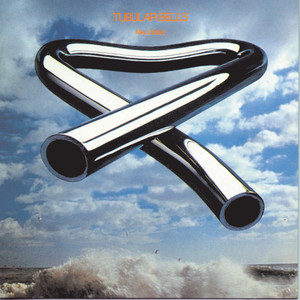
If a friend recommended this album to me, that person would no longer be my friend. I guess it’s somewhat noteworthy for Oldfield playing most of the instruments himself and melding the instrumental layers into a cohesive final product, but sweet Jesus is it boring. It’s difficult to comprehend the fact that this album has sold around 16 million copies worldwide and occupied a major position on the UK and US music charts for quite some time. The immediate questions that come to mind are “How”? What was the fascination? After seeing ‘The Exorcist’ did people walk out of the theater going “Man, it would be really great to have an entire album of those bells?” It’s pointless to ask these questions because I am not the audience for this album and will never understand its appeal. The random growling. The verbal introductions of the instruments. Call it prog rock, avant-garde, whatever. For me, this is what plays on continuous loop in Hell. It was a novelty that wore off before the record even ended.
Most of the songs here are borderline kitsch. ‘Common People’ and ‘Monday Morning’ are relative standouts but even they are a bit too melodramatic. The whole thing sounds insufferable, mainly because the inherent social critique doesn’t come across as genuine.
Even if the genre isn’t a particular favorite, the musicianship on display here is undeniable. As with most triple albums, this one’s a bit bloated, but the songs are breezy and not the least bit self indulgent, which prevents the listening experience from feeling interminable. It’s like eavesdropping on an intimate jam session where everybody gets a turn to shine—and they don’t disappoint.
Covers a lot of ground in terms of its influences—disco, punk, pop, new wave, early-era Pink Floyd. The results are hit and miss. Damon Albarn envisioned this as a concept album, but the concept doesn’t come across as having been fully worked out. The short bits don’t bring any value to the record, and there’s an attempt at a love song that doesn’t quite get off the ground. But Blur always seemed like they were having more fun than most of their Britpop brethren; and on the few tracks where they throw caution to the wind (‘Girls & Boys’, ‘Parklife’, ‘This Is A Low’), the record is better for it.
Better than it has any right to be. About half the tracks are straight up ass kickers. The other half aren’t exactly filler, but they lack the funkiness to turn this album into a total mind melt.
Finely textured rhythms with MENA and blues influences. There’s a solemnity here that some might equate with boredom, but this music is more about the journey than the destination. In this case, the journey is mostly rewarding if not particularly enduring.
In the summer of ‘95 you could run but you couldn’t hide from Alanis Morrissette. The singles from this album were in constant rotation on the radio and MTV and stayed there for the better part of two years. Unless you were a hermit who avoided all contact with the outside world, the odds were pretty good that you knew at least one person who owned a copy of this album and absolutely adored it. I wasn’t a big fan back then, nor am I now, but I get the appeal. It has its moments (“All I Really Want” being the prime example). There is pain and angst and liberation aplenty in these tracks. The lyrics are edgy without being edgelord. They are sung (sometimes over sung) with a feeling that oscillates between subdued hopefulness and righteous anger. But the music is canned, overproduced pop that tries to disguise itself as something grungier that it actually is. Trying to have it both ways worked out just fine in terms of the album’s commercial success. For me personally, it just means I liked it but I didn’t.
Ethereal mood music that sounds like it’s being performed by ghosts. The amount of covers is excessive, and somewhat puzzling, especially since their original songs are the primary highlights of the album (the best being ‘200 More Miles’). ‘Sweet Jane’ gets all the love as far as the covers go, but ‘I’m So Lonesome I Could Cry’ is far superior as Margo Timmins sings it like she absolutely means it. The atmosphere generated here manages to be soothing but also suggestive that things aren’t exactly what they seem—like a Grimm fairy tale set to music.
The arrangements are a far cry from the stultified country schlock churned out by the overwhelming majority of country music artists during the late 1970s. “Boxcars” alone almost defies categorization, and it’s a shame there aren’t more songs like it on the album. As it stands, there’s too much nostalgia-ridden hokie-ness in just about everything else to warrant its “progressive country” reputation. I would take it in a heartbeat over most of the god-awful pop/country and outlaw country prevalent at the time, but that isn’t saying much.
A critical darling that has not held up well. The magnitude of its impact on hip-hop seems exaggerated; but it’s hard to even care when everything about this music is so reductive and uninspiring. The title track is like millennial whoop set to an electro funk beat. If that combination sounds appealing, then you might just love this album. If not, then consider yourself warned.
Deserves all the recognition it gets as one of the best albums of the 1980s (if not THE best). There isn’t a bad song in the bunch, and most of them are absolutely stellar. It’s a just about perfect combination of rock, pop, punk, R&B, and gospel-tinged funk rolled into 45 minutes of supersonic grooves and two of the best ballads in Prince’s songbook. What else can you say about an album that displays an unwavering faith in God while also provoking the wrath of the PMRC other than it has range?
Holiday’s voice sounds like the floorboards are about to give, which, in her case, is another way of saying it sounds like truth. Her life was nothing short of tumultuous, and her singing on this record, recorded a year before her death, is a testament to everything she endured. It’s too bad that her voice is accompanied by an orchestra whose sole job it seems was to soften the pain and tiredness emanating from that truth but really just ends up diminishing the power of the performances. This isn’t jazz so much as exploitation.
Nice and jammy with some abrupt tonal shifts that keep things from meandering too long. Good music to get lost in for half an hour; but not memorable enough to revisit often.
“Tuesday’s Gone” (their best song) and “Free Bird” are outstanding. The rest of the album….meh. Skynyrd was arguably the most southern of all the southern rock bands, and their regional pride is just as evident here as it would be on subsequent albums. It’s a little heavy-handed at times, but the boys could play—especially Billy Powell.
The only two duds here are “Tea in the Sahara” (which is just blah) and “Mother” (which is an abomination to the ears). Everything else is a fine exercise in pop minimalism. It’s best known for its stalker anthem, which is good no doubt; but the other singles from the album are even better, especially “King Of Pain” which I think is their best ever. The album is by no means a masterpiece but is a notable highlight of the 1980s that still holds up well.
This album’s inclusion on the list is puzzling. Nothing about it stands out musically or otherwise. A few so-so tracks (“A Minor Place”, “Madeleine-Mary”), but the rest sounds like any other gothic-folk songwriter at your local open-mic night. It’s listenable, but I won’t remember it.
Could have benefited from more Lauryn Hill. Her contributions are tremendous. The rest, not so much. The rhymes go from lyrics that pack a punch to being downright silly. When it hits, it leaves a mark, but it doesn’t hit often enough.
AC/DC often gets criticized for never changing their sound. It’s a fair criticism to be sure, but how much does that matter if the songs are mostly good? I suppose the sameness isn’t a real problem if you’re a fan (which I am), and in some ways the similarities in the music make it easier to distinguish the great from the merely fine. This album has two really great tracks (title cut and “If You Want Blood…”). The rest are mostly fine rockers with the exception of “Night Prowler”, which is a letdown as an album ender. There’s a grittiness to the album that makes it stand out from its contemporaries, but this is solid hard rock for all times.