It’s telling that this album appealed to a younger self. But as an adult, the "edgelord" posturing is hard to look past and made this a real struggle. The album leans heavily into an "only joking (or am I?!)" defence to mask its more offensive instincts, obviously exaggerated for shock value. But this isn't the problem - it's the emotional void. The record constantly pivots between a whining, "poor me" narrative about a difficult childhood and the pressures of fame, while simultaneously offering zero empathy to anyone else. It's the emotional depth of an angsty teenager acting out. In hindsight, he seems to lack any self-awareness when he complains about parents worrying he’s a bad influence. Does he ever stop to ask why his material appeals so heavily to children in the first place? (Note: On a relisten, he does actually state that it's for middle schoolers multiple times. But whether he's joking or serious, it's still true.) It feels too "try-hard" and self-absorbed, and it honestly left me with second-hand embarrassment. I'm sure at the time it was outrageous and fun, but by today's standards, it sounds like stuff an incel would say for attention. It's all just too juvenile. The track "Stan" deserves a call-out for its innovative concept and exploration of parasocial relationships, but the nuance and insight there seem almost accidental compared to the rest of the record. That is the real shame. I think there are interesting ideas that could have been explored well if there were less cringey acting out and a bit more maturity. "Stan" proves he is capable of more, which makes the rest of the album feel even more disappointing and performative. Beyond that, while the production is solid and he possesses a distinct style which he's perfected, it’s telling that the standout track was one he wasn't really on. A lot of the featured artists offered a well needed break. In the end I'd rather just listen to Del Tha Funkee Homosapien and enjoy life. 2/5
1001 Albums Summary
Rating Distribution
Rating Timeline
Taste Profile
Breakdown
By Genre
Tap a bar to see the albums behind it
Top Styles
Tap a bar to see the albums behind it
By Decade
By Origin
Albums
You Love More Than Most
| Album | You | Global | Diff |
|---|---|---|---|
|
D.O.A. the Third and Final Report of Throbbing Gristle
Throbbing Gristle
|
4 | 1.89 | +2.11 |
|
Pink Flag
Wire
|
5 | 3.2 | +1.8 |
|
If I Should Fall From Grace With God
The Pogues
|
5 | 3.31 | +1.69 |
|
Haunted Dancehall
The Sabres Of Paradise
|
4 | 2.38 | +1.62 |
|
Maggot Brain
Funkadelic
|
5 | 3.6 | +1.4 |
|
In A Silent Way
Miles Davis
|
5 | 3.61 | +1.39 |
|
Life Thru A Lens
Robbie Williams
|
4 | 2.72 | +1.28 |
|
Rage Against The Machine
Rage Against The Machine
|
5 | 3.97 | +1.03 |
You Love Less Than Most
| Album | You | Global | Diff |
|---|---|---|---|
|
(What's The Story) Morning Glory
Oasis
|
2 | 3.86 | -1.86 |
|
Let's Stay Together
Al Green
|
2 | 3.74 | -1.74 |
|
The Marshall Mathers LP
Eminem
|
2 | 3.45 | -1.45 |
|
Get Behind Me Satan
The White Stripes
|
2 | 3.37 | -1.37 |
|
The Wall
Pink Floyd
|
3 | 4.12 | -1.12 |
5-Star Albums (7)
View Album Wall



Popular Reviews
The number of Missy Elliott exclusives on this record is staggering and she's not afraid to remind you of it. With a mix of rap, r&b the record doesn't get stale. Some beats are a bit grating and repetitive but sometimes different soon comes. There are a few interjections where random thoughts are shared, ranging from Bill Clinton and Donald Trump, to sex ed, and gang violence. She seems like a nice woman. The Clinton and Trump statement is accidentally very insightful in a post Epstein world. It's one of the Missy Elliott exclusives she doesn't call out despite it being the most important. This isn't my thing, but I can appreciate her talent. 3/5
The opening track is a tense one - the listener is left dreading that it's a little bit too much like evanescence, but the second track pivots into hard rock and all is forgiven. Overall this is the sort of music I would have been sympathetic to, but not a fan. It's be on the periphery of what I would have listened to. It's all a bit too dramatic and vocal centric. I think it could have benefited from more instrumentals, but that's what I think about everything. This is a solid 3. It has its own style and opinion, competent at what it does, but doesn't quite reach the "definitive" label of what it's going for. It would work well as a soundtrack to a Matrix inspired film.
All Ratings (64)
What I liked most about this album is the rhythm - that punk-funk choppiness layered with complex polyrhythms. There’s an angular groove throughout the album that’s incredibly satisfying to lock into. It stays consistent in that way from start to finish. That said, I can imagine this record being tough for some listeners. If you’re someone who prefers vocal-centric music, David Byrne’s delivery might feel challenging and off-putting. The intricate rhythms and unconventional musical textures could come across as strange, alienating and unsafe. But if you’re drawn to that funk-punk groove, you’ll likely find this album irresistible. It's not 100% my sort of thing, but I found it interesting, and the worst thing I think music can be is uninteresting.
I've been aware of Rush for a while but was never really in a rush to give them a proper chance. What I found most enjoyable is the sheer virtuosity on display. The band plays with the kind of tightness you'd expect from the inner workings of a pocket watch, weaving complex time signatures in without skipping a beat or making it too jarring. This is something I'm sure anyone who plays an instrument or has been in a band can appreciate. I found the vocals and lyrics quite difficult, though. I just kept wishing they'd play cool instrumental breaks or even just have half the tracks be 100% instrumental as this is where this band really shines. Although I think the singing was technically proficient, it felt rather redundant, as if it were there out of some kind of social expectation, a box-ticking exercise, or corporate demand. Singing isn't the be-all and end-all of music. I'm not sure if it's because the singer plays an instrument while singing (I haven't looked into anything about this band), but it sounds like he's singing strictly on the beat, without a lead-in or pickup from the end of the bar before, which is very unusual. They're very talent musicians overall, but it's a bit cheesy in regards to the grating vocals/lyrics. My favourite track was definitely YYZ. If they have purely instrumental albums, I'd give them a listen, or if a friend invited me to go see them live, I'd say yes. But I'm not sure I'd be rushing to engage more with this band any time soon.
After actually listening to this album it feels to me that it’s built as a concept album where everything flows together. The problem is, there isn't enough variety to really tell one song from the next. It’s a lot of "plonk, plonk, plonk" sad piano - just one chord per bar ringing out with a basic beat behind it - and honestly, that’s really not my sort of thing. It does pickup on occasion and when it does it really works. There also isn't a single instrumental track on this album. The production is super polished - I’m pretty sure I know who produced this - but it’s so representative of that era that it feels like I’ve heard it all through cultural osmosis before. There is a lot of nuance in the instrumentation but, as it’s a pop album, none of this is done in a way that comes to the front and takes focus away from the vocalist. I expect fans of this will focus on the lyrics and the story, but this is not something I care about, and if there was anything here I completely missed it. She swears a few times, which isn't a problem, but it occasionally feels like a calculated attempt to shed a teenage pop-star persona; it comes off as a bit performative, though she pulls it off with a certain goofy charm. It’s not all misery, though. When the record actually decides to switch things up, it works: - "Green Light", I'm going to guess was the main single from this album, has a high energy chorus which shifts from a minor to major sound and that really gives it a lift. - "The Louvre" really stood out to me thanks to the distorted drum breakdown and that guitar outro. - "Hard Feelings/Loveless" had a noisy breakdown that was a really welcome change of pace. - "Perfect Places" is the perfect way to wrap it up. It all builds to a great crescendo. The beat really drives it and the snare has such a satisfying snap to it. I love the emphasis on the word “Fuck” on this one - It’s definitely something which will appeal to the younger pop fans who want to feel naughty, rude, and grown up. Overall, it’s a well-made record, but I don’t think I’ll be coming back for more. I think I still prefer the Randy Marsh version of her. I’d like to see her collaborate with other musicians and not just work with a producer - I think that’d be a net benefit for everyone involved and could create something really, really interesting. It would be unfair to give this a 2/5 just because it's not my usual thing. I expect it probably landed for people who are into this style and succeeded in what it was going for - evident by it's inclusion in this list. So, it gets a completely cromulant 3/5 from me.
Amazing album. I thoroughly enjoyed it from start to finish. Nearly every track locks you into an infectious groove that feels impossible to sit still for. It’s a product of an era where you had to have a full band, and the concept of the "bedroom producer" simply didn’t exist. Not that the modern production style is inherently bad and old = good. It's just that it brings a tactile, human quality to every track which is often lost in the perfect, convenient, and overly-sanitized modern style. There are even moments where you can hear Aretha breathing into the mic and it makes it feel that more personal. The standout track for me is "Niki Hoeky," anchored by an incredible bassline, but across the board, the record maintains an energy that demands physical movement. Every musician involved gets their moment to shine; from the drums and bass to the guitar and horns, there is a constant stream of subtle details and flourishes that grab your attention. The ballads, however, are the weakest point for me. I understand their place in the tracklist, but they felt like a frustrating time-out from the momentum the rest of the album builds. While I’m sure they land for some listeners, they were the only moments that broke my immersion. Ultimately, this is a record that succeeds because it is what it is and can't be anything else. It's great songs performed by a fantastic singer and amazing band. 4/5.
This album wraps an unapologetic pop foundation in a heavy rock veneer, drawing clear inspiration from The Beatles, Status Quo, and T. Rex. I believe Gary Glitter also gets a writing credit in the opening track too. There is a fascinating contrast between its serious, anti-social presentation and its sincere, conformist core. The lyrics often aim for depth, even if the meaning remains a bit elusive, which somehow works in their favour. "Wonderwall" lives up to its reputation, while "She's Electric" feels like a loving nod to The Beatles that might inspire you to revisit their catalog. "Morning Glory" brings back memories of learning guitar. Although I like the riff on this song I think the reliance on open chords across the rest of the album sometimes makes the mix feel a bit muddy. Some of the songs feature faux-profound lyrics, but the strength lies in how effectively it gets people singing along, not in any meaning they may or may not have intended. While the guitar tones can feel a bit sloppy, this seems to be a deliberate stylistic choice blending 60s and 70s influences with modern distortion. The result is a dense, gritty sound that captures the band's persona, even if it doesn't quite land for everyone. Ultimately, the album feels like a homage to British rock wrapped in a confident, if somewhat exhausting, package. It is a listen that relies heavily on its anthemic qualities rather than subtle creativity. I'd usually give an album I didn't like 3/5 if I feel it succeeded at what it aimed for regardless of if it was my style. But for a such a hyped band that claimed to be the best in the world and better than the Beatles, I was left wanting. 2/5
Idlewild is a pleasant listen, though it rarely pushes beyond that. It makes me want to light some scented candles - vanilla ones specifically - and sit down with some weak tea and cucumber sandwiches. There's a clear jazz influence running through the record, and the songwriting and musicianship are genuinely strong. You can hear the craft in every track. What holds it back is a certain safety in the production choices. The drum machine, while functional, lacks the swing and vitality a live drummer could have brought, particularly given the jazz-adjacent arrangements. At times, there are hints of something closer to city pop, but without the rhythmic drive to fully realise that energy. The ballads are beautifully performed, though the electric piano tones occasionally lean a touch sentimental. A little more restraint in that department might have served the record well. That said, there are highlights. "Tears All Over Town" features a genuinely lovely saxophone solo that reminds you what this band is capable of when they let loose, even briefly. And the cover art, with its understated flower, is rather charming. A well-made record that sits comfortably in the background. It just leaves you wishing it had been a little bolder.
Rap and hip-hop aren't broadly my usual style, but I expected I might like this. My favorite hip-hop album is I Wish My Brother George Was Here by Del tha Funkee Homosapien, so it's clear I'm not into the gangster subgenre. That applies to mafia films, too; I just can't relate to the romanticization of organized crime. It feels a bit strange, akin to women who become pen pals to imprisoned serial killers. 3 Feet High and Rising is as polar opposite to gangster as you can get. Despite enjoying it, I'm unsure how to properly judge this genre. In my naivety, the samples and production all sound great to me. It's all very funky with a strong groove that gets my head bobbing. There's a sense of humor and humility in the lyrics that makes you smile. My only criticism would be the game-show skits interspersed between some tracks. Given the album's length, those segments could have been trimmed to create a tighter runtime. I'm generally not into hip-hop, but when I am in the mood, I would definitely consider giving this one another listen. 4/5
I kind of think it sounds like Krautrock made in Ableton. It's mostly progressive looping and layering, where various melodies constantly recontextualise what came before. It's a very atmospheric listen which explores every angle of the core of each track. It becomes quite hypnotic. But where the album excels in harmonic layering, it sacrifices rhythm variation. This is of course a staple of Krautrock but it leaves a lot of the burden on the melody, and I think the melodies tire quicker to the ear than a repeating drum loop ever would. Without rhythmic evolution to carry the weight, the tracks can feel a bit static. Several tracks offer a break from that mechanical rigidity. "Monstre Sacré" is atmospheric and contemplative. But the real standout for me is "Slow Fast Hazel." It's a dynamic track which is fun, jazzy, and spacey. It makes a nice change from the rigid, looping, progressive structure found elsewhere on the album. Ultimately, this is an album of evolving textures rather than narrative journeys, and that will probably put off some listeners. I enjoyed it though. I'd consider checking out their other stuff. 4/5
This is my first Bob Dylan album on the 1001 Albums list. I was expecting that distinct Bob Dylan sound, and that's exactly what got delivered. His unique voice inspired generations of pop princesses and would become the defining vocal styling of K-pop... in an alternate reality, of course. In our reality, his so-called "beautiful and angelic" voice is actually quite contentious and grating. This album leans into the heavy narrative style of songwriting Dylan is famed for while dialing back the abstract, poetic lyricism that came before. It's mostly an acoustic record, but it mixes in a band and drums, blending folk, light rock and blues into a cohesive whole. Each song is delivered with a strained passion, which Dylan uses to prove that expression is more important than being pretty. This rawness, when it comes to relationship troubles explored in the songs, can come with a bitter edge which verges on misogynistic sometimes. I think this is a great addition to the list. It serves as an excellent introduction to the artist and his styles while remaining accessible and a generally pleasant listen. I dislike the discrete elitism in the idea that he should just be a songwriter and not a singer. You need to look past the vocal surface to hear the story underneath, and that is a story only he can deliver even if sometimes it's a bit bitter. 3.75/5
The clean, arpeggiated guitar had me anticipating an emo-adjacent sound, but that’s as close as it gets. As the tracks linger, they evoke more of a Mogwai-like, post-rock quality. As the album develops, it even leans into an aesthetic which could be described as post-Britpop. In this sense it keeps its pop rock core and borrows from other genres and defines its own sound without plagiarising. There is a definite maturity here which is both experienced and reserved, which can leave you satisfied yet wanting more. The album is defined by large, atmospheric soundscapes that range from gentle, near-ambient passages to loud, immersive walls of sound. It is all incredibly moody, with the softness of the vocals providing an accessible anchor against the underlying tension of the music. Compared to other bands from that era, this remains a pleasant and rewarding listen. Personally, I would have liked more excitement and novelty rather than this degree of navel-gazing introspection, but that clearly wasn't the band’s objective. Evaluated on its own merits and goals, this is a solid 3/5.
We're going to get high and listen to Miles. Listening to In a Silent Way feels like stepping into a different world. The whole record is deeply dreamy and hypnotic. I found myself completely lost in those two 20-minute movements. It’s fascinating to hear electric guitar, bass, and piano at the centre of a Miles Davis album. There is a clear foundation of modal jazz but it's shifting away into what will become jazz fusion. The two tracks both have a cyclical, developmental nature which moves through evolving tensions. The hi-hats drive a lot of the momentum and give an anchor point away from the bass as a rhythmic centre, like time ticking as everything floats around it. I was also intrigued by the editing. There are some strange, noticable cuts throughout the tracks, and I expect there was a lot more I couldn't hear. This, along with some other layering and looping, makes it clear how much composition was done post-recording. I also wonder if the hi-hats are looped because they just keep going for 18 minutes each track. I’m not sure if this was a purely experimental choice for 1969, but it feels surprisingly modern. In a way, it’s not much different from how music is sliced, rearranged, or looped in a modern DAW. Overall I really enjoyed exploring this record. It's moody, atmospheric, and is an important step in the development of jazz. As an existing fan I'll no doubt listen again. 5/5
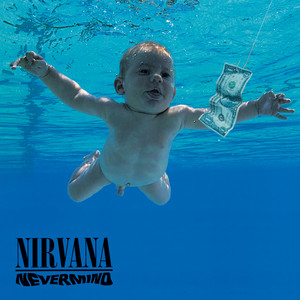
I'm the one who likes all their pretty songs, I like to sing along, but, tbh, I don't really know what it all means. The album doesn't hold back, starting with three iconic songs in a row, opening with its biggest single, before diving into the grittier, deeper cut "Breed." The album manages to mix, with expertise, more accessible tracks (the radio-friendly unit shifters) with the more aggressive and toothy tracks like "Breed," and "Territorial Pissings." Even if some tracks do get too heavy for some the choruses all have a clear vocal hook to latch onto, like a lifering. There isn't really a low point in the album. The closest would be Polly with softer and more introspective sound. I really love the dynamics in these tracks. They verses are often bass and light, clear guitar, moving into a slightly heavier pre-chorus and reaching a wall of sound for the chorus, only to fall back to the lighter instrumentation. That combination of clean guitar and chorus effect is immediately identifiable. With its gritty riffs, dark, strained vocals, and guitar anti-solos, this album just oozes character. The album completely captures the youth frustration of waiting for the impending beanie baby craze to start. Although I think I prefer In Utero, Nevermind is still an undeniable juggernaut and, unlike some of my teenage music taste, still stands the test of time. (Also a complete side note. Short scale offsets are extremely cool.) 5/5
As minimal as a band can really get. You've got your drums, guitar, bass, vocal and some piano. It's very raw, but not in a visceral way, but in a pure and unadulterated way. The music itself is quite light and jangly, with very melodic basslines, and some nice vocal harmonies. In many ways the album lives up to its title, 'Murmur.' There is nothing special about the production at all and that gives it a very humble sound. If anyone has ever played in a band in high school or something, you'll know how bad that can sound. This album kind of has that sound where your entire band is 100% on top form and actually sounds good for a change. The big difference is that this is for the entire album, and not just those 10 or so seconds. This makes the album sound quite relatable. You wish your band sounded as good as this even if it's not your prefered style or the perfect, polished, virtuoso artists you love. R.E.M.'s Murmur is a testament to the importance of getting the basics down; it's what you could sound like if you simply stopped making excuses and actually practiced. It was a pleasant listen, jangley and fun, but nothing really stood out. 3/5
A criminally underrated and unknown band. In an alternative universe they'd be more beloved and well known than Steps. "Let it bleed" was a pleasant listen. A good mix of old rock, blues and country elements culminating in an "All American" sound. I particularly enjoyed the fiddling on "Country Honk." They're not a band I've really spent the time to listen to. I know there will be more Rolling Stones records on the list so I look forward to hearing them. 3/5
I was really anticipating hating this, but was better than expected. A love letter to the South and Lynyrd Skynyrd. Crunchy guitar tones, strong hints of Sweet Home Alabama, with notes of Jack Daniels. Could do a bingo game with the southern references. Okay guitar riffs and solos, but no standout ones, but with some noticeably bad ones too. I lost count of the Lynyrd Skynyrd references - it's not just the lyrics, it's the overall sound. The album itself is not a rock opera in the way you might expect. It's vaguely a concept album, but not too on the nose, like Pink Floyd might do. Just a few monologues, and lyrics describing the duality of southern culture, with a focus on a love for southern rock. This duality which is discussed throughout the album can be simplified to this:- southern hospitality vs "The South Will Rise Again" racism. The exploration of racism might be a bit woke for some modern audiences, but for everyone else its quite interesting to learn about segregationists like Wallace and what it was like to grow up in such a divisive time. That said it mostly focuses on the more nuanced facets, and rock history, of a culture which is to often demonised for it's dark past. Enjoyable, but 2 CDs worth of it was a bit much. but if that's your jam then this is 4/5, but for everyone else 3/5 at best.
Listening closely, you can trace the historical roots of soul music in this record. There are clear R&B and Gospel influences here that form the foundations of the genre, along with Doo-Wop and some others. But with how low-energy it feels overall, I struggled to find it engaging. Perhaps it's unfair to judge it against the genre it effectively births, but it's hard when you can hear the ingredients of soul without the right result. My main issue is that the mix is extremely vocal-forward; the band suffers for it. Burke is a great singer, no doubt, but that ends up being all the record has going for it. The backing vocals are beautiful, and there's some nice guitar work, but there are too few opportunities overall for the rest of the band to shine. Too many ballads for my taste. Overall, it's a nice listen and historically interesting. It's also around 30 minutes long, which is very considerate, especially after having to sit through a 90-minute album previously. This record is a sign of better things to come, even if it isn't quite there yet. 3/5
My first impressions were that this was going to be a folk-rock album, and that was partially correct. It's also somewhat psychedelic, and the singer sounds a bit like Bob Dylan. A psychedelic folk-rock album, possibly fronted by a Bob Dylan, sounds it'd be great, but instead it seems to be one made by people who have never smoked weed, let alone had magic mushrooms or LSD. This isn't to say it's bad, but it's all a bit unadventurous. On the positive side, it's fairly upbeat with nice production. I appreciate the horn section, and some of the country elements almost feel like they want to go bluegrass. In the context of its release, it would have been an accessible bridge into psychedelia for mainstream listeners; similar to how any contemporary pop blends in the counter-culture of its time. Sure, it's psychedelic, but in a more mild, de-fanged, marketable format. It was an okay listen, and the runtime is short, which helps. 2/5.
Well paint me beige and rock me softly! Dion reportedly called this album "funeral music," and after listening, it's not hard to understand why. There's clear craftsmanship here - the arrangements are lush albeit muddy, and the vocal delivery is fine - but the overall effect is one of lethargy, like wading through water. The tempo drags, the instrumentation sits comfortably in the background, and there's very little rhythmic push. That said, I appreciate the songwriting and the unique approach taken in the production. There is a haunting, underwater feeling, aided by some interesting phasing effects, but for someone who prefers energy and groove, it was a slight slog. It's beautiful in a sombre, static way, but it lacks the drive that makes it engaging for me. It's not bad; it's just incredibly still. If you're in the mood for something reflective and quiet, this is probably really good. But if you want movement and momentum, you'll find yourself left wanting. Fun fact: legendary guitarist Barney Kessel plays on this record too. 2/5.
Riffs? Riffs?! Riffs!!!! With the lyrics of a horny teenage boy desperate to lose his virginity and some of the hottest guitar riffs and solos - what’s not to love? Every track follows the same formula, but it’s one they have down, and every track delivers. It’s not much different from pop songwriting: first, you pick a catchy vocal hook, preferably about heavy drinking, going fast, or being allowed to touch a woman. Then, you establish a driving drum and bass foundation with a light riff on top. You make some noise in the pre-chorus as things get heavy in the chorus, and you shout out the leading line so that your crowd can join in too. Next is the easy part - just add some of the best guitar solos you’ve ever heard. As much as I joke that they have this pop formula completely figured out, it may not be everyone’s cup of tea. I imagine the vocals will turn a section of listeners off, in a way that a bad drummer never could, for some reason. In this case, it’s best to ignore the lyrics because some haven't aged well and have the emotional sophistication of a veiny erection, but let’s be honest: anyone who likes this is here for the guitar. They want to rock out, not listen to pretty words about emotions they can't feel, sung by beautiful people they'll never shag. Would rock again. 4/5
The album opens with a very Britpop sound which tries to balance the growling, lad attitude of Oasis with the musical creativity and flexibility of Blur. I appreciate the rock influence overall and the choice to use rock band instrumentation with lots of guitar. For a lot of modern pop, it feels like it's often a financial choice from labels which pushes for the "bedroom artist" sound, rather than an artistic choice or limitation. I'm sure this record was produced when doing everything on a computer would have still been a bit of a novelty, but it gives it an edge in terms of giving it a more timeless sound. The biggest single, "Angels", was huge when I was younger. Although it's not my style, it's a well-written and performed song. It also has a guitar solo, as such, so it can't be that bad. Chambers, the producer, made a good choice in pairing Robbie's voice with this light, but still deceptively heavy, Britpop sound. It's a great combo, especially on "Old Before I Die" which I had forgotten about until now. Also, "Let Me Entertain You" is full of energy and works well, and as another of his biggest hits, needing no explanation. With several high points and few low ones, this is a pretty solid album. I think both poptimists and rockists can enjoy it together without too much contention. The best of all the boy band lads (or is he a monkey now?) in my opinion. 4/5.
The classic album from George Clinton's guitar-centric psychedelic funk-rock band. The trip opens with the titular track "Maggot Brain." Open and atmospheric, it's a 10-minute, Hendrix-like, emotion-soaked guitar solo. The rest of the album doesn't try to compete, moving into a funk-rock sound, but keeps most of the Hendrix soul. The tracks can give you whiplash as it jumps from the moody and atmospheric "Maggot Brain" into the cheery "Can You Get to That," where that bass vocal line of "I wanna know" never fails to put a smile on my face. Or from the heavy, distorted "Super Stupid", which gives off some of the heaviest Hendrix vibes, to the goofy "Back in Our Minds". It finishes on another 10-minute jam track which sees our journey to its end. I loved this album. The is so much fun, energy, and groove. It's a perfect example of "taking the music seriously, not yourselves." It's a psychedelic trip which didn't really make much sense, even though it's bookended by an intro and outro for some reason, because it probably wasn't meant to. 5/5
It’s telling that this album appealed to a younger self. But as an adult, the "edgelord" posturing is hard to look past and made this a real struggle. The album leans heavily into an "only joking (or am I?!)" defence to mask its more offensive instincts, obviously exaggerated for shock value. But this isn't the problem - it's the emotional void. The record constantly pivots between a whining, "poor me" narrative about a difficult childhood and the pressures of fame, while simultaneously offering zero empathy to anyone else. It's the emotional depth of an angsty teenager acting out. In hindsight, he seems to lack any self-awareness when he complains about parents worrying he’s a bad influence. Does he ever stop to ask why his material appeals so heavily to children in the first place? (Note: On a relisten, he does actually state that it's for middle schoolers multiple times. But whether he's joking or serious, it's still true.) It feels too "try-hard" and self-absorbed, and it honestly left me with second-hand embarrassment. I'm sure at the time it was outrageous and fun, but by today's standards, it sounds like stuff an incel would say for attention. It's all just too juvenile. The track "Stan" deserves a call-out for its innovative concept and exploration of parasocial relationships, but the nuance and insight there seem almost accidental compared to the rest of the record. That is the real shame. I think there are interesting ideas that could have been explored well if there were less cringey acting out and a bit more maturity. "Stan" proves he is capable of more, which makes the rest of the album feel even more disappointing and performative. Beyond that, while the production is solid and he possesses a distinct style which he's perfected, it’s telling that the standout track was one he wasn't really on. A lot of the featured artists offered a well needed break. In the end I'd rather just listen to Del Tha Funkee Homosapien and enjoy life. 2/5
Not much to say about this. Not my usual thing so I find it hard to judge. What I do know is I enjoyed chilling out listening to this. It's a carefully curated mix of diverse styles creating an atmospheric and moody hip hop album. So eclectic It even manages to include some metal-esque blast beats. It's one of the more original things I've heard doing this list. I'd listen again. 4/5
There is an authenticity which pop-punk "Celtic" music tends to struggle with. For The Pogues, it's obviously in their blood and comes as naturally to them as breathing. It's traditional Irish music repackaged into a more gritty and contemporary punk sound, not the other way around. This is what makes it work compared to bands like the Dropkick Murphys. The reels and jigs are as authentic as they come, and that raw punk energy provides a perfect, accessible entry point for anyone unfamiliar with Irish (Or in my case Scottish) traditions. Having The Dubliners featured on two tracks only cements their connection to the core of traditional Irish music, yet I also love how they diversify by incorporating Turkish and Hispanic sounds. And, of course, it features that famous Christmas song they’re so well known for. Póg mo thóin if you don't like this. As a mandolin player myself I can't not give this 5/5.
It's entries like this that make me think the curator of this 1001 albums list must be from the UK. England specifically. It has some cool, chilled out stuff, but it's overall safety gives it this high school disco vibe. I understand that this must have been a bridge between trip hop and mainstream pop but I can just imagine this being really hyped on Blue Peter at the time. Some of it comes across as cheesy, but it's mild cheese, like the Babybel in your packed lunch. It could have been more adventurous and due to it's length I zoned out a few times. Ultimately it's harmless fun. 3/5
I wasn't sure what to expect with this, but I found it enjoyable. There is a fear that, with all the dramatics, it'll be more of a musical, but it thankfully isn't. It exists in a bizarre world where the theatre kids did something cool. The record doesn't shy away from using both intricate vocal layering and heavy sampling (specifically the Fairlight CMI) to create emotional, atmospheric soundscapes that range from the beautiful to the dissonant. Some might dismiss this as "weird for the sake of being weird," but I find that reductive. It ignores the album's experimental and deeply expressive nature. It's clear her intention wasn't to create a collection of radio-friendly hits. To me, it just sounds like Kate Bush being unapologetically herself, which is certainly preferable to being "boring for the sake of being normal." I suspect Kate Bush occupied a much more mainstream space in her native UK than elsewhere. This list has a strong bias toward UK music history, which is obvious if you're a local, and stuff like this might seem a bit eccentric to outsiders. That said, it's not surprising this record was not as commercially successful as her others. While it works well together as a concept album, fading dreamily between songs, it does lack a standout track which would make a good single. Even then, a standout track would either be out of context alone, or, if made specifically to be a single, out of context with the rest of the album. With so much happening in the production, I'll definitely need to revisit this to catch the details I missed the first time around. I'm looking forward to diving into the rest of her discography as well. I close my review with this: Eeyore! EEEEeeyore! 4/5
As a wise man once said, "How can you have pudding if you don't eat your meat?!" A self-serious concept album which is so on-the-nose that it's basically a musical, and I've never been much of a fan of musicals. I did enjoy the overall composition and musicianship - the guitar playing is the highlight of this album - but it's all a bit long winded and self indulgent. It could really use with a bit of trimming as well as a bit of trust in the audience. Trust in them to understand the underlying ideas without laying it on so thick. It has been a long time since I heard this album and I suppose I expected it to be more experimental and psychedelic. I spend a lot of time, between guitar solos, kind of wishing I was listening to Piper at the Gates of Dawn or DSOTM. If I go back will they hold up? And that is where this album struggles - would I have different expectations if this wasn't Pink Floyd? Would I think it was better or worse? Am I being too critical or not critical enough? As much as I'm not fond of narrative driven concept albums, and I can think of many which are a lot worse, it's important to judge art on its intention as much as execution. There are some nice grooves when it gets into it and some epic solos. My choice of standout track is an unoriginal one - it's easily Comfortably Numb - those solos have more emotion than the rest of the album combined and I kind of forgot how much this has influenced my own playing. Despite it's flaws I still enjoyed it, even it it was just David Gilmour saving the day. 3/5
Classic Blues. Loved Johnny Winter appearing on it. Great guitar playing.
Fine. It has the general alt-rock sound of my youth, but I doubt I would have been that hyped about it at the time.
Not a band or album I'd heard before, but this has become a favourite of mine and makes doing this 1001 Albums challenge worthwhile. Punk has a way of making me feel young again like no other genre does, and this album captures that energy perfectly. What sets it apart is that it manages to deconstruct and reconstruct punk during punk's initial explosion, not in hindsight with years of perspective, but in real time, while it was still happening. The result is a really tight and uniquely structured album. All the tenets of punk are there: the speed, brevity, and minimalism, but they're repackaged and refined into something sharper and more deliberate than most of their contemporaries. Where other punk bands relied on raw aggression, Wire have a much more concise and considered approach. Their playing is tight and they know how to use dynamics - They know when to hold back and when to go for it. It was interesting to hear "12XU" in its original form, a track I'd heard other hardcore bands cover over the years. Hearing the source material puts those covers into context and shows just how far ahead of the curve Wire were. There is so much of the future of punk embedded here - hardcore, post-punk, even shades of indie - and it was all done during punk's first wave. 5/5
Another guitarist who's been on my radar but I've never really checked out. I recall listening as a child, though it would have gone over my head back then. The fusion of rock, Latin, and jazz isn't something I would have appreciated when I was younger. I'd have found it challenging, probably dismissed it as "too much going on." But now? I love it. There is just so much groove on this record. The percussion section all locking in together to create these driving, infectious rhythms that never let up. And then Carlos Santana just shreds on top, and the tone is unmistakable. It all works so well. The Latin and jazz elements aren't bolted onto a rock framework either, they're much more interwoven and natural. Tracks like "Oye Como Va" and "Black Magic Woman" are the obvious standouts, but the album holds together as a complete listen rather than just a singles collection. 4/5 easy.
Really great samples. Hip Hop isn't always my thing but this is. Very fun, chilled out and groovy.
This is an album from my childhood and it still stands strong. It contains the greatest Christmas No. 1 ever, and has some of the most innovative guitar playing in the history of the instrument. If you listen very carefully you might hear some of the hidden political messaging buried in the lyrics. But don't worry if you don't - lots of people miss it!
The who?! Never 'eard of 'em! And I don't care much for live albums either. I guess they're from a time when you couldn't just watch random live clips online.
I was already familiar with Throbbing Gristle and was looking forward to this notorious album, but it surprised me more than I expected. Given its one-star rating, I was bracing for something worse. The truth is that this album is clearly a performance art piece. It's not particularly entertaining, but not all entertainment is art and not all art is entertainment. So I can see why a lot of people don't like this - They want to be entertained, not thrown into a disturbing and dissonant soundscape, and that's valid. Throbbing Gristle aren't trying to be for everyone. So, I think it's important to engage with this album on what it's trying to do, and given how low people rate it, I'd argue they succeeded. Their only "hit," "United," is on this record, but it's sped up to be 16 seconds long... why? To troll, basically. Not every track operates on that level, though. "Hamburger Lady" is a horrifying track, not because it's strange and dissonant, but because it uses processed vocals based on real letters from a severely burned patient. It's that context which makes the it more grounded and disturbing. But away from the noise and despair I found "AB/7A" and "Dead on Arrival" to be enjoyable. Overall I found this album interesting, which is more than I can say about some other things on this list. Rating it on what it's trying to be, and not what people want it to be, I give it 4/5.
I have mixed feelings about this. I enjoyed the energy and positivity in the music and production. A generous amount of clever and quirky musical ideas fill the album. It sounded like he played and recorded everything in a home studio or something. All very upbeat and inoffensive. However, I found the vocal-centric nature of the mix a bit overbearing. Were the vocals simply mixed too high? His distinct voice isn’t necessarily bad, but sitting so prominently atop the lush instrumentation, it eventually wore my ears out over the course of the album.
Manages to be kind of goofy and charming at the same time.
Swing really peaked in the 1930s and this was released in 1956. by the 50s jazz was definitely moving into it's modern era and away from big bands and into smaller quartets. It's hard to believe that crooners are still going when we have the likes of Miles Davis or Art Blakey. It's just a bit bizarre that something like Benny Goodman's Sing, Sing, Sing (released in 1937) sounds so much more revolutionary compared to anything on this compilation album. It's not bad, it's just a conservative and bit dull. The band are good but they don't really get a chance to show off. Instead there is some guy singing on top of everything - blurring the line between an effortless performance and just being bored. All the arrangements leave zero oxygen for improvisation because every single note serves the vocal performance. Would people be "Makin' Whoopee" over this record if it didn't have a big name on it? Probably not. But is it the peak of this style? probably. 3/5
A band called Led Zeppelin?! They'll never take off! Great guitar playing. It's all loud raw, warm and alive.
Sounds like lot of demos. Demos of interesting ideas. Lots of demos where the guitarist is too loud. I liked it.
I think this band is often dismissed as a one hit wonder. As famous as "Smoke on the Water" is it was surprising that I thought it was the weakest song on the album - that's not to say it's bad - I just mean everything else was better. Standout tracks are "Lazy" and "Pictures of Home" - some amazing performances. "Space Truckin'" gets a shout out for just being cheesy fun. the performances of all the musicians here really make it stand out above other granddad rock. the album is full of guitar, bass, and organ riffs and solos. It's in this area "Smoke on the Water" is the weakest, It's easy to see why it's the first thing beginners learn, but it doesn't do justice to what else this band can actually do. The existence of the organ in a metal band does show how early this really is. Overall I thought it was a fun and energetic album. 4/5
I sense a great sadness in this man; Like his hippy dreams are over. One third of the songs end in the word blues which is also very cool. Neil Young is also very old now. 3/5
Fine examples of pop songwriting. It takes all of the basics from old Beatles tunes and reduces them down to their lowest common denominator components. Despite being given more creative freedom, I feel they still stayed too close to the conservative, family-friendly sound they had already cultivated - something parents in the 60s would have been totally fine with their children listening to. The result is that the album sounds extremely dated and quite boring. I did enjoy "Randy Scouse Git," and it was fun to hear where Del Tha Funkee Homosapien got that sample. But when I can just listen to the raw, unsanitized sounds this band emulates, why would I come back for more of this? 2/5
The number of Missy Elliott exclusives on this record is staggering and she's not afraid to remind you of it. With a mix of rap, r&b the record doesn't get stale. Some beats are a bit grating and repetitive but sometimes different soon comes. There are a few interjections where random thoughts are shared, ranging from Bill Clinton and Donald Trump, to sex ed, and gang violence. She seems like a nice woman. The Clinton and Trump statement is accidentally very insightful in a post Epstein world. It's one of the Missy Elliott exclusives she doesn't call out despite it being the most important. This isn't my thing, but I can appreciate her talent. 3/5
Pleasant. I Enjoyed the production - it's a bit slick, reverb drenched, and cheesy but nothing is muddy and there are a lot of good performances which cut through. The bass playing is perhaps the most standout thing on the album - I really loved listening to that. Obviously heavy African influence too. The vocal stuff is a bit on the nose, but the guitar playing made me smile. I'm not sure it's my favourite thing, but it's well produced and an enjoyable listen. It's from a time where "World Music" inspired albums must have seemed deep and sophisticated. But modern access to more authentic music, both pop and traditional, from anywhere in the world, makes it seem a bit tacky and false, and I can't help but think of a "Paul Simon's agent meets with an orange band" comedy skit. Forgiving its cheesiness - 4/5
Billy! Billy! Billy fucking Joel! While I appreciate his technical music and songwriting skills it doesn't do much for me. Some of the lyrics seem like cheesy hollow platitudes. It's like spice mayonnaise when I want hot sauce. I did enjoy the AK-AK-AK. 3/5
Very album very much lives up to the title 'Haunted Dancehall.' You can hear the clear dub influence and this feels like a very early precursor to the original UK dubstep (not the American, Skrillex, wave from 2007 onward). While the listening experience is chilled out and meditative, this pacing sometimes works against the album. It is already a long record, and the lingering atmospheric interludes stretch its runtime further than necessary. Fortunately, momentum picks back up just as it risks losing the listener, though the entire project could use a tighter edit to showcase only its strongest ideas. Devoid of vocals, quick dopamine hits, and catchy hooks, this release will likely alienate casual listeners. However, for music fans, there are plenty of interesting production ideas worth exploring.
Great opening track. It really got me excited for the rest of the album. Although there are several high points there are also a few lulls. With elements of rock, jazz, and folk I was hoping for a more experimental blend, but it does feel that sometimes they just pick a lane and sit in it for a while, before jumping again the next track, and they often fall back into a soft rock format. That said it was a pleasant listen, I just wished they'd drop the bland, vocal centric tracks so they could extend out some of them organ solos.
The opening track is a tense one - the listener is left dreading that it's a little bit too much like evanescence, but the second track pivots into hard rock and all is forgiven. Overall this is the sort of music I would have been sympathetic to, but not a fan. It's be on the periphery of what I would have listened to. It's all a bit too dramatic and vocal centric. I think it could have benefited from more instrumentals, but that's what I think about everything. This is a solid 3. It has its own style and opinion, competent at what it does, but doesn't quite reach the "definitive" label of what it's going for. It would work well as a soundtrack to a Matrix inspired film.
I remember having mixed feelings about this when it was released, and this is the first time I've listened to it since then. The album opens with a strong guitar riff, typical of their earlier work. I didn't love it, but I didn't hate it. But I because quite frustrated with the album by the time Little Ghost came on. Much of this album seems to be trying to position itself as experimental and eclectic at the same time. I think these two ideas contradict each other. The result is an album which seems to wear its influences as costume rather than celebrate them, as if the image is more important than the sound. This just made the entire thing sound hollow and insincere to me. Some good riffs saves it at times, but I found the rest of it a bit grating. I can't explain it.
Fun Fact: If you listen carefully, you can hear music under all the chorus and reverb. This album full of energy from start to finish. The major hits remain timeless classics, but the deeper cuts hold their own just as well - there truly isn’t a low point on the tracklist. What really elevates the record is the musicianship. Whether it's the basslines, drums, synths, or guitar work, the instrumental performances are what ultimately carry every track, even it it didn't become a single. It also has great, definitively 80s, album art. It was a fun listen. 4/5
Speak the Hungarian Rapper, but English? I remember when this came out. Overall the story is mundane, but it's the mundane details which ground the story in a realistic and relatable nature. Relatable to who though? If you didn't grown up in the UK at the time (2005) a lot of this won't make sense. If you've never taken pills in a nightclub Lights are Blinding my Eyes will not make sense, especially the end where the eccies start to kick in. But for those who have, this album speaks to them on a very deep level. It's story was very relatable to working class people at the time. Girlfriends who work in JD, going to the pub, betting on football, etc. This album struggles though, with some of the performance and delivery. The beats are often sparse and sound like they're straight out of FL or something. The vocal hooks are also very weak. You can hear this in Could Well Be In and Wouldn't Have It Any Other Way. The spoken word rapping style sometimes works, until it doesn't. I was never the target audience for this record and despite its flaws I need to recognise there isn't anything else like this. 3/5
Very fine.
I wasn't looking forward to this at first. I'd only just had Machine Head a little while back and didn't want to hear it again. Live albums always seem like a relic of a time before you could watch live performances on YT or something. But the guitar performances where phenomenal and different from the record. I really enjoyed the performances overall. The Mule had an epic drum solo too. Everything is extended - it's great. Very Fun. 3/5 just because I really didn't want to hear it again, but it was worth it for the drum solo, even if it was a bit brief.
Neil seems so sad. It's probably because people are so judgemental about his voice. It's really snobby. I like that he did a punk song though. The album had a nice mix of different ideas. Not 100% my sort of thing or as experimental as I'd want, but it was enjoyable enough. It loses a point because I didn't here this "crazy" horse sing at all. As a big fan of Mr Ed I was sorely disappointed. 3/5
Was expecting worse given the low ratings. very middle ground thrash. Would be better as an instrumental. Vocal performance isn't the best and, with English perhaps not being the first language, the lyrics are a bit poor: "I wish I'd never been born".
There's a guy that looks unbelievably like Rod Stewart that hangs around Trongate and goes to Celtic matches. That said, I really enjoyed his band, it would have been cool if the album had different singers on it or just some instrumentals.