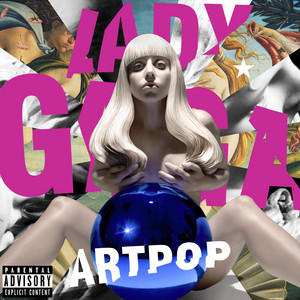
Oh, ARTPOP. Or as many people so mercurially called it in 2013: "ARTFLOP". This album was by NO MEANS a flop, but to the casual listener, and even the fans who had grown accustomed to the style of Lady Gaga's earlier work, I suppose it's easy to jump to such an extreme when you compare it to the major high she had been riding on up to this point. ARTPOP isn't particularly high brow, in some ways I would argue it is her least high brow work up to this point. The album simply poses: if pop culture can inform art in the form of the pop art movement, can art in turn inform pop culture in the form of an ARTPOP movement? To really explore this, Gaga dove into writing music influenced by themes across fine art ("Venus" and "ARTPOP") and fashion art ("Donatella" and "Fashion!"). She heavily explored performance art and incorporated various learnings and visuals into her live performances. From a music standpoint, this album opens SO STRONG with 4 back-to-back bangers. She then interjects with a rap song, which isn't a particularly great song, but even it isn't as bad as listeners made it out to be at the time. The second half of the album is arguably weaker than the first half, but the exceptional production carries what might be slumps on the album for some listeners. Nonetheless, the album finishes fittingly with the album's most commercial success, "Applause", part of Gaga's ongoing exploration of fame, this time through the lens of this "pop art/ARTPOP movement" and the artist's often symbiotic relationship with the person consuming the art. Since her debut, Lady Gaga has been informing and influencing what happens in pop music, as she is often imitated and never duplicated. But ARTPOP has arguably been the slowest burn in that regard. People did not latch onto this sound at the time, but pop EDM such as this has only grown in popularity since 2013; people have since gravitated to this sound and albums like Charli XCX's "brat", released 11 years later, sound heavily influenced by ARTPOP. Gaga's The Fame/The Fame Monster were her take on current pop music, Born This Way was her reflection on the 80s and the sounds that shaped her, and ARTPOP looked to the future and was an exploration of what she thought pop music COULD be. All that to say, she apparently wasn't far off. I know everyone says this about their favorite artist, but Gaga truly has a uniquely artistic mind, and this album is no exception, despite its (intentionally) juvenile takes on sex, fame, and empowerment. I don't necessarily think this album is the prime candidate for this project, but it certainly shows a side of her work that took a long time to bake in the general public's eye and has a sound that people are chasing over a decade later. But either way, as a Gaga lover, I won't complain.
User Albums Summary
User Albums Journey
Exploring beyond the book, one album at a time
View 1001 Albums SummaryRating Distribution
Rating Timeline
Taste Profile
Breakdown
By Genre
Tap a bar to see the albums behind it
Top Styles
Tap a bar to see the albums behind it
By Decade
By Origin
Albums
You Love More Than Most
| Album | You | Global | Diff |
|---|---|---|---|
|
Artpop
Lady Gaga
|
5 | 2.86 | +2.14 |
|
Come On Over
Shania Twain
|
5 | 3.02 | +1.98 |
|
Songs For The Deaf
Queens Of The Stone Age
|
5 | 3.89 | +1.11 |
|
RENAISSANCE
Beyoncé
|
4 | 2.94 | +1.06 |
You Love Less Than Most
| Album | You | Global | Diff |
|---|---|---|---|
|
To Be Kind
Swans
|
1 | 2.93 | -1.93 |
|
Donuts
J Dilla
|
2 | 3.34 | -1.34 |
|
The Shape Of Jazz To Come
Ornette Coleman
|
2 | 3.3 | -1.3 |
|
Music for 18 Musicians
Steve Reich
|
2 | 3.27 | -1.27 |
|
Control System
Ab-Soul
|
1 | 2.22 | -1.22 |
|
Oncle Jazz
Men I Trust
|
2 | 3.13 | -1.13 |
|
Phantom Power
The Tragically Hip
|
2 | 3.13 | -1.13 |
|
Neon Golden
The Notwist
|
2 | 3.1 | -1.1 |
|
Feed The Animals
Girl Talk
|
2 | 3.06 | -1.06 |
|
A Salty Dog
Procol Harum
|
2 | 3.05 | -1.05 |
5-Star Albums (3)
View Album Wall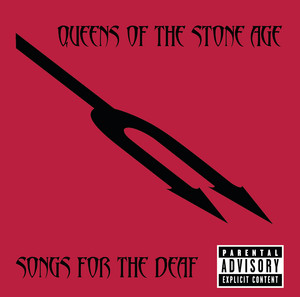
Popular Reviews
As a part of the LGBTQ+ community, I can definitely pick up on Beyoncé's countless references and homage to the community that are contained within this album. Not only does this sonically lend itself directly to the club culture pop music that queer people are often drawn to, but the lyrics of the songs actively celebrate queer culture. And further, SO MUCH of the album makes queer Black/Latinx ballroom culture references and uses balroom emcee-style voicing. Considering that members of the black community were historically ignored pioneers, to say the very least, of the dance music typically enjoyed by the queer communities, it is only right that Beyoncé specifically honor these racial groups. Many queer black people are featured in various places on this album, too. In general, the album has a sexy and joyful vibe, again fairly consistent with queer music. And while I specifically called out dance music above, Beyoncé is never one to be pigeon-holed; she celebrates other Black genres such as funk, R&B, soul, and house through the lens of queer-coded dance music on this album. It's too bad that this album is not well-rated on here, but I respectfully disagree with those assessments. For reasons mentioned in this review and more, RENAISSANCE has a well-earned spot on this project, even if it is user-submitted. This album accomplishes it's goal of honoring Black queer history, celebrating queer joy, and just encouraging happy, dancing vibes.
I remember thinking this when this album came out, and I still think it now: nobody does electronica quite like Imogen Heap does, and her take on "Speak for Yourself" is Imogen at her best. The album has a strong cohesiveness to it. Against the electronic music, the instrumentals create a very dreamy soundscape. Even with the dreamy quality, I have always found this album's opening, "Headlock" to be such a banger; the slow build followed by the eruption of instruments is irresistible. It sets a solid stage for what to expect from this album. And speaking of slow build-ups, I have always found the delicate yet palpably passionate balance of "Hide & Seek" to be satisfying; this song is easily another crown jewel of the album. Even still, as this album progresses, Imogen Heap starts playing in a more alternative rock type space. It truly keeps the listener guessing. On a matter of personnel, it's impressive that Imogen Heap wrote and produced the entirety of this album and then released it without the backing of a major label. I always enjoy noting such work in my reviews, because doing all of that by one's self is quite impressive. This album has really held up in terms of sound and my personal enjoyment of it!
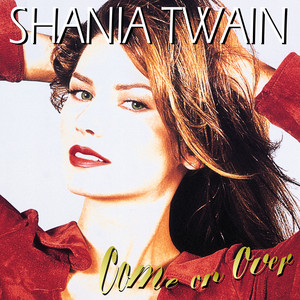
"Come on Over" brings back a lot of childhood memories. It was one of my first CDs (I wore that thing out) and I was listening to it on the precipice of a time when I began branching out from the 90s country that raised me into other genres. That is to say, this was a good transitional album for me, as Shania Twain dives heavily into the country-pop crossover on this album. Little did I understand at the time that she was basically writing the script for this; several of her peers would go on to do country-pop crossover albums and be incredibly successful at it. But make no mistake, Shania Twain was at the forefront of that movement with this album. Even her outfits from this era have iconic, cultural significance that people still covet and refer back to. As if being a pioneer weren't enough, people ate it up. This album was truly a cultural sensation in the 90s. Shania was awarded countless accolades and sales for it. In fact, it would become one of the very top selling female solo albums of all time, and one of the best selling albums of all time, period. It's a worthy inclusion on this list; I think anything that creates THIS big of a wave deserves a little bit of attention. And really, it still holds up as just plain fun, catchy, no frills music. Shania is all about female empowerment on this album, and she does so in a very sassy, playful way. The lyrics are full of quips and the vocals are full of energy and excitement. It's a winning formula that creates one catchy track after another. I wanted to be fair and not just give this a nostalgia 5 stars, and frankly, I wasn't sure if I would still feel strongly about this album. But even in 2026, upon relistening to the entire album for the first time in years, I can't find a reason not to give this 5 stars; the songs are STILL catchy, fun, and timeless, and they're still cultural hits all these years later. And for anyone that cares, even though I wore the CD out all those years ago, I was surprised that nearly every single lyric of this album is still firmly etched into my brain.
I didn't realize that fun. never put out more than two albums. After the major success of a couple of songs on their sophomore album, I am surprised they didn't ride that success further. But I guess Jack Antonoff ultimately found more success with Bleachers, and ultimately producing for Taylor Swift. Speaking of that sophomore album, though, I am kind of surprised that it wasn't the album featured, but I digress. This album was okay. I definitely hear the major Queen and Electric Light Orchestra inspirations that are spoke of -- two lofty inspirations to live up to. While they get the sounds right, the album just really doesn't manage to sustain anything catchy and grand enough to really capture the essence of those classic giants. I would probably not call this album a true 3, but it felt like a better fit than a 2.
1-Star Albums (2)
All Ratings (97)
I remember when "Riot!" came out and what a mass success it was. I've only heard songs here and there from them since "Riot!", including a couple of this album's big hits, "The Only Exception" and "All I Wanted". But as far as entire albums post-"Riot!", I have been fairly ignorant to their work, so I was looking forward to diving into this. And really, it lived up to "Riot!". This a solid alt-rock/emo-adjacent listen. In a sea full of this type of music during the late 2000s/early 2010s, Paramore did a great job standing out, and this album demonstrates that.
As a pretty casual listener of The Who, I didn't realize until I did this project just what an affinity they had for rock operas. This album also, for some reason, really pointed out to me how much of a distinctive sound The Who had. Many moments across these songs sounded to me like they could have come from other Who songs. This was a well done album, but I couldn't help but compare it to Tommy, and for me it just wasn't quite as strong as Tommy. Tommy is ultimately more memorable in terms of story moments and music. Granted, I feel like such a comment is splitting hairs, but it is what it is. I do think there was plenty of The Who on the original list, but I agree with many others that this album maybe should have been included nonetheless. The Who is just one of those bands that had strong impact, and maybe that wasn't as heavily reflected in the original list as it was for other artists.
This was a really fun mix of disco and electronic and confirms what we already knew to be true: disco makes everything better. There was a fair bit of early era electronic music on 1001, and I often found it to be a slog. But with the addition of disco, this sound is a lot more enjoyable to me. The traces of Eastern world music also add an interesting layer. All in all, a good listen -- there was nothing quite like this on 1001, so props to the submitter for including something that expands those horizons!
This was definitely folk rock bordering on yacht rock, and I enjoyed that. I was not familiar with Bruce Cockburn, but I was taken in by his songwriting; all 8 tracks are written by him. His guitar work is very nice, too and demonstrates great skill. Overall, many moments of this album reminded me of Nick Drake, who was also a new discovery for me in the original 1001 -- hippie folk vibes, strong songwriting, skilled and yet somehow peaceful guitar playing.
I was not familiar with The Beautiful South prior to listening to this album, and I wasn't sure what I was expecting, but this ultimately was not it. I do find the album generally difficult to categorize. For having come out in the 80s, it isn't overly 80s sounding. At times, it's jazzy, poppy, indie-y, and even kind of ska-y. The lyricism stood out as rather interesting on this album; too. Lots of clever word-smithing. And the closing track, "I Love You (But You're Boring)"? Honestly, mood. All said and done, a unique and intriguing listen that is pretty hard to pin into a box -- and I'm not mad about that.
2000s country was heavily informed by country pop sounds that emerged in the late 1990s. It was around this time (2010) that I recall an intersection between indie, folk, rock, bluegrass, and country emerging and shifting mainstream country music a bit. One could argue that this movement was responsible for shifting country back towards its traditional roots, but with a modern twist. In any case, Turnpike Troubadours were at the heart of this movement. Turnpike Troubadours strike a difficult balance here: they're twangy, they're honky-tonky, but while maintaining a rooted folkiness about them. The instrumentation maintains a similar rooted-twang sound. This was an enjoyable, approachable country album that really demonstrates the neo-traditional country sound.
As a part of the LGBTQ+ community, I can definitely pick up on Beyoncé's countless references and homage to the community that are contained within this album. Not only does this sonically lend itself directly to the club culture pop music that queer people are often drawn to, but the lyrics of the songs actively celebrate queer culture. And further, SO MUCH of the album makes queer Black/Latinx ballroom culture references and uses balroom emcee-style voicing. Considering that members of the black community were historically ignored pioneers, to say the very least, of the dance music typically enjoyed by the queer communities, it is only right that Beyoncé specifically honor these racial groups. Many queer black people are featured in various places on this album, too. In general, the album has a sexy and joyful vibe, again fairly consistent with queer music. And while I specifically called out dance music above, Beyoncé is never one to be pigeon-holed; she celebrates other Black genres such as funk, R&B, soul, and house through the lens of queer-coded dance music on this album. It's too bad that this album is not well-rated on here, but I respectfully disagree with those assessments. For reasons mentioned in this review and more, RENAISSANCE has a well-earned spot on this project, even if it is user-submitted. This album accomplishes it's goal of honoring Black queer history, celebrating queer joy, and just encouraging happy, dancing vibes.
I remember thinking this when this album came out, and I still think it now: nobody does electronica quite like Imogen Heap does, and her take on "Speak for Yourself" is Imogen at her best. The album has a strong cohesiveness to it. Against the electronic music, the instrumentals create a very dreamy soundscape. Even with the dreamy quality, I have always found this album's opening, "Headlock" to be such a banger; the slow build followed by the eruption of instruments is irresistible. It sets a solid stage for what to expect from this album. And speaking of slow build-ups, I have always found the delicate yet palpably passionate balance of "Hide & Seek" to be satisfying; this song is easily another crown jewel of the album. Even still, as this album progresses, Imogen Heap starts playing in a more alternative rock type space. It truly keeps the listener guessing. On a matter of personnel, it's impressive that Imogen Heap wrote and produced the entirety of this album and then released it without the backing of a major label. I always enjoy noting such work in my reviews, because doing all of that by one's self is quite impressive. This album has really held up in terms of sound and my personal enjoyment of it!
I didn't really dig this album. It reminded me of other new wave/rockabilly adjacent stuff I heard on this project that just simply was not to my liking. I felt like the album production was pretty poor, too.
I'm really not big on Jazz, let alone Jazz Fusion. Noodling is also not something I enjoy a lot of, and that's present here, too. All that said, I will say, this group makes excellent use of the funk elements, and the synth adds an interesting layer of texture that is not often heard in this type of music. So despite this not particularly being my cup of tea, I couldn't help but be impressed.
This album didn't really do much for me, unfortunately. I found it to be interesting, but ultimately not memorable. I really liked the vocal layers and the overall vibe of "Paper Trails"; I wish more of the album had been in this style. And as I have alluded to in other reviews, I love a good song title, and "Freak, Go Home" sounds like it came directly out of my vocabulary.
This album is definitely reflective of that early 2000s alternative, borderline-emo sound. The music sounds like Deathcab, and the vocals sound like Switchfoot. The influence of grunge also persists, as this sound is also still very grunge-adjacent. I didn't personally find anything incredibly special or noteworthy about this album, but I enjoy this type of music, so I baseline vibed with this.
This was an odd one. It was trip-hop in nature, but very avant garde. Much of the music was discordant and heavily electronic; it almost felt like trip-hop from the perspective of a machine, if that makes sense. This was an intriguing listen, but I wouldn't really say it was one I heavily enjoyed.
I'd never heard of (British) Sea Power, and yet they've created quite the discography since this debut in 2003. I guess they never really made it across to the US. This album started off very noise rock heavy...definitely too noisy for my typical enjoyment. It mellowed out a bit as it went, but still definitely maintained a noise rock edge to it. The album cover amused me quite a bit if for no other reason than it seemed to aim at portraying this as a piece of classic literature. Also, speaking on their decline in the album title on their debut album is a funny, tongue-in-cheek choice. Ultimately, not bad, but didn't really wow me or catch me much. I'd probably put this at 2.5. It lacked anything that really grabbed me, so I'm rounding down.
Vampire Weekend has always been such a fun, quirky listen for me. Not to mention, I have always loved the band's name. They are a bit off kilter, but it never feels like it's too high brow; the music has a quality that can be enjoyed without being avant-garde or super artsy. To that point, while they are indie, especially by late 2000s/early 2010s standards, I have always found their music to be incredibly approachable. They have a fairly unique sound, too, that is consistent across their work: a unique blend of low-key synth pop, chamber pop, and a touch of worldbeat. "Contra" definitely represents the era where Vampire Weekend was at the peak of this sound, and so it's rather impressive that "Contra" maintains this specific vibe all throughout while keeping each song sounding unique. No albums from Vampire Weekend on the original 1001 but three albums submitted by users really shows the gap in the original book when it comes to what the people appreciate and find influential and "required listening". I would agree that Vampire Weekend has a unique, enjoyable niche in music that makes them a worthy listen. The sound does remind me of the specific time period, but I feel like it holds up really well 16 (!!!) years later. I probably like this even more now than I did when I first heard it.
"Squeezing Out Sparks" definitely straddles a couple of lines. First, it is new wave-ish, but doesn't quite go all the way there. And second, I agree with the many review assessments that this sounds very Elvis Costello meets Tom Petty. I didn't really care for all the Costello albums on the original list, so I was worried about this album. Overall, it wasn't the worst, but it wasn't really something I loved, either. The Petty-isms were fine, it was the Costello-isms that grated on me, per usual. Probably about a 2.5 for me, but not something I'd round up.
Chromatics' "Night Drive" is quintessential synthwave, and it pretty much flirts with darkwave throughout, both of which combine to fulfill the album's namesake and sound like a night drive. On an individual level, none of the songs really stood out to me all that much, but looking more big picture, I liked the vibe and the atmosphere that this album set. Some of the tracks dragged a bit, especially a couple of the longer ones; I realize that this was part of the mood-setting, but it was a bit tedious. Overall, I couldn't help but feel like the entire album was longer than it needed to be. But all said and done, this was a decent listen that did a pretty good job accomplishing what it set out to do.
Is it possible to find something simultaneously beautiful but also a bit boring? That's how I felt about this album. On one hand, it has haunting and dark melodies and vocals, which I am an absolute sucker for. The songs are often very subtle and really take their time and let the music marinate and sit with the listener. Everything here is done with strong intention, and it really comes across. The harmonization among the vocalists is also quite stellar. The quiet intensity of the songs seem to be build to the climax of the closing song, "In Metal". All said and done, nearly an hour of this sort of thing without too much variation is a bit much for me on a given, average day. But still, I'd probably land close enough to a 3 on this.
I couldn't agree more that these guys basically sound like a mix of Barenaked Ladies and Hootie and the Blowfish; I picked up on those similarities almost immediately and it was justifying to find that I wasn't the only one hearing it. Also, "Shakespeare My Butt" is very Barenaked Ladies-coded. Honestly, this 90s folky punky alt rock typically lands well with me. And while I felt like this album lacked any real strong standout songs, the vibe generally carried it for me. Barely a 3 via rounding up, but a 3 nonetheless.
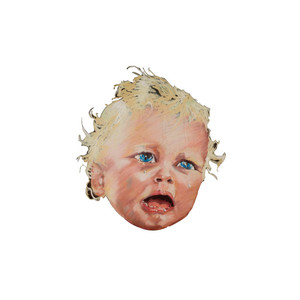
An experimental noise rock album? And it's a double album? Oh, joy. I also noticed the "drone" genre ascribed to this album, and am not sure if I've ever seen that on a 1001 album before. In any case, talk about a perfect genre fit for this album... My god, this was a tedious one. I didn't jive with this at all. By the end of it, the one thing I had in common with this album is that my facial expression was matching the baby's on the album cover.
I love when a metal band leans melodic, and Opeth's "Blackwater Park" was full of such moments. Many of the songs on the album are long-form epics, but the tracks do not grow tiresome like many 6 minute plus songs can sometimes be. I will say, this album was lacking in the kind of catchy guitar hooks that many of the best metal songs implement and are remembered for. While unfortunate, it's also kind of impressive that they're still able to stand out here so well without that.
Metric's "Fantasies" has such a good sound. The late 2000s was a good time for enjoyable crunchy, post-punk alternative pop/rock, and this album fits very neatly into that. I know some Metric, but was actually surprised by how many songs I recognized on this album. That said, I had not heard this entire album in full before, and I am glad I have now. I went through a huge phase enjoying this type of music, and honestly, this album really holds up. "Help I'm Alive" is a strong album opener (probably the best known song from this album) and sets a great tone and baseline for the rest of the album. A fun and relatively quick album, I'm looking forward to listening to this one again!
The music on this soundtrack is diverse and spans a few different genres: typical classical, ambient, rock, industrial, trip hop, and generally dark/distorted soundscapes. Akira Yamaoka does a great job composing in all of these different spaces. I imagine that in context with the video game, it probably lends a significant amount of atmosphere to what I know to be an already atmospheric horror game. Unlike many people on this project, I think a soundtrack certainly counts as an album and is a worthy submission. That said, in the case of a full original soundtrack, I do believe a significant amount of nuance and meaning is probably lost by the fact that I have not played the video game and do not know the story -- most of these songs correspond with a specific scene or vignette within the game itself. I am therefore essentially left to review this album as a piece of classical music alone. While much of this music is beautiful, many of these songs are quick little bits that are definitely meant to support visuals and additional story. If I could, I would give this a 2.5, but it definitely doesn't hit 3 territory for me.
This was an interesting listen! It was fascinating to hear some 2010s style indie pop from another country besides the US or the UK. And honestly, there's definitely some similarities, not the least of which are the heavy synth dance vibes. On some tracks, this goes even harder on the pure electronic synth sound, typical indie dance be damned. This was a fun listen of both a band and an album that I would likely have never heard if not for this list!
Honestly? This is better than I thought it was going to be. That may not be saying much, but it's true. Musically, this is a very interesting, psychedelic concept with lots of variety. Lyrically and vocally, her work becomes more avant garde. I definitely picked up on her different intentions between side 1 and 2 being "physical beat" and side 3 and 4 being "mind beat"; the first half of the album is psychedelic and funky and definitely danceable at times, whereas side 3 and 4 are lo-fi soundscapes that are much more meditative in nature. And while this album isn't really my cup of tea, I can appreciate what Yoko stood for and the types of trailblazing that she did artistically, especially when it comes to experimental music. At the very least, she served as an inspiration for other artists to do odd music. This earns a 2 from me because again, lyrics aside, some of the music in the first half is well crafted and well performed and does capture attention.
I appreciate when artists find ways to break beyond just the typical confines of what it means to be "experimental" and "artistic" in music. And "Zaireeka" is easily a very fascinating and ambitious concept in that regard. However, I really didn't have a way to listen to this as intended, so I did the next best thing: sought out a mixed version on YouTube. Even then, I am sure I wasn't getting anywhere close to the intended experience (and there are MANY ways to experience this album). Ultimately, this was still musically a little too experimental for my musical tastes.
A little bit psychedelic, a little bit garage rock, and a little bit grunge rock...this is the album that put Queens of the Stone Age on the map, and it's a fantastic album. The thick, distorted, sludgy guitar-forward sound does a lot to define this album's style. This style is further defined and supported by Dave Grohl's grunge-knowledgable drums. With three of the band members providing vocals as well, "Songs for the Deaf" has some great harmonies. The staticy radio segments played between some of the songs only tighten the cohesiveness of this album as well as the garage/grunge theme. This album isn't really a metal album, but it has metal moments that really slay. Even the weirdness of the bonus track, "Mosquito Song" really landed well with me. Honestly, this is probably QotSA's most solid piece of work, and is a great user contribution that makes up for its exclusion from the original book part of the project. If I'm being prescriptive, this is around a 4.5 for me, so I might as well round up and make it my first 5 from the user album list. Again, great addition!
I often find jazz fusion music to be a bit too jam session-y and a bit too aimless, but I found this album struck a decent balance between the two. It didn't hurt, either, that this album was heavy on the funk. I picked up on the worldbeat aspects, as well. Not my favorite, but still surprised I liked it as much as I did. And even within the jazz genre, it was a bit different than most other jazz albums on this project. Round up to a 3!
I recognized the band name "Margot & The Nuclear So And So's", but didn't think I knew any of their songs. But lo and behold, when "Broadripple is Burning" started playing, I immediately recognized it. Even though this album came out in 2008, I do recall this song getting a fair bit of play into the mid 2010s, during the peak of the indie pop hype. Despite liking this song, though, the rest of the album sort of blended together and faded into background noise for me...I don't really remember any other standouts.
Look, I'm a sucker for 80s music...what typically bothers people about the decade I find unironically enjoyable. So it's no small thing when I say that this album's interpretation of 80s music was corny and not very enjoyable, even for me. It just leans into all of the tropes but without any strong substance or memorability. I got a slight hint of Culture Club from "I Won't Let the Sun Go Down On Me" and that pulled me in a little bit, but overall I just found the album to be quite underwhelming.
With an album called "Barafundle" by a band called "Gorky's Zygotic Mynci", I knew I was in for something strange. The way this album bounces between alternative rock and psychedelic folk, and sometimes mixes the two on a single track, was definitely jarring, to say the least. If I had been hearing this without knowing the release year, I definitely would have assumed it was older than it really is. An odd listen that I didn't hate, but I really didn't find myself enjoying it, either.
This is 80s bluesy pop rock, but through a Latin lens. I couldn't understand the lyrics so I was mostly focused on the music; I found most of the melodies to be forgettable, though. That said, I still appreciate the submission. I'll take any opportunity to check out music from other countries.
I was actually really into this! And honestly, I was kind of surprised I'd never heard of this album or this band. This album is delicious goth rock at its best. The band argued that goth rock didn't even exist when they released this, and that it was intended as post-punk. Be that as it may, all that really tells me is that they were a trailblazer in the goth rock space. Goth rock is sometimes about the mood it sets just as much as it is the music itself, and this album definitely sets the mood. Like other reviewers, I could hear the similarities between The Chameleons and other top post-punk and goth acts. Also very importantly, I didn't feel like this album dragged. Each track successfully pulled me in, throughout the duration of the album; it was song after song of excellent musicality and lyricism. While I often leave "genre trailblazer" albums underwhelmed, usually because "so and so came along and did it better", I didn't really feel that way here. "Script of the Bridge", in my opinion, could hang with the best of them and still stand out in its own rights. Great submission that I was happy to discover!
Yep, this was a punk album. Punk is always a bit hit or miss with me (proto-punk is usually more than I can handle) but this album was okay. I picked up on the elements of ska throughout the album, too. "One of These Days" was kind of funny; taking the chorus of "These Boots Are Made for Walkin'" and punkifying that, on one hand, does a good job and transforming the message into a punk one, but on the other hand, I couldn't help but laugh at it seeming a bit corny. Anyway, this album didn't wow me or anything, but it was good enough.
Wow, this album really WAS a departure from RHCP's funk sound. I mean, don't get me wrong, it's still there to a certain extent (you could never fully erase their funk), but it's much less sonically dominant. Dave Navarro's signature is apparent; this definitely leans in a Jane's Addiction direction. I liked their psychedelic leaning hard rock sound here, but I'll be honest, I was definitely missing the heavy funk. A good album, but I don't think it supersedes the other two RHCP that are already on the book side of the project.
This was a pretty quick album! All in all, it was a fine blend of indie/garage pop/rock. However, it wasn't incredibly memorable for me.
Anyone who reads my reviews would quickly learn that jazz is not really my thing. But an occasional jazz album will resonate with me. Well, I am here to say that this album is one such occasion. This album is absolutely smooth as can be. The songs are incredibly balanced between instrumentation and vocalization, both getting their individual chances to shine. At times, the delicate piano, bass, and percussion get moments where they are forward, and at other times, Coltrane's saxophone expertise is given a spotlight. And yet at other times, Johnny Hartman's rich, velvety vocals dance across the track, each lyric and vocal moment feeling deliberate. Really, this is just a beautiful album all around, and I'm glad it was submitted!
As someone who spent a fair bit of time as a teenager listening to music from animes, I was primed to enjoy some j-pop and j-rock. I noted other reviews that found the hyper, sugary vocals, and at times I felt like it was a bit much, too, but in general it didn't bother me. Again, based on my history, I would say most of the time I rather liked it. All in all, I wouldn't say the album or the individual songs really knocked me off my feet, but I did enjoy!
This was a bit too avant-garde for my liking. Further, any 'noise' genre isn't typically my cup of tea. There were moments of jazzy fusion nestled in here that were kind of cool, but not enough to redeem the 1 hour 20 minute long album.
I found it amusing that The Talking Heads, sans David Byrne, ultimately just went for the band name "The Heads". They kept with the theme by giving the album the cheeky name of "No Talking Just Head", including a title song featuring the legendary Debbie Harry. Overall, it was interesting to hear members of a band that was previously very much a figurehead of new wave take a shot at the sound through a 90s lens. The result was something that mixed a bunch of alternative genres, including EDM, funk, and industrial. The Talking Heads always had good instrumentation, though it was often a bit eclipsed by the huge presence that was Byrne. However, without Byrne here, that instrumentation shines through all the more, which I found to be a positive thing in its own right. This wasn't a favorite album, but I was surprised that I liked it as much as I did. The hodgepodge of vocalists and styles was surprisingly catchy.
I was a little perplexed by this album. It seems to have been very well received, reviewed, and rewarded when it came out. But to my ears, this is INCREDIBLY generic rock music, and this is coming from someone who is just fine with some generic rock music. But there was really nothing here in the vocals or the melodies or anything that caught my attention. It wasn't awful, but I'd put it at about a 2.5 and wouldn't really consider rounding it up.
A triple album? In this economy? I can tell you that I was not looking forward to attempting a nearly 2 hour album from the Wilco guy, but as of writing this, it has been a month of putting it off, so it was finally time to get to it. This is pretty much what I was expecting (and avoiding): slow, uneventful country-adjacent, somewhat dreamy indie rock. It's not bad, but it really just doesn't do anything for me. I mostly found it to be pretty boring. It was an okay soundscape for a busy workday, I suppose.
This album was somewhere between indie rock and alt country, but definitely more on the indie rock side of things. It was incredibly mellow and slow, and bordered on folk genres as well. The vocalist for Songs: Ohia has a voice that lends itself well to these stylings and genres. I noted that this album was released in 2000, which was kind of surprising, because it sounded a lot like the indie rock of the 2010s as well. So either Songs: Ohia was part of a trendsetting movement, or that genre as a whole has remained much the same over the years and is changing at a glacial pace. I really had to contemplate where to put this album. It didn't wow me at all or even intrigue me very much to make it a 3, but I felt like I enjoyed it more than a 2. That put me pretty much in the "2.5 and going to round up to 3" range, so here we are.
I had never heard Clutch before, but what immediately caught me a few into this songs is how "funky blues rock" their sound was here...think Led Zeppelin riffs, ZZ Top swagger, and Deep Purple groove. This album was released just over 10 years ago in 2015, but you could have convinced me that this was a 1970s album. I always enjoy thought-provoking album art, too, and the angel applied to the front of a tank between its guns is an ever-relevant message in the United States. This is a good album that pays tribute to some subgenres of hard rock that you just don't hear as much from anymore.
An interestingly poetic little indie folk album where the singer tells stories about growing up. I couldn't quite decide if I liked the singer's voice or not. Sometimes it felt suited to the material and style, and other times I couldn't escape thinking about how much he sounded like Weird Al Yankovic. Still, I kept coming back to the poetic nature of the lyrics. I found that such beautiful musings really lent to my enjoyment of this album. How strange to be caught between often morose and serious lyrics and the peaceful, relaxing presentation of those lyrics in these songs.
This felt like it wanted to be grand in the way a Beatles or Bowie or Floyd album is grand. Overall, it just didn't really hit those highs for me, personally. Roy Harper is good in the folk space, but there just wasn't much variety on this album and it left me feeling very "one note" by the end. Probably about a 2.5, but didn't feel like 3 material for me personally.
An album from this year, but clearly inspired by 70s prog rock and metal. Judging by this album, and the album covers of Hällas' other work, fantasy-adventure driven themes is kind of their bread and butter. True to prog rock tendencies, the band opts for fewer tracks and longer track runtimes, and they make good use of that time with epic playing and storytelling. Well, as a fan of 70s hard rock and metal, including the ones with fantastical elements, it suffices to say that I fuck with this. They're not reinventing the wheel or adding anything new, but it's fun to hear a modern band's take on this sound.
I didn't know Joey Batey had an album, or any music work outside of what he did on The Witcher. I enjoy his voice and his bard style in The Witcher, so I was pleased to hear that largely carry over in this album. In addition to still sounding very bardic on this album, the dark Celtic-esque style also prevails. This is another album that hits about a 2.5 for me, but I was at least intrigued by the vocals, music style, and storytelling elements, so I opted to round up.
I know Guster's most popular song "Satellite", which got a lot of play in my circles all through the late 2000s to mid 2010s. I didn't really know Guster had a pre-2000s reputation, though. This album feels like textbook 90s pop-rock and alt rock, yet it has a little touch of something extra. Maybe it's the trumpet giving things a slight ska vibe, and maybe it's the prominent bongos giving things a slight worldbeat vibe. And maybe it's the intriguing little vocalizations that the lead singer does on occasion that seem uniquely and pleasantly out of place. In any case, I am usually a sucker for anything 90s alternative rock or adjacent (though this project has tested my limits on 90s britpop), so really no surprise that I enjoyed this.
This was a solid psychedelic rock album, and something that feels like should have been successful in the US at the time! And odder still that this album and artist found such success in South Africa. The story of this album finding some degree of US-based success after a couple of South African fans' documentary is an intriguing story. This album really is quite good, and it's a shame that Rodríguez didn't land success stateside during the time when he could have had an outstanding career.
Oh, ARTPOP. Or as many people so mercurially called it in 2013: "ARTFLOP". This album was by NO MEANS a flop, but to the casual listener, and even the fans who had grown accustomed to the style of Lady Gaga's earlier work, I suppose it's easy to jump to such an extreme when you compare it to the major high she had been riding on up to this point. ARTPOP isn't particularly high brow, in some ways I would argue it is her least high brow work up to this point. The album simply poses: if pop culture can inform art in the form of the pop art movement, can art in turn inform pop culture in the form of an ARTPOP movement? To really explore this, Gaga dove into writing music influenced by themes across fine art ("Venus" and "ARTPOP") and fashion art ("Donatella" and "Fashion!"). She heavily explored performance art and incorporated various learnings and visuals into her live performances. From a music standpoint, this album opens SO STRONG with 4 back-to-back bangers. She then interjects with a rap song, which isn't a particularly great song, but even it isn't as bad as listeners made it out to be at the time. The second half of the album is arguably weaker than the first half, but the exceptional production carries what might be slumps on the album for some listeners. Nonetheless, the album finishes fittingly with the album's most commercial success, "Applause", part of Gaga's ongoing exploration of fame, this time through the lens of this "pop art/ARTPOP movement" and the artist's often symbiotic relationship with the person consuming the art. Since her debut, Lady Gaga has been informing and influencing what happens in pop music, as she is often imitated and never duplicated. But ARTPOP has arguably been the slowest burn in that regard. People did not latch onto this sound at the time, but pop EDM such as this has only grown in popularity since 2013; people have since gravitated to this sound and albums like Charli XCX's "brat", released 11 years later, sound heavily influenced by ARTPOP. Gaga's The Fame/The Fame Monster were her take on current pop music, Born This Way was her reflection on the 80s and the sounds that shaped her, and ARTPOP looked to the future and was an exploration of what she thought pop music COULD be. All that to say, she apparently wasn't far off. I know everyone says this about their favorite artist, but Gaga truly has a uniquely artistic mind, and this album is no exception, despite its (intentionally) juvenile takes on sex, fame, and empowerment. I don't necessarily think this album is the prime candidate for this project, but it certainly shows a side of her work that took a long time to bake in the general public's eye and has a sound that people are chasing over a decade later. But either way, as a Gaga lover, I won't complain.
I didn't realize that fun. never put out more than two albums. After the major success of a couple of songs on their sophomore album, I am surprised they didn't ride that success further. But I guess Jack Antonoff ultimately found more success with Bleachers, and ultimately producing for Taylor Swift. Speaking of that sophomore album, though, I am kind of surprised that it wasn't the album featured, but I digress. This album was okay. I definitely hear the major Queen and Electric Light Orchestra inspirations that are spoke of -- two lofty inspirations to live up to. While they get the sounds right, the album just really doesn't manage to sustain anything catchy and grand enough to really capture the essence of those classic giants. I would probably not call this album a true 3, but it felt like a better fit than a 2.
I was not familiar with the differences between reggae and dub. Ultimately, dub is a subgenre that is heavily toyed with in studio protection to have less vocals and more forward percussion. So, today I learned! Reggae and its subgenres aren't something I usually seek out, but I find them to be nice enough to listen to, and this album was no exception. Despite this group's MANY albums, I had never heard of them, so I appreciate an opportunity to hear something new to my ears!
I wanted to like this more than I did. The concept itself is a beautiful one. Eighteen musicians play a nearly hour long composition in which their pulses of music fade in and out, interweaving their sounds. The work seems very calculated but at the same time, very natural. Beyond the intriguing concept, I wasn't really into this; the execution didn't land with me. It's peaceful, and hypnotic, and rather meditative, but at the end of the day, I was just kind of bored with it.
The album name "Sunbather" and the seemingly cheery-colored album cover definitely had me fooled on the type of music that this album would contain. This album has an hour's worth of material in 7 tracks. This resulted in long, often very jam session-y songs. I guess the silver lining here is that metal music isn't typically where you hear long jam sessions, so that's interesting. But the tracks and the album both got very tiring very fast as a result of it.
This post-punk revival sound is reminiscent of similar sounds implemented by bands like The Killers and Modest Mouse. However, Interpol was doing it a couple of years before those bands were becoming popular for that sound. Overall, after all these years, I still really dig this sound from the early 2000s. For me personally, Interpol didn't have any songs on this album that really just caught me and hooked me, but as an album conveying an overall vibe, the vibes are immaculate.
It was fun to pick out all the different songs I knew, but other than that? I didn't really like this. It made me feel like I was, well, listening to a mashup of all the different songs at once and I'd rather just listen to the individual source songs.
As a fan of 90s alt rock, I was a bit surprised to find something that tested my patience as much as this did. Both the vocals and the instruments are droning and lack any real hooks. The album felt way longer than an hour because of this. To me, it's really no wonder why Shudder To Think failed to achieve mainstream success.
Classic country from an artist who I don't often hear much about, save for the closing track "You Never Even Called Me By My Name", a favorite among country fans, especially drunk country fans. This falls a bit outside of the range of country music that I typically like, but it was an okay listen. David Allan Coe has an interesting, unique way of enunciating his words at times, and it was something I couldn't help but pick up on and listen for. Anyway, probably somewhere between a 2 and a 3. I'll round up to 3.
I'm not going to lie, a white rapper with an album titled "Get Rich or Die Ryan" definitely had me imagining some sort of Eminem-50 Cent hybrid rapper. But Spose's style is definitely more like alternative rap with a touch of rock. Overall, in terms of the rapping, it wasn't bad; I've definitely heard worse rap on this project. But that said, this still didn't really do anything for me. And I already have a hard time with double albums from even the most well known "revered" artists, so I wasn't feeling such a long album from Spose. He also had a tendency to sing/rap some of his songs off pitch and off key (seemingly on purpose) and that was kind of grating. Anyway, yeah, I didn't hate this, but it wasn't a winner for me.
I typically like lo-fi, beat-heavy, dream pop like this for the vibe. But that's just it: I really only like it for the vibe, and I don't find it really substantially hooking me (I will say that "Slap Pie" had a heavier, funkier beat and that was a bit more of a hook than most songs on here). Also, after a few songs, it started sounding quite redundant, which isn't good for a 1+ hour long album. This probably lands at about a 2.5 for me, but definitely isn't 3 territory.
So I LOVE the absolute banger songs "Blinding Lights", "In Your Eyes", and "Save Your Tears" from this album, and they're back to back to back no less! But honestly, I would be lying if I said I wasn't a bit disappointed by the rest of this album. It's synthy, dreamy R&B with awesome flow between songs and overall strong production, which are great qualities on their own, but none of the tracks really pack the same irresistibly catchy punch as the three singles I mentioned. If we were talking about an album that just contained these 3 songs, this would be an easy 5 for me. But alas, it's overall a bit diluted for me. Still a good listen though that leans heavily into some genres I really dig!
This is an interesting concept that explores what is essentially an alternate universe where the United States September 11th, 2001 attacks had NOT happened, and the day just being "another normal day". It can also be thought of as a reflection of what things were like up to those very moments before the September 11 attacks. The exploration is done largely through tracks that reflect the news cycle (like news soundbites), commercial advertisements, and the type of smooth jazz "elevator music" that is heard on The Weather Channel and introductions for news segments. The smooth jazz moments are relaxing, enjoyable, and even rather nostalgic. The news segments really don't do anything for me in terms of pleasurable listening. But then again, this album is meant to be consumed as a concept. And the concept here is that the news cycle changed drastically after 9/11 from an atmosphere of calm and casual to one of heightened stimulation and urgency. Overall, everything here just sounds and feels low stakes, which is nothing like the news cycles of today. The news soundbites of today are loud, demanding, and evoke feelings of critical importance and concern. "News music" itself is not jazzy, casual or loose like this anymore, either; the news music of today sounds more akin to high energy patriotic jingles meant to rally troops (and I don't think this was ever by mistake, mind you). It was also at this point that the news cycle transitioned from morning and evening moments in time to constant and never-ending news scrolls meant for constant and never-ending consumption. These decisions were largely responsible for the birth of mass hysteria news, a staple of today's news landscape, which has no doubt had far-reaching impact, not the least of which is on people's mental well being over the last 20+ years. I'm going to rate this album based on my personal enjoyment of it (about a 2). But if I were rating this on its thought-provoking nature and the artistic concept, it would certainly be a 5. While I am vastly aware of the changes to WHEN the news is thrown at us, I had never really taken the time to consider the changes in HOW it is presented. Hearing this concept and thinking about these things left me feeling sadly wistful for a slower paced way of life that we will never get back.
I had never heard of this band before, but I'm another listener who immediately heard this indie/folk blend to be a lot like Mumford & Sons. That is to say, there are lots of driving rock sounds against other folk sounds, and a similar sounding vocalist with good harmonies. And to be clear, there's nothing wrong with that; it's a charming formula. Apparently Frightened Rabbit is known for being none to happy about the Mumford comparisons, but...*shrug*. One thing I will say in Frightened Rabbit's favor: their music seems to evoke the same level of emotion as Mumford & Sons, and they accomplish it with less soaring choruses and fewer string instruments. Also, Frightened Rabbit is doing that sound several years before Mumford came onto the scene. I will admit that I was surprised that this album was carrying a 3.26 average at time of writing this, as people can be pretty critical on here and this album didn't seem THAT special to me. But it just goes to show how tastes can vary. But I digress. All said and done, this album was enjoyable and inoffensive, and I'll take that.
This was an easy to listen to and fun-sounding reggae album (as many reggae albums often are). This album even had a couple of covers of songs that would be familiar to an American listener. I am not a reggae expert, but I feel like this album served up excellent song after excellent song, maybe even more so than most reggae albums I've heard on this project.
My Chemical Romance was a short-lived but highly influential act. They released only two albums during the peak of emo music, and yet are considered absolute authorities in the space. Both of those albums from that time period are user-submitted albums, which only solidifies their influence. Furthermore, the album "The Black Parade" is one of the best known emo albums of all time. And yet another layer deep, "Welcome to the Black Parade" is one of the most epic emo songs in term of scale, presentation, and popular reach. It sets an unbeatable tone for the entire album and truly stands on its own as an anthem. Even the marching band attire of the "The Black Parade" found its way into the fashion of the time and is still an immediately recognizable symbol of this album. "The Black Parade" is of course a concept album, surprising absolutely no one who was alive to witness My Chemical Romance's flair for the dramatics and theatrics. Essentially, the story is one of a man ("The Patient") who is dying of cancer and is visited by Death and a host of other characters who serve as personifications to help him through the final transitions from life into death. On the topic of WHY I think this album was so influential is because My Chemical Romance really pushed the emo envelope on this album. It has elements of metal as well as other alt rock genres such as pop, hard rock, punk and glam rock. I was not a huge follower of emo music at the time of its popularity (I was busy being neck-deep in classic rock) but My Chemical Romance and "The Black Parade" were such a sensation, they were difficult to miss, even for me. Twenty years later, the long-lasting success of this album has not faded; people still come back to it, be it for the first time or the hundredth time. Strong production, genre-defying tracks, and a knack for not being afraid to be larger than life make it clear to see why.
First off, let me just say that I find the artist name "King Creosote" to be so badass. Second, I wasn't quite sure where to land with this album. It is beautifully sung and played, ESPECIALLY "Bats in the Attic" -- this is the album's gem in my opinion. But that said, the album was not really my thing and I had trouble staying interested. Even still, this album is no slouch.
It is really quite incredible that "Dreamboat Annie" is Heart's first album and they immediately come out the gate with "Magic Man" and "Crazy On You", two of their irrefutably greatest hits. I was a little less familiar with the rest of the album, but the vocal and instrument skill that makes them so powerful on the previously mentioned songs is present across the entire album, giving the whole thing such great synergy. Honestly, this album has some of that folk rock mystical charm that is so often attributed to Fleetwood Mac. Obviously, it is most evident on "Magic Man", but it really is across the entire album if you listen. The Queen-like arena rock sound is also quite audible on "Sing Child". I agree with other reviewers that this album was a big enough deal that it should have been included on the original list. This album was just the beginning for Heart; they did a great job transitioning from 70s rock sound into 80s rock sound, maintaining relevance and prominence across both decades. This album probably falls at about a 3.5 for me overall, but rounding up to a 4 because of these additional details. Glad to see them here!
First of all, this was Dolly Parton's THIRTY-SEVENTH studio album. Holy shit. Talk about a legacy. Onto the contents of the album. Much of Dolly's music over the years had danced around the bluegrass genre, so I think it was only natural that Dolly would want to take on bluegrass music at some point, and that point would be here on her 1999 album "The Grass is Blue" (what a cute and appropriate album name, I might add). All I can say here is that while Dolly took her time getting here, she is an incredibly natural and beautiful fit for the bluegrass genre. While every song on here is done with precision and care, I found her cover of the traditional bluegrass standard "Silver Dagger" to be a standout performance. Maybe I'm rating this when riding off the emotion of Dolly's recent passing, but I don't care -- it is really quite a beautiful album. I find this album to be a fitting one to receive on the day of her passing. It shows off the angelic qualities of her voice. Fitting for someone who was one of the closest things to angelic on this planet. As if emotions weren't high enough, this album ends with "I Am Ready", a typical gospel song about going to heaven, turned tearjerker in light of her recent death. So to that I say, rest in power, sweet angel. Thank you for the music, and thank you for being an example of the best of us. I know you were ready, and I know you were being sung through heaven's doors.
I wasn't overly impressed by this, but I did enjoy it. It has strong electronic and house elements, but wrapped in down tempo mellowness. It was easy to listen to in that regard. I could hear the Portishead and Sade elements that she is known to be influenced by. Despite not leaving this listen wowed, this is close enough to a 3 that I feel comfortable giving it one.
I really don't know what to make of this album. I couldn't understand the lyrics, but that's okay. The music wasn't really my style, but it was still decent enough. It's hard to put the Croatian rock style on display here into more American genre terms, but it's something like reggae-ska-rock. Anyway, it was fun to experience something unfamiliar to my ears, but the album didn't really resonate with me.
"Come on Over" brings back a lot of childhood memories. It was one of my first CDs (I wore that thing out) and I was listening to it on the precipice of a time when I began branching out from the 90s country that raised me into other genres. That is to say, this was a good transitional album for me, as Shania Twain dives heavily into the country-pop crossover on this album. Little did I understand at the time that she was basically writing the script for this; several of her peers would go on to do country-pop crossover albums and be incredibly successful at it. But make no mistake, Shania Twain was at the forefront of that movement with this album. Even her outfits from this era have iconic, cultural significance that people still covet and refer back to. As if being a pioneer weren't enough, people ate it up. This album was truly a cultural sensation in the 90s. Shania was awarded countless accolades and sales for it. In fact, it would become one of the very top selling female solo albums of all time, and one of the best selling albums of all time, period. It's a worthy inclusion on this list; I think anything that creates THIS big of a wave deserves a little bit of attention. And really, it still holds up as just plain fun, catchy, no frills music. Shania is all about female empowerment on this album, and she does so in a very sassy, playful way. The lyrics are full of quips and the vocals are full of energy and excitement. It's a winning formula that creates one catchy track after another. I wanted to be fair and not just give this a nostalgia 5 stars, and frankly, I wasn't sure if I would still feel strongly about this album. But even in 2026, upon relistening to the entire album for the first time in years, I can't find a reason not to give this 5 stars; the songs are STILL catchy, fun, and timeless, and they're still cultural hits all these years later. And for anyone that cares, even though I wore the CD out all those years ago, I was surprised that nearly every single lyric of this album is still firmly etched into my brain.
I had a bunch of albums piled up from several days of not listening, and I somehow managed to listen to three punk-ish albums in a row today. What are the odds? At least this one was in a different language to mix things up a bit. Language aside and mostly keying in on the way the singing sounds, there were moments where this reminded me of Irish punk and there were also moments where this reminded me of j-rock. All in all, this was fun, and not typically a side of Spanish music that those of us in the States get to hear.
Honestly, this album lost me, and I was kind of surprised it was ranked above a 3. It did seem very indie-pop at first (the cited genre), but I felt like it shifted more and more into experimental electronic as the album went. Having been released in 2002, this electronic experimentation was no doubt an early form of the electronic indie rock/pop revolution. So in other words, good music history, but as far as practical listening, it's just not super memorable.
There's a fair bit of progressive rock on this project, but almost no progressive metal. And what better fit than TOOL? Honestly, the presence of four of their studio albums as user-submitted albums next to no albums submitted for the book really highlights a gap on the author's part. As far as listening to TOOL goes, they are also a gap in my own listening repertoire, as I had never heard an entire album by them before today. My reaction? Well, for being a fan of rock and metal, I guess I expected to like this album a bit more than I did. I didn't dislike it by any means; if I could, I would probably put this at about a 3.5. But I don't feel like it landed as a 4 for me. The music felt cryptic, both in terms of its structure and its subject matter, and I appreciated that from an artistry perspective, but the unconventionality might have made it a bit difficult to fully get into. Nonetheless, I'm looking forward to diving into more of their albums as I progress through the user submitted albums!
Well, it was a punk album. I did like that it was a newer album (released circa 2022), as you just don't hear new punk music like this anymore. I wouldn't say that the album won me over or anything, but I enjoyed it a lot more than I did some punk albums on this project.
These were basically just jazzy jam sessions, but it was Louis Armstrong for crying out loud, so of course they were good! I'm not a jazz expert, as I've definitely established, but it seems to me based on what I've read (and even what I heard) that this is likely essential jazz listening, so I'm glad someone thought to include it here!
I had never heard Bikini Kill before, but they almost immediately reminded me of some combination of Hole and Jack Off Jill. It was quick, dirty, and unpolished, all of which contributed to its efficacy as an alt, punk-ish, riot grrrl type album. This type of feminist yelling is what we love to hear.
Indie rock bordering on art rock, I don't know if I would have guessed it was a product of the 90s, even though it does have some 90s elements. I liked this album okay, but I didn't find it very memorable. It probably lands at a 2.5 or so with me, but didn't really feel right rounding it up.
Many reviewers found Itoiz's "Espaloian" to be a bit unremarkable, and while I agree that it doesn't blow me away, I did find the folky prog rock Basque Spanish angle to be unlike anything else I have heard on this project. I always like hearing something new, and in this case, I baseline enjoyed it, so that puts this album close enough to a 3!
It's hard to know what to say about this album, other than that it is very cool to hear an Aboriginal person's take on classical music as we know it. You can tell he finds ways to interject his own cultural influences into the work in such a way that he pays homage to classical music that has come before, but is not afraid to adapt it in his own way -- something the composer "greats" did in order to become "great". I do enjoy classical music, but this leans heavily on modern era stylings (particularly the subdued, minimalist subgenre), and my preference for classical music definitely leans away from that. That said, I will note that this album pointed something out to me: minimalist modern classical music like this definitely sounds like and is likely inspired by the chanting of Aboriginal or Native people. I had not picked up on that until this album mixed both literal vocal chanting and metaphorical instrumental chanting together. Even though this wasn't particularly my classical music vibe, I was very intrigued with this listen and was glad for the chance to experience it!
NOTE: To anyone listening on Apple Music, the 4 track EP that is linked (at the time of writing this) is NOT the correct album. You want the 13 track full album. Some decent, if not kind of general hard rock! This album cites a producer that was also involved in producing other hard rock and numetal acts such as Rage Against the Machine, Chevelle, Mudvayne, and Rise Against. I could definitely hear the similarities. The similarities aren't TOO similar, which I think helps this album stand out a bit. Plus, this album came before several of those bands took off, so in a way, this was a precursor to the success of many of those bands. So yeah, while this was a bit general, I didn't find anything wrong with it -- perfectly listenable rock music.
Something about the band name, album title, and album art immediately told me this would be prog rock -- and I was right. That said, it was a fair bit more avant garde and psychedelic than I was expecting. I thought this album was incredibly unique, even among prog rock albums. But as anyone who has read my reviews will know, prog rock tends not to be very much up my alley. So all in all, this is probably a 2.5 for me.
You know, Barenaked Ladies definitely deserve a place of recognition, as they sort of pushed this kind of alternative rock to the mainstream that was different than any other kind alternative rock. They often have a heavy bass and horns section without being ska, and they always inject a bit of humor and amusing commentary into their lyrics. In addition, the credits of this album is a wealth of interesting instruments and vocal stylings that went into making this album possible. But the thing that this album revealed to me was that...I apparently only really like Barenaked Ladies in tight doses; I was pretty over it after an entire album of their work. Anyway, not a bad album at all, but I think I was hoping I'd like this more than I did.
Don't get me wrong, I have wild appreciation for the type of skill that it takes to create free and improvisational jazz like this, but as far as listening goes, it typically just doesn't land with me. Nonetheless, it's very cool that the term "free jazz" is owed to Ornette Coleman and his masterful work here.
This was an okay, inoffensive listen, but as far as 90s alternative rock goes, and really just in general, it's another very generic album. I didn't find much memorable about it, and it's another one I was surprised had above a 3 globally. It'd probably be about a 2.5 for me, but not rounding up due to the forgettability for me.
I love pop music, and I've loved some Rita Ora singles here and there. However, in the context of an entire album, this feels a little one note. Rita's voice is great, but a lot of the songs follow a pretty generic pop formula and lack any unique musical perspective or daring sound. Not a bad listen by any means, but ultimately probably rather forgettable for me.
Right out the gate, the album vocals and album cover reminded me of something akin to Coheed and Cambria or Muse. That comparison only strengthened in my mind as I heard some of the interesting and strange musical arrangements across the tracks. While I found this album to be pretty creative and fun overall, and appreciated something a bit different, it wasn't something that I really loved. This was probably a 2.5 for me, but I liked it well enough to just round it up.
This album came to me at the right time! This time of year, as it turns to Fall, I start to crave some decent folk music. Espers definitely checks that box. Combine that with the fact that I also tend to dig mystical folk and bardcore-adjacent music and things that essentially sound like Fairport Convention. Check, check, and check again from Espers. All that to say, this album was a hit with me. Espers has a touch of the psychedelic in their work, just enough to lend it some extra weird flavor; it's not overdone at all, and I appreciate that. It's not feeling fully Fall here yet, weather-wise. But this album has me in the mood; I'm no doubt going to be seeking out more like this and living my internal Fall fantasy for the next few weeks.
This was pretty odd, and pretty different than most of what we get on this project. Each song listens like its own unique little self-contained story. When the first track started, I had to double back to the Wikipedia page to make sure I wasn't listening to a musical soundtrack. All in all, an interesting concept and I can appreciate the attempt at showcasing something different on this project. That said, this album was just highly ambitious with very little reward.
Sampledelia is not really something I enjoy all that much, so it probably comes as no surprise that sibling genre plunderphonics is also not really in my wheelhouse. To me, this listens like you're changing radio stations for 40 minutes straight (and maybe even getting some crossed signals). I can definitely see where this would be influential for other music, but on its own it doesn't really strike anything interesting for me.
This instrumental, somewhat experimental rock album was an interesting one. I can't say it really did much for me, but I was able to hear the band's technical prowess on their instruments and their experimental style a bit better due to the instrumental nature of the album. Probably about a 2.5 for me, I'll round up because it was interesting, at least.
I've heard a lot of new wave-inspired modern music, but this may be one of the heavier leaning albums that I've heard; it takes new wave and modernizes it for today. That is to say, this is pretty much how I think "pure" new wave music would sound in the 2010s and beyond. The album title is kind of a funny one, too: "Singles", as if this is a compilation of greatest hits or something. In reality, it seems to be a set of individually written songs that were smashed together to make an album of disconnected ideas and motifs, rather than a strict adherence to any cohesive album theme. Another noteworthy thing on this album is the vocalist. He may be the least new wave thing about this album. Often, new wave bands are known for their somewhat monotonous, single emotion vocalists. But Future Islands' vocalist has quite a dynamic, emotive singing style and overall unique voice that defies expectation and thereby adds an element to the music here. Time and time again throughout this album, he uses his voice as another tool to state and reaffirm the band's one-of-a-kind sound. I contemplated whether to give this album a 3 or 4, as neither felt quite right. Ultimately, I decided to fall on the side of a 4 if for no other reason than the uniqueness of the band; there hasn't been anything else quite like this on the list. A fun discovery!
In my opinion, this album is at the intersection of prog-rock, psychedelic rock, and blues rock. It wasn't a bad album by any means, but I can think of a few other bands that they sound similar to who generally have catchier songs. Unfortunately, none of the songs present here ever really hooked me. For that reason, I feel like this lands more at about a 2.5 for me, and I personally don't have any reason to round up.
Oof. Was 2012 a drought year for music? I find it surprising that this album was so highly regarded by critics at the time. As far as hip-hop albums go, this is just...not good. A lot of the rapping is mediocre and the production is often not much better. The MANY features and samples on this album weren't even enough to save it. I struggled to find even a single song that was enjoyable.
This is a great Tom Petty album, and simply put, it feels like it should have been on the original list. Tom Petty always played with folk and blues rock, even with The Heartbreakers, but "Wildflowers" has him in his purest forms of the genres yet, and he genuinely excels as a singer-songwriter (both genre-wise and literally) here. This album is so easy to listen to; there is a simplicity about it, without sacrificing a bit of Petty's prowess. I don't have a lot of notes about this album, but I thought it was well-executed, had great flow, and was full of strong songs.
I had forgotten that Teenage Fanclub had an album on the original list, and even when I was reminded and went back to review my review, I still barely remembered. Ultimately, I would say my stance is unchanging: I baseline enjoy this because I really like 90s alternative, but in that vein, this is pretty average, unremarkable, and very middle-of-the-road as far as the genre is concerned.