It's a wonderful album, but one that I'm overly familiar with. Still, it's been awhile, and it's nice to catch up. Check out the More Blood, More Tracks bootleg for more context and clues to Dylan's original concept. 10/10.
The third album of their classic four album run that began with 1968’s Beggars Banquet and ended with the glorious sprawling mess that was Exile on Main St. I’ve always felt that Sticky Fingers was the weakest of the bunch, but in that company, that’s hardly a criticism. They were, after all, inventing modern Rock music, so we should probably cut ‘em a little slack - and the Stones were all about the slack.
The album’s anchored by Brown Sugar, a song that’s attracted its fair share of disapproval over the years, though it remains a cornerstone of the Stones rep. and still sounds pretty good to these old ears. Other highlights: Bitch is propelled by an immense Keith riff that’s almost too good for the song, Sister Morphine feels like a state of the nation speech set to music, and Dead Flowers - the sort of country shuffle that the band were adept at during this period - is dark and prophetic. Check out Townes' version.
9/10
De La Soul’s debut is a lot of fun. I remember enjoying the singles at the time but never picked the album up. I should’ve done. Their approach was completely unique in 1989 and has weathered well. It’s had a couple of spins today, and the combination of smart wordplay and tunes that stick, still sound fresh as a d.a.i.s.y. – I went there.
8/10
This was a first time listen for me. Of course, I know Depeche Mode and own - or have owned - several albums and singles over the years, but somehow Music For The Masses had passed me by.
My first impressions were all very positive and the album feels very much the precursor to Violator, which I adored when it came out a few years later.
It’s a powerful, muscular sounding record with songs written and produced for big arenas, which Masses propelled them into. The sacrifice made was the complete loss of froth, the poppy edge that had made them household names in the first place - but it feels a like a natural progression, and anyway, they’d never been convincing popstars after Vince Clarke left.
Highlights for me are the bombastic opener Never Let Me Down, the linked I Want You Now and To Have And To Hold and the lush final track, Pimpf, with its choral chants and orchestral ambiance.
9/10
This was a biggie in the day. Surfer Rosa earned the Pixies an instant fanbase and pretty much reinvented - or at least reinvigorated the alt. music scene. Style-wise, the band hit a few different bases, while simultaneously settling on the quiet/loud/quiet thing that became their trademark sound – a sound which didn’t lack imitators.
Steve Albini’s production doesn’t take any prisoners, and the decision to include studio chat gave the album an odd feel of slight novelty, though never enough to detract from the intensity of songs like Bone Machine, Where Is My Mind and Cactus. The latter was even covered by David Bowie. Nice.
Of course, the brilliant Doolittle followed and the band broke through big time.
9/10
The Offspring’s breakthrough album passed me by completely when it was released, and listening now, 30+ years later, it’s easy to understand why. I’d already grown-up listening to classic punk, US hardcore and UK thrash merchants like Discharge, what could a band like The Offspring offer that was in anyway new? The answer, not much.
To be fair, the single Come Out and Play is alright, and a couple of other tracks seem ‘fun’ but really, there’s nothing much here for me. To generic, too polished, too safe and too juvenile.
4/10
I haven’t listened to this for years, though loved it when it came out - falling hook, line and sinker for the over-the-top hype that surrounded its release. Revisiting after all this time, I think I was spot on – it’s a bit of a stunner! Of course, the Beasties were originally a punk band, so it’s no surprise they bring plenty of snotty attitude to their songs, and I genuinely dare anyone not to smile when that opening exclamation and power chord hit at the start of Fight For Your Right. And as for the rest, it’s shouty, childish, full of itself, and very entertaining.
8/10
Odd choice this one. Groove Is In The Heart was a huge record, played a dozen times a day on every pop station, and in every club for months. However, the album? Personally, I don’t know anyone who owned it, and I’m sure there were loads of folks who loved the single without knowing the album even existed. Listening to it now, I’m not sure what it adds to my enjoyment of Deee-Lite. The single is as outstanding as ever – it really should have aged – it hasn’t – but the rest of the album drifts by without any danger of it sinking in or sticking around. It’s okay, but Groove is all you need.
4/10
I’ve spent many hours with Gillian Welch and Dave Rawlings’ Time (The Revelator) over the years, and whenever I put it on it sounds like time well spent. For the new listener, there’s much to discover, but it takes patience and a few spins to get inside a collection of songs that don’t come with much in the way of production frills, but pack plenty of emotional punch.
Its style is best described as American folk music, and like the best of its genre, it relates on multiple levels, from the personal to the political, and does so in a way that feels both timeless and immediate. Our foremost anxieties and fears, for the most part, remain constant, from love and death to putting food on the table, and these concerns resonate in this beautifully understated collection.
8/10
Hole’s debut album Pretty On The Inside wasn’t great - it was just too relentlessly antagonistic. Courtney Love was pissed off, we got it, but art needs more than that to make an impact. The follow-up, Live Through This, channelled the anger into proper songs with proper hooks and was all the better for it. Love pretty much reinvented the band, retaining only guitarist Eric Erlandson from the previous line-up and upping the production values - and for all its snarly attitude and loud guitars, Live Through This sounds great. Turn it up and it pops out of the speakers, giving those hooks every chance to catch. Highlights include opener Violet (shouty and angry), Miss World (angry and nihilistic) and Doll Parts (nihilistic and fatalistic) – which probably limits its audience, but Love was an important voice at the time, and this album is one of the best ways to reconnect with it.
8/10
Cat Stevens’ second album of 1970 and his second after a three-year break from recording – a break that included a TB scare and a period of soul searching. Considered by most as a pop performer at the start of his career, his return marked a departure into singer-songwriter territory, where he’d stay until he gave up the music biz in ’78.
Tea For the Tillerman is a lovely album, intimate and ageless, with a warm, sympathetic production from Yardbirds’ bassist Paul Samwell-Smith. It’s also an incredibly adult collection, with adult concerns; Where Do The Children Play, Wild World and Father And Son are all prime example of Stevens new found spiritual maturity. In 1970 Stevens was 22 years old. Remarkable.
10/10
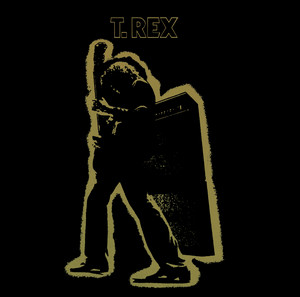
Glam rock ruled in early 70’s UK, and this is the album that kicked off the whole shebang. That’s only right and proper as Electric Warrior is a joyous romp from beginning to end, a collection of swaggering, sexy, mystical pop songs, including two of the finest singles of period in Jeepster and Get It On. Both tracks are utterly enthralling, timeless classics, but the joy of Electric Warrior is the strength of the material around them. Life’s A Gas is gloriously slinky with one of the great opening lines - “I could have loved you, girl, like a planet, I could have chained your heart to a star” – yep, I’m in. Cosmic Dancer – recently covered by Nick Cave – is probably my favourite of the lot and is especially affecting because of Marc Bolan’s early demise. Those strings…
10/10
Louis “Sabu” Martinez earnt his spurs as a percussionist in Dizzy Gillespie’s Orchestra in the late 1940s. His 1957 album Palo Congo was his first as bandleader, and it’s a ride, a terrific mix of driving Afro-Cuban drumming, primal chants, Santeria prayer and irresistible grooves - which feel like they directly link back to ancient roots.
To be honest, I’ve no idea how to contextualize Palo Congo. Is it a unique jazz record? Was there a huge wave of wild Latin jazz in the late 50s that I haven’t heard about? I’ve no idea, but what I hear I like, and that’s probably enough.
7/10
A Love Supreme is an act of genius in four parts. John Coltrane’s 1965 masterpiece must surely have a place in any jazz fan’s collection – and is one of the few jazz albums that effortlessly crosses over to mainstream audiences. It’s an extraordinarily accessible collection, but that doesn’t mean it compromises itself in any way.
The album is organised into a four-part suite, which ebbs and flows beautifully over 33 minutes. Not being a musician, let alone a jazz musician, I’m not able to go into any technical detail, but it doesn’t really matter as A Love Supreme is ultimately a purely emotional experience – spiritual and truly uplifting – it’s an album that I’ve returned to regularly over the past 30+ years, it’s power to move has never diminished.
10/10
Morrissey’s debut album was plenty popular upon its release and grabbed plenty of positive reviews from journos broken-hearted at the end of their favourite group.
Me? I never really engaged with Morrissey post-Smiths, a decision that’s stood me in good stead over the years and listening to Viva Hate properly for the first time, it’s striking just how dull a record it is. Suedehead is probably the standout track, insofar it feels alive and vital, rather than the album’s other much lauded single Everyday Is Like Sunday, which indicates strongly that singing songs about being bored, is quintessentially quite boring.
Of the rest, I’m struggling to engage with much at all – I just can’t bring myself to care.
4/10
Fugees’ The Score is an album that passed me by when it was released in 1996, and I’ve never felt the need to seek it out. Rap and Hip Hop are genres that have limited appeal to me, and I can’t say The Score changed my mind. I’m not saying it’s a bad album by any means, but it just doesn’t click with me. Also, all the best tunes on the album aren’t theirs – which really gets on my wick.
2/10
Fiona Apple was 19 when Tidal appeared, but it transmits an unexpected maturity and it’s pretty ballsy. The songs flow purposely and with direction. She sings with a voice that is both honest and a little damaged by experience. She’s got stories she needs to tell, and isn’t afraid of sharing truths.
Musically, her piano does most of the heavy lifting. It’s not flashy of frilly but provides a suitable vehicle for her words. Her songs, though often themed around relationships, aren’t romanticised and don’t shy away from conflict. If that all sounds a bit too earnest, there’s no shortage of lighter moments to soften the edges.
7/10
I’ve bought a few Björk albums over the years, but this is my first time hearing Medúlla and frankly, it’s stunning. It sounds like she retreated to a shamanic monastery with nothing but lungs, mouths and limitless imagination, and fashioned a record that’s uniquely Björk-like, and of course, utterly unlike anything else.
The voices swoop and dive, sometimes chiming true like bells, sometimes breathy and halting - sometimes fevered and full of spiritual elation and at other times bursting with existential dread. Without instruments, the emotional impact is multiplied – this is the noise humans make, and it’s beautiful. Full of terror, anxiety, love and joy, and it really is beautiful.
9/10
Leftfield’s debut is almost a compilation, considering the number of tracks featured that had been previously released as singles. Still, plenty of combos have released multiple singles from albums, so no crime doing it the other way round. So, Leftism. It’s a bit of a monster - confident and completely lacking in manners. There’s no knocking first, it kicks the door off the hinges, takes a massive shit in the shower and then raids the fridge.
Leftfield makes electronic music like it’s looking for a punch-up. This record just sounds big and nasty, and excretes bad attitude. The beats are insistent and unapologetic as dub collides with paranoia and rancorous thoughts. Vocalists – including John Lydon and Toni Halliday – bear witness or rant and rave like chippie arrestees on the way to the van. It’s probably illegal somewhere.
8/10
My second Dylan so far – I’m sure there’ll be more before this thing is over – the classic Freewheelin’ Bob Dylan. It’s tricky this one for me. I know it’s a wonderful, important album, and most of the songs live somewhere in my head, with enough presence that I can singalong if the opportunity presents. However, and here’s the rub, this isn’t my favourite period of his career; his early ‘60s LPs are rarely my go-to records.
So, knowing this, I’m surprised at how much I’ve enjoyed listening. There are a lot of tracks I’m very familiar with, but it’s the obscurer songs that hold the album together, add context, and generally provide the depth that makes Freewheelin’ a genuine artistic statement rather than an early hits collection.
This is Bob with sparks flying, full of questions, and offering up some answers. He’s still hungry, still proving himself, and simultaneously moving away from his contemporaries. “Blowin’ In The Wind” is the perfect start – cool and erudite – and making all the right noises. Whereas “A Hard Rain’s A-Gonna Fall” is a surreal biblical journey into stranger lands. It’s here, over these dozen tracks, he begins to transcend his genre, and he’s literally freewheelin’ into the future.
10/10
Black Sabbath invented Metal and are/were the genre’s greatest artistic force. Personally, I don’t think Vol. 4 is their best album, but it’s one of their best – the fourth of their classic six album run that bludgeoned the genre into existence. Dropping the needle on Vol. 4 is to step into the world of a band who were taking control of their own destiny, co-producing for the first time and letting in a little light and shade.
That’s not to say Vol. 4 isn’t damnably heavy, it is. “Wheels Of Confusion” is a lively opener, though a trifle murky in its presentation, which sets the aural tone. “Supernaut” features Tony Iommi in classic slash n burn form and “Snowblind” is all about the band’s drug of choice - the ebb and flow mirroring the drug’s effect – with some great soloing from Iommi again. And then there’s “FX” which is just that, a couple minutes of guitar effects. “Changes” is a weepy ballad of all things, and “Laguna Sunrise”, an instrumental piece that’d fit seamlessly on one of those chill-out compilation albums with a dove on the cover.
So, taken as a whole, it’s a strange, fucked up, messy record, but still quite brilliant in its own weird way. Ozzy and the band are on fine form throughout, and obviously in the mood to go exploring. It was probably the cocaine.
9/10
1970’s Beach Boys LPs are pretty much the definition of hit and miss. In truth Surf’s Up’s no different, until, that is, we come to the final three Brian Wilson penned tracks: “A Day In The Life Of A Tree” – a strangely moving lament seen from the perspective of a tree in crisis, dying slowly from the pollution in the air and soil - quite brilliant. “Til I Die” a lovely, melancholy study on existential irrelevance and man’s meaningless journey to the grave, and the title track, originally conceived during the Smile sessions, is a lyrically obstruse sheard of luscious, harmonious psychedelic pop, simultaneously both tenuous and beautifully considered. It’s peak Brian Wilson, post Pet Sounds.
As for the rest, “Student Demonstration Time” is Mike Love being Mike Love, Bruce Johnston’s “Disney Girls (1957)” is both humorous and touching, and a highlight. Opener “Don't Go Near The Water” is desperately worthy and “Take A Load Off Your Feet” is Al Jardine’s tribute to his plates. Smashing.
7/10
I don’t know enough about hip-hop to put Ghostface Killah or Fishscale into any kind of context, but I know it’s rated as one of his best. I enjoyed the album. It’s intense and gritty and he’s a clever storyteller with genuine depth. He also has a notable talent for the less obvious lyric. I really liked the more soul influenced tracks, especially “Back Like That”. Alongside the cinematic “Shakey Dog” - probably my favourites.
7/10
Eric Clapton probably isn’t anyone’s favourite human being, but as a guitarist, he’s rightly considered one of the greats. 461 Ocean Boulevard is chock full of great grooves rather than showy soloing and is all the better for it. It makes the album far more approachable and likeable. It also includes some of his best tunes. Opener “Motherless Child” has always been a favourite and starts the set at a gallop. Things soon slow down and the singles, Johnnie Otis’ “Willie And The Hand Jive” and Bob Marley’s “I Shot The Sheriff” are both great versions, and different enough to the originals.
461 Ocean Boulevard’s mix of influences – blues, reggae and mellow California rock – sit well together, and Clapton’s playing, though confident, is never overbearing. The support players serve him well and the production is clean and warm. It’s easy to like.
8/10
One of the great Isley Brothers albums, which were coming thick and fast in the early ‘70s. 3 + 3 is a perfect fusion of rock and soul - with plentiful classic songs featuring on its track list. The big singles “That Lady” and “Summer Breeze” display the band’s abilities and range, though both are underpinned by the outstanding guitar of Ernie Isley on his first recordings with his brothers. In turns, both funky and smooth, 3 + 3 is a wonderful collection of different moods and grooves, but when it comes to sheer quality, it’s thoroughly consistent.
9/10
One of my little musical theories is the better looking an artist is, the duller their music will be. Generally, it’s a sound concept, but Sade is a definite exception. I saw her once, around about the time of Diamond Life, shopping in a London market, and she was utterly captivating, like she’d been beamed down from another planet to cheer us all up. As for the album, Diamond Life feels like a midnight tour through the capital’s classier joints, cool, confident and pleasingly smooth. Pop, jazz and soul fuse effortlessly; emotionally punchy but never oversold. It’s remarkable how well it holds up.
9/10
Tragic Songs Of Life is the real old-time country deal. The brothers sing perfect sibling harmonies, singing about the big, bad stuff; heartbreak, sinning, shame and disappointment, the sweetness of their vocals accentuating the emotional wrench. Honest down to its boots.
9/10
Hugh Masekela’s Home Is Where The Music Is pulls off a very neat trick – it’s warm and welcoming, loose, and very groovy, without ever sounding smooth or easy or disposable or, heaven forbid, throwaway. It works anytime of the day you want to play it, and its mischievous melodies and soulful interludes are guaranteed to connect. Home Is Where The Music Is sounds just like the title suggests: hanging out at Hugh’s house, with friends, just playing and enjoying the jams.
8/10
The Eagles debut might not get the press inches or the royalty cheques Hotel California does, but I know which one I prefer. The album blends the country stylings of Gram Parsons and Poco with classic West Coast rock and pop flair. The results are as comfortable as an old pair of cowboy boots. The album begins with the wonderful “Take It Easy” – written by Jackson Browne and Glenn Frey – a near perfect country-rocker, with an iconic lyric and a statue that celebrates it on a corner in Winslow, Arizona.
Guitarist Bernie Leadon brings rustic authenticity and a country pedigree to standouts like “Witchy Woman” and “Train Leaves Here This Morning”, and their superb rendition of Jack Tempchin’s “Peaceful Easy Feeling” is the cherry on the pie. Hard to believe it was recorded in London.
9/10
I wondered whether this would appear on the list, and I’m very pleased it has. Marty Robbins’ Gunfighter Ballads is a terrific album, wonderfully indicative of a world long gone. If the past is another country, Gunfighter Ballads would be one of its many soundtracks. Opener “Big Iron” sets the scene, a classic western confrontation set to song – outlaws and lawmen – death dealt in the dust. “El Paso” – a Grateful Dead staple – is very much its equal, with some heartbreak on the side, and “They’re Hanging Me Tonight” tells a condemned man’s tale – and frankly he deserved it!
The album plays out like a series of dramatic short films, Robbins is a master storyteller, and the listener hangs on to his every word. Absolutely nothing overstays its welcome and it’s no surprise that Robbins’ follow up album was more of the same.
9/10
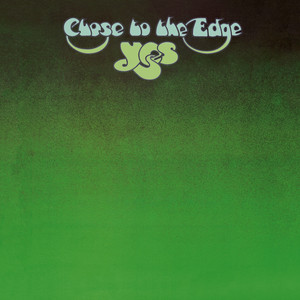
Yes’ fifth album finds the band on top form - performing at the peak of their abilities – Close To The Edge, indeed.
While the playing is tight and lucid throughout, many of the arrangements are gloriously out there, Prog at its most ambitious and daring. The 19-minute title-track – in four parts – is a case in point. It’s uninhibited in its scope yet provides focus for everything that follows. “And You And I” – also a four-part epic – is rightly considered a classic of the genre – equal parts mystical folksong and bucolic progressive bliss. Ending with “Siberian Khatru”, a galloping rocker, that builds and builds until its brilliant wiggy finale.
There’s no doubt, Close To The Edge is one of the great Prog records, and essential listening for fans of the genre.
10/10
A published novelist and poet long before his first album (1968), it’s no surprise that it’s the words that take centre stage on all Leonard Cohen records. Songs From A Room puts the listener in the room with Cohen, sharing the songwriter’s thoughts and feelings in an intimate, one to one style. It’s riveting and spellbinding, and sometimes a little too personal. The production and backing never intrude, which isn’t to say it’s dull or uninspired – in fact it’s occasionally odd - but frames his words strikingly.
“Bird On The Wire” is probably the most recognisable song on the collection, but it finds its equals in tracks like “Story Of Isaac” and “The Partisan”. However, this is a record that isn’t as strong as the albums Cohen released either before or directly after, so pales a little in comparison. Still, a fine record, just not his best.
8/10
Produced by Martin Hannett, Bummed sounds like the opposite of a classic Hannett production – it’s loose, spacy and a tad sloppy – even the vocals are a bit fudgy.
It takes a few spins to get into a sympathetic groove, but it’s worth making the effort. Its allure eventually surfacing through the gloop.
The lack of shiny is the opposite to radio friendly, so no hits to speak of - but the singles “Wrote For Luck” and “Lazyitis” sound pretty good. The former, a sprawling 6-minutes long and written specifically for the Hacienda dancefloor - the lyrics cryptically referring to a drug deal gone to shit. This isn’t the chart worrying Happy Mondays of Pills ‘n’ Thrills, but if you’re inclined to wear your jeans baggy, it’s still a lot of fun. I’m liking it more each time I play it.
7/10
The thing with Cocteau Twins’ Heaven Or Las Vegas is that it’s an incredible record - every track is fully formed, utterly gorgeous and exists in its own its perfect space. It’s certainly more direct, less ethereal than their previous records, but no less unearthly. Song titles such as “Cherry-Coloured Funk”, “Iceblink Luck” and best of all “Frou-Flou Foxes In Midsummer Fires” promise so much and deliver every time.
The trio sound so energised – Elizabeth Fraser captivates throughout, singing with real lucidity and Robin Guthrie’s guitar chimes and resonates, adding shimmering vitality to everything he touches. It seems almost ridiculous to type, but Simon Raymonde and the unnamed drum machine provide the perfect rhythm section.
As much a “head’ album as anything by Pink Floyd and their ilk, and equally effective as company on nighttime car journeys through unlit countryside – just spellbinding.
10/10
The Pretenders debut is rightly considered a classic. Its mix of ’77 punk, new wave and retro rock struck a chord with millions of music fans on the lookout for something new – but not too new. Both the album and the single “Brass In Pocket” topped the UK charts in January 1980 - which is quite the entrance.
Considering its vintage, there’s nothing post-punk or experimental in what they do, the albums success is down to Chrissie Hynde’s great songs, pop hooks aplenty, and a band who know when to keep it tight and when to swagger. The singles are all first-rate and all proved to be radio-friendly, but it’s the strength of tracks like the ferocious opener “Precious”, the reggae influenced “Private Lives” - which Grace Jones brilliantly covered - and the brutal “Tattooed Love Boys” - which took on a significantly more sinister interpretation after Hynde’s autobiography was published - that make Pretenders such a powerful artistic statement.
9/10
Released three years after the last Kyuss album, the Queens Of The Stone Age debut marks a progression of sorts. Josh Homme keeps the songs shorter for a start and the whole approach feels more focused and lighter. Depending on where you stand, this might not feel like progression at all, but it was a strategy that bore fruit, particularly if success is measured in record sales and concert receipts.
That’s not to say that when taken out of context, QOTSA doesn’t have its moments. Fascinating choices abound - openers “Regular John” and “Avon” hit the ground like desert seared Pumpkins and “If Only” brazenly borrows the Stooges “Now I Wanna Be Your Dog” riff. “Walkin On The Sidewalks” is a genuine standout, its tumbledown groove is instantly appealing, and its coda is just magnificent.
Later, things get looser, though not necessarily heavier, and unfortunately, it’s an album of mostly slim pickings. Fortunately, their next long player was Rated R, so not all doom and gloom.
6/10
I can’t say I’ve ever been a fan of Chicago’s debut - it’s all over the place and combines too many elements, which often don’t convince. Blues rock, jazz and sophisticated pop are the foundations of their sound, but it’s only the rockier tracks that really come together – tracks like “Introduction” and “South California Purples” being the prime examples. The jazz workouts aren’t that exciting when compared to their contemporaries and the pop stuff, “Does Anybody Really Know What Time It Is?” and “Questions 67 and 68” sound terribly dated, with more than a hint of cheesy TV theme about them. Originally a double album, there’s far too much of it as well, which doesn’t help.
5/10
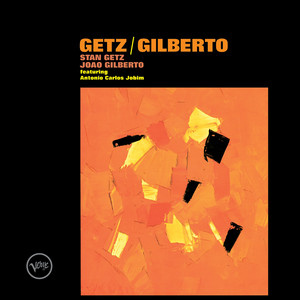
Getz/Gilberto is the album that cemented bossa nova’s place in jazz. It’s one of the genre’s biggest sellers, and its most famous track, “The Girl From Ipanema,” is arguably one of the best-known songs on the planet.
The album was recorded in New York with pianist / composer Antônio Carlos Jobim, and captures all three of them in supreme form, producing balmy rhythms and instrumentation so relaxed one can’t help but be transported to golden South American sands. Vocalist / guitarist João Gilberto is joined by his wife Astrud on “Corcovado” and the fore mentioned “The Girl From Ipanema”, her vocals adding another level of heady romanticism, and it’s a delight. Just lovely, from beginning to end.
10/10
I can’t say Synchronicity was my favourite Police album, though its release, and the singles that came with it, made them the biggest band on the planet. For all that, their last album is hardly a non-stop cavalcade of shiny new wave pop hits. Indeed, the first half features a couple of real dogs, one by Andy Summers which is plain rotten, and another by Stewart Copeland that’s instantly forgettable – it’s the better of the two.
The second half is straightaway better; “Synchronicity II”, “Every Breath You Take”, “King Of Pain” and “Wrapped Around Your Finger” follow in order - and the second of that bunch became the world’s best-selling single that year.
So, an album of two very different halves, but get past the missteps at the beginning and its place on the list becomes more logical. I still think I prefer all four of their albums that preceded it.
6/10
Willie Nelson’s Stardust was big news when it came out; outlaw country’s premier songwriter releases an album of American standards; it crosses over to the mainstream and cleans up on the charts. But you know, it’s understandable – it’s just a lovely collection. The songs are all well-known classics, but familiarity can breed contempt, and by applying his own idiosyncratic style, Nelson reinvents them and presents them fresh and new. And that’s it. Songs you know, stripped back and performed beautifully. It’s easy to understand its success.
8/10
Today was my first experience of Death In Vegas, and it’s been alright. I’m not a big fan of electronica, but there are things I like, and The Cortino Sessions has joined them. It’s probably down to the overall mood of the collection, and the guest vocalists who provide just about every highlight, from Iggy Pop on “Aisha” to the London Community Gospel Group on “Aladdin’s Story”. Opener “Dirge” is probably the exception, and my favourite – Dot Allison is the featured vocalist – and it’s the build-up and ultimate release that makes it special.
6/10
I understand that Lenny Kravitz has his fans, but I’m not sure even his most fervent supporter would argue that he’s an original. Take away his very obvious influences – Hendrix, Prince, Beatles, etc. – and what’s left is not very much at all. That’s not to say his records are completely without merit. They’re enjoyable enough, but why on earth are they on this list. Let Love Rule arrived unheralded and 15 years too late in 1989 – a very odd choice.
4/10
The beginning of Prince’s purple patch, when not only was he wonderful, but he was also extremely successful commercially. It’s fair to say, all the cool kids loved Prince, and obviously that included me.
So, apart from the brilliant title track, 1999 delivers on multiple fronts. “Little Red Corvette” is perfect dance pop, “Delirious” is pure ‘50s rock ‘n’ roll brought thrusting into the ‘80s and “Let's Pretend We're Married” is Prince at his most sexually blatant – very blatant.
To be honest, all the album’s big tunes are on the first half, so a little work is needed to fully appreciate the later tracks. Still, there is the extended orgasm of “Lady Cab Driver” to look forward to, so no major chore.
9/10
Lots of big, important albums came out in 1967, and Cream’s Disraeli Gears was one of them. Of course, 1967 was also peak psychedelia, and although Cream was very much a blues-rock inspired power trio, it doesn’t disappoint. In fact, parts of Disraeli Gears are really very trippy; the off-kilter blues of “Strange Brew” manages to be simultaneously quite odd and completely accessible, “Tales of Brave Ulysses” gives Eric Clapton plenty of wriggle room while Jack Bruce tumbles the words around – ominous and dark. There’s also the marvellous “Sunshine of Your Love” – a rock classic by anyone’s standards.
All three musicians, Clapton, Bruce and Ginger Baker sound great, and producer Felix Pappalardi keeps it tight throughout. Just a great rock album.
9/10
My second Prince LP in three days – I’m not complaining, especially as Sign “O” The Times is absolutely peak Prince. I had tickets for this tour in London, but Prince pulled the dates for some reason, so we all trekked into town to watch the tour film at a big screen cinema instead, blown away with the man’s brilliance and gutted that we weren’t getting to see it in the flesh.
As for the album, the title track is worth the price of admission all on its own – a stone-cold classic and genuine protest song (a rare beast in the ‘80s, outside of punk). There’s also plenty of other great tracks to be found here; “Play In The Sunshine”, “Housequake”, “U Got The Look”, “I Could Never Take The Place Of Your Man” and “The Cross” for starters. It’s an incredible collection, and a double album that doesn’t outstay its welcome for a minute.
9/10
Belle and Sebastian are one of those bands I often enjoy but never really love. Their 1996 debut is a prime example; there’s nothing here that offends me, but equally, there’s nothing the really excites. There’s no doubting their sophistication and lush approach to the indie aesthetic, but it does tend to wash over me, leaving very little in the way of a definite impression of what they’re about. File under pleasant.
5/10
Aimed squarely at the military ‘zombies’ that ruled Nigeria, the album – one of the highpoints of both Afrobeat and Fela Kuti’s career – stirred up a lot of shit and brought lots of attention to Kuti from both fans and the Nigerian government. The latter had the most impact, as his compound was raided by soldiers and burnt down, his elderly mother was thrown from a window – she later died – and Kuti was severely beaten.
As for the album, the original version contains just two tracks, the irrepressible, entirely essential title track and the less crucial, though still gratifying, “Mr. Follow Follow”. If you only ever listen to one Fela Kuti record, this one’s as good as any, but be aware, his catalogue is extensive and there’s plenty to like.
9/10
What is there to say… Scott 4 is one of my all-time favourite albums and has been in my top 10 for nearly forty years. I love every bit of it.
10/10
Man, this was huge back in the day. Four big singles with four fittingly idiosyncratic videos made Björk a fixture on MTV, and propelled Debut into the upper echelons of charts all around the world - selling five million records in the process. Such was the level of the album’s success; it was like the Sugarcubes had never existed and Einar Örn Benediktsson’s vocals were just a half-remembered fever dream.
Returning to Debut thirty-plus years later, it sounds just as remarkable as it ever did and operates on a charm level that’s difficult to resist. If there are doubters, stick on “Venus As A Boy” or “The Anchor Song” and assume they’ll come round to your point of view.
Debut rode the musical zeitgeist here in the UK, and its quirky playfulness still sounds fresh and full of joy. I’ve thoroughly enjoyed hearing it again.
9/10
I’ve owned this a couple times over the years on different formats, and it’s one of the great live albums; James Brown at the top of his game in front of an enthusiastic and vocal audience who feel very much like they’re part of the show. Crank it loud and it’s irresistible.
9/10
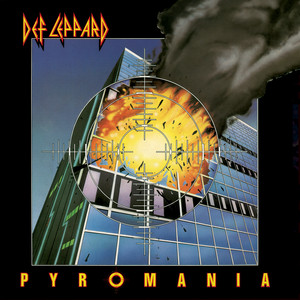
The commercial face of NWOBHM, I didn’t have much time for Def Leppard at the time, so it’s been an education of sorts listening to Pyromania 40+ years after it’s release. Though, I reckon I got it right first time - there’s nothing here for me. Pyromania is all about the flash, with next to nothing to say, and though the songs have plenty of hooks, nothing really sticks. It’s two-bob spandex power pop with one eye on the charts and the other on your girlfriend’s tits. I’ll pass.
2/10
Not my favourite Talking Heads album by any means, but it still plays pretty good. More Songs About Buildings And Food was their second long player – more confident musicianship and with a more expansive sound than their debut, courtesy I imagine of Brian Eno’s production. I don’t think David Byrne has yet quite found his voice here. It’s still a little too jarring for my ears, and it’s interesting (to me) that, arguably, his best two vocal performances on the record are last two, the cover of Al Green’s “Take Me To The River” and “The Big Country” – the later sounding like it belongs on a completely different album.
7/10
The album that made Dire Straits popstars and MTV regulars. The track that broke them “Money For Nothing” features a nearly two-minute intro from Sting warbling on about wanting his MTV, before the guitars hit like an electric shock. Unfortunately, the lyrics, with lots of references to “faggots” and “chicks,” haven’t exactly aged like fine wine, and in fact, didn’t sit particularly well for many in 1985.
My main problem with Brothers In Arms is it’s just not as good as their earlier records. Both the debut and Making Movies feel far more essential - but there’s no doubting Brothers In Arms captured a mood, and their timing (and the record label’s) was impeccable.
6/10
Parsley, Sage, Rosemary and Thyme was Simon & Garfunkel’s third LP, and it’s a lovely collection, it’s one fault being far too short in length – it’s dozen tracks fly by well short of half hour. The brilliantly complex “Scarborough Fair / Canticle” is the only track that clocks in at over three minutes, and the duo use every second wisely. The Martin Carthy arranged English folk song is layered with Simon’s "The Side of a Hill” and it’s an understated masterpiece with subtle anti-war message.
Other highlights include “Cloudy”, “The 59th Street Bridge Song (Feelin' Groovy)” and “Homeward Bound” – all well-known, and much loved by fans.
9/10
I always enjoyed Calexico more live that I did on record, though Feast of Wire isn’t too shoddy. The songs are for the most part quite concise, and there are some lovely musical moments, but unfortunately, Joey Burns vocals consistently get lost in the mix. My highlights are “Black Heart” – its cinematic arrangement is wonderfully evocative of small-town western drama - and the folky pop of “Not Even Stevie Nicks…” which reminds me of the much-missed Orange Humble Band.
6/10
Ray Davies was always one for a bit of nostalgia, and The Village Green Preservation Society is peak nostalgia for an England that Davies most likely plucked from his imagination. Wherever Davies found his inspiration, the results were heady stuff indeed - but not a huge success when it was released. Probably because songs about Mum and Dad’s photo albums and steam trains weren’t quite the thing at the time - at the height of multi-coloured psychedelia, The Kinks were soaking their songs in tea-stained sepia.
It matters not a whit. The Village Green Preservation Society is a wonderful collection of songs; its charms are timeless and thoroughly rejects a modernity based on pie-crust promises – a Mary Poppins reference there for the cool kids.
Top tracks: the title track obviously, plus “Picture Book”, “Last Of The Steam-Powered Trains”, “Big Sky”, “Village Green”, etc. etc. etc.
10/10
It was always going to be a tricky proposition following Rumours, and for me Tusk fell well short. For a start, there’s far too much of it. Twenty tracks are a lot to process, and much of the album feels directionless and a bit dull. Though not all bad. The two big singles, “Sara” and the title track are obvious highlights. The former sounds like the classic Mac of the two previous records. The latter is the most strikingly different track on the album (though “The Ledge” gives it a run for its money); percussion heavy and sacrificing melody for pure drive. It’s joyous and bonkers, with an excellent accompanying video - if that’s your thing.
6/10
Wiki tells me Dave Grohl wrote the first Foo Fighters album and then recorded it himself in six days, with the assistance of producer Barrett Jones. I’ve never really engaged with Foo Fighters, so the album’s origin story was new to me, and inspired some serious listening.
It’s a very good record, but unfortunately doesn’t arouse the same kind of emotional response the Nirvana records did, but how can it? Kurt Cobain’s vulnerability was at the core of everything Nirvana did, whereas Foo Fighters sound supremely confident, and far too frothy for serious scrutiny. It’s a fabulous pop grunge record, but I’m not sure that’s a good thing. Needs more angst.
7/10
A rightly famous jazz LP that caused a stir at the time and still sounds pretty amazing today. Probably the only people who can write about jazz with any authority are jazz musicians, so I’m not going to get into any musical detail here but will simply say that the playing is joyous and brilliantly performed, and the audience are enthusiastically loud and obviously enjoying themselves immensely. The whole vibe is utterly infectious and it’s impossible not to get swept away with it all. Wonderful stuff.
10/10
A much-loved album amongst rock fans, but to be honest, not really my thing. I first heard Van Halen around the time of their 1984 LP, and the ubiquitous “Jump” single. I disliked everything about it, from the one-fingered synth riff to the over enthused video posturing (big hair, tight spandex and much jumping around).
The 1978 debut is much more agreeable. For a start it’s a great guitar album – flashy and loud, but always impressive, and even the singer is less annoying here, occasionally even bordering on likeable.
There’s not a track that really stands out as a classic, but I found myself happy to be in its company for 35 minutes. Much better than I expected.
7/10
During the mid and late ‘50s Frank Sinatra was banging out a couple of albums a year, most of them brilliant. Songs For Swingin’ Lovers! is one of the best. Sinatra’s fabulous voice and phrasing, and the richness of the material is a wonderful combination, but it’s hardly a solo effort. Nelson Riddle came up with some exceptional arrangements and older songs like “I've Got You Under My Skin” and “Pennies From Heaven” sound as fresh as daisies, and its credit to both him and Sinatra that these recordings sound like definitive versions.
A couple of interesting things. This is the original cover, with Sinatra looking gormlessly away from the swingin’ lovers. It was replaced a year later with the more familiar sleeve, and Songs For Swingin’ Lovers! was the first UK’s no. 1 LP.
10/10
If I remember correctly Johnny Cash’s two prison albums – this and At Fulsom Prison – were the biggest selling country albums of all time until Garth Brooks turned up. Personally, I think Fulsom Prison is the better of the two, though San Quentin has plenty of fine moments. The first being the opening number, a version of Bob Dylan’s “Wanted Man” - which he’d only learnt from Dylan the previous week. It feels custom written for Cash, and it may well have been.
The song written specifically for the show “San Quentin” is pretty good, though no “Fulsom Prison Blues”. The inmates are suitably enthusiastic and insist on an immediate repeat performance. In fact, several of the album’s highlights are Cash’s interactions with the audience, which, once the novelty wears of, doesn’t make for repeated spins.
7/10
I like a bit of jazz fusion as much as the next man, but I’ve never quite understood the buzz about Heavy Weather. The piece that garners the most accolades is “Birdland”, a track that makes me think of BBC sporting themes – possibly snooker – and sets the tone for an album that feels desperately safe.
5/10
Well, it all sounds gorgeous. The arrangements swoop and soar, and young Wainwright understands the dynamics of an epic pop song like few others. I’m not sure that he’s got much to say and I’m not sure I care, because Want One is an album to lose yourself in, and his voice and words just add to the splendour.
Highlights are plentiful, but really it’s a luxurious bathtime soak of an album, with never-ending hot water and a whole bottle of Radox chucked in – the blue one. You gotta get out at some point, but not yet.
8/10
Chart pop isn’t my thing, and I’ve not listened to music radio since the mid ‘80s. But even from this position of supreme ignorance, I know Adele is a big deal and could probably name two of her songs without any prompting – I know, impressive.
However, this is my first time with one of her albums, and it’s not what I expected at all. I thought it would be more fun. I don’t know why, but I assumed a ridiculously successful artist with a happy homelife and a new family, would be writing songs that reflected her experience – instead, 25 is a ballad heavy ball breaker of an album, with songs mostly steeped in regret and nostalgia.
There’s no doubt that she sings the shit out of everything put in front of her, and in the moment, she believes and lives every word. It’s undeniably a collection of great performances and, for her fans, that’s probably enough, but I’m not anywhere near convinced. Sorry.
4/10
It’s been at least 20 years since I played any Blur – probably this album. “Song 2” got me back into them after the disappointment of The Great Escape, and it still sounds like a glorious blast of artistic regeneration. In fact, the whole album draws a line in the sand – the end of Britpop and the beginning of a new adventure.
The first half of the album is a smorgasbord of different styles and approaches, not so much to see what sticks, but the delight in trying out something new. It’s to the band’s credit that so much of it works.
Highlights abound – the fore-mentioned “Song 2”, the lo-fi chug of “Country Sad Ballad Man”, the adrenalin fuelled pop perfection that is “M.O.R.” and the eight-minute plus closer “Essex Dogs” – with its furtive spoken-word hum and buzzy electronics.
It’s been a sweet couple of hours getting reacquainted.
8/10
I liked the first Supergrass album a lot and played it to death. Its charms were instant. In It For The Money was a different proposition altogether. A grower by all accounts that needed time to bed in. Unfortunately, by ’97 Britpop was losing its lustre, and I wasn’t prepared to give it any time at all. Listening now and reading a little about it - NME placed In It For The Money at number 57 in its list of the 100 Greatest British Albums Ever - I’m still not blown away.
Seriously, what were NME thinking?
6/10
I remember the singles from back in the day… “From Out Of Nowhere” still sounds brill – those keys! “Epic” remains a touchstone track, and “Falling to Pieces” could’ve been a contender. I wish I’d bought the album.
8/10
Featuring bassist Scott LaFaro who died ten days after the recording was made - the album features two LaFaro penned tracks, and the bassist is front and centre throughout the recording – Bill Evans tribute to his fallen bandmate. It’s an excellent record, with the trio working brilliantly together, and plenty of space provided for solo improvisations. It’s been a go to jazz album for me for many years, together with its sister record Waltz For Debby.
9/10
Extremely happy to see this one turn up – heard lots of good reports, though never got around to listening before now. First impressions are very positive, and two spins in and I’m really enjoying the mix of electronica, dub and Café Exil-style Eurocentricity. It all feels very ‘70s, cultured and old, but weirdly contemporary. A real find!
9/10
Not my favourite New Order album by any means, but it has its moments. “Fine Time” is a dancefloor banger and “Mr. Disco” links back nicely to the older stuff. For me, a solid enough record, but not outstanding.
7/10
Produced by Rick Rubin, Reign In Blood is rightly considered a thrash metal classic. I like my metal either slow and gloomy or fast and lean, and Reign In Blood is a prime example of the latter.
9/10
Four songs in 45 minutes, Hot Buttered Soul was a turning point for soul and R&B, and ushered in a whole new approach to the genre(s). For me, the standout is the opener, the 12 minute “Walk On By”. Hayes’ vocal performance is pure soul, and his band – with added strings - keep it taut and funky.
8/10
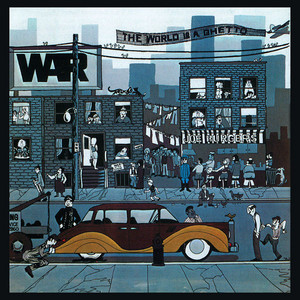
A genuinely eclectic mix of Latin, soul, funk and rock, which never feels forced or anything less than a natural outpouring of groovy music to dance to.
Only six tracks here, but more than its fair share of bangers. The opener “The Cisco Kid” is an exuberant celebration of the Hispanic TV western character (I’m not sure we got it over here), “City, Country, City” is a band workout with solos for everyone - it sounds so animated and dynamic – while the title track is a huge statement piece, a soulful blues for the new generation coming though.
One of the cornerstones albums of ‘70s urban music.
9/10