This is another record that I know fairly well. There really isn't a bad Roxy Music, but the early records are particularly exciting. That quality is often attributed to Brian Eno who was on the first two albums, but that ambition can be seen on the two records recorded after he left. This is the last of the records made with Eno and it's really fantastic. It builds on the qualities of the excellent debut and is perhaps even better. As a high glam album, it has a foot equally in the history of rock and roll and the avant garde. I really appreciate the use of horns on this record, the romantic and post romantic melodies, and the really strong songs. It would seem that Bryan Ferry's voice is quite divisive because of its theatrical and unconventional qualities, but I really like it and its perfect for the record. I have this on CD but I really need it on lp.
1001 Albums Summary
Rating Distribution
Rating Timeline
Taste Profile
Breakdown
By Genre
Tap a bar to see the albums behind it
Top Styles
Tap a bar to see the albums behind it
By Decade
By Origin
Albums
You Love More Than Most
| Album | You | Global | Diff |
|---|---|---|---|
|
Metal Box
Public Image Ltd.
|
5 | 2.41 | +2.59 |
|
Bone Machine
Tom Waits
|
5 | 2.85 | +2.15 |
|
Out of Step
Minor Threat
|
5 | 2.95 | +2.05 |
|
It's A Shame About Ray
The Lemonheads
|
5 | 3.12 | +1.88 |
|
They Were Wrong, So We Drowned
Liars
|
4 | 2.13 | +1.87 |
|
Machine Gun Etiquette
The Damned
|
5 | 3.16 | +1.84 |
|
Being There
Wilco
|
5 | 3.23 | +1.77 |
|
Daydream Nation
Sonic Youth
|
5 | 3.29 | +1.71 |
|
Horses
Patti Smith
|
5 | 3.3 | +1.7 |
|
Yankee Hotel Foxtrot
Wilco
|
5 | 3.32 | +1.68 |
You Love Less Than Most
| Album | You | Global | Diff |
|---|---|---|---|
|
Histoire De Melody Nelson
Serge Gainsbourg
|
1 | 2.71 | -1.71 |
|
25
Adele
|
2 | 3.37 | -1.37 |
|
Hysteria
Def Leppard
|
2 | 3.19 | -1.19 |
|
The Wall
Pink Floyd
|
3 | 4.12 | -1.12 |
|
Tuesday Night Music Club
Sheryl Crow
|
2 | 3.06 | -1.06 |
Artists
Favorites
Tap an artist to see their albums
| Artist | Albums | Average |
|---|---|---|
| Wilco | 2 | 5 |
5-Star Albums (22)
View Album Wall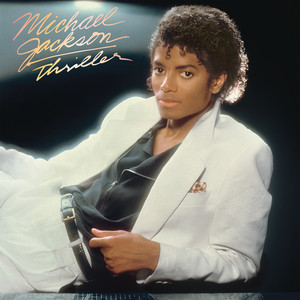








Popular Reviews
I've been listening to this record for decades at this point. It was nice to revisit it. I've always thought of this record as their best album and that hasn't changed with the relisten. It's clear that the new line up has solidified at this point and the band has broken away from the often a bit leaden sound of the first two albums and some of the fairly interesting electronic experiments of Kaleidoscope. One of the things I noticed from the last listen was how important Budgie's drumming was to the sound. It allows them to hold on to the heaviness of the first couple records without the kind of leaden sound. The rest has embraced the more postpunk sound being developed, although you can hear the poppier and more psychedelic elements seeping in. Those later records are really good, but this has a nice sense of balance. All the songs here are fairly amazing. The first half is more immediately engaging, but the second half with its slower tempos (at times) sneaks up on you. At this point, Head Cut and Night Shift might be my favorite songs on the album, but it took a while for me to really appreciate them. Also, despite the band's aversion to being associated with goth (which they share with a lot of bands that share that label), its fairly understandable why this album has that association and I suspect that it had a very big influence on that subculture.
The first couple UB40 records are pretty good. This is a really enjoyable political reggae album. Apparently, these folks got connected to the two tone scene, but this stuff is a lot more politically sophisticated than that material at the time. (That will look very different in a year or two, but look at the lyrical content of the first Specials album. It's fantastic, but those guys aren't exploring socialist consciousness in any way.) This is really listenable. The lyrics and the vocals are good. I will definitely listen to this again.
My views on this band and album have changed fairly drastically over the years. I had started with a fairly negative view of both. This material was simply too associated with MTV for me to engage. Looking back, I don't regret the music I listened to, but I wasn't particularly fair in my judgement of quite a bit of music. This album is actually pretty impressive and its understandable why it sold so well. Duran Duran bring in funk elements to its previous electronic new wave sound to very good results. The hooks are instantly memorable and the songs bring in a lot texture through the use of base, synth, and guitar. Great drums as well. Everything is good here and this could have had more than three hit singes.
4-Star Albums (71)

































1-Star Albums (2)


All Ratings (155)
Beyond a couple greatest hits collections, a collaboration with Frank Sinatra, and a trio record, I haven't heard a lot of music by Count Basie. This collection from 1958 consists of a set of tunes written by and arranged by Neal Hefti. I really can't argue with its inclusion in this collection. It's a really enjoyable record. It is still firmly within the swing tradition, but there are a few Ellingtonian moments on the record. The melodies are fantastic, the arrangements are good, and the playing is excellent. I would definitely pick up this record if I come across it as a record shop.
I haven't really heard a lot of the Rush catalog, but this is a record that I have heard previously. Listening to it again, the first half of this record is really good. It's a rock opera sequence that is apparently influenced by Ayn Rand and its honestly kind of gloriously silly. It's catchy and its memorable. The bad guys get the best songs. The second half of the record is a bit more of a chore to get through. The songs are... fine I guess. I might have a better view if I was a bigger fan of the genre, but these largely feel like forgettable moody hard rock with a ballad tossed in. I'll definitely go back to the first half of this record, but probably not the second half.
This is a familiar record for me. It has a couple of Iggy's best known songs, Lust For Life and The Passenger, and its probably the most respected and well known of his solo records. The first side of the lp is uniformly excellent and is a good as anything that Iggy Pop has recorded. A lot of the music was composed by Bowie, but the last track, Tonight, really sounds like a Bowie track. The second side of the record is a lot weaker. Success isn't a bad track, but it feels pretty insubstantial and Turn Blue really drags. The last two tracks are solid though.
The singles from this record were fairly inescapable when I was growing up, but I realized that I really have never sat down and listened to Thriller as an album. I often think about this record as being distinctly different than Off The Wall, but the sound of the first half of the record has more continuity with that sound than I remembered. There is the inclusion of a much more mechanical drum and percussion sound that indicates the shift in time, but the material is still working in some of the same post-disco soundscape seen on Off The Wall. It's really, really good. The weakest track is the collaboration with McCartney, but that still is a pretty good song. The next half of the record takes a dramatic shift in sound. This feels like the dramatic shift in sound that I was expecting. It's more stripped down than the first side. Beat It apparently was supposed to be the rock song, influenced by The Knack. It's fine. Never been a favorite. It's then followed by Billy Jean, which returns to the disco influences, albeit in a far more stripped down fashion. I've always loved this song. Human Nature is the kind of ballad that I typically really don't like from this era, but it's making the most of the approach. PYT is another upbeat track in this more 80's sound. You could probably toss into a new wave/new romantic mix without jarring the listener much. It's good. Finally, the album ends on a ballad that again isn't my favorite approach, but its good for what its doing. I always thought of this record as being somewhat inconsistent but good. That is not true. There's nothing bad on this album. It's great. It deserves the praise it gets. Definitely a five star album.
I had heard the two big singles from this record, but that was about all. It's an interesting shift from Joshua Tree, which some how manages to sound expensive because of the ornateness of its production and seems to be dead set on sounding like the most important band in the world. This feels a lot looser. The group is picking up on the synthesis of rock and dance music that was percolating up during the late 1980's and early 1990's, and you hear it here with the post-punk influenced base and guitar with dance oriented drums. The Edge's guitar is louder and the guitar sound is rawer for most of the record, with a couple breaks for ballads. I'm probably not going to rush out to buy, but its honestly a pretty good record.
I think that I will stick to a simple and very subjective evaluation of this record: it's not for me. There is some real talent on this record and clearly a lot of people love it, but I am not one of them.
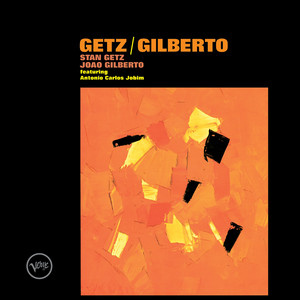
This isn't the first time that I have listened to this album, and I still really like this combination of bossa nova and jazz. It's definitely a record that I will listen to again.
This band came up around the time that we saw a bit of a post-punk revival and this material largely fits within that revival. Unlike some bands who were more interested in nostalgically exploring sounds from that period, Liars seem like they were more focused on building on the experimentalism of the period. This is a record that is more focused on using sound to create a sense of texture, beat and rhythm that creating melodies. The result is a series of sounds that could be fit within the tradition of motoric rhythms found in 'Krautrock' with noisy textures placed over it, mixing traditional rock instrumentation with electronic sounds. The tracks at time build into fairly hypnotic riffs that arise out of that interaction. The lyrics over that frequently reproduce that repetition and consist of vaguely menacing nonsense phrases with emotional effect. The effect gives the record a kind ritualistic or incantatory quality. It's really fantastic overall, I really love this record.
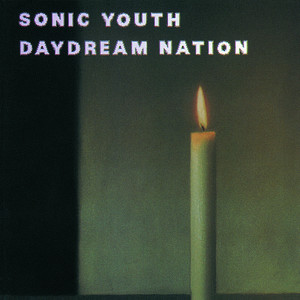
This is another record and band that I am fairly familiar with. I really think of this record as a kind of capstone to the music the band developed in the 1980's, showing what was possible with the kind of sonic exploration it was engaged in during that decade before moving onto other musical ground. The record reflects the shift from the often quite rough experiments with tuning and guitar dynamics in the early records as those elements were smoothed out and integrated into stronger song writing as the decade went on, particular on EVOL and Sister. This expands on those shifts and all of the songs here are excellent. The guitars weave together hypnotically and the structures of the song expand in ambition. My favorite records from the band are the rougher EVOL and Sister, but I can definitely understand why this is a favorite record for many.
The Yeah, Yeah, Yeahs started off firmly within the post-punk revival of the early aughts and this record reflects them moving away from that sound in a way that reflects some of the musical trends of the period. It moves away from the guitar-bass-drums sound heard earlier and is much more keyboard driven, It also moves away from the kind of angularity of the earlier material, although those qualities are not entirely absent from the record. This is something that I might have been a bit more critical of when I was younger, but honestly the shifts work well for the band and they make them in a way that holds onto their identity. It would probably be fair to also call this a more eclectic and ambitious record than the previous work. Off with their heads is a fantastic single and the work is consistently good, ranging from the upbeat material to the slower material. All in all a very good record that I will probably pick up if I get the chance.
This is the first time that I think that I listened to this record in a concentrated manner, but I have seen them live at least once. This is a really beautiful record. This record has a fairly minimalist sound pallet of voice, bass, guitar, synth, and drum machine. It also has two vocalists, who at times exchange lines in the song. You can hear indie and post punk influences throughout, but those influences cohere into something that is distinctly their own. The Intro sets up the expectation that there is going to be more of a dance influence with this record, but that influence is tamped down once the record starts. The songs are strong and there is also a strong ambiance throughout the record. I'm being presented quite a few records from the aughts recently and its been at this point, pretty uniformly good.
This is a pretty solid album. At times, it still draws from psychedelic music and folk rock, but there are moments the record points to the future of hard rock in the 1970's. There are moments it even gestures towards glam. I like the moments when it expands its sound and the use of horns is enjoyable. I will probably listen again at some point.
Overall, I thought that this is a solid album. It's labeled a country album, but a lot of this could be put into a compilation of roots rock without turning a lot of heads. You can see some of Earle's social justice views in the songwriting, but a bit more hidden than the later work. At times, the 80's production sticks out, for instance with the use of synthesizers at times, but nothing too egregious. I like some of his other records more, but this is pretty good.
Looking at some of the comments, this record looks like its a fairly divisive one. I'm definitely in the pro camp for this record. It's a record that I own and its pretty familiar to me. Someone else described this is the intersection of rock and roll and beat poetry and that feels like a very apt description for the record. You're getting a mixture of what might be called spoken word performance with traditional song structures. I really love Smith's voice, but her vocal approach isn't always conventional, which is fine by me. Smith often gets placed in the punk camp, because her involvement in the NY scene and the often incendiary quality of her performances, but it doesn't really fall under the aesthetic qualities that I associate with punk. That isn't a criticism for me. It's a great moody rock and roll record and should be a point of discussion in any list of the best records of the decade and century.
This record created quite a bit of buzz and controversy during its creation. The record company refused to release and there was quite a fight to get it out. I don't quite understand the resistance. There is certainly quite a bit of ambition in the arrangements and production. That is most evident in the very busy and demanding production of "I Am Trying to Break Your Heart' but it can be heard throughout the record. At the same time, there are a really beautiful set of songs produced by that process and a few of them feel immediately like they can be hits. A great album. As much as I love this album, I might recommend starting with Being There or Summerteeth.
It was interesting to see how big a seller this record was. I can see why. The singles really get stuck in your head and this offers a pretty accessible version of its sound, which is dominated by a slick and heavy r&b sound, with rock and gospel influences. It was a sound that a lot of bands were embracing around this time. It contains a number of fairly eclectic tracks as well, including an arrangement of a theme by Eric Satie that opens and closes the record. There are also moments where there is a strong jazz influence. Overall, it's a solid record made by very talented musicians, but there is something a little too slick about it for me. Still very listenable.
Just a small note: I am responding the orignal lp, rather than a deluxe edition. The immediate thing that struck me about this album is how catchy it is. You're getting all the starts and stops and time signatures and all of that, but it also has really immediately engaging melodies. Roundabout really is a smart way to start this process, but for the most part the other songs are as engaging. The only exceptions are two of the instrumentals. The keyboard arrangement of Brahms' 4th is kind of a genuine mystery. Wakeman is clearly a talented player and the arrangement is well played, but it just doesn't feel like it belongs on this album. The record would just be better without it. The solo guitar piece also doesn't quite fit, but feels less dramatically out place. Those are the two points that keep this from being a five star record.
This is definitely a familiar record for me. Magazine is Howard Devoto's band after leaving the Buzzcocks. It's a post punk in as far as the album is an effort to break out of the constraints of punk, but its also a reminder that those sorts of efforts often look quite different from each other. This record, while still bearing the influence of punk, has a lot of earlier influences. I can hear a bit of Roxy Music and other earlier art rock records. I really like the inclusion of the keyboards and occasional saxophone. However, there are moments such as Shot By Both Sides, which have a more traditional post punk sound to it. Overall, a very good record.
I can see why this record is included here. It's bringing in a lot of interesting influences into his production, ranging from funk and soul to reggae. At times, the downtempo music creates atmospheric moodiness, but other moments feel a little sterile. However, it gets brought into a loops oriented electronic music that feels like its designed for the background of a party that creates a vibe while largely being ignored. It's fine, but I probably won't listen to it again.
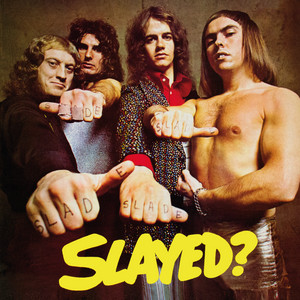
My initial point of comparison on hearing this record was AC/DC. The vocals and the lyrics in particular are similar to them, but the music is as well, although not in all cases. Ironically, this record came out years before there were any AC/DC records and it sounds more like late 70's than early 70's AC/DC. There are some exceptions like the slow burning "Look at Last Nite' and "I won't let it happen again'. They also do a pretty good cover of Janis Joplin's Move Over. A great hard rock album with touches of low glam. I'm definitely going to listen to this again and will pick up a reasonably cheap copy of the album.
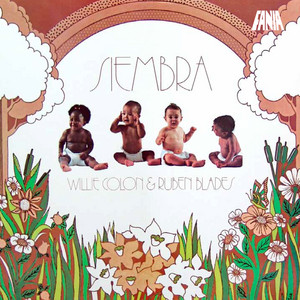
This is a really fantastic record. As far as I can tell, everything that Colon put out in the 1970's is great, and this is no different. The record opens with thirty seconds of disco, but gracefully shifts to a more familiar salsa sound and really doesn't look back. What follows is a series of really engaging songs that work within those genre conventions. Ruben Blades' vocals are also really good. Although, Colon's work is pretty consistently fantastic, I can see why this is so well regarded. Yes. The album cover does kinda look like a pampers advert.
This is another record that I know fairly well. There really isn't a bad Roxy Music, but the early records are particularly exciting. That quality is often attributed to Brian Eno who was on the first two albums, but that ambition can be seen on the two records recorded after he left. This is the last of the records made with Eno and it's really fantastic. It builds on the qualities of the excellent debut and is perhaps even better. As a high glam album, it has a foot equally in the history of rock and roll and the avant garde. I really appreciate the use of horns on this record, the romantic and post romantic melodies, and the really strong songs. It would seem that Bryan Ferry's voice is quite divisive because of its theatrical and unconventional qualities, but I really like it and its perfect for the record. I have this on CD but I really need it on lp.
I've never heard this record before the last couple of days, but the singles were fairly inescapable. Listening to it, its pretty clear that this is a product of some pretty talented musicians who have a good grasp of roots music and a production team that knows how to package and update that sound. Crow is a talented singer and fairly strong songwriter. I tended to prefer the slower songs. It's also just too slick for my tastes and I'm almost certain to listen to it again.
10 songs-30 minutes. This record certainly doesn't outstay its welcome. It's a decent rock and roll record that both sounds of its time and embraces the nostalgia that you see in rock at this time. "The Wild One Forever" wasn't great and felt a bit derivative of Springsteen, while "American Girl" really soared.
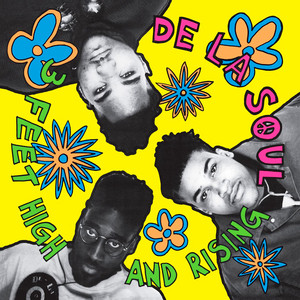
I've been listening to this album for years and its one of my favorite hip hop records. This is more or less a product of a group of teenagers raiding their parents record collections to create a world of their own. (Produce Prince Paul was a couple years older.) There are definitely moments where its clear that the songs are a product of goofing off, but most of that works for the record, with the exception of the slightly eyerolling De La Orgy. That work always returns to a set of strong songs. The record also provides a kind of narrative of skits that run throughout the record. For the most part, I really don't like the skits on hip hop records of this era, but De La Soul is the exception to this rule and the game show narrative really holds up. A genuinely unique and really fantastic record.
This one is pretty bad. The theme of the 'concept album' is fairly horrifying and doesn't seem to have the kind of critique found in Lolita. The vocals are largely spoken with a little singing every now and then. They aren't particularly engaging to me. I can see why the music was influential and why it influenced groups like Air and Portishead, but frankly they take the ideas here and use them to better effect. Also, the more interesting moments are overwhelmed by the moments where the music pulls back to not particularly interesting repetitive background music for equally uninteresting spoken word monologues. There are really some deeply tedious moments on this album. Ultimately, the back up band is fairly talented, but is wasted. This album is 28 minutes long, but it frankly feels much longer.
This is not a surprising inclusion on the list and is a record that I have listened to many times, although it has been a number of years since I last listened to it. Looking back, it's remarkable how quickly Dylan's sound changed in his early career. The classic 'folk' era really only lasted two albums. Another Side of Bob Dylan isn't as controversial as this record, but it was already moving away from that sound and certainly the political focus of the previous records. This is a definite move away from that sound and the first song, "Subterranean Homesick Blues" is an immediate signal of that change. The first seven songs fully embrace a full band approach, while the last four songs return to Dylan alone with his guitar.The lyrics more fully embrace the surrealistic elements seen on the earlier records and often parody some of the more sincere elements on those albums along with some more personal songs. For some reason, I always thought of this is the more tentative introduction of those elements, but listening to it again, it has more in common with Highway 61 Revisited than I remember. That album is still my favorite Dylan, but this is a very good album.
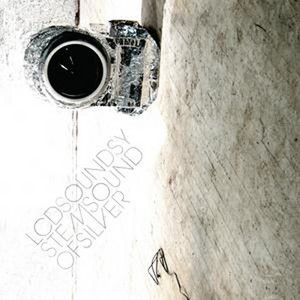
It's been quite a while since I have listened to this album in its entirety. However, I've seen most of this material live on multiple occasions far more recently. This is a really good record. It builds on the strengths of the first album and brings in more sophisticated arrangements and stronger songwriting. Murphy's vocals also have a lot more range and the amount of deadpan irony that defines the first album is reduced. The first record is quite good, but often feels a bit like a novelty product. This is no longer the case for this record. It often feels like a version of Suicide that listened to disco rather than rock and roll and had more money for instruments and techology. (LCD Soundsystem really doesn't hide its influences and a more extensive review would probably bring in a lot more names, but I think that this doesn't detract from the band producing its own sound.) The unfolding textures and patterns used to build the songs is really hypnotic and the length of the songs feel warranted. That description doesn't apply to the entire record and songs like"Someone Great" and "All My Friends" bring in more sentiment and conventional song writing to the mix. However, I'm just not a bit fan of "New York, I Love You, But You're Bringing Me Down." It's definitely a fan favorite and frequently is show closer, but I think I would like the record more without. I guess I'm just not interested in a LCD Soundsystem ballad.
Jazz musicians of this time period who consciously draw on elements of rock and r&b are placed within the category of fusion, but there really isn't a similar category for rock musicians like Steely Dan who bring in elements of jazz to create a different flavor of rock music. Overall, I think that this is a decent album. Steely Dan know how to write a hook and the commitment to more ambitious arrangements and playing largely complements those hooks. It really does set the band up for two audiences: on that enjoys the immediately accessible hooks and another that folks on the way those hooks are explored and reshaped through the musicianship. I think that I actually tend towards the first group with this band. This will never be one of my favorite records, but its very listenable.
This was apparently a massive hit and I can see why. The record is recorded in a few locations, from Nashville to London and Southern California. The Nashville material unsurprisingly brings a country tinged inflection to Young's sound, which works fairly well. The London tracks are with an orchestra and are probably my least favorite. "A Man Needs A Maid" is particularly overwrought, but "There's a World" works a bit better. Alabama Man's lyrics may have been a bit ill conceived as Young himself says, but it holds up pretty well as a song. The hits on this record are easily understandable as hits but don't particularly move me. That might be a product of hearing them so often, so I see this as more of a me issue. On the other hand, my favorite part of the record comes with the last two songs. "The Needle and the Damage Done" is a beautiful solo track and captures the sense of tragedy that is attempting to represent. The transition into "Words (Between the Lines of Age) is really spectacular and its almost as if the emotion of the first songs explodes into the far more dirgy sound of that last song, which is fantastic. (It might not be entirely surprising that I tend to prefer the records just after this album, based on this alone.)
This is another record that I had never heard as an album, but contains a lot of pretty familiar songs. I really don't have a lot to say. This record is really fantastic. It's a beautiful recording. The songs and performances are fantastic. It's entirely understandable why this is such a well regarded record.
Oddly enough, this is the first time that I have heard this album. It feels a bit like a transition point between the earlier work and the more jazz influenced work to follow. On one hand most of the songs feel like they wouldn't be entirely out of place with the earlier records, but the arrangements and vocal approach is different. The songs almost all have larger arrangements, including horns and strings. The vocals are often multi tracked to create choral effects. It creates a distinctively different feeling than before. I'm not sure about it. There is certainly an effort to move forward and create a new sound, but I think I prefer the earlier records. Still, its an interesting document and one that I might warm up to if I return to it later on.
This is another record that isn't really to my taste. It's touring a number of popular electronic dance subgenres and is fairly well done, It's just not really for me. There are a few exceptions. I liked Red Alert, Bingo Bango and a few others. Same Old Show was pretty tedious on the other hand.
This is the first time that I have heard this album, but I have heard a couple of the records that came after this album and its not a dramatic change in their overall aesthetic. It's a dream pop album that probably is influenced by the later work of the Cocteau Twins. It has a lot of that atmospheric sound, but has enough differences to give it its own voice. Not a spectacular and innovative album, but one that produces a group of engaging songs. Solid work.
I am experiencing this record as a kind of sequel to the Getz/Gilberto record that I heard a number of days ago, but this actually came out a couple years earlier. In contrast to that album, this record sounds more like a conventional jazz album, probably because the absence of vocals. It's as enjoyable as that later record though. I'm enjoying the songs and the performance of the musicians is good. I'm definitely going to listen to this again and would pick it up at a fairly reasonable price.
This is another album that I know the singles, but never listened to the entire album, despite having heard the previous album many times. My initial impression is that this is not a dramatically different album than Check Your Head in terms of its basic aesthetic palate: we're getting some straightforward hip hop, forays into funk oriented hard rock and punk and some instrumental moments that explore elements of soul and r&b. Like its predecessor, the album tends to get a bit more eclectic and experimental as it goes a long, bringing in more instrumentals and oddball tracks. A couple later tracks bring in an interest in Buddhism, that on paper feels like it might be a bit cringy, but the mix of sounds actually works pretty well. Transitions is not a bad track, but is an oddly downbeat ending to the record. I tend to find myself feeling the same way about both albums, having a feeling that this album could have been a little shorter, without really being able to label the track that really needs to be cut. This represents the band continuing to build on its strengths and leads to a very good album.
Most people note the strong influence of Big Star on this record, which is pretty inescapable. It's pretty much a Big Star record updated for the 1990's, which means you lose the lingering psychedelic elements and get a louder, more buzzy distorted sound to the guitars, although you can still hear the influence on the riffs if you listen closely enough. That might sound a bit dismissive, but honestly its pretty fantastic. The songs are all really catchy and the shifts in sound from a more high energy sound to something a bit closer to something Big Star could have potentially released themselves really holds up. There's even a song with some horns that works well. The last couple of sounds have a more traditional indie sound, and are still pretty good. I liked this record when it came out, and its still great.
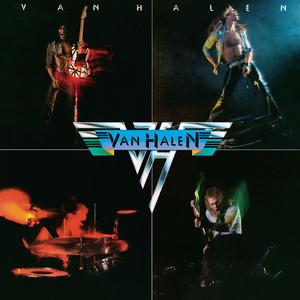
I can see why this probably felt like such a breath of fresh air in the late 1970's. It largely ditches the sounds that hard rock had been developing for something a bit different, something that gestures towards the future. (I'm not a fan of that 80's sound, but Van Halen makes it feel like its going to be an exciting decade.) Perhaps the only analogue that comes to mind are some moments from Queen. Eddie Van Halen is a really flashy player, but can also write a pretty good riff. David Lee Roth isn't a spectacular singer, but he's good enough and his charisma comes across. The rhythm section is good as well. It's also a band that sounds like they are having a lot of fun. The Kinks cover is even growing on me. The only thing I would have left out was Eruption, but that's under two minutes long. Van Halen spent a lot of time as a big touring act without a contract I believe and that ability to engage an audience is fairly evident here. I like this record.
I was a little surprised this was on the list, but I guess it made a bit of a splash when it came out. Overall, it's a pretty decent record. I still enjoy the beats and sound on the record. Other artists have used these basic ideas to greater effect, but this still holds up. M.I.A.'s vocals seem to be divisive, but I'm still a fan. Her range is a little limited, but I like what she does with that range. Lyrically, this is a bit less impressive. It often feels like nonsense with a liberatory/transgressive sheen, but you could argue that the vibes matter more than the substance.
This is The Damned's comeback album after their fairly unpopular second album. This is definitely a return to the more punk oriented sound on the first album. It jumps to a fast start with the pairing of "Love Song" and the title track, "Machine Gun Etiquette." It continues with songs such as "Anti-Pope", "Noise, Noise, Noise" and others. However, that isn't the only sound on the album. It also provides a couple gothy moody rockers in the form of I Can't Be Happy Today" and "Plan 9 Channel 7" and some psychedelic moments as well. Everything is great on this album and its a massive step up from everything that came before with the exception of the early singles. This is a really fantastic album and is understandably regarded as the band's best album.
This is Sarah Vaughn recording in front of a live audience, supported by a piano trio. She performing a set of standards that probably were the center of a lot of her shows. There are a couple flubs, but they're charming rather than distracting. There's nothing particularly surprising about this record, but its a good performance on the part of everyone. I have to admit the performance of "Just A Gigolo' drags a bit. I'd probably pick this up for a reasonable price.
This is a distinct improvement over the first album, which is still pretty good. This record has a group of good songs along with really excellent arrangements and performances on the part of the group. I really love the way that the horn and organ arrangements enrich the songs. I also didn't remember how funky this material so often was.
I've listened to this record a couple times and its pretty good. The apparently controversial synthesizers aren't particularly intrusive and work well. N'Dour's vocals are very good and the songs are absorbing. The arrangements are fairly strong as well. There are a few moments where some of the more complicated rhythm patterns feel like they could have used a couple passes before recording, but that is largely not the case. Overall, a good album.
It's been a while since I last listened to this record. It's not as good as Every Good Boy Deserves Fudge or their later records on Warner Brothers, but its pretty good. The single, Touch Me, I'm Sick, which only appeared on the later extended version of this album is probably the best song on the album, but everything is listenable. The kind of sludgy, hard rock sound that borrows from the late 60's-early 70's stands out a lot more on this album and it feels a bit tossed off. That being said, Mudhoney definitely already has a distinct sound at this point and is a record that I will listen to again. It's a fun record.
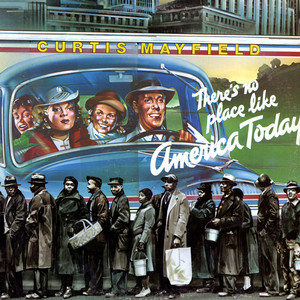
I've heard a bit of Mayfield's work before, but this is the first time that I heard this album. It's a fairly slow paced album and uses that pacing to allow the songs to unfold and develop. I really like the arrangements and unsurprisingly Mayfield's voice. His origins were in gospel I believe and that is really evident here. Although, the theme of the album feels a bit closer to something like Gil Scott Heron's "Winter in America" having an elegiac tone a couple years before the bicentennial. It's a really beautiful album.
Stepping back for a moment, it is difficult to imagine what the film would be that could present a coherent narrative given the massive mood changes throughout this imagined soundtrack, moving from a kind of swinging sixties sound parodied to noirish music and occasional forays into electronic music and orchestral pop, intermixed with more contemporary syncopated hip hop beats. Fortunately, this is a review of the music, rather than the non-existent film and largely this is a lot of fun. At its worst, its entertaining pastiche and more often than not it moves beyond that. I particularly like the Nick Cave track, but this is a lot of fun and I will definitely listen to it again.
I've listened to a few PJ Harvey albums from the early '90's but haven't gone any farther than that. This is apparently the follow up to Bring You My Love and its a good album. It abandons that albums blues influence and offers a set of fairly strong indie rock songs. The songs are fairly strong and I've always been a fan of Harvey's voice. I particularly like the duet with Thom Yorke. I like it. I'd probably pick it up, but I don't especially feel like saying much about it.
I really liked this one. You can hear Eno responding to the punk moment without making a punk record. It's playful and quirky and immediately engaging. I really wish we had gotten more of this kind of album from Eno.
This record was truly massive and its not difficult to understand why. This might be the platonic ideal of a particular type of '70s rock. Mostly mid tempo with a few faster tracks, the tracks are all memorably catchy and are well produced. I'm not a huge fan, but the musicians certainly succeeds in what they are trying to accomplish on this record. I enjoyed more than I expected, even though I probably will never listen to it again. The exception is the last track, which I really disliked.
I've never really listened to this record before. The early songs draw through line between hip hop and the earlier history of the talking song found in folk, blues, and country music, although later songs sound more conventionally hip hop. I thought of this sound as associated more with Beck's Loser but this came out at about the same time as that song. The backing band is pretty talented and I probably would listen to an instrumental record from them, but I really don't like the vocals and that's enough for me not to return to this album.
This is Peter Gabriel’s attempt to create a big, anthemic mid 80’s album and he succeeds at times. I used to be really annoyed by the gated drum sound of the period but have become a bit more forgiving now that it’s not the default production approach. The two big hits are good, especially Big Time. The opening track is also good, but the three tracks after Sledgehammer really drag. The two tracks after Big Time are decent and it ends on a good track with its final hit. The production doesn’t keep this from four stars; the uneven quality of the songs does.
Better than I was expecting but someone should have told Sting that he doesn’t have to do the accent when performing reggae songs. I will definitely revisit.
This is and probably will always be my favorite Dylan album. It builds on the shifts introduced with the previous album, the shift to a full band and the almost surrealist lyrical approach and creates a more accomplished version of those initial experiments. The songs are fantastic and the arrangements are as well. I can listen to this album over and over again.
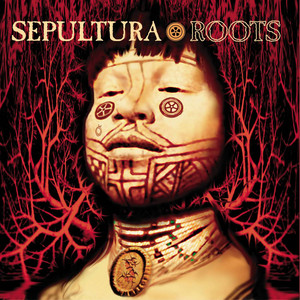
I think that this might be the first metal album assigned to me. I own a box set of the albums with Max Cavalera, so this is not new to me as an album. I'm not generally a fan of this more groove style almost new metal style of album, but this is definitely an exception. (Listening to the album again leads me to recognize that the thrash roots of the band are still evident and there are sludgy elements and influences from hardcore that distinguish this record from new metal.) The record has a moody and even apocalyptic tone to it. It's slower than the band's earlier records but that only contributes to mood and intensity. It really is an effort to use the genre as a condemnation of the long history of colonial violence. I really love the additional percussion that often makes this album work so well. I admire the attempt to incorporate indigenous elements, but I'm not always sure that it coheres all the time. It's definitely interesting though.
This record is probably on here because of its significant influence on hip hop. The song "Apache" alone has been a consistent source for sampling up until the present. This is really a novelty record, providing a series of instrumental covers of a variety of popular songs. What saves it is that they are instrumental covers with excellent arrangements and memorable percussion. At its best, those covers are really memorable large ensemble funk/soul instruments. This is most represented by Apache and Bongo Rock. At worst, those covers are fairly entertaining novelties. The song "Last Bongo in Belgium" really drags at nearly 7 minutes long and "Dueling Bongos" is kind of dull despite being fairly short. However, they are exceptions. My take is that this works better at the individual song level and these songs really work well in a mix setting and that those individual songs are more important than the album as an album.
Oddly enough, I first heard Steely Dan through a sample of the song "Peg" from this album on De La Soul's first album, which made me interested in the band. Overall, the same dynamics from the first album can be heard hear, easy listening R&B oriented songs that can be either enjoyed on that level or can be enjoyed for the complex dynamics buried within them. The primary difference is that this might be a little slicker in burying that. I particularly like the uptemp songs, "Peg" and "Josie" along with the more offbeat "I Got the News" and "Deacon". It's a good record, but some of the longer songs keep it from getting four stars despite the fact that everything here is listenable.
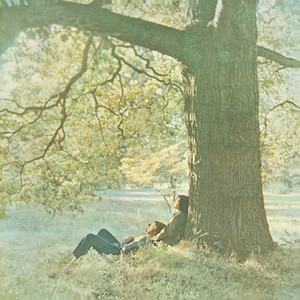
This is a really strong debut for Lennon. It's so starkly different from the material he produced with the Beatles. It was produced at a time that he was going through therapy and a lot of it is a reflection back on the trauma of his childhood. That comes out most clearly with the songs, "Mother" and "My Mummy's Dead" but they aren't the only moments. There are also moments that are clearly about the current state of Lennon's life as well. Musically, its also quite a shift from some of the larger arrangements of the later Beatles records. It's reduced to drums, bass, and either guitar or piano. Those performances are also quite minimal, most notably with Ringo Starr's drumming, but also with Lennon's guitar playing. In addition to these trio based songs, there are also a couple solo songs. Oddly, the bass is a little more active. Those are decisions that really work well for the songs and place Lennon's voice at the center of the songs. Tonally, there are some notable shifts oscillating between loving and vulnerable and songs that reflect back on trauma that are often tied back his working class background. The moments where there is a little more production standout, such as "Isolation" "Love" and "God" (incidentally the last two songs feature Phil Spector and Billy Preston on keyboards respectively). These aren't particularly highly produced, but the addition of simple elements such as multi-tracked vocals standout with the rest of the production. It's also interesting the way that many of the piano based tracks reveal a debt to r&b and that is evident in all of these tracks. This is placed in opposition to the kind of angular and trudging song of many of the guitar based songs, such as "Well, Well, Well" The deliberately amateurish quality of the last track almost points to future work by artists such as Daniel Johnston. Overall, its a really great album. As a last note, this was co-produced by Phil Spector and I can't think of a record that doesn't represent the typical Spector sound. I really wonder what he thought of this. A number of the critics of this album critique its production. Descriptively, I don't think that they are wrong. There are moments that this almost sounds like a demo. I just think that it serves the material well.
This record is a lot of fun.
This is a fairly significant record for Zappa in the late 1960's. At the most immediate level, because of the fact that Peaches En Regalia had such an impact, but also because it's a good example of the increased compositional sophistication seen during this period, With the exception of the blues oriented composition, "Willie The Pimp", featuring Captain Beefheart, this record is exclusively made up of instrumentals, They largely remain within the genre of rock, but there is a definite jazz influence, both in terms of the instruments and the composition. There are moments where this does in fact sound a bit more like a jazz record, but Zappa's approach to the guitar tends to limit that. There isn't much else to say other than I like the record and its already in my collection.
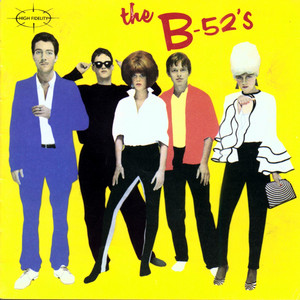
This is a record that I have been listening to for decades at this point. I like all the work of the B-52's, but its hard to argue that the initial work seen on this album and its follow up, Wild Planet, are probably the strongest albums the band made. (I originally owned a cassette that had both albums on it so that creates a strong association for me.) It's an album that is obviously operating in the post-punk atmosphere at the time, but bringing a retro party vibe to the mix, with a strong garagy sound with some strong surf elements to the guitar. However, it still also brings in avant garde elements with the vocals. The songs are also just great, although the first half of the album is a little stronger than the second. The weakest element is the cover of Downtown at the end of the album, but even that is a lot of fun. Overall, a great album.
This is the first time that I have heard this record. It shows the Faces adjusting to the aesthetic conventions developing during the 1970's fairly well. It' hard not to hear some of the parallels with the Stones at the time. Both groups moving out of 60's by adopting a much more roots rock orientation. This really is a very 'American' sounding album, creating an almost country tinged hard rock aesthetic. Also, a fairly interesting take on Chuck Berry's "Memphis." It is an aesthetic that Rod Stewart works well within and this is a pretty solid album.
This is the first time I gave this a close look. It's a fairly slickly produced folk rock album that sounds like an update to the Laurel Canyon sound. It's certainly listenable and there is some real talent here, but I probably won't listen to it again. Not really for me.
I knew about this record when it came out, but didn't really pay attention to it. The early tracks fall into my expectation of it, another attempt to move the post-punk revival into the mainstream, but most of the record really isn't in that space. There's a lot of energy in this record and its a fun punk influenced indie rock and roll record. I will definitely listen to this again.
The 'ditch' trilogy often gets a bit oversold as a dramatic departure from the material produced for Harvest. It certainly is a shift in tone and works in a looser and louder fashion than much of that material, but it feels more like a record that places more emphasis on the more negative sounds of Harvest and less of the uplifting material, a shift in emphasis more than anything else. It works for me. The last couple of songs were my favorite moments and I enjoy some of the more scorching songs such as "Revolution Blues" and "Vampire Blues". I'll probably revisit this.
This is obviously a massively influential and successful record. The singles in particular were massive hits both as Little Richard's originals and as covers by other artists. They really are ubiquitous. To be honest, that makes those tracks a little less interesting to me. I've just heard them so many times. I find myself gravitating towards the slower tracks that aren't played as much, but I don't think that is comment on their superiority, but just that they are a little more novel for me. The hit songs deserve to be hits. They're great songs. Little Richard's voice is fantastic and I really enjoy the jump blues roots of much of this music.
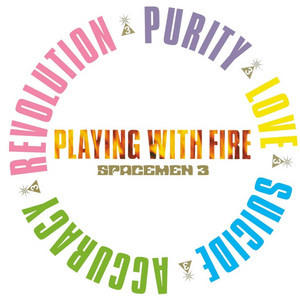
I've broadly known about Spacemen 3 and even own an album by Spiritualized, but I had never really listened to the band that closely. Listening to this, you can definitely hear the elements that would carry over to Spirtualized, particularly that thread of soul/gospel buried in the mix. That is intertwined with a lot of the kinds of fascination with texture and also transcendence found in contemporary shoegaze material and there are some commonalities with the Jesus and Mary Chain. The other influence is definitely Suicide, which brings in an electro element, albeit without the retro rock and roll element of that band. Overall, a good record.
This record brings together quite a bit of talent from the British folk scene to create a record that combines folk music and the blues with a significant amount of jazz, bringing in quite a bit of improvisation. There's a lot of talent here, but I generally would rather listen to Pentangle or Fairport than this. Still its a solid album and it might be something I develop more interest in in the future.
This is a part of a series of fairly spectacular albums created by Stevie Wonder in the 1970's. It's also an album that I have now owned over a span of a number of decades, so I am fairly familiar with it. Everything on this record is really fantastic, from the production, the arrangements, and the songs. Wonder creates a really nice warm ambient sound that runs through the songs and I really enjoy the easy going sound that mixes jazz, soul, and funk. There are a couple of returns to some of the earlier pop sound from Wonder with Visions and All In Love Is Fair, but they work in their context and are good songs. The big hits, from Living For The City to Higher Ground and others are really fantastic. I'm a little worried that I'm going to give all of these records five stars, but I guess that's fine.
Aside from the fairly ubiquitous singles, this is the first time that I have heard this album. That's largely because I'm not that interested in this period of Pink Floyd, largely limiting myself to the first three albums. This record really largely isn't for me, but I could imagine a world where I heard this when I was 15 or 16 for the first time and this was a significant record for me. At a technical level, its pretty impressive, balancing thematic elements with fairly strong songs and ambient elements. However, I probably won't listen to it again.
More of an anthology than an album. It has its moments, but there are definitely moments of repetition. The hip hop oriented tracks tend to be the weakest tracks.
This is definitely the first time that I have heard this album, although I have heard some of her stuff before. This is fine. It's a singer songwriter album. It focuses on Vega's voice and her guitar. I would have preferred slightly more minimal arrangements, but they're okay. I tend to prefer the songs without drums. I liked Freeze Tag. At times, its more of a spoken word album set to music. Those more spoken moments capture something a bit more unique in her voice. I probably won't listen to it again, but I also don't regret the experience.
This is a record that I have owned for a number of years. I'm a bit fan of the earlier records by Newman and this is probably my favorite of these texts. Newman's satire is fairly entertaining and he can write a pretty good song as well. These are frequently satirical songs, but not really 'joke' songs. I also really enjoy the instrumental arrangements. Overall, there's a strong New Orleans influence throughout, drawing from both jazz and R&B. You can definitely hear a bit of a Louis Armstrong influence on the vocals as well.
Another record that I'm pretty familiar with. This album really didn't sell a lot of copies when it was released, which was probably a result of the record label, Stax going out of business and not really promoting the record. It however had a second life as critics and musicians discovered it. Overall, I tend to agree with the advocates. This is a really fantastic album and it provides a set of really fantastic song, oscillating between R&B flavored harder rocks songs to some really beautiful pop songs. The vocal performances overall are fantastic and I really love the vocal harmonies. It's not surprising that this is such an influential record. The sole exception is the inexplicable "India Song" which sounds like a poor imitation of a late sixties Kinks song, but drained of any humor or strong sense of melody. That is the only thing that keeps this from being a five star album. Everything else deserves the critical reputation it has gained.
This is a fairly strong album. The hits contained on the record are really fantastic, but most of the other tracks are as well. I'm not a massive fan of the slower tracks, but that says more about me than the tracks (I'm just not a huge fan of disco era ballads.)
This album sees the folk group embracing a particularly psychedelic sound as a part of the creation of a new countercultural British folk music. It deliberately embraces a kind childlike whimsy with a conscious amateurism. I'm not really blown away, but its an interesting project.
Blur is a band that I know about and have heard a few of the singles, but never really listened to an entire album of theirs. Listening to this has been fairly enjoyable. It's largely an album that goes back to British pop of the 60's, most notably the Kinks and and brings in a bit more noise as an update to that sounds. That definitely brings in elements of indie rock, and punk and post punk as well. I like and will definitely listen to this again.
I think I might have only heard the big hit song off the second album, but I know that her work has been getting a bit of a critical reevaluation. Overall, I thought this was a pretty solid record. The neosoul influence was pretty significant, but there is also quite a bit of a more traditional jazz influence at times as well. Winehouse's vocals feel like they have a bit of a Billie Holiday influence, but it also feels like it would be a bit unfair to reduce the work to that. Lyrically, it feels fairly contemporary, but in a way that captures the spirit of a lot of older blues work. I'm not sure if I will revisit this, but I don't regret the listen.
This was a massive record when I was about sixteen. I had a dubbed cassette copy at one point, but it honestly wasn't a record that I listened to a lot and I really haven't listened to it in decades. Within the kind of pointless binaries that rock fans all to often create, I guess I am on team Nirvana and Nevermind, which was equally an effort to enter the commercial market, but just one that connected more with me. Looking back on it, its a beautifully constructed record. It really updates the classic rock sounds and Eddie Vedder has a fantastically distinct vocal approach. It deserves the incredible success it has received. I also will almost certainly not listen to it again voluntarily. I don't dislike it, but for some reason, it just doesn't really connect with me. I don't think that its an issue with the record at all. It says something about me and I'm not really that concerned with what that is.
The big singles from this album are big singles for a reason, le freak and i want your love are fantastic dance songs are good examples of how talented Rodgers and Edwards are. The rest of the album is a bit more of a mixed bag, although one that is generally better than not. savoir faire is a fairly good ballad, although I'm generally not a huge fan of slower disco songs. happy man, sometimes you win, and (funny bone) are decent mid tempo tracks that work but really aren't that memorable. at least i am free on the other hand is really dreadful and is a blight on the album. Chic are fantastic, but they tend to be a better singles band (their work on the debut Sister Sledge album on the other hand works fairly well as an album.)
This is a record that has been in my collection for at least a couple decades. Apparently there was a lot of resistance to Eno's suggestions for this recording, a decision the band apparently regrets, but I tend to think that they were right. That Eno influenced album probably would have been pretty fantastic and there's a good chance it would have been more financially successful as well. However, I appreciate having a recording of the grimier and more punk influence side of the band. It's more of a warts and all kind of recording, rather than the streamlined sound they would later develop and I'm glad we have a recording that reflects that. Eno's contributions definitely improve the album, but I'm glad that they didn't overwhelm the band's project at that time. I had tended to think of the songwriting as a bit inconsistent, but that wasn't my experience this time around and I really enjoyed the entire thing.
This is another record that I'm very familiar with and have owned for years. It's also really the shift from Prince being a transgressive up coming artist to a massive hit making artist. The singles on this record are really fantastic, particularly 1999 and Little Red Corvette. The pacing on the record is a bit odd, though. Basically, the album places all the singles on the first two sides of the album. The only track that isn't a single, DMSR, probably could have been a fifth single. After that, the album gets a bit abstract. The material is interesting, but its less interested in the kind immediacy on the first half of the album. It's definitely shaped by trends in electronic music at the time, and not in a way that is particularly interested in popularizing that music. I like the tracks, but its an odd tonal shift. After some shuffling, Free shifts into a more familiar ballad format, but not one that I'm especially interested in. From there, Lady Cab Driver moves away from that to bring in another pretty catchy track. It's a good track, although a little thinner than some of the other material and it meanders a bit at the end. All The Critics Love You in NY (a title that feels like it should be a LCD Soundsystem song) goes back to the quirky experimenting seen on the first two tracks of the third side of the album. It's fun. It ends on another okayish slower track that drags a bit. Overall, this is a very good album and the best moments are really fantastic, but not quite as good as the album to come, Purple Rain. One last note, I do kind of enjoy that Prince basically put what would be the 12" version of the songs onto the album itself. I generally like the longer length of the songs.
There isn't much to say here. I really didn't like this record. I was initially tending towards a two star review on the premise that there is some technical competence towards something I don't really like, but god is this record tedious. It has some obvious debt to both the Beastie Boys and Rage Against the Machine at times as well as the Slim Shady persona, but all of those projects are so much more interesting. I was just irritated and bored by the end of the record. Probably the worst thing I have listened to.
This is a fairly short album. With the bonus track, its thirteen tracks and runs for about a little more than a half hour. I have always really loved this album and my view really hasn't changed with this relisten. Dando at this point in his life had a good ear for a pop hook and the tracks here are all immediately catchy. Lyrically, this oscillates between short slice of life pieces to love songs and slightly more novelty pieces. The tone oscillated between the more somber to more cheerful pieces. They all work for me. Musically, this moves between a kind of indie folk pop to something closer to pop punk. Again, I'm hear for it. The demo versions are also quite good. An easy five star album for me.
Although I've been aware of the Pixies for a while now and even saw the reunited band live once, I've never really listened to there records beyond a few of the singles. Unsurprisingly, this is a really good album. I really like the opening surfy instrumental and that element throughout the record is a positive. This is a strong college rock album within a broader post-punk horizon and lives up to the hype. At times quirky and at time moody songwriting. It rocks. Not much else to say.
I've heard this before and it was a massively successful album. You can definitely hear McCartney responding to the music of the time and he does a good job of it. However, this is another I can see why people really love this, but its not really for me. I probably won't listen again, but I certainly didn't regret hearing it again..
I still have the copy of second edition that I found in a used record bin for four dollars some time in the late '90's. It's a record that I've always liked, but previously thought of as being a bit uneven in quality. This time listening through the record I found myself really enjoying the entire record. Some of the slower trudging moments had been less interesting before, but everything works this time. Apparently a lot of this was improvised at the odd times that the band could get studio time and that really comes across on the record, giving it a sense of experimental immediacy. It brings together Wobble's basslines, which are apparently deeply influenced by lovers rock, the atonal and trebly guitar sounds of Levene, and an additional budding interest in electronic music. Lydon's vocals are fantastic although are miles away from anything close to conventional singing or what he did with the Pistols. All of that adds up to a really unique post punk sound that I really love and this album creates a really fascinating strange and paranoiac world. I actually like some of the later PiL records in the 80's but this version of PiL is definitely a band and not just a John Lydon solo vehicle. The instruments are really given the space to shine and I love all of the instrumentals. It's entirely understandable why this deeply odd record is really hated by some folks here, but I'm really glad that I revisited it.
This is an interesting one. The Cocteau Twins started out making records that had a foot in post punk and goth. This record moves to something a bit more ambient, although those post punk elements aren't completely gone and there are moments where there is a stronger element on melody and traditional songwriting in the indie tradition. It feels similar to a lot of projects that are working in electronic music, even though it tends to stick to rock instrumentation with a lot of reverb. There is also a connection to the burgeoning shoegaze scene, although without the volume. I can also see how this was initially thought of as a more commercial record given some of the production elements that align with more mainstream aesthetics, although they were a bit overstated and work within the overall project. Overall, this is an enjoyable album.
Ironically, I really have never listened to this record, although I have heard most of this material as represented on the band's live album. The opening track is really fantastic and sets the album on the right foot. It's big and anthemic. The next few tracks feel oddly anemic as opposed to the live versions that I am used to. The worst of the bunch is Frankly Mr Shankly, which feels stiff and considerably less appealing to the live version. The songs that follow are better and are generally better songs, but I again would prefer to hear the live versions, which just feel more alive. That streak breaks with the boy with a thorn in his side, which is fantastic here. Vicar in a tutu is okay, but there's a light that never goes out is perfect, as is the last song. Overall, this isn't really as strong as I thought it was going to be. The songs are here, but I wish the sound were a little rawer and more immediate. The highlights on the other hand are to strong for this to receive merely three stars, but its close.
This is probably my favorite Beatles album. There is clearly a little more experimentation and an exploration of more serious topics in the songs. The songwriting has also improved as well. At the core, these are all good songs that have been enhanced by the emphasis on working in the studio. At the same time, there is a coherence that this holds as an album that starts to get lost after this album as the various members started to drift in their own directions. (Although the critiques of Run for your life are legit, although unfortunately a fairly common issue in the era)
Reading the history of the band and the chaos surrounding them was pretty fascinating, along with the way that they clearly got dragged into the British music media's cycle of overhyping bands that inevitably leads to a backlash. I somehow managed to miss all of it at the time, so I'm not that invested beyond the mildly interesting trivia element of it. More significantly, its the first time I've heard the record. Unlike a lot of the bands lumped into the so-called garage revival, this actually sounds garagy. There are a few moments where it recalls garage bands of the past, but mostly it has a warts and all, first time best time approach to recording. Everything feels a little shambolic and the rhythm and tempo aren't always consistent. The vocals are engaging, but again feel a bit chaotic. Largely, I think that this really works for the record. It takes the music that mixes punk with indie and earlier British invasion influences and makes it feel energetic and immediate. The songs are pretty catchy and I like this record quite a bit. Not a five star record, but definitely a four star record.
This is another record where I was fairly familiar with the singles, but had never really heard the record. The most immediate impression I have is that this sounds expensive. Every sound is perfectly put into place and is layered. This is clearly an effort at create a series of pop hits. There are threads of the old metal sound, but this is primarily a mainstream eighties rock album that also wants access to the pop market. The twenty million albums sold make a pretty good case that they succeeded in their goals. This is a talented group and they know how to write a pop song. Also, I don't particularly like it.
This is the second Blur album that I have had to listen to and I think that I am becoming a bit of a Blur fan. I had heard Song 2, which I have always loved, but not much else. Overall, this is fairly engaging record. You can definitely hear the threads of updating earlier British pop from the earlier record (Modern Life is Rubbish), but the palate has been expanded a bit bringing in some slower acoustic numbers, a little bit of electronic influence, and more influence from American rock. The last song drags a bit to be honest, but that's a minor issue. It's a little bit more unfocused, but its still engaging and enjoyable. Hopefully, there will be more to come.
This was on my radar when it first came out, but if I heard it at the time, I don't remember it. This probably would be best characterized as a kind of heavily electronically inflected indie pop album. It's pretty catchy and a lot of it is shaped by the kind quirky and abstract qualities of certain types of electronic music, but it takes on moodier qualities as well. There are moments it sinks into blandness, but this might be one that improves with additional listens. Overall, I tend to like the more electronic stuff and the more conventional pop material tends to lose my attention a bit, but I could see changing my mind in a few months on this one.
This is the first time listening to this album, although I had heard "Get a grip on yourself" because of the Rhino punk comps released in the early 90's. This is a distinctively uneven record. It directly owes more to music from the 6o's than you usually hear from this era. The garage influences are not subtle and the opening track has more of a Doors feeling than I would have ever expected (not a criticism. it's a decent track). I think it's really the vocals that firmly place this within the context of punk. At its best, you're getting some pretty catchy punk inflected rock and roll, but a lot of this is kind of boring. There's enough here to make this three stars, particularly Get a Grip, but I'm not a massive fan.
I've been listening to this record for decades at this point. It was nice to revisit it. I've always thought of this record as their best album and that hasn't changed with the relisten. It's clear that the new line up has solidified at this point and the band has broken away from the often a bit leaden sound of the first two albums and some of the fairly interesting electronic experiments of Kaleidoscope. One of the things I noticed from the last listen was how important Budgie's drumming was to the sound. It allows them to hold on to the heaviness of the first couple records without the kind of leaden sound. The rest has embraced the more postpunk sound being developed, although you can hear the poppier and more psychedelic elements seeping in. Those later records are really good, but this has a nice sense of balance. All the songs here are fairly amazing. The first half is more immediately engaging, but the second half with its slower tempos (at times) sneaks up on you. At this point, Head Cut and Night Shift might be my favorite songs on the album, but it took a while for me to really appreciate them. Also, despite the band's aversion to being associated with goth (which they share with a lot of bands that share that label), its fairly understandable why this album has that association and I suspect that it had a very big influence on that subculture.
While I have heard about Kate Bush and the largely positive critical attention her work has received, I really haven't listened to any of her work in any meaningful way. The use of the first track of this album is unfortunately probably the first sustained engagement with any of her music. Happily this is a good way of making amends. Overall, I like this record quite a bit. It definitely is drawing from the production conventions of the mid-80's. A lot of work suffers from that, but this material works well. I'm really liking the multi tracked vocals and the strings and the electronics. The first three songs feel anthemic and are a lot fun. It gets a little more experimental and avant garde after that, but this is a good record. I really liked Watching You Without Me.
I had somehow gotten the impression that this had a bit more 80's sheen than it really does. The first five tracks are pretty good folk inflected country. The songs are all pretty solid and I like the vocals. The Linda Thompson on the other hand has a lot of that 80's production, which is a bit enervating. It's unfortunate because the lyrics could work well in a more traditional country arrangement. I really don't like this song. The second side largely turns to the sound of the first five songs and most of that material is pretty good. The one exception, "I've Had Enough" had a fairly good vocal arrangement, but I wasn't as big a fan of the instrument arrangement, which moved away from the country sound of most of the rest of the album. The last two songs are traditional ones and are pretty good. I'm going probably give this 4 stars, but if I were to be honest, it probably should get something closer to 3.5 stars. It's too good to be 3 stars, but not quite at a 3 star level. Giving it a little boost could compensate for some of the lower reviews I guess.
This is another record that I was aware of the band and heard the singles, but had never heard the album. Giving it a listen, it’s fairly listenable. You can definitely tell that this was on Epitaph because of the fast paced melodic sound. They often sound like a riffier version of Bad Religion. The singles slow things down a bit for accessibility and the biggest song has a bit of an Agent Orange influence.
This is a record that I had heard a lot about, but never listened to it at the time. I had always heard about within the context of 'turntablism' and that is an element of the record, but it isn't really the only thing here. In addition to that influence, there's quite a bit that fits in with the aesthetics of trip hop, which was developing at the same time. Overall, this is a pretty technically accomplished record and its quite a bit of fun at times as well. However, there are other moments, where the more moody jazz influenced trip hop elements feel a little like generic background music. It tends to be at its best when the drums are at the front and its playing with samples.
Really fantastic album.
If I remember correctly, the producer was only a producer in name and the band was basically allowed to do whatever they wanted to do. The first album didn’t make much of an effort to engage a popular audience (not a criticism. It’s excellent.) but this album makes absolutely no effort to do so. The result is a mixture of really fantastic raw and energetic music and some the laziest self indulgent bullshit that you will ever hear on a record. A lot of the material that is meant to be transgressive really just comes across as juvenile and puerile. The last track Sister Ray really represents this dialectical tension, and is equal parts breathtaking and eye rolling. Definitely worth the listen but a record that also tries your patience.
Apparently this is the first of Franklin's Atlantic records after her somewhat unsuccessful tenure at Columbia. It's also the record that starts to introduce her to the Muscle Shoals scene, although only one track was formally recorded there because of a fight. Overall, this feels a bit like a transitional record, despite some of the big hits. There is an overall sound, but you can here the record shift from songs that sound quite a bit like Stax to more gospel oriented songs, to moments that have just a little bit of Motown influence and even a more blues oriented song. For me at least, it all works at least pretty well and at time really well. Although most of the songs are pretty traditionally relationship focused, you can hear a little feminism creeping in with the shifting of songs that were originally from a man's point of view to a woman's and a nod to the struggles of the civil rights movement with the Cooke cover at the end. It's a very good album. I'm giving it four stars, but I think an argument for five stars can very easily be made.
This is another album that is fairly familiar. I picked up a cheap used copy a number of years ago because Elvis Costello covered a couple songs in the '80s (Withered and Died and Nothing at the end of the rainbow). This record isn't as immediately exciting as Thompson's work with Fairport Convention, but it is still a very good record. It oscillates between more rock sounding material to more folk sounding material. It's largely guitar, bass, and drums, but occasionally brings in other instrumentation to good effect, such as the use of horns in a song, mandolin, accordion and others, I believe. The songwriting oscillates between slice of life songs and songs that are obviously drawing from the folk tradition. I really like the way the record switching between Richard and Linda Thompson's vocals as well. The last song is bleak and fantastic.
At this point, folk music largely means a singer songwriter presenting their songs on an acoustic guitar. This record reflects that arrangement, featuring Baez on vocals and guitar with an additional guitarist, but this is a recording of what could be called folk songs. It's also definitely a product of the folk revival that was going on at the time. It's drawing from multiple traditions of that music. They're all fairly solid versions and Baez is an excellent singer in this tradition. It's pretty good, but not a record that I turn to that often despite having owned it for years.
This might be my favorite Wilco album. It's either this or Summerteeth. It's a far more ambitious album to the at time unfairly maligned A.M., bringing in a far more diverse set of songwriting influences and a far broader sonic palate. It's bringing horns, organ, using quite a lot of dissonance at a couple moments in the album, but also embracing something closer to folk music at times. The album also hints at the brighter pop sounds that will be featured on Summerteeth. Bringing in Jay Bennett into the band clearly created a lot of interpersonal issues but at the aesthetic level, he was a really significant collaborator and contributed a lot to opening up the sound of the band. The result is a really fantastic and dynamic album.
This is the second Pixies album that I have heard for this project. The first was Doolittle, which was released about a year later. Not surprisingly, this isn't a dramatically different album than that one, other than maybe being a little sloppier. That's not a bad thing. I liked that record and I like this one as well. It has a lot of the playful quirkiness of a lot of college rock of the era and the band can write a pretty good tune. It's another good record of post-punk inflected indie rock with some surf influence on the guitar. I can see why this was a band that was a big deal for a lot of people.
I suspect that if we were to see this in the form of a concert film, it would be pretty spectacular. However, stripped of the elements of spectacle and pageantry, the elements of crowd noise and introductions feel more like a distraction from the music than the part of the theatrical experience. That being said, the music is good. You’re hearing a talented and experienced band who have been playing these songs for years and even decades. You’re getting a fair representation of the band’s repertoire as well. The overall experience is marred by the shift in medium and I probably won’t listen to this again.
Previous to hearing this album, my knowledge of Lloyd Cole was limited to seeing his name on the First Avenue calendar back in the 1990's. Overall, I largely enjoyed listening to this album. Cole seems to be a part of a group of singer songwriters in the 1980's that is responding to some of the sounds being produced at this time, working some distinctively post-punk and nascent college rocks sounds. Apparently the band was initially a fuller soul band and those sounds. If I were going to be honest, these tends to be some of the more pedestrian moments of the record, although they are all fairly listenable.The string arrangements distinguish it from a lot of it's contemporaries and are a good addition to the sound. Lyrically, this is a set of songs exploring romantic relationships in a kind of slice of life manner with a fondness for multi-syllabic words. (Think of Billy Bragg if he didn't write songs about socialism.) As a whole, I found myself bouncing between three and four stars, and wound up settling on three stars, going with a rounding down, rather than rounding up approach.
I've definitely heard this record a number of times. My traditional reception has been to really enjoy the opening number, Station to Station and be less interested in what follows, but this time, I had almost the opposite reaction and found myself a little bored by the slow pace of the opening track until it picked up and really enjoying the rest of the album, which retains a bit more of the r&b influence of the earlier record along with a certain amount of glam. It's an interesting way station between the plastic soul of Young Americans and the Berlin trilogy and a lot of fun to listen to.
First time listening to this album. It's also the first time I had to listen to a record on youtube. This is a really somber folk rock album, filtered through a bit of a low fi and at times a little amateurish sound. Overall, it's pretty good. It's a record that I could see grow on me as time goes on, but its solid the first time around. I like the moments of the record that get a little louder and more apocalyptic, but it's all pretty good.
This is a record that I have been listening to for decades at this point. For the most part, its really fantastic. It's a distinct step up in terms of song arrangement and how well the band can play their instruments. The first album is also very good, but you can tell that the band is getting used to playing with each other, and possibly playing their instruments at times. There's a lot more confidence here. McGowan's songwriting is stronger as well. With the exception of the so-so Billy's Bones, his songs are really spectacular. I think you can hear a lot of the Joyce of Dubliners in his writing. We're getting a lot of slice of life stuff about being a part of the diaspora and a sense of the abject (Genet). The Sick Bed of Cúchulainn intersects that material with a surreal mixture of Irish history and mythology. The two ballads, "The Old Main Drag" and "A Pair of Brown Eyes" are probably my favorite songs on the album and no one can really sing like McGowan sings. At his best, his vocals are distinctively non-conventional, but emotionally rich. However, there are a few moments that aren't really that great. I really don't think we needed the Jesse James cover and Philip Gaston's Navigator... is fine. I'm a Man You Don't Meet Every Day is pretty enjoyable and its an interesting vocal take by O'Riordan, but it clashes with the rest of the album, Billy's Bones introduces material that will be better covered in later albums. There's a noveltyish quality that really clashes with the substantial material that makes the bulk of the album. On the other hand, two of the covers go against that trend. "Dirty Old Town" is a very solid cover and fits really well within the aesthetics of the Pogues. The last track, And the Band Played Marching Matilda is a great song and the performance is fantastic. Elvis Costello said that his goal was to capture the power of this band, warts and all, and this really does that.
I tend to agree with other reviewers who are a bit confused as to why this compilation was chosen, rather than one of the early albums that are represented on this comp. However, the point is to review the album you are listening to, rather than the one you think you should be listening to. Overall, this is a lot of fun. There's nothing really surprising here, but I'm always going to enjoy this kind of punk rock and roll. It feels like a version of a strain of punk in the 90's that went under the label of garage repackaged for a slightly more mainstream audience with a little more production and a little more slickness. (This isn't to say that this is a particularly slick album. It isn't, but a lot of the stuff in the '90's really features some really raw production.) There are a couple moments where it isn't too far away from certain moments in earlier Blur or other British indie stuff. The first track really sounds like it was chosen to connect with the UK audience. The record moves very quickly away from that sound though. I'm okay with that overall.
It's been a while since I listened to this record. It seems like this one is a bit divisive. I've always really liked Cohen's voice and approach to songwriting. I also tend to like the material from the sixties to the mid seventies the best of that material. This record obviously falls into that period. The song arrangements tend to be a bit stark and minimal, emphasizing Cohen's voice and lyrics. There's a lack of interest in virtuosity that aligns this record interestingly with the later indie trend of bedroom recordings and conscious embrace of the amateur. The comparison some make the Dylan isn't too surprising and makes a bit of sense in that the rhythm of the songs is driven by the flow of the lyrics. Cohen is obviously a bit more gloomy, but there is a playful element to the lyrics that they both hold. It feels a lot less guarded than Dylan's work though. Looking forward to revisiting more of this work.
This is largely not a record for me. It's a very pop inflected country album or perhaps a pop album with country elements. It's bringing in quite a range of sounds in terms of the arrangements, but keeps the focus on the vocals. There's clearly talent here and the songs are pleasant, but I probably will never listen to this again.
This is definitely an interesting one. The opening three songs are definitely drawing from both Afrobeat and funk influences. The songs are a lot of fun and have a lot of energy. Byrne's vocals aren't given the same focus that you hear on most Talking Heads albums and those vocals often swirl into choruses intermixed with Nona Hendryx's multitracked vocals. You can here the intermixture of that funk influence with the fascination with looping tied to minimalism that was occurring in NY at the time. The big hit, Once in a Lifetime is a kind of midpoint in the album and it takes those elements above and combines it with a far more conventional David Byrne vocal take. It's a great single. From there, the album goes in a far more artier direction, far more similar to the Byrne/Eno album made at the same time. The other single, Houses in Motion brings in that same funk element, but in a more stilted fashion, incorporating a more avant garde sound with the horn arrangements from Jon Hassell. From there it gets increasingly abstract, ending with a very grim and droning track, "The Overload" Overall, this is as close to the avant garde as the group gets. You definitely hear some of the same interests in a kind of mutant funk that other post-punk bands were going at the same time. It's also a much different sounding album than you would have thought it was going to be if you had just heard the main single. I like it. Incidentally, Angelique Kidjo made a really fantastic cover version of the album a few years ago and I highly recommend that.
This is the first time that I have ever listened to this album, although I have heard the first two songs in other contexts. Evidently this is an attempt to 'return to form' after the previous string drenched album. I think that this works for the first fours songs, all of which are fairly solid. "Roadhouse Blues" is a solid blues number and the next couple of songs return to their earlier psychedelic pop sound with some success. "Peace Frog" brings in a bit of a funk sound that had not been heard on the previous albums fairly successfully. The album loses that momentum with "Blue Sunday", which is slower and less compelling. The material after that is patchy and songs like "Land Ho" feel a bit like filler. At this point, I find my contrasting this effort with the first album that it is attempting to replicate to some extent and its just not as good. That initial album just has consistently better songs without any real filler. This record's simply not as consistent. I don't mind having listened to it, but I probably won't return to it.
I've never listened to this record, but I recognize at least one of these songs from the tv series, Treme. Overall, I'm enjoying this. I took a look at Prima's biography and he apparently has fairly deep jazz roots, starting in New Orleans, making some fairly significant contributions to swing, and eventually winding up as a major Las Vegas performer. This was recorded at that time, and you can hear that shift from swing to R&B in this album. Prima's vocals are fairly obviously influenced by Louis Armstrong, particularly on the first song, and are fantastic. This is a good band and Prima is good singer and bandleader. The best moments on this album are when they just play. I also like this early moment in R&B quite a bit. The novelty numbers I find less interesting. I suspect that watching the comedic interplay between Keely Smith and Louis Prima was probably a lot of fun at the show on the strip, but I frankly don't want to hear it on the album. I'm also largely uninterested in the duets between Smith and Prima, which were apparently really popular, nor do I particularly like the large chorus sections when they are too intrusive. It feels like another intrusive Vegas influence that at times clashes with the New Orleans aesthetic. (There are also moments when they work. I'm not taking an entirely anti-chorus position here.) I'm going to give this another listen before I choose between the 3 and the 4. Relistening, I find myself leaning towards the 4. This really draws a through line from early NO jazz to swing and early R&B. It's a lot fun despite some of the distractions, which drop off sharply after the first three songs.
This is the first time that I have heard this particular album, although its not the first time that I have heard Nick Cave and the Bad Seeds. This is apparently the first Bad Seeds album without Blixa Bargeld and his absence is noticeable. This is a much smoother and keyboard driven album than what came before. The introduction of the chorus also adds a distinctively gospel element to the sound. Overall, I like it. The first album is overall, really strong, even though I don't particularly like the last song. (Get Ready for Love is a particularly strong opener.) The next album isn't quite as strong and there were a few moments that felt more like a tradition singer songwriter album, which is a bit less interesting, but the album's last three songs end on a good note. I suspect that we are going to get quite a bit more Nick Cave and I am looking forward to it.
This is another album that I have never hear the entire album, but the singles were fairly ubiquitous. It's also fair to say that I wasn't a fan and I wasn't looking forward to this. It took me a few times to finally get into the album and now by the time I get to the end of it, it's fine. It's probably not something that I will actively go back to, but I'm also not going to actively avoid it. One of the things that I realized I hadn't noticed about the album are the electronic elements to it, particularly the drums. That's tied into a high production style that I really wasn't a big fan of at the time, but am now more accepting of. Morissette is a compelling singer and the lyrics are decent. She also knows how to write a hook. This falls into the not for me but I can understand why it was so significant. There are also moments when I also enjoyed it.
This is another record that is very familiar to me. I still remember the impact of hearing "I Want to Be Your Dog" on the radio for the first time some time in the 1990's. There have been only a few times when the experience of hearing something new was as exciting and revelatory as that moment. The record itself is quite good. Far from being 'ahead of its time' it sounds very much of its time. There's a strong garage influence on the record and the use of the wah wah pedal is significant. There is a fairly straight line from this to punk, though. That captures most of the songs, with the exception of the extended droning jam We Will Fall (I guess John Cale had to play on something) and Ann, which reveals the debt to the Doors that is a bit more oblique on the other songs. As the years have gone on, I tend to prefer the second and third album a bit more, but this is still a very good album.
Kendrick Lamar was already a pretty significant figure within hip hop circles, but this was really the album that caused him to explode into the mainstream. I really liked this album when it came out and listening to it again, its still easily my favorite of his albums. You can hear the heavy p funk influence at times that places this in the tradition of LA hip hop of the 90's, but he's doing something different with it than what you traditionally hear in that tradition, something more akin to what the early Native Tongues groups like De La Soul or A Tribe Called Quest did with their sound. It brings in jazz and spoken word elements as well, and is a wildly experimental album for one that was so commercially successful. It's a wildly ambitious album and it largely succeeds in those goals. Lamar is also fantastic and inventive MC. He is often tied to the LA traditions of the 90's but his approach varies wildly and there are moments where you can see him engaging with more avant garde and underground traditions, ranging from the Freestyle Fellowship, some of the stuff on Stones Throw and even someone like Dose One. I like this record a lot.
I enjoyed this album, particularly the first song. I like the mixture of psychedelic folk and jazz and Buckley is a good singer and a decent singer. The overall, improvisational aesthetic works, but its a little self indulgent. Most of the songs could have a minute or so cut, but Gypsy Woman could probably lose about six minutes. This is something that could have been addressed by a little judicial editing.
This is the second Tim Buckley record I've listened to. I liked elements of the first album, Happy Sad, quite a bit, although I felt like the album could have used some judicial editing in the production. Starting this album, I thought this might wind up in the same place. Buckley can sing and the band is good, but I really started disliking this album after the first song. It contains all the worst elements of the previous album, but intensified. It's not a particularly interesting investigation of sex and it really feels like he's making up the lyrics as he's going along. The intermixing of funk, the blues, and folk is really done much better by Bill Withers. This isn't very good.
The first couple UB40 records are pretty good. This is a really enjoyable political reggae album. Apparently, these folks got connected to the two tone scene, but this stuff is a lot more politically sophisticated than that material at the time. (That will look very different in a year or two, but look at the lyrical content of the first Specials album. It's fantastic, but those guys aren't exploring socialist consciousness in any way.) This is really listenable. The lyrics and the vocals are good. I will definitely listen to this again.
This apparently was a massive hit for Jones. I had never heard it previously. It's bringing together a jazz aesthetic with what I might call a singer songwriter aesthetic. Everyone involved here is talented and at its best it's very tasteful and mildly interesting music. This is probably the best description of my experience of most of the album. At a few other times, I kind of feel like I'm on hold and tastefulness slips into a bit of blandness, at least for me. Probably won't listen to this again.
This is another record where I have heard the singles, but never really heard the album itself. This is evidently the album that transformed the band into a massive act that could fill stadiums. You can definitely hear the band moving towards the sound that you hear on Violator (which I have heard.) I'm really tempted towards describing the band as an attempt to nudge some of the sounds heard with EBM towards the mainstream. You hear the emphasis on rhythm and moodiness that you get from bands like Nitzer Ebb and Front 242, but with melody and less lyrical repetition. There are even moments where you get sounds from the band that wouldn't be out of place on a Pet Shop Boys album and a couple gestures to the longer history of electronic music. Overall, I think this works pretty well. It's a pretty solid record and the worst songs on this are still pretty good, while there are some very good songs on this album.
This is a record that is very familiar to me. When I first heard the album, I really wanted the rest of the record to sound something more similar to the opening track, Sympathy for the Devil and was disappointed in the rest of the record because of that. Obviously, this is massively unfair to the record. As I was able to listen to the record on its own terms, I really grew to appreciate it. This definitely is the return to a blues based sound after the experimentation into pop and psychedelic music. The music produced by that return is a lot better than the early efforts, where I generally felt that the band had nothing to be embarrassed about but I generally would just rather listen to the originals. This time around the band just sounds more comfortable with the genre and produces something that is more original with it. Part of that is that the process of playing is a lot looser and the band feels comfortable stretching things out, but it also feels like a more original approach to the songs. They are also broadening the types of blues that they are drawing from, bringing in earlier folk blues and even some hints at country. All of that translates into a really fantastic album.
This really is a high moment in a series of very good albums, spanning from the late 60's to the mid-70's. For the most part, the arrangements are quite spare, solo guitar and piano pieces with a few pieces that have drum and bass. The songwriting tends towards the confessional with a few political moments and songs about daily life. It's all done really well. Not much to say, but it was enjoyable to hear this again.
This seems like a divisive one. I've listened to this record a couple times over the years, but it's never really been a record that I go back to. You can definitely hear the post-hardcore roots of this band, along with the progressive aspirations of the band. It's decent enough even though it doesn't entirely click with me. I tend to prefer the moments where things slow down a bit, but its all pretty listenable. I find myself neither as inspired as some nor as irritated as others.
This is the first time I have listened to this album. Overall, this is a pretty enjoyable roots reggae album. It's a little more stripped down in contrast to the later Mama Africa. It's bass, guitar, drums, a little organ, and background singers. The songs are what you expect in the genre, moving between slower paced songs and mid tempo songs. They hold up over multiple listens, but I'm not sure what makes this stand out in relation to many other, to be clear, good albums. Apparently, the controversy around the opening track created a lot of controversy and launched the singer into stardom. It feels a lot less controversial now.
This is the second CCR record and a record that I have a fairly beat up copy that I got from a used record store. This is the moment where the band shifts from a primarily cover band with the first (really excellent) album to a band that focuses on the songs of John Fogerty. It's a really good rock and roll album, with a strong foot in the blues tradition (other influences seep in, but it really struck me how much blues rock is here this time around). I like all of this. The one excepting might be Graveyard Blues, which just goes on a little too long. The Ike and Tine Turner cover of Proud Mary kind blows this out of the water, but is definitely a good version. Hopefully, there will be more of these records on the list.
Prince put out a lot of really good records in the first sixteen or seventeen years of his career and this one, along with Sign of the Times might be the best. It's a shift from largely recording on his to working with a stable band, the Revolution. Prince still wrote almost everything here, but other musicians are playing on the album, which was not necessarily true. The songwriting and arrangements feel like a step up from Prince's already really strong work and everything on this album is fantastic. If the last album had a lot of new wave and electronic influences, this adds in more rock and some psychedelic elements. There are also more shifts in tempo overall. This album had five singles, but I think that every song on this album could have been a single. When Doves Cry is probably my favorite and probably my favorite Prince song. As a last note, I actually really recommend the film. The acting is kind of dreadful and the script is flawed at best, but the film is saved by the musical performances, by Prince of course, but also The Time and the Apollinia 6
I'm a big fan of Raitt's first two albums, which are really fantastic, but the later work doesn't do a lot for me. This was obviously a big hit and I'm glad that she got this success, but it has too much of a solid foot in adult contemporary music and a particular late 80's production style for my taste. I think that this says more about what I want out of music than it really says about the record itself.
I'm not really surprised that this is a controversial one. Personally, I really liked its scrappy, lo fi indie vibes. It has a lot of short songs and most of them clicked with me.
This was a massive hit and was fairly influential. The band definitely already has their sound at this point. I heard someone compare it to an indie version of what Bruce Springsteen was expressing with Born to Run, a soaring and anthemic sound. It isn't a bad description and it works pretty well here. There are some quieter moments as well, but they largely work to set up those soaring and anthemic moments. I can really see why folks like this, but it never connected to me as much. It's good, but I probably won't revisit it.
This is definitely one of my favorite Tom Waits album. Waits draws on influences from the NY underground scene to expand his blues and jazz influenced song and its great. Not much else to say.
It's exciting to get some Black Sabbath. This is a very good record overall. It's the first time that they were in a position to take a little more time to record and it comes across in some of the details such as the use of a little acoustic guitar in the opening track and some oddball experimental tracks. We also get something unique in the band's career, a ballad. It's a good song, but honestly not something I want out of Black Sabbath. (The Charles Bradley cover is really fantastic and is better than this version.) However, most of this record is in line with what was heard on the previous record and that's great.
Even though this is largely if not entirely music produced by the group, it certainly feels like its part of a sampling culture. The group is drawing from various moments in both Black popular music and Black resistance culture and updating through the lens of the present. It feels like a slicker and updated version of the Black Arts Movement. It doesn't have some of the more problematic elements of that movement that sprang up from time to time (at times, sexism and homophobia, a bit more often in some of the earlier works) but it also doesn't quite have brilliance of those works either. Still, even though I don't think its quite as good as its initial critical reputation, its still an interesting and ambitious work. It's pretty catchy at times as well.
I've been aware of the band for quite a while, but this is the first time that I've ever listened to one of their records. Overall, I'm enjoying it. The use of strings throughout this album is a bit unusual in the time period, but I think that it works fairly well and it makes this album somewhat unique. There is obviously a stew of influences here, bringing in elements of salsa and other Latin influences, along with rock and hip hop. I think that it generally works, and its impressive that they can operate within so many genre conventions and shift between them, but there are moments when this doesn't necessarily feel like it has its own identity in that stew. It also loses a little energy in the second half. I suspect that this is a lot of fun live and honestly the record is pretty fun too.
This is definitely a famous recording. I listened to the legacy edition, which includes more of the show, including some of the guest appearances. That later material is largely a distraction from the material from Cash and the band. It's a frequently raucous performance to a really appreciative audience. Definitely worth the listen.
This evidently was a bigger album in the UK than in the United States. At times that points to an act that probably should have gotten more attention here. (Madness and The Jam come to mind immediately. However, I don't feel that way about Mott the Hoople. To be clear, this is by no means a bad record. It is a fairly solid rock album with strong glam elements to it. Quite a bit of this owes a bit of a debt to Bowie, but there are other influences here, including more traditional hard rock, ballads, and even a bit of country on one song. Hunter can certainly write a decent hook and the band is solid. But if I'm going to be honest, I'm probably not going back to this. While its good, there are just other folks doing this better.
My views on this band and album have changed fairly drastically over the years. I had started with a fairly negative view of both. This material was simply too associated with MTV for me to engage. Looking back, I don't regret the music I listened to, but I wasn't particularly fair in my judgement of quite a bit of music. This album is actually pretty impressive and its understandable why it sold so well. Duran Duran bring in funk elements to its previous electronic new wave sound to very good results. The hooks are instantly memorable and the songs bring in a lot texture through the use of base, synth, and guitar. Great drums as well. Everything is good here and this could have had more than three hit singes.
Although I've never made an effort to listen to this record on its own, there are quite a few songs that I already knew as I listened to it. I typically associate the group with folk rock and that certainly is an important element, but the opening song was a bit more psychedelic and there is also some R&B inflected rock as well. This is a really popular record and I can see why. There's some real talent here and some memorable songs. For me, its listenable and I certainly wouldn't complain about hearing it, but its also something that I really wouldn't seek out.
I'm not surprised that this is not a particularly popular album with a lot of folks. I like The Fall and I like this album, but I'm not sure this is the one I would use to introduce someone to the band, unless they had already embraced a particular punk aesthetic. This record frequently feels meandering and unfocused. It feels like the musicians haven't quite mastered their instruments yet and are still working out the arrangements. The songs themselves are pretty comfortably within the genre conventions of post punk, with the bass providing a lot of the structure and dissonant guitar for texture. The use of a fairly cheap sounding keyboard is a little different. The vocals on the other hand, stand out, nobody really sounds like Mark E. Smith. It's an odd mixture of repetition, rant, and the poetic. It might sound like I don't like this record, but that is definitely not the case. I tend to appreciate this warts and all approach where you hear where a band is at a particular time and place.
My first listen through the record was largely a negative experience. It felt too muted and it felt like everyone was phoning it in despite the real talent here. However, the second time through was a more positive experience because I was listening for the record that it is, rather than listening for something that it isn't (aka a hard rock record closer to something like AC/DC or Slade) Instead, it only occasionally gestures toward hard rock conventions and is a softer moodier form of rock. I wouldn't say that this makes me think that its one of my favorites, but I can enjoy it a bit more. I also think that I like the second half of the record more than the first. I'm probably not going to listen to it again, but I'm glad I sat with it a bit more.
I've never heard of this project. It seems like it made a bit of a splash in the UK and not much in the United States. It's a decent enough record and I suspect that this band was fun to see live. You can definitely hear the electronic dance sounds mixing with a mainstream anthemic post-punk/indie sound. I definitely didn't regret hearing this, but I probably won't listen again. It's decent, but there is more interesting stuff working within these conventions.
It's interesting to see that the most significant work of LL Cool J, his first four albums, aren't available on Spotify. This album is thought of as a sort of comeback for the artist after his critically panned Walking with the Panther. In many ways, the title track overwhelms everything else about this album. It's one of the best hip hop tracks of all time. It manages to create an effect increasing tension and momentum through the use of the flow of the looping production and the vocals. It's really a track that never gets old and that holds the excitement that it had over thirty years ago. Unfortunately, this is an album review, not a review of the single and the rest of the album just doesn't hold a candle to that single. Quite a bit of it feels a bit stilted, particularly with the choruses, and a lot of it feels dated given the innovations in the genre at this time, that comes out in the often uninteresting choruses and vocal sample loops. LL Cool J's skills as a MC are still here, but its often held back by the material. There is enough to make this a decent album and there are occasional tracks such as "Round the way girl" and "To the break of dawn" that really shine enough to make this worth a listen.
I generally like the AC/DC of the seventies and this isn't an exception. It tends to avoid some of their more annoying tendencies, such as the novelty songs, which I tend to really dislike. While AC/DC are clearly not a punk band, I think a lot of the same factors that brought punk into existence, shape the band. It's the same intensity as early punk with a more direct connection to the blues. This is a fairly good representation of that music.
This one of those interesting moments when the soundtrack dramatically outshines the film, which is honestly not that good. I've heard this before a number of times, but it's always good to revisit. The soundtrack on the other hand, is fantastic. These songs are beautifully constructed and arranged. I really love the mixture of strings and horns with the guitar bass and drums. The album also really is well sequenced and the lyrics are telling a more interesting story than is actually in the film. I'm hoping we will be getting more Curtis Mayfield.