
Stankonia
OutKast
acima da minha média pra hip hop
Recent and most liked reviews from all our users
acima da minha média pra hip hop

not my taste but i respect the art

Any small, creeping or crawling invertebrate like an insect, beetle, or worm.

Another weird coincidence involving this list. The local radio station has a Saturday morning show called Teenage Kicks and they play tunes from the 70's-80's-90's. So last Saturday a cool song called Shake Some Action comes on and it's by a band called the Flamin' Groovies, who I've never heard of before. I made a note of the band/song as I wanted to add it to my playlist. Then two days later I get this album - so weird. Anyway, this album is fine. It really reminds me of the Rolling Stones, who apparently were big fans of this band. Whiskey Woman was definitely the highlight, but I also really liked their cover of Louie Louie.
Bowie in his "Meh" persona. Except for the classic hit 'Fame', that song is so good.

It's tough to rate this because it's not something I would ever listen to for fun, but I can still appreciate it and why I'm sure it landed on this list. As hinted by the title, it's dense with socio-political commentary. I respect the message and imagine it sparked backlash about the topics he raps about, and in doing so, forced a level of self-reflection and debate. It feels so rare nowadays to find music that has anything close to this depth. Everything today is produced for mass consumption, and we miss out on the opportunity to self-reflect. I believe that music can change culture as much as it can reflect it, and this album exemplifies that.
The track layout was a nice touch and framed the songs really well, and added some complexity to a very short album. Wouldn’t seek it out on its own but I can see why it’s influential based on the themes of the album.

Almost got a 4, but too many skits

The whole time this was upbeat and fun! I didn’t go into it liking it, I thought the first few tracks were just ok, but it really picked up! 3.5/5⭐️ 298/1089
So not my bag. I wanted to give it a 3 but this was what I grew up hating, and unlike broccoli and asparagus, I never grew out of the disdain.

This was pretty good! It was mainly an instrumental album but it had some nice piano parts and interesting electronic aspects. There was some rapping and spoken word here and there but not a lot which I didn’t mind bc I was studying while listening. Overall I did enjoy it but it’s not really something I would return to, I do think it is worth a listen tho. 3.175/5
AHHHH MY SOUL HAS BEEN TRANSFERRED BACK ONTO THE MAIN LIST AHHHH And of course the first fucking thing I generate after the new book edition comes out is the SEVENTH Rolling Stones entry released in the year of our lord 2023 (their TWENTY-THIRD studio album) featuring 80 year old Mick Jagger. I've spent 668 days on the user list. It's not all sunshine and rainbow over there, but the user base has nicely covered almost all the big misses from the original list by this point - Weezer's "Blue Album", Pink Floyd's "Animals", Massive Attack's "Mezzanine", Louis Armstrong, Chet Baker, Neutral Milk Hotel, Godspeed You! Black Emperor, This Heat, the soundtrack to 2004 video game Katamari Damacy (very important) etc etc.... ....And of course the first thing Robert Dimery does when it's time to update his list for the first time in five years is to add another album by these rotting fucking geriatrics half a century past their prime. Actual music review: It's exactly what you'd expect a 60s band to release in the modern day. I don't know what's up with it, but it seems like this is exactly the sound every single "way past their prime" band grey goo's themselves into. The musical equivalent of an overfitted neural network. The Stones will probably release one more album in a year or two and it will sound exactly like this one again. Maybe that one will be "the last one" so it will be a slightly bolder footnote in musical history. Couldn't ask for a more poetic and fitting start to this return. Is Elvis Costello still releasing music as well?

Shout out to Mr Dimery. He doesn't care about what you, or I, or common opinion thinks. If he likes an album, he will put it in. So, I have the luxury of reviewing an album that was added only yesterday. My review will, by default, briefly appear closer to your eyes before descending down the rankings—which is a fitting analogy for this album. So why has he picked it to be added to the 2026 edition? Do the kids love it? No, barely 2 million streams for the lead single. Do critics love it? No. This is an album that appeared in a few publications’ mid-year best album lists before mostly descending down the rankings into irrelevance by the time of publication of the more important end-of-year lists. Is it challenging? Not really. Is it unique? Not really. Socially relevant? Also no. It's an album that, without Mr Dimery's intervention, would have disappeared, covered under the mountains of other releases that define the streaming-pile album environment of modern music services. This is an album that is fine (although a lot of you will hate it). It's beat-driven, well structured, with angular vocals filtered through a foreign vocal charm that adds mystique, but it is generally unremarkable. It heavily recalls The Knife (a better candidate for this list) and relies on a hard-leaning electro sound that I'm sure will sound great in a modern playlist alongside artists like Slayyyter or Heartworms (not a misspelling of Hookworms, which has just been deleted)—two better albums ( not hookworms another odd pick that was pleasant but unremarkable). Fair play, Mr Dimery, it's a pick you like, and it takes courage not to bow to internet publications and their consensus lists, but to stick to your own opinion. It's a 3 for me. Being the first review published, I get to play a game and make a prediction for what you lot will score it. I'll go for 2.7.
Very high level rage baiting, bravo Dimery

Every 8 years there’s a massive hit act that makes people tell you, “Oh, no, this is actually REALLY good, this has a lot more vitamins and fibre than you would expect!” and so you give it a try and it always turns out it’s just another Nutrigrain bar

If Kenny G. had a mohawk, he wouldn't be punk If Yanni had dumb tattoos, he wouldn't be punk If Garth Brooks pierced his nose, he wouldn't be punk If Liberace sounded like the Green Day, he wouldn't be punk
A band truly ahead of its time. This album is from 2013 and already sounded like AI slop.
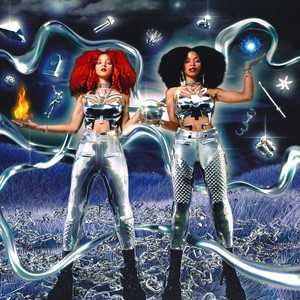
These all sound like entrance themes for wrestlers that get zero pop
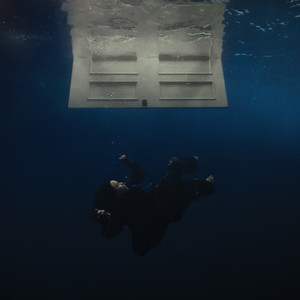
Excellent album. Probably the best album added to the revised addition. Hit me hard and soft is the perfect way to describe this record also. Billie and Finneas wrote every tune on this bad mofo, take a lesson future and current pop stars.
Great that these lads are still going but god this is awful
My first album back in the game after the release of the revised book, and it's a banger. This is exactly how an alt pop album should be, 12 tracks at 34 minutes, get in, kick ass, get out, and keep it just weird enough to pique my interest. Plus, I needed some British flavor after all the Canadian albums from the user submitted list.
some wrinkled crypt keeper looking 80-year-old man singing about how he wants to be the only man for some girl... What the fuck is wrong with you, 1001 guy? Do you not have any sense of anything when it comes to music? who the fuck put you in charge?
And now we encounter the issue with book revisions. In a vacuum, this would be a good choice for the book. There is a severe lack of metal on the list. Especially from female singers. And this record is kinda good. In a vacuum, I'd give this a 4. But problems start to sleep in. 1. This record came out THIS YEAR. It was added to the book the year it was released. There is NO record where that is acceptable. It's just too soon and therefore has a high likelihood of being removed in the next edition as it's impossible to tell what albums will age well THE YEAR THEY COME OUT. 2. Every new record added. I think 13 of them. Took out another. And we can see both lists. Is this better than the Mars Volta? Both records are different from the norm of their respective eras. But is it better?! I wouldn't say so. And so now this can't be judged in a vacuum. Fair or not. As I write this, I'm still on my first listen for the day. I don't know yet what I will rate this. But every day for the next 13 days... I will have an issue.
However bad the other new albums added are - this album makes it worth it
Not bad! This band's got a real future ahead of them!

Jesus, I think I've done it. I think this is album 1089 and I am done (until I start the user list tomorrow). It's actually been longer because I reviewed over 200 albums before I started a group, which meant I had to do those all again! Nearly five years, it's been a journey... Many thanks to the members of my group (especially Dave L., Peter P., Alan L. and Glen S.) who have staggered alongside me through this winter death march. A really special call out to Peter P., who really instilled a broad and unprejudiced love of music in me. He was my boss at the record store for about two years, but has been my friend for forty years. He introduced me to so many artists and records that I love. We DJ together. He encouraged me to take a more autobiographical approach to reviewing. Thanks Peter, I love you, man. Thanks to any critic who ever inspired me, especially Jessica Hopper, Bill Wyman (not the Rolling Stone), Amanda Petrusich, Simon Reynolds, Charles Shaar Murray, Robert Christgau, Elizabeth Nelson, Hanif Abdurraqib, and a plethora of others, all worth reading. But not Greil Marcus; fuck that guy. Many thanks to anyone who ever threw one of my reviews a thumbs up, I appreciate it. And a thousand thanks to Alexander for setting up this project and his technical support along the way. This project has been exciting and infuriating and exhausting, but I have appreciated the structure to my listening, and the opportunity to reflect on my musical tastes, history and the friends who helped form my tastes. In the words of the great Liverpudlian band: "All these places had their moments With lovers and friends, I still can recall Some are dead and some are living In my life, I've loved them all" And here we have Buck Owens as my final album, which is as good a place to finish as any. This project has given me an appreciation of classic country, and this piece of Bakersfield honky-tonk is a simple pleasure. I love a tight album that doesn't outstay its welcome, and this album is _tight_. I'm listening to the version with a couple of bonus tracks (including 'Act Naturally', love it) and it still only runs 32 minutes. There is not a wasted note on this album. The band is energetic and efficient, with special props to the wonderful Telecaster work of Don Rich. Could you argue that some of the songs border on being novelty tunes? Possibly, but they are fun and catchy and rollick along, so I don't care. I've spun this through three times in a row, and I am whistling along. I was going to give this a three, but I am really digging it. Call it 3.5 stars, rounding up!

Garbage in name, Garbage in nature. DO NOT LISTEN

░░░░░░░░░░░█▀▀░░█░░░░░░ ░░░░░░▄▀▀▀▀░░░░░█▄▄░░░░ ░░░░░░█░█░░░░░░░░░░▐░░░ ░░░░░░▐▐░░░░░░░░░▄░▐░░░ ░░░░░░█░░░░░░░░▄▀▀░▐░░░ ░░░░▄▀░░░░░░░░▐░▄▄▀░░░░ ░░▄▀░░░▐░░░░░█▄▀░▐░░░░░ ░░█░░░▐░░░░░░░░▄░█░░░░░ ░░░█▄░░▀▄░░░░▄▀▐░█░░░░░ ░░░█▐▀▀▀░▀▀▀▀░░▐░█░░░░░ ░░▐█▐▄░░▀░░░░░░▐░█▄▄░░ ░░░▀▀ ░░🔥░░░░ ▐▄▄▄▀░░░
Just put Evanescence on here and call it a day. This just doesn't seem like anything better than came out in the early 2000's and sounds similar.
If you are wondering why an album from 2026 us on the list… It’s worse than it looks. Not only are albums added to the list that are less than a year old… Previous albums are removed! Which means you may have heard an album “before you die” unnecessarily. What will St. Peter have to say to you then? But, it gets worse still…. The albums that are removed, this time around for example, are all from 2001-2020, which divides into two more bad things. One, that the entire list is not analyzed with each edit (even though we’ve all had very mediocre to terrible albums from those earlier 40+ years, not to mention albums left off that shoulda been). And, Two, that this particular album from 2026 that you now “must hear before you die” could be (and probably will be) removed over the next few years. The person who runs this site is a saint. But the editor of the 1001 list is destroying his own credibility. Meanwhile, we now have 1100+ albums to work through due to all the different editions. Mr. Dimery should use all our reviews, and mine in particular 😀, to do an actual one-time edit of the list that makes sense.
Rainwater filters through trash and creates leachate, a toxic liquid filled with heavy metals, chemicals, and microplastics that can seep into soil and groundwater. Leachate is essentially garbage juice.

You Are The Morning is the debut album of jasmine.4.t. It is an album full of country and folk based indie rock with strong ties to the Boygenius members (Julien Baker, Lucy Dacus and Phoebe Bridgers). The album contains strong songwriting, but the vocals are nasal and boring after a while. I've seen them perform at the Best Kept Secret festival where this vocal issue was not so annoying. All in all it's a good, but not a great album. Of course it has a significant meaning in the trans community, but that is not a reason to act like it's an essential album to listen to before you die. Speaking of the Boygenius members, would their album or one of Phoebe Bridgers' not been a better submission to the list?
Yep. I can confirm this is The Chemical Brothers
This is ridiculous. With all the respect I have for TRS, the inclusion of this record in the latest batch is preposterous
An album that came out last year listed here as influential? Whoever compiled this list has confused ‘influential’ with ‘ i liked it’.
They cut Fetch the Bolt Cutters to add this?
After the first song I thought "this is what LCD Sound system might sound like were James Murphy a bisexual millenial." By the last song I'd realised that "this is actually what Björk would sound like were she a bisexual zoomer."
The more recent an album is, the harder it is to meaningfully assess whether it realistically has a place on the 'must hear' list. And this album is less than a year old. Don't get it twisted; I like Charlie XCX. I think she is one of the most dynamic and interesting pop stars working today, and this is an interesting and compelling piece of work. But it suffers from the problem that the movie of Emerald Fennel's "Wuthering Heights had; more style than substance. It is a big swing for the creative fences that became a pretty hot topic of discussion for a little while but doesn't really have long-term cultural impact. Even a year on, it has been overtaken by Carlie XCX's latest creative outputs. I would argue that this album has a far better hit-to-miss ratio than the movie, so let me say the things I like about it: - it's smart without being overworked. There is an idea here and I like that she has something different to say without going crazily concept album. - that she, she didn't forget that this is a pop album, and that means tunes and beats. Not as many bangers as Brat, but an acceptable level given the high concept. - it's short. I wish more pop artists would release 34-minute albums full of 3-4 minute songs. - those string arrangements are fantastic. Creepy, gothic, evocative - I like the sound design, which is tastefully weird, even though I wish critics would stop describing anything with use of destructive filters as "industrial". It's not. That's just what pop sound design is like these days. It's a good, smart pop album which makes sense in Charlie XCX's growing body of varied and interesting work. Will it be remembered as the highpoint of her career a decade from now? Is is a classic for the ages that will still be in 1001 Albums a decade from now? I suspect not on either count. But I enjoyed listening to it. 3.5 stars, rounding up.
i'm not sure what demon possessed them to include this instead of something less obscure and more mediocre in the latest book but I'm glad they did

Is it necessary for this album to be over 2 hours long? Is it necessary for me to drink my own urine? No, but I do it anyway because its sterile and I like the taste
Music to listen to while your wife is fucking her boyfriend
I can say with utmost certainly, whichever editor of the book submitted Supernova has teenage girls in his house. I'm sure dude randomly finds fake eyelashes in the sink, in the dishwasher, in the couch, in the dogs fur, everywhere but the trash. He probably took a browbeating that sounded like Veruca Salt saying, "Daddy, I want a Nova Twins album! I want you to get me a Nova Twins album right away!" "Daddy, get me one of those silver outfits!" So, like a real father, he caved to the whims of his children and championed for the inclusion of their favorite album. While everyone else is bashing him and falling out like they're at revival for including this slice of pop dreck that will surely be cut from the next book revision, I stand at attention and salute you Sir! Your kids are only young once and they will love you forever for adding this.
gentle, mild, light, inoffensive, insubstantial - if Babybel Cheese made an album, it would sound like this. a breathy, fey, waste of time, and a senseless addition to a list which still excludes Eric Dolphy, Sonny Rollins, Art Blakey (and many other great musicians)
The retirement age in the UK is around 67, just saying.
This is a simple protest vote. It is ludicrous for albums in the current year to be put on this list. More ludicrous still is the fact that you have removed more recent albums (in the last 5 years) as you add new ones. If you were removing questionable albums from the 70s, for example, it would make much more sense. When the bulk of the removals come from your own recent additions, it makes your judgement questionable Sorry, Charli! The one star rating is for the list managers, not you.
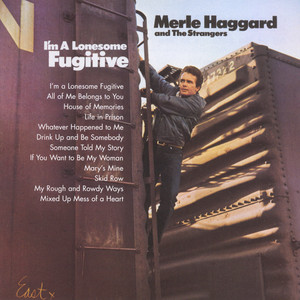
One of my learning from this project has been that I don't mind a bit of outlaw country. I think Merle Haggard really hit his straps a few albums after this (and we miss the chance to grapple with Merle's complicated politics). But this is a pretty tight album.
I mean it’s fine but like come on man what are we doing here
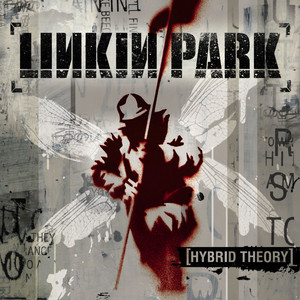
the true rating of this is "i was fourteen"
LETS GOOOO! I’ve loved this album since it came out; thank the Lord it made the list. Just a perfect pop record in every way I could think of. Dancy, dramatic, emotional, and cute, all together mixed so well. And the production is just *chefs kiss* (the transition from Bittersuite into Blue is one of my favorite musical moments of the last few years god it’s so good). 10/10
Call me a conspiracy nut, but this album would have a higher rating if the artist wasn’t trans. People claim that they don’t care, but can’t handle being exposed to them. That’s my little rant. Anyways, I really liked this album. I enjoyed it when it first came out and I enjoyed it now. Not all bangers, but none of the songs are terrible. Several certified bops, in my opinion, give this album a good bit of range, but it could use a tad more to really get it to where I feel like it could be. Looking forward to their next release. Great suggestion. 4/5
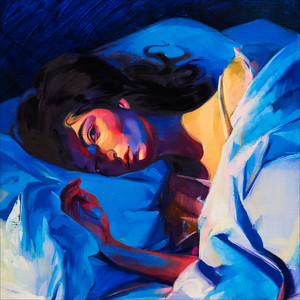
Like most late-twenties white women, I was obsessed with this album as a teen and it still hits so, so, so hard nearly a decade later. Praise the Lorde!
I'll admit that I'm a little skeptical that this needed to make the list, but I did really enjoy it. At this point I'm skeptical of almost any artist that is British and was previously unknown to me, which I recognize is a little rude, but also, the list editor has made enough transgressions that I stand by it.
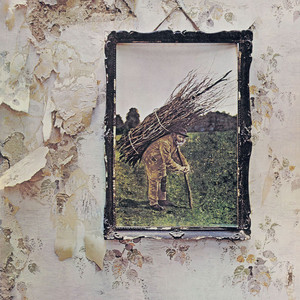
Absolutely nothing revelatory to add here that hasn't already been said ad nauseum for 50+ years, so I'm just going to give this one the 5/5 (factored down from a 25/5) that it deserves and move on.

I never really understood this album. Too artsy, too intellectual. It wasn’t until their 1980 album Duke that the group really hit their stride. Peter Gabriel had already left by then to start a lame solo career and Phil Collins’ influence became more apparent. The Invisible Touch is of course their undisputed masterpiece, an epic meditation on intangibility. Listen to the brilliant ensemble playing of Banks, Collins and Rutherford. You can practically hear every nuance of every instrument.
This album has disappointingly very little to do with bratwurst.
First revision in 5 years and this is one of the albums they add. Who makes this list? They’re missing most of most important albums to release in the past 10 years and they decide to add this album anyway. And this isn’t even the worst pick out of the new albums. Watch, I’m going to lose my mind when I get the new Rolling Stones album on this generator. It’s not even that bad, but I wouldn’t call it good either. I like her screaming voice. I’m mainly just annoyed at the people who make this list. Off the top of my head, I can name several albums way more deserving to be here. And I don’t even listen to a ton of what’s popular now.
Excellent album. Billie should be on this list and I am pleased that this one made the edition.
Evanescence, with a little tiny hint of Chloe Qisha thrown in for funsies. This is absolutely not something to hear before you die. It's a cynical pop take on nu-metal that ends up being different for the sake of difference.

Excellent work music, relaxing and contemplative. Helps me focus instead of giggling during the last crucial steps. The music perfectly mirrors the look of horrified confusion I see in their eyes when I start sewing back their arms where their legs used to be. I only wish they'd appreciate it the way I do. 9/10
Heyoooo. That new edition of the book finally came out. I suppose the site owner is trying to artificially populate these new album pages seeing that I've pulled this third Chemical Brothers album right out of the gate. I, sadly, am not in possession of the new book as it releases on the 2nd of February down here in Australia. However, I will be moseying on down to my Dymocks of choice on the day that it releases as I kind of owe it to Dimery & Co. I've shamelessly pirated five other editions of the books while assembling my reviews for these albums. Time to have a peep at those new inductions. Hrmm. IT'STHESAMEFUCKINGTHINGASLASTTIME. They pulled 13 contemporary albums and replaced them with 13 contemporarier albums, bumping the total album count up to 1102. It's truly shameful that we're in 2026 with neither Pinkerton nor the Blue Album on the list. I was hoping the new publisher of this book would grant these curators a little more creative freedom in revising the list, but nah. These editors are just lazy as shit. Honestly, I'm about ready for this album journey to end, so I can hardly complain about 80-or-so new albums not being dumped onto my plate. Okay, time to actually have a peep at the new inclusions. "Brat" by Charli XCX. That figures. Another Charli XCX album which released only this year. That's some zealotry, though I suppose Charli is one of the defining acts of the 2020s. Poppy's in there surprisingly. I'm not at all familiar with her music, though I do like her "Interweb" song. Billie Eilish is another no-brainer, though I'm unsure as to whether her included album is a good pick. I'm only familiar with her late-2010s music, and even then that familiarity is only passing. There's a few artists I've never heard of but are more-than-likely good representations of the times that their albums released, and then there's these late-career inclusions from The Chemical Brothers, The Rolling Strones and The Cure. Honestly, I don't think we need these inclusions, though in all fairness I'm not really attentive as to where current popular music is at. Maybe it really is dire out there. Of course, in order for these 13 new albums to make it onto the list, 13 albums had to PERISH. Lemme see if I can find a list of the exclusions. "Fetch the Bolt Cutters" by Fiona Apple. I haven't listened to that album yet, though I suppose the late-careerers are easy targets. "Grey Area" by Little Simz. Get absolutely fucked, though I still think "Sometimes I Might Be Introvert" deserves to be on the list despite the fact that I fucking hate that album. "Hookworms" by Microshift. Haven't listened to it yet. "Modern Kosmology" by Jane Weaver. An absolutely nothing album that doesn't even have a Wikipedia page, so I don't object to the snubbening. "You Want It Darker" by Leonard Cohen. Inexcusable removal despite the fact that I disliked that album. Put it back on the list right this instant. "In Our Heads" by Hot Chip. Nothing I was too enthusiastic about, though I thought that album was a good representation of the year it released - I'd definitely save it. Django Django's self-titled album. Haven't listened to it yet, though the band name does ring a bell. "Teen Dream" by Beach House. See my opinion on "In Our Heads". "Two Dancers" by Wild Beast. I know this website hates that album, though I thought it was quite good and was, again, a good representation of the year it released. I'd definitely save it. "De-loused in the Comatorium" by The Mars Volta. I wasn't into that album, though the group definitely have their fans - I'd save it. "Power in Numbers" by Jurassic 5. The J5 are one of the exceedingly rare hip-hop acts to yield a hip-hop song I like ("Improvise"), so I'd definitely save them even if they are kind of an underdog act. "Southern Rock Opera" by Drive-By Truckers. A bit of an outsider band with little relevance beyond critical acclaim, but I thought their included album was interesting, if a little long. I'd save it. "Rings Around the World" by Super Furry Animals. Shit album from a shit band. Bye-bye. Of the thirteen albums that were pulled, I'd save seven. Not a good ratio for what is meant to be an improvement to the book, though I suppose I understand the rationale behind removing most of the albums that got cut. Anyways, time to finally hit play on this album. I wasn't too enthusiastic about The Chemical Brothers' previous releases, though I am curious to know what a modern take on their style would sound like. Here goes. Huh. I thought we left this style of music behind in the early-to-mid 2010s. I can hardly complain - I thought this album was A-OK. The synths maintain a characteristically 90s charm while also sounding quite modern with the soft, rounded, wavy methods in which they are mastered. Other songs feature harsh, washed out sounds and those deep, gurgling, droning synths that were all the rage in 90s rave music, both of which I also thought were executed well. As goes for all of the music within this niche, I found the style of this album to be deeply impersonal and therefore not particularly invigorating, though I didn't mind kicking back to this one for a few. Sadly, a scan of the 2026 book has yet to surface online, so I guess I need to settle with only looking at the Wikipedia page for this album. Nominated for a Grammy. Liked by critics. Performed respectably on the charts, having charted in nine countries. Notable placements include No. 70 in Australia, No. 45 in Japan, No. 16 in Switzerland and No. 6 in the UK. Yeah, we're pulling this one. While I appreciate hearing a more mature sound from The Chemical Brothers, this album is quite behind on musical trends and doesn't appear to have been particularly acclaimed or successful. In proving that I can do my unpaid review job better than these paid frauds, I will be submitting a contemporary replacement for every album I decide to pull from the newest edition of the book. In place of this album, I humbly submit "Ants From Up There" by Black Country, New Road for inclusion on the list. Now, I myself am a phony fraud seeing that I'm submitting an album I haven't even listened to, though in my defence I listened to the first ten-or-so minutes of "For the First Time" when it released, the critic reviews of the album speak for themselves and I still see people discussing the album on the Internet, so I think its a solid pick.
Brat is a slice of mid 00s EDM and rave clubbing culture, and it does a great job of matching that sound with squelchy synths, punchy electronic percussion, and blaring bass. More importantly than just what's contained within the music, is the atmosphere that it cultivates. Charli XCX is a party girl, something you'll be well aware of by the end of the album. With brat, Charli XCX has come full circle. She started off as a electronic infused dance pop artist, and after playing around with less commercial elements during her time within the PC Music scene, she has come back to electronic dance-pop. Brat is not the same as her early work though, with her experience working with musicians in the PC Music space (such as A.G. Cook who produces some songs on the album) comes an injection of hyperpop sounds such as the heavily autotuned vocals and almost industrial bass, which really kicks the EDM up a notch beyond what it was inspired by. Speaking of inspirations, you can hear the influence of 00s EDM legends like Daft Punk and Justice all over the record, even 360 and the other songs that use its leitmotif (Rewind and 365) sound exactly like Stardust's one hit. The hyperpop influence here is the big reason why brat has such a big sound. The exaggerated effects of hyperpop give the album a high-octane and drugged up sound, like you're at the rave drinking alcohol and taking uppers. The blaring synths and heavy autotune do give the album a disorienting and wobbly feeling which matches the exhausted yet fun feeling from the club. Lyrically this album is her usual shtick of sexual party girl with more heartfelt lyrics about relationships, feelings, and insecurities. These personal lyrics had more impact on me during her 2020 COVID era hit album How I'm Feeling Now, but it does provide an interesting contrast to the non-stop partying atmosphere of brat. The penultimate song - I Think About It All The Time - drops a lot of the EDM and Hyperpop influences for a heartfelt song about Charli balancing her music career with her private life and starting a family, and it works as a wonderful introspective come down to the hi-energy clubbing sound from the rest of the album... Only for the closer, 365, to go full-throttle back to partying. I liked this a lot more now than I did when it originally came out, there's lots and hooks and energy and it's a very fun album. The lyrics push it further into artistic territory, and I'm glad for those who like them and relate, but really I'm just here to groove. Was it a good addition to the list: Yes 100%. I don't like albums that have been added within the past 5 years, but this was such a cultural phenomenon that it really would have been a huge misstep were it excluded. Probably the best possible inclusion they could have made between 2022 and now Top 3 songs: 360, Von Dutch, I Think About It All the Time

I can’t believe the top review for this record (as of Dec 2023) is from someone trying to use their PhD in Mathematics as justification for not liking hip-hop. Weak.
I really don't get rap, and I am completely aware of why. I'm a STEM guy, specifically a Ph.D. student in mathematics. Although my verbal intelligence is quite high, it's still about a standard deviation below my quantitative intelligence. Therefore, it should not be too surprising that I prefer melodies to lyricism, and that a genre based on the latter doesn't wow me. I know I'm pretty far out of step with public opinion on this one, but that can easily be attributed to the fact that hipsters with humanities degrees (i.e. extremely verbal-dominant people) are considered the ultimate arbiters of taste for some reason. (Side note: this also explains why prog rock is seen as being for losers.) Best song: Be (Intro), which had a decent instrumental part at the beginning. Everything else just sort of ran together.
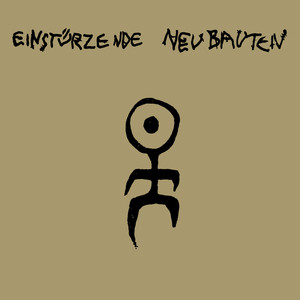
Oh fuck yeah, now we're talking. Wait no, I swear I'm not being pretentious. This is the lowest rated album on this site because I guess mostly people aren't very fond of German people smashing metal plates together - who would have guessed. But halle-fucking-lujah, this is something this list needs more of. Albums that make you go "well, that was an experience and now I'm a changed man". Nobody is lying on their deathbed wishing they heard more crappy 80s post-punk or late 60s psychedelic rock. THIS is what we all deserve to be listening to as we embrace eternal oblivion. I'm giving this a high rating not only because I genuinely really love it, but also to help Kid Rock move to his rightful place as the actual worst album on this list. Together we can make a difference. Save the turtles.

Back when I was in college I used to go to a bar and listen to Neil tunes and do magic tricks for women. There was a bartender there, he was the best. I loved that guy. Some of the best years of my life.

Brings back vivid memories of when me and my mate Ray went on a trip to Dresden. We met this rotund goth in a bar, head to toe with tattoos and piercings, real filth and after a while took her into the disabled bogs for a spit roast. We were both pumping away in her with Napalm Death on in the background and her wailing "MEIN GOTT" at the top of her lungs. I remember spaffing all over her back just as Siege of Power kicked in. As i shoot over her, she takes Ray's cock out of her gob and says "do you want fries with that?" in a faux American accent. Anyway, we go outside and there's this gammy little geezer in a wheelchair sitting there furious, giving me daggers, because he's had to wait so long, so I lean into him and I go "I hope you have as much fun in there as we just did you little cunt".
Rap isn't my preferred genre of music. But I'm a shitty mathematician so I enjoyed this.
Back when I was in college, there was this dude who would come into the bar I worked at on a Friday night and play fucking 10 Neil Young songs in a row. He would also hit on girls by doing magic tricks. I remember how angry I got every time he made me listen to an hour of Neil Young because I was just trying to have a good time, and he fucking made me listen to this sad, soppy fuck who writes nothing but songs that sound indistinguishable from each other and never seemed to enjoy a happy moment in his entire like. Fuck that guy, and fuck Neil Young. 2/5

Shit like this on the list is both refreshing and infuriating. Refreshing because it is good, fun, interesting, and also not something I would regularly be exposed to! It's why I started this project and keeps me coming back. It's infuriating because the fact that it is included here means that Robert Dimery, the original author of the 1001 albums list is aware that music like this exists. He's clearly aware that there is an entire world of music out there. SO WHY HAVE I LISTENED TO 200 80s BRITISH NEW WAVE ALBUMS AND 200 SCOTTISH ROCK ALBUMS FROM THE 90S??!!?

Rage In Favor Of The Machine.
Around 1990-91, I was a volunteer at 2SER student radio. Mostly, I did technical work helping my mate, Tim, who hosted 'Monday Night Football', a music program that ran from 1-3am on Thursday nights. Panelling, editing, that kind of thing. In 1991, Einsturzende Neubauten were touring Australia and there was an offer to do a radio interview with 2SER. I could actually pronounce “Einsturzende Neubauten” and knew a little bit about the band, so it was decided that I would do the interview. Interviewing was not really my thing, but it came with perks; tickets to their show at the Phoenician Club and a copy of the Strategies Against Architecture LP, so I said OK. I knew the legendary Blixa Bargeld has a reputation for not suffering fools, so I tried to prep questions that were interesting. So, on the day of the show the plan was to go down to the club after soundcheck and interview Blixa. It was a bit intimidating. I mean, EN were one of the world’s most dangerous bands and Blixa also played in the Bad Seeds, which made him an underground legend. Tim and I were in the equipment room gathering up a portapack and mics and whatever else we needed, when someone comes running in the room whispering “There’s a vampire in the lobby, and he’s looking for you!” And sure enough, there in the lobby, stands Blixa in full stage outfit, pale as death, six foot six in Cuban heels and his hair teased up and 100lbs wringing wet. He has a bottle of schnapps and a filthy look in his eye. He’s staring death at everyone. And then I hear my name called. Standing next to this imperious vision in black is a smiling Japanese man in bright green overalls with a flower appliqued on the front. His voice is oddly familiar; it is Rick Tanaka, former presenter of 'The Nippy Rock Shop', an experimental collage-style radio show from Triple J in the 80s. I was a fan. Turns out, he is the road manager for this EN tour, and he is asking for me. He hands me his business card: Rick Tanaka, Private Guy. We hurriedly shuffle Rick and Blixa into a meeting room and turn on the recorder, and I attempt an interview. It did not go well. Blixa did not want to be there, was much smarter than me, and was not very patient with my attempts at questions that were more engaging than the usual stereotypical “who gets to go to the junk yard to get scrap metal for your stage show?” Eventually, Blixa just started ignoring me and chatted to Rick. Tim and I kept the tape rolling for their conversation, and afterwards edited it up into something resembling proper radio. And then they left. Tim and I packed up and then walked down the road to the Phoenician Club. En route, we bumped into the Beasts of Bourbon, who were playing support. Tex and Kim were intensely focused and wouldn't say hello, but we chatted to Spencer for a bit. They clearly knew what was coming and were determined to put on a good show. They were the best I ever saw them play that night; tight, ferocious and angry, showcasing material from their Low Road album, that was not yet released. And then on came Einsturzende Neubauten. It was possibly the most intense, frightening show I ever seen. I confess I was a little freaked out by my encounter with Blixa and not really prepared for the experience of an EN show. By the end of their set, I was pressed up against a wall with my fists clenched and my eyes shut. The sound from the stage was so brutal and overwhelming. I can’t recall much of what went on, except for a bit with shopping carts with contact mikes crashing into each other repeatedly. It was really loud. I know I left the venue about 11.30pm. At 2am, I turned up at my girlfriend’s house, tapping on her window. I assume I spent the intervening hours walking the streets in a daze, but not really sure of what I did in that time. She yelled at me for a good 15 minutes for waking her up, but I was unable to put a sentence together, let alone explain what had just happened to me. It was a heavy, really heavy, performance. Ok, so given that background of my relationship with EN, what do I think about this album? I have listened to it once or twice before. EN is really influential on me. I love noisy things, really noisy things. I played in industrial bands through most of the 1990s. And this is like the ur-text for much of what industrial music became. It still sounds frightening and surprising now. That said, this is a massively difficult listening experience. I am reminded of Brian Eno talking about Steve Reich (I think), and how hearing one of his early tape pieces was massively influential, but he never listened to it again. Early EN (and this album in particular) is like that for me. It opened up a world of possibilities to explore, but I don’t need (or probably even want) to listen to it much. I certainly was much more enamored of their early 1990s material, which contains actual songs, rather than just this scary barrage of crashing rhythms and screaming. Kollaps is an important record for me, but I would not recommend it.
Music for incels to wank furiously by
Sorry Boomers/Gen X, I was like 20 when this came out so it's one of the best things to ever happen to me. Sorry it's not King Crimson or whatever.
Back in the day we girls always went to a bar to dance. Most of the nights just when the evening started to be great this nerdy guy put coins in the jukebox to play at least 5 Neil Young songs in a row. After he spoilt the mood he even tried to hit on us with tricks as "he was a magician". We considered him "Helpless". The only reason we kept returning to this bar was the fact the barman also disliked the guy and told us the drinks were free as long as we kept on rebuffing the guy. Ever since I get thirsty when I listen to a Neil Young song.

The beauty of music is that it is subjective. It’s typically great for a certain group of people, though it’s never right for everyone. Some for the masses, some more niche, but it all has its place. Meanwhile, with lists like this, there’s always artists or records that anyone would have put on in place of what actually made it. Personally, I would have included Queensryche’s Operation Mindcrime, Live’s Throwing Copper, Joe Satriani’s The Extremist, Sara Bareilles’ Little Voice, or John Mellencamp’s Scarecrow album on a list of must hear records. Others would put totally different albums on and that's awesome. What someone likes vs. dislikes is truly subjective. Again, that's the beauty. With that said, this album objectively sucks. I mean truly horrible. Something had to be the lowest rated album on the list, and this was a place well earned. There is nothing redeemable about this record. To quote my wife, “they should have stopped at 1,000.”
I am definitely not the target demographic for this album, but I still thought it was very good. There's a lot of skill and artistry put into these tracks, so much so that it is almost invisible. 4 stars for me, plus an extra star just to spite the mathematics PHD guy.