Thank god for Talking Heads. Not that they don't have influences, but, like many post-punk bands, there's a particular dimension of quirk that only they represent. There's a "Talking Heads" itch that just can't be scratched by any other group. I'm not as familiar with More Songs about Buildings and Food as I am with other Talking Heads releases, but I found it just as enjoyable. The songcraft here isn't as immediately accessible as that on, say, Remain in Light or Speaking in Tongues, but that only gives this record its own understated character that rewards repeated (and repeated and repeated) listens as the songs open up and reveal their secrets. I'm going to leave this here and go listen again. More Songs about Buildings and Food might not be my favorite Taking Heads album, but it's still a masterpiece. Five stars.
1001 Albums Summary
Rating Distribution
Rating Timeline
Taste Profile
Breakdown
By Genre
Tap a bar to see the albums behind it
Top Styles
Tap a bar to see the albums behind it
By Decade
By Origin
Albums
You Love More Than Most
| Album | You | Global | Diff |
|---|---|---|---|
|
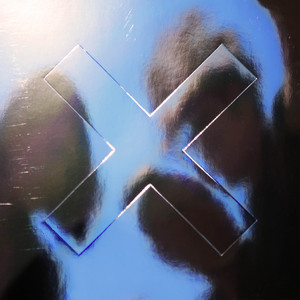
I See You
The xx
|
5 | 2.97 | +2.03 |
|
Nighthawks At The Diner
Tom Waits
|
5 | 2.99 | +2.01 |
|
Autobahn
Kraftwerk
|
5 | 3.09 | +1.91 |
|
Country Life
Roxy Music
|
5 | 3.1 | +1.9 |
|
Stephen Stills
Stephen Stills
|
5 | 3.16 | +1.84 |
|
Selling England By The Pound
Genesis
|
5 | 3.19 | +1.81 |
|
School's Out
Alice Cooper
|
5 | 3.19 | +1.81 |
|
Fun House
The Stooges
|
5 | 3.28 | +1.72 |
|
Horses
Patti Smith
|
5 | 3.3 | +1.7 |
|
Juju
Siouxsie And The Banshees
|
5 | 3.34 | +1.66 |
You Love Less Than Most
| Album | You | Global | Diff |
|---|---|---|---|
|
Tuesday Night Music Club
Sheryl Crow
|
2 | 3.06 | -1.06 |
Artists
Favorites
Tap an artist to see their albums
| Artist | Albums | Average |
|---|---|---|
| The Smashing Pumpkins | 2 | 5 |
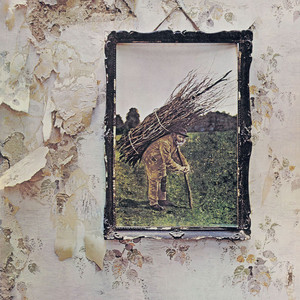
| Led Zeppelin | 2 | 5 |
| Michael Jackson | 2 | 5 |
| Bob Marley & The Wailers | 2 | 5 |
| Fela Kuti | 2 | 5 |
| Stevie Wonder | 2 | 5 |
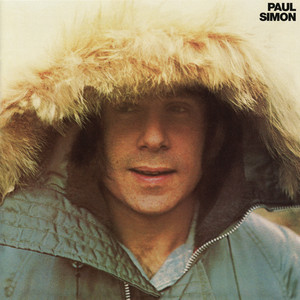
| Paul Simon | 2 | 5 |
| The Rolling Stones | 3 | 4.33 |
5-Star Albums (47)
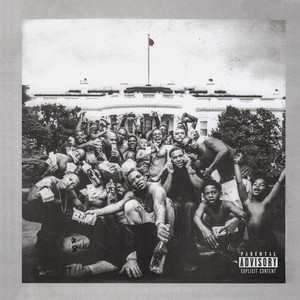
View Album Wall





















Popular Reviews
The rating for this one is easy. Bad is a masterpiece. But what is it about this record that makes it so appealing and such an artistic triumph while being immediately accessible and also very weird, creative, and layered, all at the same time? I don't know if I don't have the language, the attention span, or the time to dig through the elements that all came together to create one of the best examples of popular art in the history of American popular music. The thing is, I rarely reach for a Michael Jackson record casually on my own, but whenever I have a reason to listen, especially to Thriller or Bad, my mind is consistently blown, especially by the sheer density of the recordings. There is a lot going on in all of these albums, and my brain loves the layering. I was nine or ten when this album came out, and, in the Southern Baptist culture in which I was steeped, Jackson was considered a total weirdo by then, especially in what the culture saw as his gender-bending mannerisms, plastic surgery, and soft voice. Some, like my parents, still respected his Motown output with the Jackson 5, but the Jackson King of Pop era basically missed me. We did see his video premieres on Friday night television. Though not directly related to this conversation, it's hard to overstate how epic those video events were. Even though they were skeptical of anything "worldly," my parents were vocally impressed with Jackson's skill as a performer. Still, as a nerdy, white, Bible-belt Christian teen, I was more familiar with Weird Al Yancovick's parodies of Jackson's work than the original work itself. By the time I had gained a little independence from that culture, I was a white male teen in the mid-nineties. Jackson was still around and still making impactful music, but even though he impressed me, I wasn't really interested. Grunge and alternative rock were our touchstones by then. I saw Jackson as incredibly talented but irrelevant to my experience. Later, accusations of inappropriate behavior and even abuse further distanced me from these classic recordings. Now, as an adult, I can go back and listen to these records without the overwhelming gravitational pull of the zeitgeist. And, while Thriller will always be Jones's and Jackson's highest artistic moment together, Bad comes closer than I ever thought it could. These are not just simple dance or pop records. They are densely layered listeners' records that all fans of American popular music must spend some focused time with. As so often is the case, choosing a specific mastering is essential. For Bad, I listened to files ripped from the original CD. My understanding is that later releases used dance or radio mixes and compressed the tracks considerably. And I kind of get it. This music was made to sell millions of copies, and making it immediately impactful was part of that strategy, especially as the heaviness of the bass in modern tracks became more popular as we exited the '80s and entered the '90s. But the compression in the later releases makes it harder to hear what Jones and Jackson were really doing in the studio. For me, in both Thriller and Bad, the track layering is the key to understanding why these records are so good. The older mix allows for more space between the layers, making them easier to hear individually. The impact is especially apparent in the layered vocals. Jackson creates a chorus of his own voice, which allows him to interpret tracks and lyrics in multiple complementary ways at once. In a way, it feels a little cocky. Why does he need to be his own backup singer(s)? But I can't imagine another singer being able to do what he was doing with the vocals at that time. His interpretations were just too unique. I've also noticed that often the harmony and backing vocals are actually slightly louder than the melody track. I can't explain why this strategy worked, but it did, and I don't imagine any other singer performing those vocals would have had the same impact. And the sublayers of the music below the surface, danceable pop, can get downright weird, too. Is that proto drill 'n' bass in "Speed Demon"? The spoken word before "I Just Can't Stop Loving You" is so intimate that it borders on cringe. "Man in the Mirror" is a five-minute treatise on self-reflection and its importance in one's work in the world. Every single song is special. There is not a moment of filler. I could go on and on about this record because there is no end to what could be said about it. I'm choosing to stop here because I want today's album. Five stars.
I'd never listened to this album from start to finish before, but I did have the CD in the collection. This is an outstanding record that everyone should listen to. The writing is a little too on-the-nose for me, but I wouldn't go so far as to call it preachy, mainly because it feels so sincere. Every song is a protest song in its own way; they all present personal stories of poverty, abuse, and materialism. It's striking that a record that is so emotionally impactful has sold upwards of twenty million copies. Chapman's execution of her lyrics is also top-notch. The arrangements are straightforward and low-key, but they always feel appropriate for the music. This album deserves every accolade it has ever received, as does Chapman herself. For me, the real standout here is the recording and production itself. It was released in 1988, before the loudness war was in full swing. It is a digital recording in an era focused on taking advantage of the CD medium for the benefit of the music, rather than as an excuse to compress everything and jack the levels to the max. This album is wonderfully engineered. Chapman's guitar and vocals are given plenty of room to breathe, and she is always the highlight of the recording. I would say it feels like she's in the room with you, but nobody's room is this quiet. If I was being objective, I would give this record five stars, but it's a personal four stars.
Almost everything here represents a solid outing and excellent performance. The production is good, but nothing too exciting. I'm more familiar with Winehouse's legend than her music, and I found her reputation as a solid vocal reader to be well earned on this debut. I found the lyrical content to be pretty immature, though sometimes legitimately fun, like on "Fuck Me Pumps." I am well aware that, as an almost 50-year-old man, I am not the target audience here. I imagine others would connect with this music much more than I did, and I am hopeful that I'll enjoy her later releases even more. Three stars.
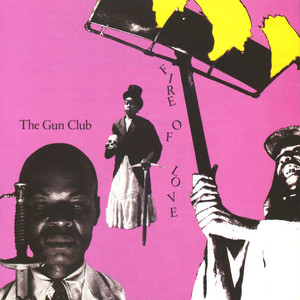
First thoughts: What the hell is this? If this record isn't at least interesting, I'll be disappointed. This album art looks strange, lo-fi, and very cool. I hope the music reflects the art style. I'm excited. This one will grow on me, I think. Its genre is right up the post-punk avenue, which I'm naturally drawn to. My first casual listen gave me the impression that this record is a pretty straightforward, though energetic, garage rock album. No problem. Garage rock is cool; it just doesn't tend to hold my attention for long. A second listen revealed much more creativity and depth than I had heard the first time through. That alone will have me coming back for more because I'm always looking for new post-punk to get into. I didn't know enough about this record to understand why it was on the 1001 list, but a little bit of reading informed me that it was a progenitor of '80s garage rock resurgence and one of the first records to incorporate country rock into punk. For the OAD project, I try to approach bands that are totally unknown to me with as little research as possible. Just their inclusion on this list is enough motivation for me to give most records a few spins. However, knowing a little bit about what to listen for helped me appreciate this album more. A quick note about the album art. I admit that I was hoping for a black interpretation of post-punk here, maybe a revelation similar to what many of us experienced when the 1975 recorded, 2009 released, album "...For the Whole World to See" by Death got a resurgence 15 years ago. You should listen to that one if you haven't already. It's awesome. I had to look up some opinions on the album art because my attitude toward it changed when I realized the band's members were (mostly) white. I understand that the album art was changed for the releases of this album after The Gun Club moved over to Blondie's label. I also saw a lot of praise for the pink "voodoo" cover. And I have to admit the original cover grabbed my attention right away. But these images being used by a white band feels exploitative in 2025. I lean toward not being mad at it because it was made in 1981, and from what I read, these images were chosen out of genuine interest. And, of course, I'm not a member of one of the groups represented here, so I'm sure that makes it easier for me to swallow, but this album cover would be inexcusable by my standards if it were released today. Fire of Love got my attention, and I'll put it in rotation. Four stars.
4-Star Albums (84)






























All Ratings (198)
Kickass punk album, but not as good as its legend. It IS legendary, though, so four stars.
Hurts my heart, but I'm going to give Elvis three stars. The rockabilly is solid, but I think the songs that have been done better by black artists make these versions sound bland by comparison (I've Got a Woman, Tutti Fuitti). He just isn't the King here.
This is such good classic soul. I had only heard a few of the songs before, but pretty much every song on the record is awesome. Listened to the first Elvis album yesterday, and it pales in comparison (literally). Would love to have a good vinyl pressing of this one too. Four stars.
I listened to this album at least three times today. It was amazing the first two times, but I was considering rating it as four stars because I zoned out and got distracted from it. The third time I listened to it with headphones, and there is no way I can give this album less than five stars. It deserves more. It's in the pantheon. This record is as full, textured, and layered as any Pink Floyd or Genesis record. I had to read about the production of this album because I couldn't wrap my mind around how a "singer-songwriter" could put together a project with this level of production. I love it. Five stars.
Rockin'. Excellent Rolling Stones vibes. I'll listen to this one again. The record is just about perfect for what it's trying to do, but it's so straight forward that it doesn't really excite me. Four stars.
Not much to think about here, but a lot of fun. Felt really sincere. I see why this was revolutionary when it came out, but it was so influential that everything is pretty familiar now. Four stars.
Fantastic record full of standards getting the Nelson treatment. Love the story behind this record as well, another example of a legendary artist doing what they wanted to do despite label skepticism with brilliant results...and in ten days too! There were a few times I thought a reading would get corny, but I was happily proven wrong. Each new track greeted me with an earnest reading such that many will now stand right beside their more well-known recordings by other artists. Booker T Jones deserves a lot of credit for the production and arrangement too (and that organ work, so beautifully understated!). If I had any lingering doubts that Willie Nelson is a paragon of American Music (I didn't), those doubts have now been erased forever. This will be a five star record for a lot of people. Even though it is an album of covers, it's not a novelty. It is perfect, but it doesn't speak to me on the deepest level. Four stars.
Beautiful. Peak '90s female singer-songwriter vibes, a product of it's time for sure, and I don't feel like I was ever the target audience for this recording. Still, this album is worth a repeated listen. Simple arrangements, but very pretty and well recorded. I didn't dig into the lyrics too much, but what I heard of them was also lovely. Four stars.
A lot of fun. Experimental blues. And like make experiments, there are varying levels of success. Some of the material on this record is genius, but it's too inconsistent. Three stars.
Man what a banger. One of the best debuts of the 90s. Guitars, guitars, guitars, just like I remember it. It was always obvious to me that this record was more a hard rock 70s arena revival than the grunge that grew directly out of punk. For some reason I never got into any later Pearl Jam albums, but this one is perfect. Four stars.
I remember when this record came out. My buddy David got a promo from Coconuts Records where he worked and brought it back to the dorms. My opinion now is the same as then. This is very pretty music. The arrangements and singing are soulful and have still held up all these years later. The production is lovely. The mastering and dynamic range feel open and present without being over loud, even though the disc was cut in the heat of the loudness war. But. Apple's lyrics are sometimes awkward, and I can't get over it. Two months younger than I am, she made this record at 19. At the time, everyone was very excited at her precocious musicianship. And the record IS well written for someone that young. And just imagine how we young men felt about her videos! But this is the 1001. Kate Bush, Billie Holiday, and Joni Mitchell are on this list. There are no excuses or asterisks. This record just doesn't live up to that high standard of the legends of her genre. Still, this record is a great start, and I'm now quite excited to listen to her more mature album(s) on this list. Three stars.
I loved this record when it came out. I think I had it on tape and the CD singles, at least the ones for High & Dry and My Iron Lung. I had Seven Television Commercials, a compilation of music videos from The Bends and OK Computer, on VHS. To my knowledge, this is Radiohead's only true good rock album before they went full prog with OK Computer. It was a huge step up from Pablo Honey. In fact, I was so obsessed with The Bends for so long that I didn't get into any of their other albums for years, no matter how good they were. Listening again now, it's obvious to me that this record isn't as mature as their later efforts. It rocks out, and it does that excellently, but it doesn't have sonic and musical depth of the albums that came after. It also feels that it wasn't mastered as well either. It's loud. The dynamic range is pretty limited, but it helps that this is a distorted album already. Of course it's still an awesome record and a personal favorite. I still get goosebumps when Thom harmonizes with himself on Black Star. But it's just not Radiohead's best, no matter how much I love it. Four stars.
I definitely was not allowed to listen to this one when I was growing up as a fundamentalist Southern Baptist in the eighties, but even I was aware of this force of nature, and, of course I had to learn those two licks from One (the pretty part and the rockin' part) years later. I've never considered myself a metal guy, but I have to love this early Metallica stuff, even through the Black Album. And Justice for All has a lot of crossover appeal for broader music fans. It's metal flavored metal. It's all the good stuff about thrash, delivered in a perfect package. We have the classical influenced guitars played at blistering speed, the growling vocals, double bass hits, apocalyptic lyrics. It's all here, and it was never better before or since. Four stars.
This album was on Rick Beato's 40 greatest sounding albums of all time list, and I can see why. It is subtle, insightful, and beautifully recorded. It's flawless, just not my thing. Four stars for the genius though.
I don't know why I find neotraditionalist Americana to be so boring. I love all of the genres it borrows from, old country, blues, garage, folk. But I end up feeling like these bands just rotate the same three songs between them. It sounds like Exile on Main Street being played underwater, like if The Southern Harmony and Musical Companion was too depressed to roll off the couch. I've read a lot about how Jeff Tweedy is such a great song writer. Ok, but the vocals are buried under layers of haze, like they are too shy to come out to play. It sounds good, but it fails to grab my interest. Three stars
I need more time with this album. It seems like a great record to listen to with headphones. Solsbury Hill is a total banger. This album reminds me of Kate Bush, with a lot of quiet but interesting musical tidbits happening in the background. But the record isn't quite as good as The Hounds of Love. Four stars.
Ok. One listen and I've had enough. This record is pretty fun, and I think I get it. I probably won't listen again. The problem is that thumbing your nose as an artistic strategy tends to date your music. That kind of experimentation is valuable. It just doesn't tend to result in timeless music. Maybe timeless music isn't the point, and that's ok. Three stars.
I'm so happy to be reminded of how great Pink Moon is. Listened to this record over and over again yesterday. Every single song is a beautiful little piece of atmosphere despite being so simple. Nick Drake's ability to create such a deep, mellow vibe with so little is inspiring. I didn't connect with this record to the point of giving it five stars, but I will put this album back in rotation. Would love to have a good vinyl copy too. Four stars.
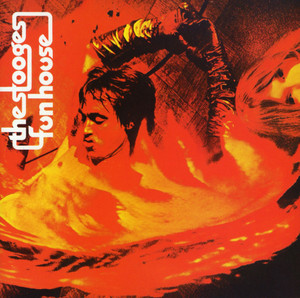
On YouTube, there is a video of Henry Rollins describing a years-long one-sided feud he had trying to outdo Iggy Pop on stage. In that video, he calls Funhouse one of the sexiest, most violent, genius records ever. I'm inclined to agree with him. This thing is a beast. No one would ever call this an audiophile record, but it is punchy, perfectly squeezed through the neck of a jar to that perfect point of immediacy and detail. It rocks the speakers hard; headphones reveal all of the menacing undertones. More rock than rock, more punk than punk, in the pantheon of music, Iggy Pop is the god of war. This is the beginning of his chaotic character arc. Five stars.
Killer. This was my first listen of this brilliant album, and I had a lot of fun. I heard shades of a number of prog alternative bands in this music, which almost led me to give it a five star rating. I hear Sonic Youth, Talking Heads, flavors of shoegaze, and even jam bands. Bel Air drags a bit but is a great car song. Will listen again and look for a vinyl copy. Four stars.
This concert is classic Cash, so awesome from the jump. Darlin Companion is a joy. The recording is ok but not great. His jokes for the inmates are a bit corny, but they seem to enjoy them. I'll listen to this again with pleasure, but it won't be a favorite. Four stars.
I don't think it's bad. I just didn't like it. I think I understand why people like Bruce Springsteen, but he's not for me. This music feels like how country music would feel years later. It's a collection of anthems for the working class. Very direct, no metaphor. I didn't hate it, but I listened only once and didn't feel like giving it a second go. Not interested. Three stars.
An interesting listen. It's the great Cohen, so the lyrics are brilliant, but I can't get past the 80s style arrangements. None of it sounds quite right to me. I listened twice and "liked" maybe two songs, but I'm not interested in playing this album in it's entirety again. Three stars.
So chill. So very, very chill. This is a nice session from the incomparable Jimmy Smith. It's pretty straight ahead, though. Many jazz albums from this era can work as background music but have enough detail that a critical listen is rewarded. That's not my experience here. This album is cool to listen to and very accessible, which means that it is never becomes challenging and is, frankly, kind of forgettable. I was glad to get a chance to listen to this album because I've seen it on sale from the Blue Note Classic reissue series. I haven't pulled the trigger because I feel that I already have a number of albums from that Blue Note series, including Smith's own Midnight Special from the same sessions as Back at the Chicken Shack, and I haven't seen much of a reason to add this one. My understanding is that Back at the Chicken Shack is the more important album, but I like Midnight Special better, and the Blue Note Classics reissue on vinyl sounds great. I'll probably just stick with that title from here on out. Three stars.
80s Prince through and through. Enjoyed this one but not aching to get back to it. Four stars.
What a surprise! My music knowledge is more wide than deep. I had never heard any of these songs, so I was thrilled to get an unexpected prog masterpiece. I will definitely be returning to this one. Four stars.
I think I got a vinyl copy of this record from a thrift store when I was in high school. It's big, bombastic arena rock. It is aggressive and even a bit obnoxious with the long, rocking, excessive solos, etc. The album definitely rocks, but it's too much area excess to match my tastes well. Three stars.
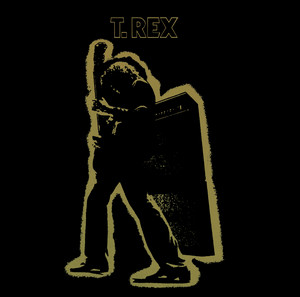
This is a fantastic record. Many times when I hear an album noted for how influential it is, I'll be a bit bored because so many people have copied it, that I've hear all of the jokes before. But not here. T. Rex doesn't sound like the bands it influenced. Those bands sound like T. Rex. I definitely hear some Bowie-like qualities here, but the sound is more like two artists channeling the same vibe rather than one following the other. Bang a Gong is the perfect example of an awesome song that has been totally played out. I've skipped it so many times in the past, but it sounds great on the tracklist here. Cosmic Dancer is a new surprise favorite of mine. I'm impressed with what Bolan was able to do here though I do wish the album was more consistent. Four stars.
This record was a lot of fun, unique in is blend of Irish folk music and punk attitude. Interesting for the first listen but then not nearly as exciting on subsequent plays. Good record, but it'll be rare for me to feel the need to come back. Three stars.
Slick, slick, slick. Too slick. This is alternative rock for normies. A little bit rockin' but with lyrics safe for sorority pledges and teenyboppers. It's totally cool to be as poppy as you want. I have nothing against it. But the super poppy "rock," especially alternative rock, does not do it for me. A delicious pile of plain white rice. The music is good as in well-performed and produced. Three stars.
Oh wow, what did I just hear? When I started collecting vinyl, I jokingly wished I liked certain artists more because their albums were so well regarded on LP. Neil Young is at the top of that list. But I had never heard this masterpiece before. And it's odd too because I am very familiar with the singles from this album, Old Man, Heart of Gold, Needle and the Damage Done. I've never considered myself a Young fan, but, of course, these tracks are canon classic rock, and I always thought they were great. What's unfortunate is that I wasn't aware that they were from this album or that they even were from the same album. When listened to together as part of a full album project, their magic opens up. I've only experienced this one other time, with Marvin Gaye's What's Goin On, and while Harvest didn't quite capture my heart the way that album did, it's still a masterpiece that I plan to get on vinyl and listen to over and over. Five stars.
Synchronicity is kind of a weird album. Stephen Thomas Erlewine described it as two EPs, "one filled with first-rate pop, and one an exercise in self-indulgence." I don't wholly agree with the "self-indulgence" label for the first half of the album, at least not in a pejorative sense. But it's true that the album feels disjointed with the first half being fairly experimental and the second packed with absolute bangers. "Every Breath You Take" is a certified classic of modern pop, and "King of Pain" gets better every time I listen to it (and, of course, the older I get). Three stars for the first half, five for the second, four for my rating here.
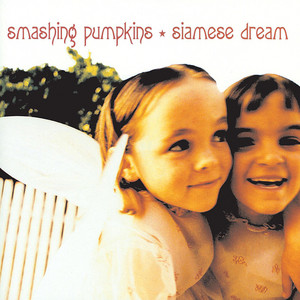
Except for maybe Abbey Road, I doubt that I have listened to any album on this list more than Siamese Dream by The Smashing Pumpkins. This was one of my stone cold favorites in college. I knew some of the songs, especially "Today" and "Disarm," but I really got into the Pumpkins and this album when Mellon Collie came out. I saw them twice on that tour, late '96 and early '97. There were a few amazing singles off of this record, but many of the tracks aren't just songs. They are spacey, anthemic, prog-rock compositions produced from the context of a 90s alternative ethos. So much of my music taste was introduced to me by this band and this album. Creativity must have been just pouring from Billy Corgan during this period. Every song ebs, flows, changes, spaces out, and dive bombs back in. I love this record. I have always loved this record. I will always love this record. Five stars.
Oh so good. This dude's voice is so warm, and his readings of these songs is just excellent. The music is deceptively morose despite the seemingly happy singing cowboy overtones. And the tales are mostly DARK AF. I've already ordered the vinyl and can't wait to hear this over and over. Four stars.
The bluesy psychedelic jams on this album are amazing, as are the experiments at the end of the record. The problem is that I don't want to listen to the experiments more than once, and they take up a huge portion of the runtime. Three stars.
Could be nostalgia, as this record came out my junior year of high school and the singles were all over MTV for years afterward, but this album is brilliant. Like much of the best rock n' roll, it sounds completely of its time without sounding dated. Plus, Regina loves it, so there's that...
Well-executed psychedelic blues in same the vein of early Grateful Dead, but nothing that made me stand up and pay close attention.
Just fantastic blues rock from the '60s. The singles from this record are so instantly recognizable that I think I forgot how good they really are. Everything else was a very pleasant surprise.
Wow these are great songs. Bob Dylan is the master of the American folk ballad, and he shows it here. I wouldn't want to listen to The Sad Eyed Lady of the Lowlands every day, but it was epic this first time through.
Great '90s breakbeat.
Really beautiful acoustic/harmony classic rock. Some of the instrumentals almost reminded me of dark new age, almost like Dead Can Dance.
I've never listened to this record before, and I probably won't again. I don't really get its appeal. To me, it sounds like an album from a third-rate local band that won studio time with a talented producer. And Sheryl Crow can't sing! I don't understand how people could listen to "Leaving Las Vegas," with its tortured vocals, over and over again on 90s radio. I'm old enough to remember it. Most people can't sing, and that's ok. I'm a huge fan of early Smashing Pumpkins, for example, and Billy Corgan famously can't sing very well. But he uses his voice in a fitting way. Sheryl Crow can't sing but tries to sing like someone who can. I will grant that some of the harmonies are pretty good. I love the brief "lie to me" moment on "Strong Enough," and the harmony on the chorus of "No One Said It Would Be Easy" is nice too. And, ok, the last two songs "We Do What We Can" and "I Shall Believe" are pretty. I still don't like the lyrics, and Crow's vocals are deceptively good except for the parts where they definitely aren't. This record isn't so much a bad record as one that is solidly not good. The music isn't awful (other than the singing). And it sucks too. The album actually sounds like the people who made it worked really hard. The writing and singing seem earnest. I just don't think it's very good. There is some solid studio work from the musicians, but it's all an exercise in super safe paint by numbers. This album is so boring and stale that I can't even hate it properly. A quick Google search reveals that the album has sold more than seven million copies, so, clearly, Tuesday Night Music Club had some sort of mass appeal. It won three Grammys including Best Album and (gasp and shock!) Best Female Pop Vocal Performance. I just don't get it. Two stars.
I remember the first time I saw the video for Human Behavior. I was a teenager shopping in the young men's area of a famous department store at the mall. It might have been Belk or JCPenney. I don't even think the music was on, just the images of super cute Bjork sitting at a table in the red-shaded belly of a giant stuffed bear. I remember thinking that it was weird and interesting. I wouldn't hear the music until later, which was in line with how I discovered a lot of new music in the 90s, when there was still a lot of mystery surrounding enigmatic artists and no easily accessible way to learn about them. Post was a much bigger deal on MTV than Debut was, and my first college roommate was a big Björk fan, so we listened to her first two albums a lot. He even had her live performance on VHS. All of that is to say that I've heard this album many times over the years and have always found it appealing as an attractively raw first effort from an artist who was on an obvious trajectory of maturity from making poppy Icelandic alternative music with the Sugarcubes to creating some of the most unique music of the 90s. Even though I connect less with her output over the last twenty years than I did with her first three bangers from the 90s (Debut, Post, and Homogenic), I had become convinced that the woman is a genius who, in middle age, has come into her full power. I don't know if it was my teenage ears, my crappy stereo systems, or potentially poor 90s loudness war mastering of any album with a danceable beat, but I have a renewed and stronger appreciation for Debut after listening to it on a high-quality track streamed through my much-improved stereo system. A good master through a good stereo reveals this album to be far more nuanced and layered than I ever realized. For example, the environmental and incidental sounds that permeate most of the tracks and link them together were always there, but are now much more apparent and create an atmosphere of presence and immediacy that render some of the more fun, but gimmicky moments, such as the bathroom stall segment of "There's More to Life Than This," as more of a consistent artistic statement. Debut might actually be a low-key concept record detailing a wild, yet intimate party scene in a European city. Even her always deliberate vocal squeaks seem more purposeful now. No matter what her image in the media was in the 90s, I've always known that Björk was more than just a quirky manic pixie, but this listen brought into focus the impression that she wasn't a talented artist who grew into a genius. She was always a genius, expressing herself in a way that was authentic at any given moment. A critical listen to this album put me in the mindset of Kate Bush's The Hounds of Love, which, to me, is the bar for female-centered progressive pop-music-as-artistic achievement and studio wizardry. And while I don't think Debut quite reaches that level of brilliance, it's still a top-tier statement, and one that still has surprises more than three decades on. Five stars.
This is a good album from a band that was destined for bigger and better things. I missed this one because, by 1998, heavy rock in the grunge vein had mainly fallen off for me. I was actually working at an independent record store at the time, but I guess we were into other stuff. Until hearing this record, I had only listened to Songs for the Deaf after getting a vinyl copy on sale. I liked it, but I didn't love it. The same can be said for Queens of the Stone Age. It's cool, but I didn't really connect with it on first listen. Three stars.
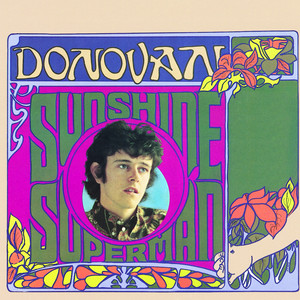
This record is so hippy-dippy, flower-power. It is corny and naive. But I love it for that. Can't we love something because it makes us happy? I can. Four stars.
This is a beautiful, well-engineered album that didn't appeal to me personally on the first listen. I'm still going to add it to the collection. Maybe repeated listens will help me connect to the music.
Lush and mysterious, Dusty Springfield's opus has aged like wine. The orchestration is excellent too. This is solid A-tier vocal reading, though it doesn't quite reach the legendary S-tier status of a Nina Simone, Ella Fitzgerald, or Aretha Franklin. Four enthusiastic stars.
I was so impressed by this record, an absolutely gorgeous example of British folkish prog rock. I listened to it twice in a row, beautiful on the hi-fi and powerful in the headphones. The creative power of this band is on full display here. I read online that the band wasn't happy with the original production, but I streamed the 2007 stereo mix, and the production and mastering sounded borderline perfect to me. Some purists online complain that the original mix is the way to go, but I don't have a history with this record, so I wouldn't know the difference. This record's legendary status is fully deserved, and this is one I plan to come back to again. Five stars.
This is one of the best albums in the history of rock by one of the best bands in the history of rock. Of course, it's a bit pompous. Of course, it takes me back to off-campus college housing, a room full of guys, knocked back on the couch, listening, mesmerized, or late nights, falling asleep to it after partying. I liked it then because it's perfect. I like it now because it's still perfect. Five stars.
I'm a solid Xenial. A few years ago, I had a girlfriend who was a youngish Millennial. I used to play downtempo music like this in the background when we were hanging out. She called it 90s coffee shop music, and she did not mean that in a good way. Even though this is an album from 2001, I think it would have certainly fit into that category. I enjoyed it, but it's best for the background, and maybe don't play it for anyone under 40. Three stars.
This album has such a fun, creepy, witchy vibe. I love it. I have a good version of this record on vinyl, but I listed to a high quality digital file with headphones for this session, and there was a lot of new-to-me detail that was revealed this time. I almost want to give this record five stars for its uniqueness, but I'm going to have to go with four. This record scratches a very particular itch, but it just isn't a legendary recording on par with something like Abbey Road, Dark Side of the Moon, or Songs in the Key of Life. Four stars.
This record is a strong Alt Country showing. Folks who are into that style of music will probably connect to it much more than I did, and I wouldn't argue with a four or even five-star ratings for those who are into this genre. It has some excellent moments, but I don't plan to listen to it again. Three stars.
This record was chaotic fun, but not really for me. I might listen to it again someday, but it didn't grab me after today's listen. Three stars.
Almost everything here represents a solid outing and excellent performance. The production is good, but nothing too exciting. I'm more familiar with Winehouse's legend than her music, and I found her reputation as a solid vocal reader to be well earned on this debut. I found the lyrical content to be pretty immature, though sometimes legitimately fun, like on "Fuck Me Pumps." I am well aware that, as an almost 50-year-old man, I am not the target audience here. I imagine others would connect with this music much more than I did, and I am hopeful that I'll enjoy her later releases even more. Three stars.
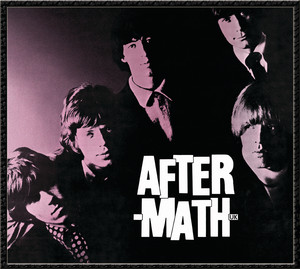
It's always difficult to rate a legendary album on its own merits. The Rolling Stones Aftermath contains several absolute classics (e.g, "Paint it Black" and "Under My Thumb"). It's obvious that The Rolling Stones were branching out both in their songwriting and their use of the studio for creative expression, though they are nowhere close to where they would be six years later when they released Exile on Main Street, which is a true masterpiece album rather than a collection of loosely related tunes. I listened to this record twice in a row. It sounds great, and the songs are all solid, but Aftermath doesn't quite reach the level top tier. Four stars.
There are some interesting tracks on this record, and I enjoyed listening to it, but it sounds a bit disjointed, like a compilation. Nothing made me stand at attention, but I do hear shades of bands that came before (Sonic Youth) and after (Hum, Smashing Pumpkins), and nothing sounds derivative here. I would probably have liked this record more if I had heard it when I was in high school, which makes me want to enjoy it more than I do now. It sounds like the indie rock that the slightly older guys I knew in college listened to. It sounds super 90s hip and cool college radio, and I was only ever super 90s hip and cool college radio adjacent. Three stars.
Scratching the itch of weird, experimental, low-fi, high-concept, garage execution of post-punk. A lot of jangly but druggy, ska/skank influence in the arrangements. B52s/Ono-like squealing sometimes. Production is quite muddy. Sounds like the bass is turned up. Reminds me of the dub production on the first Bad Brains album, which wouldn't come out for three or four years after this. I wonder if I could get a better copy on vinyl. I don't know why I like this album so much. Lots of post-punk creativity packed into short attention span, rough but poppy songs, much like the Ramones did. In the 90s, punk covers of old songs were a trend, and the slits contribute here with an awesome dubby version of "I Heard it from the Grapevine" that's not just a novelty. Unique, belongs in the rotation. Four stars.
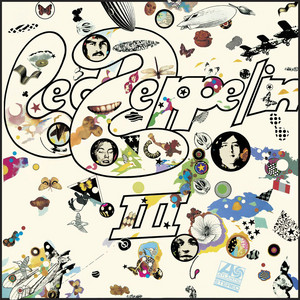
I've been listening to this one for a long time. There was a time when Led Zeppelin was my favorite band, and this was my favorite album by them. I've always been a little disappointed in Page's production, especially on the opening lick for Immigrant song, which I've always felt was too weak for the tone of the song and needed much more chunky punch. I still feel that way, but I was surprised at the deep level of detail on the rest of the album when I listened to a good mix on a good system and then through good headphones. There's a lot more there than was evident on the speakers in the 1988 Datsun on which I used to listen to this record. Any way I slice it, this is an unappreciated banger. Five stars.
This record might be so weird that I have to like it just for the mental stimulation alone. I am deliberately not reading anything about it before listening to it, but I'm going to assume it's German (turns out the band is Slovenian and Yugoslav, but there's a lot of German language). The eyes on the cover image remind me of a Terry Gilliam cartoon from an animated Monty Python segment. The album opens with chants that segue into (is that blues?) guitar, followed by some Kajagoogoo-reminiscent 80s keyboard and then straight into early (or was it proto in 1987?) industrial beats, then horror organ into circus organ. It's a bit of a confusing mix to think about, but somehow it still works, and the songs always have melody. It's never just noise or aggression for their own sakes. There's a lot of cinema here, horns and driving rhythms which sometimes cross into the sublime. Is this a dark German celebration of life? There's even a brief reading of Churchill's "Never Surrender" speech. That speech was about fighting the Germans, and I can only speculate why it's used here. It's all a bit ridiculous, but I can't help but take it seriously in an absurd kind of way. I can't think of a time when I would choose to listen to this record again, but I kind of love it. Four stars.
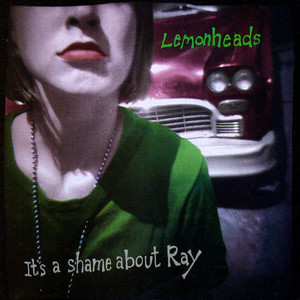
This album is a personal favorite. From what I can tell, it's a bit divisive; people either love it as a '90s dark-pop masterpiece from a tortured personality or see it as corny fluff from an annoying drug addict. I tend to lean toward the former, but I'm prejudiced here. My friends and I listened to this album constantly when I was in high school. We even called each other "Drug Buddy," even though we were just quirky theater kids who never did any drugs and didn't realize that the song was about heroin. And our misunderstanding is indicative of how this album gets overlooked for the brilliant work it is. The songs have clear pop sensibilities that could easily appeal to high schoolers, but closer listens reveal a depth that isn't immediately obvious. The songs on this record express a deep sadness in the most mundane way, the way many of us experience it in daily life. Take the lyric "Guess I don't wanna die" from "Rudderless"; the whole of a man's will to continue to live, the sum of his entire existence, is reduced to a shrug. Life moves on. It can be a meaningless slog, but we don't want it to end. I like this juxtaposition between simple, happy-sounding songs that reveal a darkness beneath. I also like Juliana Hatfield's contributions on this album, too, especially her backing vocals, which lend a further innocence and sweetness to Dando's voice. She is by turns a companion, a literary foil, and a conscience. One more point. I don't like the latter addition of the cover of "Mrs. Robinson." I know it ended up being the biggest single from the record and probably helped sell more copies than any other song, but it was never meant to be part of the album, and it sounds tacked on, which, of course, it was. This album is not a masterpiece, but it holds a unique place in my heart and has stuck with me for decades. Four stars.
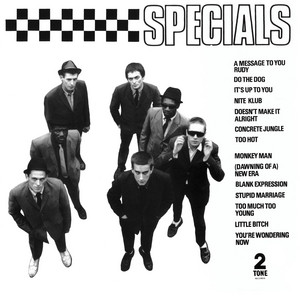
I was excited when I saw this album pop up, not because I have a personal connection to the music, but because I love the cultural background behind this release and, more broadly, the two-tone movement. My understanding is that two-tone refers to the connection between black and white working-class youths in housing projects in postcolonial UK. In the late 70s to early 80s, these kids had every social motivation to be racist against each other, but they chose to love the people they grew up with and, by extension, their music. Also, these kids looked super slick in their mod-revival suits! Even though the movement was ultimately small and short-lived, it represents one of the best things about cultural connections between groups: the immense creativity that comes from blending styles and influences. The music itself is inconsistent. Sometimes, it is really exciting; other times, it drags. A few of the tunes, especially those that address young marriage, while fun, can be too specific to their particular time and place to hit home with me. Ultimately, I had a lot of fun with this release. Four stars.
I have only a passing knowledge of Sigur Ros. I think I had listened to this record before, but I can't say for sure. I first played it on my hi-fi, which tempted me to call it the loudest quiet record I'd ever heard. Some of the bass notes went so low that they created standing waves that muddied some of the detail that form the textures that characterize Ágætis Byrjun. It was a bit of an uncomfortable experience. Figuring that there was more to this album than I could hear in the room, I listened again with headphones (streamed on my phone through a wired DAC), and the experience was completely different. Ágætis Byrjun is a beautiful album, beautifully executed. I'm curious, but I don't need to know what the lyrics say. I'm looking forward to listening again to a high-quality file, which I hope will reveal even more detail. This is a record that rewards critical listening. Four stars.
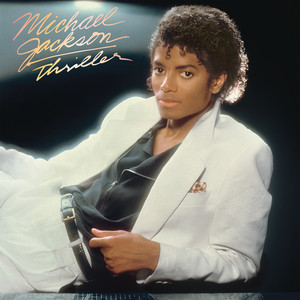
There is a reason that this is the best-selling album of all time. It's a masterpiece from start to finish. Every single song is perfect, though I don't like that one weird random key change in "Baby Be Mine." That brief moment is my only criticism of this record. If anyone reads this, please listen to the MFSL one-step master of Thriller, which opens up the compression and turns the compressed dance record into a detailed listener's record. Even an uploaded version on YouTube will reveal the biggest differences. Some don't like that the MFSL version naturally loses some of the original's punch. That's true, but I believe that both mixes have their place. Five stars.
This is a great post punk record that I'd never heard. There are elements of psych and county and 90s indie all over this thing. Really liked this one. Four stars.
The blessings from OAD continue with the Violent Femmes' first record. I've loved this one for years. I was six when it came out, and I probably only heard of "Blister in the Sun" when the song's appearance on the Gross Pointe Blank soundtrack created a short-lived revival of the Femmes' popularity. No, no wait, I think I first heard of the Femmes when Ethan Hawke sang "Add it Up" at Winona Ryder in Reality Bites. To me, this album, more than any other, captures the frustrated aggression, depression, and sexual frustration of older adolescent young men. Gordon Gano is not cool in the conventional rock star sense. Any swagger on this record bursts through in a messy wave of unmanaged testosterone. What else would we expect from an acoustic punk record written by a Milwaukee high schooler with arrangements hashed out by the band while busking? At least, that's the legend I'm allowing myself to believe. This is not the most artistic, important, uplifting, creative, or beautiful album in my collection, not by a long shot. Still, this is the one I wish I had written. Five stars. Side note: the Craft Records vinyl of this album, sold on Amazon, is fantastic. When you get your copy, make sure that it has an internal, thin black border on the red hype sticker.
For two years in the late 90s, I had the privilege of being one of the last people to work in the coolest used record store in the small North Carolina city where I grew up. It's hard to describe the pleasure of being twenty years old and having a job where people constantly ask for (and even respect!) your opinion on music. Even though we sold this album, I was aware of it, and I was listening to a lot of electronic music at the time, I have never listened to Homework. As I opened the OAD app this morning, I wondered how I missed it. Then I remembered how I thought the single "Around the World" was obnoxious and repetitive, which turned me off to this album. Knowing what I know now about Daft Punk, especially the fantastic Random Access Memories, I thought that maybe I had missed an opportunity. Unfortunately, no, I was right to skip this one the first time around, and I almost didn't finish it today. Mostly, I found it obnoxious and repetitive. There were plenty of times when the rhythms and production had me bobbing my head, but even those moments were driven into the ground, with little variety to carry me through the tracks, much less the entire record. I thought I might catch hints of embryonic development of the group that Daft Punk would become, but honestly, I didn't even get that. This album disappointed me, and I probably won't return to it. I'm not sure if Discovery is on the list too, but I promise to keep an open mind if and when it pops up. Three stars.
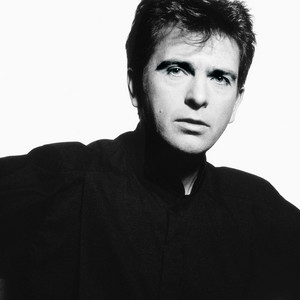
Today, Peter Gabriel's album So was the right record at the right time for me, and I was deeply moved by the time I spent with it, listening for the OAD journey we all share. I've heard it before, and, of course, I am familiar with the singles, but I wasn't aware of the record's popularity or cultural impact. One Discogs review I read said something along the lines of, "Every house has this album, and if you don't think you do, you should look again." I was nine when this album came out, from a small southern city with deep military and Bible-Belt influences. I was not listening to Peter Gabriel albums. In 1989, I was not watching Cameron Crowe films. Elementary age me did think that the video for Sledgehammer was one of the coolest things I'd ever seen (mostly in short clips from other shows or commercials. Remember, Bible Belt). Today was not the first time I've listened to this album, but it was the first time I listened to it critically. 67 albums in, and this is the best example of Artistic or Progressive Pop I may have ever heard, even surpassing other masterpieces such as Hounds of Love and The Joshua Tree. The music is layered and mastered beautifully. I listened to the YouTube Music-streamed version of the Deluxe Edition (including the live additions) and FLAC files of the SACD. I listened with earbuds, headphones, in my car, and on my hi-fi. The SACD files through a plug-in DAC from my phone over headphones were the best experience, but each version was a joy. The music is perfect, as are the vocal performances. Kate Bush's contributions are meaningful, made even better as she adapts her talents to Peter Gabriel's vision. I needed to hear her sing "Don't give up" today. In fact, today I was probably most impressed with the lyrical content of these songs, as wonderful and engaging as the music is. Of course, the massive hits are exceptionally catchy while showcasing both artistic ability and pop sensibility in a wonderful balance, especially "In Your Eyes." Many of you have known that for years, but I feel like I only appreciated the song for what it is today. But, sandwiched between the giangic bangers of "Sledgehammer" and "Big Time," is the triptych of inspirational, uplifting songs: "Don't Give Up," That Voice Again," and "Mercy Street." They each represent a unique dimension of an intimate personal struggle, written in a way that allows the listener to relate their own trials to those described here and, even more importantly, to feel emotional relief through the uplifting catharsis effected by the resolutions in the lyrics. The ultimate resolution to these three is the album's eruption into "Big Time," which I'm convinced, with no evidence and probable projection, is about Gabriel purging egotistical tendencies he observes in himself. This track progression is what elevates the album from a collection of great tunes to a cohesive experience. This is what provides the journey that we lovers of the album format crave. And it does it all in a package that is immediately accessible with a runtime of under 50 minutes. Peter Gabriel's So is as good an introduction to close, critical listening as any other record I can think of. It's up there with What's Going On, Rumours, Abbey Road, and Exodus. Finally, a brief plug for the live content on the deluxe edition. The concert's overall journey doesn't match the album's, but the readings of the individual cuts rival the studio versions in emotional impact. Youssou N'Dour appears on stage for his part in "In Your Eyes." You must hear it at least once. I was knocked on my ass by this album. Whatever hard times you are facing, consider spending 46 minutes listening closely to this record as a form of self-care. Five stars.
I had never even heard of Joan Armatrading before today. The strongest first impression I got was that this woman knows how to write a song. Every track on this record is catchy and easy to listen to while still being a confessional of an awkward woman who just can't seem to fall in love (at least not for long, but she still had fun) and kind of doesn't like people. She's like if Carol King and Bill Withers had a lightly misanthropic love child. Nothing on this album blew me away musically, but I was bobbing my head throughout most of my listens, and I was impressed with the consistency of the writing and arrangements. It helps that this album was also produced well. It's space and airyness lent it to a nice experience on both hi-fi and headphones (even though a couple of moments of strong stereo were a little jarring with the latter). Overall, this one won't change lives, but it was still super nice. Listen to it closely or put it in the background; either way it won't disappoint. Four stars.
When I started my OAD project, I decided that I'd use this review space more as a personal listening journal. I think critically about my impressions and try to give good reasons for them, but I don't pretend to be objective. And so it goes with this album. I can't be objective about anything released by the Wailers or Bob Marley and the Wailers. I have too much history with these records. In the 90s, Bob Marley was the artist who crossed most bridges in the southern multi-racial, conservative, Bible-belt, military town where I grew up. He was the first artist that I became a fan of in junior high, independently of my parents. I mostly listened to the semi-bootlegged tapes of old, pre-Island, Jamaican recordings I could get cheaply at Walmart or Roses. I didn't hear Catch a Fire until I was in college. I was already aware of it from the VHS of Caribbean Nights: The Bob Marley Story that I used to have. From that documentary, I learned how Chris Blackwell signed the Wailers and decided to produce and promote them like a rock band. Apparently, that meant mixing the music more like rock and less like dub and giving the release of Catch a Fire a promotional novelty cover of a Zippo lighter. I still want one. I don't remember which one of us bought it or where, but I do remember getting this CD and rushing back home with one of my roommates to listen to it. We had heard most of these songs before, either from Legend or from earlier releases, so we were especially struck by two songs that we hadn't: "Baby, We've Got a Date" and "Midnight Ravers." Yesterday, I listened to this album on my random vinyl copy and the MOFI original master recordings release. Both versions are fantastic, and this album is as potent as ever. There was something very special about the original Wailers; Marley's emotional and very human leadership was bolstered by Tosh's revolutionary attitude and Bunny's spiritual bent. Their follow-up, Burnin', went into a completely different, more traditional direction, and future iterations of Bob Marley and the Wailers would make "better" records, but this is as rough and ready as the Wailers would ever be. And they are revolutionary here. Look at the track list: two-thirds of the songs directly address racism, oppression, and revolt. It has a punk-rock feel with an island groove. There's nothing else quite like it. I encourage anyone who reads this to seek out the clips of this era of the Wailers playing on The Old Grey Whistle Test. Then listen to the radio performances on the album Talkin' Blues. The music is blistering and passionate, capturing a transitional moment in the career of one of the most important musicians in the world history of pop music. Five stars.
I'd never listened to this album from start to finish before, but I did have the CD in the collection. This is an outstanding record that everyone should listen to. The writing is a little too on-the-nose for me, but I wouldn't go so far as to call it preachy, mainly because it feels so sincere. Every song is a protest song in its own way; they all present personal stories of poverty, abuse, and materialism. It's striking that a record that is so emotionally impactful has sold upwards of twenty million copies. Chapman's execution of her lyrics is also top-notch. The arrangements are straightforward and low-key, but they always feel appropriate for the music. This album deserves every accolade it has ever received, as does Chapman herself. For me, the real standout here is the recording and production itself. It was released in 1988, before the loudness war was in full swing. It is a digital recording in an era focused on taking advantage of the CD medium for the benefit of the music, rather than as an excuse to compress everything and jack the levels to the max. This album is wonderfully engineered. Chapman's guitar and vocals are given plenty of room to breathe, and she is always the highlight of the recording. I would say it feels like she's in the room with you, but nobody's room is this quiet. If I was being objective, I would give this record five stars, but it's a personal four stars.
I think I'm starting to get Earth, Wind, and Fire. I'm not too familiar with their music beyond the radio hits, but what I've heard seemed a bit thin. The vocals feel too far forward, robbing the disco of any punch. That seems backwards for what I've always assumed was intended to be 70s dance funk, which I usually like. Unfortunately, I'm still not a fan of EW&F. But I now understand that their vocals are a cut above most disco faire. Their music is more like funky R&B, and I see the appeal there when if it creates a bit of dissonance for me personally. I was even moved in places. I look forward to hearing more EW&F, but right now it's cool but not for me. Three stars
I wasn't familiar with this album before listening yesterday. I need more time with it, and, frankly, I just want my next album today. I listened twice. My initial impression is that the album has two halves. The first has more conventional songs, in David Bowie terms, of course. It was ok. Heroes is a great tune. I keep thinking about a documentary I once saw (on Trash Theory, maybe?) cited the song as a primary influence and touchstone of the New Romantic movement. The second half of the record is quite experimental. It was awesome, bordering the work of Eno, etc. I was impressed by how weird but accessible Bowie was in these tracks. Bowie rocks, but I'm more of a Ziggy Stardust guy myself. Four stars.
I had never even seen the cover of this album, no recognition whatsoever. My first thought was, "Is that a white light HAL 9000 eye inside of a shark jaw"? I guessed that this was some kind of progressive metal. No matter how good this record is, if it's prog metal, it might have easily slipped through the cracks during the mid-'90s grunge/alternative obsession. Turns out, I was wrong. I don't know the specific term for it, but I'd call the music hard or deep house. It's fair that some people find that music repetitive or even obnoxious, but have an affinity for it, left over from the club nights and Beyond raves at the Millennium Center. Raves used to be dark, dirty affairs in warehouses with people dancing in the middle of the room and tweaking on the sides. They were a far cry from the colorful festivals of today. This album contains some of the best-executed music in that genre that I've ever heard. It has an exciting, celebratory vibe that had me dancing around the living room like no one was watching. Thankfully, no one was. There is both continuity and variety here, much like a great DJ set.. I still know nothing about the origins of this record. I don't know anything about Leftfield, and I still think the album cover is poorly designed. But this music rocks and is a lot of fun. Four stars.
There's some really cool trip hop here, but the album's too inconsistent to make a lasting impact on me. Some of it is great. Sitar was already played out when this record was released, but the Indian instruments and singing feel much more authentic here than in most songs that use them. I didn't read anything about this album, but I assume artist is a Brit of Indian origin, and that would make sense for the successful blending of styles. I think I like the use of piano in some tracks even more. Still, much of this record sounds dated, especially the Massive Attack style coffee-shop rapping that is taken too seriously here as if it were the highlight of a track instead of texture added to a track, which is why I think Massive Attack's use of it holds up, but it doesn't hold up here. There are some gems on this record that I'd like to hear again, but I'm not into the album as a whole. My OAD project is about celebrating the full album format, and this record just doesn't do it for me. It's not bad by any means. I just don't care. Three stars.
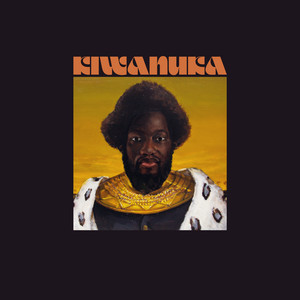
Holy god this is a good record. KIWANUKA is the very definition of standing on the shoulders of giants. Kiwanuka and his production team (Dangermouse and Inflo) wear their influences on their sleeves, yet make music that sounds totally new, never succumbing to imitation or even to attempts at revitalizing previous eras. I've heard a few people online refer to Kiwanuka's sound as 21st-century psychedelic soul. That is a fair categorization as long as we keep in mind that the phrase "21st-century" comes first. Yes, the most obvious influences here are Curtis Mayfield, Isaac Hayes, and later-career Marvin Gaye, but other, most recent influences shine through too...Portishead, D'Angelo, Erykah Badu, Seal, and even earlier Dangermouse himself. The album sounds immediate and familiar but never derivative. KIWANUKA is truly a masterwork. Except for one major, glaring problem. In many places, this thing is mastered hotter than a ghost pepper. It's clear that this album was made with great care, so I'm assuming the choice to add high-level distortion and even some vocal wobbles was deliberate, kind of like how many classic hip-hop recordings in the '90s deliberately left in or even inserted '70s-era vinyl noise for atmosphere. Much of the record sounds like it was force-fed through an old transistor radio. This album is full of introspective yet celebratory jams that make me crave volume, but the mastering had me turning the music down rather than up due to instant ear fatigue. Seriously, you can look it up on the Dynamic Range database. The DR on the CD and download versions is six of a possible fourteen. Electronic albums can get away with a score that low, but a layered, orchestral soul album can't. This piece begs for and deserves a remaster. The vinyl version scores a nine, which gives me hope that the original recordings weren't pushed so hard. I almost docked this album a star for the mastering. It is hard to give five stars to a record that physically hurt me to listen to. However, subsequent listens opened the music up a bit. Once I got used to it, I was able to keep the volume low and listen to the layers. I was especially impressed with this record through headphones. KIWANUKA deserves every accolade it has earned, and I am excited to dig into the rest of Kiwanuka's catalog. I'll never really be satisfied with this album until it gets the remaster it deserves, but the music's genius pushes past all my complaints to earn full marks here. Five stars.
How do you rate a certified real-life folk hero, warts and all? The mythology surrounding Fela Kuti is stronger and stranger than even Bob Marley, the only other artist who could approach the revolutionary acts and art of Fela. We have to be cautious when judging art through the lens of the character of the person who made it. But in Fela's case, there is no separation. His art was a revolution project as much as his revolution was an art project. Even his clothes were an act of protest. He often appeared in either badass, skin-tight jumpsuits, which I would describe as African glam, or in only his underwear, a shirtless counterpoint to Africans who adopted Western dress; "Africa hot," he jeered sarcastically to these "gentlemen." Is it any surprise that every track he made sounds like sex and war? And so it is with "Zombie," the lyrics a direct satire of the individuality-suppressing ways that Nigerian soldiers, in Fela's view, lined up and did exactly as they were told. "Mister Follow Follow" continues the theme of viciously criticizing those who sacrifice their individuality to the will of others. The lyrics to these songs are clearly situated in Fela's time and place, but they apply to any historical context in which the listeners find themselves, the proto-authoritarian United States in 2025, for example. The price he paid for releasing these songs, the raiding and burning of his compound, the Kalakuta Republic, and the murder of his mother, strengthens my feeling that we can't separate the songs themselves from the context in which they were recorded. Fela's response to the invasion, documented in "Coffin for Head of State," drives his history into the truly legendary. I actually love Fela's music on its own terms. He is credited with inventing Afro-beat, and no label has ever so accurately and succinctly described a musical genre. I remember how I learned about Fela. In the very early 2000s, my friend Griffin introduced me to Antibalas, a band she accidentally stumbled upon while they were playing in a small club in Brooklyn. I was immediately in love with their first album, Liberation Afrobeat Vol. 1. A year or so later, I found myself stoned out of my gourd, sitting on the living room floor of some white Rastas I knew from work at a local organic bakery. Too baked to socialize and with no family dog in sight, I noticed a random reggae mag under their coffee table with an Antibalas article advertised on the cover. Throughout the article, one name was mentioned repeatedly as the progenitor and primary influence on the band's style: Fela Kuti. I kept that name in the back of my mind (can't imagine how I remember anything from that day) until I could learn more about him. When I finally heard his music, I was floored. I had never heard anything so raw and hypnotic. Twenty-five years later, and I still haven't. Personally, I think Zombie is A-tier Fela, not quite the best of his catalog, but still representative of his legendary status. Five stars.
This record is a noise record. I didn't get into it on first listen, but I didn't have much desire to listen again. I'll check it out again later to see if it opens for me, but right now, nothing struck me as something I'd like to listen to regularly. Admittedly, I didn't listen very closely, so I may be missing out. We'll see. Three stars.
I'm trying to understand Tom Waits with some limited success. Is he a singer songwriter? Maybe he's a songwriter singer. I don't mind gravel or dissonance, and it's clear that Waits is an incredible and prolific songwriter. The arrangements on this record are beautiful and funky in an accessible way. I could easily see my mother grooving to the music. I can only speak to Heartattack and Vine, but I'm getting the sense that the juxtaposition of the pretty music and Waits's gravely, loud, passionate singing reminds us that life is messy, emotions are messy. The problem for me is that I can't sink into Waits's music like I can with my favorite singers. His voice, even in this relatively early recording is too abrasive for me to relax. It's entirely possible that this is the point, that Waits doesn't want us to relax. He might want his listeners to stay alert. But the OAD is a celebration of the album format, and this level of alert for an extended period is a bit much for me. I enjoyed my time with this record, and I'm happy to come back to it. There is some fantastic music and stunning lyrics here, but Waits's voice continues to be a barrier for me. Four stars.
This is my favorite album of the '90s. I was 18 when it came out during my first semester in college. I bought it on double tape. No other album matches the way I felt at that time. Like many great recordings of the past, it both captures and shapes the experience of the audience, usually young people. Some accuse this record of being bloated and self-indulgent. At the time Pitchfork said something along the lines of this record's lyrics being adolescent at it's arena-rocking worst. Like we didn't know! I saw the Pumpkins twice, in arenas, during the tour for Mellon Collie. I was very aware that while we were sneering at the outside world, the joke was on us. I was young and stupid, and I knew I was young and stupid. Self-awareness doesn't automatically convey wisdom, so I was just stuck waiting it out. Just because we knew the line "God is empty just like me" is corny doesn't mean it didn't represent us. At one of the shows I saw, the band brought out Jimmy Frog, who walked across the floor dressed as a frog and carrying balloons. At the other, Billy played a extended guitar solo after the lights came up, the whole time wearing a shit eating grin. The entire project was absurd. In 1995, many Gen Xers felt that our lives were absurd. We knew! And bloated? Self-indulgent? What double album isn't? You don't have to listen to every B-side or rejected track to know that Billy and the Pumpkins exercised restraint by releasing a double album instead of a triple. If I was in the throws of the creative burst that Corgan was experiencing during that time, I'd be full of myself too. Filler? There's not one song in this album I would cut. How would YOU trim this thing down to one disc or tape? OAD projects side, no one has to listen to this thing all at once. Guns and Roses named their album Use Your Illusion vols. 1 and 2. To me that always indicated that it was a double release of two albums, not the release of a double album. Mellon Collie's two albums even have different names! Look at the iconography around this album, at once overly sincere and romantic, joyous and depressing. A few years prior, we were all "Losers." In 1995, Zero was a label, not an accusation. What would you expect from a generation of kids who raised themselves? Except for criticisms of the length, every negative thing anyone says about this record is true. I'm not sure why I've chosen to express my love of this great record through finger-pointing. That doesn't give anyone a reason to listen to the thing. The music on Mellon Collie is as diverse as any other album in rock n roll. Arena rock, grunge, metal, new-wave, and electronic music all coexist here, often on the same song. Every human emotion is represented here, even the embarrassing ones. It is sweet and angry and beautiful and loud. It's a record for young people and those who connected to it when we were young. I could never listen to a mature Billy Corgan if he wrote them as a grown man who should know better. But Mellon Collie is a messy masterpiece, just like Gen X itself. Five stars.
Even though it's not for me, this is a good record. My understanding is that this is the first record by Sepultura that significantly deviates from their earlier death metal/thrash, here including South American musical styles, especially in the rhythms. Unsurprisingly, the incorporation of South American rhythm instruments is my favorite part of this record. I just don't enjoy death metal style singing. I liked the chunky metal grooves of many of these songs, but they were driven into the ground. There were several times when my interest was piqued, but no track made me want to pay close enough attention for me to check out it's name. Though I wouldn't call this record nu-metal, there were a few times that the hip-hop influenced nu-metal style dated this album a bit. I've been meaning to listen to this album for a while, and I found my listens today rewarding. I love the concept of blending metal with South American drums. I know Sepultura has its fans, and the band has my respect, but I doubt I will ever seek out this album on my own. Three stars.
I do not like this album art. Busy to the point of confusion and absurdity. It makes me want to primal scream. It was radically simplified for later rereleases, which makes me think others felt the same way. The music is better than the album art. It was even cool at times if kind of dated, run-of-the-mill trip-hop. I liked it, but I was never excited by it. It definitely had a '90s coffee shop vibe. Again, I had a lot of fun in coffee shops in the '90s! It even sounds fairly unique. But this music does not feel fresh, unlike electronic releases by Portishead, Tricky, Bjork, Massive Attack, Aphex Twin, Squarepusher, and Radiohead, released in the same period. This record is good; I just don't care. Three stars.
First thoughts: What the hell is this? If this record isn't at least interesting, I'll be disappointed. This album art looks strange, lo-fi, and very cool. I hope the music reflects the art style. I'm excited. This one will grow on me, I think. Its genre is right up the post-punk avenue, which I'm naturally drawn to. My first casual listen gave me the impression that this record is a pretty straightforward, though energetic, garage rock album. No problem. Garage rock is cool; it just doesn't tend to hold my attention for long. A second listen revealed much more creativity and depth than I had heard the first time through. That alone will have me coming back for more because I'm always looking for new post-punk to get into. I didn't know enough about this record to understand why it was on the 1001 list, but a little bit of reading informed me that it was a progenitor of '80s garage rock resurgence and one of the first records to incorporate country rock into punk. For the OAD project, I try to approach bands that are totally unknown to me with as little research as possible. Just their inclusion on this list is enough motivation for me to give most records a few spins. However, knowing a little bit about what to listen for helped me appreciate this album more. A quick note about the album art. I admit that I was hoping for a black interpretation of post-punk here, maybe a revelation similar to what many of us experienced when the 1975 recorded, 2009 released, album "...For the Whole World to See" by Death got a resurgence 15 years ago. You should listen to that one if you haven't already. It's awesome. I had to look up some opinions on the album art because my attitude toward it changed when I realized the band's members were (mostly) white. I understand that the album art was changed for the releases of this album after The Gun Club moved over to Blondie's label. I also saw a lot of praise for the pink "voodoo" cover. And I have to admit the original cover grabbed my attention right away. But these images being used by a white band feels exploitative in 2025. I lean toward not being mad at it because it was made in 1981, and from what I read, these images were chosen out of genuine interest. And, of course, I'm not a member of one of the groups represented here, so I'm sure that makes it easier for me to swallow, but this album cover would be inexcusable by my standards if it were released today. Fire of Love got my attention, and I'll put it in rotation. Four stars.
The first album I ever bought with my own money was the Temptations' All the Million Sellers on tape. My dad said that as long as it had "My Girl" on it, it was probably good. I don't remember how old I was, but I do remember listening to that tape as I played with tinker toys and getting super freaked out by the tales of a lost runaway begging for his mom on "Runaway Child" and a father dying and leaving his family destitute on "Papa Was a Rollin' Stone." Cloud Nine is a classic psychedelic soul album, a transitional form of the genre, as some of the tracks still sit in the old-school Motown/Tamla vein. And look at that smokin' late sixties album art! This record cover wouldn't look out of place if it were shown behind a classic Velvet Underground performance at an art installation. Even though the Temptations were pushing the boundaries of their classic soul sound here, the record is remarkably easy to listen to, both for better and for worse. Except for the extended "Run Away Child, Running Wild" jam at nine and a half minutes, no song goes over three and a half minutes, and the album clocks in at less than forty overall. That makes the record easy to digest, but it also belies the safety of the Temptations branching out in their experiments. This observation is not meant as a criticism. I happily listened to this record three times today. Every listen was enjoyable, but nothing really gripped me except for the killer title track. The only misstep here is the performance of "I Heard it Through the Grapevine." The Temptations' version isn't bad by any means, but Marvin Gaye had a massive hit with the tune just one year prior, and time has only deepened the perception that it is his song. I know there were a couple of Motown versions before Gaye's, so maybe it was considered a semi-standard in the late sixties, but it sounds like an unnecessary cover today. Overall, I enjoyed this record and will be looking to pick it up on vinyl or CD if the opportunity arises. Four stars.
I had never heard of this album or even this band before opening my OAD today. I am not mad at a fun-sounding electronic album, and this one went from strength to strength. I got some pretty obvious Future Islands / Bibio's Ambivalence Avenue, modern new wave vibes right off the bat. From time to time, I even hear a distinct early Depeche Mode influence, which was a pleasant surprise. Even with these clear connections, I don't get the feeling that the record is derivative in any way. I especially like the way Hot Chip uses their synths to create a very warm sound on many of their songs. The writing is even good! I was into each track until "Night and Day," halfway through the album, which I could have skipped, but then the record picked back up and finished strong. "Let Me Be Him" was a standout for its seamless flow of natural sounds and acoustic piano into synths, reverb, and back again. The final track, "Always Been Your Love," was a sweet, elegant closer with some understated '60s psych wah-wah guitar. I enjoyed my time with In Our Heads and will listen again. Four stars.
Sometimes this project makes me feel stupid. Today is one of those times. Of course, I'm aware of the band Bad Brains. Everyone knows the iconic lightning bolt cover of their self-titled debut. I had a copy of that album on CD in the '90s. I enjoyed it, but the blistering energy of the early hardcore, along with H.R.'s fairly erratic vocals, kept me from loving the album. I might have even enjoyed the dub elements more than the hardcore. Basically, I appreciated the ROIR album as an influential recording but not an essential one. That's probably why I didn't pay much attention to their later recordings. In my defense, I was only nine or so when this album was released, so I wouldn't have had much of a chance to listen to it until it was already a decade old. At nineteen, I had a lot of classic music to learn about, in addition to the '90s alternative and golden-age rap coming out at the time. Even with those caveats, I really missed out by sleeping on this album. It appears that Bad Brains had a similar trajectory to punk bands that came just a few years earlier: they started out relying on pure energy, improved their playing over time, and matured as artists, leading to greater creative depth in the music. In retrospect, it's a total no-brainer that Bad Brains would follow this track, since ROIR had both high-speed hardcore and dub reggae. We'll call I Against I post-hardcore since that label is available, but it feels like it has that post-punk ethos to me. I Against I hits just right. It's still hard and energetic and entertaining, but the songs have much more creative structure and depth. There are no purely dub tracks here, but there are dub elements all over the record. The post-punk (even new wave!) influences shine through. Take the track "Secret 77." It starts out with a spacy instrumental reminiscent of the texture of The Cure's Pornography album, transitioning into guitar lines that sound as if "Hungry Like the Wolf" raw-dogged a shot of bottom-shelf whiskey. Awesome. H.R. has his vocals under control here, too. They still feel different and dangerous, but he has learned how to use his weapon rather than letting it get away from him. If this album has one flaw it's that it's too short. My ADHD having ass loves short records, but twice now I've experienced I Against I ending too early, before I had my fill of it. This is a record that I'll put in rotation and enjoy over and over again. Four stars.
If you haven't seen it, I recommend watching the Police's performance on the British show Rock Goes to College from 1979 during which they played much of this album. It's fantastic. This album is also great, but can't maintain the energy or interest to be a masterpiece. The Police are best when they are writing New Wave pop songs. And there are some excellent pop songs on this record. "Message in a Bottle" is a standard. "Walking on the Moon" is a stellar example of how the Police are able to fold their dub interests into a great pop song that holds interest for a full five minutes. However, many of the instrumentals and/or experimental songs overstay their welcome, even if they are built around some great ideas. The title track works as an instrumental, but others, such as "Deathwish" run out of steam far too early to justify their runtimes. Others, like "On Any Other Day" are cool, but I have no desire to listen to them over and over through the years. My assumption, especially considering the excellent dub selections from the Rock Goes to College performance, is that the Police just couldn't capture the energy of their live performances in the studio. They just didn't translate well. Where this album shines, it really shines. It contains several stone-cold new wave classics, but the record is too patchy for full marks. Three stars.
Thank god for Talking Heads. Not that they don't have influences, but, like many post-punk bands, there's a particular dimension of quirk that only they represent. There's a "Talking Heads" itch that just can't be scratched by any other group. I'm not as familiar with More Songs about Buildings and Food as I am with other Talking Heads releases, but I found it just as enjoyable. The songcraft here isn't as immediately accessible as that on, say, Remain in Light or Speaking in Tongues, but that only gives this record its own understated character that rewards repeated (and repeated and repeated) listens as the songs open up and reveal their secrets. I'm going to leave this here and go listen again. More Songs about Buildings and Food might not be my favorite Taking Heads album, but it's still a masterpiece. Five stars.
This is a fun rocker. I often found myself interested in the music and even impressed with the creativity of the band. Nothing really stuck with me though. Will listen again sometime, but I just want my new album today. Four stars.
How often do you listen to a classic rock record and think "Wow! Who's that playing lead guitar on this track?" If you're listening to Stephen Stills, the answer might be Jimi Hendrix or Eric Clapton. Who's playing the organ? It might be Booker T. Despite the fantastic guest spots here, the real surprise for me on Stephen Stills is the judicious and spectacular use of the background vocals, sometimes understated, sometimes elevated to the sound of a full chorus. Like CSN&Y albums, there's a lot of emphasis on good singing. But instead of the rich, equal harmonies of the full band, this record focuses on the interplay between the Stills and the background vocals, to excellent effect. This exchange is best exemplified by the song "Church (A Part of Someone)," which, fittingly, is a religious experience. I've been working with Gemini to EQ my hi-fi for a few days. It took a lot of adjustment, but I finally got it tuned so that it sounds as good as possible with my current setup and room. I put this record on to listen with my updated tuning and was blown away. I had only heard this album once or twice before, and it didn't make much of an impression on me. But this time was different. The vocals on "Love the One You're With" came alive in celebration. "Black Queen" was present and intimate. This is a collection of fantastic songs. The record was released in 1970, and I read somewhere that the lyrics have a hippie social consciousness vibe. That sentiment is not incorrect; like the best music from that era, the songs might have been written with specific circumstances in mind, yet they are still relatable today. This record is a classic that deserves more attention than it gets. I will certainly be giving it more attention going forward. Five stars.
This record features the father of Afrobeat performing live with Animal from The Muppets. I was a little surprised to see it here because, even though it's an awesome live recording of stellar performances, I've never considered this an "important" recording in Fela's catalog. It's cool that Ginger Baker is here, but, except for the bonus drum battle with Tony Allen, his presence is not highlighted. His playing is absorbed into the larger Africa '70 group, and that's for the better. The music is more important than the marketing on this recording. The drum solo/battle is cool to hear once or twice. I guess it was merely tacked on as a bonus track for CDs, maybe for marketing or preservation/completion. I'm glad it's the last track, because it would mess up the flow of the track list if placed anywhere else. I don't know how essential this recording is to understanding Fela's career (or Ginger Bakers', for that matter), but the music is smoking hot, and the recording is punchy and powerful. One more thing: If you can resist singing along to the hypnotic call-and-response sections of "Egbe Mi O," I don't think you and I are supposed to be friends. Five stars.
Whelp, this three-disc-length record gives listeners exactly what it says on the tin. The problem is that I don't know why The Magnetic Fields put this collection together for release. I am not familiar with this album or the band, and I plan to read about this album after reviewing it. I suspect they decided to record these tunes simply because they could. It appears that the band was going through a surge of creativity without a simultaneous surge in restraint. Though many of the songs feel like creative sketches, every single track is good in its own way. Some are quite unique and interesting, but with so many tracks to get through in a single day for the OAD, I couldn't stop to let any sink in, so they all kind of ran together. I'm at a loss as to how to best experience this collection. My impression is that being overwhelmed by the 69 songs is the point, not the individual songs. It's an interesting idea, but I had trouble connecting to the piece. I listened to each "disc" separately just to keep it manageable, but by the end of the third set of songs, I was annoyed and ready for the album to end, not because any of the songs were bad, but because I was simply exhausted. If The Magnetic Fields chose the 10-15 best tracks from 69 Love Songs, fleshed them out, and released them as a single disc, this could have easily been a record that I'd come back to. But as it is, the length of this experience proved to be just too much for me. Three stars.
A lot of people are going to love this album, but I just don't. It's a lot of fun, but the vibe reminds me of late '90s numetal, though without the trailer park machismo, thankfully. Not much more to say. Not bad, but not for me. Three stars.
I listen to this classic album at least once a month. If you like guitar rock, you're probably already a fan of this one. The original Santana band, featuring Carlos Santana, of course, and Gregg Rolie, released four albums. All of them are perfect in their own way. Caravanserai, the fourth, is a personal favorite, but Abraxas is the one most universally regarded as Santana's masterpiece. The 2008 MOFI One Step tops many lists of best vinyl releases of all time. Even though I am very familiar with this album, I listened three times yesterday, on vinyl, streamed, and high quality files through headphones. No matter how you listen, this record holds up as potentially the best Latin/electric blues fusion album of all time, beautiful passages leading into blistering guitar and organ solos, the entire band playing off of one another. I am looking forward to reading the negative OAD reviews of Abraxas because I simply can't find a single thing wrong with it. Five stars.
The OADc journey is full of surprises. Oddly enough, I bought Songs in the Key of life and Innervisons on vinyl the day before Fulfillingness' First Finale popped up. I'd consider myself a fan of Wonder's classic period, but this is the one album from that era I don't have and had never heard. I get why this one slipped under my radar. It's more subdued than the others, the quiet kid sitting in the back of the party. There are still some funky tracks on FFF, or, rather, one funky track and funky sections of others. And I didn't enjoy it as much as, say, Innervisons, but damn this is a pretty record, and I'm so glad that I finally heard it. While FFF won't match the experience of the other four classic period albums, it's still a masterpiece. Five stars.
Surprisingly fun. Perfect for what it is. There's even some cool production, especially on "Sigh, Cry, Almost Die" and "Cathy's Clown." I enjoyed this record, but I wouldn't say it moved me. Three stars.
Auditory Ambien. Every song is slow but not dark enough to be particularly interesting to me. I do like the version of "Everybody's Talkin'" here better than the more famous Harry Nilsson version. I always respect good songwriting, and there is some of that on Fred Neil, but, again, everything is so slow and understated that nothing grabs me. There is even an almost-interesting instrumental, "Cynicrustpetefredjohn Raga," at the end of the record. I guess that this instrumental was maybe kind of groundbreaking to listen to stoned in 1966, but jazz musicians had been incorporating sounds from other countries for a decade prior, so it's hard for me to be impressed. I listened to this record two or three times yesterday. I didn't hate it, but I don't plan to return to it again. Two stars.
Awesome post-punk goodness from note one. Punk energy and DIY ethos executed by a band that knew how to play their instruments. Chrissie Hynde's lyrics and performance are often perfect. She weaves tales of the underground scene, not quite as dark or salacious as The Velvet Underground or The Stooges before her, but still with an edge. There are shades of Blondie, The Cars, and even Television here. "Brass in Pocket" is the one hit from this record, and it's a little out of place because it's a bit too sweet as Hynde's persona softens a bit. It's not unwelcome, just a little inconsistent in the track list. The Pretenders' first record isn't exactly unknown, but it deserves more attention than it gets. After the unfortunate drug-related deaths of Honeyman-Scott in 1982 and Farndon in 1983, the band has had a killer rotating line-up, including even the great Johnny Marr, but I can't help but lament the other outstanding records that we fans could have had. I'll be adding this one to the lineup. Four stars.
It was good to get another opportunity to listen to this record. I don't know exactly why I've been unable to connect with it in the past. The music is solidly arranged indie rock, and it was recorded well, though I did find myself wishing for more depth. I listened several times and found Funeral to be a decent background record. I listened very closely one time and realized that this music deserves more attention than what I was giving it. A close listen revealed more layers than I had initially anticipated, and I appreciated that. In fact, I'd now say that Arcade Fire's Funeral is kind of a bridge between other, more noise-oriented and droning Montreal bands like Thee Silver Mt. Zion Memorial Orchestra. That was a cool surprise. But that same close listen brought up another glaring issue. I can't understand most of what the lead vocalist (Win Butler?) is singing, and when I can, I'm not impressed by the writing. And it's weird, too. I actually find that the singing and the phrasing lend appropriate texture to the music. But it's straining to try to understand the lyrics, and I'm frustrated most of the time. I'll be excited to listen to any future Arcade Fire offerings on the 1089, but this one isn't going on my go-to list any time soon. Three stars.
Blue Lines is known because it was groundbreaking. Mezzanine is known for being Massive Attack's masterpiece. Those were the only two Massive Attack albums I had heard. I just never paid attention to the other Massive Attack records because I'd rather just listen to Mezzanine. It's hard to force myself to go back to what I understood to be a step on the road to perfection. After listening several times, I can easily say that Protection is not as good as Mezzanine. But man, it's still really good, and in some ways fills a gap between the easy coffee shop vibes of Blue Lines and the dark, challenging sound of Mezzanine. Several of the tracks on Mezzanine, like Angel, have become classic hi-fi tuning tracks because the deep bass has to be tuned properly or the rest of the mix becomes obviously muddy. My system is tuned to handle the deep bass on Mezzanine, but I suspect that Protection would be much clearer by default anyway. The low tones are more inviting, but still demand attention. Protection is easier to listen to Mezzanine, but it isn't easily ignored like background music. Any of the tracks with Tracey Thorn are my favorites. Tricky likes to repeat his lyrics on multiple tracks from different albums (both Massive Attack and solo), so it's hard for me to evaluate what I think about this version of Karmacoma. The live cover version of Light my Fire is kind of fun, but ultimately an unnecessary distraction after the album's proper end, especially for those, like me, who aren't familiar enough with the album to end it after Heat Miser. I can see why I overlooked Protection in the past. I simply didn't realize that this step toward genius could be so important itself. Four stars.
Time Out is a foundational part of any education in jazz. It packages many of the art form's best parts in a way that is immediately accessible. It contains virtuosity, the interplay of soloists, improvisation, the incorporation of different musical traditions, and, true to its name, the use of unconventional time signatures. Its accessibility is the only potential complaint I can think of. There is very little challenge in Time Out. It is very easy to listen to and does not demand attention like some other classic recordings. Kind of Blue, for example, contains more surprises and requires closer listening. Time Out, by contrast, doesn't require close listening but certainly rewards it. It can be in the background or foreground. It may be too polite for my taste, but it is incredibly charming, and I can't help but be caught by its spell. A personal memory: To illustrate what a nerd I am, A Time Out CD is one of the very few things I've ever stolen. In 1999, at age 22, I worked at a local independent record store that was shutting down as the digital era was ramping up. We had a bin of bargain-priced CDs by the door. I knew they weren't cataloged like most of our stock. One evening as I closed the store alone, I snuck two CDs out to my car. One was Time Out. The other title might have been Max Roach's Percussion Bitter Sweet. Time Out is an essential and worthy part of any jazz collection. It reliably resists my prejudiced desire to dismiss it and my claims that I have outgrown it. Sometimes recordings are popular because they are simply that good. Time Out deserves its popularity and our attention. Five stars.
I remember the excitement around Time Out of Mind when it came out in 1997. The consensus was that it was a return to form for Dylan. Listening to it almost thirty years later, that could be true. I'm just not familiar enough with Dylan's output in the '80s and '90s to know. What I can say is that this record is dark and warm. The writing is fantastic. The songs lean more into a singer-songwriter vein than straight folk music here. They are personal and emotional. Dylan still has his signature nasal whine, but his voice is more inviting here. The one complaint I have about this record is that, at an hour and fifteen minutes, it is far too long. The last track, Highlands, is a sixteen-minute lyrical vamp. Bob Dylan is probably the greatest American songwriter, and he pulls it off. But no matter how impressed I was with the song, I don't have much desire to listen to it again. Time Out of Mind might be easy to ignore because it is low-key and somber, but it is ultimately a collection of excellent songs. Four stars.
I know that Sunday at the Village Vanguard is an essential live jazz recording, and I've been meaning to listen to it for a while. After listening to it a few times, I'm not really sure why this record is regarded as the most important live jazz recording between 1953-1965 by the All About Jazz website, even beating out John Coltrane Live at the Village Vanguard, which is a mind-blowing recording and a personal favorite. Don't get me wrong; Sunday at the Village Vanguard is some of the most pleasant jazz I've ever heard, and it is beautifully recorded. But it feels like an extended vamp on some VERY chill themes. I may need to get more familiar with it, but none of the tracks feel like real stand-alone compositions. It is perfect for what it is. The improvisations here didn't stir my soul, but I was consistently impressed with the virtuosity. Bill Evans' piano is the focus, of course, but there is also a lot of space for Scott LaFaro, whom I'd never heard of, to riff on the stand-up bass. Again, the bass is recorded extremely well. You can easily hear the metallic rattle of the strings against the neck. It's great. Perhaps the quality of the recording itself is the real star of the date. At this time, the Village Vanguard was one of the most popular venues for live jazz recordings, and the engineers who set this one up definitely knew what they were doing. It's hard to describe, but the audio sounds very intimate. They even captured the crowd noise, mainly in the form of clinking glasses and very light murmurs, but only enough to make the recording sound alive. It never gets overly distracting. Instead, I get a slight sense of traveling back in time and actually standing in a real room. People say that about a lot of live recordings, but I don't get that feeling often. I wouldn't call the music on Sunday at the Village Vanguard exciting, but it is a chill set played by virtuosos and recorded exceptionally well. Four stars.
I'm a big Velvet Underground fan, but I couldn't get into this one. When I read that Cale enlisted Little Feat as his backup band for this project, I was even more interested. Paris 1919 is creative and weird, but I didn't connect to it. Three stars.
So much has been written about this album that I feel I don't have much to add. It's not completely perfect. Some of the ways Stevie Wonder approaches his themes are a little dated, and the album is a bit sprawling. But this is one of the best popular expressions of the unity of all of humanity in general and Americans in particular. It's a masterpiece. Five stars
As brilliant as I've known Kanye West to be, he's always been so obnoxious that I've avoided listening to his solo records. My opinion of Kanye West as a person hasn't changed after listening to The College Dropout, but I have to admit that this record is dope. Unsurprisingly, the best part of the album is the production. The music is incredible on virtually every track. The creativity and passion shown on this record are impressive enough that Kanye's massive ego is almost understandable, even if the record makes it no more palatable. On "Jesus Walks," he explicitly complains about how it's unacceptable to rap about spirituality and that his goal is to make people dance in clubs to his song about his spiritual journey. He composed the song with the complaint to achieve this goal, and he was successful. Everyone knows the story behind "Through the Wire," in which he uses his temporary disability (a broken jaw, wired shut) as texture in a song about the terrible car accident that caused it. That's the kind of unbridled energy and unstoppable motivation that can cause artists to create some of their best work, or fly too close to the sun and burn out. Add to that the fact that this record was only the beginning of an intense period of musical brilliance from Kanye West, and it's hard not to be seduced into the mythos that he believes about himself. Luckily for us, there are some serious flaws in The College Dropout as well. First, at an hour and fifteen minutes, it is far too long. Not only that, but it is obvious to me that the entire "School Spirit" and "Workout" sections could have been easily cut, making the album brilliant and tight instead of brilliant and sprawling. If it were tighter, I'd be more inclined to throw it on often in the future. As it is, though, I'll be happy to listen to any songs on this record, but I don't really want to listen to the whole thing. Four stars.
I had never heard of The Divine Comedy before listening to this album. Going in, I only knew that this crooner was recorded live with a 30-piece orchestra. This record is a majestic, romantic, corny masterpiece. I'm not familiar enough with the influences of chamber pop to evaluate "A Short Album" in any kind of context. It sounds like uber-romantic British TV ballads from the '60s. The lyrics are sappy and silly. The execution is dead serious. I love that combination. I'll seek out more releases by The Divine Comedy. I have no idea what their more conventional albums sound like, but I don't see myself digging too deeply if the rest of their catalog sounds like this, but A Short Album about Love was enjoyable, and I can imagine myself listening to this one again and again. Four stars.
Come Away With Me is an audiophile classic for a reason. It is perfectly composed, arranged, recorded, and mastered. It is gentle and warm, easy to listen to, and it sounds beautiful. It was a huge hit when it came out and has since become a legendary recording. It seems like Jones and her team did everything they could to remove every edge from this record, and they were successful in that regard both for better and for worse. It is about as unoffensive as music can get. Every song is a lullaby. But this album is not just treacle; the musicality of Come Away With Me is fantastic as well. There is a lot here for both casual and obsessive music fans to enjoy. When listening to it, I find myself often closing my eyes and taking in the smoothness of it all. However, the lack of challenge means this record soothes me but doesn't move me. Except for "I've Got to See You Again," I have to force myself to listen closely because nothing here demands my attention. This album was wonderfully executed, but it could never be one of my favorites. Four stars.
I had never heard this album before, but I'm so glad I've heard it now. It's not just that this is a pretty record; it's innovative too. The singing and songwriting are fantastic, of course, but the music is not just a background arrangement. It's pretty, but the producers and arrangers even added some late '90s/early '00s electronic sounds in a way that I find completely tasteful. In fact, I didn't notice the drum machines and understated synth elements until the third listen. Dave Matthews even makes an appearance toward the end of the album, and the production team smartly kept his role in the background, a highlight to Harris's vocals. This is an example of a pretty record that actually contains some interesting music. It's a worthwhile effort, and a solid addition to my collection. Four stars.
Aja is an audiophile classic for good reason. I only heard it about two years ago when I got an oldish vinyl copy included with some secondhand speakers I bought from a retired doctor. Even a brief Google search about this album will give you a solid overview of the importance of this record as an example of studio brilliance. And, oh boy, that reputation is fully earned. When I first heard this album, I liked it, but I had to think long and hard about why I liked it at all and, especially, why I liked it so much. On a surface listen, it is exceptionally smooth and well-produced soft yacht rock, not really my favorite style of music to begin with. But with deeper listens, the album reveals a deep creativity in the minutiae of the production. It's in every meticulously placed note (i.e., all of them), in the layers that blend together and then are expressed as instrument separation, in every perfectly controlled flirtation with off-key singing. And there is a lot of low-key weirdness on Aja, too. There are very unique lyrical and music phrasings, an uncanny valley between accessibility and left-field genius. The lyrics aren't heavy-handed, but they still have depth, self-awareness, and sarcasm. The Beatles were studio obsessives, but they specialized in accessibility and early pop experimentation. Pink Floyd also used the studio as an instrument, but their messages were overt: your time is running out, malevolent external forces are seeking to control you, and there is little you can do about it. Steely Dan is much more subtle on Aja. There is no obvious messaging, no gut-punch accessibility or fear. The record is clinical and cool. The artistic obsession is not worn on the sleeves; it's in the very stitching. Five stars.
I had never heard this record. I found it to be very nice proto-garage rock with some well-placed studio-as-instrument elements and social criticism/commentary. I enjoyed multiple listens to Arthur today, but nothing really grabbed me. This is one of those instances where I wish we could give half stars. My guess is that there are a lot of people who love this album, and I'll be happy to listen again, but I don't think this will be one that I will revisit often. Three stars.
Even though I've heard this record many times, I'm not that familiar with Rush the band. My understanding is that Moving Pictures is widely considered their masterpiece. I can't confirm, but the idea tracks. They are a power trio that sounds like an orchestra. This record is all about synths, grooves, and sick fills from the drums and bass. But for all the excesses of this record, every note hits. It's all packaged perfectly, passion and precision, nerdy hard rock, prog, and even new wave. I listened to this album on vinyl and the files from the MOFI SACD. Both listening methods were excellent, but for different purposes. The SACD files were better for headphone listening, but for this record, I preferred listening to the vinyl over the loudspeakers. I often found myself verbally exclaiming, "Got damn!" The opening synths on Tom Sawyer sound downright menacing. The instrumental tracks sent me to space. Even though the players' virtuosity is constantly on display, Moving Pictures is not a subtle album. Every song is over-the-top, absolutely excessive, but always under control, always tight. BTW, the opaque red 40th-anniversary vinyl I got for like $20 at Walmart is a fantastic version. I really need to listen to more Rush. Five stars.
I am not the intended audience for this album, and, while it is perfectly acceptable pop fodder, I do not get why anyone would want to listen to a full hour of it. The themes of the record are weird, too. I guess it's an album of encouragement for women who have been jilted by all sorts of external adversaries, from unappreciative men (of course) to haters and biters. And then it ends with gospel and a full outro of what sounds like high school yearbook quotes. I feel like a survivor after listening to this record. Maybe I'm closer to the intended audience than I thought. Two stars.
I'm just not a fan of Eminem's music. I was already in my early twenties when this record came out, so I was past the middle-finger stage of my youthful emotional development, and I didn't relate to Slim Shady. That being said, I am a fan of rap, and it's undeniable that, in terms of wordplay, Eminem is one of the best rappers ever. And Dr. Dre's beats are almost always top-notch. I get annoyed with the persistent horrorcore aspects of this record. The Slim Shady LP is fantastic for what it is. I just don't want it. Three stars.
I'm a massive fan of the post-touring studio band that the Beatles were in the late sixties. In fact, there is no era of any band that I like more. It's not that I don't like the earlier Beatlemania teeny-bopper tunes. It's just that I tend to dismiss that era of the band, even though I have always appreciated their hard-earned chops from their Hamburg and Cavern Club residencies. I had heard many of these tunes before on compilation albums, but I had never sat down and listened to With the Beatles, and I was seriously impressed. I wouldn't call this teeny-bopper pop at all. It's more like proto-garage rock. It is lo-fi, fast, semi-aggressive dance-pop that is clearly rooted in an appreciation for American R&B. I even detect a little bossa nova in "Till There Was You." This is a special record that I'm quite happy to have finally heard. The early Beatles sound in no way replaces my love for their later work, but it stands up as a work of real rock 'n roll, not just a loose collection of singles meant to make the girls scream. Four stars.
Stereolab is so friggin' dope. I'm more of a Mars Audiac Quintet guy, so I never paid as much attention to Emperor Tomato Ketchup. What a vibe. During this period, Stereolab had two female lead vocalists (Lætitia Sadier and Mary Hansen) who sang so differently yet often blended their styles in complementary ways over a loungey atmosphere, layered with aggressively hypnotic synths. Add to that socialist/nihilistic lyrics that can state some of the deepest tendencies of the human experience in comically simple terms, revealing the absurdity underneath: "You go in that team I go on this team Divide everything A flag or a number Make 'em opposites So there's a reason Stigmatization Okay, now we can fight " Now that's a recipe for some top-notch art rock. That being said, part of the point of the Stereolab sound is layers over hypnotic drone, which, while always pretty, can feel a bit samey to me over the course of an entire record. For that reason, I can't give this record my personal full marks, but there will be many people who either gel with this material more than I do or, let's face it, have a better attention span, who will love this album even more. Four stars.
My only previous experience with Tom Waits, except for casual, incidental encounters with his work, was my review of Heartattack and Vine. I gave that album four stars. I loved the lyrics and the music, but I couldn't get past the distraction of Waits's voice, even in that relatively early point in his career (1980). It just wouldn't let me sink into the music. Not so with this masterpiece! I kept trying to find excuses to award it four stars instead of five, but I couldn't stop listening to it. I even researched and purchased a good vintage vinyl pressing to add to my collection. I overpaid, but it sounds fantastic. This record is pure late-night vibes. Here, Waits's voice perfectly matches his "nighthawk" persona. The banter with the audience is excellent. The humor, the seriousness, even the corny remarks are all so authentic to what he was trying to achieve. Historically and practically speaking, this entire record was contrived. Waits and his team assembled an audience in a constructed club atmosphere in a recording studio. We already know that his musical persona is made up of deliberate choices. And the musical performances are far more professional and polished than we could ever expect if we stumbled into a real-life dive bar. Some find this setup to be inauthentic, but to that I say, "So what?" They pulled it off spectacularly in the end. To me, this is just another unique way to use the studio as an instrument. The audience provided background vocals with their reactions and added sonic texture with their clinking glasses. Maybe they should have gotten a performance credit. I've heard it said that acting and musical performance are opposed. The former requires measured, controlled reproduction of emotion. The latter needs pure emotional abandon. But on "Nighthawks," Waits, a skilled actor in his own right, has built a cinematic experience on record, and I'll be damned if it isn't just perfect. Five stars.
It's a Christmas album of sixties pop-soul groups. It's very good. If you look at the track list and think you'll like it, you will. Some people love Christmas music. Those people will love this album. I am not one of those people. Three stars.
I try not to have guilty pleasures. By that I mean that I try not to feel guilty about my pleasures. Life's too short. However, I am genuinely annoyed by how much I liked this obnoxious record. I've always skipped Van Halen and their brand of radio-friendly neon and sleaze. And trust; there is not one moment of artistic revelation on 1984. It is late glam/early hair spectacle from start to finish. But damn, the bombastic synths, Eddie Van Halen's virtuosic trickster riffs, and the watertight rhythm section of Alex Van Halen and Michael Anthony are so much fun that I find myself, even as a middle-aged man, being drawn to their testosterone fuel like a cartoon character floating through the air after smelling a cherry pie cooling on the windowsill. And David Lee Roth? This son of a bitch is the platonic ideal of a dead-eyed, leather-clad douchebag. He wins the award for most punchable face in rock 'n roll. He's the walking/talking equivalent of a roofie in your drink. He's the god of the ugly peacocking sham glam assholes. But, reluctantly, I have to admit that he's still a god. None of the swaggering frontmen of the hair bands that followed Van Halen in the mid-to-late '80s could hold a candle to him. He irks me, but he is so, so good at what he does. In a way, Van Halen's 1984 is humble in its execution. It is fun, and it rocks. It never pretends to do or be anything other than a stupid good time. On that point, it is a raging success. Four stars.
I remember when To Pimp a Butterfly came out. I was in graduate school at the time, mostly working remotely from a local coffee shop. I had already decided that Good Kid, M.A.A.D City was the best rap album I had ever heard, maybe not my favorite, but the best. It was the only one I knew of that could tell a coherent personal narrative in a way that was both artistically authentic and easily accessible. It is like The Wall for South Central, all about how a sincere young man can get ground down by his environment and then overcome that oppression. With To Pimp a Butterfly, Kendrick Lamar went even more personal. Instead of a narrative plot, he gave listeners a hip-hop confessional. It's not a concept record like Good Kid. It's more akin to a collection of dark singer-songwriter tunes. Let's call it writer-rapper. It immediately resonated with me. I listened to it a lot when it came out, but the deeper I got into the album, the more emotionally taxing it became, and I had to put the record aside for years. In Good Kid, Lamar described the trap of the environment of South Central LA. His descriptions weren't cartoonish, like those of many gangster rappers of the '90s and '00s. Like the movie Boyz n the Hood, its frankness was startling. But To Pimp a Butterfly dives more deeply into the emotional response of the "Good Kid" to his frustrating environment, especially as he transitions from the dangers of his home to the new risks of worldwide superstardom. The first single, "I," appeared a few weeks before the record. I remember thinking how awesome it was that he made the declaration of "I love myself" the centerpiece of the song. Most of rap is braggadocious; that's one of the most common lyrical features of the genre. But I took "I love myself" as a celebratory declaration from a maturing young man who has found satisfaction in his artistic achievements. I was happy for, maybe even a bit proud of, the way the good kid had evolved. But taken within the context of To Pimp a Butterfly, this song takes on an entirely different purpose. One of the record's deepest recurring themes is Lamar's wrestling with his self-perceived hypocrisy and self-hatred. It's clear from the writing and performance that this self-hatred stems from environmental trauma. "I" is the penultimate track. If the album stopped there, we might take it as a revelation, a catharsis, like "Compton" was on Good Kid. We might think, "Great! The good kid has come to terms with his internal demons and defeated them." Then the final opus, "Mortal Man," with its admonitions to a live crowd, slam-like poetry, and faux interview with Tupac, reminds us that self-hate is the good kid's default mode, and he can achieve self-love only intermittently, and then only fleetingly. The good kid is the "butterfly" who is being "pimped." A side note: I read that the vinyl version of this album is much better sonically than the digital (streaming and CD) versions. I bought the vinyl specifically for this listen and can confirm that To Pimp a Butterfly sounds much less compressed on LP, which lets the record's funk and musicality really shine on my hi-fi. It's a world of difference, and I'm a bit pissed that it is only available to those with the money to buy the relatively expensive ($35) double LP and the setup to play it properly. I'm grateful to be in that position now, but for most of my life, I wasn't. If you don't have a good vinyl setup, you can try to find FLACs of a vinyl rip. To Pimp a Butterfly isn't hard to listen to, but it is difficult to digest. I listened to it twice yesterday and had to listen to a palate cleanser after the vinyl spin because the end of this record makes me so sad. This record is not background music. The listener must engage with it to understand it. That engagement, however, comes with an emotional cost. Five stars.
I had only heard the Portishead remix of the song "Wild Wood" before listening to this album today. Overall, I found Wild Wood to be a very solid effort all around. It's mostly '90s acoustic singer-songwriter fare, often accompanied by a full band, and sometimes with some trip-hop electronic elements thrown in. I enjoyed it, but it probably won't become a favorite. One special thing about this record is that it wears both its influences and the stylings of 1993 on its sleeve. The band is talented, but the sound is rooted in '90s alternative rock, which often sacrificed virtuosity for raw, passionate delivery. That's not a bad thing at all; it just makes the record sound a little dated as opposed to many similar recordings from the '60s and '70 where we got both. I can hear many shades of Neil Young and Cat Stevens in the songs. Those are some stellar influences, and nothing here feels derivative. Weller can call back to them while making these tunes all his own. Though it seems somewhat limited, I really like his voice and delivery. The songwriting is really good, but a little inconsistent. Likewise, the production is often, though not consistently, excellent. The record sounds like a live performance in a studio, which is a sound that I naturally gravitate towards. Some of the early tracks can feel hazy, almost to the point of muddiness; there is some deep bass for an acoustic album, and that sounds great in the car or over headphones, but it can make some tracks feel hazy on the hi-fi. For most of the album, the instruments are well separated, creating an in-the-room feel. When everything comes together, which it often does, the experience is fantastic. Wild Wood is an excellent, though imperfect, album. Four stars.
This is a beautiful record that I haven't been able to wrap my head around. I love the way this early '90s dream pop sounds, but I feel the same way about Heaven or Las Vegas as I do about Loveless by My Bloody Valentine. The sounds are awash with shimmer and reverb and layers and layers of vocal tracks, seemingly with their own chorus effects added. The resulting music is all about texture and vibe. And that's fine with me. But I don't get why they deliberately bury the vocals so that the listener (at least this listener) can't understand a single word. The lyrics, at least the ones I looked up, are good and fit the music's dreamscapes well, and Elizabeth Fraser's voice is great. No one else could have made Massive Attack's "Teardrop" a driving electronic track that still sounds sad and ethereal. I'm not mad at the glossolalia either. Cocteau Twins' label and bandmate (in This Mortal Coil) Lisa Gerrard produced some of my favorite music with Dead Can Dance while singing almost no lyrics at all. But here's the thing. I still listened to Heaven or Las Vegas over and over again yesterday. My final headphone listen revealed and separated so many of the layers that it truly felt like a new experience with this record. I'll keep coming back to this album as I have in the past. I'm frustrated that I can't understand the vocals, but the vibe and texture keep pulling me back in. Four stars.
I've always felt that I should like The Who more than I do. They are clearly from an era of British classic rock that I like (The Beatles, Stones, Pink Floyd, and later Led Zeppelin). Plus, they use a lot of synthesizers, which I also love. And clearly, this is a legendary album with some epic songs. So why can't I give it five stars? It boils down to consistency. There are a few songs on this album that don't click with me, most notably "My Wife" and "Going Mobile." These aren't bad songs by any means, but their presence keeps this album from being a true masterpiece in my mind, even though it contains absolutely banger classic tracks like "Baba O'Riley," "Behind Blue Eyes," and "Won't Get Fooled Again." Apparently, this record has been remastered and reissued many times, and many of those releases are poor and have been brickwalled by the "loudness war" style of mastering. I listened to the MFSL Gold Disc, which was produced very well. It's worthwhile to try to find excellently mastered versions of the albums on the OAD. This effort is particularly relevant for this album. This is a classic record that I only connect to in a limited way. Four stars.
I love the idea of this album, but the execution leaves a lot to be desired. First, this is generally not a Symphony and Metallica release as the title would suggest. This is a Metallica album with strings and horns in the background. The actual symphony is mostly difficult to hear in the mix, which was a big disappointment for me. This feature of the album was made worse in my experience by the quiet passages; when we can hear the orchestra up front, it sounds well-arranged. But when the band really kicks in, the orchestra almost disappears. And frankly, many of the live versions of these songs have considerably less power than the studio versions. Sometimes, James Hetfield almost sounds like he's phoning in the vocals or padding his singing with low-impact live tricks. Perhaps he was just unable to do in 1999 what he could do in 1989. I haven't heard much live Metallica. I'm not really a metal fan, but I've always felt that Metallica were absolute masters of the genre, especially with their releases up to and including the self-titled black album. This performance didn't hit me in the way that I expected. I'll add it to the collection, but I was still pretty disappointed. Three stars.
This was a fun listen of pop dub and reggae. I need to listen more to really get into it. Three stars.
For me, OAD is a celebration of the album format, and it takes more than a collection of great songs to make a great album. The artists and producers must create an extended experience that takes the listener on a journey. I had never heard the entire Bookends album, but it knocked me back the very first time, as I never thought of Simon & Garfunkel as "album artists." I'd always just thought of them as making great folk singles, and I am happy to have been proven wrong here. Of course, I'm familiar with tracks like "America" and "Mrs. Robinson." "America" is always a welcome listen, but I've felt that "Mrs. Robinson," as great a track as it is, has been overplayed. The context here is different from that given by The Graduate or the tacked-on cover at the end of It's a Shame about Ray, and listening to it in this track list helped me appreciate it again. Another great thing about this album is that the journey Simon & Garfunkel have crafted here is only thirty minutes long, two of which are dedicated to simple conversation from old people, most, if not all, younger than the 84 years Paul Simon has as of this writing. Those conversations pulled me in perfectly, getting me in the exact right mindset to be crushed by "Old Friends," one of several moments in this short album that made me gasp and sniffle back a few tears. This record is the perfect fall/winter album. It is melancholy and textured, beautiful and even a little silly and subversive at times. It is a short, gentle record that hit me right in the feels. Five stars.
I had never heard this album. Sonically, it's pretty good. The compositions are rather catchy, and I think the vocals are unique. Unfortunately, my interest stops there. I don't know anything about this band's other work, but this album feels creatively limited to me. The music is very straightforward electronic (indie?) pop, but that's it. Other than the vocals, there is nothing weird or challenging about the music. It sounded good, but I got bored with it pretty early on. Three stars.
The bossa-nova/samba craze from the '60s is intriguing, but it has never excited me. I first became aware of it when lounge had a brief resurgence in the mid-to-late nineties. I've always thought that the music was good, but that its appeal was based on kitsch, which even the landmark Getz/Gilberto album couldn't overcome. I liked it; I just think it's a little boring. But Jazz Samba is a different animal altogether. The addition of Charlie Byrd lends some creative force to the compositions. The record is still very chill, but it's more challenging than the other bossa nova albums I've heard. Four stars.
Yesterday, my album was a bossa nova, which reminded me of the brief resurgence of lounge in the mid-to-late nineties. The Wildest! by Louis Prima reminds me of the brief resurgence of swing/big band from the same period. This album is a lot of fun. Every track is upbeat and light-hearted, and the record sprinkles quirky humor throughout. I've added the record to my collection, and I'm sure I'll listen again, but this style of music has never really grabbed me. And while this album certainly is a premier exemplar of the genre, it didn't really grab me either. But at just over 30 minutes, it did't overstay its welcome and gave me a few smiles throughout. Three stars.
For years, I've had a fantasy of dressing up like Alice Cooper for Halloween and singing "Blue Turk" at karaoke. The first four Alice Cooper albums with Bob Ezrin as the producer (Love it to Death, Killer, School's Out, and Billion Dollar Babies) are all stone classics of theatrical rock, and they are all worth a place in any rock fan's collection. Before maybe ten years ago, I only knew Alice Cooper from the 90s minor hit "Poison" and his appearance in the first Wayne's World movie. I've never been a big fan of metal, and I always lumped Alice Cooper in with the headbanging culture of the 80s and 90s. I didn't even know there was a band called Alice Cooper before the singer, Alice Cooper, went solo. I was really missing out. Then, after I was a full-grown-ass man, I heard an interview with Alice Cooper on NPR of all places. During the interview, they discussed the dramatic change that the band underwent after hooking up with Bob Ezrin. To illustrate, they played a few bars of the violin break from "Desperado" from the Killer album. I was hooked immediately. School's Out is arguably the most coherent and easily accessible album from this era of the band's output. Love it to Death Rocks harder; Killer is more of an artistic statement, and I'm just not as familiar with Billion Dollar Babies. But School's Out grabs you with the title track and just hits you with banger after banger across its 37-minute run-time. The album is tight as hell. Oddly, the weakest point of the album is the title track, that evergreen celebration of going home at the end of the school year. "School's Out" is not a bad song by any means. It's just that the rest of the album is such an artistic triumph that the song sounds a bit trite and immature by comparison. It is certainly better understood in the context of the album. When used as a bookend with "Alma Mater," the penultimate track, we can see that the celebration contrasts with the sadness of being separated from friends and the fear of being forgotten by the high school friend group. I could listen to this fun record again and again, and I'll never forget the Coop! Five stars.
Don't sleep on this one! Risque is not just a cheap pop disco record. It is very musical. The music is mostly fun, but the underlying theme is a much darker lament of living in the late-70s recession economy and the end of the empty hard partying disco era that many used to cope with a poor economic outlook. If you only have one "disco" record in your collection, you could do worse than to pick up an early pressing of this one. They are still relatively cheap on Discogs and eBay. You may only listen to it once or twice a year, but it will hit every single time. Four stars.
I listened to this record several times yesterday. The music is really good, but I just don't connect to it. I'm not sure why. I actually find this album quite creative and easy to listen to. The album doesn't even sprawl or overstay its welcome, which made repeated listens possible. Maybe I just don't relate to it because it's so British. I think it has something to do with the tight focus on small, intimate "kitchen sink" moments. No clue. Morrisey was heavily influenced by the British kitchen-sink dramas, and I love The Smiths. But I just don't care that much here. I guess I'm not a Kinks fan. Three stars.
The rating for this one is easy. Bad is a masterpiece. But what is it about this record that makes it so appealing and such an artistic triumph while being immediately accessible and also very weird, creative, and layered, all at the same time? I don't know if I don't have the language, the attention span, or the time to dig through the elements that all came together to create one of the best examples of popular art in the history of American popular music. The thing is, I rarely reach for a Michael Jackson record casually on my own, but whenever I have a reason to listen, especially to Thriller or Bad, my mind is consistently blown, especially by the sheer density of the recordings. There is a lot going on in all of these albums, and my brain loves the layering. I was nine or ten when this album came out, and, in the Southern Baptist culture in which I was steeped, Jackson was considered a total weirdo by then, especially in what the culture saw as his gender-bending mannerisms, plastic surgery, and soft voice. Some, like my parents, still respected his Motown output with the Jackson 5, but the Jackson King of Pop era basically missed me. We did see his video premieres on Friday night television. Though not directly related to this conversation, it's hard to overstate how epic those video events were. Even though they were skeptical of anything "worldly," my parents were vocally impressed with Jackson's skill as a performer. Still, as a nerdy, white, Bible-belt Christian teen, I was more familiar with Weird Al Yancovick's parodies of Jackson's work than the original work itself. By the time I had gained a little independence from that culture, I was a white male teen in the mid-nineties. Jackson was still around and still making impactful music, but even though he impressed me, I wasn't really interested. Grunge and alternative rock were our touchstones by then. I saw Jackson as incredibly talented but irrelevant to my experience. Later, accusations of inappropriate behavior and even abuse further distanced me from these classic recordings. Now, as an adult, I can go back and listen to these records without the overwhelming gravitational pull of the zeitgeist. And, while Thriller will always be Jones's and Jackson's highest artistic moment together, Bad comes closer than I ever thought it could. These are not just simple dance or pop records. They are densely layered listeners' records that all fans of American popular music must spend some focused time with. As so often is the case, choosing a specific mastering is essential. For Bad, I listened to files ripped from the original CD. My understanding is that later releases used dance or radio mixes and compressed the tracks considerably. And I kind of get it. This music was made to sell millions of copies, and making it immediately impactful was part of that strategy, especially as the heaviness of the bass in modern tracks became more popular as we exited the '80s and entered the '90s. But the compression in the later releases makes it harder to hear what Jones and Jackson were really doing in the studio. For me, in both Thriller and Bad, the track layering is the key to understanding why these records are so good. The older mix allows for more space between the layers, making them easier to hear individually. The impact is especially apparent in the layered vocals. Jackson creates a chorus of his own voice, which allows him to interpret tracks and lyrics in multiple complementary ways at once. In a way, it feels a little cocky. Why does he need to be his own backup singer(s)? But I can't imagine another singer being able to do what he was doing with the vocals at that time. His interpretations were just too unique. I've also noticed that often the harmony and backing vocals are actually slightly louder than the melody track. I can't explain why this strategy worked, but it did, and I don't imagine any other singer performing those vocals would have had the same impact. And the sublayers of the music below the surface, danceable pop, can get downright weird, too. Is that proto drill 'n' bass in "Speed Demon"? The spoken word before "I Just Can't Stop Loving You" is so intimate that it borders on cringe. "Man in the Mirror" is a five-minute treatise on self-reflection and its importance in one's work in the world. Every single song is special. There is not a moment of filler. I could go on and on about this record because there is no end to what could be said about it. I'm choosing to stop here because I want today's album. Five stars.
This is a classic album that I just didn't connect to that much. I was definitely glad to get an opportunity to listen to it, as I had never heard it from beginning to end. It's pretty dense and orchestral with elements of pop and glam throughout, so I feel like I need to run through it a few more times before I can really judge it. I love the synths and arrangements on the first track. "Funeral for a Friend/Love Lies Bleeding," and, of course, there are several undeniably classic tracks here as well. My favorite of the classics is probably "Bennie and the Jets," but I was surprised by how much I was touched by hearing "Candle in the Wind" in its proper context. I was always aware that the song was written about Marilyn Monroe, but I was most familiar with it from its use as a tribute to Princess Diana. "Jamaica Jerk-Off" is where I run into a bit of confusion about the album's tone. It's clearly the worst song on the album. It reminds me a little bit of "Smile Jamaica" by Bob Marley and the Wailers, which was actually written a few years later by people from the country, for the purpose of boosting tourism to the nation they loved. "Jamaica Jerk-Off" exists in this uncanny valley that makes me wonder if it is just bad or so bad it's good, or is it just flat out weird and kind of racist? I'm comfortable with ambiguity in art, but I think maybe this song just sucks. The high points on this record are very high; there are some middling songs, and one very low point. I'll spend some more time with Goodbye Yellow Brick Road. For now, I'm going to leave it as an obvious classic of American pop music that I remain pretty ambivalent about. Three stars.
The xx's music is so pretty and mellow; it's easy to love, hard to hate. There is very little here that could possibly be offensive, which usually annoys me. I'm familiar with all three of their major releases, but I've always felt they hit their high point with their debut self-titled album, and that their music has continued with the same cool vibe but hasn't offered much in the way of new ideas. Just yesterday afternoon, I was playing I See You in the car with my son, and I said I loved their music but that the songs seemed a little samey to me. As is often the case with me during this project, a dedicated, dark room listen to this album on headphones changed my perspective. The songs are very tender, very subtle, and I had to really pay attention to them to realize what The xx are doing and why they do it so well. Usually, I expect music that relies heavily on electronic sounds to be compressed with less separation between instruments. I want the sounds to be clear, but it's normal for them to be kind of smashed together in the mix, which can make them cacophonous for better or worse. Mezzanine, by Massive Attack, for example, is a masterpiece, but unlike I See You, it creates intensity through the overwhelming power of sound. I See You is much more delicate and minimalist. This album is a masterclass in the use of negative space in music. The songs use silence and separation to create atmosphere. Sounds are more like individual instruments on a soundstage rather than tracks spread across a computer screen. To me, this creates an auditory allusion of different instruments playing together rather than sounds being assembled. Many of the five-star albums I've rated in this project get their ratings through power, through overwhelming artistic triumph. This album earns its full marks for being perfect for what it is: sappy and sweet and sincere and beautiful. In "I Dare You," Romy Madley Croft outlines the entire band's musical philosophy when she sings, "I've been a romantic for so long / All I've ever had are love songs." I suspect that this will be a record that is lost and rediscovered many times over the years. Like other understated masterpieces, Nick Drake's Pink Moon, for example, I See You will have lasting power, not because of an unignorable artistic statement, but because many of us have a romantic streak that records like this appeal to. Five stars.
I've always known this record as Otis Blue. I have always thought that "Otis Redding Sings Soul" was a descriptive subtitle. That still seems to make the most sense to me, but apparently, I was wrong. Otis Redding is almost universally recognized as a master soul singer. Personally, I like both Sam Cooke and Al Green better among male soul vocalists, but Redding's raspy delivery presents a unique experience. Every track here is perfect, and the recordings are fantastic. My problem (and it is definitely my problem) is that it's hard for me to separate these versions from their more famous counterparts. Most of the time, Redding is covering another tune, but it's even true with his own song, "Respect," which Aretha Franklin (another personal favorite singer) crushed just two years later. I usually like a rougher delivery, but here I prefer the smoother versions of "A Change is Gonna Come" and "My Girl" to Redding's interpretations. I want to judge this record on its own merits, but these songs are just too famous for me to do that. By objective measures, this is a five-star album, but I personally can't go that far. Four stars.
The OAD blessings continue today with B.B. King Live at the Regal. B.B. King can conjure intensity while making it seem effortless. It's as if the pressure and passion of the blues are channeled through him rather than being created by him. This record is uncanny in that way. It sounds both exciting and energetic and laid back at the same time. I'm not sure how to explain my reaction to it, but I am in awe. Both B.B. King and his band are absolutely swinging on Live at the Regal. I had never heard this performance before, but I had read that many consider it to be the best live blues recording ever. I'm not familiar enough with the blues canon to comment on that, but I can't imagine that this style of blues could get much better than what's captured here. It's impossible to talk about this date without mentioning the crowd. They go absolutely apeshit for the performance, and the recording captures their reactions well. I can't say that I understand why this music generated such excitement, but they scream and shout like nothing I've ever heard. The only comparison I can make is to teeny-bopper reactions to Elvis or the Beatles, but there's something much more mature here, and it's kind of scary. I like it. This record is somehow a mellow fire that burns hotter than a blaze. Five stars.
The title of this record is pretty funny if you look up its meaning. I recommend doing so because it hints that the members of Underworld don't take themselves too seriously. This is well-constructed techno music from the mid-nineties. If I were listening to dance or hearing it in a DJ set, I'd probably get more out of it. There were many times that a segment of one of their songs would give me the funky stank-face. The production isn't quite as layered as I like electronic music to be, but it's not as overly compressed as much of it either. It's clear that Underworld was trying to make music that we can listen to here, and they largely succeeded. I even had to hit Symfonium's heart button for the second track, "Banstyle / Sappys Curry." I likely won't give this album another deep listen. It just didn't grab me. It might be nice for a late-night drive through the country or in the background at home. Only time will tell if I remember to put it on later, though. Three stars.
Man o' man, this is a good listen. I don't think I've ever listened to a PJ Harvey album from beginning to end, and I had never even heard of this 2011 release. I don't know if it's appropriate to call Let England Shake a shoegaze album, but it gives me what I want from shoegaze. It is texture-heavy, soaked in reverb. It builds intensity through a gentle ramp-up of tension, never through aggression. The music gives me a real Cocteau Twins vibe, though it's not quite as shimmery. The album is bright, though, and I needed to EQ it (bass up; mids and treble down) to fully enjoy it. Musically, the big departure from the Heaven or Las Vegas/Loveless style shoegaze is in the vocals. Harvey is up front and center, her voice layered above the rest of the mix, beautiful, vulnerable, sincere. The lyrics celebrate and lament different aspects of her native England, the wins and, mostly, the losses of its military and its now long-failed colonial system. I plan to do a bit more digging to better understand the lyrical themes. My initial reaction to Let England Shake is that it is, though perhaps not a true concept album, a record with a singular vision and consistency but without ever feeling repetitive or dragging on too long. Today, 1/16, I'm assigning four stars, but I can easily see myself upgrading it if it sticks with me.
This album is dumb, but damn does it rock. It smells like an old, drunk loser at the locals-only bar sticking his finger into the chest of a younger man in response to some perceived slight, talking about how he's "old school." I wonder how many idiots have talked themselves out of getting laid by saying something like "Let me put my love into you, babe." Side note: In 1978, AC/DC did a last-minute set on the BBC's Rock Goes to College. I think it's the single most rocking performance I've ever seen on tape. The crass, sweaty lyrics feel more authentic coming from Bon Scott, who gives off a genuine, dangerous, perverted psycho vibe. "Whole Lotta Rosie" is the perfect example. He ain't bragging about being seduced by a 19 stone red-headed prostitute and heroin addict; he's just reporting. The lyrical content of the songs on Back in Black is immature to the point of being stupid. "Rock 'n' Roll is just rock 'n' roll." Yeah, no shit, Sherlock. But this record is not about reflective storytelling. It's about guitars, drums, bass, and vocals invading your skull and knocking your brains around. And to that end, it can't be beat. I'm convinced that a major reason why this album is so legendary is that the recording is a perfect fit for the music. Those guitars are impossibly crunchy without getting lost in distortion. The pulse of the bass and drums constantly hits you in the chest without dominating the mix. If you can, find and listen to files from a good vinyl rip of the original US Robert Ludwig Monarch pressing. It's a masterclass in recording a gritty, punchy rock-and-roll record that lets the aggression come through fully from the music, not by mixing levels pushed to the max and destroying the soundstage. This is a record that rocks your face off but leaves nothing for your now-exposed brain. Three stars.
Is this even ska? This is a very musical album. Maybe it's prog/singer-songwriter ska? There is a lot of bounce in the tracks, but they are slowed down below skanking speed. I hear jazz, crooner, and lounge. The music reminds me of the Kinks for some reason, but where the deep Britishness of the Kinks alienates me from their music, it provides interest here. Whatever this album is, it defies genre. I can't place it, but I'm into it. Four stars.
I love the trip-hop of the '90s. The only problem is that so little of it was really good. The genre produced both Portishead and Massive Attack, both of which should be in every music fan's collection, but not much more. The real lasting legacy of the genre is not the excellent music it left behind but the impact it had on the music that followed. Shoegaze is another genre with a similar legacy. It has its fans, but apart from Loveless and Heaven or Las Vegas, very little of it is essential listening for all music fans. More than any artist I've heard, FKA twigs blends these two very British genres. LP1 is trip-hop shoegaze, and I am so here for it. I had heard very little of her music before yesterday, but I had always found her intriguing. Now that I've spent some time with LP1, I am excited to explore the rest of her catalog. This music is creative, sexy, and just flat-out beautiful, with that rainy-day vibe that the Brits do so well. In fact, atmosphere and texture are so important to this album that I count myself lucky that my first listen was on an hour-long, drizzly drive through the country to visit a friend. It was absolutely perfect for that context. The production is nicely layered and creative. Even though it's not truly groundbreaking, there are enough unexpected turns that it held my interest and never felt like it dragged on. Likewise, FKA twigs's singing is delicate but not fragile. She reminds me of Elizabeth Fraser in that regard, though twigs is easier to understand with proper EQ. What I heard of the lyrics was solid and fitting for the record's sound, though nothing stood out as particularly memorable. I'll be happy to update my view if repeated listens provide any stand-outs. This record didn't exactly move me, as it didn't challenge me or give me much to think about, but it was gorgeous and so uniquely textured that I plan to come back to it. Four stars.
Even though I'm aware that they cut some classic albums, especially the criminally underappreciated Exile on Main Street, I often think of The Rolling Stones as a singles band. I don't know why, but I even had the impression that their LPs were kind of a list of the huge hits surrounded by loosely related filler. I think, for me, it's the fact that the Beatles got so much attention for their incredible records in the late sixties that made me dismiss similar efforts by The Stones. Exile on Main Street definitely put the lie to that impression, but as much as I enjoy it, it still didn't increase my desire to listen to other full-length records in the catalog. That's a mistake on my part. Beggars Banquet is a masterpiece of late-sixties British interpretation of loose, American blues, sometimes even dipping its toe into dirty jugband. Everybody knows "Sympathy for the Devil" and "Street Fighting Man," but it's a shame that I didn't know how consistent the rest of the record is or how much those songs fit in the context of the larger album. I love it when albums are collections of songs that sound like they belong together but are distinct in their own right. It's a tough line to walk, and this record does so expertly. Mick Jagger deserves a special shout-out here for his phenomenal readings. Obviously, he is one of the greatest frontmen in rock and roll history, but his on-stage persona sometimes belies what a talented singer he really is. His talent at expressive reading of the material here is entertaining and a great compliment to the musical arrangements. Musically, this record is more about studio perfection rather than studio wizardry. The arrangements are more subtle. They seem to be focused on expertly reproducing a sick studio jam rather than using the studio itself as an instrument. If that's what they were shooting for, they hit the bullseye. As usual, proper EQ and version selection help reveal details in the music, and some decent virtualization tames some of the stereo hard-panning. I recommend the files from the 2010 Japanese SACD. Once you've locked it in, this album becomes a joy to listen to. It's easily accessible but not overly simplistic. Just fantastic. Beggars Banquet is a rock and roll classic that should be held in the highest regard normally reserved for more album-oriented bands like The Beatles, Led Zeppelin, and Pink Floyd. Five stars.
I don't get it. I know this record won all sorts of awards, including the 2011 Grammy for album of the year. I'll even go so far as to say that this album sounds really good, the arrangements are solid, and the recording is good (not great). I just don't care. I am completely ambivalent about this album. A few possible explanations: First, the vocals are buried; there are some nice harmonies here, but they are relegated to background texture. When producers do that, they'd better have some damn interesting music in the foreground, and this record doesn't deliver enough to keep my attention. Also, the passion in the lyrical expression feels contrived. It's there, but I fail to connect to it. This is clearly a record that many people enjoy. Listening to it was pleasant enough. I just see no reason to return to it again. Three stars.
This is a hard record to review. Most have some understanding of it's tremendous impact on pretty much all electronic music that came after it. I first listened to this album on tape decades ago, probably in the mid 90s. Back then, I thought of it as a pleasant bit of music history, kitchy and enjoyable but not a favorite. Age and better listening equipment has changed my original assessment of Autobahn. It's a beautiful record in its own right. The long title track of the album is the signature anchoring piece, but I think it's quirky accessibility actual masks the music depth of the other compositions, especially the electronically mimicked natural landscapes and flute that close the album. I usually get the most detail out of my end of day listens of good files through headphones. And while this record does sound great that way, oddly enough it was the hi Fi listen that revealed the impact of Autobahn. A good digital copy, proper EQ, and highish volume suit this record, especially in the quieter, more delicate sections. Essentially, I always respected Autobahn, but felt that this record was highly influential but not really relevant, especially compared to Minimum-Maximum, the beast of the live record Kraftwerk released in 2005. However a few critical listens still had surprise textures that still feel unique to this record even after all these years. Five stars.
It's a shame that Alice in Chains often gets relegated to B-team grunge status behind the stratospheric success of Pearl Jam and Nirvana. I suspect that their music is a bit less accessible than some of the other bands. Like Soundgarden, Alice in Chains is closer to metal, whereas Nirvana was more linked to punk, and Pearl Jam was closer to straight-forward arena rock with a serious Gen-X bent. Dirt can be seriously creepy at times. I've always loved the harmony vocals and sludge of Alice in Chains, but they just don't hit me the way they used to when I was a teen. So, how to rate this album? It's a grunge classic from the start of my most formative years. It's an excellent representation of the genre, but that genre just doesn't do it for me much anymore. The punchiness and raw testosterone from the chords were incredible when I was a young teen. I still get excited when one of the hits from this record comes on randomly in a playlist or a cover band in a bar strikes one up, but I'm not really seeking out Alice and Chains at this point in my life. This is probably a four-star quality record in general terms, and of course, fans of the grunge era will probably like it even more than that. It's a personal three from me, though.
Man, I love old Cure, but I'm much more into their old singles than their old albums. Back in the '90s, my biggest exposure to this era of the band's development was the masterful Standing on a Beach/Staring at the Sea greatest hits compilation, which is still the best introduction to this era of the band's history. My opinion is shifting, especially after giving close listens to Pornography and Seventeen Seconds. Of course, the iconic classic tracks "Play for Today" and, especially, "A Forest" are both present here, but I'm already very familiar with those tunes. They do sound a bit more contextualized on the album's tracklist, but the difference isn't radical. The rest of this album, with its dreary instrumentals, shows the development of textured, instrumental goth rock. In fact, they remind me a lot of what very early Dead Can Dance would be doing just a few years later. Overall, the instrumentals are solid entries, but they are a little bit overly simple. It's cool because it shows how The Cure had to develop and branch out both in terms of composition and playing skill, which is one of the things I like most about post-punk music in general. But, despite being interesting and listenable, none of the instrumentals here reach the atmospheric heights of "A Forest," The Cure's top 40 single in the UK. The bottom line is that Seventeen Seconds is a good Cure album, but not a great one compared to later albums, most notably Pornography (1982) and their first real masterpiece, The Head on the Door (1985). Still, this record has a lot of value on its own and is still highly listenable, even if it leaves me craving their slightly more developed sound. Four stars.
Wow, so much Bowie. Dog Man Star is a seriously pretty album, and it was also orchestrated and recorded well. The thing is that I hear Bowie in every song and every note sung on the record. That's not necessarily a bad thing. Bowie is awesome. If I had heard this album when it came out, I think I'd be more inclined to listen to it enough for it to go into the rotation. But all these years later, I think I'd just rather listen to Ziggy. The arrangements and singing on some of the songs remind me of The Divine Comedy's A Short Album about Love, which would come out a few years later. I liked that one more, I think, because it was more over the top, leaning even more into the orchestration and cheesy love ballads. Dog Man Star is another really cool album that I'm happy I've heard. I just don't see myself coming back to it much. Three stars.
Hejira by Joni Mitchell is haunting and beautiful. The arrangements, to include Jaco Pastorius on bass, are spectacular, very creative and chill. Her lyrics are classic Joni Mitchell, brilliant but not my favorite style. The readings of her lyrics are still fantastic throughout. I listened to it twice, on hi-fi and headphones. It was lovely, and I hope to hear it again sometime, but I probably won't be rushing to select it anytime soon. It's probably a three-star record for my enjoyment, but it's so well done that I feel compelled to bump it up to four.
I loved the sound of this record, but it definitely gives me a British prog for prog's sake vibe. The music is incredible, but it definitely feels like Yes put their intense musicality first before any intellectual substance. Pink Floyd had its social commentary; Jethro Tull had its vivid imagery, Genesis had its British heritage. What did Yes have other than serious musical talent? I'm just not sure yet. The music is unparalleled, but I need more substance for full marks. Four stars.
Despite "Teenage Riot" being one of the best songs I've ever heard, I never got into Sonic Youth. Of course, I was aware of the band's importance, but I've always had the impression that this was some hardcore, impenetrable hipster noise rock. I just never thought I'd get into them. But damn, Goo is a great record. There is a lot of noise on Goo, but there is just as much hypnotic indie groove. And I've never noticed how absolutely menacing Kim Gordon's singing is. She isn't just icy cool; she's dangerous. I will need to give this album more listens before I can adequately write about it, but my first few listens had a big impact. Four stars.
For this one, I really tried to put myself in the mindset of an American hearing this music for the first time in 1970. People of Indian heritage and descent are very familiar to many of us now, but I assume the sounds of the sitar would still have seemed very exotic at the time. If I had been listening to Ananda Shankar at the time, I guess I might have heard some sitar in "Tomorrow Never Knows," but that would probably have been about it. I failed to put myself in this mindset. I've been listening to raga and raga-inspired music since the '90s, and it's definitely represented in my record collection, from Ravi Shankar (Ananda's uncle) to John McLaughlin. Ananda Shankar wrote a pretty sweet note about his desire to combine Western and Indian music, but when I saw covers of Jumpin' Jack Flash and Light My Fire on this record, I immediately assumed they would be very corny. They definitely sounded like something out of an Austin Powers scene transition, but they weren't as corny as I was expecting. The original compositions here were pretty great at times. The second song, "Snow Flower," resonated with me immediately. Another track, "Metamorphosis," started out a bit cheesy, but I couldn't help bobbing my head when the percussion kicked in. The final song, "Raghupati," was very pretty with its choral chants, but it still sounded like the soundtrack to a white suburbanite's "mystical" journey from the early '70s. That's probably my prejudice against white, new age orientalism talking, but I couldn't shake the impression. This is a cool album, and I really enjoyed parts of it, but it feels pretty dated now. I get a lot more out of listening to Ravi's straightforward, masterful readings of the raga forms, or McLaughlin's respectful integration of Indian musical elements, though I still cringe at the writing in Love, Devotion, Surrender. Three stars.
This is a fantastic, creative, smooth example of '70s singer-songwriter fare that holds up particularly well. It's like James Taylor but bluesy and more interesting, reminds me a lot of Jorma Kaukonen Quah. It's this kind of deep cut material that makes the OAD project so rewarding. The recording is also very good, though I wouldn't call it great. This album is completely chill but layered and textured enough to remain consistently interesting. My only complaint, and it is a small one, is that Martyn sometimes deliberately mumbles or slurs his words. I'm assuming this was an artistic choice. It makes more sense on the title track, as it fits the song's mood, which I understand was dedicated to Nick Drake, who died only a year and a half later. It's a bold choice to open a singer-songwriter album where lyrics are often the centerpiece of the music. The only time when I'm really disappointed is on the song "The Man in the Station." I really like the lyrics that I can understand, and I love the vocal reading. Better enunciation would have helped me to appreciate this track more; as is, it's a bit of a tease. Regardless of my minor complaints about the mumbled lyrics. I enjoyed at least three spins of this album, and I even listened to it again this morning. Four stars.
Madman Across the Water is OAD #154 for me. Goodbye Yellow Brick Road was OAD #134. Just a few weeks ago, I wrote that Goodbye Yellow Brick Road was "a classic album that I just didn't connect to that much." I felt that the record was good, but a bit sprawling. I was happy to listen to that classic album in full, but it didn't hold my attention as I'd expected. I had never even heard of Madman Across the Water, and, considering my recent experience with GYBR, I wasn't particularly excited to listen to it. I thought even the cover looked corny. I only knew one song on this album going in. Thankfully, the record begins with "Tiny Dancer." Ok, cool. Everybody loves this song. It's familiar and pretty, and many people my age thought it said "Tony Danza" when we were kids, so that's a funny part of history that I can connect to. I was listening to high-quality files EQ'd for my headphones, and I was surprised by how gorgeous the arrangements sounded on a song I had heard many times before. That was a nice start, but I can't judge the entire album based on a single, ubiquitous track. And then holy god, "Levon" played next, with another gorgeous string arrangement, then "Razor Face," weird but kind of cool, then the powerful "Madman across the Water." What a phenomenal Side A! "Indian Sunset" made me cringe at first. In 2026, I'm cautious of any suspicious "noble savage" material, but I can't deny that this song gave me goosebumps from start to finish. Maybe white people should never attempt to embody indigenous personas in their art. Still, even if I wasn't comfortable with the subject matter, I felt the character in this song was treated with the utmost respect, and I couldn't help but connect with his story. The rest of Side B was just as compelling as the best material on Side A. The bottom line is that this album contains no weak tracks, and, though "Tiny Dancer" remains the strongest, best-realized statement, I experienced Madman Across the Water as a masterpiece from start to finish. I enjoyed listening to it over and over again, and I'm actively searching for a solid vintage copy to add to my record collection. Five stars.
This is the third Kinks album I've gotten as an OAD, and I'm still not a fan of this admittedly great music, though this record hit me better than the other two. It's pretty weird in a way that I usually like. Again, it's all just so damn British. It celebrates a culture that was already in decline when the songs were written. It's very focused on that objective, and I'm sure it resonates in a big way with folks who share a similar sense of clear-eyed nostalgia and appreciation for the songs. This album was not made for me, and that's ok. Still, there are some very interesting tunes on this record. "Last of the Steam-Powered Trains" is an appropriate rip-off of Howlin' Wolf's "Smokestack Lightning." I also liked "Animal Farm" and "Village Green." But most of the songs on this record hit me like "People Take Pictures of Each Other," awesome tunes that I don't care to listen to again. The best thing about listening to The Kinks as part of this project is to figure out why I'm not into it. I'm still working on that. Three stars.
It's Led Zeppelin IV, Zoso, the symbols album, the one with "Stairway" on it. If there is one album that perfectly embodies the excesses and successes of bombastic '70s classic rock, this is the one, the last self-titled release by Led Zeppelin, a bold exclamation mark at the end of the first era of one of the biggest bands of all time. A brief note about mastering. Please try to seek out the files for the original CD pressing. The dynamic range is very different, and the resulting experience is significantly affected. This is how we hear the massive reverb in "The Battle of Evermore" and the warm organ and the space between the acoustic guitar layers in "Stairway." My favorite part of this remaster is how much easier it is to hear John Paul Jones's playing and the texture in bass tone. I have listened to this album hundreds of times, but this version noticeably improved my appreciation of the production details. Led Zeppelin III is my favorite of these early albums, but IV is still probably the best. It's epic and defies my attempts to describe it. These guys went hard and created a singular statement that could only be imitated from here on out. Five stars.
I really like OutKast. In the mid-nineties, ATLiens was a true revelation. I never connected with another one of their albums as much as that one, though I can admit that Aquemini and Stankonia might actually be better records. Andre and Big Boi, perhaps more than any other rap duo, showed a clear line of artistic growth with each release. Speakerboxxx/The Love Below was an artistic peak, and one that seems almost inevitable in retrospect. This release was always billed as two albums, not a double album. Artistically, these two records would have been better served by being released separately, even if simultaneously. However, I understand why that would have never been possible from a marketing standpoint. I probably could focus on how great each record is if I could separate them and listen more carefully in turn. As it is, I find Speakerboxxx/The Love Below to be brilliant but sprawling, which is probably why I never got into this release even though I was already a pretty big OutKast fan when it (they?, see it's confusing!) was released. Four stars.
I was a little bit surprised to see this album on the list, as I've always considered this band to be somewhat of a one-hit wonder. "Love Fool" was such a charming tune, bolstered by an equally charming video and Nina Persson's stunning beauty. I actually saw The Cardigans sometime in '96 (maybe '97) in what seemed to be kind of a random gym on NCSU's campus. My freshman-year roommate knocked up his girlfriend at the end of our second term and dropped out of school. He and I always had a great time together, so we continued to go to shows for a year or so after that, until the pressures of fatherhood (which neither of us was at all prepared for) caused him to fall off the map. Seriously, I have looked for him online for years and can't find a single lead. I hope he's somewhere happy and healthy with a fully grown adult daughter. But I digress. The headliner for the show was Beck on the Odelay tour. Shit. Another side note: It is impossible to overstate the energy that Beck exuded at that show. I'm still not sure that I've seen an entertainer work harder to excite an audience. He was a force of nature. I am so grateful that I got to see him during that era of his career. Ok, back to the Cardigans. My former roommate and I arrived at the venue just in time to see Atari Teenage Riot end their set and watch Cardigan's entire set. Their show was solid and entertaining, but pretty forgettable. There weren't that many people there yet, so we were right underneath Nina the entire time. And she was entirely as beautiful and charming (more so!) as she was on TV, an absolute vision. She's only a few years older than I am, so she couldn't have been more than 23 or 24 at the time. But even considering her physical attractiveness, I only remember that she carried around a large photo of a man (maybe their producer or manager?) and sang "Love Fool" to it as she walked back and forth across the stage, not like a model or a waif or a stalking sex panther but just moving in peak femininity. And that's kind of how I view this album. It's very charming. The band is tight. The songs are well-constructed. The lyrics seem sincere, though I don't find them particularly insightful or skillful. I had even forgotten how lovely Nina's voice is. I remembered it being more cutesy and less sweet than it actually is. I found my listens to this album pleasant, but not very rewarding, and I don't see myself putting it into regular rotation. Three stars.
Is the Mona Lisa good? How about The Godfather? Hamlet? They mean different things to different people, but there is little doubt that every member of a Western society (and many who are not) benefits from engaging with them. It is not hyperbole to list Miles Davis's best records with the greatest artistic achievements of the past. We can debate endlessly about the value and meaning of these albums, but I don't think it is productive to discuss whether they are essential. They are an important part of mid-to-late 20th Century American cultural heritage, truly "Albums You Must Hear Before You Die." As much as I enjoy Miles Davis's music, especially Kind of Blue, I don't revisit In a Silent Way often, so I was thankful for an excuse to do so yesterday and today. Simply speaking, it is a masterpiece with value for all music fans, even those who don't connect with it personally. It may not have the immediate impact of Kind of Blue, but it is not a lesser session, just a more subtle one. It requires more focus, but rewards every iota of additional attention the listener can give it. Every moment winds and grooves; every instrument is perfectly placed; every note is both perfect and spontaneous. The playing on this record sets a high standard for musicianship. It's the kind of music that shapes how you listen to other artists, expanding your sense of what is possible. I don't have the time, the expertise, or the words to give this album the review it deserves. In a Silent Way doesn't need a rating from me anyway. Records like this make me feel that our OAD project may need a separate "essential masterpiece" or "culturally significant" modifier in addition to the rating system. Five stars.
Albums like this are one of the biggest reasons the OAD project continues to be so rewarding for me. I loved it, but I can't quite wrap my head around it. Moss Side Story, a soundtrack to a non-existent film noir, is completely different from anything I've heard, yet it still sounds familiar. Aside from obvious comparisons to soundtracks, the closest connections I can make are a few cinematic trip-hop albums from the '90s (Endtroducing by DJ Shadow and Krush by DJ Krush come to mind) and some of what I've heard by John Zorn. I am utterly unfamiliar with this artist, but I can't wait to learn more. Four stars.
Well shit. Don't threaten me with a good time! I've wanted this album on vinyl for a while, but just never got around to acquiring it until I was inspired to pick it up when I went with my sister and her family to see the Stranger Things finale at the movie theater. I was very fortunate to pick up a US first pressing that was complete and almost flawless except for a deliberate cut-out that, of course, damaged the jacket and the original record sleeve but left the poster and the vinyl in immaculate condition. The record didn't even seem to have been stored very well, but the colors on the jacket are still vibrant. It looks fantastic. Even my 15-year-old son was impressed. This LP was the last record I listened to the night before I learned that it would be my OAD; in fact, it was still on the platter. Serendipity! I used these events as an excuse to bring my copy into work to show my boss, who is also a big music fan and only four or five years older than me. She was jealous of how great my copy looks. I was jealous that she still has her original copy from 1984. As for the album itself, what more can be said? It's a masterpiece from start to finish, blending genres and themes together to create something that feels unique and fresh 40 years after its release. With no skips on the album, each song stands on its own and is even better when heard in context. And the transitions! I don't know why I get so excited as "Let's Go Crazy" swerves into "Take Me With U," but it gets me every time. The album is so easy to listen to that it's easy to forget it also contains some challenging, groundbreaking music. Much of "Computer Blue" substitutes electronic grinding for some instruments, yet I never noticed the effect of that dissonance until recently. "I Would Die 4 U" ticks along to jagged rhythms and distinctive vocal phrasing. Do we need to discuss "Darling Nikki"? I was too young and my family too steeped in fundamentalist Christianity for me to hear Purple Rain when it came out. I only got into the record as an adult, but I was aware of "Darling Nikki's" broader impact due to its inclusion on the PMRC's "filthy fifteen" list. And ok, it's probably not a song for kids. I even skipped it when my son's friend was in the car yesterday. But its reputation, really built around one line at the very beginning of the song, belies how strong a number it is, especially in its musical outro that ends side one. My two favorite songs on the album are "When Doves Cry" and, of course, the majestic title track. We've all heard most of those songs numerous times, but I still don't feel like I've been able to wrap my head around all of the drama they present. Purple Rain stands as a triumph of late-20th-century American pop music that parallels or rises above everything else our culture produced in that period. Five stars.
I enjoyed this record, but I don't see myself listening to it much again. Again, the incorporation of Indian musical influences seems to fit easily into drum and bass. In fact, the music styles do blend easily in terms of rhythm, but the mix of acoustic and electronic instruments in this way seems a bit awkward once the novelty wears off. I probably liked the additional spoken word elements more. I like electronic music, and I like Indian music. For some reason, I don't love them together. OK by Talvin Singh is put together well, but it's not for me. Three stars.
Beck's Sea Change is a bit of a hidden audiophile gem. Once you get into the hi-fi hobby, it doesn't take long before you see this album listed alongside other essential recordings such as Rumours and Aja. And while it may not quite reach the heights of the true S-tier albums, Sea Change is beautifully recorded. This is OAD #163 for me. Just a few days ago, I had First Band on the Moon by The Cardigans as OAD #158. In that review, I wrote about seeing The Cardigans open for Beck on the Odelay tour in the mid-90s. I described Beck's performance as one of the most energetic I'd ever seen. Keeping that in mind, it's hard to imagine that this sad breakup tome was released roughly five years later. There are a lot of breakup albums, but this is perhaps the one that I relate to the strongest. It's not just that it's sad; Sea Change speaks from a male Gen-X perspective with all its raw honesty, authenticity, and introspection. The arrangements and recording are spectacular, if not perfect. The production is pretty thick, which is characteristic of rock recordings of the time. I listened to both the MFSL Gold disc and the Geffen 24/88 files, which are both fantastic, but I can't compare them to any other release. I don't know if other masters are brickwalled, but the two that I've heard sound great. As much as I would like to hear more air and separation between the instruments, especially in the orchestral swells, I have to admit that I sat in the garage a few minutes this morning just to let the warm bass notes of "Lonesome Tears" wash over me in the car. Sea Change is an album that has worked its way into my regular rotation and into my heart. Four stars.
This is easily my favorite Paul Simon album and the one I come back to most often. Unfortunately, I think this one is often overlooked in favor of bigger artistic statements, such as Graceland, or the classics by Simon and Garfunkel. If true, that's a real shame, as this is Simon at his grittiest. Technically, this is his second solo album, but it was the first after the breakup of Simon and Garfunkel, so I consider it the true beginning of Simon's solo career. Paul Simon oozes with raw character and revels in simple musicianship and authentic emotional expression. Virtually every song is a heartbreaking exercise in the intimacy of sonder, a portrait of a character that is some dimension (both real and imaginary) of Simon himself. Oddly enough, I'm not sure that I've ever listened to this album on headphones. Doing so for this review gave me a much better appreciation of Simon's guitar playing. For example, I spent a while trying to figure out who performed the beautiful fingerpicking on "Peace Like A River," but I'm pretty sure it was Simon himself. Gorgeous. There's an episode in Season 1 of Curb Your Enthusiasm where Larry David's bad behavior cheats him out of seeing Paul Simon (or so he thinks). He and Cheryl are later sitting on the couch, listening to "Still Crazy After All These Years," Larry holding the CD booklet, reading and singing along. Cheryl, understandably annoyed with missing out on the show, gets up, leaving Larry alone with the music and his thoughts. It's one of the rare moments when Larry David shows any genuine remorse for his actions. I'm reminded of that scene when I listen to any Paul Simon. The message to me is clear. No matter how cynical or misanthropic a person is, Paul Simon can make them nostalgic and melancholy. This album always makes me nostalgic and melancholy. I love it. Five stars.
The Duke Ellington performance at the 1956 Newport Jazz Festival is smokin' hot and has a wonderful history. The crowd is a big part of the performance's energy, both in their muted response to some songs and in their absolutely riotous response as the show reached its climax and rode the wave of enthusiasm for multiple tracks. Gonsalves's saxophone solo gave me a “I guess you guys aren't ready for that yet. But your kids are gonna love it" vibe. Except that the crowd riots instead of standing and staring. Apparently, the crowd was also inspired by a woman named Elaine Anderson, who was dancing in her black evening dress. The coolest thing is that there are pictures of her dancing! Damn, I love being a music fan. Something in this hobby fills me with joy every single day. The history of the actual recording, however, is a bit mixed. I was happy to listen to the entire "Complete" edition, but I'm not quite sure which of the elements, some live, some rerecorded in the studio, actually make up the true album I must hear before I die. I guess that's not really important. As awesome as much of this album is, I got a bit lost in the early show, late show, and studio track confusion. Big band is cool, but it's not my favorite style of jazz. This is five-star music, but I probably got a three-star level of enjoyment from it. I'll acknowledge that and give this one four stars out of respect.
I'm a big fan of The Velvet Underground, but I'm much less familiar with Lou Reed's solo output. I had actually never heard Berlin before getting it for an OAD. I think I'm starting to see a new pattern in my musical taste. I tend to really enjoy these sound cinema recordings. For example, my OAD #160, from less than a week ago, was Moss Side Story by Barry Adamson. I thoroughly enjoyed that soundtrack for a non-existent film noir, but it didn't seem to resonate with the OAD community, given its average rating of 2.53 compared to my solid 4. Berlin is the musical equivalent of a gritty exploitation film from the American Film School movement of the same early '70s period. As I was listening, I couldn't help but wonder how it might sound to someone who wasn't already used to Lou Reed's weary street-observer style. This is the most minor-key, depressed album I've heard by Lou Reed, but I'm already a fan of both Lou Reed's sad street poetry and Bob Ezrin's (The Wall, School's Out) cinematic production style, so I had an idea of what I was getting into from the beginning. This should not be anyone's first Lou Reed album. In fact, I would never advise anyone who wasn't already a Velvet Underground and/or Lou Reed fan to listen to this album unless I already knew that person's level of emotional fortitude. I'd be afraid that I was encouraging that person to engage with a record that would certainly drain all of the joy out of their day, and that's just not what I'm about. Further, Lou Reed is an important figure in American rock music, and I wouldn't want to turn anyone off to his other, slightly more accessible works. That's like advising someone who wants to learn about jazz to listen to The Shape of Jazz to Come without allowing them to first acclimate to the genre's vocabulary through Kind of Blue. There are many highly empathetic people who use music to regulate their emotions, which I find is a perfectly valid way to be a music fan. If the music is happy, they are happy. If the music is sad, they are sad. If that describes you, please understand that this record will break you for a few hours. I loved this record, but I'm already a Lou Reed fan. As much as The Velvet Underground is one of my favorite bands and one that I could listen to at pretty much any time, even I don't want to revisit Berlin for a while. Four stars.
I've been listening to Roxy Music a lot since picking up a random copy of Avalon at 2nd and Charles two years ago. I wasn't expecting to love it as much as I do. I listen to Avalon album and, to a lesser extent, For Your Pleasure, on vinyl all the time. I'm actually a little bit obsessed with Avalon. Country Life was probably the first Roxy Music album I heard, as it's likely the most popular album in the group's output. I remember liking it but not being super impressed. I think I just didn't "get" what they were doing until digesting Avalon and For Your Pleasure. It took one or two full listens for Country Life to really lock in for me. This entire album, and the band for that matter, is an experience in seeming contradictions. It feels at once a parody of itself and deadly serious simultaneously. Take the song "Bitter Sweet." It alternates between Lou Reed-style dark symphonic pop and German Oom-Pah, which gradually gets stranger until it devolves into chaos. Bryan Ferry's croon is both inviting and off-putting, soothing and terrifying. On the surface, he sounds sensual. Listen carefully to his breath and the quaver in his voice, and he starts to sound unhinged, at times almost psychotic. The production and recording are fantastic on this record, but it is the most abrasive I've heard the band sound. I still have a few records in their catalog to dig through, so I should be careful about making definitive statements. Roxy Music is a band that crafted pop songs that use familiar patterns and tropes but express them in ways that challenge the listener and, most importantly, are full of layers, textures, and energy. Country Life probably won't unseat Avalon as my favorite Roxy Music album, but it is absolutely a masterpiece. Five stars.
Paul Simon's Graceland is by far his most well-recognized solo album, and it deserves the title. Seriously, for all the talk of Paul Simon being a plagiarist or cultural appropriator, the bottom line is that this album is extremely well-crafted and recorded. It's totally legitimate to look deeper into any rich white man's engagement with regional musicians from any part of the non-Western world, especially those areas, such as Latin America and Africa, that are still struggling with the after-effects of European colonialism of the last 500 or so years. I don't know enough about the business practices behind recording this album to comment on them. Maybe I should educate myself about that. And it is definitely sad that people sometimes treat Ladysmith Black Mambazo as Simon's backing band, ignoring the fact that they had been making music for 20 years before this album came out. My assumption, and I recognize that it is an assumption, is that the group's visibility, which helped them earn their five Grammy awards, is more strongly linked to their appearance on this album than to their appearance on The Indestructible Beat of Soweto. BTW, that compilation, released one year before Graceland, is awesome, but I bet its success was boosted by people who first heard South African Music on Simon's album. This is not a fair situation, and of course, that unfairness was made worse by the fact that South Africa was still under the horrors of the brutal apartheid system when it was recorded. Music is a subjective medium, and it's valid for folks to be so repulsed by some music-making practices that they can't stomach the music itself. And, hey, I have my limits too. But we have to recognize that rejecting art because of its origin commits the genetic fallacy. No later positive outcomes can retroactively justify the unfair practices of the present; the world is far too complicated for oversimplified answers. Purity doesn't exist. If we reject art because of specific negative or hypocritical practices, we could, in theory, reject all art. Likewise, it's a really bad practice to put a halo around these very human artists just because we like their music. Bob Marley was a serial philanderer. George Clinton didn't pay his musicians. Purity doesn't exist, and the concept of purity is itself a restrictive, authoritarian notion. Ask any exvangelical. That doesn't mean we just throw open the floodgates and excuse bad behavior; we must be judicious. Ok, aren't I supposed to be reviewing this record? Musically, its arrangements seamlessly blend numerous musical styles. The musicians are tight when they need to be and loose when they need to be. The performances are energetic and creative. This album was truly like nothing else when it was released. Graceland is also recorded beautifully. The basic modern vinyl pressing you can easily pick up on Amazon (I think I paid a little more than $20 on sale) is widely considered an audiophile-level record. It's not the best-sounding record I have, but it certainly punches above its weight considering its low price and wide availability. I'm a little embarrassed by how off-topic I got in this review, but I'm leaving it as is because I use these OAD reviews as a personal music listening journal, and these are my thoughts today. I'm sure I'll learn more and refine them later because that's what personal growth is all about. It's messy, like the history of Graceland, which is still a masterpiece. Five stars.
Ugh, again, I'm annoyed by how much I enjoyed an album. The lyrics on Life Thru a Lens are pretty daft, and the music is mostly played straight to the heart of big, banging Brit-pop perfection. But it's catchy, and Robbie Williams is just as charming as he is obnoxious. I probably won't want to put this record on again, but I did easily listen to it two or three times straight through for this review. Three stars.
Tellin' Stories is excellent Brit-pop, but I'm just not into the genre. It's not that I don't find the sound appealing, but it is terribly limited. So many of the songs on this album sound so similar to so many of the songs on other albums. That said, this is a very good exemplar of the genre. There are only two or three tracks on this album that stood out in any way, and those are the songs that most prominently relied on acoustic guitar rather than that samey, fuzzy Brit-pop guitar. "You're a Big Girl Now" gave off some cool Faces vibes. "Only Teethin'" seemed to channel a lighter side "Sympathy for the Devil" with some decent Hammond (I'm guessing). The final standout was the pretty "Rob's Theme" instrumental tribute to the band's recently deceased keyboardist. I was paying closer attention to the track list because I was listening to the deluxe edition, and I didn't want to give this record more time than necessary. Nothing offended me, but I didn't find much to be compelling either. Three stars.
Hot damn, this is a powerful album from the powerful persona of Patti Smith herself. Smith might not be the best songwriter I've ever heard, but she is unique and stylish. Her greatest talent lies in her ability to render her lyrics masterfully in the songs themselves. She is always raw and passionate, maybe a little unhinged, but always authentic. I also love the production of this record. Apparently, Smith herself sought out John Cale, formerly of The Velvet Underground, to produce. That was a great decision, as the album's recording fits perfectly with Smith's vocal tone. She is always up front in the mix, but the band chugs along right behind her. The arrangements are another strong point. They are sparse and driving, another fitting complement to Smith herself. Cale didn't shy away from using multitrack magic, but it was always used to enhance the immediacy of the music. I would love to see some of this intelligent rawness return to music production. This album proves that a hi-fi record can still retain the energy of a lo-fi album. I'm not familiar enough with this album to know if I'll listen to it in heavy rotation, but it grabbed me from the first line and never let go. Five stars.
When this record hits, it is tough not to get swept up in the passionate delivery of both Chuck D and Flavor Flav's message. Sometimes the music production can sound a little dated; other times (Black Steel, for example) it sounds like the foundation of a still-developing art form. I do think this album drags a bit, though, which is often true of albums on CD, where length and content were pushed to the limit by the new medium. This group's message is important, representing a militant, unapologetic stance for its members being exactly who they are, street philosophers and court jesters alike. There's a lot to like on this powerful record, but its message would have had more impact in a tighter package. Four stars.
When hip-hop first started to develop, much of the focus was on ensemble performances by groups like Grandmaster Flash and the Furious Five and The Sugarhill Gang. These were party groups, MCs, focused on moving a dance floor. That lineage lost favor with more serious acts, either through the grittier one-MC-one-DJ combos from New York or through more hardcore groups such as NWA. I see Jurassic 5 as a natural extension of the early groups. Their sound relies of relentless interplay of multiple voices and personalities. The lyrics are more focused on creative wordplay rather than content. That is a completely valid way for artists to express themselves. In fact, I've always been impressed with how the Jurassic 5 MCs execute their creative vision. It's just not my thing. Most of the rap I like is solidly placed in the hip-hop golden age, East Coast, crate-digging, jazz-influenced, boom-bap. On Power In Numbers, J5 has effectively split the differences. The production is aggressive, even dark in places. I was pleasantly surprised by how moving and appealing the beats were. Lyrically, the group seems to have matured as well. The verbal delivery is masterful as always. Here's the thing. I don't like "nice guy" rap. That's not to say that I don't like rap from good people. I just don't want to be told directly how nice an artist is or how whack gangsta rap is. If you have a voice, just use it. I'll see your value from what you produce, not from your complaints or overt virtue signaling. This is where I run afoul of many "alternative" rappers. As good as this record sounds, and how expert the lyrical delivery is, J5 just doesn't seem to fit the more hardcore mold easily. It feels like an identity crisis. I mean, did I hear this right, or is "The Thin Line" a celebration of being in the friend zone? Contrast with the copious use of the "N-word" on "One of Them," and it feels awkward and rubs me the wrong way. This album sounds great, and these MCs still display their acrobatic delivery skills, but that's not enough for me to return to this record. Three stars.
I was really only familiar with The Stranglers' song "Golden Brown" before listening to this album. Other than that, I was vaguely aware of the group's "bad boy" reputation, whatever that means. Rattus Norvegicus was a fantastic listen, encompassing everything great about the post-punk genre, except that, having been released in 1977, it's a little early to even be a post-punk album. It looks back to the grit of lo-fi garage rock and even 60s keyboard rock; it's rooted in the aggressive punk-rock energy of its present, and it looks forward to the post-punk dark, groovy, artistic sensibilities. I hear both The Doors and The Cars here. I need to listen to more of The Stranglers. Four stars.
Oddly enough, I just can't get into The Beach Boys. I know Pet Sounds is widely considered a masterpiece. Even Paul McCartney has claimed that "God Only Knows" is the greatest song ever written. But the sound of The Beach Boys, while very pretty, just doesn't appeal to me as a listener beyond a few of the early singles. My first casual listen to Surf's Up left me ambivalent. I just didn't care. My close listen through headphones was much more interesting. The arrangements, production, and performances are just stellar. No one should ever deny that The Beach Boys' harmonies are top-notch. In rock and roll, only Crosby, Stills, and Nash have better male harmonies if you ask me. And this record has a much more mature feel. It sounds like the Dark Beach Boys from an alternate universe. I came closer to liking this record than even Pet Sounds, but something about it still felt contrived to me. I wasn't surprised when I read up on the album's history and learned that it was deliberately created to shift the group back into the early '70s mainstream "counterculture" zeitgeist. The result is a gorgeous album with a lot to love. But something just feels off to me, inauthentic. To me, this album has a five-star sound with a three-star execution. Let's split the difference and give it four stars.
I don't want to spend too much time on this one. William Orbit gets a four; Madonna gets a two. Remember when Madonna was cool? At first, she had kind of a pop-dance-punk thing going on. Then she leaned into the dark (for a pop star), erotic mode. She recorded "Like a Prayer" and appeared on SNL's Wayne's World. By the time this album was released, she felt like a try-hard. I know it's standard practice for artists to try to stay relevant by reinventing themselves. But whereas artists like The Beatles, Stevie Wonder, Stevie Nicks, and Michael Jackson led movements through their changes, it feels like Madonna followed. If she was following, at least she was wise to hire William Orbit as her collaborator here. His production is more than solid, if perhaps a little safe. The music sounds great, but there is little challenge in the listening, so, for me, little challenge often translates to little interest. It's Madonna that I really don't like here. I've always thought her voice was pleasant enough if a bit limited. She's a performer first. There's nothing wrong with that necessarily, but I don't enjoy her readings of the songs here. It's far too simplistic and sing-songy, kind of like adult nursery rhymes set to deep house. The lyrics aren't great either. Madonna's name might be on the cover, but I often wanted her to shut up so that I could hear the music. I listened to the album, and I checked the box, but I won't be coming back for more. Three stars.
Much like the first few Funkadelic albums, The World is a Ghetto is listener's funk and every bit as good as anything any other funk outfit put out. The rhythms aren't so much danceable as they are head-bobbers. This is also an album with deeply layered themes, a heavy dose of gospel-inspired grooves, and, importantly, soulful harmonies. On this record, War draws on all of its influences (including a little country!) and integrates them in a way that feels natural and authentic. I'm stuck between giving this record a four or a five. There's a lot to love here, and I enjoyed listening to this record again and again. The World is a Ghetto isn't on par with other paragon releases like Innervisions, but man, it's closer than I ever expected it could be, and the sound has me hunting for a decent vintage player copy for my turntable. That alone probably brings it up a star, so let's go with a personal five stars.
De La Soul, with their Daisy-powered vibe, were the original "hippie" rappers, but they were always able to keep a fair bit of hip-hop cred because they were completely authentic, they actually had the lyrical and verbal chops to justify their popularity on an artistic level, and Prince Paul's production was very funky and creative. 3 Feet High and Rising is a pleasant listen, even if a lot of the music sounds dated. I'm also not a fan of skits crowding up albums. They can be fun the first time through, but I get tired of them very quickly on subsequent listens. I know De La Soul's fanbase tends to like the skits on their albums, so this is a personal preference. 3 Feet High and Rising is a classic in the conscious hip-hop genre and was groundbreaking when it was released. Still, I think that De La Soul (and the Native Tongues crew) would make more captivating records as they developed their style. Three stars.
I listened to it. As talented and well-trained as they are, I'm not a fan of the boy/girl bands and their solo careers. However, I've had a bit of a soft spot for Justin Timberlake ever since I first saw him sing "Bring it on in to Omeletteville!" on SNL. Add to that his appearances with The Lonely Island guys for such bangers as "Dick in a Box," "Motherlovers," and "3-Way (The Golden Rule)," and it became very obvious to me that this dude did not take himself too seriously and had some pretty serious comedic talent. I didn't like this record, but it was ok. The Neptunes' music was solid, if a little forgettable, and I was a bit surprised to hear the guest spot from Clipse. The lyrics to the songs are often pretty dumb, too. And, of course, Timberlake can definitely sing and perform, but nothing here speaks to me. Still, I found this record pleasant enough to listen to for the entire hour, though it was hard to pay attention. Three stars for talent, but I'm just not interested.
What a wonderful selection from peak-era Bowie. This record is among his best, showcasing the wonderful qualities of his artistry. It is infinitely listenable, but always creative, always unique. Perhaps no other artist (maybe Reed, maybe Morrissey) can simultaneously convey authentic connection and emotion while retaining a serious detachment and a sense of snark. I experience it here, but I can't wrap my mind around how those two sensibilities can coexist in the same artist, much less in the same track, even less in the same line. This album is Bowie at his most musical. Every song is wonderful to listen to and wonderful to think about. "Life on Mars?" gets me all up in my feelings every single time. Five stars.
Am I correct in my impression that this album gets on a lot of people's nerves? I seem to recall reading many negative remarks about The Joshua Tree. It's oversaturated; the songs are played out; Bono's obnoxious. I think this album is one of the best I've ever heard. Every song is entertaining, well-written for the most part, and well-performed. Even when it borders on the grandiose, like on Bullet the Blue Sky, sincerity and rock n' roll freedom give them all a pass. Every song on this album is unique, but they all come together as a whole. "With or Without You" is on this album, for god's sake! Not to mention that it's the last song of a killer opening triptych made up of three stone-cold classics of eighties rock. This is one I have come back to over the years, and I'm sure I'll keep coming back. Five stars.
I enjoy some heavy metal, but I'm not a fan of the genre. Black Sabbath's sound has always struck me as very heavy classic rock, and I can definitely see how many regard their first album as the foundation of the heavy metal genre. I haven't explored their catalog that much, but I've listened to Paranoid, and, especially, Master of Reality, which I love, many times. I was glad to get the opportunity to give their self-titled debut a few spins to listen to it closely. True to its reputation, it's full of great riffs, dark themes, and, of course, Ozzy as he was still developing his considerable talent as a frontman. The album was certainly enjoyable, and it's clear why it has the reputation that it does. For my part, I experienced it as a very heavy psychedelic blues album. It was absolutely innovative and enjoyable, and, of course, "important" (TM), but not a masterpiece like Master of Reality. Four stars.
I'm really getting into these spacey, cinematic musical experiences that pop up every so often on the OAD project. Music from the Penguin Cafe is, at turns, fun, campy, cerebral, melodic, and relaxing. It feels both foreign and familiar, comforting and anxiety-inducing. I find these contradictions engaging. Also, it was recorded very well and sounds beautiful on both my hi-fi and my headphones. I enjoyed my time with Music From The Penguin Cafe, and I plan to return to it in the future. Four stars.
I put off this review for almost a week because it's hard for me to say, after all these years, that I kind of think this album is a bit corny and overblown. There was a time in the late '90s when my buddy and I could rap every understandable lyric on The Score. We listened to it constantly. When I finally understood that we would not be getting a follow-up, I turned my excitement to the possibility of good solo albums. Wyclef Jean Presents The Carnival came first. It is a good record, but it didn't really appeal to me. The Miseducation of Lauryn Hill was released a year later. By that time, I was working at an independent record store in my hometown, and I was very excited for this album to come out. When it did, almost everyone loved it, including me. L-Boogie had something to say, and, from the fan's perspective, she laid down the gauntlet as being the most important female voice in hip-hop. After the triumph of "Miseducation," Lauren Hill kind of went off the rails. There was very little good news about her career. It wasn't just the press reporting on her cavalier attitude toward performing. Any of my friends who went to see her consistently reported that she started concerts hours late and showed disdain for the audience. I'm not mad at her for disliking live performances, but accepting gigs and then constantly disrespecting audiences is inexcusable. All these years later, and Hill's reputational damage makes songs like "Zion" and "Final Hour" feel less inspirational and more self-important. It's a fine line, but it makes me cringe, and I can't get past it now. Sadly, I have to give this album three stars.
Jim Morrison was an obnoxious little shit, wasn't he? His lyrics remind me of a guy I knew in college who tried to adopt his personality from the movie Point Break (I'm old). Nobody's ever going to call you "Shaman Bodhie," bro. Morrison, that swaggering dope, is what happens when a young man just lets out all the animal sexuality inside him without reservation or shame. It's embarrassing, but fuck if it isn't magnetic. All of us nerds are a little bit jealous of guys like this, and that makes sense, but at least we annoy people with infodumping about music instead of acting like we're somehow connected to Native American or Eastern mysticism, whatever that means. "Indians scattered on dawns highway, bleeding / ghosts crowd the young child's fragile eggshell mind." Ugh. Stuff it, dipshit. You can't just culturally appropriate; you have to imprison one of their souls in your pasty braincase, too? Smooth. In the summer of 1996, when I was nineteen, my girlfriend and I used to makeout to the first Doors album. We both thought it was the sexiest thing we ever heard. Yeah, that tracks. But the Doors S/T first album is a great record, and so is Morrison Hotel. I cringe every single time I hear the above "Indians" line, but the groove on "Peace Frog" gives me a stank face so screwed it hurts. "Roadhouse Blues" makes me want to find some dusty floorboards and stomp them loose. The moral of the story is that Ray Manzarek is the real icon or should be. He lived to be 74, produced the first four X albums, and collaborated with Weird Al. Jim Morrison was a mess, but when he pulled it together in the studio, he could give a blistering performance. The fire is really captured here. It annoys me, but I can't stop playing Morrison Hotel. I hear the readily available Rhino vinyl rerelease is an excellent pressing and is less than $25. Hmm.... Four stars.
I happily listened to it once. evermore is quite pretty and was arranged, produced, and recorded very well. I've always had more respect for Taylor Swift than a lot of other pop stars. As popular as her music is, ultimately, she's a very accessible and marketable singer-songwriter. Also, I'm not the audience for this music, but I feel like Swift is authentic and sincerely connects with her audience despite her almost untouchable stardom. This album, I read, was the second of two albums that represented a pivot for Swift into acoustic production. It sounds to me like she had something to say that needed a different, more mature approach, so she sought that out. That was the courageous move. I'd never listened to a Taylor Swift album before this. I've already deleted this one from my library, but I'm glad to have heard it, and I get why so many other people connect with it. Three stars.
For a while, every time "Dreams" came on, I asked myself if I really needed to hear this song again. I stopped asking that question because the answer was always "Yes," every. single. time. It might just be me, but I think Stevie Nicks is an underrated songwriter. We all love her as a singer and performer. She has an air of accessibility about her despite her genius and "witchy" persona. I'm reminded of the documentary film Sound City, made by Dave Grohl, about purchasing the legendary Neve 8028 recording console and moving it to his home studio. As part of the doc, he invited numerous artists who have recorded with the console to come and record with it again. A laundry list of absolute legends appear in the film. We're talking Paul McCartney and Trent Reznor level. But something was different when Stevie Nicks appeared in the studio. The entire vibe changed, and it became clear who the most revered person in that group was. There's just something about Bella Donna. Fun fact: the Bella Donna album was released on my fourth birthday. I write this tangent because there's little to say about this album that hasn't already been said. It's ubiquitous. It's overplayed but somehow never gets old. I have several copies of Rumours, including the fantastic 45rpm Pallas vinyl cut by Kevin Gray. I've heard the record many times, but every time I listen to it in a different format or on different equipment, I hear something new. This time around, it was the SACD rip on a new pair of IEMs that clearly revealed, among other details, the vibes Christine McVie played on "Dreams," the full texture of the rising background vocals on "Second Hand News," and the feel of the empty room "Songbird" was recorded in. I don't blame music fans who are sick of this album showing up everywhere and middle-aged men like me raving about it incessantly. Honestly, something in my aging Gen-X brain grates against it and tries to reject it for its popularity, but every time I come back to Rumours, I have to admit it's one of the best-written, arranged, produced, and recorded albums in the medium's history. Five stars.
I gave Moving Pictures an easy five-star review. In my write-up, I specifically said that I need to listen to more Rush. However, 2112 didn't click with me. Of course, the music is powerful and creative, as expected from Rush, and I'm not the one to be overly critical of a group getting a little corny with their progressive lyrical content. However, this one goes a little too far, and I can't help but cringe at "The Temples of Syrinx." I even tried to look up Syrinx, thinking I might have missed something significant and redeeming about the reference, but I wasn't satisfied. "A Passage to Bangkok" was downright unforgivable. The music was awesome, but the themes were too annoying. Three stars.
This is an intense record. The entire band came to rock, especially Siouxsie, who leaves it all on the studio floor with virtually every performance. This pressing captures the power of her vocals well, especially on "Night Shift," where she eschews gothic charm and goes full-on real-life horror show. "Fuck the mothers; kill the others" almost three full years before The Smiths' "controversial" song "Suffer Little Children." This woman did not come to play! This is the only Siouxsie And The Banshees album I have on vinyl. I need to correct that. I've listened to my digital and physical copies of this record for this OAD over and over, and it gets better every time. Five stars.
OAD #190, Music, was better than OAD #176, Ray of Light. One thing I can say about 2000s Madonna is that she knew how to pick producers. The music is good, if a little safe. I just can't get over how inauthentic Madonna herself sounds, though somehow she manages to pull out two solid tracks at the very end of the album. I didn't listen to the bonus cover of "American Pie," and I don't plan to. And the title reminds me of Bowen Yang's hilarious 2021 Iceberg sketch on SNL. His album's name was also Music. So stupid. Box checked. I don't care. Three stars.
Rip It Up is a fun album with many layers. Orange Juice has a Talking Heads-meets-The Police vibe, with a twist of blue-eyed soul (à la Culture Club's Colour by Numbers, released one year earlier). The more I listen to it, the more I like it. There were many moments of solid groove that had my head bobbing, but nothing grabbed my attention. Still, I find myself wanting to listen to this record, so it may end up in the rotation. Four stars.
This is 21st-century Top-40 orchestral pop at its absolute finest. I had never heard any Adele album, but I was pretty impressed with this one, though I don't see myself reaching for it much in the future. The songs are very well orchestrated and performed. As I expected from her reputation, the real highlight here is Adele's singing. This chick can really wail, and she doesn't sacrifice tone for power. Her readings are pretty standard, but they don't ever dip into sing-song territory, at least not that I heard. The recording itself was ok but not great. The mastering seems pretty brickwalled, but I never heard any actual clipping. I listened to this record once, and I don't have much desire to listen again. Still, I was impressed with Adele's talent, and I'll keep this one in the library just in case. Four stars.
Pleasant enough and clearly constructed with care. The recording was pretty good, too. I enjoyed it in the background, a few times even! But I didn't find the music particularly captivating, and I can't remember the name or even the melody of a single song. Three stars.
Fun memory: I come from a majority African-American town in the Southeast. When I was a senior in high school (94-95), there was a small crew of black girls who hung around near my friend's locker. I, a tall, lanky theater kid in thrift store clothes, would show up every day to tell them "I love it when you call me Big Poppa" and do a stupid little dance. And every day they'd squeal, "That white boy crazy!" and laugh their asses off. I think they were laughing with me. Either way, we were all entertained. Notorious B.I.G. was the best rapper of the MTV-friendly gangster genre of the 90s. His delivery was so smooth, and his appearance and authentic rags-to-riches background kept him relatable, despite the champagne-and-speedboat image in his music videos. I don't know, though. The older I get, the less I can tolerate the "bitches and hoes" and faux gangster gunplay lyrics in a lot of the rap from this era. It's easy to dismiss Christopher Wallace's murder as a live by the sword tale, but I still think it was tragic to have this incredibly talented artist cut down in his prime. His demise sours the entire enterprise. I had always thought of Biggie Smalls as an excellent rapper, even if his music didn't appeal to me beyond his best tracks, especially "Juicy," which is his masterpiece and must be one of the top 20 or so rap tracks of all time. This album was a bit of a chore for me because, like so many other albums from this era, it is far too long and contains too much filler. However, I noticed one thing this time through that I had never thought of before. At this time, the East Coast, West Coast rap beef, manufactured or not, was in full swing. But Ready to Die is perhaps the most perfect example of a successful blending of the boom-bap of the East with the Funkadelic-inspired G-Funk of the West. Listening closely, I was actually startled by how good the production on this record was. We think of Sean Combs as a monster now, but I always thought he was annoying. His "Yeah," "Haaaa" background vocals on many of these tracks are cringy at best, but the quality of the music he either commissioned or produced on this album is impressive. The DJ Premiere (a personal favorite) collab "Unbelievable" deserves its title and really shows off Biggie's considerable street-level rhyming skills. I would have loved to hear a full album of him doing the One MC/One DJ thing of the late 80s and early 90s. What if Notorious B.I.G. went the way of fellow New Yorkers like Gangstarr, Nas, and the Wu-Tang Clan? I just got chills thinking about how great that could have been. As it stands, though, I'm just not into this album as a whole. Even though there are several standout five-star tracks here, this album is a three-star for me.
Look, I'm biased. I love Bob Marley and the Wailers' music. Natty Dread isn't even in my top 5 Marley albums, and I still think every song on it is perfect. I honestly don't know how to even talk about it without going through and discussing what I love about each song. Maybe I should listen to this one more. It leans more toward Marley's revolutionary side, much as Survival would a few years later, but it offers a nice mix of political, religious, and personal statements, most notably the studio version of "No Woman No Cry." Where I'm from (and when), a lot of friends and acquaintances were big Bob Marley fans as I was. His music cut across many cultural barriers and became a touchstone we could always come back to. It didn't matter who was around. Play Marley, and everyone was happy. My very religious parents even let me play it in the family car! I had a friend at that time who used to say that she never listened to Bob Marley because she'd heard it so much that she could replay every song perfectly in her head. At the time, I was skeptical of her obviously hyperbolic statement. But now I have my own version. I've been listening to Bob Marley and the Wailers ever since Becky Clodfelter let me borrow her copy of Babylon by Bus at church when I was 13 or 14. It was the first music I connected to on a deep level that wasn't church music or something my parents liked. I've been listening to this music for so long that I have formed a deep personal attachment to it that almost always feels familiar and comforting. I'm supposed to be talking about Natty Dread specifically, right? I could rabbit hole numerous songs on this record. Every time I hear "No Woman No Cry," I'm instantly taken back to watching the Caribbean Nights documentary on a VHS that I got from Camelot Music at the mall back when buying a VHS tape was a major purchase for me. It has a short, tightly framed clip of Marley singing the song live, and I remember being mesmerized by the emotion and intensity in the performance, one of the first times I would have seen him on video in the pre-widespread internet of the mid-90s. If I don't cut this off now, we'll be here all night. Five stars.
I'm usually not into the slick, citified RnB that I associate with the Midwest in the 70s as the genre diversified. I'm guessing that had something to do with the loss of Motown's monopoly. I think the genre is kind of cool, but I prefer the humid, rural, gospel-inflected Southern soul. Anyway, this album is sick. I don't know much about the Isley Brothers, their history, or their other recordings, but my impression is that they were blending old-school vocal group singing with rock and funk musical arrangements. I often view cross-genre covers as novelties, but the Isleys crush the covers on this album. They really claim the material for their own. I can't quite put my finger on why I connected to this album so much, but I can't stop listening to it. Four stars.
I'm going to call this prog garage fusion, and boy am I here for it. Hot Rats came out in 1969 and sounds like it could have been released ten years later, or yesterday, or tomorrow. Listening to this album for the first time makes me think that it must have been super influential. I'm just not familiar with it beyond being vaguely aware of its existence. I don't know how much value there is here beyond the wild, gritty jams. I'm open-minded, but I don't predict life-changing insights will be revealed to me during "Mr. Green Genes." I'm not sure how often I'll return to it, but man, it rocks. Four stars.
I was skeptical of this record when I that 80s pop synth bass first started on "Come to My Aid." Sometimes that electric piano mid-80s pop turns me off. I was too young and too Baptist to be aware of music like this when Picture Book was released in 1985. By the time I was forming my own music tastes a few years later, we were deliberately rejecting the slick production of me-generation top-40 soul. But by the time the toms kick in over the piano a few seconds into the song, my interest was piqued. Then, four songs in, I was treated to a surprise cover of Talking Heads' "Heaven," a personal favorite song of mine. "Even if this music is a little corny, at least Simply Red has good taste," I thought. This is like the blue-eyed soul of Culture Club with a dash of Prince. Not bad. By the time "Jericho" and "Money's Too Tight" came through, I had started to be impressed by the lovely production and arrangements on this album. When the album finished with "Picture Book," I became clearly aware that this pop album wasn't all about the hooks; it was all about the groove. I was sold after that. In addition to the excellent musicality of this album is the fact that Mick Hucknall can sing his ass off. Really. This dude wails out soul music with the skill of a trained vocalist and the passion and intensity left over from his early punk days. It would have been easy for me to dismiss Picture Book as an overproduced, slick, cold mid-80s release. Instead, it has become somewhat of a hidden gem for me, which seems a bit silly since it was a hit record when it came out. Four stars.