Don’t Stand Me Down by Dexys Midnight Runners was an awful listen for me from almost the very beginning. The first track immediately took me out of the album — the vocals sounded like straight gibberish and came across as pretentious rather than artistic. The instrumentation itself is fine, but nowhere near good enough to make up for whatever is going on vocally. Then the song drags on with an extended talking section that feels completely unnecessary, adding minutes of dead air to an already frustrating experience. By the second song, I was already losing patience. It takes forever to actually start, and while there’s eventually some decent energy buried in there, the extended sections and more talk-singing ruin any momentum it builds. Honestly, if they had cut the first couple tracks and opened with the energetic section from song two, the album might have had a chance. Instead, it just keeps indulging itself. Three songs in, I realized I genuinely don’t like Dexys Midnight Runners. I can absolutely see why they’re remembered as a one-hit wonder, because this album is nowhere close to “must listen” territory. Knowledge of Beauty is Werewolves of London. The constant talk-singing becomes more irritating with every track, and none of these five-to-seven-minute songs justify their runtime with anything substantial. Reminisce was the point where I completely lost patience and started skipping ahead. Listen to This was the one moment that actually gave me something enjoyable to latch onto, but that may only be because the rest of the album set the bar so low. Then The Waltz arrived as another seven-minute endurance test that I couldn’t even finish. Overall, this album was a miserable experience for me. Bloated songs, pretentious spoken-word sections, irritating vocals, and very little payoff throughout. Outside of a few fleeting moments of energy, I found almost nothing worthwhile here. 0 stars.
1001 Albums Summary
Rating Distribution
Rating Timeline
Taste Profile
Breakdown
By Genre
Tap a bar to see the albums behind it
Top Styles
Tap a bar to see the albums behind it
By Decade
By Origin
Albums
You Love More Than Most
| Album | You | Global | Diff |
|---|---|---|---|
|
Sweet Baby James
James Taylor
|
5 | 3.22 | +1.78 |
|
Darklands
The Jesus And Mary Chain
|
5 | 3.23 | +1.77 |
|
The Band
The Band
|
5 | 3.34 | +1.66 |
|
It Takes A Nation Of Millions To Hold Us Back
Public Enemy
|
5 | 3.36 | +1.64 |
|
Strangeways, Here We Come
The Smiths
|
5 | 3.44 | +1.56 |
|
War
U2
|
5 | 3.45 | +1.55 |
|
Blonde On Blonde
Bob Dylan
|
5 | 3.48 | +1.52 |
|
Funeral
Arcade Fire
|
5 | 3.54 | +1.46 |
|
The Freewheelin' Bob Dylan
Bob Dylan
|
5 | 3.62 | +1.38 |
|
Tea for the Tillerman
Cat Stevens
|
5 | 3.66 | +1.34 |
You Love Less Than Most
| Album | You | Global | Diff |
|---|---|---|---|
|
Billion Dollar Babies
Alice Cooper
|
1 | 3.11 | -2.11 |
|
Country Life
Roxy Music
|
1 | 3.1 | -2.1 |
|
Real Life
Magazine
|
1 | 3.07 | -2.07 |
|
Future Days
Can
|
1 | 3.02 | -2.02 |
|
Electric
The Cult
|
1 | 2.99 | -1.99 |
|
Black Sabbath
Black Sabbath
|
2 | 3.81 | -1.81 |
|
Da Capo
Love
|
1 | 2.8 | -1.8 |
|
Phaedra
Tangerine Dream
|
1 | 2.74 | -1.74 |
|
Don't Stand Me Down
Dexys Midnight Runners
|
1 | 2.61 | -1.61 |
|
Machine Head
Deep Purple
|
2 | 3.57 | -1.57 |
Artists
Favorites
Tap an artist to see their albums
| Artist | Albums | Average |
|---|---|---|
| Bob Dylan | 3 | 5 |
| Beatles | 2 | 5 |
| Radiohead | 3 | 4.33 |
5-Star Albums (20)
View Album Wall






Popular Reviews
1-Star Albums (10)





All Ratings (96)
Blonde on Blonde is one of those rare albums that feels more alive with every listen — an endlessly rewarding journey through the restless mind of a genius. It’s bluesy and folksy at its core, yet it stretches far beyond genre boundaries, capturing a sense of innovation and risk that few artists have ever matched. From the surreal poetry of “Visions of Johanna” to the raw swagger of “Leopard-Skin Pill-Box Hat,” Dylan sounds like he’s inventing a new language for rock music as he goes. What makes Blonde on Blonde so special is how it balances chaos and clarity: the rambling energy of a live band fused with the precision of a poet at his peak. Each spin reveals new shades of humor, melancholy, and beauty. It’s not just an album — it’s a moment in music history when the art form broke open, and Dylan stood at the center, unafraid to take risks and redefine what a song could be.
Permission to Land by The Darkness feels like a transmission from another era — as if a glam metal band from the 1980s got cryogenically frozen and thawed out in 2003 with one mission: rock as hard and theatrically as possible. I still remember seeing the video for I Believe in a Thing Called Love in middle school and thinking it was one of the weirdest things I’d ever seen, but the song was so ridiculously infectious that the campiness became part of the charm. That track alone showed what made The Darkness special: soaring falsetto vocals, huge guitar riffs, bluesy grooves, bombastic drums, and unapologetic guitar solos at a time when rock music wasn’t really doing that anymore. Going into the album, I honestly wondered if I could enjoy a full record beyond the singles I already liked — especially Love Is Only a Feeling — but opener Black Shuck immediately grabbed my attention. It’s a rip-roaring intro with massive energy and standout vocals that demand you pay attention. From there, tracks like Get Your Hands Off My Woman and Growing on Me bridge the gap between flashy 80s glam rock and 2000s hard rock surprisingly well. “Growing on Me” especially feels like the band at their most modern — a song that stood out on rock radio and music TV while still fitting perfectly into the era. The album’s biggest highlights come from its larger-than-life singles and power ballads. I Believe in a Thing Called Love is just pure fun, with wild high notes nobody else in rock was attempting in 2003 and guitar playing that makes you want to pick one up immediately. Meanwhile, Love Is Only a Feeling and Holding My Own revive the lost art of the power ballad, delivering huge emotional choruses and genuinely memorable hooks. “Holding My Own” in particular was a standout first listen, with uplifting lyrics about perseverance that hit surprisingly hard beneath all the glam theatrics. The second half of the album loses some steam, leaning a bit too heavily into generic AC/DC-style hard rock clichés. Songs like Givin’ Up and Stuck in a Rut feel less distinct, even if the guitar solos still rip. Love on the Rocks with No Ice is heavier and more interesting, channeling 70s hard rock in a way that makes you wonder what music history would look like if this album had come out in 1973 instead of 2003. The comparison can sometimes work against The Darkness — occasionally they sound a little too indebted to their influences — but unlike many retro-rock revival bands, they still manage to carve out a personality of their own. Overall, Permission to Land earns its place as one of the most unique rock albums of the 2000s. The first half is packed with infectious singles and genuinely great power ballads, while the weaker second half falls into familiar hard rock habits. Still, during an era dominated by garage rock revival, pop-punk, glossy pop stars, and gangster rap, The Darkness sounded refreshingly authentic and gloriously over-the-top. It’s the kind of album that reminds you why rock music can be fun — and hopefully inspires some kid somewhere to pick up a guitar and crank the volume to 11.
Stardust is an album that won me over more through atmosphere than individual songs. Going in, I was already hesitant — I’ve never been a huge fan of older country music, and learning this was a collection of pop standards made me even more unsure. Still, Willie Nelson’s willingness to completely follow his own instincts deserves respect, especially coming from someone associated with outlaw country. The album has a warm, laid-back feel throughout, with lovely compositions and clean vocal performances that fit the material well, even if the record rarely moved me emotionally. Songs like “Georgia on My Mind” and “Blue Skies” helped me understand what Nelson was aiming for: relaxed, timeless arrangements where the mood matters more than big moments. “Moonlight in Vermont” was a standout, and tracks like “Don’t Get Around Much Anymore” and “Someone to Watch Over Me” showed how well the jazzy atmosphere ties the whole album together. Not every track worked for me, though. “All of Me” and “September Song” felt overly dated, and his take on “Unchained Melody” was disappointing considering how much I love that song. Nelson keeps it too restrained, missing the emotional lift that makes the original so powerful. Even so, I came away appreciating the album more than I expected. It’s not one of my favourites, but there’s a consistent vibe here that slowly sinks in over multiple listens. I can easily see myself throwing this on during a quiet, relaxing afternoon.
OK by Talvin Singh was an interesting surprise for me. I’ve never been a big fan of electronic music, and on my first listen I actually skipped through a number of tracks without really connecting to it. After going back and listening from start to finish a couple of times, though, the album started to click. The blend of Indian instrumentation and rhythms with electronic production is really unique and creates a hypnotic atmosphere that worked especially well as background music while working. Even if not every track stuck with me, I appreciated the creativity and the change of pace from what I normally listen to. I’m still not sure if it’s an album I’ll regularly return to or actively seek out again, but I’m glad I gave it another chance.
Don’t Stand Me Down by Dexys Midnight Runners was an awful listen for me from almost the very beginning. The first track immediately took me out of the album — the vocals sounded like straight gibberish and came across as pretentious rather than artistic. The instrumentation itself is fine, but nowhere near good enough to make up for whatever is going on vocally. Then the song drags on with an extended talking section that feels completely unnecessary, adding minutes of dead air to an already frustrating experience. By the second song, I was already losing patience. It takes forever to actually start, and while there’s eventually some decent energy buried in there, the extended sections and more talk-singing ruin any momentum it builds. Honestly, if they had cut the first couple tracks and opened with the energetic section from song two, the album might have had a chance. Instead, it just keeps indulging itself. Three songs in, I realized I genuinely don’t like Dexys Midnight Runners. I can absolutely see why they’re remembered as a one-hit wonder, because this album is nowhere close to “must listen” territory. Knowledge of Beauty is Werewolves of London. The constant talk-singing becomes more irritating with every track, and none of these five-to-seven-minute songs justify their runtime with anything substantial. Reminisce was the point where I completely lost patience and started skipping ahead. Listen to This was the one moment that actually gave me something enjoyable to latch onto, but that may only be because the rest of the album set the bar so low. Then The Waltz arrived as another seven-minute endurance test that I couldn’t even finish. Overall, this album was a miserable experience for me. Bloated songs, pretentious spoken-word sections, irritating vocals, and very little payoff throughout. Outside of a few fleeting moments of energy, I found almost nothing worthwhile here. 0 stars.
If you’re already a fan of the songs from Music from Big Pink and The Basement Tapes, then this album by The Band feels like a natural next step. It’s a laid-back record packed with incredible lyrics, rich musicianship, and some of the best storytelling the group ever put to tape. That storytelling is really what pushes the album to another level and makes it such an easy repeat listen. The songs flow effortlessly from one to the next, giving the whole album a warm, lived-in feeling that’s perfect for a long drive or a quiet night in. It’s the kind of record that only gets better with time, and one I’m definitely looking forward to adding to my vinyl collection.
Released at a time when gangster rap was dominating the genre, Bizarre Ride II the Pharcyde by The Pharcyde immediately stands apart with its jazzy intro, playful energy, and vibrant personality. From the moment “Oh Shit” kicks in, the group introduces themselves with charisma and humour, backed by a rap style full of bounce, rhythm, and distinct vocal personalities. The youthful spirit of the album makes it feel like it was created by talented class clowns messing around in the studio while still delivering serious skill on the mic. Even the skits feel natural and entertaining, often sounding like loose studio sessions with J-Swift casually playing piano in the background. As the album unfolds, the production becomes one of its greatest strengths. Tracks like “On the DL” highlight how layered, clean, and spacious the beats are, allowing each MC room to shine while still surrounding them with lush instrumentation and memorable samples. Songs like “I’m That…” and “Ya Mama” showcase the group’s humour and chemistry, balancing sharp lyrical flows with ridiculous comedy and party energy. “Officer” also proves the group understood the realities behind the social commentary common in hip-hop at the time, addressing systemic racism and societal tensions in a way that still sounded uniquely Pharcyde. Not every track lands perfectly. “4 Better or 4 Worse” starts strong with excellent flows before collapsing into overly graphic shock value that makes it hard to revisit, while “Pack the Pipe” feels repetitive and forgettable compared to the album’s stronger moments. But the highs are exceptional. “Passin’ Me By” is the clear standout — an incredible blend of soulful production, clever flow changes, and relatable storytelling about crushes and missed connections that reveals another emotional side to the group. “Return of the B-Boy” closes the album with infectious party energy, smooth basslines, and driving drums that leave the record on a strong final note. Overall, Bizarre Ride II the Pharcyde is an excellent introduction to hip-hop for newcomers and a refreshing listen for anyone looking for something outside the harder edge of early ’90s rap. Its fresh production, humour, creativity, and effortless chemistry make it a genuinely fun album that still highlights the immense talent of everyone involved. 3.8 out of 5
Sister feels like an album I respect more than I actually enjoy. Going in, I expected the usual wall of noise and abrasive experimentation I’ve always associated with Sonic Youth, but “Schizophrenia” surprised me right away with how approachable and hypnotic it was. Tracks like “Catholic Block” showed off the band’s strange, off-kilter style in a way that felt engaging instead of alienating, even if it sometimes came across like music made specifically for hardcore music nerds. As the album went on though, a lot of the songs started blending together for me. “Beauty Lies in the Eye” and “Stereo Sanctity” never really clicked, and by the middle stretch the repetition of the noisy guitar textures started wearing thin. I can recognize how influential this sound must have been for later grunge and punk bands, but without the historical context it’s harder to connect with emotionally. That said, there were still moments I really liked. “Hot Wire My Heart” had a raw punk energy that stood out immediately, while “Cotton Crown” slowed things down in a way that actually added depth to the album. In the end, Sister feels less like an album I love and more like one I’m still trying to understand. I can see why Sonic Youth became so important, I’m just not fully on their wavelength yet. 2 stars
Few albums feel as transformative as Sgt. Pepper’s Lonely Hearts Club Band by The Beatles. It’s considered one of the greatest albums of all time for a reason, not just because of the songs, but because of how boldly it pushed music forward. What The Beatles accomplished in just seven years remains unprecedented, and this album perfectly captures the spirit of the counterculture era while completely redefining what a studio album could be. From the explosive title track to the haunting final chord of “A Day in the Life,” the album feels like stepping into another world. The production and studio experimentation are groundbreaking, but what makes the record timeless is how effortlessly it balances innovation with unforgettable pop songwriting. Tracks like “Lucy in the Sky With Diamonds,” “Lovely Rita,” and “Good Morning, Good Morning” burst with colour, energy, and personality, while songs like “She’s Leaving Home” and “When I’m Sixty Four” pull from older musical traditions in a way that still feels fresh and imaginative. What stands out most is how carefully crafted the album experience is. This isn’t a collection of singles, it’s a complete artistic statement meant to be heard front to back. Even the stranger moments, like “Being for the Benefit of Mr. Kite!” or “Within You Without You,” add to the dreamlike atmosphere and expand the album’s scope beyond mainstream pop music. And then there’s “A Day in the Life,” the album’s crowning achievement: surreal, emotional, unsettling, and completely unforgettable. Sgt. Pepper’s Lonely Hearts Club Band is more than a classic album, it’s a landmark artistic achievement that continues to inspire decades later. Every listen reveals something new, and it remains one of those rare records that feels just as magical today as it must have in 1967. 10/10
Whatever People Say I Am, That’s What I’m Not is the sound of a band kicking the door down and demanding attention. From the raw garage rock energy of “The View From the Afternoon” and the explosive punk rush of “I Bet You Look Good on the Dancefloor,” Arctic Monkeys arrive fully formed, channeling the chaos and excitement of mid-2000s youth culture with sharp wit and relentless energy. As a fan of later albums like AM, it’s fascinating hearing their origins here — louder, scrappier, and completely unfiltered. What makes the album stand out is its range. Songs like “Fake Tales from San Francisco” and “Dancing Shoes” bring in funky grooves and new wave influences, while tracks like “You Probably Couldn’t See for the Lights…” and “Still Take You Home” lean fully into that rowdy English punk sound, recalling bands like The Libertines and The Clash without ever feeling derivative. There’s fuzz, swagger, and a sense that the band is constantly on the verge of falling apart in the best possible way. It’s the kind of raw, distorted rock record that feels increasingly rare today. The slower moments hit just as hard. “Riot Van” and especially “Mardy Bum” show off Alex Turner’s storytelling and lyrical charm, giving the album room to breathe before charging back into tracks like “Perhaps Vampires Is a Bit Strong But…” and “When the Sun Goes Down.” By the time “A Certain Romance” closes things out, the album has captured the thrill of nights spent bouncing between clubs, chasing noise, excitement, and a sense of belonging. It’s a front-to-back thrill ride with no skips — every song feels distinct, alive, and essential. Definitely an album worth revisiting again and again. 9/10
Darklands feels like the album that finally made The Jesus and Mary Chain click for me. Going in, I expected another wall of distortion like Psychocandy — an album I respected more than enjoyed — but the title track immediately surprised me with its mellow, laid-back atmosphere. The blend of fuzz, melancholy, and melody reminded me of The Cure and The Velvet Underground, while still sounding completely unique. Songs like “Deep One Perfect Morning” and “Nine Million Rainy Days” feel years ahead of their time, almost more like late-90s alternative and shoegaze than something released in 1987. What impressed me most is how the album balances pop hooks with noise and attitude. “Happy When It Rains,” “Down on Me,” and “April Skies” have an energy that hints at shoegaze and even grunge before either fully exploded, but the band never compromises their identity. The fuzzed-out guitars, driving drums, and detached vocals create a sound that feels rebellious without relying on image or gimmicks. Reading about the band while listening made the experience even more interesting — their desire to carve out their own sound and reject expectations comes through in every track. By the time “About You” closes the album with an acoustic ballad, Darklands completely shattered my preconceived ideas about the band. It’s a surprisingly warm, melodic, and forward-thinking record that stands far apart from the commercialized rock dominating the 1980s. This is the kind of album that grows bigger with every listen, and one I can already tell will stay in rotation for a long time. 9.8/10
Magazine’s “Real Life” was a frustrating listen for me because there are moments where I can hear something really interesting forming, but the album constantly gets in its own way. Right from “Definitive Gaze,” the spacey keyboards and grating vocals made for a rough introduction, and that became a recurring issue throughout the album. A lot of the synth work sounded more cheesy than atmospheric, and instead of adding to the songs it often distracted from the stronger guitar and rhythm sections underneath. There were tracks where things clicked more. “Shot by Both Sides” worked because it leaned more into straightforward punk energy and pushed the keyboards into the background. You can really hear the Buzzcocks connection there, and it ended up being one of the few songs I’d actually revisit. “Motorcade” was the clear standout for me. The keyboards finally created a mood that fit the song, the bass groove was excellent, and the track built into a genuinely cool journey with a strong guitar solo and more personality in the vocals. Unfortunately, that felt more like an exception than a turning point. Too often the vocals drained momentum from songs that had strong instrumentals behind them. “The Light Pours Out of Me” opens with a fantastic groove and crunchy guitar work, but the singing kills the energy for me. Tracks like “The Great Beautician in the Sky,” “Parade,” and “Goldfinger” leaned too heavily into the theatrical keyboard sound that never connected with me, while songs like “My Mind Ain’t So Open” and “Touch and Go” were decent enough punk tracks but not memorable. Overall, Real Life feels less like a fully realized post-punk classic and more like a punk album experimenting with keyboards. I can appreciate hearing ideas that would influence later bands, but outside of “Shot by Both Sides” and especially “Motorcade,” this wasn’t an album experience I enjoyed very much.
Pearl is a powerful farewell from one of the most unique voices in rock history. From the opening energy of “Move Over,” Janis Joplin’s raw, soulful delivery immediately takes hold, sounding less like a polished studio recording and more like a live performance bursting with emotion. Her voice is uncompromising throughout the album: gritty, vulnerable, explosive, and completely unmistakable. “Cry Baby” and “A Woman Left Lonely” showcase the incredible emotional range Joplin could pull from blues music, while “Half Moon” brings a funky, danceable groove that keeps the album feeling lively and varied. “Buried Alive in the Blues” stands out in a different way: an instrumental left unfinished after Joplin’s death that feels hauntingly incomplete, almost like a quiet tribute from the Full Tilt Boogie Band to the missing voice at the center of it all. “Me and Bobby McGee” is one of the album’s undeniable highlights, blending folk and blues into an unforgettable performance that completely owns the song. Then there’s “Mercedes Benz,” stripped down to nothing but Joplin’s voice, yet somehow fuller of soul than most fully produced tracks. Knowing it was the last song she recorded only makes it hit harder. The album closes beautifully with “Get It While You Can,” leaning into gospel and blues as Joplin delivers one final soaring performance. Overall, Pearl is an incredible listen from start to finish. The work of an artist whose voice was raw, unmatched, and impossible to replicate. It’s the kind of album that not only lives up to its legendary reputation, but makes you wish there had been so much more. 9/10
Legalize It is a surprisingly varied reggae album that constantly bends into other genres without losing its laid back core. The title track sets the tone with a mellow groove and an extremely straightforward message, but the album quickly becomes more interesting from there. “Burial” stands out immediately with its use of horns and a rhythm that feels smooth and hypnotic, while also proving that Peter Tosh had a distinct sound outside the shadow of Bob Marley. Songs like “Whatcha Gonna Do” and “No Sympathy” bring in harmonica, synths, and blues influences, giving the album a wider musical palette than expected. The genre experimentation continues throughout, from the ballad-like “Why Must I Cry” to the blues-heavy “Till Your Well Run Dry,” which might be the album’s best example of blending reggae with another style. Even when the closer “Brand New Second Hand” feels a bit safer compared to the adventurous tracks before it, the album never loses its charm. More than just a reggae record, Legalize It feels like a showcase for Tosh’s versatility as both a songwriter and performer.
Pink Moon is one of those albums that feels less like a performance and more like someone quietly sitting across from you, telling you exactly how they feel without ever raising their voice. The title track immediately pulled me in, the gentle guitars, subtle piano, and Nick Drake’s fragile vocals come together in a way that feels deeply human. It’s short, stripped down, and authentic, the kind of song made for long drives, lonely walks, or moments where you just need to sit with your thoughts. What struck me most throughout the album is how the minimal presentation puts every lyric and guitar progression under a microscope. Songs like “Place to Be,” “Road,” and “Which Will” pause time for a moment, letting Drake’s incredible guitar playing and quietly devastating songwriting take centre stage. Knowing his struggles with depression adds another layer to tracks like “Place to Be” and “Parasite,” but I never felt like the album wallows in sadness. Instead, there’s a melancholy that feels broader, almost reflective of the disillusionment that hung over the early 1970s after the optimism of the previous decade faded away. Even the shortest songs leave a lasting impact. “Horn” is a beautiful instrumental that says everything without words, while “Know” somehow manages to haunt with only a few lines. “Things Behind the Sun” especially stayed with me, shifting between warmth and darkness like someone trying to hold onto hope while watching it slip away. Then “From the Morning” closes the album with a fragile sense of light breaking through the clouds. I’m really glad I was reintroduced to this album. Maybe it’s the season, or maybe it’s because life feels brighter right now, but this record gave me space to slow down and breathe for a while. Nick Drake left us far too soon, but he left behind an intimate, timeless album that still feels deeply moving over fifty years later. 8.8/10
There’s something immediately gripping about War by U2. From the opening marching drums of Sunday Bloody Sunday, the album announces exactly what it is: urgent, political, emotional, and impossible to ignore. The drumming feels militant before The Edge’s guitar cuts through and that electric violin scratchiness that almost feels uncomfortable, but intentionally so. The song constantly pulls between beauty and tension, especially when the bridge softens only to be interrupted again by those jagged sounds. Combined with lyrics rooted in the Troubles in Northern Ireland, it becomes one of the most powerful opening tracks I’ve heard. What struck me most throughout War is how politically charged the album is without ever sacrificing the music itself. Seconds captures the fear of nuclear war in a way that feels human rather than preachy, and it reminded me of the version of Bono and U2 I grew up hearing about, a band deeply engaged with the world around them. Before the over-commercialized image they later developed, U2 felt like a group genuinely trying to say something meaningful through music. They weren’t just writing headlines into songs; they were writing about the emotional toll behind them. New Year’s Day ended up being one of my favourites on the album. The political backdrop of the Polish Solidarity movement already makes the song interesting, but as a Polak it gave me an even stronger connection. What makes U2 work so well here is that the message never overshadows the music. The bassline is incredible, The Edge’s guitar work is instantly recognizable, and the piano gives the song another emotional layer. I kept replaying it because there’s so much happening at once, musically, lyrically, emotionally. Like a Song… show the band’s confidence growing. The lyrics feel almost like a declaration that music should stand for something, while still being catchy and energetic as hell. It has this force and momentum that feels rebellious without trying too hard. Meanwhile, Drowning Man shifts away from overt politics into something more personal, but even then the tension of the outside world still feels present. The love song feels fragile, like two people trying to hold onto each other while everything around them feels unstable. It’s one of the album’s most human moments. I also loved the experimentation across the album. The Refugee brings in a groove that shakes up the sound without feeling out of place, and Bono’s vocals are fantastic on it. Two Hearts Beat as One sounds like the blueprint for the stadium-filling U2 I knew growing up. Even if it’s less surprising than some earlier tracks, you can hear how this band was destined for massive stages. Hearing this album back in 1983 must have felt exciting. The only track that didn’t fully connect with me was Red Light. It’s still good, the horns add a nice texture and the bridge is catchy, but compared to the intensity and emotional weight of the rest of the album, it doesn’t hit as hard. Then songs like Surrender pull everything right back with huge choruses, soaring “whoas,” great bass work, and that massive sound U2 became famous for. The closer, 40, ends the album beautifully. The drumming stands out immediately, and the song gradually builds into something hopeful and uplifting. After all the tension, fear, protest, and emotional exhaustion across the album, ending on hope feels important. I grew up with 2000s U2, where I liked a lot of the singles but mostly wrote the band off because their later music felt too commercial for me. I’d heard albums like The Joshua Tree and some of their 90s material, but War completely changed my perspective on them. This album feels raw, intense, purposeful, and fully realized from start to finish. It has an overarching sound and emotional drive that demands a reaction from the listener. I actually got to see U2 live during the U2 360° Tour when I was younger, and even then it was obvious why they became one of the biggest stadium bands in the world. But hearing War now gives that experience much more context. You can hear the ambition, the power, and the emotional scale already forming here. Overall, I enjoyed War far more than I expected to. It’s an album that balances political commentary with genuinely fantastic songwriting, and every song feels driven by urgency and emotion. More than anything, it made me curious to go back and listen through U2’s discography from the beginning. This is absolutely one I’ll be adding to my collection. 9.2/10
Fresh Fruit for Rotting Vegetables is one of those albums that takes me right back to being a teenager with a skateboard, a bad attitude, and a growing love for punk rock. The Dead Kennedys were one of my first introductions to hardcore punk beyond the Sex Pistols and The Clash, and revisiting this album reminded me why they became one of my favourite bands of the era. From the opening satire of “Kill the Poor” to the blistering speed of “Drug Me” and “Your Emotions,” the band attacks every institution, politician, and social norm in sight. What stands out is that their outrage never feels fashionable or manufactured. Songs like “When Ya Get Drafted,” “Let’s Lynch the Landlord,” and “Holiday in Cambodia” remain surprisingly relevant, while “California Über Alles” still hits as hard as it did when it was my soundtrack for skateboarding at fifteen. Not every song works for me. “I Kill Children” feels like it pushes things a little too far, and “Ill in the Head” is one of the album’s weaker moments. But even when the band is being deliberately offensive, there’s usually a satirical point underneath the chaos. Jello Biafra’s unmistakable snarl, the surf-rock influences, and the relentless energy make the album impossible to ignore. More than forty years later, Fresh Fruit for Rotting Vegetables remains a landmark punk record. It’s fast, provocative, funny, and influential. Listening to it again reconnected me with that rebellious kid I used to be (though these days I try to challenge the system in more productive ways). It’s not an album I agree with at every turn, but it’s one I respect immensely, and one I’d gladly add to my collection for both its place in punk history and the nostalgia it still brings. 6.5/10
Here’s a short personal review based on your notes: Dire Straits’ self-titled debut was a real surprise for me. I’d heard Brothers in Arms before and thought it was good, but this album connected with me much more. Right from “Down to the Waterline,” the bluesy groove and incredible guitar work grabbed my attention, and songs like “Water of Love” and “Six Blade Knife” kept that laid-back, easy-listening vibe going. The whole album feels perfect for a summer evening, whether you’re sitting outside or taking a walk. What stood out most was how authentic the band sounds. At a time when so much music was moving toward punk, disco, or arena rock, Dire Straits carved out their own space with a blend of British blues, roots rock, and country influences. Mark Knopfler’s voice often reminded me of Bob Dylan, while the music brought to mind bands like Fleetwood Mac and The Eagles without ever feeling derivative. The songs are tightly written, never overstaying their welcome, and the guitar playing is consistently outstanding. “Sultans of Swing” remains my favourite Dire Straits song and the clear highlight of the album. Its storytelling, atmosphere, and legendary guitar solo make it a track I can listen to over and over again. While a couple of songs on the second half didn’t hit me quite as hard as the early standouts, there wasn’t anything I’d skip. Overall, I enjoyed Dire Straits more than Brothers in Arms and think it’s the stronger album from start to finish. It’s a cool, bluesy, groovy collection of songs and an impressive debut that I’ll definitely be revisiting, and probably adding to my vinyl collection someday. 8/10
I went into Underwater Moonlight by The Soft Boys with almost no expectations. Between the band name, album title, and artwork, I honestly wasn’t expecting much, but “I Wanna Destroy You” immediately proved me wrong. It’s the kind of discovery that makes working through album lists worthwhile—a funny, bouncy indie rock song that sounds years ahead of its 1980 release, closer to R.E.M., The Stone Roses, and the alternative pop that would flourish a decade later. What impressed me most was how unpredictable the album is. Songs like “Positive Vibrations,” “Tonight,” and “Queen of Eyes” showcase a band pulling from 60s psychedelia, jangly pop, punk, and surf rock while still sounding uniquely themselves. Not every experiment landed for me—“I Got the Hots for You” and “Old Pervert” were misses—but even the weaker tracks felt like part of a band willing to take chances. “Queen of Eyes” was a particular highlight, with its Beatles-inspired melodies and endlessly replayable energy. Overall, Underwater Moonlight was a pleasant surprise. I connected most strongly with “I Wanna Destroy You” and found myself wishing more of the album followed that sound, but I enjoyed the twists and turns along the way. More than anything, it reminded me why I love exploring acclaimed albums: sometimes you discover a band you never would have found on your own and end up genuinely impressed.
Tea for the Tillerman is one of those rare albums that feels timeless every time I return to it. I first discovered it through Rolling Stone’s 500 Greatest Albums list, and it immediately became one of my favourites—an album I still play several times a year. Revisiting it reminded me why it has endured for so long. From the opening moments of “Where Do the Children Play?” Cat Stevens establishes the album’s warm folk-rock sound, blending beautiful arrangements with thoughtful songwriting. Tracks like “Hard Headed Woman,” “Sad Lisa,” and “Longer Boats” showcase his remarkable voice and gift for storytelling, while the lush instrumentation—piano, strings, layered vocals, and percussion—adds depth without ever overshadowing the songs themselves. “Wild World” remains one of my favourite Cat Stevens songs, balancing a catchy, sing-along chorus with lyrics that feel wounded, bitter, and heartbreakingly human. The only song that rivals it for me is “Miles From Nowhere,” a life-affirming masterpiece that captures the search for meaning, growth, and adventure. It’s the kind of song that can inspire you no matter how many times you hear it. The album is filled with highlights, from the reflective “But I Might Die Tonight” and vivid imagery of “Into White” to the emotional power of “On the Road to Find Out.” Then there’s “Father and Son,” one of the greatest songs Cat Stevens ever wrote—a heartbreaking and beautifully crafted reflection on independence and generational conflict. The title track closes everything perfectly, with elegant piano and a gospel choir providing a short but unforgettable farewell. From start to finish, Tea for the Tillerman is an incredible album. The vocals, compositions, arrangements, and storytelling are all exceptional. It’s a must-listen record and, in my view, one of the greatest albums ever made. 9.7/10
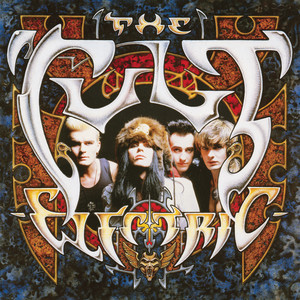
Listening to Electric by The Cult was a chore. I’ve never been a fan of The Cult, and this album did absolutely nothing to change my mind. From the opening moments of “Wild Flower,” it felt like I was listening to an AC/DC knockoff, and that comparison followed the album all the way to the end. The riffs are familiar, the lyrics are packed with rock-and-roll clichés, and very little here feels original or inspired. The frustrating part is that the album sounds great. Rick Rubin’s production is clean, powerful, and professional. The drums hit hard, the bass sounds fantastic, and Ian Astbury delivers some strong vocal performances. Unfortunately, all that production quality is spent polishing songs that I found generic, lazy, and completely forgettable. Tracks like “Lil Devil,” “Electric Ocean,” “King Contrary Man,” and “Outlaw” all blur together into one long parade of borrowed riffs and tired hard-rock tropes. “Aphrodisiac Jacket” briefly caught my attention because it sounds more like late-‘70s Zeppelin than AC/DC, but that’s hardly a glowing compliment when my standards for the album were already scraping the floor. “Love Removal Machine” was the one song I recognized from years of rock radio, and while it’s probably the most unique track here, that’s a very low bar. Even then, it didn’t do much for me. The absolute low point is “Born to Be Wild.” It’s one of the worst covers I’ve heard in a long time. Somehow The Cult managed to take a song built on energy, attitude, and fun and turn it into something lifeless and unpleasant. It sounds like a bad bar band trying to imitate a classic after one too many drinks. By the time “Memphis Hip Shake” arrived, I was completely checked out and just waiting for the album to end. That’s really my lasting impression of Electric: boredom. I can understand why some people love this kind of hard rock, but for me there’s nothing here that isn’t done better by AC/DC, Led Zeppelin, or countless other bands. This album isn’t just not for me—it actively reminds me why I’ve never cared for this style of music in the first place. A forgettable, derivative record that offers nothing I want to come back to. 1.8/10
I’ll be honest: hair metal is probably my least favourite genre. Too many clichés, too much image, and way too much music that feels focus-grouped for arenas rather than written because someone actually had something to say. So when Slippery When Wet came up, I wasn’t excited. But I also wasn’t dreading it. Bon Jovi has always felt different from the sleazier side of the genre—they’re basically a pop band that happens to play rock music. The album starts exactly as expected. “Let It Rock” is pure cheese, arena-rock fodder with big vocals and glossy production. Then the hits arrive and remind you why this album became a phenomenon. “You Give Love a Bad Name” is ridiculous, nostalgic, and impossible not to enjoy. I’d never put it on to look cool, but that opening line and massive chorus still work. Then there’s “Livin’ on a Prayer,” which is simply the best thing Bon Jovi ever recorded. It’s cheesy, over-the-top, motivational nonsense in the best possible way. If that chorus comes on and you’re not singing along, check your pulse. The biggest surprise was how uneven the album is. Every time a hit showed up, I was reminded why Bon Jovi became superstars. Every time a weaker album track showed up, I was reminded why I don’t listen to much hair metal. “Social Disease” is particularly awful—a gross, cliché-riddled suckfest that sticks out for all the wrong reasons. Even “Wanted Dead or Alive,” despite its cinematic production and great guitar tone, never really clicked with me. Still, there were some unexpected gems. “I’d Die for You” is packed with dramatic synths and shameless 80s excess, but it’s a blast. “Wild in the Streets” feels more like a pop song than anything else on the album and ended up being one of my favourite deep cuts. Even “Without Love” had enough crunchy guitars and shimmering synths to keep me interested. What surprised me most is that this album made me understand why Bon Jovi survived while so many of their peers became punchlines. They just wanted people to have a good time. Slippery When Wet is loaded with cheese, but it’s mostly the fun kind. I’ll probably never revisit the whole album, but “Livin’ on a Prayer” remains mandatory listening, and a few deep cuts earned a place beside the hits on my playlist. For an album from a genre I generally can’t stand, that’s a pretty good result. 5.6/10
Hybrid Theory is one of those albums that instantly takes me back. I was probably 11 or 12 when my older brother brought it home, and while I knew the big singles, I wasn’t exactly a nu-metal kid. I could never get into bands like Limp Bizkit, and at that age I was still too young to really appreciate heavier rock and metal. What I did love was Meteora, and revisiting Hybrid Theory all these years later reminded me why Linkin Park stood above so many of their peers. “Papercut” is an incredible opener. The energy is immediate and the band wastes no time showing what made them special. Mike Shinoda isn’t my favourite rapper, but unlike so many rap-rock frontmen of the era, he actually sounds authentic. He has rhythm, emotion, and knows exactly how to fit into the band’s sound. Chester Bennington, meanwhile, was simply one of a kind. Even on this first track his voice cuts through everything with a rawness and sincerity that nobody else could replicate. Some of the lyrics and hooks feel very 2000s now, but the song still hits. “One Step Closer” was my introduction to Linkin Park and it remains one of the album’s highlights. The guitar riff, the scratches, the bass, Chester screaming “SHUT UP WHEN I’M TALKING TO YOU”—it’s impossible not to get caught up in it. It’s aggressive, memorable, and sounds like it was built for a mosh pit. As the album progresses, what really stands out is how effortlessly the band blends genres. Songs like “With You” and especially “Points of Authority” showcase a group where every member contributes something important without ever feeling forced. The chemistry is remarkable. Everyone gets their moment, yet the focus always remains on the song. Then there’s “Crawling.” This is the track that separated Linkin Park from so many of the rap-rock and nu-metal bands that came after them. Chester’s lyrics are deeply personal, but somehow universal at the same time. Whether you’re struggling with addiction, anxiety, depression, or something entirely different, the song makes you feel understood. It’s haunting, painful, and beautiful. More than twenty years later, it’s still one of the defining songs of the era. The heavier cuts like “Runaway,” “By Myself,” and “A Place for My Head” continue the album’s momentum. There are moments that feel rooted in the clichés of early-2000s nu-metal, but Linkin Park always find a way to make them their own. Mike’s verses remain some of the strongest you’ll find in rock-rap, and Chester consistently elevates everything with his range and intensity. “In the End” was a song I honestly got tired of growing up. It felt like it was everywhere—radio, MuchMusic, school dances, everywhere. But hearing it again after years away from it reminded me why it became such a phenomenon. It’s emotional, catchy, vulnerable, and accessible without feeling manufactured. It wasn’t just a hit; it was a sign that rock music was changing. One of my favourite moments remains “Cure for the Itch.” Back when I was a kid, I could listen to it while skateboarding for hours. Today it works just as well in the background while working, cleaning, or doing pretty much anything. It’s layered, creative, and never gets old. “Pushing Me Away” closes the album perfectly, maintaining the emotional weight while ending on a slightly different energy that makes you want to start the whole thing over again. What surprised me most revisiting Hybrid Theory is how much I enjoyed having it on repeat all day. This isn’t just a nostalgia record. It’s genuinely one of the best nu-metal albums ever made and arguably the best example of rap-rock done right. It’s also the kind of album I’d want to show my daughter someday to explain what I listened to growing up. Linkin Park’s longevity wasn’t an accident. Hybrid Theory and Meteora showed that they had the talent to evolve without losing themselves. Chester Bennington was a once-in-a-generation voice, and his absence is still felt today. If you’ve written this album off as just another nu-metal record from the early 2000s, it’s worth another listen. There’s something special here. More than two decades later, it still stands apart from the crowd. 7.2/10
Locust Abortion Technician by the Butthole Surfers was a miserable listening experience for me. Going in, I didn’t have particularly high expectations for a band called the Butthole Surfers, but I still wasn’t prepared for just how much I would dislike this album. The opening riff of “Sweat Loaf” had me briefly hopeful, but the song quickly dissolved into noise, repetition, and nonsense that wore out its welcome long before the five-minute mark. From there, things only got worse. “Graveyard” was ear-piercing and grating, “Hay” earned a fast-forward and a skip, and by the time “Kuntz” rolled around I was completely checked out. The only track that came close to connecting with me was “Human Cannonball,” but even that wasn’t something I’d ever choose to revisit. I can appreciate that the band was doing something unique and uncompromising, and I respect artists who carve out their own weird corner of music. Unfortunately, that corner is nowhere near where I want to be. I’ve heard worse albums, but not many. Locust Abortion Technician is creative, distinctive, and absolutely not for me. 0.8/10
Bob Dylan’s Highway 61 Revisited is one of my favourite albums of all time, and one that I genuinely consider to be among the greatest ever made. I’ve spent years listening to Dylan—over 10,000 minutes according to my Apple Music Replay in 2025—and this is the album I keep coming back to. Every listen reveals something new. It begins with “Like a Rolling Stone,” a song I consider the greatest ever recorded. When I first heard it in high school, I knew it was important but didn’t fully understand why. Over time, learning more about music history, I’ve come to appreciate just how revolutionary it was. In 1965, it sounded like nothing else. The rawness, ambition, and sense of possibility are still there today, and its themes of lost innocence and hard-earned experience remain timeless. What makes Highway 61 Revisited so special is Dylan’s writing. Whether it’s the surreal humour of “Tombstone Blues,” the haunting mystery of “Ballad of a Thin Man,” the reckless energy of “From a Buick 6,” or the literary journey of “Just Like Tom Thumb’s Blues,” these songs demand your attention. Dylan’s lyrics aren’t diary entries—they’re poetry, storytelling, absurdist art, and social commentary all at once. They say something without ever being obvious. Musically, the album feels unleashed. The bluesy swagger of the title track, the warmth of “Queen Jane Approximately,” and the epic acoustic collage of “Desolation Row” all contribute to a record that feels both completely of its time and decades ahead of it. Dylan was taking risks, reinventing himself, and refusing to follow anyone’s rules. That’s ultimately why I love this album so much. It’s raw, authentic, and fearless. It reminds me that great art comes from taking chances, embracing change, and never becoming stagnant. More than sixty years later, Highway 61 Revisited still feels alive, still feels dangerous, and still feels like a doorway into discovering something new.
Funeral is one of those albums that grew with me. I first heard Arcade Fire when I was 16, a skateboarding punk who didn’t really get what they were doing. My brother told me to give it another chance, and one morning skating to school with Neighbourhood #1 (Tunnels) in my headphones, something clicked. It felt fresh, youthful, distinctly Canadian, and completely in step with the moment. The album immediately pulls you into its world of power outages, hope, loss, and community, all wrapped in an exhilarating sense of movement. What still amazes me is how layered and alive these songs feel. Tracks like Neighbourhood #2 (Laika), Nieghbourhood #4 (Power Out), and Neighbourhood #4 (7 Kettles) showcase an incredible ability to build arrangements from guitars, strings, keys, and pounding drums into something far bigger than the sum of their parts. The mix of English and Québécois French on songs like Une année sans lumière and Haiti adds another dimension to an album that already feels uniquely Canadian. Every song seems to build toward some emotional release, whether it’s the aching crescendo of In the Backseat or the euphoric rush at the end of Crown of Love. The highlights are among the greatest indie rock songs ever recorded. Wake Up remains my favourite—seeing it performed live during The Suburbs tour was unforgettable, with thousands of voices singing along as if the song belonged to everyone in the room. Rebellion (Lies) was my introduction to the band and opened the door to a whole new world of music for me. It sounded authentic, exciting, and unlike anything else I was listening to at the time. Arcade Fire set an incredibly high bar with their debut, and somehow followed it with Neon Bible and The Suburbs, one of my favourite three-album runs by any band. More than twenty years later, Funeral still feels vibrant, emotional, and vital—a record I return to often and one that continues to reveal new things with every listen.
I’ve never really taken Def Leppard seriously. Beyond respecting the band for sticking with their drummer after he lost an arm, their music has always felt like the kind of polished arena rock that never quite connected with me. Listening to Pyromania, I can hear why it was such a massive album, but I also found myself wondering if I was missing something. Outside of “Photograph,” which is a deserved classic, the first half mostly blends together into a parade of pop-metal clichés and interchangeable riffs. Songs like “Stagefright,” “Too Late for Love,” and “Die Hard the Hunter” never really left an impression. The second half is stronger, with “Rock of Ages” delivering a genuinely catchy anthem and “Comin’ Under Fire” hinting at something closer to the hard rock I enjoy. “Billy’s Got a Gun” has an interesting structure too, even if it overstays its welcome. The real star of the album might be producer Mutt Lange. The production is huge, polished, and influential. In fact, I think that influence is part of why Pyromania doesn’t land as hard for me today. This album laid the blueprint for countless ’80s pop-metal bands, and after decades of hearing those ideas copied and recycled, a first listen in 2026 feels less groundbreaking and more familiar. It’s a solid album, but not one I see myself returning to often. That said, I’m still curious to hear where they took the formula on Hysteria. 3.5/10
Rubber Soul is one of those albums that has only gotten better for me with age. When I listen to The Beatles’ catalogue in order, this feels like the moment everything truly clicks into place. The songwriting becomes more mature, the production more adventurous, and the band sounds completely locked in. From the opening blast of “Drive My Car” to the reflective beauty of “In My Life,” every member feels like they’re firing on all cylinders. What stands out most is how effortless the experimentation feels. Whether it’s the sitar on “Norwegian Wood,” the fuzz bass on “Think for Yourself,” the folk influences throughout, or the hints of psychedelia on “The Word,” the band never loses sight of the songs themselves. Even tracks that sound closer to their earlier work, like “Wait” or “Won’t See Me,” show how much they’ve grown as musicians and studio craftsmen. The production is immaculate, with layers of guitars, vocals, bass lines, and little details that reveal themselves with every listen. It’s also an album packed with warmth and personality. Songs like “Michelle,” “Girl,” and “I’m Looking Through You” have grown on me tremendously over the years, while “In My Life” remains my favourite track—a beautiful reflection on memory, growing older, and appreciating the people and places that shape us. More than anything, Rubber Soul is endlessly replayable. It’s an album I can put on at any time and never get tired of, whether I’m listening closely or singing along while putting my daughter to sleep. For me, it’s the beginning of The Beatles’ greatest creative run and one of the best albums ever recorded. 10:20
Disintegration was the album that completely changed how I viewed both The Cure and 1980s music in general. Before hearing it, I knew The Cure mostly through their pop hits and their reputation as a goth band. Nothing prepared me for the overwhelming beauty of “Plainsong.” It’s one of the greatest album openers I’ve ever heard—lush, orchestral, massive, and emotionally crushing. The music feels grand and cinematic while Robert Smith’s lyrics explore sadness and longing in a way that feels deeply human rather than self-pitying. What makes Disintegration so remarkable is how perfectly it balances atmosphere, emotion, and songwriting. “Pictures of You” remains one of my favourite Cure songs, combining a memorable melody with the album’s moody emotional core. “Closedown” surprised me with how much I could hear its influence on later bands like blink-182, while “Lovesong” proves that even a straightforward love song can fit seamlessly into this melancholic world. Tracks like “Last Dance” and “Lullaby” hit from completely different angles—one heartbreaking and reflective, the other dark, claustrophobic, and nightmarish. The album’s centrepiece is its ability to sustain long songs without ever feeling bloated. “Fascination Street,” “Prayers for Rain,” “The Same Deep Water as You,” and the title track all stretch beyond conventional pop lengths, yet every minute feels earned. The layers of bass, guitars, synths, and drums create an emotional depth that rewards repeated listens. “Disintegration” itself is a masterpiece of repetition used as emotional escalation, capturing the feeling of replaying regrets in your mind until they become overwhelming. By the time “Homesick” and “Untitled” arrive, the album feels like it has journeyed through darkness and emerged into something hopeful. It doesn’t erase the pain that came before it, but it finds light at the end of the tunnel. That ending is what makes the album so endlessly replayable. This is my favourite Cure album and one I return to several times every year. It’s haunting and beautiful, emotionally layered and textured, filled with lyrics and compositions that reveal something new with every listen. It’s also an album I can’t wait to own on vinyl and someday share with my daughter. Few records feel this deeply human. For me, Disintegration isn’t just The Cure’s masterpiece—it’s one of the greatest albums ever made. 9.7/10
Can’s Future Days is one of those albums that I can appreciate more than I can enjoy. Right from the title track, it’s obvious that the band is made up of talented musicians with a unique vision. “Future Days” is layered, breezy, calming, and almost ambient in its approach. The instrumentation creates a relaxing atmosphere that feels effortless, though I initially struggled with the vocals. They’re so quiet and pitchy that they seem to disrupt the flow rather than add to it. As the song continued, I adjusted to them, but they never fully clicked with me. “Spray” continues in a similar vein with its psychedelic and layered sound. I can understand why people connect with this kind of music, but it simply isn’t something I gravitate toward. The textures are interesting and the musicianship is undeniable, yet I found myself admiring it from a distance rather than becoming immersed in it. “Moonshake” was the highlight of the album for me. It’s the closest thing here to a traditional song without sacrificing the band’s identity. The bass, percussion, and light guitar work create a groove that’s easy to latch onto, and the studio experimentation adds some intriguing details throughout. The whispered vocals still take some getting used to, but being the album’s shortest track works in its favour. The twenty-minute closer “Bel Air” is ambitious and certainly showcases the band’s ability to build layers and explore sound. However, despite its shifting moods and the increased energy toward the end, I never felt it did enough to justify its lengthy runtime. Like much of the album, I found it interesting without finding it engaging. I can see why this album has its audience, but I don’t think I’m part of it. The songs drift by pleasantly enough, yet there’s very little for me to grab onto emotionally, melodically, or lyrically. By the end of the album I wasn’t frustrated or challenged—I was simply indifferent. Future Days exists in a musical space that clearly resonates with some listeners, but after spending time with it and Can’s previous work, I’ve realized that space just isn’t for me. 1.4/10