Dolly Parton’s Coat of Many Colors has such a warm, nostalgic feeling that it feels less like simply listening to an album and more like stepping into a collection of memories. I really loved how heartfelt and comforting the songs felt, with stories about family, childhood, love, hardship, and finding beauty in simple things. This was actually my first time listening to a full Dolly Parton album, and I honestly regret discovering her music so late. There’s something incredibly genuine about her voice and storytelling that makes even the simplest songs feel deeply personal. The album has a wonderful balance of tenderness, humor, sadness, and hope, and you can really feel the importance of her Appalachian roots and upbringing throughout it. The title track, “Coat of Many Colors,” especially stood out to me. Its story is simple but incredibly moving, turning something born out of poverty into a symbol of love, pride, and family. That ability to find warmth and meaning in ordinary experiences is probably what I appreciated most about the album. I’m really glad I finally gave Dolly Parton a chance. Coat of Many Colors feels timeless, sincere, and deeply human—and now I’m definitely curious to explore more of her music.
1001 Albums Summary
Rating Distribution
Rating Timeline
Taste Profile
Breakdown
By Genre
Tap a bar to see the albums behind it
Top Styles
Tap a bar to see the albums behind it
By Decade
By Origin
Albums
You Love More Than Most
| Album | You | Global | Diff |
|---|---|---|---|
|
A Rush Of Blood To The Head
Coldplay
|
5 | 3.42 | +1.58 |
|
Hotel California
Eagles
|
5 | 3.58 | +1.42 |
You Love Less Than Most
| Album | You | Global | Diff |
|---|---|---|---|
|
Harvest
Neil Young
|
1 | 3.8 | -2.8 |
|
Arrival
ABBA
|
1 | 3.53 | -2.53 |
|
Blue
Joni Mitchell
|
1 | 3.5 | -2.5 |
|
Illinois
Sufjan Stevens
|
1 | 3.5 | -2.5 |
|
Nilsson Schmilsson
Harry Nilsson
|
1 | 3.42 | -2.42 |
|
Tres Hombres
ZZ Top
|
1 | 3.4 | -2.4 |
|
Blunderbuss
Jack White
|
1 | 3.38 | -2.38 |
|
Smash
The Offspring
|
1 | 3.35 | -2.35 |
|
The College Dropout
Kanye West
|
1 | 3.31 | -2.31 |
|
Machine Gun Etiquette
The Damned
|
1 | 3.16 | -2.16 |
5-Star Albums (2)
View Album Wall

Popular Reviews
I really didn't enjoy this album. I know it's often praised as witty, quirky, and full of character, but it completely missed the mark for me. If the lyrics were supposed to be funny, cheeky, or satirical, none of that came across—I found them more irritating than clever. Musically, it felt chaotic and oddly mechanical at times, almost like a strange spaceship soundtrack rather than a rock or pub-rock record. The mix of spoken-word vocals, offbeat rhythms, and quirky instrumentation never clicked, leaving the songs feeling disjointed instead of inventive. I can appreciate that New Boots and Panties!! was influential and different for its time, and I understand why some listeners admire its originality. But being unconventional isn't enough on its own. For me, the album sacrificed memorable melodies and enjoyable songwriting in favour of eccentricity. Overall, I found it difficult to get through and wouldn't be in a hurry to listen again. While it's clearly a cult classic for many, it simply wasn't for me.
I really wanted to like this more, but honestly, I found it pretty boring. There are definitely some good songs here — “Miss You Much,” “Escapade,” and “Black Cat” are probably the highlights for me — but as an album, it felt so long. The production started to feel repetitive after a while, and I kept checking how many songs were left. Every time I thought I was getting close to the end, there was somehow still more. I do appreciate what Janet was going for. The social and political themes are pretty ambitious for a mainstream pop album, and I can understand why this is considered such an important record. But for me, being ambitious and being enjoyable are two different things. The weirdest part is that I never really felt like the album was building toward an ending. It just kept going and going until eventually it stopped. There are some great individual tracks, but I didn't particularly enjoy listening to the whole thing front to back. Maybe this is one of those albums where I can appreciate the legacy more than the actual music. Not really for me.
Van Morrison’s Moondance was an enjoyable enough listen, though it didn’t quite leave a lasting impression on me. There’s a relaxed, warm quality to the album that makes it particularly well suited to listening at night, especially at the end of a long work day when you’re looking for something calming rather than demanding. The mix of jazz, folk, soul, and blues gives the album a loose, lived-in feel, and Morrison’s distinctive voice fits naturally into that atmosphere. The title track is obviously the standout, but songs like “Into the Mystic” and “Caravan” add to the album’s mellow, slightly dreamy character. For me, Moondance was less an album that demanded my attention and more one that provided pleasant company in the background. It’s easygoing, warm, and atmospheric without being particularly challenging. Maybe not something I’d reach for every time, but a nice record to put on when the day is winding down.
1-Star Albums (30)















All Ratings (95)
Hotel California by the Eagles is a wonderful album that I really enjoyed. The songs are very soothing and easy to listen to, with beautiful melodies and strong vocals throughout. The album creates a relaxing atmosphere while still featuring memorable tracks like "Hotel California" and "New Kid in Town." Overall, it's a timeless classic that combines great musicianship with a calm, enjoyable sound, making it an album I can listen to again and again
So far, only "All Falls Down" and "Spaceship" have really stood out to me. I'm not enjoying the album that much overall, and I think part of it is Kanye's vocal style—it just doesn't click with me. The melodies and featured artists are generally good, and the lyrics are decent, but nothing has grabbed me enough to want to revisit the entire album. I could see it working as background music, but I don't think I'd listen to the full album again.
A Rush of Blood to the Head is a mellow, atmospheric album that's perfect for unwinding after a long day. It has a warm, reflective feel that pairs especially well with a rainy autumn afternoon. The lyrics are thoughtful and memorable, adding emotional depth to the beautiful melodies. A classic choice for both longtime Coldplay fans and newcomers, the album also features one of the band's most iconic songs, "Clocks."
Bongo Rock (1973) is an uplifting album that's perfect for an afternoon or early evening listen. It also works really well as background music while having dinner with friends. The album has an exotic, African-inspired vibe that gives it a warm and energetic atmosphere. My favorite track was "Kiburi Pt. 1." I especially enjoyed the first three songs, which set my expectations quite high. While the rest of the album is still enjoyable, many of the tracks follow a similar rhythmic pattern, so they don't stand out as much individually. Overall, it's a solid and enjoyable listen, even if it becomes a bit repetitive at times.
Rio is a solid album that feels unmistakably '80s in the best way. It has a bright, polished sound and an easygoing energy that makes it enjoyable from start to finish. While no individual track really stood out to me, the album works well as a complete listening experience rather than relying on a single standout hit. The drumming is especially impressive, adding a lot of momentum and texture that elevates many of the songs. Overall, it's the kind of record I'd happily put on during a relaxed morning or a laid-back evening when I want something stylish, catchy, and effortless.
First of all, I love Icelandic music, literature, and the Icelandic language, so I was genuinely excited when this album appeared in my recommendations one morning. I went into it expecting to love it. The opening immediately caught my attention with its eerie, atmospheric soundscapes and unique sense of space. It felt mysterious and promising, and I was intrigued by where it was going. Unfortunately, that feeling didn't last. While the first part of the album drew me in, the second half gradually lost my interest. The songs began to blur together, and what initially felt immersive eventually became repetitive and emotionally static. I kept waiting for a moment that would re-engage me, but it never quite arrived. I can absolutely appreciate the craftsmanship, the haunting ambience, the beautiful use of Jónsi's falsetto, and the cinematic production. It's easy to understand why this album is so highly regarded and influential. However, despite respecting what it achieves artistically, it simply didn't connect with me on a personal level. I wanted to like it much more than I actually did.
Mr. Tambourine Man is one of those albums that carries an enormous historical reputation, but I found the listening experience far less compelling than its legacy suggests. The opening title track and "I'll Feel a Whole Lot Better" are undeniably strong, setting a high bar with their shimmering 12-string guitar, rich harmonies, and unmistakable folk-rock sound. Unfortunately, after those first two songs, the album quickly loses momentum. Much of the remaining material feels repetitive and lacks memorable hooks. The jangly guitar sound that initially feels fresh becomes predictable over the course of the record, and many of the slower folk covers fail to leave much of an impression. While the vocal harmonies remain consistently polished, they aren't enough to keep the songs engaging when the songwriting itself feels fairly slight. That said, the album has a distinctive mid-1960s atmosphere that's hard to deny. The bright, airy production, the folk influences, and the optimistic, clean-cut aesthetic make it an excellent snapshot of the period. Roger McGuinn's signature Rickenbacker guitar tone would become hugely influential, helping define the folk-rock genre and inspiring countless later artists. The band's interpretations of Bob Dylan's songs also played an important role in bringing folk music into the pop mainstream. As an important historical artifact, Mr. Tambourine Man deserves its place in rock history. As a standalone listening experience, however, I found it surprisingly mediocre. Beyond its excellent opening, the album rarely held my attention, and by the second half it became more of an exercise in appreciating its influence than enjoying the music itself. I can respect what it accomplished for the genre while still feeling that its reputation exceeds its entertainment value.
Merle Haggard's I'm Lonesome isn't among his most essential albums, but I enjoyed it more than I expected. What stood out most was its laid-back, melancholy vibe. The album settles into a consistent mood of loneliness and reflection without ever feeling overly dramatic, making it an easy record to get lost in. The songs are rooted in traditional country, with understated arrangements that let Haggard's warm, weathered voice take center stage. While there aren't many tracks that rank among his all-time classics, the album is consistently enjoyable and never feels forced. Its strength lies in the atmosphere it creates rather than in individual standout moments. Overall, I'm Lonesome is a solid, comforting listen. I liked it for its unhurried pace and genuine, lived-in feel. Its honest songwriting and relaxed vibe make it well worth hearing for fans of classic country.
This felt like the soundtrack to a group of teenagers who had just discovered distortion pedals and the concept of "deep" lyrics. The musicians clearly know how to play, but the songwriting is stuck somewhere between a high school talent show and a notebook full of angst that probably should've stayed private. The lyrics are especially rough—packed with the kind of pseudo-philosophical musings that sound profound when you're fifteen and unbearable once you're not. Every time I thought a song might go somewhere interesting, it settled back into the same dated alt-rock groove. I get why this album has nostalgic value for people who grew up with it, but nostalgia is doing a lot of heavy lifting here. For me, it was a long 48 minutes of waiting for something memorable to happen. It never really did. I couldn't wait for the album to end, and I have no desire to make myself listen to it again.
We Are Family by Sister Sledge is a classic disco and R&B album from the late 1970s that remained hugely influential throughout the 1980s dance scene. Produced by Nile Rodgers and Bernard Edwards of Chic, the album delivers polished grooves, catchy basslines, and uplifting vocals that defined the era. Overall, I thought the album was okay. It has a fun, upbeat sound, and it's easy to hear why songs like "We Are Family" and "He's the Greatest Dancer" became enduring classics. The production is excellent, with tight rhythms and memorable hooks that still sound fresh today. That said, I found that I mostly enjoyed the well-known singles, while some of the deeper album tracks felt less memorable. The album maintains a consistent disco style throughout, which fans of the genre will likely appreciate, but it didn't always hold my attention from start to finish. Even though it wasn't a personal favorite, I can appreciate its importance in music history and its influence on dance, funk, and pop music. If you enjoy disco, funk, or the polished sound associated with the late '70s and early '80s, We Are Family is definitely worth listening to
Rust in Peace is one of those albums that almost feels impossible to ignore, even if you're not a metal fan. I went into it expecting relentless aggression and little else, but what surprised me most was how technical and meticulously crafted it is. Rather than sounding like pure chaos, the songs are tightly structured, with intricate guitar work and constantly shifting rhythms that reward close listening. Released in 1990, Rust in Peace is often regarded as Megadeth's defining album and one of the greatest thrash metal records ever made. The lineup featuring Dave Mustaine, Marty Friedman, David Ellefson, and Nick Menza is frequently considered the band's strongest, and it's easy to hear why. Friedman's melodic, exotic-sounding guitar solos complement Mustaine's sharp, aggressive riffs, creating a sound that's both ferocious and surprisingly sophisticated. Tracks like "Holy Wars... The Punishment Due" and "Hangar 18" immediately stand out. "Holy Wars" shifts effortlessly between breakneck thrash and more melodic passages, while "Hangar 18" is practically a showcase for guitar virtuosity, ending with an extended series of increasingly elaborate solos. Even if the vocals aren't particularly accessible—Mustaine's nasal, snarling delivery is definitely an acquired taste—they fit the music's tense, cynical atmosphere. Lyrically, the album leans into politics, warfare, conspiracy theories, and nuclear anxiety, reflecting the end of the Cold War era. Those themes give the record a sense of urgency that goes beyond simply being loud or aggressive. As someone who doesn't usually listen to metal, I found Rust in Peace far more engaging than expected. Instead of relying solely on speed or heaviness, it emphasizes precision, musicianship, and composition. While I probably won't become a regular thrash metal listener overnight, this album helped me understand why it's held in such high regard. It's less about brute force than about technical excellence, and that craftsmanship makes it accessible even to listeners outside the genre. Rating: 3.5/5— Challenging at first, but ultimately an impressive display of musicianship that lives up to its legendary reputation
Adele's 21 is undeniably a well-crafted album with impressive vocals and polished production, but it didn't leave much of an impression on me. While the songs are emotional and technically strong, they tended to blend into the background rather than demand my attention. I often found the album playing without really noticing it, and by the end, few tracks stuck with me. I can understand why 21 became such a massive commercial and critical success—it captures heartbreak with sincerity, and Adele's voice is consistently powerful. However, the overall sound felt a bit too safe and uniform for my taste. The slower, soulful style remained so consistent that the album lacked the variety or surprises I was hoping for. It's an easy listen, and I wouldn't call it bad by any means, but it wasn't especially memorable. If you're looking for emotionally charged ballads and exceptional vocal performances, it's easy to see the appeal. For me, though, 21 was simply okay: pleasant enough, but ultimately an album that faded into the background instead of leaving a lasting impact.
I had a great time listening to Physical Graffiti. It's a long album, but it never felt like a chore because there's so much variety from one song to the next. Every track has its own personality, and the album constantly shifts between heavy blues rock, acoustic moments, and more experimental sounds without ever feeling unfocused. "Kashmir" completely lived up to its reputation. It's easily one of the most powerful songs on the album, with an unforgettable riff and an atmosphere that feels massive. I also loved "In My Time of Dying" for its raw energy and incredible musicianship, while songs like "Trampled Under Foot" and "Ten Years Gone" showed different sides of the band that kept the album fresh. One thing that impressed me most was how well the band worked together. Jimmy Page's guitar playing is phenomenal, but everyone gets their chance to shine. John Bonham's drumming is relentless, John Paul Jones adds so much depth with his bass and keyboards, and Robert Plant sounds confident and expressive throughout. Considering it's a double album, I expected there to be at least a few weak moments, but I honestly didn't find many. Even the songs that aren't as memorable on a first listen still contribute to the overall experience. It's the kind of album that feels like it has more to offer every time you come back to it. By the end, it was easy to see why so many people consider Physical Graffiti one of Led Zeppelin's greatest albums. It captures everything that made the band special—their power, creativity, and willingness to explore different musical styles. It's an album I'll definitely be returning to, and I can easily see it growing on me even more with each listen.
The Grand Tour is another reminder of why George Jones is considered one of country music's greatest vocalists. While the album starts off strong with the heartbreaking title track, I found myself enjoying it even more as it went on. The second half is where the record really clicked for me, with songs like "She Told Me So," "Who Will I Be Loving Now," and "Our Private Life" keeping the emotional momentum going. Jones' voice is effortlessly expressive throughout the album, and producer Billy Sherrill's polished countrypolitan sound complements the songs without overshadowing them. The record doesn't rely on flashy arrangements; instead, it lets the songwriting and Jones' delivery carry the weight. Even though many of the songs deal with heartbreak and loss, they never feel repetitive because Jones brings a different emotional shade to each performance. Overall, The Grand Tour is a consistently strong country album that gets better as it progresses. The second half, in particular, left the biggest impression on me, making it an album I'll gladly revisit.
Jeff Beck's Truth is one of those albums that feels like it's constantly on the verge of exploding. Even though it came out in 1968, it still sounds surprisingly raw and heavy, blending blues, hard rock, and flashes of psychedelia in a way that clearly influenced what came next. I ended up liking it more than I expected. Jeff Beck's guitar playing is phenomenal—not just technically impressive, but expressive and unpredictable. Rather than showing off, he makes every solo feel like part of the song. Rod Stewart's vocals are another highlight, bringing a gritty, soulful energy that perfectly matches the music, while Ronnie Wood's bass playing helps keep everything grounded. The album mixes originals with reimagined blues and rock standards, but they rarely sound like straightforward covers. Tracks like "Shapes of Things" are transformed into something darker and heavier, and "Beck's Bolero" is an instrumental showcase that's as inventive as it is influential. Even when the band stretches out, the performances never feel self-indulgent. Truth isn't as polished as later classic rock albums, and that's part of its appeal. The loose, almost live feel gives it a sense of urgency that many studio recordings lack. It's easy to hear why so many people point to it as a precursor to hard rock and heavy metal, influencing bands like Led Zeppelin, which formed only months later. Overall, Truth is a powerful debut that rewards repeated listens. It's an album that captures an exceptional group of musicians at exactly the right moment, and while it shows its age in a few places, its energy and musicianship remain timeless. It’s a classic that's well worth hearing, especially for anyone interested in the roots of hard rock.
Nick Drake's Five Leaves Left is one of those albums that quietly pulls you into its world. It's incredibly soothing, with gentle acoustic guitar, delicate string arrangements, and Drake's soft, introspective voice creating an atmosphere that feels timeless. Listening to it reminds me of Game of Thrones at its most peaceful, or old English folk songs echoing through the countryside. There's a distinctly medieval, pastoral quality to the music that makes it feel like it's from another era. What makes the album so captivating is its simplicity. Nothing feels forced or overproduced—every song unfolds naturally, giving the listener space to absorb the emotion. Drake's lyrics are thoughtful and poetic without being overly complicated, and the melancholy running through the album never becomes overwhelming. Instead, it feels comforting, like a quiet walk through misty fields on an autumn morning. Although Five Leaves Left wasn't widely appreciated when it was first released, it's easy to see why it's now considered one of the greatest folk albums ever made. It's subtle, beautiful, and rewarding with every listen. If you're looking for music that feels peaceful, reflective, and deeply rooted in English folk traditions, this album is hard to beat.
Frank Ocean's Orange is an interesting listen that balances modern production with a laid-back, easygoing atmosphere. The album's smooth beats make it easy to get lost in, while its blend of R&B, soul, and alternative influences keeps the sound fresh and engaging. Beyond its accessible production, what really stands out is Frank Ocean's songwriting. The album explores themes of love, identity, nostalgia, and personal growth with honesty and subtlety, allowing the music to resonate long after each track ends. His vocals are understated yet expressive, complementing the intimate tone of the project. While some songs are more immediate than others, the album rewards repeat listens as its layered lyrics and nuanced production reveal new details over time. Overall, Orange is a modern, thoughtfully crafted record with great beats, a relaxed vibe, and emotional depth, making it both an easy listen and a memorable one.
Kilimanjaro has its moments, but it ultimately left me pretty underwhelmed. While it's often praised as one of the defining records of the early post-punk era, I found the album surprisingly one-dimensional. The jangly guitars, tribal-inspired rhythms, and Julian Cope's eccentric vocals create an interesting atmosphere at first, but after a few tracks it starts to feel like the band is recycling the same ideas over and over. There are certainly some standout songs, especially "Reward," which has enough energy and melody to break away from the pack. But much of the album blends together, with similar tempos, guitar textures, and vocal delivery making it difficult for individual tracks to leave a lasting impression. Instead of building momentum, the record settles into a groove that rarely changes. To its credit, Kilimanjaro captures a very specific moment in British post-punk, bridging the gap between psychedelic pop and the darker sounds of the late '70s. You can also hear its influence on later indie and neo-psychedelic bands. Still, influence alone doesn't necessarily make for an engaging listen. In the end, I appreciate its historical significance more than I enjoyed the experience of listening to it. For me, Kilimanjaro lacked enough variety to sustain its runtime, and by the end it felt like I'd heard the same song in slightly different forms. It's an important album, but not one I'd be eager to revisit.
I gave ABBA's Arrival a chance despite never being much of an ABBA fan. Outside of "Dancing Queen," their music has never really clicked with me, so I went in with an open mind hoping this album might change that. Unfortunately, it didn't. I found Arrival to be a pretty flat listen overall. The songs are polished and undeniably well-produced, but they rarely surprised me or left much of an impression. The melodies are catchy enough, yet many tracks blend together, and I never felt emotionally invested. I can understand why this album is considered a pop classic—it captures the clean, melodic sound that made ABBA one of the biggest acts of the '70s. But for me, technical polish isn't enough to carry an album when the songs don't resonate on a deeper level. If you're already an ABBA fan, there's plenty here to enjoy. If, like me, you've never really connected with their style, Arrival probably won't change your mind. Aside from "Dancing Queen," I didn't find much that made me want to come back for another listen.
Band on the Run is a triumphant blend of rock, pop, folk, and orchestral flourishes that showcases Paul McCartney at his creative peak. Despite being recorded under difficult circumstances in Lagos, Nigeria, the album radiates confidence, optimism, and musical imagination. The title track is a mini-suite that shifts seamlessly through multiple sections, capturing a sense of escape and freedom with irresistible melodies. "Jet" delivers infectious energy with soaring guitars and brass, while "Bluebird" and "Mamunia" reveal McCartney's gift for warm, understated songwriting. The album closes with "Nineteen Hundred and Eighty-Five," an exhilarating finale driven by a powerful piano performance and sweeping orchestration. What makes Band on the Run endure is its remarkable balance of accessibility and ambition. Every song feels carefully crafted, yet nothing sounds forced or overly polished. McCartney's melodic instincts are on full display, supported by inventive arrangements and the tight musicianship of Wings. More than fifty years after its release, Band on the Run remains one of the defining albums of the 1970s and a landmark in Paul McCartney's solo career. It is a timeless record that rewards repeated listening, offering both catchy hooks and subtle musical details that continue to captivate audiences.
Here's a balanced review you could use: Orange Juice – Rip It Up Review Rip It Up is a solid album that never quite reaches the heights its reputation might suggest. Orange Juice blends jangly guitars, funk-inspired basslines, and Edwyn Collins' distinctive vocals into a sound that feels both playful and sophisticated. The title track is easily the standout, with its infectious groove and memorable hook, but the rest of the album is more understated. Many of the songs have a relaxed charm, though they can blur together and leave less of an impression than expected. Rather than delivering constant standout moments, the album succeeds through its atmosphere and effortless style. Its mix of post-punk, pop, and soul was quietly influential, helping pave the way for later indie pop bands, even if it wasn't a major commercial success at the time. Overall, Rip It Up is an enjoyable listen with flashes of brilliance. It may not be an album that demands repeated plays, but its warmth, musicianship, and understated influence make it worth hearing, but not one that completely lived up to the hype for me.
Exit Planet Dust is often praised as a groundbreaking electronic album, but it didn't click with me. While I can appreciate its influence and the way it helped shape the big beat genre, I found the listening experience repetitive and lacking memorable moments. The production is solid, with heavy beats and layered samples, but many of the tracks blur together instead of standing out on their own. Rather than building excitement, the album started to feel monotonous after a while. I was also hoping for stronger melodies or more dynamic song structures, but much of it stayed in the same groove without enough variation to keep me engaged. There are flashes of creativity throughout the record, and it's easy to understand why it has such a strong reputation among fans of electronic music. Still, influence doesn't always translate into enjoyment. For me, Exit Planet Dust felt more historically important than genuinely entertaining, and I finished it appreciating its legacy more than the music itself. Overall, I'd give it 1.5/5. I respect what it accomplished, but it's not an album I see myself revisiting.
Lust for Life is the sound of Iggy Pop rediscovering the thrill of being alive. After the bleak, skeletal atmosphere of The Idiot, this record bursts open with swagger, color, and reckless energy. The title track is pure adrenaline, but the album isn't just a collection of punk anthems—it veers into strange, soulful, and even reflective territory without losing its edge. David Bowie's fingerprints are all over the production, yet Iggy never feels overshadowed. His voice is equal parts sneer, grin, and battle scar. It's messy in places, but that's part of its charm. Lust for Life has personality to spare: loud, unpredictable, and impossible to mistake for anyone else. It feels less like a polished statement and more like spending forty minutes with the coolest, most chaotic person at the party.
Violator is an album that immediately pulls you into its world. What stood out to me most was its atmosphere—dark, immersive, and hypnotic without ever feeling oppressive. Every synth texture, guitar line, and beat seems carefully placed, creating a mood that's both intimate and cinematic. The songwriting is exceptional. Hits like "Enjoy the Silence," "Personal Jesus," and "Policy of Truth" are deservedly classics, but the album never relies on its singles. Tracks such as "World in My Eyes," "Halo," "Waiting for the Night," and the haunting closer "Clean" deepen the experience, making the album feel cohesive from beginning to end. Dave Gahan delivers one of his strongest vocal performances, balancing confidence with vulnerability, while Martin Gore's lyrics explore desire, temptation, love, guilt, and longing with enough ambiguity to invite personal interpretation. The production by Flood, together with Depeche Mode, is remarkably restrained. Instead of chasing flashy electronic sounds, the album builds rich layers that still sound fresh decades later. What impressed me most is how timeless Violator feels. Many albums from the early '90s sound tied to their era, but Violator doesn't. Its blend of electronic music, rock, blues, and pop creates something distinctive that has influenced countless artists while retaining its own identity. For me, Violator is more than a collection of great songs—it's an experience. Its immersive atmosphere is what lingers long after the music stops, making it an album I'll gladly return to.
I think Natty Dread is one of Bob Marley's most enjoyable albums. It has a relaxed, soulful sound, but it also carries a lot of emotional weight and thoughtful lyrics. Even when the songs are political or serious, they never feel heavy-handed because the music is so warm and inviting. What stood out to me most was the consistency of the album. There aren't many weak moments, and each track contributes to the overall mood. Songs like "Lively Up Yourself" bring energy and optimism, while "No Woman, No Cry" adds a more reflective and heartfelt side. The album balances catchy rhythms with meaningful songwriting in a way that feels natural. I also appreciated how Natty Dread blends reggae grooves with themes of hope, struggle, and resilience. The performances are confident without feeling overproduced, and the band creates a rich, organic sound that still feels fresh decades later. Overall, I came away really liking Natty Dread. It isn't just an important reggae album—it's an engaging listen from start to finish, with memorable songs, genuine emotion, and timeless messages. I'd happily recommend it to anyone interested in exploring Bob Marley's music or reggae as a whole.
Cream's Disraeli Gears was a really enjoyable listen. What stood out to me most was its energy—there's a sense of excitement running through the entire album that never really fades. The chemistry between Eric Clapton, Jack Bruce, and Ginger Baker is obvious, and each musician has moments to shine without overpowering the others. The album blends blues with psychedelic rock in a way that feels natural rather than experimental for its own sake. Clapton's guitar playing is expressive and memorable, Bruce's bass lines and vocals give the songs plenty of character, and Baker's drumming adds power and momentum. Together, they create a sound that is both tight and adventurous. "Sunshine of Your Love" is an obvious highlight with its iconic riff, but the album offers much more than its biggest hit. Tracks like "Strange Brew," "SWLABR," and "Tales of Brave Ulysses" showcase the band's creativity and willingness to explore different moods while maintaining a strong sense of melody. The psychedelic influences never overwhelm the songs—they enhance them, giving the record a colorful atmosphere that still feels accessible today. What impressed me most is how fresh the album still sounds despite being released in 1967. Its combination of blues roots, hard rock intensity, and psychedelic textures influenced countless bands that followed. Overall, I found Disraeli Gears to be an energetic, engaging, and highly enjoyable album. It's easy to understand why it's considered one of the defining records of the psychedelic rock era, and it's an album I'll happily return to.
I can see why Harvest is considered a classic, but it just didn't click with me. I found most of the album pretty boring and slow-paced, and a lot of the songs blended together without leaving much of an impression. There were definitely moments where the melodies stood out—they're warm, memorable, and probably the album's strongest quality—but they weren't enough to keep me engaged throughout. I also felt the pacing dragged, and the understated production, while intentional, made the record feel a bit too mellow for my taste. I can appreciate its influence on folk and country rock and understand why so many people love its intimate, reflective style, but personally I found it more admirable than enjoyable.
Ali Farka Touré's Savane was a fascinating listen. While the opening tracks didn't immediately draw me in, the album gradually revealed its strengths as it unfolded. The slow, hypnotic rhythms and understated guitar work created an atmosphere that became more immersive with each song, rewarding patience rather than demanding instant attention. What stood out most was how unique the music felt. I'd never heard anything quite like it—the blend of traditional Malian music with blues influences creates a sound that feels both deeply rooted and surprisingly familiar. Touré's guitar playing is subtle yet expressive, and the album has a timeless, unhurried quality that encourages careful listening instead of chasing catchy hooks. Savane isn't an album that aims for immediate impact. Instead, its beauty lies in its gradual development, drawing the listener into its rich textures and understated melodies. Although it didn't make a strong first impression, by the end I found myself appreciating its authenticity, emotional depth, and distinctive sound. It's an album that expands your musical horizons and one that I could see becoming even more rewarding with repeated listens.
I really didn't enjoy this album. I know it's often praised as witty, quirky, and full of character, but it completely missed the mark for me. If the lyrics were supposed to be funny, cheeky, or satirical, none of that came across—I found them more irritating than clever. Musically, it felt chaotic and oddly mechanical at times, almost like a strange spaceship soundtrack rather than a rock or pub-rock record. The mix of spoken-word vocals, offbeat rhythms, and quirky instrumentation never clicked, leaving the songs feeling disjointed instead of inventive. I can appreciate that New Boots and Panties!! was influential and different for its time, and I understand why some listeners admire its originality. But being unconventional isn't enough on its own. For me, the album sacrificed memorable melodies and enjoyable songwriting in favour of eccentricity. Overall, I found it difficult to get through and wouldn't be in a hurry to listen again. While it's clearly a cult classic for many, it simply wasn't for me.
Astral Weeks is one of those albums that's often described as a masterpiece, and while I can appreciate why, it didn't completely click for me. The songwriting is poetic and the musicianship is undeniably strong, with a loose, jazzy folk sound that's different from most albums of its era. Van Morrison's vocals are expressive and the arrangements create a dreamy, almost stream-of-consciousness atmosphere. That said, I found it more admirable than engaging. The songs tend to drift rather than build, and although the album has a unique mood, very few moments really stood out or stayed with me after it ended. I can understand why it's so influential—its blend of folk, jazz, soul, and Celtic influences was remarkably original in 1968—but for me, it was more of an interesting listen than an unforgettable one. Overall, a good album that I respect more than I enjoyed. I can see myself revisiting it someday to see if it grows on me, but on a first listen it was solid rather than exceptional.
Illmatic is one of the most influential hip-hop albums ever made, and it's easy to hear why. Nas paints vivid pictures of life in Queensbridge with sharp lyricism, thoughtful storytelling, and a level of maturity that was remarkable for a debut album. The production is equally impressive, with legendary producers like DJ Premier, Pete Rock, Q-Tip, Large Professor, and L.E.S. creating a timeless East Coast sound. That said, my experience with the album was just okay. I can appreciate its craftsmanship, lyrical depth, and historical importance, but it didn't fully connect with me on a personal level. The tracks are consistently solid, though few stood out enough for me to want to revisit them immediately. I understand why Illmatic is often considered a classic and a blueprint for lyrical hip-hop, and I respect what it accomplished for the genre. Even if it wasn't a standout listen for me, it's an album that's worth hearing to understand its influence on rap music.
Happy Sad is one of those albums that reveals more of itself with each listen. I really enjoyed it—it's mellow, intimate, and quietly adventurous without ever feeling self-indulgent. Tim Buckley's voice is incredible throughout, effortlessly shifting from soft, vulnerable moments to soaring, almost otherworldly passages. The album blends folk, jazz, and psychedelia in a way that feels remarkably natural, creating an atmosphere that's both comforting and slightly mysterious. Songs like "Buzzin' Fly" are immediately inviting, while longer tracks such as "Gypsy Woman" show Buckley's willingness to stretch songs into hypnotic, improvisational territory. What impressed me most is how emotionally open the album feels without becoming overly sentimental. The sparse arrangements leave plenty of room for Buckley's voice and the musicians to breathe, making every performance feel alive. It's also fascinating to hear this transitional moment in his career, as he moves beyond straightforward folk into the more experimental style that would define his later work. Overall, Happy Sad is a beautiful, rewarding album that balances accessibility with experimentation. It has a timeless, late-night quality that makes it easy to return to, and it's easy to see why many fans consider it one of Tim Buckley's finest records.
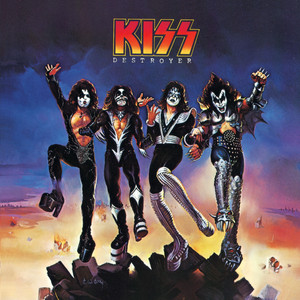
I can appreciate why Destroyer is regarded as KISS's breakthrough and one of the defining hard rock albums of the '70s. Bob Ezrin's production gave the band a much grander, more cinematic sound, and tracks like "Detroit Rock City" and "God of Thunder" have become iconic for good reason. That said, it really wasn't my cup of tea. The album leans heavily into larger-than-life theatrics, macho posturing, and comic-book-style fantasy, and I found much of it a bit too teenagerish. Rather than feeling rebellious or dangerous, it often comes across as playing to adolescent fantasies, which made it difficult for me to fully engage with the music. The production is undoubtedly impressive—lush arrangements, choirs, sound effects, and a level of polish that was unusual for hard rock at the time. But for me, that slickness also smooths away some of the raw energy that made KISS interesting in the first place. Even the heavier tracks feel more calculated than spontaneous. There are still moments I enjoyed. "Detroit Rock City" is an excellent opener, and "Beth" is a surprisingly effective ballad, even if it sits somewhat awkwardly alongside the rest of the album. Overall, though, the songwriting didn't resonate with me enough to overcome the album's theatrical excesses. I understand why Destroyer became such an influential record and why it remains beloved by KISS fans. Personally, however, I found it more interesting as a cultural milestone than as an album I would return to. It's an ambitious record, but one whose adolescent outlook and over-the-top presentation kept it at arm's length.
Getz/Gilberto is one of those rare albums that lives up to its legendary reputation. I liked it a lot from start to finish. Stan Getz's saxophone has a warm, effortless sound that perfectly complements João Gilberto's understated guitar and vocals. The chemistry between the musicians creates a relaxed, intimate atmosphere that's easy to get lost in. The album blends jazz and Brazilian bossa nova beautifully, and every track feels smooth without ever becoming repetitive. "The Girl from Ipanema" is the obvious classic, but the entire album is consistently strong. Astrud Gilberto's soft, understated vocals add another layer of charm, making the songs feel timeless rather than tied to a particular era. What impressed me most is how simple everything seems on the surface, yet the performances are incredibly refined. The arrangements leave plenty of space for each instrument to breathe, and Stan Getz's melodic phrasing elevates every song without overpowering the rest of the group. Overall, Getz/Gilberto is a masterpiece and an essential listen for anyone interested in jazz or bossa nova. It's an album that's relaxing, elegant, and endlessly replayable, and I can easily see why it's considered one of the greatest jazz recordings ever made.
I don't think I liked this album as much as I expected to. Coming from John Lydon after the Sex Pistols, I was hoping for something that would immediately click, but First Issue felt uneven to me. That said, it's definitely an interesting record. Rather than trying to recreate punk, Public Image Ltd. pushes into stranger territory with dub-inspired basslines, experimental production, and a darker, more unsettling atmosphere. It's ambitious and clearly influential, but I found the songs inconsistent. A few tracks stand out and hint at the band's potential, while others felt repetitive or difficult to connect with. The musicianship is solid, especially the rhythm section, and Lydon's vocal delivery remains distinctive—more anxious and confrontational than melodic. I can appreciate what the album is trying to do and why it's considered important, even if I didn't enjoy the listening experience all that much. Overall, First Issue is a bold debut that deserves respect for its originality, but it wasn't an album I'd be eager to revisit. It feels more significant than enjoyable to me.
Tres Hombres is often praised as a cornerstone of blues rock, but I found it surprisingly dull. While the trio is undeniably tight as a band, most of the album blends together into a repetitive mix of mid-tempo blues riffs that rarely evolve or build any real excitement. Billy Gibbons' guitar work is technically solid, but it seldom ventures beyond familiar blues-rock clichés. The rhythm section is locked in, yet the grooves become predictable after a few tracks. Outside of the obvious standout, "La Grange," there are very few memorable hooks or moments that justify the album's legendary reputation. The production has a warm, raw quality that suits the band's style, but it also exposes how limited the songwriting feels. Many songs seem content to ride the same riff for several minutes without introducing compelling melodies, dynamic changes, or lyrical depth. Instead of sounding stripped back and authentic, much of the record comes across as uninspired and monotonous. I can appreciate its historical importance and the influence it had on Southern and blues rock, but influence alone doesn't make for an engaging listen. For me, Tres Hombres is an overrated album whose handful of strong moments are buried beneath a collection of forgettable, formulaic tracks.
Steve McQueen was a good listen overall. The songwriting is thoughtful, with clever lyrics and polished production that gives the album a timeless feel. Paddy McAloon's writing stands out, balancing catchy melodies with reflective, often bittersweet themes. That said, while I can appreciate why it's considered a classic sophisti-pop album, it didn't fully click with me on a personal level. I enjoyed it while it was playing, but I don't see myself coming back to it regularly. A few tracks stood out more than others, but as a whole it felt more admirable than emotionally engaging for my taste. Overall, I'd say it's a solid album that's worth hearing at least once, especially if you're interested in well-crafted 1980s pop with a sophisticated, understated style.
I absolutely loved Aladdin Sane. Going into it, I expected something similar to Ziggy Stardust, but it ended up being much stranger and more unpredictable. It still has all the glam rock swagger Bowie was known for at the time, but there's a restless, almost chaotic quality to it that makes it feel unique. Rather than trying to recreate the success of Ziggy, Bowie takes bigger risks, and I think the album is better for it. Almost every track left an impression. "Watch That Man" throws you straight into the chaos, "Drive-In Saturday" has one of the most beautiful melodies Bowie ever wrote, "Time" is wonderfully theatrical, and "The Jean Genie" is just an incredibly fun rock song. Even the Rolling Stones cover, "Let's Spend the Night Together," feels completely reinvented. My favorite moment, though, has to be the title track. Mike Garson's wild, jazz-inspired piano solo is unlike anything else on the album—or in Bowie's catalog—and it completely transforms the song into something unsettling and unforgettable. What impressed me most was how the album balances catchy hooks with experimentation. The songs are accessible, but they're filled with unexpected twists, unusual arrangements, and surreal lyrics. You can hear Bowie pushing beyond glam rock and hinting at the more adventurous music he would make later in the decade. The album also has an interesting backstory. Bowie wrote much of it while touring the United States, and he described Aladdin Sane as "Ziggy goes to America." That sense of excitement, excess, and psychological strain is all over the record. Even the iconic lightning-bolt cover suggests a fractured identity, perfectly matching the music inside. I still think Ziggy Stardust is the more cohesive album, but Aladdin Sane might actually be the more fascinating one. It's messier, bolder, and less predictable, and that's exactly what makes it so rewarding. Every listen reveals something new, whether it's a lyrical detail, an overlooked guitar line, or another incredible flourish from Garson's piano. For me, this is David Bowie at his most fearless—an artist refusing to stand still even at the height of his popularity. It's stylish, adventurous, and endlessly replayable. I can easily see why it's considered one of the defining albums of the glam rock era.
Siamese Dream is a really solid album overall. I didn't love the opening track, "Cherub Rock"—it never really clicked with me, even after hearing the rest of the album. But once I got past that, there were a lot of songs I genuinely enjoyed. The album has a huge, layered guitar sound that's heavy without losing its melodic side. Songs like "Today," "Disarm," "Mayonaise," and "Rocket" stood out the most for me, each bringing something a little different while still fitting the album's dreamy, emotional atmosphere. Billy Corgan's vocals can take some getting used to, but they fit the music well. One thing I appreciated is how the album balances loud, distorted rock with quieter, more vulnerable moments. It feels ambitious without becoming exhausting, even though it's over an hour long. Some tracks blend together a bit, but the highs are strong enough to keep the album engaging. Overall, I liked Siamese Dream more than I expected. It has a distinctive sound that influenced a lot of alternative rock in the '90s, and it's easy to hear why it's considered one of the genre's classics. Even if the first song wasn't for me, there was plenty here that made the listen worthwhile.
Rain Dogs (1985) is one of Tom Waits' defining records: bruised, theatrical, and strangely beautiful. It's an album that wanders through the back alleys of New York and the imagination with equal conviction, populated by drifters, sailors, lovers, hustlers, and ghosts. Rather than telling a single story, Waits builds an entire world—one that feels both mythic and deeply human. Musically, Rain Dogs is a fearless collage. Folk, blues, jazz, cabaret, Irish folk, Latin rhythms, and experimental rock collide without ever sounding forced. The arrangements are deliberately rough around the edges, with clattering percussion, accordion, marimba, banjo, brass, and Marc Ribot's jagged, expressive guitar giving the album its unmistakable character. The production embraces imperfection, making every song feel lived-in rather than polished. Waits' voice—by this point a gravelly growl unlike anyone else's—becomes less a conventional singing instrument than another storytelling device. He inhabits each character completely, delivering lyrics that balance dark humor, tenderness, surreal imagery, and poetic observation. Songs like "Singapore," "Clap Hands," "Jockey Full of Bourbon," "Time," and "Downtown Train" showcase his remarkable range, moving effortlessly from unsettling carnival music to heartbreaking balladry. The album also marks the height of Waits' creative reinvention during the 1980s. After leaving behind the jazz-inflected barroom style of his earlier work, Rain Dogs fully embraces the experimental direction he began on Swordfishtrombones. Yet despite its adventurous sound, the emotional core remains accessible: these songs are about outsiders searching for dignity, connection, and home in a chaotic world. What makes Rain Dogs endure is its ability to find beauty in decay. It romanticizes neither poverty nor loneliness, but it gives voice to people and places that popular music often ignores. Every listen reveals another lyrical detail, instrumental flourish, or emotional nuance, making it an album that rewards patience and repeated exploration.
More Songs About Buildings and Food has some great moments, but overall it felt a bit mediocre to me. The album is tight and well-played, and you can hear the band's creativity and quirky style developing, but a lot of the tracks didn't leave a strong impression on first listen. I found myself much more engaged by the second half of the album—the last few songs had stronger hooks and more personality, making for a better finish than start. The production, handled by Brian Eno, gives the album a distinctive sound, and it's easy to see why it's considered an important step in Talking Heads' evolution. Even though it didn't completely click with me, I can appreciate its influence and experimentation. It's one of those albums that feels like it could grow on me with more listens, but for now I'd call it a solid, if somewhat uneven, record.
I went into Yoshimi Battles the Pink Robots with fairly low expectations, but it completely won me over. What I expected to be a quirky, perhaps overly eccentric indie rock album turned out to be one of the most emotionally rich and imaginative records I've heard. The Flaming Lips strike a rare balance between playful experimentation and genuine emotional depth. The album's concept—centered around Yoshimi fighting pink robots—might sound whimsical, but beneath the surreal imagery lies a moving exploration of mortality, love, resilience, and the fragility of life. The songs flow effortlessly, creating a dreamlike atmosphere that's both comforting and unsettling. Musically, it's gorgeous. The lush electronic textures, psychedelic production, and memorable melodies never feel overwhelming. Instead, they enhance the emotional impact of the lyrics. Tracks like "Fight Test," "Do You Realize??," and the two-part title track stand out as some of the band's finest work, blending catchy songwriting with profound themes. What surprised me most was how sincere the album feels. Despite its oddball concept and playful aesthetic, there's a warmth and humanity running through every song. It's an album that rewards repeated listens, revealing new details and emotional layers each time. Yoshimi Battles the Pink Robots is a beautiful reminder that even the strangest ideas can communicate universal emotions. It's imaginative, heartfelt, and remarkably cohesive—an album that exceeded my expectations in every way and left a lasting impression.
London Calling by The Clash was a really enjoyable listen. It blends punk rock with reggae, ska, rockabilly, and even touches of jazz, making the album feel fresh and varied from start to finish. I liked how no two songs felt exactly the same, yet the album still comes together as a cohesive whole. The songwriting is one of its biggest strengths. The lyrics often deal with social and political issues, but they're delivered in a way that's engaging rather than overwhelming. Songs like "London Calling" and "Train in Vain" stand out for their memorable melodies and energy, while quieter moments provide a nice balance. Overall, I found London Calling to be a pleasant and rewarding listen. Its mix of catchy hooks, strong musicianship, and ambitious style makes it easy to see why it's considered one of the greatest rock albums ever recorded. Even decades after its release, it still sounds energetic, creative, and influential.
Rings Around the World was a pleasant surprise. I went in not knowing exactly what to expect, but I ended up enjoying it more than I thought I would. What stood out most was how naturally Super Furry Animals blend different genres. The album moves between psychedelic rock, electronic music, pop, and experimental sounds without feeling disjointed. Instead, the variety keeps it fresh and unpredictable. The production is ambitious, with layered arrangements and plenty of creative ideas packed into each track. Even when the songs take unexpected turns, they usually feel purposeful rather than random. There's a playful quality throughout the album, but it's balanced with strong melodies and thoughtful songwriting. Not every experiment landed for me, and a few moments felt more interesting than memorable, but the album's willingness to take risks is one of its greatest strengths. It's the kind of record that rewards repeat listens because there are always new details to notice. Overall, I liked Rings Around the World. Its genre-blending approach, inventive production, and adventurous spirit make it a unique listening experience that's well worth checking out, especially for anyone who enjoys albums that refuse to stay in one musical lane.
Stevie Wonder’s Talking Book is a warm, soothing, and beautifully crafted album. I really enjoyed listening to it because there’s something incredibly relaxing about its sound. The combination of Wonder’s soulful vocals, gentle grooves, keyboards, and rich production gives the album a smooth atmosphere that makes it easy to sink into. There are plenty of memorable moments, especially songs like “You Are the Sunshine of My Life” and “Superstition,” which show just how versatile Stevie Wonder was. The album manages to be both laid-back and musically sophisticated, with enough detail to reward repeated listens without ever feeling overwhelming. That said, while I liked Talking Book, I wouldn’t consider it Stevie Wonder’s best album. For me, it feels more like a very strong part of an incredible period in his career rather than the absolute peak. I think albums like Innervisions and Songs in the Key of Life offer more variety, depth, and emotional impact. Overall, Talking Book is a relaxing, soulful, and highly enjoyable listen. It may not be my favorite Stevie Wonder album, but I can definitely understand why it’s so highly regarded. It has a timeless quality that makes it easy to appreciate even decades after its release.
I honestly didn’t expect to like The Stone Roses as much as I did. Going into it, I wasn’t particularly convinced that this was going to be my thing, but it turned out to be a really pleasant discovery. What surprised me most is how effortlessly the album balances catchy, almost dreamy melodies with the loose, understated energy of the band. There’s something very relaxed about it, but it never feels boring or directionless. Songs like “I Wanna Be Adored,” “She Bangs the Drums,” and “Waterfall” have this hazy, effortlessly cool quality that makes the album easy to get lost in. The album also has a great sense of atmosphere. It feels distinctly British and late-’80s, but not in a way that makes it sound dated. There’s a warmth and openness to the guitars, while Ian Brown’s vocals give everything a slightly detached, almost hypnotic character. At times, the songs feel like they’re just drifting along—and somehow that’s exactly what makes them work. I can see why the album became so influential, especially for the wave of British bands that followed. It has that rare quality of sounding both casual and important, like the band stumbled onto something special without needing to overcomplicate it. It’s definitely one of those albums where I went in with low expectations and came out thinking, okay, I get it now. Not every song completely blew me away, but as a whole, The Stone Roses was a much better experience than I expected. A genuinely nice discovery, and one I’ll probably be coming back to.
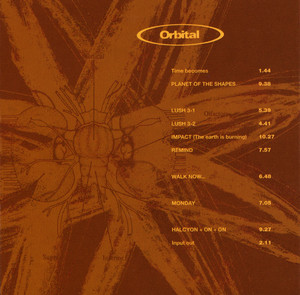
Orbital 2 is one of those albums that left me wondering what everyone else was hearing. I went into it expecting something interesting from Orbital, but I found the whole experience painfully dull and, at times, downright irritating. The biggest problem for me is that the tracks feel like they go on forever without actually going anywhere. There are plenty of layers, bleeps, loops, and electronic textures, but instead of building into something compelling, they often feel repetitive and directionless. What might be hypnotic to some listeners came across to me as monotonous. I also found the album strangely lacking in atmosphere. Electronic music can be incredibly immersive when the sounds create a sense of movement or tension, but Orbital 2 rarely pulled me into its world. Too often, I was simply waiting for a track to end. I can appreciate that this album was influential and that Orbital helped shape the development of electronic music, but historical importance doesn't automatically make something enjoyable to listen to. For me, this was a tedious, uninspiring listen from beginning to end. Maybe it's a case of appreciating the significance without appreciating the music, but Orbital 2 just didn't work for me. I found it awful, and I have absolutely no desire to return to it.
Turbonegro’s Apocalypse Dudes is an exhausting mess that mistakes obnoxiousness for personality. The songs feel repetitive, the shock value wears thin almost immediately, and the whole thing comes across as forced rather than genuinely dangerous or funny. It may have its cult following, but for me, this was a miserable listen from start to finish.
I really wanted to like Live at the Harlem Square Club more than I did. Sam Cooke is clearly incredible here—his voice is rougher and more energetic than on his studio recordings, and the whole performance has this feeling that makes you feel like you're actually in the room. But strangely, I didn't find myself that invested. The songs blend together a little, and despite the energy, nothing really grabbed me emotionally. I actually didn't even realize the album had ended until it was over, which probably says a lot. I can appreciate why it's considered such an important live recording, especially because it captures a much rawer side of Cooke than his polished studio work. I just wish I had connected with it more.
Peter Gabriel’s Melt was an interesting listen, but ultimately not an album I’d probably return to. It has a very distinctive and experimental sound, with dark atmospheres, unusual percussion, and Gabriel’s unique vocals. Tracks like “Games Without Frontiers” and “Biko” stood out to me, but overall the album didn’t completely connect with me. I can appreciate what Gabriel was trying to do with the record, especially its production and rhythmic focus, but it felt more interesting from an artistic perspective than something I genuinely enjoyed listening to. There are definitely some memorable moments, but not enough for me to want to revisit the album. Overall, Melt was worth hearing once, and I can understand why it’s considered an important album, but I probably wouldn’t listen to it again.
Dolly Parton’s Coat of Many Colors has such a warm, nostalgic feeling that it feels less like simply listening to an album and more like stepping into a collection of memories. I really loved how heartfelt and comforting the songs felt, with stories about family, childhood, love, hardship, and finding beauty in simple things. This was actually my first time listening to a full Dolly Parton album, and I honestly regret discovering her music so late. There’s something incredibly genuine about her voice and storytelling that makes even the simplest songs feel deeply personal. The album has a wonderful balance of tenderness, humor, sadness, and hope, and you can really feel the importance of her Appalachian roots and upbringing throughout it. The title track, “Coat of Many Colors,” especially stood out to me. Its story is simple but incredibly moving, turning something born out of poverty into a symbol of love, pride, and family. That ability to find warmth and meaning in ordinary experiences is probably what I appreciated most about the album. I’m really glad I finally gave Dolly Parton a chance. Coat of Many Colors feels timeless, sincere, and deeply human—and now I’m definitely curious to explore more of her music.
I think Brothers in Arms is one of those albums that works particularly well when you’re not looking for something demanding. It has a relaxed, spacious quality that makes it very easy to put on in the background and simply let it wash over you. I found it atmospheric and surprisingly good for decompressing. A lot of that comes from Mark Knopfler’s guitar playing. It’s restrained rather than flashy, with those clean, lingering notes that give the songs plenty of room to breathe. The production is also a big part of the experience: polished, spacious and distinctly 1980s, but without making the album feel overly busy. The obvious highlights are “So Far Away,” “Your Latest Trick,” “Why Worry,” and especially “Brothers in Arms.” The latter has an almost cinematic melancholy to it. It’s slow and reflective without becoming overwhelmingly sad. “Your Latest Trick,” meanwhile, has that late-night, slightly dreamy quality that makes it particularly effective as a stress-relief track. There are moments when the album’s polished production and relatively gentle pace can make it feel a little too smooth, and some of the songs don’t hit as strongly as the best ones. But I think that actually contributes to its usefulness as a relaxed listening experience. It doesn’t constantly demand your attention. What I particularly liked is that Brothers in Arms feels calm without being bland. There’s enough emotion, atmosphere and musicianship underneath the surface to reward actually listening, but you can also put it on after a long day and not have to work for the experience. Overall: a beautifully produced, atmospheric album with a mellow, reflective character. Not necessarily something I'd reach for when I want excitement or intensity, but for unwinding, driving at night, or simply clearing your head, it works remarkably well.
I don’t usually listen to metal, so I wasn’t sure what to expect going into Iron Maiden’s self-titled debut. Surprisingly, I found it pretty interesting. It’s definitely heavy, but there’s more going on than just loud guitars and aggressive vocals. The songs have a strong sense of melody, and the guitar work gives the album a lot of character. What stood out to me most was the energy. The album feels raw and a little rough around the edges, which I think works in its favor. It doesn’t have the polished sound of some later metal records, but that gives it a certain personality. Songs like “Running Free” and “Remember Tomorrow” show different sides of the band, from straightforward rock energy to something more atmospheric and melodic. As someone who isn’t particularly into metal, I probably wouldn’t say that every song was immediately accessible to me. Bruce Dickinson wasn’t even the vocalist on this album, with Paul Di’Anno handling the vocals, and his grittier style gives the record a very different feel from the Iron Maiden sound I was more familiar with. Still, I can understand why this album is considered important. Released in 1980, it helped establish Iron Maiden as one of the major bands of the emerging New Wave of British Heavy Metal. Even if metal isn’t normally my thing, I can appreciate how much personality and ambition the band already had on their first record. Overall, Iron Maiden was an interesting listen. It didn’t suddenly turn me into a metal fan, but it gave me a better appreciation for the genre and for what Iron Maiden were doing early in their career.
Music From Big Pink is one of those albums I can appreciate more in theory than I actually enjoy listening to. I understand why it’s considered an important record, and there’s something appealing about its loose, earthy sound, but it never really grabbed my attention. The songs have a warm, almost lived-in quality, with that blend of folk, country, blues, and rock that The Band became known for. There are some genuinely nice moments, particularly in the vocals and the understated instrumentation, but for me it all felt a little too restrained. Nothing really demanded my attention. In fact, the album was so easy to leave playing in the background that I didn’t even realise it had ended. It just seemed to blend into the room, which probably says more about my reaction to it than anything else. I wasn’t bored exactly, but I also wasn’t particularly engaged. I can see why Music From Big Pink has such a strong reputation and why it was influential, but personally, I found it more pleasant than memorable. It’s an album I can respect without feeling much desire to return to it.
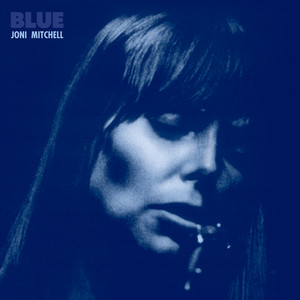
I wanted to like The Hissing of Summer Lawns more than I did. There’s no denying that it’s an interesting album, and Joni Mitchell was clearly moving in a more experimental direction here, blending jazz, pop, folk, and unconventional arrangements. But for me, it never quite came together in a way that held my attention. A lot of the songs feel atmospheric and carefully constructed, but that atmosphere sometimes came at the expense of immediacy. I found myself appreciating the musicianship and Mitchell’s songwriting more from a distance than actually getting pulled into the music. Even when the arrangements became more interesting, I rarely felt the urge to go back and hear a song again. There are certainly moments that stand out, particularly “The Jungle Line” with its unusual rhythms and percussion, and “Edith and the Kingpin,” which has a darker, more subdued quality. I can understand why the album is regarded as an important part of Mitchell’s transition into her more jazz-oriented period. Still, knowing its reputation probably made me expect something more compelling than what I ultimately heard. It’s not a bad album by any means. It’s thoughtful, ambitious, and musically distinctive, but it just didn’t grab me. Maybe it’s one of those albums that rewards repeated listens, but after this one, I was left more impressed by what Mitchell was attempting than genuinely moved by the result.
Definitely Maybe is one of those albums where I can understand why it became such a big deal, even if I didn’t completely fall in love with it. There are definitely songs here that I really enjoyed, especially the ones with that loud, confident guitar sound and catchy choruses. When Oasis are on, they have a great ability to make a song feel bigger than it actually is. That said, the album was a bit inconsistent for me. Some tracks really clicked, while others felt fairly repetitive and didn’t leave much of an impression. Liam Gallagher’s vocals and the overall swagger are part of the album’s charm, but I can also see why that style might not work for everyone. Overall, I’d say Definitely Maybe was good rather than amazing for me. I liked enough of it to understand its reputation, but I probably wouldn’t listen to the whole album from start to finish very often. There are definitely a few tracks I’ll be coming back to, though.
Jorge Ben Jor’s Africa Brasil is an interesting and energetic album that blends samba, funk, soul, and Brazilian popular music into something that feels distinctly its own. I liked it overall, especially the way Ben Jor brings African influences and themes of Black identity and heritage into his music without sacrificing the warmth and groove of his sound. There are some really engaging moments here, with the rhythm section and guitar work giving the album a strong sense of movement. At its best, the music feels lively, loose, and infectious, and there’s a lot to appreciate in the way Ben Jor combines different traditions. That said, I did find the album a little tiring at times. The consistent rhythmic intensity and relatively similar atmosphere across some of the tracks made it feel somewhat long, and I occasionally found my attention drifting. Still, there’s enough character and originality here to make it an interesting listen, particularly for anyone interested in the connections between Brazilian and African musical traditions. Overall, Africa Brasil is a fascinating and groove-heavy record with a strong cultural identity. It didn’t completely hold my attention throughout, but I enjoyed exploring it and can definitely see why it’s regarded as an important album.
Atomizer is one of those albums where I can understand the appeal without actually enjoying the listening experience. Big Black’s abrasive, mechanical sound, distorted guitars, pounding rhythms, and deliberately harsh atmosphere are clearly intentional, but unfortunately, this particular style of music just isn’t for me. I found the whole thing pretty unpleasant to listen to, and rather than growing on me with repeated listens, the aggressive and industrial feel mostly pushed me further away. There’s a certain rawness and intensity here that fans of noise rock and post-hardcore will probably appreciate, but I personally found it more exhausting than engaging. I can recognize that Atomizer has a distinctive sound and that Big Black were doing something quite different for their time. There’s definitely an uncompromising quality to it. But ultimately, this is a case where I can appreciate what the band was going for while still having absolutely no desire to listen to it again. Not for me at all.
Blood on the Tracks was a pretty easy listen for me. I enjoyed the overall sound and the acoustic, laid-back style, and there are some really nice melodies throughout the album. The songwriting is obviously a big part of its appeal, with a lot of the songs dealing with relationships, heartbreak, and personal reflection. That said, I didn’t completely fall in love with it. Dylan’s voice is definitely an acquired taste for me — there’s something slightly strange and rough about the way he sings that sometimes takes me out of the songs. It does fit the emotional and intimate feeling of the album, though. Overall, I’d say it’s a solid album and I can understand why it’s considered one of Dylan’s best, but it didn’t blow me away. It’s relaxed, thoughtful, and easy to listen to, with some great songwriting, even if Dylan’s voice isn’t entirely my thing.
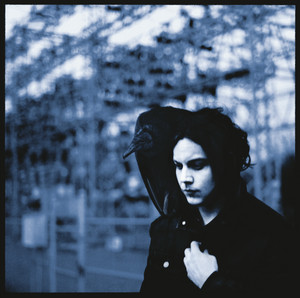
A lot of the songs seem to circle around the same ideas without developing them much, and the constant repetition started to wear me down pretty quickly. White’s vocal style also doesn’t help. His distinctive, strained delivery can work in the right setting, but across an entire album I found it grating and, at times, genuinely annoying. There are some interesting guitar parts and moments of creativity, but they weren't enough to overcome how repetitive and irritating I found the overall sound. I can see why Blunderbuss gets praise for its energy and character, but personally, it felt more obnoxious than compelling.
Kraftwerk’s Trans-Europe Express is one of those albums I feel I’m supposed to admire more than I actually enjoy. Yes, it’s historically important. Yes, it influenced half the electronic music made after it. Yes, the title track is iconic. And yes, Kraftwerk were miles ahead of their time. But listening to this album in 2026, I mostly found myself wondering whether being ahead of your time is still impressive when your time finally catches up and leaves you standing at the station. The music is so rigid, repetitive and emotionally vacant that it occasionally feels less like an album and more like an elaborate demonstration of what happens when you remove every trace of human excitement from music. The rhythms plod along with the enthusiasm of a train conductor who has just been told there are 47 more stops. Trans-Europe Express is particularly difficult for me. I understand the hypnotic intent. I understand the minimalist aesthetic. I understand the concept. I simply don’t understand why I’m still listening. There are moments when the repetition becomes genuinely hypnotic — mostly because I’m hypnotised into staring at the track timer, wondering how much longer I have to endure it. And then there’s Metall auf Metall, which sounds like someone discovered a piece of sheet metal, plugged in a synthesiser, and decided that absolutely no further development was necessary. The irony is that Kraftwerk’s influence is enormous. You can hear their DNA everywhere: techno, synth-pop, electro, hip-hop and countless electronic artists owe them a debt. But sometimes hearing where something came from makes you appreciate how far everyone else managed to take it. I can respect Trans-Europe Express enormously as a piece of musical history while finding it almost completely unbearable as an album. It’s cold. It’s repetitive. It’s sterile. It occasionally feels like music designed by people who had read about rhythm and emotion in a technical manual but had never actually encountered either. Perhaps that’s the point.
I See You feels almost colorless to me. There’s a certain elegance in its restraint, but after a while that restraint starts to feel more like emotional distance. The sparse arrangements, hushed vocals, and understated rhythms create the familiar xx atmosphere, yet the album rarely surprises or pulls me in deeply enough. It’s not a bad record by any means—it’s carefully made, atmospheric, and occasionally beautiful—but I found myself admiring it more than actually feeling it. The mood stays so consistent that, for me, it becomes a little monotonous and even slightly boring. Almost everything is in its right place, but there’s not enough contrast, tension, or messiness to give the songs much color. Maybe that cool, minimalist quality is exactly what makes I See You appealing to some listeners. For me, though, it left very little behind once the music stopped.
I really wanted to like Blue, especially considering how highly regarded it is, but Joni Mitchell’s music still doesn’t quite work for me. This is only the second album of hers I’ve listened to, after The Hissing of Summer Lawns, and while I found Blue slightly more enjoyable, I’m still far from becoming a fan. What I can appreciate is how personal and emotionally exposed the album feels. Mitchell puts a remarkable amount of herself into these songs, and there’s very little sense of emotional distance. Tracks like “River” and “A Case of You” have a genuine intimacy to them, and the sparse arrangements give her lyrics plenty of room to take center stage. There’s also something impressive about the way the album can sound so delicate while dealing with fairly heavy emotions. That said, the same qualities that make Blue so acclaimed are also what make it difficult for me to connect with. Mitchell’s voice and vocal phrasing are simply not very appealing to my ears, and I often find her delivery more distracting than expressive. The album’s introspective, confessional nature can also feel a little overwhelming after a while. I can recognize the craft and sincerity without necessarily enjoying the experience of listening to it. Compared with The Hissing of Summer Lawns, though, I definitely prefer Blue. It feels more focused, direct, and emotionally coherent, whereas Hissing left me even more detached. Blue at least gave me a few moments where I could understand why people consider Mitchell such an important songwriter. So, while I can respect Blue more than I can genuinely enjoy it, I’m still not convinced that Joni Mitchell is an artist for me. There’s no denying the songwriting, musicianship, or emotional honesty here, but admiration and enjoyment are two different things. For me, Blue lands somewhere in between: a very well-crafted and influential album that I can appreciate more than I actually want to listen to.
I went into Duck Rock expecting to find something interesting, especially considering how experimental and influential the album is supposed to be, but I honestly didn’t enjoy it that much. There are a lot of different influences throughout the album, including hip-hop, African and Caribbean music, electronic sounds, and various samples. While I can appreciate the ambition behind mixing all of these styles together, I found the result quite messy and difficult to follow. The biggest problem for me was that the album didn’t feel very coherent. It constantly moves between different sounds and ideas, and instead of making the album feel exciting, I often found it distracting and a little annoying. Some of the spoken sections and samples especially became tiring after a while. McLaren’s vocals also took some getting used to. His detached and almost awkward delivery is clearly intentional, but it didn’t really work for me.I found it too chaotic and irritating to really connect with. There are some good ideas throughout the album, but they didn’t come together in a way that worked for me.
Really liked this one. Elvis in Memphis feels like Elvis getting back to what he does best after some of the less interesting stuff he’d been putting out in the years before. The whole album has a really warm, soulful sound, and you can tell he’s much more invested in the material. I especially liked how it mixes country, soul, gospel, and rock without feeling all over the place. “Long Black Limousine” is probably my favorite, but “Any Day Now,” “Wearin’ That Loved On Look,” and of course “In the Ghetto” all stand out. Elvis sounds great throughout — his voice is deeper and more mature here, and there’s a lot more emotion in his performances. The Memphis setting also feels important. Recorded at American Sound Studio in 1969, the album has a much more relaxed and organic feel than some of his more heavily produced records. It feels like a real band playing together rather than Elvis just being placed over a backing track. Definitely one of the better Elvis records I’ve heard so far. Not everything completely blew me away, but there’s a lot to like here, and I can see myself coming back to it.
I really wanted to like this more, but honestly, I found it pretty boring. There are definitely some good songs here — “Miss You Much,” “Escapade,” and “Black Cat” are probably the highlights for me — but as an album, it felt so long. The production started to feel repetitive after a while, and I kept checking how many songs were left. Every time I thought I was getting close to the end, there was somehow still more. I do appreciate what Janet was going for. The social and political themes are pretty ambitious for a mainstream pop album, and I can understand why this is considered such an important record. But for me, being ambitious and being enjoyable are two different things. The weirdest part is that I never really felt like the album was building toward an ending. It just kept going and going until eventually it stopped. There are some great individual tracks, but I didn't particularly enjoy listening to the whole thing front to back. Maybe this is one of those albums where I can appreciate the legacy more than the actual music. Not really for me.
Led Zeppelin III is an album I ended up liking, although I’ll admit it took me a little while to figure out what I was listening to. Coming into it expecting the heavy, blues-driven sound that Led Zeppelin had established on their earlier records, I was pretty perplexed by how often the album seemed to change direction. At times, it genuinely felt like I had accidentally started listening to a completely different album. That unpredictability is probably the most interesting thing about Led Zeppelin III. Songs like “Immigrant Song” immediately bring back the aggressive, larger-than-life Led Zeppelin sound, with its pounding drums and Robert Plant’s unmistakable vocals. But then the album suddenly moves into much softer and more acoustic territory. “That’s the Way” and “Tangerine,” for example, have a warmth and almost pastoral quality that feels worlds apart from the heavier songs. Instead of sticking to one style, the band explores folk, acoustic rock, blues, and hard rock, sometimes within the same album. At first, I found those shifts a little confusing. The transitions can make the album feel inconsistent, especially if you’re expecting something that builds on the heavier sound of Led Zeppelin II. But the more I listened, the more I started to appreciate that this contrast is really the point. Jimmy Page and Robert Plant were becoming increasingly interested in British folk music and acoustic instrumentation, and Led Zeppelin III gives them the freedom to experiment with that side of their sound. The centerpiece of the album for me is “Since I’ve Been Loving You.” It brings together a lot of what Led Zeppelin did best: slow-burning blues, incredible musicianship, and a huge emotional performance from Plant. It also feels like a bridge between the heavier and softer sides of the record. On the other hand, “Gallows Pole” is probably one of the clearest examples of the band refusing to stay in one lane. It begins relatively quietly before gradually building into something much more energetic and chaotic. The album does have moments where the experimentation doesn’t completely work for me. Some of the softer tracks can feel almost disconnected from the heavier material surrounding them. But at the same time, I think that sense of disconnection is part of what makes Led Zeppelin III memorable. It isn't necessarily the most cohesive Led Zeppelin album, but it shows a band that was willing to take risks rather than simply repeat what had already worked. Overall, I’d say I like Led Zeppelin III, even if I’m still somewhat perplexed by it. It’s an album that constantly makes you adjust your expectations. One minute you’re listening to a heavy rock song, and the next you’re somewhere completely different. That can be confusing, but it also makes the album feel adventurous. Rather than being a straightforward continuation of Led Zeppelin’s earlier work, Led Zeppelin III feels like the band testing how far they could stretch their sound — and even when those experiments don’t completely land, they make the album interesting.
I really wanted to get into Red Dirt Girl, but unfortunately it just didn’t do much for me. It’s a very slow, quiet, and understated album, and after a while I found myself losing interest. The songs all seem to live in a similar mellow, melancholic space, so the album started to feel a bit flat and repetitive. There’s no denying that Emmylou Harris is a great singer, and there are some nice melodies and thoughtful lyrics here. I can also appreciate that the album is clearly very personal and emotional. But for me, the emotional impact just wasn’t there. I never really felt pulled into the stories or connected strongly with the songs. The biggest problem was probably the pacing. Everything moves along at such a measured pace that I kept waiting for something to change—a little more energy, a different arrangement, or a song that would really grab me. Those moments never really came. Instead, the album maintained pretty much the same mood from beginning to end. I don't think it’s a bad album at all. It’s well made, sincere, and Harris sounds great. I can definitely understand why people who enjoy slow, intimate country and folk music would love it. It just wasn’t particularly engaging for me. Overall, Red Dirt Girl felt more like an album I appreciated in theory than one I actually enjoyed listening to. There are some good songs and performances, but the overall experience was just too slow and subdued for my taste. By the end, I was mostly ready to move on to something else.
Not really for me. I can appreciate the creativity and the unique sound, but the theatrical style and vocals just didn’t click with me. A few interesting moments, but overall it wasn’t my thing.
Ramones is a short, loud, and ridiculously energetic album. The songs are simple and catchy, with that raw, no-frills punk sound that made them so influential. It’s not perfect, but it’s a fun listen and definitely gets the job done. There’s a lot of repetition, but that’s also part of its charm. The whole thing feels spontaneous and almost effortless. “Blitzkrieg Bop” is obviously a standout, but there are plenty of other fun tracks here too. Overall, it’s a solid punk album that’s easy to throw on and enjoy.
I really enjoyed Frank. It’s a great debut and you can immediately hear how unique Amy Winehouse was as an artist. Her voice is incredible, but what stood out to me even more was her songwriting. There’s a lot of honesty and personality in the lyrics, and she has this way of talking about relationships, heartbreak, and her own flaws that feels both funny and painfully genuine. I especially liked songs like “Stronger Than Me,” “You Sent Me Flying,” and “Take the Box.” They have that jazzy, soulful sound that became such an important part of her identity, while still feeling quite different from what she would do later in her career. Frank also feels more raw and playful compared to Back to Black, which I think gives it its own charm. That being said, I still think Back to Black is the better album. Frank sometimes feels like Amy was still figuring out exactly what she wanted her sound to be, whereas Back to Black feels much more confident and cohesive. The songwriting, production, and overall atmosphere on Back to Black are just on another level, and it has some of her most unforgettable songs. Still, Frank is impressive considering it was her debut. You can already hear the talent, personality, and emotional honesty that would eventually make Amy Winehouse so special. It feels like a glimpse of an artist who was only going to get better. Overall, I really liked Frank, but Back to Black remains the clear winner for me. Frank is the beginning of the story, while Back to Black is where everything comes together.
I bought Back to Basics when I was a teenager, and I remember really liking it back then. At the time, the whole retro concept felt really cool and different. Christina Aguilera was mixing pop with jazz, soul, blues, and old-school influences, and as a younger listener I found the whole thing pretty impressive. Revisiting it years later has been interesting, because my taste has changed quite a bit since then. I've listened to a lot more music and explored more genres, so I think I hear this album differently now. There are definitely songs I still enjoy, but overall I don't find the album nearly as exciting as I once did. “Ain't No Other Man” is still easily my favorite. It has so much energy, the horns work perfectly, and Christina sounds fantastic. It's one of those songs where all the retro influences actually come together really naturally with modern pop production. “Candyman” is another one that still works for me, mainly because it's fun and doesn't take itself too seriously. My main issue is that the album starts to feel repetitive after a while. The vintage samples, horns, strings, big vocal performances, and overall retro sound are interesting at first, but they don't evolve enough throughout the album. Eventually, a lot of the songs start blending together. I think the album would have benefited from being shorter and having a little more variety. The retro influences are also more interesting to me in theory than in practice. Having listened to more jazz, soul, blues, and R&B over the years, I can hear that the album is really filtering those genres through a very polished 2000s pop lens. That's not necessarily a bad thing, but it makes the “back to basics” concept feel more like an aesthetic than a genuine exploration of those musical styles. Still, I can't deny that there's a lot of personality here. Christina clearly had a vision for this album and committed to it completely. The production is ambitious, the arrangements are often gorgeous, and there are enough great songs to make the album worth revisiting. Even when it doesn't work for me, I can appreciate that she was trying to do something more interesting than simply making another straightforward pop album. So, while I don't love Back to Basics the way I did as a teenager, I'm glad I came back to it. It was actually pretty interesting to hear an album I once knew well through the ears of a more experienced listener. Some of the magic is still there, especially on the standout tracks, but I also notice the repetition and excess much more now. In the end, Back to Basics is an ambitious, stylish, and very well-produced album that probably could have been much better with a little editing. Listening to the entire album can feel like a bit of a chore. I still have a soft spot for a few tracks yet I wouldn’t sit down and listen to the whole thing from start to finish. Maybe that's the funny thing about revisiting music from your teenage years: sometimes the album hasn't changed at all—you've just become a different listener.
It wasn’t my cup of tea… couldn’t get past the first songs.
Nilsson Schmilsson is one of those albums I really wanted to love, but it just didn’t click with me. Some of the songs felt more like a parody than something I could take seriously, and the eccentric production didn’t always work for me. That said, “Without You” is absolutely the standout—powerful, emotional, and easily my favorite track here. Overall, an interesting album, but not quite my thing.
I’ll be honest: I wasn’t expecting to like Van Halen that much. Hard rock isn’t really my favourite genre, and I was pretty reluctant to give this album a proper chance at first. But sometimes an album just catches you off guard, and that’s exactly what happened here. What immediately stands out is how much energy this record has. It’s loud, confident and incredibly fun without feeling like it’s trying too hard. Eddie Van Halen’s guitar playing is obviously a huge part of that. Even if you’re not particularly into guitar-heavy music, it’s hard not to appreciate how creative and exciting his playing sounds, especially on tracks like “Eruption” and “I’m the One.” There’s a real sense that the band is having a great time playing these songs. David Lee Roth’s vocals and personality also give the album a lot of character. His style can be a bit much depending on your taste, but here it fits the music perfectly. The whole album has this carefree, almost reckless feeling that makes it surprisingly easy to get into. I think what impressed me most is that the album managed to win me over despite not being my usual kind of music. It doesn’t feel like a record you have to study or force yourself to appreciate. You just put it on and, before you know it, you’re nodding along. For a debut album from 1978, Van Halen still feels remarkably alive. It’s energetic, catchy, technically impressive and, most importantly, a lot of fun. I went into it with low expectations and quite a bit of hesitation, and ended up understanding why this album has such a strong reputation. Definitely not the genre I usually reach for, but this one was a very pleasant surprise.
Metallica’s self-titled 1991 album is one of those records that feels huge from the very first track. It’s heavy, sharp, and incredibly well-produced, but it also has a sense of melody and songwriting that makes it much more than just a collection of hard-hitting metal songs. What really stands out is how strong the tracklist is. “Enter Sandman” is an obvious classic, but songs like “Sad but True,” “The Unforgiven,” “Wherever I May Roam,” and “Nothing Else Matters” show just how much range the band had at this point. They could go from crushing riffs to quieter, more emotional moments without it feeling out of place. “Through the Never” and “Holier Than Thou” bring plenty of speed and aggression too. The production is a big part of the album’s appeal. The guitars sound massive, the drums hit hard, and everything feels polished without completely losing Metallica’s edge. It’s easy to see why the album became such a major crossover moment for the band and for heavy metal in general. Even after all these years, Metallica still sounds powerful and surprisingly accessible. Whether you’re already a metal fan or just getting into the genre, there’s a lot to enjoy here. A great album from start to finish and probably one of Metallica’s most important records.
Marvin Gaye’s Let’s Get It On is one of those albums where I can definitely appreciate the quality without being completely blown away by it. The production is smooth, the vocals are great, and the whole thing has that warm, laid-back soul sound that Gaye is known for. The title track is obviously the standout, and there are some really nice moments throughout. That said, I found the album a little boring at times. A lot of the songs have a similar slow, mellow feel, so it can start to blend together if you’re not really in the mood for it. I think it works better as something to put on in the background rather than an album that constantly grabs your attention. Overall, I’d say it’s a solid record with some genuinely great moments, but it didn’t quite click with me as much as I expected. Definitely worth hearing for its place in soul music, just not something I’d rush back to.
Shake Your Money Maker is a solid debut from The Black Crowes, and you can immediately hear the band’s love for classic rock, blues, and Southern rock. There’s plenty of swagger here, with crunchy guitars, bluesy riffs, and Chris Robinson’s raspy, soulful vocals giving the album its unmistakable character. That said, for me, it was more of a “good” than a “great” listen. The album has all the right ingredients, but it never quite blew me away. Tracks like “Jealous Again,” “Hard to Handle,” and “She Talks to Angels” are undoubtedly strong, and the band clearly had the talent and attitude to stand out from the crowd. At times, though, the record feels like a very polished throwback to the classic-rock sound rather than something that completely makes its own mark. The performances are energetic, the guitars sound great, and there’s a loose, bluesy feel running through the whole thing. Still, I found myself appreciating the album more than being genuinely excited by it. Maybe some of that comes down to expectations: considering how highly regarded the record is, I was expecting something that would really grab me from beginning to end. Overall, Shake Your Money Maker is a good, straightforward rock album with some genuinely memorable songs. I can understand why it became such a successful debut and why The Black Crowes developed such a strong following. For me, though, it’s more of a respectable classic than a personal favorite — enjoyable, but not exactly a mind-blowing experience.
Younger Than Yesterday is one of those albums where I can understand why people love it without really understanding why I should love it myself. The Byrds were clearly moving beyond their earlier folk-rock sound here, bringing in more psychedelic, country, and experimental elements, and there are some genuinely interesting ideas throughout. Unfortunately, for me, the album never really comes together as an enjoyable listen. A few songs work well enough, particularly when the band leans into their melodic side, but I found a lot of the record surprisingly uneven. The biggest problem for me was “C.T.A.-102,” which I found almost completely unbearable. The psychedelic effects and strange vocal treatment might be appealing if you're already on the album's wavelength, but to my ears they just make the song irritating rather than interesting. Some of the other more experimental moments have the same problem: they feel more like an experiment I am observing than music I actually want to listen to. There are certainly things to admire here. The Byrds' harmonies are still great, and Roger McGuinn's guitar work gives the album plenty of character. David Crosby's songwriting also adds a more reflective and unusual dimension to the band's sound, while songs like “So You Want to Be a Rock 'n' Roll Star” have a much more immediate energy. Still, appreciating what an album is trying to do and actually enjoying it are two different things. Younger Than Yesterday feels like an important record in The Byrds' development, but personally, I found it too inconsistent and occasionally too irritating to get much out of it. There are some good moments buried in here, but overall, it simply wasn't for me.
I really wanted to get into Third/Sister Lovers, especially given how much love Big Star gets, but it just didn’t click for me. I listened to a couple of songs, hoping it would eventually pull me in, but I found myself losing interest pretty quickly and ended up skipping the album. I can appreciate that there’s something deliberately messy and unconventional about it. The rough production, strange arrangements, and generally downbeat atmosphere give it a very distinct character, and I can see why some people consider it a cult classic. But for me, it felt more uneven and disjointed than compelling. Maybe it’s one of those albums that needs the right mood or a few more listens, but on this first attempt, there just wasn’t enough there to make me want to stick around. Definitely not for me.
I went into In Utero with pretty high expectations. After really enjoying Nevermind, I was expecting another Nirvana album that would immediately click with me. Unfortunately, that wasn't really the case. There are definitely things I appreciate about In Utero. The album feels much rougher and more abrasive than Nevermind, with a rawer production style and a darker, more uncomfortable atmosphere. Songs like “Heart-Shaped Box” and “All Apologies” are memorable, and I can understand why the album is so highly regarded. There’s also something interesting about how deliberately unpolished and confrontational it can sound. But personally, I just didn't enjoy listening to it as much as I expected to. A lot of the harsher guitar tones and more chaotic moments didn't connect with me, and I found myself missing the more immediate melodies and accessible songwriting of Nevermind. In Utero seems like an album that rewards repeated listens, but even after giving it a fair chance, it didn't leave the same impression on me. For me, Nevermind is still the Nirvana album I prefer. It feels more consistent and has more songs that I genuinely want to go back to. I can recognize what makes In Utero important and respected, but being able to appreciate an album's qualities doesn't necessarily mean enjoying it. Overall, In Utero wasn't a bad album at all — it just wasn't the Nirvana experience I was hoping for. Maybe I'll appreciate it more with time, but for now, Nevermind remains my favorite.
I went into Oar expecting to like it, especially given its reputation, and the beginning actually worked pretty well for me. There’s something intriguing about the stripped-down sound and the raw, almost fragile quality of the recordings. It also reminded me quite a bit of Nick Drake, at least in the sense of the intimate acoustic arrangements and melancholic atmosphere. Unfortunately, I found it much harder to stay interested as the album went on. What initially felt haunting and personal gradually became repetitive and, eventually, pretty unbearable. The songs started to blur together, and the lo-fi quality that was interesting at first began to feel more exhausting than affecting. I can understand why Oar has become such a cult record, and there are definitely moments where you can hear the appeal. But for me, it felt like a much rougher and less compelling version of what I like about Nick Drake. Interesting in small doses, but by the end I was mostly waiting for it to be over.
Norah Jones’ Come Away With Me was a great listen—one of those albums that seems to create its own atmosphere around you. It felt especially perfect for a rainy autumn morning, with a warm cup of coffee and nowhere to be. There’s something wonderfully understated about the album. Jones’ soft, intimate vocals and the gentle blend of jazz, folk, blues, and country give the songs a timeless, almost dreamlike quality. Nothing feels forced or overly polished; the arrangements leave plenty of space for her voice and the mood of each song to breathe. What I enjoyed most was how effortlessly the album moves between melancholy and warmth. Songs like “Don’t Know Why,” “Come Away With Me,” and “Turn Me On” have a quiet emotional pull without ever becoming heavy. It’s music that doesn’t demand your attention, but rewards you when you give it. Overall, Come Away With Me is the kind of album that feels made for slow mornings and reflective moments. It has a cozy, intimate quality that perfectly matched the grey skies and autumn rain. A beautiful, soothing listen that I can easily see myself returning to whenever I want to slow things down.
Beauty and the Beat is one of those albums where I can understand the appeal without necessarily enjoying it very much myself. The Go-Go’s have a fun, energetic sound, and there’s no denying that the album has plenty of catchy hooks and a strong sense of personality. “We Got the Beat” and “Our Lips Are Sealed” are especially memorable, and it’s easy to see why the band became such an important part of the early-’80s pop and new wave scene. That said, the album was pretty mediocre for me overall. I never really found myself getting into the bright, polished production or the particular combination of punk, pop, and new wave that defines the record. Some of the songs are enjoyable enough, but as a whole it didn’t leave much of an impression on me. I think part of the problem may simply be that I’m discovering that I don’t particularly enjoy a lot of ’80s music. The production style, vocal sounds, and overall aesthetic of the decade often feel a little too dated for my taste, and Beauty and the Beat definitely falls into that category. Still, I can appreciate what the album represents. The Go-Go’s were a hugely successful all-female band who helped bring a punk-influenced sound into the mainstream, and Beauty and the Beat is an important snapshot of that moment. I just don’t think it’s an album I’ll be coming back to very often.
Van Morrison’s Moondance was an enjoyable enough listen, though it didn’t quite leave a lasting impression on me. There’s a relaxed, warm quality to the album that makes it particularly well suited to listening at night, especially at the end of a long work day when you’re looking for something calming rather than demanding. The mix of jazz, folk, soul, and blues gives the album a loose, lived-in feel, and Morrison’s distinctive voice fits naturally into that atmosphere. The title track is obviously the standout, but songs like “Into the Mystic” and “Caravan” add to the album’s mellow, slightly dreamy character. For me, Moondance was less an album that demanded my attention and more one that provided pleasant company in the background. It’s easygoing, warm, and atmospheric without being particularly challenging. Maybe not something I’d reach for every time, but a nice record to put on when the day is winding down.
I really wanted to like Pelican West, but it just wasn’t for me. The songs are catchy and the band is clearly talented, but the whole thing is just a little too bright, polished, and cheerful for my taste. There’s lots of sax, funky guitars, and that very distinctive early-80s sound, and I think I’ve finally accepted that I just don’t like the 80s as a genre. Nothing wrong with the album itself—I just didn’t enjoy listening to it. Overall Not for me. Well made, undeniably catchy, but I think I may simply have a 1980s problem.
No comments…
An okay listen for a rainy autumn night. There’s something undeniably fitting about the warm, melancholy atmosphere of What’s Going On when the weather is grey and everything outside feels a little slower. Gaye’s voice is beautiful, and the album’s themes of war, poverty, love, and social unrest give it a weight that still comes through. It’s thoughtful, soulful, beautifully arranged, and very much a product of its time without feeling completely trapped in it. Just not a personal favorite — although perhaps a rainy autumn evening was exactly the right setting to give it a chance.
Kate Bush’s Hounds of Love is an album I really wanted to love, especially given how highly regarded it is, but it didn’t quite click with me as a whole. The obvious standout is “Running Up That Hill”, which is easily my favorite track on the album. It has this dramatic, almost hypnotic quality, with a fantastic synth-driven sound and a vocal performance that gives the song a real sense of urgency. It’s one of those songs where everything seems to come together perfectly. Unfortunately, I found the rest of the album much less compelling. A lot of the songs felt flat and somewhat repetitive to me, and I often found myself waiting for them to develop into something more exciting. There are certainly interesting ideas in the production, and I can appreciate how distinctive Kate Bush’s approach was, but appreciating the ambition and actually enjoying the listening experience were two different things for me.
I couldn’t get past the third song…
3 + 3 starts off promising, with the Isley Brothers’ smooth vocals and soulful grooves making a strong first impression. Unfortunately, the album becomes repetitive and loses momentum as it goes on. There are some standout moments, but overall, it felt more tedious than memorable. The musicianship is solid throughout, and the blend of funk, soul, and R&B is undeniably well executed. Still, the songs don’t always have enough variety to keep things interesting. I can appreciate its influence and importance, but it ultimately wasn’t an album I found myself wanting to revisit.
Did not manage to finish the album. Unfortunately not my cup of tea.
I honestly thought I wouldn’t like Dummy by Portishead, but it ended up being pretty nice. It’s a really calm and atmospheric album that’s easy to get lost in. The production has this dark, dreamy feeling without being too overwhelming. Beth Gibbons’ voice was probably my favorite part—it’s soft, soothing, and a little haunting. Even when the songs feel sad, there’s something comforting about them. I liked how the album doesn’t try too hard and just lets the mood carry everything. Some tracks stood out more to me than others, but overall it was a very consistent listen. It has a really distinct 90s trip-hop sound that still feels pretty fresh. I wouldn’t say it completely blew me away, but I definitely enjoyed it more than I expected. It’s the kind of album I could see myself putting on late at night. Definitely worth a listen if you want something chill and atmospheric.
Fly Or Die by Nerd feels less like a fully formed record and more like the soundtrack to a teenage Hollywood movie that was cancelled halfway through filming. There’s an unmistakable sense of youthful energy here, but unfortunately, the maturity level rarely seems to rise above the cafeteria table. At times, it sounds like the school’s rookie band has been given a recording budget and is determined to make sure absolutely everyone knows about it. The songs are loud, eager, and desperate to be noticed, like someone repeatedly raising their hand even when the teacher hasn’t asked a question. There are moments of genuine musical ambition, but they’re buried beneath an almost adolescent need to prove how cool and rebellious everything is. The attitude often feels less like authentic swagger and more like a teenager practicing their “I don’t care” face in the mirror. It has the kind of dramatic intensity that would work perfectly during a slow-motion montage of teenagers running through a high school hallway. Unfortunately, outside that imaginary movie, it can come across as rather forced. The production and performances sometimes reinforce that feeling, giving the whole thing the slightly overexcited atmosphere of a garage band that has just discovered distortion pedals. That’s not to say Fly Or Die is completely without charm. There’s enthusiasm here, and you can certainly hear a band having fun and throwing ideas at the wall. The problem is that too many of those ideas seem to have arrived wearing oversized sunglasses and demanding attention. Instead of sounding dangerous, it often sounds like it wants to be dangerous. Instead of rebellious, it can feel like rebellion with a permission slip signed by Mom. Ultimately, Fly Or Die is an energetic but immature album that occasionally mistakes attitude for substance. It reminded me less of a groundbreaking rock record and more of the nerdy school band desperately trying to become legendary before graduation. Maybe that was the point, but if so, they nailed the teenage part a little too well. Fly or die? More like grow up or go home.
Not for me…