Solid early 70s pop rock, like a more sophisticated Tom Petty or a more commercial John Cale. The drum solo in "Jump Into The Fire" is a highlight.
A good template for the indie rock to come, especially bands like Deathcab. The intro guitar riff is quite nice, and this has the “end of the world” song we all love.
In some ways it's fairly standard pop rock of the 70s, but in other ways it is surprisingly experimental and strange. I'd say 2.5, but the mix of pretty pop and strangeness brings it up to 3.
Many excellent songs. "Fake Plastic Trees" is perhaps one of the best songs of all time.
Pleasant but somewhat forgettable late 80s jangle pop rock, kind of like a happier Smiths.
Perhaps 4.5, but we will round up given its influential status. Although some songs feel like filler, the highlights (Backstreets, Born to Run, Jungleland) perfectly capture American yearning and striving.
I liked this more than I thought I would. Much of the album is the "just fine" 80s heavy metal I was expecting, but a few songs verged into actual *heavy* metal riffs that sounded more modern (like the two opening tracks).
Not something I’d regularly listen to (perhaps just because of the language barrier), but there are some sonically interesting things going on in this album. For example, vocals that are prominently placed on top of other vocals, almost like someone is speaking to you as the song is playing.
This is a very good live jazz album. The short spoken interludes from Duke Ellington and the audience's cheers definitely add a thrill to the music, and the drum solos on the last track ("Skin Deep") are excellent.
The R&B covers that many bands of the 60s did aren't too great here, but the other songs are quite good. Keith Moon's drumming is crazy right from the start. Also, "The Ox" is a great instrumental.
This album starts off pretty strong, where it sounds like an Indian-tinted version of Nujabes, with some Portishead and Moby mixed in. The first half of the album is 4/5, but during the second half it drifts into songs that feel aimless Indian hymns (but perhaps it's just too far afield from music I'm used to).
This is a weird Welsh rock album that's more fully formed in its songwriting and pop sensibility than typical "weird rock" albums. The singer reminds me of Damon Albarn, and some of the weirdness reminds me of Of Montreal and maybe The Flaming Lips. But there's a lot of refreshing electronica music wrapped into this Welsh rock as well, and acts as some of the highlights of the album.
In many ways classic bluesy rock with elements of country here and there, and an excellent amount of horns throughout that give the album a more lived-in, grooving feel. Compared to the more stiff blues covers and rip-offs of the 60s, this album feels a lot more timeless.
Replacement-level psychedelic rock of the late 1960s. Perhaps this rock was more novel at the time, but it is not very memorable.
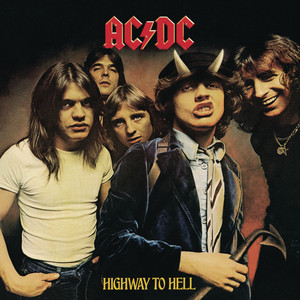
This album really won me over. I never listened to this album in full, and going into it I assumed that it would be filled with songs I've heard on classic rock radio many times and have lost their luster, despite their influence. Even though it's clear how this album (and AC/DC more generally) influenced countless bands for years to come, the riffs are more timeless than I thought - there's a primordial essence to them that's hard to deny. This album is just plain ol' fun rock. Perhaps it's a 4.5, but I'm rounding it to 5 by the surprise it gave me.
Probably a 3.5. In the current day this sounds very tame, but I'm sure it was heavy for its time - and there are certainly some punchy riffs in the album. The singer reminds me of Rush's Geddy Lee, in that the higher pitched operatic vocals just don't match the rest of the music in a way I can't get past. But the music itself is more captivating than Rush.
Undeniable. Whether this is the best NIN album is debatable, but this album certainly displays the balance of loud toughness and quiet reflection that NIN does better than anyone, all with driving riffs and rhythms.
This album balances really well grittiness with literate intellectualism, much like the VU (which perhaps isn't surprising, given John Cale produced the record). It's also notable that Patti Smith stakes such a claim within the history of rock, and with one of the most iconic opening lines of an album I've ever heard ("Jesus died for somebody's sins, but not mine.") While some of the more experimental parts of the album aren't as immediately gripping as the driving parts of the album ("Gloria", "Free Money", "Land"), it nonetheless rewards multiple listens, like a complex poem or novel that's enjoyable to read slowly. The nearly 10-minute "Land" is such a standout track in its combination of literary language and old dance standards.
I had only previously heard the song "Default" when I came across this album. The electric drum beats and experimental rock for the first three songs are an excellent opening to the album, but the vocals leave a bit to be desired (they sound a bit like a bored Carseat Headrest). The album has highs and lows, but the beats and electronic sounds throughout the album generally make for a pretty fun listen and pretty good working music.
Replacement-level Morrissey, but it's still Morrissey. Inevitably you have to compare this music to the Smiths. The vibe of the sadder songs is here on this album, but what's missing is the catchy intricacy of Mars' guitar work, or the fun cheekiness that Morrissey has. Probably a 3.5, but rounding to 4 because it's a nice album to have in the background.
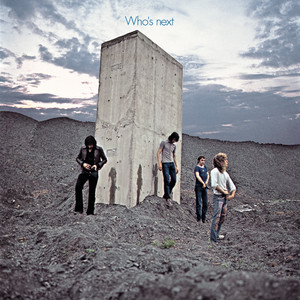
An iconic album. I've listened to this album time and again ever since I was a teenager - first becoming familiar with my dad's music - and coming back to it, the music still feels so fresh and driving. Exploring all of the nooks and crannies of this album is always rewarding, including the outtakes on deluxe versions (like "Baby Don't You Do It", "Pure And Easy", "Naked Eye", and "Water"). The fact that this album came out of the possible Lifehouse project makes its story even more compelling.
"Shine On You Crazy Diamond" (the bookends of this album) are an absolute masterpiece. I have fond memories from high school, driving at night with my friends while listening to that long song. The middle songs are excellent as well (including the famous titular song), but the bookends will always be the highlight for me.
The first album for Yes to really sound like Yes. Although I prefer their later 20+ minute songs, this is still the most accessible "starter pack" for Yes.
It's interesting to listen to a Queen album that doesn't have any of the hits. But also I think it demonstrates why the hits were hits: For me, these songs were completely fine but not very memorable.
They're kind of like a louder, faster, goofier Shins.