Much more Blues than rock and roll. Some of it fairly standard, some of it really well done. Not revolutionary, nothing mind-blowing, but really good. Sympathy For the Devil is the obvious exception, a perfect rock song that is just as good today as it was then. Also Jigsaw Puzzle, Factory Girl and Salt of the Earth were very good as well. Overall I didn't hate any of it, and I would listen to it again, which for an album is high praise for me.
I like U2, but this is not the most interesting album ever. Certainly is a great example of U2's sound sonically, but it feels less angry and spiritual than previous records. It also has the infamous line about a fish riding a bicycle, so that's not great either. Highlights are One and Who's Gonna Ride Your Wild Horses.
Boring, dull, whinging, take your pick, that's what this album is. It's not terrible, I was able to listen to it, but its just so bland and forgettable that I'll never return to it as an album.
There are only two songs I'll remember: God Put a Smile upon Your Face, which I quite liked, and The Scientist, which sounds like if a less talented Morrisey tried to bring U2s sound to one of Bono's more annoying tirades. Other than that, forgettable. Not bad, mind you, just forgettable. Which may be even worse than bad.
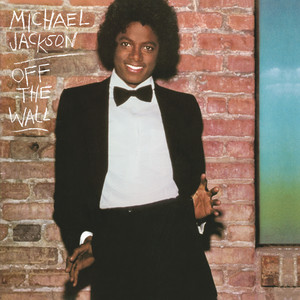
What a great first half of an album that finishes fantastically. The production is fantastic and Jackson's lyrics and singing is phenomenal and gives off pure boogie. You can't not dance to these songs.
That being said, Girlfriend goes on too long and is the least interesting production on the album. A lot of the songs in the second half are similar, with the exception of Burn This Disco Out.
Overall, an unimpeachable first half and ending mixed with less interesting and good songs in the second half. Highlights for me are Don't Stop Til' You Get Enough, Get on the Floor and Burn This Disco Out.
I forgot I listened to this album after my first listen. With the exception of the title track and (part of) the chorus of Life in the Fast Lane I had no memory of anything in the album. Guitar rifts, lyrics, production, nothing. I remembered thinking the songs were alright, nothing interesting but also nothing spectacular, and was shocked when the album finished because it went by surprisingly fast given the bloated length of much of the songs, and then... nothing. I forgot everything. During my second listening it felt like the first time I was listening to most of the songs. And even afterwards on that trip, I could barely remember anything from the album. I've never experienced that with... well anything before.
I don't know of this is a good album. It's not horrible, I can't say that. It's standard, nothing special. It is what people think of when they think of 70's rock. Typical of it's genre and it's constraints and tendencies. But the fact I can't recall anything specific, besides the first song, should mark this as a bad album, right? It has to right?
The album doesn't sound horrible, it's not in terrible taste. It just passes the time. It's 43 minutes of rock's elevator music. It will stop you from experiencing the upcoming and slow journey in pure emptiness. But hell you'll remember, or care, about what you just listened to. Highlights are Hotel California (though the cover by the Gypsy Kings is the best version of the song).
Great jazz-funk record that I will definitely return too. The mix of synthetic and classic instrumentals is amazing to listen to to this day. Only reason that it's not a 5 is that I'm not the biggest fan of the last track, which I don't thi know builds on the sound Hancock creates throughout the rest of the album. But still, an amazing record.
Amazing. Iconic. Derivative. These are the words I would use to describe Suede's self-titled album, and I don't use any of those words lightly.
Firstly, the album is fantastic. It's a fun album from top to bottom. Even the more serious and atmospheric songs were engaging in a way that most songs of that ilk aren't to me. I listened to it the whole day, both in bits and pieces and all together, and I never tired of it. The lyrics somehow avoid what I would expect from an album like this, in that while they are certainly self-aggrandizing it never becomes onanistic. There is a sense of honesty in the lyrics that a lot of Britpop (and music that's liked by a certain section of the male population that is both completely lads while trying to be somewhat intellectual) don't, and that goes a long way. Also the guitar rifts are absolutely fantastic.
Second, this is the album that jump-started Britpop mania. While Suede's contemporaries (Pulp, Blur, and of course Oasis) all achieved far more cultural cache in the 30 years since the craze ended, Suede did start the whole thing with this album. The success of those other artist's albums were entirely due to them, of course, but Suede and did start the whole thing, and that's worth something.
Now, with all that praise aside, the elephant in the room should probably be addressed. This album is incredibly derivative, to a degree I've never heard even amongst Britpop albums. It's Bowie does The Smiths, with rifts like a glam rock version of the Stone Roses. This album can only exist because of it's precursors, less in the "direct conversation" way that more unique pieces of music tend to be framed, and more in the "little brother becomes obsessed with the same bands that his older brother is so that he can seem cool" kind of way. And that brother really like The Cure. Suede's wears their inspiration on their sleeves, in giant neon letters, so if that's a problem this album is not for you. For me, though, I don't particularly care. But I understand if it is.
If you're looking for originality, this album is not it. While, again, it is far less fallacious than a lot of other acts of it's ilk, this is still a self-serving album that only exists because of the shadow Morrissey left on the UK music industry. If you like that and don't mind unoriginality, then this album is fantastic. I will definitely be returning to this album again in the near future. Highlights for me are So Young, Animal Nitrate, Moving, and The Drowners.
Bob Mould is one of the most important and underappreciated voices in alternative music, directly inspiring acts like The Pixies, Nirvana, Pearl Jam, and many more. The sound of his work has been the defining sound of alternative music since the 80s, and as such has an important place on a list like this. If you're interested in the history of this type of music, listening to him is a must.
Copper Wire feels like a response to the genre the world that Mould created, looking at the landscape and taking the parts that have been created by other artists and arranging them into something similar but new. The power punk sound that the album became the defining sound of alternative music afterwards. Even the parts that are obviously taken from grunge acts at the time are transformed into something that is more akin to Green Day, and certain songs from The Tragically Hip. Hell, in general much of this album precipitates the sounds of Canadian rock in the 90s and 2000s. It's a fun album with great guitar rifts and pop punk arrangements that is a breezy listen.
That doesn't make the album great, though. Most of the songs on the album you can hear a version of the same song but done better on other albums, both from the time and since. As well, the album turns away from the post-hardcore sound that made Mould's work so influential. It's a lot more clean than his other works, which makes it slightly less interesting.
It's a fine album, one that I enjoyed listening to from beginning to end. But there isn't a lot here that would enthused me to listen to it again. Mould has made much better albums (the fact that Zen Arcade is not on this list is baffling), and a lot of my enjoyment is centered on thr fact that I know and appreciate him. It's a fun album, if not highly original, that I may not listen to again but that wasn't a waste of time by any stretch. My highlights are Changes and Hoover Dam.
Queen is what I would call a "Singles band." They are best listened to one song at a time, or in a Playlist with their "greatest of." Doing that, you get nothing but arena rock hit after arena rock hit, guitar rifts and Mercury's charisma paving the way for a good time. If you don't, though, you're set to listen to a lot of fluff. Case in point, Sheer Heart Attack.
The best song off this album, Killer Queen, may be my favourite Queen song outside of Bohemian Rhapsody, and it's absolutely fantastic. There are other songs that are fun, like Brighton Rock and Now I'm Here, but I wouldn't say you have to listen to them. The rest of the songs are glam/arena rock that isn't particularly interesting to me. Arena rock really only works for me when it's at its best, and a lot of these songs are not. May's guitar rifts are great, but they aren't attached to anything I'd like to listen to again. And while Queen's audacity and pretention started on this album, it's ironic that I could have done with a little more. The sheer bombasity that Mercury and co are known for is missing from this album l, or rather wasn't developed fully until later. Also there are just some bad songs on here. In the Lap of the Gods is eyerolling, pretentious without the fun, and Bring Back Leroy Brown is actually funny in how bad it is.
That all being said, it is impressive how fun this is to listen to. I wouldn't say it's good, but I can understand why people enjoy it even if it wasn't for me. Also, an album that's about 30 minutes long should be commended whenever the chance arises. Not a good album, but one I don't regret listening to. Highlights are Killer Queen.
I was dreading this album. Not because I don't like Burce Spingsteen. I grew up on him, and have been a fan my whole life. The reason why I wasn't anticipating this is because this is his most popular album, and as such it gets overplayed and its also Spingsteen's least interesting album from this era. The use of synthesizers is makes it feel less real than Springsteen's ither albums from the time, and it also seems designed to be marketable. The lyrics are less soulful and poetic, and feels designed for mass appeal. Did I mention that these songs are overplayed? If I have to listen to Born in the USA on the radio one more time, I may actually set the station on fire, or at least that was my opinion back when I listened to the radio. As such, this was the least exciting album I could've listened to by Springsteen.
Now that I've listened to it, though, years after I moved countries and not from a world obsesses with his music? I can admit that it's a great album. The Boss, even when he's commercial, is still a great artist. The songs are fun to listen to, the E Street Band kills it as always, and I've even gained an appreciation for the most overplayed songs on this album (yes, even Born in the USA, which is an amazing song that unfortunately is so good that people play it ad infinitum). Even the songs I don't like as much are still good, just a wee bit boring. That is one great things about Springsteen: the man cant really make bad songs. Boring, absolutely, but truly bad I have yet to find one. And this album is mostly killer, great anthems about the problems that you have from being, well, Born in the USA.
This is Springsteen's most commercial album, both in terms of production and success. It's a fun album that is a great listen back to front, even if some of the songs feel to designed to be hits than his other songs do. But unfortunately Springsteen can write a killer hook and and they players still give you great killer rifts and drum beats to jam to. Special consideration to Clarence Clemons, whose saxophone rips are always a pleasure to listen to, and Danny Federici, whose piano backing gives so much weight to every song that he plays with The Boss. This is the standard for heartland rock, and if you're in the mood this is the album to listen to. Springsteen definitely mad better, but it's still a classic. Highlights include Bobby Jean, Glory Days, Dancing in the Dark, and, yes even despite of my notes from before, Born in the USA.
Due to the amount of different versions of this album, I will say that I listened to the 1991 American release of The White Room. If other versions of this album have a vastly different listening experience, cool, but this is the one I listened to.
Any rating of an album like this comes down to two question; 1) Do you like electronica music, and 2) Are you in the mood for electronica music? While I'm not the biggest fan of electronica, I know when it is good and can appreciate it, which I did while listening to The White Room. The problem is that at different times of the day when I was listening to it I was either very much in the mood and enjoying myself, or slogging through this album as a chore. But this is the problem with electronica as a whole I think. If I was getting ready to go to a club, this would be an absolute banger. But seeing as I hate clubs, haven't been to one in ages, and spent the whole day working, it's not the best environment to listen to an album like this.
As a result my review has to be middle of the road, only because my appreciation and fondness for this album is entirely dependent on if I am in the mood, more so than most other albums. If I'm in the mood, this is easily a 5/5. If not, it's a 1/5. So, I'll give it a 3/5 as a good middle ground for my feelings. If you're into electronica, though, this album is absolutely fantastic and a must listen to show it's origins in the UK. Also, that beat drop going from an excerpt of Justified and Ancient to What Time is Love? is an absolute masterclass is building and releasing tension. My highlights include 3 AM Eternal, and Last Train to Trancentral, the latter of which is the only song I'd listen to no matter what the situation was.
Psychedelic jam band with some really interesting jazz influences and some not so interesting prog behaviours. Honestly, on second listen to Facelift, I thought it was really interesting and well done, especially the second part of it. But overall my your mileage on this album with depend on how much you're able to deal with jazz and prog rock. I like jazz, but even for me 18 minute songs is a rough ask for anything but the best. And prog, well I like some songs but I am certainly not an aficionado. I've listened to some Yes and King Crimson, and Soft Machine they are not. Honestly you can jettison Moon in June entirely and I wouldn't miss it at all.
Overall, not great, though certainly not bad. It's just... tiring. It's not an easy album to get anyone to listen to a four song album that lasts almost an hour and a half. Maybe if I was in the mood for it I would have liked it more. The instrumentation after all is astounding. But that'll take a while to get back into the mood to listen to this again. The highlight is Facelift (though I have yet to decide whether to add it to my highlights playlist).
This is one of those albums that I was preparing for when I started this challenge and it did not disappoint.
In a Silent Way was released between two eras of Miles Davis' music. Not quite the standard but amazingly performed jazz that made him famous, and not yet in fully in his revolutionary era that truly began with Bitches Brew. As such, the album mixes both the jazz and jazz-fusion of both eras, stripping back the instrumentation that was normal for jazz albums in a way that is very daring even now to really question what jazz can be and do.
That may be boring for some, of course. After all the two songs on the album, Shh/Peaceful and In a Silent Way/It's About That Time are so stripped back that if you aren't ready for it, or if you don't care for jazz at all, will sound like the hold music your internet provider puts on to try and subtly convince you that you can't do better. And, to be frank, I'm not a jazz connoisseur, so it risked that for me as well. But as I kept listening to the album, and played it again and again, the genius of Davis' decisions becomes more and more apparent. Stripping back the arrangements and focusing on the rock influences that Davis became enamoured with emphasizes the key parts of the songs in a way that jazz rarely does, and in a form that jazz had barely began to dream about. It is truly engaging listen.
If you do decide to listen to this album, let me give you one piece of advice: listen to it more than once. That may be a tall order for an album that is essentially two 20 minute songs of experimentation, but it is worth it. While this is certainly not my favourite jazz album (I'm more partial to hard bop a la Art Blakey, an artist that should have been included in this list either for Moanin' or Ugetsu), it is an engaging album of someone who is figuring out where he wants to go. In this album we see the beginning of a turn that would be fully committed to in his next album, and it is a very rare thing to see an artist fully progress in a singular album.
If you're into jazz and it's history, listen to it. If you are interested in experimentation in different genres, listen to it. And if you aren't into jazz at all, or want to start to listen to it... don't. Or not yet if you're the latter. The album is two 20 minute songs of experimental jazz after all, so it's not exactly the most listener friendly of albums. Kind of Blue by Miles Davis, or the works of John Coltrane, Bill Evans and Art Blakey are a much better place to start. But if you're up to the challenge, and have at least listened to a few jazz albums, this is a fantastic listen that will stay with you (and me) for a long time. Highlights include the whole album (two songs will do that for a highlight list).
Nothing much to say about this album other than I wished I liked it more. The instrumentation is smooth and good, Sade Adu is a fantastic singer, and the songs are good. Just... not great. Or maybe they are great, but it's just not for me. I would never say that this album is bad, and there is a lot to love here, but it's nothing I find incredibly interesting. I had a fine time listening to the album, but it's not fantastic and the chances of me re-listening to this album are slim to none. Good, but not great. The highlight for this album is Hang On to Your Love, which is a great song that is so well done.
God this album just works. Holiday near the end of her career and life has a voice that has lost all of it's lustre, but without all of that shine the true emotion and pain that she is singing about pierces through this record and into your ears. Maybe there are other versions of these songs sung by people whose voices are in better shape, but the pain and humanity that Holiday brings is completely unmatched. The big band backing is also fantastic, giving an ethereal backing as Holiday sings herself into her grave.
I really like this album, but even with all that is has it's flaws, mainly that it has the exact same sound throughout. That's normal for albums like this, where the artist is recording standards and songs from the Great American Songbook, but the lack of originality is noticeable throughout. As a result, this album is less what we would call an album today (i.e. a compilation of songs that create a story or feeling that is controlled tightly by the artist to give you a unique experience while you listen to it), and instead is just a collection of songs that the artist wanted to sing. As an album, it doesnàt really work because of that. But as a collection of songs it is great, and I will definitely be listening to it again. Just, one song at a time maybe, as by the end the tracks started to blend into each other. Highlights include I Get Along Without You Very Well, Violets for Your Furs, Glad to Be Unhappy and The End of a Love Affair.
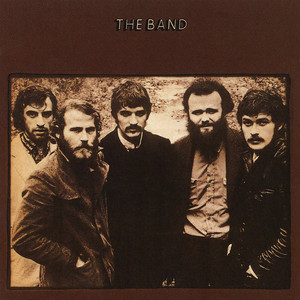
I grew up listening to The Band, so this is completely expected. The Band's The Band (Also known as the Brown Album) has some of their best work, along with a lot of fantastic and fun songs. And that's what this album has that a lot of great albums lack: fun. This album brings me back to my childhood, being on a road trip where the destination is completely unknown and incomprehensible to me.
I don't know if I can critique this album because The Band were so integral to my childhood and their folk rock sound has influenced my taste in music tremendously. I guess the only thing I can say is that Robbie Robertson is a snake that stole credit from everyone else in the band and that Levon Helm should be known as the most important member of The Band, but that's just gossip and conjecture. Other than that, listen to this album with an open heart. You'll love it. Highlights are Rag Mama Rag, The Night They Drove Old Dixie Down (the songs that is absolutely not pro-confederacy), Look Out Cleveland, Jawbone and King Harvest.
This should have been titled "A Tale of Two Albums." The rapping is boring and only at points funny but doesn't hold up to the test of time; The production is some of the best I've ever heard, sampling at it's finest, and has made me want to relisten to so many of the tracks that inspired the Dust Brothers. And in the middle of these two sides, one boring and not as entertaining as I need it to be, the other this monolith to what sampling can do, is Paul's Boutique: Iconic, unforgettable, dull, and past it's prime. And as such, it's hard to rate the album because, well what do you give prescience to? The parts that work, or the parts that don't?
As a result I have to say that the album is good, but not great. While sometimes the rapping works and the lyrics are funny, too any times they either become unfunny or just plain boring. The production is fantastic though, and we'll worth a listen just for that. There is a reason that people consider this the best Beastie Boys album. But there is also a reason none of the songs on the album are classics in the same vain as many of their others. Highlights are Johnny Ryall, Looking Down the Barrel of a Gun, and A Year and a Half from the ending Bouillabaisse.
It's the eternal problem with country music. When it's good, it's soulful and fantastic in a way that few other genres can reach. When it's bad though it is some to the worst music you have ever heard, nails-on-a-chalkboard bad, but the chalk is actually feral cat claws, the opposite of an ear worm. That, or just kind of boring. Which may be worse depending on your taste.
Much of the songs sadly fall into the latter camp here. It's not for the lyrics, which are well-written pieces by a bunch of other country artists, and it's certainly not because of Emmylou Harris, who has one of the best country voices I have ever heard. It's just that there isn't a lot of meat on the bone with the instrumentation or the tone of the album. Firstly, the guitars, while good, are pretty standard for country, and are mostly there to emphasize Harris' voice. As such, it's not always the most interesting to listen to. Second, most of the songs go on too long and are a bit dour, sounding more like lamentful ballads. There isn't a lot of energy in the songs, which in general I think is a choice. As such, many of the songs blend into each other and aren't fall from being noteworthy. The only exception is the opening track Bluebird Wine, which I have been playing on repeat all day long because it is that good. They're songs that would work amazingly during a live performance, but don't work as well on an album together.
I wasn't the biggest fan of this album. And that is really unfortunate because I like country music and Emmylou Harris has an amazing voice. It's just that the songs are slow and don't work in a way that I wish they did. If you enjoyed this album more than I did, I'm very happy and I wish I was you. Maybe I'll come back to this album and think it's better. But for now, it's a well-constructed but overall lethargic country album who's best quality is that it could have been better. That and Harris herself. Have I mentioned how good of a singer she is? I'll just mention it again for good measure. Highlights are Bluebird Wine and Coat of Many Colors.
Yet another album that I wished I liked more, although this time my opinion is largely based on the genre rather than the songs itself.
I have never really got shoegaze. Or rather maybe I have, I'm just not very fond of it. It the guitar rifts are great and the vocals should create a feeling of longing and spaceyness thay I normally enjoy, but shoe gaze always seems too... fallacious for me to get anything from. It's a genre for rock needs and stones, and I am neither of those things.
With all that said though, if you're intol this kind of music this is should move to the top of your "must listen" list. It's sounds are ahead of it's time thay I've heard many bands who are trying to copy the sounds from this album that it's not even funny. It still sounds new to the day as well, with the mix in the background almost identical to artists I know today. That and Elisabeth Fraser's voice is just spectacular. This album isn't for me, I was bored through a lot of my first listen and only slightly more engaged for my second. But, if you like this genre or style of music, then I highly recommend this album. It is maybe the most definitive shoegaze album I have ever heard. Highlights include Cherry-coloured Funk and Heaven or Las Vegas.
Screw it, this album is fun.
I wasn't expected this from a mid-70s prog rock album, but it was a ton of fun to listen to this album. The bombastic (and frankly onanistic) nature of prog rock normally forces me to buckle into what I'm about to listen to. There are only so many space-age instrument sounds, guitar solos, and self-congratulatory/juvenile one can be ready for. But what I heard instead was an album whose music sensibilities never get in the way of of the fact that music can be fun to listen to.
Yes, the lyrics are large and philosophical, guitar rifts suitably shredding, and the use of piano and woodwind instruments are odd but beautiful at times. But whereas other bands may attempt to push an image that they want to create for themselves, Supertramp sounds honest in their eccentricities here. And I've grown to really appreciate honestly when listening to conceptual albums like this, because without it I might as well be listening to 5 philosophy undergrads sniffing their own farts. Plus, Bloody Well Right's chorus has been stuck in the back of my mind since I was a kid. That should count for something. Go listen to this album. It's prog rock, but far more accessible than what I was expecting. Highlights are School, Bloody Well Right (as previously mentioned) and If Everyone was Listening (love a good theatre metaphor).
Another fun album that will stay with me for a while. For a Britpop group, this album is immensely American. The guitar takes obvious influence from alt-rock and grunge bands from the Stars, while precipitating sounds that would later be mad popular by the 2000's garage rock revival. The guitar and the constant American references in the lyrics reall make it obvious that Albarn and co looked away from the UK fir this album, and while it loses some stuff that made so many Britpop albums work, it gains a certain bravado that feels particularly American.
If I has one complaint about this album, it's that while certainly good, and even great, it lacks something that would make me come back to it more. It's really good, but lacks something that would make it an absolute must listen classic. Maybe in an attempt to experiment they're own sound, they made theirs fit very clearly in line with an American sound that I'm used to. As well, the weirdness that is in this album doesn't feel that built upon. Albarn would experiment more with his next group, and with better results, but this here it lacks a originality in a way that all Britpop bands don't, even if they're derivative. Its still a good album though, and well-worth a listen, especially Song 2, which is one of those perfect rock songs that sou ds like it's always been there. Would recommend, but don't expect your life to change. Highlights are Beetlebum, On Your Own, Movin' On, and the previously mentioned perfect Song 2.
This is the sleaziest record I have listened to in a while. I liked it, though it sounded very similar to a lot of punk rock from the time, but the writing is so focused kn sex I was amazed listening to it that it was allowed to be released. Good album, but my God: Peaches is maybe the sleaziest song I have ever listened to. Highlights include, purely for surprise and shock, the aforementioned Peaches and (Get a) Grip (on Yourself).
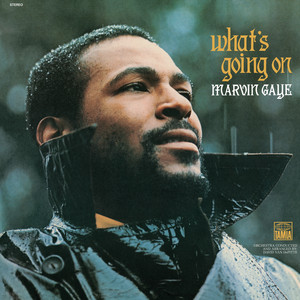
Every now and then you listen to an album and just from the way it starts you know it's something truly great. From the first note you know that you're listening to something truly special, the kind of piece of art that feels like it wasn't made by humans, but something else. Maybe it's god, maybe it's aliens, maybe it's the universe, I don't know, made you cannot believe it was made by someone like you. That is this album, something special that feels it from.the first note. Also, to be less pretentious, its just really freaking good. Highlights include the whole album, but especially What's Going On, What's Happening Brother, Right On and Inner City Blues.
Was not expecting Gothic gospel rock, but I'm happy to have heard it. This album is loud, over the top, self-serious, and dramatic, and despite all if that it works very well. Cave has an ability to transform what should be the most pretentious album I've ever heard into something inspired and deep. This is the first album of his I've listened to, and I'm excited to listen to more because my God this album was an experience. Highlights include are Get Ready for Love, Hiding All Away, There She Goes, My Beautiful World, The Lyre of Orpheus, and Easy Money.
The album is good, but not much else past that. If you like Grime, then you'll love this, because it gives you exactly what you want from the genre.
For me, though, while the production is pretty good my main problem is with Skepta himself. A lot of Grime artists lyrics tend to be bragadocious, presenting jusy how cool/dangerous they are and that they aren't too be messed with. Which is pretty standard for the genre, and I don't have a problem with that persey, but they're never really convincing in their presentation. The bravado here seems put on, false to a point of distraction. There are a couple of times on the album where it feels less like an act and more like reality, but it's unfortunately rare. As well, the rhyming schemes and punchline, while good, never blew me away at all. I can only really remember a couple. Also, a lot of the feature on this album don't really work that well (especially A$AP NAST on Ladies Hit Squad, who is trying to sound like a low rent Drake (who already jacked that sound from Jamaican artists)).
That's not to say the whole album is bad, Skepta does create a mood with his lyrics that fit with the beats, and the production is very good. It's very listenable, and I wouldn't call it a bad album in any regard. It's good, but nothing else. If you like Grime, then you've already listened to it, and if you want to get into the genre this is a pretty good starting place.
Without a doubt a classic record, Food and Liquor announced Lupe's formal introduction to the hip-hop landscape. The lyrics are at tomes funny, expressive of what it means to eb a youth, to poignant and politically charged, and delivered with a sense youth and vigour that makes this album still feel young after 20 years. The beats are immaculate as well, done in that early Kanye soul style that came to define much of conscious rap from the era.
Now, with all that said, its not a perfect album. Or, at least not for me. I've used a lot of words that talk about the youth of this album, and that shows in many of the songs. This was written and recorded when Lupe was in his early 20s and it shows, sounding a lot like a (albeit smart) college kid who is expressing his ideas for the first time. As such, now that I'm older than the first time I listened to it in my teens, it doesn't hit the same way. That's not a comment on the album, more of me and how my taste in lyricism has changed. It's a great album, but Lupe has grown a lot as an artist in the interim and, in my opinion, his more mature lyrics connect a lot more with me. There is a folly in youth on this album a little that I cannot shake, which I know iw a personal issue but I have to address it. Also, whoever thought a 12 minute song at the end of an album shouting out a bunch of people was a good idea is an idiot. If this is your first listen, skip that song. This is a 60 minute album for all intent and purposes, not a 72 minute one.
A staple of 2000s rap music, it has aged (or hasn't) a little for me, but still a classic. If you're into rap, you'll love it. And if you aren't, this album is a lot smarter and more provocative than many albums to this day. Highlights are Kick, Push, I Gotcha, He Say She Say, Daydream, and The Cool.
In terms of importance and historical interest, this album is amazing. It's very rare to see interaction with audiences feel so real, where the push and oull of stage presence to an audience is palpable, and this record really shows it. As Robert Christgau noted in his review of the album, it estaished "Brown as an r&b superstar and a sales force to be reckoned with, it's a time capsule, living testament of a chitlin circuit now defunct." In this way, the album is important to listen to, and should be listened to for years to come.
In regards to the music though? I'm not a fan. The soul and funk that came to define James Brown's work isn't fully developed yet, and while his stage presence and mannerism are immaculate, there are only so many times I can hear him scream, get excited, only for him to switch into crooning mode. It's not terrible, but the songs are not for me, and despite it being a live album there still feels like control is needed, like Brown isn't fully committing style wise (unlike a similar album released around the same period). Overall, it's an historically important album, but not a good album.
If I had to rate this album based on the lead-up and comedic payoff of Toonerville Trolley at the end of this album, this would be a 5/5 album. I was trying really hard not to belly laugh in the metro while I was listening to the song. Great joke, no notes.
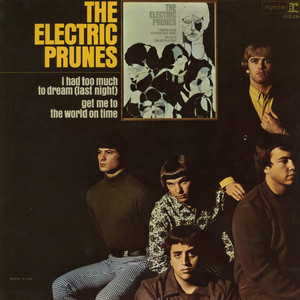
Unfortunately, however, I have review this based on it's musical styling, and overall this album is entirely pointless. Nothing here is creative or new, it's all a mix of the garage and psychedelic rock popular at the time. While their lyrics were more sarcastic than I expected, and that was appreciated, I will never listen to this album again because there are many other, better artists that do the same things but more interestingly.
The biggest question I had while listening to this was "why would an album like this be included on a list like this?" The album never answered my question. It's never really that bad to listen to, and there are some good riffs, and the lyrics can be interesting, but I was barely ever engaged in the album. It never took me into it's world, so overall, as I said, it's utterly pointless. The lead song is pretty good, but that's about it. This felt like homework more than anything else. Anything you hear on this album, there is probably a better version of it somewhere else. Overall, not needed.
Highlights include I Had Too Much to Dream (Last Night), and the comedic payoff of Toonerville Trolley.
While the album certainly didn't live up to my recollection of it from the first time I listened to it 10 years ago, it's still a pretty good album. The sound returns to this mix of funk and alternative that made them popular, boosted by the return of John Fusciante, who's guitar playing defined the band in the early days. They also dare to become spiritual, turning away just from lyrics of innuendo and jokes. Of course, there is only so far that goes, and listening to RHCP again it's fairly obvious that Anthony Kiedis is the weakest member of the band.
This album has the same problem a lot of albums l. The first half is very good, and the second half is notably weaker. Now, I understand what they were going for in the second half, trying to be more spiritual and critical, but to me RHCP work best when they are full of energy, not really in their slower moments. The title track is an obvious exception to this, along with Saviour to a certain extent, but this doesn't change this from being an A-side album. But what an A-side it is, hit after him, more focused than the other albums of theirs that I've listened to. For the first 8 tracks alone the album us worth it, though the back half let's it down. Highlights include Parallel Universes (which may be my favourite song of theirs now), Scar Tissue, and Californication.
This album is an absolute classic, a mix of Iggy Pop's proto-punk sensibilities and Bowie's production genius to create something that has been a part of my life for years. It has some of the best songs in rock/pop history (The title track and Passenger), and is a culmination of Bowie's 70s sound that I think hits higher highs than even some of his albums. It begs to be listened to again and again.
Now, despite all this laudatory comments, the album isn't perfect specifically Turn Blue which is too long and does not fit the feeling of the rest of the album. But besides that, this album is amazing. I've been listening to it for over 10 years, and I'll continue to listen to it long into the future.
By doing this list I'm beginning to realize that I don't like that much 60s music. That or the garage rock and slightly psychedelic trend is really not for me. Or that most of the bands from this are very workmen-like, like Paul Revere. Not matter which answer is correct though, it doesn't change my opinion on thsi album, which is a bbigold mediocre to uninteresting. There are a couple good songs here, but most of the album is either not very good or bland and forgettable. Overall, probably won't listen to this again, though a will revisit the hits on he album. Highlights are Kicks and I'm Not Your Stepping Stone.
Okay, I'll be honest. I don't metal. It takes a lot for me to like a metal album, none of which I can explain in any comprehensive way that would make any kind of sense. Maybe it has something to do with the vocals on many modern metal albums, maybe it's because of the guitars and drums, I don't know. Suffice to say, it's not my genre. And this album doesn't help. I mean the album is fine, it's not particularly hard and overwhelming, but a lot of the songs feel more like arena rock with a little bit of an edge, which is another genre I'm not a fan of. I think the album sounds fine, it's good, but it's not something thay I would enjoy or listen to again. Breaking The Law is a good song, and the only major highlught on the album for me, but it's not for me. I hope there are other albums that can correct my opinion, but this is not the album. Good, not great, and still not for me.
This was just such a fun album. The Latin rock influence is palpable, remind it of my hotstel travels and being on the beach. Mix that with the album's punk sensibilites when it comes to class solidarity and critiques of colonialism through it's sound and lyrics, and you have one hell of an album. Highlights include Clandestino, Desaperecido, and Luna y Sol.
Given a three for nostalgia. I was born just after The Offspring got famous, but their music was the background to much of my early life when I could decide what to listen to. Good thing I listened to them when I was so young, because if I didn't, I don't know how much I would have enjoyed this album. It's juvenile and uncomplicated, either riffs that sound less Offspring at times and more Bad Religion, an obvious influence now that I've listened to the latter. It's not a complex album, and at times is too simplistic. They made better songs as they continued as a band, so if it weren't for the nostalgia I would have probably given it a 2.
That being said, there is something also nice about listening to people, in uncomplicated and direct lyrics, tell you that the system is messed up. That level of honestly probably didn't have much cache at the time of the album's release, but as time has gone on it's only become more relevant. Turns out uncomplicated is what people need at time. And may be necessary for others. Highlights include Gotta Get Away, Come Out and Play, and Self Esteem.
First half of the album is very good, featuring my favourite U2 song as the starting track. Second half is bland and forgettable. The fact I grew up on U2 is doing a lot of heavy lifting with this record, but when they make a good songs it's undeniable. Highlights are Sunday Bloody Sunday and New Years Day.
This album is so punk rock it's kind of astounding. Sarcastic, witty, and a unique sound that incorporates the best parts of early electronic and surf rock sounds while taking the piss with the latter is a way that renders it listenable. Devo walks a fine line between being a comedy act and being annoying sincere, but they walk the line masterfully. As a result, we have a fun, smart, and interesting album that is, while absolutely of it's time, endlessly fascinating to listen to. Highlights include Uncontrollable Urge, Mongoloud (horrible name but what can you do), Jocko Homo, and Gut Feeling.
This isn't a double album, this is three albums wearing a trench coat trying to get into masquerade as a coherent album. Every songwriter on this album creates completely different songs with different levels of skill. All the Stevie Nicks songs are pretty or really good, Christie McVie are in general good, and Lindsey Buckingham's are either fantastic (see the title-track) or not very good. Overall, this album lacks coherence in anyway, saved largely by the band's skills as instrumentalists and songwriters, though the latter is a lot lore dependent. In terms of an album, it's a mess. As a collection of songs it's alright, but I probably won't come back to it again. Highlights are Storms, Sisters of the Moon, and Tusk.
Sometimes you want to laiten to incredibly complex and intricate songs that sonically create a whole universe within the world of the album. Sometimes you want to listen to people playing bongo drums and yelling in Spanish. While Palo Congo isn't an album I would laiten to all the time, it was a very fun and relaxing album that would be perfect for certain nights. Highlights include El Cumbanchero and Rhapsodia del Maravilloso.
Maybe the best Country I've ever listened to. Amazing from start to finish.
God this album is annoying. It's not that I don't like the sound of the album, it's a kind if poppy new wave I can normally get behind, but these songs are not good enough to be interesting. The lyrics aren't interesting enough to be looked into, and the hooks just keep going on and on. Whenever I started to like a song, like the title track, the song went on for so on that eventually I started to get annoyed by the repetition of the hook and began to dislike the song.
Seriously, if this album was shorter in almost every aspect I would maybe like it, but because of it's length the album just annoyed me. That's how I would describe this album by and large: annoying. The only song worth listening to again on repeat is Hungry Like the Wolf, and even that I can only listen to so much. Maybe Hold Back the Rain if I'm in a particular mood. But otherwise, just grating snd eye-rolling. We don't like in the MTV music video era anymore, and that's painfully obvious listening to this album.
It feels like Bob is resting on his laurels a bit here. The songs are good, don't get me wrong, but they aren't as iconic or interesting always as songs from his classic era. That being said, still worth a listen even if your not a Dylan completions.
The bridge between U2 and Coldplay, and that is not really meant as a compliment. Many of the songs are boring with questionable vaguely sad lyrics that get the job done but not much else. Travis really don't excel at anything besides being good for when you're taking a walking along city streets and are kind of sad. At least in KY experience. Other than that, fine but nothing spectacular or overall noteworthy. Not bad, but not worth your time. Highlight (kind of) is Driftwood.
While it certainly doesn't have the same hits as the other Pixies albums from the time, it is well worth a listen, finely blending surf rock with punk sounds and sensibilities to create an endlessly listenable album. Not the first Pixies album I'd recommend, but still fantastic to listen to. Highlights include Rock Music, Velouria, and Hang Wire.
Classic of the genre yet again, the ripple effects of Kool Kieth can be seen in a lot of great rappers (MF Doom, Mad Libs, etc.). While certainly not my favourite album, it's an interesting and fun one to listen to again. Maybe I'll listen to it again, but not for a little while. Highlights are Real Raw, Blue Flowers, and Dr. Octagon.
While I grew up on this era of American folk rock, and have many artists I still listen to today, I had never really listened to Fleet Foxes before. I now know why. Boring, meandering, with not enough meat on the bone or interesting moments to be of any interest. If you want to get into this era of Mainstream folk rock, The Avett Brothers and The Decembrists. Are much better places to start. Highlights here is Blue Mountain Ridge, i.e. the only song I would choose to listen to again.
Damon Albarn may have been the most talented musician of the Britpop scene.
One of the first albums I listened as a teenager when I was getting into hip-hop. While at the time I loved the production, lyricism, and themes, as I've grown older the latter two became much weaker in my mind. Not because Q-Tip is a bad rapper, mind you. He's just a bit corny. The lyrics scream early-mid 2000s conscious rap, and that genre as a whole has not aged well in my mind. Despite this, the album is still good, and production is still top-notch. It is Q-Tip after all. Overall a good album, with some... eye-rolling flaws. Highlights are Johnny is Dead, Official, and Move.
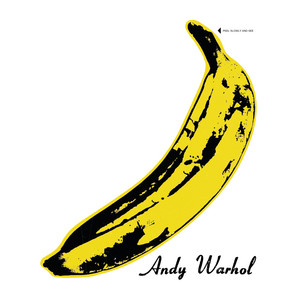
There is an old quote about this album that goes something along the lines of "it sold 1,000 copies and created 10,000 bands." Which, listening to this album again after several years of picking and choosing from Lou Reed's discography, makes sense. To this day it feels fresh, still as alive as it must have felt when it first released. There isn't another album like this, whose brazen descriptions of the American underculture of the time still resonates today, for better or worse. From the first note of Sunday Morning it transports you back, both because of the mastering of the album (this album demands imperfect and scratchy mastering), and because of the way that Reed and company serenely go from one note to the next. It is fantastic, and maybe flawless. Highlights are Sunday Morning, I'm Waiting for My Man, Venus in Furs, Run Run Run, and Heroin. But, in reality, its the whole album.
Haf-baked, but with moments of class and taste. Will I listen to this album again, no, nor do I remember many of the songs. But what I did remember was interesting, if unfinished.
Unbelievable songs. While not all the songs fantastic, Chapman is able to make them amazing through her sheer talent. One of the best singer-songewriters to ever live. Highlights are Talking about a Revolution, and Fast Car.
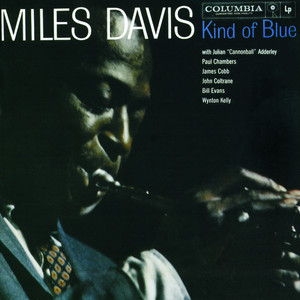
The defining jazz album. If you're interested in getting into jazz, this is the album to start with. It is a whole album of perfection, the standard for jazz albums to come. While certainly not my favourite, or even in my opinion the best, it is a masterpiece that could be played on loop for days and I'd be content.
There are not highlights here. The whole album is one.
Springsteen's best record of the 21st century, it evokes 9/11 while not becoming too patriotic. Great album from a master.
While I may not listen to this album again any time soon, it is a fine album. The lo-fi production, lyrics of heartbreak, and energy are interesting. The big issue ai have is that... we'll, this album is outclassed by many similar albums. Pavement's discography beats Sebadoh to a pulp in this regard and, if we are to mention albums not on the list, it feels like Weezer's Pinkerton did everything this album tried to do but better. I wouldn't say this album is necessarily integral to a list like this, but for what it is, it's fine. Nothing odious but nothing special either. Highlights are Two Years Two Days, and Elixir is Zog.
Goddamn the amount of hits off this album. The fact it ends with two of his most recognizable songs, and the fact that the rest of the album lives up ti it's hits, is incredible. I could listen to this over and over again. It's incredible.
This is a weird album to rate, simply because I dont think I would listen to any of the songs individually again (except for Jennifer), but I would certainly listen to the album again. Experimental in all the ways that I enjoyed, it goes through multiple genres to try and capture a feeling I cannot quite describe.
This is definitely not an album for everyone, but if you're into experimental rock it is certainly for you.
One of the best rap albums ever made. God Lauren Hill is so good.
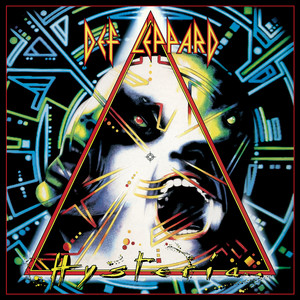
The first time I ever heard a Def Leppard song was in a movie during a scene in a strip club (the song playing was, to no one's shock, "Pour Some Sugar on Me"). I think that story encapsulates my feeling towards this album. Its too cocky (pun intended), overproduced, far too long, and I required a cold shower afterwards. If you like it, hey, good for you. But I wouldn't be caught within 10 feet of a strip club, and I wouldn't be caught listening to this album ever again.
M is one of the best songs I've listened to for this challenge. Whole album is great though. The feeling of darkness that became the focal point for emo and goth acts following The Cure feels wholly original here, in spite of the groups influence. Whole album is a great listen, and I'll definitely be playing it again.
Given the fact I had not idea who these guys were, and my general dislike so far for psychedelic records on this, I was not expecting to like this album as much as I did. Interesting, and original, it's worth a listen both for its qualities as an album, and place as maybe the first rock opera in history.
I really don't know what to think about this album. It's mostly runs, it's a single piano playing what is truthfully similar sounding notes on an instrument that should not be there. The story of how the concert went and hwo it came it be is incredible. But does a good story make up for what, in my opinion, is a mostly dull but well-executed piano concert that lacks most of the parts of jazz I enjoy? I honestly don't know.
Some good songs, like the two singles and 1985, some boring songs as well. Interesting to listen to, but not the most interesting album other than the pop rock hits.
Definitely not as easy album to listen to, but my god what a masterpiece. It creates an atmosphere that is unmatched. Would I listen to it again anytime soon? I don't know, because it goes into something dark places. But my god, for what it is trying to do it is perfext. Robert Smith, to my surprise and my partner's glee, is a genius.
This is a great album, filled to the brim with punk energy. Is it repetitive? Yes. do I care? No. The point isn't to create intricate songs that go on for ten minutes. Short bursts of musicality and rage is all you need sometimes. Do the songs blend into each other? Yes, but again I struggle to care about that. The point is that the Ramones are angry, want to express their anger, and did so in 14 songs, all under half an hour. I'll definitely listen to this album again. and not just for Blitzkrieg Bop.
While interesting and full of classic folk rock and interesting lyrics and themes, the album meanders on in its second half and becomes a bit. The album is good, and I may even listen to it again, but the attempt at a concept album doesn't fully work (although again it really does for the first half). If the album were shorter, it would have been higher.
Not the biggest electronica fan, and the album itself went on for too long. Someone the individual songs are good, but on the whole I would probably only listen to those songs (like the first track), and not the album as whole.
This album is not good for a multitude of reasons, but I'll try and synthesize my opinions into thre reasons.
1. The album is too long, especially for a live album. 2 and a quarter hours is already a big ask for most listeners, but the fact that this is a live album compounds this problem. Concerts are an experience, so having a concert go that long is no big deal. After all, the lights, crowd and energy create an atmosphere that allows for concert the length of a feature film to feel too short. As an album, sans in-person experience? It fails to draw me, which is necessary for any album, but especially one this length. The mixing of the crowd also hurts the album. It's not intimate enough to feel like you're part of the audience, but not grandiose to feel like I'm part of a larger consciousness. As such, length and live aspects really just collide and make me not ready and able to listen to thus album
2. It doesn't really sound like Metallica. The band lacks any of the darkness and crunch that makes their best songs work. I'm not the biggest metal fan, but going back to Master of Puppets or their other early works you can really see why Metallica worked. The sound, with all its darkness and machismo, just makes you want to scream and head bang the whole time. Their performances here are a lot softer though, turning from metal to arena rock, a genre I like even less and they're not as good at. The whole album I was asking myself "does this sound like Metallica?" And the answer, honestly, is no.
3 (the most important one). The classical instrumentation does not work. It adds nothing to the songs, and barely works with the sound that the song is going for. It's background music that is interrupting the song I'm trying to listen to. Not to mention it sounds like non-descript orchestra music at best. It sounds like what someone who hates classical music thinks classical music sounds like. It would've worked better as an orchestral version of a film score, but as the backing of Metallica songs? It fails completely.
So yeah, not good/5.
From Respect, The Life of Aretha Frankling by David Ritz:
“I don’t care what they say about Aretha,” said Billy Preston. “She can be hiding out in her house in Detroit for years. She can go decades without taking a plane or flying off to Europe. She can cancel half her gigs and infuriate every producer and promoter in the country. She can sing all kinds of jive-ass songs that are beneath her. She can go into her diva act and turn off the world. But on any given night, when that lady sits down at the piano and gets her body and soul all over some righteous song, she’ll scare the shit out of you. And you’ll know—you’ll swear—that she’s still the best fuckin’ singer this fucked-up country has ever produced.”
I love Simon and Garfunkel, but this album just isn't very good.
The concept doesn't really work, and there are only about 2 and a half good songs on the album. And one of them is Mrs. Robinson, which is from a completely different album and was only included, I'm assuming, due to sales.
I was very dissapointed listening to this album. On the plus side, I heard A Hazy Shade of Winter for the first time, which is a top 5 song of theirs in my opinion, so it wasn't a total loss.
This was an experience.
I listened to this album in the airport on my way to a new job, and I felt like my flight came early, transporting me somewhere I had never been before. Starting with Eddie Hazel's 10 minute solo, which may be the greatest I have ever heard, the dark atmosphere took me away from that shitty small airport coffee shop, and to a land of rock, soul, and funk. It was 35 minutes of a journey I'll never forget. Parts dark and intense, part light and fun, and all of it with the purest groove you'll ever heard.
Needless to say, I'll be putting those maggots back in my brain soon. Funkadelic/10.
This may be the best 2 I will ever give on this platform. There weren't any songs on the album that were particularly bad (except for the cover of Born to Be Wild), and some riffs I actually enjoyed. In fact, it may be the most listenable cock rock album that I've ever heard.
The main problem is just that the album is generic, a facsimile of real hard rock albums that are much better than it. It's not bad. It just made me want to listen to other albums, which may be a more damning inditement than if I didn't like the album. But I have heard every riff, every drum beats, and every lyric before somewhere else. And in general I'd rather listen to those.
If these songs were played at a bar, I wouldn't roll my eyes (except for the aforementioned cover). I may even enjoy myself. But that last thing I would ever do is consciously turn it on.
If you're in to Southern or Boogie rock, I'm sure this is a great album. Unfortunately, I'm not really interested in either, so the only time I will be coming back to this album is to listen to "La Grange" on repeat.
This is a disappointing album for me, both a lackluster Billy Bragg and Wilco album, as well as a dispointing cover album of Woody Guthrie. The songs try too hard to be soft rock and country, taking away the anger and consciousness of Bragg and the hooks and soul of Wilco. There are a couple good songs: Ingrid Bergman almost hits a certain soulful chord, and California Star is a great catchy song. But there is a reason that these were unreleased Woody Guthrie songs, and its becuase they aren't his best. Overall, I may listen to a couple of the songs again, but the album as a whole I'll probably not touch again.
This is one of those albums where the edifice of the five-star rating system really becomes undone.
On the one hand, most of these songs staples of 90s rap music. Biggie's flow is maybe the best that's ever been. Mixed with the (unfortunately due to who produced the album) great production and fanatical nihilistic lyrics create a brilliant picture of the life that Biggie had no choice but to lead. A lot of rappers try to both rap about what their circumstances made them do, and how cool they are doing it. Biggie never did the second, and when you think he is about to, he hits you with a song like Ready to Die, or the later half of Gimme the Loot.
On the other hand, this is still a 90s rap album. It's bloated in the second half, with some of the songs feeling like worse versions of previous tracks. There is the shocking amount sexism and homophobia, to degrees that are shocking now even if you consider the genre and when the album was made. Finally, the interludes, which are... well, there is a reason rappers don't do interludes nearly as much, if ever, anymore. They were a bad idea then, a pointless and lame inclusion now.
I'm averaging my rating out with this, but over all this is a must listen, because despite its laws the highs are so high that it warrants a listen. A certified classic/5.
I went in to this album thinking I would hate it, only to be pleasantly surprised by the opening track. It was nothing special, but it was fine and Mariah sang like she actually had some emotion (a rarety for her). Would my hopes be spared? Would I enjoy, or at least tolerate this album? After the first tracks I hoped so.
Then the title track played. Then the next song. And they kept coming and I realized my fears were coming true. This album wasn't going to be good. There goes my hopes of being wrong.
Calling this album bad wouldn't necessarily be correct. The production (unfortunately) is fine, with the hilarious exception of getting Mariah Carey to sing over Mobb Deep's Shook Ones Part 2. Mariah Carey sing, and very well as well. At least on a technical level. Her lack of emotions and tendency to default to whining and scales is boring to say the least. But overall this wouldn't be what I normally rate a 1. It's competant and not annoying to listen to. It's not even forgettable so to speak.
The problem is that the album is an absolute bore. Every song sounds the same (except for the one with the Shook Ones sample, which is memorable in uts absurdity). The lyrics go in one ear and out the other, or are barely understandable because of Mariah's lack of annunciation and the sound mixing being bad. And overall nothing stands out.
This is barely an album. It's more of a collection of muzak made to sound like pop R&B. I wanted to be wrong so bad, I wanted my pre conceived notions and biases to be proven wrong. I wanted to like Mariah Carey, I really did. But I'm not going to re-listen to an album whose entirety I could hear at an upscale dentist's office. Not necessary to listen to thus album again before I die. It wasn't necessary the first time.
So 80s it hurts, and not in the fun way. In the cringe, oh-god-this-is-unbelievably-lame way. Lyrics are laughable, and the album feels more like a parody of this era of R&B and rap than a true representation of it. I will not be listening to this album again any time soon.
God, Coldplay really jusy stole their schtick from this one album huh.
On a more serious note, this album changed the way that I've graded the other Radiohead albums I've been given. The sound is so clear, bridging the gap between Pablo Honey and OK Computer with it's softer rock tendencies and the more electronic alienated sound of their later works. Despite it's obvious pretentions it is glorious in its sound and delivery, coalescing the cryptic lyrics into songs that make sense sonically. It is angry, it is self-aggrandizing, it is weepy, and it all works.
While not as conceptual as many of its "greatest rock album of all time" ilk, it replaces this with consistent, amazing songs. An album that is 8 songs, in which every song is a hit is a near impossibility. And Led Zeppelin did it.