I couldn't have asked for better timing. Just days after the Newport Jazz Festival wrapped up, my random album was Ellington at Newport, recorded at the very same festival 70 years earlier. Living just 10 to 15 minutes from Newport made the experience even more special. I listened to the complete concert, and I'm glad I did. This wasn't just a collection of songs. It felt like being transported back to the 1956 Newport Jazz Festival. From the introductions and audience reactions to Duke Ellington enthusiastically encouraging his musicians, I felt completely immersed in the performance. The defining moment came during "Diminuendo and Crescendo in Blue." I had no idea it was one of the most famous live performances in jazz history. I was taking notes when, about two minutes into the song, I suddenly stopped. Something had changed. I looked at my player just to see what I was hearing, and I literally got chills. The audience wasn't applauding because Ellington was famous. They were reacting to an incredible performance unfolding right before them. By the end, they were shouting, "More! More!" It rivaled the energy of any rock concert I've ever heard. On a personal note, hearing "Sophisticated Lady" was especially meaningful because it was my grandmother's favorite song. This became my first five-star album of the project. I expected to appreciate it as an important piece of music history. Instead, I experienced one of the greatest live performances I've ever heard.
1001 Albums Summary
Rating Distribution
Rating Timeline
Taste Profile
Breakdown
By Genre
Tap a bar to see the albums behind it
Top Styles
Tap a bar to see the albums behind it
By Decade
By Origin
Albums
You Love More Than Most
| Album | You | Global | Diff |
|---|---|---|---|
|
Introducing The Hardline According To Terence Trent D'Arby
Terence Trent D'Arby
|
5 | 2.98 | +2.02 |
|
Autobahn
Kraftwerk
|
5 | 3.09 | +1.91 |
|
Honky Tonk Heroes
Waylon Jennings
|
5 | 3.14 | +1.86 |
|
Blood, Sweat & Tears
Blood, Sweat & Tears
|
5 | 3.16 | +1.84 |
|
Ocean Rain
Echo And The Bunnymen
|
5 | 3.24 | +1.76 |
|
Music in Exile
Songhoy Blues
|
5 | 3.33 | +1.67 |
|
Eliminator
ZZ Top
|
5 | 3.36 | +1.64 |
|
Blunderbuss
Jack White
|
5 | 3.38 | +1.62 |
|
Tres Hombres
ZZ Top
|
5 | 3.4 | +1.6 |
|
Ellington at Newport
Duke Ellington
|
5 | 3.42 | +1.58 |
You Love Less Than Most
| Album | You | Global | Diff |
|---|---|---|---|
|
You've Come a Long Way Baby
Fatboy Slim
|
1 | 3.32 | -2.32 |
|
Better Living Through Chemistry
Fatboy Slim
|
1 | 2.98 | -1.98 |
|
Faust IV
Faust
|
1 | 2.78 | -1.78 |
|
Dire Straits
Dire Straits
|
2 | 3.72 | -1.72 |
|
90
808 State
|
1 | 2.69 | -1.69 |
|
Brothers
The Black Keys
|
2 | 3.53 | -1.53 |
|
Locust Abortion Technician
Butthole Surfers
|
1 | 2.41 | -1.41 |
Artists
Favorites
Tap an artist to see their albums
| Artist | Albums | Average |
|---|---|---|
| ZZ Top | 2 | 5 |
Least Favorites
Tap an artist to see their albums
| Artist | Albums | Average |
|---|---|---|
| Fatboy Slim | 2 | 1 |
5-Star Albums (17)
View Album Wall








Popular Reviews
Well that's 39 minutes of my life I'll never get back
I grew up with Metallica, and this, Master of Puppets, and the Black Album have always been my favorites. So there was definitely some nostalgia and bias going into this one. But what surprised me was how differently I heard ...And Justice for All now. As a teenager, I was mostly headbanging to the music. Now I'm paying much more attention to what Metallica was actually saying. Songs like “Blackened,” the title track, and “Eye of the Beholder” tackle environmental destruction, corruption, justice, freedom, and people in power. More than 35 years later, a lot of those messages are still frustratingly relevant. And the anger in the music makes sense. These aren't angry songs just for the sake of being loud and heavy. The anger is part of the message. I can also admit that familiarity plays a role here. If I were hearing Metallica for the first time, I might complain that some of these songs sound too similar. But I know this music, and I still love the guitar work, especially moments like the solo in “The Frayed Ends of Sanity.” “One” remains the highlight for me and one of Metallica's greatest songs. The biggest takeaway from revisiting this album is how differently its messages hit me now. I understood as a teenager that Metallica had something to say. But after decades of lived experience, I understand and feel that anger on another level, especially because so many of the issues they were writing about in 1988 are still with us. The album hasn't changed. I have, while unfortunately, some of the world hasn't changed nearly enough.
1-Star Albums (5)


All Ratings (75)
I knew 3 songs. Loved the variety. "Do It Again" was hypnotic. "Kings" surprised me with its prog feel. "Midnite Cruiser" leaned jazz rock. "Brooklyn" reminded me of early Eagles. "Fire in the Hole" made me think of JY from Styx. Favorite new song: "Change of the Guard." Would absolutely buy on vinyl.
When Disintegration was released in 1989, I was fresh out of Navy boot camp and attending A School. At the time, my musical tastes leaned heavily toward hard rock, hair metal, and R&B, so The Cure was never really on my radar. Aside from "Lovesong," I was essentially hearing this album for the first time. One of the first things that struck me was how patient it is. Several songs begin with long instrumental introductions that don't feel like filler. They reminded me of the overture to a Broadway show, setting the mood before the story begins. It quickly became clear that this wasn't just a collection of songs. It was an album meant to be experienced from beginning to end. The first half really drew me in. "Pictures of You" was my favorite discovery. At more than seven minutes long, it somehow felt like half that. "Fascination Street" was another standout, with an energy that reminded me at times of U2's expansive sound. Hearing "Lovesong" in the context of the album also gave me a greater appreciation for why it became such a hit. The second half didn't connect with me as strongly. "The Same Deep Water as You" and "Homesick" never quite grabbed my attention, although I did enjoy "Untitled" as a closing track. Overall, I found the first half more memorable than the second. Even though I landed on a 3/5, I'm very glad I listened to Disintegration. I can understand why it's considered one of the greatest albums of all time, even if it didn't become a personal favorite. More importantly, it reminded me why I'm doing this project. Listening to an album from start to finish reveals things you simply don't notice when you only hear the singles. That's an experience I'm looking forward to repeating 999 more times.
I was already familiar with Regatta de Blanc. I've listened to all of The Police's albums before, with Synchronicity always being "my" Police album. What made this experience different was listening with complete intention. "Message in a Bottle" has long been my favorite Police song, so the album already had a head start. Beyond that, I came away with a much deeper appreciation for how naturally The Police blended punk, new wave, reggae, and rock into a sound that was unmistakably their own. The reggae influence ebbs and flows throughout the album without ever taking over. It's an ingredient, not the whole recipe. I also appreciated how cohesive the band sounded at this stage of their career. Every member contributes something essential, and it was fun hearing Stewart Copeland step out from behind the drums to sing lead on a couple of tracks. The chemistry between the three musicians was undeniable. I found myself enjoying several deep cuts just as much as the singles, especially "Deathwish," "It's Alright for You," "On Any Other Day," and "No Time This Time." There were a couple of songs that didn't stand out as much, but they didn't take away from the overall experience. This project is already teaching me that there's a big difference between hearing an album and truly listening to one. I'd played Regatta de Blanc before. This was the first time I really listened.
I couldn't have asked for better timing. Just days after the Newport Jazz Festival wrapped up, my random album was Ellington at Newport, recorded at the very same festival 70 years earlier. Living just 10 to 15 minutes from Newport made the experience even more special. I listened to the complete concert, and I'm glad I did. This wasn't just a collection of songs. It felt like being transported back to the 1956 Newport Jazz Festival. From the introductions and audience reactions to Duke Ellington enthusiastically encouraging his musicians, I felt completely immersed in the performance. The defining moment came during "Diminuendo and Crescendo in Blue." I had no idea it was one of the most famous live performances in jazz history. I was taking notes when, about two minutes into the song, I suddenly stopped. Something had changed. I looked at my player just to see what I was hearing, and I literally got chills. The audience wasn't applauding because Ellington was famous. They were reacting to an incredible performance unfolding right before them. By the end, they were shouting, "More! More!" It rivaled the energy of any rock concert I've ever heard. On a personal note, hearing "Sophisticated Lady" was especially meaningful because it was my grandmother's favorite song. This became my first five-star album of the project. I expected to appreciate it as an important piece of music history. Instead, I experienced one of the greatest live performances I've ever heard.
I came into this album expecting not to like it because I've never been a big Neil Young fan. His voice has always been the biggest hurdle for me, and that didn't change. However, I was surprised by how much I appreciated his songwriting. More than once I found myself thinking, "This would be an incredible song if someone else were singing it." As the album progressed, it slowly won me over. The lyrics were thoughtful, the harmonies were beautiful, and several songs really stood out. My favorite discovery was "When You Dance I Can Really Love," followed closely by "I Believe in You," "Birds," and "Only Love Can Break Your Heart." "Southern Man" was also a powerful listen, especially hearing it in its original context. This album started as what I thought would be a 2-star experience, but the strength of the songwriting gradually raised it to a solid 3 stars. I finished with a much greater appreciation for Neil Young as a songwriter than I had before, even if I still don't connect with his distinctive vocal style.
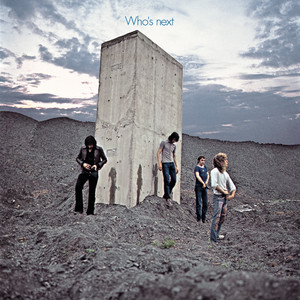
I grew up hearing many of these songs on classic rock radio, so I thought I knew Who's Next. Listening to the album from beginning to end proved otherwise. The hits are every bit as legendary as I remembered, but the biggest surprise was how strong the deeper cuts are. Songs like "Love Ain't for Keeping," "My Wife," and especially "The Song Is Over" stood alongside the classics rather than simply filling space between them. What impressed me most was that there wasn't a weak link on the entire album. It opens with one of the greatest opening tracks in rock history, "Baba O'Riley," and closes with one of the greatest closers ever recorded, "Won't Get Fooled Again." The fact that both are on the same album is almost unfair. Even after hearing several of these songs for decades, listening with fresh ears gave me a whole new appreciation for why Who's Next is considered one of the greatest rock albums ever made.
I remember when Violator came out in 1990 while I was stationed in the San Francisco Bay Area during my Navy days. Everyone at my favorite record store seemed excited about it, but I was more into hair metal and R&B at the time, so I never listened to the full album. Thirty-six years later, I'm glad I finally did. I'd always liked "Personal Jesus" and "Enjoy the Silence," but I really enjoyed discovering "World in My Eyes," "Sweetest Perfection," "Halo," and "Policy of Truth." The production is excellent, and every song feels thoughtfully crafted. There aren't any weak tracks, and the album maintains a remarkably consistent quality from beginning to end. I was never bored, but I also never had that moment where I thought, "Wow, this is incredible." It's a very solid album that I can appreciate more now than I probably would have back in 1990. While it didn't completely win me over, I understand why so many people consider it Depeche Mode's masterpiece.
Nothing on the album completely blew me away at first, but every song was at least good, and I kept hearing sounds that reminded me of music from different eras. At times I heard the Beatles and Pink Floyd, while some of the heavier blues-rock moments reminded me of Led Zeppelin. Other songs sounded surprisingly close to rock that would emerge in the ’80s and ’90s. “Buick Mackane” was the first real banger for me and my favorite discovery. “Telegram Sam” was another highlight, with a guitar sound that immediately reminded me of “Bang a Gong (Get It On).” Overall, I liked the album more for what I heard in its influence than for the individual songs themselves. For something released in 1972, parts of The Slider sounded remarkably ahead of their time. I may not want it in my vinyl collection, but after listening to it, I completely understand why it belongs on the 1,001 Albums list. ★★★½ Favorite Discovery: “Buick Mackane” Vinyl Verdict: No
Well that's 39 minutes of my life I'll never get back
I already knew several songs from this album, including “Drive,” “Everybody Hurts,” “Man on the Moon,” and “Nightswimming.” I especially enjoyed hearing “Drive” again since I don't hear it very often anymore. A few of the slower songs, particularly “Try Not to Breathe” and “Sweetness Follows,” reminded me of the '70s singer-songwriter sound of artists like Harry Chapin. I also appreciated how much the sound changed throughout the album. Even when a song wasn't really grabbing me, the album never felt repetitive. My favorite new discovery was “Ignoreland.” It picked up the pace and had more of the energetic R.E.M. sound I enjoy. “Star Me Kitten” was also interesting and different. Overall, this was a good album, but not one I feel the need to own.
I went into Infected knowing very little about The The, and this was an interesting discovery. The album is dark and politically charged, and I was surprised by how relevant songs like “Heartland” and “Angels of Deception” still feel nearly 40 years later. This definitely isn't an album to listen to when you want to escape reality for a while. Musically, I enjoyed it. There’s a funky element running throughout the album that I wasn't expecting, and there really wasn't a song I disliked. “Infected” was a strong opener, and “The Mercy Beat” was an equally strong closer with a beat I loved. I was sitting at three stars for most of the album, but the opening and closing tracks bumped it up to 3½. I enjoyed discovering The The and would listen to them again, but I wouldn't buy this one on vinyl. ⭐ 3½ stars
This was a fantastic album from beginning to end. I’ve always loved outlaw country, and Waylon Jennings reminded me why. He has an incredible voice, and the storytelling throughout this album is exactly what I love about great country music. From the title track and traditional country sound of “Old Five and Dimers (Like Me)” to the storytelling of “Ain’t No God in Mexico,” the country-rock edge of “Black Rose,” and the beautiful closing song “We Had It All,” every track delivered. There wasn’t one song that completely blew my mind, but there also wasn’t a single song I didn’t enjoy. Sometimes five stars comes from one or two incredible highs. This one earns five stars by being consistently great from beginning to end. ★★★★★
I guess I’m officially a Pink Floyd fan now! I loved how layered and atmospheric this album was. Even the longer songs never felt like they were going nowhere. “Welcome to the Machine” and “Have a Cigar” had some great things to say about the music industry, and learning the story of Syd Barrett gave “Wish You Were Here” even more meaning. Five stars and an easy vinyl buy!
It’s hard to believe this album came out in 1969. From the opening of “Ramblin’ Rose,” MC5 sounded a good eight to ten years ahead of their time. When “Kick Out the Jams” kicked in, I could immediately hear the sound that bands like the Ramones would later run with. The raw live recording is a huge part of the appeal. These guys sound loud, dirty, aggressive, and completely unpolished, and I mean all of that as a compliment. The downside is that several of the songs started running together for me. They all rocked, but there wasn’t enough distinction between them. “Motor City Is Burning” was a welcome change with its bluesier sound, and “Starship” was a cool way to close things out. At around 40 minutes, the album ended at exactly the right time. Any longer and I probably would have started checking out. I enjoyed every song, but I don’t see myself regularly sitting down to play the entire album again. Still, this was a great discovery and one of those albums where I immediately understood why it belongs on the 1,001 list.
I went into Autobahn with a terrible attitude. Another electronic album? And the opening track is 22 minutes long? No thanks. Then something unexpected happened: I changed the way I was listening. This isn't an album to sample for singles. It's an experience, a complete work of art. Once I stopped waiting for conventional songs and listened to it as a soundscape, it came alive. The title track felt like driving through changing terrains. Later, the album took me somewhere eerie, then into what sounded like a dark cavern with dripping water, before the final track emerged into what I imagined as a beautiful spring morning. Listening to Autobahn reminded me of looking at an abstract painting and finding your own meaning in it. And for something released in 1974, it's remarkable how clearly you can hear the future of electronic music and synth-heavy pop taking shape. I immediately listened to the whole thing again. Eighteen minutes into that 22-minute opening track, I couldn't believe how quickly the time had passed. I started out thinking I was waiting in line for the ride. Turns out I was already on it.
Early on, I thought Brothers was heading toward three stars. “Everlasting Light” reminded me of The White Stripes, I liked “Next Girl,” and even “Tighten Up,” a song I used to change the station on, worked better in the context of the album. Then everything started blending together. At one point I realized I'd forgotten I was even listening to the album. Then it happened again. For an album so heavily influenced by blues and soul, I felt surprisingly little soul coming through. The songs weren't bad. They just weren't making me feel anything. “Sinister Kid” briefly woke me up with its backing vocals, and ironically, the slower closing track, “These Days,” ended up being my favorite because it finally sounded different from everything that came before it. I understand why Brothers stood out in 2010, when so much mainstream music was moving toward glossy electronic production. I can appreciate its place in that moment without particularly wanting to hear it again. Yesterday, Kraftwerk held my attention for a 22-minute song. Today, The Black Keys couldn't consistently hold it for three or four minutes. This one's just not the one for me.
I didn't need to listen to this before I die.
Not for me. “Human Cannonball” briefly gave me hope. It actually resembled a song, and for a few minutes I thought the album might dig itself out of the one-star hole. It didn't.
I’m definitely more of an East Coast rap guy, but I really enjoyed this one at first. The production is fantastic, and hearing the beginnings of the Death Row era and the sound that would define so much West Coast hip-hop was fascinating. Some of the lyrics definitely haven’t aged well, but I can appreciate the album as an somebody who hasn't lived that life, and as a snapshot of its time. “Lil’ Ghetto Boy” was another standout. Hearing Donny Hathaway’s voice from twenty years earlier addressing issues that were still relevant in 1992 was powerful. Sadly, more than thirty years later, much of it is still relevant today. My biggest problem was the length. I was loving the album early on and thinking four stars, but eventually the similar sound and subject matter started wearing me down. By “Rat-Tat-Tat-Tat,” I could feel myself checking out. Historically important, brilliantly produced, and absolutely worth hearing. I just think it could have been a tighter album.
I went into this knowing absolutely nothing about The Magnetic Fields, and there was a lot here that I liked. The different vocalists, constant shifts in style, and surprisingly short songs kept things interesting. “Sweet-Lovin’ Man” was probably my favorite, and I especially enjoyed how the album could jump from folk and country influences to experimental sounds and ’60s-style pop without warning. But 69 songs is still 69 songs. Even breaking it up into multiple listening sessions, I eventually hit a wall. The problem wasn't that the songs were bad. Most were actually pretty good. There was simply too much of it, and eventually I stopped wanting to hear more and just wanted to move on to the next album. I appreciate the ambition and variety far more than I enjoyed the experience of listening to the entire thing. Sometimes you can have too much of a good thing.
The timing of this one was almost unbelievable. The day after Dolly Parton passed away, the generator gave me Coat of Many Colors. It was also album #20 for me and, somehow, the first female-led album I've received. What immediately stood out was Dolly's storytelling. I already knew the title track, but listening to it in the context of the entire album made me appreciate it even more. Her family may have been poor financially, but that coat made from scraps was priceless to her because of the love her mother put into it. There's an abundance mindset at the heart of that story: being rich isn't always about money. That storytelling continues throughout the album. Even when the music wasn't grabbing me, I wanted to hear where the stories were going. Musically, that's probably my biggest criticism. Several of the songs have a very similar traditional country sound, and parts of the album started to blend together for me. “The Way I See You” and especially “Here I Am” brought some welcome musical depth later in the album and became highlights. Then came the closing track, “A Better Place to Live.” Written more than 50 years ago, its message about compassion, understanding, and making the world a better place feels like something people still desperately need to hear today. And listening to it the day after Dolly's death gave it another layer. Compassion and generosity weren't simply things she sang about. They became part of what she was known for throughout her life. At only 25 years old, Dolly already seemed to understand exactly what mattered to her. This wasn't my introduction to Dolly. I already knew “Coat of Many Colors,” and back in the Navy I worked with a guy who played her greatest hits all the time. But I'd never actually sat down and listened to one of her albums from beginning to end. Decades later, the random generator finally gave me one. The day after she died. I couldn't have picked a more fitting album if I'd chosen it myself. Vinyl Verdict: BUY. 🧥❤️
When this album came out, I hated grunge. I had just gotten out of the Navy and was a full-time college student, and grunge felt like the music that was pushing the stuff I loved out of the way. More than 30 years later, I've developed an appreciation for it, and strangely enough, that early-'90s sound has become nostalgic for me. It takes me right back to my college years. And there's a lot I like about Alice in Chains. The guitar work is great, Layne Staley has a distinctive voice, and the harmonies are probably my favorite part of their sound. “Them Bones” sounded familiar and immediately grabbed me, “Dam That River” rocked, and “Rooster,” which I remembered well from the time, was easily my favorite. But somewhere in the middle of Dirt, I started zoning out. I completely missed “Junkhead,” and by the title track, everything was beginning to blend together. The dark, heavy sound works for me in individual songs, but over nearly an hour there wasn't enough variation to keep me engaged. “Angry Chair” woke me back up toward the end, and “Would?” was a good closer that seemed to pack all of Alice in Chains' signature elements into one song. The funny thing is that I could complain that too many of these songs sound alike, yet I'll happily listen to an AC/DC album where nobody has ever accused the band of reinventing themselves between tracks. Maybe the difference is that those albums tend to get in, rock, and get out. I came away appreciating Alice in Chains much more than I would have in 1992. There are several songs here I'd gladly listen to again. I just don't need almost an hour of Dirt at once. Vinyl verdict: No buy.
This one was a struggle from the opening track. “Krautrock” didn’t sound like rock to me at all. It sounded like I was standing in NYC listening to traffic, except at least in NYC you get some swearing and screaming to break things up. “The Sad Skinhead” was slightly better, although my immediate reaction was that it sounded like a mashup of reggae and “Monster Mash.” “Jennifer” finally resembled an actual song, but by then the bar was buried underground. I have nothing against experimental music when it takes me somewhere. I loved Kraftwerk’s Autobahn. This just didn’t connect with me at all, and the rest of the album was more of the same. This was a waste of my time.
This was a solid, enjoyable album that never really threatened to become anything more or less than three stars for me. The first couple of songs caught my attention with a sound that reminded me of ’60s folk, and I especially enjoyed the album whenever it leaned into its Mexican and Southwestern influences. “Across the Wire” was a highlight for that reason. There’s certainly plenty of variety here. Folk, indie rock, Mexican influences, jazz, and several short instrumentals all make appearances, so it never falls into the trap of every song sounding the same. Some of the instrumentals worked better for me than others, though, and there were stretches where the album became more background music than something I was actively listening to. In fact, this feels like the perfect album to put on while you’re having dinner. It’s pleasant, interesting enough, and unlikely to interrupt the conversation. The funniest moment came near the end when I actually started dozing off during a song called “No Doze.” Sometimes the review writes itself. I enjoyed Feast of Wire, but nothing here made me feel like I needed to own it. A perfectly respectable listen that lands right down the middle for me.
I grew up with Metallica, and this, Master of Puppets, and the Black Album have always been my favorites. So there was definitely some nostalgia and bias going into this one. But what surprised me was how differently I heard ...And Justice for All now. As a teenager, I was mostly headbanging to the music. Now I'm paying much more attention to what Metallica was actually saying. Songs like “Blackened,” the title track, and “Eye of the Beholder” tackle environmental destruction, corruption, justice, freedom, and people in power. More than 35 years later, a lot of those messages are still frustratingly relevant. And the anger in the music makes sense. These aren't angry songs just for the sake of being loud and heavy. The anger is part of the message. I can also admit that familiarity plays a role here. If I were hearing Metallica for the first time, I might complain that some of these songs sound too similar. But I know this music, and I still love the guitar work, especially moments like the solo in “The Frayed Ends of Sanity.” “One” remains the highlight for me and one of Metallica's greatest songs. The biggest takeaway from revisiting this album is how differently its messages hit me now. I understood as a teenager that Metallica had something to say. But after decades of lived experience, I understand and feel that anger on another level, especially because so many of the issues they were writing about in 1988 are still with us. The album hasn't changed. I have, while unfortunately, some of the world hasn't changed nearly enough.
This might be the easiest five stars I've given so far. Hotel California is the first album I've gotten in this project that I already own a physical copy of, so there wasn't much mystery about where this was going. I've been listening to these songs for years, and the album is every bit as great as I remembered. Obviously, the title track is a classic, and "Life in the Fast Lane" has always been one of my favorite Eagles songs. But "The Last Resort" might be the song that puts this album over the top for me. It's long been one of my favorite Eagles songs, period. The storytelling, the build, and the message about greed, expansion, and what we destroy in the name of progress still hit just as hard today. That's probably what impressed me most listening to the album again from beginning to end. Familiarity didn't hurt it at all. There were no surprises or discoveries needed to convince me. I knew these songs, I knew I loved them, and hearing the whole album again only reinforced why. Sometimes an album earns five stars by completely surprising me. This one earned five stars by reminding me that I was right about it all along.
This one came with a heavy dose of nostalgia for me. I already knew several songs, including “Hard Times,” “Rock Box,” “Jam-Master Jay,” “Sucker M.C.’s,” and “It’s Like That,” and I still enjoyed all of them. Musically, a lot of the album does have the same stripped-down sound throughout. Run and DMC trade lines back and forth over relatively simple beats, and if I were hearing this style for the first time today, I might think some of it sounded repetitive. But nostalgia definitely works in its favor. More importantly, this is a lyric-focused album, and that's where the variety comes from. One song might be Run and DMC talking about themselves and where they came from, while another tackles social issues and everyday struggles. “Sucker M.C.’s” particularly stood out because they move away from constantly alternating lines and give us more of their individual backgrounds. “Rock Box” is the biggest musical change of pace, bringing electric guitar into the mix and hinting at the rock/rap combination Run-D.M.C. would become famous for. And I still love “Jam-Master Jay.” Knowing that Jam Master Jay wasn't even featured on the front cover of the album makes hearing Run and DMC devote an entire song to him even more meaningful. RIP Jam Master Jay. This album is unmistakably from another era of hip-hop, but that's part of what I enjoyed about it. It's simple, direct, lyric-driven, and doesn't overstay its welcome. For me, this wasn't just an important album historically. It was a really fun trip back to the early days of hip-hop.
This album landed pretty much in the middle for me. The first couple of songs were fine, including the familiar “Pyramid Song,” but nothing really grabbed me. Early on, I thought this would make good background music in a coffee house, and that feeling stuck with me through most of the album. When Radiohead got more experimental, I could appreciate what they were trying to do without necessarily enjoying it. “Pulk/Pull Revolving Doors” was interesting but definitely not my thing, and “Like Spinning Plates” sounded like somebody was playing the record backwards. I get the creativity behind it. I just don't need to listen to it again. “I Might Be Wrong” was my favorite discovery, especially because of the guitar, and I didn't mind “Knives Out.” The vocals on “Morning Bell/Amnesiac,” on the other hand, annoyed me for some reason. The biggest surprise came at the very end with “Life in a Glasshouse.” I loved the New Orleans feel of the horns and thought it was a cool way to finish the album. Overall, I appreciate the experimentation and musicianship more than I actually enjoyed the album. Nothing here was terrible, but there also wasn't enough that made me want to come back for another listen. Good coffee-house background music, but not something I need in my collection.
Going into this one, I wondered how much decades of overplay would affect my opinion. I already knew most of the big songs, and Lynyrd is one of those bands I've heard not only on classic rock radio countless times, but from local cover bands over the years. "Gimme Three Steps" in particular has been played to death for me. The guitar work is easily my favorite part of the album. Even when a song wasn't doing much for me, I usually found something to appreciate in the playing. "Things Goin' On" was new to me and had a cool honky-tonk feel that changed things up a little, while "Mississippi Kid" didn't work for me at all. "Poison Whiskey" was another one where I enjoyed the music more than the song itself. I've also moved away from Southern rock over the years, and I think that affected this listen. There's nothing necessarily wrong with songs like "Tuesday's Gone" or "Gimme Three Steps." I've just heard them enough that they don't have much impact on me anymore. Then came "Free Bird." Funny enough, after spending some time away from it, I really enjoyed hearing it again. The slow build into that incredible guitar-driven second half reminded me why the song became such a monster in the first place. Despite being one of the most overplayed classic rock songs ever, it was easily my favorite song on the album. I can absolutely understand why this album is considered a classic, and the musicianship deserves the praise. But as an album I'd personally want to return to regularly, it lands closer to the middle for me.
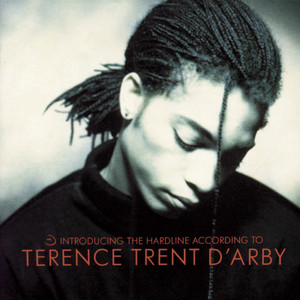
This may be the biggest surprise of the project so far. Going in, I knew Terence Trent D'Arby mostly from “Wishing Well” and “Sign Your Name.” I always liked “Wishing Well” more, but in 1987 I was much more interested in Bon Jovi, Def Leppard, and Whitesnake. I never gave the rest of this album a chance. I had no idea what I was missing. From the opening track, “If You All Get to Heaven,” I was hooked. Sananda Maitreya's voice sounds almost effortless, and the album moves through soul, R&B, funk, pop, and rock without ever feeling all over the place. “Dance Little Sister” is incredibly funky, “Let's Go Forward” is beautiful, and the rhythms on “Rain” reminded me of Paul Simon's Graceland. Then came “As Yet Untitled,” an a cappella track that is absolutely haunting. By that point, I realized I couldn't even pick a favorite discovery. There were basically two categories: the two songs I already knew and everything else. Most importantly, there isn't a weak or skippable track here. Every song brings something different, yet his voice ties the whole album together. The album never lost momentum because I genuinely wanted to hear what he was going to do next. This project is at its best when it introduces me to something completely unexpected. In this case, it reintroduced me to an artist I thought I knew and made me realize I barely knew him at all. Now I'm looking forward to exploring Sananda Maitreya's extensive catalog and hearing where his music went from here. An easy five stars and an easy buy. This one is going into the collection.
I can appreciate why this album is considered ahead of its time. Some of the electronic sounds are remarkable for 1968, and if I didn't know the year, I could easily imagine a modern band making something like this while deliberately going for a late-'60s psychedelic vibe. But experimental doesn't automatically mean good. The Beatles were incredibly experimental too, but usually remembered that there was supposed to be a song underneath all the experimentation. That's where this album was split for me. The first half was about a 2-star experience. I respected what they were doing more than I actually enjoyed it. Then something happened in the second half: they started leaning more into psychedelic rock and pop with recognizable song structures, and suddenly I was enjoying myself. “The Garden of Earthly Delights,” “Coming Down,” “Where Is Yesterday,” and “The American Way of Love” all worked much better for me. If the entire album had been like that second half, this would have been an easy 3 stars. Instead, it's a fascinating album that I appreciate historically more than I enjoy musically. Still, it finished much stronger than it started.
I went into Debut knowing almost nothing about Björk beyond the infamous swan dress, and the beginning of this album completely surprised me. “Human Behaviour” grabbed me immediately, and that voice! She can go from delicate to absolutely belting out a note in an instant. I also loved how the early songs jumped between styles while Björk’s voice somehow fit every one of them. The house/dance rhythms especially worked for me, with “Crying” and “Big Time Sensuality” bringing back memories of that early-’90s C+C Music Factory/CeCe Peniston sound. Unfortunately, the second half couldn't maintain that momentum. “One Day,” “Aeroplane,” and “Come to Me” started losing me. By “Aeroplane,” my listening notes basically became: MAYDAY! MAYDAY! SWAN AIR IS LOSING ALTITUDE! 🦢✈️ “Violently Happy” brought the rhythm back and briefly rescued things, but then “The Anchor Song” sounded like elementary school students learning to play their instruments. So this was a strange one: a glorious beginning, a rough second half, and a 3-star album overall. But I came away with something more important than the rating. I discovered that I really like Björk’s voice and definitely want to hear more of her music.
This was a really solid album from beginning to end. The lyrics are relentlessly dark and sometimes difficult, especially knowing the struggles Richey Edwards was going through at the time, but musically I enjoyed every song. There wasn't a dud on the album. What surprised me most was how much I could hear sounds that would become prominent later. At different points I heard punk, emo, alternative rock, and even hints of the pop-punk sound I loved in the early 2000s. The changing tempos and styles kept the album from ever lulling me, and James Dean Bradfield's voice was a big plus throughout. "Archives of Pain" was probably my favorite discovery, with "P.C.P." right there with it. "P.C.P." was a great way to end the album, with a slightly rawer sound that even gave me flashes of very early Queen. I also really enjoyed "This Is Yesterday," which reminded me of a smoother version of the Smashing Pumpkins' "1979." I wasn't completely blown away by any one song, but I liked everything I heard. With no duds, plenty of musical variety, and a sound that often seemed ahead of its time, The Holy Bible was a very worthwhile discovery.
I went into this already very familiar with “American Idiot,” “Boulevard of Broken Dreams,” and “Wake Me Up When September Ends,” and all three still sound great more than 20 years later. I’m pretty sure I’ve heard the full album before, but it never really stuck with me. It definitely did this time. There isn’t a weak song here. I love the music, the storytelling, and the message, which still feels remarkably relevant today. The album plays almost like a Broadway show, with “Jesus of Suburbia” introducing the main character and the story continuing through the rest of the record. Even the nine-minute songs never feel long because they move through different sections and musical ideas. The deeper I got into the album, the harder it became to pick a favorite discovery because I loved them all. “Are We the Waiting,” “St. Jimmy,” “Extraordinary Girl,” “Letterbomb,” “Homecoming”...every song brings something to the story while keeping the album moving. Twenty-two years later, this one absolutely holds up. No duds, no filler, and definitely one I want in my vinyl collection.
Tigermilk was an album I appreciated more than I loved. The songs are pleasant, melodic, and easy to listen to, but after the first few tracks, the similar vocal delivery started making everything blend together for me. There were enough changes to keep things interesting. “You’re Just a Baby” stood out, “Electronic Renaissance” offered a welcome change of sound, and “I Don’t Love Anyone” picked up the pace toward the end. Still, I kept coming back to the same thought: I’d probably enjoy these songs more sprinkled throughout a mixed playlist than listening to the entire album at once. Good coffee shop music. I’d happily listen if it were playing, but I’m probably not choosing it myself.
Prince has been part of my musical DNA for most of my life. In fact, “Little Red Corvette” was the very first music video I ever saw on MTV. Years later, when I launched my first podcast, Return to the ’80s, our second episode was supposed to cover Fast Times at Ridgemont High. Prince died the week we were recording, so we changed plans and dedicated the episode to him instead. I never owned 1999, although I’m pretty sure I’ve listened to the entire album before. The opening stretch was extremely familiar. “1999,” “Little Red Corvette,” and “Delirious” are part of my DNA, and I already knew “Let’s Pretend We’re Married” too. “D.M.S.R.” is a great funky track. Despite its length, it never bothered me because the groove needs room to breathe. “Automatic,” on the other hand, felt longer than it needed to be. The middle of the album didn’t knock my socks off, but it picked back up toward the end. “Free” was really good, and “Lady Cab Driver” reminded me of the funkier sound of Prince’s earlier albums. The remaining tracks were good, but nothing that pushed the album into another gear for me. There’s a lot to like here, and the highs are extremely high. But as a complete album, I don’t love it nearly as much as the Prince album that followed it, Purple Rain. That one is an easy five stars for me, and I already own it on vinyl. Favorite Familiar: Little Red Corvette Favorite Discovery: Free Vinyl Verdict: NO BUY
This one surprised me a little. I obviously knew “We Are Family” and “He’s the Greatest Dancer,” but I had never heard “Lost in Music,” and that ended up being my favorite discovery on the album. The whole record is unmistakably late ’70s, and since I was a kid when this came out, there’s a real nostalgia factor to that sound. But there’s more here than just disco. “Somebody Loves Me” is a really good ballad, “Thinking of You” is another strong track, and the opening harmonies on “You’re a Friend to Me” really show off how talented Sister Sledge were as a vocal group. That was probably my biggest takeaway. Strip away the very 1979 production, and these women had the talent and vocals to fit right into the new jack swing or contemporary R&B/soul world that came along a decade later. Even “We Are Family,” a song I’ve heard approximately 47 billion times at weddings, works really well in the context of the album. It feels like it belongs rather than simply being the massive hit dropped into the middle. A consistently good album, a fun trip back to the late ’70s, and “Lost in Music” was a great discovery. I enjoyed it quite a bit, but I don’t feel the need to own it on vinyl.
This was an interesting one because no individual song really blew me away, but for much of the album I was impressed by Bossanova as a whole. The first half especially kept changing things up, moving between surf rock, hard rock, alternative, grungier sounds, and the space-rock atmosphere that runs through the album. The songs were mostly short and rarely overstayed their welcome, and even the longer “All Over the World” mixed things up enough to justify its length. Side two didn't grab me quite as much, and by the end several songs started feeling more of the same. There isn't really one track I'm dying to go back and hear again, but I appreciate how much musical ground Pixies covered while still making it feel like one cohesive album.
Elvis Costello – My Aim Is True I’ve always enjoyed Elvis Costello. His distinctive voice and music immediately bring back that late ’70s/early ’80s feeling, but what struck me listening to My Aim Is True was how much further back the album reaches. There are touches of early rock and roll, rockabilly, R&B, and early-to-mid ’60s pop throughout the record. “Mystery Dance” even had me hearing a little of Costello’s famous namesake, while “Watching the Detectives” closes things out with a cool reggae influence. The album starts especially strong. “Welcome to the Working Week” is a great opener, and I really enjoyed “Miracle Man” and “No Dancing.” I already knew “Alison,” which remains one of the standouts, and “(The Angels Wanna Wear My) Red Shoes” brought the energy back after a couple of songs I found just okay. The album dipped a little for me toward the end, which knocked it down from the four stars I was considering earlier. Still, there’s nothing here I disliked, and Costello’s voice, musicianship, short songs, and mix of influences make this something I’d happily listen to again.
Rejoicing in the Hands just wasn’t for me. There were some interesting musical ideas throughout the album. But Devendra Banhart’s voice was the biggest obstacle. His vocal style didn’t really change much from song to song, and after a while it started wearing on me. Individually, several of these songs would work perfectly well as coffee-shop music, but over an entire album, I just wasn’t feeling it. A few moments crossed from quirky into annoying for me, although the short song lengths definitely helped. Ironically, the final song finally gave me what I’d been waiting for: piano and a noticeably different vocal approach. I wish there had been more of that variety throughout the album. I can appreciate what Banhart is doing here, but this one simply isn’t for me. I think “his voice was the biggest obstacle” gets much closer to what actually happened during your listen.
Al Green knows his lane, and on Let’s Stay Together, he drives it extremely well. This album is consistently good from beginning to end. Green’s voice is incredible throughout, and I especially loved the horn section, which at times reminded me of early Chicago. Musically, there’s more variety here than I expected, with touches of funk and blues mixed into the soul. The closing track, “It Ain’t No Fun to Me,” was one of my favorite discoveries and even gave me some Stevie Wonder “Living for the City” vibes. The only thing keeping this from five stars is the subject matter. Almost everything revolves around relationships, whether it’s love, desire, leaving, or heartbreak. To Green’s credit, he explores different sides of that theme, so it never becomes completely repetitive. And really, this was his lane. With other soul artists of the era tackling social issues, maybe Green understood that sometimes people just wanted to put on a record and be romantic without suddenly having to discuss the problems of the world. “Let’s Stay Together” and “How Can You Mend a Broken Heart” were already familiar favorites, and the rest of the album held up remarkably well around them. I didn’t find a bad song here.
My first returning artist of the project, and this time R.E.M. really clicked with me. “Finest Worksong” came out of the gate rocking and ended up being my favorite discovery on the album. I already knew “It’s the End of the World as We Know It (And I Feel Fine),” one of my favorite R.E.M. songs, and “The One I Love,” so those gave the album a pretty strong foundation. I also really enjoyed the driving drums and Mike Mills’ higher backing vocals, which reminded me a little of the way Michael Anthony’s voice added another dimension to Van Halen. The songs are generally short and keep moving, and I liked the political and social themes running through the album. At times it almost felt like a concept album, and some of what they were singing about in 1987 still feels surprisingly relevant today. Musically, a few songs started to blend together, and the final stretch was more good than great, which kept it from reaching five-star territory. But there really wasn’t anything here I disliked. A strong album and definitely a better R.E.M. experience for me this time around.
This was definitely not a blind reaction. Johnny Cash is one of my all-time favorite artists, I’ve played this album countless times, and I knew going in that it was an easy five stars. What makes this album so special is more than the music. Cash is an incredible storyteller, but his connection with the prisoners is what takes this to another level. He jokes with them, takes requests, tells stories about his own arrests, and makes them feel seen. At the same time, he has complete command of the room. When the prisoners boo the guards, Cash simply says, “Aw, you don’t really mean that,” and gets them to cheer instead. Then there’s “San Quentin.” Performing that song for the prisoners at San Quentin creates an incredible reaction, and they love it so much that he plays it again. Moments like that make this feel less like a live album and more like being there for an event. And somehow, an album I already knew inside and out still managed to surprise me. The 10-track version I listened to for this project was much shorter than the CD I owned, so I went looking for the version I remembered. Instead, I discovered the Legacy Edition, which goes even further than my old CD and includes more of the entire concert, with performances by Carl Perkins, the Statler Brothers, June Carter and the Carter Family. The original album is five stars. The Legacy Edition might be ten. This is my favorite album of the project so far out of the 43 I've gotten.
I went into this one not recognizing a single song title, and came away loving the entire album. What impressed me most was how The Byrds experimented without completely losing the sound that made them The Byrds. “Artificial Energy” grabbed me immediately with the horns, while “Goin’ Back” brought those classic Byrds harmonies. From there, they kept adding different sounds, psychedelic passages, country influences, horns, and harder rock, but the experimentation always seemed to serve the songs. “Old John Robertson” might be the perfect example. It sounded country, then dipped some acid, then went right back to country. It reminded me of what happens when an established band realizes the musical landscape around them is changing. They evolve to stay relevant while trying not to lose their identity. The Byrds pulled that off beautifully here. There wasn’t a song I disliked, and even the strangest moments worked for me. They evolved without completely losing themselves. Although, considering the band turmoil at the time, they did literally lose a couple of Byrds along the way. 😂 Definitely one I’d buy on vinyl, and my favorite discovery of the week.
I went into this album knowing Randy Newman’s voice, but not recognizing anything from the track listing. By the end, I was surprised by just how much variety he packed into such a short album. Newman has one of the most distinctive voices in music, but this album proves that having a distinctive voice doesn’t mean every song has to sound the same. There’s vaudeville, blues, rock, beautiful piano ballads, humor, sadness, and some biting satire. The title track immediately grabbed me. “Sail Away” sounds beautiful until you realize the narrator is selling Africans on how wonderful America will be while we know the horrific reality awaiting them. “Political Science” uses the same kind of cheerful sarcasm while talking about dropping the big one on the rest of the world. On the other end of the emotional spectrum, “Old Man” is genuinely sad, while “He Gives Us All His Love” has a bittersweet spiritual quality. I also loved hearing Newman rock a little on “Last Night I Had a Dream,” and “You Can Leave Your Hat On” brings in a great bluesy sound. “Lonely at the Top” and “Simon Smith and the Amazing Dancing Bear” have a fun vaudeville feel that fits his voice perfectly. “Burn On” was probably the only song that didn't do much for me, but there really wasn’t anything here I disliked. A great discovery. Randy Newman manages to sound unmistakably like Randy Newman throughout while making almost every song feel different. Vinyl Verdict: BUY
Elvis Costello showed up again surprisingly quickly after My Aim Is True, but This Year’s Model immediately showed me why both albums made the list. The biggest difference for me was the Attractions. From “No Action” onward, the music felt fuller and more energetic than Costello’s debut. The band also kept things interesting throughout the album. The backing vocals on “The Beat,” the change of pace with “Little Triggers,” the quirky sound of “(I Don’t Want to Go to) Chelsea,” and the bass and drums getting their moments on “Lipstick Vogue” all helped give the songs their own identities. “Pump It Up” was especially fun because I immediately heard similarities to the Escape Club’s “Wild, Wild West,” particularly in the rhythm and vocal cadence. I had no idea that comparison had been made before, so discovering that connection during a blind listen was a fun surprise. What impressed me most was the album’s consistency without becoming repetitive. Songs like “Living in Paradise” could get quirky while still sounding unmistakably like Elvis Costello. Even late in the album, “Night Rally,” “Big Tears,” and “Radio, Radio” kept things moving, with “Radio, Radio” providing a great finish. I gave My Aim Is True 3½ stars, and this is clearly the stronger album for me. But This Year’s Model didn’t get four stars simply because I liked it better than the debut. It earned them on its own.
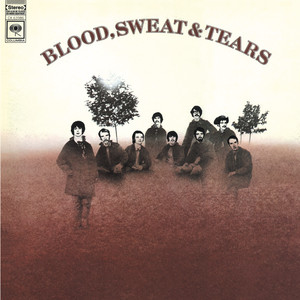
I went into this album already knowing and loving “Spinning Wheel” and “You’ve Made Me So Very Happy,” and knowing Blood, Sweat & Tears had some of the same rock-with-horns DNA as Chicago. What I wasn’t expecting was just how much jazz and blues I would find throughout the album. At first, “Variations on a Theme by Erik Satie” seemed like an odd way to open a Blood, Sweat & Tears album. But as the record unfolded, it made perfect sense. “Smiling Phases” and “More and More” immediately became favorite discoveries, “Sometimes in Winter” changed things up with a different vocalist, “And When I Die” brought in gospel elements, and “God Bless the Child” leaned beautifully into the blues. Even the nearly twelve-minute “Blues, Part II” earned its running time. Instead of feeling dragged out, it became a showcase for the musicians, with the drums, sax, vocals, and other instruments getting room to shine. Then the short reprise of “Variations on a Theme by Erik Satie” closes the album and completes the bookend. That was when the whole thing really clicked for me. This isn't just a collection of good songs. It's an incredibly well-crafted album. I was originally thinking four stars, but after sitting with it, I had to bump it up. Every song ranges from really good to great, the two hits I already loved still sound fantastic, and the jazz and blues elements are right in my wheelhouse. Favorite Familiar: “Spinning Wheel” / “You’ve Made Me So Very Happy” Favorite Discovery: “Smiling Phases” / “More and More”
I went into this album only knowing “Blister in the Sun,” and I know that song very well. What surprised me most was how much this album sounds like something that could have come out in the ’90s rather than 1983. There’s a raw, stripped-down alternative sound here that feels ahead of its time. “Kiss Off” was my favorite discovery, while “Add It Up” took a little while to win me over. The beginning had me wondering if this album was going to be for me, but once the band kicked in, the song came alive. I also liked the bluesy feel of “Confessions” and the almost surf-rock energy of “Gone Daddy Gone.” One thing I have to give Violent Femmes credit for is the variety. For a band with such a stripped-down sound, the songs don’t all sound the same. Unfortunately, most of them were also pretty forgettable for me. There was very little that I disliked, but outside of “Blister in the Sun” and a couple of other tracks, there wasn’t much I’m eager to revisit either. An interesting album with a distinctive sound, and I can definitely hear its influence on the alternative music that followed.
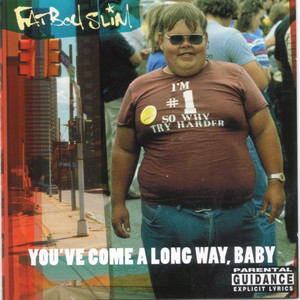
This one was definitely not for me. I understand how Better Living Through Chemistry works as club music, especially in the ’90s, but as an album to sit down and listen to, I found it incredibly repetitive. Most of the tracks seemed to find a beat or loop and stick with it for several minutes before moving on to another repetitive section. “Going Out of My Head” was probably the best of the bunch for me, but even that suffered from the same problem. Eventually, I discovered a new listening technique: skip ahead one minute. Same beat? Skip another minute. Different sound? Give it a few seconds...then skip again. 😂 A lot of this reminded me of royalty-free background or intro music for a podcast. I can absolutely picture it working in a ’90s club, where the point is to keep people dancing rather than have them focus on individual songs. But that's not something I need to hear as an album. If I bought this on vinyl, I’d probably keep hitting the record player because I’d think the needle was stuck.
This was an interesting one. Early on, I just wasn’t connecting with it. The album is incredibly polished and theatrical, and “Starlight” even reminded me of Coldplay musically with U2-style vocals. But for all the impressive production, I wasn’t feeling much emotionally. Even “Soldier’s Poem,” with a message that still feels relevant 20 years later, didn’t really connect with me. Then the second half happened. “Assassin” was where things finally clicked. It felt more raw and rocked harder, which is much more my style. “Exo-Politics” kept that momentum going, “City of Delusion” was another strong track, and “Knights of Cydonia” was really good. Suddenly an album I had been struggling to connect with had put together a great run of songs. There’s a lot of variety here, and even though I preferred the heavier, more rocking side of Muse, I can’t say there were any bad songs. The musicianship and production are excellent throughout. I just connected much more with some parts of the album than others. I considered giving this another full listen before rating it, but for now I think 3½ stars captures it. Better than average, plenty to appreciate, and a strong second half, but not something I feel the need to own. ★★★½ Vinyl Verdict: NO BUY
I enjoyed this album. Going in, I knew some of The Young Rascals’ bigger songs, but I was surprised by how much variety there is on Groovin’. It has that unmistakable late-’60s sound, but the album doesn’t stay in one lane. There’s soul, rock, horns, harmonies, psychedelic guitar, and even some Latin influence on “Sueño.” “A Girl Like You” was a pleasant way to start, and I really liked the classic late-’60s guitar sound on “Find Somebody.” “I’m So Happy” stood out for its horn section and harmonies, while “How Can I Be Sure” was one of those songs I immediately recognized from hearing oldies growing up. Of course, I already knew “Groovin’,” but my favorite was easily “You Better Run.” I like both the original Young Rascals version and Pat Benatar’s later version, and this one has a gritty rock and R&B edge that really works for me. “A Place in the Sun” and “It’s Love” were also good tracks toward the end. Overall, this was an enjoyable listen with more range than I expected. There weren’t quite enough standout moments to push it into four-star territory or make me want the vinyl, but I’m glad I finally heard the whole album.
I already owned White Ladder on CD, but it had been a long time since I listened to it from beginning to end. Revisiting it reminded me why. It’s a good album, but it’s definitely a vibe. David Gray settles into a mellow, introspective singer-songwriter sound and rarely strays very far from it. “Please Forgive Me” is good, but it also establishes the template for much of what follows. A lot of these songs have a similar sound and can start blending together. That isn’t necessarily a bad thing. This would be a great album for chilling on a Sunday morning or putting on as background music. You just have to be in the mood for it. There are a few songs that rise above the overall atmosphere. “Babylon” is easily the standout for me. It has a memorable melody and hook that still sticks with me after all these years. “This Year’s Love” and “Sail Away” also distinguish themselves from the rest, while “My Oh My” is good and has such a solemn, cinematic quality that it sounds like it should be playing over an emotional montage at the end of a TV episode. Overall, White Ladder is consistently good, but there isn’t enough variety for me to rate it higher. I enjoy the sound, and the highlights are strong, but after a while many of the songs occupy the same musical and emotional space. 3 stars. Since I already own the CD, I don’t feel any need to add this one to the vinyl collection.
This album had the unfortunate luck of coming up immediately after David Gray’s White Ladder, so going from one mellow singer-songwriter album straight into another definitely didn’t do it any favors. Pink Moon is even more stripped down, mostly just Nick Drake, his voice, and an acoustic guitar. At only around 28 minutes, it goes by quickly, but I also felt like the songs blended together. Nothing was bad, and I can appreciate the intimate, minimalist approach, but there wasn’t much that really stood out to me either. The timing probably affected my experience a little, but I don’t think it affected my final rating. Even if I had heard this on a different day, I think I’d still land in the same place. It’s a good album and I understand why people connect with its quiet, introspective sound, but it isn’t something I see myself returning to very often.
This album was fine. And honestly, that’s about the strongest reaction I had to it. Most of the songs landed right around three-star territory for me. “Grandbag’s Funeral” had a nice groove, I enjoyed some of the guitar work throughout the album, and “Dennis and Lois” was one of the better tracks. Nothing was particularly bad, but nothing really grabbed me either. “Step On” was clearly the standout. It has a catchy groove and more personality than the rest of the album, although it also sounded to me like a cheaper version of INXS. Happy Mondays feels like somebody heard “Need You Tonight” through the wall at a party and said, “Right. We can do something with that.” Overall, this feels like a band I wouldn’t mind seeing as an opening act. I’d enjoy their set well enough, but I’d still be waiting for the headliner. Perfectly listenable. Perfectly average. I don’t need more Happy Mondays in my life, although apparently the 1001 Albums generator may have other plans.
I went into this one with an “Ugh, Neil Young,” but On the Beach turned out to be much better than I expected. Musically, this album is fantastic. There’s plenty of variety from song to song, and I especially loved the bluesier material. “Revolution Blues” and “Vampire Blues” sound incredible musically. The problem, for me, is Neil Young’s voice. We discovered this on After the Gold Rush, and this album confirmed it: I don’t necessarily dislike Neil Young’s voice all the time. It depends on how he uses it. When he gets into that higher, thinner register, his voice becomes grating enough that it distracts me from music I otherwise really enjoy. “Revolution Blues” was the perfect example. Musically, I loved it, but I kept imagining what someone like B.B. King or Stevie Ray Vaughan could have done with those vocals. “Vampire Blues” had the same problem. Great blues music, but I couldn’t take Young’s vocal delivery seriously with it. On the other hand, “See the Sky About to Rain,” “Motion Pictures,” and “Ambulance Blues” worked much better for me. When Young stays in his lower register, his voice fits the music and I can appreciate what makes him such a distinctive artist. Even “Walk On” was a strange case. I loved the upbeat sound, but I kept thinking the song would sound better with someone like Kenny Chesney singing it. So this might be one of the strangest ratings I’ve given during this project. Musically, On the Beach is close to a five-star album for me. Vocally, there were moments when it was closer to one star. If Young stayed in the vocal range he uses on songs like “Motion Pictures” and “Ambulance Blues,” I could easily see myself giving this four or even five stars. Instead, those two extremes somehow meet in the middle. ★★★½
This album was a real mixed bag for me. When Suede rocked, I was completely on board. Songs like “We Are the Pigs,” “Heroine,” “New Generation,” and “This Hollywood Life” had a guitar-driven post-punk/new wave sound that reminded me of an ’80s British band, but with darker, more ’90s-style lyrics. The slower, moodier songs were where the album lost me. “Daddy’s Speeding” and “The Power” dragged, although “The 2 of Us” worked better and “The Asphalt World” kept my attention by mixing things up despite its length. Then came “Still Life.” Easily my favorite song on the album and a fantastic closer. It was slow and moody too, but this time the theatrical build and payoff worked. If more of the slower songs had that kind of drama, while the rockers remained as strong as they were, this could have been a much higher rating. There’s plenty here that I liked, but too many stretches where I checked out.
This whole album is amazing. I already love jazz, so this was right in my wheelhouse, but Jazz Samba still impressed me from beginning to end. It’s such an easy listen without ever becoming boring or blending together. Each song has enough of its own identity that it doesn’t feel like one long piece of background music. The guitar work from Charlie Byrd is fantastic, and Stan Getz’s saxophone is just as good. The two complement each other perfectly throughout the album. This is the kind of music I could listen to in a nightclub all evening, but it would work just as well playing at a dinner party. It creates an atmosphere while still being interesting enough to sit down and really listen to. There honestly isn’t much more I need to say about the individual songs. I loved the album as a whole.
I went into Nothing’s Shocking knowing “Jane Says,” but I wasn’t very familiar with the rest of the album. What surprised me was how much of this sounded like the late-’80s hard rock and heavy metal I grew up with, especially on songs like “Ocean Size” and “Had a Dad.” There’s an alternative edge to it, but underneath that, this band can flat-out rock. The musicianship was the strongest part of the album for me. “Ted, Just Admit It…” rocked, although it started losing me during its long runtime before the drums kicked things back into gear around the five-minute mark. “Summertime Rolls” changed the mood and added some variety, which the album needed. My biggest issue was Perry Farrell’s voice. He spends a lot of the album singing in a high, nasal range that doesn’t really work for me as a lead vocal for an entire album. Interestingly, “Mountain Song” changed that. His voice sounded deeper, grittier and more forceful, and suddenly everything clicked. That became my favorite discovery on the album. “Idiots Rule” brought back the higher vocals, although musically I enjoyed its loose, swaggering rock sound. “Pigs in Zen” was a strong track to close, and the familiar “Jane Says” naturally remains one of the highlights. This is one of those albums where I enjoyed the band more than I enjoyed the vocalist. There’s a lot here that I liked, and several songs I’d happily return to, but not enough for me to want the whole album on vinyl. Rating: ★★★½ Favorite Familiar: “Jane Says” Favorite Discovery: “Mountain Song” Other Standouts: “Ocean Size,” “Had a Dad,” “Pigs in Zen” Vinyl Verdict: NO BUY
I knew my rating before I even started this one: five stars and a BUY. I owned Eliminator when it originally came out, and more than 40 years later, I still love it. Nostalgia certainly plays a part, especially since the videos for “Gimme All Your Lovin’,” “Sharp Dressed Man,” and “Legs” were such a huge part of the MTV era. But take away the Eliminator car, the spinning guitars, and those iconic videos, and these songs are still huge. “Gimme All Your Lovin’” remains my favorite of the big hits. It rocks the hardest, and unlike “Sharp Dressed Man” and “Legs,” I don’t feel like it was quite as overplayed through the years. But this album is much more than those three songs. There is absolutely no filler here. “I Need You Tonight” is still fantastic, Dusty Hill taking the lead vocal on “I Got the Six” changes things up nicely, and “If I Could Only Flag Her Down” has one of those hooks that gets stuck in your head. “TV Dinners” is still a lot of fun, and I’ll always associate it with that wonderfully bizarre video. My favorite deep cut, though, is “Thug.” That one has always stood out to me. Even the closing track, “Bad Girl,” brings something different. It has a raw blues-rock sound that I could easily imagine fitting on Aerosmith’s debut album. One thing that struck me again while listening is just how massive ZZ Top sounds for a three-piece band. Eliminator combines their blues-rock foundation with the technology and production of the early ’80s without losing what makes ZZ Top sound like ZZ Top. I went into this album expecting nostalgia. Instead, I was reminded why I loved it in the first place. The videos helped make Eliminator iconic, but the music made it last. ★★★★★ Vinyl Verdict: BUY
This is exactly the kind of discovery that makes this project worthwhile. I had never listened to Songhoy Blues before, and Music in Exile grabbed me almost immediately. The best way I can describe it is blues with international flair. The album combines the African music and rhythms I already love with some killer blues-rock guitar. “Soubour” hooked me right away, “Irganda” leaned more heavily into the African sound, and “Al Hassidi Terei” brought both sides together beautifully with some fantastic guitar riffs. “Nick” was another standout. The chanting and percussion gave it an almost communal feel, and I absolutely loved it. “Ai Tchere Bele” had a similar quality, with vocal rhythms that even reminded me of some Celtic music I've heard. Different cultures and musical traditions, yet my ears kept finding fascinating little connections between them. The second half gets softer and more vocal-focused. Since I don't understand the language, there were moments when I felt I would probably appreciate the songs even more if I understood the lyrics. But the performances, rhythms, and overall sound were strong enough that the language barrier didn't keep me from enjoying them. Most importantly, the album never fell apart in the second half. “Petit Métier” and “Jolie” didn't hit me quite as hard as the early standouts, but they were still good songs, and the acoustic ending was a beautiful way to close the album. I went into this knowing absolutely nothing about Songhoy Blues and came out wanting this record in my collection.
I had never heard of Dr. John before this project, or at least I thought I hadn’t. Once I looked him up, I realized I already knew “Right Place, Wrong Time” and “Down in New Orleans.” So apparently Dr. John and I had met before. I just never caught his name. Gris-Gris, his 1968 debut, got off to a great start. “Gris-Gris Gumbo Ya Ya” immediately pulled me into its strange, swampy New Orleans atmosphere. I ran a Mardi Gras 5K in New Orleans a few years ago and fell in love with the music of the city, so there were elements of this album that were right up my alley. “Danse Kalinda Ba Doom” was strange, but the percussion and chanting gave it a hypnotic quality that kept me interested. “Mama Roux” was catchy enough, but by “Danse Fambeaux” the album was starting to level off for me. “Croker Courtbullion” was where it really began to lose me. Thankfully, “Jump Sturdy” brought me back. That was one of the tracks where the New Orleans sound I love really came through. The long closer, “I Walk on Guilded Splinters,” didn’t quite finish the album on a high note for me. It wasn’t bad, but it felt like it wandered around without really going anywhere. There’s a lot about Gris-Gris that I appreciate. The percussion, atmosphere, and New Orleans influences give it a personality all its own. But the album started much stronger than it finished, and there weren’t enough songs I’d want to return to for me to add it to the collection.
Marty Robbins has a fantastic voice, and Gunfighter Ballads and Trail Songs immediately pulled me in with its storytelling. “Big Iron” was a great opener, with Robbins essentially telling a complete Western story through song. “A Hundred and Sixty Acres” had an almost Irish folk-ballad quality to it, while the dark “They’re Hanging Me Tonight” reminded me musically of an Elvis ballad. I also enjoyed “Cool Water” and the continued storytelling of “Billy the Kid.” The stories change from song to song, and the melodies aren't exactly the same, but eventually the album started to feel very much the same. Robbins' smooth country crooning and the Western arrangements create such a consistent atmosphere that, by the end, the individual songs began blending together for me. I actually think I would enjoy these songs more if I heard them individually, mixed in with other artists. As an entire album, though, there wasn't enough variety to keep me fully engaged. Still, this was a really good album. Robbins is an excellent storyteller with a great voice, and I can absolutely understand the appeal. I enjoyed my time with it, but there wasn't anything here that I expect will stick with me long after the album ends.
Imagine spending two hours at Disney World's Country Bear Jamboree. That's essentially what listening to this album felt like. And I actually mean that as a compliment... mostly! 😂 I already liked the Nitty Gritty Dirt Band, and I'm familiar with bluegrass and legends like Earl Scruggs and Roy Acuff. The musicianship throughout this album is outstanding, and I loved hearing these different generations of country musicians come together. There were plenty of familiar songs, including "Keep on the Sunny Side," "I Saw the Light," "Orange Blossom Special," "Wabash Cannonball," and "Honky Tonk Blues." I especially enjoyed realizing that I knew the latter from Huey Lewis and the News! The title track was my favorite performance. Having Mother Maybelle Carter start "Will the Circle Be Unbroken" before other singers took turns leading was a beautiful representation of what this album was all about: passing music from one generation to the next. The instrumentals also had some great moments. "Lonesome Fiddle Blues" immediately reminded me of Charlie Daniels' "The Devil Went Down to Georgia," while "Foggy Mountain Breakdown" was my favorite instrumental. The version of Joni Mitchell's "Both Sides Now" was gorgeous, although I prefer that song with its equally beautiful lyrics. My biggest issue was the length. I'm all for great banjo and fiddle playing, but after a while, the songs started blending together. The extended stretches of instrumentals became repetitive, and the talking tracks toward the end didn't help. I appreciate the historical significance of this album, and there's no denying the talent involved. But there's a difference between enjoying individual songs and wanting to sit through the entire collection. I'd happily listen to these tracks mixed into a playlist, but the complete album is more than I need. 3/5 stars. Vinyl Verdict: NO BUY.
I went into this album only knowing "Somebody to Love" and "White Rabbit," two songs I've always loved. I even got to hear them performed live when I saw Starship at Mohegan Sun just before the pandemic. Mickey Thomas still sounded incredible, and the female vocalist did Grace Slick justice. What surprised me most about this album was how much it reminded me of the Mamas & the Papas and The Byrds. The layered vocal harmonies, folk-rock melodies, and psychedelic touches made for a really enjoyable combination. "She Has Funny Cars" kicked things off beautifully with a cool beat and terrific vocal layering. "My Best Friend," "D.C.B.A.-25," and "How Do You Feel" continued that wonderful '60s folk-rock vibe. "3/5 of a Mile in 10 Seconds" brought some welcome energy, while the short acoustic instrumental "Embryonic Journey" reminded me of Lindsey Buckingham's guitar playing. Of course, "White Rabbit" is still incredible. The way it builds to that huge crescendo is brilliant. And "Plastic Fantastic Lover" was a great way to close the album. The only songs that didn't do much for me were "Today" and "Comin' Back to Me." Both were a little too slow and didn't hold my attention. I also listened to the bonus tracks on Spotify. "Go to Her" really rocks, and I enjoyed the blues-rock sound of "Come Back Baby." Those were nice additional discoveries, although I'm basing my rating on the original 11 tracks. Overall, this was a terrific surprise. I came in knowing two classics and walked away appreciating a whole lot more of Jefferson Airplane's music. There's great musicianship, excellent harmonies, and enough variety to keep things interesting. 4/5 stars. Vinyl verdict: BUY!
I've always loved Talking Heads, but I'm much more familiar with their later material. Although I've listened to their earlier albums before, I didn't remember much from this one. So it was fun to rediscover it! The album comes charging out of the gate with "Thank You for Sending Me an Angel," a fantastic, high-energy opener. The next few songs were enjoyable, especially the funky "With Our Love," but nothing really blew me away until "Found a Job." From there, the album really took off! "Artists Only" has that wonderfully quirky Talking Heads sound, "I'm Not in Love" is awesome, and "Stay Hungry" features some terrific funky guitar that captures the late-'70s sound. Of course, there's also their fantastic cover of Al Green's "Take Me to the River." They completely make that song their own. The closing track, "The Big Country," was just okay for me, but by then the album had more than earned its four stars. What I really appreciated was the variety. The songs have their own personalities, blending rock, funk, punk, and that unmistakable Talking Heads quirkiness. Not every track was a home run, but there were plenty of really good ones. And as a Rhode Islander, I have to give a shout-out to the band's roots at the Rhode Island School of Design in Providence! Four stars and a definite vinyl buy!
I’ve always loved “Seven Nation Army,” but my biggest issue with The White Stripes is that their songs tend to sound too similar to me. Jack White completely fixes that problem on Blunderbuss! Right from the opening track, “Missing Pieces,” I was hooked by the guitar and organ. “Sixteen Saltines” and “Freedom at 21” brought some fantastic rock energy, while “Love Interruption” slowed things down with acoustic guitar and beautiful backing vocals. Throughout the album, White mixes blues, garage rock, piano-driven rock, and even some psychedelic influences. Another surprise was how much I enjoyed his vocals. I usually struggle with higher-register singers, but White has enough grit and emotion in his voice that it never feels forced. He's not trying to show off his range. He's simply putting feeling into the music. What impressed me most was the variety. Every song brought something different, yet the album still felt cohesive. Even the closing track, “Take Me with You When You Go,” surprised me by starting with a dreamy psychedelic sound before exploding into some serious Led Zeppelin territory. Here's the interesting thing: I can't pick a favorite song. There wasn't one track that completely blew me away. Instead, it was the entire album that won me over. Thirteen songs, no weak links, and not a moment when I felt bored or ready to move on. This is exactly why I'm doing the 1001 Albums Project. I probably wouldn't have listened to this entire album otherwise, and I would have missed something fantastic. Rating: 5/5 stars ⭐⭐⭐⭐⭐ Vinyl Verdict: BUY!
I had mixed feelings about this album. It started off promisingly with "In France They Kiss on Main Street," which combined Joni Mitchell's familiar folk vocals with jazzy instrumentation. It reminded me of something you'd hear on the soundtrack of a late-'70s comedy-drama. Unfortunately, the rest of the album didn't quite live up to that promising start. "The Jungle Line" didn't work for me because the instrumentation and vocals didn't seem to complement each other. Other songs, like "Edith and the Kingpin" and "Sweet Bird," were pleasant enough but ultimately boring. One highlight was the "Centerpiece" portion of "Harry's House," where the pace finally changed and Joni's vocals really suited the jazz arrangement. I also enjoyed the a cappella opening of "Shadows and Light," which had an almost futuristic, synthesizer-like sound that seemed ahead of its time for 1975. I love jazz, and I appreciate what Joni was trying to accomplish here. However, too many songs lacked the variety, energy, and memorable melodies that keep me engaged. Nothing was particularly awful, but very little stood out either. 3/5 stars. An interesting album that I respect more than I enjoy. I'm glad I experienced it, but I wouldn't add it to my vinyl collection.
I've never been a big Eric Clapton fan. In fact, I've always felt his solo work was overrated. So I went into this album with fairly low expectations and came away pleasantly surprised! Derek and the Dominos are a really good band. Having Duane Allman and other talented musicians involved certainly helps. I enjoyed the combination of blues and rock, especially the more energetic songs. "Bell Bottom Blues," "Keep On Growing," "Tell the Truth," and "Little Wing" were among the highlights. Some of the slower, more traditional blues songs felt a little clichéd, though. And while I used to love "Layla," I've come to find it overrated too, especially after hearing it played constantly in the '90s. My favorite part has always been the piano-driven second half. Honestly, I'd probably enjoy it more as a piano instrumental! The album also ends with a bit of a whimper after all that great music. Overall, this was much better than I expected. I may even revisit some of Clapton's music now that I've developed more of an appreciation for the blues. But while this is a very good album, I can think of better blues albums and better rock albums I'd rather own on vinyl. 4/5 stars. Vinyl Verdict: NO BUY.
⭐ 5/5 Stars | Vinyl Verdict: BUY Back in the '80s, I didn't listen to much new wave unless it was mainstream. These days, I've grown to love the genre, and this album reminded me why. From the opening track, "Silver," I was hooked! It gave me serious John Hughes movie vibes. "Crystal Days" was another standout, especially a drum section that reminded me of Oingo Boingo. What really won me over was the combination of atmospheric guitars, fantastic drumming, lush orchestral arrangements, and dark, gothic undertones. Songs like "Nocturnal Me" and "The Yo-Yo Man" had a mysterious nighttime feel that I absolutely loved. I was already familiar with "The Killing Moon" from my new wave playlist, although I never really knew the band that well. Interestingly, Ian McCulloch's vocals reminded me of Bono on that track. The musicianship throughout this album is outstanding. Every song brings something interesting to the table, and the orchestration adds another dimension without overpowering the rock elements. This is exactly why I love this project. I'm discovering albums I overlooked decades ago and finding music that I appreciate even more today. Five stars and an easy vinyl buy!
Fatboy Slim – You've Come a Long Way, Baby (1998) Rating: ★½ / 5 Vinyl Verdict: NO BUY I'm now 70 albums into my 1001 Albums Project, and somehow I haven't encountered a single album by The Beatles, The Rolling Stones, or The Doors. But Fatboy Slim? Apparently, he's essential listening TWICE! 😂 His first appearance, Better Living Through Chemistry, earned a miserable one star from me. So imagine my excitement when the generator decided I needed another helping of Fatboy Slim. But hey, maybe he's come a long way, baby. Unfortunately, not far enough. I will give Fatboy Slim credit for one thing: the man knows how to create a beat. There are some genuinely interesting sounds here, from funky grooves and hip-hop influences to surf-rock elements and creative production techniques. He plays around with tempos, samples, and rhythms in ways that demonstrate real talent. But here's my biggest problem with this album, and with Fatboy Slim in general: These feel more like backing tracks waiting for a vocalist than finished songs. He comes up with a catchy beat, throws in a few words, and then repeats those same words over and over and over again. Sometimes for five or six minutes! Take "Kalifornia," for example. After a while, all I could hear was "druggy, druggy, druggy, druggy..." I get it already! I can appreciate how this music would work in a club or rave. When you're dancing, the repetitive beats serve a purpose. But sitting down and listening to an entire album? That's a completely different experience. I actually developed a listening strategy during his first album, and I had to bring it back for this one. Once I understood the beat, I'd fast-forward a little, listen to see whether anything changed, and then fast-forward again. Occasionally, something interesting happened. More often, it was just more of the same. There were a couple of highlights. "Gangster Trippin" was easily one of my favorites. It has a really cool funk groove, and the repetition wasn't nearly as irritating. In fact, that song alone helped earn this album an extra half-star over his debut. I also immediately recognized "Praise You." But here's something interesting: just because I recognized it doesn't mean I ever particularly enjoyed it. I probably liked the beat for the first minute when I heard it back in the day, then mentally tuned out. It's still one of the better tracks here, though. "Soul Surfing" also caught my attention with its cool surf sound. Unfortunately, it quickly became repetitive, and the one section that broke things up actually made the song worse for me. That's what makes this album so frustrating. There are good musical ideas scattered throughout it. I just wish Fatboy Slim would develop them into actual songs, with more lyrics, more variety, and something to keep me engaged. I genuinely think I'd enjoy this album more if someone condensed all 11 tracks into one eight-minute song, giving me about 30 to 60 seconds of each. And then I reached the final track, "Acid 8000," and everything suddenly made sense. Apparently, I was supposed to take 8,000 drops of acid before listening to this album. Silly me. I thought music was supposed to be enjoyable sober! 😂 Final Verdict: Fatboy Slim has some serious production talent, and I can understand his appeal in a dance club. But his repetitive approach simply doesn't work for me as an album-listening experience. "Gangster Trippin" and "Praise You" were the standouts, but not nearly enough to justify owning this on vinyl. ★½ stars. NO BUY. Now, can somebody please tell the album generator that The Beatles, The Rolling Stones, and The Doors exist?
After yesterday's Fatboy Slim experience, this was a welcome change of pace! I'm a big Johnny Cash fan, but I have to be in the right mood for really old-school country. Fortunately, Gram Parsons delivers a wonderful blend of traditional country, honky-tonk, and country rock. One of the highlights is his chemistry with Emmylou Harris. Their harmonies are beautiful, especially on "Love Hurts," a version I already knew and loved. "I Can't Dance" and "Cash on the Barrelhead" were a lot of fun. "Brass Buttons" reminded me of the early Eagles, while "$1000 Wedding" impressed me with its heartbreaking storytelling. My favorite discovery was "Ooh Las Vegas." It has the energy of Johnny Cash and June Carter at a faster pace, with a little Elvis Presley "Viva Las Vegas" thrown in. The closing track, "In My Hour of Darkness," reminded me of John Denver, with its gentle, heartfelt sound and gorgeous harmonies. I enjoyed every song on this album. While traditional country isn't always my first choice, there's enough variety, excellent songwriting, and beautiful musicianship here to make this a record I'd happily own. Favorite Familiar: Love Hurts Favorite Discovery: Ooh Las Vegas Vinyl Verdict: BUY!
FINALLY! An album I already know and love! I've owned Led Zeppelin IV on cassette for decades, and I knew before hitting play that this was going to be a five-star vinyl buy. Listening to it again only confirmed that. "Black Dog" is the perfect opening to a legendary album, followed by "Rock and Roll," a song that absolutely lives up to its name. That one makes my heart soar! Then "The Battle of Evermore" gives the album a wonderful change of pace. I've always loved Zeppelin's folk mythology songs, and this one provides the perfect breather before the monster of all monster hits, "Stairway to Heaven." I've always loved songs with slow builds that lead to an explosive emotional payoff, and "Stairway to Heaven" is one of the greatest examples. After all these years, it still gives me goosebumps. The second half is just as strong. "Misty Mountain Hop" has an infectious groove and fantastic vocals from Robert Plant. "Four Sticks" showcases the incredible musicianship of the entire band, especially John Bonham's drumming, Jimmy Page's guitar, and John Paul Jones's bass groove. "Going to California" is beautifully dreamy, and "When the Levee Breaks" closes the album with everyone firing on all cylinders. What makes this album truly special is its variety. Hard rock, blues, folk, mythology, acoustic beauty, and incredible musicianship all come together without a single weak track. Every song brings something different, yet everything fits perfectly. This is more than a collection of great songs. It's a masterclass in how to construct an album, from the opening riff to the final drumbeat. Five stars. No hesitation. An absolute vinyl buy!
What a fantastic album! After yesterday's Led Zeppelin IV, the 1001 Albums Project has delivered two five-star classics in a row! I've listened to Tres Hombres before, but it's been a long time. Of course, I've always loved "La Grange," but listening to the entire album reminded me just how good ZZ Top was in their early days. The album starts strong with the great groove and guitar work of "Waitin' for the Bus," followed by the classic Chicago blues of "Jesus Just Left Chicago." "Beer Drinkers & Hell Raisers" is a terrific rocker, while "Master of Sparks" delivers some entertaining storytelling. I also enjoyed the tender blues of "Hot, Blue and Righteous." My biggest discovery was "Move Me on Down the Line." This is classic rock at its finest, with the entire band firing on all cylinders. I initially thought it might surpass "La Grange" as my favorite, but hearing that familiar hit in the context of the album reminded me why it became such a classic. I'm calling them a tie, with "Move Me on Down the Line" getting extra points for being fresh to my ears. "Precious and Grace" delivers some fantastic heavy guitar work, and even "Shiek," probably my least favorite track, is better than most songs on plenty of other albums I've heard during this project. I gave ZZ Top's Eliminator five stars earlier in this journey, and while I still prefer that album, Tres Hombres is every bit deserving of the same rating. The blues, the boogie, the hard rock, the storytelling, and especially the musicianship make this a fantastic listen from beginning to end.
The opening title track blew me away. It's joyful, upbeat, and has a wonderful mid-'70s pre-disco sound. That one is definitely going on my playlists! I've always liked Dion's voice, and he sounds fantastic throughout this album. Phil Spector's Wall of Sound production really helps modernize the music. Without it, I think some of these songs could easily sound like they came from the mid-'60s rather than 1975. I also enjoyed hearing Dion explore different styles, from singer-songwriter to country and even psychedelic gospel. "Only You Know" was another highlight, and I realized I'd heard it before, probably on the radio growing up. I also enjoyed "New York City Song." Unfortunately, several other tracks were just okay. I appreciated the arrangements and musicianship, but the songs themselves didn't always connect with me. Overall, I enjoyed this more than I expected, especially Dion's vocals and the production. But the album never quite recaptured the magic of that fantastic opening track. Rating: 3½ stars Vinyl Verdict: NO BUY I'll happily add the title track to my playlists, but I don't need the entire album in my vinyl collection.
Going into The Pleasure Principle, I really only knew one song: "Cars." And what a song it is! Nearly five decades later, I still love hearing it on the radio. But I was curious to discover what else Gary Numan had to offer beyond his signature hit. The album starts with the instrumental "Airlane," which I enjoyed, although it reminded me of a Broadway overture that went on a little too long. The next few tracks were decent, but I started noticing a pattern. The rhythms and melodies sounded very similar, and some songs seemed to stretch their ideas further than necessary. That's not to say I disliked the electronic sound. Quite the opposite! I actually enjoyed the synthesizers and the futuristic atmosphere. My issue was that the music didn't always develop enough to keep my attention. During "M.E.," I was texting someone and eventually had to check whether the same song was still playing. It was! Fortunately, there were some pleasant surprises. "Tracks" was one of my favorite discoveries. Its electronic beat reminded me of Kraftwerk's Autobahn, an album I previously gave five stars. "Films" was another track I enjoyed, and "Engineers" provided a very cool ending to the album. But my favorite discovery was "Conversation." At over seven minutes, it was one of the longest tracks, yet it held my attention better than several shorter songs. The music actually developed as it progressed, including a particularly cool instrumental section just after the four-minute mark. It demonstrated exactly what I felt was missing from some of the other tracks. And then there's "Cars." It's still head and shoulders above everything else on this album. That iconic synthesizer riff, the driving rhythm, and the changing lyrics make it a song that never seems to get old. It also highlights something important about my musical preferences: I don't necessarily mind repetition. I just want something interesting happening within it. Repetition isn't the problem. Stagnation is. I can certainly appreciate how innovative The Pleasure Principle was when it arrived in 1979. Gary Numan helped push electronic music into the mainstream, and I can hear why this album became influential. But historical significance and personal enjoyment aren't necessarily the same thing. Ultimately, this was an enjoyable listening experience with a few excellent moments, but not enough variety to make me want to own the entire album on vinyl. Final Verdict: 3 Stars. NO BUY. "Cars" remains a classic, and I'll happily revisit "Conversation" and "Tracks." But for my vinyl collection, I'll leave this one in the garage.