Turns out I like Paul Simon more than I thought I did. Some story songs, as well as interesting genre explorations (reggae, gypsy jazz, and salsa) from a time when folk rock was probably super white, and some surprisingly good guitar licks on Peace Like a River
I can hear the influences on future hip-hop with 30 years of perspective. Killing me Softly still isn't my favorite, but Ready or Not and Zealots are great songs.
The 90s wouldn't be the same without them, but i don't think this will ever be a favorite for me.
Amazing recording: not only her voice, but the band is talented (bass!), and the recording production is clean & vivid.
Fantastic songs, amazing band. Side B felt a bit repetitive, but Side A alone is worth the ticket
I think of this as Proto-Emo: after the disaffected cynicism of the grunge era, this intimate, delicate, and emotional album set a new tone for indie music that would follow.
Surprise to hear folks, almost Bluegrass-y licks in some of these songs.
This might reward more focused listening. Some interesting grooves here & there, but i couldn't full engage.
His voice is iconic, and i can imagine how this might have hit when it came out. But the big band-like arrangements leave me cold.
All my life, I thought this artist was a black gospel/soul singer! Once I got over that shock, the album itself was a delight. Her voice is rich and emotional, and I liked several of the tunes id never heard before.
The genre is pretentious and easy to parody, but this album remains earnest & powerful, even 40(!?!) Years later. It's polished but not as clean as Black, and the timing of the riffs and tonal shifts are perfect.
I won't pretend: some of this rating is based on nostalgia. But while Nevermind and 10 are good, I think of Superunknown as the quintessential 90s Seattle rock album. Cornell's vocals communicate despair and longing yes, but also bits of joy (E.g Spoonman). The band is well balanced, and you can feel the weight of the riffs without feeling like they're sludgy. Several of the songs run on too long (looking at you, Black Hole Sun), but that can be partly blamed on broader musical trends at that time.
This was a more diverse set of songs than I was expecting, and really leaned into the blues, funk & acid jazz sounds. The band gets considerable attention beyond Hendrix himself, with lots of funky organ & bass work. The production has a lot going on, with the instruments swirling from side to side in the mix--it's a good album for headphone. By the end though, I felt a bit dizzy from it all. I know his use of distortion was very innovative for the time, but I wonder what he'd do with a modern FX pedal that can do more than the wah-wah sounds. Nevertheless, guitar rock wouldn't be what it is without Hendrix!
I've never really known all the different subgenres of electronic music, so it was good to learn about the origins of Jungle from this album (and wikipedia. I can hear the influences on several other DJs and groups like Juno Reactor. But at the end of the day, this just isn't for me: after a few tracks, the beats blend together. I think id enjoy it more in a club and/or with more drugs
Classic funk! I love the jokey voice overs & lyrics to go with the great music
Not necessarily an easy listen: the songs are angular & challenging, but while most rock tends toward raw intensity, the cold energy of the production & Harvey's voice works for me.
I like Bowie,but never cared for this album before. After a couple of focused listens though, I think I see why this one made the list. It really showcases his vocal range in a way I hadn't noticed before. Several of the songs feel very "Broadway" in their scope & emotion; makes me wonder if he ever considered scoring a show.
This project is helping me learn some albums that clearly influenced things I know that came later. For example, Savior Machine was obviously listening to this album when they recorded SM II, but I never really heard it before now.
I never realized they dated all the way back to '78; I remember still thinking Siouxsie & the Banshees were still cool in the 90s. Hong Kong garden is my least favorite on here; Staircase or Mirage are much better.
I never cared much for SD, though that mat be a lack of exposure. Several songs on here I didn't know who they were by! There are some great pop tunes here (do it again, only a fool) and they don't overstay their welcome.
Surprised to see this here, after Master of Puppets. There are some memorable--even iconic--songs on here, but overall it lacks the ferocity of their prior albums, especially MoP. This album includes their first power ballads (Unforgiven, Nothing Else Matters), and the overall production feels more like a Def Leppard album than a garage metal band. That's not to say this is a bad album per se, it's just not what i want out of my metal. It's probably more influential on the Nu-Metal that would rise in the late 90s than MoP is.
That voice! This was a strong entry to his catalog, and a fitting capstone, as he died within a few weeks of it's release. He speaks the lyrics almost more than he sings them, but for his poetry, it works.
5 stars for influence, 4 stars for me personally listening now.
I can't believe I'd never heard of this band before now! There's a kinship with the Clash, but they're raw-er and more energetic, if a bit less musically diverse. I can hear the influence on future punk sounds.
All I've been able to think about is the WOL project.
https://youtube.com/@wolproject2952?si=D8dFpH3_wFKKmuXG
There are some good songs here, but the best ones are essentially overplayed, and I didn't connect with many others.
I don't always read up on these albums before or during listening, but in this case, knowing the context helped me appreciate this one more. I was initially prepared to give this a miss: No clearly hook-y songs, and meandering instrumentals on the back half made me wonder why this made a limited list. But once I understood the context a bit better (Bowie moving abroad to get clean and reinvent himself), I gave it another listen. It's still not a pop-friendly album, but I can hear him working on ideas that would come to greater fruition in his later phases. In particular, the harmonica on "New Career in a New Town" made me flash forward to the closing instrumental of "I Can't Give Everything Away" on Blackstar--a full 39 years later!
The instrumentals still feel like unfinished sketches to me, but I'm glad I took an extra minute to sit with them and hear what he was working through. I think this probably had some influence on later post-punk & indie rock albums, or at least brought some of these experimental sounds a bit more into the mainstream. This is unlikely to be an album I'll just put on for a fun listen, but it was worth spending a bit of extra time with this week.
I don't know how the Smiths manage to be jangly and money at the same time, but they pull it off so well. Morrisey's voice is always front & center of these songs, though strangely I only tend to catch some of his lyrics. The rest of the band carries his weight well here, with some nice guitar riffs I hadn't noticed before.
Another iconic 90s album that I find it hard to be objective about. Yes Billy Corgan's voice can be whiny, but I can't imagine anyone else singing these songs. There's a lot of dynamic range in these songs, though they all deserve yo be played loud.
I feel like this should be a higher rank if I spent more time with it. There's obvious care going into these songs, and some nice indie rock homages to Americana music. But I didn't latch onto any of the melodies enough to recall them a day later. Ill have to try again later.
This was a delightful listen. The style of course take you back in time, but the songs & arrangements feel fresh and lively. I recently acquired a live recording of the band from around the same era that I think I enjoyed even more, but for a studio recording, this was top-notch.
I realized I have a lot less patience for this style of techno than I did in 1998. I appreciate that it was more challenging to do loops & samples then than now, but this album didn't seem to break much new ground beyond the 1996 release we already listened to.
A great example of the singer-songwriter and folk-pop genre fusion. Her arrangements are understated but feel very inviting to listen to.
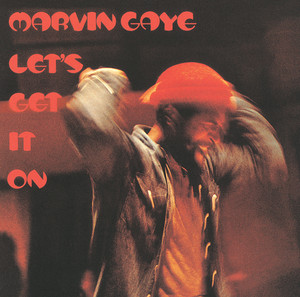
I'm in the Twin Cities, so figured I should listen to Prince. I kept thinking "so this is why 80s pop sounds the way it does!" The synth work especially seems like a trademark: he uses it to drive the dance also like punctuation to break up or emphasize his point. And while it's dancey, it's also kinda laid back in a way that reminded me at times of Marvin Gaye's Let's Get It On.
I can hear the solid musicianship in this band, but can't seem to connect with any of the songs. The jazz-pop fusion is unique but a bit too fringe for my ear.
This sounds like the essence of DIY music, so i can see how it would be influential. I doubt it ever would have gotten noticed (or made) if the Clash hadn't already given them a spot on their tour. I can hear some interesting musical ideas brewing way under the surface, but ultimately this is a bit too rough of a listen for me to likely return. It is interesting that the drummer would go on to join Siouxsie not long after.
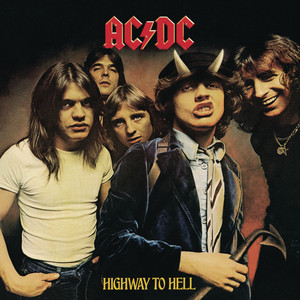
This is what of think of when i think of a rock band. I was surprised that the title track was the only one I knew, but really the whole album is full of the same kinds of riffs and salacious lyrics. Such a shame this was Bon Scott's last album.
This project is making me realize how creatively fertile & influential the mid-to-late 70s were.