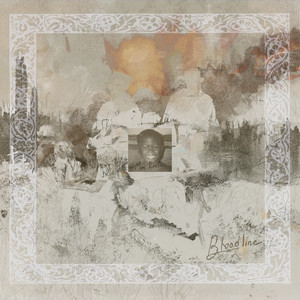
There’s 10/10 albums, and there’s 1/10 albums. The 10s are the greatest pieces of music humanity has created. Timeless classics with no flaws are remembered in the minds of generations. The 1s, on the other hand, are the worst of the worst. These laughably terrible albums, too, stand the test of time. They are remembered not for their greatness, but horrific nature, mocked by all. Somewhere in-between lies the forgotten, the 3/10 and 4/10 albums. All the mistakes of the 1s are present in these records, but without enjoyment potential whatsoever. Some of these albums can be even more excruciating than that of the 1s. Unfortunately, this is exactly where “Bloodline” by Mon Rovîa lives. Generic and predictable, “Bloodline” is forgotten the moment it stops — and that moment inevitably comes soon. Its repetitive sound is dull and tiring after only a few songs. The vocals linger in a breathy, calm niche, afraid to explore other styles. Background instrumentation is consistently simple and static. The lyrics are one-dimensional and surface-level. It's surprising to see a 42 minute runtime, because the music feels lengthy. It pains me to see this album on this list, because there are so many other albums to choose. Frankly, it’s disappointing.
1001 Albums Summary
Rating Distribution
Rating Timeline
Taste Profile
Breakdown
By Genre
Tap a bar to see the albums behind it
Top Styles
Tap a bar to see the albums behind it
By Decade
By Origin
Albums
You Love More Than Most
| Album | You | Global | Diff |
|---|---|---|---|
|
Millions Now Living Will Never Die
Tortoise
|
5 | 2.89 | +2.11 |
|
Channel Orange
Frank Ocean
|
5 | 3.34 | +1.66 |
|
Siamese Dream
The Smashing Pumpkins
|
5 | 3.82 | +1.18 |
You Love Less Than Most
| Album | You | Global | Diff |
|---|---|---|---|
|
Bloodline
Mon Rovîa
|
1 | 3.13 | -2.13 |
|
Nighthawks At The Diner
Tom Waits
|
1 | 2.99 | -1.99 |
|
Night Life
Ray Price
|
1 | 2.81 | -1.81 |
|
Scott 4
Scott Walker
|
1 | 2.8 | -1.8 |
|
The Band
The Band
|
2 | 3.34 | -1.34 |
|
Abattoir Blues / The Lyre of Orpheus
Nick Cave & The Bad Seeds
|
2 | 3.31 | -1.31 |
5-Star Albums (3)
View Album Wall

Popular Reviews
1-Star Albums (4)


All Ratings (46)
A classic Beatles album with few misses. It’s easy to tell this is an influential album even to this day, as I experienced “Within or Without You,” a song that uses unique instruments that seem foreign. However, I believe it can be said that Sgt. Pepper’s Lonely Hearts Club Band is not the magnum opus of The Beatles. Overall, this is an album that I would recommend to anyone who appreciates classics like this.
Kenya by Machito is a fun jazz album that combines traditional and more modern instruments to create a musical blend. To me, this is done exceptionally well and a consistently intriguing album results. The reason for the score is due to its lack of obvious influence rather than enjoyment of each song. Overall, Kenya is a great album that I would recommend to jazz listeners, but I do not view this album as the perfect introduction into the genre.
Like any calm jazz album, Time Out explores the limits of music through complex compositions. I saw a crescendo in Take Five, the stand out track from this record. Peaking at #2 on the billboards, popularity and significance is undeniable. However, personally, this album is, at times, seemingly lackluster and its structure is not well defined, a jazz constant which is accentuated here, to my discontent.
A gritty rock album with enticing riffs and questionable lyrics, Sticky Fingers remains a classic 55 years after its release. Other than the strange melodies of “You Gotta Move,” these songs are consistently interesting and groovy. After full creative independence, The Rolling Stones expand on their sound, experimenting with the blues and song structure; I found myself enjoying this subtle spin on the classic rock and roll of the time.
Can someone check on this guy? Mellow yet never dull, On the Beach contains many slow, peaceful ballads. Tracks like “Walk On,” “See the Sky About to Rain,” and “Revolution Blues” are well composed and work the melancholy into the song without being totally depressing. “For the Turnstiles” seems to be the only poor song, unfortunately featuring a banjo and a style of singing that does not fit with Neil. Still, this album fills its time with a balance of lyrics and instrumental breaks that adds to the delicate sound.
A dull experience, Scott 4 by Scott Walker does not have much going for it. Vocals are uninspired and monotone while trying to be deep. It is clear why this album failed to chart, with a lack of hits or even enjoyable songs. Scott fails to meet expectations in every aspect, except for production. The instrumentals would be a redeeming quality as many of them are simultaneously grand and elegant, but they are overlooked and overshadowed by the aforementioned vocals.
It’s the Beatles. There are countless hits on this record and zero skip songs. The production is well done, as always, and the singing here is exceptional. Another classic Beatles and number one album that cements the group with the best.
Sign of the Times is an amazing dance album with lush production and experimental vocals. As the name suggests, the 80s sound shows itself fully in this project, especially in the infectiously groovy second disc. Prince’s vocals are so incredibly unique, an aspect that often enhances the song but can also tarnish the instrumentals, and need to be adapted to.
Strange Cargo III could have just been titled Strange. Its extraterrestrial production is an attractive force in many of these songs, particularly the first few. However, this album falls flat with the lyrics and vocals, which seem to be added solely to be present without any thought. Additionally, as the album progresses, its quality drops and it begins to drag on, losing my initial interest. I can appreciate the captivating experimentation here, but I will not be revisiting this project.
All Directions by The Temptations is the average Motown record, a smooth and psychedelic soul experience. The introductory track is magnificently done, capturing the funk essence. The following songs largely, although not entirely, keep up this quality while being more soulful. Each song is well thought out and the time is proportioned masterfully — except for in the gruelingly lengthy “Papa Was a Rolling Stone,” which seems to drag.
Pyramids. channel ORANGE by Frank Ocean is a near perfect album with endless standout tracks to the point where the whole record stands out. It would be a crime to avoid “Pyramids” in this review, as that is a masterpiece of an almost ten minute long experience. It showcases Frank’s talent and artistic abilities, and makes me more than content to rate this album a 5.
The Notorious B.I.G. comes out swinging with his debut album Ready to Die. His flow and cadence is a mesmerizing aspect of his rapping, which seems almost effortless. The production in each song supports the stories and adds to the overall sound in a purposeful and worthwhile way. With songs like "Gimme the Loot," "Suicidal Thoughts," and "Big Poppa," Biggie's storytelling is intricate and impressive. This album is incredible as a whole, but who let Diddy taint this record? His influence, unfortunately, shows in the lyrical content and skits, and I feel it holds Biggie down, preventing him from being as creative and lyrical as he desires. Even considering these crushing flaws, the expertise shown in this record, along with its impact causing a dramatic shift in the music industry, is evident and produces a spectacular album full of hits.
Yeah, he’s a Beatle. John Lennon’s Imagine features premium vocals and glorious production. Lennon’s musical proficiency is at full display on this solo album; shown in excellent tracks, such as “Imagine,” “Jealous Guy,” and “How Do You Sleep” which make this an enjoyable listen. However, this project is not devoid of misses, including “I Don’t Wanna Be A Soldier Mama,” and “Oh Yoko!” I feel that the issues with these songs, that being either poor vocals or uninspired composition, could be remedied with the judgement and advice of the other Beatles.
A decent 2000's album, Nick Cave generally struggles to create a modern feel to an old sound. However, "Get Ready for Love," with its grandeur, stands out to me as one of the few songs which I enjoy. Other songs, particularly on the second disc, may challenge traditions and interest me, but most tracks do not introduce anything unique and fail to adapt to the modern soundscape, an issue prevalent in the record as a whole. While dated and dull, Abattoir Blues / The Lyre of Orpheus is not offensive at any time; most songs are simply inadequate rather than unpleasant.
This isn't The Band, just a band — and not a very good one. The generic vocals and repetitive song structures make this album uninteresting and dull. The track list is heavily front-loaded, leaving the latter half a long and drawn out process with little reward. However, there are some stand out songs, notably "Across The Great Divide" and "The Night They Drove Old Dixie Down." While I dislike the extreme and exaggerated country accent prevalent on this record, I can appreciate "Up on Cripple Creek." Ultimately, though, no song is truly extraordinary or terrible; Every song is one away from par.
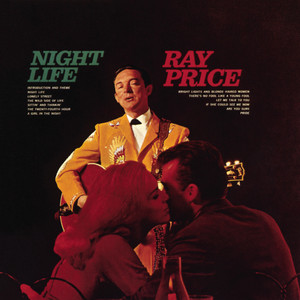
It's called Night Life because I'm sleeping through it. I understand this album is meant to be a smooth, slow lovely listen, but it simultaneously boldly leans over the calm waters and is, cowardly, afraid of falling in. Ray Price's vocals borrow from old artists in a bland, dull, and generic fashion which ages each song. It feels as if these songs are building towards some explosion of color, yet no such thing occurs, and it produces an uncomfortably monotonous and muted sleeper album. The storyline Price tells, on the other hand, is actually fairly interesting — in the beginning. It quickly falls apart with a song all about his alcohol addiction and the destruction of his relationship with this girl, whom he expresses his desire for, then blames his drinking problem for domestic violence. The second half of the record reveals more weaknesses, highlighting unbearably repetitive styles and lyrics. Even though this album is relatively short, at 38 minutes, it drags on and on to the point I could not listen in one session.
Millions Now Living Will Never Die by Tortoise is an alive album that effortlessly adapts to shifting currents and explores intricate yet minimalist soundscapes. Its ability to incorporate jazzy basslines, wandering synths, and authentic guitar riffs all within a single song is fascinating. It creates a lush and beautiful musical ecosystem, carrying the listener into the deep seas, across the lands, and above the clouds. We are taken on a journey through time to admire the enchanting glamour of nature and listen as the sound evolves. This experience is enthralling — a massively under-appreciated, ethereal masterpiece.
Nearly every song is a hit. Billy Joel's expertise in storytelling and songwriting is evident on this record. Each song follows a distinct narrative, whether it is an American blue-collar worker's attempts to succeed or a dramatic conversation between two old friends. Joel uses these stories to convey deeper meanings. In "Vienna," the young singer reflects on his time in Italy, where he saw how elders were treated, as a metaphor for life. Accompanying the record's striking lyrics is memorable instrumentation. The whistle on "The Stranger" is just one example of this masterful production that enhances each song; many tracks have their own "whistle" in a sense. Though, the album is not void of flat, sluggish moments. The last three songs, while still acceptable, are not exceptional. Particularly, I find "Everybody Has a Dream" to be an unnecessarily drawn-out, dull listen. "Just the Way You Are" is another beacon of spectacular lyricism, yet seems uninteresting to me on first listen; even its beauty is not safe from scrutiny.
This is Taylor Swift if she made good music, and was also super depressed. Melodrama is a story about a girl after a breakup who goes to a house party to escape from her feelings. She wrestles with loneliness and reflects on the very relationship she tries to ignore. Eventually she understands that seemingly ideal experiences can be destructive and temporary. Lorde's emotional vocals make every song impactful by enhancing the primary theme of heartbreak. Jack Antonoff's production compliments her well, additionally contributing to the overall sound. Each track is exceptional and enticing, especially those of "Green Light," "Loveless," "Supercut," and "Perfect Places."
He's so incredibly British. Even such, this album runs parallel to American music in a multitude of ways. For instance, on "It Ain't Safe," Skepta sounds similar to A$AP Rocky on his project Don't Be Dumb. The energetic beats stand out as an inventive and tantalizing aspect I adored. But, he's unfathomably British. I tried to ignore the accent, but it's just too funny; It takes away from the tough-guy aesthetic. Those skits, too, are unnecessary, even if they are also immensely amusing. "Ladies Hit Squad" is the main track I did not enjoy — please put on your seatbelt. Additionally, the mediocre rhyming and Skepta's constant failed attempts at a bar retract from the potential this record has. If the writing was improved, and vocals replaced, then this album could be stellar; for now, it's satisfactory — it was quite entertaining, though, and I am glad I listened.
The Crusaders are who they think they are. Street Life is a fun, groovy jazz album that expertly blends multiple instruments in each song. The title track is a wonderful 11-minute gem which utilizes vocals as an additional "instrument" to enrich its soulful, bright sound. The mixing of the saxophone, piano, guitar, and drums throughout the album is remarkable, and every element is given their moment to shine — the saxophone on "My Lady" and "Rodeo Drive (High Steppin')," the guitar on "Carnival Of The Night," and the piano on "My Lady" are a few arabesque examples. While the first track is truly magnificent, the last few are more modest listens — not remotely poor, but not as monumental.
Hmm... human music. I like it. The David Bowie world is bizarre and obscure, morphing classic rock into strange, extraterrestrial glam-rock. Winding piano work breaks every rule of music, and jazzy saxophone flares fit their way into an artistic, eclectic soundscape Bowie has manufactured on this album. With typical rock songs such as "Watch That Man" and "The Jean Genie," and distinctive, glamorous songs such as "Aladdin Sane" and "Lady Grinning Soul," Aladdin Sane eludes definition with its heterogeneity. This distinctively experimental sound, enchanting or unfriendly, generates interest at every opportunity. Bowie's spin on The Rolling Stones' "Let's Spend the Night Together" is a prime example of his transformative skill and alien style. More exotic is "Aladdin Sane," the title track, which features an unorganized, atonal piano solo — a rather unpleasing stylistic choice. What gives this record its appeal may also be a setback in this way. Experimental music inevitably falls to unfortunate missteps without extreme caution. It seems Bowie deftly navigates this danger in "Time," a high, and errs in "Aladdin Sane," with the aforementioned piano. His talent is undeniable, but not unparalleled. In conclusion, this album is identified by both impressive demonstrations of genius artistry and occasional, disastrous blunders.
Je suis ear bleed. This hardcore, often metal, French album is one born from anger. Backing guitar and drums are heavy and loud. The eeriness produced by these sounds is what gives this record its uniqueness, and is quite interesting. The vocals are dark, often devolving into low screams. This is what misses the mark for me, as I disliked the grunting and growling constantly heard throughout every song. I guess I don't want some French guy yelling at me in a language I don't understand — pretty cool guitar though, sometimes.
What makes this album unique? The hard guitar riffs are present on every song, but The Cult does not experiment with changing any of the production. All of the song structures are repetitive and common. Sure, the vocals go well with the backing, but the lead singer sings the same notes over and over again, making replay ability low. The whole sound is stolen from AC/DC, so I can't grant even the littlest bit of creativity. Each song is tolerable, but no song stands out. This album suffers from adequacy.
This is the funniest album cover of all time. The borderline metal riffs on Deep Purple in Rock are simultaneously gritty and fluid. Fast-paced, high-energy guitar alongside slamming drums and dynamic vocals makes for an entertaining listen. Experimentation varies the sound from soft rock to hard metal. "Child in Time" is a great example of a leisurely style without being tiring. I believe there is some Jimi Hendrix influence on this album, especially in "Bloodsucker" with distorted vocals and guitar. On "Living Wreck" and "Hard Lovin' Man," an organ can be heard — a staple of psychedelic rock. The compositions are complex and intriguing, including glorious guitar solos. However, on "Hard Lovin' Man," that organ solo is atrocious.
Smooth, gentle Country music is tiring — when it's done by Gene Clark. Each song seems to diminish in energy as time progresses, and it ends dull and dim. The minimalist instrumentation and sluggish vocals give as little to hear as possible. I can, however, appreciate the rare harmonica or energized sound because they make me feel like I'm actually listening to something.
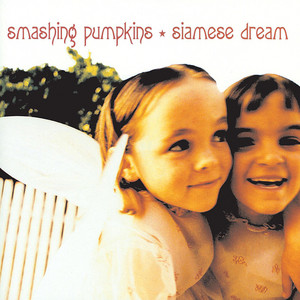
Siamese Dream is an alternative masterpiece with an abundance of unskippable songs. Distinctive, passionate vocals deliver emotion-packed lyrics overtop densely-layered instrumentals in a breathtaking display of talent and creativity. Complex compositions hide introspective songwriting which delve into themes such as the loss of childhood innocence and depression. Ranging from roaringly powerful to soothingly gentle, every song is uniquely enjoyable.
Drunk guy mumbles about the weather, stumbling into occasional rhymes. I guess there’s a jazz band, too.
This album takes up so much space so far away. The size of the room can be heard in distant sounds and airy vocals. Some songs choose to step closer and some pull away, giving an atmosphere to this record — a strangely beautiful one. The artistry is shown in the expert craft that makes it easy to be immersed in the landscape. As striking as it is, it takes effort to dissect it, and listening simply, the quality is not obvious. The experimentation on “Pulk/Pull Revolving Doors” is interesting, but also misses the mark.
I’M REALLY LOUD AND ANGRY, and now i’m quiet and depressed. Nine Inch Nails seem to have a thing for huge outbursts that are both chaotic and controlled. “Mr. Self Destruct” is the prime example of a song that just works. The layered, complex backing amplifies the passionate hatred in the record. The mellow, almost sorrowful, moments, too intensify the rage — an aspect I must appreciate despite my complaints at times.
Good thing I know who I'm listening to because she says her name every song. All Hail the Queen by Queen Latifah is an infectiously funky early rap album, featuring quick rhymes and groovy beats. Every individual song is well crafted musically, but the lyrics are not notable. The phrase "Queen Latifah" appears 26 times in the album. That means, on average, her name is said 2.2 times in one song. It's almost all she raps about — herself and how she's the greatest at rapping. It starts to get repetitive when hearing the same thing every song. The beats, however fun, are also monotonous. The same saxophone and drums play in the background of every song. That being said, Queen Latifah frequently speaks on the important issue of gender equality, a topic that she navigates well. To ignore this side of her lyrics is to misrepresent the record as a whole — one that I must admit again, is extremely entertaining, even if it starts to become repetitive.
After the Gold Rush features some of Neil Young's best songs, and some of the worst. Stand-out tracks such as "When You Dance I Can Really Love" generally balance out the less memorable "Tell Me Why." The other songs are not particularly exceptional or repulsive. It averages out to a flawed album with its highlights — not Neil's magnum opus, but not career-ending.
There's no way that was the best picture for the album cover. When I look at it, I see a new, inexperienced band trying to make it work. I think that's a good summary of the music, too. It's clear the Beatles are in the middle of finding their sound on this record, with amateur vocals and instrumentation. Their talent is also apparent. It's shown in strong songs, like my personal favorite, "Please Mister Postman." However, there's also "Little Child," a growing pain and huge mistake. Overall, this album, with its strengths and weaknesses, is a testament to the Beatles' potential.
Definitely not hardcore. It's pretty good, but not hardcore. The vocals are an immediate feature that I dislike, and it made it slow to start. As I listened more, I found myself enjoying the general sound, but still, the vocals are repulsing to me. Though, again, the backing instruments and melodies are wonderful in many songs. Perhaps I'll listen again, and maybe I will start to like his voice, maybe I won't, but for now, I think that aspect knocks one star off, from 4 to 3.
Jimi Hendrix without the voice… or guitar skills… or lyrics… or any talent whatsoever. The fuzzy, partly metal, guitar is enticing at first, but it quickly loses steam and turns dull. The songwriting is confusing and poor. It results in a forgettable album full of songs that are just okay.
I hate her voice and her inflections, I hope she doesn’t do that the whole album… oh, she doesn’t? Awesome! When I started, I thought this album was going to be terrible, but I found myself able to like the vocals as the record progressed. The amazingly diverse instrumentals, catchy melodies, and angry, yet articulate lyricism is captivating. The only misstep in this album is the purposeful voice cracks, an element heard all throughout the first track, where it is overdone. Luckily, the other songs are more reserved in this aspect, and the inflections add to the tone in many instances.
Where is Hot Shots 1? I'm wondering because this album is truly interesting. The minimalist and varied production gives the record an experimental feel, every song different yet loosely connected through the vocals. I thought the mood was crafted intentionally and effectively. There were some moments that hit hard, and others which were forgettable, but there weren't any noticeable major errors.
If I was asked when this album came out, I would be stunlocked. Violent Femmes’ self titled album was ahead of its time, released in 1983 and sounding like a modern tribute to 90’s music. Its acoustic punk sound — part rage, depression, and love — differentiates it from any other record. Many songs include catchy riffs and passionate vocals, each contributing to a varied experience. While some moments are less impactful than others, the large majority of the time is well used.
Yankee Hotel Foxtrot more like… um… Yawn Half Fair. Boom, roasted! Okay, maybe I didn’t mean to hate, but rather criticize the album’s major blunder: being too long. It seems that these intricately layered instrumental breaks are drawn out or done poorly in some songs. On first listen, this mistake made the experience dull and emotionless, and I waited for something to happen. However, on second listen, I was impacted by each element. The guitar work is wonderful in most of the time, and the skillful singing brings light into the record I previously viewed as dark. There are still some of the same issues, but I can appreciate the artistry that went in and the music that came out.
Fun, but dated. This album has a few great songs, but the age shines through in most of the music. Additionally, the last half is significantly worse than the front. Strictly rating the first few, this record is a hesitant 4, but it slumps at the end and causes me to lean towards a 3.
I'm not sure how to feel about this album. On the surface, it is an enjoyable listen, with catchy hooks and choruses — but that is where it stops. I did not take anything away from this record, because it feels pretty generic. I definitely understand the appeal, with the amazing first half, but the second half is turning me away slightly. It feels that what made the first half great is lost in the end, which is disappointing, but at least we have the starting few tracks.
I think I just listened to the Irish National Album. This record is packed full of quick, fun songs with those classic Celtic instruments and raspy voice. In between each rapid track is a slower or instrumental composition, which emphasizes the sheer speed of what I would call the “main” songs. I could also hear some voice experimentation on songs like “The Gentleman Soldier,” which I thought was funny and added to my enjoyment. However, whoever is singing on “Jesse James” needs to stop, and if it’s just voice manipulation, please don’t do that one again.
Only on the cool water, illuminated by the gentle moonlight, under the sparkling stars, with the wind lightly passing through, can this album be heard playing softly in the distance. The essence of ethereal serenity is found in the atmospheric, cosmic sound.
Before this, I had never listened to a full Earth, Wind & Fire album, so I was surprised to hear a familiar sound that seems to have influenced Thundercat. The soulful and jazzy instruments and vocals are fun and groovy, and shine on tracks such as "Shining Star," "That's the Way of the World," and the amazing saxophone on "Africano." There are parts of songs that aren't at the same level, but there isn't a terrible song. Most songs are pretty good, but not spectacular. Overall, I like this album, but it doesn't fully stand out; I wouldn't go to play it, but also wouldn't mind if it came on. I’m glad I listened, but probably won’t go back.
There’s 10/10 albums, and there’s 1/10 albums. The 10s are the greatest pieces of music humanity has created. Timeless classics with no flaws are remembered in the minds of generations. The 1s, on the other hand, are the worst of the worst. These laughably terrible albums, too, stand the test of time. They are remembered not for their greatness, but horrific nature, mocked by all. Somewhere in-between lies the forgotten, the 3/10 and 4/10 albums. All the mistakes of the 1s are present in these records, but without enjoyment potential whatsoever. Some of these albums can be even more excruciating than that of the 1s. Unfortunately, this is exactly where “Bloodline” by Mon Rovîa lives. Generic and predictable, “Bloodline” is forgotten the moment it stops — and that moment inevitably comes soon. Its repetitive sound is dull and tiring after only a few songs. The vocals linger in a breathy, calm niche, afraid to explore other styles. Background instrumentation is consistently simple and static. The lyrics are one-dimensional and surface-level. It's surprising to see a 42 minute runtime, because the music feels lengthy. It pains me to see this album on this list, because there are so many other albums to choose. Frankly, it’s disappointing.
Is this supposed to be Gothic Rock or Dream Pop? Is it more 80's or 90's? Glamorous or edgy? This album represents, in my mind, a transition between these eras of music. It incorporates instruments and flares from dance music earlier in the decade, while at the same time looking past the peppiness of the 80's. Personally, I believe this aspect — the instrumentals — is wonderfully well composed. An initial surprise was the dark, cracked vocals. Often, these are contrasting to the song's background, and sometimes it adds depth, and sometimes it confuses the message. In songs such as "Plainsong," "Pictures of You," "Lovesong," and "Disintegration," these elements combine for a great listen. However, in a few others, I found the instrumentation not able to make up for the flawed singing.