The most widely misunderstood, and overrated, Beatles album. Something I think captures Abbey Road in a nutshell... They originally wanted to name this album Everest, and the cover photo was going to be the foursome on Mt Everest. Instead they named it Abbey Road and took a photo outside the front door of their studio. Despite its recent critical reappraisal, Abbey Road is not the sound of the Beatles at their creative peak. It's the sound of a band running out of gas, suing each other, and lowering their standards. The Beatles were not trying to make any profound artistic statements, they were trying to fulfill their contractual obligations as quickly as possible so they could move on. All 3 songwriters released better solo albums a year or so after this album came out and, clearly, they were saving their best material. I should mention I am a Beatles fanatic (not a hater) and can acknowledge the positives here. There are a handful of remarkably great recordings on this album, best of which is "Something." "Something" is an all-timer love song and one of the most mature, elegant miniature morsels the band ever made. "Come Together" is also quite unique -- a post-psychedelic reinterpretation of 50s rhythm and blues with a signature rhythm track unlike anything the band (or really anyone else) had ever done. But alongside these merits are serious problems. "Because" is a virtuosic piece of work, overshadowed by the corny Moog sounds. (The Moog generally does not work on this album, in my opinion.) Similarly, "Here Comes the Sun" is a great song at its core, but it gets bogged down with its overblown prog rock arrangement. The B-side medley is probably the best example of their misfire and it still shocks me to read reviews from people who think it's some kind of masterful experiment in songcraft. They took unfinished scraps of songs that might have really had an impact if they took the time to work on them (e.g. "Golden Slumbers," "Mean Mr. Mustard"), threw them in the pot with a bunch of other crap, added a Moog and an orchestra, served it up and said bon appetit. John acknowledged many times in many interviews that the medley was pure lifeless junk. And there's a scene in the Anthology documentary where they are re-listening to studio masters of some of the medley orchestration; Paul is absolutely high on his own farts and George looks straight into the camera to say "a bit corny, init?" Yes! It is very very corny. When the theme to "You Never Give Me Your Money" returns as a horn section during "Carry That Weight," I get a full body cringe. John is only half-present on this album and it clearly shows. There are a number of songs he didn't touch, and he didn't even bother showing up to the final recording sessions. He's also, clearly, not sharing his best work -- most of what he wrote on this album had been kicking around since the band came back from India, and Plastic Ono Band (which is a MUCH better album than Abbey Road) was recorded shortly after this. "I Want You" is the closest thing to a proto-Plastic Ono song on Abbey Road, and it pales in comparison to others in its style (like "Yer Blues" or "Don't Let Me Down"). What we're left with is Paul's ego unchained. The medley has his fingerprints all over it, and "Maxwell's Silver Hammer" is legendary in how badly it pissed off the rest of the band. "Oh Darling" is fine, but it's a weak pastiche at a time when a zillion musicians (including John) were doing a much better job of playing with roots rock n roll revival. It's been quite surprising to see this album get reevaluated in the past couple decades by younger audiences who have elevated it to "masterpiece" status in the same way the Boomers latched on to Sgt. Pepper. I'm not entirely sure why this is the highest rated Beatles album on this site, but it probably has to do with the cleaner production standards compared to their earlier 60s albums; in the end, I think most people just want easy listening. All in all, Abbey Road showed the way to the future in 70s rock radio, but mostly by influencing its worst tendencies, i.e. corny prog pop and soft rock. This doesn't sound like a band at the cutting edge of popular culture, it sounds like ELO or Wings or any number of yacht rock bands. But hey, I suppose that's also why a lot of people like it -- ELO sold a lot of records.
1001 Albums Summary
Rating Distribution
Rating Timeline
Taste Profile
Breakdown
By Genre
Tap a bar to see the albums behind it
Top Styles
Tap a bar to see the albums behind it
By Decade
By Origin
Albums
You Love More Than Most
| Album | You | Global | Diff |
|---|---|---|---|
|
Kollaps
Einstürzende Neubauten
|
5 | 1.94 | +3.06 |
|
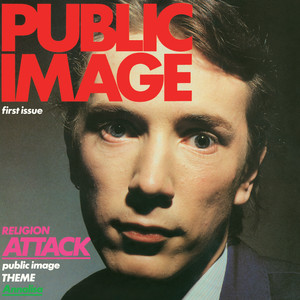
Public Image: First Issue
Public Image Ltd.
|
5 | 2.41 | +2.59 |
|
GI
Germs
|
5 | 2.54 | +2.46 |
|
Chelsea Girl
Nico
|
5 | 2.63 | +2.37 |
|
Djam Leelii
Baaba Maal
|
5 | 2.79 | +2.21 |
|
Out of Step
Minor Threat
|
5 | 2.94 | +2.06 |
|
The Dreaming
Kate Bush
|
5 | 2.99 | +2.01 |
|
Bert Jansch
Bert Jansch
|
5 | 3 | +2 |
|
Tom Tom Club
Tom Tom Club
|
5 | 3.04 | +1.96 |
|
The Modern Lovers
The Modern Lovers
|
5 | 3.05 | +1.95 |
You Love Less Than Most
| Album | You | Global | Diff |
|---|---|---|---|
|
Boston
Boston
|
1 | 3.7 | -2.7 |
|
War
U2
|
1 | 3.45 | -2.45 |
|
Sound of Silver
LCD Soundsystem
|
1 | 3.43 | -2.43 |
|
A Rush Of Blood To The Head
Coldplay
|
1 | 3.42 | -2.42 |
|
Bat Out Of Hell
Meat Loaf
|
1 | 3.41 | -2.41 |
|
25
Adele
|
1 | 3.37 | -2.37 |
|
xx
The xx
|
1 | 3.34 | -2.34 |
|
Toys In The Attic
Aerosmith
|
1 | 3.25 | -2.25 |
|
Bad Company
Bad Company
|
1 | 3.24 | -2.24 |
|
Only By The Night
Kings of Leon
|
1 | 3.22 | -2.22 |
Artists
Favorites
Tap an artist to see their albums
| Artist | Albums | Average |
|---|---|---|
| David Bowie | 4 | 4.75 |
| Miles Davis | 3 | 5 |
| Jimi Hendrix | 3 | 5 |
| R.E.M. | 3 | 4.67 |
| The Velvet Underground | 2 | 5 |
| Talking Heads | 2 | 5 |
| The Rolling Stones | 2 | 5 |
| Elliott Smith | 2 | 5 |
| Prince | 2 | 5 |
| Nirvana | 2 | 5 |
| The Stooges | 2 | 5 |
| Neil Young | 2 | 5 |
| Beatles | 3 | 4.33 |
Least Favorites
Tap an artist to see their albums
| Artist | Albums | Average |
|---|---|---|
| Coldplay | 2 | 1.5 |
Controversial
Tap an artist to see their albums
| Artist | Ratings |
|---|---|
| Bob Dylan | 3, 5, 2 |
5-Star Albums (75)
View Album Wall













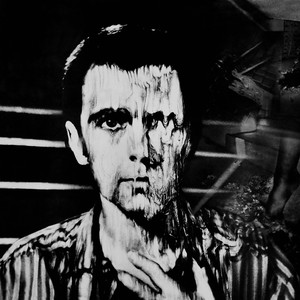


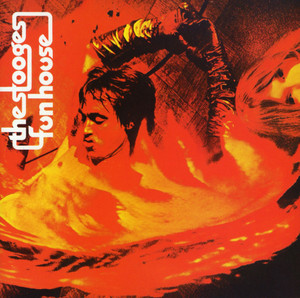


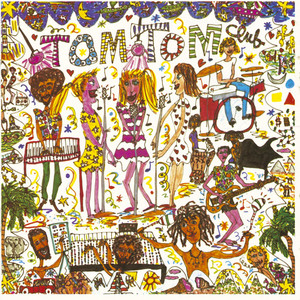





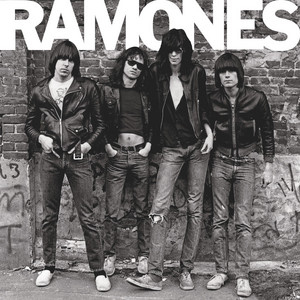






Popular Reviews
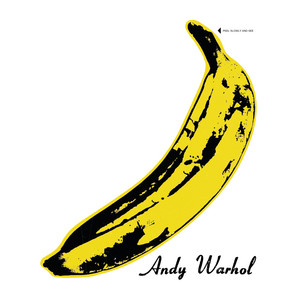
-like a button down shirt had a bad dream and wrote an album about it. -this band had themselves figured out from day 1. A fully formed, unique style in a debut album. -file under "so square it's funky." A truly punk rock approach to r&b. -no skips. -really sounds like NYC in the late 70s, but also so influential you can hear a glimpse of what 80s new wave will be. Many people copied this sound, but no one did it as well. -say what you will about Byrne, but the guy has no inhibitions on his voice. -it would be hard to name a better rhythm section in rock music in the 70s.
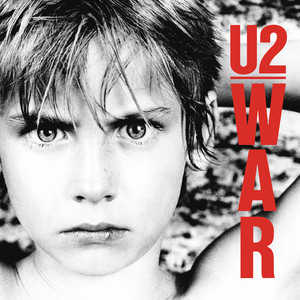
The audacity of this guy to write an ostensibly "anti-war" album, and then go on to spend 25 years of his life actively laundering George W Bush's image makes me sick. This music is basically ruling class propaganda -- it is the sonic equivalent of "compassionate conservatism," and it's designed to make you feel that if you are empathic enough (and if you give enough to Bono's charity) then you don't need to agitate for real systemic change. I would say Bono is the Leni Riefenstahl of neoliberalism, but she at least had some artistic talent. I was ready to be generous with this listen because, in my memory, this era of U2 was their most palatable, when they still had some traces of post-punk styling. But honestly, fuck Bono and fuck U2.
It's practically impossible to evaluate the title track of this album on its own terms. "Imagine" has been re-performed and re-contextualized endlessly and it's either the "greatest song ever written" (if you're a Boomer) or absolutely cringe naive nonsense if you're younger than 35. For what it's worth, and for better or worse, it's an elegy for the New Left -- by 1971, the 60s were "over" but the US and the UK were still embroiled in Cold War imperial adventures and Nixon was building his political kingship off hippie bashing. The Summer of Love ideals the Beatles represented were no longer popular, but the social/political problems these ideals were meant to address were alive and well (and, more importantly, the backlash against these ideals was gaining strength). Throughout the 1968 protests across Europe, one of the most popular slogans was "Die Phantasie an die Macht," or "All Power to the Imagination!" Lennon (who previously shrugged off the '68 rebellions) was now free to make political claims in his own name so he rushed to plant his flag with the New Left by paling around with the Panthers and throwing money at a bunch of radical underground publications. But it was probably too little too late, so "Imagine" fails to project "what could be" because it's so hung up in "what could have been." This nostalgia (for a time only a few years prior!) is partly why the Boomers are obsessed with its message -- it makes them feel like "we almost had a revolution" (which may or may not actually be true, depending on what they mean). And like so many New Left icons, its message was completely diluted and appropriated by libertarians and gets dragged back into the limelight every few years by the ruling class as an anti-activist "can't we all just get along" sleeping pill (exhibit A is Gal Gadot). To Lennon's credit, "He'S rIcH aNd He'S tElLiNg Us To ImAgInE nO pOsSeSsIoNs!" is an incredibly shallow critique. Yeah dawg, that's why the song is called "Imagine" and not "I'm a perfect role model and you should live exactly like me." In fact, that's the absolute *strength* of this album -- Lennon is brimming with both ego and humility, hypocrisy and sincerity, condemnation and self-effacement, imperfections and redemption. The 2 songs immediately following "Imagine" directly address Lennon's grossest qualities: his history of violence against women, and his nasty tendency to mock people with disabilities. The former is something he's had to account for endlessly (especially after his death), the latter is something he's rarely criticized for but he nevertheless felt the need to apologize for. Elsewhere on the album, he continues to poke holes in the soft utopianism of "Imagine" by addressing his own feelings of hopelessness, uncertainty, depression, anger, pettiness, mania, neediness, etc. He would probably be the first person to acknowledge the worrisome self-righteousness of "Imagine" because the rest of the album is one long apologia for that ego trip. It's almost a shame how strong of a shadow this song casts -- there are so many other killer tracks here: "Jealous Guy," "Gimme Some Truth," and "How" are among the best he ever wrote, and there's no filler anywhere else on the album. If he left off track 1 and gave it a new name it would be, undoubtedly, celebrated (even by younger generations) as one of the best albums of the 1970s. Nevertheless, despite, or because of, its flaws, I think it is.
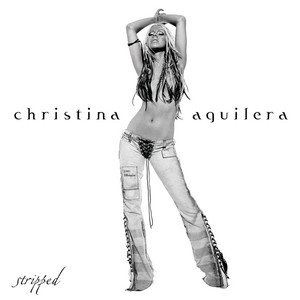
-Xtina has more in common with Fred Durst than she'd like to admit. This album fits nicely with the "neo-eclectic" style of early 2000s MTV fodder. Limp Bizkit hybridized rap and rock for suburban white adolescents and this is basically market-tested r&b for the same audience's sisters. -Sure, she can sing. But the nonstop vocal backflips drive me nuts. They are tasteless and aesthetically unpleasant in the same way a Yngwie Malmsteen guitar solo is technically virtuosic but musically unsatisfying. People whose musical diet is 90% contestants from singing competitions are likely to tell you "she's actually a really talented singer!" -The ballads are pure schmaltz. Whitney she is not. -I can appreciate the W Bush-era resilience feminism (sex positivity, body positivity, "strength," etc). But it's a bit ironic the themes of the album are all about finding inner beauty, stripping away the makeup and designer clothes, not needing a makeover, loving your curves, appreciating your imperfections, etc when you take one look at the album cover.
1-Star Albums (23)











All Ratings (317)
It's a snowy November day in New England and I'm stone cold sober. Listening to this, I wish none of this was true.
I was totally unfamiliar with this artist. I want to like this album more than I do. First, the positives. The band, and Kiwanuka's voice, sound great. The sound of the psychedelic soul instrumentation (especially the guitars and the drums) scratches a real itch for the best of the late 60s/early 70s like the Pretty Things, Can, Funkadelic, etc. On some songs, the experimental approach to pop reminded me of more contemporary artists I have liked quite a bit: TV on the Radio, Solange, Sampha. But there is something about the smooth, frictionless cleanliness to this record that does not hook into me. It feels unremarkable, in that it fits pretty easily among some of the landfill indie rock/pop that was churned out in the 00s and early 10s. Many of the songs on the album sound like commercial ad placement unit shifters; as I listen, I'm already imagining the "poignant moment" in the "prestige drama." Because of this, all the songs hover in a general emotive register that leaves me feeling little desire to "rewatch" the album; none of the songs are stuck in my head, nothing hit me in an "I need to hear that again" way. It sounds like he has been handed the keys to the music industry and has access to great resources: the best professional studios, producers, recording engineers, orchestras, etc. For my taste, this slick, professional sound creates an uncanny contrast with the grit of the rock instrumentation. I would rather hear a garage band version recorded in a basement.
-this isn't the best REM album, it might not even be top 5, but it's still a perfect record. That's how good REM were. -a true "no skips" album. -REM were excellent songwriters who didn't just lean on "great songwriting." They were also powerful performers who brought a lot of soul, groove, expression, etc. to every note they played. -this album is a bit slicker and more "commercial" than some other REM records, but it doesn't feel cheap or gaudy. -I've been listening to this album since high school (!) and my new hot take is that REM is what you should listen to when you think want to hear the Smiths. They are the more clever, groovier, less pretentious, more earnest queer Byrds fans.
Every other 60s rock band (except the Stooges) sound like total squares after you hear this album.
Deeply annoying music.
Happy to hear this for the first time. This band rips.
At its best, a nicely hypnotic album with enough grit and crunchy stuff. Sometimes a bit smooth and bright for my taste (I'll blame Cooder).
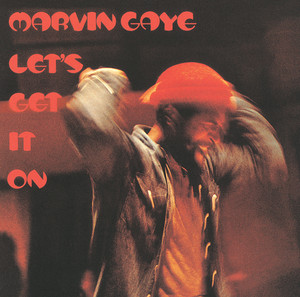
-God damn Marvin Gaye can sing. -This is strong music. The title track has become a cultural meme; it's basically "Happy Birthday" for sex. -But also, it's serious. He really means it when he sings about things like sex and love and peace. Wonderfully non-toxic masculinity. -The whole band sounds incredible. The strings are just right.
A good collection of stories about guys getting shot
Incredible band, amazing singers, immaculate vibes
The opening dialogue says a couple things about Ryan Adams. 1) this guy is an insufferable record collector who will "well actually..." you in a heartbeat. 2) this guy is like Morrissey: a self-absorbed quasi-literati who is half as clever as his confidence belies. I suppose any redeeming value of this album comes from Ryan Adams's occasional ability to cosplay better musicians. "To Be Young" starts off as a faithful photocopy of Bringing it Back Home/Highway 61 jump blues, then veers into a B section that is a note-for-note lift of "Girl From the North Country." By the time he reaches the bridge, I'm convinced Adams is missing the point of strophic form; he is trying so hard to convince you of his credibility, but it's such a postmodern hodgepodge of dad rock signifiers it reveals the opposite, that he's rooted in no tradition whatsoever. "Damn Sam (I Love a Woman That Rains)" is such an embarrassing rewrite of "Just Like a Woman" it gives me a fully body cringe just typing out the title. I would point out the more obvious and elegant phrasing would be "I love a woman WHO rains," but who am I to argue with someone who would win an Olympic gold medal in objectifying women. We have learned far too much about this guy's atrocious behavior over the past 20+ years to separate this artist from this art. From what I can tell, basically every song is either "I need a woman to take care of me and let me be a bad boy" or "I hate this specific woman" or some combination of both. Maybe this would be a worthwhile listen if you've scraped the bottom of the barrel on every Bob Dylan and Neil Young b-side and outtake you could find and still want more. But I can't understand why you would want Diet Dylan if you can get the full flavor.
-Bowie's artistic instincts are impeccable. Who else would have thought to pair this style of icy, post-psychedelic kosmische music with some of the weirdest r&b ever made? -This is a Cold War record through and through, but not in an overtly didactic way. He plopped himself at the borderline of east and west, recording basically on top of the Berlin Wall (which plays a direct thematic role in the album), and wrote some observations about the mundane and extraordinary ways life operated at this threshold. -This record sounds so good. Bowie's voice (and Visconti's micing wizardry) is one of one; no singer sounded like this before or since. The rhythm section cooks. The guitars use all of the coolest prog rock effects of the day (and discard the dorkiest).
I love the Kinks, but they pushed the whimsy faders into the red on this one. Some good songs, but also some weird retvrn-syle English nationalism.
I spent my late 20s relearning the guitar listening to Bert Jansch and John Fahey. This album kinda changed my life.
I really disliked listening to this. Generic, dime-a-dozen 2000s indie rock. Not sure why it's on this list. Maybe because it feels like something an old person thinks young people listen to.
This album has the been the butt of the joke my whole life, so I really tried to give it a fair listen. I can get down with the Sabbath-style riffage and some of the more psychedelic flute bits, but basically everything else is insufferably corny. The lyrics are distractingly bad (and borderline pedophilic). And there's something especially irritating about British guys who hate religion; we get it, get over it.
A good enough bit of Britpop I'd somehow missed
-an ostensibly horny album, it's actually all about love, fidelity, and trust (after all, it's Faith) -GM is an unbelievably underrated singer and producer
A beautiful, shimmery, heartbreaking, immaculate piece of psychedelia. It sounds better every time I hear it.
I enjoyed this much more than I expected I would. Every synth on every song sounds great. If only PSB had a stronger singer, this album could have been a stone cold classic.
-A madcap pop album. The bars go crazy but they keep the verses short and the choruses hooky. There's electro and dnb, but also a ton of turntablism and guitar solos. It's classic funk, but also at the cutting edge of trap. -Sounds somewhat dated, but also way ahead of its time for 2000. -I feel like I'm listening to a different album than a lot of other reviewers. The interludes are very short and unobtrusive. Pretty much every song bangs. And what is misogynistic about this album? I think some people hear any rapper talk about sex and assume it's misogynistic -- if that's you, you better check yourself.
If a middle schooler drew a dick on their notebook and that dick came to life and started a band, it would sound like this.
Morrissey is an insufferable racist and the first song sounds like it could have been written by Nigel Farage. Also, "Girlfriend in a Coma" is probably the dumbest song this band ever recorded. I would rank this lower, but I have a soft spot for the music video to "Stop Me If You Think You've Heard This One Before"
These guys can sing their asses off and have some beautiful harmonies. That being said, I don't know that I "enjoy" listening to this album. I don't feel I have the proper context to evaluate it fairly. I basically never listen to acapella choral music and, thus, have no frame of reference.
-like a button down shirt had a bad dream and wrote an album about it. -this band had themselves figured out from day 1. A fully formed, unique style in a debut album. -file under "so square it's funky." A truly punk rock approach to r&b. -no skips. -really sounds like NYC in the late 70s, but also so influential you can hear a glimpse of what 80s new wave will be. Many people copied this sound, but no one did it as well. -say what you will about Byrne, but the guy has no inhibitions on his voice. -it would be hard to name a better rhythm section in rock music in the 70s.
I first listened to this album ~20 years ago and dismissed it because it doesn't really do what I want it to. I've gained an appreciation for it, but it still feels like it splits the difference between a few styles and doesn't go far enough in any direction -- not quite noisy enough, not quite pop enough, not quite dark enough. I understand it has greatly influenced "chill" genres, which seems right -- it feels a bit like taking 2 Benadryl. Sometimes that's nice feeling, but I'm also a bit skeptical of palliative music.
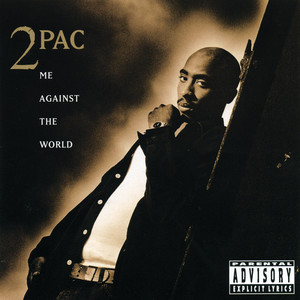
Such a heartfelt, introspective, nuanced album set to an incredibly dense, sophisticated musical texture. I love the sound of every instrument (drums, synths, bass, etc) and how Tupac used other voices as a contrast to his own. You can hear how this album influenced generations of rappers across styles and regions. Obviously, the last 25+ years of west coast rap wouldn't have sounded the same without this album. But also, a lot of the newer "emo" rap and other sad trappers clearly use this album as a blueprint. Also, the way people on this site talk about most rap records is astonishingly ignorant. Only an illiterate racist could listen to this album and think it's "misogynistic." Oh, you don't like curse words? Grow up. Though, I suppose the critics prove Pac's exact point with the themes of the record.
I really liked some songs to an extent that surprised me (because Motorhead have influenced so many other bands I can't stand). I love the raw, stripped down power trio energy. I bet this band was incredible live. But also, this album contains some all-time dumb lyrics. Whenever I could make out what Lemmy was saying, it sounded very Spinal Tap-esque.
Sounds great. But, after all, it's Christmas music.
It's a miracle this was popular radio music in 1966. It's so gruff and sloppy and nasty. Probably my favorite Stones album.
Gives me fond memories of an old pal, a former roommate who was a country singer and a Parsons enthusiast. Makes me wanna smoke weed and sit around a campfire in Joshua Tree.
Some good California folk rock soft psych. But also some weird exoticism and goofy Hobbit shit.
When I reviewed Kid A, I explained how that album rocked my little mind when I was 13 and how it sounded totally out there because I had no knowledge of Warp Records or experimental music whatsoever. Well, In Rainbows came out when I was 20, which made all the difference in the world. By this age, I was consuming plenty of Can, Faust, Ash Ra, Pop Vuh, Neu, etc and In Rainbows sounded pretty pallid in comparison. On relisten, it's not a bad album -- I especially enjoy the first few tracks. But I think this is the album Radiohead settled into a generic "Radiohead sound" they've maintained ever since. I can respect how/why some find this record mind-blowing in the right context, but that context isn't mine so it sounds pretty mid to me.
-If you put on a skinny tie, pink blazer, and wayfarer sunglasses, this album autoplays. -These guys spent the late 70s inventing the sound of 80s pop rock. -Rock music has always been a useful tool for rizzed up nerds to get laid (see: Billy Joel, Steely Dan, Weezer, etc). The Cars are some all time great rock nerds. -Absolutely great power pop. An album I've been listening to for 20+ (!) years. Also, quite a bit weirder than I remember. Lots of quirked up herky jerky rhythms and moody Bowie-esque timbres underneath the palm muted power chords and rockabilly guitar solos. -Two years after this album came out, Ric Ocasek would go on the produce the second Suicide album.
Arguably the most important pop record ever. As the poet Philip Larkin wrote, "sexual intercourse began in 1963." It's hard to overstate how much the Beatles transformed popular culture, personal politics, and social mores at that time. Beatlemania was a world-changing event for young people, especially girls. This record signals a total redistribution of the sensible (what people now crudely call "shifting the overton window"). Contemporary listeners often misunderstand the early Beatles era as a necessary phase to get into the more "revolutionary" style of their middle period. It's true that the revolutionary New Left movements of the mid-late 60s (the anti-war movement, the free speech movement, the sexual revolution, women's liberation, psychedelic counterculture, etc) all had some kernel that originated with the screaming girls who overpowered the police (the late great Barbara Ehrenreich makes this point in one of the best essays ever written about the band). But this early phase was radical in itself. The Beatles completely changed how people thought of the auteur-performer in rock n roll; if you need proof, look at the list of 1001 albums and count how many guitar rock bands wrote their own songs before 1963. (spoiler: it's 1...Buddy Holly and the Crickets, which might as well be a solo act with a backing band. Compare that to the number only 2 years later in 1965.) Not to mention, they had a totally distinct visual style (thanks to Brian) and were witty and charming as hell. When they landed in NYC in early 1964, they were like aliens from another planet. For context, the Beatles also released 3 non-album singles within 6 months of this album: "I Want to Hold Your Hand," "She Loves You," and "From Me to You." Part of the problem with the 1001 album project is it places undue importance on "the album" as the ultimate recorded musical work. In 1963, albums were still a relatively new medium and the Beatles were still figuring out how to do it; they didn't even consider putting their 3 strongest singles on their new album and insisted on including only brand new material. They were among the first musicians to think of albums as complete art objects (see the Astrid Kircherr-style cinema verite photograph on the cover) instead of just a way to repackage popular singles around some extra filler. In other words, without With The Beatles there is no 1001 albums list.
This rips and I wish I had listened to it more in high school/college. I feel like I've heard about 1000 bands who are trying to sound like the first track (most of them from LA and used to play at The Smell). There's quite a bit of sonic diversity on this album though; it's punky and funky and weird, but definitely 1 of 1.
I liked this album in 6th grade and I'm disappointed to say this album sounds pretty immature after you hit puberty. I have an appreciation for its place in rap/rock history, but it's just way too fratty and gross. The lyrics are not just sexist, they're downright rapey at times. I consider myself a Beastie Boys apologist, but this record is a bridge too far.
I'm not gonna gripe about this being the wrong list pick for Minor Threat, or how widely misunderstood this band is. Instead I'll just say this record totally rips and underground American punk scenes wouldn't be what they are without Minor Threat.
-so many dope songs on this. the band sounds incredible. the singing is off the wall. -this record is quite psychedelic; it's unbelievable this is the same group that did "Twist and Shout." -every cover song is an improvement on the original.
-A genuinely creative album. I like the subtle instrumentation and overall sparse vibe. -The songs are really centered on Cohen's lyrics, so it's a bit like listening to an audiobook (not derogatory). Even though it's largely acoustic, with lots of story songs, I don't really consider this "folk" music. It's its own thing. -Few have written better double entendres.
-Xtina has more in common with Fred Durst than she'd like to admit. This album fits nicely with the "neo-eclectic" style of early 2000s MTV fodder. Limp Bizkit hybridized rap and rock for suburban white adolescents and this is basically market-tested r&b for the same audience's sisters. -Sure, she can sing. But the nonstop vocal backflips drive me nuts. They are tasteless and aesthetically unpleasant in the same way a Yngwie Malmsteen guitar solo is technically virtuosic but musically unsatisfying. People whose musical diet is 90% contestants from singing competitions are likely to tell you "she's actually a really talented singer!" -The ballads are pure schmaltz. Whitney she is not. -I can appreciate the W Bush-era resilience feminism (sex positivity, body positivity, "strength," etc). But it's a bit ironic the themes of the album are all about finding inner beauty, stripping away the makeup and designer clothes, not needing a makeover, loving your curves, appreciating your imperfections, etc when you take one look at the album cover.
This is a tough album for me to evaluate because I have such personal attachments to it. Kid A was released when I was 13 and, at the time, It was the strangest, most experimental thing I had ever heard. I bought the CD at a mall when I visited my grandparents and I associate this album with listening on my discman on the train in subzero temperatures traveling back to Rochester. I became obsessed with this album and poured over the CD artwork. Only 2 other kids in my high school liked Radiohead and they were both older and cooler than me. Since then, I've come to appreciate much more unusual music so there is now a bit of a "mainstream version of the underground" veneer to this album, sort of like watching Garden State or Eternal Sunshine and thinking you've tapped into something really obscure. Nevertheless, my soft spot for this album remains. It is icy and scary and tender and heartfelt all at the same time. What's remarkable is not how "experimental" this album is, but rather how it remains pop music in spite of all the strangeness. Critics are correct to point out that there were many artists who had already achieved a similar aesthetic, only weirder, better, and earlier than Radiohead. But, for better or worse, Kid A bridged a gap between the popular and these electronic experimentalists in an oddly accessible way. Maybe if I were a college student or sneaking out to raves I would have been into Aphex Twin, but I was a middle schooler who listened to modern rock radio so it was much easier for me to find stranger music via the Karma Police band. I have mixed feelings about Radiohead these days, but if they've made anything I can enjoy it's this album. Even if there's a slight cringe to my enjoyment, Kid A opened many doors for me as a musician.
Set the pace in British rock music for the next 10 years
I wish I could skip the numeric rating for this record. Who am I to quantify this album "out of 5" after Ms. Hill has been so thoroughly scrutinized and demeaned for the last ~30 years? It feels crass after the music industry hype machine completely chewed her up and spit her out. Instead, I'll just say Miseducation sounds so ahead of its time for 1998 it's crazy.
The Bomb Squad production is great but Ice Cube's aggressive machismo makes for a tough listen. I'd be able to tolerate it better if it wasn't constant, front and center, across basically every song. Respect to Cube for his place in hip hop history, but I'd love probably prefer an instrumental version.
Makes me wish I was smoking weed
This album, his most Angeleno, was important to me around the time I was 25, living in Echo Park in a small apartment right down the road from the last home ES lived in (and where he died). I had just gone through a monumental break up but was still living with my ex because neither of us could afford our own place yet. It was maybe the loneliest period of my life. I spent a lot of time by myself with my headphones on wandering around LA on foot and I often went out of my way to walk by his house as a type of pilgrimage. I had very little in my life to comfort me at that time except for this music. Now, when I listen back, I'm struck by how many of the songs express a ground-level view of LA; it's like ES wrote half the songs after he took his own walk around the city. It's hard to express how grateful I am for this record.
Credit to Culture Club for carving their own lane, making a queer radio sound for the shopping mall generation. I hear soul, r&b, blues, and reggae all blended into a pop new wave dessert. That being said, some of the songs are much stronger than others (to my ears). Not my first pick if I want to hear this style of music, but certainly not my last.
I loved this album when I was in college. It was tailor made for my interests at the time. It's poppy new wave / post-punk with a ton of noise and dissonance. There's also a muted affect that reads as "cool" to young adults who still care about that kind of thing -- a bit of a C-86 vibe. And, of course, this album is one of the most obvious forerunners of shoegaze. But I also hear JAMC influence all over pop/rock music from Smashing Pumpkins to Frank Ocean and everywhere in between. I can't help but offer my one critique though...their formula is to layer a bunch of feedback and trashy noise on top of saccharine 60s-style pop tunes, which means the two elements never really integrate. They don't ever successfully make pop music FROM noise, it's always pop music PLUS noise. Nevertheless, it's very good and much more interesting than a lot of the shite their contemporaries were putting out.
-It's hard for me not to think of Kind of Blue, which was recorded the same year. In that context, where jazz was at the end of the 1950s, this is quite a conservative, throw-back kind of project. I was able to connect with a handful of the songs either because of their cleverness (e.g. "Who Cares") or their moodiness (e.g. "A Foggy Day"), but most of these tracks did not set me on fire. Nevertheless, major respect to Ella and the Gershwins for their place in jazz history. -I didn't mind the length so much. It gave me a good excuse to plunge the depths of the Gershwin catalogue and listen to a lot of Ella Fitzgerald, something I basically never do. And, to be honest, the length of the catalogue started to win me over a bit. That being said, you can't put this many songs in a collection and expect them all to be winners. Some of these are miniature pieces of pop perfection, some are total shlock novelty songs. And as the great Spinal Tap said, it's a fine line between stupid and clever. -It's probably a character flaw in me, but I do not enjoy scatting. -The orchestral arrangements throughout are surprisingly square. The instrumental tracks without Ella are painfully schmaltzy.
I'm a white guy evaluating the blues, so take this with a grain of salt ... I love the blues and this isn't really the style I go for. I don't typically prefer full band, electric blues for a few reasons that aren't worth digging into. That being said, MW does it better than basically anyone ever on this record. I appreciate how each band member has their own groove and feel. And if I were a square folky in 1960 I would have lost my mind at this gig (you can hear the crowd going berserk in some songs, which is pretty great). So overall, not my favorite flavor but I still enjoyed it and I can't deny the craft.
I gotta be careful here. Between that one review of Be on this site, and the cringest Pitchfork review of all time (which they scrubbed from their website, look it up on the wayback machine), there's something about Common that brings out bad writing. I'll just say, Common's best skill is his ability to find great collaborators. It's hard to mess up the combination of Dilla, Premier, Questlove, and D'Angelo.
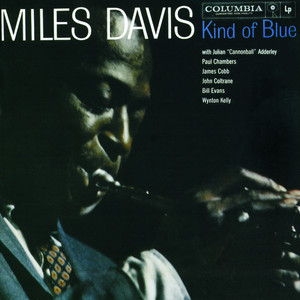
Miles has so many incredible records I've been listening to him since high school and somehow completely skipped this one. What an amazing sound world he created here. Somehow groovy and ambient at the same time. A new favorite.
Re-listening to this album has reaffirmed I can't stand Led Zeppelin. Especially Robert Plant's "baby baby baby" shit. It's all so "epic" and self-aggrandizing. Bonham's drums sound nice though.
Joplin has the kinda voice you either love or hate. Unfortunately I don't love it. The band is also pretty mid - run of the mill bar boogie blues. I have gained a respect for JJ over the years...I bet she would have been great to see live. But I still don't enjoy listening to this record.
The most widely misunderstood, and overrated, Beatles album. Something I think captures Abbey Road in a nutshell... They originally wanted to name this album Everest, and the cover photo was going to be the foursome on Mt Everest. Instead they named it Abbey Road and took a photo outside the front door of their studio. Despite its recent critical reappraisal, Abbey Road is not the sound of the Beatles at their creative peak. It's the sound of a band running out of gas, suing each other, and lowering their standards. The Beatles were not trying to make any profound artistic statements, they were trying to fulfill their contractual obligations as quickly as possible so they could move on. All 3 songwriters released better solo albums a year or so after this album came out and, clearly, they were saving their best material. I should mention I am a Beatles fanatic (not a hater) and can acknowledge the positives here. There are a handful of remarkably great recordings on this album, best of which is "Something." "Something" is an all-timer love song and one of the most mature, elegant miniature morsels the band ever made. "Come Together" is also quite unique -- a post-psychedelic reinterpretation of 50s rhythm and blues with a signature rhythm track unlike anything the band (or really anyone else) had ever done. But alongside these merits are serious problems. "Because" is a virtuosic piece of work, overshadowed by the corny Moog sounds. (The Moog generally does not work on this album, in my opinion.) Similarly, "Here Comes the Sun" is a great song at its core, but it gets bogged down with its overblown prog rock arrangement. The B-side medley is probably the best example of their misfire and it still shocks me to read reviews from people who think it's some kind of masterful experiment in songcraft. They took unfinished scraps of songs that might have really had an impact if they took the time to work on them (e.g. "Golden Slumbers," "Mean Mr. Mustard"), threw them in the pot with a bunch of other crap, added a Moog and an orchestra, served it up and said bon appetit. John acknowledged many times in many interviews that the medley was pure lifeless junk. And there's a scene in the Anthology documentary where they are re-listening to studio masters of some of the medley orchestration; Paul is absolutely high on his own farts and George looks straight into the camera to say "a bit corny, init?" Yes! It is very very corny. When the theme to "You Never Give Me Your Money" returns as a horn section during "Carry That Weight," I get a full body cringe. John is only half-present on this album and it clearly shows. There are a number of songs he didn't touch, and he didn't even bother showing up to the final recording sessions. He's also, clearly, not sharing his best work -- most of what he wrote on this album had been kicking around since the band came back from India, and Plastic Ono Band (which is a MUCH better album than Abbey Road) was recorded shortly after this. "I Want You" is the closest thing to a proto-Plastic Ono song on Abbey Road, and it pales in comparison to others in its style (like "Yer Blues" or "Don't Let Me Down"). What we're left with is Paul's ego unchained. The medley has his fingerprints all over it, and "Maxwell's Silver Hammer" is legendary in how badly it pissed off the rest of the band. "Oh Darling" is fine, but it's a weak pastiche at a time when a zillion musicians (including John) were doing a much better job of playing with roots rock n roll revival. It's been quite surprising to see this album get reevaluated in the past couple decades by younger audiences who have elevated it to "masterpiece" status in the same way the Boomers latched on to Sgt. Pepper. I'm not entirely sure why this is the highest rated Beatles album on this site, but it probably has to do with the cleaner production standards compared to their earlier 60s albums; in the end, I think most people just want easy listening. All in all, Abbey Road showed the way to the future in 70s rock radio, but mostly by influencing its worst tendencies, i.e. corny prog pop and soft rock. This doesn't sound like a band at the cutting edge of popular culture, it sounds like ELO or Wings or any number of yacht rock bands. But hey, I suppose that's also why a lot of people like it -- ELO sold a lot of records.
I could do without the Confederate flags. Given the huge cast of musicians and songwriters they drew from, and the repertoire they're playing, it's actually shocking there's not a single black musician represented. It may be top tier bluegrass and string band music, but it also kinda seems like a low-key white identity album.
What a great album. Dusty sounds amazing and she picked a perfect set of songs for her voice. Very hip and mod for 1964.
Iconic dnb
Something about this album irritates me. Maybe it's the turn-of-millennium postmodern poly-stylism. Maybe it's the crypto-prog rock lurking beneath the sunny pseudo-psychedelia. Or maybe I just don't like indie pop. There's a small window of my life (age 15-17) I probably would have liked this album, but I think I would have soured on it by the time I went off to college.
A really interesting transitional record. Retains a lot of what made REM great in the 80s, set a blueprint for what the 90s would sound like (not just for REM, for a lot of rock bands).
There is a power in this music that overwhelms me. It gave me chills listening to this again. Just a perfect punk record.
I don't care if it's big dumb dance music -- I loved listening to this. It reminds me of my older brother, who (I'm pretty sure) had this on minidisc back in the 90s.
All bangers. Coked up pre-Berlin r&b gold. An incredible cast of collaborators. He had already reinvented his sound 5 or 6 times by this point in his career, but he was somehow able to make it sound perfect each time he tried something new. The production sounds great, the band sounds great, Bowie's voice sounds great, the backup singers sound great. It just sounds great. Maybe not even a top 5 Bowie album for me, but it's still close to perfect...that's how good Bowie was.
I'm not a Bjork fanatic but this record is undeniable. It's a pretty astonishing sound for 1993. It embraces new (at the time) dance music sounds and already pushes those boundaries -- if this was released 10 years later, it still would have sounded new.
This might be the nostalgia talking, but I love this album and every song on it. I heard "Staring at the Sun" late at night on MTV2 when I was 16 and I was so excited to hear something that didn't sound like the terrible mainstream rock music of the time or the bland, generic indie rock of the time. I went out and bought the CD as soon as I could and fell in love with it. I didn't know anyone else at the time who like this band and they felt like a hidden gem. Little music at that time was this weird, funky, and thoughtful. I couldn't imagine how this band wrote these songs and put them together. I expected my interest in this music to wane over time (as I've heard TVOTR placed in a zillion movies and TV shows since then) but it still has the same effect on me.
This band sounds incredible. The 3 songs they wrote are the standouts and it makes me wish the whole album was instrumental originals. I don't typically love instrumental versions of vocal pop songs -- it feels a bit like I'm at a baseball game. That's not a bad thing but, with all due respect to these legends, it's not the kinda thing I would just put on and listen to.
-I don't like this band at all, but I understand why a lot of people do. They were able to transform the Sunset Strip sound (e.g. Crue, Poison, etc) into something a little less plastic. If the major labels never gobbled up the underground (i.e. Nirvana), this probably would have been the dominant sound of the early 90s and we would have seen a million photocopies. Thank G-d that didn't really happen. -Every song is an extremely competent stylistic impression of Led Zeppelin, Aerosmith, Van Halen, AC/DC, Ted Nugent, and/or ZZ Top. There's also a good dose of quasi-Stones/Dolls riffs played through a heavy metal rig. -Axl does his thing, which is really fucking annoying to me. -The guitars are mixed so loud it's like the amp is right next to my ears. Especially Slash's guitar, which is like a 2nd lead vocal on most songs.
-this is some DRY music. Literally, there's almost no reverb anywhere on the album. But also, it gives the feeling of when you've taken too many drugs and forget to drink water and you're suddenly dehydrated and have a headache. -as a lapsed punk, I'm basically obligated to hate the Dead, but I gave this a fair shake and ended up (mostly) enjoying it. I like the Byrds a lot, and this is in the same post-psychedelic country rock lane. But by the time Truckin hit, I was ready to be done. Not sure I could enjoy listening to this for hours on end like some of my friends do. -this is essentially "feel good" music, which makes sense because it attracts 3 main groups of listeners: 1) people who want to drop out of society and twirl around all day, 2) regular people who work shitty jobs and just want to unwind while taking a bunch of drugs, 3) Republicans who want to quiet their conscience. This is vibes-based music, not art designed to stir your passions or activate you.
Mom can we stop for Sade? "We have Sade at home" *the Sade at home*:
-there's probably 1001 better albums from 1969 alone. This album has had zero cultural imprint, nothing from this album left a widespread popular impression on anyone, and no one in the underground or on the fringes was significantly inspired by this music. This is the 3rd album from a one hit wonder who didn't even write their own hit. Should not be included on this list. -this album surprised me. Surprised me in how strongly I disliked it. Occasionally I would hear a few measures of music that sounded OK, and each time the song was quickly interrupted by something really dull, silly, hackneyed, or contrived. I can't reasonably recommend a single song on this album. -how many albums from this era are described as "bridging the gap between psychedelic rock and folk/country"? This is probably the worst, most inessential example of that style. -the singer is as square as they come. Leaves a bitter, plastic taste in my mouth. -the "jazz" songs on this album are some of the most grooveless pap I've ever heard. -in between the bad, unmemorable songs is a lot of *trippy* / *quirky* filler nonsense I think is designed to sound like this band had a lot of high concept "experimental" ideas, but actually makes it sound like they were given too much money by their record label.
The audacity of this guy to write an ostensibly "anti-war" album, and then go on to spend 25 years of his life actively laundering George W Bush's image makes me sick. This music is basically ruling class propaganda -- it is the sonic equivalent of "compassionate conservatism," and it's designed to make you feel that if you are empathic enough (and if you give enough to Bono's charity) then you don't need to agitate for real systemic change. I would say Bono is the Leni Riefenstahl of neoliberalism, but she at least had some artistic talent. I was ready to be generous with this listen because, in my memory, this era of U2 was their most palatable, when they still had some traces of post-punk styling. But honestly, fuck Bono and fuck U2.
The Byrds are great and, if possible, becoming underrated. They were (maybe) the best American rock band of the mid 60s and you can hear their influence reverberating in many corners of rock and pop. A lot of hay is made about the Beatles' attempts to keep up with Brian Wilson, but they were clearly also trying to keep pace with the Byrds. So it's a little surprising younger generations of the last 20 years or so have shown little interest in reviving them as they've revived some of their contemporaries. This album is incredible and, although probably not "perfect," there is a distinct sound here that changed popular music forever.
This is an album I've seen on best-of lists my entire life but never sat down and really gave it a chance. I found it difficult to evaluate because of all the mythos surrounding it and, ultimately, had mixed feelings. I found it mostly enjoyable (I especially love his performance of Lilac Wine), but it didn't stick with me in any ultra-powerful way. I can see how this directly influenced Radiohead; I'm surprised there isn't more discourse about how this influenced late 90s / early 00s emo, because it really rings the same bell. If Buckley had kept making records, he could have gone on to have a long critically-acclaimed pop career -- I could see him having occupied a similar place as Beck, for instance. Or, he could have washed away as an of-a-moment 90s adult contemporary guy, like Counting Crows or the Goo Goo Dolls. Maybe if I heard this album at the right time and place in my life it would feel "perfect," but hearing it here and now it feels "pretty good."
I first heard this album when I was 16 and immediately thought, "could I be a prog rock guy?" I quickly discovered most prog rock is pompous, nerdy, libertarian show-off nonsense designed to make listeners feel "smarter" than other rock fans. I absolutely despise 99% of prog rock albums but, somehow, I unabashedly love this album. Why? Maybe because KC recorded this album at the tail end of psychedelia and before prog rock had a chance to crystalize into a coherent set of conventions. This album has a distinct 60s feel to it (e.g. mellotron, acid rock guitar, Vietnam war critique lyrics) that quickly evaporated by their second album. It probably also matters that this album was the only one recorded with this lineup, which means it truly is 1 of 1 (and the drums play a HUGE stylistic role here). Despite the high-concept complexity and virtuosity on display here, there is nevertheless a "smallness" to this album -- it's five great pieces of experimental rock and it doesn't ever get over its skis. I will gladly defend this album, even (and especially) against its devotees -- I loved every moment of re-listening to this from beginning to end.
Christian rock made by sex guys
Fucking awesome. It's crazy how Sabbath's first 4 albums are basically perfect with no misses at all. Ozzy sounds powerful as hell here. Iommi plays like a maniac. The drums are so loud and Ward plays them like he's trying to punish his kit. Just an incredible album and I don't even like metal.
I give Brel and his devotees the benefit of the doubt I'm missing something about this music's aesthetic quality or historical significance because I'm not a French adult in 1964 whose never heard rock n roll before. He doesn't seem like an explosively powerful performer or have a magnetic singing voice. The songwriting and instrumentation are pretty traditional. When I heard "Le plat pays," though, I did pause at its weird beauty; I feel there's SOMETHING here on this album I'm not understanding (besides the French lyrics). I think he's handsome and has a cool demeanor, so maybe I'm actually over-enchanted despite not loving most of these songs. I dunno, I'd like to think I would have been listening to jazz or Varese or something if I were a continental European in 1964.
This is an album for kids whose parents bought them a paintball gun for getting straight Cs. He says about 10 times across this album, this is music for middle schoolers. When someone tells you who they are, listen. Through some combination of nostalgia and perceived "technical skills" as a rapper, it seems this album has had some lasting power. But I'm sorry to say this is real dumb guy shit. The documentary "The Merchants of Cool" does a good job explaining how this kind of music was pushed to middle-class suburban kids in a calculated, coordinated way by MTV, Viacom, and their corporate allies. This brand of crude, violent, gross, sexist machismo was one piece of a larger marketing campaign that included Jackass, Tom Green, pro wrestling, nu metal, South Park (and yes, Eminem actually does a Cartman voice on this album), etc. designed not only to reach young boys, but also to reinforce their warped perceptions of masculinity and gender. Eminem constantly flexes how he clawed his way up from the trailer park through sheer force of talent, like he was somehow at a disadvantage in hip hop because he's white when the opposite is obviously true. Eminem is white privilege incarnate because the forces of racial capital hoisted him into our faces to appropriate rap's popularity and profitability while erasing any/all subversive Black elements that may have "corrupted" white America. This is music of tightly controlled and contrived controversy -- Eminem says a lot of "edgy" things and he's more than willing to make a brave stance out of beating up women and gay people, but he can't be bothered to say anything that genuinely upsets power structures. There's a lot of money and industry power behind this album so it's unsurprising the production sounds well-made. And a lot of hay is made about Eminem's "flow" and his "wordplay" and other supposed indicators of his rap genius. I can't and won't deny he can play the instrument at a high level, and credit granted for creating the concept of the "Stan." But I still don't enjoy the sound he makes. I'm a grown adult whose listened to a lot of music, read books, watched movies -- I understand what it means for an artist to "play a character" and that not everything that comes out of Eminem's mouth is a literal or direct expression of what he believes. I think kids who listen to this music also understand, on some level, that they're listening to a comic book character. That doesn't mean I have to find that character compelling and I still think it's worthy to judge whether the juice is worth the squeeze; is Slim Shady saying or doing anything so artistic worthwhile that it warrants verse after verse of rape threats?
I'd never heard of this artist before. I like a lot of the production -- it has that psychedelic, experimental, future bass sound that reminds of the LA Beat Scene. And he's got obvious skills. But sometimes he backpacks so hard it sound like he's rapping for his college professor. I'm happy to learn about Mike Ladd, and all respect to him, but they should take this off the list and add some Dilla.
I enjoyed this for what it is, a nice souvenir of early 90s pop-funk. But I was definitely left with a strange taste in my mouth, affirmed after reading the reviews -- this is hip-hop for people who "don't usually like hip-hop," which gives me an unshakable ick.
Absolutely amazing album. I could feel myself transforming into a Joni fanatic listening to this. Every song is a powerhouse performance. Unbelievably unique song craft. 1 of 1.
People who hate this are bad at sex
Am I going crazy, or is this genuinely terrible rock music? This sounds like a band that would place 3rd in a battle of the bands at your worst local rock venue. It's sorta grunge and it's sorta emo-ish post-hardcore, but it's played REALLY badly. Every song sounds a little off beat and a little out of tune, and not in an intentional way. This band just has a horrible sense of musical feel. And I get there's a "concept" for the album where the lead singer is (presumably) playing the role of a macho jerk, but it sounds like a pioneering influence on the worst butt rock of the 2000s, so the irony/satire is a little lost on me. Jesus Lizard, Shellac, Jawbreaker, Rites of Spring, At the Drive-In...pick any album from any of these bands and put it on the list instead of this.
An enjoyable listen and a classic in its own right. Almost every history of sampling includes mention of this album. There's a lot of suspicious UK artists on this list who are directly copying Black styles from the US, but this album is a cut above the rest and has an authentic place in hip-hop history. That being said, can we PLEASE include some actual Chicago house music on this list? Like many other examples, this album highlights a real problem with the list -- albums are not the ultimate work concept of recorded music. The best pioneering examples of dance music (including house) were all released as 12" singles. But still, by the early 90s a ton of Chicago innovators (Frankie Knuckles, Jamie Principle, Farley Jackmaster Funk, Steve Silk Hurley, Robert Owens, Joe Smooth, etc etc etc) had released albums worthy of hearing before you die.
-I thought ZZ Top were uncool when I was younger -- this was a case of listener error. ZZ Top are very fucking cool. -This band is TIGHT. Yeah the guitars shred, but the rhythm section is also groovy as hell. There's nothing better than a great power trio. -ZZ Top get a lot of credit for influencing later hard rock and heavy metal bands, but I hear their fingerprints all over punk. They have a real stripped down, no bullshit aesthetic. Every song is just as long as it needs to be.
I have very little context for this music and so I'm evaluating it entirely on the strength of NFAK's voice. So it's a testament to his musical powers I loved listening to this album. If he can move me, with little knowledge of what this music is about or for, so strongly, it must say something about his artistry. NFAK's voice is captivating. "Haq Ali Ali Haq" and "Mast Nazron Se Allah Bachae" are absolute bangers.
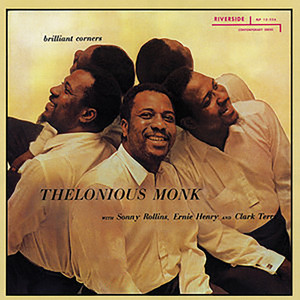
more like Brilliant Album
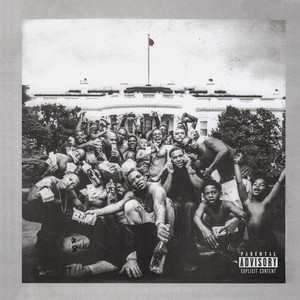
It's hard to cut through the noise about this album -- there's so much discourse around Kendrick. Everybody's got something to say about the politics, the poetry, the production, Tupac, Drake, the Pulitzer, is it as good as Damn?, is it as good as GKMC?, Fox News, Geraldo, the Super Bowl, the Grammys, BLM, woke, post-woke, Trump, Obama, it's a masterpiece, it's overrated, yada yada yada yada. And to Kendrick's credit all these conversations revolve around his art, not some nonsense public image or PR stunts. I thought this album was brilliant when it came out, and re-listening 10+ years later I still think it's brilliant. Fuck all the hot takes, this is the sound of an artist at his creative peak, exploding with musical ideas.
This definitely sounds like an album made by a band of record producers. I remember hearing Garbage a lot on modern rock radio when I was a kid, and I thought they were very cool but this was back when you needed to buy the CD if you really wanted to get into a band. If I had bought this CD any time between 5th and 8th grade, I think I would have fallen in love with Garbage. Now, as an adult, they sound like a pretty good representation of hi fidelity 90s radio rock, but I don't have the ability to fall for their angsty cool anymore. Overall, some good rock songs on here with a healthy dose of experimental special fx and drum loops -- and some plodding mid songs that don't really go anywhere.
-this is an album that, on paper, I should hate. I don't really love heavy metal and I especially dislike shred metal. I can't stand rock machismo, especially from the 80s. But somehow I have a soft spot for VH. The songs are technically complicated but not over-produced -- this is pop music at its core. -DLR is a totally juvenile goof, but his rizz is kinda undeniable. He's like a vaudeville character. -EVH overplays absolutely everything, but somehow I actually enjoy listening to him. Most of the songs sound like a single guitar take with minimal overdubs and it's pretty interesting to hear him shred through a full song, jumping through different styles and techniques. -the rhythm section is laughably mid. AVH is crazy overrated -- yeah, he's got some fancy drum tricks but he also slips out of the groove pretty regularly. Michael Anthony is a master of pedaling the same note for a full song, which is definitely a skill but it sounds pretty funny in contrast to EVH's wild gymnastics.
Definitely enjoyed this more than I expected I would. Solid reggae and dub.
-I really did not understand the hype around this band when this album first came out. Maybe if I was 5 years younger, this album would've excited me, but this sounded like played out, watered down post punk wannabe music to me at the time. It kinda checks the boxes of angular guitars and disco drum beats, but sands down the edges of everything that made bands like The Fall, Gang of Four, PIL, etc exciting and daring. -That being said, they almost won me over by the end of the album upon relisten. I get why this music has *energy* behind it and they were probably a good live band. -The instrumentalists are all mediocre EXCEPT the drummer, who is shockingly good. -Overall, this is fine. I really don't love it or hate it.
I'd heard some Japan before and didn't love it, so I was surprised how much I enjoyed this album. It hits a sweet spot between pop, post punk, new wave, glam, and goth that I'm a sucker for (also like Gary Numan and early Human League). It's a vibe and I will definitely be giving it a re-listen.
I've heard the Roots plenty of times, but I think their Fallon years have somewhat shaded my perceptions. It's been a while since I really sat down and listened to them so I was surprised by how out-there this album was. A lot of experimental eclecticism (in a good way), but it really coheres. The soul vibes are immaculate, they picked all the right rappers, and even the rock songs work. I would definitely give this another listen. On a side note...I really need to steel myself before reading reviews of any hip hop albums on this website. What on earth do people hear as "misogynist" on this album?? It's THE ROOTS! We're not talking about Ice Cube or the early Beastie Boys here. I swear to G-d some people are just so racist they've developed an allergy to hearing Black men talk about sex. Someone else called this "violent afro rap"?!? Lots of white people complaining about hearing Black people use the n-word. For chrissake, it's the 2020s, get your head out of your ass and read a book or two.
I feel like Albini because there's something deep inside that renders me incapable of liking Steely Dan. They just sound so *uncool*. They're undoubtedly competent musicians, but this style of anodyne jazz-funk-pop does nothing to my ears or my body or my soul.
-for a style of music associated with words like "weird" and "freak," this is pretty safe music. It's more "quirky" than anything; this is an album for a Zooey Deschanel character. Or, as a friend said to me, "this is Jason Mraz for people who go on ayahuasca retreats." -the instrumental track is my favorite by far, and my second favorite is the one where you can hear Vashti Bunyan -- I guess that says everything you need to know about what I think of DB's voice. Dude is practically a pioneer of "cursive singing."
Half of the songs are quirked up white boy funk (good), the other half are loungey ballads (bad). I almost granted extra credit for the soft socialism, but credit revoked for Hucknall's ardent Blair-ism.
I hadn't listened to this in close to 20 years and it's much better than I remembered. Still, I'm not sure I would ever need to listen to it again. It's fine, nothing to write home about.
I used to listen to this cassette on repeat in my car around ages 23-25. It holds up real well (and MUCH better than Licensed to Ill, which really grossed me out on relisten). This album showed everyone BB were actually a great *band* and they had serious musical range. They somehow blend rap and rock (without sounding like lugheaded "rap-rock") with jazz and funk in a coherent way. 3 other thoughts... -I've heard "Sabotage" a million times, but it really is a great song. I can't think of a single other song by any other band that really sounds like it. -I've gotta give a shout out to The In Sound From Way Out, which is their highly underrated instrumental album that came out shortly after Ill Communication. -"Get It Together" might be the best thing they ever recorded.
As a lapsed punk, I had to put aside my obligatory disdain for 70s dinosaur rock and try to give this album a fair listen. -The title track is a relatively mediocre rock ballad that is way overrated. It sounds like a song from the Steve Miller Band (derogatory). -What are they actually going for with Crazy Diamond? Is it a psychedelic jam? Is it jazzy rock fusion? Because to my ears, it sounds like muzak, which is a shame given it takes up half the LP. -Have a Cigar is fine, but it's really some basic ass bar boogie rock with synthesizer window dressing. -Which brings us to Welcome to the Machine. This track absolutely rescues the album. It is so clearly a cut above everything else. I've obviously heard this song a bunch on classic rock radio, but giving it a proper, focused listen I was pretty blown away. The synth textures alone are compelling, but the way they build them into the song's formal structure is astonishing. I actually cannot imagine how one writes a song like this. Credit where it is due, bravo on this one, Pink.
Perfectly fine dance music, and an enjoyable listen overall, but I've heard at least 2 of these tracks as TV bumper music countless times. I hear the house influence, but to my ears this album is a lot closer to electro, techno, and UK garage. Yet another example on this list where the author includes some white British guys making dance music that copies directly from styles pioneered by Black Americans without acknowledging these originators. I'm fine with this being on the list if you also add some Whodini, Zapp, Mantronix, and for the love of G-d, some actual Detroit techno. Clear by Cybotron is a no brainer and should be included in a future edition.
When Kurt Cobain sang "teenage angst has paid off well, now I'm bored and old," I think Billy Corgan heard the first part and thought "what a great marketing strategy!" and zoned out during second part. Some of these lyrics are downright juvenile: "the world is a vampire," "love is suicide," "the king of gloom," "God is empty just like me" etc etc etc. Cobain had a rich sense of irony and was taking the piss out of the music industry, Corgan is dead serious in a really embarrassing way. There's a lot of good rock songs on this album, but it still feels bloated. Not because there's any serious amount of filler, but because the songs themselves are just packed with content. Almost every song has a hundred guitar overdubs plus synthesizers, keyboards, harp, orchestra, drum machines, etc etc etc. The epic grandeur of this album can be nauseating. This was clearly Billy Corgan's attempt to reach "rock god" status -- just look at the title and the artwork. He's obviously going for something baroque and "artsy," but it actually just sounds like an expensive album made by a guy going through a manic episode. Overall, I have mixed feelings. SP were my "favorite band" from ages 10-13 and this album was a big reason why. Their media blitz worked on me because modern rock radio was blanketed with at least 4 songs (Zero, BWBW, 1979, Tonight Tonight) around this time, so I knew my dollar would stretch far if I bought this (double) CD. And on relisten, I still enjoyed much of it. But I was also reminded that, by high school, I grew aware there was something very cringe about SP. Kim Gordon put it best: "Smashing Pumpkins took themselves way too seriously and were in no way punk rock."
Like every other human in the Anglophone world, I've heard Adele plenty of times, so I knew what I was getting into before listening to this album. I can acknowledge she's a good singer and I've even liked some of her songs. But this was a painfully dull listen. I'm almost sorry I disliked this as much as I did. I felt like I was chewing on white bread for 45 minutes. The soporific ballads aren't even the worst part, the Max Martin "pop" songs are just gruelling; it's rare for me to straight-up skip a song, but I needed to do that twice on this listen. Some of these tracks sound like background music on an autoplay ad when you're watching YouTube. She sold a zillion copies, though, so what do I know? Am I so out of touch? No, it's the boomer parents who are wrong.
I was always kinda meh on Happy Mondays, but I feel like it clicked on this listen. It sounds like a synthesis of all the best Manchester music of the late 70s/80s. And Martin Hannett has a magic ability to find the right echo box.
In general, the band sounds really good, Ronnie Wood sounds great. But it's crazy how Rod Stewart is the worst part of every Rod Stewart song.
-There are a few bands Gen Z has embraced that just baffle me. ELO is one. This is such *dorky* music I cannot understand why people who are younger, and presumably cooler, than me enjoy it so much. -Yes, the Beatles are obviously the band they're reaching for. (Specifically Abbey Road-era Beatles, and I also hear A LOT of rhythmic motives pulled from the Pretty Things.) But more noticeably, most of these songs are very obvious plastic imitations of 70s r&b/soul. The synthesis of Beatles pop, prog rock, and ultra-square soul does nothing for me. -Too pompous and overblown. This is the kinda shit that made punk a necessity. -I have an immediate distrust of anyone who cannot take off their sunglasses. What are you trying to hide? There is a strong cocaine energy to this album. And if Lynne wasn't on coke, then he was surely manic. -There was a moment in the late 00s/early 10s where "Mr. Blue Sky" was in a cutthroat competition with "You Make My Dreams Come True" for most TV/movie sync placements. I actually kinda like "Mr. Blue Sky," but the shine wears off after you hear it 10 billion times.
I remember being very excited by this album when it came out -- it just sounded so *different* from all the other hip hop that was popular at the time. More than 20 years later, this album holds up. Everything about it is so strange, from the beats to the lyrics to the flow.
Nick Cave is sort of a "pick me Christian" in that most of his songs are about God, the Devil, Jesus, such and such a biblical story, etc etc etc. But he also swears and sings about sex and is "too cool" to just be a Christian rock singer -- he's "not like all the other Christians," which is a doubly annoying persona to take on. A lot of the lyrics here are clever by a half, rotating all the way back around to being stupid (e.g. "In a colonial hotel we fucked up the sun / And then we fucked it down again"). I like a lot of the musicians he works with (Nick Cave is probably the worst part of this Nick Cave album) and I maybe would have liked this album more if I'd heard it at a different time/place of my life. But on this listen, I mostly cringed and rolled my eyes.
Prince is a legend and if anyone in pop history is a "musical genius," it's him. In the past I've (wrongly) considered him overrated. What's not to love about this extremely weird and catchy album?
I've always loved Madonna but somehow I'd never listened to this full album. It's great. Definitely sounds like one of her first attempts to sound "mature" and you can hear a preview of what she would sound like throughout the 90s. Her most overtly soul / r&b inflected album (even some gospel elements). This is like a spiritual cousin of George Michael's Faith -- oversexed pop star makes a record about religious devotion as a metaphor for all the ways their sexuality is related to true love and, therefore, has been misconstrued or misunderstood.
This is fine. As a musician I used to play shows with once said, Pink Floyd are not nearly as terrible as their haters make them out to be and not nearly as great as their enthusiasts say. I think this is the correct take. There are some nicely experimental, psychedelic moments here but they don't really cohere with the songs, which are (mostly) quite safe and soft rock-ish. "Money" is pretty cool though.
I had the LP when I was younger but I haven't listened to this album in probably 15 years. I didn't remember a single song. It's a style of post-punk I generally enjoy, but there's so many better bands and albums in this vein you have to reach the point you're scraping the bottom of the barrel to get much from it. Overall a pretty decent record, but nothing that really knocked my socks off.
Damn. One brutally powerful song after another. Nina Simone fakes nothing.
I'm really searching for something nice to say about Steely Dan. The only thing I can think of is that I disliked this album less than Pretzel Logic and that the first 2 tracks are decently good pop songs. Otherwise, listening to this felt like sitting in a dentist's chair.
I don't know why I'd been avoiding Dr. John for so long, but this was an excellently weird listen.
It's practically impossible to evaluate the title track of this album on its own terms. "Imagine" has been re-performed and re-contextualized endlessly and it's either the "greatest song ever written" (if you're a Boomer) or absolutely cringe naive nonsense if you're younger than 35. For what it's worth, and for better or worse, it's an elegy for the New Left -- by 1971, the 60s were "over" but the US and the UK were still embroiled in Cold War imperial adventures and Nixon was building his political kingship off hippie bashing. The Summer of Love ideals the Beatles represented were no longer popular, but the social/political problems these ideals were meant to address were alive and well (and, more importantly, the backlash against these ideals was gaining strength). Throughout the 1968 protests across Europe, one of the most popular slogans was "Die Phantasie an die Macht," or "All Power to the Imagination!" Lennon (who previously shrugged off the '68 rebellions) was now free to make political claims in his own name so he rushed to plant his flag with the New Left by paling around with the Panthers and throwing money at a bunch of radical underground publications. But it was probably too little too late, so "Imagine" fails to project "what could be" because it's so hung up in "what could have been." This nostalgia (for a time only a few years prior!) is partly why the Boomers are obsessed with its message -- it makes them feel like "we almost had a revolution" (which may or may not actually be true, depending on what they mean). And like so many New Left icons, its message was completely diluted and appropriated by libertarians and gets dragged back into the limelight every few years by the ruling class as an anti-activist "can't we all just get along" sleeping pill (exhibit A is Gal Gadot). To Lennon's credit, "He'S rIcH aNd He'S tElLiNg Us To ImAgInE nO pOsSeSsIoNs!" is an incredibly shallow critique. Yeah dawg, that's why the song is called "Imagine" and not "I'm a perfect role model and you should live exactly like me." In fact, that's the absolute *strength* of this album -- Lennon is brimming with both ego and humility, hypocrisy and sincerity, condemnation and self-effacement, imperfections and redemption. The 2 songs immediately following "Imagine" directly address Lennon's grossest qualities: his history of violence against women, and his nasty tendency to mock people with disabilities. The former is something he's had to account for endlessly (especially after his death), the latter is something he's rarely criticized for but he nevertheless felt the need to apologize for. Elsewhere on the album, he continues to poke holes in the soft utopianism of "Imagine" by addressing his own feelings of hopelessness, uncertainty, depression, anger, pettiness, mania, neediness, etc. He would probably be the first person to acknowledge the worrisome self-righteousness of "Imagine" because the rest of the album is one long apologia for that ego trip. It's almost a shame how strong of a shadow this song casts -- there are so many other killer tracks here: "Jealous Guy," "Gimme Some Truth," and "How" are among the best he ever wrote, and there's no filler anywhere else on the album. If he left off track 1 and gave it a new name it would be, undoubtedly, celebrated (even by younger generations) as one of the best albums of the 1970s. Nevertheless, despite, or because of, its flaws, I think it is.
I adore 70s Bowie, so it may be sacrilegious to say this is not my favorite of his from this era. It's an interesting transitional record, and he's arrived at a great sound, but the songwriting (especially on Side A) can be a bit unfocused. Still, Bowie on a bad day is unbelievably excellent.
-I had an ex in college who was obsessed with Britpop, so I think I'm relatively familiar with the genre (for an American). I've liked quite a bit of Britpop, but still the most celebrated, iconic albums of the genre are pretty so-so. -This definitely sounds like an "homage" to a bunch of quintessentially British bands. There is a musical nationalism here I find quite frustrating and unappealing. -the vocal harmonies sound pretty nice. -I rarely say this, but the album is too long. If they cut 5-6 songs, it would improve significantly.
I love ambient music and hadn't listened to this in a very long time so this was great to hear again. Some genuinely interesting formal and timbral experiments for electronic music at that time.
Is Pet Sounds a "concept album"? That can mean a lot of different thing, so it's a bit hard to say. (Thankfully) it doesn't feature the overwrought world-building and character lore of the classic 70s concept album. Instead, it focuses on the subtle transformations and overlapping contradictions you feel when you're completely preoccupied with love and fixated on loss. At its broadest and deepest level, I do think Brian is reflecting on the general "hero's journey" he probably experienced emerging from a garage in Hawthorn, escaping the clutches of his overbearing father, finding a powerful musical voice, and then feeling his own sanity slip away -- in this tragedy, Brian can never go home again. It's all there, obliquely, and masked by puppy love and angsty torch songs. Maybe Brian is telling a "story," or maybe not, but it doesn't totally matter because he's unlocked such a deep connection between the musical and emotional contents of what he's produced that every moment of Pet Sounds feels "whole." Nothing feels out of place, even the brief flashes of ugliness and uncouthness; remember, "baroque" is a term for an irregular, misshapen pearl.
I can't stand Aerosmith. It's like Zeppelin, but somehow dumber, screechier, and more perverted. No thank you!
Jerry Lee Lewis was not a good guy. Unfortunately, many (or most) of the 50s rock n roll icons were terrible people who did terrible things. I suppose it's important to remember this was dangerous music made by absolute weirdos -- conservative, mainstream culture was afraid it would turn their children into psychos. So it makes sense this record sounds absolutely *wild*. This style of rock n roll was already pretty old by 1964 -- of course, the Star Club was where the Beatles cut their teeth and Beatlemania was already in full force when JLL recorded this concert. Nevertheless, you can tell rock n roll's full power to radicalize kids was still in its early stages at this point. I've obviously heard Jerry Lee Lewis and I thought I knew what to expect, but this is a good document to explain how/why this music drove people nuts. I don't respect the guy at all and I wouldn't wanna get dinner with him, but I can't deny the absolute over-the-top musical carnage in this performance.
In my memory, Let It Bleed was kinda so-so and a bit overrated. I was wrong. This was a great listen. The Stones had impeccable musical instincts at this point. Every groove, every instrument, every vocal line is exactly right. For a bunch of British dudes playing American blues music, their sense of musical feel is astounding.
Reminds me of guys who play an hour long set at the basement show and then ask "can I play one more" and nobody really responds but he does it anyway and that last song is 20 minutes long. I don't usually love jazz-ish singer-songwriters, but honestly this wasn't too bad. On most songs, I could settle nicely into the band's groove. However, I cannot abide the dumb exoticist corniness of "Gypsy Woman."
I'd never heard Blue Nile before -- pleasantly surprised! Each song is a weird little sound collage. I will definitely listen to this again.
MTV has committed countless crimes against our society and this recording alone is almost enough to make up for it. When I was in 5th grade my brother got a new stereo for his birthday, so I inherited his old CD boombox. I only had a few CDs laying around my bedroom, whatever my brothers weren't listening to at the time. This album was one of the first "repeat listens" of my life. I would listen to this maybe 3 or 4 times in a row almost every day for months on end. I had heard some Nirvana songs on the radio, but this was the first time I heard any of their lesser known songs -- every single song instantly hooked me in. A lot has been said about how this performance showed "another side" of Nirvana, or how they revealed a different kind of depth underneath the trashy noisiness of their studio albums. I think Kurt was a more complete and thoughtful artist than even his devotees gave him credit for, and he struggled to reveal the depth of his aesthetic taste without being tacky. If anything, this Unplugged performance allowed him to do just that and made a direct link between Kurt's songwriting and the blues tradition. It also gave him space to show off the immense control he had over his voice -- it is truly shocking to hear how he was able to channel such a wild, noisy, passionate singing voice into this instrument that was so widely admired. Even though Nirvana are perennially loved by teens and adolescents, I find more to love as I get older. This performance hits me right in the center of my heart and I expect I'll listen to it for the rest of my life.
5 singers at their peak strength, drawing on what they do best while also pushing the boundaries of psychedelic soul. What more could you want? An outrageously good album and solid proof there should be more Motown on this list. (Although, most of the iconic 60s Motown recordings were released as singles, yet again revealing a problem with the album-focused list.)
-this record is not for me, but shout out to all the yearning twink English majors out there. -he really puts the baroque in baroque pop, powdered wigs and all. -there's an irritating affectation you can hear on some songs (most audibly on "The Art Teacher") where he inhales through his teeth. it drove me nuts. -RW reminds me of working at the local public library when I was in high school. The library ladies loved RW. It's definitely librarian music.
Another largely forgettable bit of 90s Britpop ephemera. I like the psychedelic vibe, but I can't imagine ever getting the urge to listen to this again.
Damn I really disliked listening to this. One long noodly electric blues-rock guitar solo drilling into my brain. I felt like I was sitting in a gentrified BBQ restaurant for 75 minutes. I'm assured this is an important/influential album for many later improv-based bands -- sure, fine.
A pretty disappointing set of Oasis b-sides. The Charlatans are at their best when they're working a funky Madchester organ groove, so I guess it makes sense this is their first album after their keyboardist died. Take it off the list, add Some Friendly.
Pretty cool! Maybe too cool for me? It definitely puts the easy in easy listening.
I liked this a lot, maybe more than I expected. kd has a really powerful, and unpretentious, voice. Shout out to all the gay cowgirls out there.
When I was 13 and I begged my mom for a guitar, she got me a $100 off-brand strat for xmas on the condition I actually take lessons. For about a year, I took lessons from a couple boomer journeymen at a hole-in-the-wall guitar shop. These were sweet guys who wanted me to understand a little bit about rock history. When I asked them to teach me an At the Drive-In song that was way too hard for a beginner, they redirected me to Cream and Black Sabbath. I acquired an appreciation for songs like "Sunshine of Your Love" and "White Room" based on these lessons, but by the time I reached college I had developed a strong distaste for Eric Clapton (for all obvious reasons of musical taste and social decency). Nevertheless, I held onto an ideal of Clapton's 60s work with the Yardbirds, Blind Faith, and Cream as somehow more restrained and cooler because of these bands' connections to Swinging London. But wow, this record is bad. Like, way worse than I remember. The boomers' weed must have really sucked because I simply cannot hear what hypnotized them into thinking Clapton was some kind of guitar god. The songs are boring and plodding -- they don't play the blues well (even compared to their British contemporaries) and their psychedelic bits are laughably bad. Check out these lyrics: "So many fantastic colours, I feel in a wonderland. Many fantastic colours, makes me feel so good. You've got that pure feel, Such good responses, Got that rainbow feel, But the rainbow has a beard." Just terrible. A friend said it best, "these lyrics are what Nixon would've said had Abbie Hoffman succeeded in dosing him." I've had this LP in my collection for a long time and I guess it makes sense I haven't had the urge to take it out and listen to it in 10+ years. I suppose I understand why it landed in the rock canon because it's a power trio of instrumental virtuosos who made a soft psych record during the Summer of Love. But, to my ears, it stacks up very poorly against its contemporaries and is utterly inessential listening.
I listened to this a lot in college and it was great to hear it again. I'm surprised I remembered basically every song after 15+ years. The mixing/production is kinda weird and doesn't really do the band any favors -- the guitars sound paper thin. Nevertheless, this is probably a top 3 all-time Britpop album.
A very dated, unexciting bit of electronica. Pure Moods, but worse. Lots of cornball exoticism. Pulling together bits of non-descript Asian musical cultures without knowing anything about those traditions doesn't make Orbit a citizen of the world, it makes him full of shit. Probably one of the worst things I've heard on this list. There were so many exciting things happening by 1993 it baffles me to pick this out of the bunch. Dump this and add some Jeff Mills.
The people in my life who love Kind of Blue: music theory professor, singer in a skate punk band, country musician, jam band guitarist, show tunes enthusiast, old drunk hippie, bassist in a hardcore band, my mom, record store owner, automotive writer, my spouse, etc etc etc This record is a miracle. Miles had off the charts musical intelligence AND feel/intuition. Just an outrageously good bandleader -- he not only picked the best people to work with, he also knew how to fit those pieces together. Books and books and books have been written about this album, so there's not much else to say -- it's just one of the best musical recordings ever.
I'd never heard of this artist before. It's not bad. I like the more psychedelic, experimental tracks quite a bit. I was less into the twee-ish indie pop songs.
Weirdly, this album does not immediately strike me as something that sounds like it was made in the late 90s (at least with regards to the songwriting). This kind of alternative rock was not really the direction rock radio was moving in 1998. Credit to Hole for sticking with their own stylistic taste and not trend jumping -- this album sounds like a compilation of 80s college radio rock songs, but supercharged with an ultra-hi fi production quality. Hole were determined to carve their own lane and there are a few great songs here, including the last handful of decent tunes Billy Corgan ever wrote. But also, you gotta admit there's quite a bit of filler here, especially on the back half.
Funkiest of the funky. What's not to love?
This was a bit of a blast from the past -- my girlfriend bought me this CD in 8th grade (and I was done thinking it was cool or good by the end of 9th grade). It was the kind of album that "rocked" but I could still listen to it in the car with my mom. It sorta sounds like Radiohead if Thom Yorke decided he wanted to write hit songs and date Hollywood actresses. At the time, Coldplay were an unknown group of British balladeers, but within a couple years they would set the template for the next 2 decades of adult contemporary. So, in a lot ways, this album aged badly -- too many other bands sound like this now, and they're all crappy and annoying. Sorry to Chris Martin and co, this is not strictly their fault. But it sure would help their cause if they ever wrote a single song with some teeth.
Slick as hell. I loved listening to this.
I just listened to the episode of the POD Kast about this album last week and was hoping for an excuse to relisten to this. I enjoy this album, even if it's kinda dumb guy heavy raver music. The Prodigy found their own lane around this time and I don't think we've begun to see the last of their influence.
I really respect what Outkast were trying to do here. It's clear they were bursting with ideas and I don't begrudge them for wanting to put them all out into the world. But there's definitely too much filler and too many half baked songs. It's really eclectic, and they're trying out a lot of different sounds, but they don't really sound committed to anything so it comes off a bit like dilettantism. It feels a little like a band rushing to fulfill their record contract. It's cliche to criticize a double album by saying the artists could have trimmed the excess and made a better single album, but I regret to admit that is exactly the case here. Who knows, though -- if someone forced them to cut this album down we may have never been granted Hey Ya, one of the greatest pop songs ever written.
There are a few decent tracks on here, but it should not be over an hour. If they released this as 6-8 of the best tracks, it might have crossed over into the US and become a classic. At times, they're pretty good at imitating the best US producers of the time, but some other songs are quite corny and the "rapping" is downright bad. Yet again, I need to point out that this list is packed with second rate UK copies of pioneering Black contemporaries in Chicago, Detroit, and New York. Take this off the list and add in the real artists who originated, innovated, and elevated dance music in the 80s/90s.
On the one hand, this is a pioneering record that's more of a DJ mix than an album. On the other, this is an extremely gross example of a privileged white guy appropriating Afro-Latin musical traditions he absolutely should not touch. McLaren knew what he was doing -- none of this is haphazard or incidental. He consciously used appropriation as an artistic method throughout his career, dating back to his pre-Sex Pistols clothing stores in the early 70s. Scholars like Paul Gorman have done a great job unpacking McLaren's genuine role in the development of postmodern artistic styles. He put together an extremely weird and enjoyable record here, but it's undeniable he was basically an artistic criminal and a really bad guy. McLaren had almost no skill or creativity but was ultra-confident in his artistic taste and instincts, which is a pretty good foreshadow of pop culture in the 2020s.
What an amazing album. I was heavily into this around age 23 or so, right before I started getting more into dance music and hip hop. So this feels a bit like the "last punk album" I fell in love with. (I don't care what anyone says, this is punk -- "post-punk" is totally overused.) Yes, Lydon can be a total idiot asshole sometimes, but he's mostly harmless and happens to be one of the best rock singers ever. The band sounds incredible -- that locking groove on Annalisa is as good as any funk/disco band at the time. I just listened to Malcolm McLaren's record yesterday, and hearing these albums back-to-back is a nice confirmation that the historical shockwave the Pistols sent out was more artistically fruitful than anything that band had ever achieved on their own. Based on the reviews on this site, it seems like they're still pissing people off in the 2020s, so mission accomplished.
For a guy doing some relatively simple songs for voice and acoustic guitar, this record sounds weirdly ahead of its time. You can definitely hear how ND influenced singer-songwriters and indie musicians of the 90s and 00s, and now his whisper voice is the main style of singing for the "bedroom pop" crowd. Underrated guitarist too. This is just an undeniably good record.
Equally heartbreaking and funky.
Yuck. Do not like. Extremely corny cock rock for beer swilling teenagers, not really much of a lasting influence, were made irrelevant by punk within a few years of their existence. It felt like a classic rock radio station stuck on repeat. I will never listen to this again.
Sometime around the end of the 60s, "rock n roll" became "rock." This change wasn't a naturally occurring abbreviation, it signaled actual shifting values in pop music and the recording industry. Rock n roll had immediate, discernible links to blues, r&b, and country music. Rock was also clearly indebted to these traditions, but obscured them under pretensions to "high art," arena-ready anthems, and overt performativity (as opposed to the older style of rock n roll "authenticity"). If the first 4 White Stripes albums are rock n roll, this is their first rock record. Jack White's voice is in full Robert Plant-mode here, and most of the heavy guitar songs have a "hard rock drinking beer on the hood of a Chevelle" vibe rather than their earlier "paying 5 bucks to see a band in a basement" vibe. The piano/marimba songs veer closer to Queen than Fats Domino. Everything about this album feels extremely 1970s. This is basically where I get off the train with the White Stripes. They were one of my favorite bands when I was 15, and I hated this record by the time it came out when I was 17. The first 2 singles were exceptionally cringey to me then, and I still hear a certain "gloss" (as much as one can on an album recorded to 8-track tape) that signifies Jack White's readiness for ultra-mainstream media. JW was determined to find a place in the rock canon, and he has since cemented himself (along with Dave Grohl) as one of the last true torch bearers, as if he was the final surviving veteran of WWI. Good for him, I guess, but the White Stripes weren't ever great because Jack was some guitar hero who could hang with Jimmy Page and The Edge. The White Stripes were once great because they made insanely good rock n roll.
-The mood is so blasé and unaffected it feels like no one's there. -I didn't understand the hype for this back when it came out. I was a little too young to realize how many people were taking daily Xanax in 2009. -I think it's a misinterpretation to hear the production as "subtle" or "understated." It sounds more like a dilletante who hasn't yet figured out how to produce electronic music, and especially doesn't know how to make a strong drum sound, so they keep things as simple as possible. That can work in some contexts, but packaged with the plodding eight-note NYC-style indie rock guitar churn and the singers' totally flat affect, it all just feels so pallid. -The funniest thing about this band is when Young Thug called him "Johnny X"
I thought this album was good when it came out, and with hindsight I think it's great. It held up incredibly well over 20+ years and I feel like I've heard a lot of imitations over those decades. The ballads at the end would eventually overshadow everything else and come to define their style, but the raw unhinged loudmouth energy is really what makes this album so awesome. It's hard to think of a better mainstream rock record in the 21st century.
I'd never heard of Elbow before. As I listened to this I thought, it sounds like they're trying to do Talk Talk, Peter Gabriel, and OK Computer. I check the band's wikipedia and what'd'ya know are the three bands listed under "influences"?! They certainly wear these influences heavily on their sleeves. It's fine, they're decent enough songwriters and performers, but it's extremely uncool music. Way too blandly palatable and ready-made for commercial TV/film syncs.
When I was a younger punk (and therefore obliged to hate Fleetwood Mac), I had a friend who insisted "Fleetwood Mac are corny but Tusk is good." I took her word for it because I didn't care to listen. 15 years later, I'm listening and pretty underwhelmed. Fleetwood Mac are a "good band" insofar as they are all strong players and singers who have figured out how to mesh well. But the songwriting is bland, uninteresting, and uninspired (at least on this album). The musical compositions do nothing to me, they pass over me like a stray breeze.
Damn I was pretty surprised how much I enjoyed listening to this. It's tight and heavy and brutal, but also weirdly elegant. Metal even a punk could like.
This is some of the most abstract, cubist pop music ever written and it's incredible. Every song is truly a "how did they write this thing" musical curiosity. I can still remember the first day I heard this on CD in John Horner's beat up Camry 18 years ago. One of my all-time favorite records.
Carole King is one of the best songwriters ever and this album is one banger after another.
On my first, surface-level listens of Roxy Music, I didn't quite understand what was so exciting and radical about this band other than some of the Eno bleep bloops in the early 70s. As I've learned more about pop music in the late 70s through the 80s, I now hear their influence everywhere. They sat somewhere between prog and glam, but avoided the worst excesses of both genres -- they sound like the first "new wave" band.
I'm coming to terms with the fact that most orchestral pop just doesn't hook me in. There are a few songs here that interest me more than others, and I could see how I might learn to love this more if I gave it time. But for now it doesn't excite me.
For a lot of bands, the best way to understand their discography is to start with their first album and listen through the rest chronologically. Talk Talk is the exact opposite. Their magnum opus is Laughing Stock, their final album (which should be on this list). It took them about 10 years to find a musical signature, which was the spacious, collage-like texture you start to hear hints of on The Colour of Spring. This album is a weird pick because it's the exact mid-point of their transformation from sophisto-synth pop to experimental proto-post rock. They only get better from here on out, but this is nonetheless an absolutely great listen.
-truly a "mixed feelings" record for me. The highs are quite high, but there's a lot of stuff that aged poorly, doesn't hit right, or is just too dilettante. -the singles are absolute stand-outs. New Pollution sounds great to me and, even though I've heard it a zillion times, Where It's At is still a surprisingly weird song to have become a moderate radio hit. The best parts of the album are the ones that lean away from all the dabbling and posturing, and instead just try to build a steady psychedelic groove. -as a kid, I wondered how the hell Beck wrote and recorded these songs. As an adult I can't help but hear this as a Dust Brothers album with Beck singing on top. -there's so much stylistic hybridity going on here it feels like Beck is being a self-conscious appropriator, which isn't always as cute as he thinks it is. Beck is a pretty good epitome of postmodernism (derogatory). -there are absolutely some songs on here that sound like Kid Rock.
This is fine. Appropriately decent new wave rock music and I can hear how it influenced a bunch of bands in the 90s and 00s. Also quite generic, a bit like an 80s version of landfill indie.
-when I was 14, I would have told you this is a perfect album. Now that I'm older, and know more about rock history, I see this as arena rock posturing -- these are guys with a modicum of underground credibility aiming for a superstar moonshot. To their credit, it worked; literally half the songs on this album got constant rock radio play. -the lead guitarist was found working in a guitar shop, and it definitely sounds that way. If anything has aged poorly, it's the constant Clapton-worship noodling. -Eddie Vedder's voice has been impersonated so many times it's almost difficult to hear him as anything but an "Eddie Vedder impression." Dude has a weirdly polarizing voice, his lyrics barely make sense (and never really rhyme), but he's got undeniable pipes, which is probably why so many people want to sound like him. -the worst thing that ever happened to Pearl Jam was getting lumped in with Nirvana. They were both from Seattle and wore flannel, but the comparisons basically end there. Nirvana are totally different (and a thousand times better, in my opinion), but if you disentangle PJ from the grunge hype machine they are nonetheless a pretty good rock band who made some pretty good records. -It sounds like I'm harsh on this album, maybe because PJ are an easy band to rag on, but I still enjoy listening to it and (for what it's worth) it's a "no skips" mainstream rock record.
A perfect rap album. Everything is perfect. The drums, the samples, the rhymes, the flow, the storytelling, the vibes. I could listen to this on loop for the rest of my life.
A life-changing album. Along with Wire's Pink Flag, this was the first album that opened up my mind about what punk could be. When I was in high school, this was not an easy record to find, and it felt like my friends and I stumbled across something obscure, sacred, and truly counter-cultural. Everything about the Minutemen -- their musical radicalism, their personal ethos, their politics, their affability, their realness -- is exactly what I love about punk. I've since seen Watt play a handful of times, including a Missingmen show about 15 years ago where I got to meet him and speak with him briefly. The dude is the real deal. I did the fan thing -- I told him how much I love and appreciate his music -- and he immediately started recommending other bands I should listen to. "Oh, if you like the Minutemen you really should listen to the Pop Group and Captain Beefheart. Me and D Boon loved those guys. That stuff's really out there." It just seemed so humble and genuine, and to me it affirmed these guys were real, no bullshit, working-class artists who loved and cared about their craft with no pretense whatsoever; in this day and age, this kind of authenticity is almost impossible to come by.
I love this record -- it was a daily listen around the time I was 22 years old. It's probably my favorite rock record of this era that has absolutely zero connections to punk or new wave. This is peak PG -- hooky songwriting, funky grooves, weird instrumental textures. There may be 1 or 2 skips (especially the JFK assassination showtune), but the rest of the album is basically perfect prog pop.
This is a tough listen and I had a hard time processing what the hell this record is. (I hadn't really heard 10cc, but this is NOT what I expected them to sound like.) This isn't a "so-so" record, it's constantly teetering between "really interesting" and "utterly terrible." Sometimes they sound like some of the freakier post-psychedelic acts but with their act cleaned up. Sometimes they sound like audaciously pompous rock showtunes. Extra credit because Dilla heard something in here.
Including a classic 50s Elvis album on this list is tough because the most radical, world-changing songs were all released as singles in the Sun days. You get some hints of that sound and style here, but there's also plenty to remind you that Elvis was a balladeer at heart, not just some perverse hip shaker. The Ray Charles and Little Richard songs are definite downgrades from the originals, but overall this is just a good rockabilly record.
Derivative, generic, insignificant
A relatively successful pastiche of popular rock and r&b styles from 1966 to 1974. The songs are pretty good, and LK is a good instrumentalist (a surprisingly strong drummer), but points deducted for being the biggest nepobaby of his era.
What a monument of a record. Nearly every song is packed with subtle, understated harmonic, formal, and timbral experiments. It set the pace in jazz music for the next 10 years, until Miles started another revolution with Kind of Blue. And it helped define "cool," which is such a ubiquitous concept now in the Anglophone world it's almost difficult to imagine a time before it existed. This is the ACTUAL oldest album on the list, considering some of these tracks were released as 10" 78 rpm records as early as 1949, which is pretty crazy because it means these songs were recorded before the "album era."
This does everything I want in a Peter Gabriel album, but with the "commercial" fader pushed into the red
This is Hendrix at his most hippie dippie and, honestly, I love it.
I couldn't stand listening to this. It's so rigid, clunky, and contrived. The constantly shifting asymmetrical meter feels more like an academic exercise than a genuinely experimental approach to composition. And on top of all the horribly pompous prog rock noodling, the singer's voice has that white gospel / Christian rock vibe I can't stand. I understand why people call this psychedelic -- because it has a loose connection to the jam band tradition -- but this record seems like it would be a nightmare to trip to.
One of my favorite albums ever. I bought this in a dollar bin when I was 27 because I knew I liked Curtis Mayfield, but I didn't expect it to be a daily listen for the next 5 years of my life. Everything on this album is perfect, but especially the orchestration and arrangement. Curtis Mayfield discovered a whole new kind of ghetto chic language with this album and you can still hear its resonance today. Also, I have a fond memory of getting very stoned and watching Superfly (the movie), which is not really a great film but it nonetheless feels totally immersive because the soundtrack is so incredible.
This is really not my thing, but I mopped the floors and washed the windows while I listened to this and it made me feel like a teenager who's mad about doing chores. I appreciate it.
I first heard this when Pitchfork released their list of "Best albums of the 1970s" and put this at #1. I was surprised to see it at the top. But, after giving it a close listen, Low really changed my understanding of pop music. This is, still, my favorite Bowie album. He successfully synthesized all of his best abilities and made something truly weird, heartfelt, and funky. Low feels like a minor miracle.
the Goop of music
A decently indecent pastiche of 70s and 80s pop rock. Gotta respect the Scissor Sisters for breaking through the deep homophobia of the mainstream media in 2004 with some deeply gay aesthetic choices. One problem with drawing on such a wide set of musical styles is you're unlikely to hold most peoples' interest across a full album. For me, I loved the disco songs; the glam / arena rock songs did not scratch the itch.
In Fall 2005, about a week into my freshman year of college, I went to go see Of Montreal, a band I knew little about -- I was just looking for an excuse to see some live music. The opening band was "The Management" (before they became MGMT). They performed, as a duo, in neon orange zip up hoodies with no shirt underneath. There was no band, just push button backing tracks. The songs sounded goofy, dripping with irony, and the 2 singers carried themselves in a very unserious way. Which is why I was shocked to see this album blow up 2 years later, and even more surprised by the critical praise they've sustained for a couple decades -- some people talk about MGMT like they're the goddamn Beach Boys. 20ish laters, this album still sounds somewhere between "joke music" and the firehose of generic indie pop that dominated my classmates' iTunes libraries back in college. I can see why some of these songs, especially the singles, make people nostalgic for the 2000s "hipster" era, but I find them mostly irritating.
Yet another banger from REM. Completely ahead of their time, this album sounds like 90s rock radio but earlier (and better).
The first Elliott Smith album I got into. I kinda surprised myself by how much I enjoyed this when I first heard it -- I don't love a lot of singer-songwriter types, and most "indie pop" is a major turn off for me. But this is an album full of perfect songs, and ES majorly flexes his ability as an arranger. The dude is cut from a different cloth, he's like a KRS version of Paul McCartney, Stevie Wonder, or Kate Bush -- he has such a complete understanding of what makes a good pop record. I could listen to this for the rest of my life and probably will.
Exactly the kind of moody, stylish punk I like. Great record.
Damn, I loved listening to this. I've been a fan of Neu 1+2 for a long time, I don't know why I never gave this album much attention. It's heartfelt, guttural, and cerebral without being schmaltzy, overwrought, or pretentious. I can hear why it bridged psychedelia and punk. Immaculate record.
I like the Police, but even their best albums give me mixed feelings. This is not one of their best albums. It's baffling to me how this one has become their critically acclaimed magnum opus. There is *so much* filler here, including basically the entire A side. And the hits on the B side are fine but very slick and commercial sounding. Also, these guys have serious masculinity issues and it shows on basically every track.
Two tracks in, I thought I might like this album. Perfectly acceptable glam pop. After that, it takes a nosedive. Mostly corny "tough guy" showtunes. Also, the singer seems like an aggressive sex pest. Pass.
A magical gift to the world. Crazed rock music straight from the gut.
This is fine. Beth Orton's music never really does what I want or hope -- the "folktronica" tag kinda oversells what is relatively safe, anodyne singer-songwriter music. I like some moments, and the overall vibe is nice, but I'm generally underwhelmed and left wanting something edgier or more experimental.
A great performance, if a bit of an odd pick for the ONLY record on the list from 1961. The interplay between the 3 musicians is immaculate. There's a lot of interesting stuff to hold your attention within this relatively simple texture -- this is only "background" music if you let it be.
A great listen and a special document of a time and place. I can understand why hip hop fans hear this as undeveloped (or just plain uncool), these were artists at the cutting edge still figuring out what a "hip hop album" would sound like. But I kinda love its rawness. It's nice to hear how hip hop grew out of, and overlapped with, funk, r&b, disco, rock, electro, and other styles. Also, much respect to the musicians who made this record (people like Reggie Griffin) who are the behind-the-scenes pioneers of hip hop music.
A psychotically great album. Yes, it's sexy. But it's also brutal, funky, scary, weird, funny, angry, and so much more. Every song is long, but the grooves are so good I wish they were longer. And I'm excited to hear whatever the next song brings. I love the crazy synths, I love how Prince could get soul out of a drum machine, I love how the different voices work together. I love this album.
Much better than I remember. Like, this is a REALLY great album. Every song is enjoyable and creative, and they provide a wonderfully stoned psychedelic vibe with no gimmicks. I especially love the guitars -- both the gentle acoustic playing and the supersonic acid guitars work well, and seamlessly with one another. Also, "Comin Back To Me" is maybe one of my favorite songs ever.
-This album sounds like the School of Rock band were asked to make a soundtrack for Cars 2. I honestly would probably like that better. -The Stones cast an enormous shadow over this whole record, which is the price you pay for being such an obvious Stones worship band... -...And these guys are like a mild flavored family vacation version of the Stones. They're decently fine at copying their basic musical maneuvers (all the bends and hammer-ons, etc.), but they completely lack the sense of musical feel the Stones had, which is a big problem because the Stones were like 90% feel. -The drums sound awful to me and do not fit the songs whatsoever. It sounds like someone copy/pasted the drums from a Motley Crue or Bon Jovi record. There's a good reason Charlie Watts usually played an understated groove. -I finally understand why their biggest hit was a cover song -- these guys are not great songwriters. There isn't a hook to be found anywhere on this album. Which, hey, I can't write hooks either, but that's why I don't make music like this.
I'd only ever heard "Cult of Personality," which is no wonder because it's the best song on this album. Personally, I wish there was a bit more pop to this album, as I'm not really enthusiastic about this style of heavy metal. Respect to these dudes for being outrageously talented, and I can see how this influenced a lot of bands who followed.
A good record that was like crack for music scholars when I was in grad school
It's no wonder there's so much debate around the *mixes* of this album. Every instrument, on every song (even the "ballads") is a white hot thunderbolt -- I can't imagine how anyone could appropriately contain and balance such an aggressive, psychotic monstrosity. I can still remember the first time I heard this album, when I was 16 or 17, and how the opening notes blasted out of my speakers and completely shook me. Raw Power is probably the best hard rock album ever made -- I can't imagine anyone will ever top this.
A really fun listen. I know practically nothing about mambo, but I nevertheless felt really moved by this album, which is a testament to its power.
-75% of the band were going through a divorce when they made this, and it really shows. This might be the Most Divorced Guy Album ever made. -I came into this listen thinking I would know 3-4 songs, and I actually knew almost the whole album; there's probably 3-4 songs I DIDN'T know. Credit where credit's due, these guys knew exactly the right formula to earn constant rock radio rotation. I sort of enjoyed revisiting these songs, which I hadn't properly listened to in about 25 years. For all the tough guy posturing, these songs are candy coated pop. -I now understand why my metalhead friends see this album as a major sell out moment -- it is insanely overproduced. There's 800 Hetfield voices on every track, tons of studio tricks, and a bunch of buried (uncredited) synthesizers all over this album. -In a lot of ways, Metallica are a VERY funny band. These are some real dumb guys who take themselves so seriously. The lyrics on this album are ridiculous; even if there wasn't a literal Gadsden snake on the cover, you could derive their macho "lone wolf" libertarianism from almost every song. -Lars is an utterly swagless drummer and they STILL buried Jason's bass -- there's probably 2 songs on the entire album where the bass plays a meaningful role.
A joy to listen to. Reminds me of driving around in my old beat up Buick, listening to this on cassette. It certainly doesn't sound like hip-hop in the 2020s, but (to my ears) 3 Feet High has aged well because it's funky, funny, weird, uplifting, and really really creative.
I know this album as "Over Under Sideways Down" and I hadn't listened to it in a long time. There's so much great psychedelic weirdness to enjoy here, it was a treat to revisit. I'm less taken by the boogie bar blues songs, but they're infrequent enough. I love a bunch of these tracks and will definitely continue to go back to this album.
A great record. Super tight band, great singers, some surprising instrumentation. Side note: the Christgau review of this album is unhinged.
I can still remember the first time I heard Blonde on Blonde; I took this CD out of the local library along with a couple other "classics" so I could brush up on my rock canon. I cleaned my bedroom while I listened to this, and it served as perfectly fine background music, but it certainly didn't grip me like Freewheelin or Times had. When it was done, I put on the next CD: Raw Power. Now THAT was an album that knocked my socks off -- I sat on my bed transfixed and listened to the whole thing beginning to end. Some of my friends would find this sacrilegious, but I don't love Blonde on Blonde -- this is where I start to find Dylan boring. Maybe there's profound depth to the lyrics here, but the musicality on this album does not capture me. It feels like Dylan really starts to settle into a generic blues rock feel, as he had long-abandoned the elegant chordal mesmerism of his acoustic era and was already turning away from the gritty jump blues mania of Bringing it All Back Home and Highway 61. Sometimes Dylan the "poet" doesn't seem to care much at all about music.
Listening to this album in one sitting confirmed a couple things for me... -Queen are a singles band. They have a few fantastically great songs, and a lot of...other songs. -Freddie Mercury is, by far, the best thing about this band. The rest of the guys are virtuosic musicians, but also unbelievably dorky and tasteless. -I resent that Queen achieved super-canonic status over the past 15 years or so (when/why did it become normal to refer to "The Beatles and Queen"?). They're definitely a great rock band, but I feel like they've been elevated by chauvinists who believe the best music is the most complex music.
I first heard Air because Playground Love was used in a jeans commercial around this time. I got heavily into Moon Safari and Talkie Walkie around my senior year of high school and thought "I should get into electronic music," without really knowing a thing about it. This album suffers slightly from being a bit soundtrack-ish, but it's still honestly quite good. It's moody and vibey, but also quite psychedelic and, at times, downright weird. No clue if the movie holds up, but if this record came out in the 2020s people would still really love it.
A relatively tedious, shallow quasi-trip-hop record. The Neil Young cover is bad.
I listened to this album a lot in my mid-20s, and it is a lot better than I remembered; I would call it "almost perfect," but it's poisoned by a couple fatal flaws. The beats are so raw and minimal in a really gorgeous way -- it holds up against the best production of almost any NYC hip hop record from the 90s. And their rhymes, flow, and chemistry are unmatched. But, (1) the skits are not only irritating, they fall victim to this insane anti-Asian trend in 90s hip hop that I cannot get down with; (2) the multiple cover songs and interpolations generally do not interest me.
Almost every song is about how no one likes Morrissey and how he has no friends. When someone tells you who they are, listen.
-Although this is clearly music for 14 year olds, it was too tough and aggressive for me when I was 14. As a 39 year old, I can definitely appreciate some aspects of this truly bizarre, uncompromising music. -The drums are insane and I love them. -The singer has an unbelievable scream. I'm less taken by his balladeering and totally turned off by the bits of rapping. In general, the hip hop elements do not seem like a sincere engagement with the tradition.
I'm not a huge Bjork enthusiast and, yet, every time I listen to one of her albums I'm impressed. This is good music and she is a strong, thoughtful, creative artist. I have my nitpicks, but they are not really worth airing. Bonus points because I have a soft spot for Matmos; I actually "performed" with them in LA in 2011, but that's a story for another time.
This is a GREAT Dylan record. I listened to Blonde on Blonde (not my favorite) a few days ago and, after re-listening to Bringing It All Back Home, I now remember what I love about the very-early electric years. At this point in his career, Dylan still had a really strong sense of melody and motif, and there's a special crazed speed freak mania to his brand of rock n roll jump blues here. Plus, there's a couple classic acoustic songs that nicely sunset that era of his career. If you asked me tomorrow I might have a different answer, but today this is my favorite Dylan album.
I love this album. This is one of the best ever examples of a "rhythm section band," bands like ESG, Liquid Liquid, Pigbag, Defunkt, Konk, Maximum Joy, A Certain Ratio, Material, etc. which seem not to exist at all anymore but were prolific in the post-funk era around the turn of the 80s. I adore every groove on this record and I really wish people still made music like this.
I struggle to understand what people find so compelling about this band. I suppose, in the context of the post-2 Tone soul revival, this music probably felt somewhat refreshing in the early 80s. And the singer has character (like a pinched, less interesting version of Robert Smith). But to me it is incredibly boring and dorky.
I listened to this album a ton in middle school, back when SP were my "favorite band." Listening 25+ years later, it's still a really good album, but it's hard not to be distracted by Billy Corgan's odious personality. The guitars sound (mostly) spectacular, and the hooky songwriting uses them to great effect. This is not an original thought, but Siamese Dream is like a shoegaze album for US rock radio. There's no real skips, and I feel like I could sing back every second of this record. Nonetheless, Corgan sounds like a complete maniac -- his lyrics are totally pompous and contrived, and the dude simply cannot chill out. Even on the ballads, Corgan is just belting his ass off in a totally inappropriate way. The worst offender is "Disarm," which I liked a lot as a kid but now sounds completely silly to me. Overall, good record made by a bad guy who absolutely cannot keep his ego in check.
Offensively boring easy listening pap. Clunky, not funky.
There's a lot to be said about Albini but, cutting through all that noise, this is just a great record. It perfectly scratches an itch for dissonant industrial punk rock. I also totally understand why anyone would hate this music, which only adds to its appeal for me. RIP legend.
Mixed feelings about this. If you listen to it as a pure pop album, it's pretty good. The songwriting is strong and unique, and I enjoy the retro-ish synths. But it is otherwise relatively toothless and has already aged kinda badly -- see the millennial whoops and edm risers.
This is among the best ever examples of this kind of rock (whatever genre you'd prefer to call it). Say whatever you want about Courtney Love, but she sounds like the real deal on this album.
I understand why this album is jarring for many listeners, especially if you're only listening to this in the context of the highly pop/rock inflected list. It takes a bit of work to shift your mode of listening if you want to enjoy this music, but I believe it's worth the effort. The compositions are zany and funny and terrifying and grievous. Also, Eisler was right about a lotta shit and it feels nice to have a dose of absurdist modernist sanity.
Yet another reaffirmation: I really don't like this band. Yes, Plant is extremely annoying. But also, on this listen, I was struck by how tactless and tasteless Page's playing is. So often he shifts between "fast noodling" and "clunky fake blues noodling." The best part of this band is, without question, the drums.
I'm breathless in my ability to describe how much better the Cure sounds as I get older -- I really think they are one of the best rock bands ever. I hadn't listened to this album in a long time, and I remember being so-so about it when I heard it ~20 years ago. Listening to it again, I feel I now understand it better. I'm looking forward to relistening to this a ton.
Total cowboy cosplay, but also genuinely great blues folk music. Also, listening to this is how I discovered Ramblin' Jack is still alive!
This is a great album and I know it's a bit sacrilegious but I would rank this as one of my lesser favs from Kendrick. For context, I was absolutely PUMPED when this album came out and bought it on CD at Amoeba Records the day it dropped. I liked it, but for whatever reason I continued listening to Section.80. I probably had a hard time adjusting to the big changes in the production style -- the two big singles are probably my least favorite tracks on the album. But overall there's so much heat on this album you gotta respect it.
I adore this record -- whatever "imperfections" anyone may hear in this music only seems to add to its charm. Acid soaked Neil Young punks who are really great musicians and gripping singers/lyricists.
God this shit sucks so bad. Annoying, pompous, generic, dorky, pretentious corporate arena rock slop. One of my least favorite bands ever.
Sorely disappointed. I remember checking this CD out of the library in high school because I heard "There Goes the Fear" on MTV2, but I guess there's a reason I never really listened to it after that. There's some tiny bits of vibey electronic-ish stuff that glues the tracks together -- these are the best parts of the album. But the songs -- woof. Horrible, overwrought anthem pap. Way too Coldplay-esque.
Rave music's got a lot of problems, but "not angry or aggressive enough" is not one of them. I generally enjoyed listening to this, but there is a tough guy silliness to it all that makes me roll my eyes.
-I feel like I'm scouring for flaws in this album and coming up with practically nothing substantial. Yes, you could argue Yellow Submarine, Doctor Robert, I Want to Tell You, and even Taxman are not the finest from the songwriters, but even those have their charms. -Practically every second of every song has something interesting happening. -Paul shows off 3 of the best songs he ever wrote (For No One, Got to Get You Into My Life, Here There and Everywhere), and that doesn't even include Eleanor Rigby. -Even though they recorded this album around the time they stopped touring, they were still able to show off what a tight band they were. The harmonies on And Your Bird Can Sing, Here There and Everywhere, and even Taxman are some of the best vocal harmonies ever recorded in rock music history. -There's insane riffage all over this album -- the dudes are really playing their asses off on songs like She Said She Said, And Your Bird Can Sing, Got to Get You Into My Life, Good Day Sunshine, and even Taxman. -George was still figuring out his songwriting strengths, but I have love for all 3 of his songs, even Taxman. Love You To does its thing better than it really ought to. -Quoting a friend here, but John invented the sound of Britpop on this album, especially on She Said She Said and I'm Only Sleeping. -Tomorrow Never Knows is a psychedelic masterpiece and is, arguably, the best thing this band ever recorded.
This is fine. I have almost no opinion of this music. But I am definitely annoyed by the ludicrous comparisons people make between this guy and certain other artists.
A truly wild, weird, experimental record that, somehow, has had a lasting influence on pop music -- you hear the fingerprints from Maggot Brain everywhere if you listen closely. Also, an absolute shred fest -- killer guitars.
Helmut Lachenmann once said, "composition is building an instrument." No "rock" band has taken this to heart like Neubauten. This record is imaginative, brutal, heartfelt, straight from the gut, and it really sounds nothing like anything that came before. I first encountered Kollaps when I was ~19 and it shook me; 4 years later I got my first drum machine and spent the next few years making my own version of industrial music. This was a life-changing record for me and I really encourage people to open their ears to what is happening here. In the post-Auschwitz, post-Baader Meinhof neoliberal dawn in West Germany, artists SHOULD NOT have been making feel good schlager pap. Sorry not sorry that all music can't sound like Fleetwood Mac, but this level of absurdist dissonance is what keeps me sane in an insane world.
Immaculate. Found this at a thrift store when I first moved to Massachusetts and didn't realize what a classic I'd stumbled upon. Proof that a covers album can reach the stratosphere.
I like this album a lot. Really great, creative songwriting, and the band is cooking. The Kinks don't just "sound British," though, they have constant themes of British nationalism throughout their music. It's definitely more than a bit ironic, though (certainly less creepily earnest than Village Green). Excuse the cliche, but I prefer their earlier stuff. Nonetheless, a really good set of songs.
This album is absolutely not for me. It's primary quality is "confessional," which I find to be a pretty boring artistic mode. I have lots of friends who are Dylan enthusiasts, and they all love Blood on the Tracks. But they also acknowledge it's really a lyrics-first style of music and that, if you want the richest possible experience, you need a near-parasocial relationship with Dylan.
I enjoyed listening to this, at least more than the other Stan Getz album on this list. Will I listen again any time soon? Probably not.
At first, I was slightly confused how poorly this album rates on this website. I've loved this record since college, and in my memory it is GORGEOUS and mellifluous and easy to love and popular (at least among friends). Upon relisten, I also remembered how jarring Nico's voice is, and how some of the songs are like bizarre abstract paintings of noise -- it's maybe not as friendly as I thought. Personally, I adore these songs completely and think it is some of the most moving pop music ever recorded. It really feels like a lost VU album, with some strangely orchestrated folk tunes added. Recommend frequent relistens.
I mean this in the nicest possible way: PRR are a second rate 60s beat band. i.e. if you love mid 60s pop/rock, and you're looking to dive a bit deeper than the obvious names, this is a great place to start. "Kick" and "Stepping Stone" are truly great songs, and the rest of the record definitely scratches the itch for soft psych garage rock. But if you're a casual listener, this album will probably sound like mostly generic filler, and you wouldn't totally be wrong.
These guys are ultra-nepo-babies and this album is basically funded with Epstein money. But you really can't overstate how much better this album was than basically ALL mainstream rock at that time. Personally, I have a hard time evaluating Is This It because it was so meaningful for me around ages 14-16; and also, I had pretty much disavowed the Strokes by the time I got to college. It's important to remember that in 2001, when this came out, the available rock music on radio/MTV was either nu metal or pop punk with practically zero deviation. The Strokes felt cool and different and even "hip" in a way my friends and I couldn't put words to. The songwriting is really unique, and (despite the fact that they're pretty much churning out eighth notes 99% of the time) the band kinda cooks. I definitely remember learning about Television after reading a music mag that (favorably) compared the Strokes to them. Julian's blase too-cool-for-school thing can be irritating, but he can also belt like a soul singer when he wants. Nevertheless, the "coolness" can be kind of maddening, especially because these guys weren't particularly "underground" in any of the ways they fashioned themselves. Overall, there's about 10 billion reasons I could dismiss this album, but I still like it and it scratches an itch.
I never really "got" the Band, and I still don't. But The Weight is an all-timer hippie anthem; extra points for Easy Rider.
Chuck Berry didn't invent rock n roll, but he crystalized its disparate strands into a recognizable, replicable, conventional form. Similarly, the Ramones didn't invent punk, but they drew up the blueprint for the next 5+ decades of punk bands. This is a powerhouse of a record, and every single song is instantly charming and memorable. Probably my favorite girl group record of the 70s.
Holy shit is this album bad. The first 30 seconds are kinda great -- you know, the bit they loop on The Exorcist. The rest is completely pointless and aimless guitar noodling. It absolutely sounds like a 19 year old made this because it's basically the 1970s version of a guy who plays coffee shops with a loop station, piling a bunch of diatonic crap on top of each other. I legitimately think he could have looped The Exorcist bit for 40 minutes and had a post-minimalist masterpiece. But alas, we have to live with this garbage forever. And somehow Richard Branson became a zillionaire from this?
I liked this album a lot around the time I was 18 (though not as much as the parentheses album). I thought it was "experimental," and it helped introduce me to post-rock, for which I am thankful. Sigur Rós can be quite "cinematic" when you're 18 and listening on headphones while you walk around on a rainy fall day. On relisten, though, it is maybe a bit too glossy and schmaltzy for me; it may be slightly unusual, but it's all a bit too clean and smooth, and I now hear a zillion movie/TV syncs that sound similar to this style of epic melodrama.
In another universe, this might be a perfect album to me. I wrongly dismissed T Rex when I was younger; I liked some of their earlier psychedelic folk music (i.e. the Tyrannosaurus Rex albums), but for whatever reason I didn't quite understand the classic T Rex records that were so influential on punks. Now, on relisten many years later, I found this album to be a pure joy. The riffage is surprisingly great, the vibe is cool as hell, and Bolan's songwriting is never generic or cliched except when it's intentional. There's lots of fun, funny, tongue in cheek weirdness here and it feels like Bolan (along with some of his obvious contemporaries) was among the first to unlock how richly one could parody the image of the "rock star."
Damn I disliked this much more than I expected. It's like a Broadway showtunes interpretation of working class rock n roll. Way too much glockenspiel.
I love psychedelic music, but I found this album mostly irritating. It seems like their approach to "experimental" music is entirely additive: more counter-melodies, more bowed strings, more wind instruments, more gospel choir, more backup vocals, more organs, more synthesizers, and make the song longer. It's all so epic and grandiose and expensive, but when you peel back the layers there's not much to love underneath.
This album was released on my 16th birthday and I remember going to buy the CD the week it came out. As I've mentioned in previous reviews, Radiohead are a bit of a tough band for me to evaluate because my personal experiences have definitely skewed my perception. With Hail To the Thief, I have fond, poignant memories of listening to this on my discman, walking home on a Spring night after dark. I also remember watching the "There There" premier on MTV2 and talking to my friends at school about it the next day. I'll never forget my one friend who loved this album because he hated Kid A/Amnesiac: "yeah it sounds like they're actually playing their guitars again instead of just recording the sound of them taking the guitars apart and putting them back together." I certainly prefer Kid A/Amnesiac, but there's a handful of songs on this album that have really stuck with me -- "Sail to the Moon" might be my favorite Radiohead song ever. So yeah, it's tough to have a fair take on this album, especially since a couple of the guys in the band have revealed their odious politics, but overall I really liked re-listening to this album.
I have love for the British folk-jazz thing, but it's really difficult to pull it off tastefully. I was happy to listen to this album, which I had never heard before, but I think Martyn's music works more successfully when it leans closer to roots blues than the prog-fusion thing he's got going on in most of the time. He seems like a pretty inventive guitarist, though, so it at least makes me want to check out his earlier work.
It's extremely difficult to pull of the jazz-folk pop thing, but Joni does it better than almost anybody. A couple of these tracks light up my cornball sensors, but this is otherwise a wildly inventive record. Joni has a completely unique ear and, as a result, her songs never sound hackneyed or generic. Her sense of harmony, structure, texture, and melody is unmatched.
I hesitantly admit this is a great album. I have such complicated feelings about this band and how their status has changed over the course of my life, but this is an incredible blend of alt metal, funk grooves, blues punk, etc made by really imaginative and daring musicians. Of the big four Seattle grunge bands, Alice in Chains were the most distant from the underground scene most associated with the development of the genre. They really are their own thing, and it's a shame how much butt rock they inspired (but I guess that's what you get from near non-stop rock radio airplay for a decade). But now I am meeting a lot of young people who love this band? It's kind of odd, but I think if you are approaching Alice in Chains less in the terms of "Seattle grunge" and more within a greater context of rock history (especially as a young person who didn't grow up watching VH1), they sound much better.
I am a Neil Young enthusiast and I can acknowledge this album is not exactly "essential." But it is really fucking good. And well-timed; Ragged Glory came out right before the grunge explosion and it helped solidify Neil's status as the "godfather of grunge." This album also set the pace for the next few decades of what a Neil Young album would sound like -- fuzzed out guitars and warbly vocals backed by a killer rhythm section. There's not much else I really could ask for.
This album is great! I'm really grateful to have encountered it through this list. I definitely understand why it's not for everyone, but I adore the overall weirdness and it sounds like some pretty inventive psychedelic experiments for 1968. I will need to continue relistening because there's just so much going on with this album.
I hadn't listened to this full album in probably 15+ years and it was a real joy to revisit. It's gut punching heavy punk rock from weed smoking Black power activists. What more could you want? It's a shame MC5 never really put out their *album* that totally captured this kind of live performance mania.
The Violent Femmes are a good band and this is a good record. I bought and loved this record my first year of college, which is exactly when you should find and love this band. I don't feel the need to dig through their discography -- this album feels like enough for me. Had lots of fun listening to it again, and I look forward to listening to it again in another 15 years.
I really don't know why I didn't get into Siouxsie when I was younger -- this music is exactly up my alley and I had a lot of friends who were into her. I think I didn't totally understand goth at that point (which is ironic because I was a teenager). Anyway, this is great and I would listen to this over and over again. I look forward to adding this to a bunch of spooky Halloween playlists.
Maybe this was successful because it helped proved Frampton was "actually a really good musician" -- he is a true blue shred devil all over this album. But what an absolute chore to listen to.
Immaculate. This record sounds incredible. Nile Rodgers might be the best pop musician ever.
I really like Bauhaus, and I really like Mask. But this is not an essential listen for anyone other than enthusiasts and should be replaced with In the Flat Field, which was a much more revolutionary, genre-defining record.
I never really got into Pavement, despite the fact that I think they're good and I love a lot of Pavement-adjacent bands (like Sonic Youth). One time (almost 20 years ago) a friend told me my band reminded him of Pavement; he meant our best shows were the ones that completely fell apart. I kinda know what he means. The best thing about this record is how sloppy and bad it is at times. But the whole band are "bad" in the same way and they are all rowing in the same direction. I'm still not a Pavement freak, but I think this record is very fun, cool, funny, and lovely.
I gotta admit, when I opened this album my first/only thought was, "the Brimful of Asha band?!" But this was actually quite...good? And creative? Like, this is a band that should be known above many of their contemporaries. The chooglin' indie rock songs are great, and when you add the hip-hop and Punjabi influences on top it makes for a really compelling set of songs. At times it kinda reminds me of VU ("Brimful of Asha" is a rewrite of "Sweet Jane"), but with a very 90s trip-hop vibe. I also majorly appreciate that the band themselves played the sitar, tamboura, and dholak. I would easily recommend this -- fuck Morrissey.
I love S&G, especially their early records, and this one is near-perfect. It's sweet and charming and creative and heartfelt and beautiful. But then there's Feelin' Groovy and the awful fake Dylan parody -- humor and whimsy are not their strong suit!
This was an interesting listen, and I can appreciate how Shankar flipped the "cultural hybridity" fad of the time on its head; instead of watered down Hindustani classical music being ramrodded into Western pop music, he took Western forms and tried to incorporate them into his own style. Mixed results, though. The most enjoyable listens on the album (by far) are the extended instrumental pieces. The rock "cover songs" are quite square and plod along without adding much enjoyment.
I think I just need to admit to myself I'm a VH fan (DLR only). Again, there's about a million reasons for me to hate this band, but I am endlessly charmed.
I really do fucking hate the Eagles and have fully walked out of stores and other social situations for playing Hotel California. That being said I really tried giving this a fair shake. It's just so bland and artless. There isn't an ounce of grit anywhere on this album and there's absolutely nothing exhilarating, unique, or daring in this music. If I could give any credit, I would say "Life in the Fast Lane" is a decent r&b song and "Try and Love Again" is a pretty good country song. But otherwise, this is absolute trash kitsch.
Kate Bush is NOT new wave, which is why it took me so long to enjoy and understand her music. I constantly see her lumped in with the new wave, probably because she was a quirked up pop musician who made records in the early 80s. Her music has absolutely no relation to punk rock -- this is prog rock through and through. But her ability to write insane (and catchy) hooks, plus her willingness to experiment with textures and timbres, makes for a really great album. Side A of this record is damn near perfect and Side B has a ton more to enjoy. On relisten, I think The Dreaming might be the best thing she ever made (and that says a lot, given how great Hounds of Love is). Thank heavens for Kate Bush, that magnificent weirdo.
I enjoyed this weird album much more than I expected. I'm an annoying Who purist who "only likes their early stuff" and I always avoided Who Sell Out because it seemed like the turning point to their more pretentious high-minded prog-adjacent arena rock. The concept of the album is whatever, but I loved almost every song. They all sound somewhere between the Kinks and the Residents. And it's quite tongue-in-cheek and goofy, but also weirdly heartfelt. Plus, "I Can See For Miles" might be the best Who song.
I understand, and can respect, why this is an influential metal record, but I also don't like almost anything about it.
-I'm American, so forgive me for not having a near-religious devotion to Oasis; I merely think they're "good," and I don't really understand why this band blows so many peoples' minds. -Despite the constant comparisons, they don't really sound all that much like the Beatles, at least not on this album. They sound more like what they are -- a power pop band who got to enjoy the tail end of the Creation scene. You can hear C86 all over this album, and obviously the Stone Roses, but with far less groove. -It's a little shocking how much bad guitar wankery is all over this album. Nearly every song has a boring, indulgent blues-scale-dad-rock solo just bumbling along. And sorry but the rhythm section is dull as dirt. -This album is perfectly fine pop rock, but not at all worth the hype. Kevin Shields is right: britpop was probably a psyop.
Gorgeous. I had not really gotten into ANOHNI until her solo records, but I wish I had heard this in 2005. She really is in a class of her own, and I think this album stands as one of the great queer singer-songwriter records.
My oldest brother listened to this album a lot in the 90s, so I have some nostalgia for it. It's certainly well made, and I enjoy some of the tracks more than others (especially the last track, which is my favorite by far). But now that I've heard quite a bit more from the breakbeat tradition, I can see why this is rather milquetoast. Also, the edm-style risers were novel for the time but have aged badly.
Not to get all 2000s on you, but this is what I would have called "hipster swill" back then. Some bands are derivative. Some bands plagiarize. And then there's LCD Soundsystem. I'm not sure James Murphy has once had an original thought enter his head. What's worse is he loves to brag in interviews about having "discovered" many of the bands he rips off. Fuck this Columbus and his trash music.
Just good ol' righteous chooglin punk rock
Great songwriting and some of the most beautiful singing ever put to record. RIP legend.
This is a charming and wholesome album and it makes me feel like I'm listening to college radio. Is it as good as the Minutemen? Not even close. But I'm happy to listen to it anyway. Long live Watt.
OK, Beck returns to his poly-stylistic pastiche approach, but he doesn't deliver anything as cheeky or fun as the radio singles from Odelay. It's got a slightly broader emotional range, but nothing really touches my heart. It's cerebral, but nothing makes me think. It's a bit funky, but nothing makes me want to dance (could you imagine any DJ playing any of these songs at any function where anyone is dancing?). At least in the mid-90s, Beck the Appropriator had an experimental tinge to him; by 2005, this gimmick was pretty corny. Half the tracks sound like he wrote them for an icebreakers gum commercial, the other half sound like proto-stomp-clap ("Go It Alone" might be the worst Beck song ever). There's a couple fun grooves buried here, but this is otherwise inessential; you absolutely do not need to listen to this album before you die.
I can't give my full Arcade Fire history here -- I need to save that for Funeral. But I found this record to be really unenjoyable. It's a basic culmination of the "baroque twee" style of indie rock that dominated the late 00s -- a style I can't stand. Plus, this kind of muted, aimless meditation on suburban ennui feels like a really boring, played out theme for an album in 2010. But hey, this won album of the year at a time most people didn't know who they are -- I'm old enough to remember all the tweets that said, "who the f is rk fire?"
An interesting listen, a British band that mostly sounds like an American rock band in the 90s. I'd never heard of them, and I'm glad to learn about them, but it's not something I fell in love with.
I might be biased by nostalgia here, but I like this record a lot. I had forgotten how much I used to listen to this when I was a teenager, but the songs came back to me quickly. It rocks surprisingly hard, the guitars sound great, PJ's voice sounds great. But it also has a kind of arty urban chic to it, which is probably what first attracted me in high school. Overall, good shit.
I didn't hate this like I thought I would. It's a combo of Billy Joel, Nick Cave, and Rodgers & Hammerstein. To me, that doesn't sound too appetizing. But I can respect the craft and the earnestness.
-this is really well made, candy-coated, Max Martin produced pop music that somehow pulls off the trick of convincing the listener that Taylor is maturing, and that this is a post-hipster early-Instagram work of poptimist art. But that is ridiculous. This album is basically children’s music; it is so sugary and easy to consume. Every song has a title like “Bad Blood” and then it ends up being about having bad blood with someone and there’s a big screamy sing-along chorus you could imagine a child repeating all day after they saw it placed in a movie on the Disney Channel. -my favorite track is probably the first, “Welcome to New York,” which has a kind of millennial rumspringa single ladies doin it for themselves in the big city Girls (HBO) vibe to it. I tend to enjoy this kind of story, so it sits well with me. It's exactly the kind of thing people are preoccupied with when they’re 17-27. But it also has a bit of an “urban playground” feel to the lyrics, where the protagonist is so thrilled to see (shock!) gay people, because the big city is a place of whimsy and has no history and is not a space where people live. -I also like Wildest Dreams; the way it builds contrast and transitions between verse and chorus is just insanely satisfying. This is Britney/NSYNC levels of maximalist pop perfection. -ok, Style is probably a cutesy wink to Harry Styles, but it's also a pretty weird, unsettling, and unsuccessful bit of gender norm revanchism. -I’m not even sure if I like this or not anymore; at one point of my life I would have described this as my “favorite Taylor Swift album.” But now TS has ascended to a level of fame, wealth, and power so overwhelming it feels impossible to have a real human connection with this music.
All pastiche with little substance. If I wanted to hear this kind of synth pop, I would so much rather hear the bands Hot Chip are aping from -- there is practically nothing on this record that wasn't already done 25+ years earlier. And it's produced with an easy listening sheen that makes it ready for ad placement (I swear I heard one of these songs in an insurance commercial). I don't know, I feel like I'm being hard on them -- it wasn't a noxiously terrible listen. But there is zero chance I will ever want to revisit this.
Does everything a rock n roll record should, but not too much. A perfect album.
Was pretty obsessed with this album in college and I still love it. Jonathan Richman is a truly weird guy and this album is the best thing he's ever done. Skronky proto-punk pop magic.
The last Hendrix studio album, an absolutely crazed masterpiece. He never stopped experimenting, never shied away from truly out there musical ideas. He constantly improved as a guitarist, and yes he is probably the best electric guitarist ever. Also, really grew as a singer, and his falsetto sounds gorgeous here. The Jimi Hendrix Experience: a perfect power trio with a perfect trio of albums.
It's time to end the Killers revisionism. This album came out right around my 16th birthday, which I feel lends me a degree of credibility (seeing as how all pop music is made for 16-year-olds). Obviously they had a bunch of hits and this album sold really well, so of course the Killers were "popular" in a basic way. But they had basically zero clout or cred or coolness among young people. I remember seeing their music videos a lot, and I knew a couple people at school who had this CD, but they were not really part of the music crowd (it seemed like a CD you'd get for christmas and listen to a half a dozen times). By 2004 nu metal felt like the distant past, the mainstreaming of pop punk led to an unsustainably brief emo trend, and the "the bands" garage rock revival just didn't have the mainstream juice. You could feel the record industry groping for the "next big thing" of rock music as they stumbled toward a kind of dance-punk / post-punk revival a la Interpol, Franz Ferdinand, the Bravery, etc. The Killers are among the most corporate-ready version of this sound, as proven by the seemingly infinite persistence of Mr. Brightside. Mr. Brightside is not a good song, but it has a soporific palliative effect on human consciousness, so it's become the millennial Don't Stop Believing. (I prefer Somebody Told Me, which is at least a little funky.) But I'm sorry not sorry to say this music still sounds horrible and horribly uncool to me. They successfully copy/paste some superficial features from new wave bands, but they fully miss every cultural, social, aesthetic, or conceptual feature that made new wave and early synth pop so fresh and interesting at the turn of the 80s. You can hear the Killers at a football stadium or a church youth group or a karaoke bar or a corporate training program, not because it's so perfectly crafted for everyone to love but because it's so dull it could never possibly provoke an ounce of friction.
I really like XTC, but I'll admit I've never listened to anything after the 80s. The first 3 songs are really fucking great but it does level off a bit after that. Andy Partridge has had basically zero cultural influence in America but he really is a top-tier weirdo pop songwriter.
There was a big deluxe reissue of this album when I was in high school and I fell in love with it then. This really is the hinge point of their career -- the guitars all still kinda sound like Daydream Nation, but the songs have a bit more of a "pop" structure. Lotsa love for Goo!
What a great, crazy, virtuosic, creative piece of work. The Louvin Brothers were probably no fun to have dinner with, but they were inarguably some of the most influential musicians ever. You can draw a (nearly) direct line between this record and loads of contemporary pop, rock, country, etc. Plus, great harmonies!
I used to like this album when I was 18, but I probably hadn't listened to the full thing in more than 20 years. As I relistened, I kept waiting for a dud song and it never really happened. Yes, it's a bit derivative, and maybe it slows down a little for the last couple tracks, but overall this is a wall to wall banger. It sounds like a bunch of teenage punks hopped up on caffeine (or something stronger). This might just be the best Britpop album of all time.
Bad album. Every moment felt like a chore. Goofy but not funny, misshapen but frictionless, melodramatic but emotionless. Bad singing, bad lyrics, bad songwriting, bad recording. Bad album.
I'm going out on a limb by saying this is a perfect album. I know almost nothing about Senegalese music, so my frame of reference lacks a lot of context. But I first heard Baaba Maal about 5 years ago and his playing completely blew me away. This music totally changed how I understand the guitar as an instrument and how it can be used to create ambient textures. Also, I think Baaba Maal does a good job of conveying how the blues is a transatlantic phenomenon.
This is a great record, and I don't care that Bernard Sumner can't really sing. Quite gothic. It makes me yearn for the day when regular lads with good taste (and some songwriting skills) could become mega pop stars.
This is kinda cool, but...really? The 5th Primal Scream album? Not quite essential unless you're an enormous Primal Scream fan. I absolutely love psychedelic music and I'm not sure this album would crack my top 100.
ZZ Top really are top tier weirdos. They found a lane and sped down it (pun intended). They may have influenced a ton of bands, but no one was capable of doing what they did. Eliminator is, at once, 1) true blue authentic country fried blues rock n roll and, 2) shiny chrome 80s pop music. It took me a long time to "get" what they were doing, but now that I do I love it.
I have a strong fondness for the Specials and this is an album I absolutely loved when I was 17 years old. When I was working my first job in high school, at the local library, my boss handed me 3 old records from her collection because she found out I started collecting vinyl -- London Calling, the first Madness LP, and this. (What a generous gift!) My bestie named his first car Rudy after this record (and "Rudy Can't Fail"). Of course, as a suburban kid in the 90s/00s, my knowledge of ska was mostly related to the Tony Hawk Pro Skater soundtrack and the Warped Tour (as others have said, third wave ska is "the sound a kid hears in their head when they get handed a plate of mozzarella sticks"). I still have a certain fondness for that era of ska-punk, but it felt incredible to find out about the immediate "roots" from the late 70s (it would take a few more years before I figured out this was only the second wave and not really the origin of ska, but that's another story). It lent a strange credibility to some music I'd been listening to since age 10. The record itself is fab and I didn't totally understand its impact until I took my first trips to London. You could find 2 Tone singles at nearly every charity shop, which felt like an incredible score. I then came to understand how this movement was (almost) on par with the Motown craze in the US. The proliferation of ska into pop music, as modeled by the Specials, has a wide, deep, substantial effect if you listen closely.
Kurt Cobain deserves all the praise that's ever been heaped upon him, and maybe more. He was a brilliant artist, and one of the ultimate composers/performers of the rock era. I used to hear Nirvana were "Black Sabbath meets the Beatles," which is not accurate -- Kurt had much more esoteric taste, and, if there were a formula, it would probably be closer to Yoko Ono meets the Monkees. Nirvana were right on the verge of being a *noise* band and you can here some outrageously dissonant influences (Scratch Acid, Saccharine Trust, Butthole Surfers, etc) all over their discography. And at the same time, Nevermind proved that you could harness that intense dissonance into something as poppy and sugary as any Carpenters album. Kurt Cobain often spoke dismissively about Nevermind, as if it was a nakedly contrived attempt to write a pop album, but that was also his brilliance, the ability to imagine music that sounds like this could even *be* pop.
Painfully dull. Sounds like a dentist's office.
When I was in graduate school I embarked on an archival project that required me to read every major British music magazine published in 1976. My research was about the Sex Pistols and the rise of punk rock in the UK, but I was shocked to see nearly every mag list this album as the Album of the Year. I had never even heard of Joan Armatrading, but here was a stack of primary sources showing me how important she once was. Maybe the lesson is that today's critical darling is tomorrow's forgotten pop star. Listening to this album, though, I can understand how/why listeners were hungry for something that felt "authentic," musically sophisticated, but not corny or cliche. Armatrading hits all these marks, but I do think the songwriting is relatively uneven -- there are a few songs here that go nowhere or are totally unmemorable. Nevertheless, I'm really happy to learn about Armatrading and her music.
This album is as gritty and raw as anything ever made. It's basically an hour straight of Biggie spitting absolutely cracked slice-of-life poems with unrelenting intensity over drum beats. By the time Juicy rolls around, that song sounds like a love ballad. Basically every word of every bar is captivating. Everything Big says flows perfectly and his unmatched ability to twist rhymes and play with your expectations gives the record a sublime level of emotional intensity.
A really great late 80s record from Kate Bush. I like that she transforms her earlier style into something a little dreamier and more impressionistic here. Yeah there are a couple clunky late 80s rock cliches too, but overall this is a gem.
Like the other SFA album on this list, I found this album irritating. It's competently written and performed, but also quite cloying and empty. It feels like it was written through a game of telephone -- the "Beatles" songs actually sound like ELO, the "Beach Boys" songs sound like warmed over c86, and don't get me started on the "Bowie" songs. Pass.
I listened to this in college, judged it as "English major music," and never really thought about it again. It absolutely is English major music, but I was surprised how much I enjoyed revisiting it. I've grown a different appreciation for songcraft as I get older, and it is an impressive achievement in itself to write so many songs that sound different from one another, are not in some kind of generic form or style, and generally hang together successfully. Historically, I think of this as a the direct link between Beat Happening and Sufjan Stevens, and I definitely prefer the songs that tilt closer to the former than the latter.
Some of the best electric guitar playing ever recorded, without a doubt. Some of the best rock drumming ever recorded. An unrelenting explosion of psychedelic noise-rock. I can't even begin to explain how much I love this music.
I love heavy acid rock and I like this record, but I can also acknowledge it's fairly second rate and unmemorable (other than the title track of course). I've had this LP since high school and I couldn't have named another track on it. But I liked listening to it and it's more "good enough if you're into 60s rock" than essential listening.
Great stuff, classic country, twangs from front to back. Yee, and if you would indulge me, haw.
Absolutely love J5 and have since high school. So yeah, they take me back to the day of yes-yall'n, but also they give me some extra fond memories of LA. I was way too late to witness the Project Blowed / Good Life Cafe scene, but you could feel their resonance in Leimert Park at the Bananas cyphers, and even at Low End Theory. I'm definitely not one of those cringe "real hip hop" backpackers, but J5 absolutely cannot be beaten -- bars for miles.
-a strange batch of cupcakes: some are too sweet, some are overbaked, and some are absolutely perfect -ABBA are weird because, although they are usually described as pure pop in its ideal form, they only lightly dabble in American pop forms. You can definitely hear r&b elements throughout this album, but they more often draw from an "art song" tradition that pre-dates the record industry. For better or worse, ABBA are like a supercharged version of lieder or chanson. -respect to ABBA for their ability to find (and harness) some of the strangest keyboard tones
Pulp have style, they're fun, they make me nostalgic, Jarvis is a good front man with good taste. But what about the songs?
If you bracket out the two orchestral songs, this is a perfect album. (Neil literally never made another song with that kind of orchestral arrangement, so I argue it's perfectly valid to do so.) More barn!
Stevie the GOAT taking swings at Nixon. Dude never misses. How was he able to make a zillion albums and they're all great???
Elite level synth pop production with one of the greatest singers ever. What's not to love?
I get it, I respect it, and I also dislike basically every song.
Yeah whatever whatever starbucks 2000s coffeehouse jazz. Honestly, I thought this was pretty good for what it is -- they don't make adult contemporary like they used to. I saw Norah Jones when I was a teenager and she opened for the Dave Matthews Band. I don't remember much except she made a joke about her fly being down.
I really liked this and it's much better than some of the other Massive Attack I've heard (which can get a bit too easy listening for me). Liked it enough to give a repeat listen. Especially love Tricky.
When this came out, PE were considered to be some of the most groundbreaking, future-thinking musicians in any genre. By the mid 90s they were already lame, overly-conscious has beens who can't make music to throw ass to. By the 00s this album was for old heads and white people. And now? I think it's time for a reappraisal. Like the critics first noticed, this IS completely groundbreaking music and we've heard little since that can produce the same kind of noisy, awe-inspired sublime. Also, the only time I've ever fanned out in my life is when I met Chuck D. But that's a different story for another time.
I liked this, but wanted to like it more. The collaborators were uneven and downright spoiled a couple songs. But there's also some good trip hop beats, especially at the beginning of the album.
The first 2 VU albums are my favorite, but I've probably listened to this one the most. I got this record for 5 bucks at the Bop Shop when I was in high school and later I discovered it was one of the Lou Reed "closet mix" copies. This really is a perfect album. It's like a call back to Lou Reed's days as a novelty songwriter, but filtered through the Warhol experience. Also (for better or worse), this album basically birthed indie rock.