Spiritualized: Ladies and Gentlemen We Are Floating in Space
Jason Pierce’s 1997 magnum opus is less of an album and more of a spiritual exorcism. After multiple deep listens, it’s clear that the LP’s greatest strength lies in its ability to bridge the gap between clinical coldness and raw, human vulnerability. Pierce explores the dizzying highs of devotion and the crushing lows of heartbreak with a production style that feels both cavernous and intimate.
The "gloomy" wall-of-sound production acts as a psychedelic vessel, carrying the listener through a landscape of gospel choirs and distorted brass that reaches deep into the listener's psyche. The lyrics are startlingly conscious, stripping away ego to reveal the physiological toll of longing. However, the album’s grandiosity is a double-edged sword; its massive runtime occasionally slips from "immersive" into "indulgent." There are stretches where the momentum stalls, leaving the listener adrift in a vacuum that feels slightly hollow. Yet, even with these moments of fatigue, the album remains a towering achievement in emotional honesty. My favourite track that I kept coming back to was the title track, Ladies and Gentlemen we're floating in space and Cool Waves
Pixies: Bossanova
On Bossanova, the Pixies trade their underground grit for a sprawling, celestial surf-rock ambition. It is a record of stark contrasts, leaning heavily into a sci-fi aesthetic that feels both extraterrestrial and sun-bleached. The album shines brightest when Black Francis leans into melody; tracks like "Velouria" and "Dig for Fire" showcase a band mastering the art of the "shimmering" alternative anthem, while the closing atmospheric drift of "Havalina" proves they can handle subtlety with grace.
However, the listening experience is occasionally interrupted by the band’s penchant for sonic aggression. For those less inclined toward the abrasive side of heavy rock, tracks like "Rock Music" can feel like a jarring detour, bordering on the overwhelming. While these moments represent the band’s punk roots, they sometimes sit at odds with the "space-age" polish of the rest of the production. Despite these moments of friction, the production remains remarkably consistent, successfully anchoring the album’s eccentric themes in a cohesive, high-fidelity soundscape. It’s a solid, if occasionally turbulent, voyage through the stars.
David Bowie: Low
David Bowie’s Low is a staggering exercise in sonic reinvention, a record that feels less like it was recorded in 1977 and more like it was transmitted from a decade yet to come. It is a hauntingly beautiful document of a man rebuilding himself from the inside out. The production—anchored by the now-legendary gated drum sounds and Brian Eno’s synthesizers—predates the aesthetic of the 1980s by years, proving just how visionary Bowie’s Berlin period truly was.
The album’s brilliance lies in its duality. On the first half, tracks like "Sound and Vision" and the jagged, synth-heavy "What in the World" offer a masterclass in fragmented pop. However, it is the instrumental second half where the emotional weight truly settles. The mournful, atmospheric vocals on "Warszawa" and the deep, resonant melancholy of "Subterraneans" transcend traditional songwriting, reaching a level of soul-stirring depth that feels both alien and deeply human. It is a flawless discovery and a towering achievement in the avant-garde.
The Youngbloods: Elephant Mountain
On Elephant Mountain, The Youngbloods transition from New York folk-rockers to California pastoralists, delivering a project defined by its genre-blurring fluidity. The album’s core strength lies in its sophisticated fusion of jazz sensibilities with a rural rock foundation. Instrumental highlights like "Trillium" and "On Sir Francis Drake" showcase the trio’s technical synergy, allowing Joe Bauer’s jazz-inflected drumming to breathe within "Banana’s" nimble piano arrangements.
However, the project isn't without its points of friction. At times, Jesse Colin Young’s folk-leaning vocal delivery feels slightly at odds with the complex, instrumental spectrum the band explores, creating a tonal disconnect that may require multiple listens to fully reconcile. While the album occasionally wanders, its commitment to a mellow, "jam-band" atmosphere makes for a pleasant, if sometimes challenging, sonic journey. It is a grower of a record—one that prioritizes mood and musicianship over immediate pop gratification.
Phil Spector: A Christmas Gift for You from Phil Spector
The result is a nostalgic, high-fidelity experience that feels as lush and sturdy as a cathedral.
While the production is massive—layering percussion, brass, and the powerhouse vocals of The Ronettes and Darlene Love—it never loses that essential "chill" factor that makes holiday music inviting. Tracks like "Christmas (Baby Please Come Home)" provide a soaring emotional anchor, while the rest of the LP maintains a consistent, shimmering warmth. It is a masterclass in atmospheric pop that remains a perfect 4/5—a nostalgic treasure that feels both grand in scale and intimate in spirit.
The Dictators: Go Girl Crazy!
While Go Girl Crazy! is undeniably energetic and rebellious, it is a difficult record to fully embrace. There is a "coming-of-age" charm to tracks like "The Next Big Thing" and "California Sun," but the album’s heavy reliance on campy humor and loud, abrasive production makes it a polarizing listen. It is the kind of project that feels strictly personal; its lack of "out-loud" appeal and social versatility makes it hard to revisit. A decent historical document of proto-punk, but one that lacks the maturity to transcend its own noise.
Ms. Dynamite: A Little Deeper
Ms. Dynamite’s debut is a thoughtful exploration of social struggle and feminism, echoing the conscious spirit of Lauryn Hill’s The Miseducation. While her perspective is vital and her message is clear, the album suffers from a tonal disconnect. The production—a polished fusion of R&B, Reggae, and UK Garage—is technically solid but often feels too upbeat for the weight of the subject matter. This creates a friction where the urge to dance distracts from the "serious story" being told. It is a decent project with strong intentions, but the production ultimately prevents the lyrical depth from fully landing.
John Cale: Paris 1919
Paris 1919 is a staggering achievement in orchestral pop, a record that reveals more of its brilliance with every listen. What initially feels like a fleeting, dreamlike atmosphere quickly reveals itself to be a collection of deeply resonant, masterful compositions. Tracks like "Child's Christmas in Wales" and "Andalucia" showcase a level of musicianship that is both magnificent and emotionally enduring. Cale successfully bridges the gap between historical complexity and melodic beauty, creating a soundscape that is as sophisticated as it is haunting. It’s an album that doesn’t just pass through your ears—it stays with you, earning its place as a genuine essential.
Heaven 17: Penthouse and Pavement
Penthouse and Pavement is an album that struggles to maintain the promise of its opening act. While it starts with a surge of energy—leveraging sharp, electronic funk on the initial tracks—the momentum quickly dissipates as the record progresses. The production, which was once considered cutting-edge, now feels somewhat hollow, lacking the sonic depth needed to sustain interest over its full runtime. Despite its historical reputation as a pioneer of synth-pop, the project ultimately falls flat, failing to bridge the gap between its ambitious concepts and its actual execution.
Mudhoney: Superfuzz Bigmuff
Superfuzz Bigmuff is a relentless exercise in raw, sonic aggression. While this specific brand of garage-grunge sits outside my personal rotation, there is no denying the technical power behind the production. The "abuse" of the drums and the thick, distorted guitar layers create a dense, high-energy atmosphere that defines the Seattle sound. While the lyrics are often buried beneath the sludge—making them difficult to connect with—tracks like "Mudride" showcase a slower, more deliberate musicianship that stands out. Ultimately, it is a sonically impressive document of its era, even if it lacks the lasting appeal to warrant a return listen.
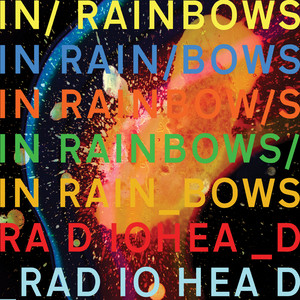
Radiohead: In Rainbows
Every so often, an album comes along that feels less like a collection of songs and more like a physical environment. In Rainbows is a stunning, atmospheric masterpiece that represents the absolute pinnacle of "thought-provoking" production. Following in the emotional footsteps of tracks like "Let Down," this record adds a soulful, vulnerable layer to Radiohead’s sound that is almost impossible to put into words. It is warm, organic, and technically flawless.
The musicianship here is staggering, particularly during the back half of the record. The five-song run from "Weird Fishes/Arpeggi" through to the haunting finale of "Videotape" is perhaps one of the greatest sequences in modern music history. However, the crown jewel is undoubtedly "Reckoner." It is a song that feels suspended in mid-air—a perfect blend of intricate percussion and Thom Yorke’s most ethereal vocal performance.
This isn't just an album; it’s an out-of-body experience. It bridges the gap between complex art-rock and raw human feeling so seamlessly that it leaves the listener, quite literally, "on Mars." A definitive, perfect 5/5 and the undisputed highlight of the challenge so far.
Destiny's Child: Survivor
Coming off the emotional highs of previous discoveries, Survivor feels like a significant shift toward commercial polish over lasting substance. While the vocal performances are technically proficient and the production is sharp, the album lacks the "atmospheric" depth that makes a record truly stay with you. It is a project defined by its era—aggressive, staccato pop-R&B that served as a massive cultural statement in 2001, but feels oddly fleeting today. While it’s a solid showcase for the group's vocal harmony, it ultimately struggles to justify its place on a "must-hear" list for those seeking a more profound or memorable musical connection.
Les Rythmes Digitales – Darkdancer
Darkdancer is a vibrant, high-energy homage to 80s synth-pop that succeeds more as a "mood" than a complex piece of artistry. While it brings a welcome sense of fun and upbeat energy to the listening experience, it suffers from the "unidimensional" trap common in electronic music. The production is undeniably infectious, yet the reliance on repetitive loops and simplistic lyrical structures prevents it from reaching the same emotional or technical depths as more layered projects. It is a sonically pleasant "vibe" that excels in a social or high-energy setting, but as a standalone album, it lacks the artistic evolution needed to move beyond its dance-floor roots.
The Sisters of Mercy – Floodland
Floodland is a cinematic triumph of atmosphere, successfully bridging the gap between dark, eerie production and genuine melodic hooks. The album shines brightest during its more "Wagnerian" moments, where the blend of deep, resonant vocals and massive orchestral layers creates a unique, high-stakes sound. Tracks like "This Corrosion" and "Dominion/Mother Russia" are undeniably catchy highlights, showcasing a level of grand-scale production that feels both haunting and accessible. While the record struggles to maintain that same infectious energy across its entire runtime, its "eerie" musicianship and sheer sonic ambition make it a standout discovery. A strong, atmospheric experience that proves "dark" music can still be magnificent.
Stan Getz & Charlie Byrd – Jazz Samba
Jazz Samba is a masterclass in subtlety and technical fusion. While casual listeners often relegate Bossa Nova to the background, a focused listen reveals a level of musicianship that is nothing short of magnificent. The "conversation" between Stan Getz’s breathy, melodic saxophone and Charlie Byrd’s intricate, nylon-string guitar work is seamless. It is a record that manages to be both deeply relaxing and intellectually stimulating, proving that music doesn't need to be loud or aggressive to be "heavy." A timeless achievement in cross-cultural collaboration and a definitive 5/5 discovery that rewards the listener for giving it their full attention.
Dexys Midnight Runners – Don’t Stand Me Down
Following a masterclass in jazz fluidity, Don't Stand Me Down feels like a jarring, theatrical departure. While there is an undeniable "funkiness" to the arrangements and a soulful core buried beneath the production, the vocal delivery proves to be a significant barrier. Kevin Rowland’s idiosyncratic style—blending spoken-word dialogue with erratic vocal tics—often distracts from the musicianship rather than enhancing it. While the album is historically respected for its bold, non-commercial vision, the actual listening experience feels cluttered and difficult to connect with. It’s a project that prioritizes a "character study" over melodic cohesion, resulting in a listen that ultimately falls flat
Throbbing Gristle – D.O.A.
D.O.A. is less of a musical album and more of a psychological endurance test. After a week defined by high-level musicianship and beautiful production, this record feels like a total rejection of everything that makes music worth listening to. It is an "absolute grievance" of a project—a collection of abrasive noise, disturbing tape loops, and cold, mechanical static that offers zero emotional or melodic payoff. While historians might argue for its importance in creating the "Industrial" genre, the actual listening experience is physically repulsive and sonically hollow. It stands as a reminder that being "provocative" or "experimental" doesn't always result in something that deserves to be heard.
If giving an album a zero was a feature of this platform I would wholeheartedly. 1/5
The Who – My Generation
My Generation serves as a high-energy palate cleanser, effectively washing away the sonic debris of previous experiments. What stands out most is the production’s surprising soul influence; rather than the typical British Invasion sound, much of the record feels like an aggressive tribute to American R&B legends like James Brown and Sam Cooke. The musicianship is tight, and the vocal delivery carries a "raw soul" edge that gives the tracks a distinct, international flavor. While it may not reach the atmospheric heights of a modern masterpiece, it is a solid, technically impressive debut that successfully captures the transition from traditional R&B to high-voltage rock. A "decent" 3/5 that values musicianship over gimmicks.
The Beach Boys – Pet Sounds
Pet Sounds is a staggering achievement in vocal architecture and studio musicianship. Moving far beyond the simple "surf-pop" tropes of the era, Brian Wilson utilizes the studio as a primary instrument to create a "symphonic" pop experience. The vocal arrangements are nothing short of immaculate—layering harmonies with a level of complexity and precision that rivals the operatic heights of bands like Queen. Tracks like "God Only Knows" and "Wouldn't It Be Nice" stand out as masterclasses in production, blending unconventional instruments and vulnerable, conscious lyricism into something that feels both intimate and grand. It is a deeply "thought-provoking" record that rewards multiple listens, proving itself to be one of the most sophisticated milestones in musical history.
Mike Oldfield – Tubular Bells
Tubular Bells is a fascinating, almost academic display of multi-instrumental talent. Listening to the record feels less like a traditional musical journey and more like visiting an "exhibition of instruments" in an art house setting. The way the production meticulously layers over 20 different instruments is technically impressive, showcasing a high level of individual musicianship for a solo creator. While it serves as a great sonic "exhibit," the lack of vocal depth or a traditional melodic heart makes it feel somewhat clinical. It is a sonically decent achievement that excels as an atmospheric experiment, even if it lacks the emotional "on Mars" resonance of a true 5-star masterpiece.
The Fugees – The Score
The Score is a masterpiece that truly lives up to its name, operating as an immaculate "body of work" from start to finish. The production is top-tier, specifically the "immaculate" sample flips like the gold-standard use of ATCQ’s "Bonita Applebum." Lauryn Hill’s performance is a triumph; her vocal work on "Killing Me Softly" is peak musicianship, while her "rapping chemistry" with Wyclef on "Zealots" is world-class. From the "magnificent" energy of "No Woman, No Cry" to the underrated brilliance of the title track and the "funny" skits (especially the ending of "The Beast"), the album never misses. It all comes together on "Manifest," capping off a 5/5 experience that is both technically deep and incredibly high-energy.
Eminem – The Slim Shady LP
The Slim Shady LP is a brilliantly "obnoxious" debut that successfully introduced one of hip-hop’s most technical and versatile storytellers. The album thrives on its "haunting" narratives, particularly on tracks like "'97 Bonnie & Clyde," and the "top-tier chemistry" displayed between Eminem and Dr. Dre on "Guilty Conscience." What makes this body of work stand out is how Eminem presents vastly different emotions and struggles through a lens of dark humor; he can pivot from the frantic, drug-fueled chaos of "My Fault" to the surprisingly smooth "groove vibes" of "Cum on Everybody" without losing his technical edge.
The record is packed with highlights, from the "immaculate" and famous production of "Role Model" to the defiant energy of "Just Don’t Give a F***." While the lyrics are often cartoonishly funny (especially on My Name Is), they are backed by a serious lyrical ability that was clearly just beginning to "unlock." While it serves as a massive foundation for the even more complex storytelling he would achieve on the MMLP, this album remains a masterpiece of "off-kilter" creativity. A definitive 4/5 that captures the raw, hungry birth of a legend.
The Teardrop Explodes – Kilimanjaro
Kilimanjaro is a solid, high-energy entry into the post-punk canon, though it lacks the experimental depth of a masterpiece like David Bowie’s Low. While the album at times leans into a "generic Britpop" aesthetic that feels less than revolutionary by modern standards, it is redeemed by several standout moments of musicianship. Julian Cope’s performance is charismatic, particularly on "hypnotic" highlights like "Sleeping Gas" and the sharp energy of "Books" and "Treason." While tracks like "When I Dream" fail to leave a lasting impression, the record’s blend of driving rhythms and brassy production makes for an enjoyable listen that rewards the "all ears" approach. A decent 3/5 that serves as a vibrant, if somewhat familiar, time capsule of the Liverpool scene.
Small Faces – Ogden’s Nut Gone Flake
Ogden’s Nut Gone Flake is a vibrant discovery that highlights a growing appreciation for the rock genre's storytelling potential. The album shines during its "cinematic" second half, where the whimsical narrative creates a fun and engaging atmosphere. The run of tracks from the psychedelic title opener through the "great" energy of "René" and "Song of a Baker" showcases a band at their creative peak. However, while the musicianship is high, the 1968 production can feel a bit "overwhelming" at times—the heavy use of studio effects and intense vocal layers occasionally clutter the listening experience. It is an enjoyable, "thought-provoking" piece of psychedelic history that serves as a solid bridge between raw soul and theatrical rock.
Khaled – Kenza
Kenza is an ambitious exhibition of global fusion, but one that ultimately felt "overwhelming" and inaccessible. While the production is clearly layered with complex instrumentation and powerful vocal delivery, the lack of a personal connection to the Raï style made it a difficult "body of work" to fully engage with. While it’s an interesting cultural detour in the 1001 list, it didn't resonate with the same "rock" or "hip-hop" energy of previous days. A neutral experience that serves as a reminder that even immaculate talent doesn't always translate across every listener’s taste.But yoo I, at least I got to hear it 🤷♂️
Talking Heads – Talking Heads '77
Talking Heads '77 is a solid, high-energy debut that thrives on its unique sense of "funkiness and groove." Unlike the cluttered production of other eras, this album feels "carefree" and precise, using clean instrumentation to create a "sophisticated" art-rock atmosphere. Standout tracks like "Don’t Worry About the Government" and "The Book I Read" showcase the band’s ability to blend catchy melodies with an "eerie," slightly off-kilter perspective. Of course, "Psycho Killer" remains the "immaculate" peak of the record, anchoring a body of work that is as fun as it is technically sharp. A great "all ears" experience that balances art-house intellect with a danceable, rhythmic heart.
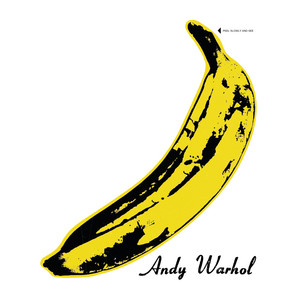
The Velvet Underground – The Velvet Underground
The Velvet Underground’s 1969 self-titled effort is a "warm and intimate" masterclass in atmosphere. It is the ultimate "lounging" record—a collection of songs that encourage "reminiscing" through their quiet, soulful simplicity. Tracks like "Candy Says," "Pale Blue Eyes," and "Jesus" hit the brain with a level of emotional "musicianship" that doesn't require volume to be powerful. While the experimental chaos of "The Murder Mystery" can feel a bit "overwhelming," it remains a "passable" detour in an otherwise "immaculate" body of work. It is a deeply "human" album that trades the noise of their earlier work for a sophisticated, late-night vulnerability.
Jungle Brothers – Done By the Forces of Nature
Done By the Forces of Nature is a solid historical document that unfortunately feels more like a "blueprint" than a finished masterpiece. While it successfully "sets the stage" for the funky, jazz-influenced boom-bap that would define the 90s, the execution falls short of the "immaculate" energy found in later LPs by the Native Tongues collective. Aside from the high-energy vocal chemistry on "Doin' Our Own Dang," much of the record feels like a work-in-progress—an experimental stage where the group was still refining their sound. It’s an interesting look at the "roots" of conscious hip-hop, but compared to the "on Mars" production of the LPs that came after, it leaves a clear "room for improvement." A decent 3/5 that values history over the actual listening experience.
Buzzcocks – Another Music in a Different Kitchen
Another Music in a Different Kitchen is a high-velocity "body of work" that delivers a perfect surge of "grungy" punk energy. It thrives on a raw, high-testosterone vibe that is ideal for focused listening, yet it avoids being "unidimensional" through its sharp songwriting and technical "interplay." Standout tracks like "Autonomy" and "I Don’t Mind" showcase an "immaculate" balance of speed and melody, while the atmospheric drive of "Moving Away from the Pulsebeat" adds a layer of depth often missing from the genre. It’s a powerful, high-energy experience that revitalizes the listener, proving that punk can be both "gritty" and technically sophisticated. A solid 4/5 that keeps the momentum of Month One hitting hard.
Dead Kennedys – Fresh Fruit for Rotting Vegetables
While I can't deny the influence this band/album had on punk genre, this might be the absolute side of rock I fear. Chemical Warfare, bro that noise was menacing. The lyrical content throughout the LP is built on extreme, violent satire and feels needlessly to be dark, trading the immaculate musicianship of previous days for a wall of noise. This might be me standing behind the moshpit with a my hands on the chin wondering what I got myself into. For a listener who values groove and soul, this is a "hard pass" on the genre a 1/5 that marks a low point in an otherwise triumphant month of discovery.
McCartney is a "handmade" and intimate palate cleanser that successfully washes away the noise of previous days, even if it lacks long-term "lasting power." at least me Personally. Paul’s performance is impressive—a true display of "one-man band" musicianship where he handles every instrument with a raw, "unpolished" charm. While tracks like the "triumphant" "Maybe I'm Amazed" stand out as immaculate highlights, much of the LP feels like a collection of casual sketches rather than a cohesive "body of work." It is a great, gentle listening experience for the moment, but it doesn't quite "unlock" the urge for repeat listens. A solid 3/5 that serves as a high-quality "home-cooked" detour.
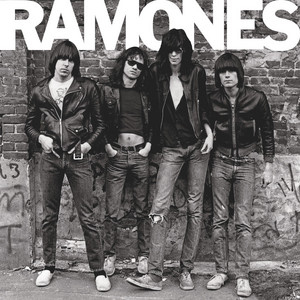
The Ramones – Ramones
Following the "abrasive" and "soulless" disappointment of the Dead Kennedys, the Ramones’ 1976 debut is an "immaculate" return to form that kept surprising me with every track. The album thrives on a "triumphant" momentum where the production feels structured and intentional; I loved how each song fades perfectly into the following one, "hitting while the iron is hot" and never letting the high-velocity energy dip.
The opening four-song run—from the iconic "Blitzkrieg Bop" to the 60s-inspired soul of "I Wanna Be Your Boyfriend"—is a masterclass in "technical simplicity" that hits the "vintage" sweet spot perfectly. Even as I moved deeper into the LP, I kept stumbling upon new favorites like "Let’s Dance," which highlights the band's deep connection to a classic rock-and-roll heart. Unlike the "hearing warfare" of other hardcore records, this "body of work" is as fun as it is sophisticated, delivering a "punky" groove that sustains its technical interplay from start to finish. A perfect 4/5 that officially restores my faith in the genre’s ability to be both raw and "immaculate."
Joe Ely – Honky Tonk Masquerade
Honky Tonk Masquerade felt like a "forgettable" detour that failed to capture my interest. While the "vintage" Tex-Mex instrumentation shows a level of "technical" variety, the overall "body of work" lacks the "triumphant" energy or "immaculate" hooks needed to leave a lasting impression. It’s a "low-stakes" listen that simply "came and passed" without providing a "thought-provoking" reason to return. A "carefree" but ultimately unidimensional experience that lacks the "lasting power" required for a Month Two standout.
Sex Pistols – Never Mind The Bollocks...
Never Mind The Bollocks is a "pretty average" statement that manages to be a step up from the "absolute shite" of the Dead Kennedys, but it still falls short of a masterpiece. While the production is "immaculate"—delivering a thick, "tuff" wall of sound that hits with more weight than your standard punk record—the overall experience feels a bit "unidimensional." Johnny Rotten’s "obnoxious" delivery has more "conscious" intent than Jello Biafra’s, yet it lacks the "vocal chemistry" or "soul" that makes an album stay in my rotation. It’s a historically significant "body of work" that delivers some "triumphant" anthems, but for a listener who values "lasting power," it’s a record that feels better to talk about than to actually listen to.
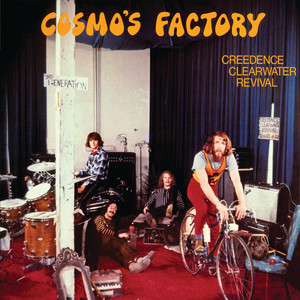
Creedence Clearwater Revival – Cosmo's Factory
Cosmo’s Factory is a rare case where I can fully admire the technicality and immaculate rockmanship without actually finding a favorite track. The production is undeniably top-tier, perfecting a vintage blend of country and rock that feels structured and intentional. John Fogerty’s vocal performance and the band's organic chemistry are triumphant in their execution, proving why this is a sophisticated inclusion on the 1001 list. However, despite the high-level musicianship, the album lacks those standout moments or cinematic hooks that give a record true lasting power in my rotation. It’s a really good technical achievement that I respect more than I love, a solid 3/5 that serves as a high-quality, though not essential, discovery.
Edit: Yeah I don't know what I was smoking,but after a thorough relisten I was Impressed enough to give it a 5.
Neil Young & Crazy Horse – Everybody Knows This Is Nowhere
Everybody Knows This Is Nowhere is a "decent" and technically solid entry in the challenge, but one that ultimately lacks the "replay value" to enter my personal rotation. While the LP doesn't feel "empty"—thanks to the "telepathic" interplay and great production on long-form tracks like "Down by the River" and "Cowgirl in the Sand"—it fails to deliver that "triumphant" spark that makes a discovery feel essential.I can respect the "unrefined" musicianship and the "vintage" atmosphere Neil Young creates here, but it doesn't quite "unlock" a reason to return. A simple 3/5 that marks another high-quality but "low-stakes" detour in Month Two.
Fats Domino – This Is Fats Domino!
After a run of decent but distant 3-star records, This Is Fats Domino! is a high-level return to immaculate soul and emotion. This album is a triumphant symphony of 1950s musicianship, proving its lasting power" by laying the technical foundation for icons like Elvis and The Beatles. "Blueberry Hill" stands out as a masterclass in substance and production, while Fats’ performance on Poor Poor Me and the rhythmic iron is hot energy of Blue Monday hit the brain just fine. While the LP loses some consistency in its later half compared to the powerhouse opening, it remains a class body of work that is essential for understanding the vintage roots of rock and roll. A solid 4/5 that finally feels like a triumphant discovery.
Daft Punk – Homework
Homework is a "vibe-heavy" masterclass in bedroom production that hits "the brain just fine" as a background companion, even if it lacks the "vocal triumph" of my 5-star favorites. As someone who usually looks for "consciousness" and "technical chemistry," I found that this LP succeeds more as an atmospheric mood-setter than a deep "body of work." Tracks like "Around the World" and "Revolution 909" show "immaculate" technical simplicity, but others, including "Da Funk," tend to lose their momentum halfway through, making them prone to losing my interest. While it’s "pretty average" in terms of replay value for the full project, the handful of standout tracks make it a solid discovery. A "high-utility" 3/5 that serves its purpose without demanding a permanent spot in the rotation.
Sigur Rós – Ágætis Byrjun
Ágætis Byrjun is an "on Mars" technical achievement that unfortunately hits a "lyrics barrier" before it can make a true personal impact. While the production is "immaculate"—delivering a "cinematic" and "ambient" atmosphere that rivals the best of Radiohead—the lack of relatable substance makes it hard to fully "unlock" the experience. I can admire the "sophisticated" musicianship and the "eerie" beauty of the cello-bowed guitars, but without a lyrical connection, the songs often feel like a "pretty average" wash of sound. "Olsen Olsen" stands out as the lone highlight that managed to break through, but the rest of the LP lacks the "replay value" needed for my permanent rotation. A respectful 3/5 for a "triumphant symphony" that remains just out of reach.
Gary Numan – The Pleasure Principle
On Day 40, The Pleasure Principle stands as another "decent" discovery that showcases "smooth" technical chemistry without securing a spot in my personal rotation. The replacement of guitars with heavy synthesizers was a "cool" and innovative move, creating an "immaculate" electronic wall of sound that still felt structured and grounded. Tracks like "Cars," "Conversation," and "Engineers" are the clear highlights, hitting "the brain just fine" with their "tuff" synth riffs and consistent momentum. However, despite the "sophisticated" engineering and great production, the overall "robotic" atmosphere lacks the "vocal triumph" or "lasting power" I need for a 4 or 5. A solid 3/5—a high-quality technical achievement that remains a "once-is-enough" listening experience.
DJ Shadow – Endtroducing.....
On Day 41, the "3/5 Equilibrium" has finally been broken by a masterclass in instrumental chemistry. Endtroducing..... is a "triumphant" body of work that proves you don't need a rapper to deliver a "conscious" and "thought-provoking" experience. The technical skill involved in building these tracks entirely from samples is "on Mars," hitting that "immaculate" production standard I look for. "Building Steam with a Grain of Salt" and "The Number Song" are standout highlights—perfectly executed pieces of "vintage" soul and "tuff" rhythms that maintain their momentum from start to finish. This is a record with genuine lasting power vibe that earns its spot in my personal rotation. A perfect 4/5.
The Streets – A Grand Don't Come For Free
On Day 42, the streak has been violently broken by an album that felt completely "ass" from start to finish. Despite the "narrative" promise, A Grand Don't Come For Free lacked any energy or "triumphant" momentum, making the storytelling feel slow and "unidimensional." For someone who doesn't connect with the UK Grime/Garage aesthetic, the "everyday" delivery lacked the "vocal triumph" or "immaculate" production needed to keep me engaged. It was a "soulless" experience that failed to hit the brain just fine, serving as a reminder that a good story means nothing if the music has zero energy. A definitive 1/5.
Miriam Makeba – Miriam Makeba (1960)
PEAK LISTENING. This album is a "triumphant symphony" of Jazz and African Soul that stands "on Mars" compared to everything else I've heard this month. As a young African boy who grew up with these sounds, finally hearing the full LP was a cinematic experience that unlocked reminiscing memories. Miriam’s vocal performance is the definition of "immaculate" from the technical skill of "The Click Song" to the emotional weight of "Lakutshon' Ilanga." Discoveries like "The Naughty Little Flea" and "The Retreat Song" show a level of vocal triumph and organic chemistry that is simply top-tier. This isn't just a historical record; it is a blueprintfor musical admiration in my motherland. A perfect, effortless 5/5.
On Day 44, Ash’s 1977 serves as a decent reminder of youthful energy, but it lacks the vocal triumph needed to follow a five-star masterpiece. While it is amazing to hear teenagers deliver this level of tough 90s rockmanship, the album ultimately struggles with replay value outside of its two heavy hitters.
Girl From Mars and Kung Fu hit the brain just fine with their triumphant momentum, but the rest of the LP feels like a pretty average collection that doesn't quite break into my personal rotation. It’s a solid 3/5—I respect the technical simplicity and the sci-fi ambition, but it doesn't have enough standout substance to keep the iron hot.
T. Rex – The Slider
On Day 45, The Slider stands as another decent listen that ultimately lacks personal replay value. The production is undeniably great, and tracks like Metal Guru and Telegram Sam definitely lived up to the hype in terms of their sound and energy. However, even with that polished wall of sound, the album as a whole didn't do enough to make me want to come back to it. It’s a solid 3/5—I can see the technical appeal and the influence it had, but it’s not something I’ll be adding to my permanent rotation.
Portishead – Dummy
On Day 46, Dummy earns a strong 4/5. It’s a great listen that provides the kind of atmosphere and production quality I’ve been looking for. While the vocals were decent and fit the mood well, they didn't quite push the album into that perfect 5-star territory. The real highlights for me were Mysterons, Roads, and Glory Box, all of which showed a high level of technical chemistry. It’s a solid, moody record that definitely has more replay value than the recent LPs on the list.
Rush – 2112
On Day 47, 2112 delivered exactly the kind of great body of work I was hoping for. The concept behind the album is handled in a very consistent way, making the whole thing feel like a cinematic experience. The production and lyrics work together to make the story sweet and engaging. While the 2112 suite was good, I found myself drawn closer to Lessons on the second half. It’s a great piece of musicianship that left me wanting to hear more. A solid 4/5.
Jack White – Blunderbuss
On Day 48, Blunderbuss was a bit of a letdown. While the blues-rock vibes and the general production were all good, the album felt passable overall. It didn't have the same level of impact or consistent momentum that I've found in other recent discoveries. I can respect the instruments and the effort, but there just wasn't enough there to make it a memorable body of work for me.
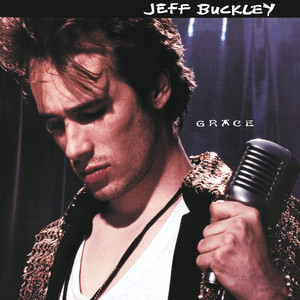
Jeff Buckley – Grace (1994)
What an album. It doesn't require a technical ear to judge how good this is; the musicianship is simply peak. After taking the time to go through the entire project, I can fully appreciate what a classic body of work this is. The vocal performance throughout is incredible, especially on Hallelujah, which was a real highlight for me. Other standouts like Mojo Pin, Grace, Last Goodbye, So Real, Lilac Wine, Lover You Should’ve Come Over, and Eternal Life made the experience feel complete and high-level. This is a record I will definitely be returning to. An easy 5/5. Going from hearing the title track here and there to realizing the whole project is a classic is what this 1001 list is all about.
System of a Down – System of a Down (1998)
After a relisten, I’ve had a change of heart. While metal isn't usually my thing, revisiting this LP proved it was definitely worth it. The production is loud as hell, but it sounds great—it’s polished, precise, and carries a high-energy pulse that stayed with me.
The lyrics and the raw intensity—especially that ROOOOAR—actually stuck in my head long after the music stopped. It turns out I might have had the wrong idea about metal initially. This is a project that carries a lot of technical weight and keeps the iron hot throughout.
initial review: 2⭐
updated review: 4⭐
maybe everybody does need a motherfucker
The Bees – Sunshine Hit Me (2002)
On Day 51, Sunshine Hit Me felt like an album built for lounging and nothing more. Considering the production was done in a garden shed, it sounds remarkably good and serves as a nice soundtrack for chilling by the pool with a drink, but that’s where the appeal ends. I struggle to see why this is considered a "classic" worthy of the list; it feels like hipster music that likely just caught the attention of the book's UK-based authors. It’s a 2/5—decent for a specific mood, but lacks the substance to be anything more.
The Beach Boys – Surf's Up (1971)
On Day 52, Surf's Up felt like a bit of a mixed bag. I really enjoyed Pet Sounds, but this one didn't quite hit the same heights. There’s something missing from the sweet production and the vocal blend that I usually associate with them. It gets quite political and heavy with its environmental themes, which takes away from the overall musical enjoyment for me. It’s a decent listen and the musicianship is obviously there, but it’s not something I’ll be rushing back to. A solid 3/5.
Little Richard – Here's Little Richard (1957)
On Day 53, Little Richard provided a much-needed energy boost, but the album as a whole sits at a 3/5. While I admire the massive influence he had on everyone who came after him, the record itself feels just decent compared to other blues-rock projects from the same era. The vocals and the piano-pounding momentum are great for a few tracks, but it doesn't quite have the depth or replay value of a true 4 or 5-star favorite. It’s a solid piece of history, but not one I’ll be reaching for often.
Green Day – American Idiot (2004)
On Day 55, American Idiot delivered a high-level experience that justified every bit of its massive reputation. It took a long sitting to fully digest, but the project is a definitive masterclass in how to execute a rock opera in the modern era.
What stands out most is the production capability. Rob Cavallo and the band created a sound that is incredibly crisp and punchy; the drums are massive, and the guitar layers have a "tuff" clarity that hits the brain just fine. This isn't just raw punk—it’s a sophisticated, "immaculate" recording that shows off peak technical chemistry.
By tackling heavy political themes and social frustration, they managed to avoid the shallow pitfalls that many of their peers fell into. The "conscious" narrative following the Jesus of Suburbia adds a layer of substance that makes the whole body of work feel vital. Jesus of Suburbia is a nine-minute triumph of songwriting, and the transition through Holiday/Boulevard of Broken Dreams feels like a cinematic journey. Other highlights like Give Me Novacaine, Letterbomb, and the emotional weight of Wake Me Up When September Ends prove that this is a dense, rewarding project. Rich history backed by high-level execution makes this an undeniable 5/5.
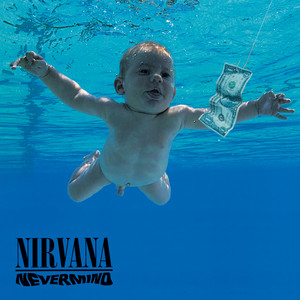
Nirvana – Nevermind (1991)
On Day 56, we hit a definitive masterpiece that is entirely self-explanatory. Where do you even start with a legacy like this? From the iconic, "tuff" energy of "Smells Like Teen Spirit"—where you can't help but shout along: "My mosquito, My libido, a mulatto, albino!"—to the deep, atmospheric weight of "Something In The Way," the album is a masterclass in cohesion. It’s a "body of work" in the truest sense; I found myself relistening with the lyrics on just to catch the nuances of their message, especially after realizing they were critiquing the lack of understanding in their own audience.
The production capability here is top-tier. The "Lennon" vocal technique gives Kurt’s voice a triumphant, thick presence that perfectly balances Dave Grohl’s drumming—which is some of the most powerful and technically precise in rock history. The range is incredible: you have the "conscious" and melodic hooks of "Lithium," "Polly," and "Come As You Are," but then you also have that raw, metallic explosion on the hidden closer "Endless, Nameless" which shows their sheer instrumental range.
It’s an album that manages to be both "on steroids" energetically and deeply poetic in its discontent. It doesn’t just live up to its history; it defines it. A definitive 5/5.
Manassas – Manassas (1972)
On Day 57, Manassas was a great listen, but ultimately a decent one rather than anything groundbreaking. With a runtime of over an hour, it was the perfect album to have on while attending to errands, as it successfully created a chill, country road trip atmosphere that didn't disappoint in that specific context. However, across the four thematic sides, the only track I found truly interesting and memorable was Colorado. It’s a solid body of work with high-level production, but it lacks the consistent triumphant energy to be more than a 3/5.
Bruce Springsteen – Born to Run (1975)
On Day 58, Born to Run proved that the immense pressure Bruce was under to create marketable music really paid off. The album sounds incredibly good, showcasing high-level production capability and a triumphant energy that hits the brain just fine. Standout tracks like Born to Run, Night, Thunder Road, Tenth Avenue Freeze-Out, and the epic Jungleland really show off the band’s technical chemistry. While a couple of tracks like Meeting Across the River and Backstreets felt like the weaker links to me, the album as a whole is a strong, cinematic experience. A solid 4/5.
k.d. lang – Shadowland (1988)
On Day 59, Shadowland started strong but unfortunately lost its momentum halfway through the listen. What really stood out most was k.d. lang’s impressive ability to blend jazz standards with country-pop vibes—it's a high-level technical mix that results in some very good tunes. Tracks like I'm Down to My Last Cigarette, Lock, Stock and Teardrops, Sugar Moon, I Wish I Didn't Love You So, and Waltz Me Once Again Around the Dance Floor were definite standouts. However, as a complete body of work, the project isn't quite strong enough to guarantee a return visit. A solid 3/5.
Orbital – Snivilisation (1994)
On Day 59, Snivilisation was a massive struggle to get through. I was expecting something with an electronic funk energy, but it ended up sounding like a collection of boring, weak ringtones. I honestly cannot see why this was included in the "1001" list. It lacked any real momentum or interest, making the 75-minute runtime feel like a total chore. It’s easily a 1/5—completely failed to hit the mark.
The Killers – Hot Fuss (2004)
On Day 60, Hot Fuss was exactly the rescue mission I needed. I actually enjoyed the album quite a bit, it’s a solid 4/5. While there weren't quite enough favorite songs across the whole tracklist to push it to a 5, the standouts were incredibly high-quality. Jenny Was a Friend of Mine, Mr. Brightside, Smile Like You Mean It, Andy, You're a Star, and Somebody Told Me all had great energy.
However, the absolute best of them all was All These Things That I've Done. The harmony and the way they integrated the choir were so good that I found myself playing it five times in a row. I got hooked easily; that track alone has the kind of triumphant soul that makes the whole experience worth it. Good stuff right there.
Billy Bragg & Wilco – Mermaid Avenue (1998)
On Day 61, Mermaid Avenue turned out to be a total snooze fest. To be honest, the vocals just weren't there for me. It felt like Billy Bragg was just "Bragging" without delivering the vocal quality or the "triumphant" energy I look for in a project. The only thing that prevented this from being a 1-star disaster was "California Stars," which stood out as a decent track and the backstory behind the LP which I found touching. Other than that, the album lacked any real soul or momentum to keep me engaged. A disappointing 2/5.
Joy Division – Unknown Pleasures (1979)
On Day 62, Unknown Pleasures was exactly what I was waiting for. The LP is great and carries a dark energy that is somehow relaxing while still making you want to dance a little. The riffs and drums add a massive vibe to the experience, and the haunting storytelling in the lyrics is pure cinema.
Tracks like Disorder, Shadowplay, She’s Lost Control, and New Dawn Fades were absolute standouts for me. While there were a few skips along the way that keep it at a 4/5 for now, I can definitely see this growing on me with more time. It’s a project I’ll certainly be coming back to, as the high-level production and unique atmosphere are hard to ignore. A strong 4/5.
Edit:
Well it grew on me 5/5
Missy Elliott – Under Construction (2002)
On Day 63, Under Construction showcased the incredible technical chemistry between Missy Elliott and Timbaland, but the album as a whole felt slightly overrated. Missy is undeniably talented, and her work on each of Timbaland’s futuristic beats is high-level, but there wasn't enough substance for me to cling to.
I did like "Pussycat" and "Back in the Day," and I really appreciated the tribute to fallen legends like Aaliyah, Biggie, Pac, and Big L. However, despite the great production and technical skill, there isn't much here that guarantees a return visit for me. It’s a decent listen and a high-quality production, but ultimately a 3/5.
Hole – Celebrity Skin (1998)
On Day 64, Celebrity Skin delivered a smooth 5-star experience with the most consistent energy I’ve encountered in a while. The LP hits hard, especially with the title track’s exploration of how the weight of fame and expectation can leave you feeling "used up." That concept of waking up in your makeup and feeling exhausted by the world is incredibly relatable and gives the high-level production a real, "conscious" weight.
The tracklist is remarkably strong, with Celebrity Skin, Awful, Hit So Hard, Malibu, Reasons to be Beautiful, Northern Star, and Heaven Tonight all standing out as highlights. It’s an immaculate body of work that balances a "triumphant" power-pop sound with a dark, cinematic undercurrent. This is a decent LP that I will definitely be returning to. A definitive 5/5.
Adele – 21 (2011)
On Day 65, 21 proved why it’s a modern classic. While I debated between a 4 and a 5, I ultimately couldn't deny the introspective depth and the vocal triumph of this project. The album unlocked a deep sense of empathy for Adele as she poured her emotions into the music; it’s a project that clearly has a soul and immense return value.
While Someone Like You, Turning Tables, and Rolling in the Deep are the heavy hitters, He Won't Go was a personal standout for me, capturing that unacceptance side of a breakup that really showcased her emotional range. The production is immaculate and well put together, avoiding any shallow pop pitfalls. It’s a definitive 5/5.
Faith No More – The Real Thing (1989)
On Day 66, The Real Thing provided a decent listen with a high-level of production and impressive genre range, but it wasn't enough to guarantee a long-term return value. The album showcases great technical chemistry—especially in the way it blends rapping with a metallic rock sound—and the rendition of War Pigs was definitely a highlight.
Tracks like The Real Thing, Edge of the World, and the classic Epic stood out for their energy and tuff rhythms. However, as a complete body of work, it didn't quite have the emotional pull or consistent soul to reach that 4 or 5-star level. It's a solid, well-executed project, but ultimately a 3/5.
Foo Fighters – Foo Fighters (1995)
On Day 67, the Foo Fighters' debut was an all-around good listen, especially considering it was entirely a one-man job. Dave Grohl's production capability is impressive here; he managed to make a solo project sound like a full, high-energy band. While I caught some visible shades of Nirvana in the sound, the album ultimately didn't do enough to pull me off my feet.
There were definitely some good tracks, with Big Me and For All the Cows standing out as personal highlights. However, as a body of work, it feels a bit too "decent" without having enough to consistently bring me back for more. It’s a well-executed start to a new chapter, but for me, it sits at a solid 3/5.
Björk – Vespertine (2001)
On Day 68, Vespertine was a project I admired more for its technical execution than for personal enjoyment. The ASMR-like production is incredibly detailed, creating an immersive atmosphere that really takes you along on Björk's artistic journey. Her vocal triumph here isn't about power, but about the range of emotions and micro-details she manages to capture.
The overall production is immaculate, allowing you to pick up on layers that most records would miss. While I didn't explicitly enjoy it enough to push it into the 4 or 5-star range, the sheer level of craftsmanship and the way the vocals lead the journey earns it a warm 3/5.
Sometimes, I thank Robert Dimery for putting me on, but bro does whatever to revert it. I think it’s fine to die without hearing this one!
A passable 2, based on it's history I guess
Drive-By Truckers – Southern Rock Opera (2001)
On Day 70, Southern Rock Opera was 90 minutes of... absolutely nothing, as far as I'm concerned. Maybe it’s just because I’m African and the whole "Southern American" mythos doesn't resonate with me, but this was a total struggle. I couldn't find anything to cling to—no soul, no melody that stuck, just a long-winded project that felt completely irrelevant to my ears. It’s a 1/5, and I’m more than happy to leave this one behind.
Public Enemy – Fear of a Black Planet (1990)
On Day 71, Public Enemy delivered a strong 4/5. Technically, the production on this record goes incredibly hard—the "Bomb Squad" really showed their range in terms of layering and sonic density. It’s an aggressive, high-energy body of work that demands attention.
However, compared to their predecessor, It Takes a Nation of Millions to Hold Us Back, it doesn't quite reach that same level of perfection. While I liked the album and respect the sheer scale of the production, there wasn't quite as much to love as there was on the previous LP. It’s a great project that proves their technical dominance, but it sits just below the 5-star mark for me. A solid 4/5.
808 State – 90 (1989)
On Day 72, I hit a wall with 90. Halfway through, I realized that while the production is technically significant for its time, it honestly sounds like a video game soundtrack but somehow worse. There were moments where I found myself bopping my head a little, but overall, it’s not a good time.
This is one of those albums that sours the mouth, but I’m looking at it as a necessary step in the journey. It’s part of the evolution of music, showing how this genre started as ass before evolving into the masterpieces I'll encounter later. It earns a 1/5 for the listening experience, though I acknowledge its place in the history books.
Finley Quaye – Maverick A Strike (1997)
On Day 73, Maverick A Strike turned out to be a bit of a letdown. While it has its highs and lows, the overall experience was honestly just boring and sounded somehow dull. It tries to blend reggae rhythms with 90s pop, but the result lacks the triumphant energy or the deep soul needed to make it a standout body of work.
There are moments of decent production, and I can see the high-level effort in the arrangements, but it doesn't do enough to pull me in. It’s not buns like the previous day, but it’s far from a masterpiece. A fair 2/5 for an album that just didn't have enough spark to stay interesting.
The Triffids – Calenture (1987)
On Day 74, Calenture was a step up from the "empty" projects of the last few days. It actually had something to it—a sense of atmosphere and a "conscious" weight that was missing from the "dull" or "ass" records recently. The 80s production is immaculate and large-scale, giving the songs a cinematic, "staring at the ceiling" quality.
While the project is well-executed and the vocals carry a certain "ghostly" intensity, it wasn't a project that completely swept me off my feet. It’s a solid, interesting body of work that avoids being shallow, but it doesn't quite reach that "must-return" level. A respectable 3/5.
Jah Wobble's Invaders Of The Heart – Rising Above Bedlam (1991)
On Day 75, I encountered another mid album. While I can admire the technical effort that went into blending Spanish, Arabic, and UK vibes into one project, I honestly didn't find anything interesting in the listening experience. It felt like a collection of multicultural sounds that never quite coalesced into a body of work I’d want to return to.
The only real highlight for me was Visions of You, which had a decent atmosphere, but the rest of the LP was a struggle to get through. It’s a well-intentioned project with some high-level ideas, but it lacks the soul and energy to be anything more than a 2/5.
Kraftwerk – The Man-Machine (1978)
On Day 76, I returned to the world of Kraftwerk, and unlike my experience with Autobahn, this one actually had a vibe to it. It’s much more refined and rhythmic, moving away from the "snooze fest" territory and into something that feels like it has a purpose.
While it’s still very mechanical, the melodies are cleaner and the shorter runtime makes it much easier to digest. It shows the evolution from their earlier, more "ass" experiments into a body of work that actually has some atmosphere. It’s not a masterpiece for me, but it earns a solid 3/5 for actually keeping me engaged.
Sabu – Palo Congo (1957)
On Day 77, Palo Congo was a complete miss. It lacks any discernible soul or a cohesive concept that makes it worth a full listen. When I finish a project, I want to have memorable points to hold onto, but this offered nothing. Even the supposed highlights like El Cumbanchero didn't land it just wasn't a good listen. It felt like a collection of rhythms without a heart, earning a definitive 1/5.
The Doors – The Doors (1967)
On Day 78, The Doors finally brought back the soul and concept I’ve been looking for. The chemistry between the band is incredible, and it’s showcased perfectly during the long, experimental journey of "The End," which feels like a masterclass in musical tension.
The blend of rock and blues throughout the LP is great, and I loved the jazz-infused Bossa Nova vibe of the title track. High-energy standouts like "Break On Through" and "Twentieth Century Fox" kept the iron hot, while the atmospheric depth of the longer tracks provided a real cinematic experience. This is great stuff, a definitive 4/5 with a strong possibility of growing into a 5 later on.
Edit: Yeah, Yeah it grew into me. Best Pyschadelic album so far, Morrison just take a Bow.
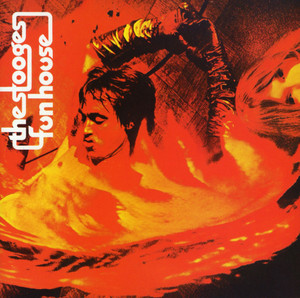
The Stooges – Fun House (1970)
On Day 79, I finally found a masterpiece. This LP is great—right from the first listen, I’m leaning towards a 5. It has such a unique sound, and the cohesion across the tracks is incredible; everything just falls into place perfectly.
Unlike some of the "empty" or "dull" projects I've encountered recently, this is a body of work that feels complete and high-energy from start to finish. It’s a "tuff," raw, and immaculate experience that I’ll definitely be coming back to. A definitive 5/5.
Stereolab – Emperor Tomato Ketchup (1996)
On Day 80, I landed on a 3/5 for Emperor Tomato Ketchup. While the project feels a bit repetitive at times, it definitely has a lot to offer in terms of the overall production and the way the instruments are layered. The vocal performance provides a cool, "noir" vibe that sits well within the dense, experimental arrangements.
It’s a technically impressive body of work that shows a lot of range, moving between lounge-jazz and mechanical pop. However, that "metronomic" nature meant it didn't quite hit that "triumphant" soul level for me. It’s a solid, well-crafted record that I can appreciate for its technicality, even if it didn't completely blow me away.
Common — Be (2005)
Long before I participated in this challenge, I already made up my mind towards this LP. Tracks like Be (intro), Faithful, Go, They Say, The Corners, It's your World and most recently Testify and Real People all are in my rotation.
I liked the overall production which was during peak Kanye; as one Rolling Stone writer said "This is the College Dropout continuation". Kanye's production is undisputed especially on intro. Who can forget John Legend and the Last poets and the late Dilla.
Also Common rapping ability was absolute masterclass so this a long standing 5
Meat Puppets – Meat Puppets II (1984)
On Day 82, I found Meat Puppets II to be decent at best. I have to admire how it blends multiple genres like folk and punk into a single body of work, and the intro actually had me stoked for a high-energy experience. However, that energy quickly faded as I got deeper into the tracklist.
The major turn-off was the vocals; they were so lazy that they made the project feel like a struggle to stay awake through, regardless of how speedy or interesting the production was. The long tracklist also made the album feel bloated. The production definitely carried this one, but the lack of vocal presence keeps it at a 3/5.
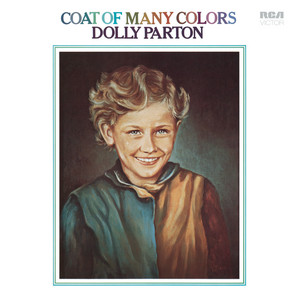
Dolly Parton – Coat of Many Colors (1971)
On Day 83, I finally found exactly what I’ve been longing for in the country genre. This LP is among the best albums I’ve heard in this challenge so far. It offers a soft, relaxing, and cozy vibe, serving as a great example of high-level musicianship.
The title track, Coat of Many Colors, is a masterpiece we all appreciate, but The Mystery of the Mission was the real standout for me. The vocal performance is incredible, providing a vocal triumph that feels both grounded and immaculate. It’s a lean, focused body of work with zero bloat and total soul. A definitive 5/5.
Kid Rock – Devil Without a Cause (1998)
On Day 84, I approached this album with low expectations, and while the production initially caught my attention, a closer look at the lyrics significantly changed my perspective. Despite the strong influence from acts like Run-DMC, Public Enemy, and NWA, the lyrical content often feels shallow, crass, and lacking in substance, which undermines the album's potential impact.
Tracks like "Bawitdaba" and "Only God Knows Why" have their moments, but the juvenile and at times offensive nature of the writing makes it hard to take the music seriously. Even the high-energy production and genre-blending can't fully compensate for the lack of depth in the lyrics. What could have been a bold, unapologetic statement instead feels more like a missed opportunity.
Ultimately, while the album has its moments of raw energy, the poor lyrical quality drags it down considerably. A disappointing 1/5.
AC/DC – Back in Black (1980)
On Day 85, I went from questioning if this would be a 1 or a 2 to realizing it’s a definitive 5/5. This is easily one of the best hard rock experiences I’ve had. "You Shook Me All Night Long" might be the best hard rock song ever, and "Back in Black" is an iconic anthem that lives up to all the hype.
From the cinematic opening of "Hells Bells" to the masterpiece that is "Shoot to Thrill," the iron is hot throughout the entire body of work. Even underrated tracks like "Shake a Leg" are high-level. The vocals are a unique trademark, and the overall production is so catchy and "triumphant" that it avoids every pitfall I usually find in this genre. A masterpiece. 5/5.
Isaac Hayes – Hot Buttered Soul (1969)
On Day 86, I’m settling on a 4/5 for Hot Buttered Soul. The technical ability is great, and the overall production is a landmark in soul music, but it struggles with immersion due to its pacing.
"One Woman" was the standout for me, it’s a great example of the soulful musicianship I’m looking for without the bloat. On the other hand, "By the Time I Get to Phoenix" is visibly longer than it needs to be. While the baritone rap and orchestral swells are technically impressive, the sheer length of the tracks sometimes pulls you out of the experience. It’s a strong project, but the lack of focus on certain tracks keeps it from a perfect score.
Dwight Yoakam – Buenas Noches From A Lonely Room (1988)
On Day 87, I can sum up this experience in one word: Boring. While the album attempts to blend various regional influences, it completely lacks an immersive soul or any real energy. Despite some technical effort in the production and the musicianship, the project felt like a total flatline that was a struggle to stay engaged with from start to finish. It offered nothing memorable and felt entirely uninspired, earning a definitive 1/5.
Dinosaur Jr. – Bug (1988)
On Day 88, I found Bug to be another example of the production trying to carry the whole show. While "Freak Scene" started off promising and gave me a taste of their melodic grunge style, the experience got worse as I moved deeper into the tracklist.
The vocals were consistently off and lacked the energy needed to match the "loud as hell" guitar work. While the musicianship is clearly there, the vocal performance felt lazy and detached, making the project feel pretty passable rather than a true body of work. It’s not the worst thing I’ve heard, but it’s a mid-level listen that earns a 2/5 primarily because the production kept it from falling apart although most of it was noise.
Iggy Pop – Lust For Life (1977)
On Day 89, I feel like I got blessed. This is a definitive masterpiece where the production smoothly blends with the vocals to create a truly immersive experience. Even though I don't share the artist's specific struggles, the delivery was so relatable it felt like I was right there in the room.
"Turn Blue" is a standout and a "conscious" speech-driven track so good I didn't want it to end. "Success" is a moody classic, and "Some Weird Sin" is a great sleeper pick alongside high-energy anthems like "The Passenger" and the title track. You can really hear the influence of Bowie's production style throughout. It’s a great body of work that I will definitely be coming back to. A definitive 5/5.
David Bowie – Aladdin Sane (1973)
On Day 90, I hit a major milestone with a project that was surprisingly hard to track down for a listen. While the album is good, it isn't as groundbreaking as Ziggy Stardust. You can actually hear the fatigue Bowie was experiencing at the time, and it’s visible throughout the entire LP.
"Watch That Man" was the only truly memorable standout for me, delivering a high-energy, opening. The rest of the production, while technically capable, didn't leave a lasting impression or feel as immersive as his previous work. It’s a solid body of work, but the sense of exhaustion behind the performance keeps it at a 4/5.
Bauhaus – Mask (1981)
On Day 91, this LP was a complete miss for me. I usually listen while doing other things, and if a project is interesting, it catches my ear—but this one never did. The entire time, I was left wondering what I was even listening to, as I couldn't find a single idea or hook to grab onto. The production and vocals failed to be immersive or memorable, making it a project that simply isn't for me. A definitive 1/5.
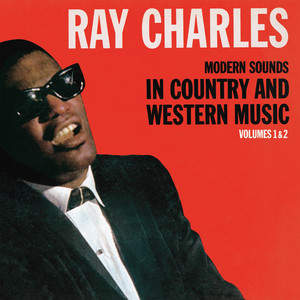
Ray Charles – Modern Sounds in Country and Western Music (1962)
On Day 92, I found this project to be a decent and consistently great listen. It’s easy to see its historical influence and how it became such a landmark act. The first half, centered around big band and swing, gave me three standout tracks: "Bye Bye Love," "You Don't Know Me," and "Careless Love."
The second, more "conscious" half of the LP really struck me at the perfect time. In the midnight quiet, tracks like "Take These Chains From My Heart" and "Your Cheatin' Heart" gelled perfectly with my lonesome mood. Ray’s vocal triumph and the immaculate production make this an incredibly cohesive body of work. A definitive 4.5/5.
Depeche Mode – Violator (1990)
On Day 93, I found Violator to be an interesting listen, though not necessarily transcending or groundbreaking. It did a great job of setting the tone throughout the session and certainly wasn't boring, but it didn't have enough impact to guarantee a higher score.
The production is slick and consistent, providing a solid atmospheric backdrop, but it lacked the immaculate soul or the tuff energy I need for a 4 or a 5. It’s a respectable body of work that holds your attention while it’s on, but it doesn't leave a lasting impression once it’s over. A solid 3/5.
The Vines – Highly Evolved (2002)
On Day 94, I found Highly Evolved to be not bad, but the glaze and hype surrounding it at the time were definitely crazy. While the British press was calling it the "second coming of Nirvana," the reality is a solid but not groundbreaking rock record.
"1969" was my favorite track it has a great, heavy energy that stands out. The production and vocals provide some interesting moments, but it doesn't quite reach the levels the critics promised. It’s a decent session-setter that earns a respectable 3/5, even if it doesn't live up to the massive reputation.
Arrested Development – 3 Years, 5 Months and 2 Days In The Life Of... (1992)
On Day 95, I found this project to be a decent listen. It achieves exactly what it tries to do with its conscious and soulful approach to hip-hop, providing a solid atmospheric backdrop. While it didn't offer me much in terms of a transcending experience, "Mr. Wendal" was a personal favorite that really hit the mark. The production is consistent and the message is clear, but as a body of work, it stays in the passable range for me. A respectable 3/5.
Edit: In light of new favorite track "People Everyday", I decided to re-listen the LP once more and it came to grow-up on me and really appreciate the kind of art it is. So here we go with a 5.,
Echo and the Bunnymen – Crocodiles (1980)
On Day 95, I found Crocodiles to be another decent listen, but again, not particularly groundbreaking. While it has a solid, "jagged" production and a consistent post-punk energy that sets a good mood, it didn't leave a lasting impression.
The musicianship is clearly high-level, and it avoids being boring, but it lacks the "triumphant" spark or the immersive soul needed to push it into a higher tier. It’s a respectable body of work that works well as a backdrop, but it doesn't offer enough "playlist-ready" standouts to move the needle. A steady 3/5.
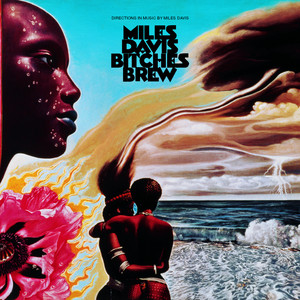
Miles Davis – In a Silent Way (1969)
On Day 96, I found an absolute masterpiece. "Shhh/Peaceful" perfectly showcases the fusion between jazz and rock at times, it feels more like a rock track than jazz, but then Miles brings in his signature trumpet for a chef’s kiss performance.
The title track, "In a Silent Way/It's About That Time," is on another level. For the first four minutes, I felt like I was literally levitating. The moody vibes and the 19-minute journey were incredible, honestly some of the best minutes of my life. The production and immaculate soul of this record created a 100/5-level experience that is easily the highlight of the challenge so far. A definitive 5/5.
Kate Bush – The Sensual World (1989)
On Day 97, I found Kate Bush to be a fascinating listen. She has a vocal style that reminds me of Björk, but with a lot more substance I didn't feel left in a "void" or disconnected from the music. The production is rich and consistent, providing a solid "oriental" atmosphere that feels grounded rather than just experimental.
"This Woman’s Work" was easily the best track on the album it’s an emotional standout that really carries the project. The rest of the LP is a cohesive and interesting body of work that avoids being boring, offering a sophisticated blend of sounds that kept me engaged. A definitive 4/5.
Joni Mitchell – The Hissing Of Summer Lawns (1975)
On Day 98, I made a great discovery with this album. What I love about Joni Mitchell is her sweet harmony sound, it makes it almost impossible not to listen or focus on her songs. The music is incredibly engaging, and the way the instruments complement her vocals is just sweet.
This album is a great conscious example of her talent. Standout tracks for me were "Don't Interrupt The Sorrows," the complex "Harry's House/Centerpiece," and the atmospheric "Shadows and Light." The production and musicianship are top-tier, creating an immersive experience from start to finish. A definitive 5/5.
Eminem – The Marshall Mathers LP (2000)
On Day 99, I reached a massive "high-energy" landmark. You simply can't deny Eminem’s artistic skills and rapping ability. Despite being incredibly provocative and controversial, the sheer quality of the work shows exactly why he is a classic artist.
The production is consistent, but the real art is in the storytelling. "Stan" was easily the best song for me—it’s arguably the best storytelling track in the genre. The way the noir atmosphere of the rainy sample blends with his intense delivery creates a 5/5-level experience. A definitive 5/5 to lead into the big milestone.
Parliament – Mothership Connection (1975)
On Day 100, I reached a massive milestone with a true masterpiece. This album is all about good vibes, fun, and a groovy atmosphere that creates a great overall experience. The production is immaculate nd the musicianship is at a high level throughout the entire LP.
I couldn't help but notice that the title track was sampled by Dr. Dre for "Let Me Ride," which is one of my favorite tracks from him. Hearing that connection really highlighted the masterclass influence this body of work has had on music history. Between the Great vocals of the choruses and the thick, soulful basslines, this was a perfect discovery. A definitive 5/5.
LCD Soundsystem – american dream (2017)
On Day 101, I started the second century of this challenge with a project that fell short of its goals. While the electro-pop compositions are spacious and unafraid to push the tonal range, they ultimately feel musically mechanical and soulless. The "doodad wizardry" and droning chord progressions don't translate into a real connection for me.
The whole LP feels like "wannabe karaoke songs" that a boss would play to try and act cool in the office. It’s technically capable in its production, but it lacks the "immaculate" soul or the energy needed to be memorable. It’s not a completely bad album, but it’s definitely a passable experience that doesn't warrant a revisit. A definitive 2/5.
The Pogues – Rum Sodomy & the Lash (1985)
On Day 102, I appreciated the vibe this album set—it felt like being in an Irish pub or on a pirate ship. I admire that it was grounded in its roots and focused on cultural storytelling. It clearly seeks to be taken seriously and succeeds in showcasing that culture, similar to how I feel about certain traditional Chinese music.
However, while the production is honest, it doesn't guarantee a revisit for me. The "gravelly" vocals and folk-punk energy are interesting as a one-time experience, but they didn't provide the soul or high-energy hooks I need for a 4 or 5. A respectable 3/5 for a solid cultural showcase.
Funkadelic – Maggot Brain (1971)
On Day 103, I found a definitive W album. I liked this album and felt so eager to listen to all because of the cover and the name and it didn't disappoint finally after a property listening. The title track alone is enough for me it’s an immaculate emotional journey that justifies the entire listen. "Can You Get to That" is another massive standout; it has a slick and catchy energy that I absolutely loved.
The rest of the LP stays incredibly consistent, building off the energy of those first two tracks and maintaining that high-level noir soul right up until the closer. The production is rich and psychedelic, creating an immersive experience that feels grounded and triumphant. This is a masterpiece that I will definitely be coming back to. A definitive 5/5.
Hard to find, struggled to listen through.
Sheryl Crow – Tuesday Night Music Club (1993)
On Day 105, I found myself leaning into the second half of this album much more than the first. While the whole project has a solid, rootsy 90s rock vibe, the deeper tracks really captured the moody energy I appreciate.
"No One Said It Would Be Easy" was a great discovery, but "I Shall Believe" was honestly my favorite. It’s an immaculate closer with a vocal triumph that feels very sincere and conscious.The musicianship is consistent throughout, but it’s these more vulnerable, slow-burn moments that made the experience worthwhile for me. A solid 4/5.
The Beatles – With The Beatles (1963)
On Day 106, I found what I consider to be one of the weaker albums in The Beatles' catalog. While I recognize their massive contribution to everything we enjoy in mainstream music today, they’ve never really "done it" for me personally. I don't hate them, but this record feels pretty typical of my general level of enjoyment with their early sound.
The production is high-energy for 1963, and the Motown covers show off their roots, but it lacks the immaculate depth of their later masterpieces. It’s a culturally important project, but as a listening experience in 2026, it falls into the "passable" category. A definitive 2/5.
Pixies – Doolittle (1989)
On Day 107, I was completely surprised by this album. While Bossanova felt flat to me early in the challenge, Doolittle is a total "W." It has a structured, grunginess that I definitely recognize from Nirvana, especially on tracks like "Hey" and "Gouge Away."
"Here Comes Your Man" was a low-key favorite, along with "Hey," "Gouge Away," and the sleeper hit "No. 13 Baby." The production is consistent and this unique sound of the loud-quiet dynamics kept me engaged the entire time. I know for sure I’ll find even more to love on a relisten. This is a definitive 5/5 experience that gets the second century of this challenge back on track.
Drive Like Jehu – Yank Crime (1994)
On Day 108, I found an album that was definitely noisy and abrasive, as promised. While the musicianship is clearly on steroids and the energy is high, it just wasn't for me. It wasn't a bad album by any means, but it lacked the soul that I need to really stay engaged.
The jagged guitars and constant intensity felt more like a technical exercise than a body of work I’d want to revisit. It’s a passable experience for those who like that specific type of high-energy noise, but it falls short of being a great discovery for my logs. A definitive 2/5.
Eels – Beautiful Freak (1996)
On Day 109, I was honestly impressed. Despite the creepy cover art, the album itself is as beautiful as the name suggests. It maintains a consistent, cozy, and introspective vibe throughout the entire tracklist, which is exactly the kind of body of work I enjoy.
"Susan's House" and "Guest List" were the tracks I was most drawn to, but "Rags to Rags," "Manchild," and the classic "Novocaine for the Soul" were all great as well. What I liked most is that the album feels like a complete journey I can listen to it from start to finish as one cohesive piece. The production is slick and the soul is immaculate. A definitive 5/5.
Hugh Masekela – Home Is Where The Music Is (1972)
On Day 110, I found a project that never failed to deliver. It was exactly what I intended it to be: a great fusion of Jazz and Afrobeat that feels powerful and grounded. The musicianship is top-tier, and the production is immaculate throughout the double-LP.
I was drawn closest to "Minawa," "Maesha," and "Nomali." These tracks showcase a vocal triumph through the instruments that made the whole experience feel blessed. This is a high-level body of work that I can definitely guarantee I’ll be returning to. A definitive 5/5.
The Mothers of Invention – Freak Out! (1966)
On Day 111, I encountered an album that is quite literally one hell of a joke. I have to give it props because it perfectly achieves what it intends to be: a total mockery of Jazz and US pop culture. It honestly doesn't sound like a 60s album it feels decades ahead of its time in terms of "experimental" production and sheer audacity.
However, the last song left me thinking like WTF 😂. While the satirical noir and the doodad wizardry are impressive, it’s not something I’ll be actively hunting for or revisiting anytime soon. It’s a tuff and clever piece of history. A respectable 3/5 for the audacity.
Elliott Smith – Either/Or (1997)
The album didn't provide any major highlights or something memorable enough to guarantee returning to it, but the production and overall experience was great the acoustic was intricate, but didn't move the needle for me personally.
Great listen for one-time session and no standout track which gives a solid 3 for it.
Miles Davis – Bitches Brew (1970)
On Day 113, I experienced a true masterpiece that makes a 5/5 feel like an understatement. There’s something about Miles Davis’s signature melody and overall vibe that draws me in every time. Having recently listened to In A Silent Way, I can feel him truly embracing and expanding that new sound here.
"Miles Runs The Voodoo Down" was an absolute standout and my personal favorite, along with the title track and "Sanctuary." The way the band including Wayne Shorter and John McLaughlin just cooked throughout the sessions was immaculate. Despite the tracks often running over 15 minutes, I didn't care at all; if anything, I wanted them to be longer. I feel blessed to have finally heard this. A definitive 5/5.
Goldfrapp – Felt Mountain (2000)
On Day 114, I experienced an album that perfectly balances elegance with an eerie vibe. The production is immaculate, especially the way it interprets a classical aesthetic through both the instrumentation and the vocals. It’s an outstanding body of work that feels like a cinematic journey.
"Human" and "Utopia" were the major highlights for me the technical chemistry between the electronic and the operatic vocals is high-level.This is the kind of record that provides a total escape. A definitive 5/5
The Pharcyde – Bizarre Ride II the Pharcyde (1992)
On Day 115, I experienced a true masterpiece that stands out as a breath of fresh air in a scene otherwise dominated by hardcore and gangsta rap. This LP is an outstanding example of how to engage a listener through a playful, storytelling-driven narrative without taking yourself too seriously. While I found "Pack the Pipe" to be a weaker track that didn't match the energy of the rest, the overall experience was absolutely perfect.
The rapping chemistry between the quartet is immaculate especially "Passin' Me By," they deliver an outstanding storytelling by reciting their failed fantasies with incredible vulnerability and wit. My personal favorite, "On the DL," manages to be hilarious while discussing heavy topics like masturbation and murder, much like the catfishing narrative on "Oh Shit" or the "not chasing" message of "Otha Fish", and who can forget the classic ya mama jokes exchange on "Ya Mama" which elevated there chemistry! Even while being playful, they manage to drop "conscious" messages about police brutality on "Officer," which features a tuff Run-DMC-esque production.
The production by J-Swift and the crew is slick and consistent, especially on the "Soul Flower (Remix)." The way the skits, like "Quinton's On The Way," actually build into the narrative rather than being a snooze fest shows a high-level of curation. Having known a few tracks before, giving them a thorough listen in the context of the full LP was a blessed experience. Great storytelling, engaging fun, and actual rapping chemistry. A definitive 5/5, I will definitely be returning to this.
Buddy Holly & The Crickets – The Chirping Crickets (1957)
On Day 116, I experienced a record that was perfect down to the last minute detail. While its influence on The Beatles and the generation after Elvis is undeniable, the LP stands on its own with a consistent rhythm and perfect vibes. The rock-and-roll energy is great throughout the entire tracklist.
Buddy’s signature "hiccup" vocals and the orchestral-style backing harmonies from The Crickets create a slick and sound that I really connected with. I liked tons of tracks on here, it’s a perfect body of work that doesn't feel dated despite its age. This marks the first time in my journey that I’ve hit four 5/5 ratings consecutively. A definitive 5/5.
Great! Liked Desolation Row
Led Zeppelin – Led Zeppelin II (1969)
On Day 118, I had my first ever introduction to Led Zeppelin, and there couldn't have been a better starting point. The energy, the riffs, the grit, and the production are all high-level, it’s hard to believe this is a 60s album because it feels way ahead of its time. The entire project is cohesive and provides a total immersion.
While the whole album is a classic, "Bring It On Home" was my personal standout. I also loved "What Is and What Should Never Be," "Heartbreaker," and the immaculate opener that set the tone perfectly. From "Thank You" to "Moby Dick," every track delivers. This is a massive experience that absolutely guarantees my return and got me looking forward to their other album in this project. A definitive 5/5.
Violent Femmes – Violent Femmes (1983)
On Day 119, I closed out the week with a decent listen that maintained a good, consistent flow from start to finish. After the masterclass production of Led Zeppelin, this felt more raw. While I’m not at a 5 yet, the album definitely earns its spot in the rotation.
"Kiss Off" and "Promise" were the tracks that stood out most, though I feel like this LP requires multiple listens to fully grasp its energy. It’s a acoustic-punk session that avoids being a boring through its sheer urgency. A very respectable 4/5, and it will definitely be getting those extra listens.
The Pretenders – Pretenders (1979)
On Day 120, I hit a major milestone with an album that surprisingly blew me away. Everything about this debut came together perfectly: the melody, the groove, and especially Chrissie Hynde's performance. It is a perfect introduction that feels both polished and warm.
The tracklist is stacked with highlights. I’m currently obsessed with "Kid," but "Precious," "Tattooed Love Boys," and "The Wait" all delivered that decent energy I appreciated. Even the slick pop-sensibility of "Stop Your Sobbing" and "Brass in Pocket" felt immaculate and heavenly. I’m genuinely amused by how much I enjoyed this, it’s an outstanding body of work except "Private Life" but not enough for me to not give it a strong 5/5.
Motörhead – Ace of Spades (1980)
On Day 121, I shifted gears into some pure, high-velocity rock and roll. The album is definitely good, with energy and solid production that perfectly captures the band's grit. It did its thing from start to finish, maintaining a high-energy pace that avoids being boring.
"Love Me Like a Reptile" was a personal highlight for me, showing off that groove amidst the chaos. While the technical chemistry and Lemmy’s iconic vocal of attitude are impressive, it didn't quite have that extra something to push it to a 5 for me. A strong, consistent 4/5 to start the new decade of the journey.
Solomon Burke – Rock 'N Soul (1964)
For the record, I gotta hand it to Dimery, he does know albums I would regret dying with hearing and this is one of them. smoove soul and rock what can go wrong, a really good ol' easy listening that hits hard with wine you can't go wrong here. Cry to Me, Just Out of Reach, Goodbye Baby, If You Need Me, Can't Nobody Love You, Someone to Love Me and You Can't Love'Em All, was decent really great album to have the heartbreak on, serenade somebody with like it has it all. a 5 right
The Black Crowes – Shake Your Money Maker (1990)
On Day 123, I felt a bit mixed about this one. To be clear, it didn't sound bad by any means it has the vocals, the instrumentation, and the production you’d expect from a top-tier rock revival. The technical chemistry is definitely there.
However, despite having all the right elements, it didn't quite reach that 5-star level for me. It’s decent enough listen for a 70s-style rock session, but it lacked that extra layer of substance to make it a personal favorite. A solid, consistent 4/5.
Marvin Gaye – Let's Get It On (1973)
It really helps to try and creat the environment suitable for some sort LPs that I get to listen, not to say that I'm in sex right now but I'm pretty sure the vibe hit when you listen Let's get it on at 1:20 am. This shit sounds amazing NGL maybe it's the vibe I don't know, but I liked mostly Distant Lover, Keep Getting it on, Let's Get it on obviously, Come get to this, and you sure love to ball. these days I was heavy on Gaye especially Got to give up part I so it felt like it was more to what was there to love about Gaye so a 5
Top – Tres Hombres (1973)
On Day 125, I took a trip through some Texas boogie. After multiple listens, I can say it was a great experience that maintained a solid groove throughout. The opening pairing of "Waitin' for the Bus" and "Jesus Just Left Chicago" was especially great the transition between the two is perfect.
Other standouts like "La Grange" and the closer "Have You Heard?" really hit the mark for me. The album is great, consistent, and has that blues grit that makes for a high-level listening session. While it doesn't quite reach a 5 for me, it’s a definitive 4/5 and a classic I’m glad to have finally heard.
Don McLean – American Pie (1971)
On Day 126, I sat down with a true classic of the singer-songwriter era. The album is great, to be fair, offering a great look at the loss of innocence in American culture. Unlike some of the lazy folk vocals I've encountered, the performance here is clear.
"American Pie" and "Vincent" were obvious standouts, but I also really connected with the conscious feel of "Till Tomorrow" and the "levitating" finish of "Babylon." It’s a decent and consistent body of work that hits the right notes without being boring, but it settles comfortably as a very strong 4/5.
U2 – Achtung Baby (1991)
On Day 127, I dove into U2’s big 90s reinvention. I enjoyed the album for the most part, and it definitely had some moments that were high-level. However, it felt a bit weaker in some spots with a few filler songs that prevented it from being an immaculate front-to-back experience.
"Zoo Station" and "One" were definitely cool highlights, but "Love is Blindness" was the real standout for me. The production is great and the technical chemistry is there despite exploring new sound, but because of those weaker moments, it lands as a decent 4/5.
Pearl Jam – Ten (1991)
On Day 128, I was blown away by an absolute masterclass of a project. This album is perfect from start to finish it’s full of bangers with absolutely no fillers. Eddie Vedder’s performance is outstanding; his range is impeccable, with "Even Flow" and "Black" being perfect examples of his vocal triumph and the band's slick chemistry.
While the hits like "Jeremy" were great, I found that the deeper tracks like "Porch," "Garden," and "Deep" are total sleepers that deserve just as much praise. Finishing with the beautiful and levitating closer, "Release," made for a triumphant listening experience. This is a definitive 5/5.
Gene Clark – No Other (1974)
On Day 129, I explored a record that was once rebuked by critics, which is absolutely nuts because the lyrics and the atmosphere are outstanding. The production is amusing and ahead of its time. It’s an ambitious project that definitely deserves more recognition.
I played the fuck tones out of "Lady of the North" the hook on that tune is great and "Strength of Strings" was another levitating highlight. While other tracks like "True One" and "Some Misunderstanding" were slick and decent enough to earn a spot on my playlist, the album as a whole sits at a very strong 4/5.
Big Star – #1 Record (1972)
On Day 130, I reached a milestone with a "chill" but decent listen. You can clearly hear the Beatles' influence throughout the project, especially in the production and the vocals, which gave the music a high-level weight and a melodic feel. While it wasn't perfectly consistent from start to finish, the standout tracks were outstanding.
"In the Street" was a beautiful highlight for me, alongside the immaculate vibe of "The Ballad of El Goodo" and "Thirteen." I also saved "My Life Is Right" and "Watch the Sunrise" to the playlist. It’s a great example of songwriting that feels both great and nostalgic. A very respectable 4/5.
The Beatles – Rubber Soul (1965)
On Day 131, I finally understood the hype. This album is a breath of fresh air and serves as the perfect introduction to the Beatles and the progressive rock genre. They didn't just sound ahead of their time; they revolutionized the sound entirely, creating a project that is perfect and cohesive from start to finish.
The highlights are endless. Drive My Car sets a sweet mood, followed by the sweet riffs of "Norwegian Wood." "Nowhere Man" tells vulnerable tale, and "Michelle" is quite simply one of the most beautiful songs I've heard (the best on the album imo). The harmonies on "I’m Looking Through You" and "In My Life" showcase an impeccable chemistry that gives the voice real weight. From the vocal range to the serenade tone, this is an absolute masterclass and a definitive 5/5.
Suba – São Paulo Confessions (1999)
On Day 132, I had a bit of a mixed experience. While I appreciated the Brazilian layers, the electronica elements often felt like they killed the vibe rather than enhancing it. It felt like the production was fighting against the soul of the music, making it hard to fully immerse myself in the project.
"Felicidade" was the clear standout for me because it maintained that slick and sweet Brazilian sound I was hoping for. The rest of the album struggled to find that same balance. I was originally leaning toward a lower score, but after learning about the tragic circumstances of Suba's death while saving these master tapes, I have to give a nod to his dedication. A respectful 3/5.
Dusty Springfield – Dusty in Memphis (1969)
On Day 133, I dove into a soul masterpiece that lived up to the hype. The vocals are incredibly sexy and the entire LP is a great listen from start to finish. It has that slick professional polish but stays emotional.
Recognizing the sample from Common on "Son of a Preacher Man" was a highlight, but the deep cuts really carried the weight. "So Much Love" and "Breakfast in Bed" provided that sweet sound I was looking for, while "The Windmills of Your Mind" and "No Easy Way Down" were absolute standouts. It’s a cohesive, high-level project that earned its 5/5.
Garbage – Garbage (1995)
On Day 134, I stepped into a darker, more noir atmosphere. It was definitely the Lynchian vibe, the album has a distinct mood that is both "glitchy and tuff. While I wasn't feeling every single track enough to call it a masterpiece, it was a "good listen" with some high-level technical chemistry.
The tracks that really stood out were "Vow," "My Lover's Box," and "Fix Me Now." Those are definitely ones I'll be revisiting. It’s a slick production that did its thing, earning a solid 4/5 and keeping the momentum high as I head into the next day.
Nick Drake – Bryter Layter (1971)
On Day 135, I moved into a more levitating space with a 70s folk classic. This is a truly decent LP that earns a full 5/5. It’s got a slick production that feels more "conscious" and arranged than a standard acoustic record.
The standout tracks were definitely "Hazey Jane II," "At the Chime of a City Clock," "Poor Boy," and "One of These Things First." The title track also set a blessed tone for the whole experience. It’s a triumphant project that manages to be sweet and noir all at once, proving that Nick Drake was truly in a league of his own.
Kings of Leon – Aha Shake Heartbreak (2004)
On Day 136, the streak came to a halt with a project that just wasn't it. There was a major disconnect between the singer and the production that made the whole experience a struggle. The vocal performance was particularly rough, it felt disjointed to the point where the lyrics were unintelligible, leading to a total lack of immersion.
I wasn't a fan of the genre execution here; it felt like it was trying for a garage vibe but missed the mark. Aside from a few moments, it lacked the cohesion I’ve enjoyed in previous listens. It’s a 2/5, and honestly, a bit of a relief to be moving on from this one.
Def Leppard – Pyromania (1983)
On Day 137, I found the perfect antidote to my last listen. This album is a triumphant example of how pop and rock can blend when the technical chemistry is this tight. The energy in both the vocals and the instruments was immense, and for the first time in a while, everything felt like it hit with "immaculate" precision.
"Photograph" was the absolute standout, but "Rock! Rock! (Till You Drop)," "Rock of Ages," and "Comin' Under Fire" all brought that high-velocity power I was looking for. It’s a great project and a masterclass in stadium production. A definitive 5/5.
David Bowie – Hunky Dory (1971)
On Day 138, I witnessed the moment "Bowie became Bowie." This album is a perfect shift toward a more singer-songwriter style, and he pulled it off with high-level artistry. It feels raw and introspective, offering a vulnerable look into his talent that differs from the experimental or glam sounds of his other work I’ve heard.
The highlights were immense: "Changes," "Oh! You Pretty Things," and the vocal triumph of "Life on Mars?" were outstanding. I also really connected with "Eight Line Poem," "Kooks," and "Queen Bitch." Closing with "The Bewlay Brothers" was a masterclass in concluding a body of work. A definitive 5/5 for a great transition in sound.
The Hives – Your New Favourite Band (2001)
Day 139 was explosive, but ultimately it didn't leave a lasting mark. The energy was immense from start to finish, which kept the momentum up, but none of the tracks really stood out as memorable masterpieces. It felt a bit one-note compared to the sophisticated layers I've heard recently.
I did have a soft spot for the closer, "The Hives Are Law, You Are Crime," which had a great vibey delivery. It’s a decent listen for when you need a high-velocity boost, but for now, it hasn't grown on me enough to go higher. A solid 3/5.
Gotan Project – La Revancha Del Tango (2001)
On Day 140, I found an album that is strictly for the vibes. It’s a background-focused project that blends Latino elements with trip-hop and electronica immaculately, but it doesn't necessarily grab your attention or force you to decrypt an artistic vision.
While it’s not groundbreaking in a way that makes the tracks stick in my head, I get why it’s on the list for its cinematic atmosphere. It’s decent for when you need something to allow you to think without being one-note. I did save "Santa María," which stood out as a highlight. A solid 3/5 for a mood-setting listen.
Leonard Cohen – You Want It Darker (2016)
Not this dark Mr Cohen!
Day 141 was intense. But nah blud this made me appreciate life, shit can turn your beautiful day with a snap of a finger while keeping itself beautiful! I mean the vocals were deep and you can hear he troubled life through and the lyrics. never heard anything darker than this while being the most beautiful sound. I can't go on to describe song by song because what I took is this LP tackles and ponders one question! DID YOU LIVE?, ARE YOU READY TO SEE WHAT'S ON THE OTHER SIDE OF THE SPECTRUM!
God it was answered! I liked on the level played it multiple times it was deep imo both and treaty, Leaving the table I don't need a lover, no, the wretched beast is tame... damn it's deep Cohen, Steer your way beautiful performance and the closer just wow but on the level, play it at my funeral. I'll use the LP as my eulogy.
Rage Against The Machine – Rage Against The Machine (1992)
Day 142 was an explosive transition. This album is a fucking banger, the energy, the immaculate production, and the devious lyrics all hit perfectly. It’s high-velocity rock that feels ahead of its time, even decades later.
The highlights were monumental. "Bombtrack" and "Take the Power Back" were so good I was literally tearing during the listen ...literally :(. "Killing in the Name," "Bullet in the Head," "Know Your Enemy," and "Fistful of Steel" were all absolute standouts that showed off the band's slick chemistry and raw conviction. A definitive 5/5 for a "revolutionary" body of work.
Christina Aguilera – Stripped (2002)
Day 143 was a bit of a disconnect. I have to agree with the critics on this one. As Jane Stevenson wrote for E! Online: "If she had just shown up and sang her ass off, Stripped would've been a better show." Instead, the album sounds like a headless chicken spanning random directions, trying so hard to genre-bend that it loses its own track. While her raw talent is obvious, the lack of cohesion makes it a frustrating listen. Not quite a 1, but definitely a 2/5.
Neneh Cherry – Raw Like Sushi (1989)
Day 144 was a decent listen. It’s a fair attempt from the late 80s to revolutionize the pop sound by blending in hip-hop and R&B elements. While I wouldn't go as far as calling it a classic, its upbeat energy and rawness made it an enjoyable experience. It felt more "focused" than previous attempts at genre-bending. A solid 3/5.
Songhoy Blues – Music in Exile (2015)
Day 145 was decent and refreshing to hear something from the motherland. This album has a unique desert blues sound that is just great. The guitar work all around this project is a masterpiece, especially on "Soubour" and my personal favorite, "Al Hassidi Terei," which has an incredible groove, mood, and vibe.
The range here is immense. "Nick" was great and felt much more refined than other tracks, while "Sekou Oumarou," "Wayei," and "Ai Tchere Bele" (especially "Ai") featured stellar guitar work. "Petit Metier" was another great standout, and "Jolie" showed off a beautiful, mellow vocal range. The inclusion of "Desert" and "Mali" further proved their vocal depth. Although it was a real tussle to actually find the album and save it for easy accessibility, and despite the language barrier, the music speaks for itself. An undeniable 5/5.
Ray Price – Night Life (1963)
After an undeservedly long listening session, this was great, but to me, it wasn’t the revolutionary project they say it is. The performance itself was great, but it really would have done it for me if it had just stuck to its country roots instead of trying so hard to be pop. A decent 3/5.
The Roots – Phrenology (2002)
Ngl, this might be the best experimental rap album I have ever heard in this challenge. I wasn't feeling how it started at first, and the burst of punk rock on "!!!!!" right after "Rock You" was crazy, but the transition from there into "Sacrifice" completely changed my mind. I liked "Sacrifice" and "Thought @ Work" lowkey got me moving, but that was before I reached "Break You Off", a beautiful song I’ve heard before, and it was great finding out where it came from.
You can't talk about experimental and forget the 10 minutes of pure madness on "Water," which beautifully gave birth to a run of "Quills" and "Pussy Galore" that was just a chef's kiss. Then let's talk about "Complexity," the absolute favorite of them all. The chemistry between Jill Scott and Black Thought over Questlove was exactly what I was rooting the Roots for (pun intended). The subtle interpolation of Marvin Gaye's "Got to Give It Up" didn't go unheard either; it was beautiful, absolute art. The spoken word on "Something in the Way" was great too. I liked how this album brought together many genres; even though I didn't feel the majority of them individually, the cohesion and ambition of their purpose was entirely there. A strong 5/5.
A Tribe Called Quest – People's Instinctive Travels and the Paths of Rhythm (1990)
I can't say much about this album man, it holds a special place in my heart alongside The Low End Theory, but let's stick to the main guy here. Discovering ATCQ back in 2023 when "Can I Kick It?" played as a movie soundtrack changed everything. Like any other music nerd, I dug into the crates and did my research, which made me a long-time fan of their work. Aside from that background, ATCQ really are among my favorite rap bands ever, and I don't see that changing in this life. In terms of favorite songs and highlight tracks from this project, it's honestly all of them except "Mr. Muhammad." An undisputed, rule-breaking 6/5.
M.I.A. – Arular (2005)
I have one piece of advice for her: maybe don't try to spread a revolutionary message over mess beats and production. This one I just wasn't feeling at all. The vocals and lyrics felt so disconnected from the rhythm, production, and beats. Honestly, she probably should have been preaching for girls to shake their asses on these tracks instead of trying to preach about vaccines. A flat 2/5.
The Undertones – The Undertones (1979)
Catchy, high-energy, and completely free of pretension, that is the perfect explanation for this album. It is incredibly good and high-energy, giving you so much in just 34 minutes of runtime. With 16 tracks, the pacing was incredible and the energy momentum was pure. I really enjoyed the Ramones, so this felt right in that same wheelhouse. I liked various tracks across the record, including "Teenage Kicks", "Get Over You", "Jimmy Jimmy", "Here Comes The Summer", plus "Family Entertainment" which was a massive intro standout. Other highlights for me were "Girls Don't Like It," "Male Model," "I Gotta Getta," "She's A Runaround," "Listening In," and "Casbah Rock," which served as an absolutely great closer. To be honest, the whole project was so great that I might even end up loving the remaining tracks because I will definitely be returning to this one. A strong 5/5.
The United States of America – The United States of America (1968)
I mean yeah, it is cool. Regarding the sound, I have to say that because I liked Bitches Brew, I understand what is clearly happening here and I lowkey liked it. I cannot say for sure if it is rock or jazz, but the intersection would definitely be psychedelic. For an album from 1968 to sound this visionary, hats off to them, to be honest. There were not many songs that I instantly liked on the first pass, except for "No Love to Give" and "I Won't Leave My Wooden Wife for You, Sugar." However, I am going to give it some time and see how it grows on me. 4/5
Edit: Hold on, I spoke too soon, the back half of this album is incredibly good, and I did not expect it. Tracks like "Stranded in Time" (Tailor Man) and the "Perry Pier" section blew me away. The intense organs on Tailor Man and the stunning vocal work on Perry Pier are just incredible. 5/5
Amy Winehouse – Frank (2003)
This album is decent, and the vocals are absolutely priceless. It is incredibly refreshing to see an artist like her make a serious attempt to bring back that classic crooner tune while adding her own little sauce to the mix. The hip-hop and jazz fusion works brilliantly on tracks like "Intro / Stronger Than Me," "You Sent Me Flying / Cherry" (which I liked for the most part), "Know You Now," and "Fuck Me Pumps." I also loved the R&B attempts on "I Heard Love Is Blind" and the warm closer, "Mr Magic (Janice Has He Left You?)." Other notable shoutouts go to "Help Yourself," "Moody's Mood for Love / Teo Licks," and her beautiful cover of Dinah Washington's "(There Is) No Greater Love." It is an excellent project all around, pure performance cinema. 5/5
Tricky – Maxinquaye (1995)
This album started off strong, but in the midst of it, the project became disjointed. It honestly felt like I was listening to three completely separate albums under one name. However, "Overcome" and "Black Steel" dragged this album up to a passing grade. I really liked the vocal work on "Overcome" and the intense production style on "Black Steel." The main takeaway here is that his girlfriend (Martina Topley-Bird) absolutely cooked on her parts. If it wasn't for the presence of those two massive standout tracks, the total lack of cohesion would have made this a 2. Because they saved it, I am compelled to give it a 3/5.
Bob Dylan – Time Out of Mind (1997)
Through the record and its incredibly deep lyrics, you can clearly understand that Bob Dylan was completely reinventing his sound. It is a deep project—like sick deep—proving his songwriting ability was right there like it had never left. Off a first listen, this is a strong 4/5. I really liked the deep emotional weight of "Standing in the Doorway," alongside other standouts like "Love Sick," "Dirt Road Blues," and "Cold Irons Bound." Hearing "Make You Feel My Love" was great, especially knowing its powerful lyrics from Adele's version, and "Highlands" is just an incredible closer to wrap up the journey.
Aretha Franklin – I Never Loved a Man the Way I Love You (1967)
WOW, JUST WOW! This album is that GOOD!!! PERFECTOO. I never loved an album the way I loved this one; it is absolutely immaculate. When I heard "Do Right Woman, Do Right Man" a while back, I was highly tempted to dive into the full project right then. Instead, I saved it for this exact moment to get the maximum shock value out of this challenge, and it completely delivered.
"Respect" is just beautiful. I think I had heard "Don't Let Me Lose This Dream" somewhere before, I can't recall if it was a Ray Charles or Otis Redding version, but it is perfect; it caught my ears immediately and went straight into my favorite Aretha repertoire. On "Baby, Baby, Baby," she completely teased me because it felt so incredibly familiar. "Dr. Feelgood (Love Is a Serious Business)" made me feel incredibly good just listening to it. I have a long, deeply personal history with "Do Right Woman, Do Right Man," so hearing it in this context hit heavy. As for "A Change Is Gonna Come", well, I won't be listening to Sam Cooke's version anymore because I found a better one right here. I could say so much more about this LP, but a 5/5 is the maximum score I can officially give. Easily a 6, 7, 8, 9, 10, the absolute BEST RECORD.
Kacey Musgraves – Golden Hour (2018)
This one has its highs and lows. The songwriting didn't quite hit the mark for me because the lyrics felt a bit too cheesy at times, lines like "Grandma cried when I pierced my nose" are just a little too corny. BUT it definitely has some elements I genuinely enjoyed. "Lonely Weekend," "Butterflies," and "Love Is a Wild Thing" were real standouts that worked well. It balances out to a 3/5.
Pink Floyd – The Dark Side of the Moon (1973)
Never in my 22 years on earth have I ever heard a pure, out-of-body, cohesive, conceptual, and ethereal album like this. It is completely cinematic. Choosing a favorite track is tough, "Eclipse" is absolutely heavenly, as is "Us and Them", but honestly, I could say the same for every single song on the tracklist. The transitions make the experience entirely seamless and unique; it creates a feeling where you simply cannot listen to one song without the other. It is just one pure cinematic experience.
The production is another massive highlight, perfectly complimenting the vibe and overarching theme: the cash registers on "Money," the atmospheric layers on "Breathe," the clock design on "Time," the incredible vocal work on "The Great Gig in the Sky," and the psychedelic execution on "Brain Damage." Every piece of production across this entire album was absolutely perfect. The scale only goes up to a 5, so I will have to settle for that. 5/5
Belle & Sebastian – Tigermilk (1996)
It was a great and warm listen, but there wasn't anything particularly special about it to make it stand out. The one major exception for me was "I Don't Love Anyone" (titled "I Don't Love Anyone" on the tracklist), which I really liked. Aside from that highlight, it lands right in the middle. 3/5
MGMT – Oracular Spectacular (2007)
The album started off incredibly strong, carrying a deeply nostalgic and youthful energy that hits right away. "Time to Pretend" was great, setting a fantastic tone, as were "Weekend Wars" and "The Youth", which I really liked for its distinct vibe. Moving further into that legendary run, "Electric Feel" was fantastic, and "Kids" was absolutely amazing, perfectly capturing that irreplaceable, carefree feeling of growing up.
The production and melody choices on this front half are immaculate, creating a massive, anthemic momentum. However, the record fell short of a perfect score because the second half completely lost its footing and turned off that vibrant energy. The shift into slower, hazy, and experimental psychedelic tracks felt like a total departure from the brilliant pacing established early on. Because it lost its momentum midway through, it misses the highest mark but remains a very solid 4/5.
Nina Simone – Wild Is the Wind (1966)
This was a decent listen and a decent LP overall. She possesses an incredibly hypnotic, deep voice that blends absolutely beautifully with the piano arrangements, just wow. The vocal and instrumental fusion creates a truly captivating atmosphere throughout.
Looking at the highlights, "Four Women" stands out significantly, a track I originally knew mostly because of the iconic sample used on Jay-Z's "The Story of O.J." from his 4:44 album; it was incredibly refreshing to revisit the original piece in the context of this full LP. Other major standouts that hit the mark include "I Love Your Lovin' Ways," "What More Can I Say?," "Lilac Wine," "That's All I Ask," "Wild Is The Wind," "If I Should Lose You" (listed as "If I Should Lose You" on the tracklist), and the closing track "Either Way I Lose." The cohesive, hypnotic quality of the entire project carries it all the way to the top. 5/5
Louis Prima – The Wildest! (1956)
This record represents the absolute best viewpoint of what every jazz swing record should aim to be. The energy, pleasant yet luxurious vibe you get from this entire project is outstanding. A massive part of that success comes down to the instrumentation, Sam Butera's saxophone work was completely immaculate across the board. Speaking of his performance, he shines incredibly bright on "(Nothing's Too Good) For My Baby" and, honestly, all over the record.
However, "Buona Sera" was my absolute favorite track; the arrangement choices and the masterful switch from a ballad format into driving blues and swing was amazing. "Whistle Stop" was another great moment where the whistling elements and the lyricism stood out distinctly. Honestly, if I listed every song I liked it would be the entire tracklist, but those specific pieces stood out the most on this first listen. This is a definitive 5/5 of greatness.
Talking Heads – Fear of Music (1979)
This was a decent listen, definitely carrying groovy and lowkey funky undertone, all while the band's post-punk evolution was fully on display. The rhythmic pocket and experimental nature of the arrangements really give the project a distinct identity.
Looking at the tracklist, the clear standouts that made the cut are "I Zimbra," "Cities," "Life During Wartime," "Heaven," and "Animals." While the entire record maintains that tight, angular groove, these specific tracks represent the absolute highlights of the experience for me. It delivers exactly what it needs to for a very solid 4/5.
Radiohead – Kid A (2000)
Kid A stands out as a phenomenal addition from one of my favorite bands, especially because it doesn't sound like OK Computer or In Rainbows. Instead, it completely leans into this white-noisy electronic, atmospheric, and almost trip-hop-inspired sonic landscape.
The clear standout highlights from the tracklist are "Everything in Its Right Place," "Kid A," "How to Disappear Completely," and "Morning Bell"—the latter of which I liked a whole lot. The way the record strips away conventional rock structures to create something so texturally deep and unique makes it a definitive 5/5.
Madonna – Like a Prayer (1989)
This was a great listen and a fantastic introduction to Madonna's craft, marking my first time diving into one of her full-length projects. You can clearly hear her maturity as an artist here; the album makes a genuinely successful attempt at being deeply introspective without abandoning the core identity of what made Madonna who she is.
While the back half of the record wasn't quite as engaging as the first half, it was still a decent experience. The title track, "Like a Prayer," was an immediate standout. I recognized it right away from the massive choir version used on the Deadpool & Wolverine soundtrack. I also truly connected with "Promise to Try," which features incredible lyricism and serves as an absolute highlight for me. Prince's influence on "Love Song" was another great element that distinctly stood out.
As for the other tracks, "Express Yourself" and "Till Death Do Us Part" on the front half, along with "Cherish" and "Oh Father", the sole track on the back half that was good enough to pull me in—were all strong enough to warrant plenty of future revisits. It lands a very solid 4/5.
Buena Vista Social Club | Buena Vista Social Club (1997) — 5 / 5
An absolute masterpiece. Listening to this album is pure fun, pulling you entirely into its world as you vibe to a rich tapestry of traditional sounds, from rhythmic son cubano and bolero to lively dances. The tracklist is incredibly deep, maintaining a flawless standard of musicianship from the very first note to the last. While "De Camino a La Vereda" is a massive standout that draws you right into its infectious rhythm, the entire experience is elevated by a staggering run of favored tracks. The hypnotic groove of "Chan Chan," the high-energy burst of "El Cuarto de Tula," the elegance of "Pueblo Nuevo," the romantic longing of "Dos Gardenias," and the brilliant interplay on "¿Y Tú Qué Has Hecho?" and "Veinte Años" all build a magnificent foundation. That brilliance carries all the way through to the back half with "Orgullecida," "Murmullo," the self-titled "Buena Vista Social Club," and the gorgeous closer "La Bayamesa." It is a flawless, vibrant time capsule.
This album from now on has a special place in my heart. It sounds amazing—the piano work, the passion, the improvisation, and everything all around came together perfectly, without a doubt. But for me, the reason is deeper than that. I have multiple favorite albums; some I have memories with, and some spark my mood or make me dance. But this one felt like more than that. When I read its backstory yesterday on Wikipedia, I thought to myself, 'Well, this guy went through shit,' and I didn't think much of it at first. But back on the generator, I saw the most-liked review under it, which said:
'This album speaks to overcoming hurdles, being present in the moment, and being open to spontaneity; a variety of chaotic events led to this and it could have resulted in a cancellation or even a performance ruined by the limitations of a specific instrument. But instead, these events occurred, Jarrett agreed to play, and his musical genius flowed, allowing for this unique masterwork to happen, something that would not be readily replicated even if one tried.'
That's when it finally hit me. This album transcended me musically. It sparked the idea that complaining about not having enough resources, time, or motivation shouldn't weaken my ability to achieve greatness. That mindset is what holds me back, causes me to procrastinate, and makes me so lazy that my goals look like a mist. Looking at this masterpiece of an album—the best-selling solo jazz act ever, a Grammy Hall of Fame inductee, and a National Recording Registry selection—and realizing its existence was caused by a logistical error, exhaustion, and struggle, yet working through all those hurdles gave it birth... it's truly outstanding. Not just in the general consensus, but personally, inspiring me to do better in my life. A 5
Step In The Arena - Gang Starr 1991
The album was a great, decent listen. Guru never fails to deliver with his smooth monotone voice, and DJ Premier’s production was absolutely top-tier. I especially liked the chopping of other notable rap songs for the hooks, which felt like a direct nod to what that generation was trying to achieve in hip-hop. The record holds up incredibly well across a deep tracklist, anchored by standout cuts like the title track 'Step In The Arena,' 'Form Of Intellect,' 'Who's Gonna Take The Weight?,' 'Check The Technique,' and 'Lovesick.' That momentum carries heavily into the second half with 'Take A Rest,' 'What You Want This Time?,' 'Street Ministry,' 'Precisely The Right Rhymes,' and 'The Meaning Of The Name.' While the LP wasn't quite strong enough all the way through to earn a perfect 5, it holds its ground firmly as a 4.
Whatever - Aimee Mann 1993
This was grueling and so boring. While the background of her breaking away from the corporate music machinery promised something impactful, the actual listening experience just didn't translate. The production and songwriting felt incredibly flat and failed to grab my attention or keep me engaged all the way through. A 2
If I Should Fall From Grace With God - The Pogues 1988
Taking a pause from the challenge was well worth it to fully sit with If I Should Fall From Grace With God. Every single listening session delivered. The album acts as a brilliant, masterfully crafted introduction to Celtic and Irish culture, perfectly balancing a raw, witty, and humorous attitude with a highly focused artistic execution.
The instrumentation and lyricism feel incredibly alive, maintaining a sharp creative image without ever losing their edge. While a handful of tracks immediately demand a revisit—including the chaotic, fast-paced energy of "Fiesta," the driving narratives of "Turkish Song of the Damned" and "Bottle of Smoke," the traditional multi-part execution of the "Medley," and the politically charged weight of "Streets of Sorrow / Birmingham Six"—the record stands tall as a cohesive piece. It is a fantastic return to form for the journey. 4/5
All Hope Is Gone - Slipknot 2007
Processing All Hope Is Gone leaves a very clear impression: it is undeniably loud, but it ultimately fails to captivate. The listening experience passes by without leaving any outlasting memories, and the tracklist lacks any definitive highlights that demand a revisit. While it is certainly not total garbage to be thrown away, it lands as a purely passable metal release that struggles to stick with the listener. 2/5
Jagged Little Pill - Alanis Morissette 1995
Jagged Little Pill stands as a thoroughly decent and engaging alternative rock listen, heavily anchored by a phenomenal, uninhibited performance from Alanis Morissette. Her characteristically raw, conversational delivery serves as the definitive standout element of the entire experience, injecting a genuine sense of emotional stakes into every track. This vocal intensity is matched by excellent, crisp production choices from front to back that seamlessly balance mid-90s post-grunge grit with sharp pop sensibilities, ensuring the album holds together remarkably well as a cohesive body of work.
While the tracklist offers a highly solid listening experience throughout, the beautifully melancholic and protective narrative of "Mary Jane" emerges as the true standout of the record, capturing a level of vulnerability that cuts through the noise. Alongside it, the biting critique of "Right Through You," the culture-defining irony of "Ironic," and the heavy, slow-burning build of "Wake Up" serve as the clear highlights that elevate the album's lasting impact. 4/5
The Rolling Stones - Sticky Fingers 1971
While this isn't my first rodeo with The Rolling Stones, experiencing Sticky Fingers through this challenge cements it as an absolute classic that is undeniably perfect from top to bottom. The album brilliantly showcases the incredible range of the band, both lyrically and production-wise, seamlessly incorporating a heavy blues presence alongside a distinct country influence on tracks like "Dead Flowers."
Pinpointing a single favorite is an incredibly difficult task given how deeply consistent the tracklist is. However, "I Got The Blues" and the closing masterpiece "Moonlight Mile" deliver an absolute masterclass of a performance. The raw, aching blues on the former and the deeply poetic, captivating lyrics of the latter completely command your attention. Backed by an exceptional run of highlights including the swagger of "Brown Sugar," "Sway," "Bitch," the extended jam of "Can't You Hear Me Knocking," and the dark atmosphere of "Sister Morphine," this album feels like an absolute blessing of a discovery. A flawless record that demands endless revisits. 5/5
Time Out - The Dave Brubeck Quartet (1959)
Time Out stands as an undeniable classic and an absolute masterpiece of swing. There is no need for over-analysis when a record speaks this clearly for itself; what The Dave Brubeck Quartet pioneered on this album was entirely unique, instantly stapling its legacy as a masterwork of the genre. The math behind the record is incredibly complex, but the quartet played it with such natural elegance and infectious swing that you don't need a music degree to feel the groove. It is complex art disguised as pure, accessible fun. While the critics and musicians can spend all day analyzing the complexities of the 5/4 and 9/8 time signatures, the only count that truly matters at the end of the day is a flawless execution. How about a 5/5?
Signing Off - UB40
While Signing Off captures a distinct historical moment, the LP ultimately lands as a somewhat middling experience. There has always been a slight hesitation or disconnect when it comes to reggae music that does not originate natively from Jamaica, and this record does not quite break through that barrier. However, the instrumental charm of "Adella" is a genuine highlight that stands out from the rest of the tracklist and earns the album some well-deserved credit. A decent but ultimately passable project. 3/5
Micheal Kiwanuka - KIWANUKA (2019)
KIWANUKA is a great, deeply immersive album that stands as a decent listen, even if it does not quite reach a perfect score. The record stands out for its remarkably progressive soulful sound, capturing a dense, cinematic atmosphere that highly recalls the sweeping arrangements of Isaac Hayes' Hot Buttered Soul. Michael Kiwanuka delivers an incredibly strong performance here; the pure emotional weight of his vocals, the power of the lyricism, and the underlying socio-political messages hit hard. Balanced by a brilliant, gritty funkiness and rich textures, the project comfortably holds its ground as an excellent body of work. Based on the track selections, the definitive highlights of the LP include "You Ain't The Problem," "Rolling," "I've Been Dazed," "Piano Joint (This Kind Of Love) - Intro," "Hard To Say Goodbye," and the staggering emotional peak of "Solid Ground." 4/5
mid mid mid skip skip...
New York Dolls - New York Dolls 1973
The self-titled debut from the New York Dolls is a stellar slice of classic proto-punk that absolutely does not disappoint. The album shines through its brilliant, completely carefree production and raw, rebellious lyricism, proving exactly how far a band can go by pushing the sonic boundaries and emotional range of their instruments. It serves as a incredibly refreshing, high-energy listen from start to finish. Based on the track selections, the project boasts a wide array of definitive highlights that anchor its legendary status. Among these, "Personality Crisis" stands out as an ultimate, explosive centerpiece, matched by the sharp attitude of "Looking For A Kiss" and the surprisingly tender, melancholic swagger of "Lonely Planet Boy." The momentum is kept entirely alive by the rest of the standout cuts, including the driving rhythm of "Vietnamese Baby," the gritty stomp of "Trash," the unrelenting energy of "Bad Girl," the swaggering garage-rock of "Subway Train," and the final, raucous punches of "Private World" and "Jet Boy." 4/5
(What's The Story) Morning Glory - Oasis (1995)
(What's The Story) Morning Glory? is an absolute masterpiece. It is beautiful, incredibly moody, and stands as another genuine masterclass discovery in this challenge. The record feels like a complete blessing to listen to. While the entire album is stacked with standout tracks, "Some Might Say" and "Champagne Supernova" deserve special mention. What makes this duo so unique is how they completely transcend the typical Britpop label, leaning instead into a pure, timeless indie rock sound that carries an indescribable sweetness. Ultimately, "Champagne Supernova" takes the cake as the absolute perfect, deeply reflective closer. That same beautiful, cohesive craftsmanship extends entirely across the tracklist, making the LP a seamless front-to-back experience that demands immediate revisits. Based on the track selections, the definitive highlights that anchor this masterpiece include "Roll With It," "Wonderwall," "Don't Look Back In Anger," "Hey Now," "Some Might Say," "Cast No Shadow," "She's Electric," "Morning Glory," and "Champagne Supernova." 5/5
Darklands - The Jesus And Mary Chain (1987)
Darklands is an absolute masterpiece. It achieves everything a listener could want from a shoegaze-adjacent record, flawlessly creating the exact perfect, deeply atmospheric sonic landscape to get lost in. The album offers a brilliant, entirely chill, and easy-listening experience, heavily elevated by a tight, incredibly straightforward tracklist. It is remarkably short yet beautifully cohesive, allowing every single song to serve a great purpose without a second of wasted space. Based on the track selections, the definitive highlights that anchor this atmospheric triumph include the moody title track "Darklands," alongside "Deep One Perfect Morning," "Happy When It Rains," "Nine Million Rainy Days," "April Skies," "Cherry Came Too," and the sublime closer "About You." 5/5
Music Has The Right To Children - Music Has The Right To Children 1998
Music Has The Right To Children ultimately did not give too much, making it a distinctly passable experience. While the underlying ambient techno concepts and vintage textures are clear, the execution fails to leave a lasting impact or offer enough substance to truly captivate. It sits squarely in the middle ground not entirely terrible, but too hollow and uneventful to warrant a higher rating. 2/5
The Piper At The Gates Of Dawn - Pink Floyd (1967)
The Piper at the Gates of Dawn holds up remarkably well for a debut album, serving as a powerful introduction that clearly showcases the early psychedelic sound Pink Floyd would go on to revolutionize. It stands all around as a great, highly engaging listen—one that serves as a fascinating entry point for anyone wanting to venture off and discover exactly what made Pink Floyd the legendary band they became. However, it is not without its flaws; a few tracks tend to vent off and don't deliver quite as much substance as you would ask for, occasionally feeling a bit too overly focused on studio production and the sheer novelty of that experimental sound rather than tight songwriting. "Astronomy Dominé" immediately emerged as the absolute favorite track on the record. Based on the listening history, the definitive highlights that anchor this groundbreaking debut include "Astronomy Dominé," "Matilda Mother," "Take Up Thy Stethoscope and Walk," "Interstellar Overdrive," and "The Gnome." 4/5
Tea for the Tillerman - Cat Stevens (1970)
Tea for the Tillerman stands out as one of the most thought-provoking yet beautiful folk LPs available. It offers an incredibly refreshing listening experience driven by deeply heartwarming and sincere lyricism throughout the tracklist. On "Father and Son," the writing proves to be deeply relatable, capturing the timeless tension between generations with immense emotional clarity. The absolute favorite from the record, however, is "Miles from Nowhere," which shines with its exceptional acoustic execution and brilliant overall production. The album is highly cohesive, maintaining a masterful acoustic presence from start to finish. Based on the verified listening history, the definitive highlights that complete this masterpiece include "Where Do the Children Play?," "Wild World," "Miles from Nowhere," "Longer Boats," "On the Road to Find Out," "Father and Son," and the gentle closer "Tea for the Tillerman." 5/5
Back to Basics - Christina Aguilera (2006)
I'm underwhelmed by the lack of cohesion this album lack. Aside for being long, it felt like I was in the escape room with every door leading to no where. Every track felt disconnected to its predecessor in both Disc. But I was drawn to the second disc better and I liked "Save me from Myself". It's not bad of an album but overrated to include it in "1001 Albums". Nothing so special about just a typical pop album. a 2
Ride – Nowhere (1990)
I explored Ride's shoegaze staple Nowhere and found it to be a great, immersive experience, landing a 4/5. Having a strong affinity for atmospheric soundscapes like Darklands, this album successfully delivered that lush, wall-of-sound guitar production. The dreamy textures and driving rhythms set a fantastic mood throughout, proving to be a highly rewarding listen that handles its genre beautifully.
OutKast – Stankonia (2000)
OutKast's Stankonia was an absolute masterclass, earning a definitive 5/5. This record is pure genius from front to back eccentric, high-energy, and completely innovative. The technical chemistry between André 3000 and Big Boi is top-tier, blending futuristic funk, conscious storytelling, and hard-hitting southern hip-hop. It pushes boundaries flawlessly without ever losing its cohesive momentum, securing its spot as a certified masterpiece.
Fleetwood Mac – Rumours (1977)
This is easily among, if not the, most complete LP in existence. It has the bangers, the deep cuts, top-tier production, incredible vocal performances, charisma, cohesiveness, and absolute consistency. It delivers everything you could possibly need in a body of work. "Dreams" stands entirely in its own bracket for me, deeply personal, comforting, and a song I can cry to while feeling happy.
But the deep cuts here are just as powerful; tracks like "Songbird" and "Gold Dust Woman" tap straight into your soul in a way that is hard to even put into words. Meanwhile, "You Make Loving Fun" brings a brilliant, upbeat vibe that perfectly sets the mood, and iconic bangers like "The Chain" maintain incredible energy. From the discovery of fire and the wheel to Rumours, this is one of the greatest things humanity has ever produced. A definitive 5/5.
Elvis Costello & The Attractions – This Year's Model (1978)
On Day 124, I experienced a decent LP that absolutely comes together as a cohesive masterpiece. Elvis Costello's vocal delivery is a bit weird, it honestly sounds like he caught a sinus infection or a cold, but regardless of that quirk, the performance is great. The biggest takeaway here is his supporting band; The Attractions absolutely cooked on this project and did their thing from start to finish. Even with my critiques of his vocal tone, Elvis perfectly compliments the high-level production, making everything fit together seamlessly.
The tracklist is remarkably consistent. My standouts include the immediate punch of the opener "No Action," "This Year's Girl," and "The Beat." The momentum stays hot through the mid-section with "Little Triggers" and "Hand In Hand," and carries all the way to the back half with "Living In Paradise." It is a fantastic, tightly wound body of work that earns a definitive 5/5.
Everything But The Girl – Walking Wounded (1996)
On Day 125, I checked out an album that I found to be a decent listen overall. The main difference between this project and the usual electronic music I’ve come across so far in this challenge is that it actually has genuine substance to offer. The vocal range is strong, and the groove is definitely present throughout the tracklist.
That being said, does it truly deserve to be included in the 1001 Albums You Must Hear Before You Die list? Absolutely not. If I encountered this record in any other context, it would have been perfect, but in this particular instance, it just doesn’t hold up to that masterpiece standard. I did enjoy a handful of tracks; "Wrong," "Flipside," and "Big Deal" were solid, but "The Heart Remains A Child" was the true highlight for me the groove and the emotions on that track were peak. It’s a decent, well-crafted LP, but far from a masterpiece. A flat 3/5.
Soundgarden – Superunknown (1994)
On Day 190, I dove into an album that delivered a great, highly impressive listen, defined by a distinct and wonderfully weird style. What stood out to me above everything else was Chris Cornell's incredible vocal delivery his performance across this record is a total masterclass, especially on tracks like "The Day I Tried to Live" and the closer "Like Suicide," as well as on "Fresh Tendrils." The guitar work carries a fascinating style, dropping in crumbs of heavy metal but keeping it firmly rooted in grunge for the most part. On a track like "Like Suicide," those heavy, shifting riffs strongly remind me of the legendary energy of Led Zeppelin. While a few songs occasionally drifted off because of the experimental guitar interplay, the project as a whole made a massive impression.
The tracklist is incredibly deep and packed with highlights. "Let Me Drown" and "My Wave" kick things off with fantastic energy, leading into the immersive moods of "Fell on Black Days" and the title track, "Superunknown." "Black Hole Sun" is an absolute banger, "Spoonman" keeps the momentum perfectly intact, and "Limo Wreck" stands out for having so much to offer across its impressive vocal and production range. "The Day I Tried to Live" is my definitive standout track of the entire session, backed up beautifully by the short but completely on-point punch of "Kickstand," the excellent grooves of "Fresh Tendrils," and the brilliant execution of "Like Suicide." A truly great experience and a definitive 4/5.
Wilco – Yankee Hotel Foxtrot (2001)
On Day 191, I spent time with an album that proved to be a good listen, though it isn't something I enjoyed top to bottom. It steps into noise rock territories, a style I am still relatively new to, and while I can't say it is bad by any means, it didn't strike me as particularly revolutionary either.
Despite the record not fully grabbing me, I walked away with some definitive highlights. I really liked "Heavy Metal Drummer," heavily appreciating the instrumentation, especially the great drum work right at the end of the track. "Kamera" and "War on War" were also solid standouts that captured my attention. Outside of those tracks, there wasn't much else I got from the project, but the standout pieces made it a decent session. A flat 3/5.
Teenage Fanclub – Bandwagonesque (1991)
On Day 192, I checked out an album that turned out to be a really good listen. It was highly consistent and brought a very refreshing sound and great melodies across the entire tracklist. The project had numerous highlights for me, with the only real exception being "Satan," which didn't seem to fit the vibe at all and felt more like a filler track.
Ultimately, "The Concept" and "Metal Baby" took the cake for me; they were perfectly laid-back and beautifully set the scene for what to look forward to across the rest of the LP. The overall experience was pretty chill, and it honestly would have been a perfect masterpiece if it wasn't for that low-effort album cover. Despite the weak artwork and the minor filler, it remains a thoroughly solid album. A strong 4/5.
Elvis Presley – Elvis Presley (1956)
On Day 193, I finally sat down with a full-length project from an artist I've liked for a long time. Back when I first subscribed to Spotify, Elvis was among the first artists I would play most of the time, though until today, I had only ever heard his tracks scattered across various playlists. It felt ironic that my first full LP experience ended up being his debut album.
The record is great and serves as a solid introduction to his early work, though as a long-time but grounded admirer, I felt like that definitive "sauce" I was expecting from him was yet to fully come. While "Blue Suede Shoes" was the only track I completely knew before today, I actually ended up liking "One-Sided Love Affair" much more. It delivers a great, slow-burning blues groove that hits on the exact shades of his style that made me a fan of his work in the first place.
The album is highly consistent with numerous highlights, including "I'm Counting on You," "I Love You Because," "Trying to Get to You," and the atmospheric finish of "Blue Moon - Take 9/M." A thoroughly solid 4/5.
Frankie Goes To Hollywood – Welcome To The Pleasuredome (1984)
On Day 194, I found myself another truly great LP. This project was really something special, driven by premium production values and incredible, Trevor Horn's operatic vocal performances throughout. While there are definitely some provocative lyrics on a track like "Relax," the title track "Welcome to the Pleasuredome" was completely stunning. It is a long track, but it is incredibly beautiful, catchy, and deeply groovy, instantly becoming my favorite song on the record right now.
The depth of the tracklist is amazing. Their cover of "War" instantly stood out to me because the song sounded highly familiar, and I realized it was the same anthem later used so memorably in the movie Rush Hour. I also loved "San Jose (The Way)," which brought a marvelous bossa nova touch to the sonic palette, while "Two Tribes" was an absolute banger. The highlights on this record go incredibly deep, including "Black Night White Light" and "The Power Of Love." The bottom line is that I can easily see myself getting obsessed with this masterpiece and continuously returning to it in the future. A definitive 5/5.
Yeah Yeah Yeahs – It's Blitz! (2009)
On Day 195, I dove into my very first experience listening to the Yeah Yeah Yeahs, and it turned out to be a great modern discovery. To me, the album sounded remarkably ambient, carrying a distinct style that feels reminiscent of a Radiohead influence. It manages to hold onto a deeply cinematic feel while remaining consistently groovy throughout the runtime. This record is exceptionally well-produced, cinematic, and rich in sound, delivering exactly what I would expect from a high-tier modern LP.
While it didn't leave me with an overwhelming number of individual standouts, the project is incredibly cohesive from start to finish. "Soft Shock" was a major highlight for me, perfectly capturing that groovy yet cinematic atmosphere. "Heads Will Roll" brought a fantastic, dark energy backed by great riffs, while the ambient aesthetic continued beautifully onto "Skeletons," featuring an ascending production style that is an absolute masterclass. Other tracks that easily stood out to me during the session included "Shame and Fortune" and "Hysteric." It's a thoroughly strong, cohesive body of work. A definitive 4/5.
Elvis Costello & The Attractions – Blood & Chocolate (1986)
On Day 196, I revisited Elvis Costello & The Attractions, and while this album didn't sound as good as the last project I reviewed, it surprisingly wasn’t a bad experience either. You can clearly hear the intense themes running through the tracklist, dealing heavily with heartbreak and unresolved conflicts. The biggest issue holding the record back is its overall inconsistency, especially on tracks like the single "I Want You," "Uncomplicated," and "Tokyo Storm Warning," which feature some rather unusual and cringy lyrics.
Despite those flaws, the rest of the album was great. What stood out to me was how well the premium production complimented the songs, especially on the more laid-back tracks where the band really found a smooth groove. "I Hope You're Happy Now" was the absolute standout for me it serves as the prime example of how the production, lyrics, and overall vibes should come together in perfect unison. The second half of the record carries a highly enjoyable and consistent run of highlights, including "Home Is Anywhere You Hang Your Head," "Blue Chair," "Battered Old Bird," "Crimes Of Paris," and "Next Time Round." A solid and respectable listen.
Guns N' Roses – Appetite For Destruction (1987)
On Day 197, I tackled a definitive classic. Sonically, this album is an absolute masterpiece. Axl Rose completely tested his voice box showcasing an incredible vocal range, while Slash absolutely abused his guitars to deliver a historic performance. "Welcome To The Jungle" serves as the perfect intro here, immediately setting the tone for everything to follow. The blues tracking on songs like "Nightrain," "Out Ta Get Me," and "Mr. Brownstone" is completely ridiculous. "Paradise City" is another phenomenal standout; there is something incredible about how it handles the production layout, bringing it down in the middle of the track to transition the blues directly into heavy, hard rock arena energy.
I also really liked "My Michelle." Then, of course, there is "Sweet Child O' Mine." Unless you live under a rock, you have heard this song, and growing up I encountered it in many movies without knowing how truly good it was until now. Listening to it here brought back so many nostalgic moments, and something about that opening riff just strikes your mind like absolute cinema. Tracks like "You're Crazy" and "Anything Goes" beautifully carry that blues-rock foundation directly into "Rocket Queen," a stellar closer that found its way to being my personal favorite track on the record. Ultimately, "Rocket Queen," "Paradise City," and "Sweet Child O' Mine" absolutely take the cake today. This project goes to show you just how incredible a debut album can be. A flawless 5/5.
Octagon – Dr. Octagonecologyst (1996)
On Day 198, I dove into an underground hip-hop project that I tried incredibly hard to like, but it ultimately killed the experience for me. The album is packed with corny lines, and the overall progression left me feeling incredibly bored and completely disengaged. To make matters worse, I was already feeling sick during the session, and the strange, chaotic nature of this LP actively made me feel worse as it went on.
Despite the rough listening experience, I did find one definitive highlight in "I'm Destructive." I really liked this track because the production and the abstract vocal flow at least reminded me of bits of MF DOOM's style, which gave me something solid to attach to. Outside of that track, however, the project simply didn't land well at all. An incredibly tough sit and a flat 2/5.
The Jam – Sound Affects (1980)
On Day 199, I reached the final doorstep of the 200-album milestone with a decent listen. Right off the first check, I really liked the overall energy of the record and found the production capability to be remarkably well-layered. Going into it, it turned out to be a great punk album, though it didn't hit quite how I was expecting it to based on traditional styles.
The tracklist brought some immediate familiarity, as I recognized a few songs that I already knew from my personal Punk playlist, specifically "Set the House Ablaze," "Music for the Last Couple," and the aggressive rhythm of "Scrape Away." However, during the actual album session, I found myself drawn much closer to "Start!", which easily became a major highlight. It's a rock-solid, high-energy project that keeps the momentum completely steady. A strong 4/5.
Sam Cooke – Live at the Harlem Square Club, 1963 (1985)
On Day 200, I hit a massive milestone with a perfect album from start to finish. Historically, executives might have worried that this recording was too raw and gritty for his "pop image," but I beg to differ. While it is certainly raw compared to his studio LPs, his technical ability on this stage was immense. His vocals were as crisp as it gets, honestly tracking with more depth and clarity than what standard studio engineers can process. The performance was incredibly swingy, which was exactly the kind of fitting vibe I needed today as I celebrate 200 days in this challenge.
The production layout is incredible; the observation that it sounds like you are sitting just three feet away from the stage was absolutely spot on. If I wasn't driving during the session, this record would have had me jumping off my feet. "Cupid" was my absolute standout track today, though potentially I can see so many other songs standing out on future plays. It is a truly timeless album where you simply cannot judge the timing. An absolute masterpiece and a definitive 5/5.
ts is ass gang I'm sorry, and I'm not being homophobe 🥀💔
Talk Talk – The Colour Of Spring (1986)
Judging the album strictly off the first listen, I simply didn't get it. I could definitely hear that "revolutionary sound" people talk about because the style sounded entirely new to me, but I wasn't quite impressed with the overall sound design of the project. There wasn't quite much to say about this LP as a whole during this initial session.
While the bulk of the record didn't land for me, one song did absolutely stand out: "Living in Another World." Initially, I was thinking that the album was mid, but I will deem whether that's officially the case after giving it multiple listens in the future.
Thelonious Monk – Brilliant Corners (1957)
On Day 203, I experienced what might be the most intense, in-depth analysis I have ever done against an album. This record completely puts aside traditional expectations of what jazz is all about to create an obscure, highly complex sound, built on layers of instruments going in parallel, opposite directions to each other a structural chaos perfectly exemplified by the title track.
The second track, "Ba-Lue Bolivar Ba-Lues-Are," maintained a clearer melody, yet you can tell it was meticulously pieced together after multiple grueling takes. Despite the exhausting effort it took to master, the chemistry on display is fantastic and incredibly enjoyable. In the vast sea of obscure experimentation across this project, "I Surrender, Dear" stood out as a moody, solo piano piece driven by Monk's distinct touch. "Pannonica" beautifully showcased Monk’s multi-instrumentalist talent, starting with a unique blend of celesta and piano that set a magical, guiding tone for the rest of the track. Everything finally came together in unison on the closer, "Bemsha Swing." Sonny Rollins' chemistry on saxophone with Monk was stellar as he fought to match Monk's unpredictable energy, backed by stellar drums and a rock-solid, constant bass. I used to call myself a "jazz head" before my ears were truly put to the test by this record. I don't know if I officially succeeded or failed, but I know this quest was highly entertaining. A flawless 5/5.
De La Soul – 3 Feet High and Rising (1989)
On Day 204, I dove into a definitive classic. This LP was incredibly fun and refreshing to experience, standing out as a brilliant change of pace in the sea of hardcore hip-hop that was coming out during those years, serving as the catalyst for an entire movement. The highlights across this great 60-minute session run incredibly deep, including "The Magic Number," "Change in Speak," "Buddy," "Tread Water," and "Me Myself and I." Another major standout was "Eye Know," a track I really liked and actually knew way before starting this challenge.
The smooth vocal delivery from Kelvin and Trugoy (RIP) was truly one of one, and the sampling across the record was an absolute masterpiece. Prince Paul’s production capability is a complete masterclass, brilliantly flipping tracks like Steely Dan's "Peg." Even the skits and the trivia elements gave the entire LP a distinct, unified concept that ties back perfectly to the intro. A flawless 5/5.
Tracy Chapman – Tracy Chapman (1988)
Not too long ago, I heard "Fast Car" and then realized the entire album was included in this listening challenge. To avoid any spoilers and ensure I experienced the full context, I disciplined myself and restrained from listening. Coincidentally, I got the album just three weeks later, and I wasn't disappointed in the slightest. Hearing "Fast Car" during this full session was an eye-watering experience; it is an incredibly great song.
I then went deep into the album context to discover other tunes like "Talkin' 'bout a Revolution," "Across the Line," "Baby Can I Hold You," "For You," and "If Not Now...". It is an immaculate record. I can't say much more, it was peak discovery, an absolutely elevating experience. The vocals, the powerful writing and lyrics the acoustic instrumentation, and the entire production lay-out was pure folk perfection. Flawless. A definitive 5/5.
TV On The Radio – Dear Science (2008)
On Day 206, I jumped into a decent album that unfortunately didn't fully justify its spot for me. Sonically, it is undeniably great, and I am a really great fan of the overall production capability on display across the tracklist. During the session, I found a few songs that I definitely liked, specifically "Crying," "Family Tree," and "Love Dog."
However, looking at the bigger picture, I honestly can't see why this project belongs on the definitive list. If this had been a random side discovery, I probably would have loved it, but experiencing it towards this specific challenge felt a bit out of point. It's a good record, but I could easily try to name 1001 albums better than it. A flat 3/5.
Dr. Dre – The Chronic (1992)
After multiple separate sessions, this LP proved to be an absolute masterpiece and a cinematical, great body of work. Regarding the production, calling it one of the best-produced albums ever is completely reasonable, clearly demonstrating why it created an entirely new wave of the G-Funk sound. The sampling is remarkably crisp, brilliantly pulling from Parliament-Funkadelic which coincidentally I got earlier during this challenge.
"Let Me Ride" was my absolute favorite track, while "Lil' Ghetto Boy" served as my major sleeper pick (noting how Biggie later interpolated it on "Things Done Changed"). Then, of course, there's "Nuthin' but a 'G' Thang," a track I knew from GTA: San Andreas that brought back so many fun times and great memories during the session. The lyrics and delivery across the board were exceptionally crisp, with both Snoop and Dre killing it alongside the other performers. A truly great record packed with incredible joints. A flawless 5/5.
David Ackles – American Gothic (1972)
On Day 208, I experienced a record that brought a surprisingly unique sound compared to what I initially expected for a country/folk album. During the session, it actually blew me away at certain points with its scale. However, on the other hand, the project would go on to lose momentum pretty quickly.
The main issue I had was that the overall sound design simply wasn't consistent across the tracklist. Some songs were absolute peak, while others felt mid, and a few were just plain bad. I did manage to really like a couple of standout tracks, specifically "Montana Song," "Another Friday Night," and "Love's Enough." I respect the grand attempt and the unique direction it tried to take, but the inconsistency makes it mid regardless. A flat 3/5.
California - American Music Club
Bruh telling me that the album this ass wasn't on spotify would have saved me time. hard to find hard to listen to
The Velvet Underground & Nico (1967)
Ahead of its time doesn't even begin to cover it. You can clearly hear how this record laid the groundwork for noise rock, punk, and art rock long before those genres had names. The avant-garde edge peaks on "The Black Angel's Death Song," where the jarring, dissonant viola and stream-of-consciousness delivery push rock music into experimental territory.
On the melodic side, "Femme Fatale" (a long-time favorite) and "Sunday Morning" stand out as immediate highlights striking a perfect balance between delicate dream-pop textures and underlying tension. Packed with standout moments from start to finish.
shit sounds like Hitler raging
Beastie Boys - Licensed To Ill (1986)
Absolute masterpiece of album bangers after bangers, drawn closer The New Style and Time To Get Ill the instrumental went crazy rhmes crazy 5/5
Black Monk Time - The Monks (1966)
I give psychedelically music a chance but this one was very unsettling. There's a thin line between music and anti-music and that line was this album. Apart from not being on Spotify, it was unlistenable to me. Too experimental, but I get the vision... at least
Devo – Q: Are We Not Men? A: We Are Devo! (1978)
On Day 216, I dove into a genuinely great New Wave record that strongly reminded me of David Bowie's work. I really liked how groovy it was, as well as how experimental the instrumentation and overall production capability felt throughout the session.
The tracklist had a solid run of standouts for me. "Uncontrollable Urge" was great, a track I recognized from The Wolf of Wall Street, followed by their brilliant take on "(I Can't Get No) Satisfaction." "Space Junk" and "Mongoloid" were both super groovy and funky, alongside "Gut Feeling / (Slap Your Mammy)." But my absolute favorite of them all was "Come Back Jonee." A super fun, experimental, and infectious listening experience.
Skunk Anansie – Post Orgasmic Chill (1999)
On Day 217, I experienced something completely unexpected: trip-hop mixed with heavy metal, and it actually worked exceptionally well. This was my very first introduction to Skunk Anansie, and I wasn't disappointed in the slightest. Sonically, the production capability all around was crazy—one minute it's quiet and groovy, and the next, it feels like the whole world is coming crashing down around you.
The vocals were easily a major highlight. Skin has an incredible vocal range; the chick can truly sing. "Charlie Big Potato" easily takes the cake as the absolute standout, it couldn't possibly be a greater opener for a record like this. Other major highlights across the session included "On My Hotel TV," "Good Things Don't Always Come To You," "Cheap Honesty," and "I'm Not Afraid." A fantastic, heavy, and soaring 90s alt-rock discovery. A solid 4/5.
Carole King – Tapestry (1971)
On Day 218, I got sonically enlightened. This was one of those albums I deliberately saved myself from listening to until a moment like this challenge, and hearing the full LP from front to back was an immensely rewarding experience. The warm vocal delivery over mellow piano, blending a sweet, tender pop sound over traditional folk, was pure perfection.
Honestly, every single song on the tracklist stood out. "I Feel the Earth Move" was a sweet opener that set the tone for the entire session. "Will You Still Love Me Tomorrow?" was exceptionally beautiful (and learning Joni Mitchell provided backing vocals makes it even better). Her personal rendition of "(You Make Me Feel Like) A Natural Woman" which I originally knew from Aretha Franklin was a major highlight. Tracks like "Smackwater Jack" showcased her songwriting pen at its absolute peak, while "You've Got a Friend" and "Where You Lead" were equally incredible. I can't fully explain how beautiful this record was. A flawless 5/5.
The Jesus And Mary Chain – Psychocandy (1985)
On Day 219, I had really polarizing feelings about this album. I definitely liked "Just Like Honey" and "Never Understand," but as for the rest of the tracklist, I honestly don't know what to make of it. It felt like endless noise with the lyrics buried so deep beneath the heavy instrumentals and feedback that it became genuinely hard to grasp the overall concept of the record. A couple of solid tracks, but overall a frustrating listen. A flat 2/5.
The Soft Boys – Underwater Moonlight (1980)
On Day 220, I found a decent album that really sounded like psychedelic rock and soft rock had a baby. The overall production capability carried a strong Beatles and Pink Floyd inspiration, making for a really enjoyable session with multiple great joints.
"I Wanna Destroy You" was an absolute slapper right out of the gate. Beyond the opener, I ended up enjoying a heavy stack of tracks across the session, including "Kingdom of Love," "Positive Vibrations," "Tonight," "You'll Have to Go Sideways," "Old Pervert," and "Underwater Moonlight." A solid, groovy, and melodic 80s psych-rock discovery.
Fleetwood Mac – Tusk (1979)
On Day 221, I experienced a record that is definitely not Rumours, and its single biggest issue is that it feels bloated. To me, it simply doesn't carry a consistent sound across the tracklist. I know they wanted to experiment with post-punk elements with "Not That Funny" being a prime example of that direction but that specific sound is precisely why it wasn't hitting for me in those moments.
It's undeniably a mix of hits and misses, but I have to give them props because they delivered some of their absolute best tracks on this record. "Over & Over," "Angel," and "Sisters of the Moon" were massive standouts for me during the session. An ambitious, slightly uneven, but ultimately great double album. A solid 4/5.
Boston – Boston (1976)
On Day 222, I experienced complete perfection from top to finish, this record is everything I look for in an album. Knowing how labels originally rejected their demos is utterly mind-blowing because this LP delivers everything you could possibly want. The vocal performance was flawless, the guitar riffs were incredible, the production and overall instrumentation were perfect, and the cohesion was razor-sharp. I honestly don't know what took me so long to hear this album.
As for favorite tracks? Literally all of them. From the very first song down to the last, I physically cannot pick just one. Whether it's "More Than a Feeling," "Peace of Mind," "Foreplay / Long Time," "Rock & Roll Band," "Smokin'," "Hitch a Ride," "Something About You," or "Let Me Take You Home Tonight," every single track is elite. A flawless, legendary 5/5. AND YEAH IMMA GLAZE COZ IT'S THAT GOOD
Radiohead – OK Computer (1997)
On Day 223, I experienced a genuine art-rock masterpiece. The album spoke to me in two distinct ways. The first half—which I enjoyed the most—was more upbeat yet cutthroat, packed with deeply impactful lyrics and some of my absolute favorite tracks on the entire LP. "Subterranean Homesick Alien" spoke to me in a new way, especially its immersive ambient chorus production paired with its complementary lyrics. "Let Down" remains an outstanding, heavenly record that I can never get enough of, delivering a soaring, ascending choir-like feel and a chorus that is pure perfection. "Exit Music (For a Film)" fit seamlessly right after those two, while "Airbag," "Paranoid Android," and "Karma Police" rounded out a phenomenal opening stretch.
The second half shifted into a quieter, more introspective, yet equally immersive vibe. While I preferred the first half overall, tracks like "Climbing Up The Walls" and "Lucky" stood out, with the absolute highlights being "No Surprises"—with its rewarding, lullaby-like feel—and "The Tourist," which served as a masterclass performance to close out the record. A deeply moving, flawless milestone. An undeniable 5/5.
Simple Minds – New Gold Dream (81-82-83-84) (1982)
On Day 224, I wasn't the biggest fan of New Gold Dream, but I could definitely see the vision behind it. The production was grand, and that New Wave / post-punk crossover energy was lowkey hitting in moments. I was especially fond of the title track "New Gold Dream (81-82-83-84)" and "Glittering Prize," but beyond those standouts, the rest of the tracklist didn't fully capture me. A decent, ambitious effort. A middle-of-the-road 3/5.
Nirvana – In Utero (1993)
On Day 225, I dove into a raw and abrasive album that, despite its noise-rock edge on tracks like "Scentless Apprentice," didn't completely veer off from the core vibe of Nevermind. A song like "All Apologies" felt like the true remnants of Nevermind's melodic beauty.
The opening run on this record was a complete chef's kiss. "Serve the Servants" served as a phenomenal opener, launching an unbelievable initial streak through "Scentless Apprentice," "Heart-Shaped Box," and "Rape Me." Hearing Kurt Cobain's vocals over that raw, aggressive production capability is unmatched, you honestly can't top that. A legendary, raw masterpiece. A flawless 5/5.
The Specials – The Specials (1979)
On Day 226, I experienced a genre-defining LP. The fusion of punk elements with ska and reggae made this record genuinely laid-back to listen to, and I really liked how they conveyed crucial social messages in a sharp, sarcastic way. The production capability from Elvis Costello was clearly visible and executed exceptionally well, proving exactly why this album became such a landmark release.
"A Message to You Rudy" was easily my favorite track on the record, with "Too Much Too Young" serving as another major highlight across the session. A solid, danceable, and brilliantly written 2 Tone classic. A solid 4/5.
Beck – Sea Change (2002)
On Day 227, I fell in love with a truly remarkable album. It was filled with pretty cadences, deep atmospheric elements, and an incredible sense of sincerity. Nigel Godrich absolutely cooked on the production here, reminding me a lot of OK Computer with how they share those lush, immersive, and spacious sonic elements. I honestly enjoyed every single song from front to back, a rare, flawless listen where every track hits. An undisputed 5/5.
The Beatles – The Beatles [The White Album] (1968)
On Day 228, listening to this entire record in one sitting was absolutely crazy, but completely worth it. This LP really exposed me to their incredible craft, showing off everything they were capable of as musicians especially in how they layered their production. Watching them shift effortlessly through blues, psychedelia, rock, and even hard rock kept me fully engaged and curious from start to finish. While a few tracks felt like filler on an album this long, landing 26 standout songs out of a 30-track list is an unbelievable feat. I don't even have to say much more. A true 5-star masterpiece. A solid 5/5.
: Hookworms – Microshift (2018)
On Day 229, I really liked this record. To me, it came across as deeply ambient and atmospheric, delivering a great, fun listening experience even down to the lyrics. The electronic transition gave the whole project a great bounce, making it an engaging listen from start to finish. My absolute standout tracks across the session were "Negative Space" and "Short Sighted." A really fun, atmospheric 4-star synth-psych discovery. A solid 4/5.
Al Green – Let's Stay Together (1972)
On Day 230, I experienced a complete masterpiece. With Al Green's sweet croon and lush, seductive vocal delivery, nothing could possibly go wrong on this LP. "Let's Stay Together" is an absolute banger; from the effortless vocals to the rich, soulful production capability, it has it all. "How Can You Mend a Broken Heart" was equally incredible, and the exact same level of quality carried through the rest of the record. It stands as a truly great body of work: deeply intimate, incredibly concise, and a album I definitely see myself playing the absolute life out of in the future. A flawless 5/5.
The Electric Prunes – The Electric Prunes (1967)
On Day 231, I learned that with psychedelic rock, one day you'll come across the best album you've ever heard, and the next you'll encounter one that sounds like a room where everyone is furiously throwing paint at the walls during a tantrum. This debut sits right in the middle, leaning slightly toward that chaotic paint-throwing side. While a few songs sounded good and hit that classic garage-fuzz mark, others felt so disconnected it was as if they weren't even recorded for the same project. A decent, uneven psych experiment. A middle-of-the-road 3/5.
Pink Floyd – The Wall (1979)
On Day 232, I experienced undeniably the best conceptual and storytelling album ever made. While I can't say it's the absolute best album I've ever heard because The Dark Side of the Moon and a few others exist; this record walked so modern narrative masterpieces like Good Kid, M.A.A.D City could run. Every single track adds a literal brick to the wall, playing out the narrative seamlessly while integrating the instrumentation perfectly.
Every guitar tune, drum hit, and vocal line was calculated with absolute precision to serve the story. If a track had a vocal or a melody, it was instantly incredible. Highlights like "Mother," "Comfortably Numb," "Hey You," all parts of "Another Brick in the Wall," and both versions of "In the Flesh" were standouts. Much like DSOTM, this album has a genuine soul behind it and executes its main idea so flawlessly that you simply cannot judge a single track in isolation. Maximum score is a 5, so take a 10. A legendary 5/5.
Sepultura – Roots (1996)
On Day 233, Roots proved to be an exhausting album to get through. I already knew "Roots Bloody Roots" coming into this and thought it was a good, energetic track, but that was pretty much where the highlights ended for me. As for the rest of the tracklist, I unfortunately can't say the same. It felt dense, repetitive, and genuinely taxing to listen through in a single sitting. An ambitious blend of heavy genres, but ultimately a tiring listen. A low 2/5.
The Jam – All Mod Cons (1978)
On Day 234, I really enjoyed this LP. I'm finding that I really love punk records that are rhythmic, short, yet completely comprehensive; this was genuinely a great record. Every single track added to that continuous rush of dopamine from start to finish. I liked "English Rose" the most, while "David Watts" and the title track "All Mod Cons" were also major highlights. A concise, high-energy triumph that was more than enough for me to reward with a flawless 5/5.
PJ Harvey – Stories From The City, Stories From The Sea (2000)
On Day 235, I experienced a solid, polished indie-rock LP. The overall production and atmosphere were great throughout, but the absolute highlight was the vocal work; I especially loved both PJ Harvey's and Thom Yorke's performances across the record. Their collaboration on the project added a fantastic dynamic to an already strong, melodic body of work. A great, memorable turn-of-the-century alt-rock listen. A solid 4/5.
Blondie – Parallel Lines (1978)
On Day 236, I experienced an absolute banger of an album. As I've alluded to before, this genre and this album specifically, gives you that quick energy, hitting you with banger after banger precisely and tightly in short bursts of time. Debbie Harry absolutely killed it here; her performance across the entire album was unbelievable. The exact same praise goes to the production capability, seamlessly blending a fast-paced punk-rock wave with lush, glittering pop. It genuinely cannot get any better than this. A perfect introduction to Blondie and a flawless 5-star milestone. An undisputed 5/5.
Elvis Costello & The Attractions – Imperial Bedroom (1982)
On Day 237, despite cutting Costello some slack on past records, this one was complete buns. At several points throughout the runtime, the overly theatrical and dense production felt genuinely cringey to sit through, making for a brutal 50-minute slog. However, in a complete sea of shit, I did manage to salvage "Tears Before Bedtime," which ironically described my exact emotional state after finishing the album. A frustrating, tedious listen that completely missed the mark.
Simon & Garfunkel – Bridge Over Troubled Water (1970)
On Day 238, I experienced a genuinely great album. The title track was peak, "The Boxer" was incredible, and their rendition of "Bye Bye Love" really caught my ears. The vocal harmonies throughout were remarkable, I didn't realize Paul Simon was capable of this level of traditional folk-pop craft before his solo era on Graceland. Knowing he was part of this duo with such a timeless classic under their belt was a great discovery. A flawless 5-star masterpiece. A solid 5/5.
Fiona Apple – Tidal (1996)
On Day 239, I experienced a sweet, mellow, and deeply engaging debut. It had subtle trip-hop elements woven into the production, and it managed to hit every single angle of my ears. Some songs carried a great bossa nova vibe, specifically "Carrion"; while other major highlights across the tracklist included "Sleep to Dream," "Criminal," "Slow Like Honey," "The First Taste," "Sullen Girl," and "Never Is a Promise." A dark, smooth, and multi-layered 4-star listening experience. A solid 4/5.
Big Brother & The Holding Company – Cheap Thrills (1968)
On Day 240, it proved that music simply cannot get any more blues than this. Janis Joplin went completely nuts on this record her vocals were unbelievable, and the guitar work was absolute chef's kiss. Highlights like "Combination of the Two," "I Need a Man to Love," and "Ball and Chain" hit exceptionally hard, but honestly, the entire LP was banger after banger. You genuinely cannot tell this was recorded in the 1960s with how timeless and heavy it sounds. Having known her from "Maybe" beforehand, hearing her voice across this whole project made me fully understand why she is so iconic. A flawless 5-star blues-rock masterpiece. An undisputed 5/5.
David Bowie – The Rise and Fall of Ziggy Stardust and the Spiders from Mars (1972)
On Day 241, not giving this LP a top score would be a grave, cardinal sin. This album is remarkably diverse in its musical arrangements, yet every track remains tightly grounded to the core narrative of an alien rockstar sent to save humanity. It was banger after banger, completely blowing me away. Everything from the instrumentation to the lyrics was executed with absolute precision. My standout personal picks were "Soul Love" and "Hang On to Yourself" (a fantastic, high-energy punk track), but monumental cuts like "Starman," "Ziggy Stardust," "Moonage Daydream," and "Five Years" were exceptional as well. Concise, high-concept, short, and pure fun to listen through. An undeniable 5-star masterpiece. An undisputed 5/5.
Van Halen – Van Halen (1978)
On Day 242, after surviving the car horn jump-scare on the road, I genuinely felt envy for kids growing up in the 70s getting hit with banger after banger. This album is an instant classic far superior to 1984, being intensely heavy and raw throughout. Eddie Van Halen could heal somebody with "Eruption" alone; his guitar playing on that track felt like he was actively fighting off the devil. Ultimately though, I liked "Atomic Punk" way more. That song served as the true technical cornerstone of the LP, from the palm-scratching technique to the relentless riffs. "Jamie's Crying" and "Ice Cream Man" were also exceptional highlights, though that incredible riffage honestly applies to every single track on the record. Raw, concise, and never losing its weight or vibe. An undisputed 5/5.
David Holmes – Let's Get Killed (1997)
On Day 243, I found it pretty ironic to listen to an album titled Let's Get Killed on a list of albums you must hear before you die. Unfortunately, the record was mostly dull to me. The only silver lining was that it made for an easy listen because I wasn't straining my ears trying to make sense of anything complex, it was just a flat dud. It wasn't completely unlistenable or incomprehensible enough to warrant a 1, as it was at least coherent music, but it was entirely passable and uninspired. A low 2/5.
Dolly Parton, Linda Ronstadt & Emmylou Harris – Trio (1987)
On Day 244, listening to this LP was a deeply personal and emotional experience as we mourn the death of the legendary Dolly Parton. Having been introduced to country music in 2017 through her, Don Williams, and "Islands in the Stream" while staying with my grandparents in high school, her voice has always held a special, healing quality. Revisiting tracks like "Coat of Many Colors" alongside this 1987 collaboration reminded me exactly why she became the massive icon she was. Her sweet vocal delivery and magical guitar work shine throughout this record. Her legend will live on forever. A flawless, heartfelt 5/5.
Kelela – Take Me Apart (2017)
On Day 245, this album took me way too long to finish, which speaks directly to how disappointing of a listen it was. It felt like several legitimate classic records had to get nerfed just for this project to secure a spot on the list. The futuristic R&B production and dark electronic soundscapes dragged on, making the overall runtime feel like a genuine chore rather than an engaging experience. An uninspiring, dull record that completely failed to live up to the placement. A low 2/5.
Talking Heads – More Songs About Buildings and Food (1978)
On Day 246, I really appreciated how consistent this band stays with their signature sound. Having already experienced their debut Talking Heads: 77 and Fear of Music earlier in the challenge, this album slotted in as another decent, refreshing entry. Their unique brand of groovy art-punk is always a great listen. While they don't rely on traditionally beautiful vocals, they more than make up for it with every other element of their production—which, to me, is where the true strength of their craft lies. A tight, rhythmic, and creative 4-star project. A solid 4/5.
Lynyrd Skynyrd – (Pronounced 'Lĕh-'nérd 'Skin-'nérd) (1973)
On Day 247, I experienced an absolute landmark in rock musicianship. "Free Bird" is a total classic, the second-half guitar solo crushed so hard it felt like a clinical performance. "Tuesday's Gone," "Simple Man," and "Gimme Three Steps" stood out as incredible storytelling tracks, and the album opens perfectly with "I Ain't the One." Additionally, the demo tracks "Mr. Banker" and "Down South Jukin'" from the expanded edition were low-key peak. A non-stop masterpiece of Southern rock craftsmanship. An undisputed 5/5.
ABBA – The Visitors (1981)
On Day 248, I listened to my very first ABBA record and came away deeply impressed with their sound. It was lavish, incredibly rich pop music that still carried clear remnants of the legendary "Wall of Sound" style they built their name on prior to this release. The production complemented the vocal performances impeccably a complete 10/10 on the production front alone. Overall, an exceptional, highly mature record that completely delivered. An undisputed 5/5.
Nas – Illmatic (1994)
On Day 249, revisiting this classic was an easy 5-star experience after hearing it multiple times over the years. It was one of the defining albums I fell in love with when I first started getting serious about music discovery. "Life's a Bitch" and "Memory Lane" are my personal standout favorites, but the entire record is loaded with banger beats and top-tier studio production from front to back. A tight, flawless masterpiece of 90s hip-hop. An undisputed 5/5.
Van Morrison – ...It's Too Late to Stop Now... (1974)
On Day 250, marking the quarter-mark milestone of the challenge, this live album was an absolute treat. It was beautiful, remarkably serene, and honestly quite unexpected. Hearing him deliver vocal performances and live soul arrangements that smooth was genuinely impressive and more than enough to justify the top rating. A pristine showcase of live musicianship and effortless groove. An easy 5/5.
Paul Simon – Paul Simon (1972)
On Day 251, the opening reggae-influenced sound didn't hit right away, but as the album progressed, I locked into the groove and the record really took off. Simon’s serene sonic palette shines through, with "Me and Julio Down by the Schoolyard" acting as an immediate standout before I even realized it was the most streamed track on the project. The album offered a wide range of highlights beyond the hits, including "Everything Put Together Falls Apart" and "Paranoia Blues." A rich, dynamic, and engaging listen once it clicks. A solid 4/5.
Lou Reed – Berlin (1973)
On Day 252, this record fell short of its conceptual ambitions. If you set out to create a full concept album, losing narrative coherence along the way hurts the entire experience. While the theatrical production and dark cabaret atmosphere were evident, the execution felt disjointed and failed to maintain a compelling through-line. An ambitious but uneven listen that didn't fully pull together its story. A middling 3/5.
Stevie Wonder – Talking Book (1972)
On Day 253, this album proved once again that Stevie Wonder simply does not miss. The vocal arrangements, pristine studio production, and his singular voice all come together to create music that genuinely makes you feel alive. Listening to his work inspires an admiration for life and an appreciation for the people around you, it is pure musical joy. "I Believe (When I Fall in Love It Will Be Forever)," "You've Got It Bad Girl," "Maybe Your Baby," and "You Are the Sunshine of My Life" were exceptional highlights, and the remaining tracklist was nothing short of perfect. A flawless soul classic. An effortless 5/5.
Amy Winehouse – Back to Black (2006)
On Day 254, this album delivered exceptional songwriting and true genre-blending mastery. The production was peak craftsmanship where not a single note went to waste, disregarding whatever early critiques tried to downplay it. Her blunt, uncompromising delivery over vintage 60s soul and girl-group pop arrangements gave the entire project immense character. "Rehab" and "Me & Mr Jones" were brilliant examples of this raw attitude, while "You Know I'm No Good" and "Love Is a Losing Game" stood out as masterclasses in phrasing and emotional weight. Frankly, every single song on the tracklist delivered. Her early passing remains a tragedy, but she left behind an undisputed classic that still sounds phenomenal two decades later. A flawless 5/5.
Sonic Youth – Sister (1987)
On Day 255, this was a thoroughly decent, rewarding listen. I really appreciated how they structured noisy, abrasive guitars in a way that felt melodic and accessible rather than insufferable to sit through. While not every single track hit the mark, the vast majority of the record delivered. "Schizophrenia" and "Pipeline/Kill Time" were clear standouts for their hypnotic drive and inventive textures. A few cuts lost their sense of direction, and throwaways like "Master-Dik" were an absolute miss, but the overall execution was impressive enough to carry the project. A well-earned 4/5.
Sade – Diamond Life (1984)
On Day 256, this was the absolute perfect way to start the week. The record is irresistibly groovy, satisfying every corner of the ear thanks to Sade’s timeless vocal presence. Whether navigating soul, pop, jazz, or rhythm and blues, the album delivers across the board with top-tier production quality. Opening with "Smooth Operator" is unbeatable, that subtle bossa-nova touch paired with her serenading voice is truly generational. "Your Love Is King" remains my personal favorite; even long before this challenge, that track made me adore the band with its pristine crooning craft and sleek lounge atmosphere. Aside from "Sally," the rest of the album is sheer perfection. Built on total consistency, pristine arrangements, and a timeless feel, this can't score anything below top marks. A flawless 5/5.
The Smiths – The Queen Is Dead (1986)
On Day 257, separating the art from the artist was essential, but there is no denying the brilliance captured here. Morrissey delivered his signature theatrical wit and falsetto flourishes, but Johnny Marr's production and layered guitar work were absolute peak craft—consistently framing the vocals with intricate, driving melodies. While cuts like the title track, "Bigmouth Strikes Again," and "Cemetry Gates" are total bangers that made me appreciate the entire tracklist over repeated listens, two specific songs elevate this album beyond measure: "I Know It's Over" and "There Is a Light That Never Goes Out." During a period when I was turning to new wave and indie rock to drown out frustration and pain, these two songs met me exactly where I was. One matched my internal resentments with raw, vulnerable introspection, while the other carried an unmistakable feeling of hope. Alongside their seminal compilation Hatful of Hollow (which deserved a spot in the challenge book itself), this record arrived when I needed it most. A timeless, emotionally grounded classic. An easy 5/5.
The Gun Club – Fire of Love (1981)
On Day 258, this was not it, unfortunately. It was certainly a new sound for me, and southern cowpunk wasn't something I was particularly ready for, but here we are. Ultimately, nothing stuck; the songwriting and delivery felt dull and uninspired from my perspective. The only real upside was that the record was mercifully short, which is enough to earn it a couple of marks. An underwhelming 2/5.
Moby – Play (1999)
On Day 259, this record genuinely surprised me. I didn't realize electronic music could sound this good. It stands completely apart from typical electronic music because it carries genuine soul and avoids relying on monotonous repetition. It offers so much across its runtime: infectious grooves, raw vocal samples, and top-notch production quality throughout. Several tracks were already familiar, like "Porcelain" from television and films like The Beach, while the rest of the tracklist held together with impressive cohesion for an electronic, bounce-driven LP. An unexpectedly rewarding listen. A strong 4/5.
Fatboy Slim – You've Come a Long Way, Baby (1998)
On Day 260, listening to this directly after Moby’s Play made for a surprisingly fitting and cohesive double feature. Much like Play, this is far from your typical, unidimensional electronic LP. It is layered with so much craft and dynamic punch that it creates an undeniable groove, leaving you wishing the tracklist wouldn't end. Beneath the high-energy surface lies genuine soul, inspiration, and innovative sampling that went on to influence an entire generation of producers. My clear standouts were "Gangster Trippin," "Praise You," "The Rockafeller Skank," and "Right Here, Right Now," along with strong cuts like "You're Not from Brighton" and the low-key, breezy atmosphere of "Love Island." A wildly fun and inventive record. A well-earned 4/5.
The Clash – The Clash (1977)
On Day 261, this delivered the exact punk dopamine rush I crave. This is a complete, fully realized punk record and easily sets the bar for what the genre should aspire to be. Starting with "Janie Jones" as the opener sets an unbeatable tone, while their take on "Police & Thieves" takes those riffs into far richer, reggae-infused sonic territory. The combination of "Remote Control" and "I'm So Bored with the USA" lands as a lethal one-two punch, followed by sleeper bangers like "Career Opportunities" and "London's Burning." Tracks like "Deny" and "Hate & War" are absolute peaks, and closing out the project with "48 Hours" and "Garageland" was the ultimate way to stamp their name in music history. A bona fide clashic. An undisputed 5/5.
Radiohead – Hail to the Thief (2003)
On Day 262, this record carried the distinct sound and atmosphere of an authentic cult classic. It never felt designed for mainstream commercial appeal, there are certainly cuts here that even dedicated Radiohead listeners might find divisive yet the album is packed with quintessential, peak Radiohead songwriting: deeply introspective lyricism laid over dark, moody, tension-filled production. "There There (The Boney King of Nowhere.)" was easily my favorite of the entire bunch, anchored by an incredible rhythmic build. Other tracks like the explosive "2 + 2 = 5 (The Lukewarm.)," the ethereal "Sail to the Moon (Brush the Cobwebs off the Sky.)," "Where I End and You Begin (The Sky Is Falling in.)," and the swaggering groove of "A Punchup at a Wedding" stood out immensely. Closing it out with deeper, introspective reflections like "Scatterbrain" and the haunting, paranoid waltz of "A Wolf at the Door (It Girl. Rag Doll.)" made for an engaging, immersive journey. It never dragged enough to dip below greatness. A strong 4/5.
Black Sabbath – Paranoid (1970)
On Day 263, I really took my time with this spin, and for good reason. This record was my original gateway into understanding what heavy metal is all about, and there is a rare quality to it that cuts through whatever initial hesitation or "metalphobia" you might have. Because it laid the blueprint, the heavy riffs feel deeply musical and grounded in genuine groove rather than just abrasive noise. "War Pigs" is a monumental banger—its seven-and-a-half-minute runtime feels completely justified because you simply don't want the groove to end. The frantic drive of the title track "Paranoid" cements that classic opening run, while "Planet Caravan" serves as a vital splash of cold water, cooling the tension with its mellow, hypnotic textures before the heavy riffs return. The sheer weight of "Iron Man," along with the sludge-heavy craft of "Electric Funeral," "Hand of Doom," and "Fairies Wear Boots," makes the entire tracklist essential. The iconic artwork alone hints at the greatness inside. An undisputed foundation of heavy music. A clear 5/5.
Kanye West – Yeezus (2013)
On Day 264, this record delivered absolute chaos in the best way possible. "On Sight" requires a mandatory 100 listens cranking that track on the aux is pure cinema, hitting like a serene, blown-out masterpiece. At the opposite end, "Bound 2" closes the project out with an incredible, soulful flip. Those two stood as massive highlights alongside heavy hitters like "Black Skinhead" and the sheer atmospheric brilliance of "Hold My Liquor." The only real dip in quality was "I Am a God"—the irony of having an actual feature credited to God and still delivering the weakest song on the tracklist is hard to ignore. But beyond that misstep, the sheer "fuck-it" attitude of the album makes it legendary; it functions like anti-music crafted in the most artistic way imaginable. Prime, fearless Ye. An undeniable 5/5.
Emerson, Lake & Palmer – Pictures at an Exhibition (1971)
On Day 265, this record made me understand why freeform, improvisational styles drive so many listeners away. Too much of the performance felt like directionless noise, prioritizing endless technical display over compelling songwriting. There were brief moments of genuine relief such as the melodic warmth and delicate acoustic craft of "The Sage" but those instances were far too scarce to salvage the overarching chaos. An exhausting, overly indulgent listen. A generous 2/5.
Beck – Guero (2005)
On Day 266, this proved to be an enjoyable, rhythmic listen, even if Sea Change remains the superior and far more humane record for me emotionally. While it trades stripped-back vulnerability for eclectic sample collages, the production quality and groove carry it effectively. "E-Pro" sets a massive tone with its stomping rhythm and distorted hook, and "Girl" brings breezy, infectious pop-rock energy. Deeper cuts like the percussion-heavy swagger of "Black Tambourine" and the moody blues-hop textures of "Scarecrow" stood out as clear highlights that anchor the project's sound. A very well-crafted, engaging record that earns its keep. A strong 4/5.
Michael Jackson – Thriller (1982)
On Day 267, this record was so exceptional that I had to run it back across platforms just to ensure not a single note or production detail escaped me. It is lean, concise, and delivers everything a flawless record requires. Learning that Michael intended for every single song to be strong enough to work as an individual single explains everything because he delivered on that promise completely. The consecutive run of "Thriller," "Beat It," and "Billie Jean" remains arguably the greatest three-track run in popular music history. The chemistry between Paul McCartney and Michael on "The Girl Is Mine" is effortless and smooth, making it easy to see why it earned the sole featured artist credit on the tracklist. Add Eddie Van Halen’s blistering, legendary guitar solo on "Beat It," and it becomes obvious why this remains the best-selling LP of all time. Every arrangement, groove, and vocal performance is dialed in to absolute perfection. Giving this anything below a five would be an insult. An undeniable 5/5.
PJ Harvey – Dry (1992)
On Day 268, this was an impressively dark and fearless record, and that uncompromising tone likely explains why it was titled Dry. Releasing an album this raw and unvarnished as a debut was truly biting the bullet, but the creative risk paid off completely. It made for a compelling, cohesive, and surprisingly focused listen. "Sheela-Na-Gig" was a standout cut, showcasing exceptional dynamic tension and lyrical bite. Aside from "Hair," which didn't quite land for me, the rest of the tracklist held together with genuine grit and artistic conviction. A brave, memorable debut. A strong 4/5.
MC Solaar – Qui sème le vent récolte le tempo (1991)
On Day 269, this record felt like a genuine blessing. It completely blew me away. Even without understanding French, the language barrier vanished because the flow was so melodic, natural, and rhythmically locked in. The production across the board was immaculate warm, jazz-drenched, and crisply engineered. Solaar’s vocal presence was deeply captivating throughout. Aside from brief interludes, the intro, and "Ragga Jam," the entire tracklist was an absolute joy to experience. It was cohesive, deeply hypnotic, and his effortless delivery made me admire his craft instantly. A peerless international hip-hop classic. A pristine 5/5.
R.E.M. – Document (1987)
On Day 270, this record made for a thoroughly enjoyable milestone listen. The primary drawback for me was the prominent Southern, country-tinged vocal inflection, but everything else held up remarkably well. The production is crisp and punchy, and the vocal delivery across the board carries genuine charisma and conviction. I found myself enjoying the vast majority of the tracklist, from the driving rock arrangements to the sharper melodic hooks. "Lightnin' Hopkins" stood out as the lone weak spot of the session, feeling noticeably less defined than the rest of the material. Beyond that minor dip, it proved to be a cohesive and engaging project throughout. A reliable 4/5.
Tears for Fears – Songs from the Big Chair (1985)
On Day 271, this record proved to be a deeply rewarding experience. While the initial listen was a bit of an adjustment outside of the undeniable, instantaneous brilliance of "Everybody Wants to Rule the World," running it back immediately revealed why this is widely regarded as the ultimate realization of the 1980s synth-pop sound. The atmospheric depth of the production, paired with commanding, impassioned vocal performances throughout, makes the album stand completely on its own in terms of structure and sonic ambition. Setting aside dips like the hyperactive "Mothers Talk" and the drifting textures of "Listen," every other track served as a masterclass in grounded, melodically rich pop craftsmanship. A towering peak of the decade. A deserved 5/5.
Aerosmith – Rocks (1976)
On Day 272, this record opened with undeniable momentum. "Back in the Saddle" kicked things off with immense energy, and the front stretch delivered real punch through highlights like the breakneck drive of "Rats in the Cellar" and the gritty groove of "Combination." However, past "Nobody's Fault" with the minor exception of "Lick and a Promise" the record noticeably fractured into two distinct halves. The instrumentation and vocal layers began to feel completely disjointed, as though they were tracked in separate rooms without cohesive dynamic interplay, leading to clear production inconsistency. Compounding that decline, learning about the predatory allegations and history surrounding Steven Tyler made it nearly impossible to separate the art from the artist, casting an inescapable shadow over the entire swaggering persona of the record. A compromised listen that lands at a 3/5.
Queen – Sheer Heart Attack (1974)
On Day 273, the timing of this spin felt almost poetic landing right around the one-year anniversary of when I first dove into Queen’s discography and sparked my deeper hunger for rock music. Back then, "Killer Queen" immediately caught my ear, but experiencing the full scope of this record made it crystal clear why Queen became the definitive gateway band for me. Freddie Mercury’s angelic, choir-like vocal power paired with their theatrical, opera-level production values never ceases to amaze. Standout tracks like the electrifying guitar work on "Brighton Rock," the furious, proto-thrash velocity of "Stone Cold Crazy," and the menacing brilliance of "Flick of the Wrist" make the entire tracklist soar. A magnificent, full-circle listen. An undeniable 5/5.
Elliott Smith – Figure 8 (2000)
On Day 274, this record proved to be the kind of project that requires a very specific mood to truly hit. It is certainly a well-crafted, respectable piece of work with rich melodic layers and intricate arrangements, but it isn't an album you can simply throw on at any time. It has to catch you in the right contemplative headspace for its emotional weight and delicate songwriting to fully gel. Because of that undeniable atmospheric barrier, it lands as a decent listen for now, though one I have saved to revisit when the right mood strikes. A measured 3/5.
Marvin Gaye – Here, My Dear (1978)
On Day 275, the emotional wreckage of that bitter divorce was palpable across every track. Creatively speaking, it doesn't quite reach the unified, peerless heights of What's Going On, but the musical foundation remains remarkably strong. Even through the heartbreak, resentment, and fatigue, Marvin understood the fundamentals of locking into an elastic, hypnotic soul groove. The warm Rhodes keys, layered vocal harmonies, and steady rhythm section keep the album engaging and deeply human, even when the songwriting leans more into raw venting than tight pop structure. A fascinating, groove-heavy document of personal turmoil. A solid 3.5 - 4.
Beastie Boys – Paul's Boutique (1989)
On Day 276, this record proved to be an absolute peak musical experience. The production and sampling work orchestrated by the Dust Brothers is nothing short of insane every single beat hits with surgical power and infectious groove. "Shake Your Rump" sent genuine shivers down my spine with its immaculate low end, while tracks like "Hey Ladies," "The Sounds of Science," "Shadrach," and the towering 12-minute closing suite "B-Boy Bouillabaisse" were on an entirely different level of artistry. Beyond the mind-boggling crate-digging, the vocal chemistry and fluid, tag-team rhyming between the three MCs held everything together effortlessly. Even when the album violently shifted gears into raw punk and heavy metal energy on "Looking Down the Barrel of a Gun," or leaned heavily into vintage disco-funk, the sonic identity never fractured. It was daring, wildly experimental, yet completely cohesive from front to back. A flawless milestone of hip-hop history. An undeniable 5/5.
The Temptations – Cloud Nine (1969)
On Day 277, this record introduced a bold, revolutionary new sonic direction, and the group executed the transformation exceptionally well. Rather than completely abandoning their roots for full-blown psychedelic abstraction, the album balances mind-expanding guitar effects with that classic, undeniable Motown funkiness on tracks like "Keep on Trying'" and their trademark driving grooves but ultimately iiked more Runnaway Child Running Wild and Heard It Through The Grapevine . The vocal interplay between Dennis Edwards' gritty leads and the group's lush harmonies gave the heavier, socially conscious themes genuine emotional weight. A cohesive, vital shift in soul music history that made for an engaging listen throughout. A very strong 4/5.
The Zombies – Odessey and Oracle (1968)
On Day 278, this record proved to be a thoroughly engaging listen. While there are noticeable similarities to the melodic instincts of The Beatles' earlier work, what truly sets this album apart is the palpable passion running through every performance. The vocals carry a distinct intensity it genuinely sounds like a group of artists who needed this to work with everything they had. The bittersweet backstory behind their financial struggles and eventual breakup before the album found its audience added real emotional weight to the experience. Highlights like the intricate harmonies on "Maybe After He's Gone," the timeless sincerity of "This Will Be Our Year," and the iconic groove of "Time of the Season" anchored a remarkably cohesive baroque-pop statement. A moving and beautifully crafted project. A solid 4/5.
Frank Sinatra – In the Wee Small Hours (1955)
On Day 279, the stars aligned for this listen the gloomy weather gave way to rain, setting the ideal atmospheric stage for a late-night speakeasy vocal jazz record. The only missing element for the album to cut completely down to the bone was personal heartbreak. Experiencing the foundational record that birthed the modern concept album was a revelation; knowing works like Pink Floyd's The Wall makes tracing that cohesive, narrative approach back seven decades feel like a genuine privilege. The vocal phrasing and raw emotional resonance across the tracklist are astonishing. Encountering standards like the title track "In the Wee Small Hours of the Morning," "I Get Along Without You Very Well," the haunting interpretation of Duke Ellington's "Mood Indigo," and the vocal clinic of "Last Night When We Were Young" made the session unforgettable. A peerless, mood-defining peak of vocal jazz history. A definitive 5/5.
The Velvet Underground – White Light/White Heat (1968)
On Day 280, this milestone spin delivered an undeniably abrasive sonic assault, yet it proved deeply compelling from start to finish. There are proto-heavy metal elements running through the wild, feedback-drenched guitar tears on "I Heard Her Call My Name," while the deadpan stereo experimentation of "The Gift" and the clinical unease of "Lady Godiva's Operation" stand as fascinating feats of pure anti-music. The title track sets the blistering pace immediately, but the absolute peak of the experience is the unhinged, 17-minute marathon of "Sister Ray." (yes that 17 minutes of sucking on ding dong 🥀). Finding an extended, two-chord noise jam about street depravity and organ distortion this hypnotic might seem unusual, but the relentless momentum and sheer refusal to play by traditional pop rules make it impossible to look away from. An unapologetic, groundbreaking landmark of experimental noise rock. A fearless 5/5.
Arcade Fire – Funeral (2004)
On Day 281, this album proved to be an immensely captivating and transcendent experience. What immediately stood out was how genuinely complex and unpredictable the arrangements felt the dense, multi-instrumental layering almost evoked the intricate precision of math rock, yet it remained remarkably accessible, dynamic, and fun to listen to. The atmospheric production worked to brilliant advantage on tracks like "Wake Up," where the surging guitars and massive, communal vocal chants elevated the entire record into something monumental. Closing out with the sweeping, emotional elegance of "In the Backseat" solidified the journey. A masterclass in balancing intricate chamber-rock textures with pure, heart-on-sleeve catharsis. A definitive 5/5.
Refactored Review: Sparks – Kimono My House (1974)
On Day 282, this record simply did not connect. The eccentric, hyper-theatrical vocal delivery immediately proved distracting, and the dense, cluttered production frequently felt like it was suffocating the vocal track rather than complementing it. While the relentless, upbeat energy of the rhythm section prevented the album from completely collapsing into 1-star territory, the overwhelming lack of breathing room left me thoroughly disengaged from front to back. Outside of momentary flickers like "Lost and Found," there was very little to latch onto amidst the breathless, chaotic arrangements. An exhausting listen. A 2/5.
Paul Simon – Hearts and Bones (1983)
On Day 283, this record felt caught in an awkward tug-of-war between soothing, intimate folk and attempts at commercial 80s pop that never fully clicked. When the arrangements tried too hard to chase upbeat radio trends, the momentum felt slightly out of place. However, the sheer quality of Paul Simon’s songwriting remains undeniable. Highlights like the gorgeous title track, the reflective craft of "Song About the Moon," the infectious Nile Rodgers bounce on "Think Too Much (b)," and the understated groove of "Train in the Distance" provided great individual moments. It lands as a noticeably weaker, less cohesive effort than his classic 1972 self-titled debut, but the strong lyrical foundation keeps it afloat. A respectable 3/5.
Muse – Black Holes and Revelations (2006)
On Day 284, this record delivered an undeniably rich, expansive space-rock journey easily the best example of the style I've encountered so far. With a few drinks in hand, Matt Bellamy’s theatrical, soaring falsetto could easily be mistaken for Thom Yorke, giving the entire project the distinct feel of OK Computer reimagined for a modern, high-octane era. While the album’s biggest commercial hit ("Supermassive Black Hole") surprisingly fell flat as the weakest link, the rest of the tracklist gained relentless momentum with each song. The delicate, acoustic introspection and warm harmonies on "Soldier's Poem" were an unexpected treat, balancing the driving melody of "Starlight" and the punchy groove of "Exo-Politics." From the blistering, heavy-metal fury that kicks off "Assassin" to the sheer cinematic spectacle of "Knights of Cydonia" as the grand production centerpiece, the musicianship was top-tier. A fantastic listen. A strong 4/5.
The Fall – Live at the Witch Trials (1979)
On Day 285, this record proved to be a thoroughly rough, unrewarding experience. While I already knew and liked "Rebellious Jukebox" from my post-punk playlists, and found a brief moment to appreciate on "Industrial Estate," the rest of the album was a chore. The single-day recording session resulted in a cheap, rushed production that felt completely hollow, paired with lead vocals so disengaged and monotonous they dragged the whole project down. The tracks meandered with so little presence or structural payoff that the record ended without me even realizing it was over. Outside of one or two sparks, it was an entirely forgettable listen. A 1.5 / 2.
lood, Sweat & Tears – Blood, Sweat & Tears (1968)
On Day 286, any initial skepticism about the cover, title, or the "jazz-rock" label vanished immediately. Learning that this record famously beat out Abbey Road for Album of the Year set sky-high expectations, and it delivered on every front. The musicianship is razor-sharp and highly technical, marked by insane drum work where every instrument stands out crisply within the massive brass arrangements without ever feeling cluttered. David Clayton-Thomas's booming vocal presence ties the whole powerhouse together. Reimagining "God Bless the Child" as an upbeat, hard-swinging jazz workout was a revelation, standing distinct from Billie Holiday's original while remaining absolute peak. The infectious funk and rhythm of "Spinning Wheel" and personal favorite "You've Made Me So Very Happy" were undeniable highlights, while the driving energy of "Smiling Phases" and the immaculate classical framing of "Variations on a Theme by Erik Satie (1st Movement)" rounded out a flawless listening experience. A triumphant, masterclass fusion. A definitive 5/5.
OutKast – Speakerboxxx/The Love Below (2003)
On Day 287, working through this massive 2-hour double album felt like a demanding endurance test that took multiple sittings to finish, ironically mirrored during a walk home just like my listen of Stankonia. Once you look past the 11 unnecessary interludes and occasional filler, the sheer technical skill and creative ambition leave you completely fed.
Speakerboxxx (5/5): Easily the most immediate and consistent side. Big Boi puts on a lyrical masterclass, showcasing the full dynamic range of Southern hip-hop by blending soulful sampling, live gospel elements, and futuristic Atlanta bounce on standouts like "GhettoMusick," "Reset," and "Church." The technical flows, dynamic chemistry, and sharp guest spots from Ludacris, Killer Mike, and Jay-Z make it an airtight rap triumph.
The Love Below (4/5): Wildly ambitious and overtly experimental. While definitely uneven compared to its counterpart, its willingness to take risks pays off in spades. Anchored by undeniable peaks like "Hey Ya!," the sultry psychedelic groove of "Prototype," the playful bounce of "Roses," the quiet beauty of "Take Off Your Cool," and the ambient, subterranean drift of "Vibrate," André's venture into swing jazz, funk, and acoustic pop laid massive groundwork for modern hip-hop.
Sufjan Stevens – Illinois (2005)
On Day 288, this record proved to be an absolute, breathtaking masterpiece. The entire album sounds remarkably alive and richly produced, capturing an organic vibrancy that few records ever manage to achieve. Despite the massive scale of the chamber orchestrations, the whole listening experience carried an earnest, deeply humble presence that struck an emotional chord unlike anything I've encountered before. The delicate piano and woodwind beauty of "Concerning the UFO Sighting Near Highland, Illinois" established the tone instantly, while the rhythmic complexity and theatrical flair of "Come On! Feel the Illinoise!" showcased pure compositional brilliance. Emotional cornerstones like the devastating, banjo-led storytelling on "Casimir Pulaski Day" and the lush, triumphant rush of "Chicago" solidified the journey. A lush, transcendent, and deeply human achievement. A definitive 5/5.
Roxy Music – For Your Pleasure (1973)
On Day 289, this record started with real promise frontman Bryan Ferry’s theatrical vocal delivery bears an eerie, captivating similarity to David Bowie but the instrumentation frequently derailed the momentum. Many tracks set up strong foundations only to suffer midway through from excessive, competing experimentation. The sudden collisions of blaring saxophones, erratic guitars, and abrasive synth treatments often felt overcrowded and distracting, especially on numbers like "Editions of You." However, when the band scaled back the chaos and leaned into moody, structured arrangements, the music shone. "Beauty Queen" and "Strictly Confidential" served as the clear standouts, offering gorgeous, atmospheric melodies that let the vocals breathe. A decent art-rock session bogged down by occasional sonic clutter. A solid 3/5.
Grateful Dead – Live/Dead (1969)
On Day 290, this live document delivered a genuinely surprising and transcendent milestone listen. While the vocals occasionally wobbled, the sheer instrumentation and collective musicianship were off the charts. Across sprawling epic centerpieces like "Dark Star" and the complex rhythms of "The Eleven," the band tapped into an incredible telepathic groove, the guitars soared into an effortless zone, perfectly layered within a remarkably clean, dynamic live mix. The tracklist balanced cosmic exploration with gritty roots, highlighted by the high-energy soul revival of "Turn On Your Love Light" and a deeply moving, mournful blues performance on "Death Don't Have No Mercy." The screeching drone of "Feedback" and the ragged a cappella coda "And We Bid You Goodnight" felt somewhat disposable, but the core musical journey is nothing short of breathtaking. A monumental live triumph. A definitive 5/5.
Yes – The Yes Album (1971)
On Day 291, this record proved to be a refreshing, peak progressive-rock triumph. Jon Anderson's crystalline, operatic vocal performances were an immediate standout, giving the entire session an orchestral flavor that elevated the complex musicianship. While extended song lengths can sometimes risk losing momentum, every multi-part suite here kept the energy relentlessly engaging. "Yours Is No Disgrace" set a brilliant, high-octane standard right out of the gate, matched by the magnificent thematic scope of "Starship Trooper." The seamless transition on "I've Seen All Good People" moving effortlessly from delicate folk harmonies into a driving rock shuffle was pure magic, while the polyrhythmic drive of "Perpetual Change" closed the record on a soaring high. A masterclass in pacing, vocal clarity, and instrumental execution that makes lengthy compositions feel vital and exhilarating. A definitive 5/5.
Paul Simon – Graceland (1986)
On Day 292, this record delivered an absolute masterpiece of genre-bending cultural exchange, paying off a six-month wait after first encountering "Diamonds on the Soles of Her Shoes" through Bobby McFerrin earlier this year. Aside from "Gumboots" feeling slightly less vital, nearly every track here was peak sonic perfection marrying yacht-rock precision and intimate folk storytelling with vibrant Zulu vocal traditions and mbaqanga rhythms.
The chemistry Simon built with Ladysmith Black Mambazo and the South African players was otherworldly. "Diamonds on the Soles of Her Shoes" left me stunned once again with its seamless transition from breathtaking a cappella into a joyously buoyant groove, while "Homeless" stripped everything down to pure, spine-tingling choral resonance that genuinely blesses your ears. The springy, infectious bounce of "I Know What I Know" proved just as magnetic. Rounded out by the iconic hooks of "You Can Call Me Al," the lilting warmth of "Under African Skies," and the atmospheric genius of the title track, this earns an immediate spot on my favorites wall of the entire challenge. A transcendent, undisputed 5/5.
Badly Drawn Boy – The Hour of Bewilderbeast (2000)
On Day 293, this record delivered a deeply emotional, resonant listening experience that instantly channeled the intimate, fragile spirit of Nick Drake and Elliott Smith. Despite its rambling 18-track scrapbook format, the project manages to feel remarkably lush and warm whenever its full chamber arrangements bloom. "The Shining" stood out as the absolute favorite, blooming from a delicate cello-and-acoustic intro into breathtaking orchestral grandeur. Tracks like the sweeping, piano-driven vulnerability of "Pissing in the Wind," the breezy brass-and-bossa bounce of "Once Around the Block," and the reflective finale "Epitaph" showcased an artist capable of turning melancholic, self-deprecating folk into rich, expansive pop poetry. A moving, heartfelt gem. A strong 4/5.
Giant Sand – Chore of Enchantment (2000)
On Day 294, this record ended a long streak of solid listens with an absolute dud a completely forgettable, aggressively mid session that fully earned a bottom-tier rating. The vocals were thoroughly lazy, relying on a disengaged, mumbling delivery that carried zero weight or melodic appeal. The production felt equally careless, throwing three different producers and a scattershot mess of dry desert sounds, loose acoustics, and jarring fuzz against the wall just to see what would stick. Rather than creating an evocative Southwestern atmosphere, the album meandered with no sense of structural payoff or focus. A genuine chore to sit through. A flat 1/5.
Eagles – Hotel California (1976)
On Day 295, this record completely shattered my prior expectations. Having always suspected it was an overrated commercial juggernaut and still wishing One of These Nights had made the 1001 list instead the band proved firsthand why this is a multi-platinum landmark. While the ubiquity of the title track still leaves it feeling somewhat overhyped compared to the pedestal culture places it on, the rest of the tracklist is an astonishing, coherent triumph.
"Try and Love Again" stood out as the absolute peak of the record alongside the breezy, bittersweet perfection of "New Kid in Town," both delivering flawless harmonies and emotional resonance. The gritty, high-octane drive of "Life in the Fast Lane" and the soulful, orchestral ache of "Wasted Time" proved the band's remarkable range, while the sweeping, seven-minute epic "The Last Resort" provided a devastating conceptual finale. Immensely polished, brilliantly executed, and undeniably deserving of its reputation. A definitive 4/5.