1987
More audible lyrics and harder rock sound.
Has a more political undertone.
2009.
Third album from them.
Album was leaked so they had to publish it earlier.
1997.
Philosophy of choosing between pleasure seeking and responsible ethical lifestyles.
Title borrowed from the philosopher Kierkegaard.
Elliott plays everything on this album.
Elliott died of 2 (self-inflicted?) stab wounds.
1969.
First full album after they fired their lead singer David Ruffin and replaced him with Dennis Edwards.
Style change to psychedelic soul.
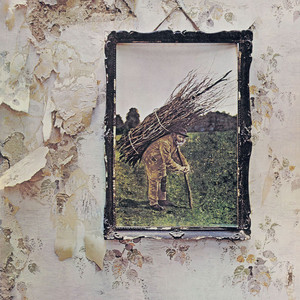
1971.
Themes of religion, injustice, society, personal struggles.
Was never meant to be a concept album.
1978.
Various archive recordings from earlier tours.
1972.
Last album before the drummer Bill Bruford quit the band to join King Crimson.
They found it challenging to record.
2002.
1997.
Third album, after the band got broken up and re-formed but without the guitarist Nick McCabe.
Nick McCabe rejoined in early 1997, so they re-recorded several songs to include his guitar parts.
2000.
Debut studio album.
1977.
The recording sessions took place as the band members dealt with breakups and struggled with heavy drug use (cocaine), both of which shaped the album's direction and lyrics.
Recorded with the intention of making "a pop album".
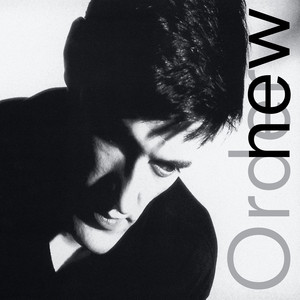
1987.
Their first use of drum machines after their drummer left for another band.
1987.
Their first use of drum machines after their drummer left for another band.
1987.
Debut studio album.
Most of the album's themes reflect the band's personal experiences and daily life, including their youth.
1971.
Sixth studio album and final major-label album.
The last to feature lead singer Jim Morrison during his lifetime (died of heart failure in 1971).
Heavily influenced by blues.
1994.
Considered one of the most influential and emblematic works of the 1990s.
This concept album chronicles the self-destructive descent of a misanthropic protagonist into madness, dehumanization, and suicide.
2009.
Titled after the Maryland venue of the same name, where Portner and Weitz attended concerts in their youth.
1973.
Their first album to feature their now classic sequencer-driven sound, which is considered to have greatly influenced the Berlin School genre.
2006.
Second and final album.
Explores themes of guilt, grief, infidelity, heartbreak and trauma in a relationship.
Died in 2011 from alcohol poisoning.
1995.
Combines guitar songs and ballads, with more restrained arrangements and cryptic lyrics than Radiohead's debut album, Pablo Honey
1970.
Harrison's first solo work after the break-up of the Beatles.
Introduced Harrison's signature slide guitar sound and reflected the spiritual themes present throughout much of his work.
1971.
McLean dedicated the album to Buddy Holly, one of his childhood icons.
Melancoly feel.
Wrote the album while his mariage was failing.
1998.
Debut studio album.
Former band: Kyuss.
1976.
Became one of ABBA's most successful albums to date.
1969.
They recorded the album just as they were getting to know each other.
1994.
Second and final album.
Catalyst for the eclectic San Diego music scene and the emerging national emo scene of the 1990s.
1978.
Third studio album after two unsuccesful albums.
Documents the band's deterioration as well as the singer's declining mental state.
1978.
Experimental rock.
1976.
Debut studio album.
Took only 7 days to record.
Widely regarded as one of the greatest and most influential punk albums of all time, and it had a significant impact on other genres of rock music, such as grunge and heavy metal.
Violence, drug use, relationship issues, humor, and Nazism were prominent in the album's lyrics.
1971.
Their best selling album.
Inner sleeve has 4 hand drawn symbols that each represent a band member.
1995.
Debut studio album.
Former Nirvana's drummer (Dave Grohl) wrote the entire album after Kurt Cobain's suicide.
Considered to have established the post-grunge genre.
1974.
The band experimented and explored new creativity while making the album.
1982.
Seen as Prince's breakthrough album.
1983.
Their most commercially successful release.
1967.
Debut studio album.
Has since been recognized as a landmark of psychedelic rock and one of the most influential albums of the 1960s.
Robby Krieger had only been playing the electric guitar for a few months when he was invited to become a member of the band.
2002.
Diverse array of subject matter, mostly melancholy ponderings about love, mortality, artificial emotion, pacifism, and deception, while telling the story of Yoshimi's battle.
Title character is inspired by musician Yoshimi.
Not intended to be a concept album.
1991
Recorded at nineteen different studios.
1968.
Approach reflecting an anti-establishment, leftist political stance.
Album got popular after the band broke up after it's release.
1972.
Known for its wide stylistic range and the strong influence of Delta blues, gospel music, and country rock.
1972.
Known for its wide stylistic range and the strong influence of Delta blues, gospel music, and country rock.
1999.
Written from the perspective of Eminem's alter ego, named Slim Shady.
Some songs are true stories.
1978.
1988.
Praised its production techniques and its socially and politically charged lyricism.
1959.
Sextet.
Based entirely on modal jazz.
1969.
Regarded as the first true progressive rock album.
Describes the devastating effects of war and conflict, societal alienation and disillusionment, the perceived futility of human efforts against powerful, corrupt forces, unchecked authority and corrupt leadership.
1999.
1996.
Was supposed to be a double album.
2000.
Debut studio album
The cover art is a collage loosely based on Leonardo da Vinci's drawing Vitruvian Man.
2002.
Second studio album.
Considered amongst the best albums in history.
The opening track "Politik" was recorded two days following 2001's September 11 attacks.
1996.
No Woman, No Cry is a cover of Bob Marley. Marley's children did the backing vocals.
Best-selling hip-hop album of all time.
1971.
Live album.
1982.
Fourth studio album.
The sessions saw the band on the brink of collapse, with heavy drug use, band in-fighting, and frontman Robert Smith's depression fueling the album's musical and lyrical content.
Following its release, bassist left the band, and the Cure switched to a much brighter and more radio-friendly new wave sound.
2008.
Earned him a Grammy Award nomination for Best Rap Album.
Wanted to make an album with a pure hip-hop sound.
1991.
Album considered like a pioneer in french rap music.
1995.
Britpop.
Guitarist said that artists like the Beach Boys and Beastie Boys inspired the album.
1970.
The name of the album is inspired by a book "Demian".
Abraxas means "the power above all" and was carved on amulets and gemstones for protection from the evil in certains cultures.
1959.
The album showcased Charles' breakout from rhythm and blues and onto a broader musical stage (more of a swing-pop style).
1975.
Debut album.
Considered a precursor to punk rock (New York scene).
2003.
Debut album.
Iris band.
The songs were a way to pick them up as they were dropped by their label and were miserable.
1957.
1988.
Discovered by a fellow student whose dad owned a successful publishing company. She refused but he eventually promoted her recordings to radio stations.
Got turned down by a bunch of record labels, until she signed a contract with Elektra Records.
2009.
Debut studio album.
Beats made from a members laptop, mixed with instrumental parts recorded by the other members.
Lyrics about love, intimacy, loss and desire.
Qureshi left the band after the release of the album.
1979.
New lineup, with the bassist from The Saints (his only album with The Damned).
Added more variety to their usual punk rock sound.
Cited as a 'proto-hardcore' record crucial for the later rise of hardcore punk into the 1980s.
2006.
Primarily a pop and R&B record with a fusion of old-school jazz and soul inspiration.
Back to Basics was meant to pay "homage and utmost respect" to some of her favorite musicians.
1990.
Has since been recognised as one of Cocteau Twins' most influential works and as a landmark in dream pop.
2000.
Contains themes of love that are tied into Harvey's affection for New York City.
1977.
Costello changed his name from D.P. Costello to Elvis after Elvis Presley, and adjusted his image to match the rising punk rock movement.
Costello kept his day job as a data entry clerk during the sessions.
1974.
Debut studio album.
1970.
They wrote the song "Paranoid" in five minutes, then sat down and wrote the lyrics as quickly as they could. It was all done in about two hours.
The album was supposed to be called "Warpigs" after the anti-war opening track but they changed it because the record label feared backlash.
1969.
1991.
Generally considered the first trip hop album.
1985.
Marked a departure from that album's dark, introspective style, featuring a more mainstream, glossy sound, with sophisticated production values, increased guitar use, and diverse stylistic influences.
1976.
The lyrics of the opening song "Detroit Rock City" tells the story of a fan who died in a car crash on the way to a Kiss show.
First album with producer Bob Ezrin, who pushed them to elevate their music to the next level.
1980.
Acclaimed as Gabriel's artistic breakthrough.
He banned the cymbals to be more creative.
1976.
Fourth studio album and the band's first major commercial success.
The band was in financial hardship due to the disappointing sales of their last album and their label considered dropping them, but granted one more album.
2112 remains the band's second-highest-selling album.
1969.
Zappa dedicated the album to his newborn son.
Recorded with a new technology: 16-track analog recording.
1973.
Infused ideas of spiritual healing in songs about sex and romance, in part as a way of coping with childhood abuses from his father Marvin Gay Sr. (Father who ended up shooting him in 1984).
1994.
Combines a variety of genres, including electronic and breakbeat, with heavy basslines and energetic, aggressive beats.
1977.
Seventh album.
Released just as the jazz-rock movement began to run out of steam, according to AllMusic.
1979.
Debut studio album by the English ska revival band.
Musically, The Specials encapsulates the first wave of British ska, greatly reworking the original sound of 1960s Jamaican ska.
Several of the album's songs are covers of older Jamaican songs.
1978.
Debut studio album.
Contains some of the band's most well-known songs.
"Eruption"; written and performed by guitarist Eddie Van Halen, it is widely regarded as one of the greatest guitar solos of all time and helped popularize two-handed tapping technique.
1993.
Second studio album.
Most of the band members were struggling (drug use, or suicidaire ideation and depression). Billy Corgan wrote "Today" as he was experiencing depression and suicidal thoughts.
1980.
Third and final album to be produced by Brian Eno.
Blended African polyrhythms and funk with electronics, recording instrumental tracks as a series of looping grooves.
2003.
Gave mainstream exposure to grime music.
2009.
The music contained within the album "felt very much about colors, and their interaction," and that the music was written with the notion of the band, as a whole, in mind.
The album leaked to the internet two months before its official release.
1967.
Second studio album.
Its album cover generated controversy for displaying Hindu religious iconography. It was designed without Hendrix's approval, and he publicly expressed his dissatisfaction.
The album's release date was almost delayed when Hendrix lost the master tape of side one of the LP, leaving it in the back seat of a London taxi.
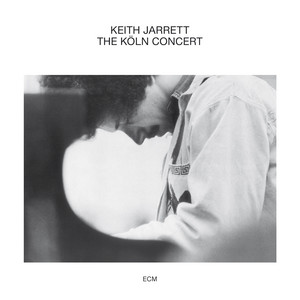
1975.
Best-selling solo album in jazz history and the best-selling piano album.
Entirely improvised on the spot.
Performed with a fulty piano, lack of sleep and physical exhaustion.
Keith Jarrett used left-hand ostinato (a persistently repeated bass or accompaniment pattern played with the left hand while the right hand performs a changing melody, chords, or improvisational lines.)
1971.
Second solo studio album.
Written and recorded during a period of particularly bad feeling between Lennon and former bandmate Paul McCartney, following the Beatles' break-up.
"How Do You Sleep?" – a song written in retaliation against McCartney's alleged personal attacks on Lennon and Ono.
The lyrics reflect peace, love, politics, Lennon's experience with primal scream therapy.
1966.
Second studio album.
Wide range of musical styles, including psychedelia, baroque pop, jazz, Latin music and proto-punk.
1984
Second studio album.
Largely consisted of noise-filled hardcore punk with unintelligible vocals. While there are hardcore and punk rock-influenced songs, II encompasses a wide assortment of styles including country rock, ballads, and psychedelia.
Considered to be their best album.
Has a few songs that Nirvana performed on MTV unplugged.
2007.
Debut album.
Pioneering nu-rave band.
1980.
Second studio album.
Robert Smith (singer) would go on to say that "Seventeen Seconds was the most personal record that we’ve ever done, strangely enough."
Their bassist left the band before the recording of the album, because he did not like Smith's direction.
Money was short, so the album was recorded and mixed in seven days.
"The Final Sound" was planned to be much longer but the tape ran out while recording and they could not record it again.
1975.
Ninth studio album.
The record showcased Bowie's interest in soul and R&B (different from the glam rock style of previous albums).
2004.
Debut studio album.
Brandon Flowers (singer) felt depressed after hearing the Strokes' album Is This It. He thought their album was perfect so the band threw away everything they were working on except "Mr. Brightside" .
1967.
1992.
Debut studio album.
Simultaneously explores motorik, minimalist music, and space rock while subtly using "meticulously detailed, layered instrumentation, the sumptuous deployment of horns and strings" to create cinematic, textured, and deeply narcotic soundscapes.
1971.
Two songs were made with Ginger Baker (former Cream drummer). He traveled Africa with Tuti to learn about the continent's rhythms.
1981.
Debut album.
Has been described as one of the cornerstone albums of American new wave music (a lighter and more melodic "broadening of punk culture").
Three of the members attended the Sex Pistols' final performance in San Francisco in January 1978, and afterwards were inspired to form their own band, even if they didnt know how to play instruments.
They had a hard time finding a label (singer thought it was because they were an all-female band).
One of the most successful debut albums of all time.
1966.
Second solo studio album.
1971.
Eight solo studio album.
Parton has cited the title track on numerous occasions as her personal favorite of all the songs she has written.
1986.
2006.
Debut studio album.
Forming in 2002, Arctic Monkeys frequently gave away free demo CDs to fans at gigs; this resulted in the fans uploading the band's music to social media sites.
As attention towards them continued to grow, the band eventually garnered great demand.
1994.
Only studio album (tragically died of an accidental drowning before finishing his second album).
The lyrics for "Grace" were inspired by Buckley's separation from his ex-girlfriend at the airport before moving to New York City.
1993.
Debut studio album.
Gangsta rap.
In 1992, Snoop Dogg came to attention of the music industry through his vocal contributions on Dr. Dre's The Chronic, which led to a high degree of anticipation among hip hop for the release of his own solo album.
1978.
22nd studio album.
Its ten songs consist entirely of American pop standards (term that signifies a golden era of American songwriting and a universal musical language that permanently shaped global popular culture) that Nelson picked from among his favorites.
This made it controversial because the industry wanted him to keep making "Outlaw Country" music. They were skeptical over doing old songs.
1991.
Seventh studio album.
Seen as the beginning of Cope's trademark sound and approach.
On the album's songs, Cope laid bare many of his personal convictions including his hatred of organized religion and his increasing public interest in women's rights, the occult, alternative spirituality (including paganism and Goddess worship), animal rights, and ecology.
Stated that the entire album was a meditation on humanity's relationship to Mother Earth.
Each song has its own meaning.
1985.
Third studio album.
Considered to be among the band's strongest work, displaying the moment they completed their transformation from post-punk to dance-rock.
1990.
Third studio album.
Has been viewed as one of hip hop's greatest and most important records.
Holds critiques of institutional racism, white supremacy, and the power elite.
1998.
Fourth album.
Last release before the band disbanded (they reunited in 2002).
Album saw the band move towards a more glam rock-oriented sound mixed with punk and proved to be a breakthrough record for the underground band.
The snake on the cover art is taken from the American militant far-left organization Symbionese Liberation Army's banner/flag.
Intentional Provocation and "Anti-Political Correctness" (both left side and right side).
2005.
Features songs referencing places, events, and persons related to the U.S. state of Illinois.
1994.
1971.
Fourth studio album.
Entirely written and produced by Mitchell.