Musically, the production is top-notch and Biggie's flow is undeniable (great use of funk samples). 'Suicidal Thoughts' is the perfect example of what this album should have been: concise, atmospheric, with sound effects that actually serve a narrative purpose. Unfortunately, the rest of the experience is completely ruined by the unnecessary length and, above all, the trashy skits. The explicit sexual noises at the end of 'Respect' add absolutely nothing artistic; they are just gross and childish. You can be 'real' without being cheap. It could have been a solid 3 based on the beats alone, but those 'fillers' are a dealbreaker. 1/5.
The production is super polished and the mix is crystal clear but it honestly gets a bit repetitive after a while. Some tracks definitely feel way too long and that loud snare drum can be pretty exhausting for your ears by the end.
The mix is super clean and classy but the overall structure feels a bit too empty for my taste. Since I am not a huge fan of country vibes it just did not click enough to be more than a decent background listen.
The groove is super catchy and the rhythm is spot on for a solid background listen. It just lacks that emotional spark I look for in instrumental tracks to really make it a favorite.
The production is an absolute masterpiece of sound design that perfectly blends heavy hip hop drums with soft electronic vibes and indie rock. I really love the space they give to the instrumental parts and the way the deep sci-fi concept makes the whole journey feel so emotional. It is a brilliant example of how a dense and complex mix can still feel incredibly warm and meaningful.
The mix is honestly a mess because the total lack of bass makes the whole record sound thin and irritating. The technical drumming and repetitive structures feel super detached from the songs and it just turns into an exhausting and boring listen.
The dynamics are absolutely breathtaking and the way the vocals and instruments interact is pure genius. You can hear so many details that influenced bands like Radiohead and RHCP, all wrapped in a crystal clear mix that sounds incredibly professional yet deeply emotional.
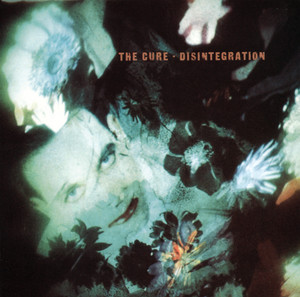
The mixing is undeniably professional and detailed, but the dated 80s "patina" and that constant reverb are just too much to handle. While the musical quality is clear in tracks like The Working Hour or Broken, the lack of internal evolution in these long songs makes the overall experience feel repetitive and tiring.
The production is really polished and the way they integrated all those samples is technically impressive for a 90s crossover record. It is a decent listen overall but it did not leave a lasting impression since the genre just does not click with my personal taste.
The album is a very enjoyable alternative rock record that uses its influences in a modern and energetic way. I especially liked the processing on the vocals which makes them stand out and stay very recognizable throughout the tracks. It is a great listen with iconic songs and a solid production that keeps the energy high until the very end.
The energy is definitely there but the mix feels muddy and the nasal vocals are not really my thing. It clearly suffers from budget constraints that were not turned into a creative choice and compared to their later polished records this one just feels technically lacking and uninspired.
The guitar interplay is surgically precise and the mix is incredibly transparent, leaving no room for mistakes. You can clearly hear how this record laid the foundation for the 2000s garage rock revival and bands like The Strokes. It is a masterpiece of technical control even if it lacks that final emotional spark to reach a perfect score.
The album is a victim of its own production era. While the musicianship is competent, the dated 80s reverb and the lack of dynamic evolution make it a tedious listen. It’s not a total failure, but it definitely hasn't aged well and fails to deliver the atmospheric depth it promises.
This is undoubtedly one of the best pop albums I have ever heard. The technical layering of vocals and instruments is masterful and it sounds incredibly polished even today. While the studio craftsmanship is near-perfect, it stays at a 4 because it feels a bit too calculated, lacking that raw, organic spark that usually characterizes a 5 record.
The mixing is absolutely perfect even in its original version and the keyboard synths sound incredible throughout the record. It manages to showcase many different styles of the same genre in just forty minutes and while it did not fully reach that top-tier spark it remains an outstanding technical achievement.
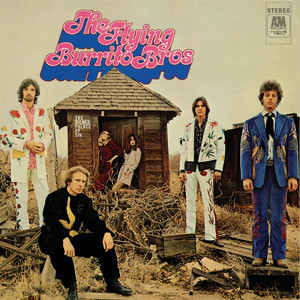
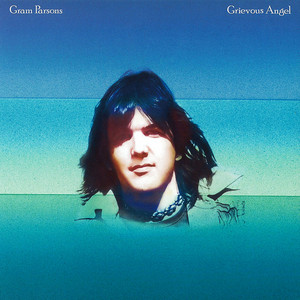
An absolute struggle to sit through. Despite its historical status as the birth of country-rock, the record fails to escape the tropes of traditional country: nasal vocals, predictable I-IV-V structures, and a lackluster rhythmic section. The rock influence is too thin to save it from being a tedious and uninspiring experience for anyone who isn't a fan of the genre
The orchestral arrangements are masterfully crafted and perfectly integrated into the rock structure without ever feeling cluttered. It is a brilliant sonic journey that clearly paved the way for modern bands like Twenty One Pilots Scaled and Icy. While the technical execution and the "dry" production are outstanding, it stays at a 4 as it delivers a high-quality listening experience without quite reaching that ultimate 5 spark.
While it avoids a 1.0 thanks to Charlie Watts' superior drumming and a more tolerable vocal delivery compared to other country-rock acts, the album is still a terrible experience for those who despise the genre. The "jazz-inflected" rhythm section provides a much-needed backbone, but it's not enough to save an inherently boring and dusty musical structure.
Another disappointing journey into country-rock territory. The songs feel extremely basic and repetitive, while the production is marred by a dated 80s-style snare reverb that clashes with the "raw" aesthetic of the band. The vocal harmonies are kinda annoying, making the 62-minute runtime a tedious chore rather than an epic rock experience.
Technically influential as a pioneer of the Acid House scene, the album showcases a clean and sophisticated sound design. However, it feels somewhat underwhelming in its emotional delivery. While historically significant, it struggles to leave a lasting impact on a modern listener used to more intense electronic or instrumental soundscapes, ultimately feeling more like a background atmospheric piece than a compelling journey.
A brilliant masterpiece that stays engaging despite its massive runtime and a few dated 1980s synth choices. Prince’s ability to jump between futuristic funk and vocal experimentation is staggering, and the crystal-clear production on the mid and high frequencies is a masterclass in mixing. This record is so technically and artistically dense that even its minor flaws feel irrelevant compared to its overall genius.
A well-crafted and balanced record that ultimately fails to leave a lasting impression. While the technical details are evident, the "indie" mixing choice to bury the vocals within the production creates a frustrating distance for the listener. Despite a solid collaboration with Thom Yorke, the repetitive structures and the natural reverb of the recording make the overall experience feel professionally executed but emotionally hollow.
A masterclass in restraint and sonic warmth. At just 33 minutes, the album hits the "ideal" length for its hypnotic, repetitive structure, delivering deep bass and organic echoes without ever overstaying its welcome. It’s a high-quality atmospheric journey that proves sometimes less is more when it comes to maintaining a listener's engagement.
A promising and stylistically unique start that unfortunately loses its edge as the album progresses. The fusion of post-punk rigidity and raw blues is technically fascinating at first, but the lack of dynamic variation and sonic depth makes the experience feel repetitive. While the "lo-fi" energy is palpable, the record ultimately fails to sustain its initial impact, feeling more like a single great idea stretched too thin
A masterclass in delicate production and vocal precision, with a mix so clean it’s hard to believe it dates back to 1966. The excellent use of dynamics and perfectly synchronized vocal harmonies elevate the record, while the baroque touches like the harpsichord provide a sophisticated edge. It’s a technically flawless experience that manages to be both coherent and versatile without ever feeling "dusty."
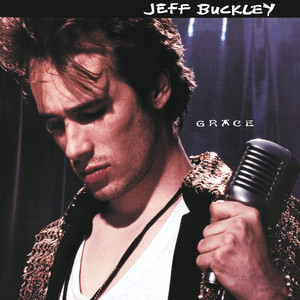
A fascinating journey into "acoustic psychedelia" and folk-jazz. The lack of traditional percussion allows the vibraphone and double bass to dominate the sonic space, creating a dreamlike and highly dynamic atmosphere. While the jazz influence feels slightly diluted toward the end, the album’s complex structures and Buckley’s vocal prowess sustain a high level of engagement, offering a masterclass in early 1970s atmospheric production
A surprisingly uninspired listen that feels generic and dated despite its historical reputation. While it avoids the worst production clichés of the 1980s, the record lacks the technical depth or vocal charisma found in previous masterpieces. To a modern ear seeking complexity or unique sonic textures, this debut feels flat and repetitive, offering little in the way of "bite" or innovation.
An absolute sonic masterpiece defined by its clinical precision and immense dynamic range. The production is so clean and well-separated that every element, from the iconic Wurlitzer electric piano to the soaring saxophone, feels vivid and three-dimensional. Its cinematic approach to sound design and atmospheric "vibe" set a benchmark for high-fidelity recording, making it an essential reference for any serious listener.
A technical earthquake that redefined the electric guitar and studio production forever. Despite its 1967 release, the mixing remains incredibly fresh, utilizing extreme panning and signal processing to create a three-dimensional landscape. Hendrix’s ability to weave raw blues roots into complex psychedelic textures ensures that every track offers a unique sonic experiment, making a long tracklist feel dynamic and essential rather than exhausting.
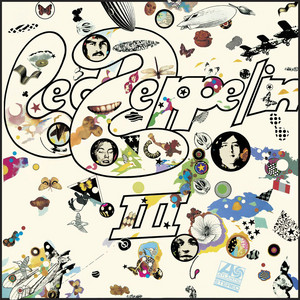
A masterclass in dynamic contrast and sonic world-building. Page’s production transforms traditional blues and folk into a three-dimensional experience, utilizing early analog synthesis and revolutionary ambient miking techniques. The album’s ability to maintain a fierce, heavy identity even in its quietest acoustic moments is a testament to its technical brilliance, making it a definitive benchmark for high-fidelity rock production.
A textbook example of polished, high-fidelity digital pop that ultimately suffers from a total lack of character. While the mixing is undeniably clean and professional, the reliance on standard 90s synth textures and a monotonous vocal delivery results in a tedious listening experience. It’s technically "correct" but artistically hollow, failing to provide the sonic "bite" or innovation found in true masterpieces.
A masterclass in orchestral dynamics and rhythmic precision. Despite its 1958 vintage "Lo-Fi" warmth, the recording captures the explosive power of the brass section and the delicate nuance of Basie’s minimalist piano with incredible clarity. The interplay between silence and sound creates a gripping tension that remains a gold standard for big band production, offering a visceral and sophisticated listening experience.
A professionally crafted crossover that blends funk, rock, and pop with the signature "dry" production of the Neptunes. While the technical separation of instruments is commendable, the album lacks the structural complexity or emotional resonance to elevate it beyond a solid mid-tier effort. It feels more like a studio experiment than a definitive artistic statement, resulting in a competent but ultimately unexciting listen for those accustomed to more rigorous genre-bending masterpieces.
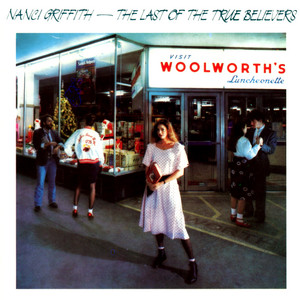
An agonizingly generic effort that epitomizes the stagnation of the country-folk genre. Despite a "clean" production, the album offers zero technical challenge, relying on rudimentary song structures and uninspired lyrical themes. For a listener seeking complexity, dynamic range, or sonic innovation, this record is a hollow experience, proving that a polished mix cannot compensate for a total lack of artistic depth
A revolutionary sonic achievement that redefined the possibilities of studio production. Wonder’s masterful integration of the TONTO synthesizer system creates a "warm yet acidic" electronic texture that feels alive and organic. The album is a technical triumph of frequency management, where deep synth basses coexist perfectly with sharp Clavinet riffs and complex rhythmic layers, setting the definitive standard for modern funk and soul.
An absolutely brilliant and insane masterpiece. It’s hard to fathom how a human being could conceive such an idea and execute it so flawlessly. I would have given it a 4.0, but since other people who clearly don't know a damn thing about music gave it a 1.0, I'm giving it a 5.0 to compensate.
A visceral explosion of raw energy that defined the garage rock sound. While the intentional lo-fi distortion and aggressive mixing are technically fascinating for 1965, the album suffers from a lack of musical inspiration. The execution is powerful, but it’s not backed by strong compositional ideas, resulting in a repetitive experience that relies more on attitude than on structural complexity.
A brilliant fusion of genres that balances raw power with sophisticated musicality. While it flirts with 80s production tropes, it quickly evolves into a cohesive masterpiece of dynamic contrasts. The technical interplay between the aggressive, slap-heavy bass and the atmospheric synths creates a unique sonic signature, supported by Patton’s versatile vocals. A high-quality record where complex ideas and expert execution work perfectly together.
A masterpiece of essentialism. The album’s brilliance lies in its lack of unnecessary frills, where every instrument is perfectly balanced in a "dirty yet precise" mix. Its influence on 2000s rock, from Arctic Monkeys to The Killers, is technically evident in its interlocking guitar patterns and "boxed-in" vocal effects. A high-quality record that proves how controlled minimalism can be more impactful than over-production.
This is a classic psychedelic trip that still feels fresh because it’s got a real blues soul under all those trippy effects. The way the voices layer on top of each other and that deep, melodic bass line from Jack Casady really make the sound feel thick and alive. Even if it gets a bit "folk-ish" here and there, the overall vibe is super immersive and powerful. It’s a solid listen that hits the spot without being too much.
This album is a solid mix of Irish folk and rock with a very natural, "woody" sound. The production is clean and avoids any muddy feeling, which is great, but the songwriting tends to get a bit repetitive. While it’s definitely better than country because of its bluesy backbone, the tracks are just too long and lack the musical complexity to stay exciting until the end.
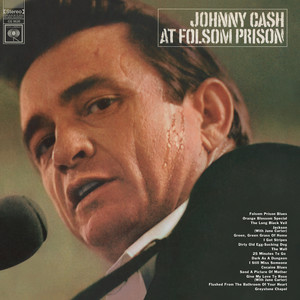
I’ll be honest: I hate country music and I was totally biased before hitting play, but this album completely flipped the script. Johnny Cash at Folsom Prison has a raw, punk-rock attitude that’s more Metal than most modern records. Between the prisoners cheering for murder songs and that sweat-soaked energy, the vibe is straight-up Trap (or even Drill) before they even existed. Even if the genre’s simplicity starts to show towards the end, the pure, unfiltered connection between Cash and the inmates is so powerful that I’d feel like a fraud giving this anything less than a perfect score.
Good start and end, lack of same vibes in the middle. And it's too "classic" for my taste
Bjork is carrying the whole record imho, tho can't give more than 2
may God have mercy on anyone who enjoys Southern rock
may God have mercy on anyone who enjoys country music
3+ hours is simply unlistenable for a challenge like this. this isn't a cohesive album; it’s a massive box set and a luxury museum piece that completely destroys the concept of a regular record. on top of that, I couldn't care less about the Roaring '20s and early American pop culture
I believe "painful" is the right word to describe my feelings while listening to the whole record
this record sounds exactly like the worst part of the '90s
the whole album is kinda bad and it has absolutely no right to be taken this seriously, that's why im gonna give 4 with no further explanation
this record is the ultimate proof that Americans aren't just aware of every awful stereotype about them: they’re genuinely proud of them.
since a normal rock album wasn't enough, Springsteen goes full fake-musical just to wave his American flag. too bad that:
- as a record, it's garbage
- as a musical, it's a joke
- i don't give a fuck about the American myth
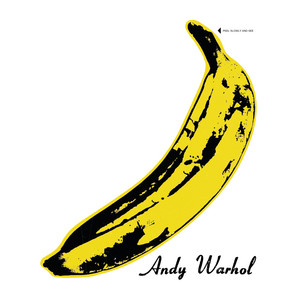
edit: higher rated than both Velvet Underground & Nico and Crimson King. you people are beyond saving
god save the britpop
51 minutes of bloody country music is less of an album and more of a CIA-approved sleep deprivation torture