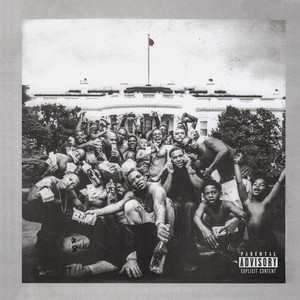
To Pimp A Butterfly
by Kendrick Lamar
Personally think Damn is a better album, but this one is solid as well.
Tap a bar to see the albums behind it
Tap a bar to see the albums behind it
| Album | You | Global | Diff |
|---|---|---|---|
|
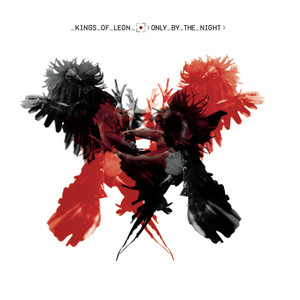
Only By The Night
Kings of Leon
|
5 | 3.22 | +1.78 |
|
Automatic For The People
R.E.M.
|
5 | 3.8 | +1.2 |
|
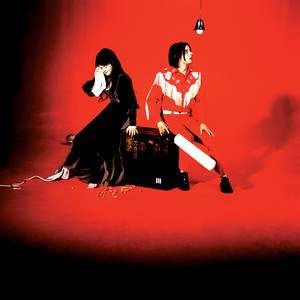
Elephant
The White Stripes
|
5 | 3.83 | +1.17 |
|
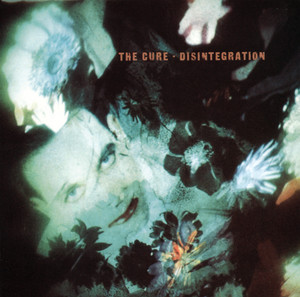
Disintegration
The Cure
|
5 | 3.87 | +1.13 |
|
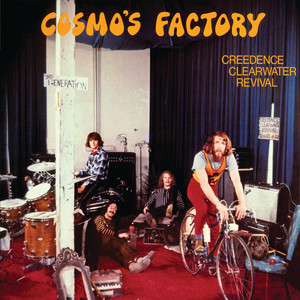
Cosmo's Factory
Creedence Clearwater Revival
|
5 | 3.89 | +1.11 |
|
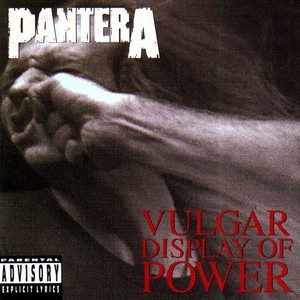
Vulgar Display Of Power
Pantera
|
4 | 2.98 | +1.02 |
| Album | You | Global | Diff |
|---|---|---|---|
|
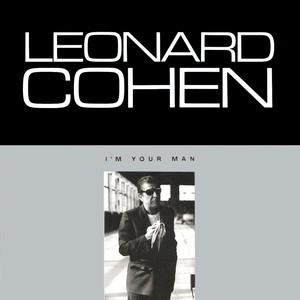
I'm Your Man
Leonard Cohen
|
1 | 3.1 | -2.1 |
|
Eli And The Thirteenth Confession
Laura Nyro
|
1 | 2.94 | -1.94 |
|
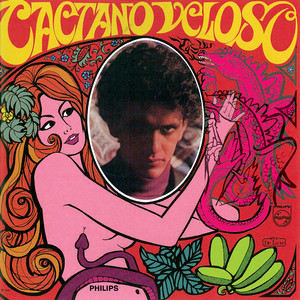
Caetano Veloso
Caetano Veloso
|
1 | 2.85 | -1.85 |
|
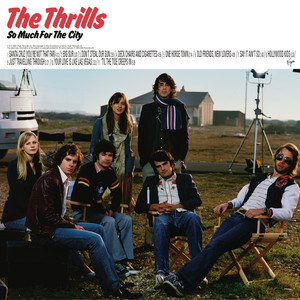
So Much For The City
The Thrills
|
1 | 2.81 | -1.81 |
|
Scott 4
Scott Walker
|
1 | 2.8 | -1.8 |
|
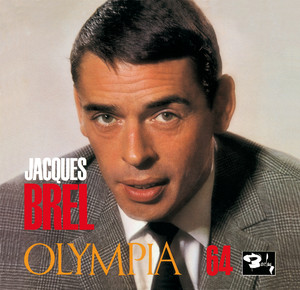
Olympia 64
Jacques Brel
|
1 | 2.78 | -1.78 |
|
(Pronounced 'Leh-'Nérd 'Skin-'Nérd)
Lynyrd Skynyrd
|
2 | 3.74 | -1.74 |
|
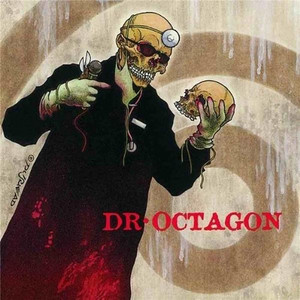
Dr. Octagonecologyst
Dr. Octagon
|
1 | 2.69 | -1.69 |
|
Moondance
Van Morrison
|
2 | 3.68 | -1.68 |
|
The Queen Is Dead
The Smiths
|
2 | 3.67 | -1.67 |


Personally think Damn is a better album, but this one is solid as well.
Jack White punched a guy, got sued by his sound engineer, felt extremely betrayed by the Detroit music scene, quit smoking, rented a Steinway grand piano, dragged it into his living room, recorded an entire album in two weeks on a vintage 8-track machine with six microphones, and replaced his signature guitar sound with a marimba. This is either a man processing his feelings or a man daring you to still like him. Possibly both. Jack White's own label later called this the most misunderstood album in the White Stripes discography, which is a very polite way of saying people were confused and annoyed. The fact that it was in no way Elephant Part 2, they wrote, only further confused, infuriated, and beguiled many. That sentence contains three emotions and they are all correct. I gave Elephant a 5. Elephant was Jack White hitting you over the head with a guitar and Meg holding everything together with the confidence of someone who learned three drum patterns and decided that was enough. This album is Jack White sitting at a rented Steinway having feelings about truth, Rita Hayworth, and people who wronged him in Detroit. The marimba did not earn a Grammy by accident, but it also did not earn a fourth star today. The tape machine malfunctioned during recording. Water dripped from the ceiling. The band described the sessions as cursed. Jack White described the process as cathartic and rejuvenating. These are two very different albums being described by the same people. It also never got a vinyl release for ten years because Jack wanted to re-record the whole thing live in New Zealand, flew all the way there, and discovered the studio no longer had the equipment. This is the most Jack White sentence ever written and it tells you everything you need to know about this album. 3 out of 5. One star for Blue Orchid, which absolutely slaps. One for the marimba, which tried its best. One for Meg, who showed up, played drums, and asked no follow up questions about the Steinway. The fourth star is in New Zealand, waiting in a studio that no longer has the equipment to retrieve it.










Laid back acoustic guitar and folk style vocals. Not bad not great, would listen if it was on, but likely wouldn't put in my regular rotation.
A classic from my college days. Several great songs, and a few not so great songs. Solid album but not ground breaking.
Wouldn't have made it through high school without this album. Definitely up there with one of the greatest bands of all time with a solid portfolio of albums.
Sure he's the boss, but just not really my style of music.
Not really my style.
GenX staple. Never been a huge Foo fan, but I respect Dave’s talent for what it is. Probably 3.5 but will round to 4.
I probably would have appreciated this more had I been born 10-20 years earlier.
Not New Order's best work.
Interesting mix of styles and genres on this album, blues, country, folk, rock. All decent songs but nothing that just screams I have to listen to this again.
4 for the music, 2 for the misogyny. Let's call it a 3.
Want to give it a 4 cause it's Willie, but settle for a 3 because I don't like 95% of country music and country artists. Willie get's a pass, but not that much of a pass.
This isn't the Doors best effort, good but not what I would call great.
I feel like someone put this album on the list just to mess with me. I listen to it, but hard pass on ever listening again.
I mean with lyrics like: Let's go down by the grapevine Drink my daddy's wine, get happy How could we go wrong?
Couple of synonymous hits that JA are known for. A handful of good songs and you get a three.
On the surface I might give it a 3, not great but not bad. But when I compare the other early 2000's offerings in this genre it's a 2.
Never really been much of a Lou Reed fan.
Don't worry about a thing... I strive to be as chill as Mr. Marley, not successful, but I try. Short of a five but a three would be criminal.
If I was a fan of this genre or ABBA in general I'd probably give it a 4. I'm sure there are several 5 ratings. But considering my musical tastes it's a three for me.
Personally think Damn is a better album, but this one is solid as well.
Decent, but not really a fan of this style of music.
If this album was produced today instead of 50 years ago, it would have been called just another electronic EDM album. But considering it was created in 1974, the technology was quite groundbreaking. Truly pioneering the electronic and industrial music revolution.
One good song does not make a great album. I’m sure if she’s reading this she’ll just say I’m judging her for her politics. If I was I’d give it a 1 star.
Could probably be a 4 or 5. But Billy we didn’t need a 7 minute song about an Italian restaurant.
Johnny was not a great role model of a man for how he led his life. But he also recognized that and was open and honest about his troubles. If gave him understanding of the men in that prison and what they lived through. He was unafraid to speak his mind to those in authority and that I respect. Certainly one of the great storytellers through song of my lifetime. Hate him or love him this is an iconic album of his work crossing several genres of musical style.
I'm having an internal struggle with tragedy of a man. To be fair I'll give Quincy Jones a 5 and MJ a 1 cause I just can't look at the music and not see the man that sung it. 1+5=6 6/2=3
Would rate higher if this was in my taste profile, but alas it isn't.
Let's be honest, if you had no idea who Cash was and didn't know his music or history would you give this album such high praise? More than a few would just call these bad covers. Still a 4 for me.
Probably be told I'm not Gen-X enough cause I was never a big PJ fan. I get told the same thing when I say I don't really like the Pixies.
2010's alt staple album. It's a good listen
I know this album will be downvoted by a lot of listeners. But as someone who grew up in the region and time frame where they were formed, Pantera was an example for every teenage kid that wished they were in a metal band. All we saw on TV was a market flooded with glam rock with non stop Poison, Motley Crue, and Bon Jovi. When we wanted AC DC instead. We hungered for something more. Pantera was harder and faster than what we had heard before. They were more like Metallica, Slayer, and Megadeth than the force fed MTV glam rock. Glam was dying and industrial and grunge were about to dominate the scene and us Gen-X kids were ready to get in the pit and "Walk".
Four top five singles from this single album and the first female artist to achieve this standard. A pioneer in pop music of the 80's who has remained relevant throughout her 40+ year career. Can't give it anything less than a four.
The year is 1989, you are about to turn 16 years old. You hate your high school and most of the students that go there. You're ready to just graduate and move away. The girl you've been chasing for 6 months has agreed to go on date and then this album drops. You spend the summer cruising around town while this plays on repeat. Almost 40 years later she's still by your side, anything less than a 5 would be disrespectful to the impact this album had on me as a teenager. It still bangs today.
I listened to it, but not really my thing. It's not a bad album per se. I wouldn't skip a song if it showed up on a playlist. However, it's not something I'd ever seek out to listen to again by choice.
As a Gen-X kid who was more influenced by the 80's I appreciate influence later rock, blues, and alt artists would take from this era. The dirty guitar sounds that dominate the Grunge era are definitely felt here, Ball and Chain especially. Piece of My Heart is an obvious classic, but most of this is album if forgettable for me.
It's fun, it's catchy, it's kinda ridiculous at times, it's the B-52's. Just a 3 for me.
I know and like some Stevie songs. None were on this album.
I enjoy modern folk music, this I did not. Not saying that the music was bad. But it was incredibly boring. While I get that Alabama has red dirt too, I think a lot of fans of Red Dirt Music would agree that "Red Dirt Girl" does not capture that sound.
I once owned this album on tape. It was a staple of my youth. Probably deserves a 5 but holding that for other albums by R.E.M. on this list. So 4 it is.
Ranks right up there with Suburbs, but it's not worth a 5.
Forgettable background noise.
Respect has to be up there as one of the greatest earworms of all time, going to be singing that all day long now, thanks. Overall solid album, but rating to my taste just a three as it's not something I will put in regular rotation.
Technically a masterpiece. Emotionally complicated. Much like Clapton himself. The guitar work is genuinely stunning, which is deeply inconvenient. Every time Clapton launches into a solo, you're forced to briefly forget that he exists as a human being outside of this recording, which is honestly the best thing he could do for everyone involved. John Mayall does his best to carry the moral weight of the album on his harmonica. John McVie holds down the bass with the quiet dignity of a man who just wants everyone to get along. Hughie Flint plays drums with the energy of someone who absolutely did not sign up for any of this legacy. Clapton, meanwhile, shreds like a man who hasn't yet discovered that he also has opinions. This is peak Clapton — fingers fully engaged, mouth mercifully silent. The last 58 years have sadly inverted that ratio. They used to write "Clapton is God" on the walls of London. God, at least, has the decency to stay mysterious and not give interviews. 3 out of 5. One star deducted for general reasons. One star deducted because somebody has to. The three remaining stars have been placed in a trust, to be managed exclusively by the rhythm section, who seem genuinely lovely and are not the problem here.
A genuinely great Southern rock debut, which makes it all the more annoying to rate. Eight songs. Four of them stone cold classics. "Simple Man" is wise, warm, and timeless motherly advice wrapped in a gorgeous guitar melody — the kind of song that makes you briefly forget everything you know about the people who made it. "Free Bird" closes the album with nine minutes of escalating guitar heroics that somehow never overstays its welcome, which is more than can be said for the ideology the band would later wave around on a flag. Producer Al Kooper believed so little in "Simple Man" that Van Zant physically escorted him to his car and told him to stay there while they recorded it. This is the most correct creative decision anyone made in 1973, and also a useful metaphor for how to handle opinions you disagree with. Gary Rossington celebrated the iconic cover photo by immediately vomiting on the sidewalk. Honestly, the most relatable moment in the band's entire career. 2 out of 5. Three stars cheerfully awarded to the music itself, which didn't ask for any of this. Two immediately reclaimed on behalf of a flag that should have stayed in the history books.
The grandmother of every artist you have ever loved, sitting in her rocking chair, being completely right about everything, and you still only visit three times a year out of obligation. This is the album that told Tori Amos, Fiona Apple, Sarah McLachlan, Alanis Morissette, Adele, and roughly every other woman who ever sat down at a piano with feelings that it was allowed. That it could sell. That a woman writing her own songs, playing her own piano, and refusing to wear sequins or smile on command could sit on the Billboard charts for six straight years. Six. Years. Your favorite artists owe this woman rent money they will never pay back. Carole King wrote "Will You Love Me Tomorrow" for the Shirelles in 1960. She wrote "(You Make Me Feel Like) A Natural Woman" for Aretha Franklin in 1967. Then she sat down and recorded them herself, better, in her living room, in her socks, with James Taylor on guitar and absolutely zero interest in your opinion about it. Producer Lou Adler wanted it to sound like a demo. Mission accomplished, in the best possible way. Is it on my regular rotation? No. Does it need to be? Also no. It did its job. It built the house that an entire record collection could live in. 3 out of 5. All three stars awarded with genuine respect and zero desire to listen to it on a Tuesday.
Somebody in Kendal, England heard The Smiths once and never fully recovered. Hayden Thorpe sings like Morrissey attended a Renaissance fair, developed opinions about courtly love, and then got lost in a forest for several years before anyone found him and handed him a microphone. This is not necessarily a criticism. It is, however, an experience. The critics absolutely lost their minds over this record. NME called it "a treasure that deserves plundering." Pitchfork praised its "wondrous, mythic scale." It was nominated for the Mercury Prize. It also made this list, which is exactly the kind of sentence that makes you question the judgment of everyone involved in the book. The instrumentals are genuinely atmospheric and interesting, which makes it all the more unfortunate that someone insisted on singing over them. One reviewer helpfully noted the album is "a huge grower." This is critical music journalism for "you will not like it the first time." They were right. 2 out of 5. One star for the instrumentation, which deserved better. One star for the audacity. The remaining three stars are hiding somewhere in the forest with Hayden Thorpe.
A 23 year old man, deaf in one ear, high on LSD, locked himself in a studio while his bandmates toured Japan, spent $70,000, drove everyone around him to the brink of madness, plucked the inside strings of a piano, recorded bicycle bells and Coca Cola cans, hired an advertising jingle writer to pen the lyrics, and accidentally invented the concept album. His bandmate called him the Stalin of the Studio. Capitol Records responded by releasing a greatest hits collection at the same time to compete with their own artist. The goats on the cover photo were horrible and ate someone's radio. This is the origin story of every ambitious, expensive, slightly unhinged studio album ever made. Without Pet Sounds there is no Sgt. Pepper. Without Sgt. Pepper there is essentially no modern rock music as we understand it. Brian Wilson built the house, lost his mind furnishing it, and never really recovered. You Still Believe in Me opens with what sounds like a teenage boy discovering his vocal range in real time. This is technically intentional. The opening notes were made by plucking piano strings from the inside, which is either genius or what happens when you run out of normal ideas and your producer has gone to sit in his car. Is it on your regular rotation? Absolutely not. It sounds like your parents' road trip playlist filtered through an existential crisis. But somewhere in those bicycle bells and cracking harmonies is the DNA of basically everything you have ever loved. 3 out of 5. One star for the audacity. One for the bicycle bells. One because the goats ate someone's radio and that deserves recognition. The remaining two stars are somewhere in Brian Wilson's sandbox, where they have been since 1966.
Jack White punched a guy, got sued by his sound engineer, felt extremely betrayed by the Detroit music scene, quit smoking, rented a Steinway grand piano, dragged it into his living room, recorded an entire album in two weeks on a vintage 8-track machine with six microphones, and replaced his signature guitar sound with a marimba. This is either a man processing his feelings or a man daring you to still like him. Possibly both. Jack White's own label later called this the most misunderstood album in the White Stripes discography, which is a very polite way of saying people were confused and annoyed. The fact that it was in no way Elephant Part 2, they wrote, only further confused, infuriated, and beguiled many. That sentence contains three emotions and they are all correct. I gave Elephant a 5. Elephant was Jack White hitting you over the head with a guitar and Meg holding everything together with the confidence of someone who learned three drum patterns and decided that was enough. This album is Jack White sitting at a rented Steinway having feelings about truth, Rita Hayworth, and people who wronged him in Detroit. The marimba did not earn a Grammy by accident, but it also did not earn a fourth star today. The tape machine malfunctioned during recording. Water dripped from the ceiling. The band described the sessions as cursed. Jack White described the process as cathartic and rejuvenating. These are two very different albums being described by the same people. It also never got a vinyl release for ten years because Jack wanted to re-record the whole thing live in New Zealand, flew all the way there, and discovered the studio no longer had the equipment. This is the most Jack White sentence ever written and it tells you everything you need to know about this album. 3 out of 5. One star for Blue Orchid, which absolutely slaps. One for the marimba, which tried its best. One for Meg, who showed up, played drums, and asked no follow up questions about the Steinway. The fourth star is in New Zealand, waiting in a studio that no longer has the equipment to retrieve it.
The band set out to make a hard rocking album. They failed completely and accidentally made one of the greatest records of the 1990s. Sometimes being bad at your original plan is the best thing that can happen to you. Peter Buck, Mike Mills and Bill Berry spent months in a rehearsal studio trading instruments and writing songs without Michael Stipe present, which is either a profound creative strategy or a very polite way of saying they needed a break from each other. They handed him the demos in early 1992. Stipe listened and described the music as pretty weird, more acoustic, more organ-based, less drums. He then went away and wrote an album about death, loss, AIDS, Reagan, grief and his dying grandmother. This is not what most bands do when handed a set of mid-tempo ballads but it is absolutely what R.E.M. did and it is exactly right. John Paul Jones, yes that John Paul Jones, arranged the strings for Drive, Everybody Hurts, The Sidewinder Sleeps Tonite and Nightswimming. He showed up with charts, directed the Atlanta Symphony Orchestra, swapped autographs with everyone afterward, and then went out for drinks and what he described as a bit of old style rock and roll behavior. Nobody deserved that dinner more. The title comes from a slogan at a soul food restaurant in Athens, Georgia called Weaver D's. Automatic for the People means we will take care of you without you having to ask. That is also what this album does. They did not tour. Not for Out of Time, not for this. Stipe's explanation was that you cannot play a festival in Belgium in front of 45,000 drunk muddy people and perform beautifully orchestrated slow songs. He is correct. Instead the album was left to stand entirely on its own merits, which turned out to be considerable given that it sold 18 million copies worldwide and topped the UK charts four separate times. Meanwhile the press, noting Stipe's thin frame and the album's relentless meditation on death, began printing rumors that he was dying of AIDS. His response was to wear a baseball cap to the Grammys that read White House, Stop AIDS. Stipe should be protected at all costs. This review stands by that position without reservation. Man on the Moon almost had no vocals. Stipe could not find the lyrics. He finally finished the song by walking around Seattle thinking about Kurt Cobain's use of the word yeah in Nirvana songs, and decided to end it with more yeahs than any Nirvana song had ever used. That is the most 1992 sentence in recorded history and the song is perfect. Monster came next. I lost interest. We do not talk about Monster. 5 out of 5. All five stars awarded without negotiation, without caveats, and without a single deduction for anyone's personal conduct.
Pastime Paradise became Gangsta's Paradise. I Wish became the backbone of Will Smith's Summertime. Sir Duke has been inside your head your entire life whether you invited it or not. Isn't She Lovely exists. The Library of Congress inducted this album into the National Recording Registry. Rolling Stone ranked it number four on the greatest albums of all time. Paul Simon won the Grammy for Album of the Year the previous year and publicly thanked Stevie for not releasing anything, because when Stevie releases something, everyone else goes home. I grew up on MTV, alternative, metal, and punk. I know exactly what this album is and exactly where it sits in the history of recorded music. I hold Stevie Wonder in a respect reserved for very few artists. I will not however be putting this on regular rotation. That is not a criticism. That is just an honest accounting of who I am versus what this album requires. Songs in the Key of Life does not need my regular rotation. It was doing fine before I arrived and will continue doing fine long after I am gone. 3 out of 5. All three stars given with a slight bow.
Four teenagers from Sheffield gave away free demo CDs at their own gigs, uploaded their music to MySpace, and accidentally revolutionized how bands find audiences, all before anyone had heard of them. The music industry spent 2005 watching this happen and taking absolutely no notes. This is arguably more interesting than anything on the actual album. It is a perfectly good album that I will not be returning to. It did exactly what it promised, delivered it competently, and then became background noise, which is a fine way to exist in the world and also an accurate description of most of my afternoons. 3 out of 5. Competent, confident, and entirely content to sound like itself for forty minutes without apology. Three stars awarded with genuine respect and zero urgency.
Siouxsie later said that the goth bands who came in their wake simply ended up diluting what Juju built. She said this without apparent irony, which is exactly the correct energy. She is right. Bauhaus, Sisters of Mercy, every band who ever wore eyeliner in a fog machine at a university venue in 1984, all of them owe rent money to this record that they will never pay back. Juju did not start the goth scene so much as accidentally invent it while trying to do something more interesting, which is honestly the most goth origin story possible. During the recording sessions, Siouxsie and drummer Budgie quietly fell in love, which they kept secret from the rest of the band. They later formed a side project called The Creatures together and released their first EP two months after Juju came out. Nobody in the band noticed until it was already happening, which suggests the album's atmosphere of psychological tension and paranoia was not entirely fictional. I came to Siouxsie through Peepshow, which is a more colourful, upbeat, and immediately accessible version of what Juju is doing in the dark with the curtains closed. Knowing Peepshow first and arriving at Juju later is like meeting someone's fun party version before discovering they also write intense poetry at 3am. Both are real. One is just easier to invite to things. Spellbound is a perfect song. The rest of the album is very good and deeply committed to an atmosphere that rewards patience more than it rewards casual listening. I appreciate it the way I appreciate a very serious film that I am glad exists and will not be revisiting frequently. 3 out of 5. One star for Spellbound. One for the cover art, which involved scissors, sheet music, and a tribal mask and somehow looks incredible. One for Siouxsie, who invented an entire subculture by accident while falling in love with her drummer and keeping it secret. Iconic behavior across the board.
Ice Cube started recording this album in early 1992. Then on April 29th, four police officers were acquitted for the videotaped beating of Rodney King, Los Angeles erupted into six days of riots, and Ice Cube scrapped a significant portion of what he had already recorded and started over. The album that came out in November was a fundamentally different record than the one he had planned to make. Sometimes history rewrites your album for you and there is nothing to do but get in the studio and respond. It Was a Good Day is a national holiday and I will not be taking questions on this. The genius of the song is not just the groove, which is built on an Isley Brothers sample so smooth it should be illegal, but the fact that Ice Cube treats the complete absence of violence and harassment as cause for celebration. Nobody he knew got killed. He did not need his AK. These are the criteria for a perfect day in South Central in 1992. The song ends with the music cutting out abruptly and Cube muttering to himself before the album lurches immediately into We Had to Tear This Mothafucka Up, which is about the Rodney King verdict, which is either the most jarring album sequencing decision of the decade or the most honest one. Probably both. The album also coined the phrase "It's on like Donkey Kong." Nintendo later trademarked this phrase in 2010 to promote a Wii game, which is the most 2010 sentence ever written and Ice Cube deserves royalties he will never see. The second half bogs down somewhat, which is the honest critical consensus and also my honest experience. A 4 was within reach and the back half let it slip. 3 out of 5. One star for It Was a Good Day. One for the production, which hits like a freight train with good taste in samples. One for the historical document this album represents, angry and specific and completely unwilling to make anyone comfortable.
Doug Ingle drank an entire gallon of Red Mountain wine, sat down at a tiny Vox Continental organ balanced on a cocktail table, and wrote a song called In the Garden of Eden. Then he played it for drummer Ron Bushy while slurring so badly that Bushy wrote down what he heard, looked at it the next morning, decided it sounded catchy, and nobody ever corrected it. The song was originally one minute and twenty seconds long. It was a country song. This is the most important fact about this album and it explains everything that follows. The band then spent months playing the song live every single night, during which it grew from eight minutes to seventeen, acquiring a drum solo, an extended organ passage, and enough repetition to qualify as a weather pattern. They were recorded at Ultrasonic Studios in Hempstead, New York without knowing the tape was rolling. The engineer secretly pressed record, watched them play the entire thing in one take, then invited them upstairs to listen back. Their response was to redo the vocals and overdub the lead guitar. That was it. The greatest accidental recording in psychedelic rock history was finished before lunch. The first side of the album is actually quite good, five tight psychedelic rock songs that would have made a perfectly respectable EP and sent everyone home happy. Then side two happens. Seventeen minutes. One song. A two and a half minute drum solo that reportedly inspired Ringo Starr's drum solo on The End from Abbey Road, which means even the Beatles owe a debt to a man who was making pizza for a living six months earlier to support the band. The album became the first ever to be certified Platinum when the Platinum Award was introduced in 1976, having sold over four million copies. It has now sold over thirty million copies worldwide. Thirty million people sat through that drum solo voluntarily. We are a species of mysteries. I grew up on MTV, alternative, metal and punk. Seventeen minutes of organ and drums is not my natural habitat. The first side suggested we could have been friends. The second side confirmed we could not. 2 out of 5. One star for the first side, which deserved a better roommate. One star for the origin story, which is the greatest accidental title in rock history and was born from a gallon of cheap wine and a cocktail table. The remaining three stars evaporated somewhere around minute nine of the drum solo and have not been seen since.
The Vatican's official newspaper named it the best pop album of all time in 2010. The Vatican. John Lennon had told the press four years earlier that the Beatles were more popular than Jesus. Nobody in Rome apparently held a grudge. I grew up knowing the Beatles the way I grew up knowing electricity, as infrastructure rather than discovery. Eleanor Rigby is a genuine earworm and Good Day Sunshine is exactly what it promises. Yellow Submarine is catchy in the way that songs designed to lodge permanently in the human brain tend to be catchy. The rest of the album is good but not exactly my cup of tea. As with many of the albums on this list I may enjoy a few songs from each, but as a whole this won't be on regular rotation. 3 out of 5. Sure I'm just supposed to dole out a 5 just because it is the Beatles right? Well the Vatican gave it five stars, I gave it three. We are both correct within our respective frameworks.
Jeff Buckley described himself in his own press bio as "the warped lovechild of Nina Simone and all four members of Led Zeppelin, with the fertilized egg transplanted into the womb of Edith Piaf." This is either the most accurate self description in music history or the most exhausting one, depending on your tolerance for that kind of energy. Buckley had a four octave range, could play guitar like Jimmy Page on a good day, and sang with the kind of emotional intensity that makes other singers quietly reconsider their career choices. He was also, by all accounts, chronically scattered, constitutionally unable to focus, and in constant need of someone pointing him toward the next decision. His producer described him as among the most talented musicians he had ever worked with, immediately followed by the word "but," which is doing a lot of heavy lifting in that sentence. Grace peaked at number 149 on the Billboard 200 in 1994, sold roughly 175,000 copies in Buckley's lifetime, and was not certified Platinum in the United States until 2016, nineteen years after its author waded fully clothed into a Mississippi tributary singing Led Zeppelin to his road manager on the bank and drowned at thirty years old. David Bowie called it the one album he would take to a desert island. Bob Dylan named Buckley one of the great songwriters of the decade. Jimmy Page called it close to his favourite album of the decade. Robert Christgau of the Village Voice gave it a C and suggested the force of hype would blow Buckley all the way to Uranus. Nobody agreed on anything, which is usually a sign that something real was happening. The album is front loaded in a way that rewards the first three tracks and tests your patience with the rest. Mojo Pin, Grace, and Last Goodbye arrive like a punch, a slow burn, and a heartbreak in sequence. Then the album spends its remaining runtime being interesting rather than immediate, which is the honest critical distinction between a 3 and a 4 for someone who needs both great lyrics and a great musical arrangement to fully commit. The album also contains a cover of Hallelujah by Leonard Cohen, delivered by a man with the voice of an actual angel, which is the most complicated listening experience available to me personally cause I don't really like Cohen's music at all. The song is genuinely extraordinary. The ghost of a man I find musically intolerable is visible in every chord change. This is not Buckley's fault. He recorded over twenty takes to get it right, insisted on including it over Columbia's objections, and was proven spectacularly correct when it became the song that introduced him to an entire generation of new listeners after his death. None of that changes the fact that Leonard Cohen is in there somewhere, looking smug. 3 out of 5. One star for the first three tracks, which deserve their own separate rating. One for the voice, which belonged in a different universe from the rest of us. One for Buckley not listening to the record execs and doing what he wanted. The fourth star is on a desert island with David Bowie, who apparently had better taste and more patience than I do.
Morrissey recorded this album at Hook End Manor in Oxfordshire during the summer of 1993, immediately after his longtime producer Mick Ronson died of cancer. He responded to this loss the way Morrissey responds to everything, by making it about Morrissey. The result is an album described by critics as a swansong, a masterpiece, an elegant midlife crisis, and a windowless hallway of nonstop self pity. All of these descriptions are correct simultaneously, which is the particular magic trick Morrissey has been pulling since 1983 and which I find approximately as charming as a persistent car alarm. The album debuted at number one in the UK. Thom Yorke later said it was all over The Bends, which means Radiohead owes Morrissey a debt they will never publicly acknowledge and Morrissey has almost certainly mentioned this in an interview. The lead single became the only Morrissey or Smiths song to crack the American top fifty, which tells you everything about America and also about Morrissey. Hold On To Your Friends, is a song about the importance of not abandoning the people closest to you, written by a man who has spent thirty years being abandoned by or abandoning virtually everyone closest to him. Johnny Marr left. Mike Joyce sued him. His manager quit. His label dropped him. The list of people who have played on a Morrissey album and then given a carefully worded interview about it is long enough to form its own support group, which they would probably enjoy more than working with Morrissey. One critic described the experience of listening to this album as being tossed down a windowless hallway of self pity with a surprisingly good groove underneath it. This is the most accurate sentence written about Morrissey since Johnny Marr handed in his notice. The orchestra is beautiful. It is Morrissey with more instruments. This changes nothing fundamental about the experience of listening to Morrissey, which is the experience of being cornered at a party by someone who is genuinely witty and completely exhausting in equal measure and will not let you leave until the song is over. Morrissey has seventeen albums, a voice like a man sighing in a library, and a songwriting catalogue of documented grievances against people who have since moved on and are doing fine. This is the first I have been subjected to so far for this project, I'm afraid there will be more. 2 out of 5. One star for Now My Heart Is Full, which is genuinely beautiful and almost made me forget who made it. One star for the band, who recorded a number one album at Hook End Manor with a man who titled a song I Am Hated For Loving and apparently did not find this exhausting. The remaining three stars are holding onto their friends somewhere, which is more than can be said for the artist.
John Prine was a 24 year old mailman from Maywood, Illinois who wrote songs on his delivery route because he had nowhere else to be and nothing better to do. He got his first gig by heckling an open mic night, loudly, until someone dared him to get up there himself. He sang Hello In There, Sam Stone, and Paradise to a nearly empty room. The owner offered him a job on the spot. This is the origin story of one of the greatest songwriters America ever produced and it happened because he had too many beers and a loud opinion, which is arguably the most American origin story possible. Kris Kristofferson dragged himself to a late night Chicago club after his own show, sat down in front of a stranger with a guitar, and by the end of the first song reportedly said the kid writes like he is two hundred and twenty years old. Bob Dylan later called it pure Proustian existentialism, midwestern mindtrips to the nth degree, which is exactly the kind of sentence Bob Dylan writes when he is trying to compliment someone and cannot help making it about Bob Dylan. Bruce Springsteen simply called Prine a national treasure and a songwriter for the ages, which is what you say when you have run out of superlatives and the facts are doing all the work anyway. The album was recorded at American Sound Studios in Memphis using Elvis Presley's rhythm section, which Prine described as terrifying because he went straight from playing alone in bars, still learning how to sing, to performing with the best session players in the world. He threw everything in because, as he later explained, he did not know any better. Sam Stone alone contains enough emotional weight to sustain an entire career. Hello In There was written at 22 years old by a man who delivered newspapers to an old people's home where residents would pretend he was a visiting relative. He wrote the song because it stuck with him and because nobody else was saying it. Kris Kristofferson joked that Prine was so good they would have to break his thumbs. This was a compliment. The cover features Prine sitting on a bale of hay. He had never sat on a bale of hay in his life. The photographer apparently saw a hick trying to get out and made an executive decision. Prine later said he had suggested being photographed on a bus, which would have been the more honest image and a significantly less iconic album cover. The songs are extraordinary. The arrangements are sparse, acoustic, and rooted in a sonic world that predates everything I grew up on by fifteen years. If Noah Kahan had produced this record I would have given it a 5 without blinking. The songs deserve that production. They deserve the full dynamic build, the electric guitar swells, the drums that hit you before the words arrive. Instead they live in the quiet company of acoustic guitar and restrained instrumentation, which is the correct artistic choice and not entirely my natural habitat. I respect this album more than I enjoy it, which is a distinction John Prine would have understood completely and written a song about. 3 out of 5. One star for Hello In There, written at 22, which has no business being that wise. One for Sam Stone, which arrived in 1971 before anyone was ready for it and has been hitting people in the stomach ever since. One for the mailman from Maywood who heckled an open mic night and accidentally became a legend. The remaining two stars are somewhere on his delivery route, waiting patiently.
Keith Jarrett drove 400 miles overnight from Switzerland to Cologne in an old car, in the rain, with a bad back, no sleep, and the reasonable expectation that a Bösendorfer 290 Imperial concert grand, a near ten foot eight octave instrument of extraordinary resonance and power, would be waiting for him at the Cologne Opera House. What was waiting for him was a small battered baby grand that had been left backstage for rehearsals, with keys that stuck, pedals that barely functioned, a tinny upper register, and a bass end so weak it was essentially decorative. A replacement piano was located across town. A piano tuner on the scene advised that transporting a concert grand in the rain at low temperatures without proper equipment would destroy it. The universe had made its position clear. Vera Brandes was 17 years old, Germany's youngest concert promoter, and the person responsible for organizing the entire evening. She stood in a parking lot in the cold and talked Keith Jarrett out of his car. This is the most important thing anyone did in jazz in 1975 and she has never received adequate credit for it. Jarrett sat down at the terrible piano, furious, exhausted, and in pain, and played for 66 minutes without stopping, without a plan, without a single note written down in advance. Because the instrument was so weak in the bass and so brittle in the upper register, he was forced into the middle range of the keyboard, where he developed rolling left hand rhythmic patterns to compensate for what the piano could not do. ECM producer Manfred Eicher later reflected that Jarrett probably played the way he did precisely because the piano was so poor. The instrument's limitations became the music's greatest strength. After the concert, Vera Brandes ran to the recording engineer and asked simply, did you get that. He had. The album became the best selling solo jazz album in history and the best selling piano album ever recorded. Four million copies sold. The Library of Congress inducted it in 2025, fifty years after it was made, deeming it culturally, historically and aesthetically significant. Rockers thought it was jazz. Jazz fans thought it was New Age. Classical listeners were reportedly blown away. Nobody agreed on what it was, which is usually a sign that something genuinely original happened. Keith Jarrett, for his part, said in 1992 that he wanted to see every single copy stomped into the ground. His complaint was that people were using it as ambient background music, a lifestyle soundtrack for the patchouli scented seventies. This is the most Keith Jarrett sentence imaginable and also the most accurate description of how a significant portion of its audience actually experienced it, which is not entirely their fault and not entirely not their fault. I came to this album fresh, with no history and no context and it is genuinely good. It is one man turning a bad piano and a worse night into something that 1,300 people in a German opera house and four million subsequent listeners found impossible to forget. I respect that enormously. But it is not my jam. If Leonard Cohen had been sitting next to Jarrett singing along it would have dropped to a 1, which tells you everything about my relationship with this record that needs to be said. 3 out of 5. One star for Vera Brandes, who stood in a parking lot in the rain and talked a furious pianist back inside, and who is the real hero of this entire story. One for the bad piano, which accidentally made the record better than a good piano ever could have. One for the 66 unplanned minutes, which have now outlasted almost everything else recorded in 1975. The remaining two stars are somewhere in that Cologne parking lot, waiting for Keith Jarrett to come back outside.
The album began life as a Peter Pan musical. It was influenced by Richard Wagner, Phil Spector, and Bruce Springsteen simultaneously, which is the most chaotic set of influences ever assembled in one room and somehow produced exactly the sound you would expect from that combination. Steinman described his creative philosophy as follows: he had no interest in writing about ordinary real life stuff and could not see the point of subtle music. This is the most honest artist statement in rock history and also a perfect description of why I am giving this two stars. Todd Rundgren, the producer, reportedly had to be pleaded with throughout the entire recording process to play the now famous motorcycle guitar on the title track. He eventually agreed. The motorcycle guitar on a song that began life as a Peter Pan musical is either the greatest creative decision of 1977 or a sign that everyone involved had simply stopped asking questions and committed fully to the chaos. Both things are simultaneously true. I was about ten years old when Motley Crue handed me Shout at the Devil. The album cover showed Tommy Lee destroying things and Nikki Sixx looking like a man who had genuinely escaped from somewhere. The music hit me like a physical object before I understood what it was doing. A few years later I saw an album with a motorcycle bursting through a gravestone, a bat overhead, and a muscular figure launching into the sky. The cover art promised me everything Shout at the Devil had delivered and possibly more. Then I pressed play and a theatrical man began an eight minute song about a motorcycle while a piano ran underneath it like a Broadway overture and somewhere in the background there were horns and a choir and the growing realization that I had been profoundly misled by cover art. The album is, in its own terms, a complete artistic success. It does exactly what Jim Steinman intended, which was to create something feverous, strong, romantic, violent, rebellious, fun and heroic. Those are his words. He achieved all of them. The problem is that I did not ask for feverous and romantic. I asked for Motley Crue and received Andrew Lloyd Webber on a Harley, which is a betrayal so specific it has its own emotional category. 2 out of 5. One star for the sheer audacity of a man who started with a Peter Pan musical and ended up with 43 million copies sold. One star for Todd Rundgren, who was pleaded with, relented, and played the motorcycle guitar anyway, which is the most sensible decision anyone made during this entire project. The remaining three stars are somewhere in Hell trying to get out, which is exactly where they belong.
Aretha Franklin was 25 years old. She recorded three albums in 1968 alone. Martin Luther King was assassinated in April of that year, Robert F. Kennedy in June, and America was watching cities burn on the evening news while simultaneously making Lady Soul her second consecutive number one R&B album. Mick Jagger and Marianne Faithfull, who were at the time the most famous couple in swinging London and had opinions about everything, summarized her voice as follows: Aretha is the voice of God. This was not hyperbole. This was a weather report. The album opens with Chain of Fools, which arrives on the back of Joe South's Gretsch guitar tremolo like a physical object coming through the speakers before Aretha has sung a single word. This is the correct way to open a record for someone who needs a great musical arrangement to fully commit, and Lady Soul understood this assignment before the term existed. The horns are enormous. The Muscle Shoals Rhythm Section is so tight it should be studied in universities. Eric Clapton appears as a session musician on one track, behaves himself professionally, plays well, and leaves without incident, which at this point in our series constitutes remarkable personal growth. A Natural Woman was written by Carole King, who I gave 3 stars to, based on a title coined by producer Jerry Wexler, who handed it to Aretha and watched her turn it into something so far beyond the original that calling it a cover feels like calling Niagara Falls a puddle. Carole King later watched Aretha perform it at the Kennedy Center Honors in 2015 and was visibly reduced to tears in the audience. This is the correct response and also the most accurate critical review of what Aretha does to other people's songs. The album runs 29 minutes and 51 seconds. It contains three top ten hits and a fourth that made the top twenty. It influenced Whitney Houston, Beyoncé, and essentially every female vocalist who came after it. It was inducted into the Grammy Hall of Fame. Rolling Stone routinely places it among the greatest albums ever made. Whitney owes it a tithe. Beyoncé owes it several. Soul music from 1968 is not my most natural daily listening habitat. And yet Lady Soul hits with a physicality and an emotional directness that bypasses genre entirely. This is not a record that asks for your patience or your historical context. It grabs you by the lapels in the first eight bars and does not let go for half an hour. R.E.S.P.E.C.T. Find out what it means to me. It means a 4. 4 out of 5. One star for Chain of Fools, which arrives like a freight train with impeccable taste. One for A Natural Woman, which is the greatest thing anyone has ever done with a Carole King song including Carole King. One for the Muscle Shoals Rhythm Section, who are the finest collection of musicians to appear in this series and who deserve every accolade they have never quite received. One for Aretha Franklin, who was 25 years old, recorded three albums in a single year, and still found time to be the voice of God. The fifth star exists somewhere in the universe but belongs to Aretha alone and was never ours to give.
Peter Gabriel wrote all of his lyrical contributions for this album in a two day session. Fifty four minutes of English mythology, social commentary, folk culture, supermarket names woven into song lyrics, and a song called The Battle of Epping Forest that delivers what one critic accurately described as a million words per minute vocal delivery. Two days. This explains a great deal. The album title came from a Labour Party slogan about preserving English identity against creeping American commercial influence. Genesis then spent the next fifteen years becoming increasingly commercially successful in America while Phil Collins slowly transformed into the kind of artist American shopping malls played on a loop. The pound got sold eventually. The irony is doing a lot of heavy lifting and nobody in the band appears to have noticed. Dancing With the Moonlit Knight opens the record with eight minutes of theatrical rock opera that sounds like Bat Out of Hell if Bat Out of Hell had been written by someone with a better education and a stronger opinion about English cultural identity. This is both a compliment and a warning depending entirely on your feelings about theatrical rock opera, which for me is complicated at best. Phil Collins sings lead on one track called More Fool Me, which one contemporary critic described as foreshadowing what was to come. What was to come was Sussudio, which is not something anyone in 1973 could have adequately prepared for. More Fool Me is considered the weakest track on the album by virtually everyone who has reviewed it, including people who love this album unconditionally, which is a remarkable consensus achievement. I came to Genesis through the 80s, through Invisible Touch and Phil Collins in a suit on MTV, and through Peter Gabriel's solo work, which took everything theatrical about this era and filtered it through a production sensibility that hits differently. Going back to Selling England By The Pound is meeting a younger, weirder, considerably more literary version of people I already knew, who are doing something genuinely impressive that is not remotely my thing. Steve Hackett's guitar work on Firth of Fifth is extraordinary and deserves to exist in a different album where I could hear it more clearly without eight minutes of English folk opera preceding it. 2 out of 5. One star for Steve Hackett, who plays guitar on this record like a man who knows exactly what he is doing and does not need fifty four minutes to prove it. One star for the ambition, which is genuine, substantial, and completely indifferent to whether you personally wanted to spend your evening with it. The remaining three stars are somewhere in Epping Forest, involved in a battle, and have not been seen since October 1973.
Tahliah Barnett spent years dancing in music videos for Ed Sheeran, Kylie Minogue, and Jessie J, which is the musical equivalent of being a gifted architect and spending your twenties painting other people's houses. She quietly taught herself production techniques, collaborated with Venezuelan producer Arca, Paul Epworth, and a collection of other names that read like a Pitchfork approved dinner party guest list, and emerged in 2014 with an album so critically acclaimed that calling it a debut felt almost insulting. The album is genuinely impressive by any objective measure. One critic described it as an absolute masterclass in electronic arrangement and production, each track its own small microcosm of carefully layered synths and samples. Another compared her visual and sonic identity to David Bowie and Kate Bush simultaneously, which is the kind of sentence that wins you a year end list placement and a Mercury Prize nomination in the same breath. Both things happened. I came to this album expecting something like Bjork. What I got was Bjork's more introverted younger cousin who turns the music inward rather than outward. The R&B foundation underneath the art pop architecture is elegant and precise but also genuinely not my natural habitat regardless of how impressively it is constructed. I can hear the craft. I can acknowledge the talent. I cannot make my ears pretend they were built for this frequency. 3 out of 5.
Joan Baez was 19 years old, lying on a dirty rug in a smelly hotel ballroom on Broadway with two microphones, one for her voice and one for her guitar, recording thirteen traditional folk songs across four nights. They could not record on Wednesdays because the hotel played bingo. This is either a charming origin story or a sign that the universe was trying to tell everyone something. The voice is genuinely extraordinary. A soprano so pure that one critic wrote the mere act of listening, forget what she was singing, was a pleasure. She recorded House of the Rising Sun two years before The Animals made it famous, which is the kind of historical footnote that earns respect without necessarily earning a repeat listen. The album was inducted into the Library of Congress National Recording Registry. It influenced Bob Dylan, who she later dated, which influenced everything, which influenced the artists I actually listen to now. I imagine someone listening to Florence Welch in the year 2092 might feel the same way as I do now. I'm giving her a 2 star rating delivered with complete respect and zero guilt. One guitar. One voice. No beat. Beautiful and not my thing, which I have established in my reviews so far as a well established star value for such work. 2 out of 5. Both stars awarded to the voice, which deserved a bigger room than a bingo hall.
Marty Robbins recorded the entire album in a single eight hour session on April 7th 1959. One day. Thirty five minutes of cowboy mythology, gunfighters, doomed love affairs, and trail songs that sound like the American West smells. Columbia Records producer Don Law had no idea there would be a market for it. The album peaked at number six on the pop charts and went Platinum. Don Law was wrong about a lot of things that day. Robbins got the idea for El Paso in 1955 while driving his family home to Phoenix for Christmas. He saw the city limits sign, thought it sounded romantic, and wanted to write a song about it. By the time he reached the other side of the city he had forgotten the idea completely. Four years later it became the first song to win a Grammy for Best Country and Western Performance and sat at number one on both the country and pop charts simultaneously on Christmas Day 1959. Some ideas are worth forgetting and then remembering. Big Iron and El Paso are genuinely great story songs. The same quality that makes Johnny Cash a 4 in my collection lives here too. A great narrative does the work that a drum kit does elsewhere. It builds tension, moves you forward, and pays off. Robbins understood this instinctively in a way that most songwriters spend entire careers chasing. The rest of the album is pleasant, competent, and exactly what it promises, which is cowboy music performed by a man who grew up in the Arizona desert and clearly meant every word of it. 3 out of 5. One star for El Paso, written on a Christmas drive and forgotten before he crossed the city limits. One for Big Iron, which is a perfect song by any measure. One for recording a Platinum album in a single afternoon, which is either genius or a very efficient use of a Tuesday.
After the commercial failure of Astral Weeks, Van Morrison retreated to a mountaintop in the Catskills with his wife, moved in next door to Bob Dylan, and wrote Moondance in the woods while allegedly finding himself. The album cover was carefully framed by photographer Elliot Landy to hide a large pimple on Morrison's forehead. This is the most relatable thing Van Morrison has ever done and it has been downhill personally ever since. He recorded the entire album without musical charts, working purely from basic song structures in his head and relying on band spontaneity to fill in the rest. Moondance the song was not released as a single until 1977, seven years after the album came out, yet became one of his signature songs through sheer radio saturation alone. Into the Mystic was written in a single burst of inspiration and is genuinely one of the most beautiful things he ever recorded. Caravan is the third classic on an album that runs out of classics approximately halfway through and then repeats the same jazzy blue eyed soul groove with diminishing returns until everyone politely agrees it is over. In 2020, Van Morrison released protest songs calling COVID lockdowns fascist, performed at anti-lockdown rallies, and collaborated with Eric Clapton, our series benchmark for problematic artist behavior, on one of these songs. Two legends, one bad idea, zero self awareness. The Clapton Coefficient applies and it applies firmly. The 24 year old who made this album in a Catskills cabin deserved better than the 75 year old he became. Unfortunately they share a discography and a star rating. 2 out of 5. One star for Moondance and Into the Mystic, which are timeless and blameless. One star for hiding the pimple, which showed rare good judgment. The remaining three stars are on a mountaintop in the Catskills, wondering where it all went wrong.
Five Irish kids from Dublin got dropped by their record label, felt miserable, visited California once, and recorded an entire album about how much they missed it. Lead singer Conor Deasy later explained that place names like Santa Cruz were put in the songs as a way of escapism to pick themselves up. They said Santa Cruz so many times that I briefly considered the drive there myself, not to visit, but to stick my head in the ocean until the album was over. The album won Album of the Year at the Irish national music awards, spent 61 weeks in the Irish charts, debuted at number three in the UK, and was nominated for the Mercury Prize, losing to Dizzee Rascal's Boy in da Corner, which is the most correct Mercury Prize decision since the award was invented. One California based reviewer noted with some bewilderment that the band visited one time and recorded a whole album about how much they love and miss the concept of California. This is either the most romantic thing an Irish band has ever done or the most embarrassing, and I am not Thrilled. Big Sur borrows elements from the Theme from the Monkees without apparent irony. Deckchairs and Cigarettes sounds like someone attempting Rainer Maria very very badly, which is a sentence I never expected to write and stand fully behind. Say Ain't It So arrives like the Flaming Lips with a country twang, which sounds more interesting than it is by a considerable distance. I am not thrilled by the Thrills. I said it twice. It deserved saying twice. 1 out of 5. The single star is awarded to Santa Cruz, California, which did nothing wrong and did not ask to be mentioned this many times by people who visited once and then went home.
A&M Records sent Supertramp to a 17th century farm in Dorset to simply breathe and live the music after their first two albums failed completely. They wrote over twenty songs, selected eight, recorded sounds using items that were not musical instruments, ran significantly over budget, and delivered what their label called a sonic masterpiece. It stayed on the German chart for 93 weeks. Canada certified it Diamond. Rolling Stone included it in their 50 Greatest Prog Rock Albums of all time. I used it as background noise and forgot it was playing. Roger Hodgson wrote Dreamer at 19 years old in his mother's house, using a Wurlitzer piano and cardboard boxes for percussion. The demo was so magical that the band played along to the original tape during professional recording to capture the same energy. This is either the most charming recording story in the series or a sign that cardboard boxes deserved a production credit. Probably the only song on the album that caught my attention, the rest, you guessed it, background noise. 2 out of 5. One star for the cardboard boxes, which worked harder than most instruments in this series. One for the Dutch millionaire who funded the whole thing and asked only to be called Sam, which is the most understated act of patronage in rock history.
On October 1st 1970 Janis Joplin walked into Sunset Sound Studios in Hollywood and recorded Mercedes Benz in one unaccompanied take. No band, no production, just her voice and three minutes of sardonic anti-consumerist blues she co-wrote on a napkin. Three days later she was dead at 27 in a Los Angeles motel room. The album was released four months later without her knowledge, shot to number one without her presence, and became her most defining work without her permission. The 27 Club does not wait for anyone to finish their business. Pearl is everything Cheap Thrills should have been. Big Brother and the Holding Company were holding her back sonically whether they knew it or not, a band built around psychedelic San Francisco excess surrounding a voice that needed room to breathe and arrangements worthy of what it was doing. The Full Tilt Boogie Band gave her exactly that. Bluesy, soulful, muscular, and completely in service of the most extraordinary instrument in the room. Me and Bobby McGee became her only number one single. Kris Kristofferson did not even know she had recorded it until after she died. The song captures something genuinely joyful, a girlish warmth that sits completely at odds with everything the music industry had decided Janis Joplin was supposed to be. It is the sound of someone whose life was finally improving, which makes it almost unbearable in retrospect. Buried Alive in the Blues exists on the album as an instrumental. The vocals were never recorded because she died before she could return to finish them. Nobody else was offered the chance to sing it. It sits there in the middle of the album, complete and incomplete simultaneously, which is the most honest thing on a record full of honest things. This album is everything Cheap Thrills should have been. Her demise was a warning to my generation. If the 90s is any indication, Kurt Cobain, Layne Staley, Shannon Hoon, Bradley Nowell, we did not listen. The volume was apparently too loud to hear the message, which is both the tragedy and the point. 4 out of 5. One star for Cry Baby, which opens with one of the great vocal entrances in rock history. One for Me and Bobby McGee, recorded in what turned out to be the final weeks of her life and sounding inexplicably like the beginning of something. One for Mercedes Benz, three minutes of a cappella genius recorded three days before the end. One for the Full Tilt Boogie Band, who gave her the arrangements she always deserved and never got to tour behind. The fifth star belongs to the album she would have made next, which we will never hear.
André 3000 and Big Boi bought Bobby Brown's recording studio in Atlanta, renamed it Stankonia, a combination of the word stank meaning funky and Plutonia from a poster of a futuristic city on André's bedroom wall, moved in together, painted lyrics directly onto the walls, and spent a year making an album without listening to a single hip hop record. Their primary influences were Prince, Chuck Berry, Jimi Hendrix and Little Richard. The result was released on Halloween 2000 and described by one critic not as a release but as a detonation. During recording, André 3000 quietly decided he no longer wanted to rap and preferred singing instead. Big Boi and every producer in the building disagreed with this position. André did it anyway on several tracks. He was right and everyone else was wrong, which is a sentence that summarizes André 3000's entire artistic career with remarkable efficiency. B.O.B opens at approximately 155 beats per minute, combining drum and bass, gospel choir, and a level of controlled chaos that sounds like four genres arguing with each other and somehow winning simultaneously. Radio stations refused to play it because nobody could figure out where the chorus was. Ms. Jackson became their first number one single and is an apology to the mothers of women you have wronged, delivered with enough charm that it functions simultaneously as a confession and a bop. André has stated it was written about a specific real situation involving a specific real person. That person knows who she is. The album runs 73 minutes across 24 tracks including seven interludes, which is either generous or excessive depending on your patience for interludes, of which I have limited reserves. The interludes are the honest reason this sits at a 4 rather than pushing toward a 5. Everything around them earns considerably more. 4 out of 5. One star for B.O.B, which hits like a freight train that also went to church. One for Ms. Jackson, which is the most charming apology in hip hop history. One for buying Bobby Brown's studio, painting lyrics on the walls, and refusing to listen to hip hop for a year before making one of the best hip hop albums ever recorded. One for André 3000, who wanted to sing instead of rap, was told no by everyone, and was completely correct. The fifth star was lost somewhere in the interludes and has not been recovered.
Michael Kiwanuka grew up in North London to Ugandan parents in a house largely absent of music, fell in with skater kids, discovered Nirvana and Radiohead, then stumbled across a soul compilation and heard an Otis Redding studio outtake of Dock of the Bay, just Otis talking to his engineer between takes, raw and unguarded and completely real. From that moment he resolved to make music that sounded exactly like that. He spent the next decade quietly becoming one of the finest soul artists alive while most people were not paying attention. He supported Adele on her UK tour before his debut album was even released, which is the musical equivalent of being asked to warm up the sun. He was nominated for the Mercury Prize three consecutive times before finally winning it with this album in 2020, which is either a testament to his consistency or evidence that the Mercury Prize committee needed several attempts to make the obvious decision. Danger Mouse and Inflo produced the album, which explains the density and sophistication of the arrangements without fully explaining how they managed to make something that sounds simultaneously like 1972 and right now. The electric guitar sits at the center of compositions that draw from psychedelic soul, blues, folk, and gospel without ever feeling assembled from borrowed parts. One critic compared it to Marvin Gaye's What's Going On, which is a comparison that could sink most albums under the weight of expectation and somehow does not sink this one. I had never heard of Michael Kiwanuka before this series. I gave him a clean 4 without deliberation or reluctance, which in this series is the highest possible compliment. No historical importance consolation prizes, no respectful distance, no personal grievances (looking at you Clapton). Just an album that fits. 4 out of 5. One star for You Ain't the Problem, which opens the album like a statement of intent. One for Hero, which is exactly what it sounds like. One for Danger Mouse and Inflo, who built arrangements worthy of the voice they were serving. One for the Otis Redding outtake, which started the whole thing and which Otis never knew would matter this much to this many people.
George Clinton named the album after a friend watched the P-Funk Mothership land on stage during a concert, looked at the UN staffer raising flags of member nations alongside it, and said what he was seeing was one nation under a groove. Clinton took the phrase, built an album around it, and the band recorded it while singing to themselves corny or not, here we come. It is corny. It is clever. It went to number one on the R&B chart and stayed there for six weeks. Widely regarded as the greatest funk album ever made, which is a significant title held by an album I used as background music and forgot was playing. This is not a criticism of the album. Background funk is a legitimate and honorable artistic achievement. George Clinton would probably be fine with this review and would possibly use it as a pull quote. 3 out of 5. Three stars for an album that does exactly what it promises, gets you down just for the funk of it, and asks nothing more of you than that. Sometimes that is enough and sometimes it is not quite enough for a 4. Today it was not quite enough for a 4.
Johnny Marr dropped to 98 pounds during the recording of this album, running on nervous energy, brandy and cocaine, serving simultaneously as guitarist, co-producer, de facto band manager, and logistics coordinator including van hire. He later said no one could touch us, that this was the peak of the Smiths' career. He was right about the music and apparently had nothing left over for meals. The album's working title was Margaret On The Guillotine. It was changed to The Queen Is Dead, taken from a chapter of a Hubert Selby Jr. novel. Both titles tell you everything about where Morrissey's head was in 1985 and neither of them is subtle, which is on brand for a man who fired his bassist by leaving a note on his car windshield that read Andy, you have left the Smiths. Goodbye and good luck, Morrissey. Andy Rourke passed away in 2023. Johnny Marr specifically recalled watching him record his bassline on the title track, saying he would never forget it. Morrissey has not been quoted. There Is a Light That Never Goes Out almost was not on the album. Johnny Marr did not think the guitar part was particularly interesting. Morrissey insisted on keeping it. History has proven Morrissey correct, which is most annoying and I will not be dwelling on it. This is the third Morrissey adjacent album to receive 2 stars from me. Wild Beasts got a 2 for sounding like discount Morrissey. Vauxhall and I got a 2 for being full price Morrissey in an expensive coat. The Queen Is Dead gets a 2 for being genuinely the best thing Morrissey ever made, which means Johnny Marr starved himself down to 98 pounds on brandy and cocaine to make an album I am giving 2 stars, which is the most I can offer and more than Morrissey deserves. 2 out of 5. Both stars belong entirely to Johnny Marr. Please eat a sandwich.
Skepta organized an illegal release party for the single Shutdown in spring 2015. Young Londoners hurdled over a ten foot fence to get in. He later said the image perfectly captured what he was doing in the industry. If you cannot get in, climb the fence. This is either the most poetic artist statement of 2016 or a public liability issue. Possibly both. The album took three years and four release date changes to arrive. When it finally landed in May 2016 it outsold Beyonce's Lemonade and Drake's Views in its first week as an independent release on his own label with no major label backing. He then won the Mercury Prize over David Bowie's Blackstar, which caused the kind of controversy that only happens when someone is completely right and everyone else needs a moment to catch up. Eight of the twelve tracks were produced by Skepta himself, which gives the album a consistency of sound that most hip hop records twice its budget cannot achieve. The production is cold, minimal, and deliberately angular in a way that sits closer to The Prodigy's surgical aggression than to the maximalist architecture of Tupac, Biggie, Dre, or Ice Cube. That is a different address and a shorter commute from where I actually live. 3 out of 5. Three stars for an independent artist who climbed the fence, changed the date four times, outsold Beyonce, and won the Mercury Prize without asking anyone's permission. Sometimes a clean honest 3 is the most respectful thing this series can offer.
Geoff Barrow attended an enterprise course for the unemployed and met Beth Gibbons, a woman with no real singing experience and a voice like cut glass. They formed a band named after a coastal town in Somerset, made a short spy film called To Kill a Dead Man to get a record deal, had never performed live, and recorded an album that defined an entire genre, won the Mercury Prize, and influenced three decades of British music without breaking a sweat or leaving Bristol. The production process was unlike anything happening in 1994. The band would jam live in the studio, record everything onto 24 track tape, feed it back through sequencers, press the sounds onto vinyl, and then manipulate the vinyl further. Drummer Clive Deamer recorded his parts so quietly that when he heard the finished record he barely recognized what he had played. This is either the most meticulous production process in trip hop history or what happens when three people from Bristol have very specific opinions and unlimited patience. Beth Gibbons stooped over the microphone with a cigarette burning slowly between her fingers and sang like someone who had been doing it her whole life despite having barely done it at all. Glory Box, Sour Times, and Wandering Star are three of the most perfectly constructed pieces of music to emerge from the 1990s, a decade that produced considerable competition for that title. The bass on Wandering Star is room shaking in a way that the coffee shop reputation of trip hop has spent thirty years obscuring and never quite managing to bury. This sits exactly where it belongs in my listening life. A clean 4, no deliberation, no reluctant hedging, just an album that fits. 4 out of 5. One star for Beth Gibbons, who attended an unemployment course and accidentally became one of the great voices of her generation. One for Glory Box, which is perfect. One for the vinyl manipulation process, which sounds insane and produced something that sounds inevitable. One for never having performed live before the album came out, which is either the greatest confidence move in Bristol history or proof that some things are better left unrehearsed.
In 1984 pop radio was drowning in synthesizer hooks and hyper caffeinated drum machines. Into that neon noise walked Sade Adu using silence as an instrument and space as a luxury good. The press immediately decided this was yuppie music, which Sade found so distressing she retreated from public life entirely. She was right to be annoyed. Smooth Operator is not yuppie music. It is just very good music that yuppies also happened to own, which is not the same thing and not the artist's fault. The band recorded fifteen songs in six weeks at Power Plant Studios in London, selected nine, and delivered an album that won Best British Album at the 1985 BPI Awards, sold six million copies worldwide, and influenced every sophisticated soul and neo R&B artist that followed. All of that happened in six weeks. Most bands spend six weeks arguing about the snare sound. In 1984 I would have probably given this was a 4. Heard now it sits in the elegant company of things that were genuinely radical in their restraint and now simply sound like themselves, which is a fate that befalls sophistication more often than noise. The 3 is my honest feeling today. 3 out of 5. All three stars awarded to Smooth Operator, Your Love Is King, and the audacity of making silence sound expensive in the loudest decade in pop history.
I do not speak French. Based on the music alone, I would not like this in English either. These are two separate and equally valid reasons for a 1 star rating, deployed simultaneously and without apology. I've heard that Jacques Brel is genuinely considered one of the greatest songwriters of the 20th century. Scott Walker, David Bowie, and Nina Simone all said so. I believe them completely and am giving this 1 star anyway, which is the most honest sentence in these reviews. 1 out of 5.
Four cousins from Oklahoma, raised by a travelling Pentecostal preacher across small towns throughout the state, walked into Nashville's Blackbird Studios in February 2008 and recorded onto 16 track analog tape. Pitchfork gave the result 3.8 out of 10 and said Caleb Followill sings terribly. Six million people bought it anyway. The rest of the world made it number one in the UK, Ireland, and Australia simultaneously. This is the most useful critical disagreement of 2008. Closer opens with a gothic story about a vampire, which is either the boldest album opening of the decade or the most unexpected thing four guys from Tennessee have ever committed to tape. It works completely. Sex on Fire, Use Somebody, Crawl, Revelry, and Cold Desert follow with the confidence of a band who knew exactly what they had made and were not asking anyone's permission about it. Cold Desert closes the album by building to something enormous and then stripping back to almost nothing, which is the correct way to end a record and one of the great final tracks of the 2000s. I have seen them perform this material live. The recorded version is what they built that show around and it holds every bit of that weight. The longtime Followill fanbase called it a sellout. The rest of us called it a 5. 5 out of 5. All five stars, no deliberation, no footnotes, no stars held in reserve for albums that deserved them more. Sometimes an album just fits and this one fits completely.
Gillian Welch and David Rawlings bought their own recording equipment specifically so that if they got dropped by their label they could keep making records. Two weeks later their label Almo Sounds was sold to Interscope. They recorded the album anyway on their own Acony label, and the title track that opens side two was captured on a microphone test, just Welch and Rawlings checking levels, and was so good they put it on the record without another take. This is either the most accidental great performance in Americana history or proof that some artists are simply always ready. The closing track I Dream A Highway runs nearly fifteen minutes. Welch described it as an extreme first take and said the band was almost superstitious about recording it again. One critic called it a grand sweeping panoramic shot of the American landscape. Another called the album, with considerably less ceremony, a mighty achievement in the field of boredom. Both reviews exist and both are accurate depending entirely on your frequency. My frequency is elsewhere. Sparse acoustic folk performed with extraordinary care and minimal arrangement is genuinely beautiful and genuinely not where my ears live. The John Prine problem, the Joan Baez problem, the Gillian Welch problem. Different artists, all greats in their field, same problem, not my jam. 3 out of 5. Three stars for an album that sounds like it was recorded a hundred years ago by people who absolutely meant every word of it.
Jimi Hendrix recorded nearly 50 takes of Gypsy Eyes across three separate sessions. His producer Chas Chandler, formerly of The Animals and a man with a finite amount of patience, watched this happen for as long as he could before quitting entirely. His parting assessment was simple. It was a party, not a session. Hendrix responded by producing the rest of the album himself, inviting approximately 20 people into the studio at any given time, and recording Voodoo Chile, all nearly fifteen minutes of it, in a single live take with Steve Winwood and Jack Casady who he had run into at a nightclub and dragged back to the studio at 2am. The bassist Noel Redding had already stormed out by this point and missed the whole thing. Hendrix played the bass parts himself. He was also insecure about his voice and recorded all his vocals hidden behind studio screens, which is the most unexpectedly relatable detail in the history of a man who performed the National Anthem at Woodstock with a guitar and no apparent concern for anyone's feelings about it. Tom Morello is to the 90s what Hendrix was to the 60s. Both approached the guitar as a sound design instrument rather than a melodic one, both wrapped their innovations inside structures that nobody had previously imagined, and crucially, neither of them was simply playing the guitar so much as having a conversation with it that nobody else could follow. The key difference being that Morello had Rage Against the Machine's ferocious song structures keeping everything tight. Hendrix had no such constraint on this album and occasionally knew it and occasionally did not. All Along The Watchtower is four minutes long, starts, builds, detonates, and ends. It is the whole album in miniature and the clearest evidence of what disciplined Hendrix could do when the party cleared out and the screens went up. One reviewer for this project said it better than I can: "I thought I really liked Jimi Hendrix but it turns out I really like The Best Of Jimi Hendrix. There is some sublime stuff here but it is buried under endless jazzy noodling." That is an honest review and this is an honest 4. 4 out of 5. One star for All Along The Watchtower, which is perfect. One for Voodoo Child Slight Return, which earned its five minutes completely. One for recording your vocals behind a screen while simultaneously being the most charismatic performer of your generation. One for the greatness, which is undeniable and which earns its star regardless of the noodling surrounding it. The fifth star is somewhere in the studio behind the screen, waiting for a take that satisfied Jimi Hendrix, which means it will be waiting a very long time.
Neil Young was home in bed with a 103 degree fever, delirious and high in a strange kind of way, with his wife bringing him soup that was not helping. He picked up a guitar tuned to D modal and wrote Cinnamon Girl, Down by the River, and Cowgirl in the Sand in a single day. Three songs, one fever, one afternoon. Most songwriters spend careers chasing that kind of productivity and never find it. Young did not even know what he was singing. He found Crazy Horse by watching a band called The Rockets play at the Whisky A Go Go on Sunset Boulevard, deciding he liked some of them more than others, and taking the ones he wanted. The remaining Rockets were not consulted. This is either the most decisive A&R decision in rock history or a very impolite evening for everyone left behind. Round and Round was recorded while everyone thought they were just rehearsing. Singer Robin Lane did not know she was cutting a master take, just sitting with Neil, strumming casually while six microphones hung from the ceiling like curious birds. The song fades in and out like campfire talk and made it onto the album without a single intentional take. Neil Young has always had a complicated relationship with the concept of trying. The album is a rounded 3.8 that common decency and Cinnamon Girl round up to a 4. Down by the River tests patience at nine minutes and rewards it simultaneously, which is the precise definition of Neil Young as an artist. The long slow fade at the end of the title track is either poetic restraint or Neil Young forgetting to stop playing. Both explanations are equally plausible and equally him. 4 out of 5.
Four years before this album came out, Alanis Morissette appeared on Star Search performing an Osmonds cover and lost to a singing cowboy named Chad. Every major label subsequently passed on Jagged Little Pill. Madonna's Maverick Records picked it up, released it on June 13th 1995, and it sold 33 million copies worldwide. Chad has not been heard from since. She wrote the album in Los Angeles after moving from Ottawa, was robbed at gunpoint on a deserted street shortly after arriving, suffered daily panic attacks, was briefly hospitalized, and attended therapy sessions that did not help. She responded by channeling everything into the lyrics of an album that the press immediately labeled the work of an angry young woman, which is what the press calls women who have the audacity to feel things loudly. The album went 16 times Platinum. The press moved on to being wrong about something else. Most of the vocals on the finished album are the original demos, recorded in one or two takes in Glen Ballard's home studio in the San Fernando Valley. The rawness was not an accident. Alanis specifically requested her demo voice be kept, understanding instinctively that polish would sand away the exact quality that made the songs matter. She was completely correct and nobody argued with her twice. 4 out of 5. One star for You Oughta Know, which arrived in the summer of 1995 like a lit match thrown into a room that did not know it was full of gas. One for Hand in My Pocket, which is the most deceptively warm song on an album full of fire. One for the demo vocals that made it onto the final record, raw and unguarded and completely right. One for Chad the singing cowboy, without whom none of this might have happened.
Kool Keith created a character called Dr. Octagon, a time travelling gynecologist from Jupiter who performs surgery in outer space and raps about cirrhosis of the eye and horses in hospital. He then killed the character off on a subsequent album under a different alias called Dr. Dooom. This is either the most committed act of artistic self destruction in hip hop history or a man with extremely specific opinions about his own mythology. Rolling Stone called it a Zappa-esque commitment to decadence. Dan the Automator's production is genuinely extraordinary and deserved a better passenger. DJ Qbert's scratching is innovative and deserved a more navigable vessel. Both men brought their best work to the album. In fact if you released this album without Kool Keith I'd probably rate it much much higher. 1 out of 5. The single star belongs entirely to Dan the Automator and DJ Qbert, who built something remarkable and then handed it to a time travelling Jupiterian gynecologist who did not deserve it.
The album was recorded on the same Neve 8068 mixing console previously used by John Lennon, which the engineer later called the Sgt. Pepper's of hip hop. Two Beatles references in one sentence about a Queens rap group is either cosmic coincidence or proof that great equipment recognizes great work regardless of genre. Q-Tip and Phife Dawg recorded the whole thing between 1990 and 1991, with Q-Tip's self proclaimed perfectionism stretching sessions across six to eight months. Jarobi White, the fourth member, left the group between albums to study culinary arts, which is either the most practical career pivot in hip hop history or proof that some people simply know themselves better than others. Ron Carter, who played bass with Miles Davis, recorded his parts alongside the samples and loops, giving the album a low frequency physical presence that most hip hop of the era was simply not attempting. Kanye West, Pharrell Williams, The Roots, and OutKast have all been named as direct creative children of this album, which makes The Low End Theory one of the more quietly significant records in this entire project. Without it the OutKast album I gave a 4 probably sounds different, which means Tribe deserves partial credit for Stankonia and will never receive it. Phife Dawg passed away in 2016 from diabetes complications. Q-Tip delivered his eulogy. The final Tribe album, released the same year, was completed without him and remains one of the more genuinely moving documents in hip hop history. The Low End Theory is where their chemistry was at its most effortless, two people in conversation, warm and funny and completely in sync, which is the rarest thing in any genre and the thing that makes a high 3 round up to a 4 without any argument. 4 out of 5. One star for Check the Rhime, which is as clean and confident as hip hop gets. One for Scenario, which closes the album with Busta Rhymes arriving like a freight train nobody ordered. One for Ron Carter, who played with Miles Davis and then showed up to a Queens rap session and made it better. One for Phife Dawg, who deserved more time and left anyway.
John Frusciante spent the years between Blood Sugar Sex Magik and this album in a Hollywood house with no running water, no electricity, and a heroin habit that nearly killed him. His teeth fell out. He recorded albums in his bedroom that Rolling Stone described as some of the most unlistenable music ever committed to tape, which he released anyway because he had stopped caring about anything except survival. Then he got clean, called Anthony Kiedis, walked back into a studio, hit his first chord, and everyone in the room reportedly felt something shift back into place. Rick Rubin booked Cello Studios on Sunset Boulevard and arrived to find four Red Hot Chili Peppers on time, sober, and professional every single day, with three Harley Davidsons parked neatly outside. The day long pot sessions and various indulgences that had defined previous recording were gone. They recorded everything in three weeks. The sobriety shows in the music, which is either a compliment or the honest explanation for why Californication sounds like a band being careful rather than a band being dangerous. It sold more copies worldwide than Blood Sugar Sex Magik, which is the kind of fact that tells you everything about commercial success and nothing useful about greatness. Blood Sugar was a band on fire. Californication is a band that survived the fire and made something genuinely beautiful from the aftermath. Both things are true and they are not the same thing. Scar Tissue, Otherside, and the title track are three great songs. The rest of the album is good in a way that Blood Sugar never settled for being merely good, which is the honest reason this is a 3 while that one is waiting in the wings for its 5. 3 out of 5. One star for Scar Tissue. One for Frusciante hitting that first chord and everyone feeling it. One for showing up sober with a Harley and meaning it. The remaining two stars are on Sunset Boulevard, waiting for Blood Sugar Sex Magik to arrive and claim them.
Johnny Cash walked into Folsom State Prison on January 13th 1968, looked out at 2000 inmates, and said into the microphone: I just wanted to tell you that this show is being recorded for an album released on Columbia Records, so you can't say hell or shit or anything like that. The crowd responded accordingly. This is the greatest stage introduction in the history of live recording and it set the tone for everything that followed. Cash had never spent serious time in prison despite decades of carefully cultivated mythology suggesting otherwise. He wrote Folsom Prison Blues in 1953 while serving in the Air Force in Germany, inspired by a prison documentary, and spent the next fifteen years letting people believe he had lived every word of it. The inmates at Folsom did not care about the biography. They cared that he showed up, looked them in the eye, and sang like he meant it. He did mean it, which is the distinction that separates this from every other celebrity prison visit in history. He learned Greystone Chapel specifically for the concert, a song written by Folsom inmate Glen Sherley, who Cash had discovered through a prison chaplain. Cash rehearsed it feverishly in the days before the show. When he performed it, Sherley sat in the front row hearing his own words sung back to him by the most important country artist alive. Sherley was paroled the following year. Cash helped him get a recording contract. The story did not end well for Sherley, but the moment itself was as close to grace as a prison gymnasium gets. The crowd noise on the finished album was partially overdubbed in post production because the inmates' actual reactions were occasionally too muted for the master tapes. The most famous moment, the line I shot a man in Reno just to watch him die, was met with near silence in the room because armed guards stood on walkways above the audience. The producer added crowd noise afterward. Cash knew and approved. Some myths require a little assistance and this one earned it. 4 out of 5. One star for the opening announcement, which is the greatest stage introduction ever recorded. One for Greystone Chapel, learned in three days for one man sitting in the front row. One for showing up to a place most people avoid and meaning every word of it. One for the mythology, which was partly constructed and entirely deserved.
Two Scottish brothers built a studio called Hexagon Sun in a bunker in the Pentland Hills outside Edinburgh, named their project after the National Film Board of Canada, sampled bird noises from a 1976 French documentary, buried a recording from a 1982 adult film in one of their tracks, and accidentally left their closing song Happy Cycling off 500 copies of the initial North American release despite printing it on the artwork. Nobody noticed for a while. This tells you something about the kind of attention the album rewards and the kind it does not. One reviewer described the experience of listening as the musical equivalent of lying in a field of flowers on a warm spring day. Another described it as a full blown story that takes you down winding paths of tension and emotion, or alternatively, very legitimate background noise, the only difference being whatever you wanted it to be. That is either the most generous critical framework ever applied to an album or an elegant way of saying it works either way, which is itself a kind of achievement. Deadmau5, an actual Canadian, builds toward a drop, and has the decency to deliver it. Boards of Canada named themselves after Canada, are not Canadian, built a bunker in Scotland, and deliver nothing resembling a drop. The actual Canadians gave us the payoff. The fake Canadians gave us texture and withheld everything else, which is either meditative or deeply ironic depending on how you feel about truth in advertising. For ears calibrated on physical impact this was firmly the latter. 3 out of 5. Three stars for an album that is exactly what it intends to be, unhurried, textural, and completely indifferent to whether you are tapping your feet. Sometimes that is enough for a 3 had they any sense of a drop maybe I could have found another star.
Three women who each named one of the others as their favorite singer spent the better part of a decade trying to make this album before scheduling conflicts, label disputes, and the general chaos of three simultaneous careers in their prime kept getting in the way. When it finally arrived in 1987 it won the Grammy for Best Country Performance by a Duo or Group, the ACM Album of the Year, the CMA Vocal Event of the Year, and sold four million copies worldwide. Worth the wait by every available measure. Producer George Massenburg made the only correct decision available to him, which was to get out of the way. Three voices this extraordinary doing what they do together need a producer willing to underplay everything around them, which in the bombastic landscape of 1987 was no small act of restraint or courage. The voices do the heavy lifting. Everything else simply holds the door open. Dolly Parton passed away two days ago, on August 25th 2026, at 80 years old. She was one of the genuinely good ones, a woman who rose from a one room cabin in the Smoky Mountains with eleven siblings to become one of the most beloved figures in American music, funded a children's literacy program that has donated over 200 million books to children worldwide, and managed a seven decade career without anyone being able to find a single credible reason to dislike her. The 100% public approval rating was real and it was earned. Country music is not my genre. This album is beautiful, restrained, and recorded with extraordinary care by three extraordinary women. The 3 is honest and the reverence is equally honest. Both things can be true simultaneously and in this case they are. 3 out of 5. All stars belong to Dolly, who was a saint and who the rhinestone life suited completely.
Caetano Veloso was arrested and exiled by Brazil's military dictatorship in 1969 for making music that was considered politically subversive and dangerous. The military dictatorship was wrong about most things. This review is not about those things. The album is sung entirely in Portuguese, which is either an artistic statement about Brazilian cultural identity or a significant barrier to entry depending on your relationship with the Portuguese language, which in my case is nonexistent. The music alone does not compensate for the language barrier sufficiently to move the needle for me. I read that when he was 40, he began a relationship with a 13 year old girl who later became his wife. That is not something I can ignore given my established standards and reviews of other artists who despite being talent musicians are not good humans. 1 out of 5. The single star is not for the music. It's because I couldn't give it a zero. The star is withheld entirely. There are no stars available for this review.
Five working class kids from East London arrived at Kingsway Studios in January 1980 with a producer named Wil Malone who had been hired because he once did an arrangement for Black Sabbath and who, by his own account, spent significant portions of the sessions watching band members settle disagreements by rolling around on the studio floor fighting each other. The equipment was not very good. The underground car park was very large. The album was recorded in thirteen days. Up the Irons. They had previously toured the country in a truck called the Green Goddess, self released a demo EP called The Soundhouse Tapes that sold all 5,000 copies before anyone outside London had heard of them, and refused to mime on Top of the Pops because Iron Maiden does not mime on Top of the Pops. They performed live in front of a studio audience of puzzled pop fans who could not find the beat. This is the most Iron Maiden sentence in existence. Paul Di'Anno's raw punk vocals give the debut an energy that Bruce Dickinson would later replace with something considerably more operatic and considerably more polished. Whether that trade was a gain or a loss divides the fanbase with a clean precision that thirty years have done nothing to resolve. Di'Anno had range limitations and zero pretension. The debut roughness is real, documented, and entirely the point. 3 out of 5. One star for Phantom of the Opera, which at seven minutes is the most fully realized thing on the album and a blueprint for everything that followed. One for refusing to mime on Top of the Pops, which is a hill worth dying on. One for the Green Goddess, which carried five East London kids toward something nobody could have predicted and which deserved a better car park.
Four guys from the San Francisco Bay Area released five albums in two years, outsold the Beatles in 1969, and named their greatest achievement after a Berkeley warehouse where John Fogerty made everyone practice every single day until it was right. Doug Clifford called it the Factory. The name stuck. The discipline paid off in ways that most bands spend entire careers failing to achieve. Six of the eleven tracks were released as singles. All six charted in the top five of the Billboard Hot 100 simultaneously. Travelin' Band, Up Around the Bend, Run Through the Jungle, Lookin' Out My Back Door, Who'll Stop the Rain, and Long As I Can See the Light. Six songs. Six top five hits. One album. John Fogerty produced the whole thing himself because nobody else was going to do it right and he knew it. Lookin' Out My Back Door peaked at number two, held off the top spot by Diana Ross covering Ain't No Mountain High Enough. This is the single most acceptable reason in music history to not reach number one and Fogerty was gracious about it. The eleven tracks run forty two minutes. Not one second is wasted. Not one track apologizes for being there. It sounds like America at its most elemental, blues, country, rockabilly, gospel and rock all pulling in the same direction at the same time by four people who understood exactly what they were doing and did it before anyone could talk them out of it. 5 out of 5. All five stars awarded without deliberation, without footnotes, and without a single star held in reserve. Some albums just are what they are and this one is perfect.
It sounds like yacht pop. This is not a compliment. Winwood started his career at 14 singing Gimme Some Lovin with the Spencer Davis Group, co-founded Traffic at 18, played with Eric Clapton in Blind Faith, and arrived at 1980 having spent his entire adult life as one of the most respected musicians in British rock history. He then retreated to a Gloucestershire manor house, built a studio called Netherturkdonic, and invented smooth keyboard driven soft rock that sounds like it was designed to play in the background of an upscale marina restaurant. This is either artistic evolution or a very long walk in the wrong direction depending entirely on your feelings about marinas. The voice is genuinely extraordinary throughout, which is the most uncomfortable thing about giving this a 2. Winwood could sing anything and make it sound important. On this album he mostly sang things that did not require that level of instrument and the mismatch is audible. 2 out of 5. Both stars belong to the voice, which deserved Netherturkdonic and something considerably less gentle to sing over it.
Reviews written for 88% of albums. Average review length: 1081 characters.
Album origins are grouped into three buckets: US, UK, and everything else. “Other” means the artists you rate highest are from outside the US and UK.