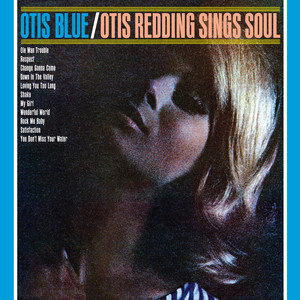
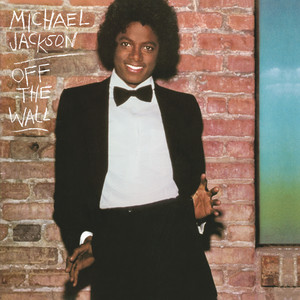
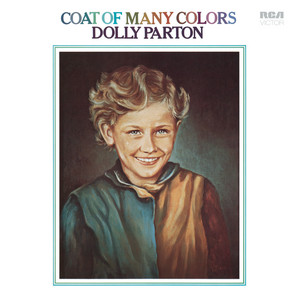
The album offers pure electric blues performed by a superb band. And yet, at the same time, it contains everything I detest about blues: clichéd lyrics, predictable solos, rigid structures. The “Oohs” and “Yeahs” from the audience complete the stereotype. Yes, the album is certainly a role model for many blues (rock) musicians of later years. But I simply can’t relate to this 12-bar blues structure and the “my baby, she left me” lyrics at all. Because I’ve heard it all a thousand times before and it always comes across the same. If you're a Blues fan, this album is a full ⭐⭐⭐⭐⭐, but for me, as a Blues skeptic it's barely a ⭐⭐ because I have to give some credit for musical excellence.
Cheap Trick sound exactly as their name suggests. A cheap rock ’n’ roll trick or, to put it a bit more sexistly: hard rock for little screaming Japanese girls. Because if you strip away the screeching during the concert recording, the flowing manes, the unbuttoned shirts and the bare chests on display, all that’s left is very ordinary boogie rock, somewhere between Status Quo and the Bay City Rollers. Cheesy pop music for teenagers, with electric guitars and simple lyrics about love and heartbreak.
Jethro Tull were the last of the big prog bands I discovered for myself. I’d already been familiar with the other big bands – Yes, Genesis, King Crimson and ELP, even Van der Graaf Generator and Gentle Giant – since I was a pre-teen, thanks to my older siblings; I only really got to know Tull in the late 1980s; before that, I’d only heard their hits on the radio. “Aqualung” was the first proper studio album of theirs that I heard, and to this day I find this very distinctive blend of folk rock, blues rock, hard rock and progressive rock utterly captivating. The album also defines the band’s musical framework: acoustic folk numbers, riff-driven hard rock passages, bluesy solos and complexly arranged, unusually structured prog numbers featuring classical and jazz quotes, often with witty, biting lyrics. And although the album sounds hopelessly old-fashioned, it is at the same time timeless, because it has, in any case, fallen out of time since its release.
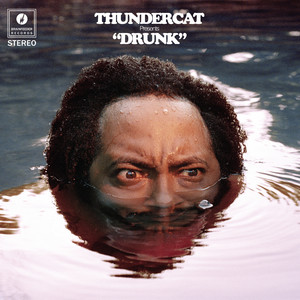
What sounds in the description like two of the four horsemen of the musical apocalypse – rap and blues (the other two being country and techno... or was it country and reggae?) – is in reality an incredibly dull, remarkably sluggish and lacklustre album. I’ve no idea why this ended up in the ‘1001 Albums’. Is it because of ‘Cold Beverage’, which, according to Wikipedia, became a ‘college radio staple’? What’s next? ‘Popular in Polish sausage adverts’? Dull, just plain dull.
Better than I feared, but not good enough to become a lasting favourite. A few individual tracks work well in a playlist, but over the course of a full album I find it all a little too monotonous.
Leftfield are yet another one of those '90s bands that you either discovered and fell in love with at the time, or simply can't connect with today, because this kind of mind-altering music no longer feels in tune with the times. Or perhaps it's just no longer in tune with my age.
Everything I hate about indie rock in one album. I didn't like the Pixies when all my friends started to listen to this boring post punk crap, I really disliked revisiting them yesterday. Definitely not for me.
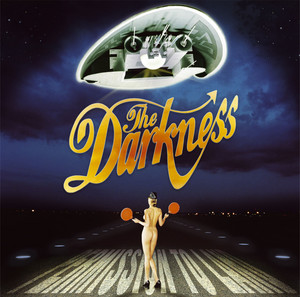
Imagine a cover band that loves playing covers of Queen, T. Rex and AC/DC, hires a boy soprano, and starts composing tracks that sound suspiciously similar to the bands they’ve been covering with such ease for years. Voilà – you’re listening to the debut album "Permission to Land" by The Darkness. When it was released in the early 2000s, it was a huge hit with younger music fans, who thought it was the most brilliant idea since sliced bread. However, if you know anything about music history, the references to mainstream rock in the 1970s are so obvious that they're almost cringe-worthy. It's all very well done and catchy, and Justin Hawkins’ yodelling – sorry, singing – is impressive, but to me it's just old hat. And over the course of a whole album, it's rather tiring and annoying. When I do want to listen to music like this, I prefer the originals.
‘Here Are the Sonics’ is the debut album by American garage rock band The Sonics, released in 1965. It features original tracks such as “The Witch” (a minor regional hit), “Psycho”, “Boss Hoss” and “Strychnine”, as well as covers of rock ’n’ roll and R&B classics, including a very raw version of the Beatles’ “Money”. It's fascinating how many bands remained virtually unknown in the underground scene at the time, only to be discovered by later generations. In a sense, The Sonics anticipated musical styles that would not emerge for another 10–20 years: punk and grunge. It's no surprise that Kurt Cobain was a fan of their music. As someone with little time for grunge and punk, I find this album intriguing in that it shows that the 1960s were much wilder and more diverse than one might assume. However, snotty rock ’n’ roll with a punk attitude ultimately proves too simplistic to entertain me in the long run.
There are albums that are considered untouchable classics, records that shaped an entire genre and influenced generations of musicians. Catch a Fire by Bob Marley is undoubtedly one of them. And yet, sometimes even universally praised masterpieces simply do not connect with you personally. That is exactly my relationship with this album — and with reggae in general.
I fully understand the historical importance of Catch a Fire. Marley helped bring reggae to a worldwide audience and became a cultural icon far beyond music itself. His messages of unity, spirituality, resistance, and peace resonated with millions. But despite repeatedly trying to immerse myself in this music, I have to admit: reggae and I simply do not fit together.
Part of the disconnect comes from the philosophy surrounding Rastafari and the concept of Jah. I respect its cultural and spiritual significance, but it remains something very distant from my own interests and worldview. Because of that, a major emotional layer of the music never truly reaches me.
Musically, I struggle even more. The laid-back atmosphere and the constantly rolling rhythms feel too uniform to my ears. What many listeners experience as hypnotic and relaxing comes across to me as repetitive and uneventful. Even when listening carefully, I rarely find the dynamic tension or melodic surprises that keep me engaged in other genres.
And it is not for lack of trying. I have explored not only Marley’s work, but also artists such as Peter Tosh and Jimmy Cliff, both legendary figures in reggae history. I understand why these musicians are admired, but the music still leaves me emotionally untouched.
In the end, that is perfectly fine. Not every celebrated genre has to resonate with everyone. I can appreciate the cultural importance of Catch a Fire while honestly admitting that it simply is not for me. Music remains deeply personal — and sometimes acceptance is better than forcing yourself to love something just because it is considered a classic.