Off The Wall
by Michael Jackson
Starts off real strong, but is inconsistent at the end.
Tap a bar to see the albums behind it
Tap a bar to see the albums behind it
| Album | You | Global | Diff |
|---|---|---|---|
|
Technique
New Order
|
5 | 3.18 | +1.82 |
|
No Other
Gene Clark
|
5 | 3.18 | +1.82 |
|
Yankee Hotel Foxtrot
Wilco
|
5 | 3.32 | +1.68 |
|
Pretzel Logic
Steely Dan
|
5 | 3.39 | +1.61 |
|
Either Or
Elliott Smith
|
5 | 3.39 | +1.61 |
|
My Beautiful Dark Twisted Fantasy
Kanye West
|
5 | 3.4 | +1.6 |
|
Odessey And Oracle
The Zombies
|
5 | 3.41 | +1.59 |
|
Fleet Foxes
Fleet Foxes
|
5 | 3.43 | +1.57 |
|
Illinois
Sufjan Stevens
|
5 | 3.5 | +1.5 |
|
Funeral
Arcade Fire
|
5 | 3.54 | +1.46 |
| Album | You | Global | Diff |
|---|---|---|---|
|
Tommy
The Who
|
1 | 3.3 | -2.3 |
|
Thriller
Michael Jackson
|
2 | 4.22 | -2.22 |
|
I Am a Bird Now
Antony and the Johnsons
|
1 | 2.84 | -1.84 |
|
Bad
Michael Jackson
|
2 | 3.81 | -1.81 |
|
New Boots And Panties
Ian Dury
|
1 | 2.69 | -1.69 |
|
1999
Prince
|
2 | 3.58 | -1.58 |
|
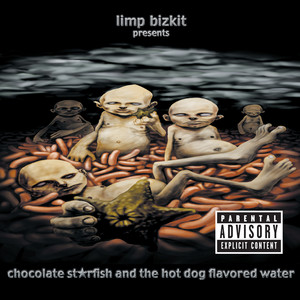
Chocolate Starfish And The Hot Dog Flavored Water
Limp Bizkit
|
1 | 2.51 | -1.51 |
|
Tusk
Fleetwood Mac
|
2 | 3.47 | -1.47 |
|
Paul's Boutique
Beastie Boys
|
2 | 3.46 | -1.46 |
|
Play
Moby
|
2 | 3.45 | -1.45 |




Starts off real strong, but is inconsistent at the end.
Techno rock which has flashes of potential at times, such as "I used to", which gives flashes of U2. Yet it suffers from repetitiveness and a sense of listlessness.
An album which sought to strip back the studio feel to create a more intimate, live-feeling performance. This is done not only musically but through segments where a performer, presumably on stage, addresses the “crowd” (us listeners). We are treated to prominent, “Low-End Theory” esque bass lines that mingle with wide-ranging harmonies not out of a place at a church choir, and there are a few cameos from flutes and blues guitars. Meanwhile, Lauryn Hill flaunts her vocal range at many turns, sounding at home both rapping and singing about subjects as varied as feminist anthems and gospel music. While it has been credited in reviving "hip hop" and "neo-soul", it can probably not best described as belonging in one, or even a category of genres. Such is its legacy; it is a "music" album.
While "Ok Computer", "Kid A" and "In Rainbows" are perhaps Radiohead's most lauded albums, their most accessible, and for me, their most flawless, has always been "The Bends". Melodic, emotional, and with no fillers, it is filled, back to front, with bangers. From the slow build intensity of "High and Dry", to the anger of "Just", and the ethereal "Nice Dream" its peaks are so strong yet so varied, and it truly has no weak songs. This is one of the albums I have listened to the most, and one I have never tired of.



Punk rock album which starts off particularly strong with "See No Evil". The title track, Marquee Moon, is the nucleus of the whole album, and while fine drags on a little bit too much for my liking. While the vocals are not particularly enjoyable, with the comical background sounds and the whine/drone from Verlaine, it is saved by lively guitar parts and relatively fun melodies. Chief example of this is "Venus" which is one of the stronger tracks on the album by the 'huh's. Solid album.
The Gorillaz self-titled debut album incorporates an eclectic mix of influences ranging from rap/dub/electronic to Latin rock. At times, this combination can make the album feel confused, and it lacks the drive and 'kick' of later albums "Demon Days" and perhaps "Plastic Beach". While it did not feel like a complete slog to get through, its hour-long length is certainly felt, and is not aided by weak tracks scattered throughout, including the opener "Re-Hash". Of course, this does not stop it from having fun songs such as the hits "Clint Eastwood" and "19-2000", and “Latin Simone” is a fun Latin rock tune.
This is a solid Talking Heads (punk pop?) album, made famous by the hit "Pyscho Killer". While that song is by far the best track on the record, the rest of the album is itself far from subpar. The music and arrangements are generally clean and fun, and the 38 minute run time did not feel like a complete slog to get through. This is not quite my cup of tea; I've never liked David Byrne's vocals, and some of the lyrical choices are strange, but as their debut album goes it is fairly good. Key Songs: "Psycho Killer", "Uh-Oh, Love Comes to Town"
From the instrumentals of "Embryonic Journey", to the ballad of "Comin Back to Me", to the Alice in Wonderland inspired “White Rabbit”, this album combines a variety of instruments and a variety of moods to set into a series of neatly arranged and easy to listen to tracks. At times, it is Byrds folk rock, The Mamas and the Papas vocal harmonies, and Beatles psychedelica. True, it may be argued that it thus suffers from a lack of signature sound, particularly in the saturated sonic folk rock scene of the 1960s. Yet where it lacks in "originality" in terms of sound and performance, it more than makes up for it through a series of catchy melodies and memorable songs. Easily a no-skip album, and well worth a listen to.
Tommy is a concept album telling the story of a disabled boy called, suprise suprise, Tommy. While the idea of the album is interesting, its 24 song, 1 hour 14 minute long length is perhaps too long for a mediocre rock opera. It is not bad, and has standout tracks such as "Overture", but the overall sounds feels repetitive and a little dry, with key features including vocal harmonies and drums front and centre. For a band with such a glorified history as "The Who", it is doubtless a little underwhelming.
I'm not really sure what to say about this one. I was familiar with "Walking on the Moon" and "Message in a Bottle" already, and while the rest of the album has a similar vibe (reggae/rock ish) it felt like it was missing an element of something. The playing was good, especially the drum parts and guitar riffs, but overall it was solid but unspectacular.
Aretha's incredible vocal range and ability are expressed in a way that does not seem like over singing; righteous flamboyance, if you will. The instruments and background vocalists accompanying her voice are well arranged and support her voice well, and the rhythm and melodic elements of the album as a whole are nicely put together. A classic. Key Songs: "Ain't No Way", "People Get Ready", "Good to Me as I am to You"; but take your pick honestly
I must admit that this album has the unfortunate distinction of being quite familiar to me before I reviewed it for the list. As a result, some of the songs had lost its 'freshness' in a way, such as "O Children" which I have thought of as overplayed. Yet Cave's sound and themes are arguably an acquired taste, and it benefits from familiarity in that sense. Resultantly, it would have been hard to be objective when determining the LP's merits, but luckily I am ranking on my personal enjoyment anyway. The production makes good use of backing choirs and an organ/synth, giving it churchy vibes in a sense, all of which are arranged well. Cave's snarling vocals are once again in the forefront, and provide a nice contrast to the aforementioned gospel sounds, while simultaneously being complimentary to it. There are clear shifts in mood from the mellow introspections of "Cannibal's Hymns" to the lively, punchy "Breathless". Generally, the former are found on the first side of the album, and vice versa. Yet, the passion behind the music pierces clearly through the contrasting moods, and it never feels confused re purpose and theme. A great album.
With a driving rhythm section, strange lyrical topics and a screeching lead singer, this album is certainly interesting. It's not bad by any stretch, and has some memorable melodies, even if the sound does get a bit repetitive at times. But it is energetic, and relatively catchy, and I can see it's appeal to 70s hard rock enjoyers. Would I actively listen to it? No. But I wouldn't turn it off if it came on the radio.
As the title and the name of the album suggest, this record features a lot of bongos. However, it is also full of relatively catchy instrumentals and guitar riffs in particular. While not spectacular, the concept is interesting.
"Goodbye Yellow Brick Road" is a lengthy album spanning many genres. It starts off particularly strong with a series of hits both energetic and reflective, including the 11-minute epic 'Funeral For A Friend/Love Lies Bleeding'. Yet despite the varieties of sound present in the album, it is heavily top-loaded and feels overstuffed towards the end, and it is not unlikely that as a whole it would have been stronger without many of the later tracks. Further, the songs at the start while good feel more like a compilation of greatest hits, rather than a collective album. Although the musicality is great, it suffers from the sense of lethargy permeated its later tracks.
"Dummy" is probably best described as depressed hip-hop. It has elements of electronica, and hip hop techniques such as the use of loops, but also regular instruments and organs. Such elements seem to fill in a sense of silence or darkness present in the background of each track. The mood of the album is generally quite sombre, not quite "monotone" but some of the songs do sounds quite similar. An interesting album, probably not quite my taste, but listenable.
Apart from the first song 'Exp', which is a peculiar interview with dizzying background music, Hendrix's second album is a blues/rock masterpiece. On the whole, loose, free-flowing melodies, combined with Hendrix's judicious use of wah-wah and phase pedals, create a semi-wild experience. Along with well known hits "Little Wing" and "Castles Made of Sand", the album is also stacked with less known, but just as good numbers, such as "Ain't No Telling" and "She's So Fine". Overall, a beautiful composition packed with consistent, catchy tunes.
Slipknot's self-titled album is resolutely simple and uncomplicated - angry, raw and with a lot of drums. Good for what it is ("hate" fuelled metal), but not good if you don't enjoy this type of music.
"Odyssey and Oracle" is lavish baroque chamber-pop, with singing storytelling fused with Beach Boys-esque harmonies. Thematically, it conveys typical psypsychedelic landscapes of freedom, imagination, and memory, ranging from the reminiscent tones of "Beachwood Park" and ascendant harmonies of "Brief Candles" to the chorals and modulations of opener "Care of Cell 44". The melodies, harmonies and instrumentals all combine together beautifully to tonally create an unmistakeable, melancholic feel, hearkening back to a time perhaps unfamiliar to the listener. A great album, no skips on it. Key Songs: "This Will be Our Year", "Beachwood Park", "Time of the Season"
Although much of the album revolves around themes of death and mortality, make no mistake - this album is largely upbeat and energetic. Bold and experimental, the album has an indie-rock vibe, featuring choral vocals and lively guitar riffs, but also the strings, horns and xylophones of Baroque-pop. Such a mix of instruments results in a continuous sound - there is a lot going on, all the time. Yet, while loud, it still manages to be reflective. It has been said that the band experienced much personal loss during the making of the track. But rare among rock records, particularly during the garage rock era of the early 2000s, the album subtly captures the band's more melancholic emotions.
The Libertines' self-titled album is a very 2000s-esque brit-rock record, much akin to The Strokes or The Kooks. Yet underlying each track, even the more melodically cheerful, is the sense of conflict simmering within the band. It manifests itself in aggressively played guitar and fiery duets, but also in the dynamic changes of the softer songs. This is a record not particularly inventive or experimental, but still holds up well amongst the pantheon of other garage rock bands.
Boards of Canada's breakthrough album possesses a haunting ambience to go with wordless electronica. It is of a similar vein to Portishead and other electronic bands of its time in shunning dance beats in favour of downtempo psychedelia. On the surface, it is an album that is repetitive and lacks clear melody. But this is an LP that comes to life when wearing headphones, which allows the listener to pickup the more subtle elements of the sound. And where this album lacks in shifting tones and lyrics, it makes up for in creativity and imagination in terms of production technique and "instruments". Granted, it is not the easiest listen, and requires some concentration and a certain mood to enjoy it. But its is something new and unlike most other music, and on the whole the band pulls off the sound well.
"Channel Orange" mixes free-form flow with soul-like singing, and the usual background harmonies of modern pop-soul/funk. The production quality is great, with the arrangements generally quite stripped back, as common in the genre, without big shifts in tempo or timbre. The feel of the album is quite ambient, and attempts to be reflective, but is limited by the flow between the songs being a bit lacking or disjointed.
The album feels like mundane synthpop. In a way, it sort of encapsulates my general dislike of 80s pop - monotonous chord progressions, repetitive melodies, the same beat on everything. On top of it, the singing sounds like a parody of MJ and Prince.
As a massive Bill Evans fan, I am admittedly a little biased with this one. Like most jazz albums I don't fully understand musically, what is going on, but I do know it sure sounds good. It combines exploratory bass lines, which deviate from the established walking bassline trends of the time, with intricate drum fills and introspective piano playing. Further, multiple takes of most songs allow the listener to consider different interpretations of the same theme. A great listen, and a great tribute to LaFaro, who died ten days after this was recorded.
trademark galloping bass production wise, feels a lot rawer and more dirty than a normal iron maiden record the singing doesn't feel as enthusiastic as later records (i think that's a good thing) distinctive guitar solos, played quickly doesn't feel like heavy metal, more like early prog rock terrible cover art though surprisingly diverse songs (e.g. remember tomorrow v prowler)
"Exodus" is THE reggae album. Featuring overt political messaging alongside themes of love, it is also characterised by its generally laid back vibe, relaxed singing and pulsating bass. Essentially it makes you think of the beach. Apart from its great and consistent rhythm section, the album contains generally catchy tunes. Yet do not mistakes this for a perfect album. Some of the songs are a bit bloated in length, and the sound does not really change a lot from track to track. But the sound is great, and it deserves its status as an icon.
A collection of instrumentals, not particularly bad, nor particularly good. Each track is consistent, and there are no bad tunes, but apart from the title track none of them really stand out. Instead, the thing that stands out most is the organ.
I don't particularly see the appeal? too long i find the singing kinda annoying
Experimental. Variety of instruments and sounds, more so than Regatta De Blanc
Short, sweet, and uptempo is the vibe of the album. The longest track is a mere 2:40 in length, and it does not seem to be the most musically complex album. This simplicity, though, along with its generally fun tunes and driving instrumental section, make it a enjoyable punk rock album.
Compared to his other work, this seems dull and over polished. The themes aren't anything new (seems to be some sort of breakup) and the tunes aren't emotive or interesting enough to warrant another listen.
Funky, jazzy and exciting.
I really don't see the appeal in this one. The instrumentation is boring, the melodies are too subtle for my liking, and on top of this a singing style that sounds like an out of tune siren. The themes and vibe is supposed to be laidback and reflective, but unfortunately the singing detracts from the intended effect.
I found this quite confusing - not just because it was in Portuguese, but more so it was a strange fusion of genres that I didn't quite get. Will probably take a few more listens to understand.
It is Metallica with an orchestra and sounds like the soundtrack of an action movie. Good for Metallica fans, not so good I'd imagine for others. I actually like it more than I thought I would, although it is a little too long.
Thriller consists of a few really good songs, and a few not so good songs. Yes, those few really good songs are classics, but this does not make this in itself a good album. Further, the album doesn't really feel like an album, and more like a greatest hits record.
I thought it was a relatively interesting listen, with some experimental tracks (such as the spoken lyrics of "In the Kingdom #19). But compared to some of the other albums of its time and others I have listened to its not particularly great.
experiments with sounds, unusual and varied instruments, and you can hear all the niche parts. produced really well, despite arguably relatively simple melodies - songs often are unstructured - layering - good singing backs up moods - good song construction - e.g. buildups, use of dissonance/haze of sheer noise (and voice singing properly over it exemplifies it even more - I am trying to break your heart) only problem is hops into different moods too much. but perhaps that is the point?
Famous pop album, but I didn't find anything particularly special about it.
"A Rush of Blood to the Head" evolves from the mellower and acoustic "Parachutes" into more stadium-friendly pop, but still with hints of their indie-inflected rock beginnings. Polished production is combined with the melancholic themes commonplace throughout their early work, and embodied particularly in centrepiece anchors "Clocks" and "The Scientist". Further, while Coldplay has a distinct sound, they display their range in the somewhat lesser-known songs "Green Eyes" and "In My Place". On the back of all these elements, is easy to see why this album ranks among the best.
Seemed like fairly normal Britpop. Knew the hit "That's Entertainment" which is fairly solid, but otherwise don't think the rest of the album is worth listening.
Great rock anthems, with all the hallmarks of great rock anthems - great and prominent guitar hooks, catchy choruses, and memorable lyrics. There are really no bad songs on this album, and this is not just due to the songwriting, with the raw and muddled mixing sound combined with that iconic guitar tone breathing life into every song. Apart from the classics "Live Forever", "Supersonic" and "Rock 'n' Roll Star", lesser known songs "Up in the Sky" and "Columbia" are also great.
it has a lot of conga drums. apart from that seems a bit repetitive. seems like fine background music but not to listen actively idk
A laid back, minimal rap album which brilliantly fuses jazz and hip hop. Grew on me after a few listens.
Pretty fun sounding pop-rock.
Ambient, otherworldly.
interesting and fun takes on christmas carols through the wall of sound
Electric Ladyland is classic Hendrix. Psychedelic and aggressive, Hendrix's wailing guitar takes centre stage, enhanced with added chorus and echo effects. Yet in terms of sound, it is not as polished or varied as, say, Axis:Bold as Love. Further, it lacks consistency, with the hits a different class from the rest of the album.
Folk rock, with psychedelic hints. "Season of the Witch" is an interesting song, although repetitive, but the rest of the album doesn't really do much for me.
"I Against I" is a surprisingly good and diverse rock/metal album. Lead singer Hudson's vocals vary in style from rapid fire to near crooning throughout the album, and is accompanied by a vibrant instrumental section.
This rock album combines piano-driven melodies with a wall-of-sound esque symphony of backing instruments, prominent among them organ and saxophone. Springsteen's voice is noticeably not as gravelly as later on in his career, but his classic enthusiasm mirrors perfectly the feel of "running" and "moving" driving the album.
Baroque-pop with theatrical vocal delivery. On a macro level, it does fine, but I found it slightly repetitive and a bit dense.
Pretzel Logic is an interesting mix of rock with jazz and pop influences. The sound of the album is fluid and interesting, ranging from instrumentals such as "East St. Louis Toodle-Oo" to the atmospheric basses and piano riffs of "Rikki Don't Lose That Number". Vocals are strong and enjoyable, and reinforced by appropriate instrumentation.
Idk
An iconic punk rock record driven by Armstrong's nasal singing and prominent guitars. Has a signature rebellious and sarcastic feel running throughout the album, but musically is capable of being reflective as well as aggressive, even if this cannot be said the same lyrically.
"Younger Than Yesterday" features the classic Byrds sound: Rickenbacker guitar, rich vocal harmonies, mellow bass lines. Along with its classic psychedelic rock sound, elements of folk rock, country and jazz (through brass instruments) are also present. The result is that the Byrds' aforementioned signature sound is combined with these different genres to create a simultaneously diverse yet grounded album. Not the Byrds best, but very good.
Tusk feels sort of monotone, and compared to other Fleetwood Mac albums doesn't quite do it for me.
Revolver is the Beatles shunning any care for live performances and creating a purely studio album. Primarily a work of psychedelia, the band embraced experimentation regarding both musical and lyrical content to create a diverse sounding album. Chief among these includes Indian influenced strings (Tomorrow Never Knows), metal-esque impressions (Taxman) and a nautical atmosphere (Yellow Submarine), complete with glasses, chains and bells. Not all of these innovations hit the mark, and the sound and feel of the drugs the Beatles were consuming during the album's composition are clearly felt. The experimentation can also alienate the more conservative sounding songs such as "Here, There and Everywhere". Yet the album's layered and vibrant sounds, combined with classic Beatles melodies, have rightly secured this album a place among the greats.
A pretty inventive and experimental dance rock album, which I enjoyed more after a few listens.
Pedestrian blues. With celebrity appearances.
ELO's "Out of the Blue" is a monumental album. Not just in terms of its over an hour length, but in its dramatic, orchestral flourishes, and through its centrepiece the famed 'Concerto for a Rainy Day'. Yet above all it is a triumph of thematic fusion, melding rock and orchestra through falsettos, prominent synths, and strings to create the band's iconic sound. This album encapsulates it best.
One of the indie sounding/garage rock revivalist bands of the early 2000s, while the Hives is not indeed now my new favourite band but they aren't bad; just carried by their hit "Hate To Say I Told You So". Otherwise, their music is normal garage rock; lyrics attempting to be cheeky, fuzzy and distorted guitars, high energy.
Calenture is a melodically simple and safe album. It's essentially classic 80s Western rock/pop, with a singing style reminds me of INXS and Nick Cave. Yet as an Australian it evokes your childhood in a way, and its melancholic feels elevates it from yet another cheap album. A deserved inclusion on the list, and deserving of its flowers.
Green, prima facie, is an average rock album. Sonically, it is relatively safe, apart from the introduction of the signature R.E.M. mandolin. Of note is Stipe's vocals, which forces this relatively pedestrian album to, at times, threaten to become something greater. Yet, apart from, primarily, "Orange Crush", it fails to do so.
For an artist with the reputation of Bowie, and an album cover so iconic, I was expecting big things. Unfortunately, I was mildly disappointed. It was, in glam rock fashion, dramatic. Yet none of the tunes really caught my ear. Although some were at times interesting, such as the soaring end to Lady Grinning Soul or the bluesy opening track, it was slightly underwhelming.
Techno rock which has flashes of potential at times, such as "I used to", which gives flashes of U2. Yet it suffers from repetitiveness and a sense of listlessness.
The Downward Spiral both evokes and requires a certain type of mood. Primarily, it is industrial rock, it is an in your face, at times disorienting album, driven by Reznor's screeching vocals and it's themes abrasive. Within the chaos, and judicious use of distortion, it also manages to mix in elements of techno and ambient soundscapes. This, it's extremely dark lyrics, and surprising room for reflection amidst the chaos elevates it above the clutter of most heavy albums.
It's surprisingly good rock; sure, the distorted guitar can get a little wild sometimes, but its all part of the ride.
"Nowhere" is drum and reverb heavy shoegaze, which fluctuates at times between heavy and soft rock. This creates a unique atmospheric sound, which is often pierced by the contrast between the clear melodies and the often chaotic sounding backing instrumentals. It gets extra points for great cover art.
Burke is a strong singer, and here he is reinforced by a serious of good, steady soul hits. Granted, a lot of the songs are cut from a similar cloth. But it's a good cloth.
"Unknown Pleasures", prima facie, is mysterious and atmospheric with a dark, moody tilt. Such effects are resultant of a raspy, almost spoken sounding vocal delivery, strange lyrics, and experimental production techniques. Underneath the exterior, though, is a well-crafted post punk slash new wave album, of which most songs are distinguishable and enjoyable.
Neu! is an album of half punk rock, half ambient instrumentals. The punk rock side features warbled vocals, in contrast to the silent and reflective former half. Clearly an experimental and, somewhat confused, album.
So feels like it lacks any real depth. And this is not for lack of trying; the production is cinematic in sheer quantity of effects at times. But this doesn't boost what is, in my opinion, average pop.
I've never really liked Cat Stevens' voice, but this is a good album. In particular, the ambient acoustic sound does the melancholic feel really well. Combined with some well made melodies and intricate guitar work and you have an enjoyable album, of which highlights are "Father and Son" and "Wild World". But the rest of the album is good too, which is fairly easy when the macro sound of the album is so strong.
"Skylarking" claims to be a concept album, though identifying this concept is difficult at first listen. On the whole, it attempts to be a psychedelic album but gives the appearance of being rather thin in terms of musical performance and melody, particularly with the vocalist sounding like a budget store Tears for Fears. While there are a few good songs, notably "Ballet For A Rainy Day", the album leaves a rather unsatisfying aftertaste, and even the aforementioned song sounds like a bad ELO ripoff.
While Rod Stewart’s raspy delivery remains a 'love it or hate it' staple, the album as a whole feels strangely uninspired, failing to carve out a unique space in the crowded 1970s folk-rock canon. This is due in part to it's slightly dated lyrics, generally lethargic sounding guitars and vocal singers, and it's knack for repetition (case in point: the 4:02 length of "Seems Like A Long Time" does indeed seem like a long time). That doesn't necessarily mean it's bad, but you'd expect more for something considered one of the best albums ever. Perhaps it was innovative or great when it first released but it is well past it's best before date.
An album which sought to strip back the studio feel to create a more intimate, live-feeling performance. This is done not only musically but through segments where a performer, presumably on stage, addresses the “crowd” (us listeners). We are treated to prominent, “Low-End Theory” esque bass lines that mingle with wide-ranging harmonies not out of a place at a church choir, and there are a few cameos from flutes and blues guitars. Meanwhile, Lauryn Hill flaunts her vocal range at many turns, sounding at home both rapping and singing about subjects as varied as feminist anthems and gospel music. While it has been credited in reviving "hip hop" and "neo-soul", it can probably not best described as belonging in one, or even a category of genres. Such is its legacy; it is a "music" album.
Medicore.
An echoing, often slow soundscape, evoking images of the outdoors where nothing really happens. It is an album essentially driven by its ambient sound and Martyn's slurring, whispering voice. "Couldn't Love You More" and "Small Hours" are the standout tracks here, although the album is fairly consistent throughout.
Listening to this album evokes a somewhat unsettling, flickering stillness. Purposefully underproduced and intimate, it is The Velvet Underground at their most vulnerable. It is easy to get lost in the tracks, some of which, admittedly, blend together in terms of sound. Most of the songs, apart from "Pale Blue Eyes", the dream pop of "Candy Says" and the experimental "Murder Mystery" are straightforward, rock songs about love. Resultantly, it is perhaps "After Hours" which is the most significant track on the album. It is a song offering respite from the relative messiness of the rest of the album, and is refreshingly simple; stripped back acoustics are paired with a thumping bass, clear vocals and a narrator dreaming. Of something impossible, yes, but still dreaming. And it is this naivete that concludes the album that has stayed with me the most.
Reggae meets Metallica to create an entertaining, fun album. The band certainly seemed to be having a lot of fun creating this record, which is highly energetic and has elements of both ska and hard rock, albeit with a "goofy" feel. Of particular note is some guitar-driven rock/funk and a thumping bass, although the band showcases its versatility throughout, from the horn-drenched ska of "Ma and Pa" to the aggressive punk of "Subliminal Fascism". Meanwhile, lyrics reflect on topics such as racism and family.
“Blunderbuss” is about beginnings and endings. White’s debut solo album, it is a departure from “The White Stripes” more straightforward, gritty sound towards rock fusion. White in particular showcases his experimental tendencies and musical range, incorporating elements of blues, rock and jazz. Thematically, it is, quite moody, with the content said to be about death. This feel is reinforced in part by the album’s relative lack of energy and “catchiness”. A solid, albeit strange album that feels like it is missing something.
The album has two distinct flavours; a big-band era swing side, and a side featuring romantic swing ballads. Intersecting the two is Ray Charles' gospel-inflected piano playing and emotive, often passionate vocal delivery. In combining these two worlds, Charles demonstrates his genre-bending ability, excelling at both uptempo and reflective tunes (although the Sinatra-esque second side is admittedly weaker) to create a soulful, bluesy pop album.
90s/early 2000s esque indie rock. Couple interesting songs but not the most noteworthy album.
"Remain in Light" is a deeply layered electronic/funk album characterised by polyrhythms and repetitive phrases. These repetitions create an underlying 'groove', which is built upon by unconventional instruments and vocals. Byrne adopts a stream of consciousness lyrical style; the viewer is not entirely sure what the singers are saying, but that is not the main appeal of the album anyway. Similarly, the songs lack clear structure and chord progressions, and are instead formulated by pedal points and the aforementioned repetitions. Key to this is the much appreciated "Once in a Lifetime", a dizzying mix of call and response and strange lyrics. All in all, it adds up to be an interesting (and certainly influential) listen; but it is tiring to listen to after a while, and requires a certain mood to fully appreciate.
"Sheer Heart Attack" is Queen approaching their signature sound. Unfortunately, this means that sound-wise it feels like each song is just repeating in a slightly different way. Prominent, of course, is Queen's signature theatricality, which embodies itself in May's rapid-fire vibrato approach, multi-layered vocal orchestration and Freddie Mercury's soaring voice. Yet apart from a few songs, notably "Killer Queen", the star of the album, many of the songs are hard to be distinguished from each other.
"The Number of the Beast" displays Iron Maiden at its best. Flowing guitar solos, energetic rhythm sections, and surprisingly sprite melodies characterise this ultra-consistent LP. It's influence on bands such as Metallica and Megadeth are evident throughout in snarly vocals and deftly picked intros which explode into pleasant frenzies.
In "Bringing It All Back Home", Bob Dylan adventures into the realm of electric instruments. Dylan's characteristic raspy voice is reinforced with a prominent harmonica and versatile guitar parts while he plays through a series of blues and folk songs. Yet, the stripped back production sometimes irritates the at times wild harmonica parts, through accentuating it over the rest of the song. It is a major drawback from the relatively lovely melodies Dylan crafts throughout the album. It is a good album, yet that feeling of tension is too overbearing; the best song on it is the deft "Love Minus Zero".
"The Poet" is a soul album with distinct gospel and R&B influences. Of note is a strong backing band, where something is always going on. Of particular significance a thumping bass, energetic piano and lush choir. It is limited in that Womack's gravelly, raw vocals are not on the level of the soul greats, and it shows it's age in cheesy spoken word parts and straight-up bizarre lyrics (see "Secrets" for a great example), which makes some of the love songs seems insincere. A decent album which has its flourishes, but one that shows it's age all the same.
"Otis Blue" is a statement of passion from Otis Redding. Concise and spirited, Otis is ably backed up by an energetic backing band as he performs a mixture of R&B covers and originals, offering fresh takes on songs such as "(I Can't Get No) Satisfaction" and "Respect". While it can be criticised for being monothematic and lacking variation in terms of tone (as well as a sub-par album cover), with the exception of "I've Been Loving You Too Long", Otis' expressive vocals ensure its legacy.
"Highway 61 Revisited" revisits the blues-folk of "Bringing It All Back Home". Fully electric, it is arguably as energetic as its predecessor but tighter, blues-rock focused production ensures a fuller, more fluid sound. Dylan's lyrical ability shines through many times, particularly in what is in my opinion his best track, "Desolation Row", which pairs canonical references with a deft guitar backing. Musically, however, the feels like it lacks inspiration in parts, particularly in his blues numbers. The length of some of the tracks further contribute to the slight sense of lethargy and monotony.
"Parklife" is a quintessential British album; a mixture of genres, tongue-in-cheek lyrics, emphasised Cockney accents. Apart from that, it is a solid piece.
"Infected" is a dark, densely produced alternative rock album, in which The The offers a commentary on their social and political context. Apart from that, and dark lyrics, there is not much to write about, good or bad.
"Picture Book" is an unfortunately unadventurous and bland pop record.
"Live And Dangerous" ticks off all the boxes on what a great live album is supposed to be. Energetic, it offers fresh takes on their songs, even if some of it was overdubbed in a studio. The band performs strongly, combining well-mixed instrumentals with catchy melodies.
"Physical Graffiti" retains Led Zeppelin's characteristic feel and edge, but creates a grander production feel with this mix of rock genres. Superb performances from the drums and guitar in particular are mixed with some energetic beats, and the album is consistent, if not slightly lacking in creativity.
Really don't see the appeal in this one. Monotonous sound, and noticeably poor lyrics - I usually don't even listen to the lyrics but this was terrible.
As the band describes it, "The Suburbs" is "a letter from the suburbs". It captures a sort of nostalgic yet compelling picture of growing up, complete with interplay between warm, youthful memories and a feeling of angst for the future. The tracks, which often flow in and out of each other in transition, are varied in style and tone. Arcade Fire move into straightforward rock in tracks such as "Month of May", then readjust into a reflective synth of "Half Light I"; but many of the songs have a bouncy, rhythmic jangle that I have come to associate the album with. Butler's dramatic vocals emphasise the lyrical themes of the album, and is reinforced by wall of sound esque production hearkening back to the orchestral strings of its prior albums. While it may slip into messiness, and drags at times, the album succeeds in capturing the "feel" of suburbia, as well as the liminal space between youth and adulthood.
"On the Beach" is a laidback, bleak, folk blues album. Young explores themes of anger and alienation through a rough, stripped away production and mellow arrangements. He further captures this in introspective guitar playing and melodic lines, as well as a notably impressive album cover that perfectly captures the melancholic theme.
“Heroes” is ambient rock, with electronic elements. The production is beautiful and careful with tiny arrangements that really add to the sound, particularly on the instrumental tracks. It has a dense, wearily optimistic atmosphere where lyrics take a backseat, although Bowie does provide passionate vocals. "Sense of Doubt" is a great example; a dark, brooding piano punctured by small pockets of breezy synths. An interesting album, though not quite my taste.
"Dire Straits" has a the warm air of laid back grooves, created in particular by clean and cosy guitar lines. It is a refreshing break from many of the eras more explosive sounds into a more understated atmosphere, like the feel of a quiet evening.
There is no album that captures the spirit of 1950s country Western music quite like this one. Tales of guns and outlaws are the predominant theme, and are mirrored with Robbins accessible American drawl, transporting you to the idealistic old West saloon. This is the album's main essence: a tribute to a nostalgic and, even in Robbins time, long gone and unrealistic ideal. But listening to this album you can't help but believe it, at least for a time.
Avant garde, experimental hip hop
"Bryter Layter" ventures into chamber folk, and at times feels like it lacks the intimacy of Drake's other works. The added backing instruments however don't quite remove the mystical, haunting quality of Drake's work; take the jazz-infused "Poor Boy" with its rhythmic comping and its gospel-infused choir, or the ponderous flute of "Sunday", for instance. It is this that makes Drake's work so appealing.
Pretty stock standard, mundane stuff. As someone very familiar with Petty's stuff, his voice is not particularly strong here, "American Girl" aside.
High-energy, aggressive rock. It is clear what sound they are going for, and on most accounts they manage to pull it off thanks to some great guitar lines and energetic rhythm sections. "Speed King" is an excellent starter, and the pivot from heavy to reflective through the interplay between guitar and organ is a great touch. Although "Child in Time" is a touch on the long side at more than ten minutes, the album is generally of a good length. Enjoyable, but not particularly standout.
Mature and, stripped-back, Cohen creates an intimate, personal setting and fills it with intimate, personal songs. These songs often tell stories: see "Bird on the Wire", for instance, inspired by his release from the throes of depression, or the semi-triumphant war-inspired "A Bunch of Lonesome Heroes", or the biblical retelling of Abraham's sacrifice of Isaac in "The Story of Isaac". The simplicity of production further allows Cohen's lyrics to take centre stage; it feels like the music is merely an accompaniment to poetry.
Great, soulful piano playing; however, I found her vocals (controversially) a bit lacking and hard on the ears in parts.
Starts off real strong, but is inconsistent at the end.
Pretty fun.
Very smooth, calm vocal jazz album. It is very long though, and all of the songs are performed in similar ways.
Santana has developed a reputation for smooth, polyrhythmic beats, and "Abraxas" is no different. Latin rock with hints of psychedelia, particularly on opening track "Singing Winds, Crying Beasts", Santana energetically slides from tune to tune, many of which are instrumentals. Carlos Santana doesn't really need his voice though; his brass inspired guitar style is as distinctive and dynamic ever, and his more restrained, jazzy playing on "Incident at Neshabur" is up there with some of his best. He is arguably outshined, however, by the remaining members of his band, who perform brilliantly in developing this vibrant, rhythmic LP.
Rave music which goes on for a bit too long
Infused with house pianos, pumping bass sequencers, and synth-heavy atmospheres, New Order's sunny beats merges new wave and indie rock, weaving melancholic melodies with danceable beat to create a beautiful album.
"Songs in the Key of Life" is one of Stevie Wonder's, and perhaps music's, most emotive albums. Musically, the album features influences from a wider variety of genres, such as funk, jazz and soul, which is all tied together by Stevie Wonder's lively, energetic voice. An atmosphere of hope and love flows through the very fabric of essentially ever song on the double album, in the warm, layered production to the mellow horns. Such an atmosphere mirrors the lyrical themes of the LP; Wonder comments on the human experience while calling for acceptance, love, a recognition of the power of music. He does so through both social critique (such as opening track "Love's in Need of Love Today") and gratefulness ("Isn't She Lovely"). He is not alone in espousing these themes, but he is unmatched in his uncanny ability to have his sentiments communicated to the listeners even without lyrics. True, the album is rather long, and some of the songs could have used a bit of trimming and get repetitive (such as the five minute long solo in "Isn't She Lovely"); but it is a great album nevertheless.
It has been said many a time that this album is the greatest rock album of all time. True or not, this is at least Led Zeppelin at their very best. It rolls seamlessly from harder rock songs ("Black Dog"), to epics ("Stairway to Heaven") to the introspective "Going to California". Not much else needs to be said...
A monotone album, where nothing good nor bad happens.
I was surprised I had never heard of this band. Has a sunshine, upbeat aesthetic to each of their new wave/pop rock tracks. Interesting piece of trivia that The Go-Go's are are an all female rock band.
"Birth of the Cool" helped kickstart one of my favourite genres of jazz, and music in general: the titular "Cool" jazz. Here, Davis' nonet meshes together well to create a short, snappy album with a high tempo feel. However, while this is a solid album, in terms of Davis' wider catalogue I didn't enjoy it as much as I thought I would.
Immemorable.
"The Contino Sessions" attempts to build a moody and atmospheric record, but it ends up dense and restrained. Unlike many others, I didn't particularly appreciate the guest vocalists; but I thought the instrumentation was...just fine.
I really like the use of sampling and production technique, but the voices of the rappers (too much shouting, whiny) reduces its appeal considerably.
Nothing to add.
"Beautiful Freak" offers some introspective, lo-fi textures in a generally cohesive and straightforward sound. Unfortunately, that's all that happens in the album; I didn't really connect to it, and its sound is quite uniform across all its songs.
"Celebrity Skin" has a lot of attitude, from its chunky riffs, aggressive vocals and distorted guitars. The punchy "Malibu" is a great song, and demonstrates the albums uneasy polish; it has generally tight, controlled production, which reduces the more abrasive elements of its sound, and has it sounding halfway between pop rock and 90s alt rock.
I understand Sinatra's appeal; a significant, influential voice, with a signature sound. However, "In The Wee Small Hours" has the same formula running throughout all the songs: a simple chord structure, lyrics about heartbreak, and Sinatra's voice being at the centre. This is not a bad sound, but it gets repetitive, and unlike other singers of similar mood such as Chet Baker, it lacks truly great supporting instrumentation.
The background instrumentation is nice, but the songs seem to carry on way past a good length; and her voice is too distracting to appreciate the rest of the album.
"Five Leaves Left" is a still, intimate album. Lush instrumentations flow with experimental open guitar tunings to create sort of mystical, melancholic feel. I am quite familiar with Drake's music as I love chamber/orchestral infused folk, and this album is one of the best of the "genre".
Apart from the two hits, it has a lot of filler. Although, this is an album with a lot of charisma.
Very raw, chaotic and unpolished. In a good and bad way.
Quaint and melodic, McLean knows what his sound and mood, is and doesn't stray too far from it. Apart from "American Pie" and "Vincent", many of his other songs are just as good. Four, borderline five.
"Call of the Valley" is hauntingly beautiful, transporting the listener to rustic landscapes of valleys, hills and streams. I wasn't expecting to like this, but was drawn into the album's sincerity and the pictures of life it evokes.
Repetitive. Not bad, just repetitive.
"All Things Must Pass" was an ambitious project. A triple-album, perhaps the first famous one, it has a grandiose and heavy feel, in terms of both content and music. Harrison, freed from the Beatles, showcases his versatility in tracks ranging in feel and influences from the Indian inspired "My Sweet Lord", to the gentle dream pop precursor of "I'd Have You Anytime". Meanwhile, this album hearkens the development of his iconic slide guitar sound, and he is supported by all star backing musicians. While the album feels somewhat bloated in length, and some songs could use a trim e.g. isn't it a pity, this is still a great record, and is for me the best of the Beatles solo projects.
Beck peels away the experimental instrumentation and production of his earlier albums in favour of a live, acoustic, almost psychedelic folk sound. The album has a lazy, laboured feel, and some lush melodies. But Beck is at his best when he engages the listener with unexpected melodies and instrumentation. While there are hints of this, such as in the melodic journey of the emotive "Lonesome Tears", such heights are few and far between. And thus for all Beck's talents, it is hard to see this project as more than a set of good, but similar, melancholic heartbroken tracks.
Compared to every other Radiohead release it isn't particularly melodic or experimental. And just like its title it was one of those albums which I listened to but can't tell you anything that really happened.
One of the better summery Aussie-rock albums. Apart from "Streets of Your Town", the rest of the album, while slightly bloated, is actually pretty good. Melodic, and relatively simple, it's strength perhaps lies in its accessibility.
A refreshingly simple post-punk album, albeit with a dash of pretention, FF manages to be noisy without being...noisy. Scratching guitars and disco-esque drums characterise the LP's sound, and apart from well known hit "Take Me Out", I was surprised by the strength of other songs such as "This Fire" and "Jacqueline".
It's most prominent features, besides the layering of funk samples, are its chaos and political lyrics. I can see why this is revolutionary and admired; but its not for me...
"I Should Coco" is full of energetic, youthful, Britpop songs.
A fairly interesting fusion album, featuring a wide array of instruments. It is hard to describe the genre of the album, but it has a sort of psychedelic feel to it that was interesting; although the album was quite long, and felt like a classical composition with rock instruments.
It's pretty funny British hip hop. Cleanly produced. Not for me, though.
Seventies blues rock, which doesn't particularly stand out from its stronger counterparts. It's fine, and I'd heard a couple of songs before; but it isn't "heavy" enough, nor "bluesy" enough.
Britpop (or post Britpop, take your pick) ballads.
British 70s punk, which is better than I expected.
"My Generation" gives me early Beatles vibes, but done slightly worse. Still, this is not a bad album, and has some enjoyable songs, in particular "I Don't Mind", "The Kids are Alright", and the famed title track. It is much more melodic than "Tommy", at least.
Prog rock meets hard rock in this Jethro Tull album. The prominent flute caught me by surprise, but I quite enjoy the unique feel it adds, as well as the prominent lead guitar. I was also presently surprised in its dynamic changes of mood and feel; it is more than wild playings or long guitar lines.
Dabbles in electronica and pop. Has made me want to listen to rock and roll more than ever.
I admire some of the instrumentation and vision, and it succeeds in having a very Californian vibe. However, the vocals can be a bit grating for a whole album, and this is a long one.
I was surprised when I heard this released in 2004, as Hot Fuss has a very polished rock sound. Many great and well known songs in this one, although the second half of the album is noticeably weaker than the first. It is admittedly hard to listen to this one with fresh ears as many of their better songs I am very familiar with, but being as objective as possible this is a very good album, even if I have outgrown the Killers.
Not the Beatles best, but still miles better than the vast majority of albums on this list. I appreciate the passion and instrumentation the boys put into the music, even if they didn't write many of the songs and it wasn't particularly revolutionary.
Cave's darkly humorous "Murder Ballads" is a theatrical exploration of death, violence, and folklore. Cave masterfully weaves storytelling with creative musical elements.
"After The Gold Rush" manages to be cozy and melancholic at the same time.
Strange mix of psychedelia and punk. Notwithstanding the album being 40 songs long, and the lyrics being a bit strange, it is alright.
Rap meets rock in one of the most famed albums of the 2000s. This is an album that I would have/did like as a teenager, but in 2026 I feel I have outgrown this. Still, this is from an era where it looked like rap-rock fusion might be taking off and joining the mainstream; and frankly, I am quite happy it didn't really...
Live power pop
If Elvis is your thing, then this is probably good. I can see the appeal.
Nirvana unplugged's quietly intimate setting captures the band's authenticity. Admirably, Nirvana avoid the familiar traps of other unplugged guests by playing a curated set of covers rather than an over-polished series of rock hits on acoustic guitars. The result is a set that feels curated with genuine artistic intent rather than commercial obligation. And they pull it off brilliantly; their features and song choice make this live album one of their best, and one of the best live albums of all time. Cobain's screeching vocals on blues standard "Where Did You Sleep Last Night" is a particular highlight. Through unplugged, Nirvana prove once again that they are no mere grunge act, but deeply versatile and emotionally sincere.
Very 80s disco/electronic pop.
Always been more into the Slowdive side of shoegaze, but this is still pretty good albeit harder to get into. Noisy, but that elevates the ethereal vocals even more.
"Unhalfbricking" is harmonic, lush folk reminiscent of the Zombies, and cited by Fleet Foxes as an inspiration. While more traditional folk than those other two artists, such as in the Cajun-style Dylan cover "Si tu dois partir" it is just as melodic. Additionally, it's slightly wistful, haunting feel increases its character, as does some masterful guitar work, such as on "Autopsy" and the album's overall cohesiveness. This was the first time I'd heard Fairport Convention, but I can see how their sound - particularly their electric and imaginative re-arrangements - has continued to the folk-rock scene in artists of today.
Fast paced, high tempo blues, with a lot of soloing. ZZ Top have a distinctive sound, and this is consistent throughout the album. It was...ok
While "Ok Computer", "Kid A" and "In Rainbows" are perhaps Radiohead's most lauded albums, their most accessible, and for me, their most flawless, has always been "The Bends". Melodic, emotional, and with no fillers, it is filled, back to front, with bangers. From the slow build intensity of "High and Dry", to the anger of "Just", and the ethereal "Nice Dream" its peaks are so strong yet so varied, and it truly has no weak songs. This is one of the albums I have listened to the most, and one I have never tired of.
"Red Headed Stranger" is a soft, mellow country album. Although it fits into the outlaw country genre, it is not as out there as some of the other albums of the genre, but rather is mature and simple, telling a tale of a preacher looking for redemption. It's a fine album, although it lacks an element that elevates it to the higher echelons.
Siembra is a salsa album with a lot of flair and heart. It flows smoothly from song to song, and has some great arrangements. While salsa is not really my thing, I can see why this is popular.
McCartney feels half-finished. Yet it is Paul McCartney making the music after all, and it is predictably melodic.
This is a refreshingly humorous and jazzy rap album featuring great flow amidst a variety of styles. The music is broken up at many points with interesting interludes, and the background beats are on point, remind me at times of Madvillainy; although the lyrics at times go a bit overboard.
I wasn't expecting to like this, but it is alright. It feels like Linkin Park, in its production, nu-metal style, and rap-rock, but much harder and dirtier. This has meant that it can be distanced from the artificiality of that band, and elevated further with some great vocals. I appreciate its energy and feel; although lyrically at time it can be immature.
Bossanova is my personal favourite Pixies album, even among their more favoured two. More polished rather than raw, and melodic rather than rhythmic, it leans heavier into more a mellow sound which I find preferable.
French jazz rap is actually pretty good. No distracting lyrics as I have no idea what he is saying, but the flow is nice
Chicago blues. As a blues fan, I quite enjoyed this, although I do prefer other types of blues. That being said, I feel this suffers from repetivity and a lack of variety after the first few songs, and he does not have any particularly interesting takes on the 12 bar blues in particular that elevates this.
"Cosmo's Factory" is a very American rock and roll blues. Heavily guitar-driven, it features some of CCR's most famous songs, such as the folk-rock "Who'll Stop the Rain". Yet some of the rockabilly and blues covers, such as "Ooby Dooby" and "Before You Accuse Me," are spirited but can feel slightly inessential, and more like major jam seshes. As a non-American I also feel that Fogerty's singing is a bit jarring. It is fine; there aren't really any skips. But it isn't something that I would listen to again
Inoffensive 90s rap which is not too energetic and not too full of anything to be honest.
Relatively bland acoustic pop, which apart from some decent guitar work is uninspiring.
"Dusty in Memphis" is a very 60s soul-pop record, complete with backing strings, love songs and dreamy vocals. It is an easy-listening album, with some nice guitar parts as well, but not particularly great.
I've never really been a fan of The White Stripes, and this album does nothing to convince me otherwise. It starts off with "Blue Orchid" who fools fans of previous album Elephant into believes that this will be more of the same. It is not, and Jack White's guitar takes a backseat in this album of strange numbers, including the Broadway-esque "My Doorbell" and an almost comedic blues number "The Denial Twist".
Written in response to the BLM movement, "Untitled (Black Is)" is a mixture of R&B and soul and explores, as some critics have put it, the "black experience". Politically charged lyrics and titles feature heavily, and one only needs scroll down the track list to understand the theme of the album. Musically though, it is fairly solid; they aren't particularly inventive, nor are they particularly experimental. The songs certainly don't have the fire of other political albums, relying more on a reflective and convincing tone rather than a channeling of anger.
Stills is at his best in a band...
For starters, the 20 minute long "2112 Overture" is long, and feels long; although it is a very solid piece of prog rock which dominates the rest of the album. It is hard to see the rest of the album as nothing more than filler, and it is solid but forgettable "hard" rock.
Very chill jazz. The organ adds a nice atmosphere to the tracks, and is accompanied by a melodic saxophonist. The composition and melody of the tracks are additionally very nice.
Joni ventures further into the world of jazz-pop in this more avant-garde-ish album. Subtle melodies and strange orchestration fill the sound of this album, which is not particularly hard to listen to but at the same time really fails to grasp the listener. I can sort of see the sound she is going for but this isn't for me.
A...expansive collection of songs. It was probably innovative in its time, but this isn't really for me
I don't like The Who, and this live album didn't do anything for me that couldn't have been explained in a studio album.
It's fine and has some quite nice songs, but I didn't see anything that would elevate this above any of the others rock of this era.
The music is quite solid, although not revolutionary in terms of production or melodies. The lyrics though, are quite poor, and even though I don't usually listen to music it was quite prominent and detracted from the general sound of the album. Probably fits into the "cheeky British" side of British 90s rock, which I am not quite a fan of.
I feel like Taylor Swift is an artist either hated or adored. Those who don't like this album are likely to label it "formulaic", "boring" and for "mass-consumption"; those who do like it will appreciate its generally catchy melodies, its nod to the 80s, and the fact it doesn't really have any fillers. I'm a bit in the middle; its simplicity and polished production is the source of its greatest strength and greatest weakness. I don't hate listening to it but I'm not challenged in any great way or encouraged to listen to this regularly.
80s synth pop, but it feels like the life has been drained out of it and it just becomes...meh. I don't think having the voice bound between your ears, and the strange voice effects (see "Look At Where We Are") contributes to it in any positive way, either.
a very...adrenaline filled album. I have listened to "Toxicity" but this felt rawer and more unpolished. Apart form a few questionable lyrics, it is good, managing to combine some melodic lines with nu-metal instrumentation.
Blues samples on repeat + keyboard + ambience = this album.
The Gene Clark No Other Band's recreation is also worth a listen, if you liked this one. I agree with their sentiment that the beauty of this album - apart from its soulful guitar playing and songwriting - lies in the fact that a different song stands out during each subsequent listen.
Thin production and some ambience makes this, musically, a hauntingly good goth record. Although the singer's voice makes it hard for me to take this seriously.
"Songs From The Big Chair" is polished, glossy pop-rock mixing orchestral arrangements with synth elements. Apart from the hits "Everybody Wants to Rule the World" and "Shout", I found the rest of the album to quite consistently enjoyable, as it retains the easy-listening melodies of pop and combines it with some genuinely interesting arrangements.
Bossa nova from a singer who is definitely talented, but I wasn't really taken away by any of its other elements.
I don't think this genre is for me. Not only are the songs bloated but the screaming and sound walls disintegrate the sound so that it becomes akin to...just sound.
Funky, with entrancing beats. Although, the song length is a bit too long.
It feels a bit soulless. For an artist such as Jackson, I was expecting a bit more. Besides "Man in the Mirror" and "Smooth Criminal" the songs sounded overproduced and failed to demonstrate any sort of the spark that he is known for. I didn't like "Thriller" that much either", and I feel this is of similar standard.
Starts off strongly with "Respect", and Aretha has clearly found her formula; romantic songs, background harmonies in the chorus, and lines delivered with a lot of soul. Indeed, there is not much to critique Aretha the performer on. My issue is instead how much this formula is stuck to; it reminds me a lot of Lady Soul, and a lot of these songs are similar in sound and theme. Nevertheless, a good album.
Mellow, laid back country-rock. All the songs unfortunately seemed to favour the same formula, and while it is perhaps a good mood for background music, it is less good as one of the best albums of all time.
If only the Australian One Nation was under a groove (and this funky)
"Proto-punk", pretty strange songs
U2 embraces the introspective in "The Joshua Tree", creating atmospheric, synth-filled soundscapes. Resultantly, it feels like a very larger than life and grandiose album. The three track openers are very strong and sets up the album nicely; although I would agree that the rest of the tracks fail to meet those tracks lofty heights. Nevertheless, a classic, even if the sound of U2 isn't really my thing.
I will start off by writing that "Don't Look Back in Anger" is one of my most played Spotify songs of all time, and like many others "Wonderwall" was one of the first songs I learnt on guitar. But don't mistake this for being merely a two song album, and this is full of great songs and melodies (and for me, memories), such as "Some Might Say" and "Hey Now". True, the swamp songs and "Cast No Shadow" aren't the strongest. But in my view this albums feel is immaculate, and well worth inclusion among the best.
Nup
Prince at his most accessible, but perhaps too accessible in my opinion. While the highs "When Doves Cry" and "Purple Rain" are very high, a lot of the rest of the album sound too much like other 80s songs.
Don't know how much darker this can get! Cohen's final album features sparse, often acoustic arrangements with fleeting bits of strings and choirs thrown in for good measure.
A medicore Britpop album. "Bitter Sweet Symphony" is the highlight, but it's all downhill from there unfortunately.
The album was not, in fact "Electric", but instead rather mediocre rock.
Gritty, lo-fi beats and interesting samples dominate this hip-hop classic. First time I've listened to them and I was not disappointed.
'On its completion in 1974, Dion effectively disowned the record, stating that the production made it sound like "funeral music"' Checks out. Works as background music, I guess.
:(
Strong in parts, but less strong in others - particularly all other songs apart from the hits.
Sorry Bruce, but compared to the grittiness and the grounded, "real" feeling that makes the rest of his music so compelling, "The Rising" feels weak and manufactured in comparison.
Not the strongest of theirs, but "Scarborough Fair" and "Homeward Bound", as well as the lush, almost dramatic strings and melodic elements elevate this. Bonus points for the interesting take on "Silent Night", interspersed with contrasting news lines.
The swampy, atmospheric sound and weathered vocals paired with a series of love songs is fine; but the blues is a bit uninventive.
An album melodic and dreamy at times, particularly with its drone textures; yet at times, it goes too far the other way, such as in the noisy soundscapes of the last two songs. Liked many of the songs of this album, but its harsher tracks are too dissonant for a 5.
Big band jazz which gets better as the album goes on. Unfortunately, the mix is quite poor, which is expected of a live album, but resultantly the feel of the album is quite reduced. Nevertheless, I can see why people would like this, and some of the blistering solos and the harmonies demonstrate the appeal of big band jazz.
black metal? black metal.
Brilliant guitar parts overshadow and paper over the relatively week songwriting and vocals.
Bob Dylan at his acoustic best. Gets a bit messy with his blues-influenced arrangements late in the album, but a combination of his lyrics, voice and musicality makes this so compelling. Granted, I understand why his vocals and harmonica can be grating, and indeed this album is a hint too long, but this album reaches some great heights.
Melodic(ish) noise
I don't particularly like thrash metal, but I can appreciate this. That said, it can drag on a bit.
;(
Meandering acoustic guitars and Americana vocal harmonies fill the sound of the album, while plenty of space is left for the imagination as well in the record's sparse arrangements.
Folk with some nice guitar parts, but is missing elements required to step through to the next level.
I found this quite enjoyable -- it is a nice fusion of rock and jazz, although it does drag too long and lacks overall melodic flavour.
Atmospheric, early morning music. Meanders its way through almost an hour of mellow music which shows flashes of melodic experimentation without reaching any real or consistently satisfying height. Rated a four for the mood.
Bit repetitive and just not my vibe ig
Jazz-infused production and playful, socially conscious lyricism and samples characterise this varied album. It has a touch too many songs, though, making it seem less concise than its later albums. Additionally, it can be repetitive at times - although this is likely intended in its trance like beats.
Experimental rhythms are entrancing and easy to get lost in, yet this is otherwise a largely immemorable album.
"Cult of Personality" is a banger, but the rest of the tracks fail to live up to that high standard. Still, this is pretty good.
Apart from "California-Dreamin'", it seems like an inferior version of early Beatles (such as in "Straight Shooter") or Beach Boys (in the vocal harmonies and arrangements). Apart from that, however, it is an album which is solid yet unspectacular.
Dreamy, often summery soundscapes create a trance-like feel both reflecting and disguising the themes of love and mortality central to the album. Such is seen in it's reflections on the beauty of life e.g. in "Do You Realize??" sung sweetly. Apart from the weird chronicle of the story of "Yoshimi" in the first four tracks, the album also includes the wave-like beauty of "Are You a Hypnotist", which demonstrate the band's supreme use of tone and mood to create a certain feel.
Strings combine with Gaye's soulful singing while he ruminates on the very 70s themes of war and love. This is an album which must be listened to in order, with each song flowing on from the other. And, apart from a weird tape/clicking percussion sound on "Right On", Gaye successfully achieves the introspective sound he is looking for.
In some ways "Either/Or" best captures the tone of Smith's music in that it is warm, intimate and brilliant in its melodies, yet simultaneously sparse in arrangement and understated in production. The tracks glide with layered harmonies and intricate fingerpicking, evoking the wistful happiness Smith is best at. It is clear that few albums convey such resonance and passion.
Reminds me of Nick Drake in terms of vocal delivery, and the folk vibes. -1 for the cover art though.
Some nice songs, but the blues songs seem to act as fillers, rather than good songs in their own right.
Gives moon safari vibes with its ethereal downtempo style. One of France's rare wins!
Folk album that flows quite nicely, apart from a strange "Stand By Me" rendition.
"don't expect to hear melody, harmony, counterpoint..." Yup, certainly didn't.
Miles fuses jazz and rock nicely to create a very smooth and calm, wave-like atmosphere; the intro to the title track best displays such an effect. Although noodling around a single chord (as in "Shh/Peaceful") can make the album feel messy at times, Miles' honing into a vibe makes up for it.
Frampton's music sounds like normal 70s singer-songwriter esque rock.
Listening to this one with a sore throat was a mistake
Acoustic folk, in the British tradition. "Angie" is a banger, and this features some good guitar work; although some of the songwriting is not so inspiring.
Embodies what a good folk album should look like - delightful guidelines, lyrics that both tell a story and asks a question.
This album has a sleepy, psychedelic feel to it, quite strangely given the distorting guitars and Corgan's voice.
This was a Queen album of which I knew none of the songs, and is an eye-opener as to the development of their sound, apart from the hits. Queen maintain their operatic, dramatic and theatrical sound they are known for, but meld it with some flowing guitar lines and vocals.
Punk, dark and noisy.
Harmonies blend together well, however the tunes themselves I didn't find quite as entrancing.
A lot of criticism (to some extent fairly, in my opinion) has been levelled at Geddy Lee's voice, and their sometimes swollen track lengths. The instrumentation is left to pick up the pieces, and it does so well, but doesn't quite carry the album to higher than a 3.
In their final album, The Smiths although still retaining their witty lyricism generally disassociate from their more upbeat, jingle-jangle roots to carve new sonic ground - including a track with no guitar. "I Won't Share You" is a fitting closure to the band, though.
Quite medicore rock
Not usually my vibe, but this soul/funk is pretty good
You bet I look good on the dancefloor
Perhaps this would be revolutionary back when it was supposed to be released in the '60s, but in the 2000s it doesn't particularly stand out in terms of melody and just general artistic flair or experimentation.
“Illinois” is a brilliantly experimental concept album based loosely off the eponymous state. Do not mistake this, however, for a stereotypical stripped back and raw folk album. Rather, the listener is confronted with a lush variety of instrumentation. Take, for example, "Decatur, or, Round of Applause for Your Stepmother!”, and its his hypnotic accordion riff, plucky banjo melody, and twinkling guitar; as well as the clapping at the close of the track as if a live performance. Although long in length at 74 minutes, and dense in orchestration and arrangement, these characteristics manage to play into the vibe, plugging you into the world Stevens has created. Adding to this is the ordering of the songs, which flow into each other to create one, whole album, rather than a scattering of tracks. And one does not need to appreciate all the small references to Illinois to appreciate the album, which he weaves in amongst grander morals, such as his musings on who we all really are beneath our masks (in "John Wayne Gacy, Jr"). Instead, you are left with an understanding of the spirit of the state, and therefore the album itself; at once intimate and grand. Yes it is repetitive, and does drag on a few many tracks, but in that way he captures the mood.
Transforms jazz into tender, late-night pop. An intimate listen, although not particularly interesting.
Never heard of these guys before listening to this album, but this is a great mix of blues, Americana and Western.
Fleet Foxes' music conveys the timeless, rustic beauty of nature and its feeling of freedom and calmness. The variety of the songs mirror the often mysterious traits of nature, from the intense darkness of "Your Protector", emphasised by its lurking flute, and the wistful, brotherly "Blue Ridge Mountains". Indeed, these almost medieval ballads are adorned by free-flowing harmonies and alluring, lush instrumentation, creating a vivid natural landscape one can't help but be immersed in.
Pretty light and warm pop, with a great vibe; even if not particularly interesting, it is a fun listen.
Her voice is much better than Nina Simone's, at least, but not the background instrumentation.
Say what you want about Kanye, but this is a great album. Grand, maximalist production contrasts nicely with his more grounded rap to create one of hip-hop's greatest albums.
¯\_(ツ)_/¯
I am not really a fan of cover albums, but there is something about this one (a hint of 'stardust', perhaps) that makes this one stand out. If I had to wager, it would be the smooth guitar parts and the relaxed take on many of these popular standards, which complement with Nelson's voice nicely.
Delightful blues playing from the best interspersed with some enjoyable audience interactions.
Count-ree, which, while not too bad to listen too, I didn't particularly enjoy
Despite its big reputation amongst most musical nerds, I found this one boring
This feels like one of the albums that sounds pleasant, but I can't remember what happened during it. That is, though, partly a good thing as it shows the coherency of the album.
High school me would love this, but at this point I have heard the hit songs a few too many times.
Hello
Reggae
This combination of rock and blues did not make much of an impression on me, unfortunately, whether that be positively or negatively.
Sinatra's performance is as promised: swingy and jazzy. I agree with another reviewer's opinion that while many of the songs sound the same it's a nice overall sound.
The title track starts it off strong, but kind of establishes the tone of the whole album: a fine song, and some good performances, but failing to draw me in.
Impressive and theatrical, but simultaneously contradictory, "The Wall" is both overblown and maximalist, and emotive and soulful. True, it can be criticised for a lack of conciseness, but at the same time it wouldn't quite hit the heights it does if it didn't have that fullness of sound and scale in the first place.
I found this a hard album to rate. On the one hand, the album's experimenting beauty in "Tears of Rage" and famed classic "The Weight" elevates it briefly to the pantheon of folk rock albums, but it is brought down by a lack of inventiveness in many of its other songs.
Reviews written for 88% of albums. Average review length: 267 characters.
Album origins are grouped into three buckets: US, UK, and everything else. “Other” means the artists you rate highest are from outside the US and UK.