My first time listening to Franz Ferdinand. They reminded me of Big Country. I enjoyed it.
I haven't listened to this album in many years, it's as good as I remember.
Missed the album when it was first released, I was living in Italy. I discovered it while visiting the USA in 1984, several tracks were in heavy rotation on rock radio. It became, and still is one of my favorite Rush albums.
I've never been a huge fan of Santana and I think this is my first listen to the album. I knew Black Magic Woman & Oye Cómo Va, they are both OK songs. The rest of the album did not excite me. This album offered nothing compelling enough to warrant a second listen.
Honestly, the album left me cold. It basically sounds like the music Desi Arnaz and his orchestra played on I Love Lucy in the 1950s.
I've never really understood the hype around Simon & Garfunkel and had never bothered to listen to any of their albums before. To my surprise, I actually knew five of the tracks on this one. I must have heard them constantly on AM radio in the '70s. The familiar songs were perfectly fine and didn't bother me, but the rest left me cold. The low point was definitely their cover of "Bye Bye Love"; it felt completely out of place. I can't see myself ever putting this on again.
Creedence Clearwater Revival is one of my all-time favorite bands from the late '60s/early '70s era. John Fogerty’s voice and guitar work are instantly recognizable, raw, soulful, and completely unmistakable. Every time I spin one of their albums, it still sounds incredible. Absolute classics!
This was a rough listen. There isn’t a single track here I’d ever willingly play again. The music feels like a half-hearted, low-budget knockoff of R&B, and the lyrics somehow manage to be even weaker. At points it sounded like he was freestyling nonsense straight into the microphone.
An instant classic… in the genre of ‘records specifically engineered to clear a room.’ Bland, derivative Indian spa-lounge drivel that somehow manages to be both irritating and completely forgettable.
AC/DC’s sound is instantly recognizable and damn near bulletproof. Even their weakest album still kicks the doors off most bands’ best efforts. Spinning one of their records feels like running into an old mate you haven’t seen in years, everything clicks right back into place, and you suddenly remember how much garbage you’ve been wasting your time on when you could’ve just been blasting AC/DC the whole damn time.
It was listenable, just not memorable at all. One-and-done for me.
I began listening with no expectations, my only exposure to African music had been National Geographic soundtracks. Instead of “tribal” clichés, I got hypnotic jam-band grooves and music that instantly reminding me of early-’80s King Crimson (the Adrian Belew era).
Felt like one endless track dragged on for the whole album. The only thing that saved it was that Sanford & Son sample.
Jazz isn’t really my thing. This album felt way too mellow for my taste, and for a live recording it came across oddly flat, like the crowd was more into chatting and clinking glasses than actually listening to the band. That said, I really enjoyed her take on “Just a Gigolo”, that one track alone almost made it worth the spin.
Abbey Road is a great album, the side B medley is a brilliant, seamless suite that feels like a grand farewell. Yet, it remains overshadowed by three earlier albums: Revolver, Sgt. Pepper’s Lonely Hearts Club Band, and The “White” Album. Abbey Road is a listenable and beautifully produced Beatles record. Essential, masterful, and deeply satisfying, just not quite the pinnacle.
While not quite matching the brilliance of Elvis’s pre-Hollywood recordings, From Elvis in Memphis stands out for including “In the Ghetto,” arguably one of his finest songs from the post-movie era. Listening to this album always brings back warm memories of my grandmother, who was a devoted Elvis fan.
Aside from the two standout hits, “Tiny Dancer” and “Levon,” I wasn’t very familiar with this album before listening. It has some strong moments, particularly the brooding title track, but overall, it’s not Elton John’s finest work. In my view, his career truly peaked with the three brilliant albums that followed.
Given the album title Club Classics Vol. One, I naturally expected vibrant, upbeat dance music. What I got instead was disappointingly watered-down soul. If this were playing in an actual club, I’d probably head for the exit. It’s passable as low-key background music, but that’s about it.
I first fell in love with Jane's Addiction nearly 40 years ago when this album hit my ears. Perry Farrell's unmistakable vocals and Dave Navarro's killer guitar work hooked me instantly. Even after all this time, the record still feels as fresh and exciting as ever, it never gets old.
Same as when it launched: wasn’t impressed then, still not impressed now.
Kate Bush possesses a truly unique and mesmerizing voice. It instantly captivated me the moment I first heard “Wuthering Heights.” Her album Hounds of Love is an absolute masterpiece. I’ve listened to it countless times already, and I know I’ll return to it many more times in the years to come.
It’s a pale, watered-down imitation of reggae, utterly uninspired and lacking any spark. I have no intention of listening to it again.
The standout feature of the Circle Jerks' Group Sex is that its 14 tracks clock in at just over 15 minutes total. Every song is so brief that none of them overstay their welcome or risk getting boring. On the flip side, none are substantial enough to truly sink into and enjoy. I can imagine it might hit differently in a chaotic mosh pit, sweating, slamming, and losing your mind, but listening at home, I just don't get the appeal of hardcore punk. The only reason I'd spin this album again is purely to piss off the neighbors.
What a complete waste of time. I’m not well-versed in virtual bands, but if Gorillaz, the most successful one, are anything to go by, commercial dominance doesn’t equate to being entertaining or even good. I vaguely recognized “Clint Eastwood,” likely from back when MTV actually played music videos. If it came on today, I’d switch the channel without a second thought.
I’m usually all about weird and distinctive voices, but Björk’s vocals on this one straight-up annoyed me.
I signed up for this site hoping to uncover new music and artists, and honestly, I’d been pretty disappointed, until now. I’d never heard of this band or their album before, but I absolutely loved it. Just when I thought it couldn’t get any better, John Lydon’s unmistakable voice kicked in. This is hands-down my favorite discovery so far.
A perfect album for Christmas Day. This was one of my favorite records growing up. My family played it on repeat every holiday season when I was a child. It's a shame about Phil Spector and his crimes, but I'm able to separate the artist from the art and still enjoy the music. Regardless of your feelings about Spector, this record is absolutely worth listening to.
My main issue with this album is the relentless repetition of explicit profanity, it often feels like little more than swearing layered over a drum beat. The juvenile, shock-value lyrics may actually explain its commercial success, giving immature listeners something crude to snicker at. If you removed or censored all the explicit content, the record would undoubtedly be shorter, though hardly improved in quality.
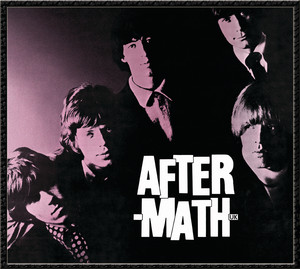
At last, an album I truly love, this is easily my favorite from the early Rolling Stones era. Listening to it felt like reuniting with an old friend you haven’t seen in years: instantly familiar and comforting, as if no time had passed at all. My only real complaint has nothing to do with the misogynistic lyrics that some critics point out. Rather, this version on Spotify is hampered by the awkward stereo separation typical of many mid-1960s recordings, which unfortunately detracts from the overall experience.
Pairing loosely grunge-tinged sounds with lyrics that border on gibberish yields exactly this kind of mess. I listened intently, desperately hunting for one song worth praising, but came up empty. Were this blaring in a pub, I’d make an immediate exit.
Hip-hop isn’t usually my thing, and listening to this album hasn’t changed my mind.
Take bargain-bin Bryan Ferry vocals, sprinkle on a little Bowie glamour, and you’ve got ABC. They peaked early with The Lexicon of Love, after that, it was all downhill. The real tragedy? Even their best wasn’t anything to write home about.
I was far from excited when I was assigned to review this album, I’d never heard of the artist or the record before. I started listening and actually enjoyed the opening track for the first few minutes, but then it dragged on for a full 20 minutes. When I realized the entire album clocked in at almost two hours of essentially the same repetitive sound, with no discernible difference between tracks, my enthusiasm quickly faded. This might be more enjoyable under the influence, but sober, it felt like an endurance test.
A lo-fi mess of an album. Most of the songs are weak musically, and the lyrics are even weaker. Lines like “water doesn’t give a damn” (from “Horseleg Swastikas”) and the punny “you’re the only ten I see” (in “Tennessee”) come off as corny and forced rather than witty. The one bright spot is the instrumental “Transylvania Blues”, no lyrics meant it couldn’t drag the track down.
I’ve been a Brian Eno fan ever since his Roxy Music era, and his involvement in a project is pretty much a guarantee of something extraordinary. This album lives up to that standard, it’s outstanding. Easily my favorite U2 record, from back when Bono hadn’t yet turned into an insufferable pretentious prick.
How did so much electronic music sneak its way into this book? It feels like every single person who ever received a Casio keyboard as a gift was handed a recording deal and guaranteed a spot on the list. Hands down, this was the most painful one I’ve had to slog through.
N.E.R.D. I’d never even heard of them before. Went in bracing for disappointment, but wow, those catchy pop vibes completely won me over. I genuinely enjoyed it. Not sure how it’ll hold up to repeated spins yet, but I’m eager to find out.
I distinctly recall the release of Back in Black in 1980. After Bon Scott’s tragic death, I had low expectations for AC/DC’s future. But Brian Johnson’s raw, powerhouse vocals stepped in and not only rescued the band but arguably defined their sound for decades to come. I’ve spun this album many times over the years, and listening to it again recently was an absolute thrill.
When this album came up, I was genuinely excited to revisit it, it’s probably been over 30 years since I last played it through. What a letdown it turned out to be. “Freedom! ’90” remains an absolute standout and I still love it, but the rest of the tracks feel surprisingly uninspired and lack the spark I remembered.
Yet another masterpiece from an incredible band. I love every single track on this album. I could put it on repeat and never tire of it. Even though it came out nearly 60 years ago, it still absolutely rocks.
A rather underwhelming album. There’s nothing outright bad about it, in fact, I quite enjoyed Romy Madley Croft’s vocals. Unfortunately, the songs themselves just lack spark and fail to hold my interest.
When Born in the U.S.A. came out in 1984, it was absolutely everywhere. You couldn’t turn on the radio without hearing one of its singles. The album didn’t have a single weak track, every song was strong. That said, its massive commercial success may have hurt Bruce Springsteen as a recording artist in the long run. After that peak, his career felt like it went downhill. Off the top of my head, I struggle to name any truly memorable songs he released afterward.
Shame Neil Young wasn't around, this album could've used his spark. Only track I really like is 'Love the One You're With,' probably thanks to Crosby & Nash's backing vocals (or just because it's so familiar).
This album feels way too introspective and personal for my taste. I usually listen to music to be entertained, and this one is just too heavy and depressing for me.
James Brown has two sides: his early career delivered timeless R&B/soul classics full of raw energy, while his later years, marred by drug addiction, often felt like a diminished, self-parodying version of his former self.
In the early 1960s he was best known for explosive hit singles. This is the only James Brown album I’ve really listened to, and it didn’t impress me much.
I’ve never really clicked with Sparks' music, so when this album came up for review, I was honestly dreading it. Still, I figured I'd give it a fair shot. I sat down with the lyrics in hand, hit play, and really tried to listen closely.
Nope. Still not for me.
I'm not even sure what bugs me the most: the quirky, over-the-top production, the eccentric lyrics, Russell Mael's distinctive falsetto, or maybe just the whole package together. It's all a bit too much.
One star. Sorry, Sparks fans!
White Denim was a brand-new discovery for me, and I’m so glad the album ‘D’ was chosen. I enjoyed it thoroughly, I actually listened to it twice straight through. I’ll definitely be diving deeper into their catalog.
After really enjoying The Young Gods' T.V. Sky, I was excited to check out L'Eau Rouge. The music is fantastic, powerful, intense, and every bit as gripping as I'd hoped. That said, I have to admit I was a bit disappointed that most of the vocals are in French. Since I don't understand the language, it definitely made it harder to fully connect with the lyrics on the first listen, totally my issue, not the album's fault!
I plan to keep coming back to it, and I have a strong feeling L'Eau Rouge will grow on me over time as I get more familiar with the sound and maybe even look up some translations. The music alone is already pretty incredible.
This was my first full listen to Mellon Collie and the Infinite Sadness. I only really knew the singles before this. Overall I enjoyed the album a lot, but damn, over two hours of Billy Corgan's voice was a bit overwhelming. If someone trimmed it down to a tighter single-disc version, I'd easily give it more than 3 stars.
Aimee Mann's Whatever? The title says it all.
This album is musical shrug personified, polite, competent, instantly forgettable throwaway pop-rock that evaporates the moment it ends. After one listen, I finally get why her CDs turn up so reliably in the dollar bins at every flea market and thrift store across America: nobody's holding onto them.
Less than three years after releasing their debut album, The Beatles were already approaching the height of their creative powers.
Even now, almost 60 years after I first heard it, this album still brings me genuine enjoyment.
That said, like many mid-1960s records, it suffers from the extreme stereo separation typical of the era, with instruments and vocals hard-panned to one side or the other.
The 2009 remastered version available on Spotify also sounds oddly off to me, almost artificial or overly processed. My wife noticed it too, without me saying anything; she just remarked that something felt "wrong."
When I switched to my old vinyl copy for comparison, it actually sounded more natural and enjoyable overall... though the exaggerated stereo panning was, of course, still present.
Hunky Dory was the very first David Bowie album I ever heard, 54 years ago, and after more than half a century, my take on it hasn’t shifted at all.
Side one is outstanding: packed with classics like “Changes,” “Oh! You Pretty Things,” “Life on Mars?,” “Kooks,” and “Quicksand”. It’s flawless in my book and easily earns a perfect 5/5.
Side two, though? It doesn’t quite match that magic for me, more of a 3/5.
Overall, I’d still give the full album a solid 4/5. Timeless stuff, even if the sides feel uneven to these old ears.
Aretha Franklin, the so-called Queen of Soul? Nah, I didn't cast my vote for her. My pick has always been Tina Turner.
Take her album I Never Loved a Man the Way I Love You, it's mediocre at best. Sure, 'Respect' is a killer cover of Otis Redding's original and stands out as a classic. But everything else? Just decent filler, the kind of stuff that fades into background noise. I actually had to listen to the whole thing twice before I even noticed 'Respect' popping up for the third time.
Listening to this was one of the worst hours I’ve ever spent, it felt endlessly repetitive and downright boring. The only moment that even remotely held my attention was the remake of the James Bond theme. If I could award zero stars, I would in a heartbeat.
The Grateful Dead are one of those bands that really divide listeners. Die-hard fans, especially the Dead Heads, treat their live shows as almost sacred, communal experiences that you truly had to be there for, high in the arena with thousands of others, to fully appreciate the magic.
I've spent time with Live/Dead and plenty of their other live releases, but personally, I gravitate much more toward their studio work. The live albums, this one included, often feel dragged down by overlong tracks bloated with endless jamming and improvisation. Sure, stretching a strong song to 20+ minutes can work brilliantly if the material and the moment are right, but the Dead sometimes seemed to operate on the principle that longer automatically equals better. That approach shines in the right setting: you're in the crowd, maybe a little altered, riding the collective energy wave. At home, though? Sipping tea on the couch? Those marathon jams lose a lot of their spark and start to feel indulgent rather than transcendent.
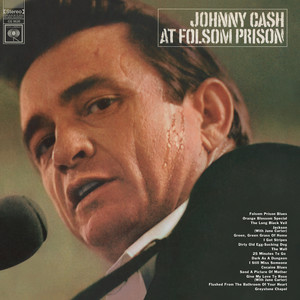
At Folsom Prison was one of the first albums I truly fell in love with. My parents bought it for me the summer I turned nine, and I played it every chance I got. It’s a miracle the vinyl didn't wear out, but 58 years later, I still have that original copy and it’s still just as incredible today.
When you combine an instantly recognizable voice, a rock-solid rhythm section, and Brian Eno behind the boards, you end up with something truly special, one of my absolute desert-island albums.
I really loved about two-thirds of the album, it was excellent, and the remaining third was still solidly good. That said, 'Hero' and 'After Eight' felt a bit out of place among the rest of the tracks.
Plenty of folks bounce off Bob Dylan's voice right away and never look back. Me? I like it just fine. But I can't help imagining an alternate universe where he had a classically great voice, silky, pitch-perfect, the whole package, and delivered the exact same lyrics and melodies. Would people be hailing him as the Second Coming of music instead of just 'the voice of a generation'?
R.E.M. has never really been my thing. I’ve never quite gotten the massive hype surrounding them. That said, their album Green is pretty harmless and actually kind of fun to listen to. It has enough recognizable, enjoyable hits to hold your attention, and the rest of the tracks just sound solidly like classic R.E.M. nothing groundbreaking, but nothing offensive either.
The standout blend of distinctive vocals and punchy acoustic guitar makes Violent Femmes (1983) a truly enjoyable album. It felt remarkably ahead of its time back then, and I was eager for more. Unfortunately, their subsequent releases never lived up to that brilliant debut.
Hey ho, let’s go! How can anybody seriously argue the Ramones weren’t incredible? Their sound is pure loud, fast adrenaline, and it’s just plain fun. The real genius of their songs is how short they are: they hit you hard, then vanish before you’re ready, always leaving you hungry for another round.
Back in the 1960s, I only knew The Kinks from their big AM radio hits. It wasn't until the early 1970s, after Lola, that I really dove into their albums and became a true fan. Ray Davies' distinctive vocals and songwriting instantly hooked me.
That said, The Kinks Are The Village Green Preservation Society is a solid album, but not one of their greatest. It's often called a concept album, though the overarching theme doesn't fully click for me. A few tracks feel instantly familiar and stand out, while others are just decent fillers. Still, there's no doubt this is unmistakably a Kinks record through and through.
Another five-star masterpiece for The Rolling Stones. The 1969 release of Let It Bleed cemented their reputation as "The World's Greatest Rock 'n' Roll Band".
It marked a poignant transition: farewell to Brian Jones and hello to Mick Taylor.
Seriously, how did Bauhaus slip right past me in the '80s? What was I even doing? This album hit hard, I enjoyed it the first time, but the second listen sealed the deal. It gives off strong early Cure and Echo & the Bunnymen vibes. I'm hooked and ready to explore the rest of their catalog.
I've heard of Adele, but I doubt I'd recognize any of her songs if one came on the radio. After giving her album 21 a full listen, though, I see I had nothing to worry about, none of the stations I tune into would ever play this style anyway.
The whole record comes across as generic, assembly-line pop. Her voice is decent enough, but nothing about it grabs me or stands out as special. While working my way through the tracks and trying to settle on a rating, I was hovering around a weak 2 out of 5. Then came her cover of The Cure's "Lovesong," and that alone dropped it straight to a 1.
My mom always used to say, “If you can’t say something nice, keep your mouth shut.”. So: 1 star. That’s all you’re getting.
Not a terrible electronic album, but it has the usual flaw of the genre: endless, mind-numbing repetition. Several times I lost track of where one song stopped and the next started. Eventually I just mentally tuned it out, like someone who lives by train tracks and no longer notices the trains rumbling past.
How does a 48-year-old Bollywood soundtrack be selected as one of the '1001 Albums You Must Hear Before You Die' lists? I'm pretty new to Bollywood music, but if this is supposed to be one of the highlights, I really hope I never stumble across the low points. Honestly, I just didn't enjoy the album at all.
I've heard nonstop praise for the Beastie Boys ever since they first blew up, but after listening to Ill Communication, I'm just not seeing what all the hype is about. The album constantly jumps between totally different styles, punk, hip-hop, funk, instrumentals, and it ends up feeling disjointed and honestly pretty annoying to me. I actually preferred the instrumental tracks over the ones with vocals; they were the only parts that really held my attention. The one saving grace is 'Sabotage'. It's the sole reason this album gets more than a single star from me.
This was my first time hearing Red Snapper, and I think I really enjoyed it. Although I had to give it two full listens to be sure. It’s still growing on me a bit. That said, it would make fantastic soundtrack music. I’d definitely recommend it as background music for a chill gathering or relaxed hangout.
When I first saw the band was called Le Tigre, I braced myself for another album in a foreign language. Turns out my worries were totally misplaced. Their self-titled record instantly brought to mind classic 1960s girl groups, along with the catchy energy of The Bangles and The Go-Go's. Super fun and enjoyable listen overall.
One of my all-time favorite Johnny Cash albums, easily a solid 5-star classic. That said, I'd skip the "Legacy Edition" entirely and go for the original vinyl (or standard release) instead. The bonus tracks featuring Carl Perkins, The Carter Family, and The Statler Brothers don't really add much value to the core experience.
I totally misjudged Sleater-Kinney. I somehow pictured them as a pop girl group, which couldn’t be further from the truth. Turns out they’re straight-up rockers, and they absolutely shred.
It took a track or two for their vocal style, that raw and fierce delivery from Corin Tucker, to click with me. Once it did, though, I was hooked. The album hit hard, and now I’m excited to explore more of their discography. What a pleasant surprise!
I was surprised that I liked this Korn album, I almost didn't even listen to it. Who knew I was into nu metal? I really loved the vocals, though I could’ve done without the scatting. I suspect the scatting would grow on me after a few more listens. I even enjoyed the guest vocalists. Solid album overall.
I think Nebraska was the last great Bruce Springsteen album. Although I loved the E Street Band on his earlier releases, their absence made this one far more powerful.
In the late 1970s I tried to avoid disco music because most of it sucks. It featured talentless musicians jumping on the disco bandwagon. This album is an exception. Bernard Edwards, Nile Rodgers, and Sister Sledge made the best Chic album ever.
Bored me to tears. It flirts with that classic Soft Cell / Human League vibe in spots, but never commits enough to make the experience worth repeating.
Stronger than the typical rap release, I’ll give it that. Still not my kind of thing though. I’m clearly not the target demographic.
Having been a fan of Queen’s first three records, hearing A Night At The Opera for the first time was a total sensory overload. They pushed their boundaries to craft a genuine masterpiece, and to this day, it remains one of my absolute favorites.
I'm not really into hip-hop. I can handle the occasional song, but 57 minutes of Public Enemy is way too much. Chuck D always sounds pissed off, Flavor Flav is just irritating, and everything feels excessively chaotic.
Pere Ubu was exactly the kind of band that rock critics in magazines would rave about as groundbreaking and essential. For me, that's usually a warning sign, I tend to steer clear. So I put off listening to them for way too long. What was I thinking?
The moment the first track kicked in, I was hooked. This was something genuinely different, fresh in a way that caught me off guard. Right away, I picked up on echoes of Captain Beefheart's wild, off-kilter influence coming through.
This is not what I expected from a Scottish band. While listening to 'Rip It Up' I noticed similarities to other bands from the same time period, but they were fleeting and I just couldn't identify the similar band. The vocals were definitely unique. I found them both interesting and annoying. After listening to the album twice I still don't know how I feel about it.
This is my favorite album by The White Stripes.
I think a lot of modern country music still carries the negative influence of the slick Nashville Sound that took over in the 1960s. Loretta Lynn stood apart from that establishment and stayed true to her raw, authentic country style. She’s always been one of my favorite artists in the genre.
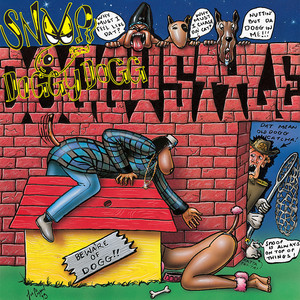
What exactly should anyone expect from an album titled Doggystyle, slapped with an explicit lyrics warning and featuring genuinely crude, over-the-top cover art? I'm no prude by any means, but the lyrics still cross a line for me. The nonstop barrage of profanity, racial slurs, and graphic content, all piled on top of those G-funk drum beats, makes it genuinely tough to listen to for extended periods. It's completely off-limits around kids. You might play it in the car, but you'd better keep the volume low. Earbuds work, though belting out the lyrics could get awkward (or risky) in public. Even the clever George Clinton samples and funky production can't fully redeem it for me.
Yes! Early '70s rock at its finest. One of my all-time favorite Deep Purple records. Highway Star is hands-down one of the ultimate driving anthems, right up there with Radar Love and Born to Be Wild.
For years I had Tim Buckley pegged strictly as a folk singer. A lone troubadour with guitar and harp, very much in the vein of early Dylan records. Then I heard Greetings from L.A. and it completely flipped my expectations, I really enjoyed the shift to that bold, funky R&B style with its greasy grooves and swagger.
This album just isn't for me. I didn't care for it when it first came out, and my tastes clearly haven't shifted much, still not a fan. The only thing keeping it above one star is "The Cisco Kid."
This album is a coin toss between terrible singing and terrible everything else. No idea how it survived the cut for 1001 Albums You Must Hear Before You Die. Those editors were way too generous, if they'd stuck to 500, I wouldn't be sitting here listening to this mess. Less than 100 albums in, and roughly 30% are already one-star disasters in my book.
I used to think the Gallaghers were just two massive wankers and to be fair, they probably still are, but damn if they don’t make killer albums. This one’s great.
I thought The Slider was a solid, enjoyable album overall. However, none of the tracks really grabbed me or stood out as especially exciting. A lot of them blend together sonically, but at the same time, none of them were bad enough to make me want to hit skip.
I listened to Faust IV {Deluxe Edition on Spotify (the only version available there), and I have to say, the extra tracks really boosted my overall enjoyment of the album.
When I think of 1970s German bands, Kraftwerk usually comes to mind first. But Faust sounds completely different, far more experimental and raw. In fact, certain moments and quirky elements in some songs reminded me strongly of The Residents, and it wouldn't surprise me if The Residents were fans of Faust. Their influence seems to echo in places, especially in that weird, avant-garde vibe.
The deluxe edition added some nice depth that made the whole experience even more rewarding.
What a long, dragging album, that 52 minutes felt like it stretched on forever. I kept waiting for something like 'Loser,' 'Where It's At,' or 'Devils Haircut,' but it never showed up. I haven't really kept up with Beck's stuff over the years, so I'm genuinely curious: what ever happened to him? This feels like a completely different artist.
When CrazySexyCool came out, my daughter was 13 and really wanted the album. As responsible parents, we checked it over and didn't see a Parental Advisory label, so we let her buy the CD. Big mistake. She became completely obsessed with it, playing it nonstop. I got so tired of hearing those same tracks over and over. Personally, I still know every song from all that repetition, and for a pop/hip-hop album, it's actually not bad at all. It's just not my style, and forcing myself to listen to it again was a real struggle.
Sly and the Family Stone's "There's a Riot Goin' On" is one of the most powerful unintentional anti-drug statements in music history. Sly Stone's drug use ruined the band and this album.
Love the vocal performance; the songs, though… they never hooked me.
Even though the album is titled Surf's Up, it’s not a surfing record. In my opinion, The Beach Boys peaked in the early 1960s. After Pet Sounds, it was all downhill.
This album is dull, uninspired, and instantly forgettable. The best thing about it is that it’s not rap.
I've been a huge Eno fan since his Roxy Music days, and I've always felt his pop and rock albums have been unfairly overlooked.
It’s been ages since I last listened to Hawkwind, probably not since the 1970s. I’d forgotten just how brilliant they are.
While I’d heard of LCD Soundsystem, I don’t think I’d ever actually listened to them. After hearing Sound of Silver, I see no reason to listen again. It’s not the worst music I’ve ever heard, but it’s easily some of the most forgettable. The album makes decent background noise while talking with friends, but nothing about it is interesting enough to pull your attention away from the conversation.
I'd never heard of Nas before, and when I found out he was a rapper, I wasn't expecting to enjoy Illmatic. I was right, I didn't like it. The album felt boring and repetitive, and I couldn't help but think I'd just wasted 40 minutes of my life.
One of my all-time favorites.
Dear God, more rap music. What sins have I committed to earn this? An album hailed as great a quarter-century ago has aged like milk in the sun.
While I found some of the music on Histoire de Melody Nelson genuinely interesting, I couldn't follow the French lyrics.
When I saw that Röyksopp was described as an "electronic duo," I expected to have to sit through an album of repetitive EDM-style music. I was pleasantly surprised. Their sound actually reminded me a bit of Angelo Badalamenti’s Twin Peaks soundtrack.
I can only enjoy The Smiths in small doses. After just a couple of songs, Morrissey’s voice starts to grate on my nerves.
I first heard this record on St. Patrick’s Day 1986. The exact day I became a Pogues fan. Forty years later, I still am. This album and If I Should Fall from Grace with God remain two of my all-time favorites.
When Rumours first came out, you couldn’t escape it. Turn on the radio, it was playing. Go to a party, it was playing. How do you rate an album you’ve heard hundreds of times, know every song by heart, yet still don’t really like?
Despite selling millions of copies and being hailed as a classic by so many, for me it’s a 2-star album.
I actually really like Perry Farrell’s voice, unlike a lot of people. Too bad Jane’s Addiction broke up after this one. Ritual de lo Habitual and Nothing’s Shocking are still two of my all-time favorites.
I’m a big fan of Todd Rundgren’s music, yet I rarely actually listen to it. I can’t remember the last time I thought, “I’m in the mood for Todd.” That said, A Wizard, A True Star is a wonderfully weird and thoroughly enjoyable album.
After listening to this album, I can't imagine ever wanting to hear it again. It's thoroughly boring and forgettable, if a song from it came on later, I wouldn't even recognize it. The only thing it has going for it is that it's not rap.
Whenever I put on Led Zeppelin, I’m instantly transported back to my teenage years in the 1970s. Led Zeppelin II and the rest of their albums were the constant soundtrack, blasting at house parties and pouring out of car windows as we cruised the streets. I can still picture the haze hanging in the air.
If a friend had recommended I dive into 1960s Brazilian garage rock, I would’ve thought they’d lost their mind. Yet I genuinely enjoyed this record. Some of the Portuguese lyrics sounded like they were being played backwards on a warped tape, but the inventive, psychedelic music more than made up for not understanding a word.
Blood on the Tracks is hands down my favorite Bob Dylan album. Whenever I’m craving Dylan, it’s always my first pick. It was the first one I truly experienced from start to finish, before that, I’d only heard his songs on the radio. As a bonus, you can actually understand every lyric.
Not really my cup of tea. Most of the songs sounded like a weird mix of imitation mariachi and a spaghetti western soundtrack.
I've never been a big Paul Simon fan. I know his hits because they were everywhere in the late '60s and '70s, but this album did nothing for me. I nearly turned it off during the first song, what possessed someone to write a track about allergies?
I can enjoy Eminem in small doses, but 72 minutes is a full-blown overdose. The best thing I can say about this album is that it contains fewer racial slurs than most rap records.
Some people call Steely Dan jazz-rock. If I could find straight jazz records as good as theirs, I’d be a jazz fan. Unfortunately, most pure jazz bores me. Steely Dan, though, I could listen to them on repeat forever.
Like everyone else who listened to the radio in the late 1970s, I knew ABBA’s hits well. I wasn’t especially eager to hear The Visitors, but I expected the familiar light, poppy ABBA sound. Instead I was disappointed, nothing was recognizable. It simply wasn’t the same ABBA, which may be why they didn’t release another album for forty years.
Although I’m sure I’ve heard Taylor Swift on the radio, I can’t name a single one of her songs. After listening to Evermore, I have nothing positive to say, I found the music bland and lifeless.
Another two hours completely wasted. Why do some artists insist on releasing such bloated albums? If Speakerboxxx/The Love Below had been trimmed to 50 or 60 minutes, I might have given it two stars, as long as they kept “Hey Ya!.” But tracks about how someone’s shit doesn’t stink have got to go.
It’s always a treat to discover a new artist. I can’t believe I went nearly 50 years without listening to The Adverts. I’d known the song “Gary Gilmore’s Eyes” for ages, but had no idea who performed it. I enjoyed this album so much that I even listened to the bonus tracks.
I enjoyed the music on this album, though the mumbled vocals were annoying.
There are very few artists I can honestly say I’ve always loved. From my earliest memories of my grandmother playing Johnny Cash records in the mid-1960s through his final albums produced by Rick Rubin, he has remained one of my favorites. Over the years I’ve listened to American IV: The Man Comes Around countless times—there couldn’t be a better swan song for such a great artist. Hearing this album fills me with happiness that I was alive to follow his career, and sadness knowing I’ll never hear a new Johnny Cash song.
Something about The Cramps just clicks with me in a way I can’t quite explain, I really love their music.
Radiohead is one of those bands I just can’t get into, no matter how hard I try. I occasionally enjoy the music, but Thom Yorke’s vocals drive me crazy.
In my view, this record hasn’t aged particularly well, though I still enjoyed it on a purely nostalgic level.
Some of the music on this album is interesting, with a vaguely Middle Eastern quality. The vocals, however, are terrible
To me, some of the vocals sound like a weaker blend of Bob Dylan and Van Morrison, while at other times they remind me of David Surkamp or Geddy Lee. The music recalls traditional Irish folk, only not nearly as good. If listening on Spotify, skip disc 2. The bonus tracks were left off the original release for a reason, they add nothing.
This was my first, and probably last, listen to a Fiona Apple album. I recognized “Criminal” because I lived through the 1990s, when it was inescapable on the radio. I found the album dull and her voice annoying.
I’d never heard of William Orbit before. It’s a shame he died a couple of weeks ago, but his recent death doesn’t change my opinion of this album. It was boring and sounded like the soundtrack to a bad movie.
What a rough weekend, three one-star albums in a row. The songs were completely uninspired and dull. I wouldn’t even rate this album as decent background music.
This album, along with Nebraska, ranks among my all-time favorites. I believe Born in the U.S.A. was his last good album. I’m usually able to separate the musician from the music—meaning I can enjoy Bruce Springsteen’s work even though he is a draft dodger. After the mid-1980s, though, I found it harder to remain a fan. The music simply wasn’t good enough for me to overlook his political views. Even though most of the songs he performs today come from his albums of the 1970s and early 1980s, I still wouldn’t go to a Springsteen concert
The first time I tried listening to this album, I fell asleep during the second or third song. I couldn’t even remember those opening tracks, so I gave it another shot. Now I understand why I dozed off, it’s a boring album.
I enjoyed the music on this album, but the vocals (the rapping) did little for me. I was also pleasantly surprised that a 2019 release ran only 35 minutes, refreshingly concise next to the bloated runtimes of many newer albums. It felt about right, and was over before it had a chance to get annoying.
The White Stripes’ distinctive sound and Jack White’s vocals made them one of my favorite bands of the 21st century, garage rock at its finest.
I have no opinion on the music of Ladies and Gentlemen We Are Floating in Space, because I didn’t hear anything I would call music. The vocals are equally terrible.
The Sensational Alex Harvey Band is another 1970s group I’d completely forgotten about. Growing up in Detroit, I remember WABX spinning their tracks. A lot of their music reminds me of Mott the Hoople, Mountain, and Nazareth. I definitely plan to dig deeper into their catalog.
Pixies were another of those bands I’d always heard about but never gotten around to listening to. I really enjoyed Doolittle, it felt just like listening to 1990s alternative-rock radio and I regret not checking them out sooner. They would fit perfectly alongside other ’90s bands like Smashing Pumpkins and Nirvana.
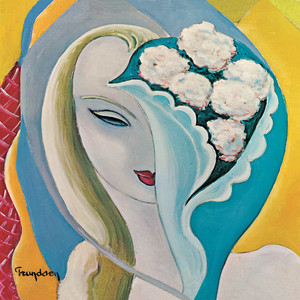
I’ve always believed Eric Clapton did his finest work as part of a band rather than as a solo artist. The Yardbirds, Cream, and Blind Faith were all excellent, but Derek and the Dominos marked his true peak. It’s a real shame he and Duane Allman never recorded more music together. This album has remained one of my favorites for over 55 years.
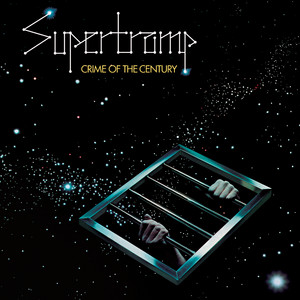
Great album! This was the first of three outstanding records that marked Supertramp’s artistic peak, alongside Crisis? What Crisis? and Even in the Quietest Moments....
For the first time in 166 albums, the 1001 Albums generator has selected for me three 5-star albums in a row. Sheer Heart Attack remains a close second to my favorite, A Night at the Opera. Although Queen’s first two albums were very good, this one introduced the sound that millions now recognize as the classic Queen sound.
The music on this album wasn’t terrible, but the vocals sucked. I’d rate it higher than 2 stars if it were re-recorded with a better vocalist. My guess is that Win Butler owned a van. He agreed to drive the band to gigs if they let him sing, and the rest is history.
Albums like Pink Flag are exactly why I started the 1001 project. I’d never heard of Wire or this record before, and I really enjoyed it. That said, 21 songs in 35 minutes is a lot to take in during a single sitting. I definitely plan to revisit this one, and other Wire releases, again.
Other than “Groove Is in the Heart,” the rest of the album is just average, inoffensive dance music. A few tracks had some interest, but most of it was simply repetitive.
To me, it sounded like 40 minutes of the musicians just warming up. Every so often I thought I heard something interesting, but on closer listening I realized I was mistaken. I’ve come to the conclusion that enjoying jazz is simply too much work for me.
I can understand the popularity of Green Day’s album Dookie, the videos were on heavy rotation on MTV. What I can’t understand is the success of American Idiot, by 2004, MTV rarely played music videos. I enjoy the hits from this album, but I cannot endure a full album of Billie Joe Armstrong’s voice. It sounds like an imitation of a British punk singer with a cold.
My first thought when I saw a Dolly Parton album was that it was an amazing coincidence one of her records had been chosen so soon after her death. Then I realized it was intentional, a deliberate tribute. Dolly is my second-favorite female country singer (after Loretta Lynn), and this album is a wonderful showcase of her talents.
The music was actually great for a restaurant background, but the Portuguese vocals totally lost me. At times, it literally sounded like the singing was playing in reverse.
Hearing “Mr. Soul” by Buffalo Springfield was my official introduction to Neil Young, and I've been a die-hard fan ever since. I’ve lined up for every new release through the years. Confused by some of them? Absolutely. Disappointed? Never. After the Gold Rush is still one of my absolute favorite comfort albums; it's the perfect record to put on, tune out the world, and just let my cares melt away.
The music was dull and uninspired. The vocalist sounds like an imitation Ben Folds.
This album perfectly demonstrates how a band famous for extended improvisation can deliver an exceptional studio record. It features ten tightly written, beautifully performed tracks that completely skip any tedious, overlong jamming.
How this absolute disaster ended up on the list is beyond me. It toggles between the mind-numbing background noise played before cinema trailers and the kind of cheap, dusty exotica LPs rotting in a dollar bin. Despite Wikipedia boasting a massive 900+ sample count, not a single hook rang a bell.
I've enjoyed The Wall since 1979, but to me, it's always felt dominated by Roger Waters rather than a collaborative Pink Floyd album.