I've already documented my complicated history with radio Hard Rock, and I'm afraid AC/DC does not escape the stereotype. The few decent songs have been played to absolute death and the rest is entirely forgettable. I could leave it at that, but Highway to Hell deserves a little bit more at least. Bon Scott was a very good vocalist, at the very least very fitting for this style. I love how close and distorted the production on his voice is, almost reminiscent of Is This It's vocal production but with a much more nasal voice. My issue with the album is just how empty and soulless it feels. There really isn't a groove I ever find them getting into, every song feels a little flat and a little pandering. Wanna know what really grinds my gears? When hard rock/metal bands put on the persona of the most wild insane hardcore dudes on the planet and then pump out some of the safest, most sterilized music on the planet. I'm not saying Highway to Hell is the most sterile, but isn't exactly fertile (regardless of how much Bon infers otherwise). Again, my distaste for radio rock outweighs my distaste for AC/DC in particular, but there is almost never a time when I would want to sit through Highway to Hell again. Hard Rock is so much cooler when bands play with the formula even a little bit, rather than just trying to make a Pop hit with a Hard Rock sound. Highway to Hell can keep its crown for Guitar Hero, Hot Topic T-shirts, and generic 80s Rock radio stations, but the album as a whole I couldn't care less about.
1001 Albums Summary
Rating Distribution
Rating Timeline
Taste Profile
Breakdown
By Genre
Tap a bar to see the albums behind it
Top Styles
Tap a bar to see the albums behind it
By Decade
By Origin
Albums
You Love More Than Most
| Album | You | Global | Diff |
|---|---|---|---|
|
Unhalfbricking
Fairport Convention
|
5 | 3.15 | +1.85 |
|
Ágætis Byrjun
Sigur Rós
|
5 | 3.37 | +1.63 |
|
Five Leaves Left
Nick Drake
|
5 | 3.47 | +1.53 |
|
Illinois
Sufjan Stevens
|
5 | 3.5 | +1.5 |
|
Wild Is The Wind
Nina Simone
|
5 | 3.65 | +1.35 |
|
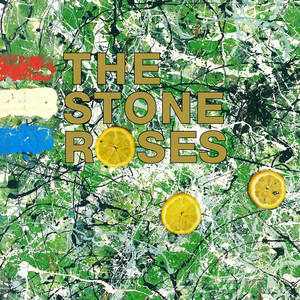
The Stone Roses
The Stone Roses
|
5 | 3.66 | +1.34 |
|
The Queen Is Dead
The Smiths
|
5 | 3.67 | +1.33 |
|
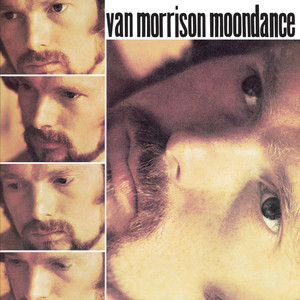
Moondance
Van Morrison
|
5 | 3.68 | +1.32 |
|
Arise
Sepultura
|
4 | 2.73 | +1.27 |
|
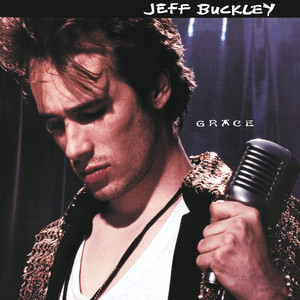
Grace
Jeff Buckley
|
5 | 3.75 | +1.25 |
You Love Less Than Most
| Album | You | Global | Diff |
|---|---|---|---|
|
Heroes to Zeros
The Beta Band
|
1 | 2.9 | -1.9 |
|
Headquarters
The Monkees
|
1 | 2.85 | -1.85 |
|
American Idiot
Green Day
|
2 | 3.77 | -1.77 |
|
Histoire De Melody Nelson
Serge Gainsbourg
|
1 | 2.71 | -1.71 |
|
Appetite For Destruction
Guns N' Roses
|
2 | 3.7 | -1.7 |
|
Highway to Hell
AC/DC
|
2 | 3.62 | -1.62 |
|
Ramones
Ramones
|
2 | 3.56 | -1.56 |
|
Arrival
ABBA
|
2 | 3.53 | -1.53 |
|
Raising Hell
Run-D.M.C.
|
2 | 3.49 | -1.49 |
|
Foo Fighters
Foo Fighters
|
2 | 3.47 | -1.47 |
5-Star Albums (12)
View Album Wall







Popular Reviews
I was willing to give Who Killed the Zutons a chance, coming from the tail-end of the golden age of Indie Rock, surely it would have at least a taste of something special on it? Unfortunately not, as this album is incredibly underwhelming. It's a very stagnant experience, with the songs really not feeling all that different from one another. The album lacks drive as a whole, with a lot of the songs feeling really empty. It really does feel like a bunch of tracks thrown together with very little care as to making them sound cohesive. More than anything though, the album is just boring. The instrumentals are very safe and generic, and the vocals are weirdly off-putting. It's definitely to this album's detriment that it was included in a list like this, as it is by no means a classic album, and if I hadn't gone into it with that expectation I may have given it a little more grace.
Van Halen being my dad's favorite band, I naturally grew up listening to 1984 a lot. In the present day, I'm really not a huge Hard Rock enjoyer, though I dabble from time to time. Van Halen is one of the biggest exceptions and probably my favorite strictly Hard Rock band, and this album is their best by far. I'm sure many people are already aware of how ahead of his time EVH was, with Eruption being a massively influential solo that would inspire countless guitarists. The guitar-work on this album is so technical but without sacrificing fun or enjoyability. Pretty much the whole album is just so much fun, they never take themselves too seriously, but just seriously enough to put out a bunch of really solid tracks. The A-side is hit after hit, with the B-side slowing down a little bit but being a great time. Not only is this album incredibly nostalgic for me, I think it holds up almost 50 years later. It's not some super poetic story or a "punch you in the face" hardcore grindfest, it's just good, classic, catchy Hard Rock that inspired many artists going into the 80s.
I'm unsure of where to start with this one so I'll start with this: while I respect The Doors and Jim Morrison for their influence to music, I've never been the person to go out of my way to listen to them. Their eponymous debut is great, but outside of that I've never really ventured into the rest of their discography. That being said, Morrison Hotel was just alright for me. It didn't leave a super strong impression on me, similarly to their other records but even more so. There were some good tracks don't get me wrong, Peace Frog was great and Waiting for the Sun and Blue Sunday were also enjoyable. I was surprised by just how consistently good the record was, but that's kind of all it was to me: good. I prefer something to really stick out at me, to draw me into a listening experience and leave me with a new feeling I can associate with that album, but Morrison Hotel didn't really have any of that. The most I can say is that "it is certainly a Doors record." It may very well be that I just don't love their sound compared to other psychedelic artists from the same time, but it just doesn't personally do much for me.
I did not at all expect to dislike this album as much as I did. My experience with the Monkees, though limited, has been mostly positive, with the few tracks I remember off More of The Monkees and Pisces, Aquarius, Capricorn & Jones Ltd. being quite fond in my memory. This album gave me the ick in a way I did not expect a psychedelic pop album could. Aside from For Pete's Sake and Randy Scouse Git, almost every track made me actively cringe while listening to it. I don't know exactly what it is, if it's their slightly off singing, the questionable lyrics, or the whimsical yet generic psychedelic pop behind them, I just could not get into this album for the life of me. It was rather disappointing, especially given this is the only Monkees album on the list, I expected at least something I could bear to stomach. sheesh...
1-Star Albums (4)


All Ratings (139)
This album feels like the musical personification of random = funny. There are some cool psychedelic grooves that almost venture into Trip Hop territory, but they're padded out with a bunch of artsy bullshittery that I feel make the album less cohesive as a whole. The vocals seem uncertain of what they want to be, and the lyrics leave a lot to be desired. If it was cleaned up a little bit and had a couple more substantial tracks to replace the filler, the album would be a cool and trippy late-90s gem. As is, I only really got enjoyment out of Brimful of Asha and Good to Be on the Road Back Home, and found myself pretty bored with the rest. The record is certainly unique, but maybe hone it in a little for the sake of listenability?
When people ask what my favorite Queen album is, I usually tell them Sheer Heart Attack. A Night at the Opera seems a little too obvious, and A Day at the Races just doesn't hit the same. That being said, revisiting this I was surprised by just how weak the B-side is. Stone Cold Crazy remains incredible, but almost all of the other tracks on that side are incredibly forgettable. The A-side makes up for it at least, being comprised of some great glammy tracks like Flick of the Wrist, Now I'm Here, and of course Killer Queen. I still think I would say the sound they are going for here is my favorite of any of their albums, but after Stone Cold Crazy I almost feel inclined to just leave the rest be and move on.
What can I say about Paranoid that hasn't already been said. An album that practically invented metal as a genre, influenced decades of artists, and still holds up well even by modern standards. It feels like an album that should've come five or ten years after prog rock and the likes of King Crimson, but unbelievably was released not even a year after In the Court of the Crimson King. Every single track carries with it a disgustingly classic riff, to the point I sometimes let the genius of the rest of the album pass me by. It's Paranoid, what more needs to be said.
Nick Drake may very well be my favorite songwriter of all time. In his tragically short career, he put out three albums all of which I consider perfect, with Five Leaves Left being his first. This album has a very interesting duality to it, with some darker and more ominous tracks like River Man being right next to bright and soothing tracks like Time Has Told Me. They almost sound like they should be on different projects, but the fact that they aren't honestly makes it better. Five Leaves Left is such an expansive world fit inside of a 40-minute disk. It's a beautifully-colored canvas using very simple paints. Nobody has captured a feeling like this album does, a deep, poetic loneliness that hides behind beautifully simplistic melodies and lush chamber instrumentation. What can I say? Nick Drake was a troubled genius.
Once upon a time this was my favorite Dylan album, carried mostly by the fact that Don't Think Twice, It's All Right was and still is quite possibly my favorite song of all time. It's not my favorite anymore not because it has gotten worse for me, but others, namely Blood on the Tracks, have grown on me significantly. That being said, there's a simplicity and rawness to this album that I don't think Dylan ever achieves again in his career, even if his songwriting improves and his sound gets tighter. Something about this early version of Girl From the North Country really makes me appreciate how much can be done with bare-bones instruments and a knack for songwriting. There are a few songs that drag on, World War III Blues sticks out, but the more I listen to them the more I appreciate them for what they are. The album is simultaneously a product of its time and also incredibly forwarding for folk music. It not only lays the groundwork for the path Dylan's career will take in the next 5 years, but also encapsulates an anti-war sentiment that would define America for years after. While some of these songs have lost relevancy to time, it's fascinating to view them through the lens of a Kennedy-era American. The music might not be flashy or impressive, but it lets the songwriting take the reigns and immerse you in Bob Dylan's world. Even if he would go on to do even greater things, that should be a testament to just how good Dylan was.
Time Out by many accounts is one of the most influential jazz albums of all time. It popularized the idea of uncommon meter in jazz, as well as introduced a large population of White Americans to contemporary jazz, growing the genre's popularity significantly. The alto sax of Paul Desmond is a major highlight of the record for me, it's such a whimsical and playful tone that makes this record have such a distinct sound. The track Take Five is an obvious standout, becoming arguably one of the most recognizable jazz recordings of all time, but there's a fun and cool vibe to be found in almost every track on this record. For me personally though, I've never been super impressed by Brubeck's piano. Other piano greats like Evans and Ellington have a personality on the piano, and use it so much more expressively than I feel Brubeck does on this record. I feel like he prioritized a clean and consistent tone to appeal to a wider audience, but it feels a little flat even if the licks he's playing are quite nice. I tend to prefer intimacy in my cool jazz, which could be why this record can't be considered among the greats for me. The B-side is also pretty forgettable, while it's nice when it's on it doesn't have the same potency as the A-side. That being said, I always enjoy the record when it's on, and I have to recognize its historical importance in shaping popular jazz.
What were the Brits doing in the 90s man? I've never been a huge fan of Blur, in fairness I've never really given them a fair shake, but upon listening to this album it cemented my distaste for them. I just don't get it. Sure, Parklife is out there and does some cool things; found myself bopping along to To the End and Girls & Boys, but overall the album just kinda went in one ear and out the other. Maybe with repeated listens it would grow on me, but something about the sound they're going for here feels very ignorable and stale. Banger album art though.
The Yes Album is without a doubt the breakout album for Yes, who would quickly make a name for themselves as one of the most influential and forwarding prog bands of all time. The record is a little safer than the magically experimental places they'll go a year later in Close to the Edge, but that by no means detracts from its quality. Every track on The Yes Album is just undeniably infectious to a degree that very few prog artists have ever achieved. It draws the perfect line between the bluesier side of rock that was dominating popular music at the time and the less accessible prog that would spawn countless classic albums to us music nerds, but go mostly under-represented in the popular world. In this way, Yes is the everyman's prog band, pushing the boundaries of the genre while carrying a sound that was incredibly fun to anyone who knew the slightest bit about music, and I think The Yes Album is the perfect personification of that. It's no wonder that this album and Fragile would make plentiful appearances in pop culture well past their released dates. While it's not something I find myself putting on all that often, I can't help but recognize just how influential The Yes Album was in establishing prog's presence in the music world.
I did not at all expect to dislike this album as much as I did. My experience with the Monkees, though limited, has been mostly positive, with the few tracks I remember off More of The Monkees and Pisces, Aquarius, Capricorn & Jones Ltd. being quite fond in my memory. This album gave me the ick in a way I did not expect a psychedelic pop album could. Aside from For Pete's Sake and Randy Scouse Git, almost every track made me actively cringe while listening to it. I don't know exactly what it is, if it's their slightly off singing, the questionable lyrics, or the whimsical yet generic psychedelic pop behind them, I just could not get into this album for the life of me. It was rather disappointing, especially given this is the only Monkees album on the list, I expected at least something I could bear to stomach. sheesh...
Guns n' Roses is a band that was hugely successful, but unfortunately for me it's to their detriment. Appetite for Destruction is heavily reliant on its singles, but I have a hard time enjoying any of them because they've all been played to death. Welcome to the Jungle, Paradise City, and Sweet Child o' Mine are decent enough hard rock songs, but they're just too everywhere. The rest of the album isn't great, a lot of fiddling with a very generic screams-of-the-80s sound with a lot of uncomfortably sexual songs that just don't do it for me. While I don't love the sound they're going for, I'll defend it a little from an engineer's point of view. It's very well produced and I think in terms of hard rock everything sounds punchy and full. That being said, it doesn't make up for the fact that the only three songs worth a damn on this whole record have been forever ruined for me by the MLB and 94.7 FM Dad Rock Radio.
Killing Joke is a band that has never stopped evolving. They've built on their sound for decades, consistently putting out new and interesting material for over 30 years. Their eponymous debut is the starting point of that evolution, and dammit if it isn't a good foundation. One thing this record has going for it over most other post-punk bands on the scene at this time is the riffs are just so groovy. It keeps this really dark and ominous sound throughout, but at the same time invites you to bounce along to it. The effects they get out of the synths are also very interesting; though they'll push it further on later records, those textures have their roots here, already quite well developed. It really feels like every member of the band is completely in their element, every part being just as interesting as each other and combining to make an incredibly cohesive post-punk sound. Almost every track is a great blend of darkness and drive, with the only track I didn't love being $.O.3.6.. While the singles are great, I think the deep cuts hold their more than people give them credit for. Killing Joke has always been consistent and this record consistently rips.
You'd think I would have learned my lesson not to sleep on Folk Rock classics after The Band's Self-Titled turned into one of my favorite records, but here I am again being floored by an album I've put off for too long. When you put four amazing guitarists on a record together, I guess it's not surprising that the result is guitar being used as well as I've ever heard it in a Folk Rock context. Every track feels incredibly earthy, which I think comes from Neil Young's influence. It adds a complexity that makes the project a lot more interesting to dissect and enjoy. Almost Cut My Hair is my favorite example of this, introducing a grit that separates it from the more harmony-focused tracks like Carry On. The record sounds lush and absolutely wonderful for such an old recording; the use of imaging lets each instrumentalist showcase their own virtuosity in a super interesting way. I'm a sucker for pastoral folk rock like this, shame on me for ignoring this for so long.
I'm unsure of where to start with this one so I'll start with this: while I respect The Doors and Jim Morrison for their influence to music, I've never been the person to go out of my way to listen to them. Their eponymous debut is great, but outside of that I've never really ventured into the rest of their discography. That being said, Morrison Hotel was just alright for me. It didn't leave a super strong impression on me, similarly to their other records but even more so. There were some good tracks don't get me wrong, Peace Frog was great and Waiting for the Sun and Blue Sunday were also enjoyable. I was surprised by just how consistently good the record was, but that's kind of all it was to me: good. I prefer something to really stick out at me, to draw me into a listening experience and leave me with a new feeling I can associate with that album, but Morrison Hotel didn't really have any of that. The most I can say is that "it is certainly a Doors record." It may very well be that I just don't love their sound compared to other psychedelic artists from the same time, but it just doesn't personally do much for me.
2112 was, for a considerable time, my favorite Rush album no question. That can almost entirely be contributed to the epic A-side suite which to this day I still consider to be my favorite progressive rock song of all time. I've always been a fan of this era of Rush, and 2112 is a perfect concentration of what that sound is capable of. Unfortunately for the rest of the album, it kind of gets overshadowed by the tremendous A-side. While there's some greatness that peeks through on tracks like A Passage to Bangkok and The Twilight Zone, the track run as a whole is very underwhelming in comparison. This is why A Farewell to Kings eventually replaced 2112 as my favorite Rush record, it does the things that make the A-side amazing for the duration of a whole album. I'll give Rush credit, as this is still the first record where they really got their sound down. They just needed a little bit more time to hone it. 2112 remains a great album and an all-time amazing song, and despite its shortcomings remains among my top three Rush albums.
While I've heard of Jane's Addiction in passing, before today I've never actually listened to any of their music. After listening through Nothing's Shocking, I'm not sure if I'm better or worse off. I'll get it out of the way, the vocals on most tracks suck. Every now and again Farrell will do a cool scream that will have me thinking "oh maybe the vocals aren't so bad", only to immediately be dropped into a section that doesn't block his voice with a wall of guitars and drums. Outside of this major flaw, the record is honestly pretty good. Summertime Rolls stood out immediately to me, that bass tone is just so nostalgic of this era of Alt-Rock for me. In general, when the band gets in a groove, it's easy to tune out the vocals and just vibe to it. I can see why the target demographic for this band is stoner uncles named Bob. Shout out to the horns on Idiots Rule that caught me so off-guard I choked on my water.
Seeing how I typically enjoy country more than most people on this website, it's a bit contradictory that John Prine is an artist that never really clicked for me. While his lyricism is clever and he writes some great songs, I've always gravitated towards the more solemn side of country. With this listen though, a few tracks did click with me for the first time. Pretty much the whole A-side was quite enjoyable, once I got used to Prine's voice it was a very smooth experience. Sam Stone stands out as the best track hands-down, but Hello In There also deserves a mention. The B-side is certainly a step down, with the final four tracks not doing a whole lot for me. Maybe I just got worn out and the magic from the beginning couldn't carry on to the end, but Your Flag Decal Won't Get You Into Heaven Anymore is the last track I would say piqued my interest. Maybe those tracks will just take a bit more time to grow on me, (to be fair, I'd heard the big songs from the A-side a few times up to this point), but I found myself losing interest in the last 20 minutes or so. Overall the album does have its bright points, but I much prefer the more raw, emotional side of country over the accessible production of this record.
"Heroes" has always been a very interesting addition to David Bowie's discography. Capitalizing off the sound so well-executed in Low, the album clearly has one focal point, that being the self-titled track Heroes. Regardless of how good the rest of the album is, Heroes will always stand out as one of the most interesting songs of all time. It is the merging of three great forces, Bowie, Fripp, and Eno, into a singular, concentrated 6 minutes of greatness. It's a track that momentarily makes me forget my love for album-oriented music, as it's hard to focus on the rest of the album afterwards. In forcing myself however, the rest of the album is quite pleasant, though not particularly memorable, which is just a testament to ambient music I suppose. The A-side is more traditional vocal tracks, all of which are decent but a little too artsy and lacking in catchability (aside from Heroes, of course). Eno's influence certainly makes this side a unique listen, with some tracks not being too far off from stuff found on Another Green World. The ambient B-side is nice in the moment, but far less interesting or memorable than Low's instrumental section. Moss Garden is the only track that really sticks out to me as being worth a specific mention, with some incredible synth work making it the most immersive of the ambient tracks. Overall, the album has it's weak points, and if it wasn't for Heroes, I think it would've easily fallen in line with a lot of Bowie's more forgotten albums from this period. Because of the legacy of that one track though, it marks an arguable turning point in Bowie's career, extending the influence of Low and cementing its place in rock history.
Frank Ocean has always been a singular artist, with a style so unmistakably unique yet smooth and appealing. He has been a leading force in modern R&B for over a decade, and Channel Orange really showcases how much talent he had even early on. This album is so evocative for me, makes me think of warm summer days and simpler times. It might not be as emotionally vulnerable and explorative as something like Blonde, but I don't think it needs to be. Sometimes it's good to just have a nice, flowery, romantic summer album to remind you of warmth during cold and dark days. While the singles are absolutely stunning, with Pyramids being one of the greatest R&B tracks of the 21st century, I think the album as a whole works incredibly well in creating a cohesive vibe. In a weird way it reminds me of Songs for the Deaf, probably because of the whole television theme, but more so because it's eclectic bunch of songs that work together as a way of exploring different avenues of life. Each track drips with exploration and creativity while still managing to maintain their orbit around a beautiful, warm, tight R&B sound that Frank Ocean has mastered. Though I may have some criticisms, there is no album that is more reminiscent of the joys of summer than Channel Orange.
Al Green took the longest to grow on me of the big Soul names of the 70s, with his unique production style not quite agreeing with what my ears want to hear. That combined with his more directly sex-driven subject matter made it an uphill battle to compete with the likes of Marvin Gaye and Stevie Wonder. Eventually, I'm Still in Love with You clicked for me, and it has helped me appreciate much of his other work as well. Even after this though, Let's Stay Together as an album does not hold up as well for me unfortunately. Despite the eponymous track being absolutely stunning, the rest of the album fails to carry that momentum anywhere. With the exception of How Can You Mend a Broken Heart, the rest of the tracks feel flat and formulaic. It leaves the album feeling more one-note than I would like, with any shred of memorability from the other tracks being overshadowed by the only two that venture to do something interesting. Albums that are packed with nothing but love songs typically struggle to keep my interest, but I can get into it more when the musical material supporting them is engaging enough. Unfortunately, I think Let's Stay Together suffers primarily due to its lack of variability for the majority of its runtime, relying too heavily on its wonderful singles to make up for the rest.
Somehow, some way, Elliott Smith always had the uncanny ability to output some of the most soul-touching music ever with apparent ease. In the span of less than a decade he put out five of the most well-written and beautiful albums in the history of music, posthumously granting us a sixth on his way out. Figure 8 is the last record released while Smith was alive, and despite being arguably his most accessible, that by no means makes it any less vast. Not many artists can put together a 16-track album with no lulls throughout, but Figure 8, much like the rest of Smith's discography, delivers a world that never loses any momentum. It's hard to single out any tracks on this record in particular, but the opening 1-2-3 punch of Son of Sam, Somebody That I Used to Know, Junk Bond Trader should be taught in music schools. I'm a bit more partial to his songwriting on other albums, though it is still very good here I feel like there's a noticeable lack of tenderness on some tracks that defined albums like his Self Titled. The more pop/rock oriented sound could have something to do with that, but I do consider this one of his weaker records writing-wise. If anything though, that should be a testament to just how amazingly talented Smith was, that an album as beautiful as Figure 8 could rank near the bottom of his career. What a legend.
I know this is rich coming from somebody whose favorite genre is Slowcore, but this album put me to sleep. It's a shame because the textures they are able to produce are so intriguing; tracks like Earthquake and Helicopter have unbelievable soundscapes, but they just don't go anywhere. Each track stays in one place and I found myself just getting sick of each song before it was over. Sailing, Coronado, and He Would Have Laughed drag, and that ending cutoff is so abysmal it made me genuinely upset for a minute, I thought my speakers just died. Don't get me wrong, I can see why people like this album. The textures are so thick and immersive, and while the songwriting isn't my cup of tea it's by no means distasteful. I think my main gripe with the album and why I'm inclined to give it such a low rating is because I feel it could've been so much better. If more songs went anywhere this would be minimum a full star higher.
It's gonna be a big, fat NO from me dawg. A man talking seductively in French a little too close to the microphone about his lust for a 14 year old girl is not exactly what I'd call "enjoyable" to say the least. It is a shame because the music itself is quite ahead of its time, with many of the arrangements, particularly Cargo culte being very progressive. I suppose if they weren't there would be no reason for this album to be remembered. Some people can put the subject matter aside and just enjoy the music, and I applaud them for that; I suppose it's not much different from listening to Black Metal if you're not a pagan. I think the album is just far too sexual for me to be able to ignore what it's really about, which makes it nearly impossible to enjoy for me. Sure, it inspired a bunch of future musicians and was way ahead of it's time, I'll give it props for that. But will I say I like this album or listen to it ever again? Non.
I don't think it's an unpopular take that Nirvana is the band that mastered the format of MTV Unplugged. While there have been some great performances since that day in 1993, when people think of Unplugged they think of Nirvana. Fresh off the release of In Utero, the band was arguably at their best, and playing a show combining some of their great originals with absolutely brilliant covers cemented their legacy. I believe in letting the covers shine above their originals, they really set this performance apart from others who have historically just "played the hits". The Man Who Sold the World and Where Did You Sleep Last Night steal the show, offering a completely new side of Nirvana and reinventing incredible songs for the modern generation. The track selection perfectly complements the acoustic environment combined with the roots of everything that made Nirvana so memorable. There's a good reason that this is THE MTV Unplugged recording and frequently considered among the greatest recorded live performances of all time.
I'll preface this by saying I'm obviously separating the awfulness of Kanye from this record and reviewing it as if I were listening to it in 2010. It feels disingenuous and anti-art to just say "it's 1 star because he's a shitty person" and move on. All praise that I give is aimed at this piece of art and none towards Kanye himself. My Beautiful Dark Twisted Fantasy captures a very unique emotion that I have never found in another album, period. The only way I can describe it is mystical. It draws a line that puts it in "uncanny valley" territory, but where that feeling is mostly negative, it makes this project one of the most intriguing listening experiences. A lot of Hip Hop gets very real, depicting the reality of the world and the dark sides that a lot of people don't want to experience in reality and explore it through music instead. MBDTF has enough connections to reality to keep it grounded, but emits a fantastical aura, like peering into an alternate dimension. Production-wise, the album makes incredibly unique choices that feel like if they were on any other album they would be mocked relentlessly. The dirty distortion techniques, the erratic imaging, the deviant sample selection all contribute to a surreal atmosphere. Lyrically the album is so unearthly that it makes it hard to get as intimate and emotional as more introspective albums, but that's not what the point of the album is. The album never tries to be a heart-to-heart with Kanye about what's troubling him, but instead indirectly gives insight into the tortured world of a twisted caricature of Kanye. I hate how catchy and well-written the album is. It feels wrong to have this character coming off as the most self-centered and braggadocious person on the planet constructing lyrics so cleverly. I almost never listen to this album, and still I have lyrics from it get caught in my head from time to time out of nowhere. The writing feels like a paradox, with the line between genius and moron being blurred beyond recognition. I didn't really like this album for a long time, not only because of the person behind it but because I viewed it through a strict, predefined notion I had of what Hip Hop should be. I was looking for some standout song that made me feel emotionally attached to the rapper's experiences, and equated this style of boastful, arrogant Hip Hop with shallow and meaningless music. But once I started picking it apart and realizing the choices that were made to intentionally paint a surreal picture, it made the album so much more immersive. I'm not gonna say "Power is such an iconic use of a prog sample!![/i] or "Runaway is such an emotional climax to this album!!" because I don't really think of any particular track from this album at all. On a track-by-track basis I actually find it pretty underwhelming. But immersing myself in this world through the lens of who Kanye is portraying himself to be and the cracks in the facade is one of the most fascinating experiences I've had with modern music.
Frank Sinatra is an artist that I need to be in the mood for, but when I am he melts my heart. I'm sure it surprises no one that I had a Wee Small Hours phase in high school, or that I sang My Way at karaoke my first night at university. Songs for Swingin' Lovers! is unfortunately an album that does not do nearly as much for me, even when I am in the mood for Sinatra. Swing has never been my thing (hehe), always being drawn to more intimate jazz settings as opposed to big bands. You Make Me Feel So Young is a great track to start the album off, but aside from that very few tracks feel as special to me as others off his records from around the same time. I can't help but compare a lot of the standards to versions I like way better, and in general I think the selection here does not compliment Sinatra's capabilities nearly as well as other albums like Songs for Young Lovers do. I'll admit my bias against swing plays a big part in my relatively negative perception of this album, but I think Sinatra evolves his style much more over the next decade. For this album to be considered more noteworthy than many other far more poignant records doesn't check out for me. Songs for Swingin' Lovers finds a home inside Olive Garden, which coincidentally is like the album in many ways. Bland, noisy, and zero chance of romance even though it feels like there should be.
Honky Tonk Heroes is a very conflicting record for me, with aspects that I love and aspects that I cannot stand. First, on a positive note, the production is lovely, particularly the hard-panned guitars and the pastoral instrumentals. The record has a very charming classic country sound to it, and does a very good job at creating an atmosphere reminiscent of its setting. The main problem I have with the record is just how formulaic it can be. Listening to these songs separately, say on the radio or in a playlist, I could see myself liking them a lot more in short doses. In album format though, listening to all of these tracks back to back with very similar lyrical themes, very similar song structure, and the same damn fadeout on every track makes it get repetitive even at a brisk 27 minutes. I found myself enjoying the slow acoustic sections more, as it was a nice break from an album that is otherwise very one-note. Are the songs good? Yeah, I'd say so; Old Five and Dimers and Omaha stick out a bit, but the tracks are consistently quite enjoyable. But back-to-back in album format like this makes this album surprisingly hard to get through. Please, for the love of all that is holy, find another way to end a song, I'm begging you!
Soundgarden was always kind of the odd man out from the "Big 4" of Grunge, drawing inspiration from the other three into an amalgamation of what's supposed to be the "best parts" of Grunge. I'll be honest, I'm not sure if I buy it. Sure, I can listen to Black Hole Sun and think "wow, Grunge really DID peak here", but the rest of the album is far less convincing for me. I could never really get into Superunknown, at least not nearly as much as the other three's albums. Dirt feels so much more destructive, Ten is accessible and has killer singles, and Nevermind needs no explanation. So what role does Superunknown play? It's certainly experimental in its presentation, with many tracks that stretch the definition of the genre. That combined with a few great singles should be enough to make this a classic, right? I'm not going to pretend like this isn't a classic and that everyone who thinks so is wrong, as I don't love Grunge as a whole nearly as much as I like its main bands. I will say though that apart from Black Hole Sun there is almost nothing that attaches me to this album. It feels flat, most Grunge does, but some bands know how to make that flatness work. I think Soundgarden is trying too hard to make the genre sound "not flat", and in doing so sacrifices the simplicity that defined the era. I don't think it's a coincidence that the songs most people praise from this record are arguably the least complex. I'm rambling. I have a lot of respect for Chris Cornell as a vocalist, and I'm by no means saying this album is bad. Superunknown has just unfortunately been the least enjoyable member of the Grunge club for me (at least until Stone Temple Pilots came along).
Buffalo Springfield Again is about as mixed as a bag can get. Coming out swinging with Mr. Soul I though this was gonna be an album on the same level as Déjà vu which I reviewed earlier, no doubt owing that first impression to Neil Young. From that point on it was a series of ups and down that left me more confused than anything. The album is obviously written by three people with massively different tastes, which is fine if there was at least a little bit of cohesion to tie the tracks together in some tangible way. While the end result is certainly eclectic, it becomes jarringly apparent which songs are worthwhile. There's a good reason Richie Furay never reached the same levels of appreciation as Young or Stills, his songs drag this album down so much further than it should be. The whole B-side honestly feels like a hodgepodge of songs that probably shouldn't have seen the light of day, only for Broken Arrow to close it out saying "see! this album is good!" In all seriousness, Neil Young's tracks shine so much brighter than the rest, which is mostly forgettable apart from maybe Bluebird. There's a noticeable lack of chemistry from a writing standpoint, and while Buffalo Springfield Again has some high points, its impact is significantly dampened by the weak link(s).
Going into A Wizard / A True Star I was deathly afraid it was going to be super quirk chungus and its impression would be similar to that of Trout Mask Replica, which has no appeal for me. Instead, I got a slightly deranged but tasteful acid trip of an album that made me desperately want to go make music. The album is a good blend of experimentation and solid tracks to the point where no side feels like it overpowers the other. The A-side is incredibly immersive and plays with psychedelia in such a unique way. The B-side loses a bit of steam for me, with the Medley grounding the album in a way I'm not sure I want it to be grounded. The run from Zen Archer to Sometimes I Don't Know What to Feel is next level, certainly the most memorable section of the album. More than anything though, I think this album is just a perfect personification of what I want DIY music to be. It's so expressive and bold without being uptight or unlistenable like so many experimental projects. The soundscapes are so evocative and inspiring that it makes me want to go and make funny sounds too. It might take me repeated listens to be able to appreciate the B-side, but for now it didn't do nearly as much for me as the beginning did. Regardless, the album as a whole is a wonderfully unique experience and one of the better new albums I've found so far.
Great timing on the Christmas album! I don't know what it is about Wall of Sound production that just sounds so perfectly festive, it may very well be that this album has been so influential on Christmas culture that it has embedded its way into my psyche. So many classic Christmas songs come from this album, and even outside of the holiday season this is just a prime example of Brill Building brilliancy. Darlene Love absolutely steals the show with her songs, but by no means are the others' performances bad. It's just impossible not to feel at least a sliver of joy when the band kicks in on Christmas (Baby Please Come Home), which may very well be the greatest Christmas song ever recorded. I will say there are some songs that don't quite meet the standard, namely Rudolph the Red-Nosed Reindeer and The Bells of St. Mary which both lack interesting production and flair from the singers. Nevertheless this album is easily my pick for the most "Christmas-y" album of all time; no other album soundtracks the holidays quite like it. Merry Christmas! ^-^
I don't quite know how to describe how I feel about Kraftwerk. They were a hugely influential band that basically single-handedly pioneered electronic music, with Die Mensch-Maschine often being considered the starting point of Synthpop's popularity. Personally, I have never been able to get into the mechanical sound that they are going for (and achieving very well). It's a game of tug of war between the respect I have for the band as innovators and my inability to get into the art that they're producing. The concept of the album purposely leaning into the robotic themes of electronica is brilliant and everything about this album is executed to perfectly portray that theme. The use of synths to create these landscapes of sound is fascinating, especially considering the primitive technology they were working with. I just can't stop myself from thinking "I would so much rather be listening to an Eno record right now." The cold, mechanical side of electronica has never really appealed to me, and although Die Mensch-Maschine is probably their most pop-oriented record, I still struggle getting interested in it. Maybe someday I'll be enlightened and be able to appreciate everything about Kraftwerk's genius, but for now I appreciate them as pioneers but don't really see the appeal of this in a modern world where electronic music has evolved so much.
I was willing to give Who Killed the Zutons a chance, coming from the tail-end of the golden age of Indie Rock, surely it would have at least a taste of something special on it? Unfortunately not, as this album is incredibly underwhelming. It's a very stagnant experience, with the songs really not feeling all that different from one another. The album lacks drive as a whole, with a lot of the songs feeling really empty. It really does feel like a bunch of tracks thrown together with very little care as to making them sound cohesive. More than anything though, the album is just boring. The instrumentals are very safe and generic, and the vocals are weirdly off-putting. It's definitely to this album's detriment that it was included in a list like this, as it is by no means a classic album, and if I hadn't gone into it with that expectation I may have given it a little more grace.
In making an album about Britain that is actually good, The Kinks once again accomplish something that was previously thought to be impossible. Yes I'm a sucker for concept albums but for damn good reason, Arthur is quick to immerse you in this satirical yet close-to-home world that captures the sentiment of many people at the time. The album manages to stay interesting both musically and in narrative throughout its runtime. It takes the best parts of The Kinks Are the Village Green Preservation Society and applies them to a much more immersive album that has some absolutely amazing peaks, namely Victoria and Shangri-La. There really isn't a weak point on the album, with each track standing on its own quite well even without any context. The catchy pop framework of the album pair surprisingly well with the satirical narrative of a pretty grim subject matter. It did take me a few listens to be able to process everything on the record, but it has quickly grown into my favorite Kinks album.
It should go without saying that Hip Hop has come a long way since the 80s. The genre has evolved to become arguably the most widespread and diverse scene, with its influence reaching almost all popular music today. I can try and put myself in the perspective of somebody in 1986 listening to Raising Hell for the first time, and I think it would definitely be a slightly more innovative listen than in modern times. Run-D.M.C. was certainly a large pioneer in the early popularization of Hip Hop, and they definitely laid the groundwork for the Boom Bap, but I have to put influence aside and go off of my enjoyment, which was unfortunately lacking. It's Tricky is a great single and definitely the highlight of the record, but apart from that the album has not aged gracefully. Lyrics are corny, often times bordering on cringe-worthy (looking at you Dumb Girl). The beats are pretty good, especially for the time, but definitely emit that 80s cheesiness that some love and some can't stand. I'm personally more a The Breakfast Club cheese enjoyer, and this album is giving more of a Ghostbusters vibe if you catch my drift. I could forgive the aforementioned cheese if they leaned into it a little more (thinking NO HANDS), but with a title like "Raising Hell" it's clear the impression they are going for even if in a more playful manner. I recognize how influential Run-D.M.C. and Raising Hell were, and give them all due credit in that department. I think for me personally though, Hip Hop needed a little bit more time to cook before rappers could start making truly great albums.
While Lorde might not be my favorite Pop Queen (that honor belongs to Carly Rae Jepsen), it's hard to deny that her first two albums are damn good. Melodrama is an album that stands today as one of the masterpieces of modern Alt-Pop. While it didn't receive nearly as much widespread appeal as Pure Heroine, it offers a much deeper insight into Lorde as both an artist and a human being. Melodrama is a very personal and introspective album that showcases just how expressive Pop music can be when talented artists are allowed to write about more than shallow love. It helps a lot that Melodrama also boasts arguably the best Alt-Pop production of all time consistently throughout its runtime. Green Light is the perfect start showing just what this album is capable of right out of the gate. It carries that momentum until around the Loveless section of Hard Feelings, but picks it back up quickly with Supercut to finish just as strong as it starts. Melodrama was fundamental in developing my enjoyment of modern Pop music, which I had largely written off for a while. I believe it has helped me appreciate so many other modern Pop artists that I likely would've completely rejected 5 years ago. Whenever I hear somebody say that popular music sucks, Melodrama is usually the album I point them to. Along with Pure Heroine, Melodrama defines a period of mid 2010s nostalgia that has become very personally important to me. It's an album that's able to capture a deep emotional struggle without sacrificing anything in the way of fun and beautiful Pop production. Melodrama remains Lorde's masterpiece and represents the absolute best of modern Pop music.
Van Halen being my dad's favorite band, I naturally grew up listening to 1984 a lot. In the present day, I'm really not a huge Hard Rock enjoyer, though I dabble from time to time. Van Halen is one of the biggest exceptions and probably my favorite strictly Hard Rock band, and this album is their best by far. I'm sure many people are already aware of how ahead of his time EVH was, with Eruption being a massively influential solo that would inspire countless guitarists. The guitar-work on this album is so technical but without sacrificing fun or enjoyability. Pretty much the whole album is just so much fun, they never take themselves too seriously, but just seriously enough to put out a bunch of really solid tracks. The A-side is hit after hit, with the B-side slowing down a little bit but being a great time. Not only is this album incredibly nostalgic for me, I think it holds up almost 50 years later. It's not some super poetic story or a "punch you in the face" hardcore grindfest, it's just good, classic, catchy Hard Rock that inspired many artists going into the 80s.
This live recording is an interesting inclusion of this list, certainly nice to see some South American representation. I'm not sure I would've picked this live recording over Piazzolla's actual studio work like Tango: Zero Hour, but maybe including Gary Burton was important. The two do work well together, the vibraphone and bandoneón together making a very nostalgic, smooth tango nuevo sound, but the live setting kind of breaks you from how atmospheric and lovely this kind of music can be. The pieces themselves aren't particularly distinct, so there isn't really any major high points to this album. I did find myself enjoying Laura's Dream quite a bit, and the rest was pleasant if nothing else. While I'm glad something like this was included on the list, I think there are way better examples even within these artists' catalogues. Sure, the addition of vibraphone to traditional tango music is interesting, I don't think this recording is nearly as polished or progressive as many other examples.
Though I've never particularly liked the Offspring, it's hard not to admit they found a pretty good groove on Smash. They sort of combine the sounds of Bad Religion and Green Day together to make a high-speed car chase of an album. The vocals are a lot more bearable than many of their other projects, mostly because they're not trying to be something they're not. Dexter falls a little more in line with Greg Graffin in his vocal delivery, which I think suites Smash much better than his more strained whiny sound from Americana onward. The major downside of Smash is just how poorly it was produced. It's very blown out and distorted, which can have a certain charm to it in some contexts, but doesn't work well for the sound they're going for in my opinion. The album is also a little gimmicky, the spoken word segments really not adding anything and the silent outro being overdone to hell, certainly contributing why the album just feels way too long. At the end of the day, Smash is a perfectly serviceable Punk album, but there's no day that I wouldn't rather listen to the countless better records from this era. Smash has a handful of decent singles, but over the span of 46 minutes it really loses its punch for me.
The main draw of Paul Revere & The Raiders seems to be they're actually led by a guy called Paul Revere. Aside from that little quirk, they are about the most middle-of-the-road generic garage rock band that sounds like pretty much every other band from this era. Their biggest claim to fame was Midnight Ride, one which they would be the first ones to record I'm Not Your Stepping Stone, a track that would later be popularized by The Monkees. Kicks is also a great single, standing out alongside Stepping Stone from a sea of mostly forgettable garage rock. Little Girl in the 4th Row and Melody for an Unknown Girl make me uncomfortable to say the least, someone needs to travel back in time to tell hundreds of 60s bands that writing love songs that include the word "little girl" will not age well. Overall, this record is just so generic, there are so many better garage rock records to choose from this period. I might grab Kicks for a playlist, but that's about all I get out of Midnight Ride.
I am pretty far away from Slipknot's intended audience, not quite Catholic Grandma far away but pretty close. I've mostly been interested in extreme metal bands, but every now and then I'll find a more melodic metal band that I enjoy. Unfortunately with Slipknot, even the songs people will say I should like don't really do anything for me. When someone recommended I listen to Psychosocial, I find myself underwhelmed. It very much feels like a CEO's idea of what "edgy" metal should be. All Hope Is Gone fails to work as an album, maybe could've been a decent EP if they'd cut the filler. Each song draaags, overstaying their welcome long enough for you to notice after tuning it out. This is especially true of the track run from Vendetta to Wherein Lies Continue, which literally felt an hour long. On the better tracks there's definitely some redemption, Snuff and Dead Memories being pretty well thought-out. The majority of the record is just so tame, regardless of what their personas want you to think. I'll defend some Slipknot, even if it's not my cup of tea, but I really have nothing positive to say about All Hope Is Gone.
It's astounding to see how much of an outlier The Stranger is among Billy Joel's discography. He has always had a knack for putting out a few great singles per album, but could never really glue them together to form a cohesive record. Seemingly out of nowhere, The Stranger presents a new side of Billy Joel that shows just how capable he is as a songwriter. Sure, the popular world will always remember him for Piano Man, but true fans of Billy Joel know that The Stranger is his masterpiece. Every track on this album has a solemn sentimentality to it while also being incredibly playful and fun to listen to. The album feels so genuine, like talking with an old friend in a silent bar on a Thursday evening. Every track works together to paint a picture of a specific kind of life, a kid who grew up in New York reminiscing about his youth and the opportunities he took and missed. The Stranger takes the absolute greatest parts of Billy Joel and combines them for a brief eternity of Pop perfection.
In 1993, Green Day was a much different band than they would become in the years to follow. They had a sound much closer to that of traditional Punk Rock, infused with a Pop catchiness that would go on to define the late 90s. I'm a huge fan of Pop Punk, and although Green Day has never been my favorite in the genre, Dookie remains a staple record. It captures a rebel youthfulness inherent in the best Punk projects, doesn't take itself to seriously and puts out some seriously killer singles. Basket Case has been played to death unfortunately, but Welcome to Paradise and When I Come Around still have a bit of life left in them yet to be sucked out by commercialization. The album as a whole feels immature but polished, which is exactly what I like in Pop Punk in particular. Obviously the album had a massive cultural impact and was instrumental in ushering Punk Rock to popular audiences, but even 30 years later separated from its cultural impact I think Dookie still holds up as a very solid album. It never really loses its drive and manages to stay fun and interesting throughout its runtime.
It took me three listens to understand what was irking me about Green River. At first I thought in broad terms, the album is repetitive, and although it's a pretty good sound, it gets old even over its short runtime. Something about that conclusion didn't sit right with me though. It dawned on me while listening to Wrote a Song for Everyone the third time around: this album has zero dynamic variance. "What's the deal? There are millions of albums like that?". Well, Green River picks a spot and refuses to move like a spoiled kid getting told to go to their room. The energy of every song is identical; same tempo, same cadence, same dynamic. With how short the album is, this lack of variation almost works in its favor. Little variations on a classic groove to tell a short story over the span of an album could be an interesting concept. It just feels like there's something missing to tie everything together to fulfill that conceptual idea. Whether that be some sort of narrative or a general theme, maybe even a repeated motif to connect the songs in some meaningful way. I will say, there are a couple great tracks that stand very well on their own. Bad Moon Rising is obviously a classic and up there with the best CCR tracks, but I'd like to mention Lodi as well. Something about the passionate tenderness of Fogerty's voice on that song in particular hits me unlike any other track on this record. As a whole though, I can't say I have much interest in Green River as an album. I think the stagnant sound is expanded upon much better in CCR's following two records, and although there is something positive to be said about Green River, it falls a little flat for me overall.
Pavement's debut album Slanted and Enchanted is kind of a sleeper agent in the first-wave Indie Rock scene. On the surface the album is a mess; incredibly lo-fi, unorganized, and amateurish. Compared to the slightly more refined sound on their later records, many would be quick to write this off as a starting point that needed some fixing up. Once you peel back some of the layers though, it's evident just how well-thought-out Slanted and Enchanted is in almost every aspect of its production. Each track offers a perspective on an apathetic slacker lifestyle, it's sonically eclectic but thematically focused. I'd call Slanted and Enchanted the soundtrack for indifference. It expands upon the ideas pioneered by Dinosaur Jr. and is a prime early example of a project leaning into the slacker rock aesthetic with no restriction. All this, and the record still manages to have consistently beautiful and catchy tracks. I could talk endlessly about how important Here was to my appreciation for this style, but nearly every track that focuses itself is masterful. Summer Babe, In the Mouth a Desert, Zurich is Stained, Loretta's Scars, the list goes on. Hidden behind this noisy, slacker aesthetic are some absolutely entrancing pop tunes, in a lot of ways reminding me of Loveless. I could go on about how this album's influence on one of my favorite bands Modest Mouse, or the landscape of mid-90s indie rock as a whole, but I think the album doesn't need to rely on its impact. Slanted and Enchanted on its own captures a perfectly flawed sound and harnesses it to great success thanks to some brilliant songwriting. I won't expect everyone to see this album in such a positive light as it is inherently rough around the edges, but for those with a palate for apathy this record is a gem.
I have an abnormal conflict with American Idiot: How many of these songs are actually good and how many of them are just nostalgic? I grew up in an era where Boulevard of Broken Dreams and Wake Me Up When September Ends were absolutely everywhere, and to this day the sound of noughties Green Day is mentally associated with my childhood. The problem is this isn't an unquestionably positive nostalgia like other albums I grew up with. Sure I have memories associated with these tracks, my cousin introducing me to Jesus of Suburbia, the countless animations soundtracked by Boulevard on Flipnote Hatena, but the songs themselves don't really resonate with me as much as the times associated with them. About 10 years after Dookie, Green Day has for the most part lost its Punk edge. Many might argue that's a good thing, that they've strayed away from a simplistic and restrictive format to make a much more expansive and ambitious project. While I agree in some sense, I think American Idiot struggles to work as a cohesive concept album in the way Green Day may have intended. There's a reason most people just remember the hits from this record, the tracks stand alone as pretty good singles, but outside of that there is a lot of uninteresting filler. There's essentially no point to American Idiot being a concept album because it doesn't utilize anything that makes the format interesting and immersive. The idea of a Pop Punk Rock Opera is not a bad one, The Black Parade acts as an example of what American Idiot could have achieved. With how it's executed though, you'd be better of swiping the singles and skipping the rest (as so many have done). Is American Idiot a bad album? I'd say no, but it thinks it's so much better than it is. It prances on its conceptual high-horse hoping it'll distract you from the 60% of the album that's incredibly boring and forgettable. I think it either boils down to needing stronger writers for a more ambitious project, or cutting losses and releasing what would've been a very solid and consistent LP. The sound that they have on the highs of this record is unmistakably Green Day, and I wish they leaned into that more than they did. As is American Idiot acts only as a memory of simpler times and doesn't provide many reasons to engage with the story it's trying to tell.
I'm all for having an album that has equal parts traditionally-structured pop songs and artsy psychedelic tomfoolery, but by putting all those tracks at the end it really makes the B-side really drag by comparison. The reissue with Dear God remedies this a bit, ending on a slightly higher note than the questionable closer that is Sacrificial Bonfire, but after Earn Enough for Us this record really falls off. Genuinely if the track listing were improved this would be a near-perfect album. So many incredible pop tunes on the A-side, they're simultaneously reeking of the 80s and one-of-a-kind. There isn't a single track I don't like from Summer's Cauldron all the way to Earn Enough for Us. The album is so vibrant and fun and undeniably catchy, I don't think it's humanly possible to not have That's Really Super, Supergirl stuck in your head for the rest of the day. I don't hate the B-side, but it really does feel like a step down from the brilliance of the first 8 tracks. I think the dramatic shift to a looser psychedelic sound just makes the last 20 minutes of the album feel slow. I get the cyclical concept they were going for, but I can't help but feel like interspersing those tracks rather than lumping them all at the end would've made for a more dynamic and interesting experience. The production is lovely throughout the whole record though, everything is so lush and every song fully commits to its atmosphere. Partridge's voice complements the instrumentals so well, while Moulding's vocals offer some nice variety and add a casual playfulness to tracks like Grass. Overall Skylarking is an incredibly fun and accessible summer album. The spacier psychedelic tracks are a little awkward in the context they've been placed in, but I am always in the mood for about half the tracks on this record. Todd Rundgren's quirky production can be an acquired taste for some, but it adds some amazing flavor to some amazingly-written tracks. It's a close battle as to whether or not this is XTC's best, definitely beats Drums and Wires but Black Sea might have the edge outside of the summertime buff Skylarking gets.
Having some background with EDM, I expected to like this more than the rating would lead me to believe. What do you know, I hate it even more than I expected. I won't say there is zero reason why it was included in the list; the track Sincere being arguably the first 2-Step hit and expanding the genre significantly. The album on the other hand is about as repetitive as it gets, and the vocal features are even worse. Pretty much every track has the same grating fake-Soul vocal that struggles to be interesting even over the course of four minutes, let alone a 67-minute album. There are so many better representatives for 2-Step, why this album would be chosen over Is This Real is beyond me. I really don't have much else to say about this album other than how gratingly repetitive every aspect of it is. It may not be the worst EDM I've ever heard, but for it to be considered noteworthy enough to make this list is ridiculous.
Yes, I listened to all of it. Ella Fitzgerald is one of my favorite vocalists of all time, her iconic voice covering pretty much every Jazz song you've ever heard of at some point throughout her career. About a quarter of them are on this record alone, with the Gershwins writing an absolutely massive list of standards. This is less of an album and more a compilation, so I won't dock any points for it being "too long." That being said, once you've heard an hour of this record, you've pretty much heard it all. Obviously there are some great hits on this record, but Ella's renditions are not my favorite recordings for almost all of these tracks. There are some exceptions, Let's Call the Whole Thing Off and Sam and Delilah probably being my favorites. Unfortunately, the majority of these tracks are unremarkable, with the big band arrangements blurring into each other. Some tracks like Someone to Watch Over Me play around with the format a bit and create hauntingly beautiful atmospheres that compliment the tenderness in Ella's voice so much better. I think this record is great for background atmosphere, but doesn't really work in a traditional album format. If you're a huge jazz nerd, there's some A-tier renditions of countless standards and hours of amazing Ella Fitzgerald vocal performances. Otherwise, this is just an archival of the works of some of the most prolific songwriters of the early 20th century, designed to be a reference and not really a complete experience.
Aside from The Killing Moon and maybe Silver I really didn't get a whole lot out of Ocean Rain. The general sound is good but nothing to entice more than your run-of-the-mill Post-Punk record. Most tracks just kind of linger and don't really have anything to them compositionally. The melodies aren't catchy or memorable, each track just kind of feeling like a sparkly shroud of emptiness masquerading as some deep mysterious experience. The only track that effectively uses its gloomy atmosphere is The Killing Moon, which is certainly the track that the majority of people know Echo & The Bunnymen for. Silver is a fun enough song as well, but certainly not revolutionary. The rest is just really hard for me to appreciate; the production isn't bad the lyrics and vocals on some tracks definitely are. McCulloch is not a bad vocalist by any means, but the way he chooses to use his voice on tracks like Thorn of Crowns just doesn't do it for me. If their goal was for certain tracks to make you uncomfortable, then pull a switcheroo into an upbeat Jangle-Pop song, they certainly accomplished it. I think the songs are just too structureless. You can make a gloomy album that doesn't follow traditional Pop compositions, but with the absence of catchy choruses and fun melodies there needs to be something to latch onto. The Killing Moon is alright, but I'll probably skip the rest most days of the week.
My Bloody Valentine's comeback after a 20 year hiatus was certainly a welcome one, continuing their legacy after basically disappearing after dropping the legendary Loveless. While m b v isn't quite at that same level (but to be fair, what is?), it still serves as a decently intriguing comeback. The record is dripping with those lovely crunchy guitar atmospheres Kevin Shields exploited. The biggest praise I can give this album is that it feels like a My Bloody Valentine album, which is invaluable when fans have gotten no new material for two decades. So many artists that make comebacks decades after their peaks often fail to capture the same magic that made them so memorable in the first place, so seeing m b v at the very least be reminiscent of their original work is all I could really ask for. My biggest criticism of the record is that it lacks the pop songwriting sensibilities that made their early work transcend noise. Loveless wasn't just great because of its beautiful textures, but for how seamlessly it was able to incorporate thick noisy layers into super catchy pop tunes. m b v feels a bit more like if My Bloody Valentine made an early Cocteau Twins album, which isn't awful, but certainly not my ideal. Only Tomorrow is one of the few tracks that mimics their original style more closely, and I'd probably say it's the best on the record. Am I saying this record needs to be exactly like their old work or else it's worthless? Definitely not, there's still plenty to enjoy here, I just think the album as a whole lacks a tiny bit of excitement. m b v could have been much worse though, and I'm glad we got a little bit more My Bloody Valentine to add to the rotation. There's still plenty of great textures to get lost in, and the record still lives in the upper-echelon of Shoegaze records as a whole.
Dust is an album that leans heavily on its amazing riffs and catchy choruses, to moderate success. It's an incredibly accessible Grunge sound that, while not doing anything revolutionary, harnesses the best aspects of the genre and puts them into a groovy package. The album definitely feels like a band's last album, encompassing all they've learned into a mature and tight final project. I want to emphasize that in comparison to other Grunge-y bands from the time, Dust feels like a very mature album without being boring. With artists that start out young and wild and eventually grow up, it's very typical for them to lose the spark and edge they originally had. Screaming Trees' sound definitely matured from their early days, but Dust has just as much energy and intrigue as Buzz Factory. Mark Lanegan's vocals work really well for this sound, sometimes venturing into Bill Callahan levels of apathy on the latter half of the album, but keeping a reserved presentation that knows the perfect time to pick up. Overall the album sounds like what other Grunge albums I didn't like wanted to sound like. The album never really loses steam except perhaps on Traveler, and doesn't overstay its welcome. I genuinely had a lot of fun with this record which is not something I can say about a lot of Grunge projects.
Ahh Grace, what can I say that hasn't been said already? One of the most beautifully bittersweet albums of all time. Interspersing tight and punchy Alt-Rock with heartbreaking atmospheric Singer-Songwriter tracks is so perfect especially for Jeff Buckley's vocal range and delivery. The album plays with space so well, using sparse sentimental sections to set up brutally poignant crescendos. The songwriting is absolutely next-level, simultaneously being incredibly romantic and tragically heartbreaking. There genuinely isn't a song I dislike on this record. Everything comes together for a brief moment in time to form unquestionable perfection. It's a travesty this is the only album we got from Jeff Buckley, as he was truly one of the greatest musical minds of all time.
Early ambient work like Phaedra will always be an interesting topic for me. It's really cool to hear the soundscapes that people were making with very primordial equipment, though that limitation often leads to very similar-sounding releases. Phaedra is often considered the very beginning of the Berlin School of Experimental Electronica, and it certainly was foundational in developing ambient electronic genres during the mid-70s. It's simultaneously ignorable and intriguing, and definitely has a way of making you feel like you're floating while listening to it. I listened to this sober (this time around), but Tangerine Dream has a funny way of complimenting certain substances. The title track Phaedra is definitely the most interesting of these pieces, though the other tracks are compelling in their own regards. The atmospheres here are cold yet futuristic, like an alien civilization that gets snow year-round. There isn't a whole lot to unpack here, given the simplicity of the album, but for what it is and when it's from Phaedra is quite an experience. Its quality still holds up, though about anybody could make this album in about 2 hours nowadays.
The 90s was certainly a time for music, and Come Find Yourself is certainly a product of that time. I imagine the board meeting for this album went something like this: "You know Red Hot Chili Peppers?" "Yeah? What about them?" "What if we did that, but more urban?" "Perfect, ship it." That's about all I have to say. Every track was boring, sounds like every other funk-influenced artist of the 90s. I'll give it some credit for some tight bass lines and for Scooby Snacks. Otherwise sounds like the personification of switching over to 95.9FM 90s alternative station.
Somebody should really tell the Killers that a few people listen to the other side of LPs. It really feels like they gave up after All These Things and called it a day. The big hits have obviously been played to death, but it's hard not to scream along to Mr. Brightside every time it comes on at the club or a music event. Somebody Told Me doesn't have that same effect and has definitely lost some of its punch after 500 listens. I actually found myself enjoying the other songs on the A-side more simply because of how fresh they were compared to the battle-scarred corpse of Somebody Told Me. It's hard to deny that these tracks got a good formula down. It's nothing super intricate or deep, but neurotypical people need a Pop win every now and then. I'll give the B-side about as much attention as they did.
Amnesiac is a continuation of Radiohead's Kid A, an experimental Electronic album that took a while to grow on me, but oh boy has it. Amnesiac took a shorter time to grow on me than Kid A did, but it didn't grow nearly as much. There are some moments of absolute brilliance as is to be expected from nearly every Radiohead album; Pyramid Song being the obvious standout that's comparable to the highs of Kid A. The anxious jazz-influenced sound of this record does work well, they manage to keep the production interesting for about 70% of the album. Amnesiac's main fault lies in its lack of focus, especially compared to Kid A. The album lacks cohesion, mostly feeling like a collection of songs thrown together without much thought (which I guess in some sense it is). Much like the Krautrock that inspired the album, some songs just fiddle around a little too much without really doing anything noteworthy. In general the album is just a lot more unpolished than the precedent set by Kid A. While I know it's not the fairest to base the quality of an album off another, with how closely these two albums are related it's hard not to. There's definitely still merit to Amnesiac, it has some incredible moments that make it well worth it to brave out the slower bits. It's definitely not the first album I think to put on for Radiohead, probably not even top 5, but that says more about how consistently amazing the band is.
It Takes a Nation of Millions to Hold Us Back is arguably the pinnacle of Hip Hop in the 80s, both musically and influentially. The album sparked a surge of explicit and confrontational Hardcore Hip-Hop that would go on to define the decade after. From that time though, Hip Hop as a genre has evolved so much over the years. I don't think it's a reach to say that Nation of Millions showcases the flaws of 80s hip hop that have been long extinguished. For the period this came out in, it was revolutionary. The cultural impact it had in America was astounding, no doubt inspiring many of the most famous rappers from the 90s and beyond. Due in equal parts to their limitations in technology and the primitiveness of the genre, the album definitely sounds of its time. That's not always a bad thing, and if you're nostalgic for the 80s I'm sure you'd love this record. But with how expansive and boundary-pushing the genre is today, it can be underwhelming by comparison. Chuck D has some amazing bars throughout this record, his booming voice is so commanding and a great tone for this kind of rap. Flavor Flav on the other hand... has not aged well to say the least. He's definitely the reacher in this relationship, it's hard to take songs about serious topics seriously when he's going YEAAAAHH BOOIIIIIIII every few seconds. Yes, I know, iconic, it's memorable in the same way Urkel is memorable, which I don't think is what you want for your politically-charged Hardcore Hip Hop record. Nation of Millions is still definitely a good record, super catchy and iconic hooks and fun samplework, great rapping from Chuck D, and a very unique nostalgic vibe. I think it's just one step too far-removed from Hip Hop I can start to fully appreciate.
It does not surprise me at all that this is one of the lowest rated albums on the 1001albums website, noise rock was already unpalatable for most people when Sonic Youth was doing it. Lightning Bolt doesn't even attempt to follow a traditional rock format and fully embraces the chaos. The main draws of Wonderful Rainbow are that its unique and its heavy. I'm not talking Mercyful Fate heavy, more like Dopesmoker but at triple the speed and intensity. If the brutality of this record alone doesn't satisfy you, there's not a whole lot else to reel someone in. Wonderful Rainbow is a stimulant that some people swear never to touch, while others get addicted for life. If you're listening to this for the first time, I recommend 400mg of Advil, a cold mask, and the loudest speakers you have access to. Good luck.
Listen, I love simplicity in Punk Rock. Some of my favorite Punk-adjacent bands don't do anything flashy or unique, just present some really tight and really kick-ass songs. Ramones' self-titled is perhaps a little too simple. The sound is pretty good for the first couple tracks, then gets more and more tiresome until the end when you're begging for a song that feels even a little varied. Blitzkrieg Bop and Judy Is a Punk are basically the only two songs worth listening to, as once you've heard them every other song follows the same formula. This isn't always a bad thing, but I'm not sure if I was ever that big of a fan of Ramones' sound to begin with. Sure, they have most people beat when it comes to foundation and influence of the genre, but at least compared to this album I'm taking New York Dolls every single time. I have slightly more nice things to say about Rocket to Russia, at that point developing their sound to make a studio album worth listening to, but as for their debut it acts more as a museum piece than a good listen. The importance of this album on the Punk Rock movement as a whole cannot be overstated, but in the modern day I really don't have a reason to listen through this album.
I would contribute Nowhere as one of three albums that seriously got me into Shoegaze about 5 years ago. It leans more towards the jangle/psychedelic The Stone Roses-esque sound, but has plenty of noisiness to contend with the other powerhouses of the genre. The importance of this album to my appreciation of Shoegaze as a whole no doubt makes me biased towards Nowhere, but why this album isn't in the same conversation as Loveless and Souvlaki is beyond me. The album harnesses the Pop aspect of Shoegaze so well, and with the genre being in its early days at the turn of the decade this album sounds astonishingly matured and complete. Seagull, Dreams Burn Down, and Vapour Trail are so uniquely Ride and among the most solid Shoegaze material I've found yet. The deep cuts aren't anything to sneeze at either, the album overall is consistent and keeps a cohesive vibe throughout. Nowhere carves out Ride's corner of the Shoegaze world and finds the perfect avenue to combine the genre with different psychedelic Pop-Rock movements established in the 80s.
Smashing Pumpkins, Siamese Dream in particular, satisfy such a particular niche when it comes to Alt-Rock. Every now and then you just need something that draws lines through every adjacent genre, satisfying pop sensibilities, rock punch, dreamy atmospheres, and artful introspection. Siamese Dream is that record for me, bundling up all the things I love about alternative music into a single studio-length album. Does the album do everything perfectly? No, it has so major flaws, mostly that the worst tracks linger waaay longer than they should (ahem... Silverfuck). Billy Corgan is also not the most versatile vocalist; when a track can utilize him properly you get the masterpiece that is Mayonaise, but in other cases you get a weird whiny man who desperately needs to blow his nose. Criticism aside, the rest of this album is on another level, and I think a lot of that boils down to just how amazing the choruses are. Sure, the other sections of songs certainly contribute to the overall effect each song has, but the choruses on these tracks are absolutely mind-blowing. It's nearly impossible to not have Today stuck in your head for hours after hearing it. On top of being masterfully-written, the guitar tones turn great melodies into earth-shattering transitions into pure bliss. It's a shame more musicians (including Smashing Pumpkins themselves) haven't been able to capture the same magic of these perfectly noisy yet dreamy guitar tones that define this record in particular. As a whole I do think Siamese Dream deserves its place among the Alt-Rock greats. The atmosphere the record creates is unlike any other project, period. Such a beautifully warm and luscious sound that tickles your brain and makes you feel like you're floating while simultaneously banging your head. I couldn't tell you a single thing that Billy Corgan is singing, but the album's legacy transcends words and creates a language of its own.
Foo Fighters' self-titled debut has always been consistently forgettable for me, decent in the moment but never leaving a lasting impression. This listen didn't change my mind at all really. The album is just kind of stagnant, just Dave Grohl being Dave Grohl; if that's your thing you'll love this album. For how much of this album was literally just him it is impressive from a multi-instrumentalist standpoint. The actual content of the record is just kinda flat for me. It sets the groundwork that Foo Fighters would later run into the ground, but back in 1995 I'm sure this sounded at least a little fresh. One track that did grow on me on this listen: Exhausted is a great closer and kinda makes you forget how awfully boring the five tracks preceding it were. This is a Call and I'll Stick Around remain pretty good, but the formula gets stale quickly and I'm pretty sick of it by the end of the album. There's not even a big track that at the very least gives us a decent single to take away from it, the highs never reach anything special, the album just kinda sits in mid-land for its entirety.
I'll start by saying I am definitely not the target audience for FKA twigs. Sexual albums in general usually make me very uncomfortable, and adding repetitive wonky over-produced instrumentals on top of that doesn't really help get me into this one. LP1 feels like a record you claim to like in order to convince your friends you're deep and experimental, but not a degenerate. I'll hand it to the album, the production is certainly something. There are some tracks when the wonky-ness definitely works to some success, Pendulum and Numbers showcase what the production can do for this sound. Unfortunately it just kinda distracts from any other aspect of the album that I could even begin to enjoy. It feels weird for the sake of being weird, as opposed to having some purpose or direction to the weirdness like the obvious influence Björk. The album feels very performative, and I don't really get a whole lot of depth from it outside of "look at all the wacky electronic doodling around!" She doesn't have a bad voice, I actually think it complements the style quite well, but the album lacks cohesion and any sort of payoff to the abnormality. The runtime is spent just sort of floating in this repetitive, stagnant cloud of songs reminiscent of good Art Pop, but one deviation removed. Again, I am probably not the target audience for this, but I don't really understand the hype for this record in particular. Maybe for 2014 the production was progressive, but from a modern perspective LP1 sounds confused and immature.
Often nowadays it can feel like music is getting progressively more complex, and that in order to be unique you need to push boundaries. Is This It is the biggest counterargument, showing just how much can be done with simple, well-written rock music. Everything about this album meshes so well to create one of the most driven, danceable, and just plain fun experiences in modern music. The Strokes almost don't let you breathe, throwing amazing tracks back to back and keeping the energy high. Every single song on here is enjoyable in its own way, and I think that's a testament to quite a few factors. One, and I cannot overstate this enough, the basslines on this album are legendary. It would've been so easy for Nikolai to just support the guitar lines like so many other Garage Rock bands, but the lines really go above and beyond in making each track so bouncy and lively. The tone of everything, from the bass to guitars vocals and drums are all incredible. The mix is very simplistic but it's allowed to be only because of how good the tones they're working with are. The tastefulness of the distortion on Casablancas' voice is iconic and defines the sound on this record. In general, Is This It showcases just how effective simplicity can be if you just do the basics very well. Nothing they're doing is super technical, complicated, or even that hard; these were some of the first songs I learned on guitar. But when every track is as masterfully crafted on every level as this, you don't need complexity, you don't need to break boundaries. Still one of the best Rock records of the 21st century.
So here's the thing... This album is incredible; conceptually and in practice it is one of the most forwarding and expansive uses of harmony and psychedelia ever, period. Except I should say, that is true of the original recordings, later released as The Smile Sessions in 2011. Brian Wilson's Smile, while largely true to the original compositions from three decades prior, is completely overshadowed and practically obsolete with the release of the archival. I understand why Smile was made, and had it been the only version of these songs recorded I would probably praise it much more. Unfortunately, I am very familiar with The Smile Sessions, and the only thing I could think of throughout the entirety of this album is how much I would rather be listening to The Smile Sessions. If I completely ignore that the other release exists, Smile is perfectly serviceable, but definitely lacks the magic of Surf's Up or other recordings from this era of The Beach Boys. It's a little too clean, the harmonies are nowhere near as expansive, and I hate to bring this up but Brian Wilson understandably doesn't have the same perfect vocal he once did. I don't want to solely rate this in comparison to The Smile Sessions, but unfortunately it kind of ruined Smile for me. I'm sure if I was going in with fresh ears I would be able to appreciate it for similar reasons I fell in love with The Smile Sessions. As is, I would never willingly put this on except in the rare situation where I need to listen to The Beach Boys and this is the only option available. Or maybe they'd have Summer in Paradise... would have to think about it...
I've never really given a Lynyrd Skynyrd album the light of day. Obviously I've heard Free Bird a million times and on occasion Simple Man will pop out when I least expect it, but they were never band I've thought "I need to listen to an album of theirs" about. After being forced to against my will by the 1001 album gods, I'll say my opinion of them has not changed. The album is solid, some decent classic rock, lots of 8/10 solos, but the only tracks that stuck with me were the ones I was already familiar with. The other half-hour of the album was just kinda there. Especially that run between Simple Man and Free Bird, you are really just waiting until that closer comes on. Tuesday's Gone was a pleasant surprise, so I'll give some credit where its due there. The solos are decent, but man once you've heard as many classic rock solos as I have they all sort of start to sound the same (unless your name is Alex Lifeson). Free Bird is the obvious exception, but you already knew that. I can't be overly negative, it's a solid record, and certainly in the upper-echelon of classic rock. I'm just a prude and this kind of music lost its effect on me long ago.
I could go on about how monstrously important Nina Simone was for so many aspects of music. I could use any number of words to try and sum up the emotion her music so uniquely captures. I think her music deserves a much deeper analysis than I can provide, at least in a casual written format. Instead, I just want to appreciate how demandingly evocative she was as a performer. I have found so few artists that could harness emotion through vocals anywhere near as effectively as Nina Simone did consistently for years, and I think Wild is the Wind is a prime example of this. She has an uncanny ability to redefine songs and make them uniquely hers. The album emanates a solemn, sentimental sadness that can't be concocted, only earned from experience. I know I'm just tip-toeing around the actual content of this record but I genuinely can't put into words just how beautiful this album is. Go listen to it, you'll know what I mean.
I have generally had a positive experience with the majority of Latin music I've encountered, and it's a good question as to why I don't make a habit of listening to more of it. As someone who grew up on Ska, though not directly related, the influences of Reggae and Dub on lots of Latin-American genres should be intriguing alone. I think the biggest obstacle for me is that I, of course, don't speak Spanish, Portuguese, or even French in the case of Clandestino. While I can read into translations of lyrics and break down cultural references, it just has a harder time connecting with me due to my international ineptitude. Even without understanding all the lyrics, I still thoroughly enjoyed Clandestino. The amount of interesting and eclectic production on this densely-packed LP is infectious and vibrant. Even with the language barrier, the political intent of a lot of these tracks come through, which shows just how effective they are as universal protest songs. When I first started the record, I was certain I'd never heard of it, but at some point I've definitely heard Bongo Bong as I recognized it almost immediately. In general the progression starts really strong, I was fully ready to call this near perfect after the first five tracks, but does lose a little steam near the end. The album never lingers on one track for too long, so it definitely keeps you on your toes. Overall I did really enjoy the album, it made me realize I should stop sleeping and go listen to more Latin Alternative.
It's hard to view an album that's so inherently silly as revolutionary, progressive, or to even take it seriously at all. The B-52s is an album that I don't think needs to be taken seriously, and in fact probably shouldn't be in order to fully appreciate it. Where Talking Heads lean into the weirdness, the B-52s fully embrace it on this record in particular. They really did not stray away from anything that could be considered unmusical or childish, creating a truly unique and haunting New Wave sound that is unmistakably their own. The epitome of this is obviously Rock Lobster, which is absolutely batshit insane in the best way possible. The general instrumentation of these tracks paired with the compositional choices are certainly wacky, but underneath all the fish noises and organ stabs are strangely catchy tracks. I have no idea the meaning behind any song here, if there even is any, but The B-52s is a great example of an album not needing some deep meaning as long as it's fun. This album is about as fun as it gets, and though it's not something I'd listen to every day it has a charm and uniqueness to it that sets it apart for me in a major way.
I've already documented my complicated history with radio Hard Rock, and I'm afraid AC/DC does not escape the stereotype. The few decent songs have been played to absolute death and the rest is entirely forgettable. I could leave it at that, but Highway to Hell deserves a little bit more at least. Bon Scott was a very good vocalist, at the very least very fitting for this style. I love how close and distorted the production on his voice is, almost reminiscent of Is This It's vocal production but with a much more nasal voice. My issue with the album is just how empty and soulless it feels. There really isn't a groove I ever find them getting into, every song feels a little flat and a little pandering. Wanna know what really grinds my gears? When hard rock/metal bands put on the persona of the most wild insane hardcore dudes on the planet and then pump out some of the safest, most sterilized music on the planet. I'm not saying Highway to Hell is the most sterile, but isn't exactly fertile (regardless of how much Bon infers otherwise). Again, my distaste for radio rock outweighs my distaste for AC/DC in particular, but there is almost never a time when I would want to sit through Highway to Hell again. Hard Rock is so much cooler when bands play with the formula even a little bit, rather than just trying to make a Pop hit with a Hard Rock sound. Highway to Hell can keep its crown for Guitar Hero, Hot Topic T-shirts, and generic 80s Rock radio stations, but the album as a whole I couldn't care less about.
One of the few entirely instrumental rock projects to be included in the book, Millions Now Living Will Never Die is an interesting amalgamation of genres. It's the first of two albums by Tortoise to feature Pajo of Slint fame on bass, uncoincidentally being their two best albums by a long shot. The album starts out slow and smooth with Djed, taking a few minutes to get warmed up before jumping into some lush yet soothing atmospheric Post-Rock. I love the minimalism influence on this record, particularly on Djed, but also on Glass Museum and Along the Banks of Rivers. I think playing around with monotonous and repetitive elements while letting the atmosphere move around them is a great idea when well-executed and I think they did a fair job executing it here. My biggest critique is shared with the other Pajo album TNT; there really isn't much direction or growth throughout the record. Slow builds and crescendos are absolutely my favorite part of Post-Rock as a genre, and though there's some dynamic contrast MNLWND is relatively stagnant, remaining in that mezzo piano softness and rarely leaving. It's relaxing and meditative to be sure, but lacks much intrigue or excitement. Overall though the textures are really nice and the soundscapes they make are lovely. They lose me a little bit near the end of the record, but I feel like this record is designed (or at least best suited) for background listening, and I'm not just saying that because it's instrumental.
Even with a name like Sweetheart Of The Rodeo, I was not mentally prepared for a Byds country album going in. My only experience with the Byrds has been with their early psychedelic material, so the transition to country was surprising. Once the flashbang wore off, the country I was listening to was just okay. It definitely gives off the pastoral country vibes if that's something that entices you. I'm just not sure I'm a huge fan of the psychedelic harmonies in this country setting. The whole thing feels very carefree and light, best represented in You Ain't Goin' Nowhere which feels like rocking back and forth on a bench swing. I just don't think this has enough challenge or grit to it for it to be a country release that I enjoy. I love the traditional instrumentation, but it's a little too bubblegum in its presentation for me. Throw in some lyrical themes I couldn't really care less about and you get a pretty unimpressive country album.
I am all for expanding my horizons when it comes to music. It's easy to get caught in the trap of only listening to music from a select few countries, but there are so many unique scenes in other parts of the world that add some new flavor to what one might be used to. I wish I could say that more so about Music in Exile, and while it certainly has a unique sound, I lost interest in that sound pretty quickly. The call-and-response style vocals combined with the groovy percussion works pretty well, but for this album in particular I think it gets old fast, mostly due to the lack of variation. I am glad that Music in Exile is at least represented on this list, it gave me something to listen to that I've never heard of before. Soubour is a great opener and a fun song to get you into their sound. Obviously I don't speak the language, so I can't really analyze this lyrically, but from what I could experience it lacked depth overall. Nonetheless special in its own way, at least for a little bit.
I can't believe they'd lie to me and try to convince me this is Black Metal. I mean, it IS Black Metal but it's not Black Metal... whatever... This is a rare instance of an album growing on me the further into the record I get. When Black Metal started, I was really struggling to get into it. Heavy metal in general has been a genre I've been iffy on, so add a very primitive and lo-fi recording that takes the smack out of pretty much everything and I was fully expecting to get nothing out of this. Cronos is also a vocalist that definitely takes some getting used to. By Sacrifice though, I would be lying if I said I wasn't enjoying myself. The album is so over the top in its satanic imagery, and the riffs are undeniably fun even if completely buried under the muddiest mix you've ever heard. Teacher's Pet is the only track that I'd claim is actively bad, the rest is honestly pretty fun once you get into the mood for it. I take their satanism about as seriously as I take Tenacious D's, but there's definitely that early metal cheesiness for those with a soft spot for that sort of thing.
Oh my god guys look it's a female rapper, and she swears and talks about sex! That really seems to be the angle that Missy Elliott is going for on Under Construction, and let me say it is not an appealing angle whatsoever. It's such a shallow record thematically, it really doesn't say anything new or interesting. Missy just kinda says words for an hour and then it's over. The beats are okay but a little stale, I feel like there are so many records from this period that sound pretty much exactly like this, no doubt thanks to Timbaland. Of course everyone knows this record for Work It, which was a massive chart success and became one of Missy's most recognizable songs. Even that song is just kinda empty for me, it's bouncy and gets caught in your head, but that's about it. The rest is bad AND forgettable. I would take any of her previous records over Under Construction any day, they have singular songs that say more than the entirety of this record.
Amy Winehouse is an artist that I grew to love in record time; very few albums are nearly as regular as Back to Black is in my rotation. Frank definitely lays the groundwork for her sound, while simultaneously standing quite well on its own. Amy's voice is incredible as always on this record, and the songwriting still has quite a bit of that signature bittersweetness. I think there are a couple of reasons why Frank isn't remembered nearly as fondly as Back to Black, and not just because of the massive public influence of the latter. First, while there are some good songs on Frank, it never quite reaches the same highs, and the album overall feels more padded out. You could easily cut 3-4 songs from this record and have a much more concise and poignant listen. Second, I think the production is just far weaker on Frank. There are some exceptions, namely In My Bed and You Sent Me Flying, but overall the album relies much more heavily on Amy as a vocalist; though she can definitely pull her weight, the experience is significantly heightened when the production matches her energy. Criticism aside, Frank is a really solid record and still boasts some great material that provides us exactly what we need: more Amy Winehouse. Even if the record isn't as emotionally resonant as Back to Black, it holds its own and provides a different side of Amy while still capturing her essence.
Earth, Wind & Fire is a band I've never really explored outside of their big singles. That's the Way of the World didn't do a whole lot to convince me I was missing much. The record starts out really strong; Shining Star and That's the Way of the World are two different but very groovy tracks that get you in the mood for the rest of the album quite well. Happy Feelin' carries the momentum a little bit, but by All About Love it's completely gone for me. The rest kind of goes in one ear and out the other. Verdine White develops his bass playing significantly a few years later, but I think his baselines on this record are pretty weak, and the poor mixing doesn't help at all. I don't know if it's something with the digitization, because this record seems like an unusual miss from George Massenburg outside of those first two tracks. The brass really struggles as well, owing partly to the trend of over-exposed trumpet mixing at the time. The vocals sound great, but the rest left me a little offput. Outside of all of that though, the iconic EWF sound really starts to find its footing on this record. They haven't quite found out how to make earworm-worthy melodies yet, but the instrumentation and structure is there. They get into a groove that is nothing short of infectious. While I think there's a lot that could've been done better on this record, That's the Way of the World has a few great tracks and a wonderful starting point for their sound to develop in the coming years.
Miriam Makeba's self-titled debut is a rare example of a record feeling simultaneously extremely genuine and extremely farcical. I'm going to owe the majority of that to this being a record from 1960 by a South African woman, as I'm sure a lot of creative control was taken away from her, but what is left of it is a unique experience to say the least. Makeba has a great voice, and it really shines when she's singing songs that she's passionate about, which is clearly not all of them. Harry Belafonte's involvement with this record in particular is really interesting to read about, and in general the history of Miriam Makeba is arguably a lot more interesting than the music itself. I think the record is a little too primitive to hold up outside of its historical context in the modern day; at times it really does just end up sounding like The Barbra Streisand Album with some African influence. There was definitely a great album hiding in here somewhere, but I don't think the world was quite ready for it back when this was released.
I don't think it's a stretch to call Daydream Nation one of the rawest albums of the '80s. The energy harnessed in this behemoth of an album is absolutely unmatched. I think the reason this album works so well is just how balanced the Noise Rock sound is. I've found that a lot of noise-based rock music from this period leans heavily on the guitars for said noisiness, see You're Living All Over Me and Atomizer. While Daydream Nation absolutely has noisy guitars, the rest of the band matches the energy and grittiness to an insane level. All of the vocal performances manage to capture such an anxious and manic energy, pairing perfectly with the apathetic lyricism. Above all else the album is just infectious and fun while still maintaining tons of edge. There isn't a dull moment over the course of this record, a monumental feat for an album 70 minutes long. I don't think Noise Rock gets much better than this.
Black Sabbath's fourth album released in a 3-year span definitely takes the style they had developed in a very different direction. While their other albums were certainly experimental for their time, Vol. 4 remains experimental to this day. I don't even really know how to describe it in the context of their other work; while their previous albums stay relatively focused in their heavy psychedelic sound, Vol. 4 takes influence from quite a few different sounds. Obviously Changes is the major outlier, being the subject of debate from Sabbath fans and haters alike, but the whole album in general feels just a bit different as far as direction goes. Do I prefer this sound over something like Paranoid? Not particularly, but when it works it's hard to deny its effectiveness. Supernaut and Snowblind are perfect examples, encapsulating the slightly spacier psychedelia while maintaining the heaviness that defined Sabbath. While their are definitely weaker songs on the album that do not stand on their own nearly as well, tracks like Laguna Sunrise contribute to the unique vibe on the overall album. They don't overstay their welcome, and add a bit of flavor an variety to the album even if their singular presence is lackluster. Vol. 4 is definitely not my favorite Black Sabbath record, but its place in the catalogue is certainly memorable and has aged about as well as the rest of their material from this era.
I am such a huge sucker for old-school Nashville Country. Even with how restrictive and repetitive the genre can be it just tickles a certain nostalgia for me and I can't quite understand why. Loretta Lynn and her beautiful voice stand among the greats from the scene, not only due to the longevity of her career but her voice's ability to transcend a constantly shifting country landscape. Don't Come Home A Drinkin' was released at the tail-end of the height of the Nashville Sound's popularity, but still captures the magic of that sound quite well. The eponymous track stands among some of the greatest country tracks of the 60s; impossibly catchy, beautifully produced, and an excellent showcase of Lynn's vocal. The rest is perfectly serviceable, never quite reaching the heights of that first track, but still pleasant enough. It doesn't do anything particularly new or interesting, but I don't think it's humanly possible to make Loretta Lynn sound bad.
I can't quite put my finger on why Fly or Die sounds so amateurish. I mean, this is the same team that made In Search Of... with two more years of experience under their belt. In spite of this, the album somehow sounds wishy-washy, but it works in a very weird way. The DIY-esque sound despite being produced and engineered by a team of very talented people is different if not kinda fun. Nothing feels too over-produced which is definitely a big criticism I have of a lot of mainstream music from this era. The eclecticism compliments the more stripped-back sound surprisingly well. That being said, on a song-by-song basis this album is extremely forgettable. There's almost no stand-out tracks and the melodies are very weak. Songs never really get into a groove in the way I'd want out of this kind of music, it's all kind of flat and unadventurous. Overall I really don't see who this album is for. There's no radio appeal, it's not soulful enough to appeal to the Neo-Soul crowd gaining traction at the time, and it's not funky enough for the groovers. Genuinely the only use-case I can find for Fly or Die is a Neptunes historian wanting to explore their production range. I won't say it's an awful record, it has it's moments; but really? This over In Search Of...?
There are few albums as infectious and groovy as The Stone Roses' eponymous debut. You pick up the vibe immediately, within the first minute of I Wanna Be Adored, and just carry that lush, summery bliss all the way through to the very last second of I Am the Resurrection (or Fool's Gold more likely). The way they're able to master the psychedelia of this album while still keeping it incredibly danceable perfectly showcases what Baggy is about. This album is so ahead of its time; it easily could've come out today without questioning, but 1989?! The record is incredibly clean and polished, has beautiful production, and utilizes some of the purest guitar tones of any record ever. I'd say this album single-handedly beats out every album from the Britpop movement that defined the decade AFTER its release. To say this record blows my mind would be an understatement. The Stone Roses defies reality and remains one of only a few good things to come out of Manchester.
You would think as a massive fan of Ska I would be a bit more interested in Fishbone than I actually am, seeing how they arguably paved the way for Third-Wave Ska to become mainstream in the early 90s. While there are some moments I enjoyed on Truth and Soul, the majority of it was either ignorable or gave me the major ick. Starting out with a pretty soulless cover of Freddie's Dead didn't make my first impression very good, so it took me a while to recover and get into the record at all. Outside of the context of the record Ma and Pa is a perfectly fine song; it's easily understandable why it was the biggest hit, though far from the best on the record. Bonin' in the Boneyard and Ghetto Soundwave were the two tracks that I would say actively held my attention for their duration. With how early this record is I can't dock them too many points for the brass sounding like plastic; very few Ska bands then or since have learned how to properly record their trumpets. I can dock them points however for an incredibly discordant sound that makes me unsure of what exactly their aim was with this record. The harmonies sound ugly, and the questionable lead vocal choices on most tracks do not compliment that nicely whatsoever. Regardless, I'd be lying if I said that I wasn't into what they had going on Ghetto Soundwave or a few other tracks on the record; some kudos where they are deserved.
Sly Stone had a way of crafting some of the most uplifting protest music imaginable. If you don't listen to the lyrics, I would be surprised if most people even know just how deeply rooted in protest Stand! is. I took a class about Black protest music in university which largely overlooked Sly & The Family Stone, one of the many issues I had with that course. This album, released just before their legendary performance at Woodstock, is among the most influential Funk albums ever both musically and politically. Even if you don't care for the protest messaging, Stand! remains a force of pure funk and expands the genre in a way that certainly influenced George Clinton and other Funk greats to come the following decade. While it doesn't quite groove as hard as something like Maggot Brain, Stand!'s ability to put a smile on your face while challenging a predatory climate of racism and discrimination is unheard of. Everyday People belongs in every Civil Rights museum in America.
The ever so famous Tambourine Man from The Byrds was no slouch when it came to his solo projects, arguably putting together a more cohesive and consistent album than the group could in their illustrious career. On the surface, No Other may just seem like a pretty run-of-the-mill Psychedelic Country album in line with what fans of the Byrds had come to expect of him. Dig a little deeper and you'll discover a poignant and emotionally challenging record that experiments much further than the Byrds ever did. The album has a sombreness to it that wasn't quite achievable with the commercial appeal that the band had accrued. No Other feels like an insight into Clark's mind, a little frantic from splitting from a band that had brought him great success, free from the responsibility but burdened by the possibilities. Taking a page out of Neil Young's book, Clark grounds himself just long enough for you to get a good grip before launching into orbit. Maybe I'm just a sucker for Laurel Canyon, but No Other is such a unique and emotional experience that is truly like no other.
On one hand, This Is Fats Domino! is a record that has not aged particularly well. Even recordings of the big hits that have been remastered countless time have pretty rough sound quality, let alone the deep cuts that nobody has given the time of day. The formula is pretty restrictive and a lot of the songs start to blend into one another. On the other hand, I can't help but love Fats Domino. He is a pure soul who made some of the most nostalgic and touching Rock & Roll music out there. I could genuinely listen to Blueberry Hill 5 times a day for the rest of my life and never get sick of it. Like many early Rock & Rollers though, the album format just does not play to Fats' strengths. There's a reason you can't even find these albums on streaming anymore; the tracks survive through "complete collection" archival compilations that put Blueberry Hill and Blue Monday at the top and bury the rest about 60 tracks down. The record is a product of its time and circumstances, which is not necessarily a bad thing, but my impression of it doesn't reflect the love I have for Fats Domino as a whole.
I am typically not one to enjoy Thrash Metal, at the very least not nearly as much as most of the "extreme" metal genres, but I think Arise as about as good as I can expect out of the genre. Is it because it strays away from most Thrash formulas in favor of a more Death-esque sound in many aspects, no doubt thanks to Scott Burns? Yeah, probably. Enough about my hatred for Thrash Metal, this album rips. For how extreme and visceral the album is, it never comes off as cheesy or performative. The riffs are next-level brutal, on par with Human, substituting technicality with heaviness and groove. The vocals are a little James Hetfield but a tad darker and harsher, in a good way. In general the production on this album is massive, destructive, and in all ways amazing. Arise doesn't do anything extremely progressive or groundbreaking, only harnesses the best parts of each metal sub-genre at the time to create an apocalyptic amalgam not unlike the one on the cover.
Despite some of my favorite bands coming from the California Punk scene, Black Flag was never really one of them. They were no doubt massively influential and really harnessed the grit and anger of Hardcore Punk exceptionally well. The harshness of the vocals is what I think more Hardcore Punk bands should strive for. In general, I think the majority of my praise for Damaged stems from its brutality and concentrated aggression. I'm less sure of why I just can't quite get into this album. It might stem from how repetitive, uncatchy, and borderline stupid the lyrics tend to be. The mixing is also godawful, at least the streaming file I have access to, which really kills a lot of the groove that can be accomplished. I'm not saying that mixing has to be amazing for a Punk record to be good, but when the drums don't hit as hard as they should, when the bass gets buried under everything, it detracts when the other elements don't match the energy of the vocals. The riffs are awesome on quite a few of these tracks, but I really had to strain my ears to be able to appreciate them. Even with something like How Could Hell Be Any Worse?, heavily inspired by Damaged, still incredibly lo-fi, but manages to maintain the drive necessary. Maybe I just need a bit more time on this one. There's a lot that I like about it that feels like it's being crushed by the major flaws.