Album #128 George Michael: Listen Without Prejudice Vol. 1 I’ve enjoyed a George Michael/Wham hit or two in my time, but I never thought of him as being an album artist. It seems like on this one, he is trying to adapt his sound to the Sophisti-pop movement of the 80s, presumably in an attempt to be taken more seriously as a songwriter, and not just be seen as a vocalist. But from pretty early on, I could tell that the lyrics of this wouldn’t resonate with me, mostly just coming off as what a teenager posting quotes to Facebook would think is deep and enlightening. Even the name of the album evokes a cringeworthy reaction from me. However, George Michael is still one of the great vocalists of all time, so he is able to keep most of the songs listenable, and sometimes enjoyable. I would say that, though this is just a weak attempt at jumping on the success of bands like Prefab Sprout, and doing so quite late, it still manages to be quite endearing and a good listen. It probably was a bigger deal at the time when George Michael was such a prevalent figure, and this album represented him trying to be seen as a more mature and serious artist. But for those of us removed from the context, the album isn’t really noteworthy at all. Best Songs: Heal The Pain, Freedom! 90, Waiting (Reprise) Worst Song: Something to Save Score out of 10: 6.5
1001 Albums Summary
Rating Distribution
Rating Timeline
Taste Profile
Breakdown
By Genre
Tap a bar to see the albums behind it
Top Styles
Tap a bar to see the albums behind it
By Decade
By Origin
Albums
You Love More Than Most
| Album | You | Global | Diff |
|---|---|---|---|
|
Another Green World
Brian Eno
|
5 | 3.11 | +1.89 |
|
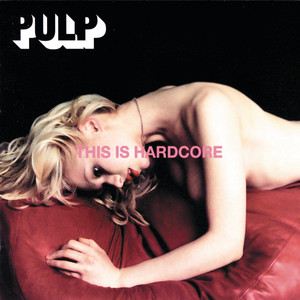
This Is Hardcore
Pulp
|
5 | 3.14 | +1.86 |
|
Ocean Rain
Echo And The Bunnymen
|
5 | 3.23 | +1.77 |
|
All Mod Cons
The Jam
|
5 | 3.24 | +1.76 |
|
Horses
Patti Smith
|
5 | 3.31 | +1.69 |
|
Nebraska
Bruce Springsteen
|
5 | 3.31 | +1.69 |
|
The Black Saint And The Sinner Lady
Charles Mingus
|
5 | 3.33 | +1.67 |
|
Gunfighter Ballads And Trail Songs
Marty Robbins
|
5 | 3.33 | +1.67 |
|
Ágætis Byrjun
Sigur Rós
|
5 | 3.37 | +1.63 |
|
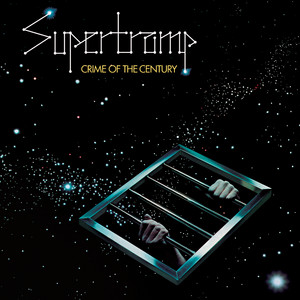
Crime Of The Century
Supertramp
|
5 | 3.39 | +1.61 |
You Love Less Than Most
| Album | You | Global | Diff |
|---|---|---|---|
|
Speakerboxxx/The Love Below
OutKast
|
1 | 3.45 | -2.45 |
|
The Chronic
Dr. Dre
|
1 | 3.3 | -2.3 |
|
Reign In Blood
Slayer
|
1 | 2.97 | -1.97 |
|
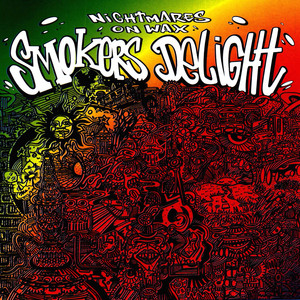
Smokers Delight
Nightmares On Wax
|
1 | 2.9 | -1.9 |
|
Gris Gris
Dr. John
|
1 | 2.89 | -1.89 |
|
Survivor
Destiny's Child
|
1 | 2.87 | -1.87 |
|
BEYONCÉ
Beyoncé
|
1 | 2.86 | -1.86 |
|
The Sounds Of India
Ravi Shankar
|
1 | 2.85 | -1.85 |
|
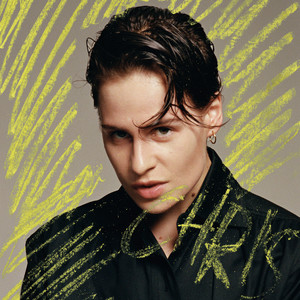
Chris
Christine and the Queens
|
1 | 2.81 | -1.81 |
|
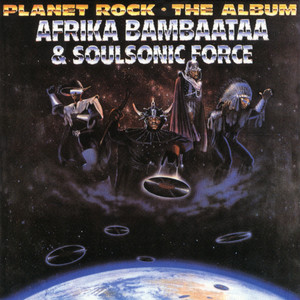
Planet Rock: The Album
Afrika Bambaataa
|
1 | 2.79 | -1.79 |
Artists
Favorites
Tap an artist to see their albums
| Artist | Albums | Average |
|---|---|---|
| Bob Dylan | 5 | 4.4 |
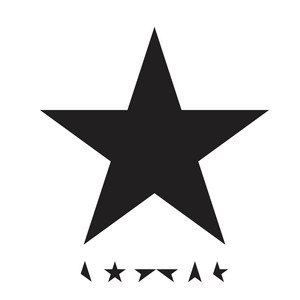
| David Bowie | 4 | 4.5 |
| Pulp | 2 | 5 |
| Bruce Springsteen | 3 | 4.33 |
5-Star Albums (31)
View Album Wall










Popular Reviews
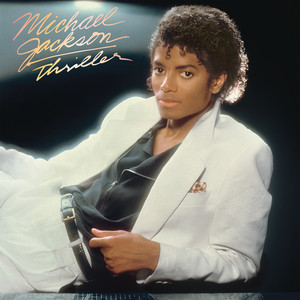
Album #178 Michael Jackson: Thriller You know Michael Jackson didn’t write his own songs because this whole album is filled with songs about him loving women, as in how he is attracted to adult females. Pedophilia aside, which is something that I find myself having to say about many classic artists, this album is of course essential. Growing up, long before I ever took any interest in music, there were three musicians that we all just spawned in knowing: Elvis, Sinatra, and of course, MJ. That being said, my first real impression of him was watching Men In Black, and as a kid, that really gave me a weird impression of him. My mom didn’t really have an answer for me when I was asking why the king of pop looked like he just crawled out of a sewer. And to be honest, my idea of Michael Jackson has always been more centred around him being a gangly creature, and less about him being a musician; in fact, I had never even listened to Thriller or any of his albums before today. That is in their entirety, of course, since half of this album is pretty unavoidable. And to be honest, that’s for a good reason. Thriller is home to three of the greatest pop songs ever recorded, and the rest of the tracks, though serviceable, pale in comparison. But that’s ok, because if you’re expecting anything else from this album, that is on you. It is as advertised, a thrill. Pretty much serves as a greatest hits compilation for Michael, so don’t expect any cohesion between the tracks; but personally I will always take a set of enjoyable songs over songs that conceptually link. So yeah, I mean we all know what this album is about, if you just take the music for what it is without any outside circumstances, and you aren’t expecting it to be fucking Remain In Light, then it’s a good time. And come on if you don’t think Billie Jean is one of the greatest songs of all time, you are just a lame contrarian. Best Songs: Billie Jean, Beat It, Thriller Worst Song: The Lady In My Life Score out of 10: 8
Album #52 Kate Bush: Hounds of Love One of the most lush-sounding albums that I’ve ever heard. Normally, when you think of dream pop, you would imagine artists such as Cocteau Twins or Beach House, who focus much more on atmosphere rather than lyrical substance and storytelling, trying to capture a hazy, dreamlike nature. But not every dream consists of you falling in and out of rainbows and trying to make sense of your surroundings; some dreams feel real, scary, and important; all of these emotions are covered on Hounds of Love. Though it isn’t dream pop in the traditional sense, Kate Bush evokes memories of experiences that I’ve never had in the material world; they must exist on a non-linear plane. When hearing Running Up That Hill, I remember ascending to heaven to haggle with God himself like an Indian street vendor. When I hear Waking the Witch, I remember summoning my sleep paralysis demon and engaging in fiery combat. The threads that Kate Bush spins are so fantastical, yet innately universal; none of us has run alongside the Hounds of Love, yet all of us know the feeling. This album has proven itself to be everlasting in its influence and impact. I started this review preparing for a caveat where I mention that though it is brilliant, it isn’t quite a 10, but frankly, I think I’ve talked myself into making the right decision here. Best Songs: Cloudbusting, Running Up That Hill, Hounds of Love Worst Song: None Score out of 10: 10
Album #21 The Police: Reggatta De Blanc I’ve always been appreciative of the Police, as they definitely have undeniable talent within their musicianship, as well as their hits being some of the finest songs of their generation. Yet at the same time, I’ve never been wholly grasped by them. Message in a Bottle is a perfect example, probably the best song on the album, sometimes when I hear it, I love it; other times, complete indifference or annoyance. Every Breath You Take is immune to that phenomenon, but every other Police song for me is very mood-dependent. I’m also not too big a fan of the whole reggae thing, or Sting’s lyricism at times, and though I do respect the other members of the band, their songs are often low points of their albums. I really feel like I should like The Police more than I do since I love New Wave and 70s and 80s music, especially bands that have solid albums mixed in with the hits. Yet I’ve never been fully convinced by an entire Police album. I will say, though, that they truly did carve out their own niche and managed to do it extremely well. Best Songs: Message in a Bottle, Walking on the Moon, Bring on the Night Worst Song: Does Everyone Stare Score out of 10:6
Album #54 The Beta Band: Hot Shots II Honestly don’t really know what to say about this one, just run-of-the-mill, bog-standard music. The type of music which inspires no one and offends no one just sort of happens. I will give them this, though; they certainly live up to their name, as this is probably the personification of beta-male cuck chair music. Not even notable enough to give a one-star since it didn’t even really try anything that would make me annoyed enough to give it that low of a score, they simply play it incredibly safe, to the point where it is mildly enjoyable. I’m mostly mad because this belongs nowhere near a must-hear album list and took up a spot which thousands of other albums would be more deserving of. Best Songs: Alleged, Squares, Eclipse Worst Song: Life Score out of 10: 5
4-Star Albums (88)

































1-Star Albums (21)










All Ratings (306)
Album #1 ACDC: Highway to Hell Good album to work out or do something high energy to, but once the adrenaline dump kicks in, there isn't much substance to it. Still, a fun listen and the title track is a classic. Best Tracks: Highway to Hell, Touch Too Much, Walk All Over You Worst Track: Beat Around the Bush Score out of 10: 5.5
Album # 2 Echo and the Bunnymen: Ocean Rain Before I started listening to the 1001 album list, I had listened to around 400 albums, most of which came in the last year and a half, as before that, I would tend to only listen to albums of bands that I truly became infatuated with through individual songs. It was rare for me to become obsessed with a band to the point that I would desire to listen to all their songs in album form; it was a feat that only seven bands were able to achieve in the first few years of my actively listening to music. At the time, I was only really familiar with the most famous bands of all time, the Beatles, ACDC, Led Zeppelin, etc, so any band, even a notch lower in popularity, felt like finding a hidden gem. Now that I am more knowledgeable about music, I expected to see at least 5, and likely 6, of those 7 formative bands on this list. I now write this having heard around 401 albums since this is only the second album I have had generated, and to my great surprise, it is an album from that very seventh formative band, whose inclusion I would not have anticipated on this list, Echo and the Bunnymen. It is not that I feel they are unworthy of this list, as they are no doubt one of the most important and influential post-punk bands of all time. But I suppose their lack of cultural impact within my generation has led me to become naive about just how high they truly do rank amongst the musical hierarchy. I was first introduced to the band, like many, through their iconic single "The Killing Moon," which is, for my money, one of the most entrancing and magical songs of all time. Hearing it for the first time compares to my experiences with songs like "Made of Stone" by the Stone Roses, and "There Is a Light That Never Goes Out" by the Smiths. A song that once you've heard it, you just know that it was made for you. Listening to Ocean Rain in its entirety became the only natural conclusion after hearing a song with such a timeless quality to it, to the point that it remained in my top 5 most listened songs in each year since I've heard it. And the album absolutely does not let down its shining star, like so often with one-hit-wonder albums (which Echo and the Bunnymen most certainly aren't). Beautiful poetry layered with enchanting instrumentals that pull you into this dark yet exciting world. Never a dull moment, and not a single bad track, and if you think otherwise, you must be a c-c-c-cucumber. Though I have heard almost every Bunnymen album at this point, Ocean Rain remains my most cherished, and holds a definite spot in my top ten albums of all time, the album which enhanced my love for 80's music and introduced me to the idea of post-punk. A very warranted inclusion in the list, and I have a feeling it will be a while until something compares to my second album. Best Tracks: Killing Moon, Nocturnal Me, Angels and Devils Worst Track: None Score out of 10: 10
Album #3 Sister Sledge: We Are Family An album, which, on initial instinct, I assumed would not be for me. Disco music has essentially been reduced to a joke since one night in the late 70s when everyone went from dancing to it in the club to pretending not to have ever enjoyed it overnight, practically nullifying its impact on every generation to come. Yet despite that, I was already very familiar with the infamous title track “We Are Family”, a song which I feel as though I have known my entire life, despite never once seeking it out or desiring to learn more. As a kid, this song was definitely not one that I considered to be cool, an opinion which I also held towards the only other disco song which has remained culturally relevant, “Stayin' Alive” by the Bee Gees; and as such, disco as a whole was a genre that I completely wrote off. Yet I have always been fond of the loosely tied and similarly maligned era of music which subsequently followed the Disco era, which is 80s New Wave and Synthpop. Even the cheesiest songs in the genre provide me with some sort of sonic pleasure. So it really shouldn’t have surprised me as much as it did that I actually quite enjoyed this effort from Sister Sledge. The title track remains a tad corny, yet still harbours feelings of optimism and unity, which makes it a rather comforting antique in today's world, where optimistic music seems almost extinct. Though my favourite song has to be “Lost in the Music”, which is just a simply beautiful song and represents disco at its highest that I’ve experienced so far. Definitely not an album I would have ever checked out willingly, but one that was a lot of fun and I’m glad to have heard. Best Songs: Lost in the Music, He’s the Greatest Dancer, We Are Family Worst Song: You’re a Friend to Me Score out of 10: 7
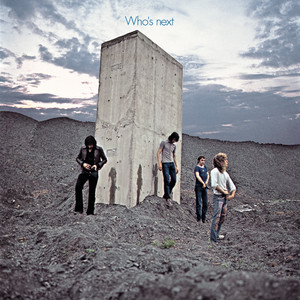
Album #4 The Who: Who's Next Simply one of the finest Rock albums ever made. The album could have been called “The Best of The Who”, and no one would have batted an eye. Classic Rock was the first genre that really gripped me when I started listening to music, although at the time, I would only listen to playlists comprised of greatest hits rather than albums. The desire to listen to an entire album only arose when I noticed the same cover appearing next to multiple songs, which, when you are specifically seeking out the most popular and widely acclaimed songs, can be rare. Few albums can boast to having even one song which will go down as a classic throughout generations, a song which will still be played during the climax of a movie or sung at a karaoke bar in 2083, yet Who’s Next might just have three of them. “Baba O’Riley”, “Behind Blue Eyes”, and “Won’t Get Fooled Again” are three of the most recognizable and powerful rock songs ever recorded, and upon discovering all three and noticing that very same picture of four British dudes next to a stone slab next to each of them, I knew I must listen to the entire album. And the supporting cast of songs doesn’t disappoint. It’s hard to say there is any filler on this album; every song brings something to the table and never outstays its welcome. That being said, the three songs mentioned prior, whose standard shouldn’t be expected, ultimately do shine so brightly that the other appear dim in comparison. When you have three songs of that calibre, the others can appear ordinary in comparison. I will admit I don’t get that same spike of dopamine when “My Wife” kicks in that I do when the opening piano to “Baba O’Riley” plays. Which may be unfair criticism, but to me, that results in the album being a touch uneven and prevents the 5-star rating. Best Songs: Baba O’Riley, Won’t Get Fooled Again, Behind Blue Eyes Worst Song: My Wife Score out of 10: 9.5
Album #5 Funkadelic: One Nation Under a Groove Music to clean your shit by. I definitely wouldn’t consider myself to be a very funky guy; in fact, I do believe that there is a considerable lack of funk within me most days. Combined with the fact that I am also extraordinarily sober and have potentially the whitest music taste of all time, this album did not seem like one that was likely to resonate with me. However, having never heard a funk album before, I suppose I didn’t really know what to expect. One thing that became immediately apparent to me is that the concept of ‘funk’ is fairly fluid, as most of the lyrics and songs revolved around this idea of funk operating in many different scenarios. Playing funk music, being funky, cleaning your shit to the funk, etc. It reminds me of that Eric Clapton quote about how it is more artistically impressive to continuously explore the same theme over and over again, rather than delve into multiple themes. Though in his case, he was talking about having his body operated like a gundam and in the case of George Clinton and Funkadelic, that theme, which is explored ad nauseam, is the Funk. The lyrics appear nonsensical and repetitive, often talking purely about the funk and its effects in different scenarios, which seems like they are meant to be intentionally open to interpretation, so whoever is tripping whilst listening to the album can feel an extra sense of relatability to fuel their paranoia. I believe that the ‘funk’ actually serves as a metaphor for a deeper and more impactful message. The two concepts that are continuously brought up are funk and shit. In the case of shit, it can be seen in many songs, particularly those involving the infamous ‘doo doo chasers’. My interpretation is that the funk represents all that is good, and the shit is all that is bad, which is why funk music is said to wash away the shit from your ass like an enema, or something along those lines. By giving into the funk and the groove, all the problems you and the nation have fade away for at least the duration of the album, and if everyone were to partake in the funk, the nation would prosper. I particularly enjoyed the spoken-word elements of the album as I found them amusing and thought-provoking at times, and the guitar work was also especially impressive. Overall, a very promising introduction to funk and a very fun album. Interested to hear more from Funkadelic. A very high 3 stars, nearing a 4. Best Tracks: One Nation Under a Groove, Who Says a Funk Band Can't Play Rock?! Promentalshitbackwashpsychosis Enema Squad (The Doo Doo Chasers) Worst Track: P.E Squad Rating out of 10: 7.5
Album #6 Roxy Music: For Your Pleasure Another favourite album of mine prior to the list. The story of Roxy Music goes that Bryan Ferry and Brian Eno met one fateful night while waiting for the train in a complete chance encounter, and then went on to form one of the most influential bands in British music's history. Though the albums that they recorded together all came out in the early 70’s, their sound and influence can mainly be heard within music that came out in the 80s. Their ahead-of-their-time sound went on to inspire many musicians of the next generation, most importantly to me, Morrissey of The Smiths. Brian Eno’s involvement really needs no defence; there isn’t a human walking the planet today who can’t appreciate at least one project which he has worked on; he is undoubtedly one of the most important figures in modern music. Eno had a great influence on some of my favourite albums before I even knew who he was, Remain in Light, The Joshua Tree, and Viva La Vida, to name a few albums which I cherished before learning of his existence. From there, I discovered that not only did he produce, but he was a key member of another band that I loved, Roxy Music. All that without even discussing his solo career, which is up there with every album that I’ve listed. So the main point of contention for why this album seems to have less than 3 stars on this site, despite being wildly influential and having a major involvement from the unhateable Brian Eno, would be the role of Bryan Ferry. It isn’t a surprise to me that people would dislike Ferry’s singing style, as it is very eccentric and not perfect in a traditional sense. Yet to me, there is no other vocalist who would have been able to separate Roxy Music from the rest of the pack as Ferry did. The whole gimmick behind Roxy Music is that they are the band that plays in the half-empty high-scale nightclub at 3 am, which wouldn’t work without Eno’s lush synthesizers accompanied by Ferry’s emotive crooning. Do The Strand might just be one of my favourite songs of all time, a song that is almost unrivalled in emotion that never fails to immediately immerse me in the album. I always find myself hoping it would go on longer when it comes to an end. In my view, there really isn’t a bad track on this album, with only maybe the Bogus Man slightly outstaying it’s welcome. Easily warrants a spot on this list, and I suspect it won’t be the last appearance of Brian Eno, or maybe even Roxy Music themselves. Best Tracks: Do The Strand, Beauty Queen, For Your Pleasure Worst Track: The Bogus Man Score out of 10: 9
Album #7 Keith Jarrett: The Koln Concert Nothing bad about this album, really, just not my thing. The context in which I heard this album is probably ideal for a first-time listen. I was coming back from my 10 pm Philosophy exam, on my birthday, in a snowy yet moderate weathered night. As I rode the subway, a man dressed in an all-white pristine suit with a ponytail and a massive scar across his face, looking straight out of a David Lynch movie, began to dance. Almost seeming as if he were too listening to the piano playing of Keith Jarrett, he would slide when the subway bounced, and spin when it stopped. I’ve seen a lot of characters on the subway, but this guy almost seemed mythical, too put-together to be crazy, and too eccentric to be normal. He almost seemed to gain energy when the piano picked up, and slow down when it stopped. However, this brief amusement would turn out to be the high point of the album for me, which could also be due to part 1 clearly being the superior part. Overall, I feel as though there was a lack of truly expressive moments. I’m not claiming to know how to play better than Jarrett, nor am I saying I even understand just how impressive this improvisation was; just that I tend to enjoy music with huge payoffs. Part one is, in my opinion, the closest we get to that, but parts 2 and three tend to get a bit repetitive. This is the first album of this kind I have heard, so I’m not able to critique it for what it is, but simply what I wish it were. That said, there wasn’t really an unenjoyable moment; it remained pleasant throughout, though I wasn’t a fan of his occasional moaning. If it kept the momentum of part one and maybe trimmed a little fat, I would prefer the performance more, yet it is no doubt an impressive album and one that I feel I could grow to appreciate as I diversify my tastes. But for now, aside from the brilliant part 1, I don’t know how much I’ll return to this one. Best Tracks: Part 1, Part 4, Part 2 Worst Track: Part 3 Score out of 10: 5.5
Album #8 ABBA: Arrival I have always considered myself a fan of ABBA, due to the indisputable fact that they have some of the greatest and most fun singles and hits of all time. Despite this, I have never been too enticed to listen to an entire album, except for the iconic compilation album Abba Gold, which is one of the finest greatest hits albums ever assembled. Arrival, however, does not reach the same heights, but is still able to hold its own. Even Arrival could read as a collection of hits, which is a testament to ABBAs ability to make each song feel important and special. The album’s only weakness for me comes in some of the lyricism, particularly in When I Kissed The Teacher, which doesn’t exactly paint the lush imagery in my mind which normally occurs when listening to songs such as Gimme Gimme Gimme, Winner Takes It All, or Waterloo. One of the factors that attracts me to ABBA the most is how each of their hits paints a vivid picture through storytelling and emotion. Which is why another of my least favourite tracks on the album is Money Money Money, though it has nice piano playing, and lyrics which do attempt to say something, the chorus simply doesn’t immerse me; in general, I’m not a big fan of repetitive one-word choruses. However, there are two songs on this album which I would consider perfect, and some of the most ethereal and engaging pop songs I’ve ever heard. One being of course, Dancing Queen, ABBA’s most popular song and for a reason, doesn’t matter if you are a 16-year-old girl or a 45-year-old man, when this song is playing, you feel as though you are the centre of attention on the ballroom floor. But my favourite song has to be Fernando, the storytelling in this song is beautiful as it tells a tale of revolution, liberation, and love, and truly evokes the feelings of euphoria. ABBA is just one of those bands I could never hate, and even though I don’t love every song on the album, I also don’t dislike any of it. Best Tracks: Fernando, Dancing Queen, Knowing Me, Knowing You Worst Track: When I Kissed The Teacher Score out of 10: 7.5
Album #9 Rush: Moving Pictures As a Canadian, I have always felt that we have consistently punched above our weight in the music world. There was always at least one prominent Canadian artist or band at the peak of every genre, and in Canada, those artists would become especially heralded. The older generation had Neil Young, Leonard Cohen, and Joni Mitchell, who are three of the greatest singer-songwriters of all time. Then came the Bachman-Turner Overdrive and the Guess Who, who were commercially successful hard rock bands. The 90’s were dominated by women with Celine Dion, Shania Twain, Alanis Morissette, and eventually Avril Lavigne becoming some of the biggest pop stars in the world. And eventually the 2000s would birth some of the most celebrated and influential indie bands of all time, with Arcade Fire, Broken Social Scene, and Godspeed You Black Emperor. Even today, Canadians remain at the top of the charts with Drake, Justin Bieber, and the Weeknd being some of the highest-selling artists of all time. Yet when the question comes down to who was the greatest Canadian band of all time, there are only two answers. The first answer is the one most Canadians would give you: The Tragically Hip. The Hip were by far the biggest cultural music act in Canada, despite having little to no impact overseas. They were far from the most technically talented musicians, but they made music that spoke to the souls of Canadians. Then the answer which most non-Canadians would give you, Rush. Rush never seemed to be as celebrated by the Canadian mainstream; in fact, they were actually the biggest in the United States and Europe. They were almost the inverse of the hip, three incredibly talented top-of-the-line musicians, who made extremely complex and technical prog rock. Though this led to them being undervalued at the time, it is my opinion that this will lead to Rush becoming far more relevant in the long-term. Countless bands have cited Rush as an influence, whether it’s because of Geddy Lee’s bass, Neil Peart’s drums, or Alex Lifeson’s guitar. As far as three-piece bands go, Rush was pound-for-pound the most talented. Though this led Rush to become more of a music-nerd band due to their long and intricate music, there was one album which was able to propel them into the mainstream, Moving Pictures. This album almost reads as a greatest-hits album, containing some of their most popular songs, including: YYZ, Red Barchetta, Limelight, and of course, Tom Sawyer. There is absolutely no filler at all on this album, with each song containing sounds that sound out-of-this-world, combined with thought-provoking lyrics that make you want to sing along. In my opinion, this is Rush’s magnum opus, and a very strong contender for the greatest Canadian album of all-time. Rush is a band which should be treated like gods in Canada, yet for most they are just another band on the Classic Rock station. Best Tracks: Limelight, Tom Sawyer, The Camera Eye Worst Track: None Score out of 10: 10
Album #10 The Beach Boys: Surf's Up On paper, an album called “Surfs Up” by “The Beach Boys” should be the most generic-sounding surf-rock and sunshine pop ever created, relegated to only being played during yacht parties and over beach volleyball cutscenes in Top Gun. Yet the album cover indicates that there may be a level of irony to the nomenclature, depicting a warrior and his steed seemingly approaching the end of their journey, almost in a horseman of the apocalypse style. This album, much like The Beach Boys' crowning achievement, “Pet Sounds,” indicates why they were compared to the Beatles at the time. Not only can they create irresistible pop melodies, but they are also capable of experimenting with their music and exploring darker themes. One thing that always separated the Beach Boys from the Beatles, however, was just how unapologetically American they were with their themes. At the time, there was a great sense of post-war optimism in the United States, almost a sense of naivety, which appeared in some of the Beach Boys' poppier early albums. Yet in Surfs Up, however, much like the title of the album appears to take something joyous and make it melancholic, they focus less on American optimism and more on the cynical reality. Exploring themes of environmentalism (A Day in the Life of a Tree), death (Til I Die), and Police Brutality (Student Demonstration Time). Even the song ‘Disney Girls’, which at first may seem like a more traditional Beach Boys pop tune, has an underlying sense of sadness about it, and when examining the lyrics further reveals it is about a man who escapes his disappointing reality with fantasies of fictional Disney Girls, knowing that love will never be found in real life. No doubt the centrepiece of the album is the title track. Closing the album on such a sad yet beautiful note, the song includes some of the Beach Boys' finest imagery and lyrics. Yet my favourite song off the album has to be Long Promised Road. This song also explores the themes of depression and dissatisfaction of life, but what sets it apart from the others on the album is the uplifting and irresistible chorus, which encourages you to fight back and overcome your obstacles. Something about this album just has such an intriguing atmosphere about it. I never did consider the Beach Boys to be anywhere near the Beatles since I wasn’t as familiar with their discography, but if this album is anything to go by, then it seems as though the Beach Boys may have multiple albums which are capable of going toe-to-toe with the Beatles' best. Take a Load Off Your Feet and Student Demonstration Time in particular seem to be pointed to as the weak points of the album, and whilst I would agree, I don’t think either track is that bad. I also don’t agree with the criticism that they are thematically inconsistent, as to me, the theme of the album seems to just be general grievances and struggles, and a back and forth between cynicism and optimism, which can be seen in both songs. Best Songs: Long Promised Road, Disney Girls, Surfs Up Worst Songs: Student Demonstration Time Score out of 10: 9
Album #11 Elis Regina: Vento De Maio I am not very familiar with music in languages other than English, and Portuguese music wouldn’t necessarily be the first language that I would think to explore musically. And it seems that even if I were familiar with the scene and Elis Regina herself, even then this album wouldn’t be the first one that I would check out. It seems there was an error in including this album, since it is actually a compilation album from 1998, not a regular album from 1978, as the book says. However, when it comes to the music, I was actually pleasantly surprised. It feels like entering a Brazilian dive bar on vacation and not understanding what anyone is saying. A sense of exploration; I find that most of the charm in listening to lyrics in other languages is that emotion becomes incredibly more relevant than substance. It doesn’t matter what they are saying, only how it makes you feel. There is almost a dreamlike essence to some of these songs for me, like I just can’t quite make out what they are saying. Her voice is very expressive at times, and you can really tell she is putting a lot of heart into the music. It’s harder for me to discern individual songs, but the only one I didn’t really like was the closing track since it had some weirder sounds in it. Gonna be hard to find playlists to incorporate some of these songs into, but wouldn’t be surprised if I return to a few tracks. Best Songs: Tiro Ao Alvaro, Saudade Eterna, Se Eu Quiser Falar Com Deus Worst Song: Aprendendo A Jogar Score out of 10: 5.5
Album #12 Elbow: The Seldom Seen Kid I feel like, on paper, I should love this album. I am quite enamoured with British culture since consuming their television, film, sport, and music from a young age. My top ten favourite bands would all be British except for Pixies. Part of the reason I love British music so much is the lyricism, the cynical and witty views that most Brits have always endeared me. Britpop is my favourite genre of music, and I am even quite charitable to most post-Britpop. I enjoy early Coldplay, Keane, Boa, etc. Yet for some reason, this album just doesn’t do anything for me. I went in expecting to like it, and by the third track, I could tell that something was off. My least favourite decade for music is definitely the 2010s. I feel as though most rock music began to become infected with the stomp-clap indie sound that emerged in the late 2000s; this sound can be identified seeping through this album, but primarily in the song “Grounds for Divorce,” which is constantly backed by literal stomps and claps. I find this song to be really out of place on an album which appeared to be a slower and more lyrical listen at first. There are some interesting and clever lyrics, but I struggle to fully enjoy them due to the singer's voice. I normally like hearing blatant British accents in music, yet for whatever reason just feel grated by his voice. It’s hard to really understand why I don’t enjoy this, while liking many similar albums. It’s not terrible, but to me it just felt a little subpar, and not an album which should be considered one of the 1000 essential albums. I wasn’t sure what to expect from this list in relation to the 2000s and onward, but if this makes the cut, then I'd better also see some quality indie rock like Strokes, Arctic Monkeys, Killers, Interpol, Arcade Fire, etc. Also, probably not on here, but the Divine Comedy’s Absent Friends would fill this slot much better. Best Tracks: One Day Like This, Starlings, Mirrorball Worst Track: Grounds for Divorce Score out of 10:5.5
Album #13 Phil Spector: A Christmas Gift For You Christmas music isn’t necessarily something that I get too engrossed in around the holidays; that isn’t to say that it doesn’t have its place, however. My only real familiarity with Phil Spector before this was that he murdered something beautiful; of course, referring to “Let it Be” by The Beatles. Oh, and he also killed a woman. So overall, not someone I ever intended to explore further. But the production of this album is actually pretty good, though the vocal performances certainly elevate it. This is a very solid selection of Christmas songs; if this were the only Christmas album in your collection, you would probably be alright. My favourite performances come from the Ronettes and Darlene Love, and I’m not too big a fan of Bobby B. Soxx’s tracks, specifically Here Comes Santa Claus, which comes directly after the beautiful “Christmas (Baby Please Come Home)” and feels quite out of place. As far as Christmas albums go this is probably the best, though I’ve not heard any others; but the album really only has a place in one month, so I can’t rate it too highly. Best Tracks: Christmas (Baby Please Come Home), Sleigh Ride, Parade of the Wooden Soldiers Worst Track: Here Comes Santa Claus Score out of 10: 7
Album #14 Beck: Guero My first time hearing a Beck album in full. From what I knew of him through his hits, I was expecting something pretty quirky and out there. The first half of the album was definitely that, though I think that I did find the charm in it, which I was afraid might be lost on me. However, the second half, though not bad, seemed a lot more ordinary; at times sounding like music you might hear in a Lincoln commercial. I feel as though Beck is at his best with offbeat,t humorous lyrics, and eclectic vocal styles, the best of which, in my opinion, came in Que Onda Guero. I can’t say I was ever bored listening to this, though, and I actually respect Beck for creating his own sound entirely. I’m pretty sure this isn’t Beck’s most lauded album, so I wouldn’t be surprised to see him again, and I definitely would be curious to hear more from him. Best Tracks: Que Onda Guero, Girl, Missing Worst Track: Farewell Ride Score out of 10:6.5
Album #15 The Sabres of Paradise: Haunted Dancehall Honestly, the name and cover of the album seemed intriguing, along with the fact that it was an obscure 90s album I’d never heard of, I was hoping to be pleasantly surprised. But the album is just not for me, I don’t ever really put on music just to zone out, and I can’t imagine ever actively listening to over an hour of repetitive, sonically uninteresting noises. There were a few parts near the end that I started to enjoy, but for the most part, I just couldn’t even stay focused on the music. I don’t know much about IDM, but I’d be pretty disappointed if this is the pinnacle of the genre. Best Tracks: Chapel Street Market 9 am, Haunted Dancehall, Wilmot Worst Track: Bubble and Slide (sounded like a wet fart) Score out of 10: 3.5
Album # 16 The Clash: The Clash I remember the first time I heard the title track to London Calling, and immediately I fell in love with such an energetic and powerful song. It wasn’t too long after that that I decided to listen to the album in its entirety, which was rare for me at the time, especially for an album that was over an hour. Songs like Lost in the Supermarket, Spanish Bombs, and Train in Vain quickly became some of my most played. I have always considered myself a fan of the Clash, even venturing into their album Combat Rock; yet, somehow, I never felt compelled to listen to their self-titled debut, and what a mistake that was. This thing is all certified bangers, the true essence of a punk album; short, energetic songs that have something to say and stick with you. The length ensures that it never once begins to tire on you; at no point was I ever anything but engaged when listening. The opening track sets the stage perfectly and might just be one of my favourite Clash songs. I feel like I can’t say that the album is better than London Calling, since the highs on that album are timeless, but I will say that it is certainly more consistent throughout, with no song feeling like below a 7. It’s not hard to see how The Clash were able to separate themselves from the other garage punk bands of the time, and why their legacy has remained far superior to that of their peers. Best Tracks: Janie Jones, Deny, Police and Thieves Worst Track: 48 Hours Score out of 10: 9
Album #17 N.W.A.: Straight Outta Compton I don’t listen to rap music; it’s not that I “don’t think it’s real music” or anything to do with cringeworthy political beliefs, I simply wasn’t raised with it, and it lacks a few things that I look for when listening to music. As dumb as it sounds, one of the main reasons I don’t go out of my way to listen to rap music is because, when I do listen to music, I like to sing along; and if I get in the habit of singing along to rap music, I might start letting the Hard-R’s fly like the Burger King guy. Which, as a white guy, would be less than ideal. In all seriousness, though, I have only heard one full rap album before this (Graduation obviously), which I did enjoy, so I haven’t written off the genre entirely, and one of the reasons for doing this list was to see if there was maybe a rap album that I would love. No better place to start than with one of the first breakthrough mainstream rap albums, “Straight Out of Compton. I have already heard a few tracks off this album as they are simply unavoidable; I also possessed some familiarity with Ice Cube as he was a favourite actor of mine growing up, especially in his career-defining role as Nick Persons in “Are We There Yet?”. I can’t criticize the lyrics too harshly because they are a product of their time, but I didn’t find myself blown away by the penmanship, though I’m sure that they weren’t trying to write Highway 61 or anything. I did, however, find the writing to be quite funny at times, specifically in the song “I Ain’t The One”, which, as simple as the premise for the song is, I did laugh at the Burger King line. Though there were some enjoyable tracks, I really can’t see myself returning to most of the album, but I can definitely see why it was influential and how it resonated deeply with people from Compton. Best Songs: Straight Out of Compton, Express Yourself, I Ain’t The One Worst Song: Dopeman Score out of 10: 5
Album #18 Klaxons: Myths Of The Near Future This was the kind of album I was hoping to come across, an album I’ve never heard of, from a band I’ve never heard of, in an era that I haven’t dug too deep into. When it comes to the classics I’ve heard the vast majority, and though I am happy to hear them again as my preferred eras of music is 70s-90s; it is always a nice surprise to find something unknown. It’s not that this album blew me away and became an instant favourite, but it was a definite enjoyable listen and not an album I would have ever heard otherwise. The 2000s indie scene has been something which I have greatly enjoyed; however, I haven’t dug too deep below the surface, mainly listening to the most famous bands such as The Strokes, Arctic Monkeys, Interpol, Arcade Fire, etc. This album does sound very 2000s Euro-club scene, and although I’m not much of a raver, I can certainly appreciate how they bridge dance and punk music into a fun and energetic album. Not every song was great, but none of them were terrible, and the highs were some pretty great and fun tracks. Best Tracks: Golden Skans, It’s Not Over Yet, Gravity’s Rainbow Worst Track: Four Horsemen of 2012 Score out of 10: 6.5
Album #!9 Kanye West: Yeezus Went into this album expecting to hate it absolutely. I am already not a big rap fan, though that’s more from a lack of exposure than a quality perspective. Previously, I have heard two full rap albums: Straight Out of Compton (by way of this generator) and Graduation (Friend’s recommendation). Though I did actually quite enjoy Graduation, I am under the impression that it is sort of the rap album that you show to non-rap fans. But, out of all mainstream rappers, I have always assumed that I would like Kanye the most due to his reliance on sampling and production, focusing on melody along with the lyricism, which is lost on some rappers. That said, Yeezus, from what I know, is meant to be his most controversial album. I understood it to be more abrasive and experimental than his other albums, to the point that it even put off some of his fans. I really didn’t know what to expect this album to sound like. Experimental hip-hop is sort of just a phrase to me. I have no real understanding of what it would sound like (though I did see Danny Brown live, I didn’t know any songs, so it was mostly just noise. But honestly? It sounded completely normal. I can see how the production can be off-putting, as it is very suffocating at times, but for the most part, I actually really liked the grimy atmosphere that it created. I see a lot of criticism towards this album stems from either the production or the lyricism, which is said to be very obnoxious and egotistical, which, of course, it is, but at least as someone who is not entirely aware of Kanye, I sort of interpret it as satire. The consistent themes of the album seem to be that Kanye has gripes with the state of black culture and how materialistic it is, while also acknowledging himself as the pinnacle of that culture as a ‘godlike’ figure. That could be a misguided interpretation, as I didn’t read too deeply into the lyrics. Kanye is just pretty funny. I did find myself laughing at a few of his lines. The sampling and production are what truly set Kanye apart from other rappers that I have heard; they shine brightest on the tracks ‘Black Skinhead’ and ‘Bound 2’, which I believe to be the best tracks. Though not every song lives up to those standards, and some songs are more obnoxious than the rest, overall, the album was actually surprisingly good. I don’t think it is as enjoyable as Graduation, but I did find it to be more interesting, for good or bad. Best Tracks: Black Skinhead, New Slaves, Bound 2 Worst Track: I am a God Score out of 10:6
Album #20 Jay Z: The Blueprint This album is specifically made for New Yorkers, contains lots of regional references and slang, disses Illmatic, and came out on 9/11. If you are the average bodega-visiting, chopped cheese-eating New Yorker, then this is your Abbey Road. Most of the beats and melodies were pleasant, but Jay-Z’s lyricism was often lost on me. It feels like he really believes that his story is so inspirational and unique that everyone must hear it and acknowledge his brilliance. Yet at the same time, he comes across as insecure, feeling the need to respond to every bad review and detractor, rather than just let his greatness speak for itself. Some of the songs were pretty obnoxious as well; specifically, Girls, Girls, Girls, which, for some reason, received a second part. I also thought phrases like “For shizzle my nizzle” were just something people said to mock rap, but there is a whole song dedicated to speaking like that. It is also pretty long, which I find to be an issue for most rap albums. That being said, it isn’t too hard a listen, and I can see its appeal pretty clearly. There wasn’t really a time when I was actively hating it, so I can’t say that it is bad. Best Tracks: Heart of the City, The Ruler’s Back, Song Cry Worst Track: Girls, Girls, Girls, Part 2 Score out of 10: 5.5
Album #21 The Police: Reggatta De Blanc I’ve always been appreciative of the Police, as they definitely have undeniable talent within their musicianship, as well as their hits being some of the finest songs of their generation. Yet at the same time, I’ve never been wholly grasped by them. Message in a Bottle is a perfect example, probably the best song on the album, sometimes when I hear it, I love it; other times, complete indifference or annoyance. Every Breath You Take is immune to that phenomenon, but every other Police song for me is very mood-dependent. I’m also not too big a fan of the whole reggae thing, or Sting’s lyricism at times, and though I do respect the other members of the band, their songs are often low points of their albums. I really feel like I should like The Police more than I do since I love New Wave and 70s and 80s music, especially bands that have solid albums mixed in with the hits. Yet I’ve never been fully convinced by an entire Police album. I will say, though, that they truly did carve out their own niche and managed to do it extremely well. Best Songs: Message in a Bottle, Walking on the Moon, Bring on the Night Worst Song: Does Everyone Stare Score out of 10:6
Album #22 Echo and the Bunnymen: Crocodiles I was already surprised to see one of my favourite bands, Echo and the Bunnymen, show up once on this list in only my second album; though it did make sense that their crowning achievement, Ocean Rain, would make the cut, but now, after just twenty more albums, they have made their second appearance. I do, however, think that they are deserving of multiple placements, of course, and can see why their debut “Crocodiles” was chosen, as it was truly an innovative album for post-punk; ushering in the grandiose and dreamlike production of post-punk whilst maintaining the short song structure of traditional punk. But unlike the other post-punk bands of the era, Echo and the Bunnymen, whose biggest influence is very openly The Doors, introduce a psychedelic aspect to the mix. What results is truly one of the most original-sounding bands of all time that would go on to influence bands such as U2 and Arcade Fire. Though I do love this album, it might not even rank amongst my top 5 Bunnymen albums. This is mainly due to the album having fewer songs that are in my constant rotation, though the album is still very consistent and doesn’t really have a miss. For what it is, this album couldn’t receive anything less than four stars, though I am awfully biased. Best Songs: Stars Are Stars, Do It Clean, Villiers Terrace Worst Song: Happy Death Man Score Out of 10: 8.5
Album #23 The Style Council: Cafe Bleu I did go into this album already being a big fan of The Jam and Paul Weller in general, so it was only a matter of time before I listened to The Style Council, as they were already on my radar. So, going in assuming that I would enjoy it, I was surprised to see just how poorly it has been reviewed on this site. Some of the reviews here are absolutely vitriolic, calling it boring, tasteless, and nonsensical. So I grew even more curious to hear how Paul Weller could create something so divisive, as for the most part, The Jam is universally loved. And to my not-so-great surprise, this is actually good, and you guys are tripping. Yes, this won’t be for everyone, and the changing of styles could be a put-off (especially the rap track), but in my opinion, it was never too jarring; everything seemed to belong amongst one another. And the highlights here are some absolutely wonderful songs. The ‘boring’ parts are simply pleasant and short instrumentals that don’t derail the momentum in any way. I suppose if you aren’t a fan of sophisti-pop in general, this might seem obnoxious, but I’ve never been too put off by pretentiousness, unless it was laced with arrogance. Weller’s influences in Black music culture have been well established, with a lot of The Jam songs being heavily influenced by Motown; so it’s not a surprise to see him dip his toes into soul a lot here, and even be an early adopter of hip-hop (though how successfully he adapted it is up for debate. Overall, it wouldn’t rank amongst the best Jam albums, but this is a very solid effort from Weller, and proves his talent to alter his style so drastically and create something nice. Best Tracks: My Ever Changing Moods, Here’s One That Got Away, You’re The Best Thing Worst Track: A Gospel Score out of 10: 7.5
Album #24 The Pogues: If I Should Fall From Grace With God A fairly topical album, as I got it not too long after Christmas, meaning that Fairytale of New York was still fresh on my mind, as that song has become a Christmas staple. But I suppose unless you’re Irish (which I’m not), the rest of this album would remain a mystery to you (as it did me). And though I think, in the end, Fairytale of New York remained my favourite song, there is still a lot of stuff here to like. I immediately like the traditional Irish accent and the attitude that comes with it, which naturally lends itself quite well to energetic punk. Hate of the English is seeping from most tracks, which I find amusing as an outsider. The only track I would pick for worst would be Metropolis since it lacks any of the energy which makes the rest of the songs so infectious. Overall, a very fun and interesting record, which serves as a cultural timepiece and provides a fresh experience to the non-Irish. Best Tracks: Fairytale of New York, Turkish Song of the Damned, Thousands are Sailing Worst Track: Metropolis Score out of 10: 7.5
Album #25 Julian Cope: Peggy Suicide This is not an album that was anywhere near my radar, as far as I can tell, it wasn’t on anyone else's either. From what I gather, Julian Cope is a cult-favourite eccentric singer-songwriter who never really broke into the mainstream, outside of his bubble in England. This album, Peggy Suicide, is his sixth studio effort, and certainly, from what I can gather, his most ambitious. A 75-minute behemoth consisting of everything that Cope’s mind had to offer, exploring a wide variety of genres and themes. To be completely honest, I was not looking forward to this, despite the genre listings being mostly up my wheelhouse. Maybe the lack of expectations is why I enjoyed this as much as I did. There is a lot to enjoy about this album, and the variety ensures that almost everybody will have at least one song which they like. Though the variety, and specifically the length, also hinder the album and prevent it from ranking too highly in my estimation, as the listen can feel a tad disjointed. The most comparable album that I have had on my list so far would be Guero by Beck; both Beck and Cope are eccentric style-benders who possess immense talent and seek only to appease themselves. However, that comes at the cost of mass appeal (which I’m sure they aren’t worried about). All in, though, there were definitely more songs I enjoyed than didn’t, but I’m not sure I’ll be too eager for a relisten anytime soon. Safesurfer and Beautiful love will likely join the rotation, however. Best Tracks: Safesurfer, Beautiful Love, Pristine Worst Track: Western Front 1992 C.E. Score Out of 10: 7
Album # 26 Outkast: Speakerboxxx/The Love Below Nobody forced me to listen to this entire album, I wasn’t held at gunpoint, my family weren’t threatened, there was no tangible pressuring encouraging to listen to every single track; and yet for some reason I felt compelled to. My feelings about this album may very well be exacerbated by the fact that I felt I had to sit and listen to it for over two hours, but if your album can’t be enjoyed in one sitting, make it shorter. I find it hard to believe that the highest-selling rap album of all time, one that has the audacity to last over two albums, has only one track that people remember. I understand that this is essentially two albums being packaged as one, but the fact is that it is listed as one album, so I will treat it as one. I’m already not a big rap fan, and this album summarises all of my preconceived grievances with the genre. The first of which is the length; it seems that every rap album goes on for at least an hour, despite being some of the most repetitive music possible. The reason for the length most of the time is that, somehow, a precedent started to add shitty skits in between the songs, which literally no one enjoys. Pretty much every skit on here actively annoyed me, especially Where Are My Panties. I mean, who is that even for? Are people just sitting around with their boys jerking off to an Outkast album? Both sides of the album have general themes, Big Boi’s half is mostly him trying to be taken seriously as an independent rapper and prove that he isn’t the Art Garfunkel to Andre 3000’s Paul Simon (very generous comparison), which is why he repeatedly mentions Outkast and their previous works; and calls upon big rapper features to add legitimacy to his side and give people a reason to want to listen to it. Andre’s side is essentially just him trying to prove that he is straight, being on the verge of busting on half of his tracks and skits. I very rarely like overly-sexualized music, and this is not an exception; it doesn’t help that a lot of Andre’s lyricism comes off as very juvenile to me, especially off-putting was his use of “poo-poo” in the track Roses (which somehow seems to be the second most successful song from the album. “Ya’ll don’t want to hear me, you just want to dance.”, Ok Andre, let’s hear you out: “Nature knows I want you, but not unless you want me too, so spread, spread, for me”, never has a lyric explicitly requesting consent sounded so rapey. Unlike Big Boi, who calls upon famous rappers to feature on his tracks, Andre only invites female artists. Which, judging by the contents of his lyrics, appears only to be in an attempt to have sex with them. Overall, Speakerboxx was mostly inoffensive and generic rap; I actually never actively hated it, though Church was a weak point as it came off as very loud and preachy compared to the rest. But, even though Andre’s side had the only notable tracks, it was the side on which I realized how much I was dreading the start of every track. I will never listen to this again; Hey Ya is the only song worthy of a playlist (except maybe the last track, but I probably enjoyed it extra due to the relief it was finally ending), and I know that I am probably wrong in having this opinion. Maybe if this thing were even just an hour, I wouldn’t feel this strongly, but once this discontentment creeps in, it’s hard to silence it when there is still an hour left of the album. Best Track: Hey Ya, My Favourite Things, A Life in the Day of Benjamin Andre Worst Track: Church/Spread Score out of 10: 2
Album #27 Ravi Shankar: The Sounds of India Seeing how I live in Toronto, I am already very well acquainted with this album as I experience the sounds of India every day. In all seriousness, though, I do respect the vast influence that Indian culture and spirituality have had on much of Western music; the most egregious example being George Harrison and The Beatles, whose psychedelic eras can be directly tied back to Indian music. The issue for me, however, is that I am sitting around sober in a Canadian winter listening to this, rather than high off hallucinogens in an Indian temple. This is the sort of music you need to be completely immersed by and let take over you for its true form to be revealed. In my current listening conditions, I am unable to be grasped by the music, often having trouble distinguishing one sequence from the next. Ravi does warn of this in the introduction, which states that harmony and rhythm are not to be expected, which, unfortunately for me, is something that I actually quite enjoy in music. Maybe my unfamiliarity with the sitar as an instrument also provides a barrier. I do find it quite strange that this album seems to be the Indian music representative on the list; it is barely meant to be heard as a standalone album, but rather just an introduction to the sounds that comprise Indian music. It kind of feels like a cop out, and there are probably far more interesting Indian albums that could be included in the list. Overall, can’t say I enjoyed listening to this one, and it didn’t help that it is the album directly following my least favourite album so far (Speakerboxx/ The Love Below), which also happened to drone on for ages. But funnily enough, Ravi’s daughter, Nora Jones, was featured on that album, so it seems my least favourite albums share the same DNA Best Tracks: Dadra, Maru-Bihag, Sindi-Bhairavi Worst Track: Bhimpalasi Score out of 10: 2.5.
Album #28 Fats Domino: This Is Fats Domino I ended up listening to Fats Domino Swings since I couldn’t find the other album, and it just seemed like a compilation album anyway. Swings seemed to have most of his memorable songs, so I went with that one. An album that is really more essential to listen to for its influence rather than how well it has held up. That isn’t to say it’s not an enjoyable experience, but even less than 10 years after this came out, music had evolved so much to the point that this just seems glaringly outdated compared to music from the mid-60s, which, to me at least, holds up tremendously. But when listening to this album, you can hear the groundwork forming for what would make up much of the rock and roll movement. There are some lovely and timeless songs here, though the production will forever hold it back from appealing to modern audiences. Funnily enough, a few months ago I watched the movie 12 Monkeys, in which the song Blueberry Hill was a prominent part of the plot; and just a few days ago I watched Marty Supreme, in which Timothee Chalamet and Tyler The Creator, ghost ride the whip to the song The Fat Man. So it seems that Fats has remained an icon for his era, as both those movie plots centre around the 50s in some way. Best Songs: Blueberry Hill, Ain’t That A Shame, The Fat Man Worst Song: Bo Weevil Score out of 10: 5.5
Album #29 Buffalo Springfield: Buffalo Springfield Again I might be saying this because of Canadian bias, but judging from this album, it isn’t hard to see why Neil Young went on to have the most successful career post-Buffalo Springfield. In my opinion, the three standout songs on this album just so happen to be the three penned by Neil Young; with Broken Arrow especially being one of my favourite Young songs, its experimentation reminds me almost of A Day in the Life with how it segments its styles. That’s not to say that Young was the only talent of the group; however, of course, his frequent collaborator Stephen Stills also has some high points on the album, specifically Bluebird. It seems the only real weak link was Dewey Martin, who didn’t write any songs, but the one that he provided vocals for, Good Time Boy, was easily the worst. Due to the collaborative nature of the album, it does seem to vary in quality, which results in a bit of a disjointed listen. Most of my interest in this album is due to its relevance to Young’s career, as in my opinion, he is one of the greatest and most influential musicians of all time, so hearing him in the infancy of his career is certainly something that I would consider essential to any Young fan. The other songs are solid enough to make the listen enjoyable, and the run time is short, so it doesn’t outstay its welcome. Best Songs: Broken Arrow, Expecting to Fly, Mr. Soul Worst Song: Good Time Boy Score out of 10:7
Album #30 Bee Gees: Odessa The Bee Gees are sort of like the chameleons of music; not to be confused with The Chameleons, who blow the Bee Gees out of the water. If you were to ask someone what Bee Gees album would be placed on a list documenting the most essential albums of all time, most would instantly go to their wildly successful disco-era, with songs such as Stayin' Alive and How Deep Is Your Love remaining culturally relevant long after disco faded. Or if you were perhaps more of a hipster, you would point to their earlier psychedelic albums, such as the Bee Gees’ 1st. As someone who never got into the band, I often hear mention of them followed swiftly by: “Their earlier stuff was actually better. But never once have I heard of their hour-long concept double album “Odessa”. The concept seems to revolve around a ship that has gone missing, though I didn’t delve too deep into the lyrics during my listen. I can understand why this album has received middling reviews on this website, as it certainly does feel like a weird selection. It almost feels like the Bee Gees are trying to do their best Beatles imitation at times, which for the 60s is not out of the ordinary. Side note, I am incredibly surprised to find out that they are actually Australian, as this seems like one of the most British albums of all time to me. The lyricism is quite simple, but perhaps that lends to them attempting to tell a story, I’m not sure. But the highlights for me come through the melody; there really isn’t a song here that isn’t at least pleasant and simple to listen to. I actually quite like the classical and orchestral instrumental tracks as well, though I can see how they would come across as boring. It’s not an album which I would recommend to everyone, as I myself didn’t exactly fall in love with it. But if you are a fan of pretentious baroque pop, with lush instrumentals, it is quite a nice album. But not one that will exactly blow you away. Best Tracks: Seven Seas Symphony, First of May, I Laugh In Your Face Worst Track: Whisper, Whisper Score out of 10: 5.5
Album #31 Bob Dylan: Blood on the Tracks There isn’t much that I can say about Bob Dylan that hasn’t been said already, and anything I do come up with certainly wouldn’t be of any particular note. I try not to idolize any other person, as I am quite cynical when it comes to talent; often believing that luck and circumstance are the primary facilitators of success. I do find it easier, however, to appreciate the greatness of those whose prime I did not have to live through, since it’s easier for me to think less of them as a person and more as a general figure that is attached to their accomplishments. But if I were to have grown up alongside the generation of good old Robert Zimmerman, I truly hope that I would have been unbiased enough to see him for what he is: a once-in-a-generation artist. It is impossible to accuse Dylan of having no talent or ingenuity since he simply exists within his own realm. Nobody else was writing the way Dylan wrote, singing the way Dylan sang, or conducting themselves the way Dylan did. Every single one of Dylan’s songs would be the greatest story a lesser artist would have ever written. The experience of listening to his work is unlike listening to any other form of music; he truly elevated the art of music into its purest form. As someone who greatly appreciates lyricism, even over melody at times, it’s hard for me not to glaze Dylan, but I will try to refrain from this point on. Every song on Blood on the Tracks is brilliant to the point that it doesn’t require explanation, and I won’t even bother. What I will talk about is the meta nature of the album, perhaps being the most famous breakup album, Blood on the Tracks, is essentially just Dylan putting out his couple therapy sessions after his divorce. The album covers all the aspects of divorce: heartbreak, anger, sadness, and in my favourite track, “If You See Her, Say Hello,” Dylan presents the eventual acceptance after the divorce. All of the themes throughout the album are apparent to me, and I appreciate them, yet I am reluctant to give this album a 10 due to the simple fact that I haven’t actually experienced much of them myself. I think that I understand what this album has to offer, yet I know that I am not even able to connect to it on a level that so many others can. So, though it is a masterpiece, and no doubt a worthy five stars, for me to give it that rating would be stolen valour in a sense. So until I go through a messy divorce and lose custody of the children, and listen to this album while sipping back a Coors Light and speeding through town in my Honda Civic, or whatever it is divorced people do, I will refrain from giving it the perfect score Best Tracks: If You See Her, Say Hello, Idiot Wind, Tangled Up in Blue Worst Track: Meet Me in the Morning Score out of 10:9.5.
Album #32 Throwing Muses: Throwing Muses Really unique and interesting album that I hadn’t heard of before. As a fan of Pixies, I can sort of hear similarities in the eccentric vocal inflections and quick change in volumes and tempo, which seems like that was the late 80s alternative style. Also think the vocalist sounds like Geddy Lee at times, which is funny. The lyricism is pretty good, especially for how young they were when the album came out; though I would probably relate to this album’s themes a lot more if I were a teenage girl. The first half of the album is pretty damn good, but around the middle and towards the end, I find myself getting a little tired of the abrasive style. Even then, the album never strikes me as being bad, and at its best, it is certainly good. One of the more interesting bands that I have discovered from this list, and I would definitely listen to more from them. Best Songs: Green, Hate My Way, Delicate Cutters Worst Song: Soul Soldier Score Out of 10: 6.5
Album #33 Chicago: Chicago Transit Authority I was already a familiar with Chicago due to the fact that I used to peruse every classic rock playlist Spotify had to offer, and Chicago’s greatest hits such as “If You Leave Me Now” (which I am also aware due to it being in Los Santos Rock Radio), “25 or 6 to 4”, and “You’re The Inspiration”. I did quite enjoy some of their songs as I am partial to some 70s pop/soft rock; Breakfast in America being the pinnacle of the genre, of course, though I never felt compelled to listen to a full album. Naturally, upon receiving this album, I assumed that it would be par for the course of what I was used to from Chicago; however, I was quite mistaken. This album has some elements that would later turn into their more accessible sound and structure, with songs like “Does Anyone Really Know What Time It Is” not sounding too far off from their later work; but the track has a two-minute jazz instrumental introduction; similarly, “Beginnings” closes with a repetitive, almost obnoxious jazz instrumental. Clearly, the band was attempting to be progressive, though they hadn’t quite figured out what that meant yet, since prog rock was in its infancy and jazz was seen as the de facto form of progressive music. But seeing how In The Court of The Crimson King came out in that same year, it’s hard to cut them too much slack for including a track like “Free Form Guitar” (which I interpret as the bands best effor at imitating the sounds of a car using a guitar??) and stretching the album to almost an hour and twenty minutes, when King Crimson showed just how grand yet succinct a progressive album could be. If this album were cut down, even to just around an hour I think I would be comfortable giving it at least a four star, I even do enjoy the 15 minute closing jam session “Liberation”, it’s just that this thing feels like it certainly has some bloat, and if I were to relisten to the album it would primarily be the first half, and the last few tracks. In saying that though, this is still a really solid and fun album, filled with great musicianship and interesting ideas. I can see how fans of this album would be disappointed with the band's more watered-down direction moving forward. Best Tracks: Questions 67 and 68, Beginnings, Introduction Worst Track: Free Form Guitar Score out of 10:7.5
Album #34 The Who: My Generation Really solid effort from The Who, before they fully established their own unique sound. Similar to the early Beatles, the sound is more ‘simple’ and stripped down, but each song presents a catchy melody that keeps you engaged. I enjoy the mod sound in general, and especially the bands it went on to influence (specifically The Jam). Overall, a good and important album from what would go on to be one of the best bands of all time. Best Songs: My Generation, Much Too Much, I Can’t Explain Worst Song: I’m Man Score out of 10: 7
Album #35 Ramones: Ramones One thing that I find interesting about the early stages of punk is its use of Nazi and fascist iconography as a form of counter-culture. The obvious examples being the first punk bands out of the U.K like the Sex Pistols and The Clash, and with Ramones being generally given credit as being the first big American punk band, it is consistent that they too would adopt this habit in their debut. Even though the intentions weren’t to be fascist, and people at the time understood that, if a modern punk band of today were to try that, I feel like the nuance would be lost. I can’t imagine Parquet Courts rolling up to perform Wide Awake whilst looking like Hitler and Guebbels. Aesthetics aside, though truly much of the punk scene was built upon aesthetics first, music second, which is why the songs are often short and simple; the music of the Ramones is undeniably fun. It possesses a raw energy which just makes it hard not to identify with, unless you are truly devoid of either youth or joy. The topics and lyrics are also quite simple, with the songs often having one express purpose: “I Wanna Be Your Boyfriend” is a song about wanting to be someone's boyfriend, “Judy is a Punk” is a song about Judy being a Punk, and most egregiously. “Now I Wanna Sniff Some Glue” is a song about the sense-datum theory of perception and whether or not we truly ever experience anything, or it is all a form of qualia interpreted and localized entirely within our brains. This album is undeniably influential, and in my opinion, still a really enjoyable listen, depending on the mood. If I want something introspective and intelligent, I’ll go with Dylan, but if I want to sniff some glue, Ramones it is. Best Tracks: Blitzkrieg Bop, Judy Is a Punk, Beat on the Brat Worst Track: Now I Wanna Sniff Some Glue Score out of 10: 7.5
Album #36 Dr. John: Gris Gris From what 60s psychedelic music I’ve heard, I have often enjoyed it; though of course, for me that means bands like The Beatles, The Doors, Love, and The Jimmy Hendrix Experience. Psychedelic elements mixed in with genuine melody and rock structure. So when I hear about the genre’s reputation as often being over-indulgent ‘hippy bullshit’, I never quite understood. But after hearing Dr. John’s “Gris Gris”, and discovering that it is apparently heralded by the boomers as being one of the finest albums of all time, it’s clear to me that the ayahuasca was hitting too good in the 60s. The album is very minimalistic, with not a lot going on instrumentally in most songs, and the vocal delivery not being very compelling. It feels like the only way you were meant to enjoy this is by taking mushrooms with a shaman in the bayou, in which case I’m sure this music acts as a great vessel to open your brain up with. The songs do possess some interesting moments, specifically for me on “Croker Courtbullion”, I actually really like the instrumental, but it is ruined by mindless wailing and animal noises. There just isn’t enough here for me to want to give it more of a chance, and I am just going to resign myself to accepting that it isn’t for me. Best Tracks: Mama Roux, Croker Courtbullion, I Walk on Guilded Splinters Worst Track: Danse Fambeaux Score out of 10:3.5
Album #37 Screaming Trees: Dust Grunge is a genre that I have barely delved into. In fact, it’s not even my favourite culturally defining, regionally locked, 90s alternative rock genre that would go on to inspire a commercially successful yet critically panned “post” variant; that would be Britpop. Although I have listened to almost every Britpop album, despite not being alive in the 90s and not being British, that same enthusiasm never extended to me for grunge, despite them being sister movements in a way. Both genres have a “Big 4”, for Britpop that was of course Pulp, Oasis, Suede, and Blur, and for grunge that was Nirvana, Soundgarden, Alice In Chains, and Pearl Jam. Of the Grunge four, I have only listened to Nirvana, due to their cultural significance, and Soundgarden, because Black Hole Sun is such a banger. But for both genres, beyond the big four, there was a series of bands coming up around the same time, who, due to how powerful the movements were, were either trying to attach themselves to the genre or being attached to the genre by the media. It seems to me that Screaming Trees, despite being grunge in name, are moreso grunge by association. There are definitely elements in the production as that was the way rock albums were produced in the 90s, but when I listen to “Dust”, I pick up on influences from a wide variety of genres, far exceeding most grunge bands. I had no idea who Screaming Trees were before listening, and from my research, I determined that they were just some irrelevant grunge band that the curator of the list must have been salty weren’t bigger than they were, so he threw them in the list. I didn’t have high expectations, like I said, I’m not the biggest grunge fan, but frankly, the album rocks. Practically every song on this thing goes hard, yet also doesn’t give me a migraine like some grunge/metal music. I almost hear post-punk elements in some of the songs, which is always a good thing. I had to listen to this one twice, because I knew I liked it the first time, but I wanted to see just how much I liked it, and the answer was a lot. So far, this is definitely my favourite album on this list from a band I have never listened to before, and it is from a band I never would have expected. Kind of sounds like if the members of Led Zeppelin formed a Nickelback cover band, which is pretty sick. Best Songs: All I Know, Look At You, Sworn and Broken Worst Song: Dime Western Score out of 10:8.5
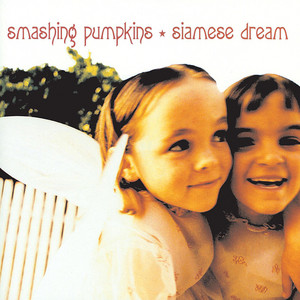
Album #38 Ray Charles: Modern Sounds in Country and Western Music Obviously, Ray Charles is a legend, and the songs he is covering and repurposing are also iconic; yet this album just fails to captivate me. Funnily enough, an album being marketed on the back of turning classics into modern-sounding songs becomes outdated very quickly. If this album concept were to come out now, instead of Ray Charles turning classic Western and Country songs into ‘modern’ soul and R&B songs, it would be something like Taylor Swift covering Fiona Apple songs and turning them into hyper-pop, or Imagine Dragons covering Smashing Pumpkins and turning it into stomp-clap. My point is that modernity is an empty concept and ever-fleeting; it is impossible for something to remain modern. One moment, a sound is innovative and fresh, then the next, it is played out and corny. That is why the classic albums which engage me the most are those that attempted to establish something new rather than relying on what the ‘modern’ sounds of the time were. The only artist I can think of who accomplished that would be David Bowie, as he essentially just adapted his style to whatever was cool at the time, though that's more to do with him having his finger on the pulse of the culture, rather than trying to emulate the popular music of the time. For what it is, this album is obviously important and impressive, yet I really just have no desire to listen to it again for whatever reason. Best Songs: I Can’t Stop Loving You, Bye Bye Love, You Don’t Know Me Worst Song: Hey Good Lookin’ Score Out of 10: 5
Album #39 Rush: 2112 One of my earliest memories of discovering music was searching for the top ten songs of all time on TheTopTens, which was a website that I treated as scripture as a kid. Most of the top ten wasn’t too surprising to me, even as a kid who didn’t know much music: Queen, John Lennon, and Michael Jackson. But one name stood out to me, I don’t particularly know why, maybe due to its name just being a series of numbers, or the undeniably tacky cover seeming out of place, but 2112 by Rush caught my eye. Knowing what I now know about diehard Rush fans, I’m not surprised that the song got boosted as high as it did on that site, yet at the time, the reviews talking about the technical wonder that was this song really did intrigue me. So naturally I went to check it out, and to my dismay it was over 20 minutes, a concept which was so foreign to me at the time that I couldn’t even understand how someone could listen to a song for that long. Though as a Canadian, Rush were never too far from me, and years later, through discovering Moving Pictures, I finally delved into Rush’s catalogue, and of course, 2112. The song does live up to its reputation and completely warrants its length. Rush has always sounded like music from the future, even today, which is technically the future from when the music was released; it still holds this magical quality. If you don’t like the title track, however, you simply won't like this album, as not only is it half the length of the entire album, but it is also definitely the best song here. The supporting songs are still some gems and do enough to ensure that the title track is on an album worthy of it. Though it isn’t my favourite Rush album, or song for that matter, 2112 is definitely the most important album for Rush as it established their sound and set them off on a run of albums that would make them legends. Best Songs: 2112, The Twilight Zone, Tears Worst Song Passage To Bangkok Score Out of 10: 8
Album #40 Madonna: Ray of Light Despite never listening to her full albums, I have been known to enjoy a Madonna hit, particularly Like a Prayer and Material Girl, which are absolute bangers. From what I have gathered, however, this is no average Madonna album. Acclaimed as being the album which took mainstream pop into the next level, at least experimentally speaking. Though not as experimental as some pop of the time, such as Bjork, this album is extremely out there for a record with the level of success that it had. I’m not much of a pop historian, but I can definitely see some influences that have come from this album. One of my favourite modern albums is Titanic Rising by Weyes Blood, which also mixes pop structure with atmospheric and trance-like elements; though not a like-for-like, it is clear that an album like that can flourish due to the popularity of this Madonna album. But legacy aside, the music is also pretty damn good. I wouldn’t say that I fully love this album, but I certainly really liked it. It does go on pretty long, but it never really loses you in the process. The spiritual natures of the lyrics fit well with the lush instrumentals, and result in an experience that has the capacity to elevate one into ascension, though I never quite reached that myself. I wasn’t able to fully embrace myself in the world it was creating, instead feeling more like an observer from a distant planet. So though I am aware that this album didn’t provide the same experience for me as it did many others, I can still say that the experience I had was quite good. Best Tracks: Sky Fits Heaven, Ray of Light, Drowned World/ Substitute for Love Worst Track: Shanti/ Ashtangi Score out of 10: 7.5
Album #41 Nightmares on Wax: Smoker's Delight Four Kings Casinos and Slots ass music. There really is no reason for this album to go on as long as it does, without offering anything captivating. I guess that the point is to zone out and smoke to the album, but if that is the intended purpose, then why even include it on this list? Much like the Sabres of Paradise album I got earlier, I either just don’t like 90s techno, or the curator is making some very curious selections. Because, from what I gathe,r neither album seems to be particularly well-received. Either way, I guess this album is a must listen if you are a stoner in the mid-90s who is repulsed by the idea of substance in art. Overall, just painfully boring and unnecessary. Best Tracks: Nights Introlude, Stars, Mission Venica Worst Track: Pipes Honour Score out of 10: 3
Album #42 Violent Femmes: Violent Femmes The Violent Femmes ' self-titled album is one that, in theory, should be an unbarably cringe listen. An acoustic punk album, with songs from the point of view of the most annoying guy you knew in high school, performed by an overly dramatic and whiny vocalist. There are some really good bands/albums that I’ve hated for less, and yet this is one of my favourite albums of all time, at least in the top 50. Somehow, through all of the madness is one of the most fun and engaging albums of all time. I have been hesitant to recommend this album to people because of the sheer improbability of its brilliance. I keep thinking that I must be crazy and this is actually terrible, and whoever I show it to will think less of me, but then I am validated when I hear them singing Blister in the Sun the next day. If you have ever experienced angst, you will resonate with this album, and even if you haven’t, just ignore the lyrics, and the songs are so energetic that they will still bang. I am not entirely sure how else to describe this album; it really is just an absolute singular, no other album quite possesses its aura. It will make you feel things that you didn’t know music could make you feel. Add it Up, Kiss Off, and To The Kill will absolutely hype you up. Blister in the Sun, Gone Daddy Gone, and Prove My Love will have you dancing and singing. Please Do Not Go, Confessions, and especially Good Feeling will have you entirely lost in memories and solemn self-reflection. One of the easiest listens, most consistent albums, and pleasurable experiences you can have with music. Nothing more I can say, the album is ethereal and hard to describe, which is how I know it is perfect. Best Tracks: Good Feeling, Add it Up, Blister In the Sun Worst Track: NONE Score out of 10: 10
Album #43 The Velvet Underground: White Light/White Heat I really am not surprised to see this album have a rating that falls below a 3. If someone were to, like me, get this as their first Velvet Underground album on the list, but unlike me, had never heard any of their music prior, then it is completely reasonable not to enjoy this album. As a massive fan of The Velvet Underground, I am thankful that my introduction to the band was their debut and not White Light/ White Heat, because frankly, I definitely wouldn’t have been ready for this. Part of me sometimes wonders if the only reason that I and many others were able to give this album the benefit of the doubt is due to us already considering The Velvet Underground geniuses, which gives us a predisposed idea that it will be good. If Tom Macdonald were to drop this album tomorrow, I have a very strong feeling that this album would not be as heralded as it is. But regardless of the meta reasons why I like this album, musically, it also has a lot to like. Whereas their debut album with Nico has moments of harshness and noise, it also has many areas of respite for the listener to feel safer in amongst the chaos. Songs like Sunday Morning, I’ll Be Your Mirror, and Femme Fatale are gentle and comforting, meaning you never get lost in the madness of say European Son or Black Angels Death Song. White Light/ White Heat, however, provides you with no such safety; it is a non-stop trip through chaos. Even the songs which appear to be normal, like the title track and Here She Comes Now, have an underlying sense of malintent, whether it is because of the lyrical content, or the noisy guitars. A song like The Gift, which is a 10-minute spoken word story about a man shipping himself to his girlfriend and being stabbed to death through the box, to the backing music of harsh guitars, somehow isn’t even the most intense experience on the album. The album is most famous for its closing track, a 17-minute beast known as Sister Ray, in which Lou Reed twists a tale of Transgender girls sucking on his ding-dong until they eventually kill each other. White Light/ White Heat is far from my favourite Velvet Underground album, as for me personally, their self-titled albums are untouchable. And it would probably be the last one that I showed to a friend, I was trying to get into the band. But it is undeniably one of the boldest and most unique albums of its time, and though it seems that the band was mostly making it with the intent of being as abstract and funny as possible, it still actually sounds good. The Velvets didn’t invent avant-garde with this album, but they certainly influenced a good deal of musicians who would go on to push boundaries in similar ways. But I wouldn’t fault anyone for thinking that this is overly pretentious, yet vulgar, ’60s drug-induced slop; because it absolutely is, and it’s amazing. Best Songs: Lady Godiva’s Operation, Here She Comes Now, Sister Ray Worst Song: I Heard Her Call My Name Score out of 10: 8.5
Album #44 Marilyn Manson: Antichrist Superstar I never thought that I would listen to an entire Marilyn Manson album in my life, let alone one that goes on for over an hour. I have for a long time considered myself opposed to metal, or at least the type of metal that involves incessant screaming and loud guitars merely for the purpose of uneasing the listener; because at the end of the day, as a listener, I prefer to be at ease; so I never listened to, or had the intent to listen to, anything like this. My only experiences with Marilyn Manson were being scared of him as a kid, Bowling for Columbine, and hearing that he removed his ribs to suck his own dick. I always just assumed he was some gimmick shock musician, all imagery no substance, to trick angsty teens into thinking they were able to fight the power by being edgy. So I was very surprised when his mangled face showed up as my album for the day, on a site that is meant to curate the most essential albums of all time. Do people actually consider him a good musician, or was my initial assessment of him correct, and this album is here on cultural relevance alone? After listening, I’m still inclined to opt for my original understanding. The album actually wasn’t as abrasive as I was expecting, though I really don’t know why I expected an hour and 15 minutes of screaming and guitar noise that would make Sonic Youth blush. The lyrics are certainly of their time, I think I get that he is meant to be playing a character, a rockstar who seems to hate everybody and acts with reckless abandon. But you couldn’t get away with dropping as many slurs as he does throughout this thing today. Not that I have too much of an issue with it, as I’d prefer for nuance not to be lost and art not to be dumbed down so people don’t get offended, but he isn’t exactly saying anything too insightful here. Lots of terms appear revolutionary, but are also mixed in with slurs to scare people and invoke a reaction. “Everybody is someone’s N word” and in the next breath “We hate fascists and capitalists”. But Manson hardly takes a leftist approach in his ideology, instead opting for the edgy centrist “hate everyone equally” approach encapsulated by the song ‘1996’ (on which he says the word superstar as if he was announcing Edge’s entrance in WWE) where he is supposedly anti-money, anti-gay, anti-white, anti-black, but most of all, anti-making a coherent political statement, am I right? Though it is probably pointless to try to examine his lyrics, and I am not going to listen to it again to get a better understanding. I think the main reason this album resonates with people is through the emotion and attitude presented throughout. I can see someone in peak teenage angst belting out one of these songs as a cathartic exercise, and there are some songs here which I actually could see amping me up if I were feeling particularly devious. Trent Reznor's production is also undoubtedly good. I don’t necessarily love every moment of it, but that’s more to do with me not being the biggest industrial music fan. To me, the weakest part of the album might be Manson himself (is he meant ot be Marilyn Manson or is that the name of the band?), often coming across as annoying and tacky. Not an album I would ever want to listen to again, because though I am a fan of horror movies, and fucked-up stories, for whatever reason, that has never translated to my enjoyment of music, I often gravitate to more melodic and enjoyable rather than something that would disturb me. Though this album never actually even managed to make my skin crawl like I thought it might, it mostly just made my eyes roll. A hard one for me to rate, as it was definitely more listenable than I thought, and enjoyable at times; yet that enjoyment requires a lot of cognitive dissonance. So I could see maybe giving it a two-star, but seeing how he is a literal sex criminal, it really doesn’t help make this album any less tacky, and so it definitely deserves its one star. An interesting experience, though. Best Songs: Man That You Fear, Tied Up Dried Up and Dead to the World, Cryptorchid Worst Song: Irresponsible Hate Anthem Score out of 10: 2.5
Album #45 Led Zeppelin: Physical Graffiti Somehow never got around to listening to this one in full before. I’m often intimidated by double albums since a lot of them are just needlessly long (Outkast…), and I find myself just waiting for the good songs to wash up on shore from a sea of trash. I have, however, heard and enjoyed Led Zeppelin 1-4, and I do consider myself a fan of their music, though they would hardly rank amongst my most listened to artists. When I first started seriously getting into music, it was exclusively classic rock, so naturally Zeppelin were heavy in the rotation through their classic songs; I mean, what kind of guy hears Stairway to Heaven for the first time and doesn’t seek more by that band? But even though I’ve liked every album I’ve heard by them, with Led Zeppelin 4 potentially even being a 10 for me, I just never feel compelled to listen to Zeppelin. I think that it’s a pretty mood-dependent band for me, probably due to Robert Plant’s vocal style; sometimes his moaning and whining can give me a headache, other times it brings me to completion. It’s sort of a cliche at this point that if you were to make a supergroup of the best musicians from each instrument, you would wind up just reassembling Led Zeppelin, but enough has already been said about just how talented the band is. Physical Graffiti was an album I was already familiar with, as I’ve listened to the hits quite a bit (particularly Kashmir, which, even before this ranking, was already a top 3 Zeppelin song for me), but its length deterred me from ever listening to it in full. I sort of just assumed it would be some hits mixed in with mindless noodling and overly-dramatic self-falatio from Plant, but damn was I wrong. There is not a single bad or uninteresting song on this album, and it definitely doesn’t feel like it lasts for over an hour. Every song keeps you engaged and flows into the next one quite well. I do think that disc one outshines disc two, simply because every song on it is nigh on perfect, but the fact that disc two doesn’t even feel like a noticeable drop off is a testament in itself. I think the only reason I am not giving this one the full five is due to the fact that I sort of get lost in the album, even when I try to focus and pay attention to each song as it changes, I blink, and suddenly I’m 12 songs deep. Which isn’t even a bad thing since it means that the album is captivating, but combined with Plant’s vocal delivery, it sort of becomes hard for me to decipher what he’s saying and differentiate the songs at times. That is probably just a me issue though and definitely nit-picking, but if I even feel a bit of reluctance to give out the 5 star, I tend to play it safe. Best Tracks: Kashmir, Houses of the Holy, Trampled Under Foot (What a 3-song run) Worst Track: Black Country Woman Score out of 10: 9.5
Album #46 Youssou N'Dour: Immigres Pretty cool album, definitely not one I ever would have listened to. The album is pretty short too, so it doesn’t outstay its welcome despite the song lengths being a bit long. Sort of falls into the same category as Vento de Maio for me, an enjoyable album, but since it’s in another language, it doesn’t have too much re-listen potential for me. While it’s on though, it is quite fun; the horns especially were good. I do wonder if there is a non-English album on this list that will truly captivate me; I feel like a lot of my enjoyment from music comes from the lyricism and being able to sing along, and since I’m a pathetic monoglot, I’m resigned to English albums. So though it isn’t bad, it’s gonna be in the 5 range for me, which isn’t a bad score per se, just means not much desire for a reslisten. Best Tracks: Immigres/ Bitim Rew, Badou, Pitche Mi Worst Track: Taaw Score out of 10: 5.5
Album #47 Frank Ocean: Channel Orange Since I’m Gen Z, I’ve always heard from people around my age that Frank Ocean is the G.O.A.T., and that Blond and Channel Orange are among the greatest albums of all time. Despite this, before listening to this album, I genuinely couldn’t name a single Frank Ocean song; it’s likely that I’ve heard one and might recognize it, but I wouldn’t have been able to tell you it was Frank Ocean. I knew that he was popular, but I didn’t expect for him yo have almost 40 million monthly listeners and multiple songs with over a billion streams, after seeing that I thought that I would for sure recognize some songs from this album, but the only thing I ended up recognizing was that the “potato flew around my room” meme was a parody of “Thinkin Bout You”. Going into this knowing all of Ocean’s praise and the mystique around his persona, I did expect something pretty spectacular, especially since I didn’t really have any idea how it would sound. Maybe it was due to my high expectations, but nothing about Channel Orange seemed that special to me. Don’t get me wrong, it is a good album, pretty consistently enjoyable, with no distractingly bad tracks on it; but there wasn’t really anything here that felt groundbreaking and blew me away. I suppose if it were the younger generations' introduction to R&B, it would have felt quite refreshing coming out of the indie-rock-dominated 2000s; however, what R&B that I do listen to is much older, and I definitely prefer the 2000s indie-rock to this. I never have related much to overly sexualised R&B, though I understand that it is the sort of music that is supposed to make you horny, I guess, which isn’t exactly why I listen to music; this is reflected in my pretty harsh score for “The Love Below”. Ocean’s lyrics at times seem a bit hollow to me, but overall they aren’t too bad, just with the way people talk about the guy, I was sort of expecting the next Bob Dylan with Marvin Gaye’s voice. On his voice, it’s obviously very good technically, but there are times when he goes really high, and I’m not sure if it is how it is mixed, or what, but I find it pretty grating. There is that one Carseat Headrest song where they say give me Frank Ocean’s voice, and I’ll be your rock god, but frankly, no vocal performance on this album matches Sober to Death, so I’m not sure why they were asking for a downgrade. This review seems harsh, but I did like most of the songs, Earl Sweatshirt’s verse was good, and though I’m not the biggest Outkast fan, I thought Andre 3000’s verse was solid. Bad Religion is a pretty powerful song, and the closest that Frank Ocean got to matching the praise I hear thrown at him. Definitely a solid album though, and I can see myself potentially enjoying Blond a good bit if it is meant to be much better than this. Best Songs: Bad Religion, Super Rich Kids, Lost Worst Song: Pilot Jones Score out of 10: 6
Album #48 Charles Mingus: The Black Saint and the Sinner Lady Seeing how I have been on the site RateYourMusic before, I am aware of Charles Mingus, and particularly this album of his, The Black Saint and the Sinner Lady. This is because I have browsed the all-time best album chart, and this album happened to catch my eye; it is a bit juvenile but me and my friends thought the name Mingus was funny and since we don’t listen to jazz, Mingus became sort of a joke amongst us, a reference point for pretentious music that we would never listen to no matter how many dorks on RateYourMusic said it was good. Jazz is a genre in which I frankly never had any desire to explore, even though I consider myself somewhat intelligent, and I do often like art which some consider pretentious; at the end of the day, when it comes to music, I am pretty basic. My favourite albums are those that are built upon catchy melodies, relatable lyrics, and pleasant instrumentals. If an album doesn’t have at least one song that I can belt along to word-for-word, then I’m not really interested. Jazz is sort of the polar opposite of that ethos; it is intentionally complicated and inaccessible, with no clear melodies or memorable lyrics. It is sort of a cliche that Jazz is extremely technical and impressive music, played for a small audience, while rock music is technically simple yet played for a massive audience, of which I find myself amongst. But despite my reservations towards jazz, I knew that I had to give this album a fair shake, if not simply due to its universal acclaim, then for its reputation amongst my friends. My first listen was about what I expected; it was good for a jazz album, insofar as I enjoyed it about as much as I figured I could enjoy jazz, probably around the 7/10 range. However, it was on my second listen that I started to actually realize a few things about this album, jazz, and myself. This won’t be an extremely technical review, since the things that I enjoyed about the music and wish I were able to express with words are simply alien to me; I can’t even properly identify what instruments were playing in certain passages. But what I can hopefully convey are the emotions that I felt. The biggest revelation that I had during my second listen is that jazz (or whatever you would call this) should not be considered the same art form as simple rock or pop music. My biggest disservice to the genre was holding it to the standards that I would expect from those genres, but thinking about it now, it is lunacy to try to compare this and something like What’s The Story by Oasis. Jazz, much like rock/pop, is an art form which focuses on auditory perception to invoke emotion, and that is where the similarities end. I previously assumed I wouldn’t like jazz due to its lack of the song structure that I was used to, specifically, lyrics. But what I noticed about The Black Saint and The Sinner Lady was that, though there were no words being spoken, there was still communication. Each instrument was speaking to the other as if they were engaging in open discourse at a symposium; a story was being told not through explicit words, but through a form of communication that ignores your brain and speaks directly to your soul. The words will be different for each listener, as they are vague yet powerful, conjuring up the most buried memory and fleeting feeling that you have ever experienced. At times, the music is chaotic, which is why the album can have some sort of barrier upon entry. It is hard for someone like me with no technical understanding to differentiate the noises and try to make sense of what I’m hearing. But once you are able to stop asking for the answers, and instead start listening to them, you find the beauty amongst the chaos. The actual music feels so familiar to me, yet at the same time sounds like nothing I’ve ever heard. Most of my experience with jazz has come through its usage in cinema, which is why the album has such a cinematic and picturesque feel to me. There are parts of the album that almost sound like an old western movie, then a few moments later, it sounds like the climax to a thriller. The Black Saint and The Sinner Lady is a reminder of who you are, an experience which explores your soul and lays it bare. I still think that after hearing this, I’ll be able to enjoy simple music, but at the same time, I wonder if, as a society, we have regressed in our art. I have always enjoyed classical music for its ability to express emotion so colourfully, so I’m unsure why I wrote off jazz, as it sort of feels like the spiritual successor. I had a moment of realization mid-way through the final track, that my shitty 20-dollar Amazon wireless earbuds were capable of creating noises so impactful; such a small and insignificant object has the potential convey such technical and emotive sound. This whole blurb of text definitely comes across as some guy who tried psychedelics for the first time and thinks he is the only one who has undergone ego-death, but I’m just excited that I’ve actually had such a unique experience with music that I wasn’t expecting. Part of me wonders if I’m waxing lyrical a bit too much; maybe it wasn’t actually that good, maybe I just like the idea of what I’m describing more than what I actually felt. But regardless, it certainly won’t be the last time that I listen to this album, and this certainly won’t be where I end my newly discovered interest in jazz. The only part of this album which I would say wasn’t perfect was the first track, which has sort of an abrasive string sound that kept repeating, and ending on a pretty chaotic note; but it’s hard to dock it points for that since it was clearly intentional in setting up the subsequent tracks. I almost don’t want to give this album a 10 since it is incredibly tacky for the one jazz album that I listened to, which just so happens to be the most well-regarded jazz album of all time, to have supposedly blown my mind in such a way. But from what I gather, this album is actually one of the harder Mingus albums to get into, so the fact that it clicked for me this early proves to me that I actually might like jazz a whole lot more than I thought I did. So if I end up becoming a jazz aficionado like I suspect I might, I will always look back to my first experience with the genre, and so I will undoubtedly have to give this album it’s flowers (or I’ll never listen to another jazz album again, change this rating to a 7, and think “man what was I on that night”). Also, the title is one of my favourite album titles, even before I ever thought I would enjoy it, and Mingus has a lot of aura on the cover. Best Songs: Trio and Group Dancers, Group Dancers, Duet Solo Dancers Worst Song: None Score out of 10: 10
Album #49 R.E.M.: Document Of the R.E.M. albums that I’ve heard, I’ve enjoyed all of them, and of the ones that I’ve heard multiple times, I’ve really enjoyed both of them (Murmur and Automatic for the People). So I’m unsure why I never decided to give R.E.M. a complete discography listen. To me, they are sort of just an always the bridesmaid never the bride type band, consistently enjoyable, yet never my absolute favourite. When it comes to 80s alternative bands from the United States, I’m far more likely to put on some Pixies or Replacements. But that doesn’t mean that R.E.M. aren’t around that level, they are a band with undeniable hits (which this album has a few of), as well as having really consistent and fun deeper cuts. Document leans more into the sound of Automatic for the People than it does Murmur, more conventional and clean-sounding, with quirky lyricism. I do think that I prefer the earlier R.E.M. stuff, which has a more hazy feel to it for me. End of the World was the first big R.E.M. song that I found, and it probably remains my favourite from this album, such an undeniably fun and energetic song. The only bad thing about R.E.M. is that they spawned a series of imitators who just simply weren’t as talented or clever as them, but thought they were. As a Canadian I have seen firsthand the good and the bad R.E.M. clones, on one hand we have the Tragically Hip who borrow R.E.M.’s sound yet make it their own through themes and lyricism, and on the other hand we have The Barenaked Ladies who attempt to steal R.E.M.’s formula but with even more quirkiness, the result is an abomination like the song “One Week”. Though I wouldn’t put Document amongst my favourite albums by R.E.M., it is still a great album by most standards. I like the commentary on labour throughout, and there really isn’t a bad song here. Best Songs: It’s The End Of The World As We Know It, Exhuming McCarthy, King of Birds Worst Song: Lightnin’ Hopkins Score out of 10: 7.5
Album #50 The Prodigy: Music For The Jilted Generation Though I am a very big fan of one massive wave/movement of music that came out of the United Kingdom in the 90s, that being Britpop, I have related all that much to its rival movement, which is the electronica buzz. Whereas Britpop is a reimbracing of traditional British rock and pop music, electronic music instead attempted to establish a new sound, one movement looking to the past, and the other to the future. Ironically, when it comes to electronic music, the future (or the present) never was able to eclipse its roots. Whereas the 90s had artists like Aphex Twin, Air, The Chemical Brothers, and The Prodigy, nowadays we have dross EDM by the likes of Alan Walker, TheFatRat, and Vikkstar123. Maybe that is why I have never been into electronic music; I have always associated it with Roblox montage videos, or more favourably, the Rocket League soundtrack. Interestingly, Music For The Jilted Generation also gave me video game vibes, but moreso old school 90s game vibes, like Sonic or Marvel vs Capcom. I definitely do prefer this album to what I’ve heard of contemporary electronic music, and it probably is the best electronic album that I’ve received from this list so far, as it is far more interesting than Haunted Dancehall and Smoker’s Delight. Though it does have something in common with those albums, which is that it goes on for far too long, like seemingly every '90s album. The length didn’t bother me too much, however, as I decided to boot up some Rocket League while listening to this thing, so it all felt pretty natural. A song like Voodoo People, while good, definitely went on to influence some pretty dire and obnoxious EDM that your little cousin would play from his tablet. I think for an electronic album, this was actually pretty good, but I wouldn’t be too eager to return to most of it. Best Songs: No Good (Start The Dance), 3 Kilos, Voodoo People Worst Song: One Love Score out of 10: 6
Album #51 The Libertines: The Libertines The Libertines are a band which somehow skirted past my radar, despite me being a fan of the garage-rock revival of the 2000s and most British indie music. The first time I heard of them was when reading the NME top 100 albums list, on which they had two albums, which was strange for me, considering I had never heard of them. I know that NME is pretty controversial in their blatant English bias, but truthfully, I have the music taste of a 50-year-old British man, so I found myself agreeing with a lot of the list. So I have been meaning to check out the Libertines for a while, but I just never got around to it. What I will say is that I do think that NME overrated the band, but I also think the backlash that they have received from that is pretty umwarramted, this is a damn good 2000s indie record. It reminds me of the Arctic Monkeys in the instrumentals and singing style, but instead of being on cocaine like the Monkeys were for their debut, The Libertines are on quaaludes on this album. They lack the raw energy that Arctic Monkeys had, but that doesn’t necessarily make this worse, just a lot more mellow. I think if you like this sound and scene in general, you are going to like this album, pretty much non-stop bangers and fun songs; however, if you were alive during this time, I can see how you might have become inundated with the genre and felt that this album was simply more of the same. For me, this is an album which I will almost certainly return to, though it wouldn’t be my first choice from this era. Best Songs: What Became of the Likely Lads, Music When The Lights Go Out, Can’t Stand Me Now Worst Song: Don’t Be Shy Score out of 10: 8.5
Album #52 Kate Bush: Hounds of Love One of the most lush-sounding albums that I’ve ever heard. Normally, when you think of dream pop, you would imagine artists such as Cocteau Twins or Beach House, who focus much more on atmosphere rather than lyrical substance and storytelling, trying to capture a hazy, dreamlike nature. But not every dream consists of you falling in and out of rainbows and trying to make sense of your surroundings; some dreams feel real, scary, and important; all of these emotions are covered on Hounds of Love. Though it isn’t dream pop in the traditional sense, Kate Bush evokes memories of experiences that I’ve never had in the material world; they must exist on a non-linear plane. When hearing Running Up That Hill, I remember ascending to heaven to haggle with God himself like an Indian street vendor. When I hear Waking the Witch, I remember summoning my sleep paralysis demon and engaging in fiery combat. The threads that Kate Bush spins are so fantastical, yet innately universal; none of us has run alongside the Hounds of Love, yet all of us know the feeling. This album has proven itself to be everlasting in its influence and impact. I started this review preparing for a caveat where I mention that though it is brilliant, it isn’t quite a 10, but frankly, I think I’ve talked myself into making the right decision here. Best Songs: Cloudbusting, Running Up That Hill, Hounds of Love Worst Song: None Score out of 10: 10
Album #53 Buzzcocks: Another Music In A Different Kitchen Potentially their best studio album, or at least their most important. The godfathers of pop-punk were really the first band to go mainstream, blending punk attitude and vocal delivery with pop structure and instrumentals. So, because of that, their debut will always be the go-to album for a list like this, since it was the most innovative. However, their first three albums are all very similar in quality, which is why my preferred Buzzcocks listening comes from their behemoth compilation album Singles Going Steady, which combines all the best tracks from their first three albums; notably including their magnum opus: Ever Fallen in Love? (With Someone You Shouldn’t Have). But a lot of the best tracks are also on Another Music in a Different Kitchen, the album is very consistent and energetic, the only song I don’t really enjoy, though a classic, is Orgasm Addict, simply due to the moaning. Best Songs: Fiction Romance, Fast Cars, What Do I Get? Worst Song: Orgasm Addict Score out of 10: 7
Album #54 The Beta Band: Hot Shots II Honestly don’t really know what to say about this one, just run-of-the-mill, bog-standard music. The type of music which inspires no one and offends no one just sort of happens. I will give them this, though; they certainly live up to their name, as this is probably the personification of beta-male cuck chair music. Not even notable enough to give a one-star since it didn’t even really try anything that would make me annoyed enough to give it that low of a score, they simply play it incredibly safe, to the point where it is mildly enjoyable. I’m mostly mad because this belongs nowhere near a must-hear album list and took up a spot which thousands of other albums would be more deserving of. Best Songs: Alleged, Squares, Eclipse Worst Song: Life Score out of 10: 5
Album #55 Bruce Springsteen: Darkness on the Edge of Town My first album from the boss on this list, but I doubt it will be the last. I think that every white kid who grew up poor will relate to Bruce’s music in some sort of way. He doesn’t write as traditionally eloquent as someone like Dylan, but he certainly has a way of converting the grime and minutiae of working-class life into words. Every Springsteen song feels as though it is its own coming-of-age movie, specifically on his earlier albums, just pure slice of life growing pains made to sound as dramatic and glamorous as they feel. I know that Bruce’s voice can be controversial, but to me, there is absolutely no better vessel for his lyrics, as he truthfully sounds authentic in what he is preaching. The issue with Heartland Rock sometimes can be that the singer almost sounds like a poser, someone who, for whatever reason, likes the aesthetic of the salt of the earth working class greaser, but never actually lived it, and in the words of Jarvis Cocker, “Nobody likes a tourist”. But Bruce never had that issue; it is painfully aware from the way he writes and the passion with which he sings that he lived that life, and he knows all the people who come from that life. Born to Run ranks very highly amongst my favourite albums of all time, as it is the perfect blend of Bruce’s lyrics and the E-Street Band at their best musically. After that, I am quite partial to Nebraska and his debut as they both have such unique and cinematic sounds that set them apart from the rest of his discography. But after that, in my ranking would be Darkness on the Edge of Town, an album which very successfully attempts to follow up Born to Run. Though it doesn’t have the most unique sound, it is probably the quintessential example of Bruce’s sound. Working class ballads backed by extravagant guitars, keys, and sax solos. Badlands is one of the boss's finest, starting the album on such a raucous note, but that proves to be deceptive as the rest of the album is more delicate and thoughtful. I do hope I can see Springsteen live one day, as there is truly no one like him. As Canadians, we have been blessed as a nation with our singer-songwriters: Neil Young, Joni Mitchell, and Leonard Cohen, to name a few, but I have always said if I could change any American into a Canadian, it would be the Boss. Though I suppose Greetings From Saskatoon, Saskatchewan, doesn’t quite have the same ring as Asbury Park, New Jersey. Best Songs: Badlands, The Promised Land, Prove It All Night Worst Song: Factory Score out of 10: 9
Album #56 Oasis: Definitely Maybe This album is probably the closest to getting a 5-star, that isn’t quite a five-star. I am a pretty unashamed massive Oasis fan, even before they reunited, and it became cool to like them again. I love pretty much all Britpop to be honest, but if you were to ask me, Oasis or Blur, Oasis would win without hesitation (though Pulp sweep both). I have always just gravitated more towards Oasis since they just seem like working-class lads who wanted to make rock and roll anthems like their heroes. Their influences are all over Definitely Maybe, perhaps the most famous example being the riff from Cigarettes and Alcohol being borrowed directly from T.Rex. Oasis represented the revival of 60s and 70s rock and roll, which had sort of been lost in the 80s in the UK, replaced with movements that I am also quite fond of, like New Wave, Synthpop, Post-Punk, Jangle Pop, Dreampop, etc. Oasis is hardly the hardest rocking band of all time; they are much more similar to The Beatles than to Led Zeppelin, their songs are often more pop-structured and discuss themes of love, glamour, and even food. For the longest time, Definitely Maybe has been my go-to Oasis album, mostly due to the fact that one of my favourite songs of all time, Live Forever, is the centrepiece. Though in recent times I have come to the realization that What’s The Story might just be fractionally more consistent. But both albums to me exist directly on the periphery of what constitutes a perfect album to me. I could nitpick certain flaws, but at the end of the day, my only criterion is how an album makes me feel, and man, does Oasis make me feel. I think the reason I have opted for a 9.5 here isn’t due to me not liking any track in particular (I’m like the only guy who loves Digsy’s Dinner), but more so because I rate my 10s comparatively. Hounds of Love is an album which I gave a ten, but I probably have more connection to Defintely Maybe, but Hounds of Love is an incredibly unique album which can’t be compared to any other, whereas with Definitely maybe, I prefer another Oasis album and at least two Pulp albums within the Britpop genre, so it’s hard to say it’s a 10. Either way, though, Oasis are magical, and overrated by people desperate to seem like they have intelligent taste, who force themselves to ignore their primal urge to get up and scream “I JUST WANT TO FLY” with the rest of us. Best Songs: Live Forever, Slide Away, Supersonic Worst Song: Bring it on Down Score out of 10: 9.5
Album #57 Taylor Swift:1989 I don’t know if I would consider myself a Taylor Swift hater, but I certainly do find her whole cult of personality and fandom to be extremely cringe and off-putting. I’ve never really been inclined to listen to her music, mostly because I don’t really listen to that much contemporary music, and also because I sort of just assume everything that gets played on the radio ad nauseam can’t have come from a decent album. Being a kid in the 2010s, I am well aware of more Taylor Swift songs than I’d care to admit, and due to the pure over-exposure that they had at the time, I certainly didn’t enjoy any of them. So when I got this album, firstly, I was quite dismissive that a Taylor Swift album would make a list like this; yes, it is popular, but this list should really prioritize musical credibility. Then I looked at the track list, and I noticed quite a few songs that would torment me on car rides home; growing up in a house of all women, I quickly became sick of a lot of pop music. Well, it is now 2026, over a decade on from when I first established my opinions on her music, I am now 21 and graduating from university, and it seems as though Taylor Swift did, in fact, bang the whole time. I really didn’t think I held any nostalgia for the era of 2010s pop music, but it turns out that after being removed from it for a while, it actually feels incredibly fresh and fun. Maybe I’m just out of touch, but I feel like there isn’t this type of music being made anymore. There used to be hundreds of pop acts churning out massive, cheesy, catchy bangers to play on the radio. I saw a video about Bruno Mars, another name who I would never associate myself with usually, where they played like ten of his songs that I recognized, and were all kind of bangers; the point of the video was that they were all from the same album, and proved that we are all bigger Bruno Mars fans than we thought we were, and I just had the same realization for Taylor Swift. I don’t think Taylor Swift will have many other projects that hit for me like this one, because frankly, her writing really doesn’t appeal to me. She is a good writer when it comes to making pop music that appeals to young women, but she never really matured from that, and now that she is almost 40, it really doesn’t have the same charm as when she was young. I have always been a fan of 80s music, even the cheesiest of synthpop and new wave I am a sucker for, so her making an album that attempts to replicate the sound of the 80s new romantic era also appeals to me, particularly. It is not very flattering for me to give a Swift album this high of a score, as I like to think I have somewhat decent taste; but the fact is, I can’t lie to what my brain perceives when hearing these songs, non-stop bangers the whole way through. Realistically could rate it higher, but I feel like this is an album that hits in small doses; it is like candy: eat a few, and it is magic; eat a pound, and you are vomiting. Best Songs: Style, Wildest Dreams, Blank Space Worst Song: I Know Places Score out of 10: 8.5
Album #58 Red Snapper: Our Aim is to Satisfy If their aim was to satisfy, then they didn’t achieve their goal. I don’t know much about electronic music, but according to this list, neither does anyone else. Every electronic album on this list is completely obscure, overly indulgent, and entirely a waste of time. I do wonder if there will be any electronic albums that I’ve actually heard of, like Aphex Twin or Boards of Canada, because as it looks right now, there isn’t a single electronic album on this list I would actually return to. I did hit 12k trophies in Clash Royale while listening, though, so this album gets a bonus point. Best Songs: Alaska Street, Keeping Pigs Together, Don’t Go Nowhere Worst Song: The Rough and the Quick Score out of 10: 3
Album #59 Public Enemy: Fear Of A Black Planet I think that old-school hip-hop had less to do with making enjoyable music, and more so about packaging important messages for the black community in a digestible manner. It is much easier to radicalize the youth by giving them something catchy to remember rather than boring them to death with lectures. For whatever reason, I just don’t get gripped by much rap; it seems weird to say because the music was really high-energy and dense lyrically, but this album just bores me. The messaging is fine and well, though I can’t say I relate to much or feel too empowered by it. I find it hard to care about my own problems, let alone everyone else's. For me, music is an escape, so I’d rather drift away than be yelled at for over an hour. Why is every rap and electronic album over an hour…To be honest, I thought that the front man was charismatic and compelling, though it wasn’t enough because the lyrics at times were pretty corny. I think that for what this album is, it is probably great, I just don’t enjoy whatever it is, so disregard my opinion. Best Songs: Revolutionary Generation, Welcome to the Terrordome, Pollywanacraka Worst Song: Can’t Do Nuttin For Ya Man! Score out of 10: 4
Album #60 Metallica: ...And Justice For All Not really a metal guy, mostly due to my not really understanding what metal is. My whole life I kind of just assumed it was all really harsh and scratchy guitars and screamo vocals, which I can’t stand. But I have enjoyed quite a few 70s albums which have been considered metal, especially Black Sabbath, as they often resembled the hard rock of the time. I think Metallica is in the middle period between when metal was more like rock, then when it became more like hardcore and even rap (nu-metal). I have been known to enjoy some Metallica songs; the band is so big that a lot of them are unavoidable. I often struggle to really differentiate their music, as I just don’t have an ear for it. This album is quite enjoyable, never really annoying, but to me, it seems like the same template of song done well, over and over again. Though I did like the acoustic elements, I felt like those created a more diverse sound. A pretty good listen, I’m open to more metal, but this one wasn’t quite enough to make a fan out of me. Best Songs: One, To Live is to Die, Blackened Worst Song: The Frayed Ends of Sanity Score out of 10: 6.5
Album #61 Leftfield: Leftism With a name like Leftism by the Leftfield, I was expecting some sort of socialist punk; however, knowing the nature of this list, I really shouldn’t be surprised that it was another pointless, long, obscure, British electronic album from the nineties. Entirely forgettable, nothing really to say; however, this one didn’t annoy me as much as the previous five, so I guess it’s a two-star; maybe I’m just getting used to this scene, and after 100 more albums of this type, I’ll finally give in and give one a 5. Best Songs: Release the Pressure, Original, Open Up Worst Song: Afro Left Score out of 10: 4.5
Album #62 Cat Stevens: Tea For The Tillerman Cat Stevens, as an artist, is one who I feel like is more appreciated with the younger generation than he was in his time. I’ve heard quite a few people who were around for his cultural peak refer to his songs as overly sappy and corny, and I suppose his attitude about returning to a simpler time may have been not as novel then as it is now. I do have quite a bit of personal attachment to this album, as I grew up listening to some songs on it, namely the hits Wild World and Father and Son, songs which, no matter how many times I hear them, will always deeply resonate with me. The whole album is such a pleasant experience, never outstays its welcome, and each song feels comforting, like home; it just makes me want to leave it all behind, move to the countryside and live on a farm. I can’t think of another album that captures this feeling so well. Stevens vocals, though comforting, will often times surprise you with his passion. An album like this can very easily fall into the tacky category if the artist doesn’t fully commit and believe what he is saying, which Stevens definitely does. When I was compiling a list of albums to give my friends, this one was immediately on my mind; it just feels so personal and important to me. I think that this album may not be the most impressive technically, it certainly doesn’t reinvent the wheel, and it is often quite simple. Yet as far as consistently enjoyable experiences, it doesn’t get much better than this for me personally. I think having a shorter album is something that is underutilized amongst artists, often with albums that stretch on for about an hour, I will find moments that I don’t quite resonate with, which is why it is definitely more impressive for a long album to get a 10. But sometimes, an artist knows exactly what they want to convey, and they do just that without adding on any extra bloat. I didn’t think I would give this album a perfect score despite my attachment to it, but I really can’t find any flaw with this thing. So, Cat, my old friend, I hope you’ll be there for me whenever I need to turn to you and the Tillerman, like you always have been. Best Songs: Wild World, Father and Son, Where Do the Children Play Worst Song: None Score out of 10: 10
Album #63 The Doors: The Doors Wonderful 60s psychedelic rock, probably the poster album for the scene alongside Jimi Hendrix’s “Are You Experienced” and The Beatles’ “Sgt. Pepper's Lonely Hearts Club Band”, out of the three, however, The Doors' self-titled debut may well be my favourite. At the time it came out, it was the most raunchy and offensive album to go mainstream, practically redefining what popular music would look like. The Beatles had already introduced experimentation into the mainstream with songs like Tomorrow Never Knows, but they hadn’t explored such taboo themes like looking for little girls and whiskey bars, as well as someone killing their father and fucking their mother. Jim Morrison is, of course, an enigma in and of himself; many people feel as though he is just some mindless junkie, or perhaps someone trying to maintain the appearance of an out-of-control rock star, but considering how his life ended, I think it’s fair to say that he really lived that shit. Almost all of the songs on this album have aged well, with many still being culturally relevant. The final track “The End’ is certainly the most ambitious, it reminds me of The Velvet Underground’s “Sister Ray”, in its length and subject matter, both also coming out around the same time. Psych bands today still take massive influence from The Doors, for better or for worse, because it often doesn’t hit the same when some rich kid from New York uses their parents' money to rent a studio and do their best Jim Morrison impression, but the youth of today treat it like they are reinventing the wheel… Either way, a one-of-a-kind, magnanimous album and a definite favourite of mine. Similar to Who’s Next in that it just isn’t quite a 10 due to the fact that, since some tracks are so good, it outshines the others, which, though unfair, results in a mild detraction in its score. Best Songs: Light My Fire, The End, The Crystal Ship Worst Song: Back Door Man Score out of 10: 9.5
Album #64 Underworld: Second Toughest In The Infants Obscure hour-plus British electronic album from the nineties, part 10. Starting to feel like the curator of this list may have had a type, not so much the 1001 albums you need to hear before you die, but rather the 1001 albums this random British guy had heard. This one was probably the best of the batch, bar The Prodigy. Unlike the other electronic albums, which pretty much just do the same thing, I feel like this one tried to push the genre a bit. The vocals in the first track gave me Joy Division vibes, and for some reason, the last track gave me R.E.M vibes. I think Rowla was a really annoying track, but the rest were just dull at worst. Best Tracks: Pearl’s Girl, Banstyle/ Sappy’s Curry, Confusion The Waitress Worst Track: Rowla Score out of 10: 5
Album #65 War: The World is a Ghetto Pretty solid 70s soul album, though to be honest, there are many better albums from that era I would rather return to. Though I am hardly the authority since I don’t care all that much for What’s Goin On by Marvin Gaye, so clearly my taste when it comes to soul is skewed. I found moments of this album to be enjoyable, but for the most part, it was fairly uninteresting. Best Songs: The World Is a Ghetto, Where Was You At, The Cisco Kid Worst Song: City, Country, City Score out of 10: 5.5
Album #66 Jimmy Smith: Back At The Chicken Shack Charles Mingus made me believe that he was a genius when I heard “The Black Saint and the Sinner Lady”, Jimmy Smith confirmed that Charles Mingus is a genius when I heard “Back at the Chicken Shack”. After hearing my first jazz album, the aforementioned Mingus record, I thought that I might actually grow to really enjoy the genre, but this album reinforced my previously held beliefs. There really isn’t anything wrong with it, but after the second track, I was completely bored; the main issue I have with jazz is when it establishes a sound and then gets comfortable. This album is perfectly fine in the background, but active listeners quickly become bored due to the lack of challenge. The best song on this album is the first, a rather enjoyable and groovy tune that makes you look forward to what else Mr. Smith has in store for us, but then you find out over the next 40 minutes that that was all he had in store for us; the rest of the album is just a noodling variation of the already established sound. The use of repetition can be done right, but it needs to be interspersed with new and exciting sounds. Mingus created chaos, but within that were refuges of familiar sounds; he used the repetition as a tool, not as a crutch. I know that it is unfair to compare everything under the jazz label with Mingus, but I’m starting to fear my enjoyment of jazz peaked with my first foray into it. The sad irony in my comparison between Jimmy Smith and Charles Mingus is that only one of them has bestowed upon themselves the moniker of ‘incredible’, and it isn’t the one who earned it. Best Songs: Back at the Chicken Shack, When I Grow Too Old to Dream, On The Sunny Side of the Street Worst Song: Messy Bessie Score out of 10: 4.5
Album #67 Stephen Stills: Manassas I feel like every album on this list is within a few degrees of separation from Crosby, Stills, Nash and Young, out of any band ever, they surely have the biggest reach between members combined projects. From CSNY to Crosby, Stills, and Nash, to Buffalo Springfield, The Byrds, The Hollies, all of their solo efforts, hell, you can even get a direct link to Pearl Jam through Neil Young; truly one of the most talented and impactful groups of musicians. However, other than Neil Young, whose solo catalogue I am in awe of, I have never ventured into the other members' solo projects. Though to call Manassas a solo project would be a bit disrespectful, since it is actually another group spearheaded by Stills involving respected musicians such as Chris Hillman of The Byrds. This album is sort of just a massive set of songs where Stills and the gang throw everything they have and see what sticks, and more often than not, they hit. There is a lot to get out of this project, probably would take repeated listens to truly get a grasp of the contents inside of it, but from what I gathered from my listen, there is definite quality. Maybe if they were a bit more selective and cut it down to around 40 minutes or so we would be talking about a classic album, but they certainly went for something more ambitious and fans of Stills won’t be disappointed. As for me, I enjoyed it a good deal, but I won’t be clamouring to return to it. Best Songs: Colorado, Move Around, Johnny’s Garden Worst Song: The Love Gangster Score out of 10: 7
Album #68 N.E.R.D: Fly or Die Another case where I am quite perplexed as to why an album is on the list. I had never heard of this band before, but after minimal research, I quickly discovered that it was fronted by Pharrell Williams, whose involvement in the project made it seem like a somewhat more justified choice. Pharrell, of course, is a legendary producer, yet it always seems like people only really appreciate him when he is collaborating with, or featuring on, another artist's music. His solo career is quite controversial, with songs like “Happy” being considered one of the most annoying songs of all time. Although after discussing with my friends who are much more into this type of music than I am, they assured me that N.E.R.D did have some good music, especially their album “In Search Of”; confusingly, however, they had never heard of this album. So I checked RateYourMusic, which obviously isn’t a great source, but I wanted a feel for how this album was perceived, and yet again, it seems like this is an entirely forgettable album. Oh well, I will still give it a fair chance, and maybe I will understand its inclusion… No, this thing is pretty unremarkable. I didn’t mind it as much as I thought I would, but there really isn’t anything here that appealed to me too much. There is interesting genre-blending and some cool instrumentals, but the lyrics often don’t resonate with me too much, not really big on the whole nerdcore hip-hop thing. I normally don’t spoil albums on the list for myself, but I was curious if “In Search Of’ also made the cut, and I am quite surprised it didn’t. So overall, just another baffling inclusion on this list, not terrible, but nothing special. Best Songs: Breakout, Find My Way, Drill Sergeant Worst Song: Backseat Love Score out of 10:4.5
Album #69 Elvis Costello: My Aim Is True When I was younger, I would confuse Elvis Costello with Woody Allen. I don’t know why that confusion came up multiple times, but it did. They do look quite similar, sort of scrawny guys with glasses, at first appear to be nerds, but somehow they have an undeniably charisma and swagger to them that makes them appealing to women. Costello’s music is quirky and pulp in nature, similar to Allen’s comedy; so it is probably no mistake that I now think of both of them as geniuses. One last comparison I’ll make of Costello is that he has always felt to me like the British Springsteen. I hear quite a few similarities in their voice and rambling presence, as well as the working-class themes and tales of young love they present. But onto Costello himself, if New Wave were to be represented by an actual wave in the ocean, then Elvis Costello would be like JKL from SpongeBob; he rode that wave like no other. Costello is potentially the second most influential British musician of the 70s, when judging by the impact they had on the 80s, only after Eno and Roxy Music. The entire New Wave sound of the early 80s can be traced back to him. My Aim Is True is his debut and potentially most influential album, as it set the stage for what would come, and for my money, it may well be his best. There really isn’t a bad song on this album. It’s less than 40 minutes, the songs are short, non-stop banger: essentially my ideal template of an album. I can certainly understand that this wouldn’t appeal to everyone, but if you get it, then there aren’t many people who can do it better than Costello. A fairly appropriate album for my number 69, though I have to say that This Year’s Model may have been slightly more fitting. Best Songs: Less Than Zero, Watching The Detectives, Alison Worst Song: Mystery Dance Score out of 10: 9
Blur to me has always felt like the bridesmaids of Britpop, sure, they were undoubtedly the second biggest band of the movement (Oasis were bigger, I won’t hear otherwise), but they never seemed to settle into the Britpop label as other bands did. Of the big four, Suede practically invented the sound, Pulp were able to reinvent themselves because of the movement, and Oasis is a band which can only exist inside the confines of a national musical wave. Blur did produce Britpop music and did experience success because of it, yet to me, they have always sort of felt like outsiders, joining in because that is what was popular at the time. Blur never really did have that classic album, I suppose Parklife was their closest, but even that didn’t quite achieve the level of acclaim that their contemporaries had; Oasis had What’s The Story, Pulp had Different Class, even The Manic Street Preachers had The Holy Bible. Blur, or more accurately, Damon Albarn, never really felt like they belonged, or like their hearts were in it. If you ask a Blur fan their favourite album, you would most likely hear the answer 13, which has far more to do with the American indie/alternative scene at the time than with Britpop. Blur’s self-titled is the band's first array into that sound, the famous example being Song 2, which is said to be a parody of Nirvana and the Grunge scene, but Blur is full of experimentation. I do consider myself to be a massive Britpop fan, Pulp are a top two band all-time for me, yet I never really connected too much with Blur. I feel like each Blur album has a handful of amazing songs, but then the rest is just simply average to good. I feel as though most of their albums are bloated. Damon’s vocals are also hit or miss for me. Sometimes he sings with great passion, and other times he sounds uninterested. I do quite like them on this album, however, as it seems at times like he is doing a David Bowie impression, which is a positive in my eyes. I think it really isn’t any surprise that Damon went on to do Gorilliaz, whereas Pulp, Oasis, Suede, etc., fit the Britpop movement, and therefore produced the music that they felt represented them. Noel Gallagher or Jarvis Cocker didn’t go on to reinvent themselves because they accomplished what they wanted to in the 90s. You can tell that Damon always dreamed of more. Say what you want about Gorillaz, you can tell that it is the music he always wanted to make. As for Blur, I actually did just re-listen to this album the other day, so the timing was quite nice as it was still fresh in my mind. I think this may be the best Blur album; there isn’t really a bad song here. I definitely enjoyed it more than I did in the past. Even though Blur have never been my go-to Britpop band, I would still take a second-tier Britpop band over 90% of all other bands. Best Songs: Beetlebum, On Your Own, You’re So Great Worst Song: I’m Just a Killer For Your Love Score out of 10: 8.5
Album #71 A-Ha: Hunting High and Low I can already sense some snideness towards this album, not only is it the personification of cheesy 80s European synthesizer pop, but it is also an album from a band which most people consider to be a one-hit wonder. However, this album and this band have a lot more to them than that. They may not have quite the catalogue that their Swedish peers ABBA have, but A-Ha do Norway proud when it comes to releasing worldwide pop hits. Take on Me speaks for itself; it doesn’t matter if the song and music video have been played to death, it is still one of those magic songs that transcends culture and speaks to the soul. In my opinion, this album has no real misses. Every song sounds mystical; much like their music videos, these songs create such a sense of wonder. I love how their Europeanness comes out through their lyrics. The title “Little Boys Adventure Tale” seems kind of awkward for a native English speaker, yet it’s quirks like that that, for me, add to the uniqueness of this album. I’m really happy with this inclusion on the list, I’m not going to try and argue that it is a perfect album, or the best of the 80s; but an album with multiple iconic songs, from a nation which is under-represented in the anglosphere, which creates such a unique and youthful feel, in my opinion is worthy of a spot on this list. Best Songs: Take on Me, The Sun Always Shines On T.V, Hunting High and Low Worst Song: I Dream Myself Alive Score out of 10: 7.5
Album #72 Black Sabbath: Paranoid There are a few tropes in music that are simply true of everyone: If you don’t like country music, you still like Johnny Cash; if you don’t like electronic music, you still like Daft Punk; and if you don’t like metal, you still like Black Sabbath. These are largely true of me (though I also like Townes Van Zandt, and I haven’t fully gotten into Daft Punk yet), but this especially rings true for my feelings toward metal and Black Sabbath. I sort of have a pre-disposed discontent towards metal, since the popular variant of metal during my adolescence was Nu-Metal and Screamo, which is the type of music that I often associated with people that I didn’t want to be around. My entire perception of the genre was warped to the point where when I heard songs like “Paranoid” and “Iron Man”, I didn’t even consider them metal; I just lumped them in with all my other classic hard rock. I still haven’t had my metal awakening yet, but one thing I am awake to is that Paranoid fucking slaps. I am a pretty basic guy when it comes to most classic albums; the more hits and iconic songs that an album has, the more nostalgic and positive I feel towards it. My favourite Doors album is their debut, my favourite Who album is Who’s Next, my favourite Led Zeppelin album is IV, and my favourite Sabbath album is Paranoid. The opening run of songs is iconic and ranks amongst the best openings to any album that I’ve heard. No matter how many times I hear Paranoid or Iron Man, I still can’t help but get hyped. This album may also have the most iconic opening words to an album ever. Once you hear “Generals gathered in their masses”, you just know what you are in store for. I might not be quick to think of this album when selecting my favourite of all-time, but my criteria for scoring this list was that something would only get a 5-star if it was amongst the best of its type, and when comparing Paranoid to the other metal albums that I’ve heard, it is clear that this album is in a league of it’s own. Some of the best electric guitar work of all-time, Ozzy’s iconic one-of-a-kind voice, and some really dynamic drumming (the solo on Rat Salad goes hard): the result is a masterpiece. Best Tracks: Paranoid, Iron Man, War Pigs Worst Track: None Score out of 10: 10
Album #73 The Police: Synchronicity As many of you may know from my world-famous Reggata De Blanc review (which has received a humbling one like), I am not the biggest fan of The Police. I do love most New Wave from that time, but something about their insistence on incorporating Reggae, as well as Sting’s lyrical subjects, never really resonated for me. Those issues that I held for Reggata De Blanc also hold true for Synchronicity, or at least the first half. The first half isn’t terrible, just a bit nothing and eye-rolly at times (much like their previous efforts). However, unlike their previous albums, Synchronicity doesn’t stay this way. After Andy Summers eclectic track “Mother”, which many have theorized he made specifically in defiance of Sting’s ever-growing hold over the band, the album becomes stellar. It’s almost like Mother serves as a complete shock to The Police’s system, something so far out from their usual sound that causes them to wake up and lock in. The first half of the album, Sting mumbles on about dinosaurs, but the second half is pure New Wave perfection. Nothing more needs to be said of Every Breath You Take, sure it’s overplayed, but it's still one of the most captivating songs of the '80s. Synchronicity II, King of Pain, and Wrapped Around Your Finger are also incredible tracks that keep up the pace. Though the last two aren’t quite on the same level, they are good enough to the point that, in my opinion, this is easily The Police’s best album, and also a highlight of the 80s. Best Tracks: Every Breath You Take, Synchronicity II, King of Pain Worst Track: Mother Score out of 10: 8
Album #74 Bob Dylan: Live 1966 (The Royal Albert Hall Concert) Bob Dylan catches a lot of slack these days for his inconsistent live performances, often receiving claims of phoning it in or simply turning his back to the crowd and mumbling deep cuts. It’s hard to hold that against him too much, when you are old and have nothing left to prove, you end up simply acting to please yourself rather than others. But in 1966, Bob Dylan was still young, and with that comes the fire to conquer the world. Live at Royal Albert Hall is one of the finest live performances that I have ever heard. One thing that I am especially impressed with that I normally take for granted in live settings is Dylan’s ability to memorize and sing every word without mistakes. It’s not something I would normally consider when going to a rock concert, since most of those songs follow simple structures and have intentionally memorable lyrics, but each of these 15 tracks that Dylan presents has such lyrical depth that it is akin to someone memorizing each word of 15 short stories and reading them on stage. In the first half of the album, Dylan opts for a more acoustic sound, relying only on guitar and harmonica, which creates a setting of sombre introspection and brings new weight to tracks like Desolation Row. Then the second half kicks off with my favourite track, Tell Me Momma, right after a lengthy and subdued performance of Mr. Tambourine Man; this thing really catches you off guard. The band is in full effect from this point on; the contrast of the two sides allows the concert to reinvent itself and stay fresh. If you were starting to feel tired come the end of act one, then this essentially rejuvenates you and feels as though you just walked into a whole new concert. I feel like we take for granted that someone like Bob Dylan is still alive, as my generation truly does not have many legends left to experience. I hope to one day see him live before he dies, even if it is only a fraction as good as this performance. Best Tracks: Tell Me Momma, Desolation Row, Like a Rolling Stone Worst Track: Leopard-Skin Pill-Box Hat Score out of 10: 9
Album #75 Manic Street Preachers: The Holy Bible I said in my review of Violent Femmes’ self-titled album that it is the ultimate teenage angst album, in the sense that it represents the angst that a teenager will experience as a result of their relationships. If Violent Femmes represent a teen expressing their anger towards all of those close to them, then The Holy Bible represents a teen’s anger towards the world. Whereas Violent Femmes are more concerned with personal issues, such as “my girlfriend left me, and now I’ll never love again” or “my parents are assholes”, Manic Street Preachers aim to tackle the issues at a global level. Richey Edwards bares his soul on this album, with each song being a vehicle to express a tirade against what he believes to be an injustice of the world, whether it be systemic like American racism, or something more personal like anorexia. The way he conveys this, however, is often quite juvenile, so it can read like someone just starting to understand politics and being overly passionate to the point where they can seem naive. Kind of like that one friend you had in high school who read the Wikipedia summary of Karl Marx and became an authoritarian communist. However, though Edward’s lyrics may seem juvenile and not particularly thought-provoking, that is only when they are being read in isolation from the music. The reason this album works is that the issues that Edwards writes about he is actually deeply passionate about, and that is conveyed through his vocal performance. So though it might seem overly edgy when you read lyrics about Stalin being gay, you quickly start to stop questioning the content and start feeling the intent. This album has become infamous in the same way that Closer by Joy Division has; both albums come from bands with questionable musical abilities, but cult-of-personality frontmen who know how to connect with the youth. Of course, in both cases, the frontmen were haunted and would go on to have tragic endings, and in the wake of that, the remaining band members would go on to reinvent themselves in a more accessible way. But in a morbid way, that makes their songs all the more powerful. One thing that may be overlooked in the discourse of this album, which often revolves around the subject matter, is just how good it sounds. There is a reason that this album was such a cultural force. Yes, Edwards became a spokesperson for the youth, but also, the songs were banging. Overall, this album, though hardly known outside the U.K is one of the most unique and interesting of the 90s. The Holy Bible was so bleak and enigmatic that the entire nation needed something to make them feel better, and thus Britpop rose to prominence as a dose of optimism. No real misses on this thing, except for the cover, of course. Best Tracks: Yes, Faster, 4st 7lb Worst Track: The Intense Humming of Evil Score out of 10: 9
Album #76 Sade: Diamond Life I have often heard the allegation levelled against Sade that they create elevator music. This allegation isn’t the reason that I have never listened to a Sade album before, but it is something I associated with the band. This same allegation, of course, is often levelled against Steely Dan, whom I consider one of the great bands of all time. Sade musically is quick, similar to Steely Dan with their jazzy instrumentals and soft vibe; both bands are separated by their incredibly recognizable vocalists. In either case, if an elevator had Aja or Diamond Life playing, I would probably ride it a few extra floors for love of the game. I didn't expect to like this album, but frankly, I am quite blown away by it. The 80s are probably always going to be my favourite decade of music; something about the production of the time just gave everything such a magical feeling; any of the big songs from the 80s can be instantly pinpointed to that place in time purely off the atmosphere alone. Whether it is cheesy arena rock like Journey or REO Speedwagon, or pretentious Sophisti-Pop like Prefab Sprout or The Blue Nile, I can’t help but indulge. Sade falls into the latter category, though I wouldn’t necessarily call it pretentious. Sade’s voice may be one of the most relaxing and comforting that I’ve ever heard. Something about the way that her British accent slips into her more talky parts just really scratches my brain. The band is absolutely exquisite on this thing as well, rivalling even the best Jazz instrumentals that I’ve ever heard. Though I did love almost everything about this album, I am not ready to give it a ten, because I do wish there were more moments where Sade completely releases the built up emotion, that are often my favourite moments on soft albums like this; the only one that I can really point to comes in Frankie’s First Affair which also happens to be my favourite track. What intrigues me most is that this is largely not even considered the band’s masterpiece, so it can only get better from here. Best Songs: Frankie’s First Affair, Smooth Operator, Hang On To Your Love Worst Song: I Will Be Your Friend Score out of 10: 9.5
Album #77 Sigur Rós:Ágætis Byrjun When it comes to music, there is only one thing I take into consideration: how it makes me feel. I don’t care how it is done, whether you are orchestrating a 12-piece ensemble or clanging two bricks together, as long as you convey emotion to the point where it resonates with some part of me, the music is good. I had never heard this album before today, a fact which many would be jealous of. There are a few moments in my life when cherishing art that I wish to be able to experience again for the first time: playing The Legend of Zelda, watching Indiana Jones, and listening to Breakfast in America, all moments which changed the way I viewed an artistic medium. Ágætis Byrjun doesn’t change the way that I view music, but it captures the feeling of what it is like to undergo such a profound experience. My post-rock knowledge is limited almost exclusively to Talk Talk, who I consider now to be one of my favourite bands, but previously I was only in love with their synth-pop era; it took me a while to understand their latter two masterpieces. I think post-rock at times can rely a bit too much on ambience and drone; the essential point of the genre is to very slowly build up to a crescendo, and release all of the listener's emotions at once. Sometimes, artists forget that in the build-up, the listener still has to be engaged every step of the way. On Ágætis Byrjun, the build-up never feels tedious. I was thoroughly engaged all the way through; every moment contributed something to the experience that would eventually result in a climax. I haven’t had too much time to sit with this album; however, I have had enough time to know just how special it really is. This is the type of album that you only bust out on special occasions in order to preserve its aura. In other words, perfect. Best Tracks: Flugufrelsarinn, Stralfur, Olsen Olsen Worst Track: None Score out of 10: 10
Album #78 Supertramp: Crime of the Century It was only 10 albums ago, on album number 68, when I started losing faith in the quality of this list. I had received one too many 90s electronic albums, one too many mediocre rap albums, and one too many “decent but not essential” old British albums, but then something started to change. Over my last 10 albums, I haven’t given out a score less than a four. I’ve been greeted with old favourites such as Bob Dylan and Elvis Costello, and have been introduced to new favourites like Sade, and easily my favourite new album that I have discovered from this list, Sigur Rós. After listening to Ágætis Byrjun, I thought that surely my luck would end; there is no possible way to keep the momentum rolling in a forward progression. Then today, for my 78th album, I received my favourite album of all time, by my favourite band of all time: Crime of the Century by Supertramp. It’s hard for me to speak about Supertramp objectively because of what they have meant to me. Growing up, I never really connected with music. The popular music of the time was mostly rap/trap music, and that seemed to be all anyone I knew listened to. I tried to engage with it and understand, but ultimately, it made me feel nothing, and since that was the only music I was surrounded by, I just had the assumption that I wasn’t a big music guy. Along with that, during elementary school, I actually failed music class, my only ever time failing a class, because my music teacher had such resentment towards me that I began to associate my distaste for her with the prospect of learning music. It wasn’t until my transition into high school that I started to actually establish a relationship with music. I finally got my first phone, and shortly after, I downloaded Spotify. Since I knew I didn’t relate to modern popular music, I decided to listen to Classic Rock playlists (something that I knew I liked because of Grand Theft Auto radio), since I couldn’t afford premium, I was at the whim of Spotify to decide what I listened to. I amassed a collection of hit songs from The Beatles, Led Zeppelin, Van Halen, Boston, etc, but never did I venture too far out of greatest hits. I even added Supertramp’s most famous track, “Give a Little Bit”, to my playlist, but it wasn’t until I heard “The Logical Song” for the first time that my mind was truly blown by music. I had never heard anything like it, the piano and saxophone creating such a unique collision of sound which is impossible to find on any other classic rock record, Roger Hodgson’s eternally relatable lyrics about the struggles of conformity, even the dynamic album cover seemed to pop out like no other; everything about the music just seemed to stand out, like a bright star in a dying universe. For almost a year, I listened exclusively to Supertramp and memorized every song from their five prime albums, though for that period my favourite of the bunch was Breakfast in America. As time has gone on, I have found myself leaning towards Crime of the Century as their masterpiece. This review has already dragged and I haven’t even discussed the music, but that is because for me this band/album has become part of my identity, so I often think of the music in my memories rather than through an analytical lens. What I will say, though, is that no album has ever portrayed the transition into adulthood quite like this one. Finding yourself seems to be the theme for many Supertramp songs, Breakfast in America, of course, with the Logical Song, Child of Vision, and Gone Hollywood to name a few, mostly centred around finding your identity in and amongst how others view you/ how the world expects you to be. Even in The Quietest Moments, with songs like Fool’s Overture, Babaji, and Downstream, Roger’s songs tend to focus on finding one’s identity through spirituality, and Rick’s songs are more about finding one’s identity through love. Crime of the Century, to me, however, is where Supertramp perfected the sonically equivalent to an identity crisis (what crisis?). I view the album as a concept album, with each song expanding on the next, focusing on what it is like for the average person to find their way in this world. The opening track, School, tells of someone who never fit in at school; he simply wasn’t good enough or smart enough, to the point where his schooling has abandoned him. Bloody Well Right‘s opening line, “So you think your schooling is phony”, immediately branches off of that, and the rest of the song represents the anger around how artificial success is when it comes to school (and life in general), saying it depends on nepotism and politics. If Bloody Well Right was the representation of rage towards one’s circumstance, then Hide in Your Shell is the defence mechanism; potentially one of the most beautiful-sounding songs of all-time, it encapsulates the feeling of being beaten down by the world so much to the point where you strip yourself of all ambitions as to not let it hurt you anymore. Asylum and Dreamer are both songs which present the world trying to keep you in that state, saying you are crazy and it is your fault, and that you would simply be a dreamer to strive for anything and to stay in your lane. Rudy is where the album reaches its climax, a harrowing tale of depression, our subject gets an identity, a man named Rudy, who serves to be the everyman. He’s on a train to nowhere, his life directionless and meaningless. The line “after all the hours he’s wasted, still he needs time” is the key to unlocking the album for me. This is a concept which the vast majority of folk born into nothing can understand; living in your head to escape your reality, dreaming of another life but having no idea how to achieve it. We are all Rudy, every one of us who was meant for more but instead spent the years riding a train with no destination. Suddenly, the song stops painting him as a pitiful scourge and instead attempts to light a fire within him to escape his situation, an anthemic chant encourages him to gain control, and finally, we feel as though we can escape this purgatory! But suddenly, the optimism fades, Rudy walks out of the movie and simply gets back on his train. Though this album sonically is very bright at times, the lyrics remain comfortably pessimistic. The last two tracks tie it all together; If Everyone Was Listening tells of suffering through the play that is life as an actor, until eventually meeting your demise: being the last clown on stage when the curtain falls. By the time the closing track hits, we are already dead, our lives amounting to nothing; thus, the closure serves as an epilogue. It tells of the men in power who have created such a tragic dichotomy of existence, who have “raped the universe”, the fact that some men can live so low, while others feed off of their misery. But Supertramp put a face to these larger-than-life figures, for they remove their masks in the closing lines of the album, and who is found beneath? You and me. Human beings are all capable of greatness, and we are also all capable of nothingness, but that should be up to us to decide; the fact that those born into power control the lives of others is the universe’s greatest injustice, or rather, the crime of the century. Best Songs: All of them Worst Song: None Score out of 10: 11
Album #79 John Martyn: One World This album has the misfortune of breaking my 10 album 4-star minimum streak. I've never heard of Joh Martyn so I wasn't sure what to expect, and after listening to this album I still feel like I've never heard of John Martyn. This album left no real impression on me, some decent instrumentals, but I wasn't huge on his voice. Maybe it just seems extra mediocre because it followed non-stop peak, but either way not an album I'm interested in returning to. Best Songs: Couldn't Love You More, Dancing, Small Hours Worst Song: Big Muff Score out of 10: 5
Album #80 PJ Harvey: Stories From The City, Stories From The Sea One of the finest singer-songwriter albums of the 90s/2000s. There really is no better soundscape for walking through a bustling city during the day. This is definitely a loft softer than her other work, but I feel like she adapts well to this sound and creates possibly her best album. Thom Yorke, who is famously stingy with features, even going so far as snubbing Paul McCartney, makes two appearances here, so you know that the album must be good. Best Songs: We Float, Good Fortune, This Mess We’re In Worst Song: Kamikaze Score out of 10: 9
Album #81 Flamin’ Groovies: Teenage Head I actually just discovered this band around a week ago through their song Shake Some Action. I remember thinking that they had the most stereotypical name for a late 60s/early 70s blues rock band, and I didn’t feel the need to listen further despite enjoying that track. But through this album, I think it is clear that they aren’t actually just a run-of-the-mill blues rock band. This album explores many different genres and influences; some tracks sound almost straight-up country rock, others more along the lines of Creedence blues rock, but what stood out to me most were the tracks that were classic garage rock and wouldn’t feel out of place on a Stooges album. I only listened to the 30-minute version of this album, though Spotify likes to do a thing with more obscure classic albums where they just throw on a bunch of bonus tracks and call it the album, so I’m unsure if I should have listened to those as well. But from what I heard, this album is a concise and fun time with some legitimately great tracks on it. Best Songs: Whiskey Woman, Yesterday’s Numbers, Have You Seen My Baby Worst Song: 32-20 Score out of 10: 7
Album #82 Beyonce: Beyonce This is the second mid 2010s pop album from a world-famous pop star that I despised when it infested the radio as a youth, and never dreamed of listening to in its entirety. However, I was pleasantly surprised by the Taylor Swift album, and I never quite had the same distaste for Beyonce that I had for Taylor, so I was cautiously optimistic going into this one. I quickly realized that I actually do not recognize a single song off this album, despite a lot of them having a large number of streams. The first two songs had me thinking that this may be an album where Beyoncé attempts to address societal issues and take her music a bit more seriously. But, as the late Norm Macdonald famously said, “My biggest problem is the hypocrisy”, for Beyonce seems to try and tackle issues that she herself propagates. On the first track, whose lyrics aside was a decent song, she sings about unrealistic beauty standards, while she herself is the very epitome of Hollywood artificial beauty. The second track sees her sing about all those poor people who work a 9-to-5 to get by, but the second she leaves the studio, she goes home to her mansion and billionaire husband. So those songs’ messages didn’t really land for me; however, they at least attempted to say something. After the second track, it seemed like Beyonce’s brain got tired of thinking and she instead just got really horny, because every other track on this thing is pretty much Beyonce singing about having sex and how fat her ass is. The amount of baffling lyrics in these tracks is insane, though I am too lazy to compile them. Also, somehow Beyoncé makes speaking in Ebonics seem like cultural appropriation, even though she is black. I get that this is meant to be an empowering, sex positive dance record for women, but I can’t help but find it absurd that Beyoncé is singing so passionately about making love whilst looking into the face of Jay-Z. It isn’t an unlistenable album, and there are a few good tracks, with XO being the only one I’d call a banger, but I doubt I will ever feel compelled to return to this one. Best Tracks: XO, Pretty Hurts, Partition Worst Track: Blow Score out of 10: 3.5
Album #83 Beck: Odelay My second Beck album on this list, and from what I understand, this is meant to be his masterpiece, yet though I agree this is a more consistent album than ‘Guero’, it doesn’t seem to be in an entirely different league. One thing I admire about Beck is his songwriting; he is definitely one of the most unique songwriters that I’ve ever heard, and he certainly knows how to turn a phrase. He has probably created thousands of unique sentences in his songs that are probably nonsensical, but in context seem somehow poignant. This album’s claim to fame is being the epitome of 90s alternative, combining every fresh new musical wave into one album, from rap to electronic, while also incorporating classics like country and folk. And though in a vacuum each song can certainly sound like it is from a different album entirely, for some reason, when listening to Odelay in one sitting, I never received any whiplash. Every song felt definitively ‘Beck’ to me, almost as if they were doused with the same shade of paint. It wasn’t until I started returning to tracks individually that I began to pick up on all the stylistic changes. I think this problem comes down to the gritty 90s production style, which never gives any track room to breathe and establish itself. That said, though, there is a lot more good to this than bad; practically every track is a good time, and Beck is probably at his best lyrically. I found myself gravitating to the more folksy deep cuts rather than hits like ‘Devil’s Haircut’ and ‘Where It’s At’, which didn’t impress me as much. I leave this album a lot more interested in hearing Beck’s singer-songwriter album “Sea Change”, which I am sure is also on this list. Definitely a classic 90s album, just held back a bit by the production for me. Best Tracks: Ramshackle, Jack-Ass, Hotwax Worst Track: High-5 (Rock The Catskills) Score out of 10: 7
Album #84 Funkadelic: Maggot Brain Having enjoyed One Nation Under a Groove a lot more than I thought I would, I was pretty optimistic for this one. However, I wasn’t anticipating the first track. If every song sounded like the title track, this album would be an easy ten. George Clinton demonstrated that he isn’t reliant on quirky funk and shit-themed allegories, but could actually derive pure emotion through just a guitar; potentially my favourite guitar sound of all time, or at least up there. To be honest, having something so different and wonderful from the rest of the album at the start sort of makes the rest disappointing by comparison. The rest of the album is still a good funky time, but I kept longing for a return to the title track. I will say a track like ‘Back in Our Minds’ completely makes me reanalyze Funkadelic’s legacy, as its influence on late 70s bands like Talking Heads and DEVO is blatantly obvious; the vocal ticks on display sound as if they came out of David Byrne's own mouth. This is definitely superior to the other Funkadelic album I heard, but I fear what holds it back a tad for me is that it never maintained the same intrigue as the opening track. Best Songs: Maggot Brain, Hit it and Quit it, Super Stupid Worst Track: Wars of Armageddon Score out of 10: 8.5
Album #85 System of a Down: System of a Down Formula for every System of a Down Song: Step 1. Talk in a silly voice Step 2. Silly voice morphs into melodic singing Step 3. Slow singing down into a whisper Step 4. Whisper turns into unintelligible screaming Honestly somehow more fun than it sounds like. I definitely expected to hate this album and find it really grating, but it actually didn’t feel like too much of a chore to sit through. I couldn’t help but find it entertaining when the lead singer would sound as if he were a bard from some medieval European RPG; if there is one thing that I will give this band is that they have their own unique sound. I can’t see myself ever becoming a fan of the Nu-Metal/Rap Metal era of music; I just find it quite corny and think that it fails in being shocking. But in saying that, I can definitely see the appeal. I think that I just don’t have enough rage left in me for a band like this. I can see a world where I’m in a mosh-pit releasing my anger against society whilst screaming the righteous lyrics of System of a Down, but unfortunately, in the world I currently live in, all my rage has depleted into indifference and acceptance. I’m much more likely to wallow in frustrations whilst listening to The Cure than try and fight an unwinnable battle, which bands like System of a Down and Rage Against the Machine posit themselves to do. To a fan of the band, my score might seem harsh, but honestly, it is a lot higher than I would have anticipated. Best Songs: Spiders, Peephole, P.L.U.C.K. Worst Song: Mind Score out of 10:5.5
Album #86 Megadeth: Rust in Peace Everything that I know about Megadeth just makes them seem like cornballs, to the incredibly tacky album art (though I find most metal album covers to be this way), the incredibly tacky title, and the incredibly tacky way that Dave Mustaine conducts himself. I’m not very knowledgeable about metal, but even I am aware that this guy can’t stop talking about Metallica, though I will say I find it kind of endearing that he’s willing to hold a grudge for that long. In a way, since I’m not a Metallica fan, I always passively rooted for Megadeth when watching those interviews because I assumed Mustaine was like the Pete Best of metal, and I felt bad for him. But it turns out that, apparently, they are a very respectable band themselves. I never knew just how big they were. As for the music, I found it to be solid, but with much thrash metal, something about it doesn’t stick with me. I think it may be the repetitive distorted guitar sequences, they just don’t register in the part of my brain which tracks melodies, at least not in the same way that a Johnny Marr or a Mark Knopfler can. I think that will always be my barrier with metal; all of my favourite albums have incredibly catchy melodies and impactful lyrics, whereas metal has abrasive instrumentals that distract from the words. That said, I didn’t hate this album; I thought it was actually pretty good for what it is. Mustaine’s voice didn’t bother me at all, but I’ve heard that some find it unlistenable. Some pretty good songs and some respectable ideals presented in the lyrics, but I think this would take me quite a few listens before it started to finally stick with me. Best Tracks: Tornado of Souls, Hangar 18, Dawn Patrol Worst Track: Poison was the Cure Score out of 10: 5.5
Album #87 Jack White: Blunderbuss I’ve enjoyed whatever White Stripes I’ve come across, though I haven’t quite gotten as into them as I have a lot of the other rock-revival acts of the 2000s. The Whites Stripes were always an interesting band to me because, by all aesthetic accounts, they really should have been more in line with the emo bands of the 2000s, trying to emulate the Cure’s aesthetic to radio-friendly pop-punk. But, they actually were more of an act focused on recreating the 60s and 70s garage and blues rock movements. Especially in this solo album, it’s clear to see White’s love for Led Zeppelin and the Stooges, among many others. Blunderbuss is a very enjoyable and concise trip to the past, that doesn’t really feel like a 2010s album to me. There are times when I don’t quite enjoy White’s imagery or vocal inflections, but for the most part, this is a pretty damn good rock album. I think I definitely got to listen to more White Stripes, though, as I’m sure it is just this, but better. Best Tracks: Love Interruption, Blunderbuss, Hip (Eponymous) Poor Boy, Worst Track: I Guess I Should Go To Sleep Score out of 10: 7
Album #88 Janis Joplin: Pearl Though I have long been aware of the legend of Janis Joplin, mostly due to her unfortunate membership in the 27 Club, I had never actually listened to any of her songs. I sort of just lumped her in with the hippy crowd of the 60s, music that you had to be fried on psychedelics to enjoy; I am still making that assumption for the Grateful Dead, but perhaps if I listen to them, they might prove me wrong like Janis did. This music is definitely still in line with its time, but it has a lot more soul and emotion than I would anticipate from a laid-back hippy. Joplin’s voice is one of a kind; it completely transforms a song like ‘Cry Baby’ from solid to iconic. Though this album is short, it feels dense due to both Janis’ spirit put into it, and the aura surrounding it and what it means for her legacy. Janis will now take up more space in my mind than simply the woman who gave Leonard Cohen head on an unmade bed and died young. After hearing Pearl, it’s clear she was in the Chelsea Hotel for a reason. There are some songs which don’t hit as hard for me, and I’m not huge on the blues sound in general, but for what it is, this is a pretty damn good album. Best Tracks: Cry Baby, Me and Bobby McGee, Move Over Worst Track: Buried Alive in the Blues Score out of 10: 7
Album #89 LCD Soundsystem: Sound of Silver Why doesn’t All My Friends open the album? It literally starts with the lyrics “That’s how it starts”. When you have a song that good on your album, it almost overshadows the rest (even though the other songs are all great too), therefore it’s best to put it on first, that way we aren’t just waiting for it the whole time. All My Friends is pretty much the modern-day Baba O’Riley, a rock epic with a repetitive piano lick that sets the tone for what's to come. At least The Who recognized that it needed to go on first so that we could enjoy the rest of the tracks without tweaking for a hint of that piano. Would be a 10 if All My Friends opened, but as it stands, the album feels disjointed. Also, less cowbell, please. Best Songs: All My Friends (one of the greatest of all time), Someone Great, New York I Love You, But You’re Bringing Me Down Worst Song: Sound of Silver Score out of 10: 9
Album #90 Paul Simon: Paul Simon Who knew the short guy from Annie Hall could actually make good music? Paul Simon is, of course, one of the great American songwriters and was widely influential in bridging cultural gaps in music, specifically by bringing African music to the West through Graceland. I had never listened to any other solo project of his; however, despite being a pretty big fan of his work with Garfunkel, I’ve never felt too compelled to listen to most of his solo stuff. Though I enjoy Graceland, I would hardly hold it as a personal favourite, and I sort of find myself feeling that something is missing from Simon’s solo work. This album is another good example of that; overall, it was enjoyable with lots of good writing and melodies; however, some of these songs just felt a bit empty. The opener is great, and probably my favourite track here, because it has a complete sound with a lot going one; whereas the rest of the tracks feel a little bare bone. Perhaps I can listen to Simon’s voice without yearning for a bit of those magical Garfunkel harmonies. Me and Julio Down by the Schoolyard is a classic and the only song here that I had heard previously, but the rest I would chalk up to “good, but not essential”. Still a very good effort from Simon, and an album I enjoyed a great deal, I suppose I just don’t enjoy how some talk about Paul Simon like he was the all-talented one and that Garfunkel was some schmuck. Yes, Paul had the far more interesting solo career, but it’s not like he was putting out classics at the rate of a Bob Dylan (which I’ve actually seen comparisons to before. I don’t know why this review has had me defending Garfunkel against invisible haters, but I just wish they made more albums together; I like my Paul Simon music like I like my museums, with a healthy amount of Art. Best Songs: Mother and Child Reunion, Me and Julio Down by the Schoolyard, Duncan Worst Song: Paranoia Blues Score out of 10: 7
Album #91 David Bowie: Low Well, it only took 91 albums, but I am finally graced with an appearance from the single greatest musician of our time, the one and only David Jones. Since this is the first David Bowie album I have received, I am incredibly tempted to wax lyrical about his career in its entirety and how much he means to me and to music as a whole; however, Low is an album that deserves my undivided attention. As someone who considered myself a Bowie fan for years, despite only listening to his glam era, by the time I listened to Low, I had already established him as one of the GOATS. Because of this prior affinity, I was willing to give his more experimental works a chance, such as the iconic Berlin Trilogy, despite being some way from embracing ambient and experimental music. Some tracks on Low took no adjustment period; whether you only listen to Bowie’s hits like Heroes and Space Oddity, or you really just prefer his eclectic albums like Earthling and Blackstar, you can immediately, after one listen, acknowledge that "Sound and Vision" is a banger. However, like on the albums Heroes and Station to Station, Low contains some tracks that are entirely without Bowie’s iconic voice, and for a David Bowie album, this can be a hard sell. So for a while, Low sat on a podium of the appreciated but not adored, and I continued to stuff my face with Ziggy Stardust and Hunky Dory (which I still do). But eventually, you grow, you hear the name “Brian Eno” associated with one too many albums that you love. Naturally, your curiosity turns into discovery, and from the first listen of “Another Green World”, you immediately understand Low. Eno and Bowie are one of the great musical collaborations of our time, up there with Eno and Byrne, Eno and Ferry, Eno and Bono, Bowie and Iggy Pop, Bowie and Reed, well, you get the point. Taking David Bowie’s inherently astral vocals, which have long inspired listeners to dream of life beyond our planet, and Eno’s synthesizers and production, which practically invented ambient music and redefined sonic landscapes, you get what is perhaps the most transformative and magical album of all time. Since I was a child, all I’ve wanted was an escape. I have come to realize in my life that the only true emotion and inspiration I experience comes when I consume art. When I walked into Kokiri Forest for the first time and watched the first episode of the Pokémon anime, these were moments as a child when I truly escaped and dreamed of more. As a young adult, these moments become fewer and farther between, as your mind grows numb to whimsy and your spirits break at the ever-revealing bleakness of reality. But when those moments come, like a sprout in the desert, they hit harder than ever before. And if you give Low a chance, it may not be the first listen, it may not be the tenth, but one night you will be lying in bed listening to Warszawa, you will start to see the light and feel the warmth, a world will open up before you, and I will meet you there. Best Songs: Sound and Vision, Warszawa, Always Crashing in the Same Car Worst Song: None Score out of 10: 10
Album #92 The Undertones: Hypnotised A band that I was only aware of due to them having made the song which John Peel, who knew a thing or two about music, considered to be the greatest of all time, “Teenage Kicks”. And while I respect Peel for his music taste and putting on a lot of great bands, after listening to more Undertones, I do wonder whether his affinity for that song was based on the actual music, or because of his other affinity for real teenage “kicks”. Hypnotised is a good crop of pop-punk tracks, with a bit more of a new-wavey production to it than some of the earlier pop-punk releases. While they are certainly no Buzzcocks, the songs are fun, and they don’t take themselves too seriously either. It’s almost impossible not to find this album at least amusing; however, unless you are John Peel, it also seems impossible to find it amazing. It’s a cool album that I probably wouldn’t have checked out, but I am not sure that it quite reaches the status that one would expect from an album on this list. Best Tracks: Wednesday Week, See That Girl, Girls That Don’t Talk Worst Track: Hard Luck Score out of 10: 6.5
Album #93 The Jimi Hendrix Experience: Are You Experienced? This album has loomed over me for some time as the most classic album that I have ever listened to. I’m not sure why, since I have loved multiple songs from it for quite some time, and I have even determined it to be the most essential album that I haven’t heard, and yet I have never put it on. Perhaps I’ve always just been worried that an hour of 60s guitar heavy psych would be too much for me, and I wanted to live in a world where I can still be considered a Jimi Hendrix fan. After listening to this album, my fears were well-intentioned but ultimately misguided. This album is home to, of course, multiple classic rock tracks such as “Hey Joe” and “Purple Haze”, but it also keeps you engaged by mixing in a few experimental and heavier songs such as “Third Stone From The Sun” and “Are You Experienced?” One thing that can’t be said about this album is that it is boring. No matter what you look for in music, there is enough skill on display in this album to present you with at least something interesting. I actually almost like Jimi as much as a vocalist as I do a guitarist. I find his vocals to have such an empowering sense of sincerity behind them that every line he sings feels important. I’m glad to have finally put this album behind me, though it didn’t quite live up to the reputation that it held in my mind; I was still thoroughly impressed and entertained throughout. Best Songs: Hey Joe, Purple Haze, Are You Experienced?, Remember, Red House Worst Song: 51st Anniversary Score out of 10: 8.5
Album #94 The Who: Tommy Being a kid and listening to “Pinball Wizard”, I always just assumed the track was a one-off joke. Despite being a very good song, I always found it strange that the band who made “Who’s Next” would have a song about a deaf, dumb, and blind kid who played pinball via sense of smell. I will admit to not being the most hardcore fan of The Who despite loving “Who’s Next” and many of their hits. I never felt too compelled to listen to their other albums since I was aware that they were very ambitious and long concept albums. So going into this, I knew to expect a concept album, and I knew that there was a track which focused on the Helen Keller of pinball, yet somehow I didn’t piece it together that the entire album would be about that very pinball wizard. You have to respect The Who, one of the biggest bands in the world at the time, could essentially go into the studio and create anything, and it would sell, and they decided to make an hour-plus rock opera about a deaf, dumb, and blind person's entire life. I don’t know whether it is genius or insane, but knowing The Who’s lifestyle, it is likely both. As far as musicianship goes, The Who were amongst the best of their class, John Entwiste on bass, Pete Townshend on guitar, and Keith Moon on drugs, I mean, Keith Moon on drums, is one of the most stacked lineups of the 60s. The issues with Tommy will likely come with whether or not you can stomach a concept album this inherently silly, and if the answer is that you can look past tracks about cousin Kevin torturing his disabled relative, and Uncle Ernie ‘fiddling’ him, then you will be met with a rather compelling narrative that actually has a lot to say about the treatment of outcasts and how it feels to not fit in amongst society. Tommy is an album which can be tedious to listen to in it’s entirety, but it is absolutely necessary that it is consumed that way; if you are engaged with the story being told, it is almost like watching a movie, but if you are barely following along, it is like watching paint dry. Personally, I find it to be quite an easy and pleasant listen, though not one that I would look to experience too much. Best Songs: Pinball Wizard, Overture, We’re Not Gonna Take It Worst Song: Fiddle About Score out of 10: 7.5
Album #95 Traffic: John Barleycorn Must Die I’m amazed that this band has somehow evaded my awareness until now, since 70s piano-led prog-rock is something that I am quite a big fan of. My ignorance stretches further to only knowing of Steve Winwood because of his 80s pop solo-career, which he hit it mainstream with songs like “Higher Love”, which I actually found through Grand Theft Auto 5, and goes hard as fuck; as well as his playing on one of the greatest albums of all-time, “Colour of Spring” by Talk Talk. I guess it is sort of like only knowing Peter Gabriel for ‘Sledgehammer’ and not Genesis, or even only knowing Phil Collins for ‘In The Air Tonight’ and not, well, Genesis. I guess there is a theme of prog-rock band members going in a more mainstream pop direction in the 80s, and now I’m sad that we don’t live in a timeline where Rick Davies from Supertramp didn’t have a number one pop hit (Rodger Hodgson, however, did go in this direction to relative success). Now I can’t judge Traffic’s entire catalogue based on one album, but I don’t think they are quite at the level of Genesis or Supertramp; then again, not many are, but they are certainly not too far behind, as this album was quite good. I was satisfactorily entertained by every song, but when the track “John Barleycorn” came on, this album went from being good to great. It's definitely going to be a song that stays in my rotation for some time. I can see people being bored by this era of British rock, and I do think that this sound has not been as influential as a lot of stuff that came out later in the 70s that still has a chokehold on modern music (punk, gothic, post-punk) so people may not be as receptive to it, but since I grew up on bands like Supertramp, this is definitely up my alley. Going to have to check out more for sure, as well as the group Blind Faith, which I discovered contains Winwood as well as Eric Clapton, can’t tell if that is either going to be brilliant or too pretentious even for me. Best Songs: John Barleycorn, Empty Pages, Every Mother’s Son Worst Song: Stranger to Himself Score out of 10: 7.5
Album #96 The Incredible String Band: The Hangman’s Beautiful Daughter Wow, so this is easily the lowest average I have seen for an album yet. It appears to be some sort of hippy psychedelic folk album from the 60s, reminiscent of another album from this list that also had a very low score, Gris Gris by Dr. John. Safe to say I didn’t like Gris Gris, and I was very worried about this album. However, after listening, I am genuinely stumped as to why this is the album which has upset so many people. Have ye no whimsy? Do people genuinely love their monotonous concrete jungles so much that the very thought of people expressing joy in pastoral community living enrages them, and they can’t see it as anything other than bullshit? I am not going to defend every element of this album, but really there is no need to; this album does not attempt to be anything other than what it is, which people embracing the land with music. As far as albums go this is as close to fantasy that I have heard, the instruments make you feel as though you have just woke up in the middle of the woods and were discovered by a tribe of fairies; the vocals are raw and imperfect which is exactly what is needed to support such a mysterious atmosphere; it doesn’t feel like this was a group of professional musicians, rather just a community expressing themselves through art. To be honest, I don’t exactly yearn for this lifestyle myself, but I have never held resentment towards those who do, and I can certainly feel the urge to return to nature when listening to an album like this. Maybe my enjoyment stems from the fact that I am still chasing my child-like sense of adventure and this kind of gives me Zelda vibes, and maybe I’m rating it a touch higher than I would normally because it’s average led me to believe that it would be horrible, but I really can’t see how getting this album would ruin ones day. This album feels like finding a dusty old book in the back of the library and being transported into it. Best Songs: Koeeoaddi There, Waltz of the New Moon, Swift as the Win Worst Song: Three Is a Green Crown Score out of 10: 7
Album #97 Missy Elliott: Supa Dupa Fly I’m not a big rap guy, but this album wasn’t too bad. For the most part, the singing was nice, and the beats were solid. However, the reason this album is getting a low rating is that the lyricism was just completely eye-roll-inducing. Is it a part of Timbaland’s contract that for every beat he makes, the rapper needs to have multiple bars on the track, glazing him and the beat? It felt like every song Elliott was waxing lyrical about how great the beat and Timbaland were, instead of actually rapping on the beat. It’s like when the cool kid agrees to hang out with you and your lame friends, so you just compliment him the whole time in hopes that he won't leave. Not to mention the fact that she seemed to have to constantly keep reassuring herself that she, too, was great and worthy of being on Timbaland’s beats. The most egregious example of this is from the song “I’m Talkin’” in which this is an actual lyric: “I’m such such a good rapper, I’m such such a good rapper”. As the age-old adage says: Show, don’t tell. Anyway, this album was a fine 90s rap album with some decent tracks, but she really isn’t the lyricist she thinks she is, and it definitely is not an essential listen. Best Tracks: The Rain (Supa Dupa Fly), Sock It 2 Me, Best Friends Worst Track: I’m Talkin’ Score out of 10:5
Album #98 Bob Dylan: Bringing It All Back Home You could put 20 Bob Dylan albums on this list, and I would gladly listen to them all without concern. As far as music being essential goes, Bob Dylan and The Beatles are the two acts which I feel like anyone who wants to understand modern music needs to listen to (with Bowie not far behind). Every single time I listen to a Bob Dylan song, I feel sad, for a few reasons. The first being that I just feel so inadequate as a person with a brain, the amount of incredible imagery and stories told by Bob Dylan in such a short period of time is insane. Between 1963 and 1966, he released six albums which could be considered amongst the top hundred of all-time without too many complaints, with this album being in the midst of that spell. I will never achieve anything remotely like that in one hundred years, let alone three. But I also feel sad for another reason, one that is far more innate and uncertain. The only signifier I have for identifying the mark of a truly great songwriter is whether or not they speak to my soul. Only a few artists that I have discovered have been capable of this, Bob Dylan and Neil Young, especially. They have some characteristic where I hear one word out of their mouth, and suddenly, I am just overcome with emotion. No matter what they say, it feels so impactful to me, specifically to the point where it feels like I am being read my life at the gates of heaven. Clearly, others feel this way as they are both celebrated as being amongst the greatest songwriters of all-time. I pity those who don’t get Dylan and can’t look past his voice, and I am grateful that he speaks to me. Bringing It All Back Home is one of his finest albums in my opinion, an album which if released by anyone else, would be considered their crowning achievement, yet for Dylan is often overshadowed. The storytelling is on full display here with songs like ‘Bob Dylan’s 115th Dream’, ‘It’s Alright, Ma’, and ‘It’s All Over Now, Baby Blue’ having some of my favourite Dylan lyrics. I feel like I fall victim to the common trap of comparisons when rating Dylan’s work, since by all means this album is a masterpiece, yet I can’t help but nit-pick at flaws when comparing it to his others works that are harder to find moments of inadequacy in. So maybe if this album was released by John Doe instead of Bob Dylan I would give it it’s rightful 10, but in the realms of Dylan albums I can’t say that this is on the level of a Highway 61, so it just misses out. Best Songs: Mr. Tambourine Man, It’s Alright, Ma (I’m Only Bleeding), Subterranean Homesick Blues Worst Song: Outlaw Blues Score out of 10: 9.5
Album #99 Oasis: (What’s The Story) Morning Glory? All these years later, and I’m still not sure what the story is, but one thing I am sure of is that this has remained one of the greatest rock albums of all time. Oasis will one day stop getting stick for being ‘Beatles clones’ once a band comes around which inevitably picks back up the old formula and starts being referred to as an ‘Oasis clone’. After the release of Definitely Maybe, I really don’t see how they could have possibly been accused of ripping off the Fab Four. If anything, that album was more in line with the 70s Glam era of rock. Naturally, though, in ‘(What’s The Story) Morning Glory?’ when Oasis took a turn from their more raw sound on their debut and instead opted for some acoustic-led ballads, the Beatles comparisons were amplified. I think that people just seem to consider any rock that has pop elements and is not as harsh to be fake, unless you sound like Led Zeppelin or Jimi Hendrix, you aren’t ‘real’ rock; that is, unless you’re The Beatles, who even the snobbiest of rock fans give the pass to. Thus, anyone who takes on a poppier sound will then be lumped in with The Beatles, as that is all people associate the sound with. I will say that for most of my time being an Oasis fan, I did consider their debut to be their best album; it felt more emotional and less polished than the follow-up, which I still enjoyed. But after a while, the appeal of angst starts to wear off you a little, and you end up finding yourself coming back to the heartfelt bittersweet ballads of ‘(What’s The Story) Morning Glory?’. As far as an album being perfect goes, the fact that every song on this thing, including the B-sides, could have been a number one single goes to show that Oasis were a different beast in the 90s. When I was younger, I used to wonder why artists didn’t just make an album consisting of exclusively hits, and why more-often than not, only one or two songs would be a radio banger; well, Oasis managed to accomplish that without sacrificing a coherent structure to their album. Each song here will become nostalgic to a different era of your life; each one could be played in the ending credits of a different chapter. I will always be a sucker-for the Britpop sound and I will always succumb to a ballad no matter how sappy, I understand that this album is likely overplayed and too commercial, but I would be lying if I said that I didn’t find it to be one of the easiest listens of all-time. Just non-stop bangers; I am not sure how my 100th album can top this. Best Songs: Don’t Look Back In Anger, Champagne Supernova, Cast No Shadow Worst Song: None Score out of 10: 10
Album #100 MC5: Kick Out The Jams Kind of a lacklustre album for my hundredth, seeing how I have never heard of it. After listening to it, it definitely is ahead of its time and is probably one of the earliest instances of a true ‘punk’ album; however, I don’t really think this one has held up that much. You can’t deny its energy, and it’s not terrible or anything, but I’m not the biggest fan of the more raw punk sound, so this sound isn’t even something that I loved when it was fully fledged (for the most part, there are a lot of great punk bands). It’s cool that it’s a live album, and it definitely would have been a fun show to attend while tripping balls in the 60s; but sitting in my bedroom in the 2020s, I’m not fully enthralled by it. That being said, it is a super interesting album, and one which actually warrants an inclusion on a list like this so I’m happy to have heard it. Best Songs: Kick Out The Jam, Ramblin’ Rose, Motor City Is Burning Worst Song: Borderline Score out of 10: 5.5
Album #101 The Smashing Pumpkins: Siamese Dream It’s some sort of irony that my hundredth album was surrounded by two 5-star albums; I guess the special ones come when you least expect them. My 99th album ‘(What’s The Story) Morning Glory?’ was the sound of the 90s in the UK; well, this album is the sound of the 90s in America. Sure, Nirvana were bigger and have become the more stereotypical 90s band, but a lot of their influences were pulled from the 80s; they just made the sound mainstream. The Smashing Pumpkins established something new with Siamese Dream, which even Nirvana took elements from, as Billy Corgan would be quick to let you know. This album would rank amongst my top ten for purely guitar work, the absolute emotion and otherworldly noises that Corgan was able to create have never been replicated in my opinion. As far as Pumpkins albums go, this is certainly their most consistent, with Melon Collie potentially having higher highs, but also some bloat; there isn’t a single track here that feels like a waste of time. The lyrics can sometimes feel like nonsense, but each word and turn of phrase still carries weight. Somehow, the line “Life’s a bummer, when you’re a hummer” doesn’t sound completely ridiculous in the context of the album. The guitar licks on ‘Mayonaise’ are up there with ‘How Soon Is Now?’ by The Smiths when it comes to iconic guitar distortions. I think a lot of people find it easy to write this album off due to the overly distorted guitars, Corgan’s voice, and well, Corgan’s personality, but if none of those things bother you too much individually, when they all come together, it forms a certified masterpiece. At the end of the day, even though it seems like Billy Corgan is just a washed-up egotistical dick, he has that ego for a reason, and I can’t blame him for recognizing the brilliance of his work. Best Songs: Disarm, Mayonnaise, Luna Worst Song: None Score Out of 10: 10
Album #102 Pulp: Different Class I suppose in some way I’ve always wanted to be British. I watched the Premier League instead of the NHL, I watched The Inbetweeners instead of Degrassi, and I listened to Pulp instead of Drake. It’s not that I don’t love my country of Canada (though these days it’s hard), but I just could never relate to the ethos of my people. Everybody is a cynic; it doesn’t matter how optimistic one seems. Deep down, they don’t believe what they are saying; their optimism is merely a defence mechanism. Canadians are especially poor when it comes to suppressing our cynicism; it is seen as unhealthy, so instead we blindly march on with our optimistic shaders, hoping that things will turn out alright. The British, however, do not care to maintain appearances; they know the world is shit and will say it how it is. To some, this can seem crass and off-putting, but truly, once you start to understand the humour in it, there is no other way to live. The vast majority of us are fucked, we are simply sheep in a herd heading to slaughter. Every man who is blessed with the capacity to think is, as a result, cursed with the knowledge of his inevitable demise. There are two ways you can cope with that: pretend that it isn’t going to happen, or accept it and have fun while you can; Pulp choose fun. Different Class is an album which will only speak to you if you are amongst the dregs of society. Sure, you may find the songs fun and catchy regardless of your economic class, but the substance will be completely lost on you. The majority of our lives are destined to be spent slaving away for scraps, and we know that, but the real question is, how will we spend our fleeting free time? To Jarvis Cocker and co. The answer is simple: sex, drugs, and music. It’s not as though we are deviants who only live for simple pleasures; we just can’t find pleasure any other way. We are limited to the bare necessities and make do with what we have. The first song of the album ‘Mis-Shapes’ defines this purposely, it’s an anthem for the unwanted, we don’t have the material means to fight oppression, but we have something our oppressors don’t, minds and souls. There is also the eternal ‘Common People’, which is a fairly explicit account of the differences between the privileged and the forgotten. Not all of this album is meant to be a cry out for revolution, as that simply is no way to live; everyone needs a bit of fun. Different Class is a deeply ironic album; songs like ‘Pencil Skirt’ and ‘Sorted For E’s And Wizz’ are dripping with charm and wit, addressing just how ridiculous this lifestyle truly is. But the brunt of the album tackles the single greatest source of pleasure and pain that can be experienced by a person of any status, love. This album has some of the most heart-wrenching songs that I’ve ever heard. ‘Disco 2000’ is the ultimate tale of longing for a past love that never came to be, and having to come to terms with your life moving on. ‘Underwear’ is a story of the girl you’ve always dreamed of with another man. But Pulp doesn’t want you to wallow in your own misery, for though the substance of these songs is harrowing, Cocker doesn’t let you drown, he’ll always chime in with a quip to keep a wry smile upon your face. Love doesn’t always need to be a sad topic, songs like ‘Something Changed’, which is quite a beautiful song about fate drawing you to meet your soul mate, and ‘FEELING CALLED LOVE’, which is potentially the sonic equivalent of when your heart skips a beat and you feel butterflies in your stomach. Pulp will forever be one of my favourite bands of all-time because I feel like they just get it, they actually feel like people. Jarvis started the band as some lanky kid from Sheffield in a shed, and slaved away for over a decade before finally hitting it big. So many bands and artists just make me feel depressed knowing that they were just spoiled nepo kids who sing and write about struggle, but will never actually connect to their words. Along with this, Pulp are absolute experts in creating an engaging hook, and couple it with some of the wittiest writing in popular music. Seeing Pulp live was one of my favourite experiences and will be a show that I will never forget. Different Class absolutely lives up to it’s name, and though I enjoy pretty much all Britpop, Pulp just completely blows everyone else out of the water with this one, as well as my favourite Pulp album ‘His n Hers’. Now I just need The Stone Roses and Ziggy Stardust to show up soon and I’ll have gotten my top five albums before I’m even half way done this list. Best Songs: All of Them Worst Songs: None Score out of 10: 10
Album #103 Air: The Virgin Suicides This one might be my biggest surprise yet. I was already familiar with Air thanks to their album ‘Moon Safari’, which I enjoy a good deal, though I wouldn’t say it is one of my favourites; and the only familiarity that I had with the movie ‘The Virgin Suicides’ was through my sister telling me that it was overrated, so I wasn’t likely to ever see it. But I actually really enjoyed this album. Previously, the only soundtrack which I’ve actually spent an extended amount of time enjoying as an album was the Twin Peaks soundtrack, which, even without the association to the greatest television show of all time, is one of the most atmospheric and entrancing albums you could hear. Though this album doesn’t quite reach those heights, it actually holds up as a standalone piece of music that really immerses you and keeps you engaged. Even the last track, which essentially seems like an exposition to the film, I enjoyed a great deal, despite having no point of reference to what they were talking about. I am definitely going to check out that movie soon, which may or may not affect this rating for good or for bad. I don’t know if this is better than ‘Moon Safari’, but it certainly proved to me that Air had more to them as a band and might need further investigations from me. Sidenote, this album could appear quite differently through the lens of an adult, with songs like ‘Playground Love’ and ‘Highschool Lover’ turning from sweet to predatory. Best Tracks: Playground Love, Cemetery Party, Suicide Underground Worst Song: Dead Bodies Score out of 10: 8
Album #104 Deep Purple: Made In Japan Two things are required for you to enjoy a live performance from a band: being there in person and actually knowing the songs. I feel like when it comes to live albums, you lose the most important part of the live experience, and the only way for an album to come close to capturing the same live magic is to reinvent the songs that we know and love. If a live album is just the band playing the songs in the exact way they sound on a studio album, what is the point? That being said, the only way to appreciate the reimagining of the songs is to know them well enough to be surprised by the changes. When I listen to Bob Dylan at Royal Albert Hall, or Dire Straits Alchemy, I’m captivated since I’m a big fan of both and am eager to hear how they sounded live. When I listen to Made In Japan by Deep Purple, I’m left lost because I can’t tell where the song begins and the jamming ends. Of course, I know a few songs from this album, and I do enjoy Deep Purple very casually, but I am far from a superfan. The first three songs were all decently familiar and enjoyable, and brought some great live energy and experimentation; but by the time The Mule kicked in I sort of lose interest in what is happening. Even though the songs ‘Space Truckin’ is one that I know and enjoy normally, the 20 minute live version just seems a tad unnecessary and boring. This is far from the worst album that I’ll hear on this list, and I’d wager to say that if you’re a Deep Purple fan it probably is a great album, however, I have to rate is poorly because as someone who doesn’t know much about Deep Purple, it just feels like a waste of an inclusion on this list. Best Tracks: Child In Time, Smoke on The Water, Highway Star Worst Track: Space Truckin Score out of 10: 5
Album #105 Portishead: Dummy This is an album which I had long been aware of due to its reverence amongst music fans; however, since I’m not too big on the whole 90s trip-hop/downtempo electronic scene, I never really felt too compelled to listen to it. My first listen was pretty much like I expected; the music never did too much to become annoying; it stayed consistent in atmosphere and overall was quite enjoyable, albeit, for my tastes, it did not appear to be anything special. I do understand the great appeal of this album; it is pretty much James Bond soundtrack meets lo-fi beats to study to, however, personally, the music that compels me the most tends to strive for more than just comfort and seeks to pull emotion out from within you. Essentially, though I enjoy ‘chill’ music, I need there to be some big climactic moments in the album; that is part of the reason I love 80s sophisti-pop so much, artists like Prefab Sprout and The Blue Nile have relaxing and beautiful melodies, but also moments of triumph and explosiveness that remind the listener that they are alive. However, sometimes these moments exist, but are not immediately apparent. I had a feeling that the subtleties of ‘Dummy’ were being lost on me, and though I enjoyed the album and likely would have rated it around a 7, I felt like I owed it another listen. The second listen was ultimately more of the same, though I do pretty well enjoy every track here; I also can’t say that any of them reach ‘peak’ status. To me, this is sort of an album that you can’t really hate, so of course it will become beloved; however, it just doesn’t quite appeal to my tastes entirely. I’m not too big on the whole trend in the 90s where they were just starting to incorporate hip-hop beats and IDM into other genres; this album is supposed to be beautiful and mysterious, but then I am interrupted with record scratches out of a Sir Mix-a-Lot song. Ultimately, the positives do vastly outweigh the negatives, and I am sure I will come to appreciate this album more, so I am still going to give it quite a favourable rating; however, I cannot help but feel that it is a touch overrated. Best Songs: Glory Box, Roads, It’s A Fire Worst Song: Pedestal Score out of 10: 7.5
Album #106 Weather Report: Heavy Weather Easy-listening jazz might not be for me. So far, the only jazz from this list that I have actively enjoyed is the chaotic jazz of Charles Mingus, music which grips you and forces you to pay attention. I found Weather Report to be as gripping as an actual weather report, interesting enough, but once I got the gist of it, I zoned out. Not bad music, and there were some moments of experimentation, but ultimately an album I’m likely to forget I ever heard. Best Songs: Birdland, The Juggler, A Remark You Made Worst Song: Rumba Mama Score out of 10: 5
Album #107 New York Dolls: New York Dolls Considering I am a pretty big fan of 70s glam rock, I really should have listened to this album already. It has long been on my radar, but I have sort of subconsciously put off listening to it, perhaps because it seemed too camp? Too androgynous? Can such accusations even be levelled against glam rock? As I suspected, my reservations were baseless, and this album is really quite great. It has all the smoothness of T. Rex, all the sensuality of Roxy Music, and even some of that signature Bowie spectral wonder. This album actually sort of reinforces in my mind that ‘Electric Warrior’ is actually the purest example of glam, because even though Ziggy Stardust is my personal favourite of the genre, and one of my top five favourite albums in general, Electric Warrior really did cement the sound of the 70s. So many riffs on this thing sound straight out of Bolan’s own guitar, though to be fair, it isn’t only 70s acts that are guilty of this, since Oasis also famously borrowed some of Bolan’s riffs themselves. New York Dolls may not have the purest glam sound, since they tend to get a little grittier than their peers, but they certainly do have the purest glam look. The album cover is quite striking and bold for a time when cross-dressing was still a serious taboo; it represents both the embracing of sexuality and an attempt at counter-culture, similar to Bowie’s ‘Aladdin Sane’ and Lou Reed’s ‘Transformer’. Though this album has not remained as culturally relevant as some of the other albums of the time, it’s influence was definitely felt in the succeeding generation of artists, particularly gay artists like Morrissey, who built a lot of his sound and aesthetics around them; when I attended a Morrissey show he actual had footage playing of the New York Dolls in the background. Overall, a definite classic and some great songs which will slide perfectly into my 70s playlists. Best Songs: Lonely Planet Boy, Personality Crisis, Subway Train Worst Song: Bad Girl Score out of 10: 8
Album #108 Bob Marley and The Wailers: Catch A Fire This is music that you really just can’t hate. Simply a good vibe and a good time. Marley’s voice is comforting and keeps the listener at ease throughout the whole album. There is never any urge to get up and turn it off or switch a song, because there are no urges at all; you simply let the music take over. That being said, though this is quite a consistent album, it also holds it back a bit. The danger with being too comforting is that the listener gets comfortable. The album never seeks to impose more than what it is doing, and though there isn’t anything wrong with that, and plenty of people choose to listen to music that acts as more of a background noise or is just easy-listening, I find that the albums that stick with me are the ones that force the listener to engage. Definitely not a huge criticism, however, since this album, for what it is, is quite great. I have always enjoyed reggae from afar. I think there is no more satisfying language/dialect than the Jamaican one; everything a Jamaican says feels like it has some serious weight to it. I was not too impressed by the most popular track, ‘Stir It Up’, and I am quite surprised that it is far more relevant than the other tracks. Best Songs: Baby We’ve Got A Date (Rock It Baby), Concrete Jungle, Midnight Ravers Worst Song: Kinky Reggae Score out of 10: 7.5
Album #109 Nick Cave and The Bad Seeds: Ghosteen My only exposure to Nick Cave prior to this was when a song of his randomly queued on Spotify. I can’t recall exactly which song it was, but what I do remember is that he was very angry and screaming in my ear. So naturally, though I have heard many sing his praises since, I just wrote him off as an experimental artist who makes music that isn’t very enjoyable, yet critically acclaimed (similar to Swans). Ghosteen is pretty much the exact opposite of what I was expecting. Even when I saw the very lush and serene-looking album cover, I was still expecting it to be some sort of ruse, lure you in and attack. I have since become more open to experimental music, but I still wasn’t too excited at the prospect. But what I was met with was music that isn’t very enjoyable, but for a completely different reason. Instead of trying to evoke emotion in you through fear or anxiety, as I expected, Nick Cave on Ghosteen seeks to completely flood you with melancholy and depression. A double album of heart-wrenching poetry about death and longing, accompanied by minimalistic instrumental. Cave’s delivery is practically spoken word, so it feels less like music and more like a man bearing his soul on his deathbed. I feel like recommending someone to listen to this album is like telling them to watch Schindler’s List on a movie night with friends, yes, it is very good and well-made, but it really is something that you should seek to put on yourself and know what you’re getting into. If I am being honest, however, though this album did not leave me completely unaffected, I can not say that I was sobbing by the end of it. I think weirdly the music that makes me most sad is really nostalgic and happy-sounding, since it reminds me of the times that are gone. When I am listening to an album like Ghosteen, I feel at home since emptiness has become my natural state. When making sad art, I think there needs to be a focus on reprieve, building the listener up before tearing them down. When you have a double album that is pretty consistently emotionally draining, the listener comes to expect and feel comfortable within that bleak soundscape. Because yes, this album is about loss, and it is sort of understood that many of us already understand that concept, but to truly understand what it is to lose someone or something, you have to have them to begin with. This album only works if the listener comes in accepting that it is not in fact a double album, but a triple album, with side one being your entire life leading up to the end, and from there Nick Cave walks you to the pearly gates. Ultimately, though I do not listen to much music that is overly depressing, I still do appreciate an album like this, even if I hope I do not feel compelled to listen to it anytime soon. I definitely have become more interested in giving Nick Cave a reassessment and might need to check out some of his angrier music soon. Best Songs: Waiting For You, Ghosteen, Bright Horses Worst Song: Leviathan Score out of 10: 7.5
Album #110 Brian Eno: Another Green World There may be no man more important in modern music, or at least the type that I consume, than Brian Eno. From starting one of the most influential British bands of the 70s alongside Brian Ferry, Roxy Music, a band that would go on to shape the indie scene of the 80s, with bands like The Smiths calling them a large influence. He would then step away from the band and make trend-setting albums with the wonderful Robert Fripp of King Crimson. Soon after that, he would befriend the only man in music whose resume stacks up to his own, David Bowie, and go on to create some of the greatest albums of all time, in what has now become known as the ‘Berlin Trilogy’. Meanwhile Eno’s solo career was taking strides of it’s own with albums like this very one ‘Another Green World’ being a miracle in music production, as well as literally inventing ambient music with ‘Music For Airports’. The only other case I can think of, of a similar instance of individual genius inventing a musical genre that would go on to define the next generation, is Mark Hollis inventing post-rock with ‘Spirit of Eden’. But Eno decided that trailblazing solo efforts weren’t enough, and he decided to spread the love by helping other artists create their masterpieces. Starting with one of the most pivotal post-punk albums, Q: Are We Not Men? A: We Are DEVO!’ by Devo, then forming one of the great partnerships of the 80s with David Byrne and Talking Heads, producing some of their best, and thus the best, albums of all-time with ‘Fear of Music’ and ‘Remain in Light’. And though they are not as cool as what Eno did with U2, they practically changed how popular music sounded, with ‘The Joshua Tree’ and ‘Achtung Baby’ being some of the finest sounding music of all-time (if you don’t like U2, take it up with Radiohead. And I need to mention his work with Coldplay, even though they get more disrespect than even U2, some of it deserved. ‘Viva la Vida’ is a wonderful album. I could pretty much wax lyrical about the life and career of Brian Eno all day, and similarly, I could also sing the praises of the album in question, ‘Another Green World’, for just as long. This album has certainly come to be known as Eno’s masterpiece; it is the perfect mix between his experimental ambient soundscapes, as seen in the ‘Ambient’ series, and his more glam-rock and art-rock tendencies, as seen with ‘Here Come The Warm Jets’ and his work with Roxy Music. Another Green World is one of those rare albums that actually delivers on its title; it transports you into a lush, thriving world of peace and serenity. Not every song has Eno’s voice on it, but when they do, his delivery is so calm and soothing that it melts in with the instrumentals. There are moments of relaxation, but also moments of triumph. The album does not just let you rest on your laurels, but also stands you on your feet and encourages you to take this new world for yourself. This album certainly has an effect on everyone who hears it, even if you claim to be bored by it and write it off; Eno’s world will eventually open up to you after a few listens. This is certainly a masterpiece, and I would be a fool to claim otherwise, yet I’m not even sure this is my favourite Eno album, such is the sheer greatness of his catalogue. I think when it comes to Brian Eno, MGMT said it best, ‘So tired, soul searching. I followed the sounds to a cathedral. Imagine my surprise to find that they were produced by Brian Eno’. Best Songs: The Big Ship, St. Elmo’s Fire, Golden Hours Worst Song: None Score out of 10: 10
Album #111 Afrika Bambaataa and The Soulsonic Force: Planet Rock: The Album I really did expect to hate this album. I already am not huge on hip-hop, and so I figured if I don’t like the final product, why would I enjoy it in its infancy? But this album actually felt a lot more in line with Funk and Electronic music than hip-hop. Of course, there are still hip-hop verses, but the instrumentals are quite reminiscent of P-funk, mixed in with the heavily sampled electronic music of Kraftwerk. The first track is clearly the stand-out here; it was actually originally a single released earlier in the 80s that went on to sell incredibly well and make the electro movement mainstream. So naturally, after a few years of not being able to replicate the success of Planet Rock, Afrika Bambaataa figured fuck it, we’ll milk it for a whole album. There are some other good tracks on here, but nothing to the level of the title track. Near the back-end, I started to get pretty fatigued by the whole sound, which isn’t a great sign for a relatively short album. I feel like the instrumentals were great for the most part, reminded me a bit of Pet Shop Boys' Introspective, another dance-fusion element, which let each song run its course. However, unlike with the Pet Shop Boys, these songs would have been better off being a bit shorter. Overall, a pretty interesting album, with some great moments, but not enough going for it to be an engaging album; however, I do prefer this sound to most early hip-hop. Ok, just found out this guy was a crazed pedophile, the music wasn't even that good I think I just liked the Kraftwerk sample so I'm dropping this from a 5 to a 2. Best Songs: Planet Rock, Go Go Pop, Looking for the Perfect Beat Worst Song: Who You Funkin’ With? Score out of 10: 2
Album #112 Nas: Illmatic So much 90s rap just feels like straight posing, over-indulgent bars about stealing, killing, and gangster life to the point where you begin to think whether or not we live in Gotham. Now obviously there is an element of fantasy there, and the music isn’t meant to be taken literally, I’m not trying to sound like one of those “rap is crap” guys, but I just never connected much to the lyrics or themes. However, Nas, or at least Illmatic, is clearly a tier above all of that. Nas is just a kid from New York trying to make it out through music, and that is exactly what he presents in his songs, and exactly what you feel when listening to them. Rap at its purest is about storytelling, and more specifically, storytellers. The kind of rappers who can paint a picture and keep you engaged through their lyricism are no different than the singer-songwriters of the past who did the same. I have a friend whose favourite genres are hip-hop and folk, which at first I thought was weird, but upon further reflection, I realized how similar they are. A Nas and a Neil Young are doing the same thing, presenting the world how they see it through their specific personality and perspective, which allows for the music to come across in such a personal way. It allows you a glimpse into their psyche and creates a stronger bond with the music. The fact that I can even listen to an album like this and enjoy myself through the entire thing is surprising enough for me. However, I’m still not crazy about rap, so it’s far from my favourite album, albeit it is definitely one which I can respect and see the appeal of. Best Songs: N.Y. State of Mind, One Time For 4 Your Mind, One Love Worst Song: Represent Score out of 10: 7.5
Album #113 The Strokes: Is This It? Growing up, I never listened to much music. The first time I can remember even caring about what song I was listening to was when I started to realize that the FIFA soundtrack had some bangers. But once I finally decided to actually start listening to music for enjoyment, it didn’t come instantly for me. My knowledge was pretty much non-existent, and the only artists that I was aware of were the overplayed radio stars, which I thought were lame, and classic rock bands, which I soon adopted and centred my entire listening habits around. I refused to listen to anything that came out after 1979 for a while, but eventually I became really into the 80s with synth-pop, post-punk, and jangle-pop being undeniable, and soon that extended into the 90s when I discovered brit-pop. But still, I made a hard limit that I wouldn’t dare listen to anything that came out in the 2000s. How could something as young as me be as good as the music which defined what rock sounded like? I held onto these reservations for an embarrassingly long time; looking back, I’m not even really sure why. This was before I had many ways to discover new music, so I was dependent on the Spotify algorithm to find new bands, and I did discover quite a bit of my all-time favourites through that (Pulp, Stone Roses, Echo and the Bunnymen. But one day, I was talking with my friends who were definitely more well-versed in music than I was, and listened to primarily newer music, and we were having a debate about which decade produced the best music. I found it ridiculous to even suggest that music made after the 2000s could ever compete with the classics. So they made me a list of albums to listen to, and though I was skeptical, I agreed. One album on that list, which I was vaguely familiar with due to my sister and her friends constantly having it on, and me finding the album cover quite striking, was ‘Is This It?’ by The Strokes. I already didn’t expect it to be good because it came out in 2001, and further damaging its reputation was that it had my sister’s seal of approval. But as I was listening to the album for the first time, I could literally feel all of my prejudices evaporating off my body. ‘Is This It?’ sounds like nothing that had come before it, yet at the same time, it is dripping with inspiration and nostalgia from the music that I loved so dearly. On the surface, it isn’t the most technical music of all-time, and could be written off as simple garage-rock. But what Casablancas and company do so well are the little things. In my mind, the most important element of making a pop/rock song that captivates the world is the opening notes. So many songs simply live off of those few, often simple, notes that, for some reason, just resonate with people so dearly. The most obvious example for me is ‘Kids’ by MGMT, a great song by a great band, but every person who heard those opening notes for the first time immediately got hit with an array of emotions. Every single song on ‘Is This It?’ does that for me. Another thing that I love about this album is the vocal distortion; it sounds like Julian is singing through an old radio, yet every note comes out so crisp, it really drives home the nostalgic element of this album. The lyricism reinforces that nostalgia; it is impossible to hear a line like “when we was young, oh man did we have fun” and not instantly be drowning in bittersweet childhood memories. In a way, it is psychologically manipulating, but we as humans love nothing more than to reminisce on the past. This album has sort of an undefinable ‘shine’ to it, where it just sounds modern. I feel like each decade has its own general aesthetic to its sound, regardless of the genre, but everything from 2000 on has pretty much the same feel to me, and I think that sound starts here. Almost as if The Strokes perfected production, and now every album that comes out feels like a pale imitation in comparison. It’s funny how an album, which at the time was lauded for being nostalgia bait and derivative, has gone on to age as one of the freshest and most influential albums of it’s generation; and with not a single song that doesn’t make me want to dance or cry there is no other title to bestow upon this thing other than ‘masterpiece’. Best Tracks: (Changes every time I listen, but this time it was) Someday, Hard To Explain, Barely Legal Worst Track: NONE Score out of 10: 10
Album #114 Todd Rundgren: Something/Anything? I only just recently decided to finally listen to the solo career of Todd Rundgren. I have long been aware of him, mostly for producing one of my favourite albums of all time, Skylarking by XTC, yet his individual albums always seemed somewhat daunting. Todd has a knack for double albums; he’s never been the kind of guy who tries to appeal to the masses by making a really ‘clean’, digestible album. He always makes sure to put everything out there that he wants to say. I listened to ‘A Wizard/ A True Star,’ and I was quite grasped by it, a perfect blend of art rock, psychedelia, and pop rock, which made for a very good listen. And though I have heard some tracks from ‘Something/Anything?’, namely his breakout hit ‘I Saw The Light’, the length of the album led me to put this one off. But put off no longer because this list decided to force my hand, and I’m quite glad that it did. I would say that this album is a bit weaker than the other Rundgren albums that I listened to, which is inevitable when being an hour and a half long; there will be some songs I’m not too crazy about. But I would also say that this album is a lot more normal than ‘A Wizard/ A True Star’ as well. But even though it has more bloat and is less experimental, it is still quite a good album. The highs are as high as I’ve heard from Rundgren, and he is able to maintain his humour and carefree attitude throughout. This album feels like kicking it with your most talented friend who plays you a bunch of songs he’s been working on; it’s a very relaxed listen. Other than Brian Eno and David Bowie, Rundgren might be the producer with the most works produced that I enjoy, with the aforementioned Skylarking, Forever Now by the Psychedelic Furs, and The New York Dolls, to name some highlights. Ultimately, this album’s length both helps it and hinders it for me, since it has so many great tracks that I have to give it a good score, but also it is so long to the point where I won’t be as eager to return to it. Best Tracks: I Saw the Light, It Wouldn’t Have Made Any Difference, I Went to the Mirror, Couldn’t I Just Tell You, Torch Song Worst Track: Piss Aaron Score out of 10: 7.5
Album #115 Fleet Foxes: Fleet Foxes I was following the I was following the I was following the I was following the I was following the … Fleet Foxes self-titled album is potentially the greatest indie-folk release of the 2000s. Indie-folk as a genre can so easily veer off into cringe territory, the idea of a group of privileged trustfund kids picking up acoustic guitars and larping as if they lived pastoral lives is quite a nauseating thought; however, against all of the odds Fleet Foxes manage to come off as remarkably authentic and are talented enough to really immerse you in their fantasy. This album doesn’t have the same level of complexity to their lyrics or social commentary as they would later achieve on ‘Helplessness Blues’, however, I much prefer the production of this album, something about it makes it seem like each song is out of a fairytale. The only bad thing that I can really say about this album is that it did to indie music in the 2010s what Nietzsche did to Germany in the 1940s: created something complex that morons thought they understood and turned into something horrible. Is it a bit extreme to compare the ‘stomp-clap’ indie movement to the rise of fascism in Nazi Germany? Perhaps. However, for a time, there really was a swarm of Fleet Foxes clones trying to emulate their magic, even becoming more commercially successful than them, but never coming close to making anything near as good. Best Songs: He Doesn’t Know Why, White Winter Hymnal, Your Protecter Worst Song: Heard Them Stirring Score out of 10: 9
Album #116 Peter Gabriel: Car Has there ever been another band that would have two members go on to become international stars on their own after leaving the band, other than Genesis? Most boy bands don’t even accomplish that, and they intentionally market each band member over the actual music. The 70s and 80s just seem like a time where actual talent was prioritized within the arts instead of aesthetics; you can’t tell me that in 2026 a bloke that looks like Phil Collins would become a pop-superstar on the level of Taylor Swift. Though Phil did experience more success on his own than Gabriel, Peter Gabriel undoubtedly has made the albums which have stood the test of time far better. The issue that Gabriel has on this album ‘Car’ and his next album was that he was making some really interesting experimental art rock, but also some radio-friendly pop-rock hits, and was finding it hard to reach a balance between the two. Bouncing from Moribund the Burgermeister into Solsbury Hill certainly feels like whiplash, whether intentional or not. However, as he went on, he learned how to better thematically arrange his albums, with ‘Melt’ being a brilliant art-rock album, and ‘So’ being a wonderful pop-rock album. ‘Car’ lies somewhere in the middle between both, and as a result suffers from a lack of identity. But at the end of the day, this is still Peter Gabriel, so half the tracks on this album are brilliant, but there are also a few tracks in which his experimenting missed the mark for me personally. Best Tracks: Solsbury Hill, Here Comes The Flood, Moribund The Burgermeister Worst Track: Excuse Me Score out of 10: 7
Album #117 Cream: Disraeli Gears I was a little skeptical at the thought of eleven consecutive songs about controlling a Gundam through its ass, but Clapton somehow managed to make it work. One of the standout psychedelic releases of the 60s, from what is essentially a supergroup. This was before Clapton became irreversibly infatuated with his own greatness and was still willing to be a mere component of a group. Some all-time classic songs, and unlike a lot of psychedelic albums from the time, never really veers into hippy bullshit, other than the last track, which seems like more of a joke than a serious song. Great album cover, and a great album, though it wouldn’t be my go-to psychedelic record. Best Songs: Sunshine of Your Love, Tales of Brave Ulysses, Strange Brew Worst Song: Mother’s Lament Score out of 10: 8
Album #118 Kate Bush: The Dreaming Another bizarre dream from the mind of Kate Bush. This is an album that Bush (feels almost derogatory to call her that), produced herself and had to fight to create, and as a result, she is truly unshackled. She is able to push her experimentation to her heart's desire, for better or for worse. This album has the potential to be Kate’s best, and honestly, maybe it is, and I’m just not ready to admit that yet, but my feelings today are that, though this album is quite gorgeous and captivating, there are some moments which just don’t resonate with me. They are few and far between, but their presence is enough for me not to commit my unconditional love over to the dreaming. The noises on Leave It Open, and of course, the donkey chorus to close out the album, are the worst offenders in my book. But really, this album is mostly positive, with some of Kate’s greatest and most perplexing tracks. I’m not sure what it is about England, but they really do produce some of the most one-of-a-kind artists of all time; all of their legends have such a distinct identity. I feel like whenever people try to shit on the music of the 80s, show them some Kate Bush or Peter Gabriel and see how they react. Amongst Kate’s albums, I would say that she hadn’t quite figured out how to mix the experimentation and pop appeal as she would on Hounds of Love, but I would rank this above an album like The Kick Inside (despite it having some of my favourite Kate Bush songs) simply due to ambition alone. Maybe in 10 years, I will consider this thing a masterpiece, or maybe I will consider it a pretentious mess, depending on how elegantly my tastes age. Best Songs: Suspended in Gaffa, Night Of The Swallow, There Goes A Tenner Worst Song: Leave It Open Score out of 10: 8.5
Album #119 Patti Smith: Horses Undisputable classic, Horses is the greatest album that Lou Reed ever made. This is one of those albums that always shows up on the corporate greatest albums of all-time list, and for a long time, I just assumed that it was a ‘good for its time’ boomer album that would just be some nonsense. However, when I finally decided to listen to Horses, I quickly realized how wrong I was. This album is the opposite of dated, it still sounds so fresh and powerful almost 50 years later. The CBGB club in New York produced some of the best talent of the late 70s and early 80s, whether it be Blondie, Talking Heads, or Television, and yet if you asked someone from the scene at the time who the best act at the club was, more likely than not, you would get the answer, Patti Smith. This album is the essence of punk, high energy, empowering, and defiant, yet it doesn’t sound like anything else that was being released at the time. Patti Smith has such a unique and undeniable style that it was hard for contemporary acts to even replicate. That being said, her influence started to appear years later, once music caught up with her, notably PJ Harvey, having a lot of Patti’s elements in her music. This album never fails to hype you up, and I have never listened to it without it hitting. Every song paints a picture and has its own style, yet remains consistently great. I really can’t find a dull moment on it, so naturally, it must be a masterpiece Best Songs: Gloria, Kimberly, Free Money Worst Song: None Score out of 10: 10.
Album #120 Stevie Wonder: Talking Book Stevie Wonder is an incredibly consistent artist; every project that I have heard from him has been around the same level of quality. It seems hard for me to imagine that he would ever produce an album that I would rate below a seven, yet at the same time, I don’t think I’ll ever hear an album from him that I would give above a 9. Songs In The Key Of Life is wonderful and an incredibly impressive album. I can enjoy it all the way through, and pretty much every song is good, yet nothing about it resonates enough with me to consider it an all-time favourite. Talking Book is similar; there is maybe one song that I don’t enjoy, and the rest are quite pleasant, but for whatever reason, nothing about this album demands my praise. I think that is the nature of the music, it is incredibly agreeable and universally enjoyable, so naturally it is quite favoured, but I feel like it lacks the wow-factor that I feel when listening to other albums. I’m sure I am the problem, and this album is still really good, but for now, I am still searching for my Stevie Wonder masterpiece. Best Songs: Superstition, I Believe, You Are The Sunshine Of My Life Worst Song: Maybe Your Baby Score out of 10: 7
Album #121 The Rolling Stones: Aftermath I will admit that I’ve never actually delved into The Rolling Stones' discography. They have a handful of amazing songs that I have long enjoyed, including the first track from this album, “Paint it Black”; their sound has never gripped me enough to seek out full albums. Of the British Takeover bands, I instead listen to The Beatles, The Kinks, and The Who, before even considering The Stones. I know that Aftermath isn’t considered to be them in their prime, so I am not going to judge the band solely on this album. I can’t say that this impressed me too much. There are some great songs, but overall, everything sort of has that same bluesy atmosphere, which isn’t my favourite sound. There seemed to be a trend in the late 60s of ending your album with a 10-plus-minute song, and this worked for some, like the Velvet Underground with Sister Ray, and The Doors with The End. But Going Home by The Rolling Stones just isn’t able to captivate me as much as the previously mentioned songs, so it ends up feeling like a drag. I don’t think this album is bad by any means; however, I do find it a little dull. Best Songs: Paint It Black, Lady Jane, I Am Waiting Worst Song: Going Home Score out of 10: 6.5
Album #122 Frank Zappa: Hot Rats I’ve been a little put off delving into Zappa’s discography, partly because of how long and varied it is, which can be quite intimidating, and also because oftentimes artists who have a reputation for being quirky and zany do not hit the mark for me. Hot Rats, however, is an undeniably intriguing album; it has one of the most striking covers that I have seen and definitely sets the mood for an interesting listen. I always knew that Zappa was an immensely talented musician, but I never expected to like his lyricism and vocals; so, the good news for me is that this album is almost entirely instrumental. The opening track is definitely my favourite, and sounds unlike anything else from the time; it is one of those instrumentals that can only come as the result of an individual’s dream. The sound is impressive and distinct, but I wouldn’t say that it borders on quirky. The biggest oddball on the album comes by way of ‘Willie The Pimp’, which is the one track on the album that has vocals, which are provided by Captain Beefheart. The lyrics are a bit out there, but I get more soul vibes than avant-garde nonsense. The rest of the songs are also all either good or great, and there really isn’t an outlier. I enjoyed this album quite a bit more than I expected; however, I don’t think I can consider myself a Zappa fan until I’ve actually listened to his voice for a prolonged period of time. Best Songs: Peaches en Regalia, Willie The Pimp, Son Of Mr. Green Genes Worst Song: Little Umbrellas Score out of 10: 8.5
Album #123 T. Rex: The Slider Electric Warrior 2: Electric Boogaloo. I remember listening to an interview with Marc Bolan around the time that Electric Warrior was released, where he said that the album was his attempt to appeal to the American market. It’s safe to say that he succeeded in that, creating one of the most pivotal albums of the 70s, which would define glam rock and music production; to this day, it is one of the silkiest listens you can find. The Slider was certainly an attempt to build on that success, and yet again, Bolan accomplished what he set out for. Only two tracks on this album dare to go over four minutes; this is a collection of short but sweet rock songs, each one taking enough time to establish its identity and sound, and leaving before they get dull. I feel like I could listen to T. Rex for hours without it ever feeling imposing. I will say that there are a few tracks on here that aren’t quite up to the insanely high standard that Bolan set with Electric Warrior, but that might just be because I am not as partial to the rock-and-roll-influenced tracks. Either way, this is still a wonderful follow-up to one of my favourite albums, and certainly deserves a spot on this list on its own merit. Best Tracks: Ballroom Of Mars, Metal Guru, Rabbit Fighter Worst Track: Baby Strange Score out of 10: 8.5
Album #124 Metallica: Master of Puppets I think I’ve given up on trying to enjoy thrash metal. After listening to Rust in Peace and Justice for All, I came away thinking that they weren’t bad, yet never really did anything for me. I assumed the more I heard, the more I would get it, and when I saw that my album today was Master of Puppets, I figured this would be the time that it finally clicked for me, since this is meant to be the magnum opus. Yet again, none of the sounds and noises are actively displeasing; however, I am just extremely bored by this music. I hope one day I can see what others like in this, but I can’t say I’m going to put much effort into it. Best Songs: Master of Puppets, Battery, Orion Worst Song: Damage, Inc Score out of 10: 5
Album #125 The Slits: Cut A lot of the reviews here seem to complain about the poor instrumentation and the supposed lack of talent, but is that not literally the point of punk? Thank god Joy Division didn’t decide to shelf Unknown Pleasures because some Ivy League students said they weren’t playing technical enough. Punk music is meant to be a form of expression for those who are not classically trained but still want to rock, and this album certainly accomplishes that. Part of me thinks that it is because they are women that The Slits weren’t as celebrated as some of their contemporaries; however, I am not huge on the early stages of punk, so I might be missing some of the nuances. This album is certainly fun and undeniably influential; that being said, it is not one that I would throw on on a Sunday afternoon. Best Songs: Typical Girls, I Heard It Through The Grapevine, Instant Hit Worst Song: Love Und Romance Score out of 10: 7
Album #126 The Dave Brubeck Quartet: Time Out Even though I am not an avid jazz listener, I still thought that I was at least aware of all of the classic recordings; The Black Saint and The Sinner Lady, Kind of Blue, Bitches Brew, etc., were all names that I was aware of before listening. However, when presented with what would appear to be one of, if not the most, famous jazz recordings of all time, I am left utterly unfamiliar. Even the standout song ‘Take Five’, which has over 300 million streams (quite rare for a jazz song), I can not confidently say that I have heard it before. Jazz has sort of been hit or miss for me, and notoriety has not really factored in to my enjoyment, but in the case of Time Out, I can certainly see the appeal. The album is incredibly smooth and easy-listening, yet at the same time, you can approach it with a more analytical ear and be left floored by its ingenuity. At least that’s what I read anyway. I am not yet at the stage of my jazz listening where I can identify all of the intricacies that go into making this album a classic. However, I am at the point in my listening where I can acknowledge that this most definitely does not suck, and is actually quite enjoyable. Best Songs: Take Five, Blue Rondo a la Turk, Strange Meadow Lark Worst Song: Everybody’s Jumpin’ Score out of 10: 7.5
hmmm
Album #128 George Michael: Listen Without Prejudice Vol. 1 I’ve enjoyed a George Michael/Wham hit or two in my time, but I never thought of him as being an album artist. It seems like on this one, he is trying to adapt his sound to the Sophisti-pop movement of the 80s, presumably in an attempt to be taken more seriously as a songwriter, and not just be seen as a vocalist. But from pretty early on, I could tell that the lyrics of this wouldn’t resonate with me, mostly just coming off as what a teenager posting quotes to Facebook would think is deep and enlightening. Even the name of the album evokes a cringeworthy reaction from me. However, George Michael is still one of the great vocalists of all time, so he is able to keep most of the songs listenable, and sometimes enjoyable. I would say that, though this is just a weak attempt at jumping on the success of bands like Prefab Sprout, and doing so quite late, it still manages to be quite endearing and a good listen. It probably was a bigger deal at the time when George Michael was such a prevalent figure, and this album represented him trying to be seen as a more mature and serious artist. But for those of us removed from the context, the album isn’t really noteworthy at all. Best Songs: Heal The Pain, Freedom! 90, Waiting (Reprise) Worst Song: Something to Save Score out of 10: 6.5
Album #129 Bob Dylan: Highway 61 Revisited One of my absolute favourite albums of all time, and in my opinion, the most important album of all time. The obvious instinct is to say The Beatles, for their sheer cultural impact and influence, as well as their very obvious transition from standard pop to experimental music, but in my opinion, that transition doesn’t happen without this album. The Beatles would be the first to tell you that their songwriting had to evolve after this album came out. Bob Dylan penned 9 poems that could have won prizes in literature on their own, and accompanied them with some electric guitar and harmonica, and what you get is one of the most awe-inspiring albums of all time. I’m rarely ever in awe at someone’s creative work. I can definitely appreciate quality content, but only a few pieces of media have ever floored me to the point where I consider the creator a genius; this is one of those rare moments. I can never write as well as Dylan, so instead of proving my point, I’ll just provide my favourite line from each song: Like a Rolling Stone: You used to be so amused At Napoleon in rags and the language that he used Go to him he calls you, you can't refuse When you ain't got nothing, you got nothing to lose You're invisible now, you've got no secrets to conceal Tombstone Blues: John the Baptist, after torturing a thief Looks up at his hero, the Commander-in-Chief Saying, "Tell me, great hero, but please, make it brief Is there a hole for me to get sick in?" The Commander-in-Chief answers him while chasing a fly Saying, "Death to all those who would whimper and cry" And dropping a barbell, he points to the sky Saying, "The sun's not yellow, it's chicken" It Takes a Lot to Laugh, It Takes a Train to Cry: Now the wintertime is coming The windows are filled with frost I went to tell everybody But I could not get across Well, I wanna be your lover, baby I don't wanna be your boss Don't say I never warned you When your train gets lost From a Buick 6: I got this graveyard woman, you know, she keeps my kids But my soulful mama, you know, she keeps me hid She's a junkyard angel, and she always gives me bread Well, if I go down dyin', you know She's bound to put a blanket on my bed Ballad of a Thin Man: Well, the sword swallower, he comes up to you and then he kneels He crosses himself and then he clicks his high heels And without further notice, he asks you how it feels And he says, "Here is your throat back, thanks for the loan" And you know something is happening but you don't know what it is Do you, Mr. Jones? Queen Jane Approximately: When all of your advisers heave their plastic At your feet to convince you of your pain Trying to prove that your conclusions should be more drastic Won't you come see me, Queen Jane Highway 61 Revisited: Now the rovin’ gambler he was very bored He was tryin’ to create a next world war He found a promoter who nearly fell off the floor He said I never engaged in this kind of thing before But yes I think it can be very easily done We’ll just put some bleachers out in the sun And have it on Highway 61 Just Like Tom Thumb’s Blues: Up on Housing Project Hill, it's either fortune or fame You must pick one or the other, though neither of them are to be what they claim If you're lookin' to get silly, you better go back to from where you came Because the cops don't need you, and man, they expect the same Desolation Row: (Bonus points for inspiring Watchmen) Now at midnight all the agents And the superhuman crew Come out and round up everyone That knows more than they do Then they bring them to the factory Where the heart-attack machine Is strapped across their shoulders And then the kerosene Is brought down from the castles By insurance men who go Check to see that nobody is escaping To Desolation Row Witty, poignant, historical, political, the number of adjectives that can be used to describe Dylan’s lyricism is endless. And of course, not everyone is going to feel this way, just as not everyone is going to like his voice, but if these words click with you, there really isn’t anything else like it. Also Desolation Row has to be the greatest song of all time that isn’t even the best song on it’s album. Utter Masterpiece. Best Songs: Like a Rolling Stone, Desolation Row, Tombstone Blues Worst Song: None Score out of 10: 10
Album #130 Al Green: Let’s Stay Together As blasphemous as it sounds to most people, I am not the biggest fan of soul music. Normally, that is met with responses like “you have no soul” and other similarly clever retorts… However, it isn’t that I don’t enjoy it; I almost always do, I just don’t seek it out. To me, it is like jazz, enjoyable while it’s on, but ultimately doesn’t stick with me. I don’t catch myself singing a line in the shower, or hearing a note as I fall asleep. This album from Al Green has some pretty notable tracks and stays consistently acceptable, yet I am fairly certain I will never listen to it again. Such is life. Best Tracks: How Can You Mend a Broken Heart, Let’s Stay Together, La-La For You Worst Song: So You’re Leaving Score out of 10: 6.5
Album #131 Travis: The Man Who Despite being very 90s in nature, The Bends by Radiohead might just be the sound of the early 2000s in Britain. By the time bands like Travis, Coldplay, and Keane rolled around to capitalize on that sound, however, Radiohead had already moved on to bigger and better things. But if I’m being honest, I love The Bends, and I love early Coldplay, and I love Hopes and Fears. Though they are derivative, overly sentimental, and entirely sanitized, I can’t help but enjoy a good sappy British ballad. So I assumed that I would be more charitable to Travis than most. However, after listening to “The Man Who”, I fall firmly amongst the status quo. This album is good; its sound is practically exactly what I was expecting and looking for from a post-Britpop album; however, it is really held back by its lyricism. Normally, I can turn a blind eye to corny lyrics, especially if I have deliberately gone out of my way to play an album of this nature (what I refer to as Keane-core), but Travis really has too many eye-roll-inducing moments to ignore. From the title of the album, the title of the song “The Last Laugh Of The Laughter” and lyrics such as “Why does it always rain on me? Is it because I lied when I was seventeen?” I really can’t give this album my full endorsement. That being said, there are definitely times when I can zone out the lyrics and just enjoy the music, and when that happens, this album is quite nice. And I am always going to enjoy this sound to some extent. Best Songs: Why Does It Always Rain On Me?, Slide Show, Writing To Reach You Worst Song: The Last Laugh Of The Laughter Score out of 10: 7
Album #132 Dolly Parton, Linda Ronstadt, Emmylou Harris: Trio So I guess this is like The Highwaymen but for women? What is it about country that attracts the genre to super-groups, whereas in other mediums of music, the concept is so novel? Is it perhaps because country is the sonic manifestation of American patriotism, and there is nothing America loves more than to market and sell, and nothing sells more than a big collaboration of names that you recognize? The NBA All-Star Game, Avengers: Endgame, Woodstock, etc., there is nothing that America loves more than to be able to say “oh, hey, I know that guy!”. Personally, though I am selective about what country music I consume, I do enjoy it in theory. It is essentially just folk music with a twang, and folk music is perhaps the greatest medium for storytelling. But sometimes with country, the storytelling is lost, and the twang is all that remains. There is a world of difference between Townes Van Zandt's self-titled and Trio. I am not too familiar with any of the women here, other than Dolly Parton, whom I’m only familiar with because Reddit loves to bring her up at any given moment. I can’t say that I was really able to distinguish any distinct voices, seeing how almost every song sounded exactly the same. Also, Emmylou has to be the most Appalachian Hills Have Eyes name that I’ve ever heard. Overall, this album dragged and was quite boring. Pretty much anyone who says that they will listen to anything but country has this exact sound in mind when they say that. The kind of music that plays on repeat at the truck stop you pass through in the middle of nowhere. Best Songs: Wildflowers, Those Memories of You, To Know Him Is to Love Him Worst Song: Hobo’s Meditation Score out of 10: 5
Album #133 Curtis Mayfield: Superfly More 70s soul, never a bad thing, also never something I can get too excited about. This one was quite interesting in its lyrics, definitely a lot of political messaging, which gave it some substance over its contemporaries. Instrumentals were nice, and the vocals were good, but I'm not sure I’ll be itching to return to it. Best Tracks: Superfly, Pusherman, Give Me Your Love Worst Track: No Thing on Me Score out of 10: 7
Album #134 Jane Weaver: Modern Kosmology I’m not going to pretend like this is the worst album that I’ve ever heard, but it certainly might be the most forgettable. I mean like this has to be a case of someone buying their way onto this list, right? Did Jane Weaver hire the same marketing firm as Geese or something? It is just the most run-of-the-mill indie pop that I’ve ever heard, absolutely no reason it needs to be on this list, especially considering how few modern albums are. Slow Motion was a pretty good track, can’t remember anything else. Best Tracks: Slow Motion, Modern Kosmology, The Architect Worst Track: Ravenspoint Score out of 10: 5
Album #135 Digital Underground: Sex Packets Even if I’m going to put aside all of my reservations and actually try to enjoy a song like The Humpty Dance, I simply can’t keep up that charade for over an hour. Some absolutely baffling lines on this thing, that are at times actually funny, but only for how absolutely terrible they are. These guys are pretty much the personification of that kid you knew in school who only talked about having sex, when in reality he was a version, or just Jay from the Inbetweeners. I might not be a big rap fan, but I am very happy that this style has been left in the past, and the stuff we have on the radio doesn’t feel like you are being sexually assaulted, or as Digital Underground would put it, verbally raped. Best Song (I guess): The Humpty Dance Worst Song: Gutfest Score out of 10: 3
Album #136 Dolly Parton: Coat Of Many Colors Second Dolly Parton album this week, and unfortunately, both were quite underwhelming. After not enjoying Trio that much, I was skeptical going into this one. Coat of Many Colours has a few things going for it: for one, the title track, which is definitely the best song between both albums, and second, the length, which, being under thirty minutes, should ensure that it doesn’t drag. However, somehow, I still found myself waiting for it to be over. The highs on this album are quite nice; however, the filler is just mind-numbing. I also don’t resonate at all with Dolly’s country twang and vocabulary; it just sounds grating over a full album. I think if I were to listen to a Dolly Parton’s greatest hits album, I would probably enjoy myself, but as far as her studio work goes, there is just too much mid. Best Songs: Coat of Many Colors, Here I Am, Early Morning Breeze Worst Song: The Way I See You Score out of 10: 5.5
Album #137 Sheryl Crow: Tuesday Night Music Club I feel like Sheryl Crow is one of those names that I would just hear referenced from either millennials I knew or millennial media, and I just accepted that she was famous and never paid it any mind; meanwhile, I don’t think I could have ever named a song by her. Obviously, now I realize I was aware of her through the hit song from this album, “All I Wanna Do”, but I can’t say that anything else here was familiar. This was actually a fair bit better than I expected it to be, an interesting blend of genres, from country to pop and even jazz. There are some definite standout tracks here, but what really holds the album back is the middle stretch. I think the first and last three tracks are all pretty good to great, but the middle five do nothing for me. Overall, as far as the whole '90s pop-country thing goes, I’ve never really been a fan; however, this album was actually quite good for what it is. Best Songs: Leaving Las Vegas, All I Wanna Do, I Shall Believe Worst Songs: The Na-Na Song Score out of 10: 5.5
Album #138 Holger Czukay: Movies I find it funny that the two shorter tracks both have 2 million streams, while the longer tracks are both under 100,000. The first track had me thinking that this guy was Poland’s answer to David Byrne, a really interesting and fun track which wouldn’t sound out of place on a Talking Heads album. The second song started really strongly, but wasn’t able to fully captivate me throughout its entirety. I wasn’t a fan of Persian Love, or the beginning of Hollywood Symphony, but by the end, I thought the track got a lot more interesting. Knowing that this guy is from Can, I definitely respect his musicianship and ambition here, and when this album clicks with me, it is really quite good; however, for the most part, the album just kind of sounds like wankery. Sometimes with experimental music, I can’t tell if I’m just an idiot, or the music is just bad; with Movies, I can tell that the music is good, but I can’t fully embrace it. Maybe that makes me an idiot, or almost one. However, I will say that the two songs that queued up after this album were both great, so at least I got something out of it. Best Tracks: Cool in the Pool, Oh Lord, Give Us More Money, Hollywood Symphony Worst Track: Persian Love Score out of 10: 5.5
Album #139 Drive Like Jehu: Yank Crime Not an album I ever expected to be on this list, for the most part, so far I’ve either just been getting straight classics, commercially successful (yet often dated), or 90s electronic albums; Yank Crime doesn’t fit into any of those boxes. 90s post-hardcore is something which I’ve only been exposed to through Fugazi, who are a band which I love, yet I’ve never ventured further into the genre, mostly out of fear that the music would lean too far into screamo, which is not a genre which I remotely enjoy. Yank Crime thankfully keeps its aggression, without resorting to straight ear-rape. What I find so interesting about this album is that it has that traditional punk sound, yet the songs go on for a lot longer than most punk songs. Even Fugazi tend not to have tracks break four minutes, yet here we have half of the tracklist over 5 minutes. It is an interesting take on the sound, and it is cool to see how songs like this can expand over longer runtimes. I also appreciate punk that still focuses on guitar work and riffs, instead of solely the vocals. Definitely an unexpected album for me, I really didn’t have any idea what this would sound like. Maybe it’s just because I’ve been on such a mediocre streak that even Sheryl Crow seemed to be a step up, but I really enjoyed this one. Best Songs: Do You Compute, Here Come The Rome Plows, Luau Worst Song: Human Interest Score out of 10: 8.5
Album #140 Joan Armatrading: Joan Armatrading Really good singer-songwriter album from an artist I’ve never heard of. Sounds really ahead of its time, and I can definitely see its influence on artists like Tracy Chapman. The popular songs are all obviously great, but I also enjoyed the album cuts quite a bit. The only issue I have really is that the album never really shifts gears; it is pretty consistent in its style throughout, so I don’t think there would be much more for me to garner through further listens. Best Tracks: Down to Zero, Love and Affection, Somebody Who Loves You Worst Song: People Score out of 10: 7
Album #141 Bob Dylan: Blonde on Blonde My fifth Bob Dylan album, I am definitely not complaining, as they are obviously some of the best on the list (in fact, this is the first great album I’ve received since getting Highway 61 twelve albums ago); however, I am certainly running out of words to describe how great he is. Many people point to Blonde on Blonde as Dylan’s finest lyrical work, but I personally am partial to the absurdity of Highway 61’s stories; there is no denying that Blonde on Blonde may possess Dylan’s most beautiful imagery. When I was younger and just getting into Bob Dylan, I attempted a listen to Blonde on Blonde, and after the audible onslaught, which is the first two tracks, I wrote the album off. Sure, Highway 61 also possessed a great deal of harmonica, but it was never too far away from melody; for whatever reason, Rainy Day Women and Pledging My Time were just too much for my virgin ears. It wasn’t until hearing Visions of Johanna that I realized Blonde on Blonde had some true beauty beneath its rugged exterior. After Visions of Johanna kicks in, you are met with some of the most enchanting songs ever penned; if it wasn’t for the final track, that four-track run of Visions of Johanna to Memphis Blues Again would be my favourite four songs on the album. Nowadays, I can appreciate the opening tracks for what they are, a sort of false start. Dylan makes you believe you are getting some harmonica-led rockers like on Highway 61, but afterwards, you are met with an hour of poetry and ballads. To be honest, the album would likely be a 10 for me if it started at Visions of Johanna, or perhaps I just don’t want to award Dylan like five different 10s (which he probably deserves). But I may end up changing it, who knows. Edit: I was just yapping and trying to find a flaw, this album is miraculous, definite 10. Best Songs: Sad-Eyed Lady of the Lowlands, Visions of Johanna, One of Us Must Know (Sooner or Later) Worst Song: None Score out of 10: 10
Album #142 Tom Waits: Swordfishtrombones I really can’t tell what kind of list this is; on one hand, it seems like a British music nerd’s wet dream with lots of “ball-knowledge” type artists (Nick Cave, Tom Waits, Frank Zappa, etc), and on the other hand, it’s compiled of mass-consumerism type albums such as Taylor Swift and Beyonce. I suppose it is good to have diversity; however, and to be honest, I personally find myself somewhere in the middle of a music nerd and a mindless consumer. When it comes to Tom Waits, I have only previously heard his notorious album Rain Dogs, which is considered by many to be his masterpiece. It’s an album which I enjoyed a great deal and found to be quite an inspired project; however, I think I would be hesitant to rank it amongst my favourite albums. It wouldn’t be fair to call Waits ‘gimmicky’; however, I’m struggling to think of another word. It is clear in his albums that he is an incredible musician and creative; however, his striving for individuality sometimes comes across as trying too hard to be different for me. A lot of the time, when he’s doing his signature snarl, I can’t tell whether it’s meant to be unsettling or comedic. I get less horror movie and more Disney villain show tune. The instrumentals on this album are consistently great; however, Waits music has such a distinct style to it, which makes his work at least captivating at the bare minimum. I would describe some of the instrumentals as sounding like a sinister Donkey Kong Country soundtrack, which is pretty awesome. Waits lyricism is also on point here; one song I found notable was the Velvet Underground-esque spoken word story of a man’s demise. I definitely didn’t resonate with this one as much as Rain Dogs, but Waits is an artist whom I have a lot of respect for, and I am always going to be interested in hearing more, since you know it will never be boring (even if it isn’t always great). Best Songs: In The Neighbourhood, 16 Shells From A 30.6, Underground Worst Song: Shore Leave Score out of 10: 7.5
Album #143 Lou Reed: Transformer Ok, fine, I’ll listen to Transformer again if I must… You really don’t need to pull my leg, though, because this is one of the most fun and easy listens you will ever have. 36 minutes of pure glam rock bangers, oozing with charisma and charm. Lou Reed may not be the greatest lyricist of all time; however, he certainly has the most swagger of any singer. Nobody else would be able to pull off the line “you have a hairy-minded pink bare bear” without it sounding ridiculous. To be honest, anything that David Bowie touched in the 70s I’m partial to thinking is a masterpiece; and when you pair him up with an artistic collaborator on the level of Lou Reed, it really isn’t any wonder that they produced one of the greatest albums of all time. One thing about Reed, which I’ve always admired, is his versatility, the fact that he is able to make albums such as this and the Velvet Underground’s self-titled, in which he is incredibly vulnerable and soft, yet also capable of releasing a White Light/ White Heat and a Metal Machine Music, which are incredibly experimental and abrasive; is rare to find in an artist. This album is a litmus test to see whether or not someone has a soul, since the only reason you would ever dislike it is if you legitimately hated everything or were deeply homophobic. Best Songs: Perfect Day, Satellite of Love, Hangin’ Round Worst Song: None Score out of 10: 10
Album #144 Public Image Ltd.: Metal Box After changing the state of popular music with the Sex Pistols, John Lydon decided to join a band that could actually play music. Though the Sex Pistols promised to turn music on its head and provide unregulated, vulgar, and edgy music, in hindsight, everything they did was quite tame. Metal Box, however, shows Lydon at his true boundary pushing peak, which is why it’s no surprise that this album was not even remotely as successful as the Sex Pistols were. Metal Box is a grim album, with not much to grasp onto. It’s sort of like Joy Division, but with even less melody and even less production. The closest album it reminds me of is The Idiot by Iggy Pop; they both just sound like they need a shower. Though this album has a lot more artistic merit than the Sex Pistols, I’d be lying if I said I prefer listening to it. After Careering, the tracks don’t really do much for me, that is, until the instrumental medley at the end, which is great. Overall, I can definitely see people not liking this at all, but since I’m quite partial to post-punk and coldwave, I actually quite enjoyed it. Best Tracks: Swan Lake, Poptones, Memories Worst Track: Bad Baby Score out of 10: 7.5
Album #145 Marvin Gaye: Let’s Get It On I normally quite dislike R&B music, which just sounds like a guy seducing me; however, if I had to listen to the genre, I suppose Marvin Gaye is really the only option (definitely not Andre3000). I’m not even that big of a Marvin Gaye fan, and I enjoy What’s Goin On a lot less than most, but I can’t deny that this album is good. Even though literally every song is about Marvin Gaye trying to fuck, he sings with enough soul that you ignore his insatiable libido. Another plus is that the album is only 30 minutes, so it never has time to outstay its welcome; perhaps that’s just how long Marvin Gaye can last without nutting, which brings upon the end of the album. To be fair to him, 30 minutes of edging is respectable for any man. Best Songs: Let’s Get It On, Distant Lover, Come Get To This Worst Song: You Sure Love To Ball Score out of 10: 7.5
Album #146 Girls Against Boys: Venus Luxure No. 1 Baby This band sounds like the opener for another, more popular (and better) band. The sort of band that vaguely sounds like a genre or other band, but that’s all they are: a sound. It’s like if you went to see Joy Division and the opening band just played music that sounded like 8 different post-punk bands combined into one, it’s serviceable since it has the right general aesthetic for the occasion, but there is absolutely nothing discernible or unique about the music. Girls Against Boys would have been the perfect opener for many bands in the 90s, since they sound like an amalgamation between post-hardcore, alt-rock, and grunge, without ever threatening to impose their own identity on any of those sounds. They would be sure to set the stage, but would never come close to upstaging an act like Fugazi, Alice in Chains, or Nirvana. Overall, what I’m trying to say is that this is the kind of music you hear once and don’t remember anything about it, despite not necessarily hating it. Best Tracks: In Like Flynn, Bullet Proof Cupid, 7 Seas Worst Track: Get Down Score out of 10: 5
Album #147 Beastie Boys: Licensed To Ill I suppose I just found out where every white kid got their flow from. Normally, when listening to a formative album from a genre, I find it interesting to note all of the influences that it has had on music to come; from Licensed To Ill, the most obvious disciples of the sound that I recognize are white comedy rappers like The Lonely Island, Smosh, and The Warp Zone. The only avenue that this sound has been able to survive in is through YouTube sketch songs and video game raps. 90s rap in general is too over the top for me, though Beastie Boys at least seem to be (hopefully) playing up the absurdity for comedic effect. Some of the lines on here are quite funny, albeit very of their time, notably a line about being like Jimmy Page because he likes his girls underage, as well as the dozens of lines about White Castle and KFC. I think it’s the kind of album I’m not supposed to analyze and just enjoy, but even then, the schtick gets pretty old quite fast; there are only so many times I can be caught off guard when the rest of the band says the last word of a sentence. The strongest point of the album is definitely the middle, with a spell of classic songs; honestly, quite unusual for an album to have a weak beginning and end. Though I didn’t completely hate it, it is really more of a novelty album and not one I’d be quick to return to. Best Songs: No Sleep Till Brooklyn, Brass Monkey, The New Style Worst Song: Slow And Low Score out of 10: 5.5
Album #148 Booker T. And The M.G.’s Obviously the title track is an all-timer, and the following few tracks were not on the same level, but still quite enjoyable. However, somewhere around the middle of the album it becomes really apparent that there will be no new sounds or ideas. It’s hard to say that the album drags because it’s only 35 minutes, but it certainly doesn’t leave a strong impression. It is simple and enjoyable music that is quite nice to have on in the background, but nothing more than that, really. Best Tracks: Green Onions, Rinky Dink Mo’ Onions Worst Tracks: One Who Really Loves You Score out of 10: 5.5
Album #149 Depeche Mode: Music for the Masses If this is what the masses actually listened to, the world would be a better place. Dark synthpop is such a unique vibe, and nobody does it better than Depeche Mode. The 80s will always be my favourite decade for music, for whatever reason, the production of the time just fills me with such a sense of nostalgia and yearning for a time that I never lived through. Depeche Mode are one of the finest bands of the era, combining the indifference of Joy Division with the sound of Tears For Fears, resulting in the best of both goth and pop. Though Music for the Masses isn’t as anthemic and iconic as their eventual masterpiece, Violator, it certainly was their finest effort at the time it came out. The atmosphere and texture were all there, they just hadn’t perfected the hooks and melodies the way that they would on Violator; though the signs were there already with songs like Never Let Me Down Again. This album (or Black Celebration) are the perfect soundtrack if you want to dance yet maintain your nonchalant nihilist aura (which I assume is a common dilemma). Best Songs: Never Let Me Down Again, Strangelove, Behind The Wheel Worst Song: To Have And To Hold Score out of 10: 8.5
Album #150 Iggy Pop: Lust For Life 1977 was a great year for Iggy Pop, releasing what has since aged to be his only really notable album outside the Stooges. Though I personally prefer his darker album from the same year, The Idiot, Lust For Life certainly was his far bigger hit. Both albums were created in no small part by one David Bowie, who really was able to get the best out of Iggy, almost to the point where, without Bowie or his collaborators in the Stooges, Iggy was not able to create anything that would stand the test of time. But thankfully, he went to Berlin with Bowie and created some of the finest albums of the 70s. Lust For Life is sometimes reduced to a sellout album, where Iggy finally put the pop in Pop; however, just because it isn’t as obviously dark as The Idiot, or as grimy as Funhouse, doesn’t mean that this thing lacks any edge. Obviously, it contains Iggy’s biggest hits, the title track and The Passenger, but the album cuts on this thing are practically on their level, and some of them are particularly dark. On Turn Blue, Iggy channels his inner Lou Reed, and on songs like Some Weird Sin and Neighbourhood Threat, Iggy explores some pretty dark topics for a supposed pop album. Honestly, Bowie just had the Midas touch in the 70s; he knew exactly who to work with and how to adapt his sound, and he was very generous in using his talents to help out his friends. Though Iggy does obviously deserve credit here as well. Best Tracks: The Passenger, Neighbourhood Threat, Lust For Life Worst Track: Success Score out of 10: 8.5
Album #151 Van Morrison: Astral Weeks Astral Weeks is such a fascinating album, and its nature is best represented by this very website, where seemingly every single review for it is either a 5-star or a 1-star. To some, Astral Weeks is a life-changing spiritual journey that speaks to the soul unlike any other album, and to others, it is unlistenable hippy drivel. Though I find myself agreeing far more with the former, I still can’t completely cosign the idea that this album exists in a realm of its own. Part of the reason for its individual sound is that Van Morrison recorded it in just a matter of weeks with session musicians and almost nothing planned out; in some ways, it really just is a man baring his soul. Though my enjoyment of Astral Weeks does vary by mood, my feelings on it range somewhere from ‘that was pretty good’ to ‘that is one of the greatest albums of all time’, and this listen I find that it landed itself around ‘this album is certainly essential’, because whether you like it or not this thing is firmly within the musical cannon and personifies the idea of an album you need to hear before you die. Though I will admit that I prefer Moondance which is a take that would get me lynched at any Van Morrison fan club. Best Songs: Astral Weeks, Sweet Thing, Madame George Worst Song: Slim Slow Slider Score out of 10: 9
Album #152 The Beatles: A Hard Day’s Night I’m surprised it took me this long to get a Beatles album, considering you could make the case for any of their albums being included here. These days, when people discuss the Beatles, it’s mostly Rubber Soul and beyond, with the odd inclusion of Help! (mostly due to Yesterday), with their early albums were chalked up as basic pop. However, there is a reason that the Fab Four got so popular to begin with: their early music, though seemingly simple, was actually incredibly ahead of its time still. The production on a lot of these tracks holds up incredibly well, and though it’s not my favourite of the early Beatles albums (Help! and Please Please Me), it is still a great listen. Obviously, one of Ringo’s finest contributions as well, since he coined the term “hard day’s night,” which is nice because I love Ringo. Best Songs: A Hard Day’s Night, Can’t Buy Me Love, I Should Have Known Better Worst Song: When I Get Home Score out of 10: 7.5
Album #153 The Velvet Underground: The Velvet Underground The Velvet Underground and Nico has become as revered as it is today because it was not only one of the first albums to delve into experimental and noise rock, but also one of the first albums with a lo-fi indie sound. That contrast of soft and harsh noises is what made the Velvets so appealing and unique. White Light/White Heat was the band fully leaning into the experimental side of their debut, and this album, their self-titled, is the Velvets going full indie ballads. One of the most comforting albums that I’ve ever heard, whereas listening to White Light/ White Heat is the equivalent of hiding from your drunk, abusive step-dad, The Velvet Underground is the equivalent of your mother’s safe embrace. Countless bands and artists have tried to recapture the effortless cool and calm of Lou Reed on this album, but unfortunately, no amount of money can buy the stuff. One of the reasons for a more straightforward sound (aside from The Murder Mystery) is due to John Cale’s departure before the album came out, which allowed Lou Reed far more control. Though I still do prefer the debut, there really isn’t any album better than this for when you just need some simple reassurance; it’s the sonic equivalent of a hug. Best Songs: After Hours, What Goes On, Pale Blue Eyes Worst Song: That’s The Story Of My Life Score out of 10: 9.5
Album #154 Van Morrison: Moondance It was only three days ago that I received Van Morrison’s “Astral Weeks” album, which, of course, has received an incredible reputation amongst critics and die-hard fans, and one that I think is deserved. However, as I noted then, I do prefer Moondance; an opinion which would have you lynched amongst certain Van Morrison fan circles, despite being one that I think most people who have heard both hold. Though I do enjoy both greatly, and find Astral Weeks to be the more unique listen, I can’t help but succumb to the folk rock perfection that is this collection of songs. I think the songs on Moondance feel more like fully fledged songs, which to some is a bonus, and others a flaw; but what I know for myself is that it helps keep them stuck in my head longer. I think Into the Mystic is Van Morrison’s crowning achievement, and there really isn’t a flaw in any of the first five tracks. The last five tracks also have just as much to enjoy within them, though they might not be as immediately wonderful as the first half. Overall, though it might not be the spiritual journey of Astral Weeks, it certainly is a good time. Best Songs: Into the Mystic, Moondance, And It Stoned Me Worst Song: Everyone Score out of 10: 9.5
Album #155 Hugh Masekela: Home Is Where The Music Is I thought that the length would hinder this album more than it does; when I saw an hour-plus 70s jazz album, I prepared myself for a snooze-fest, but to be honest, the music is far more enjoyable than I expected. I find that I don’t even know what I want out of jazz, and my enjoyment of it is seemingly random. Sometimes I find it to be a great enabler of atmosphere, and other times an overwhelming nuisance. Every track here either fades into the background nicely or catches your attention in a good way. The only track I didn’t like was the last one, which was more of a tribal song than the traditional cool jazz on the rest of the album. Though this album is definitely an undertaking, and if you’re not treating it as a soundscape for your evening, than it’s presence may annoy you. Best Songs: Minawa, Part Of A Whole, The Big Apple Worst Song: Ingoo Pow-Pow Score out of 10: 6.5
Album #156 Donald Fagen: The Nightfly We get it, you hate Steely Dan; you probably also say that all soft rock is elevator music and claim to prefer genres like punk and alt rock because they are more ‘raw’. Meanwhile, really, you just are uncomfortable with the feeling of comfort and relaxation, probably stemming back to when you got made fun of as a kid for wearing your dad’s hand-me-down shoes that felt better on your feet than any pair of Jordans ever could. God, the only thing more annoying than Steely Dan haters are Steely Dan fans, the type where the second they hear a single note fro Aja they feel the urge to immediately spurt out how great the production is, probably also adding “you know they use this album to test speakers”; they are either a sixty year old retired white man who never liked any actual music until yacht rock appeared in the the 70s, and since then that’s all he’s ever needed, or some teenager that thinks listening to Steely Dan will somehow make them appear more sensitive and enlightened. I don’t know why, but few bands have discourse around them that makes me cringe more than Steely Dan, which sucks because I actually do really like them. At the risk of sounding like a hypocrite, I do think deep down we all like Steely Dan, we just operate on varying degrees of self-acceptance and expression. They are probably the most agreeable band of all-time, soft rock in general is incredibly inoffensive, and those who feel the need to vehemently express their disgust at the idea of it come off as incredibly performative. Steely Dan is kind of the one band that gets a pass from most music fans, which makes sense because they are definitely the cream of the crop, and more forward-thinking than a lot of their contemporaries, mostly due to their focus on jazz-fusion. However, though I agree that Steely Dan are the best of the yacht rockers, I don’t think they’re the be-all-end-all. Half of their albums I consider to be all-timers, and the other half is entirely mood-dependent. Donald Fagen’s solo effort, The Nightfly, dares to lean into the latter category. It possesses some of the finest songs that he ever wrote, specifically I.G.Y. and the title track; some of the other songs pale by comparison and seem to almost blend in with the album. What stops The Nighfly from becoming a bore is the album’s aesthetic. Though it is something which is often looked down upon in music discourse, aesthetics plays a really big part in why we enjoy music, whether subconsciously or consciously. There are albums with an obvious aesthetic, such as Heaven or Las Vegas by the Cocteau Twins or Floating into the Night by Julee Cruise, which attempt to create a dreamscape for the listener with their sound and visuals. Then there are the albums which create an aesthetic with their attitude and lyricism, such as Never Mind The Bollocls by the Sex Pistols or pretty much any goth music, where the enjoyment of the music is enhanced by the idea of being someone who listens to that type of music. The Nightfly’s aesthetic is that of a late evening with a glass of wine, sitting next to your record player, and listening to your favourite album. It sort of romanticizes the average music fan's own existence, of coming home from work and having nothing but the music and your thoughts. In a way, this aesthetic appeals to all of us on this website, since at the end of the day, listening to music is a pragmatically useless activity; the only value that stems from it is the way that it makes us feel. There is no way to bottle up or create a tangible manifestation of our feelings, so they often are fleeting and only exist in the moment. And that’s what The Nightfly represents, the moments of listening, feeling, which makes it seem real and important. So though not every song stands on its own, when in the package of the album, I think it works well, at least if you are in the right mood and environment. Unfortunately, we don’t all look as cool as Donald Fagen when in that environment, however. Best Songs: I.G.Y., The Nightfly, New Frontier Worst Song: The Goodbye Look Score out of 10: 8
Album #157 Elvis Presley: Elvis Presley I wonder if anyone leaving a review on this album didn’t feel the need to mention how Elvis ‘stole’ from black culture. It’s such a reductionist view of art and how it works. Yes, Elvis borrowed heavily from many black musicians, and I’m sure oftentimes he didn’t give credit (if ever). I’m not even trying to defend Elvis specifically, but I hate the idea that if a certain form of art comes from a culture outside your own, you are not able to participate in it. At the end of the day, if Elvis was purely a carbon copy of all those who came before him, then why did he go on to become the most famous man on the planet? Was it because he was white? Though that probably did play a part in why he appealed to White America, he was still incredibly popular amongst non-white people, too. The fact is that Elvis, whether a trailblazer musically or not, was a generational entertainer. He had the look, the charisma, and the musical ability to captivate a crowd like no other; did he steal that as well? Art and music are so much more than riffs and melodies; presentation and aesthetic play just as big a part. So though he was operating on an already established sound, when produced through his own aesthetic, it became a much more appreciated product. Why is it that people want us to be divided, want to draw lines in the sand about who can and can not create certain sounds that they like, just because the people who first made them looked different? You even hear this about someone like Paul Simon, who loved African music and made a tribute album to Africa, collaborating with many local artists; and yet, instead of that being a man putting his own spin on music he loves, it’s theft. It’s like saying that a kid who loved mob movies growing up can’t make his own because he’s not Italian. It’s pretty obvious to everyone with some knowledge of musical history that African-Americans were by far the best rockers in the 50s, so really, who else was Elvis supposed to enjoy and emulate? Why can’t it be a case like Arctic Monkeys being inspired by The Strokes, just two contemporaries, in which one was inspired to create their own music based on the other's? Anyway, I read some reviews that annoyed me, but yeah, the album is pretty good today, excellent when it came out, but ultimately not something I would strive to listen to regularly. Best Songs: Blue Moon, I’m Counting on You, Tutti Frutti Worst Song: Just Because Score out of 10: 6.5
Album #158 Slayer: Reign In Blood Yesterday I was given a 28-minute album, one ‘Elvis Presley’ by Elvis Presley; and though it was hardly my favourite album ever, I couldn’t help but think that it would be hard for an album that short to offend me. Well, today I received yet another 28-minute ordeal, this time its length was not enough to save it. Okay, maybe its length helped a little, because if this thing were an hour it may have been my least favourite album on this list so far; and I wouldn’t say that ‘offend’ is the right word for this either, more so ‘cringe’. The album immediately lets you know its entire schtick on the first track, just mindlessly babbling shit that sounds offensive or risky, almost like a child trying to conjure up something to say to seem dangerous in the schoolyard. Yes, we get it, you talk about the Holocaust and Satanism, your music is really different than all of these other mainstream bands. I get how, for 1986, this would be an insane thing to hear for many people, but considering the reputation that this album has, I sort of expected my ears to be bleeding in pain after hearing this; instead, I really just felt bored. There is almost no variation in the songs, to the point where I didn’t even realize a new song had started multiple times, and I understand that may be down to me not listening to this type of music much, but even then, when I listen to jazz, I can still draw a line between tracks. I understand people liking this, I really do, it’s the same thing as enjoying straight gore horror movies as a kid, it’s just a way of feeling something that doesn’t exist in your own boring life, which is why most goth kids come from the suburbs. What I am surprised about, though, is how critically loved this is. Thrash metal, in general, to me seems like some pretty low-brow music. Not to look down upon it since I enjoy my fair share of low-brow media, but it is weird to me that this is seen as good, but God forbid a band use synthesizers. Best Songs: Raining Blood, Altar of Sacrifice, really nothing else Worst Song: Angel Of Death Score out of 10: 3
Album #159 Can: Tago Mago Growing up, I was always a fan of classic rock, and as I started aging, I found myself seeking out more mature music; being a kid who only listened to classic rock, nothing seemed more mature and intellectual than prog rock. After going down the rabbit hole and listening to all of the great English prog rock bands, one name kept appearing amongst the discourse, which was Can. I hadn’t listened to much music outside of the U.K or North America, so I didn’t know what to expect. I decided to listen to their album with the can of vegetables as the cover since it caught my eye. I think I lasted about five minutes. I just wasn’t ready for experimental music at that point. However, since I am now much more versed in many different styles of music, and I have continued to hear the praises of Can sung, it was only around a month ago that I decided to give the band another chance. I opted to listen to Future Days, and I was very pleasantly surprised by just how much I enjoyed the album; it was a sound which I didn’t think existed in the early 70s, and a sound which I did not expect to hear from Can, who I had perceived as being harshly experimental. So that brings me to today, when I received Tago Mago, I was feeling a lot more optimistic than I would have been had I not heard Future Days, and the first half of the album served well to enable my optimism. The first four tracks are nothing short of brilliant, and it is no surprise to me that they decided to expand further on that more psychedelic and chill sound in the future. However, the Can that I feared decided to rear its ugly head in the second half of the album. I am certainly willing to accept that I’m just a simpleton who doesn’t understand the brilliance of Aumgn and Peking O, but that doesn’t change the fact that I just found them to be plainly annoying to listen to. With experimental music, I feel like most of the time I can appreciate what they are going for, even if it isn’t traditionally enjoyable. But here, my best guess is that they thought the first half was too beautiful, so they wanted to juxtapose it with something ugly. The last track is a return to form, but ultimately, if I’m going to rate the album as a whole, I need to dock points for half an hour of nonsense, even though there are still 45 minutes of greatness. I expected more from you, Mark E. Smith. Best Songs: Paperhouse, Halleluwah, Mushroom Worst Song: Peking O Score out of 10: 7
Album #160 Dire Straits: Dire Straits Despite my musical background being almost entirely classic rock, growing up, I never fully took to Dire Straits. In some way, they are really the last ‘true’ classic rock band; generally, the classic rock sound is that of the 70s, with bands like Led Zeppelin, The Eagles, and Pink Floyd being go-to examples. You also have remnants from the 60s, such as The Who and The Stones, who were a little more rocking than their poppier contemporaries (Beach Boys, Beatles). As far as 80s bands being classic rock, you have the early 80s arena rock bands like Journey and REO Speedwagon, and the late 80s hair metal bands like Bon Jovi and Guns N ' Roses; however, both of those scenes are distinctly 80s, which means that they have a level of gloss to them which prevents them from sounding ‘classic’. Dire Straits' debut came out right at the end of the 70s, whereas most other British bands had already pivoted to punk, and even moved on from that to post-punk; Dire Straits were holding down the fort with a roots rock debut. Mark Knopfler, much like many other British rock stars, grew up idolizing American rock and roll; this reflects so much in his debut that many people, until this day, still think they are American; and lyrical references such as ‘London town’ are just faux pas. Dire Straits were the last holdouts of a fading sound, yet they proved just how commercially successful it could be, becoming arguably the biggest band in the world in the early 80s. And despite all of this, I never gave them the time of day, outside of a few select tunes. That was, until last year, when I started to really delve into their catalogue. My desire to dig deeper came after hearing some songs from their album ‘Making Movies,’ which had previously gone under my radar. Considering how big a fan of Bruce Springsteen I am, hearing that they recruited the keyboardist from the E Street Band for the album piqued my interest. It didn’t take long for Making Movies to become an all-time favourite album of mine, and soon after, Dire Straits became an all-time favourite band. Their debut is probably their most critically beloved, and I can certainly see why. I’m surprised I made it this long without referencing Mark Knopfler’s guitar credentials, but that really is the star of the show here. This is by far one of the greatest guitar albums of all time, and if you have any sort of appreciation for the instrument, you will find something to enjoy here. Knopfler would be amongst my five favourite guitarists, as he has something which so many lack with their playing, which is identity. His playing feels so alive and oozes with character, which results in every Dire Straits song feeling so unique, and in my opinion, their strongest attribute is cinematic. This album feels like a series of Western movies unfolding into your ears, packed with action, suspense, and climax. Though personally I prefer the high auxiliary love affair of a Making Movies, I can certainly find the time of day to sit back and revel in the slow burn drama which is Dire Straits' self-titled. Also, I figured it went without saying, but Sultans of Swing is probably their masterpiece, and honestly, just one of the greatest songs ever written. No other song has ever painted a more vivid picture in my head, or dripped with as much swagger. One of the finest debuts of all-time, and though for many the peak of Dire Straits' career, for me it only gets better from here. Best Songs: Sultans of Swing, Down to the Waterline, Lions Worst Song: Water of Love Score out of 10: 9
Album #161 Creedence Clearwater Revival: Cosmo’s Factory Creedence Clearwater Revival are a band who exist in and out of the zeitgeist. Of course, they are one of the most famous bands of all-time; however, it almost feels as though their songs are more renowned than themselves as a band. Everyone knows Bad Moon Rising, Fortunate Son, and Proud Mary, but I feel like Creedence themselves are never brought up amongst the greatest classic rock band discussions. Perhaps it’s because their name is a mouthful, but I feel like it also has to do with the fact that, to the general public, they never really had that iconic album. Pink Floyd had Dark Side of the Moon, The Who had Who’s Next, Led Zeppelin had Led Zeppelin IV, Hendrix had Are You Experienced?, and all of the classic rock staples have that one album that even the most casual listener can name. Whereas for CCR, they are almost seen as a singles band, which is really a shame. Of course, those in the know give them the respect they deserve as album artists, and in fact, I would even stake the claim here that this album, Cosmo’s Factory, is the band’s contribution that can stand up to any classic rock album. What made Creedence huge was their short swamp rockers that had simple yet iconic hooks, and vocals straight out of the Bayou; and on their other albums, that is the status quo. However, on Cosmo’s Factory, the band proves their diversity by including two lengthy guitar epics in I Heard It Through The Grapevine, and my favourite, Ramble Tamble. The opener specifically has some of the finest guitar work I’ve ever heard. It isn’t foreign for Creedence to include a longer jam; however, at least in my opinion, the longer tracks would traditionally be weak points, whereas on Cosmo’s Factory, they are standouts. That, combined with a slew of Creedence’s most iconic songs, all of which would not feel out of place on a greatest hits album, makes this album one of the easiest listens I’ve had on this list so far, and by far Creedence’s most coherent album. The three-track run of Lookin’ Out My Back Door, Run Through The Jungle, and Up Around The Bend alone would be enough to warrant a spot on this list; add to that tracks like Who’ll Stop The Rain, Travelin’ Band, and Long As I Can See The Light, and you’ve got one of the greatest albums of all time. I can’t blame The Dude for trying to hunt down those Creedence tapes, man. Best Songs: Up Around The Bend, Ramble Tamble, Who’ll Stop The Rain Worst Song: Ooby Dooby Score out of 10: 9.5
Album #162 Kiss: Destroyer KISS are undoubtedly one of the most recognizable and iconic bands of all-time, yet I feel like that is a title that they hold without anyone really still listening to their music. But that’s really their whole deal, isn’t it, style over substance. To those who grew up during their prime, they were a rebellious and forward-thinking band, and one many older folk hold in high regard. Yet amongst the youth, the prevailing sentiment is that they were a bunch of hacks who were good at marketing and played safe pop rock. I won’t lie, I expected my opinion to lie somewhere in the middle, since I do enjoy KISS somewhat from what I’ve heard; and by that I mean I like ‘I Was Made For Lovin’ You’ and don’t really know any other songs. Well, after listening to Destroyer, it really does seem like the Boomers were blinded by the lustre of the split tongue and cat face paint, because this thing stinks. After the first song, ‘Detroit Rock City,’ I was feeling optimistic, a song that I recognized, and, although nothing special, a fun pop-rock banger, which is all I really expected from KISS. However, pretty much every song after that was a complete snoozefest, of unimaginative and unengaging music. It really is just the most inoffensive ‘hard’ rock one can make, presumably the band just treating the music like a product, and their image as a business. Oh well, I understand its conclusion, and at least I can join in on the KISS hate now with a leg to stand on. Best Tracks: Detroit Rock City, Beth, King Of The Night Time World Worst Track: Great Expectations Score out of 10: 4.5
Album #163 Jamiroquai: Emergency on Planet Earth Funk is one of those genres which exists more in spirit. Outside of Funkadelic, or anything George Clinton touches for that matter, I can’t really think of anything that I’ve heard which is strictly funk music. There are bands which do jazz funk, or funk rock, or funk rap, but nothing which is just strictly funky. Jamiroquai seem to be no exception to the rule, as their music has some very obvious jazz and soul elements; however, the only word I can really think of to describe this album is funky. It’s a pretty beaten cliche that all you need to do to make black music accessible to the mainstream is have a white guy perform it, and Jamiroquai would seem to almost comically align with that trope. One of the biggest bands of the 90s, a decade of grunge, alt rock, and hip-hop, made it big playing jazz, funk, and soul fusion. Maybe it was because of the white guy dressing like a rastafarian that made people feel comfortable listening to it, it is pretty clear that Jamiroquai are actually a pretty talented band, and does their influences justice. Though I find the lyricism a little too on point sometimes, with their fight against the man style of hippy doctrine (really, everything about this band is out of the 70s), the lead vocalist does have some undeniable charm that prevents the songs from drifting into straight cringe territory. The instrumentals are also consistently groovy, and despite an abundance of didgeridoo, I never really found myself tiring from it. That being said, the album certainly gets lost in the jam at points, and the consistency starts to blend with monotony, particularly around the middle, with the woman on vocals. This is definitely an interesting album and a cool exploration of genres, but it’s more of an album that I would throw on in the background to groove to, rather than actively listen. Best Songs: When You Gonna Learn, Too Young to Die, Blow Your Mind Worst Song: Didgin’ Out Score out of 10: 7
Album #164 Blondie: Parallel Lines Blondie are sort of overlooked amongst music nerds when it comes to the CBGB crew; Television, Talking Heads, and Patti Smith all get more artistic credit and cool points, whereas Blondie seem to be seen as the band who sold out and made commercial music. Whether that’s because they made new wave, or because Debbie Harry was an attractive blonde woman (no offence, Patti), their music is just not seen as being as impressive. However, at the time, they were undoubtedly the biggest act of the bunch, and in my opinion, they have aged just as well. I have always been partial to 80s cheese, give me some Spandau Ballet, give me some George Michael, I love it all; so for me, Blondie is high-brow if anything. Parallel Lines is by far my favourite of their albums, and probably their masterpiece. Wall-to-wall with bangers and iconic songs, even the deep cuts on this thing sound like timeless singles. The fact that 11:59 only has four million streams baffles me, as that song just has that hit factor. I really can’t imagine anyone listening to this album and not having a good time, and it ranks amongst my favourite new wave and simply favourite albums of all time. Best Songs: Heat of Glass, 11:59, Will Anything Happen? Worst Song: I Know, But I Don’t Know Score out of 10: 9.5
Album #165 Tina Turner: Private Dancer The album was a lot more rock than I expected and her voice more harsh than I expected. That being said there are some obvious hits on here, but other than those not too much to return to. Just a solid 80s pop record, pretty much exactly what you’d expect from the mainstream stars of that era. Best Songs: Private Dancer, What’s Love Got to Do with It, I Can’t Stand the Rain Worst Song: 1984 Score out of 10: 5.5
Album #166 Love: Forever Changes One of those weird little gems of an album. I feel like bands from the 60s, other than a handful, tend not to appeal to modern audiences. Of course, you have The Beatles, Beach Boys, Doors, etc and all of the bands which have been cemented in musical canon. But for every Velvet Underground, there are a thousand forgotten bands that have slipped under the radar. Love, for all intents and purposes, should be one of those bands. They weren’t exactly unique, rather just one of many psychedelic pop bands coming out of the Laurel Canyon scene in California, and their first two albums really didn’t make any waves. However, Forever Changes is proof that quality will rise to the top regardless of who produces it. I always associate this album with The Zombies ‘Odyssey and Oracle, two 60s pop albums from groups that otherwise didn’t receive universal acclaim, which are today considered some of the best of the era. Forever Changes is undoubtedly one of the best Psychedelic albums of all-time, and I’m saying that while listening to it incredibly sober. It has a folksy feel to it, and the vocals are really soft and endearing; it presents a completely different trip than the one you would induce while listening to a harder psychedelic band like The Doors. An album like this really does make me wonder, however, if there was anything else equally as great produced at the time that just slipped through the cracks. Best Songs: Alone Again Or, Andmoreagain, You Set the Scene Worst Song: Bummer in the Summer Score out of 10: 9
Album #167 Heaven 17: Penthouse And Pavement I’m not too surprised by the contempt shown for this album here, since most people don’t have a lot of patience for 80s New Romantic/ New Wave as it is, and this one is, well, pretty much the stereotypical version of that sound. However, I happen to be quite partial to that scene, so I feel as though I approached this album more favourably than most. The first track is definitely a classic of the era and the best song on the album. It sets the tone that the band will look to be political and try to actually say something important, despite the seemingly commercial aesthetic. The rest of the album is pretty consistent in its anti-war themes, which are far from the issues with the album. I think what holds this album back from being a classic is that it is simply too minimal; outside the opener, there are few moments of memorable instrumentation and explosiveness. If you are going to lean into synthpop, you need to have those large moments that make the music feel important; you just come off as being pretentious. Essentially just Alphaville without the bombast; I love Alphaville and the bombast, Heaven 17, I can take or leave. Best Songs: (We Don’t Need This) Fascist Groove Thang, Penthouse And Pavement, Geisha Boys And Temple Girls Worst Song: Song With No Name Score out of 10: 6
Album #168 Amy Winehouse: Frank This doesn’t have the highlights of Back to Black, and truthfully, I really only love the highs of that album; yet, for some reason, I can’t bring myself to call this album worse. Despite being quite a bit longer and with far fewer hits, Frank manages to almost surpass its successor in being a coherent listen. Maybe it is because the album has fewer sappy ballads and more infectious pop-soul. This is definitely Amy at her rawest, and she is quite vulnerable on a lot of the tracks; though the subject matter of some songs does reflect on her youth and Back to Black certainly feels like a more mature album. Overall, though it normally isn’t my thing I have garnered respect for Amy Winehouse’s music through listening to her two albums, and I am quite pleasantly surprised to learn that she was a lot more than just a one hit wonder. Best Songs: Stronger Than Me, October Song, In My Bed Worst Song: Amy Amy Amy Score out of 10: 7
Album #169 Christine and the Queens: Chris This is the first time this list has truly baffled me. There have been some inclusions that I thought were both culturally insignificant and mediocre; however, I was able to write them off as being from a time when the list curator was actively in the music scene. 10 different average electronic albums from the 90s? I guess the guy was just big into the scene at the time. However, you can’t tell me the same guy who thought that a Red Snapper album was essential, also stuck around listening to random shit for 20 more years until this came out and decided it must make his list. Is this the worst thing I’ve ever heard? No. However, I just can’t see any convincing argument for why this would be an essential album. Essential albums from the 2010s are already rarer than those from past decades, just by the nature of not having time to become as influential. But an album which largely passed everyone by, and doesn’t even seem to be that cherished in the LGBTQ community (of which there are infinitely better candidates for albums), just seems like an absolute waste. I listened to the French version since I figured that was how it was intended, and truthfully, I didn’t want to listen to the cringy lyrics, but honestly, the album was still just absolutely unnecessary. So for that reason, I have to dish out a pretty abysmal score. Best Song: 5 Dols Worst Song: Le G Score out of 10: 3
Album #170 Jeff Beck: Truth Jeff Beck is on my radar pretty much entirely due to his reputation as a guitar god. Sort of “your favourite guitarist’s favourite guitarist”. I often find with these types that, unless they are already incredibly famous like Hendrix or Marr, I end up not enjoying their music. I mean, if they are supposedly masters of their instruments, how come I haven’t heard any of their music? There is the argument to be made that the more complex your music is, the less enjoyable for a mainstream audience; however, I find that there is just as much complexity in making something sound simple as there is in making something sound difficult, which is why Mark Knopfler is my GOAT. Truth by Jeff Beck seems to support my theory: the master guitar player making boilerplate blues rock. To me this doesn’t even sound complex necessarily, though I am admittedly a layman. The album is far from bad, but maybe I’m a little let down by his reputation. However, to give Beck credit, I listened to a track off his album Blow By Blow, and it blew everything here away, so maybe I will check that out; it is entirely possible he just hadn’t found his sound at this point. But hey, who cares about making captivating music when you can do triplets while dropping your guitar, right? Best Songs: I Ain’t Superstitious, Morning Dew, Beck’s Bolero Worst Song: Blues Deluxe Score out of 10: 5.5
Album #171 Kendrick Lamar: good kid, m.A.A.d city How many different ways can Kendrick say bitch: The Album. I’m far from the first person to feel out of place amongst their generation, and to some extent, I’m sure that we all feel like an outsider to some degree. It is a peculiar feeling, however, when the group of people who grew up at the same time as you, experienced the same things at the same age, and presumably matured alongside you, think nothing like you. Obviously, that is inevitable since we are all individuals; however, sometimes there are phenomena which are so universally beloved amongst your generation, that there really must be something wrong with you for being the exception. When it comes to music, it seems as though my generation has awarded Kendrick Lamar with the title of king. On one hand, growing up, rap was the prevailing genre of music in school, and therefore most people’s listening habits centred around it, including Kendrick since he was one of the biggest artists at the time. But then again, Drake and Lil Pump were also just as popular, yet they don’t share the same critical evaluation that Kendrick received. So not only was everyone around me listening to Kendrick, but he was also receiving the plaudits from music nerds to support his quality. There was even a period where I succumbed to the pressure and participated in the celebration of his music. I was around 8 years old when this album came out, and once the song Swimming Pools was included in GTA V and my friend Seth showed it to me, I decreed it my favourite song and Kendrick my favourite rapper (surpassing the only other one I knew, Eminem). However, that appreciation was built upon sticks, and existed entirely within Seth’s bedroom; once returning home, I can’t say I ever listened to a single Kendrick song, or really any song for that matter. Eventually I came of age and started listening to music, and it wasn’t long after I decided rap, or really anything after the 80s, wasn’t for me. So I suppose, to some extent, I’ve just been existing in a state of feeling like I don’t get the Kendrick love, without actually listening to Kendrick since I don’t like rap. I guess it’s like me saying that hot dogs are overrated, despite never trying one because I don’t like sandwiches. Well, it was about time that I finally sat down and listened to the supposed GOAT of our generation. At this point, I have become more exposed to hip-hop thanks to this list and my friends showing me some albums, and I have even found some albums which I genuinely enjoyed; so I think I can actually assess this one fairly. And to my legitimate surprise, this is actually really good. Like I wouldn’t have been that surprised if I didn’t hate it, or liked it, but I actually thoroughly enjoyed almost every song here. I feel like sometimes I think I’m enjoying an album, then I hear another better album and realize what true enjoyment feels like; I have ‘enjoyed’ some rap albums previously, but I can’t say that I’ve ever actually thought one was as good as this. Maybe it’s because I’ve been listening to a lot of indie music from the 80s, and not mainstream, highly produced indie music like The Smiths, but genuinely terrible production from small bands (which I’ve grown to love); but the production of this album blew me away. It sounds like the embodiment of luxury. I think this is a theme I’ve realized about myself: that I consistently am surprised by the production of newer albums, since I’m so used to listening to old music; something that may seem normal for many, sounds incredibly novel and impressive for me, so I could be overrating the production here. Lyricism is something which normally holds me back for rap albums, since they are often focused on hyper-specific storytelling about themselves, which I often find unrelatable, and usually cringe. However, I think this album being a loose concept helps me follow along with the storytelling and appreciate it more. Though there are certain word choices that I find come off tacky, and Kendrick often blurs the line between introspective and corny, I think that overall he balances it well. Honestly, even his goofy high-pitched voice at times didn’t really bother me by the end. I did find it funny, however, looking back that Drake was on a Kendrick song rapping about loving black women; I’m not sure I’ll ever be able to take that song seriously. The only other songs that I can really see being more of a negative than a positive are the last two, if not simply for the fact that ending the album at Sing About Me, I’m Dying Of Thirst would have been perfect, and probably resulted in the album getting a 10. GKMC is probably the best rap album that I’ve ever heard, and it manages to combine a mainstream sound with some actual worthwhile themes and ideas. After listening to the album, I come away with two conclusions: one that I’m really not as unique as I thought I was, and I yearn for Kendrick just as much as everyone else, and two, I probably shouldn’t have gone around calling Kendrick the most overrated artist of all time. Best Songs: Swimming Pools, m.A.A.d city, Sing About Me, I’m Dying Of Thirst Worst Song: Compton Score out of 10: 9.5
Album #172 The Specials: More Specials Though I have made a concerted effort to listen to much of the British canon, one band which I have delayed my exposure to is The Specials. A name which will often come up when exploring the UK music scene of the 70s and 80s, which I often find myself doing. It’s not that I expected to dislike The Specials per se; I suppose I just rarely find myself explicitly seeking out ska or 2-tone. Though I do enjoy myself some Beat, even they tend to wear on me when digested in full album form; because, let’s be honest, the genre can be quite corny. It is essentially just westernized reggae, which has led to many aspiring white rastafarians adopting the sound and aesthetic, and making it agonizingly cringe. However, The Specials are pretty much the foundation of the genre, and judging by the diversity of their group, I suspect the music was crafted with good intentions. So despite me being a bit skeptical, and even more so due to this not being the group's relatively beloved debut, I was pleasantly surprised by More Specials. Around the third track, I couldn’t help but cave into the infectious grooves that the band was presenting me with, and though there were moments of drawn-out parody of ska, like Stereotype Pt. 2, the album remained consistently fun and groovy all the way through. Probably one of those bands who I’d prefer to listen to in a greatest hits setting, but nonetheless this album is a very solid listen, and some tracks are amongst the best 2-tone I’ve heard. Best Songs: Hey Little Rich Girl, Do Nothing, I Can’t Stand It Worst Song: Enjoy Yourself (Reprise) Score out of 10: 7
Album #173 Limp Bizkit: Chocolate Starfish And The Hot Dog Flavoured Water I mean, I guess it was popular so I’ll give it a pass for being here, but my god I never anticipated myself listening to this thing in its entirety. I really don’t feel like writing a lot about Limp Bizkit, because truthfully they are specifically designed to be a band that nobody puts any real thought into. Maybe I just don’t get their gimmick; I’m going to have to assume they are being tongue-in-cheek because no serious person would ever buy that the Mickey Mouse-sounding dude singing about chocolate starfishes and hot dogs was an actual badass that kicked ass and fucked bitches as he claims. The funniest line that Durst said to prove his bravado was that he watched “The Fight Club” 28 times, which might be the most 2000 thing ever said. Honestly, there are moments on this album where I think I get it, and I’m like this ain’t so bad, but then again, that is like 5 minutes out of an hour plus. The issue is a lack of identity really; ok, make goofy rap-metal, but don’t intersplice it with mind-numbingly boring ballads. It’s either we’re here to listen to some trash while we sniff glue, or we are actually taking you seriously as a band; you can’t have it both ways, Fred. Best Songs: Rollin’, My Way, Take A Look Around Worst Song: Outro (Normally outros aren’t 10 minutes of some dumbass babbling unfunny lines)
Album #174 Goldfrapp: Felt Mountain Portishead but boring. And to be honest, though I enjoy Dummy, I would hardly consider it a favourite; and that album is meant to be the pinnacle of this genre. Though genre is perhaps a strong word for this type of music, I suppose ‘vibe’ would be a better term. I guess the goal is to lull you into a trance to lo-fi James Bond beats. This album was a bit less trip-hop, and a little more champer pop, so I feel like I should enjoy it more; however, I can’t help but feel bored by it. Really doesn’t feel like an important album, though Utopia is quite good. Best Songs: Utopia, Pilots, Oompah Radar Worst Song: Human Score out of 10: 5
Album #175 Tracy Chapman Tracy Chapman’s self-titled album is one of the most peculiar classic albums that I have heard. Not only is it a folksy singer-songwriter album, which went mainstream in the late 80s, which famously was not a time that was generous to soft introspective music; but it also came from a complete unknown artist. They say that we are all born to make one album, and we have our whole lives to make our first; Tracy Chapman is the prime example of this; this was the only album she was born to make. It feels like a very personal and political album, yet at the same time universal themes and relatability seep from each song. Obviously the hits are all-timers, with Fast Car specifically being one of the finest songs ever written, but the whole album is able to keep up a commendable pace. Definitely one of those albums that will hit a whole lot harder depending on your mood. Best Songs: Fast Car, Talkin’ Bout a Revolution, Baby Can I Hold You Worst Song: For You Score out of 10: 8.5
Album #176 Iron Maiden: Iron Maiden Wow, I didn’t think it was possible, but I actually found an enjoyable heavy metal album. I feel like in theory this shouldn’t be that hard for me to find, considering I enjoy my fair share of hard rock and hardcore punk, yet for whatever reason I have just yet to really click with a heavy/thrash metal album. But Iron Maiden’s debut does a lot of things right that other metal albums don’t. For one, the length is under 40 minutes, which is all too rare amongst genres that I disdain. The guitar playing, though heavy, is still technical and rhythmic to the point that I can actually make out what chords are being played. The album honestly seemed more in line with the punk movement at the time, which also added to my enjoyment of it. I feel like early metal is a lot more up my alley, due to it being more of an extension of other genres, and not its own solidified thing yet. Once ‘metal’ had its own sonic identity, bands just started feeding into the cliches and stereotypes that aligned with it; and in return got caricatures of the genre like Metallica. Though this is still very much a metal album in spirit, as can be seen by the corny album cover, which is seemingly a pre-requisite for the genre. Best Songs: Strange World, Iron Maiden, Prowler Worst Song: Remember Tomorrow Score out of 10: 7.5
Album #177 Drive-By Truckers I really don’t take pride in giving out this review, but unfortunately I have no choice. First off, what even is Southern Rock? Is it just rock music with a twang and a banjo? The brutal irony of ‘Southern Rock,’ of course, is that the best band of that genre comes from California. Even though I’m not from the South, or even the United States for that matter, I like to think that I hold no biases against the region. Townes Van Zandt is one of my favourite ever artists, and he is as southern as it gets. That being said, I’ve always been more of an introspective, rebellious Southern music fan, less so a fan of the bombast, patriotic Southern rock; more Southern Man, and less Sweet Home Alabama. I really can’t tell where this album lands on that scale, and it really should be easy because they have a whole fucking song dedicated to that contrast. In fact, they have about 20 different songs about Lynyrd Skynyrd, despite the singer explicitly stating that he didn’t grow up with that music, and it doesn’t mean that much to him. I get that they were trying to form an overarching narrative, but the same subject matter time after time, especially when it’s about how great another band is, just leaves me thinking I should be booting up some Free Bird instead. Saying that though, I really didn’t hate the album. In fact, the first disc was actually pretty good; but the issue with that is, there was still like 40 minutes left of worse material. I do understand a lot of the album is meant to be a social criticism, with some irony layered in, and the band is clearly talented… But ultimately, I don’t care about the South, and I really don’t care about it enough to be captivated for over 90 minutes. Best Songs: Zip City, 72, Women Without Whiskey Worst Song: Cassie’s Brother Score out of 10: 5.5
Album #178 Michael Jackson: Thriller You know Michael Jackson didn’t write his own songs because this whole album is filled with songs about him loving women, as in how he is attracted to adult females. Pedophilia aside, which is something that I find myself having to say about many classic artists, this album is of course essential. Growing up, long before I ever took any interest in music, there were three musicians that we all just spawned in knowing: Elvis, Sinatra, and of course, MJ. That being said, my first real impression of him was watching Men In Black, and as a kid, that really gave me a weird impression of him. My mom didn’t really have an answer for me when I was asking why the king of pop looked like he just crawled out of a sewer. And to be honest, my idea of Michael Jackson has always been more centred around him being a gangly creature, and less about him being a musician; in fact, I had never even listened to Thriller or any of his albums before today. That is in their entirety, of course, since half of this album is pretty unavoidable. And to be honest, that’s for a good reason. Thriller is home to three of the greatest pop songs ever recorded, and the rest of the tracks, though serviceable, pale in comparison. But that’s ok, because if you’re expecting anything else from this album, that is on you. It is as advertised, a thrill. Pretty much serves as a greatest hits compilation for Michael, so don’t expect any cohesion between the tracks; but personally I will always take a set of enjoyable songs over songs that conceptually link. So yeah, I mean we all know what this album is about, if you just take the music for what it is without any outside circumstances, and you aren’t expecting it to be fucking Remain In Light, then it’s a good time. And come on if you don’t think Billie Jean is one of the greatest songs of all time, you are just a lame contrarian. Best Songs: Billie Jean, Beat It, Thriller Worst Song: The Lady In My Life Score out of 10: 8
Album #179 808 State: Ninety Well, just mere days after I was presented with a good album in one of my most maligned genres (metal), I am yet again surprised by my enjoyment of an album in a genre I traditionally dislike, this time electronic. Or more specifically, 90s rave/house electronic music, which I tend to find jarring and repetitive. Though I do enjoy some electronic albums, they tend to be more minimal and subtle, rather than a constant barrage of noises. Ninety seems to lie somewhere in the middle; some tracks are quite soft and beautiful like Magical Dream, and others seem to be more harsh and clumsy like 808080808. But for the most part, the album is a pleasant listen, with some engaging and exciting instrumentals. I guess it’s because this isn’t technically a 90s house album, but rather an 80s one; and as we all know, the 80s were the peak of music, and it can do no wrong as a decade. Best Songs: Magical Dream, Pacific 202, Cobra Bora Worst Song: 808080808 Score out of 10: 6.5
Album #180 The Youngbloods: Elephant Mountain This is the album that has inspired me to reform my rating process. I’ve found myself slowly edging my way up when it comes to my standard score for a ‘decent’ album; I think that I have become too soft. My 3 stars have become filled with mediocrity, when it really should be a category for truly enjoyable albums. See Elephant Mountain is a perfect fine album, insofar that it has some enjoyable tracks and is overall inoffensive; therefore I have little qualms with it. But then again, the opposite of love isn’t hate; it’s indifference, and I’m very indifferent to this. Thus, it will rank amongst the other unnotable, but not offensive; the lowly 2s. Best Songs: Sunlight, Darkness, Darkness, Quicksand Worst Song: On Sir Francis Drake Score out of 10: 5
Album #181 Merle Haggard: I’m A Lonesome Fugitive I’m not even one of those “I’ll listen to anything but country guys”, but I’d be lying if I said that only a country album can make 30 minutes feel like a slog. The main issue with bad/boring country is the lack of grit; for an album supposedly about fugitives, in a genre called ‘outlaw’ country, you would think there would be some gunslinging; instead, all we are left with is one-note, sappy woe-is-me ballads. I mean, I guess there is a time and place for sad cowboy songs, but after about five I think we get the point. I say it ad nauseum, but truly Townes Van Zandt is country done right: sentimental yet powerful, presents a message yet stays relatable. Alt-country also does really well in paving over the flaws of classic country, keeping the same melancholy vibe but channelling it into angst. Oh well, at least I now know what to listen to when I drop by the old saloon in a desert town. Best Songs: I’m A Lonesome Fugitive, House of Memories, Drink Up And Be Somebody Worst Song: Skid Row Score out of 10: 4.5
Album #182 The Clash: London Calling I fell to my knees and wept when I saw what my new album was. After a week of mediocrity, my anguish was resolved by Christ himself; his healing came in the form of a 65-minute replenishment at the hands of The Clash. A double album which refuses to be categorized; sure, at this point it is pretty much seen as the quintessential punk rock album, and those who just know it for the title track will continue to see it as that and nothing more; but this thing explores more territories than fucking Columbus. Punk, reggae, ska, rockabilly, new wave, pub rock, post-punk, the list goes on. The Clash cement themselves as a complete anomaly amongst the punk world. The whole genesis of punk music started from the idea of creating music that anyone could play: simple chords, repetitive songs, and an emphasis on passion over technicality; and The Clash’s response to that was to make punk rock, but whilst actually being incredibly diverse and talented musicians. London Calling is in some ways the natural successor to the band's two prior albums, their debut, which had a much more traditional punk sound, and their sophomore album, which delved deeper into other more melodic genres like reggae and ska; but truthfully no one could have anticipated London Calling. In some way, this might actually just be a pop album, in the sense that the song structures and melodies wouldn’t look out of place on any other new wave album of the time; yet there is such an undeniable edge that The Clash retains despite the accessibility. This is the unifying album between those who listen to music to relieve angst and grief, and those who just want to dance; and because of that, London Calling will always have a spot in my playlist. Best Songs: London Calling, Train In Vain, Spanish Bombs, Lost In The Supermarket, The Guns of Brixton Worst Song: None Score out of 10: 10
Album #183 George Harrison: All Things Must Pass Well, yesterday I got London Calling, an album which could very convincingly be called the greatest double album of all time, and today I got what almost certainly is the greatest triple album of all time. George Harrison’s sprawling epic is the ultimate representation of grief and starting over. Not only did it come fresh off the rotting corpse of The Beatles, as the band had only announced their breakup a few months before Harrison unleashed this beast, but also many of the songs are emblematic of George’s mindset at the time, feeling unheard, disrespected, and isolated. But even though George wanted out of The Beatles so he could express himself more artistically, it still was a devastating decision, since he knew it could spell the end of his relationship with his childhood friends. I think, like many of my generation, I have always related the most to George Harrison out of all of The Beatles; not only does he have some of The Beatles best aged tracks like Here Comes the Sun, Something, and While My Guitar Gently Weeps, but as a person, he very much is the most accessible. John was the abrasive, political, artistic type that oftentimes came off as too preachy or phony; Paul was the attractive, charismatic, showman who was a bit too much of a star to be relatable. Whereas George was the quiet, reserved, misunderstood genius, which is a sentiment many of us feel (oftentimes wrong, but hey). So even though it is a cliché to say Harrison is your favourite Beatle, I can’t help but feel it; and to go a step further, this is my favourite album any of The Beatles touched. There are just endless ballads in this thing that are applicable to every stage of life and state of mind. The guitar work is breathtaking, with some of the most iconic riffs of all time being present. My favourite song on the album, and perhaps one of my favourites ever, is Ballad of Sir Frankie Crisp, a track which is tucked away on side two, yet sounds as if it was the lead single. There are criticisms about the length, the production, and the jam session; to those I’d say get a longer attention span, the production has never bothered me, and I find it has charm, and would you discredit a movie if the boxset came with additional footage? Trying to claim the jam session ruins the album is silly because it was just an extra disc added to make the album seem worth the price; it isn’t essential, and if you don’t like it, pretend the album ends at Hear Me, Lord. Overall, I will always be able to return to this album and find something new, and for that it remains one of my favourites. Best Songs: Ballad of Frankie Crisp (Let It Roll), My Sweet Lord, Wah-Wah, Beware of Darkness, All Things Must Pass Worst Song: None Score out of 10: 10
Album #184 my bloody valentine: m b v My Bloody Valentine were one of the first bands that became adored by the early internet music scene, and it’s not hard to see why since Loveless was a trailblazing album, revolutionizing guitars, noise, and shoegaze- essentially everything an indie music fan loves; oh yeah and did I mention dreamy female vocals? So when m b v came around, I can already imagine the collecting pants soiling that ensued. Though I personally wasn’t around for much of the hype surrounding the band, so my estimations of them are rather tempered. I do think Loveless is a great album, and certainly one of the best of the 90s, but some places like Rateyourmusic having it in the top ten of all time, above any Beatles album, just seems strange to me. So I can certainly find discussion around the band nauseating, and I’m sure it was twice as insufferable when m b v dropped after a 20-year wait, with people either calling it the best or worst thing to ever happen. In truth, of course, the answer lies in the middle; this is a good shoegaze album. Perhaps not worthy of living up to the hype, and there certainly aren’t any “When You Sleep” or “Sometimes” here, but ultimately it is absolutely serviceable in following up the band's magnum opus. If you’re into shoegaze, or any ethereal and dreamy music, you will find a lot to like about this album. Best Songs: only tomorrow, she found now, who sees you Worst Song: nothing is Score out of 10: 7
Album #185 David Bowie: Aladdin Sane I’m certainly not partial when it comes to analyzing David Bowie. The man might be the single most influential person on my music taste, and honestly perhaps just on modern music in general. I’m particularly weak when it comes to his glam era; Ziggy Stardust is closer to being my favourite album than not, and Hunky Dory is not that far behind. Aladdin Sane is the third album in Bowie’s glam trilogy, and to me it was always the ‘weakest’ if that is even a term that can apply to Bowie. But that weakness only stems from the fact that the album is not as immediately infectious and groovy as the previous efforts; there isn’t really an anthem like Starman or Life on Mars here. But, at the same time, that is what makes Bowie so great; he was always moving forward. Aladdin Sane is the most mature of all Bowie’s early efforts, and in my opinion set the stage for the genre-defining music he would go on to make like Low and Heroes. There are certainly anthemic choruses here, but all of them have a darkness lurking within them. Truthfully, this album is quite bleak; despite Bowie’s flashy appearance on this cover, he very much does come off as ‘insane’ here. So though it may not be my most replayed Bowie album, and it wouldn’t be my first choice to throw on at a party, Aladdin Sane carved its own spot in Bowie’s discography, being an enchanting, harrowing, and ultimately thought-provoking listen underneath all the glamour, and it is just one of a million reasons why there will never be another David Bowie. Best Songs: Lady Grinning Soul, Time, Panic in Detroit Worst Song: Let’s Spend the Night Together Score out of 10: 9.5
Album #186 Spacemen 3: Playing With Fire Though I enjoy Spacemen 3’s other album, The Perfect Prescription, a good deal, and I do love some Spiritualized, I found this album to be a bit lacking. The band famously takes drugs to make music to take drugs to, so really the fault is on me as I sit here stone cold sober; however, I feel like most of these songs are a bit formless, with not much to grasp onto. It is enjoyable, yet also uneventful. Perhaps the drugs are meant to fill in the blanks, but based on my current state, this album is just decent. Best Songs: Lord Can You Hear Me, Revolution, Suicide Worst Song: I Believe It Score out of 10: 6
Album #187 D’angelo: Brown Sugar I understand the importance and influence of D’Angelo, and when it comes to modern R&B and Soul music, I’m sure there is no one more impactful; however, after listening to Voodoo and now Brown Sugar, I’m afraid none of that impact was imparted upon me. Everything is technically good and sounds fine; it just doesn’t enthrall me. And that’s ok, not everything has to be a dopamine hit, but even then the music doesn’t particularly relax me, or entrance me, or impose any other state that one might want to enter when listening to music; it just simply passes me by. What I will say though is that this album was more enjoyable than Voodoo, and certainly had a bit more to it; but I’d be lying if I said I cared to ever hear it again. Best Songs: Lady, Cruisin’, Brown Sugar Worst Song: Shit, Damn, Motherfucker Score out of 10: 5.5
Album #188 Joni Mitchell: Blue Joni Mitchell is undoubtedly one of the greatest musicians to come out of my country, and I don’t think it would be controversial to say she is simply one of the greatest period. She is certainly eccentric, and in my opinion that is why she stands out so well. Though her early career isn’t as obviously experimental as her later jazz-fusion albums, she was already pushing boundaries in ways that no one else was, and Blue is the best example of that. Joni resonated with so many on this album due to her absolutely unique songwriting style in which she doesn’t veil anything in mystery, instead completely revealing herself and exposing her soul to her listeners. If you listen to Blue and feel nothing, then odds are you just can’t feel anything. One of the most personal albums of all-time, yet also one of the most relatable; Blue truly captures the beauty of folk music, which is the everyday struggles through the eyes of a troubadour. Best Songs: All I Want, California, Carey Worst Song: This Flight Tonight Score out of 10: 9.5
Album #189 Snoop Dogg: Doggy Style I find old-school rap to be too corny and campy most of the time, and Snoop Dogg is probably the most famous example of a novelty rapper; I mean, the guy is a walking caricature of what a 90s gangster rapper is meant to be. If you’re old or white, then you probably think Snoop Dogg is the greatest rapper of all-time despite not knowing a single one of his songs, just because you saw him bake a cake with Martha Stewart. But whatever, we get it, you’re tall, smoke weed, and it’s spelt D O double G; I really can’t imagine that would be captivating enough to listen to over 50 minutes. But honestly? I can’t hate on this one too much. Despite it being juvenile and eye-rolly, and extremely repetitive in themes (yes, your name is Snoop Dogg, and you have a fat cock), this album is a pretty enjoyable listen. If you’re looking for one album to satisfy all the over-the-top camp of 90s gangster rap, it might as well be this. Dr. Dre’s beats are pretty consistently great, and Snoop Dogg has undeniable charisma and stature on the songs; it isn’t hard to see why he has been able to remain in the public eye as a persona for so long. So though it isn’t really my thing, I can actually see the merit in this one. Best Songs: Gin and Juice, G Funk Intro, Doggy Dogg World Worst Song: Serial Killa Score out of 10: 6
Album # 190 Pearl Jam: Ten I was a little late to exploring grunge; obviously, I enjoy some Nirvana, and I had checked out Soundgarden because of my love for Black Hole Sun, but other than that I was pretty ignorant to the scene. I was playing a lot of Skate and getting Even Flow edits for the game, which compelled me to check out Ten. The typical consensus that seems to be spread amongst Grunge fans is that Nirvana were inspired by the 80s alt rock bands like Pixies and Dinosaur Jr., Alice in Chains and Soundgarden were a lot more metal influenced, and Pearl Jam were the more radio-friendly hard-rock, Rust-era Neil Young, influenced band; which judging off those descriptors, I would assume Pearl Jam to be my favourite. And after listening to Ten and revisiting it now because of this list, I do think the album is good, and so is the band, but I don’t have the overwhelming love for it that I expected. Songs like Black and Jeremy are often parroted as being some of the greatest ever written, and though they are undeniable great songs, they just don’t have that effect on me that other all-timer songs do (like Black Hole Sun and Would?). I’m not even into metal, yet I prefer Alice in Chains and Soundgarden; Pearl Jam somehow suffer from sounding too much like their influences, which comes off as derivative, and also sounding too much like the butt-rock bands that tried to imitate them, which has polluted their sound. I also think that the vocals maybe hold the songs back from truly connecting with me; perhaps I just can’t fully get invested in a guy who sounds like that. Ultimately, I’ve been fairly critical, but I still do enjoy the album a good deal, and there are some great songs here; I really feel like this should be a favourite of mine, and for some reason, it just isn’t. Best Songs: Black, Even Flow, Alive Worst Song: Deep Score out of 10: 7.5
Album #191 Japan: Quiet Life As an avid enjoyer of all things new wave and synthpop, I am familiar with Japan and David Sylvian and have checked out some of their later work, but somehow I had never listened to any of their first few albums. My impression of them after listening to an album like Tin Drum was that they were a very talented and influential band, but one that perhaps suffered from a lack of identity: they were trying to be pretentious and avant-garde in a genre which is inherently accessible. However, there was enough to their sound to convince me of their merit, so I was definitely expecting good things from this album, and I was not disappointed. Japan were one of the first bands to really embrace this sound of gloomy pop, as Quiet Life sounds like it could have come out in the mid 80s, similar to something by Duran Duran or Depeche Mode; however, this release actually came out amidst the embers of the punk movement and the blossoming of post-punk. The electronic sound and synths on display would only become more prevalent in the coming decade, so Japan were certainly forward-thinking as far as bands outside of Germany go. That does seem to be Sylvian’s style, always looking for ways to expand the conventions of music; whether or not it becomes transcendent or boring is the problem. Quiet Life seems like the perfect mix between a more accessible style that Japan started with, and the more experimental sound that they would discover. I think as far as new wave inclusions on this list, this one is definitely valid, albeit not a personal favourite. Always love a Velvet Underground cover too. Best Songs: Quiet Life, All Tomorrow’s Parties, In Vogue Worst Song: Despair Score out of 10: 7.5
Album #192 Prince: 1999 Honestly, I’ve never really been into Prince; growing up, he was always just one of those artists that everyone knew, yet I don’t think I even listened to a song by his in its entirety until recently. But amidst my ignorance, I still held him in high regard, purely based on the plaudits I would hear about him; people talk about Prince as if he was the second coming, and that his songs were so good you would either orgasm or cry, or maybe even both. So finally, I listened to his album Purple Rain, and well, it was good, but kind of disappointing. I liked the ballads; I mean, who doesn’t love that title track, but the funky, squealy, sexual songs were just a little too weird for me. I always associate Prince and Michael Jackson in my head as eccentric androgynous 80s pop stars, and I wasn’t around at the time, but I’ve never understood why people just accepted them for who they were. Prince just comes across to me as weird; I don’t understand how music this strange was so mainstream and beloved. Listening to 1999 felt like being come onto by a scrawny tweaker on the subway; it doesn’t feel erotic, it feels perverse. The songs are also far too long; I mean, we get through ‘1999’ and ‘Little Red Corvette’ in the first ten minutes, then we have an hour of Prince seducing us to look forward to. Also, though the first two tracks are easily the best songs here, I really don’t get that generational feel from them that others have claimed; with Purple Rain I feel it, but here it’s mostly just good dance music, not a timeless anthem. Look, Prince is definitely talented, and overall it’s not the worst album, but I think the guy is really an acquired taste; but according to his popularity, I’m the only one who doesn’t have the taste for him, the cilantro of music. I think if he had the reputation of a Zappa, he would make more sense in my head, but I suppose he is really just an enigma Best Songs: Little Red Corvette, 1999, Free Worst Song: Automatic Score out of 10: 5
Album #193 Spirit: Twelve Dreams Of Dr. Sardonicus I’d never heard of this band prior to receiving this album, and after reading the name and seeing the cover, I was expecting a really eccentric, fucked up, cultic deep cut, a la Comus. Instead, I was treated to some pretty good psychedelic rock, which isn’t a bad thing at all, but I was a touch let down by how regular the album was. Still, though, false marketing aside, this is a pretty good collection of songs. There isn’t really a standout track in my opinion, but there also isn’t a track that I would call bad. If you’re into the late 60s, early 70s psychedelic sound, this album would be a good addition to your library, but I don’t think it brings enough to the table to be considered an essential listen. That being said, sometimes we just want more of a good thing, and I’ll never complain about listening to another good psych rock album. Best Songs: Mr. Skin, Morning Will Come, Nature’s Way Worst Song: When I Touch You Score out of 10: 7
Album #194 Nirvana: MTV Unplugged In New York Nirvana are a band that, by all measures, should be stuck in the 90s; their sound, attitude, and aesthetic are all so stuck in time that it is a miracle that they are still as relevant and popular as ever. However, there are reasons why Nirvana still appeals to so many people even today; I myself wasn’t even born until almost ten years after Kurt Cobain took a trip to his shed, yet I still can’t refuse some Nirvana every now and then. Kurt Cobain is the quintessential relatable songwriter for almost every kid who ever felt different, and though the collective obsession with Nirvana proves that we really are all the same, what makes us so similar is our panging isolation. The ‘grunge’ sound that Nirvana played was almost an afterthought to Cobain himself; he could have been playing any sort of counter-culture music, and Nirvana would have been successful all the same, because what is so endearing about them isn’t the music, it’s the vibe. MTV Unplugged was the inevitable culmination of what Nirvana had been doing up to that point, because below the facade of electric guitars and distortion, there was really just a sentimental, sappy songwriter who wanted to share his pain with the world; Kurt Cobain has more similarity with Elliott Smith than he ever did with Eddie Vedder. It’s funny how the debate amongst Nirvana fans was always whether the clean Butch Vig production of Nevermind, or the raw Steve Albini production of In Utero was better, when in reality, you could literally just send the band out there with some acoustic guitars, and they would remain just as compelling and captivating as ever. In the mythos that is Nirvana, MTV Unplugged represents the epilogue, where Nevermind is the climax and In Utero the comedown; it is a teaser as to what was to come, and leaves us longing for what never was. The covers are the standouts here, because even though Cobain was a great songwriter in his own right, what was really special about him was his true love for music, which absolutely shines through while he gives his all into performing songs from his favourite artists. That being said, as a massive David Bowie glazer, I need to state that the original is better, though both versions are excellent. I’m not even a huge Nirvana fan, but I can’t deny that the band is utterly fascinating, and considering this might be my favourite album of theirs, I’m quite disappointed we never got to see what came next. Best Songs: The Man Who Sold The World, Where Did You Sleep Last Night?, About a Girl Worst Song: Polly Score out of 10: 9
Album #195 The Cure: Pornography The Cure at their absolute bleakest. Normally, Robert Smith and co. excel at combining a cheerful pop structure, with gloomy gothic aesthetics, and the result is music accessible enough that the parents won’t be afraid and burn it, but dark enough that the child can still sulk to it. As someone who enjoys goth and post-punk music, The Cure are really the gold standard; they’ve been the pinnacle of the genre for over forty years now, and it seems like they still have it. Now, if they continued producing albums like Pornography, rather than making ‘Wish’ or ‘Head on the Door’, I doubt that they would have ever found so much mainstream success. Not to say this album is bad, the opposite actually, it is quite great, but it certainly is a lot less apparent to the listener than “Just Like Heaven”. There are no catchy choruses or danceable melodies to save you here; you are left alone in a cold, damp room with nothing to grasp onto. The sinister opening riff of One Hundred Years is one of The Cure’s finest moments, immediately announcing a statement of intent that in this album, boys will cry. I wouldn’t disparage anyone for not thinking this album is anything special, as it certainly reveals itself more upon further listening. And whether or not I would rank this amongst my favourite Cure albums really depends on how depressed I am when listening to it. But Pornography proved a few things for The Cure: one that they were, in fact, an incredibly talented band, and two that they were no posers. Best Songs: One Hundred Years, The Hanging Garden, Cold Worst Song: A Short-Term Effect Score out of 10: 8.5
Album #196 Prince: Purple Rain I recently found out that I find Prince to be incredibly overrated. Maybe overrated is the wrong word, since who am I to say that people are wrong for enjoying him, but I definitely find his popularity kind of baffling. I would understand if it were casual listeners enjoying him for his hits, similar to Michael Jackson, but real music aficionados actually walk around claiming that songs like Darling Nikki are great, and I will just never understand that. I’m not a prude or anything, but most of Prince’s discography makes me feel like I need an STD check after listening to it. That being said, Purple Rain is definitely his album which is most up my lane. As a fan of all things 80s, even the cheesiest of schlock, I was quite late to listening to what is often heralded as the best album of the decade, and since I’m a human, I already was quite a fan of the title track, so I was expecting great things. Instead, I was met with 3 great tracks and 5 that did absolutely nothing for me. I really wish I could give this album a 4 star off the back of those songs alone, hell I wish I could give it a 5 just for Purple Rain, however I just can’t justify it when in between greatness I have to listen to Prince jerking off. I thought that maybe after listening to more Prince, the others would grow on me, but four days ago I received ‘1999,’ which I was utterly unimpressed by, and after relistening to Purple Rain today, my thoughts are unaffected. Maybe one day I’ll get it, but for now, this seems like the peak of my Prince enjoyment. Best Songs: Purple Rain, When Doves Cry, I Would Die 4 U Worst Song: Darling Nikki Score out of 10: 7.5
Album #198 Slipknot: All Hope Is Gone This list really just has no criteria for which albums are included. I guess the argument for Slipknot would be their mainstream appeal within the 2000s, and if that is the case, than I better see some Killers and Arctic Monkeys on this list. As far as I can tell, amongst nu-metal bands, Slipknot are seen as posers and a novelty, not to mention that this is an album that came out a decade after the band’s peak in popularity, at which point the gimmick had already outstayed its welcome. To be honest, since I don’t listen to metal anyway, I couldn’t care less if they are posers or not, and the Halloween mask gimmick doesn’t really bother me as I enjoy some theatrics and showmanship with my music. What does bother me, however, is the hour of mind-numbing, one-note, boring drivel that the band produced. Honestly, I wish that they were bigger posers because the only songs that I got some enjoyment out of were when they stopped growling and started singing. I can see the comparisons to a KISS since, based on their appearance, you would expect straight violence, yet some tracks on here were borderline pop rock. Anyway, just a waste of my time, and picks like this only help to further my distrust of metal and its clown show subgenres like nu-metal. Best Tracks: Snuff, Dead Memories, Sulfur Worst Track: Wherein Lies Continue Score out of 10: 3
Album #199 Led Zeppelin: Led Zeppelin As far as debut albums go, very few bands have sounded like a more complete package than Led Zeppelin. Despite the Stones already being a very successful blues rock crossover, Zeppelin were really able to channel the blues sound of the 50s and the hard rock of the 60s into a product that really resonated with all audiences. There are certain bands which are just so universally adored, and obviously great, that I don’t even feel the need to wax lyrical about them; Pink Floyd, King Crimson, Yes, Led Zeppelin, etc all of these bands I enjoy a great deal yet I would never mention them amongst my favourites because they are so blatantly good that it should be implied that if you like music, you like these bands. There is the famous anecdote of a newspaper having its readers vote on one musician per instrument in a band, with the goal of assembling the greatest band of all-time, and the readers ultimately just ended up recreating Led Zeppelin. So it is hard for me to really quantify a score for an album like this, one whose quality is undeniable, yet I personally have never felt a defensive instinct towards it, unlike some albums which I feel the need to defend as if they were my own. What I will say about the debut is that though it isn’t my favourite Zeppelin album, it does have my favourite song of theirs, which is coincidentally also the first song they ever released, ‘Good Times Bad Times’. It really stands out on the album as a short, fast-paced snippet; the song just trails off at the end, leaving you wanting more. It is the absolute best introduction you can get to the band, roping you in with a taste and making sure you stick around to hear what comes next. The rest of the album is also pretty hard to pick flaws out of; however, I do find that some of the longer tracks tend to lose me a bit at points, and I don’t think this album has the same sonic diversity as Physical Graffiti or Led Zeppelin IV. So though I would never think to say a bad word about it, I also will never feel inclined to rank this amongst my favourite albums; but there really is no denying its place in music history. Best Songs: Good Times Bad Times, Babe I’m Gonna Leave You, Your Time Is Gonna Come Worst Song: You Shook Me Score out of 10: 8.5
Album #200 Pulp: This is Hardcore For my 200th album, I am presented with an album from my 2nd favourite band, what a treat. This is Hardcore is the dividing line between the Britpop era and the post-Britpop era. As it is said, Britpop was the night out, and This is Hardcore was the hangover. Pulp prove themselves to be the most forward-thinking and undefinable of the Britpop bands once again, by taking a step back from the romantic His n Hers and the Class consciousness of Different Class, to present a bleak epic about the grimiest parts of life. This album really feels like Jarvis knew the Britpop bubble was blowing up, and his future was uncertain; tracks like Help The Aged, Glory Days, and The Day After The Revolution invoke themes of growing old and being forgotten, with all that remains being the memories of your younger days. The album contains some of Pulp's most euphoric and grand instrumentation, which gives the album a truly epic feel, whilst also containing its noir aesthetic; This is Hardcore really makes you feel like you’re walking down an alleyway late at night with your trenchcoat on and a cigarette lit. What I’ve always loved about Pulp is that they always unabashedly appeal to the scourges of society, those of us who partake in vice and succumb to human inhibition. This album is a comfort for the depressed, addicts, and fiends, who are groups that most artists are too afraid to embrace. For an album whose title track is about filming a porno, it is surprisingly introspective. Man, glam rock just can’t come back soon enough. Best Songs: This Is Hardcore, The Fear, Like a Friend Worst Song: None Score out of 10: 10
Album #201 Bobby Womack: The Poet Soul is a genre I heavily associate with the 70s, so some smooth soul with 80s production was a pretty fresh sound for me. The Poet presents some good tunes, and even some great ones, but it never feels like it’s doing anything new or too impressive. Not the kind of music that I would ever be annoyed at, but at the same time, there are artists that do the sound a lot better. Also interesting that he regards himself as a poet when the lyrics were potentially the weakest point of the album, kind of takes you out of it a bit when he starts going on about how finger-licking KFC is. Best Songs: If You Think You’re Lonely Now, So Many Sides Of You, Where Do We Go From Here Worst Song: Secrets Score out of 10: 6
Album # 202 Dagmar Krause: Tank Battles This album felt more like an academic endeavour than a leisurely one. One of the few albums I actually sat down and did research about because its existence was so confusing to me. From what I gather, this is a cover album in which Dagmar Krause performs the songs of Hanns Eisler, who was a German composer during the 30s and 40s. Essentially, the goal of the album is for a contemporary German musician to recreate the infamous cabaret sound of Nazi Germany. The album is interesting from a historical perspective, with many of the lyrics presenting a look into the perspective of German people at the time, with songs promoting socialism and denouncing the Nazi regime. I would say that the songs range from mildly enjoyable to quite good, with a few that were simply too dated, but ultimately nothing here sounds too essential. I get the inclusion as this album represents a pretty important and famous time in Western music, but perhaps the list would be better off had it just included Hanns Eisler’s original works, or even some of Dagmar Krause’s other works, which I hear are quite good. At least it was fascinating, so I can’t be too harsh on it. I think I just kinda liked it because it reminds me of the opening to Indiana Jones and the Temple of Doom, which is the greatest movie of all time. Best Songs: Chanson Allemande, Bankenlied, (I Read About) Tank Battles Worst Song: Mother Beimleim Score out of 10: 5
Album #203 Prince: Sign ‘O’ The Times I can only really blame my increasing distaste for Prince on this list. Before, I wasn’t a huge fan or anything, but I enjoyed Purple Rain a decent amount like everyone else. But because of this list, I’ve had to endure 3 Prince albums in one week, with two of them being double albums, and all three of them leaving me feeling like I need a shower. After my bad experience with 1999, I kept hearing that Sign ‘O’ The Times was actually Prince’s best, so I figured maybe down the line I would give it a spin; the list, however, felt that it was incredibly important that day came as soon as possible. Perhaps if I had given the proper time for my tastes to adapt and put my prior Prince experiences behind me, I would have enjoyed this album, but unfortunately, as it stands, this is just another bloated, uncomfortable mess, which clearly was not made for me. If I had to single out one thing that bothers me here more than the other Prince releases, it would probably be the amount of unnerving high-pitched voices that he puts on, but to be honest, most of my grievances have been universal amongst his albums. Not the worst thing ever, obviously, and sure, every now and then there is an enjoyable tune, but my god, am I sick of hearing Prince. Best Songs: U Got The Look, I Could Never Take the Place of Your Man, Sign ‘O’ The Times Worst Song: It’s Gonna Be a Beautiful Night Score out of 10: 5
Album #204 Mike Oldfield: Tubular Bells As a prog fan, this album has been long on my radar, yet for whatever reason I’ve never gotten around to listening to it. My only real exposure to it is it being used as the theme for The Exorcist, which is about as iconic as a song can get for horror fans. Artsy symphonic prog can really hit with me, or just leave me feeling like it’s a load of pretentious bullshit; Tubular Bells manages to capture both. The peaks are incredible and can rival even the best of the genre, but young Oldfield takes a few risks here that I don’t think necessarily land. One is the very repetitive nature of the side one ending, which honestly can easily come across as childish, with Oldfield playing the same few notes but on different instruments, and announincing exactly what he is playing; on one hand it is weirdly soothing and demonstrates the impressive range of Oldfield, but on the other hand it feels like when I was five and was trying different settings on my toy keyboard. The other part, which I really don’t know how I feel about, is when Oldfield decides to start doing a Cookie Monster growl à la Tom Waits in the second half. If I’m generous, it fits the album thematically, since there had been no real vocals to that point, and perhaps he is trying to get across that this beautiful, serene instrumental could not be accompanied by words, and instead puts forward the dichotomy of melody and abrasion. But on the other hand, it just isn’t all that pleasant, and I can’t say that it improves the song. But really, other than that, the album is quite consistently intriguing; I was captivated by the changing movements, and sometimes I was utterly entranced. Though this is sort of the adult contemporary of prog, to me that isn’t necessarily a bad thing. Best Song: Tubular Bells Part One Worst Song: Tubular Bells Part Two Score out of 10: 7.5
Album #205 Pink Floyd: Piper at the Gates of Dawn I’ve never been too big on early Floyd; no disrespect to Syd Barrett, but I can’t help but think that the band got a whole lot better after his departure; whether that is correlation or causation, I’m not sure. Piper at the Gates of Dawn always felt a bit too weird and quirky for me, and despite having some undeniably great space rock/psychedelic epics on it, I felt as though it was held back by Barrett’s ramblings about gingerbread men and scarecrows. I was expecting to come in and give this one a two-star rating, but honestly, I don’t know why, but this just seemed to click more for me this time. The disparity between a prog epic like Interstellar Overdrive and an eccentric ditty like The Gnome no longer felt jarring, but rather refreshing. I still think there are some misses on this, but most of it held up a lot more than I remember. Who knows, maybe in a few more years I’ll prefer this to Animals. Best Songs: Interstellar Overdrive, Astronomy Domine, Bike Worst Song: Pow R. Toc H. Score out of 10: 6.5
Album #206 Marvin Gaye: What’s Going On I know it’s sacrilegious, but I’ve always found this album to be overrated. It’s not that I don’t understand the meaning behind the album; I think it’s great that a soul artist decided to focus on politics and real-world issues rather than sex, but I just think that the music itself is somewhat of a letdown. The first half is pretty great and ethereal, with each song seamlessly transitioning to the next, and had Marvin kept up this form, this album would rank quite highly for me. But the second half seems to drag, almost not even registering in my head as music at times. Sure, the sounds are quite pleasant, but I sort of get lulled into a trance by What’s Going On, to the point where I forget what I’m listening to. For an album that is rather short, this is a bit of a concern. I can understand the praise, however, and I’m certain that the problem lies with me, but I’d be lying if I said this blew me away on the same level as other classic albums. Best Songs: What’s Going On, Mercy Mercy Me, Flyin’ High Worst Song: Wholy Holy Score out of 10: 7
Album #207 Cowboy Junkies: The Trinity Session Another album which I had never heard of before, and after listening, I have found a few things that it has going for it. One is that they are Canadian, which is always good for a boost in ratings for me; two is that they have a Velvet Underground cover, which, like many who have covered the Velvets, is unsurprisingly the best song on the album; and three is that they recorded the album in an old church with just one microphone, which is pretty damn cool. The downsides to the album are that they recorded the whole thing in a church with one microphone. At times, this creates an ethereal Lynchian effect which helps transcend the song, and at other times, it leaves the song feeling incredibly one-note and boring. I think if this thing were more trimmed down to around 35-40 minutes, you have yourself an absolute cult classic; but at the current 50-minute run-time, I can’t help but feel bored at times. Still a really cool find, and I’ll definitely add a few tracks to a playlist. Best Songs: Sweet Jane, Blue Moon Revisited, Misguided Angel Worst Song: Postcard Blues Score out of 10: 7
Album #208 The Pharcyde: Bizarre Ride II The Pharcyde I suppose bizarre is a good word for it. I think what summarises this album most for me is that my favourite track was the 4 Better Or 4 Worse Interlude, and my least favourite was 4 Better Or 4 Worse; great jazzy instrumentals, accompanied by the ramblings of a set 8 kid. I think it’s pretty clear where the likes of Eminem took their influence from after hearing this, since the lyrics are either played for a joke or for shock value. Also, I thought that one of the members was a woman until I looked up who was in the group. It’s not terrible, but looking at the tracklist, I don’t think I’d ever want to hear any of it again. Should have been a lot better with those beats. Best Songs: 4 Better Or 4 Worse (Interlude), Oh Shit, Passin’ Me By Worst Song: 4 Better Or 4 Worse Score out of 10: 4.5
Album #209 Syd Barrett: The Madcap Laughs In Here I Go, Barrett tells the tale of meeting up with a girl who no longer wants anything to do with him since he left a band; in the end, he ends up winning because he gets with the girl’s sister, and I suppose his old band can take some consolation in becoming the biggest band of the 70s. The legacy of Syd Barrett far exceeds the actual familiarity that most people have with his work; big Floyd fans will be familiar with ‘Piper at the Gates of Dawn’, and probably familiar with the stories of Barrett’s mental collapse which would ultimately inspire ‘Wish You Were Here’, but few actually have delved deep enough into the man to listen to ‘The Madcap Laughs’. I was one of those ignorant people who had never heard this album before, and after getting ‘Piper at the Gates of Dawn’ a few days ago and hearing about this album through David Bowie’s top 25 album list, I became pretty interested in listening to it; fate then took over and presented this album to me today. I had some grievances with Barrett’s lyrics on Floyd’s debut, oftentimes finding them to be a bit too whimsical, yet here he comes across as so vulnerable and captivating that it isn’t hard to be pulled into these songs. His raw, crackly vocals and lo-fi setting make this feel like the ‘In the Aeroplane Over the Sea’ of the 70s. This album displays perfectly Barrett’s undeniable charisma; he truly feels like a one-of-a-kind songwriter and performer, and anyone who had the pleasure of hearing it would surely feel the loss to the music world that his absence left. I almost feel bad that I enjoy his work so much more when he was going through a mental health crisis, though I suppose it is only natural that when we are at our most troubled is when we are at our most vulnerable. I can definitely hear the influence that this album had on Bowie, so I’m not surprised to hear he loves it, and I’m sure that many an inspiring songwriter also had this album close by. Though ‘Wish You Were Here’ is still my favourite Barrett-related piece of music, The Madcap Laughs is definitely an album which proves that he is just as talented as the members of the band he left. Best Songs: Terrapin, Octopus, Here I Go Worst Song: She Took a Long Cold Look Score Out Of 10: 8
Album #210 Dr. Dre: The Chronic One of the first rap songs I ever heard was Bitches Ain’t Shit; it was introduced to me by a friend who just couldn’t stop singing it, as he thought it was so hysterical, so I went home and sought it out myself, and what can I say, I thought it was great. That being said, we were both 7 years old, and I can’t speak for my friend, but I think I was over-joking about women only being good for sucking dick by 11. That really sums up the album for me. I’m not elitist when it comes to music, but I really can’t see how self-respecting grown men put shit like this on and feel that it represents them. When you’ve got fools like the NFR podcast going around talking about this album’s lyricism like it’s fucking Blonde on Blonde, I guess I was expecting it to be half decent. But no, you literally have Snoop Dogg singing a ‘deez nuts’ prank call over a gospel and flute; I mean, how the fuck is this not a joke? Ok, so definitely don’t fuck with Dre, especially if you’re Eazy E, or else he’ll fucking kill you, man. He’ll do it; he’s from the streets and dangerous. Snoop will help too because he also loves seeing bodies hit the floor, but oh yeah, that murder trial was a load of bullshit, and they set him up. I think that was all covered in the first song, boys; probably didn’t need to elaborate for another hour. I came away from Doggystyle enjoying it for what it was, and acknowledging the camp of it all, but The Chronic seems to me like they are actually trying to be taken seriously as artists, while simultaneously also being feared, and they fail in both respects horribly. I actually liked Dre as a producer from what I’ve heard from him, but by the tenth track I started to see that his beats were incredibly repetitive and one-note. I really didn’t expect to dislike this album as much as I did, but honestly, outside of being stoned out of your mind, to the point that you can forget you’re an adult with a functioning brain, this album is pretty turgid. At least Nuthin’ But A “G” Thang is a fun track, which prevents it from being a complete flop. Sidenote, but I don’t think an album skit has ever made anyone laugh, and I can’t fathom why they are so popular in hip hop, especially when their albums tend to be bloated already. Best Songs: Nuthin’ But A “G” Thang, Let Me Ride, Fuck Wit Dre Day Worst Song: The $20 Sack Pyramid Score out of 10: 3
Album #211 Louis Prima: The Wildest Well, the album certainly lives up to its name. For the 50s, I’m pretty sure this is as wild as it gets, though of course those of us today live in such a clown show that this album wouldn’t even register as quirky. Still, though, the staying power of this album proves that it is always the people who aren’t afraid to stand out who are remembered the longest, since I’m not sure how many big band songs from the 50s I would recognize, yet I found multiple on this album alone that I knew. It hasn’t aged the best, but to be fair, I wouldn’t say anything from the 50s has, outside of jazz. But even then, the energy is timeless and I can’t really see anyone not at least finding a few songs here that they jive with. Best Songs: Just a Gigolo, Buona Sera, Oh, Marie Worst Song: The Lip Score out of 10: 6.5
Album #212 When I was younger, my favourite show was How I Met Your Mother, and there is one episode that always stuck with me in which the gang meet a bald guy at a club and mistakes him for Moby. They then recruit him before finding out he was just some bald creep. Looking back now, that show really did have some absolute 2000s gems in the soundtrack, and I’m surprised I found that as funny as I did, considering I am only just listening to Moby now for the first time in my life. I’ve never been fully convinced by the 90s and early 2000s house/ downtempo/ electronic/ big beat/ whatever movement; it’s just not a sound that ever excited me or resonated all that well. I’m fully aware that many see Moby as the mainstream commercialization of that sound, and frankly, I think that’s exactly why I prefer this album to its peers. Every song here is at the very least enjoyable; Moby never ventures too far into sample hell to the point where I don’t even know what I’m hearing; in fact, most songs are built around just one sample, which repeats and slowly adapts as the song progresses. I tend to prefer electronic music that aims for atmosphere rather than energy, since I usually listen to music sat at my desk, not in a club, and this album fulfills that urge nicely. It’s not the kind of music that’s gonna stick in my head and have me singing it in the shower, but I gotta say Play is a pretty damn nice listen. I also really like the album cover for some reason, and Porcelain is a definite classic song. Best Songs: Porcelain, Everloving, Machete Worst Song: The Sky Is Broken Score out of 10: 7.5
Album #213 Boston: Boston Though I often attribute Supertramp’s Breakfast in America as being the album that made me truly love music, since after hearing that was the first time that I felt compelled to listen to an album non-stop and delve into an artist's discography; I think it would be fair to say that Boston is the album that made me even give music a chance. I was a very casual listener of music, and since I grew up not liking any music on the radio, I would really only listen to classic rock. Of course, there were songs that I loved, but I really couldn’t ever imagine myself listening to a full album by one artist; I mean, what are the odds that an artist had more than one or two good tracks, let alone a full collection of them? But one day I noticed that three of the finest songs in my playlist all shared the same little image of a spaceship, so I knew I had to investigate further. Interestingly, the effects that this album had on the people of the 70s were the exact same as those I experienced in 2018; since I was so used to hearing hard rock and blues rock from the 60s and 70s, the otherworldly production of Boston seemed like something from another planet. To this day, I don’t think there is a better-sounding song than More Than a Feeling; it is so absolutely serene. Even today, when I returned to the album, the first three tracks had the same effect on me as when I first heard them; my mood was raised, and I was belting out every word as the energy of the heavens was injected straight into me through my ears, to the point where I couldn’t resist but to get up and dance. I can’t confidently say that there is a better three-track run on any other album. Unfortunately, though I would love to heap unrelenting praise on an album which was so pivotal to me, Boston’s greatest strength is also its greatest weakness, as there is really no possible way to follow up on those opening three tracks. Though I would say that every other track is at least good, I can’t pretend like I didn’t have an adrenaline dump the second Rock and Roll Band starts. I think the contrast of being levitated into a different plane by Foreplay/ Long Time, to the point where I forget I’m listening to music made by men, to being very explicitly told that I’m listening to a rock and roll band from Boston is a little jarring. The song just feels too basic, which almost anything would after that start. Though I do think the last four songs are stronger, and I still enjoy the album greatly, that transition is pretty rough and one that holds me back from calling this perfect. Still, when it’s all said and done, Boston will always remain an important album to me, and one that I can pretty much depend on to improve my spirits whenever I need to call upon it. Best Songs: More Than a Feeling, Peace of Mind, Foreplay/ Long Time Worst Song: Rock and Roll Band Score out of 10: 9.5
Album #214 Richard Hawley Despite being a Britpop fanatic and often hearing tales of the Longpigs, I have to admit that I’ve been completely put off checking out the band because their name just fills me with a visceral disgust. I’m sure they're great, and one day I will listen to them, but for now I’ll have to settle with listening to their much more digestible-named frontman, Richard Hawley. This may just be internal bias, but I feel like there was a baroque renaissance in Britain in the 2000s, with seemingly everybody realizing that there was a vacant slot open in the Scott Walker department, since Scott himself had long abandoned the sophisticated ballad and moved on to creating nightmare tunes. Richard Hawley’s Coles Corner blends the pomp and circumstance of baroque pop with the vulnerability and minimalism of country to create a really interesting album. The first half is completely grand and encompassing, pulling you into its world with its imagery and suffocating you with its sound, whereas the second half is far more stripped back and acoustic, giving you so much space to breathe that you almost lose track of the music. I will say that I preferred the first half, as I found it to be quite enchanting, and though the second half remained entrancing, it had a little less for me to pick up on first listen. That being said, I can only really conjure up positive feelings about this album, and I’m pretty sure that it will continue to endear itself to me upon further listens. Best Songs: The Ocean, Coles Corner, Hotel Room Worst Song: Who’s Going to Shoe Your Pretty Feet Score out of 10: 8
Album #215 Lucinda Williams: Car Wheels On A Gravel Road I can’t lie when I say this album showed up; I felt a bit of dread, expecting a dull pop-country affair, but instead I was pleasantly surprised when the album actually had a lot more grit to it than I expected. Alt-country with more focus on country than alt, which is probably a put-off for a lot of people who claim to like alt-country, but what they actually like is alt rock with a twang; Lucinda Williams has far more in common with Johnny Cash than the Silver Jews. There is an interesting blend of contemporary sounds with classic blues and country, and each song relies on deeply personal lyrics and storytelling. Definitely an enjoyable listen, and one that I could see improved upon by either taking a long road trip through barren roads or crying over a bottle of wine in your kitchen. Unfortunately, I was doing neither, so my enjoyment was limited. Best Songs: Drunken Angel, Car Wheels On A Gravel Road, Right In Time Worst Song: Joy Score out of 10: 7
Album #216 The Crusaders: Street Life After the first track, I thought I was in for a nice groovy time, but everything that makes the title track infectious seems to be lacking in the rest of the album. From attention-grabbing soulful vocals to placid soft jazz, this really seems to be a trend of a lot of these jazz albums on the list, one great track that is double the length of the rest, and clearly had a lot of time put into it (normally the title track), then the rest of the album is boring noodling to bide time. Such is the nature of most jazz after the 60s, well, at least according to this list. Would be nice to get some jazz fusion or something soon. Best Songs: Street Life, My Lady, Carnival Of The Night Worst Song: Night Faces Score out of 10: 5
Album #217 Bruce Springsteen: Born In The U.S.A. Probably the most enjoyment that a Canadian can get out of a patriotic American album. Despite everything going on between our countries at the minute, I don’t hate the United States, and I actually do have quite a bit of respect for the culture that they created. Though, as with all large countries, what makes the United States endearing becomes drowned out by all that makes it insufferable. Springsteen represents the good that the U.S. once strived to be, a working-class guy who fights on behalf of his community against the man. Though it is almost redundant to say at this point that Born In The U.S.A. is not in fact a blind tribalist defence of the United States, but actually a scathing criticism about how the country has betrayed its core values, that does not mean that this album isn’t patriotic. Springsteen isn’t trying to appeal to the men who have already left the American dream behind like Reagan; instead, he speaks directly to the common American who their country has disenfranchised. I sort of view this album as Springsteen’s rock opera, with most songs loosely connected by themes of working-class problems and American identity (though I suppose that kind of describes all of Springsteen’s albums). Though it isn’t my favourite in the Boss’s catalogue, as I prefer my Springsteen a little less produced and raspy, it can’t be denied how infectious these songs are. There are at least five all-timer riffs here, and each song is sung with so much passion you would think it’s the lead single. One of the most culturally important albums from one of the greatest songwriters of our time, an easy inclusion on this list. Best Songs: Dancing In The Dark, Born In The U.S.A., Cover Me Worst Song: Working on the Highway Score out of 10: 8.5
Album #218 The Dictators A pretty cool album stylistically, sort of blending the contemporary glam rock sound of the time with the fledgling punk sound that was beginning to form within their native CBGB scene. However, the album struggles as a result of its crossover, since it is too polished to be a satisfying punk record, yet too raw to be glamorous, leaving The Dictators in an unfortunate middle ground that, while it might have had appeal at the time, has been sadly left in the past. Despite the album not aging the best, there are still some interesting tracks here, including a cover of “I Got You Babe”, which I consider one of the greatest love songs ever written, so I’ll always have time for it. I feel like this album is stuck in a very specific time in the seventies, one that involves greasers hitting the town in their cars trying to sexually harass girls; it would be the perfect album to soundtrack a movie like Porky’s or something, but listening to it now, it feels almost primitive. Best Songs: I Got You Babe, The Next Big Thing, (I Live For) Cars and Girls Worst Song: Back to Africa Score out of 10: 5
Album #219 Eurythmics: Sweet Dreams (Are Made Of This) This is probably the most 80s album of all-time. Smooth synthpop, most of which has been entirely forgotten due to it sounding like almost every other run-of-the-mill synthpop album of the time, bar one massive track that is beloved to this day. Add one more semi-hit song, and you have people still talking about this album like it’s a classic. But come on, even if you’re the biggest hater of 80s pop, you can’t deny Sweet Dreams is an absolute classic track, and though Eurythmics are far from my favourite synthpop act, this album hits all the bases for what you would want out of a synthpop album, if you were compelled to search one out. It’s silky and futuristic, and though now, as I write this long after the album came out, it may come across as dated, I still hold onto my enjoyment of this sound and still find it fresh. As a massive fan of this era of pop, I would be quick to recommend people like 50 other albums of this kind before it; but that being said, Sweet Dreams is still a very serviceable and enjoyable experience. Best Songs: Sweet Dreams, Love Is a Stranger, This City Never Sleeps Worst Song: The Walk Score out of 10: 6.5
Album #220 Michael Kiwanuka: KIWANUKA I’m not really sure what to make of this album. It’s a newer album that I’ve never heard of, from an artist that I’ve never heard of, and it has no real discernible genre; the only really way I can think to describe it is as alternative soul. It is definitely enjoyable, and pretty damn well produced; however, I can’t help but feel as though it is lacking in parts. Though every song is pleasant on the ears, most of them don’t really make me feel anything; I find that I run into that issue a lot with modern production. It is too slick and polished to the point where it just melts into my ears without notice. I respect the experimentation though as this album pulls from many different sounds and inspirations to create a pretty unique sound, albeit one that lacks any real identity. I’ll probably have to sit with this one more, but for now I found it quite enjoyable; and Michael Kiwanuka certainly seems to be an artist worth giving more attention to in the future. Best Songs: Final Days, Light, Hero Worst Song: Hard To Say Goodbye Score out of 10: 6.5
Album #221 Doves: Lost Souls Doves are a band which have long held the honour of being in my notepad of bands to listen to, an honour which they share with far too many these days. After making my way through all of Britpop, it was only natural that I would eventually do the same for post-Britpop, but outside of the Keanes, Coldplays, and Radioheads, I haven’t actually heard that much. But of course, of the ones that I’ve heard, I’ve enjoyed them all greatly; and thankfully, Doves is no different. A dreamy take on the arena rock sound, which is reminiscent of some of the big music bands of the 80s, which happens to be one of my favourite scenes since I can’t enjoy anything remotely sentimental unless it’s also grandiose. One thing that I’ve found pretty common amongst the post-Britpop cohort is that most of their lyrics are pretty uninspired, usually being pretty much an afterthought, which I felt was the case for some of the songs here. However, the soundscapes were captivating enough that I can easily look past that. I mean if I’m putting on a Doves album, I’m not exactly in the mood for some Dylan-level wordplay; I’m most likely just looking to melt into my chair and unashamedly embrace my most meaningless of issues. Overall, Lost Souls is an album that would have had to have been pretty irredeemable for me not to like it, since it pretty much plays into all of the sounds which I enjoy; and thankfully for me it does so competently so I have a new album to enjoy. Best Songs: Catch The Sun, The Cedar Room, Sea Song Worst Song: Break Me Gently Score out of 10: 8.5
Album #222 Kid Rock: Devil Without a Cause This album being on the list is sort of like when a fighting game has a troll character; everyone knows it’s dog shit, but it’s funny to watch the uninitiated click on it expecting it to be good. Kid Rock may be the worst lyricist of all-time, but thankfully you only have to listen to his rambling for 70 minutes; there isn’t a single prolonged instrumental to grip to as this retard never shuts up. One thing that I find funny about Kid Rock is how honest he is for some reason, it’s like he’s Jim Carrey in Liar Liar and just has to admit on multiple tracks that he’s a pedohpile; of course there is the famous “some call it statutory, I call it mandatory line” from the fucking Osmosis Jones soundtrack, but also on this album he has a line about being locked up because his girl is really young. Then of course there is his 12-minute epic “Black Chick, White Guy,” which I think was just an excuse for him to say the N-word and rap about getting 8th grade pussy. And of course there’s the Suno AI-sounding country ballad “Only God Knows Why” where Kid Rock poses himself as a hopeless romantic who just can’t stop fucking random women, but will never find love. Perhaps the funniest song, though, is “Fist of Rage” in which he depicts himself as the ‘razor cutting through the wrist of hate’, which has aged exceptionally poorly. I don’t know who was gassing this guy up so hard in the 90s to feel confident enough to write some of these songs about being the coolest guy in the room and having so much sex, but they really need to take a long look at themselves. I can not fathom how anyone remotely interested in music as an art form felt this was a necessary listen, but alas, here we are. I guess the best song is “Bawitdaba” because it is the only time when Kid Rock is his authentic self, singing; he just spews gibberish like a set 8 kid, but practically every song here is god-awful. Best Song: Bawitdaba Worst Song: All of them Score out of 10: 1
Album #223 Raekwon: Only Built 4 Cuban Linx I feel like at this point I should just start copy-and-pasting the same review for all 90s rap albums. Overly long, incredibly corny lyrics, boring flow, but pretty good beats. I was expecting this album to have some real bite to it based on the cover and the Wu-Tang association, but it was a lot more chill than I expected; it was so sombre in fact that I almost fell asleep multiple times. Obviously the fault is on me, but I really just get nothing out of listening to albums like this; the words just entered my ear and immediately left. Maybe if it were a bit less repetitive and a bit less bloated, more would stick with me, but man, was this a slog to get through. It isn’t as offensive to my ears as some of its contemporaries, and the beats were actually pretty good, nothing Guitar Centre level- but it’s just very clearly not for me. Best Song: Guillotine (Can’t even remember any other track standing out) Worst Song: Wu-Gambinos Score out of 10: 4
Album #224 Radiohead: In Rainbows Maybe I’m just saying this because I just had to listen to a Kid Rock album, but In Rainbows is simply brilliant. I’m not one of those Radiohead fans who swears that they are the greatest thing to ever grace the Earth, and if Yorke and Greenwood released an album of them jerking off into the mic I’d give it a 10 or anything. In fact, I find Radiohead’s cult-like fanbase pretty nauseating, they are sort of the Christopher Nolan of music, in that they appeal enough to the casual audience to be mainstream, but they guise themselves in a veil of intellectualism to the point where their inherently casual fanbase, who likely consumes barely anything else from within the medium, consider themselves geniuses for enjoying their work, that is despite the fact that almost every one on the planet does. But I refuse to let those grievances get in the way of me enjoying good music, and In Rainbows is just a genuinely great album. In the risk of sounding like one of the aforementioned Radiohead fans that I just finished maligning, few other bands are able to capture the human spirit as much as Radiohead. It doesn’t matter if you don’t speak English, don’t like music, or are braindead; there is a Radiohead song out there that will pierce through your defences and speak to your soul like nothing else ever has. Thom Yorke is probably the greatest of all-time when it comes to creating backing noises with his vocals, with probably the best vocal performances on the album coming in his distant moaning in Weird Fishes and Reckoner, just purely ethereal sounds. In Rainbows is the apex of Radiohead’s transformation, though I prefer their 90s sound as a big fan of Britpop and ballads; there is no doubt that what they started with Kid A took them into a new league sonically, and they absolutely perfected the combination of spacey electronic instrumentals with harrowing vocals here. That being said, to me, In Rainbows is not the perfect album. I completely understand thinking that this is Radiohead’s best, since you can really pick any of their albums depending on what type of person you are; but for me, In Rainbows just lacks something indescribable that I feel when listening to OK Computer or The Bends. I think the combination of depressing and life-affirming is what made Radiohead so popular to begin with, since they will always have a place in your life regardless of mood; and though that is present in In Rainbows with songs like Reckoner, I do think that this album is brushed with a gloss of gloom that is a bit too dour for my tastes. It isn’t as offensive as it was on Kid A, but regardless, as someone who enjoys music as an escape and a way to pump any sort of positive feelings and emotion into my life, I tend not to want to listen to albums that reaffirm my misery. But in saying that, I absolutely indulge in self-pitying sessions with Radiohead from time to time; I just try to limit it. However, in terms of criticism, I can’t really think of anything else; Radiohead are one of the greats, and In Rainbows is one of their finest hours, a definite classic. Best Songs: Weird Fishes/ Arpeggi, Reckoner, Nude Worst Song: 15 Step Score out of 10: 9.5
Album #225 Rahul Dev Burman: Shalimar Either I just don’t like Indian music, or this list has done a really bad job showcasing it. The two Indian albums I’ve received so far were an education album on how to play the sitar, and a movie soundtrack; neither of which had any sort of cohesion. I feel like there has to be at least one piece of Indian music that serves as an authentic album listening experience, but I guess the guy in charge of this list just went to the local record store and picked out whatever he could find in the discount bin. It’s not like this was the worst thing ever, but some songs were pretty irredeemable and I never felt like I was listening to anything important. The instrumentals were probably the highlights, but I really feel like this was a complete waste of a spot; maybe the movie is better though. Best Song: Countess’ Caper Worst Songs: Naag Devta Score out of 10: 3
Album #226 Tom Waits: Bone Machine This isn’t my first time listening to one of Tom Waits albums, so I was not at all caught off guard by the Cookie Monster singing the blues over Donkey Kong Country instrumentals; rather, I was eagerly awaiting it. Of the Tom Waits music that I’ve heard, I’ve always enjoyed it, since he’s a pretty undeniable songwriter with a very compelling and distinct sound; however, sometimes I feel as though I conflate enjoyment with respect, since though there were absolutely songs that I liked, there were probably just as many that I didn’t care to hear again. Maybe I’m just getting used to Waits, but Bone Machine didn’t have that effect on me; almost every song here, even the abrasive interludes, felt enjoyable within the context of the album. This is a very bleak album, though from what I can tell that is par for the course with Waits, but that is what makes his music so engaging. The Dostoyevsky-esque aesthetic of a drunken scoundrel rambling in a bar on a dark rainy night is one that Waits has been able to get a lot of mileage out of, and one that I’m not sick of hearing. I could say that this is at least on par with Rain Dogs, and maybe even better, a really great, unique album that has maintained my faith in Waits. Best Songs: A Little Rain, Who Are You, Murder In The Red Barn Worst Song: All Stripped Down Score out of 10: 8.5
Album #227 Tears For Fears: Songs From The Big Chair Listening to Songs From The Big Chair is not for the faint of heart. You need to be strong both in mind and body; your mind must be strong in order to prevent yourself from manically breaking out into song and dance like some sort of medieval mass psychosis, and your body must be strong for when you inevitably cave in and spend the next 40 minutes performing like you’re Michael Jackson to a crowd of nobody. Tears For Fears created the most grandiose, life-affirming pop anthem of all time, then did it three more times and put them all on the same album. I will forever die on the hill that the 80s were the greatest decade for music, and Songs From the Big Chair is one of the first albums that I point to to support my claim. I don’t care if you don’t like pop music, if you’re a critic, or if you’re deaf; if you’re human, you will like this album. Though it might not be my favourite song of all-time (albeit it’s not far off), I also think it has to be said that Everybody Wants to Rule the World is probably the greatest song ever written. It has absolutely everything needed to make a song a hit: a catchy synth hook, soul-crushingly relatable lyrics, and vocals with enough passion to make Hitler cry; I could probably give the album a 10 off that song alone. One of my favourite albums of all-time, and if I’m ever found getting sick of it, just pull the plug. Best Songs: Everybody Wants To Rule The World, Head Over Heels, Shout Worst Song: None Score out of 10: 10
Album #228 The Byrds: Younger Than Yesterday Even though The Byrds are the godfathers of jangle pop, and to that I will be forever grateful of them, most of their music doesn’t have the same effect on me as a lot of their disciples from the 80s do. Not to say that it’s bad; it really is some pleasant 60s psychedelic pop; however, it sort of feels run of the mill almost, at least in comparison to The Beatles or The Beach Boys. However, I’m willing to acknowledge that I just don’t have an apt enough musical brain to find the intricacies in David Crosby’s guitaring that so many incredibly talented musicians have. Either way though, this is a very solid and enjoyable album, just one that doesn’t speak to my soul like the next generation of janglers. Best Songs: My Back Pages, Have You Seen Her Face, It Happens Each Day Worst Song: C.T.A. Score Out of 10: 7
Album #229 The Jam: All Mod Cons The same way they refer to Neil Young as the godfather of grunge, Paul Weller can be referred to as the godfather of Britpop. Though the sound itself was based on the British Invasion pop/rock of the 60s by the likes of The Beatles and The Who, Paul Weller was the guy who reinvented that sound and made it fashionable. By the late 70s, people were already sneery towards the music of yesteryear, with the Beatles and Stones being a way to refer to the out-of-touch older generation; pop was replaced with punk. Weller was the man who bridged that divide, combining the attitude of the punk scene with the melodies of the 60s to create a mod-revival that made it cool to like good music; and he did it all whilst looking like the coolest guy ever. People like to lament about how the likes of Oasis are Beatles clones, but there are no Oasis without a young Liam Gallagher seeing Weller on Top of the Pops, and practically going on to mimic his style. And of course Blur were also major fans of Weller, which can be heard even more easily in their music than Oasis’, with Weller even helping to produce some of their albums. Now sometimes it’s easy to get bogged down in praising a classic album for its influence, while forgetting all about the actual music and how well it’s held up; thankfully in the case of All Mod Cons, it still sounds as brilliant as ever. Twelve godly melodies spat out with rapturous grit, every single song on All Mod Cons will live rent-free in your brain for the rest of your life. As far as traditional punk goes, forgetting the post-punks and post-hardcores, this is easily a top five album for me, rivalled only by the likes of The Clash and Wire. Strangely in saying that, it might not even be my favourite Jam album, but that’s just how good they actually were. Straight to the point tunes, no posturing or pussy-footing; this is rock and roll at it’s finest. Best Songs: Down In The Tube Station At Midnight, David Watts, To Be Someone (Didn’t We Have A Nice Time) Worst Song: None Score Out of 10: 10
Album #230 Destiny’s Child: Survivor Beyonce has just earned herself the rare distinction of being the first person I have awarded two one-star albums to. I really don’t even think I’m a Beyonce hater; in fact, I have no real opinion on her at all, and maybe if just one of these songs came on the radio I wouldn’t think too much negatively about them. But after listening to the first three songs, which judging by Spotify listening numbers were meant to be the cream of the crop, and finding them all to be irredeemably vapid, only to realize that there was an hour more of somehow even more forgettable tracks, I knew I was in for a rough time. The only thing I really knew about Destiny’s Child going in was that Beyoncé was the clear star and left the others to rot in obscurity, but after listening to Survivor I would say it’s almost like if Curly went solo because he was better than Larry and Moe; the competition ain’t that stiff. This album helped me realize that every Destiny’s Child song that I thought I enjoyed was actually a TLC song, and outside of Say My Name nothing this group has ever made is something that I would want to listen to. Yes, we get it: you’re independent but also still sexy; how the actual fuck are you still running that schtick into the ground twenty years later? I didn’t think I would be saying this, but I actually wish this list was more pretentious; I would rather listen to one hundred more jazz albums than another shitty 2000s pop/rap double album. Best Song: Independent Women Pt. 1 Worst Song: Sexy Daddy Score out of 10: 2
Album #231 Willie Nelson: Red Headed Stranger It could have been the Willie Nelson, it could have been the wine… Willie Nelson makes the kind of music that a grizzled rustic man feels comfortable getting emotional to. Of course, only in the setting of sitting on the porch drinking whiskey and staring at the stars. It’s the kind of music that is quite familiar to you if you grew up in any sort of rural setting, not even Willie specifically, but this kind of country is just what you would hear in the background of any house or establishment that you visited. It is very comforting and relaxing music, albeit it doesn’t necessarily feel as profound to me as it probably does the average divorced dad; but I’m sure I’ll reach that stage at some point. Best Songs: Blue Eyes Crying In The Rain, Red Headed Stranger, Hands on the Wheel Worst Song: Down Yonder Score out of 10: 7.5
Album #232 Death in Vegas: The Contino Sessions Well, it seems that pigs have started to fly, because I actually received an enjoyable 90s electronic/big beat album from this list. Not just enjoyable in the sense that “it’s not terrible”, but true enjoyment to the point where I would like to hear some of these songs again. The opening track Dirge immediately let me know I was in for something different here; to call this album strictly electronic would be doing it a disservice; it is a definite amalgamation of genres which on the surface can seem hard to uncover, but thankfully Death In Vegas wears their influences on their sleeve. The more obvious connection is to Spacemen 3 since the album is a blend of Doors-esque 60s psychedelia and dreamy electronic atmospheres, which the Spacemen pioneered. But there are also elements of post-punk which are made even clearer by the inclusion of Jim Reid and Iggy Pop on vocals, and of course Bobby Gillespie of Primal Scream fame to further solidify the neo-psychedelic rave ties. This album almost gives me cyber punk vibes, in that it drags you into this gritty futuristic soundscape, where you feel like danger lurks around every corner. I am not far off wanting to give this a four-star, but some of the longer instrumental pieces, which I can only describe as disorienting, are holding me back; albeit I acknowledge their purpose in serving the album’s vibe. Really cool find, and one that I hope I return to since there is clearly a lot more to discover within. Best Songs: Dirge, Aisha, Neptune City Worst Song: Flying Score out of 10: 7.5
Album #233 Pet Shop Boys: Very Pet Shop Boys are one of the four pillars of 80s synthpop, alongside Depeche Mode, Tears For Fears, and New Order, which coincidentally are four of my favourite bands. 80s pop gets a bad rep nowadays for being too polished and optimistic sounding, but I find that criticism normally stems from people who haven’t actually listened to the music. Pet Shop Boys, for instance, are one of the most mature and clever songwriters that I can think of. Neil Tennant is an incredibly educated and interesting man, who often blends his pessimistic British sarcasm with genuine political and historical knowledge to create songs which, on the surface, sound like they want you to do blow and rave, but underneath that provide serious artistic integrity. Of course, Tennant famously was a music critic before ever making his own stuff, and in probably the only instance of this ever happening, he went on to actually be better at making music than many of those he critiqued. Very is often seen as the end of Pet Shop Boys' golden era, and though I can acknowledge that to an extent, I think it has less to do with a drop-off in quality, and more so the world just moved on from the Pet Shop Boys. Very was the last hurrah of the 80s before everyone collectively put away their Pet Shop Boys records, and pulled out their Nirvana and Public Enemy CDs. One thing that I try not to look too deep into about myself, as I’m sure it’s not revealing of anything deep within my subconscious, is that I often gravitate towards gay songwriters; and Very is one of the finest albums about the gay lifestyle that I have heard. Pet Shop Boys, Lou Reed, David Bowie, Morrissey, Kitchens of Distinction, the list goes on; I think that gay men are just far more in touch with their emotions and more willing to bare it all; so it oftentimes results in more visceral music. But gay awakening aside, Pet Shop Boys are one of my favourite bands, and I would put their first five album run against almost any other band, and Very is a perfect way to close out that chapter of their career. Best Songs: Can You Forgive Her?, Liberation, I Wouldn’t Normally Do This Kind of Thing Worst Song: One and One Make Five Score out of 10: 8.5
Album #234 Talking Heads: Talking Heads 77 When Da Vinci painted the Mona Lisa, everyone forgot about all of his other art; but the fact is, in order to make something so beautiful, he had to have started somewhere, making art that was indicative of his promise. When Talking Heads released “Remain in Light,” it seemed like everything they had released up until that point was meaningless. Today, Talking Heads are a pretty respected band amongst music fans, but when you push them further into their favourite album, 99% of these fans will just spit out Remain in Light, because it is the established classic, universally agreed upon greatness. Well, for my money, Talking Heads have about four albums on the level of Remain in Light, and their debut is absolutely one of them. 77 is a real statement of intent; nobody else in the post-punk scene at the time was blending autism and funk like David Byrne, and though the zolo sound would begin to pick up traction with bands like DEVO and Oingo Boing, Talking Heads were the progenitors. Of course Psycho Killer is the standout here, but pretty much every other track holds its own, blending Byrne’s addicting vocal inflections with vivid banal imagery to create songs that feel like everyday epics. The only complaint I have about 77 is that they left some of the best songs out as B-sides, with Sugar on My Tongue and Love Goes to a Building on Fire being two of my favourite Talking Heads tracks. This album is always a blast, and its quality should have left nobody surprised when Remain in Light dropped. Best Songs: Psycho Killer, Uh-Oh Love Comes to Town, Tentative Decisions Worst Song: Happy Day Score out of 10: 9
Album #235 John Mayall and Eric Clapton: Blues Breakers It wasn’t until I saw this album pop up that I realized something about myself; I don’t really like blues rock. I guess I’ve always known this to some extent, as I tend to gravitate away from the genre, but I never fully formed the thought. It’s not that I hate it, and obviously I still like the famous examples like Zeppelin, CCR, White Stripes, etc, but most of the stuff from the 60s I find to be quite a slog. Adding to that, I’ve already been disappointed by one 60s ‘guitar god’ in Jeff Beck, so I really wasn’t expecting to like this any. Well, it only took three seconds into the first song to realize that, yes, I actually do like blues rock, and that this list just has a lot of mediocre blues music. I’m not quite sure if Blues Breakers is enough to deify Clapton, though judging by his personal life he does bear some resemblance to gods like Zeus, but it is at least good enough to perhaps crown him as a guitar king. That said, when it comes to picking my favourite guitarists out of Pattie Boyd’s exes, I’m taking George all day. When it comes down to it though, Blues Breakers is straight to the point, no-nonsense blues; it doesn’t outstay its welcome, and its riffs are consistent. If you like blues, you will love this, and if you don’t, you’ll still at least like it. Best Songs: All Your Love, Hideaway, Stepping Out Worst Song: It Ain’t Right Score out of 10: 7.5
Album #236 Blur: Modern Life Is Rubbish Seeing as Blur are one of the quintessential 90s bands, it is really no surprise that they suffer from one of the quintessential 90s problems: too much filler. The dawn of cd’s led everyone to believe that every second had to be filled, and if your album was under an hour, then it wasn’t worth the money. Sometimes this leads to an album’s quality increasing, because more good tracks equals a better album, of course, but most of the time bands were just adding tracks to fill the time, and they weren’t quite of the quality of the others. When it comes to Britpop, Pulp, Oasis, Suede, and even Blur themselves, all had albums approaching the hour mark that still felt like incredibly satisfying listens, and I think the reason Modern Life Is Rubbish slogs, whereas A Different Class, Dog Man Star, or Parklife excel, is the lack of anthems. I don’t mind not every Britpop song being a karaoke staple, but I do appreciate it when a band splices them within the album just to wake me up and keep me engaged. It’s not that I don’t love Cast No Shadow, but I definitely love it more because it contrasts well with the pompous ballads like Wonderwall and Champagne Supernove. With the exception of the opening track, every song on Modern Life is Rubbish fills the same niche. I can’t say that there is really a bad song here, but by the halfway mark I felt like I had already heard everything the album had to offer. I’m sure it’s a case of the songs revealing their identity over time, but based upon my first listen, Modern Life Is Rubbish did not leave the impression on me that I thought it would. Still though, lots to like here; Blur are at their most British, and their songwriting is quality as always, just think the album could have flourished with some trimming and more diversity. Best Songs: For Tomorrow, Chemical World, Star Shaped Worst Song: Miss America Score out of 10: 7
Album #237 Big Star: #1 Record My enjoyment of Big Star, and music in general, can be described nicely by the Dunning-Kruger effect. When I didn’t listen to much music, I preferred short, simple songs. When I first started taking music seriously, I gravitated towards long, complex songs like progressive rock. These days, I would say I know more about music than ever, and I find that what impresses me most now is when a band can stick to the fundamentals and make a short, simple, yet perfect song. Big Star are the example of a no-nonsense pop band; on their debut, rarely does a song last over three minutes, and never are there intricate chords or time changes; yet every song lasts with you. Big Star are a band which, to a layman, seem fairly unspectacular, yet to every successful band in the 80s and 90s, these guys were the holy grail. R.E.M., The Replacements, Husker Du, Teenage Fanclub- their list of disciples is endless, and almost every band that worshipped the altar of Alex Chilton went on to be a band that I enjoy. Big Star is pop at its purest; the mathematical formula for what makes a good pop song would probably just spit out Thirteen. Though these days Big Star aren’t as big a name as many bands of their era, they remain one of the most influential bands amongst any artist worth a damn, and their music will remain timeless thanks to its simplicity. Though #1 Record isn’t my favourite of their albums, I don’t think they ever put out a bad song, so this album is still fantastic. My only wish is that The Replacements prophecy came true, and children by the millions were still singing for Alex Chilton. Best Songs: The Ballad of El Goodo, Thirteen, In The Street Worst Song: Don’t Lie To Me Score out of 10: 9
Album #238 Frank Sinatra: Songs For Swinging Lovers Sinatra is my portal into a lost world, a world that, much like Jonathan Richman, I yearn for. I understand that most of the people in the 50s were just as debaucherous and filthy as we are today, but you know what, at least they presented themselves as being sophisticated. We as a society have let the standards drop so low that I think today people would show up to a Sinatra show with pyjamas and Hot Cheetos. I’m far from pretentious, but I do appreciate the sanctity of the public sphere, and I think every now and then it would be nice to pretend that I’m well put together and go listen to some crooning. Alas, the closest I’m going to get is sitting in my bedroom alone, listening to a Sinatra album meant for people to fuck to, and imagine as if my life is as important as Sinatra’s voice makes it feel. Best Songs: You Make Me Feel So Young, Too Marvellous For Words, Anything Goes Worst Song: Makin’ Whoopee Score out of 10: 8
Album #239 Cee-Lo Green: Cee-Lo Green… Is The Soul Machine I guess ‘machine’ would be a good name for Cee-Lo, because this is this album is a manufactured, commercial excuse for ‘soul’ music. I mean, even the term ‘soul machine’ is an idiom, and in Cee-Lo’s case, he’s all machine, no soul. But this isn’t even really a soul album; it’s a shitty 2000s rap album by an artist with an overinflated ego, who only knows how to write about himself and how great he is, and in Cee-Lo’s case, how multitalented he is. Well, as far as I’m concerned, the only good song Cee-Lo ever made was spoonfed to him by Madlib; you could have put my ass on ‘Crazy,’ and it still would have cracked the top 50. I’m sure this album was popular on release, but judging from the fact that only one song out of an hour-long album has cracked one million streams, it’s pretty blatant that this thing had no staying power. Which really isn’t surprising when your themes are as uninspiring as Cee-Lo’s; really, the opposite of timeless is this album. As far as albums before the 2000s go, this list has been fairly rational in its choices, but they really couldn’t decide if they should focus on popular or critically acclaimed for more modern albums, so we are left with slop like this wasting our time. Best Songs: I’ll Be Around, The Art of Noise, All Day Love Affair Worst Song: Glockapella Score out of 10: 3
Album #240 Dennis Wilson: Pacific Ocean Blues If this were a Beach Boys album, nobody would bat an eye, which is pretty damn high praise. Though I suppose that is unfair on Dennis, since this doesn’t exactly sound like anything the group made, of course comparisons can be drawn to the melodies and sombre, yet bright, atmosphere which the Beach Boys did so well, but Dennis takes a direction even further into the dark experimentation that the band flirted with on Surf’s Up. Essentially, Pacific Ocean Blue is the album that the Beach Boys should have been making in the late 70s, instead of the Mike Love-fueled beach nostalgia albums that they opted for instead. It really is such a shame that a band with so much talent never fully lived up to their potential simply due to commercial success in other lanes. But Dennis Wilson’s solo effort is proof of just how talented the band was, seeing as he was only the third most relevant Wilson brother. Of course Brian gets all the praise, and that is earned, but Dennis is no slouch, and Pacific Ocean Blue is one of the most mature and engaging songwriter albums I’ve heard. I don’t love all of it; the backing melody on ‘Dreamer’ leaves me annoyed, and there are songs which appear to be unspectacular; yet there are also some all-time great tracks, and a general aura that just keeps you drawn in. I’m almost certain that this is an album which will continue to seep into and expand within my mind; and an even further reminder that I’m not listening to enough Beach Boys material. Best Songs: Pacific Ocean Blues, Rainbows, River Song Worst Song: Dreamer Score out of 10: 8.5
Album #241 David Bowie: Blackstar This is an album that is really hard for me to be objective about. David Bowie is, in my opinion, the greatest modern musician. Always on the cutting edge, always defining what is cool in both music and fashion, Bowie’s career spanned fifty years, and never once did he feel irrelevant (we don’t talk about the 80s). I love the guy so much that he could have released Pinups as his last album and I would have tried to justify giving it at least an 8. So an album in which Bowie, who knew about his upcoming demise, decides to go all out and release one of his most personal and ambitious works ever, I just don’t see how I was ever going to not love this. A career defined by constantly changing and experimenting, culminating in the most experimental, yet Bowie-esque fashion, is just poetic. There are times when listening to Blackstar where you will forget you are listening to a Bowie album, like on the title track when Bowie delivers his mantra in a distant and robotic voice, but then comes a verse where Bowie starts singing, and fifty years' worth of musical memories flood your brain. Bowie’s voice is one of the most comforting and nostalgic in all of music, so it hits even harder when paired with the subject matter. It’s easy to listen to the words of a dying man and dissociate their meaning; it’s easier for us to create a distance between our emotions and a heavy subject, but when those words are being delivered by a familiar voice, it speaks to our soul. It’s like if our childhood hero was directly telling us he was going to die, and he needed our help, yet there is nothing that we can do. Death is something that comes for us all, and Bowie’s fate was not unique to him, yet there is something absolutely fascinating about someone knowing exactly what’s going to happen to them, and facing it head-on. Would this album have been as impactful if Bowie hadn’t died mere days after its release? Probably not. But does that mean that its quality is being overrated by its circumstance? Absolutely not. Because art and circumstance, and aesthetic, and nostalgia, are all so intertwined that simply trying to remove one is futile. Bowie knew his time was coming, and instead of resting on his laurels, he used that to make something meaningful; that isn’t a knock on the album; that is a huge plus. For what it’s worth, I believe that the songs on Blackstar are actually just insanely good, and even if Bowie were alive today, it would be talked about as a classic, but the fact that he isn’t raises this thing from classic to borderline mythological. Blackstar is the modern-day Shakespearean epic; it is tragic, it is powerful, and it is timeless. Never will the circumstances of this album be recreated; it is absolute lightning in a bottle, and it solidified Bowie as the greatest to ever do it. Best Songs: Lazarus, Dollar Days, Blackstar Worst Song: None Score out of 10: 10
Album #242 David Bowie: The Next Day Well, I’m unsure if it’s a cruel twist of fate, or maybe an intended feature of the site, but David Bowie’s “The Next Day” was quite literally delivered to me the next day after receiving “Blackstar”. Of course, these being Bowie’s final albums before his passing, normally people would analyze their quality with the context that The Next Day came out three years before Blackstar, three years before Bowie released his morbid epic. With that in mind, this album isn’t normally as tied to Bowie’s death as its predecessor; instead, on its release, this album was chalked up to being Bowie just returning to a familiar sound, which is made all the more evident by its album cover, which is a direct reference to his album “Heroes”. Well, with the context that I heard this album, being one day after returning to Blackstar, my brain couldn’t help but interpret “The Next Day” as meaning: what if Bowie did wake up that next day after Blackstar, and what if he did continue making music? Well, if this album is anything to go by, he absolutely still had. Contextualizing this album with Bowie’s eventual death, there are lyrics here that make me feel like he already knew what was coming even in 2013. A lot of these songs feel like Bowie is struggling with his mortality; but what really touched me about this album was the song “The Stars (Are Out Tonight), in which Bowie proclaims that stars will never die, which is something that we all know is true about the Starman himself. The Next Day is Bowie returning to his Berlin best; the soundscapes sound straight out of a Bowie-Eno collaboration, and Bowie’s vocals are just as passionate and familiar as ever. I can definitely understand the criticism of this album almost being too stereotypically Bowie-sounding, as if Bowie were performing a caricature of himself on this release; but man, I can’t help but find it awesome. Every song here hits me in the heart; every overly dramatic chorus has me feeling like Bowie is singing as the world is dying, which is something that compelled me to him in the first place. Despite Bowie being my GOAT when it comes to music, I still haven’t worked my way through every nook and cranny of his discography; but an album like The Next Day is all the more reinforcement that no matter what era of Bowie the music was released in, there will be something to it that leaves me in awe. Best Songs: The Stars (Are Out Tonight), Valentine’s Day, You Feel So Lonely You Could Die Worst Song: Heat Score out of 10: 9
Album #243 The Afghan Whigs: Gentlemen 90s rock is a bit hit or miss for me. On one hand, you have some of the greatest rock albums of all time spurring from the Britpop, Grunge, and alt rock scenes; not to mention the blossoming post-rock and shoegaze genres. But the issue with such a focus on genres and scenes is that bands stop focusing on creating their own sound, and instead try to emulate the prevailing sound. That’s why every shitty American start-up band tried to sound like Nirvana, and across the pond everyone tried to be Oasis. The Afghan Whigs are a band which I had never heard of prior, and after listening to them I think I understand why. Sure, if you were super into the indie and alt rock scenes in the 90s, you probably would have given these guys a listen, but there really isn’t any reason for people today to return to them over any other band of the time. It is simply run-of-the-mill 90s angsty rock, with lyrics that sound like the ramblings of a pre-teen. That’s not to say that it’s bad, and the band is clearly pretty talented; but Gentlemen just feels so devoid of inspiration. The lyrics are really the thing that sets this band behind their contemporaries; not everyone can be a Kurt Cobain and speak to a generation. So many other bands in the 90s tried to have pain painstakingly relatable lyrics, but instead just ended up with dross like “I have a dick for a brain” and “this is what jail must feel like”; I mean, this album is borderline juvenile. I was a lot more annoyed with it when it started, but I can’t lie, halfway through the album I started to buy in. It isn’t my favourite album ever, but it is certainly passable, and they did enough to get by at the time, but not enough to wind up on a list of greatest albums of all time. Also, what was the deal with 90s bands all having kids on their album covers? Nirvana, Smashing Pumpkins, Sebadoh, etc, it must have been a product of the time, but I never can relate to much to an album with a literal toddler on it. Best Songs: My Curse, When We Two Parted, Debonair Worst Song: Be Sweet Score out of 10: 5.5
Album #244 Brian Wilson: Smile It seems like Brian Wilson’s reputation these days, and especially since his unfortunate passing, has undergone the Mousa Dembele effect: Despite being largely recognized as great during their prime, it was only after their heyday that they began to receive their plaudits. In fact, they received so many plaudits and claims of being ‘underrated’ that they swung around to becoming overly praised and overrated. The Beach Boys, but really mostly Brian Wilson, have become a badge of honour that music fans attach themselves to to prove that they are “in the know”. I’m not saying that people enjoy their music facetiously; I’m a fan myself, but it does seem like people have gone a little overboard in their reevaluation of the band. Yes, Brian Wilson is incredible at composing melodies; no, he isn’t a better songwriter than fucking Paul McCartney. Smile is to Brian Wilson what the 95/96 college basketball season is to your dad; if it wasn’t for those injuries holding him back, he would have accomplished greatness. The legend goes that if that pesky Mike Love had just let Brian Wilson cook, he would have created something that blew Revolver and Pet Sounds out of the water, and changed pop music forever. Now, that’s a pretty steep reputation to live up to, and it being forty years since the album was meant to be released, it seems almost impossible that this would be a one hundred percent faithful recreation, so I went in with that context in mind. What I found is that Smile is a pretty fantastic album, and whilst it was always going to be impossible to live up to its colossal expectations, I doubt that this would leave any fans of Wilson disappointed. Brian Wilson’s songwriting to me has always struck me with a sense of childlike wonder. Whereas most pop singers focus on adolescence and love as themes, Wilson is singing about surfing, eating your vegetables, and comic book heroes and villains. Those themes combined with the ever-present slide whistle, goofy vocal stims, and animal noise onomatopoeia make for an album reminiscent of a childhood fever dream. Though I don’t think he is the undisputed greatest to ever do it, I would never deny that he is in the conversation, and I absolutely admire Wilson’s innovation and singularity. The Beach Boys catalogue has always been really lopsided to me; sometimes blowing me away, and other times leaving me entirely bored. But one thing I can’t say about Smile is that it is ever boring. There are three pretty obvious standout tracks here, so obvious in fact that I don’t feel the need to mention them by name, but the supporting cast is still a fun time, and I can’t say there was really a bad track. So even though it might not be the album that was prophesied in the 60s, Wilson’s Smile is still a quality album well worth the time to check out. Best Songs: Surfs Up, Heroes and Villains, Good Vibrations Worst Song: In Hawaii Blue Score out of 10: 8.5
Album #245 Van Halen: 1984 It must be pretty jarring for Van Halen fans, who presumably adore the band for their one-of-a-kind rapturous guitar work, to turn on one of their albums and immediately be greeted by a synthesizer. Though I enjoy early Van Halen, I’d hardly consider myself a die-hard fan, and their style of really fast and technical guitar playing has never been what I’m drawn to. I much prefer the slower, more rhythmic riffs that you’d find from Television or Dire Straits. Synthesizers, on the other hand, I love, so really this should be the Van Halen album for me, but for as much as I’d love to love it, it really is just pretty good. Jump is a song which is pretty important to me, as it was one of the first songs that I can remember loving and playing to death, and whenever I listen to it I remember a lot of pivotal childhood memories. Panama is probably the other track in which I would say I have strong feelings for, and it still goes hard to this day. But honestly? The rest of the tracklist is just kind of there. It’s good enough and solid, but nothing that I’d be dying to relisten to. I’m never going to complain about thirty minutes of high-octane fun, but I’d be lying if I said I hold this album in especially high regard. Best Songs: Jump, Panama, I’ll Wait Worst Song: Top Jimmy Score out of 10: 7
Album #246 Crowded House: Woodface Despite considering myself a connoisseur of all things 80s pop and rock, I have actually never heard of Crowded Face. This is very surprising to me, since apparently there are one of the biggest pop acts of the late 80s and early 90s, or at least that’s how it seems according to their Spotify numbers. Of course, after a bit of digging I realized that they were the band behind “Don’t Dream It’s Over” which is a classic song that sounds like it is meant to play during the climax of an Adam Sandler movie. My optimism for the album was further enhanced by finding out they were Australian, since Austalia and New Zealand were home to much of my favourite music during the 80s: bands like The Church, The Go-Betweens, Midnight Oil, the entire Dunedin/Flying Nun scene. One thing that all of those bands have in common is that they have distinct personalities, yet consistently captivating jangly melodies. Well after listening to Woodface, unfortunately Crowded House have neither. This album is so incredibly safe, normally I’m not one to complain about pop music not being experimental or whatever, but I’m genuinely surprised by how popular some of these songs are. Weather With You has absolutely no catchy hook, infectious passion, or ear-worm riff; it’s just a nothing-burger of a song; yet somehow it has 300 million streams. This is the type of music that I would expect to play in the background of an A&W whilst I wait for my cheddar bacon uncle burger to be cooked. The lyrics here are also really strange, with a lot of pop-culture references and surrealistic campy imagery; it seems they were trying to emulate Dylan at times, but instead of coming across as poetic, it just comes across as weird. Just an absolutely inoffensive placid album, which is something that people say about a lot of albums that I enjoy, so hey maybe this one just doesn’t click for me for whatever reason. Not the worst thing ever, but if you’re looking for an emotional early 90s pop album, I would suggest Cake by Traschan Sinatras, as I think it accomplishes a lot of what Crowded House tries to do here, only with actual personality and grace. Best Songs: As Sure As I Am, It’s Only Natural, She Goes On Worst Song: There Goes God Score out of 10: 5
Album #247 Beach House: Teen Dream When it comes to music, I am something of a nostalgia merchant. I am the annoying guy who always goes on about how “they just don’t make music like this anymore”, and that new music “doesn’t have the same soul”. I am very aware of how played out that take is, and it’s not like I write off all new music; in fact, there are plenty of albums from the 2010s and on that I love; it’s just that when it comes down to what music speaks to my soul, for whatever reason that music tends to be from the 60s-90s. The 80s in particular would be my preferred decade of sound, and I’m clearly not alone in that since band after band have been trying to emulate some of the magic from that era. Post-punk, jangle pop, alt rock, big music, sophisto-pop, and of course, dream pop, were all blossoming and redefining how music can sound. Though I tend to always depend on the pioneers of these genres, every now and then a band comes around that is so undeniably brilliant that they enter the canon. Interpol expanded upon the guitar work of The Chameleons and vocals of Joy Division to create one of the best post-punk albums of all-time, Arcade Fire took the pomp and circumstance of The Waterboys and U2, and combined it with the ethereal hooks of an Echo and the Bunnymen, to create one of the greatest arena rock albums of all-time, and Beach House who took the texture and soundscape of the Cocteau Twins, and combined it with modern technology to create some of the most lush dream pop ever made. It really should be as simple as that: music is always evolving and getting better; in nearly every aspect of our world, technological advances have revolutionized every field; and though from a production standpoint that is true for art, something that technology can never advance is spirit. No matter how much money and tech is poured into a Michael Bay action movie, he can never create a new Raiders of the Lost Ark. Beach House are one of the few examples in music where new technology, combined with genuine artistic spirit, resulted in a true-to-form modern improvement on a genre. I’m not saying that Teen Dream, or any of Beach House’s other brilliant albums, are the best that dream pop has to offer; but they very well may be the best sounding, and in a genre like dream pop which is focused more on texture and atmosphere, that goes a long way. Every song on Teen Dream pulls you in; the album is absolutely suffocating, and has that ever-rare essence of bringing you into its world and letting you get lost in the music. I have to admit that it’s been a while since I heard this Beach House album, and what tends to happen when I haven’t played an album in a while is that I start to forget just how good it is. I find other great music, and start to underrate older albums; but after returning to Teen Dream, I am reminded about just how good Beach House is. Best Songs: Walk In The Park, 10 Mile Stereo, Take Care Worst Song: Real Love Score out of 10: 9
Album #248 Jimi Hendrix: Electric Ladyland This is now part two of this list correcting my ignorance and making me listen to Jimi Hendrix. I don’t know why, but a lot of 60s psychedelic rock tends to make me nervous; sometimes it’s some of the best music you’ve ever heard, and other times it’s a load of boring pretentious bullshit. Hendrix manages to walk that line finely. Sure, there are 13-minute fantastical tracks about mermaids, which to me felt almost like ‘proto-prog’, but then there are rapturous Bob Dylan covers as well. Electric Ladyland is over an hour of Hendrix putting all of his range on display, and despite my worries, it never bores. Of course, this really shouldn’t be a surprise, because you know, it’s Jimi fucking Hendrix, but alas I am a pessimist after all. One thing I always find funny about the Hendrix albums is that their original covers were so sauceless that it really does just make Hendrix seem like another lame psych band, but of course the covers we all now know do his coolness justice. I would say that the quality of Electric Ladyland is about on par with Are You Experienced, a good blend of hits with some more trancy psychedelic tracks; though if I had to pick one it would probably be Are You Experienced. Best Songs: All Along The Watchtower, House Burning Down, Voodoo Chile (Slight Return) Worst Song: Little Miss Strange Score out of 10: 8
Album #249 Jerry Lee Lewis: Live At The Star-Club Hamburg This album is pretty much 50s rock and roll summarised in 22 minutes. Simple chords; songs probably have been covered one hundred times, but undeniable passion. It’s proof that what made rock so addicting to the people was the expression of emotion; Jerry could have been up there performing nursery rhymes, and he still would have had the audience in the palm of his hand. Say what you will about his personal life and cultural appropriation, all of which is undeniably bleak; but you can’t deny the guy was a talented performer. Multiple all-timer songs, too short to ever grow old; yeah this one is pretty damn good. Best Songs: Money, Great Balls Of Fire, Long, Tall Sally Worst Song: High School Confidential Score out of 10: 7.5
Album #250 Mott The Hoople: Mott As an unashamed enjoyer of glam rock, as we really all ought to be, I was aware that there was more to Mott the Hoople than “All The Young Dudes”. It is only natural that when David Bowie hand-delivers a hit at your doorstep that it will inevitably become your defining song, and from there all you can do is roll with it. “Mott” is an album that proves that the band weren’t completely reliant on the generosity of Bowie; but at the same time demonstrates why Bowie really is just a level above. Half the songs here are peak glam rock indulgence, but there are some songs which just feel like typical hard rock. Outside the first and the last track, I don’t think Mott the Hoople were really able to recreate the presence that “All the Young Dudes” had, which is something that Bowie was the master at: making a song feel important. It is pretty unfortunate that I’ve spent this whole review talking about David Bowie, but I mean it’s kind of hard not to; though I will say if you’re gonna pick an artist to emulate, there really is no one better than Bowie. Ultimately, it’s a good glam rock album, but doesn’t necessarily do enough to be considered essential, so though personally this is right up my alley, I’m not going to pretend it’s Electric Warrior or anything. Score out of 10: 7
Album #251 Solange: A Seat at the Table I don’t know why, but R&B just bores me to tears. The vocals are emotionless, so to make up for that they cram in gospel-esque harmonies; and if there is one thing I hate, it is a random gospel choir ruining a song (looking at you Leonard Cohen). The instrumentals are always so minimal that I forget that they are even there, which I guess is the point, since the music is meant to be ‘chill’, but personally I like to engage with the music I’m listening to, not just forget it’s even playing. I’m sure this album is good for what it is, and I’m not trying to argue it’s bad, just not for me and not something I would ever return to. Also, minus points for nepotism; I mean I already suffered through two Beyoncé albums. Did her sister really need to make the list as well? Strangely though I did like this album more than her sister’s work. Best Songs: Borderline, Cranes in the Sky, Where Do We Go Worst Song: Junie Score out of 10: 4
Album #252 Marty Robbins: Gunfighter Ballads And Trail Songs Outside of jazz and Buddy Holly, I really haven’t found any albums from the 50s that had aged well enough for me to be interested in, and outside of Johnny Cash and Townes Van Zandt, I’ve never been particularly infatuated with a country artist; well, on both of those accounts Marty Robbins has just proven me ignorant. Some of the finest songwriting that I’ve ever heard; you would think that an album in which most songs are about the tragic deaths of outlaws, the material would start to get dry real quick; but Robbins somehow manages for each song to remain captivating and cinematic, while also having its own unique identity. The instrumental is minimal yet feels enormous, and Robbins' voice is the perfect sombre narrator to each of these stories. The crown jewel of the album in my opinion is ‘The Master’s Call’, an epic tale about young man who turned bad, only to be redeemed by a close encounter with god and death; this is one of the most impressive songs that I’ve ever heard, the way that Robbins is able to paint a picture and express emotion is something that I’ve found in few other artists, and it came out in 1959. When it comes to albums that have impressed me the most on this list, barring the ones that I’d already heard, they tend to come from genres that I don’t listen to much: The Black Saint and the Sinner Lady showed me that jazz can be just as engaging as other forms of music, Ágætis byrjun showed me that there is more to post-rock outside of Talk Talk, and now Marty Robbins has redeemed my faith in country more, now that I now there are more than two excellent artists in the genre. This album is the definition of timeless; I’m confident that in hundreds of years people will still be able to put this on and feel every word that Robbins sings. Best Songs: The Master’s Call, They’re Hanging Me Tonight, Big Iron Worst Songs: None Score out of 10: 10
Album #253 Isaac Hayes: Shaft South Park is one of my absolute favourite shows, and I’ve long heard tales that the man who voiced Chef was actually an incredible musician; yet for whatever reason I never got around to listening to Isaac Hayes work. Embarrassingly, I’ve actually never seen Shaft, though of course I’m aware of its significance in popular culture, and I’ve probably even ignorantly referenced it myself a few times; so maybe after correcting one wrong and finally listening to Isaac Hayes, I will too go and watch Shaft. As for the soundtrack, the title track is of course the stand out, and honestly the theme might be just as iconic as the movie, since even I recognized it immediately. Though this album is long and sprawling, it never grows dull, being comprised mostly of great soul/jazz instrumentals that help fill out a room nicely. My only major complaint would be that there aren’t enough tracks with Hayes vocals on them, since he has such an infectious personality and charisma; the few tracks in which he did make an appearance were definite standouts. A really solid and cool soundtrack, that has made me both more interested in Hayes and Shaft. Best Songs: Theme From Shaft, No Name Bar, Soulsville Worst Song: Bumpy’s Blues Score out of 10: 6.5
Album #254 Sly and The Family Stone: There’s a Riot Goin’ On I think the most surprising revelation that I’ve had whilst listening through this list is that I actually really like funk. I’m not sure why I never thought to listen to it, since I’m a big fan of a lot of funk-inspired music, such as the whole zolo post-punk scene with bands like Talking Heads, XTC, and Oingo Boingo. But I guess the idea of funk that I had in my head was over the top, cheesy 70s afros and leather suits singing maniacally about sex and funk; well, I was actually kind of right about that in some cases, but it is really a lot better than it sounds. There’s a Riot Goin’ On, however, does not fit into my predisposed notion of what funk music sounds like. Unlike other funk frontmen like George Clinton and James Brown, Sly Stone takes a far more reserved style, often seemingly like he’s trying to relax you rather than light a funk within you. There’s a Riot Goin’ On is one of the coolest and suavest-sounding albums that I’ve heard; each song just introduces a groove and then lets you float on through it as if you were on the lazy river. Some of these tracks are incredibly ahead of their time for 1971, with Runnin’ Away in particular sounding like a song from the 2000s. I think the biggest accomplishment of the album is on Spaced Cowboy when Sly somehow manages to make yodelling sound cool as fuck. All in all, though I don’t think There’s a Riot Goin’ On reaches the same heights as Maggot Brain, it is still a magnificent album, and one that I should no doubt be returning to in my future. Best Songs: Family Affair, Spaced Cowboy, Runnin’ Away Worst Song: Time Score out of 10: 8
Album #255 Little Richard: Here's Little Richard After getting Isaac Hayes and Sly Stone, Little Richard continues my streak of influential black artists, and I think when it comes to influential, there really isn’t anyone more so than Little Richard. I’ll readily admit that I haven’t dabbled much in 50s rock; it’s sort of like early 80s video games: yes, they were insane for the time, and still fun today, but there has been so much evolution in the medium that it feels pointless to return to. I’m sure I could play the original Zelda and have some fun, but why go through the struggle of early bullshit puzzles when instead I could just spark up Ocarina of Time. Why would I throw on some Little Richard when just ten years later The Beatles released Sgt. Peppers. That being said, there is still obvious value to listening to these foundational albums, and definitely still enjoyment to be derived. I spoke about Little Richard being influential, but even I didn’t realize just the extent of that influence. When I listened to Elvis’ self-titled because of this list, I saw lots of complaints about how he just stole black artist’s schticl; and though I didn’t doubt it, I underestimated the extent of it. Presley and others borderline plagiarised this album, obviously not every song, but you can’t really differentiate his version of a song like Tutti Frutti from the original. So Little Richard is definitely an artist worthy of this list, and one that I am grateful existed; however, I don’t know how often I’ll be returning to this one when there are so many of his disciples to listen to; the works of Socrates are lost to time, yet his student Plato carried on his legacy, thus his way of life. Best Songs: Long Tall Sally, Tutti Frutti, Oh Why? Worst Song: Miss Ann Score out of 10: 7
Album #256 The Kinks: Face to Face For my money, the only British band in the 60s that ever got close to The Beatles from a songwriting standpoint were The Kinks. The Who and The Stones both had some incredible highs, but their appeal was more about the instrumentals and musicianship rather than songwriting. Across the pond, you had The Beach Boys, of course, but as far as Brits go, only Ray Davies and co. were able to measure up to Lennon-McCartney. Face to Face is the start of The Kinks' absolutely brilliant run of albums that stretches all the way to Muswell Hillbillies. Face to Face is pretty much the outline for what would make The Kinks so appealing: their signature quaint slice-of-life songwriting style, combined with electrifying guitars, combined for some of the most comforting and infectious music ever created. A lot can be said about The Kinks' big singles; Waterloo Sunset, Lola, and You Really Got Me are all-timer songs that almost everyone knows; but I find that there is just as much magic present in their album cuts. Sunny Afternoon is the only real hit on Face to Face, but I’d be hard-pressed to find a song considerably worse on the album. It’s unfortunate that The Kinks seem to receive less shine than their British Invasion contemporaries; they were able to carve out their own niche and create a sense of wonder and familiarity in their music that I haven’t seen replicated since; this album is definitely worth a listen, and it might not even be in their top five. Best Songs: Sunny Afternoon, Rosy Won’t You Please Come Home, Rainy Day in June Worst Song: Fancy Score out of 10: 8.5
Album #257 The Beatles: With The Beatles One of The Beatles' best early albums. It sounds a lot cleaner production-wise than their other efforts, and their melodies had really started to reach the next level. There are still some aspects that are lacking which weren’t present in Rubber Soul, such as the amount of covers; since while the early blues and rock songs are great, they aren’t as good as The Beatles' original material. A lot of people who write off The Beatles' early albums are really missing out though; hardly a bad tune here, and the highs show that The Beatles' talent didn’t just appear overnight. Best Songs: Till There Was You, All My Loving, All I’ve Got to Do Worst Song: Little Child Score out of 10: 7.5
Album #258 Silver Jews: Bright Flight I’m a little disheartened by the negative reception to this album. I understand that the late 90s and early 2000s birthed a lot of aspiring indie bands and singer-songwriters who more often than not were just a load of nepo-babies and talentless hacks trying to cling on to a scene; so trust me, I get it when people are just sick of that sound in general. But in my opinion, Silver Jews, and more importantly David Berman, are far from that cliché. Berman is not just one of the best songwriters of his generation, but of all time for my money. The reason for that isn’t necessarily that he has the most clever wordplay or impressive technical melodies, but he does have the absolute most important quality that a songwriter needs to stand out: personality. Not just any personality, but one that stands out, one that is authentic and individual. Bob Dylan is as revered as he is because he wrote the songs that only he can write, because he wrote authentically to himself; he wasn’t trying to emulate anyone. Berman’s voice is far from impressive, yet it somehow manages to be utterly captivating due to just how real it feels. Listening to him sing, you can tell that he is a real person, with real problems, not just another silver-spoon Ivy League art school graduate who was gifted a record deal by their dad. Even Berman’s lyrics on paper seem mediocre, almost corny at times; he has a tendency to just sing overdone one-liners and pickup lines, like in the song Tennessee off this album whose chorus is literally “You’re the only ten I see”; and yet somehow he manages to turn them from a line that deserves a wry chuckle, to something that feels immensely deep. My favourite example of this style of Berman’s writing is on the song The Frontier Index, which is essentially just a bunch of jokes read dryly to existential-sounding instrumentals; and the result is one of the most powerful songs that I’ve heard. The reason he is so proficient is that Berman just gets the formula for what makes lyrics last: they have to be familiar enough so the listener can relate, yet vague enough that they can fill in the blanks with their own experience. Now this isn’t my favourite Silver Jews album, and I’m a little upset that this is so many people on this website's only exposure to the band, since The Natural Bridge and American Water are probably in a league above Bright Flight; but I still think a lot of what makes the band great is present here. Berman stood out for his authenticity in a scene where being inauthentic was the norm, and he continued to bear his soul until the very end, releasing great music along the way. A modern legend, and his work is definitely deserving of being represented on this list. Best Songs: I Remember Me, Tennessee, Friday Night Fever Worst Song: Transylvania Blues Score out of 10: 8
Album #259 Soundgarden: Superunknown One thing that I noticed when reslistening to Superunknown is that if you strip it of all its regional context and aesthetics, of the Seattle grunge scene, it really does just feel like a 70s hard rock album. Obviously the production is a lot better than you would find in the 70s, and there is definitely more metal influence in the instrumentals; but from a song structure point of view these songs are straight up hard rock. This isn’t an unknown thing about grunge, of course, that it was sort of just an amalgamation of rock bands who made varying degrees of rock, mostly deriving from alt-rock/metal and hard rock, but I think Soundgarden, almost as much as Pearl Jam, are the most straightforward in their approach. Now personally, this is actually a good thing, since a lot of the time when people sought out to make ‘grunge’ music, what they were actually doing was a Kurt Cobain impression. I think it is safe to say that Kurt Cobain wouldn’t have written anything on Superunknown, which is probably why Soundgarden stood out from the rest of the grunge pack; they had an identity. Black Hole Sun is the obvious pick here, and it really is a once-in-a-lifetime track, but the album is over an hour of consistently great tracks. Chris Cornell could be the best vocalist of the 90s, and because of that, a lot of these songs are carried by vocal performance alone. Though there is definitely diversity amongst the songs, I do think to a point some of them feel redundant, which holds me back from making Superunknown a consistent listen; I also just think an album this heavy starts to lose weight if overplayed. But as far as 90s rock goes, Superunknown is easily ahead of most of the dull alternative rock that tried and failed to emulate the rawness and edginess of Nirvana. Best Songs: Black Hole Sun, Limo Wreck, Fell On Black Days Worst Songs: Half Score out of 10: 8
Album #260 Massive Attack: Blue Lines It’s no surprise to me that I’ve never been into trip-hop; it combines two genres which I already don’t care for, that being hip-hop and ‘chill’ background music, and it combines them often to similar levels of mediocrity. I am aware of Massive Attack’s standing as the progenitors of the genre, so I wasn’t expecting too much from this one, but though Blue Lines was largely what I was expecting, it turns out it was so bad after all. Sure, the 90s hip-hop production style still doesn’t really resonate for me, and yes, the trip-hop formula of a woman singing stereotypical soul verses over rap beats is as tired as ever; I can’t really dock Massive Attack for that since they were the ones doing it first. It isn’t because of Blue Lines that I don’t like trip-hop; it’s because a thousand other bands showed up and ripped them off. Midway through this album I was fairly unimpressed, and then I realized that this thing came out in 1991, and that revelation made me respect this album a lot more. One of the biggest positives that I can say about Blue Lines is that it is satisfying to listen to; for whatever reason I just love the sound of a British accent doing wordplay, so weirdly a lot of my favourite tracks were the more traditional rap tracks where the two frontmen took turns calmly delivering one-liners. Ultimately, I’m just not the kind of guy who throws on music for the sake of it, or to just set a vibe, so I’m not sure when I’d ever feel inclined to listen to some Massive Attack; but I definitely have a lot more respect for them than I do for most of the other frauds of the trip-hop scene. Best Songs: Unfinished Sympathy, Blue Lines, Safe From Harm Worst Song: Five Man Army Score out of 10: 6.5
Album #261 Killing Joke: Killing Joke I’m not sure if I’m just getting generous, or if I’m on a really good streak of albums, but I just can’t stop dishing out four stars. Whether or not my scale has eased, however, I’m pretty sure Killing Joke’s debut would always warrant such praise. Killing Joke are definitely one of the most peculiar bands that I’ve come across, and it is really hard to nail down an identity for them. My introduction to them came from their wildly successful 80s new wave album ‘Night Time’, which I would never call a sell-out, but it is certainly far more mainstream sounding than the gothic industrial affair that is their debut. I’m still not entirely sure what industrial music is, but I seem to always know it when I hear it. Killing Joke is part of that first wave of industrial bands that spawned out of the post-punk scene, another notable band being Swell Maps; they took the uninterested attitude of post-punk and combined it with bleak mechanical instrumentals. That being said, there is still melody to be found in Killing Joke; just because the music is intentionally nihilistic doesn’t mean you can’t have a good time listening to it. It doesn’t have a hit as big as ‘Eighties’ or ‘Love Like Blood’, but their self-titled is still home to a myriad of great tracks, and I would even argue that ‘Requiem’ may just be their best. Apparently, Killing Joke only continued to keep reinventing themselves, eventually turning into a black metal band even, but that’s a bridge that I shall cross on another day. Best Songs: Requiem, Change, The Wait Worst Song: Wardance Score out of 10: 8
Album #262 Nina Simone: Wild Is The Wind I have been conditioned to be skeptical of soul music; for whatever reason, my introduction to the genre has been mostly disappointing. In theory, I should love it, since what really connects me to an artist/band are deeply emotional and powerful vocals; but the issue that I find with a lot of soul artists is that they just don’t feel authentic. Most modern soul just feels like trying to emulate a past singer, rather than actually sing from their heart and mean it. I also believe that you can’t just sing any words and give them meaning, and with the surge of ‘pop-soul’ most of these artists end up just spewing rubbish. Well, thankfully Nina Simone reassures me that authenticity will always prevail, since Wild Is The Wind is non-stop, well-written, and masterfully performed songs that legitimately inspire emotion. Regrettably didn’t actually know that Nina Simone had her own version of Lilac Wine, since as a young white guy I was only really familiar with the Jeff Buckley rendition; but whereas on ‘Grace’ it hardly stands out, here Nina is able to give it a gravitas that led me to a new appreciation for the song. My favourite track though is definitely That’s All I Ask, and honestly it might already be one of the most powerful vocal performances that I’ve heard. Nina Simone is one of those artists I always hear people wax lyrical about, yet for whatever reason I just assumed she wouldn’t be for me, but after hearing this album I’m thankful to know that she absolutely lives up to the hype. Best Songs: That’s All I Ask, Lilac Wine, Four Women Worst Song: Why Keep On Breaking My Heart Score out of 10: 9
Album #263 Goldfrapp: Seventh Tree I won’t lie, I did grimace when I saw that there was a second Goldfrapp album on this list; it’s not like the first album from them I heard was the worst thing ever or anything, but it was extremely derivative and quite boring. It’s never a good introduction to a band that you’ve never heard of when it feels like you’ve heard their songs a million times over already. I’ve tried not to reveal too much about the contents of the list as to keep some surprise alive for myself, but I’m certain that I could probably list 1000 artists that deserve to have an album let alone two that don’t appear on this list, yet here we are with our second effort from ‘Goldfrapp’ a band whose music is as lame as it’s name. But I’ll be honest, Seventh Tree does in fact feel like quite a step up from their debut. It seems that the band has actually established their own sound here; it is still generically dreamy, channelling the likes of Kate Bush and Enya, but they manage to present that sound through their own voice. They also lean far more into straight-up pop here, leaving behind the middling trip-hop and Portishead worship of their debut, and I think they are a lot better for it. The lead singer has a voice that lends itself well to the dreamy yet vibrant style of 80s pop, and I can hear some influences from that era on some of the poppier tracks. Now, do I think the album is good enough to warrant Goldfrapp a second album? No, but it at least serves the purpose of proving that the band does have more to them than it first seemed; though we could have avoided the whole debacle by simply leaving off Felt Mountain. Best Songs: Happiness, A&E, Caravan Girl Worst Song: Eat Yourself Score out of 10: 7
Album #264 Black Sabbath: Vol. 4 I remember one time listening to music; a song came on that sounded vaguely familiar to me, a sort of sappy, sentimental piano ballad. I strained my brain for a few minutes trying to figure out who it was, maybe an AOR band, maybe Aerosmith, or a strangely coarse-sounding Elton John tune. But to my great surprise, the answer turned out to be none other than the Prince of Darkness himself. A lot can be said for ‘Changes’ and how much it sticks out amongst Sabbath’s discography, and of course I can see why some of the hardcore fans would find the song to be utterly repulsive, but I do think it, and Vol. 4 as a whole, are indicative of why Sabbath stood out so much compared to their contemporaries. Of course now we think of a ‘heavy metal’ band as being one-dimensionally harsh and doomy, but seeing how Sabbath were the first of their ilk, the genre had yet to be flanderized, there were no preconceived notions of what it meant to be heavy metal, and no arbitrary guidelines to limit their creativity. Since they had no predecessors, Sabbath took inspiration not from other metal bands, but from pop bands, and blues bands, and even soul artists. Though I don’t find Vol. 4 to be quite as exhilarating an experience as ‘Paranoid’, I do think that it is a much better representation of the band's depth. You have Changes, of course, which is a straight-up ballad; then you have Laguna Sunrise, which is a beautiful acoustic guitar piece, and St. Vitus Dance, which is a 50s-style boogie. I already knew that Sabbath were one of the few metal bands that I found tolerable; in fact, I found what I heard from them to be quite brilliant, and even though I didn’t necessarily love everything about Vol. 4, it has given me a clear reason as to why I find them so endearing. I think metal is much better suited as a crossover genre, taking inspiration from other forms of music and turning it into something heavier and darker. Other early metal bands I enjoy are Rainbow, who are essentially a prog rock band, and Thin Lizzy, who are pretty much hard rock; yet they have an undeniable edge to them that makes them heavy metal. These days metal bands just try to be strictly metal as a result of the corny ‘metalhead’ culture that exists around the genre, which doesn’t leave a lot of room for crossover listeners like myself. One final praise for Sabbath, though, is just how legendary their guitar tone is; the first few seconds of Wheels of Confusion instantly let you know you’re listening to Sabbath, the suffocating yet smooth wall of sound just drags you down into their world. Not Sabbath’s best work, but a very unique album for sure. Best Songs: Wheels of Confusion, Laguna Sunrise, Snowblind Worst Song: FX Score out of 10: 7.5
Album #265 U2: All That You Can’t Leave Behind I can’t help but get a little defensive about U2; they seem to suffer from the same dilemma that every massive pop-rock band goes through, which is that they become hated by music nerds for being too mainstream, whilst simultaneously being hated by casual music fans, because they know like three bands but want to seem like they’re above ‘simple’ pop songs. Sometimes this hate is deserved (Imagine Dragons), and other times it’s forced (Coldplay), but of all the bands that have become butts at the end of a joke, I think U2 is absolutely the least deserving. For one, they were really the first band to create the sound that we today consider modern rock music; before the Joshua Tree came out, nothing sounded as polished and pristine. It took another ten years until the likes of Radiohead came along to even match how futuristic that album sounded. But U2 were far more than just one album; throughout the 80s and 90s, they non-stop innovated and reinvented themselves, never fearing change. But that is exactly where the tension around All That You Can’t Leave Behind comes from, since it came off the back of three wildly experimental, yes, not very successful albums; so a return to their radio-friendly arena rock sound was also going to be seen as a step backwards. However, for the band, this decision seemed great, since the album was inescapable (probably helped fuel the hate) and became one of their biggest. The problem, then of course, was that since then they’ve just kept trying to recreate this album to very diminishing returns. So do I prefer old U2? Of course. However, I do think that All That You Can’t Leave Behind should not be judged for what it inspired, but rather for what it is, since, as weird as it seems, the album was an actual novel and refreshing on its release. As long as you don’t take yourself too seriously, or just straight up posture, you have to admit that there are some absolute bangers on this thing, and though it doesn’t feel as transcendental as a Joshua Tree, or as monumental as an Achtung Baby, I do think that it has its place as the final chapter of U2’s golden era. Best Songs: Beautiful Day, Stuck In A Moment You Can’t Get Out Of, When I Look At The World Worst Song: Grace Score out of 10: 7.5
Album #266 Parliament: Mothership Connection More solid funking from George Clinton and co. Though I didn’t find this album to be too different from his works under the name Funkadelic, there were definitely some elements which made the album feel unique. I didn’t really care for the last track; it kind of just sounded like someone was farting into the mic for five minutes, but other than that, really good stuff. Best Songs: Unfunky UFO, P-Funk, Give Up The Funk Worst Song: Night Of The Thumpasaurus Peoples Score out of 10: 7.5
Album #267 Fever Ray: Fever Ray Fever Ray’s self-titled is essentially just commercially viable Bjork worship, maintaining all of the ice and dissonance of the Icelandic star, whilst cutting back on the experimentation and cutting-edge which made her interesting to begin with. Though I respect Bjork, of course, I could hardly consider myself enamoured with her music, so the poppier Swedish version of her is something that, in theory, I could get behind, since I am especially vulnerable to euro-pop. However, though this album is certainly sonically interesting, its cold atmosphere doesn’t leave a lot for me to connect with, and it doesn’t present enough diversity for me to be interested in a relisten. I can see this album being a revelation for a moody teenager in the late 2000s, but unfortunately I feel as though the album doesn’t do enough experimentation to be considered a good electronic album, and doesn’t have catchy enough melodies to be a good pop album; the result is something which is decent, but ultimately unspectacular. Best Songs: Keep the Streets Empty For Me, Triangle Walks, Coconut Worst Song: Dry and Dusty Score out of 10: 6
Album #268 Lana Del Ray: Chemtrails Over The Country Club So I’ve never actually listened to a Lana Del Ray album before; in fact, I’m not confident I could say I’ve ever even heard a song by her, but I am aware of her reputation as being one of the better modern-day singer-songwriters, so I was definitely intrigued as to how this would sound. From what I gather, though, this isn’t one of her better records, so I’ll keep that in mind and not let this album affect my opinions of her too harshly, but yeah, this wasn’t anything special. The first track immediately put me off; her vocals are airy, and she sounds like she's grasping for life, and the lyrics are pretty comical at times, as is her delivery. Unfortunately, those complaints never really wavered for me as the album progressed; her vocals were uninspiring, and the lyrics were tacky; I’ve never been a fan of postmodern meta lyricists; I just find that those artists tend to age the worst since they are pigeonholing themselves to one era; I much prefer artists who speak abstractly in universal themes that last the test of time. So yeah, not for me, just felt like music made for upper-middle-class Gen Z girls who are more worried about the aesthetic of the music they listen to rather than how it actually makes them feel. Best Songs: Yosemite, Chemtrails Over The Country Club Worst Song: Not All Those Who Wander Are Lost Score Out Of 10: 5
Album #269 Steely Dan: Aja There isn’t really anything insightful that I can add to the discourse surrounding Aja; the production is masterful, the instruments are tediously played to Kubrick levels of perfection, and the lyrics are sophisticated yet charismatic. I’m of the belief that deep down we all secretly love some good yacht rock; we just don’t want to be associated with the kind of guy that only likes soft rock and yacht rock, you know, the middle-aged divorce dad with a beer gut that sits on his docked boat drinking a Bud Light whilst listening to Michael McDonald and cat-calling the high school girls that pass by; I mean, that is the image someone paints of you when you tell them you like Christopher Cross, so you keep that one to yourself. But for whatever reason, Steely Dan are the exception; in fact, it is actually seen as being kind of a cool and hip band to listen to these days. I can only assume the reasons for that are that young people were only exposed to that type of music from their dads and don’t hold the negative connotations that the yacht rock term holds, and of all the bands their dad would play, Steely Dan was likely the best. Well, as a young person myself, and someone who unashamedly listens to soft rock, AOR, and any form of pop-rock that’s pleasant to my ears, even I can tell that Steely Dan do deserve to be held in a league of their own. Aja is the album in which the band finally perfected the blend of soft rock and jazz. In my opinion, their debut album is the best album they ever released, but it simultaneously was also their most traditional sound; after that, the albums were diminishing returns up until The Royal Scam and Aja, in which they finally recaptured the magic of the debut whilst introducing a new jazzier sound. At this point, I think Aja has surpassed even their debut as being the album that people mention first when Steely Dan is brought up, and it’s easy to see why; it is the perfect introduction album to jazz-rock, and it belongs on the Mount Rushmore of album productions; even if this isn’t your thing, I think it would be incredibly hard to think of a valid criticism for this album, which is why I’m struggling to think of a reason not to give it the perfect score. Best Songs: Deacon Blues, Black Cow, Peg Worst Song: I Got The News Score out of 10: 10
Album #270 Einstürzende Neubauten: Kollaps Am I surprised that this album finds itself amongst the lowest rated on this site? No. Am I a little disappointed? Kind of. I mean, I completely get it; I’m not one to get too pretentious and snarky when it comes to music, so I’m not about to go on about how this album was pivotal in experimental post-punk and early industrial scenes, and advocate how harsh noise is actually preferable to pop music. However, I do think that even if you don’t like any of those genres, you can still appreciate an album like this for what it is. Music, at the end of the day, is art, and for the most part it is art that tells a story; in the case of Kollaps, this storytelling is non-linear. It creates a soundscape; the album almost feels like living in a post-apocalyptic, cyberpunk-esque world; you don’t listen to an album like this to scope out potential karaoke songs, you listen to it to experience something new. Sure, on the surface some of these songs sound like the Brave Little Toaster getting molested by the Iron Giant to the tune of an Adolf Hitler rally, but really it’s the feelings that these songs invoke that are important. At the end of the day, is it enjoyable? I would say yes; this is no Metal Machine Music. There are some legitimately good songs here that I think even the most casual post-punk listener could find some enjoyment from, and though even I’m not too crazy about some of the Can-esque sound collages, I still think it’s a crying shame that an album like this with legitimate artistic integrity lands below a Kid Rock album where he sings about fucking underage black girls. Best Songs: Kollaps, Tanz Debil, Sehnsucht Worst Song: U-Haft-Muzak Score out of 10: 6
Album #271 Bjork: Vulnicura Before this, the only Bjork album I heard was Vespertine, which, though I did enjoy and found some tracks to be genuinely brilliant, I did not feel as though it lived up to its colossal hype. Since I believed that to be the apex of Bjork's music, I didn’t really feel the need to dig further into her catalogue, so a Bjork album from the 2010s that I’ve never heard of left me skeptical. But honestly, I found this album to be pretty similar to Vespertine in both sound and quality. The highs aren’t as high, of course, but for the most part Bjork is doing her schtick here, and doing it quite well. Her pronunciation of words, as if she were an alien reading English for the first time, is always amusing to me, but the songs are all quite enchanting, and the production is immaculate, as to be expected from her. I still can’t say I consider myself a huge fan, but I definitely respect her art, and I completely understand how people would fall in love with music like this. Best Songs: Stonemilker, Lionsong, Black Lake Worst Song: Atom Dance Score out of 10: 6.5
Album #272 Slint: Spiderland Spiderland is an absolute classic of both post-rock and post-hardcore, being one of the first examples of the former, and a reinvention of the latter. As far as an album setting a tone goes, Spiderland might be one of the best to ever do it. It is almost over the top how sinister and bleak it comes across; it is essentially the sonic equivalent of psychopathy, completely devoid of emotion and sympathy for the listener. To me, this album feels like one of those campy 90s horror series, with each song feeling like a different episode of an anthology; like the album version of ‘Are You Afraid of the Dark’ which I intend to be taken as a great compliment. The pilot episode ‘Breadcrumb Trail’ is probably the most impressive feat on the album, a sprawling tale of love and human connection painted over with the aesthetic of a haunted carnival; you can’t help but feel like something ominous is about to happen to the narrator and the fortune teller, but on paper the entire affair feels completely banal. The writing here is exceptionally clever and diverse, which isn’t traditionally something I would expect from a band of this nature, although I guess there really isn’t another band of Slint’s nature. Their talent is amplified even more by the fact that they were just mere teenagers when they wrote the thing. I must say, though, that I do feel as though I would have liked them to let loose a little bit more throughout; the album excels so well at creating a layer of tension, yet it never really manages to break that, just leaves you in constant paranoia without ever relaxing you or assaulting you. In a way, that is a payoff of its own, but even on the last track, ‘Good Morning, Captain ’, which is famous for its “I Miss You” climax, I can’t help but feel like it cuts off a bit short and leaves something to be desired. Regardless, Spiderland is still a masterclass, and I would argue it deserves its legendary reputation, although I won’t always be in the mood for a listen. Getting this album as autumn begins is really quite optimal, and if I ever do find myself in the mood for Spiderland, it’s not like there is anything else like it I can turn to. Best Songs: Breadcrumb Trail, Washer, Good Morning, Captain Worst Song: For Dinner… Score out of 10: 8.5
Album #273 Allman Brothers Band: At Fillmore East Ok yes, I’m sure that the Allman Brothers are pound for pound the most talented rock band of all time; I really don’t care enough to argue against that, and seemingly that’s all any positive review of this album has to say. That being said, almost every single artist who is deemed a virtuoso of their instrument, I find, ends up believing their own hype and creates musical self-felatio. Add to that this is a live album, and like I said in my review of Deep Purple’s live album, these albums are only really enjoyed by hardcore fans of the band, familiar enough with the material to appreciate all of the unique changes made within one specific live show; otherwise I’m just sat here listening to an 80-minute-long album with 70 minutes of guitar noodling. I feel like the only audience for music like this are both ends of the bell curve, those that themselves are incredibly proficient at an instrument and are able to actually enjoy the intricacy on display, and on the other end those that have never heard any music in their life and decide to listen to skip over all the beginner stuff and listen to over-the-top bullshit to feel smart. I’m not saying that people don’t enjoy this, honestly, and I will admit that I already don’t really care for blues, southern rock, or jam bands, which makes me especially hesitant about this band specifically; but I definitely fall within the middle of the bell curve. I have no problem admitting I’m too dumb or impatient, but I enjoy my fair share of experimental stuff, and I enjoy my fair share of pop; unfortunately to me, this is just plain boring. Points for the talent on display, but I can’t see myself returning to this one until I’m middle-aged and own a porch. Best Songs: Statesboro Blues, Whipping Post, Done Somebody Wrong Worst Song: In Memory of Elizabeth Reed Score out of 10: 5
Album #274 Dusty Springfield: A Girl Called Dusty When it comes to pop culture, I tend to hold the Brits to the highest level, not to sound like a loyalist to the crown or anything, since I am a proud Canadian, but I can’t help but just find myself resonating with British media above all. This is especially true of music; once I started really getting into music, I consumed all of the British stuff I could get my hands on: Britpop, Glam Rock, Prog Rock, Jangle Pop, Post-Punk- you name it. Eventually I had to broaden my horizons to genres which I wasn’t too familiar with, and one album which kept repeatedly showing up, talked about as if it were made by the heavens, was Dusty in Memphis. Unfortunately, though I did enjoy the album, I couldn’t help but notice that I didn’t feel the magic inside of it that I was promised; to me, it seemed nothing more than a soul album; but most damningly, it didn’t feel very British. For an album talked up to being one of the great British exports, it kind of just felt like it was riffing on a black-American sound. Dusty Springfield’s debut is no exception to that; in fact, it is actually a far bigger culprit in that matter, with each of these songs explicitly being covers of songs from Black American soul artists. So all-in I should really find this album to be middling, yet for whatever reason I can’t help but kind of love this. Every song is sung really well; Dusty has such a familiar yet unique voice that carries undeniable power, and even though all the songs are covers, they're damn good songs to begin with, so frankly I don’t care. I get that this isn’t the most imaginative album to put on a list like this, and it does tie in to a lot of the cultural appropriation of soul artists, and sure the list would be better off just putting the original artists on rather than covers; but taken purely for sonic enjoyment, this album is a pretty good time. Best Songs: You Don’t Own Me, When The Love Light Starts Shining Thru His Eyes, Anyone Who Had a Heart Worst Song: My Colouring Book Score out of 10: 7.5
Album #275 Johnny Cash: At San Quentin The second of Johnny Cash’s famous prison live performances, and considered by many to be the weaker of the two. Though I also would say I prefer Folsom Prison, I think that each album feels so different in tone that they serve much better as a part one and part two, rather than as competitors. Whereas Folsom Prison is iconic for its brutally honest and gritty demeanour, which really uses the prison’s atmosphere to amplify the songs, San Quentin feels like more of a hopeful and joyous affair. Folsom Prison tells of the prisoners' lives within the jail, and San Quentin reminds them that there is still joy to be had. A Boy Named Sue debuting on this album is indicative of that; I feel, a light-hearted and goofy song on paper, but one that still manages to resonate profoundly in its message. That is what is so special about Johnny Cash and these live albums: he truly was able to connect with the audience and allow them to feel as if he were one of them, while still commanding their respect and admiration. The way he riffs with the crowd between songs, as if they were lifelong friends just having a beer, is what made Johnny the voice of a generation, truly just an everyman with an incredible talent and undeniable presence. Personally, as I said, I would take Folsom Prison of this, and also The American Four, but when it comes to Cash’s discography, this is definitely next in line. Best Songs: I Walk The Line, A Boy Named Sue, Wanted Man Worst Song: Darlin Companion Score out of 10: 8.5
Album #276 The Doors: Morrison Hotel Morrison Hotel is the album where The Doors and Jim Morrison found their balance between their signature psychedelic sound and a more traditional commercial blues sound. There is no long obscene rants about fucking and riding snakes, but Morrison didn’t lose all of his hippy edge, with songs like Indian Summer being reminiscent of the former transcendent psychedelic style. But frankly, the reason I love Morrison Hotel has very little to do with the reasons that I love The Doors debut; it might not feel as dangerous or edgy, but damn if these songs don’t fucking bang. There are like five all-time great blues rock songs here, and though I don’t always love blues rock, I definitely love The Doors' take on it. A great recovery album after the slip that was The Soft Parade, and along with L.A. Woman, proved that The Doors were more than a mere flash in the pan. Best Songs: Waiting For The Sun, Roadhouse Blues, Peace Frog Worst Song: Land Ho! Score out of 10: 9
Album #277 Yeah Yeah Yeahs: Fever To Tell This album is a tough one for me to rate; on one hand you have six songs which are amongst the best of the early 2000s garage-rock revival scene (that being the first two and last four), but sandwiched between them you have six garage-punk outbursts which at best leave me cold, and at worst annoyed. One thing that is for sure, though, is that Yeah Yeah Yeahs feel like a complete product; their aesthetic and sound are essentially what I would expect the average early 2000s indie rock band to sound like: aggressive, yet sensitive. I doubt I would ever consider this amongst my favourites of the era, but considering how strong the scene was, that isn’t too much of an insult, and of course Maps could go head to head with almost any song from the 2000s and stand a chance. Definitely a landmark moment in time, albeit one that is a bit dated. Best Songs: Maps, Modern Romance, Y Control Worst Song: Tick Score out of 10: 6.5
Album #278 Sonic Youth: Dirty Sonic Youth are a band which just oozes cool; no other band makes me wish that I could be sitting outside a 711 on my skateboard in the early 90s more. I, like many others, was introduced to the band through their album Daydream Nation, which to this day holds one of the greatest songs I’ve ever heard, Teen Age Riot. Such is the case for many raw and harder bands though; once they finally perfect their sound and release their magnum opus, they tend to start trending more mainstream. Dirty is definitely a more run-of-the-mill rock album than Sonic Youth’s early work, sounding like fairly typical alt-rock and even grungy at times, but I do think that this sound actually works for the band quite well. It won’t blow you away like a Daydream Nation, but it is still a well above average rock album, and maintains Sonic Youth’s signature charm. However, if I’m going to listen to a Sonic Youth album in this style, I’ll probably opt for Goo. Best Songs: Sugar Kane, 100%, Purr Worst Song: Shoot Score out of 10: 7.5
Album #279 Pet Shop Boys: Actually Pet Shop Boys are one of my pillars of synthpop, and as a result of that, one of my favourite bands of all time. Their first five albums are brilliant, and Actually is no exception (though truthfully it may be my least favourite of the bunch). However, Actually is probably the album most representative of Pet Shop Boys' sound; it expands on the traditional synthpop style of the debut, while also starting to delve into the more dancier and sophisticated sound of their later albums. The hits all hit, and the deep cuts are also great; there is probably only one or two songs here that I wouldn’t classify on the level of the rest, which is a testament to how consistent the band was during their early run. I’m glad to receive another album from them since I do think they are quite underappreciated today and have been forgotten to some extent over time, though I am surprised that I haven’t even received any of what I consider to be their three best albums. Best Songs: It’s a Sin, Rent, What Have I Done to Deserve This? Worst Song: Shopping Score out of 10: 8
Album #280 Otis Redding: Otis Blue I’m starting to realize just how much I like classic soul. My only exposure to soul music has really been the modern stuff, which I’m not big on, and some 70s stuff from artists like Marvin Gaye and Stevie Wonder, which, while enjoyable, never really connected with me much. But pretty much all of the 60s soul albums I’ve gotten have been quite lovely, simple and to-the-point songs performed exceptionally. Otis Redding may just have the best voice that I’ve ever heard, and I think I came to that conclusion about 3 seconds into the first song. So many iconic tracks that I didn’t even realize were already seeped into my brain, and even the deeper cuts were great. An obvious classic and one that I’m ashamed I didn’t listen to sooner. Best Songs: My Girl, Ole Man Trouble, Wonderful World Worst Song: Shake Score out of 10: 9
Album # 281 Duke Ellington: Ellington at Newport Ok so I will admit to not being a big jazz fan, and of the jazz music that I do enjoy, it tends to lean more bop than big band; but to me, this album just seemed unremarkable. It is pleasant, but rarely had moments that left me in awe. It wasn’t until after I heard the album that I realized I committed the sin of listening to the original release which was apparently watered down in the studio, and it was actually the 2 and a half hour re-release that was the genre staple. Well, to be honest, I don’t feel like committing that time right now to listen to that, but I’ll take everyone's word that it is amazing; for now, I can only rate what I’ve heard. I did hear that the audience ends up rioting during the live performance, and to be honest, I’m surprised that doesn’t happen more with jazz music. I don’t know how it got the reputation as easy listening because some of this shit sounds insane. Best Songs: Festival Junction, Diminuendo and Crescendo in Blue, Newport Up Worst Song: Jeep’s Blues Score out of 10: 6
Album #282 Nick Drake: Pink Moon The internet's favourite depressed singer-songwriter, who unfortunately received no such adoration whilst he was alive. The artist who dies before they are appreciated trope is one which is tragic, yet for whatever reason always adds an extra layer of depth to their work. We never got to know what Nick Drake would be like had he lived to experience fame and universal praise; it’s possible that he would have gone off the rails and become a massive dick; I’m not saying it’s likely, but it’s certainly possible. Instead, the only version of Drake that we know is the one who was intensely sensitive, yet relatably troubled. It isn’t hard to see why Pink Moon has resonated with angsty adolescents for the better part of fifty years now; the album is short yet packed with depth, unfathomably created by just a voice and a guitar. Drake’s lyrics are abstract enough to allow universal connection, yet relatable enough for the listener to feel as though it applies to them. Nick Drake was so ahead of his time that it wasn’t until the 90s, with the likes of Elliott Smith, that guitar-wielding depressed songwriters would become mainstream, and it’s hard not to give Drake credit for inspiring that movement. An utterly raw and intimate classic that will continue to persevere in its relevance until the youth become happy; so likely always. Best Songs: Pink Moon, Things Behind the Sun, Parasite Worst Song: Know Score out of 10: 9
Album # 283 Bob Marley: Exodus It’s interesting to me, as someone born long after his breakout, that Bob Marley was seemingly the biggest star in music for a few years in the 70s. On paper, a reggae act out of Jamaica known for steel drums and smoking weed doesn’t seem the type to become massive amongst white America, yet because of his simple take-it-easy philosophy and undeniably groovy tracks, Marley became a sensation. Exodus is his most famous work, and from what I’ve heard, also his best. The album is almost a greatest hits collection, containing five songs which are amongst his 10 most relevant, and not having a single unmemorable song. The substance of the album also plays a large role in its historical relevance, with ties to Christianity and racism; I took a university class about Exodus and the title track from this album was actually used as reading material. You get what you expect from Marley on Exodus: easy-going grooves and some cheesy yet endearing messages; it's easy to see why it’s held as a classic. Best Songs: Three Little Birds, Natural Mystic, Waiting in Vain Worst Song: The Heathen Score out of 10: 8
Album #284 Lemonheads: It’s a Shame About Ray This album absolutely caught me by surprise. Typically, with an early 90s alt rock album, I expect noisy guitars and angsty lyrics, and though this album definitely has a 90s feel to it, its makeup is all 80s. It’s a Shame About Ray is reminiscent of the power pop and jangle pop of the 80s, focusing on short and simple songs rather than long and complex affairs; an attitude which was borrowed from the punk scene and applied to pop by bands like The Soft Boys and The Clean. And even though I could go on and on about 80s pop for days, what really endears me to this album is how it is not only influenced by some great stuff, but how it also sounds like a precursor for some great stuff to come. It’s a shame about Ray sounds like what would happen if Pavement and Belle and Sebastian got together and made a short 30-minute album; which, if you ask me, is pretty sick. Every song here has a great melody and chorus, and none feel as though they are out of place or as if the album would be better off without them. I also want to shout out the b-sides since ‘Shakey Ground’ and the covers of ‘Mrs. Robinson’ and ‘Knowing Me, Knowing You’ are just as excellent as the main album. I always say that it is far easier to make an excellent album if you both keep it short and keep it simple, and Lemonheads embrace that mentality fully. Best Songs: Confetti, Rudderless, Frank Mills Worst Song: Ceiling Fan in my Spoon Score out of 10: 9
Album #285 Elton John: Madman Across The Water Despite being a big fan of a lot of 70s piano-driven rock; Bowie being my favourite solo artist and Supertramp my favourite band, I’ve never felt that connected to Elton John’s music. Don’t get me wrong, his greatest hits are up there with the best of them, but most of his songs just come across a little too hokey for me. I mean, take some songs off this album, ‘Razor Face’ and ‘All The Nasties’, like what is Elton even yapping about here? That’s not to say that he isn’t talented, though, and this album is actually quite enjoyable; I suppose what’s missing is the personal connection that would make me excited to actually sit down and listen to some Elton John. Tiny Dancer is the obvious classic, but there are actually quite a few well-written standouts here. Overall, a good showing from Elton John, and even though he isn’t my favourite artist, I can’t help but acknowledge his greatness. Best Songs: Tiny Dancer, Madman Across The Water, Levon Worst Song: Holiday Inn Score out of 10: 7
Album #286 David Holmes: Let’s Get Killed If I get one more boring, long, shitty, 90s electronic/trip-hop/down-tempo/idm/whatever the fuck album from this list, I might just take this album’s advice. Best Song: Rodney Yates Worst Song: Freaknik Score out of 10: 3
Album #287 Jurassic 5: Power in Numbers When I got this album, I was really hoping that Jurassic 5 was the name of some early 2000s dance-punk revival band I’d never heard of, but alas it was just another flash in the pan rap group which, for some reason, this list prioritizes over actually important rap albums. That being said, this album isn’t terrible, and if it had cut like half of the tracks, it would have actually been pretty good. It’s got an old-school feel where each member has their own personality and style, and most of the songs are built around bouncing between members; but unfortunately, that schtick gets old after a while, and there is a lot of filler. The highs are quite good, but the lows outweigh them and hold the album back in my opinion. Best Songs: Thin Line, What’s Golden, Freedom Worst Song: After School Special Score out of 10: 5
Album #288 Count Basie: The Atomic Mr. Basie More solid 50s big band; not exactly the most engaging music in my opinion, but I do find it enjoyable whilst it’s on. This kind of music always reminds me of old-timey cartoons that were often soundtracked to jazz, although strangely this one gave me Family Guy vibes. The only thing really ‘atomic’ about the album was that I forgot my volume was at 100, so when I hit play it felt like a nuclear bomb went off in my head. I mean, I’m clueless about jazz and have nothing of value to add, so I’ll stop waffling. Best Songs: Splanky, The Kid From Red Bank, Whirly-Bird Worst Song: Fantail Score out of 10: 6
Album #289 Marianne Faithfull: Broken English This is one of the more interesting albums that this list has introduced me to. This almost feels like a sort of proto-Kate Bush, and I can see how it is very influential. It’s also pretty impressive for a 60s artist to adapt so well to the new wave/ post-punk sound, which is a transition that many failed to manage. There are quite a few tracks on this album where I’m fully invested and bought in on the sound; however, there are just as many where I’m left cold and quite bored. I think with albums that try to be dissonant, they sometimes start to become so distant that they lose the listener, and that certainly happened to me a few times on this one. Still a pretty interesting listen with some definite highlights, though perhaps an album more revered for its influence than its quality. Best Songs: Why’d Ya Do It?, The Ballad of Lucy Jordan, Broken English Worst Song: What’s The Hurry Score out of 10: 7
Album #290 Joy Division: Unknown Pleasures Joy Division really were the band that just kept on giving. Despite their aesthetic as very nihilistic and carefree, it was clear from the beginning that Ian and the band cared very much about the music that they made. In hindsight, it is kind of crazy that the amount of talent within the band was able to meet and create the music they did in the short timeframe in which Ian was at the top of his songwriting powers. Unknown Pleasures has become one of those albums where the imagery is more iconic than the sound; people see the simple album cover, maybe hear Disorder, and learn of Ian’s death, and that’s enough to draw them to the band; not to say that’s a bad thing, but it is kind of funny that this album of all the late 70s post-punk has stayed so culturally relevant, since on paper its sound is somewhat inaccessible. But truthfully, it really isn’t the sound of the album which is why Unknown Pleasures is still so beloved today, but rather the feeling; no other album is able to represent what it feels like to be hopeless yet reluctant to let go of whatever remaining hope you have left better than Unknown Pleasures. Because despite how cold his lyrics come off, Ian was a man who felt very strongly about his art, and that care that he put in is why this album stands above all of its contemporaries. One of the most important albums of all time, from what I consider to be one of the greatest bands of all time. Their ability to persevere and reinvent themselves as New Order, and in my opinion, somehow get better, will forever make me consider these guys legends. Best Songs: Disorder, She’s Lost Control, New Dawn Fades Worst Song: None Score out of 10: 10
Album #291 Electric Light Orchestra: Out of the Blue It’s fairly common for ELO to be relegated to being a Beatles tribute act, and though those comparisons are easy to make and not entirely unfounded (I feel like Jeff Lynes voice somehow sounds like a different Beatle depending on the song), just chalking their influences up to the Fab Four would be doing them a disservice. Out of the Blue is essentially and hour long love-letter to pop music; Lynne and co cover every style from Beatles merseybeat, to Kinks baroque pop, the Beach Boys' sunshine pop, and even dabble in some Bowie-esque glam pop. For my money, the most underrated period of music is the late 70s progressive pop music; after half a decade of prog rock supremacy, a few of the bands who were big but not able to break into the top league of prog bands decided to change their style and become more radio-friendly. The result was a sound which was layered and grand, yet accessible and catchy. Out of the Blue could be considered the genesis of this music, Breakfast in America the peak, and Boston the last-hurrah before that sound got consumed by AOR; interestingly starting and ending with UFO album covers. I can absolutely see why people wouldn’t like Out of the Blue, especially if they were fans of the more prog rock-sounding ELO; I mean, it is extremely theatrical and unabashedly self-indulgent, but if you are able to immerse yourself, it becomes one of the smoothest and most transformative listens you could find. For my money, there isn’t a single bad track here, which is quite miraculous for an album this long. Every song is so masterfully produced that it still sounds fresh 50 years later; listening to this album, I literally get transported to another planet, a very vivid, bright, and colourful planet with like singing frogs and shit. I was already quite a huge fan of this album, and have probably heard it in it’s entirely like 6 or 7 times; and yet somehow returning to it for this list it has only risen in my estimation, to the point where I now hold it in similar stature to Supertramp’s best work, which for me is the highest praise I can give. Out of the Blue is the definition of a magnum opus; everything that ELO and pop in general were working towards climaxes here. Jeff Lynne put his heart and soul into this album, and it truly feels like pure artistic expression. God, I love music. Best Songs: Sweet Talkin’ Woman, Big Wheels, Summer and Lightning, Mr. Blue Sky, Turn to Stone Worst Song: None Score out of 10: 10
Album #292 Pink Floyd: The Dark Side of the Moon I’m not alone in Dark Side of the Moon being amongst the first albums that I listened to. My prog phase happened pretty early on in my music discovery, and so naturally Pink Floyd weren’t far away. Reputations are always a tough thing to live up to, and other than maybe Sgt. Peppers, no album has a more glowing reputation than Dark Side of the Moon. So the question will inevitably always be, does it live up to the reputation? Is it overrated? Well, personally, I find those notions to be dumb since no one person is the arbiter of what is or isn’t overrated, and if something is nearly universally beloved, then it’s probably pretty damn good. But how I feel about it personally? Well, let’s just say that it isn’t as special to me as a lot of people. That’s not to say it’s bad; it’s clearly a very well-made album, and one which I find true enjoyment from. But it’s also not hard to see why it’s Pink Floyd’s more famous work, this thing is prog in name only. There isn’t a song that breaches 10 minutes let alone a 20-minute epic, which Pink Floyd are known for.. Pink Floyd in general was always a band that I never went to that next level of enjoyment for; other prog bands just captivated me more and tickled my brain in better ways. So it wasn’t really a decision I’ve made consciously, but I really haven’t listened to that much Pink Floyd since I first got into them. They have some all-time songs, and Wish You Were Here is an all-time album, but they don’t tend to cross my mind when I’m thinking of music to put on. It wasn’t until just now, when I got the album on this list and I sat down to listen to it, that I realized I don’t remember the last time I’ve heard this album in its entirety. My opinions of it have sort of just been a vague idea in my head of “Oh yeah, Dark Side of the Moon is a classic,” but now I’m realizing I never really formed an opinion on how much I liked it. And unfortunately, after relistening to it, it just didn’t move me that much. There are still some songs here that I find wonderful, but as an entire experience, it kind of let me down. I was expecting it to be transcendental, to be reminiscent of my first foray into music, but instead I sit here a decade on, having heard countless more albums, feeling slightly unimpressed. I’m not delusional enough to call it bad, obviously; it’s still absolutely a great album, but personally I just don’t ever see myself being in the mood to put it on in its entirety. I think I need to give Animals or Wish You Were Here a relisten to reassure myself that I’m not just being a contrarian Pink-Floyd hater (assuming we live in a world where a 7.5 is a sacrilegious rating to give to this album) Best Songs: Time, Money, Brain Damage/Eclipse Worst Song: On the Run Score out of 10: 7.5
Album #293 Yes: Fragile For my money, this is Yes’ most enjoyable album. Of course Close to the Edge will always be their magnum opus, but the gravitas of that album prevents it from being a frequent listen for me; I find myself instead returning to Fragile far more. Fragile is really an album of three parts: you have the intro, Roundabout; the middle, Long Distance Runaround; and the closer, Heart of the Sunrise, all of which are some of the finest prog music ever created. What holds the album back are the songs between those classics; they range from enjoyable to meaningless, but most of the time they just feel like a distraction from the main event. Were this album three songs like Close to the Edge, and maybe the three standouts extended, I could see this being up there with the best of the genre; I mean it still is in an incredibly high tier, but not quite on the level of a Court of the Crimson King or a Wish You Were Here. Best Songs: Roundabout, Heart of the Sunrise, Long Distance Runaround Worst Song: Cans and Brahms Score out of 10: 9
Album #294 Bruce Springsteen: Nebraska The loud-mouthed, high-octane man from New Jersey, known for grandiose instrumentation and rapturous lyrics gutturally delivered from the depth of his soul, decides to make an album completely stripped down to just an acoustic guitar and his somberly delivered vocals. An incredibly risky decision. I mean, it wouldn’t be the first time that a hard-rocker fell in love with the ballad and realized that all they really had was their energy and showmanship; without that facade, an artist is only left with their poetry, and it better be damn good if you don’t want to bore the listener. Well, is Springsteen’s writing strong enough to create an engaging forty-minute confessional? You’re god damn right it is. If there was any doubt left about whether or not Springsteen’s credentials as the voice of the common man were legitimate, they completely disappeared when Nebraska was released. To create an album this intimate and personal, whilst also being an incredibly relatable and honest look into lower-class rural life, you would have really had to either live it, or understand it. Nebraska is a truly one-of-a-kind album; it seems almost impossible to recreate, though many privileged alt-country wannabes tried; they all lacked the same thing, which is an actual understanding of what this life entails. There are very few other albums that, when I listen to them, I feel as though I can completely envision exactly what the artist is saying and why, but Nebraska is one of those; it just clicks, and that is why I will always rank Springsteen amongst the finest to ever do it; he knows what this life is really like, and he knows how to portray it artistically like no other. Best Songs: Atlantic City, Nebraska, Johnny 99 Worst Song: None Score out of 10: 10
Album #295 Dexys Midnight Runners: Searching For The Young Soul Rebels I’m pretty surprised this album made this list, but I’m definitely not complaining. Kevin Rowland just has such infectious energy that it makes it impossible for me not to have a good time listening to his music. New Wave in general is the genre I turn to if I want a quick mood increase; that shit hits for me more than drugs. There are some songs here which aren’t exactly up to the standard of the rest, and it isn’t the classic that Too Rye Aye is, but it’s still a great time. There’s just something about that 80s mini Celtic revivalism that I find so fun to listen to, The Pogues and The Waterboys being other great examples. Best Songs: Geno, Seven Days Too Long, There There My Dear Worst Song: Burn It Down Score out of 10: 7
Album #296 Country Joe and the Fish: Electric Music for the Mind and Body After one minute of the first song, I knew exactly what I was getting. The more 60s psychedelic music I listen to, the more I determine that a lot of it sounds pretty damn similar, and unfortunately most of it is boring. This is the kind of album that your uncle listened to while tripping balls one time and swore that it changed his life, then you put it on, and it seems all too normal. That isn’t to say it’s bad, though; I actually did end up enjoying it more than I thought, just a little predictable and ultimately nothing special. Best Songs: Porpoise Mouth, Super Bird, Love Worst Song: Grace Score out of 10: 6
Coldplay: A Rush of Blood to the Head Do Coldplay suck now? Absolutely. Was I alive when this album was the biggest thing in the world and became incredibly overplayed? No. But I don’t think either of those are fair enough criticisms to convince me that this isn’t one of the best albums of the 2000s. You can say what you want about it being derivative of Radiohead, overly sentimental, went on to inspire terrible music; all the criticisms I ever hear about early Coldplay have nothing to do with the actual music, and quite frankly, as far as this album goes sonically, it’s brilliant. I genuinely think it is impossible for someone to not enjoy at least one song off of this album; Coldplay cracked the formula for what makes a song addicting and relatable, and though that may have led to the degradation of art in the charts, I think it at least works in the context of this album. The first half is pretty much flawless, and Clocks may well be one of the greatest songs ever written; Coldplay just don’t miss with their piano hooks. Though the second half doesn’t have any obvious standouts, I still think it’s strong enough to maintain this album’s classic status. Maybe I’m biased because I found this album at a pivotal time, but to be honest, Coldplay are one of the most famous bands ever, so I’m pretty confident I’m not alone in thinking they're great. Best Songs: Clocks, In My Place, The Scientist Worst Song: A Whisper Score out of 10: 9.5
Album #298 Neil Young and Crazy Horse: Everybody Knows This is Nowhere The unfiltered stream of artistic expression released by Neil Young between 1969-1979 is something that will never be replicated. I’m still dumbfounded whenever I return to an album from that era and think about how the next year he was already releasing another classic. Neil Young has two modes: his solo albums and his collaborations with Crazy Horse. Typically, his solo work is known to be more stripped back and folksy, whilst he gets more electric and gnarly with Crazy Horse. I think Everybody Knows This Is Nowhere is the pinnacle of both modes colliding. You have the intimate folk ballads by way of the title track, The Losing End, and Running Dry, but you also have the suffocating epics in Down By the River and Cowgirl in the Sand; for all intents and purposes, this album is essentially progressive folk. The fact that this was just Young’s second solo release, and that he found this sound so early, is insane to think about. Weirdly enough, my favourite Neil Young song is on this album, but it’s not an obvious pick. The Losing End is one of those songs that just utterly speaks to me; it’s not even just the memories it brings up when I listen to it, but whenever I do, I feel a wave of emotion wash over me, an effect that only a select few songs like Fare Thee Well, Ms Carousel, So Long, Marianne, and Sad Eyed Lady of the Lowlands have on me. One of the best albums of the 60s, and even further, one of the best of all time. I can’t tell if this is the perfect introduction to Neil Young, or the worst, though, since I find that people tend to enjoy one or the other of his modes. Best Songs: The Losing End, Down by the River, Everybody Knows This Is Nowhere Worst Song: None Score out of 10: 10
Album #299 Paul Simon: Hearts and Bones Who would have thought that ‘Mr. Jamba’ by Kyle Gordon wouldn’t be the most on-the-nose Paul Simon parody I heard this week! Hearts and Bones is what you would get if you told ChatGPT to make a Paul Simon album: nonsensical, childlike song names, softly spoken words with lots of worldly references, and a general glaze of self-indulgence. Now he still is Paul Simon, and to me that means something, so there are a handful of tracks here that actually were pretty great. But man, if halfway through “Cars Are Cars” I didn’t want to reach into my headphones and strangle Paul, I mean, for fuck sakes, we know that cars are cars everywhere it wasn’t deep the first time, it meant nothing the hundredth time. The title track and Train in the Distance are enough to convince me that it really was Paul Simon making this album, and the closer is Simon’s take on American Pie but about the death of John Lennon, and it is pretty well executed. So overall, a solid album if you’re into Paul Simon, but if not, I can’t see why you would ever put this on over Graceland. Best Songs: Hearts and Bones, Train in the Distance, The Late Great Johnny Ace Worst Song: Cars Are Cars Score out of 10: 6.5
Album #300 Jazmine Sullivan: Heaux Tales Well, what an utterly disappointing way to cap off 300 albums. All I can really say about “Heaux Tales” is that it’s no surprise her career seemingly went nowhere after this. Sure, singing about loving dick and wanting a rich man is affirming in some way to women, but I find that it is often the most insufferable women that listen to stuff like this. Pick up Blue, or Miseducation, or Horses, or any other number of empowering albums made by women; just please don’t pick up Heaux Tales. For the relatively small number of albums released post-2010 on this list, I am continually baffled by which albums made the cut from those years. Best Song: Lost One Worst Song: The Other Side Score out of 10: 2
Album #301 Elton John: Goodbye Yellow Brick Road To me, Elton John has all the workings of being one of those artists who, while incredibly successful, never truly made that one all-timer album. There really is no harm in a fate like that; the casual listener these days doesn’t even know what an album is, let alone care about one’s quality. Artists can coast by on 20 solid albums as long as they can perform live with at least five recognizable ones. It just makes sense in my brain that Elton wouldn’t have an album of consistently great quality. I mean, his singles are just too good to maintain over an entire album. I listen to Honky Chateau and all I remember is Rocket Man; I listen to Madman Over the Water and I’m left thinking about Tiny Dancer, there is nothing wrong with this, and it dones’t mean the other songs are bad, but when you’re making a pop rock album all the songs need to ‘pop’ if you want it to be a classic. But against all the odds, Elton actually did manage to make that classic album, one where there isn’t only one or two standout songs, one where the quality is consistently great throughout, and he managed it all with a god damn double album. Goodbye Yellow Brick Road is an absolute epic, Elton is able to balance high energy glam rockers with painfully sappy ballads, all without losing retention. The first half of this album is up there with the best, and though I’m a little colder towards the second half, it still contains enough amazing songs (including my favourite on the album) to ensure that the album remains a classic. The album name is a stroke of genius too, considering The Wizard of Oz is one of the great narratives, known for its ability to take you on a journey over many different emotions, which is something Elton can replicate: he’ll have you crying with Candle in the Wind, laughing with Jamaica Jerk-Off, horny with Dirty Little Girl, and ready to kick-ass with Saturday Nights Alright. Something for everyone here, and even though I’m admittedly not an Elton John superfan, I can’t help but love this one from him. Best Songs: Saturday Night’s Alright, Bennie and the Jets, Funeral For a Friend/ Love Lies Bleeding Worst Song: Dirty Little Girl Score out of 10: 9
Album #302 The Monkees: Headquarters The original industry plants. The Monkees entire existence was to serve as a cheap imitation of The Beatles, a bunch of actors pretending to be musicians, given their own show and performing songs written by others. Now that isn’t to say they were completely terrible; the Monkees did have some genuinely great pop hits and actually did end up demonstrating some artistic integrity by learning their instruments and writing their own songs; however, Headquarters possesses neither catchy hits nor artistic integrity, and feels undoubtedly corporate. Completely serviceable 60s pop, but that's kind of the point; this is what 60s pop would sound like if it were produced for a Walmart ad. Best Songs: Early Morning Blues and Greens, You Just May Be The One, Shades of Gray Worst Song: Zilch Score out of 10: 5
Album #303 Leonard Cohen: You Want It Darker Unfortunately, You Want It Darker is now mostly remembered for being completely outshadowed by David Bowie’s eerily similar Blackstar; I mean, two of the greatest musicians of all-time releasing their final album, which is a bleak affair where they wrestle with their own impending deaths, and they came out in the same year? Even though Bowie may have stolen the spotlight, You Want It Darker is a masterpiece in its own right. Cohen has never relied on his vocals, so his coarse and gravelly delivery doesn’t detract from anything here; his songwriting has always been his appeal. Cohen’s lyrics are as poetic and curious as ever; the theme of mortality creates an incredible motif for him to work around, and it results in one of his most personal and timeless albums. The orchestrations on the tracks are consistently beautiful and take the album to another level; it really feels like Cohen is talking to you from the gates of heaven at times. There is no weak spot here, and I might be crazy for thinking that the title track is the worst of the bunch, but I can see an argument for any track here being the standout. Cohen goes out in the only way he knows how, painstakingly thoughtful and bleak; I hope his enjoying his eternal sigh in the afterlife. Best Songs: Travelling Light, Treaty, Steer Your Way Worst Song: You Want It Darker Score out of 10: 9.5
Album #304 Norah Jones: Come Away With Me Unlike her father, Norah Jones realized that the best way to have a successful music career is to make music that is actually enjoyable to listen to. It is a bit of a marvel that this album was as ubiquitous as it was, and sold as much as it did; this isn’t the kind of music that would go triple platinum nowadays. A lot has been said that it is Starbucks music, and though that isn’t wrong, I don’t find that to be such a bad thing. Come Away With Me is easy-listening; it plays it safe, but also it is just plain good. Not every album needs to reinvent the wheel; sometimes it is enough to just put out something pleasant. Vocal jazz was making somewhat of a comeback in the 2000s, so Norah certainly capitalized on the trend; this album sounds like Amy Winehouse if her rehab was a success. So though it isn’t one I’ll be thinking about a lot, it is the kind of album that can be put on whenever and please a room, and that is an incredible feat in its own right. Best Songs: Don’t Know Why, Nightingale, Turn Me On Worst Song: I’ve Got To See You Again Score out of 10: 7
Album #305 Beth Orton: Central Reservation Just like the album by Norah Jones yesterday, today I am greeted with an album that has had the ‘Starbucks music’ designation hurled at it, and just like yesterday, I come away enjoying it a lot more than I thought I would. Maybe because it’s mid-October and I’m knee-deep in pumpkin spice season, but this type of music is actually quite pleasant to me. I was expecting a pretty typical folk-pop/alt-country type of singer-songwriter album, but there were actually a lot of electronic elements that gave the songs an extra edge and made this album feel like it had its own identity. The opening track is definitely the standout, and probably the only song I would say is amazing, but other than one or two songs that never really get going, everything on this album is consistently enjoyable. A great listen, and one which felt very appropriate for the season, and it’s always nice to be surprised by an album I never would have thrown on myself. Best Songs: Stolen Car, Pass in Time, Central Reservation Worst Song: So Much More Score out of 10: 7.5
Album #306 The Damned: Machine Gun Etiquette A few times now, the timing of me getting an album from this list has felt a little bit strange, but this one definitely takes the cake. I’ve currently been on a post-punk/goth binge since I’m creating a Halloween-themed playlist, and so I’ve been trying to check out new albums in that vein. That search led me to Machine Gun Etiquette, which I was halfway through listening to when I checked what my new album was, and lo and behold, I had gotten a head start. Well the prophecy was foretold, and now it felt all the more imperative that I listen to Machine Gun Etiquette, and thankfully the album lived up to expectations. I have previously listened to The Damned’s self titled, and though this may be sacrilegious, I found it to be somewhat overrated; the energy was certainly there, but the songs didn’t exactly grip me. Well, Machine Gun Etiquette in comparison feels like an entirely new band, the atmosphere, the hooks, the lyrics, are all noticeably improved. This album feels far more in line with British post-punk contemporaries Wire and Gang of Four than their more straightforward punk peers, like their debut did. Some absolute bangers here, and an album which I can definitely envision having a consistent presence in my future. Best Songs: Plan 9 Channel 7, Love Song, Melody Lee Worst Song: Liar Score out of 10: 8