I saw the Simple Minds at the Waldbuehne in Berlin on June 14, 1989. They played one tune off this album at that show: Big Sleep. What a show as I recall, perfect warm early summer night. ⭐⭐⭐⭐⭐ New Gold Dream (81–82–83–84) — A Radiant, Timeless Triumph You know what sucks about this project and website? Having to wade through other people’s moronic takes on classic records like this one. Simple Minds’ New Gold Dream is the moment the band stopped being a promising post‑punk act and became something mythic. The album glows — literally — with a golden, dreamlike sheen. Every track feels suspended between the spiritual and the cinematic, built on lush synth textures, hypnotic basslines, and Jim Kerr’s rising‑into‑the‑heavens vocals. What makes the album so enduring is its sense of forward motion. It’s not nostalgic, not retro, not derivative. It sounds like a band discovering a new musical language in real time — a fusion of art‑rock, electronic pop, and atmospheric mysticism that would influence everyone from U2 to the Manic Street Preachers. ⭐ Highlight Track: Hunter and the Hunted If the album is a cathedral of sound, Hunter and the Hunted is the stained‑glass window catching the light. Mick MacNeil’s synths shimmer like neon fog. Derek Forbes’ bass is a masterclass in melodic propulsion. Jim Kerr’s vocal is both intimate and epic, a whispered prayer turning into a declaration. And then there’s Herbie Hancock’s guest solo — a moment of pure, liquid electricity that lifts the track into the stratosphere. The song feels like a chase through a dream: urgent, romantic, and strangely serene. It’s one of the band’s finest achievements and a perfect encapsulation of the album’s emotional palette. Why It’s a 5/5 Visionary production that still sounds modern A cohesive, immersive atmosphere from start to finish Career‑defining performances from every member A sense of spiritual uplift rare in pop music Tracks that feel like living, breathing worlds New Gold Dream isn’t just an album — it’s a place you can step into. And once you’re inside, you don’t really want to leave.
1001 Albums Summary
Rating Distribution
Rating Timeline
Taste Profile
Breakdown
By Genre
Tap a bar to see the albums behind it
Top Styles
Tap a bar to see the albums behind it
By Decade
By Origin
Albums
You Love More Than Most
| Album | You | Global | Diff |
|---|---|---|---|
|
Strange Cargo III
William Orbit
|
5 | 2.77 | +2.23 |
|
I Against I
Bad Brains
|
5 | 2.93 | +2.07 |
|
Fever Ray
Fever Ray
|
5 | 2.96 | +2.04 |
|
New Gold Dream (81/82/83/84)
Simple Minds
|
5 | 2.97 | +2.03 |
|
Legalize It
Peter Tosh
|
5 | 3.08 | +1.92 |
|
The Hour Of Bewilderbeast
Badly Drawn Boy
|
5 | 3.11 | +1.89 |
|
Exit Planet Dust
The Chemical Brothers
|
5 | 3.15 | +1.85 |
|
Loveless
My Bloody Valentine
|
5 | 3.2 | +1.8 |
|
High Violet
The National
|
5 | 3.22 | +1.78 |
|
The Man Machine
Kraftwerk
|
5 | 3.31 | +1.69 |
You Love Less Than Most
| Album | You | Global | Diff |
|---|---|---|---|
|
Bad
Michael Jackson
|
1 | 3.81 | -2.81 |
|
Licensed To Ill
Beastie Boys
|
1 | 3.53 | -2.53 |
|
Abbey Road
Beatles
|
2 | 4.45 | -2.45 |
|
Who Killed...... The Zutons?
The Zutons
|
1 | 3.14 | -2.14 |
|
The Hissing Of Summer Lawns
Joni Mitchell
|
1 | 3.12 | -2.12 |
|
You're Living All Over Me
Dinosaur Jr.
|
1 | 3.1 | -2.1 |
|
Germfree Adolescents
X-Ray Spex
|
1 | 3.07 | -2.07 |
|
Smile
Brian Wilson
|
1 | 3.03 | -2.03 |
|
The Libertines
The Libertines
|
1 | 3.01 | -2.01 |
|
I See A Darkness
Bonnie "Prince" Billy
|
1 | 2.98 | -1.98 |
Artists
Favorites
Tap an artist to see their albums
| Artist | Albums | Average |
|---|---|---|
| Radiohead | 3 | 5 |
| The Smiths | 3 | 4.67 |
| Dire Straits | 2 | 5 |
| Black Sabbath | 3 | 4.33 |
Least Favorites
Tap an artist to see their albums
| Artist | Albums | Average |
|---|---|---|
| Beastie Boys | 2 | 1.5 |
5-Star Albums (35)
View Album Wall










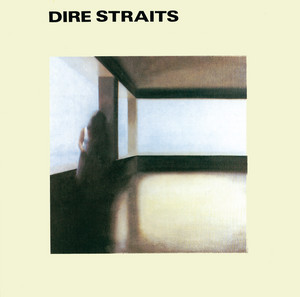
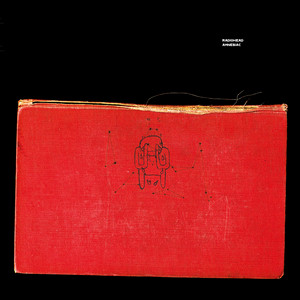


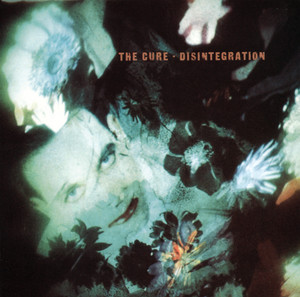
Popular Reviews
Listened to a few tracks yesterday - nothing jumped at me but it wasn't horrible either. Some days you just gotta move on.
Solid Stones album with a couple of their better known hits. Would not really take the time to sit and listen to this otherwise - so it was ok but not great at all.
Debbie Harry does not disappoint here. Solid album across the board. Heart of Glass is still a banger - a childhood song that still lands. The rest of the album is very good, not quite a 5, but a solid 4 for me. I find myself wishing for more granularity in the scoring on this site. For example, this one would be like a 4.3 for me (which like a 3.6) is still a 4. So it is what it is. Surprise songs were Sunday Girl and 11:59. Enjoyable listen.
Look, Future Days is often praised as a masterpiece of ambient krautrock, but in this alternate universe, we’re diving straight into the chaos. This album floats, drifts, and dissolves so gently that at times it feels like the band forgot they were making a record and just wandered off into the ocean. The title track is basically 9 minutes of “what if music… but underwater?” and the answer is: you get soggy percussion and vocals that sound like they’re trying to escape the mix.
1-Star Albums (16)


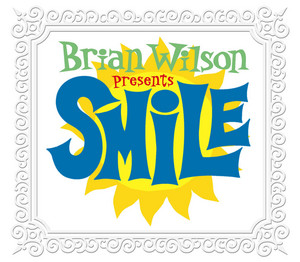





All Ratings (254)
Not my cup of tea but can appreciate it for the era.
Not really an album I would seek out or listen to a second time. Decent songs, well produced, but lacking sorely the energy and appeal of Purple Rain or earlier recordings from the early 1980s. Do not recall hearing any of these songs back in the late 80s era. I can appreciate Prince and his genius this just doesn't land for me. Mid.
Again, like Ray Charles and Prince just not overwhelmed by this Beatles release from 1963. Songs are all nice little ditties, pretty basic structure and nothing profound lyrically. Mr. Postman is probably the highlight. Never really cared for Roll Over Beethoven. Pretty tame and lame really.
Confession: Never listened to this album before. I've heard it mentioned dozens of times. So thank you to this list for introducing me and making me sit down to listen. Jazz is not really my genre - that said I do like more modern bands that stray into unusual keys and signatures like later Radiohead and especially when combined with beats.
Preferred this offering over my first several albums -- appreciated the quiet take on covering a state in music and can understand why Sufjan stopped after Michigan and Illinois. Going with my first 4 out of 5 on this one.
Classic Bruce - an album of our teenage years. And some classic tunes. Maybe not his "best" album but worthy of a solid 4 for me.
Great debut album — solid from start to finish. Going to give this one a 5 — “Take It As It Comes” was surprise track that brought the back end of the album together for me. I remember a high school social studies teacher who was a big Doors fan. He played this album and had us compare the keyboard licks to a Bach record and showed us how they were derived from music of the Baroque era.
Mediocre at best.
This was an interesting listen from my post-college years. Seb and I used to lift weights to this music. Kmart grunge. Clever ideas about road rage and school shootings but not something I choose to seek out these days. I am always happy to hear The Offspring if they are on the radio but I would not choose to put this album on the turntable. I also wonder to what degree the self-pitying low self-esteem of this era led to the emo stuff about 10 years later? A highlight for me was the road rage tune Bad Habits - found that funny and enjoyable. All this said, I am going to be more assertive in giving 1 or 2 stars and keeping room for music that appeals to me in the 3 to 5 range. Learning how to calibrate here. If I could give it 2.5 I would but since I have to choose on a whole number I plan to grade down a half point so this is a 2 for me.
Look. This is a great album. Ryan Adams seemed to think so too. Helps to have a teenage daughter perhaps.
Dogwater then. Dogwater now. Not a fan.
Great debut album!
1960 and glad to hear some world music however this doesn't do much for me and would not seek to come back to it.
Solid angry album. Lyrics still on point 30 years later.
Pretty solid. First track listing South American countries might have been inspiration for Bad Bunny's Super Bowl listing of Americas? Kinda fun for a listen.
Frenetic guitar opening with layered strings and Choen's deep baritone on Avalanche. So brooding and flat.
Thought this was better than expected and remembered. Second half of LP really took off for me. If I could give it a more granular score would be like a 3.6 or thereabouts but I'll round up to 4.
Thought this was better than expected and remembered. Second half of LP really took off for me. If I could give it a more granular score would be like a 3.3 so rounding down to 3.
Debbie Harry does not disappoint here. Solid album across the board. Heart of Glass is still a banger - a childhood song that still lands. The rest of the album is very good, not quite a 5, but a solid 4 for me. I find myself wishing for more granularity in the scoring on this site. For example, this one would be like a 4.3 for me (which like a 3.6) is still a 4. So it is what it is. Surprise songs were Sunday Girl and 11:59. Enjoyable listen.
About as expected - not horrible but not earth shattering. Mid.
Never loved Nirvana (or FF for that matter) - couple of popular songs that had some radio play. Grunge did not land for me. Give me the Pixies or Smashing Pumpkins from that era, or Dre and Snoop.
Boring after a few songs. Nice background music at a steakhouse. Great voice, nice songs, but just not for me.
First time I ever saw Nick Cave was in Wim Wenders’ film Wings of Desire - yeah someone who departed to Berlin the 80s I enjoyed following his career. That said I never sat down and fully listened to this particular LP. I enjoyed the thematic organization of some creative and dark songs. Not a 5-star album (although I would love to give it some ballast in these darn rankings!) but I judge for myself and this is a solid 4.
It was different, and OK. Would never go back and revisit. Appreciate Iggy Pop
Pretty good Southern Rock.
It was ok.
Fabulous and what an influence on artists from Madonna to Blur to All Saints. Electronic perfection!
Pretty good
I loved EDM and Techno and in the words of Jason Isbell This Ain't It Baby.
Absolute mid. Below mid. Like Lionel Ritchie song rejections picked up on the lounge floor. Production bland and nothing interesting in any of the arrangements. The singing is ok and that's about it.
Fabulous album! I especially like the way the tracks flow and evolve vs a lot of techno today coming out of Drumcode etc. that can drone quite a bit longer without much happening. Super interesting twists and turns on this one. Love it!
It was ok -- I found the blues songs kind of repetitive and not too exciting.
Pretty groovy -- great sound for the late 60s. Pretty influential.
Not even sure how a Kings of Leon record would make this 1001 list which calls into question why I am even doing this. I've only heard two singles from this band and follow Alt Nation and other music sources pretty carefully but KoL have never been on the radar as a band to pay attention to with a deep repertoire. I found it pretty strange to see this band or even an album of their's on this list. Waste of a slot. AOTY (metacritic site) has this album pegged at about a 6.7/10 by critics and 7.0 by listeners. Then, with all due respect, there are certain singing voices in rock and pop music that just don't work for me. This guy has one of those voices. Never been impressed. It's just basic crappy Southern rock that doesn't soar. The one song that popped for me was The Bucket. Day Old Blues super annoying. Outside of that not much to get excited about. Giving it a 2.
Interesting how 80s metal has aged for me. I was not a metal head during the 80s opting more for New Age styles but this album sounded great. Some of the themes of the songs surprised me, i.e. Run To The Hills. Overall really solid - a 3.4 or so for me.
Fantastic album. I am ashamed to admit that I was a huge HUGE Pixies fan in the late 80s and wore out Doolittle, Surfer Rosa, Bossanova and Trompe Le Monde CDs. Absolutely loved this band. And then....Frank Black went solo and I just lost a little touch and lost a little interest. I left college and started working. And almost like a good friend who we stop connecting with, the friendship slowly disappears. So when this one popped up yesterday I approached this with some excitement, some fond memories but also a little...regret maybe? For having strayed and given up. Anyway, once I gave it a spin and it started rolling I immediately regretted losing touch. This album really hits in all the right ways. It is solid, yes long, but chock a block full of great tunes. Probably about a 4.3 for me - very solid!
Didn't love it then, don't love it now. Close to strong dislike. This is a 2 or a 3 - a 2 seems maybe a bit harsh but this music does nothing for me but he get s a point for creativity. It always felt like a young Weird Al making current music instead of retreads.
Solid Stones album with a couple of their better known hits. Would not really take the time to sit and listen to this otherwise - so it was ok but not great at all.
Not that great - I tried.
Did not have chance to give this full listen, but agree with many of the comments, just not a great vibe for me.
Kendrick Lamar’s good kid, m.A.A.d city is the rare “major‑label debut” that feels less like an introduction and more like a fully formed memoir set to subwoofer‑rattling beats. It’s a coming‑of‑age story disguised as a blockbuster rap album—equal parts cinematic, confessional, and casually brilliant. Kendrick threads teenage misadventures, moral dilemmas, and Compton’s gravitational pull into a narrative so tight it makes most concept albums look like loose scribbles. The production swings from woozy to thunderous, but his pen never wavers; every verse feels like it’s been pressure‑washed for clarity. It’s ambitious without being self‑serious, vulnerable without slipping into melodrama, and catchy without sacrificing depth. A rare album that rewards both deep listening and loud‑car‑speakers listening. If this is the “good kid,” you can only imagine what the grown man has in store.
If i had connected with this at 20 it might mean something other than noise and negativity. Not my cup of tea.
Pretty tame and not too inspiring. I love EMD but this feels super bland and some ridiculous lyrical work (the song naming all of the 80s artists?) just ok....like a 2.4 or so. Not great. “Destroy Rock and Roll" has a few flashes of charm and a few infectious grooves, but the album never quite finds its footing. It’s a clever idea in search of a stronger pulse, leaving you wishing its best moments showed up more often. The album feels more like a promising sketchbook than a finished statement. Pleasant enough, just not the knockout it wants to be.
Nick Cave & The Bad Seeds’ Abattoir Blues / The Lyre of Orpheus stands as one of the most confident and creatively unbound statements in the band’s long career. It’s a double album that never feels indulgent, largely because Cave and his ever‑shape‑shifting ensemble approach the material with a rare combination of urgency, wit, and almost architectural precision. What emerges is a work that feels both monumental and strangely intimate, a testament to a band operating at full command of its powers. Abattoir Blues is the more muscular of the two halves, driven by Jim Sclavunos’ thunderous percussion and a gospel choir that feels less like ornamentation and more like a Greek chorus egging Cave toward revelation. Tracks like “Hiding All Away” and “There She Goes, My Beautiful World” channel a kind of ecstatic propulsion—Cave preaching, pleading, and prodding the universe for meaning with a ferocity that borders on the liturgical. It’s rock music with a sense of ceremony. By contrast, The Lyre of Orpheus is sly, spacious, and mischievously mythic. Cave leans into his storyteller instincts, weaving narratives that feel ancient and modern in the same breath. The arrangements are deceptively simple, allowing the lyrics to take center stage, but the Bad Seeds’ subtlety is the real magic trick here—every violin sigh, every guitar shimmer, every brush of percussion feels meticulously placed yet effortlessly organic. What makes the album so compelling is the interplay between these two worlds: the apocalyptic and the pastoral, the sacred and the profane. Cave has always thrived in the tension between extremes, but here he seems to revel in it. The result is a double album that feels not like a sprawl but like a diptych—two panels in conversation, each enriching the other. Nearly two decades on, Abattoir Blues / The Lyre of Orpheus still sounds like a band refusing to choose between grandeur and nuance, instead embracing both with a kind of fearless elegance. It’s a record that rewards deep listening, not because it’s difficult, but because it’s alive—restless, generous, and endlessly inventive.
Led Zeppelin’s Physical Graffiti is one of those albums whose reputation almost precedes the music itself. It’s sprawling, ambitious, and undeniably significant—an artifact of a band at the height of its creative and commercial power. But it’s also a record that, for me, functions more as a cornerstone of a well‑rounded collection than as something I regularly spin. What makes Physical Graffiti compelling is its sheer range. The band stretches out stylistically: the sinewy funk of “Trampled Under Foot,” the atmospheric sprawl of “Kashmir,” the acoustic detours, the blues workouts, the hard‑rock swagger. It’s a double album that feels like a snapshot of everything Zeppelin could do, and that breadth is part of its historical weight. At the same time, that expansiveness is also why I don’t return to it often. The album’s length and uneven pacing make it feel more like a curated archive than a cohesive statement. There are brilliant peaks, but also stretches that feel like they’re there because the band had the space to fill. It’s a record I respect more than I love—an album I’m glad to own because it represents a pivotal moment in rock history, even if it’s not the one I instinctively reach for when I want to hear Zeppelin. Final Score: 3 out of 5 (would go 3.5 if I could) A must‑have for the shelf, but not a frequent flyer in my rotation.
Nick Drake’s Bryter Layter is often hailed as some delicate, transcendent folk-jazz opus, but honestly, it’s about as invigorating as being greeted by an oddly moist and room‑temperature handshake from someone who looks like they’ve never successfully completed a sentence out loud. The album wafts in like a timid ghost asking if it can maybe, possibly, sort of haunt you—if that’s not too much trouble. Every track feels like it’s been ironed flat, spritzed with lavender, and tucked into bed before 9 p.m. The strings swirl politely, the vocals hover like a sigh that got lost on its way to becoming a thought, and the whole thing has the structural integrity of a paper straw left too long in a milkshake. People call it “lush,” but it’s the kind of lush that’s afraid to make eye contact. It’s background music for people who think chamomile tea is “a bit intense.” You keep waiting for something—anything—to grab you, but the album just pats your hand gently and whispers, “No sudden movements.” By the end, you’re left with the distinct impression that Bryter Layter isn’t an album so much as a prolonged shrug set to music. Two stars because it’s pretty in the way a watercolor painting of fog is pretty, but let’s not pretend this isn’t the sonic equivalent of a handshake so limp you check twice to make sure the person is still alive. Better than James Taylor at least.
M.I.A.’s Kala hits like a blast of jet‑lagged adrenaline—global beats, sharp edges, and enough attitude to power a small city. Even as a guy who’s been listening to music since CDs were “the future,” I’ve got to admit: “Paper Planes” is one of those rare tracks that stops you in your tracks. It’s clever, catchy, and somehow still feels fresh no matter how many times it pops up in movies or playlists. But the real curveball is “20 Dollar.” The way she weaves in that Pixies “Where Is My Mind?”‑style riff is just flat‑out cool. It’s the kind of reference you catch instantly if you grew up on alt‑rock, and it gives the whole track this eerie, hypnotic pull. Not every song is a home run, but the ambition and energy are undeniable. Kala is bold, weird, and way more inventive than most albums that came out that year. Giving it 4 out of 5 stars (but would be more like 3.6 if I could be more precise)— and yes, I still crank “Paper Planes” in the car. Love that song - moves this album from a 3 to a 4.
So cringe. So camp. So Nah.
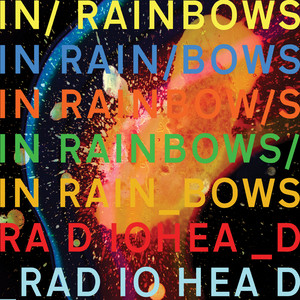
In Rainbows is such an easy 5/5. A fever dream—an album that moves like smoke through a dim room, brushing against you before slipping back into the dark. Every song feels half-remembered and half-foretold, a pulse wrapped in velvet and static. Reckoner is my ringtone. It’s the rare record that haunts more than it plays, the quiet phantom at the center of my collection, and one of the greatest works ever carved out of sound. In Rainbows is a 5/5 opus that slips between dimensions—an album less heard than inhaled. It shimmers in that liminal space where desire becomes geometry, where every chord feels like a secret only the initiated can decode. It’s a record that doesn’t beg for understanding; it assumes you’re perceptive enough to follow. In the vast sprawl of my collection, this record stands in rarified air, an artifact of rare intelligence, a masterpiece for those who listen with more than just their ears. And if you don't get it, this will be on YOUR videotape.
This really exceeded my expectations. Fifth Dimension is one of those rare mid‑’60s albums where a band, suddenly unmoored, accidentally invents a new future for rock. After Gene Clark’s departure, The Byrds leaned into experimentation, and the result is a record that helped define psychedelic rock while still rooted in their folk‑rock DNA. Critics and historians consistently point out that these were among the first and best examples of psychedelic rock, with the band drawing explicitly from Indian classical music and John Coltrane’s modal jazz. The album doesn’t just use psychedelic elements—it codifies them. It shows a band discovering that rock music could be a vehicle for abstraction, texture, and atmosphere. Fifth Dimension helped establish several musical ideas that later became central to progressive and psychedelic rock including extended, exploratory guitar work, psychedelic soundscapes as narrative, and genre fusion as a creative principle. Fifth Dimension blends folk, raga, country touches, and psychedelia. This willingness to hybridize genres laid groundwork for the progressive rock mindset: rock as a flexible, exploratory medium. Rush’s early albums and Pink Floyd’s mid‑’70s work both rely on this idea of rock as a boundary‑breaking form. These connections aren’t about direct influence so much as conceptual lineage—The Byrds helped create the musical vocabulary that later bands expanded into full-blown progressive and psychedelic architecture. Key songs: “Eight Miles High” — Often cited as one of the greatest singles of the ’60s and a cornerstone of psychedelic rock. “5D (Fifth Dimension)” — A philosophical, cosmic exploration that anticipates the metaphysical themes later embraced by prog rock. “I See You” — Features early 12‑string psychedelic soloing that feels surprisingly modern. "Mr. Spaceman" A song about aliens? Extra star. Fifth Dimension is the moment The Byrds stopped being just folk‑rock pioneers and became architects of the psychedelic and progressive sensibility. The album’s modal guitar work, genre fusion, and cosmic lyricism didn’t just influence their contemporaries—they helped sketch the blueprint that bands like Pink Floyd and Rush would later expand into entire musical worlds.
For an album with such a cosmic title, Electric Music for the Mind and Body mostly delivers a long, wandering shrug. Country Joe & The Fish clearly aimed for psychedelic transcendence, but what they ended up with feels more like being cornered by someone’s overly enthusiastic friend at a 1967 house party. The organ swirls are less “mind‑expanding” and more “motion sickness,” and the band’s political edge dulls quickly under the weight of meandering jams that mistake length for depth. There are flashes of charm, but they vanish almost as soon as they appear, swallowed by the album’s tendency to noodle itself into oblivion. Historically important? Sure. Enjoyable? Only if you’re grading on a very generous curve. Final Verdict: 2 out of 5 stars — a psychedelic time capsule that’s more dust than magic.
Let’s talk about Rubber Soul, the album critics treat like it descended from Mount Olympus, when in reality it feels more like a collection of diary entries from four men who had never heard the word “boundaries.” If this is emotional maturity, then I fear for the emotional state of 1965. This is the era where The Beatles supposedly “grew up.” And by “grew up,” I mean they started writing songs that sound like they were penned by guys who think being moody automatically makes them profound. The whole album radiates the energy of someone who buys one self‑help book and suddenly believes they’re a tortured poet. Ah yes, the part of Rubber Soul that fans love to pretend doesn’t exist. “Run for Your Life” is basically a jealous‑boyfriend threat set to a jaunty beat. Nothing says “timeless classic” like thinly veiled violence, right? “Girl” is a masterclass in romanticizing emotional labor. She’s exhausting, she’s dramatic, she’s too much—yet somehow he’s the victim. “You Won’t See Me” is the anthem of a man who refuses to consider that maybe—just maybe—he’s the problem. It’s like the band discovered introspection but forgot to apply it to their own behavior. Even if you ignore the lyrical side‑eye, the songs themselves blend together into a soft, strummy haze. It’s the kind of album that makes you check the tracklist to confirm you haven’t been listening to the same song on loop. “Norwegian Wood” is clever, sure, but it’s also a story about a guy who gets rejected and responds by… burning down a woman’s house. Charming. “In My Life” is the emotional high point, but that’s like saying the tallest building in a small town is impressive. It’s nice. It’s sweet. It’s not the revelation people pretend it is. By the midpoint, I felt like I was trapped in a vintage boutique where every song is played through a speaker that’s been collecting dust since the Johnson administration. The pacing drags, the energy sags, and the album seems determined to lull you into a state of mild, polite boredom. Beatles fans talk about Rubber Soul like it cured heartbreak, invented introspection, and personally taught humanity how to feel. In reality, it’s a transitional album with a couple of gems and a whole lot of “please stop Rubber Soul is historically important, yes. But it’s also uneven, overhyped, and sprinkled with enough casual misogyny to make you wonder why more people don’t mention it. A few standout tracks can’t save an album that mostly feels like homework wrapped in acoustic guitar.
Sinéad O’Connor’s 1990 album still feels startlingly alive. It’s one of those rare albums where emotional nakedness, political clarity, and musical invention all lock together into something that transcends its era. Even more than three decades later, the record sounds like a dispatch from a mind unwilling to compromise—musically, morally, or spiritually. “The Emperor’s New Clothes,” is often remembered for its defiant lyrics, but the real secret weapon is the drumming outro. It’s loose, tumbling, almost impatient—like the rhythm section is trying to outrun the constraints Sinéad is singing about. The groove doesn’t fade so much as it breaks free, underscoring the song’s theme of refusing to be boxed in by public narratives or private expectations. It’s one of the most quietly radical production choices on the album. “Black Boys on Mopeds” remains one of O’Connor’s most devastating political statements. Delivered with a whisper rather than a shout, it indicts state violence, racism, and hypocrisy with a clarity that feels painfully current. The song’s power comes from its restraint: no ornamentation, no melodrama—just a voice, a guitar, and a moral argument that lands harder because it’s sung with sorrow rather than rage. It’s a reminder that O’Connor wasn’t just a pop icon; she was a truth‑teller who refused to soften her message for anyone. The album’s centerpiece, of course, is “Nothing Compares 2 U,” a song that became so culturally dominant it sometimes overshadows the rest of the record. But within the album’s context, it’s not just a breakup ballad—it’s the emotional hinge of a project obsessed with honesty. O’Connor’s vocal performance is almost unbearably intimate, and the sparse arrangement gives her nowhere to hide. The political and personal threads of the album meet here: vulnerability as a form of resistance, grief as a kind of truth‑telling. Its relevance endures because the performance is so unguarded it feels like it could have been recorded yesterday. I am leaning on lower side of the 4/5 line ‑because there a few clunkers in here that I would probably skip such as Jump in the River. That said, the album’s emotional courage, political clarity, and sonic minimalism make it one of the most enduring statements of the early ’90s. It’s not just a classic; it’s a reminder of how powerful a single voice can be when it refuses to be silenced.
Waiting for an album that sneaks up on me from nowhere and goes to a straight up 5. This is not it but it is very close and definitely on the right track. I am going with a solid 3. Terence Trent D’Arby’s debut, Introducing the Hardline, is one of those albums that sneaks up on you. Going in, you might expect a late‑80s time capsule—slick production, big vocals, maybe a bit of over‑earnest swagger. And sure, some of that is here. But what’s surprising is how often the record cuts deeper than expected, revealing an artist who wasn’t just chasing trends but genuinely shaping his own sound. The album blends soul, funk, pop, and rock with a confidence that feels both youthful and ambitious. Not every experiment lands, but when it does, it really does. “Seven More Days” is the clearest example: warm, melodic, and emotionally grounded, it shows D’Arby at his most controlled and expressive. And I totally forgot about "Sign Your Name" - what a great tune. It’s one of those tracks that makes you sit up a little straighter and think, Oh—there’s something real here.
Alice in Chains’ Dirt is one of those albums I can admire from a safe distance. Coming from a love of the Pixies’ off‑kilter sparkle and the Smashing Pumpkins’ dreamy bombast, the Seattle grunge scene never fully pulled me into its orbit—and Dirt reminds me why. It’s a masterclass in mood, but that mood is unrelentingly bleak. There’s no denying the craft here: the harmonies are haunting, the riffs hit with precision, and Layne Staley’s voice carries a rawness that still feels dangerous. But the album is steeped in addiction, despair, and emotional claustrophobia. For someone living a clean, positive life today, that darkness doesn’t feel cathartic so much as something I don’t need to revisit often. Still, Dirt earns its place in rock history. I can appreciate its impact, its honesty, and its influence—even if I don’t feel compelled to dwell in its shadows. A solid three stars for an album I respect more than I enjoy.
Listening to The Punishing Kiss feels a bit like being cornered at a party by someone who insists on performing their entire one‑woman cabaret show directly into your face. For an hour. With no intermission. And you’re too polite to fake a phone call. Ute Lemper is undeniably talented — that’s the tragedy here. The album is like watching a world‑class chef insist on serving you a 12‑course tasting menu made entirely of lukewarm porridge. Every track promises drama, intrigue, emotional depth… and then delivers the musical equivalent of someone sighing theatrically while staring out a rain‑streaked window. The arrangements try so hard to be edgy and avant‑garde that they loop back around into feeling like background music for a noir‑themed IKEA showroom. And the lyrics — oh, the lyrics — they’re so self-serious they practically come with their own black turtleneck and cigarette holder. By the halfway point, you start to wonder if the “punishing” part of the title was meant literally. By the end, you’re checking the clock like you’re serving a sentence. If nothing else, the album is a masterclass in endurance. You made it through the whole hour, which means you can probably survive anything now.
Mike Ladd’s Welcome to the Afterfuture is a dystopian, avant‑garde hip‑hop blueprint whose political edge and futuristic anxiety anticipate the kind of socially charged storytelling Kendrick Lamar later perfected. Ladd’s blend of experimental production and critiques of power structures mirrors Kendrick’s own evolution into a generational voice. Where Ladd masks discontent in sci‑fi futurism , Kendrick transforms similar tensions into Pulitzer‑level narratives and cultural commentary . Listening to Ladd today feels like hearing an early, raw sketch of the thematic ambition Kendrick would bring to the mainstream. Better than expected.
Bonnie “Prince” Billy’s I See a Darkness is often hailed as a masterpiece of lo‑fi melancholy, but listening to it with fresh ears feels less like encountering a profound artistic statement and more like being trapped in a dimly lit basement while someone mutters their diary entries over a guitar that desperately wants to be tuned. The album aims for fragile intimacy, but too often it collapses into a kind of emotional mumbling—like a friend who insists on telling you their deepest secrets but refuses to speak above a whisper. The production, celebrated by fans as “haunting,” frequently comes across as unfinished sketches that wandered onto a record by accident. Instead of raw authenticity, it feels like a collection of demos that never got the memo about becoming actual songs. The title track is supposed to be the emotional centerpiece, but its meandering structure and half‑formed vocal delivery make it feel more like a rehearsal for a song that might someday be moving. The rest of the album follows suit: sparse arrangements that don’t build, melodies that barely register, and lyrics that gesture toward profundity without ever landing anywhere meaningful. Plenty of artists have made minimalism gripping. Here, the minimalism just feels… minimal. The emotional weight the album thinks it’s carrying never quite materializes, leaving you with a record that’s less “hauntingly beautiful” and more “haunting in the sense that you can’t believe people keep insisting it’s great.” In short: if the album were aiming to be worse than dogshit, it overshoots the target by a wide margin. At least dogshit has a clear identity.
Not too great, not too bad. Just a 3. Stan Getz’s Jazz Samba is one of those albums that feels like it wandered in from a cruise ship lounge and never quite found its way back out. The whole record glides along with the soft-focus sheen of something you’d hear as you board The Love Boat, cocktail in hand, wondering if the steel drum band missed their call time while Captain Stuebing gets to schtupping. There’s no denying the musicianship—Getz’s tone is famously smooth, and Charlie Byrd’s guitar work is tasteful to a fault—but the album often drifts into that pleasantly inoffensive territory we now associate with elevator music. It’s the kind of sound that gently pats you on the shoulder and says, “Don’t worry, nothing challenging will happen here.” The bossa nova rhythms are undeniably charming, but they’re also so feather-light that the whole experience can feel like background music for a dentist’s waiting room that’s trying a little too hard to seem “worldly.” Even the standout track, “Desafinado,” floats by like a warm breeze—lovely, but not exactly gripping. In short: Jazz Samba is smooth, sunny, and historically important, but if you’re looking for something with bite, this one might leave you feeling like you’ve just listened to the world’s classiest hold music.
David Bowie’s Young Americans is the sound of an artist shapeshifting in real time — and somehow making it look effortless. Trading glam-rock glitter for satin‑smooth soul, Bowie dives headfirst into “plastic soul” and comes up with a record that’s surprisingly warm, slyly funky, and endlessly listenable. The title track struts in with swagger, “Fame” snaps with sharp-edged cool, and the whole album glows with that lush, mid‑70s studio sheen. It’s Bowie at his most playful and least alien, crooning and hustling his way through grooves that feel equal parts nightclub, street corner, and smoky after-hours jam. Not every experiment lands perfectly, but even the wobbles are interesting — and the highs are undeniable. Young Americans may not be Bowie’s most iconic persona, but it’s one of his most charming detours, a stylish pivot that still feels fresh. A confident 3 out of 5: bold, soulful, and just messy enough to be human.
Moby Grape’s debut is treated like a hidden gem, but most of the shine is imagined. The band’s genre‑hopping feels less like versatility and more like confusion, with songs that blur together and rarely land. The harmonies try to mask the thin songwriting, but even they can’t rescue material this forgettable. A couple moments spark, but the album’s reputation does more heavy lifting than the music itself. Two stars, and that’s being polite. Why had I never heard of Moby Grape before this? Oh...
There are albums that introduce you to a band, and then there are albums that introduce you to a world. The Who's "Live at Leeds" was exactly that for me. I first stumbled into The Who back in middle school, long before I understood what a truly ferocious live rock band sounded like. This record—raw, loud, unapologetically messy in the best way—was my gateway. Even now, decades later, it still hits with the same voltage. What makes Live at Leeds so special is that it captures The Who at their most primal. Pete Townshend’s guitar is a windmill-powered buzzsaw, Keith Moon plays like he’s trying to outrun the laws of physics, John Entwistle holds the whole thing together with bass lines that feel like lead pipes wrapped in velvet, and Roger Daltrey belts with a force that could shake stadium rafters. It’s not polished. It’s not pretty. It’s alive. By the time I saw The Who in 1982 at Rich Stadium in Orchard Park—with The Clash opening, no less—I already knew what I was in for. Live at Leeds had set the bar. And even in that massive stadium, they delivered the same sense of controlled chaos that the album immortalized. That show didn’t just meet my expectations; it confirmed something I’d already suspected: The Who weren’t just one of the greats—they were the greats. The Rolling Stones had swagger and the Beatles innovatedd. But The Who? They exploded. There was a visceral, kinetic energy to The Who that neither of those legendary bands ever quite matched. Live at Leeds is the ultimate proof. It’s the sound of a group that didn’t just play rock—they detonated it. Not because it’s lacking, but because it’s human. It’s imperfect, unfiltered, and occasionally chaotic. And that’s exactly why it still stands as one of the most electrifying live albums ever recorded. A near-masterpiece that changed how I heard rock music—and how I experienced it live.
Elton John’s Madman Across the Water is widely regarded as one of his most atmospheric, orchestral, and emotionally rich early‑’70s albums—anchored by iconic tracks like “Tiny Dancer” and “Levon,” and remembered for its lush arrangements and darker storytelling. It’s a record where Elton and lyricist Bernie Taupin push into more complex moods, blending rock, pop, and symphonic textures with striking confidence.
Campy show tunes, marginal lyrics and two songs about doom this to the bottom 10% of listens so far.
Lupe’s lyricism is sharp and imaginative, but the album’s pacing can feel uneven. Some tracks hit hard while others drift without much impact. It’s a solid debut that shows promise more than polish.
Stevie Wonder’s Innervisions is one of those albums you know is important even if it doesn’t quite hit you in the gut. The craft is undeniable—Stevie is basically a one‑man orchestra, firing on all cylinders with social commentary, synth wizardry, and melodies that have shaped entire genres. You can hear the blueprint for decades of soul, R&B, and pop in every track. But as much as I admire it, I don’t always feel it. The album’s precision and message-forward approach sometimes keep me at arm’s length; it’s brilliant in a way that feels more museum-piece than personal favorite. I respect the vision, I get the legacy, I just don’t always vibe with the listen. A landmark album, absolutely. A go‑to spin for me? Not really.
Solid country music.
Great early 80s music. EaTB underrated.
My Generation still lands like a brick through a plate‑glass window. As debut albums go, it’s less a calling card and more a declaration of intent—raw, impatient, and gloriously volatile. Where many first records feel like sketches of what a band might become, The Who arrived already swinging, fusing Mod swagger with a proto‑punk snarl that made their peers sound almost polite. Compared to the Beatles’ tidy Please Please Me or the Stones’ blues‑club apprenticeship on their debut, My Generation is the moment the kids grabbed the steering wheel. Pete Townshend’s windmill riffs, Keith Moon’s barely‑contained detonation behind the kit, and Roger Daltrey’s brash bark all collide into something that feels less produced than unleashed. Even today, the title track’s stuttering defiance still feels like a cultural line in the sand. It’s not flawless—some covers feel like holdovers from a band still figuring out its studio identity—but the album’s energy, attitude, and sheer nerve make it one of the most confident first swings in rock history. A debut that doesn’t just introduce a band, but announces a shift in the entire vocabulary of youth culture.
I’m honestly surprised I’d never heard of one of those quietly influential records that’s been hiding in plain sight. Solid Air drifts between folk, jazz, and a hazy late‑night blues vibe, and Martyn’s slurred, smoky vocals give it a strangely hypnotic pull. The title track sets the tone: warm, intimate, and a little otherworldly. Not every moment lands, and some tracks wander more than they build, but when the album locks into its mellow groove, it’s genuinely captivating. A solid 3.25 out of 5 — not a life‑changer, but definitely worth the listen, especially if you like discovering classics you somehow missed.
Yummy plain oatmeal for breakfast, tapioca mash for lunch and a 3 oz broiled chicken breast for dinner.
Love The Cure, but not their top work. Still a solid 4. “Pornography” feels less like an album and more like a storm‑lit chapel where despair learns to sing. It moves with the gravity of a ritual, each track a candle guttering in a room thick with incense and sleepless thoughts. The drums don’t simply strike—they throb, like a pulse you’re suddenly aware of in your throat. The guitars smear across the mix like bruised watercolors, and Robert Smith’s voice drifts through it all like a ghost trying to remember its own name. There’s a strange, terrible beauty here: the kind that early ’80s gloomy new wave chased but rarely caught. The Cure didn’t just capture it—they bottled the fog, carved the ache into stone, and left it humming with a kind of sacred dread. “Pornography” is the sound of shadows learning to speak, and the echo they leave behind is still cold to the touch.
This is a historically important album, and for listeners who love experimental rock, it’s a treasure. But as a front‑to‑back listening experience, it’s more admirable than essential. A decent 3/5 feels right: inventive, influential, and intriguing, but not quite a masterpiece.
I guess I am not alone — a ton of people who consider themselves pretty plugged into indie and alternative music have had the exact same “Wait… how did I miss Guided by Voices?” moment. The short answer is: they were hugely influential, but never mainstream, and their rise happened in a very specific corner of the ’90s music world that was easy to miss unless you were tuned to the right frequency. GBV weren’t just “indie rock” — they were deeply underground, releasing ultra–low-budget, self-recorded albums on tiny labels. Their early records didn’t get the kind of press that traveled far outside zines, college radio, and small scenes. If you weren’t in those circles, they simply didn’t surface. If your listening leaned more toward polished alt‑rock, Britpop, grunge, or electronic, GBV wouldn’t have crossed your radar. You could follow music closely and still miss them because they weren’t part of the big cultural conversation — they were more like a cult classic film you only hear about from a friend who’s really into movies. The overall aesthetic leans to a 4 but because they are from Ohio deduct one point. A 3 it is.
5 out of 5 — A fierce, unforgettable landmark of alternative music. Meat Is Murder isn’t just an album — it’s a manifesto wrapped in jangling guitars, razor‑sharp wit, and the unmistakable melancholy of The Smiths. As a full‑length statement, it’s bolder, darker, and more politically charged than their debut, and that ambition pays off in every track. Why it earns a perfect score Musical evolution — Johnny Marr’s guitar work is richer and more experimental here, weaving funk, rockabilly, and atmospheric textures into something unmistakably their own. Lyrical bite — Morrissey sharpens his pen, tackling topics like corporal punishment, alienation, and animal rights with a mix of vulnerability and provocation. Emotional range — From the swagger of “The Headmaster Ritual” to the aching beauty of “Well I Wonder,” the album moves effortlessly between fury and fragility. Cultural impact — The title track alone sparked decades of debate and helped cement the band’s reputation as fearless outsiders.
Timberlake or Timbaland? Justified earns a 3 out of 5 for me. It’s an album with flashes of personality, but it never fully steps out of the shadow of its early‑2000s influences. The production—while polished—leans so heavily on the Neptunes and Timbaland formulas of the era that the record feels more like a stylistic collage than a cohesive artistic statement. Timberlake’s vocals are competent but rarely compelling, and several tracks blur together without leaving much of an impression. There are a couple of catchy moments, but overall the album feels more like a promising sketch than a fully realized debut.
Loved 80s music and as a child the Pet Shop Boys were good but never great. Would love to give this higher marks but I wouldn't buy this on vinyl for my collection. Still, Behaviour is one of Pet Shop Boys’ most emotionally resonant and meticulously crafted albums. Released in 1990, it marks a deliberate shift away from the duo’s high‑energy synth‑pop toward something more introspective, elegant, and quietly devastating. The production—handled with a warm, analog sheen—gives the album a timeless quality that sets it apart from their more overtly electronic work. The songwriting is the real centerpiece. Tracks like Being Boring and This Must Be the Place I Waited Years to Leave balance melancholy with sophistication, pairing Neil Tennant’s reflective lyrics with arrangements that feel both intimate and expansive. Even the more upbeat songs carry a sense of restraint, as if everything is filtered through a mature, contemplative lens. What makes Behaviour stand out is its emotional coherence. It’s not an album chasing singles; it’s a unified mood piece. Some listeners may find it subdued compared to the group’s more dance‑oriented releases, but that subtlety is exactly what gives it staying power. It’s a record that rewards repeat listens, revealing new layers of detail and feeling each time. In the Pet Shop Boys catalog, Behaviour often sits at the intersection of fan favorite and critical darling—and for good reason. It’s thoughtful, beautifully produced, and quietly bold.
Solid effort
Good stuff
By adding rock electricity to four Bob Dylan covers, The Byrds created a jangly new pop hybrid on their innovative 1965 debut album. Gene Clark's five bittersweet originals balance Dylan's poetics with dolorous Beatles-influenced tunes like "I’ll Feel a Whole Lot Better" and the winning bonus track "She Has a Way." The Byrds' distinctive harmonies and Roger McGuinn's electric 12-string guitar generate a signature sound that has influenced everyone from Dylan himself to R.E.M.
By the age of 22, Christopher Wallace had already lived quite the life. By naming his debut Ready to Die, the Brooklyn rapper bluntly encapsulated both his fearless, take-no-prisoners lyrical style and his perpetual sixth sense that death could come for him at any time. While hardly the first to rap about the pleasures and pitfalls of drug dealing, The Notorious B.I.G. elevated the form to a divine art of brutal honesty. “I remember when he was doing the title track, I was a little disturbed,” Easy Mo Bee, who produced several of the album’s standouts, tells Apple Music. “‘You’re saying you’re ready to die? What’s up, Big?’ He told me, ‘I’m going through a lot...I’m tired of being up there hustling, my mom is sick, I have a baby on the way.’ He was going through a lot of p
Sadly, the Smiths could not stay together. One of the distinct highlights of the 1980s post-punk landscape, the Smiths as a group conjoined the power of adolescent angst with gorgeous pop melodies. The marriage of Johnny Marr’s music to Morrissey’s lyrics came together for one last push with this, the Smiths’ fourth and final studio album. With Stephen Street as co-producer, the British quartet achieved a fuller sound that made Marr’s guitar colorings particularly bright with strings and horns added in strategic spots. Morrissey matched the production’s additional hues by writing another batch of punchy, pithy musings, including “Girlfriend In a Coma,” in which solemn horror is eased by an indelible melody. “Stop Me If You Think You’ve Heard This One Before,” “Last Night I Dreamt That Somebody Loved Me,” and “Unhappy Birthday” encapsulate and extend Morrissey’s heartfelt self-pity. He’s clearly aware of the impression he’s making and reveling in his own cheekiness. This playful demeanor balances the desperate anger that lurks underneath (“Paint a Vulgar Picture,” “I Won’t Share You’)
Le Tigre’s self‑titled debut is a jittery, neon‑colored blast of electro‑punk energy — the kind of record that feels like it was stitched together from zines, protest flyers, and thrift‑store keyboards. It’s clever, political, and defiantly DIY, but it also has a habit of getting on your nerves just when you’re starting to settle into its groove. What Works “Eau d’Bedroom Dancing” steals the whole album. It’s the rare moment where the band’s lo‑fi charm, emotional clarity, and melodic instincts line up perfectly. Sweet, strange, and quietly hypnotic. The production is intentionally scrappy, but in a way that gives the album personality rather than making it feel unfinished. When the band leans into their playful side, the record feels alive — like a late‑night art project that suddenly turned into a party.
Look, Future Days is often praised as a masterpiece of ambient krautrock, but in this alternate universe, we’re diving straight into the chaos. This album floats, drifts, and dissolves so gently that at times it feels like the band forgot they were making a record and just wandered off into the ocean. The title track is basically 9 minutes of “what if music… but underwater?” and the answer is: you get soggy percussion and vocals that sound like they’re trying to escape the mix.
Burning Spear’s Marcus Garvey hits like a slow‑burning fire—steady, spiritual, and unshakeably grounded. The album’s roots reggae foundation is unmistakable, and its political and cultural weight gives it a sense of purpose that still resonates. Tracks like “Marcus Garvey” and “Slavery Days” stand out with their hypnotic grooves and meditative vocal delivery, creating an atmosphere that feels both urgent and timeless.
By treating texture as equal to melody, My Bloody Valentine created a sonic playbook that remains a primary reference point for alternative, indie, and even metal artists today.
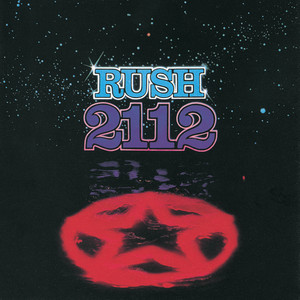
Can't wait to see them later this year on stage in Toronto and DC. 2112 was a courageous album coming on the heels of Caress of Steel which underperformed—commercially, critically, and even among parts of their fanbase—Rush were under real pressure. The label wanted something more conventional, something radio‑friendly, something safe. Instead, the band doubled down on the very thing people said was the problem: long-form storytelling, conceptual ambition, and unapologetic prog-rock maximalism. 2112 wasn’t just a creative choice; it was a statement of identity. It said: “If we’re going down, we’re going down as ourselves.” That kind of artistic defiance is rare. And it paid off. The title suite became the band’s breakthrough, not because it was accessible, but because it was unmistakably Rush—a fusion of virtuosity, narrative, and raw conviction. Such an easy 5.
Kenza has a few bright moments, but most of the album drifts into overpolished, overlong territory that dulls its impact. It’s ambitious, sure, but it ends up feeling more like a scattered experiment than a cohesive musical statement. Kenza still feels uneven and overextended, but “C’est la nuit” manages to break through as one of the few tracks with real atmosphere and charm. Most of the album leans too heavily on glossy production that smothers its raï roots. It’s listenable, but only in flashes does it remind you what Khaled can actually do.
Dogwater. Better than Bolt Cutters (barely). Couple of decent songs, a few ruined by out of tune trumpets. Let England Shake is the kind of album that feels like it was designed to impress critics first and actual listeners somewhere around tenth place. Out of tune horns and falsetto singing really annoy. It’s so wrapped up in its own sense of importance that it forgets to be, you know, enjoyable. The whole thing plays like a school assignment where the rubric demanded “historical references” and “serious themes,” and PJ Harvey turned in a project that checks every box but forgot to include a pulse. The autoharp—an instrument that can be haunting in the right hands—gets hammered into the ground here until every track starts to sound like the same brittle, jangling dirge. It’s less “innovative texture” and more “someone shaking a metal coat hanger over a microphone.” The production is intentionally stark, but often it just feels thin, like the songs were recorded in a cold room with the heat turned off. Lyrically, the album aims for gravitas but often lands on vague, distant commentary that feels strangely hollow. Instead of visceral emotion, you get a kind of academic detachment, as if the album is observing war from a safe balcony seat. It wants to be devastating, but too often it’s simply dreary.
Enjoyed it and the songs are not very well known like other Zep albums except for Immigrant Song. Giving this a solid 4.
I saw the Simple Minds at the Waldbuehne in Berlin on June 14, 1989. They played one tune off this album at that show: Big Sleep. What a show as I recall, perfect warm early summer night. ⭐⭐⭐⭐⭐ New Gold Dream (81–82–83–84) — A Radiant, Timeless Triumph You know what sucks about this project and website? Having to wade through other people’s moronic takes on classic records like this one. Simple Minds’ New Gold Dream is the moment the band stopped being a promising post‑punk act and became something mythic. The album glows — literally — with a golden, dreamlike sheen. Every track feels suspended between the spiritual and the cinematic, built on lush synth textures, hypnotic basslines, and Jim Kerr’s rising‑into‑the‑heavens vocals. What makes the album so enduring is its sense of forward motion. It’s not nostalgic, not retro, not derivative. It sounds like a band discovering a new musical language in real time — a fusion of art‑rock, electronic pop, and atmospheric mysticism that would influence everyone from U2 to the Manic Street Preachers. ⭐ Highlight Track: Hunter and the Hunted If the album is a cathedral of sound, Hunter and the Hunted is the stained‑glass window catching the light. Mick MacNeil’s synths shimmer like neon fog. Derek Forbes’ bass is a masterclass in melodic propulsion. Jim Kerr’s vocal is both intimate and epic, a whispered prayer turning into a declaration. And then there’s Herbie Hancock’s guest solo — a moment of pure, liquid electricity that lifts the track into the stratosphere. The song feels like a chase through a dream: urgent, romantic, and strangely serene. It’s one of the band’s finest achievements and a perfect encapsulation of the album’s emotional palette. Why It’s a 5/5 Visionary production that still sounds modern A cohesive, immersive atmosphere from start to finish Career‑defining performances from every member A sense of spiritual uplift rare in pop music Tracks that feel like living, breathing worlds New Gold Dream isn’t just an album — it’s a place you can step into. And once you’re inside, you don’t really want to leave.
Bright Flight marks a shift toward a more stripped‑down, country‑leaning sound for Silver Jews. The arrangements are sparse, often built around gentle guitars, steady rhythms, and David Berman’s unmistakably plainspoken delivery. The album doesn’t aim for polish; instead, it leans into a kind of lived‑in simplicity that suits Berman’s writing. Lyrically, the record blends melancholy, wry humor, and moments of stark introspection. Berman’s voice — both literal and literary — is the centerpiece. His lines can feel conversational one moment and unexpectedly poetic the next, giving the album a sense of emotional unpredictability. Musically, Bright Flight is one of the band’s most accessible works. The melodies are straightforward, the pacing unhurried, and the production intentionally unfussy. Some listeners may find the minimalism refreshing, while others might miss the more expansive textures of earlier albums like American Water. Either way, the record’s cohesion and clarity make it a distinctive entry in the Silver Jews catalog.
We all know the hits. I define an album by whether I want or need this in my record collection. I would never put this on the turntable because it's just been overplayed. When they toured last year I was like, yeah, no. While (What's the Story) Morning Glory? is now considered a cornerstone of the 1990s, its initial reception was notably lukewarm (rightfully so), with many critics dismissing it as a derivative or "unimaginative" follow-up to their debut. Mid but not horrible. Somewhere between a 2.8 and 3.2 for me.
Was chatting with my brother and I asked him "Do you like jazz?" And he said well I like sauerkraut, kefir, yogurt, pickles, and kimchi, but I do not care for kombucha. People always try to get me to drink kombucha and I just don't like it." He does eat probiotic, fermented foods, just not in a rotten tea-like form. So it is with jazz. I just don't care for this music. No interest in hearing it again. Is the musicianship solid? Sure. And I think of myself as a spontaneous, freedom loving kind of guy. Just not into jazz. Oh well.
Not that great or memorable. One point deduction for cloying band name. There are one or two decent tunes that keep it from a 1. The list is starting to piss me off.
I remember spinning Behind the Wheel on my college AM station. It's hard to see in real time what an album means in the broader picture but for Depeche Mode this darkly seductive, meticulously crafted, and emotionally charged album finds them at their most transformative. It captures the moment they stopped being cult favorites and became global icons — not by softening their sound, but by amplifying its depth, drama, and ambition. I want this in my vinyl collection every day of the week.
Bob Marley’s Catch a Fire is one of those albums that instantly transports you. The moment the first notes of Concrete Jungle hit, there’s this unmistakable blend of tension, groove, and sun‑soaked rhythm that feels like stepping into the Caribbean breeze. The production is smoother than the raw early Wailers recordings, but it still carries that unmistakable roots energy—tight basslines, smoky guitar licks, and Marley’s voice cutting through with conviction. When I’m actually in the Caribbean, this album becomes something else entirely. Songs like Stir It Up and Kinky Reggae feel tailor‑made for slow afternoons, warm nights, and that relaxed island rhythm. It’s almost like the music syncs with the environment—suddenly every track feels deeper, richer, more alive. But I’ll be honest: outside of that setting, it’s not always my go‑to. I love it, but it’s more of a mood album for me. When I’m not in that laid‑back, sun‑drenched headspace, I tend to reach for other Marley records or different genres entirely. Still, Catch a Fire remains a classic—an album I appreciate deeply, even if I don’t spin it every week.
Better than the Beastie Boys.
Soft Cell will forever be the band that gave us Tainted Love — a song so overplayed and perfect it basically is the 80s. But once you wander past that one flawless synth-pop miracle, this album turns into a chaotic carnival of camp, zesty, fruity melodrama, emotional over-sharing, and synths that sound like they’re trying to escape the studio. I'm a child of the 80s and I will always defend 80s music but it would be irresponsible to support this record. Especially when 1981 gave us New Order Movement and The Cure Faith. This is not a good record.
Legalize It isn’t just a great reggae album — it’s a declaration of artistic independence, a sharper, more militant counterpoint to Bob Marley’s warmth, and a record whose guitar work unexpectedly echoes the clean, expressive phrasing you’d hear from Mark Knopfler of Dire Straits. It’s far stronger than many listeners expect, both musically and politically. I reviewed over 100 albums and this is the one I’ve been waiting for to be pleasantly surprised straight up to a 5!
Absolutely brilliant. Easy 5. Also glad that I got to see Johnny Marr a few years back, but not Morrissey. Dizzy Whore, 1804.
Walking Wounded earns a confident 4 out of 5 stars for its sleek, emotionally charged blend of trip‑hop and electronic pop. Everything but the Girl pivoted sharply from their earlier acoustic sound, and the gamble paid off: the album’s glossy electronic production gives Tracey Thorn’s voice a cool, nocturnal glow while Ben Watt’s arrangements pulse with understated sophistication. Tracks like the title song and “Wrong” show how well the duo embraced club‑influenced textures without losing their melodic core. A significant influence on The XX.
For me Heroes is a 4/5 — a masterclass in mood, atmosphere, and Bowie’s ability to merge personal narrative with sonic innovation. Side 2 is the album’s heart, and its songs are among Bowie’s most enduring. I like the song Neukolln as I was living near there back in 1989 and the song sounds like a Turkish Doener Kebab combined with a few puffs of hash. Good stuff.
I'm not denying Aretha’s genius, just sayin' the album as a whole doesn’t sustain the brilliance of its best moments. Looking at the consistency, flow, and depth across all tracks, it falls short of the masterpiece status it’s often given. 2/5 here doesn’t mean “bad” it just means there are a few transcendent highs surrounded by a lot of forgettable middles wrapped in a historically important but musically uneven package. I found it fairly repetitive and boring to be honest. Aretha’s greatness is unquestionable, but I Never Loved a Man feels more like a legendary single surrounded by a patchy album. I admire it — I just don’t love it. And sorry but I must join the small "great voice & love the crowd here, and appreciate the experience, but this is not an album I would look to add to my collection.
Deduct one point for Pristeen - horrible opener. Deduct another for the album art and another point for the album title. Add one point back because it's not so bad musically. Interesting for a single listen. Peggy Suicide feels less like hearing music and more like being scolded by a man who just discovered activism yesterday. Cope piles on themes — politics, ecology, mysticism — but the result is a cluttered, self‑important slog. I do dig the Manchester vibes. The songs blur together into a swamp of mid‑tempo grooves and vague cosmic warnings. It’s the kind of album that insists it’s profound while offering the emotional impact of a damp leaflet. If this is Cope’s grand statement, it’s delivered with all the subtlety of a soapbox sermon shouted at passing pigeons.
Court and Spark succeeds on its own terms: a meticulously crafted, lyrically nuanced, musically elegant album that marked a turning point in Mitchell’s career and resonated strongly with critics and mainstream audiences. But its restraint, polish, and emotional ambivalence mean it won’t land for everyone, especially if you prefer more visceral, raw, or sonically adventurous music. Like a nice bowl of oatmeal or tapioca pudding. Meh.
My biggest regret on this site are being too generous in my grading. I gave Joni Mitchell a 3 yesterday and after reflection the truth is I just did not like it. My child often asks me, "Why are you listening to this junk? Just listen to what you like." So Joni Mitchell should have been a 1 or a 2 and while I cannot go back and fix that, unfortunately for Ray Davies and the Kinks they are going to take a beating today as I work toward more forceful scoring. While Something Else is a critically beloved album that showcases Ray Davies’ lyrical wit and the band’s uniquely British sensibility, its modest production, stylistic scatter, and reliance on music‑hall charm makes it feel unexciting if you’re expecting the punch of late‑60s rock or the conceptual depth of the Kinks’ later work. These elements don’t resonate with me and even though the album’s historical reputation is strong this is at best a 2 for me.
I thought this was pretty good actually. Maybe because I enjoy Sturgil Simpson Sturgill and Jason Isbell and Charlie Crockett today this is the origin story...It’s a masterclass in doing more with less: a sparse, haunted, quietly rebellious record that helped define outlaw country and proved that country music could be cinematic without being overproduced. Good stuff Willie!
The Fall are hugely influential, deeply respected, and beloved by a dedicated minority—including some Gen Xers—but they were never a broadly popular Gen X band. They remain a fringe, cult institution, not a generational favorite. The Fall were easy to miss and impossible to fully grasp — even in the 1980s — unless you happened to fall directly into their strange gravitational field. I guess I'm in good company. Tons of 80s kids didn’t discover them until the 90s, 2000s, or even later. The Fall were never a mainstream band; they were a cult phenomenon, orbiting punk, post‑punk, indie, and something entirely their own. They had limited radio play. As a CFNY listener can't recall hearing them and they just were not chart-friendly. Mark E. Smith’s vocals were more “angry prophet in a pub” than “Top 40.” Also, the band was a revolving door. Hard to market a group that changed members like socks. The Fall were too weird for punk, too punk for indie, too indie for mainstream. They were also a huge in certain British circles but barely promoted in the US. Mark E. Smith’s brilliant, abrasive, uncompromising personality was not exactly MTV material. Child of the 80s here. I think I know the name The Fall but totally missed them. The Fall weren’t a band you found in the 80s — they were a band you stumbled into, usually because a friend, older sibling, or weird record-store clerk shoved them at you. Without that social vector, they stayed hidden in plain sight.
Did not get a chance to listen much. So playing some catch-up and I didn't relish this one.
Good songwriting.
Nothing’s Shocking is the moment Jane’s Addiction stopped being a cult L.A. oddity and became a blueprint for the entire alternative rock explosion that followed. The album blends funk‑rock, psychedelia, and post‑punk with a kind of decadent, art‑damaged confidence that few bands have ever pulled off. Perry Farrell’s vocals are theatrical and divisive — part shaman, part street poet — while Dave Navarro’s guitar work is the album’s secret weapon: melodic, muscular, and constantly shifting. Stephen Perkins’ drumming is the glue, giving even the trippiest tracks a propulsive backbone.
Easy 5 - great debut album. Second half is better than people think even if there not chart toppers.
Fantastic Disaster - horrible - yelling. Sister - same Elixir is Zog - garbage Album is pretty much a pile of dogtrot
Great classic tunes. Would not want to own this on vinyl however. It's a solid 4.
Finally - I am about 130 albums into this project and finally found an album that blew me away. I have hear of Bad Brains of course, and moved to the DC area when Fugazi was doing their thing. But this album wasn't;t just noise or yelling but had tight grooves and a degree of melodicism I never expected. Secret 77 was a banger. Great album!
Joni Mitchell's The Hissing of Summer Lawns trades her signature raw intimacy for over-produced, avant-garde pretension that alienates the listener. The jarring integration of jazz fusion rhythms and repetitive Moog synthesizers completely suffocates her melodies. Ultimately, the album replaces genuine human emotion with cold, spoken-word critiques of suburban life that feel more condescending than artistic. Boring and annoying.
Just not impressed. Music sounding like it's AI generated. I like Don't Panic as a song but not enough to lift this up. And what is Yellow? A nothing burger.
Repeater brings me right back to those first months after moving to Washington, D.C. in 1990, when everything felt loud, earnest, and just a little bit improvised. The album carries the same pulse the city had then with rowhouses humming with basement shows and flyers layered on telephone poles. I can still picture that Fugazi show at Fort Reno, the summer heat settling in as the sun dropped behind the trees, the band playing like they were holding the whole neighborhood together with nothing but rhythm and conviction. Repeater captures that feeling better than memory. Sharp, principled, and full of the restless hope of being young in a city that felt like it was waking up with you.
Recorded in 1980s this ain't no Viagra Boys. Can hear the bridge between the 60s and 70s to the college radio music of the 80s. Better than expected. I liked it actually even if a bit quirky.
Really enjoyed this. Unique, bold, daring for its time. Also quite bleak and depressing content-wise but better than crap like Yellow from Coldplay that we take for good today. This is art. Pushing boundaries and being unapologetic. I could really hear Bono adopting some of the vocal patterns from The Bed and other songs. Struggling whether it's a 4 or 5, and on a 100-pt scale I would peg this at about an 88 for me, which is 4.4. or 4.
Solid debut album, chock a block full of hits of course. I found some of the lyrics kind of odd (let them brush your rock n roll hair?) (so bleed me) and yet the hits on here are undeniable. I ask myself "Do I want or need this in my vinyl collection?" and the answer is probably no unless I find it for $5 at a used record store. I would't go out of my way to spin this. That said, Moving in Stereo is pretty great. It's obviously a big piece of late 70s FM radio but for me it's a 4.
P-p-p-p-pretentious p-p-prick. T-t-t-t-two stars. Just kidding. 1.
This was better than expected but also not great per se. Many people say this is one of the best grunge albums ever made. You must hear it if you like the raw, rough sound of early Seattle rock. It shows that the local music scene was much bigger than just the few famous bands that became huge. Would not join my rotation but I'm ok being forced to listen to it.
Pretty solid album, somewhere between a 3 and 4 for me. Nothing egregious and nothing mind-blowing.
This album spent a massive 741 consecutive weeks on the Billboard 200 from its debut on March 17, 1973, through October 8, 1988. This is the longest unbroken run in chart history. Pretty remarkable for a reason. Classic.
I liked this one. Fun lyrics, great pedal guitar vibes, funny lyrics and great delivery. Can only take it in measured doses though. Background - Hal Rugg's pedal steel work provides the essential melodic counter-punch to Loretta’s fiery, blunt vocals. Rather than just sitting in the background, the steel guitar acts like a second voice, mimicking a weeping, drunken sigh that perfectly matches the album's themes of marital discord and heartache. Rugg's incredible, instantly recognizable intro lick on the title track sets a flawless gold standard for traditional country music. His playing also deeply shines on the up-tempo track "The Devil Gets His Due" and the poignant ballad "I Can't Keep Away From You".The Produced by Owen Bradley at Bradley's Barn, the mix strips away the overly polished, pop-leaning "Nashville Sound" strings of the era to let the raw, piercing slide of the steel guitar drive the rhythm alongside traditional fiddles.
Fuck you AI -- you think you can make music like this but then there's something about a human being making musical magic. Can we go back to this please? I really liked this one. Fun to listen to a fall or winter evening (except I am listening on a blistering hot summer day)....pretty solid nonetheless. Did not know the backstory until now. I am going all in on this one.
Pretty disappointed after the first two radio friendly tracks. Most of them sounded like Casio beats with some extra random flavor. Also I do not feel or get any of the sexuality people describe. This music leaves me limp.
Really enjoyed this one. Original tunes. Aqualung a classic and seems appropriate for our .PDF times. Overall a fun listen.
Solid album made by people playing real instruments. I liked it.
Pretty good. Kind of funky but also dated.
Pretty mediocre.
pretty good album. Not enough to lift it to a four. The song with Tom York is pretty good. Not a huge fan of TJ Harvey’s voice or delivery style, but the tunes are generally solid.
Dog water!
Really fun! Great hits and the deep cuts were bangers too!
I really enjoyed this album, and love Neil Young. One thing I did not love was the lyrics to Down By the River. We e have too many murder suicides in society as it is, but the guitar work was sublime. Solid 4.
Not a fan.
Fabulous. Infectious. Great energy. Classic all around.
High Violet is the National at their most assured, atmospheric, and emotionally resonant — a career‑defining album that earns the highest marks for its songwriting, production, and emotional depth. I still owe money to the money I owe.
Really enjoyed the vibe and creativity on this one.
IT'S OK. Kind of dopey and sad, decent melodies and but nothing lyrically that made me drop my spoon.
I really enjoyed this. Ambient jazz with a lot of melodic shifts and nuances to keep it interesting rather than the standard jazz fare.
Really enjoyed this one. Great listen on a cloudy unsettled day. A real mood lifter. That said, in terms of musical styles this would never be super high on my rotation.
much better than I anticipated. Quite a number of good melodic hooks and energy.
good album. Not what I expected and seems like an album that was floating around back in the day, but I can’t say really listen to it before. Not a bunch of straight hearted punk songs, but a lot of variety and interesting melodies. Enjoyed seeing the clash in concert with the who back in the day, this was a good one.
It's ok but I don't care for their sound over a full album, never have.
Better than I expected and I enjoyed it There were a few version on Apple Music and I liked the original one not the one that started with the Star Spangled banner.
I remember liking this when it came out back in the day. It's novel and a peek into the Cuban culture. Pretty solid on listen now but now quite a 5.
Disappointing to see this as an album selected from 1985. There was one good single and not much else going on here. Do better 1001.
Street Life did not impress. Some good musicianship but overall a limp experience. This list is getting worse by the day.
R.E.M. played a highly acclaimed show at the Metropol in Berlin, Germany, on June 11, 1989. I was a student in Germany and I was there. The 32-song setlist featured heavy hitters from Green and Document, rarities, and several covers. Great show - saw them twice in the 80s and this show in particular was a great memory from that summer in Germany.
Meh get your big pickle schnauzer out of here.
Really enjoyed this - I liked the early Ryan Adams material but sad to learn about his behavior. One point deduction.
Mediocre at best.
It's ok. I may not be mainstream but this music just does not excite me. Some of the songs have nonsensical lyrics that feel less like poetry than just word salad. Not impressed and not going to rate it high just because society tells you to do so.
Fabulous record deserving of a much higher rating than its current 2.96. Modern electronic offerings are dinged here unfairly. Compared to Abbey Road (yesterday’s record) this holds my interest and brings much greater joy. Several bangers including Seven and Triangle Walks.
I like this one more than typical jazz offerings and while my mother-in-law listening in said it "sounds like they are warming up" this one pleased my ear. So 4 stars it is.
Doggystyle remains a timeless hip-hop album, celebrated for its smooth G-Funk production, Snoop Dogg’s charismatic and versatile flow, and its cultural impact on West Coast rap. It is widely regarded as a mandatory listen for hip-hop enthusiasts and a defining record of the 1990s. That said beyond Gin & Juice and What's My Name (two banger hits) there's nothing else noteworthy. Lyrical flow is fantastic but the degradation of women is telling about misogyny in the hood.
Pretty solid all the way through - really enjoyed it almost as much as A.M.
it's ok
It was just ok - I love techno and electronic but this was mid. Santa Cruz was a great track though.
Great album. What strikes me is that came out in 1970 yet its critiques of power and state sponsored violence are as relevant today as ever. War Pigs? Yeah we know about it. Never had a chance to listen to this completely but I am glad I did today. A true highlight on this listening journey so far. Easy 5. Don't like seeing its meta-score dropping backwards in 2026.
Not a big fan of songs that offer up listicles of historical figures (i.e. Billy Joel We Didn’t Start the Fire - even worse Fall Out Boy, or REM End of the World As We Know It or this Cult of Personality. Congrats for name-dropping Leonard Bernstein, JFK, MLK, Stalin, blah blah blah. Does nothing for me. this album well equally being decent at times does nothing for me musically. Just cause it’s a bunch of black dudes making rock music instead of rap it’s all mid. Not horrible but nothing to get me excited about hearing ever again.
if I did not know this was Pink Floyd I imagine it would change my rubric and my bias would inflate the score. Overall, this album sounds like a series of Monty Python sketches at the Renaissance Fair main stage.
Absolute dog water. Nothing worth listening to here.
Upbeat, fun. Like the fusion of the jazz here. Could see a hilarious Austin Powers or Batman dance scene here. Congo Mulence has some great trumpet solo work and nice little bass interlude. I give this one a solid 3 perhaps even on the higher side of 3 (but not enough to round up to 4). Anyway, much better than Elvis yesterday!
interesting music and back story
Nice album - some pop classics of the 2010-era. Always enjoyed her passion and delivery on the ubiquitous hits. The non-radio tracks bring it down just a notch for me.
Did not really listen.
Mid at best.
Ah good album and Dean Albarn still making hits 30+ years down the line.
Never liked the name of the band I do not know why. Never sought out the music due to the name which annoys me. That said, the opening strings and horns are fantastic. The Shining and Everybody's Stalking has me intrigued here. Really enjoying Camping Next to Water. This album is exceeding my expectations. I think it's a 4 maybe even a surprise 5. Still listening. OK over and hour and 18 tracks so opinion is still open. Cause a Rockslide super unique. This is actually pretty darn good. Going Malcolm Gladwell Blink 5 here. Pissing in the Wind is great.
Document by REM is one of those albums I think I like more than I really do. It's almost there but not quite there. It was almost like they were the heady super-indie version of Coldplay in the 80s. Lyrics that don't quite add up. In reality the songs are good but also kind of annoying in a way I can't quite explain. And I saw REM live in Great Woods and in Berlin on the Green tour. I mean I was into them. This album loses one point for the listicle song about the end of the world. I've said it before just because you list a bunch of famous people doesn't make it great. Is this an album I want own in my record collection? Borderline. And not one I would pull out to listen to very often. It's like a 3.5 album.
As a child and devotee of 80s music, while this album is fine, it's not going to drive me wild despite featuring the omnipresent, overplayed second track, Pretty in Pink. Give me Heartbreak Beat, Heaven, the Ghost in You, and many other Psychedelic Furs singles and they have some great singles and songs in their catalogue for sure. But in my opinion they were never quite on the same level as Echo & the Bunnymen, New Order, the Cure, the Smiths. Sorry, this album is fine but it's pretty mid TBH. It's on the lower side of 3.5 for me and as an 80s child it hurts me to give it that rating but I call balls and strikes like I see 'em.
Pretty solid mid 80s album. Eddie Van Halen's guitar work is sorely missed today. Diamond Dave. Hot for Teacher is an underrated track, clock is slow, I don't feel tardy being an underappreciated line. Panama, Jump the ubiquitous singles back in the day. Good stuff. Not going to overthink the rating, with I'll Wait tipping from 3 to 4.
I really, really hated this album starting with her annoying grunts and vocalizations on Gloria. Redondo Beach and Birdland were worse. Her lyrical delivery is so bad and this is not "punk" it's bland rock. This album was grating and complete dogwater. Her singing voice is super annoying. Please, no. One bright moment: Free Money was a decent track because the music surprised me, with the tempo changes and the energy. I would even put that track on a playlist I liked it that much. But sadly, it was the only one I enjoyed. Her singing sucks though.
Listened to a few tracks yesterday - nothing jumped at me but it wasn't horrible either. Some days you just gotta move on.
I asked my son who grew up with rap and hip hop to give me his take on this album. He said, yeah it's great -- almost -- and he recommended Runaway (I liked) and Gorgeous (meh). I just am never going to rank this style very high. I appreciate the style and just do not love it myself.
What a waste of a space on this list. Shameful. The album cover pisses me off as much as the music. Annoying twats, not very good at all. Do better 1001 -- there are so many good records I haven't seen appear yet and you offer up this crap?
I do not understand the appeal here. The songs are not memorable.
This is limp-wristed soft rock. It sucks. This is an album you spot in the used crates at the record store and now you understand why it's got the $1 sticker on it and it'll be sitting there for months. Opening track - sounds like Saturday Night Live finale, credits rolling and the guests and crew hugging good night. And the only lyrics I hear are "Little Girl" and "Baby" - cringe. Second track begging God to make the woman love him - geesh just ask God for the two-lane bridge to Hawaii already. Ooh I like me a good recovery song! 8 years sober here myself. I like this one - "Your Own Back Yard" World in His Hands - very lame Only You Know sounds like I need to calibrate the turntable Ugh -NYC song - bleh Good Lovin' man - more "Baby" and "Little girl" ugh Nothing good here. Waste of a spot on this list - again. Moving on. Next.
Enjoyed this album quite a bit.
Excellent album which greatly exceeded my expectations. I think if there is one takeaway from the first 200 albums it's that Bowie did some amazing work that I never would have listened to otherwise and I am a convert - all the way to his Blackstar. Highlights for me were "A New Career in a New Town" in which I can hear early elements of the great 80s New Wave music I came of age to and love so much -- I totally hear some New Order in this song from the metronomic drumbeat which conjures up Vanishing Point and Love Vigilantes. I love the second half with its ambient tunes - Warszawa and Weeping Wall - what masterstrokes! I guess Eno deserves some credit too!
As a teenager coming of age in the 80s the Pet Shop Boys were always in the Championship for me. They never did enough to garner promotion to the Premiere League but were not bad enough to face relegation to whatever the third tier is. While this is a decent album it could never measure up to the classics of that era from the Smiths, the Cure or New Order. I guess set against the backdrop of Thatcher it is a brave and honest reflection of their worldview but I never fully vibed with the singing and delivery of PSB outside of West End Girls.
You know, it’s a bit better than I expected but also not really my cup of tea. I would want to own it in my vinyl collection even if it were in the used bin for $5.00. That said I do appreciate the moment in which Courtney Love launched the album.
Almost dismissed this with a drive-by take down based on perception but then decided to lean in. Hello, there’s some quality in here if you take a minute to actually listen. I put some earbuds in and it really changed my perception of this album. I mean I already liked Running Up That Hill and I remember Kate Bush’s general vibe from the 80s. So the second half of the album really pops with Night of the Swallow which is really good followed by All The Love, which is a very strong track. Get OUt of My House is great too (See the hackles on the cat!) and all the talk about braying donkeys makes much more and works in context. Started out thinking this was a slam dunk 1 or 2 and going with a solid 4.
The album art was deceiving - thought it was one of those collective groups like Grouplove but now see it’s just a double image of the band. I peeked at the reviews before listening and there was a lot of complaint about the singer — that didn’t bother me all that much. The album was fine in the end, never heard of it as a 10-year old in 1978 which doesn’t mean too much I guess. But it’s just average.
Was a college DJ in 1986 and sadly never heard of this before now. Had a chance to give it a proper listen today and actually and oddly enjoyable . This album pounds and does so in an aggressive yet melodic way. Far exceeded my expectations. Not perfect by any measure but worthy of better marks than it's receiving.
I guess I am not that big of a Queen fan after all, at least this particular offering. And first record I ever paid money for was a Queen 45 with We Will Rock You/Champions LOL. There are several objectively poor songs on this album (God Save the Queen and I'm in Love with My Car stand out as two cringy tunes, the latter with it's innuendos) and the Prophet's Song is grating especially between minutes 4 and 6 that go on and on with nothing to add. It veers too much towards campy musical theater with barbershop and vaudeville, and annoying tin whistle techniques throughout i.e. Lazing on a Sunday Afternoon, Good Company and Seaside Rendezvous are at best sappy showtunes good for zesty tap dancing. Not rock, not prog rock and hard rock. You're My Best Friend is good. '39 is ok. BR is classic for sure. Would I want this in my record collection? Heck no. A couple of classics on an otherwise limp album.
So this was an eye-opener and exceeded my expectations. Sad to admit I did not appreciate the through-line from the Sex Pistols/Johnny Rotten to PiL, mainly because the raw punk sounds of the Sex Pistols never really appealed to me in the first place. So for some reason I did not appreciate what PiL was all about (thought they were just an emo group) and to be honest this is nowhere near as bad as the mostly low reviews on this site would suggest. If you blindfolded me and played the four interior tracks of Annalisa, Public Image, Low Life and Attack I would swear these were early Pixies tracks, as it sounds like Frank Black and the Pixies 10-15 years before their time. Really good stuff. Glad I found this album. I'm speculating that the two religion tracks turned people off? My only frame of reference to PiL was when the Dead Milkmen sang: "You'll dance to anything.... By Public Image Limited." Along with the Communards, the Smiths, and Depeche Commode (!). So yeah, learned something new here today and glad about it.
Sometimes there are albums on this list that make me wring my hands and bend over backwards trying to hear something that others insist is so "marvelous" that it's considered one of the greatest records of all time. This week I've had Queen's "Night at the Opera" pop up and now this. Both albums not nearly as good as the rankings and both left me empty. I take a quick look at the Metaratings and think, "wow, this must be a classic." Then I put it on and it leaves me limp. And Marvin Gaye shouldn't leave you feeling limp right? Come on. I gave this record two spins yesterday (and a third today just to be sure) and just came up empty every time. Look, it's fine. It's a period piece, it's a protest album, and there was a lot going on, but isn't there always? If you say you "get it" then good for you, enjoy it Boomer. Are there some great moments here? Sure. Desert island disc? Hell no, not even close. More like an album you'd be stuck listening to stuck in an outer circle of Hades.
I really enjoyed Endtroducing.....DJ Shadow. This is essentially the birth certificate of instrumental hip-hop and sample-based production as a legitimate art form. DJ Shadow built an entire album out of crate-dug fragments including jazz breaks, spoken word, dusty soul loops and stitched them into something eerie, cinematic, and genuinely emotional. It's melancholic and hypnotic in a way most sample-based music never manages, and tracks like "Building Steam with a Grain of Salt" and "Midnight in a Perfect World" still sound like nothing else. This is crate-digging alchemy that's pretty untouchable. Love it.
Desperately trying here. Listening with open ears but it's not landing as "great" -- there is enough though to make it mildly compelling and not a complete washout. That said, there are some pretty rough -- or ruff? moments and I do not like songs with dogs except for Been Caught Stealing and Who Am I/What's My Name and that's only a human saying bow wow wow but I digress. It's ok and grateful for something new to consider.
Your call is very important to us. Please hold on the line and a representative will be wth you. Desperately trying here but it's not my jam. Listening with open ears but it's not landing as "great" -- there is enough though to make it mildly compelling and not a complete washout.
That whiney out of tune front girl with a lame moniker coupled with the early-80s sax is not alchemy, it's agony. There’s a reason never heard of them in the 1970s or anytime between then and now. Hard pass.
Unbelievably great - agree with previous reviewers about the unexpected quality of this album. If it were like a wine I could hear notes of Galaxie 500, Luna, Red Hot Chili Peppers, and Inerpol in here. Great stuff! A revelation!
Not feeling it. My people pleasing tendencies prevent a 1 though.
Radiohead's Kid A (2000) came out when my oldest child was about to turn one year old. If I remember correctly, 99.1 WHFS had a listening party event starting at 12:01 am on release day and I hit "record" on a cassette boom box. Last time I ever did that, which now seems oddly fitting as the record is the sound of a band walking away from the guitar-hero fame OK Computer had handed them and toward something colder, stranger, and more electronic. Thom Yorke, burned out on rock, had been living inside Warp Records' catalog — Aphex Twin, Autechre, Squarepusher and you can hear that immersion in every skittering beat and buried vocal. But it's not a pure electronic record: it folds in Krautrock's motorik repetition and jazz's loose, searching textures, filtered through a rock band's instincts rather than a producer's. The result plays like anxiety about technology and disconnection before most people had words for it — millennial unease rendered in ondes Martenot and drum machines. It was also a genre-crossing moment: a stadium band this indebted to a niche electronic label reshaped what "rock" was allowed to sound like, introducing a mainstream audience to electronic music almost by accident. Two decades on, it's less remembered as an electronic album in its own right than as the hinge where rock absorbed electronic music's logic for good. As a time capsule, it doesn't look backward — it sounds like the future arriving, nervous and unresolved, right as a child was arriving in my own life too. What an album and what a time to be alive. How to Disappear Completely and Motion Picture Soundtrack still gives me goosebumps a quarter century later. Masterpiece!
Dark, moody and heavy. Great intro record and I read recorded in a one 12-hour session. Can AI even move that fast and do this well? Nope. This won't get full marks from me but dang it's good. Wish I hadn't been afraid of this band when I was a wee lad. Good stuff
The drive out to the medieval Renaissance fair was honestly half the fun. Winding country roads, maybe a stop for snacks, and that little thrill of anticipation as you start seeing hand-painted banners and parking attendants dressed like squires waving you into a field. Worth leaving early those lots fill up fast once the jousting crowd arrives.
Thank you to the list for surfacing this one today, Dolly Parton passed away yesterday at the age of 80. Did this appear today by chance or does the list have the ability to put its thumb on the scale? If the former, then wow, goosebumps! I doubt the timing was intentional, but maybe in fact it was? Reflecting on "Trio" less than 24 hours after Dolly Parton's death gives the whole record a different weight than it would have carried on any other Wednesday. The album still holds up as one of the great harmony records in American music. Three voices shouldn't blend THIS effortlessly and yet they do. Parton's bright, reedy soprano, Ronstadt's power, Emmylou Harris's ache somehow lock together on "Wildflowers" and "To Know Him Is to Love Him" like they'd been singing in the same kitchen their whole lives. It's a record built on restraint as much as talent: three women who could each easily have taken over a song instead choosing, again and again, to make room for one another. That's really the album's legacy. Trio is the clearest ancestor of every female country supergroup that's followed, the direct predecessor to something like The Highwomen decades later. It's the same idea that harmony can be a form of solidarity, not just technique. As for whether the news of Dolly's death will nudge people toward giving this a higher rating than they otherwise would? Probably not? At least a little? But so what, and I'd be lying if I said it wasn't part of what I loved about it this morning. That's worth naming rather than pretending it isn't happening. But I don't think the record needs the sympathy vote. It was already this good.
I really enjoyed this album. It is part of the classic period of Indie music I enjoyed listening to when my boys play FIFA on the Xbox. And bands from Baltimore also get an extra star.
One of my favorite albums of the 2000s. Yoshimi Battles the Pink Robots by The Flaming Lips is a brilliant, whimsical, and deeply moving electronic-pop album. The music blends bright synthesizers, fuzzy basslines, and gentle acoustic guitars into a colorful sonic dream. It mixes a playful sci-fi story about fighting evil robots with touching, mature thoughts on life, love, and mortality. Tracks like the joyful anthem "Do You Realize??" offer listeners a rare sense of comfort and childlike wonder. Are You a Hypnotist is another favorite. Brilliant all around.
Longstreth channeled the band's complex arrangements into more accessible territory while retaining their sharp edge. The intricate guitar work is a blend of "King Sunny Adé-meets-Jimmy Page". Amber Coffman and Angel Deradoorian were utilized for clear, engaging pop melodies rather than abstract background texture. This is as a successful shift from an avant-garde outfit into a compelling art-pop group.
This music would be ok to dance to on a Saturday night out but not an album I would ever feel a need to return to in the future. I used to spin Bonin' in the Boneyard on my college radio station, mostly cause it's a clever concept and you can get away with a naughty track without getting in trouble with the station manager or the FCC. Pouring Rain stood out as a nice track but there were some lame-o tracks too especially One Day. This was at best a "mid" or "meh" revisit after nearly 40 years since last time I heard Fishbone.
Some great stuff here, and some excellent bass lines. Le Freak was one of THE songs of my elementary school years. I Want Your Love with the bells/chimes lurking make a great start to side two, with its cool bass run. Maybe this song runs a tad too long but it's a great vibe. If you isolate that bass you've got the foundation of a great LCD Soundsystem track. I hear some Khruangbin in here too. I like it.
So many great indie artists emerging at that time - Modest Mouse, Interpol, The Killers, etc. And then what is this? I'm pretty tuned into new music and this, well I never heard of it before. First track: self-referencing "Zuton" lyrically is so lame. Cringe. Huge turnoff. Who approved this project?
It's good, pretty solid. As a child of the 80s I typically like to mark up my Gen X music but best I can do here is a 3. It just never did much for me and still doesn't. Maybe I need some black lipstick.
It was not half bad.
This is on my Top 10 all time. There are maybe 2 or 3 albums on this list where I can remember EXACTLY where I was when I heard the first track drop. In this case, I Wanna Be Adored came on a radio station in Boston on a cold winter day and I was driving into the city with some friends on a roadtrip and I was like "what is THIS?" So this would have been maybe January 1989 as the lead single, or perhaps the following year. I just knew when I heard that one track this band was for me. In any case the Mani's mesmerizing baseline (RIP, Mani) leading into the first minute of the track and then the explosion of energy just hooked me and it still does some 37 years later. This is a no skip album top to bottom, just brilliant. Music is amazing that way.
Fun album with infectious grooves but worthy of being a top 1001 album? Not so sure about that. I hate to mark this low because it will impact my love of electronic genre but this kind of sucks.
This slaps. I'm about 230 albums into the list and this is the first time I went and purchased the Vinyl LP about 1/2 through side one. Plus whoever wrote the long backstory, thanks for that. Great stuff.
Ugh this sucks.
You know, I am a kid of the 80s. Get X through and through. And the truth is there was this strain of music that I did not listen to then, and don't really want to now. This. Prefab Sprout. Style Council. It's fine, they think they were so great they needed to make an acoustic record (which honestly was better).
I mean it was ok then and ok now.
Anodyne is the right word here.
Had it's moment in time. Hey Ya was great but it's not on here. Does the job, doesn't wow. Sound is fine for background music, but bass feels thin and the highs get a little harsh past 70% volume.
If I gave up 10 years up sobriety and was driving the west coast loop from Dublin and staying in a tiny village such as Clare or Doolin and this was on the at the local pub, well then it would be an easy 5. As it is I'm planning to stay sober and so the best I can muster is a 4. Even then it's kinda mid but I'll round it up.
Rat a tat tat. This ain't all that.
Think about when this came out and what was swirling in the musical air! With that in mind I say: "Absolute perfection!" Sultans is just so good - studio version, Live in London version, it's awesome. Down to the Waterline, Wild Wild West, add to the story. Mark put this out there right in the face of disco and punk. Love it!
Riootttt bboyyyysss.
Did not know anything about Nick Cave before the Wings of Desire cameo, he was in a band? Who knew!
Missthaufen
Brilliant! Amnesiac is Radiohead's Kid A follow on that weaves haunting jazz, ambient electronica, and raw psychological dread into a mesmerizing labyrinth of sound. Pyramid Song features a shifting, syncopated piano melody and a ghostly swing beat that creates an eerie, timeless atmosphere. Life in a Glasshouse blends traditional New Orleans funeral jazz with Thom Yorke's haunting vocals for a powerful, cinematic closing statement. This album captures deep isolation and modern anxiety, functioning as a jagged, experimental sibling to Kid A. Easy 5.
Too bland. I know he has a new album out about being in your late 50s I should listen to but this was a little too milquetoast for my liking. Rococo Zephyr and Eid Ma Clack Shaw were super annoying. Too Many Birds is nice. My Friend is good. I don't mind the slow. mumbling spoken word stuff. Heck I like The National. Just not sure I would be drawn back to this like one of his migrating birds.
I always had a soft spot for Cyndi Lauper and this album does not disappoint with some timeless classics, including Time After Time, She Bop, All Through the Night, Girls Want to Have Fun, and Money Changes Everything. Really great pop songs from back in the day. I'm kind of stuck in my grading between 4 and 5 and feel like it just falls short of a 5-star album just due a few "mid" tracks at the end. Am I being picky? Yes, but a 5-star album for me has to be one you can feel comfortable dropping the needle and letting it spin all the way to the end. This is awesome but feels like a 4.45 out of 5.
Tough. The rise of angry emo. Couple of radio worthy hits I'd enjoy if they come on the radio. Good tunes to hear in the gym. As a whole album of this schlock? Ugh.
Huge fan of all things electronic, EDM, and techno. Never took the initiative to go back to the groundbreaking sounds of Kraftwerk. Loved this album. My friend Allen also made me keep a black leather jacket for listening to Kraftwerk and now I’m wearing the jacket as I listen to this!
it’s fine, not super memorable.
I really like London suede. They sound like they were from the same milieu as Radiohead but at the end of the day it’s a good album, but not great and would never want to own it on vinyl.
Woeful! If you’re from Queens you might love this. Painful otherwise.
Brothers in Arms, the album that the little indie snobs love to hate. Hating this album isn't a personality trait, it's just a tragic refusal to enjoy flawless musicianship. 5 out of 5 stars for the sheer audacity of making dad-rock a multi-platinum masterpiece before the dads even existed.
I love The Who and I'm not sorry. Give me The Who over the Beatles and Stones any day of the week. Is this their best work? No, of course not, but who cares? Sorry, not sorry.
Never really a fan to be honest.
I liked this quite a bit -- it feels like it's from the same era as classic early 90s albums like Bossanova by the Pixies or mid-career Smashing Pumpkins (maybe Melon Collie?). This is quirky in an edgy, British, early 90s kind of way. It's probably even more pop accessible, I guess. Let's say I had heard this for this first time back in my late 20s, not my late 50s, I would probably have some muscle memory to rank it even higher. As it is, it's really quite good, and I like it.
it’s pretty groovy and stands the test of time.
It's a decent live album.
juvenile but talented
Started with some really annoying drip drip sounds, like water torture. Hey if your Rick Astley CD has gone missing and you need to "rickroll" someone, this will do in a pinch.
Great album that wrapped up the 80s in fine fashion. The soundtrack of my summer in Berlin.
I really liked this / had some great tracks.
Enjoying first track so far. Overall the album was mid.
I love techno music, EDM, and all things electronic generally, yet the Chemical Brothers have never done it for me. I think it's the vocalizations that piss me off, as well as the street corner bucket drumming sounds, and it sounds to me like the Beastie Boys of electronic. Too much yelling so I find it abrasive and not in a good way. I did like Piku as a track.