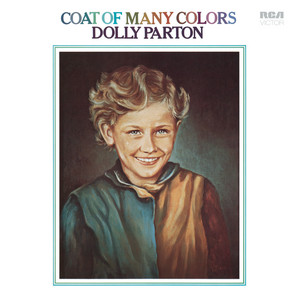
The stripped down songs show that 60s/70s country was much closer to the Greenwich folk scene than they ever would have admitted. Dolly's a true storyteller.
However, early stereo recording techniques strike again! 'Here I am' has the kick on the right, rest of the kit on the left?!
Feels more like a meme than an album at this point.
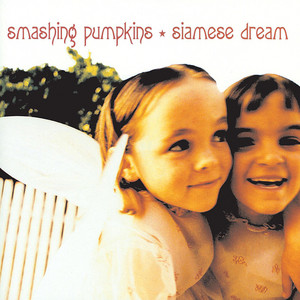
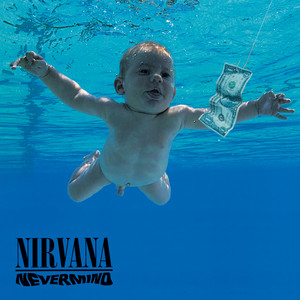
No matter whether you love or hate it (or both, if your name is Kurt Cobain), nothing sounded like it before, and hundreds of bands tried and failed to sound like if after.
It has the fingerprints of all of the US Indie/College rock and hardcore punk of the late 80s, but the pop hooks from each each member's contribution and the sheen from Butch Vig's production turn it into its own beast.
It's Willie Nelson singing standards. That's it.
Maybe you had to be there at the time.
Hits right in that sweet spot between blues rock and psychedelic. Are you experienced? You will be after this.
I recommend going for the UK track listing rather than the US, feels more cohesive to me but YMMV. Both digital versions contain the same tracks regardless.
Much better when Prince focused on being funky, rather than trying to use every preset on the Revolution's fancy new synthesisers.
Listen to the 2019 remasters - improvement on the original CD masters in every respect.
Probably the most equal-opportunity album ever recorded - because no matter what device you listen to it on, it will always sound like it's being played through a McDonald's Drive-Thru speaker.
The 'unmastered' version floating around the web makes no difference. The master tracks have all been brickwalled.
Other than that, it's a post-Navarro Chili Peppers album, and probably the best of them. Pop-rock with a tight, funky rhythm section, well played but uninteresting Hendrixesque guitar work, and some sleazy guy who raps sometimes and strains to sing in tune while you wish the backing guy led. The more laid back tracks like Scar Tissue, Porcelain and Road Trippin' show that they've learned how to reflect on themselves a bit, but on the whole the lyrics are still shallow.
If it sounds like I'm being reductive... I am. But sometimes it needs to be said. RHCP's legendary status far outshines their material. They had a classic album in '91 and an interesting album either side of it, and that's OK.
Was it the law that every rock album had to have psychedelic tracks in 1967?
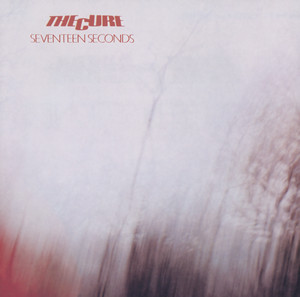
This album is longer than 17 seconds! This is the most blatant case of fraudulent advertising since my suit against the film, The Never-Ending Story.
The first example of the moody goth-rock that they became renowned for, and they nailed it. The fact they could pivot from this to the Lovecats in 3 years, then go back to this sound as one of the biggest bands in the world is astounding.
Rock solid punk.
The album that launched the careers of Travis, Keane, and Coldplay. But let's not hold that against them...
Angst meets pop. This album has tension in spades, bitter lyrics beautifully sung, punctuated by Johnny Greenwood threatening to break his guitar at any opportunity.
Ambient, Drum & Bass and Classical Indian music meld to create a vision of a future that never came.
Yes, the spoken word sections can come off as pretentious and some of the synths are cheesy, but it just adds to the charm. A forgotten artifact of Britain in the Y2K era.
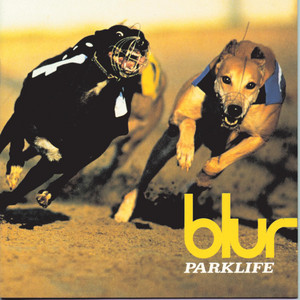
The closest an album has ever got to a good British sitcom. A vivid portrait of eclectic ordinary people experiencing the funny parts of life mixed with real pathos.
Fun, witty, bouncy, poppy. At the same time; cynical, bitter, aggressive, and reflective. Something most of Blur's contemporaries and copycats couldn't reproduce (and something that Blur themselves couldn't balance on their poppier but lyrically darker follow-up The Great Escape).
Would have been much better as an instrumental album. Mike Ladd obviously has good mic skills, but the subject matter is all over the shop. He ping pongs from conscious-rap, to sci-fi, to sex brags based on sci-fi - and as amazing as that sounds, it's not very fun.
Album closer Feb 4. '99 is the odd one out. A moving spoken word about the death of an innocent man by the police full of religious imagery and post-rock backing.
Despite me being a Brit who grew up on Queen, thanks to my parents being a fan and going through a "le wrong generation" phase, I had never listened to this album all the way through.
From how it had been described to me in the past, I expected two sides full of Prog epics. What I got instead was... a Queen album. Freddie's voice is a bit softer, the guitar overdubs are a bit less obvious, and the drumming is a bit more conventional than later on. But the parts are all there, apart from a John Deacon song. If it wasn't for the fantasy elements, this could have easily been their breakthrough album
In the end, it wasn't. But due to Brian May's hepatitis, they had the chance to record another album in 1974, Sheer Heart Attack.
Thanks Hepatitis!
The riffs that sold a million Big Muffs.
Dusty had a great voice: powerful, but always with a slight edge of melancholy. As with all cover albums, everything hinges on how well that voice suits the material.
There's a whole bunch of tracks on Side B I already knew and loved through cultural osmosis: Twenty-Four Hours from Tulsa, Anyone Who Had a Had a Heart, Will You Still Love Me Tomorrow, Wishin' and Hopin'. Nothing else really hits in the same way, despite the fantastically stereotypically groovy early-60s orchestra and backing vocals.
"Wait. Let’s try this again. Do you see the band on stage?"
"No, I don’t see The Band, that’s a different group entirely!"
"On stage, Skippy! Look, see the band?"
"No I don’t!"
"Get rid of those John Lennon glasses and look! There, there’s the band!"
"No, that’s not The Band! The Band is performing later on. Who is onstage."
Beautifully engineered, very impressive as it was recorded without overdubs. Full of 60s rock flourishes that harken back to some of its roots in gospel, boogie, country, and rockabilly - loads of piano, Hammond organ, call and response vocals, counterpoint harmonies. The bass bounces about with a vintage thud.
However, it all feels less than the sum of its parts. I can see why critics and other artists raved about them; doesn't mean I have to like it.
The whole album is Latifah stamping her authority. I can't jack my body, but when the Queen orders me I feel legally obliged to.
How can a man so bitter and jaded make music that brings me so much joy?
"Ṣe o fẹran jazz?"
From the Sheffield Strip, California.
Like the Instagram stories of your friend from school who married young - goes between gushing over her 'hottie' husband one day to posting 'why are men are such snakes? x' the next. In private, despite puffing up her husband and congratulating him on their sex-life, there's a growing sense of melancholy and resentment as she's coming to terms with family life, constantly having to tell herself that she's still got it.
It's relatable despite being written by a multi-platinum-multi-millionaire married to another multi-platinum-multi-millionaire. Much more rewarding than her Queen Bee singles era.
I loved this album musically, the real blueprint for 2-tone. Massive shame about the adolescent views on relationships and the misogyny on Side B.
I already loved Nina Simone. Now I have more to love.
Earnestness is underrated - especially by hipsters.
The first half of the album all hinges on how sexy the listener finds Karen O's voice, with the constant moaning and jumps into the whistle register. Does absolutely nothing for me - all a bit twee.
Dancey drumming, punky vocals, crunchy fuzz, and the odd synth embellishment poking its head out - all the trademarks of early 00s indie rock are here. Maybe as a 30-something Brit I'm just overexposed to this sound; everything that felt fresh back then has been rehashed constantly for the last 20 years. Makes me appreciate Royal Blood less than I already did.
Maps is the turning point. It just builds, and builds, and builds. Intimate, close-recorded vocals sounding like they could break at any second but they never quite do. A wide palate of guitar lines and tones that are deployed with pinpoint decision. They gave up trying to be cool and gave us a modern anthem in the process. The following songs continue on the theme - like the reflections of someone on one long slow come-down as their relationship crumbles.
The songs feel like they should rip. But they don't.
Opening instrumental Generational Genocide sets me up for an off-kilter carnival. Mudhoney sold me the world, inviting me to something truly spectacular and never-before seen. I went along for the ride, had some fun, but left feeling slightly disappointed. Like true carnies.
Not really 'ambient' - the drum patterns still bounce around in the hyperkinetic style Aphex Twin is known for, and there's so many little intricacies that must have been a pain to program. These tracks must have been astounding to hear when they were played in little Cornish clubs and released as singles back then.
But thanks to modern DAWs, the shine has been lost - I can pull open a YouTube, SoundCloud or Bandcamp compilation full of bedroom musicians making music like this in about 2 seconds.
Brownie points for including Gene Wilder.
Production is pristine. But I'm struggling to describe the vibe.
Imagine you're listening to a classic 70s Stevie Wonder album and make it jazzier.
But instead of most instruments being played by Stevie and a selection of players he knows intimately, you hire about a hundred session musicians and make them record their parts separately in the driest studio known to man.
Instead of Stevie's dynamic, unmistakable voice, you have two guys who would struggle to get a gig doing backing vocals.
And instead of lyrics that vividly touch on everything from spiritualism, everyday life, and social issues of the time, you get word-salad abstraction that fails to depict anything other than how clever the writers thought they were.
So, Aja is nothing like a Stevie Wonder album...
...bet Steely Dan wished it was, though.
One of the more remarkable displays of virtuosity you're going to hear.
Not from headliner and reluctant cover-boy Bill Evans, but by upright bassist Scott LaFaro. He bounds all the way across the fingerboard playing counters and solos, yet never loses sight of the melody.
Evans leads incredibly well from his piano, and very selflessly. His sense of timing and dynamics on album closer (and LaFaro composed) Jade Visions brought me to tears. They clearly knew how to get the best from each other.
The Stereo image on the recording is impeccable, capturing every nuance of the players and the club.
If there was any downside, it's that I'm often left wanting the drums to do more, aside from the welcome solo on All of You (Take 2). Maybe it's the inner rock-child that still lives inside me, but sometimes there is such a thing as too tasteful.
Today's the first time I've heard this trio and any of its member play, and I'm already crushed this was the final time they had a chance to. Scott LaFaro died in a car accident soon after. I couldn't think of any better tribute.
PSA to anyone listening on Spotify: The bonus tracks have been mixed in with the originals, following straight after the preferred take. The correct track listing should be:
"Gloria's Step" (take 2) – 6:09
"My Man's Gone Now" – 6:21
"Solar" – 8:52
"Alice in Wonderland" (take 2) – 8:34
"All of You" (take 2) – 8:17
"Jade Visions" (take 2) – 3:44
I can imagine a young Windham Rotunda sitting in his room and playing this album on loop while dreaming of becoming WWF Champion.
Much like wrestling, this album blurs the line between reality and fiction. As cartoony as the idea sounds on paper, I never truly got the feeling that Dr John was just a character and it gives the recordings an air of danger.
Somehow makes it more accessible, too. Voodoo-inspired psychedelia mixed with Louisiana blues, Haitian music and even harpsichords isn't an easy sell, but I got it straight away. The instrumental tracks in particular are pure Halloween mood music.
However, many of the issues that plague other psych rock records also come up here. It's only 33 mins long, but many tracks go on past their natural conclusion, and the stereo mix jumps between channels without much rhyme or reason.
A curiosity, rather than something I would want to listen to on the regular.
And now that I've finished, I feel like praying.
Big beards and synthesizers... ZZ Top were Shoreditch hipsters with Texan accents.
All I knew about the boys was their look, I didn't expect them to be combining southern boogie with new wave. On the first side the mashup is seamless and contains all the singles I somehow already knew. After Legs it begins to wear on me, especially when they inadvisably slow the tempo down on TV Dinners (the single I didn't know, for good reason).
A really welcome surprise of an album for me after a run of disappointing rock records on my feed. The not-as-old-as-they-looked dogs showed they had new tricks.
Lush.
Judging by the album art, Carlos Santana has a very consistent taste in women.
Optimism mix with defiance to create a powerful expression of black pride - set the tone for a huge number of artists in the 70s.
I didn't need Sex Machine to go on for 13 mins. But then again, a never-ending sex jam also sets the tone for the 70s.
Bob Rock's production and the move to simpler song structures is such a double-edged sword.
On the one hand, the band has never sounded better sonically, before or since, especially on the 2021 remaster. Hetfield manages to channel emotions other than rage in his lyrics and vocals. Hammett made his first solos that don't revolve around tapping (still couldn't avoid the wah, though). Newstead is audible! Lars is... Lars! They implemented strings in a love song and it doesn't want me to pull my teeth out like rock ballads of the previous decade do! The band could break through to radio and MTV in a way they never could've before.
(I don't want to hear that they sold out, this still sounds like nothing else that any hard-rock or metal band were doing in America at the time).
On the other hand, it means the album doesn't feel like an album in the way that all their prior records did. And I feel like their simpler is better approach starts to hinder some of their songs in the 2nd half; My Friend of Misery should have stayed an instrumental and The Struggle Within feels like it it's about to shoot off like Sanitarium or One before they end the song and the album abruptly.
Musically it's not punk, not glam, and not really anything special. Being daring doesn't automatically create great art.
Flying songs,
Excellent songs
Here they come.
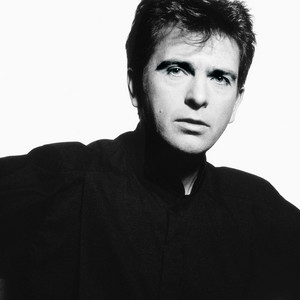
Despite inventing the sound of the decade when him and Phil Collins accidently created gated reverb, it took a John Hughes movie and a claymation dancing chicken to become a worldwide star.
This is in the grand tradition of weird 70s artistes going pop on their own terms in the 80s. For all of the shimmering synths and glistening production tricks, this album doesn't really sound 'mainstream'. Gabriel's voice soars over gospel choirs, 'World' rhythms, and drumstick hit bass guitar. He delivers cutting social commentary on the yuppy mindset (the greatest WrestleMania theme), a minimalist song about birds featuring a conceptual artist, and love songs played endearingly straight.
No-one else could have pulled it off. A classic.
In 2016, an in influential music legend with a career spanning 6 decades recorded a dark, brooding lament on his own mortality. He released it shortly before passing to great sorrow. Everyone was shocked. Grief poured in from all across the world, with many declaring the latest album to be one of his greatest ever and a fitting tribute to an incredible career.
If I had a nickel for every time that happened, I'd have two nickels... which isn't a lot, but it's weird that it happened twice. Right?
Most of the record feels like Loveless 2: Electric Boogaloo.
That's not a bad thing - Loveless is critically acclaimed, genre and era-defining album, after all. But over 20 years had passed between the two. It almost feels 'safe' in a way that a wall of several hundred guitars stacked on-top of each other shouldn't.
But, there are several moments in the latter half where they decide to explore different rhythms, and it leaves me gasping for more.
new you is an exploration of other genres from their era. Dance beats with far fewer overdubs.
nothing is is a hypnotic guitar and drum loop, with layers upon layers of tracks stacking on top of each other like a shoegaze trifle. wonder 2 is drum & bass, but with the intensity of a fever dream.
This was originally a very frustrated 4, but I've had to revise it down to 3.
Reino Unido - ¡presente!
Despite being one of the building blocks of rock & roll, blues is forever tarnished by middle-aged men telling me 'if you can play blues, you can play anything'. I can play blues, Bill; doesn't mean I can play Animals as Leaders.
I can feel the joy in the room, but it doesn't result in a affecting record for me. I know this is a me thing.
Good, but exhausting.
This album often doesn't sound like the title track. It does live up to the statement, however - this is the sound of The Who's generation. From R&B, soul, the early sound of James Brown, rock & roll and even the jangle of The Byrds, there's hardly a corner missed.
What is it with 90s indie music and bass/baritone voices? Alabama/A3, Morphine, the Magnetic Fields, Giant Sand etc... Could you imagine any of these breaking through in another decade?
As for the album itself, it's eclectic and wordy americana with great arrangements and playing. But despite how varied the music can be, Howe Gelb's voice still manages to become a drone by the second half. A great argument for splitting records into Side A and Side B like you would on vinyl.
Peak Beatlemania in sound, image, and ubiquity.
"But it's true. They didn't write their own songs or play their own instruments."
“The Monkees weren't about music, Marge. They were about rebellion, about political and social upheaval!”
The reality was that they were neither a novelty band made up of actors, or the voice of a generation. What the Monkees were was a group of 3 talented songwriters and musicians who were able to act, and the Brit teen-idol they were built around with incredibly restrictive contracts.
This album ended up being a one-and-done display of their talents as a four piece, with them reverting to session musicians for the following records. When they had to churn out 7 albums in 3 years, can you blame them?
Oh, and it was Michael Nesmith's real hat.
Brevity is... wit. The interplay between Hammond organ and lead guitar is the sound of late 60s-early 70s blues rock that I love, but once we get past the opening 2 tracks and end up going several through 8min+ jams, I want some space to breathe.
A collection of decently performed country weepies.
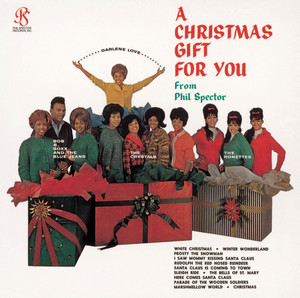
This Christmas, give your special someone the gift of Femicide.
Slightly shonky home recorded college-rock.
Amazing that they're a 9-man crew and every voice distinct. Not enough variation in the beats, though.
A masterclass in sampling by the Dust Brothers. The Beasties don't have an armchair ride though - I can't imagine any other act from the time sounding good rapping over wherever the Wheel-of-Sampling landed on. It's goofy, corny, of-its-time, yet nothing else sounds like it.
Like someone announcing to everyone that they are leaving the party in the loudest, most bombastic way possible.
This album was the standard that all other Beatles' solo albums were held to. Production is sublime, George's slide guitar became legendary (and later used for the Anthology songs). But I don't know. I just don't know.
Back when AM were young, northern, and fun, rather than prematurely middle-aged, mid-Atlantic and dull.
Why is this album 23 tracks long? As much as this album is a golden-age classic, the bloated run-time is its greatest legacy. The world could have done with more Eye Knows and less gameshow skits or De La Orgy.
Their foray into Talking Heads style indie-funk on Dig for Fire is welcome, but other than that it feels a bit watered down. Misses the wit and zany humour of their EP and first two albums.
Part of my teenage P4K approved rotation. Very good example of 2000s indie-folk. Compared to Bon Iver's debut it's much more polished, but it doesn't have the tweeness of acts like the Shins.
If that all means nothing to you, Fleet Foxes do that song about falling in the snow that's featured in countless Christmas movies. They're pretty good.
Massive Attack in their midpoint - more sung vocals and less of a focus on rap compared to Blue Lines, but before they'd found the darker sonic palate of Mezzanine.
Hello is much worse than I remembered.
Skip that and you have a good album of musings of a woman who has it all except the respect of a man. Yes, that doesn't sound very different from 21. No, that doesn't matter much.
The album where Bowie became Bowie. He then spent the remainder of the decade being anyone BUT Bowie.
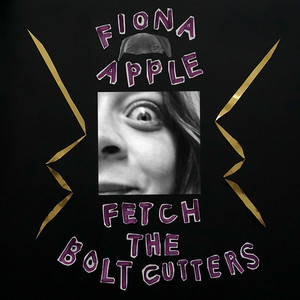
"This world is bullshit" - Fiona Apple, 1997 MTV VMA Awards
Every generation seems to have its own real-life Howard Beale. That said, in true Gen-X style, this album is less about anger at others and much more about angst in one's self.
Alanis Morrisette comparisons are tempting, but Fiona feels much more put-together, both in her incredible piano playing and in her withering putdowns. Feels like the cool girl you were too intimidated to talk to in class - except Fiona's poetry was actually pretty good.
1st Side - Fantastic
2nd Side - "Hey guys, check out these cool open tunings"
Robot punks back when Daft Punk were still blueprints on a 5¼-inch floppy disk somewhere in France.
Somehow, an album bookended by two powerful statements against the Vietnam war set to folk songs ends up being bright and breezy.
The first album where they really got to show their strengths in full - Paul's verbose and varied songwriting, Art's incredible tone and vocal range and their trademark close harmonies. A treat.
This album is the music equivalent of 'Seinfeld is Unfunny', especially if you grew up in an Evangelical church like I did. Chiming echoed guitars, heartfelt belting, atmospheric synth pads, surprisingly militaristic drum beats, "steady" (a.k.a. boring) basslines playing a lot of root notes. So far, so Hillsong. HM Magazine ranked it as the #1 Christian Rock album.
However, it's hard to ignore the punch of the first side. Starting out with some of the most enduring hits of modern rock radio before being punched in the face by Bullet the Blue Sky and comforted by Running to Stand Still.
Side two by comparison is a big old ball of nothing. I can't imagine my Grandad with his life down the pits resonating with Red Hill Mining Town, and the following songs just feel half-hearted by comparison. For a band at the time defined by their sincerity and passion, that is a death sentence.
If you want a better version of U2, listen to the albums either side of this one.
If you want a better version of Christian U2, listen to King of Fools by Delirious?
"This is a LOOWWWWWWWWWWW,
And it will hurt YOU-OOO-OOO"
It's very hard for me to get past my personal distaste for slow country ballads. Although this album is chock full of them, it's is the closest I'll get as all three voices combine in perfect harmony.
Quite telling that my favourite track is the least country, Linda Ronstadt's voice crooning over fretless bass on Telling Me Lies.
Not an album to listen to while sick with flu.
OK, but needs a bit more jingle and a lot more jangle.
The amount of reviews here that just say "weird" and call it a day is a testament to the normie-ness of the userbase.
It's 1920s German Cabaret songs composed by a Marxist and with new lyrics translated into English. What's so weird about that?
If the New York Dolls knew how to write songs.
I find Cyndi impossible to dislike. But it shows how far the bar of unusual has moved.
The Baroque Strokes.
I got my bit of jingle and a whole lot of jangle.
One of the first artists to define the modern hipster sensibility - wordy, bitter, jealous power pop that wears its influences on its sleeves like a badge of honour. He even named himself Elvis and wore thick-rimmed Buddy Holly specs for goodness sake (take that, Rivers Cuomo!).
Great arrangements and vocals. The concept is completely lost on me, though. Maybe it's just because I'm not robosexual.
Metallica raged against the machine... and their new bassist.
These legendary vamps deserve better solos.
The ultimate one-album-wonder.
(please don't tell my wife I didn't give this a 5)
Imagine the Berlin trilogy, but Bowie's vocals were replaced by Baz from the pub.
My mum can't listen to this album, all she can hear is Nick Drake's pain. It's the most bleak and melancholic of a trilogy of albums that can all be bleak and melancholic, yet it still breezes by.
There's a reason the tortured artist is such a common trope, and this records sits along the likes of Vincent van Gogh as to why.
Spotify deciding to play My Adidas straight after this album made me get Run-D.M.C. in a way that the previous 40 minutes hadn't.
Listen to the Jason Nevins remix of It's Like That and call it a day.
The album with George's best two singles, Ringo's best song, an epic 20 minute medley, and sublime production with the band's first true stereo mix. There's a lot to love, and I understand why this is many people's favourite Beatles' LP (and currently the highest rated album full stop on this site).
Unfortunately, it also has much lingering evidence of the Beatles' dysfunction. 'Oh! Darling' is the best Lennon vocal performance that never was, and 'Maxwell's Silver Hammer' is three out of the Fab Four giving a half-hearted attempt at playing "Paul's Granny Shit".
Legendary, but not quite a 5.
In the spirit of Stuart Price, I will conduct the rest of this review pretending to be French.
Cet album est un example de <<electro>> et <<synthpop>> produit quinze ans avant et cinq ans derriere le genre était en vogue. C'est très amusant.
Much like every cassette inside a car stereo transforms into Queen's Greatest Hits, every record cabinet owned by British people of a certain age had Goodbye Yellow Brick Road materialise inside it.
What made this such a big deal? He had just as many hits on the other albums in his empire building 70s run. Was it just because it was a double album with a vague concept?
Not as different to 80s hair metal as music historians would like us to believe, but if all of those other bands had the ears of Duff, Izzy, Adler and Slash then the 90s would have been a very different time.
The closest I've ever got to liking Green Day is playing along to the bassline of Longview. Despite being a seminal album of the 90s, Dookie did little to change my opinion.
On a side-note, I found this harsh and pretentious review from the April 1994 issue of Select magazine. It's what I fear my reviews sound like:
Their third album, and the first for a major label, is the kind of unreconstructed ramalama melodic punk that makes Superchunk look like artists of Byzantine complexity. When they're not charging along, they're knocking out artisan dullardy. Despite US origins, this manages to be as energy-generating yet deadening as Arsenal playing themselves. Away. On Salisbury Plain.
☒☐☐☐☐
I now understand why they were one of the biggest bands in the world.
DISCOURSE.
Big Beat classics that are as subtle as bricks. Great as singles, tiring as an album.
It's like the website knew I was in Jamaica for the last fortnight...
I'm not nostalgic for 1993, because I was a literal baby. However, I appreciate that in the mid-to-late-90s it was possible for an acid-jazz band with a funk bassist and a digeridoo player could be considered a pop act. A bit noodley compared to their following two albums, but otherwise a good introduction to the kinds of eclectic genre mashing that makes this era so interesting to look back on as a music nerd.
That said, I want to name-and-shame whoever sold Jay Kay his hats and told him he could dance.
Tom Breihan of Stereogum #1 fame, wrote this about Pretty Hate Machine by Nine Inch Nails:
"For much of the 1990s, Pretty Hate Machine was that type of album: One that could inspire fervent, devotional need and absolute revulsion, largely depending on the age of the person hearing it. And that's even more impressive when you consider that it's basically a **synth-pop" album**."
...did Tom forget that Depeche Mode exists? This idea that 80s synth music was all suitable to be used as backing tracks for Miami Vice never seems to go away, despite the fact that in the UK and the rest of Europe it was often used to create music that was cold, stark, dark and deeply passionate.
That said, after a high energy start to "Never Let Me Down Again", the album does start to become overwhelming by the midpoint. The grunt filled Little 15 felt voyeuristic rather than a real character study.
Very stereotypically Björk-y.
Now I know what all those early-2000s Christian youth group bands were ripping off.
Great arrangements, but hard to get past the indie-Bee Gees vocal styles. Listen to the instrumental version.
I'm not rating this one-star because of modern-day Kid Rock's bootlicking and politics.
I'm not even rating it one-star because of the music, because when he decides to do something other than chugga-chugga guitars like on Welcome 2 the Party you realise that he's not bad at rapping with the old skool flow.
I'm rating this one-star because Kid Rock decided to use the last track to tear his ex a new one, used the N-word, and had the gall to name it "Black Chick, White Guy".
80s bombast and production at its most grating and pretentious.
Is it really gangsta? Musically, the record is a continuation of the golden-age sound rather than the G-Funk that Dre pioneered a few years later. Lyrically, sure there's a lot of cursing, but the subject matter is much more braggadocious rather than violent. And they save their best for the LAPD... and lets face it, you don't have to be from the hood to hate them.
Music made to sell cars and soundtrack exhibits at the Science Museum.
Proof that Nick Drake was more than just a sad-boy folk singer. Bossa-nova and jazz influences abound as Drake's guitar takes a backseat to play off piano, saxophone, and even female backing singers.
Loses a star for containing 'Fly', the only dud of his studio discography.
Music built around a voice that's almost, but not quite, good enough to carry it.
Sign Your Name is a stand-out single because it's the only song that understands Terence's/Sandana's appeal. Belting passionately, he sounds weak - give him a song that focuses on being tender, layer up the harmonies, and that weakness becomes a strength.
Being a musician ruins this album. Kings of Leon use every trick in the book to try and build tension. Everything goes quiet, tom-toms are hit, guitar and bass are picked with staccato, but every time it either leads to a flaccid guitar 'solo' drenched in reverb or the song just decides to end abruptly.
Caleb's vocals constantly sounding like he's on the edge of crying or orgasming (maybe both) doesn't help. I'm not the target audience, but the music isn't sexy enough to pull it off. Kings of Leon are not Deftones.
Aggressive, transgressive and quite impressive,
Ethereal vaguely pagan folk music for Horse Girls, by a Horse Girl*. Beautiful strings and soaring vocals, but lyrically doesn't leave much of an impression.
*Will Gregory's opinions on horses are undocumented.
The album art still still adorns dorm room walls for a reason.
Take Daft Punk's Discovery and Human After All, stick them in a blender and crank the volume up to 11. Proof that derivative =/= bad.
Piano led western exploration of unconventional time signatures full of exquisite playing, a wide array of tempos and moods, and a timeless jazz standard. Faultless.
Laser-accurate self-loathing, misanthropy and iconoclasm. Too polished and mid-90s for its own good.
A decade into his career, Stevie Wonder realised het could do whatever he liked and Berry Gordy wasn't going to stop him.
The result is an album morphs from a maximalist Side A full of overexetended outros and oversung vocal lines, into a much more relaxed and self-assured Side B that set up his stall for the rest of the decade.
Debbie Harry spent most of her career looking down her nose at her audience like she was so much cooler and better than them. Well... it's because she was.
The band aren't far behind her either. Every note played is impressively tight in a way that many bands weren't able to be before click-tracks, sequencers and time-alignment. Slick, energetic, fun, and never outsays its welcome.
Ella was a peerless interpreter and jazz singer, but this is a puzzling pick. It was compiled with very little sense of flow or structure, as if nothing was left out from the recording sessions.
If you want to listen to a recreation of the original LP, here's my Spotify playlist: https://open.spotify.com/playlist/2BJ4GsVltApj7S6pgIXQM2
Wort it to hear the sound of Paul Gonsalves exploding at the end of a 12-minute saxophone solo.
Music for an anime girl to study endlessly to.
IT'S SABU! SABU!
An album to appreciate, rather than enjoy. Fantastic polyrhythms and guitar work but not enough variation to feel like it's really going anywhere.
The instrumentals would be fine in a Mega Drive game.
The kind of album a band can only make when they're young and unaware of what they're not supposed to do. Naïve and scattershot punky reggae.
Shame about the album art. You could say it's in the name of artistic freedom, but it's a pretty flimsy reasoning - like their name, the nudity is meant to be shocking. They didn't need to be shocking, they should have just been comfortable being weird.
A manifesto to reintegrate rock music in the mainstream. Shame we're still having the same conversations now.
Problem with Bossa Nova is that it is so hard not to hold the invention of Easy Listening music against it. Get past that, and you have an album great interplay between guitar and incredibly smooth sax.
As charming as it is to hear an album from the 80s where someone emcees in a thick Caribbean North London accent, the songs really lack the groove and drive to really get me moving. I wouldn't have lasted long in the Fridge.
The production is thumping, and at least it has Back to Life... just not the one you remember.
...is that it? I was promised an album drenched in irony and electronic excess. Instead, it's just a U2 album with drum loops, louder bass and a Digitech Whammy.
I understand that the lyrics are the focus, but it doesn't mean that the melody and backing should be such a tick-box exercise.
The narrative that Blur suddenly turned into an English Pavement is well trodden. But the album name says it all, after three albums of characters, some more biographical than others, they just wanted to be themselves.
If existentialism was an album. A record to heavily admire with it's incredible grooves and polyrhythms, but outside of Once in a Lifetime, not one I truly love.
New Rave was yet another genre invented to sell copies of the NME.
Good mid-00s indie album though.
As a fellow Northamptonian, part of me wants to say I completely understand why Bauhaus were miserable all the time. But that doesn't tell the whole story.
What makes the post-punk scene so interesting is that it was a bunch of weirdos from the punk scene not caring one lick about the supposed 'true' punk ethos. So, in this album we have the sound of Goths stumbling into the Notting Hill Carnival, playing fretless bass and singing a song about fishcakes over a drum machine.
It shouldn't work, but the sparse production, chimey guitars, bouncy rhythm section and endlessly imitated vocal stylings of Peter Murphy keep the album cohesive and (believe it or not) fun.
I mean, it's Master of Puppets. Melodic prog thrash metal with a title track that is somehow accessible enough to chart nearly 40 years later.
Aspects of Metallica's other classic period album are arguably better - they're at their fastest and heaviest on Kill 'Em All, the lyrics are better on Lightning, James' voice is stronger and full of righteous anger on AJFA, but the production and much tighter musicianship create their best album front-to-back.
If you go through my review history, you can see that I often bemoan reviewers focus on the 'story' rather than the music. But indulge me for a moment...
In her 1994 album Bedtime Stories, Madonna retreated from her increasingly sexual image and it's accompanying sparse 'erotic' sonic palate. The title track is the most obvious example of this, she recruited post-Debut Björk and Nellee Hooper to create an track filled with the sounds of acid house and 90s electronica music filled with the abstract lyrics that Björk "had always wanted Madonna to say".
Millions were spent to create the accompanying music video, an experimental art-film chock full of religious imagery shot on 35mm and screened in cinemas.
The song stalled at 42 on the Billboard Hot 100.
So, after starring in Evita (probably her best leading performance), 4 years later we got Ray of Light. In comes William Orbit, another top young British electronic musician and producer. It should be more of the same, right? Madonna struggling to match the tone of her trendy new collaborators.
Wrong.
The tone of the album is incredibly familiar to anyone who listened to the UK charts in the Y2K era, an instrumental version of Pure Shores by All Saints could be slipped in halfway through and no-one would notice.
The key difference is that this time we get a glimpse of what Madonna Louise Ciccone would want to say, not what Björk Guðmundsdóttir would like her to say, or the words the carefully curated popstar Madonna would say. And the music serves it perfectly, leaving space for her show her much improved vocal control.
That's not to say that this wasn't a rebrand, the stripped back denim wearing 'crunchy' Madonna that appears on the cover and associated media is just as deliberate as the lace and leather years. But in letting her thoughts on motherhood and newly developing spirituality take the focus, she managed to make her most daring work since Vogue.
Just a shame her thoughts about the Iraq war weren't nearly as profound.
Pleasant enough.
Wears its influences on a sleeve so large it can be seen from space. And no, it's not just The Beatles, it's 70s glam like Slade & T-Rex, Manc contemporaries like the Stone Roses and Inspiral Carpets, and even the Coca-Cola Company.
Derivative at the time, and overdone ever since, but still a seminal album that hits you over the head with its 3-guitar arrangements and the distinctive snarl of Liam just before his voice was ravaged by Cigarettes & Alcohol (and other substances).
New-Wave's self described 'carpet-baggers' record a #1 single, follow the punky reggae formula for the next few tracks, then got bored and did whatever the hell they liked.
"Nós temos o funk!"
It's easy to dismiss the Northeastern daughter of a label owning investment banker as being an odd fit for country music. But this album is a good reminder that Swift was naturally suited to it - her voice is incredibly clear and suited to harmonising, and she has a knack for storytelling in her lyricism.
Translating those skills to indie-folk and modern Americana is a natural conclusion. She even took the advice of Mic the Snare and picked Aaron Dessner of The National and Justin Vernon of Bon Iver as collaborators.
I really like the album - problem is that it's near impossible to judge on its own merits. Not only does it have a sister record in Folklore released a few months before, but we've been in the all been middle of the Taylor Swift victory lap for the last 3 years.
Her most recent album, with it's more 'provocative' image and lyrics (by middle of the road white American woman standards anyway), feud with pophead favourite Charli XCX, and upcoming wedding to a stereotypical All-American boy will prolong that even further.
I'm sick of the discourse... and I'm well aware of the irony that I'm adding to that discourse by typing this out right now.
Neil Hannon's tongue was so firmly against his cheek that it almost wore a hole through to the outside.
Makes it a difficult album to review. It's clear he's a playing Casanova as a horny, lecherous and often deplorable character. This is juxtaposed against the dense production complete with easy-listening orchestration and bombastic vocal delivery, like a demented Bacharach/David with extra Britpop guitar work and electronics. All of this framed by a faux radio announcer reading credits on the penultimate track.
I'll give him the benefit of the doubt here, but I'm well aware it might just because I already knew who he was and was in on the joke.
Compared to Catch a Fire, the lyrics on the first side were so much more explicitly mainstream Christian rather than Rasta that I had to look up Bob Marley's religious timeline - this album was recorded between the death of Haile Selassie and Marley's Baptism into Ethiopian Orthodoxy.
The second side is much more accessible - every single one was a pop hit at one point or another. The topics aren't as heavy, moving away from physical and spiritual emancipation and Jah and towards more universalist discussions of community, love and acceptance. But that doesn't make it any more frivolous; it shows an awareness that he was an ambassador for his culture, even though he wasn't fully appreciated by it at the time.
A huge part of Marley's legacy is that he was able to be many things to many men - this record is a fantastic example of that.
Costello wasted his own talents and that of his illustrious collaborators on this pedestrian album. His voice is too snide and his sensibilities too wry to mesh with Emerick's rich but uninspired arrangements.
The Big-4's runt of the litter. An undeserved reputation.
Siamese Dream was a juggernaut, but many critics criticised it as being one-note. Because of that this record is double the length, double the genres, double the ambition. So... double the fun?
If all you ever heard were the singles, you could safely say 'Yes'. "Bullet With Butterfly Wings" is the culmination of their previous adventures with fuzz, dynamics, and angst - just with the perspective of being the one of the biggest bands in the world. "Tonight, Tonight" is a symphonic gothic love song with possibly the best snare work in all rock music. "1979" is the rare acoustic nostalgia-bait that works - possibly because for all of its longing it doesn't sound a bit like 1979.
However, the rest of the album is full of underdeveloped and under-realised ideas. "Zero" and "X.Y.U" sound like Siamese Dream demos, while the lighter sounds found elsewhere on tracks like "We Only Come Out at Night" only really takes off when they fully embrace electronica in their following album Adore.
So, maybe not 2x the fun. More like 0.66x.
"When someone shows you who they are, believe them the first time." - Maya Angelou
Shame the music is so good.
The Specials continue their bouncy ska sound, with increased reggae and dub influences, but combine them increasingly bleak lyrics that span from nuclear anxiety to stories about domestic malaise. By the time you get to the reprise of "Enjoy Yourself" the speaker is practically dripping with sarcasm.
A brilliantly dissonant album.
On the surface, it's tasteful music for Mad Men execs to drink their bourbons, throw up on carpets, and harass women to. But as overplayed and clichéd as The Girl from Ipanema has become, it was the gateway for millions into Brazilian music and the playing still sounds as slick today as I imagine it did back then.
Sounds like the fictional band the loner kid would listen to in an indie Coming of Age movie.
An integrated instrumental band back in the days when being an instrumental band was common and being integrated wasn't.
Now being an instrumental band is uncommon and being integrated is... better but not as common as it should be.
A great example of early-60s groove. Original compositions are much more interesting than the covers (although plagiarising yourself three tracks after your signature song is a choice).
Makes me self-conscious about my understanding of French. I blame the YouTube 'polyglots' - if they're 'fluent' in 6 months why aren't I after 15 years?
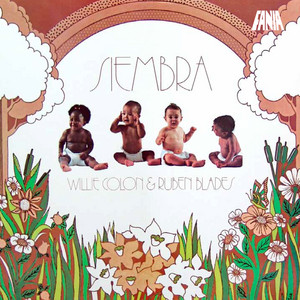
I'm beginning to learn that the 70s was an incredible time for the cross-pollination of funk and Latin grooves.
An album very much of its time but very far removed from everything else it was lumped in with.
Besides the flannel, the odd silly hat and angst, what makes it grunge? Where's the punk and metal influence? Why did the guitarists play like Jimi Hendrix and Stevie Ray Vaughn? Why does the bassist play a fretless and 12-string? Why is the mix drenched in reverb?
...why is the vocalist sober?
History shows that they grew to hate the association with the other Seattle bands, but they were happy to appear in Singles, so they knew what they were doing.
Anyway, it's Pearl Jam. Treated on their own merits it's still a great breakthrough album, but Side B misses the emotional and dynamic range that Side A has.
I can't tell the difference between 'good' solo Morrissey and 'bad' solo Morrissey.
Hope you like breakbeats and synth pads!
Wow. Dylan did know how to have fun.
Downtempo, soulful, sexy, chill, eclectic, bassy, quirky. The genre that Massive and the Bristol scene created deserves a much better name than trip-hop.
One of the few albums where the second side is much more cohesive than the first.
If you loved this, go listen to Mezzanine - their best album and a notable omission from the books.
How is it that the best musical artists don't sound anything like what they were trying to imitate? Kurt, "Teen Spirit" doesn't sound like a Pixies song... and nor does anything on Pablo Honey, Thom.
Anyway, great album. Not as weird as its made out to be.
Thank goodness Dan Worrall won the Loudness War. It means I can finally listen to both Bowie's and Iggy's mixes without setting off my tinnitus for the next 6 hours.
Incredibly frank.
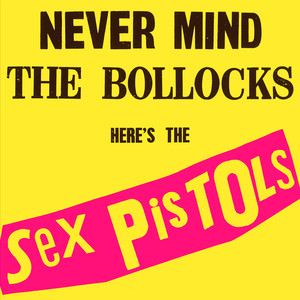
For something that defines a "back-to-basics" genre of music, there's a ridiculous amount of lore, bombast, and general artifice to wade through. The fact that this is the quintessential 'punk' album can't have sat well with the much more hard-nose hardcore scenes that followed in the 80s.
But strip away the legend of their replacement bassist and calamitous live shows, you have a ridiculously tight album, filled with killer riffs and Johnny Rotten's aimless, righteous, and self-righteous anger.
Lou Reed is often painted as a prickly, John Lennon type, but musically this is pure McCartney juxtaposed with frank descriptions of sex, drugs, and self-loathing. Nice to hear him at a time where he was able to consistently keep pitch, too.
Kanye honing his craft while Common expresses himself with a sense of ease and renewed self-assurance.
The album that firmly established who Megadeth were, for better or worse.
Throughout this project, I'm frequently struggling to understand why the flowery folk-rock that many of the Woodstock hippies favoured was considered so threatening to the establishment.
The lyrical themes of sex, drugs, philosophical musings and war are well and truly present, but the edges are so sanded off that it doesn't strike me the same way that psych rock, proto-metal and harder music of the time does.
I don't think it helps that this music was made to go up against the establishment, but thanks to the Rolling Stone and Rock & Roll Hall of Fame crowd, this IS the sound of the rock establishment.