Next
by The Sensational Alex Harvey Band
This would be much better if I didn't understand English.
Tap a bar to see the albums behind it
Tap a bar to see the albums behind it
| Album | You | Global | Diff |
|---|---|---|---|
|
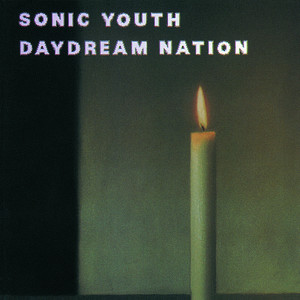
Daydream Nation
Sonic Youth
|
5 | 3.29 | +1.71 |
|
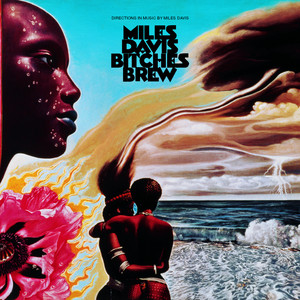
Bitches Brew
Miles Davis
|
5 | 3.3 | +1.7 |
|
Nebraska
Bruce Springsteen
|
5 | 3.31 | +1.69 |
|
Yankee Hotel Foxtrot
Wilco
|
5 | 3.32 | +1.68 |
|
Court And Spark
Joni Mitchell
|
5 | 3.35 | +1.65 |
|
Hot Rats
Frank Zappa
|
5 | 3.35 | +1.65 |
|
Ágætis Byrjun
Sigur Rós
|
5 | 3.37 | +1.63 |
|
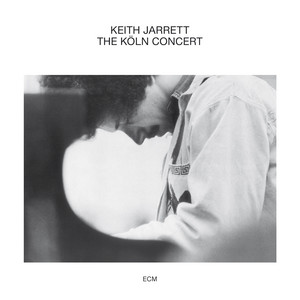
The Köln Concert
Keith Jarrett
|
5 | 3.38 | +1.62 |
|
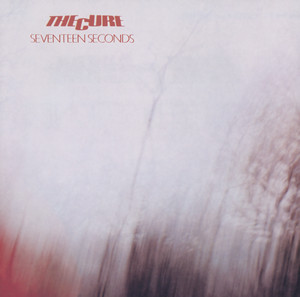
Seventeen Seconds
The Cure
|
5 | 3.39 | +1.61 |
|
Ellington at Newport
Duke Ellington
|
5 | 3.42 | +1.58 |
| Album | You | Global | Diff |
|---|---|---|---|
|
Slipknot
Slipknot
|
1 | 2.68 | -1.68 |
|
Born To Be With You
Dion
|
1 | 2.62 | -1.62 |
|
Dirt
Alice In Chains
|
2 | 3.47 | -1.47 |
|
Suicide
Suicide
|
1 | 2.46 | -1.46 |
|
Eliminator
ZZ Top
|
2 | 3.36 | -1.36 |
|
Blur
Blur
|
2 | 3.33 | -1.33 |
|
Queens of the Stone Age
Queens Of The Stone Age
|
2 | 3.3 | -1.3 |
|
Eagles
Eagles
|
2 | 3.29 | -1.29 |
|
Slippery When Wet
Bon Jovi
|
2 | 3.28 | -1.28 |
|
Every Picture Tells A Story
Rod Stewart
|
2 | 3.24 | -1.24 |
Tap an artist to see their albums
| Artist | Albums | Average |
|---|---|---|
| Led Zeppelin | 3 | 5 |
| Neil Young | 3 | 5 |
| Beatles | 4 | 4.5 |
| Nick Drake | 3 | 4.67 |
| The Cure | 3 | 4.67 |
| Pixies | 2 | 5 |
| Miles Davis | 2 | 5 |
| Bruce Springsteen | 2 | 5 |
| Radiohead | 2 | 5 |
| Neil Young & Crazy Horse | 2 | 5 |
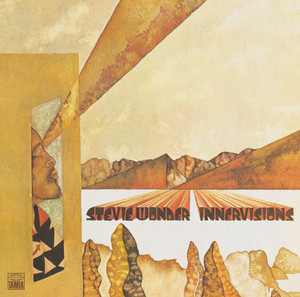
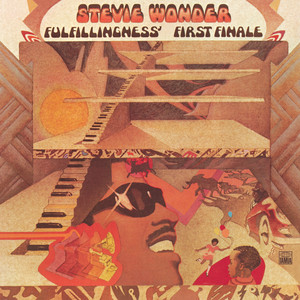
| Stevie Wonder | 2 | 5 |























This would be much better if I didn't understand English.
Message in a Bottle, Walking on the Moon and Bring on the Night are simply great songs. Stewart Copeland has to be one of the most inventive drummers. The Police sounded like no one else.
As long as there's art made by humans, humans will continue to challenge the concept of what is and what is not art. Hence the conceit of the concept album...or rock opera. Multiple songs that propel the same story forward. It's just like a musical now... If Pete Townshend had been born thirty years later, this might have been competing with "Rent" on Broadway. There are some good songs on here, but overall the concept falls flat. However, given its enormous influence in terms of what and album and what rock music could be, it's certainly earned a place here.
It's jarring listening to Metallica and a symphony orchestra AT THE SAME TIME. Normally when a symphony takes on popular music, the music is arranged for the symphony only. The fact that the SFSO would take this project on is a testament to how good the musicianship of Metallica is. Sure, the SFSO could have seen the commercial potential of this project also. The songs are great, but the mix sounds like when you're listening to music and looking at instagram, and instagram is playing music as well.
This album asks us to question "What is the purpose of music?" Mostly because on it's surface this album is not enjoyable and it's not danceable. So many of our reactions to and enjoyment of music comes from when we were teenagers. Then we come to this project confident in our belief that we know what music is and rate these albums accordingly. This album has its moments and is full of frenetic energy. No, I'm not going to put this on when I'm in the mood for love or a dance party, but it challenges my assumptions of what is "listenable." That said, the drummer often seems to be playing a different song than the rest of the band, and many of the songs sound like extended versions of the endings of rock songs where the instruments are on a collision course with each other.


This album is a classic, perhaps, Peter Gabriel's most well known album. Peter Gabriel is a master craftsman working with top-notch musicians to create a masterpiece. The only thing keeping this from being a 5 are two songs I'd skip toward the end: "We Do What We're Told" and "This is the Picture." Every other song is still a delightful surprise. Just listening to the bass lines alone, gives insight into song structure.
The bass slaps all through the album. The opener, "Good Times," should be on every dance party playlist. Top-notch musicianship all the way through. Disco was unfairly maligned back in the '70s.
Some great songs: Heaven, Life During Wartime. Tina Weymouth's bass lines contribute so much to the songs. There are a few skips here.
Classic teenage angst. So many memories of singing this entire album on long car rides.
The technical chops to play metal at this level are completely insane. The guitar solos sound like they are not part of the songs. The songs all blend together as one.
I've never been a fan of Willie Nelson's voice, but his authenticity often makes up for it. The songs on this are solid and Willie is a national treasure.
Kinda hard to listen to an album that's not on your streaming service - listened to it on YouTube. This is the sound of early rock & roll. I think we overlook how influential Fats Domino was. Blueberry Hill is certainly a foundational song.
I enjoy discovering a band and album I have not heard of before. Have I been out of touch, or did this one escape my attention for a reason. (The year it was released I was the busy parent of a 1-year-old) At first glance, it's a decent album. Probably one I would like with repeated exposure. No stasnd out songs
A true classic that catapulted the Boss into superstardom. Listening to this record is to appreciate the rich storytelling he brings to his songs. It's also interesting that the chorus to a song about a dispossessed Vietnam veteran could be stripped of its meaning by people who only hear "Born in the USA" as an anthem of pride. The songs on this record are heartbreaking ("Downbound Train", the title track), full of desire ("I'm on Fire"), funny ("Darlington County," "Glory Days").
Great musicianship. It sounds like a relic of its era in the opening number with its heavy disco influence. Not something I would have discovered on my own.
I rate this only through "Las Vegas Basement" where the original album ends. A great album. I listened to this a lot in my college years in the 90s. "Soldier Blue" is so pertinent at this moment in time with all of the atrocities ICE is committing.
Good variety in their songs. Nothing immediately stands out, but a solid effort.
When listening to music in a language you don't understand, you can either find a translation, learn the language or go with the vibes. Caetano Veloso has god some vibes. Great voice. The music, and the album cover are a product of its time, but it still holds up.
If they removed any attempt at singing this would be a halfway decent album. This is a product of its time and will hopefully stay there.
Tight songwriting. Well-told stories. Great voice. Everything a country record should be.
Not as incredible as "OK Computer" or "Kid A" but this album has some great songs: Planet Telex The Bends High and Dry Fake Plastic Trees Just Street Spirit (Fade Out)
Typical late '90s alt-rock. Loud guitars, so-so singing. Nothing memorable.
I'd forgotten how many memorable songs were on this album. The Cars were a pretty solid band.
Kate Bush needs to be listened to multiple times. Her songs diverge from what you think a pop song is supposed to be. She's a true pioneer of the artform.
Bowie was never complacent. He would often explore new territories and personas with each album.
The ending jam on this album is phenomenal. Had to listen on YouTube unfortunately.
This could be an album I could really get into with repeated listening. I like the interplay of the instruments, particularly the traditional sounds.
This is a delightful surprise. I only knew of Youssou N'Dour from the Peter Gabriel song "Shaking the Tree." The music and the rhythms are excellent.
I'm not the best judge at evaluating what is "good" rap. Sure, I have my preferences, but rap is not a genre I ever fully committed to. That said, evaluating a rap album seems anathema to me. Knowing that Illmatic is not necessarily the style of music I would listen to, how should I judge it? Lyrical fluidity: the best rappers can amaze you with their rhyme schemes. Nas scores highly here. Choice of music: again this scores highly here. Window into an experience removed from my own: again, scores highly.
Led Zeppelin was one of my favorite bands in high school. When I started playing guitar I wanted to play like Jimmy Page. Zep II is a true classic and often considered the "heaviest" Led Zeppelin album. John Paul Jones is so underrated: the bass lines add so much depth to songs like "What Is And What Should Never Be," "Living Loving Maid," and "Ramble On." This album has everything a teenage boy could want: sex, Lord of the Rings references, sloppy guitar solos, killer riffs, and utter bombast.
A true disappointment. The Casio-like synth arrangements sound incredibly dated. When You See A Chance and Night Train are great songs. The rest grew on me upon a second listen. Except for Dust, which is a treacly way to end an album. I'd love to hear these songs played with a real piano or Hammond B3 organ.
Talking Heads is a band I want to, but just can't quite, love. They have a catalog of great songs. This album got better with a second listen. The musicianship is fantastic. Tina Weymouth is an underrated bass player; she adds so much depth to these songs.
Everything in it's right place here. An absolute masterpiece.
When I want to get an earworm stuck in my spouse's head, "Karma Chameleon" is my go-to track. It's such a well-crafted pop song. I'm old enough (b. 1972) to remember when Culture Club burst onto the scene. Boy George's cross-dressing queerness was anathema to an era of hyper-masculinity. In many ways he paved a path for, if not acceptance, then visibility. Mostly passable pop; nothing spectacular.
Kids has a memorable hook. Other than that, this is pretty forgettable.
The best live albums and best concerts aren't note for note recreations of an artist's catalog. They reimagine the songs and explore the possibilities of the music. Sometimes that disappoints fans who go to the concert expecting the hits, or people who like "songs" but don't really care about "music." Made in Japan is an epic exploration of music that transcends the actual "songs" in Deep Purple's catalog.
When do we separate the art from the artist? How could the person responsible for this sublime record be such a contemptible jerk? There isn't a skip on this record and every song is the work of a craftsman in peak form.
Pure classic. The production, the songs, the cultural impact.
Nothing special. Listenable rock. It occurs to me that someone could write speculative fiction about a world in which the brothers Gallagher had murdered each other before becoming famous, but then the only change in this world is that Oasis would not exist. Everything else would be the same, and no one would be aware of a giant void in their life.
There is no denying the outsized cultural impact of this album. When the "Thriller" video was released on MTV it was an event. Michael went from a superstar to a mega super star. The good songs on this record are good. There are some forgettable tracks, but the Michael Jackson phenomenon was more than just the music: it was the whole aesthetic.
My first experience with The Pogues was seeing them open for U2 on the Joshua Tree stadium tour in 1987. Shane McGowan had bad teeth and swigged from a bottle between shouting incomprehensible lyrics. Traditional Irish music with an edge that tells a story. The music tends to run together.
Abrasive for the sake of being abrasive. It has its moments, but seems to revel in irritating the listener.
Perhaps my favorite Beatles album. This album that proved to the Beatles they could get away with anything. A transition between the pure pop of the early years, and the more experimental records to follow. So many great songs on this one, and one of the best closing songs of all time ("Tomorrow Never Knows"). I often wonder how fans of the Beatles viewed this album. Were they repulsed at first? Or did they go along with it? Every song feels like a different experiment.
This has not aged well. I used to listen to this quite a bit back when it came out. I can't believe I used to think I liked it. Everything sounds like mud: the mix, the vocals, the lyrics. Even the cover leaves a lot to be desired. "The Rooster" and "Would?" are this album's saving graces, but they aren't enough to overcome the unrelenting sameness of the other tracks.
This album was a constant for me in the mid-90s. There are a lot of great songs - "Hummer" and "Mayonnaise" are standouts. But there is also some filler.
Every song on this record is a gem. Neil Young is such a great songwriter, as well as experimenter with sound. The shift from acoustic to fuzzy electric captures his full range as a songwriter and performer. This does what a live record should do: reimagine the songs instead of flawlessly re-create the album versions.
"She's got legs/She knows how to use them/She never begs/She knows how to choose them" is pure sublime poetry. How have these lyrics never been collected in book form? All kidding aside, it's decent straight ahead, competent blues rock with insipid lyrics. Nothing groundbreaking, except for the beards.
Neil Young is an incredible songwriter. He's always been an icon and an iconoclast.
Love bluegrass. This album is a bit long, but a true deep dive into what makes this music so great. Could do without the confederate flags on the cover, although that was not such a divisive issue in 1972.
Indistinguishable from a lot of music from the era.
This album was groundbreaking. None of the songs could be played on the radio but it still sold because it tapped into the simmering anger at a system that viewed young Black men as a problem to be aggressively managed. This album also fueled the debate about who is allowed to say the N-word - to this day mediocre racist white people WANT to say it because "rappers say it all the time." Sure, some of the lyrics are misogynistic and homophobic, but rap goes in a different direction without this record.
Any record that starts off with "Gimme Shelter" is an instant classic. There are a number of great songs on this one: the title track, "Midnight Rambler," "Monkey Man," "You Can't Always Get What You Want." There are some skips, though.
It's wild that more people don't talk about how influential Lou Reed was. He had a mirror on the true counter-culture.
Decent. Nothing groundbreaking.
A lot of effort went into making this record. The finished product sounds like it was meant for a musical. One has to appreciate the artistry, if some of this falls short.
Not Petty's best. Some decent songs.
This record contains perhaps the tightest song Rush ever made ("Limelight"), my favorite Rush song ("Red Barchetta"), an instrumental named for an airport ("YYZ"), a truly propulsive opener ("Tom Sawyer"), and ultimately a collection of music that highlighted the instrumental range of the band. The back half of the album does drag a bit, but imagine it's 1981, you would buy the vinyl, cassette or 8 track - and only listen to the first side.
This album asks us to question "What is the purpose of music?" Mostly because on it's surface this album is not enjoyable and it's not danceable. So many of our reactions to and enjoyment of music comes from when we were teenagers. Then we come to this project confident in our belief that we know what music is and rate these albums accordingly. This album has its moments and is full of frenetic energy. No, I'm not going to put this on when I'm in the mood for love or a dance party, but it challenges my assumptions of what is "listenable." That said, the drummer often seems to be playing a different song than the rest of the band, and many of the songs sound like extended versions of the endings of rock songs where the instruments are on a collision course with each other.
In 2026, we would not use the N-word even in the service of satire. And that's probably as it should be. 1974 was a much different time. "All In the Family" featured and satirized Archie Bunker, an overtly racist protagonist living in Queens. 1974 was also soon after the Civil Rights era of the 1960s when white racists were still feeling free to use the N-word as a demeaning epithet. Now, in 2026, with the Trump back in the White House, in part because young white men wanted to be free to say the N-word, Randy Newman's satire seems more fitting than ever. The music is classic Randy Newman.
Are the Doors a band you just outgrow as you age? Or do they have some decent songs, but then a lot of filler? Is what made the Doors unique the organ sound of Ray Manzarek paired with the dorm room poetry of Jim Morrison? Is Jim Morrison mailing it in on this record? Was he a good front man with limited vocal range? Had Jim Morrison lived, would the Doors have become another classic rock band paying tribute to its past? Did Jim Morrison grow and change as an artist over the time the Doors were making records until his untimely demise?
It's jarring listening to Metallica and a symphony orchestra AT THE SAME TIME. Normally when a symphony takes on popular music, the music is arranged for the symphony only. The fact that the SFSO would take this project on is a testament to how good the musicianship of Metallica is. Sure, the SFSO could have seen the commercial potential of this project also. The songs are great, but the mix sounds like when you're listening to music and looking at instagram, and instagram is playing music as well.
Electronic music is often a relentless drone of sameness. Which is perfect for the club. Or for those times you want to focus and let the music exist in the background. The music on this record create a propulsive sense of anxiety.
90's alternative was just a whole lot of blah. Not horrible, not great, just melodic heavy guitars not doing anything particularly interesting, and paired with moody lyrics. It was a formula that worked okay on the song level, but led to albums that were competent but not great. Record labels saw $$$ in repeating this formula. "Alternative" was mainstream, not like the 80s where college radio stations played bands that commercial radio saw as having little potential. Not to pick on Garbage, there are some decent songs on this album, but it fits this 90s alternative formula to a tee.
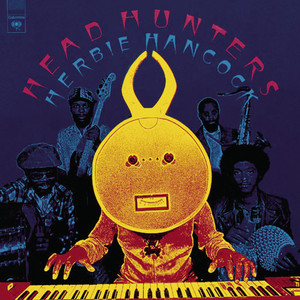
Herbie Hancock is one of the most influential musicians. This record explores and obliterates the boundaries of "jazz."
Sometimes the universe conspires to prevent you from listening to a record. I started listening when I took the dog for a walk, but the music kept cutting out. Then, I started listening when I got home when the internet went out. This seems like the perfect record for needing to jump through hurdles (okay, minor inconveniences) to listen to it. It's odd, but somehow accessible.
This collection could be called "Murderous Cucks," or "Cucks Prone to Domestic Violence." Country music, at its best, is about storytelling, and Yoakam spins some decent stories, even if the murderous cucks need the salvation of Jesus (See "Hold on to God," the last song) in the end. The musicianship is quite good. Overall, not my cup of tea.
Jazz is exploration into the limits of music. The best jazz artists shatter those limits. Miles Davis made a career pushing the boundaries of music. He could have settled in and kept making "Kind of Blue" but he didn't. That's only part of the reason that Miles Davis is one of the most important American musicians ever.
A bloody mess. There's no consistent musical vision
Is it possible that Paul Simon is an underrated lyricist/musician? He has a knack for finding the right people to work with.
Do people who like this like jazz? Do people who like jazz like this? I need a venn diagram of people who like jazz and electronica. Where is the overlap? All kidding aside...the music on this record sets a mood.
I saw Soundgarden on tour for this album. The venue, Tsongas Arena in Lowell, MA, was hot and sweaty and Chris Cornell was understandably peeved about people throwing their sweaty t-shirts on the stage. But the band was on fire. Chris Cornell was a generational talent who could sing while playing complex guitar riffs. The songs on this album spoke to a darker part of him.
Loud, aggressive, fast. Punk before the word was used for marketing purposes.
Nick Drake was a genius. His guitar tunings were nothing short of spectacular.
This music is giddy and infectious. It's a whole vibe, as the kids say.
This is terrible. The idea that supposedly talented people worked on this is proof that sometimes teams are weaker than their individual contributors. An all-around embarrassment of a record.
Almost no one sounds like they put more effort into singing than Otis Redding.
Passable French pop
Can we stop having albums that aren't on streaming platforms? A sign that not everything complex and difficult is necessarily "good." The "Finnegan's Wake" of records. I have these neighbors who destroyed a perfectly good portion of their lawn to create a prairie garden. While they may understand that a prairie garden provides more biodiversity, they expended a lot of effort to make their yard look like garbage. This album is the musical equivalent of that: a lot of effort for a "what the f*ck are you doing?" response. This sounds like something I'd make up when I'm goofing around and want to annoy my family. I think I'll use it to wake my kids up from now on.
One of the groups that unlocked hip-hop. The songs are infectious and fun.
This was the second album I ever purchased. It opened my eyes (and ears) to lyrics that went beyond partying and being horny. How many people would use the term "synchronicity" if it weren't for this record? Most of these songs hold up all these years later. "Synchronicity II" hits home after you've spent some time commuting for a BS job. Some don't hold up as well ("Mother"). And then there's the expertly crafted ode to stalking ("Every Breath You Take").
I saw Nanci Griffith in concert in the early 2000s on her Clock Without Hands Tour - my girlfriend at the time really liked her. We're now married. Nanci Griffith seemed like a delightful and lovely person, but her music has never done much for me. This collection is no different. She tells compelling stories, but her voice (to me) is uninteresting. If you love her music, great! If you hate her music, you probably punch Girl Scouts when they try to sell you cookies. If you think, "This is fine, but I probably won't spend too much time listening," I get you.
When I'm mowing the lawn, I'll often listen to Iron Maiden. I appreciate the technical precision of the music as well as Bruce Dickinson's operatic voice. In high school, I wasn't into Iron Maiden, that was the purview of the waistoid headbangers who seemed permanently concussed from said head banging. Also, in high school, in history class, another student brought in lyrics to "Alexander the Great" (not on this record), and the history teacher was impressed. In college, I met the guy who would become one of my best friends...he was wearing an Iron Maiden hat and Metal Church t-shirt. What does any of this have to do with this record? Everything (to me) and nothing (to you). Iron Maiden was a great band with well thought out music and lyrics.
The 90s were full of bands, and the record execs who signed them, trying to recreate Nirvana with a formula of loud guitars and impenetrable lyrics. What they often missed is that Nirvana was doing its own thing, not relying on a formula. In 1994 this was a near-constant listen. A lot of it still holds up, but the "screaming tracks" as I call them are best left to the dustbin of history. We want to assign the label of genius to troubled people. Kurt Cobain sure had a knack for melody and writing lyrics that hinted at a deeper meaning.
Aerosmith is second-string classic rock, never reaching the heights of many other bands - I'm talking their output in the '70s. As a precursor to '80s hair metal/pop metal, this record is fine. "Back In the Saddle" and "Last Child" are a great 1-2 punch, but the record just fizzles from there.
When did Country become not a music evocative of a place (the American South), but of a whole worldview of a subset of white Americans? Rhetorical question, I know. This record stands firmly outside of what I thought of country music at the time it was made: sequined leisure suits and helmets of hair held in place by hairspray. It's refreshingly different from the era in which it was born, and a great listen.
Was '90s alternative all just the same? This album is fine. The tracks are fine. Nothing horrible. Some good moments. This band is okay, but they are emblematic of the era.
There's a reason why Neil Young is considered so influential. His ability to mix musical styles, blues and folk, in particular, is practically peerless. Every song on this album is a gem.
A foundational Cure album. This is one for those who liked the Cure BEFORE they heard "Just Like Heaven." Robert Smith has always been a great songwriter, and the moody atmospherics of this album raise the game.
The Rolling Stones have lots of great songs. "Sympathy for the Devil" is among their absolute best. That and "Street Fighting Man" raise this album above the mediocre blues experiments that haunt the rest. And I get it - without those blues experiments, the other songs probably don't get written.
Atmospheric. My son just LOVES this album. The words are often indecipherable, but the whole mood of the album is engaging.
When is a Beach Boys album not a Beach Boys album? Before reading that Brian Wilson was not heavily involved in the production I noticed that the harmonies were not as rich and that the songs were more focused on social justice issues. Should they have renamed the group as they went in this different direction? "Beach Boys" as a brand name evokes sun, surfing and youth. Anyway, this album is a unique listen and a worthy comparison to other, more familiar Beach Boys songs.
Indecipherable lyrics and the songs all sound so similar.
If sex had an anthem, it would be the title track off this album...and it's all in the vibes. It's a reminder of how the structure of music and how a singer uses their voice can be so evocative of a mood. Now compare this with the dick swinging cock-rock of the 70s and 80s, where the lyrics were much more suggestive. There's no comparison, "Let's Get It On" is sooooo much sexier and much more apt to get you in the mood than, say, Poison's "Talk Dirty to Me."
Fun fact: when playing Trivial Pursuit with my grandmother, she would always answer any question about rock music with "Rod Stewart." Fun fact #2, I was listening to a rock playlist in the car, and Rod Stewart came on. After a few seconds, I forwarded it and said, "I can only take so much Rod Stewart." My wife agreed. His voice is unique, I'll give you that, but that must have been some serious Dunning-Kreuger to think he could be a singer. Obviously enough people thought so that he had career doing it...some guys have all the luck. But that voice. I just can't. It's like AI said make a blues song, and then sucked all the soul out of it. I've never gotten the appeal of Rod Stewart. The music is good, I like the bluesy arrangements and alternate guitar tunings. I'm left to wonder, did Maggie think he was sexy?
Before listening, I've never been a fan of Nick Cave. Do I have to listen to this? No, I don't HAVE to, but I choose to as part of this project. Ok - after listening. Not as bad as I expected. There were some pretty decent moments. Still don't love Nick Cave, but I understand why he has fans.
Relentless sameness. If I were dancing at a club, this would be my expectation. What a slog.
Bowie was a curious shapeshifter, always reinventing himself and creating a solid body of work in the process. When you change the formula of your success you'll eventually create something lesser. But creating the lesser work is often a step in creating much better work. This record does not reach the heights of Ziggy Stardust, Aladdin Sane, Low, or his final gift Black Star. There are some good songs on here: the title track and "Fame." The cover of "Accross the Universe" is ill-considered and Bowie's voice is not up to turning that song into overwrought soul.
The verbal acuity is off the charts. The lyrics are, well... Let's just say I'm not the target market, even though Eminem and I are the same age. By the time this record came out, I found myself not really into the kind of overt misogyny and homophobia found here. That said, there are some lyrical gems on this album, and it provides a window into a world that exists outside my own experience.
Even half-baked Macca ideas are still hummable. Not the greatest work by the recently ex-Beatle, but not terrible. A lot of song ideas are not well thought out - it's like trying to create a one-man Abbey Road medley. "Maybe I'm Amazed" is still a fantastic love song.
Kicking off an album with "Tiny Dancer" is a flex. Great album overall.
Solid New Order album. Not their best, but still good.
Smooth jazz is anathema to the spirit of jazz. The best jazz records make you sit up and take notice. This doesn't quite reach those heights. The rhythm section is pulling some serious weight here. This would have been a much different record with a lot less reverb on the sax, giving it more muscle in the recording.
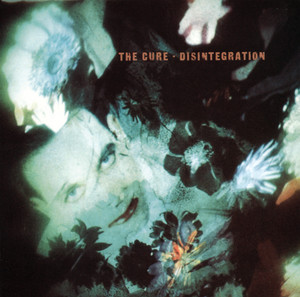
The perfect rainy day album. Seriously. Put this album on when it's raining and you can't go wrong. The Cure's best album, and a great record overall. This where they perfected arena rock for misfits. And misfits is not a put down. Back when this came out, you were considered weird if you were into the Cure or any other alternative music. But when people started to actually listen to it, they recognized how great this band actually is. Go back in time to 1989/90. I was just discovering The Cure as a senior in high school. This album was such a revelation. The music that finds us at this age has an incredible pull on us. I put this on and instantly I am driving around with my friends, worried about going away to college, and the girl I am too anxious to ask out. Robert Smith's music and lyrics catch me in a warm hug.
Simply a gorgeous album. Another reminder that music can communicate beyond language.
The Isley Brothers have been so influential on popular music, but they often feel so overlooked. Solid album.
Decent album full of songs about wanting to get laid. Such simpler times. Weren't they aware that there was a world in chaos? Not one song about Vietnam? Come on! Doesn't quite reach the heights of some other music of the era, but still quite solid.
Pretty ballsy move opening with a Rolling Stones cover. All kidding aside "Bittersweet Symphony" is catchable. The rest of the record sounds like they were trading ideas with Oasis for material. An album over 45 minutes long has to justify itself with the strength and diversity of its material. And this does not cut it. The hidden track thankfully died with the decline in CD production. It's pervasiveness in the 90s is completely odious.
So much in hip-hop depends on matching the sonic environment to the lyrics. This record is a masterclass in sampling.
This is its own thing. Reminds me of the Magnetic Fields' "69 Love Songs" - although this was first. The lyrics are often meant to be humorous or comic. Love can be humiliating.
When a band just oozes creativity.
Straight up blues rock. Straight up blues rock. Some great guitar solos. Listening to this is to see how the '80s emphasis on MTV and making hits really did not service some bands, ZZ Top among them. In the '80s, ZZ Top weren't so much musicians as characters in a ZZ Top cinematic universe filled with hirsute biker dudes and scantily clad women.
I pity the foo that has to fight the foo. You have to admire Dave Grohl for wanting to continue after Nirvana. Imagine you're part of one of the biggest bands, but your front man has serious issues and dies by suicide. What next? You record an album hoping that people will like it, and continue on with a new band, making decent music. That's the life, man.
This album starts out full of infectious energy, with some wonderful bass lines, then it seems to peter out.
It's Stevie Wonder. Enough said. Actually, while I was listening to this record, I was thinking about the state of radio in the 1980s. I mostly listened to classic rock stations at that time, but Stevie Wonder was never played on them. Nor Marvin Gaye. Nor any other Motown artists. Is it because they were Black that they weren't played as heavily? Or is it marketing? Or is it, "Well, Stevie Wonder doesn't use guitars, so he can't be considered classic rock?" I think it's probably something that wasn't really thought of. They played Hendrix after all. I think it's more of a question of labels and branding. It's a reminder that when we slap a label on ourselves or our preferences, we limit our worldview, often unintentionally. That is to say that we could all stand to listen to some classic Stevie Wonder
Is it false advertising to label yourself a doctor even though you don't have a medical degree? That said, this album has its own vibe.
I remember a poetry professor dissecting the lyrics to "Man in the Mirror" as bad poetry. That professor died of brain cancer, which is irrelevant. What the professor missed is that songs rely on the music and that the poetry of the lyrics is secondary. Anyway, Michael Jackson was an insanely gifted entertainer and consummate weirdo who very likely molested children. I go with the "smoke/fire" theory here, considering this is not a one-off accusation. Why are so many people hung up on disproving that he molested children? Because fans of the artist, you can't consume the art in good conscience. (See also, MAGA People who turn a blind eye to Trump's relationship with Jeffrey Epstein and the "privileges" that likely entailed.) The best course of acrion is to separate the art from the artist in this case. Bad is not as compelling as Thriller, but it's still a decent record.
Elvis Costello: fantastic songwriter and musician who inspires unhinged hatred from mediocre people. Elvis Costello, the brilliant, witty, sardonic songwriter would no doubt be amused by the vitriol.
A jazz vocalist who belongs in the same conversation as Ella and Billie.
This album is saved by the organ. Seriously. Not bad musically all around, but the singing and the lyrics are mid.
Britpop is often such a Blur, I mean a Pulp Normally, when I listen to an album a second time, I hear things that are new, and it softens my initial reaction. Not so with this record. My overall impression was, "Meh."
Did the makers of the movie "The Family Stone" have to pay Sly Stone royalties for using the name? What if the Sarah Jessica Parker character in that movie hated Sly & the Family Stone, would the Stones have been justified in not liking her? Did anyone go to this movie mistakenly thinking they were seeing a documentary? Questions aside, this album is a fantastic. So many great songs and grooves.
A vocal gymnast with incredible range. Is the melisma overindulgent? Perhaps. But I would wager that the producers and record label wanted that. By this point she had already told us that she doesn't want a lot for Christmas. I'm guessing that if that song were "All I Want for Today Is You" we would hear a lot less of it AND it would be more universally loved. But that song - in all its brilliance - is not on this record.
The '80s, man. Funny how stuff from the '80s feels so much more dated than stuff from the '60s or '70s. For instance, my wife and I recently re-watched the original Ghostbusters, and were left wondering how that movie became so popular. This record feels lie it belongs in the '80s.
This slaps. Pretty impressive to rap in French, but still communicate your verbal dexterity to a non-French speaker.
Stevie Wonder is a national treasure. I will be taking no other questions at this time.
The Replacements were who they were. Paul Westerberg is such a great song-crafter that they could have sold out. I'm glad they didn't.
There are some true classics here. "All Along the Watchtower" is everything a good cover should be. An artist (like Jimi) can take an existing song and imbue their own essence into it. Dylan would likely have never performed it this way and Jimi just elevates it. It's amazing that someone who died so young left such an enduring body of work.
The title track is probably one of the best songs about the futility of war. Spare me the pearl clutching over the gay slur in "Money for Nothing" and get over yourself. The song is written from the POV of someone who would use that term. That character is likely MAGA and doesn't understand the effort it takes to make music. The music is so varied in this album. This album came out when I was 13. At first, I thought it was boring, but the more I listened to it, the more I grew to love it. Often you need repeated exposure to fully appreciate a work of art, which makes this project sometimes frustrating when I wonder if I spent enough time listening to a record. For funsies, tell your friends that "Money for Nothing" is a cover of a song called "Monet for Nothing" which is about art thieves.
Decent late '70s punk. The musicianship is decent but the vocalist is all vibes.
Does not change my impression that Lenny Kravitz is mid. It's fine. Well-produced, but not earth shattering.
One would expect a band named the Zombies to have a harder edge, not this flower-power lovey-dovey nonsense! Decent album, though.
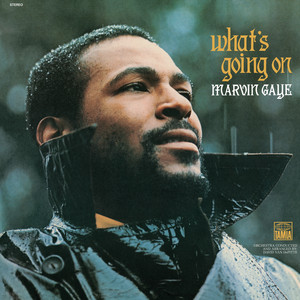
Many years ago, my roommate and I swapped our favorite records with each other to listen to. He game me "What's Going On," and I gave him "A Love Supreme" (John Coltrane). He didn't like Coltrane, but, then, he didn't like jazz and "A Love Supreme" is not the easiest entry into jazz. Regardless of whether that particular roommate liked jazz, he was on to something with this album. "What's Going On" is fantastic.
You know that unpredictable alchemy that happens when creative people find each other and push each other to create groundbreaking works of art that would not be possible if it relied on just the output of one person? This album is not that. You know those stories that you hear of genius being thwarted by gatekeepers? This album is not that either. Somehow, no one involved in its creation tried to stop it, tighten the songs, or just begin again. This album proves the theme song from M*A*S*H wrong...Suicide is not painless.
I saw the cure on the Wish tour. By then, they had lots of crowd pleasures they could end the show with. But they did an extended version of "A Forest." It was simply an amazing way to end the show. "A Forest" is what all the best Cure songs are: moody and atmospheric.
The Dave Brubeck Quartet makes it sound easy when it's anything but. What a fantastic record! This has long been one of favorites. This is a jazz record for people who love jazz to share with people who claim not to like jazz. The melodies and the rhythms seep into your soul. The DBQ is so tight. I saw a meme about them all looking like accountants. And fair - a bunch of white dudes in suits playing this super-sophisticated music.
There's a book to be written about the, in my words, "great encheesification" of acts in the 1980s. Chicago/Peter Cetera, Journey, Aerosmith, Jefferson Airplane/Jefferson Starship/Starship, and Steve Winwood formerly of Traffic all sought pop stardom while abandoning thetype of music that made them great to begin with. Was it the record labels pushing great musicians to make bland music that would not age well? Was it the influence of MTV? To be fair, Steve Winwood's 1980s output isn't terrible, he had some good songs that, with their 1980s production values, felt like a huge step down. Also, comparing Winwood's Traffic output to his 1980's output is a bit unfair. Traffic was a great band with interesting music.
This is great!
"When you've loved and lost like Frank has, then you know what life's about." Individually the songs are fine. Taken together, they run together. Frank was born in 1915 and was 40 when this came out. Say he had been born in 1986, what kind of music would he be making today? Would he be a modern day lounge singer? Or would he be a pop-star? Or make his mark on Broadway?
Some great songs (Green River, Bad Moon Rising, Lodi) mixed in with forgettable blues-rock. Decent record. I wonder of John Fogerty ever thought, while recording Bad Moon Rising, that this would be a song forever associated with werewolves. Is Creedence really a werewolf band at heart?
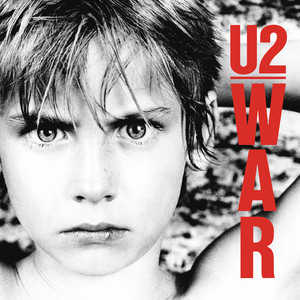
Why do people hate on U2? At its core, I think it's an aversion to earnestness. U2 started by writing emotional songs about things that mattered, and not about wanting to get laid. Rock music is about getting laid, and U2 said, "No, we want to talk about Bloody Sunday and write a song using a Psalm as lyrical inspiration." It could also be that U2 are not virtuosos. They understand how to create compelling sonic environments using a variety of effects that make it sound like multiple guitars are playing at once. The songs on this record are fantastic. Memorable. Earnest. Classic.
There are some great songs on here (Devil's Haircut, Where It's At, Lord Only Knows). There's plenty of filler. The grooves and studio work are first rate, but as a songwriter Beck often feels like he's keeping the listener at a distance and being purposefully opaque with his lyrics.
An outstanding record. Every song is it's own world in an album that creates its own universe. It's a near perfect blend of songwriting and studio experimentation.
The album you've heard so much that you might be tempted to rate it below other Pink Floyd albums just to be difficult ("Wish You Were Here" is a strong contender for best Pink Floyd album). But this album has held up over the years because every song is so well placed. "Time" is my favorite song on the album and one of my favorite Pink Floyd songs.
Message in a Bottle, Walking on the Moon and Bring on the Night are simply great songs. Stewart Copeland has to be one of the most inventive drummers. The Police sounded like no one else.
A classic synthesizer-driven album. I'm old enough to remember when the title track was all over MTV. We were struck by the bending of gender norms with a female vocalist having a buzz cut. But what a vocalist Annie Lennox is!
Everyone involved with this record sounds like they're having the best time. That joy is infectious.
Writing catchy songs is an under-appreciated skill. The songs here are so catchy and earnest.
I saw Ladysmith Black Mambazo perform a couple of years ago at the Dakota in Minneapolis. The group has gone through several iterations over the years, but the love of the music comes through.
This is a frustrating one. I can hear the artistry, the experimentation, everything that makes Queen great when it all clicks. But this doesn't click.
Back in the early '90s I might have convinced myself that I really like this.
Why are there no Sonic Youth cover bands? Because anyone who would be in a Sonic Youth cover band would be making their own music. What Sonic Youth detractors often miss is that amidst the noise, there is a keen ear for melody and sounds that simply blend well together.
There are a lot of great songs on this record, but there are far too much filler and "bloated corpse" songs that the Beatles could put on a record just because they were the Beatles. It's almost as though they were trying to see what they could get away with. If they had released an entire album of John and Yoko audio experiments in the vein of Revolution 9, it still would have sold millions of records. I, for one, do not blame Yoko for the break up of the Beatles. They were impossibly young, creatively adventurous, internationally famous and under the ever watchful eye of the media. That life is unsustainable.
If Meg White were named Mark White, no one would be pissy about the drumming. Some great songs, but they get repetitive after a while.
Paper Planes is an all-timer. The album started to grow on me with the second listen.
The songs are delightfully offbeat and full of surprises, including a young Bjork.
This is a classic. Needle and the Damage Done is probably one of Neil Young's most affecting songs. Neil Young can write more than one type of song...he can rock out, or go acoustic.
Joni Mitchell is an artist who needs to be listened to more than once to hear the nuances in the lyrics and the music. No one writes songs like she does. But when you first hear her, it doesn't make sense as pop music because she breaks so many "rules." Nevertheless, her influence is enormous, and she lays claim to being one of the all-time great songwriters.
Taylor Swift is a master of big hooks and earworms and her songs connect with her audience.
Eh, it's fine. Some of the songs later in the album show off an impressive voice. Wouldn't put it on a list of must-hear albums.
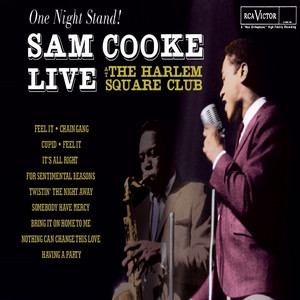
Being at this concert must have been a transcendent experience. A live show is about the music, yes, but also the interaction with the crowd. Sam Cooke was such a great singer and performer. The music leaves you feeling energized and wanting more. And there's something to be said for music that makes you feel good.
Villain origin story: this album is released on the edge of our villain's puberty. He thinks the songs are okay, but the girls go wild for the good looking band and their lead singer, which causes him to hate the music. Fast forward many years later, and this shows up on the album generator. He decides to be open-minded. After all, Livin' on a Prayer is on this and that's a catchy anthem, and he remembers You Give Love a Bad Name and Wanted Dead or Alive. Then he listens to the album and is gobsmacked by how dated it sounds. The guitar solos don't flow. Every song is designed to be an arena rock anthem. What the villain now understands is that the band was a marketer's dream: the hits were good enough, and that the girls who were into this band probably weren't ones he wanted to be with anyway.
Despite the spoken word interludes sounding like Spinal Tap outtakes and subpar vocals, the music on this is great.
Heavy Metal in the 70s and 80s does not exist without the influence of this album. The lyrics are dark and mercurial, and it's easy to overlook what a great, idiosyncratic singer Ozzy was.
Having an annoying singer with questionable singing talent/skill is not in and of itself disqualifying, but this does nothing for me.
How had I not ever taken the time to listen to this? Back when this was released, album covers were critical, and this cover does not do anything to sell the music on the album.
The best thing that ever happened to Dave Mustaine was getting kicked out of Metallica. The best thing that happened to Metallica was kicking out Dave Mustaine. Some Mustaines were born to run free.
The music is great, the lyrics are not. Their biggest hits are about a guy who refuses to commit (Freebird), and a Neil Young diss track (not on this record). Southern Rock doesn't exist without Lynyrd Skynyrd.
Just seemed to run together.
This album just sounds like the 1960s. Pleasant enough sound, nothing groundbreaking. Good covers should make you think about songs differently.
The covers on this can charitably be described as....different. Some decent songs, a lot of misses.
Such a great album! Pixies did not sound like anything else. They anticipated '90s grunge, but somehow sounded weirder, like a punk band that was into art films.
There is no denying the enormous influence this album had on hip hop and popular music in general. Not a fan of the misogyny, but the sampling and the flow of the rap is top-notch.
The musicianship is top-notch.
Who's inspired more think pieces: Elvis or The Beatles? If Elvis had lived, he's be dead by now. What is striking about this album is how good the backing band is. Just listen to the bass lines! Wow! Elvis himself sounds like a relic at this point. It's cringe to listen to a wealthy white musician who appropriated Black music sing about the ghetto.
If you can be a big influence on The Cure and Radiohead, maybe you're on to something.
Imagine listening to Hendrix as he was putting out new music. He must have seemed like a creature from some other planet, an endless improviser looking for new sounds from an electric guitar. While his output is legendary, and often brilliant, it seems like there were steps waiting to be taken and music left unexplored due to his untimely death. But we were fortunate to have what he left behind. There are some great moments on this album (Little Wing, Castles Made of Sand, If 6 Was 9, Spanish Castle Magic, Bold as Love), but also some filler.
Before seeing this album today, I was thinking about what I would say about The Smiths when one of their albums came up. The title track is one of the all time best opening tracks on any album, with, perhaps the funniest line ever in a song: "She says, 'Eh, I know you and you cannot sing.'/ I said, 'That's nothing you should hear me play piano.'" It gets me every time. Morrissey took his gift for sardonic lyricism, and his inimitable vocal style and decided to become a world class crank in his old age. While his lyrics capture the maudlin misanthropy of many a youth, Morrissey has chosen to not grow up. But in not growing up, he's not an athlete failing to realize the game has passed him by, but a poet obsessed with holding everyone in judgment of not being worthy of his time or consideration. He judges everyone for failing to live up to his standards, without acknowledging that the problem is him. But, Johnny Marr. Johny Marr. Has there ever been a guitar player with a better sense of melody? His chord changes are exquisite: so understated, so flash-less and so in service to the songs. The music of these songs is where the magic starts. The lyrics make the music come alive and make the Smiths one of the most idiosyncratic bands ever.
Decent album. Some songs with great hooks.
Perhaps the best noise-rock album about witchcraft I've ever listened to.
Having a bad singer is not necessarily a bad thing. Rock music is littered with dreadful singers who bring something to the material.
Sometimes a record, a good record at that, escapes your notice. An artist escapes your notice because you're drawn elsewhere. You can't absorb everything that pop culture puts in front of you, but when you hear something really good that has escaped your attention, you want that dopamine hit of finding that next good thing.
Show tunes with shock value.
I heard a few of their songs on the radio around the time this came out. This album is an overall vibe with a few standouts.
Dance music for those on society's edge. It's fine, but kind of blends together after a while. Pills and Thrills and Bellyaches at least has some better songs.
Can you be too much of a pretty boy for the world not to notice how good and deeply weird your music is? This is an unconventional pop record. Duran Duran were immensely popular and the girls went gaga over them. This album is so 80s coded - from the album cover to the sax solo in the title track. The bass lines are fantastic.
A melange of propulsive guitars and questionable vocal technique. I could see listening to this while working out.
It sounds like someone playing around with different sounds/melodies with little to connect itself even within the songs themselves. The vocalizations don't serve the music at all.
This is a desert island album and among the best 33 minutes of music ever recorded. The classic quartet is at peak form here. It is the sound of struggle, redemption and meaning. .
Sounds like a band dreamed up after a 90s-era music industry marketing summit. Nothing stands out. Everything is by the book - distorted guitars, paint-by-numbers bass, ok drumming. Meh. With a different band, the singer could be great.
A bloated, self-indulgent corpse of an album convinced of its own profundity. I bought this when it came out because I had loved Siamese Dream and Gish, yet this one never struck a chord with me. It always felt too long with lyrics inspired by magnetic poetry kits.
A poetry reading set to music. Although I've never clicked with Nick Cave, I can understand and appreciate where this album came from. Grief needs an outlet.
You could not escape this album in the mid-90s. The influence it has is enormous. But... I just don't love it.
Another mediocre band making mediocre music.
Astounding verbal fluidity over sampled music.
Coldplay was once a great band until they consciously uncoupled into a punchline. Now their concerts are where CEOs bring their side-pieces, appear on the kiss-cam, and have to do reputational damage control.
I once had a dream that I was explaining the lyrics to "Ted, Just Admit It..." Perry Farrell has a unique voice and the point of view to lift Jane's Addiction from being a run-of-the-mill rock band into something more substantial.
That blind horse wishes it were deaf instead because Rod Stewart's voice is...grating. And Ronnie Lane...nothing distinctive vocally.
Sometimes all you need is a singer and a guitar.
If the Beatles kept making albums like this, they would not be revered like they are today. They would be considered a good pop band who captured the imagination for a few years. But this album is a stepping stone. You can hear the competency of their early songwriting and lyrical playfulness. Would any other band have been open to even the idea of the title "Hard Day's Night?" When you listen to the Beatles as songwriters, you are instantly jealous. But they worked at it, they honed their craft and made each other better. The fame was a trap, but also the freedom to experiment in later albums.
"Freedom! '90" is the obvious classic on this album, but there are a lot of good songs and interesting choices. The jazz inspired "Cowboys and Angels" comes to mind. George Michael was a hell of a pop craftsman with an ear for melody and a gorgeous voice.
Elevator music with a beat.
Bob Marley: the sound of a college dorm room. Now guess the smell. The bass playing is fantastic, as are the rest of the musicians.
This sounds like a collection of b-sides and outtakes that an artist might release to give true fans something more to ponder. It sounds and feels incomplete. It sounds like there's something bubbling under the surface that could have maybe used more focus. This sounds longer than its length. It just doesn't end. I want to like this. I want to support an artist who struggled with demons. But, no.
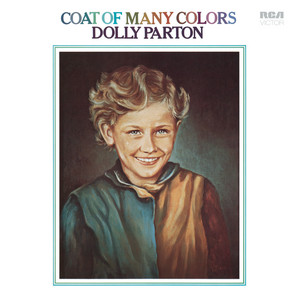
Don't think it's a coincidence to get this the day after Dolly died. Dolly was a great singer, songwriter, and storyteller. She used her fortune to enrich the lives of others. She lifted people up instead of cutting them down. Think of the title track - the story of a family so poor that the mom had to make clothes which led to ridicule. But making that coat of many colors was an act of love...and necessity...and resourcefulness...and resilience. Dolly was ultimately resilient, and this album is a testament to that.
As long as there's art made by humans, humans will continue to challenge the concept of what is and what is not art. Hence the conceit of the concept album...or rock opera. Multiple songs that propel the same story forward. It's just like a musical now... If Pete Townshend had been born thirty years later, this might have been competing with "Rent" on Broadway. There are some good songs on here, but overall the concept falls flat. However, given its enormous influence in terms of what and album and what rock music could be, it's certainly earned a place here.
It sounds like the soundtrack to a spy film where the spy is in deep with a femme fatale.
There is no one like Joni Mitchell. Her creativity is boundless.
While the hippies were spreading peace and love, the Velvet Underground was exploring...other themes. I'd probably like this if I listened to it more. Lou Reed could write actual songs. This is something else. I suspect I would need to listen more to get into it. Lou Reed could write actual songs. This is something else.
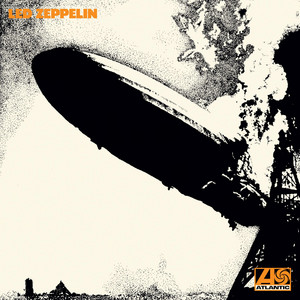
Jimmy Page and John Paul Jones were seasoned session musicians by the time they made this album. You can hear the variety of influences. Bonham's drumming on Good Times, Bad Times is spectacular. And Plant brings it all together.
Are songs about how crazy it is being in a rock n roll band a sign that maybe you lack a little creativity? They say write what you know, I guess.
WHY IS SHE SHOUTING? Janis had such a dynamic, powerful voice, but not everything needed to be belted. That's what makes her interpretation of "Me Bobby McGee" so great - the histrionics are dialed way down.
What's the difference between a front man and a singer? There's only so much Anthony Kiedis one could take. This album would be a lot better if it were just instrumental.
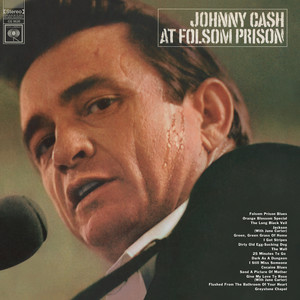
How exclusive was this show? People were engaging in criminal activity just to get tickets. Seriously, how many artists now would perform in a prison?
The next time my daughter complains about my singing voice, I'm going to play her this.
When I was in college, I had a friend who refused to listen to Nick Drake because he died by suicide, and he thought the music was too depressing. Years later that friend went anti-mask, anti-vaxx, started sharing Russell Brand videos and claimed Jordan Peterson was a real intellectual. I lost touch with that friend on purpose, but still listen to Nick Drake.
Nick Drake made music for quiet moments of introspection. For when you need a warm hug on a rainy day.
Meh. Competent, middle-of-the-road rock. While listening, I kept wondering if it was over yet.
(must separate the art from the artist, must separate the art from the artist) But, damn, this is pretty good. The songs are well crafted.
To be near the end and keep the creative spark alive.
Is there a more idiosyncratic band than Talking Heads? They sound like no one else and vice versa. Tina Weymouth is an underrated bass player.
Giving a voice like that money to produce a record is certainly a choice.
Straight ahead rock sound, with interesting lyrics. T-Rex was a whole vibe, man.
Fantastic album from an enormously influential band. What often gets overlooked among the experiments with noise, distortion and alternate tunings is how melodic a lot of the songs are. "Teenage Riot" is a perfect example. Once the song kicks off, it's an earworm.
The piano isn't accompanying the songs so much as breathing its own consciousness into them.
It's quite possible that Bruce is an underrated songwriter and musician. He can write anthems with the best of them, as well as create the spare, haunting songs on this album.
If you want to drive someone to the brink of madness, insist that Black Sabbath's "Iron Man" was a cover and that The Cardigans version was the original. Never waver from this assertion even as evidence is presented to you. Now you know how fake news works. This is a delightful album anchored by "Lovefool."
Innovative guitar playing. Catchy songs. Dumb lyrics. People were genuinely mystified that Eddie Van Halen would play keyboard though. There was this belief at the time that using synthesizers did not fit the rock aesthetic, which is also tied into appearing masculine. But I get it, from Eddie's perspective. He was a creative person, and creative people like to stretch their boundaries. The solos sometimes don't fit the songs, either. They seem shoehorned in because Eddie Van Halen is supposed to have a guitar solo on every song. When you look at the music of the time, it's not entirely out of place. Now I'm wondering how often the spouses of educators sing "hot for teacher" when they want to get sexy.
The title of this album comes from Adele's love of blackjack. She's been banned from most major casinos because her ability to count cards. Seriously, what a voice! A well-produced album that captures a mature beyond her years pop sensibility.
This is a band I missed out on.
Mid to the point where it's not worth the effort to think too deeply about it.
Authentic throwback country album.
The music is alive, urgent and meaningful.
A relentless onslaught of misdirected rage without nuance, subtlety or variety. The Trump-loving doctor my mother used to work for, who won't fly on an airplane and always acts like he's on coke loves this band.
Neil Young is such an exceptional songwriter. Down by the River with its extended jam is a true classic.
What do you get when you cross an innate sense of melodic songwriting with atonal and purposeless noise experiments? Sebadoh has some really good songs in their catalog, and Lou Barlow, if he had wanted to, but this sounds like it's often purposefully unpleasant as a rebuke to corporate rock. At the time that was a big deal among indie bands.
Some good songs. Some mediocre songs.
The sound is wildly inventive, but the overall effect leaves me cold.
It's fine. They obviously have some talent. Would I seek this out to listen again? Probably not Would I rage if someone were playing this in my presence? Probably not
Paul won the breakup.
Classic album. Smooth rhymes and delightful use of sampling
The blues artists of this era (and previous eras) were vastly underrated and unappreciated.
Everyone has an opinion on Elvis. Was he a talented singer? Did he borrow heavily from Black musicians? Was he a product? All of these things can be true. Some of the songs are great, but I can live without Elvis' version of "Fever" for the rest of my life.
The music sounds joyous and energetic. But its keyboard sounds and drum machines also sound dated
David Bowie was a great musician/songwriter who played a different character with each album.
"Baba O'Riley" is in the Counterintuitive Song Title Hall of Fame. Despite a couple of clunkers, this album is filled with some of the Who's best work.
"Take It Easy" contains, perhaps, the most insipid lyrics ever written. The rest of the album is effortlessly inoffensive mediocrity.
Would I listen to this again? Yes If someone were playing this in my presence I would be intrigued.
What a pleasure it is to hear music is inspired non-US cultural traditions!
Frank Zappa is much better with instrumental music. His sophomoric humor makes his lyrics niche at best.
Aimee Mann is an exceptional lyricist. Her songs are full of vulnerable people whom others are attempting to break.
It's fascinating to listen to the Beatles' early recordings knowing what they would become.
This would be much better if I didn't understand English.
Perfect background music for a dinner party: no one would complain about it, yet no one would stop the conversation to listen.
Well-crafted songs.
Could they be self indulgent? YES Could they play their instruments? YES Could the come up with some great songs in the process? YES
If you were hanging out at someone's house and they were playing this, you would notice music playing, but have no engagement with it.
This album sounds of its time. If I listen to this more, I might rate it higher - it sounds well produced and well written.
If I were at a dinner party and the host were playing this album, I wouldn't be able to focus on the conversation because I'd be focused on this exquisite musicianship.
Average rating: 3.71 (0.41 above global average).
Album origins are grouped into three buckets: US, UK, and everything else. “Other” means the artists you rate highest are from outside the US and UK.