The reviews on this album say more about the average user on the site's database rather than the album itself. I wasn't prepared to enjoy this. I don't really listen to German cabaret music, nor do I enjoy show tunes or (overly) pretentious experimental music. I already was a fan of Krause's work with Slapp Happy and Henry Cow. The fact that no album from either band is on here is pretty criminal (and I don't often listen to either band anyway). As with any "difficult" work, it's important to perhaps read and engage a bit more with it to understand why it's here. In a list that's full of albums only because they were commercially successful or popular for their time, this album pretty much breaks the flow in every way possible. Or does it? Hanns Eisler is a composer that perhaps needs revisiting in the times we live in today. Woes regarding war, propaganda, and social issues in constant fight for recognition were themes that he wrote about and paid the price for (escaping Germany during the rise of the Nazis). He wrote revolutionary songs (and even composed the national anthem for East Germany upon his return), songs about the struggle of the common people, and even a song that advocated for the legalization of abortion and autonomy and protection for women (in the 1930s, no less). The music is, of course, not easy listening. But the lyrics and music are performed by Krause exactly as Eisler intended. She really understands his music. Seething, menacing, often threatening, but filled with empathy and lamentation. The music is simply stunning, considering that it was written in post-war Berlin before Hitler's rise. How much creative work was lost from that time period? What can we learn from the themes of the piece today, in the permacrisis that we currently live in? The fact that this is in a book on generally popular music and has been kept in since, with female pop artists such as Britney Spears and Christina Aguilera being cut out of new editions, speaks volumes about what this album can bring to the table in terms of what we deem as "timeless" female artists. No pressings made in the USA whatsoever, no commercial interest, and still wildly ahead of its time given the negative reactions on the website and on YouTube despite being music written nearly 100 years ago—and on top of that, appealing to me, who's not a fan of this type of music to begin with. This is protest music from another time, yet still representing the fight of our time. More show tune music should be this dark and idiosyncratic. As such, in the spirit of protest, it gets a 5. Post-script: also, not sure how "not being on Spotify" translates to being an album of "no merit whatsoever". Spotify should not be the only way that you have access to albums as a music fan, nor is it a measurement of quality in an album. For those who wrote this, please go to your local record store or library from time to time, or purchase music directly from labels or artists' webpages. You'll be amazed at the great stuff that isn't available on streaming services, waiting to be discovered.
1001 Albums Summary
Rating Distribution
Rating Timeline
Taste Profile
Breakdown
By Genre
Tap a bar to see the albums behind it
Top Styles
Tap a bar to see the albums behind it
By Decade
By Origin
Albums
You Love More Than Most
| Album | You | Global | Diff |
|---|---|---|---|
|
D.O.A. the Third and Final Report of Throbbing Gristle
Throbbing Gristle
|
5 | 1.9 | +3.1 |
|
Duck Stab/Buster & Glen
The Residents
|
5 | 2.04 | +2.96 |
|
Tank Battles
Dagmar Krause
|
5 | 2.15 | +2.85 |
|
Metal Box
Public Image Ltd.
|
5 | 2.41 | +2.59 |
|
The Modern Dance
Pere Ubu
|
5 | 2.48 | +2.52 |
|
Arise
Sepultura
|
5 | 2.73 | +2.27 |
|
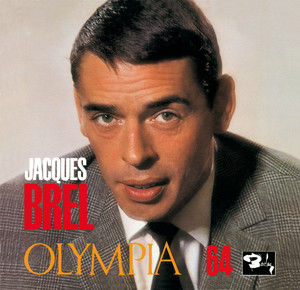
Olympia 64
Jacques Brel
|
5 | 2.78 | +2.22 |
|
Freak Out!
The Mothers Of Invention
|
5 | 2.8 | +2.2 |
|
LP1
FKA twigs
|
5 | 2.81 | +2.19 |
|
Only Built 4 Cuban Linx
Raekwon
|
5 | 2.83 | +2.17 |
You Love Less Than Most
| Album | You | Global | Diff |
|---|---|---|---|
|
Woodface
Crowded House
|
1 | 3.11 | -2.11 |
|
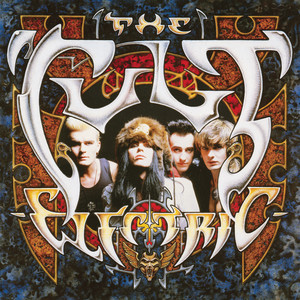
Electric
The Cult
|
1 | 3 | -2 |
|
Brutal Youth
Elvis Costello
|
1 | 2.78 | -1.78 |
|
Axis: Bold As Love
Jimi Hendrix
|
2 | 3.77 | -1.77 |
|
Odessa
Bee Gees
|
1 | 2.71 | -1.71 |
|
Follow The Leader
Korn
|
1 | 2.65 | -1.65 |
|
Duck Rock
Malcolm McLaren
|
1 | 2.62 | -1.62 |
|
Black Holes and Revelations
Muse
|
2 | 3.59 | -1.59 |
|
Hotel California
Eagles
|
2 | 3.57 | -1.57 |
|
Moss Side Story
Barry Adamson
|
1 | 2.52 | -1.52 |
Artists
Favorites
Tap an artist to see their albums
| Artist | Albums | Average |
|---|---|---|
| Beastie Boys | 3 | 4.33 |
| The Who | 3 | 4.33 |
Controversial
Tap an artist to see their albums
| Artist | Ratings |
|---|---|
| Elvis Costello | 1, 4 |
5-Star Albums (69)
View Album Wall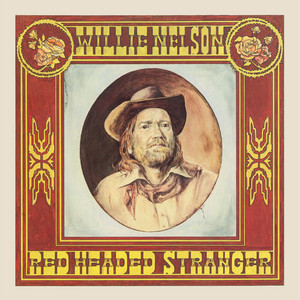















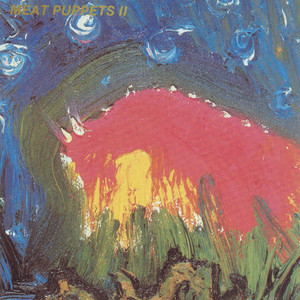
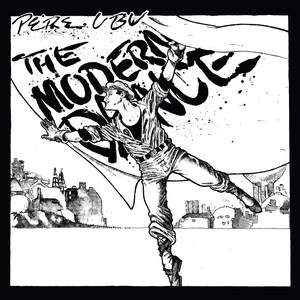


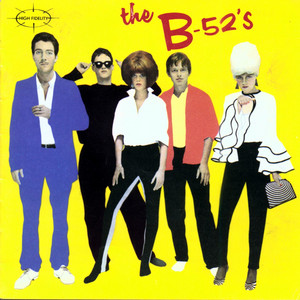
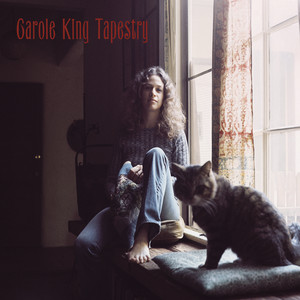



Popular Reviews
This belongs in a new book I’m calling “1001 Albums to Iron to Before You Die”. I listened to it twice in full while ironing tons of clothes this evening and it motivated me to the max! How’s that for a crazy, sexy, cool night out? I’d never listened to this album in full before, but I was shocked by how much of TLC's music I already knew. I think my sister played it a lot at home back in the day, and they were definitely radio and MTV darlings, so that figures. This was the first album by a girl group ever to be certified Diamond in the US (over 10 million copies sold). Once you get past the dumbass interludes and sketches (which broke the flow of plenty of other great ’90s R&B records too, like The Miseducation of Lauryn Hill), this is a solid, racy, fun and poignant release. Maybe one of the best of its time. I could do without the guest vocals, but I love that these three have such distinct voices and styles, much like the Wu-Tang Clan did in hip-hop. You can really tell who’s who on each song, and they keep things busy and engaging across a range of themes. I love the ballads (especially the classic “Waterfalls” - which tackles drug dealing and HIV as themes), but also the lusher, busier tracks, whether it’s “Creep” or “Diggin’ on You”. “Red Light Special”? Unbelievably bold content for its time: a true celebration of female pleasure and sexuality. I also love their cover of Prince’s very underrated “If I Was Your Girlfriend”, a song he originally sang in the voice of his female alter ego, Camille. (Like what the Beatles did singing a Ronettes' song - only with the gender roles flipped!) On top of that, lots of the funky vocal styles remind me of his work and of the wider R&B spectrum. Not sure what’s up with the final track, “Sumthin’ Wicked This Way Comes”. Was it supposed to be threatening? It ends things on such a downer. But once you edit out all the filler, you’ve got yourself one of the finest R&B albums of all time. So happy I gave this a chance. 4 stars.
No longer in the book. On paper, this sounds beyond cool: Damon Albarn, riding high on Gorillaz, with Paul Simonon of the Clash on bass, Simon Tong of the Verve on guitar, and Tony Allen (maybe THE greatest drummer ever!!) on drums. So imagine my disappointment when none of that talent translated, at least on the first few tracks. First off, you’ve got TONY ALLEN on drums, and you don’t do anything to make it groove? Second, this is clearly a Damon Albarn project, produced by Danger Mouse, with other famous guys occasionally adding sounds to the songs. I get that there’s something clever or profound going on here, but I find the execution dull. British music is way more exciting than this. The book deserves better, and I’m glad they removed it. Not sure what they were thinking at the time. 2 stars for the production and atmosphere, zero for the rest.
I'm giving this a 5 only because the top review giving this a 1 (!!) is the dumbest thing I've read so far on this site (and I'm sure it will get worst). The fact that the "review" is unfunny and mean-spirited is one thing, but its argument is baffling: Rush was the catalyst of a movement that "murdered" prog rock?? Really? HAS to be a troll post. I don't know everything about music but prog and arena rock was already on its way out by the end of the 70s. If anything, punk and new wave (and hard rock and metal, a bit) changed everything in popular rock, and that guy has completed the list, and should know this, but maybe he woke up on the wrong side of the bed the day he wrote the review. Or, maybe, was dumped by someone that was a major Rush fanatic. Who knows. Not a perfect album, but brilliant playing and fantastically smart lyrics (and drumming! That drumming!) from Peart all the way through. I can forgive some of the corny moments for the thick production and heavy riffs. This was the album that made me a Rush fan, and was a perfect use of all of the studio wizardry at the time with top top-notch playing and quirky chord and song structures. Not my favorite Rush album, but a classic and love that Tom Sawyer and Limelight gets love to this day in the sea of terrible radio selections we have to wade through. Also, should note that my former boss is friends with Lee and says that he and Lifeson are really sweet guys for big rock stars. Really humble too if you read interviews with them. Hardly the Judases of prog rock!! Can't wait to see them on tour next year.
Oh, wow, I didn’t expect to see this one on the list. Back when I was a teenager burning holes in my pockets buying CDs, I was constantly hunting for anything worth hearing from the ’60s. This album kept showing up on “essential” lists online, so I bought it. What a weird journey that was, and today, not much has changed! It’s still a dark, wicked, odd bird of an album. So much about it is quintessentially ’60s. Leader Joseph Byrd was a member of the Communist Party USA, and his approach was basically to attack the image of America (the band’s name was deliberately provocative). The band didn’t last long: during their only tour, three members were busted for marijuana possession, leaving Byrd and singer Dorothy Moskowitz to play the show alone, and the group fell apart soon after. The end, except that the band’s impact on the foundations of electronic music and psychedelic rock was profound. Politics and image aside, that’s the part I like most. Byrd was a real innovator, using whatever he had on hand (homemade oscillators, ring modulators, electric drums and not a single guitar) to manipulate and completely whack out the sounds and vocals. Sometimes it’s obnoxious, but it usually works. I like these weird sounds on “Hard Coming Love”, even if the song is like an uglier version of early Jefferson Airplane. The experimental tracks are fine: a bit unsettling, but unlike anything their peers were doing. (Clown murder music, though? Someone hasn’t heard the real thing.) Some work better than others. “The American Way of Love” is pretty out there and captures the decay of American society well, while “The American Metaphysical Circus” is iconic, if a bit dated. Hilariously, the most memorable novelty here is the Dixieland jazz/vaudeville parody “I Won’t Leave My Wooden Wife for You, Sugar”. That’s even funnier considering Byrd was dismissive of Zappa, since this song recalls some of his nastier novelty tracks. (Byrd was apparently difficult to work with and a total control freak about his vision for the band.) It’s a shame, because they were capable of writing tender, unusual ballads like “Cloud Song” and “Love Song for the Dead Ché”, as well as awesome rockers like “The Garden of Earthly Delights”. I’d also like to give a shout-out to Moskowitz’s chilling vocals, which I really enjoy, and to Rand Forbes and Craig Woodson, who make a pretty killer rhythm section. Gordon Marron plays some wild licks, but his electric violin makes the songs more atonal than they need to be. Either way, it’s definitely a curious record: difficult, and often weighed down by some very stereotypical aspects of the ’60s (at least by today’s standards). But it must have sounded far ahead of its time when it came out, especially with all that modulation. It gets a 4 for innovation, but for listenability, it’s more like a 3. Glad I got to revisit it after all these years.
1-Star Albums (7)





All Ratings (272)
Easily my favorite Beastie Boys album, though their best remains Paul's Boutique. It has a little bit of novelty, seriousness and avant-garde experimentation, which keeps things interesting. This was the height of their powers, both in sampling and in playing their own instruments. It's tight and sonically intense. How many albums have songs that feel as goofy and as threatening as some of these? It also showcases their hardcore punk roots. This is essential listening, huge in every way, and these guys have both shown and earned massive respect in the hip-hop and punk scenes, where so much of American music in the '80s and '90s began. People on here need to get off their high horse about the band's inclusion on the list. These guys probably gave more props and credit to Black hip-hop artists than any other white hip-hop act of their time (feel free to correct me if I'm wrong). Their VMA speeches are proof of their character: in 1998, MCA spoke out against prejudice toward Muslims, and in 1999, Ad-Rock called on artists to make concerts safer for women. Pioneers and gentlemen all the way. 4.5 stars.
I love albums that earn a 5-star rating within the first few minutes. Willie is an original: a master storyteller who brings to life the time and place he sings about. As a concept album, it kind of falls short, but as a whole, it really evokes the Wild West. Apparently Columbia thought this was a demo at first, not realizing that Nelson wanted it sound like this. What a legend. Give this man all the love he deserves. Like Springsteen and Cash, he's one of the American greats. 5 stars.
Let me be the first to say that I'm not a Depeche Mode fan at all. Before this one, I'd only really heard their hits and Violator in full. They seem particularly beloved by many users on this site: to date, there are THREE user album submissions for them! I already knew "Strangelove" and had seen the music videos Anton Corbijn directed for them during this period. I think it's a cool sound, and I especially appreciate that it was partly recorded at the Kinks' Konk Studios and co-produced by David Bascombe, who engineered Tears for Fears' Songs from the Big Chair. Martin Gore and Dave Gahan sound more confident than ever here. You can tell they were trying to make their dark electronic sound more accessible (as the cheeky album title hints), and it worked: the album went platinum and became a huge hit, particularly in the US. I enjoy the sound and the exploration of dark themes, but overall, it's not an album I'm likely to revisit over and over. Songs like "Sacred", "Little 15" and "Agent Orange" get a bit tiresome, though I love the hits and especially the experimental pieces with classical and operatic undertones, like "I Want You Now" and "Pimpf". Honestly, I'm surprised this was such a hit, since it's quite weird and inaccessible in places. I think it shows they released it at the right time and place. 4 stars for the fans, but for me, 3.
It's sad that this is the only Coltrane album on the list. So many amazing albums of his are missing, both the ones that helped jazz cross over into the mainstream and the ones that challenged the very notion of jazz at the time (see Ascension). As a longtime musician, I owe a lot to Coltrane: he was probably the first jazz bandleader I studied. This is a wonderful album, a gateway into great jazz for many people, but it's woefully overplayed. "Psalm" is probably my favorite part (where he "reads" the text with his saxophone), showing his move into the spiritual, esoteric ideas that would leave the biggest mark on me musically. The quartet is also on fire here, with McCoy Tyner, Jimmy Garrison and Elvin Jones adding a lot of groove and power to the compositions. For me, this is more of a 4.5: beautiful and mythical, but only the beginning of where he was heading. Hopefully those of you hearing it for the first time have gone on to explore more.
I love Hendrix, but I've never really liked this album. It's messy and feels half-finished at times. It must have been GREAT drugs, but there are too many tracks that are corny or a bit amateurish. The hits are great, of course, and the long "Voodoo Chile" is an extremely underrated blues jam, with Steve Winwood on organ and Jefferson Airplane's Jack Casady on bass. It's clear he was moving beyond being simply a rock frontman here. It's such a tragedy his life was cut so short. Apparently, there might have been a collaboration with Miles Davis if he had lived. Can you imagine?? 3 stars.
The Chronic is one of those classic hip-hop albums I somehow never really listened to. I own well over 100 hip-hop albums, including this one, so why hadn't I? Maybe because I wasn't into gangsta rap or G-funk. What a mistake! G-funk is a cool subgenre. I'm a fan of funk samples in hip-hop, and I appreciate the aggressive, confrontational approach from everyone involved. N.W.A.'s debut is a killer album, but Dre's production and approach here are quite different. First off, he uses far fewer samples per song, which gives the tracks plenty of space and dynamics to breathe. The grooves are typically chill, melodic and funky, with a laid-back West Coast vibe that owes a lot to '70s funk like Parliament-Funkadelic. That really contrasts with the lyrics. They're often sexist and violent, but I still love the tough, rhythmic vocal deliveries. Plus, Snoop Dogg is on pretty much every good song here, delivering awesome flows so early in his career. I'm willing to forgive the content to an extent, since I see Dre like other great producers and rappers who "chronicle" (get it?) inner-city life, conversations and problems, which he knew well from growing up in Compton. Obviously, a lot of it is of its time. This album made a huge impression on how Americans saw the often-violent inner city (which was also a place where normal, everyday things happened), and it deserves a chance no matter what you make of it. Plus, it just kicks ass overall: the production is so thick and cool. No regrets, I'm just glad I finally listened. 4 stars.
t hasn't aged well, unfortunately. As much as John Cipollina and Gary Duncan are local legends of the San Francisco psychedelic scene, this is more of a relic than a timeless album. The 25-minute "Who Do You Love Suite" is actually not bad, as guitar jams go. The rest, however? Not worth exploring at all. It's long, self-indulgent and often banal. It must have been really cool when it came out, but we don't really need to hear zoned-out jams with long, noodly guitar solos and no discernible structure. Why is this in the book to represent '60s improvisational music, when so many amazing jazz and even rock improvisers of the same period are left out? I refuse to believe there wasn't room for at least one Ornette Coleman, Sonny Rollins, Don Cherry, Pharoah Sanders or Alice Coltrane album, and yet this made the cut. 2 stars.
"By the third [album] I thought I was God's gift. I was totally convinced. I had no doubts." This is where I have trouble separating Costello the person from Costello the frontman. Is he being cheeky, or is this where fame truly started going to his head? Either way, this is probably where my interest in his career wanes. I enjoyed the punk and pub rock influences of his first two albums, and this was clearly meant to be a more commercial effort, reportedly to break through with American audiences. It worked, probably because the themes are more concrete and the storytelling has improved overall. I enjoy quite a few of the songs: "Accidents Will Happen", "Oliver's Army", "Busy Bodies" and the closing cover of Nick Lowe's "(What's So Funny 'Bout) Peace, Love and Understanding". I particularly enjoy Lowe's production, which has gotten meaner and fuller in sound and dynamics. It's a pleasant album as a whole, but far from my favorite. Something about the music just feels too safe, even if the themes are racier and more diverse. As a non-fan, I'm comfortable giving this a 3. Also, for those confused by the slur in "Oliver's Army": calling someone a "white n-----r" was a common anti-Irish Catholic insult during the Troubles in Northern Ireland, and it was used against Irish immigrants in the US as far back as the 19th century. The song is reportedly sung from the perspective of a naive British soldier, and it's meant to be ironic. I honestly don't need to remind you that you're on the internet: look things up before forming an opinion!!
I'm surprised more people on here don't like this. Jangly, crunchy guitars, fast beats, poppy melodies and tuneful, snotty vocals: what more could you ask for? I'd meant to listen to the Undertones for ages, but never had. This is a step up from their debut, with more mature themes alongside the usual teenage angst. It's fun and relatively harmless, and I can still relate to a lot of it. Too bad I didn't discover this as a young adult! I'll be returning to this one for sure. 4 stars.
Let me start by saying that I adore Patti Smith, as an artist and as a person. I've seen her live (amazing), read a lot about her, read her books and poetry, and I recognize how important she was to DIY music and punk rock. I've tried, but I've NEVER gotten into this album, ever since I was 15. I give up. I'm not sure why it keeps landing on lists like this, other than the fact that it was racy and bold for its time. It feels overblown at all the wrong moments, and pretentious overall. Everything feels sloppy and half-assed, and the poetry isn't among her finest. So, what's the story here? Is it like how people drool over "blank canvases" by famous artists and talk about what a statement they make? Maybe the fact that it still gets a rise out of me means it works. But I'd like to never, ever listen to it again. Twenty-something years of trying is enough. Back to my X-Ray Spex records for now! 2 stars
When I lived in the San Francisco Bay Area, I went to Hardly Strictly Bluegrass almost every year, before it got too crowded. As the name half-implies, it was a gathering of important country and bluegrass artists, some new, some old. Prine played there pretty much every year, but I was a bit dumb and more interested in the festival's non-country acts. I also wasn't as into country back then as I am now, so pretty much every artist from Prine's generation went ignored until today. Whoops, I hadn't realized I'd missed out on such a unique artist! This is barely country as I know it. Prine has a clever, wry sense of humor that he delivers with a straight face. These are also pretty tragic songs, about loss, depression, isolation and the decay of society. While the music sounds pleasant enough and makes for safe listening, the lyrics are anything but. Some of them are heartbreaking: "And Daddy, won't you take me back to Muhlenberg County? Down by the Green River where Paradise lay Well, I'm sorry my son, but you're too late in asking Mister Peabody's coal train has hauled it away" "There's a hole in Daddy's arm where all the money goes Jesus Christ died for nothin', I suppose Little pitchers have big ears, don't stop to count the years Sweet songs never last too long on broken radios" "But your flag decal won't get you into Heaven anymore They're already overcrowded from your dirty little war Now Jesus don't like killin', no matter what the reason's for And your flag decal won't get you into Heaven anymore" These are SMART and INSIGHTFUL lyrics about American society that Prine was already witnessing, in 1971 no less. How much has changed since? I can see the Dylan comparisons (especially the vocals on "Pretty Good"), but the difference is that Prine is a lot more direct and realistic with his observations, whereas Dylan ventures more into the abstract and the surreal. These are SMART and INSIGHTFUL lyrics about the American society Prine was already witnessing, in 1971 no less. How much has changed since? I can see the Dylan comparisons (especially the vocals on "Pretty Good"), but Prine is much more direct and realistic in his observations, whereas Dylan ventures into the abstract and the surreal. The music is a little less interesting than Dylan's, though. It gets a bit repetitive and samey over time, which is why I'm hesitant to give this a top score. But I really enjoyed Prine's approach here, on a debut no less, and I'll try to listen to more of his stuff. And no, "Illegal Smile" isn't about smoking weed. It's cleverer than that: it's about how we feel we're not allowed to be happy with all of life's pressures. Ha! 4 stars.
Yes, that's a for-real 5. Apparently this album is one of the site owner's favorites, so I can imagine his disappointment that it isn't in the top 10, or even the top 100, of the list's highest-rated albums. I don't really listen to this album anymore. Not that I need to: as a young guitarist in college, I was obsessed with it, and together with other hungry young musicians, we were always looking for more tone, more power and more ways to make a statement with our sound. Kevin Shields managed all three, and more. His manic quest for tone, and the engineering it took to make this album sound the way it does, is the stuff of legend, though it reportedly almost bankrupted Creation Records. First things first, much of this album is built from samples and studio manipulation. I'd have preferred a louder drum sound, but with Colm Ó Cíosóig largely absent, Shields had to make do, building most of the drum parts from samples of his playing. Apparently, Bilinda Butcher would sometimes be woken up to record her vocals. The lyrics are still a mystery to this day. It takes a lot to make such an idiosyncratic sound. How many pedals? Which way were the amps facing? What key is that in, anyway? While modern psychedelic rock has caught up with songs like "Only Shallow", I'm still waiting for the next musical movement that sounds like otherworldly songs such as "To Here Knows When" and "Soon". It's a unique, completely timeless album, and I've never heard anything like it. Whenever I need inspiration on tone and power, I always tune in. Alien music from another dimension. 5 stars.
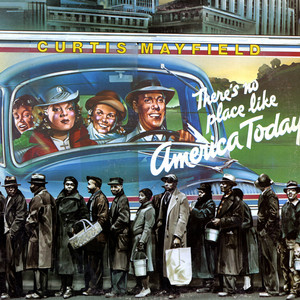
I think it's ridiculous that the first two reviews here are about the sex appeal of these songs. This isn't Isaac Hayes!! Idiots. OK, sorry, let me start again. Out of respect for Mayfield, known as the "Gentle Genius" of soul and funk, I'll keep it diplomatic. This album was particularly popular with Black listeners at the time, reaching No. 13 on the soul albums chart, but it stalled at No. 120 on the Billboard 200. Sadly, that's no surprise, since the themes are very dark and heavy, despite what the funky, uplifting backing music and Mayfield's gentle vocal style might suggest. Here's the lyrics of the first track, "Billy Jack": "'Bout a buddy of mine Run out of time His life's run out of time Somebody past noon Shot across the room And now the man no longer lives" Oof, how about the second track? "Time make you suffer when seasons change Can't call no names when you got your own self to blame Praying to Jesus make me a little stronger So I might live the life a little bit longer So many changes going in and out of my life How can anyone survive When everybody's been made a sacrifice" I thought I had signed up for a good time? OK, "So in Love" is a fairly straightforward romantic song, but then there's "Jesus", where a prayer is set against the social problems of the inner city and the decay of society all around him. These are dark depths few of Mayfield's peers dared to explore. He tells it like it is, with no filter whatsoever. On "Hard Times", this passage really gave me the chills: "From my body house I see like me another Familiar face of creed and race, a brother But to my surprise I found another man corrupt Although he be my brother he wants to hold me up" Mayfield was pleading with American society: when will things get better, especially for Black people in this country? It's an existential cry not just for help, but for unity. As he finishes on this album: "In the morning - it's alright I'm not givin' up - this little pride I've got a lifetime - to keep a-livin' mine The way you do it - is to get right to it" Amen, brother. Thanks for making me cry today. I originally gave Superfly the 5, and as much as I love that one, this moves me more in this day and age. Absolute soul perfection from one of the greatest who ever lived. 5 stars.
I'm a fan of what power couple Tina Weymouth and Chris Frantz did here while they were still in Talking Heads. "Genius of Love" is an all-time classic and is probably what makes this album. However, a lot of the songs veer toward the bizarre and strange without being especially listenable. It's like they were trying to explore a sound they'd never heard before. They succeeded, but the result is a bit puzzling at times. It might grow on me, but the pop sensibilities and clever lyrics of Talking Heads are sorely MIA here. 3.5 stars.
To this day, I'm amazed that this was my first experience of Big Star as a teenager, and that I was still bold enough to check out their other, more accessible albums. This is truly one of the ultimate self-sabotage albums of classic rock. Alex Chilton was a songwriting and guitar-playing genius, unfairly treated and misunderstood by his peers at the time. His descent into depression and anger is nothing short of a Greek tragedy. Angered by the commercial failure of the band's first two albums, Chilton teamed up with producer Jim Dickinson, who reportedly had an appetite for partying. Much of the weird feedback, odd overdubs and studio manipulation was Dickinson's idea, with Chilton going along with it. There was also Chilton's turbulent relationship with his girlfriend and local muse, Lesa Aldridge, who made a big impact on the sessions. She even sings lead on their cover of the Velvet Underground's "Femme Fatale" - accordingly to her, as a way to snub her. All of this makes for a beautiful mess of an album, and since it made such an impact on me, I can only describe it as haunting, disturbing, beautiful, cynical, sincere, tragic, heartbreaking and, at times, hopeful. It taught me that music could be whatever you wanted it to be, and that nothing was sacred. Chilton is truly falling apart on this album, trying to figure out what to make of his future. The label had already botched the distribution of the first two albums, so what did he have to lose? Strangely, this list doesn't include Radio City, only their polished debut and this beautiful mess. Most people will be very confused without the perfect album in between, where everything came together. I love this album, flaws and all, and I've heard many versions, but the Rhino release is the best. Give it a chance and it may seduce you too. One of my favorite oddities released by a commercial label in the '70s. 4 stars.
Slowdive's Souvlaki was truly a triumph of what made rock exciting in the early '90s: swirling guitars and psychedelic song structures, adding an entirely new twist to the great English rock tradition. A timeless classic. No? How about adding a generic-sounding bar rock album by an English rock star of yesteryear to the list instead? Yes, what a great idea! Where's my paycheck?? I hate this album. I hate how it sounds, I hate the vocal hooks, and I hate the melodies. I tried listening to it twice and couldn't finish it either time. I had no idea Costello could sink so low in quality and content, but here we are. So many deserving '90s bands should be here, not another Costello record. 1 star.
Yeah, this is a masterpiece of hip-hop. The naysayers and "scared" listeners have no idea. First, a bit of context. Fresh from It Takes a Nation of Millions to Hold Us Back, Public Enemy had already shown they were hungry to elevate hip-hop as music and as art. They were shaking off the controversy over Professor Griff's antisemitic remarks in a 1989 interview, which led to his departure, and they wanted to bring their confrontational message to audiences beyond Black listeners. What they made was perhaps one of the most ambitious attempts of its time to create a truly important work, not just for Black culture, but for popular music as we know it. With their production team, the Bomb Squad, they dug through countless records and radio recordings, manipulating samples to the max and layering rhythms, sounds and noise into an intense sound collage. As for the lyrics? Chuck D tells it like it is, firing off lines faster than a machine gun, with Flavor Flav as the perfect foil. They go far beyond simple storytelling, coating the album in sociopolitical messages about institutional racism, power structures and white supremacy. In 1990! Today, few would bat an eye, but back then it was seen as a truly threatening album, the Sex Pistols or the Clash of hip-hop. Here are some examples of great lyrics: "In a game, a fool without the rules Got a hell of a nerve to just criticize Every brother ain't a brother 'Cause a Black hand squeezed on Malcolm X the man The shootin' of Huey Newton From the hand of a nig' who pulled the trig'" "Burn, Hollywood, burn, I smell a riot goin' on First they're guilty, now they're gone Yeah, I'll check out a movie But it'll take a Black one to move me Get me the hell away from this TV All this news and views are beneath me So all I hear about is shots ringing out About gangs putting each other's head out" "Ain't we all people? How the hell can a color be no good to a neighborhood? Help straighten me out 'Cause my tribe gets a funny vibe Sayin' I'm wrong for singin' a song Without solutions All the dancers answer questions Try to be the best and Let everybody know before I blow 'Cause I wanna know what sucker stole the soul" "Elvis was a hero to most, but he— Elvis was a hero to most— Elvis was a hero to most, but he never meant— to me You see, straight-out racist, that sucker was simple and plain Mother**** him and John Wayne 'Cause I'm Black and I'm proud, I'm ready, I'm hyped, plus, I'm amped Most of my heroes don't appear on no stamps Sample a look back, you look and find nothing But rednecks for four hundreds years if you check "Don't Worry Be Happy" was a number-one jam Damn, if I say it, you can slap me right here Get it, let's get this party started right" Keep in mind that Chuck D wasn't really anti-Elvis. He wanted the narrative of our society and its establishment to change and become more inclusive and transparent. Otherwise, the rage continues. Yeah, it's masculine, angry and intimidating, but so is plenty of other music that gets a free pass on this site. Give this a 5 and move on: it's fucking great.
OK, this actually doesn't blow as much as I thought it would. Maybe my taste in music sucks, but whatever. First off, I'm not a big Steve Winwood listener. I only know Traffic's John Barleycorn Must Die because my dad played it non-stop when I was a kid, and I never explored much of his solo work beyond the hits. Imagine my surprise that he made a synth-heavy pop album in 1980. I can tolerate Neil Young's Trans and plenty of Phil Collins with no problem, so why should I shun this? Well, for starters, a lot of the synth work sounds a bit dated, as retro and fun as it is at times. You have to get past that to hear the nice analog sounds underneath. Winwood's voice is soulful, fresh and enthusiastic. I like that he recorded the whole thing himself: it shows what a monster musician and producer he was, even though he's best known as a singer and organist. The title track and "Night Train" totally rock for the style, but unfortunately, it's a bit wimpy overall, as the synths often dull what he's trying to accomplish. Winwood is a romantic, that's clear. So here's the plan: invite a date over, or have a dinner night with your partner or spouse. Light some candles, run a bubble bath, eat a roast, drink some cocktails and wine, and put this on in the background. It should work just fine. A harmless, gentle, if inessential, listen overall. 3 stars.
Who was the brilliant contributor who added this to the book? It's already great to have a Residents entry (though Third Reich 'n Roll would have been more "accessible"), but I'll take this one. This is one of the weirdest, most fascinating bands ever to grace the American underground. The fact that they've built such a lasting cult following is nothing short of a miracle, given how many others never do, or never want to. What to say about this album? It's odd! A collection of non-melodies, non-songs and non-hooks with a creepy atmosphere, bordering on hilarious but often unsettling. It seems like novelty music at first, then you realize they perfected and fine-tuned this sound. It's not their greatest effort. Bizarrely, the vocals are more amateurish, and the playing often seems more focused on pissing off listeners than on being memorable. But with the Residents, you'll never get what you want. Like Sun City Girls a few years later, they play what they want, how they want (regardless of technical prowess), and don't care what anyone thinks. How does one even ruin "Happy Birthday"?! What are these melodies and sounds? It's like a cocktail party from hell. Amazing stuff. I initially gave this a 4, but seeing how much it rubs people the wrong way, it gets a perfect score. It's engineered trolling, and they're dead serious about their vision. Maybe laughing will help? 5 stars.
So, here's the thing. To get into this album, you have to be in the right mood. It's not a particularly busy, intense or in-your-face hip-hop album compared to gangsta rap, G-funk or the noisier, more confrontational stuff. On their debut, Tribe explore the possibilities of sampling and polyrhythms with a laid-back, chill vibe overall. Q-Tip's background is really cool. He picked up a lot about dynamics and sampling from the Jungle Brothers and De La Soul, and he even guests on De La Soul's 3 Feet High and Rising. Bizarrely, they reportedly struggled to land a record deal at first, probably because they didn't fit the look or sound of hip-hop at the time. And honestly? They still stand out today. Everything about this is so fresh. Q-Tip, Phife Dawg, Ali Shaheed Muhammad, and Jarobi White are part gentlemen, part jazzmen, part social poets and part artists. This set the bar for so many genres to come, not just hip-hop. This album has really grown on me, but the storytelling isn't quite up to what they'd do later. Still, it's a pleasant listen, and it's really cool to hear how mature and expressive their vision was so early on. 4 stars.
It's nice to see music like this on the list, if only because of the context of its time. Ambient music had been known to music geeks since at least the '60s (or the '70s, with Eno), but this album was a culmination of several movements: acid house, synth-pop, trip-hop and sound collage. In that vein, I mainly listened to Tangerine Dream, Aphex Twin and Squarepusher when I was younger, so Boards of Canada largely went unheard. This isn't music you can just put on in the background or listen to on your morning commute. I made the mistake of doing the latter, and the whole thing felt like disjointed noise. Revisiting it, I'm very impressed by all the intricate work that went into it. The synths and drums are cold and warm at the same time, with weird hiss and tape manipulation of voices and field recordings. Apparently, a lot of it came from old radio and TV recordings. The result is cool, but also very creepy. I can't rate this on the same level as classic "pop" records, since nothing sounds like it other than the artists I just mentioned. It lives in its own world, by its own rules. I try to imagine what brothers Mike Sandison and Marcus Eoin were discussing and thinking while making it. They grew up partly in Cullen, a small fishing town on Scotland's northeast coast. I imagine the eerie silence, the crashing waves, the murmur of people being swallowed up by the elements. Suddenly, the album makes a lot of sense: it's an ode to isolation, and to being fully absorbed by it. Maybe the beats are there to distract from the silence; maybe they're there to amplify it. Either way, it makes for a particularly powerful listen, but only in the right mood. It went on to influence countless experimental electronic and ambient artists, from Leyland Kirby to Four Tet, Tim Hecker and Gold Panda. I'm glad I came around and can enjoy it for what it is. It gets repetitive, but also more interesting over time, especially when warm, poppy moments arrive after you've been dragged down a hole. I initially gave this a 3; now it's a strong 4. Very unsettling, idiosyncratic music.
I could write a dissertation on this album, but I'm not going to. This album changed my life. I learned to play most of the songs on the first volume by ear and experimented with different vocal styles. I'd laugh, cry and feel every emotion Stephin Merritt tries to convey here. He knew it was insane to write this, and yet, as ambitious as it is, so much still feels unsaid. Love is so many things: fun, pretty, tragic, heartbreaking, sexy, ugly, mundane, profound and anything else you can make of it. As he sings in "The Book of Love": "The book of love is long and boring No one can lift the damn thing It's full of charts and facts, and figures And instructions for dancing But I I love it when you read to me. And you You can read me anything" What more is there to say? The band is solid, and the lyrics and melodies are diverse, from fun to cheeky, from self-deprecating to mournful. Every time I revisit it, I discover so many nuances and qualities, especially as I get older. I wonder if Merritt does too? So thank you, Merritt, for getting me in touch with my sensitive side with this album, and for teaching me to love (and also to love and lose). Please take care of yourself if you're reading this. We all need love, and something or someone to love in our lives. 5 stars.
Honestly, I'm a bit embarrassed to give this such a low score, since Fitzgerald is top-notch here and the music is so lovely. The Gershwins clearly wrote so many amazing songs, and Ira Gershwin famously said he never knew how good their songs were until he heard Fitzgerald sing them. But what's it doing here? It was never an album: it was a box set from day one. Yet this one gets a free pass on the "no comps" rule, while nothing from Billie Holiday, James Brown, Thelonious Monk, Elvis Presley, Chuck Berry, Buddy Holly, Bill Evans or countless other greats of the era does? This is where I don't understand what really goes into the list. I'm sorry, but I can't listen to Fitzgerald singing Gershwin for hours in one sitting and feel satisfied. Imagine waiting for your dental appointment, but instead of 3 minutes, it takes 3 HOURS. This is existential dread I couldn't have imagined before this album. Only Dimery knows what's going on here. Maybe there's a secret message about the Illuminati, or the answer to life, the universe and everything, if you play enough of these songs backwards. Either way, we demand answers. 2 stars.
Neal Hefti and Count Basie working together?? Why have I never heard this shit before? What, me worry if the bombs drop? Let's swing! 4 stars.
Evans deserves better than this half-baked release. He's one of the greatest jazz pianists ever, and he brought complex, melodic compositions to wide audiences, much like Brubeck and Guaraldi did. I get that this recording must have been seminal at the time, but it feels more like an ode to Scott LaFaro and his million uninteresting bass solos, since he died shortly afterward. As an extra slap in the face, this was removed from later editions of the book and replaced with nothing by Evans. Dimery continues to do jazz a disservice in the most passive-aggressive way possible, it seems. 3 stars.
This is a brilliant culmination of everything Q-Tip had worked toward as a producer and rapper. Wanting to make hip-hop more dynamic and textured, he brought in a bunch of really talented musicians, along with contributions from J Dilla, Norah Jones, D'Angelo and Raphael Saadiq. It oozes sound and feel; it's juicy, creamy and fun. It has a bit of everything that makes a great soul or R&B album, only as hip-hop, and it still sounds fresh today. Thanks to this list, Q-Tip has become one of my favorite artists ever, not just in hip-hop. This is simply genius, and the contributors who added it deserve thanks. 5 stars.
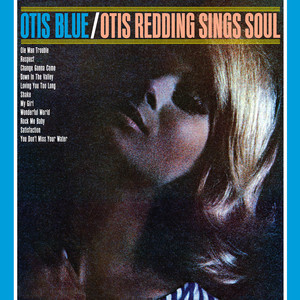
An all-time classic. Otis Redding had so much power and originality in his voice: gruff, troubled and in-your-face. He showed that soul didn't have to be smooth easy listening. There's a Stones cover, along with other great covers, but the album also shows what a great songwriter he was: "Respect" is all his. Recorded with Stax's house band, this is a blistering, tight, rocking record for its year. I'm awestruck by all the noise and how well it works. Still a monster record. It's a real shame we lost Redding so young. Perfection, no matter how ugly it gets. 5 stars.
I honestly can't believe this is the only album by the 'Mats on this list. It's not even my favorite of theirs (that would be Tim), so it'll have to get a 5 by default. Where to start? Well, Westerberg basically showed me that music could be loud and tough with a sensitive side. There are quite a few noisy numbers here, which I don't mind (like the outrageous "Gary's Got a Boner"), but past those, there's so much insightful music about the youthful rage of sinking into adulthood. "Unsatisfied" is one of my favorite angry anthems of all time, and together with "Bastards of Young" on Tim, it cemented Westerberg as a folk hero of sorts in my mind. The reality was far from that. He and his bandmates were still pranksters and troublemakers at this point, often causing a ruckus with labels and the press, but it's clear they were maturing here. "Androgynous" is still one of my favorite ballads of all time, and it strikes a chord even more today than it did in the '80s. And the guitar work from Westerberg and Bob Stinson is astonishingly clear and melodic throughout. What a band this was. Too bad they constantly sabotaged their own success and never made any money, between that and commercial radio. These anthems make my day every time I hear them, or sing and play them on guitar. Thanks for helping me stay young, guys. 5 stars.
I originally gave this a generous 2, but I'm raising it to a 3, maybe 3.5. This is great overall! I really felt for 50 Cent and his near-death experience after being shot nine times. It's inspiring how he refused to give up and kept going until this came out. With production from lots of people, including Dr. Dre and Eminem, the songs HIT HARD when they land: "In Da Club", "Many Men (Wish Death)", "P.I.M.P.", "Don't Push Me", "Life's on the Line" and more. There are some duds, though, and it gets monotonous at times. But the production is mean and stripped-down, and I enjoy 50 Cent's approach and lyrics (his mumbling delivery may even suit the braggadocio). It has since been removed from the book, which is a shame. This album made gangsta rap hugely famous and mainstream while keeping a fairly low-key production. It got lots of people into hip-hop and exposed listeners to the problems of the inner city, much as "The Message" did. 50 Cent may not be the brightest guy today, but he's far from a joke in terms of what he achieved. This is worth a listen, definitely.
This was a generous 3, but listening again, I feel a solid 4 is more appropriate. O'Connor really was a tragic figure of sorts. Just as she was starting to make it big, she turned her back on the music industry and a huge potential future by taking political positions that were deeply controversial at the time. Thirty-plus years later, her activism and music have been reassessed positively: the Catholic Church has never been under more public pressure, the music industry confronts sexism and racism more openly, and Gen Z artists have paved the way for freer expression in pop. This is a truly unique album. Combining pop, Irish poetry and prayers, and dance music with a confrontational approach, she was an artist I don't think we'll see again in our lifetime (unless we count artists like Olivia Rodrigo, who use irony to open discussion rather than full-scale confrontation). First off, we all know the Prince cover: it's amazing, powerful and heartbreaking. The other songs vary in approach but are mostly powerful. I particularly enjoy the upbeat ones, like "You Cause as Much Sorrow" and "Jump in the River", as depressing as the subject matter is. "I Am Stretched on Your Grave" is one of the first songs to mix Irish traditional music with a James Brown breakbeat. The album ends with an a cappella title track that defies all expectations. The content? Loss and acceptance, lives damaged or taken, and a melancholy that fits Irish folk music perfectly. The music is well played and tight, and it's clear she was hungry and had a vision. I'm so glad I gave this a chance: it's really good, and it seems to get more positive reviews as time goes on. 4 stars.
I relistened to this, and it's still a 3. I'll go on the record and say that "Tiny Dancer" is one of my favorite songs ever, but I'd never heard the album in full before. There are lots of great lyrical moments, delivered with stomping choruses from Elton and lush, bombastic arrangements. It's prime early-'70s Elton, but it gets quite samey after a while (especially around "Holiday Inn"). Maybe I'm more a fan of Elton's hits than of his albums. In any case, it's a solid listen, but more the beginning of great things to come than a great album in its own right.
Really pleasant and tight. Apparently brought on the bossa nova craze in the USA, which is why it's here. This list doesn't have many bossa nova artists at all, so this will do. 4 stars.
Those first bars are the stuff of legend. Say what you will about Green's personal life, but in the studio, he knew how to write a love song. The dynamics on this album are heavenly. "Let's Stay Together" is Green's most iconic song, and it became his only No. 1 hit. The rest is worth exploring, though: mostly upbeat, soulful and pleasant songs, with great playing and expressive singing from Green. There are some great ballads too, and his version of "How Can You Mend a Broken Heart" is such a classic in my mind. It's sometimes pretty straightforward, but great overall. 4.5 stars.
"Mother Earth is pregnant for the third time For y'all have knocked her up I have tasted the maggots in the mind of the universe I was not offended For I knew I had to rise above it all Or drown in my own shit" Who starts ANY album like this?? Welcome to the very strange, very unique world of Funkadelic. The guitar solo on the title track is one of the greatest ever: emotional, haunting and ethereal (and I love how the mix gradually builds in power). Eddie Hazel was so young when he played it, and his performance is a testament to how George Clinton recruited the boldest, most ambitious musicians he could find to fit his psychedelic, demented vision of America. As atypical as that track is in Funkadelic's catalogue, it reminds us that this band was dead serious about their vision, no matter what. Whether it's the trippy, poppy R&B paradise of "Can You Get to That" and "Hit It and Quit It", the guitar shredding on "Super Stupid" or the chaotic, apocalyptic sound collage of "Wars of Armageddon", this band is here to FUNK you up, as they'd probably say themselves, tongue in cheek. It's a truly unique album within the genre, and it opened up a whole world of possibilities for what Black American music could be. The only thing keeping me from giving it a perfect score is that final track. I love sound collages and experimental music, but man... It's as ugly and atonal as it gets. Maybe that was the point, but Funkadelic had absolutely no filter when it came to doing what they wanted. 4 stars, as the first six songs are soul-funk psychedelia perfection.
I think it was really bold to put this on the list: atonal, psychedelic rock with free jazz and prog influences! On a second listen, I have to admit I enjoy this more than I thought I would. Sure, it's sometimes disjointed and takes a while to get going, but once it does, it becomes a slow simmer of many different influences. This must have turned some heads at the time. Hell, it still does today! I particularly enjoy Robert Wyatt's drumming here: very precise and crisp, keeping the sound relatively earthy. I'm not a big fan of his atonal vocals on "Moon in June", though. (Though it's cool he plays most of the instruments.) Elton Dean's sax is sometimes more ugly than interesting, and the same goes for Mike Ratledge's organ noodling. "Out-Bloody-Rageous" is actually the coolest of the lot, with its busy, syncopated, polyrhythmic approach and a good mix of frenetic jazzy passages and keyboard drones and interludes. Overall, a very interesting listen, dark and intriguing, but it could have used a little more weeding to be a top album. (I usually like cosmic jazz, but here it's a bit much.) Way too long for what it is. 3, maybe 3.5 stars, depending on the day you put it on.
I haven't got much to say about this one, other than that it's a fun, diverse album. I was never a Beck fanatic, but I've really grown to respect his early work, where he sampled everything he saw as connected to growing up in LA. If you've been to LA, you know it's a cornucopia of sounds and moods, and Beck nailed it here. Plus, he sampled the Frogs on this album. Anyone who does that is cool with me. 4 stars.
An all-time classic, and the first rap album EVER to reach No. 1 on the Billboard 200: fun, snotty, mean and hilarious. It gets a bit TOO repetitive after a while, but it's a sampler of the great things to come. Rick Rubin did a great job on this. And Slayer's Kerry King delivers one of the greatest guest guitar solos I can think of in popular music, on "No Sleep till Brooklyn". So it passes with flying colors, even if it's just the start. 4 stars.
I'll probably get my ass kicked for writing this, but... This is far from the classic many make it out to be. I love Nirvana, I love Steve Albini and I love the hits on this, but there's too much noisy, tuneless filler for it to be an enjoyable experience overall. Was that the point? Probably. It's a shame, though, that Kurt Cobain was caught between a rock and a hard place, not only in his personal life but also in the kind of music he wanted to make. He had a gift for pop-friendly melodies and for noisy experimentation. When it works, it's astonishing: "Serve the Servants", "Heart-Shaped Box", "Rape Me", "Dumb", "Pennyroyal Tea" and the moody masterpiece "All Apologies". The rest? Not bad, but all over the place. In theory, I should love this more than I do, but it's a rough album overall, if still memorable as their "official" swan song (though MTV Unplugged in New York deserves that title, in my mind). 3 stars.
OK, I may be a bit biased in my score, since Green Day come from the East Bay, near my hometown of Oakland. You have to realize how big it was for them to win a Grammy for an album like this, considering where they started. The same band that wrote in-your-face, snotty, ironic pop-punk was now experimenting with song structures and socially contentious themes and lyrics? Seriously? Yes, indeed, and they did it in true form. This book has one of the biggest omissions in rock: Hüsker Dü's Zen Arcade. THAT album showed us all what rock and punk could be: a vehicle for experimentation and sociopolitical concepts, full of noise and emotion that people found appealing, not just a way of writing simple songs. So I'll take American Idiot as a replacement, as much as it hurts. Look at what Green Day managed to do here, while breaking into the mainstream like never before. "Jesus of Suburbia" is far from radio-friendly, yet it's as perfect a pop song as anything made before it. The other singles are good, of course (ESPECIALLY "Holiday"), but this album works best as a concept and should be heard in one sitting. It sometimes gets a bit repetitive, but I still love it to this day, and I have massive respect for the band for becoming successful while still doing their own thing. 4 stars.
This is clearly a fan favorite, but as a Neil Young fan, I was quite late to the party. This album is interesting for several reasons. It marks the point where Young started to distance himself from Crosby, Stills & Nash and become a unique artist in his own right. He was touring with them at the time, while also splitting his time with Crazy Horse, much to CS&N's confusion (they were always pretty egocentric). It was also meant to soundtrack a screenplay by actor Dean Stockwell and Herb Bermann (who co-wrote Captain Beefheart's Safe as Milk), encouraged by Dennis Hopper, of all people. The '60s, man. What a time! Only two of these songs were actually based on the screenplay: "After the Gold Rush" and "Cripple Creek Ferry". I'm not a huge fan of the former, but I enjoy most of the album: "Only Love Can Break Your Heart", "When You Dance I Can Really Love", "Oh, Lonesome Me", "Don't Let It Bring You Down" and the somber piano ballad "Birds". "Southern Man" is also a poignant piece of social commentary about the ugly side of Southern politics and racism, though it's a bit ugly and macho itself. Perhaps that was the point. It's a good place to start for Young's more sensitive, pensive side, though I feel Everybody Knows This Is Nowhere is the more solid album. But I may be biased, since I'm a bigger fan of his work with Crazy Horse than of his solo work. Giving it 4 stars, as it's an album that perfectly captures a changing America as it entered the '70s.
Joy Division is a fascinating band—one of those that I feel I should be more fanatical about, but that I appreciate more as post-punk pioneers than anything else. I do enjoy this album, though, as dark and unpleasant as it can be at times. Ian Curtis is far from my favorite vocalist, but his interjections and lyrics really strike a chord with me. The band is already remarkably solid, even at such a young age. Bernard Sumner provides eerie guitar lines, while Peter Hook and Stephen Morris form a tight, mechanical rhythm section that adds to the overall bleak mood. While I like the fast rockers like "Disorder," "Interzone," and "She's Lost Control," it's the slow, disturbing gothic masterpieces like "Day of the Lords," "Candidate," "New Dawn Fades," and "I Remember Nothing" that give me goosebumps every time—especially the lyrics and the way Curtis seems to live them with every performance. A classic. I just wish it were a little more inviting—but Joy Division is anything but joyous, aren't they?
Much better than I thought it would be! Very nice pub rock/pop-rock/folk influences throughout. "Maggie May" is such a classic, and still very raunchy and racy to this day. Definitely prefer this stuff over what he did with Faces. 4 stars.
Pretty funny that I got this 2 days after Unknown Pleasures. This has always been a more difficult than pleasurable listen. Crazy that this was released only 1 year after Unknown Pleasures! What the hell happened to their sound? The answer is Martin Hannett. In the same vein of guys like Joe Meek, he had a vision on how this album should sound, and I don't think I've heard anything like it in my life. The instruments are as separated as physically possible, with tons of dynamics and subtle aspects from the drums, guitars, and bass mixed as if they are floating in a void, with Ian Curtis attempting to sing in the middle. The result makes for a fascinating, wild, if often ugly and screechy experience. I enjoy the sound more than the songs overall. It's definitely not something I'm often in the mood to listen to, but it's seminal for what it is. 3 stars only because I'm a non-fan, but I'll give it 4.5 stars for the fans. As much as Curtis was in as bad of a condition as he could be for the recording (it was recorded two months before he took his own life and released two months after his death), he still left his mark as doomed lead singer of sorts, especially in the final three tracks and overall throughout the album. Have you read these lyrics on "Twenty Four Hours"?? "Excessive flashpoints, beyond all reach Solitary demands for all I'd like to keep Let's take a ride out, see what we can find Valueless collection of hopes and past desires I never realized the lengths I'd have to go All the darkest corners of a sense I didn't know Just for one moment, I heard somebody call Looked beyond the day in hand, there's nothing there at all" Amazing stuff. So tragic that he died so young.
This is great stuff! Sometimes a bit too samey, but it really turned the world of rock on its head when it was released. What's funny is that it was during my time in college radio, from 2011 to 2016, that I saw a huge resurgence of girl-led rock, pop, and punk groups. Though there were plenty of others in the '60s and '70s, this was the one album that broke into the mainstream and proved that rock music wasn't just a man's world—women had been a part of its creation since the very beginning, and this was a confirmation of that. We all know "We Got the Beat", but on my end, I'm a huge fan of "Our Lips Are Sealed", "Lust to Love", and "This Town". The rest is fine: jangly, poppy, with strong compositions, great harmonies, and excellent production. It sounds so nostalgic today, but it probably did at the time as well. Glad I got to listen to it in full and see the revolution it would help bring about for female artists in rock. 4.5 stars.
It's crazy that I had never heard this album in full before starting this challenge. I've hesitated between giving this one or the Fugees' The Score a perfect score on this site, and in reality, it's a pretty tough call. One thing I know for sure is that Hill was really trying to push the boundaries of R&B and hip-hop with this album. Yes, it sounds as commercially slick as possible, but listen carefully and you'll see that it lives in its own universe. Let's start with "Lost Ones"—part spoken word/slam/hip-hop, part jazzy pop, with scratchy vinyl that makes it sound fun and threatening at the same time. Then we enter a lush '70s throwback with "Ex-Factor", again mixing experimental structures with rapping and sultry singing. "To Zion" mixes lo-fi R&B with Latin guitar noodling from Santana, of all people. "Doo Wop (That Thing)" continues the track listing with even more experimentation, combining perfect pop and hip-hop with horn and piano-driven melodies. Again, I could go on and on about how each song is so diverse and rich in inspiration, but that would be futile. Everyone and their mother has written about this album. It makes sense that she could never follow up an album as idiosyncratic as this one (regardless of her mental state at the time or not). While it's sad that Hill hasn't found a way to reinvent herself in the way she so clearly did here, she left behind a legacy of music that inspired so many artists to continue what she started. I can't imagine pop music over the past 30 years without this release. Gets a top score with some reservations (I'm not a huge fan of the sketches), but only because this is a party that I never want to end. Amazing stuff. Screw the haters.
With all due respect to Hampton as a decent songwriter and a guitar god of sorts, this is a bit of a drag to listen to. "Baby, I Love Your Way" is an all-time classic, and a lot of the guitar playing is excellent and fun, but there are too many ballads and self-indulgent acoustic guitar tracks to ever make me want to listen to this again. I understand its importance in the development of live albums and popular music, I do. But it was released at a time when rock music needed new blood, and thank God punk rock was just around the corner. 2 stars.
No longer in the book. Too bad—it's a fun, raunchy, snotty, in-your-face R&B album with plenty of experimental elements. I'd never heard of SZA before, but I enjoy exploring what new generations are listening to. Never get old, guys. It shows, and it smells. 4 stars because I found this to be really cool.
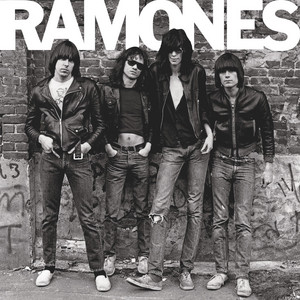
I'm shocked and dumbfounded that this is the only Ramones album on the list. Seriously, were there not enough Bowie and Costello albums? This is one of the greatest recordings of all time. To me, it's as important as field recordings of lost tribes or extinct birdsong. I know that sounds really trite, but it's not. If you'd like to read more about what made this band so special, get a copy of Legs McNeil's *Please Kill Me*. These guys were the real thing. The leather jackets, the sunglasses, the ripped jeans, the very DIY approach to rock music—this was not an act. Hailing from Queens and Brooklyn, longtime friends Joey and Dee Dee were tired of all the yacht rock flooding the radio at the time. So, not really knowing how to play any instruments or even how to play the rock music of yesteryear, they did it their way. The Ramones continued the same legacy that guys like Little Richard and Jerry Lee Lewis started. Even the early Beatles, if you can find any pictures or recordings, were on par with the radical, aggressive vibe that rock was trying to capture at the time. Except, the funny thing is that the Ramones were dorky, sensitive guys (some of them angrier or stupider than the others), so none of these themes—hell, none of this sound—is LIKE ANYTHING that was made before. This is ground zero for modern rock as we know it. First off, listen to that guitar tone from Johnny Ramone. A lawnmower, maybe a chainsaw? Perfect tone. How about the speed of Tommy Ramone? It's like a machine gun firing on all cylinders. (He eventually quit due to exhaustion.) Dee Dee wrote everything, and Joey sang with the most down-to-earth, wonderful voice we could ever ask for. Dopey, but full of power and love. The themes? A kid getting chased with a baseball bat. Being young and dumb. Falling in love. Going to the club. Sniffing glue? Working on the street corner?? (Yup, apparently Dee Dee was seen working at 53rd and 3rd when he was young.) Nuclear war? The terrors of the basement? Being dumb? Having fun! So, maybe I'm stupid or something, but this is pure genius. This is not novelty music. This is real music made by real guys who wanted to strike a chord with what mattered about rock. And they succeeded (not financially, though). At the time, they recorded this in one week for $6,400. This was simply unheard of. Everybody who mattered started a band after learning about these guys. I don't think I would have picked up the guitar if it wasn't for them. Their first four albums should be in the book. But that's the cruel world we live in today. RIP the Ramones, the best band that ever lived, because they made us all realize that we could be part of the band, too. 5 stars forever.
Fun, wild, out there. I do think that Jeff Lynne is a genius and ELO was a truly unique band. But sometimes, it's too much. We don't need one million sounds added to every song to make them more interesting. Still, it's a pretty memorable listen, especially because of the diversity of the songs.
I've been listening to this Steely Dan album longer than all of the others. I'm pretty amazed at all of the hate directed towards this band on this site. Calling them "dad rock" is as dumb as it gets. Yes, it's slick-sounding music with sometimes overblown production, but there's a reason for this. First off, let's go back in time. Walter Becker and Donald Fagen, both jazz-trained and interested in pushing the boundaries of hi-fi and rock music, were having trouble with ABC after their lovely single "Dallas" was pulled for being "unrepresentative" of their style (whatever that meant). They brought in studio wizard Roger Nichols to work on the songs together, as they were already, at this point, attempting to be a studio-only band (even though the executives wanted them to tour). To add to their disappointment, the producers insisted on David Palmer replacing Fagen on a few of the tracks to add more pop appeal. So, a lot of what they wanted to do was still at the mercy of the producers, which they would slowly get away from over time. The results are mixed, but it also makes for their most approachable, pop-friendly album. From the mysterious, psychedelic organ-driven track "Do It Again" to their cynical pop fantasy "Reelin' in the Years", the non-hits are pretty exceptional as well. I'm not a huge fan of Palmer's singing, but "Dirty Work" is a hilarious song about a liaison with a rich person, "Kings" and "Brooklyn (Owes the Charmer Under Me)" are poppy and rocking, with lots of layered backing vocals and arrangements, and even when it gets cheesy (like with "Midnite Cruiser"), it's still actively pleasant and fun. A lot of their crass humor is here as well. It's an enjoyable album, but it doesn't represent at all what they'd produce later. Almost a perfect album—but I'd tip that score to *Aja* today. 4.5 stars.
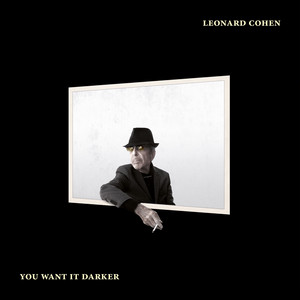
I have nothing to write about this album that nobody hasn't already written before on this site. I admit, I cried listening to this. Cohen was in pain, on his deathbed, trying to make sense of his life, his beliefs, and what would happen after he was fully enveloped by darkness. The Jewish spiritual arrangements are beautiful, and his voice, weathered by his condition and the test of time, is impressive in its starkness and rawness. Anything that makes me cry gets a perfect score, because it takes a lot. I enjoy a lot of his albums, but this is monumental. 5 stars.
I wanted to make a joke about being awful at mathematics (which means I appreciated this as a result) but I'll back off for now. Thanks for the laughs, everyone! Now, on to this album - Common did something wonderful here. Warm production, direct themes, very insightful lyrics. This was where he was coming unto his own here. Sometimes it's a bit samey, but it's solid overall. So, how does being good at math make you not appreciate this? The rhythms and rhymes are as calculated as it gets! 4 stars.
I liked this more than I should, but those Ibiza influenced sounds are so outdated today. Overall pretty solid pop-rock with dark themes at times. Why is Power, Corruption & Lies not on this list???
Honestly, this would have been a zero if it wasn't interesting enough—or even seminal enough—to get people listening to hip-hop and music from South Africa at the time. Why McLaren didn't give any credit to the musicians on the album is beyond me. Why the editors would include this over hundreds of deserving African artists from the same time period is simply baffling. Somehow, it's not totally unnecessary, but other than its commercial importance to Western audiences, what is this doing here? Piss off! 1.5 stars.
Reviewing the Beatles is annoying—EVERYONE likes them for the most part. I was surprised that this is their top-rated album on the site, however. I've always loved this album, even if it's quite overplayed. Their final recording, the Beatles were hardly a "band" at this point, and those medleys, as wonderful as they are, were more George Martin's ideas and efforts to leave a mark than anything else (though the Beatles did enjoy writing them as well). However, it's a great collection of songs and more consistent than *The White Album* and *Let It Be*, but I don't enjoy it as much as those two (perhaps because I like the Beatles more when they show some flaws here and there). I personally love Lennon's weird and angry songs here. "I Want You (She's So Heavy)" is a masterpiece of dynamics and experimental songwriting. I'm not a huge fan of Harrison's songs, while McCartney's often range from novelty silliness to genuinely great pop-rock songs (like "Oh! Darling"). And Ringo's song is fine, if a bit stupid and unnecessary. Gets 4.5 stars, like basically almost every album of theirs on this list.
The fact that no disco music from the Bee Gees is included in this book, and yet this is, says a lot about what the book wishes to celebrate. I've heard lots of concept albums in my life. A few sincere and emotional moments aside, it's perhaps one of the most painful, pointless, schmaltzy things I've ever heard. Not sure what I was SUPPOSED to like about it! What did the band want to achieve? Otherwise, it literally led to the band's breakup! Ego stroking at a max. Prime example of style over substance. Like the Gilded Age in music form. Like a $2,000 caviar-and-gold-leaf-covered burger TikTok trend. Thank God for punk rock.
No longer in the book. Much better than I imagined - a bit generic at times but solid R&B with good production and vocals. Won the Mercury Prize at the time, like every album they added from the early 2000s before promptly removing them.
Awesome stuff - love the production and dynamics here. The themes touch on lots of heavy stuff that confirm reggae as revolutionary music, to my mind. Another great discovery from this list.
Here it is—the album everyone knows Neil Young for, but God if I know why. I finally saw Young in concert last year, and met an older couple at the show and asked them what their favorite Young album was. They simply said, "We only know Harvest!" This same couple left the show halfway through when Young decided to wisely wade through his borderline doom-metal compositions from *Greendale*. Such is the paradox of Young—fans know him for his dark, brooding folk ballads, noisy Crazy Horse guitar distortion, and political rock, but everyone else just knows him for *Harvest*. I can't say that I blame them. This album is filled with fantastic songs: "Heart of Gold", "Old Man", "Alabama", and the harrowing, disturbing folk ballad "The Needle and the Damage Done". There are some other great moments as well—the meandering, intimate "Out on the Weekend", the sublime wall of sound from the title track, the distortion fest "Words (Between the Lines of Age)" and the dumb but fun "Are You Ready for the Country?". The rest? Overblown, schmaltzy, annoying stuff, such as "A Man Needs a Maid" and "There's a World" (which I cannot listen to AT ALL). And yet, I can tolerate even the most brutal moments of *Greendale*. So, maybe I'm not wired like other music listeners, or even fans of Young, but I simply cannot accept that this is still his most listened-to album when he's done so much better and more impressive stuff. But he surely can't complain about the success it's brought him, and it was gleeful to see the meta-like performance of him playing "Old Man" and having the crowd complete the chorus at times. 3.5 stars, only because it's still a good, if inconsistent, listen.
I get that Adamson did this to get some work with movie soundtracks (it worked, a bit) but maybe he should have just sent it directly to studios instead of imposing it on the greater public. No personality and as banal as it gets.
I'm usually the first to tell people that R.E.M. is one of my favorite American bands ever. How could I not love them, with my love for punk, folk, and experimental rock (with pop sensibilities)? Alas, my favorite album of theirs, *Lifes Rich Pageant*, is not included in this book, but what they've picked is a pretty good introduction to the band (at least they did something correctly for once). Their last album on I.R.S., and also their first of many collaborations with Scott Litt, this would be the beginning of the sound that, along with their tightening musicianship, would soon propel them to worldwide rock stardom. This is the start of that—a huge, almost arena-like sound, Michael Stipe finally starts actually SINGING instead of mumbling every other word (which I never had a problem with), and more diversified types of songs. Most of the results are great and surprising. They have a cover of Wire's "Strange", for starters, as well as one of their best songs ever, the inimitable, impossible-to-sing postmodern satire "It's the End of the World as We Know It (And I Feel Fine)". Peter Buck has gotten more precise on guitar, as seen in songs like "Finest Worksong" and "Disturbance at the Heron House". For my money, "The One I Love" is one of their best songs ever—heavy, melodic, and simmering with emotion. Most of their experimental roots are still here, and the final part of the album continues this trend—but it would be the end of an era, as they would soon move towards more pop-fueled efforts. A strong 4 stars. A great introduction to this band.
Hadn't heard this one before getting it on the list. This is really a classic - imagine that it's 1969. Can you think of anything that sounded this heavy on vinyl? Deep Purple did a great job attempting to replicate their live sound here in the studio. I'm not the biggest fan of Ian Gillan, but he does sound pretty confident here. Richie Blackmore and Jon Lord (on guitar and keys respectively) are ON FIRE here. "Child in Time" is one of the greatest hard rock tracks ever and is the main reason that it's worth sticking around. I think it's a bit dated overall, however. Definitely gets bonus points for production and historical significance for the development of heavy metal. 4 stars for the fans, but for me, 3 stars.
Amazed that this is rated so low on this site. The first 26 minutes are one of the most amazing suites of noises, melodies, singing, and playing I've ever heard in rock. Experimenting with, according to him, "DMT, mescaline, psilocybin, and possibly LSD" and God knows what else, as well as using a homemade studio and an unorthodox setup, Rundgren came up with something truly maddening, truly marvelous. I was listening to this first part with my jaw dropped the whole time. The second part is more polished and similar to his early stuff—fine, passable rock music with big R&B and soul influences. But what he truly wanted to do was "The International Feel (in 8)", and I can see why. It's truly unique and an important album in the development of bedroom and lo-fi music. Please listen to this with your headphones. The mids, the weird sounds, the dynamics—it's totally nuts and fun. Feeling generous, so I'm giving this 4 stars.
I can't believe those top reviews. Anything different = me no like. I'm not a Banhart fanatic, but this album was so cool and eye-opening when it came out. The lo-fi sound, the mysterious, crooning vocals, the unusual tunings and guitar playing, and the production choices... How can you not be lured in? Still a really cool album, though it has its generic moments. I love that it was produced by Michael Gira from Swans. Give yourselves a chance to listen to something beyond your comfort zone from time to time. 4 stars.
How to listen to this album: 1) Listen and laugh. 2) Turn off album. 3) Put on Mazzy Star's 2nd album. 4) Realize that the 90s was full of amazing music not included in book. 5) Write Robert Dimery. 6) ??? 7) Profit!
The reviews on this album say more about the average user on the site's database rather than the album itself. I wasn't prepared to enjoy this. I don't really listen to German cabaret music, nor do I enjoy show tunes or (overly) pretentious experimental music. I already was a fan of Krause's work with Slapp Happy and Henry Cow. The fact that no album from either band is on here is pretty criminal (and I don't often listen to either band anyway). As with any "difficult" work, it's important to perhaps read and engage a bit more with it to understand why it's here. In a list that's full of albums only because they were commercially successful or popular for their time, this album pretty much breaks the flow in every way possible. Or does it? Hanns Eisler is a composer that perhaps needs revisiting in the times we live in today. Woes regarding war, propaganda, and social issues in constant fight for recognition were themes that he wrote about and paid the price for (escaping Germany during the rise of the Nazis). He wrote revolutionary songs (and even composed the national anthem for East Germany upon his return), songs about the struggle of the common people, and even a song that advocated for the legalization of abortion and autonomy and protection for women (in the 1930s, no less). The music is, of course, not easy listening. But the lyrics and music are performed by Krause exactly as Eisler intended. She really understands his music. Seething, menacing, often threatening, but filled with empathy and lamentation. The music is simply stunning, considering that it was written in post-war Berlin before Hitler's rise. How much creative work was lost from that time period? What can we learn from the themes of the piece today, in the permacrisis that we currently live in? The fact that this is in a book on generally popular music and has been kept in since, with female pop artists such as Britney Spears and Christina Aguilera being cut out of new editions, speaks volumes about what this album can bring to the table in terms of what we deem as "timeless" female artists. No pressings made in the USA whatsoever, no commercial interest, and still wildly ahead of its time given the negative reactions on the website and on YouTube despite being music written nearly 100 years ago—and on top of that, appealing to me, who's not a fan of this type of music to begin with. This is protest music from another time, yet still representing the fight of our time. More show tune music should be this dark and idiosyncratic. As such, in the spirit of protest, it gets a 5. Post-script: also, not sure how "not being on Spotify" translates to being an album of "no merit whatsoever". Spotify should not be the only way that you have access to albums as a music fan, nor is it a measurement of quality in an album. For those who wrote this, please go to your local record store or library from time to time, or purchase music directly from labels or artists' webpages. You'll be amazed at the great stuff that isn't available on streaming services, waiting to be discovered.
I remember getting in a fight with my ex back in college over this album. She said it was total shit, and I kept defending it as genius. It's, in fact, both. But both of us, I think, missed the point entirely. The Pixies are what they are: an eclectic, bizarre, ironic-but-non-ironic band with dozens and dozens of influences. There's no way everything will work, and some styles will please you more than others featured on the album, but it's still a wild ride to this day. I love how we never know where the screaming/singing will change or what tempos/chords will intentionally get screwed up. It's masterful because it was entirely controlled in the studio, albeit to the band's eventual demise (this is where they started hating working with each other). You'd have to be a control freak to make this kind of music sound so tight and cohesive. It's no longer my favorite Pixies album (kind of iffy at certain points), but it was a game changer for me as I started to get into more alternative music. 4.5 stars.
When I was 12, living in Rio, "Clint Eastwood" played everywhere. Still on the anime high, I loved the music video and watched it religiously. I'm embarrassed to admit that I never heard the album in full until now. It's a wonderful, quirky little thing. So much talent went into this, as well as a lot of ideas sourced from so many things Albern was certainly exposed to, all used to their advantage. Never will I simply refer to Gorillaz as a simple novelty act. It's a very sophisticated multimedia act from one of the most unlikely rock frontmen of the '90s. Seems to get better with age. So glad I finally listened to the whole thing. Post-script: Really too bad that this was removed from the book, and no new Gorillaz albums have been added since. I guess the print isn't large enough with all of those Costello albums already taking up space.
Such a classic. This album changed my life when I listened to it in high school for the first time, just coming off of hardcore punk. What I love about the ratings is that they create a perfect stabilized pyramid, meaning that this is as divisive as ever. This recording destroys me to this day. Between Lombardo's booming drums, Araya's menacing vocals, and the evil-sounding, wicked guitar playing of King and Hanneman (still can't get my guitar to sound as gross to this day), to the themes of horror and carnage in human history, it's simply an incredible effort for its time. Scared? Good. Remember that the content is tongue-in-cheek, though the music is not. I really wish I had seen Slayer live—but Rubin's production makes it feel like they're playing in my living room, destroying everything in sight. So much fun, and so crazy. I still love this album and the reactions it still gives me.
As a longtime fan of Marty Robbins, I was shocked that I had never given Jones a listen. Truly depressing music at its finest from one of the most beaten-down guys in country. I thought that Haggard's life was tough, but nothing at this level of alcoholism and depression. These songs sound cheery and nice, but the content is as dark as it gets. Country is about hurting. Must have made grown men cry at the time. Just like the blues, it's the American equivalent of fado and raga. Very bold of them to include this. Wish there were more. Gets a bit dreary over time, though, too much so. 4.5 stars.
No clue why this album is on the list when plenty of other UK- and US-worthy hard rock albums were snubbed. Their previous album, Love, would have been at least a decent addition to the Gothic rock subgenre on the list. Not amazing, but filled with enough British charm and nicely put side by side with bands like the Cure. This is as if they watched This Is Spinal Tap and decided to emulate the band, not realizing that it was a joke. Rubin's production, while solid as usual, sucks out all of the reverb (like what he did with Slayer) and WORSENS the band's sound, making them as memorable as every cock-rock band you've ever heard. It makes them seem less threatening, precisely the effect that made Slayer more so. That cover of "Born to Be Wild" is one of the worst I've ever heard, too. Nothing but clichés and throwaway riffs here. Must be trolling on the part of the music critics who added this, as many albums on the list appear to be. Just awful. See: Jet's second album 20-something years later for lessons not learned.
Everything has been written to death about this. It's a perfect pop album, perhaps as important and timeless as anything the great classical composers of history have written before. People focus, ironically (or coincidentally), on the "rumors" surrounding the band members rather than the music first. No, they were not all having sex with each other, but rather having huge problems regarding heartbreak with each other, dealing with divorce, separation, and entering new relationships. Yes, there was cocaine and alcohol and hedonism, but not really out of joy, but rather trying to dull the pain, perhaps clinging to the nostalgia of the '60s counterculture and bohemian times, slipping away in the narrators' minds. This album beautifully celebrates everything that is cruel and beautiful about being human and connecting to one another, and how time slips away as we simply lose connections through wear and tear and time itself. The content is often dismal, they weren't necessarily very likeable people, yet their approach was to celebrate life through music and to keep on going to make one of the most sincere albums we've ever heard. That 5 and the fact that it's the top-rated album on this site is not a coincidence. I don't even like Fleetwood Mac all that much, and this is one of my favorite albums ever. This is something that brings even the bitterest extreme music listener to tears. Shimmering guitars, heavy bass and drums, dense and compact production, happy-sounding songs that are depressing and sad-sounding songs that are uplifting. This tugs the heartstrings and toys with emotions all the way through. And those melodies are just perfect—every song is a hit. I think this may be the only album where I've heard every song on commercial radio. They made something greater than themselves, and all we have is to thank them for it year after year. 50 years on and nary a grey hair in sight (musically speaking). Plus, it gave us the most sold album (ever?) with lavatory handles used as balls on the front cover. So there's that, too.
I love Elvis, but couldn't they just have added one or two comps of his (with RCA and Sun) and just be done with this? Yes, maybe it was a success commercially and culturally speaking for the album format, as it sold a lot after Elvis returned from his forced military service abroad. But it wouldn't be the best introduction to Elvis at all! It shows he was already great at this point, but why are comps not allowed on this list? Do they not count as albums or something? Some of the best releases ever are comps!!
This album is the reason that this project is so interesting, yet so important to take your time with. I had never heard of Kiwanuka, and on the first listen, I found it to be decent at best (everything sounded pretty similar) — but I've already listened to this album three times since, and it's grown on me each time, going up from a 4 and now finally to a 5. This is an extremely SMART artist, pulling from so many influences, both old and new, and connecting the songs together in a way that creates a uniform album, with fascinating chord changes, cryptic lyrics, and lots and lots of textures that remind me far more of what D'Angelo did rather than Bowie, one of his biggest influences. Such cool stuff — really uplifting and, like a good page-turner, keeps you coming back again and again, trying to understand what exactly the central plot means by connecting all of the ideas together. So, what does this album mean? Not sure, but it really touches on all of the beauty and uncertainties of being human. Fantastic stuff.
Really a 4.5 if you ask me. I had never given Sade a chance growing up. As a fan of more extreme music, I too was part of the peanut gallery in labeling this as adult alternative muzak. What a load of garbage. This is a beautiful, fantastic, sensual album that actually touches on social issues in addition to the romantic, slow-moving hits. This simmers all the way through, tight as a well-oiled machine. As a musician, I'm impressed with the band's ability to show so much restraint and release with the jazz and pre-trip-hop song structures. The sax solos are a bit of their time, but precisely, the '80s was one of the best times for music anyway, and I'm such a sucker for cheese as long as the music is tough enough. Sade is a strong and focused singer, not at all flat. Like a Billie Holiday 2.0, at times. As my former jazz instructor, Andrew Speight, once told our large class (with people chatting and making noise upon arriving during the first track he would play), "If you shut up and listen, you might learn something." So glad that I held my breath and gave you a listen after all these years, Sade. Can't wait to listen to the rest.
Great addition to the list! Funky, wild, and cool - some filler, but exactly the kind of stuff I wanted to discover. It's a shame that it's the only album from India on the list. So much amazing stull has come out of that continent. Someone should write a book on 1001 Indian albums to listen to before you die (and it will certainly be as controversial as the current book).
As a lifelong Cooke fan, can't believe I had never heard this one before! Raw power to the max, performing in the best possible place and audience, at the peak of his powers. This is what I dreamed of Cooke sounding like on his regular recordings and more. The Man and His Music is a true classic comp to have in every collection, but this is where you crank things up. His party songs sound like revolutionary anthems here. It's the only Sam Cooke album on the list, so it gets an automatic 5 anyways.
It's nice to see an album on the list that I grew up listening to, during its peak moment. I listened to a lot of Animal Collective in college in San Francisco. I was just getting into more alternative music from simply classic rock and punk rock, and starting to enjoy other genres of music, particularly experimental and "anti-rock" groups. SF was perfect for this around 2009, just before the techie explosion. Lots of small venues, house concerts, warehouse spaces, micro labels and record stores, and lots and lots of music swapping. Animal Collective was really popular in the scene and was historically a pretty wild band up to MPP: lots of sound manipulation, heavily reverbed and screaming vocals, lots of odd chord changes and tunings, and also fans of underground bands such as the Residents and Sun City Girls. This album really surprised people because it signaled a different direction for the band to make more poppy, amplified, arena friendly music. They were hinting towards it for a bit but I think at the time it was a wonderful transition. Alas, I feel that it's a wonderful effort if albeit atypical to what they're known for. See: Strawberry Jam and Feels. A lot of the melodies are bright and sunny but lost often times in the reverb and overdubbed vocal harmonies that make it more of a mood board for summertime imagery instead of a consistent selection of memorable hooks. Maybe the hype was a bit too much at the time. With that said, Panda Bear's songs are as delightful as always (following his high from the incredible Person Pitch album) and evoke some very happy, optimistic nostalgia during that time of being young and living through a moment of a lot of creativity and hope. He's the only member of AC whose music I still listen to often - experimental pop masterpieces all the way through. I find the Brian Wilson/Beach Boys comparisons to be lazy. But, in the same level as Pet Sounds or Smile, this is an album that's pretty idiosyncratic - you'd never mistake them for another band. It just doesn't thrill me as it used to. More of a 3.5. Still worth listening to, and glad it's on the list. Hope it made some new AC fans in the process!
This album (as well as the Royal Albert Hall live album) have been my gospel since college. I have never taken psychoactive substances, nor do I need to in order to appreciate this album. Jason Pierce is one of the great UK songwriters of the 80s and 90s. Heavily inspired by multiple influences, his experiences with drugs and anxiety really allow him to go the extra mile when it comes to making complex, rich soundscapes. Everything is here: psychedelic rock, punk, gospel, R&B, jazz, noise, ambiant, etc. - the way he composes is the way that I hear the world. Moments of silence with moments of loudness. This can be challenging but overall rewarding music. It may come off as pretentious and bombastic at times, but the grandeur only elevates the message further. Pierce is, however, a very sentimental person with songs about heartbreak and loneliness. I really feel that everything he added was with sincerity and to push the boundaries of what he was trying to do. This is an album not to be taken lightly, as it makes you feel insignificant facing it head-on. The fact that they could also pull off this sound live makes them second to none. Give it all your attention and face the beauty and chaos of the abyss.
The more time passes, the more that it becomes clear that this is a masterpiece on so many levels. There's so many highlights here, hopping from style to style and setting trends along the way. It was clear to André 3000 that they wanted to be more than just a hip-hop duo. I saw Big Boi recently and while it was great, it's clear that they couldn't keep working together vis-à-vis his traditional hip hop approach VS André 3000's need to continue experimenting. But, while it was good, they truly captured lightning in a bottle here. B.O.B is basically the reason that this album is such a killer. It basically predicted not only the future of pop music, but what pop culture would become. Irreverent, postmodern, with fame and fortune as a weapon to create chaos and dissonance, on others (but also on the self). This is a collage of everything known in music up to this point. An effort that will take another generation to see again, if that.
Reminds me of the stuff I got into in college. More moody, sensitive music. Very much of its time. Also noticed that every artist that won the Mercury Prize in the early 2000s was added on this list? Was there no other "known" artists at the time apart from those that won this prize or something?
"I tell you what, the show is being recorded and televised for England, and uh, they said, they told me, they said ’you gotta do this song, you gotta do that song, you know, you gotta stand like this and act like this.' I just don’t get it, man, you know? I'm here to do what you want me to and what I want to do, Alright, okay? Yeah. So what do you want to hear?" "We want to thank the officials of San Quentin Prison, all of the guards for helping us out. The warden, every one of them. Appreciate it." (Boos) "Aww, you don't really mean that now!" Was laughing so hard in between the colorful themes and lyrics. Cash is more emboldened than ever here. A class act. This is what a live album should be like.
Everything has written everything possible on this album, so I'll just say this: I bought this album as a teenager, listened to a few songs, and never did so again. I don't think I was ready. As an adult, with a new family life, all of the album's themes are far more pertinent than they were before. The complexity of being human, of being together, on this planet. This music is not of this world. These melodies and vocal phrases and structures are indescribable. I've studied music and have no idea how one writes music like this. Stevie Wonder is a human being, flaws and all, but he truly believes what he sings and what he "sees" in all of us. That we are capable of something greater, of something greater than ourselves, that there is no act more daring than to love, and that spirituality is personal yet universal, that salvation comes to all who save each other, that humanity and nature is all we have in spite of our beliefs. Listened to this back to back for days, flabbergasted at everything. The drumming, the harmonica playing, the rich and textured mix, plus his singing turning into hollering from time to time. Left humbled and marveled. I can't believe that this was his 18th album, as he was just about to retire and head to West Africa to do more humanitarian work. It's one of the great gifts to humanity. We should be sending a copy of this into space. 5 million stars, and it's not even my favorite album of all time. No album compares.
I love Amy and honestly am a bit disturbed by the creepy, borderline misogynistic reviews here (and on other parts of this site). So what if the content is about her relationships. Isn't that what, uhhh, MOST OF POP MUSIC IN HISTORY IS ALL ABOUT?? Is moderating reviews simply not cool anymore?? This album shows that she was already greatness in the making, at the age of 19. A crooning voice made in heaven, with eclectic jazzy and trip-hop ideas already at the forefront. Too bad the production is bogged down by "experimentation" that is atmospheric at best and lazy and pointless at worst. In her words: "I've never heard the album from start to finish. I don't have it in my house. Well, the marketing was fucked, the promotion was terrible. Everything was a shambles. It's frustrating, because you work with so many idiots—but they're nice idiots. So you can't be like, "You're an idiot." They know that they're idiots." Hilarious! Can't argue with that! Still gets a 3 for her efforts, too bad it's too spotty. They should have just put Back to Black on the list. Since she's from the UK, I guess both had to be on there. Thanks, Dimery. Post-script: it appears that this has already been taken off the list in new editions. Agreed, sadly.
I love that this album continues to divide and confuse people. This was one of the first albums I ever received as a teenager (from my mom), along with Dark Side of the Moon and Houses of the Holy. The latter two were life changing, but it was the politics of Freak Out! that really set the bar for me. First off, Zappa and the Mothers were never hippies - they were rejected by the hippies, if anything. Second, I don't know any hippy people that listened to Varèse unless it's La Monte Young or Terry Riley or someone like that. Third, this album is more like a demented vaudeville/grand guignol of American society packaged as trendy psychedelic flower power music of the time, a movement that Frank HATED, and more so because he hated conformists and hypocrites of all kinds. You didn't come to Haight Ashbury to be part of a social movement, you came here as an excuse to not work, to get high, and sleep around. And YET, he was even more unforgiving to conformist people that led a traditional life because he felt that they had the largest superiority complex of all (I'm aware of the irony, Zappa was no saint either). In the end, I think he was just trying to call people out on their hypocrisy. Everything is attacked here: the government, the establishment, the trends, the mediocrity of American society, packaged in ironic music that gets weirder and more terrifying as it develops. Lots of doo-wop and bebop (two of his favorites), funny moments sure, but ugly (Motherly Love is just gross), and weird moments as all get-out. "Who Are the Brain Police?" scared me as a teen, and still does today. Still so true after 60 years (that "we" police our mind, not the powers that be). Sound collages, musique concrète, and lots of tape manipulation between this tight and crazy band. Genius studio work as well as musicianship Surprised a lot of these lines between the lyrics aren't memes yet, but Frank was really ahead of his time, though he was just getting started here. I honestly don't know why they didn't include Absolutely Free, Uncle Meat, and Weasels Ripped My Flesh in the book to showcase just how wild and intense and talented this band was, as this and the other Mothers album make them seem like a novelty act to the unsuspecting reader. This is the real deal. Love it or leave it. Proud to call myself a freak (inertly speaking), though I definitely have learned to be a nicer person since. There's no middle ground with Zappa. He already saw an America deteriorating, and it's amazing to listen to this 60 years later and learn that we haven't learned anything since Vietnam and Nixon. An all-time classic.
I'm giving this a 5 only because the top review giving this a 1 (!!) is the dumbest thing I've read so far on this site (and I'm sure it will get worst). The fact that the "review" is unfunny and mean-spirited is one thing, but its argument is baffling: Rush was the catalyst of a movement that "murdered" prog rock?? Really? HAS to be a troll post. I don't know everything about music but prog and arena rock was already on its way out by the end of the 70s. If anything, punk and new wave (and hard rock and metal, a bit) changed everything in popular rock, and that guy has completed the list, and should know this, but maybe he woke up on the wrong side of the bed the day he wrote the review. Or, maybe, was dumped by someone that was a major Rush fanatic. Who knows. Not a perfect album, but brilliant playing and fantastically smart lyrics (and drumming! That drumming!) from Peart all the way through. I can forgive some of the corny moments for the thick production and heavy riffs. This was the album that made me a Rush fan, and was a perfect use of all of the studio wizardry at the time with top top-notch playing and quirky chord and song structures. Not my favorite Rush album, but a classic and love that Tom Sawyer and Limelight gets love to this day in the sea of terrible radio selections we have to wade through. Also, should note that my former boss is friends with Lee and says that he and Lifeson are really sweet guys for big rock stars. Really humble too if you read interviews with them. Hardly the Judases of prog rock!! Can't wait to see them on tour next year.
This is it: Elvis Costello's one truly great album. Every song is a winner, and I've enjoyed this not as a guilty pleasure, but a genuinely smart and insightful pop rock album with really cool punk, blues, and reggae influences added in spades. My only gripe is the production (a bit tinny) but he literally was broke at the time and did what he could. As a result, it's sincere and authentic as it gets when it comes to the genre. Costello is a knowledgeable guy when it comes to music styles and playing but it doesn't always translate in his albums. Here, hungry and ambitious, he produces probably the best album of his career. I love these melodies and lyrics so much - great when I need to take a break from more complex music. 4.5 stars.
The Jam are a funny band for me - a blip basically on my punk collection, I owned "The Best of" and never enjoyed it. So imagine my surprise that I never gave this a listen ever. Paul Weller is probably at the top of his game here. A truly British album in the same way early Clash was, but transforming into something different. Not quite punk, not quite straightforward rock. Something angsty and aggressive for sure. Love the guitar work throughout, especially on "In the Crowd". It's a bit inconsistent throughout (too many different kinds of tracks, a bit unfocused), but powerful in its approach. So glad I finally listened to this.
This is great, everyone. It's the Monkees, sure, but this is what they sounded like when they were able to write their own songs! Stop comparing every 60s act to the Beatles (even if it's the Monkees)!!
Goin' Mobile is the only reason that this doesn't get a perfect score. Sloppy and amateurish compared to the rest. Actually one of their worst songs ever. However, the rest of the album is incredible and lives up to the hype. Cannot believe that Townsend was 25 at the time and writing songs this insightful and mature. That scream from Daltrey at the end of Won't Get Fooled again is the just greatest, most ecstatic of all time. Moon's drumming is just insane and adds so much to the polyrythms. And the fact that the keyboard arrangements were inspired by Terry Riley only adds to the greatness. There's nothing really else to say. This is an example of peak talent in every way.
Crazy that after all these years I've never listened to anything by Ian Dury (even after years working for college radio). I honestly feel this is as essential to the UK as the Dictators is to the US (basically a footnote in the greater punk rock movement), but it's quirky and atypical enough to give me a chance to listen to his other stuff. Must have been really racy and wild when it came out - the fact that it actually was a hit given the time period is impressive. I enjoy his Cockney delivery and witty juxtapositions in his rhymes - it makes anyone inspired enough to pick up a mic and do something similar. Haters are gonna hate. Today, a lot of lyrical moments are quite embarrassing and cringe-worthy (similar to some of Zappa's adult "humor") but the band is mean and tight and creative enough to make this rather memorable. Giving it a 3 because it's pretty out there for a list of mainly popular music but not exactly my favorite offering from this era.
What's up with all the 1's and borderline misogyny on this site everytime there's a female-led R&B album on the list? Are the reviewers just bored, middle-aged white guys that work in accounting that have nothing better to do with their time? Are David Bowie and Radiohead the only artists in their collection or something? But I digress (or do I?). Wouldn't normally give this a 5 but from now on all albums that get a 1 regularly (unless they REALLY deserve it, like Korn and Kid Rock), will get this score. Gotta break the algorithm somehow. I remember when this came out, working for college radio. So trippy, cool, and different. Haven't really followed her music since but FKA twigs continues to push the boundaries of so many types of music, not just R&B. Like the 21st century put into a blender. More interesting now, given all of the terrors of AI and deepfakes today. It sounds like disassociation and disintegration happening in real time. You have to listen to it quite a few times to get it. Or, don't. But stop giving it 1's just because it doesn't grab you right away. I wish users would use "didn't listen" more often if they are too intimidated to enjoy something new.
Oh, geeze. You win, Beck. This gets a 5. Normally I'd give Morning Phase the 5, but this will have to do as it's the only one that's in the book along Odelay. Word of advice. This album was generated the day before my wedding, and I stupidly listened to it the morning of. Don't do this, unless you'd like to bawl your eyes out before what should be the happiest day of your life. This album is heartbreaking yet beautiful. Conflicting emotions of love and loss, truly mature but full of experimentation with reverb, odd chords, and vicious string arrangements. Only Ween's Quebec comes close, in my mind, as far as confessional rock albums go. It's a difficult listen, yet filled with hope. I can't believe I missed it after all this time. Maybe a bit too long and painful, but listening it in phases is perhaps better (akin to how we grieve). Nothing more to say here. Truly sensational.
Back in the early 2000s, I stumbled upon a reviewer and musician (probably no longer alive) called "MurrayTheCat" who wrote tons of very enthusiastic reviews on classical music, jazz, and rock from the 60s and 70s. I discovered so many bands thanks to this guy, and the Small Faces was one of them. I love the hits from the band to this day, but they are sounding more and more dated. This album doesn't seem to coincide with the list's purpose anymore. I enjoy how British it is - absurd, irreverent, carnival-esque at times, with lots of whimsy. The narration doesn't really bother me - Stanley Unwin should have his place in Anglophone culture along Tolkien for his command with language and witticisms. The music? Not bad - I enjoy the old mono mix with a good stereo system (oozes with texture) - the lyrics and vocals hooks? Silly. The packaging was cool at the time though useless, using a tin can format which constantly slid off shelves and was expensive to produce. I find concept albums difficult to nail overall - but they definitely gave this a shot and though it doesn't go anywhere, it still holds up in its own way. I'd give this a 2.5 now for the effort, and for nostalgia, and I kept discovering more esoteric psychedelic through bands like the Small Faces, but it's not really anything I have the urge to listen to again.
It starts with a howl. Groaning, screeching, screaming. Guitar and bass as thick as sludge. Tribal drums, bleating saxophones. This album opened my eyes to how the boundaries of rock could be pushed at a time where its initial energy was fading in the mainstream. Ron Asheton has been a huge influence on my guitar playing since I got into punk music and Iggy Pop has constantly inspired me in terms of what we should expect of a performance. This album of course in raunchy and dodgy at some points theme-wise, and reading up on it, the "Fun House" was a pretty disgusting junkie hangout with allegedly blood stains all over the walls due to all of the shooting up upstairs in addition to orgies downstairs. But that's rock and roll. Before bass player Dave Alexander left and passed away at a young age, this band was the meanest, most vicious entity in rock at the time. Decay and decline of modern society are at a full exposé here, so they probably figured resorting to more primitive and chaotic forms of expression may be the solution to get through it all. Scott Asheton's drumming drives this in addition to Iggy's screams, with a thumping, almost caveman like approach to the pace. Many thanks to Steve Mackay for providing the most evil sound they ever channeled, via the saxophone - I would have never gotten into free jazz if not for prognosticators and instigators such as himself (so glad I caught him live with Iggy and with Mike Watt before he died). I know this whole thing by heart. That first guitar note is a shot in the dark, not bothering whether we see the light or not. Pure raw power, one of the best and craziest rock albums in history. Play it fucking loud!
Amazing that this was done only with samples and three devices. A music geek finds a way to make it his own yet show utmost respect to what he's sampling. Like Since I Left You by the Avalanches, it sounds like it was done totally live (yet even more so). This album made such an impression on me - it's cerebral, haunting, and unlike anything that's come out since. Precludes so much in hip-hop and ambiant music. I haven't listened to this in a while and every melody has stuck with me since. A perfect album, amongst the greats.
I think it's really cool that the book gave a shoutout to the guy who gave the Hammond B-3 organ massive exposure on this album. That changed everything - suddenly, it went from gospel to jazz to soul to funk and so much more. Can't imagine the 60s and 70s without this sound. The performers are great on the album, often sidestepping Smith (in the same way Booker T. was by the MG's). This helped me discover Stanley Turrentine, who showcases great sax lines throughout the album. It's a bit generic overall, however, should have maybe been a footnote instead of one of the main albums on the list.
I was actually impressed with how much I enjoyed this. I knew the title track - who doesn't? - but my parents didn't grow up listening to George Michael, so that counts me out. Reminds me so much of Prince at times, with a twist. And, very similar to Prince, he produced and wrote everything on the album and played a lot of the instruments on most tracks. It also solidified his image as a sex symbol at the time, which was something that he despised and derided. As was recently published in the news, his 1992 Trojan Souls project (that he attempted to make with his cousin before their falling out) was an effort for him to push to more technical boundaries and spiritual concepts. He's a serious musician and should be remembered as such. I'll explore more of his stuff with time. An all-time classic of the 80s. Not everything is to my style, but I enjoy synthy bouncy stuff if done well, so still gets 4 stars.
Previously, I said that this "makes me want to listen to Black Box's "Mixed Up!" and I write this as if it's a good thing," with a 1 score. No way that this is as bad as Odessa! We all love "Groove Is in the Heart," obviously. Kirby Kier is a great front woman and singer, and I really enjoy her politics and message of togetherness and unity that she brings to the dancefloor (fun fashion style as well). This isn't all that bad, a few listens through. Just make sure that you have good headphones or a top stereo system before you listen, as there's a lot of great bass and guitar work throughout (Bootsy Collins on some tracks!). With that said, as much as the book tries to defend them as more than a one-hit wonder, this album isn't very consistent. Must have been more fun live - and it seems that their style and sound really influenced a lot of different artists soon after. This is probably Dimery's appreciation for a Madchester-esque band across the Atlantic. No problem with that, but maybe a comp would have been better with all of their best stuff.
Hello, it's me again. The person that gave Tank Battles a 5 mostly for enjoying it but also out of spite for all of the negative reviews. Got good news! This other German cabaret influenced album only gets a 2. I also really wanted to like this, and I somewhat enjoy the songs that were collaborated with Nick Cave, Tom Waits, and Scott Walker (the Costello ones suck - surprise, surprise!). However, this is basically what I DON'T like about showtunes. Often shmaltzy, overblown, and over-sung, with very basic lyrical concepts. The production is hit or miss, I suppose it depends on the original song's composer. Lemper brings an interesting approach to the songs, but otherwise, what's it doing on here? Lots of cool releases in 2000 that still hold up well but not in the book. White Pepper by Ween, And Then Nothing Turned Itself Inside-Out by Yo La Tengo, Rated R by Queens of the Stone Age, Lift Yr. Skinny Fists Like Antennas to Heaven! by Godspeed You Black Emperor!, Flood by Boris, Voodoo by D'Angelo, Relationship of Command by At the Drive-In, Supreme Clientele by Ghostface Killah... Could go on and on the fact that none of these are on the list and that, as of today, Lemper's album is still in this book while dozens of great albums from new bands were removed in more recent editions. Absolutely baffling - I suppose Demery has a soft spot for this type of music but what is its significance? Only makes me want to listen to the artists that wrote these songs, without doing a service to Lemper herself. What a waste of time.
This is an album I don't even need to listen to anymore, as all of the melodies are imprinted in my mind. I first bought this album at 15, and I couldn't stop listening to it. The story is silly and often dumb, but there's a lot of profound lyrical moments. However, it was the guitar work that really grabbed me. Townsend doesn't get enough credit as a acoustic guitar player, let alone a composer. Here, he managed to write maybe 5 or 6 melodies and chord transitions, and beautifully embellish them throughout the whole piece. Similar to classical music or jazz, these slight variations are what get me, especially when they suddenly return throughout the piece. As someone with synesthesia, I constantly associate musical pieces with shapes and sometimes colors. This album for me is played in the void, with notes and melodies making up lines searching for light. The fact that Tommy is completely devoid of senses, other than tactile ones, made a big influence on me on how we need to "feel" music, or art in general, from a primal point of view, to tap into new emotions. Maybe none of this makes sense, but it's one of the only albums that I can think about and immediately get goosebumps. It's so massive, so melodic, and cohesive. I don't even care if it fails as a concept. I would have loved to have seen this live. The best album the Who ever made, hands down. No rock opera has come close, not even Born to Run or The Wall (both albums that I LOVE, by the way). By the way, for those shocked with the content, such as "Uncle Ernie" - Townsend has said that he was sexually abused as a child. I feel that this album was a way for him to work with his emotions as well as give a voice to those that cannot express themselves when dealing with trauma and horror. It's bleak content but so is the world. Finding beauty and restoring justice in it is the solution.
Imagine it's 1957. George Avakian, known for his work with Miles Davis, produces this and no questions are asked. 10 years later, George Harrison produces his masterpiece "Within You Without You" with the sitar as a prominent instrument. This must have really blown minds in the west. Today, with social media, everything is easily discoverable, and things remain less surprising. While this album is fine as a historical reference, it's a bit tame compared to what Shankar would do later. The pitfall of this list: "first" doesn't always mean "best". Hopefully has gotten more people to explore Shankar and traditional music from India in general. There's so much to explore, it's crazy.
The top review is a country hating one. Typical. Doesn't matter, none of us, *especially* that reviewer, will be half the man that Haggard was. A native of the Bakersfield region (look it up, it's the land that time forgot), he taught himself to play the guitar at age 12, and by 13 he was robbing and riding freight trains at a young age and then did time many times over. Later, as an adult and inmate at San Quentin, he attended Johnny Cash's concert, which profoundly influenced his desire to be a recording artist. It's like this guy was destined to be a country music outlaw. It's a shame that comps are not allowed, as I feel that they represent Merle a lot better than this album, but this was an important release for its time as he wrote almost all of the songs himself, and it sold well in spite of the rather rugged and in-your-face content. So, it gets a 4.5, only because it's the only Haggard album on the list. Plus, once again, this kind of country music is GREAT. True stories and wonderful melodies and harmonies. Can't wait when we get past the "I listen to everything but country and hip-hop" phase of humanity.
The top review is baffling. Dude, even Stones fans hate Mick Jagger. You're not impressing anyone. With that said, I do like that they included this album as it's seldom discussed compared to their later 60s, post-Brian Jones albums. Jones, as problematic as an individual as he was, really had a keen ear for incorporating instruments such as the sitar, the marimba, the koto, the dulcimer, and more to add really wild textures to their blues/roots sound. Can't really stand a lot of the sexist lyrics in the songs, but as someone that's read up on this band time and again, a lot of this was done to provoke. Still outdated, though. However, "Out of Time" and "Mother's Little Helper" are timeless classics of the 60s, both in content and in sound. Overall, the album shows this band coming together in a more mature, cohesive way, and I'm saying this as a non-Stones fan. Unrelated to the album: I feel that a lot of people are using this website to simply trash bands that they feel are unworthy of inclusion. This is a list of POPULAR MUSIC. This is not a RYM dumping ground. I don't listen regularly to most albums on the list, but I'm here for my personal education and to learn about important historical, cultural, and commercial trends in Anglocentric pop music. Too specific? Then this project is not for you! Sorry, just felt the need to rant, I'm just constantly surprised by the reviews on this site.
What the hell, 4.5 stars. A great combo of covers and originals. The production is of its time, but so timeless and well-done. Lauper has a wonderful, powerful delivery, and as person is amongst the greats. Another artist that I completely ignored in favor of more alternative offerings. So sorry about that! Late for the party, but still welcome I imagine. Great vibe - "punk in a prom dress" is the best comparison I've read so far.
Another Mercury Prize nominee on this list from the early 2000s. Back in the early 2000s maybe I could have gotten behind this, but today it's a tad too "indie generic" to be on this list of "timeless" classics. I feel Dimery and Co. did some hard gambles on newer music, but this has since been removed in recent editions. Good riddance. 3 stars only because the Os Mutantes cover was pretty cool, and some of the lengthy instrumental stuff with pianos and horns is nice at the end.
Gene Clark leaves the Byrds, and it shows. I really do enjoy a lot of the tracks - "Eight Miles High", probably the last thing Clark helped write for them, is a seminal slice of psychedelia, incorporating John Coltrane influenced guitar playing and raga based music. This band was one of the best guitar bands of their time, so it's pulled off quite well! But, it's overall disjointed and lots of filler, druggy efforts, and throwaway blues jams. What made their first two albums timeless makes this one feel like a cash-in on the trends of the time. What's really weird about this list is that this is included along with Younger Then Yesterday and Sweetheart of the Rodeo, but NO Turn! Turn! Turn! ?? Who knows. Maybe because two Gene Clark albums are already on here. It sucks when the editor doesn't always share the same taste as the fans of the band.
Overrated, but still a classic. These guys managed to make a perfect balance of grunge and pop, with dark, angsty undertones. Still relate a lot to the concepts of being a misunderstood, different kid, which still rings true in adult life at times. Love the guitar playing and drums in particular, and though Vedder inspired an entire generation of boring lead singers (remember Creed???), he's a great guy and an original and managed to make friends with Neil Young and the Travelling Wilburys, so he and the band are not that bad!
Crazy I had never heard of this group like ever. Is there a reason for this? What makes them different from other positive, progressive hip-hop artists such as De La Soul or A Tribe Called Quest? I think I have the answer. For starters, as other more experienced hip-hop reviewers have pointed out, a lot of the sounds and production is outdated, and the Speech's voice is friendly (referred to as a "gentle genius" in the book but that's really Mayfield's title). I actually LIKE it, as it's oldschool and warm. The lyrics are very positive and critical and the hits are worth the hype. I suppose, as the book points out, they are a precursor to Outkast (also Atlanta-based) in terms of looking back and forward from the black American cultural traditions and making it their own. But, it feels like a relic in the same way as music like Archie Bell & the Drells is. Unfair? Who knows - but as a historical reference, definitely no problem being in this book.
2.5 stars only because I still enjoy the title track after all these years and having never listened to the full album before, lots of highlights production-wise and from the guitars (especially Joe Walsh). The rest? Cheesy, often reeking of insincerity, compared to what I know about this kind of music. Cock-rock structures with wimpy vocals. In spite of the dark content, too safe. (I grew up in California, so they're not the only ones to write about the themes at play, yet it's presented as truly insightful by so many fans). There's a reason that the Eagles is a joke to many people in the world of rock, but I came in with an open mind. Just not for me, though it should be in principle as I enjoy a lot of rock albums like this one. So, why do I enjoy "Rumours" but not this? Who knows, maybe it's too masculine for me. I'll listen again in another 10 years.
The top two reviews are wild. "So much of Prince's catalog is phenominal [sic]. This album just doesn't have any of those songs, I guess." "Prince didn't have good albums, only few good songs." Ask any fan of Prince, most will probably say that this is his magnum opus. (Though I'm more of a fan of Dirty Mind - and, beats me why it's not on this list but so many Costello and Bowie albums are.) I would argue that it's the best ALBUM that Prince made, simply because he was at the height of his creativity here in terms of putting American music in a blender. No longer could he be called a "rock" or "funk" or "R&B" artist - simply an ARTIST in every since of the word. Let's go through side A as an example - the title track is haunting, cold, bitter. Dark, bluesy riffs, cavernous drum and bass. Not at all what you'd call party music but a sober realization of the world inherited at the time. "Hurricane Annie ripped the ceiling off a church and killed everyone inside You turn on the telly and every other story is tellin' you somebody died Sister killed her baby 'cause she couldn't afford to feed it And we're sending people to the moon In September, my cousin tried reefer for the very first time Now he's doing horse—it's June" Then, Prince blows us away with a Paisley Park inspired psychedelic ride with "Play in the Sunshine", filled with optimism and bouncy, complex guitar and drum structures. "Housequake" follows, with the strangest tempo, in the key of C♯ major (??), with a non-traditional structure where a new kind of dance music is attempted. "The Ballad of Dorothy Parker", with its dialogue and experimental mix, borders on a new form of R&B not yet explored. That's side A alone - the rest continues with Prince's ability to twist emotions and drive for experimentation that he would perhaps never top again. Be it the crooner cheese of "Slow Love", the sensational psychedelic "Starfish and Coffee", the funky, weird "If I Was Your Girlfriend" (introducing his alter-ego Camille), pop-rocker "I Could Never Take the Place of Your Man", and the only great Christian rock anthem maybe ever, "The Cross". As a fan of rhythm, texture, and drums and guitars, this is such a paradise for my ears. To enjoy this, you have to already be open to everything that makes pop and rock music great. Prince celebrated this here, and his live band and performances at the time were second to none. A master craftsman in every sense, with all of the tools. I can understand that as an album it might be turn people off, but for every critique, far more people of every background imaginable have joined the party. This album is unlike anything I've heard before or since. Simply essential in every way.
Funny what people remember and focus on with Dylan. I've listened to this album on and off since I was teenager, and some of these are like listening to it for the first time. The sound is cool and Kooper definitely added the organ-driven sound that gave this album texture and feeling unlike stuff that Dylan did before. However, it's really the lyrics where he's at the top of his game. Some of the songs veer on Stones blues throwaways, but did ANY blues artist write lyrics like this? "The king of the Philistines, his soldiers to save Puts jawbones on their tombstones and flatters their graves Puts the pied pipers in prison and fattens the slaves Then sends them out to the jungle" "Well, when the pipeline gets broken And I'm lost on the river bridge I’m all cracked up on the highway And in the water’s edge Here again she comes, down the thruway Ready to sew me up with a thread" "Up on Housing Project Hill It's either fortune or fame You must pick one or the other Though neither of them are to be what they claim If you're lookin' to get silly You better go back to from where you came Because the cops don't need you And, man, they expect the same" These are from THREE different songs, and those aren't even the best ones. As much as I still enjoy "Like a Rolling Stone", it's really "Ballad of a Thin Man", "Queen Jane Approximately", and ESPECIALLY "Desolation Row" that pull me in, with thought-provoking, disturbing, and wild imagery that brought him as a postmodern poet that inspired everyone to get to his level of lyrical and phrasal creativity. The instrumentation is juicier and more interesting, but he was really just get started here. He was really seeing society changing and morphing before his very eyes. The world of tomorrow would be packaged and commercialized, and it's up to us to remember what is true. As this verse goes on "Desolation Row": "At midnight all the agents And the superhuman crew Come out and round up everyone That knows more than they do Then they bring them to the factory Where the heart attack machine Is strapped across their shoulders And then the kerosene Is brought down from the castles By insurance men who go Check to see that nobody is escaping To Desolation Row" Shivers every time. Focus on what's being said, and not the voice itself. You might learn something new.
Nostalgia alert! Fact: I was obsessed with this band as a pre-teen. On MTV (in Brazil) they were everywhere. Their looks, their heavy hitting sound, their slacker/skater related culture... I basically ate it all up. Also was the first real rock band I saw as a kid, and it made a huge impression on me. I still like a lot of the tracks on here (especially the hits, yes, even "Suck My Kiss", as dumb as it is), but I admit that Kiedis's vocals/lyrics are often more embarrassing than ever. I hadn't realized how sexually blatant and stupid they were until re-reading it all here. However, the band is really tight and talented, even here. Very focused, heavy, and groovy sound. I'm a big fan of John Frusciante and Flea, and I honestly think they never topped what they did here (ditto for Chad Smith, super underrated drummer in general). Blistering guitars with a intensely creative drum/bass combo of so many styles imaginable. The hits are still classics to this day (in my 13-year-old mind), but there's a lot of filler and ironically not enough noise, which they do great here. It's as if the band didn't really know what they wanted to do or they had to basically put all of their B-sides/throwaways on the album under contractual obligations. Relistening to this, I now have a greater perspective on Kiedis's feud with Mike Patton, which was truly embarrassing, for those that haven't read up on it. It's as if he actually wanted to be more like Patton but didn't have the talent to do it. Sort of figures why this album is all over the place. It's often like a Faith No More record without the brains and all of the $$$ ambitions, which is saying a lot given similarities with both bands' sound/lyrical content.
No longer in the most recent edition of the book, but worth revisiting anyways. Lamar is an artist that I've wanted to explore for years but never got around to it. Reminds me of a lot of the more downbeat, atmospheric, dark indie hip-hop I was discovering back in 2012-2014 but stopped for some reason. Shabazz Palaces, No Bird Sing, dälek, Cannibal Ox, etc. Like other contemporary Frank Ocean, Lamar has a thing that made him destined for greatness. This was only his second album? Only 25 at the time? What's so crazy about the mix is how fresh it is, yet how grounded in the roots that made hip-hop timeless. Very back-to-basics with the sound but the songs are experimental and fascinating. I enjoy his delivery and very observational lyrics about growing up in Compton and as a black man in American society. He also portrays many different characters, using many different vocal deliveries that make this as compelling as Wu-Tang Clan's first album. I made the first mistake to listen to this on my stereo, but with headphones it's a marvel. There's so many little details here that merit revisiting. Like Prince or D'Angelo or even Madlib, this is worth the effort to relisten to. Beats me why it was removed from the book. Plenty of Bowie albums to cut out instead!
I've gained a lot of respect for Jack White over the years as a producer and a musician. I hadn't listened to this all the way and there's some surprises throughout - "Ball and Biscuit" is one of my favorite new guitar tracks. Growing up watching Michel Gondry's music videos of the White Stripes, I still love all the hits, but there's quite a lot of filler and sameness throughout, even for a garage rock inspired band. Still, their sound is undeniably back to the basics for the time, especially Meg's drumming, which is still one of my favorites to this day with its hard-hitting, minimalist approach. 3.5 stars.
First time listening to a Björk album in full. If I could see pollen and tiny snowflakes in full technicolor, it would sound like this. Luscious and mystic, she's an original and this is clearly her masterpiece. Will reprogram what we consider pop to be in our mind. Really amazing stuff, need to listen to it more.
This is growing on me. According to the book, Raitt's career was "heading for the graveyard" as her 1986 album Nine Lives failed to even break the Billboard Top 100. She decided to work with Don Was, who also was just breaking out as a producer, working with the B-52's at the time. Beefed up with modern recording techniques, synth pop, and country roots, this album sold 5 million copies and won 3 Grammys in 1990. It's an interesting story and I can tell that there's sincerity and soul in Raitt's approach. The songs are fun though the themes are simple. Sometimes it gets a little too 80s-bleh for me production-wise, but I enjoy she did this out of openness to try something new and that it became one of the most influential country/pop rock albums of all time. 3.5 stars.
Holy hell, what an incredible album. I can't believe I've never heard it before (and I already knew of Isaac Hayes). Dense, textured, with production as solid and thick as nothing you'd ever heard before. THIS is what tone is supposed to sound like. Everything, even the strings, were given the respect they deserve to make this a premier pop album in every way. The lyrics (along with his signature delivery) are clever, sexy, romantic, heartbreaking, tragic. I listened to this twice this morning, and will continue to listen to it all day. What a joyous ride this is.
I admit it: this is the first time that I've listened to this album in full. I'll never forget the day I first heard Frank Ocean perform. It was on SNL in 2012, performing "Thinkin Bout You" (with a full band, John Meyer on guitar). I had never heard anyone sing like that - such rawness, so traditional yet contemporary, with notes of blues, ambient music, and trip-hop. "Pyramids" was cool as well, and it was clear that Ocean had *something* that made him destined for greatness, in the same vein as Lauryn Hill and D'Angelo, maybe Prince at times. Alas, like the former two artists, Ocean has not released any new album in a long while (10 years as of this writing). I find this to be a shame, and a shame especially that I wasn't listening more attentively to his stuff, as this is a gem through and through. Ocean has an odd vocal style. It sounds generic at first, until you listen more carefully. Every note is intonated with emotion, and finished with an emotional gasp. The beats and textures ooze and meld with his voice, providing a beautiful milkshake of tone and density. If I could taste this album, it would be so sweet at first, so bitter in the finish. The lyrics are filled with clever juxtaposition and irony, and often very direct about his points of view on society's degradation. I'm old enough to realize that great music is to be found everywhere - what matters is sincerity and the daringness to explore new sounds and ideas. Ocean plays it safe, but only so much. There's so much experimentation and every song is completely different. Add that to his mystique as an artist, and you have a timeless album for the ages. How he didn't win best new artist or AOTY at the Grammys is beyond me, but then I saw who did - Mumford & Sons, Gotye, fun., Adele. Artists that nobody talks about anymore. But, Ocean continues to fascinate, as we await his newest album, should it ever be released. This will regularly be on rotation here at home. 5 stars.
I wouldn't normally give this the 5, but seeing as "This Is Happening" isn't on the list for X reasons (ask Dimery), this will have to do. This album was life-changing for me. I was in college when I learned about them. The late 2000s were dismal for millennials, culturally speaking. Not because we didn't have a culture, mind you, more that I was getting the cold shoulder by my peers and older folks that I was a "hipster" because of my taste in alternative music (I didn't have a Dead Kennedys shirt just to be ironic, dammit!!). Alas, being a hipster was a big subject in alternative music at the time, and no matter how you sliced it, if you were different, you were different. So, I basically hid behind my musical tastes - punk, noise rock, industrial, experimental music - and defended it as if it needed to be saved from philistines all over. A bunch of crap, if you ask me, but I was young. Enter James Murphy, a Gen Xer from New York that decided he would play whatever he liked, and didn't give a damn what people thought about. Mixing acid house, funk, synth pop, punk, jazz, and noise? A fan of Arcade Fire, but also Front 242? The Fall and Liquid Liquid?? Who the hell was this guy? When I saw them live, I only knew "All My Friends" because it was ranked as the 2nd greatest song of the 2000s by Pitchfork (yes, I admit, pretty hipster of me). How daft I was. Saw them for the This Is Happening tour and they blew the whole place apart. Incredible musicians, tight compositions, loud quiet loud dynamics, and the best part - how goddamn NICE and COOL Murphy was with the audience. Hardly the snooty hipster from NYC. An observational genius through and through. Open and filled with bright ideas and ironic lyrics that were more true than ironic. Love this album - continues to get through my adult life. Funny, clever, wild, tight, cold, warm, tragic, hopeful, strange, familiar, and those BEATS and RIFFS. If you can't enjoy it for what it is, maybe watch the Madison Square Garden concert recording or go see them live. It's the best party ever no matter who you are, and you may leave it wiser beyond your years to be yourself, and to stop hiding, just like I did. Thanks for everything, James!
I'm sorry, but this is great. Lots of users on this website cannot separate the artist from the art, it seems. THIS WAS 1994. Morrissey wasn't the same person then, and if you were alive then, neither were you. Yes, he's a garbage human now, but how is that relevant to this album? Focus on the music! So, that's what I'll be doing. Of course I know the Smiths, but this is for real the first Morrissey album I've ever listened to. Atmospheric, cathartic, and intense at times, though the melodies are perfect pop compositions for the most part. It's not completely perfect, but it might grow on me over time. Morrissey's delivery is particularly warm here, even when being sardonic. Some great lyrics as usual, though at times maybe he should have gotten off his high horse over certain "lessons" he has to teach us. "The Lazy Sunbathers" is even more relevant today than before. A great listen overall.
More daft comments from the top reviews. Anybody who's read anything about Elvis knew that he was friends with lots of important black musicians and learned a lot from them (as well as others). In his words: "The colored folks been singing it and playing it just like I'm doin' now, man, for more years than I know. They played it like that in their shanties and in their juke joints and nobody paid it no mind 'til I goosed it up. I got it from them. Down in Tupelo, Mississippi, I used to hear old Arthur Crudup bang his box the way I do now and I said if I ever got to a place I could feel all old Arthur felt, I'd be a music man like nobody ever saw." You have to imagine what state that the USA was in the mid-50s. Integration of any kind was just starting, and lots of racism and racist policy made it very difficult for people of color to break through during this time period. Elvis was nevertheless a very hard gamble on the part of Sun Records (but let's admit it, they knew what they were doing), as he was not necessarily well received by all at the time. Sinatra hated him. Lots of religious groups and young men didn't like his effect on women. And yet, he was a catalyst, like the civil rights movement, of a changing America, becoming more open about sexuality and freedom and integration. As Little Richard said, "He was an integrator. Elvis was a blessing. They wouldn't let black music through. He opened the door for black music." On the album, it's great for a debut. Scotty Moore's guitar work is simply divine. Every guitar hero in classic rock owes so much to him. "Heartbreak Hotel" should have been added to this - but all of the ballads within prove that Elvis was a master crooner of atmosphere, walking a tightrope between the comfortable life that many Americans had gotten used to post-war, but also channeling the darkness of what was underneath it all. It was an electric shock that society needed at the time, and as important of a cultural phenomenon that we could ever imagine. Gets 4 stars for being really listenable (very crisp, loud mix), 4.5 for importance, but nothing will ever replace those Elvis comps.
Just jaw dropping on how this sold so much for the time. It's really experimental and yet totally new and modern sounding (even today). Can't think of tighter quartet for the time. The mix is also out of this world, maybe only Kind of Blue competes in this genre of jazz. What a brilliant jazz album in every way. Even non-jazz fans will enjoy it. 5 stars.
Muddy Waters, what a legend. This is one of the finest blues albums to ever capture his raw power as a musician, front man, and individual. Mississippi Delta meets Chicago = basically, America in a blender. This album transports you this time, and yet, he was already a much older man at the time of this recording. As timeless as it gets - get in the groove, or get out! It's not my favorite Waters album however - to date, that would be Folk Singer. But it's still great. 4.5 stars.
"...voices ought not be measured by how pretty they are. Instead they matter only if they convince you that they are telling the truth." - Sam Cooke Whether or not Cooke actually said that of Dylan himself, he was impressed, even "ashamed" that Dylan, a white guy, wrote a song such as "Blowin' in the Wind" that so many people in the USA could relate to, especially people of color (according to his friend Bobby Womack). For the US was not truly a free country to all at the time of this recording (1963). The Civil rights movement was reaching its peak when violence and discrimination was still abundant against black people and POC at the time. The Civil Rights Act hadn't been signed yet. The Chinese Exclusion Act was still in place. The draft was forcing hundreds of thousands of young men to serve in Vietnam, a war that to this day is one of the great disgraces of our age. The FBI was actively spying on Americans being associating with anything "un-American" such as links with Communism (like his hero, Woody Guthrie). Journalists and young people were being suppressed, followed, and imprisoned for writing about the truth of what was happening. In "Masters of War": "You've thrown the worst fear that can ever be hurled Fear to bring children into the world For threatening my baby, unborn and unnamed You ain't worth the blood that runs in your veins" In "A Hard Rain’s A-Gonna Fall": "I heard the sound of a thunder that roared out a warning I heard the roar of a wave that could drown the whole world I heard one hundred drummers whose hands were a-blazing I heard ten-thousand whispering and nobody listening I heard one person starve, I heard many people laughing I heard the song of a poet who died in the gutter I heard the sound of a clown who cried in the alley" In "Blowin' in the Wind": "Yes, and how many times must a man look up Before he can see the sky? Yes, and how many ears must one man have Before he can hear people cry? Yes, and how many deaths will it take 'til he knows That too many people have died?" Then you realize, this man channeling Guthrie was only 23 YEARS OLD when he wrote these songs. At the same time, he shows tenderness and humor throughout the album, with lovely folk ballads, ironic sociopolitical songs, and blues-influenced songs about everyday meanderings with silly observations and juxtaposition. Suze Rotolo was such a big influence on him here, even being the woman photographed on the album cover (but their relationship was often anything but warm and cuddly, as much as the photograph would otherwise indicate). I first heard Dylan when I was 14 or 15, and getting to this album for the first time was a lightning in a bottle kind of moment. The clarity of the lyrics, the joyful, often playful strumming and playing, the diversity of compositions, the fact that he got away with such a raspy, inaccessible voice... It influenced me to pick a guitar and sing and do the same. While Dylan has often been a complicated, sometimes even mean-spirited individual, it kind of makes sense looking back on this album. He's so in his head, observing things outside way deep from the inside, that maybe he doesn't even really know how to be or can't be a normal person in general. Once again, there is truth it what he sings. Empathy and sensitivity goes a long way to appreciate this. I'd normally give this one the 5, but since I only give one 5 per artist (and for Dylan, it WILL go to Blood on the Tracks), it's an easy 4.5, maybe 4.9999. An amazing record.
Oh ha ha, great stuff, top reviewers! Hilarious! What's up with all the hatred of powerful female black artists on here? Does it intimidate you or something? I've never, ever, EVER, listened to a Missy Elliot album but this was a lot of fun, and filled with cool collaborations throughout. The stuff she writes about is still relevant today, even if it sometimes sounds like a product of its time - and it WAS, but think about the impact this had in 2003. Look at how it laid the groundwork for world famous artists like Beyoncé and Charli xcx and Olivia Rodrigo and a more liberated expression for female artists in genres often dominated by men. Timbaland's production is great. Thick, textured, and very catchy. I enjoyed driving around listening to this. Empowering! Definitely not just a sassy hip-hop artist but clever and filled with cool observations and analysis. Once again, thanks for this list for getting me into stuff I'd normally not listen to. Looking forward to checking out her other albums.
Had to check the book on this one as there wasn't a lot of information online. According to the book, Olomidé has become the best selling artist on the African continent, and is particularly popular with women. He sings mainly in Lingala and French (I understand the French parts, it's pretty straightforward stuff for romantic and dancefloor music). He has over 24 albums, so why this one? Probably because it was a hit with Western audiences (assuming so, based on this book's approach). I'm not an expert in Ndombolo music, and I admit I'd never heard of this guy until today, so I'll say this - this is a fine, poppy, smooth effort, that quickly grows on me the more I get into the groove. I might give more of his stuff a chance, but it's a little too polished here for it to be an all time favorite. With that said, shit like Duck Rock should have been replaced for more African content such as this, Mbaqanga, highlife, etc. as it's great to discover pop music from around the world. We need a book of 1001 albums for every continent and subcontinent!
Marty Robbins, what a legend. Simply one of the greatest singers to ever come out of a popular music in America (maybe the world). Beyond El Paso, Robbins had a diverse and wonderful career starting in blues and rockabilly before becoming one of the premium outlaw/cowboy country/pop singers. It's wild just how smooth and powerful his voice is - other than natural talent, I believe Robbins background really led him to become someone that understood and felt for the characters in story: ordinary American people. He was in the navy, but also worked as an amateur boxer, in addition to odd jobs such as digging ditches, driving trucks, and being a mechanic's helper. These songs feature, among others, outlaws, vagabonds, bandits, troublemakers, and murder balladeers. This music is literature. Gets 5 stars only because it's the only Robbins album on the list. I recommend "The Best of" anthology for those looking to learn more. When I worked for college radio, his music changed my view on the country for good and opened me up to a world of music I had never heard before.
CCR - from my near my hometown, in swampy, hilly El Cerrito. What's amazing about this band is how they never, from the very beginning, decided to be cool or follow any trends at the time. No drugs, no alcohol, no long acid rock jams that today bore us to tears. Just bare bones blues/rockabilly songs with psychedelic and funky sensibilities at the time, with a slightly spiritual, politically sensible edge. This is still the band at a very unpolished, stompy, herky-jerky style. Fogarty is already howling like a beast, the arrangements are tight, and the guitars are bright and bluesy. It evokes a place that Fogarty et al never actually came from - the muggy, exotic, strange bayou, much like their first album. Where did this exactly come from? Hard to say, but I believe that they really wanted to live the life and the stories of the roots of the music they enjoyed playing. It's not my favorite CCR record as it's a bit all over the place and it's clear that they are finding their style, but with hits like "Bad Moon Rising" and "Lodi", and master ballad "Wrote a Song for Everyone", you can tell the pop sensibilities coming into place. The raw energy is what gets me - you can smell the sweat off of this band as they give it all (reads grosser than I'd imagined it in my mind, but it's probably true). A classic and a premise for great things to come.
Very nice to see Puente on here - he brought so much to a changing musical scene in the USA. Think about Bad Bunny today, one of the largest artists ever, and where it might have all begun. I feel that he has stronger albums and the mix is a bit harsh at times, especially with the brass. But it sounds nearly live, and so many of these songs are great and catchy, introducing his ability on the maramba to the mainstream. Not much to say, other than a fun pick. A great place to start with mambo music... Just need a few cumbia and bachata albums to add to the list!
I remember when I first listened to this - I had heard so much hype about Van Halen, how Eddie was the greatest ever. His guitar playing defied expectations. This is one of those albums that you have to listen to loud. It's frankly an odd record for two reasons: first, no hard rock or metal band really sounded like this when it came out (no, not even Zeppelin or Deep Purple). Second, though it influenced tons of speed/thrash metal and 80s hard rock bands, it's not nearly as fast as the bands they would go on to influence. Van Halen took everything they liked - blues, 70s hard rock, 60s pop music, and classical symphonies, and repurposed it all for their own style. Amazing that nobody wanted to finance them at first, in spite of glowing endorsements from Kiss's Gene Simmons, among others. Perhaps because today they sound so familiar, but their approach to rock was quite alien at the time. David Lee Roth already displays charm and power in his singing style, Michael Anthony and Alex Van Halen on the bass/drums are already choogling away with a metallic, tough sound (like a freight train going at top speed). As for Eddie? What he did to get his signature sound demands to be read about. He did everything you're NOT supposed to do to a guitar to make his very own. Almost died of an electrical shock when he modified and built his own guitar and amp setup. Totally nuts. I wouldn't describe his style as "fast" - it's animalistic, but also very precise and focused. As a guitarist, it's always a revelation to revist his guitar work. We owe so much to him. Imagine hearing this for the first time in 1978. What a fresh breath of air that must have been for a genre that was decaying out of boredom. It's not my favorite Van Halen album (that would be Fair Warning, not on the list for unknown reasons), but seeing as I prefer 1984 over this one, this still gets a 4 to 4.5 on the site.
This is a review of the 1970 release. 6 tracks, 37 minutes of live, guitar/bass/drums rock bliss. All you need for a first listen, and here's why. Lots of really "clever" reviewers on here. Live albums aren't a passing fad, and basically only started taking off in the mid-60s, but THIS was the one to really popularize the format. However, it was done very obvious reasons. First off, the Who themselves were at the time considered to be maybe the greatest live rock band playing at the time. Second, they weren't satisfied with their records overall, finding that the production took away from their signature sound, which live was bombastic, snotty, boisterous, and simply damn cool. Tommy was a huge hit, so they decided to do something different to showcase that. Finally, not everyone was able to see these bands in concert without traveling very far or being at the right place at the right time! This was a way to document that live sound. They decided to record a few concerts live, the first one at University of Leeds, and the second in Hull. The latter concert recording didn't work out as expected, but they had a ton of material from the Leeds show. The 1970 cut was approved by and narrowed down by Townsend. I had quite a lot of the Who records as a teenager, but I heard this one much later - to me, it was like listening to an entirely new band, though it was how they sounded all along. Rather than sticking to the hits, they did some awesome reworkings of blues cover tracks and some older tunes, with surprises. 3 covers, each one more badass than the last - listen to that blistering guitar/drum combo on "Young Man Blues", and listen to the lyrical content. The rage of being a young person today still rings true. As for the originals? "Substitute" is perfect bubblegum pop (with distortion!), "My Generation", maybe the most emblematic proto-punk song ever written, has a beautiful, surprising, intense medley showing where this band was continuing to evolve. Everything's here: beautiful melodic guitarwork, howls from Daltrey, metallic precision from Moon and Entwistle. "Magic Bus"? Love that noisy blues blast in the middle there. Quiet/loud/quiet dynamics in 1970! Unfortunately, none of the versions are perfect, and I've heard them all - either too disjointed or too long, but it sounds like they're having fun and working towards that huge sound that they would find on "Who's Next". I love how it sounds like they're playing right in front of you here, in your living room or garage. Imagine how that must have sounded to listeners in 1970. An essential classic - what a rock live album should be. 4.5 stars.
Finally listening to this for the first time. Thanks, list! I say this as someone that had listened to the Pixies' first 4 albums + EP over and over again. If anything, it confirms how much of the brains and heart of Pixies was with Frank Black/Black Francis. The first side of this album is like a more rocking version of the band overall, with really melodic to aggressive guitar riffs. At first I thought Joey Santiago was on most of these - which would be cheating, I suppose - but it's actually mainly Lyle Workman, who's done a lot of interesting work, from Jellyfish to Rundgren to Sting and a basically every soundtrack for Judd Apatow's films. This makes sense, seeing as Black has quite a lot of diverse influences, which would be the bane of later albums. Here, it shines in a fun, weird, playful way. I'm impressed how every song is quite different here, from soft rock ballads to angry rockers. He really used this to showcase his vocal talents, from poppy singer to crooner to screamer. I would say that it starts to run out of gas a bit by "Olé Mulholland" and sound more like Pixies B-sides. I'll give it 4 to 4.5 for the first side, 3 for the second half, so 3.5 overall.
First time listening to this - I'm generally not a fan of commercial hip-hop/rap but seeing as I give commercial rock a free pass, why not this? The first thing that I notice is that the sound is HUGE. Walls of sound, Phil Spector-like production. Samples are great, ranging from the Doors to Bowie to lots of vintage soul tracks - you could play a game with it - showing his respect with the music that he grew up with. Tracks like "Takeover", "Girls, Girls, Girls", "Heart of the City" are great, but it's outdated overblown commercial-friendly duds like "Jigga That Ni&&a" and "Hola' Hovito" that water down this release. The CD age sucked. So much filler on what could be solid albums overall. Also not a fan of this style of braggadocio. I get that it's part of the tradition of rap. Maybe feuds were cool then, but they are honestly embarassing in this day and age. Sometimes he sounds less "tough" and more like that annoying person in the post office or the DMV that loudly complains about the wait taking too long. The lyrics are also pretty iffy throughout, especially towards women, but so is plenty of 70s and 80s rock. So? So what! He might be playing different characters from time to time to exaggerate some of the views. I ended up liking this. It's a bit overblown and cocky but it's fun and definitely threatening enough to make me enjoy it for what it is. Even Jay-Z's story is interesting, going from rags to riches, and surviving some pretty hard shit in between. He pretty much earned his place as perhaps the leading mainstream sound in East-Coast hip-hop and mafioso rap in the US. He would go on to do great things - such as his stint as Def Jam president and CEO, where he helped launch Rhianna's career (among others, like Kanye West, who produced this album (!)) as well as founding Rocawear, 40/40, Roc Nation, and more. An American success story as good as any.
Crazy that I've never heard this in full. Of course I had heard the hits before - "The Message", "She's Fresh", "It's Nasty", but I'm ashamed that I never realized that they were from Grandmaster Flash. Or were they? What I didn't expect was the story behind the album being more interesting than the album itself. Sorry if this will be long, but I found it to be very interesting! First things first, this group considered themselves to be more DJs than rappers. Back in 1978, Flash was in charge of the beats, and Scorpio, Melle Mel, and Kidd Creole did the breakdancing as hip-hop was being formulated in the Bronx (Melle Mel and Kidd Creole were the first rappers to call themselves "MCs", no joke). That eventually evolved into the Furious Five as they brought on Cowboy and Rahiem to the ensemble. More importantly, as others have pointed out, there's SEVEN guys on the cover, not six. It's been an adventure attempting to identify everyone (there's NO information online and not even on the sleeve), and thanks to AI and me double checking, it appears that, from right to left, it's: Melle Mel, Scorpio, Grandmaster Flash, Rahiem, Cowboy, Kidd Creole, and Duke Bootee. (If anyone that was in the group or worked with them is reading this, please let us know if this is right!!) Except that, Duke Bootee wasn't part of the Furious Five and yet, he wrote the biggest hit off of this album, "The Message" (Melle Mel was also a part of the sessions, albeit unenthusiastically). Flash himself had no involvement in writing this song. Confused yet?? This is apparently because Sylvia Robinson, the label boss at Sugar Hill at time, produced this song and decided to use Grandmaster Flash and the Furious Five's debut album to promote it, believing it would increase sales. This story unfortunately didn't end well, as it made it complicated payment-wise - with the group (as well as other artists) eventually suing Sugar Hill for unpaid royalties and receiving a settlement only 40 years later. They also claim that it soured their work from the very beginning, leading to the group's early demise. More info on this can be found here, which totally worth reading: https://damienlove.com/writing/rap-moves-on-the-making-of-the-message-by-grandmaster-flash-and-the-furious-five-an-oral-history/ Now, onto the album. Love the production! The Quick Mix Theory that Grandmaster Flash developed at the time changed everything, turning turntablism into a craft that could be perfected, allowing sampling to become a standard in what would become modern hip-hop, as well as electronic, dub, acid-house, and experimental music. In addition to perfecting lots of turntablism techniques (such as scratching), can you believe that he also invented the turntable slipmat?? So awesome. I enjoy the different voices on the album, and the themes are positive and fun. "Genius of Love" is on this list yet again! "The Message" is what sells this record, ironically - it still rings true today about the problems and struggles of society, and that it is all of our responsibility in the end to keep it from falling apart. In the words of Melle Mel: "It resonated. We were six young guys from the ghetto, and people were, like, “Uh-huh, this is the struggle of the oppressed from the inner cities…” Well, OK, that’s one side. But this could have been *anybody’s* song. That’s what worked." However, "Dreamin'" and "You Are" pretty much suck, as much as I enjoy cheesy R&B ballads from time to time. So, what are they doing here, when the rest of the music pretty much changed popular music as we know it? Who the hell knows. If those two were cut out, it would be a perfect 5, but it'll have to be 3.5 if looking at the album as a whole, as the hits really hit hard.
It's always fun to review an all-time rock classic, especially one that I haven't listened to all the way through for a good while. To many Stones fans, this is really part of the all-time high period the Stones produced musically speaking (the problem for me will be deciding which one gets the 5). I'm not a Stones fanatic, but I love all of the stuff they did from Beggars Banquet to Some Girls. I feel, given the reviews on here, it appears that people either overthink or don't think enough about what this album offers. How about great, diverse music, with rock, blues, R&B, gospel, lounge, jazz and more? How about fantastic guest appearances from Billy Preston, Bobby Keys (on sax), Ry Cooder, and more? How about that amazing, gritty, warm production from Jimmy Miller, making the band seem live and present in your very living room? It's all that and more. The lyrics are ironic and cocky: for instance, "Brown Sugar" is allegedly an ode to Marsha Hunt, Jagger's girlfriend at the time, but could also be about heroin given the title name; "Dead Flowers" is definitely about heroin, or is it a breakup? ; and "Bitch" is actually a pretty desperate song about wanting to get some, apparently redirected at Marianne Faithfull after her breakup with Jagger (the Stones and their girlfriends had a common tradition to constantly insult each other via art form). More importantly, the Stones are finally starting to develop the sound they always wanted to have, which was intended to be roots/blues/gospel/R&B based from the start of their career (but didn't really translate until the 70s). This is sex, drugs, and rock and roll reaching a new golden era. As the very long top review points out correctly (though he overanalyzes a bit), Keith Richards and Mick Taylor (on his second ever appearance with the Stones) had a wonderful dynamic here, bringing soulful and tasteful licks and collaboration here. I can see why the Stones were crushed when Taylor decided to leave in 1974. He really brought so much to their sound during his stint with the band. As much as Brian Jones's wacky presence is missed here, he was too dysfunctional for the band before getting fired and his untimely death (and this is coming from a band that still fought a lot at the time and did lots of drugs during these sessions). What I enjoy about this record is the diversity of sound - from the soulful, gorgeous "Wild Horses" to the feisty, loungy "Can't You Hear Me Knocking" (one of the best rock outros EVER!) to the festive and dumb "Bitch" to the psychedelic, dark "Sister Morphine" (listen to that slide guitar work from Cooder!), it's clear by here that they had the last laugh in terms of surpassing their chops compared to other bands of their generation at the time. Even the non-hits are an absolute joy - I cannot find a weak moment on this album. Other than that, what else is there to say? Oh! The cover is hilarious for the time period - designed by Andy Warhol at the Factory but identifying the bulge remains a trade secret. Used to have a stupid zipper that actually destroyed the vinyl over time. This is a COOL, FUN record with juvenile AND adult songs and themes. Stop overthinking it. Stop trying to not enjoy it. Put on some nice headphones and bask in the noise and dynamics. 4.5 stars
Crazy that I only really learned about Raï music today. I live in France, a country that's well known for its Maghrebian community (especially Algerian). I've heard his "C'est la vie" pop hit a million times, and no doubt have heard his songs in many corners of the country without realizing that it was him. This is one of the reasons I'm doing this challenge! Not sure what edition of the book this album was in - assuming that it's here for a variety of commercially successful reasons (signed to Universal, selling over 100 thousand albums in France, etc.) but Khaled (pronounced HA-leed) has been active for a long time in Algeria since at least the 80s, selling over 80 million albums - making him the best-selling artist in the Arabic language in history (!). Raï music seems just up my alley - modern, dancey, fun, with politically and socially charged lyrics. Love the synths and production, especially the percussion and Khaled's varied ways of injecting emotion and trance into his singing. This album is bit all over the place, however. Some of the songs are seriously fun and badass: "Aalach Tloumouni", "El Aadyene", "Raba-Raba", to say a few. However, it has one of the worst starts I've ever heard to album in my life. The succession of "El Harba Wine", "C'est la nuit", "Imagine", "Trigue Lycee" almost made me rage quit the album. Cheesy, schmaltzy, pointless, godawful! I realize that Algeria was still going through a civil war at the time and he wanted to send out a message of hope and good vibes, but it's like he knew they sucked and wanted to get them out of the way so he could go back to his Raï tunes. It's SO LONG as well. Cut out the crap and you've got yourself a solid 45-minute commercial Arabic-language album (I usually listen to the older offerings, so it was cool to listen to something more recent). Will explore his other stuff and especially Raï music! The history of this genre is incredible and unique. 3.5 stars.
This is the kind of stuff that gives me the shivers. Girl/boy tender vocals, cold, isolated production, warm guitar and bass riffs, electronic beats, and romantic yet heartbreaking lyrics. The first 8 tracks are a masterclass in dynamics and minimalist production, with very similar "bedroom" engineering that Joe Meek was doing 4 decades prior. I simply adored how this sounded 15 years ago, and still love it today. They truly captured the the naïveté of being young and full of hope but growing up and realizing how fleeting it can be. I suppose if you're not touched by that, you're probably not really listening to the album at all or not allowing yourself to have an emotional reaction. I'd normally give this a 5 but it does run out of gas and gets a bit repetitive by the end. 4.5 stars simply because to this day I've never heard anything like this release.
First time listening to this. Other than "Celebrity Skin", I have basically no knowledge of Hole or Courtney Love's music in general. I was pleasently surprised with most of this album. Great vocal hooks, guitar work, and bass playing and backing vocals from Melissa Auf der Maur. There are quite a few cock-rockers that stink up the place, which prevents me from giving it a top score. The story behind the album is a bit iffy as well, with the drummer Patricia Schemel getting replaced for a session drummer at the producer's request and getting kicked out of the band not much later. The Billy Corgan assisted songs are actually surprisingly great. I enjoy a lot of the 90s distortion and pop melodic structures, and the lyrics in songs such as "Dying" are quite heartbreaking and memorable. Hole really nailed their sound commercially here. A toxic ode to fame-based culture in LA and California, much better than the Eagles ever did. 4 stars, as I find this to be really relistenable as time goes on.
10cc: of course, we all have heard the pop masterpiece "I'm Not in Love". 10cc seems like the kind of band I should enjoy with their eclectic and technically proficient approach. This is where I can't understand why artists with one hit wonders have entire albums of theirs on the list. I'm having trouble getting into this in particular, as it's often actively irritating and "clever" rather than fun and whimsical. Not as witty as Harry Nilsson, not as ambitious as ELO, not as sonically blistering as Can, not as charming as a dozen other British 60s-70s bands I can name at the top of my head. What is this doing on this list? *checks book* "In a word, inventive." Yes, but so is Spam, and you don't see me eating that every day.
OK, everyone, as a metal fan, this is for real the first time that I've put on a Slipknot album. I know their hit "Before I Forget", and I also know that they do the clown and grotesque outfits/make-up. They are also very successful commercially, selling over 30 million albums worldwide. (Part of the reason I avoided them is because I typically don't enjoy commercial heavy metal.) I came in expecting another Korn debacle, ended up with a pretty sweet, heavy sound to my liking. First off, I had no idea that Shawn Crahan has been the only constant member since the band's founding. Can't imagine the band without him. In addition to the masks being his idea, his percussion adds so much to this band, with heavy pounding and very diverse metal drumming techniques, from the double bass to very hard snare work. Plus, he beats a keg on stage, which is cool. Corey Taylor has a diverse style, from growling to grunting to some poppy singing from time to time. Mick Thomson comes up with some pretty badass guitar work and yucky guitar solos, similar to a lot of death metal that I enjoy. There are some awesome heavy hitters here: "Gematria (The Killing Name)", "Butcher's Hook", "Wherein Lies Continue", etc. But, there are also nu-metal clichés that are a bit generic and boring at times ("Psychosocial" and "Dead Memories" are good examples of this - OK verse, awful chorus). Not convinced by the soft rock songs like "Snuff" at all. Way too commercial and not at all in line with what this band is capable of doing - a lot it feels like talent that's wasted. All 9 members of the band wrote this and it shows, as it's often a bit inconsistent at times. Way too long as well, could have easily been trimmed down to 45 minutes (like so many albums on the list). The band themselves has said that it's their least favorite album and the book has since removed it from more recent editions. So, why was it on here? Probably because it hit #1 on the US Billboard 200. Impressive, but is that all that it takes to help an album make it to the book? 2.5 stars.
Post-script: I originally gave this one the 5, but Arthur is just blowing me away more these days. This is still a near perfect album! I'm with the critics on this one. The Kinks are one of those very, very special pop/rock bands in history. The Davies' brothers wrote a ton of amazing music, with memorable hook after memorable hook, only to never really find the same financial success as their peers. To this day, I barely find ANYONE that holds the Kinks in as high regard as other more famous British Invasion bands, but they were probably the best songwriters of all. Better than the Beatles? Who knows, I love the Beatles. You have to take this album at face value. The lyrics are the stuff of brilliance. Very English in its humor, sure, but brilliant satire and observational comedy the whole way through. Some examples of this: "Picture book, when you were just a baby Those days when you were happy A long time ago" "We are the Sherlock Holmes English Speaking Vernacular Help save Fu Manchu, Moriarty and Dracula We are the Office Block Persecution Affinity God save little shops, china cups and virginity" "Big Sky looked down on all the people who think they got problems They get depressed and they hold their heads in their hands and they cry People lift up their hands and they look up to the Big Sky But the Big Sky is too big to sympathize" "People take pictures of the summer Just in case someone thought they had missed it Just to prove that it really existed" "I'm the last of the good old renegades All my friends are all middle-class and grey But I live in a museum, so I'm okay I'm the last of the good old fashioned steam-powered trains" The best part is how they are able to get such masterful prose and make it sound rhythmic, melodic, and poppy. As Belle & Sebastian would do decades later, this a thinking person's music, filled with dark humor, sentimentality, and wit that should be the makings of great pop hits. I also appreciate all of the diversity of genres explored here, amid the jangly guitars, solid bass/drum combo, melodic riffs, and pretty vocal harmonies - all towards a psychedelic sound that is vintage in a good way, not outdated at all. There are even moments of unsettling noise, such as in "Wicked Annabella" and "Sitting By the Riverside". Not much else to say here - maybe the Kinks don't have a perfect album, but I consider this to be their pop masterpiece. Baffling that it was a commercial disappointment. Too ahead of its time. 4.5 stars.
I'll be the first to tell you that Nick Cave is one of my favorite artists of all-time. Seen him and the Bad Seeds many times in concert (as well as his project Grinderman), and am honestly surprised about the albums that were selected for the book. No "Let Love In", no "Dig, Lazarus, Dig!!!", no "Push the Sky Away", but instead this album, "The Boatman's Call", and "Ghosteen"?! I guess I shouldn't complain. This list doesn't necessarily serve the fanbase of most artists included, but rather the larger scope of pop music listeners trying to broader their horizons. If that's the case, so be it, this is a good start for people trying to get into Cave. First, as several reviewers have already pointed out, this album was really an amazing turnaround for him. Blixa Bargeld had left the band after the really disappointing "Nocturama", meaning that the sound was inevitably going to change. Still, he still had founding noisemaker Mick Harvey with him, as well as Warren Ellis and other Bad Seeds that have been mostly with the band since. An exploration of many genres can be found here: pop, lounge, gospel, R&B, blues, chain gang chants, noise, and more. It's however the most commercially friendly that Cave has ever sounded (unless you count the "The Good Son" as the first). I've played this album a lot driving up and down the country, and it grooves really well. Melodic, textured, abrasive, and recently, I got to see a lot of these songs played live with a gospel trio - everything sounded great! The disappointment is probably with the songs that get a tad repetitive at times, as well as with the album's length - it's really two albums in one, but could be overwhelming to new listeners - but also with his lyrics. Cave is definitely famous as a piano crooner and rock showman to many, but he also is a master storyteller and lyricist, and here there's more of the abstract rather than the concrete, with simpler metaphors and imagery than what he's usually capable of doing. As a fan, I enjoy this overall (more the 2nd album over the first), but it explores songs that I wouldn't normally listen to often if it wasn't performed by Cave. As a Cave effort, I give it 3.5 stars, but for the list, a solid 4 from my end.
Hi, if you're not familiar with Reggae ("It all sounds the same!") nor with Rastafari culture (where cannabis is spiritually and religiously important), please buy a copy of Catch a Fire when you have the chance to learn a thing or two. One of the greatest books on music ever, not just about Bob Marley and the Wailers, but on Jamaica, the history of colonisation and immigration in the Caribbean, the evolution of Christianity, world history, and more. An amazing read. On my end, first time checking out Peter Tosh's music. I come from the SF Bay Area and feel dumb that I've never heard "Legalize It". Apparently he released his debut around the time that he left the Wailers after a dispute for unfair treatment with Chris Blackwell over at Island Records. In any case, it was released on Virgin/Colombia and probably as a result has a huge, polished sound. It's a really cool twist on reggae, much less dub and far more poppier and lush than other recordings on the list. Lovely melodic guitars, keyboards, harmonicas, and often walls of sound throughout the sparse use of instrumentation. I enjoy Tosh's approach - it's confrontational in content yet gentle vocally and musically speaking, and the pro-cannabis anthem "Legalize It" still speaks volumes today. Took decades for the anti-cannabis laws in many countries to even change and eventually decriminalize or fully legalize it. He sadly didn't live long enough to see the day, as he was tragically murdered during a home robbery in 1987. In any case, it reminds listeners that Tosh was a HUGE influence on the Wailers' sound - he was truly a great, and this debut is there to prove it. I'll certainly listen to more of his stuff in the future. 4.5 stars.
This is one of my all-time favorite rock albums. Amazing that it still provokes mixed reactions after nearly 50 years! That's the brilliance of Devo. They were so ahead of their time, even though all of their themes are more relevant than ever before. So, what attracts me to this oddball of an album? First off, THE GUITARS. As a guitarist myself, I simply love how much work was put into the melodies and hooks and rhythms. I've never heard many supposedly pop/rock albums that have such weird riffs, tempos, chords, and structures. They are as far from traditional "pop" as possible, yet the clean mix and premise of normal pop music is what lures you in. However, as the songs go on, it's clear that it's a clever bait and switch. They were already experimenting with eccentric synth sounds and keyboard focused songs, which would continue in their next few albums (especially as they would become more mainstream). Here, we're seeing a facinating transition from rock to punk to experimental music to something else. Devo basically invented this, from their sound to their outfits to their sociopolitical message, with Mark Mothersbaugh as the demented preacher. Whether it's exploring human carnal urges to the point of stupidity ("Uncontrollable Urge", "Too Much Paranoias"), the "devolution" of mankind ("Jocko Homo", "Praying Hands"), or just distorted, f'd up jukebox music as society degrades around us ("Shrivel-Up", "Space Junk"), his grunting, yelping, and howling vocals really send an urgent message. These songs are so screwed up and weird. I just love it. Brian Eno did a wonderful job getting the dynamics and noise to work. That Stones cover of "(I Can't Get No) Satisfaction" is so odd and hilarious, while "Gut Feeling" starts so beautifully and epically with bright guitars and keyboards only to degrade in noise and depravity. Even the straightforward surf-guitar/jukebox songs are intentionally destroyed. More importantly, what on earth is happening throughout "Too Much Paranoias"?? I love this album so much, artistically, politically, and culturally speaking. In the current age of divisive and stupid politics, it sounds as fresh as ever. A perfect album that Devo would never (in my mind) repeat again in their career.
My experience with Zeppelin was perhaps the opposite of most fans. I started with Houses of the Holy, and then went straight to THIS one - because, in the same vein of the Beatles' White Album, more Zep is better Zep, right? Er, maybe. As much as the band was proud of this effort, it's no longer my favorite album of theirs. The sound is great - I LOVE the dynamics, often "dirty" mix, and bedroom style recording on this. It's like they wanted to go back to their blues and folk roots with their first release on their own Swan Song label. In spite of John Paul Jones being burned out with all the constant touring, the band was able to hold together to record this. Their retreat in Bron-Yr-Aur, near Snowdonia, clearly made an impression on their songwriting - the songs explore more mystical themes and feel rustic and otherworldly at times. Page's guitar playing combined with Bonham's drumming is still intense and excellent here. This is particularly clear on songs such as "The Rover", "Ten Years Gone", "In the Light", the acoustic "Bron-Yr-Aur" and the unbelievably epic "Kashmir". I enjoy a lot of the rocking numbers such as "Trampled Under Foot" and "The Wonton Song" and even soft rock tracks such as "Down By the Seaside" but so much of it borders on typical hard rock from the 70s or vintage blues rock that doesn't really set them apart from other bands of the same time period. Take "Custard Pie", "Houses of the Holy", and "Night Flight". Great, fun tracks, but are they essential Zeppelin? This band was capable of more than simply generic 70s boogie rock and indeed, many of these tracks weren't even intended to be added to a single album release. About half of this, like the bore fests "Boogie with Stu" and "Black Country Woman", were recorded earlier and were added to this release as to Physical Graffiti became a longer effort than previously planned - hence, the double album format. For instance, do we really need an 11+ minute rendition of "In My Time of Dyin'" (which kicks ass at first, but overstays its welcome) or the long, droney spaciness of "In the Light"? For fanatics, or those that that saw them live, I can understand the appeal of such entries. But, as others have pointed out, there's a great short LP in here, and often it translates into typical bloated mid-70s rock of the time period that sorely needed trimming. Still iconic, but sort of the beginning of the end of this band. The label ended up being a headache to manage and the constant touring and increasing drug use wore out the band, culminating with Bonham's death in 1980. Lots of great tracks here, nevertheless - "Kashmir" in particular is a masterpiece of guitar/mellotron/string combo, and worth the price of admission. 3 stars. Post-script: Actually, I just realized that "Houses of the Holy" isn't even on this list!! I can't believe they opted for this album instead of that one. No "The Song Remains the Same"/"Rain Song" on this list is criminal.
The top two reviews don't even comment on the album; they are simply anti-Morrissey. Have you bothered to read that he's only 1/4th of the Smiths? That Johnny Marr composed all of these songs? And that Rourke and Joyce are simply a killer rhythm section? I honestly feel that reviews that blatantly bash artists/bands just for the sake of it should be removed on this site. Otherwise, why am I and others putting in all the effort to listen to these albums and learn about them, and provide a constructive critique? I've never been a Smiths die-hard fan. But I have always loved this album, even going as far to learn how to play many of these songs and sing along to them - which is frankly difficult to do. These are not simple structures and chord changes, though they seem as such at a first listen. With influences varying from punk, folk, chamber music, Phil Spector-style pop, and more, Marr truly dwelled into very melancholy, moody melodies here. I love how dark and intimate the songs and themes are as a result. Say what you will about Morrissey today, at the time he was at the top of his game, vocally and lyrically speaking. After all these years, I find myself smirking and chuckling at a lot of his very dark imagery and sardonic observations: "I say, Charles, don't you ever crave To appear on the front of the Daily Mail Dressed in your mother's bridal veil?" "Oh, I didn't realise that you wrote poetry I didn't realise you wrote such bloody awful poetry, Mr Shankley" "If you're so very entertaining Then why are you on your own tonight? If you're so very good-looking Why do you sleep alone tonight? I know, 'cause tonight is like any other night" "All those people, all those lives Where are they now? With-a loves and hates and passions just like mine They were born, and then they lived And then they died Seems so unfair, I want to cry" "Sweetness, I was only joking when I said By rights you should be bludgeoned in your bed" There are others, such as the chorus on "There Is a Light That Never Goes Out", but overall these are seriously SMART and often FUNNY lyrics sung in a very idiosyncratic, swooning style that elevates the heavily chorused, reverbed, atmospheric sound. Especially on "I Know It's Over" and "The Boy with the Thorn in His Side" - those vocals! The percussion and bass is busy and bouncy, and the jangly guitar lines allow the songs to remain listenable and accessible in spite of the dark themes and experimental mix. It's truly sad that this band wouldn't go on for much longer - Morrissey and Marr were simply at odds with each other in terms of wresting control, but here, they beautifully compliment each other, sound-wise and lyrically-speaking. This is an all-time classic of indie rock and post punk, maybe pop music in general. We owe so much to it.
"I don't like the singing at all. It's so whiny and weak and nothing. It's kind of telling that the best track is the instrumental one." "Not only do I hate this but I hate anyone who likes it." The Kirkwood brothers continue to baffle listeners after all of these years, it seems. This was a huge influence on my shifting musical tastes in college. It all starts with three things: Mark Prindle and his amazing record reviews, lots of album swapping with friends, and my shift from classic rock to punk. My favorite 80s alternative rock bands at the start of college were Minutemen, Melvins, the Replacements, Sun City Girls and Meat Puppets, the latter two hailing from Phoenix, Arizona. While Meat Puppets (and indeed, the other bands) had roots in punk rock and/or experimental music, it was clear that it wasn't at all what they wanted to play in the long run. Meat Puppets' favorite bands include the Grateful Dead and ZZ Top, for Christ's sake. Not the most favored bands in punk rock at the time. If you think this album is noisy, PLEASE AVOID their In a Car EP and debut self-titled album! Influenced from acid-dropping psychedelic jams and sessions, those albums are hectic, chaotic, screaming messes. I love them, they are hilarious, but things got way more listenable on II. Some of the noise is still here: "Split Myself in Two", "New Gods", "Lake of Fire", but what about the rest, eh? "Lost", "Oh, Me", "The Whistling Song"? Can you even call that punk rock? Yes and no! At the time, Meat Puppets were getting very tired of playing simply noisy hardcore music and more interested, in the words of Curt Kirkwood, of "pissing people off". Punk rock was never about having a generic formulaic style, it was about doing your own thing. These guys come from the desert and wanted to play the music from the place that inspired them. This album evokes it in the most soulful, honest way that they could emulate it. "Cow punk", used to classify them at the time by the press, is such a lazy term. This is truly desert influenced psychedelic music with country and punk influences. I've been to Phoenix - it's hot, it's dry, but more importantly, it's cool, irreverent, and very weird. This album really emulates all of the desert moods and climates: the calamity, the darkness, the calmness, the odd, mystic beauty of the great empty spaces. The sunsets and sunrises! As someone with synesthesia, this is one of the most "colorful" albums I know of. Pinks and greens and reds and violets come to my mind, with each strum on the guitar, especially on psychedelic marvels such as "Aurora Borealis" and "We're Here". As disjointed as they may sound, listen to how rhythms combine and glow with the guitar/bass interplay of the Kirkwoods, with Derrick Bostrom holding down the fort as a bit of chaos comes and goes. I've seen them live (without Bostrom), and they were as tight and methodical as you'd ever imagine. I agree that the singing is perhaps a bit of acquired taste, but in the same vein as ALL traditional country/old timey music, they are singing with their natural voices, intently and honestly. Why give Dylan and Jagger a free pass and not these guys? Sometimes they intentionally mess things up, but that's just in their nature. Love it or leave it. Along with the melodies, my other favorite thing is really the lyrics, with mind-boggling imagery and metaphors: "Many a hand has scaled the grand old face of the plateau Some belonged to strangers and some to folks you know Holy ghosts and talk show hosts are planted in the sand To beautify the foothills and shake the many hands "There's nothing on the top but a bucket and a mop And an illustrated book about birds You see a lot up there, but don't be scared Who needs action when you've got words?" "Where do bad folks go when they die? They don't go to heaven where the angels fly They go to a lake of fire and fry Won't see 'em again until the 4th of July" "Walking the breezeways again Thinking of something, my friend I've grown tired of living Nixon's mess Walking the breezeways again" Maybe this album was added because of their guest appearance in Nirvana's MTV Unplugged performance, but good on the editors for adding this one instead of Too High to Die or something. SST was signing some of the finest Americana music at the time (which would later be known as post-punk), packaged with irony and dark humor and amazing playing that would set the bar for independent rock later on. Meat Puppets would continue to release lots of interesting stuff. For fans of virtuoso guitar playing, all of their albums are worth checking out. Just come in with an open mind and understand that the music isn't necessarily played for US, the listeners, in mind. This isn't pre-packaged commercially friendly music. But it's definitely meaningful and rewarding, as long as we're willing to listen to their unique vision and approach to rock music. I know I am. Still speaks to me after all these years.
You know that too many white people and boomers have curated this list when you've got not one, but TWO Stephen Stills entries. Here's the thing: I own all of Buffalo Springfield's and early CSN(&Y)'s records myself DESPITE Stills' presence, not because of his inclusion. However, I do like a lot of the stuff he wrote for both bands. I was never encouraged to listen to his solo stuff, so let me take this at face value. It's clear that he was on a roll at this point, what with Déjà Vu being a hit, and being surrounded by the many who's-who of late 60s pop and rock music. CSN was starting to deteriorate, and the After the Gold Rush sessions with Neil Young basically confirmed that they were reaching a breaking point in terms of the type of music they wanted to make together. So? Like his peers, Stills releases a very middle-of-the-road record, as a confirmation of the type of music that he wanted to ultimately make. Simple songs with blues, folk, gospel, and R&B influences. There are some genuine highlights here: "Love the One You're With", which would be covered by far more funkier artists, "Church (Part of Someone)", with lush, gospel arrangements, the funky, rocking "Go Back Home", bluesy "Black Queen" (which is almost destroyed by the terrible falsetto vocals), and the hopeful folksy, funky "We Are Not Helpless" (also with poor vocals). But, there's a lot of throwaway tracks that sound like Buffalo Springfield or CSN B-sides. I get that this was a breakup album with Rita Cooledge - who left him for Graham Nash, no less! - but the results are honestly dismal. "To a Flame" is awful schmaltz. Does the world really need funky cock rock tracks like "Old Times Good Times" and "Do for the Others" (the former which features Hendrix, but can we tell?). With that said, I do enjoy Clapton's and Stills's guitar work on "Go Back Home". This album makes me want to listen to all of the artists that influenced Stills and worked with him rather than the music of Stills himself. That can't be a good thing, and perhaps that alone makes this album one of the most questionable entries on this list so far.
This is, of course, a classic and the message speaks loudly to me. I have tried to really get into this album over the years but it never quite clicked. Listening to it again, I can safely confirm that it's a beautiful, lush, ambitious effort, where Gaye was able to have more control over his music. He decided, at the recommendation of his friend Renaldo "Obie" Benson, to sing more politically focused songs after witnessing the violence of police brutality in Berkeley during infamous "Bloody Thursday" events in 1969. Berry Gordy Jr., executive of Motown at the time, was apparently not too hot about this new direction, but still gave him the green light. In addition to contracting mostly outsider players (as opposed to only Motown session musicians), he also recorded this at his place, and decided to take an experimental approach to the compositions, making it not quite soul, not quite gospel, not quite jazz, but something quite new for the time. Contrary to Gordy's fears, it sold very well - people DO want to listen to music about issues and stories that they cam relate to, after all. The USA was a mess in the early 70s. The Vietnam War was still happening, heroin was on the streets, lots of inner city violence prevailed, and the economic situation was affecting many ordinary Americans beyond people of color. On this album, Gaye sings mainly about sociopolitical issues, and even has one about ecology (!) which might have been the first on a mainstream label in history: "Oh, things ain't what they used to be, no, no Where did all the blue skies go? Poison is the wind that blows from the North and South and East "What about this overcrowded land? (Have mercy, Father, oh, have mercy, Father) How much more abuse from man can she stand?" I enjoy how all of the songs segue into one another - it allows for a fully immersive, atmospheric experience. The vocals are just unbelievable, especially how the backing vocals intertwine with Gaye's, to the final track where his voice is dubbed over, making the experience sound divine. With that said, why do I not give this one the perfect score? I feel that the melodies and grooves are often sparce throughout, in favor of ambiance and experimentation. It feels more like vignettes rather than fully fledged songs, but I think that's the point. I asked my wife how this music made her feel, and she said, unfamiliar with the album, that it gave her hope. I think that's what we need sometimes, instead of beats that distract us from the real thing. I love the title track, "Right On", and the closing track, though. I appreciate Gaye's message and sincerity in what he did here. Over time, it may become more and more in rotation in my collection. 4.5 stars.
Ah, Pere Ubu's The Modern Dance. This is always a refreshing, wild ride of sorts. From Cleveland, OH, yet unlikely to ever be added to the city's Rock and Roll Hall of Fame. Not that they would really care! What I've gathered from doing this challenge is that most listeners are not willing to leave their comfort zone of mainstream music and explore new ways of making music or writing songs. The Beatles and Bowie keep winning (even though their approach to songwriting was different), and the "freaks" and punks get sidelined, no matter how visionary they are. I guess what seems like noise and sloppiness to one person seems groundbreaking and revelatory to myself. To this day I've never heard anything like this album. It seems weird and off, but these are solid, tight compositions and the playing is out of this world! I first discovered it in college and found the mix of styles to amazingly refreshing and new. Garage and punk rock, free jazz, noise, musique concrète, and elements of pop, even? While David Thomas and his bandmates never again reached the same dizzying heights of this album (a statement he would have fully disagreed with), they continued to amaze and confuse people throughout their career. Like with the feedback on the opening track, or the weird sax call and response in "Laughing", or the fact that they would break bottles in a fieeplace on "Sentimental Journey" just because it was in the studio. These guys knew no boundaries. I gladly got to catch them years ago at a free jazz and experimental music festival and it was beyond cool. Anti-rock and post-genre, coated in dark humor. They are perhaps the ultimate hipster or art rock band in the American underground (maybe after Sun City Girls), but here they really used a great mix of everything they could work on to create a weird, f'd up, but often fun and silly evocation on everything mundane and disturbing about living in modern industrialized society (what Devo would continue to do later, also from Ohio). Actually, a lot of really weird bands hail from Ohio, especially starting in the 70s. What's up with that? I honestly love this album but I don't listen to it often. It's a lot to take in: like dada poetry if it were music, with engines and televisions and household appliances running in the background, with random prankster musicians joining either for fun or for whatever serious message they were trying to bring to the table. (Who's table, though? Not the one belonging to pop music.) It's funny, but often unsettling. It still has the ability to shock and confuse after all of these years as a result. Thomas was a bit of brilliant lunatic of sorts. You never knew if he was joking or being serious, but he was serious about his art. As he sings in the final track, "Humor Me": "It was a world, what a world! What a world? What a big world What a world to be drowned in It's just a joke, mon! It's just a joke, mon! It's just a joke, mon!" RIP David Thomas. Thanks for your odd singing timbre and surreal vision, and thanks for showing us the importance of having the balls to produce whatever music you wanted, not caring what people thought about it. This album influenced so many great bands in the underground and beyond, and happy that the book's editors also were brave enough to add this to the list. Two Pere Ubu albums certainly cancel out those two Stephen Stills albums. Ha!
Really cool to see a post-hardcore album on the list. I was familiar with Drive Like Jehu, but I had never heard of this John Reis's other band for some reason. Part of what I enjoy about their sound, at least on this album, is their ability to slowly evolve the aggressive and busy songs into interesting directions, adding new melodies or sounds or nuances when they keep returning to the chorus or when they get close to finishing the song. This level of repetition is very rewarding over multiple listens. I would say that their biggest flaw is their inability to be consistent with the songwriting - it's hard to tell if they wanted to be in-your-face and experimental or poppy and structured. I guess the answer is both - but it sounds often like throwaway ska or skate punk at its worst, and snotty 90s punk at its best. Highlights include the opening blasting track, the warm, fun "Young Livers", the rollicking "Fat Lip", the technical "Suit City", and the tragic, tribalistic "Burnt Alive". In the end, lots of great ideas and fun execution but horribly off the mark at times. Not sure what it's doing here, but I'm glad I could listen to something new. Feeling generous (and LOVE that the album's title comes from a Wesley Willis song), so 3 stars for the effort.
It's very nice to listen to this Nick Drake album once again. This was another breakthrough in my music listening, where I could find out that music didn't have to be fast nor aggressive to have an emotional impact on me. I'm not sure how I discovered Nick Drake back as a teenager - probably through my interest in folk music, but I'm glad that I did at the time. This was the first album I heard from him. Reading about it again, I had no idea that Richard Thompson played on the first track, and that Danny Thompson of Pentangle played bass on most. I also was unfamiliar with how the album was produced - apparently, much of the warm and dynamic sound comes from the fact that Drake would play live with the session musicians in the studio, surrounding him as he played and sung. What a sight that must have been. About Drake - what is there to say on this album that hasn't been repeated a million times? His finger picking is still out of this world, and his deep, moody voice and singing perfectly captures the melancholy ambiance of each song. You could tell at this point he was so full of hope that his music would reach many listeners (it didn't at the time, sadly, but it continues to do so 50+ years after his death). I honestly think because his vision was way too ahead of his time. The music is often too complex, too out there, too uncompromising to reminisce any semblance of "pop" yet this album as a whole is folk and pop masterpiece. Whether it's the warm, folky tracks like "Time Will Tell Me" or "Cello Song", or the lush, dark, brilliant string filled tracks such as "River Man" and "Day Is Done", or the odd, experimental, hypnotizing "Three Hours" and "Fruit Tree" or the straightforward chamber pop of "Way to Blue" or the bluesy "Saturday Sun", Drake continues to explore what he is capable of doing in such a short amount of album time, at such a young age no less. He was like 20 or 21 when he wrote these! Other than his mother Molly Drake, a songwriter herself, being a huge influence of his music, I feel was also the seasons, the ever changeable climate of Great Britain that perhaps made an impact on his sound (not just his mental health). The lyrics are, as always, astonishing. Here's a few that I enjoy: "Betty said she prayed today For the sky to blow away Or maybe stay She wasn't sure" "Three hours from sundown Jeremy flies Hoping to keep The sun from his eyes East from the city And down to the cave In search of a master In search of a slave" "When the day is done Down to earth, then, sinks the sun Along with everything that was lost and won When the day is done" "Fame is but a fruit tree so very unsound It can never flourish 'til its stock is in the ground So men of fame can never find a way ‘Til time has flown far from their dying day" Drake was lucid about what he was feeling and what he was seeing about the world around him, and encouraged the listener to shamelessly partake in his views whilst still showing that beauty and love was still abundant. It's hard to decide which Drake album is the best. This had an enormous impact on me, but these days I find that some of the songs are a little misplaced or not as poignant as some of the stuff he'd make later. So, for now, 4.5 stars, but could change over time. A beautiful, moody, yet accessible first listen for Nick Drake to fans and newcomers alike.
OK, here we go again! After some "hilarious" Stephen Stills bashing in some of my previous reviews, the algorithm decided that it was fair enough to give me the second reincarnation of CSN, this time with Neil Young (one of my favorites). Except, I wasn't aware how little he had contributed to this album overall! Of course, the three Young penned tracks - "Helpless", "Country Girl", and "Everybody I Love You" are excellent, as is his guitar and harmonica work throughout the album. The rest? Not bad, at least on the surface. Apparently they spent hundreds of hours recording this, if the rumors are to be believed. On top of that, Stills's girlfriend Rita Coolidge was now with Nash, and Crosby's girlfriend had died not too long before in a traffic collision. He was constantly breaking down in tears, and the band as a whole was busy fighting, a trend that would eventually lead to their downfall. I enjoy a lot of the tracks though, even the weaker ones. All of the Stills songs are solid here, and I love Crosby's title track experimental pop wonder, though "Almost Cut My Hair" is a real throwaway (and apparently it was meant to be a jab at his bandmates). Ditto for Nash - "Teach Your Children" is fine but "Our House" is hokey schmaltz. I'm not too hot about their cover of "Woodstock" either - it was cool to rework it, but their cover is too over the top and dumb at times. (It also seems that Nash had just gotten out of dating Joni Mitchell, who also wrote that song... Is this album just a collection of jabs??) So, maybe I was wrong about Stills. Maybe I was wrong about CSN(Y) as they were a very fine collective capable of amazing songwriting and vocal harmonies. But, it's clear they weren't able to hold up in the long run, and this album is pretty inconsistent as a result (not at all the timeless classic others claim it is). But, like a beautiful yet messy, brilliant yet odd person that has great stories to tell, you keep saying yes when they ask you out for coffee. 4 stars, only because it's too good to say no to.
Just like to give a shotout to the webmaster for being a genius in getting people to listen to Dolly Parton today, as a tribute to her passing. In any case, I can't believe I never heard or even knew of this album. I'm a fan of all three songwriters (to varying degrees) but perhaps was too ignorant to ever know that they collaborated together over the past decades. You can tell that they sincerely wanted to do something together, and apparently this was in the making since the mid-70s. The vocal harmonies are simply wonderful and Parton, Ronstadt, and Harris respectfully take turns sharing lead vocal duties, which add a lot of flavor and diversity to the album. The reviewers that can't tell the difference are really not listening carefully enough. Check out the reportoire on the album as well - tons of great session musicians from Ry Cooder to John Starling to Albert Lee which elevate the sound further. You look at the cover and feel it's going to be an 80s country "revival", and it's the opposite. I appreciate that they ditched any 80s cheesy trendy sounds for more roots/bluegrass, analogue sounds. Even the strings used are subdued enough. Is it country? Is it pop? It's something better, almost timeless. It's all about the vocal harmonies here and what these three legendary, mythical women bring to the music and to our hearts and souls. It's so easy to be moved, in the right frame of mind. I'm not as huge of a fan of the final 3 songs, though. They don't quite fit in as they are bit more dirgey in comparison to the others. So, this will get a 4.5, regardless. RIP Dolly Parton. Thank you for making our lives a little bit more positive and magical during these trying times.
What am I supposed to like about this? Sure, it's pleasant and melodic... If you're not actively listening to it and you put it on as background music. This is where the list doesn't work for me. When it was published in 2005, Dimery et al made hard gambles on albums from the 90s and early 2000s as timeless classics in the making. Any decades prior were already tried and true with the test of time, which made them easier to select. So, imagine it's 2005. They're selecting albums for the book. Easy to look at recent award winners, top selling albums, hyped albums per year to make an easy to selection, right? So where does Travis fit in? Apparently, according to the book, this where the band exploded, becoming the best selling UK rock band that year - 1 in 8 households owned a copy of this album. So, clearly, their message of everyday subjects and portraits, both hopeful and sad, resonated with a lot of people (mostly British). Shouldn't this be in the 1001 UK Albums to Listen Before You Die instead, then? How is this timeless otherwise, regarding popular music as a whole? I really tried to get into this, but I can't. It's boring and anemic. All of the songs sound the same. Some of the lyrics are pretty baffling. The singer sounds like a dollar store Thom Yorke. I refuse to believe that this is included in an book that snubbed bands like Slowdive just because they were commercially successful. Sure, they're nice guys, and I get that lots of people love it. "Why Does It Always Rain on Me?" is a good pop hit. The rest? Rather generic and flat. The production from Nigel Godrich is good, but makes me want to listen to his work on OK Computer instead (especially with songs like "As You Are"). They won't need my praise, they'll be fine without it. 2 stars.
I'm surprised by all of the hate on the front page reviews on this album (or the Stones in general). I guess it's cool for a lot of people to have such opinions, but I think they're wasting their time. It's like hating the Beatles, hating Nirvana, hating Radiohead - what's the point?? This is where the Stones started to show the music world where their hearts were. Roots, blues-based, dirty sounding songs, and they do a super great job here. Keith Richards plays some great guitar work here, Charlie Watt's drumming is getting more blistering, lots of great session musicians are present, and Brian Jones was still present for the sessions (on 8 songs, no less), though in his drug-addled state of mind, not for long. "Sympathy for the Devil", the highlight, is a masterpiece of dynamics and darkness with the congos (Rocky Dzidzornu played here, who also did "Three Hours" with Nick Drake - wild!) and the woo-hoos from a few from their entourage, Marianne Faithfull included! In addition to the samba/Candomblé influences, I actually didn't know that it was based off of Bulgakov's "The Master and Margarita" after all these years, which was given to Jagger by Faithfull. That's so cool, but also so dark given their falling out in hindsight. The rest is fine old-school, roots/blues tracks with dark, cheeky humor, with a crisp, almost "bedroom" type mix, and lots of interesting use of slide guitars, pianos, harmonicas, and even a sitar and tambura thrown in, as Jones was still there. Maybe I'm an idiot, but I often find myself smiling at the ironic to vulgar references on many of these songs, and you can tell that the band was having a blast coming up with these sounds and writing these tracks in the studio. "Dear Doctor" and "Factory Girl" explore country and honky tonk. There are pretty blues ballads like "No Expectations". The balance of heavy drug use and music experimentation is pretty stable here, and would reach a peak with the next 3 albums. Check "Jigsaw Puzzle" - no matter how wild, weird, and sloppy it sounds, it rocks and evolves. Jagger has never sung with that kind of voice before. To me, one of the unsung classics of their catalogue. Maybe people listen to this album with high expectations due to the hype surrounding the Stones, and are disappointed to have such a straightforward blusey album. But, is it? These are great songs - catchy yet racy at the same time. What kind of band writes honestly gross songs like "Parachute Woman" and "Stray Cat Blues" (both which are still rocking, musically speaking) but also politically charged stompers like "Street Fighting Man" and "Salt of the Earth" on the same album? With the tracklist written on a toilet wall, per the album cover (banned at the time)? Nobody in mind that's a serious recording artist, that's who. And yet they did it! What another time this was! Another crowning achievement for the Stones, the start of great things to come. 4.5 stars.
Damn, so THESE were the guys that wrote "Le Freak" - which we all know as "Freak Out!". Nile Rodgers and Bernard Edwards changed everything when they started CHIC. Influeced by seamless, thematic, conceptual music from Roxy Music and even Kiss, this is what disco was at its core: funky, tight, almost rigid in its perfection, with soulful, warm melodies and vocals. Yeah, the lyrics aren't going to change anyone's life, but that's kind of the point. This is music that anyone can groove to - a gift from disgustingly talented musicians that wanted to bring people together and changed most popular music as we know it in the process. It's a great listen, but not necessarily life changing in any way. Fun, cool disco and funk played by amazing musicians and sung tastefully. 4 stars.
Before talking about this album, can we just mention how amazing the sound quality of this live recording is? It's so crisp and warm and dynamic, and all of Vaughan's glory is captured here in different ways. It starts off with a gentle approach to the tracks. However, it's really when we reach "Be Anything But Darling Be Mine" that she starts to showcase her impressive use of her voice to emulate horns and use tasteful vibrato. As for the players? We have Jimmy Jones on piano, who basically played with every big name on jazz, particularly as an arranger with Duke Ellington and as Ella Fitzgerald's director. Then, we have Roy Haynes on drumming, also with an impressive career and considered to be one of the pioneers on jazz drumming. Finally, we have Richard Davis on bass, who in addition to being a notable session musician and later teacher, was the artistic director on Van Morrison's masterpiece Astral Weeks. A supergroup giving it all at a low-key, ritzy club in Chicago? I can see what's up with this album! This is also an interesting choice to put the spotlight on Vaughan - probably because it's such an early live album release, as Americans' tastes were starting to change. Music, packaged in the album format, could now be consumed and played at home, jazz and big band was on the rise, and now could have your own jazz concert in the intimacy of your own home. But I can also see how a good comp (not allowed, unless you're Ella Fitzgerald) or a studio album would be preferred by fans. I got this on my birthday and it's honestly joyous. Vaughan is at the top of her game here and her band is remarkable - even in "How High the Moon" when she announces in sing form that she doesn't know the lyrics and then going into her signature scat singing, she remains modest in front of the clearly awe-struck crowd. Have you noticed how many old jazz live recordings are noisy and annoying to listen to? Not this one. I think the crowd got more than what they bargained for and respectfully listened. The tracklist could be more inspired, but hey, it was 1957. She did great with what she had - and, unlike the Ella Fitzgerald box set on this list, this recording is only 35 minutes instead of nearly 3.5 hours. Even Vaughan pokes fun at Fitzgerald during this recording! So, make yourself a Martini or a Manhattan or whatever they were drinking at this bar at the time (personally, as a wine guy, a glass of red Burgundy would have been perfect), dress up, and smoke a cigarette while listening. It becomes a happy place of sorts. Only giving this a 5 because, like Sam Cooke, Vaughan is only represented on this list by a live album and that's unfair. So, yeah, I loved it, who cares if it's not her greatest recording ever. Just give it a 5.
What are the odds to recieve two live albums in a row, by two of the greatest American artists of all time? If Sarah Vaughan made jazz more accessible to greater audiences, so did B.B. with the blues, without sacrificing anything that made both genres edgy and unique. This is an incredible recording. The guitar and vocals are cranked up to 10, and the backing band is absolutely solid and tight. The dynamics between the band and the crowd are vivid. Rather than going for classic blues standards, B.B. picks a variety of songs that show many different dimensions of the blues, both old and modern for the time. One of the top reviewers seems confused why this is here when so many other albums from 1965 that are more "innovative" (and most that are already on this list, so, weird comment). I don't think he understands how fresh this was for the time, and how every great guitarist who gave a damn about the blues was inspired by this to do their own thing. B.B. King is THE KING. I saw him live in 2009 and he was an original all the way, a masterful storyteller and charmer, with a voice that could shake down the house and guitar playing as smooth and sharp as glass. Is it blues? Is it pop? Is it jazz? Is it rock? It's GREAT MUSIC, plain and simple. This is the spark that popular music needed at the time, and the social commentary that could go with it, as he does on many songs such as the closer "Help the Poor". I'm starting to think that many of the "classic" artists had live recordings added to the list because they represented more what they were all about. B.B. King is on fire here, a perfect recording that represents him in his young prime. What other way to represent him, free and loaded with energy on stage, as he is here? 5 stars all the way.
I'll go on the record that this is my first time listening to an Echo & the Bunnymen record in full. One of those "must-listen" UK bands that I never took the time to listen to. I started listening to the US version at first, but decided to switch the UK version as that is probably the version that most of the book's contributors knew. For the record, I knew the catchy, fun, "Do It Clean" track but it actually is not on the UK version! What, did we want a upbeat time with these guys? Nope - it's all about the English dreariness here (during Thatcher-era Liverpool, no less), and that's what we're going to get. So, onto the UK version. This is really moody, melancholy stuff. While I'm not a big fan of Ian McCulloch's vocals, I can put up with Ian Curtis, so I should be able to do fine here. Here, it's clear that this band was a huge influence on goth rock, with McCulloch's twisted and warbling delivery on each song. The guitars and reverbed and dark, and the bass/drums combo is pretty solid (if rather straightforward). I would say that the songs are a bit all over the place. "Stars and Stars" is great, dark piece, but the following track, "Pride", is a weird shift, being bouncier but without any release throughout. Often times the guitars sound a bit anemic and more unpleasant than melodic: "Monkeys" and "Crocodiles" are two examples of this: cool and rocking, but poor mix makes the guitars a bit too tinny, and the sound a bit cavernous. This works on weird tracks like the organ focused carnivalesque "Pictures on My Wall" and post-punk dream "All That Jazz". Apparently they were a bit bored by the recording process, and it shows. I guess they were trying to go for an unpleasant vibe, but that's a bit unfortunate as they have strong pop sensibilities. I just couldn't really get into this overall, but I'm not knocking them for their choices. Happy to listen to their next albums to see how they continued to evolve their sound. 2.5 stars.
Going to be pretty hard for me to write an in-depth review as this isn't really typically the type of pop music that I gravitate towards. But, I do love Beyoncé, as a performer, as an entrepreneur, as a globally influential person, and as someone that's taken over more and more artistic and commercial freedom since this album's release. For starters, the information about this album is pretty overwhelming. So many names of producers and contributors that I barely know (except maybe Jay-Z and Boots), and really impossible for me to know who really did what overall. So, let me review it without all of the filler. This is a solid pop/R&B album. I enjoyed this a whole lot more than the Echo & the Bunnymen debut album listened to the day before. If that makes me stupid or in "poor taste", whatever. I know a lot about and mostly listen to underground and alternative music and I have nothing left to prove. This album is actually a lot more experimental and varied than expected, so it's surprisingly quite appealing. Lot's of interesting vocal mixes, production choices, and compositions that are quite varied and diverse, sometimes within the same song. Can we thank everybody involved for simply making a solid pop/R&B album here instead of stuffing it with auto-tuned vocals and cheesy production choices of the day? Beyoncé has incredible pipes and all of the different ways she expresses her moods is quite impressive. I'm particularly a fan of how she delivers in "Rocket" - it's a bit throwback but new and interesting take on the genre. "Mine" is jazzy and then becomes quite atmospheric and immersive. It's like post-R&B! "Flawless" is like female (but feminist) version of G-funk. "Haunted" and "No Angel" are pretty thick and dark as well. I also think it's cool that this was "visual album" release alongside the regular release. Very, very meta and creative. I have to admit, I'm not very impressed by the guest appearances from Frank Ocean, Drake, etc. They don't seem to add much to the songs, but Beyoncé shines every time. There are some throwaway ideas, but with so many contributors, there was bound to be a problem sorting out the good ideas from the bad. As an album, though, it flows quite well and changes up a lot. I also enjoy the background on this album - she had just had her first child, Blue Ivy (featured on the album), and wanted to communicate to women that they didn't need to lose their career aspirations or even their identity when having children. It celebrates a lot about motherhood, the joys and challenges of being a woman in society, female sexuality and emancipation, as well as other feminist themes. She would continue to explore this is the far more groundbreaking Lemonade album - a pity that one wasn't included over this one, as it's when she started to write her own songs alongside the songwriters. So, yeah, that's a for real 4. To all the snobs on this website: get the shit out of your ears and enjoy an honestly good mainstream release. This album changed a lot of music at the time, and added a breath of fresh air commercial releases needed. Remember 2012 and how the horrid songs from Fun's Some Nights played all of the time on the radio? Jesus fucking Christ. So glad this came out to shake things up.
It starts with a few serene piano notes. What follows afterwards is a revelation. The drums and bass and trembling guitars enter and an entire world, living and breathing, lush in sound, makes itself known to the listener, regardless of how strong their imagination is. When I was learning about Krautrock, Neu! was often on any of the best-of lists. Most of the bands were wild and weird and fun, but Neu! stood out as something truly different and timeless. The story goes that Michael Rother and Klaus Dinger were reaching a breaking point. Rother was more interested in ambient soundscapes and minimalism and Dinger more in aggressive, bombastic rock music. So, as a parting end to each other's diverging musical approaches, Dinger drummed on side one to Rother's chill, mysterious compositions (with Rother on keyboards/guitar/bass), and then called his brother and a friend to double-drum (!) on side two and play guitar and scream to showcase his busy, noisy compositions, with Rother only present on lead guitar for "Hero". In fact, this lineup led by Dinger would become La Düsseldorf the same year, so these 3 songs could almost be considered their first EP of sorts. It's a shame that it came to this, as both had found such wonderful balance in this album. Dinger's drumming is remarkably precise, and his song "Hero" influenced punk and alternative music for decades to come, but Rother's brilliance on his melodic keyboard and guitar heavy compositions is more than meets the eye at first. Very tight, elaborate songs. Conny Plank did an astonishing job with the mixing getting it all to shine. Truly beautiful, evocative music that never loses interest. On my end, I prefer Rother's compositions more (especially "Seeland"), but I can't imagine this album without the explosive Dinger songs. As others have pointed out, good headphones are needed to listen to the subtle mids and dynamics in the tracks. These little details add so much to the sound, and slowly build up in beauty and power, like a slow burn of sorts. It's a testament to how amazing, timeless music doesn't come from one place or one idea, but rather the freeing combination of many influences and expressions that you return to listen after listen. Rother and Dinger created something truly amazing and profound here. I'm still trying to make sense of it after all these years, and every time I come back to this album, it's like visiting an old friend. And, like the parting notes of "Leb' wohl", meaning "farewell" in German, you can feel the sadness of leaving that friend once more every time the album ends. I only noticed now than an inverted guitar line of "Seeland" plays at the end of "E-Musik", halfway through the Dinger side. It's almost as if they were thanking each other for everything and the beautiful collaboration they had, albeit brief. A perfect album in every way. Leb' Wohl to Dinger, who passed away in 2008, and zum Wohl to Rother as he continues to perform to this day.
Blonde on Blonde ("BoB" for short) has never been a favorite Dylan album of mine. The hype surrounding it only made it worse! So, when I got it again today, I said, "Let's give it another go." Maybe it's all the stress I have to deal with right now in life as a new parent, with a new job and a new home, but in a way, it helped me understand what Dylan was going through when looking into this album. There's so much written about this album that it's hard to compress everything into a single review. So, to summarize, Dylan was having a lot of difficulty getting the results he wanted for this album. Tensions with some of his band members were high (Mike Bloomfield left the band, Al Kooper told him that he didn't want to tour with him anymore), and manager Albert Grossman was busy getting him to embark on a nine-month world tour, which I don't think he was too hot about. He called over the Hawks, then backing Ronnie Hawkins but soon to become the Band with Levon Helm, to back him on the album. Alas, the sessions in New York that he did with them were not to his liking, with take after take being repeated to no avail. On top of that, his second child, Jesse, was about to be born (sessions had to be paused as a result). The solution? Producer Bob Johnston, fresh from his work on Highway 61 Revisited, recommended that they move to Nashville to finish the album, against Grossman's wishes. The result? Thirteen out of the fourteen songs recorded in Nashville sessions made the final cut. The result is a Dylan album that is the most diverse he had done to date, and the Nashville session musicians, such as Charlie McCoy and Kenneth Buttrey, add so much to this album in terms of quality and delivery. The fact that everything was recorded live in-studio, with no overdubs, only adds to the quality. While this story is interesting, it also explains why this album feels so tiring and disjointed at times, in spite of my admiration for its lush and often festive sound. So, for starters, I'd like to say that I'm not a huge fan of novelty tracks such as "Rainy Day Women #12 & 35" and "Leopard-Skin Pill-Box Hat," or of a lot of the twelve-bar blues tracks, though they do make me smile from time to time (especially "Obviously Five Believers"). I'm actually more impressed by the honest-to-God sentimental and poppy tracks like "I Want You," "One of Us Must Know (Sooner or Later)" (listen to Paul Griffin from "Peg" fame on piano here!), the heartbreaking and sardonic "Just Like a Woman" and "Stuck Inside of Mobile with the Memphis Blues Again," as well as ethereal meanderings of "Visions of Johanna" and folk masterpiece "Sad Eyed Lady of the Lowlands" (done in a single take at 4am - amazing!). I simply love Kooper's organ work here as well, especially the final track. It's so haunting and soulful, and adds just the right amount of mystique that this album needed. As for the rest, it's perfectly fine. Maybe a bit too long, maybe a bit too loaded, but Dylan was packaging everything he loved about American music and putting it to his poetry. This was a very modern, new type of music for the time. Apparently, it was the album he was most proud of, which probably confirms that Dylan is either more down-to-earth than we give him credit for, or truly mysterious with his comments that the sound on this album is the closest to the sound his mind, reminding him of "wild Mercury" (whatever that means). Either way, we'll never know, but at this point, he was truly unchained to do what he wanted and seemed to have fun no matter how tough the recording was. 3.5 stars, could grow over time.
What in the world is this '90s rock muzak? They seem like positive guys and are clearly beloved, but at best, they're a fun, harmless ’90s pop-rock band (with awful production values and uninspired vocals), and at worst, they're one of those annoying camp counselors who actually think campfire songs are the best, speak in clichés, and say, “Woo-hoo!” at the end of every sentence. Remember those guys? Valedictorians with inspirational quotes under their high school yearbook photos and not a pimple in sight? Don’t be that guy. Post-script: Apparently the book didn't have much to say about this other than it going platinum in the UK with their vomitous "Weather with You". Editors, please stop picking albums from lesser known bands just because they've made it big with the album in question. I'm giving their debut album a listen and it's a million times more unique and listenable than this one. Maybe poll the fans next time on what album they'd like to represent their favorite band?
It doesn't surprise me that this is the lowest-rated album on the site. One thing I've realized is that safe, familiar, middle-of-the-road music typically gets the top scores. However, I gave Rumours a 5, and I'm also giving this a 5 because this is equally brilliant. Want to know why? In college, I started discovering lots of interesting underground music thanks to new friends and a girlfriend (now ex) at the time. Three albums that particularly left a mark on me were Swans' Holy Money/Greed split LP, the No New York compilation on No Wave, and this album. Throbbing Gristle was basically unhinged musical and artistic expression at its finest. They weren't afraid to explore the darkest corners of humanity and shove them in your face. Tracks like "Weeping" and "Hamburger Lady" are truly terrifying and disturbing and "Dead on Arrival" and "Walls of Sound" head-bangingly cool. The sound collages, recorded phone calls, noises, and musical experimentation are hair-raising and unlike anything I'd heard before. Nothing was hands off for them. Little did I know that nothing that came after would sound similar! None of them were musicians, but they did really amazing, sometimes unbelievable things. Chris Carter created synthesizers using electronic manuals and Peter Christopherson basically created the prototype for sampling machines in 1975. Christopherson would use found sounds and even go as far as record brothels and wiretap for-hire mercenary agencies to use for their music. Cosey Fanni Tutti and lead singer/screamer Genesis P-Orridge, already established in shocking performance art with COUM Transmissions in Hull since the late 60s, used guitars and bass as rhythm instruments, not even knowing how to play them at first. They didn't want a drummer so that they could feel free to explore new ideas, new melodies, and new rhythms without falling into the Western style of songwriting. The result is music unlike anything we'd heard before. I don't think many of you realize how groundbreaking and racy this kind of stuff was for 1978—and yet, given the reviews on this site, it still is today! Pure punk philosophy and energy, and more than any punk band I've heard to date, at times. It basically sounds like post-industrial society falling apart, as it was at the time. Even the cover is demented, with juxtaposition of the cute and the perverse. They hold a mirror in front of all of us, asking where humanity stays humane and where it loses that sense altogether. I haven't heard this in full in maybe 10 or 15 years, but I find it more impactful now, given the world we live in today. We all have a choice: to find comfort in the safe and the familiar, or to engage with music and art that reveals the world for what it is, no matter how ugly and terrifying that may be. TG showed me what true expression could be and gave me the confidence to do the same in my music and my life. I can only thank them for it, no matter how unpleasant their way of functioning may be. For people that say it isn't music or that you hate people that like this, don't bother trying to understand why this is here. This album was never for you. It isn't a perfect album, but their vision was pure. Truly original, mind-boggling stuff, whatever it is.
Wow, never heard of this one before! Years of listening to Cooke and Redding but no Solomon Burke appearing on the radar? Not much to say about this one other than his voice is really magnificent - sometimes tender, often powerful. All of the songs are about having a broken heart. The best part, as others have pointed out, is how modern this must of sounded at the time with the soul/rock and roll combo. The music is perfectly passable, but nothing that stands out. Happy to listen to this on my morning commute. Spiritual music with a lot of groove and a bit of edge.
No longer in the book. Not as bad as you'd think. A lot of potential wasted on overproduction and ostentatious vocals but actually quite polished and lively, as far as pop albums go from that time period. Didn't listen to the second half as much but didn't have to. 3 stars.
I was really happy to see Talk Talk on the list today, as Mark Hollis is one of my all-time favorite composers in pop/rock. At the same time, I was disappointed to see that this is the only album by them in the book. This is the start of what I call the "seasonal cycle" of albums: this one represents Spring, Spirit of Eden Summer, Laughing Stock Fall, and his self-titled album Winter. Whether Hollis would agree with that assessment is beyond me, but this album marked the beginning of some wonderful things before he fully bowed out of popular music, never to return. This album isn't what it appears to be. The colors on the cover suggest autumn, yet the music evokes warmer, brighter months. The band was known as a huge synth-pop hitmaker, yet there are barely any synths here. Hollis disliked synths and had only used them on previous recordings for economical reasons. He even said, "If they didn't exist, I'd be delighted." Hollis also showed the world what he'd rather be channeling: the dark, mysterious soundscapes of Debussy, Satie, and Bartok, among others. Who was doing anything like this in 1986?! These songs are rich in textured, lush analog sounds, with details that slowly accumulate over time: choirs, organs, psychedelic guitars, percussion, and unusual song structures. Listen to the chorus of "I Don't Believe in You" and the instrumental space between the vocals. Or listen to those notes in "Life's What You Make It" and how they guide an increasingly intricate arrangement. These are just a few examples of the brilliance of this album. Most notably, "Chameleon Day" introduces a new style of music that would soon define Talk Talk's sound. It's not quite jazz, classical, or rock. Post-rock was yet to be born, and Hollis was already there, pushing into something entirely new while still retaining memorable melodies. The following two albums would define everything I wish idiosyncratic, creative music could be. The fact that neither is included in the book is a true disgrace. It's not a perfect album by any means—it's still a little sloppy and disjointed as the band was finding this new sound—but it's a great starting point. Hollis was a genius who left his mark like very few composers willing to cross from rock and pop into something new and bold, much like Scott Walker. I'm disappointed that many reviewers aren't hearing what I am, but such is the subjectivity of music. I hear beauty. I hear nature. I hear awe. I hear something truly special and spiritual. A classic—and only the beginning of even more amazing things to come. I'm giving it a 5 out of respect for everything Hollis gave us to the world of music.
I guess this is one reason to be happy that this list is so UK-centric: three albums by the Fall are on it! They are one of my favorite bands and I don't care what anyone says otherwise. I've been listening to this band since college. At first, I was going to make the inane comparison that the Fall is like the Marmite of experimental/alternative rock: you either get it, or you don't. But that would be stupid and do an enormous disservice to how smart this band always was, especially during one of their creative peaks here. In spite of the turmoil plaguing the band at the time—the drummer and bass player, brothers Paul and Steve Hanley, quit after Mark E. Smith (already hard to work with so early on) implied that it was their fault their gear was stolen from their truck—this remains one of the band's all-time career highs, save for the contributions of Brix Smith, Mark's partner at the time. Her songs are vastly underrated in the Fall's catalogue (such as "Vixen"), and her guitar work is fantastic and melodic. Steve Hanley eventually returned, and the remaining band as a whole is extremely tight and skilled, shifting quickly between moods and structures, making this a top-notch starting point for people puzzled about how to get into the Fall. What moods they are, too! Often tight and methodical, the songs can quickly degenerate into surreal darkness and weirdness, with off-tempos, weird tunings, and lots and lots of noise piled on top, such as on "Paintwork" and in the interludes of "Barmy" (which hilariously rips off the Monkees' "Valleri"). Mark E. Smith never sounded so confident, either: listen to his yelps and hollers on tracks like "Bombast" and "I Am Damo Suzuki." Some of their catchiest, most intense songs are on here, too—classics that we would play often on college radio: "Spoilt Victorian Child," "Couldn't Get Ahead," and "My New House," each one more demented than the next. The non-hits are fascinating here as well: the toxic ode to Los Angeles on "L.A.," the druggy, loungy "What You Need," and the '60s monster-movie tribute "Monster." It's not always consistent or enjoyable, but it might be the best album this band ever made. To enjoy it, you have to already have a strong interest in many types of music, as well as atonal singing and politically inclined lyrics. Luckily, I do, which either means I have fantastic taste or the worst taste ever—but that's kind of the point of the Fall. A work of art, simultaneously dumb AND smart, and most importantly, catchy as hell. 5 stars.
Why so much Neil Young hate on the front page? Is it not polished enough or something? Have you realized that's probably the point? I admit it: I'm a Neil Young apologist. I like pretty much anything he's released (yes, even Trans). But what's funny is that "Harvest"—everyone's favorite—is without a doubt my least favorite of his! With Young, I'm here for three things: dirty, distorted rock and roll, soulful and sentimental vocals, and honest, direct lyrics about everyday and political situations. This album is impressive because it provides all three, while being so early in his career. This is his first album with Crazy Horse, and it would basically define the sound that made Young a legend in his own right almost overnight. This is the sound the Eagles wish they could have. First off, we have "Cinnamon Girl," maybe my favorite Young song of all time, with melodic harmonies, very crunchy, distorted guitar riffs, and a very experimental coda. "Down by the River" is a guitar masterpiece, with solos that work with a descending tempo and minor chords that continuously evolve over its nine-minute length. Ditto for "Cowgirl in the Sand," which is also dirty, earthy, and rustic. The other songs are fine—I don't mind the experimental darkness of "Running Dry" or the hippie country of "Round & Round," as well as the very country-influenced title track and "The Losing End." They showcase how Young was experimenting with his sound at the time and gaining traction with his new band. He really evokes the rust and dust of the crumbling American South, and you can feel that with this recording. A fine early Young recording, a foreshadowing of all the distortion that would eventually come. 4 stars.
I'll share something interesting: I was probably one of the first people in the USA to hear this album. I was working for college radio in January 2011, and we were sorting through the usual bin of crap, hoping to find a few winners. This album was there, and our German intern said that it was HUGE in Europe and that we had to add it. "Rolling in the Deep" comes on, and we're all mesmerized. Pounding pianos, soulful, deep vocals, and very lush, analog sounds that immediately remind us of Amy Winehouse at her best, only different. Some of the songs were a bit too cheesy or overblown, but the hits were total bangers. Had no idea that just a few months later, all of these songs would be playing on the radio nonstop! Crazy that Adele wrote this so young and after just going through a serious breakup. This was lightning in a bottle, and she used it to reach greatness. Listening to it again, even though the hits are overplayed, they are still excellent for the kind of music they are, and the filler is still pretty forgettable. It has been removed from the book since, which to me is a bit weird. Adele is still a global phenomenon and made a huge impact on pop music worldwide. But I guess you can't just change the book title to "1,100 Albums to Hear Before You Die" as new music continues to be released into the 21st century?? 3 stars for the hits.
The most interesting thing about this album is that it introduced me to the international drug smuggler Howard Marks, who's featured multiple times on the album's front cover. That can't be a good thing. The rest? It's like a rehashed version of ELO, nostalgic for the past, with a sound similar to what Wolfmother would do in the early 2000s. Except Wolfmother at least used mostly NOISE and DISTORTION. This band is mostly as wimpy-sounding as you could imagine, making bands like 10cc sound positively ballsy by comparison. I will give them credit, though—they do have a good sense of melody, and the production is nice and thick, fitting the profile of a tribute glam-rock/70s-psychedelic band. However, I don't see how this was supposed to be a reactionary album to British rock at the time. Listen to "Frisbee" for all the fuzz-drenched guitars and the "woo-hoos!" in the background. How is that any different from, say, Blur? Or listen to "Hometown Unicorn"—plenty of ironic rock bands in the '90s were doing that kind of thing as well. They should have written more catchy, fun noisy rockers like "Bad Behaviour" instead. In fact, starting there, the album gets way better with the string of "Mario Man" and "Hangin' with Howard Marks", with fast paced songs, distorted guitars, and tougher vocals. Funny that they play Brit rock better than 70s rock, in the end! I guess the problem is that these guys make me want to listen to the real thing from the '60s and '70s instead. I have no idea what the guy at NME was sniffing when he wrote that they were "the most important band of the past 15 years," but I guess he fell asleep listening to Kid A or something. Or, maybe Wales was a desert for any notable alternative rock at the time and the local government wanted to lobby for someone. Who knows. 2 stars, only because it's passable enough in terms of enjoyability, but too annoying and trite to ever warrant a second listen. If this is some kind of "joke," maybe they should try explaining what's so funny about it?
I've been listening to Dire Straits since I was a kid, thanks to my dad. He would often play the self-titled album at home and on many drives to school. So, their sound is nostalgic to me, but only because of that album. This is actually the first time I've put on this album. I think it's interesting that the list showcases their first album and their final album from their "classic" (but really "only") era, if you don't count the '90s reformation. I continued the same family tradition and played this one for my son this morning, much to our enjoyment. I would say this one is more my style than their debut album, which shows how much taste can really shift between generations when it comes to the same band. Does dad rock get passed down? No idea. I wouldn't call myself a Dire Straits fanatic, but the themes make more sense the older I get. I would say, though, that Mark Knopfler was ON FIRE here, both stylistically and thematically. First, let's discuss the string of songs from "So Far Away," "Money for Nothing," "Walk of Life," and "Your Latest Trick." It's a masterful sequence of sorts, showcasing many different moods and musical styles, both modern and rootsy, all centered around reflection and contemplation. Knopfler is a gifted and unconventional guitarist, and his ability to meld his tremolo style with melody and noise is remarkable, especially on "Money for Nothing" (also co-written by Sting, had no idea). The often ironic yet tragic lyrics work beautifully with the songs, and his delivery is contemplative and truly mature compared to anything they had done before. The band is very tight and methodical, especially the inclusion of session drummer Omar Hakim on most tracks, he's really the unsung hero of the album. Overall, the group sounds truly timeless here. It's really only "One World" the title track, and, probably most of all, "Your Latest Trick" that evoke the '80s. The rest, however? Beautiful and poppy. What kind of '80s band was releasing something like the dreamy, experimental "Why Worry" on a major label? How about the bluesy, crunchy "The Man's Too Strong," eh? Lots of great highlights — "So Far Away" and "Walk of Life" are some of the greatest romantic pop-rock anthems of all time. Sometimes it's hard for me to give it a full score, as the '80s cheese dulls some of the impact of the songs, but I still think the guitar work is monumental, the band is a well-oiled machine, and the compositions are compelling. 4.5 stars for now, but I think I'll be listening to this quite a lot this year! And thus, the dad rock tradition continues.
This is one of my favorite albums ever from the '60s. I listened to it so much starting in high school and for years afterward, and it's always a blast to revisit and rediscover it. It's simply shocking that this wasn't a huge hit at the time. It has all the makings of an all-time classic. Recorded at Abbey Road Studios just a few months after Sgt. Pepper's was completed that same year, it features lush, psychedelic arrangements grounded in jazz and baroque chamber music, combined with brilliant pop sensibilities and vocal harmonies. It's simply baffling that this didn't succeed and that the band quietly disbanded afterward. Everyone knows "Time of the Season," and what a GREAT song it is (though apparently they didn't like recording it), but I had no clue that Al Kooper had a hand in bringing it to the USA. Personally, I love how moody, melancholy, and nostalgic this album is in every way. The themes are simply out of this world. "Care of Cell 44" is about the narrator's lover returning from PRISON; "A Rose for Emily" is as tragic a tale about loneliness as it is beautiful; and songs like "Beechwood Park," "Brief Candles," and even the bouncy, fun "Friends of Mine" range from different levels of heartbreak to bitterness in the most gutting way possible. Great pop music sounds cheery, but is melancholy underneath. This band mastered that. They were capable of doing more, too. "Butcher's Tale (Western Front 1914)" is a very odd, experimental, organ-driven song that was weirdly released as a single in the US, only to cause further damage to their reputation. I like it, but it's so out of place here. It's really the wall of sound of songs like "Hung Up on a Dream" that grabs me in the end. The mellotron, the piano, the jangly guitars, the vocal harmonies, the tragic lyrics... Jesus, I'm 16 again! (And living with a heavy heart!) Love this album so much. It only gets more precious with age. Should have been bigger than the Beatles. 5 stars.
I guess this list really likes Steve Winwood. But seeing as Dave Mason passed away this year, let's give him some credit for writing what's arguably the best tracks on the album: "You Can All Join In," "Don't Be Sad," "Cryin' to Be Heard," and the phenomenal "Feelin' Alright?," which I knew best from Joe Cocker's cover on his debut album. The rest? Eh. Overall, it's a fine, if rather forgettable, listen. I like the use of guitars and organs to create a sort of semi-wall of sound, but a lot of it is ugly white-boy soul and blues, leaving me longing to listen to the real thing. The jazzy arrangements are fine, too. The bonus tracks are completely useless. Normally I'd be generous, but seeing as the Zombies' Odessey & Oracle was given to me yesterday AND also happened to came out in 1968 like this album, you can clearly see what's aged well and what hasn't. This is the stuff from the '60s I think we'd all be happy to forget. 2 stars.
So, I have a confession to make: I basically spent most of my adult life ignoring Oasis because I never thought they were cool or hip enough to merit any attention from the underground punk rocker in me. But F me if I didn't sing all of their biggest hits, from "Wonderwall" to "Stand By Me," when I was younger and watching MTV non-stop in the late '90s and early 2000s. I wasn't old enough to care about what these guys were all about, nor what their politics were, but I knew I enjoyed their distorted guitar sound, their pop sensibilities, and their snotty vocals. Something weird happened this year: Oasis reunited and once again became a global phenomenon everywhere I looked. I ate it up and became fascinated with the band all over again. FOMO? Who knows. But I also recalled that Liam Gallagher was kind of an ass, while his brother, Noel, was always cool with me. I immediately put on "Don't Look Back in Anger" and realized why—Christ, it's a great, sincere song! I always thought Noel was the better singer (even Liam has confirmed this), and he basically wrote hit after hit for the band. But, in the end, Oasis were what they were, with Liam providing the rougher voice that helped define the band's sound. As a result, they clearly struck a chord with an entire generation from the '90s onward, while still managing to resonate with younger listeners and beyond. Oasis may not be my favorite band, but this is a great album filled with hits that have just enough power and nostalgia to allow it to still sound fresh and in-your-face even today. The special effects added to the wall of sound and compression (brutal at times, and perhaps an early contribution to the loudness war), as well as the treatment of the vocals, are often hilarious, and sometimes the songs go on forever, especially during the codas. Some of these songs embody the album's most annoying tendencies, such as the ridiculously compressed "Morning Glory" and the way-too-long "Some Might Say." Overall, though, these aspects don't detract from the album's power. "Champagne Supernova," for all the ridicule it gets in alternative music, is a quintessential Britpop classic, taking all of these excesses and turning them into an epic track that gradually evolves over time. The MTV listener in me loves it, that's for sure. Even the other hits, as overplayed as they are, have some real weight to them. I still think this band takes itself too seriously, but that's pretty much the case with any big rock-star band, no? This is a GOOD pop/rock album with distortion, honest themes, and heartfelt lyrics. A lot of you guys on this site need to stop taking music so personally and seriously—sit back and enjoy the ride, as silly as it can be at times. 3.5 stars, only because I prefer the debut a tad more.
The story of the Kinks is truly tragic, the more I read in depth about their albums. Their preceding masterpiece, The Kinks Are the Village Green Preservation Society, made no money, in addition to their catalog classic single “Plastic Man.” This follow-up album was supposed to be accompanied by an ambitious TV play that would coincide with the album’s release, but that also fell through due to a lack of funding. Ray Davies and the Kinks just couldn’t catch a break, it seems. That still didn’t stop them from releasing perhaps a SECOND masterpiece, though. This isn’t just rock music; it’s art with political commentary. Davies based the story's premise on his older sister, who left for Australia in the early ’60s with her husband, also named Arthur. In the story, Arthur is a well off socialite that lost a son in the war, with children ready to head off to Australia. The themes dabble in nostalgia for the supposed greatness of the crumbling British Empire, and those who attempt to hold on to it, in spite as of the changing values of a modernizing society. However, the album itself ends up being much more than meets the eye. It’s loaded with anti-war themes and anti-establishment points of view, all littered with brilliant, sardonic wit yet again. One song after another touches on these themes, making the listener realize that the “greatness” of the Empire helped create many of the problems it faced in its attempts to remain “great.” How familiar this still feels today! As for the music, it’s lovely and diverse as always. The band really got so much better here: Mick Avory is pounding harder, the guitars from the Davies brothers are jangly, melodic, and noodly - those jams at the end of "Australia" and "Shangri-La" are astonishing. Meanwhile, the production allows the band to jump between all kinds of styles, ranging from classic pop rock and military marches to soft ballads, show tunes, jingles, and so much more. You never know what they’re going to throw at you—it’s like a demented television vaudeville special from start to finish. I love this album so much, and the Kinks were truly a special band at this point in their career. They deserved so much better. Take the time to listen and enjoy the ride. It’s a truly special listen, unlike most albums made in the ’60s. Post-script: given the global context today, the direct and poignant themes of this album, along with the diversity of the compositions, seems so much stronger than ...Village Preservation Society. For that, I'm going to give this the 5 instead. Just an amazing, powerful, fun album.
I have to admit that I was more impressed by this one than I expected to be. Costello has been the butt of my jokes (and probably those of most people on this website) since the very beginning, so I thought, why not join in? But I was VERY intrigued when I read—well before starting this challenge—that Thom Yorke of all people was very impressed with the recording process behind this album, and I can see why. Costello recorded the album rather quickly, doing a maximum of one or two takes per song, completely live, with almost no overdubs. That's pretty cool! So I can see how this appealed to Yorke, given his history of trying to make Radiohead sound as "live" as possible on record. The first song, "Complicated," was a bit rough to get through: a cacophonous blues/punk noise riff stomping along with Costello's obnoxiously nasal vocals WAY TOO LOUD in the mix. I wasn't prepared for that—but, as luck would have it, the next song immediately switched to the poppier, lovelier approach he does best. In fact, the album follows a great run of high-energy pop songs filled with distortion and interesting moods (even the ballad "I Want You" eventually descends into tuneless noise) up until "Battered Old Bird" through "Next Time Around," where the quality takes another nosedive. Clichéd lyrics, corny melodies, and pretty much all of the annoying Costello-isms that prevent me from loving the guy in the first place. But that's better than nothing. Gets a generous 3 stars—may revisit this one a bit more over time.
I'm honestly shocked that I had never heard of John Martyn before. He was a good friend of Nick Drake, trained in classical folk music, and Chris Blackwell of Island Records was a huge believer in his music. So imagine my surprise when I read the following top "reviews": "NO MORE BRITISH SHIT I HAVEN'T HEARD OF" "a mix between garbage and porn soundtrack" "This fucker wrote a song called Big Muff." Hmm. Are we reviewing the same artist here? So, here's the quick story behind this album. Martyn was tired of constantly recording, producing, and touring, and had had enough of music at this point. Blackwell invited him to Jamaica, where he stayed for 7 weeks—or maybe 7 months (he doesn't remember how long, only that he overstayed his visa)—soaking up the sun, music, and perhaps copious amounts of cocktails and marijuana. This album is the result of that stay, along with his return to music. And you know what? It is utterly fascinating. I have never heard an album like this in my life. It has jazzy, prog-rock, and reggae/dub influences. The whole thing sounds warbled and muffled, almost as if he's singing and playing underwater. There are weird, funky guitar effects, off-beat rhythms, string arrangements, guest appearances from Steve Winwood (again!!), Danny Thompson (from Pentangle), and even dub god Lee "Scratch" Perry. They even recorded the pond near the studio to add to this washed-out effect. It's a bit dated production-wise, sure (I'm not a fan of the "sexy" bass slapping), but has anything sounded like this since? Imagine how alien it must have sounded at the time! I enjoy the second half as well - docile, heartbreaking folk ballads and more moodier, subtle arrangements, with the final track truly evoking a beach at sunset (or something similar). Apparently his marriage was disintegrating at the time, and these songs must have been a way of him figuring out how to cope emotionally. I'm OK with weird or unconventional vocalists, but Martyn isn't really that out there, to be honest. He's got a soulful voice, as ugly as it may sound to the unsuspecting listener. He clearly found his mojo again and really made an impression. I just wish I had discovered his stuff earlier. Easy 4-star album. I doubt there's anything else quite like it on the list. Really cool, in its own twisted, psychedelic way.
Love this album overall. The Fugees were a monumental hip-hop group that did so much crossover with the genres they loved and so much more. It's sometimes a lot to take in, and some of the sketches are a bit obnoxious, but they were writing the equivalent of literature for Black culture and socially contentious and marginalized youth alike. That production is so thick and juicy, and so hard to resist. Wyclef Jean and Lauryn Hill in particular cemented themselves as R&B/hip-hop legends with this. There’s lots of real instrumentation and vinyl scratching, not just sampling. "Ready or Not" is simply a classic, and I love the experimental hip-hop of tracks like "The Mask" and the title track. That cover of "Killing Me Softly"? Mythical. Classic stuff. I wish I could enjoy this more, but it'll require repeated listens over time, like any great book. 4 stars.
Was really rough to recieve this a day after the Fugees' the Score. Good if dated production, annoying male vocals but fun female vocals. Important historically speaking but would rather listen to something fresher and more fun these days. 2.5 stars.
A lot of you commeting on this album suck - this album is an amazing '70s classic filled with heavy noise and hook after hook. "Walk This Way" and "Sweet Emotion" are two of my favorite hard rock tracks ever (the former incorporating hip-hop-like structures before it was even a thing!), with the later ending with such an intense instrumental coda. In fact, other than Tyler's typical histrionic and intense vocals, it's Joe Perry's guitar work that really stands out. The dude is ON FIRE here: lick after lick of blues influenced hard rock, and solos filled with distortion and pop/glam sensibilities. It could get moody as well - "Uncle Salty" and "Round and Round" are dark and sinister in sound, the title track crunchy and joyous, and "No More No More" is pretty pop/hard rock heaven. It even ends with a piano driven power ballad! You have a choice here: have fun and enjoy the ride of one of the best '70s rock albums EVER (and the best Aerosmith ever did in my view) or overthink it for no reason other than maybe your ego. And yet, this is pretty smart music for the wild band that they were, so it's more brainy than meets the eye at first. Gets an easy 5 stars, I don't care what anyone says. Fight me.
Glad to see that this is getting the love it deserves on this site. Not sure if it's my favorite SY album, but it was the one that made me a fan back in the day. This was when they started moving toward more melodic musical structures, in their own way. The guitar playing from Moore and Ranaldo (and often Gordon) is second to none, whether compared to anything that came before or anything that came after. Steve Shelley in particular becomes a force of nature here, going from an experimental drummer to a precise, aggressive pounder of sorts. It's basically a turning point in how their idiosyncratic sound would become more accessible and ultimately influence an array of alternative and grunge bands for years to come (before they would get more experimental, artsy, and tuneless, even after signing to Geffen, believe it or not). As much as I—and everyone else—love "Teen Age Riot," it's really the sequence of "Silver Rocket"/"The Sprawl"/"'Cross the Breeze" that does it for me. Noisy, dark, intriguing, going from pensive to head-bangingly heavy and fast at times. Some of the best vocals Gordon ever committed to tape, as well. I saw the latter two songs twice in concert (before they broke up), and it changed my life in terms of what "heavy," "experimental," and "live" could be. I'm also a huge fan of the wild "Total Trash," the haunting "Candle," and the first two parts of their "Trilogy" suite (ESPECIALLY the apocalyptic "Hyperstation"). You can tell that they weren't inspired by rock music alone. One of their favorite artists was Joni Mitchell, as seen in their noisy ode "Hey Joni"! I'm not a huge fan of Lee Ranaldo's songs, however, nor the final part of their "Trilogy" suite (a bit too aggressive and tuneless, and the final track is a dumb cock-rocker disguised as something better). SY were never the greatest fans of editing everything, but regardless, this remains one of their most accessible albums. I prefer EVOL and Sister a bit more than this one, but it's still a classic. 4 stars.
Weird - I got this album on its 40th anniversary date, only 1 month later! THANK YOU to the top two reviews for putting the haters and the uninformed in their place about this album. I'm not a Paul Simon fanatic by any means, but he did something beautiful and meaningful here. Simon, dealing with problems with executives at Warner, decided to fly to Johannesburg at the height of apartheid to work with musicians he recently discovered via a bootleg from South Africa and Lesotho, incorporating influences from pop, rock, a cappella, zydeco, isicathamiya, and mbaqanga. So many amazing musicians participated in this project, from the USA (such as Louisiana and New York), South Africa, Lesotho, and beyond, and it's clear that Simon was trying to find a way to break through cultural barriers and political divisions through music. The results are sometimes mixed, but overall hopeful, melodic, and catchy as hell. I was definitely holding back tears on a few of the tracks, such as the African-inspired spiritual "Homeless" and the heavily mbaqanga-inspired "Graceland." As for the others, everything is so different, I find "You Can Call Me Al" and "Under African Skies" catchier than a damn thing. Given the context of this album, it's amazing that it was even made in the first place. Simon arrived with enthusiasm and generosity, recording in a relatively low-key environment and paying the musicians more than ten times what they would normally make for a session, while giving them full credit. This was at a time when mingling and associating with different ethnic groups could be very risky if discovered by the authorities. In fact, Black South Africans at the time couldn't use public transportation or even be on the streets of Johannesburg after dark. He would do everything he could to ensure their safety to and from the sessions. Far from the "cultural appropriation" that some people are decrying (yet bands like Led Zeppelin, that often never credited their influences, get a free pass on that!). Even more insanely, as tensions surrounding apartheid were high worldwide, a UN special committee tried to censure Simon over the release, as it would anyone internationally who performed in the country at the time, in an effort to avoid contributing to the government's propaganda efforts. It didn't work (Simon said he would only record yet never perform in the country), and although it was slow to catch on at first, the album eventually became a huge success. The only thing that's a bit iffy is that Los Lobos gained no royalties for the final track, even though it came to be through a jam in-studio. There were also accusations of not giving credit from some of the artists such as Rockin’ Dopsie and the Zydeco Twisters and guitarist Ray Phiri. This, along with criticism on how Simon handled the whole thing, would continue to haunt him for decades to come. I think it says a lot more about the ruthlessness of the record industry rather than Simon himself, but who knows. Regardless, it was a great effort to get Western audiences to connect not just with music and musicians from other parts of the world, but also with their stories, traditions, struggles, and dreams. Anyone who cannot feel and understand that through this challenge should probably reconsider why they're listening to this list in the first place. After years of avoiding this, I'm glad I finally listened. It's wonderful stuff—sometimes the Simon clichés are there, but the music is truly wondrous. 4.5 stars.
I'm half-Brazilian, and I know that Brazilians love heavy metal and extreme music. But, like many people in Brazil, I never really followed Sepultura closely, even when I lived there. I only got into thrash metal as a teenager, and by then I had already left the country. However, I was already into heavy music (mostly nu-metal), and I did ask for a copy of Roots when I was maybe 12 years old, much to my family's chagrin. So, this is my first time listening to this album—and consider me an instant fan! It's heavy, sludgy, and often fast, with dark atmospheric elements and catchy beats and bass riffs that would lay the groundwork for their groove metal phase. This was also a seminal release for the band: they went gold in Indonesia of all places, while also breaking through into the mainstream worldwide. They played 220 shows in 39 countries to promote the album, which is absolutely nuts. It also demonstrated that Brazil could produce more than bossa nova, samba, and MPB, and become a household name in niche and non-Latin music genres. Beyond the thrash and speed metal influences, there's also plenty of hardcore punk, industrial, and Latin percussion throughout. Andreas Kisser tears through the entire album on guitar like it owes him money, while Igor Cavalera and Paulo Jr. provide a catchy, groovy bass-and-drums combination, with double bass galore. And Max Cavalera? I only knew Derrick Green as the band's current singer, but I absolutely love Max's death growls/grunts and gravelly delivery. This album kicks ass. I don't know how I should rank it as a whole on the list, but as a thrash metal album, it's awesome. It's way more fun than Roots and just as evil-sounding. 5 stars.
OK, I honestly didn't know this band at all before getting this album today, but I DO know the song "Come On Eileen" (as well as the crude Clerks reference mentioned in the second-highest-rated review). So, I was a bit worried at first. Will this be another Crowded House debacle—a one-hit wonder that has not one, but THREE albums included on this list? Well, actually, not really. I'm listening to this for the second time through, and it's overall quite good. It also highlights where everything went wrong with this list/book. So, here's my two cents on that. Dimery made a great marketing choice by labeling the book 1,001 Albums You Must Hear Before You Die, but forgot to make it clear that it was MOSTLY Anglocentric (i.e., VERY HEAVY on UK and US albums), so I think a lot of people assume that it should be as broad as possible with a title like that. But, on the other hand, it shows that between American and British popular music, there is a huge push and pull in terms of their influence on global popular music, with every other country fighting for the crumbs. So while American music listeners are saying, "F the UK," and UK listeners are debating which bands from their own culture should be represented (literally in a vacuum), the rest of us are going, "Who cares?!" (I realize my hypocrisy here - I snubbed Travis for being too "UK-centric" but because I think they suck. So. Yeah. Bite me.) So, questionable marketing and culture wars aside, let's discuss this album. It's joyous, poppy, clean, and very busy overall. Birmingham has historically had a very exciting music scene as the UK's second city, and this band could easily be an ambassador for what the city was capable of producing. There are big-band, rock, ska, baroque, lounge, gospel and folk influences here. The mix is nice and loud, and very lush. "Liars A to E" is a great example of how all of these influences can work when edited correctly. Sometimes it falls into clichés and sometimes it goes on forever, but I appreciate the work they put into this and their enthusiasm. I wouldn't say that this is a one-hit wonder, but it does make me wonder why three of their albums are on the list while Talk Talk gets only one and plenty of other great UK '80s bands get none. For instance, Crass and GBH aren't even on the bloody list (but that's the list's anti-punk bias). So, for everyone having "fun" with your petty "culture" wars on this site, maybe try enjoying something new? Easy 4 stars. I could see this getting a lot more rotation at home.
So glad that I got this album first from the Boss on the list. Springsteen is an artist I've progressively liked more and more as I've gotten older, as his themes really hit home for me as adult life drags me down. What's crazy is that he released this only two years after *Nebraska*—a polar opposite in terms of sound, but not necessarily in terms of themes! He had reached a prolific stride after a nosedive into writer's block and depression, writing over 50 songs for this album alone! And though he took a gamble with the new sound, it totally paid off: the guitars, drums, and bass (and sax from Clemons, of course) are huge, and his voice is finally as intense, melodic, and confident as it would remain for the rest of his career. I've never had any problem with his style of singing—like Neil Young, he sounds like a real human being, and that only adds weight to his lyrics. The lyrics? Oh boy, did we think this was going to be a patriotic, flag-waving heartland album? Yes and no! Just check out a few of the themes here: "Darlington County" is a pretty straightforward blue-collar track, while "Bobby Jean" (a tribute to Steven Van Zandt, who had left the E Street Band at the time) and "Cover Me" are about love and friendship. But the others? The title track is about the mistreatment of Vietnam vets after they returned from the war, "Working on the Highway" touches on forced underage labor, "Downbound Train" is about a man who loses everything—his job and his wife—and is forced to make ends meet however he can, while "Glory Days" and "My Hometown" deal with nostalgia and a crumbling America that's slowly losing its population and industry (as it was at the time). Hardly the cheery album we were promised! That's the brilliance of the Boss. He uses amazingly catchy pop and rock music to lure you in (such as in "Dancing in the Dark", my favorite song he ever wrote) and then get you thinking about real stories about real people in America (hell, the world—these stories are universal). Probably the best thing his band ever did, and maybe one of the greatest rock albums of all time. What a classic. 5 stars.
If the top review gives it 3 stars, clearly something is wrong with this. Or something very, very RIGHT. In any case, the Beatles were not at the time doing too well together, as this album clearly shows. Riding high from the global success of *Sgt. Pepper's*, the Beatles decided to take courses in Transcendental Meditation with Maharishi Mahesh Yogi in Rishikesh, where they wrote most of the songs for this album. Upon returning to Abbey Road, they had long sessions of jamming and overdubbing, along with lots and lots of tension due to the personal and professional differences growing within the band. So, long hours in the studio, too many takes ("I got BLISTERS on my FINGERS!!"), lots of tension and disillusionment within the band, longtime engineer and collaborator Geoff Emerick leaving the sessions, George Martin abruptly leaving on vacation, and even Ringo Starr quitting the band for two weeks? What could possibly go wrong? Well, to my mind, it produced something that shows the Beatles for what they were: just a bunch of clever, talented, yet regular blokes who were getting tired of the rockstar lifestyle, the constant touring, recording, pandering, and compromising. The result is something fragmented, yet totally special. No album was ever made like this, and perhaps will never be made again. Let me put this another way: in 1968, the Beatles had all of the tools, all of the money, and all of the means to make anything they wanted. And they fucking used it to experiment and express themselves to their fullest. It feels like Christmas every time I put it on. Whether it's old-school rock coated with political themes ("Back in the U.S.S.R.", "Revolution 1"), dirty, wacky blues rock ("Happiness Is a Warm Gun", "Yer Blues", "Helter Skelter"), pretty folk ballads ("Julia", "Blackbird", "Rocky Raccoon", "Mother Nature's Son"), petty weaponized schmaltz ("Ob-La-Di, Ob-La-Da", "Honey Pie", "Piggies"), catchy, bombastic tunes ("Everybody's Got Something to Hide Except Me and My Monkey", "I'm So Tired", "Birthday", Ringo's "Don't Pass Me By"), and the JUST PLAIN WEIRD ("The Continuing Story of Bungalow Bill", "Why Don't We Do It in the Road?", "Long, Long, Long", "Wild Honey Pie", "Revolution 9"), this is just an album that keeps on giving nearly 60 years later. This shows who these guys were, warts and all. For this reason, it's an honest, unforgettable listen, no matter what your take on this band is. Here, the Beatles showed us who they were and what they were capable of. Dark, snarky, poignant, mundane, ambitious, and very, very funny. I just wanted to point out that my three favorite Beatles tracks are on here: McCartney's blistering and insane proto-metal "Helter Skelter", Lennon's disturbing, sinister view of society through sound collage "Revolution 9", and Harrison/Clapton's slow-burning guitar masterpiece "While My Guitar Gently Weeps". I can't think of any major pop band that ever dared to put three such different styles of music on the same album. The White Album showed me that music knows no boundaries. Sometimes it's simply a breaking point that we need to push us to do something remarkable. Maybe this album is disjointed, but I think it's simply memorable in every way, no matter what the backstory is. One of the best albums ever, no question about it. 5 golden broken and chipped stars.
Yeah, this is some fucked-up shit here. One of the bleakest albums I can think of in hip-hop and gangster rap (only artists like dälek are in the same vein, in my opinion). However, that's what makes it truly great. The mix is heavy and lo-fi, the sampling funky and distorted, and the lyrics and delivery from Raekwon, Ghostface Killah, and the other Wu-Tang guest appearances are truly transportive. You can feel the fear and dread of oppression and marginalization throughout this album. It's a portrait of life for young men, especially Black men, in impoverished America, seemingly doomed from the start, with the system rigged against them. Violence, addiction, incarceration, death, and hard life on the streets are commonplace—in Staten Island, NYC, of all fucking places. Is the American dream accessible to all? Or is it simply given to those deemed worthy of living it? Raekwon et al refuse to accept that this is as good as it gets. This album also has one of the greatest hip-hop verses ever delivered, on "Verbal Intercourse", by none other than Nas: "Through the lights, cameras, and action, glamour, glitters, and gold I unfold the scroll, plant seeds to stampede the globe When I'm deceased, by then the beast arise like yeast To conquer peace, leaving savages to roam in the streets Live on the run, police paying me to give in my gun Trick my wisdom with the system that imprisoned my son Smoke a gold leaf, I hold heat nonchalantly I'm raunchy, but things I do is real, it never haunts me, while Funny style niggas roll in the pile Rooster-heads profile on the bus to Rikers Isle Holding weed inside they pussy with they minds on the pretty things in life Props is a true thug's wife It's like a cycle, niggas come home, some'll go in Do a bullet, come back, do the same shit again From the womb to the tomb, presume the unpredictable Guns salute life rapidly, that's the ritual" Seriously, who can compete with this?! For those of you downvoting this: maybe listen more carefully next time. You might learn something. Yes, it also glorifies gang-related/mafioso content, but that's world and game that this album belongs to. Yeah, it's unpleasant, but it's kind of perfect at it and getting you to confront the dark themes without holding a gun to your face. I rate things according to what they represent in the genre, and this gets a full golden, chain linked 5 stars.
Cool, I've never heard of Sullivan before. She doesn't add anything particularly new to the genre musically speaking (though the sampling and bass additions are nice). The vocal harmonies are lush and experimental. She has a really nice voice that ranges from soulful to sultry to aggressive, much like Lauryn Hill, one of her biggest inspirations—though she said that Cardi B and Lizzo were the biggest influences on this album. I like her message, which is really direct and urgent when it comes to confronting issues related to gender equality and the patriarchy. She strikes a pretty good balance between being conversational and confrontational. It doesn't surprise me that many users on this site (mostly male, white, and older, I presume) aren't digging this. You all need to get the shit cleaned out of your ears and listen to something new. 4 solid stars.
I’ve noticed that a lot of the “top” reviews that basically bash every album on this list are from 2021. I get that COVID was a hard time for many people, and that we were all stuck at home with little to do, but this album didn’t strike a chord with people then? To me, it’s almost the perfect album for capturing existential despair while still holding on to the hope to keep fighting. I’m a sensitive guy. I discovered this album just before I started college in 2008, after years of listening to classic rock and punk, when I wanted something that captured my own generation with a sound of its own. This delivered the emotional goods. I guess you had to be there, or at least be paying attention at the time, but in the mid-2000s, music felt pretty dismal. We needed something with a revolutionary sound. This album was a catalyst of sorts, bringing bombast, passion and intensity back into rock (even if its approach was more anti-rock). Not that it was Merge Records’ first effort in that direction: they had already released iconic albums like Neutral Milk Hotel’s In the Aeroplane Over the Sea six years earlier, and they’ve kept putting out incredible records ever since. This was a quiet revolution in the DIY music scene. Suddenly, attention and money were flowing into non-arena rock, along with a renewed effort to challenge listeners’ tastes. Before long, these guys were playing major festivals. Some people may see this as “selling out” indie rock’s brand, but that’s total nonsense. “Indie” (whatever that means) has always evolved from one generation to the next, and this was just another way it kept pushing forward. Again, NOBODY sounded like this when it came out, no matter how many imitators followed. It all makes sense: soaring melodies, explosive vocal chants, and themes everyone could relate to (love and loss, isolation, and hope in a modern society that often didn’t make much sense). The internet was beginning to connect people in ways we’d never experienced, and in turn, we started realizing we weren’t alone in our hopes and dreams. Quite a lot of the band's members had lost loved ones leading up to this recording (hence the album's title) but also meaning that they were dealing with some very real shit at the time. Then-husband-and-wife duo Win Butler and Régine Chassagne sing and scream with such raw, honest passion that they practically dare you to join in. Montreal has always been an exciting city for music, and the range of influences here is huge: folk and rock, yes, but also orchestral and experimental arrangements. Pianos, strings, marching-band drums, reverb-drenched guitars: everything comes together to create something that feels both intimate and enormous. They pound on their instruments with real intensity and emotion. There are also incredible contributions from violinists Owen Pallett and Sarah Neufeld, both of whom went on to successful solo careers. The homemade, DIY feel blends surprisingly well with the huge sound they were aiming for. It felt like, if we put our heads together, any of us could start a band like Arcade Fire, and so many of us did, carrying on that same DIY spirit. I’ve always believed in the importance of this album and in just how monumental it sounds. This band gets in touch with their emotions, and they still allow us to do the same. Giving this 5 stars, and many of you should consider doing the same. Wake up.
Wow, I haven’t heard this since I was a teenager. It’s made me realize that everyone here hates Clapton, and I can see why, but I just can’t bring myself to join in. Clapton was the second concert I ever saw, when I was pretty young (in 2001), and it made such a big impression on me that I’ll never fully turn on him. I owned lots of albums as a teenager. Basically, if it was made in the ’60s or ’70s and featured an alleged guitar god, I bought it, and that’s where this album came in. It’s probably Clapton’s most indulgent project (he wrote much of it out of his obsession with Pattie Boyd, then George Harrison’s wife), yet he was also trying to distance himself from his “brand name”, hence the band being called DEREK and the Dominos, not Eric. How sneaky! OK, whatever. A lot of it is generic fluff and throwaway blues-rock, with a few legendary tracks, like the title track and its riff, one of THE BEST power-guitar riffs ever. So what else makes this album remarkable? The answer, which almost no one points out, is the band itself. Bobby Whitlock’s vocals are great and soulful, Jim Gordon has a truly syncopated, pounding style, Carl Radle holds down the bottom end, and there’s the bonus of Duane Allman, who joins from track 4 onward. I’d never noticed it before, but his slide guitar is basically what makes this album. He was a far more expressive and remarkable guitarist than Clapton ever was, and he adds so much soul and texture to the record. There are plenty of examples. “Nobody Knows You When You’re Down and Out” becomes marvelous once his slide comes in. “Tell the Truth” goes from a boogie throwaway to something genuinely groovy thanks to his interplay with Clapton. “Why Does Love Got to Be So Sad?” is full of his wonderful embellishments and shredding solos. And “Layla”? Duane reportedly came up with that famous riff, and his slide turns the song into a magical, buzzing, psychedelic ride. I simply love how it sounds. So, for those of you complaining, take the time to appreciate a truly tight band, and another feather in the cap of Allman’s tragically short career. He makes me forget this is a Clapton project at all. 3 stars.
Oh, wow, I didn’t expect to see this one on the list. Back when I was a teenager burning holes in my pockets buying CDs, I was constantly hunting for anything worth hearing from the ’60s. This album kept showing up on “essential” lists online, so I bought it. What a weird journey that was, and today, not much has changed! It’s still a dark, wicked, odd bird of an album. So much about it is quintessentially ’60s. Leader Joseph Byrd was a member of the Communist Party USA, and his approach was basically to attack the image of America (the band’s name was deliberately provocative). The band didn’t last long: during their only tour, three members were busted for marijuana possession, leaving Byrd and singer Dorothy Moskowitz to play the show alone, and the group fell apart soon after. The end, except that the band’s impact on the foundations of electronic music and psychedelic rock was profound. Politics and image aside, that’s the part I like most. Byrd was a real innovator, using whatever he had on hand (homemade oscillators, ring modulators, electric drums and not a single guitar) to manipulate and completely whack out the sounds and vocals. Sometimes it’s obnoxious, but it usually works. I like these weird sounds on “Hard Coming Love”, even if the song is like an uglier version of early Jefferson Airplane. The experimental tracks are fine: a bit unsettling, but unlike anything their peers were doing. (Clown murder music, though? Someone hasn’t heard the real thing.) Some work better than others. “The American Way of Love” is pretty out there and captures the decay of American society well, while “The American Metaphysical Circus” is iconic, if a bit dated. Hilariously, the most memorable novelty here is the Dixieland jazz/vaudeville parody “I Won’t Leave My Wooden Wife for You, Sugar”. That’s even funnier considering Byrd was dismissive of Zappa, since this song recalls some of his nastier novelty tracks. (Byrd was apparently difficult to work with and a total control freak about his vision for the band.) It’s a shame, because they were capable of writing tender, unusual ballads like “Cloud Song” and “Love Song for the Dead Ché”, as well as awesome rockers like “The Garden of Earthly Delights”. I’d also like to give a shout-out to Moskowitz’s chilling vocals, which I really enjoy, and to Rand Forbes and Craig Woodson, who make a pretty killer rhythm section. Gordon Marron plays some wild licks, but his electric violin makes the songs more atonal than they need to be. Either way, it’s definitely a curious record: difficult, and often weighed down by some very stereotypical aspects of the ’60s (at least by today’s standards). But it must have sounded far ahead of its time when it came out, especially with all that modulation. It gets a 4 for innovation, but for listenability, it’s more like a 3. Glad I got to revisit it after all these years.
This is such a landmark of what I consider to be pure Americana kitsch. This album could only have come out of America. It’s a wonderful mix of surf guitar, vintage pop/rock (outfits included) and punk sensibilities, all wrapped in the quirky, organ-driven sound of the new wave scene. It’s chock-full of aliens, nonsense words, shout-outs to half-made-up dance moves, sexual innuendo involving volcanic eruptions, and even a wild cover of “Downtown” (with singing, TALKING and chatter in the background) thrown in for good measure. I don’t think any serious recording artist has ever had this much FUN with a debut album. Everything about this album makes me happy. Ricky Wilson’s blistering, sharp guitar playing. Fred Schneider’s ironic, snarky vocals. Kate Pierson’s pounding organ and offbeat call-and-response vocals. Cindy Wilson’s oddly sexy singing and satisfyingly manic screaming on “Dance This Mess Around”. Keith Strickland’s tight, bouncy drumming holding the whole thing together. The way Pierson’s wordless vocals sound like signals beaming in from outer space on “Planet Claire”. The totally inappropriate guitar harmonics interrupting “6060-842”. That guitar riff from “Rock Lobster” and its brilliant breakdown. The revelation that Aqua Velva is now a dance. The fact that there’s a whole song about the moon being called the moon, (everybody is there, ’Cluding ’Ranus (Neptune), ’Ranus (Pluto)). The fact that Chris Blackwell produced this. Should I go on? I don’t know how anyone could give this less than a 5. Just a brilliant, fun, demented album.
Oh, dear. The tragedy of Scott Walker continues, even in this book. Not only did the editors pass over Scott 3, the best of the four numbered albums he released after the Walker Brothers split, but they also completely ignored everything he did from the ’80s onward. It’s a shame, because most casual listeners won’t realize that he was so much more than a romantic ’60s crooner. In fact, he could easily be considered one of the most daring composers of all time. So, OK, we’re stuck with Scott 2 and this one, Scott 4. Let’s start with the positives. A lot of his experimental tendencies are starting to show here, particularly on “The Seventh Seal”, a cinematic epic inspired by Bergman’s film (one of my favorite arthouse movies ever). Haunting strings, choirs and imagery: dark and fantastic! “The Old Man’s Back Again (Dedicated to the Neo-Stalinist Regime)”, written in response to the Soviet invasion of Czechoslovakia, is one of his greatest tracks ever, with a groovy bassline, sinister choral singing and wicked lyrics about how totalitarian regimes always find a way to return. It’s a theme he’d explore further on albums like The Drift. “On Your Own Again” is mysterious and memorable in its brevity, while “Angels of Ashes” and “Duchess” are pretty and nostalgic, with ethereal string arrangements set against melancholy themes. “Boy Child” is just as ethereal and feels almost autobiographical (Walker was an only child, introverted and often alone). The rest? Fine, if a bit forgettable. I love the sensitive themes he brings to the table (as on “The World’s Strongest Man”), but not always the music and arrangements, which at times border on schmaltz and throwaway blue-eyed soul (and I say this as a truly devoted Walker fan). It’s sad, because this was the first album he wrote entirely by himself, and it flopped. One theory is that it failed because he released it under his real name, Scott Engel, instead of “Walker”. Either way, it vanished from the shelves almost immediately (2 weeks, according to the book), and after grinding out a series of horrible albums in the ’70s to fulfil his contract, so did he. That is, until the Walker Brothers’ Nite Flights in 1978, and he returned for real with Climate of Hunter in 1984. THOSE albums, along with Tilt, The Drift, Bish Bosch and, of course, Soused, his collaboration with Sunn O))), should all have been in this book, IF the editors had had the balls. It’s some of the most amazing, complex, perplexing and disturbing music ever made. I love those records to pieces. So I’ll just accept that they picked two of Scott’s weaker albums, and give them decent scores anyway, because he was a truly talented individual. An original if ever there was one. It hurts, but this only gets a 3 from me. His later albums mentioned above? 5s across the board. If you’re intrigued, give them a listen. They’re a ride unlike any other artist’s catalogue in history.
No longer in the book, but I’m reviewing it anyway. So, here’s the thing. I really admire what this band did here 20 years ago. As a teenager, I wasn’t listening to ANYTHING beyond ’60s and ’70s rock (partly because I was a music snob, partly because I was a “rebellious” teenager). Muse changed that for me. On this album, they drew on great bands like Queen, Depeche Mode, Lightning Bolt (!) and Sly and the Family Stone (all bands I love). They wanted to pack in basically everything they loved about bombastic, arena-ready music, and they succeeded in making it diverse and accessible. So whether you were into ’70s hard rock, ’80s synth-pop, or ’90s electronica and alternative rock, you could probably find something here, as long as your tastes were broad enough. Add a cover designed by Storm Thorgerson of Pink Floyd fame, and you’ve got a whole Boomer generation crossing the divide with Millennials. I admire Muse for bringing different generations together. When it works, it works quite well. Whether it’s the poppy, modulated “Starlight”, the electro-pop strut of “Supermassive Black Hole”, the Depeche Mode tribute (or rip-off) “Map of the Problematique”, the dark stomper “Exo-Politics” or the intense, guitar-shredding epic “Knights of Cydonia”, it’s clear these are talented, smart pop/rock performers. Matt Bellamy oversings at times, but it suits the style. He’s a great guitar and keys player, and the same goes for the other two, Chris Wolstenholme on bass and Dominic Howard on drums. Apparently, they’re all musical prodigies. Overall, though, it’s just too commercially slick and often too generic in its production, to the point that it already sounds dated. Listen to a schmaltzy ballad/Eurotrash track like “Invincible”: does it have any reason to exist? Or the opener, “Take a Bow”, which builds and builds with electronic modulation and goes nowhere. It’s like they didn’t really know what they wanted to do. They’re literally the Styx of the 21st century: talented and ambitious, yet bloated and sometimes tepid. Personally, I’d have liked more noise and metal distortion, like on the badass operatic math-metal of “Assassin”. But I’m sure most casual listeners would have their own favorite side of the album. So it’s hard to give it a top score when it’s this disjointed. 2.5 stars, only because there are some solid tracks, and because I appreciate what they tried to do and their efforts to bridge generations, even if it’s forgettable overall.
This book’s 21st-century picks are not great overall, and this is a perfect example of the problem. Another Mercury Prize nominee, no doubt picked by a friend of the band. Whiny, pseudo-falsetto vocals and abstract lyrics, backed by interesting, melodic, yet occasionally ugly guitar lines. “When I’m Sleepy...” nicely blends its eerie guitar lines with distortion. However, the vocals are extremely annoying, and they make the Bee Gees sound like the manliest band ever. These songs don’t really go anywhere beyond setting a mood, so I guess it works as background music. Personally, I could name hundreds of indie rock albums that deserve a spot on this list over this one. Slick production and interesting instrumentation, but awful vocals and arrangements that go nowhere. It’s art rock for people who decorate their homes with jungle prints, drink Moët & Chandon, go to postmodern art galleries, and think that makes them cultured. Maybe I’m being unfair? Perhaps. But it’s outrageous that this survived into the latest edition of the book while plenty of great early-2000s bands were cut. This book needs an overhaul, maybe with a younger editor more in touch with the past 26 years of music. 2 stars because the playing is decent. The rest? Blech!
Well, this is a surprise. I’d never listened to a Carole King album until today. And yet I’ve heard her songs many, many times throughout my life, performed by famous singers and by some of the world’s biggest pop and rock bands. She was always there, letting others shine. To this day, I don’t think I’ve ever had a conversation with anyone about King, and that’s just astonishing. I’m no stranger to expressing my love for punk rock, and this is a punk statement before punk was even a thing. With encouragement from James Taylor, King stepped into the spotlight to sing and play her own songs. The result might seem safe and simple, but it’s anything but. Backed by phenomenal musicians, King delivers these songs with a raw yet laid-back approach, conveying a humble but steadily rising sense of urgency. The music is groovy, fiery (for soft rock) and often tender and soulful. You can tell everyone had a great time making it. I can’t quite wrap my head around it: this should be the last kind of music I’d ever reach for, yet it’s hypnotic and oddly satisfying. In 2020, Rolling Stone ranked it the 25th-greatest album of all time, and considering how women in music have been treated, I think that recognition is long overdue. So many women who shaped music have been sidelined by history or outright forgotten. King wrote or co-wrote 118 (!) Billboard Hot 100 hits, and with this album she became the first woman to win the Grammy for Song of the Year and the first solo female artist to win Record of the Year. I can’t think of an equivalent. To this day, she remains a voice not just for women who want to share their own voices and talent, but for all of us who feel that popular music woefully misrepresents what the human experience actually looks and sounds like. This list is a major offender on that front, and yet this album is on it. It’s unstoppable. What a joy this is to listen to. Hit after hit, so familiar yet so new. Her voice struck a chord with audiences: the album won four Grammys, including Album of the Year, spent 15 straight weeks at No. 1, sold over 10 million copies in the US alone, and remained the longest-charting album by a female solo artist for more than four decades, until Adele’s 21 overtook it in 2017. Bravo. Who knew the King of popular music was actually a queen... named King? Perhaps one of the most significant albums ever released. I’m so humbled to have heard it for the first time. 5 stars.
This is such a classic, often considered Waits’s finest work. There’s nothing I can write here that would bring anything new to the discussion, but I will say this: with Rain Dogs, Waits finally created something precise and special. Having evolved from an observational piano man into a weirdo extraordinaire, he set out to catalogue all kinds of early American music and twist it into something his own. Expect to hear everything from Tin Pan Alley blues to sea shanties, accordion-led polka, ragtime piano, prison chants, early bluegrass and so much more. It’s a treat to listen to: diverse vocal styles, organic playing on a wide range of instruments, and even everyday objects used as percussion. It also features great musicians like Marc Ribot and Keith Richards, which makes it a wild ride of sorts. Every time I put it on, I feel like I’m sneaking into a secret concert in a speakeasy or a dodgy sailors’ bar. It’s a true homage to the freaks, vagrants and folk heroes of any city, anywhere. The cryptic lyrics only add to the mystique, and I discover something new with each listen. I like Bone Machine just a tad more, but I don’t think he ever made anything more accomplished than this. It’s truly original, innovative music that still sounds fresh today, despite being an ode to the ghosts of the past. 4.5 stars.
What a revelation this has been. I spent years championing all- and female-fronted rock bands on college radio and never once played Throwing Muses. And yet I feel I’ve heard their sound in every female-fronted band and female solo artist I’ve listened to since. The angsty delivery, the screams, the cryptic lyrics, the dark atmosphere, the raw, almost homemade sound, the sense of experimenting out of necessity, the wild guitar and bass work, and the pounding drums. This must have sounded so fresh back in the day, and it still does now. The link in the top review is WRONG! It points to their 2003 self-titled album, not the 1986 debut, so check the track listing before you press play. You can easily find the original on YouTube or elsewhere. Better yet, track down a copy of In the Doghouse if possible (with this album included on it + extras): it’s amazingly raw and urgent. A monumental album.
A dear family friend once introduced me to Armatrading’s music, and he said something I’ve never forgotten: “She writes things the way we’d expect them to be sung, but then she sings them in a way we’d never expect.” I think that sums her up in a nutshell. Her lyrics are full of urgency and empathy, with themes we can all relate to. Then, as she sings, it's almost taking form as that inner voice inside all of us, reassuring us that everything will be OK. The opening song, “Down to Zero”, is a classic that does exact that and strikes a chord deep into my soul. At a time when female singer-songwriters were still carving out their place, it’s really cool to hear how she brought a new style of playing and composing to folk, funk, pop and rock while keeping it all fresh. Her origins as a Black British woman born in St. Kitts only added to her uniqueness. Her approach is raw, and she sings with real, honest emotion. Most of these songs are strong, delivered with feeling and empathy, and I particularly enjoy the guitar work. I’m not wild about the funkier numbers, though. They sometimes sound a bit generic by today’s standards, but they’re held together by solid production and Armatrading’s endless charisma. So, after a few relistens, it’s a solid 4 from me. Another great surprise from this list, like Carole King and Sade.
To answer the review before mine: Syd Barrett was a genius. To my mind, nobody in British rock has quite matched the way he paired the dark, psychedelic despair of modern life with the whimsical, almost childlike melodies of nursery rhymes (OK, except maybe David Tibet). Anyone who has doubts about the ethics of releasing this album should dig a little deeper, because the story surrounding Barrett at the time of these recordings is, well, complicated, to say the very least. There are differing theories about what caused his mental state to deteriorate. Heavy LSD use and the pressure of becoming famous so young clearly played a part, and according to Irwin Chusid’s Songs in the Key of Z, his home was constantly full of guests taking drugs. Chusid also points to childhood trauma that his bandmates believed would catch up with him one way or another: his father died when he was 15, and his mother was both a constant source of stress and someone who pampered him. Whatever the cause, his increasingly erratic behavior on stage and in the studio led the band to essentially drop him and replace him with his longtime friend David Gilmour. What I didn’t know is that FIVE different producers worked on the sessions behind this album, its follow-up Barrett and the later outtakes collection Opel. It began because Pink Floyd’s managers at the time, Peter Jenner and Andrew King, split from the band to stick with Barrett after he was quietly pushed out. Convinced he could still make great music on his own, they persuaded EMI to let him record the songs he had ready. After a false start in 1968, EMI’s Malcolm Jones revived the project a year later. The sessions went well for a while, until it became clear they were anything but. Barrett was allowed to mix tracks on his own despite warnings that he shouldn’t be left in the studio unaccompanied, and the Soft Machine members brought in to back him couldn’t figure out what he was doing, among other problems. Eventually, Gilmour and Roger Waters stepped in to finish the album, fearing it would otherwise be shelved. In essence, this album is as good as it could have been, given Barrett’s mental state and the strain on everyone involved. This was the late ’60s. People didn’t understand mental health the way we do today, and I feel everyone involved genuinely hoped to give Barrett and his career a boost, seeing him not only as a talented songwriter but as a friend. The more you unravel the story, the sadder it gets. So, my opinion? I love it, but it’s so frustrating to listen to. Frustrating because these songs are so dark, melodic, experimental, unnerving and creative yet sloppily put together. Frustrating because they feel like demos rather than polished masterpieces, and we’d never get anything better. Frustrating because it makes me think of everything he could have written afterwards and never did. Whether it’s the hair-raising folk ballad “Terrapin”, the tragic “Dark Globe”, the brutal cacophony of “No Good Trying”, the hesitantly pretty “Golden Hair”, the noisy folk rock of “Long Gone” or even the garbled start of “If It’s in You”, every one of these songs pulls an emotional response out of me. It’s a hard listen, but an essential one. I'm so glad this list included one of THE most well known outsider albums of all time. The death of the ’60s rocker has never been better documented than here. Give it the attention and love it deserves. 4.5 stars.
Well, this is certainly a surprise. I only recently found out that Paul Weller had another band after the Jam, and it sounds nothing like them! The instrumentation is OK, but it sounds a bit washed out and sometimes generic. I realize Weller was experimenting here with keyboardist Mick Talbot, and when they land it, it works really well, especially the melodic, jazzy guitar lines. “The Whole Point of No Return” and “The Paris Match” (with Tracey Thorn of Everything but the Girl on vocals) are both soothing and sultry, and “My Ever Changing Moods” is a pop classic. I also enjoy “You’re the Best Thing” and “Headstart for Happiness”. And while the rap on “A Gospel” rubs people on here the wrong way, it’s fine. I’ve definitely heard worse, and the backing track is pretty solid. Overall, though, I find it generic jazzy schmaltz at best, and at worst, music for white people trying to sound more “cultured” with their taste. Yawn. Go back to playing punk rock and leave the rest to Vince Guaraldi and A Tribe Called Quest (can you imagine that collaboration?). 2.5 stars.
Another Hendrix album, another mediocre release. Could there be a more overrated ’60s album artist on this list? I love Hendrix, I really do. He’s one of the reasons I picked up the guitar in the first place (like every teenager in the early 2000s), but the only album of his that’s truly consistent in quality and flow is his debut. The rest of his albums and the mountain of live material? Some moments of brilliance and great guitar playing, but forgettable songs overall. So, onto the highlights: “Little Wing”, “If 6 Was 9”, “Castles Made of Sand” and “Bold as Love”. All excellent, melodic blues-rock psychedelia. I love them to pieces. As usual, I enjoy Mitch Mitchell’s drumming and Noel Redding’s bass playing (listen to that wild shift in “One Rainy Wish”). Plenty of experimentation went into this one, with non-rock instruments and studio effects like phasing. And that’s where the second problem lies: on top of the throwaway tracks and filler, the compression and stereo panning are weird at best and stupid at worst. Apparently Hendrix wasn’t happy with this one either. He reportedly lost the finished mix of side one and had to redo it in a rush overnight. Even the cover missed the mark for him: it shows the band as a Hindu deity, when he’d have preferred an image reflecting his claimed (but never fully confirmed) Native American Cherokee ancestry. So what’s it doing here? It’s a slot that could have gone to a ’60s icon who isn’t on the list, and Hendrix himself would agree! 2 stars.
Anyone who samples The Conet Project (where the album's title comes from) is good in my book. Apparently they were sued by Irdial Discs for using their recording without permission - which only makes me respect Wilco more and less for Irdial for not realizing the irony of the situation. This one has only gotten better with time. I've listened to Wilco on and off for years without having much to say about them, but when it comes to mixing dark, experimental rock with pop and folk sensibilities, they do it far better than other bands of their generation (Modest Mouse, for instance). The album is steeped in dread, isolation and longing, layered with a busy rhythm section, as well as pianos, distorted guitars, reverb, walls of sound and hesitant, nearly muttered vocals. I don’t think Tweedy and co. have ever made a finer record. This was Jay Bennett's last album with the band, and his absence was sorely missed afterwards. Really great stuff, and it deserves more rotation at home. Definitely not one for casual listening, but I enjoyed it more this time than ever before. It feels more urgent and more important given the world we live in now than it did back then (but then again, it WAS meant to be released on September 11, 2001 - making the "twin buildings" particularly more sinister on the cover). An easy 5 stars.
This is actually the first time I’ve properly listened to this, though I’ve known about it for years. Honestly, I’m surprised to see it on the list. The band is mentioned and interviewed, though never fully explored, in Please Kill Me by Legs McNeil and Gillian McCain (one of the BEST books ever written about rock, not just punk!). Yet plenty of other bands from that book and this era aren’t on here. Where are the Dead Boys? Richard Hell and the Voidoids? Johnny Thunders & The Heartbreakers? Why only one Ramones album? And why, for God’s sake, THREE Velvet Underground albums? So what are the Dictators doing here? Probably because they were a true crossover band in every way. To those saying this sounds like Kiss: THAT’S THE POINT! The songs are tongue-in-cheek tributes to, and parodies of, the cock rock of the time. And even though he barely sings on this record (he’s credited only as the band’s “Secret Weapon”), Handsome Dick Manitoba, pictured on the cover, was the perfect mascot for charlatans, losers and loudmouths everywhere. Finally, someone Gene Simmons allegedly called “a fat Fonzie” (when they were on tour together) could get on stage and be a rock star. You didn’t need to be a millionaire, or have huge sets and tons of makeup, to do it. (FYI, in Please Kill Me, Handsome Dick was quoted as saying, "Gene Simmons might be the single biggest asshole I have met in my fifteen years of rock and roll." Make of that what you will.) So, what do we have here? Something fun, dumb and loud, no doubt. I find it funny, the playing is often kickass (especially the guitar solos), and those covers of “I Got You Babe” and “California Sun” make me smile like a total idiot. But it mostly covers ground the New York Dolls had already done better, the Stooges had done with more raw animal power, and the Ramones would do months later with more innocent charm. It’s really more of a blueprint that other bands would later improve on. It’s nice to have, but like Ian Dury, it’s a footnote to the great stuff to come. I suppose Manitoba would disagree, like all egomaniacs. So, whatever. 3.5 stars from me. Glad I finally got to listen, I guess.
Nice, I'm glad I got another Tom Waits album to compare to Rain Dogs. This one is clearly good, and it kicks off the loose trilogy that continues with Rain Dogs and ends with Franks Wild Years, but here he's really just getting started. It was the first album Waits produced himself, and his wife, Kathleen Brennan, who introduced him to Captain Beefheart's music (among other things), encouraged him to take his sound and approach to a new level. That's why the vocal style is such a departure from the rest of the music - it's like Howlin' Wolf on steroids. There are still a few piano ballads and confessional songs that recall his early work, but mostly we're entering a world of marimbas, bagpipes and clattering percussion: rugged, dark, ramshackle songs that draw on Tin Pan Alley and jazzy rhythms, with carnivalesque and tribal touches that turn the album into a merry-go-round of sounds and feelings. The lyrics are far more abstract and violent here, full of oddballs, drifters and misfits. I have trouble making sense of the whole thing overall, but I really enjoy how weird and idiosyncratic this album is. It's the first album that made me truly appreciate Waits as an artist, and while it's not my favorite, it's the start of some truly fascinating and maddening music. 4 stars.
No longer in the book, and honestly, I can see why. This is where my interest in Jack White falls off a cliff. The album title is cheeky, but it apparently came from a place of real anger. White wanted to push aside everyone who didn’t believe in him, knowing he’d have the devil on his side, and his temptation to try something new was his sin. Jack and Meg White didn’t want to be tied down to one place, one idea or one aesthetic, and it was bold of them to move on from straight garage rock to a more eclectic mix of styles. Jack was also coming off an ugly brawl in 2003 with Jason Stollsteimer, singer of the Von Bondies, at a Detroit club. White pleaded guilty to assault and battery, was fined, and was ordered to take anger management classes. Between that and growing tired of the scene, the band was ready to leave Detroit behind and reinvent themselves. They do exactly that here. I enjoy rootsy, traditional music, and I’ve mentioned my love of artists who put their own twist on it, like those Tom Waits albums I reviewed recently. But whether it’s the production or something else, this album is disjointed at best and really shitty at worst. Where are the memorable melodies, lyrics or hooks? It’s mostly mood after mood: “Little Ghost” is an old-timey novelty, “My Doorbell” is a faded stomper of sorts that's as exciting as wafer thins, and “White Moon” is a promising piano ballad that goes nowhere. And, as much as everyone enjoys "Blue Orchid", I find it to be too radio friendly for what this band could do and thus totally out of place as a result. If trying something new was the sin, I wish he’d been tempted by something more exciting. It’s so middle-of-the-road that it hurts to hear a band that was usually fun up until now suddenly sound this dull. Even Meg’s drumming, usually so iconic and heavy, sounds faded and stale in the mix. Only a few tracks work, and that’s me being generous. “Instinct Blues” is a mean, distorted blues stomper (even if it drags), “Passive Manipulation” is a cute interlude with Meg on vocals, “Forever for Her (Is Over for Me)” is a nice rootsy, poppy piece, and there’s the folky “As Ugly as I Seem” and the closing piano number, “I’m Lonely (But I Ain’t That Lonely Yet)” is nice and soulful. But is this why we listen to the White Stripes? For non-rock music? So boring and uneventful. It’s a blueprint for the forgettable stuff White would make for most of the rest of his career. His music never reached the same rocking heights after he and Meg stopped playing together. 2 stars.
This is my first time EVER listening to a non-Christmas Mariah Carey album in full. Until I moved away from the US, all I’d heard was her Christmas album, played at every family gathering until I was ready to tear my hair out and give up on music altogether (I jest. Or do I?). Wow! This has such a different mood overall. Butterfly is widely seen as the album where Carey broke away from the polished, adult-contemporary image her label had built for her, and it shows. “Honey” is funky and smooth, with a constant buildup and a really pleasing way of developing, and it’s built on samples of early-’80s hip-hop records. However, once we get to the title track, we’re immediately in schmaltzy ballad territory. It’s not “bad” (the backing vocals are soulful and tight), but it’s extremely forgettable in the grand scheme of things. “My All” is an even bigger offender: a dull, anemic, cold ballad that ticks every box of radio-friendly R&B. Is THIS the kind of music Carey was making at her peak? It’s probably what she WANTED to make, but it’s a shame, because she was capable of so much more (in my mind). I can’t fault her, though. She has always been hungry for fame and fortune, and as a result we have a very confident artist/diva here. What gets me are the tracks with more flow and more groove, maybe because they strike a good balance between melancholy and upbeat. “The Roof (Back in Time)” is solid, “Fourth of July” is melodic and richly textured, “Babydoll” is solid as well, and “Breakdown”, featuring members of Bone Thugs-n-Harmony, is a highlight. I also think it’s cool that she covered Prince’s “The Beautiful Ones” as a duet with Dru Hill near the end of the album (though it drags a bit). So I’m conflicted about how to rate this. On one hand, this is the music she wanted to make, the instrumentation and mix are both solid, and she lets her phenomenal voice shine, with no Auto-Tune (hadn't been popularized yet) or heavy processing to my ears. On the other hand, a lot of these songs are packed with the clichés and production choices of the day, which make it sound very much of its time (even if it IS an R&B classic). I’d love to give Carey the score she deserves as a performer and singer, but for the album itself, it’s a reluctant 3 stars.
I’ve given this a go a few times. It’s odd that I’d never listened to the Boo Radleys before, given my love of shoegaze and dream pop. Honestly, this is pretty boring. I like that they were trying to experiment and push their boundaries as a rock band, but beyond the experimentation itself, nothing about it sticks. I have nothing else to say about this one. 2 stars.
I was first introduced to this album by a good friend of mine, a fellow fan of extreme music, from metalcore to death metal to all kinds of other noisy stuff. “Culture Club?!” I asked. “It’s Boy George’s band!” he answered. I already knew who Boy George was, but that didn’t make the recommendation any less surprising. Still, it was enough to make me give it a go. I mean, who hasn’t heard “Karma Chameleon”? It sounds cheesy and safe, but the themes are anything but. It’s a song about sticking to your convictions, staying true to who you are and what you stand for. Boy George was such an outsider for his time, and yet he was part of the change that was coming, toward a more open and inclusive society. Even the band’s name reflected that, with a queer frontman (also known for gender-bending), a Black bassist (Mikey Craig), a Jewish drummer (Jon Moss, who was also in a romantic relationship with Boy George at the time) and guitarist Roy Hay (who used to be a hairdresser) rounding out the lineup. I love it all the more for that. The rest of the album is, I think, woefully underrated in the shadow of that hit. “Black Money” is a great funky piece of sorts, “Changing Every Day” is a groovy, jazzy ditty, and “That’s the Way (I’m Only Trying to Help You)” is a genuinely great power ballad that evokes some of Elton John’s best moments. Helen Terry’s powerhouse backing vocals deserve a shout-out too, giving the album much of its soulful punch. Side two is even better. Upbeat numbers like “Church of the Poison Mind” and “Miss Me Blind” remind me of the best of Prince and George Michael, before it all closes on the big, dramatic ballad “Victims”. The production is a bit soft, though. I wish it were a little thicker. I can also hear the glam elements here, since Boy George was heavily influenced by Marc Bolan. I’d have preferred more crunchy, distorted guitars (like on T. Rex’s best stuff), but this feels more modern: looking inward, yet very, very forward. It still holds up well today, a true pop album for anyone who’s ever felt different and misunderstood. It sounds a bit dated in places, but that’s to be expected. A great ’80s pop album, and an easy 4 stars.
I was going to start by complaining about how boring that Boo Radleys album I got a few days ago was, but who cares? This is so much more exciting. It was apparently made when the Beastie Boys needed a makeover, after critics had written them off as a novelty act. Produced with the Dust Brothers in LA (the same duo who later worked on Beck’s Odelay), this is truly sampling heaven in every way. Hundreds of samples are put together so densely that even the recognizable ones, like the Beatles on “The Sounds of Science” or Curtis Mayfield’s “Superfly” on “Egg Man”, become something completely new. The songs are more low-key and less over-the-top than on their debut, which makes the humor more tasteful and the sarcasm more obvious. “Shake Your Rump” kicks ass, “Johnny Ryall” is funky and fun, and “Egg Man” is definitely one of the funniest songs they’ve ever written. How about all of those samples on "Hey Ladies" and how fun they are?? What a masterpiece this is. But why focus on individual songs or details? How about that closing suite, “B-Boy Bouillabaisse”? There’s so much intelligence and creativity here that it hurts they never quite reached these heights again. THIS gets the 5! Simply timeless and idiosyncratic in every way. It belongs in every serious music lover’s collection.
At this point, I have no problem in principle with this band being featured here. The list is mostly 1001 Anglophone albums to hear before you die anyway, so why not a Scottish one-hit wonder (well, the band, anyway; Edwyn Collins later scored a solo hit with “A Girl Like You”)? The title track is absolutely fantastic jangly pop. With a Roland TB-303 bass synth (reportedly the first hit single to use the machine that would later define acid house), trebly guitar lines, a bouncy beat, melodic yet garbled vocals, and even a saxophone solo to boot, it’s like ’80s pop-rock on Xanax. Can’t complain there. The rest isn’t so great. It’s cheesy, romantic soft rock with soul influences, but without the aspects I actually enjoy in soul, and the songs get forgettable pretty fast. It’s like early-’80s pop that’s probably only nostalgic to people who grew up with it. Whatever. 2 stars.
No longer in the book. On paper, this sounds beyond cool: Damon Albarn, riding high on Gorillaz, with Paul Simonon of the Clash on bass, Simon Tong of the Verve on guitar, and Tony Allen (maybe THE greatest drummer ever!!) on drums. So imagine my disappointment when none of that talent translated, at least on the first few tracks. First off, you’ve got TONY ALLEN on drums, and you don’t do anything to make it groove? Second, this is clearly a Damon Albarn project, produced by Danger Mouse, with other famous guys occasionally adding sounds to the songs. I get that there’s something clever or profound going on here, but I find the execution dull. British music is way more exciting than this. The book deserves better, and I’m glad they removed it. Not sure what they were thinking at the time. 2 stars for the production and atmosphere, zero for the rest.
I’m really glad they added this album to the book, even if a bunch of other Sufjan Stevens albums are woefully missing. This one is hard for me to listen to. It’s very nostalgic and reminds me of past relationships that fell apart. But that’s exactly what Stevens does best: evoking places and times long gone that stay vivid in our imagination and our emotions. The rawness is what’s so striking, and perhaps also what puts new listeners off. Get past his soft-spoken, idiosyncratic voice, and you have a treasure trove of moods, sounds and styles. Experimental baroque pop? Steve Reich and Terry Riley influences? Heartbreaking ballads like “Casimir Pulaski Day” AND murder folk like “John Wayne Gacy, Jr.”? Rocking arpeggiated distortion? Piano-driven reflections? Song titles ranging from zany to odd to painfully honest? This has it all. As other reviewers have pointed out, it’s a lot to take in, but he created a moodboard dedicated to one state and its history, along with his own history, and in a meta twist made himself part of the state’s story. I can’t help but love it more every time I listen. At first, Stevens might sound like all the indie fluff we suffered through in the 2000s, but we’ve since realized he’s a master composer and experimenter of the highest order. He’s also dabbled in classical music, electronic music, film soundtracks and ballet scores. Having only this one album here doesn’t do justice to the fact that he may be one of the most versatile and eclectic composers of all time. This book did the same with Scott Walker by only focusing on his '60s stuff. So, yeah, I'm clearly a fan and nothing will change my mind. I could go into more detail, but I won’t. Listen with an open mind and you’ll be marveled, razzled, dazzled and left asking for more. A classic of American music, in my mind. 5 stars.
This is it, perhaps the finest album this band ever made. I know everyone drools over The Velvet Underground & Nico and White Light/White Heat, and while they’re definitely influential, I have to admit I liked them a lot more as a teenager than I do now. In the end, I’m more of a Lou Reed fan than anything else, and this album confirms it. The secret? No Nico since the second album, and now, no John Cale. Bliss! Doug Yule replaced Cale here, and we finally hear what Reed really wanted to make all along: intimate, honest, lo-fi pop/rock with melancholy vibes. The results are great overall. “Pale Blue Eyes” and “Candy Says” (the latter with Yule on vocals) are two of the loveliest, most tender songs Reed ever wrote, and those guitar arpeggios and distant vocals get me every time. There are some moments of noise and dissonance, most of all on the avant-garde “The Murder Mystery” (which gets annoying over the course of its 8+ minutes), and some upbeat rockers like “What Goes On” and “Beginning to See the Light”, but it’s the quiet moments that really hit home. I enjoy the solemnness and secular approach of "Jesus", and that they left Moe Tucker, the weirdest of all of them, take lead vocals on "After Hours". The experimentation is there, though the music is relatively straightforward. There’s not much more to say. Nothing about this album is flashy, and its biggest legacy is its influence on so much of the indie music that came later, which is probably why the band’s hype has only grown over time. So enjoy it for what it is: a blueprint for the greatness Lou Reed would go on to achieve. 4 stars.
What I love about this album is how forgettable it is overall. I remember Hot Chip from back in the day. I thought their stuff was dumb then, but maybe I’ve gotten a bit dumber with time, because I got through this with no problems. On one hand, I’d like to congratulate them for being as unironic as possible with their fun-yet-stupid synth-pop. Every cliché the genre has to offer is here, just repackaged for the 21st century. I honestly feel the editors added this one to show older listeners that nostalgia music isn’t dead. But the slot should have gone to something fresher, something that actually captures the music of its time rather than looking back. It’s not amazing, but it’s definitely harmless, and sometimes quite poppy and nice. Still, there’s no need to ever listen to it again. It’s about as essential as Cut Copy and Yeasayer ever were (if anyone on this site still remembers them). 2.5 stars.
This belongs in a new book I’m calling “1001 Albums to Iron to Before You Die”. I listened to it twice in full while ironing tons of clothes this evening and it motivated me to the max! How’s that for a crazy, sexy, cool night out? I’d never listened to this album in full before, but I was shocked by how much of TLC's music I already knew. I think my sister played it a lot at home back in the day, and they were definitely radio and MTV darlings, so that figures. This was the first album by a girl group ever to be certified Diamond in the US (over 10 million copies sold). Once you get past the dumbass interludes and sketches (which broke the flow of plenty of other great ’90s R&B records too, like The Miseducation of Lauryn Hill), this is a solid, racy, fun and poignant release. Maybe one of the best of its time. I could do without the guest vocals, but I love that these three have such distinct voices and styles, much like the Wu-Tang Clan did in hip-hop. You can really tell who’s who on each song, and they keep things busy and engaging across a range of themes. I love the ballads (especially the classic “Waterfalls” - which tackles drug dealing and HIV as themes), but also the lusher, busier tracks, whether it’s “Creep” or “Diggin’ on You”. “Red Light Special”? Unbelievably bold content for its time: a true celebration of female pleasure and sexuality. I also love their cover of Prince’s very underrated “If I Was Your Girlfriend”, a song he originally sang in the voice of his female alter ego, Camille. (Like what the Beatles did singing a Ronettes' song - only with the gender roles flipped!) On top of that, lots of the funky vocal styles remind me of his work and of the wider R&B spectrum. Not sure what’s up with the final track, “Sumthin’ Wicked This Way Comes”. Was it supposed to be threatening? It ends things on such a downer. But once you edit out all the filler, you’ve got yourself one of the finest R&B albums of all time. So happy I gave this a chance. 4 stars.
Well, that was certainly a mixed bag. I actually appreciate this album, because it marks the moment Blur moved away from straightforward Britpop. Apparently guitarist Graham Coxon was the one that inspired Albarn to take a rawer, more lo-fi approach after listening to a lot of Pavement. It’s also where Albarn started heading toward the experimentation of Gorillaz and his other side projects later on. The problem? Pavement had much better hooks than this! The first half is nice, though. “Beetlebum” and “Song 2” are classics (even if the latter is overplayed). “Country Sad Ballad Man” is a wacko, ironic anti-rocker, “M.O.R.” pretty much rocks hard in comparison, and “On Your Own” is a mean, interesting stomper. “Theme from Retro” is quite cinematic, hinting at the more interesting stuff Albarn would go on to do with Gorillaz. The second half sucks to high hell: dull rock track after track sung and played with zero effort, almost as if it was meant to piss off fans and the press. Was that the point? It ends with the eight-minute-plus “Essex Dogs”, an unexpected track that’s as dark and weird as you could imagine. Cool, but odd. So, what’s up with this album? Did Albarn et co. get bored of what he was doing? Probably, and thank heavens he did, because what came later was far more interesting. It’s really criminal that three Blur albums are on here. I shudder to think of the day I have to listen to more Blur, but apparently Parklife is nice. 2.5 stars for this one.
OK, this is one of those groups that basically passed me by. I’ll admit it: I’m not usually a big fan of techno or ambient techno, and never have been. That said, Orbital were very influential and did things their own way. According to the book, they made their first single, “Chime”, for just a quid. They were also part of the movement that reclaimed abandoned spaces for raves, and they were outspoken critics of the UK’s Criminal Justice and Public Order Act 1994, which gave police the power to shut down outdoor parties playing music that they deemed disruptive. They even protested it later on with a 7" called “Criminal Justice Bill?”, a track made up of four minutes of silence. And a then-unknown Alison Goldfrapp sings on a couple of tracks, years before she launched Goldfrapp. Bizarrely, nothing about this seems very groundbreaking today. The songs are melodic and glow with interesting sounds and samples, but the production is quite soft and definitely not threatening in any way. Maybe they were groundbreaking for their time, but there’s not much else that makes them stand out compared to other artists who did things more intensely and meticulously. I’m starting to really dislike a lot of the album selections from the ’90s onwards. “Influential” is fine, as long as it holds up. This really doesn’t. Boring and flat. 2 stars.
Everyone has already written everything about this one, so here are my two cents. Michael Jackson was a fantastically talented individual with a deeply troubling personal history, but growing up, I loved his music. I still love his hits, even though I never listen to them anymore. So I’ll just focus on the album itself, and that’ll be that. Quincy Jones, riding high after producing the excellent Off the Wall, did what any ambitious producer would do: set out to top it by any means necessary. Not only was it a success (with an estimated 70 million copies sold worldwide, Thriller is the best-selling album EVER), but it pushed the limits of what pop music could be. I always wondered why this album sounded so good and why the playing was so out of this world. Just look at the roster: *Steve Lukather, David Paich, Steve Porcaro and Jeff Porcaro from Toto *Eddie Van Halen, who plays the guitar solo on “Beat It” *Louis Johnson of the Brothers Johnson, who plays amazing, juicy bass lines, including the legendary one on “Billie Jean” *Paul McCartney, who sings a duo with Jackson on his own “The Girl Is Mine” + dozens of other legendary session musicians, plus engineer Bruce Swedien That makes this a monumental album in terms of production and playing. On that front, it breaks the system: 10 out of 5 stars. However, I wish I could say the same about the songs. I always wondered why “Wanna Be Startin’ Somethin’”, “Beat It” and “Billie Jean” were such incredible songs. It’s because Michael Jackson WROTE them! On top of being an incredible performer, his songwriting shouldn’t be overlooked, because most of the other songs sound like half-baked R&B afterthoughts by comparison. As fantastic as Rod Temperton’s “Thriller” is (with Vincent Price doing the narration!), it’s unfathomable that the same guy wrote cheesy duds like “Baby Be Mine” and “The Lady in My Life”. I’m not very impressed with the Steve Porcaro co-written “Human Nature” either. The second side is saved only by “P.Y.T. (Pretty Young Thing)”, written by James Ingram and Quincy Jones. So, as much as I love the hits and the Jackson-written songs in general, this is a pretty weak album, even though its highs are as high as pop music gets. It just goes to show how a few legendary hits can sell an album, no matter what else is on there. Five, maybe six good tracks on a nine-track album means 3 out of 5. Overrated as an album, but those hits!! Wow! Still a bunch of classics.
There was a time when I listened to the Flaming Lips a lot. I’ve seen them twice in concert, and it was always a fun, psychedelic, carnivalesque experience (with all the confetti, light shows, Wayne Coyne’s giant bubble, etc.). I’m glad the book includes a few of their albums, but disappointed there’s nothing from before The Soft Bulletin. I’d gladly have swapped this one for Transmissions from the Satellite Heart or Clouds Taste Metallic, but it’ll have to do for now. I have a soft spot for two things in rock: weird, psychedelic sounds and styles, and honest, heartfelt pop sensibilities. This is probably where Coyne and company found the perfect sweet spot between the two. Coming down from the overly ambitious Zaireeka and the bombastic, nearly over-the-top Soft Bulletin, they delivered a nice suite of pop-rock with a psychedelic edge. A little bit of everything is here. The hits, “Yoshimi Battles the Pink Robots, Pt. 1” (inspired by Yoshimi P-We of the legendary Japanese band Boredoms) and “Do You Realize??” (now the official song of their home state Oklahoma) are both concert staples to this day, and I totally get it. They’re whimsical and fun, but also a bit tragic and melancholy in their heartfelt, honest themes. There’s lots of other nice stuff here too. “One More Robot/Sympathy 3000-21” is a hazy, psychedelic, emotional suite, and “Pt. 2”, with Yoshimi herself screaming over the noise, leans into the band’s more experimental, head-banging side. “In the Morning of the Magicians” is another fan favorite psychedelic suite. The rest is good too - "Are You a Hypnotist??", "It's Summertime" - all breezy, lovely stuff. As always with this band, they make solid ALBUMS. Some songs may be weaker than others, but they really try to keep you on board for the full ride. Lots of entries in this book could learn a thing or two from them. To think their music would take a turn toward the weird and the dark a few years after this optimistic, lighthearted phase. I do like that stuff, but these days I turn to their earlier work for the sunnier vibes. 4.5 stars.
So, here’s the thing. I saw Primal Scream live back in 2009, and it was amazing. I’ve listened to Screamadelica countless times. This one? Maybe once? I owned a copy but never felt the urge to listen to it. It’s not a bad album. The concept behind it, a reimagined soundtrack to the 1971 cult film Vanishing Point (which I’ve never seen), is cool. But maybe it’s too much of a good thing? I love all the influences here: krautrock, dance music, film music, house and more. “Trainspotting” is a laid-back, mysterious club classic, and “Get Duffy” and “Kowalski” are jazzy, experimental, repetitive masterpieces. “Star” is one of their finer poppy moments. There are loads of good sounds here, with horns, guitars and pianos, and singer Bobby Gillespie sounds particularly sinister. The percussion is really cool and creative. Also, it was the first album they did with Mani, and it really grooves like never before. But there are loads of stinkers too. “Stuka” is a crappy attempt at dub that gets more and more annoying, their cover of “Motorhead” is more grating than threatening, and tracks like “Burning Wheel” are full of potential but go pretty much nowhere. A lot of the album is flat rather than compelling. I think Screamadelica alone would have been fine for this book. No need to bring in the stuff that only speaks to fanatics, no matter how influential it was at the time. 2.5 stars.
Wow! I’d never heard this one before. It’s strange, since I’ve delved into industrial music and dark cabaret, but perhaps not deeply enough. I’ll admit it: I’m not a huge fan of this, but I admire its candor. It’s a bit of a slog at times, reminding me of many awful opening bands I’ve had to sit through. And yet there’s something mesmerizing about it. They really wanted to evoke something unique to their place. I’ve been to the canton of Fribourg, and it’s traditional and folkloric, but it’s dark, morbid and often bleak. Don’t forget that H.R. Giger opened up a museum in the canton as well. What I find impressive is that the only instruments on this album are a sampler, drums and vocals. Everything else is engineering and sampling, and that’s beyond cool. I literally can’t tell what’s what, but there’s a definite wall of sound and busy drumming that complements Franz Treichler’s gruff, angry vocals. Pretty gutsy of them to include something so niche and furious in this book. From that point of view, I enjoy it for what it is, as I admire angry music, but I don’t particularly love it. I also speak French, and the lyrics aren’t especially imaginative or threatening. Maybe he should have screamed in German (Fribourg's other language) for extra effect, but it’s fine just the same (Francophone music doesn’t have enough angry bands, so I’m pleased to add this one to the roster). 3, maybe 3.5 stars from me. I’m definitely interested in checking out more of their stuff, even though this is considered their biggest classic.
This is my first time listening to anything by Fairport Convention. It’s funny: I’m already a fan of Richard Thompson and Nick Drake, and I know of others in that British folk circle, but this band totally passed me by. I guess that figures after living in the US most of my life. Not everything translates over as it should. This is a lovely British folk-rock crossover album, and it gets better with each listen. It was Sandy Denny’s last album with the band in their classic era, and she basically steals the show. After the relatively straightforward (yet modern for the time) original folk rocker “Come All Ye”, the album takes a more ethereal turn. Denny takes center stage as the band reworks traditional British folk songs (the “old song”, as they called it), alongside a few originals in the same spirit. Denny is a marvelous singer with a very old soul, and Thompson provides profoundly inspired guitar lines and chords that feel fresh and traditional at the same time. Even this young, he was one of the greatest guitarists who’s ever lived. The rest of the band is great too, especially Dave Swarbrick’s fiddle, though I admit I’m not as familiar with them as I should be. It gets a little repetitive after a while, so I think each side is best heard on its own, depending on your mood: the first for deeper reflection on the old song, the second for the more festive, weirder side of the genre. Surprisingly, it doesn’t get as much love on this site as I expected, but I get it. It’s an album that lives in its own world, mainly for lovers of the folk tradition. Luckily, I’m one of them, so this gets a solid 4 from me.
This is obviously a classic. “Shine On You Crazy Diamond” (Parts I–V and VI–IX) is one of my favorite experimental rock pieces of all time. Along with the heartfelt, slightly heartbreaking title track (with Gilmour on vocals), these loving and tragic tributes to Syd Barrett are all-time classics. The fact that Barrett himself showed up at Abbey Road while they were finishing “Shine On...” (and that his bandmates didn’t recognize him at first) only adds to the surreal aura of the album. That said, “Welcome to the Machine” and “Have a Cigar” are still woefully overplayed on classic rock radio, which is ironic, since both songs criticize the corporate relentlessness of the music industry. They’re good, but those synth sounds are getting a bit dated. And let’s be honest: Pink Floyd did everything possible to get bigger and richer, and this is their political response? Sorry, Roger Waters, not buying it. This is where he really started to get insufferable as a person, no matter how good the stuff that followed was. So, three of the five tracks are the melancholy perfection this lineup was known for. That’s a 3 for me. Nice to revisit, but no need to listen to it again any time soon.
It’s been a long time since I’ve heard this one! So, here’s the deal. Harrison, battered and a bit burned out from his time with the Beatles, where many of his compositions were brushed aside, decided to show what he’d had to offer all along: soulful, spiritual, melodic pop-rock songs with lots of different influences. Phil Spector reportedly said Harrison show him "hundreds" of new songs, and I suppose everyone involved was so excited that quality control went out the window. Still, as others have remarked here, there’s a 5-star album in here somewhere, depending on how you cut it. So let’s focus on the strengths. The first record is pretty much excellent and could easily have earned a perfect score on its own. “I’d Have You Anytime”, co-written with his good friend Bob Dylan, is an unsung classic in both their catalogues: a truly melancholy, melodic ode to longing. As much attention as “My Sweet Lord” gets (for its melody, but also for famously borrowing from the Chiffons’ “He’s So Fine”), it’s songs like “Isn’t It a Pity”, “Wah-Wah”, “What Is Life” and the beautiful Dylan cover “If Not for You” that get me every time. These are walls of sound full of color and texture, with tons of instruments and passionately played guitar lines from Harrison and co. The second record also has great tracks, but it starts to run out of gas. I love the second version of “Isn’t It a Pity”, the Lennon-esque “I Dig Love” and the somber “Beware of Darkness”, but it’s more introspective overall, which is a strange comedown after such a lively first record. Ditto for the third record, “Apple Jam”, done with members of Derek and the Dominos. As fun as it is, and as much as it shows that Harrison just wanted to have fun and jam, it often veers into throwaway blues-rock and doesn’t tell us much we didn’t already know. Still, it was ambitious for its time and a great start to his post-Beatles career, so 3.5 stars here. It suffers from some of the same self-indulgence as Blonde on Blonde, but there are so many great tracks regardless.
This is excellent. Why the hate? Funny story: this was the first metal album I ever owned. I convinced my mom to buy it for me when I was maybe 11 or 12. She didn’t think much of it, and it really alienated my family, so I put it away and never listened to it again until today. It actually reminds me of an amazing album that came out over ten years later, Ox by Coalesce, which mixed lots of musical styles with metalcore. That album was pretty life-changing for me, and I wonder how much it was influenced by Roots, along with how many other metal albums. Max Cavalera’s vocals are too distorted and too heavy in the middle of the mix (and yes, those death growls are definitely an acquired taste). Other than that, this has to be one of the most monumental metal albums of all time. Here are some clever, fun and honest-to-God impressive touches on these songs: *The Tropicália touches on the otherwise heavy “Roots Bloody Roots” *The berimbau and capoeira-tinged rhythms of “Attitude” *Carlinhos Brown adding Brazilian percussion and polyrhythms to “Ratamahatta” *The groovy, insanely tight drumming of Igor Cavalera on “Breed Apart” (with a samba-reggae breakdown, no less!), and pretty much on the entire album *The droney, evil guitar harmonics on “Straighthate” *The Indigenous chants on “Itsári” *The folkloric guitar meanderings on "Jasco" *The crazy, trippy drum circle of “Canyon Jam” that closes out the album I could go on, but you get the point. The story behind it makes this a really far-out project too. The band, already outsiders in their own right, traveled to Mato Grosso to spend time with the Xavante people, learning from their musical traditions and sharing their own. The fact that the Xavante apparently receive their songs in dreams, from the spirit world, only adds to the surreal, almost psychedelic feel of the album. You can feel the humidity, the sweat and the visions of the brutality the Americas were built on, while also celebrating the diversity and worldliness that came out of it. The way they blend Brazilian music with metal at center stage is just fantastic. Some tracks, like “Spit” and “Cut-Throat”, border on generic extreme music, but that could be because the band was at a breaking point, and Max was about to leave. In any case, I enjoyed this way more than I thought I would. 4.5 stars, partly to spite the doubters, but also for what it did for metal and crossover extreme music as a whole.
This has been one of the greatest albums I’ve ever heard from day one. I can’t remember when I first discovered it, but the first time I heard that guitar distorted through a cello bow on “Svefn-g-englar”, it probably hit me the way Bruce Springsteen described first hearing Dylan’s “Like a Rolling Stone”: like someone kicking open the door to your mind. Jónsi has a magnificent, otherworldly voice. I’ve seen him live once on his own and Sigur Rós twice, and it’s always an ethereal, spiritual experience. I’ve never been to Iceland proper, but I feel this album has taken me there: the crashing of the waves, the breaking of glaciers and ice, the somber yet peaceful silence of the landscape. It’s all sung vividly in a language I’ll never understand (and often no language at all - in addition to Icelandic, they sometimes sing in their made-up "Hopelandic), yet I relate to it emotionally when it’s sung like this. The playing is beautiful and drawn out, with drones and amp feedback, which is remarkable given that it’s mostly guitar, bass, keyboards and drums (with occasional strings and horns to add color and intensity). The band would get more bombastic with time, and while I love a lot of their later stuff, this album is as timeless as any great music ever made. I hope orchestras and string quartets will still be studying these compositions centuries from now, if any glaciers remain to pay homage to. 5 stars.
I’m surprised I’d never listened to this. I owned maybe two or three PJ Harvey albums, but I barely played them after a while. For my money, this is her best straightforward rock album. It’s angsty, full of seething vocals, angry guitars and experimental structures, with a raw, homemade feel that makes it as intriguing as it is odd. Apparently, she had no idea whether she’d ever make another album at the time, so she gave it her all, and it really shows. There’s not much else to say, other than that it’s a solid album that still sounds unique today. 4 stars.
Can we please erase that top review? It’s yet another comment about this band (and Strummer) that makes me rage to no end. Over the years, I’ve had nothing but praise for the Clash’s approach to punk rock, only to get confused comments from plenty of music listeners (punk rock enthusiasts included) saying the Clash aren’t even punk to begin with. Just a reminder: YES, THEY FUCKING ARE! What was punk all about? A type of image, sound or fashion? If you base everything on clichés, sure. But what if punk was about doing things your own way and getting your message across any way you could? That’s exactly what the Clash did here. To this day, I’ve never heard a rock album that incorporates so many different influences and styles while keeping its hooks and rugged approach intact, all while delivering strong political and existential messages. What a burst of inspiration this was. There’s the apocalyptic dread of the title track and the defiance against police oppression in Paul Simonon’s “The Guns of Brixton”. Other songs tackle social issues and alienation, like “Rudie Can’t Fail” and “Lost in the Supermarket”, while “Spanish Bombs” and “Death or Glory” are catchy, melodic yet tragic anthems. In fact, isn't it amazing how cheery most of these tracks are, in spite of the content? That's because everything happening in British music at the time is here: dub, reggae, new wave and disco, as well as throwbacks to jazz, lounge, rockabilly (on the explosive 1959 cover “Brand New Cadillac”) and nostalgic old-school rock. Even the cover is a homage to Elvis Presley's first album, with Simonon smashing his bass guitar as a way of signaling the face of rock to come. Something about Strummer’s style of singing and playing really hits home and strikes a chord with me. As aggressive as it can be, it’s urgent and authentic, and the rest of the band plays everything tightly and passionately, no matter how often the style changes. I don’t see how you could give this less than a perfect score. Hit after hit, statement after statement, played by part-punk rockers, part-street poets. This is still one of the greatest ALBUMS I’ve ever heard, and over time it has only become more impactful. 5 stars.
This must have really turned heads when it came out. A few bands were already exploring this kind of sound in the ’70s, but Siouxsie and the Banshees seem to have released this at the right time and place. Not only did it receive critical acclaim at the time, but it actually charted (!). Beats me how. The music is jagged and experimental, with screeching guitars (from noise rock pioneer John McKay) and jerky drumming that’s almost tribal (from Kenny Morris). In addition, it has maybe the darkest, wildest cover of "Helter Skelter" you could ever imagine. So, how did it get so popular? The answer has to be Siouxsie herself, who has a wonderfully diverse and charming vocal range, and is perhaps one of the most influential rock vocalists in rock of all time. Interestingly, this is the first time I’ve heard this album, yet it’s basically a blueprint for so much of the alternative music I grew up with and loved. I can’t imagine the Cure, the Jesus and Mary Chain, Sonic Youth, Steve Albini and countless others without this band and this album in the picture. It was also right there alongside peers like Joy Division and Killing Joke. Without a doubt, it’s one of the most influential alternative albums of all time. For now, I’m giving it a 4.5 while I wait for their other album on the list.
Very cool to get two PJ Harvey albums in the same week: her stripped-down, claustrophobic debut, and now one of the most commercially successful albums of her career, released eight years later. A lot can happen in eight years, and Harvey diversified her sound to the max. Some of the songs are on the more radio-friendly side, but I’m impressed by the variety of sounds, textures and instruments she brings to this album. Rob Ellis, who played drums on the debut, is still here, but I was very happy to see two extra guests: Mick Harvey of Nick Cave and the Bad Seeds (no relation, though she did date Cave a few years earlier) and Thom Yorke on three tracks! These two add so much warmth and depth to the songs, making this an extremely strong release. Her duet with Yorke on “This Mess We’re In” is astonishing. Gotye’s duet “Somebody That I Used to Know” was played to death on the radio, yet this one barely gets any play?? We live in a strange world indeed. I can’t give it a perfect score, since not every song hits me the same way, but it’s a beautiful, introspective, highly polished and poignant work. It’s like an alt-rock Carole King album for the early 2000s. Just like King, she also became a first in her class - the first woman to win the Mercury Prize in 2001. I’ll definitely be listening to this a bit more. 4.5 stars.
This is often considered Depeche Mode’s masterpiece, by fans and non-fans alike. As a non-fan (which is surprising, since I normally love this kind of stuff), I totally get it. “Personal Jesus.” “Enjoy the Silence.” “Policy of Truth.” “World in My Eyes.” “Clean.” These are INCREDIBLE songs! I don’t know exactly what these guys did to get such a thick, dark, weirdly sensual sound at this point, though producer Flood and Alan Wilder deserve a lot of the credit, as well as studio wizard François Kevorkian. Violator spawned dozens of imitators, and they remain the OGs of this kind of dark synth-pop. I’m trying to figure out why I wouldn’t just give this a perfect score and be done with it. Maybe because there’s always too much filler on their albums, even if this one, at just nine tracks, has less than most. The singles are just amazing, though. Perfect workout music for the apocalypse. 4 stars.
I’m sorry, but this should be one of the most beloved albums on this site. For those of you downvoting Brel: you’re wrong. For those not bothering to listen because it’s in French, or not in English, or whatever: GET THE FUCK OFF the site! Sorry, my emotions got the best of me again. But that’s because no one strikes my heart and soul quite like Brel. One of the reasons I decided to improve my French, and eventually move to France (where I live now), was Brel and his music. Which is funny, since he was actually Belgian. We will never see another songwriter and performer like Brel in our lifetime. Far more than an expressive artist of French chanson, he was a master storyteller, observer and showman, with a sharp wit and a brilliant command of language. I can’t think of many French-language writers in performance who came close, unless we count playwrights like Eugène Ionesco and Samuel Beckett (and, go figure, neither of them was born in France either). In fact, I would say that the French language is one of REVOLUTION. It's attracted the best and brightest from everywhere, and through the language many outsiders have better understood how their society works. Brel brings places and people faded by time back to life. In “Amsterdam”, perhaps his greatest triumph, he takes us to the port, with all the sounds, smells and vulgar spectacle of sailors on shore leave, a feast for the senses. But while that song is a celebration of life, Brel has a lot more to say about death and passing. “Le dernier repas” (“The Last Supper”) finds a man savoring life one last time as he bids farewell to the beautiful and the profane alike, and that’s exactly the tone Brel sets for this entire record. It’s a spectacle to behold. It helps to speak the language, since there’s so much to take in. Think about it: it’s the ’60s, censorship is rife in the US and the UK, and here’s Brel cheerfully delivering racy, socially charged lyrics. France was truly in the middle of a cultural renaissance at the time, and Brel embodied it in every way. Highlights include: *“Les timides” (“The Shy Ones”), about people who drift uncertainly through life, clutching their suitcases, until they fall through the cracks *The way he says “violons” and “saxos” on “Les jardins du casino” (I see what you did there, Brel!!) *The delightfully tragic “Les vieux” (“The Old Ones”), about elderly couples who’ve been together so long they’ve forgotten why, left with no illusions and a single heart between them *The seethingly sardonic “Les toros”, set to gruff, matador-like rhythms mocking the entire grotesque spectacle as something of cultured and classy *The dark, hilarious “Tango funèbre”, in which a dying man lists everything he’ll “miss”, from chasing women to hoarding money to his meals of mackerel *“Les bonbons”, the hilariously naive ramblings of a man courting a woman, who turns into an ever more pathetic character, only to emerge “victorious” with no date but his bonbons *The ironic role reversal of “Les bourgeois”, where young men mock the bourgeoisie, only to become bourgeois themselves and get mocked in turn I could go on and on, but you get the point. The idiocy of this list is that it’s TOO Anglophone, so a work like this gets lost on most of its audience. Brel inspired everybody who matters, and there’s a good reason for that. He was fucking great, a master storyteller we’ll never see again. Merci pour tout, Brel !
This is it: the only Led Zeppelin album that gets a top score from me. It’s a bit controversial to do so, though, since over half of the songs were reworked from traditional blues and folk material or other artists’ songs, and credit wasn’t always given at the time. “Dazed and Confused” eventually led to a lawsuit from Jake Holmes, who wrote the original, and folk singer Anne Bredon, who wrote “Babe I’m Gonna Leave You”, only received a co-writing credit decades later, in the 1990s. But here’s my take on that. Think of this as an early form of sampling in rock music, and you can more or less excuse them for not giving full credit. Only because hardly any of these songs resemble the originals beyond the base melodies. There’s so much to celebrate in how idiosyncratic this album is, how HEAVY it sounds, and how textured, psychedelic and dark it often gets. I can’t imagine hard rock or metal ever becoming what they became without that first note of “Good Times Bad Times”, the morose, urgent screams of “Babe I’m Gonna Leave You” and the trippy, sensual blues intensity of “You Shook Me” and “Dazed and Confused”. Every time I put this on, I let the first side ride out fully to soak in the vibes. Side two is solid too, and opens with the uplifting organ of “Your Time Is Gonna Come”, followed by the acoustic instrumental “Black Mountain Side”, based on Bert Jansch’s arrangement of the traditional song “Blackwaterside”. Then the band tears into the intense rush of “Communication Breakdown”. The last two blues numbers round out the album well, and with it you’ve got yourself a PERFECT exploration of grabbing tons of traditional American and British styles and turning them into something that, to this day, only sounds like Zeppelin. Before they became rock stars, they were simply young, hungry, ambitious men channeling ancient black magic. That’s what makes this album shine, and it continues to inspire me to keep growing old without ever getting old. Play this thing goddamn loud! 5 stars.
A seminal recording in popular music, whether you like jazz or not. Personally, I’m less of a fan of cool jazz than of bebop or hard bop (the speed metal of ’40s and ’50s jazz), but I’ve come to appreciate this over time. I know it isn’t obvious to most listeners today, but these recordings changed so much in the history of jazz. They also reflected a changing America, with its shifting tastes and growing openness to other cultures. Davis, uncomfortable with Charlie Parker’s drive to play faster and faster, left Parker’s quintet and joined a circle of musicians gathered around arranger Gil Evans in late-’40s New York (a mixed-race group, which was very rare at the time) to create a more modern sound. They cut the band down to a nine-piece, including a French horn and a tuba, at a time when big bands were king. They wrote sparser arrangements, and to play with the acoustic dynamics, they started “underblowing” the brass instruments, giving everything a cozier, warmer sound overall. The records sold modestly at first, but their influence on other musicians was huge, helping to spark the whole West Coast cool jazz scene of the ’50s. The music is perfectly pleasant and enjoyable. Gerry Mulligan’s baritone sax lines are nice and melodic, and Max Roach’s drumming is tight and lovely. I wish the piano were a tad higher in the mix, whether it’s John Lewis or Al Haig, who plays on the faster tracks. I like those faster tracks, like “Move” and “Budo”, which is ironic, since they were aiming for more subdued music here. For Davis fanatics and jazz historians, this is an easy 4, maybe 4.5. For me, a fan of Davis’s later fusion and psychedelic stuff, it’s just a 3.
This is my first Radiohead album on the list. I hadn’t heard their music in a while, and I’m glad I got this one first, because for the most part it has aged fantastically well and become more relevant than ever. First off, while Radiohead came together beautifully as a band on this album, taking bold risks with more experimental structures and more politically charged themes, the true heroes here are guitarists Jonny Greenwood and Ed O'Brian (with Thom Yorke providing some extra stuff). The guitar work is MONUMENTAL: melodic and beautiful, furious and ugly, yet always thoughtful and emotional. To this day, it’s one of my favorite guitar-focused rock albums, up there with the likes of Marquee Moon. How Radiohead went from the fairly straightforward moody rock of The Bends to this is a mystery to me. They started pulling from many different influences without compromising what made them who they are. More importantly, they brought their social and political perspective into the music in ways not heard before. The world was changing fast in the ’90s, as everything got quicker and more streamlined, hence the album’s themes: paranoia about ever-increasing travel and transport, people turning into robots, human experiences being replaced by artificial ones, and a dystopian nightmare of fast-tracked political information that constantly changed and contradicted itself. Sound familiar? Yeah. This came out nearly 30 years ago. Let that sink in. The first half of the album is a triumph: the atmospheric, multi-layered “Airbag”, the moody, intense “Paranoid Android” (with two of the best guitar solos EVER!), the spacey, jazzy “Subterranean Homesick Alien” about wanting to be abducted by aliens, the tragic slow-burner “Exit Music (For a Film)”, written for Baz Luhrmann’s Romeo + Juliet, the pretty yet wistful melodic rocker “Let Down”, and the all-time classic critique on totalitarianism “Karma Police”. This is a tight BAND, with Yorke leading the songs with plenty of expression and emotion and the rest of the band doing a fantastic job with the dynamics. That said, Radiohead also started showing their creepier, more experimental side here, as on the controversial “Fitter Happier” and the droning “Climbing Up the Walls”, a terrifying piece inspired by Yorke's experience working as an orderly in mental health institutions. I could do without “Electioneering”, a Pablo Honey-style throwaway (as much as I enjoy the guitar work). The rest is great, especially the “everything is fine” lullaby “No Surprises”, and the cinematic “Lucky” and the grandeur of “The Tourist” even if the second half isn’t as consistent, musically or thematically, as the first. Still, as an album, the whole thing glides beautifully. I don’t feel the urge to revisit it as often as some of their other work, but it remains a seminal rock album and a preview of many similar artistic statements to come. 4 stars.
I LOVE her politics, I LOVE her personality, and I LOVE what she’s brought to country pop, but I can’t say I love this album. It's apparently a more love-focused album, rather than the political stuff, and it moves more into disco, which explains why it sounds polished. It also won the Grammy for Album of the Year in 2019, so is that why it's in the book?? It reminded me of the time I saw Roky Erickson at the Fillmore in San Francisco. The opening act was Leslie & the Badgers, a country pop group from LA whose music was quite similar to this. Bored, I went to the bar, where someone else looking for a distraction gave me their two cents on the band: “She’s cute, she’s got a nice voice, the music is lovely, but she don’t got the tunes.” That’s pretty much how I’d sum this album up. It pains me, but it’s only 2 stars from me. I like my country with some grit, no matter how cool the themes are. Still, I can see why it appeals to people, and I’m glad she has a voice in a genre that’s usually so conservative.
A classic, and a very important album in hip-hop’s rise to the mainstream. Contrary to what some reviewers here are saying, I don’t think it sounds dated at all. If anything, its stripped-down yet punchy, heavy sound feels fresher than ever. The essence of hip-hop is syncopated, beat-heavy music with vocals that complement it in a structured way, and this album takes the cake on that front. Thanks to Rick Rubin and Russell Simmons’s production, we get heavy guitars, tight-as-hell beats and percussion, and insane flows from Run and DMC, plus Jam Master Jay’s extremely creative scratching and mixing. How influential was their cover of “Walk This Way”? Hugely. It mixed hip-hop and rock into something that felt totally new, and Joe Perry’s guitar work is on fire. Obviously, not all of the themes hold up, but I feel they were drawing on the everyday conversations they heard around them and putting them down on paper. It’s a very masculine vibe, but so was a lot of ’80s hard rock. If anything, its unique sound and attitude let it stand apart, whatever clichés got in the way. I love the standouts: “Peter Piper”, “It’s Tricky”, “My Adidas”, “Raising Hell” and “Proud to Be Black”. The hilarious novelty of “You Be Illin’” and the scratching paradise of “Is It Live” add even more character. It’s not perfect, and a few of the lyrics have aged, so it’s 4 stars for what it is. Still, it’s easily one of the most important albums in hip-hop history.
This is a gangsta rap classic, and Biggie Smalls is one of the most recognizable rappers of all time. A bit gruff and round, yet smooth as an expensive whiskey (or cognac)? That's your guy! It's a bit overwhelming to get through, though. A lot of it doesn't sound all that amazing today, but it must have been a game changer at the time. The violent themes are intense, and yet, unlike other artists of his time, he seems to simply accept his fate in the game, knowing his life could be taken the next day. Biggie also seems pretty self-aware that this isn't ideal, as on several tracks where he laments the fates of his friends, family and community. Crazily, he DID die not too long after, getting shot and killed in '97. His final album, "Life After Death", came out 16 days after his death. Talk about embracing whatever fate was given you from the very start. I could do without those idiotic sketches, and it could be a bit shorter. Obviously a top score for the fanatics, but for me, it's just a 3.
Those responses to the "bartender story" are hilarious, but to be honest, I'm simply baffled by all the anti-Neil Young reviews on this site, but I think I've figured out why. He is basically the greatest anti-rocker of all time in classic rock. He has embraced social and political causes, sang in a softer, higher-pitched voice, and never cared about sticking to one genre or style, or about what people would think. For those reasons alone, he's one of my heroes. And as preachy and cantankerous as he can get at times, he's still one of the good ones. His famous line about burning out rather than fading away (or turning to rust) is something I'll live by my entire life. When you have power and influence, USE IT, don't just sit around letting your life pass you by. Torn between folk hero and distorted rock enthusiast, Young made the best decision possible: he did both! Inspired by the energy of punk (Sex Pistols, Devo, etc.), and wanting to bring that edge to his live performances, where he could be more expressive, he delivered the album that would define him as the dark horse of rock music. I love both sides, and the hits are still classics today. It's not my favorite album of his (that would be Weld, sadly not on this list), but it cements him as one of the all-time best in rock history. It's awesome that this was mostly recorded live and then overdubbed in the studio. Few albums of new songs had been made this way before at the time. He would continue to experiment for years to come, as all great artists do. 4.5 stars.
It's pretty wild that I got this album a day after Neil Young's Rust Never Sleeps, since Kurt Cobain quoted Young's famous line about burning out rather than fading away in his suicide note. Young was deeply shaken by it and later wrote the title track of Sleeps with Angels about Cobain. Of course, this story isn't about Neil Young, as much as Cobain adored him. This was released one year after his death, to put it rather grimly. In fact, this album foreshadows everything that was about to go wrong (and was already going wrong) in his life, even as it showcases everything and everyone he loved. Unhappy, addicted to heroin and uneasy with the fame and fortune his career had brought, he must have seen an MTV Unplugged album as the last thing he wanted to do. Indeed, he reportedly resisted for a long time before giving in to the network's requests. So they went ahead and made what I think is the purest album they ever released as a band. Don't believe me? Look at this fucking setlist: covers of the Vaselines AND Lead Belly (two of Cobain's favorite artists), the Meat Puppets' Kirkwood brothers joining in on three songs from Meat Puppets II (one of his favorite albums, and hell, one of MINE!), and barely any big hits of their own to speak of. Instead, we get somber, introspective, cold yet emotional versions of perhaps their greatest songs: "Something in the Way", "Pennyroyal Tea", "Dumb", "All Apologies", "Come as You Are", "On a Plain". Wow!! As much as their heavy stuff was great, this was the kind of music I felt they did best. I could do without "Polly", and this version of "About a Girl" feels a bit distant compared to the original, but everything else is played so beautifully, with different instruments and Lori Goldston's cello rounding things out. The cover of Bowie's "The Man Who Sold the World" and the closing "Where Did You Sleep Last Night", Lead Belly's take on the traditional "In the Pines", make me shiver the whole night through. That final scream is cathartic, a moment of raw emotion where the human inside Cobain comes to life. You want to reach out, tell him everything will be OK and that he's loved, but unfortunately, it simply wasn't enough. Like Nick Drake before him, Cobain found the world a hard place to live in. Every time I listen to this recording, I break down a little. That makes it hard to rate, but it gets a top score simply because it shows these guys for who they were: human, sensitive, clever, and troubled. There's a reason Nirvana was such a phenomenon: they were simply mortals with amazing charisma, and as a result, you felt you could be part of the band, too. 5 stars.