On their 1992 debut Lazer Guided Melodies, Spiritualized drift away from Spacemen 3’s grit into a haze of looping guitars, narcotic rhythms, and soft-focus atmospherics that feel oddly prescient—like indie electronica a decade too early. Jason Pierce stitches the album into one continuous suite, more concerned with mood than hooks, and while moments of beauty surface, they often dissolve into excess. The highlights show the tension clearly: “If I Were With Her Now” aches in its stripped-down first half before being overwhelmed by orchestration; “I Want You” brushes up against Britpop catchiness through a narcotic fog; and “Run” shimmers like Elliott Smith on ecstasy. Dreamlike and ahead of its time, Lazer Guided Melodies is as frustrating as it is fascinating.
1001 Albums Summary
Rating Distribution
Rating Timeline
Taste Profile
Breakdown
By Genre
Tap a bar to see the albums behind it
Top Styles
Tap a bar to see the albums behind it
By Decade
By Origin
Albums
You Love More Than Most
| Album | You | Global | Diff |
|---|---|---|---|
|
Achtung Baby
U2
|
5 | 3.29 | +1.71 |
You Love Less Than Most
| Album | You | Global | Diff |
|---|---|---|---|
|
Better Living Through Chemistry
Fatboy Slim
|
1 | 2.98 | -1.98 |
|
Leftism
Leftfield
|
1 | 2.88 | -1.88 |
|
Second Toughest In The Infants
Underworld
|
1 | 2.85 | -1.85 |
|
Time Out
The Dave Brubeck Quartet
|
2 | 3.82 | -1.82 |
|
All Things Must Pass
George Harrison
|
2 | 3.81 | -1.81 |
|
The Infotainment Scan
The Fall
|
1 | 2.71 | -1.71 |
|
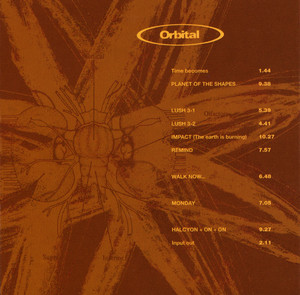
Orbital 2
Orbital
|
1 | 2.7 | -1.7 |
|
Snivilisation
Orbital
|
1 | 2.69 | -1.69 |
|
Buena Vista Social Club
Buena Vista Social Club
|
2 | 3.68 | -1.68 |
|
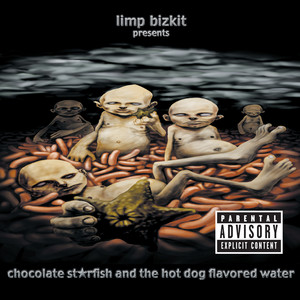
Chocolate Starfish And The Hot Dog Flavored Water
Limp Bizkit
|
1 | 2.51 | -1.51 |
5-Star Albums (1)
View Album Wall
Popular Reviews
The debut that launched a thousand migraines. Split between two lineups, Scum is less an album than a barrage—28 tracks of grindcore’s primal scream, all buzzsaw guitars, jackhammer drums, and vocals that alternate between retching, barking, and unintelligible growling (the latter delivered by two separate frontmen, though you'd be forgiven for thinking it's just one very angry drainpipe). Side one almost flirts with structure—“Scum” even rides a groove for a few seconds before imploding. Side two abandons all pretense, collapsing into a blur of 30-second tantrums. Political in theory, but good luck parsing any lyrics without a lyric sheet and a forensic linguist. If you think music should hurt a little, maybe this is your Kind of Blue. If not, consider it the sonic equivalent of an industrial accident.
1-Star Albums (10)




All Ratings (386)
Who knew the drummer from Nirvana had a full-on rock record hiding in his back pocket? Dave Grohl’s DIY debut comes barrelling out of the gate with three straight bangers before easing into something more reflective, and while it never fully escapes Nirvana’s long shadow, it doesn’t really need to. This is closer to Nevermind than In Utero—less self-laceration, more hooky release—best described as grungy power pop with stadium-sized instincts already peeking through the fuzz. “This Is a Call” explodes with arena-ready drums and a deceptively sticky chorus, “I’ll Stick Around” leans into a grimmer snarl, and “Big Me” proves Grohl can write pure pop sweetness without embarrassment. “Floaty” hints at a gentler, more wistful band that might’ve been, before predictably crashing back into distortion. Not everything lands: “Weenie Beenie” overreaches with Cobain-style screaming that doesn’t quite fit Grohl’s strengths, and “X-Static” feels like a Nirvana outtake from an alternate timeline. Still, for a first pass made largely alone, Foo Fighters sounds less like a side project and more like the start of a very loud, very durable future.
Strong production values and a focused sound. Highlights: "Gimme Shelter" (sets a great intense and eerie vibe as the opening track), "Live with Me" (dat bass, blues rocker, sax solo), "You Can't Always Get What You Want" (an epic closer, so grand and over-the-top) Notable: "Country Honk" (country version of "Honky Tonk Women", not as good as hit version)
Fred Durst wants you to know he’s angry, misunderstood, horny, and kinda famous now, bro. And if you’re a 14-year-old boy with a locker full of Mountain Dew, Monster logos, and vague resentment toward gym class, maybe that’s enough. But for the rest of us, enduring his off-key crooning, sub-par rhymes, and endless stream of adolescent vulgarity feels more like detention than catharsis. Wes Borland, the band’s masked MVP, occasionally colors outside the nu-metal lines with eerie guitar textures and oddball tunings, and the rhythm section’s not asleep either. But Durst’s juvenile worldview and cringe-worthy lyrics reduce even the better tracks to guilty pleasures—"My Way" has some interesting sonic moves, and "Hold On" gestures at emotional growth but gets lost in the fog of the album’s own overblown bravado. Could this be satire? Brilliant performance art? That’d be giving it way too much credit.
Kendrick is definitely skilled as a rapper, but I'm not a fan of his voice a lot of the time. Interesting funk and jazz influenced music, but sometimes gets a little too spacey and ponderous. I think I just don't get it... Highlight: "Momma" (interesting percussion, nice flow and R & B vocals. Lyrics are intriguing, boasting, but then realizes he "doesn't know shit". Turns more funky in the last minute), "How Much a Dollar Cost" (just a straight story song (with a warped R & B hook) with Kendrick using his more normal voice), "Complexion (A Zulu Love)" (90s vibe with smooth vocals and record scratching. Reminds me a bit of Digable Planets (female rapping)) Notable: "For Sale? (Interlude)" (weird panting leads into a soft jazz music with a distorted voice then Kendrick using his space alien voice, then a weird country accent ranting about Lucy (???)...wtf?), "Mortal Man" (jazzy boom bap, complete poem that we heard pieces of throughout the album. Then it becomes an interview with 2Pac (?). Then a poem about a caterpillar and butterfly...)
Pretty pop music mixed with late 60s psychedelia. Highlights: "Care of Cell 44" (Beach Boys-esque pop), "Hung Up on a Dream" (nice strings and guitar solo), "I Want Her She Wants Me" (jaunty pop tune), "Time of the Season" (a classic)
Country-influenced pop rock and folk. A bit slow and sleepy. Highlights: "To Be Young (Is to Be Sad, Is to Be High)" (Stonesy country), "Come Pick Me Up" (nice harmonies, catchy chorus), "Shakedown on 9th Street" (Bo Diddley beat gives it a 50s sound, kind of White Stripes-y)
The band has gelled into the "classic" 1980s U2 sound. To me, this sound includes chiming guitars, martial-sounding drums, big choruses, and lyrics influenced by world politics and religion. Compared to Boy and October, Bono's vocals are more melodic and smooth. His vocals on “New Year’s Day” and “40” are particularly passionate. The Edge continues his innovative guitar work while Adam Clayton and Larry Mullen Jr. hold the songs together with their work on bass and drums. Lyrically, the album goes full circle. On first track “Sunday Bloody Sunday”, Bono stridently asks “How long must we sing this song?” at the outset. On the final song “40” (based on a psalm) he plaintively sings: “I will sing, sing a new song” and following up with “How long to sing this song”. These lyrics showcase one of the themes of the album about the importance of overcoming adversity and religion’s role in that quest. As on their previous release October, the band continues to incorporate new sounds into their songs. “Sunday Bloody Sunday” and “Drowning Man” incorporate electric violin into their musical bed. Female backing vocals and trumpet both feature on “Red Light”. Female backing vocals reappear on “Like a Song…” and “Surrender”. Although the production is a bit dated and "of-the-'80s", this is U2's most confident release so far. Highlights: “Sunday Bloody Sunday”, “Seconds”, “New Year’s Day”, “40”
Dramatic, hard-charging alt rock. Production is a bit lo-fi with a mid 70s NY punk vibe (e.g. Patti Smith, Television). Highlights: "O Stella" (catchy riff rocker), "Victory" (prominent bass riff and woozy guitars), "Sheela-Na-Gig" (a few interesting hooks)
Production is a bit muffled, but songs are good with a few classics. Bridge over Troubled Water-classic, but kind of surprising this is the opening song and not the closing. El Cóndor Pasa (If I Could)-more Renaissance sounding than Spanish Cecilia-classic upbeat folk with Latin-styled percussion Keep the Customer Satisfied-upbeat pop with horns So Long, Frank Lloyd Wright-dreamy slow song, bossa nova-ish, feels a bit long but is < 4 min The Boxer-classic story song Baby Driver-upbeat boogie woogie with horns The Only Living Boy in New York-one of my favorite songs Why Don't You Write Me-bit of a country twang in the guitar lines, horns and percussion almost make it funky Bye Bye Love- live recording, standard cover version Song for the Asking-another live recording? Pleasant folksy song with strings. Highlights: "Cecilia", "The Boxer", "Baby Driver", "The Only Living Boy in New York"
A less macho version of nu-metal. Similar vibe musically to Linkin Park and Fuel. Strong, clean production by Scott Litt. Highlights: "The Warmth" (cool spacey vibe with strong drums and bassline), "Stellar" and "I Miss You" (nice love songs), "Drive" (catchy chorus and jaunty guitar), "Pardon Me" (good example of the heavier songs on the album)
Much better production (dat bass) and more focused sound. Their best album so far. Highlights: "Sympathy for the Devil" (badass opener), "No Expectations" (countryish ballad with slide guitar and piano), "Stray Cat Blues" (sounds scuzzy, good at setting the mood. Jagger's vocals remind me of Morrison), "Salt of the Earth" (Music is great, vocals are a bit meh (another Dylan copy), becomes anthemic by the end with the female choir)
You can definitely hear the influence on pop punk. The music is energetic and generally fine (if a bit rudimentary and underproduced), but Johnny Rotten's voice can get grating and his persona tends towards annoying for the sake of being annoying (though I guess that was his shtick). Highlights: "Holidays in the Sun" (there's a bit of catchiness under the noise.), "No Feelings" (give it a bit of a gloss production-wise and this could be an early Green Day song), "Pretty Vacant" (Intro riff is cool, good drumming and guitar flourishes throughout) Notable: "Seventeen" (something about the gang vocals gives me Dropkick Murphys vibes)
Snoop's charisma and flow combined with his Dre's bumping beats help him and his homies get away with a lot of questionable lyrics. And, as always, the skits add very little to the album. Highlights: "Gin & Juice", "Tha Shiznit" (a masterclass on freestyling and how to ride a beat), "Serial Killa" (sounds more like one of the posse cuts from The Chronic with a harder edge and multiple guests), "Who Am I (What's My Name)?" (It's obvious that this would be the first single. I'm surprised it wasn't the first track on the album), "Ain't No Fun (If the Homies Can't Have None)" (so fun musically, but oh-so-crude lyrically) Notable: "G Funk Intro" (why did the Lady of Rage never really make it?), "Murder Was the Case" (the remix is better)
Reggae pop mixed with new wave, cool grooves. Highlights: "Walking in Your Footsteps" (cool Peter Gabriel-esque vibe), "O My God" (I like the sax playing and the swing of the rhythm section), "Synchronicity II" (vocal phrasing sounds a bit like Men at Work), "Every Breath You Take" (a classic), "King of Pain" (cool minimalist vibe to start then the band kicks in), "Wrapped Around Your Finger" (real reggae vibes on the guitar and vocals on this one) Notable: "Mother" (is this a piss take on goth??)
More jangly/skittery and less dense than their later stuff. Delightfully odd (most of the time). Highlights: "Uh-oh, Love Comes to Town" (has a reggae/ska-ish bounce to it), "Happy Day" (cute little tune), "First Week/Last Week...Carefree" (cool horns and are those steel drums?), "Psycho Killer", "Pulled Up" (poppy)
On Reggatta de Blanc, the Police double down on their nervy, reggae-inflected new-wave hybrid, delivering a record that’s undeniably tight but occasionally a little too comfortable in its own tricks. Much of the album leans on the same clipped rhythms and sun-bleached grooves, yet Sting, Andy Summers, and Stewart Copeland are such an intuitive unit that the repetition rarely curdles into boredom. Copeland’s restless, jazz-trained drumming and Summers’ spacious, tastefully jagged guitar lines do most of the heavy lifting, giving the songs a rhythmic snap that recalls Remain in Light-era Talking Heads before that album even existed. “Message in a Bottle” pairs slightly wince-worthy faux-reggae phrasing with an arena-ready chorus, while “Walking on the Moon” and “The Bed’s Too Big Without You” stretch out into woozy, atmospheric grooves that show the band’s patience and confidence. Not everything lands—“On Any Other Day” is a rare misfire, and the title track feels more like a Copeland showcase than a fully formed song—but at its best, Reggatta de Blanc captures the Police refining their sound with discipline, precision, and just enough tension to keep things interesting.
Fresher feeling than the last two releases, it feels like the band is experimenting again. Lyrically, it's an emotional roller-coaster. Highlights: "Pop Song 89" (catchy guitar riff, interesting double-tracking on vocals (Stipe is harmonizing with himself)), "You Are the Everything" (beautiful sounding song, mandolin gives it a nostalgic feeling that goes with the lyrics), "Orange Crush" (nice harmonies, guitar riffs and drum work, military sounding breakdown drives home the point of the song), "Untitled" (nice wistful pop song with shuffling drums and organ...it deserves a title...)
Neil Young-After the Gold Rush [#186/#90] ☆☆☆ Voice is an acquired taste. Mainly folk pop (besides "Southern Man" and "When You Dance..."). This is early Neil who's still working out the kinks of his sound. Highlights: "After the Gold Rush" (piano-based ballad, mournful French horn solo), "Only Love Can Break Your Heart" (slow and strummy, a bit ramshackle when the backup vocals come in), "Birds" (piano ballad, verses sung in a bit of a deeper register, gospel-like backup vocals (double-tracked vocals?))
Jangle pop with Springsteen vibes, especially in the passionate vocals (though there is some gothiness in the vocals too). Definitely sets a somber mood. Highlights: "Firefly" (nice steel guitar), "Laughingstock" and "Last Harbor" (slower, nice arpeggiated guitar), "Western Sky" (nice midtempo jangle) Notable: "Bad Liquor" (big difference in tone compared to the songs up to this point), "Jenny" (tone is like Elliott Smith)
Ten tracks, seventy-five minutes, and an infinite supply of bleeps and bloops, all arranged as if endurance itself were the point. Snivilisation wants to pass off sheer length as profundity, but most of it sounds like studio-bound knob-twiddling in search of a reason—oh right, drugs. The duo’s techno maximalism collapses under its own weight, with ideas stretched so thin they become ambient wallpaper for people who think staring at oscillators counts as enlightenment. “Science Friction” almost works—the tempo perks up, the electronic clutter briefly coheres—but one tolerable track doesn’t justify this much sonic sprawl. Less civilization, more self-indulgence.
So polished that it's kind of boring and nothing really stands out. Highlights: "Your Love is King" (classic 80s sexy sax solo), "Why Can't We Live Together" (the bongos are cool)
Considered Brit pop, but it's a bit heavier musically than I expected. More like early Weezer and Fountains of Wayne than Oasis. A bit long and samey after awhile. Highlights: "For Tomorrow" (percussive guitar strums support a catchy melody, good opener), "Star Shaped" (definitely influenced by power pop), "Coping" (catchy chorus)
Mellow vibes from California, man (with some surprising sting at points). Highlights: "Take It Easy" (lead-off track that serves as the band's mission statement), "Witchy Woman" (some nice harmonies on the chorus and post-guitar solo, a couple of tasty and heavy--as far as this band goes--guitar solos), "Nightingale" (mid-tempo country-tinged rocker), "Peaceful Easy Feeling" Notable: "Earlybird" (well, my cat enjoyed the bird sounds on this one lol)
Cornerstone of trip hop with strong basslines, electronic beats, soulful vocals (the female vocalist is better than the male), and early 90s styled raps (the only piece that sounds dated). Highlights: "Safe from Harm" (strong opener that establishes the sound of the album), "Be Thankful for What You've Got" (vocals have a 70s soul vibe to them that works with the mellow music), "Unfinished Sympathy" (string swells and piano riffs give the song flavor), "Hymn of the Big Wheel" (not a fan of the nasally vocals but the song itself has an interesting Graceland-era sound to it)
So here we are, more '90s electronica, and you can almost hear the sigh. Orbit has some interesting moments, but the whole package feels a little too... meh to make any lasting impact. It’s just kinda there, drifting in the background with no real sense of urgency or excitement. A couple of decent tracks manage to stand out, but even those don’t spark any major revelations. Highlights? Sure, “Water from a Vine Leaf” gives us a pseudo-Brian Eno vibe that’s borderline funky—7 minutes of passive ambient grooving. Then there's “Harry Flowers,” where a mellow piano and synth play over a laid-back breakbeat, but even this feels like it's trying to be more profound than it really is. The rest? Whatever.
On EVOL, Sonic Youth stumble into a moody sweet spot that makes their usual art-noise provocations feel less like a grad seminar and more like an actual atmosphere you can sink into. Draped in near-goth shadow and powered by a cavernous low end, the album thrives on tension and restraint, with shorter, punchier misfires that don’t overstay their welcome. Opener “Tom Violence” sets the tone with martial drums and a sense of looming drama, while Kim Gordon’s whispery menace on “Shadow of a Doubt” is genuinely unsettling in a way the band rarely nails this cleanly. “Green Light” clangs and lurches like an evil cousin of early Pixies before collapsing into feedback, and the closing epic “Expressway to Yr. Skull” reaches for a grandeur the vocals can’t quite match but almost pull off through sheer volume and intent. Sure, the spoken-word navel-gazing of “In the Kingdom #19” feels a little too pleased with itself, and “Marilyn Moore” is goth to the point of parody, but EVOL remains one of Sonic Youth’s more listenable and intriguing records—proof that when they dial down the hipster reflex, their noise actually hits harder.
Punk attitude with a metal edge (or vice-versa, I'm not sure...). They have AC/DC syndrome, though, where it's basically the same song (even though it's pretty good) over and over. Highlights: "Ace of Spades" (opening blast), "Shoot You in the Back" (good groove), "Fast and Loose" (catchy guitar riff) Notable: "Jailbait" (cool groove-based song, but the lyrics are as cringy as you'd expect with that title.)
It's produced (I mean, "engineered") by Albini so the music "raw" and "cacophonous". Her vocal style could be best described as feral on most of these songs. I think it's the type of album you have to be in the mood for. Unfortunately, I'm not usually in that kind of mood... Highlights: "Missed" (I like the repeating arpeggiated guitar riff throughout and the bass work in the verses), "Me-Jane" (based on drum and bass work) Notable: "Hook" (is that even her on the super blown out vocals?)
Classic rock vibe in the vein of the Stones and Aerosmith mixed with old school southern rock like Lynyrd Skynyrd. Solid with passionate vocals and strong musicianship, but there's nothing that special or different about it. Highlights: "Twice As Hard" (strong opener that establishes their sound), "Hard to Handle" (modern classic), "She Talks to Angels" (every rock band needs a power ballad...)
Indie AF. There are some interesting parts of songs (particularly the drumming and bass playing), but it never really comes together for me (the guitars are too noisy, the vocals are too shouty, and some of lyrics get a bit pedantic). However, I can hear how it influenced 90s & 00s alt rock. Highlights: "Turnover" (explosive drumming, vocals remind me of the Clash), "Sieve-Fisted Find" (I like the repeating guitar lick and bass runs) Notable: "Brendan #1" (instrumental, drums and bass make it sound like a Chili Peppers song, but then the noisy guitars come in)
Classic rock staple. Could be seen as a mainstream version of Velvet Underground with a prettier and more traditional lead singer. Highlights: "Break on Through", "20th Century Fox", "Alabama Song"
Generally upbeat synth pop. Works better for me when they emphasis the pop over the synth. Highlights: "All the Way" (poppier with a bouncy bassline, definite pop Cure vibes), "Love Less" (similar to the previous song, but it's a sound that works for them. The breezy arpeggiated guitar work is cool), "Guilty Partner" (there's a weird dissonance between the music and the vocals that is interesting. Something about it reminds me of the vibe of Achtung Baby) Notable: "Fine Line", "Round & Round", "Mr. Disco" (the synth side of the album is the last gasps of 80s dance music--bleeps, bloops, and vocoders--oh my!), "Vanishing Point" (still dancey, but sounds less dated with deep bass, synth drums, and piano riffs)
If Oasis was a boy band, it would probably sound a lot like this.... Highlights: "Lazy Days" (catchy opening track), "Angels" (a bit cheesy, but he sells it well), "Old Before I Die" (catchy chorus) Notable: "Ego Agogo" (would not be out of place on the Austin Powers soundtrack), "Let Me Entertain You" (sounds like a Queen song)
Franz Ferdinand’s self-titled debut doesn’t reinvent the post-punk wheel, but it sure polishes it with a stylish Scottish sheen. Channeling the arty angularity of Talking Heads with sharper hooks and more pronounced melodies, the Glasgow quartet updates the sound with a UK New Wave edge and a touch of brogue. Their commitment to taut guitar riffs, clipped rhythms, and deadpan delivery is both their strength and limitation—after a while, the formula starts to feel a little too tightly wound. Still, there are standouts: “Take Me Out” is an undeniable dancefloor killer, “Tell Her Tonight” pops with harmony-driven charm, and “Auf Achse” provides a welcome shift with its moody piano-led verses. “Come on Home” closes the loop with its driving rhythm and knife-like guitar jabs, sealing the album as a stylish, if slightly repetitive, debut.
Less jangly than The Smiths, almost industrial sounding at times with overprocessed drums and jagged guitar lines (especially on the first two songs). The lyrics and vocals can be overwrought. Highlights: "Everyday Is Like Sunday" (nice bassline and strings), "Suedehead" (one of the more Smiths-like songs with arpeggiated guitar), "I Don't Mind If You Forget Me" (bouncy bassline) Notable: "Bengali in Platforms" (I assume this song is trying to make a point about racism in England against Indians, but it's pretty cheesy)
Mid-aughts indie rock crossed with 80s U2-esque bombast and Talking Heads white-boy funk. Not a fan of both singers' at times yelpy and atonal vocals. On "Wake Up" Highlights: "Neighborhood #2 (Laika)" (sometimes there's beauty in cacophony), "Wake Up" (crunchy guitar riff gives it some bite), "Rebellion (Lies)" (chiming guitar, nice strings, driving rhythm)
Terrible name for an album. Hip hop and funk fusion that can get repetitive. It's definitely different from the other stuff out at the time (basically a West Coast version of the Native Tongues movement in New York), but is sometimes too out there. Highlights: "The Way We Swing" (a laid-back brag song), "Underwater Rimes - Remix" (there was a lot of pot smoking in the studio, right? MC Blowfish???), "Doowutchyalike" (I'm guessing this is the band's mission statement, cool funky horns...8 1/2 minutes is a lot, though) Notable: "The Humpty Dance" (the first song on the album is the big novelty hit), "Gutfest '89" (I'm assuming they are namechecking their influences at the beginning. Their flow reminds me of De La Soul. Apparently, it's a sex festival...), "Freaks of the Industry" (female orgasm sounds make up part of the background rhythm, explicit lyrics), "Sex Packets" (a 12+ minute suite with a mix of skits and raps)
Why is it so long? There are some late Beatles-y moments melodically and production-wise. Highlights: "My Sweet Lord" (earworm), "Isn't It a Pity" (nice piano work), "Run of the Mill", "Beware of Darkness" (seems confessional lyrics-wise and dramatic with the piano-based backing music)
Musically intense, vocals seem a little shrill for the music (cross between Rob Halford, the dude from Iron Maiden, and Chris Cornell). Kinda samey, causes ear fatigue over a whole album. Highlights: "Among the Living" (that double-time drumming), "I Am the Law" (nice chugging riff and gang vocals in the chorus) Notable: "Indians" (pretty sure this would be considered "problematic" in the present-day)
I knew this was gonna be a "challenging" listen, but ooh boy...The hardest of passes. Highlights: "Human Cannonball" (the drums and bass are competent)
An odd album--side 1 is like a concept album with the songs flowing together, side 2 is previously released material and songs recorded for (but not used in) The Graduate. Highlights: "America" (a more traditional S&G song), "Fakin' It" (nice fingerpicked guitar, harmonies, and horn riffs), "A Hazy Shade of Winter" Notable: "Save the Life of My Child" (wow, this is a mess of Renaissance flavored Dylan, psychedelia, and weirdness. *This* is the song opening of the album‽
Theatrical pop that is over-the-top and quirky at times (sometimes even veering into cheese), but the catchy melodies and very good production help most things land. Highlights: "Five Years" (piano ballad), "Moonage Daydream" (proto-glam, guitars just need to be a touch louder and crunchier), "Starman" (Beatles-esque with jangly guitar and double-tracked choruses), "Ziggy Stardust" (Bob Dylan goes glam) Notable: "Suffragette City" (verses definitely influenced by Lou Reed)
It's fine, but nothing really stands out. Highlights: "I Started Something I Couldn't Finish" (midtempo pop), "Girlfriend in a Coma" (nice strummy pop song with cool string parts, although the music seems a bit too upbeat for the subject matter) Notable: "Last Night I Dreamed that Somebody Loved Me" (the first half basically sounds like a hellscape of chaos then Morrissey comes in with his overdramatic Morrissey thing), "Paint a Vulgar Picture" (wow, those lyrics)
I listened to the remastered version, but the production is still lacking (the drums sound especially odd). Songs are kinda samey and overlong. Highlights: "Blackened" (interesting how it fades up and then blasts off), "One", "Harvester of Sorrow" (cool beginning riff) Notable: "The Frayed Ends of Sanity" (the "oreo" chant at the beginning makes me LOL), "To Live Is to Die" (started out as a quiet, mellow instrumental--a breather from all the heaviness--but then it quickly got heavy again)
Slickly produced adult contemporary pop with blues and country touches. Highlights: "Nick of Time" (solid adult contemporary song although the dance-y backbeat doesn't really fit the melancholic tone of the lyrics, singing, and other music.), "Thing Called Love" (catchy chorus), "Real Man" (piano work gives it a bit of a different vibe) Notable: "Nobody's Girl" (sounds like a Sheryl Crow song)
Quirky 80s synth pop. I can hear the influence of Talking Heads and Kate Bush. It's a lot and gets kind of messy at times. Still some interesting ideas, though, even if whole songs don't necessarily work. Highlights: "Love is a Stranger" (good opener that sets the tone of the album), "I Could Give You (A Mirror)" (springy but dramatic soundscape), "Sweet Dreams..." Notable: "Jennifer" and "The City Never Sleeps" (both are very dramatic, almost goth in its sound)
High-octane old school rock & roll with 4-5 slow jams sprinkled in. Highlights: "Oh Boy!", "Not Fade Away", "Maybe Baby", "That'll Be the Day"
Michael is dubbed the "King of Pop" and this is his coronation. Highlights: "Wanna Be Startin' Something", "Billie Jean", "Human Nature", "P.Y.T. (Pretty Young Thing)"
Celtic punk? It's definitely unique...The Dropkick Murphys were definitely influenced by them... Highlights: "If I Should Fall from Grace with God", "Fairytale of New York" (lol at some of the lyrics...), "Medley" (a bunch of traditional songs done generally traditionally), "The Broad Majestic Shannon" Notable: "Fiesta" (wtf? 😆 🤣 😂)
Seems more influenced by British rock and pop than their other albums. Highlights: "Jupiter and Teardrops" (David Bowie vibes in the singer's phrasing and the wall of guitars backing him up), "Wish You Well" (dramatic vibe with chiming guitars and strident vocals), "You Just Have to Be Crazy" (simple guitar and vocals song) Notable: "Dixie Drug Store" (trying something different with a piano-based song. Maybe a Tom Waits thing based on the lyrics. Well, they tried...)
Loose, early 70s Stones vibe. Highlights: "Every Picture Tells a Story" (energetic opener), "Seems Like Long Time" (piano-based ballad with soulful guitar licks), "Tomorrow is a Long Time" (sounds like a traditional Celtic song), "Maggie May" (classic dis track), "(Find a) Reason to Believe"
If you told me that this was an indie pop band from the mid 90s/early 00s, I'd believe you. It sounds like 2 different lead singers. Is this some sort of Husker Du deal? Highlights: "Love Goes On!" (nice jangle-pop), "Quiet Heart" (vocals sound like a mix of Bono and Michael Hutchence at times. I like the strings and harmonica), "The Devil's Eye" (short and sweet jangle), "Streets of Your Town" (female backing vocals and propulsive beat are an interesting touch that give it a different flavor)
Catchy power pop. Definite 50s/early 60s influence with its short, spunky songs and old-school production. Highlights: "Miracle Man", "No Dancing" (nice backing harmonies), "Sneaky Feelings" (Randy Newman-esque in piano and vocals)
Prototypical early 2000s alt-rap Highlights: "Freedom" (boom bap music, MCs have interesting voices), "If You Only Knew" (jazzy flute), "A Day at the Races" (late 80s/early 90s flow, Big Daddy Kane guests), "High Fidelity" (uptempo quirky music) Notable: "One of Them" (trying on gangsta...it's an awkward fit)
A bit samey, especially the huge poppy hits that are also the best songs on here. There are a few oddball tunes among the track list, but this rests on Ocasek's strong power pop writing chops. Highlights: "Good Times Roll", "My Best Friend's Girlfriend", "Just What I Needed"
Fun jazz and samples based hip-hop with catchy hooks. Reminiscent of De La Soul but less goofy. Q-Tip has a better flow than any of the De La dudes. Highlights: "Push It Along" (good intro to the group's sound that includes some socially conscious lyrics. I can do without the Jarobi part, though, in the last few minutes), "After Hours" (interesting story song, feels more like spoken word), "Can I Kick It?" (a classic), "Description of a Fool" (the lyrics are basically the opposite of gangsta rap...) Notable: "I Left My Wallet in El Segundo" (epic story song), "Pubic Enemy" and "Ham 'N' Eggs" (okay, maybe sometimes they're goofier than De La...), "Bonita Applebum" (the musical hook is iconic, but the song itself is a bit lackluster), "Go Ahead in the Rain" (Q-Tip but his voice sounds deeper and flow is more like LL)
How do you say weird sh-t in French? Unlike a lot of weird music this has some musical merit and is interesting at times, but I really don't think I'll *ever* listen to this again. The vocals are quite off-putting. Highlights: "Rue des tempetes" (the strings and percussion are cool. The vocals are a bit disturbing. I never knew French could be that gutteral.), "Crier les chiens" (tense soundscape), Notable: "La fille de la mort" (starts like a traditional French chanson, but then gets kinda like Rammstein but French...), "Charlotte" (has an oompah thing going that's creepy when paired with the gutteral vocals), "Pas Mal" (music says post-punk fuzziness, but, again, those vocals...yeesh!)
I give him credit for trying to "reinvent" himself, but he should have gone back to the Faith formula. This one has some interesting moments (especially lyrically), but lacks the variety and energy of his solo debut. Highlights: "Freedom! '90" (mainstream version of the prevailing English dance sound at the time. Cool piano stabs. Interesting lyrics about his rise to fame, is he subtly coming out in the chorus?), "Something to Save" (strummy guitar pop with strings. I could picture Coldplay doing something like this) Notable: "Praying for Time" (not sure about opening with a dramatic slow jam), "Cowboys and Angels" (was he trying to get on a James Bond soundtrack with this torch song?) "Waiting for that Day" (interpolates "You Can't Always Get What You Want" into the end), "Heal the Pain" (I could picture Michael Buble covering this song)
It's Bjork bjork-ing out. Odd, lovely, and interesting. The first three songs are bangers, but then things get a bit spotty. Her voice becomes part of the lush soundscape at times. Highlights: "Human Behaviour" (cool percussive backing track to Bjork's mutters and wails), "Crying" (catchy piano line running through the song), "Venus as a Boy" (almost sounds like gamelan music rhythmically, I like the swooping strings), "Aeroplane" (the swinging horns give it a different flavor) Notable: "There's More to Life Than This" (the part where the music randomly lowers in volumes and her vocals are loud is off-putting)
It's competent, but doesn't do much for me. Highlights: "De Camino a la Vereda" (upbeat, I like the horn lines), "Candela" (nice burbling percussion and fingerpicked guitar, though the repetitive vocals on the last half become mind-numbing)
Overall, this is disappointing and pretentious. The music is fine to very good (a mix of the Stones, Velvet Underground, and post-punk), but the vocals sound like a slightly more masculine Patti Smith... Highlights: "Venus" (Velvet Underground-ish), "Friction" (guitar has like a spaghetti western sound), "Guiding Light" (Stonesy ballad, but feels a bit long)
Surprised that this was so popular, but not surprised by how influential it was. No one in the mainstream was really doing this in the mid 90s. Glossy production with quirky vocals; some unique musical choices; and angsty, honest, and plain-spoken (and, yes, at times awkward and cringy) lyrics that are definitely (and defiantly) from a female point-of-view. Highlights: "Hand in My Pocket" (chugging musical accompaniment to list lyrics ("I'm..., but I'm...")), "You Learn" (another list song ("you ______, you learn") with a breezy musical accompaniment and vocal delivery), "Head over Feet" (although the lyrics are a bit inane at times, this is a sweet and catchy pop song), "Mary Jane" (character study of an abused woman, relatively sparse musical accompaniment and passionate vocals)
Production and music (saxophone, keyboards) make this sound more like a mid 80s album. Some nice vocal harmonies. It's pleasant but nothing really notable or exciting. Highlights: "It's Only Natural" (slightly funky pop), "Weather With You" ("Eastern" sounding riff that reoccurs throughout the song, harmonized vocals), "She Goes On" (folk pop) Notable: "All I Ask" (old school torch song with lush strings that seems out of place on this album)
80s production style...singer sounds like a mix of Elton John, Michael Hutchence, and 80s Bono. It's pleasant enough mainstream 80s pop rock (if you don't pay attention to the odd lyrics on some of the songs), but nothing wows me. Highlights: "Bury Me Deep in Love" (good propulsive opener), "A Trick of the Light" (chiming guitars), "Holy Water" (a little different with the shuffling electronic drums) Notable: "Jerdacuttup Man" (what a strange topic to write a song about)
Kind of a proto-techno...just a bunch of repetitive bleeps, blips, and bloops thrown on tracks. There are some parts of some tracks that are interesting, but then its sort of beaten into the ground. The few vocals are of their time. Highlights: "Ancodia" (cool funky soundscape and there's a Speak & Spell on it!), "Sunrise" (cool burbling blips and bloops and something that sounds like a marimba or xylophone, a bit mellower than the other tracks)
It's Prince doing his Prince thing. Highlights: "Let's Go Crazy" (opening blast), "I Would Die 4 U", "Purple Rain" Notable: "Take Me With U" (breezy pop song with some nice percussive breaks)
I can hear why he was called "the American Beatle". A bit "hippie dippy" at times, but it's tuneful. Highlights: "Driving Along" (strummy pop song), "Down" (piano-based boogie, nice horn riff counterpoint) "Without You" (classic), "Coconut" (silly but fun) Notable: "Jump into the Fire" (definitely a departure with heavier guitars, screamier vocals, and a crazy percussion breakdown. Unfortunately, his voice doesn’t really fit this style. This song takes the listener on a journey, but I don’t think I want to go.)
Kanye's strength is as a producer. As an MC...sigh...well, he's a really good, interesting producer... Highlights: "Dark Fantasy" (weirdly majestic leadoff track despite Kanye-isms (corny lyrics, "hah"), interesting use of choir and sparse piano chords, almost "orchestral hip hop"), "So Appalled" (martial beat with strings, Jay Z and Pusha T have nice flows), "Devil in a New Dress" (old school Kanye production (chipmunk soul sample), surprising guitar solo. Rick Ross sounds better over this music than Kanye does) Notable: "Runaway" (sigh...bad lyrics ruin really interesting good music. Ok, the last 2 minutes of noise and vocoder is kind of annoying...), "Hell of a Life" (fuzzy feedback, auto tuned vocals, and highly sexualized lyrics. Part of the chorus is "p-ssy and religion is all I need". Lord help me...), "Lost in the World" (starts with vocoder and Bon Iver, then more standard dance music sound, then African rhythms and chanting. It's...a lot.. Ironically, this features some of Kanye's best rapping, go figure...)
Country/folk lyricism meets punk passion meets a musical's sense of storytelling. This album is certainly different and intriguing at times, but I'm not sure how many more times I will listen to it. Highlights: "Papa Won't Leave You, Henry" (something about the subject matter and gravitas gives me Johnny Cash vibes. It does the opening track's job of setting the tone for the album.), "Straight to You" (jangly, Smiths-like song)
Continues the band's transition from college rock darlings to mainstream pop rock superstars. Highlight: "Disturbance at the Heron House" (REM sound, but done well), "Strange" (the looser feeling works), "King of Birds" (martial drumming and Eastern sounding guitar throughout (a bit Beatles-esque musically))
It's basically the template of Santana's Supernatural from a decade later (Hooker + another artist/band). Well-produced but it's not really my type of music. Highlights: "The Healer" (interesting juxtaposition between the Latin grooves of Santana and Hooker's deep bluesy voice), "Cuttin' Out" (Canned Heat plays a cool chugging boogie)
Poppy goodness with a bit of cheese at times. Highlights: "You Told Me" (jangling guitars and harmonies), "You Just May Be the One", "For Pete's Sake" (catchy riff), "No Time" (rave up)
Slickly produced pop rock. Highlights: "Cover Me" (some nice guitar work), "Downbound Train" (typical Springsteen story-song with strong musical accompaniment), "I'm on Fire", "Dancing in the Dark"
Hard to explain, kinda dancey, but also kinda laggy/slackery. Vocals are very British with a declamatory style similar to David Byrne. Highlights: "Mad Cyril" (some interesting guitar parts), "Performance" (good groove)
Aerosmith definitely has its lane: straight-forward chugging rock 'n roll. Can get a bit messy and ramshackle at times and the somewhat muddy production doesn't help. Highlights: "Last Child" (catchy dirty riff running through the song), "Sick as a Dog" (Stonesy vibe) Notable: "Combination" (needs a new vocal take because the harmonized or double-tracked vocals just sound meh), "Home Tonight" (the big power ballad)
Ahead of its time and influential to indie and alt rock. Highlights: "Sunday Morning" (tinkling music with Dylan-esque vocals), "I'm Waiting for the Man" (Dylan as a druggie...), "There She Goes Again" (jangle-pop Dylan) Not sure if I *like*, but it's certainly memorable: "Venus in Furs", "Heroin"
Interesting production choices make for some intriguing songs. Highlights: "Red Rain" (dramatic opener), "Don't Give Up", "In Your Eyes" ("world" music done right), "Mercy Street" (similar vibe to "Red Rain"), "Big Time" (Talking Heads vibe with the skittering guitar and prominent bass) Notable: "We Do What We're Told (Milgram's 37)" (mostly instrumental and chanting song that is appropriately creepy given the subject matter. Has a Pink Floyd The Wall feeling to it)
The Offspring’s Smash is the kind of album that soundtracked suburban skateparks and middle school angst in the mid-’90s, with bratty energy and bratty lyrics to match. Nestled in the middle like a sugary core are the big singles—“Come Out and Play” and “Self-Esteem”—still riding that surf-punk-meets-soap-opera vibe, all catchy riffs and wounded pride. Elsewhere, the formula doesn’t stray much: fast tempos, sneering vocals, and enough adolescent rage to fill a locker room. “Bad Habit” leans into over-the-top road rage drama, while “Killboy Powerhead” and “What Happened to You?” offer modest sonic curveballs (a blues structure here, a ska-lite bounce there). It’s a blast of caffeinated SoCal punk that’s charmingly dated and a little too proud of its own immaturity.
This is...a lot. Highlights: "Sign o' the Times" (cool burbling percussion, somewhat dated lyrics), "The Ballad of Dorothy Parker" (fonky), "U Got the Look" (the voice manipulation is cheesy but it's a bop musically), "I Could Never Take the Place of Your Man" (catchy power pop) Notable: "Housequake" (um...what‽), "Slow Love" (almost a doowop sound to it)
Solid album but way overhyped. Highlights: "Paranoid Android" (interesting song, cool guitar riff in first part), "Let Down" (most Bends-like song on the album with chiming guitars), "Karma Police" (I like the piano throughout the song, catchy melody), "Electioneering" (sounds like late 60s/early 70s song, especially guitar riff and fuzzy production), "No Surprises" (music box chiming is cool) Notable: "Climbing Up the Walls" (creepy atmosphere)
Of its time production-wise, but has a couple of catchy hooks on the songs and solid musicianship. Highlights: "So Far Away" (sets a mood, though I'm a bit surprised it's the opener), "Walk of Life" (synth riff and woo hoos are memorable), "Why Worry" (mellow ballad with a long guitar intro), "The Man's Too Strong" (strummy midtempo folk influenced tune) Notable: "Your Latest Trick" (features that mid 80s staple the sexy sax), "Ride Across the River" (sounds like solo Sting...more sexy sax)
More funk-oriented, weird, and sex-obsessed than "Under the Bridge" would lead you to believe. "Suck My Kiss" and "Give It Away" are better representations of this album. Most of it isn't really my thing (at 73 minutes, it could use some editing), but there's definitely a lot of energy. Highlights: "Breaking the Girl" (jangly goodness with nice vocal harmonies), "I Could Have Lied" (stripped down rhythm swction, nice melodic guitar work), "Under the Bridge" (way overplayed, but it's a classic)
Mellow and warm. Also, kinda samey and boring at times. I think this is one of those specific mood type of albums. Highlights: "Love Is Here Where I Live" (jazzy piano and vocals), "I Always Was Your Girl" (heartbeat-like drums are a cool touch), "The Night I Heard Caruso Sing" (similar to the other songs, but a male lead), "Blue Moon Rose" (a bit more upbeat)
More bombastic and uneven than Sheer Heart Attack. Its got some bangers but also some cheese to wade through. Highlights: "Death on Two Legs" (dramatic opener), "My Best Friend" (beautiful poppy love song), "'39" (a relatively simple strummy song with a folky leaning)
This seems to showcase her vocals more than previous albums...Basically taking the vocal work on "Live to Tell" from True Blue and building an album around it to show more of her vocal versatility, especially the grit in her voice. Highlights: "Like a Prayer" (not sure I'd start the album with this song...seems like something that should be worked up to), "Express Yourself" (I like the horns...this is kind of like a Motown song on cocaine...i probably would have started the album with this one), "Til Death Do Us Part" (her vocal tone reminds me of Belinda Carlisle at times. A bit busy musically. It could be stripped down a bit.), "Cherish" Notable: "Love Song" (features Prince and, yup, it definitely sounds it), "Dear Jessie" (sounds like a Disney song)
The soundtrack to 80s dance clubs. Highlights: "One More Chance" (nice synth bass), "Rent" (cool soundscape), "It's a Sin" (so dramatic), "King's Cross" (trumpet trills are cool)
Indie Taylor, part 2. Songs are a little more meandering at times, but still a strong set of songs. Highlights: "willow" (nice fingerpicked guitar work), "no body, no crime" (bit of a country twang (harmonica, banjo) on this story song about a cheating (murdering?) husband and revenge from the friend of the wronged woman), "dorothea" (piano-based pop song with a jaunty melody), "coney island" (featuring The National, his deep voice plays well off of her girlish voice)
Classic 90s alt rock. Very strong opening, tapers off a bit in the second half. Highlights: "Planet Telex" (strong, propulsive opening), "The Bends" (melody is a bit Beatles-esque), "High and Dry" (Coldplay based their early career on this song), "Fake Plastic Trees" and "Just" (epic 90s angst)
Santa's sleigh crashes into the Wall of Sound with mixed results. This is hard to rate because really you'd just listen to it one month out of the year (if that), so let's go right down the middle. Highlights: "Santa Claus is Coming to Town" (The Crystals), "Sleigh Ride" (The Ronettes), "Christmas (Baby Please Come Home)" (Darlene Love)
Very loose and repetitive (sometimes to a ponderous and/or messy degree). Touchstone for 90s hip hop (musically and lyrically). Highlights: "Mothership Connection (Star Child)" (nice horn riffs), "Handcuffs" (James Brown/Sly & the Family Stone vibes) Notable: "P-Funk (Wants to Get Funked Up)" (Snoop took the radio motif on Doggystyle from this. Dre bookended The Chronic with a takeoff of this.)
This is grunge, as in sludgy, depressing, eerie, and, well, dirty. Highlights: "Them Bones" (explosive opener), "Down In a Hole" (passionate vocals), "Rooster" and "Would?" (epics), "Angry Chair" (foreboding, but melodic)
It's MJ's 2nd biggest album...this was designed to be a blockbuster. It's surprisingly "back-loaded" with hits. Highlights: "The Way You Make Me Feel", "Man in the Mirror", "I Just Can't Stop Loving You", "Dirty Diana", "Smooth Criminal"
It's the S & G formula: mellow folky guitars, literate lyrics, sweet harmonies. Highlights: "Scarborough Fair/Canticle", "Cloudy" (jaunty tune), "Homeward Bound", "The 59th Bridge Street Song" Notable: "A Simple Desultory Philippic" (Paul Simon does Bob Dylan). The "Silent Night"/7 o'clock news mashup is sad.
Folky, but in an ethnic British/Celtic kind of way (fiddles, strummy guitars, accented vocals, etc) Highlights: "Fisherman's Blues" (uptempo opener), "Strange Boat" (cool harmonica and violin interplay), "Sweet Thing" (musically pretty cover of a Van Morrison song with an interpolation of "Blackbird"), "And a Bang on the Ear" (interesting variety of Celtic pop, but a bit lengthy at 9+ minutes...)
Definitely different for the time period music-wise. The relaxed flow is still a bit 80s sounding. I wish there were fewer skits/interludes. Highlights: "Change in Speak" (horn breaks are cool), "Eye Know" (love the "Peg" sample), "Me, Myself and I" (the big hit, good representative of the album) Notable: "Do as De La Does" (well, they sound like *they're* having fun at least), "De La Orgee" (oh no...)
Dramatic synth pop Highlights: "Being Boring" (lush soundscape, long intro with wah wah, bass pops, and percussive hits, diva-ish vocals), "To Face the Truth" (reminds me of a George Michael ballad circa Faith with not-as-good vocals), "The End of the World" (pretty typical late 80s/early 90s dance music, but solidly done) Notable: "How Can You Expect to Be Taken Seriously" (bitchy dis track), "So Hard" (more like "So Cheesy" with the overabundance of sound effects), "Nervously" (sounds like a showtune in vocals delivery and lyrics)
He's trying something a bit unique here (a throwback funk-rock-R&B/soul hybrid); unfortunately, it doesn't always work. Highlights: "Sitting on Top of the World" (a little ramshackle musically and rough vocally in some spots, but it has a charm to it), "My Precious Love" (soulful ballad that is oversung at times...reminds me of Terrence Trent D'arby), "Mr. Cab Driver" (giving me Velvet Underground vibes at times with deadpan vocals and fuzzed out guitar)
Long album (could do without the interludes). Some interesting instrumental and melodic ideas, but it seems a bit like "let's throw everything on here even if it doesn't work..." Gets particularly "experimental" during the second half. Highlights: "So Fresh, So Clean" (interesting production with keyboards and R & B chorus), "Ms. Jackson" (very unique (lyrically, vocally, and instrumentally) especially for the time period), "Xplosion" (is that a harpsichord?, flow and vocal pitch are like Cypress Hill (makes sense because B-Real is involved). Unique banger)
I can see how this may have influenced Achtung Baby but that album is way better than this...the lead singer's voice is Liam Gallagher on steroids with the Brit whine. Highlights: "Kinky Afro" (jangle dance pop), "Loose Fit" (the sparse, somewhat ominous guitar riff is cool and the syncopated percussion works. Thankfully the vocals are more of a croon than a whine through much of the song) Notable: "Bob's Yer Uncle" (creepy vocal delivery fits the creepy lyrics...ew...and I didn't need the female orgasm sounds either), "Holiday" (the main musical part reminds me of the Police but the vocals are definitely not Sting-like)
Very English sounding vocals, good musicianship. Morrissey is a sad boi. Highlights: "Frankly, Mr. Shankly" (jaunty tune, caustic lyrics), "Cemetry Gates" (upbeat tune, depressing lyrics), "The Boy with the Thorn in His Side" (pretty music) Notable: "Bigmouth Strikes Again" (the altered high-pitched Morrissey voice is silly)
It’s hard to pin down exactly what Girls Against Boys are aiming for on Venus Luxure No. 1 Baby, but whatever it is, it’s caked in grit. The band leans into a murky fusion of industrial textures, metallic guitar jabs, and slinky post-punk grooves, conjuring a sound that could be labeled “scuzz rock”—a genre you won’t find on Spotify, but feels right at home in the basement clubs this music was meant to soundtrack. There’s a sense of intentional grime to the production, like each track is being piped through busted speakers in the back of a dive bar. The rhythm section does the heavy lifting here, particularly on tracks like “In Like Flynn,” where the bass slinks around with real attitude, though the low-mixed vocals struggle to make an impact. That said, there are moments where the band finds a sharper edge. “7 Seas” picks up the pace and almost breaks through the album’s thick sonic haze, while “Rockets Are Red” and “Learned It” flirt with a sound that could be described as Henry Rollins fronting a fuzzed-out Rage Against the Machine. It's compelling in theory, but the songs rarely deliver on their potential. There are fragments of something interesting buried beneath the sludge, but Venus Luxure never quite shapes them into anything truly memorable.
Quirky with its melding of funk, punk and heavy metal in 1990. Perry Farrell's voice can be an acquired taste and the first 3 songs are samey, but you can hear how the band influenced 90s alt rock in their melding of genres and their delightful weirdness. Highlights: "Stop!" (high energy opener), "Obvious" (has a B-52's feel to it with the jerky rhythm and harmonies--no female vocals, though. It just feels like a song version of the phrase "reckless abandon".), "Been Caught Stealing" (the hit from this one...catchy shouting), "Classic Girl" (the shortest (just under 5 minutes) and best song of the last four. It doesn't overstay its welcome like the other 3) Notable: They try for epic on the second half of the album with 3 of the 4 songs over 6 minutes but fall a bit short (some interesting experimentation with Middle Eastern sounds even if it doesnt completely work)...
Late 70s/80s New Wave sound (keyboards, accented vocals, off-kilter guitar lines and beats). In general, it's consistently good, but nothing really stands out to "wow" me... Highlights: "Smile Like You Mean It" (nice keyboard line running through the song with a more "goth" type of vocal (influenced by The Cure?), "All These Things That I've Done" (starts with an anthemic 80s U2 sound to it, but then has a Lennon-esque sound to the vocals then a Cars-like breakdown with chugging guitar chords, then the choir comes in...), "Believe Me Natalie" (anthemic guitars and expressive vocals, gets a little mess near the end (why the horns?))
While the flow is sometimes similar to De La Soul, the music is more straightforward and soul and electronic based (like old school hip-hop). Some of this is laughably bad. Highlights: "Feelin' Alright" (simple flow but nice beat and soul samples at the beginning), "Good Newz Comin'" (the bongos are cool even if the rest is kind of messy. The last minute or so sounds like something from Phish), "Doin' Our Own Dang" (features Monie Love. De La Soul, and Q-Tip so at least there's some good rapping on it) Notable: "What 'U' Waitin' '4'?" (Sounds like it's from the early 80s, not 2 months before the dawn of the 90s), "'U' Make Me Sweat" (is that the dude from Cameo on the hook?), "Acknowledge Your Own History" (a few good lines, but 90% of this is sooo cheesy), "Belly Dancin' Dina" (I don't need to know that the subject of this song makes these guys "hard"...), "Done by the Forces of Nature" (just...no. These lyrics are d to the u to the m to the b, y'all)
Mellow folky and bluesy tunes...vocals are kinda meh Highlights: "Friend of the Devil", "Sugar Magnolia", "Till the Morning Comes" (has a CSN&Y vibe with the harmonies), "Truckin'"
Outlaw country performed in front of a group of real outlaws who can't get enough. Highlights: "Folsom Prison Blues", "Cocaine Blues" (real crowd pleaser), "25 Minutes to Go" (good story song about an inmate on death row), "Jackson"
Choices were made production-wise. I'm not sure these were always the best choices... Highlights: "Everybody Knows" (the music at least matches the haunting vibe of the vocals), "I'm Your Man" (smoky 40s club vibe), "Tower of Song" (the minimalist production works) Notable: "First We Take Manhattan" (weird juxtaposition between Cohen's dour, Teutonic vocals on the verses and the almost disco-like female choruses)
His big comeback after falling off in the late 80s. Several songs have that early 90s NYC, "boom bap" sound. I feel like he can't decide if he wants to be extra hard street dude or Mr. Ladies Man. Highlights: "Around the Way Girl" (big pop rap hit with a sticky hook. The type of thing that Puffy would do and make lots of money from in the mid-late 90s), "Murdergram" (where LL pretends to be Ice Cube and actually does pretty well), "To Da Break of Dawn" (flow is a little old school but the music is coolly funky, reminds me of a Pete Rock production with the horns on the chorus, makes sense because he learned from Marley Marl who produced this track) Notable: "The Boomin' System" (voice seems deeper, something about the flow reminds me of "Summertime"), "Mama Said Knock You Out" (should've been the opening track instead of halfway through the album), "Milky Cereal" (um...ew)
Brit punk (shouted vocals, basic guitar riffs, not-so-great production). It's...um...energetic...and apparently influential, but I'm not sure why people get so hyped up about it... Highlights: "White Riot" (stereotypical old school punk but it's okay), "London's Burning" (kind of a good groove, precursor to "London Calling"), "Career Opportunities" (Green Day owes a debt to this song...)
My favorite album by any artist. The songs can be listened to individually but really work better as a whole piece. They work so well playing off of each other. Highlights: "Zoo Station" (perfect opening track, sets the mood and shows the band's stylistic change), "Even Better Than the Real Thing" (interesting double tracking of Bono's vocals--one higher pitched than the other. Also, nice guitar textures from The Edge.), "Until the End of the World" (nice percussion and a deeper vocal performance from Bono), "Who's Gonna Ride Your Wild Horses" (so much emotion in the wall of guitars and Bono's lyrics and vocals), "So Cruel" (the repeating piano riff is subtle, but memorable), "The Fly" (similar vibe to "Zoo Station" with more intriguing lyrics by Bono), "Mysterious Ways" (a classic), "Ultra Violet (Light My Way)" (slow burner, but the music and vocals gain passion as it goes on)
Vocals are a bit of an acquired taste in their rawness. Musicianship is strong. Highlights:"Violet" (intense opener), "Plump" (punky riff), "Doll Parts" (intriguing lyrics)
Corgan's voice is an acquired taste but generally works with his songs. The drum work is great. Production is really good too. A bit samey with the quiet-loud trope, but still a strong album. Highlights: "Cherub Rock" (that buildup then release, great opener), "Today", "Rocket" (cool repeating guitar riff), "Disarm" (gorgeous in its over-the-topness), "Soma" (Pink Floyd vibe in soft part, then loud part kicks in around 3:50), "Mayonaise" (loudly wistful)
Interesting concept with a (relatively) mellow acoustic and a noisy electric side with songs recorded live. Highlights: "My My, Hey Hey (Out of the Blue)" and "Hey Hey, My My (Into the Black)" (memorable riff), "Thrasher" (much mellower than you'd expect a song called "Thrasher" to sound like...nice acoustic guitar work), "Pocahontas", "Powderfinger" (rocking story song)
Traditional, stripped-down folk (mostly just voice, guitar, and harmonica) Highlights: "Girl from the North Country" (nice fingerpicked guitar), "Masters of War" (that last verse...phew!), "Don't Think Twice, It's Alright"
Alice Cooper-Schools Out ☆☆1/2 [#265] Bombastic rock. A bit cheesy at times. I think it's supposed to emulate a musical, but it just doesn't really work. Highlights: "School's Out" (classic riff rocker), "My Stars" (some nice piano and guitar work), "Public Animal #9" (Stonesy rocker) Notable: "Gutter Cat v. The Jets" (Stonesy vibe to the music at first but then it interpolates "When You're a Jet" from West Side Story and goes off the rails.), "Blue Turk" (reminds me of "Stray Cat Strut".), "Alma Mater" (weird filter on vocals, seems like it's parodying a 50s doo-wop tune), "Grand Finale" (a very 70s sounding instrumental)
Voice is an acquired taste, but definitely passionate. Musical accompaniment is competent with a few interesting passages (the guitar on "Gloria", the piano work at the beginning of "Free Money", the bass on "Kimberly"). Highlight: "Gloria" (starts bluesy, but gains a punkish energy as it goes on. Gender bending Van Morrison cover), "Free Money" (another piano-based song, starts slow and builds steam. Seems like the precursor to "Because the Night")
Bit of an old-school Radiohead vibe, but more mainstream. Lots of strummy midtempo/slow songs Highlight: "Shiver" (nice falsetto in chorus and strummy guitars through the song), "Trouble" ( (piano ballad), "Everything's Not Lost" (piano ballad, reminds me of Randy Newman--bluesy tinge in vocals--with a rousing chorus at the end), "Life is for Living" ("Hidden" track that's better than at least half of the listed tracks with a relaxed sound to it and a horn section) Notable: Don’t Panic (musically sounds like a Fleetwood Mac song with a funky backbeat)
The shrill atonal vocals are not my cup of tea, but the music is cool. Highlights: "Toro" (nice percussion), "Daande Lenol" (the guitar work is solid), "Sy Sawande" (mellow with understated guitar work)
There's a reason why this has the title it does: dat bass. And lyrics about butts. Q-Tip's and Phife's flows are instruments in themselves that add to the jazzy sound. It can get samey, but it was definitely influential. Highlights: "Buggin' Out" and "Check the Rhime" (nice interplay between Tip and Phife), "Show Business" (a bit harder including a couple of f-bombs, more like the New York sound that was popular at the time, features Lord Jamar, Sadat X, and Diamond D), "Scenario" (a classic posse cut)
Meth's voice and flow exude cool (even when he's threatening to kill you). And RZA creates a dank world around him. Unfortunately, the results are hit-or-miss, especially in the second half. Highlights: "Biscuits" (cool organ sample, though I wish Meth's voice was more forward in the mix), "Bring the Pain", "What the Blood Clot" (the looping piano stabs are simple but effective) Notable: "Release Yo' Delf" (the chorus is a profane lyrical flip on "I Will Survive"), "Mr. Sandman" (is this a stab--no pun intended--at horrorcore?)
Jangle dance pop. Some songs could use a bit of editing. Highlights: "She Bangs the Drums", "Waterfall" (the guitar arpeggios sound like a waterfall), "Made of Stone" (good guitar and bass interplay, catchy chorus melody. I get Smiths vibes on this one.), "Fools Gold" (more dancey, slight U2 Achtung Baby era vibes) Notable: "Elizabeth My Dear" (it's the tune of "Scarborough Fair" and very short)
Nice music (mostly strummy and fingerpicked guitars with orchestral accents), but heavily accented singing voice is an acquired taste. It's intriguing, but not one I'm in a rush to listen to again... Highlights: "These Days", "Winter Song" (sounds like a Renaissance song with flutes), "I'll Keep It With Mine" (Bob Dylan song and I can hear his cadence especially in the verses) Notable: "It Was a Pleasure Then" (Velvet Underground has gotta be backing her up on this one..."Heroin" vibes with the dissonant cello sounds)
'60s & '70s vibe updated to the '90s. Great pop rock. Drops off a bit in the seconds half, but one of those 90s classics everyone needs to hear at least once. Highlights: "Hello" (strong rocking opening), "Roll With It" (poppy banger), "Wonderwall" (classic 90s pop song), "Don't Look Back in Anger" (anthemic), "Cast No Shadow" (kind of a late-era Beatles vibe. best song on the album)
The Who’s Who’s Next remains a thunderous, four-star pillar of classic rock, exploding with power, ambition, and anthemic precision. From the iconic synth-driven surge of “Baba O’Riley” to the primal howl of “Won’t Get Fooled Again,” the album captures the band at their creative peak—bridging raw rock energy with forward-thinking production. “Bargain” burns with emotional intensity, while “Behind Blue Eyes” unveils a haunting vulnerability beneath the bravado. “Going Mobile” shows off Keith Moon’s kinetic drumming, and even the cheeky “My Wife” charms with swaggering horns and Entwistle’s tongue-in-cheek delivery. With Who’s Next, The Who didn't just ride the wave of arena rock—they helped invent it.
Duran Duran’s Rio is a slick, shimmering time capsule of early-'80s pop excess, awash in glossy production and style-over-substance flair—yet there’s no denying its infectious charm. From the tropical bombast of the title track, which kicks things off with a neon-bright chorus, to the brooding shimmer of "Lonely in Your Nightmare," where chiming guitars and buoyant basslines meet lush vocal layers, the album offers moments of real sonic intrigue. “Hungry Like the Wolf” delivers its lusty hooks with undeniable swagger, though its breathy, orgasmic outro feels more like a gimmick than a climax. The moody ballad “Save a Prayer” leans into goth-lite atmospherics, giving the band a brief, darker edge, while “The Chauffeur,” with its eerie textures and what sounds like a ghostly calliope, closes things out on an artier note. Rio might be a product of its time, but in the best moments, it gleams like chrome in the sun.
Primal Scream’s Screamadelica is a swirling, woozy experiment that flirts with transcendence but too often stumbles into indulgence. When the band leans into the sweet spot where classic rock swagger meets early '90s rave culture, the results are undeniably thrilling. Opener “Movin’ on Up” stands as a highlight, a sun-drenched gospel-rock jam that channels the Stones circa Exile on Main St., full of bubbling percussion, grimy guitar licks, a strong bassline, and a rousing choir. “Come Together (Farley Mix)” keeps the energy going with bright piano riffs, jazzy horns, and churning percussion, though its eight-minute sprawl wears thin. “Loaded” boasts a catchy horn loop and an easygoing swagger, but like much of the album, it drags on longer than necessary. The latter half of Screamadelica shifts into a more melancholic, atmospheric mode, trading the energy for introspection. While the mood is rich and the production often hypnotic, the songwriting sometimes gets lost in the haze. Primal Scream clearly aim for a genre-bending trip that unites rock’s emotional heft with the communal euphoria of dance music. When they nail the balance, the album soars; when they don’t, it feels like an endless drift with no real destination.
When Abraxas dropped in 1970, Santana delivered something genuinely different for its time, weaving "world beat" influences into the fabric of rock with effortless flair. The album leans heavily on Carlos Santana's signature, soulful guitar work, but the fiery percussion section more than holds its own, giving the record a rhythmic pulse that's impossible to ignore. While the overall sound can feel a bit samey across the runtime, the high points more than make up for it—especially the iconic "Black Magic Woman/Gypsy Queen," where Santana’s expressive guitar soars, and "Se a Cabo," which charges ahead with a heavier, distorted tone that hints at the band's rawer side. It's a hypnotic listen that cemented Santana's place in the rock pantheon.
On Music for the Masses, Depeche Mode lean hard into their electric goth/pop-industrial roots, delivering a moody, synth-soaked soundtrack for the disenchanted dancefloor. It's a record where sad bois groove through the gloom, threading dark romanticism with pulsing beats and icy textures. The opener "Never Let Me Down Again" sets the tone with its driving rhythm and haunting piano touches, while "The Things You Said" and "Behind the Wheel" create immersive, unsettling atmospheres that tug you deeper into their nocturnal world. "Sacred" stands out with a bouncy, elastic bassline that injects just enough energy to lift the gloom without breaking the spell. It’s not a flawless album, but there’s enough here to keep both your eyeliner and your body moving.
Songs from the Big Chair, Tears for Fears’ 1985 synth-pop opus, straddles the line between grand ambition and brooding excess. While the band’s rock-tinged electronics aim for emotional gravitas, the album can feel a bit ponderous—especially in its deeper cuts. Still, it boasts undeniable highlights: “Everybody Wants to Rule the World” is a gleaming pop gem that would’ve made a killer opener, setting a more accessible tone. “Broken” stands out with its pulsing synth bass, serving as a moody lead-in to the more expansive “Head Over Heels/Broken,” whose extended coda—chopped from the radio version—feels both epic and indulgent. The final two tracks, oddly presented as live versions, close the album on a slightly disjointed note, making this chair not quite as big or comfortable as it could’ve been.
Oh yay, another slab of mid-'90s electronica, deep from the warehouse rave hangover bin, engineered for people who think 8 minutes of the same groove is a virtue. Andrew Weatherall, whose production instincts usually lean weird in interesting ways, here lets the machines drone on like they’re waiting for a cutscene. Call it atmospheric if you're generous, or video game music if you're honest. Sure, "Duke of Earlsfield" tosses out a decent breakbeat, but it wears out its welcome around minute three—good luck, you're only halfway through. And while "Planet D – Portishead Remix" gestures vaguely toward trip-hop, it forgot to invite the seduction (and Beth Gibbons on vocals). 77 minutes of mood with no movie.
Greg Dulli wants to be your dark prince of soul-noir, and on Gentlemen, Afghan Whigs’ major-label debut, he nearly pulls it off—if you don’t mind a little sleaze with your swagger. Imagine Pretty Hate Machine-era Nine Inch Nails trading synths for snarling guitars and a bottle of bourbon: the mood is just as bleak, but the sound is more sweat-soaked and analog. The title track opens with a slinky drum pattern that sets the tone, while “Debonair” struts with taut basslines, and “Now You Know” brings muscular drumming and a catchy guitar jangle. Dulli leans into raw emotion, often sounding like he’s exorcising demons in real time. “Be Sweet” shocks with its problematic lyrical gut-punch, while “What Jail Is Like” swaps guitars for piano, giving things a moody elegance. “My Curse” offers a rare moment of vulnerability with female lead vocals, and closer “Brother Woodrow” trails off with a shadowy instrumental fade. Gentlemen is a bruised, soul-infused slugfest—equal parts seduction, confession, and self-destruction.
Pearl Jam’s Ten arrived in 1991 as a brooding, stadium-sized statement of purpose, helping define the grunge era with its slick production, emotional intensity, and arena-rock ambition. Unlike the raw edge of Nirvana or the sludgy cool of Soundgarden, Ten is unabashedly earnest—anchored by Eddie Vedder’s weighty baritone and lyrics that tackle trauma and alienation with dramatic flair. While tracks like “Oceans” offer moments of quiet grace and “Porch” injects some much-needed looseness, much of the album leans heavily into its own seriousness, occasionally to its detriment. Still, it’s hard to deny the emotional payoff of a track like “Release,” and despite feeling overplayed with time, Ten remains a landmark—flawed, towering, and deeply felt.
The Who Sell Out is a curious, half-satirical, half-sincere concept album that finds The Who spoofing British pirate radio with tongue-in-cheek commercial jingles wedged between some of their most infectious pop tunes. The skits are oddball and charmingly goofy, but the real meat is in the music—bright, jangly, and irresistibly melodic. “Mary Anne with the Shaky Hand” bounces with quirky grace, “I Can See for Miles” delivers a thunderous dose of paranoia and power-pop precision, and “I Can’t Reach You” adds a tender piano touch that hints at broader horizons. It’s a strange, endearing slice of late-Sixties experimentation, not quite essential, but undeniably fun.
Gillian Welch’s Time (The Revelator) earns a respectable but underwhelming ☆☆½, offering a collection of old-school folk songs that are skillfully crafted yet often drift into the realm of the monotonous. Welch’s stripped-down aesthetic and plaintive vocals aim for timelessness, but the album too frequently feels static. There are glimmers of life—“My First Lover” and “Red Clay Hero” both feature some lively banjo work that briefly lifts the mood—but even these can’t fully shake the album’s overall somber haze. “I Want to Sing That Rock and Roll” stands out, if only for being the gentlest ode to rock rebellion ever recorded, while the 14-minute closer “I Dream a Highway” feels less like an epic journey and more like a long, slow fade to black. It’s an album that reveres tradition but rarely transcends it.
Van Halen's 1984 is a slick, swaggering time capsule of Reagan-era excess, where synths strut alongside shredding guitars and every element is polished to a neon sheen. Eddie trades some of his guitar god thunder for glistening keyboards on the monster hit “Jump,” while “Panama” keeps the top-down rock party going with unapologetic bravado—though stacking the two front and center feels more like label strategy than album flow. “Drop Dead Legs” dips into a sleazy, slow-grind groove that owes more to Aerosmith than Sunset Strip, and “Hot for Teacher” explodes with manic drum rolls and David Lee Roth’s cartoon libido. Then there's “I'll Wait,” a moody synth-laden detour that hints at an art-rock ambition Van Halen rarely explored again. It’s not subtle, but then again, neither was 1984.
A raw and rowdy debut, My Generation captures The Who still finding their footing, leaning heavily into a bluesy, garage-rock sound that mirrors the early Stones more than the sonic innovators they'd soon become. The production is rough around the edges—gritty, even—but there's a certain charm in the chaos. "The Good's Gone" pairs jangly guitar lines with a haunting vocal drone, while "My Generation" and "The Kids Are Alright" hint at the band's explosive potential and knack for teenage anthems. "A Legal Matter" delivers a power-pop punch, and "Much Too Much" surprises with verses that veer into Lou Reed territory. The sparks are there, but they’re still buried beneath distortion and derivative riffs—promise in search of polish.
Tracy Chapman’s self-titled debut arrives like a solemn sermon whispered through an acoustic guitar—stripped-down, heartfelt, and heavy with purpose. It’s the kind of record that demands to be listened to in silence, the Very Serious kind of silence. “Talkin’ Bout a Revolution” kicks things off with a simmering urgency that defines much of what follows, while “Fast Car,” the standout, pairs a hypnotic riff with lyrics so stark they’ll leave you quietly wrecked. Chapman’s voice is clear and haunting, a vessel for pain, hope, and social conscience—but sometimes the weight drags. “Baby Can I Hold You” offers a rare, if modest, emotional breather, unburdened by politics, and the curious “Mountains O’ Things” and reggae-tinged “She’s Got Her Ticket” show her experimenting just enough to keep things from going grayscale. It’s a thoughtful debut, if a bit too reverent for its own good.
On Nevermind, Nirvana kicks down the door that punk and metal only rattled. Sure, "Smells Like Teen Spirit" blew up the airwaves and anointed Kurt Cobain as the reluctant voice of a generation, but listen closer and you'll hear a band just as obsessed with melody as they are with volume. Tracks like "In Bloom" and "Come As You Are" show off Cobain’s knack for writing instantly memorable hooks, even when he’s wallowing in alienation. “Come As You Are” might lift its bassline from Killing Joke, but it transforms it into a slow-burn anthem of distrust and distance. “Lithium” perfects the quiet-loud-quiet formula that everyone from the Pixies to Sonic Youth dabbled with, but here it's weaponized for sing-along catharsis. And honestly, the deeper cuts are where Nevermind feels most alive. “Lounge Act” is a jittery little gem, Kurt’s slightly flat vocals giving way to a key-change scream that could peel paint. “On a Plain” plays it half-sarcastic, half-sincere, riding a wave of fuzzed-out guitars and mumbled self-loathing. Throughout it all, Krist Novoselic’s thick, rubbery bass holds the chaos together while Dave Grohl pounds the drums like a guy who still can’t believe he gets paid to do this. If Nevermind was supposed to be an accident, it’s the kind you can’t stop replaying.
When Exile in Guyville landed in 1993, it hit like a dirty secret passed in a college dorm hallway—raw, unfiltered, and absolutely unafraid. Liz Phair didn’t just break the mold; she bulldozed through the indie rock boys’ club with lo-fi production, unvarnished guitar work, and lyrics that read like ripped diary pages soaked in sex, self-doubt, and defiance. Her monotone drawl—occasionally pierced by a flicker of vibrato—isn’t traditionally “good,” but it’s gripping in its honesty, like a voicemail you shouldn’t be hearing. The highlights are messy gems: “Glory” recalls early Elliott Smith in its haunted brevity, “Never Said” sounds like a grimy Sheryl Crow track with a killer hook, “Canary” slows things down with a fragile piano ballad, and “Gunshy” features her most tuneful singing. But it’s the more infamous cuts—“Dance of the Seven Veils,” where she drops the c-bomb twice over folky strumming; “F-ck and Run,” which might be charming until she sings “even when I was 12”; and “Flower,” which still shocks with its NSFW poetry—that mark Phair as a singular voice in '90s alt-rock. It’s not always comfortable listening, but that’s the point—this is an album that feels like slapping someone and hugging them in the same breath.
A Brazilian thrash barrage that does everything it's supposed to do, which is exactly the problem. Fifty-plus minutes of precision riff-bombardment and apocalyptic barking that make Slayer sound like a lounge act—admirable, exhausting, and (for some of us) utterly joyless. Igor Cavalera’s drums gallop like a mechanized army, Andreas Kisser’s guitar lashes out with militarized flair, and the whole thing never lets up long enough to let a little air—or personality—creep in. “Desperate Cry” dials back the bludgeon just enough to suggest what dynamics might sound like in their world, and “Under Siege (Regnum Irae)” flirts with groove before the wall of sound returns. Bonus points for titling a track “Dead Embryonic Cells,” which, much like the album, is as subtle as a tank through your living room. Not my scene, but I respect the artillery.
Concept album psych-outs were all the rage post-Sgt. Pepper, and these British R&B burnouts got there early enough to claim it as the first rock opera—though “opera” may be too generous for what’s basically Tommy in utero, minus the killer riffs. There’s some charming, Beatles-borrowed melodic ambition (“She Says Good Morning” could be a Pepper B-side), and the bookends—“S.F. Sorrow Is Born” and “Old Man Going”—hint at something heavier, with strummy acoustics and unhinged vocals that predict the metal excesses to come (not always in a good way). “Loneliest Person” ends things on a quietly folky note, which might be the most honest moment here. A curiosity worth hearing once, especially if you're tracing the evolutionary tree from mod blues to art rock, but more historical footnote than must-own.
This debut from Brooklyn MC Jeru the Damaja plants itself firmly in the gritty soil of '90s New York boom bap, but despite DJ Premier's name on the boards, The Sun Rises in the East never quite catches fire. The production is unmistakably Primo—chopped jazz loops, tough drums, stripped-down menace—but it often feels like leftovers from Gang Starr’s kitchen. Jeru spits with confidence, occasionally channeling a Guru-esque calm on standout cuts like “My Mind Spray” and the haunting, water-drip beat of “Come Clean,” but most of the record blurs into a monochrome of earnest, mid-tier mic work. “Jungle Music” holds its own with a tight flow, but elsewhere things falter—whether it’s the grating beep on “Mental Stamina,” the wasted potential of “Perverted Monks,” or the problematic bars of “Da Bichez.” Jeru wants to school you with righteous wisdom, but on tracks like “Ain’t the Devil Happy,” the message is undercut by clunky execution. A couple flashes of brilliance, but the rest of the album never rises above the shadows of its peers.
The debut that launched a thousand migraines. Split between two lineups, Scum is less an album than a barrage—28 tracks of grindcore’s primal scream, all buzzsaw guitars, jackhammer drums, and vocals that alternate between retching, barking, and unintelligible growling (the latter delivered by two separate frontmen, though you'd be forgiven for thinking it's just one very angry drainpipe). Side one almost flirts with structure—“Scum” even rides a groove for a few seconds before imploding. Side two abandons all pretense, collapsing into a blur of 30-second tantrums. Political in theory, but good luck parsing any lyrics without a lyric sheet and a forensic linguist. If you think music should hurt a little, maybe this is your Kind of Blue. If not, consider it the sonic equivalent of an industrial accident.
On Fromohio, fIREHOSE dial back the SST punk-jazz attack and veer into twangier, more homespun terrain—think front-porch noodling filtered through post-punk idiosyncrasy. Mike Watt’s bass still slinks and pops, but this time it’s matched with dusty acoustic strums, slide guitar, and the occasional whiff of Americana. At times, the album feels like a scrapbook of sketches rather than a fully fleshed-out record—some tracks end just as they’re getting interesting, others coast on quirks that feel more calculated than inspired. Still, there are moments of charm: “In My Mind” rides a tight groove with an infectious guitar jangle, “Vastopol” is a surprisingly warm instrumental hoedown, and “Time With You” flirts with accessibility without losing the band’s off-kilter DNA. Not quite punk, not quite folk—Fromohio is somewhere in between, but doesn’t always make the case for staying there.
Back in '89, Queen Latifah came through the door not just kicking it down but waving a flag of female empowerment over a scene still very much a boys’ club. On All Hail the Queen, her regal presence is undeniable — she’s got confidence, charisma, and a clear mission. While her flow is solid (if sometimes a bit rudimentary), it’s her voice — firm, assertive, full of purpose — that carries most of the weight. The production, courtesy of the Native Tongues collective, leans heavily into the era’s sonic staples: horn stabs, thick boom-bap drums, and those zany sound effects that feel more like radio show bumpers than timeless hooks. That said, there are moments that still spark: “Latifah’s Law” flips a horn loop that later found fame on “Rump Shaker,” and “Wrath of My Madness” channels the energy of “The Bridge Is Over” with a bounce all her own. The standout “Ladies First,” featuring Monie Love, feels like a mission statement for hip-hop feminism — playful, defiant, and dripping with Salt-N-Pepa flavor. While some of the beats haven’t aged gracefully, Queen Latifah’s arrival still demands respect.
Avant-garde in the way only art-school Brits with Eno in the control tower can be—glammy, self-conscious, oddly stitched together. The future sophisticates of Avalon start here with something far more jagged and theatrical, often sounding like a band unsure if they want to groove, sneer, or float off into sonic abstraction. Ferry’s quavering croon wobbles somewhere between lounge lizard and mad prophet, and the whole thing teeters on the line between pretentious and inspired. “If There Is Something” rides a surprisingly Stones-y riff before morphing into a pastoral-prog epic complete with operatic warbling. “2HB” sounds like a velvet cocktail soaked in synth gurgles and saxophone bursts. It's an odd album—but odd doesn’t always mean good.
Public Enemy’s It Takes a Nation of Millions to Hold Us Back is loud, raw, and confrontational—an album that once felt like the future but now plays like a chaotic time capsule. Chuck D’s booming delivery and The Bomb Squad’s noisy, sample-heavy production aim to shake the listener awake, while Flavor Flav adds unpredictable energy. The intent is revolutionary, but the execution can be grating, with moments that feel more abrasive than impactful today. Still, “Bring the Noise” serves as a powerful thesis, “She Watch Channel Zero?!” mashes metal and hip hop with thrilling, if dated, results, and “Black Steel in the Hour of Chaos” offers a gripping story over a hypnotic piano loop, hinting at a more focused potential. Bold and historic, it’s equal parts brilliance and overload.
Portishead’s Dummy isn’t here to start the party—it’s what plays long after the lights come up and the dancefloor clears out. The Bristol trio (Beth Gibbons' ghostly vocals, Geoff Barrow’s dusty loops, and Adrian Utley’s noir guitar lines) delivered a debut that defined trip hop’s brooding aesthetic, even if the mood occasionally lapses into monotony. Still, when it hits, it haunts: “Sour Times” shuffles like spy cinema reimagined by beat junkies, while “It Could Be Sweet,” “Roads,” and “Glory Box” are slow-burn torch songs steeped in smoke and sorrow. “It’s a Fire” even hints at the polished chill Madonna would chase on Ray of Light. Dummy may be sleepy, but it knows exactly what kind of dream it wants you in.
Released in 1992, Little Earthquakes marked Tori Amos’ solo debut with a bold, piano-driven sound that stood in stark contrast to the grunge and bubblegum pop dominating the era. Built on a foundation of expressive vocals and virtuosic piano, the album weaves in symphonic flourishes, subtle synths, and off-kilter melodies to create a dramatic and emotionally charged listening experience. “Crucify” opens with goth-tinged intensity, while “Silent All These Years” delivers a restrained but powerful meditation on voice and identity that has become a '90s classic. “Winter” is perhaps the emotional core—both musically and lyrically devastating—while the playful, jazzy “Happy Phantom” nods toward the sensibilities of future artists like Fiona Apple. “Tear in Your Hand” veers toward slicker, more pop-friendly territory without sacrificing the album’s rawness. The result is a singular, operatic record that doesn’t just explore vulnerability—it weaponizes it.
Back in '92, when West Coast rap was dominated by G-funk and gangsta tales, Bizarre Ride II the Pharcyde stood out as a quirky, jazz-soaked detour full of humor, emotion, and unfiltered personality. The Pharcyde delivered a technicolor debut where fun took priority over polish, with standouts like “Oh Sh--” showcasing playful cypher energy, and “Soul Flower (Remix)” riding on light funk and early 90s bounce. The group hit a sweet, sentimental spot with “Passin’ Me By,” their breakout track, blending trumpet loops with lovelorn storytelling, while “Otha Fish” offered a breezy, jazzy sing-rap style that hinted at their creative depth. Other tracks lean into the bizarre—“4 Better or 4 Worse” flirts with horrorcore, “On the DL” mismatches upbeat music with gangsta themes, and “Officer” parodies Public Enemy before diving into chaos. Though uneven and very much a product of its era, the album’s playful experimentation and raw charm still manage to entertain—mainly because it sounds like they’re having the time of their lives.
A mid-2000s juggernaut packed with hits, Get Rich or Die Tryin’ delivers a solid dose of 90s-style gangsta rap with a distinctly New York flavor. While it helped define a moment in hip hop, the album’s lengthy runtime and repetitive production start to wear thin, especially on filler tracks like “Heat,” “Blood Hound,” and “Gotta Make It to Heaven,” which could’ve been cut to tighten the overall impact. Still, standout cuts like “Like My Style” and “Poor Lil Rich” channel a Jay-Z-esque swagger, proving 50’s knack for hooks and streetwise charisma.
On Architecture and Morality, O.M.D. lean fully into their synth-heavy aesthetic, delivering a record that’s unmistakably of the early '80s—equal parts atmospheric, experimental, and awkwardly catchy. The band toggles between Eno-esque ambient excursions and hook-laden synth pop, at times evoking the chilly introspection of early Cure and at others falling into kitschy electronic sweetness. "She's Leaving" is a highlight, capturing the band's knack for melodic melancholy, while "Sealand" pushes toward artier terrain with its pounding drums and bagpipe-like drone—though its drawn-out, mostly instrumental runtime tests patience. An uneven but intriguing listen from the new wave era.
On Rust in Peace, Megadeth delivers a technically blistering set that leans hard into the intensity and precision of '80s thrash, but with a geekier, more self-serious twist that doesn’t always land. Dave Mustaine’s vocals remain an acquired taste—more sneer than snarl—and tracks like “Five Magics” cross the line from menacing into unintentionally comical with its haunted-house theatrics. “Dawn Patrol” grooves on a cool bassline but crashes under a clumsy, faux-British spoken-word bit that’s more Monty Python than metal. “Rust in Peace...Polaris” aims for apocalyptic grandeur but ends up a chaotic misfire. Still, there are moments that remind you why Megadeth earned their spot in the Big Four: “Holy Wars...The Punishment Due” opens the album with a fiery, ambitious bang, “Take No Prisoners” lives up to its title with breakneck riffage, and “Lucretia” offers up a guitar solo straight out of the golden age of metal. When it works, it really works—but too often, Rust in Peace gets lost in its own theatrical excess.
With Dirty, Sonic Youth continues their descent from avant-noise royalty to alt-rock elder statesmen—albeit begrudgingly. Produced by Butch Vig (fresh off Nevermind), the album tries to fuse the band’s signature dissonance with something resembling structure. Sometimes it works: “Theresa’s Sound-World” captures a woozy, distorted beauty, its layered guitars swirling around Thurston Moore’s lethargic drawl. “Shoot” stands out thanks to its hypnotic bassline and tight rhythm section, though Kim Gordon’s monotone delivery feels more numbing than edgy. Dirty isn’t without moments—but too often, it sounds like Sonic Youth trying to be Sonic Youth™ in a grunge-hungry market.
With Aftermath, the Rolling Stones delivered their first album of all Jagger/Richards originals—a bold step toward artistic self-definition in the mid-’60s British rock scene. The album is a mixed bag in terms of quality, but its stylistic range is impressive, veering from sneering satire to delicate balladry. "Mother’s Little Helper" kicks things off with a clanging, Eastern-tinged riff and a caustic commentary on suburban malaise, while "Lady Jane" floats in with Elizabethan grace, showing a softer, courtly side rarely glimpsed in their early work. Then there’s "Under My Thumb," with its slinky marimba groove and lyrics that still raise eyebrows—cocky, catchy, and unmistakably Stones. Even when it misfires, Aftermath stands as a vital document of a band stretching out and discovering the edges of its sound.
A pillar of '70s rock canon, Rumours earns its classic status by turning heartbreak into harmony with polished precision. The band’s inner turmoil bleeds into every track, yet the result is a remarkably cohesive, radio-ready masterpiece. “Dreams” remains Stevie Nicks’ haunting, ethereal high point, while Lindsey Buckingham’s “Never Going Back Again” showcases delicate, intricate fingerpicking that contrasts beautifully with the driving urgency of “Go Your Own Way.” “The Chain”—a rare group composition—builds from slow-burn to explosive crescendo, cementing its place as a fan favorite. Christine McVie’s “You Make Loving Fun” adds a warm, funky lift to the emotional swirl. While the closing “Gold Dust Woman” stands out tonally—more eerie than cathartic—it still casts a spell, even if it feels like a strange final note. Nearly five decades on, Rumours still sounds like lightning in a bottle.
Post-rock progenitors or post-adolescent pretenders? In six lugubrious tracks, these Louisville lads noodle their way toward atmosphere like Sonic Youth with a migraine—atonal guitar clatter, monotone mutters, and that oh-so-serious sense of importance. “Washer” floats on watery dynamics and could pass for a Wall-era Floyd outtake if Roger Waters outsourced the vocals to a dead-serious Weird Al. “Good Morning, Captain” earns its cult status by actually going somewhere—slowly, sure, but with purpose. That said, I’ve heard funeral processions with more bounce. For fans of dread, dirge, and deliberate tedium. Not my idea of a good time, but I suppose someone’s gotta brood.
By the time IV (also known as the untitled fourth album) dropped, Led Zeppelin were already rock gods walking among mortals—but here, they sounded just a little more down to earth. Less bombastic than II, less murky than III, and more melodic than both, this is Zeppelin at their most accessible, if not their most inventive. Robert Plant reins in some of the banshee shrieking, though the three least effective tracks feature his most unfiltered vocal wails—funny how that works. Still, the highlights are undeniable: "Rock and Roll" charges forward on the back of John Bonham’s thunderous groove; "The Battle of Evermore" adds mystical mandolin shimmer courtesy of Jimmy Page and a guest vocal from Sandy Denny that elevates the whole affair; and of course, there’s that song—"Stairway to Heaven"—which builds from delicate folk into full-blown rock transcendence. But don’t sleep on “Going to California,” a pastoral acoustic ballad that might actually rival “Stairway” in quiet depth, or “When the Levee Breaks,” a seismic closer with one of the most iconic drum sounds ever laid to tape. Not flawless, but undeniably iconic—IV is where Zeppelin stepped out of the mire and etched themselves into classic rock marble.
So “edgy” you can practically see the Hot Topic receipts fluttering out of the jewel case, so “transgressive” it’s practically a Nine Inch Nails cosplay, and so long it might qualify as performance art about endurance. The good news is buried inside the shtick—“The Beautiful People” rides a genuinely nasty groove, “Tourniquet” gets some mileage out of its bass thump, and “Minute of Decay” manages atmosphere without tripping over its own black lipstick. The rest? Broken-era Reznor knockoffs, self-serious Halloween makeup, and an attention span test you didn’t sign up for.
On his first solo outing after parting ways with Art Garfunkel, Paul Simon keeps one foot in the folk-pop comfort zone while dipping the other into more adventurous waters. The familiar warmth and lyrical wit remain, but the palette expands — reggae rhythms buoy the buoyant hits “Mother and Child Reunion” and “Me and Julio Down by the Schoolyard,” while “Duncan” offers breezy, strummy folk-pop and “Run That Body Down” shuffles along with a jazzy, late-night sway. The result isn’t a radical departure so much as a gentle widening of Simon’s musical lens, a record that suggests his days of pushing past the S&G template are just beginning.
Mid-’90s R&B didn’t just sound smooth—it looked smooth, and TLC were the blueprint. CrazySexyCool is that rare mix of radio-polished hits and personality-driven swagger, with Dallas Austin and Babyface crafting beats that slide right into your head and stay there. “Creep” oozes sly confidence, “Red Light Special” turns seduction into an art form, and “Switch” flips Jean Knight’s “Mr. Big Stuff” into pure bounce. Even the slow jams in the second half keep the vibe warm, though they can’t match the fire of the singles. And when André 3000 opens “Somethin’ Wicked This Way Comes” with that off-kilter drawl? That’s just the icing on an already iconic slice of ’90s soul.
British acid-jazz time travelers piloting a mothership powered by Stevie Wonder's clavinet and Lenny Kravitz's thrift-store funk. Jay Kay's eco-preachy lyrics and hat game can't quite distract from the déjà groove—these jams stretch like yoga class with no cool-down. Still, when they hit, they hit: "When You Gonna Learn" opens like a post-Stevie PSA with real hooks and real horns, and "Hooked Up" rides a bassline and cowbell combo so righteous you almost forget it's not 1975. Think of it as proto-Bruno with longer solos and less cheek.
Neil calls it ragged, and he ain't lying. This is garage rock as religion, with Crazy Horse preaching the gospel of distortion over a spread of five-minute-plus fuzzbaths that mostly mistake length for depth. Sure, there's charm in the slop—the Horse has always been more feel than finesse—but too often the jams drift past the point of inspiration into sheer indulgence. Still, even Neil noodling is Neil noodling, and when he locks in, the magic flickers: “White Line” rolls like country-rock done right, “F*!#in’ Up” stumbles into the boozy transcendence of Tonight’s the Night, and “Mansion on the Hill” sounds like it could’ve snuck onto Everybody Knows This Is Nowhere without too many raised eyebrows. Call it a glorious mess or just a mess—either way, it’s unmistakably him.
Back in the early '90s, when hip-hop was finding its many voices, Arrested Development stepped out the cypher in dashikis and barefoot wisdom, offering something the streets weren’t used to: spiritual healing with a funky backbeat. Their debut, 3 Years, 5 Months and 2 Days in the Life of..., was a love letter to the everyday Black experience, rooted in Southern pride, community upliftment, and unapologetic vulnerability. Frontman Speech wasn’t afraid to open up—sometimes to the point of sermonizing—but even when the message got heavy-handed, the groove kept it grounded. The album sprawls a bit, clocking in long and sometimes losing focus, but its heart is undeniable. The standouts still resonate: “Mama’s Always on Stage” is a tribal celebration of womanhood; “Give a Man a Fish” pairs a streetwise proverb with a buttery piano line and a singable hook; “Natural” floats on mellow vibes; and “Tennessee” remains a soulful prayer for lost roots, forever etched in hip-hop memory. Before gangsta rap gripped the culture with steel-tipped realism, Arrested Development carved out a lane of earthy introspection and cultural pride. It didn’t last long in the spotlight, but for a brief, beautiful moment, the vibe was all theirs.
The Boo Radleys’ Giant Steps is an ambitious but uneven blend of shoegaze noise and Britpop melody, stretched across 17 tracks and 64 minutes that often feel overlong. At its best, the band’s melodic instincts shine—“I Hang Suspended” opens with jangly guitars and driving drums, “Wish I Was Skinny” delivers tender, Death Cab–like vocals, and “Thinking of Ways” channels Beatles-esque harmonies and orchestration. “Barney (...and Me)” balances sunny strumming with bursts of feedback, while “If You Want It, Take It” highlights tasteful guitar work despite overly delicate vocals. But the sequencing falters, with experimental detours like “Upon 9th and Fairchild” breaking early momentum and the back half bogged down by indulgence. The result is a bold statement that, trimmed of excess, might have stood as a Britpop classic—flawed but often rewarding in its best moments.
Still noisy, still confrontational, still Chuck D barking truths over beats that sound like the inside of a collapsing factory. But the Bomb Squad’s once-revolutionary cacophony is now more groove-oriented, almost West Coast in moments—less fire alarm, more slow burn. “By the Time I Get to Arizona” rides a fuzzed-out guitar line into protest-funk territory, its seriousness sharpened by Flav’s conspicuous absence. “Shut Em Down” pares things back to a sonic punch in the gut, while “Bring Tha Noize” (recycled with Anthrax in tow) prefigures a generation of rap-rock rage. “Get the F... Outta Dodge” earns side-eye curiosity—did Ice-T just guest-star as a rogue cop? Call it PE’s transitional album: not a dud, but not quite detonative.
On their 1992 debut Lazer Guided Melodies, Spiritualized drift away from Spacemen 3’s grit into a haze of looping guitars, narcotic rhythms, and soft-focus atmospherics that feel oddly prescient—like indie electronica a decade too early. Jason Pierce stitches the album into one continuous suite, more concerned with mood than hooks, and while moments of beauty surface, they often dissolve into excess. The highlights show the tension clearly: “If I Were With Her Now” aches in its stripped-down first half before being overwhelmed by orchestration; “I Want You” brushes up against Britpop catchiness through a narcotic fog; and “Run” shimmers like Elliott Smith on ecstasy. Dreamlike and ahead of its time, Lazer Guided Melodies is as frustrating as it is fascinating.
By 1990, dream pop had found its voice, and on Heaven or Las Vegas the Cocteau Twins refined theirs into a lush, intoxicating blur of shimmering guitars, gauzy textures, and Elizabeth Fraser’s ethereal vocals—part Sinéad O’Connor, part Kate Bush, part something wholly untranslatable. Her lyrics dissolve into sound, ghostly harmonies drifting through the mix like echoes in an underwater cathedral: beautiful, if sometimes frustrating in their elusiveness. Yet the album delivers undeniable highlights—“Cherry-Coloured Funk” opens with jangly immediacy, “Iceblink Luck” rides a rare, propulsive bassline, “Fifty-Fifty Clown” spirals into hypnotic repetition, and the title track channels the Cure at their most majestic with Fraser as a spectral guide. This isn’t music that wants to be understood so much as absorbed, an album that asks you not to sing along but to let yourself dissolve inside its haze.
Nirvana’s In Utero, released in 1993 as the follow-up to Nevermind, is a deliberately abrasive and harrowing record that strips away the polish of its predecessor in favor of Steve Albini’s raw, unvarnished production, leaving guitars snarling, drums booming, and Kurt Cobain’s voice teetering between scream and sob. The album is uglier in every way—musically, lyrically, and emotionally—yet within the noise lie flashes of uneasy beauty: “Heart-Shaped Box” with its familiar soft-loud dynamics, the understated melancholy of “Dumb,” and the weary resignation of “Pennyroyal Tea” and “All Apologies.” Elsewhere, songs like “Rape Me,” “Very Ape,” and “Radio Friendly Unit Shifter” bristle with irony and defiance, even when their rawness threatens to drown out Cobain’s songwriting. More than just a collection of songs, In Utero plays as the sound of a man unraveling under the crushing weight of fame and illness, a jagged and fascinating prelude to tragedy that remains as uncomfortable as it is essential.
Mark E. Smith has always fancied himself a curmudgeonly prophet barking through a pub PA, but this time the sermon collapses under its own sneer. His band clatters around with their usual clang-and-drone—discordant, unyielding, and, yes, very Fall—but the detachment is terminal. "Glam-Racket" struts a little, sure, and "Why Are People Grudgeful?" scampers like vintage post-punk on a sugar crash, but by the time we get to Smith croaking through "I'm Going to Spain" like a karaoke dare gone sideways, the shtick's grown thin. "Light/Fireworks"? More like anti-music dadaism for its own sake. Even by their standards, this one's a hard slog. Fans will call it uncompromising. The rest of us might settle for unlistenable.
By 1968, The Byrds were already a band in flux, with lineup changes and clashing egos threatening to overshadow their music. The Notorious Byrd Brothers reflects that tension—it’s a record that flirts with psychedelic experimentation while still tethered to the folk-rock sound that made them famous. Unfortunately, the production feels thin and distant, with the instruments lacking punch and the vocals washed in reverb, giving the album a slightly hollow feel. Still, there are bright spots: “Goin’ Back” and “Wasn’t Born to Follow” shine with tender melodies, while “Change Is Now” showcases the group’s trademark harmonies at their most inviting. It’s a patchy listen, but those moments of clarity remind you why The Byrds mattered, even as they struggled to keep their wings steady.
By 2001, Jay-Z wasn’t just another rapper—he was the standard-bearer for commercial hip-hop. The Blueprint doubles down on that stature with its polished mix of soul samples, booming basslines, and hooks that stick to the ribs. A showcase for early Just Blaze and Kanye West production, the record leans mainstream by design, sometimes too sleek for its own good. Still, it’s stacked with definitive moments: “The Ruler’s Back” announces Hov’s dominance with blaring horns, while “Takeover” cements itself as one of rap’s fiercest diss tracks. “Heart of the City (Ain’t No Love)” rides a masterfully flipped soul loop into instant anthem territory, and “Song Cry” shows a rare vulnerability—even if its glossy sheen feels a little misplaced here. Then there’s “Renegade,” where Eminem steals the spotlight with ferocious verses. If The Blueprint sometimes sounds overly tailored for mass appeal, it also proves Jay-Z knew exactly how to balance artistry with empire-building.
MC Solaar’s 1991 debut Qui Sème le Vent Récolte le Tempo finds the French rapper sliding into the jazzy, mellow sound that defined New York’s early-’90s hip-hop, which makes his later collaboration with Guru feel inevitable. While Solaar doesn’t break much new ground musically, his smooth cadence and French-language delivery gave the genre a fresh, international accent at a time when rap was still seen as strictly American. The title track leans on a hypnotic trumpet solo, “L’histoire de l’art” recalls DJ Premier with its horn break and scratching, and “Caroline” drifts into atmospheric groove. Elsewhere, “Quartier nord” amps up the aggression with a faster flow, while “La musique adoucit les mœurs” and “Funky Dreamer” play with English-language samples. Not revolutionary, but historically significant, the album quietly signaled hip-hop’s reach beyond U.S. borders.
Aphex Twin’s Selected Ambient Works 85–92 is often spoken of in reverent tones, hailed as a foundational electronic album and a defining statement of the ambient techno movement, but while its vintage drum machines and warm analog synths loop in hypnotic patterns, the music can feel more like background mood than momentum. For listeners not already tuned into its wavelength, much of it glides by like a rainy Sunday afternoon—pleasant but not necessarily gripping—though there are peaks: “Pulsewidth” injects a needed uptempo jolt and “Heliosphan” casts dreamy synth washes that hint at deeper emotion. Revered by fans of ambient techno, it’s an essential listen for that world, but for those seeking hooks, dynamics, or a more visceral electronic rush, SAW 85–92 may remain more atmospheric curiosity than lasting fixation.
Seventy-two minutes of exactly what you'd expect from Ice-T: profane, proud, and pointed, with his trademark noir-narrator delivery stretched across more material than anyone asked for. At its best, the sprawl justifies itself—“Mic Contract” is a fast-twitch radio play, the title track flirts with West Coast bounce, “Midnight” rides a bruising KRS-One sample like it’s built for “New Jack Hustler,” “Pulse of the Rhyme” veers into proto-horrorcore with a mean bassline, and “The Tower” smolders with atmosphere. Elsewhere, he dips into Cube-style sociopolitics (“Escape from the Killing Fields”) without Cube’s rasp, and metal crossover novelty (“Body Count”) without a convincing bark, while a five-minute intro suite and oddball outro (“Ya Shoulda Killed Me Last Year”) underline how badly this needed an editor. For an artist already more icon than innovator by ’91, though, the respectable sprawl is still worth a listen.
Drive Like Jehu’s Yank Crime is a screeching collision of tangled guitars, screamy vocals, and relentless drums, a chaotic wall of noise where a bassline occasionally claws its way to the surface, like a drowning swimmer gasping for air. Imagine Sonic Youth’s dissonant sprawl crash-testing Fugazi’s wiry intensity, only stretched past the point of comfort—songs like “Do You Compute” and “Luau” drag past the seven- and nine-minute marks, daring your patience as much as your eardrums. The record finds fleeting clarity in “Golden Brown,” where the band leans into a more straightforward punk drive, but elsewhere the screeches and buzzes (see the mosquito-tone intro of “Super Unison” or the Kim Gordon-ready backdrop of “Human Interest”) feel more like endurance tests than catharsis. For those who worship noise rock’s messier saints, this may play like scripture; for the rest of us, it’s a sermon best endured from the back pew.
Soundgarden’s Superunknown finds the Seattle titans trading in some of the blunt-force heaviness of Badmotorfinger for a swirlier, more expansive sound that weaves in psychedelia and even some shiny pop instincts. The result is an ambitious sprawl of 15 tracks that occasionally buckle under their own weight—too many cuts linger thirty or sixty seconds longer than they should, a byproduct of the CD-era indulgence. Still, when the band hits, they hit hard: “Fell on Black Days” showcases Chris Cornell’s dynamic voice as he shifts from croon to wail, the title track rides a muscular riff and hooky chorus, “Spoonman” wrings intrigue out of its oddball inspiration, and “Like Suicide” fuses inventive percussion with a vaguely Eastern vibe. Elsewhere, “Head Down” pushes Cornell into unrecognizable upper registers while chasing Indian textures, and “Half” hands the mic to bassist Ben Shepherd—a bold choice, but one that reminds you how singular Cornell’s presence really is. It’s a big, messy, fascinating record that captures Soundgarden trying to stretch beyond grunge without quite trimming the fat.
On her self-titled breakthrough, Joan Armatrading establishes herself as a soulful singer-songwriter with a jazzy edge, her supple voice pulling equal weight with the elegant arrangements. Produced with care and clarity by Glyn Johns, the album balances intimacy and polish, allowing Armatrading’s sharp songwriting to shine without losing its warmth. “Down to Zero” pairs crisp piano with guitar in a way that feels both buoyant and melancholic, while “Water with the Wine” rides a steady midtempo groove that underscores her emotional candor. The standout, “Love and Affection,” takes its time to bloom, but when it does, it’s one of those rare tracks that feels both deeply personal and universally resonant. This is the sound of an artist fully coming into her own voice.
Ganja-fried and trigger-happy, this L.A. trio stumbled out the smoky haze with a debut that made the East Coast take notice—and for good reason. B-Real’s nasal whine is so distinct it borders on parody, but like Flavor Flav’s squawk or Eazy-E’s squeak, it sticks, slicing through DJ Muggs’ sample-heavy stew like a boxcutter through fat vinyl. The beats are dusty, funky, and unrelentingly dank—like if the Bomb Squad smoked out instead of wigging out. The menace is all blunted bravado, where shootouts sound more like Cheech and Chong sketches than crime reports, and the humor undercuts the horror just enough to keep things moving. Lyrically, it’s all 40s, forties, and firearms, but the combination of surreal delivery and stone-cold funk makes it irresistible. “How I Could Just Kill a Man” sounds like the soundtrack to a hotboxed drive-by, “Hand on the Pump” flips "Duke of Earl" into a paranoid groove, and “The Phuncky Feel One” delivers on the promise of its title, while “Stoned Is the Way of the Walk” lets the horn flourishes puff out their chests. If your idea of consciousness includes chemical enhancement and the occasional shootout, step right in.
U2’s return-to-form effort trades the irony and experimentation of the ’90s for a sleek, radio-polished sound that channels their ’80s grandeur into a new millennium package, resulting in an album that was everywhere upon release—sometimes to the point of fatigue. The hooks are undeniable and the production pristine, but the raw emotion and adventurous spark that once made U2 essential often feel smoothed over, leaving the record more comfortable than urgent. Still, moments like the gospel-tinged lift of “Stuck in a Moment…,” the soulful ease of “In a Little While,” and the urban sprawl of “New York” remind you why Bono and company remain masters of arena-sized uplift.
Here we have the Pixies doing their usual thing, but with less of the fun and that weird charm they nailed on Surfer Rosa and Doolittle. The riffs are familiar, but the energy's muted. There are some standouts, though—“Velouria” has a cool surf guitar vibe, “Allison” is a sprightly piece of new wave with some sweet bass work, and “Dig for Fire” is a bit of a funky surprise, with the verses carrying a groove that’s almost Talking Heads-esque, before it bursts into a catchy pop chorus. But for all its sci-fi surf-rock aspirations and space-age polish, Bossanova often feels like it's coasting on past momentum. Black Francis still yelps and screams with conviction, Joey Santiago’s guitar still squiggles and snarls, but the spontaneity feels calculated, the weirdness more aesthetic than essential. It’s as if they’re aiming for atmosphere over impact, which makes for a record that sounds good in theory but rarely grabs you by the collar. You don’t mind it while it’s on—but when it’s over, you’re not sure it ever really landed.
With Another Green World, Brian Eno pivots from the glam-rock eccentricities of his Roxy Music days into something far stranger and more forward-looking: a blend of ambient soundscapes, quirky pop, and experimental funk that still feels ahead of its time. The record drifts between eerie, cinematic instrumentals like the suspense-filled “In Dark Trees” and left-field pop gems such as the jaunty, piano-driven “I’ll Come Running,” while opener “Sky Saw” layers a warped funk groove over unsettling textures. It’s not the kind of album that demands repeat listens so much as it dares you to rethink what rock, pop, and electronic music could become.
Suede’s Dog Man Star is the band’s grand swing for the fences, a record dripping with drama and self-seriousness, where Brett Anderson’s tremulous croon wavers between Morrissey melancholy and Bowie-in-space affectation while the band piles on glam riffs and the occasional prog sprawl. When it works, it’s striking: “We Are the Pigs” feels like Bowie fronting Meddle-era Pink Floyd, complete with a scorched-earth solo; “The Wild Ones” strips things down into bruised balladry; and “The Power” rides jangly guitars and lush strings. But the excess gets messy fast—“Introducing the Band” sounds like an art-school ritual gone wrong, “Daddy’s Speeding” veers into uncomfortable psychodrama, “Black or Blue” drowns in falsetto, and “The Asphalt World” stretches past nine minutes with little payoff. Ambitious, yes. Cohesive or consistently listenable? Not so much.
Before Nick Drake or John Martyn turned introspective folk into a mood, Bert Jansch was already there—alone with his guitar, a tape recorder, and a quiet sense of melancholy. His 1965 debut is all fingerpicked reveries and unvarnished truth, the kind of record that feels like it was recorded in a single take on a gray London afternoon. “Strolling Down the Highway” sets the tone: nimble guitar, plainspoken voice, no frills. Jansch’s playing dazzles more than his singing, which remains understated even on more forceful moments like “Do You Hear Me Now.” Six instrumentals, including the sprightly “Finches,” show his fretwork at its finest, though the album’s sameness can wear thin. Still, this is the sound of British folk taking shape—raw, modest, and quietly influential.
Nas' 1994 debut still lands like a snapshot of New York hip-hop in amber: gritty, jazzy, boom bap perfection wrapped in a young MC’s sharp perspective. The first three full tracks set a bar almost too high to sustain—“N.Y. State of Mind” is a stone-cold classic, all minimalist menace and effortless flow; “Life’s a Bitch” drifts on mellow horns as Nas and AZ trade weary wisdom beyond their years; “The World Is Yours” is slick, confident, and smooth as a subway ride at golden hour. From there, Illmatic gets a little patchier. “Halftime” shows its age with some dated bravado, while “One Love” is a clever concept piece that’s more notable for its xylophone loop than Q-Tip’s hook. Later tracks like “One Time 4 Your Mind” and “Represent” lean into gangsta posturing Nas doesn’t really need—he’s sharper when painting street-level detail than flexing clichés. But even with its uneven stretches, Illmatic remains a defining artifact of mid-’90s rap: brief, blunt, and brilliant in flashes.
Fifty-plus years on, Blue still hits like an open diary, though its unvarnished production and Joni’s occasionally yodel-tinged vocals can feel a touch raw by today’s slick standards. There’s a deliberate intimacy to the lo-fi sound, like she’s singing a few feet away with nothing but a dulcimer or piano to keep her company. The highlights showcase Mitchell’s gift for melody and mood: the bright strum of “All I Want” and “Carey” gives a restless, sun-dappled energy (even if some lyrics betray their era), while the title track “Blue” drifts on stark, unguarded piano. “River,” meanwhile, slips “Jingle Bells” into a heartbreaker’s lament, a bittersweet sleigh ride through loneliness.
Queen’s Sheer Heart Attack finds the band tightening the screws after the sprawling Queen II, delivering a more focused and heavier sound without shedding their eccentric streak. The glam pomp is still intact—just listen to the chaotic carnival of “Brighton Rock” or the operatic excess of “In the Lap of the Gods”—but it’s tempered by a newfound punch and precision. “Killer Queen” is a perfectly prissy slice of campy pop genius, “Tenement Funster” channels Zeppelin swagger with a silkier edge, and “Stone Cold Crazy” rips ahead like proto-thrash, years before Metallica made it a calling card. Even the tender “Dear Friends” shows their knack for miniature elegance. This is Queen sharpening their theatrical ambitions into something leaner, louder, and more dangerous.
Cowboy Junkies’ The Trinity Session is a slow burn that never quite catches fire. Recorded live with a single microphone in a Toronto church, the album leans hard into a hushed blend of country, folk, and jazz that’s gorgeously sung by Margo Timmins and played with quiet precision by the band—but it’s also relentlessly somnolent. “Blue Moon Revisited” cleverly folds in the classic “Blue Moon,” and their cover of “Sweet Jane” manages to find a little pulse amid the haze, but much of the record drifts by like a late-night whisper. Opening with the a cappella “Mining for Gold” sets a meditative tone that the rest of the album never really shakes.
The Cramps’ Songs the Lord Taught Us is a messy slab of swampy rockabilly and punk attitude that sounds like it was recorded in a damp basement with the mic wrapped in duct tape. The “remastered” version doesn’t do the mud any favors, but beneath the murk you can hear a band having a hell of a time turning garage sleaze into a deranged sermon. Lux Interior’s vocals swing from cartoonish declarations à la B-52’s to a jittery Buddy Holly impression, while the band thrashes out riffs that feel half stolen, half exorcised. “Fever” is the rare moment where everything clicks into something approaching cool, but the real fun comes in their warped takes on rock history—“TV Set” channels Iggy fronting the Velvet Underground, “Mystery Plane” lurches from Sabbath to rockabilly, and “What’s Behind the Mask” feels like the Stones on a bad trip. It’s a dirty, chaotic mess—but at least it’s their mess.
Supergrass’s I Should Coco comes barreling out of the gate with a frenzied, youthful swagger, the trio clearly enamored with glam rock’s strut and sneer, but the album’s blown-out, everything-in-the-red production keeps it from ever fully shining. There’s a raw, shout-along exhilaration in tracks like “Mansize Rooster” and the sugar-rush anthem “Alright,” which captures the band’s wide-eyed, hyperactive charm so perfectly that it practically advertises itself. But the lo-fi muddiness often mashes their bright hooks into a noisy smudge, and when they stretch into cheeky pastiche—like the throwback weirdness of “We’re Not Supposed To”—it starts to feel more like affectation than attitude. Still, the record winds down nicely with the strummy, mellow “Time to Go,” hinting at a band that could sharpen its sound and still keep its pulse racing.
The Rolling Stones’ Sticky Fingers finds the band leaning hard into the bluesy swagger and country-rock textures that Mick Taylor’s arrival helped reignite. There’s a looseness to the performances, a sense that the Stones are sinking deeper into their American influences while still polishing their signature dangerous charm. Though it doesn’t consistently reach the towering heights of their last two albums, the record still delivers enough grit, sleaze, and soul to feel like a crucial chapter in their reinvention. From the instantly recognizable riff that kicks off “Brown Sugar” to the dust-covered longing of “Wild Horses,” Sticky Fingers proves the Stones were still writing future standards with ease. But it’s the darker corners—like the narcotic haze of “Sister Morphine”—that show how far they were willing to push their sound and subject matter. A little uneven, maybe, but undeniably the sound of a great band confidently expanding its empire.
Oh, great, another Sonic Youth album. How thrilling. This one has the usual mix of half-baked experimentalism and intermittent flashes of catchy moments, but it’s mostly just business as usual for the band. At least "Dirty Boots" has a decent chord progression to latch onto, and "Disappearer" provides some pleasant indie rock vibes with its melodic guitar lines and a Lou Reed-ish vocal performance. But then there’s that stuff: "Tunic (Song for Karen)" — in which the band imagines Karen Carpenter in heaven, singing from her point of view. Creepy? Yeah, a little. "Kool Thing" might’ve been interesting if the dis track about LL Cool J weren’t so smug and grating. So, here we are again: another record that thinks it’s more profound than it is. Some good moments, sure, but too many indulgences.
Unplugged sessions were supposed to be a chance for rock bands to prove they could play without distortion as a crutch—but Nirvana approached the format like a séance. Stripping away the noise exposes the fragile, beautifully frayed wiring beneath these songs, turning even pop-grunge staples into haunted folk confessionals. It’s not exactly an album you throw on to brighten your day—and knowing what would follow for Kurt Cobain adds a chill you can’t shake—but that uneasy intimacy is the point. “About a Girl” gets recast as earnest Brit-pop, “Jesus Doesn’t Want Me for a Sunbeam” benefits from Krist Novoselic’s wheezing accordion, and a solo “Pennyroyal Tea” feels like Cobain bleeding straight into the mic. Even “Dumb” becomes a slow-moving heart-bruise with cello swelling in all the right places. Their take on “The Man Who Sold the World” might sneak in an electric flourish or two, but the spirit remains: Nirvana turning quiet into an act of rebellion.
Nu-metal’s suburban angst finally found its honor-roll poster boys in Linkin Park, a band that weaponizes vulnerability as much as distortion. Hybrid Theory is all twitchy guitars and hip-hop cadence, the kind of catharsis tailor-made for kids who feel too soft for Korn but too wound-up for Matchbox Twenty. The rap-rock back-and-forth doesn’t always elevate above its influences—think Limp Bizkit without misogyny or Rage Against the Machine without a manifesto—but the band’s melodic instincts are sharper than most of their peers. “Runaway” smuggles actual hooks beneath the pummeling, and “In the End” rides that now-iconic piano line while Chester Bennington proves he can flat-out sing when he’s not venting demons at full volume. Even the more derivative cuts like “Forgotten” turn emo at the chorus, revealing a band caught between self-loathing and sincerity. It doesn’t break the mold, but it certainly nails the mood.
On Warehouse: Songs and Stories, Hüsker Dü deliver a sprawling, distortion-caked curtain call that doubles down on the trio’s defining traits: loud guitars, slightly off-kilter vocals, and production that feels more like an obligation than a priority. It’s peak ’80s indie rock in all its scruffy, unvarnished glory—and all its limitations. Bob Mould and Grant Hart keep trading bruised melodies and emotional shrapnel, but across 20 tracks, the sameness sets in, turning what could’ve been a sharp exit statement into a marathon of fuzz and fatigue. Hart’s songs offer the brighter contours, his voice cutting through the murk with more ease than Mould’s serrated bark. Still, buried in the haze are flashes of what made the band so essential. “Charity, Chastity, Prudence, and Hope” smuggles a ’60s pop gem beneath its scuzzy coating, while “Back from Somewhere” channels an unexpectedly turbocharged Tom Petty vibe, right down to its ringing harmonies. And “It’s Not Peculiar” proves they hadn’t lost their knack for a hook—even if you have to wade through the noise to find it.
On I Do Not Want What I Haven't Got, Sinéad O'Connor strips herself bare, delivering an album that's as emotionally raw as it is sonically rich. Built around her singular voice—at once fragile and ferocious—the album floats between lush, carefully layered production and stark, devastating simplicity. "I Am Stretched on Your Grave" fuses a centuries-old Irish poem with a pulsing hip-hop beat, creating a haunting, ahead-of-its-time collision of past and future. "The Emperor's New Clothes" rides a New Wave groove with punkish confidence, while the unadorned folk of "Black Boys on Mopeds" lands like a punch to the gut, its politics as personal as its poetry. At the center, of course, is "Nothing Compares 2 U," the Prince-penned ballad that O'Connor transforms into a global cry of heartbreak—her voice cracking open a raw nerve that never quite heals. And just when the album seems content to recede into quiet resignation, "The Last Day of Our Acquaintance" erupts into a thunderous, cathartic farewell. I Do Not Want What I Haven't Got isn't just a showcase for one of the era’s most distinctive voices—it's a bold, bruising statement of purpose from an artist unafraid to lay herself completely on the line.
Scotland’s Teenage Fanclub crash onto the scene with Bandwagonesque, a fuzzy love letter to classic power pop that balances distortion with unexpectedly tender harmonies, like Big Star filtered through a J Mascis pedalboard. The band doesn’t just echo their influences—they bend them into something distinctly early-’90s and unmistakably their own: “December” channels Dinosaur Jr.’s loose-limbed cool but softens it with sweeter vocal blends; “What You Do to Me” is a 90-second sugar rush that plays like Badfinger coated in fuzz; and “Metal Baby” delivers a winking, riffy swagger that feels like proto-Weezer before such a thing technically existed. Bandwagonesque isn’t reinventing the wheel, but it’s carving out a melodic, hook-happy niche in Britpop’s noisier corners.
Al Jourgensen and crew crank out an industrial-metal clankfest that plays more like White Zombie in a bad mood than any sort of NIN-ian revelation. “Jesus Built My Hotrod” has its charms—if by charm you mean Gibby Haynes yelping over a speed-freak demolition derby. “Scare Crow” drags its rusted carcass for eight minutes, and while its goth-doom trudge might’ve creeped out a Hot Topic in ‘97, it mostly feels like performance art for people who think barbed wire is a lifestyle. Loud, long, and lunkheaded.
Long mythologized as the band’s murkiest, most decadent statement, Exile on Main St. still lands as a raw and ragged sprawl—though modern remastering finally lets the guitars snarl and the horns punch through the haze rather than sink into it. What hasn’t changed is how samey the record can feel: a narcotic shuffle of bluesy churns and midtempo or slow-burn country detours, all held together less by hooks than by a humid, lived-in atmosphere. Still, the highlights remind you why the band’s creative excess remains legendary. “Rip This Joint” tears out of the gate with 1950s rockabilly abandon, “Sweet Virginia” leans into its country twang with a wink and a yee-haw, and “Happy” finds Keith Richards barking out one of his most straightforward, good-time rockers. Messy? Absolutely. But it’s a glorious kind of mess—the Stones at their most unpolished and unapologetic.
N.W.A.’s Straight Outta Compton still hits like a brick through a storefront window—blunt, unruly, and absolutely foundational, dealing in harder-edged funk loops and drum-machine shrapnel long before Dre’s smoother G-funk refinements. Some of the lyrical extremity feels engineered for shock alone, but the group’s chemistry and the tectonic shift they triggered remain undeniable: the title track serves as their mission statement, “Parental Discretion Iz Advised” slips some swing and sly piano stabs into the assault, “Express Yourself” offers a bright, radio-ready breather, and “I Ain’t tha 1” showcases Dre’s minimalist production even as Cube’s misogynistic lyrics age poorly. Meanwhile, “Gangsta Gangsta” blurs fantasy and menace, “8 Ball – Remix” channels crunchy Rick Rubin vibes through Compton grit, and “Dopeman” nods to Ice-T while previewing the high-pitched synth that would later define G-funk.
Jungle’s grand maximalist statement arrives with all the subtlety of an air-raid siren and roughly the same listening stamina requirements. At 90-plus minutes—including a 20-minute opener that mistakes length for significance—Goldie’s breakthrough is less “timeless” than “endless,” a metallic swirl of breakbeats and diva vapor that’s impressive in theory and exhausting in practice. When he dials back the self-importance, you can hear the album he might’ve made: “State of Mind” floats a jazzy piano line and a humane vocal that briefly clears the fog, and “Adrift” hints at a classic torch song before the circuitry elbows its way back in. But taken whole, this is electronic grandeur as endurance test—innovative, sure, but only in the sense that it took me four days to get through it.
With Darklands, the Jesus and Mary Chain swap out the jet-engine feedback of Psychocandy for something moodier, smoother, and—depending on your tolerance for gloom—more quietly hypnotic. The Reid brothers lean hard into their Velvet Underground fixation, trading distortion for a dusky jangle that can feel a bit samey and undynamic, yet still pulls you into its slow-motion orbit. “Darklands” sets the tone with a somber shimmer, while “Happy When It Rains” turns a downcast love song into a perverse form of pop sunshine. “April Skies” and “Cherry Came Too” keep the midtempo jangle-pop streak alive, proving the band can sound genuinely tuneful without sacrificing their trademark moodiness. And on “Nine Million Rainy Days,” those ghostly “woo-woos” drifting in the background nod to a decelerated “Sympathy for the Devil,” reminding you that even when the guitars aren’t screaming, the Jesus and Mary Chain still know how to haunt a room.
The smack-addled offspring of Pretty Hate Machine and Broken, this record feels like the moment Trent Reznor finally stopped trying to make “songs” and instead made a world—claustrophobic, grimy, and relentlessly interior. It’s a genuinely unsettling listen that lands harder as a front-to-back descent than as a playlist of individual tracks. Hearing it now, it’s no surprise Reznor eventually drifted into film scoring; the album is basically a psychological thriller disguised as industrial rock. “Piggy” slithers in with an almost jazz-like looseness, its drums and bass setting an ominous pulse instead of a groove. “March of the Pigs” reminds you Reznor could’ve crushed it in advertising—those sugary little breaks in the chaos are practically accidental jingles. And “Hurt” remains one of the most distilled transmissions of depression and self-loathing ever put to tape. Then there’s “Closer,” the unlikely hit. Whether Reznor was actually angling for crossover success with that now-infamous chorus is debatable—but he got it anyway. The shock, the sleaze, the hook: irresistible. The whole album, though, is the real statement, a blueprint for the shadowy labyrinth Reznor would keep mapping for decades.
Manic Street Preachers’ The Holy Bible feels strangely unmoored from its own era, pulling from ’70s arena rock swagger, ’80s post-punk angularity, traces of hair metal, and even early-2000s tension while rarely sounding like a product of the ’90s. The album’s jarring spoken-word interludes aim for provocation but mostly disrupt its momentum, adding to the sense that something essential never quite clicks. Still, there are flashes of brilliance: “Yes” comes out swinging with propulsive energy; “Archives of Pain” builds around a muscular bass-and-drum groove reminiscent of “Smooth Criminal”; and “This Is Yesterday” offers the rare moment of warmth, with James Dean Bradfield’s low-register vocal echoing shades of Freddie Mercury's lower register. Meanwhile, the brittle funk of “Ifwhiteamericatoldthetruthitsworldwouldfallapart” nods to Gang of Four, and “Revol” dives into late-’70s post-punk minimalism. Unfortunately, there's just something about this that doesn't click for me, though I can't put my finger on it.
Jah Wobble’s Invaders of the Heart’s Rising Above Bedlam finds the bassist’s globetrotting ambitions colliding with the synthetic sheen of turn-of-the-decade UK electronica, creating a record that oscillates between entrancing and awkward—a spiritual journey wrapped in early-90s gloss. Wobble’s unmistakable bass anchors the album, but his flat, off-key, half-spoken vocals often jolt the listener out of the groove, lending a mystic pub-philosopher vibe that doesn’t always mesh with the polished production. Still, moments of real beauty surface: “Visions of You” stands out as a mellow, hypnotic gem elevated by Sinéad O’Connor’s luminous guest vocal, while “Everyman’s an Island” stretches into cinematic territory with spoken-word passages over strummy guitars and swelling strings, even if it veers toward overearnestness. “Wonderful World” reaches for breezy lite-reggae buoyancy but is held back by vocals that feel more demo than pop-ready. At its strongest when leaning into atmosphere and mood, Rising Above Bedlam ultimately occupies a liminal space between revelation and self-parody, resulting in a record that’s compelling in flashes but rarely fully convincing.
A punk/post-punk touchstone, Pink Flag captures Wire as a blur of serrated riffs, deadpan wit, and art-school minimalism—35 years ahead of the early-’00s indie wave it helped inspire. If The Clash stripped away their reggae detours and pop instincts and leaned into raw nerve, you’d land close to this record’s skeletal charm: most tracks duck out before the three-minute mark, leaving behind nothing but hooks, attitude, and smoke trails. “Three Girl Rhumba” rides a distinctive, instantly memorable riff, while “Lowdown” walks in with a cool, head-nodding strut. Instrumental oddity “The Commercial” feels like The Ramones and mid-’60s Who fused in a test tube, and the jangly pop kiss of “Fragile” arrives like it wandered in from a different album entirely. “Mannequin,” with its bouncy bass and harmonized vocals, reveals the band’s buried melodic instincts. Elsewhere, “Strange” stomps harder and grimier than R.E.M.’s later cover, and “Feeling Called Love” channels Velvet Underground sleaze with murmured vocals and droning tension. It’s not as cohesive or emotionally gripping as the best punk albums of its era, and the barrage of micro-songs can feel like sketches rather than statements. Still, Pink Flag remains a raw, clever, and deeply influential blueprint—one whose echoes are still rattling through rock history.
Theoretically, Liam Howlett’s toughened-up breakbeats and rave-punk snarl should separate this from the anonymous 90s electronica pile. In practice, the edge mostly masks the bloat. “Their Law” slams plenty hard, with percussion sharp enough to draw blood, but its nearly seven-minute sprawl proves stamina isn’t the same as momentum. “3 Kilos” sways on a humid, tropical breeze that almost feels like fun until you realize you’re trapped in the loop-repeat loop-repeat loop. There’s a brutalist idea of dance music in here somewhere—less ecstasy, more homework—but the long haul feels longer than it’s worth.
Sure, it’s the Velvet Underground by way of Stockton, California, with guitars turned up like Thurston left his amp running and a frontman who couldn’t sound more disinterested if he were actively trying to nap between verses. But for all its revered slack and lo-fi mythos, this debut doesn’t quite enchant—it leans hard on charm-by-abrasion and dazed nonchalance, which won’t cut it if you’re immune to indie’s perma-smirk. “Summer Babe (Winter Version)” coasts on Lou Reed cool and noise-pop crunch, “Zurich is Stained” actually bothers to hum a melody, and “Here” floats in a dreamy limbo that defines the whole scene’s shrug. If this is your gospel, fine. I’ll keep my enthusiasm slightly restrained—like Malkmus himself.
On their self-titled debut, The La’s deliver a tight, melody-first slice of strummy Britpop, drawing heavily from the chiming guitars and nervous energy of ’60s garage pop touchstones like The Kinks, Them, and early Who. The album is packed with catchy choruses and sharp hooks, even if Lee Mavers’ snotty, sneering vocal delivery can grate over time. Highlights abound: “I Can’t Sleep” echoes the breathless tension of The Who’s “I Can’t Explain,” “Liberty Ship” rides a cool, elastic bass groove, “I.O.I.” shines with warm harmonies, and “There She Goes” stands as an effortless pop classic that defines the band’s legacy. The lone misstep is “Looking Glass,” which opens with a lovely arpeggiated guitar figure before unraveling into chaotic excess, but even that stumble can’t dull the album’s enduring charm.
On More Specials, the band doubles down on British ska’s muscular rhythms while gleefully sabotaging any expectation of coherence, turning their sophomore effort into a shape-shifting oddity that’s as frustrating as it is fun. The grooves are still taut and danceable, but the album’s mood lurches from upbeat crowd-pleasers to left-field experiments, getting stranger and more diffuse as it rolls along. That tension works best early on: “Enjoy Yourself (It’s Later Than You Think)” is a buoyant, ironic opener that feels built for packed dance floors, while “Hey Little Rich Girl” cleverly splices ’50s sock-hop nostalgia with ska’s nervous energy. “Sock It To ’Em J. B.” lightens the mood with horn-driven kitsch, a playful James Bond pastiche that underscores the band’s sense of humor. Still, the album’s scattershot approach keeps it from hitting the sharp, unified impact of their debut, making More Specials an interesting, occasionally inspired detour rather than a fully convincing statement.
Jane’s Addiction’s Nothing’s Shocking lands like a brick wrapped in incense: confrontational, messy, and impossible to ignore. Heavier than Ritual and a bit less locked into groove, the album thrives on tension between brute force and woozy psychedelia, with Perry Farrell’s yelps and sermons pushing right up against the band’s muscular attack. “Ocean Size” thrashes and howls with barely contained chaos, while “Mountain Song” flexes a swaggering, almost Zeppelin-esque heft that would become alt-rock canon. The band’s softer instincts shine on “Summertime Rolls,” a hazy comedown that actually feels like heat shimmering off asphalt, and “Jane Says” remains a rare thing for its era: a vulnerable, unguarded anthem that doesn’t rely on volume to make its point. Still, indulgence is part of the package—“Ted, Just Admit It…” sprawls into a confrontational mess that mistakes provocation for momentum. Nothing’s Shocking doesn’t always cohere, but its raw nerve and ambition make the rough edges feel like a feature, not a flaw.
On Vauxhall and I, Morrissey retreats from the jangly melodrama that once defined his solo work into something more muted and inward-looking, favoring soft-focus electronic textures and moody atmospherics over sharp hooks. The shift isn’t without its pleasures—“Now My Heart Is Full” benefits from lusher, more polished production that flatters Morrissey’s croon, while “The More You Ignore Me, the Closer I Get” briefly revives the familiar jangle that longtime fans crave. Still, the album often feels trapped in a narrow emotional register, with Morrissey delivering nearly every song in the same mournful, sighing tone, blurring tracks together. “Spring-Heeled Jim” is weighed down by puzzling spoken-word snippets that distract more than they add, and the revved-up sound effects on “Speedway” verge on kitsch. At its best, Vauxhall and I hints at a mature, atmospheric evolution; at its worst, it drifts by in a gray, overcast haze that never quite lifts.
When Tommy arrived in 1969, it announced itself as a rock opera with capital letters, a double album aiming for mythic scope and spiritual weight. More than half a century later, it still sounds ambitious and occasionally thrilling—but also a bit overcanonized. Pete Townshend’s narrative about a “deaf, dumb, and blind” messiah is dense and sometimes convoluted, and the album’s reputation can feel heavier than its actual emotional payoff. That said, the band’s sheer momentum carries the project through its weaker stretches. “Amazing Journey” and “Sensation” pair strummy acoustic guitars with oddly fey, almost pastoral vocals, offering moments of genuine lift amid the bombast, while “The Acid Queen” leans into sleazy theatrics with relish. And “Pinball Wizard” remains the undeniable hook—a pinched, propulsive anthem that distills Tommy’s big ideas into three perfect minutes. Tommy may not fully justify its untouchable status, but as a bold, uneven swing from a band at full power, it earns its place in the conversation.
Femi Kuti’s self-titled album is a sprawling, horn-driven statement that draws deeply from the African diaspora without feeling like a history lesson. Across 10 tracks and a hefty 73 minutes, the emphasis is on muscular percussion, layered brass, and grooves that stretch out but rarely drift. The songs are long, yet they’re tightly played, driven by accomplished musicianship and a sense of purpose rather than indulgence. This isn’t an album that begs for constant repeat listens, but its cool, confident vibe makes it easy to drop into and admire. Highlights include the funky, pan-African call of “Wonder Wonder,” complete with propulsive horns; “Survival,” which sneaks in a surprisingly memorable marimba solo; the gradually hypnotic “Nawa,” where repetition becomes a feature, not a flaw; and “No Shame,” whose organ lines add a welcome new texture to the familiar Afrobeat palette. It’s a solid, rewarding listen that values craft and atmosphere over instant hooks.
Still the noisiest revolutionaries in rap, PE fire off their third Molotov cocktail with the usual mix of sonic overload and righteous anger—but the flame sputters more than it roars. “Welcome to the Terrordome” channels Chuck D’s frustration with fame and racial scrutiny into a hard-edged confessional that Flav nearly derails with cartoon ad-libs. Elsewhere, the Bomb Squad’s collage-core approach starts to feel cluttered, even stale. “Who Stole the Soul?” crackles with urgency and gives Flav a lane he can actually drive in. “Meet the G That Killed Me” is a 46-second minefield of AIDS anxiety and homophobia, while “Pollywanacracka” and “Fear of a Black Planet” flirt with paranoia in ways that are more unsettling than enlightening. “Reggie Jax” dips into dub territory and sounds like it wandered in from another record entirely. PE’s ambition still demands respect, but somewhere between the politics and the noise, the message starts to feel like static.
Dinosaur Jr.’s You’re Living All Over Me is the kind of album critics love to mythologize as a Rosetta Stone for Nineties alt-rock, and yeah, you can definitely hear the DNA of a thousand flannel-clad bands in its fuzz-choked grooves. J Mascis’ guitar tone is a blizzard of distortion, his vocals a bored, nasal mumble that practically invents slacker cool—but whether that vibe charms or repels depends on your tolerance for intentional messiness. “Kracked” stands out with a Neil Young-worthy solo slicing through the haze, while “The Lung” sneaks in a pop hook before burying it under feedback. “In a Jar” perfects Mascis’ drawling version of melody, and the band’s cover of The Cure’s “Just Like Heaven” is surprisingly faithful until black-metal-ish backing vocals crash the party and the track sputters to a head-scratching, abrupt stop. Then there’s “Poledo,” a warped, cassette-deck fever dream that feels less like a song and more like a prank. Historically important? Absolutely. Personally compelling? Eh. You’re Living All Over Me earns its cult status, but that doesn’t mean you have to worship at its altar.
For a band that accidentally conquered the world with a single rubber-limbed video, Hunting High and Low is more polished than profound. a-ha’s debut is pure mid-’80s synth-pop: sleek, icy, and meticulously programmed, but emotionally distant in ways that go beyond Scandinavian reserve. Morten Harket’s helium-clean tenor floats above glossy keyboards and rigid drum machines, selling romantic melodrama that sometimes collapses under its own earnestness—especially when the lyrics trip over awkward phrasing (“Love Is Reason” feels like a phrase lost in translation). Still, when the trio hit their stride, the hooks are undeniable. “Take on Me” opens the album with a rush of neon adrenaline, its stuttering synth riff still an immortal earworm. The title track starts as a lush, Roxy Music-style swoon before mutating into a full-blown Bond-theme power ballad, complete with storm-cloud drama. And “The Sun Always Shines on T.V.” unexpectedly bangs, its minor-key tension giving the album a jolt of grit. Hunting High and Low isn’t deep, but it’s impeccably coiffed pop—built for MTV rotation and teenage bedrooms, even if it rarely ventures past its glossy surface.
Nick Drake’s Pink Moon feels like a whisper from another room: spare, intimate, and almost defiantly minimal, with hushed vocals and mostly acoustic guitar wrapped in lo-fi production. The album’s hypnotic sameness can blur the tracks together, but that uniformity also locks in a consistent mood of quiet melancholy. The title song anchors the set with its ghostly piano flourish, while “Road” and “Which Will” highlight Drake’s graceful fingerpicking, and “Free Ride” adds a subtle rhythmic twist that hints at bossa nova. It’s not a record built for variety or big hooks, but as a late-night listen, its understated sadness slowly seeps in and lingers.
Rocket from the Crypt’s Scream, Dracula, Scream lands like a beer-soaked stage dive—loud, messy, and weirdly infectious if you’re in the right mood. The band leans hard into their signature clatter: jagged guitars, blaring horns, and those atonal barked vocals that sound less sung than spat. It’s not exactly subtle, but there’s a scrappy groove powering the chaos, keeping things from fully derailing. “On a Rope” nails a shout-along chorus that almost passes for pop, while “Drop Out” channels Mudhoney’s grunge snarl with a surprisingly buoyant bounce. “Come See, Come Saw” stands out for its slinky bassline, briefly grounding the racket. You may not hum these songs later, but in the moment, the record’s sweaty energy does its job—blunt-force rock that trades finesse for fun.
Three songs, 38 minutes, and approximately 400 ideas, none of which know when to leave. Prog’s original sin wasn’t ambition—it was bloat, and Close to the Edge treats the LP like a doctoral thesis defense scored for capes. The title track alone lumbers through enough time signatures to qualify as cardio, all in pursuit of a mystical revelation that sounds suspiciously like a warm glass of pond water. Jon Anderson chants, the band pirouettes, Rick Wakeman raids the keyboard aisle at Harrods, and somewhere a roadie is still untangling the Moog cables. Credit where it’s due: these guys can play, and when they lock into something resembling a groove, it’s almost human. Best of the lot is “Siberian Khatru,” where the CSNY harmonies collide with funky bass pops and a slab of rawk guitar—busy, yes, but at least it moves like it means it. If excess were enlightenment, this would be scripture. As it stands, it’s a very ornate door in search of a room.
It’s Pixies—which means Doolittle turns warped instincts into near-pop perfection, bottling the band’s loud-quiet-loud dynamics into something sharp, sticky, and just unhinged enough. Black Francis yelps about surrealism and apocalypse like they’re Top 40 concerns, while Kim Deal’s buoyant bass and Joey Santiago’s jagged guitar keep everything hovering between melody and mayhem. “Debaser” and “Wave of Mutilation” are delightfully twisted earworms, “Here Comes Your Man” is cracked-mirror radio bait, and “Monkey Gone to Heaven” and “Gouge Away” lean into biblical grandeur with bite. Even “I Bleed,” all chunky crunch, hints at the power-pop blueprint Weezer would later polish on the Blue Album. The beauty of Doolittle isn’t perfection—it’s the friction.
When Rage Against the Machine dropped their debut in ’92, it sounded like a Molotov cocktail lobbed into a grunge-dominated landscape—years before nu-metal would dilute the rap-rock formula with frat-boy bluster and tuneless angst. This record has the blueprint but none of the embarrassing aftertaste: just militant grooves, razor-wire riffs, and Zack de la Rocha’s focused fury. “Bombtrack” explodes out of the gate on a sinuous bassline before Tom Morello starts bending his guitar into alien transmissions; “Killing in the Name” is the era’s ultimate slow-burn rebellion anthem, all coiled tension and cathartic release; and “Fistful of Steel” dips into a dense, Bomb Squad-esque clang that fuses metal heft with hip-hop atmosphere. Some riffs ride the groove a little too long, but the sheer conviction and innovation still hit hard—three decades later, it feels less like a relic and more like a warning shot.
When Guns N' Roses crashed onto the Sunset Strip with Appetite for Destruction, they didn’t just revive sleazy hard rock—they weaponized it. The band’s 1987 debut is a snarling, streetwise blast of attitude and excess, fusing the bluesy swagger of Aerosmith with the ominous heft of Black Sabbath, then injecting it with a jolt of punk volatility. The result is a record that feels both indebted to its forebears and brazenly forward-looking, laying groundwork for the late-’80s and early-’90s hard rock explosion. “Welcome to the Jungle” kicks things off with coiled menace and explosive release, a high-energy opener that still sounds dangerous decades later. “Paradise City” stretches into a fist-pumping epic without losing its grit, while “Sweet Child O’ Mine” tempers the grime with one of the era’s most indelible riffs—less a power ballad than a radio-conquering anthem that proved the band could channel vulnerability without sacrificing edge. Appetite may not reinvent rock & roll, but it plays it with enough hunger and menace to remind you why it mattered in the first place.
On their debut, Living Colour swing for the fences, cramming hair metal flash, P-Funk grooves, deep soul, and a dash of thrash into a sound that feels as ambitious as it does overstuffed. Vivid is rarely boring, even when it could use a tighter edit; ideas spill out of every track, sometimes all at once. There are moments where the glossy punch of the production oddly foreshadows the arena-ready churn of Pearl Jam’s Ten, even if the band’s politics and chops set them on a different path. “Cult of Personality” remains a bona fide classic, all serrated riff and arena-sized strut, while “Middle Man” rides some satisfyingly nasty guitar work. “Open Letter (To a Landlord)” fakes you out like a power ballad before crashing in with muscle and purpose, and “Glamour Boys” grooves hard enough to suggest a heavier Culture Club with better amps. Not every experiment lands—“Funny Vibe,” with a cameo from Public Enemy, aims for rap-metal camaraderie but comes off more awkward than explosive. Still, even when Vivid stumbles, it does so loudly and with conviction.
On Everything Must Go, Manic Street Preachers sand down some of the abrasive edges of their past and lean into a glammier, widescreen sound that’s undeniably more cohesive—even if it still doesn’t quite click. The hooks are bigger, the production shinier, and the ambition dialed up: “A Design for Life” swells with string-drenched grandeur that feels like latter-day Queen cosplay (and, to be fair, the strings do slap), while “Enola/Alone” nails a crisp power-pop rush. “The Girl Who Wanted to Be God” rides a jangly Britpop shimmer, and “Interiors (Song for Willem de Kooning)” oddly forecasts the earnest churn of early-2000s emo—think Jimmy Eat World before they figured out subtlety. It’s a polished, anthemic pivot that proves the Manics can scale up without imploding, but for all its arena-ready uplift, there’s still a faint emotional remove.
On Close to You, Carpenters double down on a kind of lush, hyper-orchestrated pop that feels beamed in from an earlier, cocktail-lounge decade — think early-’60s Burt Bacharach and easy-listening radio rather than the ragged dawn of the Seventies. The arrangements are pristine to the point of suffocation, all sweeping strings and polite brass, and more than a little on the cheesy side, as if 1970’s cultural upheavals never happened. Still, Karen Carpenter’s warm, aching alto remains the duo’s secret weapon, elevating even the most syrupy material. “Love Is Surrender” glides by on pure craftsmanship, while the title track — written by Bacharach and Hal David — is rescued from total schmaltz by Karen’s intimate phrasing and that flugelhorn solo that practically winks at you through the AM haze. Their take on “I’ll Never Fall in Love Again” is faithful to a fault, though “Reason to Believe” only invites comparison to Rod Stewart’s grittier hit version — this one feels almost aggressively goopy. And when “Another Song” slips into a funky instrumental coda, you half-expect Shaft to kick down the studio door. Polished, pleasant, and stubbornly square, Close to You is a time capsule that doesn’t seem to realize what time it is.
On paper, 1977 sounds like it should be another Union Jack–waving Britpop victory lap. In reality, Ash’s debut has way more in common with basement-shaking proto-emo, sugary pop-punk, and the fuzzed-out hangover of post-grunge than anything happening in Camden circa ’96. The riffs are huge, the choruses are earnest to the point of toothache, and the whole thing is slathered in distortion that frequently turns the band into a pleasantly buzzing blur. That’s part of the charm—and part of the problem. The production buries the vocals so deep in the mix you half-expect to find them under a pile of flannel shirts, and several tracks dissolve into mush instead of detonating. Still, when they lock in, they really lock in: “Goldfinger” rides a crunchy, power-pop surge that feels like a noisier cousin to Weezer’s slacker anthems, and “Girl from Mars” shoots for the stars with a sugar-rush chorus and wide-eyed vocal that predicts a decade’s worth of mall-emo romantics. 1977 isn’t Britpop so much as a scrappy, distortion-caked love letter to teenage boredom—and while it doesn’t always hit its target, it’s hard not to admire the volume.
On their sophomore outing, More Songs About Buildings and Food, Talking Heads double down on the nervous architecture of their debut, sanding off some of the art-school awkwardness but keeping the twitch intact. Working with producer Brian Eno, the band locks into a tight, almost airless groove—everything clipped guitars, rubbery bass lines, and rhythms that skitter like a busted appliance. The result is cohesive to a fault: the herky-jerk tempos and David Byrne’s declamatory yelps blur together, giving the album a monochrome feel that’s more conceptual than visceral. “Thank You for Sending Me an Angel” sets the tone with caffeinated precision, while “Artists Only” chimes and jitters in a way that hints at emotional depth beneath the circuitry. Their cover of Al Green’s Take Me to the River is the outlier—and the breakout—injecting a sly funk pulse that suggests the band’s cerebral detachment can, in fact, move hips as well as heads. Closer “The Big Country” lands as the most intriguing cut, its wide-eyed lyrics playing against buoyant music in a way that feels genuinely unsettling. For all its wiry charm, though, the album’s narrow sonic palette makes it feel less like a leap forward than a refinement of an already rigid blueprint.
Imagine Sublime relocated from Long Beach to a Manhattan dive and swapping reggae-ska for a crate of ’70s soul and jazz records—same slacker charm, different neighborhood bar. Not exactly innovators, but they sound like they’re enjoying themselves, which already puts them a step ahead of fellow lounge-rap hobbyist G. Love. “The Fun Lovin’ Criminal” coasts on a sticky horn riff and a shruggingly catchy chorus, while “Scooby Snacks” turns a gangsta-movie monologue into a hooky novelty rap. “I Can’t Get with That” reaches for enlightened sentiments but mostly succeeds as a pretty convincing ’70s soul pastiche—right up until a stray guitar solo wanders in. Elsewhere, “Bombin’ the L” tries its hand at Beastie Boys-style braggadocio with drive-by nods to "Smoke on the Water" and "Free Bird", “We Have All the Time in the World” suggests Lou Reed on Prozac with a horn section in Honolulu, and “Bear Hug” thumps along like a lost House of Pain outtake. Minor-league cool, but amiable enough.
Pet Sounds often gets spoken about like sacred scripture in the history of pop music, and it’s not hard to hear why. Released in 1966, the album marked The Beach Boys pivoting away from surf-and-hot-rod hits into something far more introspective and meticulously arranged under the guidance of Brian Wilson. The record helped lay the groundwork for modern studio pop, layering lush harmonies, oddball instrumentation, and melancholy melodies into songs that feel carefully sculpted rather than simply played. Still, for all its innovation, Pet Sounds carries an unmistakable air of wide-eyed sincerity that can veer into corniness — or, depending on your tolerance, innocence. Wilson’s fragile emotional world is the album’s engine, but its earnestness sometimes borders on naive. When everything clicks, though, it’s undeniable: “Wouldn't It Be Nice” bursts open with youthful longing and orchestral sweep, “God Only Knows” remains one of the most beautiful love songs in pop history, and the aching closer “Caroline, No” hints at the vulnerability that would soon consume Wilson. Even if its sweetness occasionally threatens to curdle, Pet Sounds still stands as one of the key blueprints for how emotionally ambitious pop music could be.
Sigh… it’s Sonic Youth—critics’ catnip, a tangle of art-punk guitar clatter that promises revelation but mostly delivers endurance tests. When they ease up on the avant-garde throat-clearing, you can hear the band they might’ve been: “Teenage Riot” rides a relatively straightforward groove that almost passes for alt-rock accessibility, while “Total Trash” taps into a scrappy 60s garage-band pulse that suggests these noise sculptors actually like rock music. “Candle” opens with a pretty arpeggiated guitar figure and blooms into an intriguing soundscape, though the vocals remind you why their admirers call it “challenging” and the rest of us call it something else. Ambitious, sure—but ambition alone doesn’t make the feedback worth the wait.
On Liquid Swords, GZA delivers exactly the sort of record you’d expect from the Wu-Tang Clan orbit: skeletal, lo-fi beats, cinematic kung-fu snippets, and dense lyrical swordplay slicing through tales of street violence and grimy philosophy. The production—largely guided by RZA—leans hard into that minimalist Wu aesthetic, all eerie piano lines and dusty drums that feel pulled from some late-night martial arts flick. GZA’s flow, not unlike Guru’s coolheaded cadence, is conversational and deliberate, though a bit monotone; the precision of his wordplay is undeniable, but the delivery rarely rises above a steady simmer. That leaves the album feeling solid but seldom electrifying. It perks up most on posse cuts like “Duel of the Iron Mic” and the murky, memorable “4th Chamber,” where the rotating flows add needed contrast, while “Shadowboxin’” benefits from the always-charismatic presence of Method Man. Closer “B.I.B.L.E.” rides a reflective flow that even hints at the cool introspection of Nas. Elsewhere, the storytelling on “Cold World” is intriguing but nearly derailed by an off-key hook, and “Killah Hill 10304” introduces a synth line that starts out intriguing before turning distracting. In the end, Liquid Swords is a perfectly competent slice of Wu-Tang mythology—sharp enough to respect, but not quite sharp enough to leave a lasting cut.
When AC/DC returned in 1980 with Back in Black, they weren’t just releasing another hard-rock record—they were regrouping after the death of singer Bon Scott and introducing new frontman Brian Johnson. The result is a lean, riff-driven album that doubles down on the band’s bread and butter: blunt-force guitar hooks, stomping rhythms, and just enough blues groove to keep things swinging. Johnson’s high-pitched rasp is an acquired taste, but it suits the band’s barroom bravado surprisingly well. The album’s biggest moments hit exactly where they should—“Hells Bells” opens with a slow, ominous build before locking into a hulking groove, while the title track “Back in Black” and the swaggering “You Shook Me All Night Long” distill AC/DC’s formula into pure, radio-ready hard rock. The downside is that the band’s devotion to that formula makes much of the album blur together, but when the riffs land, they land hard.
On their 1983 debut, Murmur, R.E.M. arrive not with a bang but a haze—a humid, half-glimpsed transmission from the edges of college radio. Built on the momentum of relentless touring and the cult promise of their early singles, the record leans into a murky production style that both obscures and enhances its appeal. At first, that swampy mix can feel like a barrier, but it gradually reveals itself as part of the album’s mystique, turning even the most immediate hooks into something elusive. The rerecorded “Radio Free Europe” opens things with a familiar jangle and a catchy chorus, though the clattery drum sound distracts, while “Pilgrimage” and “Laughing” showcase a band already confident in its melodic instincts—especially in the latter’s quietly propulsive bass work from Mike Mills. Much of Murmur’s character comes from guitarist Peter Buck, whose chiming, jangly tone defines tracks like “Moral Kiosk” and threads through the album like a signature. “Talk About the Passion” stands as quintessential early R.E.M.—earnest, enigmatic, and just accessible enough to hint at broader appeal—while “Catapult” delivers tight harmonies, a buoyant bassline, and a shout-along chorus that feels tailor-made for small clubs. “Sitting Still” rides strong guitar interplay, and “9-9” shifts into a twitchier, almost new wave rhythm, even if its vocals and drums get buried in the mix. The band stretches its palette with “Perfect Circle,” a piano-led departure that adds a reflective dimension, though “Shaking Through” feels comparatively slight. Still, even the album’s weaker moments contribute to its atmosphere. By the time the playful “We Walk” and the driving “West of the Fields” close things out, Murmur has firmly established R.E.M. as a band already in command of its sound. Like Chronic Town, it captures them fully formed yet deliberately obscured—a debut that draws you in slowly, its secrets unfolding with each listen.
By the time George Michael struck out on his own with Faith, he wasn’t just shedding the glossy pop skin of Wham!—he was recalibrating what mainstream pop stardom could sound like in the late ’80s. The album plays like a carefully curated tour through radio’s most bankable sounds: sleek pop, simmering R&B, dancefloor flash, and a touch of adult contemporary polish. It’s a record that rarely takes risks, but it knows exactly how to deliver. The title track, “Faith,” kicks things off with a rockabilly strut that feels both retro and radio-ready, while “Father Figure” slows things down into a smoldering groove, its chorus sticking like perfume in the air. “One More Try” aims for emotional grandeur, a kind of blue-eyed soul ballad that lands somewhere between torch song and quiet confession—think heartbreak filtered through piano keys and late-night introspection. Elsewhere, “Hand to Mouth” injects a bit of kinetic energy into the mix, its danceable rhythm anchored by crisp piano flourishes that give the track a welcome sense of urgency. If Faith doesn’t always dig deep, it compensates with craft. Michael’s control—over his voice, his image, and the soundscape itself—is undeniable. The album feels less like a bold artistic leap and more like a perfectly executed statement of intent: George Michael, fully formed, stepping into the spotlight and making sure you stay there with him.
On their fifth album, U2 finally sound like a band that’s figured out how to turn ambition into something undeniable. The atmospheric sprawl, political urgency, and spiritual yearning that marked earlier records like War and The Unforgettable Fire don’t just coexist here—they lock together. With the guiding hand of producers Brian Eno and Daniel Lanois, The Joshua Tree stretches toward an American mythos of deserts and highways without losing the band’s core sense of purpose. If you had a radio anywhere near you in the late ’80s, you’ve already absorbed the opening run: “Where the Streets Have No Name” builds from a slow shimmer into a sky-scraping anthem, “I Still Haven’t Found What I’m Looking For” retools gospel into something arena-sized, and “With or Without You” distills longing into one of the decade’s defining love songs. Even “Bullet the Blue Sky,” with its searing guitar and apocalyptic imagery, managed to break through to wider audiences. But the real surprise is how deep the album runs—there’s no filler here, just variations on a theme of searching, whether spiritual, political, or personal. What elevates The Joshua Tree beyond a collection of hits is its emotional gravity. Bono sounds less like a preacher and more like a man wrestling with belief, while The Edge paints vast, echoing landscapes with his guitar. Tracks like “In God’s Country” and “Trip Through Your Wires” expand the palette, blending roots influences with the band’s signature atmospherics. And then there’s “With or Without You”—for some listeners, the high point not just of this record, but of any record, period. It’s the kind of song that doesn’t just define an album; it defines a feeling you keep coming back to long after the music stops.
Fashionably unfashionable in a post-Madchester haze, this Brit crew rides the tail end of the baggy train with a funky swagger that’s more endurance test than ecstatic groove. They spread 70-plus minutes of well-meaning, occasionally catchy hip-hop-house fusion that might’ve felt fresher a few years earlier—or trimmed down to a lean 35. "Connected" is the jam that justifies the price of admission, and "Step It Up" earns its keep with punchy horns and a touch of uplift. But like Deee-Lite without the cosmic kitsch, they stretch one good idea into a dozen pleasant-but-pale variations. "Sketch" even photocopies their own hook, just subtler and less fun.
Before Illmatic made jazz-hop canonical and before East Coast boom bap was a brand, Gang Starr were laying the blueprint with Step into the Arena. DJ Premier and Guru’s second full-length, released in 1991, is a gritty, confident document of the era—built on dusty samples, tight drums, and streetwise wisdom delivered with a steady hand. Guru’s famously flat, monotone flow is a defining texture here—not showy, not overly emotive, but deliberate and precise. It gives the album a meditative calm, even when the beats crackle with energy. Premier, still perfecting his signature style, laces the project with jazzy loops, horn stabs, and occasional forays into rock samples. It's a crate-digger’s playground, wrapped in the hard-knock ethos of golden-age New York. Highlights include the title track, where a familiar sample (later reworked on 2Pac’s “I Get Around”) rides smooth horn accents as Guru flexes with easy confidence. “Execution of a Chump” juxtaposes a moody, piano-driven beat with gangster bravado, creating an oddly hypnotic dissonance. “Check the Technique” comes in heavier, its aggressive drums propelling Guru’s most animated performance. And “What You Want This Time?” is all swagger, powered by a sharp horn loop and no-nonsense lyrical dismissals. It’s not Gang Starr’s most refined work, but Step in the Arena is a street-level classic—raw, uncompromising, and deeply influential.
Dolly Parton’s 1971 album leans into classic country traditions—fiddle, pedal steel, and front-porch storytelling—anchored by her unmistakable voice, even if a few more upbeat tunes would have added welcome variety. The affecting title track remains one of her signature story songs, while “Traveling Man” shows she can holler with the best of them and “She Never Met a Man (She Didn’t Like)” mixes sharp humor with sweet harmonies and pedal steel. “Early Morning Breeze” offers stripped-down charm with some surprisingly nimble bass, and “A Better Place to Live” brings a welcome shot of energy. Around the edges, Dolly throws in curveballs like the possibly-swinger-themed “If I Lose My Mind” and the piano-led “The Way I See You,” small touches that keep a warm, lived-in album feeling fresh.
Dwight Yoakam’s Buenas Noches from a Lonely Room is real-deal country—hard twang, high lonesome vocals, and enough Bakersfield bite to remind you why Yoakam was the genre’s great revivalist of the late ’80s. The record leans into its rootsy swagger from the jump, with “I Got You” balancing bright Telecaster snap and fiddle runs, and “What I Don’t Know” pushing things into brisk, boot-stomping territory. His duet with Buck Owens on “Streets of Bakersfield” adds a welcome zydeco-flavored lift thanks to that bubbling accordion, while “Send Me the Pillow” pairs Yoakam’s drawl with Maria McKee’s harmonies for one of the album’s warmest moments. And the title track, “Buenas Noches from a Lonely Room (She Wore Red Dresses),” turns sharply in its final verse, delivering the kind of dark narrative twist that shows Yoakam’s brand of tradition comes with real emotional stakes.
Dr. Dre’s The Chronic isn’t just a debut—it’s a mission statement, a West Coast sonic overhaul that redefined gangsta rap with Dre’s immaculate G-funk vision steering the ride and a young Snoop Doggy Dogg as the effortless co-pilot. “F--k Wit Dre Day” fires off classic disses over irresistible synths, while “The Day the N----z Took Over” folds L.A. riot news clips, reggae-style toasting, and eerie string flourishes into one of Dre’s most ambitious productions. “Nuthin’ But a ‘G’ Thang” serves as the album’s smooth, undeniable thesis, and “Lil’ Ghetto Boy” adds emotional weight with its soulful hook and haunting flute sample. Posse cuts like “Lyrical Gangbang” and “Stranded on Death Row” round out the project with lyrical heat and cinematic swagger. Some tracks blend together, but the overall impact is undeniable: The Chronic didn’t just shift the culture—it rebuilt the blueprint for West Coast rap.
Jimmy Page’s magpie eclecticism is in fine form here—blues he can’t quit, folk he can’t quite pull off, and rock bombast he can’t resist—but Robert Plant’s banshee yelp still tests the tolerance of anyone not fully converted to the Church of Golden God. Side two settles into something warmer and less self-impressed, proof that their pastoral ambitions aged better than their hammer-of-the-gods cosplay. Highlights include the thudding, goofy battle cry of “Immigrant Song,” the mandolin-jangle hustle of “Gallows Pole,” and “Tangerine,” a wistful near-prototype for the Tolkien-lite epics to come.
Kate Bush’s The Sensual World finds the art-pop icon leaning even further into her idiosyncrasies—lush Celtic textures, theatrical vocals, and a rhythmic sensibility that seems to follow only her own compass. It’s a record full of intricate ideas and emotional nuance, though Bush’s singular delivery can be an acquired taste, and not every experiment lands with the same weight. Still, there’s plenty to admire: the title track opens the album with shimmering pipes and a vocal approach that feels like a proto–Tori Amos invocation; “The Fog” drapes its melody in somber strings that evoke storm clouds gathering; and “Never Be Mine” brings the Celtic instrumentation back for one of the album’s most quietly infectious moments. She closes with “This Woman’s Work,” a stripped-down piano ballad that stands among her most affecting pieces. And with “Deeper Understanding,” Bush pens a surprisingly prescient meditation on human–computer relationships—nearly a decade before OK Computer would make digital alienation a global talking point.
On her blockbuster follow-up to Control, Janet Jackson aims for a pop manifesto, wrapping big-tent social consciousness in some of the slickest late-’80s production money (and Jimmy Jam and Terry Lewis) could buy. The result is a dance-pop juggernaut with rock flourishes, rubbery bass lines, and those unmistakable arena-sized drums, but it’s also an album that can feel weighed down by its own ambitions—especially the endless interludes and a busy electronic palette that hasn’t aged as gracefully as the hooks. When Janet loosens the grip on the message, the record hits a sweeter spot: “Rhythm Nation” still thumps with militaristic precision, “Miss You Much” bounces like peak-era Prince cosplay, “Escapade” remains pure fizzy joy, and “Come Back to Me” floats on a breathy vocal that’s saved by a killer chorus and refreshingly spare accompaniment. And then there’s “Someday Is Tonight,” an ode to sultry ’80s excess complete with sexy sax, burbling water-drop effects, and an increasingly heavy-breathing Janet closing things out on a note of, well… maximum moisture.
On I Against I, Bad Brains smash together thrash, metal, and funk with the kind of precision and volatility that made them legends in the hardcore underground—even if the results here feel more like a stylistic tug-of-war than a fully locked-in statement. The band’s chops are undeniable: the guitars lurch and churn with metallic force while the rhythm section slips into rubbery, funk-inflected grooves, giving the record a restless, shape-shifting energy. But the vocals—elastic, unpredictable, and occasionally jarring—can be an acquired taste, cutting against the grain of the music rather than elevating it. Still, when it hits, it hits hard: “Re-Ignition” rides a punishing, chug-heavy riff that barrels forward with purpose, while “She’s Calling You” finds a tighter pocket, its groove hinting at a more cohesive hybrid. Elsewhere, the band’s genre-hopping instincts are both a strength and a liability—“Secret 77” veers from proto-grunge murk into twitchy New Wave rhythms, and “Hired Gun” flirts with hair metal theatrics without the melodic payoff. It’s a restless, energetic record that demands respect, even if it doesn’t always demand a return listen.
On Grievous Angel, Gram Parsons leans all the way into his vision of cosmic American music, but the result feels more like a hazy Sunday morning than a revelation. Anchored by lush pedal steel and an easygoing sway, the album’s real spark comes from Emmylou Harris, whose luminous harmonies nearly steal the show—honestly, this might as well be a co-billed affair. Parsons keeps things mellow to a fault, settling into a narrow groove that rarely breaks stride, which makes the record drift by pleasantly but without much urgency. There are flashes of something sharper: the title track, “Return of the Grievous Angel,” opens things with a rambling charm (even if it overstays its welcome), “Ooh Las Vegas” kicks up some dust with a welcome shot of tempo and a faint Johnny Cash-like swagger, and “Love Hurts” lands with quiet, aching grace. Still, for all its beauty, Grievous Angel plays it so safe that it risks fading into the background—easy on the ears, but not quite hard to forget.
On Wild Wood, Paul Weller trades the sharp edges of his past for a warm, rootsy glow, crafting a soulful throwback that leans heavily on pastoral moods and ‘70s-inspired textures. It’s not exactly a thrill ride—Weller sticks close to a mellow lane throughout—but there’s a quiet confidence in how these songs settle in and breathe. “Sunflower” opens things up with shimmering, arpeggiated guitar work that feels instantly inviting, while “Can You Heal Us (Holy Man)” taps into a dusky, vintage soul groove, even if its horn section frustratingly waits until the song’s final stretch to fully bloom. Elsewhere, “Has My Fire Really Gone Out?” drifts into a folky, almost rustic space, its harmonica adding a worn-in charm, and “Foot of the Mountain” channels the introspective spirit of Nick Drake with its gentle strum and hushed melancholy. It may lack dynamism, but Wild Wood is a cohesive, quietly rewarding listen that finds Weller more interested in feel than flash—and mostly succeeding on those terms.
On Moondance, Van Morrison trades the mystic sprawl of Astral Weeks for something tighter, warmer, and unmistakably grounded in soul and jazz, wrapping his restless voice around arrangements that swing with an easy, late-night confidence. There’s a uniformity to the sound that occasionally blurs the edges between tracks, but it’s hard to argue with a groove this inviting—Morrison and his band settle into a pocket and stay there, letting the mood do the heavy lifting. “And It Stoned Me” opens the record with a vivid, nostalgic haze, its gentle horns and storytelling setting the tone, while the title track glides on a smoky, jazz-club swing that feels effortlessly cool. “Caravan” stands out for its buoyant pulse and melodic bass work, building toward something almost transcendent. It may not stretch far stylistically, but within its lane, Moondance is a richly textured, deeply satisfying listen.
Trip-hop tourism for people who think overheard cab chatter is profound. Holmes builds a whole record out of grooves that circle the block and never park, then litters them with random New York street-scene voice clips as if atmosphere were the same thing as songs. Maybe it’s a concept album about how boring concepts can be. “Gritty Shaker” nearly escapes on a tasty retro groove before a pointless intro and six-minute sprawl sink it. “Slashers Revenge” at least manages a little menace. Otherwise: background music for a fake Scorsese movie.
Missy “Misdemeanor” Elliott’s Supa Dupa Fly is the sound of hip-hop mutating in real time. Powered by Timbaland’s rubbery, futuristic beats and Missy’s fearless left-field charisma, the album bends rap and R&B into shapes radio hadn’t quite heard before. There’s as much singing as spitting here, with silky hooks colliding against off-kilter Southern flows, electronic burps, acoustic touches, and rhythms that seem to bounce from another planet. You can hear the blueprint for a whole generation of late-’90s and 2000s hits being drafted in these grooves. At times, though, the album’s nonstop layers and 17-track sprawl can feel like sensory overload, with so many ideas packed into every cut that the final stretch starts to blur. Still, when it hits, it hits hard: “Sock It 2 Me” rides playful horns and swagger, even if Da Brat leans too hard into gangsta theatrics; “The Rain (Supa Dupa Fly)” remains the mission statement, weird and irresistible; and “Best Friends” pairs a heavy, knocking beat with Aaliyah’s featherlight vocals for one of the set’s smartest contrasts. Imperfect but visionary, Supa Dupa Fly announced Missy as a star operating on her own frequency.
At the turn of the millennium, Play arrived like a slick cultural Trojan horse: an electronic record that smuggled the ghosts of American roots music into malls, movie trailers, and every third TV commercial. Moby’s central conceit—looping field recordings and weathered blues or gospel vocals over polished downtempo beats—was smart enough to feel novel and accessible enough to become inescapable. What made the album resonate beyond its marketing saturation, though, was its mood. Beneath the licensing frenzy lies a deeply melancholy record, full of empty spaces, soft-focus textures, and the kind of late-night introspection that defined post-rave electronica. When it works, Play feels expansive and strangely human. When it doesn’t, it slips into the genre’s familiar traps: overextended loops, prefab drum programming, and a tracklist that stretches a modest idea past its breaking point. Eighteen songs and just over an hour may not sound excessive, but the album often feels longer, especially in its less inspired stretches. Still, even its flaws are tied to its ambition. "Porcelain" remains the centerpiece, all piano shimmer and hushed vulnerability, while "Why Does My Heart Feel So Bad?" turns a plaintive sample into something hauntingly universal. "Natural Blues" is the clearest realization of Moby’s old-meets-new thesis, and "Run On" injects some much-needed bounce into the proceedings. Elsewhere, "South Side" leans into alt-pop charm, and "The Sky Is Broken" proves that spoken-word sensuality is harder to pull off than it sounds. Overplayed, overlicensed, and occasionally overlong, Play still captures a moment when electronic music briefly convinced everyone it had a soul.
By the mid-Nineties, heavy music was splintering into a hundred subgenres, and Sepultura arrived with Roots sounding determined to flatten the map. The Brazilian metal institution channels thrash, groove, industrial clang, and indigenous percussion into something primal and punishing — an album that feels less like a collection of songs than a sustained assault. Admirers will call it uncompromising. Skeptics may simply call it exhausting. There’s no denying the force of opener “Roots Bloody Roots,” which lands like a cinder block through a windshield. Beneath Max Cavalera’s near-indecipherable roar, the band locks into a muscular groove, while extra layers of percussion give the track a pulse that separates it from standard-issue metal bludgeoning. It’s the record’s clearest statement of purpose: rage with rhythm. Elsewhere, Roots is most interesting when it leans into that rhythmic experimentation. “Ratamahatta” is gloriously strange, all stuttering chants, vocal tics, and percussive bounce, suggesting a collision between Faith No More’s sense of absurdity and the then-emerging nu-metal scene. Mid-album detours like “Jasco” and “Itsári” offer a welcome breather, using acoustic guitar, tribal chanting, and hand percussion to create atmosphere rather than annihilation. But at more than 70 minutes, Roots asks a lot from listeners who aren’t already converted. The relentless barrage of downtuned riffs and barked vocals can blur together, and the album’s commitment to intensity often comes at the expense of dynamics. Even curiosities like the 13-minute “Canyon Jam” — a collage of crickets, percussion, and what sounds like gunfire — feel more admirable in concept than compelling in execution. Still, there’s real conviction here. Roots may not be an everyday listen for the uninitiated, but in smaller doses it works as formidable adrenaline music: passionate, punishing, and impossible to mistake for anything else.
Call it post-punk if you want, but mostly it’s John Lydon discovering that freedom from the Sex Pistols means nobody telling him “no.” Result: indulgence masquerading as experimentation, with grooves that flirt with coherence before wandering off into the weeds. “Public Image” earns its keep—taut, wiry, almost like a real song—but “Theme” is a blown speaker with Lydon howling into the void, “Religion I/II” doubles down on the same half-idea twice, and “Fodderstompf” rides a decent groove straight into novelty-voice hell. Anti-rock posture is fine; anti-listenability less so.
On their second album, Queen are still sketching out the blueprint of the grand, theatrical rock empire they’d soon build in full. Queen II doesn’t have the instantly iconic hits that would later define them, but you can hear the gears turning — the band circling its signature blend of bombast, precision, and mythic flair, even if the execution isn’t quite there yet. Split loosely between light and dark sides, the album leans heavily into fantasy and prog influences, sometimes to a fault. The ambition is undeniable, but the songs can feel more like exercises in style than fully realized statements. Still, there are flashes of what’s to come. “Father to Son” charges forward with a muscular riff and some nimble fretwork from Brian May, hinting at the band’s future knack for marrying heft with melody. “Some Day One Day” offers a softer, more contemplative moment, its acoustic textures tinged with an almost Eastern mysticism. And “Seven Seas of Rhye,” the closest thing here to a breakout, delivers a taste of the band’s flair for drama in a tighter, more accessible package. Queen II is less a destination than a stepping stone — a record where the band’s identity is still coalescing. It’s uneven, occasionally indulgent, but never dull. You may not find the definitive Queen experience here, but you will hear a band on the verge of becoming one of rock’s most distinctive voices.
On their debut, Lynyrd Skynyrd don’t just sound like a band—they sound like a mission statement. Pronounced Leh-Nerd Skin-Nerd is less an album title than a declaration of identity: down-home, guitar-heavy, and proudly unpolished. These Jacksonville boys would go on to define Southern rock, but here you can hear them building it in real time, stitching together blues grit, country storytelling, and a whole lot of swagger. It’s rough in spots, sure, but that looseness is part of the charm—it feels lived-in rather than labored over. The twin-guitar attack of Gary Rossington and Allen Collins is the album’s backbone, weaving leads that feel loose but never sloppy, while Ronnie Van Zant delivers every line like it’s carved out of barroom wood—plainspoken, a little rough around the edges, but undeniably sincere. “Gimme Three Steps” plays like a short story set to crunchy riffs, all narrow escapes and knowing smirks, while “Poison Whiskey” struts with a distinctly The Rolling Stones-style swagger that tips its hat without feeling derivative. The album stretches out most effectively on its epics. “Tuesday’s Gone” drifts past the seven-minute mark on a haze of guitars and a sweet, almost fragile piano passage, giving the band room to show off its softer side without losing focus. And then there’s “Free Bird,” the inevitable centerpiece—starting as a slow, reflective ballad before erupting into that legendary, skyward guitar outro. It’s indulgent, sure, but it earns every second, transforming from a song into something closer to a communal experience. Not everything lands with the same force. “Simple Man” reaches for emotional gravity and gets there in flashes, though its repetition undercuts some of the impact—you can imagine it hitting harder with a deeper, grittier vocal tone. “Things Goin’ On” has its charms, but a stray piano flourish oddly recalls "Octopus's Garden", momentarily pulling you out of Skynyrd’s dusty Southern world. Still, even with its uneven patches, Pronounced Leh-Nerd Skin-Nerd stands as a strong opening statement—three stars for what it is, and a clear sign of the legend just beginning to take shape.
Not quite the prophet he thinks he is, Cope here delivers a 75-minute sermon-slash-variety-show where the gospel is pagan, the delivery is Lou Reed by way of a psychotropic smoothie, and the punchlines are mostly buried in bongwater. Nominally political and spiritually “awakened,” but mostly just loud, long, and trying really, really hard to be the coolest shaman in the indie rock commune. The alt-dance-noise cocktail often hits a familiar mid-tempo shuffle—think INXS on mushrooms (“Double Vegetation”) or George Michael in a haze of incense and irony (“If You Loved Me at All”). When he does settle into a vibe, like the noir-funk of “Head” or the echo-chamber mourning of “Las Vegas Basement,” it can be haunting. But too often he’s just Not Raving But Rambling. You’ll need stamina, patience, and maybe a chart to track the vibes.
Let It Be by The Replacements sounds like the exact opposite of a carefully crafted classic, which is precisely why it became one. The production is rough to the point of sounding half-finished — muffled vocals, flat drums, guitars that blur together into a drunken roar — but the ramshackle feel gives the album its personality. Beneath all the husky screaming and basement-level chaos, you can hear the DNA of ’90s alternative rock being formed in real time. The Replacements weren’t interested in polish; they were chasing emotion, and somehow the sloppiness makes the songs hit harder. The band is at its best whenever it slows down long enough to let the melodies breathe. “I Will Dare” kicks things off with a wiry, almost rockabilly-style riff that feels loose and infectious, while “Sixteen Blue” leans into jangly guitars that practically predict the next decade of college radio. The standout is “Unsatisfied,” a messy anthem of frustration and longing that turns repetition into emotional exhaustion by the song’s closing stretch. Let It Be may sound like it’s perpetually on the verge of collapse, but that instability is exactly what gives it its lasting charm.
Endtroducing..... announced DJ Shadow as a turntable auteur, stitching together dusty samples, murky grooves, and fractured breakbeats into something moodier and more atmospheric than most electronica of its era. “Building Steam with a Grain of Salt” opens with haunting piano loops and trip-hop cool before the drums veer off into stranger territory, while “Changeling” locks into a hypnotic groove that’s indulgent but effective. Shadow’s greatest strength is his ability to create atmosphere — the record often feels like a late-night radio transmission drifting through static. The problem is that Endtroducing..... can also feel self-consciously weird for the sake of it. “Stem/Long Stem – Medley” builds genuine cinematic tension before random vocal snippets and drum breaks clutter the track, and “What Does Your Soul Look Like, Pt. 4” ruins its mellow groove with an obnoxious processed vocal effect. Even “Organ Donor,” with its muscular riff and pounding drums, sounds like it’s waiting for a rapper who never arrives. There’s enough invention here to understand the album’s cult reputation, but despite its groundbreaking status, it never quite feels essential.
On their self-titled debut, The Rolling Stones sound less like future rock revolutionaries than enthusiastic students rifling through the jukeboxes of Muddy Waters, Chuck Berry, and Bo Diddley. The young London band attacks American blues, R&B, and early rock & roll with obvious affection and plenty of raw energy, but very little here feels distinctly their own. Mick Jagger, especially, hasn’t yet developed the sneering charisma that would later define him; throughout much of the record, he sounds more eager than commanding. Still, there are flashes of personality buried in the grooves. “Can I Get a Witness” barrels forward on a lively piano boogie that gives the band some much-needed spark, while “Mona (I Need You Baby)” locks into the familiar Bo Diddley shuffle that the Stones were already reshaping into their own club-band currency. Their instrumental original “Now I’ve Got a Witness” hints at the group’s chemistry, even if it’s more jam session than statement of intent. Covers of “Route 66” and “Carol” are played with grit and enthusiasm, but they mostly reinforce the feeling that the band is still searching for its own voice rather than announcing an arrival.
On Pornography, The Cure retreat fully into the shadows, emerging with an album so drenched in early-Eighties studio murk that you can practically see the dry ice pouring out of the speakers. Processed drums thud like distant artillery, guitars shimmer in endless echo, and keyboards hover over everything like storm clouds threatening never to break. Robert Smith spends much of the record sounding less like a singer than a man broadcasting from the bottom of a well — all frantic howls, muttered dread and theatrical despair. The atmosphere is undeniably committed, and there are moments where the band’s bleak vision locks into place with hypnotic force, but the album’s towering reputation can feel a little oversized compared to what’s actually here. When it works, though, Pornography is fascinating in its own frostbitten way. “The Hanging Garden” stomps forward on tribal drums and a nervy keyboard figure that gives the song real momentum, while “Siamese Twins” twists itself around an off-kilter rhythm that feels genuinely unsettling. “The Figurehead” finds the group at its strongest, anchored by a brooding bassline that cuts through the fog and gives the song a pulse beneath all the gloom. Elsewhere, the band leans hard into gothic excess: “Cold” practically defines the term “goth af,” all frozen synths and emotional paralysis, and the title track closes the album with ominous samples, pounding percussion and industrial-noise textures that seem to predict an entire genre waiting around the corner. The Cure deserve credit for going all-in on their nightmare aesthetic — even if the nightmare occasionally feels repetitive by the time the lights come up.
Sleater-Kinney's Dig Me Out is one of those albums whose reputation looms larger than the music itself. The band's energy is undeniable, with jagged guitars and explosive drumming driving nearly every song. Unfortunately, Corin Tucker's tremulous, high-pitched vocals are a stumbling block for me, making the album harder to enjoy than admire. The title track is a strong opener, powered by sharp guitar work and Janet Weiss' pounding drums. "Heart Factory" makes effective use of loud-quiet dynamics, though the quieter moments are the most appealing parts. "Little Babies" stands out for its catchy sing-song chorus, while the dark, dramatic closer "Jenny" sounds like a lost Patti Smith gem and provides the album's best ending. Elsewhere, "Dance Song '97" adds some welcome texture with an organ part that livens up the chorus, even if it's unclear what exactly makes it a dance song. Dig Me Out is clearly an influential and passionate record, but its nonstop intensity and Tucker's distinctive vocal style keep it from fully connecting with me.
Few debut albums arrive with as much swagger as Pretenders. Chrissie Hynde and company take the nervous energy of punk, the sharp edges of new wave, and the timeless crunch of rock ’n’ roll, then weld them into something that feels both familiar and fresh. The guitars jangle and slash, the rhythm section drives hard, and Hynde commands every song with a mix of toughness and cool confidence. The album kicks off with “Precious,” a relentless blast of pounding drums, rumbling bass, and razor-sharp guitar work that immediately announces the band’s arrival. Elsewhere, the Kinks cover “Stop Your Sobbing” transforms a British Invasion gem into a radio-ready pop-rock standout, complete with sweet harmonies and double-tracked vocals. “Kid” may be the record’s hidden masterpiece, balancing vulnerability with some of the album’s most irresistible jangling guitars. Then there’s “Brass in Pocket,” the breakthrough hit that helped make Pretenders a household name. It’s smoother and more accessible than much of the record, but it never sacrifices the attitude that defines the band. While the album occasionally feels more like a collection of strong singles than a fully unified statement, the quality of the songwriting and performances rarely dips. As debuts go, Pretenders is a powerful introduction to a band that sounds ready to take on the world.
On his third solo album, Ice Cube spends nearly an hour bragging about how great he is, complaining (by name) about everyone who has wronged him, or preaching about the evils of white people and women. Big hit "It Was a Good Day" breaks the mold by being more positive (although Cube still views women as sex objects on the song), but my enthusiasm for the song has been dampened by the overplay of its video on MTV back in the day. "Check Yo Self" was another single, but was more popular (and superior) in its remix that samples hip-hop class "The Message". Das EFX rappity raps the hook on both versions of the song, making this very 1992 sounding. "Wicked" stands out from the lukewarm G-Funk that features on most of the album's musical backing. This reflection on the 1992 L.A. riots has more of a Bomb Squad sound collage style, harkening back to Cube's debut, AmeriKKKa’s Most Wanted. The backdrop works in its support of Cube's lyrics about the chaos of the time period. Overall, The Predator is a disappointing album full of dated beats with problematic lyrics that has definitely not aged well.
On his debut, D'Angelo melds a throwback 70s soul sound to a 90s R&B and hip-hop mentality (see the lyrics that include profanity and drug references). Most songs start softly with a few hi-hat taps, burbling bass, and dreamy keyboard riffs. This formula definitely sets a mellow mood, but doesn't add much excitement to the musical mix. However, the singing and instrumentation (mostly performed solely by D'Angelo) are solid. Recommended as mood music, not to rock the party. Highlights: "Brown Sugar", "Jonz in My Bonz", "Sh-t, Damn, Motherf-cker"
Fuzzy Logic is filled with a youthful energy that verges on chaos at times. On their debut album, the Welsh band Super Furry Animals combine the prevailing Brit pop sound of the time the fuzzed out energy of punk and classic power pop of the 70s and 80s. The poppy single "God! Show Me Magic" kicks things off energetically. Hit single "Something 4 the Weekend" is reminiscent of Electric Light Orchestra with choppy, rhythmic verses that carreen into a soaring pop chorus. A final standout is "If You Don't Want Me to Destroy You" boasts a different sound with strings and an effective use of falsetto on the chorus.
Imagine if Burt Bacharach collaborated with Simon & Garfunkel or if Elliott Smith didn't live with crippling depression, then you have a general idea of Belle & Sebastian's sound on its debut Tigermilk. Their strength is blending mellow folk with a poppy flair. Although the album is a bit samey, there are a few standouts that encapsulate what the band does best. The strummed guitars and horn and strings of "Expectations" blend a Simon & Garfunkel sound with Scottish accented vocals. "My Wandering Days Are Over" and "She's Losing It" have equally poppy vibes and feature horn solos. Sometimes the band get a bit too artsy in their songs, which is a lane they don't do as well in. "Electronic Renaissance" has an 80's art rock bent featuring weird electronic sounds and highly processed vocals. Meanwhile, "I Could Be Dancing" moves from Disney Electric Light Parade-esque synths to someone reading what sounds like a school essay at the end. This song is a bit too "quirky" for my liking. Weirdly, "I Don't Love Anyone" seems to jack the chord progression of "Only Wanna Be with You" by Hootie & the Blowfish. I doubt that was intentional, but it definitely stood out to me. Overall, if you like orchestral pop on the vein of the Moody Blues and the aforementioned Simon & Garfunkel, Burt Bacharach, and Elliott Smith, you'll enjoy the interesting chamber pop of Belle & Sebastian.
Fishbone's second studio album Truth and Soul is a funk-ska-reggae-punk Bouillabaisse. The 90s "ska revival" and Sublime owe a lot to this. As such, the horn section shines on this album, particularly on "Question of Life" and "Pouring Rain". "Ghetto Soundwave" features particularly crisp drumming. The sound takes a bit of a turn with the mellow acoustic guitar and soulful singing of "Change". Sometimes the band gets a bit more "out there". "Mighty Long Way" is really catchy, but it kinda sounds like an 80s sitcom theme; while "Bonin' in the Boneyard" sounds like 80s Chili Peppers (especially the bass). "Subliminal Facism" and "Slow Movin' Bus" are odd primarily spoken word pieces. Although all of the songs on the album don't always work, the obvious love that these guys have for their music gives it an offbeat charm. Highlights: Highlights: "Question of Life", "Pouring Rain", "Ghetto Soundwave", "Change"
This album is an interesting concept in that the source for these songs is a bunch of old Woody Guthrie lyrics that Bragg and Wilco put backing music to. Unfortunately, the execution is a bit lacking at times due to the overall production seeming a bit lo-fi for 1998 (I'm not sure if that's a deliberate choice given the conceit of the project) and the split of songs between Wilco and Billy Bragg (the listener gets a bit of whiplash going back and forth between the two approaches). Wilco's songs fare better than Bragg's due to more cohesive structures and vocals that feel more in line with the "all-American sound" that Guthrie is known for (Bragg's British accent is quite thick). In particular, "California Stars" sounds like a Wilco song that's just a bit more countrified. The shambling "Christ for President" also works well with the music supportinf the tone of the lyrics. While "Hoodoo Voodoo" will win no awards for lyrics, it is a fun 60s garage band pastiche centered around energetic organ licks. Natalie Merchant also features on two songs, taking lead with a pretty vocal on the short "Birds and Ships". Overall, the idea of Mermaid Avenue is intriguing even if the final product lacks polish and cohesion. (2.5 rounded up to 3)