SUPER IMPORTANT for readers – read this paragraph even if the rest is too long. This is Fats Domino! (1956, 3rd studio release) This is Fats (1957, 5th studio release) and This is Fats Domino "The story of Soul" WHICH IS A COMPILATION album of his 3rd album plus material from his first 4 albums, released at the end of 1957 but almost everyone would have bought in 1958, the cover in the book in light blue) ARE all separate albums! Fats was rascal, he released seven albums in 2 years (1956 and 1957) all with similar names. I’m convinced Robert Dimery thought the compilation album (pictured in the book, light blue background and here in this project) was Fats' 1957 album (5th) but the 3rd and 5th have ALMOST the same name (Here Stands Fats Domino, his 4th, in the middle) in a period of two years! The guy who made this project also calls the album This is Fats Domino (no exclamation point, which isn’t a reference to any of the three, unless you add “The Story of Soul”) is closest to his 3rd album FROM 1956 (not 1957 as he lists). Fats and the studio capitalized on the radio success of Blueberry Hill with a re-release in 1957 of his 3rd album (released after his 5th). The album which starts with Blueberry Hill is 1956. I'd like to believe they intended the 1957 album by almost the same name but just "This is Fats" (no Domino!) which starts with “The Rooster Song” (which sounds a lot like “Ain’t That a Shame”, even contains this riff). In my opinion, his 5th (1957) is his best, non-compilation, but it DOES NOT contain “Blueberry Hill” (one of his most recognizable songs). Why that album? It had so many influences on Chuck Berry, Chubby Checkers (his name an homage to Fats) and Elvis that it ABSOLUTELY should be the album on this list if you’re only going to pick one but almost everyone is reviewing his 3rd album from 1956??? Why? Because he links to the 1957 album "This is Fats" only on youtube; the compilation album (later in 57, really 58, with songs from multiple 56 albums) on Spotify and the stand-alone album 1956 on Apple (w/ Blueberry Hill.) Most of the commentators are referencing the 1956 album which is more soulful but less influential (with Blueberry Hill as the first song) and NOT the 1957 (starts with The Rooster Song). Note: "Ain't That a Shame" was off his 1st (debut) album "Rock and Rollin' with Fats Domino" not to be confused with his 2nd album "Fats Domino Rock and Rollin'. Confused yet? - yeah he's (more accurately Imperial Records was) a bastard. The reason this was done was both to sell more records and Fats, like most black R&B stars at the time played two very different clubs. There were “Blues Clubs” which were 95% Black (these clubs featured the first versions, slightly slower songs, more soulful, the songs from the 1956 album would be played at these clubs. Very different atmosphere; more drinking, smoking, and sitting at large round tables with your (black) friends). Then there were Dance Clubs which were 99.9% white (blacks weren’t even let in, more lit, less smoking, big dance floor, smaller tables, singles would go to these clubs to dance and meet people). Fats (and other R&B artists) would play a little faster, a little more Rock and Roll – the 1957 albums reflect this. If you want to know what influenced Elvis (what he stole) it’s the 1957 album (which people aren't reviewing much). The songs are DIFFERENT iterations of similar songs (different lyrics, different cadences etc.) Plus when you play 4-6 shows a week you and your band get bored with the same 11-12 songs so you start playing around. Fats recorded at least 35 albums in his life (over 100M in sales), with compilations, singles, and other releases now extant it would be almost impossible to compile all of Fats’ works but for this project I recommend you listen to both This is Fats (1957 – "white" version) AND This is Fats Domino! (“1956” – "black" version). The compilation album which Dimery got confused by (draws from his previous 5 albums but mostly the 1956 in it's entirety (Blueberry Hill), isn’t necessary for the project -however; it contains a few hits from his first 4 albums). Dimery accidentally broke his own rule (no compilations)! Note - at the time no one really said “white version” or “black version” as of course people of all races enjoyed both but if you were a blind man and walked by club hearing music from the street and knew his entire catalog – you’d know exactly which type of club it was. Even AI fucks up if you google "which Fats Domino album is included in 1001 songs. . .” It comes back with a mixture of all three albums and contains all kinds of inaccuracies "sometimes listed as This is Fats Domino!" no it's not sometimes listed as that; THAT is a different album. There are many errors - it was released in 1957 (the album with Blueberry hill) NOPE that's 1956 (Rooster Song isn't listed, but that WAS 1957) and it was his fifth album. They list Blueberry Hill which was on the compilation and his third Album but not released (Rooster Song again is how the 1957 album starts). A.I. is comically confused. Obviously Dimery lists the album in 1957 (book is chronological) so if he's including Blueberry Hill (1956) he is listing the compilation album and picture (just an oversite, again Fats didn't make this easy on anyone.) Fats was a rascal! RIP Track Listings Most songs by Dave Bartholomew and Fats Domino. For my purposed I'll call it a “double Album” (I’m not including the compilation on the light blue from the book – that’s cheating) I'll describe the album cover so you know which you're listening to while you stream the music. 1956 This is Fats Domino! (Fats B&W in a suit, behind him the album name wallpapered on red) 1. "Blueberry Hill" (Vincent Rose, Al Lewis, Larry Stock) – 2:25 2. "Honey Chile" – 1:48 3. "What's the Reason I'm Not Pleasing You"– 2:06 4. "Blue Monday" – 2:20 5. "So Long" – 2:16 6. "La-La" – 2:18 7. "Troubles of My Own" – 2:18 8. "You Done Me Wrong" – 2:06 9. "Reeling and Rocking" (Fats Domino, Alvin Young) – 2:18 10. "The Fat Man's Hop" (Fats Domino, Alvin Young) – 2:29 11. "Poor Poor Me" – 2:14 12. “Trust in Me" – 2:34 1957 This is Fats (cool 50’s cover, FATS spelled in neon lights on pink background – big head, tiny piano drawing) 1.) "The Rooster Song" – 2:05 2.) "My Happiness"– 2:14 3.) "As Time Goes By" (Herman Hupfeld) – 1:38 4.) "Hey La Bas" (Bartholomew) – 2:24 5.) "Love Me" – 1:55 6.) "Don’t You Hear Me Calling You" – 2:06 7.) "It’s You I Love" – 2:01 8.) "Valley of Tears" – 1:52 9.) "Where Did You Stay" – 2:00 10.) "Baby Please" – 1:55 11.) "Thinking of You" (R. Hall) – 2:09 12.) "You Know I Miss You" – 2:12
1001 Albums Summary
Rating Distribution
Rating Timeline
Taste Profile
Breakdown
By Genre
Tap a bar to see the albums behind it
Top Styles
Tap a bar to see the albums behind it
By Decade
By Origin
Albums
You Love More Than Most
| Album | You | Global | Diff |
|---|---|---|---|
|
Trout Mask Replica
Captain Beefheart & His Magic Band
|
5 | 2.29 | +2.71 |
|
Follow The Leader
Korn
|
5 | 2.65 | +2.35 |
|
Group Sex
Circle Jerks
|
5 | 2.75 | +2.25 |
|
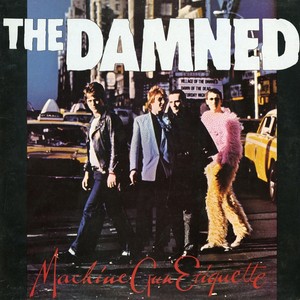
Machine Gun Etiquette
The Damned
|
5 | 3.16 | +1.84 |
|
Soul Mining
The The
|
5 | 3.17 | +1.83 |
|
Crooked Rain Crooked Rain
Pavement
|
5 | 3.25 | +1.75 |
|
You Want It Darker
Leonard Cohen
|
5 | 3.31 | +1.69 |
|
Celebrity Skin
Hole
|
5 | 3.31 | +1.69 |
|
Pornography
The Cure
|
5 | 3.32 | +1.68 |
|
Live Through This
Hole
|
5 | 3.32 | +1.68 |
You Love Less Than Most
| Album | You | Global | Diff |
|---|---|---|---|
|
Crazysexycool
TLC
|
1 | 3.08 | -2.08 |
|
Hunky Dory
David Bowie
|
2 | 3.99 | -1.99 |
|
Otis Blue/Otis Redding Sings Soul
Otis Redding
|
2 | 3.91 | -1.91 |
|
Happy Sad
Tim Buckley
|
1 | 2.79 | -1.79 |
|
Ys
Joanna Newsom
|
1 | 2.79 | -1.79 |
|
To Pimp A Butterfly
Kendrick Lamar
|
2 | 3.64 | -1.64 |
|
The Genius Of Ray Charles
Ray Charles
|
2 | 3.62 | -1.62 |
|
The United States Of America
The United States Of America
|
1 | 2.61 | -1.61 |
|
Maggot Brain
Funkadelic
|
2 | 3.6 | -1.6 |
|
Stankonia
OutKast
|
2 | 3.55 | -1.55 |
Artists
Favorites
Tap an artist to see their albums
| Artist | Albums | Average |
|---|---|---|
| Metallica | 4 | 4.5 |
| Led Zeppelin | 4 | 4.5 |
| Pixies | 2 | 5 |
| Nirvana | 2 | 5 |
| The Smiths | 2 | 5 |
| The Cure | 2 | 5 |
| Hole | 2 | 5 |
Least Favorites
Tap an artist to see their albums
| Artist | Albums | Average |
|---|---|---|
| The Mothers Of Invention | 2 | 1.5 |
| Joni Mitchell | 3 | 2 |
5-Star Albums (40)
View Album Wall








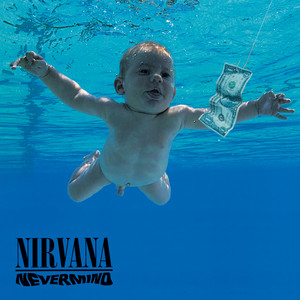
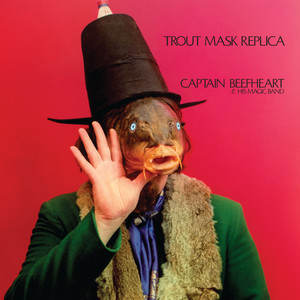


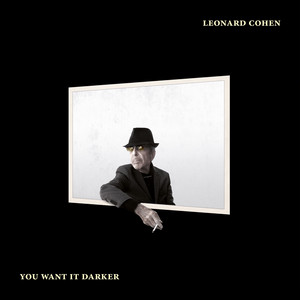


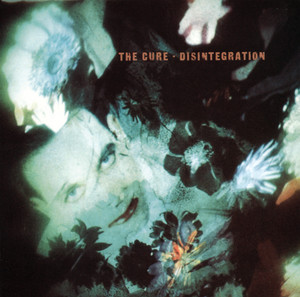





Popular Reviews
4.5 (70:08, 13 tracks, third album, 1998 ) nu metal Genre defining Never thought I'd give this album a 5 - need to read to understand why: Stylized as FOLLOW the LEADEЯ the band's most commercially successful album (5x Platinum) Singles, "Got the Life" and "Freak on a Leash" both music videos are insanely good. Launched nu metal into mainstream. Super long album probably would have been considered a double album pre-digital. Been meaning to review this forever – I was surprised how much I liked this album. In 1998 I was 28 and the album annoyed me as it was widely embraced by junior-high kids and they annoyed me. Album is insanely dark in places ("Pretty" describes the real-life rape and subsequent death of an 11-month-old by her father. Jon witnessed the mutilation as a mortician recovering her body. The infant’s legs were pushed back and broken. In other places it’s lighthearted fun (i.e. "All in the Family" with Fred Durst). Nu Metal mixing with rap (for example Ice Cube on "Children of the Korn"). I decided to give it a 5 even though Nu Metal isn’t exactly my genre because of its influence on the industry, the music videos popularity (near the end of the MTV era) and Jon’s ability to write deeply personal lyrics about his family, his traumas (as a ‘freak’) but also to make them commercially appealing. The collaborations are insanely good. Justin was written for a deceased 14-year-old fan (they granted a Make-a-Wish and visited him on his deathbed w/ cancer.) "My Gift to You" is about a fantasy to kill his wife to keep her forever and necrophilia (disturbing considering he was a real-life mortician.) Given his occupation "Pretty" is an especially disturbing song for me especially in context with the rest of the lyrics of this album. And then he ends with a lighthearted hidden track “Earache My Eye” which is just them in the studio riffing on Mexican stereotypes, marijuana and the Cheech and Chong song. (Still like Cheech's “Orelay” w/ Fred Durst) Without studying this album, I think I would have given 3.5 as I don’t desire to listen to it all the time. Pretty sure I’d rounded up to 4 for Ice Cube and Fred Durst plus the videos; however, after studying I’m giving one of my rare 5s. Toured with Fred Durst, "The Family Values Tour". The video for "Freak on a Leash" won Best Short Form Music Video A then-unknown Eminem appears as an extra in "Got the Life" music video; he can be seen in a brief close-up during the final seconds. Korn's After-School Special featured guest appearances such as Sugar Ray, Limp Bizkit, Deftones, Steve Vai, 311, and the Pharcyde. Follow the Leader features numerous guest vocalists, including Ice Cube on "Children of the Korn", Tre Hardson (SlimKid3) of the Pharcyde on "Cameltosis" and Limp Bizkit's Fred Durst on "All in the Family". The hidden track "Earache My Eye" features comedian Cheech Marin of Cheech & Chong. Jonathan Davis was a real-life mortician and lived in an apartment (like me!) attached to it – many attribute this to his dark lyrics for example "Dead Bodies Everywhere" (generally interpreted as anger at his parents, especially dad, for trying to force him away from music into mortuary science, literally would leave his apart to 'dead bodies' everywhere.) In a 2013 interview, the band revealed that they partied heavily during the production of Follow the Leader, with massive amounts of alcohol, drugs, and women in the studio. Davis explained further, saying that while recording the vocals for "It's On", there were "people getting blowjobs right behind me, there was girls banging each other in front of me, people getting boned in the closet right behind me, it was the craziest shit I've ever seen in my life and I sang that song." The cover art depicts a child hopscotching toward the edge of a cliff and a gathering of kids waiting to follow, The video follows this theme. (Must watch video) Korn toured with the band Limp Bizkit, as well as Ice Cube, Orgy, Incubus, and Rammstein. The album had five singles issued: "All in the Family", "Got the Life", "Freak on a Leash", "Children of the Korn", and "B.B.K." All songs written by Korn except "Earache My Eye" written by Tommy Chong, Gaye Delorme and Richard Marin. All guest appearances feature an extra writing credit by the guest. The album features 25 tracks (a minute of silence for Justin), 12 x 5 seconds each 1. "It's On!" 4:28 2. "Freak on a Leash" 4:15 3. "Got the Life" 3:45 4. "Dead Bodies Everywhere" 4:44 5. "Children of the Korn" (featuring Ice Cube) 3:52 6. "B.B.K." 3:56 7. "Pretty" 4:12 8. "All in the Family" (featuring Fred Durst) 4:48 9. "Reclaim My Place" 4:32 10. "Justin" 4:17 11. "Seed" 5:54 12. "Cameltosis" (featuring Slimkid3) 4:38 13. "My Gift to You" 15:40 (14.) (a hidden track in 13) “Earache My Eye Cheech Marin (and Chong) 6:40 Total length: 70:08 "My Gift to You" ends at 7:16. A hidden track entitled "Earache My Eye", a Cheech & Chong cover, starts at 10:50 after 2 minutes of silence and an interlude that lasts around a minute and 40 seconds. The track itself is around 4 minutes 50 seconds long. On the digital version, the tracks are separated. Jonathan Davis – vocals, bagpipes Head – guitar Munky – guitar, talk box on "Freak on a Leash" and "Dead Bodies Everywhere" Fieldy – bass, vocals on "Earache My Eye" David Silveria – drums Additional vocalists Fred Durst – on "All in the Family" Tre Hardson (SlimKid3) – on "Cameltosis" Ice Cube – on "Children of the Korn" Cheech Marin – on "Earache My Eye"
3.5 VERY IMPORTANT NOTE IF YOU ARE READING THIS - there are multiple versions of this album. For purposes of this project, it is EXTREMELY IMPORTANT that you source the 1991 "British" release as this is the electronica/dance pop/techno version which The KLF is known for. "Correct" Album 43:43 10 tracks, 4th and final (famous flame out) album I found out there are multiple versions 'the hard way' as I've seen The KLF live multiple times (Rave culture in the early 90s) and listening to their albums so I should have known better. However I inadvertently listened to a 2021 version (release) thinking it was just remastered for better sound - it was NOT it is a COMPLETELY different stripped-down version of the master tapes with all the post-recording productions (which frankly just IS what The KLF is known for, club music) stripped out. The 2021 remaster album should be considered a separate album and classed as Trance (it isn't bad, but it is definitely not the 1001 Album project album.) Other than this, once I listened to the correct version, it was a great throwback to a very different, younger time. I can't imagine just getting started at "3 AM" anymore but I have fond memories of when I could . . .
0.5 Holy fucking hell what the fuck!?! (49:51, 10 tracks, third album, 1967) OK - first the genre is described as "Acid Folk" on Wiki but really this is just trolling before there was the word trolling. What I figure is this was the 1967 version of getting "Rick Rolled" by a hippie. You would get this great advise, probably while stoned, 'hey man you need to listen to The Hangman's Beautiful Daughter' and then when you listened to it and realized you were Rick Rolled you'd jump in on the game and insist to your friends and family this was an awesome album and so forth until somehow this got entered in the annuls of music as actually somehow a serious project. These bastards are just trying to annoy you. A kazoo, a slide whistle; bad, I mean really bad sitar, a vibraphone. a whole shit ton of Jew's harp. I mean obviously they are trolling everyone. This should be most clear by the fact they are Scottish and choose NOT to use a bagpipe which would have been waaay too obvious that they were just trying to annoy everyone, Then there are lyrics like: "next week a monkey is coming to stay if I was a witches hat" (yes they spell this wrong too, probably to annoy) "sitting on her head like a paraffin stove I'd fly away and be a bat" AND for those that think I'm cherry-picking bad lyrics I'm not, this was fairly creative most of the other songs were worse. One has something about riding backwards on a giraffes (I'm guessing this is how they'd spell it) back and stopping occasionally to laugh. By the eight track - if you are still listening - you will absolutely wish you were dead. It's 7 hours long and it makes you want to commit suicide. Now get this - best of all I've reviewed 100 Album (this was literally my 100th) and this is the SECOND worst I've reviewed. I'm really looking forward to this Throbbing Gristle guy as I'm not sure how exactly you can trick the public into getting onto a 1001 list with worse than these two (other was The United States) but . . . I guess we shall see This is 100th album reviewed and it was a doozy.
Solid - country, blues and bluegrass. Really highlight's Ryan voice, some beautiful songs
1-Star Albums (6)


All Ratings (407)
One of the best Albums from the 80's. One of my favorite albums. Debaser, Tame, Wave of Mutilation, Hey and Gouge Away (also perennial favorite There Goes Your Man)
Great album too many throw away songs to rate a 5, wish there was a 4.5
Great Album from the 90's - I still think they should have dropped one song so there were 10 songs (I know the Mookie Blaylock story) but then they had the hidden track so . . . oh well still one the greatest grunge album that changed music forever
Surprisingly good in that Soul/R&B some Hip-hop is not my goal to genre. Concept album, 'educating oneself about love' (fairly long at 77:39). Quite different than the Fugees material, light on hip-hop heavy on soul. Has Carlos Santana as a guest musician. I think what I liked most is the album sounded raw (underproduced) for 1998. Contains radio hit Doo Wop (That Thing)
Blues more so than rock probably wasn't in the right space
took a few listens to appreciate - wasn't familiar with this album
Funk is not really my genre. I felt like this was an album I could’ve died without listening to.
Well. . . no doubt one the greatest albums of all time. Paperback Writer and Taxman are two of my favorites also Got to Get You into My Life
Always had issue with Muse as I felt they were too forced and just never liked the marketing -was glad to listen to this album start to finish as the album was tight and much better than I expected.
Country, more covers (including Dolly's Coat of Many Colors) but surprisingly good - more bluegrass and traditional (1973) than 90's country which was refreshing and Emmylou has a great voice. I recall not loving Emmylou growing up but Country wasn't my thing.
Very good - surprised to see it in the 1001. I don't feel like this is a true 4 or 5 in terms of albums that changed a genre, so I gave it a 3 (maybe unfair) because I feel like if this wasn't my type of music I would have been less likely to give it a high mark. I also feel like the music is fairly repetitive/formulaic to their other albums - it works great for 'trance' experience but I expect would get boring if they released many more albumes
Pretty sure this is my first 2, which I feel bad about as it's a great fun album from the 80's. A lot of radio friendly pop hits. I just don't see this album that influential and if we are to have a grading curve of any sort I can't give all 4's and 5's
Good live album
This is why the 1001 'challenge' exists - missed this album (don't even remember these guys) even though it is in my genre (1996 was a busy time for me.) Very good album. Loved the song God!, a lot on here. Took a few listens to recognize how good this album is (like many great albums they take a bit of time to acquire a taste.) Wish there was a 4.5 button, just can't justify a 5.
Well. . . how do you review one of the best-selling albums of all time other than a 5? I want to give it a 4.5 as it's not my 'go to' album right now but over the years I've enjoyed this album a lot (most rock fans have.) Remarkable influential album - deserves to be in the topo 25 of all time but for my blog purposes I'm giving it a 4 to save space for a handful of 5 I want to give (feel like every album of 1001 should be a 4 - 5 but grading on a very harsh curve.)
Solid Album I remember in 1979 just loving Van Halen's eponymous debut album and an older kid, whom I looked up to in every way, explaining to me that someday I'd understand why the Doors were a "much better band." Well . . . maybe someday Thad.
So I thought, 'well here's the first album I won't know a single song.' Press play and <BOOM!> Straight in to every 60's heist movie I've ever seen soundtrack. Solid. Not a huge organ R&B guy but much better than I predicted.
So this is my first 1-star album. It's odd too as I really like TLC's radio stuff, including the radio hit Waterfalls. I didn't love the album as a whole (and it's not the explicit content, which I was a little taken aback, I've heard and liked far far far worse) it was the Interludes - they just seem childish and sophomoric, I struggled through them. If I was a tween girl in 1994 I could see this being a lifetime 5 (and for those of you that feel it's a 5 I support you - continue loving it!) I do feel bad - I hope this is my only 1 but I just didn't like this album and I don't think it should be in the top 1001 - still if I hear Waterfalls on the radio (or other TLC hits) I'm still loving the song.
Prog rock gods - reminds me of Moody Blues. Creative for the time, led to an era of 4 song sets . . .
I'm sure for funk fans this was a life changing album but I don't see me listening to it much - glad I had the opportunity to listen
Always liked this album, still like this album. Has a lot of blues riffs from The Faces - great drumming.
Absolute 5 - Probably my favorite Beatles' album (most of the time -depends on mood) I remember listening to my mom's "North America" version which did not contain "Drive My Car", "Nowhere Man", "What Goes On" and "If I Needed Someone" all of which are fabulous songs (I guess they were on the next North American release). I really don't understand how you could just cut those songs for a whole continent and expect people to wait but . . . I guess those were different times. The album is MUCH better including these 4, and excluding "It's Only Love" and "I've Just Seen a Face" which belong on Help! and do not match the musical style of this album. "Norwegian Woods", "Nowhere Man", "Michelle", and "In my Life" are all in my favorite Beatles' songs of all time. Also "Day Tripper" and B-side (technically double A, calling both sides the A side) "We Can Work It Out" were released as singles during the Rubber Soul recording time period but not included (as was the style then) on their albums. Add those two songs and there is no doubt this was the Beatles at the peak of popularity.
OK so . . . the album is about 50% the first song - the parts that sounded like Kidsmoke (Wilco) I liked a lot, the parts where it sounds like their studio equipment was breaking down and they said, 'Fuck it, keep recording' I liked a lot less. Had they just stuck with the heavy bass line I think I would have really grooved to this album but . . . At one point they appeared to have snuck in the some naval sub pinging sonar for some reason. I feel like this is one of those bands you really have to spend some time with to fully appreciate. Didn't hate, don't love it. Do love Wilco! Closest contemporary in the genre that came to my mind is God is an Astronaut.
Punk Rock classic. I think about how many of these album "challenges" I've given a 3 to because I didn't understand the genre and just didn't have enough listening time to give it enough rotations For everyone giving The Damned a 3 - I forgive you ;-P
I don't like this album nearly as much as I should and I'm convinced it's the cigarette imagery messing with my subconscious. Also the way this album was marketed was super annoying in 2006. . . I try and love this album but I just can't.
Great album, pulls me into NYC in the 90's which is some outstanding writing (lyrics) but it's not a place I want to be pulled into. I don't want to live Nas' experience too often but definitely rates a spot on this list. "Live in New York City once, but leave before it makes you hard. Live in Northern California once, but leave before it makes you soft", Mary Schmich.
Solid - country, blues and bluegrass. Really highlight's Ryan voice, some beautiful songs
Hard album - angry album. I can see why people would love this album. It would take me too long to get into it. I know when I love an album I haven't heard before as I'll play it again on the way in to work and this morning I really wasn't feeling it.
This album gets better with time - I used to find Radiohead whiny pretentious bitches, still find Radiohead pretentious. . . but less whiny . . . enjoyed the album in it's entirety far more than the sum of the parts.
I feel like Kanye's earlier work should have been represented (probably is) - not a bad album but there is only so much Ye I need to listen to before I die.
5 - for so many reasons 1.) This is a live album and it sounds better than most studio albums, admittedly MTV (unplugged) had a lot of experience recording live 2.) This is acoustic (well . . . mostly, acoustic through an amp) and amazing 3.) Kurt is so put together (considering) - integrating conversations, the Meat Puppets (they were touring with) and random banter with his band and guest Lori Goldston 4.) ONE TAKE. Only two days rehearsal - amazing Considering Kurt's mental state it's just amazing this came together at all and wasn't a disaster.
I expected Madonna albums - I did not expect a 2000's album . . . I like a lot of her stuff, Like a Virgin era. She's a lot better singer and musician on this album and I'm sure in 2000 it was important development for her to stay current and relevant (and selling, I believe this album was a commercial success) but it's not my favorite.
A great album but I prefer the originals more in general. This album is mostly impressive due to the longevity of Cash's career (67 albums over 50 years.)
Blues really isn't my genre but it's a good recording and good album the man was extremely talented.
3.5 This is a punk album I sorta missed - I think if I had spent a lot more time with it, I would have gave it a 4 or even 5 but as a missed classic I'm not going back to this so I'll go 3. Wish there was a 3.5
3.5 Top notch for Rock "Opera" but still. . . Rock Opera Always thought this album was pretentious (nonetheless radio friendly) pop bubblegum; that is fun for a bit, tastes great at first but quickly loses flavor and you spit it out and move on. However I really did find that enjoyed this album FAR more in 2025 than 1977. Some of the lyrics are almost childish, and not in a fun camp Rocky Horror way - which annoyed me then but doesn't now. Jim and Todd Rundgren really set up Poor Fat Marvin (aka "Meatloaf") who's voice is actually far better than I remember it. Another solid 3.5, can't quite bring myself to give it a 4. I really do think this album wouldn't have sold a million though without Rundgren who is FAR under credited for it's success. (And as the story goes neither Jim nor Meatloaf really ever made anything off this album . . . though I image they negotiated better on 2, 3, and 4. . .)
4.5 Man I really love this album and it's hard for me not to give it a 5 as I could listen to this album any week of the year and enjoy it. It's so smooth it seems like it's a 15-minute album (it's 33:28 to include the cover of Ms. Robinson but exclude bonus materials.) Have to say two songs (eponymous and the cover) almost warrants a 5 but I was also somewhat surprised to see this album (one of my personal favorites) on a list of the most influential considering some they skipped. Don't be too upset Lemonheads - I love you just trying to be fair to 'others' :-P
3 I've always felt like White Stripes was a band I could really get into if I just had the time - still feel that way. Solid album but not currently something I'd revisit frequently.
4.5 Love this album. 14 songs which all seem full and complete delivered in 15 minutes. It's amazingly efficient. Frankly I shocked this album made the list but I think I should reframe my expectations from "1001 Best Albums" to "1001 most Influential albums" I had this album on a bootleg (record cassette to blank tape) cassette as a kid and loved it. I figured out if I ran as hard as I could I cover the 2.9 miles from school to home in 15 minutes and 25 seconds. This was only possible if the walkman was playing Group Sex.
Psychedelic Soul is just not my genre in general. I'm positive The Temptations body of work is WAY above of 2 but this album just isn't something I want to revisit (which is my criteria). I didn't hate it but I feel like they must have a better album.
5.0 This isn't even my favorite (The Queen is Dead) or 2nd favorite (eponymous) or 3rd (Stangeways, Here we come) but still definitely 5.0. When I get to The Queen is Dead I am ranking it a 5.5 because it's the best album ever! Note - if TQisD isn't on this list. . . this project is OVER!
3.0 Thought I'd enjoy this album more than I did. Probably would (frequent note by me) if I listened to it 20 times but only had time for 3 listens and just couldn't get into it. Not bad, but didn't love it - 3
3.0 Thought I'd enjoy this album more than I did. Probably would (frequent note by me) if I listened to it 20 times but only had time for 3 listens and just couldn't get into it. Not bad, but didn't love it - 3
3.0 I liked XTC in the 80's I remember this album more favorably then than I do now. Just OK. I love some of their other radio hits. Probably would love it more in 1988 but my tastes have changed a lot since and a lot of people since have improved on this sound. Still a solid and fun album.
4.5 Love this album just saving my 5's for truly massive drops and I feel like I'll hold off.
2.5 I got Dry by PJ Harvey about 20 albums back and gave her a 3 (rounding up) so I figured a 2 rounding down was fair. Dry she was angry and powerful and I really see why some people may have that album in their top 20 (not me but. . . ) This album was more contained but also more boring. A plus is her vocals have improved. She's got a powerful voice and is an amazing songwriter but I just can't get into her stuff. Same comment as Dry I think with time I'd come to like her stuff more but I don't have that kind of time.
2.5 Not a bad album but not something I would revisit. Most songs sound a lot like Up on Cripple Creek
4.5 One of the most influential punk albums of all time. Really do wonder what would have happened if they continued to record. Conflicted about giving it a 5.0. If every song was like Anarchy in the U. K. I think it would be a 6. As is a few songs are too repetitive.
2.0 This album didn't excite me. From the guys that broke the radio with You Really Got Me in 1964 it's a disappointing album. Note - I'm really not into concept albums or rock opera - if you like either or both. . . this may be your album.
2.0 OK somewhat apologetic for the 2.0 - I'm not a funk guy. Maggot Brain (song, not album) is phenomenal guitar work by Eddie Hazel. During this period, I don't think anyone was using the wah peddle more influentially except possibly Hendrix. HOWEVER - not enough to save this album from George Clinton and the heavy LSD influences. I didn't live through the early 70's but the rest of this album ESPECIALLY Wars of Armageddon is a bad acid trip which I did NOT need to listen to before I died. Still 100% agree this is probably one of the most influential albums of all time (especially for guitarists not just funk guitarists but everyone. There is no doubt a lot of what Prince and others did in the 80's in pop trace to this song.)
1.5 Not a big Psychedelic rock fan in general but add the circus element into this and it's just not aging well. I think at the turn of the 70's there was a lot of experimentation (and not just with LSD) going on in music and this was considered creative and influential. I just don't see me listening to it again (listened twice to see if it grew on me, it didn't. I think this is the 'way out there' music that takes a long time to grow on you without chemical aid)
3.5 (Genre birth - Shoegaze) 43:45 in it's original release. Trance really. Shoegaze. Good album - must be listened to in headphones (hard to appreciate otherwise). This is meditation music. A hike or a sauna session. Usually I do not like albums in the "psychedelic rock" genre but those were the years 68-72, the reboot of psych rock I'd actually describe as Trance and/or Shoegaze. There are times Trance is quite a mood enhancer and I feel like this may be one of those albums although I somehow missed the band entirely in the 80's
3.5 (4 side) I'm giving it a 4 mostly because it's one of the most known albums of all times. I greatly prefer Rubber Soul which is a controversial pick as best Beatles album. I think Abbey Road general captures that spot due to 1.) A much better title - Rubber Soul (a nod at sole and something blah blah) 2.) A much better cover - one of the most iconic photos in history. I dislike the Rubber Soul cover shot from underneath and the bubble font 3.) timing - Beatles were at their peak Still almost everyone would agree great album
3.5 Dream Pop - short - 10 song release 37:38 This album was the grandparent of Dream Pop and Shoegazing - moved the industry for this reason a lone I lean to a 4. However, I've always dislike Elizabeth vocalizing in nonsensical syllables - seems lazy. For a long time I thought they were French and not Scottish.
3.0 Long double album 7 songs 73:27. "Krautrock" a term I've never heard. It was good to hear this was done in the early 70's. Reminds me of Wilco. A lot of it was the sound track to a horror house, pulsating, building dread. Not terrible.
3.0 Never been a huge The Black Keys fan and never understood why, still don't. The first 4 songs sounded much better than I remember from radio play in headphones and I thought maybe I'd been unfair. The next 14 though were just too repetitive and I couldn't get into it. I can see why people like them but for me I'm going three (album I enjoyed but don't think I'll revisit)
4.0 Coldplay (early Coldplay) is one of those rare bands that got better with age. At first I thought they were just ripping off Radiohead but after 24 years I have come to appreciate this album much more. I've always thought Coldplay was a "better Radiohead," actually I'd prefer if Radiohead just swapped out Tom for Chris as Tom's voice is annoying and whiny for such an obviously influential band. I really enjoyed early Coldplay (this was their 2nd studio release). I believe Clocks (even though they were sued) is one of the best songs ever written from a music theory (and execution) perspective.
2.5 Didn't like the album at first sounded like standard Knarls Barkley Cee-Lo stuff. The 2nd half of the album was more personal and I enjoyed more.
4.0 I like Billy Bragg, but not enough to give this a 5, very influential but I never thought he had 'one great album.' This album is good as he collabs more (Johnny Marr, Bob Dylan etc.) I really like a few songs on this album. Ideology (and the 2006 alternative) still as relevant today 40 years later. With the 2006 reissue, edited to a single disc, I think this, in a theoretical world, could have been a 5. Deportees (Woody Guthrie), The Tracks of My Tears (Smokey Robinson) etc. and edit out some of the 'filler' but the rules of 1001 albums are 'original release format so. . . . 4
4.0 One of the 'redacted' (removed from future versions) albums - this is unfortunate as "world music" is underrepresented on this list and one of the reasons I've embraced this challenge. Surprisingly good. Not speaking Songhai I have no idea what the lyrics are but I assume they are strongly political. Many songs (including a titled song) include Mali. I believe they are technically Tadaksahak speakers which is a dialect of Songhai but their beats and hooks come through beautifully. I found myself singing in Tadaksahak.
3.0 New Wave meets Ska. I like the music, the horns are not annoying, Rowland's voice is. Just not into this singing style but didn't hate it as much as I thought I would, kinda Rocky Horror Picture Show
4.0 Came to like this album more on repeat listens. Only criticism is Suzanne is a bit pretentious in her lyrics, feels like she is trying too hard, but it was her debut album. I appreciate her trying. Straight Lines and Marlene on the Wall had the best hooks. I liked Small Blue Thing and Some Journey.
3.5 Probably one of the most important recordings in East Coast Hip Hop - but my rating scale is a 4.0 is an album I want to return to and just don't see me returning to this album. I did enjoy the album, Flavor Flav is extremely repetitive (maybe this is intentional) with the 'yeah boy' and 'cold medina' stuff but Chuck D is excellent.
3.5 Struggled with the rating, felt maybe a four but other than the radio hits I've heard hundreds of times I didn't like much else on this album. I think I decided Strong Enough is my favorite song on the album (which is odd as I didn't love it on radio play.) Finally settle on my rating system that this is a very good album but not one I would necessarily want to invest time listening to again, though I wouldn't at all if someone else had it on in the background. May still come back and upgrade to a 4
4.0 Classic metal album, possibly the most influential of all time.
3.5 Not bad - I didn't really know any of these songs and I do like some of Dwight's radio hits but it was a solid 'full album' that plays out loosely as a concept album
4.0 Hip Hop classic from three Jewish boys from the Bronx. Timeless and classic.
3.5 I owned this album and heard of this band ONLY because in the Marine Corp a buddy of mine meant to buy a Firehouse (glam rock band out at the same time, a lot of radio hits). He couldn't find the one he was looking for and bought this album by mistake. He immediately said, "what is this shit!?!" and, since I was known for eclectic musical tastes, it wandered down my way. I Liked it then - still do. Note - if you're a Firehouse fan - I'm guessing this isn't your project - just sayin' but I can see why Firehose ins't for you :-P
3.5 (Genre birth - Bakersfield) I get for many this isn't their style but Bakersfield country wouldn't exist without Buck. No buck no George Strait or Alan Jackson. Steel guitars are great. It was a legendary album and influenced genres far beyond country (especially to include rock).
3.5 to be reviewed - tired today
4.0 72:17 (long albums, a lot of gangsta skits run up track count) 24 tracks Great album but by 1991 I'm not sure we needed another album from Ice (Tracy) to define the West Coast hardcore sound. Power and Rhyme Pays are better albums for this list. A few things I liked: 1.) He gives MC Hammer the street cred he could never get on his own - this was well played 2.) Body Count is a much better heavy metal band than most people give Ice-T credit for 3.) He finally fixed Flav's stupid ass Cold Lampin' (leaning against a lamp post while working the streets) to Cold Lounging which is a big improvement 4.) Still gave it a 4 - a few tracks (Midnight looking at you) are filler and added nothing but other tracks were cuttin'. I disliked the use of the Asian bitch voice. If you don't agree with me, you can suck my dick
3.5 VERY IMPORTANT NOTE IF YOU ARE READING THIS - there are multiple versions of this album. For purposes of this project, it is EXTREMELY IMPORTANT that you source the 1991 "British" release as this is the electronica/dance pop/techno version which The KLF is known for. "Correct" Album 43:43 10 tracks, 4th and final (famous flame out) album I found out there are multiple versions 'the hard way' as I've seen The KLF live multiple times (Rave culture in the early 90s) and listening to their albums so I should have known better. However I inadvertently listened to a 2021 version (release) thinking it was just remastered for better sound - it was NOT it is a COMPLETELY different stripped-down version of the master tapes with all the post-recording productions (which frankly just IS what The KLF is known for, club music) stripped out. The 2021 remaster album should be considered a separate album and classed as Trance (it isn't bad, but it is definitely not the 1001 Album project album.) Other than this, once I listened to the correct version, it was a great throwback to a very different, younger time. I can't imagine just getting started at "3 AM" anymore but I have fond memories of when I could . . .
3.5 56:56 - long album, Debut (of Gorillaz, certainly not Blur) 15 tracks as originally released. A lot of great songs but too much filler to get up to a 4. I love Blur too - the concept, with artwork thought, is a 5 - insanely creative to create a virtual 'animated' band that never ages kudos to Blur (Damon Albarn) and Jamie Hewlett for this.
39:23 (8 tracks) - third album by Springsteen Fully recognizable songs and I felt the sum of the whole was actually greater than the sum of the parts. I've always felt Born to Run was a little too over celebrated, but the other songs are also classics and I really enjoyed 9:34 Jungleland far more than I thought I would. Pleasantly surprised to give this album a 4.
3.0 43:44 (14 tracks original cut) 4th album 1995 I love punk but this really isn't 'punk' per se. It isn't a bad album just didn't get into it either.
4.0 (58:37 13 tracks - released posthumously - 3rd and last album) Second West African (Mali) group on the list and I liked both.
3.5 57:23 (13 tracks, last hidden a cappella) Full of radio hits - hard not to know this album
2.5 57:11 (12 tracks, debut), 1992 I liked it a lot more while walking with headphones. Still Tori comes across as whiny. While I applaud her work founding RAINN; it doesn't mean I have to love her music. I've always felt she and Davitt Sigerson exploited for money her personal tragedy. I really feel like Tori could have remained a classic pianist (for a lot less money and fame) but choose this route. Still for anyone who loves this album I don't want to take anything from you - she is a talented musician and artist.
4.5 44:45 (9 tracks) Debut Album. 1969 Classic album that further merged blues/folk with rock and cemented England as a 'home away from home' blues mecca (Yardbirds, Cream, Jeff Beck, Clapton, etc., etc., etc.) It's hard to overstate how important this album was to all rock to come. I give it a four (not five) only because I'm very stingy and it's not my favorite Led Zeppelin album but again it's probably the most influential. Interesting trivia is Page paid for the recording out of pocket, and it cost under $2,000 (that's about $41k USD in 2025, which for a musician without a fan base after leaving the Yardbirds. This was a heck of a gamble; obviously he knew he was on to something.) This investment gave Led Zepplin artistic freedom most bands in the 70's and 80's never enjoyed. Had this not happened who knows what Zepplin II, III, IV, et. al. may have sounded like.
4.0 51:56 (11 tracks, 1994 debut) Better than I expected. I've always considered them Beatles want-to-bes but the album was good. Production/sound wasn't great is my main complaint.
5.0 39:28 (10 tracks, debut album, 1979) Just groundbreaking, as is so often the case Ian (Curtis) was obviously conflicted but a beautiful album and who knows where Joy Division would have went had he battled through? (Not that New Order wasn't an outstanding band as well, just a very different direction for the 3 surviving members.)
3.0 51:40 (13 tracks, 3rd album, 2004) Latin Hip Hop (U.S. band, LA) heavy salsa and jazz influences. English Spanish mix - not bad.
4.5 (72:17, 18 tracks, (4 skits), 2000 third album) The album that ensured Marshal would be a cultural phenomenon. After this album no one didn't know who Eminem was. I enjoyed the Mel-Man productions far more than the horrorcore of F.B.T.
6 This is the best album on this list IMO
2.5 (63:49 but still a double vinyl record, not sure why. 17 tracks. 1969. Sixth studio album) So I totally associate the Bee Gees with disco, I'm guessing most everyone does, and the mid to late 70's. I had no idea by 1969 they had released six albums. The album opens with a long rock opera about (apparently, I had to google this) a made up shipwreck and I expected a rock opera. Not being a rock opera fan I wasn't terribly optimistic but given the Bee Gees success in the 70's I was intrigued. The album turned out to be mostly unrelated tracks with a 'sea shanty' theme. I really didn't find much in this album which I want to return to. I enjoyed the two instrumental tracks the most which is fairly damning in itself. It was hard to categorize what genre this album falls into chamber music? Pop Country (some tracks). I didn't hate it and I am super glad I did listen to it 'once' to understand the Bee Gees and the transition of music from the 60s to the 70s to 80s. It's easy for me to forget that music and entire genres (for example Disco) don't just 'happen' but a sound and a 'scene' evolves collaboratively over time.
3.5 53:46 (debut, 2017, 14 tracks) "Alternative R&B", American Pleasant album - never heard of Kelela. Not exactly my genre, would describe more as neo-soul than "Alternative R&B". It's soul plus electronica (some songs more than others, I preferred the ones with less.) Somewhat sounds like what Sade might sound like if she was born 30 years later. Probably not coming back to this but if someone suggested it during a road trip I'd be on board.
2.5 57:20 (12 tracks standard format, 6th album, 1997) R&B (technically - more hip-hop pop but this is probably why it's a 'must listen') Fair amount of Sean Combs influence taints the legacy but . . . then again does it? Overall each track is pleasant, some a bit too long The Beautiful Ones (a Prince cover that adds nothing) is far too long and should have been dropped for something else. Collectively the album is boring, slow and benign; however, a pleasant shift away from the pop and long frills she was known for to a more pure R&B sound. I'm glad I did listen to it - a side of Mariah I forgot or undervalued. It's not a terrible album, I enjoyed it more than I thought and struggled with rating 3 vs. a 2 but in the end decided I really don't want to revisit this album and, in fact, took a 'break' in between to listen to ANYTHING ELSE (which I never do) but the back half of the album just gets so boring (first 4-5 tracks aren't bad) so. . . 2. Though there is nothing 'wrong' with this album, if on a long road trip and someone really wanted to play it I wouldn't object.
to be rated
2.5 (37:13, 9 tracks, 1981, 3rd album) synth pop Boring. I realize this was a transitional album during the post-punk/new wave movement and kind of set the side for the 80's but looking backwards this album isn't their best and it is just bland listening. Lean 3 side of 2.5 as I'd definitely listen to it again if I had time and. . . given enough time may come to have really like this album but there are too many better albums to invest that time in 2025
2.5 (only 35:36, live album in Chicago, 9 tracks, none written by Vaughan) Jazz I like 50's Jazz and thought I'd like this album more but just couldn't help but feel Sarah was mailing it in, she messed up songs, forgot lyrics, went into some unnecessary scat. I get it was a live album but either rerecord or do another take Maybe fans back then were more forgiving with their money but if I spent an hours pay or more on her record I'd expect better. Maybe this was all just contrived to make it seem more intimate (but then I'd feel played?) Other than this Ms. Vaughan's voice was loving and the playing top notch. The recording was sub-par by today's standards but for 1959 was probably outstanding.
4.5 (43:18, 7th solo album (excluding the S&G days) 16 tracks in orginal bonus material is worth a once around if you have time too, especially Paul talking on the making of the song Graceland, 1986) Great album - this is how you culturally appropriate 'right' (note I didn't say misappropriate). Paul someone weaves American country, pop, zydeco, and mbaqanga (South African street music) into a very cohesive beautiful album. I owe this a longer review if I find time to come back to it.
3.0 (41:24, 9 tracks in original 1978 format (couldn't find), 13 in the 2007 remastered, debut album) Basically, Magazine is spinoff after the Buzzcocks broke up - Howard Devoto created a more progressive sound now known as "post-punk" (then new wave or artistic rock). They released only 3 albums before breaking up in 1981 and the lead guitarist forming another spin off Siouxsie and the Banshees, Deveto formed a less successful solo project.) Better in headphones. I have to respect how groundbreaking this was at the time as the 'post punk' genre had not been invented yet but overall there wasn't anything I loved. I'd listen to it again.
2.0 (42:21, 10 Tracks in 1983 format; 2005 bonus adds 6 tracks, 72:10, second album) New Wave, Pop 2nd album but Eurythmics were unknown after their first album, in many ways this was their breakthrough debut album. Radio hits everyone knows, not much else. Everything after Sweet Dreams (Are Made of These) (sic - I know it's "this", always know this, but "these" rhymes well with "seven seas" so why Annie?) was boring. Hated Jennifer and This House. Don't need more synth pop in my life. Thought it would be a 3 but the back half irked me. The 2005 bonus tracks (while technically I don't include tracks not on original release in my rating) broke the 2 vs 3 tie they were all garbage including, dare I say, a Lou Reed cover.
3.5 (45:28,11 tracks, 2021, seventh album); Americana/folk Not a bad album, I think people misunderstand Lana Del Rey when they criticize her for being boring. The genre is not pop or rock, she is recording in the genre. It's definitely a stripped-down sound that not everyone will find interesting. I'm not a huge fan of Lana but this album was pleasant enough, there weren't any stand out tracks. The album wasn't as good as her previous Norman Fucking Rockwell.
3.0 Great first song - hard to top it after that. If you're into Soul you're probably upset I only gave it a 3 but. . . honestly just not my genre. I will say this is 1000 times better than the next album I review.
0.5 Holy fucking hell what the fuck!?! (49:51, 10 tracks, third album, 1967) OK - first the genre is described as "Acid Folk" on Wiki but really this is just trolling before there was the word trolling. What I figure is this was the 1967 version of getting "Rick Rolled" by a hippie. You would get this great advise, probably while stoned, 'hey man you need to listen to The Hangman's Beautiful Daughter' and then when you listened to it and realized you were Rick Rolled you'd jump in on the game and insist to your friends and family this was an awesome album and so forth until somehow this got entered in the annuls of music as actually somehow a serious project. These bastards are just trying to annoy you. A kazoo, a slide whistle; bad, I mean really bad sitar, a vibraphone. a whole shit ton of Jew's harp. I mean obviously they are trolling everyone. This should be most clear by the fact they are Scottish and choose NOT to use a bagpipe which would have been waaay too obvious that they were just trying to annoy everyone, Then there are lyrics like: "next week a monkey is coming to stay if I was a witches hat" (yes they spell this wrong too, probably to annoy) "sitting on her head like a paraffin stove I'd fly away and be a bat" AND for those that think I'm cherry-picking bad lyrics I'm not, this was fairly creative most of the other songs were worse. One has something about riding backwards on a giraffes (I'm guessing this is how they'd spell it) back and stopping occasionally to laugh. By the eight track - if you are still listening - you will absolutely wish you were dead. It's 7 hours long and it makes you want to commit suicide. Now get this - best of all I've reviewed 100 Album (this was literally my 100th) and this is the SECOND worst I've reviewed. I'm really looking forward to this Throbbing Gristle guy as I'm not sure how exactly you can trick the public into getting onto a 1001 list with worse than these two (other was The United States) but . . . I guess we shall see This is 100th album reviewed and it was a doozy.
4.5 (40:44, 9 tracks, 1969, 2nd album (surprise)) Better than Led Zeppelin I, not as good as Led Zeppelin 4 Why didn't I give it a 5? Because I'm stingy with 5's and saving my Zeppelin 5 for Zep IV. Still a great album. Looking at the online criticism (and really there isn't much, just don't sort by top comments) it appears almost everyone gives this a 4 or a 5. For those that don't. . . I don't get the criticism that it's 'cock rock' well duh of course it is. It was 1969 and all 4 of them were having more sex with young beautiful women than should be humanly possible. Plus I'm listening to my album 102 now Joni Mitchell's Blue - you won't hear me complaining this is Pussy Pop (can't think of a word for the vulva that rhyms with rock, or actually folk. I would say it's 'joke folk' but for folk it's not bad . . . I digress.) My point is 49% of the population has a cock and they need something to rock to; so fuck off militant feminists. Other criticism Do they sing about sodomizing women? Maybe. Do they sing about sexual relations with minors? Probably not, this is extrapolation. They did just fine with of age teens/twenties but I doubt they checked a lot of IDs. Do they use the word baby waaaay too much? Well, OK I'll give you that one. At any rate just a classic - stole a lot from Chicago Blues but others would just say they were 'influenced' by the Blues. Considering it was recorded while touring one of the best piecework albums of all time.
2.5 (36:15, 10 tracks, 1971, 6th album) folk So if I'm ever looking forward to a 35 minute nap on a road trip and someone says, 'how about Joni Mitchell's Blue?' I'm gonna be like, "Fuck yeah, crank that bitch to 4!" Not bad, considering it's folk. Enjoying the instruments. I think Joni is a better guitarist than lyricist but always impressed by singer songwriters. Overall boring. Some of the hippie slang hasn't aged well. I find how she hits the high notes annoying
2.5 (53:46, 19 tracks, 1 is spoken word, 1985, 9th album) Experimental Weird genre, apparently I have to get used to Tom Waits as he has 5 albums on the list. Didn't love it, didn't hate it. Some good instruments. Album takes from so many different genres it's hard to define. Waits voice is gravelly. The album is best described as avante garde. I like the song Downtown Train the most but it seems out of place on this otherwise weird album.
4.5 (genre birth - Punk) (34:33, 8 tracks, 1969, debut) Pre-punk Includes I Wanna be Your Dog, 1969, and a 10-minute version of We Will Fall. For anyone that loves punk and everything that followed - these are your grandfathers! So hard to understate how important this album was to the development of punk which led to almost everything good in the 70's and 80's (even if you don't like punk - to include hard rock, no Stooges, no Van Halen.) A lot of this album is in the same general genre/sound as The Rolling Stones and The Doors et. al. 'rock' at the time but moving rock to a more unpolished 'garage sound' (1969 for example, great song, but not groundbreakingly new sound, almost Stones-like in the beginning) and then out of almost nowhere they recorded the 2nd track "I want to Be Your Dog" and this was a "Smells Like Teen Spirit" moment where basically a generation of pre-teen, and young teens musicians who became the punk artists 6-7 years later said "what the fuck was that?!? I need to figure out how to recreate that sound." It's hard to understand looking backwards why this song was so groundbreaking as soooo many other songs sound just like this punk riff/beat but that is EXACTLY why this song was so important (they invented it). Out of all the garbage experimentalizing of psychedelic era that NO ONE copied (thank God see some of my 1's reviews) The Stooges created a sound no one else was recording at the time, seemingly out of nowhere. And almost singlehandedly (this is hyperbole for effect) created punk. It would be like if in 1969 The Bee Gees suddenly recorded Saturday Night Fever out of thin air creating a whole genre (e.g. disco) Note - they did NOT, listen to some of their work in the late 60's good, very experimental, but nowhere near disco. Typically, a sound takes many years and a whole scene to develop but . . . every once in a while, an artist just picks up an instrument and decides to play it in a way no one ever has before (Hendricks, Eddie VanHalen with tapping, et. al.) and this was one of those moments. Rest of the album is great but the B side is just more moving rock to punk through a heavier, dirtier, garage sound. Thank you Stooges for your contributions!
4.0 Hard album for me - Morrissey (including The Smiths, has 11 albums on this project - that's a full 1% of all albums of 'all time' which is insane. One was 'redacted' (removed in a later edition but still 10 is crazy.) I absolutely love Morrissey but I don't find this his best album so how do you rate it. Struggled as I think if this was his first album (or even first solo) it would have been revolutionary (a 5) but by 1994 most of the songs sound in the same vein as other work he has done. If I ranked all the albums this isn't on the bottom quartile but probably middle - that would be a 3 but no way. I'm going 4, reserving 5's for some of the better work but. . . it would be a 5 if this was his only album and died young.
4.5 (37:37, 8 tracks, debut album, 1976) Arena Rock Album was their debut and plays like a greatest hits album. Was surprised how much I enjoyed this album and that I'm giving it a 5. However, this album I could listen to so many times and it always puts a smile on my face. Not a bad song on it! 1. "More Than a Feeling" 4:45 2. "Peace of Mind" 5:02 3. "Foreplay/Long Time" 7:47 4. "Rock & Roll Band" 2:59 5. "Smokin'" 4:19 6. "Hitch a Ride" 4:11 7. "Something About You" 3:48 8. "Let Me Take You Home Tonight" 4:44
3.0 To be reviewed - one of the 'redacted' (future editions) albums
(41:51; 8 tracks, 2nd album, 1970) Heavy Metal Hard to understate how important this album was in 1970 to the development of Heavy Metal. So much hippie garbage and phychodelic rock was dominating that Black Sabbath took the industry a different direction. 1. "War Pigs" 7:57 2. "Paranoid" 2:48 3. "Planet Caravan" 4:32 4. "Iron Man" 5:56 5. "Electric Funeral" 4:53 6. "Hand of Doom" 7:08 7. "Rat Salad" (instrumental) 2:30 8. "Fairies Wear Boots" 6:15
4.5 (47:02, 9 tracks 1990, 7th studio album), late generation Synth Pop I find it hard to believe that this was released in 1990 not because it seems newer but I could have sworn I listened to it in the late 80's, probably because Personal Jesus was released so long before the album. Contains so many hits - going to edge it to a 5 - may reflect later and downgrade to 4
3.5 (58:26, 14 tracks, 9th album, 1999) dream pop. Probably need to listen to this a few more times, might drift up to 4.0 on multiple plays. I found it pleasant (some of Flaming Lips I find somewhat provoking almost like a joke-band, but none of that on The Soft Bulletin). Definitely a departure from their sound to much more 'layered' dream-pop.
3.5 (36:10, 9 tracks on the "U.S. release", 6th album, 1980) Heavy Metal Who would have ever thought that a guy in leather singing a song about Grinder (looking for meat) would have turned out to be gay? I like this album. Recognize Priest and Sabbath contributed more to heavy metal than almost any other bad. The thing is Sabbath did it in 1970 (coincidently, or not I got Paranoid (Sabbath) just the other day. I give a lot more credit to Sabbath for clearing the path but the English sure did embrace metal. This was their 6th album, and I consider their best, moving away from a darker sound and more melodic (some criticize as 'over polished' but I like it - what is wrong with music sounding good? However, if you were into their earlier stuff there is no doubt this sound must have felt a bit like 'selling out.' Remember no British Steel, no RATT (some may say that's argument against it) or any of the other metal that surged in the 80's)
2.5 (2:19:54, yes two hours+, 22 tracks, debut, 1997) British Drum and Bass Mercury Prize winner (best UK album of the year, also certified platinum in UK). Really not sure why Onallee (Tracey Bowen) wasn't more credited as it is a vocal heavy album. I don't feel she adds a ton but 2 1/2 hours of drum and bass alone would have gotten pretty repetitive. (It still got repetitive). I feel like this album would have been more cutting edge in 1990 at the height of the Rave culture. Four singles, "Share the Fall", "Heroes", "Brown Paper Bag" and "Watching Windows". Given the length of the album I think my 3 listen goal is going to have to be waived. Clearly a UK bias to include this in a must listen list but not a bad album - not my genre and I still enjoyed it. Kind of Trance. Main criticism - too long.
Need to review on PTO
3.5 (56:41, 16 tracks (5 are skits), debut, 1992) hip-hop (alternative h-h, joke hip-hop) OK this band certainly sounds like they could have put out one of the better non-gangster alternative hip-hop albums of the 90s but they just couldn't stay serious. Here is my equation for how to build a Pharcyde 4/8 Arrested Development + 2/8 Will Smith + 1/8 Skee-Lo + 1/8 Afroman = Pharcyde Another commenter said "it's like a kid good enough to make the NBA but wastes his skills throwing suction cup dildos into increasingly difficult places to reach" - couldn't have summarized it better. Band literally raps about jerking off, vaginal fisting, a whole song (4:22) of Ya Mama jokes, eating brains, everything, it's just a hot mess. Perfect album if you're in junior high. Pretty much loved Quinton's on the Way (it's a skit but captures the damn album) Didn't hate the album (was on the west coast in 1992, never heard of them - but then gansta rap was king
3.5 (40:36, 13 tracks, debut, 1998) heavy metal/ Nu Metal OK so I disliked SoaD in 1998, I don't like the metal gwaaaar sound and the elf talk is worse (but I do like some metal); however, I really never gave them a fair shake. After listening to this album once I moved from 2.5 (leaning 2) to 3, then four more listens and I'm up to 3.5 leaning 4 (that's probably the biggest movement over listens of my 115 albums rated). Serj has an insane range for any genre but has to be the best in metal (wish haters could comment here and prove me wrong). Personal Favorite - Spiders Always loved the artwork (Heartfield) and use on this album "Open your eyes, open your mouths, close your hands and make a fist"
(1:25:43 double album, 17 tracks, 1976, 18th Album) R&B/Soul Eighteenth album - incredible - for Stevie Wonder. Singles: I Wish Isn't She Lovely Sir Duke Another Star As Pastime Paradise is infinitely recognizable as Coolio's rework Gangsta's Paradise. I Wish (Wild Wild West, Will Smith)
5.0 (Genre birth - Grunge) (33:21, 13 tracks, 1988, debut), proto-Grunge Impossible to underestimate how important this album was to the development of music. In 1988 alternative (aka "College" radio was getting stale, The Smith/Cure sound had been explored entirely, synthpop was dead, College Radio (REM and Jangle Pop was five years old) and the industry was desperate for something new. Almost out of nowhere Boston band Pixies hired Chicago producer Steve Albini to record the first "Grunge" record. While the album was not commercially successful until 5 years later, this kicked off everything known later as "Alternative Rock" - approximately 50 of the albums on this list (many are top 50 rating) owe their existence to this album. So many artists wouldn't even exist without this album. I remember telling my friends in 1988 (or 89?) it was impossible to understate how important Gigantic was (a song Kim denies is about painful interracial (1986 film Crimes of the Heart) intercourse. . . but it is.) Equally confusing was the flamingo dancer's breast which were on the larger end of the spectrum for 1988 (mostly pre-enhancements era). The album's name Surfer Rosa was selected DIRECTLY because Gigantic and the album cover art would draw an incorrect analogy. "Where's my Mind At?" (in no small part it's role in Fight Club) finally broke Pixies as the most influential band of the 80's (retroactively awarded by many critics). No Pixies = no Nirvana - no Smashing Pumpkins - no Alternative - no Grunge
3.5 (genre birth - Trip Hop) (63:23, 13 tracks (4 skits), 1996, debut) trip hop Trip-hop sampling record - hard to classify. Hypnotic in a trance way, strong hip hop beats. This album birthed trip-hop which became Chill Lofi. In 1996 it took a master to produce this masterpiece pre-editing tools, pre-internet samples everywhere. What took DJ Shadow a year now takes A.I. 1.482 seconds (which is sad.) It's easy to overlook the genius of this album. People criticize as it's not his music but you put this together - it sampling at it's best. What he's creating sounds nothing like anything he took it from. NO ONE TELLS A BAKER - it's just butter, flour, sugar, eggs, and milk (vanilla, spices, salt, and baking powder.)
3.5 (43:28, 9 tracks, 1976, 5th album) Rock (future country) Eagles became essentially the proto-type for 90's country revitalization. I don't love every song on this album but there are some great ones. Only album with the greatest Eagles Lineup (Joe Walsh, Randy Meisner bass, Don Henley and Glenn Fry) Singles: New Kid in Town Hotel California Life in the Fast Lane Lost best album to Fleetwood Mac's Rumors; however, remains one of the best selling albums of all time.
4.0 (Genre birth - College Radio/Jangle Rock) (44:11, 12 tracks, 1983, debut) College Radio (Jangle Rock) In 1983 REM took college radio a new direction and brought "Alternative" to the masses. No REM, no Radiohead. REM denoised the increasingly noisy punk scene which dominated alternative rock at the time. College Rock eventually became Indie. Opening with their magnus opus - Radio Free Europe - "College Radio" was born. Track listing - best songs ** ** "Radio Free Europe" – 4:06 * "Pilgrimage" – 4:30 "Laughing" – 3:57 ** "Talk About the Passion" – 3:23 "Moral Kiosk" – 3:31 "Perfect Circle" – 3:29 "Catapult" – 3:55 "Sitting Still" – 3:17 * "9–9" – 3:03 "Shaking Through" – 4:30 "We Walk" – 3:02 "West of the Fields" – 3:17
3.5 (49:20, 15 tracks, 1998, compilation) Wilco and Billy Bragg split duties writing music for previously unheard lyrics by Woody Guthrie. Woody's daughter, Nora Guthrie, contact both to create Mermaid Avenue. A second volume of recordings, Mermaid Avenue Vol. II, followed in 2000. I love Wilco, like Bragg a lot (love some songs) and respect the hell out of Guthrie so I wanted to love this album but for me it's just OK. Beautiful in many ways but not an album I plan to put on frequent repeat. Best song - Songs in a Minor Key 1. Walt Whitman's Niece 3:53 - Bragg 2. California Stars 4:57 - Wilco 3. Way Over Yonder in the Minor Key 4:06 - Bragg 4. Birds and Ships 2:13 - Bragg 5. Hoodoo Voodoo 3:12 - Wilco 6. She Came Along to Me 3:26 - Bragg 7. At My Window Sad and Lonely 3:27 - Wilco 8. Ingrid Bergman 1:50 - Bragg 9. Christ for President 2:39 - Wilco 10. I Guess I Planted" (Music: 1997) 3:32 - Bragg 11. One by One 3:22 - Wilco 12. Eisler on the Go 2:56 - Bragg 13. Hesitating Beauty 3:04 - Wilco 14. Another Man's Done Gone 1:34 - Bragg 15. The Unwelcome Guest - 5:09 Bragg
2.5 (78:51, 16 tracks, 2015, 3rd album) Hip-Hop ("Gangsta Rap done right"?) IMPORTANT NOTE: If you're not familiar with Kendrick or a hip-hop fan I highly recommend you start at track 13 (The Blacker the Berry) and loop through 14, 15, and 16. This is the best part of the album and Mortal Man (the spoken word parts) will help a lot understand what Kendrick is attempting. I still don't get it but I really wish someone had given me this advice as by track 12 I had all but checked out. Almost universal acclaim, I must not get it? I salute Lamar confronting racism but too many distractions. I don't hate the music but Lamar's vocalization style is annoying (U is just awful). Talking about boo-boo and all the sexual references just seems immature and doesn't add anything. Either do Gangsta Rap (Ice-T's O.G.) or do a political statement (Public Enemy's It takes a nation . .. well except for Flavor but you know his role is to be everyone's loveable but retarded little cousin.) Album was too long, too immature, not political enough (and/or not gansta enough), it wasn't catchy. Personally I think Lamar was riding a wave of good sentiment from the previous two. Not a terrible album for the community (obviously many love this stuff) but not a great album. Best track - The Blacker the Berry Best parts of the album - all spoken word 1. Wesley's Theory 4:47 2. For Free? (Interlude) 2:10 3. "King Kunta" 3:54 4. "Institutionalized" 4:31 5. "These Walls" 5:00 6. "U" 4:28 7. "Alright" 3:39 8. "For Sale? (Interlude)" 4:51 9. "Momma" 4:43 10. "Hood Politics" 4:52 11. "How Much a Dollar Cost" 4:21 12. "Complexion (A Zulu Love)" 4:23 13. "The Blacker the Berry" 5:28 14. "You Ain't Gotta Lie (Momma Said)" 4:01 15. "I" 5:36 16. "Mortal Man" 12:07
4.0 (38:34, 11 tracks, 2009, debut) dream pop OK for everyone criticizing it as "boring" - I get it, its repetitive and can be boring but you're not getting the genre (dream pop) Driving bass beats, post punk drumming, minimalist atmospheric sound at its best. This is great and I'd give it a 5 if they could have held the vibe for all 11 tracks. Mood music for when you to tune out by tuning in. Music is almost spooky good.
2 Sick today - I'll type up later but suffice to say I'm not a Tom Waits fan and I think two albums is enough (this is my second, sounded like the first, both are some kind of weird creepy house of horrors sound tracks out of voodoo New Orleans or something. I think he has 5 albums which is 4 too many)
2.0 (33:49, 10 tracks, 1971, 17th album) Psych Pop I'm not a fan of Psych Pop and the Beach Boys didn't do a lot to help this. Not the worst album by far in this genre but some of these tracks were just week (or filler? "Student Demonstration Time" is abysmal On a positive - the album cover and it's introspective "end of the road" tone is welcoming (especially if you're going to to title your album Surf's Up.) On the negative - Album seems pieced together, no cohesion. Keyboards are terrible. Too slow - I figure if you're the Beach Boys just stay true, record another feel good clean album (by album 17 they had grown weary and tired, see above in positives) and let your fans come to your concerts to hear your hits.
1.5 (34:12, 13 tracks, 1963, N/A) Christmas OK this doesn't belong on this list for a lot of reasons 1.) It isn't all that great. As far as Christmas compilations go there are better. (Nonetheless Rolling Stones put it as the 142nd greatest album of all time? ¯\_(ツ)_/¯ ) 2.) Compilation albums are barred from this list, if compilation albums are allowed I can think of 500 "greatest hits" albums that should be on this list (I realized this was released as an individual album but still - stretching it 3.) Phil Specter - eewww These aside Specter adds his 'wall of sound' to Christmas and I guess in 1963 THERE wasn't much better. People like this album. I don't see me returning to it. Best Christmas Album Vince Guaraldi Trio (A Charlie Brown Christmas)
(68:34, 13 tracks, 2010, 5th album) Hip Hop Why redact the George Condo artwork? Not terrible, a lot of sound. I'll come back and add more later want to see the next album.
3.0 (34:32, 11 tracks, 3rd album, 1970) folk (country folk) Kind of a boring album. I've never been a huge fan of Neil's whiny voice. Neil has garnered much more respect over time than when this was released.
3.5 (43 minutes, 10 tracks, debut?, 2017) trance (electronica) Jane Weaver has been around the UK folk scene for a while, not sure if this was her first studio album. Spacey lyrics with a melodic electronic beat. A pleasant album but I agree with another reviewer I'm unsure why this album is included on this list (he gave a 2, I'm far more generous at 3.5 as I like this album) . Clearly the book has a bias toward songwriters. I can say if this album is considered psychedelic (I don't consider it this) it makes the genre (one of my least favorites) very accessible.
3.5 (31:36, 8 tracks, 12th album, 1973) Soul Best song is the title track - some of the album seems like filler, 12 albums in Gaye was still innovated and creating hits which, in and of itself, is pretty impressive. Tortured life. A compilation album by Gaye would be a 5 for sure but overall this album is good, not great.
3.5 (41:43, 10 tracks, debut, 1969) Folk This is the soundtrack to listen to when you are going to take a long one way walk into the woods with a gun. Nick died young, 26, of an apparent overdose of antidepressants. A high level of sadness is prevalent in his recordings. It does beg the question had he lived would he a.) have been largely forgotten as another unsuccessful but talented struggling artist b.) taken his music to commercial success? Sometimes dying young is good for your reputation. The music is undeniable sad. One music critic (professional) said he detected that Nick was a virgin in his singing. I wondered to myself what the hell does that sound like??!? I suppose sad and depressed may apply? Overall, I liked his guitar playing the most; a lot of strings and piano for "folk". Don't plan to revisit it often but I did listen to it 4 times in a day and it's mid-range long (41 minutes). Thought about rating a 4 but I music is just too depressing. Favorite track - Man in a Shed
2.5 (49:01, 14 tracks (standard release), debut, 2017) Hip-hop (HH soul) Pronounced sizza (like scissors, less the 'ors', plus za) and control. Sort of hip hop w/ a heavy influence of rock, some soul (listed as soul, maybe new soul but not really soul in sense of Marvin Gaye Soul). A lot of computer mixing (overmixed in my opinion, I think I see a Commodore 64 behind her on the album cover, I think I hear some Commodore 64 sound bites.) Her falsetto is annoying, her actual singing voice OK. Heavy use of the N word for no good reason doesn't age well. I'm not against black artists using it to either make a political statement, counter racism, or to desensitize ('own') the word but just throwing it out to say your part of the community doesn't add anything. She's OK. She kind rocks a low self-esteem, 'not hot, but not bad' girl next door effect throughout. Fairly sexual album, don't mind that but a lot is pretty immature. I don't need filler like the end of track on Broken Clocks - it's not a skit, it's not a song, it's not filler just 'there'. I feel like Kendrick Lamar fucks up things - wonder with no Kendrick influences how much better the album would be (however I'm guessing a lot less financially successful so - probably a good call by SZA). One of the best albums of 2017? Probably. One of the best of all time? No. Not an album I felt I needed to listen to before I died.
to be rated
3.5 – since redacted album (to make room) but Back to Black (58:48, 13 tracks, plus some hidden tracks, debut, 2003) Jazz (Bossa nova, English Pub music) OK so I initially gave this a 2 as I’m not big on Amy Winehouse or her contralto voice , or should I say I wasn’t. After a dozen or so listens (mostly while hiking) I came to appreciate her true talent and tragic short life a lot more. 2003 wasn’t really a time period I had time for new music, so she just missed me and I wasn’t interested in expanded to British Jazz. There weren’t a ton of radio hits off this album. Because I don’t feel this album significantly moved the industry forward, I settled on 3 but almost a 4. I give her a ton of credit for her writing abilities at 19. While being developed by the management company, she was kept as a recording industry secret,[ although she was a regular jazz standards singer at the Cobden Club. Nate Chinen of The New York Times complimented her original lyrics and called the music a "glossy admixture of breezy funk, dub and jazz-inflected soul". Favorite Songs: Moody’s Mood for Love, Amy Amy Amy Amy sadly joined the "27 club" in 2011 - official cause was alcohol poisoning (0.416%) but certainly complicated by overall poor health (bulimai) 1. "Intro"/"Stronger Than Me" 3:54 2. "You Sent Me Flying"/"Cherry 6:50 3. "Know You Now" 3:03 4. "Fuck Me Pumps" 3:20 5. "I Heard Love Is Blind" 2:10 6. "Moody's Mood for Love"/"Teo Licks" 3:28 7. "(There Is) No Greater Love" 2:08 8. "In My Bed" 5:17 9. "Take the Box" 3:20 10. "October Song" 3:24 11. "What Is It About Men" 3:29 12. "Help Yourself" 5:01 13. "Amy Amy Amy"/"Outro"/"Brother" (hidden track)/"Mr Magic (Through the Smoke)" (hidden track) 13:14 Track breakdown “You Sent me Flying/Cherry” again about an older male crush (not sure if this was Chris) that left her depressed when he didn’t return the crush/ “Here name is Cherry” - more crying about men not understanding her. Cherry is clearly her guitar but she tells us as the last lyric just in case you didn’t catch it. “I'm talking 'bout my new guitar” “Know You Now” – basically a crush on someone she doesn’t know. “Fuck Me Pumps” – bashing on an older female golddigger who is struggling to pull in rich men like she used to. WAG (wives and girlfriends night) a “footballer” in England of course would be soccer. Most of the song was written by Sallam Remi before Amy had influence on it so it shouldn’t be taken as more than tongue in cheek. “i heard love is blind” Winehouse tongue in cheek justification of infidelity. Separating the sex from emotions. Done in the style of a Jazz standard. Moody’s Mood for Love / Teo Licks is a jazz standard (cover of the 1952 vocalese track by Eddie Jefferson) and a tribute to James Moody. Amy sets her own lyrics to the standard and ends with a 39-second instrumental outro. I thought she said “Prince Henry,” in 2003 he would have been 19 so it made sorta sense but she’s actually calling out to her saxophonist (Vince Henry) to literally play the sax “you can blow now I’m thru” don’t even want to go where I thought that meant. I really like Teo Licks solo, wish it was longer than 39 seconds. “There is no greater love” is a straight cover of a 1936 jazz standard composed by Isham Jones with lyrics by Marty Symes. Sort of a call out to the double entendre of Frank (Frank Sinatra but also just being really honest aka “frank”). Remember Amy was a teenager when she recorded this song – this is hard to reconcile. “In my Bed” probably about Chris again – she’s done with the relationship but enjoys the sex Take the Box – again about Chris – it’s a literally cardboard box of her stuff including a Frank Sintra CD he had given her. Chris fucked up I guess as Amy turned out pretty wealthy but then again she ended up kind of hot mess. To his credit he stays the hell out of the public eye. She’s giving back the gift, even her precious Frank (title of the album of course>) “October Song” - references so beautifully Sarah Vaughan I love how she sings her last name. She is apparently singing about her dead pet canary (wouldn’t have guessed this). I like this song – Amy claims she wrote it in 10 minutes after seeing her bird dead – impressive as hell if true for a 19-year old. Obviously she had more talent than her demons allowed to get out. “what is it about men” – Final track but there are buried hidden tracks in it. It’s about Amy’s father Mitch who had a long running affair with a woman named Janis – obviously this impacted young Amy a lot in her life and her lyrics. This may be one of her best lyrics on the album “Emulate all the shit my mother hates I can't help but demonstrate my Freudian fate”. Buried tracks “Amy, Amy, Amy” (I like, really like the Jazz w/ Hip Hop style). It’s a cute meta-lyrics commentary on basically the whole Frank album, and it’s a frank admission she a horny 19 year old teenager that her hormones sometime overrule her brain. Brother – literally a song to her older (6 years) brother to grow up and help take care of her mother (Janis) – Amy and Alex had a good relationship. Mr. Magic (Through the Smoke) – ode to marijuana – not so great considering her decent Amy Winehouse – vocals, guitar, production 21st Century Jazz – accompaniment John Adams – organ, Rhodes Robert Aaron – flute, saxophone Teodross Avery – saxophone Ian Barter – guitar Rudy Bird – percussion, shaker Houston "House" Bowen – engineering assistance Ben Bryant – engineering assistance Errol Campbell – drums, percussion Wilburn "Squiddley" Cole – drums Commissioner Gordon – drums, effects, engineering, mixing, percussion, production, programming, turntables Delroy "Chris" Cooper – bass Salaam Remi – arrangement, drum programming, drums, electric bass, electric upright bass, mixing, organ, percussion, production
2
4.5 (41:33, 12 tracks, 2nd album,1980) New Wave Did I really give Adam & The Ants a 4 and the Beattle’s Abby Road a 3 – yop, what you going to do about it? Great album! SEX MUSIC FOR ANT PEOPLE! ANT MUSIC FOR SEX PEOPLE! Why did he name his band after himself? WTF fuck is The Ants but just his last name. Answer – this dude (Stuart Leslie Goddard) was whacked. His first iteration was a rock band “the Ants” so this was their post-punk New Wave version until they busted up. Frankly I’m kind of shocked he’s still alive at 71, he seemed so self-destructive. He chose the name "Adam" to evoke Michelangelo’s muscularity in the Birth of Adam, while "Ant" represents survivors. He is known for "Antmusic," post-punk, and pirate-themed imagery. He led the group Adam and the Ants to massive success with a blend of punk, Burundi drumming (two drummers, cross rhythm), and pop influences, often referred to as "Antmusic".Known for his distinct "pirate" or "dandy highwayman" look and music video aesthetic, he was a massive influence on 1980s music, fashion, and art. After the band's success, he continued as a solo artist in the mid-1980s. While Adam Ant's name refers to the biblical name and the insect, it is sometimes jokingly linked to the word "adamant." According to Merriam-Webster, adamant refers to an imaginary, impenetrably hard stone or a diamond After having his previous backing band wooed away by producer Malcolm McLaren (see review two back, fairly sure this algorithm isn’t random) to form Bow Wow Wow, Adam Ant recorded Kings of the Wild Frontier with guitarist Marco Pirroni as his new writing partner. Basically a protest album telling Malcolm to go fuck himself and creating Ant Music. Adam Ant was far more successful than Bow Wow Wow. Kings of the Wild Frontier reached No. 1 in the UK Album Chart and spawned three hit singles: "Kings of the Wild Frontier", "Dog Eat Dog", and "Antmusic" Initial UK copies of the album featured a different version of "Antmusic" that started with a fade-in, but after the song became a hit the subsequent pressings used the 7" single mix with the familiar drumstick intro. A multi-disc "Super Deluxe Edition" was released 20 May 2016. It includes a CD of a 1981 concert from Chicago. Photographer Peter Ashworth wrote, "Adam Ant got the band together in a small rehearsal room in Brixton to create a video test. The US version of the album dropped "Making History" in favour of two tracks penned by Ant prior to teaming up with Marco Pirroni, "(You're So) Physical" and "Press Darlings". The Village Voice judged the album as a response to British punk rock nihilism: "The music, needless to say, is rock and roll, a clever pop-punk amalgam boasting two drummers, lots of chanting, and numerous B-movie hooks. Especially given Adam's art-schooled vocals, I find that the hooks grate, but that may just mean that when it comes to futuristic warriors I prefer Sandinistas." Stephen Thomas Erlewine of AllMusic called it "one of the great defining albums of its time. There's simply nothing else like it, nothing else that has the same bravado, the same swagger, the same gleeful self-aggrandizement and sense of camp. This walked a brilliant line between campiness and art-house chutzpah, and it arrived at precisely the right time – at the forefront of new wave". In 1992, Nine Inch Nails released a cover version of "Physical (You're So)" on the EP Broken, remade in an industrial rock style with more aggressive guitars and vocals than the original. The abiding themes are drawn from a stew of popular, historical and contemporary sources to create an immersive tableau of pop-mythology. 1) "Dog Eat Dog" In his 2007 autobiography Stand and Deliver, Adam Ant explained that "Dog Eat Dog" was inspired by a Margaret Thatcher quote he read in a newspaper. The song applies the "dog-eat-dog" idiom—defined as a situation of fierce, cutthroat competition where people are willing to harm others to succeed—specifically to the music industry. The lyrics reflect the intense competition between bands at the time, each struggling to climb the charts and survive in a "cruel and selfish struggle". He had just lost key members to Bow Wow Wow. "Where's the warrior without his pride?" emphasize the need for resilience and maintaining one's identity while navigating the industry's harsh realities. Musically, the song’s "Burundi" drumming style was an intentional attempt to create a sound so powerful that radio DJs couldn't talk over the intro, further asserting the band's presence in a competitive market. During a notorious 1981 performance of the song on the Royal Variety Performance, bassist Kevin Mooney staged a silent protest against the band's success by putting his bass on the floor while the track played, literally demonstrating the internal "dog-eat-dog" tensions that eventually led to his firing. The title track evokes Davy Crockett, and media representations thereof, and posits the band and its followers as a new royal family. 2) "Antmusic" is a musical manifesto by Adam Ant that serves as both a literal description of his band's unique sound and a metaphorical "call to arms" for a new era of pop culture. The song was written as a challenge to the "stale" music of the late 1970s, specifically targeting disco. The lyrics "unplug the jukebox... that music's lost its taste" were an explicit instruction to move on from current trends and "try another flavor"—which was Antmusic. Technically, "Antmusic" refers to the band's signature "Burundi" style, characterized by dual drummers playing heavy, tribal cross-rhythms and glammed-up guitars. Adam Ant used it as a broad term to categorize his entire body of work. The song was intended to create a sense of community or "tribe" for fans. This is reinforced by the lyrics "Don't tread on an ant... there might come a day when he's treading on you," framing "the Ants" (the band and fans) as a resilient, unified force that shouldn't be underestimated. The track signaled the band's "rebirth" after their previous manager, Malcolm McLaren, had convinced the original members to leave and form Bow Wow Wow. The music video for "Antmusic" visually depicts this "takeover" by showing the band invading a disco, unplugging the jukebox, and converting the crowd to the "Ant cause". 3) "Feed Me To The Lions" includes a musical quotation of the theme from the film Lawrence of Arabia. The track explores themes of emotional vulnerability and the perils of fame. The lyrics repeatedly ask, "Too emotional am I?" while asserting a "spirit soaring ten miles high". It reflects Adam Ant's determination to "keep this fire in me" despite external pressures and a world where "facts are so untrue". The central metaphor—being "fed to the lions"—likely refers to the brutal nature of the music industry and the public eye. Like "Dog Eat Dog," it suggests that rising to the top makes one a target for critics and competitors. The "quotation" from the film Lawrence of Arabia, aligning with the album's broader aesthetic of using Western and epic film imagery to frame the band as "wild nobility" or tribal warriors. The rhythmic "Hey, ho, hey, ho" chanting throughout the chorus reinforces the band’s signature tribal, Burundi-style sound, turning a song about being sacrificed into a defiant, collective anthem. 4) "Los Rancheros" evoking the film Them! "Los Rancheros" is a stylistic homage to Spaghetti Westerns and a direct tribute to Clint Eastwood, framing the band's "Ant" persona within the rugged mythology of the American frontier. The lyrics explicitly chant "Rancheros (Clint) / Rancheros (Eastwood)" and reference movie titles like A Few Dollars More and Hang 'Em High. Adam Ant uses the Western metaphor of a "new breed" arriving to "welcome tomorrow instead of yesterday." This reflects his mission to replace what he saw as the stale music of the 1970s with his own "Antmusic". The track includes references to "Kiowa eyes," a nod to the Native American warrior imagery that Adam Ant adopted as part of his visual identity. Musically, guitarist Marco Pirroni designed the song to mimic the "twangy" guitar style and atmospheric tension of Spaghetti Western soundtracks composed by Ennio Morricone. Like many tracks on the Kings of the Wild Frontier album, "Los Rancheros" uses cinematic "quotations" to build a larger-than-life mythos around the band, positioning them as outlaws or "wild nobility" in the pop music landscape 5) "Ants Invasion" mentions a 'Forbidden Zone' as in the 1968 film of Planet of the Apes (a theme returned to on the following year's "Picasso Visita el Planeta de los Simios"). "A atmospheric, dark track that blends sci-fi horror metaphors with a critique of the music industry. The song explicitly evokes the 1954 giant-ant horror film Them!. It also references the "Forbidden Zone" from the 1968 film Planet of the Apes, creating a sense of being an outsider in a strange, hostile world. On a literal level, the title refers to the band's rapid rise to fame, which was often described by the media as an "Ants Invasion" or "Antmania". The song serves as a darker perspective on this takeover, framing it not as a celebration, but as something slightly ominous and unstoppable. The lyrics mention music journalist Nick Kent and address the "lifeless" nature of the industry. It challenges the idea of "punk rock individuality," with Adam Ant mockingly singing, "Are we different? No / We are exactly the same," to highlight how even rebellion can become a uniform. Despite its dark tone, the song is a "declaration of Antunity". It positions the "Ants" (the band and their loyal fans) as a "six-legged" collective force that "swarms and destroys" the old, stale pop standards of the time. The song moves away from the upbeat "Burundi" pop of "Antmusic" toward a more "ominous backdrop" of repetitive bass and reverb-heavy guitar, intended to make the listener feel the "tension" of the invasion. An early demo of the song was titled "The Omelette from Outer Space," highlighting the track's quirky, B-movie sci-fi origins before it was refined into the moody album version. 6) "Killer in the Home" is a dark, atmospheric that explores the internal conflict of a "warrior" who is struggling with personal demons and the hypocrisy of society. The song describes a "Killer in the home" who is seen in the "streets" and "pictures," but ultimately resides "deep inside." This serves as a metaphor for an internalized enemy or a side of one's personality—specifically the "warrior"—that is being "torn apart" and must be fought in one's dreams. The reference to Geronimo, a famous Apache leader, continues the album's recurring theme of "wild nobility." By singing "deep inside Geronimo is tearing me apart," Adam Ant identifies with the spirit of a legendary warrior who is trapped or struggling against a confining reality. "They cut you in half with a gun / And they give you a band-aid" act as a cynical commentary on how society or the music industry deals with deep trauma or serious issues by offering hollow, inadequate solutions. The song's grim and repetitive structure intentionally quotes the bleak, war-torn atmosphere of the film Apocalypse Now. This cinematic "quotation" helps frame the song's personal psychological battle as something as intense and destructive as a physical war. Despite the "killer" presence, the song is ultimately about a refusal to just "go through the motions." The call to "free the warrior" and "take my head out of its sling" represents a defiant effort to regain one's pride and identity. In line with the album's tribal sound, the track features a haunting dual-drum rhythm and a repetitive, trance-like bassline that emphasizes the "sinister" and "ominous" feeling of an internal invasion. 7) Kings of the Wild Frontier" is the ultimate manifesto for Adam Ant’s "Antmania" era, serving as the title track and mission statement for his 1980 album. It’s a song about pride, visual identity, and artistic revolution. The song is a declaration of war against the "gray" and boring music of the late 1970s. By calling himself and his fans "Kings of the Wild Frontier," Adam was claiming the "lawless" pop charts as his own territory to conquer. The lyrics "A new royal family, a wild nobility" and "A network of swashbuckling" were meant to elevate his fans. He wanted to give them a sense of heroic identity—treating them as a tribe of warriors rather than just passive consumers. The "Wild Frontier" imagery heavily references Native American history. Adam identified with the "noble warrior" archetype (specifically the Kiowa and Apache) as a symbol of someone fighting to keep their culture alive against a crushing, conformist "empire" (the mainstream music industry). The line "I feel beneath the white, there is a golden light" refers to the iconic white stripe of makeup across his nose. It was a "mark of the tribe," signaling that beneath the surface-level pop star was a deeper, "golden" artistic spirit. Musically, the song is the purest example of Antmusic. It features the massive, thundering "Burundi" double-drumming and "Morricone-style" guitars, designed to sound like a literal tribal cavalry charge. Adam Ant designed the "Kings" look to be a mix of 18th-century hussar uniforms and Native American war paint, creating a "wild nobility" aesthetic that became one of the most recognizable images in 80s pop 8) "The Magnificent Five" is another cinematic homage, primarily serving as a tribute to the 1960 classic Western film The Magnificent Seven. At the time of the recording, Adam and the Ants consisted of five members (Adam, Marco, Kevin, Terry, and Merrick). By shifting the number from seven to five, Adam was casting his band as a legendary pack of outlaw heroes or mercenaries. Like "Los Rancheros," this track is a love letter to the "Spaghetti Western" sound. It heavily features the "twangy" Gretsch guitar style of Marco Pirroni, designed to mimic the atmospheric scores of Morricone. The lyrics "viva the new breed" and "the frontier's here" reinforce Adam’s mission to conquer the pop world. He uses the imagery of the American West as a metaphor for the music industry—a lawless place where his "tribe" was coming to take over. Phrases like "stand and deliver" (which became a massive hit later) and "pride and glory" appear here, establishing the Ant-warrior code. It’s about maintaining dignity and a unique style in a competitive environment. The song features a "quotation" of the famous theme from The Magnificent Seven, but played with the band's signature heavy, tribal drumming to make it part of the "Antmusic" canon. It contains quotes from Friedrich Nietzsche. "The Human Beings" lyrical content consists almost entirely of the chanted names of Native American tribes Blackfoot, Pawnee, Cheyenne, Crow, and the name of Goklayeh, a Bedonkohe Apache leader. 9) "Don't Be Square (Be There)" is a high-energy satire of the music industry and a critique of the fickle nature of fashion and trends. Adam Ant uses the track to highlight the absurdity of the "cool" inner circles in the London music scene: The lyrics "If you're not in the column, you're not in the news" and references to "the right club" poke fun at how obsessed people were with being seen in the gossip columns of music papers like NME or Melody Maker. While the title plays on the 1950s slang for being uncool ("be square"), Adam flips it. He suggests that the people trying the hardest to be "hip" are actually the most boring and conformist. Like much of the Kings of the Wild Frontier album, the song presents "Antmusic" as the antidote to this snobbery. He’s telling his fans that they don't need the approval of the "fashion police" to be part of his tribe. Musically, the song features a frantic, repetitive "square" beat and jagged guitars, meant to mimic the nervous, high-strung energy of someone desperately trying to stay trendy. The song mentions "The Electric Ballroom," a famous Camden venue where many of these "cool" scenes played out, grounding the song's critique in the real-world London club circuit of 1980. Don't Be Square (Be There)" refers to an earlier, unreleased Adam and the Ants song, which itself obliquely referenced the actor Dirk Bogarde. "Dirk Wears White Socks" (often stylized as Dirk Wears White Sox) is the title of Adam and the Ants' 1979 debut album. The title is a tribute to the British actor Dirk Bogarde, whom Adam Ant considered one of his primary artistic heroes. Bogarde was often seen as a polished, "proper" British actor. The "white socks" reference (and the darker songs on the album) pointed to the subversion of that clean-cut image through Bogarde's later, more challenging film roles. 10) "Jolly Roger" is a high-energy pirate-themed anthem that uses maritime imagery as a metaphor for artistic independence and the "rebel" spirit of the band. Adam Ant casts himself and the band as pirates—outlaws of the high seas who live by their own rules. This was a literal nod to their "New Romantic" fashion (ruffled shirts and hussar jackets) and a metaphorical stance against the "boring" mainstream music industry. The lyrics "No point in hiding... the flag is flying" refer to the Jolly Roger (the skull and crossbones flag). In Adam’s world, flying this flag meant being proud of your identity and refusing to surrender to critics or "square" society. "Prince of the high seas" and "A lifestyle of your own" reinforce the idea of self-invention. Adam was telling his fans that they didn't have to follow traditional career paths or social norms; they could "sail" their own way. Musically, the song is a "tribal sea shanty." It combines the band's signature Burundi drumming with a swinging, rhythmic vocal style that mimics a pirate crew hoisting sails, making the "Ant-revolution" feel like a physical, collective effort. The song includes the line "I'm a man of many parts," which Adam frequently used to describe his multifaceted career as a musician, actor, and designer. "Jolly Roger" is musically identical with the theme to Seven Guns for the MacGregors, composed by Ennio Morricone. 11) "Making History" serves as a dark, satirical commentary on the nature of violence and historical narratives. The central chorus—"And the bad guys hate the good guys / And the good guys hate the bad guys / And we call this making history"—suggests that history is often nothing more than a repetitive, reductive cycle of mutual hatred and violence. The lyrics describe "murder-happy characters" who "nip it in the bud so it can't grow," critiquing how authorities or historical figures justify brutal acts as necessary for "keeping the crime rate low" or maintaining order. The song intentionally quotes the 1968 cult horror classic Night of the Living Dead. This cinematic "quotation" frames the "making" of history as something gruesome and zombie-like, where humanity is consumed by its own senseless aggression. Despite the dark subject matter, Adam Ant has described the song as a "light-hearted metaphor," using the bouncy, "herky-jerky" rhythm of Antmusic to deliver a heavy message about morality and mortality. When Kings of the Wild Frontier was released in the United States, "Making History" was actually dropped from the tracklist in favor of the more overtly sexual track "(You're So) Physical" 12) "The Human Beings" is the somber, tribal finale to the album. It serves as a literal and respectful tribute to Native American tribes, specifically the Cheyenne. The Cheyenne people refer to themselves as Tsitsistas, which translates to "The Human Beings" or "The People." Adam used this to strip away the "savage" labels often found in Western cinema, focusing on their humanity. The lyrics specifically reference the 1864 Sand Creek Massacre, where U.S. troops attacked a peaceful village of Cheyenne and Arapaho. Adam sings about "Black Kettle," the Cheyenne chief who flew a U.S. flag and a white flag of truce during the attack. The core of the song is a rhythmic chanting of tribal names—"Blackfoot, Pawnee, Cheyenne, Crow..."—intended to honor their memory and resilience. It turns the names into a powerful, meditative mantra. While the rest of the album is celebratory and "swashbuckling," this track acknowledges the real-world cost of the frontier's expansion. It provides a serious, grounded counterpoint to the album's more "pop" warrior imagery. By ending the album with this track, Adam Ant signaled that his "Ant-tribe" was not just a fashion statement, but a philosophy rooted in the idea of the outsider fighting for dignity. To ensure the song sounded authentic to his vision, Adam utilized the Burundi drumming style at its most atmospheric, stripping away the pop melodies to create a haunting, percussive "war dance" for the fallen. 1. "Dog Eat Dog" 3:11 2. "Antmusic" 3:37 3. "Feed Me to the Lions" 3:03 4. "Los Rancheros" 3:30 5. "Ants Invasion" 3:19 6. "Killer in the Home" 4:22 7. "Kings of the Wild Frontier" 3:56 8. "The Magnificent Five" 3:07 9. "Don't Be Square (Be There)" 3:32 10. "Jolly Roger" 2:11 11. "Making History" 2:59 12. "The Human Beings" 4:32 Bonus 7 inch single No. Title Writer(s) Length 1. "Stand and Deliver" 3:06 2. "Beat My Guest" Ant 3:12 US Cassette version Side A 1. "Dog Eat Dog" 3:07 2. "Jolly Roger" 2:09 3. "Los Rancheros" 3:28 4. "Feed Me to the Lions" 2:59 5. "Press Darlings" Ant 4:12 6. "Ants Invasion" 3:20 7. "Killer in the Home" 4:19 8. "Beat My Guest" Ant 3:12 Side B 1. "Kings of the Wild Frontier" 3:53 2. "The Magnificent Five" 3:05 3. "Don't Be Square (Be There)" 3:29 4. "Antmusic" 3:36 5. "Physical (You're So)" Ant 4:26 6. "The Human Beings" 4:24 7. "Stand and Deliver" 3:06 Adam and the Ants is: Adam Ant – vocals, acoustic guitar, piano, harmonica Marco Pirroni – electric guitar Kevin Mooney – bass Merrick (Chris Hughes) – drums, production Terry Lee Miall – drums
5.0 Genre defining album (Goth) English (43:30, 8 tracks, 4th album, 1982) Goth Rock I just love this album for so many reasons, not the least being how important it was to me in Junior High School. Pornography (1982) was the final installment of The Cure's "Goth Trilogy." By 1982 the band was reportedly consuming large amounts of alcohol and drugs, living in a state of near-constant depression and internal conflict, which bled directly into the recording. After typing into YouTube “Pornography Cure” I got non-stop ads from Christian groups trying to cure me of my pornography addiction – something I’m pretty sure The Cure didn’t consider in 1982. It was annoying. I was never into the Goth (‘dark robers’) subculture or look as I was too pleased with school to be that depressed all the time but damn I loved their music. The entire album is just one nihilistic decent into depression after another. Introspective and dark – the most atmospheric of their albums – some of the best sex I’ve ever had has been to this album. If I’m drunk and with someone this is a perfect album. Someone described the sound as “Phil Spector's decent into Hell” (wall of sound). I don’t think I’ve ever appreciated Lol Tolhurst’s drumming enough. At the time, I gave all credits to Robert Smith but his drumming is just a rhythmic decent that creates impending doom. This was his last album to drum on (switched to keyboards). Without this album it’s hard to see where Dark Wave (the other side of New Wave after the death of punk) would have went. No Cure and there is no Smiths, no industrial and no shoegaze. One of the greatest lines to open an album of all time - “It doesn't matter if we all die” especially a goth album After near collapse into depression following the release, bassist Simon Gallup left the band, and the Cure switched to a much brighter and more radio-friendly new wave sound. Although it was poorly received by critics at the time of release, Pornography was The Cure's most popular album to date, reaching number eight on the UK Albums Chart. It has since gone on to gain acclaim from critics and is now considered an important milestone in the development of Goth(ic) Rock. In the words of Robert Smith, regarding the album's conception, "I had two choices at the time, which were either completely giving in [committing suicide] or making a record of it and getting it out of me". He also claims he "really thought that was it for the group. I had every intention of signing off. I wanted to make the ultimate 'fuck off' record; and then sign off [the band]". Smith was mentally exhausted during that period of time: "I was in a really depressed frame of mind between 1981 and 1982". The band "had been touring for about 200 days a year and it all got a bit too much because there was never any time to do anything else". The Cure famously never had a manager (other than Smith). Pornography is the last Cure album to feature Tolhurst as the band's drummer (he then became the band's keyboardist), and also marked the first time he played keyboards on a Cure release. The album was recorded at RAK Studios from January to April 1982. Polydor Records, the company in charge of Fiction, was initially displeased with the album's title, which it saw as being potentially off-putting and offensive. Smith said that "the reference point" for Pornography was the Psychedelic Furs' self-titled debut album, which he noted "had, like, a density of sound, really powerful". Despite the commercial performance of the album, Pornography was not well received by most music critics upon its release. Retrospective views of Pornography have been far more favorable. In 2000, Pornography was voted No. 183 in Colin Larkin's All Time Top 1000 Albums. In 2005, Spin cited the album as a "high-water mark for goth's musical evolution". NME described Pornography as "arguably the album that invented goth". According to Apter, Pornography would prove to be "enormously influential," and has been cited as an influence by bands such as Deftones and System of a Down. While touring they started to develop their trademark image of big hair, smudged makeup and black clothes. Favorite Songs: The Hanging Garden and A Strange Day (I like, more positive like a rolling sound), I could loop this song dozens of times – best in headphones. All tracks are written by The Cure (Robert Smith, Simon Gallup and Lol Tolhurst). 1. "One Hundred Years" 6:40 2. "A Short Term Effect" 4:22 3. "The Hanging Garden" 4:33 4. "Siamese Twins" 5:29 5. "The Figurehead" 6:15 6. "A Strange Day" 5:04 7. "Cold" 4:26 8. "Pornography" 6:27 Personnel Robert Smith – vocals, guitar, keyboards, production, engineering Simon Gallup – bass guitar, keyboards, production Lol Tolhurst – drums, keyboards, production Don’t do drugs kids!!!
to be listened to
2.5 (37:11, 7 tracks, 2nd album, 1968) Blues Rock 2nd and last album Janis Joplin was with BB& the HC. I mean this is a classic album, just Piece of Heart alone brings it up to 3 but it's hard for me to love this album. Throughout I felt like someone must have said 'we have enough room for one white guy and one white girl to sing raspy blues rock, we're already got Robert Plant anyone know a female version?) Best parts of the album - Robert Crumb doodles, great cover. Worst parts - poor production, Janis screeching more than singing overpowers the music at times (works on some tracks, gets old by the 37 minute mark and it's a short album). I'm not a musician but I swear some of this is out of tune. A faked "live" studio effects (why?). I'm glad Janis went solo, there wasn't much more she could do with a sloppy (at best) band. If this was a REAL live album I'd understand (even appreciate their musicianship) but for a studio album with funding it is poorly done (probably why the fake 'live' audience.) If there wasn't Piece of My Heart I would have two'd this album. I'm still very glad I listened to it before I died. 1. "Combination of the Two" 5:47 2. "I Need a Man to Love" 4:54 3. "Summertime" 4:01 4. "Piece of My Heart" 4:15 5. "Turtle Blues" 4:22 6. "Oh, Sweet Mary" 4:16 7. "Ball and Chain" 9: 02 (and too long)
4.5 (51:13, 14 tracks, 3rd album, 2019) Soul (Psychedelic Soul, World Music, Rock) Really liked this album, soul is not my go to genre and generally anything 'psychedelic' is a turn off (dislike the phrase "psychedelic soul"). First track I assumed this would be a "World Music" (meaning African) album but it most certainly is not. It draws from a lot of different genres. Won Mercury Prize, was nominated by Grammy's for best rock album. Probably the first (maybe the best thing about this album) is the lyrics are outstanding (Dimery is unabashed about his lean towards singer songwriters). The album is mostly a self-affirmation album. Sing about love but from an introspective exploratory perspective (oppositive of 'gansta rap'). Also in 2019 Micheal (I'm calling him this, can't pronounce his last name) released a true 'album' in album format (kind of a dying art) with intros (almost like skits in hip - hop, a lot of hip hop in this album) Tidbits Produced by Danger Mouse - this is probably the source of the 'psychedelic' Cover Art I really dislike - I thought this was going to be a world album. I dislike the Motter Ombra font. I don't like the painting. I think it completely detracts from how awesome this album is as one goes in with an incorrect notions (maybe Micheal's intention?) He address racism but it an afterthought in the album. It definitely address social identity but not through the lens of a black man. Track Listing - Favorite tracks marked with * 1.* "You Ain't the Problem" 4:09 2. "Rolling" 2:51 3. "I've Been Dazed" 4:25 4. "Piano Joint (This Kind of Love) (Intro)" 2:18 5.* "Piano Joint (This Kind of Love)" 3:51 6. "Another Human Being" 1:51 7. "Living in Denial" 3:31 8. "Hero (Intro)" 1:20 9.* "Hero" 3:19 10. "Hard to Say Goodbye" 7:05 11. "Final Days" 4:10 12. "Interlude (Loving the People)" 2:42 13*. "Solid Ground" 3:53 14. "Light" 5:48 Michael Kiwanuka is a British (go figure, 1001 sure has a UK-centric lean) citizen
4.0 (11 tracks, 36:56, 5th and final,1970) folk rock Following the duo's soundtrack for The Graduate, Art Garfunkel took an acting role in the film Catch-22. A similar musical pattern as their previous album "Bookends (1968)", sold over 25 million copies worldwide. Garfunkel’s work on the film is widely cited as the reason for the breakup. "Bridge over Troubled Waters" was influenced by the gospel music to which Simon was listening at that time. The "silver girl" in the song refers to his wife Peggy at the time, and her first gray hairs. "El Cóndor Pasa (If I Could)" is a Peruvian song based on traditional Andean music. Simon relied on erroneous information from Jorge Milchberg of Los Incas about the collection of royalties for his arrangement of song. Simon wrongfully thought it to be a traditional song and thus not restricted by copyright law “Cecilia” He began with a random line, "You're breaking my heart. I'm down on my knees," The song is about an unfaithful girl who invites another lover to her bed, while the singer (the first) is in the bathroom. David Browne suggested that the name may be derived from the patron of music, Saint Cecilia and I believe it was an intentional double meaning by Paul in the selection of the name. "Keeping the Customer Satisfied" is like "Homeward Bound," a song about the trials of a traveling band. "So Long, Frank Lloyd Wright" is a tribute to the architect Frank Lloyd Wright but also to Garfunkel, who wanted to train as an architect. It’s thinly veiled as a goodbye to Garfunkel. “So long Artie” The folk ballad "The Boxer", became one of the longest and toughest in the duo's career. This is my favorite of all Simon & Garfunkel songs. “All lies in gest; A man hears what he wants to hear and disregards the rest" "Baby Driver", an up-tempo and happy rock and roll song considered a fluff piece already released as a B-side of "The Boxer", talks about a boy who lives a comfortable life in a protected home, but who searches for adventures and one day decides to have his first sexual experience. Just a bunch of innuendo. Not my favorite. "The Only Living Boy in New York" it is about the isolation Simon felt while Garfunkel was away filming. Tom refers to Art’s pseudonym in a high school band they formed. It’s a super sad song knowing they had been friends since elementary school. I like this song - it's so sad. "Why Don't You Write Me", deals with separation from Simon's wife in a jungle and again a veiled complaint to Art – my least favorite song on this album. The Everly Brothers' "Bye Bye Love" had been recorded live, but Simon, Garfunkel, and Halee were not satisfied with the performances. Again saying goodbye to each other -in Tom and Jerry they idolized The Everly Brothers. The album's final song, "Song for the Asking", represents an "olive branch" extended by the duo to each other and holding open the possibility of reconciliation and further collaboration. They never recorded together again, but they have reunited in concert many times. After Bridge over Troubled Water, both musicians became more independent. Garfunkel took a role in another Mike Nichols film, Carnal Knowledge, in the role of Sandy, for which he later earned a Golden Globe for Best Supporting Actor nomination. All tracks are written by Paul Simon except where noted. 1. "Bridge over Troubled Water" 4:52 2. "El Cóndor Pasa (If I Could)" Daniel Alomía Robles 3:06 3. "Cecilia" 1969 2:55 4. "Keep the Customer Satisfied" 2:33 5. "So Long, Frank Lloyd Wright" 3:41 6. "The Boxer" 5:08 7. "Baby Driver" 3:14 8. "The Only Living Boy in New York" 3:58 9. "Why Don't You Write Me" 2:45 10. "Bye Bye Love" 2:55 11. "Song for the Asking" 1:49
2.0 (42:34, 10 tracks, 7th album, 1975) Soft Rock (Jazz Pop, Folk Jazz) Boring as fuck. Second album on this list I’ve got by Joni (first being Blue, I liked blue more, it was 35 minutes and better music to take a nap to.) This album has more of a jazz infused sound, which, for me, doesn’t work. I really don’t want to hear a Canadian white chick do jazz poorly. She is credited as the first white person to literally steal (sample) black music – certainly nothing new for music but an interesting tidbit. She did jazz better on her previous album (1974) not sure if that’s on this list, kind of hope not as Joni is already WELL represented with two albums, three, at least to me makes her overrepresented. I hate the name (Hissing of Summer Lawns) and the artwork (Joni’s own) is atrocious, this alone turned me off to this album. The solid green, the big snake, just why? So a bunch of men (possibly black) are carrying a big snake past her house? I think in 1975 if I were female, I could have eventually got into it. This is the type of album you eventually grow to love but don’t like much at first. The man-bashing is a bit much as I’m not female, but I respect her for it. I think this definitely needed to be said in 1975 and 50 years later in 2025 it’s not exactly like it’s not still a relevant issue. Meh
1.5 (44:43, 6 tracks, 3rd album 1969) folk (psychedelic folk, folk jazz) The beginning of the end. Like a lot of artists Tim had some moderate success with his first two albums and got cocky or life got sad, not sure. Started to play around with jazz and psychedelic and his fans left him. Just a downward spiral from here. He wouldn't be on this list if he didn't ride the hard fought fan base he clawed and fought for on the first two releases. Always feel sad when this happens. OK just got Joni Mitchell's The Hissing of Summer Lawns which I thought was boring as fuck for folk jazz and then I get this which makes Joni more tolerable. I'm giving this a 1, 150 albums in and I only have 3 (now 4) 1's. Maybe I'm just angry today, it's cold and miserable and this album did nothing. 6 tracks (2 are over half the album) all suck. I was going to joke seeing the cover (which I like) that it looks like a sad older version of Jeff Buckely (just playing on the last name. I read he actually IS Jeff's dad so well . . . that joke doesn't work. The best thing about this album is Jeff who everything he does was so much better.) Just couldn't get into this - feel bad about the 1, it's not as terrible as the other three, but I need some one's.
4.5 (48:52, 12 tracks, 8th album, 1992) Alt Rock By 1992 what was called “College Rock” or “Jangle Rock”, which REM more or less invented, in 1983 with their debut Murmur had become Alternative Rock, a genre REM dominated even while bands like the Pixies (and Nirvana) were taking the genre to a harder post-punk song known of course as Grunge. I’ve always loved this album, The Smashing Pumpkins and so many others were doing this type of Alternative Rock; but there is no doubt REM was the/a driving force defining the genre which saved America from “Hair Metal” (now I loves me some hair metal, but there was only so far we could ride that burning ship before it sunk.) The album is a bit faster paced; more rock less alternative than some REM records. Alternative radio really fell in love with this album. By 1992 REM had hit their prime where they could have written some really experimental, fan and radio unfriendly, shit – I’m glad they went this direction, they didn't "sell out" they sold in - and everyone is better for it. It’s slow yet rocky, less Jangle Rock than their debut stuff. So why so sad? These guys were entering their 30’s, punk was dead and they just crushed (pun intentional) it. Stipe struggled with anxiety and his sexuality (pretty much an open secret at this point he was gay) but did NOT, despite rumors, have AIDS. It’s a mood album, sometimes, depending on my mood, it’s my favorite REM album. Hard to say it was as influential as their earlier works but still just a classic album. Track listening * denotes radio released single (all of which got seemingly unlimited radio play in the early 90’s). A – F (A being great, A+ classic, F being terrible) grading of songs. 1. *"Drive" – 4:31 A (great opening track, just dives right into it) 2. "Try Not to Breathe" – 3:50 A 3. *"The Sidewinder Sleeps Tonite" – 4:06 A 4. *"Everybody Hurts" – 5:17 A 5. "New Orleans Instrumental No. 1" – 2:13 B 6. "Sweetness Follows" – 4:19 B+ 7. "Monty Got a Raw Deal" – 3:17 B 8. "Ignoreland" – 4:24 A- 9. "Star Me Kitten" – 3:15 C+ 10. *"Man on the Moon" – 5:13 A 11. *"Nightswimming" – 4:16 A+ (favorite song on album) 12. *"Find the River" – 3:50 A (great ending) album opens and closes so strong. SNEAKS into the 5 category, I feel it doesn't deserve a 5 (not trendsetting, nothing 'you must listen to before you die' but look at the grades (first time I've done this) - there isn't a bad song on this album. It's also in perfect album format album where each song flows into the next.
5.0 (Genre defining sound - Madchester 1983 to 1989) (61:14, 13 tracks US format, debut album, 1989) Alt Rock (Madchester), Brit Pop Formed in 1983 Stone Roses were THE driving force behind the Madchester sound (basically they invented it), kind of REM's Jangle Pop in the US but with a distinctly British sound. Madchester grew into Brit Pop. Stone Roses also were associated heavily with Freak Party (Johnny Marr, a pre-Smiths band) They didn't release their debut album until 6 years later in 1989. While it took time to gain international popularity this album is widely regarded as one of the most important albums in the 20th century. Cover Art - one of my favorite all covers of all time. Done by Guitarist John Squire (note I almost always hate, looking at you Joni Mitchell, when the musician insists they are an artist but . . . this is the except that proves the rule.) Track List (US release, Fools Gold and Elephant Stone not on UK original release but that is a real shame) * denotes radio released single A – F grading 1. *"I Wanna Be Adored" 4:52 A+ 2. *"She Bangs the Drums" 3:43 A+ 3. *"Elephant Stone" 3:00 B (first single, added to debut album, 20th anniversary Collector's edition is a much better version, original was poorly recorded) 4. *"Waterfall" 4:37 A- 5. "Don't Stop" 5:17 B 6. "Bye Bye Badman" 4:04 B 7. "Elizabeth My Dear" 0:53 B+ (Scarborough Fair tribute/ bridge, traditional folk song with an English protest) 8. "(Song for My) Sugar Spun Sister" 3:25 B 9. *"Made of Stone" 4:10 B+ 10. "Shoot You Down" 4:10 11. "This Is the One" 4:58 A- 12. *"I Am the Resurrection" 8:12 A- 13. *"Fools Gold" 9:53 (double A-side single)
2.0 (38:27. 12 tracks (two different genres), third studio, 1968) psychedelia (and Prog "fairy tale" Rock) OK I thought as I relistened to it in Stereo I had been too harsh at 2.0 but no same as first time the shit degrades fast with the Happiness Stan fairy tale concept stuff. The Small Faces have the chops to make a great album but the Prog Rock regression is just bad. The album starts a solid 3 but they are lucky near the end I didn't 1 them. I've never understood what happened to the Brits in late 60's that so much drug use and psychedelic rock was required so while walking with this Winnie-the-Pooh made up language non-sense (on the whole B side) I thought about what happened 20-30 years early to the youth of England and . . . oooooh epiphany 1940 was the height of German Lutfwaffle sooo fuck you Hitler - you fucked up so much shit. All this psychedelic music and return to childhood stuff is literally the kids wanting their youth back? At any rate people sometimes argue Prog Rock has all the elements necessary to create Punk (my genre) but yeah white flour, sugar, eggs, milk and butter (baking soda and flavoring) are all that are needed to make cake but I don't want to eat a bowl of flour or a bowl of any of them alone. The album highlights the weakness of the list that's it's just too England-centric. So many strong albums left off the list (especially 2000 - 2025) and too much British shit from the late 60's, as you're making room for new stuff start dumping some of this stuff as it's overrepresented
4.0 (and rising) (36:34, 13 tracks, 3rd album, 1997) Punk (Post-Punk, queercore, riot grrrl) Third Sleater-Kinney album but definitely their breakout album. Seattle, WA. Riot grrrl (All “chick”) band, best drummer (Janet Weiss) debut. Sounds good and not gimmicky (as sometimes all “blank” bands do). Lots of commenters complained about their screamy vocals being annoying, agreed on first listen this can be distracting but I promise if you listen multiple times that goes away. Their guitars (two guitarist, no bass) are just amazing and I think the lack of a bassist kind of illuminates their “screechy” vocals (“you just don’t get riot grrl, it’s not meant to sound sexy to a man’s ears.”) Tucker’s vocals are stronger (and can be more off-putting) than Brownstein’s but together they are power duo + Janet. Punk just isn’t supposed to play in the mini-van on the way to soccer practice. Another reviewer said it best, their a huge double standard where men in punk can scream but women need to remain sexy. There’s a reason many critics name them the best rock band in America – it takes a bit to acquire a taste for a 3-piece without a bassist. They certainly can’t be credited for genre forming of riot grrrl (late to that party) or queercore but they contributed a lot to both. Factoids Album cover – Kink’s homage (Kontroversy), nice. Band name – apparently a road where they rehearsed (no Sleater’s or Kinney’s were harmed in the making of this album) Carrie and Corin dated briefly, broke up, stayed together as a band, both define as bisexual but dislike the focus on their sexuality (Brownstein particularly being outed in Spin magazine). Tucker married (believe they’re still married) filmmaker Lance Briggs (2 children) Favorite song – Little Babies Track Listing - *denotes single 1. "Dig Me Out" 2:40 2. *"One More Hour" 3:19 3. "Turn It On" 2:47 4. "The Drama You've Been Craving" 2:08 5. "Heart Factory" 3:54 6. "Words and Guitar" 2:21 7. "It's Enough" 1:46 8. *"Little Babies" 2:22 9. "Not What You Want" 3:17 10. "Buy Her Candy" 2:02 11. "Things You Say" 2:56 12. "Dance Song '97" 2:49 13. "Jenny" 4:03
4.5 (75:46, 14 tracks, 2nd album, 1994) American Industrial A concept album detailing the self-destruction of a man from the beginning of his misanthropic "downward spiral" to his suicidal breaking point. The album was a commercial success with its sound being widely imitated, and the band receiving media attention and multiple honors. Trent Reznor, the band's sole member, bought and lived at 10050 Cielo Drive in Benedict Canyon, Los Angeles, the 1969 site of the murder of actress Sharon Tate by The Manson Family. He transformed it into a studio (he named “Le Pig” after the message that was scrawled on the front door with Tate's blood) for recording the Broken EP (1992) and subsequently The Downward Spiral. The site was demolished shortly after the recording of the album, Reznor met Sharon’s sister and felt remorse using the house. The album features elements of industrial rock, techno, metal and ambient soundscapes, in contrast to the band's synth-pop-influenced debut album Pretty Hate Machine (1989). The Downward Spiral was praised for its abrasive, eclectic nature and dark themes, and it has since been regarded by music critics and audiences as one of the greatest and most influential albums of all time, although it was sensationalized by social conservatives for some of its lyrics. The album spawned two lead singles, "March of the Pigs" and "Closer", in addition to the promotional singles "Piggy" and "Hurt". The concept, focusing on the life and death of a misanthropic man who rebels against humanity, and kills God before attempting suicide. Reznor frequently struggled with drug addiction and depression, and the themes of the album gradually allegorized his living situation. Reznor collaborated with the Jane's Addiction and Porno for Pyros drummer Stephen Perkins, the progressive rock guitarist Adrian Belew, and the Nine Inch Nails drummer Chris Vrenna. Numerous layers of metaphors are present throughout The Downward Spiral, leaving it open to wide interpretation. The album relays nihilism and is defined by a prominent theme of self-abuse and self-control. It is a semi-autobiographical concept album, in which the overarching plot follows the protagonist's descent into madness in his own inner solipsistic world through a metaphorical "downward spiral", dealing with religion, dehumanization, violence, disease, society, drugs, sex, and finally, suicide. Reznor described the concept as consisting of "someone who sheds everything around them to a potential nothingness, but through career, religion, relationship, belief and so on." "Mr. Self Destruct", a song about a powerful person, follows a build-up sampled from the 1971 film THX 1138 with an "industrial roar" and is accompanied by an audio loop of a pinion rotating. "The Becoming" expresses the state of being dead and the protagonist's transformation into a non-human organism. "Closer" concludes with a chromatic piano motif. The melody is introduced during the second verse of "Piggy" on organ, then reappears in power chords at drop D tuning throughout the chorus of "Heresy", and recurs for the final time on "The Downward Spiral". "March of the Pigs" and "Closer" were released as singles; two other songs, "Hurt" and "Piggy", were issued to radio without a commercial single release. "March of the Pigs" has an unusual meter, alternating three bars of 7/8 time with one of 8/8. The song's music video was directed by Peter Christopherson and was shot twice; the first version scrapped due to Reznor's involvement, and the released second version being a live performance. "Closer" features a heavily modified bass drum sample from the Iggy Pop song "Nightclubbing" from his album The Idiot. Lyrically, it is a meditation on self-hatred and obsession, but to Reznor's dismay, the song was widely misinterpreted as a lust anthem due to its chorus, which included the line "I wanna fuck you like an animal". Reznor later stated: "It’s super negative and super hateful. It’s 'I am a piece of shit and I am declaring that and if you think you want me, here I am.' I didn't think it would become a frat-party anthem or a titty-dancer anthem." The music video for "Closer" was directed by Mark Romanek and received frequent rotation on MTV, though the network heavily censored the original version, which they perceived to be too graphic. The video shows events in a laboratory dealing with religion, sexuality, animal cruelty, politics, and terror; controversial imagery included a nude bald woman with a crucifix mask, a monkey tied to a cross, a pig's head spinning on a machine, a diagram of a vulva, Reznor wearing an S&M mask while swinging in shackles, and of him wearing a ball gag. The video has since been made part of the permanent collection of the Museum of Modern Art in New York City. "Piggy" uses "nothing can stop me now", a line that recurs in "Ruiner" and "Big Man with a Gun". The frantic drumming on the song's outro is Reznor's only attempt at performing drums on the record, and one of the few "live" drum performances on the album. He had stated that the recording was from him testing the microphone setup in studio, but he liked the sound too much not to include it. "Hurt", final track of The Downward Spiral song, includes references to self-harm and heroin addiction; while other people claims that it describes the difficult process of finding a reason to live in spite of depression and pain and does not have much to do with the storyline of The Downward Spiral. Also famously covered by Johnny Cash. Nine Inch Nails embarked on the Self Destruct tour in support of The Downward Spiral. Chris Vrenna and James Woolley performed drums and keyboards respectively, Robin Finck replaced Richard Patrick on guitar, and bassist Danny Lohner was added to the line-up. The stage set-up consisted of dirty curtains which would be pulled down and up for visuals shown during songs such as "Hurt". The back of the stage was littered with darker and standing lights, along with very few actual ones. The tour debuted the band's grungy and messy image in which they would come out in ragged clothes slathered in corn starch. The concerts were violent and chaotic, with band members often injuring themselves. They would frequently destroy their instruments at the end of concerts, attack each other, and stage-dive into the crowd. The tour included a set at Woodstock '94 broadcast on pay-per-view and seen in as many as 24 million homes. Contrary to the widely held belief that it was an attention-grabbing ploy, the band said that being covered in mud was a result of pre-concert backstage play. However, in 2024, backstage home video emerged on YouTube showing Reznor asking the stage manager to give them "5 minutes for mud" when discussing show timings for getting to the stage and debating whether to find a mud pit or bring some into the dressing room in a bucket. The mud made it difficult for Reznor to navigate the stage and saw mud from his hair entering his eyes while performing. Nine Inch Nails were widely proclaimed to have "stolen the show" from their popular contemporaries, mostly classic rock bands, and their fan base expanded. The main leg of the tour featured Marilyn Manson as the supporting act, who featured the bassist Jeordie White (then playing under the pseudonym "Twiggy Ramirez"); White later played bass with Nine Inch Nails from 2005 to 2007. After another tour leg supporting the remix album Further Down the Spiral, Nine Inch Nails contributed to the Alternative Nation Festival in Australia and subsequently embarked on the Dissonance Tour, which included 26 separate performances with co-headliner David Bowie on his Outside Tour. Nine Inch Nails was the opening act for the tour, and its set transitioned into Bowie's set with joint performances of both bands' songs. However, the crowds reportedly did not respond positively to the pairing due to their creative differences. Despite this, in a 2012 Rolling Stone readers' poll, the tour (pairing Nine Inch Nails with Bowie) was named one of the top 10 opening acts in rock history. The tour concluded with "Nights of Nothing", a three-night showcase of performances from Nothing Records bands Marilyn Manson, Prick, Meat Beat Manifesto, and Pop Will Eat Itself, which ended with an 80-minute set from Nine Inch Nails. Kerrang! described the Nine Inch Nails set during the Nights of Nothing showcase as "tight, brash and dramatic", but was disappointed at the lack of new material. On the second of the three nights, Richard Patrick was briefly reunited with the band and contributed guitar to a performance of "Head Like a Hole". After the Self Destruct tour, Chris Vrenna, who had been a member of the live band since 1988 and frequent contributor to Nine Inch Nails studio recordings, left the act permanently to pursue a career in producing and to form Tweaker. The Downward Spiral's release date was delayed at various times to slow down Reznor's intended pace of the album's recording. The first delay caused the process of setting up Le Pig to take longer than he expected, and its release was postponed again as he was educating himself different ways to write songs that did not resemble those on Broken and Pretty Hate Machine. He considered delivering the album to Interscope in early 1993, only to experience a writer's block as he was unable to produce any satisfactory material. Interscope grew impatient and concerned with this progress, but Reznor was not forced by their demands of expediency despite crediting the label for giving him creative freedom. He told the producer Rick Rubin that his motivation for creating the album was to get it finished, thus Rubin responded that Reznor might not do so until he makes music that is allowed to be heard. Reznor realized that he was in the most fortunate situation he imagined when the album was recorded with a normal budget, "cool" equipment, and a studio to work at. The Downward Spiral debuted at number two on the US Billboard 200, selling nearly 119,000 copies in its first week, eventually certified the album quadruple platinum, The album has since sold over four million copies worldwide. "It's all about rage, frustration, fucked-up sexuality, guilt, control, lack of control, things everyone has experienced at one point or another, things Reznor takes to the Nth power, things that make you want to stuff your fingers in your ears so you don't have to hear. But instead you keep going back because of that sick human thing that makes carnage fascinating." In 2003, the album was ranked number 200 on Rolling Stone magazine's list of The 500 Greatest Albums of All Time; It moved up to 122 on the magazine's revised list in 2020. The album was placed 10th on Spin's 125 Best Albums of the Past 25 Years list; the Spin staff quoted Ann Powers' review that appreciated its bleak, aggressive style. After the release of The Downward Spiral, many bands such as Gravity Kills, Stabbing Westward, Filter, and Mötley Crüe made albums that imitated the sound of Nine Inch Nails. Reznor interpreted The Downward Spiral as an extension of himself that "became the truth fulfilling itself," as he experienced personal and social issues presented in the album after its release. He had already struggled with social anxiety disorder and depression and started his abuse of narcotics including cocaine while he went on an alcohol binge. Richard Patrick, who was Nine Inch Nails' guitarist until partway through The Downward Spiral sessions, has stated in interviews that "Piggy" was his nickname and that he believed the song was aimed at him. He clarified that the songs "Piggy" and "March of the Pigs" were written before his involvement with that location and were not about that tragedy: "I had the song 'Piggy' written long before it was ever known that I would be in that house... 'March of the Pigs' has nothing to do with the Tate murders…". Some critics and fans see the song's themes —betrayal, isolation, defiance ("nothing can stop me now")— as rooted in personal relationships, not broader cultural references. One commentary suggests the lyrics could be about a breakup before Reznor moved to LA, or reflect personal discord rather than the dramatic backdrop of the studio's history. The Downward Spiral's emphasis on transgressive themes drew criticism from American social conservatives. Senator Bob Dole, then the head of the Republican Party, sharply denounced Time Warner, the former owner of Interscope's former parent company Warner Music Group, after a meeting between Michael J. Fuchs (head of WMG), William Bennett, and C. Delores Tucker. During the meeting, Tucker and Bennett demanded that Fuchs recite lyrics from "Big Man with a Gun". Interscope had previously been blamed for releasing gangsta rap albums by rappers such as Dr. Dre, 2Pac and Snoop Dogg that were deemed objectionable. Reznor called Tucker (who erroneously referred to Nine Inch Nails as a gangsta rap act) "such a fucking idiot", and claimed that the song was actually a satire of the gangsta rap genre as a whole and was originally about madness. Reznor conceded The Downward Spiral could be "harmful, through implying and subliminally suggesting things", whereas hardcore hip hop could be "cartoonish". Dylan Klebold (Columbine High School massacre) perpetrator referenced lyrics multiple times in his journal. Klebold heavily identified with the protagonist of The Downward Spiral as a symbol of his own depression. All tracks are written by Trent Reznor. 1. "Mr. Self Destruct" 4:31 2. "Piggy" 4:24 3. "Heresy" 3:54 4. "March of the Pigs" 2:59 5. "Closer" 6:14 6. "Ruiner" 4:58 7. "The Becoming" 5:31 8. "I Do Not Want This" 5:41 9. "Big Man with a Gun" 1:36 10. "A Warm Place" 3:22 11. "Eraser" 4:53 12. "Reptile" 6:52 13. "The Downward Spiral" 3:58 14. "Hurt" 6:16 Total length: 65:02 The opening sounds of "Mr. Self Destruct" are a sample from the film THX 1138 in which a man is being beaten by a prison guard. The drum-beat on "Closer" was sampled from Iggy Pop's song "Nightclubbing". The song also contains a sample from Roxy Music's song "Take a Chance with Me", although it is sped-up and reversed. The sample of screams that plays throughout "The Becoming" is from the film Robot Jox, when a giant robot falls on a crowd of spectators. The sample at the beginning of "Big Man with a Gun" comes from a studio-altered recording of a porn star having an orgasm. According to the album booklet, this "sample" is titled "Steakhouse" and is credited to Tommy Lee. Japanese pressings of the album contain a cover of Joy Division's song "Dead Souls", originally included on the soundtrack to the film The Crow. The track is placed in between "Big Man with a Gun" and "A Warm Place". The break in "Reptile" contains an audio sample (starting at 5:06) of a woman falling down a hill from the 1974 film The Texas Chain Saw Massacre. Additionally, the mechanical sounds of the opening (starting at 0:58) are from the cargo loader exosuit from the 1986 film Aliens.
3.5 (28:48, 12 tracks mostly covers (8), debut, 1965) Garage rock (way before punk, proto-punk) American band (Tacoma, WA), never heard of them. So in a way they are literally the grandparents of grunge. Can certainly see why Stooges, Nirvana, White Stripes, et. al. cite them as influences. Good covers (Do you Love Me, Roll Over Beethoven, Good Golly Miss Molly etc.) Just great drumming and sax. Terrible recording but that enhances the garage rock sound. Did these dorks (cover art could be improved sweaters and punk just don't go together and the kid on far left, what happened?) ever make any money or was this just a hobby? Per Wiki - They had three studio albums in the 60's, one in 1980 and then nothing until 2015. According to Wikipedia they are still touring though it looks like there was a 28 year hiatus from 1979 to 2007 (maybe they retired from their "day jobs?") Looks like the original band never got back together after breaking apart by 1968 but the name and sound drifted on to this day. The closest reformation was 2007. Definitely worth listening to before you die and it's less than 1/2 hour lunch break. Track listing 1. "The Witch" Gerry Roslie 2:41 2. "Do You Love Me" Berry Gordy, Jr. 2:19 3. "Roll Over Beethoven" Chuck Berry 2:49 4. "Boss Hoss" Roslie 2:24 5. "Dirty Robber" (The Fabulous Wailers cover) John Greek, Kent Morrill, Rick Dangel 2:03 6. "Have Love Will Travel" Richard Berry 2:38 7. "Psycho" Roslie 2:18 8. "Money (That's What I Want)" Gordy, Jr., Janie Bradford 2:01 9. "Walking the Dog" Rufus Thomas 2:46 10. "Night Time Is the Right Time" Lew Herman 2:58 11. "Strychnine" Roslie 2:13 12. "Good Golly Miss Molly" John Marascalco, Robert Blackwell 2:09 I don't feel like I can go above 3 because there is so little original material on this album but I bet if I was a teen in 1965 this would have been a 5.0 for me. I can see others being annoyed that these sweater wearing white kids are stealing black music and they we 3 years behind the Beatles formula on how to steal black music.
3.5 (and rising) (59:09, 12 tracks, debut album, 1996-2000) Dream Pop (Indie Electronic “Post Rave”) Four years in the making this album spans a lot of different sounds. At one point it sounds a lot like the Foo Fighters (Catch the Sun), others Dream Pop. A lot of influences of house music. While I really like this album, I tend to agree with the majority of commentors that this album is here because of an overweighted bias to British recording artists. Apparently, Doves gets two albums in the 1001? Struggled with rating it. At times I felt a 4 (it grew on me a lot, I listened to this a dozen or more times, it’s generic office friendly music.) I settled on a 3 as I just don’t want to over reward an album that probably shouldn’t be on this list. However, honestly, in 1996 this was pretty cutting-edge music it’s just by 2025 it sounds like ‘everything else from 2000’ and they released it in 2000 so it’s hard to give them credit for being ahead of their time. Factoids This album is best listened too at night when you really don’t want to listen to anything complex – it’s dark but yet poppy. Sort of dance, sort of moody. It’s an hour long but it plays over quickly. Nothing annoying. I could definitely see this being many people’s ‘favorite’ album. I could go anywhere from 2 – 4.5 on it. Album cover – not terrible, appealing, generic like their sound Band name – rename after Sub Sub Apparently, the band lost all of their equipment and recordings in a studio fire and had to redo everything? Favorite songs – Catch the Sun, The Cedar Room 1. "Firesuite" (instrumental) 4:36 2. "Here It Comes" 4:50 3. "Break Me Gently" 4:38 4. "Sea Song" 6:12 5. "Rise" 5:38 6. "Lost Souls" 6:09 7. "Melody Calls" 3:27 8. "Catch the Sun" 4:49 9. "The Man Who Told Everything" 5:47 10. "The Cedar Room" 7:38 11. "Reprise" (instrumental) 1:45 12. "A House" 3:40
3.5 (50:51, 12 tracks, debut, 1995) Alternative, USA (WI) I love Butch Vig – who couldn’t. Producer of among others Niravana, Sonic Youth, Smashing Pumpkins; however, I always found his band Garbage a bit overproduced (I mean he is a producer). However, their debut track was all killer, no killer. Spawning 5 radio hits and 2 more alt radio frequent plays. Lean hard towards 4 as it is just so good throughout - I just don't feel like it's genre defining or even necessarily an album anyone needs to listen to before they die. The majority of the album is a tongue in cheek mockery of the grunge scene at the time becoming all about being dark and depressed. Butch Vig producer and owner of Smart Studios in Madison, Wisconsin cofounded Garbage. Scottish born Shirley Manson was contacted to be the lead vocalist of the band, she didn't know who Vig was and was urged to check the credits on Nirvana's Nevermind. Garbage work on their debut album delayed by Vig's work producing Soul Asylum's Let Your Dim Light Shine. Given Vig "got bored spending so many years recording really fast, straightforward punk records", the band "didn't want to approach the Garbage record from the angle of a band playing live", making their songs out of samples that would be processed and reworked in a Wall of Sound process "to create something that sounded fresh." A major part of the work involved Manson rewriting the song lyrics, which Vig said the band attempted to "write from a woman's perspective and I think, initially, some of them were a little pretentious. But as soon as Shirley came on board, she simplified the lyrics so that they were a lot more subtle and worked better as songs." The lyrics on the record were described by the band members as "a collaborative psycho-therapy session wherein personal demons of various sizes and importance are exorcised, vilified, taken revenge upon and laid to rest." Vig said they tried to deal with "dark themes that I think a lot of people can relate to in some way or another", which included voyeurism, hedonism, perversion, obsession and "the art of self-destruction." "The initial idea was to make this a dark lyric with a shiny, happy, pop sensibility. You could be singing this really catchy line and realize the lyrics were totally wacked." Manson revealed that "Fix Me Now" was originally titled "Chris Cornell", because she was obsessed with the lead singer of Soundgarden. 'Stupid Girl' that was initially a mistake, it didn't fit Shirley's range, but when we slowed it down, actually fit the timbre and pace of the song and became the hook." Vig stated that the band had no initial plans to tour as "not going on the road would really free us up to record tons of stuff." As the band members realized "that if we were going to have a successful record we'd have to go out on tour and promote it.' They enjoyed playing live to record the "Vow" video, they decided to perform to audiences as well. To perform the complex and layered tracks live, the band hired Los Angeles bass player Daniel Shulman for the tour, and figured out ways to trigger samples on stage, such as having Marker play a keyboard along with his guitar. Garbage set off on a 17-date headline tour of North America. Garbage then supported Smashing Pumpkins on their North American arena tour from June 25, although the tour was cut short after the death of Smashing Pumpkins keyboardist Jonathan Melvoin on July 12. Garbage was named the 71st greatest album of all time by The Guardian in 1997. Favorite Song: Supervixen **Singles from Garbage 1. "Supervixen" 3:55 2. **"Queer" 4:36 3. **"Only Happy When It Rains" 3:56 4. "As Heaven Is Wide" 4:44 5. "Not My Idea" 3:41 6. "A Stroke of Luck" 4:44 7. **"Vow" 4:30 8. **"Stupid Girl" (Garbage, Joe Strummer, Mick Jones) 4:18 9. "Dog New Tricks" 3:56 10. "My Lover's Box" 3:55 11. "Fix Me Now" 4:43 ("Chris Cornell") 12. **"Milk" 3:53 Total length: 50:51 "Queer" contains a loop from "Man of Straw" by Single Gun Theory. "Not My Idea" contains a loop from Headless Chickens. "Stupid Girl" contains a loop from "Train in Vain" by The Clash. Garbage is: Shirley Manson – vocals, guitar Steve Marker – guitars, bass, samples, loops Duke Erikson – guitars, keyboards, six-string bass, fuzz bass Butch Vig – drums, loops, noise, EFX Additional musicians Clyde Stubblefield (Drummer for James Brown)
4.5 (70:08, 13 tracks, third album, 1998 ) nu metal Genre defining Never thought I'd give this album a 5 - need to read to understand why: Stylized as FOLLOW the LEADEЯ the band's most commercially successful album (5x Platinum) Singles, "Got the Life" and "Freak on a Leash" both music videos are insanely good. Launched nu metal into mainstream. Super long album probably would have been considered a double album pre-digital. Been meaning to review this forever – I was surprised how much I liked this album. In 1998 I was 28 and the album annoyed me as it was widely embraced by junior-high kids and they annoyed me. Album is insanely dark in places ("Pretty" describes the real-life rape and subsequent death of an 11-month-old by her father. Jon witnessed the mutilation as a mortician recovering her body. The infant’s legs were pushed back and broken. In other places it’s lighthearted fun (i.e. "All in the Family" with Fred Durst). Nu Metal mixing with rap (for example Ice Cube on "Children of the Korn"). I decided to give it a 5 even though Nu Metal isn’t exactly my genre because of its influence on the industry, the music videos popularity (near the end of the MTV era) and Jon’s ability to write deeply personal lyrics about his family, his traumas (as a ‘freak’) but also to make them commercially appealing. The collaborations are insanely good. Justin was written for a deceased 14-year-old fan (they granted a Make-a-Wish and visited him on his deathbed w/ cancer.) "My Gift to You" is about a fantasy to kill his wife to keep her forever and necrophilia (disturbing considering he was a real-life mortician.) Given his occupation "Pretty" is an especially disturbing song for me especially in context with the rest of the lyrics of this album. And then he ends with a lighthearted hidden track “Earache My Eye” which is just them in the studio riffing on Mexican stereotypes, marijuana and the Cheech and Chong song. (Still like Cheech's “Orelay” w/ Fred Durst) Without studying this album, I think I would have given 3.5 as I don’t desire to listen to it all the time. Pretty sure I’d rounded up to 4 for Ice Cube and Fred Durst plus the videos; however, after studying I’m giving one of my rare 5s. Toured with Fred Durst, "The Family Values Tour". The video for "Freak on a Leash" won Best Short Form Music Video A then-unknown Eminem appears as an extra in "Got the Life" music video; he can be seen in a brief close-up during the final seconds. Korn's After-School Special featured guest appearances such as Sugar Ray, Limp Bizkit, Deftones, Steve Vai, 311, and the Pharcyde. Follow the Leader features numerous guest vocalists, including Ice Cube on "Children of the Korn", Tre Hardson (SlimKid3) of the Pharcyde on "Cameltosis" and Limp Bizkit's Fred Durst on "All in the Family". The hidden track "Earache My Eye" features comedian Cheech Marin of Cheech & Chong. Jonathan Davis was a real-life mortician and lived in an apartment (like me!) attached to it – many attribute this to his dark lyrics for example "Dead Bodies Everywhere" (generally interpreted as anger at his parents, especially dad, for trying to force him away from music into mortuary science, literally would leave his apart to 'dead bodies' everywhere.) In a 2013 interview, the band revealed that they partied heavily during the production of Follow the Leader, with massive amounts of alcohol, drugs, and women in the studio. Davis explained further, saying that while recording the vocals for "It's On", there were "people getting blowjobs right behind me, there was girls banging each other in front of me, people getting boned in the closet right behind me, it was the craziest shit I've ever seen in my life and I sang that song." The cover art depicts a child hopscotching toward the edge of a cliff and a gathering of kids waiting to follow, The video follows this theme. (Must watch video) Korn toured with the band Limp Bizkit, as well as Ice Cube, Orgy, Incubus, and Rammstein. The album had five singles issued: "All in the Family", "Got the Life", "Freak on a Leash", "Children of the Korn", and "B.B.K." All songs written by Korn except "Earache My Eye" written by Tommy Chong, Gaye Delorme and Richard Marin. All guest appearances feature an extra writing credit by the guest. The album features 25 tracks (a minute of silence for Justin), 12 x 5 seconds each 1. "It's On!" 4:28 2. "Freak on a Leash" 4:15 3. "Got the Life" 3:45 4. "Dead Bodies Everywhere" 4:44 5. "Children of the Korn" (featuring Ice Cube) 3:52 6. "B.B.K." 3:56 7. "Pretty" 4:12 8. "All in the Family" (featuring Fred Durst) 4:48 9. "Reclaim My Place" 4:32 10. "Justin" 4:17 11. "Seed" 5:54 12. "Cameltosis" (featuring Slimkid3) 4:38 13. "My Gift to You" 15:40 (14.) (a hidden track in 13) “Earache My Eye Cheech Marin (and Chong) 6:40 Total length: 70:08 "My Gift to You" ends at 7:16. A hidden track entitled "Earache My Eye", a Cheech & Chong cover, starts at 10:50 after 2 minutes of silence and an interlude that lasts around a minute and 40 seconds. The track itself is around 4 minutes 50 seconds long. On the digital version, the tracks are separated. Jonathan Davis – vocals, bagpipes Head – guitar Munky – guitar, talk box on "Freak on a Leash" and "Dead Bodies Everywhere" Fieldy – bass, vocals on "Earache My Eye" David Silveria – drums Additional vocalists Fred Durst – on "All in the Family" Tre Hardson (SlimKid3) – on "Cameltosis" Ice Cube – on "Children of the Korn" Cheech Marin – on "Earache My Eye"
3.5 (48:46, 10 tracks, 3rd album , 2010), Dream Pop (shoegaze) I've listened to this dozens of times now - possibly more than any other album yet. Struggling between 3 (boring dream pop) and 4 (interesting mood music) - ended with 4 just because of how many times I've listened to it and I would revisit it. Baltimore based dream-pop 3 piece (sometimes referred to as a duo as the drummer is an ‘after thought’) is led by Victoria Legrand is the lead vocals and lyrist – born in France, went to VASSAR her deep vocals are often confused to be male but she is cis-gender female. Alex Cally went to Oberlin so a lot of student debt here. Beach House – the name, according to Victoria, was somewhat random. They’ve toured with Skyler Skjelset of Fleet Foxes and Chris Bear of Grizzly Bear as touring musicians Teen Dream’s lyrics are abstract and atmospheric, focusing on a journey toward self-discovery for two overeducated musicians their lyrics are difficult to interpret. Legrand went on Twitter to address Katy Perry's album Teenage Dream, which was released later that year, for having a similar title as the band's album, writing they "can't believe this, and not in a good way" when linking to the Teenage Dream Wikipedia article. All by Victoria Legrand, except "Used to Be" co-written by Alex Scally Three singles; "Used to Be", "Norway" and "Zebra". Favorite Track: Zebra 1. "Zebra" 4:48 2. "Silver Soul" 4:58 3. "Norway" 3:53 4. "Walk in the Park" 5:22 5. "Used to Be" 3:59 6. "Lover of Mine" 5:06 7. "Better Times" 4:23 8. "10 Mile Stereo" 5:03 9. "Real Love" 5:20 10. "Take Care" 5:48 Total length: 48:46
4.0 (59:09, 12 tracks, debut album, 1996-2000) Swamp Rock (R&B, Rockabilly, Southern Rock) CCR was John and Tom Fogertys last iteration before they exploded in 1972 (basically 1959-1972, played with the same lineup as The Blue Velvets, The Golliwogs, and CCR) Doug Clifford (drums) and Stu Cook (bass) rounded out the 4 piece. CCR released 6 albums from 1969 to 1972 and every one was a chart topper, this was their best-selling. Almost impossible not to give this album a 4 – not a bad song on it. A few covers and ‘almost covers (Tavelin’ Band being an ‘homage’ to Little Richard and sued for plagiarizing Good Golly Miss Molly) Factoids – • John was the lyricist and lead guitarist and driving force being the band, his brother Tom (rhythm guitarist) is generally considered the driving force behind their acrimonious breakup. • Cook and Clifford later formed Creedance Clearwater Revisited • Cosmo was Cook's (drummer) nickname, "The Factory" was the nickname of their rehearsal warehouse (because John made them rehearse so frequently) Album cover – don't love it - why is John on a bike? Otherwise weird, looks like and warehouse with carpet - I don't understand Band name – meaningless really, Clearwater from Olympia beer, Creedance from another friendly band and Revival to make the name work and allude to swamp rock sound they were moving towards. Plus Golliwogs is a shitty name for a band. Favorite Song – Ramble Tamble (just a great jam, mostly no lyrics) *radio single and top 5 hit 1. "Ramble Tamble" 7:09 (rockabilly, psychedelia, long swamp swampy solo) 2. *"Before You Accuse Me" Bo Diddley 3:24 (R&B cover) 3. *"Travelin' Band" 2:07 (rockabilly) 4. "Ooby Dooby" Ray Orbison (Dick Penner) 2:05 (rockabilly) 5. *"Lookin' out My Back Door" 2:31 (country, Bakersfield) 6. *"Run Through the Jungle" 3:09 (Blues, Swamp) 7. *"Up Around the Bend" 2:40 (swamp rock) 8. "My Baby Left Me" Arthur Crudup 2:17 (R&B) 9. *"Who'll Stop the Rain" 2:28 (folk rock) 10. "I Heard It Through the Grapevine" Marvin Gaye 11:05 (soul, cover, long cover) 11. *"Long as I Can See the Light" 3:33 (soul)
4 (Genre defining – Goth Rock) (34:19, 10 tracks, second album, 1981) Goth Rock (post punk) Basically Bauhaus ‘invented’ Goth in 1978, for this reason only I bump it to 4 but it’s a great album. Personally, I prefer Peter Murphy’s solo stuff (more pop friendly) better as I was never a dark robe type. Factoids – • English – OF COURSE – this was Peter Murphy’s first band • Kevin Haskins (drummer) and his older brother David J later played with Love and Rockets. Album cover – not terrible, appealing, generic like their sound Band name – Bauhaus 1919 (first year of the German Art School, later shortened) Favorite Song – Hair of the Dog – just driving base – often confused with Dancing (It’s better than Dancing) 1. "Hair of the Dog" 2:43 2. "The Passion of Lovers" 3:53 3. "Of Lillies and Remains" 3:18 4. "Dancing" 2:29 5. "Hollow Hills" 4:47 6. "Kick in the Eye" 3:39 7. "In Fear of Fear" 2:58 8. "Muscle in Plastic" 2:51 9. "The Man with the X-Ray Eyes" 3:05 10. "Mask" 4:36
3.5 (with hey Jude and Revolution 4.0) (93:33, 30 tracks, 9th album, 1968) Rock (60’s pop, folk) Technically this is an eponymous album but no one wanted to call it that on their 9th album. Album is super long (double album) and has a lot of self-aggrandizing filler in my opinion. I know people want to 5 this album but it just isn’t that good - only because it’s The Beattle’s I think. They were struggling (Ono) at the time to keep the band together – weird recording in that they work largely as individuals recording at different times, sometimes same time different studios. By this point the Fab 4 was rich enough to waste a ton of time in studio – they recorded 100’s (literally) of versions of the same track until they liked one and would overlay other best tries. John and Paul were famously cold to each other (Ono) and many site this as the beginning of the end. Really it’s like 3 egos competing for time on one double album + Ringo (he gets one song.) If Hey Jude and the better version of Revolution were on this album I’d give it a 4, if they trimmed all the garbage and kept those two it would be a 5. There is just too much filler. (I gave Rubber Soul a 5.) Basically only a handful of Beatles songs and a bunch of solo project – pile on in their and say fuck it – they’ll eat it up (and oh boy did they ever . . . ) Not the best album on all time by far, not even the best Beatles album. Revolution 9 is just on their to annoy the shit out of people – they could have made it 20 minutes longer if they wanted to. Factoids – • The Maharishi album (Mahesh Yogi) – all four went to India on John’s advise to get away, a few stayed (John and George the longest) • By far the best George Harrison album – George really came into his own on this album • People criticize The Beatles for not using their platform to get more political but they snuck some stuff in here. Blackbird is an outstanding song against racism. George’s Piggies • And. . . of course Charles Manson had to and fuck up Helter Skelter but when you put Revolution 9 on the album that’s what happens Beattles Album cover – plain white sleeve, embossed with their name, number albums created a sense of value. Presses 1 – 4 went to the four members. #1 sold for a huge amount of money to Jack White. Favorite Song – Blackbird (and for Birthdays – Birthday) Glass Onion is fun, While my Guitar Weeps is a Harrison classic with Eric Clapton **Best songs 1. **"Back in the U.S.S.R." McCartney 2:43 2. "Dear Prudence" Lennon 3:56 3. **"Glass Onion" Lennon 2:18 4. *"Ob-La-Di, Ob-La-Da" McCartney 3:08 5. "Wild Honey Pie" McCartney 0:52 6. "The Continuing Story of Bungalow Bill" Lennon with Yoko Ono 3:14 7. **"While My Guitar Gently Weeps" (George Harrison) Harrison 4:45 8. *"Happiness Is a Warm Gun" Lennon 2:47 9. "Martha My Dear" McCartney 2:28 10. "I'm So Tired" Lennon 2:03 11. **"Blackbird" McCartney 2:18 12. "Piggies" (Harrison) Harrison 2:04 13. "Rocky Raccoon" McCartney 3:33 14. "Don't Pass Me By" Starr 3:51 15. "Why Don't We Do It in the Road?" McCartney 1:41 16. "I Will" McCartney 1:46 17. *"Julia" Lennon 2:57 18. **"Birthday" McCartney with Lennon 2:42 19. "Yer Blues" Lennon 4:01 20. "Mother Nature's Son" McCartney 2:48 21. "Everybody's Got Something to Hide Except Me and My Monkey" Lennon 2:24 22. "Sexy Sadie" Lennon 3:15 23. **"Helter Skelter" McCartney 4:30 24. **"Long, Long, Long" (Harrison) Harrison 3:08 25. *"Revolution 1" Lennon 4:15 26. "Honey Pie" McCartney 2:41 27. "Savoy Truffle" (Harrison) Harrison 2:54 28. "Cry Baby Cry" Lennon with McCartney 3:02 29. "Revolution 9" Speaking from Lennon, Harrison, Ono and George Martin 8:22 30. "Good Night" Starr 3:14
6.0 HOT DAMN! have I been looking forward to this album. (42:16 (w/ thriller at 5:58 album cut not the 13:42 mini-movie version, 9 tracks) 9 tracks, 1982) Sometimes the album of the day is a chore, and I'm like dang, was hoping for something better . . . not today! 5, Five, Cinco, Cinq, Wǔ, pięć - it's just a five everywhere in the world!!!! Now do I wish they would have moved Baby Be Mine and The Girl is Mine to the back of the album. . .hell yeah as that would have been the 7 universally loved songs in a row in the history of non-Greatest Hits albums release ever! You don't sell nearly 70 million certified records without broad mass appeal. Man fuck I love this album - Paul McCartney (yeah the song is weak but still, SIR PAUL), the greatest video(s) ever (Thriller is really more of a mini-movie, Beat It crushes it), the dance moves, Playmate Ola Ray (super-hot), Vincent Price (should have taken royalties, $20k probably looked like a huge sum in 1982), Quincy Jones, Eddie fucking Van Halen as your guitar soloist it's like someone pulled out all the stops (and they did! - Off the Wall was huge commercial success but no one, I mean no one could have anticipated Thriller's instant (I mean overnight) impact. MJ almost printed money for MTV. No album before, or since, has changed the world like this album did. In today's digit era I highly doubt anyone will ever have as many certified sales. Not to mention Micheal's stage presence in the early 80's was just 2nd to none - I highly doubt any musician will EVER be able to afford to put on the production show (I read it was something like 24 semi-trailers just to move costumes, lights and props from city to city) that the Thriller tour was (probably doesn't technically count in the 1001 'score' but it's my damn ranking so it counts! - F. O. I still tell people this was, hands down, the best concert I've ever been to and at the time I was into early 80's heavy metal (Quiet Riot and Van Halen), so this was totally not my thing then. I don't what else to say, this is a 5 for so many reasons. Anyone that doesn't give this at least a 4 simply isn't able to suspend their feeling about his personal life from his music (understandable, "I want to love you pretty young thing" hasn't aged well :-P) BUT. . . by this standard so many of these 1001 artists IF THEIR LIVES WERE AS PUBLIC as Micheals would be 1's. Most just hid their crazy better.) In general money makes people terrible people, in general sudden fame makes people terrible people and in general being a child super star makes you a terrible person - superstardom is like multiplying all times each other x 10. It's amazing he wasn't more fucked up (well . . . ) When Micheal says in the Thriller video he's different, he's not like "other guys" well . . . yeah, there will never be another Micheal. I loved Off the Wall but I remember hearing (on a cassette, a friend stood in line to get it the day of release, thought he was nuts) Thriller the first time and from the first 15 seconds of track 1 I knew this was going to be one of the best albums of time. By the time we got to Beat It I had lost my damn mind. Favorite Song (they're all good) - Wanna be Startin' Something', honorable mention Billie Jean Track Listing 1. "Wanna Be Startin' Somethin' 6:03 - Holy fucking shit 12/10 I loved it the first time I heard it - lost my damn mind in fact - best "mass appeal" starting song on an album maybe ever (OK not my genre but still mass appeal), it bumped the previous best opening song ever which held by none other than MJ on Off the Wall ("Don't Stop 'Til You Get Enough") damn did Micheal know how to start a show, an album, what an entertainer. Micheal practically invented opening the show with your encore song. When the band cold opened with this song and Micheal emerged from a hidden compartment in SLC I thought those damn white ass Mormons (whitest damn MJ concert I bet of the year (1983)) would have lost their damn minds. If a conniption was a real thing, I'm sure heads would have been exploding! No one and I mean no one (capacity crowd) sat for one second of that whole show. 2. "Baby Be Mine" 4:20 6/10 (2nd worst song on album) 3. "The Girl Is Mine" (with Paul McCartney) 3:42 cheesy as fuck but yeah still an 7/10 4. "Thriller" 5:58 9/10 everyone loved it but not my favorite on the album 5. "Beat It" 4:17 10/10 6. "Billie Jean" 4:57 11/10 7. "Human Nature" 4:06 8/10 (it's a good song - it doesn't exactly fit the theme but it's a really good song - move this to the end too) 8. "P.Y.T. (Pretty Young Thing)" 3:58 9/10 9. "The Lady in My Life" 5 5:00 5/10 We all know Micheal didn't have any ladies in his life (Lisa doesn't count, equally fucked up childhood) OK can I say more about this album? Only that I have no idea how I wasn't a bigger MJ fan in the 80's. My excuse is I hung out with the wrong crow me and my mullet wearing white boy trailer trash friends were kind of stuck in hair metal. So glad I got to see you while you were in your prime (and alive, what a shame.) Where's the six button?
2.5 - A later redacted (no longer on list, to make space) album (50:50, 13 tracks, third album1999) Alternative Rock, Alt Metal (Britrock, clit-rock (black female rock) Skunk Anansie are a British rock band; Skin (Debroah vocals, guitar), Cass (Richard bass, guitar), Ace (Martin guitar) and Mark Richardson (drums). Band name from Akan folk tales Album was fine – glad I listened to it, mixed feelings if it should be included in the 1001. I struggled with 3 or 2 but didn’t want to ‘reward’ an album that probably shouldn’t have been on the list in the first place. I DO wish they redacted out more pre-1998 (this seems to be the cut off point) albums to make room and left the majority of the albums which have been cut. This album probably isn’t one of the 1001 but it was a sound that was very popular in the late 90’s early 2000s. In Living Colour (not female) and Garbage and Evanescence come to mind. Angry female melodic ‘post-punk’ mixed with metal and Alt Rock. For this reason I think it does belong (or at least a couple representatives of the genre, best described clit-rock, as for me this is a musical journey to explore the development of sounds over time and how sounds influences newer sounds and music evolves. From that perspective an influential album) Honestly if I would have stumbled into this group in 1999 I might have got into them as I liked a lot of other Britrock (Bloc Party, etc.) at the time in this genre and I’m good with clit-rock too – but I drifted to a 2 as I just don’t see me revisiting this again and that’s my delineation for 2 and 3. It’s a good album for a 2, so many of the two are worse. Really wish there was the ½ button on stars. Apparently they departed from a heavier punk sound on their first two album (never listened to anything by them) to a more melodic melancholic sound, considered by critics as significant growth. After P. O. C. they took an 8-year hiatus. Recently celebrated their 25th year anniversary. Post Orgasmic Chill track listing *singles 1. *"Charlie Big Potato" 5:32 2. "On My Hotel T.V." 3:34 3. "We Don't Need Who You Think You Are" 4:21 4. "Tracy's Flaw" 4:30 5. "The Skank Heads" 3:11 6. *"Lately" 3:53 7. *"Secretly" 4:45 8. "Good Things Don't Always Come to You" 5:25 9. "Cheap Honesty" 3:47 10. *"You'll Follow Me Down" 4:01 11. "And This Is Nothing That I Thought I Had" 3:04 12. "I'm Not Afraid" 4:48 13. "Post Orgasmic Sleep" (Japan bonus track)5:17
SUPER IMPORTANT for readers – read this paragraph even if the rest is too long. This is Fats Domino! (1956, 3rd studio release) This is Fats (1957, 5th studio release) and This is Fats Domino "The story of Soul" WHICH IS A COMPILATION album of his 3rd album plus material from his first 4 albums, released at the end of 1957 but almost everyone would have bought in 1958, the cover in the book in light blue) ARE all separate albums! Fats was rascal, he released seven albums in 2 years (1956 and 1957) all with similar names. I’m convinced Robert Dimery thought the compilation album (pictured in the book, light blue background and here in this project) was Fats' 1957 album (5th) but the 3rd and 5th have ALMOST the same name (Here Stands Fats Domino, his 4th, in the middle) in a period of two years! The guy who made this project also calls the album This is Fats Domino (no exclamation point, which isn’t a reference to any of the three, unless you add “The Story of Soul”) is closest to his 3rd album FROM 1956 (not 1957 as he lists). Fats and the studio capitalized on the radio success of Blueberry Hill with a re-release in 1957 of his 3rd album (released after his 5th). The album which starts with Blueberry Hill is 1956. I'd like to believe they intended the 1957 album by almost the same name but just "This is Fats" (no Domino!) which starts with “The Rooster Song” (which sounds a lot like “Ain’t That a Shame”, even contains this riff). In my opinion, his 5th (1957) is his best, non-compilation, but it DOES NOT contain “Blueberry Hill” (one of his most recognizable songs). Why that album? It had so many influences on Chuck Berry, Chubby Checkers (his name an homage to Fats) and Elvis that it ABSOLUTELY should be the album on this list if you’re only going to pick one but almost everyone is reviewing his 3rd album from 1956??? Why? Because he links to the 1957 album "This is Fats" only on youtube; the compilation album (later in 57, really 58, with songs from multiple 56 albums) on Spotify and the stand-alone album 1956 on Apple (w/ Blueberry Hill.) Most of the commentators are referencing the 1956 album which is more soulful but less influential (with Blueberry Hill as the first song) and NOT the 1957 (starts with The Rooster Song). Note: "Ain't That a Shame" was off his 1st (debut) album "Rock and Rollin' with Fats Domino" not to be confused with his 2nd album "Fats Domino Rock and Rollin'. Confused yet? - yeah he's (more accurately Imperial Records was) a bastard. The reason this was done was both to sell more records and Fats, like most black R&B stars at the time played two very different clubs. There were “Blues Clubs” which were 95% Black (these clubs featured the first versions, slightly slower songs, more soulful, the songs from the 1956 album would be played at these clubs. Very different atmosphere; more drinking, smoking, and sitting at large round tables with your (black) friends). Then there were Dance Clubs which were 99.9% white (blacks weren’t even let in, more lit, less smoking, big dance floor, smaller tables, singles would go to these clubs to dance and meet people). Fats (and other R&B artists) would play a little faster, a little more Rock and Roll – the 1957 albums reflect this. If you want to know what influenced Elvis (what he stole) it’s the 1957 album (which people aren't reviewing much). The songs are DIFFERENT iterations of similar songs (different lyrics, different cadences etc.) Plus when you play 4-6 shows a week you and your band get bored with the same 11-12 songs so you start playing around. Fats recorded at least 35 albums in his life (over 100M in sales), with compilations, singles, and other releases now extant it would be almost impossible to compile all of Fats’ works but for this project I recommend you listen to both This is Fats (1957 – "white" version) AND This is Fats Domino! (“1956” – "black" version). The compilation album which Dimery got confused by (draws from his previous 5 albums but mostly the 1956 in it's entirety (Blueberry Hill), isn’t necessary for the project -however; it contains a few hits from his first 4 albums). Dimery accidentally broke his own rule (no compilations)! Note - at the time no one really said “white version” or “black version” as of course people of all races enjoyed both but if you were a blind man and walked by club hearing music from the street and knew his entire catalog – you’d know exactly which type of club it was. Even AI fucks up if you google "which Fats Domino album is included in 1001 songs. . .” It comes back with a mixture of all three albums and contains all kinds of inaccuracies "sometimes listed as This is Fats Domino!" no it's not sometimes listed as that; THAT is a different album. There are many errors - it was released in 1957 (the album with Blueberry hill) NOPE that's 1956 (Rooster Song isn't listed, but that WAS 1957) and it was his fifth album. They list Blueberry Hill which was on the compilation and his third Album but not released (Rooster Song again is how the 1957 album starts). A.I. is comically confused. Obviously Dimery lists the album in 1957 (book is chronological) so if he's including Blueberry Hill (1956) he is listing the compilation album and picture (just an oversite, again Fats didn't make this easy on anyone.) Fats was a rascal! RIP Track Listings Most songs by Dave Bartholomew and Fats Domino. For my purposed I'll call it a “double Album” (I’m not including the compilation on the light blue from the book – that’s cheating) I'll describe the album cover so you know which you're listening to while you stream the music. 1956 This is Fats Domino! (Fats B&W in a suit, behind him the album name wallpapered on red) 1. "Blueberry Hill" (Vincent Rose, Al Lewis, Larry Stock) – 2:25 2. "Honey Chile" – 1:48 3. "What's the Reason I'm Not Pleasing You"– 2:06 4. "Blue Monday" – 2:20 5. "So Long" – 2:16 6. "La-La" – 2:18 7. "Troubles of My Own" – 2:18 8. "You Done Me Wrong" – 2:06 9. "Reeling and Rocking" (Fats Domino, Alvin Young) – 2:18 10. "The Fat Man's Hop" (Fats Domino, Alvin Young) – 2:29 11. "Poor Poor Me" – 2:14 12. “Trust in Me" – 2:34 1957 This is Fats (cool 50’s cover, FATS spelled in neon lights on pink background – big head, tiny piano drawing) 1.) "The Rooster Song" – 2:05 2.) "My Happiness"– 2:14 3.) "As Time Goes By" (Herman Hupfeld) – 1:38 4.) "Hey La Bas" (Bartholomew) – 2:24 5.) "Love Me" – 1:55 6.) "Don’t You Hear Me Calling You" – 2:06 7.) "It’s You I Love" – 2:01 8.) "Valley of Tears" – 1:52 9.) "Where Did You Stay" – 2:00 10.) "Baby Please" – 1:55 11.) "Thinking of You" (R. Hall) – 2:09 12.) "You Know I Miss You" – 2:12
3.5 lean 4 genre (shoegaze) defining (52:12 (CD), 11 tracks, debut, 1990), British shoegaze Ride had previously released three EPs, a self-titled EP, Play, and Fall; they were between 18 and 20 and it was overwhelming them, Mark “It all added to that dark, alienated feeling that I think permeated through Nowhere.” Ride sort of picked up where the Stone Roses’ left off + the Cure’s Disintegration Ride was Bassist Andy Bell (Oasis), Mark Gardener (Guitarist, singer), Laurence Colbert (Jesus and the Mary Chain) drummer, and bassist Steve Queralt The CD version contains three extra songs and two of the best so, in my mind, it's the only version. Album cover: uncrested wave. The original cassette and CD releases featured no band name or album title on the cover, but sometimes came with an identifying sticker on the outside of the CD or cassette case. In February 2011, Rhino Handmade released a special 20th anniversary edition of Nowhere, featuring the remastered original album with seven bonus tracks from the band's previous EPs, plus a bonus disc featuring a previously unreleased live performance at The Roxy in Los Angeles recorded on 10 April 1991. Ride's first full-length album after three acclaimed EPs, Select critic Andrew Perry deemed Nowhere a "phenomenal" debut . Nowhere has been acclaimed as one of the greatest albums of the shoegaze genre. Track listing 1. "Seagull" 6:10 2. "Kaleidoscope" 3:00 3. "In a Different Place" 5:30 4. "Polar Bear" 4:45 5. "Dreams Burn Down" 6:04 6. "Decay" (Mark Gardener) 3:35 7. "Paralysed" 5:34 8. "Vapour Trail" 4:18 CD bonus tracks 9. "Taste" 3:17 10. "Here and Now" 4:26 11. "Nowhere" 5:23 Reissue bonus tracks 12. "Unfamiliar" 5:03 13. "Sennen" 4:23 14. "Beneath" 4:06 15. "Today" l 6:26
2.5 (72:37, 14 tracks (some very long) 7th album, 1966) folk rock (blue rock) First (major label) double album somehow – odd it took to 1966. Blonde on Blonde completed a trilogy (1965's Bringing It All Back Home and Highway 61 Revisited.) Regarded as one of the greatest albums of all time. Yet it peaked only at 9 Billboard Top LPs The two singles "Rainy Day Women #12 & 35" (aka everybody must get stoned) “Just Like a Woman" are recognizable and good. "Visions of Johanna" I liked however overall the album has waaaay too much harmonica and Dylan’s voice is just annoying. He’s a polarizing artist, a lot of 1’s and 5’s. I was going to give it a two but it did grow on me enough I didn’t want to group it in with other 2s I disliked a lot more – begrudging 3 as I suspect other Dylan albums will upset me a lot more. Hate a lot of the lyrics – I know he won a Nobel Prize in Literture but I guess I’m just too simple to understand these lyrics as many songs just sound like some drunk guy rambling on to a complete stranger about some woman that hurt him. Nonetheless it’s ranked 38 in Rolling Stone's "500 Greatest Albums of All Time". Dylan started recording in New York but changed producers and moved to Nashville – I speculate this resulted in deeper blues and country sound. Album cover - close-up portrait of Dylan, blurry, I like the cover. Track listing 1. "Rainy Day Women #12 & 35" 4:36 2. "Pledging My Time" 3:50 3. "Visions of Johanna" 7:33 4. "One of Us Must Know (Sooner or Later)" 4:54 5. "I Want You" 3:07 6. "Stuck Inside of Mobile with the Memphis Blues Again" 7:05 7. "Leopard-Skin Pill-Box Hat" 3:58 8. "Just Like a Woman" 4:52 9. "Most Likely You Go Your Way and I'll Go Mine" 3:30 10. "Temporary Like Achilles" 5:02 11. "Absolutely Sweet Marie" 4:57 12. "4th Time Around" 4:35 13. "Obviously 5 Believers" 3:35 14. "Sad Eyed Lady of the Lowlands" 11:23
2.5 (36:25, 8 tracks, 7th album, 1979), New Wave (British) Overall I think she benefited from her dark past, guess she was a major recording artist/actress in the 60s. "As Tears Go By" (1965 - British Invasion) broke her - it's an OK 60s bubblegum song, melodic with high vocals (definitely not this album - she roached her voice) - video is a black and white young blonde (in the style of the times) with breasts very pointed and pushed very high. Sex appeal no doubt helped. British of course. Dated Mick Jagger, broke up (1970), fell apart ended up homeless and addicted to heroin but somehow made a comeback. Had moderate success in 80s and 90s kept recording into the 2000s. Died Jan 2025 (78) Glad I listened - however I don't see any major genre defining or other reason it should be on this list. Wavering 2 or 3, not the worst 2 but . . .I liked some of her earlier work better (checking out Marianne a bit). She was rated the 25th Greatest Woman of Rock and Roll (VH1 1999) so maybe I'm missing something? Rolling Stone ranked her 173 Greatest Singer of All Time. Ended 2, downgrading because context is greater than content on this album. If was going to give Dylan's Blonde on Blonde a 2, I can't fathom giving this a three. I just hate Blonde on Blonde and I know I'm supposed to love it. . . (by the way upgraded to 3, but barely, that was yesterdays album.) Album cover I believe is her, dark blue with a hot red ash cigarette - it's not a bad cover. Marianne Faithfull’s major comeback after years of drug abuse, homelessness and anorexia, first release since Love in a Mist (1967). After ending her relationship with Mick Jagger in 1970 and losing custody of her son, Faithfull suffered from heroin addiction and lived on the streets of London. Her voice was lowered and cracked from years of smoking and drug use. Musically, Broken English is a new wave album with elements of other genres such as punk, blues and reggae. The backing band of Barry Reynolds and Joe Mavety (guitars), Steve York (bass) and Terry Stannard (drums) had been formed in 1977. The album's title track took inspiration from terrorist figures of the time. "Guilt" was informed by the Catholic upbringing. "The Ballad of Lucy Jordan", originally performed by Dr. Hook & the Medicine Show, is a melancholy tale of a middle-class housewife's disillusionment; Faithfull's version became something of an anthem and was used on the soundtracks of the films Montenegro (1981) and Thelma & Louise (1991). "What's the Hurry?" was described by Faithfull as reflecting the everyday desperation of the habitual drug user. The last track "Why'd Ya Do It?", is a caustic, graphic rant of a woman originally conceived as a piece for Tina Turner. Faithfull convincing him that Turner would never record such a number. The song's profanity and explicit reference to oral sex (which earned the album a “Parental Advisory” label on some versions) caused controversy. Faithfull notoriously performed the title track and "Guilt" on Saturday Night Live in February 1980 where her voice cracked and she seemingly strained to even vocalize at times. Track list - ** singles 1. **"Broken English" 4:35 2. "Witches' Song" 4:43 3. "Brain Drain" 4:13 4. "Guilt" 5:05 5. **"The Ballad of Lucy Jordan" Shel Silverstein 4:09 6. "What's the Hurry" 3:05 7. "Working Class Hero" John Lennon 4:40 8. "Why D'Ya Do It" 6:45
3.5 (28:22, 11 tracks, 3rd and final album, 1972) folk 2nd Album I've got (Five Leaves Left (1969)) by English musician Nick Drake which seems excessive especially since it's the album released in North America. However I did, like Five Leaves Left, come to like this short album. In 28 minutes he packs in 11 full songs (none feel short) that are sad and beautiful. I don't see me revisiting this album as I don't need depression in my life (I believe I said in my previous review this is the soundtrack to your long one way walk into the woods with a gun.) It is a great album if you just want to walk around on a fall or winter day and feel moody (don't bring a gun) by yourself. Pink Moon differs from Drake's previous albums it's just Drake on vocals and acoustic guitar. Drake had no commercial success in his lifetime (partially because he didn't want to perform live) however; obviously it has since garnered significant critical acclaim. Beautiful and melancholic. Released two years before his death (1974), at 26. Cover - Keith Morris was commissioned to photograph Drake for the cover of Pink Moon. However, the photos were not used as Drake's rapidly deteriorating appearance, hunched figure and blank expression were not considered good selling points. "I remember going to talk to [Nick], and he just sat there, hunched up, and even though he didn't speak, I knew the album was called Pink Moon, and I can't remember how he conveyed it, whether he wrote it down ... he wanted a pink moon. He couldn't tell me what he wanted, but I had 'pink moon' to go on." In Melody Maker, Mark Plummer, "His music is so personal and shyly presented both lyrically and in his confined guitar and piano playing that neither does nor doesn't come over ... The more you listen to Drake though, the more compelling his music becomes – but all the time it hides from you. On 'Things Behind the Sun', he sings to me, embarrassed and shy." Pink Moon was voted number 131 in the third edition of Colin Larkin's All Time Top 1000 Albums (2000).[36] The album was ranked number in 2020 was revised to number 201 Rolling Stones. All songs written and composed by Nick Drake - all sounds played acoustically by Nick Drake 1. "Pink Moon" 2:06 2. "Place to Be" 2:43 3. "Road" 2:02 4. "Which Will" 2:58 5. "Horn" 1:23 6. "Things Behind the Sun" 3:57 7. "Know" 2:26 8. "Parasite" 3:36 9. "Free Ride" 3:06 10. "Harvest Breed" 1:37 11. "From the Morning" 2:30 Total length: 28:22
4.0 (41:34, 9 tracks, debut, 1978), Blues Rock (British) I ended up liking this album far more than I thought and I’m sorta getting into the Blues after living in Chicago for 30 years. UK Blues. Hit single "Sultans of Swing", In the Gallery is a song about the fickle nature of art (only valuable after you die) (was a tribute to a real life artist Harry) and hit me hard with my previous album being Nick Drake who sold 6,000 albums in the United States in his whole life. Overall the album is an introspective nostalgic “stream of thought” memories Mark Knnopfler has of his childhood, young love, and moving to the “Wild West End” of London post-divorce to be part of the scene. A lot of songs about the scene. Setting me up is really a country song and was, as such, covered by a lot of country artists. Pretty much exactly what I’d expect – all tracks similar – considering they were nobodies (debut) its remarkably confident and solid. Their stage presence has always been shoegaze (I don’t give a fuck about a production just look at my shoes and play.) Album cover Light yellow thick framed painting from Chuck Loyola, stark room with a blurry figure – don’t love it. All tracks are written by Mark Knopfler. 1. "Down to the Waterline" 3:55 2. "Water of Love" 5:23 3. "Setting Me Up" 3:18 4. "Six Blade Knife" 4:10 5. "Southbound Again" 2:58 6. **"Sultans of Swing" 5:47 7. "In the Gallery" 6:16 8. "Wild West End" 4:42 9. "Lions" 5:05 Total length: 41:34
2.5 (36:17 13 tracks, 5th studio album, 1967) English rock band I did not like this album on the first two listens, grew on me in headphones. Was walking in a forest preserve listening to Afternoon Tea and met a woman (the only person I talked to that day) name Donna – that’s a weird coincidence. Still giving it a 2 as I don’t love the end of the 60’s psychedelia and chamber music stuff that was so popular in its day, but ALMOST a 3. I want to like The Kinks as there are some songs by them that are so good. . . just not this album. This album continues the Kinks' trend toward an eccentric baroque pop and music hall-influenced style defined by frontman Ray Davies' observational and introspective lyrics. The Kinks were brothers Ray Davies (lead vocals, rhythm guitar) and younger Dave Davies (lead guitar, vocals), Pete Quaife (bass), and Mick Avory (drums, percussion). Lyrically Dave explores fame and deteriorating mental health (clow) while Ray explores isolation. The singles "Waterloo Sunset", one of the group's most acclaimed songs, and the Dave Davies solo record "Death of a Clown", both of which charted in the UK top 3. Something Else sold poorly and became the Kinks' lowest-charting album nonetheless the album was ranked No. 288 on Rolling Stone magazine's 2003 list of the "500 Greatest Albums of All Time". Ray Davies assumed control over production after the departure of Shel Talmy; hence Something Else marked a change in the sound and production style of the Kinks. Davies felt unsure of his skill in mixing and recording the group's records, and later commented: "I feel that I shouldn't have been allowed to produce Something Else. What went into an album required someone whose approach was a little bit more mundane". Musically, Something Else features multiple different genres and stylistic influences, from the chamber pop of "Death of a Clown" to the bossa nova of "No Return". With the exception of the garage rock-style "Love Me Till the Sun Shines" the album was a departure from the hard-edged rock and roll of the group's earlier material, instead featuring mellower, acoustic baroque pop ballads, English music hall, and "tempered" R&B. Ray Davies' lyrics on the album deal with English-inspired subject matter, particularly the harpsichord-laden "Two Sisters" (a metaphor between the two brothers, Ray being an introvert and Dave an extrovert who like to go out and party), the lazy shuffle "End of the Season", and the sardonic "David Watts." The album includes three songs composed by Dave Davies, including the hit single "Death of a Clown". Favorite Song: Afternoon Tea All tracks are written by Ray Davies, except where noted. 1. "David Watts" – 2:40 2. "Death of a Clown" (R. Davies, Dave Davies) – 3:15 3. "Two Sisters" – 2:03 4. "No Return" – 2:03 5. "Harry Rag" – 2:19 6. "Tin Soldier Man" – 2:53 7. "Situation Vacant" – 2:43 8. "Love Me Till the Sun Shines" (D. Davies) – 3:23 9. "Lazy Old Sun" – 2:49 10. "Afternoon Tea" – 3:25 11. "Funny Face" (D. Davies) – 2:29 12. "End of the Season" – 3:00 13. "Waterloo Sunset" – 3:16
3.0 Hypnotised (38:11, 15 tracks, 2nd album, 1980) Punk (early pop punk) Irish (Derry) First listen I was like ‘meh’ but it grew on me. Although the primary lyrical concern of the songs upon this album focused upon teenage angst, boisterousness, and heartbreak (as had been the case with their debut album), several of the songs upon are notably both lyrically and musically more sophisticated than previous material. The Undertones choose not to address The Troubles in Ireland which were ubiquitous in Ireland at the time. Hypnotised was the highest-charting album of their career. Brothers John and Vincent O’Neil originally, and after Vincent left Damian O’neil joined, along with 3 other childhood friends. Two singles: "My Perfect Cousin", and "Wednesday Week". Album Cover – hate it - the photo was taken by Damian O'Neill, and depicts the band's bassist Michael Bradley and drummer Billy Doherty. The image itself was taken at a seafood restaurant in the Bowery, where the band had been taken for a meal by the manager of Sire Records, Seymour Stein, on their first tour of America in September 1979. Favorite Song - Hypnotised and There Goes Norman 1. "More Songs About Chocolate and Girls" 2:43 2. "There Goes Norman" 2:28 3. "Hypnotised" 2:31 4. "See That Girl" 2:25 5. "Whizz Kids" 2:20 6. "Under the Boardwalk" 2:27 7. "The Way Girls Talk" 2:30 8. "Hard Luck" 3:42 9. "My Perfect Cousin" 2:36 10. "Boys Will Be Boys" 1:27 11. "Tearproof" 2:21 12. "Wednesday Week" 2:17 13. "Nine Times Out of Ten" 2:38 14. "Girls That Don't Talk" 2:27 15. "What's With Terry?" 3:19 The Undertones Feargal Sharkey - lead vocals John O'Neill - guitar, vocals Damian O'Neill - guitar, keyboards, vocals Michael Bradley - bass, keyboards (on "See That Girl"), vocals Billy Doherty - drums
3.5 (43:03, 8 tracks, debut, 1973) Southern Rock (country blues) Without Freebird this is an impressive album but not a 1001; w/ I gave them a 3.5. I like the album - knew the three main songs (to include Solitary Man) pretty well. Most of the songs on the album had been in the band's live repertoire for some time. They rehearsed near Jacksonville, FL in a rural home they nicknamed "Hell House" due to the long hours in the intense heat. Producer Al Kooper marveled at how well prepared the band were once they entered the studio. Bassist Leon Wilkeson left the band a few months before the album's recording sessions. Ex-Strawberry Alarm Clock guitarist Ed King had been impressed with the band after an earlier incarnation of Lynyrd Skynyrd had opened for Strawberry Alarm Clock in Florida circa 1970. He told vocalist Ronnie Van Zant to keep him in mind if he ever needed a guitarist, and he was invited to replace Wilkeson as bassist. Once the recording sessions were wrapping up, Van Zant decided that King would better serve the band as a guitarist, and he visited Wilkeson and convinced him to rejoin. Wilkeson returned to the band and King moved to lead guitar, giving the band what would become their trademark "Three Guitar Army" along with Allen Collins and Gary Rossington. Wilkeson was back in the band by the time the band shot the cover photo for the album, and appears on the cover, as well as being acknowledged in the liner notes. “I Ain't the One" was based on a real-life paternity trap scare Ronnie had. “Tuesday’s Gone” is about the band leaving their past lives behind to tour. “Gimmie Three Steps” is based on a real-life incident involving Ronnie Van Zant at a biker bar in Jacksonville, Florida, called The West Shore. Ronnie was dancing with a woman named Linda. Her boyfriend (or husband) walked in, caught them, and pulled a .45 caliber pistol on Ronnie. As the band worked up "Simple Man" in rehearsal, Kooper expressed his feeling that the song was weak and should not be included on the album. The band felt differently on both counts but could not change Kooper's mind. Ultimately, Van Zant escorted the producer outside to his car and ordered him to remain there until the song was recorded. The band recorded the song on their own with the producer absent from the studio, and it subsequently became one of Lynyrd Skynyrd's best known tracks. The song is about a mother giving life advice to her son, urging him to prioritize integrity, love, and character over material wealth. If included in their live performances (it’s one of their best-known songs, despite not being a single) it is always a tribute to Ronnie. "Things Goin' On" is as relevant today as it was in 1973, it criticizes the American political elite for being out of touch with the struggles of the working class and the poor. Spending money on space exploration (moon) and foreign wars (across the ocean). Fairly MAGA song except the parts about the environment. Although Van Zant was born and raised in Jacksonville, Florida, he began calling himself the "Mississippi Kid" in the months leading up to his death. Van Zant frequently prophesized with bandmates and friends that he would never live to see 30 and would "go out with his boots on". In 1977, at age 29, Van Zant died in a plane crash in Gillsburg, Mississippi. Fans and biographers often point to the song and his chosen nickname as a strange, unintentional foreshadowing of his final destination. Poison Whiskey is just about that, don’t over consume whiskey, especially cheap whiskey (Johnny Walker Red was consider rotgut at the time, as compared to blue and black.) Freebird – how many bands hate this song?! (because of the incessant yelling of “Play Freebird”!). While the song wasn't originally written about Duane Allman (the Allman Brothers Band guitarist who died in 1971), it became a permanent tribute to him. During live shows, Ronnie Van Zant would often dedicate the song to "Duane Allman and Berry Oakley," and the slide guitar style used in the track was a direct nod to Allman's influence. The legendary five-minute triple-guitar jam (“The triple guitar attack” at the end was added to give Ronnie Van Zant a break for his voice during long club sets. It transformed a slow ballad into a high-octane rock masterpiece. Album cover photograph was taken on Main Street in Jonesboro, Georgia, and shows, from left to right, Leon Wilkeson (seated), Billy Powell (seated), Ronnie Van Zant, Gary Rossington (seated), Bob Burns, Allen Collins and Ed King. As of March 2023, all the band members pictured are now deceased, with the passing of Rossington. After releasing five studio albums and one live album, the band's career was abruptly halted on October 20, 1977, when their chartered airplane crashed, killing Van Zant, Steve Gaines, and backup singer Cassie Gaines, and seriously injuring the rest of the band. The band lives on through younger brother Johnny Van Zant and a host of musical journeymen (all accomplished in their own rites.) Rolling Stone magazine ranked the album number 403 on its 2012 list of the 500 Greatest Albums of All Time, and number 381 in the 2020 edition. Favorite Songs: Free Bird and Gimmie Three Steps 1. "I Ain't the One" 3:51 2. "Tuesday's Gone" 7:32 3. "Gimme Three Steps" 4:30 4. "Simple Man" 5:57 5. "Things Goin' On" 4:57 6. "Mississippi Kid" 3:57 7. "Poison Whiskey" 3:11 8. "Free Bird" 9:08 Total length: 43:03 Lynyrd Skynyrd Ronnie Van Zant – lead vocals Gary Rossington – lead guitar ("Tuesday's Gone", "Gimme Three Steps", "Things Goin' On", "Poison Whiskey"), rhythm guitar ("I Ain't the One", "Simple Man", "Mississippi Kid", "Free Bird") Allen Collins – lead guitar ("I Ain't the One", "Free Bird"), rhythm guitar ("Tuesday's Gone", "Gimme Three Steps", "Simple Man", "Things Goin' On", "Mississippi Kid", "Poison Whiskey") Ed King – bass (all except "Tuesday's Gone", "Mississippi Kid"), lead guitar ("Mississippi Kid") Billy Powell – keyboards Bob Burns – drums Leon Wilkeson – bass (credited but does not perform) Additional personnel Al Kooper – producer, engineer
3.5 (43:00, 9 tracks, 6th album, 1973) Glam Rock (British) It is the last album to feature guitarist Mick Ralphs, and the first without organist Verden Allen; because of Allen's departure, most organ and other keyboard parts are played by Ralphs. They only had one more album with the main lineup after this. Glad I listened to Glam rock beginning – heavily influenced by David Bowie, in fact I thought All the Young Dudes was Bowie! They are very preoccupied with their American “star-spangled” experience and tour, most of the tracks relate to the struggles of touring. The band's name was taken from the 1966 novel Mott the Hoople by Willard Manus. The book's protagonist (Mott), an eccentric character who works in a circus freak show. The author, Willard Manus, based the term on a character named Major Hoople from the comic strip Our Boarding House. In the context of the novel and the comic, a "hoople" is a slang term for a fool, rogue, buffoon, or sucker. It often implies a "ne'er-do-well" or a lazy person who prefers scams over hard work. The band released albums at the beginning of the 1970s but failed to find any success. On the verge of breaking up, the band were encouraged by David Bowie to stay together. Bowie wrote their glam-style signature song "All the Young Dudes" for them (not on this album), which became their first hit in 1972. Bowie subsequently produced their album of the same name, which added to their success. Lead singer Ian Hunter departed the band in 1974, after which the band's commercial fortunes began to diminish. They remained together with continuing membership changes until their break-up in 1980. The band have had reunions in 2009, 2013, 2018 and 2019. "All the Way from Memphis", an edited version of which was released as a single, received considerable airplay on U.S. radio and captured the band overseas fans, as well as reaching the UK Singles Chart. The song is about how difficult it is to tour, especially in a foreign country and how unglamourous it is. Real life story where Mick Ralphs’ guitar was shipped to the wrong city (Oriole, KY and not Memphis) "You look like a star but you're still out on parole". “Whizz kid” was written for a street savvy young girl living fast (whiz not ‘high IQ’) who tried to get him to leave the band but they ‘have to eat.’ “Hymn for the Dudes” – cautionary tell for the dudes (aspiring musicians) and a follow up to their Bowie hit “All the Young Dudes” which celebrated Glam rock. “Honaloochie Boogie” – was a nonsense word placeholder meant to be replaced but the band liked it – I like this song, sounds like Bowie. “Violence” – prepunk sound, homage sort of to a Clockwork Orange – basically just about the disenfranchised youth of England at the time ‘street punks.’ "Drivin' Sister" not necessarily about anyone’s actually sister – just a girl driving too fast (Mott the Hopple has a lot of driving songs) listening to Mott on the 8-track. "Ballad of Mott the Hoople (26th March 1972, Zürich)" The specific date in the title refers to a disastrous gig in Zurich, Switzerland. Famously David Bowie intervened to prevent the band from breaking up and gave them their biggest hit (All the Young Dude). Probably a fairly common sentiment to not want the fame you so desired as a younger man. Greasepaint refers to their makeup. There is a line of discontent for each band member. "I'm a Cadillac / El Camino Dolo Roso" is a two-part composition from the 1973 album Mott, written and sung by lead guitarist Mick Ralphs (most were written by Hunter.) I like the U.S. cover, very 70’s. Dude on the left (short one) seems out of place with his cooler bandmates. Different album covers in the U.K. and U.S., as well as remastered tracks on some editions. The U.S. cover featured a photo of the four band members with the word "MOTT" on it, with "Mott The Hoople" written in the O. The U.K. front cover featured an illustration based on a bust of Roman emperor Augustus, the band's name written in a typeface simultaneously evocative of a 1920s Art Deco font and the "Future Shock" font inspired by computer-readable punch cards. In 2003, the album was ranked number 366 on Rolling Stone magazine's list of the 500 greatest albums of all time, and 370 in a 2012. 1. "All the Way from Memphis" – 4:55 2. "Whizz Kid" – 3:05 3. "Hymn for the Dudes" – 5:15 4. " Honaloochie Boogie " – 2:35 5. "Violence" – 4:37 6. "Drivin' Sister" – 4:42 7. "Ballad of Mott the Hoople (26th March 1972, Zürich)" – 5:40 8. "I’m a Cadillac / El Camino Dolo Roso" – 7:40 9. "I Wish I Was Your Mother" – 4:41 Mott the Hoople Ian Hunter – lead vocals; piano; acoustic guitar; rhythm guitar; echo vamper Mick Ralphs – lead guitar; backing vocals; organ; Moogotron; mandolins; tambourine; acoustic guitar (Track 8); lead vocals (Track 8) Pete "Overend" Watts – bass guitar; fuzz bass Dale "Buffin" Griffin – drums (All tracks)
5.0 (53:52, 12 tracks Debut, 1987) Hard Rock Can't overemphasize how much the album meant to me. In 1987 I was getting bored with Dark Wave and looking for a new sound. Most of my friends were listening to Hair Metal but it was too pop and glam for me. When this album broke it had zero radio play (87) but I wore it out on cassette (literally, bought it twice before I bought it on CD after making the transition, have bought the CD 3 times due to scratching then theft. G n R got their monies worth from me on this album). Most of the album's themes reflect the band's personal experiences and daily life, including their youth. The cover of the album depicts a Celtic cross and skulls representing each of the five band members: Izzy Stradlin as the top skull, Steven Adler as the left skull, Axl Rose as the center skull, Duff McKagan as the right skull, and Slash as the bottom skull. Appetite for Destruction initially received little mainstream attention, and it was not until the following year that the album became a commercial success, after the band had toured and received significant airplay with the singles "Welcome to the Jungle", "Paradise City", and "Sweet Child o' Mine". The album went on to reach number one. Eventually certified 18× platinum, making it among the top 10 best-selling albums in the United States, as well as the best-selling debut album in the country. Guns N' Roses' first recordings were for a planned EP in March 1985, shortly after the band formed, with "Don't Cry", a cover of "Heartbreak Hotel", "Think About You" and "Anything Goes". However, plans for the release fell through, as original guitarist Tracii Guns left. A then Bill Rose (later Axl) had joined L. A. Guns when their lead singer went to jail, to form Guns and Roses (Traci Guns being replaced by Slash.) Shortly afterward, the classic lineup of Axl Rose, Duff McKagan, Slash, Steven Adler, and Izzy Stradlin was finalized. After heavy touring of the Los Angeles club scene, the group signed with Geffen Records in March 1986. In December of that year, the group released the four-song EP Live ?!*@ Like a Suicide, which was designed to keep interest in the band alive while the group withdrew from the club scene to work in the studio. Axl stated many of the songs on the album were written while the band was performing on the Los Angeles club circuit, and a number of songs that were ultimately featured on later Guns N' Roses albums were considered for Appetite for Destruction, such as "Back Off Bitch", "You Could Be Mine", "November Rain", and "Don't Cry". It is said that the reason for not putting "November Rain" on Appetite for Destruction was that the band had already agreed to put "Sweet Child o' Mine" on the album, and thus already had a "ballad" on the track list. Producer Spencer Proffer was hired to record "Nightrain" and "Sweet Child o' Mine" to test his chemistry with the band. The band eventually recorded nine songs with Proffer during these sessions, including "Heartbreak Hotel", "Don't Cry", "Welcome to the Jungle", and "Shadow of Your Love". The band initially considered Paul Stanley of Kiss to produce, but he was rejected after he wanted to change Adler's drum set more than Adler wanted. Robert John "Mutt" Lange was also considered, but was too expensive. Ultimately, Mike Clink (who had produced several Triumph records) was chosen. Slash struggled to find a guitar sound, before coming up with a Gibson Les Paul copy equipped with Seymour Duncan Alnico II pickups and plugged into a Marshall amplifier. He spent hours with Clink paring down and structuring his solos. The total budget for the album was about $370,000. According to drummer Steven Adler, the percussion was done in just six days, but Rose's vocals took much longer, as he insisted on doing them one line at a time, and Rose's perfectionism drove the rest of the band away from the studio as he worked. Many of the songs on Appetite For Destruction began as solo tracks that individual band members began separately from the band, only to be completed later. These songs include "It's So Easy" (Duff McKagan) and "Think About You" (Izzy Stradlin). "Rocket Queen" was an unfinished Slash/McKagan/Adler song from their earlier band Road Crew, and "Anything Goes", written by Hollywood Rose and included on their compilation album The Roots of Guns N' Roses, was re-written for Appetite. Most of the songs reflect the band's personal experiences and daily life, such as "Welcome to the Jungle", some of the lyrics of which Rose wrote after he encountered a man in New York shortly after arriving there from Indiana in 1980, and "Mr. Brownstone", which is about the band's problems with heroin. Lyrics to some of the songs focus on the band members' younger years, like "Out ta Get Me", which focuses on lead singer Axl Rose's constant trouble with the law as a youth in Indiana. The album's original cover art was based on Robert Williams' painting Appetite for Destruction. It depicted a robotic rapist about to be punished by a metal avenger. After several music retailers refused to stock the album, some Geffen executives compromised and put the controversial cover art inside, replacing it with an image depicting a Celtic cross and skulls representing each of the five band members (top skull: Izzy Stradlin, left skull: Steven Adler, center skull: Axl Rose, right skull: Duff McKagan, and bottom skull: Slash). In a 2016 interview, Billy White Jr., explained: "The cross and skulls that looked like the band was Axl's idea, the rest was me. The knot work in the cross was a reference to Thin Lizzy, a band Axl and I both loved." The original cover was supposed to be on the 2008 vinyl reissue of the album, though executives replaced it with the "skulls" art at the last minute. The band stated the original artwork was "a symbolic social statement, with the robot representing the industrial system that's raping and polluting our environment." In albums which were issued on double sided media (vinyl records and audio cassettes), the two sides were labeled "G" and "R", rather than the conventional "A" and "B". Tracks 1–6, which compose side "G", all deal with drugs and hard life in the big city ("Guns" side). The remaining tracks, which compose side "R", all deal with love, sex, and relationships ("Roses" side). In an interview with That Metal Show in 2011, Rose stated his initial idea was for the cover art to be the photo of the Space Shuttle Challenger exploding that was on the cover of Time magazine in 1986, but Geffen rejected the idea, saying it was "in bad taste". Slash recalled: "We thought we'd made a record that might do as well as, say, Motörhead. It was totally uncommercial. It took a year for it to even get on the charts. No one wanted to know about it." The album was not well received by contemporary American critics, many of whom complained that its massive success with consumers was fostered by the taboo of "sex, drugs and rock & roll" during the 1980s, when much of the cultural atmosphere in the US became informed by the Reagan-Bush Administration, the AIDS crisis, and the popularity of MTV. In a retrospective review for The Rolling Stone Album Guide (2004), Ann Powers wrote that Guns N' Roses "produced a unique mix of different rock values", such as "speed and musicianship, flash and dirt", on an album that "changed hard rock's sensibilities at the time." Stephen Thomas Erlewine also viewed the album as a "turning point for hard rock", and felt Rose's singing and songwriting were enhanced by Slash and Stradlin's dual guitar playing, which helped make Appetite for Destruction "the best metal record of the late '80s". According to Jimmy Martin of The Quietus, the album, which he called "the greatest hard rock record of the 80s", has an "unrefined, punk quality" that marked a "shift away" from the hair metal bands commercialized by MTV. Rolling Stone ranked the album as #62 on Rolling Stone's updated list of "The 500 Greatest Albums of All Time" 1.“Welcome to the Jungle" by Guns N' Roses is a gritty portrayal of the dark side of Los Angeles, depicting the city as a predatory environment where survival is a constant struggle. The song's most famous line—"You know where you are? You're in the jungle baby, you're gonna die!"—was inspired by a real encounter. While getting off a bus in New York City, a homeless man yelled these words at Axl Rose and a friend, likely trying to intimidate the young runaways. The song was one of the first collaborations of the classic lineup. Slash provided the iconic opening riff, while bassist Duff McKagan contributed a breakdown section from a 1978 punk song he wrote called "The Fake". The "Concrete Jungle" serves as a metaphor for the Hollywood streets, where newcomers seeking fame are often met with danger, drugs, and moral decay instead. "Ya learn to live like an animal" reflect the need to adapt to a "predatory" environment where rational thought is often replaced by primal instincts. The song highlights that "everything has its price". Verses describe the temptation of "fun and games" (sex, drugs, and fame) while warning that these vices will eventually "bring you down". "My Serpentine" refers to Axl Rose's signature "snake dance," which he adopted from Richard Black of the band Shark Island. Radio stations originally did not want to play "Welcome to the Jungle", and MTV did not want to air the song's music video. However, after several months of lobbying the network, Geffen general manager Al Coury convinced MTV to play the video just once a night for three nights. "Welcome to the Jungle" became the most requested video on the network, and Coury pitched this success to radio stations, whom he sent promo copies of "Welcome to the Jungle", "Paradise City", and "Sweet Child o' Mine". 2. It's So Easy" by Guns N' Roses is a gritty, nihilistic account of the band's lifestyle in Los Angeles before they became world-famous. It focuses on the emptiness and boredom that comes when everything—specifically sex and survival—becomes too easy to obtain without effort. According to bassist Duff McKagan, the song describes a specific period when the band had no money but was surrounded by "hangers-on" and groupies who would provide for all their needs. Drummer Steven Adler noted that as they grew popular, finding a partner became "almost too easy". They could simply "shove a fishing net out the window" of a club and find someone. The refrain "but nothin' seems to please me" reflects the hollow feeling of having every desire met without any struggle or challenge. The lyrics also detail a dangerous, thrill-seeking lifestyle "I drink and drive / Everything's in sight" were literal reflections of their behavior. Axl Rose later admitted it was a "careless" time where they felt "real cool" because they were "lucky to be here" and consistently got away with their actions. "Ya get nothin' for nothin' if that's what you do" serves as a cynical commentary on the transactional nature of their relationships at the time. Originally written by Duff McKagan and their friend West Arkeen as an acoustic, "hippie ya-ya" country-style track. Slash later reworked it into the aggressive, punk-influenced rock song found on Appetite for Destruction. Axl's Deep Vocal: Axl Rose intentionally sang in a lower, more menacing register to match the "evil" and "dark" attitude of the lyrics. Duff McKagan later titled his 2011 autobiography It's So Easy (and other lies) after the song, using it to frame his personal journey through addiction and recovery. 3. "Nightrain" is a high-octane tribute to Night Train Express, an infamous brand of cheap, fortified wine that the band consumed heavily during their early days in Los Angeles. During the mid-80s, the band was "flat-broke" and living in a communal rehearsal space. At roughly $1.29 a bottle, Night Train was the most affordable way to get drunk. Axl Rose often introduced the song live by warning that Night Train would "f--k you up twice as bad" as other cheap brands like Thunderbird. Spelled as a portmanteau ("Nightrain") rather than the brand's two-word name to create a unique identity for the track. The lyrics were born one night while the band was walking down Palm Avenue in West Hollywood, sharing a bottle of the wine. One shouted, "I'm on the night train!", and the rest of the band joined in. Axl Rose began improvising the rest of the lines—like "Bottoms up!" and "Fill my cup!"—on the spot. Slash describes the song as an "anthem" and his personal favorite to perform live because the rhythm in the verses always made him "go crazy". 4. "Out Ta Get Me" is a defiant anthem about paranoia and the feeling of being targeted by authority figures, specifically the police and the legal system. The song is deeply rooted in Axl Rose’s youth in Lafayette, Indiana. Before moving to L.A., Axl was frequently arrested for minor offenses like public intoxication and battery. Local police allegedly told him they were going to "get him" if he didn't leave town. The lyric "I'm an innocent victim / And that's the story of my life" was Axl’s way of expressing that he felt unfairly picked on by small-town authorities who saw him as a troublemaker. "They're out ta get me / They won't leave me alone" captures the claustrophobic feeling of being constantly watched and judged. Slash wrote the primary guitar riff, which the band felt perfectly captured the "angry and aggressive" energy of Axl's lyrics. It became a staple of their early live shows because it allowed the band to bond with their audience over a shared disdain for "the man" and authority. 5. "Mr. Brownstone" is a candid, cautionary tale about the band’s burgeoning heroin addiction during their early years in Los Angeles. "Brownstone" was a common street slang term for brown heroin. By personifying the drug as "Mr. Brownstone," the band created a character that represented their dealer and the addiction itself. "I get up around seven / Get outta bed around nine" followed by "I used to do a little, but a little wouldn't do / So the little got more and more" perfectly describe the escalating tolerance and the lethargy associated with opioid use. They famously scribbled the lyrics on the back of a pizza box (specifically a grocery bag or pizza box depending on the interview) while waiting for their dealer to arrive. It was a literal documentation of their daily struggle to function. "He's been knockin' / He won't leave me alone" also serves as a double entendre. While it refers to the drug, it also alluded to the pressure from record executives who were trying to sign the band while they were high and unreliable. "Mr. Brownstone" is notably self-aware and cynical, portraying the addiction as a boring, repetitive cycle that interfered with their music. Despite the dark subject matter, the song features one of Slash’s most famous Bo Diddley-inspired "shuffling" riffs. Ironically, the song was written before their addictions became life-threatening; later in the band's career, it became a point of tension as members struggled to stay sober. Youwza! 6. "Paradise City" is the band's anthem about escapism, contrasting the gritty reality of their lives in Los Angeles with a nostalgic, idealized vision of "home." While "Welcome to the Jungle" describe the "hell" of the L.A. streets, "Paradise City" represents the yearning to be somewhere else. For Axl Rose, the "green grass" and "pretty girls" often referred to a romanticized version of his hometown in Indiana, or simply a place of peace away from the chaos of the city. "Take me down to the Paradise City" suggest a place where things are easier, cleaner, and more vibrant than the "concrete jungle" they were currently living in. The song was written in the back of a rented van while the band was returning from a gig in San Francisco. Slash started playing the opening riff, and Axl began singing the famous chorus line. In the original jam, Slash wanted the second half of the chorus to be "Where the girls are fat and they've got big titties." The rest of the band overruled him, opting for the more radio-friendly "Where the grass is green and the girls are pretty." Lines like "Strapped in the chair of the city's gas chamber" and "Payin' any price just to get by" reflect the same themes of desperation found throughout the Appetite for Destruction album. The song acknowledges that the "Paradise City" might just be a dream or a "mirage" that they are chasing. Because of its massive, anthemic sound and fast-paced "double-time" ending, it has been the band's traditional final song at almost every concert since 1987. 7. "My Michelle" is one of the band's most brutally honest tracks, written about a real-life friend of the band, Michelle Young. Michelle Young was a "tough" girl from the L.A. scene who was close with the band. One night, while she was in a car with Axl Rose, the Elton John song "Your Song" came on the radio. She remarked that she wished someone would write a song about her. Axl initially tried to write a "sweet" and romanticized song, but it didn't feel authentic to her life. He scrapped it and wrote the stark, gritty truth about her instead. When Axl showed her the lyrics (which detailed her drug use and her mother's death), he was worried she’d be angry. Instead, she loved the honesty, saying it was a relief to have someone tell the truth about her situation. "Your daddy works in porno / Now that Mommy's not around" was a literal reference to her father's job in the adult film industry and her mother's passing. "Everyone's out to get you / You're only out to get your next fix" reflect the cycle of drug dependency she was trapped in at the time. Despite the dark content, the song is ultimately about the strong bond between Michelle and the band, acknowledging her as a survivor of the Hollywood streets. The song starts with a clean, eerie guitar intro by Slash before exploding into an aggressive riff, mirroring the transition from the "romantic" idea of a tribute song to the harsh reality of the lyrics. Michelle Young eventually moved out of L.A. and got clean, frequently credited the song with being a "wake-up call" for her. 8. "Think About You" buried at #8 is one of the few overtly romantic songs on Appetite for Destruction, while it sounds like a straightforward love song, there has long been debate over whether the "you" refers to a woman or heroin. Axl Rose has stated it is a love song The song was primarily written by Izzy Stradlin, who was the band’s most frequent songwriter for their "lighter" or more melodic tracks. Because Izzy was struggling with drug use at the time, some fans interpret lyrics like "I get so high" and "I'm diamond blue" as double entendres for the "romance" of addiction. This is one of the oldest songs on the album, dating back to the band's predecessor group, Hollywood Rose. It represents a bridge between their earlier, more glam-influenced sound and the heavier rock they eventually perfected. Unless about heroine, compared to the predatory nature of "Welcome to the Jungle" or the darkness of "Mr. Brownstone," this track shows a more vulnerable side of the band. It features a "rolling" guitar rhythm and a fast tempo, creating a sense of urgency that matches the feeling of "obsessive" love. 9. Sweet Child O' Mine" is the band’s most successful power ballad, written as a tribute to Axl Rose's then-girlfriend (and later wife), Erin Everly. Axl wrote the lyrics as a poem for Erin, the daughter of Don Everly (of The Everly Brothers). It captures the "purity" and comfort he felt with her amidst the chaos of the band's lifestyle. "Reminds me of childhood memories" and "Where everything was as fresh as the bright blue sky" describe the rare sense of innocence she brought out in him. The iconic opening riff started as a "joke." Slash was sitting in the band's house playing a repetitive, "circus-like" melody as a technical finger exercise. While Slash hated the riff and thought it was "silly," Izzy Stradlin began playing chords behind it, and Axl immediately started singing over it from the other room. For years, Slash was vocal about his dislike for the song because it was "too sappy" and didn't fit the band's "tough" image, though he eventually embraced its legendary status. The famous "breakdown" at the end of the song happened by accident. While recording the demo, the band didn't know how to end the track. Axl started saying to himself, "Where do we go? Where do we go now?" Producer Spencer Proffer suggested he just sing those words, creating one of the most famous outros in rock history. It was the band's only Number 1 single on the Billboard Hot 100. The music video features Erin Everly herself, along with the other band members' girlfriends at the time, emphasizing the "family" feel of the track. 10. You're Crazy" is a high-energy blast of frustration directed at a woman whose erratic behavior and "mind games" became too much for the band to handle. The song is a blunt, aggressive "breakup" anthem. It captures the moment a partner’s "eccentricities" cross the line into genuine instability. "You've been known to shake it / But I'm the one who's shakin' now" suggest that while the woman was fun or provocative, she eventually pushed the narrator to a breaking point. Axl Rose uses the song to call out dishonesty and manipulation, with the refrain "You're f--kin' crazy" serving as his final, exasperated verdict on the situation. "You're Crazy" is unique because the band released two very different versions of it: On Appetite for Destruction, it is a lightning-fast, punk-metal track. It’s played at a breakneck speed that mirrors the "manic" energy of the person the song is about. On the 1988 album GNR Lies, the band released the song in its original acoustic form. This version is slower, bluesier, and more soulful, allowing the "pain" and "exhaustion" in the lyrics to stand out more than the anger. Like "Think About You," this was an early staple of the band's live set. They originally wrote it as an acoustic track but "sped it up" for their debut album to fit the aggressive "wall of sound" they were creating at the time. 11. Anything Goes" is the most sexually explicit track on Appetite for Destruction, serving as a raw celebration of the hedonistic and "no-limits" lifestyle the band led in the mid-80s. The song is a literal description of a wild, drug-fueled night where social norms and boundaries are ignored. "Experimentation" and "fantasies," with the recurring theme that as long as it's consensual and high-energy, "anything goes." It captures the specific atmosphere of the Sunset Strip scene, where excess was encouraged and the nights were defined by a "anything can happen" mentality. Hollywood Rose Era: This song dates back to 1981, written by Axl Rose and Izzy Stradlin for their previous band, Hollywood Rose. The original 1981 version was much slower and more "bluesy." By the time it was recorded for Appetite in 1987, the band had injected it with a much faster, more "industrial" and aggressive tempo to match the rest of the album's energy. Axl uses his signature "raspy" scream to convey a sense of urgency and chaos. The song is notable for Slash’s use of the "Talk Box" guitar effect, which gives the instrument a "vocal" quality, similar to the style used by Joe Walsh or Peter Frampton, but with a much dirtier, "GNR" twist. 12. "Rocket Queen" is the grand finale of Appetite for Destruction, serving as a two-part epic that transitions from gritty, sexual aggression to a surprisingly soulful expression of loyalty. The song was written about Barbi Von Greif, a 30-year-old "queen of the underground scene" in L.A. who had mentored a young Axl Rose. Barbi had a band called "Rocket Queen," and Axl wrote the song as a tribute to her influence on his life. Axl described her as someone who was "keeping him alive" at the time. The song reflects his complicated feelings for her—part lust, part deep respect. The song is notorious for the moaning sounds heard during the bridge. To add "authenticity" to the track, Axl invited Adriana Smith (who was the on-and-off girlfriend of drummer Steven Adler) into the studio. They had sex in the vocal booth while engineers recorded the audio. Axl wanted to create a "spontaneous" and "shocking" moment that captured the raw, dangerous energy of the band's reality. The song is unique for its dramatic shift in tone halfway through: Part 1 (The Grunge): The first half is a "sleazy," funk-driven rocker with predatory lyrics about sex and power. Part 2 (The Redemption): Around the 3:30 mark, the music shifts into a melodic, uplifting anthem. The lyrics change from "I'm gonna f--k you" to "I'll be there for you." This second half is Axl’s "thank you" to Barbi. It offers a rare moment of hope on a very dark album, ending with the promise: "No one ever told me that it's okay to believe in you / But I do." The song is anchored by a "galloping" bass line from Duff McKagan and a "swampy" guitar riff from Slash. It is widely considered by critics and fans to be the most musically sophisticated track on the album. Singles Appetite for Destruction: "It's So Easy" with "Mr. Brownstone", "Welcome to the Jungle", "Sweet Child o' Mine", "Paradise City", and "Nightrain". "Sweet Child o' Mine" would reach the top of the Billboard Hot 100, while "Welcome to the Jungle" and "Paradise City" would also reach the top 10 on the Hot 100. I love this album so much, it’s hard to pick a favorite song but I’m going with Nightrain then Mr. Brownstone, not their biggest hits but such great writing. 'G' side No. Title Writer(s) Length 1. *"Welcome to the Jungle" 4:31 2. *"It's So Easy" 3:21 3. **"Nightrain" 4:26 4. *"Out ta Get Me" 4:20 5. **"Mr. Brownstone" 3:46 6. *"Paradise City" 6:46 'R' side 7. "My Michelle" 3:39 8. "Think About You" 3:50 9. *"Sweet Child o' Mine" 5:55 10. "You're Crazy" 3:16 11. "Anything Goes" 3:25 12. "Rocket Queen" 6:13 Total length: 53:52 The box set received universal critical acclaim, with Metacritic scoring it 95 out of 100, based on nine reviews. It was nominated for a Grammy Award for Best Boxed Set, the band's first nomination since 1993 (it lost to Squeeze Box: The Complete Works of "Weird Al" Yankovic). Deluxe edition All tracks are written by Guns N' Roses, except where noted. Disc 1: Appetite for Destruction Remastered 1. "Welcome to the Jungle" 4:33 2. "It's So Easy" 3:22 3. "Nightrain" 4:28 4. "Out ta Get Me" 4:23 5. "Mr. Brownstone" 3:48 6. "Paradise City" 6:45 7. "My Michelle" 3:39 8. "Think About You" 3:51 9. "Sweet Child o' Mine" 5:56 10. "You're Crazy" 3:17 11. "Anything Goes" 3:26 12. "Rocket Queen" 6:13 Total length: 53:41 Disc 2: B-sides, EPs N' More 1. "Reckless Life" 3:21 2. "Nice Boys" (Rose Tattoo cover) 3:02 3. "Move to the City" (Live) 3:34 4. "Mama Kin" (Aerosmith cover) 3:41 5. "Shadow of Your Love" (Live) 3:03 6. "Welcome to the Jungle" (1986 Sound City Sessions) 4:59 7. "Nightrain" (1986 Sound City Sessions) 4:49 8. "Out ta Get Me" (1986 Sound City Sessions) 4:01 9. "Paradise City" (1986 Sound City Sessions) 5:34 10. "My Michelle" (1986 Sound City Sessions) 4:21 11. "Shadow of Your Love" 3:05 12. "It's So Easy" (Live at the Marquee Club London, 1987) 3:54 13. "Knockin' on Heaven's Door" (Bob Dylan cover; live at the Marquee Club London, 1987) Bob Dylan 4:59 14. "Whole Lotta Rosie" (AC/DC cover; live at the Marquee Club London, 1987) Angus YoungMalcolm YoungBon Scott 4:06 15. "You're Crazy" (Acoustic Version) 4:25 16. "Patience" 5:54 17. "Used to Love Her" 3:13 18. "Move to the City" (1988 Acoustic Version) 3:26 Total length: 1:13:27 Guns N' Roses W. Axl Rose – lead vocals, backing vocals, synthesizer on "Paradise City", percussion Slash – lead guitar, acoustic guitar, slide guitar, talk box Izzy Stradlin – rhythm guitar, lead guitar, backing vocals, percussion Duff "Rose" McKagan – bass guitar, backing vocals Steven Adler – drums Production Mike Clink – production, engineering
2.0 (29:15, 12 tracks, debut, 1967) Psychedelia, surprisingly American (garage rock) Album was OK some songs really pissed me off, others were decent. Glad I listening to this, won’t be coming back any time soon. There was a lot of drugs going on in the late 60's early 70's in the music seen. "The Strawberry Alarm Clock" (my mom had a lot of them), The Electric Prunes, The Chocolate Watchband, Tangerine Dream, Vanilla Fudge, Sugarloaf etc... food and some random otherness were a theme apparently. I feel like if the band had been allowed to write their own material it would have been a lot better - not going to award the boy band nature of this production and most of those songs blew, With the band having a busy touring schedule, the recording of the album was hurried in an effort to cash in on their recent success. The band was already composing material for what they hoped would be an album of their own design. However, much of the album's content was out of their control, as producer Dave Hassinger brought in the songwriting team of Annette Tucker and Nancie Mantz. They, alone, produced seven of the 12 tracks, much to the frustration of the band. Mark Tulin and James Lowe, the band's main songwriters, were limited to just one track, the song "Luvin'". The band considered some of the tracks to be filler and were disappointed in not having a choice in disclosing them. Tulin stated, "We had nothing resembling freedom, let alone total freedom, in the selection of our songs. Consequently, there are definitely songs that I do believe didn't belong on the album..." Sometimes referred to as the albums opening track “I Had Too Much to Dream (Last Night)” a hit single and the band's signature tune. Simply a metaphor for a romantic dream hangover. Very 60’s trippy as most of the songs on this album written by Annette Tucker and Nancie Mantz “Bangles” - “You got what you want, but not what you need” – about some woman with bangles (anklets) and furs and all kinds of material possessions but without love. “Onie” - Lyricist Nancie Mantz revealed in an interview that she actually wrote the song for her daughter, Tracy. She changed the name to "Onie" because there was already a popular song titled "Tracy" at the time. Basically, a warning to not grow up too fast. “Are You Lovin' Me More (But Enjoying It Less)” - Annette Tucker derived the title from a cigarette commercial that used the slogan, "Are you smoking more but enjoying it less?" (I remember this ad in my dad’s Playboys). A female perspective garage rock band sexual tension and exhaustion song. "Train for Tomorrow" – fear of the future – it’s one of the ACTUAL Electric Prunes songs and I like it better than the fluff for sales team. "Sold to the Highest Bidder" somehow slips through my work’s NSFW filter with a full-frontal nudity woman playing a mandolin (or uke?) on Youtube, that’s good as a lot of these 1001 albums are blocked in part or full as NSFW. A lot of imagery from this album definitely fits into the category of ‘weird for weirdness's sake’ psychedelia – many 60’s hippies’ outfits, weird sunglasses, general late 60’s shenanigans. Songs about a gold digger. Has a 60’s take on Greek instrumentation and that damn pseudo-ukuleles sound. The album also contains another notable psychedelic rock composition, "Get Me to the World on Time". High energy sexual attraction (a play on Get Me to the Church on Time from My Fair Lady. “About a Quarter to Nine” – cover of a 1930’s song. Just straightforward looking forward to a date. “The King Is in the Counting House” – emotional neglect of children, you know who did this song better (well aside from “everybody”). . . Harry Chaplin. I hate this song and the stupid Baroque instruments “Luvin’” – Prunes song – sexual energy “Try Me on for Size” – faster more ballsy for Tucker, proto-punk but just another sex song “The Toonerville Trolley" – I fucking hate this song, makes me want to punch them in the face. Kind of a disillusionment about “make America great again” in 1967. I just hate the 1900’s piano bar riff and the lyric “tooting on his licorice stick” Track listing Favorite songs: Both Luvin’ and Train for Tomorrow (only Prunes songs) and I Had too much to Dream 1. "I Had Too Much to Dream (Last Night)" 2:55 2. "Bangles" 2:27 3. "Onie" 2:43 4. "Are You Lovin' Me More (But Enjoying It Less)" 2:21 5. "Train for Tomorrow" 3:00 6. "Sold to the Highest Bidder" 2:16 7. "Get Me to the World on Time" 2:30 8. "About a Quarter to Nine" 2:07 9. "The King Is in the Counting House" 2:00 10. "Luvin'" 2:03 11. "Try Me on for Size" 2:19 12. "The Toonerville Trolley" 2:34 The Electric Prunes James Lowe – lead vocals (tracks 1, 2, 5–14), autoharp, rhythm guitar, tambourine Ken Williams – lead guitar James "Weasel" Spagnola – rhythm guitar, backing vocals, lead vocals (tracks 3, 4) Mark Tulin – bass guitar, piano, organ Preston Ritter – drums, percussion Dave Hassinger – producer, liner notes
3.5 (32:47, 4 tracks, 16th album excluding some live ,1965), jazz saxophonist So I’m going to give Coltrane a 3, for now, I could see this album growing more on me, I started a 2 and I'm up to 3.5. I’ve never been a true jazz aficionado. I do like Smooth Jazz. I like some other Coltrane but this album is intense, the saxophone and drumming are off the charts. This album is a mood album - I think the right evening I might be able to final groove to it and give it a 4, I'll try and revisit it. Recorded in one session on December 9, 1964. Referred to as the saxophonist's "definitive tone poem," it ranks among Coltrane's best-selling albums and is widely considered one of the greatest masterpieces in the history of jazz and one of the greatest albums ever made. Coltrane died just 3 years later (1967) at age 40 of liver cancer (possibly brought on by hepatitis, possible contacted through use of heroin). Four parts: "Acknowledgement" (which includes the oral chant that gives the album its name), "Resolution", "Pursuance", and "Psalm". Coltrane plays tenor saxophone on all parts. One critic has written that the album was intended to represent a struggle for purity, an expression of gratitude, and an acknowledgement that the musician's talent comes from a higher power. The album’s improvisational and spiritual intensity has led some to liken it to glossolalia, or speaking in tongues, as it conveys a profound sense of ecstatic devotion. This sacred quality has led it to become the “central text” of the Saint John Coltrane African Orthodox Church in San Francisco. Begins with the bang of a gong (tam-tam) and cymbal washes on the first track, "Acknowledgement". Jimmy Garrison enters on double bass with the four-note motif that lays the foundation of the movement. Coltrane begins a solo. He plays variations on the motif until he repeats the four notes thirty-six times. The motif then becomes the vocal chant "a love supreme", sung by Coltrane accompanying himself through overdubs nineteen times. In the fourth and final movement, "Psalm", Coltrane performs what he calls a "musical narration". Lewis Porter calls it a "wordless recitation". There are two known live recordings of the "Love Supreme" suite. For years the only known live recording of the "Love Supreme" suite was of a performance at the Festival Mondial du Jazz Antibes in Juan-les-Pins, France, on July 26, 1965. The other known live recording of the suite was recorded October 2, 1965, at The Penthouse in Seattle. The set was recorded by saxophonist Joe Brazil. This live performance was released on October 22, 2021, by Impulse! as A Love Supreme: Live in Seattle. I listened to both. A Love Supreme was widely recognized as a work of deep spirituality and analyzed with religious subtext, although cultural studies scholars Richard W. Santana and Gregory Erickson argued that the "avant-garde jazz suite" could be interpreted otherwise. In 2003 and 2012 it was ranked number 47 on Rolling Stone's list of the 500 greatest albums of all time. 1. Part 1: "Acknowledgement" 7:43 2. Part 2: "Resolution" 7:20 3. Part 3: "Pursuance" 10:42 4. Part 4: "Psalm" 7:05 The John Coltrane Quartet: John Coltrane – bandleader, liner notes, vocals, tenor saxophone McCoy Tyner – piano Jimmy Garrison – double (aka standup) bass Elvin Jones – drums, gong, timpani
(35:34, 11 tracks, debut, 1978) hard rock This album is a 5 and if you don’t think so. . . you know you're only semi-good lookin'. (I stole that from another poster, because I thought it was so awesome.) Widely regarded as one of the greatest debut albums in rock music. I recently ran through all of VH’s work chronologically and determined this was my favorite VH album. In general I like the DLR albums more than Van Hagar but there’s something to be said about Hagar’s albums too. In 2020, the album was ranked number 292 in Rolling Stone's list of the "500 Greatest Albums of All Time". Van Halen recorded demos of 10 songs in November 1976 during sessions at Village Recorders in West L.A. and New York’s Electric Lady studios, produced and financed by Gene Simmons of Kiss. Guitarist Eddie Van Halen was not convinced of the quality of the material because they could not make the recordings with their own equipment. The recording of this debut album began August 29, 1977, and cost approximately $54,000 to produce. "We didn't have a ton of material," recalled bassist Michael Anthony, "so we basically just took our live show and all the songs we knew and went for it. The whole album only took a couple of weeks. "Van Halen didn’t have much in common with The Clash or the Sex Pistols, but the Californians’ brand of ‘Atomic Punk’ had the same urgency as the London punks." The subsequent tour began March 3, 1978 at the Aragon Ballroom in Chicago with the band opening for Journey and Ronnie Montrose. Album cover photos were taken at the Whisky a Go Go, a Los Angeles club at which Van Halen often performed during late 1976-1977. The guitar pictured on the cover is Eddie Van Halen's signature Frankenstrat (before he added the red paint), a highly customized Stratocaster-style guitar built out of replacement parts. Soon after its February 1978 release, Van Halen became regarded by fans and critics as one of rock music’s greatest debut albums; however, its initial critical reception was mostly negative. In 1978, Rolling Stone critic Charles M. Young predicted, "In three years, Van Halen is going to be fat and self-indulgent and disgusting ... follow[ing] Deep Purple and Led Zeppelin right into the toilet. In the meantime, they are likely to be a big deal." However others saw genius, "IT'S DIFFICULT to overstate the effect VH's debut had upon its release. With the music world split between punk, disco and prog rock, Van Halen combined a dazzling live show with a party-hearty motto and, in Eddie Van Halen, a guitarist who redefined what was possible on six strings. His sound on this album—christened 'The Brown Sound'—remains the holy grail of guitar tones." "Runnin' with the devil" an old warning, the opening track has high-intensity, high-risk lifestyle of a young touring rock band. A lack of social ties, living in the present, and having "no roots, no apologies". The "Simple Life" fallacy was the lifestyle of constant travel and thrill-seeking—initially thought to be "simple"—is actually demanding and lonely, as noted in lines like "I found the simple life ain't so simple" and "Got nobody waitin' at home". Despite historical misinterpretations, the band has clarified that the lyrics are not satanic. The title was inspired by the Ohio Players' 1974 song, "Runnin' From the Devil". The car horns are literally their own cars (slowed down), at the time Eddie was driving a Volvo, Alex and Opel “You Really Got Me” is a Kinks cover with Eddie tapping at the bigging as a continuation of Eruption. Van Halen loves themselves some covers. Ain’t Talkin’ ‘bout Love" started as a punk rock parody that Eddie Van Halen was initially embarrassed to show the band. Really not a hard song to understand. DLR wrote the lyrics from the perspective of a jaded rock star who is explicitly rejecting emotional attachment in favor of transient, physical encounters "rotten to the core". Lines like "I been to the edge / And there I stood and looked down" suggest a history of disillusionment and loss, implying he has seen where "love" leads and chose to stay detached. Musically, Eddie Van Halen intended the song to poke fun at the emerging punk scene of the late '70s. Eddie felt the song was "lame" and "stupid" because it relied on a very simple two-chord structure (A minor and G), which he felt mirrored the technical simplicity of punk. Contains famously a “Electric Sitar Solo” overlay “I’m the One” – not my favorite on the album. It’s basically about the band saying they are the ones we love. DLR breaks into barbershop in the only “not gay” way a major rock band can. DLR is the gayest straight guy in rock and roll. "Jamie's Cryin'" is a rare moment of empathy from Van Halen, focusing on a woman's perspective regarding the emotional toll of casual hookups. Unlike the band's usual party-rock themes, this track explores the heartbreak and regret that follow a failed attempt at a meaningful connection. She realizes he only wants a one-night stand. Jamie should have "knew better" and turned him down because she wanted something that "should mean a little more" than a fleeting encounter. The pre-chorus mentions her wanting to send him a letter just to feel better, while simultaneously knowing that reaching out will likely lead nowhere. The guitar riff was famously sampled by Tone Loc for his 1988 hit "Wild Thing". “Atomic Punk" an odd song for VH, a rare sci-fi-themed. A dystopian, post-apocalyptic survivor who dominates a lawless society. The lyrics, written by David Lee Roth, paint a picture of a "victim of the science age" who has risen to become a ruler of the "underground" and "netherworlds". The protagonist is a "child of the storm" who has survived a nuclear or scientific catastrophe. "Nobody rules these streets at night but me" establish the Atomic Punk as a fearsome, alpha figure in a ruined world where his name is "hung" on every wall. Much like "Ain't Talkin' 'Bout Love", the song was partly a response to the growing punk rock scene of the late '70s. Some think the lyrics were a "final word" to the L.A. punk scene, with Roth positioning Van Halen as the true rulers of the streets. One of Van Halen's heaviest and fastest, often cited as a precursor to thrash metal. The song is famous for its unique intro, which sounds like a grinding machine or a "helicopter with chainsaws for rotor blades". Eddie achieved this by rubbing his palm (or sometimes a coin) across the guitar strings while using an MXR Phase 90 pedal to create a rhythmic, scratchy pulse. This is one of the few tracks on their debut with no background vocals or harmonies, keeping the focus entirely on the raw, solo energy. "Feel Your Love Tonight" simply is the quintessential Van Halen party anthem. While many of the songs on their debut album have hidden layers or satire, it’s about the urgency of Youth. David Lee Roth sings about the physical tension of being in a car or a parked spot, pressuring for a connection "right now" because "we ain't got all night." "I'm gettin' tired of waitin' / I'm tired of playin' the game" highlight a restless, high-energy pursuit of romance. Musically, the song is often described as "Heavy Metal Power Pop." It blends Eddie's aggressive guitar riffs with the band’s signature three-part vocal harmonies, which were heavily influenced by the beach-party sound of The Beach Boys. "Little Dreamer" is widely considered one of the most soulful and empathetic tracks on Van Halen's debut album. It tells the story of a local star who never made it big, reflecting on the bittersweet reality of fading dreams. The song is a tribute (or perhaps a cautionary tale) about a person who was once the "talk of the town." Remember this was their debut, they were talented and famous in their own small circle, but as time passed, they remained stuck in the past while the world moved on. Unlike the bravado of most VH songs, there is a genuine sense of melancholy and respect here. Roth isn't mocking the dreamer; he's acknowledging the struggle of anyone trying to make it in the music industry. Musically, Eddie Van Halen uses a slower, minor-key riff and a more melodic, blues-influenced solo to match the reflective mood of the lyrics. It’s a departure from the "shredding" found elsewhere on the record. "Ice Cream Man" is the ultimate showcase of David Lee Roth’s "vaudeville" persona, serving as a humorous, high-energy double entendre for a man offering a variety of sexual "flavors" to his neighborhood customers. It’s schtick but I love it. I loved the video. It’s another cover but Dave makes it his own “Dave’s got something for you.” The "ice cream man" is a thin metaphor for a lover who can satisfy any taste or preference. Lyrics like "All my flavors are guaranteed to satisfy" and "I'm usually passin' by just about eleven o'clock" frame a late-night romantic encounter as a simple delivery service. The song is a cover of a 1953 track by Chicago bluesman John Brim. By starting the song with just an acoustic guitar and a "showman" vocal delivery, Roth pays homage to the jump blues and lounge singers he grew up admiring. The track is famous for its structure; it begins as a quiet, solo acoustic blues performance before "exploding" into a full-band hard rock anthem halfway through. Eddie Van Halen’s solo in this track is often cited by fans as one of his most technically impressive on the debut album, featuring rapid-fire "shredding" that contrasts sharply with the song's acoustic intro. On Fire" is the aggressive, high-speed closing, widely interpreted as a sonic statement of dominance, representing the band’s raw energy and their "take no prisoners" approach to live performance. The lyrics, particularly the line "As I ride your sonic wave," position the band as a force of nature that has successfully "conquered" the airwaves and the listener's head. Similar to "Atomic Punk," the song features David Lee Roth adopting a larger-than-life, aggressive persona, screaming "I'm on fire" as a declaration of the band’s unstoppable momentum. Despite being the album closer, the band used "On Fire" as their regular concert opener during their first world tour because of its immediate, high-intensity impact. Eddie Van Halen revealed that his guitar solo in the song was completely spontaneous; he later admitted he didn't even know what key he was playing in during the recording. Eddie recorded the song using his famous Ibanez Destroyer, nicknamed "The Shark" due to the jagged chunks he sawed out of its body, which contributed to the track's distinctive, sharp harmonics. To achieve the "alive" feeling of the track, the band overdubbed multiple layers of Roth’s signature screams and Michael Anthony’s soaring harmonies on the fadeout, intended to sound like a "chorus from the fiery pit". AllMusic's Stephen Thomas Erlewine described Van Halen as "monumental" and "seismic", while noting that it is typically not viewed as an "epochal generation shift" in the same way as the debut albums of Led Zeppelin, the Ramones, The Rolling Stones, and the Sex Pistols. Rolling Stone, listed it among The 500 Greatest Albums of All Time, at number 410. The 2020 list placed it at 292. In 2023, Matt Mitchell of Paste Magazine wrote: "It can be easy to underscore the importance of Van Halen’s eponymous debut record, given that they were never the most primitive or marquee name working in rock ‘n’ roll. But, Van Halen is, to say the least, a perfect album packed to the brim with some of the most exciting and energetic rock tunes post-Beatles break-up. [...] Without Van Halen, glam and hair metal wouldn’t exist the way it does today—there would be no Appetite For Destruction or foil to mainstream pop. There’s an unquantifiable, daring magic here, and it’s what has made Van Halen a household name for nearly 50 years." Favorite Song - Feel Your Love Tonight Track listing – favorites marked with * 1. *"Runnin' with the Devil" 3:36 2. "Eruption" 1:42 3. *"You Really Got Me" (The Kinks cover) 2:38 4. *"Ain't Talkin' 'bout Love" 3:50 5. "I'm the One" 3:47 6. **"Jamie's Cryin'" 3:31 7. "Atomic Punk" 3:02 8. **"Feel Your Love Tonight" 3:43 9. "Little Dreamer" 3:23 10. *"Ice Cream Man" (John Brim cover) 3:20 11. "On Fire" 3:01 Van Halen is: David Lee Roth – lead vocals, acoustic guitar on "Ice Cream Man" (credited as "David Roth") Eddie Van Halen – guitar, backing vocals, electric sitar on "Ain't Talkin' 'bout Love" Michael Anthony – bass, backing vocals Alex Van Halen – drums Production: Ted Templeman – producer Logan Jervis – engineer
2.5 (40:27, 13 tracks, 2nd Album, 2000), Electronica, dream-pop, chill, Film score Haven’t seen the movie (it’s fictional by the way) – pretty sure I should. The movie is based on neighborhood boys' accounts of trying to figure why 4 girls (‘the Lisbon girls’) committed suicide. I liked the album, dream-pop, but I don’t see why it’s part of this list. Pretty sure the movie itself gave Air a bump here. People seem to reference it mostly as 'their favorite soundtrack.' Air's Tiny Desk performance is interesting – they look pretty French. Air is a French music duo from Versailles, consisting of Nicolas Godin and Jean-Benoît Dunckel, at NPR's tiny desk they were a trio. Their critically acclaimed debut album, Moon Safari, including the track "Sexy Boy", was an international success in 1998. Its follow-up, The Virgin Suicides, was the score to Sofia Coppola's first film The Virgin Suicides. Dunckel and Godin also released four other studio albums in the 2000s, including 10,000 Hz Legend (2001), Talkie Walkie (2004), Pocket Symphony (2007), and Love 2 (2009). In 2012, the duo released their second score Le voyage dans la lune, and soundtracked the Palais des Beaux-Arts de Lille with 2014's Music for Museums. AIR might be an acronym, the band has given conflicting information about whether Air is an acronym, 'amour, imagination, and rêve'." "...which means 'love, imagination, and dreaming'." However, in a 1998 interview for Australian magazine Rave, Godin reportedly denied the claim, saying "No. Someone made that up, but it was a really nice thing to do. I wish I could have that idea." The Virgin Suicides was nominated for Best Soundtrack at the 2001 Brit Awards. According to Jean-Benoît Dunckel, the album was recorded quickly. At first the music was inspired by the film and an attempt was made to synchronize the music with scenes from the film; towards the end of the process, the intention was to craft songs which could be listened to on their own. Track listing 1. "Playground Love" 3:32 2. "Clouds Up" 1:30 3. "Bathroom Girl" 2:25 4. "Cemetary Party" 2:36 5. "Dark Messages" 2:28 6. "The Word 'Hurricane'" 2:33 7. "Dirty Trip" 6:12 8. "Highschool Lover" (theme from The Virgin Suicides) 2:42 9. "Afternoon Sister" 2:24 10. "Ghost Song" 2:16 11. "Empty House" 2:58 12. "Dead Bodies" 2:59 13. "Suicide Underground" 5:52 Personnel Gordon Tracks – vocals, drums (track 1) Hugo Ferran – saxophone (track 1) Brian Reitzell – drums (tracks 3, 6, 7, 12, 13) Pascal Garnon – drum recording Stéphane "Alf" Briat – mixing
2.5 (73:01, 8 tracks (bonus with 2 extra; Born Slippy and Rez, 94:36),4th album,1996) Electronica (techno, breakbeat) Singles "Pearl's Girl" "Rowla" "Juanita" (and "Born Slippy" sort of) Underworld, not to be confused with Undertones (1980, who were punk band also made this list), is British electronica. There’s not a lot to review here – it’s techno, it’s repetitive but that’s techno. It was designed to be dance music and as that it’s good. I’m not 100% it belongs on this list but I think it is important to show the progress of music. I don’t know if in 1996 this was much different from the rave scene I left behind in So. Cal in the early 90s? The name of the album derives from a comment made by Rick Smith's six-year-old nephew when asked on his progress at infant school (the level of schooling attended by four- to seven-year-old children in the United Kingdom). The re-issue featured the band's best-known single, "Born Slippy .NUXX". The album was remastered and re-released in November 2015 with deluxe and super-deluxe expanded editions. The album opens with the multi-song suite "Juanita : Kiteless : To Dream of Love", which features all three parts intersecting each other at various points during the piece; hence, the use of colons instead of slashes in its name. A 16-minute opening track, often interpreted as a suite exploring vulnerability, isolation, and chaotic longing. It features abstract lyrics about broken windows, "thin paper wings," and emotional despair. Explores themes of fragility, isolation, and profound longing, with lyrics depicting scenes of desperation ("Bootleg babies," "Homeless strays") and a sense of being trapped behind glass. "Juanita" refers to Juanita Boxill, a member of the Tomato art collective associated with the band. The opening track for their tours in the late 90s A juxtaposition of urban chaos with personal, fragile emotions. The loungy, drum and bass track "Banstyle" follows, alongside its downtempo, half-speed counterpart "Sappy's Curry". A 15-minute electronic track. The title refers to the specific names of greyhounds. The names "Sappy's Curry," "Pearl's Girl," and "Born Slippy" were all taken from greyhounds that raced at an English stadium during a visit by the band. In that particular race, the greyhounds finished third (Sappy's Curry), second (Pearl's Girl), and first (Born Slippy). The song is an "epic journey" divided into two distinct sonic movements: Banstyle: Influenced by the mid-90s drum 'n' bass and jungle scenes, specifically artists like LTJ Bukem and Goldie. Sappy's Curry: Transitioning at roughly the halfway point, this section shifts into a heavily dub-influenced rhythm. It is characterized as more downtempo and sensual, featuring a prominent synth solo. The lyrics are stream-of-consciousness snippets often inspired by phrases overheard or seen by vocalist Karl Hyde during his walks through London. The rest of the record showcases advancements in the Underworld sound: both "Rowla" and "Pearl's Girl" feature club-ready abrasive beats and basslines, while "Blueski" and "Stagger" incorporate live acoustic guitar and light, melancholic arrangements, respectively. "Pearl's Girl" is one of the few Underworld songs to use breakbeats. Due to the success of the single "Born Slippy .NUXX", Second Toughest was re-issued with a bonus disc containing the single-only tracks "Born Slippy .NUXX" and "Rez"; Japanese editions also featured "Cherry Pie" and the "(Carp Dreams... Koi)" mix of "Pearl's Girl". The song titles "Sappy's Curry", "Pearl's Girl" and "Born Slippy" all come from the names of greyhounds from an English racing stadium. These greyhounds finished third, second, and first during Underworld's visit to the races. Anya Sacharow of Entertainment Weekly described the album as "no dumb-bass dance music", adding that Underworld "know how to expand the frenzy of techno and jungle and then retreat to an ambient cool". In 2015, the album was reissued on vinyl and 2-CD and 4-CD expanded editions. Highlighting alternate mixes, remixes and unreleased songs, the 4-CD version includes a full CD of variations of "Born Slippy .NUXX", from one of the song's earliest versions in 1994, up until its final form a year later (which is included here in its 1996 extended form). Favorite Song: Born Slippy which wasn’t even on the original cut but is the only track I recognized and I did like that song. 1. "Juanita : Kiteless : To Dream of Love" 16:36 2. "Banstyle/Sappy's Curry" 15:22 3. "Confusion the Waitress" 6:47 4. "Rowla" 6:31 5. "Pearl's Girl" 9:36 6. "Air Towel" 7:37 7. "Blueski" 2:55 8. "Stagger" 7:37 Reissue bonus CD 1. "Born Slippy .NUXX" 11:40 2. "Rez" 9:55
(33:05, 11 tracks, debut, 1988) Icelandic alternative rock Sugarcubes and “Life’s Too Good” were both intentional "sugary" puns on an ironic push back against the nihilism of post-punk, pop “sugar” and Life’s Too Good. Despite never having intended to be taken seriously, and because of the success of their debut and their contractual obligations, the Sugarcubes went on to release two further studio albums. An unexpected success, especially to lead singer Björk, who would launch a successful solo career in 1993. Veterans of Reykjavík's early 1980s rock culture, the band took elements of the post-punk sound intending to create a humorous take on pop music's optimism. Poppy punk infused ‘bouncy’ fun dark cynicism sexy album is my best description. Basically a lot of B52s influence (same dynamic between male and female singers, playful fun) with and Icelandic twist, like if B52 were willing to sing about chilld abuse and naked men commiting suicide 'in your flat'. I first thought "this chick sounds a lot like Bjork, then I looked up the album and found it this chick IS Bjork.) Didn’t think I’d like it but I do. I’m not going to say it’s genre defining but it certainly led to an awareness of Icelandic (and other small nation, ~500k) rock. After the leading single "Birthday" brought The Sugarcubes, especially lead singer Björk, unexpectedly attention of the British music press. Across the following months, the band reluctantly appeared on the covers of the United Kingdom's most prominent pop magazines and experienced "massive hype" which generated a wave of interest from the press and the public. Despite offers by major labels like Warner Bros. and PolyGram, none of these labels were willing to give the Sugarcubes complete creative control, so the band decided to record the album themselves and release it on One Little Indian. "Coldsweat" and "Deus" were issued as singles prior to the album's release at the same time Jesus and Mary Chain's remix of "Birthday" (subtitled the "Christmas Mix") was released as a single in August 1988. 1.) "Traitor" opening track centers on a narrative of extreme punctuality and inevitable fate. The lyrics, primarily delivered by Einar Örn Benediktsson with backing vocals from Björk, explore the irony of a person whose life is defined by being on time, yet who ultimately "fails" at the most critical moment. The narrator claims their "punctuality is well known," but predicts that when a revolution occurs, they will be late and consequently "shot as a traitor". The character expresses a lack of regret, stating "I regret nothing. It was worth it". This suggests a deliberate choice to live without a "timepiece" or "hourglass," prioritizing freedom and the present moment over rigid adherence to societal or political schedules. The final verses describe the narrator "tied to the pillar" and "blindfold at sunrise," hearing the drums of the executioners. There is a sense of peace in this ending, as the narrator smiles knowing they will not see the sunrise, having finally escaped the constraints of time. Notable for its Icelandic version titled "I Want..." (Ég vil...), which carries the same lyrical themes of being late for the revolution and facing execution. 2.) "Motorcrash" followed as the album's final single, a surreal, avant-garde track that explores voyeurism, trauma, and the loss of innocence. The song is told from the perspective of a girl on a bicycle who observes a "proper," "bloody" motorcrash. Einar Örn’s spoken-word sections suggest the girl is not as innocent as she looks, noting her "increased interest" in crashes after getting her bicycle. This implies a fetishistic or morbid curiosity—sometimes compared to J.G. Ballard’s novel Crash. Björk sings about rescuing a mother from the wreckage, taking her home, and "nursing her gently" with milk and biscuits. This highlights a bizarre contrast between the horrific violence of the accident and the domestic, almost childlike care provided afterward. The lyrics conclude with a clandestine act where the witness and the mother "disguise" themselves to return the mother home, further complicating the story with elements of secrecy and hiding. "Cartoonish" Post-Punk: Critics describe the song as "DayGlo horns and rubberneck-y musical-theater," using upbeat, frantic music to mask darker lyrical content. The Sugarcubes often described themselves as a "joke band" or an experiment in "bad taste," using nonsensical or provocative stories to challenge pop music norms. 3.) “Birthday" widely regarded as The Sugarcubes' most famous and controversial track. While it sounds like a whimsical, dream-pop song, its lyrics describe the complex, ambiguous relationship between a five-year-old girl and an older man. Björk has stated the song explores how children can be "erotically influenced" by their surroundings—including older men, trees, or materials—without anything physical actually occurring. Rather than a literal narrative of abuse, Björk intended to capture the "strong feeling" and "unconscious sensuality" of childhood. She wanted to show that anything can affect a child intensely before they have a framework for sexual expression. The lyrics were inspired by Björk's own childhood experiences in Iceland, where she felt more "harmony" with nature and eccentric neighbors than with the "chaotic" adult world. The girl's only friend is a man who lives next door. He is familiar enough with her to know how many freckles she has. The two engage in surreal activities like "smoking cigars," "lying in the bathtub," and the man sewing a bird into her "knickers". Much of the song describes the girl's eccentric hobbies, such as collecting fly wings in a jar or threading worms on a string, emphasizing her role as an imaginative loner. Because of its themes, the song is frequently described as both "beautiful" and "thoroughly disturbing". Critics often compare its thematic intent to Nabokov’s Lolita, noting it probes fundamental human desires through the lens of a child who does not perceive the "interest" of others as perverse 4.) "Delicious Demon" is a high-energy, surrealist track , like much of the band's work, the lyrics are intentionally cryptic and playful, blending mundane imagery with philosophical or nonsensical twists. The song suggests that a person who rejects societal norms or hierarchies—someone who "beats a rock with a stick" instead of following traditional paths—becomes this "delicious demon". This figure is portrayed as someone who remains unbothered while others are "on their knees" or "losing their heads". The lyrics describe a person who "becomes a priest, at least a delicious demon," suggesting a thin or non-existent line between religious sanctity and demonic rebellion. A recurring theme is the relationship between people and resources: "Two men need one money / But one money needs no man". The "delicious demon" appears to be the exception to these cycles of need and dependency. The band's philosophy was rooted in "bad taste" and the idea that "good taste... is the enemy of creativity". The "hee-haw" vocalizations and eccentric delivery by Einar Örn and Björk reinforce the song as a celebratory embrace of the strange. Critics describe the song as a "fun, soaring, colorful romp" that mixes elements of post-punk, jazz, and folk. It is often compared to the work of Devo or The B-52s due to its eccentric energy and dual-vocal interplay. 5.) "Mama," is a visceral and eccentric exploration of maternal longing (a lot of talk about breasts), physical security, and primal comfort. Björk has noted this track as one of her personal favorites from her time with the band. The song begins with the narrator watching a woman walk down the street "with grace". She is described as "big and pretty," projecting a sense of joyful strength and confidence. The lyrics express a deep yearning for a "huge and loving" maternal figure to "crawl upon and cling to". This reflects a search for total security, with the narrator stating, "You can't be safer can't be more secure / Than with a breast in each palm". The song links the comfort of the mother figure to both birth and death, with the line, "That's the way I was born / And that's the way I want to die". This highlights a desire to return to a state of primal, unconditional care. Fans often interpret the song as Björk admiring the maternal strength she either craved in her own upbringing or hoped to embody herself one day. The track is characterized by its breathy, gasping vocals and a "pounding eccentricity" that matches its visceral lyrical content. Critics describe it as "haunting," "demanding," and "precocious," standing out for its raw, rhythmic intensity compared to the band's more pop-oriented hits. 6.) "Coldsweat" explores raw, visceral desire and primal physical sensations. The song is widely interpreted as a depiction of "broiling sensuality" and "threatening sexuality". It uses blunt, animalistic metaphors to describe physical attraction and the act of satisfaction. The lyrics feature striking, almost anatomical metaphors, such as "hot meat," "metallic blood," and "open sweat". This creates a sense of rawness, stripping human connection down to its most basic biological and instinctive level. A recurring line, "I will not finish till I'm fully satisfied," reinforces the theme of relentless, singular focus on physical fulfillment. The term "coldsweat" typically refers to perspiration induced by fear or anxiety rather than heat. In the context of the song, it suggests a state of high-tension arousal that borders on discomfort or overwhelming intensity. The Sugarcubes later reworked the track with a "Western-influenced" sound and renamed it "Hot Meat" for their second album, Here Today, Tomorrow Next Week! (1989). This title change further emphasizes the song's focus on the physical body as an object of desire. 7. "Blue Eyed Pop" is widely considered the initial manifesto of The Sugarcubes. It serves as a satirical commentary on the nature of pop music, the music industry, and the band's own unique place within it. The song was created to make fun of mainstream pop music and what the band called the "Abba-ness" of the industry. It uses a "darkly danceable" rhythm to mock the perceived superficiality of chart-topping hits. In Icelandic, the phrase "blue-eyed" (bláeygur) means being gullible or naive. The title refers to the naive ambition of Icelandic musicians through the decades who believed they could easily break into the global market. The lyrics contrast a "consumer dream" of 1950s U.S. pop culture (hot dogs, twisting) with a wilder, more primal Northern European reality described through metaphors like "tigers dancing" in a hot disco. On a more literal level, the song captures the high-energy anticipation of preparing for a night out in Reykjavík—the thrill of the unknown and the "pure ecstasy" of the moment. The phrase became so synonymous with the Icelandic music scene that "Blue Eyed Pop" was used as the title for Dr. Gunni's definitive book on the history of popular music in Iceland. 8. Deus (Latin for "God") the third single, is a surrealist exploration of divinity, disbelief, and intimate absurdity. The song famously opens with the declaration, "Deus does not exist. But if he does, he lives above me". It playfully challenges traditional religious belief by imagining a God that the narrator only "notices" if he happens to be real. Rather than an abstract or holy figure, God is portrayed with strangely specific, human-like features. Einar Örn describes meeting him and discovering he isn't "white and fluffy" but instead has "sideburns and a quiff" (brushed back hair). The lyrics describe God as a figure who wants to reach and touch the narrator, using eerie physical metaphors like "marzipan fingers" and "marble hands". There is a recurring theme of purity, with God putting the narrator in a bathtub to make them "squeaky clean". The bridge contains a philosophical core: "To create a universe, you must taste the forbidden fruit". This suggests that creation—whether divine or artistic—requires a departure from innocence or a violation of rules. The song is a prime example of the band's "childlike logic," mixing Björk’s melodic, high-pitched chirping with Einar’s eccentric spoken-word interjections 9.) Sick for Toys "Sick for Toys" is a frantic, jazz-inflected track that explores addiction, fixation, and the loss of self-control. While the title sounds innocent, "toys" serves as a metaphor for obsessive desires or potentially substance abuse. The lyrics describe a "disease" or a "hunger" that cannot be satisfied. The narrator describes a state of "pining" and being "feverish," where the obsession becomes so overwhelming that it "eats up" their personality. The recurring line "I want some more" emphasizes an insatiable need. The song is noted for its chaotic, discordant brass and a frantic tempo that mirrors the agitation of a "sick" or "addicted" mind. Björk’s vocals often shift from melodic pleas to stressed, rhythmic barks, emphasizing the desperation of the lyrics. 10.) "Fucking in Rhythm & Sorrow" is an upbeat, skiffle-influenced that presents a surreal and darkly comic encounter with despair and suicidal ideation. Despite its explicit title, the song is less about sex and more about the absurdity of human distress and the necessity of finding power within pain. The lyrics describe a divorced woman returning home to find a naked man in her flat. He is in a state of "existential agony," hurting himself and eventually climbing onto the roof. Rather than reacting with fear or judgment, the woman tries to calm the man down with a bizarrely mundane offering: "naked man, naked man calm down / I'll give you some strawberry cake". This highlights the band’s signature "childlike logic" when facing serious adult problems. The central message of the song is contained in the chorus: "You should use the pain and sorrow / To fill you up with power / Life's both sweet and sour". It encourages the listener to transform negative emotions into a source of energy rather than letting them lead to apathy or destruction. 11.) Take Some Petrol Darling final, hidden track a short, avant-garde piece that serves as a surrealist, nihilistic coda to the record. The core Icelandic lyric, "Taktu bensín elskan / Það er allt bannað hvort sem er" translates to "Take some petrol, darling / Everything is forbidden anyway". This reflects the band's "Bad Taste" philosophy—a rebellious embrace of things that are dangerous, nonsensical, or in "poor taste" because societal rules feel arbitrary. The lyrics mention the "barometer falling into yellow sand," suggesting a sense of atmospheric pressure and an approaching, strange storm. The song is often viewed as a "joke" or an "afterthought," appearing after nearly 20 seconds of silence following the final listed track. It reinforces the band's reputation for being "king clowns" and "tricksters" who didn't take the traditional structures of a rock album seriously. Like many of their tracks, the meaning is less about a linear story and more about a mood of playful anarchy. The suggestion to "take some petrol" is an absurd, impractical command that fits the band's persona of elfin, unpredictable subversion. On the original vinyl and CD releases, the track was not listed on the sleeve. Tthe Icelandic art collective Smekkleysa (Bad Taste) t gave birth to their rebellious "Life's Too Good" Philosophy. The album's title and overall theme—that even in the face of "sorrow" and "sour" moments. Paul White of Me Company designed the artwork for Life's Too Good. The figures depicted in the artwork are derivations of a signature he had which consisted of a character "made up of just a face, legs and a [cock and pussy]” White stuck to using flat-color backgrounds; this discipline was born out of the need to keep printing costs as low as possible, and had previously been followed for the sleeve designs of the "Birthday" and "Coldsweat" singles. The album was issued in various color schemes, including green, yellow, blue and pink. Life's Too Good was released to largely positive reviews, receiving acclaim from the British and American press. Steven Wells gave the album an unconventional score of fifty out of ten, awarding ten points each for "cheekiness", "naughtiness", "sexiness", "silliness" and "scariness". Life's Too Good is credited as the first Icelandic album "of its breed" to have a worldwide impact. The singular universe that is the Icelandic music scene, the album "[generated] a larger interest towards the country’s popular and alternative music scenes alike." Rising international acts such as Savages and Florence and the Machine. Nowadays it’s cited as an important cult classic. The album helped in regarding the Sugarcubes as "the biggest rock band to emerge from Iceland." Favorite tracks: Birthday and Delicious Demon All tracks are written by the Sugarcubes. 1. "Traitor" 3:08 2. "Motorcrash" 2:23 3. "Birthday" 3:59 4. "Delicious Demon" 2:43 5. "Mama" 2:56 6. "Coldsweat" 3:15 7. "Blue Eyed Pop" 2:38 8. "Deus" 4:07 9. "Sick for Toys" 3:15 10. "Fucking in Rhythm & Sorrow" 3:14 11. "Take Some Petrol Darling" (hidden track) 1:27 Total length: 33:05 Life's Too Good – US CD bonus tracks No. Title Length 12. "Cowboy" 3:27 13. "I Want..." 2:55 14. "Dragon" (Icelandic) 3:07 15. "Cat" (Icelandic) 2:56 16. "Coldsweat" (Remix) 3:42 17. "Deus" (Remix) 6:03 Total length: 54:52 The Sugarcubes Björk Guðmundsdóttir – vocals, keyboard Einar Örn Benediktsson – vocals, trumpet Þór Eldon – guitar Bragi Ólafsson – bass Sigtryggur Baldursson – drums
I need to revisit it - right now I don't like it but I respect Frank Black enough to give it a few more listens. Feels like he's trolling the 50s for some reason I don't understand. I'm sure in 1966 this all seemed innovated and revolutionary but right now it sounds like way too much kazoo and trolling. It's hard to explain to my kids how important Never mind (two albums back for me) was "at the time" maybe this is that for people 20 years older than me? I don't get it.
4.5 (1980, 10 tracks, 7th album, 42:11) Hard Rock (Australian) So close to a 5. . . Online there was a meme showing a woman in her mid 60’s circa 2020 atop of a man who appeared to be in his 20’s at a huge Australian stadium ACDC concert topless with her grandma tits swinging everywhere. The was an inset photo of alleged her four decades early in 1980 with much perkier tits sitting atop of a man of the approximately the same age. Allegedly the first man was her first husband, and the second man is her oldest grandson. The title was ‘Still Rockin’ after all these years!” and honestly I can’t think of anything more ACDC than this. These guy aren’t the greatest musicians but they are one of the greatest performing bands in the history of rock. Even after Bon Scott’s death they forged on famously with this album (a tribute to Scott – they were “Back” in “Black”). No one leaves an AC-DC concert disappointed (well . . . except for how much you paid.) The band's first album to feature Brian Johnson as lead singer. After the commercial breakthrough of their 1979 album Highway to Hell, AC/DC was planning to record a follow-up, but in February 1980, Scott died from alcohol poisoning after a drinking binge. The remaining members of the group considered disbanding, but ultimately chose to continue on and recruited Johnson, who had previously been the vocalist for Geordie. So why did I give the 2nd best selling album of all time a 4? It’s chocked full of hit and Angus Young cuts killer riffs, but I just don’t feel by 1980 this moved the industry forward (Van Halen and Led Zeppelin covering so much of this ground.) Plus some of sexism seems mean-spirted not good fun. I feel like their earlier work (Dirty Deeds Done Dirt Cheap and Highway to Hell) while less commercially successful were more influential. The perennial criticism of AC/DC is all their stuff sounds the same. Primitive and their sexual imagery get repetitive and unimaginative. Plus Brian Johnson sings like there's a cattle prod on his balls. The album was composed by Johnson and brothers Angus and Malcolm Young, and recorded over seven weeks in the Bahamas from April to May 1980 with producer Robert John "Mutt" Lange, who had also produced Highway to Hell. The album's all-black cover was designed as a "sign of mourning" for Scott. Back in Black was an unprecedented commercial and critical success. It has sold an estimated 50 million copies worldwide, making it the second-best-selling album in music history. AC/DC supported the album with a yearlong world tour that cemented them among the most popular music acts of the early 1980s. It has since been included on numerous "greatest albums" lists. On 21 August 2024, the album was certified 27× Platinum by the Recording Industry Association of America, making it the third-best-selling album in the United States and the best-selling album that never reached the top spot on the American charts. Bon Scott, the band's former vocalist, formed in 1973, AC/DC who first broke into international markets in 1977 with their fourth album, Let There Be Rock, and by 1979 they were poised for greater success with their sixth studio album, Highway to Hell. Producer Robert John "Mutt" Lange helped to make the band's sound more catchy and accessible, and Highway to Hell became their first gold album in the United States, selling over 500,000 copies, while also peaking at number 17 on that country's pop charts and number eight in the United Kingdom. On 19 February 1980, vocalist Bon Scott went on a drinking binge in a London pub that caused him to lose consciousness, so a friend let him rest in the back of his Renault 5 overnight. The next morning, Scott was found unresponsive and rushed to King's College Hospital, where medical personnel pronounced him dead on arrival. The coroner ruled that pulmonary aspiration of vomit was the cause of Scott's death, but the official cause was listed on the death certificate as "acute alcoholic poisoning" and classified as "death by misadventure". Scott was cremated, and his ashes were inurned by his family at Fremantle Cemetery in Fremantle, Western Australia. The loss devastated the band, who considered breaking up, but friends and family (particularly Scott’s) persuaded them to carry on. After Scott's funeral on 1 March, the band immediately began auditions for a replacement frontman. At the advice of Lange, they brought in Geordie singer Brian Johnson, who impressed the group. The band begrudgingly worked through the rest of the list of applicants in the following days, and then brought Johnson back for a second rehearsal. As AC/DC commenced writing new material for the follow-up to Highway to Hell, vocalist Bon Scott, who began his career as a drummer with The Spektors, played the drums on demo recordings of "Let Me Put My Love into You" and "Have a Drink on Me". In a 2021 interview with Paste, Angus Young claimed this was the full extent of Scott's contributions to Back in Black (though, at this point, he said the demos on which Scott played drums were of "Hells Bells" and "Have a Drink on Me"). Three weeks of rehearsals for Back in Black were scheduled at London's E-Zee Hire Studios, but the rehearsals were cut to one week when an opening came up at Compass Point Studios in Nassau, in the Bahamas. Although the band had wanted to record their next effort in the UK, there were no studios available, and the Bahamas presented a nice tax advantage, so Back in Black was recorded at Compass Point with producer "Mutt" Lange. Johnson recalled that "It was hardly any kind of studio, we were in these little concrete cells, comfy mind, you had a bed and a chair. And this big old black lady ran the whole place. Oh, she was fearsome, she ruled that place with a rod of iron. We had to lock the doors at night because she'd warned us about these Haitians who'd come down at night and rob the place. So she bought us all these six-foot fishing spears to keep at the fucking door! It was a bit of a stretch from Newcastle, I can tell you." Around the time of the band's arrival in the Bahamas, the area was hit by several tropical storms, which wreaked havoc on the electricity at Compass Point. Johnson referenced the bad weather on the opening lines of "Hells Bells": "I'm rolling thunder, pourin' rain. I'm comin' on like a hurricane. My lightning's flashing across the sky. You're only young but you're gonna die." In addition, some of the group's equipment was initially held up by customs, while other gear was slowly freighted over from the UK. Having never recorded with the group, Johnson felt pressure during the process, and he also reported having trouble adjusting to the environment. Lange focused particular attention on Johnson's vocals, demanding perfection out of each take. It was like, 'Again, Brian, again – hold on, you sang that note too long so there's no room for a breath'. He wouldn't let anything go past him. He had this thing where he didn't want people to listen to the album down the road and say there's no way someone could sing that, they've dropped that in, even the breaths had to be in the right place. And you cannot knock a man for that, but he drove me nuts. I'd be sitting there going, 'Arrggghh!'— Brian Johnson A humorous anecdote involved a take being interrupted by a crab shuffling across the studio's wooden floor. Near the end of the recording process, the band asked manager Ian Jeffery to find a bell to include on the album. Jeffery located a foundry to produce the bell, but, with seven weeks having already gone by, he suggested Platt instead record the bells of a nearby church. Platt did so, but these recordings did not suffice, due to the sound of a flurry of birds flying away that accompanied each peal of the bells. The foundry brought forward production on the bell, which turned out perfectly tuned, and it was recorded with Ronnie Lane's Mobile Studio. According to Angus Young, the album's all-black cover was a "sign of mourning" for Scott. Atlantic Records disliked the cover, but accepted it, on the condition that the band put a grey outline around the AC/DC logo. The album was an immediate commercial success, debuting at number one on the British albums chart and reaching number four on the American chart, which Rolling Stone called "an exceptional showing for a heavy-metal album". It topped the British chart for two weeks, and remained in the top 10 of the American chart for more than five months. In Australia, the album reached number one on the ARIA Charts in March 1981. After Back in Black was released, AC/DC's previous records Highway to Hell, If You Want Blood You've Got It, and Let There Be Rock all re-entered the British charts, which made them the first band since The Beatles to have four albums in the British Top 100 simultaneously. Back in Black's American success prompted Atlantic, the band's US record company, to release their 1976 album Dirty Deeds Done Dirt Cheap for the first time in the US, and in May 1981 Dirty Deeds reached number three on the US chart, surpassing Back in Black's peak position. To promote the album, music videos were filmed for "You Shook Me All Night Long", "Hells Bells", the title track, "Rock and Roll Ain't Noise Pollution", "Let Me Put My Love into You", and "What Do You Do for Money Honey", though only the first four of those songs were released as singles. "You Shook Me All Night Long" became AC/DC's first Top 40 hit in the US, peaking at number 35 on the Billboard Hot 100. On August 21, 2024, the album was certified 27× multi-platinum by the RIAA, denoting 27 million American sales. This placed it sixth on the list of the best-selling albums in the US. Worldwide, it has sold 50 million copies, leading Mark Beaumont of NME to call it "the biggest selling hard rock album ever made" For Rolling Stone in 1980, David Fricke regarded it as "not only the best of AC/DC's six American albums", but also "the apex of heavy-metal art: the first LP since Led Zeppelin II that captures all the blood, sweat and arrogance of the genre." Rolling Stone ranked it 73 in 2003 "The 500 Greatest Albums of All Time" number 84 on the 2020 Five months after Bon Scott's death, AC/DC finished the work they had begun with him; they released Back in Black as a tribute to him, but his name did not appear in the writing credits. The issue of whether Scott's lyrics were used, uncredited, on the album remains an enduring topic of debate and was a major focus of Jesse Fink's biography of Scott, Bon: The Last Highway. In the book, Scott's girlfriend Margaret "Silver" Smith (died 2006) told Fink that Scott called her on the evening before his death to invite her out to celebrate writing lyrics for Back in Black. Smith told Fink, "I’ve never sat down and listened to [Back in Black] but the night that he died that was why he wanted to go out. He'd finished [the lyrics]. I'd been around for the writing of a few albums by then so he knew that I knew what his pattern was. He would write away from the band. If they were in the studio he'd be up in the kitchen, a couple of floors away or something; pretty much just stay there by himself ... that's why he wanted to go out. 'I’ve finally bloody finished it. It's done.' Fink also produced quotes from Scott's ex-bandmate in Australian band The Valentines, Vince Lovegrove, who stated that Scott's family receives royalties for Back in Black. Another girlfriend of Scott's, "Holly X" (a pseudonym), also claims Scott wrote the song "You Shook Me All Night Long". Fink also revealed past interview quotes from Angus Young, in some of which he admitted that Scott's lyrics were at least partly used, and others in which he denied it. In a 1991 interview with Kerrang! magazine, Young was asked by journalist Paul Elliott, "Who wrote the lyrics on [‘Given The Dog A Bone’] and the others on Back in Black? Bon, or Brian, or both?" Young replied, "Bon wrote a little of the stuff." The official credits on the album were and remain "Young/Young/Johnson". In 2022, Johnson released his autobiography, The Lives of Brian, and denied Scott had written lyrics for Back in Black. He stated, "The conspiracy theories are legend – usually started by people who think they know but weren't there... it was me at the end of the pen, writing every night and every morning, with only the title to work with. That's what happened. That's the truth and I really hope that settles it." Johnson made particular reference to writing the lyrics to "You Shook Me All Night Long", "Have a Drink on Me", "Hells Bells" and "Back in Black", and stated that he was given nothing more than a riff and a title to work with. He also said that the title of the song "Rock 'n' Roll Ain't Noise Pollution" had come directly from a story Scott had told the rest of the band. Back in Black was released at a time when heavy metal stood at a turning point between a decline and a revival, as most bands in the genre were playing slower tempos and longer guitar solos, while AC/DC and Van Halen adopted punk rock's "high-energy implications" and "constricted their songs into more pop-oriented blasts". Harrington credited producer Lange for drawing AC/DC further away from the blues-oriented rock of their previous albums, and toward a more dynamic attack that concentrated and harmonized each element of the band: "the guitars were compacted into a singular statement of rhythmic efficiency, the rhythm section provided the thunderhorse overdrive, and vocalist Johnson bellowed and brayed like the most unhinged practitioner of bluesy top-man dynamics since vintage Robert Plant." Tom Moon said Back in Black's "lean mean arena rock" and the production's "delicate balance of power and finesse [...] defined the commercial side of heavy music for years after its release." Lange's production for the album has had an enduring impact in the music industry. Harrington wrote that "to this day, producers still use it as the de facto paint-by-numbers guidebook for how a hard-rock record should sound", and, in the years after its release, studios in Nashville would use it to check the acoustics of a room, while Motörhead would use it to tune their sound system. 1.) "Hells Bells" the opening track, serving as a dark, atmospheric tribute to their former lead singer Bon Scott, who had died five months earlier. The song functions as a "funeral toll" for Scott, who was known for his wild, hard-living persona often described as "raising hell". The title is a play on the common British/Australian exclamation "hell’s bells," used to express surprise or anger. In the song's context, it shifts into an ominous reference to the underworld and mortality. Written by new vocalist Brian Johnson, the lyrics use metaphors like "rolling thunder" and "pouring rain" to evoke a sense of impending doom and the reality of death. Johnson has stated the lyrics "poured out" of him during a tropical storm in the Bahamas, feeling as if Scott's spirit were present. To achieve the song's authentic, somber tone, the band refused to use a studio sound effect. They commissioned a custom, one-ton bronze bell from John Taylor Bellfounders in England. Because the bell wasn't finished in time for the studio sessions, a mobile recording unit was brought to the foundry to capture its toll. Engineer Tony Platt recorded the strikes and later slowed them down to half-speed to make the bell sound like a much heavier, more "ominous" two-ton bell. The song became a staple for intimidating stadium entrances, most notably for MLB relief pitcher Trevor Hoffman. In 1993, the song was played over loudspeakers in Somalia to help locate and comfort imprisoned pilot Michael Durant, Black Hawk Down, who was a fan of the band. 2.) "Shoot to Thrill" it features multiple layers of meaning ranging from literal inspiration to sexual metaphor. The Literal Inspiration: "Suburban Pushers" The "Milkman" Dealer, Lead singer Brian Johnson stated he was inspired by a British news article about a drug dealer who made daily rounds in the London suburbs. The article described how this dealer sold narcotics (specifically "pills") to bored, depressed housewives who would then go to local clubs looking for excitement. "Too Many Pills": This context explains the line "Too many women with too many pills", with "Shoot to thrill" potentially referring to the injection of these substances for a quick "thrill. Sexual Double Entendre: The Gun Metaphor: In standard AC/DC fashion, the lyrics heavily use a gun as a phallic "Pulling the Trigger": Phrases like "I got my gun at the ready, gonna fire at will" and "pull the trigger" are widely interpreted as references to male sexual climax. Angus Young has noted that the song's mid-track "breakdown"—where the music slows down and builds tension—was inspired by the final three-way standoff in Sergio Leone's film The Good, the Bad and the Ugly. The sequence was designed to mirror the slow, atmospheric build of Morricone’s soundtrack piece "Il Triello" before exploding into a fast-paced finale. "Iron Man" Connection: Tony Stark's Theme: The song gained a massive new generation of fans after being featured as the entrance music for Tony Stark in Iron Man 2 and The Avengers. Film critics and fans often point out that the song’s themes of reckless living and womanizing perfectly match the persona of Stark in the early Marvel films. 3.) “What Do You Do for Money Honey" explores themes of Golddigger - transactional relationships, ambition, and the darker side of the "hustle". The song's narrator observes a mysterious woman and questions the source of her wealth. "you're lovin' on the take and you're always on the make" suggest a lifestyle where personal connections are used for financial gain. "squeezin' all the blood outta men" portrays a cynical, almost predatory view of how the subject maintains her status.Many critics and fans interpret the track as a "hooker song," though it avoids explicit terms, instead using street-smart metaphors to describe the world of professional companionship. Malcolm Young had the main guitar riff developed years before the song was actually written. The title is likely a reference to the 1953 rhythm and blues hit "Money Honey" by Clyde McPhatter and the Drifters, which similarly dealt with the struggles and demands of money in relationships. 4.) “Givin the Dog a Bone” Well this song doesn’t take a rocket scientist pretty mysoginsit rock and roll good fun tells a tale of receiving oral sex form a woman – utilizing the metaphor of just giving the dog a bone… The band’s signature style, the song is built on a literal idiom used as a provocative sexual double entendre. Also the ‘dog’ is also a bitch. The title is a play on the traditional English nursery rhyme "Knick Knack Paddy Whack," which contains the line, "Give the dog a bone". The lyrics describe a woman who is "no Mona Lisa" no “Playboy Model” but is highly seductive and "takes you down easy," focusing on the theme of satisfying physical desires. ACDC spells it "Givin the Dog a Bone" (without an apostrophe). This was one of the first songs for which new vocalist Brian Johnson wrote lyrics. He has described the song as being "subtly filthy" and filled with clever wordplay that stops just short of being explicit. It is a high-energy "bluesy rocker" in the key of A, featuring a main riff that Malcolm Young had developed years before the song was completed 5.) "Let Me Put My Love into You" Like many of the band's tracks, it uses thin metaphors and sexual double entendres to describe physical intimacy. A straightforward, mid-tempo rocker about a male narrator expressing intense sexual desire for a woman. The lyrics utilize various euphemisms for intercourse, most notably the line: "Let me cut your cake with my knife". Critics and listeners have often noted the song's more aggressive and "macho" lyrical style compared to others on the album. Phrases like "Don't you struggle / Don't you fight" have been criticized by some as having a dark or questionable tone regarding consent. Unlike the high-energy anthems on the album, this track is described as "heavy and syrupy," leaning closer to heavy metal with its slow, "ringing" low-E string riff. In modern fan circles, the line "Let me cut your cake with my knife" is often jokingly linked to British baking icon Mary Berry, though the song predates her TV fame by decades. 6.) "Back in Black" is the ultimate comeback anthem, written as a defiant celebration of the band's late frontman, Bon Scott. While "Hells Bells" was the somber funeral toll, "Back in Black" is the "party at the wake." The band wanted a song that celebrated Scott's life and "rebel" spirit rather than wallowing in sadness. They specifically asked new singer Brian Johnson to write lyrics that weren't "mopey." The title refers to the band returning to the music scene after a period of mourning, wearing black as a mark of respect for their fallen comrade. The line "I got nine lives, cat's eyes" refers to the band's (and Scott's) resilience and ability to survive the toughest lifestyles and setbacks. "Forget the hearse 'cause I never die" signify that Bon Scott’s legacy and the band's spirit are immortal through their music. Angus Young came up with the legendary opening riff while "messing around" on a guitar in a dressing room; he reportedly told his brother Malcolm, "I think I've got something here." The entire album cover was kept all black as a sign of mourning for Scott, a move the record label initially resisted because they thought it wouldn't sell. They also were sued for stealing the “black” concept. 7.) "You Shook Me All Night Long" well – more of ACDC’s signature shenanigans - the band's ultimate "boy-meets-girl" anthem, focusing on a memorable sexual encounter with a woman who leaves the narrator completely exhausted. To be "shaken" in this context means to be physically and emotionally rocked by someone’s sexual prowess. Unlike some of the grittier tracks on the album, the lyrics describe a woman who is "fast" and "clean," with metaphors like "working double time on the seduction line" and "knocking me out with those American thighs." In classic rock fashion, Brian Johnson uses automotive imagery—"took me to the limit and you stood me there" and "shook me like a horse and carriage"—to describe the intensity of the night. Brian Johnson wrote the lyrics after seeing images of "American girls" and their distinctive "thighs" while the band was recording in the Bahamas. He wanted to capture the "perfect rock and roll girl." The line "working double time on the seduction line" is a play on factory work, suggesting she is a professional at what she does. It was the first AC/DC single to break into the Top 40 in the US, cementing their transition from underground hard rock to global superstardom. Despite the good heart hearted misogyny you have to admit is a damn well written song. 8.) "Have a Drink on Me" is a high-octane toast to excess, serving as a "cheers" to the memory of Bon Scott, who was famously fond of the bottle. Along with the title track, this song was written to celebrate Scott’s "social" side. Instead of being a warning about alcohol, it’s a celebration of the hard-partying lifestyle he personified. The lyrics describe a classic night out—buying rounds for the house, getting "loaded," and ignoring the consequences. Given that Scott died of acute alcohol poisoning, some find the song macabre, but the band viewed it as the most honest tribute they could give: a song about the thing Bon loved doing most. "I'm dizzy, drunk and high": A direct nod to the sensory overload of a heavy night out. "Whiskey, gin and brandy / With a glass I'm pretty handy": Highlights the "professional" level of drinking the band was known for. "Don't worry 'bout the price / It's on the house": Captures the reckless, generous spirit of a "king of the bar" persona. It features one of Malcolm Young’s most swing-heavy, "drunken" blues riffs, designed to make people want to move. Brian Johnson delivers the lines with a raspy, celebratory grit that suggests he’s right there in the pub with the listener. 9.) "Shake a Leg" is the penultimate, high-speed track a classic "outlaw" anthem about rebellion, restless energy, and escaping the law. While "shake a leg" usually means to hurry up or dance, AC/DC uses it here to describe a frantic escape. It's about a character who is "on the run" and living life at breakneck speed. The lyrics feature a protagonist who has "no respect" for the law and is "breaking all the rules." It captures the classic rock and roll trope of the social outcast who refuses to settle down or be caught. Lines like "Keep on growin' / Keep on flowin'" and "I'm a wild man" emphasize a life of constant motion and physical energy. Brian Johnson delivers some of his highest, most piercing screams on the album here, matching the frantic, "nervous" energy of the guitar work. The "Speed" Track: This is the fastest song on the album. It serves as a high-intensity bridge between the bluesy "Have a Drink on Me" and the mid-tempo finale, "Rock and Roll Ain't Noise Pollution." Angus Young’s guitar solo is considered one of his most technically demanding and "shred-heavy," reinforcing the theme of chaotic, unstoppable speed. 10.) “Rock and Roll Ain't Noise Pollution" the final track and definitive manifesto of the 1980 album Back in Black. It serves as a defiant defense of rock music against critics and local authorities who viewed it as a public nuisance. The song is a direct response to those who claimed rock music was nothing more than "noise" or "pollution". The lyrics assert that rock and roll is a vital, enduring force that "will never die". Malcolm Young explained that the title came from news reports in London regarding noise pollution. Authorities were cracking down on clubs like the legendary Marquee Club because they were in built-up areas, and new environmental health laws were restricting loud music after 11 PM. The improvised spoken intro by Brian Johnson—"All you middle men throw away your fancy clothes"—was a jab at the grey area of industry executives and bureaucratic "top guys" who weren't doing the real work but were still making the rules. The album was originally supposed to have only nine tracks. Their management and label requested one more song, so Angus and Malcolm Young wrote "Rock and Roll Ain't Noise Pollution" in roughly 15 minutes. In the song's first 12 seconds, you can clearly hear the sound of a lighter clicking and Brian Johnson taking a pull from a cigarette before he starts singing. Despite being a "filler" track written in minutes, it became the highest-charting single from the album in the UK, reaching #15. Track listing All tracks are written by Angus Young, Malcolm Young, and Brian Johnson and maybe Bon Scott? 1. "Hells Bells" 5:10 2. "Shoot to Thrill" 5:17 3. "What Do You Do for Money Honey"3:33 4. "Givin the Dog a Bone" 3:30 5. "Let Me Put My Love into You" 4:16 6. "Back in Black" 4:15 7. "You Shook Me All Night Long" 3:30 8. "Have a Drink on Me" 3:57 9. "Shake a Leg" 4:06 10. "Rock and Roll Ain't Noise Pollution"4:15 Personnel taken from Back in Black liner notes,[77] and Sound on Sound.[78] AC/DC Brian Johnson – lead vocals Angus Young – lead guitar Malcolm Young – rhythm guitar, backing vocals Cliff Williams – bass guitar, backing vocals Phil Rudd – drums Robert John "Mutt" Lange – production, backing vocals Tony Platt – engineering
3.5 (36:56, 9 tracks, third album, 1972) soul, funk, R&B (American) The soundtrack for the Blaxploitation film of the same name. Chicago born Curtis Mayfield (1942-1999, paralysis due to an stage accident and diabetic complications) left The Impressions in 1970. Growing up in Cabrini Greens (now razed) he based his personal experiences on the mean streets of Chicago to score the super soulful soundtrack. Reminds me a lot of Marvin Gaye. Two million-selling singles, "Freddie's Dead" (#2 R&B, #4 Pop charts) and the title track (#5 R&B, #8 Pop). Super Fly is one of the few soundtracks to outgross the film it accompanied. Super Fly, along with Marvin Gaye's What's Going On (1971), was one of the pioneering soul concept albums, with its then-unique socially aware lyrics about poverty and drug abuse making the album stand out. The film and the soundtrack may be perceived as dissonant, since the film holds rather ambiguous views on drug dealers, whereas Curtis Mayfield's position is far more critical. Like What's Going On, the album was a surprise hit that record executives felt had little chance at significant sales. Due to its success, Mayfield was tapped for several film soundtracks over the course of the decade. Mayfield had previously contributed two songs to Krakatoa, East of Java; the film was a critical and commercial failure but marked his first foray into soundtrack work. His contribution began when Super Fly director Gordon Parks Jr. asked Mayfield and his backing band to cameo as a nightclub act in the background of a scene. Parks wanted a full song to play in the scene, which led to the beginning of soundtrack sessions. As Mayfield's third studio album as a solo artist, Super Fly perfectly encapsulates the post-Civil Rights/early Black Power feel of black America struggling to survive the social and political consequences of the nation's conservative backlash. Black America faced an uncertain world in the wake of the assassination of Martin Luther King, Jr. and the election of President Richard Nixon. Politicians were promising to restore "law and order" after years of urban rebellions frightened white folks who had long fled to the suburbs. Steady divestment from black communities, along with increasing levels of violent policing, right at the moment where black people were supposedly free to enjoy the rights of American citizenship, put black neighborhoods at economic depression levels. The drug trade offered the best sense of escape. Mayfield was a son of Chicago, having been raised in the notorious Cabrini-Green housing projects. The instrumentals were produced in a three-day session at Curtom Studios, which involved an in-studio band of as many as 40 performers. Guitarist Craig McMullen states, "The advantage of it is, if you have a full orchestra, when you place your licks, you don't have to worry about your licks bumping. You can hear everything that's going to go down." The album was primarily written by Mayfield from a basement apartment in Chicago while undergoing a trial separation from his wife and children. Music critics lauded Super Fly certified Gold within three months. Rolling Stone's Bob Donat was favorable of Mayfield's anti-drug and self-liberation themes, and called Super Fly "not only a superior, imaginative soundtrack, but fine funky music as well and the best of Curtis Mayfield's four albums made since he left the Impressions". Rock critic Robert Christgau wrote "these songs speak for (and to) the ghetto's victims rather than its achievers, transmitting bleak lyrics through uncompromisingly vivacious music." Robin Katz of Disc praised the album "nine tracks on the album and what never fails to amaze me is how Mayfield balances his instrumental work and lyrics without overdoing either. " John Bush of AllMusic , “Super Fly ignited an entire genre of music, the blaxploitation soundtrack, and influenced everyone from soul singers to television-music composers for decades to come. It stands alongside Saturday Night Fever and Never Mind the Bollocks Here's the Sex Pistols as one of the most vivid touchstones of '70s pop music.” In 2003, VH1 named Super Fly the 63rd greatest album of all time. The title track was selected by the Rock and Roll Hall of Fame as one of the "500 Songs that Shaped Rock and Roll". In 2003, the album was ranked number 69 on Rolling Stone magazine's list of the 500 greatest albums of all time, and 76 in a 2020 revised list. Super Fly was a formative work in the development of the hip hop and rap genres, and has been cited as an influence and sampled by the likes of Beastie Boys, The Notorious B.I.G., Erykah Badu, Snoop Dogg, Eminem, Chance the Rapper, and Beyoncé. 1 "Little Child Runnin' Wild" opening track serves as a gritty social commentary on the cycle of poverty and the systemic failures that lead to drug addiction. The lyrics depict a "ghetto child" growing up in a broken home with an absent father and an exhausted mother, leaving him "all alone". Mayfield highlights the indifference of political leaders, asking "Where is the mayor who'll make all things fair?" while noting that those in power live far away from the "polluted air" of the inner city. The "runnin' wild" of the title reflects a lack of guidance and the eventual turn toward drugs to escape physical and emotional pain. "Jones runnin' through [his] bones" and the need to "take another trip" to make his existence bearable as things get "worser day by day". Unlike the film Super Fly, which some criticized for glorifying the "pusher" lifestyle, Mayfield used the song as a "character study" to act as the film's conscience. He portrays the drug trade as a destructive force that targets the most vulnerable, with the "pusherman" only caring about "finance". While written for a film, Mayfield’s son has noted that these lyrics were some of his father's most autobiographical, drawing from his own experiences growing up in segregated and impoverished environments. Musically, the song uses "swirling strings" and "razor-sharp horn stabs" to create a tense, mournful atmosphere that mirrors the struggle between the protagonist's harsh reality and his lost potential. 2 "Pusherman" (1972) examines the drug dealer as both a "businessman" and a "victim of ghetto demands". While the term "pusherman" literally refers to a drug dealer, Mayfield uses the character as a vessel for complex social commentary. Mayfield refrains from simple moral judgment, portraying the dealer as a person forced into a life of crime by "odd circumstance" and lack of other opportunities. The line "victim of ghetto demands" asserts that the environment, rather than just individual malice, created the pusherman. The lyrics "Ain't I clean, bad machine, super cool, super mean" highlight the dealer's tough, flashy exterior—a necessary image for survival and marketing in the "urban jungle". The opening lines ("I'm your mama, I'm your daddy / I'm that nigga in the alley") suggest the pusherman replaces essential family and professional figures for those in impoverished communities, becoming their "doctor when in need" by providing a chemical escape. While the movie Super Fly was often accused of glorifying drug culture, Mayfield’s soundtrack—including "Pusherman"—acts as a critical counter-narrative that exposes the "harrowing detriments" of the trade. The reference to "my El-D" in the song refers to the Cadillac Eldorado, a luxury car that served as a status symbol for dealers (often called a "pimpmobile"). Mayfield intended for the song to help listeners understand the reality of the streets without condoning the lifestyle, aiming to prevent youth from getting "locked into these things". I love Ice-T tribute/sample on The Power album, Ice changes the drug references to an addiction to Gangsta’ Rap. 3 "Freddie's Dead" serves as a powerful anti-drug anthem and a mourning for the wasted potential of the "average dude". In the film Super Fly, Fat Freddie is a minor, "good-hearted yet weak-willed" character who is killed in an accident while caught up in the drug trade. Mayfield felt "deeply bad" for Freddie while reading the script, viewing him as a man "misused" and "abused" by those around him. Mayfield intended Freddie to represent the average person—the "fall guy" who isn't a high-level dealer like the film's protagonist, Priest, but someone who falls in with the wrong crowd and gets "ripped off". The lyrics "Freddie's dead / That's what I said" convey a blunt, unsentimental reality. Mayfield uses Freddie's death to critique a society that prioritizes "rockets and dreams" while ignoring the harsh realities of the inner city. "A Freddie's on the corner now / If you wanna be a junkie, well / Remember Freddie's dead". It serves as a stark warning that the "junkie plan" only leads to tragedy. The song features an "uncompromisingly vivacious" and funky beat that contrasts with its bleak, tragic lyrics. Interestingly, the song appears only as an instrumental in the film itself. Mayfield's lyrics were written specifically for the soundtrack album to act as the movie's "conscience". Because the lyrics weren’t used in the film it was ruled ineligible for an Academy Award. 4 "Junkie Chase" (Instrumental) - A "fiery jazz/funk" piece characterized by stabbing horns, aggressive piano, and "mean" wah-wah guitar. It was composed specifically to heighten two high-stakes sequences: an extended chase through the streets and apartments of Harlem, and the film’s final-act pursuit by the mob. Its "bombastic" and urgent energy transforms these potentially formulaic scenes into cinematic highlights, emphasizing the constant danger and desperation of the drug trade. 5 "Give Me Your Love (Love Song)" soulful ballad that stands out as a moment of intimate connection and support amidst the album's otherwise gritty social commentary. Unlike the darker themes of drug addiction and street life found in "Freddie's Dead" or "Pusherman," this track expresses unwavering support. Lyrics like "I'll share the weight / Whatever fate / Plans to bring to you" emphasize a deep, enduring partnership where one person is willing to carry the burdens of the other. Mayfield emphasizes the importance of being true to oneself within a relationship. The line "Don't worry 'bout no attitude / You just be yourself" suggests that the narrator's love is unconditional and provides a safe space for their partner to exist without pretension. In the broader context of the Super Fly narrative, the song represents a desperate need for relief from a harsh environment. The narrator expresses that they could live with their partner "in solitude and need no one else," highlighting love as a sanctuary from the outside world. Visual Context in the Film: In the movie Super Fly, the song famously soundtracks a "sensual bathtub scene" between the protagonist, Priest, and his girlfriend, Georgia. Georgia is notably the only character who supports Priest's desire to leave the drug trade, making the song's themes of "sharing the weight" particularly relevant to their shared struggle to escape that life. Often described as "psychedelic soul," the track features a slow, "sexy groove" with Mayfield's signature falsetto and "wah-wah" guitar, creating a mellow vibe that serves as a breather from the album's more frantic, funk-driven tracks. 6 "Eddie You Should Know Better" is a soulful lament that functions as a direct moral intervention for the character of Eddie, the protagonist Priest's business partner in the film Super Fly. While the film often portrays the drug trade through a lens of style and survival, Mayfield’s song serves as its "conscience," critiquing the greed and betrayal that define Eddie's choices. The lyrics contrast the hard work of Eddie's parents ("planned and worked hard from the very start") with his current life, lamenting that despite efforts to make him "better than all the rest," he has proven to be "so much less". Mayfield describes Eddie as being blinded by "something freezin' his mind" (greed), which causes him to prioritize personal gain over loyalty. In the film, Eddie is the partner who refuses to leave the lucrative cocaine business, ultimately choosing the trade over his friendship with Priest."the friend pays the cost all the time" highlights the collateral damage of Eddie's lifestyle. It serves as an unsaid warning from Priest, expressing the words he knows but never explicitly says to Eddie in the movie. Some interpretations suggest the song also reflects Mayfield’s own real-life professional split with his longtime manager and friend, Eddie Thomas (the "Tom" in Curtom Records), which occurred around the time of the soundtrack's release. The song uses exasperated, sorrowful vocals paired with "lush strings and wailing wah-wah" guitar to create a sense of tragic inevitability. It is a "beautiful song with a hard message," emphasizing that Eddie's downfall is both predictable and mournful 7 "No Thing on Me (Cocaine Song)" is the triumphant, funky conclusion to the Super Fly narrative, representing liberation from addiction and the mental shackles of the drug trade. While much of the album is dark and cautionary, this track provides a "joyful, upbeat" resolution. Its meaning centers on several key pillars: The title "No Thing on Me" signifies that the protagonist has achieved a state of mind where he is no longer "hooked" or controlled by external forces—specifically cocaine. Mayfield emphasizes that true freedom comes from within, singing, "I'm a winner... because I've got a mind". Mayfield subverts the concept of being "high" by suggesting that a natural state of self-respect and clarity is superior to any chemical escape. He describes himself as "higher than the birds," not because of the product he sold, but because he has regained his soul. In the context of the film, the song underscores Priest’s successful exit from the "game". It celebrates the fact that he survived the "urban jungle" without letting it destroy his humanity or his future. The lyrics "I don't need no use of use / To keep me from a-havin' the blues" highlight the theme of self-determination. It serves as a final piece of advice to the listener: you don't need the "pusherman" to find happiness. Musically, the song features "soaring strings" and an "infectious, driving rhythm" that mirrors the feeling of a heavy weight being lifted. Sounds a lot like Gaye’s What’s Happening, Brother and What’s Going on? 8 Think" (Instrumental) In contrast to the frantic energy of "Junkie Chase," "Think" is a slower, more "introspective" piece built around a lovely melody and an expressive saxophone solo. The title itself suggests a moment of reflection. It underscores scenes of the protagonist, Priest, navigating his environment, highlighting his intelligence and the mental burden of his exit strategy. It provides a "cinematic feel" that allows the audience to sit with the weight of the characters' decisions, reinforcing the album's status as a socially aware concept record. Because Mayfield wrote these instrumentals alongside his vocal tracks, they work together to create a "disapproving Greek chorus". Even without lyrics, the musical motifs—like the "brooding, foreboding" basslines—rhythmically remind the audience of the harsh realities and systemic traps behind the film’s stylish facade. 9 The term "Superfly" is slang expression for something exceptionally cool, stylish, or superior, particularly in the context of fashion and street culture. In Curtis Mayfield's title track, it serves as a complex character study that balances admiration for the protagonist’s "hustle" with a stark warning about its consequences. Mayfield acknowledges the protagonist, Priest, is a "cat of the slum" with a "mind [that] wasn't dumb". However, he explicitly states that Priest’s "hustle was wrong," framing his success as a "weakness" born from limited choices. The song explores the struggle for financial success through the phrase "trying to get over"—a vernacular term for succeeding against systemic odds. Mayfield suggests that for many in the 1970s inner city, this "dream" could only be pursued through dangerous "hustlin' times". The chorus serves as a grim reminder of the high stakes: "The only game you know is do or die". Mayfield warns that while one might "make your fortune by and by," losing in this trade leaves no room for questions or second chances. Despite the envy Priest inspires in others, Mayfield highlights his deep loneliness: "His mind was his own, but the man lived alone". The song implies that the power gained through the drug trade brings no true "happiness" as "time's running out". Beyond the film, "Superfly" popularized the word "fly" in mainstream culture to mean unusual or exceptional style. The track’s iconic bassline and rototom percussion have been extensively sampled by hip-hop artists like The Notorious B.I.G. and the Beastie Boys. Track listing- All songs by Curtis Mayfield 1. "Little Child Runnin' Wild" 5:23 2. "Pusherman" 5:04 3. "Freddie's Dead" 5:27 4. "Junkie Chase" (instrumental) 1:36 5. "Give Me Your Love (Love Song)" 4:20 6. "Eddie You Should Know Better" 2:16 7. "No Thing on Me (Cocaine Song)" 4:53 8. "Think" (instrumental) 3:43 9. "Superfly" 3:55 Band Curtis Mayfield – vocals, guitar, producer Phil Upchurch – guitar Joseph Lucky Scott – bass (all tracks) Master Henry Gibson – percussion (all tracks) Tyrone McCullen – drums ("Pusherman") Morris Jennings – drums (all tracks except "Pusherman")[37] Craig McMullen – guitar (all tracks) Roger Anfinsen – engineer Johnny Pate – orchestrator, arranger Harry "Slip" Lepp – trombone
4.5 (43:10, 8 tracks, debut, 1975) Punk (Art Punk) Should this album be part of this list - 1000%, one of the most influential albums of all time. Do I love this album, not really, I love punk but it's a bit too artsy and not enough 'punk'; however I respect the hell out of this album. It's like a non-Christian reading the bible just because of how many cultural references and literary allusions point to bible passages. Not listening to this album before you die would be a shame for any audiophile. This album, more so than any other (this is #202) is the most important to have 'listened to before I died.' Still I give it a 4. It's just not a classic. If I was given 100 albums to take to the deserted island and which I'd never get off . . . this wouldn't be one (though if I did take it, I bet I would learn to love it more.) RESPECT! The album cover features a black-and-white photograph of Patti Smith slinging a jacket over her shoulder. Singles from Horses "Gloria" Smith, supported by her regular backing band, recorded the album at Electric Lady Studios in September 1975, choosing former Velvet Underground member John Cale as the album's producer. The music on Horses was part of the minimalist punk rock aesthetic of the time. Smith and her band composed the album's songs using simple chord progressions, but also breaking from punk tradition in their propensity for improvisation and embrace of ideas from avant-garde and other musical styles. With Horses, Smith drew upon her backgrounds in rock music and poetry, aiming to create an album combining both forms. Her lyrics were alternately rooted in her own personal experiences, particularly with her family, and in more fantastical imagery. Horses was additionally inspired by Smith's reflections on the previous era of rock music—with two of its songs being adapted in part from 1960s rock standards, and others containing lyrical allusions and tributes to past rock performers—and her hopes for the music's future. Horses experienced modest commercial success and reached the top 50 of the Billboard album chart, while being widely acclaimed by music critics. Recognized as a seminal recording in the history of punk and later rock movements, Horses has appeared in numerous lists of the greatest albums of all time. In 2009, it was selected by the Library of Congress for preservation into the National Recording Registry as a "culturally, historically, or aesthetically significant" work. By 1974 Patti Smith and her backing band frequently performance live in NYC; a popular act in the underground rock music scene. Their highly attended two-month residency at the New York City club CBGB with the band Television created hype. Clive Davis, scouting for artists for his label Arista Records was impressed by her live performance. Davis offered Smith a seven-album recording deal with Arista. Smith had written poetry for several years before becoming a musician, and entered the music industry because she thought "the presentation of poetry wasn't vibrant enough". For her debut album, her primary aim was to merge poetry and rock music, which then developed into a "larger mission" to "pump blood back into the heart of rock'n'roll". The title Horses reflected Smith's desire for a rejuvenation of rock music, which she found had grown "calm" in reaction to the social turmoil of the 1960s and the deaths of numerous prominent rock musicians of that era. "Psychologically, somewhere in our hearts," she stated shortly after the album's release, "we were all screwed up because those people died ... We all had to pull ourselves together. To me, that's why our record's called Horses. We had to pull the reins on ourselves to recharge ourselves ... We've gotten ourselves back together. It's time to let the horses loose again. We're ready to start moving again." Smith later reflected that she had envisioned Horses as a record bridging the "great artists that we had just lost" and the next generation of rockers, who she hoped would "be less materialistic, more bonded with the people and not so glamorous", and that from a more humanistic perspective, she had also aimed "to reach out to other disenfranchised people" like herself. Smith said, "I was consciously trying to make a record that would make a certain type of person not feel alone. People who were like me, different ... I wasn't targeting the whole world. I wasn't trying to make a hit record." At Smith's suggestion, the label planned to book with producer Tom Dowd at Criteria in Miami, but Dowd's close association with rival label Atlantic Records stalled these plans. Smith had a change of heart and instead set out to enlist Welsh musician John Cale, formerly of the New York City rock band the Velvet Underground, to produce Horses after she was impressed by the raw sound of his solo albums. Horses was recorded at Electric Lady Studios in New York City, with Smith retaining the same backing band with whom she performed live at the time. They recorded several songs that were already fixtures of their live sets, including "Gloria", "Redondo Beach", "Birdland", and "Land". Allen Lanier of Blue Öyster Cult and Tom Verlaine of Television participated in the recording sessions as guest musicians, performing on the songs "Elegie" and "Break It Up", respectively. Cale recalled the band initially "sounded awful" and played out of tune due to their use of damaged instruments, compelling him to procure the band new instruments. Cale wished to augment the band's approach on certain songs with string instruments, but Smith vehemently opposed this idea. For several years after the album's release, Smith often downplayed Cale's contributions to Horses and suggested that she and her band had ignored his suggestions entirely. My picking John was arbitrary, I looked at the cover of Fear and I said, 'Now there's a set of cheekbones.' In my mind I picked him because his records sounded good. But I hired the wrong guy. All I was really looking for was a technical person. Instead, I got a total maniac artist. I went to pick out an expensive watercolor painting and instead I got a mirror. It was really like A Season in Hell, for both of us. But inspiration doesn't always have to be someone sending me half a dozen American Beauty roses. There's a lotta inspiration going on between the murderer and the victim. And he had me so nuts I wound up doing this nine-minute cut that transcended anything I ever did before. Cale said in 1996 that Smith initially struck him as "someone with an incredibly volatile mouth who could handle any situation", and that as producer on Horses he wanted to capture the energy of her live performances, noting that there "was a lot of power in Patti's use of language, in the way images collided with one another." He likened their working relationship during recording to "an immutable force meeting an immovable object." Smith would later attribute much of the tension between herself and Cale to her inexperience with formal studio recording, recalling that she was "very, very suspicious, very guarded and hard to work with" and "made it difficult for him to do some of the things he had to do." She expressed gratitude for Cale's persistence in working with her and her band, and found that his production made the most out of their "adolescent and honest flaws". 1. "Gloria" 15:15. "Gloria" relies on a simple progression of three chords (E major, D major, and A major). Smith characterized Horses as "three-chord rock merged with the power of the word". Consequence's Lior Phillips noted that the minimalist quality of the album's music "matched the tone of" the nascent punk rock genre, which had emerged in NYC in the mid-1970s, and counted Smith, Television, and fellow CBGB regulars such as the Ramones as practitioners. William Ruhlmann of AllMusic cited Lenny Kaye's rudimentary guitar playing and the "anarchic spirit" of Smith's vocals as being representative of punk. Tarr wrote that the band "proudly flaunted a garage rock aesthetic" on Horses, while Smith "sang with the delirious release of an inspired amateur", emphasizing "honest passion" over technical proficiency. Smith's vocals on the album alternate between being sung and spoken, an approach that, according to Peter Murphy of Hot Press, "challenged the very notion of a demarcation" between the two forms. AllMusic critic Steve Huey observed that Horses borrowed ideas from the avant-garde, with the music showcasing the band's free jazz-inspired interplay and improvisation, while still remaining "firmly rooted in primal three-chord rock & roll. . . essentially the first art punk album." Smith and her band's musical improvisation differentiated them from most of their punk contemporaries, whose songs rarely diverged from straightforward three-chord structures. Throughout Horses, they also tempered their punk sound with elements of other musical styles, balancing more conventional rock songs with excursions into reggae ("Redondo Beach") and jazz ("Birdland"). Fiona Sturges of The Guardian described Smith's lyrics on Horses as being steeped in "intricate phrasing and imagery" that "deliberately blurred the lines between punk and poetry", while CMJ writer Steve Klinge found they recalled the energy of Beat poetry and the "revolutionary spirit" of French poet Arthur Rimbaud, one of Smith's primary influences. She left the genders of the songs' protagonists ambiguous, a stylistic choice she said was "learnt from Joan Baez, who often sang songs that had a male point of view", while also serving as a declaration "that as an artist, I can take any position, any voice, that I want." Smith's experiences with her family inspired specific songs on Horses. "Redondo Beach", whose lyrics concern a woman who commits suicide following a quarrel with the song's narrator, was written by Smith after an incident involving her and her sister Linda. The two had gotten into a heated argument, prompting Linda to leave their shared apartment and not return until the next day. "Kimberly" is a dedication to its namesake, Smith's younger sister, and finds the singer recounting a childhood memory of holding Kimberly in her arms during a lightning storm. In "Free Money", Smith describes growing up in poverty in New Jersey and recalls her mother fantasizing about winning the lottery. Other songs were penned by Smith about notable public figures. "Birdland" was inspired by A Book of Dreams, a 1973 memoir of Austrian psychoanalyst Wilhelm Reich by his son Peter, and revolves around a narrative in which Peter, at his father's funeral, imagines leaving on a UFO piloted by his father's spirit. "Break It Up" was written about Jim Morrison based on Smith's recollection of her visit to Morrison's grave in Père Lachaise Cemetery, as well as a dream in which she witnessed a winged Morrison stuck to a marble slab, trying and eventually succeeding in breaking free from the stone. "Elegie" is a requiem for rock musician Jimi Hendrix and quotes a line from his 1968 song "1983... (A Merman I Should Turn to Be)". It was recorded, at Smith's request, on the fifth anniversary of Hendrix's death, which fell on September 18, the final day of recording. Smith said that the song was also intended to pay tribute to other deceased rock artists such as Jim Morrison, Brian Jones, and Janis Joplin. Two songs on Horses are partial adaptations of rock standards: "Gloria", a radical reimagining of the 1964 Them song incorporating verses from Smith's own poem "Oath", and "Land", which features the first verse of Chris Kenner's 1962 song "Land of a Thousand Dances". In "Land", Smith weaves the imagery of the Kenner song into an elaborate narrative about a character named Johnny—an allusion to the similarly named homoerotic protagonist of the 1971 William S. Burroughs novel The Wild Boys—while additionally referencing Arthur Rimbaud and, indirectly, Jimi Hendrix, whom Smith imagined to be the song's protagonist, "dreaming a simple rock-and-roll song, and it takes him into all these other realms." The characterization of Johnny in "Land" was also inspired by photographer Robert Mapplethorpe—who was a close friend of Smith and shot the picture of her used for the Horses album cover—and his experiences in the New York S&M scene; in her memoir Just Kids (2010), Smith refers to Mapplethorpe and Burroughs, sitting together in CBGB, as "Johnny and the horse". The cover photograph for Horses was taken by Robert Mapplethorpe at the Greenwich Village penthouse apartment of his partner Sam Wagstaff. Smith, shrouded in natural light, is seen wearing a plain white shirt, which she had purchased at a Salvation Army shop on the Bowery, and slinging a black jacket over her shoulder and her favorite black ribbon around her collar. Embedded on the jacket is a horse pin that Allen Lanier had given her. Smith described her appearance as recalling those of French poet Charles Baudelaire and, in the slinging of the jacket, American singer and actor Frank Sinatra. She recounted that Mapplethorpe "took, like, twelve pictures, and at about the eighth one, he said, 'I have it.' I said, 'How do you know?' and he said, 'I just know,' and I said, 'Okay.' And that was it." The black-and-white treatment and androgynous pose were a departure from the typical promotional images of female singers of the time. Arista executives wanted to make various changes to the photograph, but Smith overruled their suggestions. Clive Davis wrote in 2013 that he was initially conflicted about the image, recognizing its "power" but feeling that it would confuse audiences unfamiliar with Smith and her style of music. He put aside his reservations and approved the cover after realizing that he needed "to trust her artistic instincts thoroughly". Feminist writer Camille Paglia later referred to the Horses cover photograph as "one of the greatest pictures ever taken of a woman." In 2017, World Cafe presenter Talia Schlanger wrote that "Smith's unapologetic androgyny predates a time when that was an en vogue or even available option for women, and represents a seminal moment in the reversal of the female gaze. Smith is looking at you, and could care less what you think about looking at her. That was radical for a woman in 1975. It is still radical today." Smith herself stated that she had not intended to make a "big statement" with the cover, which she said simply reflected the way she dressed. "I wasn't thinking that I was going to break any boundaries. I just like dressing like Baudelaire," she remarked in 1996. On September 18, 1975, the same day that they finished recording Horses, Smith and her band performed a promotional live concert at an Arista convention held at the New York City Center, where they were personally introduced by Clive Davis. They previewed five songs from the album: "Birdland", "Redondo Beach", "Break It Up", "Land", and, as their encore, "Free Money". Lisa Robinson reported afterward in NME that the "stupendous, truly exciting" performance was met with a highly ecstatic response from the Arista executives in attendance. Smith had originally requested for the album to be issued on October 20, the birthday of Arthur Rimbaud, but due to a shortage of vinyl, the release date was postponed, in what Smith described as a "magical" coincidence, to November 10, the anniversary of Rimbaud's death. Commercially, it performed respectably for a debut album, despite receiving little radio airplay. In the United States, Horses peaked at number 47 on the Billboard 200 album chart, remaining on the chart for 17 weeks. The album also managed chart placings in Australia, Canada, and the Netherlands, where it reached number 18. To promote Horses, Smith and her band toured the US and made their network television debut performing on the NBC variety show Saturday Night Live, then traveled to Europe for an appearance on the BBC Two music show The Old Grey Whistle Test and a short tour. "Gloria" was released as a single in April 1976. Smith's cover of the Who's "My Generation", performed live in Cleveland, served as the single's B-side. Horses was met with near-universal acclaim from critics. Music journalist Mary Anne Cassata said that it was roundly hailed as "one of the most original first albums ever recorded." Reviewing the album for Rolling Stone, John Rockwell wrote that Horses is "wonderful in large measure because it recognizes the overwhelming importance of words" in Smith's work, covering a range of themes "far beyond what most rock records even dream of." Rockwell highlighted Smith's adaptations of "Gloria" and "Land of a Thousand Dances" as the most striking moments on the record, finding that she had rendered the songs "far more expansive than their original creators could have dreamed." Jonh Ingham of Sounds penned a five-star review of Horses, naming it "the record of the year" and "one of the most stunning, commanding, engrossing platters to come down the turnpike since John Lennon's Plastic Ono Band". NME critic Charles Shaar Murray called it "an album in a thousand" and "an important album in terms of what rock can encompass without losing its identity as a musical form, in that it introduces an artist of greater vision than has been seen in rock for far too long." At the end of 1975, Horses was voted the second-best album of the year, behind Bob Dylan and the Band's The Basement Tapes, in the Pazz & Jop, an annual poll of American critics published in The Village Voice. Horses cemented Smith's reputation as a central figure of the New York City punk rock scene. It has frequently been cited as the first punk rock album, as well as one of the key recordings of the punk movement, appearing in professional lists of the best punk albums of all time. "Pipping the Ramones' first album to the post by five months," Simon Reynolds wrote in The Observer, "Horses is generally considered not just one of the most startling debuts in rock history but the spark that ignited the punk explosion." Horses has been described as a landmark for both punk and its offshoot genre new wave, inspiring "a raw, almost amateurish energy for the former and critical, engaging reflexivity for the latter." "intelligent and self-conscious, yet visceral and exciting" sensibility, identifying its influence on the alternative rock, indie rock, and grunge movements that followed the punk era. “I still feel the chill of Patti Smith's suspicious gaze when I look at the cover of Horses, but now I feel like I can explain it a little better." Various musicians have credited Horses as an influence. Viv Albertine of the Slits said that the album "absolutely and completely changed" her life, adding: "Us girls never stood in front of a mirror posing as if we had a guitar because we had no role models. So, when Patti Smith came along, it was huge. She was groundbreakingly different." Siouxsie and the Banshees frontwoman Siouxsie Sioux, naming "Land" as a recording she considered particularly influential on her, remarked that "apart from Nico, Patti was the first real female writer in rock." R.E.M.'s Michael Stipe bought a copy of Horses as a high school student and later stated that the album "tore [his] limbs off and put them back on in a whole different order", citing Smith as his primary inspiration for becoming a musician. Similarly, his R.E.M. bandmate Peter Buck cited attending the four Atlanta shows Smith played on her first US tour as the moment he started to seriously consider forming a group. Morrissey and Johnny Marr shared an appreciation for the record, and one of their early compositions for the Smiths, "The Hand That Rocks the Cradle", uses a melody based on that of "Kimberly".[97] Courtney Love of Hole recounted that listening to Horses as a teenager helped encourage her to pursue a career in rock music, while PJ Harvey recalled hearing the album and finding it "brilliant—not so much her music but her delivery, words, and her articulation. Her honesty." KT Tunstall wrote her hit single "Suddenly I See" (2004) about how she felt inspired to embrace her musical ambitions after seeing Smith on the cover of Horses. Horses has often been named by music critics as one of the all-time greatest albums. Lars Brandle of Billboard wrote that the album had come to be regarded as "one of the finest in recorded music history." In 2003 and 2012, Horses was ranked at number 44 on Rolling Stone's list of the 500 greatest albums of all time, later #26 in 2020. NME named it the 12th-greatest album of all time in a similar list published in 2013. In 2006, Time named Horses as one of the "All-Time 100 Albums", and The Observer listed it as one of 50 albums that changed music history. 1 "Gloria" is a radical reimagining of the original 1964 song by Van Morrison. It retains the iconic "G-L-O-R-I-A" chorus, Smith transforms it into a fierce anthem of artistic independence, religious defiance, and sexual fluidity. The song famously opens with the line, "Jesus died for somebody's sins but not mine," adapted from Smith's 1970 poem "Oath". This serves as a bold dismissal of her Jehovah’s Witness upbringing and a claim of personal responsibility for her own "sins". Smith described the track as a "declaration of existence," using it to both acknowledge and disclaim her musical and spiritual heritage. For her, the song represents the "right to create without apology" from a stance that transcends social or gender definitions. Though often interpreted as a lesbian anthem due to its female muse, Smith has stated she chose to keep the feminine pronouns to sing from a male perspective, a technique she learned from Joan Baez. This approach highlights her goal of being an artist "beyond gender". The lyrics describe a raw, almost feverish encounter with a woman named Gloria. This imagery subverts the male-dominated garage rock of the 1960s, reclaiming the narrative for a new, more explicit and self-empowered era. "Gloria" is widely considered a foundational moment for punk rock, influencing future icons like Michael Stipe and Bono. 2 "Redondo Beach" is a tragic narrative about a woman who dies by suicide by drowning following an argument with the song's narrator. While the upbeat reggae-inspired rhythm feels jaunty, the meaning is deeply rooted in grief and remorse. Smith wrote the lyrics in 1971 as a poem after a rare, intense argument with her sister, Linda. After Linda left their shared apartment near the Chelsea Hotel and didn't return by nightfall, a worried Smith spent the night at Coney Island. The song is a "morbid fantasy" born from that fear; in the song's version of events, the sister (or lover) never returns and is instead found "washed up" on the shore. Smith often introduced the song live by saying, "Redondo Beach is a beach where women love other women". This led many to interpret it as a lament for a lost female lover, an interpretation Smith encouraged even though the literal inspiration was her sister. True to her overarching artistic philosophy, Smith stated she was singing from a voice that was "beyond gender," allowing her to take any perspective regardless of her own identity. Redondo Beach itself—a city in Los Angeles County whose name is Spanish for "round"—was chosen as a symbolic, distant location for this emotional tragedy. 3 "Birdland" a nine-minute improvisational piece based on the 1973 memoir A Book of Dreams by Peter Reich. The song explores a child's grief and the surreal ways the mind processes loss. Peter Reich was the son of Wilhelm Reich, a controversial Austrian psychoanalyst who believed he could control the weather and harness "orgone energy". The song follows a young boy (Peter) at his father's funeral. In his grief, he imagines his father isn't truly dead but is instead returning in a UFO to rescue him. The title "Birdland" refers to a specific moment in the memoir where the boy sees a flock of blackbirds and, in a hallucinatory state, believes they are the approaching spaceships of his father. Smith and her band improvised the entire track at Electric Lady Studios. She has noted that she felt the spirit of Jimi Hendrix watching her during the recording. Smith connected deeply with the story because she felt like an "alien" herself as a child—tall, skinny, and disconnected from her family. Smith described the song as her message to a new generation of "prophets" who would "dream in animation" rather than just material success. Interestingly, the same book inspired Kate Bush's "Cloudbusting". 4 "Free Money" is a song about the longing to escape poverty through dreams of sudden wealth. While it is often mistaken for a traditional love song due to its "Oh baby" lyrics, its true meaning is deeply personal and rooted in Patti Smith's childhood. Smith wrote the song for her mother, Beverly Smith, who grew up in scarcity and frequently fantasized about winning the lottery. Her mother would make lists of things she would buy for her children, such as a "house by the sea," even though she rarely actually bought a lottery ticket. The lyrics reflect the anxiety of being broke, such as the memory of her mother closing the blinds to hide from debt collectors. The "free money" represents a miraculous salvation from the "burdens of reality". Some interpretations also link the song to her time in New York City with artist Robert Mapplethorpe. During their early years, Smith supported Mapplethorpe with her meager bookstore wages, and the song captures that shared dream of financial freedom. The track begins as a vulnerable piano ballad before exploding into a fast-paced punk anthem, mirroring the frantic, desperate energy of someone trying to "will a fortune into existence". "Every night before I rest my head / See those dollar bills swirling 'round my bed" – Illustrates the nightly fixation on wealth as a form of escape. "I'll buy you a jet plane, baby" – Symbolizes the desire to transcend their circumstances and reach a "higher plane". 5 "Kimberly" is a song dedicated to Patti Smith’s youngest sister (4th child). It blends a memory of a real-life event with intense, apocalyptic imagery. The song captures a moment from Smith's youth in New Jersey. During a massive electrical storm, Smith stood in the doorway of a barn holding her baby sister, Kimberly, while watching the sky. As the lightning struck, Smith felt a deep, protective connection to her sister. She described the experience as feeling like they were the only two people left in a world that was "ending" or being reborn. Unlike "Redondo Beach," which explores a fictionalized tragedy involving a sister, "Kimberly" is a pure, exultant tribute to family bonds. True to Smith’s style, the lyrics move from a simple memory into a hallucinatory space. She uses metaphors of "bats," "skulls," and "the wall of fire" to describe the raw power of nature and the intensity of the moment. The song's rhythm is driving and propulsive, mirroring the "shaking" and "breaking" of the world described in the lyrics—symbolizing the transition from childhood to adulthood. "The stars were like holes in the sky" – A classic Smith image representing a porous reality where the divine or the cosmic can leak through. "Kimberly, the world is moving" – This repeated line highlights the unavoidable passage of time and the shifting landscape of their lives . 6 The final three tracks of Smith’s Horses all explore rock'n'roll mythology in various ways. In her memoir “Just Kids” Smith says: “In ‘Break It Up’ Tom Verlaine and I wrote of a dream in which Jim Morrison, bound like Prometeus, suddenly broke free”. I had this dream. I came in on a clearing. There were natives in a circle bending and gesturing. I saw a man stretched across a marble slab. Jim Morrison. He was alive with wings that merged with the marble. Like Prometheus, he struggled, but freedom was beyond him. I stood over him chanting, break it up break it up break it up…The stone dissolved and he moved away. I brushed the feathers from my hair, adjusted my pillow, and returned to sleep. Tom Verlaine and I composed these words. Break It Up" is a visceral, collaborative track about the desire to liberate a trapped spirit. It is most famous for its connection to Jim Morrison and its co-authorship with Tom Verlaine (of the band Television). The lyrics were inspired by a dream Patti Smith had while visiting Jim Morrison’s grave at Père Lachaise Cemetery in Paris. She began screaming, "Break it up! Break it up!" to set him free. The song serves as an incantation to release the "Gilded Bird" (the artist's soul) from the confines of death and physical form. Verlaine wrote the music and played the distinctive, spiraling guitar solo. Smith’s vocal performance starts as a low moan and builds into a frantic, ritualistic shout, mirroring the physical act of trying to break through a barrier. The song isn't just about Morrison; it’s about the struggle of any artist to remain "unbound." It deals with the tension between the physical body and the transcendent spirit. The imagery of being "chained to a rock" evokes the Greek myth of Prometheus, who was punished for bringing fire (knowledge/art) to humanity—a fitting metaphor for the tragic rock stars Smith admired. "I was dreaming I was dreaming / And I saw you there" – Establishes the surreal, subconscious landscape of the song. "Ice, it was ice / But it was melting" – Represents the thawing of death or the breaking of a frozen, stagnant state. 7 "Land" a 9+ minute epic, is a surreal, poetic journey detailing the "dream, life, death, and resurrection" of a character named Johnny. It explores themes of violence, sexual awakening, and spiritual transcendence, with references to William Burroughs and autobiographical elements. The song opens with a brutal, cinematic scene of a boy named Johnny being attacked in a school hallway. This imagery is often interpreted as a reference to a, possibly homosexual, experience, which links the character to a young Robert Mapplethorpe. As noted in this Dig Interpretations post, the song portrays a journey from a "beaten down" state to spiritual liberation, using the "coiled snakes" of Hermes as a guide, suggesting a transformation through suffering. The song breaks into a raw, cover-like version of the 1960s R&B hit, highlighting a sense of raw energy and rock-and-roll. It is a complex, three-part suite—Horses, Land of a Thousand Dances, and La Mer(de)—that blends surrealist poetry with raw rock and roll. The song's meaning is multi-layered, involving both literary allusions and personal tributes: The narrative centers on a character named Johnny who is physically attacked and raped in a school hallway. This triggers a surreal, metaphysical journey—what Smith called the "dream, life, death, resurrection and soap opera of Johnny". Johnny is a reference to the protagonist of William S. Burroughs' novel The Wild Boys. The imagery of "Johnny and the horse" also connects to Smith's close friend, photographer Robert Mapplethorpe, and his experiences in the New York S&M scene. The song serves as an elegy for fallen rock icons, specifically Jimi Hendrix, whom Smith imagined as the protagonist dreaming a simple rock song that spirals into other realms. It also honors Janis Joplin, Jim Morrison, and Brian Jones. By weaving in the 1960s R&B hit "Land of a Thousand Dances" by Chris Kenner, Smith bridges the gap between classic garage rock and avant-garde poetry, name-checking figures like the 19th-century poet Arthur Rimbaud along the way. Interpretations often see the song's "sea of possibility" and "black mare" as symbols of transcendence from the pain and pressures of society, though the journey ends in a disintegrating, "dreaming drowned man" state. 8 Usually spelled “elegy,” the song’s title refers to a poem of mourning or memorialization. In The Poetry of Mourning, Jahan Ramazani notes that elegy is “among the oldest and richest of poetic genres.” The alternative spelling in the song’s title is indicative of Smith’s general challenge to established poetic and artistic norms and her general penchant for putting a distinctive stamp on those norms in her work. Elegy and mourning are consistent themes in Smith’s work. Many songs throughout her career are dedicated to particular individuals (“Grateful” to Jerry Garcia; “About a Boy” to Kurt Cobain) and her album Gone Again is a long-form elegy to her husband, Fred “Sonic” Smith and her brother Todd Smith. An elegy is a poem or song of serious reflection, typically written as a lament for the dead. Derived from the Greek word elegeia (meaning "song of mourning"), the form has evolved over centuries but generally follows a specific emotional arc: In classical literature, elegies often moved through three distinct stages of grief: Lament: A direct expression of sorrow and grief for the loss. Praise: Admiration and idealization of the deceased person's life and character. Solace: A final shift toward acceptance, consolation, or the idea of an afterlife. Unlike a eulogy (a speech of praise given at a funeral), an elegy is a poetic or musical work focused on mourning and melancholy. They are usually deeply personal, reflecting the writer’s own struggle with loss. In Patti Smith's work, an "Elegie" (her specific spelling) is the final track on her 1975 debut album, Horses. It serves as a haunting memorial for rock icons who died young, specifically Jimi Hendrix. Smith even borrows lyrics from Hendrix's song "1983... (A Merman I Should Turn to Be)" for the final lines: "I think it's sad, just too bad, that all our friends can't be with us today". Beyond Hendrix, the song honors other fallen rock legends including Jim Morrison, Janis Joplin, and Brian Jones. The song was co-written by Smith and her then-boyfriend Allen Lanier of the band Blue Öyster Cult. Smith used this alternative spelling as a way to put her own distinctive stamp on a classic poetic form, challenging traditional norms. The lyrics use metaphors like "trumpets and violins in the distance" to represent memories and longing for absent friends, creating an atmosphere of melancholy and nostalgia. The theme of the elegy remained central to Smith's later work as well; for instance, her 1996 album Gone Again is considered a long-form elegy to her husband, Fred "Sonic" Smith, and her brother Todd Track Listing: Favorite Songs: Gloria and Land 1. "Gloria" (part one: "In Excelsis Deo" / part two: "Gloria (Version)") Patti Smith (part one)/Van Morrison (part two) 5:54 2. "Redondo Beach" 3:24 3. "Birdland" 9:16 4. "Free Money" 3:47 5. "Kimberly" 4:26 6. "Break It Up" 4:05 7. "Land" (part one: "Horses" / part two: "Land of a Thousand Dances" / part three: "La Mer(de)") Smith (parts one and three) Chris Kenner (part two) Antoine Domino (part two) 9:36 8. "Elegie" 2:42 Band Patti Smith – vocals Jay Dee Daugherty – drums Lenny Kaye – lead guitar Ivan Král – guitar, bass Richard Sohl – piano John Cale – production Robert Mapplethorpe – photography Tom Verlaine – guitar on "Break It Up"
3.5 (42:16, 10 tracks, 2nd album, 1982) new wave (Scottish post-punk) Scotland was an interesting scene in the early 80’s for postpunk/new wave development. I didn’t know these guys but I’m pretty sure I would have loved them in 1982 – they reminded me of Breathe (London, 1984) whom I just loved. They appear to draw heavily from American band Talking Heads (David Byrne). An interesting genre blending post punk experimental band. Their Zimbabwean drummer contributes and Afro beat sound, lead singer Edwyn Collins’ plays around with a lounge singer motif (I don’t like) a lot. I enjoy the jazzy pop of post punk the most. I’ve never been big on the nasal sound that Dimtry (1001 albums . . .) seems to favor. I don’t see this as being an album necessarily needed to listen to before you die but I’m glad I did. Spent a lot of time with it. Almost a 4 but the nasal sound. . . If he was audition for the Count on Sesame Street I’d definitely give him the part . . . The title track is described as "one of [the band's] most keyboard-driven new wave-y tunes." The album as a whole is marked by "funk rhythms, angular guitars and catchy melodies." According to Josh Jackson of Paste: "It was New Romanticism with all the softness and glamour removed." Trouser Press wrote that the album "explores the first album's ingenuousness in greater depth with thought-provoking results... Though young love remains the theme, tension has replaced cuteness." In 2016, Josh Jackson of Paste wrote: "For most people, Scottish band Orange Juice was a one-hit wonder known for the UK Top 10 song ["Rip It Up"] which was one of their most keyboard-driven New Wave-y tunes. But for those who bothered to listen beyond the opening title track, Rip It Up was an overlooked post-punk gem." 1 "Rip It Up" title track primarily refers to the act of discarding past failures or dissatisfaction to start fresh. Their most successful single. Regeneration and moving forward after emotional or creative stagnancy. "Rip it up and start again" serves as a "post-punk slogan" for self-reinvention. It suggests that if a part of your life—like a page in a book—no longer makes sense, it is better to "excise" it and begin anew. The narrator struggling with pride and "adolescent hesitancy" when facing a crush. He describes acting "dumb" or feeling "numb" and expresses a desire to "rip it up" to escape the awkwardness of unfulfilled feelings. The song explicitly namechecks the Buzzcocks song "Boredom" and even mimics its guitar riff, framing "ripping it up" as a way to escape a "humdrum" or boring existence. "Rip It Up" is historically significant for its sound: It is widely cited as the first Top 40 single to feature the Roland TB-303 synthesizer, which later became the foundational sound of acid house music. It marked a shift for the band from standard guitar pop to a "punk-funk" sound influenced by Chic and Northern Soul. 2 "A Million Pleading Faces" We have Zeke Manyika, drummer, to thank for the 2nd track. His Zimbabwean heritage leaning heavily into Afrobeat and synth-pop influences (partially sung in Shona) evoke themes of global suffering and collective hardship. It shifts the focus from the personal, "lovesick" themes typically explored by lead singer Edwyn Collins to more universal or communal concerns. Musically, it is often compared to the "funky African rhythms" found on Talking Heads' Remain in Light. Critics at the time noted it as a bold—if sometimes divisive—attempt to master different musical disciplines in a short timeframe. A more eclectic "post-punk" era, moving away from "unabashed amateurism" toward sophisticated soul and funk. Not a major hit it was released as a promo single (OJ1) by Polydor, who hoped it might become a "club hit" due to its rhythmic, danceable nature. Approximate English Translation - Makumbo ako akazafamba Your legs will walk - Asi aonamo chino But they see nothing here - Mayo wako wakazoreba Your journey was long - Ai wakaboutswa vamganimo Oh, you were asked by many Facebook 3 "Mud in Your Eye" A spiteful toast to explore themes of bitterness, heartbreak, and defiant survival following a failed relationship. Lead singer Edwyn Collins adopts a melancholic, almost crooner-like persona. I don’t love it seems fake and forced – I feel like Orange Juice tried on too many sounds for this record. The lyrics fluctuate between expressing intense dislike ("I'll tell you how much I hate you, girl") and admitting that those feelings might not be entirely true. Ultimately, the song, like Rip it Up is about moving on. The narrator claims that while the ex may "shatter illusions," they will never "haunt my dreams again". Note the Idiom "Mud in Your Eye" Some point to the story in John 9, where Jesus heals a blind man by rubbing mud on his eyes. In this context, the toast wishes for someone's "eyes to be opened" or for their healing, a theory for the primary British phrase in the 80’s which Americans have adopted. 4 “Turn Away" a song that explores emotional disconnect, unrequited effort, and the frustration of a one-sided relationship. The narrator expresses a profound sense of helplessness and "not knowing what to say" when their partner physically or emotionally "turns away". It highlights the silence that follows a rejection of intimacy. "You can never understand / And you won't let me touch your hand" emphasize a barrier between two people that neither logic nor affection can bridge. A startlingly blunt line: "And if you punch me in the eye / It's always you that starts to cry". This suggests a toxic or highly volatile dynamic where the "attacker" is actually the more emotionally fragile party, or where conflict is circular and unresolved. Lead singer Edwyn Collins questions his own identity within the relationship, wondering if he is being himself or "someone that I'd like to be" while trying to "talk some sense" to his partner. The track features the band's signature "jangly" guitar sound, which often provided a bright, upbeat contrast to Collins' more anxious and self-deprecating lyrics. I’m OK with this song – not my favorite but I like the jangly sound. Upbeat music paired with lyrics of romantic failure—became a hallmark of the band's influential indie-pop style. 5 "Breakfast Time" Again playing around with different genres - a jaunty, reggae-influenced track explores themes of youthful nostalgia, missed opportunities, and the desire to remain carefree. I’m OK with the reggae but again Collins’ with the false lounge singer crooning annoys me. The repeated refrain, "Oh, how I wish I was young again". It reflects a sense of premature weariness or a realization that the simplicity of childhood and early adolescence is slipping away. The lyrics paint a picture of a mundane morning routine—the clock at "five to nine," a "pouting girl" on a bus, and "reminiscing". These small details anchor the song’s broader existential themes in a relatable, "humdrum" setting. "You and I could frolic in the dew / Only I've something better to do" suggest a narrator who is both drawn to romanticism and cynical enough to reject it.Ends with a "fond farewell," signaling a clean break or a resignation to the passage of time. Critics often note the song's reggae-lite sound, which was a "cheeky" stylistic shift for the band and helped pave the way for later 80s pop-funk acts. Despite its upbeat tempo, it maintains the band's hallmark of pairing bright melodies with lyrics that touch on unrequited effort or adolescent anxiety. 6 "I Can't Help Myself" explores self-doubt, artistic anxiety, and the compulsion to express love. Opening with the narrator reflecting on a loss of confidence: "I always thought I could / Fall from a height / Land on my feet". This shifts into a moment of vulnerability where the narrator considers "throwing in the towel" and "admitting defeat". Despite these feelings of inadequacy, the narrator feels an irresistible urge to "tell the world" about their feelings for someone. The repetition of "I can't help myself" reinforces that this emotional honesty isn't a choice but a necessity. The song explicitly references The Four Tops and their hit "I Can't Help Myself (Sugar Pie, Honey Bunch)". By doing so, lead singer Edwyn Collins places his own modern indie-pop angst within the lineage of classic soul, acknowledging that his feelings might sound "trite" or unoriginal compared to the "profound" music of the past. The track was a bridge between their debut and their second album, Rip It Up, peaking at #42 on the UK charts. Famously performed the song on The Old Grey Whistle Test in October 1982, showcasing their shift toward a more polished, soul-inflected sound. I like Edwin’s voice more on this poppy soul tribute. 7 "Flesh of My Flesh" Revisiting the albums recurring theme - a sharp, ironic take on relational resentment, intellectual incompatibility, and the bitterness of a breakup. Cute song again not well suited for the false crooner voice. "The difference between you and me / Is that the world owes you a living". It portrays a narrator frustrated by a partner’s perceived entitlement and their tendency to "tow the party line" (conformity) in both their social and romantic life. The title "Flesh of My Flesh" is a biblical reference to Genesis 2:23, usually signifying profound unity and shared identity. Here, Edwyn Collins uses it subversively; instead of celebrating a "perfect match," it suggests a bond that has become a burden—a "piece of himself" that he now views with sarcasm and disdain. The opening lines, "Here's a penny for your thoughts / Incidentally you may keep the change," establish a tone of "acid-tongued" wit. The narrator offers small, mocking "gifts"—like a book of etiquette to "keep you sane"—as a way of highlighting the other person's perceived lack of depth or social grace. The mention of "mutual friends say make amends" and the cliché "a stitch in time saves nine or ten" suggests external pressure to fix the relationship. However, the narrator dismisses these platitudes, ending the thought simply with "Goodbyes". Critics often describe the track as having a Chic-esque, "rinky-dink" guitar style and "Philly soul" influences. This upbeat, danceable production provides a "masterclass" contrast to the biting, sarcastic lyrics, a hallmark of the band's "New Pop" sensibility 8 Louise Louise" A tumultuous, emotionally draining relationship with an "enigmatic drama queen". The lyrics describe a narrator who feels manipulated by his partner's "melodramatics" and is struggling to distinguish between her genuine feelings and a performance meant to "tease." The song centers on Louise, a "very pretty girl" whose constant "melodramatics" make it difficult for the narrator to see things clearly. Suggests a loss of innocence or status within the relationship. The line "that's your fall from grace" highlights the narrator's disillusionment with Louise's behavior. One of the song's most pointed moments occurs at a birthday party. The narrator delivers the lines, "Have a wonderful birthday, dear... I'll spoil your party with a punky sneer," suggesting he is serving up his resentment "cold" as a form of revenge for being mistreated. Despite being "doubled up on bended knees" and pleading for clarity, the narrator remains in the dark, unable to tell if Louise's words are sincere or just "crazy things to have said". "Louise Louise" is characterized by jazzy horns, searing guitars, and Edwyn Collins' signature "poetic" vocal delivery. While it carries the band's typical jangling guitar sound, it also incorporates elements of funk and soul, reflecting the broader genre-melting approach found throughout the Rip It Up album. 9 Hokoyo Anotther rare example of Shona lyrics in 1980s Western pop. Its meaning is rooted in both the Shona language and the personal history of the band's drummer, Zeke Manyika. "Watch Out" or "Beware". The song was co-written and sung by Zeke Manyika, a Zimbabwean-born musician who joined Orange Juice in 1982. It was released as a double A-side single with "Two Hearts Together". The lyrics act as a piece of advice or a cautionary tale. It warns a "friend" (shamwari) not to be deceived by lies or to stay trapped in a cycle of fake happiness while suffering internally ("Do you laugh when you are crying?"). The song concludes with a message of independence, advising the listener to listen to others but ultimately "think for yourself". "Hokoyo" marked a significant shift for Orange Juice, moving their sound away from early "jangly" guitar pop toward African-influenced rhythms, disco, and funk. By incorporating Manyika's heritage and language, the band defied the "fey" or "indie" labels often placed on them, showcasing a more global and rhythmic musical direction - Hokoyo, hokoyo Watch out, watch out (or "Beware") - Shamnari (Shamwari) Friend (specifically "my friend") - Usafire nhema Do not die for lies (or "Don't believe/fall for lies") - Umoseka here kama uchichema Do you laugh when you are crying? - Rudo haruvengi Love does not hate - Houdo inozvara imine (Rudo runozvara mune) Love gives birth within you - Usadye minzwa Do not eat thorns (a metaphor for causing oneself pain or trouble) - Umoseka here kama, uchirwadziwa Do you laugh when you are in pain? - Terera vamwe Listen to others - Asi funga wega But think for yourself 10 A tenterhook is a sharp, L-shaped hook used to fasten cloth to a wooden frame (called a tenter) so it can be stretched and dried without shrinking. In modern English, the word is almost exclusively used in the idiom "on tenterhooks," meaning to be in a state of nervous suspense or anxious anticipation. Back to Edwyn’s crooning "Tenterhook" the song uses the literal meaning of the word—a hook used to stretch cloth—as a metaphor for emotional and social tension. Explores themes of suspense, discomfort, and unresolved relationships: The opening lines, "And though I stood on tenterhooks / I still took one last lingering look," use the idiom to describe a state of nervous, painful anticipation. It captures the feeling of being "stretched" thin while waiting for someone or something to change. Edwyn Collins contrasts this intense anxiety with mundane domestic symbols, such as "freshly laundered" white sheets. This creates a sense of forced cleanliness or order over a messy emotional situation. The lyrics also touch on a defensive detachment, with the narrator describing themselves as "fit as a fiddle but so non-committal" and stifling a smile in the face of serious concerns. "Tenterhook" is noted for its Memphis soul and disco influences, featuring a dramatic, deep vocal performance that some critics have compared to a "Count Dracula" style of crooning. This theatrical delivery heightens the sense of artificiality and tension described in the lyrics. Lyric Element Metaphorical Meaning Tenterhooks A state of painful suspense or being emotionally stretched. Laundered Sheets An attempt to keep things clean or "proper" despite underlying conflict. Fit as a Fiddle A facade of being perfectly fine while remaining emotionally unavailable ("non-committal"). Favorite Tracks Rip It Up, A Million Pleading Faces, Hokoyo (I like Zeke’s writing and voice more than Edywn’s) Track listing 1. "Rip It Up" 5:19 2. "A Million Pleading Faces" 3:14 3. "Mud in Your Eye" 3:56 4. "Turn Away" 3:19 5. "Breakfast Time" 5:10 6. "I Can't Help Myself" 5:05 7. "Flesh of My Flesh" 3:15 8. "Louise Louise" 2:51 9. "Hokoyo" 5:06 10. "Tenterhook" 5:01 Orange Juice Edwyn Collins – vocals, guitar, violin Malcolm Ross – guitar, vocals, synthesizer, piano, organ David McClymont – bass, synthesizer, backing vocals Zeke Manyika – drums, vocals, percussion, synthesizer Plus Dick Morrissey - saxophone Martin Drover - flugelhorn Martin Hayles - piano, synthesizer Mel Gaynor - percussion Louise Waddle - handclaps Gavyn Wright - violin Paul Quinn - vocals Danny Cummings - percussion on "Flesh of My Flesh"
5.0 (78:51, 28 tracks some are interludes and instrumentals, 3rd album, 1969) Experimental rock (1968) Trout Mask Replica (1969) Lick My Decals Off, Baby ****Facts about TMR (Trout Mask Replica)**** - They meticulously rehearsed this album 14 hours a day for eight months and recorded it in 6 hours. This is amazing as I assumed it was recorded in 1 hour, 18 minutes, and 51 seconds. - I’ve never wanted to punch Robert Dimery in the face more than right now - I completely and totally unfairly prejudged this album by the cover and assume it would sound terrible – I was shocked and amazed that it sounded exactly like I assumed it would - This album saved my dad’s life, when he was in a deep coma and the medical staff was trying to convince us to pull the plug I played this album on Spotify, my dad got up and smashed my phone - Captain Beefheart wrote all the songs on the piano, he didn’t know how to play piano - When I crank this album my neighbors bang on my walls – I assume they are playing along - If you don’t think this is one of the greatest albums ever recorded, there is something wrong with you. If you do think this is one of the greatest albums ever recorded, there is something wrong with you. - When I cover this album flawlessly at Guitar Center, they ask me to leave - This is what classical musicians hear when you play jazz - If you ask Alexa to play Trout Mask Replica, she will tell you to go fuck yourself - The only album Chuck Noris bought twice - For people that love to play in 6.197/ 291 time signature, this is your album - I used to use drugs when I listened to this album, I still do, but I used to too - This album makes me feel emotions that don’t exist - If you don’t get this album, you’re like a squid, fast and bulbous and eating dough in a polyethylene bag - “My favorite album,” Abraham Lincoln - If a gang of dangerous looking kids are in my path, I make sure I turn this up really loud as I walk through them - Matt Groening (of the Simpsons) says you must listen to this album at least seven times to get it - When my kids ask me what the hell this is, I tell them it’s The Beatles - The only band to ever cover this album meticulously was all under the age of 7 - I was laughing so hard listening to this album the first time, I vomited on the trail in Peck Park Trout Mask Replica is the third studio album by the American band Captain Beefheart and His Magic Band, released as a double album on June 16, 1969, by Straight Records. The music was composed by Captain Beefheart (Don Van Vliet) and arranged by drummer John "Drumbo" French. Combining elements of R&B, garage rock, and blues with free jazz and avant-garde composition, the album is regarded as an important work of experimental rock. Its unconventional musical style, which includes polyrhythm and polytonality, has given the album a reputation as one of the most challenging recordings in the 20th century musical canon. Produced by Frank Zappa, Whitney Studios in Glendale, California, following eight months of intense rehearsals at a small rented communal house in Los Angeles. The lineup of the Magic Band at this time consisted of Bill "Zoot Horn Rollo" Harkleroad and Jeff "Antennae Jimmy Semens" Cotton on guitar, Mark "Rockette Morton" Boston on bass guitar, Victor "The Mascara Snake" Hayden on bass clarinet, and John "Drumbo" French on drums and percussion. Beefheart played several brass and woodwind instruments, including saxophone, musette, and natural horn, and contributed most of the vocal parts, while Zappa and members of the band provided occasional vocals and narration. The well-rehearsed Magic Band recorded all instrumental tracks for the album in a single six-hour recording session; Beefheart's vocal and horn tracks were laid down over the next few days. Trout Mask Replica sold poorly upon its initial release in the United States, where it failed to appear in any charts. It was more successful in the United Kingdom, where it spent a week at number 21 on the UK Albums Chart. Trout Mask Replica has been widely regarded as the masterpiece of Beefheart's musical career, as well as an important influence on many subsequent artists. It was ranked number 60 on Rolling Stone's 2012 edition of the 500 Greatest Albums of All Time list, and has appeared on the "best of" lists of many other publications. In 2010, the album was selected for preservation in the United States National Recording Registry by the Library of Congress for being deemed "culturally, historically, or aesthetically significant". Captain Beefheart and his Magic Band had a history of difficult relationships with record labels. A&M Records released the band's first single, a cover of Bo Diddley's "Diddy Wah Diddy", but dropped the contract after their first two singles failed to produce hits. Buddah Records released the band's (and the label's) first album, Safe as Milk, in 1967. However, the label began specializing in bubblegum pop, a style in which Captain Beefheart had no place, and the band again found themselves without a record label. In late 1967 and the spring of 1968, they had several sets of re-recording sessions for what became the albums Strictly Personal and Mirror Man. However, due to contractual uncertainties, they were unsure if the material would ever be released. Around this time, Van Vliet's high school friend Frank Zappa started his own record labels Bizarre and Straight, and offered Captain Beefheart, a name Zappa had given him, the opportunity to record an album with complete artistic freedom. Victor Hayden (aka The Mascara Snake) playing bass clarinet. In preparation, the band rehearsed Van Vliet's difficult compositions for eight months, living communally in a small rented house in Woodland Hills, Los Angeles. Van Vliet implemented his vision by asserting complete artistic and emotional domination of his musicians. At various times, one or another of the band members were put "in the barrel", with Van Vliet berating him continually, sometimes for days, until the musician collapsed in tears or in total submission to Van Vliet. According to John French and Bill Harkleroad, these sessions often included physical violence. French described the situation as "cultlike", and a visiting friend said that "the environment in that house was positively Manson-esque". Their material circumstances also were dire. With no income other than welfare and contributions from relatives, the band survived on a bare subsistence diet. French recounted living on no more than a small cup of soybeans a day for a month, and at one point, band members were arrested for shoplifting food (whereupon Zappa bailed them out). A visitor described their appearance as "cadaverous" and said that "they all looked in poor health". Band members were restricted from leaving the house and practiced for fourteen or more hours a day. Van Vliet once told drummer John French that he himself had been diagnosed with paranoid schizophrenia, and he would see nonexistent conspiracies that explained this behavior. Zappa originally proposed to record the album as an "ethnic field recording" in the house where the band lived. Working with Zappa and engineer Dick Kunc, the band recorded some provisional backing tracks at the Woodland Hills house, with sound separation obtained simply by having different instruments in different rooms. Zappa thought these provisional recordings turned out well, but Van Vliet became suspicious that Zappa was trying to record the album on the cheap and insisted on using a professional studio. Zappa would say of Van Vliet's approach that it was "impossible to tell him why things should be such and such a way. It seemed to me that if he was going to create a unique object, that the best thing for me to do was to keep my mouth shut as much as possible and just let him do whatever he wanted to do whether I thought it was wrong or not." "Hair Pie: Bake 1", one of the tracks recorded by Zappa and Kunc at the house, appeared on the finished album. Three other tracks on the album were recorded on a cassette recorder at the house, the a cappella poems "The Dust Blows Forward 'n The Dust Blows Back" and "Orange Claw Hammer", and the improvised blues "China Pig" with former Magic Band member Doug Moon accompanying Van Vliet on guitar. "The Blimp" was recorded by Zappa in his studio while on the phone with Van Vliet prior to the album's sessions; Jeff Cotton was put on the phone to recite Van Vliet's latest poem, which Zappa recorded and put over a Mothers of Invention backing track (which had been known to the Mothers, uncredited on Trout Mask's credits, as "Charles Ives"). When they entered the studio, the band completed twenty instrumental tracks in a single six-hour recording session. Van Vliet spent the next few days overdubbing the vocals. Instead of singing while monitoring the instrumental tracks over headphones, he heard only the slight sound leakage through the studio window. As a result, the vocals are only vaguely in sync with the instrumental backing; when asked later about synchronization, he remarked, "That's what they do before a commando raid, isn't it?" Van Vliet used the ensuing publicity, particularly with a 1970 Rolling Stone interview with Langdon Winner, to promulgate a number of myths which were subsequently quoted as fact. Winner's article stated, for instance, that neither Van Vliet nor the members of the Magic Band ever took drugs, but Harkleroad and French later discredited this. Van Vliet also claimed to have taught both Harkleroad and Mark Boston from scratch; in fact, the pair were already accomplished musicians before joining the band. Van Vliet also took complete credit for composition and arranging, a claim that band members strongly disputed in later years. According to Van Vliet, all of the songs on the album were written in a single eight-hour session. Band members have stated that two of the songs ("Moonlight on Vermont" and "Sugar 'n Spikes") were written around December 1967, while "Veteran's Day Poppy" was written around late May or early June 1968. Most of the rest were composed over a period of several months in the summer and fall of 1968 in an unprecedented process of experimentation. One influence on the compositional process was a tape that Van Vliet's friend Gary Marker had played for him. Marker, an aspiring recording engineer, was learning how to splice audio tape. He practiced by combining sections of various recordings so that they would join smoothly and maintain a consistent beat despite being from different sources. When Van Vliet heard the tape, he said excitedly, "That's what I want!" Van Vliet used a piano, an instrument he had never played before, as his main compositional tool. Since he had no experience with the piano and no conventional musical knowledge at all, he was able to experiment with few preconceived ideas of musical form or structure. Van Vliet sat at the piano until he found a rhythmic or melodic pattern that he liked. John French then transcribed this pattern, typically only a measure or two long, into musical notation. After Van Vliet was finished, French would piece these fragments together into compositions, reminiscent of the splicing together of disparate source material on Marker's tape. French decided which part would be played on which instrument and taught each player his part, although Van Vliet had the final say over the ultimate shape of the product. Band member Bill Harkleroad has remarked on "how haphazardly the individual parts were done, worked on very surgically, stuck together, and then sculpted afterwards". Once completed, each song was played in exactly the same way every time, eschewing improvisation. French has stated that about three-quarters of the songs were composed at the piano. The rest mostly consisted of parts that were whistled by Van Vliet. In a few cases, part of the song was composed at the piano while others were whistled. Three of the pieces were unaccompanied vocal solos ("Well", "The Dust Blows Forward and the Dust Blows Back", and "Orange Claw Hammer") while one was a spontaneous improvisation ("China Pig"). "Bills Corpse" was titled for the emaciated condition that Bill Harkleroad suffered before leaving an LSD cult to join the band, and possibly to similar conditions Van Vliet created within the band's house. Van Vliet called the song "Dali's Car" a "study in dissonance". "Hobo Chang Ba" was based on Van Vliet's stories "as a young teenager in Mojave of going down and hanging with the hobos. He said they were really nice people and he got to know the regulars." French states that "Old Fart at Play" "was never intended to have these lyrics. This is the only other time I saw Zappa aggressively put on his 'producer's hat' and assert his will on Don. The original title to this song was 'My Business Is the Truth, Your Business Is a Lie'." The album's title was adapted from some lines in "Old Fart at Play": ". . . the nose of the wooden mask / Where the holes had just been uh moment ago / Was now smooth amazingly blended camouflaged in / With the very intricate rainbow trout replica." Several of the compositions include brief passages from other songs. Some were childhood reminiscences, such as Gene Autry's recording "El Rancho Grande", from which one of the guitar lines in "Veteran's Day Poppy" was adapted, or the "Shortnin' Bread" melody used in "Pachuco Cadaver". Others were more contemporary, such as the quote "come out to show dem [them]" from Steve Reich's "Come Out" used in "Moonlight on Vermont", or a melodic fragment from the Miles Davis recording of Concierto de Aranjuez used as the basis for the bridge of "Sugar 'n Spikes". The ending of "Moonlight on Vermont" also includes the refrain from the spiritual "Old-Time Religion". A nonmusical influence was the art of Salvador Dalí; the instrumental "Dali's Car" was inspired by the band's viewing of an installation of Dalí's Rainy Taxi. Trout Mask Replica is considered to be Captain Beefheart's magnum opus, and has appeared on lists of the greatest albums of all time. BBC disc jockey John Peel said of the album, "If there has been anything in the history of popular music which could be described as a work of art in a way that people who are involved in other areas of art would understand, then Trout Mask Replica is probably that work." Peel later ranked the record as the best pop album ever made. Lester Bangs, in his original review for Rolling Stone in 1969, hailed the album as "a total success, a brilliant, stunning enlargement and clarification of [Captain Beefheart's] art", and said that, on "a purely verbal level", it is "an explosion of maniacal free-association incantations". Years later, he wrote that "it was not even 'ahead' of its time in 1969. Then and now, it stands outside time, trends, fads, hypes, the rise and fall of whole genres eclectic as walking Christmas trees, constituting a genre unto itself: truly, a musical Monolith if ever there was one." Steve Huey of AllMusic lauded the album as "stunningly imaginative", and wrote that its influence "was felt more in spirit than in direct copycatting, as a catalyst rather than a literal musical starting point. However, its inspiring reimagining of what was possible in a rock context laid the groundwork for countless experiments in rock surrealism to follow, especially during the punk/new wave era." Artists such as Devo's Mark Mothersbaugh and the B-52s cited the album as an influence. The Guardian called the album "the standard by which almost all experimental rock music is judged, its reputation as a fearsomely difficult listen undimmed by the passing of time or its influence." The album's unconventional nature often alienates new listeners. Cartoonist and writer Matt Groening tells of listening to Trout Mask Replica at the age of fifteen: "I thought it was the worst thing I'd ever heard. I said to myself, they're not even trying! It was just a sloppy cacophony. Then I listened to it a couple more times, because I couldn't believe Frank Zappa could do this to me – and because a double album cost a lot of money. About the third time, I realized they were doing it on purpose; they meant it to sound exactly this way. About the sixth or seventh time, it clicked in, and I thought it was the greatest album I'd ever heard". The Signal's John Henry wrote in 1969 that the listeners will either love or hate it, "with no middle ground", while journalist Will Smith, writing in the Omaha World-Herald in the same year, found that the album "becomes quite listenable after the initial shock" but was "not for the weak listener". John Harris of The Guardian later discussed the idea that the album requires several listens to "get it", concluding it still sounded "awful" after six listens. Critic Robert Christgau, in his 1969 "Consumer Guide" for The Village Voice, said that its "weirdness" prevented him from granting it a higher grade, but called it "very great played at high volume when you're feeling shitty, because you'll never feel as shitty as this record". In 2003, Rolling Stone stated that "On first listen, Trout Mask Replica sounds like raw Delta blues", with Beefheart "singing and ranting and reciting poetry over fractured guitar licks. But the seeming sonic chaos is an illusion ... Tracks such as 'Ella Guru' and 'My Human Gets Me Blues' are the direct predecessors of modern musical primitives such as Tom Waits and PJ Harvey". In 2000, it was voted number 50 in Colin Larkin's All Time Top 1000 Albums. He stated "This record is living proof of his bizarre genius." In 2003, the album was ranked at number 59 by Rolling Stone in their list of 500 Greatest Albums of All Time, and it was ranked number 60 on the 2012 revision of the list: In his 1995 book The Alternative Music Almanac, Alan Cross placed the album at number two on his list of "10 Classic Alternative Albums". In 1995, Mojo put the album at number 28 on their "The 100 Greatest Albums Ever Made" list and at number 51 on their list of "The 100 Records That Changed the World". Writer Al Spicer called it "in many ways the ultimate blues album, conveying intense experiences under intense pressure". The A.V. Club called it an "avant-garde masterpiece." Entertainment Weekly called it "an astonishing, influential onslaught of avant-garde blues that still reveals fresh lunatic nuances on the umpteenth listen." Academic Langdon Winner referred to it as "the most astounding and important work of art ever to appear on a phonograph record". On April 6, 2011, the album was added to the United States National Recording Registry for the year 2010 by the Library of Congress. On January 13, 2012, as part of its "Inside the National Recording Registry" series, the public radio program Studio 360 broadcast a tribute to the album featuring drummer John French, biographer Mike Barnes, and Beefheart devotee Waits. Filmmaker David Lynch called Trout Mask Replica his favorite album of all time, and John Lydon has also listed it as one of the albums that shaped him, arguing: "It was anti-music in the most interesting and insane way ... all the bum notes I was being told off for by the teachers were finally being released by well-known artists. That was my confirmation. From then on, there was room for everything."[58] Guitar virtuoso Steve Vai also praised the album and admitted that the first time he heard it, he was appalled by how out of tune the album was and by Van Vliet's vocals, but after meeting him, he gave the album another chance and compared it to "a liberation". In an October 1991 interview with Guitar Player magazine, when asked about his influences, guitarist John Frusciante of Red Hot Chili Peppers said, "the most important inspiration is undoubtedly Zoot Horn Rollo's playing on Captain Beefheart's Trout Mask Replica. If I listen to it first thing in the morning, I'm assured of a day of unbridled creativity." Track listing All tracks are written by Don Van Vliet and arranged by John French. 1. "Frownland" 1:41 2. "The Dust Blows Forward 'n the Dust Blows Back" 1:53 3. "Dachau Blues" 2:21 4. "Ella Guru" 2:26 5. "Hair Pie: Bake 1" (instrumental) 4:58 6. "Moonlight on Vermont" 3:59 7. "Pachuco Cadaver" 4:40 8. "Bill's Corpse" 1:48 9. "Sweet Sweet Bulbs" 2:21 10. "Neon Meate Dream of a Octafish" 2:25 11. "China Pig" 4:02 12. "My Human Gets Me Blues" 2:46 13. "Dali's Car" (instrumental) 1:26 14. "Hair Pie: Bake 2" (instrumental) 2:23 15. "Pena" 2:33 16. "Well" 2:07 17. "When Big Joan Sets Up" 5:18 18. "Fallin' Ditch" 2:08 19. "Sugar'n Spikes" 2:30 20. "Ant Man Bee" 3:57 21. "Orange Claw Hammer" 3:34 22. "Wild Life" 3:09 23. "She's Too Much for My Mirror" 1:40 24. "Hobo Chang Ba" 2:02 25. "The Blimp (Mousetrapreplica)" 2:04 26. "Steal Softly thru Snow" 2:18 27. "Old Fart at Play" 1:51 28. "Veteran's Day Poppy" 4:31 Personnel Musicians Captain Beefheart (Don Van Vliet) – lead and backing vocals, spoken word, tenor saxophone, soprano saxophone, bass clarinet, musette, simran horn, hunting horn, jingle bells, producer (uncredited), engineer (uncredited) Drumbo (John French) – drums, percussion, engineer (uncredited on the original release), arrangement (uncredited) Antennae Jimmy Semens (Jeff Cotton) – guitar, "steel appendage guitar" (slide guitar using a metal slide), lead vocals on "Pena" and "The Blimp", "flesh horn" (voice with hand cupped over mouth) on "Ella Guru", speaking voice on "Old Fart at Play" Zoot Horn Rollo (Bill Harkleroad) – guitar, "glass finger guitar" (slide guitar using a glass slide), flute on "Hobo Chang Ba" Rockette Morton (Mark Boston) – bass guitar, narration on "Dachau Blues" and "Fallin' Ditch" The Mascara Snake (Victor Hayden) – bass clarinet, backing vocals on "Ella Guru", speaking voice on "Pena" Additional personnel Doug Moon – acoustic guitar on "China Pig" Gary "Magic" Marker – bass guitar on "Moonlight on Vermont" and "Veteran's Day Poppy" (uncredited) Roy Estrada – bass guitar on "The Blimp" (uncredited) Arthur Tripp III – drums and percussion on "The Blimp" (uncredited) Don Preston – piano on "The Blimp" (uncredited) Ian Underwood – alto saxophone on "The Blimp" (uncredited/inaudible) Bunk Gardner – tenor saxophone on "The Blimp" (uncredited/inaudible) Buzz Gardner – trumpet on "The Blimp" (uncredited/inaudible) Frank Zappa – speaking voice on "Pena" and "The Blimp" (uncredited); engineer (uncredited); producer Richard "Dick" Kunc – speaking voice on "She's Too Much for My Mirror" (uncredited); engineer Cal Schenkel – album design
3.5 (39:04, 9 tracks, debut, 1976) Reggae I'm normally not a huge fan of Reggae but I, like most people, love Bob Marley and Peter Tosh is an extension of Bob Marley after his death. Really enjoyed including this album on this list as it was definitely an album I am glad I listened to before I died. Peter Tosh's 1976 debut solo album, Legalize It, is widely considered a cornerstone of roots reggae, cementing his status as a "rebel with no fear" following his departure from The Wailers. While its title track became the ultimate global anthem for cannabis legalization, critics and fans alike highlight the album's deep musicality and its exploration of broader societal issues. Reviewers consistently rank it as one of the best albums in the genre, often praised for its "stellar production" where every instrument is crisp and clear. Compared to his Wailers brethren in 1976—Bob Marley’s serious Rastaman Vibration and Bunny Wailer’s dark Blackheart Man—Tosh’s debut is seen as hitting a middle ground that balances playfulness with political edge. While it shares the "Wailer magic," reviewers note that Tosh successfully established his own distinct, more "ramshackle and live" identity compared to Marley's more polished studio works. Written in response to police victimization in Jamaica, the title track is celebrated for its humor and catchy melody while making a sincere political statement. 1) Peter Tosh's "Legalize It" is a revolutionary anthem that serves as a direct political and social demand for the decriminalization and legalization of cannabis (marijuana). Beyond being a simple "stoner anthem," the song carries several layers of meaning rooted in Tosh’s personal experiences and the political climate of 1970s Jamaica. 1. A Protest Against Police Brutality The song was written in response to Tosh’s ongoing harassment, victimization, and physical "brutalization" by the Jamaican police for cannabis possession. It challenges the "illegal humiliation" and "police interrogation" associated with prohibition, framing it as an issue of personal and cultural liberty. 2. Advocacy for Health and Economy Tosh explicitly lists various purported health benefits in the lyrics, claiming it is "good for the flu," "good for asthma," "glaucoma," and "tuberculosis". "Umara composis" (often spelled as umura composis or humara composis) refers to menstrual pain or period cramps. He argues that legalization "can build up your failing economy," viewing cannabis as one of the "richest natural resources" that could benefit Jamaica’s development. 3. Exposing Social Hypocrisy: A key theme is the song's claim that everyone partakes in the herb, not just "lyrics singers" and "players of instrument." Tosh points out that the very people enforcing and practicing the law—"doctors," "nurses," "judges," and "even the lawyer too"—are among those who smoke it, highlighting the hypocrisy of criminalizing the public for the same behavior. 4. Cultural and Spiritual Identity: For Tosh, cannabis was a sacred herb and holy sacrament within the Rastafari movement, essential for spiritual practice. The song serves as a defiant statement of cultural pride and resistance against colonial-era laws and "Babylonian systems" of oppression. Upon its release in 1976, the song was immediately banned from Jamaican radio. Tosh famously responded by buying newspaper space to publish the lyrics, further cementing the song's legacy as a "revolutionary manifesto" that predated global legalization movements by decades. The iconic title track is a definitive weed anthem, praised for its straightforward, unapologetic delivery and catchy melody. 2) "Burial": A standout track that reflects Rastafarian beliefs regarding death and lambasts corrupt officials. Aa militant rejection of social and religious hypocrisy, rooted in Rastafarian spiritual philosophy. While the song gained notoriety later for being misinterpreted as a snub to Bob Marley, its true meaning is far more foundational to Tosh's worldview. 1. Spiritual Meaning: The core message—"Let the dead bury the dead"—is a direct reference to a Biblical verse (Matthew 8:22). In the context of Rastafari: Orthodox Rastafarians believe in "Ever-living" life rather than death. To them, physical death is merely a transition, and focusing on a corpse or a funeral is a "dead" practice. Tosh sings, "I am a living man, I've got work to do". This emphasizes that his purpose is to serve the living and the cause of justice, rather than wasting time on mourning rituals he viewed as part of "Babylonian" tradition. 2. Political Meaning: A Big Disgrace The song also serves as a sharp critique of the political elite in Jamaica. Lyrics like "What a big disgrace, the way you rob up the place" call out the systemic theft and oppression carried out by those in power. Tosh mocks the "generals" and "judges" who claim high status but preside over a "poor man's hell" while enjoying a "rich man's heaven". 3. The Bob Marley Controversy A common misconception is that the song was written about Bob Marley's funeral in 1981, which Tosh notably did not attend. Fact: Tosh and Bunny Wailer actually composed "Burial" in 1968 while still in The Wailers—over a decade before Marley's passing. While Tosh's absence from the funeral caused a stir, it was a literal application of the philosophy he had been singing about for years: he refused to participate in the "vanity" of a state funeral because he believed Marley's spirit was still alive in the music and the movement. "Burial": A favorite for many listeners, this track is recognized for its heavy, "rootsy" bass and its commentary on systemic issues like poverty and corruption. 3) "What'cha Gonna Do?" (also titled "Whatcha Gonna Do") is a poignant social commentary that highlights the devastating impact of state oppression and police harassment on ordinary Jamaican families. The song poses the recurring question "Whatcha gonna do?" to mothers and neighbors whose loved ones are taken by the "shistem" (system). It explores three specific scenarios of suffering. 1) Police Victimization: The first verse describes a father ("Papa") being arrested and charged for smoking ganja. Tosh reflects his own reality of being harassed by authorities, asking how a family will cope when their provider is taken away for a cultural and spiritual practice. 2) The Injustice of the Courts: The song critiques a legal system that requires the poor to "face a dread judge" or pay for a "doctor man" to fix a face battered by police brutality. 3) Indefinite Detention: Tosh addresses the "indefinite detention" of young men without proper legal representation, describing how they "remain in custody" simply because they "know nobody" and were unaware of arbitrary laws like curfews. While the title track "Legalize It" is a demand for reform, "What'cha Gonna Do?" is the human cost of that struggle. It captures the "outburst of anger and frustration" Tosh felt toward the political elite who governed through "victimization and colonialism". 4) "No Sympathy" is a song about profound isolation, betrayal, and the search for personal peace in a world that offers no support. While it is often grouped with Peter Tosh's militant works, the song is deeply personal and reflects the "self-pity and fear" that Tosh experienced during his early hardships. The song centers on the feeling of being abandoned by those closest to you. Betrayal by Friends: Tosh explicitly calls out "so-called friends" who offer not even "one good word of advice" when he is in trouble. He expresses that he alone must feel the pain of his struggles. Escaping "Hell": He describes his current state of life as "hell," a place he believes was never meant for him. The song serves as a declaration that he will "get out" and search until he is free. The Inability to Love: In the outro, Tosh provides a psychological observation: "They don't love themselves / So they can't love no one else". This suggests that the lack of sympathy he receives is a reflection of the inner void within his detractors. The song was originally written by Tosh and recorded with The Wailers (including Bob Marley and Bunny Wailer) for their 1970 album Soul Rebels. Tosh later re-recorded it for his 1976 solo debut. Despite its personal nature, some critics view it as a radical critique of oppression and injustice. It reflects Tosh’s "rebellious and outspoken personality" developed while growing up in the harsh conditions of Trench Town. The song is noted for its "nasty guitar solo" and a "rough and ready, gritty tenor" that strikes a deep, resonant chord. 5) "Why Must I Cry": Co-written with Bob Marley, this multi-layered song is often cited as an album highlight for its emotional depth regarding personal and societal struggle. "Why Must I Cry" is a soulful, introspective track from Peter Tosh's 1976 debut solo album, Legalize It. Co-written with Bob Marley, the song stands out for its vulnerability compared to Tosh's typical militant persona. The song explores themes of heartbreak, betrayal, and spiritual exhaustion. It can be interpreted on two primary levels. 1) Personal Betrayal: The lyrics depict the pain of a broken relationship where the narrator feels deceived by a partner who feigned love. Tosh sings about the "great sin" of believing in that false love and vows never to fall in love again because "only my heart feels the pain".2) The Struggle of the Down pressed: On a broader level, the "lonely road" and "heavy load" mentioned in the second verse often symbolize the broader Rastafarian struggle and the weariness of a life lived in constant resistance against oppression. It captures the emotional toll of being a "rebel" who carries the weight of a societal mission. The track features smooth, melancholic production with prominent female backing vocals and a "tight guitar solo" that underscores its sad, reflective mood. Though Tosh was known for his "Stepping Razor" toughness, this collaboration with Marley shows the shared "Wailers magic" and their ability to express deep, universal human sorrow. "Why Must I Cry": Co-written with Bob Marley, this song is often highlighted as the emotional center of the album, conveying a deep sense of personal struggle. 6) "Igziabeher (Let Jah Be Praised)": Frequently cited as a masterpiece of spiritual power, this track is noted for its "insane" energy and "beautiful devastating" anthem-like quality. The spiritual heart of the Legalize It album. It is a deep, meditative Rastafarian prayer that shifts the record's tone from political protest to divine worship. The title is taken from Amharic, the liturgical language of the Ethiopian Orthodox Church. "Igziabeher" (pronounced Ig-zee-ah-be-hair) literally translates to "Lord of the Universe" or "God." In the context of the song, it is a direct address to Haile Selassie I, whom Rastafarians worship as the incarnation of God (Jah). The lyrics are a plea for Jah to guide and protect the singer through a world of "wickedness" and "tribulation." Unlike the aggressive "Stepping Razor" persona Tosh often projected, this track shows him in a state of total submission to the Creator. The repetition of the word "Igziabeher" acts as a mantra, intended to induce a meditative or "trance-like" state in the listener. The song is famous for its slow, heavy "one-drop" rhythm and a swirling, psychedelic organ (played by Tosh himself) that creates a "mystical" and "eerie" atmosphere. It serves as a somber, heavy counterweight to the more upbeat, playful tracks like "Ketchy Shuby." By using an Amharic title, Tosh was asserting his African identity and educating his audience on the Ethiopian roots of his faith. It remains one of the most respected "spirituals" in the history of reggae music. Negusa Nagast (often spelled Negusa Negast or Negus Nagast) is a Ge'ez and Amharic title from Ethiopia that translates to "King of Kings." Medanialam (Amharic: መድኃኔዓለም) translates to "Savior of the World". The term is an Amharic title for Jesus Christ and is often used by Rastafarians to describe the divine power of the Almighty. Tosh used it alongside other sacred titles to emphasize his reverence for Jah. 7) "Ketchy Shuby" Praised for its upbeat, playful energy, adding a sense of joy and charm to the record. The meaning of the title and lyrics is often understood in two distinct ways: as a reference to a traditional Jamaican game and as a suggestive double entendre. 1. The Jamaican Folk Game "Ketchy Shuby" (or "Ketchy-Shuby") is a simple cricket-like game played in rural Jamaica. A batsman hits a ball into the air, and the person who catches it gets the next turn to bat. Tosh uses the mechanics of this "catch and shove" game as a metaphor for a rhythmic, back-and-forth interaction. 2. Double Entendre & Sexual Slang. In Green's Dictionary of Slang, "shuby" is noted as a Rasta/West Indian term for sexual intercourse, literally a pronunciation of "shove". The lyrics—"Don't make it drop / 'Cause if it drop / It will pop"—are often interpreted as suggestive. Despite the potentially "raw" meaning, Tosh delivers the song with a lighthearted, almost "novelty" feel, which stands in stark contrast to his more militant political tracks. Beyond the literal or suggestive meanings, the song is celebrated for its "irie" vibration—positivity, community, and love. It highlights Tosh's ability to "nice up the party" with a danceable rhythm while still grounding his work in Jamaican cultural roots. 8) "Till Your Well Runs Dry": Noted for its country-influenced lead guitar lines and satisfying slow tempo, a soulful, mid-tempo track that serves as a stern moral warning about humility and the consequences of arrogance. While much of the Legalize It album is political, this song is a philosophical lesson on human nature and the "law of harvest" (reaping what you sow). The song warns those who are currently "riding high" that their luck or power will not last forever if they mistreat others. The title is a variation of the famous folk saying: "You never miss the water until the well runs dry." It suggests that people often fail to appreciate what they have—or the people who help them—until it is gone. Tosh sings to someone who thinks they are "on top of the world" and "don't need nobody." He warns that the "table is gonna turn" and they will eventually find themselves in need of the very people they once looked down upon. From a Rastafarian perspective, it reflects the idea that "Babylonian" pride leads to a spiritual drought. If you don't "keep your heart clean," your source of life and success will eventually dry up. Reviewers often note the unique country-and-western feel of the lead guitar lines, which gives the song a "rootsy," Americana-reggae fusion vibe. Like several other tracks on the album, this was a song Tosh had worked on during his time with The Wailers, showcasing his ability to write timeless, proverbial lyrics that feel like ancient wisdom. 9) "Brand New Second Hand” is the closing track of the Legalize It album and serves as a scathing critique of vanity, materialism, and lack of authenticity. The song's title is a metaphor for a person—specifically a "gal" in the lyrics—who tries to present themselves as "brand new" (high-status, pristine, or sophisticated) while being "second hand" (superficial, morally compromised, or used). Tosh mocks the use of makeup and expensive clothing to hide a lack of substance, singing: "You're only a show off, your painted face... but underneath that face, you're just a disgrace". "Everything that Glitters isn't Gold": Drawing on a common proverb his "mama used to tell" him, Tosh warns that external appearances are often deceiving. Many fans and critics interpret the song as a broader attack on the "Babylonian" system, which encourages people to value material possessions (like the "dress you wear") over spiritual and cultural authenticity. The lyrics suggest the subject is well-known for their true nature by everyone in the neighborhood—"Dick," "Tom," and "Harry"—further emphasizing that their attempt at a "brand new" persona is failing. The song was originally recorded by The Wailing Wailers in the 1960s at Studio One. Tosh re-recorded this grittier, more militant version for his 1976 solo debut. While some listeners have speculated the song was a "diss track" toward Rita Marley, most fans believe it was a more general commentary on individuals who adopted Westernized, "superficial" beauty standards over their original African identity. This song concludes the album by shifting the focus from external political liberation (like cannabis legalization) to internal "mental emancipation" and the importance of being real in an artificial world. Peter Tosh’s Legalize It is widely regarded as a cornerstone of reggae music and a bold declaration of his identity as a solo artist after leaving The Wailers. Critics generally view the album as an essential, high-quality production that balances militant activism with accessible, melodic songwriting. The album is praised for its "crisp" and "clear" sound quality, featuring perfect amplification and instrument placement that remains impressive by modern standards. Tosh blends traditional roots reggae with surprising influences, such as the country-tinged lead guitar on "Till Your Well Runs Dry" and the soulful, gospel-inflected melodies of "Whatcha Gonna Do". While he later became known for more intense political work, reviewers often call Legalize It his most "lightweight" and playful album, noting the humor in the title track and the joy in songs like "Ketchy Shuby". Jamaican singer-songwriter and former Wailer Peter Tosh, released in June 1976. It was recorded at Treasure Isle and Randy's, Kingston. Legalize It is one of the two solo albums released in 1976 by Wailers members, along with Bunny Wailer's album Blackheart Man. Bob Marley and his new Wailers also released Rastaman Vibration. The song was written in response to his ongoing victimization by the Jamaican police and as a political piece pushing for the legalization of cannabis, particularly for medical use. In 1977, Tosh backed this up by saying "We are the victims of Rasclot circumstances. Victimization, colonialism, gonna lead to bloodbath". Tosh also said "Herb will become like cigarettes", in an NME interview in 1978. The title track was banned when released in Jamaica in 1975. Attempts to suppress the song failed, however, catapulting Tosh to international fame. In the United States the Billboard 200 album chart for two weeks, peaking at No. 199. In 1999, the album was certified platinum by the Recording Industry Association of America for over one million copies sold. Robert Christgau wrote: "Unlike most sidemen who go on to pursue their own artistic interests, ex-Wailer Tosh has managed to gather about half an album for his solo debut, which ain't bad. 'Ketchy Shuby' even has the makings of a novelty hit. But oh, how his light heart and romantic spirit are missed among his old mates." Track listing All tracks composed by Peter Tosh; except where indicated 1) "Legalize It" 4:35 2) "Burial" 3:54 3) "What'cha Gonna Do?" 2:25 4) "No Sympathy" 4:35 5) "Why Must I Cry" 3:08 6) "Igziabeher (Let Jah Be Praised)" 4:37 7) "Ketchy Shuby" 4:53 8) "Till Your Well Runs Dry" 6:09 9) "Brand New Second Hand" 4:03 Personnel Peter Tosh – guitar, keyboards, vocals Al Anderson – guitar Aston Barrett, Robbie Shakespeare – bass guitar Carlton "Santa" Davis, Carlton Barrett – drums Tyrone "Organ D" Downie – keyboards Donald Kinsey – guitar Robbie "Ras" Lee – harmonica Rita Marley – background vocals Judy Mowatt – background vocals Bunny Wailer – background vocals
4.5 (42:03, 6 tracks, 3rd album, 1961) LIVE Jazz, Genre defining (Jazz Trio) Really coming to appreciate Jazz (traditional music appreciation track for a middle-aged white guy.) Most of my youth Jazz sounded like 3 super talented musician met in a parking lot and picked a time signature to play in, went inside and performed a set and never saw each other again. They'd split the $150 three ways; and this is how they made a living, well that and bussing tables during the day. Q: "Can you play that song again." A: "Nope." i really enjoy this album, listened to it many times. It walk friendly, work friendly, sleep friendly - mood album. Can definitely see me playing this again and again. Took a whole spin down Bill Evans life span of work (it's massive) as part of this assignment. Sunday at the Village Vanguard is a live album by jazz pianist and composer Bill Evans and his Trio consisting of Evans, bassist Scott LaFaro, and drummer Paul Motian. Released in 1961, the album is routinely ranked as one of the best live jazz recordings of all time. Sunday at the Village Vanguard was drawn from material recorded on June 25, 1961, at the Village Vanguard in New York City. The trio played five sets—two in the afternoon and three in the evening—each one comprising four or five numbers and lasting about half an hour. This was the last performance by the Bill Evans Trio with bassist Scott LaFaro, who was killed in a car accident eleven days after the recording. Riverside had been looking for only one album from this date, but LaFaro's death changed the economics. The album was subtitled "Featuring Scott LaFaro" and was rushed out for release three months after recording by September 1961. Evans and producer Orrin Keepnews reportedly selected the tracks for Sunday at the Village Vanguard to best feature LaFaro's masterly performance on bass, beginning and ending with two tracks ("Gloria's Step" and "Jade Visions") written by LaFaro himself, and with all the others featuring solos by him. This memorable day's performance resulted in additional material released in a second album in 1962, Waltz for Debby, as well as a further selection of takes appearing posthumously in 1984 as another LP: Bill Evans — More From the Vanguard (Milestone M-9125). In numerous interviews Evans has paid tribute to what he always considered to be his finest trio, “I am thankful that we recorded that day, because it was the last time I saw Scott and the last time we would play together. When you have evolved a concept of playing which depends on the specific personalities of outstanding players, how do you start again when they are gone?” After this recording at the Village Vanguard and the death of LaFaro, it became one of the extreme low periods in the life and career of Evans. He did not play for many months, not even at home. Thom Jurek wrote of the album: "This trio is still widely regarded as his finest, largely because of the symbiotic interplay between its members. This is a great place to begin with Evans." C. Michael Bailey of All About Jazz wrote: "Along with bassist wunderkind Scott LaFaro and drummer Paul Motian, Evans perfected his democratic vision of trio cooperation, where all members performed with perfect empathy and telepathy... It is these performances, currently available as Sunday at the Village Vanguard and Waltz for Debby that comprise the number one best jazz live recording in this present series." Starting in 1992, both this album and its successor Waltz for Debby have been awarded a crown in all nine editions of The Penguin Guide to Jazz Recordings. Track listing 1. "Gloria's Step" (take 2) 6:09 2. "My Man's Gone Now" 6:21 3. "Solar" 8:52 4. "Alice in Wonderland" (take 2) 8:34 5. "All of You" (take 2) 8:17 6. "Jade Visions" (take 2) 3:44 Personnel Bill Evans – piano Scott LaFaro – bass Paul Motian – drums Bill Evans Bio: William John Evans (1929–1980) was a legendary American jazz pianist and composer who fundamentally reshaped the role of the jazz trio and modern harmonic language. Classically trained from age six, Evans studied at Southeastern Louisiana University and the Mannes School of Music. His style was heavily influenced by 20th-century classical composers like Debussy and Ravel. He is renowned for his "singing" melodic lines, innovative chord voicings, and the use of impressionist harmony. Evans revolutionized the piano trio by moving away from a piano-dominant structure toward a "democratic" dialogue where the bassist and drummer had equal roles in improvisation. Career Highlights: In 1958, Evans joined Miles Davis’s sextet and played a pivotal role in the recording of Kind of Blue (1959), the best-selling jazz album of all time. He formed his most famous trio with bassist Scott LaFaro and drummer Paul Motian, recording landmark albums like Sunday at the Village Vanguard and Waltz for Debby (1961). He received 31 Grammy nominations and won seven awards. His compositions, including "Waltz for Debby" and "Very Early," have become jazz standards. Evans's life was marked by the tragic death of Scott LaFaro and the suicides of his brother and long-term partner. He struggled with long-term heroin and cocaine addictions, which contributed to his early death at age 51 from complications related to a bleeding ulcer and liver disease. He remains one of the most influential jazz musicians of the post-bebop era, directly inspiring pianists such as Herbie Hancock, Chick Corea, and Keith Jarrett.
3.5 (57:47 (UK) or 70:52 (US), 9 or 10 tracks, debut, 1996) electronic (Genre defining Big Beat), English Debut – Big Beat, two albums later I get Death in Vegas (208 and 210) pretty sure the algorithm isn’t random. I accidentally listened to his more commercially successful 2nd album You’ve Come a Long Way, Baby so now I have to study this bad boy. Probably fortunate as this album has nothing I recognize. Hard to believe this guy is 7 years older than me, also amazing his is not twisty. His association with Housemartins (a throwback dowop English band) is wild, and apologies to Joe-Jo for not giving credit for an H band as I didn’t know these gayrods in 1992. If this don’t move your booty move, you must be dead! This is a great foundational album but Fatboy’s true break thru was his 2nd album (a solid 4.) I’m going to be honest as cool as Fatboy Slim is I wish he had stayed with Yum Yum Head. Fatboy (Norman) is not gay (an early misnomer due to an association with Quentin Crisp). He is Kosmon (A spiritual era and a religious movement known as Faithism, which emerged in the late 19th century.) The Kosmon Bible (Oahspe) is based on the Oahspe, a book channeled by American dentist John Ballou Newbrough in 1881. According to these teachings, "Kosmon" signifies a "New Age" of harmony and spiritual enlightenment that follows an era of chaos. Modern followers, sometimes called "Faithists," focus on service, angelic communication, and living in harmony with the "All Light" (their term for the Creator). The Kosmon Sanctuary in the UK is one of the primary active organizations today. Fatboy Slim's first work to chart outside of the UK, with the single "Going Out of My Head" notably charting in the U. S. Skint Records founder Damian Harris has described the album as having been "more of a compilation than an album", as some of the tracks had been recorded some time before its release, due to Norman Cook's other musical projects. Three songs from the album were previously released in Skint's first volume of their Brassic Beats compilation album series, which is advertised in the album's booklet. The album's cover features an image of a 3.5-inch floppy disk, paying homage to the cover of New Order's "Blue Monday" single, which featured a 5.25-inch disk. The album's title is a variation of a DuPont advertising slogan, "Better Things for Better Living...Through Chemistry". The album received generally positive reviews from critics. A 1997 review from Rolling Stone claimed the album to be "one of the most fun, shamelessly genre-hopping dance albums of the year". The Philadelphia Inquirer called the album "the first to open the drums 'n' bass world to naturally occurring rhythm patterns... The terrific Better Living Through Chemistry offers a parade of block-rockin' beats not born in a test tube." AllMusic rated it four stars out of five, recommending the album to "those who can't get enough of the popular technoid-sampled alternative dance style of the late '90s". The song "Give the Po' Man a Break" is featured in the 2000 film Traffic. The song "The Weekend Starts Here" is featured in the first episode of the British sitcom Spaced. All tracks are written by Norman Cook, except where noted. 1. "Song for Lindy" 4:50 (Instrumental) 2. "Santa Cruz" 7:30 3. "Going Out of My Head" 5:14 – rockstar! 4. "The Weekend Starts Here" 6:41 5. "Everybody Needs a 303" 5:49 (a 303 is a Roland TB-303 Base Line synthesizer) 6. "Give the Po' Man a Break" 5:50 (Gay poor Meta break?) 7. "10th & Crenshaw" 4:20 (Los Angeles, Nipsey Hussle’s Marathon Clothing store) 8. "First Down" 6:18 9. "Punk to Funk" 4:57 10. "The Sound of Milwaukee" 6:18 US Astralwerks release bonus tracks 11. "Michael Jackson" 5:49 12. "Next to Nothing" 7:16 Fatboy Slim Bio: Norman Quentin Cook (born Quentin Leo Cook, 31 July 1963), known professionally as Fatboy Slim, is an English musician and DJ who helped popularize the big beat genre in the 1990s. His music makes extensive use of samples from eclectic genres, combined with pop structures, processed rhythms and "sloganistic" vocals. In the 1980s, Cook became the bassist for the indie rock band the Housemartins, who achieved a UK number-one single with their cover of "Caravan of Love". After they disbanded, Cook moved to Brighton to pursue dance music. He formed the electronic group Beats International and produced their 1990 number-one single "Dub Be Good to Me", and played in the band Freak Power. He also released house records under names including Pizzaman and the Mighty Dub Katz. In 1996, Cook released his first album as Fatboy Slim, Better Living Through Chemistry, followed by successful remixes for Wildchild and Cornershop. His second album, You've Come a Long Way, Baby, was certified platinum and produced the successful singles "The Rockafeller Skank", "Praise You" and "Right Here, Right Now". Halfway Between the Gutter and the Stars (2000) produced the single "Weapon of Choice", which won six awards at the 2001 MTV Video Music Awards. Palookaville (2004) was less successful, attributed to the declining popularity of dance music and a more obscure style. In 2009, Cook released an album as the Brighton Port Authority, a collaboration with artists including David Byrne. He collaborated with Byrne again on the album Here Lies Love (2010), a concept album that was adapted into a stage musical in 2013. In later years, Cook has focused on DJ performances over creating music. Cook has a Grammy Award, nine MTV Video Music Awards, two Brit Awards and an Ivor Novello Award. He was nominated for the Tony Award for Best Original Score for Here Lies Love in 2024. In 2023, he was awarded the Guinness world record for the most UK number-one singles by one musician as a member of different acts. Cook's marriage to the BBC presenter Zoe Ball was highly publicized. Quentin Leo Cook was born on 31 July 1963 in Bromley in Kent, England (now part of Greater London), the youngest of three. His mother was a teacher in a hospital school, and his father was an environmentalist consultant who was appointed an Order of the British Empire for introducing bottle banks (recycling points) into the UK. His family belonged to the Kosmon faith, an obscure religious order. Cook was raised in Reigate, Surrey, which he later described as a "suburban hell". In grammar school, he took violin lessons alongside the future prime minister Keir Starmer. At school, he became a fan of punk music and edited a punk fanzine. He adopted the name Norman when he was bullied for the name Quentin, which his classmates associated with the gay actor Quentin Crisp. He began DJing at 15. At sixth form college, Cook met the songwriter Paul Heaton, with whom he formed a punk band, the Stomping Pond Frogs. He failed his A-level exams as he was focusing on playing music, and had to retake them. Cook moved to Brighton to attend Brighton Polytechnic from 1982 to 1985 and gained a 2:1 in British studies. In Brighton, he worked as a DJ and was taught how to mix by the DJ Carl Cox. He appeared as a porter in the music video for the 1982 song "Goody Two Shoes" by Adam Ant. 1985–1988: the Housemartins: While Cook was in Brighton, Heaton formed a band, the Housemartins. When their original bassist quit in 1985, Cook moved to Hull to join them. Cook said he learned to play the bass guitar in about a week. In 1986, the Housemartins reached number one on the UK singles chart with a cover of the 1985 Isley-Jasper-Isley song "Caravan of Love". Cook was frustrated playing "white English pop" in the Housemartins. He was interested in hip-hop and dance music, but felt it was inappropriate for a white English man to work in this genre, and that no one would take him seriously. He was uncomfortable with acts such as Level 42 or Simply Red, who he felt "kind of pretend to be black". While with the Housemartins, Cook began working on dance music using a TEAC 144 Portastudio and Roland S-10 synthesizer, with no intention of releasing it. He also created a megamix, "The Finest Ingredients", that was played by the BBC DJ John Peel. The Housemartins broke up in 1988. Heaton and the drummer, Dave Hemingway, went on to form the Beautiful South, and Cook returned to Brighton to pursue dance music. He invested in equipment including a mixing console, an eight-track reel-to-reel, an Atari ST computer, an Akai S950 sampler and, later, a Roland TB-303 synthesizer. He released successful remixes such as "Blame It on the Bassline" with MC Wildski, which reached number 29 on the UK singles chart. He also formed a sound system collective, Beats International, with a collection of MCs and singers. Their single "Dub Be Good to Me" (1990) reached number one, but their second album, Excursion on the Version (1991), was a failure. After Beats International disbanded in 1992, Cook's marriage ended and he suffered a mental breakdown. According to Cook, he became a self-destructive workaholic, drank heavily and alienated his friends. When therapy was ineffective, he began self-medicating with ecstasy. Facing bankruptcy, he took work composing for a Smurfs video game. Cook formed an acid jazz band, Freak Power, with musicians including the trombonist Ashley Slater, which released the successful 1993 single "Turn On, Tune In, Cop Out" on Island Records. Cook felt uncomfortable in the band, and recalled thinking on stage: "I'm a really crap guitarist. What am I doing here? I've spent the last 10 years getting pissed in nightclubs, learning how to DJ." In 1993, Cook and John Reid formed the house duo Pizzaman. Their only album, Pizzamania, produced three top-40 singles. Cook also released music as the Mighty Dub Katz, recording two or three tracks a week in his home studio. As Cook's contract with Island forbade him from releasing or promoting music on other labels under his own name, he released them under aliases including Cheeky Boy, Sunny Side Up, Yum Yum Head Food and the Feelgood Factor, often on his own label, Southern Fried Records. Cook said his names reflect the fact that he did not take his work seriously, and that he was not afraid to say "this is me pretending to be someone else, so let's make this fun". 1995–1997: Fatboy Slim and Better Living Through Chemistry Cook adopted the stage name Fatboy Slim in 1995. He said of the name: "It doesn't mean anything. I've told so many different lies over the years about it I can't actually remember the truth. It's just an oxymoron – a word that can't exist. It kind of suits me – it's kind of goofy and ironic." Its first record was the Fatboy Slim track "Santa Cruz" in 1995. It sold only 800 copies, but attracted attention in the underground dance music scene in the UK. Cook was surprised to hear "Santa Cruz" played at an event in London by the Chemical Brothers, then known as the Dust Brothers, and said it was "like meeting the rest of my long-lost family". Cook co-founded a popular club night at the Concorde in Brighton, the Big Beat Boutique, where he played music from genres including northern soul, acid house, hip-hop and reggae, combined with breakbeats. The scene became the foundation of big beat music. Cook later wrote of the "enormous collective pride" in the big beat genre being named after the club night, just as house and garage music were named after venues in Chicago and New York City. Cook described it as a "very productive time", when acts such as the Chemical Brothers, Death in Vegas, Monkey Mafia, Bentley Rhythm Ace and FC Kahuna were "breaking rules and feeding off each other". Cook's friends encouraged him to make music similar to the style he was playing in his DJ sets. Skint released the first Fatboy Slim album, Better Living Through Chemistry, in 1996. According to The Independent, by 1997, Cook had become "part of an elite coterie of superstar DJs" who earned large fees to perform at international venues and were "guaranteed to fill dance floors from Manchester to Madrid". 1998–1999: You've Come a Long Way, Baby and international success In 1998, Cook's remix of "Renegade Master" by Wildchild reached number three on the UK singles chart, and his remix of "Brimful of Asha" by Cornershop reached number one. Cook said the tracks represented a creative breakthrough: "That's when I was like, I've nailed it now, I've got the formula." He began receiving interest from artists such as Madonna and Robbie Williams. He turned down an offer from the Pet Shop Boys to produce their next album, as he liked their music but felt it did not suit his style. For his second album, You've Come a Long Way, Baby (1998), Cook aimed to create a coherent album using "all the ideas that had been brewing and fermenting" in the big beat scene. He created three successful singles in one week: "The Rockafeller Skank", "Praise You" and "Right Here, Right Now". "Praise You" was the first Fatboy Slim UK number-one single, and its music video, directed by Spike Jonze, won numerous awards. On 9 September 1999, Cook performed "Praise You" at the 1999 MTV Video Music Awards in New York City and won three awards, including Breakthrough Video. Four days later, You've Come a Long Way, Baby was certified platinum. That year, Cook won the Brit Award for Best British Dance Act. He also married the BBC presenter Zoe Ball, triggering attention from the tabloid media. 2000–2003: Halfway Between the Gutter and the Stars and Brighton beach Big Beach Boutique II in 2002, when more than 250,000 people saw Fatboy Slim perform at a free concert on Brighton beach. In 2000, dance music was at peak popularity, controlling 13.3% of the UK album charts. Cook was a key figure in the rising popularity of club culture in the UK, along with acts such as Chemical Brothers, Basement Jaxx, Underworld, Groove Armada and Leftfield. That year, Cook released the third Fatboy Slim album, Halfway Between the Gutter and the Stars, featuring collaborations with Macy Gray and Bootsy Collins. He attempted to create a less radio-friendly album, saying: "I'm much happier at number nine in the charts than at number one because you're still top ten but it's a lot less work and stress." The video for "Weapon of Choice", directed by Spike Jonze and featuring Christopher Walken dancing through a hotel, won six awards at the 2001 MTV Video Music Awards. Cook earned the Guinness world records for the most MTV Video Awards won by a DJ and the most MTV Video Awards won for a single video. The album also included "Sunset (Bird of Prey)", whose video used the 1964 "Daisy Girl" campaign ad. In the same year, Cook released The Fatboy Slim / Norman Cook Collection, a compilation of his remixes from the 1980s and early 90s. In 2001, Cook held a free beach concert, Big Beach Boutique, in Brighton. It was attended by around 60,000 people. The set was released as the 2002 album Live on Brighton Beach. By 2002 Fatboy Slim was the "world's biggest DJ". That July, he played a second free concert on Brighton beach, Big Beach Boutique II. It was attended by around 250,000 people, four times more than expected. Local authorities were severely underprepared, which led to more than 170 injuries and six arrests. Two people died in the hours after the concert. The cleanup operation lasted days and cost over £300,000, with 160 tonnes of rubbish collected from the beach. However, Cook was supported by Brighton residents. The Brighton newspaper The Argus printed a supplement to publish the letters supporting him, and BBC Southern Counties Radio received many positive calls. In 2001, Cook won his second Brit Award for Best British Dance Act. Cook released a live album and DVD of the Brighton beach performance, Big Beach Boutique II, in 2003.He contributed production to "Crazy Beat" and "Gene by Gene" on the 2003 Blur album Think Tank. 2004–2008: Palookaville: By 2004, dance music was in commercial decline, replaced by a resurgence of guitar bands. That year, Cook released his fourth album, Palookaville. It sold far fewer copies than his previous albums, which Cook credited to its more obscure musical style. Cook said he was "happy to take my foot off the gas for a bit" and receive less tabloid attention. After the Big Beach Boutique II DVD became a bestseller in Brazil, Cook played to an estimated 360,000 people in Rio in 2004. He returned many times in the following years, and performed on the reality TV show Big Brother Brazil in 2005. New Year's Day, 2007, Cook held another performance on Brighton beach, Big Beach Boutique 3. Tickets were only available to residents of Brighton and Hove, capped at 20,000. Big Beach Boutique 4 took place on September 27, 2008, with the same ticket procedures. 2008–2012: the Brighton Port Authority and Here Lies Love In 2008, Cook remixed the track "Amazonas" for the charity Bottletop. That year, Cook formed a virtual band, the Brighton Port Authority, featuring Iggy Pop, David Byrne, Dizzee Rascal, Martha Wainwright and Ashley Beedle. They released an album, I Think We're Gonna Need a Bigger Boat, in 2009. Cook produced two tracks on The Revolution Presents, a 2009 compilation album by various Cuban musicians. He later expressed regret about the album, saying: "I'm not Paul Simon – I'm not the world's best musical ambassador, it wasn't my forte." In 2008, Cook played at Glastonbury Festival, the O2 Wireless Festival, Rockness Festival and Coachella. He played an unadvertised concert at Glastonbury 2009, and headlined the east dance stage at Glastonbury 2010. Cook collaborated with Byrne again on Here Lies Love (2010), a concept album about the life of the Philippines First Lady Imelda Marcos. In the 2010s, as EDM grew in popularity worldwide, Cook began performing more frequently in the United States. On 18 June 2010, he performed at the Cool Britannia FIFA World Cup music festival at the Cape Town International Convention Centre in South Africa. On 30 May, he was the headliner at Movement Electronic Music Festival in Detroit. Cook performed "Right Here, Right Now" and "The Rockefeller Skank" at the 2012 Summer Olympics closing ceremony in London. On 1 September, he performed at Brighton Pride. In March 2012, Cook hosted a ten-part radio programme, On The Road To Big Beach Bootique 5, on XFM. 2013—present: singles and performances In 2013, Cook performed at Ultra Music Festival in Miami. On 6 March, Cook became the first DJ to perform at the House of Commons in Westminster, London, in aid of the Last Night a DJ Saved My Life Foundation, which encourages young people to become involved in their communities. Cook said later that it was a "milestone" to perform there years after the Criminal Justice and Public Order Act 1994, which clamped down on raves: "Isn't it brilliant that finally we've wormed our way into the public's consciousness to the extent that we're not seen as a bunch of drug-taking anarchists any more? Dance music is here to stay." In 2013, Cook released "Eat, Sleep, Rave, Repeat", with Riva Starr and Beardyman, which reached number three in the UK and introduced Fatboy Slim to younger audiences. Supported by a remix from Scottish DJ Calvin Harris, it topped the UK Dance Chart that year. As of 2015, Cook was performing about 70 DJ sets a year and declined many opportunities to perform more. He was not interested in further fame or success, saying "Nowadays I'd rather go sideways than up. I don't want to do things on a bigger scale. I want to do things that are interesting." On 15 May 2016, he played a private two-hour set "Baby Loves Disco" for preschool children and their parents during the Brighton Fringe. At a concert in Gateshead, England, in October 2019, Cook performed a mashup of his track "Right Here, Right Now" and Greta Thunberg's speech at the United Nations, which went viral. Cook made a cameo as a DJ in the 2019 film Greed, and played himself in the third series of the Channel 4 sitcom Derry Girls, broadcast in 2022. During the COVID-19 lockdowns, Cook posted mixes online and worked at the cafe he owned in Hove. He said he had not done "an honest job" for years and that it "kept him sane". In May 2021, Cook performed in Liverpool as part of the government's trials to restart mass audience events following the COVID-19 pandemic. October 2023, he was awarded the Guinness world record for the most UK number-one singles by one musician as a member of different acts. He also performed a secret gig at the Prince Albert pub in Brighton to support its campaign against property development in the North Laine. In June 2024, Cook released the single "Role Model", featuring the vocalist Dan Diamond. The music video, his first in nearly 20 years, features celebrities edited with deepfake technology, such as David Bowie, Bill Murray and Muhammad Ali. In July, Cook joined his former bandmate Paul Heaton to play bass on the 1986 Housemartins song "Happy Hour" at Glastonbury 2024. Cook estimated that his performance at Glastonbury 2025 was his 100th Glastonbury performance, including performances on large stages and small tents. On 11 December 2025, Cook released "Satisfaction Skank", a remix of "The Rockafeller Skank" incorporating elements of the 1965 Rolling Stones song "(I Can't Get No) Satisfaction". Cook had played the remix in his DJ sets for years, and it became one of the world's most bootlegged recordings. It was blocked from release until the Rolling Stones' management agreed to license its sample after several refusals. As he grew older, Cook lost interest in creating music focused on DJ performances, which he said he still had "100% passion for". He said in 2025: "If I did make a new record then it would be a very average record. I prefer not to waste mine or other people's time with that. I feel like I've made enough records and there's a body of work there that's good enough." Equipment used by Fatboy Slim. Roland TB-303 synthesizer, Akai S900 sampler, Atari ST computer Cook pioneered the 1990s electronic genre big beat, which Sound on Sound likened to a "pop art-styled collage" of samples. The Pitchfork writer Brad Shoup described You've Come A Long Way, Baby as "pure pop", unlike the stranger or harsher music of other big beat acts such as the Chemical Brothers or the Prodigy. Another Pitchfork critic, Marc Hogan, characterized the Fatboy Slim formula as "eclectic samples, sloganistic vocal snippets, and an all-around drunken good-time spirit". DJ Mag wrote that Cook created "big brash party tunes for big communal occasions" and was a "showman" and entertainer. Cook wrote that his method was to combine breakbeats from hip-hop, the "anarchic rebellion" of punk, the energy of acid house and the hooks of pop music. He differentiated himself from other dance acts by using traditional song structures, such as verses, choruses and middle eights, to arrange "dance floor ingredients ... in a manner that the human brain would associate with pop music". Cook estimated that most of his tracks contained only 20% original material, with some containing none at all, and was proud of creating music that did not resemble the acts he sampled. As he felt sampling hit songs would be too easy, he instead sampled vocal and drum parts from vinyl records, creating a library of sounds. He likened his process to collage, and enjoyed finding "that one little bit of magic" in an obscure track and turning it into a hit. Cook's approach was to blend elements from several popular styles, such as pop, punk, rap and acid house, to create "an attractive and accessible package". He said he was unable to write traditional songs. Most Fatboy Slim albums are assembled from samples combined with synthesizer lines from a Roland TB-303 and parts played on a Studio Electronics keyboard. Cook manipulated samples through methods such as time-stretching and distortion, using Akai S900 and S950 samplers, and sequenced them using an Atari ST computer running C-Lab Creator. He created drum tracks by sampling individual drum hits from vinyl break beats, then programming new patterns. Most Fatboy Slim tracks have two drum tracks playing simultaneously: one "modern and crisp and clean-sounding" and another "older and dirtier" with less "punch". Cook continued using the same equipment even as more sophisticated technology emerged. He began using a MacBook with Ableton Live, but found the lack of limits and no opportunity to "bend the rules" made the process less exciting. Cook said he had never created overtly political music, and that when he tried to make "angry" music it "comes out slightly light-hearted ... so it's about the party and the rhythm". He took accusations that he "made dance music for people who don't like dance music" as a compliment, saying he had made it more accessible. He said his music was for "people who do shit jobs all week and on Friday and Saturday nights they get to be glamorous and exciting ... My music is for the hips not the head ... It's not supposed to be dissected by journalists, you're not supposed to sit at home with the lyric sheet wondering what they mean, reading the sleeve notes." Fatboy Slim tracks have been used extensively in adverts, film and television. Cook said: "I make a certain kind of instrumental music they like using. You can hear 15 seconds of my stuff and it makes complete sense." Cook performs in Hawaiian shirts with no shoes, and said: "I decided I had to be like James Brown without the band. I started cheerleading the crowd and showing off." He believes DJs should communicate with the crowd through their expressions and body language and respond to them, and said: "The more the crowd give me back, the more I wanna give them and it becomes a cycle of nonsense – sometimes to ludicrous extremes." He described Jon Carter and Carl Cox as DJs he learned from and whose stage styles he adopted. He resisted pressure from record companies to perform with live musicians, as he felt the appeal of his music was in "the grit and character" of the samples, and to recreate them would be "like hearing a wedding covers band". Cook's first marriage, to a nurse, ended in the early 1990s. Cook met the BBC presenter Zoe Ball in Ibiza in 1998. They married in 1999 and had their first child in 2000. Their relationship attracted extensive tabloid attention, and Cook said he was a victim of the News International phone hacking scandal. The Independent described Cook and Ball as "the It Couple (or, one of them) of Cool Britannia". They separated in 2003, but reconciled and had a second child in 2010. As of 2004, they lived on Western Esplanade in Hove. On 24 September 2016, Cook and Ball announced their separation after 18 years. For several years, Cook used drugs including cocaine, ecstasy and ketamine and performed while intoxicated. After he became a father, he worried that his drug use affected his relationships. On 4 March 2009, Cook checked into a rehabilitation clinic in Bournemouth for alcoholism. His performance at Snowbombing, a week-long winter sports and music festival held in the Austrian ski resort of Mayrhofen, was cancelled, with the slot filled by 2ManyDJs. Cook left the clinic at the end of March. As of March 2022, he had been sober for 13 years. Cook said performing sober gave him stage fright for the first time. In 2002, Cook changed his name by deed poll to Norman Quentin Cook. In the same year, he purchased a 12% share in Brighton & Hove Albion Football Club, which he has supported since moving to Brighton in the 1980s.[13] In June 2013, Cook opened the Big Beach Cafe in Hove in a property previously owned by Heather Mills, and worked there during the COVID-19 lockdowns. He sold the cafe in November 2025, saying he no longer had time to run it as his business partner was retiring. Cook also owned a Japanese restaurant in Brighton, Oki-Nami, and the Spotted Pig, a Michelin-starred gastropub in New York City that closed in 2016. He collects objects bearing the smiley symbol, and in 2019 he curated a smiley exhibition in Lisbon with the Portuguese artist Vhils. Studio albums Better Living Through Chemistry (1996) You've Come a Long Way, Baby (1998) Halfway Between the Gutter and the Stars (2000) Palookaville (2004)
4.0 (40:47, 10 tracks, debut, 1969) Folk rock (genre defining "California Sound") Debut studio album by the folk-rock supergroup Crosby, Stills & Nash (CSN). It is the only release by the band prior to adding Neil Young to their lineup. Two Top 40 singles, "Marrakesh Express" and "Suite: Judy Blue Eyes", which peaked respectively at No. 28 and No. 21 The album itself peaked at No. 6 on the US Billboard Top Pop Albums chart. It has been certified platinum four times by the RIAA for sales of 4 million. Often thought of as a protest album due to their later work and just coming out in 1969 with a folk album it was a hippie anthem album. Playing at Woodstock cemented the concept; however, the only song that is really a political song is the 9th track on the album (Long Time Gone) about the Kennedy’s (also MLK) assassination. Most of the album is a break up album (specifically Stills breakup with Judy Colins but others, this is really Stills album.) Probably my favorite of the CSN (&Y) albums. Their harmonizing is just without reproach. The Eagles, Jackson Browne and many others thought of as the 'singer-songwriters' of the 70's owe this album as the genre defining path. 1) "Suite: Judy Blue Eyes" by the folk-rock supergroup Crosby, Stills & Nash. The song was written by Stephen Stills during the painful end of his two-year romantic relationship with Judy Collins the American folk singer-songwriter Judy Collins, who was known for her striking blue eyes. Stills wrote the song as a "long narrative poem" across several notebooks to process his heartbreak. He even played the song for Collins in a hotel room in an attempt to win her back; though they both cried, she famously told him, "it’s not winning me back". The title is a homophonic pun: "Suite": Refers to the song's musical structure, which is a classical-style suite consisting of four distinct sections with different tempos and moods. "Sweet": A phonetic nod to "Sweet Judy Blue Eyes," Stills' affectionate nickname for Collins. The lyrics contain specific details about their relationship, including references to Collins' therapy sessions with lines like "Will you come see me Thursdays and Saturdays?" The famous ending of the song features Spanish lyrics about Cuba, which Stills added to provide a lively finish to the long track. He chose Spanish because the lyrics had little to do with Collins and he didn't want them to be easily understood. Today, Collins and Stills remain close friends and have even toured and recorded an album together, Everybody Knows, in 2017. (Do-do-do-do-do, do, do, do-do-do-do) 2) "Marrakesh Express" is a song by Crosby, Stills & Nash that literally recounts a train journey taken by Graham Nash in 1966. Nash wrote the song while still a member of The Hollies, but the band rejected it for not being "commercial enough," which contributed to his decision to leave and join Crosby and Stills. The song is a factual retelling of Nash’s experience traveling from Casablanca to Marrakesh. Nash began the journey in a first-class carriage, which he described as "completely boring" and filled with "ladies with blue hair". Seeking adventure, he moved to the third-class carriages, where he found a much more vibrant scene. The lyrics reflect exactly what he saw: people lighting fires to cook, and "ducks and pigs and chickens" being transported on the train. The nonsensical words at the beginning—"Whoopa, hey mesa, hooba huffa..."—are what Nash calls "Crosby gibberish." They were originally recorded for the song "Guinnevere" but were moved to the start of "Marrakesh Express" during production. The song’s instrumentation, particularly the buoyant drumming by Jim Gordon and Stephen Stills' guitar riffs, was designed to mimic the steady rhythm and "rush" of a train on tracks. The song became a definitive soundtrack for the late 1960s counterculture, capturing the "hippy stopover" vibe of Western artists seeking spiritual discovery in exotic locations like Morocco. 3) “Guinnevere" is widely considered David Crosby's finest composition and serves as a complex composite portrait of three significant women in his life. The song uses the Arthurian legend of Queen Guinevere as a metaphor for an unattainable and mysterious figure. Crosby famously stated in interviews that the song is about "three women that I loved": Christine Hinton: Crosby's longtime girlfriend who was tragically killed in a car accident in 1969. The line "Why can't she see me?" is often interpreted as a reference to her ghost or his loss. Joni Mitchell: The influential folk singer whom Crosby dated and mentored in the late 1960s. Crosby consistently refused to identify the third muse. While Crosby officially cited the three women above, fans and historians often point to specific lyrics that align with Nancy Ross, an artist who lived with Crosby in the mid-1960s: "Drew Pentagrams": Ross was known to draw pentagrams on the walls of their home. "Underneath an Orange Tree": This may refer to Ross leaving Crosby for Gram Parsons, who was the grandson of a Florida citrus magnate. The song is written from the perspective of a man (often compared to Lancelot) watching "Guinnevere" from afar, emphasizing themes of unrequited love and longing. The song is famous for its haunting, "ghostly" atmosphere, achieved through; unique Tuning of very unusual guitar tuning (EBDGAD) that created a "shimmering" jazz-influenced sound; and strange time signatures, the song shifts between various time signatures, contributing to its transcendental, dreamlike quality. The jazz legend Miles Davis was so impressed by the track that he recorded a 20-minute cover of it, though Crosby was initially "snooty" about the version because it was almost unrecognizable from his original melody. 4) "You Don't Have to Cry" reflects the emotional weight of a crumbling relationship and the different ways people process heartbreak. Written by Stephen Stills, the song is widely believed to be about his strained relationship with singer Judy Collins. The lyrics highlight the contrast between two people after a split. Stills describes having "time to cry" and mourn, while he suggests his partner is too occupied with her busy, career-focused life to fully feel the loss. The narrator pities the woman for being out of touch with her feelings, yet the song's numerous questions suggest he is also projecting his own pain and hoping she feels the same regret he does. The song is legendary for being the birth of the supergroup. In July 1968, at a party at Joni Mitchell's house, David Crosby and Stephen Stills sang "You Don't Have to Cry" as a duo. After hearing them, Graham Nash asked them to sing it again. By the third time, Nash had improvised a third-part harmony. The vocal chemistry was so immediate and "magical" that Nash decided to leave his band, The Hollies, to form CSN. The studio version features Stills playing the majority of the instruments, including guitar, bass, and percussion. While Stills wrote it, the track is defined by the tight, three-part vocal harmonies between Crosby, Stills, and Nash. 5) "Pre-Road Downs describes the anxiety and sadness experienced before leaving for a concert tour. Written by Graham Nash, the song was inspired by two simultaneous realizations he had while at Joni Mitchell's house: He realized that because both he and Mitchell had successful careers, they would inevitably have to spend long periods apart as they each went "on the road" to tour. Having spent years touring with The Hollies, Nash knew that "the road" could be a deeply lonely and exhausting place, leading to a sense of dread or "the downs" before a trip even began. David Crosby famously described the track as the moment Nash realized he could write "fierce rock and roll" rather than just the polite pop-rock associated with his previous band. The song is notable for its psychedelic production, including backwards guitar parts recorded by Stephen Stills. Crosby later admitted he was "freaked out" by the complexity of how Stills matched the backwards tracks to the forward ones. Nash actually composed the song's heavy guitar riff after being inspired by the unique, nearly-unison guitar tuning Stills used for "Suite: Judy Blue Eyes". The lyrics contrast the affection of a relationship ("And you have me 'cause you love me too") with the gritty realities of travel, such as "hotels and midnight coaches". It also contains a nod to the counterculture of the time with the line, "Be sure to hide the roaches.” 6) "Wooden Ships" is a post-apocalyptic science fiction story set in the aftermath of a nuclear holocaust. Co-written by David Crosby, Stephen Stills, and Paul Kantner (of Jefferson Airplane) in 1968, the song depicts survivors from opposing sides of a "silly war" meeting and choosing to sail away from a dying civilization to start anew. These are literal wooden vessels chosen because, unlike metal, wood does not retain radioactivity from nuclear fallout. "Silver People on the Shoreline": David Crosby confirmed these are people in radiation suits searching for uncontaminated food and survivors. "Purple Berries": These represent iodine pills, which survivors take to protect their thyroids from radioactive iodine-131. The "Other Side": The lyrics describe a meeting between two people from opposing warring factions. Instead of fighting, they share food and realize their mutual humanity, symbolized by the line "If you smile at me, I will understand". A Rare Collaboration: This was the only co-written track on the CSN debut album. Paul Kantner was originally uncredited due to legal disputes with Jefferson Airplane's management, though he later received full credit. The song was composed on Crosby’s actual 59-foot wooden schooner, the Mayan, while docked in Florida. Both Crosby, Stills & Nash and Jefferson Airplane recorded the song in 1969. Jefferson Airplane's version is often considered darker, featuring an unsung prelude in the liner notes that explicitly details the radioactive setting. 7)"Lady of the Island" is a tender folk ballad written by Graham Nash. The song is a sensual and intimate portrait of a romantic encounter, focusing on themes of deep connection, physical attraction, and the desire to remain in a blissful moment. While Nash has often been private about specific muses, the song is widely attributed to his relationship with fellow folk legend Joni Mitchell. Nash wrote it during the late 1960s when he was deeply in love with her and living in her home in Laurel Canyon. Nash originally brought this song to his previous band, The Hollies, but they rejected it because it was "too personal" and intimate for their pop-oriented sound. This rejection was one of the factors that led Nash to leave The Hollies and form CSN. The lyrics describe two nude lovers sharing a quiet, undisturbed moment by a fire. It uses evocative imagery like "the brownness of your body in the fire glow" and "beams of sunshine light the stage" to convey a sense of peaceful afterglow. Unlike the driving energy of "Marrakesh Express" or the complex movements of "Suite: Judy Blue Eyes," this track is noted for its extreme delicacy and directness. On the debut album, it is a duet featuring only Nash and David Crosby, showcasing the "ghostly" and ethereal vocal blend that became a hallmark of the group’s sound. It is often cited as the definitive example of Nash's "blissful romantic" songwriting style, contrasting with his later, more politically charged works. 8) "Helplessly Hoping" is a wordplay-heavy folk song by Stephen Stills that describes the agonizing state of a relationship in limbo. Like "Suite: Judy Blue Eyes," it was written about his deteriorating romance with Judy Collins. The lyrics depict two people who are physically close but emotionally drifting. They are "helplessly hoping" for a spark that is no longer there, caught in a cycle of waiting for the other to make a move. Stills used a unique poetic device where each verse centers on a specific letter (H, G, W, L): "Helplessly hoping her harlequin hovers..." "Gasping at glimpses... gentle girl..." "Watching the waiting... wordless watched..." "They are one person, they are two alone, they are three together, they are for each other." This is often interpreted as the math of a relationship: Two individuals (two alone) who try to become a single unit (one person), but ultimately create a third, separate entity—the relationship itself (three together). The "CSN" Sound: This track is considered the quintessential example of the group’s three-part harmony. It is performed almost entirely a cappella-style with only a single acoustic guitar, allowing the blend of Crosby, Stills, and Nash's voices to take center stage. Stills' Guitar Work: The intricate fingerpicking is a hallmark of Stills’ style, providing a rhythmic "heartbeat" to the otherwise airy vocal arrangement. 9) "Long Time Gone" is a politically charged protest anthem written by David Crosby in response to the assassination of Senator Robert F. Kennedy on June 5, 1968. It is one of the most direct social commentaries on the group's 1969 debut album. Crosby was moved to write the song the very night Robert Kennedy was shot. He felt a deep sense of anger and despair, as he viewed Kennedy as a leader who hadn't been "bought and sold" by special interests, unlike other politicians of the era. While penned for Bobby Kennedy, Crosby later noted it also boiled over from his unresolved grief regarding the assassination of John F. Kennedy five years earlier. He has also cited the assassination of Dr. Martin Luther King Jr. as a significant emotional catalyst for the track. The lyrics serve as an indictment of the "madness" of the late 1960s, specifically political violence and a government he felt was out of touch with the people. The core message—"Speak out, you got to speak out against the madness"—encourages individual expression and dissent against corruption. Despite its dark origins, the song contains a message of resilience with the line, "But you know the darkest hour is always, always just before the dawn". Critic Robert Christgau famously noted that Crosby’s "wailing vocal" on this track saved the album from being too "controlled," providing a raw, emotional center to the record. The song famously played during the opening sequence of the 1970 Woodstock film, setting the tone for the documentary as workers prepared the stage for the festival. CSN performed a high-energy version of the song on the This is Tom Jones TV show in 1969, featuring a rare vocal collaboration with Jones himself 10) "49 Bye-Byes" is the closing track of the group's 1969 debut album. Like several other songs on the record, it was written by Stephen Stills about the painful dissolution of his relationship with Judy Collins. The "49" refers to the number of the hotel room where Stills was staying when he wrote the song (some sources also suggest it refers to the number of times he tried to call her or the number of days since they had seen each other). The song serves as a final, weary farewell. While "Suite: Judy Blue Eyes" was an epic plea to stay together, "49 Bye-Byes" represents the resignation and "shaking the blues" that come after the hope is gone. The line "49 reasons all in a row, all of them lies" suggests a tally of broken promises or excuses that led to the breakup. The song is famous for its transition into a brief, uncredited version of another Stills song, "America's Children" (which he originally wrote for his previous band, Buffalo Springfield). This creates a "medley" feel that ends the album on a high-energy, soulful note. Stills played almost every instrument on the track, including the organ, which gives the song a gospel-soul influence that contrasts with the folk-heavy tracks earlier on the album. As the final track, it mirrors the beginning of the album; the record starts with the start of a breakup ("Suite") and ends with the finality of moving on ("Bye-Byes"). The drifter Stills is referring to is American actor Stacy Keach. “This was one of those times where everything clicked. I don't want to sound cosmic or anything, but it's almost like there was a greater force at work, and I don't just mean Ahmet Ertegun. The degree to which this all fell together was so astoundingly high you almost feel someone -- or something -- wanted to happen. Granted, all three of us were talented guys, but we also knew our combination was somehow blessed. The three of us have different voices. We have different accents. We have different attitudes. We are very different people. But the thing that happens when you put those three voices together is just amazing. As soon as we started singing together, we knew we were into some brand-new, wonderful terra incognita. There was some magic there, and you can hear that magic all over our first album,” David Crosby, the liner notes of Crosby, Stills & Nash Stills dominated the recording of the album. Crosby and Nash played guitar on their own songs, while drummer Dallas Taylor played on most tracks (session drummer Jim Gordon performed in his stead on "Marrakesh Express"). Stills played all the bass, organ, and lead guitar parts, as well as acoustic guitar on his own songs. "The other guys won't be offended when I say that one was my baby, and I kind of had the tracks in my head," Stills said. Even with this dominance, Stills does not appear on the tracks "Guinnevere" and "Lady of the Island", both featuring Crosby and Nash only and a precursor to their partnership on record and stage during the 1970s. David Crosby bristled over the plan for "Long Time Gone" as he thought he should at least play rhythm guitar on his own song. Stills convinced him to go home for a while and when he returned Crosby was won over by the music track that Stills and Taylor had recorded. In a more recent interview, Crosby contradicted his earlier statement, stating that he had played guitar on the track. He is so credited in the liner notes to the 1991 box set. The group performed songs from the album at the Woodstock festival in August 1969. In late 1969 the group appeared with Neil Young on the Tom Jones' TV show and performed "Long Time Gone" with Tom Jones sharing vocals. "In many ways, the album helped define the California sound," Matt Friedlander wrote. "The songs blended folk, country and rock influences and featured poetic lyrics about relationships and then-current social and political issues." Crosby, Stills & Nash combined the musicians' voices and other strengths; David Crosby's social commentary and atmospheric mood pieces, Stephen Stills' diverse musical skills and capacity to fold folk and country elements subtly into complex rock structures, and Graham Nash's radio-friendly pop melodies. The album features some of their best-known songs, including "Helplessly Hoping", "Long Time Gone", "Suite: Judy Blue Eyes", and "Wooden Ships", a collaboration between Crosby and Stills as well as Paul Kantner of Jefferson Airplane. The album cover CSN appears (left to right Nash, Stills, and Crosby, the inverse of the roll call in the album's title.) The photo was taken by their friend and photographer Henry Diltz before they came up with a name for the group. They found an abandoned house with an old, battered sofa outside that they thought would be a perfect fit for their image. A few days later the band decided on the name "Crosby, Stills, and Nash". To prevent confusion, they went back to the house a day or so later to re-shoot the cover in the correct order, but when they got there they found the house had been demolished. Dallas Taylor appears looking through the window of the door on the rear of the sleeve. In the expanded edition, however, he is absent. The original vinyl LP was released in a gatefold sleeve that depicted the band members in large fur parkas with a sunset in the background on the gatefold. That photo and the cover picture were shot in Big Bear, California). A long folded page inside displayed the album credits, lyrics, track listing, and a quasi-psychedelic pencil drawing. In a contemporary review, Rolling Stone critic Barry Franklin called Crosby, Stills & Nash "an eminently playable record" and "especially satisfying work", finding the songwriting and vocal harmonies particularly exceptional. In a retrospective review, Jason Ankeny of AllMusic believed some of the songs' themes "haven't dated well" but "the harmonies are absolutely timeless, and the best material remains rock-solid". In 2003, Rolling Stone ranked Crosby, Stills & Nash number 259 of The 500 Greatest Albums of All Time, re-ranked 262nd in 2012. #83 in Colin Larkin's All Time Top 1000 Albums 3rd Edition (2000). Jefferson Airplane guitarist Paul Kantner was finally credited as co-composer of "Wooden Ships" on the expanded edition reissue, something long acknowledged on his group's version of the song from their Volunteers album, released the same year. David Crosby singing an excerpt of "Come On in My Kitchen" between "Long Time Gone" and "49 Bye-Byes" was left off the 2006 expanded reissue at the request of the late Robert Johnson's estate. The album proved very influential on many levels to the dominant popular music scene in America for much of the 1970s. The success of the album generated respect for the group within the industry and galvanized interest in signing similar acts, many of whom came under management and representation by the CSN team of Elliot Roberts and David Geffen. Strong sales, combined with the group's emphasis on personal confession in its writing, paved the way for the success of the singer-songwriter movement of the early 1970s. Their use of personal events in their material without resorting to subterfuge, their talents in vocal harmony, their cultivation of painstaking studio craft, as well as the Laurel Canyon ethos that surrounded the group and their associates, established an aesthetic for a number of acts that came to define the "California sound" of the ensuing decade, including Eagles, Jackson Browne, post-1974 Fleetwood Mac, and others. In the album's liner notes, Crosby is quoted by music critic David Wild, saying: "For whatever reasons, I think you get very few records like that [in] life, which you can put on 20 years later and they still hold up. To this day, that first album comes on, and you don't want to take it off or skip a tune. That's the ultimate test. You just want to let it run. You might even want to turn it up." In 1999, the album Crosby, Stills & Nash was inducted into the Grammy Hall of Fame. Track listing 1. "Suite: Judy Blue Eyes" Stephen Stills 7:25 2. "Marrakesh Express" Graham Nash 2:39 3. "Guinnevere" David Crosby Crosby with Nash 4:40 4. "You Don't Have to Cry" Stills with Crosby & Nash 2:45 5. "Pre-Road Downs" Nash 2:56 6. "Wooden Ships" Crosby Paul Kantner Stills 5:29 7. "Lady of the Island" Nash 2:39 8. "Helplessly Hoping" Stills with Crosby & Nash 2:41 9. "Long Time Gone" Crosby 4:17 10. "49 Bye-Byes" Stills Stills 5:16 Personnel David Crosby – vocals; guitar on "Guinnevere"; rhythm guitar on "Wooden Ships" and "Long Time Gone" Stephen Stills – vocals, lead guitar, organ, bass, percussion all tracks except "Guinnevere" and "Lady of the Island" Graham Nash – vocals; rhythm guitar on "Marrakesh Express" and "Pre-Road Downs"; acoustic guitar on "Lady of the Island" Additional personnel Dallas Taylor – drums on "Suite: Judy Blue Eyes," "Pre-Road Downs," "Wooden Ships," "Long Time Gone," and "49 Bye-Byes" Jim Gordon – drums on "Marrakesh Express" Cass Elliot – backing vocals on "Pre-Road Downs" Crosby, Stills & Nash – producer Bill Halverson – engineer David Geffen – direction
3.5 (47:59, 9 tracks, 2nd album ,1999) electronic "big beat" I do not think it is a coincidence that Death in Vegas was released to me two albums (210 vs 208) after Fatboy Slim’s debut (widely consider the birth of big beat.) A dark club beat decent into drug addiction, disconnection from reality and a serial killer who lives in a cemetery. If I was drinking heavily dancing in a converted church in the late 90’s. . . this album would kick ass. As is I liked it but I don’t see me revisiting it frequently. Was glad to have listened before I died. Widely regarded as a high-water mark for the band, blending electronic "big beat" structures with live garage-rock grit and gothic atmosphere. Critics generally praise its cinematic, moody production and its departure from typical late-90s dance floor tropes. Aisha (ft. Iggy Pop): The album's standout track and literal centerpiece features a chilling, spoken-word performance by Iggy Pop as a serial killer. It is often cited as the record's highlight for its aggressive energy and Middle-Eastern influenced instrumentation. 1) Dirge: the hypnotic opening track famous for its slow-burning, six-minute crescendo built around a simple four-bar riff and ethereal vocals by Dot Allison. While some critics find it repetitive, many view it as a visceral and hypnotic masterpiece. Named after the traditional musical term for a song of mourning or a funeral lament. While the lyrics are minimalist, the track's meaning is primarily conveyed through its heavy, ritualistic atmosphere and structural evolution. Vocals, provided by Dot Allison, consist of a wordless "la-la-la" melody. Critics describe this as a "lazy" or "ethereal" performance that functions more like an instrument than a narrative, contributing to a "mantra-sized" and "incipient psychosis" vibe. True to its title, the song evokes a sense of somber remembrance. It has been described as a "rich-hippy mountain retreat vibe" mixed with "gothic beauty," setting a tone of euphoric sadness that persists throughout the album. The song is built on a simple two-chord riff that repeats for nearly seven minutes. It begins with just the guitar, gradually adding layers of bass, drums, and choir-like vocals until it feels like it is "spiraling out of control". Creator Richard Fearless intended the track to reflect his love for the hypnotic and monotonous nature of techno but performed with live instruments. This repetition is meant to draw the listener into a trance-like state, mimicking the emotional weight of a traditional dirge. The track's dark, cinematic quality has made it a popular choice for soundtracks to evoke tension or melancholy. It has appeared in: Films: I Care a Lot (2021), The Last House on the Left (2009), and Demonlover (2002). Television: Misfits, This Is Going to Hurt, and Veronica Mars. 2) "Soul Auctioneer" is a dark, experimental track that explores themes of nihilism, narcotic disconnection, and social decay. While the band hasn't provided a single definitive explanation, the meaning can be understood through its lyrical imagery and the creative context of the collaborators. The title character is described as a "high priest" who "sells scorpion tightropes while surfing on fear". This suggests a figure—perhaps a drug dealer, a manipulative leader, or a metaphor for internal demons—who profits from the vulnerability and terror of others. The chorus features visceral descriptions of suffering: "There are hands in my pockets / Pulling at my spine / Eggs bearing insects / Hatching in my mind". These lines convey a sense of paranoia, loss of control, and a "soft sick underbelly" of modern existence. Lyrics like "terminal narcosis" and "a dead head, a blunt needle" point directly to drug addiction and the resulting emotional blindness. As the frontman of Primal Scream, Gillespie brought his signature "narcotic hip-hop" style to the track. Reviews describe his delivery as a "sinister" and "sneering" performance that leans into the darker side of human experience. According to Richard Fearless, the creator of Death in Vegas, the song was designed to evoke a "haunted house ambience" and the "powerful" feeling of sadness and euphoria, rather than telling a linear story. The track is often paired with "Dirge" to cement the album's reputation for being "enamored of the dark side". 3) "Death Threat" is a visceral instrumental track that functions as a sonic bridge toward the album's aggressive midpoint. Unlike other songs on The Contino Sessions that rely on guest vocalists to provide a narrative, "Death Threat" conveys its meaning through raw, abrasive textures and structural tension. Critics often describe the track as a "surreal, instrumental experiment". It is characterized by heavy, distorted guitars and a persistent, "juddering" rhythm that creates a sense of impending violence or industrial dread. The song utilizes a "sparkling arpeggio" intro that quickly gives way to a repetitive, sharp guitar riff. Beneath this, a mobile bassline suggests "deep, anxious feelings" hidden by a static exterior, while horn sections are used to dramatize releases of tension. The track's atmosphere is frequently linked to the darker aspects of the drug experience. The build-up and release are described as "narcotic," verging on unsettling, as if unsuccessfully trying to soothe pain or anguish through noise. Within the album's sequencing, "Death Threat" is part of an "incrementally aggressive rise". It serves as a precursor to the album's climax, "Aisha", building the listener's heart rate and sense of unease before Iggy Pop's spoken-word narrative begins. 4) "Flying" is a melancholic, late-night instrumental. Explores themes of isolation, nocturnal restlessness, and quiet reflection. Positioned between the high-energy chaos of "Death Threat" and the sinister narrative of "Aisha," it serves as a "comedown" or atmospheric reset for the album. The track’s few lyrics—"It begins to tell / 'round midnight / till after sundown"—evoke the feeling of being alone in the city during the early morning hours. It captures the specific state of mind that occurs when the world is quiet but the brain remains active. Reviews often describe the track as a "chilled-out" moment that prevents the album from becoming an "angstfest". It utilizes a "peaceful, Eastern sound" with gentle guitar work and trumpets, contrasting the industrial grit of previous tracks. The title likely refers to the mental state of detachment or "drifting" often associated with exhaustion or narcotic influence, fitting the album's broader "gothic electronic" aesthetic. "Flying" is strategically placed to lower the listener's guard. By providing a "gentler momentum," it makes the sudden, aggressive entrance of the following track, "Aisha," feel more jarring and impactful. Unlike the dense, layered production of the album's singles, "Flying" relies on a more sparse, melodic arrangement that highlights Death in Vegas's ability to blend krautrock influences with acoustic textures. The track cements the band's reputation for being "enamored of the dark side". Richard Fearless has stated that the record was intended to be sad and powerful, noting that "there's a close parallel between sadness and euphoria". 5.) "Aisha" is a chilling first-person narrative of a serial killer, delivered as a dark spoken-word performance by Iggy Pop. It is arguably the most famous track on The Contino Sessions and is known for its unsettling, predatory atmosphere. The song opens with the line, "Aisha, we've only just met and I think you ought to know: I'm a murderer." The lyrics describe a man who lives in a "cemetery" and believes "every perversion is justified". Iggy Pop revealed that he was dating a woman named Aisha at the time and found the name "evocative" for the song. He stated that while the persona is extreme, the emotions behind the lyrics were fueled by real "things happening to him personally". Critics and fans have noted the irony of the name; in Arabic and Swahili, "Aisha" means "life" or "alive and well". Using a name that represents life for a song about a "murderer" who "destroys life" creates a stark, symbolic contrast. The track was recorded in a single take to capture a "living thing". Iggy Pop sat down with the music and "tried to talk over it" without a formal rehearsal to keep the delivery raw and spontaneous. The music video supports the "stalker" theme, featuring a woman in a red dress fleeing from an unseen entity. The song’s heavy, looping riff and building noise are designed to make the listener's "skin crawl". 6) "Lever Street" is a minimalist instrumental that acts as a tonal shift or "breather" following the intense climax of "Aisha". While it lacks lyrics, its meaning is derived from its "brittle" atmosphere and its role in the album's emotional sequencing. The track is defined by a vintage B3 organ (or keyboard standing in for one). Reviews describe it as a "sweet" but "brittle organ wheeze" that gives the song a sacred or mournful quality, almost like a small, private religious service following the "sins" described in previous tracks. After the aggressive, industrial noise of "Death Threat" and the "murderer's confession" in "Aisha," "Lever Street" provides a moment of vulnerability and stillness. It is uniquely slow and sparse compared to the rest of the album, serving as a "dilution" of the record's otherwise claustrophobic and dark atmosphere. Like much of The Contino Sessions, the track plays with the "close parallel between sadness and euphoria." It has been described as "alluringly beautiful" yet "poisonous," suggesting a sense of peace that is still tinged with the album's overarching melancholy. It functions as a bridge into the final arc of the album, leading into the gospel-influenced "Aladdin's Story". By stripping away the heavy beats and guest vocalists, "Lever Street" refocuses the listener on the "subtle nuance" and studio craftsmanship of Richard Fearless and Tim Holmes. 7) "Aladdin's Story" is a gospel-influenced track that serves as an "upbeat" yet surreal moment on the album, intended to create a jarring contrast with the darker, gothic themes of preceding tracks like "Aisha". Creator Richard Fearless described the song as his "cover interpretation" of a bootleg tape featuring guitarist Mick Taylor auditioning for the Rolling Stones in 1969. The track features the London Community Gospel Choir, with a choir arrangement by Dot Allison. This was a deliberate stylistic nod to the way Spiritualized utilized gospel elements on their records. The song prominently features the refrain, "Nobody knows the trouble I've seen / Nobody knows my sorrow". By placing these classic lyrics of spiritual suffering within a swaying, melodic tune, the band creates a sense of euphoric sadness. Critics note that these "lighter" moments make the "gothic stuff" on the rest of the album feel much more unsettling by comparison. Along with the track "Neptune City," it provides a brief respite from the industrial noise and predatory narratives found elsewhere 8) "Broken Little Sister" is a gritty, shoegaze-influenced track that serves as one of the album’s most direct nods to 90s alternative rock. It features the distinctive, "disaffected" vocals of Jim Reid, the frontman of The Jesus and Mary Chain. True to Jim Reid's lyrical style, the song explores themes of damaged innocence and emotional fragility. The title and lyrics suggest a character—the "broken little sister"—who is struggling with internal or external trauma, reflected in lines like "She’s a broken little sister / She’s a twisted little girl." Like much of the album, the song carries a "narcotic" undertone. It captures a sense of wasted beauty, blending a catchy pop melody with a dark, distorted sonic landscape. The track is widely seen as an intentional tribute to the Jesus and Mary Chain’s "Psychocandy" sound. By layering Reid’s "sneering" vocals over driving, fuzzy guitars, Death in Vegas successfully bridged the gap between electronica and garage rock. Critics describe the track as "classic Mary Chain-style rock" updated for the late 90s. It relies on a heavy, motorik beat and feedback-drenched guitars that create a wall of sound, contrasting the more sparse, atmospheric tracks like "Flying." Positioned in the middle of the record, it adds to the "aggressive rise" of the album's energy, providing a more structured, rock-oriented punch compared to the experimental instrumentals. 9) "Neptune City" is the album's expansive, seven-minute instrumental finale. It serves as a cinematic "sunrise" after the dark, claustrophobic journey of the preceding tracks. After an album defined by serial killers, narcotic decay, and industrial grit, "Neptune City" provides a sense of hope and release. Critics often describe it as "uncharacteristically sunny" and a "joyous" departure from the record's gothic core. The title and sound evoke a sense of vast, open space. Richard Fearless has noted that the track was inspired by his love for the ocean and the feeling of looking out at a horizon, providing a "powerful" feeling of euphoria that balances the album's earlier sadness. The track is anchored by a soulful, repetitive brass section and a "walking" bassline. It borrows from 1960s soul and Motown textures, but filters them through a modern, electronic lens, creating what has been called a "euphoric, brass-filled" climax. Functioning as the ultimate "morning after" track, it resolves the tension built up throughout The Contino Sessions. By ending on such an uplifting note, the band highlights the album's core theme: the parallel between sadness and euphoria. Its slow-build arrangement has made it a favorite for film and TV to signal a transition or a moment of profound realization. Beyond Iggy Pop, the album features a "who's who" of alternative rock, including Bobby Gillespie (Primal Scream) on the dark "Soul Auctioneer" and Jim Reid (The Jesus & Mary Chain) on "Broken Little Sister". Atmospheric Instrumental Shifts: Reviews often note the album's dynamic range, moving from the industrial noise of "Death Threat" to the uncharacteristically "sunny" and brass-filled closer, "Neptune City". Frequently described as "gorgeous and wasted" or "timeless electronic garage goth". Publications like NME and E! Online gave it highly positive ratings for its unique straddling of rock and dance. However, some reviewers feel the middle of the album can become "incoherent" or that the guest vocals occasionally feel detached from the instrumental backing. A few critics noted it was too raw for the club scene but too electronic for mainstream rock fans at the time. The album has maintained a strong cult following, leading to high-quality vinyl reissues by Music on Vinyl for its 20th anniversary. As of July 2013 it was certified gold by British Phonographic Industry for 100,000 sold units in UK. In 2000 the album was nominated for the Mercury Music Prize. The track "Aisha" was featured in the soundtrack of the 2001 racing video game Gran Turismo 3: A-Spec while "Dirge" was featured in the trailer for The Black Dahlia (2006) and the opening scenes of I Care a Lot (2020) Track listing All music is composed by Richard Fearless and Tim Holmes, except where noted. 1. "Dirge" 5:44 2. "Soul Auctioneer" 5:59 3. "Death Threat" 4:50 4. "Flying" 7:06 5. "Aisha" 5:54 6. "Lever Street" 3:39 7. "Aladdin's Story" 4:45 8. "Broken Little Sister" 5:18 9. "Neptune City" 4:43 Total length: 47:59 The Unknown was written by Mick Jagger and Keith Richards as The Rolling Stones song, but was never declared for publishing rights. Death in Vegas Richard Fearless – production, keyboards Tim Holmes – production, keyboards, engineering Additional musicians Ian Button – guitar (tracks 1, 3–9) Seamus Beaghen – guitar, keyboards (4–7) Mat Flint – bass Simon Hanson – drums Will Blanchard – drums (7, 8), percussion (9), Spencer Bewley – handclaps on "Dirge" Gary Burns – keyboards on "Neptune City" Ali Friend – upright bass on "Lever Street" Vocalists Dot Allison – vocals on "Dirge", choir arrangement on "Aladdin's Story" Bobby Gillespie – vocals on "Soul Auctioneer" Iggy Pop – vocals on "Aisha" Jim Reid – vocals on "Broken Little Sister" London Community Gospel Choir – choir on "Aladdin's Story"
3.5 (37:36, 10 tracks, debut, 1986) Post-punk, alternative rock (American on British label) Not to be confused with Throwing Muses (2003 album). I like this album, listened to it many times. I like both Belly and The Breeders. I ended up giving it a 3 as I don't see me revisiting much but in retrospect in 1986 this was a hell of an album. Sort of an early Hole album. Singles from Throwing Muses "Soul Soldier" Throwing Muses is the 1986 debut album of the band Throwing Muses, released on British independent label 4AD. This was the first album by an American band to be released on 4AD, which had concentrated primarily on British-based acts up to this point. The release marked a shift in the label's direction; a year later 4AD would sign Pixies based in part on the band's connection to Throwing Muses, and by the mid-1990s much of the label's roster was made up of American bands. Rhode Island band relocated to Boston. All the songs on the album were written by Kristin Hersh, with the exception of "Green", written by Tanya Donelly. Tanya and Kristin are step sisters, Kristin’s parents divorced and her mom ended up marring her best friend Tanya’s dad. They formed “The Muses” when they were 14. Tanya went on to form The Breeders (w/ Kim Deal of The Pixies) and went on to form her own band Belly. Kristin formed 50FootWave. The album was produced by Gil Norton, who went on to produce albums for Pixies. The band considers the album to be untitled, with Throwing Muses the name they give to another album released in 2003. Around the early 1990s, the album went out of print, as plans were made by the band's American label, Sire Records to issue the album for the first time in the US, along with 1987's Chains Changed EP, which had also never seen American release. After Throwing Muses were dropped by Sire following the disappointing sales for 1995's critical favorite University, plans for the re-issue were dropped. The band later resurrected the re-issue project, issuing the 2-CD compilation In a Doghouse in 1998 on 4AD (DAD607CD) in the UK, and on Rykodisc in the USA. This compilation not only contained the debut LP and EP as originally planned, but also (on the second CD) the demo tape that convinced 4AD president Ivo Watts-Russell to sign the band; newly recorded versions of songs originally written in the band's early years; and the band's award-winning 1987 video for the song "Fish". AllMusic a "powerful debut" whose "startling collision of punk energy, folky melodicism, and Kristin Hersh's mercurial voice and lyrics...puts the work of most self-consciously 'tortured' artists to shame." "fluid, effortless emotional shifts"—also described as "violent, vibrant mood swings". Spin called it, "a record of dense textures, guitar splatter and belljar lyrics. The fragmented sound of Throwing Muses, a college girl's dining hall conversation set to antagonistic electric screeching, was painful, self-loathing, man-love-hating, ". 1) "Call Me" The band's primary songwriter, Kristin Hersh, often writes surreal and fragmented lyrics, the song is generally interpreted as a reflection of her experience with mental health struggles—specifically the dissociative disorder she was navigating at the time. The central demand of "Call me" is often seen as a desperate plea for attention or a tether to reality. In the context of Hersh’s memoir Rat Girl, it can represent the internal dialogue between her conscious self and the musical persona (which she called "Rat Girl") that seemed to take over during periods of intense creativity and dissociation. One of the most specific lyrical moments describes a character named Peter calling the narrator "Moonshine." The narrator responds with, "I just said, 'You let him call you that? This is your name!'"—suggesting a conflict over identity and how others perceive or label her versus who she actually is. The lyrics explore themes of being "dug five feet deep" and feeling as though others are looking in a mirror but seeing the narrator instead of themselves, highlighting a sense of isolation and misperception. The song’s meaning is also conveyed through its erratic structure. It begins with a tense, abrasive post-punk throb and "yelpy" vocals, but unexpectedly shifts into a "pretty waltz-time" section with sleigh bells. Critics and Hersh herself have described her early performances as sounding "psychotic" or like an "exorcism," reflecting the chaos of her mental state as she used music to process internal trauma and noise. In essence, "Call Me" serves as an introduction to the "exquisitely human struggle" of Kristin Hersh—a raw, visceral attempt to communicate through the "circus" in her head. 2) “Green" written and sung by Tanya Donelly, the song is often interpreted as a haunting exploration of childhood innocence, loss, and the surreal nature of memory. The recurring line, "There's one boy / In one house / In one place / At all times / And green eyes," anchors the song in a specific, fixed memory. The "green eyes" serve as a striking visual focal point, representing a person or a moment that remains unchanging and "haunting" in the narrator's mind. Unlike the more aggressive and abrasive tracks on the album written by Kristin Hersh, Donelly's "Green" is described as ethereal and haunting. It deals with themes of displacement and vulnerability, using imagery like a "phoenix burning my bed" and "kneeling in my ashes". The lyrics ask repeated, fragmented questions—"Who are you for? What is this?"—suggesting a search for identity or a struggle to understand a relationship that has become unrecognizable or "burned inside out". Because only about 2% of the global population has green eyes, they are frequently associated with creativity, intelligence, and an enigmatic personality in popular psychology. 3) "Hate My Way" is one of the most prominent tracks, while it is often felt as a raw anthem of teenage angst and frustration, Kristin Hersh has explained that the lyrics are a "conglomeration of ideas" rather than a singular personal confession. The opening lines—"I could be a smack freak / And hate society / I could hate God / And blame Dad"—are not autobiographical. Hersh revealed in her memoir, Rat Girl, that they paraphrase a conversation she had with a student on campus who was handing out pamphlets about "killing God" and rising above the church. The song was also influenced by a 1984 shooting at a McDonald's in San Diego. This adds to the song's darker themes of "encroaching awareness of evil" and societal violence. Like much of the band's early work, the song was written during a period when Hersh was experiencing undiagnosed dissociative disorder. She has described these early songs as "screaming themselves" at her, often feeling like they were written by another personality she called "Rat Girl". The title phrase, "I hate my way," suggests a rejection of one's own current state or path. Critics interpret it as a struggle with the "horror" and trauma of youth, expressed through erratic shifts in tempo and Hersh's "sugar-and-vinegar" vocal delivery. The song is filled with surreal and unsettling imagery that reinforces a sense of being trapped. References to a "screaming" kitchen, pillow, and shoes suggest that the narrator's distress is pervasive and inescapable. Phrases like "a gun in my head" and "I'm invisible" highlight the psychological weight and isolation Hersh felt while navigating mental health challenges. Mr. Huberty (James Huberty) was the 41-year-old perpetrator who entered a McDonald's in San Diego and killed 21 people before being stopped by a police sniper. The lyric "Mr. Huberty had a gun in his head" refers to his mental state and his eventual death by a single shot to the head or chest from a SWAT marksman. Gerry Ann (Gerry Ann Gallegos) was one of the victims of the massacre. In the song, the line "Gerry Ann was confused" likely reflects the sudden, senseless chaos of the attack where patrons were ordered to the floor before being indiscriminately shot. The "boy tangled in his bike forever" (referring to 11-year-old Joshua Coleman or his friends who were shot while riding their bikes in the parking lot). 4) "Vicky's Box" is a powerful, dissonant track from their 1986 self-titled debut album. Like many of Kristin Hersh’s early songs, its meaning is layered between literal objects and intense emotional states. Despite various fan theories, Kristin Hersh has stated that the title refers to an actual physical box she received as a gift. The "Vicky" in the title is Victoria Cessna, an artist and friend of Hersh's (and wife of musician Slim Cessna). When the band's A&R representative at the time tried to probe for "spicy confessionals" or specific meanings regarding the song's "homosexuality references," Hersh famously told him, "Please stop listening to the lyrics". Critics often describe the song as a "tale of domestic hell" or a "cage". It explores themes of entrapment and imprisonment, using the "box" as a metaphor for a home or a body that feels like a confined space. The lyrics contain oblique imagery—such as "carnival wigs" and "two shiners"—that alludes to identity questioning and a sense of "soul-freezing" power. The repeated cry of "welcome home" in the song is described by The Guardian as being as "appetizing as a cockroach infestation," subverting the idea of home as a place of comfort and instead presenting it as a source of rage and horror. The song’s structure reflects this internal turmoil, beginning with a "hard groove" and "shimmering riffs" before descending into a "one-chord noise fest" and "demented psychobilly". Overall, the song is viewed as an experiential piece rather than a traditional narrative, designed to make the listener feel the raw "aggression and mental chaos" Hersh was navigating at the time. 5) "Rabbits Dying" Like much of the album, the song’s meaning is elusive, but Kristin Hersh and fans have offered several layers of interpretation: In an interview on Eyesore.no, Hersh described the song as being about "not being too safe... not living in danger". She has also characterized the song as exploring how "danger and rain keep you safe and dry," using the imagery of a lean-to (a simple shelter) to represent a fragile sense of protection. The lyrics describe a character who is "crawling on the trail" with legs "giving out" while running in the rain. This suggests a state of exhaustion, collapse, or a desperate attempt to reach "home." Some listeners interpret the title as a reference to the historical "rabbit test" for pregnancy, where a positive result was colloquially called "the rabbit died". One prominent interpretation suggests the song is about a homeless runaway facing an unplanned pregnancy; when presented with this theory, Hersh confirmed. Written during Hersh's period of undiagnosed dissociative disorder, the song's fragmented structure and "glassy-eyed" vocal delivery reflect the mental chaos and "shifting personalities" she experienced at the time. "Stay in, stay in / It rains" reinforces a theme of seeking refuge from an overwhelming or "evil" external world, a sentiment echoed in other songs on the album like "Hate My Way" 6) "America (She Can't Say No)" the song is a visceral, fragmented expression of internal trauma, fear, and dissociation rather than a traditional political or social commentary. The lyrics—"America can't say no / Stand up / She can't stand up"—depict a state of total vulnerability and inability to resist or move. This reflects the "barking fear" and psychosexual dread that characterizes the album's atmosphere. Written when Hersh was 18 and experiencing undiagnosed dissociative disorder, the "She" in the song often represents a fractured part of her own identity. Hersh has described her lyrics from this era as a "puking over the music," where her subconscious spoke through "bones and muscles" rather than planned self-expression. The song includes haunting lines like "It was a funeral / Mine," suggesting a loss of self or a symbolic death occurring within the narrator's mind. Similar to "Hate My Way," this track is part of Hersh's exploration of an "encroaching awareness of evil". The lyrics use disjointed commands ("Follow the road / Swallow a snake") to convey a sense of being controlled or manipulated by internal "demons". The song is noted for its unorthodox structure and "mercurial" vocal delivery, shifting between a "carnal cry" and a terrified whisper. Critics highlight it as one of the tracks that established Hersh's reputation for writing "belljar lyrics"—intensely private and claustrophobic observations that feel like a "dining hall conversation set to antagonistic electric screeching". Bell jar I guess just means lyrics that are covered by glass. A bell jar is a glass jar, shaped like a bell, used in laboratories to create a vacuumThe Metaphor: In literature (most famously Sylvia Plath's The Bell Jar), it symbolizes entrapment and isolation. A person under a bell jar can see the world but is cut off from it, breathing their own "stale air." In Music: Labeling Hersh's lyrics as "belljar" suggests they are intensely private, claustrophobic, and reflect a mind trapped within its own trauma or distorted perception. 7) “Fear" refers to both a specific early song and a recurring atmospheric theme in their work. "Fear" is an early track that appeared on the band's 1985 Doghouse demo tape (also known as The Doghouse Cassette). The song is noted for its high level of experimentalism, featuring sampled vocals and noise to create a disorienting, claustrophobic effect. It is often cited as a prime example of the band's ability to sing about panic and despair as if they were everyday occurrences, making the listener feel the "bloody realism" of mental distress. Broadly, fear is the "keynote" of the band's 1986 self-titled debut album. Kristin Hersh’s early lyrics are frequently described as fighting off "night fears" and a general sense of "unidentified psychosexual dread". The "Encouraching Awareness of Evil": Many critics point to "Hate My Way" as the centerpiece of this theme—a song that induces fear by exploring the encroaching awareness of societal and internal evil. 8 “Stand Up" is less a song of empowerment and more a frantic, rhythmic exploration of paralysis and identity. Following the track "America (She Can't Say No)," where the narrator repeatedly laments "She can't stand up," this song acts as the urgent, almost violent response. It represents a desperate attempt to regain control over a body and mind that feel frozen or "stuck" in a dissociative state. The lyric "I'm your mirror / You're my mirror" suggests a terrifying lack of boundaries. For Kristin Hersh, who was experiencing undiagnosed bipolar disorder and hallucinations at the time, this reflected the feeling that she didn't exist as a solid person, but only as a reflection of the "noise" or personalities (like the "Rat Girl") inside her. The song includes the line "I'm a mother / You're a mother / She's a mother / She's evil," which twists the traditional concept of maternal safety into something dark and threatening. This mirrors the album's broader theme of domestic horror and the subversion of "home" and "family" as safe spaces. The song is built on a nervous, jittery guitar riff and a driving beat that feels like a racing heartbeat. It’s meant to sound uncomfortable—capturing the physical anxiety of trying to "stand up" when your brain is telling you that you are falling apart. In her memoir Rat Girl, Hersh describes these songs as "liquid," flowing out of her as a way to survive the "hallucinatory weather" in her head. "Stand Up" is the sound of that survival instinct in real-time. 9) "Soul Soldier" characterized by its shifting tempos and vivid, battlefield-inspired imagery. Like many songs on the album, it was born during a turbulent period in Kristin Hersh's life, which she describes as the "Doghouse" era—a time of intense creative "possession" and undiagnosed mental health challenges. The song uses war metaphors to describe a fractured or intense relationship. Lyrics like "He crawls along the battlefield / The sky spitting shells" and "Fate spits in his face" suggest a character struggling through a hostile environment, possibly representing the narrator's partner or an internal facet of herself. The refrain "She needs her soul, soul soldier" implies a search for a protector or a grounding force amidst chaos. It reflects the album's recurring theme of needing a "tether" to reality or emotional safety. The line "That cut / That kills the knife" is a classic Hersh paradox, suggesting an action or emotion so intense it destroys the very thing causing the pain, reflecting the theme of "forces a heartbreak". In the song, Hersh repeatedly calls out "Danu, Danu". Danu is a complex figure, appearing as an Irish mother goddess (associated with fertility and the earth) and a Hindu water goddess. Her presence adds a mythic, timeless layer to the song’s exploration of suffering and need. In later live performances, Hersh altered the lyrics to include the line "An apple run to heaven, damn you, damn you, goddamn you," heightening the song's sense of spiritual frustration and raw intensity. The song is famous for its two-part structure: It begins with a "grumbly, growling Afrobeat riff" that creates a tense, driving energy. It then pivots into a "stretch of backwoods raga," showcasing the band’s signature "mercurial" mood swings and unconventional song shapes. In Hersh's memoir, Rat Girl, she describes these early songs as "ugly tattoos" that wrote themselves onto her skin—inescapable and permanent documents of her struggle with trauma and identity. 10) "Delicate Cutters" is the haunting final track, widely considered one of Kristin Hersh’s most "chilling" accounts of a mind losing its balance, often compared to the literature of Sylvia Plath (The Bell Jar) or Charlotte Perkins Gilman (The Yellow Wallpaper). The term "delicate cutters" was a label used at the time to describe mentally ill young people who engaged in self-harm by giving themselves shallow cuts. The lyrics describe a room full of these individuals—"All sitting down, the room has many doors / All but one of them are closed"—symbolizing a state of shared but isolated suffering. The central imagery of throwing one's hands or head through a window ("I throw my hands through the window, crash / Like poetry") represents a violent, desperate attempt to break through the "glass wall" of dissociation or mental illness. The "Last Step" for Kristin Hersh, this song serves as a deliberate conclusion to the "most obscure chapter" of her life. It was written during the period she calls the "Doghouse" era, when she was 18–19 years old, pregnant, and experiencing undiagnosed dissociative disorder and hallucinations. Closing the Door: Hersh has described the song as a "purgatory" that she needed to get through before giving birth to her son, Dylan. It marks the end of her "psychotic" debut album, clearing the way for her to enter the "physical plane" of motherhood. Musical Structure The song is famous for its extreme tension. The Vocal "Tightrope": Hersh moves from a "telluric" accuracy in describing her hallucinations to a vocal performance that critics describe as "doing a tightrope on her vocal chords"—shifting from terrifying whispers to erratic intensity. By the end of the track, the "room full of delicate cutters" is transformed as a figure goes around "opening the doors," suggesting a potential for escape or a different ending Her 2010 memoir Rat Girl (published in the UK as Paradoxical Undressing) is based on a diary she wrote when she was 18, touring with Throwing Muses, diagnosed with bipolar disorder and pregnant with her first child. Rob Sheffield in The New York Times called it an "uncommonly touching punk memoir," and named it No. 8 in Rolling Stone's "25 Greatest Rock Memoirs of All Time." Her 2015 book Don't Suck, Don't Die: Giving Up Vic Chesnutt, is a rumination on her friendship with the singer-songwriter Vic Chesnutt. She cites him as being one of her songwriting influences with his "fluid timing and the grace of a melody that breaks the rules of meter." Hersh was married to her former manager Billy O'Connell for 25 years and they divorced in 2013. They have four sons. As of 2020, she is engaged to former Throwing Muses bassist Fred Abong. Hersh has talked openly about her bouts with mental illness and its role in her musical process. When she was 16, she was struck by a car while riding her bicycle, suffering a double concussion that affected the way she hears sounds. She described it as hearing ambient sounds continuously and "the sounds would alter their sonic vocabulary until I was hearing syllables, and drums... then all these words would come". She has said that hearing "pieces of songs" in her mind compelled her to take the pieces apart and craft songs from them. She claims that she doesn't remember writing her early songs—that "they wrote her". Hersh has synesthesia; she sees musical chords in colors. She has had more than one diagnosis (and misdiagnoses) for her condition including schizophrenia, bipolar disorder, and most recently post-traumatic and dissociative disorders, which she says have been successfully treated with eye movement desensitization and reprocessing (EMDR) therapy. All songs written by Kristin Hersh except "Green", written by Tanya Donelly. Favorite Tracks: Green and Vicky’s Box, Soul Soldier is good. 1. "Call Me" 3:59 2. "Green" 3:04 3. "Hate My Way" 4:06 4. "Vicky's Box" 5:09 5. "Rabbits Dying" 3:49 6. "America (She Can't Say No)" – 2:47 7. "Fear" 2:45 8. "Stand Up" 2:56 9. "Soul Soldier" 5:10 10. "Delicate Cutters" 3:53 Throwing Muses is Kristin Hersh – guitars, vocals, synthesizer Tanya Donelly – guitars, vocals, percussion Leslie Langston – bass David Narcizo – drums, percussion Dave Knowles – keyboards Ronald Stone – additional guitar Gil Norton – production
Ambient 1: Music for Airports, by Brian Eno (42:20, 4 tracks, debut Ambient,1979) Ambient (genre defining) I could see myself listening to this at work or going to sleep – great background music (which is exactly what is designed to be.) The definitive masterpiece of the ambient genre. Originally inspired by Eno's frustration with the "uninspired" background music at Cologne Bonn Airport, the record was designed to replace stressful "canned music" with sounds that induce calm and a "space to think". While not the first quiet music ever made, it was the first to be explicitly labeled "ambient". Reviewers often compare the music to abstract painting, where soundscapes "hang" in a room like visual art rather than following traditional melodic or rhythmic progression. The album consists of four long, untitled movements created using asynchronous tape loops that rarely repeat the same combination of notes. 1/1 Acoustic piano (Robert Wyatt) and soft synthesizer loops. Described as "luscious," "gorgeous," and the most relaxing track. 2/1 Wordless female vocal loops of varying lengths. Often called "heavenly" or "angelic," though some find it "ghostly". 1/2 A mix of piano and vocal loops. Noted for its human warmth and "cathedral-like" texture. 2/2 Purely synthesizer-driven (ARP 2600). Regarded as the most "space-ambient" track; luscious and slow. Ambient 1: Music for Airports is a studio album by the English musician Brian Eno. The first Eno album released under the label of ambient music, a genre intended to "induce calm and a space to think" while remaining "as ignorable as it is interesting". While not Eno's earliest entry in the style, it is credited with coining the term. The album consists of four compositions created by layering tape loops of differing lengths, and was designed to be continuously looped as a sound installation, with the intent of defusing the anxious atmosphere of an airport terminal as an alternative to "canned" Muzak and easy listening styles. The album was the first of four albums released in Eno's Ambient series, which concluded with 1982's Ambient 4: On Land. Rolling Stone credited Music for Airports with defining the ambient genre. In 2016, Pitchfork ranked it the greatest ambient album of all time. In 1975, Eno was hospitalized after a car accident. While he recovered at home, his friend Judy Nylon brought him an album of classical harp music and set it playing quietly against the sound of the rain against the window. The sound blended with the rain outside the room and, unable to get up and adjust the volume, Eno allowed it to create an ambience aligned with his fluctuating attention. Alongside this experience, his concept of ambient music would build upon composer Erik Satie's idea of "furniture music", music that is intended to blend into the ambient atmosphere of the room and "mingle with the sound of the knives and forks at dinner" rather than be directly focused upon. The album Discreet Music (1975), per Eno's own judgement, was his first foray into ambient music. After spending several hours waiting for a flight at Germany's Cologne Bonn Airport and becoming annoyed by its uninspired atmosphere, Eno conceived an album of music "designed for airports". He intended for the album to still function within various other situations. Ambient music was then a "relatively modest field", "more a concept than a genre", and mostly created against the context of dominant muzak practices. Eno's concept was distinct from elevator music and easy listening's "derivative" background noise approach, and was instead to be used as a means of creating space for thought. In the album's liner notes, Eno explained, “Whereas conventional background music is produced by stripping away all sense of doubt and uncertainty (and thus all genuine interest) from the music, Ambient Music retains these qualities. And whereas their intention is to `brighten' the environment by adding stimulus to it (thus supposedly alleviating the tedium of routine tasks and levelling out the natural ups and downs of the body rhythms) Ambient Music is intended to induce calm and a space to think. Ambient Music must be able to accommodate many levels of listening attention without enforcing one in particular; it must be as ignorable as it is interesting.” Eno later named the Ray Conniff Singers and the "Borgesian idea" of a self-generated "world in reverse" which is centered around music as inspirations during this period. [Eno] was in part striving to create music that approximated the effect of visual art. Like a fine painting, these evolving soundscapes don't require constant involvement on the part of the listener. They can hang in the background and add to the atmosphere of the room, yet the music also rewards close attention with a sonic richness absent in standard types of background or easy listening music. Eno began work on Music for Airports while producing the 1977 David Bowie album Low in Berlin. In the studio of the German producer Conny Plank, he recorded individual notes sung by three female German singers. After returning to England, Eno recorded Fred Firth on guitar and Robert Wyatt on piano. Eno turned the recordings into tape loops. Eno said the album was "conceived as deliberately austere and unemotional" and "was essentially made by machines". With regards to their instrumentation, dynamic range, timbre, harmony, tonality and texture, the tracks are confining and feature a "contained repertory of pitches, gestural shapes, and motivic content that lasts throughout its entirety". Variations of timbre are seen when comparing the tracks, such as the warm "1/1" contrasting with the cold and dark "1/2". They are without backing rhythms and instead irregular repetition. Eno has stated a connection to death. Not wanting it to be "all bright and cheerful", Eno, a self-proclaimed "nervous flyer", considered the feelings that arise from being at an airport, including the supposed mortality salience and hoped the album would bring solace: "Really, it's music to resign you to the possibility of death". John L. Waters described the album as a "logical progression from the work of the experimental and systems-based ‘serious’ musicians (John White, Gavin Bryars, Christopher Hobbs, Michael Parsons, Michael Nyman) that Eno recorded and championed for his label Obscure". "1/1", features piano loops performed in an arrhythmic manner – piano being the dominant instrument throughout the album. The track arose from two pianists improvising whereby neither could clearly hear the other, leading to separate yet complementary melodies being played. Various motifs, played in a fitful manner, are featured. Philosopher of art John Lysaker, while discussing the album's general sense of aimless direction, noted that "1/1" "holds together no better (and no worse) than a cloud". The music throughout is down-tempo, without "distinct melodic or harmonic development; no highs or lows". "1/1" is the only track to feature a melody. "2/1" and "1/2" make use of vocal loops; the former designed to have them fluctuate in synchrony. The disparate lengths of "2/1" were the result of each singer's differing capabilities. He modified the tape recordings offhandedly to loops, desiring "a silence at least twice as long as the sound" and "complicated rather than simple relationships". "And then I started all the loops running, and let them configure in the way they chose to configure". Music professor Victor Szabo described the track as "ghostly", writing that the "non-vibrato" tape loops are "uncannily lifeless": "Through such compositional techniques and affective-expressive codes, ‘2/1' intimates human absence more overtly than any other track". "2/2" was performed with an ARP 2600 synthesizer. Brian Eno described how this piece was recorded, “The second piece on the second side of Music for Airports was done with an ARP 2600. It's a beautiful sound, I think, and one that I couldn't have got from any other synthesizer that I know of. The thing that makes it so luscious is that it's slowed down, and it has three kinds of echo on it.” The first album of ambient music to become popular – and later recognized as the "first deliberately 'ambient' recording" – it was initially dismissed by critics, audiences and some of Eno's peers alike, bewildering some of the former. It only became more favored by the 1990s, having "entered the modern musical canon". Blandness was a very common critique in the initial reviews, a possible by-product of its unvarying and populist conception, wrote Szabo. In a 1979 review for Rolling Stone, Michael Bloom found Ambient 1 self-indulgent and lacking focus. "There's a good deal of high craftsmanship here," Bloom said. "But to find it, you've got to thwart the music's intent by concentrating." In another contemporary review for The Village Voice, critic Robert Christgau wrote that "these four swatches of modestly 'ambient' minimalism have real charms as general-purpose calmatives. But I must also report that they've fared unevenly against specific backgrounds." Alan Niester categorized the album as alien, calling it "background grunge" that was best suited for "dish-doing [and] bed-making". AllMusic reviewer Linda Kohanov stated that "like a fine painting, these evolving soundscapes don't require constant involvement on the part of the listener [...] yet the music also rewards close attention with a sonic richness absent in standard types of background or easy listening music." Pitchfork's Grayson Haver Currin wrote that "to hear Music for Airports as more than a background balm, these four tracks remain wondrous and transformative, able to rearrange the air in a room." Chuck Eddy from Spin later named it the fourth most essential ambient album. J. D. Considine wrote in The Rolling Stone Album Guide that the record defined the ambient aesthetic while providing a name for the genre. Jon Caramanica called it the best of Eno's work which shortly followed Roxy Music. The album has been installed and performed in at least five airports; it has been met with resistance from some travelers and workers, who deem it disruptive. Clinics and hospitals have used the albums to soothe patients. Track listing 1. "1/1" (Acoustic and electric piano; synthesizer.) 16:30 2. "2/1" (Vocals; synthesizer.) 8:20 3. "1/2" (Vocals; acoustic piano.) 11:30 4. "2/2" (Synthesizer only. Lasts 9:38 in the "Working Backwards" box edition (1983) and on the CD.) Eno 6:00 The track labelling refers to the album's first release (1978) as an LP, and so the first track means "first track, first side", and so on. The CD pressing adds 30 seconds of silence after every track, including "2/2". The album's back cover features four abstract graphic notation images, one for each track, representing their structure and instrumentation. Personnel Brian Eno – synthesizer, electric piano, vocals Christa Fast – vocals ("2/1", "1/2") Christine Gomez – vocals ("2/1", "1/2") Inge Zeininger – vocals ("2/1", "1/2") Robert Wyatt – acoustic piano ("1/1", "1/2") Recording Brian Eno – producer, engineer Dave Hutchins – engineer ("2/1", "1/2") Conny Plank – engineer ("2/2"), Rhett Davies – engineer ("1/1") Brian Eno – cover art See also Ambient 2: The Plateaux of Mirror Ambient 3: Day of Radiance Ambient 4: On Land Brian Eno Bio: Born Brian Peter George Eno 1948 (age 77) Melton, Suffolk, England Musician, songwriter, record producer, visual artist, sound designer, author and political activist. He is best known for his pioneering contributions to ambient music and electronica, and for producing, recording, and writing works in rock and pop music. A self-described "non-musician", Eno has helped introduce unconventional concepts and approaches to contemporary music. He has been described as one of popular music's most influential and innovative figures. In 2019, he was inducted into the Rock and Roll Hall of Fame as a member of Roxy Music. Eno studied painting and experimental music at the art school of Ipswich Civic College in the mid-1960s, and then at Winchester School of Art. He joined the glam rock group Roxy Music as its synthesizer player in 1971 and recorded two albums with them before departing in 1973. He then released solo albums, beginning with the rock-oriented Here Come the Warm Jets (1974), and explored minimal music on the influential recordings Discreet Music (1975) and Ambient 1: Music for Airports (1978), with the latter coining the term "ambient music". Alongside his solo work, Eno collaborated frequently with other musicians in the 1970s, including Robert Wyatt, Robert Fripp (mainly as part of the Fripp & Eno collective), Harmonia, Cluster, Harold Budd, David Bowie, John Cale and David Byrne. He also established himself as a sought-after producer, working on albums by Jon Hassell, Laraaji, Byrne's Talking Heads, Ultravox, and Devo, as well as the no wave compilation No New York (1978). In subsequent decades, Eno continued to record solo albums and produce for other artists, including U2, Coldplay, Peter Gabriel, Daniel Lanois, Laurie Anderson, Grace Jones, Slowdive, Karl Hyde of Underworld, James, Kevin Shields, and Damon Albarn. Dating back to his time as a student, Eno has also worked in other media, including sound installations, film and writing. In the mid-1970s, he co-developed Oblique Strategies, a pack of cards featuring aphorisms intended to spur creative thinking. From the 1970s onwards, his installations have included the sails of the Sydney Opera House in 2009 and the Lovell Telescope at Jodrell Bank in 2016. An advocate of a range of humanitarian causes, Eno writes on a variety of subjects and is a founding member of the Long Now Foundation. His modern political activism has also included awareness of the conditions in the Gaza Strip before and during the Gaza war and genocide, climate crisis awareness, opposing the Conservative Party, opposing Brexit, and advocating for freedom for Julian Assange. In September 2025, he signed an open pledge with Film Workers for Palestine pledging not to work with Israeli film institutions "that are implicated in genocide and apartheid against the Palestinian people." Early life His grandfather was a multi-instrumentalist who played the saxophone and bassoon whilst he built and repaired pianos and church organs. I like melancholy and have never found it to be the same thing as moroseness or sadness. I've always enjoyed being melancholy, perhaps because that mood is very much a feature of the environment where I grew up. It's a very bleak place and most visitors find it quite miserable. I don't think it's miserable but it's definitely a sort of lost place in a lost time – nothing has changed in this part of England for many hundreds of years,” Brian Eno. In 1969, after separating from his wife, Eno moved to London, where his professional music career began. Eno's first appearance on a commercially released recording is the Deutsche Grammophon edition of The Great Learning (1971) by Cornelius Cardew and the Scratch Orchestra, which features Eno as one of the voices on the track "Paragraph 7". At one point, Eno had to earn money as paste-up assistant for the advertisement section of a local paper for three months. He quit and became an electronics dealer by buying old speakers and making new cabinets for them before selling them to friends. In 1971, Eno co-formed the glam rock band Roxy Music following a chance meeting with saxophonist Andy Mackay. Eno later said: "If I'd walked ten yards further on the platform, or missed that train, or been in the next carriage, I probably would have been an art teacher now". Eno played on their first two albums, Roxy Music (1972) and For Your Pleasure (1973), on which he is credited mononymously as "Eno". On the records, Eno was noted as playing the EMS VCS 3 synthesizer, whilst also being credited for tape effects, backing vocals, and production. Initially, Eno did not appear on stage at their live shows, but operated the group's mixing desk at the center of the concert venue where he had a microphone to sing backup vocals. After the group secured a record deal, Eno joined them on stage playing the synthesizer and became known for his flamboyant, androgynous costumes and makeup, partly stealing the spotlight from lead singer Bryan Ferry. After the tour in support of For Your Pleasure ended in mid-1973, Eno quit the band, citing disagreements with Ferry. Almost immediately after his exit from Roxy Music, Eno embarked on his solo career. In 1973, he released (No Pussyfooting), a collaboration with King Crimson guitarist Robert Fripp. The album had been worked on for over a year, particularly with the use of tape looping and delay systems, which would later be known as "Frippertronics". The record is hailed as being groundbreaking for future developments in drone and what would later be termed ambient music. Eno's first solo studio album, Here Come the Warm Jets, was recorded the same year and released in February 1974. The album notably features Fripp's guitar playing on several songs. In March 1974, he released the single "Seven Deadly Finns" with the B-side "Later On". Between 1974 and 1975, Eno began to write new material for a third solo studio album. Within this time, in January 1975, Eno was hit by a taxi cab while crossing the street and spent several weeks recuperating and room-ridden at home. After she had left, he put on the record and lay down. He then realized that he had set the amplifier to a very low volume, and one channel of the stereo was not working, but he lacked the energy to get up and correct it. Immediately following a full recovery, he began to experiment with several instruments and tools in Island Studios (now known as Basing Street Studios). Between July and August 1975, he had recorded what would become Another Green World. The album was released on 14 November 1975 but did not chart in either the United Kingdom or the United States. The album predominantly featured instrumental tracks, with notable fragments of minimalism and avant-garde tensing throughout the 40 minute record. Those that had featured vocals, such as "Everything Merges With The Night", "St. Elmo's Fire" and "Golden Hours" were met with praise. The track "Zawinul / Lava" is a homage and tribute to Austrian jazz fusion keyboardist and composer Joe Zawinul. The only song to have any single release was "I'll Come Running", which became the B-side to Eno's cover of "The Lion Sleeps Tonight (Wimoweh)". The album has been recognized by critics as a "universally acknowledged masterpiece" and "breathtakingly ahead of its time". The acclaimed music journalist Robert Christgau rated the album as an "A+", stating that it was "the aural equivalent of a park on the Moon; oneness with nature under conditions of artificial gravity". In 1975 Eno released the minimalist-electronic record Discreet Music (1975), created with an elaborate tape-delay methodology which he diagrammed on the back cover of the LP. Considered to be a landmark of the ambient music genre and the first record of Eno's to feature his full name, the album only features four tracks, one of which is the 30-minute long "Discreet Music", which features synthesized tape delays by Eno on an echo configuration. The album was remarked as a favorite record of David Bowie and, as a result of the record and its recognition to Bowie, it had led to his collaboration with Eno on Bowie's Berlin Trilogy. After Discreet Music Eno released two other experimental-electronic albums: the Fripp-collaborated Evening Star (1975) and the Roedelius-Moebius collaborated Cluster & Eno (1977). In December 1977 he released Before and After Science, which featured electronic and artistic rock compositions with vocals. In 1977 Eno assisted David Bowie and Tony Visconti for Bowie's album Low. It was during these sessions that he began work on his next solo project, released in 1978 as the first of his Ambient series, Ambient 1: Music for Airports. He coined the term "ambient music", which is designed to modify the listener's perception of the surrounding environment. In the liner notes accompanying the record, he wrote: "Ambient music must be able to accommodate many levels of listening attention without enforcing one in particular, it must be as ignorable as it is interesting." The following records after the release of Ambient 1 and the subsequent series inclusions were The Plateaux of Mirror (Ambient 2) featuring Harold Budd, Day of Radiance (Ambient 3) with American composer Laraaji, and On Land (Ambient 4), a solo record. In 1983, Eno collaborated with his brother, Roger, and accomplice and friend Daniel Lanois, on what would be Brian Eno's ninth full-length album Apollo: Atmospheres and Soundtracks. In September 1992, Eno released Nerve Net, an album utilizing heavily syncopated rhythms with contributions from several former collaborators including Fripp, Benmont Tench, Robert Quine and John Paul Jones of Led Zeppelin fame. During the 1990s, Eno worked increasingly with self-generating musical systems, the results of which he called generative music. This allows the listener to hear music that slowly unfolds in almost infinite non-repeating combinations of sound. In one instance of generative music, Eno calculated that it would take almost 10,000 years to hear the entire possibilities of one individual piece. Eno achieves this through the blending of several independent musical tracks of varying length. Each track features different musical elements and in some cases, silence. When each individual track concludes, it starts again re-configuring differently with the other tracks. He has presented this music in his own art and sound installations and those in collaboration with other artists, including I Dormienti (The Sleepers), Lightness: Music for the Marble Palace, and Music for Civic Recovery Centre. In 1993, Eno worked with the Manchester rock band James to produce two albums, Laid and Wah Wah. Laid was met with notable critical and commercial success both in the UK and the United States after its release in 1993. Wah Wah, in comparison, received a more lukewarm response after its release in 1994. One of Eno's better-known collaborations was with the members of U2, Luciano Pavarotti and several other artists in a group called Passengers. They produced the 1995 album Original Soundtracks 1, which reached No. 76 on the US Billboard charts and No. 12 in the UK Albums Chart. It featured a single, "Miss Sarajevo", which reached number 6 in the UK Singles Chart. In 2004, Fripp and Eno recorded another ambient music collaboration album, The Equatorial Stars. In early 2006, Eno collaborated with David Byrne again, for the reissue of My Life in the Bush of Ghosts in celebration of the influential album's 25th anniversary. Eight previously unreleased tracks recorded during the initial sessions in 1980/81, were added to the album. In late 2006, Eno released 77 Million Paintings, a program of generative video and music specifically for home computers. As its title suggests, there is a possible combination of 77 million paintings where the viewer will see different combinations of video slides prepared by Eno each time the program is launched. Likewise, the accompanying music is generated by the program so that it's almost certain the listener will never hear the same arrangement twice. The Nokia 8800 Sirocco Edition mobile phone, released in late 2006, features exclusive ringtones and sounds composed by Eno. Although he was previously uninterested in composing ringtones due to the limited sound palette of monophonic ringtones, phones at this point primarily used audio files. In 2008, he released Everything That Happens Will Happen Today with David Byrne, designed the sound for the video game Spore. In March 2020, Eno and his brother, Roger Eno, released their collaborative album Mixing Colours. From the beginning of his solo career in 1973, Eno was in demand as a record producer. The first album with Eno credited as producer was Lucky Leif and the Longships by Robert Calvert. Eno's lengthy string of producer credits includes albums for Talking Heads, U2, Devo, Ultravox and James. He also produced part of the 1993 album When I Was a Boy by Jane Siberry. He won the best producer award at the 1994 and 1996 BRIT Awards. Eno has contributed to recordings by artists as varied as Nico, Robert Calvert, Genesis, David Bowie, and Zvuki Mu, in various capacities such as use of his studio and electronic treatments, vocals, guitar, bass guitar, and under a mononymous stage name (Eno). In 1984, he (amongst others) composed and performed the "Prophecy Theme" for the David Lynch film Dune; the rest of the soundtrack was composed and performed by the group Toto. Eno produced performance artist Laurie Anderson's Bright Red album, and also composed for it. Eno has spoken of an early and ongoing interest in exploring light in a similar way to his work with sound. He started experimenting with the medium of video in 1978. Eno describes the first video camera he received, which would initially become his main tool for creating ambient video and light installations: Music for Airports, at least one of the pieces on there, is structurally very, very simple. There are sung notes, sung by three women and myself. One of the notes repeats every 23 1/2 seconds. It is in fact a long [recorded tape] loop running around a series of tubular aluminum chairs in Conny Plank's studio. The next lowest loop repeats every 25 7/8 seconds or something like that. The third one every 29 15/16 seconds or something. What I mean is they all repeat in cycles that are called incommensurable – they are not likely to come back into sync again. So this is the piece moving along in time. Your experience of the piece of course is a moment in time, there. So as the piece progresses, what you hear are the various clusterings and configurations of these six basic elements. The basic elements in that particular piece never change. They stay the same. But the piece does appear to have quite a lot of variety. In fact it's about eight minutes long on that record, but I did have a thirty minute version which I would bore friends who would listen to it. The thing about pieces like this of course is that they are actually of almost infinite length if the numbers involved are complex enough. They simply don't ever re-configure in the same way again. This is music for free in a sense. The considerations that are important, then, become questions of how the system works and most important of all what you feed into the system. The list below consists of albums, soundtracks and downloadable files that contain excerpts from some of Eno's generative music explorations:[citation needed] 1970 – Berlin Horse [Film Short] 1975 – Discreet Music 1975 – Evening Star (Fripp & Eno) 1978 – Ambient 1: Music for Airports 1981 – Mistaken Memories of Mediaeval Manhattan [Installation Video] 1982 – Ambient 4: On Land 1983 – Apollo: Atmospheres and Soundtracks (Eno, Lanois & R Eno) 1983 – Music for Films II (Eno, Lanois & R Eno) [exclusive to Working Backwards Box Set] 1984 – Thursday Afternoon [Installation Video] 1985 – Thursday Afternoon 1988 – Music for Films III (Various Artists) 1989 – Textures (Eno, Lanois & R Eno) 1992 – The Shutov Assembly 1993 – Neroli (Thinking Music Part IV) 1994 – Glitterbug [Original Soundtrack] 1996 – Neverwhere [BBC TV Mini-Series Soundtrack] 1997 – Contra 1.2 1997 – Lightness 1998 – Music for Prague 1999 – I Dormienti 1999 – Kite Stories 2000 – Music for Civic Recovery Centre 2001 – Compact Forest Proposal 2003 – Curiosities – Volume I 2004 – Curiosities – Volume II 2012 – Lux 2013 – CAM [Web – the book Brian Eno: Visual Music includes a download code] 2014 – The Shutov Bonus Material [Shutov Assembly reissue bonus CD] 2014 – New Space Music [Neroli reissue bonus CD] 2016 – The Ship 2016 – Reflection 2017 – Sisters [Web Download] 2018 – Music for Installations [Box Set][113] 2023 – Secret Life (with Fred Again)[114] Eno is frequently referred to as one of popular music's most influential artists.[176] Producer and film composer Jon Brion has said: "I think he's the most influential artist since the Beatles."[177] Critic Jason Ankeny at AllMusic argues that Eno "forever altered the ways in which music is approached, composed, performed, and perceived, and everything from punk to techno to new age bears his unmistakable influence."[1] Eno has spread his techniques and theories primarily through his production; his distinctive style informed projects in which he has been involved, including Bowie's "Berlin Trilogy" (helping to popularize minimalism) and the albums he produced for Talking Heads (incorporating, on Eno's advice, African music and polyrhythms), Devo, and other groups. Eno's first collaboration with David Byrne, 1981's My Life in the Bush of Ghosts, utilized sampling techniques and broke ground by incorporating world music into popular Western music forms.[178][179] Eno and Peter Schmidt's Oblique Strategies have been used by many bands, and Eno's production style has proven influential in several general respects: "his recording techniques have helped change the way that modern musicians;– particularly electronic musicians;– view the studio. No longer is it just a passive medium through which they communicate their ideas but itself a new instrument with seemingly endless possibilities."[180] According to Vinyl Me, Please writer Jack Riedy, Eno's peak as an artist coincided with the album era – a period in popular music during which the album surpassed the single as the dominant recorded-music format – "and Eno took full advantage of the format to pursue all his musical ideas on wax." His groundbreaking work in electronic music has been said to have brought widespread attention to and innovations in the role of electronic technology in recording. Pink Floyd keyboardist Rick Wright said he "often eulogized" Eno's abilities. Eno's "unconventional studio predilections", in common with those of Peter Gabriel, were an influence on the recording of "In the Air Tonight", the single which launched the solo career of Eno's former drummer Phil Collins. Both Half Man Half Biscuit (in the song "Eno Collaboration" on the EP of the same name) and MGMT have written songs about Eno. LCD Soundsystem has frequently cited Eno as a key influence. The Icelandic singer Björk also credited Eno as a major influence. Eno has married twice. In March 1967, at the age of 18, Eno married Sarah Grenville. The couple had a daughter, Hannah Louise (b. 1967), before their divorce in the 1980s. In 1988, Eno married his then-manager Anthea Norman-Taylor. They have two daughters, Irial Violet (b. 1990) and Darla Joy (b. 1991).[193][194] Per a May 2020 interview with Michael Bonner of Uncut referencing his current girlfriend, Eno and Norman-Taylor may have separated or divorced at an unspecified juncture. Longtime friend Ray Hearn currently serves as Eno's manager. Raised Catholic, Eno has referred to himself as "kind of an evangelical atheist" but has also professed an interest in religion. In 2006, Eno was one of more than 100 artists and writers who signed an open letter calling for an international boycott of Israeli political and cultural institutions, and in January 2009, he spoke out against Israel's military action on the Gaza Strip by writing an opinion for CounterPunch and participating in a large-scale protest in London. In 2014, Eno again protested publicly against what he called a "one-sided exercise in ethnic cleansing" and a "war [with] no moral justification," in reference to the 2014 military operation of Israel into Gaza. He was also a co-signatory, along with Archbishop Desmond Tutu, Noam Chomsky, Alice Walker and others, to a letter published in The Guardian that labelled the conflict as an "inhumane and illegal act of military aggression" and called for "a comprehensive and legally binding military embargo on Israel, similar to that imposed on South Africa during apartheid." Eno was appointed President of Stop the War Coalition in 2017. Solo studio albums Here Come the Warm Jets (Island, 1974) Taking Tiger Mountain (By Strategy) (Island, 1974) Another Green World (Island, 1975) Discreet Music (Obscure, 1975) Before and After Science (Polydor, 1977) Ambient 1: Music for Airports (Polydor, 1978) Music for Films (Polydor, 1978) Ambient 4: On Land (E.G., 1982) Apollo: Atmospheres and Soundtracks (E.G., 1983) Thursday Afternoon (E.G., 1985) Nerve Net (Opal/All Saints, 1992) The Shutov Assembly (Opal/All Saints, 1992) Neroli (Opal/All Saints, 1993) Headcandy (BMG, 1994) The Drop (All Saints, 1997) Another Day on Earth (Hannibal, 2005) Lux (Warp, 2012) The Ship (Warp, 2016) Reflection (Warp, 2017) ForeverAndEverNoMore (Verve/UMC, 2022) Aurum (Opal, 2025)
4.0 (47:21, 11 tracks, 5th album 1965), Folk rock (some consider the first Folk Rock album) Singles from Bringing It All Back Home "Subterranean Homesick Blues" / "She Belongs to Me" Released: March 8, 1965 "Mr. Tambourine Man" Released: March 22, 1965 "Maggie's Farm" / "On the Road Again" Released: June 1965 "Gates of Eden" I know I’m supposed to like Blonde on Blonde more but this is probably my favorite Dylan album. This is what I think of when I think of Dylan. Dylan's first album to incorporate electric instrumentation, it was so different from his earlier work that it caused controversy and divided the contemporary folk scene. On the first half of the album—the songs on side one of the original LP—Dylan is backed by an electric rock and roll band. The second half features mainly acoustic songs. The album abandons the protest music of Dylan's previous records for more surreal, complex lyrics. The album reached No. 6 on Billboard's Pop Albums chart, the first of Dylan's LPs to break into the US Top 10. It topped the UK charts later that spring. The first track, "Subterranean Homesick Blues", became Dylan's first single to chart in the US, peaking at No. 39. Bringing It All Back Home has been described as one of the greatest albums of all time by multiple publications. Ranked number 31 on Rolling Stone's list of the "500 Greatest Albums of All Time"; it was ranked number 181 in the 2020 edition. Dylan spent much of the summer of 1964 in Woodstock, a small town in upstate New York where his manager, Albert Grossman, had a place. When Joan Baez went to see Dylan that August, they stayed at Grossman's house. Baez recalls that "most of the month or so we were there, Bob stood at the typewriter in the corner of his room, drinking red wine and smoking and tapping away relentlessly for hours. And in the dead of night, he would wake up, grunt, grab a cigarette, and stumble over to the typewriter again." Dylan already had one song ready for his next album: "Mr. Tambourine Man" was written in February 1964 but omitted from Another Side of Bob Dylan. Another song, "Gates of Eden", was written earlier that year, appearing in the original manuscripts to Another Side of Bob Dylan; it's unclear whether subsequent lyrical changes were made that August in Woodstock. At least two songs were written that month: "If You Gotta Go, Go Now" and "It's Alright, Ma (I'm Only Bleeding)". Dylan's lyrics became increasingly surreal, and his prose grew more stylistic, often resembling stream-of-consciousness writing. Letters he wrote in 1964 became increasingly intense and dreamlike as the year wore on. Dylan returned to the city, and on August 28, he met the Beatles for the first time in their New York hotel. The meeting influenced Dylan, whose next three albums would invoke a rock sound. Dylan would remain on good terms with the Beatles, and as biographer Clinton Heylin writes, "The evening established a personal dimension to the very real rivalry that would endure for the remainder of a momentous decade." Dylan and producer Tom Wilson were soon experimenting with their own fusion of rock and folk music. The first unsuccessful test involved overdubbing a "Fats Domino early rock & roll thing" over Dylan's earlier, acoustic recording of "House of the Rising Sun", according to Wilson. It was quickly discarded, though Wilson would more famously use the same technique of overdubbing an electric backing track to an existing acoustic recording with Simon & Garfunkel's "The Sound of Silence". In the meantime, Dylan turned his attention to another folk-rock experiment conducted by John P. Hammond, an old friend and musician whose father, John H. Hammond, originally signed Dylan to Columbia. Hammond was planning an electric album around the blues songs that framed his acoustic live performances of the time. To do this, he recruited three members of the Hawks, an American/Canadian bar band he met the previous year: guitarist Robbie Robertson, drummer Levon Helm, and organist Garth Hudson. (The Hawks would go on to become the Band.) Dylan was very aware of the resulting album, So Many Roads; according to his friend, Danny Kalb, "Bob was really excited about what John Hammond was doing with electric blues. I talked to him in the Figaro in 1964 and he was telling me about John and his going to Chicago and playing with a band and so on…" However, when Dylan and Wilson began work on the next album, they temporarily refrained from electric experimentation. The first session, held on January 13, 1965, in Columbia's Studio A in New York, was recorded solo, with Dylan playing piano or acoustic guitar. Ten complete songs and several song sketches were produced, nearly all of which were discarded. Take one of "Bob Dylan's 115th Dream" would be used for the album, but three would eventually be released: "I'll Keep It With Mine" on 1985's Biograph, and "Farewell Angelina" and an acoustic version of "Subterranean Homesick Blues" on 1991's The Bootleg Series Volumes 1–3 (Rare & Unreleased) 1961–1991. Other songs and sketches recorded at this session: "Love Minus Zero/No Limit", "It's All Over Now, Baby Blue", "She Belongs to Me", "On the Road Again", "If You Gotta Go, Go Now", "You Don't Have to Do That", "California," and "Outlaw Blues", all of which were original compositions. Dylan and Wilson held another session at Studio A the following day, this time with a full, electric band. Guitarists Al Gorgoni, Kenny Rankin, and Bruce Langhorne were recruited, as were pianist Paul Griffin, bassists Joseph Macho Jr. and William E. Lee, and drummer Bobby Gregg. The day's work focused on eight songs, all of which had been attempted the previous day. According to Langhorne, there was no rehearsal, "we just did first takes and I remember that, for what it was, it was amazingly intuitive and successful." Few takes were required of each song, and after three and a half hours of recording (lasting from 2:30 pm to 6:00 pm), master takes of "Love Minus Zero/No Limit", "Subterranean Homesick Blues", "Outlaw Blues", "She Belongs to Me", and "Bob Dylan's 115th Dream" were all recorded and selected for the final album. Sometime after dinner, Dylan reportedly continued recording with a different set of musicians, including John P. Hammond and John Sebastian (only Langhorne returned from earlier that day). They recorded six songs, but the results were deemed unsatisfactory and ultimately rejected. Another session was held at Studio A the next day, and it would be the last one needed. Once again, Dylan kept at his disposal the musicians from the previous day (that is, those that participated in the 2:30 to 6:00 pm session); the one exception was pianist Paul Griffin, who was unable to attend and replaced by Frank Owens. Daniel Kramer recalls, “The musicians were enthusiastic. They conferred with one another to work out the problems as they arose. Dylan bounced around from one man to another, explaining what he wanted, often showing them on the piano what was needed until, like a giant puzzle, the pieces would fit and the picture emerged whole … Most of the songs went down easily and needed only three or four takes … In some cases, the first take sounded completely different from the final one because the material was played at a different tempo, perhaps, or a different chord was chosen, or solos may have been rearranged...His method of working, the certainty of what he wanted, kept things moving.” The session began with "Maggie's Farm": only one take was recorded, and it was the only one they'd ever need. From there, Dylan successfully recorded master takes of "On the Road Again", "It's Alright, Ma (I'm Only Bleeding)", "Gates of Eden", "Mr. Tambourine Man", and "It's All Over Now, Baby Blue", all of which were set aside for the album. A master take of "If You Gotta Go, Go Now" was also selected, but it would not be included on the album; instead, it was issued as a single-only release in Europe, but not in the US or the UK. Though Dylan was able to record electric versions of virtually every song included on the final album, he apparently never intended Bringing It All Back Home to be completely electric. As a result, roughly half of the finished album would feature full electric band arrangements while the other half consisted of solo acoustic performances, sometimes accompanied by Langhorne, who would embellish Dylan's acoustic performance with a countermelody on his electric guitar. Bringing It All Back Home consists mainly of blues and folk and, as a result of Dylan's adoption of a more electric sound, is considered to have been instrumental in the birth of folk rock. On his following albums, Highway 61 Revisited and Blonde on Blonde, he would further develop the genre, influencing American folk acts such as Buffalo Springfield and Simon and Garfunkel as well as British Invasion bands like the Beatles and the Rolling Stones to innovate, producing more introspective lyrics and allowing the latter two groups to expand out of the confines of their pop rock roots. According to Pete Townshend of the Who, Dylan's folk style also influenced the writing of one of their most successful songs, the 1965 single "My Generation". In the Beatles' case, the results of this innovation — the albums Help! and Rubber Soul — would help push folk rock into the mainstream. 1) "Subterranean Homesick Blues" The album opens with "Subterranean Homesick Blues", heavily inspired by Chuck Berry's "Too Much Monkey Business". "Subterranean Homesick Blues" became a Top 40 hit for Dylan. "Snagged by a sour, pinched guitar riff, the song has an acerbic tinge … and Dylan sings the title rejoinders in mock self-pity," writes music critic Tim Riley. "It's less an indictment of the system than a coil of imagery that spells out how the system hangs itself with the rope it's so proud of." A dense, rapid-fire commentary on the counterculture and political paranoia of the 1960s. It serves as a survival guide for youth navigate a world of shifting social norms, government surveillance, and the hollow promises of the "American Dream". The song reflects a deep distrust of authority. Lines like "Look out kid, they keep it all hid" suggest that the government and society are concealing harsh truths from the public. "Better stay away from those that carry 'round a fire hose" refers to the police using high-pressure hoses against peaceful protestors during the Civil Rights Movement. The opening line, "Johnny's in the basement mixing up the medicine," is widely interpreted as a reference to the illegal production of drugs like LSD or codeine. Dylan mocks the "square" life of working a "day shift" after "twenty years of schooling," suggesting that following the rules doesn't guarantee a fulfilling life. "You don't need a weatherman to know which way the wind blows," encourages individuals to trust their own instincts rather than relying on "experts" or leaders to tell them what is happening. The title likely references Jack Kerouac's novel The Subterraneans, and the song's stream-of-consciousness style mirrors Beat poetry. Dylan credited the song's rapid-fire rhythmic structure to Chuck Berry's "Too Much Monkey Business". The "outlaw" spirit and specific lines (like "Look out kid...") pay homage to Woody Guthrie. "The pump don't work 'cause the vandals took the handles" is often seen as a metaphor for a broken system where the tools for repair have been stolen or destroyed. This line famously inspired the name of the radical left-wing group, the Weather Underground, though the group formed years after the song was released. The "Subterranean Homesick Blues" cue card video, filmed in May 1965, is widely considered the foundational prototype for the modern music video. Though originally the opening segment of D.A. Pennebaker's documentary Don't Look Back, its minimalist, deadpan style shifted how music was promoted and visualized. Released 16 years before the launch of MTV, the clip is one of the first "modern" promotional films. It moved beyond simple performance footage to create a stylized, conceptual visual that emphasized the song's message over the artist's literal presence. Critics often describe the cue cards as "proto-memes". By combining rapid-fire text with a moving image, Dylan anticipated the way information is consumed in the digital age—fragmented, fast-paced, and layered with visual puns. The video serves as a parody of 1960s advertising and "polished" media. Dylan’s intentional use of misspellings (e.g., "pawking metaws") and mismatching text (writing "20" when the lyric says "11 dollar bills") was a rebellious jab at the era's structured, scripted truth. Filmed in an alley behind London's Savoy Hotel, the presence of Beat poet Allen Ginsberg in the background cemented the song’s status as an anthem for the intellectual and political underground. Layers of London The cue card format has become one of the most parodied and referenced visuals in pop culture: Famous homages include INXS's "Mediate" (1987), which follows the format card-for-card, as well as videos by The Flaming Lips, Belle & Sebastian, and "Weird Al" Yankovic. The romantic cue card scene in the 2003 film Love Actually is a direct, albeit softened, stylistic descendant of Dylan’s original. In 2022, to mark Dylan's 60th anniversary as a recording artist, a new version was released featuring a kinetic collage of visuals from various artists inspired by the original cards 2) "She Belongs to Me" extols the bohemian virtues of an artistic lover whose creativity must be constantly fed ("Bow down to her on Sunday / Salute her when her birthday comes. / For Halloween buy her a trumpet / And for Christmas, give her a drum.") "She Belongs to Me" (1965) is widely viewed as an ironic reversal of a traditional love song. While the title suggests possession, the lyrics describe a woman who is completely independent, powerful, and arguably the one in control of the narrator. Most critics agree the title is ironic; the woman "belongs" to no one. Instead, the narrator is "on his knees" and "proud to steal" for her, suggesting he is the one who belongs to her. A common interpretation is that the "she" is not a person, but Dylan’s artistic muse—unreachable, demanding total devotion, and capable of both enlightening ("take the dark out of the nighttime") and consuming the artist. A "Perfect" Goddess: Religious imagery throughout the song—"Bowing down to her on Sunday," "She never stumbles"—paints her as a divine or saint-like figure who exists above human law and morality. Possible Real-Life Inspirations. Dylan famously kept his subjects vague, but several women from his life are frequently cited as the inspiration for the "artist" who "don't look back": Joan Baez: The strongest candidate for many, as Dylan once gave her a "red Egyptian ring" similar to the one mentioned in the lyrics. The "walking antique" line is sometimes seen as a jab at her preference for traditional folk music. Suze Rotolo: His girlfriend from 1961–1964. Nico: The Velvet Underground singer, known for her "Egyptian" style jewelry and avant-garde persona. Sara Lownds: His future wife, who some believe is the woman "with everything she needs". "Egyptian ring": Represents a mystical, ancient power and unique identity. "Hypnotist collector": Suggests she has an effortless ability to entrance others and "collect" people who fall under her spell. "Nobody's child": Emphasizes her absolute independence from family, law, or social expectations. 3) "Maggie's Farm" contains themes of social, economic and political criticism, with lines such as "Well I try my best to be just like I am/But everybody wants you to be just like them" and "Well, I wake up in the morning, fold my hands and pray for rain/I got a head full of ideas that are drivin' me insane". It follows a straightforward blues structure, with the opening line of each verse ("I ain't gonna work...") sung twice, then repeated at the end of the verse. The third to fifth lines of each verse elaborate on and explain the sentiment expressed in the verse's opening/closing lines. It references working for Maggie, her father, her mother, and her brother on a farm. "Maggie’s Farm" (1965) is widely accepted as Bob Dylan’s declaration of independence from the folk music establishment and the protest movement that had claimed him as its "spokesman." While the lyrics describe a miserable experience working on a literal farm, the song functions as a biting metaphor for artistic and personal exploitation. The "farm" represents the rigid expectations of the folk revival movement. By singing "I ain't gonna work on Maggie's farm no more," Dylan was announcing that he would no longer provide the "finger-pointing" protest songs his audience demanded. The song is a manifesto against conformity. Dylan complains that the people on the farm try to "make you just like them," highlighting his struggle to maintain his own identity against external pressures. On a more literal level, the song satirizes the absurdity of a workplace where the bosses are "slaves" to their own greed and the workers are treated as disposable tools. Maggie: The face of the institution—demanding and superficially polite but ultimately oppressive. The Mother: Represents the media or public relations, "talking about the victory" while hiding the harsh reality. The Father: Represents the enforcement of law and order, putting "his cigar out in your face" and hiding behind "six-shooters." The Newport "Electric" Incident The song is famously tied to the 1965 Newport Folk Festival, where Dylan performed it with a loud, electric blues band. The folk purists in the audience—who felt betrayed by his move away from acoustic music—booed him, making the song's message of "not working on the farm anymore" a literal reality played out on stage. 4) "Love Minus Zero/No Limit" is a love song. Its main musical hook is a series of three descending chords, while its lyrics articulate Dylan's feelings for his lover, and have been interpreted as describing how she brings a needed zen-like calm to his chaotic world. The song uses surreal imagery, which some authors and critics have suggested recalls Edgar Allan Poe's "The Raven" and the biblical Book of Daniel. Critics have also remarked that the style of the lyrics is reminiscent of William Blake's poem "The Sick Rose"." Widely regarded as one of Dylan’s most tender and sophisticated love songs. It serves as a calm, acoustic counterpoint to the more cynical and chaotic tracks on Bringing It All Back Home. The song depicts a woman who is a zen-like figure of stability in a world of pretension and noise. While everyone else is "talking" or "arguing," she simply exists in a state of quiet truth. "Love Minus Zero" is a mathematical paradox. If you subtract zero from love, it remains whole; "No Limit" suggests that this love is infinite. Together, they describe a love that is both absolute and boundless. The lyrics contrast the "clanging" and "screaming" of the outside world with her silence. Dylan suggests that her lack of "fake" conversation is proof of her authenticity ("My love she speaks like silence / Without ideals or violence"). Unlike many of Dylan’s "disdain" songs, this one is about total acceptance. She doesn't judge the narrator or the world; she knows "there’s no success like failure / And that failure’s no success at all." Most Dylan scholars believe the song was written for his future wife, Sara. She was known for her quiet, mystical demeanor, which matches the "silence" described in the lyrics. Following "She Belongs to Me," this song continues Dylan's fascination with a woman who is independent and spiritually superior to the "bankers" and "statues" of conventional society. "The bridge at midnight trembles / The country doctor rambles." This creates a sense of impending doom or fragility in the world, which only makes the woman's internal peace more valuable. "She brings me Spanish Mary / And she brings me gifts and flowers / But she’s not the one who’s sorry." She provides beauty and comfort without the guilt or "apologies" often found in transactional relationships. The song is deeply influenced by Zen Buddhism, particularly the idea that true wisdom doesn't need to be spoken and that contradictions (success/failure) are two sides of the same coin. Would you like to look at the "Success like Failure" lyric more closely, as it's often cited as one of Dylan’s most profound philosophical paradoxes? 5) "Outlaw Blues" is an electric blues song that lyrically follows a fugitive traveling through harsh conditions ("Ain't it hard to stumble and land in some muddy lagoon?/Especially when it's nine below zero and three o'clock in the afternoon") as he resents the life of being on the run. It serves as a defiant manifesto for his transition from a political folk singer to an "outlaw" rock-and-roll persona. The song uses blues imagery and historical references to express a desire for personal and creative freedom. The line "I might look like Robert Ford / But I feel just like a Jesse James" is the song's central image. Robert Ford was the man who betrayed and killed the outlaw Jesse James. Critics suggest Dylan is telling his audience that while he might look like a "traitor" to the folk movement (Robert Ford), he actually feels like the true outlaw being hunted or "shot in the back" by purists (Jesse James). The opening lines about stumbling into a "funny lagoon" and the refusal to "hang no picture frame" represent a rejection of domestic stability and the rigid expectations of the protest-song era. His wish to be on an "Australian mountain range" reflects a simple desire for a "change" and to be somewhere completely different from his current environment. The couplet "Don't ask me nothin' about nothin' / I just might tell you the truth" is often interpreted as a play on the old blues line "Ask me no questions, I'll tell you no lies". It suggests Dylan's weariness with being interviewed and analyzed, implying that the "truth" might be too much for those seeking simple answers. Musically, the song is a high-energy, 12-bar blues number influenced by Robert Johnson’s "When You Got a Good Friend" and the rhythm of "Hi-Heel Sneakers". Analysts often view "Outlaw Blues" as part of a trio of songs (alongside "On the Road Again" and "Bob Dylan’s 115th Dream") that subvert traditional blues forms with surreal, chaotic lyrics, effectively stating that "everything is available for re-writing". 6) "On the Road Again" catalogs the absurd affectations and degenerate living conditions of bohemia. The song concludes: "Then you ask why I don't live here / Honey, how come you don't move?" While Willie Nelson’s 1980 hit of the same name is a celebration of touring life, Bob Dylan’s "On the Road Again" (1965) is a surreal, biting blues track about the absurdity of a dysfunctional relationship and its social surroundings. Dylan described this track as one of his "needling" songs, intended to provoke or poke fun at his friends and the Greenwich Village scene. The lyrics depict a narrator's frantic desire to escape a partner's bizarre family. This "paranoid version of dread" includes surreal imagery like a mother-in-law hiding in a refrigerator ("icebox") and a father-in-law wearing a Napoleon mask. Like other songs from this period, it reflects Dylan's recurring theme of needing to leave a relationship as quickly as possible due to interpersonal conflict or a sense of being trapped. The title likely references Kerouac’s novel On the Road, a major influence on Dylan’s "Beat" sensibility. Musically, it is a traditional 12-bar blues that mirrors the Memphis Jug Band's song of the same title, which dealt with unfaithful women. The song represents Dylan's transition into folk-rock, utilizing a "Dadaist" or absurdist style where non-sequiturs and chaotic imagery (like thieving uncles and disgruntled monkeys) are set against a conventional rock band environment. 7) "Bob Dylan's 115th Dream" narrates a surreal experience involving the discovery of America, "Captain Arab" (a clear reference to Captain Ahab of Moby Dick), and numerous bizarre encounters. It is the longest song in the electric section of the album, starting out as an acoustic ballad before being interrupted by laughter, and then starting back up again with an electric blues rhythm. The music is so similar in places to Another Side of Bob Dylan's "Motorpsycho Nitemare" as to be indistinguishable from it but for the electric instrumentation. The song can be best read as a highly sardonic, non-linear (historically) dreamscape parallel cataloguing of the discovery, creation and merits (or lack thereof) of the United States. "Bob Dylan’s 115th Dream" is a satirical, surrealist romp through American history that lampoons modern society by jumbling together different eras into a single chaotic "dream". The song parodies the voyages of discovery. It begins with the narrator and a crew landing in a "newfound land" on the Mayflower, only to find it already developed and irrational beyond absurdity. Dylan merges various American myths and literary figures. The ship's leader, "Captain Arab," is a direct caricature of Captain Ahab from Herman Melville’s Moby-Dick. Upon landing, the crew is met with hostility, but the "savages" are actually modern-day Americans—specifically bureaucrats and police officers who arrest the narrator for carrying harpoons. The song features a "time-warp" quality where it is simultaneously 1492, 1620, and 1965. This allows Dylan to critique current events through a historical lens, such as the absurdity of "founding" a place that is already full of people. As the narrator flees the chaos and heads back to ship, he passes Christopher Columbus just arriving. He tells him "Good luck," knowing the bizarre world Columbus is about to encounter. The track famously begins with Dylan bursting into laughter after an acoustic start, before the full band kicks in. This sets the tone for the song's "anarchic satire" and gleeful absurdity. The title references his earlier, more nostalgic song "Bob Dylan’s Dream" (1963), but replaces its sentimental folk tone with a manic rock-and-roll landscape. 8) "Mr. Tambourine Man" is the first track on side 2 of the album. It was written and composed in early 1964, at the same approximate time as "Chimes of Freedom", which Dylan recorded later that spring for his album Another Side of Bob Dylan. The lyrics are surrealist and may be influenced by the work of Arthur Rimbaud (most notably for the "magic swirlin' ship" evoked in the lyrics). "Mr. Tambourine Man" is widely viewed as a celebration of artistic inspiration and the transformative power of music, serving as Bob Dylan's "declaration of independence" from his earlier role as a political protest singer. The song follows a narrator who is exhausted yet restless, seeking transcendence and escape from the "weary" reality of the everyday world. Many critics, and Dylan himself in various contexts, describe the character as a personification of the artistic muse. The narrator pleads for this figure to lead him into a realm of pure imagination ("the smoke rings of my mind") to help him find inspiration. The song’s surreal imagery—like dancing beneath a "diamond sky"—suggests a desire for a spiritual or mental journey far from "crazy sorrow". It reflects a longing to reach a higher state of consciousness where "memory and fate" are forgotten. A common interpretation in the 1960s was that the song was a "paean to drugs," specifically LSD, with "Mr. Tambourine Man" acting as a drug dealer offering a "trip". However, Dylan has consistently denied this, stating that "drugs never played a part in that song". Dylan identified his friend and fellow musician Bruce Langhorne as the visual inspiration for the character. Langhorne used to play a "gigantic tambourine"—actually a Turkish frame drum as big as a "wagon wheel"—which created a lasting impression on Dylan. The lyrics were influenced by the surrealist imagery of French poet Arthur Rimbaud and the dreamlike films of Federico Fellini. The song is noted for starting with its chorus, a technique that draws the listener immediately into the narrator's plea. It uses a "jingle-jangle" rhythm that mimics the sound of the instrument itself. 9) "Gates of Eden" is the only song on the album that is mono on the stereo release and all subsequent reissues. Dylan plays the song solo, accompanying himself on acoustic guitar and harmonica. It is considered one of Dylan's most surreal songs. "Gates of Eden" is one of Dylan’s most surreal and complex works, often described as a "sacrilegious lullaby". It explores the stark contrast between a decaying, corrupt human world and an unreachable state of perfect truth or "Eden". Each verse presents a "nightmarish vision" of human society—marked by war, materialism, and false religious promises—then contrasts it with the refrain "inside (or outside) the Gates of Eden". This suggests that true innocence or meaning cannot exist in our flawed reality. Some critics view the song as a critique of the "lie" of heavenly redemption. Dylan implies that waiting for an afterlife to solve life’s ugliness is a form of complacency; instead, "salvation begins right now". A psychological reading suggests that "Eden" is not a literal place but a state of mind or internal sanctuary. Pursuing an external paradise is seen as potentially "deadly to the spirit". The song features a "ghastly world of absurdity" with characters like a "savage soldier" and a "motorcycle black Madonna". Some interpretations argue these are figments of a "fevered imagination" wrestling with matters of justice and conscience. The Cowboy Angel: Appears as a bringer of portentous news, possibly an avatar for the singer himself. Utopian Hermit Monks & The Golden Calf: Represents the failure of organized religion and false idols that offer "promises of paradise". The narrator’s lover tells him her dreams without trying to analyze them. This "glimpse" suggests that truth isn't found in over-analysis but in the raw, unmediated experience of life. The Gray Flannel Dwarf: This character is widely interpreted as a symbol of the conformist, corporate citizen. The "Gray Flannel" Suit: The name likely references the 1950s novel The Man in the Gray Flannel Suit, which satirized the soul-crushing uniformity of American corporate life. The "Dwarf" Stature: His reduced height is often seen as a metaphor for his diminished spiritual or mental state. "Bread-crumb Sins": He is depicted weeping over small, petty transgressions to "wicked birds of prey," suggesting a man trapped by guilt and a judgmental society. The Motorcycle Black Madonna: This figure is a surreal hybrid of sacred and rebellious imagery—part religious icon, part "two-wheeled gypsy queen". The Phantom Lover: Accompanied by a "silver-studded phantom," she represents a fierce, liberated, and perhaps intimidating sexual or creative force. Tormentor: In the song, she and her phantom are the ones who cause the "gray flannel dwarf" to scream, highlighting the clash between wild, unconventional freedom and rigid, fearful conformity. The Cowboy Angel: Appearing in the first verse, this figure rides on "four-legged forest clouds" and carries a candle lit into the sun. The Seeker: He is often viewed as an avatar for the narrator or artist—a messenger or seeker who is searching for truth in a world where the "sun" itself may be blackened or dead. The Savage Soldier and the Shoeless Hunter: These characters illustrate the futility and absurdity of human conflict. The soldier sticks his head in the sand (like an ostrich) while complaining to a deaf hunter, symbolizing a society that is willfully blind and incapable of truly communicating or hearing the truth. Utopian Hermit Monks & The Golden Calf: This verse targets false idols and empty religious promises. By placing "Aladdin and his lamp" alongside monks riding the "Golden Calf" (a biblical symbol of false worship), Dylan mocks those who trade spiritual integrity for "promises of paradise" that only result in laughter once one reaches the real "Eden" 10) "It's Alright Ma (I'm Only Bleeding)" was written in the summer of 1964, first performed live on October 10, 1964, and recorded on January 15, 1965. It is described by Dylan biographer Howard Sounes as a "grim masterpiece". The song features some of Dylan's most memorable lyrical images. Among the well-known lines sung in the song are "He not busy being born is busy dying," "Money doesn't talk, it swears," "Although the masters make the rules, for the wisemen and the fools" and "But even the president of the United States sometimes must have to stand naked." Musically, it is similar to Dylan's cover of "Highway 51 Blues", which he recorded four years earlier and released on his debut album, Bob Dylan. "One of Bob Dylan’s most ambitious and scathing social critiques. Spanning over seven minutes, the song is a relentless "apocalyptic litany" of societal ills, attacking everything from consumerism and hypocrisy to the false realities fed to the public by those in power. The central theme is the manipulation of the individual by established institutions—advertising, religion, and politics—that present a "phony" version of life. Dylan uses the song to declare his freedom from these rules and systems. The famous line "He not busy being born is busy dying" serves as a manifesto for continual growth and renewal. It suggests that if one isn't actively creating their own life, they are effectively decaying under the weight of tradition and societal expectations. (Get busy living or get busy dying, Shawshank) Dylan famously notes that "even the president of the United States / Sometimes must have to stand naked," emphasizing that no one is immune to human vulnerability or truth, regardless of their status. The title itself is often interpreted as a sign of total disillusionment. By telling "Ma" it’s alright because he's "only bleeding," the narrator implies that the world's horrors have become so commonplace that they no longer feel like a major injury. Imagery and Symbolism. Darkness at the Break of Noon: This opening line, possibly referencing Arthur Koestler’s novel Darkness at Noon, suggests a spiritual or moral eclipse where the truth is hidden even at the height of day. Flesh-colored Christs that Glow in the Dark: This image critiques the commodification of religion, turning something sacred into a cheap, mass-produced plastic consumer good. Money Doesn’t Talk, It Swears: One of Dylan's most famous aphorisms, it suggests that money has moved beyond simple commerce to become a force of obscenity and power that corrupts everything it touches. The song is noted for its extremely tight rhyme scheme (AAAAAB) and percussive, rhythmic delivery, which many modern critics compare to the cadence of rap. It remains a staple of his live sets, often receiving the loudest applause for its timeless critiques of power. $100 dollar plates and even presidents must stand naked reminds me of the Trump administration. 11) "It's All Over Now, Baby Blue" is the album's closing song. The song was recorded on January 15, 1965, with Dylan's acoustic guitar and harmonica and William E. Lee's bass guitar the only instrumentation. Widely regarded as Bob Dylan’s final goodbye to his past. Closing out Bringing It All Back Home, it serves as a haunting, poetic dismissal of his former identity as a "protest singer" and the folk community that felt he belonged to them/ The Death of the "Old" Dylan: The most common theory is that "Baby Blue" represents Dylan himself—or at least the acoustic folk version of him. By telling Baby Blue to "leave your stepping stones behind," he is giving himself permission to move into rock and roll and surrealism. A Farewell to the Folk Movement: The "vagabond who’s rapping at your door" is often seen as a symbol of the changing times or the new, electric Dylan knocking to replace the old guard. The song tells the listener (and the folk purists) that the old ways are no longer useful: "Forget the dead you’ve left, they will not follow you". Many believe the song was written for Joan Baez, Dylan's former partner and "Queen of Folk". As Dylan’s music became more abstract and electric, their personal and professional paths diverged; the song may be his way of telling her that their era together had ended. On a broader level, it is an anthem for forced transformation. It captures the moment when a person’s world has collapsed, and they are forced to "strike another match" and start over with nothing but what they can carry. "The carpet, too, is moving under you": A vivid image of instability, suggesting that even the ground the narrator (or listener) thought was solid is being pulled away. "The empty-handed painter from your streets": This figure, drawing "crazy patterns on your sheets," likely represents the surrealist, non-literal art Dylan was beginning to create—art that didn't have a "point" or a political message. "The sky, too, is folding under you": Reinforces the "apocalyptic" feeling of the album's end; the entire universe of the narrator's past is collapsing to make way for something new. The song is famous for its bittersweet melody and has been covered by countless artists, most notably The Animals, Them (featuring Van Morrison), and The Grateful Dead, each emphasizing its themes of departure and rebirth. The album's cover, photographed by Daniel Kramer with an edge-softened lens, features Sally Grossman (wife of Dylan's manager Albert Grossman) lounging in the background. There are also artifacts scattered around the room, including LPs by the Impressions (Keep On Pushing), Robert Johnson (King of the Delta Blues Singers), Ravi Shankar (India's Master Musician), Lotte Lenya (Sings Berlin Theatre Songs by Kurt Weill) and Eric Von Schmidt (The Folk Blues of Eric Von Schmidt). Dylan had "met" Schmidt "one day in the green pastures of Harvard University" and would later mimic his album cover pose (tipping his hat) for his own Nashville Skyline four years later. A further record, Françoise Hardy's EP J'suis D'accord, was on the floor near Dylan's feet but can only be seen in other shots from the same photo session, as well as a copy of the Wilhelm/Baynes version of I Ching. Visible behind Grossman is the top of Dylan's head from the cover of Another Side of Bob Dylan; under her right arm is the magazine Time with President Lyndon B. Johnson as "Man of the Year" on the cover of the January 1, 1965 issue. There is a harmonica resting on a table with a fallout shelter (capacity 80) sign leaning against it. Above the fireplace on the mantle directly to the left of the painting is the Lord Buckley album The Best of Lord Buckley. Next to Lord Buckley is a copy of GNAOUA, a magazine devoted to exorcism and Beat poetry edited by poet Ira Cohen, and a glass collage by Dylan called "The Clown" made for Bernard Paturel from colored glass Bernard was about to discard. Dylan sits forward holding his cat (named Rolling Stone)[23] and has an opened magazine featuring an advertisement on Jean Harlow's Life Story by the columnist Louella Parsons resting on his crossed leg. The cufflinks Dylan wore in the picture were a gift from Joan Baez, as she later referenced in her 1975 song "Diamonds & Rust". Daniel Kramer received a Grammy nomination for best album cover for the photograph. On the back cover (also by Kramer), the woman massaging Dylan's scalp is the filmmaker and performance artist Barbara Rubin. The release of Bringing It All Back Home coincided with the final show of a joint tour with Joan Baez. By this time, Dylan had grown far more popular and acclaimed than Baez, and his music had radically evolved from their former shared folk style in a totally unique direction. It would be the last time they would perform extensively together until 1975. (She would accompany him on another tour in May 1965, but Dylan would not ask her to perform with him.) The timing was appropriate as Bringing It All Back Home signaled a new era. Dylan was backed by an electric rock and roll band—a move that further alienated him from some of his former peers in the folk music community. The album reached No. 6 on Billboard's Pop Albums chart, the first of Dylan's LPs to break into the US top 10. It also topped the UK charts later that spring. The first track, "Subterranean Homesick Blues", became Dylan's first single to chart in the US, peaking at No. 39. Bringing It All Back Home is regarded as one of the greatest albums in rock history. In 1979 Rolling Stone Record Guide critic Dave Marsh wrote: "By fusing the Chuck Berry beat of the Rolling Stones and the Beatles with the leftist, folk tradition of the folk revival, Dylan really had brought it back home, creating a new kind of rock & roll [...] that made every type of artistic tradition available to rock." Clinton Heylin later wrote that Bringing It All Back Home was possibly "the most influential album of its era. Almost everything to come in contemporary popular song can be found therein." In 2003, the album was ranked number 31 on Rolling Stone magazine's list of the "500 Greatest Albums of All Time", maintaining the rating in a 2012 revised list. It moved down to number 181 on the 2020 list. In a 1986 interview, film director John Hughes cited it as so influential on him as an artist that upon its release (while Hughes was still in his teens), "Thursday I was one person, and Friday I was another." It was voted number 189 in the third edition of Colin Larkin's book All Time Top 1000 Albums (2000). Hip-hop group Public Enemy reference it in their 2007 Dylan tribute song "Long and Whining Road": "It's been a long and whining road, even though time keeps a-changin' / I'm a bring it all back home". In the film Dont Look Back, a documentary of Dylan's 1965 tour of the UK, Baez is shown in one scene singing a fragment of the then apparently still unfinished song "Love Is Just A Four Letter Word" in a hotel room late at night. She then tells Dylan, "If you finish it, I'll sing it on a record". Dylan never released a version of the song, and, according to his website, he has never performed the song live. Track listing All tracks are written by Bob Dylan. Side one – Electric Side 1. "Subterranean Homesick Blues" 2:21 2. "She Belongs to Me" 2:47 3. "Maggie's Farm" 3:54 4. "Love Minus Zero/No Limit" 2:51 5. "Outlaw Blues" 3:05 6. "On the Road Again" 2:35 7. "Bob Dylan's 115th Dream" 6:30 Side two – Acoustic Side 8. "Mr. Tambourine Man" 5:30 9. "Gates of Eden" 5:40 10. "It's Alright, Ma (I'm Only Bleeding)" 7:29 11. "It's All Over Now, Baby Blue" 4:12 Personnel Bob Dylan – guitar, harmonica, keyboards, vocals Steve Boone – bass guitar Al Gorgoni – guitar Bobby Gregg – drums Paul Griffin – piano, keyboards John P. Hammond – guitar Bruce Langhorne – guitar Bill Lee – bass guitar on Side 1 and “It's All Over Now, Baby Blue" Joseph Macho Jr. – bass guitar Frank Owens – piano Kenny Rankin – guitar John Sebastian – bass guitar Technical Daniel Kramer – photography Tom Wilson – production
4.5 (46:21, 9 tracks, 5th (solo) album, 1986). “Art” Rock I was amazed about how great this album was, recognized immediately 8 of the 9 tracks even though I don’t think I’ve ever listened to the album cover to cover. So many hits, so much influence on MTV and the 80’s. I definitely feel like I missed this album a bit (didn’t own it, never seen him live) growing up in the 80’s. After Gabriel left Genesis they became much more pop/radio friendly under Phil Colins and I viewed Gabriel as a bit too ‘artistic’ but this is a purely pop album that is extremely radio friendly yet many of the tracks still dive deep into lyrics and artistic imagery. 1) "Red Rain" primarily inspired by a recurring nightmare and an unfinished film project, though it has since taken on broader symbolic meanings. Gabriel has described a vivid dream where he swam in a pool filled with cold red wine. In another version of the dream, he saw glass-like, people-shaped bottles falling from a cliff and smashing, releasing a red liquid that then fell as a torrential downpour. In the late 1970s, Gabriel conceived a story for a movie called Mozo. The plot involved villagers being punished for their sins with a blood-red rainstorm. While the film was never made, the concept influenced several songs, including "Here Comes the Flood" and "Down the Dolce Vita". While the origin is a personal dream, listeners and critics often interpret the song through different lenses: Biographers have noted the song reflects 1980s obsessions like nuclear fallout and the AIDS crisis. Some listeners view the "stinging" rain as a metaphor for acid rain or environmental degradation. The lyrics "Let the red rain splash you / Let the red rain fall on your skin" suggest a sense of surrender and renewal, coming to someone with "defenses down". The opening track, to create the "rain-like" background sound, Gabriel recruited Stewart Copeland of The Police to play a distinctive, fluttering hi-hat pattern. "Red Rain". Gabriel sings – in his upper register, with a throaty, gravelly texture – of a destructive world with social problems such as torture and kidnapping 2) “Sledgehammer" – I’ve heard this song a million times and I have to admit I never realized how incredibly sexual this song is. A high-energy, soul-influenced song that uses intense sexual innuendo and physical metaphors—like "sledgehammer," "fruit cage," and "bumper cars"—to describe passionate sexual intimacy. Gabriel explained that it's about sex breaking through barriers when communication fails, with lyrics focusing on intimacy and playful, intense desire. Many listeners did not realize as children that the lyrics "I wanna be your sledgehammer" and references to fruit cages and trains were explicit sexual metaphors. The song uses imagery of amusement park rides (big dipper, bumper cars) to represent relentless, enjoyable intimacy, as discussed in. A portion of the song represents a "babe I want you back" theme, focusing on starting over, as discussed in. The song was used as a rousing anthem by the 3rd Brigade, 3rd Infantry Division (the "Sledgehammer Brigade") at Fort Moore, GA, for morale, as mentioned in. “Show me 'round your fruit cage, 'Cause I will be your honey bee, Open up your fruit cage, With that fruit that is sweet as can be. . .” etc. Opening with the shakuhachi bamboo flute, Gabriel uses a prominent horn section inspired by the music of American soul singer Otis Redding. Wayne Jackson, who toured with Redding in the 1960s, plays the horn on the track. Gabriel wanted the album to "crash open at the front". Despite disliking "metal" percussion instruments, he was persuaded by Lanois to allow the Police's Stewart Copeland to play cymbals and hi-hat on its opener, "Sledgehammer" was the final track to be conceived. Most of Gabriel's band had packed away their equipment and were ready to leave the studio, but he asked them to reassemble to quickly run through a song he had an idea for. "Sledgehammer" was partially inspired by the music of Otis Redding, and Gabriel sought out Wayne Jackson, whom Gabriel had seen on tour with Redding in the 1960s, to record horns for the track. Opened by a shakuhachi bamboo flute, its beat is dominated by brass instruments, particularly Jackson's horn, and features lyrics abundant with sexual euphemisms. Manu Katché's drums were recorded in one take as he believed any subsequent version would be inferior to his original interpretation of the music. 3) "Don't Give Up" - a duet with Kate Bush. So's most political statement, "Don't Give Up", was fueled by Gabriel's discontent with rising unemployment during Margaret Thatcher's premiership and Dorothea Lange's photograph "Migrant Mother". The track began as a Linn drum machine pattern of slow, low-pitched tom-tom drums that Gabriel made, and Lanois believed could serve as the centerpiece of a song. Tony Levin added bass to create a more harmonious sound, during the second half of the track, put a nappy behind his bass strings to dampen the sound. Gabriel ensured the song, which follows a narrative of an unemployed man and his lover, was written as a conversational piece. Bush serves as the song's respondent, she assumes a comforting role and with delicate vocals, sings lines such as "Rest your head/ you worry too much". Perseverance and the power of human connection during times of extreme economic and personal despair. It is structured as a conversation between a man who has lost everything and a supportive partner or "angelic" presence offering him hope. Gabriel was deeply moved by the book In This Proud Land, which featured Dorothea Lange's photographs of Dust Bowl-era Americans. He wanted to capture the loss of self-esteem that comes with being unable to provide. The song also reflected the contemporary high unemployment rates in the UK under Margaret Thatcher. Gabriel connected the historical struggle of the 1930s to the modern-day "Thatcherism" era. Gabriel has stated that the song was partly about his own domestic difficulties and deep depressions at the time. The title and refrain were inspired by words his then-wife, Jill, would say to him to help him through dark emotional periods. The song’s power comes from the contrast between the two voices: Peter Gabriel: Sings the verses as a man feeling isolated, lonely, and "at the end of his tether". Kate Bush: Sings the chorus, offering words of encouragement like "Rest your head" and "Somewhere there's a place where we belong". Interestingly, Gabriel originally approached Dolly Parton for the part to give it an "American roots" feel, but she turned it down. The song has famously been credited as a "lifeline" for people in crisis. Sir Elton John credits the track with helping him achieve sobriety, and it was a favorite of the late Matthew Perry, who often signed his autobiography with the phrase "Don't give up". The music video features a famous embrace. One of the most famous single-take shots in music history. Directed by the duo Godley & Creme, the video consists entirely of Peter Gabriel and Kate Bush holding each other in a continuous, slow-motion hug while a total solar eclipse occurs behind them. The entire six-minute video was filmed in one continuous shot. To ensure both artists were seen, they were placed on a rotating platform. When Gabriel sings his verses of despair, the camera focuses on his face; as the platform turns for the hopeful chorus, Kate Bush's face is revealed. The sun behind them enters a total eclipse and re-emerges by the end of the song, mirroring the journey from darkness back into light. The directors wanted to convey the song's message of comfort by showing the pair "as if each were unable to stand without the other". Kate Bush acts as a "musical safe space" or an angelic figure, physically anchoring Gabriel as his character experiences a mental and economic breakdown. Despite the intimacy, the embrace was intended to be platonic and supportive rather than romantic. Because his marriage was "dodgy" at the time, Gabriel famously called his wife, Jill, to ask for her "blessing" before filming the intimate five-minute embrace with Bush. A second version of the video was later released by Jim Blashfield. It features more literal imagery of the economic decay described in the lyrics, such as superimposed faces over a town in disrepair. 4) "That Voice Again” is an exploration of the internal critic and the destructive power of judgmental attitudes. Gabriel explores the concept of conscience, examining the "parental voice in our heads that either helps or defeats us".[Co-written with David Rhodes, who plays guitar over Katché and Levin's input, the song was written after Gabriel's initial discussions with Martin Scorsese about scoring The Last Temptation of Christ (1988). 5) "In Your Eyes" is celebrated as a song of deep reverence that blends romantic devotion with spiritual yearning. It features Wolof vocals by Youssou N'Dour and has been described as Gabriel's greatest love song. Inspired by the Sagrada Família and its architect Antoni Gaudí, Gabriel sings over a drumbeat of only feeling complete in the eyes of his lover. The track features vocal contributions from the Senegalese musician Youssou N'Dour, who sang the song in his native Wolof. Gabriel intentionally structured the lyrics to be ambiguous, a technique he drew from specific cultural influences. Gabriel has explained that the song explores two types of love simultaneously: Romantic Love: It is widely believed to be inspired by his relationship with actress Rosanna Arquette, who lived with him during the recording of the album So. While Gabriel rarely confirms specific muses, Arquette has stated the song was written for her. Alternatively Gabriel was fascinated by an African musical tradition where love songs are written to be heard as either an address to a romantic partner or a song of worship to God. Lyrics like "I see the doorway to a thousand churches" and "the resolution of all the fruitless searches" use religious metaphors to describe the sense of completeness found in the "other". The song is a landmark of world music fusion, featuring Senegalese singer Youssou N'Dour. The Coda: N'Dour sings the powerful closing lines in his native Wolof. His lyrics "Sa bet chi lamp, chi tangaay" translate roughly to "In your eyes, the light, the heat," mirroring Gabriel's English refrain. The song's melody and chord changes were recycled from an unfinished track titled "Sagrada", which Gabriel originally wrote about a cathedral in Barcelona. While a hit upon release, the song became immortalized by the 1989 film Say Anything..., where John Cusack's character holds a boombox above his head playing the track. Gabriel initially refused to let director Cameron Crowe use the song because he felt it was "too personal". After seeing a cut of the film, Gabriel realized the scene perfectly captured the song's sentiment and gave his permission, cementing it as a definitive 80s romantic anthem 6) "Mercy Street" is a tribute to the American confessional poet Anne Sexton, specifically inspired by her posthumous collection of poems titled 45 Mercy Street. The Search for Solace: The title and lyrics draw directly from Sexton's poem "45 Mercy Street," in which she dreams of searching for her childhood home on a street that doesn't exist, symbolizing an elusive quest for belonging and peace. Mental Illness and Treatment: Lyrics like "to the priest, he's the doctor / he can handle the shocks" refer to Sexton's long struggle with depression and her experiences with psychiatric treatment. Finality and Escape: The song's outro—"Anne, with her father, is out in the boat"—alludes to Sexton’s collection The Awful Rowing Toward God and her eventual suicide in 1974. Gabriel's interpretation offers a sense of eventual peace as she finally finds the "mercy" she sought. Slowed Polyrhythms: The song's unique, dreamlike feel was achieved by accident. During recording, a Brazilian percussion track by Djalma Corrêa was played back 10% slower than intended; Gabriel loved the "grainy" quality and kept it. Dual Vocals: Gabriel recorded two vocal takes—one in his natural tenor and one an octave lower. To achieve the deep, "early-morning growl" of the lower track, he reportedly had to record it immediately after waking up before his voice fully cleared. Gabriel became interested in the late American poet Anne Sexton after reading the anthology To Bedlam and Part Way Back. He dedicated So's sixth track to her, calling it "Mercy Street" after "45 Mercy Street", a poem released in another posthumous collection. "Mercy Street" is set to one of several Forró-inspired percussion compositions that Gabriel recorded in Rio de Janeiro. Morse Code: Listen closely and you can hear a high-frequency rhythmic beep that some identify as a repeating Morse code signal for the letter "R", adding to the song’s sense of isolation and calling out. The official music video for "Mercy Street" is a stark, black-and-white art piece that contrasts sharply with the high-energy, colorful videos for "Sledgehammer" and "Big Time" from the same album. Directed by Matt Mahurin, a filmmaker and photographer known for his dark, grainy, and highly textured visual style. Unique Collaboration: Gabriel famously gave Mahurin complete creative control. It is the only music video in Gabriel’s career where he had no creative input or collaborative role in the production. The video was shot on a relatively low budget in Nicaragua. The haunting visuals were captured by Bill Pope, who later became the cinematographer for major films like The Matrix and Spider-Man 2. The video avoids a literal narrative, instead using dreamlike sequences that reflect the song's themes of depression and a search for mercy: The Boat and the Sea: Reflecting the lyrics "Let's take the boat out," the video features scenes of a man rowing toward the middle of a lake. Critics have compared this to the mythological figure Charon, the ferryman who carries souls across the River Styx to the underworld. Interspersed with the rowing are shots of a woman performing Catholic rituals, such as praying or preparing for an end, which mirrors Anne Sexton's own complicated relationship with faith and her search for a "daddy" or priest figure. The choice of black-and-white, combined with grainy textures and slow-motion movements, creates an atmosphere of deep isolation and "haunting beauty". During the So tour and the later Back to Front tour, Gabriel performed while a large, menacing lighting rig descended and hovered over him like an "ominous scan".Gabriel would often lie flat on the stage, appearing alone and vulnerable, to simulate Sexton’s state of mental illness and her eventual "rowing toward God" 7) "Big Time" is a satirical take on the "get rich quick" culture and unbridled ambition characteristic of the 1980s. A dance song "Big Time" has funk influences and is built on a "percussive bass sound". Its lyrics satirize the yuppie culture of the 1980s, materialism and consumerism and are the result of Gabriel's self-examination, after he considered whether he may have desired fame after all. Unlike the sincere emotional vulnerability of other tracks on the album So, this song uses a swaggering, self-mocking persona to critique the era's obsession with fame and material success. Paired with the stop-motion video this was a huge hit for Gabriel (along with Sledgehammer). The Satirical Persona The lyrics describe a character with grand, shallow ambitions—leaving a small town for the "big, big city" and acquiring symbols of status like a large house, a fast car, and a "shining suit". Lines like "I’m on my way / I’m making it / I’ve got to make it show" lampoon the need for success to be publicly visible and ostentatious. Gabriel has noted that while the song reflects the broader "Reagan-Thatcher" political climate, it also contains a bit of self-parody. As he was experiencing massive commercial success with So, he used the song to poke fun at the ego and fame he was currently navigating. The "Drumstick" Bass To match the song's "big" and brash theme, Gabriel and his team used a unique recording technique to create its distinctive, percussive bassline: Bassist Tony Levin handled the fingerings on the fretboard while drummer Jerry Marotta hit the strings with drumsticks. "Funk Fingers": This experiment led Levin to later invent "Funk Fingers"—small drumstick ends attached to the fingertips—so he could replicate the sound alone during live performances. The song features Stewart Copeland of The Police on drums, providing a "poppier" and lighter rhythmic foundation than earlier rock-leaning versions of the track. Stop-Motion Music Video; Following the success of "Sledgehammer," the music video for "Big Time" used groundbreaking claymation and stop-motion techniques directed by Stephen R. Johnson. The video features surreal, ever-expanding versions of Gabriel, visually representing the "inflated ego" and physical "bigness" described in the lyrics. MTV Dominance: Along with "Sledgehammer," this video solidified Gabriel as a pioneer of the music video medium, helping him win several MTV Video Music Awards in 1987 8) "We Do What We're Told (Milgram's 37)" is a chilling exploration of blind obedience and the human tendency to follow orders from authority figures, even when they conflict with personal conscience. Originally recorded for Peter Gabriel (or Melt), the song relates to the experiment on obedience carried out by the American social psychologist Stanley Milgram, intended as a reference to the obedience citizens show to dictators during times of war. Marotta's drums on the song – said to resemble "a heartbeat heard from the womb" – were coupled with Shankar's violin and "two overdubbed guitar tracks by Rhodes". The song is directly inspired by the controversial social psychology studies conducted by Stanley Milgram at Yale University in the early 1960s. Milgram wanted to understand how millions of ordinary people could participate in the atrocities of the Holocaust. He tested whether participants would continue to administer what they believed were lethal electric shocks to a person in another room simply because an authority figure told them, "The experiment requires that you continue". To the shock of the psychological community, a high percentage of participants (65% in the original study) obeyed the experimenter and delivered the maximum 450-volt shock. The "37" in the title specifically refers to a variation known as Experiment 18, titled "A peer administers shocks". In this version, the participant didn't press the shock button themselves but performed a subsidiary task (like reading questions) while a confederate (actor) administered the shocks. Under these conditions, 37 out of 40 participants (92.5%)—the highest rate in any Milgram study—continued to the very end. Gabriel uses this specific number to highlight how much easier it is to be complicit in harm when there is a "buffer" between the individual and the final act of violence. The song features very few lyrics beyond the repeated, mechanical chant: "We do what we’re told / Told to do". This repetition mimics the robotic, unthinking nature of those following orders. The track is ominous and eerie, featuring a "grainy" texture and a haunting arrangement that includes violin by L. Shankar and drums by Jerry Marotta. While often seen as a warning about the dangers of authority, Gabriel has also noted that the song honors those who refused to obey, seeing the small percentage of dissenters as a "comforting development" in human nature. 9) "This Is the Picture (Excellent Birds)" is a collaboration between Peter Gabriel and avant-garde artist Laurie Anderson. While "We Do What We're Told" was the final song on initial LP versions of the album, the cassette and CD releases close with "This Is the Picture (Excellent Birds)". Composed with American musician Laurie Anderson. They recorded the song and they filmed music video over a period of three days — which was relatively quick by Gabriel's standards — for inclusion on the 1984 global satellite television broadcast Good Morning, Mr. Orwell. This was interpolated into a recording called "This Is the Picture", on which Nile Rodgers plays rhythm guitar. According to Anderson, she and Gabriel "could never agree on what a bassline was. (I think I probably don’t hear so well down there.) I wanted to learn from him, but it turned into a standoff and so we each put out our own version of the song." However, Gabriel remembered it slightly differently: both of them quite liked the song such that they agreed to release it on their own albums. Anderson's version, with Gabriel on additional vocals, appeared on her 1984 album Mister Heartbreak, which is closer to the version premiered on Good Morning, Mr. Orwell. Gabriel's own version was based on the groove, while Anderson's version was "more fragmented". Gabriel has stated that the song examines the "parental voice in our heads that either helps or defeats us". The lyrics describe an internal "conversation" that acts as a "judge and jury" in the mind, analyzing, moralizing, and evaluating every experience rather than simply accepting it. Gabriel intended for the song to show how these judgmental attitudes—both toward oneself and others—become a barrier that prevents true intimacy and clarity between people. The song suggests that truth and life are found in "uncertainty" and "being naked," whereas rigid moralizing ("hearing right and wrong so clearly") creates distance. "That Voice Again" is the final song Gabriel associated with his unfinished film project, Mozo. Within the context of the Mozo story, this specific song was meant to represent the attribute of judgment. Mozo was a "mercurial stranger" Gabriel used as a recurring figure in his early solo work (also appearing in "Here Comes the Flood" and "Red Rain"). The song's lyrics went through three different versions before Gabriel sought help from his long-time guitarist, David Rhodes. Rhodes helped "loosen" the syllables to finalize the track, earning a rare co-writing credit on the album It explores the relationship between images and reality, particularly how we perceive the world through the "frame" of technology and language. The "Good Morning, Mr. Orwell" Project The song was originally written for a 1984 global satellite television special titled Good Morning, Mr. Orwell, curated by video artist Nam June Paik. Paik wanted to create a "positive" response to George Orwell’s dystopian vision of 1984, showing that television could be used for global creative connection rather than just surveillance. Gabriel and Anderson wrote and filmed the video in just three days for the broadcast. Because they disagreed on the final bassline, they each released their own version of the song: Anderson's "Excellent Birds" on her 1984 album Mister Heartbreak and Gabriel's "This Is the Picture" on So. The Signifier vs. The Signified: The refrain "This is the picture" emphasizes the act of looking at a representation rather than the thing itself. It suggests that in the modern world, our primary interaction with reality is through screens and "pictures of people" rather than people themselves. Lyrics like "turning in time" and "jump up" reflect the 1980s' fascination with new digital possibilities, while the "falling snow" and "excellent snow" can be interpreted as references to electronic "static" or the visual noise of early broadcast technology. The phrase "excellent birds" is a characteristically "Anderson-esque" use of simple, flat adjectives to describe nature, highlighting the disconnect between the complex beauty of the natural world and the simplistic way we label or capture it in a "picture". Gabriel’s version on So is built around a heavy, rhythmic "groove" featuring Nile Rodgers on guitar. This version is more industrial and percussive compared to Anderson’s more "fragmented" and synthesizer-heavy original. Originally, the song was omitted from the vinyl version of So due to space constraints, appearing only on cassette and CD releases as the final track. In later remasters, it was moved earlier in the tracklist to allow "In Your Eyes" to serve as the album's emotional finale. The official music video features a visual grid and superimposed images of the two artists, reinforcing the theme of being "trapped" or framed by technology. After working on the soundtrack to the film Birdy (1984), producer Daniel Lanois was invited to remain at Gabriel's Somerset home during 1985 to work on his next solo project. Initial sessions for So consisted of Gabriel, Lanois and guitarist David Rhodes, although these grew to include a number of percussionists. Although Gabriel continued to use the pioneering Fairlight CMI digital sampling synthesizer, songs from these sessions were less experimental than his previous material. Nevertheless, Gabriel drew on various musical influences, fusing pop, soul, and art rock with elements of traditional world music, particularly African and Brazilian styles. It is Gabriel's first non-eponymous album, So representing an "anti-title" that resulted from label pressure to "properly" market his music. Gabriel toured So on the This Way Up tour (1986–1987), with some songs performed at human rights and charity concerts during this period. Often considered his best and most accessible album, So was an immediate commercial success and transformed Gabriel from a cult artist into a mainstream star, becoming his best-selling solo release. It has been certified fivefold platinum by the Recording Industry Association of America and triple platinum by the British Phonographic Industry. The album's lead single, "Sledgehammer", was promoted with an innovative animated music video and achieved particular success, reaching number one on the Billboard Hot 100 and subsequently winning a record of nine MTV Video Music Awards. It was followed by four further singles, "Don't Give Up" (a duet with Kate Bush), "Big Time", "In Your Eyes", and "Red Rain". The album received positive reviews from most critics, who praised its songwriting, melodies and fusion of genres, although some retrospective reviews have criticized its overt commercialism and 1980s production sounds. So was nominated for the Grammy Award for Album of the Year in 1987 but lost to Paul Simon's Graceland. In 2000 it was voted number 82 in Colin Larkin's All Time Top 1000 Albums. Songs for the album were written and prepared in 1985 at Gabriel's home Ashcombe House, an estate to the north-east of Bath\ Since 1978, Gabriel had composed his music at Ashcombe House, including his album Security (1982) and the Birdy soundtrack (1984). He had an inexpensive studio in the adjacent barn consisting of two rooms, one where Gabriel would produce his vocals and work on lyrics, and another where the music would be assembled. Preparing for So, Gabriel considered Bill Laswell and Chic's Nile Rodgers as potential producers. He eventually asked his Birdy collaborator Daniel Lanois to stay at Ashcombe and work with him further. Work on the album began in earnest in February 1985, with "We Do What We're Told (Milgram's 37)" as the first song; the first six months would be spent on writing and developing song sketches. The songs were usually recorded in the studio with Gabriel, Lanois and guitarist David Rhodes playing together to a drum machine, based on an idea or chord structure Gabriel had. Lanois recalled they had "a nice starting point [as] in that kind of scenario, it's not a good idea to have a lot of people around because you get nervous that you're wasting other people's time". Consequently, there was a relaxed atmosphere surrounding these sessions and the trio would jokingly refer to themselves as the "Three Stooges". This also involved the wearing of construction site hard hats as they had a "turning up for work humor". Once they had the songs' foundations, bass and drums were overdubbed - primarily with Tony Levin, and Manu Katché, respectively. According to Lanois, he usually liked "to capture as much of the live playing as possible in any session, but these [sessions] were really the reverse... It was like overdubbing the rhythm section on top of a demo. That was the spirit of the record." Towards the end of recording, Gabriel became "obsessed" with the track listing and created an audio cassette of all the song's beginnings and ends to hear how the sounds blended together. He wanted to have "In Your Eyes" as the final track, but its prominent bassline meant it had to be placed earlier on the vinyl edition as there is more room for the stylus to vibrate. With later CD releases, this restriction was removed and the track was placed at the end of the album. So was completed in February 1986 and cost £200,000 to make. It was overdubbed at Power Station Studios in New York (as well as all horn section parts having been recorded there), despite Gabriel considering sending it via a computer-telephone set up, reasoning, "that's a lot of information to send via phone. Isn't it amazing though? You can send a song idea around the world to musicians then beam parts back by satellite". So has been described as Gabriel's most commercially accessible and least experimental album, one that features pop songs and incorporates art pop and progressive pop throughout. Like his previous albums, its basis is in art rock, although on So, Gabriel develops an increased focus on melody and combines this with elements of soul and African music. "With a song like (the previous album's) 'The Rhythm of the Heat' or 'The Family and the Fishing Net', if I were to strum that along on a guitar or piano, the song might not work very well ... whereas more of the things on this album do work just as lyric, melody and chords in a more traditional sense." Gabriel began with around 30 compositional ideas and 20 recorded tracks, which he later winnowed down to twelve songs that were "within finishing distance". The songs are highly influenced by traditional world music, particularly African and Brazilian music, with Gabriel incorporating rhythms and drum beats from these regions. In a 2011 interview for Uncut, Gabriel said, "I'd had my fill of instrumental experimenting for a while, and I wanted to write proper pop songs, albeit on my own terms." Jon Pareles of The New York Times notes that Gabriel "doesn't just add on African drums or Indian violin to ordinary songs; they are part of the foundation." Chris Roberts of Classic Rock also notes that the album "[takes] the Fairlight synth and [adds] a palatable dash of world music to art pop." Daniel Lanois' production was noted as textured, replete with ambient details and "immaculate warmth giving each note room to breathe, its textures lavish (in the preferred style of the time) without being sterile". So is Gabriel's first non-eponymous album. Gabriel has noted his dislike for titling albums, mainly because it distracts from the sleeve design. In an interview for Rolling Stone, he explained that his American label Geffen Records refused to release Peter Gabriel IV until it was retitled Security. He elaborated that for So "decided to go for the anti-title ... It can be more a piece of graphic, if you like, as opposed to something with meaning and intention. And that's what I've done ever since". When the album was profiled in the Classic Albums documentary series, Gabriel quipped that its short title meant it could be enlarged and useful when marketing it. Before the album was eventually named So, it was meant to be entitled Good. The album's cover is a portrait of Gabriel photographed by Trevor Key, who was then most famous for capturing the bell artwork for Mike Oldfield's Tubular Bells (1973). The sleeve was designed by Peter Saville and Brett Wickens; Saville was best known for designing several sleeves for Factory Records artists and was paid £20,000 for his work on So. According to Saville, the cover was based on the one he designed for New Order's album Low-Life the previous year, utilizing a similar method of taking Polaroid photos to produce a "groovy" portrait of the artist; Saville described the results as "contemporary, young but grown up, mature." Gabriel recalled: "The only compromise I made was to go with Peter Saville's idea for a retro-style portrait. I was told my usual obscure LP sleeves alienated women." Saville, meanwhile, stated that the cover was influenced by the impassioned tone and unusually accessible nature of the music, following a nighttime drive where he witnessed a car crash, then reluctantly started playing a test cassette of the album and was moved to tears by Gabriel's performance. The cover was partly influenced by photographer David Bailey's work. In the United States, So became one of Geffen Records' most commercially successful releases, peaking at number two and remaining on the chart for ninety-three weeks. In April 1986, "Sledgehammer" was released as the album's lead single and became Gabriel's first and only number one on the Billboard Hot 100, displacing his former band Genesis' first and only US number one "Invisible Touch". The track reached number four in the United Kingdom, where it ties with "Games Without Frontiers" as his highest-charting single, and peaked at number one in Canada. The success of "Sledgehammer" can be seen, in part, due to its hugely popular and innovative stop motion music video, designed by Aardman Animations. Gabriel would go on to say in an interview for Rolling Stone that he believed the video exposed So's songs to a wider audience, bolstering the album's success. Two high-charting singles followed, "Don't Give Up", which rose to number nine on the UK Singles Chart and a less successful seventy-nine in America, while "Big Time" peaked at number thirteen in the UK and number eight in America. "In Your Eyes" saw moderate success in America, where it reached twenty-six on the Hot 100, while "Red Rain" peaked at forty-six in the United Kingdom. Bono contacted Gabriel to perform at A Conspiracy of Hope, a series of Live Aid-inspired concerts that intended to spread awareness of human rights issues in light of Amnesty International's twenty-fifth anniversary. Gabriel accepted and in June 1986, he performed alongside Sting, the Police, Lou Reed, and Joan Baez, with a set that opened with "Red Rain" and featured "Sledgehammer". Gabriel described it as "the best tour [he'd] ever been on". Gabriel eventually embarked on the ninety-three date This Way Up tour to support So, beginning in Rochester, New York on 7 November 1986. One of the dates was a special two-night residency (20–21 December) at Tokyo's Meiji Jingu Stadium to fund a global computer system for the University for Peace, a United Nations project. The tour suspended in early 1987 until June when it reached Europe, before going on to America and finishing at the Lycabettus Amphitheatre in Athens in October. Jon Pareles of The New York Times wrote "only a handful of Western rock musicians have managed to use exotic rhythms and instruments with so much ingenuity and conviction". Pareles also praised his vocals, describing them as "grainy but not bluesy, ageless and joyless, the voice of some ancient mariner recounting disasters". Tim Holmes of Rolling Stone described the album as "a record of considerable emotional complexity and musical sophistication" and felt that the mainstream pop music scene would be encouraged to innovate by the album. Terry Atkinson of Los Angeles Times viewed the album as offering "an amazing variety of tones, moods and topics, and a consistently powerful level of expression". Although disliking "Big Time", Atkinson concluded So was "a great album, possibly Gabriel's best". Steve Hochman, also of Los Angeles Times, praised Gabriel's reinvention too, describing it as "real progress" compared to the contemporaneous work of other progressive rock acts such as Genesis, GTR and Marillion. Chicago Tribune's Lynn Van Matre praised the album's "wave of funky rhythms" and called for more appreciation of Gabriel's talent, but noted a lack of "quirkiness" and said there were no tracks as impactful as his 1980 single "Biko". Stephen Thomas Erlewine of AllMusic commended So as the "catchiest, happiest record he ever cut". Erlewine particularly praised Gabriel's fusion of art rock with African music and soul. Jude Rogers of the BBC wrote, "once you look past the bombast of 'Sledgehammer', ... you notice how easily its artful ideas slipped inside the 80s mainstream". The Quietus' Wyndham Wallace praised So's sincerity and called it "a heartfelt journey through intense emotional territory, assembled and arranged with intricacy and commitment, labored over with such care that it sounds effortless". Ryan Bray, writer for Consequence of Sound, concluded So was an "all-too-rare record that manages to have it both ways, earning its richly deserved critical and commercial respect without giving so much as an artistic inch". He added that "it still stands on its own two feet as one of the consensus best records of the 80s". Mark Blake of Q described the album as "carbon-dated to 1986 thanks to those blaring saxes and Fairlight CMI digital sampling synths". He added that "Gabriel crafted an album of user-friendly pop that was still reassuringly odd." Terry Staunton of Classic Rock wrote "Red Rain was familiarly pensive and politically charged, but the radio waves completely surrendered to the record's muscular dance rock and slower tempo eloquence." Staunton concluded that Gabriel had displayed "a masterful confidence, delivering a satisfyingly unified whole". Though the "Sledgehammer" video's ubiquity has bludgeoned the song, its parent album is a marvel ... awash in delicate percussion, tasteful keyboards, and bubbling bass, "Red Rain" and "Mercy Street" are stunning. Of the epics, the Kate Bush duet "Don't Give Up" is heart wrenching, while "In Your Eyes" achieved iconic status after its appearance in the John Cusack movie Say Anything. Excellent albums followed, but the breathtaking So is the best introduction to a dazzling discography. At the 29th Annual Grammy Awards, So was nominated for Album of the Year, losing to Paul Simon's Graceland (1986), while "Sledgehammer" received nominations for Record of the Year, Song of the Year and Best Male Rock Vocal Performance. So is often regarded as Gabriel's best album, as well as one of the best albums of the 1980s. It enabled Gabriel to transform from a cult artist, acclaimed for his cerebral, experimental solo work, into a mainstream, internationally known star. Rolling Stone placed So at 187 (2003 edition) and 297 (2020 edition) on its 500 Greatest Albums of All Time and at 14 on its 100 Best Albums of the 1980s, noting that "despite its mass appeal, however, So also presented compelling challenges." Slant Magazine listed the album at 41 on its list of the 100 Best Albums of the 1980s, describing it as "Gabriel's most accessible yet ambitious work. A chronicle of political, emotional, and artistic exploration, the album [attempts] to balance standard pop orthodoxy with his still-rumbling desire for sonic experimentation". Jim Allen wrote for Ultimate Classic Rock, "What makes So important is the way he seamlessly blended peerless pop savvy with an iconoclast’s adventurous artistic instincts. His slightly twisted pop songs packed enough emotional impact, sonic surprises and catchy melodies to make for one of the era’s most consistently rewarding records." Michael Glabicki of the American band Rusted Root acknowledges this album as a key influence on his own career exploring worldbeat music, saying, "I just kind of got locked into that sound. Peter Gabriel's So kind of gave everyone the go-ahead that this could work in a popular fashion. For people like me who were exploring those sounds, the wonder of if it's going to work or not just went away at that point." English musician Steven Wilson said, "People think the 80s were a shallow, superficial era", but he cited So as an album that was "really smart". All songs written by Peter Gabriel, except "That Voice Again" written with David Rhodes and "This Is the Picture (Excellent Birds)" written with Laurie Anderson. Side one 1. "Red Rain" 5:39 2. "Sledgehammer" 5:12 3. "Don't Give Up" 6:33 4. "That Voice Again" 4:53 5. "In Your Eyes" 5:27 6. "Mercy Street" 6:22 7. "Big Time" 4:28 8. "We Do What We're Told (Milgram's 37)" 3:22 9. "This Is the Picture (Excellent Birds)" 4:25 Peter Gabriel – lead and backing vocals, CMI (all tracks), Prophet synthesizer (all except tracks 5 & 9), piano (all except tracks 7 & 9), Linn 9000 (tracks 3 & 7), synthesizer (tracks 5 & 7), percussion (track 4), Yamaha CS-80 (track 6), LinnDrum (track 9), Synclavier (track 9) Tony Levin – bass guitar (tracks 1–5), drumstick bass (fretting only) (track 7) David Rhodes – guitar (all except tracks 6 & 9), backing vocals (tracks 1 & 5) Jerry Marotta – drums (tracks 1 & 8), additional drums (track 5), bass guitar (drumming only) (track 7) Manu Katché – drums (tracks 2–5), percussion (tracks 3–5), talking drum (tracks 5 & 9) Chris Hughes – electronic drums, programming (track 1) Stewart Copeland – hi-hat (track 1), drums (track 7) Daniel Lanois – guitar (tracks 1, 2 & 4), tambourine (track 2), surf guitar (track 7), twelve-string guitar (track 9) Wayne Jackson – trumpet (tracks 2 & 7), cornet (track 7) Mark Rivera – tenor saxophone (tracks 2 & 7), processed saxophone (track 6), alto saxophone, baritone saxophone (track 7) Don Mikkelsen – trombone (tracks 2 & 7) P. P. Arnold – backing vocals (tracks 2 & 7) Coral Gordon – backing vocals (tracks 2 & 7) Dee Lewis – backing vocals (tracks 2 & 7) Richard Tee – piano (tracks 3, 5 & 6) Simon Clark – keyboards, backing vocals (track 3), Hammond organ, programming, bass guitar (track 7) Kate Bush – vocals (track 3) L. Shankar – violin (tracks 4 & 8) Larry Klein – bass guitar (tracks 5 & 6) Youssou N'Dour – backing vocals (track 5) Michael Been – backing vocals (track 5) Jim Kerr – backing vocals (track 5) Ronnie Bright – bass vocals (track 5) Djalma Corrêa – surdo, congas, triangle (track 6) Jimmy Bralower – programming kick (track 7) Bill Laswell – bass guitar (track 9) Nile Rodgers – guitar (track 9) Laurie Anderson – synthesizer and vocals (track 9) Greg Fulginiti – mastering
Rage Against The Machine In 1992, the air was thick with the death of hair metal and the birth of corporate-sanctioned "alternative." Then came four guys from Los Angeles who didn't want to be your idols; they wanted to burn your idols down. The Rage Against the Machine self-titled debut is a rare anomaly in the record industry: a major-label product that genuinely sounds like it’s trying to dismantle the building it was recorded in. It’s a document of focused, rhythmic hatred toward the American machine, delivered with a precision that makes modern "heavy" music look like a tantrum. (52:55, 10 tracks, 1st album 1992), Rap metal / Funk metal. Background The band formed in 1991 after guitarist Tom Morello’s previous outfit, Lock Up, disintegrated. He found Zack de la Rocha in an underground club, rapping over a heavy groove—a collision of punk energy and hip-hop delivery. They recruited Tim Commerford and Brad Wilk, quickly recording a 12-track self-released demo tape. The strength of this demo, which sold 5,000 copies, led to a bidding war. They signed with Epic Records but demanded total creative control, a paradox they justified by using the label’s massive distribution network as a megaphone for their radical politics. The cover art, featuring the self-immolation of Thích Quảng Đức, wasn't just shock value; it was a mission statement on the cost of resistance. Recording Recorded between April and May 1992 at Sound City Studios, the production is legendary for its dry, "live" feel. Produced by Gggarth Richardson and the band, the record famously carries a disclaimer: "no samples, keyboards or synthesizers used in the making of this record." This was a point of pride—Morello’s "DJ-scratching" sounds were entirely organic, created through toggle-switch manipulation and feedback. The sessions captured a band playing in the same room, emphasizing the tight, mechanical interplay between Wilk’s drums and Commerford’s bass, providing the foundation for de la Rocha’s searing, unembellished vocals. Rage Against the Machine are famous for their revolutionary activism and left-wing political views which form the foundations of the band. Using music as a vehicle for social activism, their lyrical themes have often critiqued the domestic and foreign policies of current and former US governments. Speaking on the significance of music as the primary medium for revolution, frontman Zack de la Rocha emphasized that music has the power to cross borders, to break military sieges and to establish real dialogue. ________________________________________ Track 1: Bombtrack The Lyrics: (Excerpt) Everything at stake, land of the free / Whoever's the hungriest has the most to eat / It's a bombtrack! / Burn, burn, yes you're gonna burn! The opening salvo. It establishes the central metaphor: the music itself is a "bombtrack" designed to ignite social upheaval. The lyrics focus on the hypocrisy of the "land of the free," arguing that capitalism is a predatory system where only the "hungriest" survive. It’s a warning shot to the establishment that the fuse has been lit. "Bombtrack" serves as both a musical "banger" (bomb track) and a political manifesto (bomb). The title is a play on 1990s slang where "bomb" meant something was high-quality or cool, while simultaneously referencing "dropping bombs" in the form of explosive, revolutionary ideas. The lyrics take aim at "landlords and power whores" who exploit ordinary people. Vocalist Zack de la Rocha expresses a "militant mind" and calls for the downfall of oppressive systems, specifically targeting "Manifest Destiny" and corporate-backed government structures. The recurring "Burn, burn, yes, you’re gonna burn" chorus emphasizes a desire to dismantle the existing power hierarchies. The music video for Bombtrack on YouTube provides specific context by showcasing the struggle of the Sendero Luminoso (Shining Path) in Peru. Sendero Luminoso (Shining Path) was a brutal Maoist insurgent group that triggered a decades-long internal conflict in Peru, resulting in nearly 70,000 deaths. Founder Abimael Guzmán, a former philosophy professor known by his followers as "Presidente Gonzalo," founded the group in the late 1960s. The group followed a radical interpretation of Marxism-Leninism-Maoism, aiming to overthrow Peru's democratic institutions and replace them with a communist peasant regime. "Gonzalo Thought": Guzmán’s own additions to Maoism emphasized "protracted people's war" and the idea that all-out violence was the primary creative force for revolution. A Violent Insurgency (1980–1992) Sendero Luminoso was notorious for its extreme brutality, including indiscriminate bombings, assassinations of local officials, and massacres of peasant communities perceived as unsupportive. The group launched its rebellion on the eve of the 1980 elections by burning ballot boxes. By the late 1980s, the group controlled large swaths of the countryside and began a bombing campaign in the capital, Lima. A Truth and Reconciliation Commission found that the Shining Path was responsible for over half of the fatalities in the conflict—roughly 31,000 to 37,000 people. A turning point occurred in September 1992 when Peruvian police captured Guzmán at a safe house in Lima. Following his arrest, the group largely collapsed as a major military threat. Abimael Guzmán died in prison on September 11, 2021, while serving a life sentence. Small splinter factions remain active today, primarily in the VRAEM (Valley of the Rivers Apurímac, Ene, and Mantaro) region. These groups have largely transitioned from political militancy to "narco-terrorism," funding themselves by taxing drug trafficking operations. It highlights their revolutionary war against a government the band characterized as an "oppressive U.S.-backed" regime. The track is known for its staccato 16th-note bassline that mimics a ticking time bomb, building tension before "exploding" into heavy riffs. It blends elements of hip-hop "dope hooks" with aggressive punk and metal Track 2: Killing in the Name The Lyrics: (Excerpt) Some of those that work forces are the same that burn crosses... / Fuck you, I won't do what you tell me! A blunt-force trauma analysis of systemic racism within law enforcement. De la Rocha links the police force directly to the KKK ("burn crosses"), suggesting that the state’s "order" is built on a history of white supremacy. The final mantra is the ultimate rejection of authoritarianism—a refusal to be broken by a system that demands blind obedience. "Killing in the Name" is Rage Against the Machine's signature protest anthem, released in November 1992 as a direct indictment of institutional racism and police brutality in the United States. Inspired by the Rodney King Trials. The song was written in the immediate aftermath of the 1991 Rodney King beating and the subsequent 1992 Los Angeles riots. These events served as a breaking point that highlighted systemic abuses of power within the Los Angeles Police Department (LAPD). "Some of those that work forces are the same that burn crosses": This central refrain draws a explicit parallel between law enforcement and the Ku Klux Klan. It suggests that white supremacist ideologies were embedded within the very "forces" meant to provide security. "Those who died are justified, for wearing the badge, they’re the chosen whites": This line critiques the "military-industrial complex" and the way state-sanctioned violence is often excused or justified when committed by those in authority. "Fuck you, I won't do what you tell me": Often misinterpreted as generic teenage angst, this is actually a defiant refusal to comply with what the band views as a corrupt and racist status quo. The lyric is repeated 16 times, building to an intense climax. In 2009, a grassroots campaign propelled the 17-year-old song to the top of the UK Christmas charts to protest the dominance of manufactured pop music from The X Factor. The "Drop D" Riff: Guitarist Tom Morello famously stumbled upon the song's iconic heavy riff while teaching a student how to use "Drop D" tuning, promptly ending the lesson to record it. Track 3: Take the Power Back The Lyrics: (Excerpt) The teacher stands at the front of the class / But the lesson plan he can't recall to pass... / We need a movement with a quickness / You are the witness of change-work, a revolutionary. No more lies, no more lies, no more lies, no more lies. . . The Meaning: De la Rocha argues that the current political, social and cultural systems within the United States are immoral in today’s society. With this in mind, “Take the Power Back” serves as a message to empower individuals to reclaim power from the government so it can be returned to the people. However, this must be achieved through self-education – lies are bred at the hands of capitalist media and schooling is heavily Eurocentric so we must educate ourselves on our own cultures and those of minorities. A critique of the Eurocentric American education system. It argues that schools are tools of indoctrination, "whitewashing" history to maintain the status quo. The track calls for an intellectual revolution, urging listeners to reclaim their agency by questioning the "official" narrative they were fed in the classroom. "Take the Power Back" is a call for intellectual and cultural revolution, specifically targeting the American education system and the way it shapes the minds of citizens. Frontman Zack de la Rocha argues that the school system provides a "Eurocentric" curriculum that suppresses the history and culture of minorities. Lyrics like "The teacher stands in front of the class / But the lesson plan he can't recall" suggest that educators are often just cogs in a machine delivering state-approved "bullshit". The song posits that because the "system" teaches lies, individuals must reclaim their power through self-education. By learning their own history and thinking critically, people can break the "circle of hatred". Like much of Rage Against the Machine's debut album, the track challenges the government and capitalist media for manipulating the public to maintain a submissive workforce. "Europe ain't my rope to swing on / Can't learn a thing from it, yet we hang from it": This line rejects the dominance of European historical perspectives in American schools and suggests that following these singular narratives is a form of cultural suicide. "The present curriculum, I put my fist in 'em": A direct call to challenge and dismantle standard academic structures. "The student's eyes don't perceive the lies bouncing off every fucking wall": Highlights the danger of complacency and the importance of "waking up" to systemic manipulation. The song serves as a blueprint for the band's larger philosophy: that the first step to changing society is reclaiming control over your own mind. In the "Thanks for Inspiration" section of their self-titled debut album's liner notes, Rage Against the Machine explicitly cites several revolutionaries and activists as the foundation for their political philosophy. Key Political Figures Huey P. Newton: The co-founder of the Black Panther Party. His work in black nationalism and community-led social programs is a major influence on the band's focus on grassroots power and resistance to police brutality. Bobby Sands: A member of the Provisional Irish Republican Army (IRA) who died in 1981 while on a hunger strike in a Northern Irish prison. Sands is included as a symbol of ultimate personal sacrifice for a political cause. Thích Quảng Đức: While his name is not just a "thank you," his image defines the album. He was the Vietnamese Mahayana Buddhist monk who famously self-immolated in Saigon in 1963 to protest the persecution of Buddhists. Ian and Alec MacKaye: Icons of the D.C. hardcore punk scene. Ian MacKaye (of Minor Threat and Fugazi) is credited with pioneering the Straight Edge movement and the fiercely independent DIY (Do-It-Yourself) ethic that Rage adopted. Malcolm X and Martin Luther King Jr.: Though referenced more heavily in the lyrics of tracks like "Wake Up," their ideologies regarding civil rights and systemic oppression are central to the album's message. Broad Philosophical Inspiration Guitarist Tom Morello has also cited Frederick Douglass as a core inspiration for the spirit of "Killing in the Name". He often quotes Douglass's sentiment that the moment one becomes free is not when physical chains are removed, but when they finally say "no" to an illegitimate authority. Track 4: Settle for Nothing (Excerpt) A mother's love for her son / Brought a gift of a 9mm gun / He didn't settle for nothing / He just settled for a 6 by 10. The Meaning: The darkest point on the record. It explores the cycle of violence and urban decay. It’s a grim story of a young man trapped by his environment, where the only perceived way to "not settle" for poverty is through crime, eventually leading to a 6x10 prison cell. It’s a cynical look at how the machine feeds on the marginalized. "Settle for Nothing" is the darkest and most somber track on the debut album. While other songs call for outward revolution, this one explores the internal psychological toll of poverty, neglect, and systemic failure. The lyrics trace the life of a young man raised in an environment of "cold floors" and "broken homes." It argues that when society offers someone nothing, they eventually turn to violence out of desperation and a lack of options. The title "Settle for Nothing" is a bleak play on words. It suggests that the protagonist has been forced to accept a life with no future, leading to a "nothing to lose" mentality. The song paints a vivid picture of life in neglected inner cities, where "shattered glass" and "empty pockets" define a person's reality. The song moves between quiet, spoken-word verses and explosive, screaming choruses. This mimics the feeling of repressed rage—the quiet desperation of daily life suddenly boiling over into an outburst of violence or protest. Tim Commerford’s slow, melodic bassline creates a sense of mourning, setting a tone of tragedy rather than the high-energy defiance found in "Bombtrack." "If we don't settle for nothing, we'll settle for each other": This is the song's rare moment of solidarity. It suggests that the only way to break the cycle is for those at the bottom to stop fighting one another and unite. "In a world of nothing, I'm a king": This reflects the mindset of a "gangster" or someone who turns to crime to gain the respect and power that society denied them through legitimate means. Essentially, the song serves as a sociological case study, explaining why the rage in "Killing in the Name" or "Bombtrack" exists in the first place. "I got a nine": Refers to a 9mm handgun. It represents the transition from being a victim of his environment to becoming a threat within it. The weapon provides the first sense of power and protection he has ever felt. "A sign": This refers to hand signs or gestures used to identify gang affiliation. It’s the visual language of the streets, signaling to others who he is and who he stands with. "A set": In gang culture, a "set" is a specific local crew or neighborhood faction (e.g., a specific block or branch of a larger gang). This represents belonging. After a childhood of "broken homes" mentioned earlier in the song, the "set" becomes his surrogate family. "And now I got a name!": This is the tragic climax of the line. In a world where he was previously invisible, poor, and "nothing," he finally has notoriety and respect. However, the "name" he has earned is tied to violence and the "set," meaning his identity is now inextricably linked to a cycle that usually ends in prison or death. The Bigger Picture: Zack de la Rocha is using this sequence to show that gang violence isn't just "senseless"—it's a logical (if tragic) response to systemic abandonment. When the school system, the government, and the economy give a kid "nothing," they will "settle" for the power and identity found in a 9mm and a street gang. Track 5: Bullet in the Head The Lyrics: (Excerpt) They say jump and you say how high? / You're mentally ground, paralyzed / Just a bullet in the head. The Meaning: This targets media manipulation and mass-market complacency. The "bullet in the head" is a metaphor for the television—a device that kills critical thought and turns the public into "walking dead" who obey without question. It’s a scathing look at how the "American Dream" is used as a sedative. "Bullet in the Head" is a direct critique of media manipulation and corporate propaganda, specifically how television and news networks pacify the public into a state of mindless compliance. Media as a Weapon The central metaphor is that those who blindly consume and believe mainstream media "might as well have bullets in their heads". The band argues that television is used as a tool for mass mind control, distracting citizens from major global issues and government corruption. "A yellow ribbon instead of a swastika": This line refers to the yellow ribbons used to show support for troops during the 1991 Gulf War. Zack de la Rocha suggests these symbols were a form of sanitized nationalism, masking the violent reality of war with "propaganda". "They load the clip in omnicolor... fire it at prime time": This compares television broadcasting (omnicolor) to a weaponized firearm. News at "prime time" is portrayed as an attack on the viewer's ability to think critically. "No escape from the mass mind rape": A blunt description of how the band views the constant stream of corporate advertising and state-sanctioned narratives. "Just victims of the in-house drive-by": This describes the passive experience of sitting in one's own home while the television "blasts" information that kills independent thought. The song famously draws a comparison between typical suburban residences and Alcatraz prison, suggesting that people have become prisoners in their own homes, trapped by a "blanket of media" that prevents them from taking action against injustice Track 6: Know Your Enemy The Lyrics: (Excerpt) Word is born, fight the war, fuck the norm / Now I also disagree, I'm the antitype / I'm the apple that's bright red, a green one won't do. The Meaning: Featuring Maynard James Keenan (Tool), this track is a call to identify the true source of oppression. It rejects the "American Dream" as a weapon used to pacify the populace. The "enemy" isn't a foreign power, but the domestic structures of control—the "compromise, conformity, assimilation" mentioned in the bridge. “Know Your Enemy" is the band’s ultimate recruitment poster. While other songs focus on the media or the police, this track identifies the specific "enemies" that Rage believes keep the American public in a state of "apathy." The "Eight-Step" Compromise The song’s core message is that the American Dream is a "calculated" trap. Zack de la Rocha lists eight steps (though he doesn't explicitly number them in order) that lead to a life of submission: 1. Apathy, 2. Sloth, 3. Fear, 4. Narrow-mindedness: These are internal "enemies" that prevent people from questioning authority. 5. Compromise, 6. Conformity, 7. Assimilation, 8. Submission: These are the external actions that lead to a "lifeless" existence. Yes I know my enemies 1. Compromise, 2. conformity, 3. assimilation, 4. submission 5. Ignorance, 6. hypocrisy, 7. brutality, 8. the elite “All of which are American dreams, All of which are American dreams, All of which are American dreams, All of which are American dreams. . . 8 times for the eight ” The "compromise" he mentions is the act of trading your revolutionary spirit for the comforts of a stable, middle-class life. "The land of the free? Whoever told you that is your enemy!": This is one of the band’s most famous lines. It argues that the concept of "American Freedom" is a myth used to mask systemic oppression. If you believe you are already free, you won't fight for actual liberation. "Word is born, fight the war, fuck the norm!": A call to reject societal expectations and engage in "intellectual" warfare against the status quo. "Born with insight and a fist, a clean slate": This echoes the themes in "Take the Power Back"—that we are all born with the capacity for critical thought, but the system "fills the slate" with propaganda. The "A-List" of Enemies In the bridge, the lyrics point to specific institutions of control: "Anti-choice": A critique of those seeking to control bodily autonomy. "The land of the free": Again, attacking the irony of the American slogan. "The home of the brave": Suggesting that true bravery is found in dissent, not in military conquest. This track features a heavy emphasis on Maynard James Keenan (of Tool) providing guest vocals during the bridge. His haunting, melodic delivery of "I've got no patience now" creates a sharp contrast to Zack’s aggressive rapping, representing the internal tension between frustration and explosive action. Track 7: Wake Up (Excerpt) What was the price on his head? / I think I heard a shot / I think I heard a shot / Wake up! The Meaning: A deep dive into the assassination of COINTELPRO targets, specifically referencing Dr. Martin Luther King Jr. and the FBI's role in suppressing revolutionary movements. It’s a history lesson on how the state eliminates those who pose a genuine threat to its power, ending with the famous scream for the listener to finally open their eyes. "Wake Up" is the cinematic finale of the debut album (famously used in the closing credits of The Matrix). It is a historical exposé focused on the FBI’s targeting of Black political leaders during the 1960s and 70s. The song centers on COINTELPRO (Counter Intelligence Program), a series of covert and often illegal projects conducted by the FBI. The lyrics argue that the U.S. government actively worked to "neutralize" anyone who could unite the Black community and challenge the white power structure. "Departments of police, the agencies in blue / All are corrupt and surgical too": This suggests that state violence isn't random; it is "surgical," meaning it specifically targets individuals who represent a threat to the status quo. "You know they murdered X and tried to blame it on Islam": A reference to the assassination of Malcolm X. Zack de la Rocha suggests the government played a role in his death and used religious tensions as a cover. "He had a dream and Nixon pulled a 45": This refers to Martin Luther King Jr. The "45" refers to a .45 caliber handgun, suggesting the state was responsible for his assassination to end his "dream" of racial and economic equality. "J. Edgar Hoover, he was a master of deceit": A direct shout-out to the long-time FBI Director who headed COINTELPRO and obsessed over destroying the Black Panther Party. The "Messiah" Warning In the bridge, Zack whispers a nearly verbatim quote from an actual 1968 FBI memo: "Prevent the rise of a 'messiah' who could unify and electrify the militant Black nationalist movement." This is the "smoking gun" the song uses to prove that the government feared a charismatic leader more than anything else. The repeated scream of "Wake Up!" is a literal plea for the listener to stop being a "sheep" and realize that the history they were taught in school (the "lesson plan" from Take the Power Back) has been sanitized to protect those in power. "E-Double" refers to Erick Sermon, one half of the legendary hip-hop duo EPMD (Erick and Parrish Making Dollars) a direct tribute to EPMD's 1992 song "I'm Mad," which appeared on their album Business Never Personal. Zack de la Rocha was heavily influenced by the "Golden Age" of hip-hop. By referencing Erick Sermon, he was aligning Rage Against the Machine with the gritty, sample-heavy, and often socially conscious rap of the early '90s. In the song "I'm Mad," Erick Sermon raps about his frustration with the music industry and "fake" rappers. Zack repurposes that "madness" but pivots it toward political and systemic anger rather than just industry beef. Erick Sermon was frequently called "E-Double" (or "The Green-Eyed Bandit") in his lyrics and by fans. In the song, Zack uses this line right before diving into the government's targeting of activists. It serves as a bridge, showing that his anger isn't just personal—it's part of a larger tradition of Black and Brown artists using their voices to "blast" back at a corrupt system. Flip Wilson was a massive comedy star in the late 1960s and 70s, best known for his variety show and his character "Geraldine Jones." By saying he'll "Flip like Wilson," Zack is using a play on words. In hip-hop, to "flip" means to change up your flow, switch your style, or turn a situation around. He is claiming that his vocal delivery is as versatile and quick-witted as Flip Wilson’s comedic timing. "Vocals never lacking that finesse"This part of the line is a direct nod to smoothness and technical ability. While Rage is known for aggressive screaming, this line highlights the "rap" side of the band. Zack is asserting that even when he’s shouting about revolution, his "pen game" and rhythmic delivery are sophisticated and polished. Finesse" was a frequent buzzword in early 90s rap (think Lord Finesse). It signals that Zack isn't just a "rock singer" shouting—he's a highly skilled MC with a deep respect for the craft of rhyming. This line is a classic example of how Zack de la Rocha weaves pop culture references into his political lyrics. By placing a lighthearted reference to a comedian next to heavy political themes, he creates a rhythmic "breather" that proves his lyrical dexterity. Track 8: Fistful of Steel The Lyrics: (Excerpt) I'm a fistful of steel / Step into the arena and break the seal / The silence makes me sick. The Meaning: A testament to the power of the voice. De la Rocha views his microphone as a weapon ("fistful of steel"). It’s a personal declaration of intent—he cannot remain silent while injustice exists, choosing instead to enter the "arena" of public discourse and shatter the quiet of complacency. The term "fistful of steel" is most famously used in the Rage Against the Machine song of the same name. Its meaning is generally interpreted through three main lenses: 1. The Microphone as a Weapon In the context of the song, the lyric "And mad boy grips the microphone with a fistful of steel" suggests that the microphone—made of metal/steel—is a powerful weapon. It symbolizes using one's voice and lyrics to fight against injustice rather than physical arms. 2. A Metaphor for a Gun "Steel" is common slang for a firearm. In revolutionary imagery, a "fistful of steel" can represent taking up arms or the threat of militant resistance against an oppressive status quo. 3. Strength and Resilience Beyond specific objects, the phrase invokes the industrial and physical properties of steel: Resolve: Having a "heart" or "nerves" of steel implies unwavering courage under pressure. Working-Class Power: Steel is heavily associated with industry and the labor force, often used in revolutionary art to represent the strength of the proletariat. In the song Fistful of Steel, these meanings often overlap to create a message of active rebellion, encouraging listeners to break their silence and use their "steel" (whether through words or actions) to ignite change. The lyrics of Rage Against the Machine are heavily informed by a specific visual and political language of rebellion. The phrase "fistful of steel" and its surrounding lyrics draw on several historical movements and symbols: 1. The Clenched or Raised Fist The most prominent symbol in the song's imagery is the clenched fist, a universal sign of solidarity and resistance. Anti-Fascist Roots: The gesture gained international prominence during the Spanish Civil War (1936–1939) as a salute used by Republican militias and international brigades fighting against fascism. The Black Sheep Agency -Black Power Movement: In the 1960s, the Black Panther Party adopted the fist as a symbol of Black liberation. Its most iconic historical moment occurred at the 1968 Mexico City Olympics, when athletes Tommie Smith and John Carlos gave the salute to protest racial injustice in the United States. Labor and Workers: Steel as a material is historically linked to industrial workers and the Proletariat. In socialist and communist iconography, the combination of steel and the fist represents the collective power of the working class. 2. The MOVE Organization In the song, Zack de la Rocha explicitly mentions: "With visions of the MOVE...". MOVE was a communal Black liberation group based in Philadelphia. Historical Rebellion: In 1985, the Philadelphia Police Department bombed the MOVE residence, killing 11 people and destroying 61 homes. By invoking MOVE, the lyrics align the music with militant domestic resistance against perceived government state terrorism. 3. The Microphone as a "Molotov Cocktail" The band's aesthetic often treats the stage as a revolutionary front, frequently using the EZLN (Zapatista) flag as a backdrop in later years. Lyrical Weaponry: The "fistful of steel" (the microphone) is likened to a Molotov cocktail—a DIY weapon of street rebellion. The lyrics aim to "ignite" the listener's "sense of militance". Silence as Violence: The opening lines, "Silence... can be violent," echo a historical theme in protest movements: that neutrality in the face of oppression is a form of complicity. 4. Self-Defense Symbols Some interpretations suggest the "fistful of steel" alludes to a specific tactic of individual resistance: Personal Safety: Holding keys or metal objects between knuckles is a common improvised self-defense technique. Solidarity with Women: In live performances, de la Rocha often dedicated the song to "positive sistas," linking the concept of "steel" to the strength required for women to fight back against patriarchal violence Track 9: Township Rebellion The Lyrics: (Excerpt) Why stand on a silent platform? / Fight the war, fuck the norm! / Your complacency is their weapon. The Meaning: Drawing parallels between South African apartheid and American systemic issues. It emphasizes that silence is an act of cooperation with the oppressor. The "silent platform" is a metaphor for those who have the means to speak out but choose not to, thereby handing the machine its most effective tool: public indifference. A direct reference to the Black townships in apartheid-era South Africa and the militant uprisings that occurred there. In these segregated areas, residents organized mass resistance against the oppressive white-minority government. The track uses these historical events as a blueprint for global resistance against systemic injustice: The "Township" in the title refers to the restricted areas where Black South Africans were forced to live under apartheid. The song honors their defiance, such as the Vaal uprising or the Soweto uprising, where students and workers rebelled against discriminatory laws. The "Silent Platform": A core lyric—"Why stand on a silent platform? / Fight the war, fuck the norm!"—criticizes those who remain passive in the face of oppression. It suggests that silence is a form of complicity and urges listeners to use their voices as a "platform" for change. The lyrics address "global white supremacy" and "Eurocentrism," arguing that educational and religious systems are often used to "shackle" minds and maintain control over oppressed populations. Ignorance as a Tool: The line "When ignorance reigns, life is lost" highlights how systemic indoctrination prevents people from recognizing or fighting back against their own subjugation. Track 10: Freedom The Lyrics: (Excerpt) Anger is a gift / Freedom? Yeah right! / Freedom! Yeah right! The Meaning: The closing anthem, centered on the imprisonment of Leonard Peltier. It mocks the American concept of "freedom" as a hollow branding exercise. The refrain "Anger is a gift" is the album's thesis: that righteous indignation is the only thing capable of fueling the energy required to actually change a broken world. If you’d like to explore how this revolutionary sound evolved, I can compare the raw energy of this debut against their more polished follow-up, Evil Empire. “Freedom” was the fourth and final single to be released from Rage Against the Machine’s eponymous album. The song raises awareness about the Native American Activist, Leonard Peltier, who was involved in the American Indian Movement (AIM). As a consequence of a shoot-out on the Pine Ridge Indian Reservation in 1975, Peltier was condemned to two consecutive life sentences for the deaths of two FBI agents. Since his trial, questions have been raised concerning the prosecution’s misconduct regarding fabricated evidence and falsified testimonies. Speaking to Rolling Stone in 1995, Zack de la Rocha discussed Peltier’s case and attitude towards indigenous people: I believe in this band’s ability to bridge the gap between entertainment and activism… Leonard Peltier is a political prisoner… but he’s much more than that. He symbolizes the continuance of the U.S. genocidal policy that’s been perpetrated against the native peoples of this country. This message is continued in the song’s music video directed by Peter Christopherson, which features footage from the Peltier case and a re-enactment of the Pine Ridge incident from Michael Apted’s 1992 documentary, Incident at Oglala. These scenes are accompanied by imagery of American Indian Movement members and quotes from Sitting Bull – the Native American chief responsible for uniting Sioux tribes in their struggle for survival on the Great Plains. The video closes with scenes of imprisoned Peltier and the phrase, “justice has not been done”. The song's primary meaning is rooted in the fight for Peltier's release from prison, but it also critiques broader systemic oppression. The music video for "Freedom" focuses almost entirely on Peltier's 1977 conviction for the deaths of two FBI agents during a shootout at the Pine Ridge Indian Reservation. The band views Peltier as a political prisoner and a symbol of what they describe as the U.S. government's "genocidal policy" against indigenous peoples. The song concludes with the repeated, frantic scream of "Freedom!", which serves as a literal demand for his release. After decades of advocacy by the band and others, Peltier's life sentence was commuted to home confinement by President Joe Biden in January 2025. The lyrics and video incorporate several other historical layers of rebellion: Sitting Bull: The music video features quotes from the legendary Hunkpapa Lakota leader, connecting Peltier's struggle to the long history of indigenous resistance. "Anger is a Gift": This iconic line suggests that righteous anger is a necessary tool for awakening and rebellion against "The Machine"—the interlocking systems of corporate and government power. Metaphors of Control: Lyrics like "Brotha, did ya forget ya name? / Did ya lose it on the wall playin' Tic-Tac-Toe?" are often interpreted as a critique of how the carceral system and societal norms strip individuals of their identity and humanity. The video's use of an upside-down American flag is a recognized signal of dire distress or extreme protest, further emphasizing the band's view that "justice has not been done".
4.5 (5) Haunting. Has anyone else in their 80’s recorded ever something this significant? (36:09, 9 tracks, 14th album, 2016), Folk / Singer-Songwriter. The ledger is closed. There is no better way to end a career—or a life—than this. Leonard Cohen didn’t just write an album; he finalized his estate, reconciled his debts with the Divine, and checked out on his own terms. You Want It Darker is not "folk"; it is the sound of a man looking at the abyss and deciding it’s time to stop fighting the gravity. Leonard dies three weeks after this album was released. So on first listen a “3”; 6 listens later a “4”, 6 more “5”. I’m not sure I’ve ever listened more times than this soundtrack (except albums I owned previously.) I hiked in 33 degree “feels like” (actual 50 degrees Fahrenheit for three+ hours – shirtless.) This album spoke to that. Controlled survival on the trail—cold, exposed, focused, and steady. Cohen, as a "low-frequency hum" a calm, stoic mind. The "Zen" of Mortality: he "owns" the end of his life. That isn't depressing; it is radical acceptance. When you are hiking shirtless at 33° (feels like) in Northeast Kane County IL, you are consciously choosing to embrace the "darkness" (the cold, the physical struggle) rather than running from it. The music isn't "dark"—it’s honest. Released October 21, 2016, just 17 days before Cohen’s death, the album is widely recognized as a funeral shroud draped in sound. At 82, Cohen was suffering from severe mobility issues—fractures in his spine and other complications—that essentially confined him to his home in Mid-Wilshire, Los Angeles. He wasn't touring; he was narrowing his world to a single room. The thematic arc is singular: death, God, and the humor inherent in being human. It is not a lament; it is a final, cold-eyed assessment of a life lived in service to beauty and brokenness. The recording process was born of necessity and intimacy. Because Cohen could not travel to a studio, the studio came to him—or rather, the files did. His son, Adam Cohen, produced the record, and the living room became the booth. Using a modified medical chair, Cohen recorded vocals that sound less like singing and more like a confession whispered into a microphone at 3:00 AM. He sent the tracks digitally to collaborators. The minimal, haunting arrangements—including the presence of the Shaar Hashomayim Choir from his childhood synagogue—were added remotely. It is perhaps the most "digitally connected" recording of his career, despite being the work of a man completely isolated by his physical decay. To understand Leonard Cohen is to understand a man who spent his entire life trying to reconcile the sacred with the profane. He was not a rock star; he was a monk who happened to be seduced by the melody. Here is the ledger on a man who refused to be categorized. The Young Man: The Poet of Westmount Born in 1934 in the wealthy, English-speaking enclave of Westmount, Quebec, young Leonard was not the tortured soul you might imagine. He was a middle-class kid from a respectable Jewish family. His father died when Leonard was nine, an event that etched a permanent sense of transience into his psyche. He wasn't an aspiring "singer." He was a poet. Before he ever strummed a guitar on a stage, he was publishing books of poetry and a novel, Beautiful Losers (1966). In his twenties, he sought refuge on the Greek island of Hydra. This was the "young man": a restless intellectual, living in a sun-drenched exile, trying to convince himself that he could make a living solely through the pen. He was struggling—financially desperate, artistically singular—before he realized that poetry without a melody reached only a few people. He moved to New York in his thirties, a geriatric age to launch a music career in the sixties, and began the work of turning his poems into song. Who He Was: The "Thinking Man’s" Mystic Cohen was a man of radical contradictions. He was a devoutly trained Jew who spent years living as an ordained Zen monk at the Mt. Baldy Zen Center. He was a notorious womanizer who wrote with the tenderness of a devotional saint. He was essentially an archivist of human failure. While his peers in the 60s were writing about revolution, peace, and flower power, Cohen was writing about his own bedroom, his own depression, and his own moral compromises. He didn't offer a vision of a better world; he offered an honest assessment of the broken one we actually live in. He was "important" not because he was a technical virtuoso, but because of his linguistic economy. • Precision: He would spend years—sometimes decades—perfecting a single verse. He did not write "songs"; he wrote scripture. • Vulnerability: He popularized the idea that being miserable was not a pathology, but a requirement for true emotional depth. • The Voice: He didn't have a singer's range; he had a bass-baritone that sounded like it had been dragged through gravel and fine wine. It communicated authority. When Cohen spoke, you listened, because it sounded like he had checked his facts with the Devil himself. Why He Remains Essential Most songwriters are products of their time. They are tied to the fashion of their decade. Cohen is timeless because he bypassed the "fashion" entirely. • The Secular Hymn: He wrote songs like "Hallelujah" that bridge the gap between a broken love affair and religious transcendence. He understood that love is not a gentle thing; it is a war. • The Anti-Hero: He was the patron saint of the "Thinking Man." He gave permission to his listeners to be weak, to be horny, to be confused, and to be cynical, all while maintaining a rigid, almost terrifying level of dignity. • The Long Game: He proved that a career isn't a sprint. He was writing some of his best material in his 70s and 80s, long after the industry had stopped expecting anything from him. He was a man who looked at the mirror and didn't blink. That is a rare commodity in art, and that is why his records still occupy shelf space in the collections of serious people. Track 1: You Want It Darker The Lyrics: If you are the dealer, I'm out of the game If you are the healer, it means I'm broken and lame If thine is the glory then mine must be the shame You want it darker We kill the flame Magnified, sanctified, be thy holy name Vilified, crucified, in the human frame A million candles burning for the help that never came You want it darker Hineni, hineni I'm ready, my lord The Meaning: This is the final "Hineni"—the Hebrew for "Here I am," the response of Abraham to God’s call. Cohen is not pleading; he is surrendering. He acknowledges the absurdity of the deal: the "dealer" holds all the cards, and the "healer" only has work to do because the subject is broken. It is a bleak rejection of the romanticized afterlife. He’s tired of the candles, tired of the hope, and finally, he’s ready to step into the dark. The title track from Leonard Cohen’s final album, released just weeks before his death in 2016. The song is widely viewed as a confrontational dialogue with God, where Cohen grapples with human suffering, organized religion, and his own impending mortality. "You want it darker, we kill the flame": This central refrain suggests a bleak relationship between the divine and humanity. One common reading is that if God—as the creator of a world full of suffering—wants more "darkness," humanity is all too willing to "kill the flame" of life and hope through war and violence. "Hineni, hineni / I'm ready, my Lord": "Hineni" is Hebrew for "Here I am". In the Torah, this is Abraham’s response to God when asked to sacrifice his son, Isaac. By using this phrase, Cohen signals a posture of total surrender and spiritual readiness as he faces his final days. "If you are the dealer, I'm out of the game": Cohen uses gambling metaphors to describe the power imbalance between God and man. If God "deals" a life of suffering and death, the only choice left for the human "player" is to eventually leave the game. "Magnified, sanctified, be thy holy name": These are English translations of the opening lines of the Kaddish, the Jewish prayer for the dead. Cohen juxtaposes this sacred praise with "Vilified, crucified in the human frame," highlighting the contrast between divine glory and the brutal reality of human existence. The song explores the "God Paradox"—how a supposedly loving deity can allow immense historical atrocities, such as the Holocaust (alluded to by "a million candles burning for the help that never came"). Acceptance of Death: Unlike the defiant tone of some of his earlier work, this song reflects a somber, authentic peace with the end. Critique of Religion: Some lines target how organized religion is often used to justify "murder and to maim Track 2: Treaty This is my favorite track on the album, I miss you ******* “I've seen your pills, I've seen your drinks I've seen your books, I've seen your sinks I've seen your wives, I've seen your lies I've seen your children, I've seen your eyes I'm only one, I'm only one I'm only one, I'm only one. I wish there was a treaty we could sign I wish there was a treaty, between your love and mine” The negotiation phase. Cohen is auditing the relationships he’s had—the "wives," the "lies," the "sinks." He’s looking for a ceasefire between the human ego and the divine. He realizes that he is fundamentally alone ("I'm only one"), and the treaty he seeks isn't a peace treaty for the world, but a release from the cycle of longing and resentment he’s maintained for eighty years. In Leonard Cohen's work—specifically the song "Treaty" from his final album—the term refers to a desired peace agreement or reconciliation between two mismatched "loves" or "wills". The song explores several layers of this "treaty": The primary metaphor frames a failing relationship as a war zone where both sides are exhausted. Cohen describes the lovers as "rival nations" with different laws of reality. A weary desire to end the fighting, regardless of who "wins" ("I do not care who takes this bloody hill"). He apologizes for the "ghost" he made his partner become, suggesting he never fully saw her as a real person. Given the album's spiritual focus, many interpret the treaty as an attempt to reconcile with God. Cohen seeks a "treaty" between his own will and the divine will, which often feels distant or incomprehensible. The lyrics reference the Jubilee (a year of debt forgiveness and freedom in ancient Judaism) and the Covenant between God and Israel. Ultimately, the song suggests this treaty is impossible to sign while alive; the "loves" are too different to ever fully meet. As Cohen was nearing the end of his life, "Treaty" is also seen as a quiet negotiation with his own mortality. The lines about the snake shedding its skin to "find the snake within" symbolize a brutal, skinless rebirth or the stripping away of the self as one approaches death. The song captures a sense of total fatigue, where the struggle for meaning is replaced by a simple wish for the "fighting" (the suffering of life) to finally stop. Goodbye *******, I wish there was more I could say. Track 3: On the Level- A sly, almost cheeky reflection on temptation. Cohen admits he wasn't always the saint people projected onto him. He didn't want to win the battles with his own desires; he just wanted to be "on the level"—to be honest about his corruption. It’s a classic Cohen pivot: admitting he was a cad while sounding like a priest. "On the Level" refers to a state of brutal honesty and spiritual surrender near the end of life. While the phrase usually means being fair or truthful, Cohen uses it to describe reaching a level plane where he can no longer be tempted or deceived. The song is about outliving the "fire" of youth and sexual desire. Cohen suggests that because he is old and facing death, he is finally "on the level"—no longer tilted or swayed by the intensity of passion. Key Lyric: "I’m old and I’m lookin' at you / And I’m on the level" He can finally look at a past lover or the world without the "fever" that used to cloud his judgment. Cohen plays with the idea that to be "on the level" with God or the universe, he had to give up his own will. He mentions "turning his back on the devil" and "turning his back on the angel," suggesting he is moving beyond the dualities of good and evil into a state of pure, flat reality. Cohen admits he "lived his life in moments" but now must face the "whole thing" as he prepares for what comes next. The "Level" is a significant symbol in Freemasonry, representing equality and the idea that we are all traveling on the "level of time" toward the same end. For Cohen, it represents: Equality in Death: No matter how famous or "low" he was, everyone ends up on the same level ground. Spiritual Maturity: He is no longer "falling" or "climbing"; he has arrived at a place of stillness. Like much of the You Want It Darker album, this song feels like a final report to a higher power. Being "on the level" means he is presenting his life exactly as it was—no excuses, no metaphors, just the plain truth before the end. Track 4: Leaving the Table The Meaning: The gambling metaphor is exhausted. He’s not waiting for a better hand anymore. He acknowledges he’s "not needing" the things that once fueled his life: the women, the wine, the applause. He’s detached. He’s "leaving the table" not because he won, but because the game is finished. Perhaps the most direct song on the album about voluntary withdrawal from life. While other songs wrestle with God or old flames, this one is a weary, graceful admission that he is finished with the "game" of existence. The "table" is a metaphor for the world’s offerings—romance, fame, pleasure, and struggle. To "leave the table" means he no longer has an appetite for these things. "I don't need a lover, no, no, the wretched beast is tame": He is declaring that the physical and emotional cravings (the "beast") that drove his life and poetry for decades have finally died down. "I'm leaving the table, I'm out of the game": He is no longer competing for relevance or affection. He is checking out of the human "casino." The song captures the specific exhaustion of a man who knows his body is failing. "I’m slowing down the pace": This is a literal reference to his declining health. He is no longer rushing toward anything; he is settling into the stillness of his final days. "I don't need a witness": Unlike his earlier years where he bared his soul for an audience, he now seeks a private, quiet exit. He doesn't need the world to validate his departure. There is a unique civility to the song. Leaving a table is a social gesture; it’s what you do at the end of a meal when you are full. Cohen isn't raging against the dying of the light; he is simply stating that he has had enough. Just as in the title track ("If you are the dealer, I'm out of the game"), he acknowledges that life is a gamble he is no longer interested in playing. While "On the Level" is about being honest about his state, "Leaving the Table" is about the action of departing. He has reached the level ground, and now he is simply walking away from the party. Track 5: If I Didn’t Have Your Love The Meaning: This track could be read as a love song to a woman, or to God, or to the very concept of love itself. It’s the "What if?" track. If he hadn't had the capacity to feel—to be hurt, to be wrecked—would the world have been "too thin" to endure? He’s affirming that his suffering was the price of admission for living. A meditation on the foundational power of love as the force that sustains reality itself. The central message is that without love, the world doesn't just become sad—it becomes unreal. Cohen suggests that love is the "proof" or condition that allows the universe to exist in a meaningful way. Cosmic Desolation: Cohen uses apocalyptic imagery—a sun without light, stars "unpinned" from the sky, and seas turned to sand—to describe the state of a life without his beloved. These metaphors reflect an internal "psychological end-time" where the speaker’s senses would effectively shut down.A "Celestial" Devotion: The song's arrangement, featuring an organ and the Montreal Synagogue Choir, blurs the lines between romantic and religious devotion. The lyrics "lift the veil and see your face" evoke a sense of revelation, implying the beloved provides access to a hidden, divine dimension of life. Gratitude Amidst Mortality: Recorded while Cohen was in significant physical pain near the end of his life, the song is viewed as a statement of limitless gratitude toward those closest to him, likely his family and lifelong friends. "Stars... all unpinned" A universe emptied of its basic laws and structure. "Nothing left that you could feel" A state of emotional anesthesia or total numbness. "No one that you hurt could ever heal" A world without the possibility of mercy, repair, or forgiveness. The song ultimately suggests that reality is relational; it is something confirmed and made "real" through the presence and witness of another person’s love. Track 6: Traveling Light The Meaning: He’s discarding the baggage. This is the moment of transition. He’s not the man he was in the 60s or 70s. He acknowledges his "nightmare" is ending. He’s leaving the "old ways" behind. It’s a rhythmic, almost defiant acceptance of becoming a ghost. Ir serves as a companion to "If I Didn’t Have Your Love." While the previous song explores the presence of love, this track is about the final release of all earthly burdens and attachments as one nears the end of life. The repeated use of "au revoir" indicates a practiced, almost ritualistic goodbye. Cohen is checking out of the "bar" of life, acknowledging that he is "running late". The song marks the end of his public and personal personas—the "one mean guitar" he used to play is now a thing of the past. He is shedding the identity built around "the me and you," moving toward a purely solitary state. The "Fallen Star": This metaphor refers to a beloved or a muse (often thought to be Marianne Ihlen) who was once a guiding light but has now "fallen," signaling that the time for romantic or physical attachment has passed. For Cohen, traveling light means letting go of "desires, passion, and anger". It is a state of peace found by unpinning oneself from the world's emotional and physical demands. The track features a Greek bouzouki, a nod to the island of Hydra where Cohen lived with Marianne in the 1960s. This musical choice brings his life full circle, connecting his final "traveling" to the place where his journey as a world-renowned poet and singer truly began. Once more, I’m traveling light *******. The music video for "Traveling Light," released posthumously in February 2017, was directed by Sammy Slabbinck with the "excellent guidance" of Cohen's son, Adam Cohen. It serves as a memorial retrospective, blending archival footage with previously unreleased personal moments. The video opens with a poignant scene of Cohen sitting on his Los Angeles balcony, smoking a cigarette. He delivers a line that defines the video's tone of "sly, funny" acceptance: "I feel a lot stronger, but I'm actually a lot weaker". The visual is a "meticulous montage" that splices together footage from various eras—ranging from his stoic performances in the 1990s to his "exalted" world tours from 2008–2015. This serves to collapse time, showing the "iconic Cohen" at different stages of his spiritual and artistic journey. The balcony footage used in the opening is the same shot featured on the album cover of You Want It Darker. While the album cover was framed in black, the video shows the original version: sun-drenched, with cars and plants in the background, grounding the "final farewell" in a very human, everyday reality. Director Sammy Slabbinck, known for his work as a collage artist, used overlapping imagery to align with the "melancholy poetry" of the track. This technique visually mirrors the song's theme of "unburdening" and "shedding layers". The video does not just signal an ending; it portrays a conscious choice of acceptance. By mixing recent footage of an aged Cohen with archival shots of his younger self, the video illustrates his "peace reach[ed] first of all with himself" as he prepares for a "perpetually unknown" road. Track 7: It Seemed the Better Way A retrospective on ideology and pathfinding. "It sounded like the truth, but it's not the truth today." He’s looking at the politics, the religion, the moral frameworks he once navigated. They were all just provisional truths. He’s "lifting his glass of blood," accepting that all his choices were just "better ways" to get through the night, not absolute answers. A somber reflection on the fading of spiritual certainty and the obsolescence of once-comforting religious teachings. The central refrain—"Sounded like the truth / Seemed the better way / But it's not the truth today"—suggests that certain moral or religious principles, while persuasive in the past, no longer hold up against the harsh "rigors of real life" or the speaker's own late-life experiences. Cohen explicitly references the Christian ideal of non-resistance with the line, "Now it’s much too late to turn the other cheek". Analysts suggest this indicates a shift from youthful idealism to a hardened reality where mercy feels like an unavailable luxury or even a form of complicity. The lyrics describe a speaker who was moved emotionally—first by talk of "love" and then "death"—before being bound morally. Cohen wonders if he was truly following a divine truth or simply moved by the "rhetoric" and "plausibility" of a convincing sermon. By the final stanza, the speaker adopts a position of silent submission: "I better hold my tongue / I better take my place". This implies a loss of faith that nonetheless ends in ritual—the "glass of blood" and "saying the grace"—serving as a ceremonial closure to a spiritual journey. Like the title track, this song features the Shaar Hashomayim Synagogue Choir. Their presence provides a haunting, institutional weight to Cohen's personal doubts, contrasting his individual disillusionment with the eternal sound of communal prayer. Some interpretations link the song to Cohen's relationship with his Zen master, Roshi, suggesting the "him" in the lyrics might refer to a specific spiritual teacher whose guidance eventually felt insufficient or compromised. The track is often viewed as one of Cohen's most bleak and honest assessments of faith, portraying a world where spiritual "comforts of the past" are no longer accessible. Track 8: Steer Your Way A command to the listener. If you’re going to be here, in this world, this is how you do it. "Steer your way through the pain that is sure to come." It’s an instruction manual for the bereaved. He knows he’s going, but he’s leaving the map behind for those of us still stuck in the wreckage. A "survival ethic" for navigating a world where sacred truths have crumbled and been replaced by consumerism and pain. It serves as an instruction to live by constant "steering" rather than settling for easy, pre-packaged beliefs. Cohen urges the listener to "steer your way" through the "ruins of the Altar and the Mall," placing traditional spirituality and modern materialism side-by-side as damaged structures that no longer offer true guidance. The song demands a painful shedding of self-comforting narratives. Cohen explicitly mentions steering past "Fundamental Goodness" and the "Wisdom of the Way," suggesting these ideals may be naive or "stale" in the face of life's harsh realities. Cohen identifies pain as something "far more real than you," an ultimate force that "smashed the cosmic model". He admits that this level of suffering makes traditional theology almost irrelevant, whether "there be a God or not". The lyric "As he died to make men holy, let us die to make things cheap" is a biting subversion of "The Battle Hymn of the Republic". It critiques a culture that has traded the sacred concept of sacrifice for the pursuit of cheap labor and consumer goods. The repetition of "Year by year, month by month, day by day, thought by thought" frames integrity not as a single grand act, but as a constant, granular process of moral correction. Many see it as Cohen's "final mic drop" regarding the failure of organized religion and human nature. The mention of the "Mea Culpa which you probably forgot" serves as a reminder that we are all responsible for the state of the world, even if we choose to ignore our complicity. The final stanza's reference to "the one who was never equal to the task" and "knows he will be shot" is often interpreted as Cohen's humble acceptance of his own inadequacy and mortality, choosing to stand with those who are judged rather than those who judge. Track 9: String Reprise / Treaty There are no lyrics here—just the music, a sweeping, cinematic instrumental that reprises the melody of the second track. It’s the closing credits. The argument is over. The ink is dry on the treaty. The silence at the end is the only appropriate response. All lyrics are written by Leonard Cohen. 1. "You Want It Darker" 4:44 2. "Treaty" 4:02 3. "On the Level" 3:27 4. "Leaving the Table" 3:47 5. "If I Didn't Have Your Love" 3:35 6. "Traveling Light" 4:22 7. "It Seemed the Better Way" 4:21 8. "Steer Your Way" 4:23 9. "String Reprise / Treaty" 3:26 Total length: 36:09
4.5 (rounded up as it was such a unique and influential moment in post-punk) Soul Mining by The The (41:42, up to 10 tracks (9 vinyl, 7 CD original) 1983, debut (sort of, Burning Blue Soul was released by Matt Johnson before the moniker The The) English post-punk and synth-pop Singles from Soul Mining "Uncertain Smile" (October 1982), "Perfect" (February 1983) "This Is the Day" (September 1983) The The is basically Matt Johnson (often a solo act) notably Johnny Marr contributed heavily but after this album. Also Barrie Cadogan (guitarist) plays a lot with Matt. For Soul Mining Matt was lead singer and songwriter, began recording in New York City, after a bidding war between major record labels resulted in the group signing a recording contract with CBS Records. The initial recording sessions were aborted after the album's first two singles, however, and Johnson returned to London where he wrote and recorded the rest of the record. Musically, Soul Mining is a post-punk and synth-pop album with influences of the early 1980s New York club scene, while Johnson's lyrics focus on relationship insecurities and social alienation, with imagery derived from dreams. Although the album received positive reviews, its initial sales were modest, reaching number 27 in the UK and charting in a number of other countries, but in 2019 the album was certified gold in the UK. Following the release of Burning Blue Soul (1981), Matt Johnson had started work on a follow-up, provisionally titled The Pornography of Despair. Although Burning Blue Soul had been released on the 4AD record label, the The had also released a one-off single, "Cold Spell Ahead", in 1981 on the Some Bizarre label run by Stevo (Stephen John Pearce,) and major record labels were expressing interest in Some Bizarre's acts following the worldwide success of synth-pop duo Soft Cell. Johnson and Stevo decided that the best way to achieve commercial success was to record a new version of "Cold Spell Ahead". Stevo verbally agreed a singles deal with London Records, and in May 1982 the label sent Johnson to New York to record the new version of the song, now retitled "Uncertain Smile", with Soft Cell's producer Mike Thorne, The song followed Johnson's original demo, with a Roland TR-808 providing the drumbeat and Johnson and Thorne playing guitars, bass and synthesizers. While in New York, Johnson visited Manny's Music store on West 48th Street, and was fascinated by a toy xylimba that he saw there. He bought the instrument and returned to the studio with it, using it to create an intro for "Uncertain Smile". When Stevo took the finished song back to London he reneged on his verbal agreement with London Records and initiated a bidding war, eventually won by CBS Records, and the The were signed to CBS's Epic imprint. The single became the The's first release on Epic, released in October 1982 and reaching number 68 on the UK singles chart. Johnson and Stevo returned to New York in October 1982 to record a second song with Thorne. The track was "Perfect", which was a reworked version of a song written for The Pornography of Despair and originally titled "Screw Up Your Feelings". Johnson wanted a harmonica on the record, and Thorne suggested his friend David Johansen of the New York Dolls. However, the second session at Mediasound did not go as smoothly as the first one had. In the intervening period Johnson had gone from being unemployed to receiving a rumored £80,000 advance from CBS. With his new-found wealth Johnson was keen to experience what New York had to offer, disappearing from the studio to explore the Lower East Side and take drugs, which left him in an unfit state to record. Johnson and Stevo also decided to make a road trip to Detroit, with Johnson saying that he had felt compelled to visit the city during the recording of "Perfect" because he felt he was being inauthentic singing the song's lyrics about down-and-outs unless he had experienced it personally, and that "although I hadn't lived there, I knew that I'd seen more than virtually any of the other bands in the charts so I had no reason to feel bad about it". The original New York-produced 7" single versions of "Uncertain Smile" and "Perfect" were included on the The's greatest hits album 45 RPM: The Singles of The The in 2002, while the two 12" versions were included on the second disc of the 30th anniversary reissue of Soul Mining in 2014. Having returned to London with only two songs, CBS asked Johnson if he had any other material that could be used. In response, Johnson began to re-record his unfinished album The Pornography of Despair, but he was not happy with the new versions of the songs, feeling that they lacked impact. He abandoned the album entirely, and decided to write a new album from scratch instead, with "The Sinking Feeling" being the only song retained from The Pornography of Despair. The remainder were written during 1983. In an interview with Melody Maker in May 1983, five months before the album's release, Johnson shared fragments of the lyrics that he was working on, and said that many of them were based on mental images and states of mind. He explained one image, "I'm floating into harbor in a soggy cardboard box", saying, "I've always had this weird thing about the sea, incredibly deep and cold". He also quoted another lyric in progress: "The sun is high and I've been out on the veranda sitting in life's proverbial rocking chair, blanket over my knees", and then explained that "I've always had these images on my mind, very strange dreams. The idea of a clear blue sky, a massive sky in the desert with this little American hut, a veranda, a guy in a rocking chair watching planes flying across the sky, philosophizing about his past life". However, he stated that another line, "I'm in the corner of an overgrown garden, head between my knees, trying not too breathe too loudly" (an early version of the opening lines from "I've Been Waitin' for Tomorrow") was based on a real incident from his childhood, when he had broken into a house – when the police arrived, he had fled into the garden and hidden in a chicken hut. In interviews for the 2014 reissue Johnson stated that some of the earlier songs such as "Uncertain Smile" and "The Twilight Hour" had the theme of "unrequited love", although as he had fallen in love with Skinner while writing the album, the later songs explored other themes. "I've Been Waitin' for Tomorrow (All of My Life)" was about the cognitive dissonance and confusion created by media propaganda. He rejected his reputation for writing depressing lyrics, saying that they were "supposed to be uplifting, but thoughtful. A poignant reflection." Throughout May 1983 The The held a weekly residence of concerts at the Marquee Club in central London, featuring many of Johnson's musician friends from the British post-punk scene. Johnson used these concerts to decide which musicians he wanted to contribute to the forthcoming the The album. These included Orange Juice drummer Zeke Manyika, do-it-yourself synthesizer pioneer Thomas Leer, and the experimental Australian musician JG Thirlwell, credited on the album as one of his early aliases "Frank Want", and who would go on to achieve some degree of recognition recording under the name Foetus. "Uncertain Smile" was re-recorded for the album, keeping the xylimba intro but replacing Crispin Cioe's saxophone solo with a lengthy piano solo by Jools Holland. The idea to include a piano solo resulted from the Garden studio having a Yamaha C3 baby grand piano, and it was suggested to Johnson that Holland would be a good choice to play it. Johnson recalled that Holland had turned up on a hot summer's day in full motorbike leathers, listened to a couple of minutes of the song as a run-through, and then played his solo in one take, with a second drop-in afterwards. In his 2007 autobiography Barefaced Lies and Boogie-Woogie Boasts Holland recounted that when he first listened to the track he had expected to hear his contribution used as an instrumental break in the middle of the song, only to discover that Johnson had edited together the two solos and used them as the song's outro instead. As with many of the The's early albums and singles, the original cover artwork was created by Matt Johnson's brother Andrew, a.k.a. "Andy Dog". The UK album cover featured a painting of one of the wives of Fela Kuti smoking a joint, adapted from a photograph Andy had seen in The Face. Johnson liked the painting, feeling that its colors and African connections fitted with Soul Mining's musical style, and insisted on using it for the album cover, despite Andy's reservations about its suitability. Andy had made a second painting featuring Johnson's head in profile and apparently screaming while being attacked by hammers, which was used for the cover of the US release. In a 2014 interview with Electronic Sound Johnson stated that his brother had been correct, and it would have been better to have used the second painting for the cover of the album in all territories. The 2002 remastered CD reissue replaced the original cover art with an early photograph of Matt Johnson. Both covers are remarkably similar but I agree I prefer the US version with Matt screaming. Graphic designer Fiona Skinner, who had become Johnson's girlfriend in 1982, created the bespoke typeface used on Soul Mining. The album and the single "This Is the Day" marked the first appearance of the band's logo, which also used Skinner's font, and which would be used on the majority of the The's subsequent releases. The album was released with several different track listings, depending on the format and the territory. In the UK and Europe the album had seven tracks and ended with "Giant", as Johnson had intended. Early pressings of the original UK vinyl album included a free 12" single of an extended remix of "Perfect", with "Fruit of the Heart" and "Soup of Mixed Emotions" as the B-sides (catalogue number XPR 1250). However, in the US a record company executive decided that seven songs was not enough for a full album, and a re-recorded version of "Perfect" was added to the US version of Soul Mining, as well as some versions of the Canadian release, much to Johnson's annoyance. This extra track was also included on the album when it was first released on CD in June 1987, in both the UK and the US. In Australia and New Zealand, the album contained nine tracks, with "Fruit of the Heart" closing side one and "Perfect" at the end of side two. It was not until the The's early albums were remastered and reissued in 2002 that Johnson finally succeeded in having Soul Mining reissued without "Perfect", as originally intended. The US cassette version also included extended mixes of "I've Been Waitin' for Tomorrow (All of My Life)" and "This Is the Day" added on to the end of each side of the cassette. The UK cassette version contained the original seven-track album on side one, with "Perfect" plus five other extra tracks on side two. It is generally assumed that these tracks had originally been recorded for the unreleased project The Pornography of Despair. The extra tracks are "Three Orange Kisses from Kazan", "The Nature of Virtue", "Mental Healing Process", "Waitin' for the Upturn", and "Fruit of the Heart". The tracks were all later used as B-sides on various The The single and promo releases, or on film/soundtrack compilation releases, although "Waitin' for the Upturn" is the only track never to have appeared on CD. The 2014 2-LP "30th Anniversary Deluxe Edition" box set of Soul Mining includes an authentic vinyl reproduction of the 1983 release, with audio remastered in 2013 (overseen by Matt Johnson at Abbey Road Studios), and is expanded with a second vinyl containing alternate versions, 12"'s and remixes, intended to complete a "purist album experience". The album was well received on its release. Don Watson of NME said, "In days when the pop song has been reduced to the reiteration of catch-phrases, Matt Johnson flexes a rare literary flair. More importantly he has the command of music's immense possibilities to carry them through without self-indulgence. Ignore this LP if you must, but you'll be ignoring one of the year's rare heart-stopping moments." In Melody Maker Steve Sutherland said, "As you return to Soul Mining again and again, there will be times when you discover it was the last thing you really wanted to do. It will sound mawkish, almost absurd, like a voice crying wolf over and over ... Then again, there'll be times when it will sound obscenely close to the bone, as if [Johnson] were invading and defiling your most private thoughts and emotions ... In other words, you'll use Soul Mining as a barometer to your day and if that's the principal function of great pop, then surely Soul Mining is great pop." In Record Mirror Jim Reid wrote that Johnson was "not always able to find a soundtrack to complement his lyrical angst" but that "if Soul Mining is not the complete Matt Johnson it is an intriguing first taste". In the US, Kurt Loder of Rolling Stone praised Johnson's "sense of structure and his unerring ear for sonic definition" and highlighted "Uncertain Smile" and the "entirely gorgeous piano solo by the exceptionally talented Holland," but had reservations about the "obsessively self-absorbed lyrics... Youthful angst and anomie are fine in their place, but not all over the place." However, Loder concluded, "Johnson creates pop music with an agreeably individual stamp: In the current sea of synth-pop sludge, Soul Mining stands out". The release of the 30th anniversary deluxe edition in 2014 received universal praise from music critics. Michael Bonner of Uncut described the record as a "masterpiece" and said, "Released in the interzone between post-punk and synth pop, and reflecting both, Soul Mining thrums with ideas, tension and dread. Johnson's enduring lyrical concerns – social alienation, political disillusionment and troubles of the heart – are all present and correct, but unlike the industrial/psychedelic adventuring of Burning Blue Soul, they are here given a glossier sheen... Certainly, for an album of heavy themes, Soul Mining is musically surprisingly light." He concluded, "Soul Mining is arguably Johnson's defining work: ambitious, strange, exciting. And, 30-odd years on, remarkably fresh." In Q Peter Paphides described the album as being "like one long distress signal from someone being held against their will inside a Sartre novel". He stated, "The years might not have been quite so kind to Soul Mining were it not for the inspired guest performances that Johnson teased out of his collaborators", singling out Holland's piano solo as "a high point on an album full of them". "Soul Mining is a brilliant and very idiosyncratic album. Maybe that's why it's never really cited as an influence these days: you can't hope to mimic something this personal and unique." Melody Maker placed Soul Mining at number three in its critics' list of the best albums of 1983. In 1989 Record Mirror and Sounds both included the album in their critics' lists of the albums of the decade, Record Mirror ranking it at number eight. 1. "I've Been Waitin' for Tomorrow (All of My Life)" – 5:45 A deeply anxious, driving song about existential dread, paralyzed potential, and the painful passage of time. It captures the crushing psychological weight of waiting for a brighter future that never seems to arrive. The central hook—"I’ve been waiting for tomorrow all of my life"—is a bitter paradox. "Tomorrow" represents hope, change, or a moment when life will finally make sense or fall into place. By admitting he has spent his entire life waiting for it, the narrator realizes he has completely missed out on living in the present. He is trapped in a cycle of passive hoping rather than active living. The lyrics contrast childhood ideals with the grim reality of adulthood. Lines like "All my childhood dreams are dangling around my knees" evoke a visceral image of failure, where the bright hopes of youth have wilted and become heavy, pathetic burdens. "My aspirations have shriveled in the sun / I'm crippled by guilt, blinded by science" point to a sense of intellectual and emotional paralysis. The modern world has overwhelmed him, leaving him unable to act on his ambitions. The mantra-like outro chants, "My mind has been polluted and my energy diluted." This highlights a loss of purity, focus, and drive. It speaks to the modern condition—being bombarded by societal expectations, anxieties, and noise to the point where an individual feels completely drained and incapable of self-actualization. The song is a frantic, electronic warning about the danger of procrastination and passive living. It acts as a mirror to the listener's own fears of waking up one day to realize that life has passed them by while they were busy waiting for the "perfect" time to start living. 2. "This Is the Day" – 5:01 A beautiful, bittersweet anthem about personal reinvention, hope, and the sudden realization that change is possible. While much of Matt Johnson's work deals with dark, existential anxiety, "This Is the Day" stands out as a rare, radiant beam of optimism. It captures that exact, fleeting moment when a person decides to stop being paralyzed by their past and finally steps into a brighter future. The song opens by acknowledging a long period of depression, stagnation, and isolation. "You've been reading books of how to change your life / And looking for the sign" show someone who has been trapped in their own head, desperately searching for a way out. "You've been waking up across the floor" suggests a chaotic, unglamorous, and emotionally exhausted lifestyle that the narrator is finally ready to leave behind. The soaring, unforgettable chorus—"This is the day your life will surely change"—serves as a self-fulfilling prophecy. The song argues that change doesn't always happen slowly; sometimes, it begins with a conscious, powerful choice made on a single morning. It is a declaration of agency over one's own destiny. Despite the overwhelming optimism, the song is deeply human because it acknowledges the pain of moving on. In the verse "You look at old photographs and think to yourself / 'What a cute little boy/girl I used to be' / And you can't remember being that person at all," Johnson captures the profound disassociation we feel when looking back at our youth. The transition into adulthood means letting go of who you used to be, which brings a quiet sense of grief even when the future looks bright. If "I've Been Waitin' for Tomorrow" is the agony of passive waiting, "This Is the Day" is the joy of active arrival. It is a comforting, driving reminder that no matter how long you have felt stuck, sad, or lost, a single day can mark the boundary between your old life and your new one. Not many songs have an accordion hook. 3. "The Sinking Feeling" – 3:44 Acts as the dark, connective tissue between the paralyzing anxiety of “I’ve Been Waitin’ for Tomorrow” and the forced optimism of “This Is the Day.” The song takes a common idiom—the physical feeling of dread or discouragement—and expands it into a sweeping critique of personal depression tangled with societal collapse. The song opens with a visceral depiction of clinical depression, executive dysfunction, and isolation. “My head fills like a junk shop / In desperate need of repair” captures a brain cluttered with overwhelming thoughts, anxieties, and broken pieces of mental health. “The path of least resistance leads to the / Garbage heap of despair / I think I’d better get back in bed” illustrate the total lack of energy required to face the world, choosing the safety of sleep over the agony of existence. The unforgettable chorus shifts the perspective from personal misery to a grander political and social critique: “I'm just a symptom of the moral decay / That's gnawing at the heart of the country.” Johnson argues that his personal depression isn't happening in a vacuum. He views his mental health struggles as a direct byproduct of living in a sick, cold, and hyper-capitalist society (specifically reflecting the bleak, socio-economic climate of Thatcherite Britain in the early 1980s). Johnson targets the relentless march of modernization and capitalism with the intense line: “While I’m being raped by progress / Tomorrow’s world is here to stay.” represents a technological and corporate future that completely ignores human emotion and well-being, leaving the individual feeling violated and left behind by the modern world. Despite the pitch-black themes, the song offers a rare moment of stark, protective advice: “You can't destroy your problems / By destroying yourself / Death is not the answer...” It serves as a blunt, anti-suicide checkpoint. Johnson acknowledges how tempting it is to opt out entirely when feeling this low, but firmly states that self-destruction solves nothing. “The Sinking Feeling” is the sound of being actively trapped under the waves. It is a powerful anthem about feeling utterly powerless against your own mind and the cold world outside, while desperately reminding yourself to just stay alive. 4. "Uncertain Smile" – 6:52 A brilliant, emotionally complex masterpiece about the vulnerability, obsessive infatuation, and terrifying anxiety of unrequited or unconfessed love. Originally titled "Cold Spell Ahead" during its demo phase, the final version on the 1983 album Soul Mining stands out because of its beautiful paradox: Matt Johnson’s lyrics are intensely brooding and melancholic, but the music around them is wildly upbeat, danceable, and ecstatic. The song maps out the confusing emotional landscape of being completely consumed by thoughts of another person. The song opens with the narrator waking up at an unusual time, realizing his entire mental schedule has been disrupted by thoughts of someone else. “Peeling the skin back from my eyes / I felt surprised / That the time on the clock was the time I usually retired / To the place where I cleared my head of you.” Usually, sleep is his escape—a sanctuary where he can wash away his obsession. But today, the obsession wins: “But just for today, I think I'll lie here and dream of you.” He surrenders to the fantasy. The chorus subverts a classic romantic cliché. I've got you under my skin where the rain can't get in / But if the sweat pours out, just shout / I'll try to swim and pull you out.” While "under my skin" usually implies closeness, here it feels borderline claustrophobic and feverish. The love is so intense it causes "sweat," and the narrator speaks of having to "swim" to rescue them—or perhaps rescue himself—from the overwhelming weight of these feelings. The climax of the lyrics paints a bleak, atmospheric picture of isolation “A broken soul stares from a pair of watering eyes / Uncertain emotions force an uncertain smile.” The "uncertain smile" is the core of the song. It is the mask worn by someone who is terrified of rejection. Faced with intense, chaotic feelings ("watering eyes"), the narrator cannot fully cry, nor can he genuinely smile. He is frozen in a state of emotional limbo, unable to bridge the gap between himself and the person he desires. You cannot separate the meaning of "Uncertain Smile" from its legendary extended piano solo, frantically performed in a single take by Jools Holland. While Johnson's lyrics trap the listener in a loop of anxious, introverted longing, the music suddenly breaks free in the second half. The cascading, joyful piano acts as an emotional release valve. It represents the triumphant, uninhibited rush of pure passion breaking through the narrator's mental walls—communicating the soaring ecstasy of love that his words were too scared to express 5. "The Twilight Hour" – 5:58“The Twilight Hour” A haunting, atmosphere-driven song about the agonizing loneliness of insomnia, emotional alienation, and the dread of being left alone with one's own thoughts. While tracks like "Uncertain Smile" capture a frantic, sweaty energy, "The Twilight Hour" slows the album down into a deeply introspective, cinematic chill. The "twilight hour" refers to that eerie, silent time of night—often between 3:00 AM and dawn—where the rest of the world is asleep, leaving the narrator entirely isolated in the dark. The lyrics perfectly capture the physical and mental restlessness of being unable to sleep when the mind is plagued by anxiety: “Washing the sheet from my sticky skin” evokes a feverish, uncomfortable physical reality. The bed, which should be a place of rest, has become a trap. “Twisting my body into positions it's never been in” highlights the desperate, futile physical shifting of someone trying to outrun their own mind. As the narrator looks out into the night, he feels completely disconnected from humanity and his own identity: “Looking through the window at the icy blue sky / Hoping to see a face I recognize / But there's nobody there, there's nobody there.” The world outside is cold, empty, and indifferent to his suffering. “I'm just a shape, I'm just a name” reveals a profound sense of depersonalization. Stripped of connection, he feels reduced to a mere silhouette, hollowed out by loneliness. For someone dealing with deep-seated emotional pain or depression, the lack of daytime distractions is terrifying. During the day, noise and routine keep the inner demons at bay. But during the "twilight hour," all armor is stripped away. The silence forces an intense, unwanted confrontation with one's fears, regrets, and existential dread. If "This Is the Day" is the triumphant morning of a new beginning, “The Twilight Hour” is the pitch-black night of the soul that precedes it. It is a raw, atmospheric portrait of absolute isolation, capturing the universal, sinking feeling of watching the clock tick toward morning while feeling completely forgotten by the world. 6. "Soul Mining" – 4:50 Both the titular concept of The The's iconic 1983 album and a track on the record. As a metaphor, "Soul Mining" means digging deep into the most vulnerable, painful, and hidden parts of one’s psyche to extract truth—even if that excavation leaves you emotionally scarred. Frontman Matt Johnson has described the record as a "rite of passage" about a young person navigating love, lust, isolation, and self-loathing. The phrase can be understood in two ways The title implies that the human soul is something vulnerable to a pickaxe or a drill. To make sense of the world, Johnson forces himself to dig beneath his social armor. This "mining" process isn't peaceful; it's a desperate, messy excavation. It uncovers the visceral, heavy bodily anxiety found throughout the tracklist—from "emotional scars" (I've Been Waitin' for Tomorrow) to a "broken soul" Though mostly an atmospheric, percussion-heavy instrumental track, the brief lyrical chorus perfectly encapsulates the tragic irony of human relationships and defense mechanisms: "Something always goes wrong when things are going right / You swallowed your pride to quell the pain inside." The song suggests that when we are hurt or insecure, we "swallow our pride" and change who we are just to survive emotional trauma. By burying our true feelings to keep the peace or protect ourselves, we are essentially "mining" away our own identity bit by bit. Ultimately, Soul Mining is about the agony and necessity of self-exploration. Matt Johnson once perfectly summarized the album's intimate, claustrophobic nature by noting that someone had called it "a record for small rooms but big imaginations." 7. "Giant" – 9:36 “Giant” is the monumental, tribal closing track of The The's Soul Mining. Matt intended this as the finale but for various reasons the record company added additional tracks on different formats. Clocking in at nearly ten minutes, the song represents the climax of the album's psychological breakdown and a desperate, cathartic cry for mental survival. If the rest of the album is about digging into the psyche, "Giant" is the moment the walls cave in, forcing the narrator to confront his absolute lowest point so he can begin to rebuild. Focus on alienation and a profound loss of identity: The opening image of being "strapped into a rocking chair / With a blanket part over my knees" in the middle of a vast desert paints a picture of a young mind feeling prematurely old, paralyzed, and completely stranded. The core thesis of the song rests on the lines: "I am a stranger to myself... When I looked into my face / It wasn't myself I'd seen / But who I've tried to be." It is about the painful realization that you have spent your life putting on a performance for others, losing your true self in the process. The admission of clogging his mind with "perpetual greed" and turning "friends into enemies" grounds the song in a very real, human regret. It's the ultimate crash after a period of selfish behavior. The haunting, repetitive question—“How could anyone know me / When I don't even know myself?”—replaces the idea of a "giant". The real tragedy of the track isn't the weight of the world; it's the total lack of self-knowledge. Bonus tracks UK Cassette 8. "Perfect" (Australia, New Zealand, Canada and US releases) – 5:36 Bonus tracks UK Cassette 9. "Three Orange Kisses from Kazan" – 4:27 10. "The Nature of Virtue" – 5:50 11. "Mental Healing Process" – 3:45 12. "Waitin' for the Upturn" – 4:30 13. "Fruit of the Heart" – 1:57 US and Canada included "I've Been Waitin' for Tomorrow (All of My Life)" [Special Mix] – 7:36 "This Is the Day" [12" Version] – 5:22 Personnel Matt Johnson – vocals, synthesisers, percussion, instruments on all tracks, chant on "Giant" Harry Beckett – trumpet on "Perfect" Paul Boyle – fiddle on "This Is the Day" Andy Duncan – drums on "This Is the Day", "Uncertain Smile", "Soul Mining" and "Perfect" Paul Hardiman – chant on "Giant" Camelle G. Hinds – bass guitar on "I've Been Waitin' for Tomorrow (All of My Life)", "Uncertain Smile", "The Twilight Hour", "Giant" and "Perfect" Jools Holland – piano on "Uncertain Smile" David Johansen – harmonica on "Perfect" Keith Laws – melodica on "Three Orange Kisses from Kazan" Thomas Leer – synthesisers on "I've Been Waitin' for Tomorrow (All of My Life)", "The Twilight Hour" and "Giant" Martin McCarrick – cello on "The Twilight Hour" Zeke Manyika – drums on "I've Been Waitin' for Tomorrow (All of My Life)", "The Twilight Hour" and "Giant", chant on "Giant" Jeremy Meek – bass guitar on "The Sinking Feeling" Steve James Sherlock – flute and saxophone on "Three Orange Kisses from Kazan" and "Waitin' for the Upturn" Anne Stephenson – violin on "The Twilight Hour" Frank Want – sticks on "Giant" Wix – accordion on "This Is the Day" Artwork Andy Johnson – artwork Fiona Skinner – (Matt’s GF at the time) typography The 1981 album Burning Blue Soul was originally released by the band's frontman Matt Johnson as a solo album, but later reissues credited it to the The.
3.5 (45:41, 8 tracks, 3rd album, 1986) English, New Wave #380 Talk Talk (1981 – 1991) were Mark Hollis (vocals, guitar) , Lee Harris (drums), and Paul Webb (bass). The Colour of Spring is their only album in this project. The Colour of Spring written by Mark Hollis and producer Tim Friese-Greene, combines elements of jazz and art pop in an effort by Hollis to embrace more organic instrumentation and production values. Unlike previous Talk Talk albums, synthesizers are rarely featured on the album, being replaced by guitar, piano, and organ. The album went on to become Talk Talk's greatest commercial success, spawning the hit singles "Life's What You Make It" and "Living in Another World" and reaching the Top 20 in numerous countries (topping the Dutch charts), including the UK, where it reached No. 8 and stayed in the UK charts for 21 weeks. Viewed as a bridge between Talk Talk's earlier, synthesized pop sound (Party's Over, It's My Life) and their later, more improvisation-based pioneering post-rock masterpieces (Spirit of Eden, Laughing Stock). Despite the extensive use of synthesizers on the previous two albums, Hollis was vocal in his distaste for them, stating that they were used primarily for economic reasons and that “if they didn’t exist, I’d be delighted.” Like other Talk Talk albums, outside musicians were heavily utilized. Guests contributing to the album include Robbie McIntosh adding guitar, and Steve Winwood, who played organ on the hit "Living in Another World", alongside "Happiness is Easy" and "I Don't Believe in You". For Robert Dimery and music critics, it captures a rare moment in pop history: a mainstream band willingly destroying their own pop formula to build a complex, enduring work of art without losing their audience along the way. Hit singles "Life's What You Make It" and "Living in Another World". It did not quite match the sales of its predecessor in the United States and was their last album to enter the Billboard 200, reaching number 58. Life’s What You Make It is I believe my favorite Talk Talk song. All tracks are written by Mark Hollis and Tim Friese-Greene. 1. "Happiness Is Easy" (6:30) is a song that makes observations of wars and atrocities being committed and justified with the Christian faith. This song asserts that the atrocities that radical Christians commit in the name of Jesus Christ go against the supposed true meaning and purpose of loving one another, and that simply loving everyone would make happiness easy to achieve. Hollis touches on holy wars, expressing disgust at how leaders and institutions "justify their acts of war" while pretending to be pious ("They assemble, they pray"). Lines like "Take good care of what the priests say / 'After death it's so much fun' / Little sheep, don't let your feet stray" warn against blind obedience. The metaphor of the "little sheep" highlights how religious or political authorities treat innocent followers, promising rewards in the afterlife to control them in the present. In stark contrast to the guilt and violence propagated by dogmatic systems ("Guilt upon their shoulders"), the core message is that genuine happiness and love require no complex justification. Simple tenets—such as Jesus's message to love one another and be a friend—are pure, whereas organized systems corrupt them. While the refrain repeats that "happiness is easy," the song surrounds it with heavy themes of war, guilt, and deception. This irony suggests that while personal peace and love are fundamentally simple, humanity complicates them through dogma and conflict. 2. "I Don't Believe in You" (5:02) a somber reflection on losing trust, facing broken promises, and walking away from a failing relationship or a repetitive cycle of deceit. While not overtly religious following immediately after Happiness is Easy it draws an easy assumption of a dissatisfaction with organized religion. "Where do words begin / I'm trying to find the path ahead" realizes that the joy or innocence of the relationship is gone. They feel lost and are trying to figure out how to move forward when communication has broken down. "Promises so golden / Years have proved them wrong" speaks into the false promise time has exposed the emptiness of past assurances. What once felt precious and reliable is now recognized as false. The Endless Charade "Any way you say it / The charade goes on" continues to put on a false front or play a role. Despite pointing out the dysfunction, the partner's pride prevents them from seeing the truth. “I'm trying to leave some self-respect". The core motivation for the narrator's disbelief is survival and dignity. Stepping away is the final attempt to salvage their own worth rather than getting dragged down by the ongoing decline. Talk Talk also released a song title I believe in You” 3. "Life's What You Make It" (4:29) was the first single and a wide success, becoming one of their most well known songs. The song’s basic message is to work towards a better future for yourself by not having your mind focused on regrets and the past. Life’s what you make it in the present, after all. A music video was made to promote the track. Similar to their other most well known song, “It’s My Life”, it features footage of the band performing in a forest, with various bugs and wildlife. The song was one of the last created for The Colour of Spring, as the band’s management was concerned about the lack of an obvious lead single for the album at that time. The title sounds like a standard cliché, late frontman Mark Hollis and co-writer Tim Friese-Greene approached the phrase with deep empathy and urgency. According to Hollis, the track was written directly in response to seeing people around him succumb to despair and surrender their agency to circumstances. "Yesterday's faded / Nothing can change it / Life's what you make it"The song opens by acknowledging that the past is entirely out of our control. Mourning what has already happened is futile. Instead of letting past trauma or failures dictate the present, the lyrics remind us that the current moment is still moldable. "Baby, life's what you make it / Celebrate it / Anticipate it / Yesterday's faded" The repetition of "celebrate it" acts as a secular prayer or a mantra. Even when things are bleak, Hollis urges the listener to actively seek joy and look forward to the future ("anticipate it") rather than waiting for circumstances to magically improve. "If you can't see it / You can't believe it / ...Everything's given / Don't be driven / By what's made you blind" Often, people become "blinded" by their own negative experiences, bad luck, or toxic environments. The song argues that life gives us a massive canvas ("everything's given"), but we have to actively choose not to let our past wounds or current hardships distort our vision. The meaning of the song is deeply reinforced by its sonic structure and imagery. Built around a relentless, hypnotic piano hook and a driving drum beat, the music itself feels like a physical push forward. It mirrors the message of carrying on and refusing to remain stagnant. The track's famous music video features the band performing at night in a woodland setting surrounded by active wildlife. Hollis noted that the nature theme was intentional, symbolizing the raw, cyclical, and unfiltered essence of living—nature simply keeps moving forward, and so must we. "Life's What You Make It" isn't a toxic positivity anthem. It is a gritty, compassionate reminder that while we cannot control what happens to us, we retain the ultimate power over how we react and build our lives moving forward. 4. "April 5th" (5:51) Sonically, this song is probably the clearest glimpse into their late era jazz rock, post-rock sound found on Spirit of Eden and Laughing Stock, with a darker and slower atmosphere that would be found on those later albums. Lyrically, the song could be read as being about spring, but the song is actually about Hollis' wife, whose birthday is on April 5th. A beautiful, atmospheric song that serves a dual purpose: it is a literal celebration of the arrival of spring and a deeply personal tribute to Mark Hollis's wife famous among music historians as a foundational blueprint for post-rock and ambient pop, relying on vast open spaces, quiet woodwinds, and minimal instrumentation. The song acts as a tender love letter to Hollis wife (her birthday) while weaving her existence into the natural cycle of the earth. Beyond the personal connection, Hollis and co-writer Tim Friese-Greene picked April 5th as the symbolic tipping point where winter officially surrenders to spring. "Here she comes / Silent in her sound / Here she comes / Fresh upon the ground" — Spring is personified as a woman gently stepping onto the barren, frozen winter earth to bring it back to life. "Come gentle spring, come at winter's end / Gone is the pallor from a promise that's nature's gift" The "pallor" (the pale, lifeless color of winter) is erased by nature's cyclical promise of renewal. This track holds a special place in Talk Talk’s discography because its main refrain—"Waiting for the colour of spring / Let me breathe the colour of spring"—is where the entire album gets its name. It encapsulates the overarching theme of the record: transitioning away from the cold, synthetic pop of the early '80s and breathing in a warmer, organic, and more natural musical landscape. This was the last song on side A. 5. "Living in Another World" (6:58) Mark Hollis stated that the lyrics to this song are inspired by French philosopher Jean-Paul Sartre’s studies. Sartre’s interests included but weren’t limited to existentialism, consciousness, bad faith and nothingness. " Considered a brilliant, emotionally charged song about fundamental miscommunication, irreconcilable differences, and the painful breakdown of a relationship. The track captures the realization that two people can share the same physical space while experiencing completely separate, incompatible realities. "Did I see tenderness where you saw Hell? / Did I see angels in the hand I held?" These lines expose the core tragedy of the song. The narrator looks back at the same shared memories and realizes that what he perceived as warmth, comfort, and love ("tenderness" and "angels"), the other person experienced as absolute misery ("Hell"). Their perceptions of the exact same relationship are entirely polarized. "Help me find a way from this maze / I'm living in another world to you / And I can't help myself" The relationship is compared to a maze—confusing, trapping, and exhausting. The phrase "living in another world to you" highlights the psychological distance between them. They are so fundamentally disconnected that true understanding has become impossible. "Better parted / I see people crying / Truth gets harder / There's no sense in lying""Speech gets harder / There's no sense in writing". As the song progresses, the narrator accepts that trying to fix the rift is futile. Communication has decayed to the point where speaking or writing letters changes nothing. The only logical and healthy resolution left is to separate ("better parted"). The meaning of the song is intensely amplified by its musical arrangement. Musically, it is driven by a churning organ, a propulsive bassline, and a famously frantic harmonica solo. Musicians and critics often describe the track as a sonic translation of an M.C. Escher staircase. The instruments swirl and ascend continuously, creating a tense, cyclical, and claustrophobic atmosphere. This perfectly mirrors the lyrical frustration of running around in circles within a broken relationship, unable to find common ground. 6. "Give It Up" (5:17) A track centered on moral compromise, greed, and the urgent need for a clean break or ethical reset. The song matches the sonic grandeur of the rest of the album while delivering one of Mark Hollis’s most urgent, direct pleas for accountability. "From the place that I stand / To the land that is openly free / Watching rivers run black / By the trees that are vacant to greed". The opening lines paint a grim picture of corruption and environmental or social decay. The "black rivers" and "trees vacant to greed" suggest a world being actively poisoned by human selfishness and material consumption. Even in a land that claims to be "openly free," underlying greed is taking over. "Gotta give it up / Gotta get a second chance / And the joke's just started" The central hook, "Gotta give it up," is an ultimatum. It demands that either the individual or society abandon destructive behaviors, fruitless ideas, or unethical lifestyles before it is too late. The phrase "and the joke's just started" adds a cynical edge, hinting that if things don't change, the tragic absurdity of the situation will only get worse. "Tell me why I'm so wrong / Where does luck come from / When you've never been without?" "Where does love come from / If you've sold your reasoning out?" Hollis challenges those who live comfortably at the expense of others. People who have "never been without" often credit their own merit rather than luck, blinding themselves to the struggles of others. Furthermore, he argues that when a person compromises their morals for greed ("sold your reasoning out"), they lose the capacity for genuine love and understanding. Because Mark Hollis favored impressionistic lyrics, "Give It Up" has sparked a couple of specific interpretations among fans and critics: The Environmental/Ethical Interpretation: Given the vivid visual imagery of poisoned nature ("rivers run black") and the band members' well-known dedication to vegetarianism, some music critics view the song as a passionate plea against industrial exploitation and animal cruelty. The Personal/Spiritual Reset: In a broader sense, the track reads as a nightmare-to-awakening journey. Hollis sings about navigating a "nightmare so real", suggesting that hitting rock bottom is the only way to realize you must "give up" your old ego to receive a second chance at life. 7. "Chameleon Day" (3:20) This song features a very limited instrumentation and a lot of space, very similar to their later work – particularly Myrrhman – with which it shares the theme of feeling broken and wanting to end one’s life. When listening to the full album in sequence, it is followed with Time It’s Time, which in massive contrast is full of the desire to live and love. This contrast is something that the band returns to on Laughing Stock, only stretched out over the whole album. " A haunting, minimalist track that explores themes of mental exhaustion, severe anxiety, and the desperate search for an emotional hiding place. It is widely considered by music critics to be the specific moment the band abandoned traditional pop and invented post-rock. Stripping away all drums, bass, and rhythm, the song relies strictly on vast silence, a quiet woodwind instrument called a variophon, and Mark Hollis’s raw, trembling vocals. "Only of the night / And it's darkness am I calling / Only of the night / My relief in it's falling" The song opens with the narrator retreating into the night. In the daytime, you are visible, exposed, and expected to perform or interact. The darkness of night provides a protective blanket - a "relief"—where the narrator no longer has to be perceived by the outside world. "Breathe on me, eclipse my mind / It's in some kind of disarray / Killing time, I cradle fire / (Chameleon days)" Hollis sings of a mind that is short-circuiting or in absolute "disarray". He begs for something to "eclipse" his thoughts—to completely black them out so he can find peace. The phrase "cradle fire" is a vivid metaphor for holding onto something intensely dangerous, agonizing, or volatile (like a panic attack or deep depression) while trying to remain completely still. A chameleon survives by blending into its environment to avoid predators. A "Chameleon Day" represents a day spent masking your true self just to survive. It is the exhausting process of changing your colors, faking your emotions, and blending into the background because your inner world is too fragile to face the public. From a musical standpoint, "Chameleon Day" is one of the most critical tracks in Talk Talk's history. Alongside "April 5th", it is one of only two songs on the album where the other core members of the band do not play. Hollis and producer Tim Friese-Greene recorded it using "negative space"—treating silence as an actual instrument. The unpredictable, sudden bursts of Hollis's voice exploding out of absolute quiet perfectly mirror the unstable, fragile nature of an emotional breakdown. It laid the exact groundwork for their final masterworks, Spirit of Eden and Laughing Stock. 8. "Time It's Time" (8:14) A fitting conclusion to an album titled ‘The Colour of Spring’, this song speaks of renewal as well as our choice to identify with pain or blossom into love, to ‘live for living’. The sweeping, eight-minute closing track. It serves as a monumental anthem of emotional recovery, survival, and moving forward after profound trauma or heartbreak. While songs like "Chameleon Day" detail the absolute rock-bottom of mental distress, "Time It's Time" is the triumphant dawn that follows the dark night. It is widely celebrated by fans and critics as an acoustic, comforting balm for frayed nerves. "As bad as bad becomes / It's not a part of you" This is the emotional thesis of the entire song. Mark Hollis delivers a powerful reminder that whatever horrific things have happened to you—or whatever mistakes you have made—they are merely events. Your suffering, your past, and your grief do not define who you are at your core. "Time it's time to live / Time it's time to live for living / Now that it's all over" The repetition of this line acts as a strict, urgent command to the soul. When a catastrophic period of life finally ends ("now that it's all over"), humans often stay trapped in a state of shock or emotional limbo. The song implores the listener to stop merely surviving or hiding, and to actively start living again. "And love is only sleeping / Wrapped in neglect... / Contempt is ever breeding / Trapped in itself" Hollis notes that when we are hurt, we often protect ourselves with "contempt" and bitterness. However, bitterness is a trap. The capacity for love hasn't been completely destroyed inside the listener; it is simply dormant ("sleeping") because it has been neglected during the trauma. The track's structure perfectly mirrors its meaning. It begins with a sparse, melancholic rhythm and heavy, brooding woodwinds. However, as the realization of survival sets in, the song completely opens up: A soaring children’s choir enters, singing wordless harmonies that feel deeply communal and comforting. The instrumentation builds into a warm, sun-drenched cascade of acoustic guitars, bass, and percussion. The final minutes of the song strip away the lyrics entirely, letting the gorgeous orchestration wash over the listener. It sonically represents the concept of step-by-step renewal—allowing the emotional "winter" to finally dissolve so you can step directly into the "colour of spring."
3.5 (42:13, 12 tracks, 3rd and final, 2004) Rock (traditional), folktronica, Scottish #381 - Heroes to Zeros is the third and final studio album by Scottish musical group the Beta Band, mixed by the legendary Nigel Godrich (Radiohead, Beck) reached 18 in the UK charts. This is their Swan Song and they know it. They were in massive debt and had fought the industry that should have fed them for their entire careers only to end in financial and emotional ruins. Since redacted from the current 1001 Album list (to make room). Beta Band’s 2nd and 3rd albums both briefly were in, then out, of the list. I like these Brits (Scottish) and it fits with Dimery’s style but as a ‘must listen’ it is debatable at best. It’s sort of a Pink Floyd sound updated to the early 2000’s. Inclusion was a nod to folktronica. Their sound reminds me of the Kaiser Chiefs. Thought about a 4 as I like the sound and the album but settled on 3 as I don’t feel it’s influential enough to rate a 4 nor do I love it enough to put it on a frequent playlist. I am looking forward to their other offering in the project. Cover illustration by comic book writer and artist Kaare Andrews. The song "Liquid Bird" features a sample of "Painted Bird" by Siouxsie and the Banshees. The Beta Band was/are a Scottish musical group formed in 1996 broke up in 2004, reformed recently consisting of Steve Mason (vocals, guitar), Robin Jones (drums), John Maclean (keyboard, samples) and Richard Greentree (bass). Their style is described as being a blend of folk, psychedelia, electronica, post-rock and trip hop, often involving stylistic experimentation and occasional humor. They were praised by members of both Radiohead and Oasis, the former of which chose them to open for their concerts. After disbanding in 2004 due to financial difficulties, Jones and Maclean joined former bandmate Gordon Anderson to form spin-off band the Aliens; Mason worked in other music projects before embarking on a solo career. The band later reformed in 2025 to tour Britain and the United States. Formed in 1996 of St Andrews musicians Steve Mason (vocals, guitar) and Gordon Anderson. The two had plans to call their group The Pigeons but later changed their minds. As they pulled together songs for their debut EP, Champion Versions, they added Robin Jones (drums), John Maclean (DJ, sampler, keyboards), and Steve Duffield (bass). Duffield quit the band soon after recording Champion Versions. Not long after they were signed to Regal/Parlophone, Anderson became ill and quit the band. They released 3 Eps and 3 Albums - Champion Versions was released in July 1997 to critical acclaim, not only for the music but also for the record's innovative cut-and-paste sleeve design (the work of John Maclean). Two EPs followed in 1998 The Patty Patty Sound in March and Los Amigos del Beta Bandidos in July. Despite inner conflict, the band commenced work on their first album recording after being signed to Regal. The record, titled The Beta Band, was released in June 1999. The album was more stylistically diverse than the initial EPs, and was loose and unrefined in comparison to their prior style of production. A hiatus followed, during which Mason released his second King Biscuit Time EP. The band gradually gravitated back into the studio, this time recruiting UK producer Colin Emmanuel, aka C-Swing, to oversee the process. The second album, Hot Shots II, appeared in mid-2001, and was warmly received by critics and fans. It sacrificed much of the first album's experimentation for more boiled-down pop structure and hooks. The band began demo sessions for their third studio album in September 2002. They entered the studio with producer Tom Rothrock in 2003 and completed a number of tracks; however, neither the band nor Regal's executives were pleased with the results. Producer Nigel Godrich was recruited to mix the album, which was completed in early 2004. Lead single "Assessment" was released on 12 April 2004, followed by the album Heroes to Zeros on 26 April. One of the tracks, "Liquid Bird" is based on a sample of "Painted Bird" by Siouxsie and the Banshees. A second single, "Out-Side", followed in July. The band announced their breakup on their website on 2 August 2004, citing financial discord with their label, to whom they owed £1.2 million. In November, they performed at the Summer Sundae festival and set out on a farewell tour. Their final show was at Edinburgh's Liquid Rooms venue on 5 December 2004. On 3 October 2005, the band released a 2-disc DVD set, The Best of The Beta Band - Film, featuring most of the band's videos and a selection of short films, television footage, documentaries as well as four songs recorded live at the Shepherd's Bush Empire on 29 November 2004, one of the band's final performances. Also released on the same day was a two CD set, The Best of The Beta Band - Music, comprising a compilation disc of studio recordings and a disc containing the Shepherd's Bush gig. After the band's breakup, Steve Mason began a solo career, releasing music with his solo project King Biscuit Time, as well as new projects Black Affair and Good Face. On 3 March 2025, the band confirmed their reunion and announced a tour for the UK and North America performing The Three E.P.'s in its entirety, their first live dates in over 20 years. All tracks written by Steve Mason, John Maclean, Richard Greentree, and Robin Jones. No. Title Length 1. "Assessment" (4:34) Functions as a chaotic, urgent look at facing harsh reality, suffering a mental or emotional crash, and trying to salvage what is left of your life. The opening track and lead single for Heroes to Zeros, it sets a tense mood that contrasts its upbeat, horn-assisted indie-rock rhythm. The song immediately opens with a striking realization of trauma: "I think I cracked my skull on the way down / I think I lost my head, better lay down." This "assessment" is a literal inventory of personal damage. Frontman Steve Mason uses the image of physical injury to describe hitting rock bottom—whether through mental health struggles, toxic lifestyles, or the crushing weight of the music industry (the band famously owed their label £1.2 million at the time). The core turning point of the song focuses on forced clarity: The lyrics confront the stark realities of a deteriorating situation, emphasizing the urgent need to make a decisive, purposeful choice to stay afloat. "Assessment" captures the precise moment you realize your life is spinning out of control and you have to make a choice to save yourself. 2. "Space" (4:00) Operates on two distinct levels: literal outer space and personal mental "inner space". Typical of the band’s songwriting style, the track blends scientific imagery with deep feelings of alienation, self-doubt, and the struggle to communicate. Opens with the line: "The Milky Way results from the crowding of extremely faint stars." This is a factual cosmological statement, but the band uses it as a metaphor for human connection. The idea is that individual, "faint" people—who feel isolated or insignificant on their own—somehow come together to form something massive and beautiful, like a galaxy. Throughout the song, frontman Steve Mason chants lines like: "Start is the end, more or less." "Friend is a fool, more or less." "Love it but you lost a truth, more or less." The constant repetition of "more or less" creates a feeling of apathy or emotional exhaustion. It hints at a relationship that is failing or a friendship where the truth has been lost, leaving the narrator feeling like they are drifting away from someone they care about. Going "Round the Bend" As the hypnotic Krautrock beat drives forward, the lyrics turn inward: "Can it be, can it be? It's not impossible, I know... and I know I'm round the bend." The Beta Band famously dealt with immense internal pressure, label demands, financial debt, and mental health struggles during the making of Heroes to Zeros, which ultimately led to their breakup shortly after its release. "Going round the bend" is a direct acknowledgment of losing control or feeling like one's mental sanity is slipping away into the void. The music itself mirrors this meaning. Critics like those at the A.V. Club noted that the track constantly sounds like it is "threatening to fall apart or lapse into silence," echoing the unstable, drifting feeling of being lost in a vast space, whether that space is the cosmos or your own mind. 3. "Lion Thief" (3:27) One of the most candid, bitter tracks on Heroes to Zeros. The song deals directly with betrayal, a collapsing inner circle, and the agonizing guilt of ruining a friendship. The song opens with an explicit confession of sabotage: "I lied to this man as I called him a friend / He fell as I tripped him; he won't smile again." Frontman Steve Mason sets a bleak scene of deliberate betrayal. There is no triumph in this act; the narrator is immediate in their guilt, attempting to "lay dead" or hide from the consequences of their actions, realizing too late that they have pushed things entirely to the edge. "The Fruits of the Loops" The most famous, repeating line in the track serves as a heavy metaphor for the band's identity: "The fruits of the loops of the friendships that droop." This line operates as a double entendre: The Musical Loop: The Beta Band built their career on repeating electronic "loops" and sampling. Here, Mason implies that the music they are making (the "fruits" of their labor) is no longer a joyful, creative process. Instead, those repetitive loops have become a chore, running parallel to the "friendships that droop". The band members, who started as close companions, are watching their relationships slowly wither under the financial debt and exhaustion of the industry. By the end of the song, any hope of fixing the situation is flatly denied: "The situation cannot be rectified / We're drowning the small ones with loose lips and lies." It acts as a stark acknowledgment that the damage is permanent. The reference to "loose lips" highlights how gossip, poor communication, or industry politics have poisoned the well. The repetitive plea, "Where do you go when you hide your love away? / There's no point in asking; there'll be no reply," illustrates the complete shutdown of communication between people who used to be close. The phrase "Lion Thief" evokes the idea of stealing away someone's pride, courage, or strength (the "lion" within them) through deceit. The song is a sad, melodic post-mortem of a band that knows it is breaking apart from the inside out. 4. "Easy" (2:32) "Easy" explores emotional dependency, chemical or mental dissociation, and the wild mood swings that happen when a person loses their anchors. The lyrics a hypnotic, repetitive cycle that touches on a few deep psychological themes: Codependency vs. Volatility The defining line of the song repeats like a mantra: "When I don't cross myself with you / Sometimes I can be up like that... Sometimes I can be down like that." In British slang and religious context, to "cross" someone can mean to check in with them, align with them, or even cross paths. The narrator is saying that without the presence, grounding, or stabilizing force of this other person, their emotional state becomes completely unpredictable. They oscillate wildly between intense highs ("up") and depressive crashes ("down"). The lyrics explicitly step into the territory of mental instability and substance use: "Some kind, psychosis / Don't know what you call it, oneness might be the closest / A psychotropic segment so tasteless, it tastes sweet / And then it changes." Frontman Steve Mason uses terms like "psychosis" and "psychotropic" (mind-altering drugs) to describe a feeling of losing touch with reality. There is a fleeting moment of "oneness" or euphoria that initially feels sweet, but it quickly shifts, leaving the narrator feeling detached and unstable. Body Dysmorphia and Public Image In an alternate verse of the song, the imagery becomes shockingly visceral and surreal: "Dysmorphic in doses / Imagine trying to shit out twelve red roses / It's how I do but not everybody knows it / Imagine how I'd feel to be called a promotionalist." This vivid metaphor highlights the internal pain of trying to produce something beautiful (the "roses") under forced pressure, while feeling completely twisted or "dysmorphic" on the inside. The anxiety of being viewed merely as a "promotionalist" points directly back to the band's fatigue with the commercial music industry, where they felt forced to package their mental struggles as commercial art. The title "Easy" is deeply ironic. The track itself features bouncy, почти-cheerful keyboard work, making the music sound light and effortless. However, the lyrics underneath paint a portrait of a mind that is anything but easy—it is fragmented, heavily reliant on others for stability, and trying desperately to mask an internal crisis. 5. "Wonderful" (4:39) A straightforward, low-key, and deeply sincere love song. While the other tracks on the album navigate betrayal, bankruptcy, and mental breakdowns, "Wonderful" serves as a rare, gentle sanctuary on the record. The song's lyrics rely on extreme simplicity and hypnotic repetition to convey two main themes: 1. Pure, Unconditional Adoration: The core of the track is built entirely around a single, heavily repeated realization: "She's so wonderful... In time you realize / It's all for you, I do." Frontman Steve Mason strips away all the cryptic metaphors, scientific references, and cynical industry complaints that dominate the rest of the album. Instead, the lyrics focus on the sudden clarity that comes with time—recognizing the profound value of a partner and acknowledging that everything the narrator does is ultimately driven by love for them. 2. Pining and Vulnerability: The brief bridge introduces a sense of longing and hesitant vulnerability: "And if I see her tonight / Will I leave her alone now? / And if you see her tonight / Will you tell her I love her?" These lines highlight a delicate fear of disruption or a temporary distance between the lovers. Rather than assuming control, the narrator questions their own actions ("Will I leave her alone now?") and even asks an outside observer to pass along a message of devotion, highlighting a gentle, selfless kind of love. Musically, "Wonderful" acts as the emotional anchor of the album's B-side. While the band was famous for packing songs with chaotic, overwhelming layers of samples, noise, and horn sections, "Wonderful" leans into a lush, shimmering psych-folk arrangement with tender vocals. It creates an audio landscape that matches the title perfectly—warm, beautiful, and completely at peace. 6. "Troubles" (2:34) A weary, deeply empathetic plea for connection and shared relief in a world overflowing with sadness, dishonesty, and emotional exhaustion. While much of Heroes to Zeros deals with anger, panic, and internal friction, "Troubles" shifts into a softer tone. Frontman Steve Mason uses a world-weary vocal delivery to offer a simple, childlike wish for world peace and mental reprieve. The song opens by contrasting a genuine desire for happiness with the harsh reality of everyday life: "Too many people, too many troubles / Too many mouths are lying" highlights the overwhelming weight of living in a cynical world, reflecting both industry frustrations and societal disillusionment. As an antidote to misery, the track yearns for a utopian pause on suffering—expressing a simple desire where "If everybody laughed for just one day / You know that'd make me happy" to break the cycle of sadness. The second verse shifts focus toward the marginalized and isolated ("all those lonely people"). Drawing on his own experiences with clinical depression, Mason frames the track as a comforting hand reaching out in the dark, reminding listeners that unexpected comfort may come from those right beside us. Musical "Troubles" functions as a calming comedown track on the album, trading aggressive guitar energy for a slow, hypnotic rhythm that mirrors a lullaby and transforms heavy lyrics into quiet hope. 7. "Out-Side" (4:06) Functions as a dizzying, manic-depressive look at creative block, overwhelming poverty, and the desperate yearning for simple mental freedom. The second single pulled from Heroes to Zeros—and the very last single the band ever released before their sudden breakup in August 2004—the track acts as a sonic and lyrical microcosm of everything they were struggling with at the end of their career. The song kicks off with frontman Steve Mason laying bare the immense pressure he felt to force out commercial music: "Tried to write a song today / The devil knows I couldn't get far / Went to the beach but I couldn't find a path..." The imagery is entirely about wandering aimlessly. He tries to look for inspiration at the beach, boards a train, and plans a flight, but everything leads to a dead end. It’s a direct confession of a songwriter whose creative well has dried up under the crushing weight of label demands. Amid this failure, his only anchor is the repeating mantra: "All the time I'm doing this I'm trying to get back to you / I love your way." Just as the song's energy shifts, Mason drops a brutally honest line masked in a catchy rhythm: "Wish I had a pot to piss in / I'd take it outside / I'd take it outside just to catch a little rain / Catch a little rain just to boil a little rice" This uses the classic idiom "not having a pot to piss in" to highlight their literal financial ruin. Despite critical acclaim and being featured on projects like 1001 Albums, the band famously owed their record label £1.2 million. The surreal imagery of going "out-side" just to collect rain to boil rice contrasts their status as famous rock musicians with their actual stark financial reality. The bridge of the song addresses the literal internal chaos of mental strain: "And the knocking in my cranium reminds me of a tribal drum / Basic sound, a simple feeling / Can we go or am I dreaming?" The "knocking in the cranium" serves as a metaphor for an overactive, anxious mind that cannot turn off. The chaotic arrangement—which features a "rainbow-hued splurge" of garage rock rhythms, layered vocal counterpoints, and bizarre sounds like barking dogs—musically mimics this feeling of a brain firing in every direction at once. "Out-Side" is about wanting to step outside of your own skull, your own financial ruin, and the traps of your own identity. It packages deep artistic exhaustion into a psych-pop track that is both brilliantly creative and deeply sad. 8. "Space Beatle" (3:40) So if you’re going to name a song “Space” it’s recommended not to have another song on the same album with a similar name unless confusion is your goal. The song is Beatle-esk so I think this was the homage. It functions as a hypnotic, bittersweet farewell track that addresses creative exhaustion, the finality of a relationship, and the acceptance of an ending. The title itself highlights the song's musical identity: it marries a sweeping, cosmic "space rock" atmosphere with vocal harmonies and keyboard arrangements heavily inspired by Brian Wilson and The Beatles. However, beneath the melodic, off-kilter groove, the lyrics carry a profound sense of resignation. The song repeats a wistful realization about time running out: "Just like yesterday / I'll never feel this way again / Just like yesterday / If I never see this face again" This serves as a heavy acknowledgment of the end of an era. Whether Steve Mason is singing about a dissolving romantic relationship or the imminent breakup of the band itself, there is a clear understanding that the passion and connection of the past cannot be recreated. Mason directly addresses his deteriorating mental state and the feeling of going through the motions to keep up appearances: "And I'm brain dead, I keep smiling / It's the action, oh, I'm hiding" captures the exhausting paradox of being a performer. Even when feeling entirely drained, hollow, or "brain dead" from the industry's pressures, he feels forced to put on a smile and hide his true emotional state behind a mask. The track features a fascinating meta-commentary on the band's own songwriting and imminent departure: "It's my last speech, I'm just dreaming / What I'm saying has no meaning" Critics from The A.V. Club point out that The Beta Band used repetition on this track to let phrases slowly warp and take on new emotional weights. By calling the song his "last speech" and claiming it has no meaning, Mason leans into a surrealist, dreamlike state, letting go of the need to explain himself to the world as the band reaches its finish line. The song dissolves into an incredibly long, chanted mantra: "I love you to pieces." Depending on how you interpret the delivery, this line is either intensely affectionate or deeply tragic. It signals a love so overwhelming that it fractures you, or a declaration of love directed at something that has already fallen to pieces. 9. "Rhododendron" (1:36) Instrumental – basically a mental break from the problems associated with the previous songs. 10. "Liquid Bird" (3:23) functions as an apocalyptic, existential trip that explores environmental destruction, the absurdity of human survival, and the looming finality of death. Musically, the song is famous for its frantic, driving rhythm built entirely around a prominent, brilliant sample of "Painted Bird" by Siouxsie and the Banshees. However, matching that post-punk urgency, frontman Steve Mason delivers some of the most surreal and dark lyrics on Heroes to Zeros. The Absurdity of Human Existence ("A Liquid Brain") The song opens with a bizarre, psychedelic imagery cycle "Is this the legend of a liquid brain? / You're just a turtle spinning in space." By reducing a human being to a "turtle spinning in space," Mason leans into existential dread. The "liquid brain" implies a state of mental melting or overload—someone who has lost their grounding entirely and is looking down at human life as a trivial, cosmic accident. The track shifts focus onto a bleak, decaying planet where humanity is regressing to basic, violent survival instincts: "We never guessed that the world would end / Drinking on the beach and we're driving on the land / How far can a man go / Crawling on his elbows, falling through his windows?" paints a picture of a modern society completely caught off guard by its own downfall because people were too busy distracting themselves ("drinking on the beach"). The visceral image of a man crawling on his elbows and falling through windows symbolizes a total loss of dignity, a chaotic breakdown of a comfortable life, and the desperate struggle to survive in a ruined environment. The emotional climax of the song abandons the abstract metaphors for a stark, repeating question about what happens when the ride is over: "Is it true what they say / About life when you're dead? / 'Cause I'm going away... About the curtains that close when you're going away?" Given that Heroes to Zeros was the final album before the band split up, the phrase "I'm going away" and the metaphor of the "curtains that close" feels incredibly prophetic. It represents an acceptance of finality—whether asking about literal physical death, or looking ahead to the imminent end of The Beta Band as they close the curtain on their career. "Liquid Bird" masterfully bridges its musical origins (the sampled "Painted Bird") with the theme of melting away. The track captures a frantic panic about the end of the world, packaged as a high-energy indie-disco track. 11. "Simple" (3:47) emotional, devastatingly honest emotional peak of Heroes to Zeros. Placed right at the end of the album as the penultimate track, it abandons the band's typical dense metaphors to present a heartbreakingly literal confession about extreme isolation, loneliness, and the bitter cost of choosing artistic independence. The song opens with frontman Steve Mason mapping out a stark, painfully specific scenario of being left behind: "It's a Tuesday night and I can't be / With the people that I love tonight / Left me alone and I can't forgive them / I guess I'll be on my own" Unlike other tracks where the lyrics feel cosmic or surreal, this is a raw, diary-like entry. It captures the heavy resentment of sitting alone in a room on a random weekday night, unable to connect with loved ones, and realizing that a barrier has formed between himself and the rest of society. The song builds toward its most famous, devastatingly insightful lyric—one that music critics often point to as the definitive summary of the band's entire career: "I tried to see it their way, I tried to be alone / I tried to do my own thing / But the trouble with your own thing / Is you end up on your own" This is the ultimate thematic realization of Heroes to Zeros. The Beta Band spent their entire career fiercely doing "their own thing," stubbornly refusing to make easy commercial pop music, alienating music executives, and fighting for absolute creative control. While that made them legendary indie heroes, Mason realizes the dark flipside: absolute independence leads to absolute isolation. By prioritizing their unique vision above all else, they accidentally cut themselves off from everyone else, leaving them physically and emotionally stranded. Mason frantically repeats a single, haunting phrase like a radio transmitter screaming into the dark: "Can you hear me? Can you hear me?" [1] (https://genius.com/The-beta-band-simple-lyrics)It serves as a literal cry for help, a plea to know if anyone out there in the world is actually listening, understanding, or feeling the same pain. "Simple" strips away the complex electronic loops and chaotic samples that defined the rest of the album, opting instead for a straightforward, melancholic acoustic rhythm. It stands as a tragic, beautiful exit interview for a band that knows its insistence on being unique has finally broken them apart 12. "Pure For" (3:55) serves as the understated, atmospheric closer to Heroes to Zeros, functioning as a quiet sigh of relief, a moment of profound gratitude for love, and the ultimate acceptance of the band’s impending end. After all the sonic turbulence, anger, financial despair, and existential panic found across the rest of the album, "Pure For" strips the noise away for a trip-hop-influenced, "gossamer" psych-folk lullaby. A peaceful resolution to a chaotic journey. The song opens with a classic Steve Mason juxtaposition—recognizing that beauty exists even when you are too broken to see it: "Beautiful things it seems to be / Go on all around me / I'm so blind, I can't see / What's going on behind me" Throughout the album, the narrator has been blinded by paranoia, industry cynicism, and depression. Here, he admits his lack of awareness but pivots immediately to salvation, repeating like a mantra: "I'm so blind, I can't see... I'm so glad you found me." It’s an acknowledgment that despite going "round the bend," a stabilizing, loving force stepped in to pull him back to reality. As the track floats along its chill, hypnotic beat, Mason whispers an existential question that ties back to the mental instability explored earlier in the album: "Back of my mind starts to feel / Are these things really real?" When you're dealing with dissociation (as tracked in "Easy" and "Space"), distinguishing between internal panic and external reality is a battle. But the song resolves this doubt in the next verse: "Things are real and saw again / Least I know I got your name / Find the girl that's full of hugs / Calling you the gold dust" Finding this specific person—described beautifully as "the gold dust"—acts as an anchor. Even if everything else in his life (the band, the money, the career) is slipping away to "zero," knowing her name and feeling her presence makes reality safe again. Musically and contextually, "Pure For" is a gorgeous way to close the curtain. It feels like an Elliott Smith-esque delivery about being genuinely grateful for love, no matter how briefly or late it was found. By ending their final studio album not with a chaotic explosion, but with the repeated, peaceful chant of "I'm so glad you found me," The Beta Band leaves the listener on a note of pure, unadulterated comfort. They lost the industry battle, but they saved their sanity through human connection.
12 tracks - longest, 2:43, shortest 2:04 - Little Richard kept it tight.