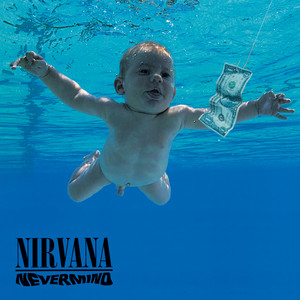
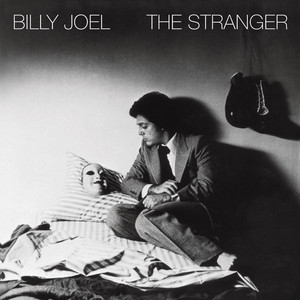
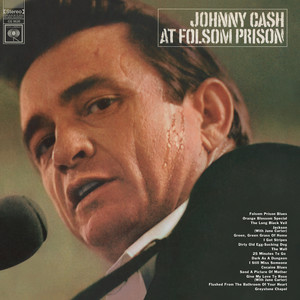
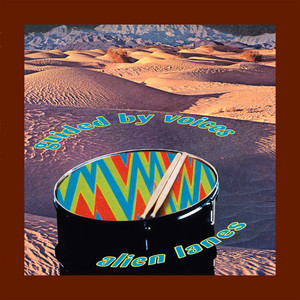
This was my introduction to grunge. Memories of head thrashing to frequent plays of Smells Like Teen Spirit on MTV. Moody, offbeat lyrics set to solid guitar riffs and the pounding rhythm of drums and bass. Kurt Cobain captured the mood of my generation, angry at society.
First time I've listened to Kendrick Lamar. Once I got through the profanity, I got that he was telling a story, laying some strong lyrics over a smooth and funky beat. This album points to the deterioration of race relations that were occurring at the time and also called to mind Public Enemy with its history lessons. It was also a chronicle of Kendrick Lamar's personal journey, overcoming his surroundings and the new temptations accompanying his success and rise to fame.
OK, I get it. He's hyper-depressed and all in his head. The album cover tells the story, as concerned friends look through the haze at him as he fades from existence. Very heavy and challenging. Very different from their pop tunes like Friday I'm in Love or Like Heaven. I guess 'The Cure' was to put all of this melancholy in a record, freeing him to pursue joy on the other side. Thematically (not musically), it reminds me of The Wall, except that that tells a story, whereas this is just a funereal slog, start to finish.
Maybe the launch of pop-punk? Guitars and Billy Joe's vocals suggest punk, but bass makes it fun and very listenable. Familiar tunes that received heavy airplay, but they don't grow old. Each track short and formulaic, as though intended as a single.
Memories of my freshman year of college. Didn't understand the lyrics or appeal then, and 38 years later, the lyrics are mostly as nonsensical now. It's like what I remember college radio being like then, random words and sounds, though the music is more listenable than that was. Too ironic, too cool for me, but some memorable, singalong tunes.
A bizarre soundscape that starts you off wondering what you're listening to and how much longer till it's over, but it pulls you in and leaves you wondering where it went when it's over.
Not for me. Discordant cacophony, mumbled lyrics and no sense of purpose. Experiments with synthesizers, but it's hard to know if they achieved their result because the hypothesis is unguessable.
Like a smoky Brazilian lounge, with a cool cat in a fedora on the sax.
First time listening to a reggae album. Easy, lilting music belies harsh message about slavery, oppression and a longing for Africa. Sparse, repetitive lyrics made most songs like chants.
Familiar music of my youth. Album full of singles with catchy rhythms, guitar, keyboards and Ric Ocasek's distinctive vocals.
How did I miss this?! It came out my final semester of college, and it sounds like something I would have loved to listen to in a college bar. But, with how tight the drums are, they were too good to have played in the places I would have gone. I really liked this!
Smooth, melodic, easy to listen to. Surprised to hear beach music sounds in some tracks.
This was a big waste of my time. No connection, no purpose.
Once I get past the raspy voice, I understand the depth of emotion in the lyrics. The Ballad of Lucy Jordan is good, and the profane rage of the betrayed lover in the final track gives an energy that breaks from the introspection that precedes.
Too long by half, but some good songs toward the end of the second disk that showcase her musical talent and not just power and stretching of vowels. The first disk starts out with an almost gospel sound and moves through stories of love, heartbreak and even overcoming abuse. Through it all, Christina briefly lays out the lyrics then showboats and growls over backup singers repeating the chorus. Side B opens weirdly, with some throwback, raunchy burlesque stuff. Put the final three songs with some from Side A, and that could have been a good album on its own.
Less energy, more bluesy than earlier Doors albums. Only one song, Roadhouse Blues, that I recognized. OK, I guess.
An album I once owned. Still solid. Great debut and maybe still their best. Slash's guitar phenomenal and Axl's vocals still fresh and distinctive.
Lots of rebellion and frustration with convention. The music isn't really my thing, but I can see how it would energize disaffected youth.
Some pop, some disco, some filler to round out an album with timeless hits like One Way or Another and Heart of Glass. This was the first time I'd ever seen the lyrics for Heart of Glass, which I've never understood. Cryptic lyrics in some other songs.
I had very little exposure to the Smiths and found them moody and whiny, so this album by their lead singer totally shattered my expectations. It's actually very listenable and solid throughout. Surprises like this make me glad for this service!
I had to go to YouTube to hear this, and I'm glad I did. He was earnest and commanding, even though his singing wasn't great. The spoken word stuff was on point.
Not an easy listen for the most part. Heart Shaped Box (that's about my...Courtney Love is rumored to have said) and All Apologies are familiar, but the rest feels like a noisy rebuke of Nevermind and the accompanying fame that tortured Kurt Cobain. Rape Me, with its Smells Like Teen Spirit Hooks, underlines the point.
I was expecting pop nostalgia, but this was more. I heard influences of girl groups as well as a soulfulness of an Adele precursor--without the vocal range, of course, but packing some power--and she put her own twist on lighter tunes. Very heartfelt.
This was solid. Mysticism and a search for meaning translated through a slide guitar. Everybody knows My Sweet Lord, but What Is Life and the title track are also very good. I know it's a double album, but it got really long, especially with the last four tracks, which are just instrumental jam sessions.
Springsteen was a hit machine with this album, which addressed the struggles of the working man and social and economic decay.
Some familiar tunes, some not, but the unmistakable Clapton guitar makes this timeless.
Even though I skipped quickly to the end of tracks that I felt were going nowhere, I regret that I will never get that time back.
An easy listen, although I didn't understand the lyrics. Very soothing.
I've never considered myself a fan of EDM, but this is pretty good. The layering of sounds and the placement and repetition of soundbites put some meat on those electronic bones.
This was a pleasant surprise, as I had listened to Music from Big Pink before and was only familiar with Up on Cripple Creek from this album, leading me to believe it would be a twangy slog. Instead, I found excellent storytelling and nice, varied sounds.
Might have meant something to someone familiar with Blaxploitation, but not for me.
Sharp lyrics, distinctive voice. Good listen. Alison is the standout track, and it's interesting to learn that it's not a love song as much as a song of pity and regret for unrequited love.
Upbeat tunes with dark humor and morbid lyrics. Interesting.
Not my thing. Sunday morning jazz brunch material in spots, folksy but not memorable in others. This group had one hit, and it wasn't on this album.
Blister in the Sun has long been a favorite, but it's interesting how this album tells a story of teen desire, angst and fear of rejection that is so relatable, looking back.
Neil Young is not really my thing, but I appreciated the guitar and general instrumentation of Crazy Horse, and I respected Young's earnest and earthy lyrics. Cinnamon Girl is the only song I recognized, and it's really the only memorable track among the seven.
I had often heard of but never heard Liz Phair. Her voice isn't perfect but it is a perfect fit for her lyrics, raw and powerful. I listened to this one three times, trying to get the feeling and meaning, and it was worthwhile.
Smooth and easy to listen to, though the songs got long toward the end.
I feel almost unqualified to rate a legend, knowing what great things she had coming. I heard elements of mountain music, gospel and the steel guitar that makes it classic country, with the storytelling that makes it classic Dolly, but nothing stands out as much as the title track.
No thanks for the aural assault. Punk voices and twangy guitars with some weird attempt at melody. If these guys helped bridge punk and alternative, then it's a case of the legacy outpacing the reality.
Generally, I like Steely Dan, but this one's kinda meh. Reelin' in the Years and Do It Again (and maybe Dirty Work) rightfully receive most of the airplay on classic rock stations, because the others just don't hit.
Unique sound. Bluesy hip hop, free-flowing funny lyrics or spoken words that seem to tumble out of G.Love's mouth. Funky bass. Hollow sound like sitting in on a jam session. Authentic day-in-the-life Philly references.
Stevie is a musical genius! Smooth, funky, catchy, fun and easy to listen to, with relevant, timely (and timeless) lyrics.
Not my thing, but I heard elements of classic country. Maybe even Hank Williams. I also had a sense of everyman hardships, a la Springsteen or John Mellencamp. Not a lot of range, though, musically or lyrically.
Don't see the appeal. Logorrhea for lyrics, subpar singing, mystery meat music. The few tunes I found catchy got sidetracked by at least one of these things.
Quirky but listenable. Strange fascination with death later in the album. Still, good structure to the songs.
Unique. Interesting wordplay, reminding me of Beastie Boys and Disposable Heroes of Hiphoprisy, with brash delivery and biting commentary, also with NYC references of the day.
I owned this album, so it was very familiar to me. I was into Public Enemy at the time, fresh out of college, and shared the anger of my generation at how screwed up the world had become, so I certainly understood the anger that permeated most of Ice-T’s tracks, even if I had little understanding of the gang violence and drug culture of South Central and Compton (NWA and Ice Cube were also hitting it big at the time). I shared Ice-T’s frustration with the powers-that-be and, like him, wanted nothing to do with the emerging Gulf War. The lyrics are profane, but the samples and tunes are solid.
No denying that Seattle sound, somewhere between garage rock and grunge. Some songs sound Nirvana-esque, with mumbled and shouted lyrics over distorted guitars and feedback. Let It Slide and Good Enough are favorites, early in the album, but some of the others don't hit.
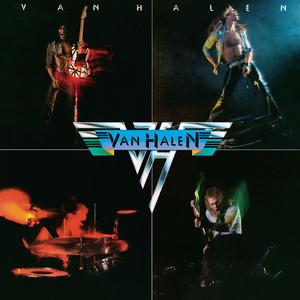
This is one of my favorite rock albums of all time, and I'm thankful for 1984—the album and the biggest year in my musical upbringing—which introduced me to Van Halen. I wasn't old enough, or musically mature enough, to appreciate the first Van Halen album, which was given to me but stowed away in my dresser for years. I surely missed out on the genius of Eddie Van Halen and wild-man antics of David Lee Roth, but I'm glad to make up for lost time every time I listen, and this is one I'll listen to over and over.
Listening to this felt like an exercise in endurance; by the end, it seemed as though I had outlasted the band itself. The performances come across as listless and detached, even bored at times, and while some tracks try to build momentum, only “Liquid Bird” generates enough juice to lift the band out of the doldrums. The last two tracks—“Simple” and “Pure For”—slide into repetition, like they're totally out of gas. Disconnected and uninspiring.
Distinctive. Songs we all know. Voice and delivery the same throughout. Poetic lyrics.
Timeless, fun and solid. AC/DC seldom disappoints.
Heavy airplay on classic rock stations, but it's decent music. Memorable songs that aren't quite annoying enough to be called earworms. Short album, at only 34 minutes total, but it packs a punch.
That was weird. Heavy subject matter expressed through airy, distant vocals that are incongruous with the music. But then, I came to understand that it was intentional. The album is an artsy lament about the horrors of World War I in the trenches of Gallipoli and a cry against English pride and nationalism and the tendency to romanticize war in the aftermath of victory. It's not an easy listen.
This one tried to throw me off musically and lyrically. Either one, taken by itself, makes no sense, and though they complement each other, there's no synergy—they don't produce something better. Experimental for experimentation's sake. Noise.
After the bizarre first half of a very long title track to kick off the album, I didn't have high hopes. The theme changed over the course, but the cryptic lyrics puzzled me. Very much about mortality, which makes sense since Bowie was near the end of his life. The saxophone was nice, and there were many musical layers, but this was a difficult listen. The last track, "I Can't Give Everything Away," speaks to the mystery of the album. If Bowie had played in the NFL, it would have been interesting to dissect his brain for something akin to CTE, because I just don't get what made him tick.
Soundtrack to a Renaissance Faire? Why is this on the list?
This is a weird dude, but it's clear that that's his intention. I don't think he takes himself too seriously, and his songs are like a carnival sideshow or a silly kind of shock (necromancy, really?), although some of the music is decent. No More Mr. Nice Guy is a keeper. 2.5 stars seem about right.
I’m continually amazed at how this list keeps revealing corners of music I’ve never explored. Solo, improvisational piano—especially in a cavernous concert hall—is entirely new territory for me. With jazz, I’ve always wondered: how do they know when a piece is finished? In a band, each instrument tosses out ideas that others catch, expand, and return. Here, it’s one man alone, following the pathways of his own imagination.
Keith Jarrett moves, within the same track, between passages that are cool and meditative and others that are tense and unsettled. What fascinates me most is that even his devoted audience seems to share my uncertainty—hesitant bursts of applause break out before full ovations, as if no one is entirely sure when a section ends.
I can’t say I was swept away; for me, this was more of an endurance test than a revelation. But I can appreciate the artistry, the risk, and the sheer audacity of letting a performance unfold without a net.
Upbeat, bouncy, classic disco.
This is classic Springsteen — an album about loss, redemption, reconciliation, faith and the search for meaning. Without context, it can feel a heavy and uneven, with only a few standout tracks like the title song and My City of Ruins. But once you consider when it was released—in the shadow of 9/11—it takes on a whole new weight. It becomes cathartic, a reflection of the national mood and a testament to resilience. It may not be packed with hits, but it’s an important work, exactly what we needed at the time. I mourn the tragedy that inspired it, but I long for the sense of common humanity and rising above that we experienced then as a nation.
The long intro of the opening track made me think this was going to be a straightforward EDM album, so it was surprising to hear those pulsing electronic sounds paired with an off-key, almost vulnerable voice. The repetition in later tracks—both musically and lyrically—feels excessive, but Someone Great and All My Friends point toward something deeper: a sense of loss and longing for times and people gone. Sound of Silver builds on that emotion—cowbell and all—while the closing track, New York, I Love You but You’re Bringing Me Down, starts as satire and ends as a moving search for belonging and meaning.
Hard to pin this one down. "Life's Greatest Fool" seems country at the outset, and "True One" is almost like Kris Kristofferson, but the energy changes, and the lyrics are hard to follow. Rock guitar and piano. Vocals call to mind the Grateful Dead in places, Neil Young in others. "Some Misunderstanding" is a search for meaning by someone who seems heartbroken or world-weary. I especially like the line, "But I know if you sell your soul to brighten your role, you might be disappointed in the lights." Not likely to listen to this one again, though.
Very smooth and easy to listen to. Surprised she never pursued a solo career. Soulful and literate, mixing sounds and rhythms effortlessly.
I was reminded of how I listened to this song on repeat in my dorm room my freshman year of college. Though I haven't listened too often since, I'm struck by how good it remains. Big sound, singable lyrics that have reawakened the earworms.
Miriam Makeba's debut album was a delightful surprise! Her voice is so expressive, graceful and beautiful, even though I don't understand a non-English word. Warm and engaging, a pleasant listen.
This is what I think of when I think of the blues. Classic.
This is college radio as I remember it. Some catchy rhythms, strange vocals and lyrics. It's clear, though, that each song is intentional, and this is a well- crafted album. Bjork is weird but actually quite talented.
Cover songs in Willie's unique style. Ok.
Comical. Scum sounds like a thrash band hammering away at a chaotic jam session in a school gym while the illegitimate spawn of Cookie Monster and Animal from the Muppets screams muffled, high-speed lyrics through the locked door.
This is an easy-going album, most recognizable and memorable for its title track. Beyond that, it alternates between breezy, beach-leaning tunes and familiar mid-’60s pop and soul sounds.
So much repetition—sampled vocals spin in endless loops like mantras while the techno beats are more for the dance floor rather than for listening depth. Most tracks slip into monotony, and I confess that I had to stop halfway through several. If Things Were Perfect is a rare highlight, with steady bass and reflective lyrics (I don't like the cold, either). By the closing tracks, though, the album’s energy has largely evaporated.
I wasn’t sure what to make of this performance until I learned Emerson, Lake & Palmer were reworking Mussorgsky’s Pictures at an Exhibition, a composer I’m not familiar with. The crowd is clearly into it, and I can respect what it must have taken to pull off something this elaborate live. Still, the art-rock theatrics and experimental stretches were off-putting to me—it often felt too artsy and self-indulgent for my taste. Impressive concept, but not a show I’d have wanted to sit through.
Reggae mixed with other genres. Listenable on a drive.
I found this easy to listen to while working. It was propulsive without being repulsive, so it kept me going through the workday.
This is not an easy listen. She seems to be trying to sing poorly, widely varying her pitch in odd places, slurring words. When I could understand the lyrics, they didn't make sense. Much of the album is spoken word over background music, and it all seems like a dark, twisted poetry slam. I suppose that was her intent, to rebel against standards of music.
Immigrés feels like a street festival captured on record. The drums are the star of the show, and the bass and kick drum act like the anchor, pulling together all these disparate elements into a single, propulsive groove. Youssou N’Dour’s high-pitched vocals function as an instrument of their own, joining the rhythm rather than simply floating above it. The repetition is hypnotic, especially on the closing track, “Badou,” which felt less like a song and more like a chanting ritual building to a bigger finish. I couldn’t understand a word (except maybe catching “Senegal” in the opening track), but the rhythm was its own language.
I saw Siouxsie and the Banshees at the first Lollapalooza, but back then the only track I really knew was Kiss Them for Me, thanks to MTV overplay. Listening to Juju now, Spellbound hits hard right out of the gate—sharp, urgent, and totally magnetic. After that, though, the album loses steam. The songs start to blur together, carried by the same floaty vocals and increasingly bizarre lyrics. Shrunken heads? Voodoo? The atmosphere is cool at first, but eventually the weirdness feels more like a gimmick than a groove. Juju starts strong but doesn’t stick the landing.
You can hear elements of Pink Floyd, Yes, David Bowie, and even flashes of Rush and Led Zeppelin throughout this album. Given its release date, it’s easy to imagine that King Crimson helped shape each of them in some way. The sound feels both familiar and foundational—like a blueprint that later giants built upon.
Porcupine is my first encounter with Echo & the Bunnymen. My first impression was that it's similar to The Cure, but that Ian McCulloch's voice isn't as captivating as Robert Smith's. There was a dusky tension more than an airiness, carried along by the bassline, even as the lyrics and McCulloch's delivery varied. Since my version included alternate tracks, I was able to determine that the atmosphere was an intentional thread for the album. Alternative to alternative isn't necessarily pop, but those later tracks marked a big shift in energy.
This album is over the top and bursting with energy, blending an eclectic mix of sounds with lyrics that must have felt genuinely avant-garde in the early 2000s. Most people will point to the “Comfortably Numb” cover—while I appreciate the creativity, I love the original too much to enjoy this version fully. What really caught me off guard, though, was “Return to Oz,” which feels like it could have fit right into The Dark Side of the Moon with its haunting tone and layered production.
I enjoyed the opening track and found several others catchy, though some songs seem designed more for shock value (“Tits on the Radio,” “Filthy/Gorgeous”). Maybe I’m just too straight to completely get it, but it's equal parts bold and campy. Worth a listen.
Quirky, sometimes silly, but unmistakably original, Cyndi Lauper presents herself—visually and vocally—like a living cartoon, yet her gift for melody is impossible to dismiss. The synth-pop sound and neon look were tailor-made for the dawn of MTV, and her elastic voice, complete with yelps and Brooklyn/Joisey inflections, gives everything from bubblegum pop to tender ballads a distinctive edge. She’s so charismatic, in fact, that she transforms an outright ode to masturbation into a sly, radio-friendly hit.
Sheer Heart Attack plays like a high-energy, guitar-driven rock opera. “Brighton Rock” explodes out of the gate, “Killer Queen” is rightfully legendary, and the album barely pauses for breath in between. There are no real throwaways here—Queen is firing on all cylinders. Honestly, it could have ended perfectly with “Dear Friends,” which feels like a natural curtain-closer. It even would’ve echoed the album cover: the band sprawled out, sweaty, exhausted and triumphant after the performance of a lifetime.
Who was the audience for this album? I can appreciate improvisation and eclecticism, but this was throwing instruments at a wall and seeing what would stick. Hopeful elements, but they were snippets that never went anywhere.
This may be great for fans of its scene, but it’s definitely not my cup of tea. The whole album evokes a dim, strobe-lit European dance floor packed with zoned-out bodies moving in slow, hypnotic waves. It’s all atmosphere and repetition, but nothing that sticks with me or feels memorable.
This was a fascinating listen that I will certainly be returning to. The song structures are solid and create a huge sound that seems best suited for a large arena. The songs are infectious, and it's easy to get lost in the rhythm—I often found my head involuntarily bobbing and foot tapping. Musically and lyrically, the album channel the grandiose scope of U2 and the critical commentary of Springsteen. Strong 4, for sure.
While it lacks the massive commercial footprint of Back in Black, Highway to Hell remains peak AC/DC—a masterclass in high-voltage economy. From the instantly recognizable opening riff of the title track to the swampy, blues-drenched finale of 'Night Prowler'—where the lead guitar bleeds out with the soul of a tenor saxophone—the album is a relentless, lusty romp. Between those pillars, the structure is admittedly formulaic, leaning on predictable verse-bridge-chorus transitions and key shifts. Yet, this rigid framework is exactly what allows Bon Scott’s vocals to shine; his whiskey-soaked snarl acts as a third lead instrument, dancing dangerously amidst the swirling Young brothers' guitars and the band’s commanding, metronomic backbeat.
Perfect Skin is an entertaining and promising opener, but the half-sung/half-spoken/always verbose lyrics come across as pretentious and grow tiresome within a few songs. The band's work is solid and very much of its era, but Lloyd Cole seems to be cramming in beat-poetry-style stream of consciousness words and oh-so-literate name dropping and (kind of) trying to make them fit the well-crafted tunes.
Now I know that there was truly messy, chaotic music at the dawn of the ’70s. Fun House is guttural and unfiltered, full of shrieks, screams, muttered incantations, and riffs that loop until they feel hypnotic. I can hear shades of the Doors, though Iggy Pop is less a singer than a force of nature—rawer, looser, and far less concerned with control than Morrison ever was. The songs aren’t really structured as much as unleashed.
I can imagine this being performed in some grimy, sweaty club where the air is thick and the walls feel like they might collapse. “Down on the Street” starts out with a tight, driving groove, but Iggy’s first scream blows the doors off and lets the chaos spill out. From there, the album grows wilder and more unhinged, and by the time it reaches “L.A. Blues,” it’s dissolved into pure noise—less a song than a primal scream session.
This hits different. Nobody compares to the Queen of Soul.
Loved the funk, and Papa Was a Rolling Stone is classic. They truly did go in All Directions on the other tracks, from doo wop to social commentary.
After 132 albums, I am loath to assign a 1 or 5 to anything, but this one plumbs the depths. I don't know what voices were guiding them, but their own nonsensical snippets are better without voices. The songs still aren't short enough.
This album keeps it real, channeling raw emotion and the grind of daily life. Springsteen paints the working man’s fight to hang on—pushing through disappointment, reaching for small moments of joy. It feels like the characters are waking up to the seriousness of adulthood but choosing to persevere, even when the world feels stacked against them. The music is stripped down but powerful, perfectly matching Springsteen’s gritty voice.
Not a metalhead, but I liked the energy of this one. Listening as a Christian, it's funny to me that the title track brought so much pearl-clutching. It's not promoting Satanism—it's a nightmare about darkness that someone's trying to escape. Bruce Dickinson's voice is what I think of with heavy metal, and the high-speed guitar harmonies give the album a structure that's very listenable and not just noise. The storytelling throughout the album is impressive, from social and historical critiques to the last track, Hallowed Be Thy Name, about a prisoner facing the gallows. Not my favorite genre, but better than I thought.
Brit pop with crap vocals. Really basic and annoying.
It was OK, albeit a bit repetitive. I suppose it doesn't help that I don't speak Portuguese (though there was one Spanish song in there, too).
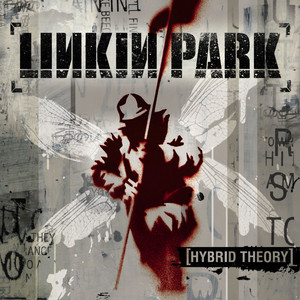
My son introduced me to Linkin Park, and now I see what the hype was all about. I loved this!
The meeting of R&B with electronic music. Sort of soulless soul. Echoes of Janet Jackson. It's clear that Kelela has vocal talent, but this is so hyper-produced that it socks the life out of it.
Not exactly inviting, but it appears not to care. Repetitive music and vocals, often with nonsensical lyrics. The singer (speaker?) seems to be railing against something like an angry drunk.
This was surprisingly good. With a rap/hip-hop album emblazoned with parental warnings, my expectations weren't high, but I enjoyed the crisp delivery, limited profanity and smooth interplay between the members as well as the guest artists.
Powerful and raspy, Tina Turner belts tunes over distinctively 80s synth pop. Private Dancer and Be Good to Me are familiar from my youth.
Super-literate and clever. Not as snarky as some of his other material, but that delivery wears on me.
This far outdates me, but I really enjoyed it! The album's title is what it says it is, but the songs are so bouncy and catchy, and Marty's crooning so smooth, it never felt formulaic, even when it sometimes ventured that way. Most people know El Paso, but The Little Green Valley and The Master's Call are also solid.
I didn't think I knew any songs by Tom Tom Club, but everybody has heard Genius of Love at some point. I didn't realize they were 2/3 of Talking Heads, but some of the instruments were similar to Talking Heads tunes of that era. It was mostly OK. Nothing really stood out.
The music was pretty good, but the vocals were tuneless, often whispered, sometimes loudly, but indecipherable.
This was smooth and easy to listen, perfect complement to my workday. The bossa nova rhythm is very catchy.
Early Elvis was a lot of rockabilly, kicking off with the Carl Perkins hit Blue Suede Shoes. There's definitely some blues in there, some early 50s crooning, and I was surprised to hear Tutti Frutti, performed much more famously by Little Richard.
After the propulsive blast of “Immigrant Song,” Led Zeppelin III reveals a very different band from their first two albums. The blues influence is still strong—right through the unusual closing track—but it’s joined by a newfound embrace of acoustic, folk, and country sounds. Page and Bonham each shine on their respective showcases, while banjo, mandolin and steel guitar broaden the group’s range. The result is an album that expands Zeppelin’s scope beyond hard rock and paves the way for the masterpiece of Led Zeppelin IV.
CrazySexyCool established TLC as the preeminent female R&B group of the ’90s—and arguably one of the greatest of all time. “Creep” and “Waterfalls” retain their power and relevance three decades later, while nearly every track gives space for each member’s distinct personality to emerge. Alongside Salt-N-Pepa and En Vogue, TLC helped bring female R&B fully into the mainstream, reshaping expectations of what women in popular music could sing about and how they could say it, seamlessly blending social awareness with sensuality.
Classic Beatles sound, maybe not the most hit-laden.
Bizarre. It got a little tiring listening to the pouty whining. I saw that each song had an explicit warning, but heard relatively little profanity. Were the labels affixed because of openly gay longing and lust? Anyway, not my favorite.
Feels like a longing for the mundane. The main energy seems to be ennui and a day-in-the-life sort of story about suburban life.
The White Stripes had me from the opening notes of “Seven Nation Army,” but hearing the full album only deepened the impression. Its minimalist approach delivers outsized power, and the band’s raw, garage-rock take on the blues reveals more texture and intent with each listen.
África Brasil was my first exposure to Brazilian music, but it felt familiar. I heard echoes of the funk from my early childhood memories of the ’70s, backed by a steady rhythm. The call-and-response vocals evoked the image of a storyteller leading a participatory crowd, somewhere between sing-along and ritual. Not well-versed in Portuguese, I read the translations and saw themes of history, practical wisdom and soccer, all carried by rhythmic and hypnotic grooves.
Listening to Sweet Baby James feels like comfort food—familiar, grounding, restorative. James Taylor’s gift as a songwriter and artist lies in how effortlessly his soothing voice and delivery create a sense of home, even without my favorite, “Carolina in My Mind,” included on this 2019 remaster. “Fire and Rain” remains timeless, and while I’ve long appreciated his collaborations with Carole King, it’s just as rewarding to hear his lighthearted take on the blues here, which breaks up the album’s introspection and longing in a fun way.
Awful
I’ve never considered myself a metalhead, but Master of Puppets was an eye-opener. The relentless guitar work pulls you in immediately, and the high-speed, thrashing drums demand full attention—you can’t listen to this album casually. I knew the title track from Stranger Things, but everything else was new to me, and it quickly became clear that each song functions as its own epic. Instead of pop’s verse-chorus-verse comfort, the tracks constantly shift in speed, volume and intensity. The aggression is undeniable, but it’s matched by purpose: songs about addiction, militarism, blind devotion and mental illness, all delivered with clear structure and intent rather than noise for its own sake.
Heroes is noisy and uneven, rarely reaching a resolution, especially in its first half. The title track is a fleeting moment of joy—two anxious lovers seeking meaning in an oppressive world, aware it won’t last. Then the album shifts into instrumentals that feel like a disjointed world tour, from the horror-film dread of “Sense of Doubt” to the delicate, Zen-like stillness of “Moss Garden,” before spelling out its destination with “The Secret Life of Arabia.” Scattered and uneasy, the album lacks cohesion and seems to have a tension and dislocation at its core.
This feels less like music than an endurance test: propulsive riffs and relentless percussion buried beneath vocals that sound psychotic and nihilistic. I can understand why some listeners find it cathartic, but for me it’s exhausting—an hour of profanity and rage with nothing to hold onto emotionally. The band is tight and intense, but the lyrics and delivery make it unlistenable.
This was bizarre and experimental, but I disagree with Spin magazine, which called it "unlistenable"—I've listened to other albums on this list that are much worse. Lacking the ability to give half-points, I'll credit their weirdness and round my 1.5 stars to a 2.
Classic early 60s girl group sounds, singing familiar Christmas favorites. Unmistakable who's singing what when you know the artist(s). This is warm, comfortable and nostalgic.
Melancholy, somber. Matches the gray sky on this day after Christmas, and yet it's a welcome release. "Parasite" captures the mood of the album, which takes you down a notch, maybe just the thing after holiday hustle and bustle. Would I feel the same in the summer? Don't know, but it fits the moment.
Sort of found this on YouTube, as it's not available via Spotify. Sounds like German musical theater. She can sing, and there are orchestral flourishes, but it didn't really interest me.
Want One showcases Rufus Wainwright as operatic yet introspective. There's a running theme of low-key melancholy and theatrics, with modern flourishes.
On the Beach is equal parts bluesy and folksy, carried by a deliberately low-energy atmosphere that can feel almost drowsy at times. Wistful harmonica lines drift over sedated acoustic guitar and banjo, reinforcing the album’s weary mood. Neil Young’s vocals are restrained and deliberate, delivered with a calm that feels less like comfort and more like quiet resignation.
Even though we're all very familiar with Adele's powerful voice and hit-making, sing-along inspiring work, every track on 21 hits differently. The star and sustaining power of the album is Adele's voice, and whether it's the stomping rhythm of Rolling in the Deep or the quiet, beautiful acceptance of Someone Like You, the emotion oozes from every pore as her voice rises and falls. Adele pours herself into every verse, and you feel the stages of heartbreak over the course of the album. I loved her take on Lovesong, but the biggest surprise was One and Only, which ran chills through me and made this stoic guy want to exult!
All That You Can’t Leave Behind feels surprisingly pedestrian for a band of U2’s stature. While it seems clear they were aiming for a cleaner, more traditional sound, the result is largely safe and uninspired. Beyond “Beautiful Day,” which understandably received the bulk of the airplay, few tracks make a strong or lasting impression. The album plays it too cautiously, offering competence instead of ambition.
It’s a Shame About Ray feels instantly familiar to this Gen-Xer, even though I’d never really heard The Lemonheads before (aside from the “Mrs. Robinson” cover). The music is loose and jangly, packed with solid hooks and an easygoing momentum. Evan Dando’s delivery is noticeably detached—almost aloof—floating above the driving rhythms in a way that feels both cool and slightly removed. The whole album carries the vibe of a band playing a frat-party set that’s better than it has any right to be, with lyrics that swing between genuinely poignant and casually funny. It’s an enjoyable listen, and its charm lies in how effortlessly it wears its melancholy.
I’ve always respected The Beatles for their impact on pop music—and popular culture more broadly—but they’ve never fully connected with me on a personal level. Rubber Soul changed that. For the first time, I hear the band maturing in real time, moving beyond the frenzy of their early hits into something more cohesive and emotionally grounded. There’s a thread running through this album—warm, connected, and deliberately crafted—that feels like more than bubblegum pop. The songs explore mature relationships and grown-up emotions with a clarity and subtlety I didn’t associate with their earlier work. It’s also the first Beatles album where I can distinctly hear the personalities and contributions of each member, rather than just “the band” as a phenomenon. Whether it’s the familiar tunes (and there are plenty) or the ones that were new to me, Rubber Soul is a consistently strong, enjoyable listen.
Fly or Die surprised me in a good way. Even with the odd hidden tracks, the album flows well and balances rap, pop and rock influences without fully committing to any one genre. Pharrell and Lenny Kravitz help anchor the album and give purpose to its experimentation.
I wasn't excited about an electronic album, but this felt foundational to much of the music of the 80s and beyond. Planet Rock obviously sampled from it, and it laid the groundwork for lots of Euro bands. The mostly spoken-word lyrics had me thinking of the Sprockets from SNL, so German!
A satirical poke at the British Empire that laughs at the pride and tradition amid the post-WW II economy. Interesting story line but the music was a bit sleepy for me.
On Freak Out! Frank Zappa and The Mothers of Invention both pay tribute to and target 1960s pop. They're true to the sounds of the era, then twist them into distortion and satire, mocking pop conventions and calling out social hypocrisy. As it goes, the humor sharpens into biting commentary on media, government and the glorification of violence, and the final tracks are chaotic performance art that also highlight the emptiness of counterculture, psychedelic ritual. It feels like Weird Al’s spirit with punk attitude and an avant-garde edge—funny but abrasive. Interesting.
This is exactly why I love this service. I’m not a jazz aficionado, so I figured I could put Birth of the Cool on while driving and get the gist—but I’m so glad I gave it a second, more focused listen. My usual impression of jazz is that it can feel too freeform: a conversation among instruments that drifts without a clear pattern, and you’re never quite sure when it’s going to land. This album still has that interplay, but the music is shaped by strong arrangements and steady rhythmic frameworks, which gave me something to hold onto (shorter tracks helped, too) and made the solos easier to appreciate. I had a college buddy who was really into Miles Davis, and I’m finally starting to understand why.
Back at the Chicken Shack is an upbeat, fun, easy listen. It's the kind of warm, swinging music you could play over the stadium speakers during a rain delay and instantly pick up the mood. Even when the saxophone takes its moment in the sun, the organ is always there underneath, filling the space and biding its time until it resurfaces to reclaim its rightful place as the star. Jimmy Smith’s playing is dazzling and soulful, and the bass and drums keep everything moving subtly and steadily, making the whole album feel relaxed, confident and alive.
This was a flashback for me, as I owned this album. Hearing Chris Cornell belting and wailing over uneven rhythms and guitar brought back old feelings of disaffectedness and disillusion post-college. I still found myself singing along to Black Hole Sun, Fell on Black Days and Spoonman, but I imagine I played those on repeat back then, because some tracks were just hard to appreciate, like 4th of July.
I was surprised to learn The Killers are not a British band. I hear similarities to The Cure, but I enjoy this more. Mr. Brightside is obviously a singalong, but I feel the same about Jenny Was a Friend of Mine. Some of the less famous songs sound good, as well.
Os Mutantes is psychedelic, goofy and kind of all over the place. Totally different sounds and rhythms arise and dissolve within single tracks. Sounds that are both environmental and experimental morph into silly, childlike songs. I hear Sgt. Pepper-era Beatles influences, but it's hard to pin down or take too seriously.
Hail to the Thief is dark and deeply unsettled, with a creeping dread that rarely lets up. It's Radiohead summoning the energy of The Wall, but stripped down to the despair—no catharsis, no acceptance, just a steady pulse of anger and paranoia. The album lurches between abrasive rock and off-kilter electronics in a way that feels intentionally destabilizing, like it’s mirroring a world you can’t quite trust. It’s not an easy listen, but the craft is undeniable—and for my taste, it lands more than Kid A. Even the album cover is like a word cloud spelling out the overwhelm of the world.
That was an experience. Two instruments get together to see how much noise they can generate in a Red Bull-fueled jam session. I’ll give them this: they stay locked in time and play off each other with real precision. But once was enough—this is the first and last time I’m enduring it.
This is fine as background music but often repetitive and with no memorable hooks.
This was a fun listen. Neil Hannon has some playful takes on sex and lust. Ultimately, it tells the tale of the emptiness of pursuing those as an end, and after he wraps it up with a mostly instrumental song that is like closing credits, he underscores the void with a totally different final track that moves from carnality and solipsism to mortality.
Such raw emotions, so powerfully (or gently) and articulately delivered. The angst of alternative with the hit power of pop. A favorite then and just as strong now.
Sounds like what I imagine would have constituted college music in the 70s. Starts off rocking with unbridled energy with Roadrunner, dreams fruitlessly of success with girls, and devolves into slurring desperation from doing too many shots on stage with I'm Straight (like his boozing makes him better boyfriend material than Hippie Johnny's pot). The lyrics are youthful and naive, but the talent is lacking.
On first listen and paying attention to lyrics, I just heard lots of repetition; on second listen, I heard great guitar in the long opening title track, nice funk in Golden Years (the only song I knew) and beautiful interplay with bass and piano in Word on a Wing. Bowie reportedly said this album was about the stations of the cross, a concept with which I'm not familiar. Decent music, though, and not as wildly experimental as some of his other stuff.
While I'm not really a Neil Young fan, this was actually pretty good. Kind of feels like the narrator for the album is a midwestern farmer. The sound of the first two tracks seems almost country, but the nasally, quavering sound and inflection of Young's voice make it clear that it's folk music with no Nashville association (let alone Alabama and his issues with them). Heart of Gold and Old Man are memorable.
Thirty-four minutes of this was more than I could handle. There’s a fine line between an open mind and one where your brain just falls out, and this album definitely crosses it. With its distorted vocals and childlike-yet-creepy melodies, this is easily one of the most off-putting and stupid listening experiences I’ve ever had. Proceed with extreme caution.
I cut my teeth on classic rock when I was in high school in the late 80s, so I was familiar with Smoke on the Water and its iconic opening guitar riff. What I loved about this album is that you can feel the energy and truly appreciate the talent of each musician through the extended solos.
This was my first exposure to My Bloody Valentine. After I was underwhelmed by the first listen, I followed the advice of AI to turn off volume normalization in my Spotify settings and to listen to the album in thirds. Distorted, fuzzy guitars droned over softly sung, mostly indecipherable lyrics in the first three songs. I imagined Smashing Pumpkins, but I can't picture Billy Corgan wailing over these.
The next set of three introduced an organ, stronger drums and random electronic sounds, but the vocals, though more pronounced, remained dreamlike, ethereal and equally unclear.
The final three start off kicking, with strong and menacing guitar and synth and powerful, hypnotic percussion on "in another way"—I thought of Nine Inch Nails at one point, but the spiraling synth, almost like bagpipes, washed that away. The power and hypnosis kicked up a notch for "nothing is," and you could feel the intensity grow like an oncoming locomotive as the instrumental barreled toward the end. The final track, "wonder 2," changed the mode of transportation from train to jet, a concert growing in intensity and loudness (except the voices) on the deck of an aircraft carrier.
Glad I gave it a second, more informed listen, but it further confirmed that this is not my thing. Respect the effort, though.
So many good memories. I could still feel the emotions of the movie and how I used to listen to this album on cassette over and over on my boombox. Prince's piece de resistance, for sure. He had such amazing range, vocally and instrumentally. He was cut from a different cloth.
Easy listening music with snark and humor (?) Listened twice, still didn't get it.
Heard a lot of Sam Cooke, some beach music, some gospel influences. Easy to listen to but not especially memorable.
Interesting to hear music moving from pop to psychedelic. The songs that made Jefferson Airplane—specifically, Grace Slick—famous are here, with Somebody to Love and White Rabbit. They don't hide the ball with the latter, an ode to magic mushrooms. Some of the deep cuts were interesting, as well as eclectic, ranging from pop to blues to outright experimentation.
Why? Why is this on the list? Why did they make this monotonous, repetitive album, punctuated by blood-curdling screams and vocals that devolve into guttural, animalistic sounds and libidinal pleas?
"Johnny Teardrop" is disturbing, and I suppose it should be, telling a 10-minute-long tale of a down-and-out factory worker who snaps and kills his family in a murder-suicide. The other tracks meld breathy moans and spoken-word nonsense layered over mind-numbing synths.
The sad thing is, this is not the worst album I've listened to on this list, so to give it one star unintentionally elevates some of that other garbage. Yet, here we are. Why?
Great memories of high school and college years, with one of the smoothest dudes ever rolling off the lyrics—with much less profanity than his contemporaries or anything since—over jamming beats! I prefer Radio and Bigger and Deffer, but the title track on this one is legendary and makes for perfect, high-intensity workout music.
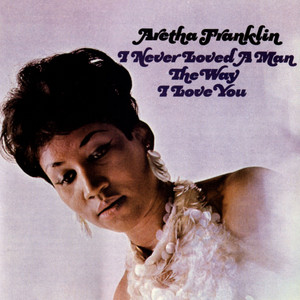
I've heard it said that Aretha doesn't sing her songs, she inhabits them. I would add that her songs inhabit you. As strong as her voice was, her piano playing shone through on multiple tracks.
The strength of the Muscle Shoals musicians is also undeniable. Respect is one of the best and most well-known songs of all time, and even the original artist, Otis Redding, said Aretha owns it. Beyond that, there's not a throwaway track on the entire album. Blues, gospel, soul—this one's got it all.
I listened to Lady Soul some time ago on this list, and the way it moved me—a rhythmless, middle-aged white guy—is just as strong here. She earned the Queen of Soul moniker, hands down, and she gets 5 stars plus here!
The opener, Cecilia Ann, sounds like an opening theme song for an 80s action/adventure show. Things quickly get weird from there. The music is solid while the vocals and lyrics go astray, and then timing gets out of kilter—maybe driven off course by the vocal oddity.
This was the intersection of funk and easy listening. It was interesting to hear the "wa-wa" guitar and smooth bassline of the album's first half. I got some Al Jarreau vibes from the title track, albeit with a higher, more youthful voice. The music becomes dreamier and more atmospheric in later tracks. Strawberry Letter 23 sounds familiar, and Freedom Flight was like a soundtrack for this snow-covered day, with its tinkling chimes in the background throughout. Easy listening but nothing especially memorable.
Smooth, soulful. Sweet Love is beautiful. Definitely quiet storm material.
Mrs. Jackson was familiar. The rest was too long. Maybe a good look at life in inner-city Atlanta. The usual macho bravado and libido of hip-hop, with the occasional smooth turn of a lyric but more often predictable.
Some of it is pretty good, like a lesser version of the Red Hot Chili Peppers, but that annoying, sneering voice...
Some of it is pretty good, like a lesser version of the Red Hot Chili Peppers, but that annoying, sneering voice...
This was really like two separate albums. The first disc was very spare and bare bones, and I had come to accept that Dylan's appeal was the poetry, never mind the music and vocals. The second disc was a sea change, with richer music, far more listenable and enjoyable. On its own, I might have given a 4, but the first disc is only for the true believers, so it's a 3.
Billy Joel is a legendary songwriter and performer, and this album, start to finish, may be his best.
I enjoy listening to Kacey Musgraves. There's something comforting about her voice. That said, some of these songs are repetitive. Most are country, but some are pop that could just as easily been performed by Taylor Swift.
I was familiar with The Look of Love from my adolescence, but I recognized Poison Arrow, as well. This is pure Brit pop—literate, synth-heavy, flamboyant—but it was better than I expected.
As a lifelong fan of Peanuts comics and animated specials, I heard similarities to Vince Guaraldi, but with stronger bass. This is an easy listen.
This is the King of Pop near the height of his powers but beginning his descent. Plenty of solid hits, but nothing could ever match the culture-defining success of Thriller. The trademark growls, shrieks and "hee hees" leave no doubt that each song is purely Michael Jackson (even if I prefer Alien Ant Farm's version of Smooth Criminal). Appropriate that the album opens with the title track, Bad, as Michael lays claim to the fame; also appropriate that it ends with Leave Me Alone, as the fame and infamy have begun to lay claim to him. Good memories and good listen.
I honestly had never heard of Fugazi, though they seem like something I would have listened to when I was in college in 1990. This was a fun listen, and I could see myself coming back to it.
Honestly, this was a sleepy sort of album for a while. Everybody knows Son of Preacher Man, and Breakfast in Bed might have raised some eyebrows when it came out, but it was ho-hum background noise for me until I heard the mono versions of several songs in the latter half of the album on Spotify. Those had me imagining that I was listening on AM radio and really gave the tunes a new life for me.
Not a Talking Heads fan, but I enjoyed this. David Byrne is sort of the same every song, spoken words of a lunatic genius. Life During Wartime was familiar, and as a big Living Colour fan, I was unaware that Memories Can't Wait was from the Talking Heads originally.
Fuzzy guitar and driving bass make it unmistakably grunge, but it has a darker, heavier bent. There's a heavy metal soul to this. "Would?" is a favorite, and "Rooster" is solid, but other tracks left me wondering how long till the next track. Distinctive sound with some Soundgarden vibes, but Layne Staley was never Chris Cornell.
Pre-disco Bee Gees. Hadn't heard any of the songs, and now I kinda know why. Low-energy easy- listening music.
This is when Carlos Santana became a legend, in my book. Oye Como Va is timeless, as is Black Magic Woman, but the other tunes in this short album are quite enjoyable, as well.
JAY-Z is super-rich, and I had always assumed it was because of his music industry collaborations and shrewd business deals. Aside from Empire State of Mind, this was the first time I had listened to him, and I'm impressed at his rapping talent and how well-chosen and well-mixed his samples are. I listened to the explicit version, and while it's full of profanity, it actually gives the sense of his upbringing in the Marcy Heights section of Brooklyn. JAY-Z is the ultimate success story, rising from a troubled past to the top of his game, with all the ego one might expect.
Decent. Very much of its era. Hard to believe they didn't get more airplay. I was surprised to learn that "In the Street," the theme song for "That 70s Show," was a Cheap Trick cover of their song.
That was definitely a change of pace! A film noir soundtrack for a non-existent crime movie. From the menacing violin of the opening track to the closing homages to Hitchcock and Bond, it was fascinating to see how Adamson could so expertly conjure images with instruments and distant, distorted sounds.
This is, by far, the best Bowie I've listened to. Like all of his stuff, it's weird, but this tells a compelling story (from the intricate folds of his creative—genius or lunatic or both—mind. There's good energy, start to finish, and songs that I've heard on classic rock stations, such as Starman, Ziggy Stardust and Suffragette City.
The music is great, with jamming guitars and solid percussion. The lyrics try to be provocative but land on adolescent, and the delivery seems to be from guys whose native language isn't English.
Not a big EDM fan, but this one is different. It has an in-your-face attitude that doesn't rely only on endless loops and drum machines. It's manic and a bit menacing but kind of enjoyable.
Entertaining. I never really appreciated CCR, but John Fogerty and crew were a hit-producing machine, with songs that have people singing along all these years later.
My introduction to Anthrax was their collab with Public Enemy on Bring Tha Noise. Speed metal. Seems like it would be good workout music, but not much else.
Amnesiac reminded me that I didn't like the experimentation of Kid A. This was marginally better, but still dreamy, dark and distant. Weird touch to run the penultimate track, Like Spinning Plates, backward, but Thom Yorke's vocals are equally disconnected either way. I did like the jazz funeral sounds on Life in a Glasshouse.
Lots of energy in this one. I didn't think I would be interested, but the rhythm is catchy, with similarities to reggae but with more horns.
With its blending of styles and tight harmonies, it's clear why this is a classic. It's impossible not to feel emotions hearing Art Garfunkel's solo on the title track. The whole album evokes comfort and warmth.
Goofy, over the top but well-constructed. The Humpty Dance introduced most of us to Digital Underground, and it sets the tone for what follows, an album about sex and a comical pill for the "safest sex." Some of the songs are catchy, and some are mind-numbingly repetitive, but it's not bad.
So smooth and resonant, Isaac Hayes defined cool. These songs are long, but you kind of get lost in them and don't mind. Even the long storytelling of By the Time I Get to Phoenix is cool.
From a non-Beatles enthusiast, this is such a rich and varied tapestry, showing off the talents of each member in their latter stages as a group. Come Together and The End are perfect bookends for the album, and the side B medley is nice.
Flashback to middle school and the early days of hip hop and boom boxes. Planet Rock combined EDM with hip hop and gave it a memorable, if repetitive, beat. It laid the foundation for DJ-led music of the 80s into 90s.
This one didn't connect with me, mostly because I couldn't understand the languages (I believe I heard French in the title track). His vocals are decent but subdued behind music that often sounds like the blues with African instruments. It was good as background sounds on a commute.
It sounds as though the Stones got interested in the blues and took a tour of the American South. While there, they got involved with several Black luminaries, some of whom introduced them to gospel, as well. They took their experiences back to France and recorded some raw music in sweltering conditions in a townhouse. Most of the songs exist only on the album and haven't been played often, or at all, at concerts.
Long and multi-layered, with lots of instruments and star performers joining. My ear just isn't attuned to most jazz, so this came off as disjointed and kind of boring. The repetitive "bum-bum-bum" bassline with assorted tunes laid over it on the final tune, "Feio," left me glad when it ended.
By far the best Doors album, and sadly, a farewell to Jim Morrison. The intersection of blues and classic rock. Everybody knows Love Her Madly, the title track and Riders on the Storm, but I was struck by Cars Hiss by My Window, L'America and Hyacinth House. I found it interesting that Morrison recorded his lines for Hyacinth House from the bathroom (you can hear the echoes from the tiles), and it gives those lyrics a deeper meaning. Not a weak track on this album.
This album coincided with the early days of MTV, and Money for Nothing was heavy in the video rotation, so Dire Straits was unavoidable. It's OK but a little tiresome.
The falsetto, the horns, the organ and synth, classic Earth, Wind & Fire. Only recognized the opening track, Shining Star, but the rest were smooth.
Rod Stewart has a rough, distinctive voice, but this, his first solo effort after The Faces, makes it clear that he is a solid musician.
I had low expectations for this, heavy metal in live performances. I was pleasantly surprised. Across multiple performances, Motorhead brought high energy and consistency. It's not my thing, but I appreciated the attention to detail. It was perfect for mowing the lawn.
The first song, Bluebird Wine, gave me Kasey Musgraves vibes. Other songs invoked Southern gospel and bluegrass. Through it all, Emmylou Harris's voice was clear as a bell.
Melancholy, with multiple instrumentals.
This was all over the place. Some earlier tracks on the album (I See You, I Come and Stand at Every Door) never seemed to reach a resolution. Eight Miles High is the most famous song on this album, and it's dreamy and cryptic. "Why" is decent, and I enjoyed Psychodrama City.
My first Taylor Swift album on this list, and it's more folk and introspection than pop. She writes and delivers lyrics well and is obviously a talented performer and artist, though her vocal range is somewhat limited.
This was aggressive, tight and solid. The beat and the lyrics almost press you into action.
This one starts off so strong, with the timeless Tiny Dancer, and you have high hopes for it with Levon (though the lyrics don't quite make sense), and then it goes downhill. Elton John's piano and singing, as well as the backing strings and drums, are solid throughout, but they can't quite rescue the sloppy lyrics to make it a repeat listen beyond the opening few songs.
Electronic music doesn't excite me, but the variety here was nice. From pounding, high-energy percussion in earlier tracks to some more chill beats later on, this wasn't just hypnotic repetition (there was plenty of that, but not mind-numbing).
This was uniquely annoying, because it felt like I should be understanding the lyrics but learned that they were intentionally indecipherable. Most songs followed a pop structure, albeit ethereal, and at first I thought Elizabeth Fraser was singing a different language, but I occasionally heard some English in some songs. It was hard to latch onto anything.
I prefer this to Brothers in Arms. Mark Knopfler's style is ill suited for pop, IMO, and it's a much better for this more laid back, day-in- the-life mood. Give me Sultans of Swing over anything on the pop album.
While not the oldest album I've rated, this one had some of the oldest music. Backed by big band sounds and backup singers evoking the 40s and early 50s, Ray Charles puts a soulful twist on historic folk and country songs. Even 64 years later, there's no denying the genius of this American treasure.
What a shame. The music was decent, and the lyrics were unique and sometimes clever, but the singing was awful. Keep the Meat—I prefer the sound of regular puppets (i.e., the instrumental tracks).
These songs are so familiar from pop culture. Everybody's heard Everyday People. The funk throughout the album is nice to hear and makes up for some really long, repetitive songs. The interplay between the voices is cool, and the lyrics reflect the themes of racism, unity and empowerment.
This was fun! The Man in Black is legendary, and a live set from prison was raw and perfect. I will listen to this again.
Familiar with Bloody Well Right and Dreamer, but the rest is a snooze.
The quirkiness of this one didn't resonate with me, though I enjoyed Brimful of Asha. Good to Be on the Road Back Home Again was also good.
I love his smooth delivery, and I appreciated the guest spot from Andre 3000 on Pink Matter. Pyramids was a bit long, but overall, the songs were listenable and well produced.
Perhaps because of her aversion to major labels, I had never heard or considered Aimee Mann's solo work, but I'm very glad to have been introduced to this one! Though their backgrounds and career trajectories have differed, I felt some Mary Chapin Carpenter vibes. These songs are literate and heartfelt, and the poetry of Mann's lyrics is beautiful. "I've Had It," "4th of July" and "I Should've Known" are great.
The perfect classic rock album, start to finish. Like the iconic guitar in the opener, Boston is More Than a Feeling, it's an experience. I was hooked as a teenager, wearing out my cassette tape and even recording from the radio, and it still demands air drums and air guitar from me today. Though they would release a paltry few other albums and did have some memorable singles, this debut was their pinnacle.
Is it funky jazz or jazzy funk? I'll go with the former, as the genius of Herbie Hancock makes jazz approachable for me. First introduced to Hancock in the 80s with "Rockit," I'm learning that throughout his amazing and still ongoing career, he's proven equally adept at blending multiple genres and making music for the masses.
Dreamy, ethereal, melancholy. Sad girl with longing and a little weirdness, not unlike Billie Eilish, though Lana may have gotten there first.
Irish folk music with a punk twist. Not really my thing.
Mellow harmonies. Folksy easy listening.
Some boogie woogie, some swing. This entered my world through the TV show Happy Days in the 70s. Fats had a rollicking piano style and comforting tenor, and the songs were short, like sound bites. Memorable but not complex.
I can imagine that if I had listened to this at the time it came out, I might not have appreciated it as much—but as I commented to my wife over days of listening to it (77 minutes is kinda long), it's surprisingly good. Christina has a powerful voice, and she simultaneously shows more emotion and more restraint than I expected. There's strength and vulnerability, and while it's not perfect, there are some songs that are fun listens. It's so much more than pop.
Concrete Jungle was good, and everybody knows Stir It Up. There's a sameness to the steel drums and rhythm across the songs that makes it easygoing enough to get political messages across in a non-offensive way. I know Bob Marley is legendary, but reggae just isn't my style.
I enjoyed the funk of the title track, and the extended guitar solo of the closing instrumental was reminiscent of Roger Waters and morphed into Hendrix after the backbeat faded. The music was good throughout, even if the lyrics were a bit off the wall. The chant at the end, from "Lunchmeataphobia," resonated: "Think! It Ain't Illegal Yet."
So smooth and sultry. This is quiet storm to me, and I enjoy it so much more now than I did in the 80s. I didn't realize Sade was the name of the group, not just the singer. The great saxophone and Sade Abu's voice fit perfectly, just as R&B and smooth jazz do throughout the album.
This was an easy listen. I loved Emmylou Harris's backing vocals and collaborations, and I appreciated the chemistry. The steel guitar and songs about pain and drinking tended toward country music, but other elements brought to mind some of The Eagles' countrified work. I could hear how Parsons was bringing folk and country toward rock, an effort that continued after his death in 1973.
Starts off with good energy with "Silver" and gets a little odd from there. I didn't get "The Yo Yo Man" or "Thorn of Crowns." I did enjoy "The Killing Moon" and would like to know the story behind the video. "Ocean Rain" is kind of a downer to close things. Interesting to hear the orchestra in the background.
Memories of my college days. For the first half of the album, I reveled in Flea's funky bass and the over-the-top delivery from Anthony Kiedis, but the second half of the album is not as enjoyable, and on second listen, a bit cringey, so I reduced a certain 5 to a 4.
Decent guitar work. Easy listening. Kinda boring.
I appreciated the energy of the music. The roll call of the Latin American countries and territories reminded me of Bad Bunny's Super Bowl halftime show.
The title track is iconic, and the album version I listened to on Spotify was bookended nicely by the catchy pop tune Train in Vain (Stand by Me, which I would have imagined the title to be—it was very different in character and production from the other tracks). In between, there were catchy hooks and rebellious punk sensibilities, some better than others.
I really wasn't expecting much from an album and group described as "twee" (which means nothing to my American ears) and a vocalist named Stuart in a group with neither a Belle or a Sebastian (Beauty and the Beast references?), but I was delightfully surprised. The music and lyrics are pretty good and very listenable, and the vocals don't wear on me the way others have reported.
I find it interesting to see the visceral reaction many reviewers had toward this album. It wasn't awful and it wasn't great. Nothing particularly memorable but also better than elevator music. I don't get the Radiohead comparison, but I agree with others who have said some songs could have been theme music for 90s teen dramas. This is about as solidly '3' as any album I've rated.
The earlier parts of the album, especially those with voice through synthesizer (Scorpio) and places where they tried to sing (Dreamin', You Are) are not great, but memories of my youth emerge with It's Nasty, the title track and New York, New York. Those showcase the smooth rapping of Melle Mel and the artistry of Grandmaster Flash on the wheels of steel. If they had just featured those, the album would be a 5 for me.
This is album #241 for me and already my 5th Bowie. I enjoyed the saxophone, the elements of funk and the soul accentuated by the backup singers. I understood that it wasn't true soul but a Brit superstar ("plastic soul," he called it), but it was a worthwhile experiment. The title track has always been solid, as is Fame, and I liked his remake of Across the Universe.
Everyone knows the title track. There were blues efforts on other tracks but nothing special. Felt condescending and self-absorbed to me.
Snoop's recent rise to worldwide celebrity has coincided with growing legalization and widespread use of pot. Related, maybe? As for the music, I really appreciate the early 90s' intro to G-funk and would enjoy it more if not for the characteristic gangsta bravado, profanity and misogyny. I mean, Gin and Juice is a classic, and Snoop's THC-inflected, laid-back, drawling freestyle rapping masks some pretty aggressive material.
A nice, easy listen after gangsta rap the day before! I see Hugh Masekela's work listed as Afro-Jazz, but to me, it just sounds like jazz—the horns, the piano, the bass, the light percussion. There's a drum solo in one of the later songs, but it's not aggressive. It was smooth accompaniment to my workday until the final track, Ingoo Pow-Pow, which did a left-to-right-channel back-and-forth amid its repetition that just annoyed me.
When I saw that Constant Craving, a song I knew and loved, was the last track on this album, I figured it would be a nice reward for the previous nine. What I found was that I thoroughly enjoyed the others, as well. The richness and smooth delivery of k.d. lang's voice, with a folksy, almost spiritual, approach to the songs, made for a pleasurable listen. And just like that, I'm a fan.
I like the energy of She Bangs the Drums and the way the guitar kicks in midway through This Is the One. The song Don't Stop has a weird sound, and I learned through Spotify that it's the previous track, Waterfall, in reverse, with different lyrics overlaid. That's not an approach I've ever heard, and it's a little unsettling. Elizabeth My Dear is Simon and Garfunkel's Scarborough Fair reimagined. The lyrics throughout the album are interesting, nowhere more so than in Made of Stone. Finally, I enjoyed the funky sound of Fools Gold. This band showed promise, and it's a shame they dissolved so quickly.
My second Pogues album on this list, and this one was a good bit better than the first. For someone who has never traveled, it fits my imagination of fun and whiskey-soaked times at an Irish pub. The weightier matters of war (A Pair of Brown Eyes, The Gentleman Soldier, And the Band Played Waltzing Matilda) and vigilante justice (Jesse James) are subsumed by rollicking shanties sung by inebriated singers (the music is always tight, though) at high tempos that had me tapping and swaying along.
Sounds like music from a rebellious, misunderstood, horny teenage boy. It's not bad, really. Vocals reminded me of Bowie.
This album is bookended by two monster hits in Gimme Shelter and You Can't Always Get What You Want. In between are a combo of blues and folk, with a remake of Honky Tonk Women in Country Tonk. Helps establish the legacy of the Stones as the bad boys of British rock, and features legendary riffs from Keith Richards.
The music was incongruous with the vocals, which were mostly dreamy and ethereal and very British. Wikipedia calls it shoegaze, and it seems like an intentional effort not to engage, even as they're more than getting their money's worth out of the drummer. The jangly guitars spoke to something a little stronger than the sameness I heard across tracks. Nothing to see on Nowhere.
I had never heard of Elliott Smith before listening to this album. I hear Beatles influences and a lot of world-weary lyrics—not necessarily despairing or self-pitying but more of a shoulder shrug. Son of Sam is decent, and it sounds better as a music video. Better Be Quiet Now captures a thought that many of us have had, that discretion is the better part of valor, even in the spoken word. I appreciate what he was trying to do, but nothing about this album is particularly memorable for me.
Tracey Thorn has a beautiful, sultry voice reminiscent of Sade. It's her voice that gives life to otherwise low-key electronic music from Ben Watt. There was nothing objectionable about this album, but it didn't bowl me over, either. The title track, Wrong and The Heart Remains a Child are decent.
Gen X'er here. Just found out I'm going to be a grandfather (which I'm excited about, BTW) and wondered where the time has gone. In a way, I get that same feeling from Lorde on this album. She pines for the better times of a relationship that has ended, yearns for the newness of infatuation, celebrates the adrenaline rush of the party life but explores its emptiness as she comes down from the high and embraces the solitude.
I'm amazed to be typing these words about a quirky artist I knew only from the ubiquitous Royals and the recent, subpar Solar Power. Definitely some Taylor Swift vibes in some tunes (maybe the Jack Antonoff connection?) and in the lyrics of songs like Writer in the Dark. Appreciate the cleverness of The Louvre. Vocally, I get some of the Kate Bush comparisons. I listened to this twice through and found it enjoyable. High 3 for me, so I'm rounding up.
What is there to say that hasn't been said about this album? I enjoy The Who and recognize that they are an important thread in the progression from the 60s vibe to the hard rock of the 70s, with their solid musicianship and pop sensibilities. This album is a significant departure from all that, but not as entirely disappointing as some reviewers here have written.
Certainly, it has disturbing elements, characters and themes, but it tells a cohesive story. I had never gotten the backstory of Pinball Wizard until now, but once is enough for this one. I will add that Entwistle's bass is solid throughout the album.
An easy listen. The softness of Nick Drake's voice and guitar accompanied by orchestral music, backup vocals with jazz inflections and even a lighthearted love song (Northern Sky) to break up the melancholy for a moment. I heard Pink Moon a few months earlier, and the sparseness of that one matched the tone of the songs. This one is more lush, maybe something you'd hear in a coffee shop, and you find yourself pulling for the guy, knowing the sadness and depression that would ultimately consume him.
Never heard of this band, but man, I love the energy!
Solange's life experience is very different from mine, and I respect what she's trying to do, but I'm not sure the music matches the message. Actually, it's low-key enough that I get the self-care and maybe grief, but not anger. Maybe determination and strength. I was unaware that she's Beyonce's sister. Guess that's where the high energy in the Knowles family went, as my kids are very different, too.
Cranes in the Sky was really the only memorable tune for me. The interviews with her parents on the interludes were nice, but otherwise, the interludes felt like a forced attempt to create some flow on an album that was often repetitive.
Not a big Beatles fan, but this was fun and energetic. Even when doing covers, The Beatles have a distinct sound that makes it their own.
Ray Charles is great, but it's hard for me to get into the big band stuff. I did like Don't Let the Sun Catch You Cryin'.
A singer who can't sing, and flutes that don't fit anything. I guess the connection to the Velvet Underground is the reason this album is on the list.
This was so ponderously long, but after listening over two days, I think I got it – besides the "nice" number, this eclectic album was making fun of the very structure of albums. The songs were short, for the most part, and the lighthearted, or sometimes absurd, themes gave me a chuckle or two as they played in the background of my workday. It felt like Bert, the geology professor from The Big Bang Theory, meets the Crash Test Dummies meets the Barenaked Ladies. This one doesn't take itself seriously, but its vocabulary is impressive, and the variation of styles and instruments throughout helps offset the sheer length of THREE VOLUMES. Enjoyed parts of it, but I won't be back.
This recalls nights at the roller-skating rink in my pre-teen years. Infectious rhythms that get you moving. Even as I read the lyrics to Don't Stop 'Til You Get Enough, it's hard to make the chorus match what Michael is singing, but it works. Rock with You is the star of this album, which paved the way for the all-time megahit of Thriller. The title track is entertaining, and Workin' Day and Night is good, but the rest is filler.
As David Letterman used to joke with Paul Shaffer, "Ya just don't hear enough of that Stevie Winwood," alluding to Winwood's ubiquitous presence on pop radio in the early 90s. This, of course, predates that time but begins to establish Winwood's pop cred with the up-tempo synth/keyboard sound of While You See a Chance. Nothing memorable after that, but his top 40 heyday was still to come.
Pleasant Street was OK. Heard the psychedelic effects in the earlier tracks, then boring, medieval minstrel music to conclude. Surprised to learn he was Jeff Buckley's father, though he had no real role in his short life before OD'ing at 28.
Album #265 for me, and it's already my fourth Radiohead. Even though this one is markedly different from Kid A, Amnesiac and Hail to the Thief, I still don't get the appeal of Thom Yorke and co.
At least this one isn't as depressing and off-putting as those. I didn't enjoy much about this one, though. Jigsaw Falling Into Place might have been a highlight for me, and House of Cards wasn't bad.
Distinctive, raspy crooner and storyteller emerges from the Faces with a strong solo debut that resonates more than half a century later. Maggie May is the highlight and one of the great songs in classic rock history, but Reason to Believe and the title track are solid anchors.
Mandolin Wind is great folk rock, and Stewart even does a nice job on covers like Tomorrow Is a Long Time (Dylan) and I'm Losing You (The Temptations). He even sneaks in the hymn Amazing Grace as a hidden gem at the end of That's All Right. Very nice.
Soft voice over synth. Aggressively indie, in sound and lyrics. Mystical. Not really my thing.
Peter Gabriel is a true original. This album is equal parts whimsical, theatrical and soul-searching. Its centerpiece is Solsbury Hill, which depicts the internal struggle Gabriel experienced in leaving Genesis, and its unusual time pattern, joined by the off-beat but distinctive vocals and sounds of the other tracks, paved the way for Gabriel's later works and great success as a solo artist in the decades to come.
This is The Who that I remember. Love the energy of this live performance.
Enjoyable. Seems like they could have been more. Decent music but not the greatest songs.
Judging from all the high-brow, verbose reviews I've read here, decrying the shallowness of mere mortals such as I, perhaps I should feel some guilt in my rating. The nicest thing I can say is that Bonnie "Prince" Billy simply isn't my style. I certainly don't listen to the albums on this list to explore existentialism.
Album 272/1089 and already my 6th Bowie. It's becoming clear to me that the author of this list is a big fan of Bowie and Bowie-inspired artists/groups.
On first listen, this was not a winner for me, changing from short bursts of song in the first half to dark instrumentals in the second half. The second time around, however, it began to resonate, especially after I read about some of the background (addiction recovery, the Berlin trilogy). It took on a new life for me at that point, as something to absorb rather than pick apart.
That said, it's not something I would come back to, although Warszawa is great for remembering Cold War vibes.
The music of my youth! What a great year for music 1984 was! All these years later, I'm still rapping word for word on this album, doubtlessly from playing it on repeat on my mini-boombox as a young teenager.
This album, more than Grandmaster Flash, Melle Mel and the Sugar Hill Gang, really opened my eyes to rap. I was already a fan before Run-D.M.C. did their crossover with Aerosmith (in fact, they reintroduced Aerosmith to the American public).
This one was all over the place. Multiple genres without a thread. My Ever Changing Moods was the only song that was halfway decent, and I could go along with the TV theme song sounds from the first part of the album, but the silly attempt at rapping in A Gospel was really unforgivable. Headstart for Happiness was just annoying. Still, this is not among the worst I've heard on this list.
My second Peter Gabriel album in a week, and while I enjoyed the experimental approach and whimsical nature of his solo debut, I found this one far superior. I wasn't that familiar with Gabriel before and only recognized Games Without Frontiers from its airplay (never knew it was Kate Bush on the background and always thought it was just Gabriel in falsetto, saying "She's so funky now," which admittedly makes no sense).
I enjoyed And Through the Wire, and I heard Talking Heads influences in I Don't Remember and Not One of Us. Is it possible for an artist to come across as unhinged and yet have an album that's cohesive? That's what I got from this one. The early 80s political messages of Games Without Frontiers and Biko were expertly delivered.
This is the blues. I could listen to this over and over.
Simply the greatest rock and roll band of all time, and this captures them at their zenith. This is not as great as IV or II, but it packs a punch. Bonham is the perfect drummer, and Page's guitar work is superb. Jones is the hidden star, and Plant's vocals are legendary. Even though the later tracks are a step down, they are superior to many of the things on this list.
Wimpy, cheesy and generally a waste of vinyl. I do remember my childhood best friend purchasing a 12-inch dance mix of Perfect Way when that was charting, and it was a catchy tune, as I recall. There were multiple 80s sounds on this one but nothing memorable.
An unexpected piece of gold in a Britpop-dominated list! Didn't know what to expect, as this predates my parents' music, but from the opening The Kid from Red Bank, this was the bomb (pun intended)!
Bridges big band, swing and jazz with a timeless sound. The hero, for me, is the bass player—he got quite the workout, laying the foundation for some hot tunes and peppy piano and horns. If I were 35-40 years older, I imagine this would have been my jam (of course, I also likely wouldn't still be around, but I'm glad this album is)!
I was surprised how much I love this—the superb guitar licks with driving bass and percussion, and the lyrics and rhythm solid and very grunge—but then Billy Corgan's nasal whine smashes that beautiful pumpkin. I can imagine this being the soundtrack to the old NBC Letterman show's tossing of objects from the top of a skyscraper, graceful and wonderful until it hits the pavement. That's what Corgan's voice does to the music and prevents this from being a 5 for me. Maybe Larry "Bud" Melman would have been better?
This was some seriously spaced-out stuff. I didn't understand a lot of the lyrics, and I understood them less when I read them. Went to my trusty friend ChatGPT and asked, "What's the deal with this album?" The response: "Memory turns pain into beauty, but it also distorts reality." Call it a bit too distorted for my taste.
I understood how controversial this may have been at the time. Now, it just seems like they're trying too hard to shock with their lyrics, which really come across as aggressively spoken words. The speed of the music is impressive, but maybe I'm just too jaded for the angry, growling sound-alike songs to impact me otherwise. It's actually kind of a yawner for me.
Comforting and familiar. Interesting to hear CSN morph into CSNY, as Neil Young steps to the forefront in the later tracks.
My feeling coming into this one: Bjork is strange. My feeling after listening: Bjork is strange. I have a hard time understanding her, but when I go back and look at the lyrics, I have a hard time understanding them.
Smooth Elvis voice. Very much an early 60s sound. Nothing noteworthy.
While I respect its place in history, and there's no denying Duke Ellington's superb talent in bridging big band and jazz, this is awfully long. Did I feel that I had been transported to a different world years before my birth? Absolutely, but all the spoken filler between tunes was a bit much. Also, the prolonged screams from the muffled trumpet were not my favorite.
Smooth, sultry, smoky, sensual. A true female crooner. Norah Jones creates beautiful mood music.
This is the best British, female-led, post-punk, grungy band I've ever heard! For all the caterwauling about how they ripped off the Wire (I was familiar with the keyboard riff but not with the artist), I gotta say after listening to both, this is a marked improvement!
Justine Frischmann sounds great, and the short, high-energy tracks kept my attention. I particularly enjoyed Stutter, and I wish the Spotify version of Connection had included the vocals to match the scrolling lyrics.
Don't know if I'll come back to this, so 4 seems a bit high.
Not my favorite. They had the misfortune of following Elastica in my listening order, post-punk that I preferred. Shot by Both Sides was decent, Motorcade was interesting. Nothing else kept my attention.
The intro gave a false hope of energy, as this was very low key and mostly boring. It faded into the background so much that I was surprised to find I was on the 7th track of 11 before I noticed. The final two songs, Night Time and Stars, were OK.
I can see how polarizing Kanye is, so the aggressiveness of the lyrics is "Bound To" elicit a visceral response from many. I would say it's more than just typical hard-core rap bravado and machismo, though, and that he's just setting up a persona—until you look at how mentally unstable the artist actually is, so maybe these roles he's set up have claimed him. Kanye is somewhat adept at turning a phrase, but a messianic figure he is not. Also, after listening to some of the hard core and thrash metal on this list, my shockability is somewhat diminished.
Mother's Little Helper is a strong opener. I hear the misogyny argument, and I know it was a different time, but Under My Thumb sounds great. It seems like the sort of thing that was written after a bad relationship. Good to know that we have evolved to gangsta rap and Taylor Swift to cover those cringey issues now in a commercially successful way. Lady Jane and Out of Time were OK, and I appreciated blues elements and experimentation throughout the album, but the other tracks weren't memorable.
I confess that I started at 5 on this one and didn't waver. Hendrix was a genius who redefined guitar.
There's such a warmth and smoothness to her voice, and her pitch is perfect. I loved that she didn't take herself too seriously, evidenced by her ad-libbing How High the Moon and imitating Ella Fitzgerald's scatting. This was beautiful, and I was transported through time.
That was really bad. Breathy vocals over electronic music that was all over the place. Video Girl was the only song that had any interest for me, and it must have been in comparison with what preceded, because I watched the video after I made it through 40 minutes of slop and just found it irritating. Sadly, I've heard worse on this list.
I enjoyed this much more than his first album. Apparently, the Attractions make the difference. Cynical lyrics but upbeat tunes. Very listenable.
Songs we all know. The standards that made him The Boss, from the anthemic title track to the theatrical Jungleland. Gotta be honest, though—not a fan of Springsteen's vocals. Everything is a strain, it seems, and his enunciation and lyrics leave you wondering what he's talking about. I guess it's something about the hardscrabble, working-class life of New Jersey.
Skate punk, thrash metal, hip-hop with lots of adolescent rage. A lesser Rage Against the Machine, and I say that as one who is less than enthused by RATM.
Repetitive mediocrity.
Everything is so catchy and so expertly produced. It's pop that bridges disco and adds depth with melodies.
A line from "Brain Dead," a track that is a good descriptor for the album: "Why then, should you do it again, and again and again?" The collector's edition came up on Spotify, 2 hours of synths, drum machines and addled, whining Brit pop, repeated ad nauseam. Seems like a good argument for avoiding drugs.
Never heard trip-hop before. Not bad but not my thing.
Chocolate Cake was a risky opener for its time but funny to this American. Unfortunately, the music drifted from there toward adult contemporary/soft rock. This is a group that peaked in the 80s with Don't Dream It's Over, and others have mentioned 90s groups like Better Than Ezra and Toad the Wet Sprocket for comparison—maybe for Something So Strong, but not for this album. The later tracks sounded like The Avett Brothers to me.
In total, this is one of the more complex 3s I've scored—not bad, not great, and mostly not memorable.
Music of my youth! Middle school and MTV! These guys brought an energy to pop that I didn't appreciate then as much as now—except for Hungry Like the Wolf. A fan of NC State basketball in 1983, I remember this as the soundtrack to video essays on local TV. Simon LeBon's voice and swagger are distinctive.
Starts very strong with Funeral for a Friend/Love Lies Bleeding, Candle in the Wind, Bennie and the Jets and the title track, confirming that Elton John and Bernie Taupin were a hit-making machine. The middle part of the album is OK, and then Saturday Night's Alright is a nice surprise toward the end.
The Pearl is a decent opener, and I enjoyed the title track. I could feel the emotion in Bang the Drum Slowly.
Not a fan of electronic music, but this was quite good. Really enjoyed Spacelab (and remember when it was supposed to crash to earth), and I liked the title track. This was electronic music with personality.
Good to hear this right after Kraftwerk for the distinction between electronic and ambient music. This was a cornucopia of sounds painting broad canvases.
This was a welcome nugget that I likely wouldn't have discovered if not for this list. Elements of The Black Crowes with the energy of The Strokes on several tracks. Trani is Dylan-esque and commended by Dylan himself. I found myself jamming to this one. The bluesy sound of Dusty reminded me of Led Zeppelin. It's not technically perfect, but it makes me feel good, and isn't that what it's all about?
After listening to Eight Miles High earlier, this wasn't what I was expecting. Dylan's collaboration, and sometimes singing, strongly affected this one lyrically, and the trademark jangly, up-tempo sound make it uniquely The Byrds. All I Really Want to Do sounds like Tom Petty, and I can hear how they influenced his sound.
Arena rock sounds, from Speed King through Hard Lovin' Man. Bloodsucker reminded me of Zeppelin's Heartbreaker, and the epic Child in Time was pure prog-rock. Enjoyable but nothing at the level of Smoke on the Water. They're still touring and producing though.
The Cisco Kid was a good opener, and it's the only song I had heard. The ethos of the rest of the album was akin to a Norman Lear production—gritty, urban, cluttered but not despairing. Called to mind the 70s TV shows Good Times and Sanford and Son, with good humor and strong spirits triumphing over harsh realities of street life. City, Country, City was like an expansion of the theme songs of some of those shows, and it kind of captures the feel of the early 70s, as seen on TV.
I was 30 when this song came out, married with a toddler, so not really paying attention to pop music, but this was ubiquitous. The racy video made me feel dirty once I realized just how young this Disney Channel princess was.
Flash-forward 27 years. All three kids are grown, and I feel a little silly listening to bubblegum pop, especially viewed through the lens of Britney's real-life drama. She was sexualized and thrown into a vicious pop music world far too young without the necessary support. Leave Britney Alone, indeed! Many Disney ingenues have followed in her footsteps, though, with big dreams and varying levels of vocal talent and personal drama, each determined (or encouraged) to erase their clean images as child stars.
As for the album, the opening of the title track is unforgettable, and the song really is an earworm, produced to get you moving. The baby voice with the sultry rasp is unmistakable. There's no doubting who the singer is, even at a cursory listen, no matter what she's singing. I was struck by how some of the songs could just have easily been performed by *NSYNC or the Backstreet Boys, which just speaks to the teen idol sound of the time. Of course, it's all saccharine stuff, but that's what bubblegum pop ought to be.
Rollicking, rapping romp! The juvenile bravado comes across a little cringey now, but the comic delivery and pinpoint interplay rivals Run-DMC, with three voices rather than two. The Led Zeppelin samples in Rhymin & Stealin (When the Levee Breaks) and She's Crafty (The Ocean) are nice.
An odd lot, aren't they? Early tracks sound like they could have been used in Welcome to Wrexham. Some call to mind The Beatles.
Musically, not bad. The wordflow was impressive at times. Those things combined were not enough to overcome lyrics that were juvenile and scatalogic. Starting the album off with a porno clip set my stomach on edge, and with what followed, I never really recovered. Don't call the doctor, though.
While I'm not a big Dylan fan, his ability to turn a phrase is legendary. More of a poet than a performer but truly unique and creative.
Well, that was epic. I never believed I could endure two hours worth of Billy Corgan's shrill whining, and as I've noted on Siamese Dreams, his voice drags down some pretty good musicianship. The lyrics are often mysterious, but they seem to point toward isolation and a vain attempt to find one's way in the world. And, while Corgan's vocals are grating and hard on the ears, I feel like they're perfectly suited for Bullet With Butterfly Wings.
Profanity is not really my thing, and this one starts out heavy with it, but the verbal artistry, rhythm and interplay between diverse personalities and voices is excellent. The message is often difficult, but the sound makes it go down smoothly.
I could sleep like a baby with Karen Carpenter singing lullabies to me. The warmth, beauty and calmness of her voice are on full display in the title track as well as We've Only Just Begun. Funny to learn that song came from an ad for a bank.
The covers of Help and Baby It's You were not as strong, and some of the others were filler, but this is a nice, easy listen.
I remember this album from my freshman year of college, when I didn't appreciate it as much. Tracy sings of political and socioeconomic ills and delivers those messages in an earnest, heartfelt way. The music is simple, never getting in the way of a message that, in many ways, rings more clear now than in 1988.
This didn't do it for me. The music was sometimes OK, the lyrics totally off the wall. Because of the two-hour-plus length of the Spotify version, I finished the second volume the next day while mowing the lawn. Sometimes with unfamiliar music, it's instructive for me to listen to the suggested songs that follow on Spotify. Here's what I got:
Fa ce-La by The Feelies
Mannequin by Wire
See No Evil by Television
What We All Want by Gang of Four
That's When I Reach for My Revolver by Mission of Burma
Include Me Out by Young Marble Giants
Three Girl Rhumba by Wire
The Boy With the Perpetual Nervousness by The Feelies
Found That Essence Rare by Gang of Four
Roadrunner (Alternative Version) by The Modern Lovers
It's only because of this list that I had heard any of these songs (Roadrunner and Three Girl Rhumba, FWIW), but all it did was help to nail down this album as Brit punk. I won't be coming back.
First time I've listened to Joan Baez. Her soprano voice is clear and beautiful across an album of old folk tunes. I appreciated her take on House of the Rising Sun. East Virginia was also nice.
Synthesizers and electric backing for wistful songs, memories and observations that resonated with me. Not necessarily a genre that interests me, but I appreciate the artistry.
Reminds me of my freshman year of college. I wasn't that into Michael Stipe's mostly indecipherable whining then (hated it because my suitemates were blasting it all the time), and though I appreciate the jangly guitar now, still not a fan.
In the hard-living country tradition of Hank Williams and Johnny Cash. The steel guitars and bass reminded me of wood-paneled stereos and watching Hee Haw with my parents on Saturday nights.
Nothing really stood out about this one. I enjoyed Nothing Can Stop Us, but otherwise, it was just overlaying a decent female voice over electronic music.
Sonic wallpaper is a good description. It's so delicate and safe. I suppose if people just want to unwind and not have any surprises in their music, this is perfect. It's like the Hallmark Channel of pop music. At least later songs like Viva La Vida and Clocks were a bit more interesting, but when Yellow and, arguably, Sparks are the top two hits from the album, it's kind of a yawner.
Brit synth pop a few years past its expiration date. While this was more listenable than the last New Order album I heard, nothing really stands out. Very formulaic.
Sort of a rhythmic, spoken-word (hard to call it rap) musical about a hard-drinking, self-absorbed young Londoner, Mike, whose poor decisions suggest his frontal lobe hasn't fully formed. It's hard to get into the story at the outset, but once you're in, you've got to stick around to see how it ends. Spoiler: It all starts with his losing an envelope with 100K behind his TV. Interestingly, after he loses his girlfriend to one of his buddies—and the story goes completely off the rails when he assaults the TV repairman—he literally rewinds the tape and goes for an alternate ending. Another buddy works on the TV, finds the money, and everyone lives happily ever after. If he could have rewound the tape to the beginning, he could have saved himself, and us, 50 minutes, but that would have kept poor Simone in a toxic relationship. As the lyrics repeat at the end, "Something that was not meant to be is done, and this is the start of what was." Almost Shakespearian (not).
The Rockafeller Skank was an earworm I remember from the 90s. Just about every track on this album gets you moving a little, and I imagine in a large crowd with the volume at 11, watching Fatboy Slim doing his thing, you could really get into this. Popping in earbuds and listening to it during the workday, it's just numbingly repetitive.
You can feel the emotion, though some songs seem labored. Hurt is incredible, Personal Jesus is nice, and I enjoyed I'm So Lonesome I Could Cry.
Latifah is so smooth, with excellent flow. What surprised me was the influences evident in her sound. I heard elements ranging from Public Enemy to De La Soul to C&C Music Factory, with a smattering of reggae. I appreciate that hip hop and rap can be good and braggadocious without being profane.
There's a track in the second half of the album titled, "Your Dictionary" – with respect to that, I submit another suggested lyric: "B-O-R-I-N-G, is that how you spell music in your dictionary?"
Nice to hear the Godfather of Soul, the hardest-working man in show business, at the top of his game before an adoring crowd. Good energy.
Theatrical and experimental. Feels like she should be a character in Lord of the Rings or maybe Harry Potter.
When I look at some of their similarities—the flamboyant, often raunchy, large-lipped singer, and the interplay with the equally famous guitarist—it's interesting to hear that The Rolling Stones considered Aerosmith a cheap imitation. Both featured blues-based rock, though Aerosmith served as more of a bridge from classic rock to metal.
All of that said, this particular album—from a time when Steven Tyler, Joe Perry and crew were about to go off the rails with their drug use and exhaustion from touring—wasn't the greatest but offered clues to how the band would evolve, capping the album with a ballad. Back in the Saddle, the opening track, seems to be the only song with staying power from this one.
Reggae sounds plus ska trumpets. Interesting and very different from other music of its era but not really my thing.
Interesting story and easy listen. Willie and Morgan Fairchild in a TV movie in 1986? Didn't remember that one.
Great music! Vocals and lyrics not great.
Good music for mowing the lawn, which I was doing. Otherwise, just another EDM album.
Fun listen and really catchy. Easy to say it's formulaic, but that formula really works. Carefree memories of tween/early-teen years.
Unusual but not bad. After a blah start, the album became more interesting as it went along, musically and lyrically.
I knew nothing about this guy until I saw the reviews, and what I Googled was eye opening. It's a shame, because this was actually pretty good. Focusing solely on the music, I liked the warmth and intimacy. The rockabilly and folksy stuff was entertaining. I hope the guy gets his life together and that the women he's wronged have come out stronger.
A bit of a departure from the Beach Boys tunes I know. More introspective and not as sunny or bouncy, although it still has the oo-oo harmonies. Pretty good, though. I didn't understand why they added the Bull Session with "Big Daddy" track that ended the Spotify version. Of course, Help Me, Rhonda sounded better in its later version.
Incredible music. Amazing how authentic Amy Winehouse was, as you can easily (and tragically) imagine her living out her lyrics. I listened to this 2.5 times and could listen on loop. It's that good.
Smooth, cool, very listenable. Didn't realize he was the Steely Dan guy until the first notes of I.G.Y. Always thought that was a Steely Dan song and had no idea of the title. I vibed with this more than most reviewers, it appears.
I really did not get the point. If this were playing in an elevator, I would make haste to find the stairs. In fairness, the last few tracks pick up the energy enough to bump it to a 3, but this was a test of endurance.
Nice debut from Ozzy and crew. Blues elements plus drums made me think Zeppelin.
Very repetitive.
So slow and depressing. I must have missed the happy parts.
Literate, good flow. Involvement of other artists.
Everybody knows the second song, which, of course, is Song 2. A stretch of songs from Death of a Party through I'm just a Killer for Your Love brings some energy, but not as much. News from a Strange Planet sounds like Bowie.
Obviously, The Breakfast Club caused this group to explode on the scene (at least on this side of the pond). Nothing about this particular album stands out for other Brit synth pop of the early 80s.
It makes me sad to think that there really aren't more than 1,000 good albums in existence. I don't understand how environmental sounds from a metal-working shop constitute music, and I wondered if this would ever end. I read that Trent Reznor and others cite this group as an influence, so that nudges this up to a 2.
After listening to the lowest-rated song on this list on the previous day, this was a welcome relief to my ears. The clean production and rockabilly rhythms of Fogerty and CCR are timeless. Bad Moon Rising is an enduring classic, the title track kicks things off nicely, and Lodi (often heard but never understood before now) is comforting. Not much to fault here.
It's 80s synth pop morphing into dance music. Very upbeat. Not bad.
Wow, what a ride! Possibly the only thing stopping me from giving this the full 5 stars is regret that I wasn't there. The pairing of Metallica, metal's greatest balladeers, with the San Francisco Symphony Orchestra was genius, and for me the high point was "One," though the menacing accompaniment on Enter Sandman was a nice touch.
I think I'll hold onto this one as workout music!
I like Van Morrison, but too many of these songs seemed to drag on for (Astral) Weeks. Very repetitive lyrics and music but not very memorable.
Familiar, enjoyable and very well imagined and put together.
Gotta give the guy props. His talent as a singer and songwriter shines through here, even if he was a bit self-important.
Sonic wallpaper. I guess that's the definition of ambient music. Kind of felt like a whole lot of nothing. Respect the work, but nothing to see here.
The beauty of this list is that it exposes me to artists and styles that I would never have listened to otherwise, with the randomizer often turning on a dime from one day to the next—from ambient music yesterday to one of my favorite albums from my all-time favorite rock group, Led Zeppelin, today. As the list broadens my musical knowledge, it also clarifies why I love what I love.
Regardless of cultural appropriation, I find that blues-based guitar riffs with solid bass and percussion resonate with me more than anything else. I was long ago drawn in by Jimmy Page's artistry, Robert Plant's lascivious wailing and John Bonham's sheer power and speed on the drums. Now, I have an even deeper appreciation for John Paul Jones. His work on bass, keyboards and various instruments are the glue that made Zep the quintessential rock band.
At the outset, this struck me as something I could imagine listening to in a college bar. The quirkiness of the time change that begins with the first tune is interesting, but the lack of polish that accompanies the experimentation through the remainder of the album gets to be a bit too much.
Like most, I'm familiar with Yes through listening to classic rock. As a result, I recognize All Good People. The trouble with The Yes Album is that the opening track, Yours Is No Disgrace, sets the tone with nearly 10 minutes of noodling and music for musicians, with sparse and weak lyrics. Starship Troooper is vaguely familiar, but it also suffers from being overly long and self-important, qualities that really stand out on Perpetual Change. No doubt these are talented musicians, and I appreciated the radio friendliness of 90125 much more, but this wasn't great.
This was not what I expected from the Beach Boys. Serious and sober, at times somber, and political. Heavy stuff but solid lyricism that belies their pop pedigree. The cover art, like the title track itself, diverges from the familiar images of its title.
I really enjoyed this! So upbeat, such a blend of sounds.
Good music, but I really can't stand Neil Young's voice.
Reminded me of freshman year of college. Very much a late-80s sound. Hearing Wishing Well and Sign Your Name brought back memories of The Cosby Show and A Different World, with socially conscious soul music. Overall, though, I found the other songs to be repetitive and a little boring.
Interesting. I was familiar with Once in a Lifetime, which shaped a lot of the way I view David Byrne—spastic and quirky—but it was cool to listen to the Afro rhythms in this album and to hear how they experimented with sounds, lyrics and subject matter.
Starts off with promising energy, gets weird and repetitive, which I guess is OK for a club. Goes totally off the rails with the laughably explicit The Rough and the Quick. Didn't understand I Stole Your Car, and They're Hanging Me Tonight seems an apt postlude to an OK-but-mostly-forgettable album.
I have to question the randomness of the randomizer after seeing this album pop up less than 24 hours after the passing of Dolly Parton. Like most people, I’m heartbroken to lose her, and I rejoice that she is with her Savior and reunited with her longtime hubby, Carl Dean. The world she leaves behind is greatly diminished by her demise, though.
Now, moving past the emotion of the moment, I have to say that I enjoyed Trio more than I thought I would. The harmonizing between Dolly, Linda Ronstadt and Emmylou Harris is beautiful. I especially liked Wildflowers and could imagine that as a metaphor for Dolly’s own rise from Appalachian poverty to the worldwide recognition, respect and love borne of her generous spirit.
It got a little dusty around here when I listened to Rosewood Casket and Farther Along to close the album, as I could imagine those very songs being played at her funeral. Rest easy, Dolly. We will always love you.
Not the greatest. I like other Kings of Leon stuff, although I always wonder if the singer actually talks like that. I guess that "Soft" is kinda funny and relatable. Nothing else really memorable.
Solid sound. Marc Bolan was taken from us too early. Not everything on this album hits, but it hints at the possibilities.
Mildly entertaining, mostly nondescript
Never thought of myself as a fan of Old Blue Eyes, but I loved this! Some familiar tunes, and I found myself tapping along to the bass line throughout.
Dylan's poetry is on full display here. He crams a lot of words between harmonica solos, but they're words that make you think.
When I first started listening to this, I thought it was comical. I continued to listen, though, and it paid off. After 4 years of high school French and a couple semesters in college years ago, I understood some of the lyrics but not many. It was the music and the delivery that drew me in.
Syd's voice on this one sounds like Donovan, at least for the opening track, and then like Ringo Starr on Yellow Submarine. Pink Floyd would have been very different if he had remained, and I'm thankful for the direction Waters and Gilmour took it.
That was different. An album that is an ode to a state. Casimir Pulaski Day was poignant. All in all, not a bad listen but long. Not likely to return to it.
Easygoing stuff. Clear now whose voice led CSN/CSNY.
Repetitive and kind of boring. First track starts off promising, but the other tracks don't deliver.
Was this Kanye before he went off the rails? He's an excellent storyteller with smooth flow, and this is a very good album.
Even at 22 minutes plus to open the album, I really liked the title track. It was hypnotic, and I felt like I was along for a late-night, high-speed ride, lost in the monotony of the highway. The other tracks I didn't enjoy as much.
For long-time R.E.M. fans, this was probably a welcome move from the pop sounds of their previous album, Out of Time, back toward their traditional sound. Unfortunately for those fans, I could still understand Michael Stipe on this one—plus they were getting heavy MTV airplay.
I think Automatic for the People may be R.E.M.'s best album. I purchased Out of Time because of Losing My Religion (and because it wasn't the mumbling, droning Green or Document that my suitemates tortured me with in my freshman year of college), but this one is better in its entirety. Everybody Hurts, Man on the Moon, Drive...I love the feel of this one.
I remember the scene in the early 90s. Techno, we called it, and I was not a fan then. Not much has changed.
Pop hooks really sell the experimentation. I didn't know Kate Bush before Stranger Things, but this is my second album of hers on this list. It's much better than the first one.
On a 100-point scale, this would rate in the 90s. This is the very best of Fleetwood Mac, with not a dud in the bunch. Don't Stop recalls the Clinton inauguration, but the song that follows, Go Your Own Way is even better. Dreams is classic. I have gained a new appreciation for Fleetwood Mac as time has passed.
My wife and I were grocery shopping yesterday, and I had this playing in the car. "If I had to listen to that, it would drive me crazy," she said, and I said, "Sounds like that's going to be my review." It actually isn't that bad (she hasn't heard some of the stuff I've endured on this list), but it is mind-numbingly repetitive at times. One track flows right into the next, with no separation, so much of it is one long track with slight variations.
I respect their longevity and their commitment to their craft, but this was kinda boring to me. This captured the funky vibe of the early- to mid-70s, and I'm sure I heard Who's That Lady on commercials of that era. I prefer the original Summer Breeze from Seals and Croft, and the trio of interviews to close out the Spotify version struck me a bit odd.
Familiar with Take Me to the River and had heard The Big Country in passing. David Byrne is one of a kind, endlessly experimental and sounding paranoid and spastic.
I really only knew of Suzanne Vega from the song Luka, not on this album. The breathiness of her voice reminds me of Taylor Swift, though the songs are not as inviting. Maybe Tay Tay from Folklore, like The Lakes.
I had never heard of Laura Nyro, though this album came out the year I was born. Detecting elements of Joni Mitchell, Tori Amos, Carole King and Kate Bush. She has a beautiful voice but often chooses to hide it with rapid rises and falls and tempo changes that keep you on edge.
It was theatrical, experimental and showtune-ish, not an easy listen.
Unusual, to say the least. As I've discovered from listening to Bjork, Iceland is just different. Although the mood was very chill, for the most part, I found some of the tracks offputting. I sought translations to understand the earnestness of the vocals in places, and it's really true that some (in this case, most) things get lost in translation.
I really did enjoy Viðrar vel til loftárása musically if not lyrically, and the title track was decent on both counts.
Remembering the sing-along joy of Tainted Love from my early teen years, I had high hopes. I quickly learned why Tainted Love/Where Did Our Love Go was the only song I had ever heard from Soft Cell, and it's clear that if they hadn't remade Gloria Jones and The Supremes, they would have had no marketable material, and I would never have heard of them at all. Annoying, whiny.
Not the best singer. I think he wouldn't have gotten a shot with his vocals if not for his past with the Beach Boys.
I noted on a previous Dylan album that I'm not a fan, but I think this is now the best Dylan I've heard. Subterranean Homesick Blues is entertaining, and the complexity of the lyrics, whose delivery sometimes outpaces the music, is interesting on It's Alright, Ma. Similarly, I enjoyed following along on Bob Dylan's 115th Dream.
Very well produced, beautiful album cover, chill and relaxing but not especially memorable. Kinda like this review, I suppose.
An interesting follow-up to Rumours. Christine McVie and Stevie Nicks provide some welcome relief from Lindsey Buckingham's experimentation. I like Sara, and the title track is famous, but such a scattered double-album is a bit much.
This is album #400 for me! On track to finish some time in 2028.
70s sound with synths and wah-wah guitar, mixing in some other styles. Not sure this qualifies for a spot on this list, but it's fine.
Honestly, not a fan, and yet... everybody knows Paper Planes, and it's a fun jam, but I really found myself getting into XR2. Maybe it was sheer nostalgia, since I graduated college in '91 and instantly identified with most of the references. The power beats of the last few songs, even with Timbaland and Tamil (I assume?) thrown in, made me show some grace to the annoyingly repetitive earlier tracks.
I had heard much about the Arctic Monkeys but had never heard them. This was a pleasant surprise. Based on this album, I'm a fan. At least, I'm anxious to listen to their other material, because the music is tight, the lyrics literate, and I sense the confidence in what they're playing. I will listen to this again.
I struggled with this one. Atonal screeching and shouting into the mic. Frantic and disjointed. Not an enjoyable listen.
When I was growing up, my parents often had the TV tuned in to Hee Haw on Saturday nights, where I would see Buck Owens and Roy Clark hosting ("I'm a-pickin'," "and I'm a grinnin'"). My prepubescent self took in all the corny jokes, busty women, Grandpa Jones, Minnie Pearl, the latest country and western acts—and none of those made me a country music fan, yet listening to Buck Owens all these years later feels like comfort food.
This was entertaining and familiar. Short and punchy, too, and worth a second listen.
The music at times reminds me of Soundgarden, with grungy guitar buildup. Combined with the spoken and sometimes shouted lyrics, it builds a tension that never resolves. I think the best word to describe it is unsettling.
The approach seems intentional but directionless. Not bad if you don't mind never reaching a destination.
The voice reminded me of Geddy Lee, but whereas Rush is literate, this is nonsense. The music is decent for the most part.
I remember this one well. A roommate must have owned it, because even the obscure tracks sound familiar. Then again, Steven Tyler mostly stuck to one theme across their albums, and it worked well here.
Beautiful blending of voices. Means more, knowing who they would become, but so repetitive.
Raspy-voiced weirdo. Endured it just to see if I could. Glad it's over.
Reading some of the background material on this group, it seems to have some star members, but the album was forgettable.