Some of the tracks are a mishmash of indiscernible themes and monotonous riffing. Heaven Can Wait is a standout from those, a piano ballad somewhat reminiscent of Billy Joel or Elton John but with less charm. From the perspective of 2025, a lot of the music feels tired and overdone cliches. If Bat Out of Hell didn't take itself so seriously, maybe it would be a bit more enjoyable, or at least comical.
Some of Metallica's best-known songs like The Unforgiven and Nothing Else Matters hold up. The slow and measured sound on this album is a good match for Hetfield's lyrics. They might be "edgy," but they get the point across. The instrumental breaks and guitar solos are unique and well-executed; the composition of this album is its biggest strength, lacking only from its reliance on repetitive structures that become apparent when listening to the album in its entirety. I found that The God That Failed is a favorite of mine upon a full listening, and listening with headphones in stereo brings out some nice touches. I'm not usually interested in heavy metal, but Metallica made this album easy to listen to with their new, streamlined sound.
I really enjoyed the moments of barely held together chaos in the instrumental parts, especially in Add It Up and Kiss Off, and the fun xylophone in Gone Daddy Gone. The band's acoustic texture is awesome, dirty but clear enough that the moving parts are still discernible. On the other hand, I actually had to keep myself from laughing at certain parts listening to the lead vocalist. The talking moments and lyrics are pathetic, but they sound from the heart and are almost excusable given the songwriter was a high schooler when he wrote them. There are plenty of catchy classics on this album that are maybe even good, but the teenage angst is so well-communicated (in that pathetic kind of way) I can't bring myself to put the Femmes in my listening rotation. Final verdict: the Violent Femmes' sound is great on this album, but the lyrics are a major turn-off.
I enjoy music with a narrative, but its weakness is that songs easily grow repetitive, especially when instrumentation isn't varied across verses. Most of the tracks on Blood on the Tracks suffer from this. I wanted to enjoy Lily, Rosemary, and the Jack of Hearts, but it drags on and on with the same instrumental accompaniment and walking bass line. Even when the instrumental texture is a bit more interesting, as it is on Tangled up in Blue, the repetition grows tiresome.
Simple Twist of Fate, with its lyrics over a sparse acoustic guitar and bass, is a fine example of song*writing*, but the main variation from verse to verse comes from Dylan's vocal expression, which I cannot say is his strength. I'm sure for some, his vocal quality adds a sense of "authenticity" to his songwriting, but I would disagree. He overuses the same method of emphasizing specific words or syllables in a sort of loud, whining whoop throughout the album, and it doesn't contribute to any powerful emotional affect when coupled with the lyrics. For example:
(Idiot Wind) Daydreamin' 'bout the way things sometimes ARE / Visions of your chestnut mare / Shoot through my head and are makin' me see STARS
(You're Gonna Make Me Lonesome When You Go) I've only known careless love / It always has hit me from BELOW
etc, etc, throughout the entire album...
Overall, I thought the tracks with electric backing were much more enjoyable than the acoustic tracks. The instrumental textures are more interesting, and there is something to focus on other than Dylan's vocals.
Despite suffering from nearly all of the issues enumerated above, Shelter From the Storm proved to be my favorite on Blood on the Tracks. At least, it is possibly the only track on the album in which Dylan doesn't use his annoying whoop to overemphasize unimportant words or rhymes. The lyrics are good, and the acoustic accompaniment works well with them in this case.
Stephen Stills apparently said of Dylan, "He's a good songwriter ... but he's no musician." There is no better way to sum up my feelings on Dylan's performance in Blood on the Tracks.
Wow. Maybe I was just in the right place at the right time when I started listening to the album on my morning walk/commute, but hearing Svefn-g-englar, it was like my eyes were opened and I was reminded that I am alive, aware of everything beautiful around me. As I walked, I was reminded of Koyaanisqatsi, the time-lapse film on civilization set to Philip Glass's music. I enjoy minimalist music, so its no surprise that I liked the long, atmospheric tones of Ágætis Byrjun. I'm glad I listened with headphones because the sounds in stereo really amplified my listening experience.
Much of the album has the same atmospheric and ethereal sounds, so I was surprised by the variety of emotions that different tracks elicited. For example, Ný batterí was quite meditative, in a withdrawn sense. It made me focus on internal feelings the music brought forth. Quite differently, Svefn-g-englar brought out an awe-inspiring sense of awareness of those things external to myself.
Other highlights included the funky kind of intro to Hjartað Hamast, and the climax of strings, horns, and voices in Olsen olsen. There was one point in Starálfur where I almost thought the big string sounds were a bit overdone, but overall I loved every second of this album.
I loved this album. The A side (through Cloudbusting) has some really great moments of orchestration and vocal prowess from Kate, and I love the different synth sounds throughout the album. Her choice of eerie, otherworldly synth contrasted by piano for the dark subject matter on Mother Stands For Comfort makes it my favorite track on Hounds of Love.
The B side really impressed me, though, more than the hits on the A side like Running Up That Hill (which I still love). Kate's ethereal voice is perfect for sending the listener through the variety of dreamlike scenes in her suite The Ninth Wave. Under Ice has such simple instrumentation, but her chanting voice accompaniment really adds to the imagery expressed in the lyrics. I really have no complaints about this album. Kate's performance and songwriting are fantastic, and I love how cohesive the sound of this album is.
The opening medley Funeral for a Friend / Love Lies Bleeding is awesome. I loved how Elton John was able to build up energy by methodically layering instrumentals, eventually crashing into the half-time portion around the 4' mark.
Elton John/Bernie Taupin are a fantastic songwriting duo, and there are plenty of great songs on this album. The world needs great pop hits, and Elton John provides them. Only, I feel that these tracks could be mixed up or replaced with others and there would be no effect on the cohesiveness or flow of the album. There is no need to listen to Goodbye Yellow Brick Road as a single entity. There are some truly great performances here, from rock n roll to heartfelt ballad, but I think Goodbye Yellow Brick Road fails as an "album."
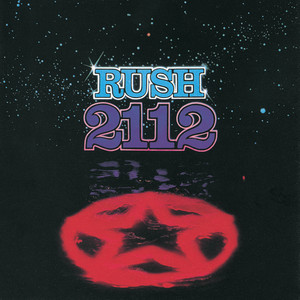
One of my favorite albums. 2112 lyrics are great, even if the source material (Ayn Rand) isn't my favorite. Discovery is a beautiful moment for me on this album. The B side is good, but I always comes back to 2112 for its title track.
I preferred the fully instrumental tracks to those with vocals. Overall a good album, and I love the mishmash of different genres the band employs throughout. After listening again, something seemed to be missing though. All the tracks sounded good and were interesting, but I didn't find myself wanting to come back to many songs on this album.
Aretha's voice is undeniably spectacular on Lady Soul. It's no wonder Natural Woman is one of her biggest hits. I hadn't heard many of the other songs on this album, and I'm glad I finally gave it all a listen. I never really go out of my way to listen to soul, and I don't think I will after listening to this album, but I did enjoy listening to Aretha's full vocal spectrum put on display. Her power and her emotional range are evident throughout. Ain't No Way proved to be the perfect ending for an album, featuring a softer vocal expression and arrangement that makes the listener really feel like things have finished.
Credit where credit is due, Aretha Franklin is an amazing talent, and the album is a fine example of soul at its commercial peak. I wish there were more than 5 ratings, because it feels wrong giving Lady Soul only a 3, but I'm really just not a fan of the genre. It's also music produced for a huge label (Atlantic), and the commercialized feel comes through on this album.
Aretha Franklin's Lady Soul was my album yesterday, and if you paired Aretha's voice with the sharp instrumentals on this album, I would've rated it much higher. Even without being a fan of soul, I enjoyed this album. Mayfield's falsetto wore on me a bit by the end, and that's really my only complaint. If I enjoyed the genre more, this would be a 4.
Undeniably a highly influential album in the history of rock 'n' roll and popular music. Elvis presents in his debut album a mosaic of rockabilly, rhythm and blues, and pop. His voice is not yet fully mature, but I think it fits with his unrefined, short tunes intended for a young audience. His characteristic halting, erratic vocal inflection is most exaggerated on One-Sided Love Affair, and I had to skip that track on my second listen—to me, it's just annoying.
The circumstances of this release were the perfect storm: a generation of youths with more free time than ever, ripe to be the first "teenagers" with a shared youth culture; and the rise of television, among other things. Elvis likely could have been replaced with another handsome white boy that could sing and was willing to look a little silly on stage, and they would've done well. All that said, I can appreciate the floodgates that were opened by Elvis for the wider adoption of historically Black musical idioms into the popular culture. I'd choose almost anything else to listen to over Elvis, influential though he may be.
"Success" was the first song so far from an album on this list that almost made me stop listening to the album completely. Then, I was treated to that urge again and again, multiple times over while listening to Iggy's Lust for Life. And again during "Turn Blue," which was all the more disappointing because it started out seeming like it might be an ok ballad, only to turn into complete and utter garbage with Iggy Pop mumbling deranged ASMR in my ear. I wish I were exaggerating.
The only even slightly redeemable song is "Neighborhood Threat", and I still would complain if it came on the radio. There might have been another mediocre (at least, not awful) song on the album, but I honestly can't recall because I'm still recovering from having to listen to "Success" and "Turn Blue" back-to-back. This is the only album so far that I haven't listened to at least twice through because it was completely irredeemable.
I want to believe this is an example of the book/list editor's bias, coming from the UK. Sorry, but please include literally any other album for punk influence. Iggy without ridiculous stage antics is just annoying and boring. The editors should have just included a 10th David Bowie album instead of this album he produced if they wanted to further overinflate the European contributions to the album list.
I am familiar with and like some of the White Stripes' music, but I hadn't listened to White Blood Cells in a long while since most of my favorites are from Elephant. I typically enjoy Jack's riffing and somewhat wild and gritty style of playing on the electric guitar. That said, I was surprised to find that I really enjoyed some of the acoustic tracks on this album. There weren't many songs I see myself coming back to on a regular basis, but the band's unproduced garage rock sound on this album is charming.
I also knew as soon as I saw The White Stripes come up on the list that the reviews would be full of people hating on Meg White's drumming. Haven't we gotten past this already? The duo works perfectly together, and if you actually take a moment to listen, you can tell how well Meg is synced up with what Jack is doing--in time, groove, and style. I don't think The White Stripes' sound would benefit from having over-embellished percussion, and they likewise don't need a bassist or backup singers or anything else because their sound is exactly what is intended.
Overall, decent album, but not my favorite of The White Stripes'.
My feelings about Van Halen are like those about other 80s hard rock/hair metal bands. I'm sure listening to them live would be exciting, but the music doesn't mean anything to me as someone listening recreationally. You could replace one of the songs on 1984 with a Bon Jovi tune, and I probably wouldn't even notice.
The one thing I found interesting on the album was the intro to Top Jimmy, which started out with a great instrumental hook that grabbed my attention. I was excited to finally hear something different, but it just ended up disappointing. The rest of the song didn't live up to it and turned out to be like every other song on the album.
Mostly decent tunes, but not much that was very memorable.
I have a hard time judging some of the albums on this list because I've encountered a few truly bad albums. Then there are ones like this—they maybe aren't "bad," but they're uninteresting and not particularly unique.
Some of the instrumental parts were groovy, like on the title track, "Picture book," and on the "Money's too tight" cutback mix (though I found the rest of Money quite annoying).
I really enjoyed the opening tune "Gloria." Patti's voice is so expressive and really fits in with the raw sound of this album. However, I'm not a huge fan of the mixed spoken word/singing, like on "Birdland," "Kimberly," and "Land." I understand why Patti, as a poet, included it, but I just couldn't enjoy those parts as much.
Highlight of the album was the fantastic energy in the instrumental part on "Free Money," that made it my favorite track on Horses.
The Killers' sound just doesn't appeal to me. The guitar is predominantly used to create a wash of sound that isn't very interesting (this is especially exaggerated on "On Top"). It is the equivalent of a pianist playing with the sustain pedal constantly, making any sounds that might be novel or unique when differentiated instead blend with each other to the point that everything sounds the same. A side effect of this is that oftentimes the songs feel like they aren't going anywhere at all. This alone isn't enough to condemn the album completely, but it also isn't worth trying to pick out individual lines from the bass because it's only present to meld with the over-blended tones of the guitar. The snyth adds an interesting element on occasion, but the Killers constantly return to this washed-out blend of dull harmonies.
So then we're left with the drums and vocals. The drums are fine and hardly worth mentioning, though they really are the only thing keeping the songs moving forward and preventing complete stagnation. And the vocals. The vocals... feature an overused vocal effect that is most evident on "Everything Will Be Alright." Sure, it makes the sound of Hot Fuss almost immediately recognizable, but in my opinion, it also contributes significantly to the issues I note above. Because all of Brandon Flower's vocals are produced with this effect, it causes any expressive vocal choices that might otherwise stand out to sound too much alike.
I will say "Jenny Was A Friend Of Mine" ever so slightly stood out from the other tracks, with its synth riff supported by bass interjections that made it a bit more interesting to listen to. Then of course there's "Mr. Brightside," which still suffers from many of the issues above but at least has a constant rhythm pushing us forward in the moving synth, upbeat tempo, and lyrics. But really it's hard to remember anything else from Hot Fuss because it all blends together.
It's a testament to my dedication to finishing this list that I am willing to listen to more Bob Dylan after hearing Blood on the Tracks first.
First verse of "On the Road Again" immediately reminded me why I hated Blood on the Tracks.
"Gates of Eden" would be a good song, but Dylan just can't let go of his ridiculous method of emphasizing words with volume instead of LITERALLY ANYTHING ELSE.
"At dawn my LOVER comes to ME and tells me of her dreams.
With no at-TEMPTS to shovel the GLIMPSE..."
I get he is trying to highlight the poetic meter here and how it lines up with the music, but there are ways to do this that actually sound good. I won't bother explaining, because I had exactly the same issue with almost everything on Tracks. Just read that review.
Fine album. Solomon's voice is pretty good, but there wasn't much that stood out to me on Rock 'n Soul. I do have an issue with using a fade out as a way to end a song, and that particular method was definitely over-employed on this album. No artist would realistically perform a song live this way, so what's so difficult about replacing the monotonous last 15 seconds of slow fade with 4-8 measures and a cadence?
Side 1 had some pretty groovy songs, but not much that stood out. "Woodstock" was probably my favorite from side 1.
The intro to "Deja Vu" was awesome and had me moving, but the rest of it fell off.
I really enjoyed "4 + 20". The delicate vocals and acoustic accompaniment were a nice change from the very harmony-heavy tracks earlier on the album. I'm just a bit disappointed it's the shortest song.
I really enjoyed the instrumentals on Brown Sugar. The bass lines are clean and had a nice groove. Still, nothing else on the album really grabbed my attention, even though it's good 90s neo-soul/R&B. I'm just not that into the genre--a bit too repetitive for me.
It's formulaic and created to be precisely what would appeal to the largest audience possible (is that an oxymoron?). The greatest songwriters and composers in history mastered a formula, then transcended it. Britney's team is obviously not operating at that level here, but there is something to appreciate in their absolute command of the pop formula. Is every song about teen love and heartache? Yes, and that isn't particularly appealing, but I still can't help but be pulled in by the chorus in "Baby One More Time" or the cheesy ballad "I Will Be There." "E-Mail My Heart" might be my favorite track on the album just because it's hilarious. Baby One More Time is half pop bangers and half skippable filler songs.
I have to wonder why this album was included on the list when there are certainly better Britney albums. I guess it's because Britney broke the mold in a way with Baby One More Time and became a pop star when people thought there would never be another Madonna. I would've preferred listening to one of her later albums.
I'll start off by saying I've always enjoyed "Blue Rondo," and I like the sound of chill West coast jazz. But listening to the entire album, there are moments where I feel it is almost slipping into easy listening territory. I know jazz snobs out there probably think I'm blaspheming or something, but the airy saxophone solos and laid-back groove really does make the music fade into the background for me at multiple points on this album. There are definitely moments that grab my attention, but I prefer music that fully engages me the entire time I'm listening.
Not that interesting, and at times the band didn't even sound locked in. Also, god forbid saxophonists make pleasing sounds come out of their instruments every once in a while.
Took a few listens, but I really enjoyed this album. I wish there were a bit more variety, but the acoustic textures were nice.
Paul ran out of English folk music to hack and had to move continents I guess. Bassist is cool, but that's about it. 0/10
Dusty's voice is fantastic, and it's supplemented well by the orchestrated backing on tracks like "You Don't Own Me". Most of the album is decent, and really the only song I didn't somewhat enjoy was "Wishin' and Hopin'." But it's not a genre I'm really a fan of, even if the songs are fine.
First off, why is he doing his best Bob Dylan impression at the beginning of "Under the Pressure"? This creeped out again later in the album--not a fan of that style of inflection.
As for the rest of it, the album is a bit too ambient for my taste. I can dig chill, laid-back music, but it does need to be going somewhere. I feel like there were too many moments on this album where I found myself wondering how long the songs were going to go on, even if they were enjoyable for the first few minutes.
Entry of the bass line on "History Song" was awesome. Rest of the album was disappointing.
I really dislike the saxophone, especially when it's being used to create an overly harsh, loud sound, so I really hated the beginning of "Wonder Wonder." The the rest of the opening song was great, though. Overall, the album was alright, and I would probably give it a 3 if his style of playing the sax were different.
This is exactly the kind of thing I was hoping to find more on this list. So far, there has not been much that surprised and pleased me like this album (Ágætis byrjun is really the only other one I can think of). An album that isn't perfect, but that is interesting and unique. One that has something to say in a way no one else would. An album I otherwise never would have encountered. I don't need to like everything on the album (I don't in this case, though I did enjoy most of it), I just want to learn and listen.
The Threepenny Opera "Tango Ballad" arrangement is so cool--I liked it even better than the original. I love the reimagined instrumental accompaniment, with all those ethereal synth sounds.
I was hoping to enjoy the Philip Glass track more. I hate to say it, but it really does sound like stereotypical Glass--just throw in a couple arpeggiated sextuplet lines and call it a day. It was good, but I'm disappointed it wasn't more interesting.
I don't like Neil Hannon's voice. He sounds straight out of Volbeat or another heavy metal band, and I don't think it meshes with Ute Lemper's cabaret style. I think I would've rated this album a 4 anyway, but his part definitely would keep me from bringing this up to 5.
The delicate instrumentation on "Purple Avenue" is beautiful. Honestly, Ute could be singing almost anything over it and I would enjoy it.
"You Were Meant For Me" is lovely, dramatic, spectacular. The heavily orchestrated instrumentals and Ute's semi-operatic flair on this track go together wonderfully. It reminds me of a film score.
"Scope J." probably isn't something I would go out of my way to listen to again, but I did enjoy listening to it. The dissonances were disturbing in a way that perfectly encapsulated the haunting lyrics. Music like this is proof that good music doesn't have to be enjoyable: it can be disturbing, harsh, throught-provoking.
Overall, a pretty cool album that borrows heavily from its cabaret roots. That means it is kind of absurd and melodramatic at times, but I can appreciate it for what it is.
Some good songs, but I have a problem with this being on the list since it's a compilation album.
Beck's mom must've told him to stop mumbling one too many times as a child, and now he's made a whole career out of mumbling lyrics to get back at her. Also, nothing stood out to me on this album. It's not a 1 because I didn't physically cringe at any party of the album.
"Going Home" has some good stuff going on in the instrumental vamp, but is completely lacking in any vocal or lyrical interest. Typically, when you write an 11 minute song that is one guy soloing/improv over instrumentals, the soloist is, you know, enjoyable to listen to. Or they at least show off some kind of technical prowess in their performance. This is not the case here. Instead I just get to hear Mick Jagger moan and mumble about making sweet love to some poor girl.
There is an issue with listening to many albums on this list. Any album that did something different/experimental for its time AND was influential enough to warrant being on this list will sound stereotypical and overdone from our perspective. I'm sure the Flying Burrito Bros' country rock sound was interesting in 1969, but we've had 50 years of country music since then that just sounds like this. Sure, props to them for being part of the redefinition/creation of a genre, but why would I bother listening to this today, especially when people have done it better 100 times over by now?
I liked the folksy parts of this album, but I also enjoyed the rock tracks. Grace Slick's voice is mesmerizing, and the songs without her on lead vocals suffered in my opinion, knowing that they could've featured her instead. Other than "White Rabbit" and "Somebody To Love," which I'd of course heard before, I thought "Go To Her" was a standout on this album. "Come Back Baby" was one of the non-Slick songs I really enjoyed.
Not necessarily bad, but also not particularly interesting.
I'm real tired of mediocrity.
Most of the tracks on Talking Book are uninteresting in subject matter (typical crooning love songs), but I found "Blame it on the sun" to be a really great song. The melancholy tone combined with a bit of a different perspective on love made it stand out from the rest of the album. I enjoyed most of the instrumental grooves on Talking Book, but an otherwise great album suffered overall from its lack of lyrical interest. "Superstition" is of course a highlight as well, as it showcases Stevie Wonder's more aggressive vocals and a different--more interesting--subject.
"Steppin' out" just blatantly ripped off part of the melody from John Lennon's "Imagine" at the end. The bass from Steve Miller's "The Joker" is replicated with only slight variation in "Summer and Lightning." There were many, many other moments on this album that felt distinctly familiar, and I'm sure if I cared to listen to the album again, I would identify other connections. (I wrote this and then finished listening, hearing a direct quote of "Rhapsody in Blue" on one of the last tracks.)
Musical borrowing is fine and can be really interesting when done well, but hearing it over and over on this album made me wonder if ELO can actually come up with any good ideas on their own.
I really vibed with a lot of this album. Less so with the noise rock/screamy parts, but those were pretty minimal anyway.
I have the same problem with this album that I did with Metallica's black album: there isn't enough variety. It's all well and good for a band to have a unified, distinctive sound, but I do want to hear different ideas. "Hollow" was a nice change in texture, but too late.
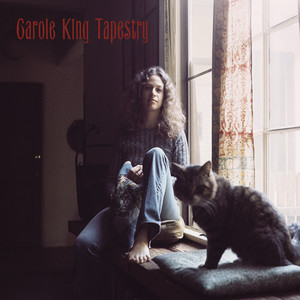
Carole King is a great songwriter, and it shows in the number of staying hits on this album--even those that were popularized by other artists like Aretha Franklin. There were a few moments where I thought that a song might've been better served by a different vocalist. Some of the heavier songs would've benefited from a more powerful belter in my opinion. That's more personal preference than a criticism, though. King's voice is still great and doesn't detract from any of the performances.
There were moments where I found myself tapping my foot because there was a groove going, but mostly this album felt like meaningless background music.
Way for Brian Wilson to ruin "You are my sunshine," a tune so simple and classic I didn't think it could be done badly. This album was actively unenjoyable.
My opinion can go either way on live albums. Sometimes, they're fantastic and you get to hear a unique version of the music that has developed beyond the studio version. Sometimes they're just not great.
That said, I really enjoyed this album. It had a lot of what I do enjoy on live albums, and it felt like entering a time capsule. Even the mistakes were charming when handled so well by Sarah Vaughan. Her little ode to Ella Fitzgerald was sweet and funny.
Giving this a 2 only because there is one decent song.
Listening to The Divine Comedy is like going to an orchestra's summer pops starlight dinner concert: I'd almost always prefer to hear classical music or the actual pop artist instead of a boring mashup with mediocre vocals while I eat bland catered meat loaf or whatever.
Lyrics 1/10 only because I laughed at "if you were a horse, I'd clean the crap out of your stable."
Instrumentation 0/10
Vocals 0/10
It mostly wasn't painful to listen to, but it was also completely uninteresting.
Was inoffensive but also not very interesting.
I liked "Mother Nature."
Second half of the album was much better than the first. Still, while I can appreciate what 80s hip hop did for the genre, I am glad we moved on.
The last couple instrumental tracks were really cool. I enjoyed "Subterraneans" and "Art Decade."
I think the method used to create this album is very unique and shows that something can be more than just the sum of its parts. I like listening for the different samples that, in their new contexts, have created an entirely new perspective from which to listen. Though there are only a handful of tracks on the album I go out of my way to listen to (Frontier Psychiatrist being one), the album is enjoyable throughout.
The "Laughing" chorus at the end of "If I Was With a Woman" was the final straw.
The horns on this album are absolute garbage. They don't know how to start or end a note together, and the tone is awful -- did they hire actual toddlers to play or something?
The first half of the album is fantastic, and I thoroughly enjoyed Deep Purple's sound, which I was not expecting from a 1970 album. The second half was still good, but I didn't enjoy it quite as much.
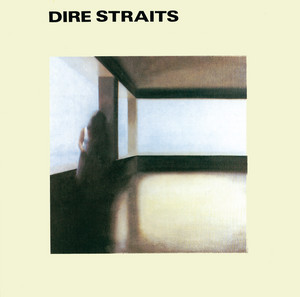
Pretty sure "Sultans of Swing" played every day on SWLA 92.9 The Lake. Overall, I enjoyed the album though there were a few moments where the singer's inflection reminded me too much of Bob Dylan.
Her voice is fine and the music isn't bad, but I really didn't find it all that interesting or soulful.
Boring and entirely too long.
Overall a pretty decent album. The last leg of it drag on a bit, but I enjoyed it for the most part. "Friend of the Devil" was a standout.
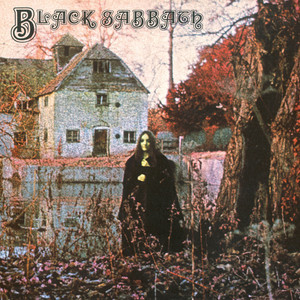
I only really knew the hits off this album: Paranoid, War Pigs/Luke's Wall, and Iron Man. But I was pleasantly surprised to listen to the rest. Planet Caravan is a soft instrumental groove that I would never have expected to hear, and I love the contrast it brought to the album along with other, softer sections like the beginning of Jack the Stripper/Fairies Wear Boots. Ozzy's voice is perfect for the band's sound and subject matter; for me it brings to mind a wailing proselytizer. The drummer is great, and I think his part elevates the music significantly. Rat Salad was fine but stood out a bit from the rest of the album as something you might want to hear live but doesn't beg a second listening.
Another album that, while not painful to listen to, fails to capture my interest.
"Born to Run" was pretty good until the saxophone solo. Otherwise, kind of an uninteresting album.
The album does not live up to the hype or the standard set by track 1.
Pretty decent English folk album. The tracks with Jacqui McShee's vocals were more enchanting than the others. They're no Steeleye Span, though.
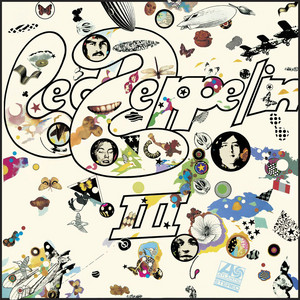
This is the second Led Zeppelin album that has come up for me so far, and I have found that I enjoy their laid-back songs much more than the wild up-tempo ones. The grooves on tracks like "Lemon Song" and "Moby Dick" are cool, but I don't think they hold up to the relaxed moments on the album.
The delicate acoustic guitar and organ textures on "Thank You" was one of my favorite parts, and I also liked the beginning of "Ramble On" and most of "Bring It On Home."
Can't say I vibe with many of the lyrics, but the music sounds alright.
I really liked Sonic Youth's album "Goo" when it came up on the list months ago. There are commonalities between these two albums that I enjoy, but "Daydream Nation" has a lot more talk-singing going on. I found myself wavering between really liking songs on this album and being somewhat annoyed by these sections. I liked and unliked "Cross the Breeze" multiple times while listening to it because the instrumentals are bangers, but the vocals turn me off. I ended up settling on "like," but so many of the tracks on this album could be improved on in the vocals department.
I did not enjoy it as much as Hounds of Love, but there are still some very interesting tracks on this album.
Some of the instrumental intros sounded interesting, but then the verses would start and did not follow through.
Was pleasantly surprised by the variety of sounds on this album. It's not one I would return to in its entirety, but there are a few gems like "Fade Away and Radiate" that aren't just Blondie's greatest hits.
There were some really cool instrumental moments in the blues-inspired tracks like "Dreamer" and "Time," but I found most of this album boring.
I thought "How Can You Expect...?" was a decent pop song, but otherwise this album was just full of dull synth loops.
I was pleasantly surprised by this album. I'd heard a couple songs off it before--I'm pretty sure my mom had a mixtape with some of these songs on it when I was younger.
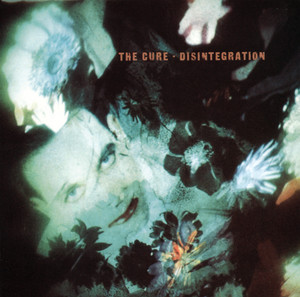
I expected the album to be too repetitive in its gloomy tone, but I actually didn't find that to be the case. The first part of Disintegration sets you up to believe that this is just going to be an album with too many dreary love songs, but it takes a turn after Lovesong. Some of my favorite parts were the extended instrumental bits like at the beginning of Lullaby.
I will definitely listen to this album again and put some of the songs into my regular rotation.
Favorites (that weren't just Pictures of You or Lovesong):
Lullaby
Fascination Street
Homesick
The extended instrumental vamp at the end of "What Goes On" might be the most boring thing I've listened to on this list.
There were moments where I felt this album was leaning up against goodness, but those moments were few. I'd rather just listen to The Cure.
Middle-Class Heroes was so bad it was comical. And, as with A Short Album About Love, I'm not convinced it is purposeful.
10,000,000,000 times better than Bob Dylan, but still not that interesting. Maybe if he would sing about something other than sexy legs or whatever.
I enjoyed the second track best, but this sort of album requires close listening that the first listen didn't compel me to revisit for.
more britpop more britpop more britpop more britpop more britpop more britpop more britpop more britpop more britpop more britpop more britpop more britpop more britpop more britpop more britpop more britpop more britpop more britpop more britpop more britpop more britpop more britpop more britpop more britpop more britpop more britpop more britpop more britpop more britpop more britpop more britpop more britpop more britpop more britpop more britpop
Well-produced, but not very interesting.
This album has a couple good tracks, but nothing I would come back to.
After the first track, I started writing this review because I thought it was all going to be samey: "This album is proof that you can accomplish anything if you try. Because this guy must have demoed this album, a producer actually said "yeah, you know what, I'll do it," and they actually published it."
But then I got to "The Wind and the Dove" and was actually a little impressed. I'm not a fan of the half-singing, half-speaking style, but the instrumental arrangements are nice. Not a complete flop.
I really don't think this is *that* bad, and there are a handful of good moments on this album. But overall, it really wasn't very fun to listen to.
This album made me regret a few of the 1s I've doled out to other albums because this is on a whole new level.
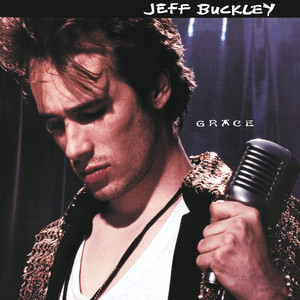
This album was a pleasant surprise. I think it's really difficult to pull off great heartfelt ballads, and Jeff Buckley succeeds multiple times on this album. Corpus Christi Carol kind of blew me away after listening to it a few times; the melancholy mood reminds me a lot of Sufjan Stevens. There are definitely a few songs off this album I'll be coming back to.
Rush is one of my favorite bands, but I want to do my best to write a review that addresses the strengths and weaknesses of Moving Pictures because I feel like both the Rush haters and the Rush lovers can be a bit disingenuous when it comes to the band's more controversial aspects (looking at you, top reviewers).
I'm one of those folks who actually likes Geddy Lee's voice. He isn't a bad singer, but I admit he does have an unconventional voice. What I like is that his voice is expressive. So many Rush haters like to say that Rush is "soulless" because they are technically adept. In the same breath, they contradict themselves by complaining that Geddy Lee doesn't have the voice of an operatic tenor. He isn't out there singing virtuosically--he's singing his soul out. Now, Geddy's bass/synth/whatever else and Neil Peart's drumming and Alex Lifeson's lead guitar can be more honestly accused of technicality, but technicality and expression are not mutually exclusive. That is the same talking point that is used to discriminate in the classical music world against Asian musicians: because they may be technically proficient, they're criticized for lacking some mystical aspect of musicality that western musicians must have by rite of being descendants of Beethoven or some stupid shit (sorry to get on my soapbox for a moment there).
All that to say that critics of Rush's technical abilities rarely point to identifiable parts of the music that are "lacking soul," they just point to the fact that Neil Peart, Geddy Lee, and Alex Lifeson are good at what they do as an apparent reason. That is not a good reason.
Anyway, Moving Pictures. Because I like Geddy's voice and I think it is expressive, I tend to actually enjoy the songs with vocals more than the ones without. Tom Sawyer, Red Barchetta, Limelight are perfect examples of Geddy just wailing out sounds that tell me what to feel before I even understand the words he is singing. I've listened to Red Barchetta and Limelight upwards of 100 times in my short lifetime, and I probably still don't know all the lyrics because, to a certain extent, it doesn't matter to hear every word. I understand enough to know what the songs are about, but Geddy's *voice* fills in the emotional, expressive details.
I mentioned Tom Sawyer there for a moment, and I should say that I do think this song is a bit overrated. It's good, but I don't think it is the greatest song on this album. I think it unfortunately acts as an example for people to point at and say that all Rush is is changing time signatures and Neil Peart playing 30-something drums.
I find songs like Red Barchetta to be far more enjoyable. Neil Peart usually wrote the lyrics for Rush, so I assume he wrote these. Even if I don't agree with all of his inspiration material (cough Ayn Rand cough), I like the approach he uses in writing lyrics. He draws inspiration from fantasy, science fiction, literature, philosophy, and I think he comes up with interesting ways of conveying a narrative through his words (and the music). In Red Barchetta, even though there are only slight allusions to fictional concepts (we don't know what the "Motor Law" is, really), the lyrics, Geddy's expression, and the driving rhythms of Rush's music truly illustrate another world that is able to be filled in by my imagination.
The back half of Moving Pictures is much weaker. Limelight is a great song, though, and this weakness comes from the last three tracks. Limelight is an example of one way I think Rush (with Moving Pictures specifically) is actually a much more accessible "prog" group than they are made out to be by critics. Limelight is a song. It is verse - pre-chorus - chorus. Many of Rush's songs conform to a pretty typical verse-chorus song structure. They certainly have albums that lean into more experimental and harder-to-follow forms, but for the most part, they write songs (especially on this album).
The Camera Eye is alright, but Geddy actually takes it back a step and sings more conventionally here. If you have a problem with his voice, maybe listen to this one and see if you like it. His voice certainly has the same timbre as usual, but he lays back a bit and matches the relaxed tone of the song's middle section. There are a few moments in Camera Eye where the transitions between sections are very abrupt. I can see this as being an honest example of Rush's technicality being a hinderance to enjoying the music. I don't feel anything when they're jumping back and forth between instrumental sections on this one.
Witch Hunt is more enjoyable to listen to, but Neil (I assume) was too blunt with the lyrics in this instance. In the first half or so, he does a great job of evoking feelings about the hunted, persecuted "others" in the song, and the tone of the music matches these themes. But the last two verses really just try to hammer their point in with direct mentions of immigrants and infidels, and I think he should have just stuck with the metaphor and imagery from the first few verses.
Vital Signs is probably the worst song on this album. The reggae influence is incredibly obvious while not being executed well at all. I agree with the one reviewer that Alex Lifeson plays the rhythm guitar very stiffly here, and I just don't feel like the band is completely into it. Geddy simultaneously attempts to sing in his style while adopting a reggae lilt, and it doesn't work. At all. I don't have anything positive to say about this one.
Despite loving Rush, I can't give this album a 5. On merit of the first 4 tracks, it's great, 5/5. The B side is just so mediocre in comparison, with the last track bordering on bad, that I could never call this album perfect. 5/5 is the perfect ideal of an album that I want to listen to straight through with no skips and still feel that I could get more out of the music on multiple listens, many times over. I don't think I can do that here with the quality of the B side being as it is.
I did not expect to like an album that is essentially a compilation album so much, but most of the tracks on Wild is the Wind fit together very well. "Either Way I Lose" was an odd inclusion and not a great way to end the album, in my opinion.
I would pay money to never listen to another album on which the artist does their best Bob Dylan impression.
Muse is really, really good at making soaring symphonic sounds with choruses of Matt Bellamys singing in falsetto. The problem with that is that when you're blasted with the same loud tenor singing, guitar riffs, and drumming for 50 minutes with only one or two tracks that change up the tone and volume, everything starts to sound a bit too familiar by the end of the album.
1 billion times better than the Iggy Pop solo album that came up earlier on the list, but still not that great.
"Moonlight Mile" was actually a good song, and it kept me from dropping this album to a 2 after the awful country song and unnecessary saxophone solo.
Wasn't even that bad at first, but it just went on for so long and I couldn't even bring myself to listen anymore.
It's the albums like this that make me question why I am even listening to this list in the first place.
Started off strong, but didn't follow up on it.
I've had about nine or ten tracks off this album in my regular rotation since I first listened to it in 2016. It is interesting to see how my tastes have developed. I still think Illinois is a great album, but I found myself enjoying the parts I had neglected to listen to as much. Whereas I preferred the heavily-orchestrated songs like "Come on! Feel the Illinoise!" and "Predatory Wasp of the Palisades" before, now I love the more delicate "John Wayne Gacy, Jr."
I do see where critics are coming from when they complain about some tracks on Illinois sounding the same. I enjoy the woodwind textures and layered vocals, but some moments would have benefited from more variation or clarity of sounds rather than using the same thick instrumentation.
Pretty average Christmas album, and definitely not the one I would choose to put on this list.
Gratuitous saxophone solos will almost always make me drop a number off an album's rating. Lucky I didn't give this a 2.
I can appreciate the progressive nature of some of the subjects explored in this album, but it is not nice to listen to musically.
Tidal started autoplaying Iggy Pop after this album, and I almost didn't notice. I think that says enough.
I'm unfortunately coming to realize I might just not like David Bowie. There are some really cool production moments in this, but overall I just couldn't enjoy it. Not to mention the gratuitous saxophone solos.
This album is absolutely loaded with incredible songs in a wide variety of genres, each executed perfectly. There are a handful that I see myself putting into my regular rotation, but a lot of the tracks aren't ones I would listen to in the background during work or a long drive. That doesn't mean they aren't enjoyable, it's just not the kind of music that's easily digestible. Definitely a fun album to listen to all the way through.
Possibly the middest blues band of all time. "Layla" cannot save this album.
Legendary performances by Ella Fitzgerald, but I cannot rate this a 5. If this had been a shorter, well-curated compilation of Gershwin songs sung by Fitzgerald, I could easily slap a 5 on it. But as it is, this contains too much filler just by nature of its being a more comprehensive compilation.
The perfect live album: the apt setting and audience add something to the music that it wouldn't have in the studio.