Björk presents 𝘔𝘦𝘥ú𝘭𝘭𝘢 — an album made entirely from the human voice — featuring throat singing, beatboxing, choirs, whispers, and everything in between. It’s bold, raw, and intimate, stripping music down to its most primal element: breath and voice. What could have easily been a conceptual gimmick becomes something deeply emotional and otherworldly. Björk doesn’t just experiment — she 𝗰𝗿𝗲𝗮𝘁𝗲𝘀 a sonic world that feels ancient and futuristic at once. Tracks like 𝘝ö𝘬𝘶𝘳ó, 𝘖𝘤𝘦𝘢𝘯𝘪𝘢, and 𝘞𝘩𝘰 𝘐𝘴 𝘐𝘵 offer moments of haunting beauty, while 𝘈𝘯𝘤𝘦𝘴𝘵𝘰𝘳𝘴 plunges into the edge of vocal abstraction. 𝘔𝘦𝘥ú𝘭𝘭𝘢 isn’t an easy listen, but it’s a fearless one. It’s music at its most elemental — and yet more advanced than what most artists dare to attempt. A masterpiece of human expression and sonic imagination.
1001 Albums Summary
Rating Distribution
Rating Timeline
Taste Profile
Breakdown
By Genre
Tap a bar to see the albums behind it
Top Styles
Tap a bar to see the albums behind it
By Decade
By Origin
Albums
You Love More Than Most
| Album | You | Global | Diff |
|---|---|---|---|
|
Medúlla
Björk
|
5 | 2.74 | +2.26 |
|
Phaedra
Tangerine Dream
|
5 | 2.74 | +2.26 |
|
Merriweather Post Pavilion
Animal Collective
|
5 | 2.92 | +2.08 |
|
Music Has The Right To Children
Boards of Canada
|
5 | 2.92 | +2.08 |
|
Tubular Bells
Mike Oldfield
|
5 | 3.1 | +1.9 |
|
Third
Portishead
|
5 | 3.13 | +1.87 |
|
Clube Da Esquina
Milton Nascimento
|
5 | 3.14 | +1.86 |
|
The Bones Of What You Believe
CHVRCHES
|
5 | 3.16 | +1.84 |
|
Vespertine
Björk
|
5 | 3.19 | +1.81 |
|
Songs Of Love And Hate
Leonard Cohen
|
5 | 3.2 | +1.8 |
You Love Less Than Most
| Album | You | Global | Diff |
|---|---|---|---|
|
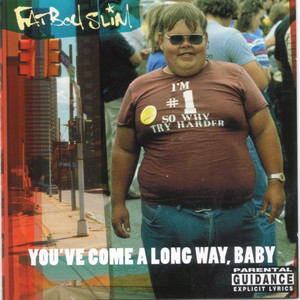
You've Come a Long Way Baby
Fatboy Slim
|
1 | 3.32 | -2.32 |
|
Eternally Yours
The Saints
|
1 | 3.05 | -2.05 |
|
Better Living Through Chemistry
Fatboy Slim
|
1 | 2.98 | -1.98 |
|
Rattlesnakes
Lloyd Cole And The Commotions
|
1 | 2.9 | -1.9 |
|
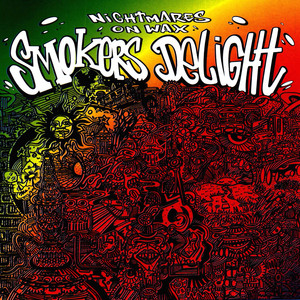
Smokers Delight
Nightmares On Wax
|
1 | 2.9 | -1.9 |
|
Street Signs
Ozomatli
|
1 | 2.87 | -1.87 |
|
Can't Buy A Thrill
Steely Dan
|
2 | 3.74 | -1.74 |
|
Brothers In Arms
Dire Straits
|
2 | 3.73 | -1.73 |
|
Graceland
Paul Simon
|
2 | 3.72 | -1.72 |
|
Hot Fuss
The Killers
|
2 | 3.72 | -1.72 |
Artists
Favorites
Tap an artist to see their albums
| Artist | Albums | Average |
|---|---|---|
| Nick Drake | 3 | 5 |
| Radiohead | 6 | 4.33 |
| Sonic Youth | 4 | 4.5 |
| Björk | 3 | 4.67 |
| Air | 2 | 5 |
| David Bowie | 7 | 4 |
| Beatles | 6 | 4 |
| Leonard Cohen | 3 | 4.33 |
| The Kinks | 3 | 4.33 |
| Talking Heads | 3 | 4.33 |
| Bob Dylan | 5 | 4 |
Least Favorites
Tap an artist to see their albums
| Artist | Albums | Average |
|---|---|---|
| Fatboy Slim | 2 | 1 |
Controversial
Tap an artist to see their albums
| Artist | Ratings |
|---|---|
| Beatles | 2, 3, 5, 4, 5, 5 |
5-Star Albums (45)
View Album Wall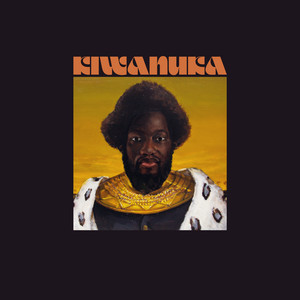








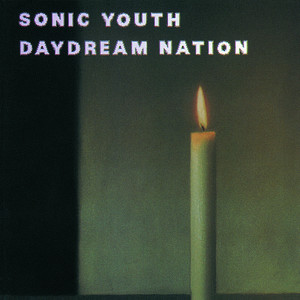


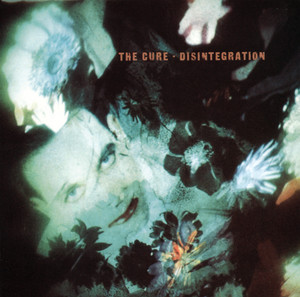


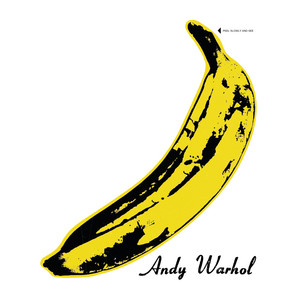


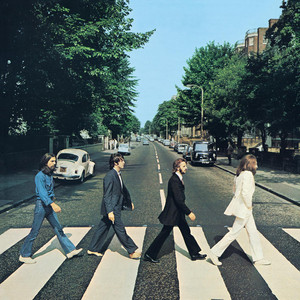









Popular Reviews
𝘏𝘪𝘴𝘵𝘰𝘪𝘳𝘦 𝘥𝘦 𝘔𝘦𝘭𝘰𝘥𝘺 𝘕𝘦𝘭𝘴𝘰𝘯 remains one of Serge Gainsbourg’s most distinctive works — a compact concept album blending smoky spoken vocals, Jean-Claude Vannier’s lush string arrangements, and deep, funky bass lines. Musically, it feels timeless, influencing artists from Beck to Portishead, yet it’s still very much a product of Gainsbourg’s provocative imagination. Here’s a quick plot summary, which you can find almost anywhere online: an unnamed man (played by Gainsbourg) drives through town in a Rolls-Royce, spots a 14-year-old girl named Melody (played by Jane Birkin), falls in love with her, spends intimate moments with her in a hotel, and eventually loses her in a plane crash. Gainsbourg’s lyrics here would, in a #MeToo era, likely be condemned as sexist or exploitative — and that was, at the time, very much his intent: to shock. It was a strategy he had already used successfully with 𝘗𝘰𝘶𝘱é𝘦 𝘥𝘦 𝘤𝘪𝘳𝘦, 𝘱𝘰𝘶𝘱é𝘦 𝘥𝘦 𝘴𝘰𝘯 — the France Gall song that won the 1965 Eurovision Song Contest — whose playful yet suggestive lyrics she famously did not fully understand at the time — and the scandalous 𝘑𝘦 𝘵’𝘢𝘪𝘮𝘦… 𝘮𝘰𝘪 𝘯𝘰𝘯 𝘱𝘭𝘶𝘴. Problematic by design, but musically exquisite, 𝘔𝘦𝘭𝘰𝘥𝘺 𝘕𝘦𝘭𝘴𝘰𝘯 remains a fascinating example of art deliberately walking the line between beauty and provocation.
At 73 minutes, 𝘉𝘭𝘰𝘯𝘥𝘦 𝘰𝘯 𝘉𝘭𝘰𝘯𝘥𝘦 can feel like a long walk through a poetic thunderstorm — fascinating, but occasionally exhausting. Dylan’s famously nasal delivery and frequent, often piercing harmonica solos may test the patience of even dedicated listeners. 𝘚𝘢𝘥-𝘌𝘺𝘦𝘥 𝘓𝘢𝘥𝘺 𝘰𝘧 𝘵𝘩𝘦 𝘓𝘰𝘸𝘭𝘢𝘯𝘥𝘴 stands out as a haunting, slow-burning masterpiece, giving the album emotional weight and lyrical depth. A landmark record, yes — but not always an easy ride.
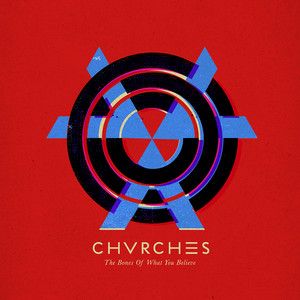
I have to bookmark this album as a landmark in indie synthpop and indietronica. 𝘛𝘩𝘦 𝘉𝘰𝘯𝘦𝘴 𝘰𝘧 𝘞𝘩𝘢𝘵 𝘠𝘰𝘶 𝘉𝘦𝘭𝘪𝘦𝘷𝘦 manages to sound both crystalline and raw, vulnerable and anthemic. Every track is tightly crafted, with Lauren Mayberry’s voice cutting through shimmering synth layers like a signal from a distant, emotional galaxy. This debut is so cohesive, it plays like a curated Zoomer-core playlist a decade before the trend caught on. Over ten years later, it still feels vital — a modern classic that set the tone for an entire wave of synth-driven indie pop.
I didn’t grow up with Ozzy the metal icon — I met him first as Ozzy the bewildered dad on MTV’s The Osbournes. Born in 1986, I was just the right age when that surreal slice of rockstar domestic life aired. He came across as eccentric, occasionally lost in his own house, but oddly lovable all the same. Around that time, I was also playing his album 𝘋𝘰𝘸𝘯 𝘵𝘰 𝘌𝘢𝘳𝘵𝘩 on repeat — especially 𝘋𝘳𝘦𝘢𝘮𝘦𝘳, his early-2000s ballad that stuck with me. Not long after, I stumbled across 𝘞𝘦 𝘚𝘰𝘭𝘥 𝘖𝘶𝘳 𝘚𝘰𝘶𝘭 𝘧𝘰𝘳 𝘙𝘰𝘤𝘬 ’𝘯’ 𝘙𝘰𝘭𝘭 in my family’s CD collection — a greatest-hits glimpse into his Black Sabbath years. It would take me another 10 years to realize that Black Sabbath had essentially pioneered what we now call doom metal. Normally, I struggle with the dense, aggressive textures of most metal — a gap I’m hoping to close through this 1001 Albums Challenge — but Black Sabbath has always been an exception. Somehow, they’ve always made sense to me. 𝘝𝘰𝘭. 𝟦 may feel a bit disjointed — an album caught between brilliance and excess. And yet, it remains part of a remarkably strong Ozzy era, during which four lads from Birmingham didn’t just invent a genre — they gave it unexpected depth and dimension. Nowhere is that depth more surprising than on 𝘊𝘩𝘢𝘯𝘨𝘦𝘴, a fragile piano ballad about loss and transformation. Stripped of guitars and thunder, it revealed a different side of Ozzy — vulnerable, emotional, and entirely human. In hindsight, it feels almost prophetic. The real rupture came only after Ozzy’s departure. Everything before that was magic forged in chaos. 𝕽𝖊𝖘𝖙 𝖎𝖓 𝖕𝖊𝖆𝖈𝖊, 𝕺𝖟𝖟𝖞. 𝕸𝖊𝖙𝖆𝖑 𝖓𝖊𝖛𝖊𝖗 𝖉𝖎𝖊𝖘! 🤘🏻
4-Star Albums (183)
























































1-Star Albums (9)




All Ratings (512)
𝘦𝘷𝘦𝘳𝘮𝘰𝘳𝘦 feels like Taylor Swift wandered into the woods with a notebook, a flannel shirt, and a thousand unresolved emotions — and honestly, I’m here for it. It’s moody, introspective, and occasionally sounds like it was recorded in a haunted but emotionally supportive cabin. At times it leans a bit too hard into the melancholy, but it’s beautifully written and full of quiet power. Basically, it’s the musical equivalent of staring pensively out a window while it rains — dramatic, but kind of perfect.
𝘏𝘰𝘵 𝘙𝘢𝘵𝘴 is what happens when Frank Zappa decides to behave — at least a little. Stripped of most of his trademark absurdism (minus a dash of Beefheart chaos and some delightfully odd titles), this album dives deep into jazz-rock fusion with surprising accessibility. Tracks like 𝗣𝗲𝗮𝗰𝗵𝗲𝘀 𝗲𝗻 𝗥𝗲𝗴𝗮𝗹𝗶𝗮 don’t just groove — they glide, twist, and sparkle. It’s experimental, yes, but with enough structure to welcome even the Zappa-curious. A wild ride, but one with seatbelts.
Wow, what an incredible album! When I first saw the cover of 𝘒𝘪𝘸𝘢𝘯𝘶𝘬𝘢, I assumed it was just another run-of-the-mill soul record. I couldn’t have been more wrong. Michael Kiwanuka’s voice is warm and effortlessly smooth, and the instrumentation is perfectly tailored to a psychedelic soul landscape — lush, immersive, and deeply textured. Why did I overlook 𝘒𝘪𝘸𝘢𝘯𝘶𝘬𝘢 for so long and just let it sit there, unnoticed? This isn’t just a good soul album — it’s a fully realized, emotionally resonant journey that deserves to be heard as a whole. A true gem hiding in plain sight.
Somehow, I find 𝘒𝘪𝘥 𝘈 even better than 𝘖𝘒 𝘊𝘰𝘮𝘱𝘶𝘵𝘦𝘳 — and I can’t fully explain why. Where 𝘖𝘒 𝘊𝘰𝘮𝘱𝘶𝘵𝘦𝘳 looks outward, anxious and analytical, 𝘒𝘪𝘥 𝘈 turns inward, cloaked in abstraction. It’s more introverted, more distant, yet strangely more emotional. The sparse use of guitars makes room for eerie textures, built from electronic keys, glitchy beats, and especially the haunting tones of the Ondes Martenot. This isn’t an album that asks to be understood — it wants to be felt. A cold, alien fog you slowly learn to breathe in. Less protest, more dream. Less voice, more presence. And for reasons that bypass logic, it stays with you even longer.
I gave 𝘏𝘺𝘣𝘳𝘪𝘥 𝘛𝘩𝘦𝘰𝘳𝘺 an honest shot and even listened to 𝘔𝘦𝘵𝘦𝘰𝘳𝘢 and 𝘔𝘪𝘯𝘶𝘵𝘦𝘴 𝘵𝘰 𝘔𝘪𝘥𝘯𝘪𝘨𝘩𝘵 for context. Still, it just doesn’t click with me. 1. Chester Bennington’s screams on 𝘏𝘺𝘣𝘳𝘪𝘥 𝘛𝘩𝘦𝘰𝘳𝘺 feel more forced than fierce — his clean vocals are solid, but the shouting isn’t quite there yet. 2. Mike Shinoda’s rapping also lacks the confidence and flow he shows later, especially on 𝘔𝘦𝘵𝘦𝘰𝘳𝘢. 3. Without the electronic polish and DJ elements, 𝘏𝘺𝘣𝘳𝘪𝘥 𝘛𝘩𝘦𝘰𝘳𝘺 often sounds like just another angsty metal album from the early 2000s. 4. Honestly, I wouldn’t recommend 𝘏𝘺𝘣𝘳𝘪𝘥 𝘛𝘩𝘦𝘰𝘳𝘺 as the best entry point to Linkin Park — 𝘔𝘦𝘵𝘦𝘰𝘳𝘢 refines the formula and delivers it with far more impact. That said, 𝗜𝗻 𝘁𝗵𝗲 𝗘𝗻𝗱 is a clear standout, and I understand why 𝘏𝘺𝘣𝘳𝘪𝘥 𝘛𝘩𝘦𝘰𝘳𝘺 earned its place on the 1001 Albums list. It’s a defining moment for its genre — just not one that resonates with me personally.
I’ve never been a big fan of the Beatles’ early albums, and 𝘞𝘪𝘵𝘩 𝘵𝘩𝘦 𝘉𝘦𝘢𝘵𝘭𝘦𝘴 didn’t do much to change that. While it’s full of youthful energy and tight performances, most of the songs feel locked into a narrow formula — basic love lyrics, simple structures, little ambition. Worse, the mix is hard to enjoy today. The artificial stereo separation — what some call “ping-pong stereo” — can be downright distracting. Vocals in one ear, instruments in the other, with a strange hollowness in between. It’s a historical artifact, sure, but it doesn’t make for pleasant listening. That said, 𝘈𝘭𝘭 𝘔𝘺 𝘓𝘰𝘷𝘪𝘯𝘨 is a genuine standout, and some of the cover versions work surprisingly well. 𝘔𝘰𝘯𝘦𝘺 (𝘛𝘩𝘢𝘵’𝘴 𝘞𝘩𝘢𝘵 𝘐 𝘞𝘢𝘯𝘵) in particular benefits from George Martin’s careful overdub work — it sounds tighter and more powerful than most of the album. But overall, this isn’t a phase of the Beatles I care to revisit. The real magic was still to come.
Björk presents 𝘔𝘦𝘥ú𝘭𝘭𝘢 — an album made entirely from the human voice — featuring throat singing, beatboxing, choirs, whispers, and everything in between. It’s bold, raw, and intimate, stripping music down to its most primal element: breath and voice. What could have easily been a conceptual gimmick becomes something deeply emotional and otherworldly. Björk doesn’t just experiment — she 𝗰𝗿𝗲𝗮𝘁𝗲𝘀 a sonic world that feels ancient and futuristic at once. Tracks like 𝘝ö𝘬𝘶𝘳ó, 𝘖𝘤𝘦𝘢𝘯𝘪𝘢, and 𝘞𝘩𝘰 𝘐𝘴 𝘐𝘵 offer moments of haunting beauty, while 𝘈𝘯𝘤𝘦𝘴𝘵𝘰𝘳𝘴 plunges into the edge of vocal abstraction. 𝘔𝘦𝘥ú𝘭𝘭𝘢 isn’t an easy listen, but it’s a fearless one. It’s music at its most elemental — and yet more advanced than what most artists dare to attempt. A masterpiece of human expression and sonic imagination.
𝘎𝘳𝘢𝘤𝘦𝘭𝘢𝘯𝘥 is often held up as a groundbreaking album, but to me, it mostly sounds like a smooth, safe ’80s pop record with occasional touches of South African rhythm and harmony. The much-praised “world music” elements are there, but they rarely lead — Paul Simon stays firmly in the spotlight, and the album never feels like a true musical exchange. Still, I do get the sense that Simon wanted to shine a light on the South African musicians he worked with. Groups like Ladysmith Black Mambazo clearly gained more visibility through this project, and that matters — even if the way it’s done feels more like cultural framing than collaboration. The music itself feels tame, a bit lifeless at times, and nowhere near as bold as its reputation suggests. For an album so often described as revolutionary, it left me surprisingly unmoved.
𝘚𝘶𝘯𝘴𝘩𝘪𝘯𝘦 𝘚𝘶𝘱𝘦𝘳𝘮𝘢𝘯 is a fairly average album overall, but it does have its moments. What stands out most is the use of Indian instrumentation, which adds a unique psychedelic flavor to the otherwise laid-back 60s folk-pop sound. It’s more interesting in texture than in songwriting, but still worth a listen for its historical context and sonic experimentation.
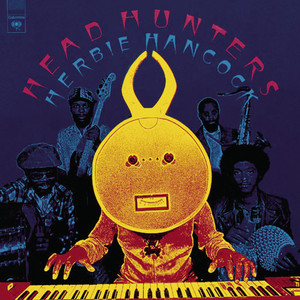
Cool stuff. 𝘏𝘦𝘢𝘥 𝘏𝘶𝘯𝘵𝘦𝘳𝘴 grooves hard, sounds fresh even decades later, and proves that jazz can move your body as much as your brain.
Look, 𝘐𝘭𝘭𝘮𝘢𝘵𝘪𝘤 is a landmark. Everyone from music nerds to college professors seems to agree it’s the gold standard of ’90s hip-hop. And sure enough, the beats are crisp, the rhymes are tight, and Nas delivers vivid street poetry like a 20-year-old with an old soul and a very sharp pen. Still, for someone who’s not deep into rap, it sometimes feels like reading a brilliant novel in a language you only half speak. I admire the craft, I get the cultural weight, but I’m not quite emotionally pulled in. Important? Absolutely. Essential? For hip-hop, yes. For me? Let’s say I’m glad I heard it — but I won’t be quoting it at dinner parties.
A strong and thoughtful jazz record that might feel more at home in 𝟣𝟢𝟢𝟣 𝘑𝘢𝘻𝘻 𝘈𝘭𝘣𝘶𝘮𝘴 𝘠𝘰𝘶 𝘔𝘶𝘴𝘵 𝘏𝘦𝘢𝘳 𝘉𝘦𝘧𝘰𝘳𝘦 𝘠𝘰𝘶 𝘋𝘪𝘦. While it’s beautifully performed and rich in mood, it doesn’t quite carry the historical weight or influence of other entries on the main list. The 76-minute runtime makes it a slow burn, but there’s real beauty in its patience. 𝘐𝘯𝘨𝘰𝘰 𝘗𝘰𝘸-𝘗𝘰𝘸 (𝘊𝘩𝘪𝘭𝘥𝘳𝘦𝘯’𝘴 𝘚𝘰𝘯𝘨) stands out as a charming, unexpected highlight.
A bold, unsettling, and meticulously crafted album that blurs the line between music and ideological theater. 𝘖𝘱𝘶𝘴 𝘋𝘦𝘪 plays with familiar pop motifs and militaristic elements to create something that’s both hypnotic and slightly unsettling. The reinterpretations of well-known songs feel more like recontextualizations than straightforward covers, leaning heavily on irony and contrast. That said, it doesn’t hit as hard as I expected. For all its conceptual weight, it can come across a bit more restrained — almost too controlled to feel truly confrontational. At times it even feels oddly accessible, like the soundtrack to a fictional totalitarian state rather than something genuinely disturbing. Interesting and well put together, but not as impactful as its reputation suggests.
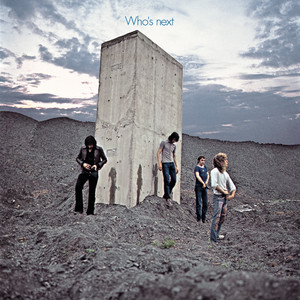
A stadium-sized statement from a band caught between rock opera ambition and raw power. 𝘞𝘩𝘰’𝘴 𝘕𝘦𝘹𝘵 refines The Who’s sound into a tight, muscular form, blending synthesizers, power chords, and existential angst without losing their edge. 𝘉𝘢𝘣𝘢 𝘖’𝘙𝘪𝘭𝘦𝘺 and 𝘞𝘰𝘯’𝘵 𝘎𝘦𝘵 𝘍𝘰𝘰𝘭𝘦𝘥 𝘈𝘨𝘢𝘪𝘯 are thunderous anthems, but the album’s heart beats just as loud in the quieter moments. And let’s be honest — 𝘉𝘦𝘩𝘪𝘯𝘥 𝘉𝘭𝘶𝘦 𝘌𝘺𝘦𝘴 is far more affecting in its original form than in that Limp Bizkit version. Not flawless, but undeniably iconic.
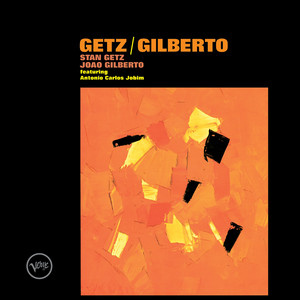
A flawless blend of relaxed jazz phrasing and the smooth sway of bossa nova. Rather than defining a genre, this album turns it into a feeling. 𝘛𝘩𝘦 𝘎𝘪𝘳𝘭 𝘧𝘳𝘰𝘮 𝘐𝘱𝘢𝘯𝘦𝘮𝘢 became a global sensation, thanks in large part to Astrud Gilberto’s airy, untrained charm — despite her appearing on only two tracks, she instantly became the definitive female voice of bossa nova. João Gilberto’s subtle guitar and Stan Getz’s lyrical saxophone complete the mood: effortless, intimate, and timeless. A quiet revolution in sound.
Despite its polished sound and clever references, 𝘙𝘢𝘵𝘵𝘭𝘦𝘴𝘯𝘢𝘬𝘦𝘴 feels oddly lifeless. The songs blend into one another with little variation, and the emotional impact never quite lands. It’s all very tasteful — but far too tame to leave a mark.
I was genuinely surprised by how strong 𝘙𝘩𝘺𝘵𝘩𝘮 𝘕𝘢𝘵𝘪𝘰𝘯 𝟣𝟪𝟣𝟦 still sounds decades later. The ambition, message, and energy are undeniable. But it suffers from a common late-’80s flaw: the overly uniform, mechanical drum sound that flattens the dynamics and makes too many tracks blend together. A bold, important album — just weighed down by its era’s production choices.
𝘚𝘶𝘳𝘧’𝘴 𝘜𝘱 isn’t sunshine and surfboards. It’s the quiet sound of California’s dream fading into introspection, melancholy, and maturity. Tracks like ’𝘛𝘪𝘭 𝘐 𝘋𝘪𝘦 and the haunting title song show a band far removed from their teenage image — reaching instead for something deeper, more fragile, and timeless. This is not the Beach Boys most people expect, but perhaps the one that mattered most. Brian Wilson’s genius is etched into every note of this record, even in his absence. His emotional fingerprints remain unmistakable: lush harmonies, heartbreaking arrangements, and the sense that music can say what words can’t. With his recent passing, albums like 𝘚𝘶𝘳𝘧’𝘴 𝘜𝘱 feel less like relics of the past and more like open windows into his beautiful, troubled mind. Rest easy, Brian. The waves you created will never stop reaching the shore.
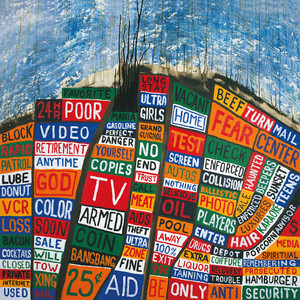
Radiohead throw everything at the wall here — bleeps, guitars, paranoia, piano ballads — and somehow most of it sticks. It’s not their best work, and certainly not essential, but it’s a fascinating, often thrilling snapshot of a band in transition. Even when Radiohead aren’t at their peak, they’re still miles ahead of most.
𝘛𝘰𝘮𝘮𝘺 is ambitious, theatrical, and undeniably groundbreaking — but also, let’s be honest, a bit too long. Still, when it hits (like 𝘗𝘪𝘯𝘣𝘢𝘭𝘭 𝘞𝘪𝘻𝘢𝘳𝘥 or 𝘐’𝘮 𝘍𝘳𝘦𝘦), it delivers pure rock opera magic. A flawed epic, but an epic nonetheless.
A tightly played, genre-hopping record full of ideas, riffs, and jazzy detours. It’s clever, energetic, and fun in bursts — but not every track sticks, and the whole thing can feel a bit too tangled for its own good. Impressive musicianship, but more craft than connection.
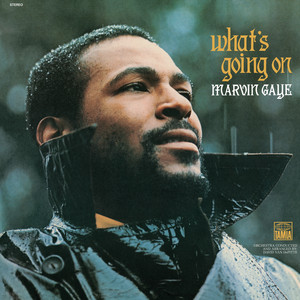
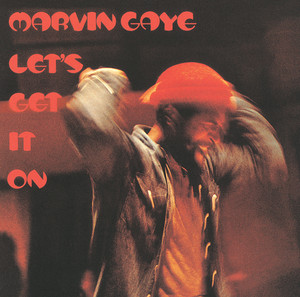
This is soul at its most seductive. Marvin Gaye turns desire into poetry, layering smooth vocals over lush, sensual grooves. It’s a masterclass in restraint and emotion, where every note feels purposeful. Not just a slow jam album — it’s a deeply human record, equal parts vulnerable and confident.
𝘚𝘰𝘶𝘯𝘥 𝘈𝘧𝘧𝘦𝘤𝘵𝘴 is clever and confidently crafted, full of sharp riffs, dry wit, and angular rhythms. It’s easy to admire but harder to fully feel. While some tracks burst with purpose and personality, others drift by, more interesting in texture than in impact. It’s a smart album, but one that sometimes keeps the listener at arm’s length.
The first half of this album delivers richly psychedelic tracks full of Mellotron swirls, bold stereo tricks, and soulful British swagger. The second half veers into something like a musical fairy tale told by Monty Python on acid — surreal, absurd, and oddly charming. No, Rod Stewart is not on this record — he joined the Faces later, not the 𝘚𝘮𝘢𝘭𝘭 Faces. This is all pure 1968: whimsical, inventive, and totally unrepeatable.
At 73 minutes, 𝘉𝘭𝘰𝘯𝘥𝘦 𝘰𝘯 𝘉𝘭𝘰𝘯𝘥𝘦 can feel like a long walk through a poetic thunderstorm — fascinating, but occasionally exhausting. Dylan’s famously nasal delivery and frequent, often piercing harmonica solos may test the patience of even dedicated listeners. 𝘚𝘢𝘥-𝘌𝘺𝘦𝘥 𝘓𝘢𝘥𝘺 𝘰𝘧 𝘵𝘩𝘦 𝘓𝘰𝘸𝘭𝘢𝘯𝘥𝘴 stands out as a haunting, slow-burning masterpiece, giving the album emotional weight and lyrical depth. A landmark record, yes — but not always an easy ride.
I’d still love to know what exactly the folks from Quebec were drinking during the making of 𝘍𝘶𝘯𝘦𝘳𝘢𝘭, because this album sounds just as fresh and urgent as it did when I first bought it back in 2005 (I’m European — it didn’t even drop here until then). The mix of raw emotion, orchestral chaos, and suburban existentialism somehow feels timeless, like a soundtrack to the end of youth and the start of everything else. Even after all these years, it still hits with the same intensity — like a panic attack and a celebration holding hands. 𝘍𝘶𝘯𝘦𝘳𝘢𝘭 has long since earned its place as a modern classic. Whatever potion they stirred up in Montreal, it worked.
𝘐𝘭𝘭𝘪𝘯𝘰𝘪𝘴 is sprawling, strange, and oddly beautiful — like an overstuffed musical yearbook dedicated to Abraham Lincoln, Superman, and obscure Midwestern tragedies. Sufjan Stevens manages to turn state history into orchestral indie pop with banjos, flutes, choirs, and emotion layered like geological sediment. Some songs soar, others meander, but the ambition never fades. It’s a maximalist album that somehow feels intimate. Still, I’d love to hear Sufjan apply the same grand treatment to 𝘁𝗵𝗲 𝗺𝗼𝘀𝘁 𝗯𝗼𝗿𝗶𝗻𝗴 𝘀𝘁𝗮𝘁𝗲 𝗶𝗻 𝗔𝗺𝗲𝗿𝗶𝗰𝗮 — just to see if he can make, say, 𝘋𝘦𝘭𝘢𝘸𝘢𝘳𝘦 sound mythic.
This album feels like it was discovered in a mossy drawer of some forgotten forest cabin — fragile, hushed, and strangely timeless. Banhart’s warbling voice and fingerpicked guitar create a world that’s part lullaby, part hallucination. The lo-fi intimacy draws you in without asking for attention, and before you realize it, you're lost somewhere between folk tradition and dream logic. 𝘙𝘦𝘫𝘰𝘪𝘤𝘪𝘯𝘨 𝘪𝘯 𝘵𝘩𝘦 𝘏𝘢𝘯𝘥𝘴 isn't always immediate, but it's quietly absorbing — like something ancient that's only just now remembered how to sing.
A charming debut from a singer who clearly had the voice, style, and presence to become a star. Dusty Springfield brings warmth and charisma to this collection of well-produced pop and soul covers, supported by a surprisingly sharp and elegant big band. While not every track leaves a lasting impression, her delivery always feels sincere — even through some of the more lightweight material. Knowing that she struggled privately with self-doubt and identity makes her confidence on record all the more admirable. 𝘈 𝘎𝘪𝘳𝘭 𝘊𝘢𝘭𝘭𝘦𝘥 𝘋𝘶𝘴𝘵𝘺 may not be a masterpiece, but it’s the strong, likable introduction of a singer who made vulnerability sound powerful.
This album tries to be a spiritual journey, a political statement, and a chill-out playlist all at once — and ends up somewhere between a TED Talk and a yoga class with a broken sound system. Some tracks are genuinely intriguing, others feel like elevator music from a global think tank. It’s not without moments of beauty, but I mostly sat there waiting for the point. Ambitious? Absolutely. Enjoyable? Occasionally. Replayable? Not really.
Imagine Ringo Starr wandered into Laurel Canyon, lit some incense, and said, “𝘏𝘦𝘺, 𝘭𝘦𝘵’𝘴 𝘮𝘢𝘬𝘦 𝘢 𝘳𝘦𝘤𝘰𝘳𝘥 — 𝘸𝘪𝘵𝘩 𝘢 𝘭𝘪𝘵𝘵𝘭𝘦 𝘩𝘦𝘭𝘱 𝘧𝘳𝘰𝘮 𝘭𝘪𝘵𝘦𝘳𝘢𝘭𝘭𝘺 𝘢𝘭𝘭 𝘮𝘺 𝘧𝘢𝘮𝘰𝘶𝘴 𝘧𝘳𝘪𝘦𝘯𝘥𝘴.” That’s more or less what David Crosby did here. The album floats somewhere between grief and a stoned group hug, full of reverb-drenched harmonies, shimmering guitars, and loose, drifting jams. Some moments feel improvised, others like sonic prayers. Sure, it’s occasionally aimless — but that’s part of the charm. It’s less a singer-songwriter album and more a 𝗺𝘂𝘀𝗶𝗰𝗮𝗹 𝗺𝗼𝗼𝗱 𝗿𝗶𝗻𝗴: reflective, cosmic, slightly sad, and beautifully strange. A flawed but glowing gem of the post-hippie haze.
A soundtrack that drifts like a fading memory through lavender light and suburban shadows. Air’s 𝘛𝘩𝘦 𝘝𝘪𝘳𝘨𝘪𝘯 𝘚𝘶𝘪𝘤𝘪𝘥𝘦𝘴 isn’t just a companion to Sofia Coppola’s film — it’s a complete emotional language: hushed, eerie, and heartbreakingly beautiful. Every track hums with melancholy and quiet tension, like you’re eavesdropping on someone else’s dream. No other band could make teenage despair sound this luxurious. Only one complaint: 𝟣𝟢 𝟢𝟢𝟢 𝘏𝘻 𝘓𝘦𝘨𝘦𝘯𝘥 might have been the more daring choice for the 1001 list. But 𝘛𝘩𝘦 𝘝𝘪𝘳𝘨𝘪𝘯 𝘚𝘶𝘪𝘤𝘪𝘥𝘦𝘴? Still timeless. Still haunting. Still perfect. 𝗜’𝗺 𝗯𝗶𝗮𝘀𝗲𝗱, 𝗮𝗻𝗱 𝗜 𝗱𝗼𝗻’𝘁 𝗰𝗮𝗿𝗲. 𝗧𝗵𝗶𝘀 𝗮𝗹𝗯𝘂𝗺 𝙞𝙨 𝘁𝗵𝗮𝘁 𝗴𝗼𝗼𝗱.
A blistering live album driven by Duane Allman’s legendary slide guitar work, 𝘈𝘵 𝘍𝘪𝘭𝘭𝘮𝘰𝘳𝘦 𝘌𝘢𝘴𝘵 captures a once-in-a-lifetime moment the band would never fully replicate again. From the scorching opener 𝘚𝘵𝘢𝘵𝘦𝘴𝘣𝘰𝘳𝘰 𝘉𝘭𝘶𝘦𝘴 to the epic sprawl of 𝘞𝘩𝘪𝘱𝘱𝘪𝘯𝘨 𝘗𝘰𝘴𝘵, the performances feel urgent, loose, and deeply alive. The improvisation is electric, and the interplay between Duane and Dickey Betts borders on telepathic. Add to that Gregg Allman’s soulful, growling vocals and his understated but powerful Hammond B3 playing, and the band’s sound becomes both muscular and atmospheric. It’s a bit ironic that this live album completely overshadows the band’s first two studio records — which barely hinted at this level of power. Essential listening for understanding how live Southern rock could sound like pure lightning in a bottle.
A gentle, good-natured slice of early rock ’n’ roll. Fats Domino’s warm voice and rolling piano are instantly likeable, with 𝘉𝘭𝘶𝘦𝘣𝘦𝘳𝘳𝘺 𝘏𝘪𝘭𝘭 standing out as the iconic gem. Not every track hits, and it plays more like a singles collection than a cohesive album — but it’s hard not to smile while listening.
Fred Durst yells like a teenager who just found his mom’s energy drinks, the riffs sound like they were copy-pasted from a 𝘎𝘦𝘯𝘦𝘳𝘪𝘤 𝟤𝟢𝟢𝟣 𝘔𝘦𝘵𝘢𝘭 𝘓𝘰𝘰𝘱𝘴 CD, and 𝘏𝘰𝘵 𝘋𝘰𝘨 drops “f**k” so often it feels like an edgy thesaurus had a breakdown. At over an hour long, it’s the aural equivalent of being locked in a locker by a dude in a backwards cap who thinks he invented anger.
Rush’s 𝟤𝟣𝟣𝟤 suite is an exhilarating prog-rock journey — ambitious, theatrical, and genuinely exciting. Unfortunately, the second half of the album falls a bit flat in comparison, with shorter tracks that feel more like standard hard rock than something truly special. A landmark for its title epic, but the rest struggles to keep up.
Chic’s 𝘙𝘪𝘴𝘲𝘶é is sleek, stylish, and undeniably influential — but for someone not fully on board with disco, the long, repetitive grooves can feel more hypnotic than exciting. The musicianship is tight, and Nile Rodgers and Bernard Edwards clearly know how to build a hit, but after a while, the extended song lengths start to blur together. It’s easy to respect, a bit harder to love — at least if disco isn’t quite your thing.
I have to bookmark this album as a landmark in indie synthpop and indietronica. 𝘛𝘩𝘦 𝘉𝘰𝘯𝘦𝘴 𝘰𝘧 𝘞𝘩𝘢𝘵 𝘠𝘰𝘶 𝘉𝘦𝘭𝘪𝘦𝘷𝘦 manages to sound both crystalline and raw, vulnerable and anthemic. Every track is tightly crafted, with Lauren Mayberry’s voice cutting through shimmering synth layers like a signal from a distant, emotional galaxy. This debut is so cohesive, it plays like a curated Zoomer-core playlist a decade before the trend caught on. Over ten years later, it still feels vital — a modern classic that set the tone for an entire wave of synth-driven indie pop.
A sprawling, ambitious double album that showcases great band chemistry and moments of brilliance, 𝘔𝘦𝘭𝘭𝘰𝘯 𝘊𝘰𝘭𝘭𝘪𝘦 𝘢𝘯𝘥 𝘵𝘩𝘦 𝘐𝘯𝘧𝘪𝘯𝘪𝘵𝘦 𝘚𝘢𝘥𝘯𝘦𝘴𝘴 is both impressive and frustrating. Billy Corgan’s voice works beautifully on some tracks, adding vulnerability and emotion, but on others it veers into the outright annoying. The genre mix — ranging from piano ballads to grunge, metal, and dreamy alt-rock — feels bold but also uneven. And yes, Corgan’s ego is on full display here, resulting in a 122-minute marathon that could have easily been trimmed to something sharper and more focused. A flawed epic, but not without its charm.
Raw, urgent, and unfiltered, 𝘛𝘩𝘦 𝘊𝘭𝘢𝘴𝘩 still hits like a Molotov cocktail thrown at the establishment. While firmly rooted in first-wave UK punk, there are already hints of the melodic flair and genre-bending spirit that would define the band’s later work. Tracks like 𝘞𝘩𝘪𝘵𝘦 𝘙𝘪𝘰𝘵 and 𝘊𝘢𝘳𝘦𝘦𝘳 𝘖𝘱𝘱𝘰𝘳𝘵𝘶𝘯𝘪𝘵𝘪𝘦𝘴 capture the disillusionment of a generation in two-minute bursts of energy, while 𝘗𝘰𝘭𝘪𝘤𝘦 & 𝘛𝘩𝘪𝘦𝘷𝘦𝘴 hints at broader ambitions. As Peter Silverton of Sounds famously said: “𝘐𝘧 𝘺𝘰𝘶 𝘥𝘰𝘯’𝘵 𝘭𝘪𝘬𝘦 𝘛𝘩𝘦 𝘊𝘭𝘢𝘴𝘩, 𝘺𝘰𝘶 𝘥𝘰𝘯’𝘵 𝘭𝘪𝘬𝘦 𝘳𝘰𝘤𝘬 ’𝘯’ 𝘳𝘰𝘭𝘭. 𝘐𝘵 𝘳𝘦𝘢𝘭𝘭𝘺 𝘪𝘴 𝘢𝘴 𝘴𝘪𝘮𝘱𝘭𝘦 𝘢𝘴 𝘵𝘩𝘢𝘵. 𝘗𝘦𝘳𝘪𝘰𝘥.” He’s right. This album may not be perfect, but its fire is undeniable.
𝘒𝘦𝘯𝘻𝘢 is an enjoyable listen, filled with Khaled’s warm voice and infectious melodies. The album blends traditional raï with pop and global sounds, creating a smooth and accessible vibe. However, without deeper knowledge of raï or other Maghreb pop artists, it’s hard for me to fully place this album in context or appreciate its impact within the genre. It sounds good, but I don’t yet have the comparisons to say how special it really is. A solid introduction — nothing more, nothing less.
𝘏𝘦𝘢𝘳𝘵𝘢𝘵𝘵𝘢𝘤𝘬 𝘢𝘯𝘥 𝘝𝘪𝘯𝘦 is a gritty, blues-soaked album with a rough, growling voice at its center. The uptempo tracks have a raw energy, but it’s the 𝗯𝗮𝗹𝗹𝗮𝗱𝘀 where the music truly shines. Songs like 𝘖𝘯 𝘵𝘩𝘦 𝘕𝘪𝘤𝘬𝘦𝘭 and 𝘑𝘦𝘳𝘴𝘦𝘺 𝘎𝘪𝘳𝘭 bring a surprising depth and tenderness that cut through the grime. While the overall sound can feel repetitive and the gruff vocals may not be for everyone, the slower, emotional moments reveal a powerful storyteller beneath the whiskey-soaked surface. A solid listen, especially when the volume comes down and the heart takes over.
𝘓𝘦𝘵’𝘴 𝘚𝘵𝘢𝘺 𝘛𝘰𝘨𝘦𝘵𝘩𝘦𝘳 is a smooth, heartfelt soul album carried by Al Green’s unmistakable voice and understated arrangements. The title track alone is worth the listen — gentle, warm, and timeless. Throughout the album, Green balances tenderness and groove with effortless charm, supported by subtle instrumentation that leaves room for his vocals to shine. While the overall pace is relaxed and some songs blend into each other, the emotional honesty and musical elegance make this a deeply rewarding listen. A classic that radiates soul without needing to shout.
The idea behind this album is genuinely good: blending blues, laid-back grooves, and hip-hop elements with the tight playing of a solid band. The musicianship is there, and the vibe feels fresh at first. But for me, the delivery falls flat. G. Love comes across like a laid-back, cool white guy trying to rap, and after a few songs, his vocal style becomes more grating than charming. What starts as an interesting fusion ends up feeling repetitive and, frankly, annoying. Great concept, good band — but the execution doesn’t hold up.
A hazy, playful mix of shoegaze textures, psychedelic grooves, and slacker cool, … 𝘛𝘩𝘦 𝘋𝘢𝘯𝘥𝘺 𝘞𝘢𝘳𝘩𝘰𝘭𝘴 𝘊𝘰𝘮𝘦 𝘋𝘰𝘸𝘯 feels like the laid-back American cousin of Ride’s 𝘕𝘰𝘸𝘩𝘦𝘳𝘦. The swirling guitars and dreamy atmospheres are there, but traded in are the melancholy and intensity for irony, looseness, and west coast nonchalance. Not every track stands out, but the overall vibe is immersive and unique — a charming slice of 90s neo-psychedelia that still sounds fresh today.
A loud, aggressive blast of noise rock and post-hardcore energy. The album delivers raw intensity and chaotic guitars, but not every track leaves a lasting impression. It’s more about attitude and sheer force than memorable songwriting. A solid listen for fans of gritty, confrontational rock, though the relentless volume may wear some listeners down.
A charming debut from a singer who clearly had the voice, wit, and presence to become a star — though tragically, she couldn’t fulfill that destiny, becoming more famous for tabloid headlines than for her immense talent. Somehow, 𝘍𝘳𝘢𝘯𝘬 sounds more natural and effortless than 𝘉𝘢𝘤𝘬 𝘵𝘰 𝘉𝘭𝘢𝘤𝘬, but Amy’s voice hadn’t yet fully matured into the powerhouse it would later become. A promising, honest record that showcases her unique personality and hints at the greatness she sadly never had the chance to fully explore.
𝘚𝘰𝘮𝘦𝘵𝘩𝘪𝘯𝘨/𝘈𝘯𝘺𝘵𝘩𝘪𝘯𝘨? is less a typical double album and more like four mini-albums stitched together — each side its own little universe. The first three are solo ventures, where Rundgren plays everything himself, jumping from crisp power pop to blue-eyed soul to hazy psychedelia with ease. The fourth side flips the script: a chaotic band session full of studio chatter, outtakes, and self-aware weirdness. It doesn’t all land, and the sprawl can be overwhelming, but the sheer range and melodic quality make it an oddly personal and ambitious pop statement. Four sides, four moods — somehow it holds together.
A chaotic burst of fuzzed-out energy that straddles the line between psychedelic rock and something heavier. It’s easy to hear why some call this the birth of heavy metal, but it still feels more like a raw, overdriven take on acid rock than a genre blueprint. Loud, aggressive, and occasionally thrilling — but also messy and repetitive. Interesting more for its influence than its consistency.
A landmark in metal history, no doubt — but not quite my thing. Rob Halford’s dynamic voice is impressive, but can feel a bit over-the-top after a second listen. The riffs are tight and the songs punchy, but as someone not deeply into heavy metal, I found it more interesting as a genre milestone than something I’d return to often.
A beautifully understated album full of warmth, subtle melancholy, and poetic songwriting. Clark’s voice carries a quiet emotional weight, and the stripped-down arrangements let each song breathe. It’s a folk-rock record that doesn’t chase attention, but rewards close, reflective listening. A hidden gem from an artist who deserved far more recognition.
A quietly breathtaking debut. Nick Drake’s voice is soft but haunting, his guitar playing intricate yet effortless. Every song feels timeless, suspended in its own gentle melancholy. I could return to this any day — there’s always something beautiful waiting in the silence between the notes. An album that doesn’t demand attention, but earns devotion.
Most Sonic Youth fans (myself included) would point to 𝘋𝘢𝘺𝘥𝘳𝘦𝘢𝘮 𝘕𝘢𝘵𝘪𝘰𝘯 or 𝘎𝘰𝘰 as their defining work — and 𝘋𝘪𝘳𝘵𝘺 usually isn’t it. But that doesn’t mean it’s without merit. 𝘋𝘪𝘳𝘵𝘺 serves up all the signatures: Thurston Moore’s laid-back, almost spoken phrasing, Kim Gordon’s cutting contralto shouts, and the always-inventive interplay between Moore and Lee Ranaldo’s beautifully detuned, noise-drenched guitars. It’s a dense, feedback-laced record that leans just far enough into structure without losing its ragged edge. 𝟣𝟢𝟢% and 𝘚𝘶𝘨𝘢𝘳 𝘒𝘢𝘯𝘦 remain the most immediate and enduring tracks — proof that SY could flirt with accessibility without compromising their DNA. That said, if one post-𝘎𝘰𝘰 album from their early DGC era had to make the canon, I’d have cast my vote for 𝘞𝘢𝘴𝘩𝘪𝘯𝘨 𝘔𝘢𝘤𝘩𝘪𝘯𝘦 — if only for the sprawling, transcendent closer 𝘛𝘩𝘦 𝘋𝘪𝘢𝘮𝘰𝘯𝘥 𝘚𝘦𝘢, which captures the band’s sonic ambition in a way 𝘋𝘪𝘳𝘵𝘺 only hints at.
Rush refine their progressive roots into something sharper, smarter, and more streamlined on 𝘔𝘰𝘷𝘪𝘯𝘨 𝘗𝘪𝘤𝘵𝘶𝘳𝘦𝘴. The album blends complex musicianship with radio-ready structure, delivering career highlights like the explosive 𝘛𝘰𝘮 𝘚𝘢𝘸𝘺𝘦𝘳, the instrumental masterclass 𝘠𝘠𝘡, and the introspective 𝘓𝘪𝘮𝘦𝘭𝘪𝘨𝘩𝘵. Not every track hits equally (𝘛𝘩𝘦 𝘊𝘢𝘮𝘦𝘳𝘢 𝘌𝘺𝘦 feels overlong), but this is Rush at their most balanced and accessible. A defining moment in prog rock’s evolution.
Lush, smooth, and quietly complex, 𝘊𝘰𝘶𝘳𝘵 𝘢𝘯𝘥 𝘚𝘱𝘢𝘳𝘬 captures a songwriter in full control of her craft. The arrangements shimmer with soft jazz and California pop, while the lyrics remain sharp, observant, and emotionally precise. It’s an album that wears its sophistication lightly — never showy, always honest. A graceful balance of intimacy and polish.
More a collection of early singles than a true album, 𝘗𝘭𝘢𝘯𝘦𝘵 𝘙𝘰𝘤𝘬: 𝘛𝘩𝘦 𝘈𝘭𝘣𝘶𝘮 still captures the sound of a pivotal moment in music history. Tracks like 𝘗𝘭𝘢𝘯𝘦𝘵 𝘙𝘰𝘤𝘬 and 𝘓𝘰𝘰𝘬𝘪𝘯𝘨 𝘧𝘰𝘳 𝘵𝘩𝘦 𝘗𝘦𝘳𝘧𝘦𝘤𝘵 𝘉𝘦𝘢𝘵 remain essential — futuristic, beat-driven and wildly influential. But as a whole, the record lacks cohesion, and the remaining material doesn’t always maintain the same energy. An important listen, but more archival than immersive.
A G-funk landmark with smooth production and laid-back charisma. Dr. Dre’s instrumentals are rich, funky, and meticulously crafted — perfectly suited to Snoop Dogg’s relaxed delivery, which often sounds like someone lighting up and drifting through stories with effortless cool. It’s a defining trait of G-funk and gives the album its unmistakable vibe. That said, the lyrics don’t always hold up — often juvenile, occasionally grating, and not particularly deep. For someone who doesn’t live and breathe hip-hop, it’s a solid listen and culturally important, but not essential on repeat.
Bloated, safe, and stuck in the shadow of its own biggest hit. 𝘜𝘳𝘣𝘢𝘯 𝘏𝘺𝘮𝘯𝘴 rides the emotional weight of 𝘉𝘪𝘵𝘵𝘦𝘳 𝘚𝘸𝘦𝘦𝘵 𝘚𝘺𝘮𝘱𝘩𝘰𝘯𝘺 so hard that nearly every track feels like a lesser rewrite. Richard Ashcroft delivers each vocal line with the same strained earnestness, as if chasing the same moment again and again. The instrumentation is lush and polished, no doubt — but it lacks invention or urgency. Where others in 1997 pushed boundaries, The Verve chose to inflate familiar ideas. And the hidden track? Best left hidden. A few good melodies can’t disguise the overall sense of missed opportunity.
I didn’t grow up with Ozzy the metal icon — I met him first as Ozzy the bewildered dad on MTV’s The Osbournes. Born in 1986, I was just the right age when that surreal slice of rockstar domestic life aired. He came across as eccentric, occasionally lost in his own house, but oddly lovable all the same. Around that time, I was also playing his album 𝘋𝘰𝘸𝘯 𝘵𝘰 𝘌𝘢𝘳𝘵𝘩 on repeat — especially 𝘋𝘳𝘦𝘢𝘮𝘦𝘳, his early-2000s ballad that stuck with me. Not long after, I stumbled across 𝘞𝘦 𝘚𝘰𝘭𝘥 𝘖𝘶𝘳 𝘚𝘰𝘶𝘭 𝘧𝘰𝘳 𝘙𝘰𝘤𝘬 ’𝘯’ 𝘙𝘰𝘭𝘭 in my family’s CD collection — a greatest-hits glimpse into his Black Sabbath years. It would take me another 10 years to realize that Black Sabbath had essentially pioneered what we now call doom metal. Normally, I struggle with the dense, aggressive textures of most metal — a gap I’m hoping to close through this 1001 Albums Challenge — but Black Sabbath has always been an exception. Somehow, they’ve always made sense to me. 𝘝𝘰𝘭. 𝟦 may feel a bit disjointed — an album caught between brilliance and excess. And yet, it remains part of a remarkably strong Ozzy era, during which four lads from Birmingham didn’t just invent a genre — they gave it unexpected depth and dimension. Nowhere is that depth more surprising than on 𝘊𝘩𝘢𝘯𝘨𝘦𝘴, a fragile piano ballad about loss and transformation. Stripped of guitars and thunder, it revealed a different side of Ozzy — vulnerable, emotional, and entirely human. In hindsight, it feels almost prophetic. The real rupture came only after Ozzy’s departure. Everything before that was magic forged in chaos. 𝕽𝖊𝖘𝖙 𝖎𝖓 𝖕𝖊𝖆𝖈𝖊, 𝕺𝖟𝖟𝖞. 𝕸𝖊𝖙𝖆𝖑 𝖓𝖊𝖛𝖊𝖗 𝖉𝖎𝖊𝖘! 🤘🏻
A thoughtful and musically solid tribute to Woody Guthrie’s lost lyrics, 𝘔𝘦𝘳𝘮𝘢𝘪𝘥 𝘈𝘷𝘦𝘯𝘶𝘦 brings together the warmth of Americana with Guthrie’s poetic fragments. Wilco’s arrangements are rich and understated, while Billy Bragg brings a grounded, folk sensibility to the mix. And yet, despite the craftsmanship, little of it truly sticks with me. The songs are pleasant, even moving at times — but they rarely take root. Part of me can’t help but wonder: what would these words have sounded like in Woody’s own voice? Would they have carried more grit, more urgency, more soul? As it stands, 𝘔𝘦𝘳𝘮𝘢𝘪𝘥 𝘈𝘷𝘦𝘯𝘶𝘦 is a respectful and admirable project — but not a revelatory one.
𝘍𝘳𝘢𝘨𝘪𝘭𝘦 showcases Yes at the height of their technical prowess, with standout tracks like 𝘙𝘰𝘶𝘯𝘥𝘢𝘣𝘰𝘶𝘵 and 𝘏𝘦𝘢𝘳𝘵 𝘰𝘧 𝘵𝘩𝘦 𝘚𝘶𝘯𝘳𝘪𝘴𝘦 delivering the full force of their prog rock vision. The musicianship is top-tier, and each band member gets a moment to shine — literally, through individual solo pieces. But that’s also where the album stumbles. The constant shift between sprawling band epics and short, sometimes whimsical solo interludes makes the listening experience feel uneven. The flow suffers, and not every piece earns its place. Impressive in parts, essential in context — but not quite the cohesive masterpiece it wants to be.
A masterpiece of quiet revolution. 𝘊𝘭𝘶𝘣𝘦 𝘥𝘢 𝘌𝘴𝘲𝘶𝘪𝘯𝘢 sounds like nothing else from its time — or any time, really. Combining Brazilian folk, psychedelia, jazz, Beatles-inspired pop, and symphonic textures, it creates a sound that’s both rooted and cosmic. Milton Nascimento’s voice floats somewhere between earth and sky, while the arrangements shimmer with emotional and harmonic depth. Few albums feel this free, yet this focused — this ambitious, yet this intimate. More than a landmark in MPB, it’s a timeless, borderless piece of art. An album that feels like a place you want to live in.
𝘚𝘯𝘪𝘷𝘪𝘭𝘪𝘴𝘢𝘵𝘪𝘰𝘯 is a strong ambient-techno record that showcases Orbital at a moment of creative expansion. Rich in textures, layered synths, and moody atmospheres, the album blends rave-era energy with a more reflective, almost cinematic edge. It’s immersive and forward-thinking, and when it works, it’s genuinely transportive. That said, it’s also overlong. At 75 minutes, the album begins to drift — its impact diluted by material that could’ve easily been trimmed. A tighter 60-minute version might’ve elevated it from good to great. Still, there’s no denying its place in the evolution of electronic music. 𝘚𝘯𝘪𝘷𝘪𝘭𝘪𝘴𝘢𝘵𝘪𝘰𝘯 remains a thoughtful, genre-blurring release from one of the UK’s most important electronic acts.
At first glance, 𝘉𝘢𝘵 𝘖𝘶𝘵 𝘰𝘧 𝘏𝘦𝘭𝘭 looks like a heavy metal album — the cover screams fire, fury, and motorcycles bursting from graves. What you get instead is a theatrical rock opera full of melodrama, heartbreak, and teenage dreams. Without Meat Loaf’s over-the-top vocals and Jim Steinman’s operatic lyrics, much of the album could easily pass for a Todd Rundgren project — which makes sense, since he produced it, and the instrumentation carries his fingerprints (especially if you’ve heard 𝘚𝘰𝘮𝘦𝘵𝘩𝘪𝘯𝘨/𝘈𝘯𝘺𝘵𝘩𝘪𝘯𝘨?). Still, the album lives and dies on Meat Loaf’s performance. His voice turns camp into conviction and absurdity into art. Whether it’s genius or glorious excess depends on your tolerance for theatrical rock — but there’s no denying it’s one of a kind.
Ah, so this is what yacht rock sounds like. Impeccable musicianship, slick production, complex chords — everything polished to perfection. And yet… not much of it sticks. It’s sonically impressive, but emotionally distant. Great to admire, harder to love.
A powerful blend of streetwise funk and socially conscious soul. Mayfield’s falsetto floats over gritty grooves, delivering sharp commentary on drugs, poverty, and survival. 𝘗𝘶𝘴𝘩𝘦𝘳𝘮𝘢𝘯 and 𝘍𝘳𝘦𝘥𝘥𝘪𝘦’𝘴 𝘋𝘦𝘢𝘥 are undeniable highlights, but the entire album flows with purpose. More than a soundtrack — this is protest music disguised as cool.
An interesting concept on paper: Ornette Coleman’s classic compositions reimagined through a hardcore punk filter. But in execution, it’s 40 minutes of hyper-compressed chaos that borders on unlistenable without prior knowledge of the originals. Most tracks range between one and three minutes, with a few even longer — but they’re still delivered at breakneck speed, leaving little room for nuance or development. Without the emotional depth and melodic freedom of Coleman’s originals, these renditions feel more like abrasive stunts than meaningful interpretations. If you want to understand Coleman’s genius, skip this and go straight to 𝘛𝘩𝘦 𝘚𝘩𝘢𝘱𝘦 𝘰𝘧 𝘑𝘢𝘻𝘻 𝘵𝘰 𝘊𝘰𝘮𝘦 or 𝘛𝘩𝘪𝘴 𝘐𝘴 𝘖𝘶𝘳 𝘔𝘶𝘴𝘪𝘤. 𝗗𝗼𝗻’𝘁 𝗹𝗲𝘁 𝘁𝗵𝗶𝘀 𝟰𝟬-𝗺𝗶𝗻𝘂𝘁𝗲 𝗱𝗲𝘁𝗼𝘂𝗿 𝘄𝗮𝘀𝘁𝗲 𝘆𝗼𝘂𝗿 𝘁𝗶𝗺𝗲.
A thrilling reinvention. With synths replacing raw guitars, 𝘐𝘵’𝘴 𝘉𝘭𝘪𝘵𝘻! turns dancefloor-ready beats into something urgent and emotional. Karen O’s voice is the anchor — soaring, snarling, vulnerable — often in the same breath. From the explosive 𝘡𝘦𝘳𝘰 to the aching beauty of 𝘏𝘺𝘴𝘵𝘦𝘳𝘪𝘤, the album balances energy and intimacy with ease. It’s bold, stylish, and deeply human. A rare case where going pop didn’t mean selling out — just leveling up.
It starts strong: 𝘊𝘩𝘪𝘷𝘢𝘭𝘳𝘺 delivers a sharp post-punk energy with just enough twang to feel fresh. But from there, the album gradually loses focus. The blend of punk and country is interesting in theory, but the raw, uneven production makes it feel more like a sketch than a statement. There’s charm in its looseness, and the attitude is sincere, but it doesn’t fully hold together. Great opening, patchy journey.
Justice’s debut crashes into your ears like a distorted sermon on the dancefloor. It’s bold, noisy, and completely over-the-top–and that’s the point. From the thundering opener 𝘎𝘦𝘯𝘦𝘴𝘪𝘴 to the glittery pop of 𝘋.𝘈.𝘕.𝘊.𝘌. and the unrelenting chaos of 𝘚𝘵𝘳𝘦𝘴𝘴, 𝘊𝘳𝘰𝘴𝘴 builds a sonic cathedral out of electro, disco, and distorted bass. It’s not subtle, and at times it overwhelms, but few records from the 2000s sound this confident and iconic. A maximalist statement that made club music feel dangerous again.
Sinatra’s charm is in full swing here — literally. 𝘚𝘰𝘯𝘨𝘴 𝘧𝘰𝘳 𝘚𝘸𝘪𝘯𝘨𝘪𝘯’ 𝘓𝘰𝘷𝘦𝘳𝘴! is upbeat, flirtatious, and musically pristine, with Nelson Riddle’s orchestrations offering stylish, danceable backdrops to every track. It’s a showcase of mid-century cool, where romance always comes with a wink and never a tear. But while the mood is consistent, it’s also a bit one-note. The emotional range stays firmly in the register of suave lightness, which can make the album feel less dynamic or involving over time. It’s easy to admire, a bit harder to love deeply. Still, as a polished expression of post-war optimism and vocal finesse, it more than earns its place in the canon.
There’s no denying the ambition behind 𝘚𝘰𝘶𝘵𝘩𝘦𝘳𝘯 𝘙𝘰𝘤𝘬 𝘖𝘱𝘦𝘳𝘢 — a double album tackling Southern identity, Lynyrd Skynyrd mythology, and the contradictions of pride and history. The concept is fascinating, the message thoughtful, and the playing solid throughout. But despite the strong intentions, the album feels overlong and uneven. Too many songs blur together, and much of the storytelling relies on spoken exposition that drags the pace. At its best, it rocks with grit and perspective; too often, though, it loses steam. An admirable effort, but not one I’ll likely revisit. Great idea — just not gripping in execution.
I get why 𝘌𝘹𝘰𝘥𝘶𝘴 is considered a landmark album — Marley’s presence is magnetic, the groove is steady, and the message is clear. As the face of reggae, he delivers songs with conviction and spiritual weight. But as someone who struggles to fully connect with reggae, much of the album blends together for me. The rhythm feels unchanging, the energy restrained. It’s undeniably well-crafted, and the second half in particular is full of iconic tracks — yet emotionally, it never fully lands. Respect for the voice and the vision. Just not my sound.
Please don’t get me wrong — there’s genuinely great music on 𝘛𝘩𝘦 𝘚𝘦𝘭𝘥𝘰𝘮 𝘚𝘦𝘦𝘯 𝘒𝘪𝘥. The arrangements are rich and often stunning, at times even incorporating a chamber orchestra to powerful effect. Guy Garvey’s voice carries warmth and wisdom, and the band knows exactly how to build a song slowly, gracefully, and with emotional weight. But it also arrived at a moment when post-Britpop was slowly fading, and you can feel that shift in the sound. There’s a sense of polish here that edges toward the overly refined. What once felt intimate and alternative now begins to resemble a more diluted form of alternative/indie rock — no longer raw, but carefully arranged for broader appeal. Beautiful in moments, yes, but also a reminder of a turning point: the tail end of a genre before it was fully absorbed into the mainstream.
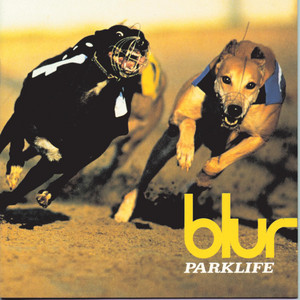
Even after 30 years, 𝘗𝘢𝘳𝘬𝘭𝘪𝘧𝘦 still sounds remarkably fresh. It’s a sharp, cheeky, and deeply British portrait of 90s urban life — half pop record, half social satire. Damon Albarn’s character sketches and Graham Coxon’s inventive guitar work make each track feel like its own little world, whether it’s the hedonistic dancefloor of 𝘎𝘪𝘳𝘭𝘴 & 𝘉𝘰𝘺𝘴 or the quietly devastating melancholy of 𝘛𝘩𝘪𝘴 𝘐𝘴 𝘢 𝘓𝘰𝘸. The stylistic range is bold without feeling disjointed: Britpop, punk, music hall, synthpop — all filtered through Blur’s knowing wit and restless creativity. It’s an album that laughs, sighs, and shrugs all in the same breath. A cultural time capsule that still speaks fluently to the present.
𝘉𝘶𝘵𝘵𝘦𝘳𝘧𝘭𝘺 moves further into a smooth mix of R&B and hip-hop, with Carey’s signature vocal control and polished production firmly in place. Tracks like 𝘏𝘰𝘯𝘦𝘺 and 𝘔𝘺 𝘈𝘭𝘭 stand out as the clear highlights, showing her ability to deliver both upbeat hooks and emotive ballads. While it’s a well-made and enjoyable album, it doesn’t feel groundbreaking — more a refinement of her established style than something truly distinctive. Solid, but far from essential.
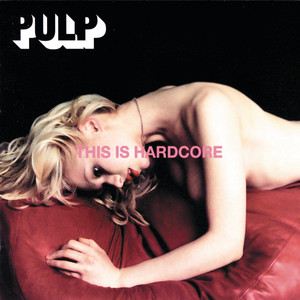
Released as the Britpop wave was receding, 𝘛𝘩𝘪𝘴 𝘐𝘴 𝘏𝘢𝘳𝘥𝘤𝘰𝘳𝘦 feels like a deliberate step away from the scene’s bright, celebratory mood. The album dives into themes of decadence, disillusionment, and the hollow aftertaste of fame, with arrangements that are darker, grander, and more cinematic than the jangly guitar pop of the mid-90s. Jarvis Cocker delivers some of his most cutting and uncomfortable lyrics here, set against lush strings, brooding electronics, and slow-burning grooves. It’s not built for instant singalongs, but its ambition and atmosphere make it one of the most compelling swan songs of the Britpop era.
𝘞𝘰𝘯𝘥𝘦𝘳𝘸𝘢𝘭𝘭, 𝘋𝘰𝘯’𝘵 𝘓𝘰𝘰𝘬 𝘉𝘢𝘤𝘬 𝘪𝘯 𝘈𝘯𝘨𝘦𝘳, and 𝘊𝘩𝘢𝘮𝘱𝘢𝘨𝘯𝘦 𝘚𝘶𝘱𝘦𝘳𝘯𝘰𝘷𝘢 are undeniable standouts, but much of the rest blurs together, with similar arrangements and Liam’s vocals rarely shifting in tone. Blur’s 𝘛𝘩𝘦 𝘎𝘳𝘦𝘢𝘵 𝘌𝘴𝘤𝘢𝘱𝘦 may not be perfect, yet it feels more varied and musically adventurous.
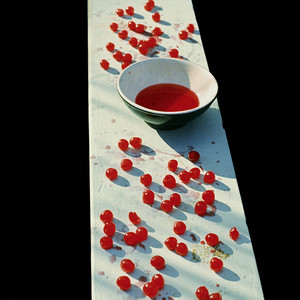
If the back cover didn’t have the name “McCartney,” you could almost imagine this as the Beatles’ first fully homegrown, DIY-style record — they’d already had a few songs with a stripped-down, intimate feel (𝘑𝘶𝘭𝘪𝘢, 𝘔𝘰𝘵𝘩𝘦𝘳 𝘕𝘢𝘵𝘶𝘳𝘦’𝘴 𝘚𝘰𝘯, 𝘛𝘸𝘰 𝘰𝘧 𝘜𝘴) that hinted at what we’d now call “indie.” But this isn’t a Beatles album; it’s Paul’s solo debut. Recorded mostly at home, with McCartney playing every instrument, it’s a lo-fi, personal collection that drifts between quick sketches, instrumental interludes, and fully realized songs. The crown jewel is 𝘔𝘢𝘺𝘣𝘦 𝘐’𝘮 𝘈𝘮𝘢𝘻𝘦𝘥, one of Paul’s most enduring post-Beatles works, delivering both emotional punch and vocal fire. Not every moment feels essential, but the raw charm and closeness make 𝘔𝘤𝘊𝘢𝘳𝘵𝘯𝘦𝘺 an understated gem.
𝘏𝘪𝘴𝘵𝘰𝘪𝘳𝘦 𝘥𝘦 𝘔𝘦𝘭𝘰𝘥𝘺 𝘕𝘦𝘭𝘴𝘰𝘯 remains one of Serge Gainsbourg’s most distinctive works — a compact concept album blending smoky spoken vocals, Jean-Claude Vannier’s lush string arrangements, and deep, funky bass lines. Musically, it feels timeless, influencing artists from Beck to Portishead, yet it’s still very much a product of Gainsbourg’s provocative imagination. Here’s a quick plot summary, which you can find almost anywhere online: an unnamed man (played by Gainsbourg) drives through town in a Rolls-Royce, spots a 14-year-old girl named Melody (played by Jane Birkin), falls in love with her, spends intimate moments with her in a hotel, and eventually loses her in a plane crash. Gainsbourg’s lyrics here would, in a #MeToo era, likely be condemned as sexist or exploitative — and that was, at the time, very much his intent: to shock. It was a strategy he had already used successfully with 𝘗𝘰𝘶𝘱é𝘦 𝘥𝘦 𝘤𝘪𝘳𝘦, 𝘱𝘰𝘶𝘱é𝘦 𝘥𝘦 𝘴𝘰𝘯 — the France Gall song that won the 1965 Eurovision Song Contest — whose playful yet suggestive lyrics she famously did not fully understand at the time — and the scandalous 𝘑𝘦 𝘵’𝘢𝘪𝘮𝘦… 𝘮𝘰𝘪 𝘯𝘰𝘯 𝘱𝘭𝘶𝘴. Problematic by design, but musically exquisite, 𝘔𝘦𝘭𝘰𝘥𝘺 𝘕𝘦𝘭𝘴𝘰𝘯 remains a fascinating example of art deliberately walking the line between beauty and provocation.
𝘏.𝘔.𝘚. 𝘍𝘢𝘣𝘭𝘦 isn’t a bad record, but it suffers from being both too late and too safe. Released in 1999, well after Britpop’s peak, its clean production and pleasant melodies feel like echoes of a scene already fading. Had it come out in 1996 or 1997, it might have found more visibility and success. As it stands, it’s a decent listen, but far from essential.
𝘋é𝘫à 𝘝𝘶 captures Crosby, Stills, Nash & Young at both their most inspired and their most fractious. The vocal harmonies are gorgeous, the songwriting contributions distinct, and the mix of folk, rock, and country remains a defining sound of the Laurel Canyon era. It’s telling that drummer Dallas Taylor and bassist Greg Reeves — both credited and pictured on the cover, a rarity for session players — may have been the only ones actually holding the group together during the sessions. 𝘌𝘷𝘦𝘳𝘺𝘣𝘰𝘥𝘺 𝘐 𝘓𝘰𝘷𝘦 𝘠𝘰𝘶 makes for a rather underwhelming closer, but when 𝘋é𝘫à 𝘝𝘶 hits its stride, it’s a masterclass in late ’60s/early ’70s West Coast rock.
𝘚𝘶𝘱𝘦𝘳𝘶𝘯𝘬𝘯𝘰𝘸𝘯 may be a landmark of 90s grunge, but it didn’t work for me. At over 70 minutes, it drags on far too long — this could have been a solid 40-minute record. Chris Cornell’s voice, supposedly the band’s greatest asset, often gets buried in the wall of guitars (with the exception of 𝘉𝘭𝘢𝘤𝘬 𝘏𝘰𝘭𝘦 𝘚𝘶𝘯). And as much as this is hailed as grunge, it feels more like a heavy metal clone than something fresh. Impressive to some, but not my kind of sound.
A fascinating split personality of an album — half meditative Krautrock soundscapes, half proto-punk energy — that shows why 𝘕𝘌𝘜! ’𝟩𝟧 is such an enduring classic.
Steely Dan’s debut might be praised for its slick musicianship, but to me it mostly sounds like boring pop/soft/jazz rock without much bite. The songs drift along smoothly, and apart from the occasional guitar solo there isn’t much that really grabs my attention. It feels polished, yes, but also lifeless — and for all its reputation, I can’t help but find it underwhelming.
Deee-Lite’s 𝘞𝘰𝘳𝘭𝘥 𝘊𝘭𝘪𝘲𝘶𝘦 captures the vibrant spirit of early 90s club culture with funky grooves, playful house beats, and psychedelic flair. It feels far more stylish and musically rich than the formulaic Eurodance that followed, proving that 𝘎𝘳𝘰𝘰𝘷𝘦 𝘐𝘴 𝘪𝘯 𝘵𝘩𝘦 𝘏𝘦𝘢𝘳𝘵 was just the tip of the iceberg.
A punk record that gets lost in the flood of 1978 releases. The Saints may have come all the way from Australia, but here the energy feels watered down, the songs blur together, and nothing leaves a lasting impression — especially in a year overflowing with both punk and the first wave of post-punk records.
Adele Laurie Blue Adkins delivers 𝟤𝟧 at the height of her fame. I’ve been familiar with her extraordinary voice since 𝟣𝟫, when many rushed to label her “the next Amy” — a comparison she never welcomed. Beyond her voice, she’s always shown herself to be a strong songwriter. With 𝟤𝟧, Adele cemented her status as a global pop icon. Yet the record leans too heavily on safety: it’s polished to perfection, smoothed out for radio, and at times loses the raw emotion that made her earlier work so striking. Still, I can’t help but give it some extra credit — because it’s Adele.
Crosby, Stills & Nash’s debut brings together three songwriters into a Laurel Canyon supergroup, and the result is one of the defining folk-rock albums of the late ’60s. Their intricate vocal harmonies set a new standard, and the songwriting ranges from intimate ballads to richly textured folk anthems. At its core is 𝘚𝘶𝘪𝘵𝘦: 𝘑𝘶𝘥𝘺 𝘉𝘭𝘶𝘦 𝘌𝘺𝘦𝘴 — a folk song in suite form that borders on prog-folk, ambitious yet deeply melodic. Warm, intimate, and beautifully crafted, this album captures the essence of the era’s folk music at its most sophisticated.
𝘔𝘰𝘳𝘦 𝘚𝘱𝘦𝘤𝘪𝘢𝘭𝘴 is an album full of unexpected turns, where ska collides with lounge, dub, and even easy-listening influences. The mix is intriguing and at times surprisingly bold, though the results are uneven. Not everything works, but its eccentric charm makes it an interesting listen.
𝘛𝘩𝘦 𝘚𝘰𝘧𝘵 𝘉𝘶𝘭𝘭𝘦𝘵𝘪𝘯 is lush, ambitious, and often breathtaking, with orchestral arrangements and Wayne Coyne’s fragile vocals giving it both grandeur and intimacy. Frequently hailed as a masterpiece, I hear it more as a remarkable step on the way to what many consider their true peak. Still, it’s a beautiful and moving record that defines late-90s alternative.
𝘏𝘦𝘢𝘷𝘦𝘯 𝘰𝘳 𝘓𝘢𝘴 𝘝𝘦𝘨𝘢𝘴 feels like the provisional peak of the dream pop/shoegaze scene — though the towering classics that would follow soon after might overshadow it, this record still radiates timeless beauty. Liz Fraser’s voice is so otherworldly she could sing a cookbook or a gardening manual and it would still sound transcendent; on photos she may look unassuming, but here she’s simply luminous. Robin Guthrie’s shoegazey, dreampoppy guitar textures complete the spell, making this one of the genre’s most enchanting records.
𝘊𝘢𝘭𝘭 𝘰𝘧 𝘵𝘩𝘦 𝘝𝘢𝘭𝘭𝘦𝘺 is a serene and evocative journey through the sounds of Kashmir, performed by three masters: Shivkumar Sharma on the shimmering santur, Hariprasad Chaurasia on bansuri, and Brij Bhushan Kabra on slide guitar. For many western listeners, the santur will be a revelation — its crystalline tones, blended with flute and guitar, create a soundscape that feels both timeless and fresh. While rooted in classical ragas, the music flows gently and accessibly, making it one of the most inviting introductions to Indian classical music. A beautiful and meditative record, deserving of its reputation.
𝘓𝘶𝘴𝘵 𝘧𝘰𝘳 𝘓𝘪𝘧𝘦 is the second byproduct of David Bowie’s Berlin trilogy, though it only partially bears his sonic fingerprints. The record is rawer and more straightforward than Bowie’s own work of the era, with Iggy Pop’s charisma front and center on classics like 𝘛𝘩𝘦 𝘗𝘢𝘴𝘴𝘦𝘯𝘨𝘦𝘳 and the title track. Energetic and iconic, but not as consistently compelling as its reputation suggests.
𝘛𝘳𝘶𝘵𝘩 𝘢𝘯𝘥 𝘚𝘰𝘶𝘭 shows Fishbone at their most adventurous, fusing ska, funk, punk, and soul with wild energy. It’s undeniably interesting and influential, but the chaotic genre mix doesn’t quite click for me.
𝘉𝘭𝘰𝘰𝘥 𝘚𝘶𝘨𝘢𝘳 𝘚𝘦𝘹 𝘔𝘢𝘨𝘪𝘬 showcases a band playing tightly together, and tracks like 𝘎𝘪𝘷𝘦 𝘐𝘵 𝘈𝘸𝘢𝘺 and especially 𝘜𝘯𝘥𝘦𝘳 𝘵𝘩𝘦 𝘉𝘳𝘪𝘥𝘨𝘦 prove they could write genuine classics. But at over 70 minutes it drags, bloated by the urge to fill an entire CD. The real weak link is Anthony Kiedis, whose nasal, often grating delivery quickly wears thin. In the alternative landscape of 1991, there were far stronger albums to spend that time on.
A warm and soulful blend of folk, rock, and pop, carried by Joan Armatrading’s expressive voice and sharp songwriting. Intimate yet powerful, it’s the record that firmly established her as a singular talent of the 70s.
𝘈𝘭𝘭 𝘛𝘩𝘢𝘵 𝘠𝘰𝘶 𝘊𝘢𝘯’𝘵 𝘓𝘦𝘢𝘷𝘦 𝘉𝘦𝘩𝘪𝘯𝘥 aims for timeless stadium rock but ends up sounding like a generic early-2000s record. The production is polished to a fault, the songs feel formulaic, and while there are flashes of the band’s anthemic power, the overall effect is safe and uninspired.
Sam Cooke’s 𝘓𝘪𝘷𝘦 𝘢𝘵 𝘵𝘩𝘦 𝘏𝘢𝘳𝘭𝘦𝘮 𝘚𝘲𝘶𝘢𝘳𝘦 𝘊𝘭𝘶𝘣 captures him in raw, fiery form, but the recording quality leaves a lot to be desired — understandable given the limited means of taping a club show in 1963. Had he performed this same set a decade later, it might have sounded entirely different, but history didn’t allow for that. What remains is a fascinating glimpse of Cooke’s power on stage, even if the sound doesn’t do him full justice.
𝘗𝘢𝘭𝘰 𝘊𝘰𝘯𝘨𝘰 is a fascinating snapshot of Afro-Cuban percussion, with Sabú Martínez leading a fiery session of congas, bongos, and call-and-response vocals. It’s historically important and rhythmically engaging, but Blue Note’s early experiments with stereophonic sound haven’t aged well — hard panning and “ping-pong” effects make the listening experience more distracting than immersive today.
Liz Phair’s 𝘌𝘹𝘪𝘭𝘦 𝘪𝘯 𝘎𝘶𝘺𝘷𝘪𝘭𝘭𝘦 doesn’t always live up to its towering reputation. Her voice may be unpolished, but that’s part of the indie ethos, and when the lo-fi edge hits, it works beautifully. Still, too much of the record drifts into generic territory, leaving only half of it truly compelling.
𝘕𝘪𝘤𝘬 𝘰𝘧 𝘛𝘪𝘮𝘦 is a polished mix of pop, folk, and blues that showcases Bonnie Raitt’s warm voice and tasteful slide guitar. It’s solid and heartfelt, with moments of real charm, but it doesn’t quite reach the heights its reputation suggests.
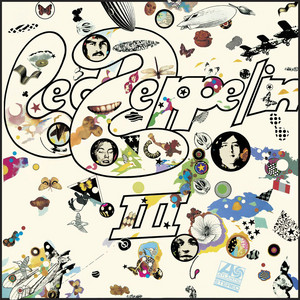
With 𝘓𝘦𝘥 𝘡𝘦𝘱𝘱𝘦𝘭𝘪𝘯 𝘐𝘐𝘐 , the band pivoted from pure hard rock into a daring mix of thunderous riffs and folk-psychedelic textures. The opener 𝘐𝘮𝘮𝘪𝘨𝘳𝘢𝘯𝘵 𝘚𝘰𝘯𝘨 is pure power, but much of the album finds Zeppelin exploring acoustic guitars, mandolins, and trippy atmospheres on songs like 𝘎𝘢𝘭𝘭𝘰𝘸𝘴 𝘗𝘰𝘭𝘦 and 𝘉𝘳𝘰𝘯-𝘠-𝘈𝘶𝘳 𝘚𝘵𝘰𝘮𝘱. It’s not flawless, yet the blend of weight and whimsy makes this one of their most adventurous and rewarding records.
𝘚𝘩𝘭𝘦𝘦𝘱 drifts between jazz, folk, and dreamlike ambience, carried by Robert Wyatt’s fragile voice and gentle eccentricity. It’s atmospheric and often beautiful, but also meandering, with stretches that feel more like sketches than fully formed songs. A curious late-career work, rewarding in mood if not always in momentum.
𝘛𝘩𝘢𝘵’𝘴 𝘵𝘩𝘦 𝘞𝘢𝘺 𝘰𝘧 𝘵𝘩𝘦 𝘞𝘰𝘳𝘭𝘥 is smooth, elegant, and clearly an important moment in 70s soul-funk, but outside of 𝘚𝘩𝘪𝘯𝘪𝘯𝘨 𝘚𝘵𝘢𝘳 little really sticks. It flows nicely as background, yet feels more like atmosphere than substance.
𝘉𝘪𝘳𝘵𝘩 𝘰𝘧 𝘵𝘩𝘦 𝘊𝘰𝘰𝘭 may not have the universal aura of 𝘒𝘪𝘯𝘥 𝘰𝘧 𝘉𝘭𝘶𝘦, but it’s a landmark in its own right. Miles Davis and his nonet trade the frenetic energy of bebop for elegance, subtlety, and carefully arranged textures. The result is a cooler, chamber-like jazz that still feels fresh in its restraint — a pivotal step in Davis’s evolution and in modern jazz history.
I’ve always had mixed feelings about Eric Clapton: as the host of 𝘊𝘰𝘯𝘤𝘦𝘳𝘵 𝘧𝘰𝘳 𝘎𝘦𝘰𝘳𝘨𝘦 he left a positive impression, but his careless political remarks do the opposite. Musically, he’s often hailed by magazines (and even casual listeners — someone once coined the phrase “Clapton is God”) as one of the greatest guitarists of all time. Yet what he really delivers is safe, academic blues. If you wanted to learn the basics of blues guitar, Clapton could teach you a few solid lessons — but that doesn’t make him a visionary songwriter. 𝟦𝟨𝟣 𝘖𝘤𝘦𝘢𝘯 𝘉𝘰𝘶𝘭𝘦𝘷𝘢𝘳𝘥 proves the point: aside from a couple of originals, it’s mostly covers, played with competence but little spark. His laid-back approach is pleasant enough, yet the album feels more like a collection of interpretations than a true artistic statement.
Without 𝘓𝘪𝘧𝘦’𝘴 𝘛𝘰𝘰 𝘎𝘰𝘰𝘥, the Icelandic music scene with bands like Sigur Rós, múm, or Of Monsters and Men might never have made it past Reykjavík’s record shops. Björk Guðmundsdóttir had already cut her first solo album in 1977 at the age of eleven (a collector’s holy grail today) and played in bands like Tappi Tíkarrass and Kukl, but this is where her voice truly exploded onto the international stage. The Sugarcubes sound like nothing else: jagged post-punk colliding with eccentric pop, half naïve, half unhinged. 𝘉𝘪𝘳𝘵𝘩𝘥𝘢𝘺 drips with surreal innocence, 𝘔𝘰𝘵𝘰𝘳𝘤𝘳𝘢𝘴𝘩 turns a grisly accident into gleeful absurdity, and 𝘔𝘢𝘮𝘢 is both tender and unsettling. Einar Örn’s half-shouted, half-spoken vocals are chaotic, sometimes maddening, but they give the record its crooked charm. Weird, playful, and unforgettable, 𝘓𝘪𝘧𝘦’𝘴 𝘛𝘰𝘰 𝘎𝘰𝘰𝘥 is a debut that made Iceland more than just volcanoes and geysers — it put Reykjavík’s weirdness on the world map. The press only wanted Björk, but the chaos was the whole point.
The first half of this record is fairly disposable psychedelic rock — competent but forgettable, the kind of late-60s filler you’d expect to find in any bargain-bin psych compilation. Then comes the second half: the infamous 17-minute epic 𝘐𝘯-𝘈-𝘎𝘢𝘥𝘥𝘢-𝘋𝘢-𝘝𝘪𝘥𝘢, supposedly a drunken slur of 𝘐𝘯 𝘵𝘩𝘦 𝘎𝘢𝘳𝘥𝘦𝘯 𝘰𝘧 𝘌𝘥𝘦𝘯. It lurches forward on a massive organ riff, fuzz guitar, and a pounding drum solo, equal parts hypnotic and absurd. Pop-culture sealed its legend when 𝘛𝘩𝘦 𝘚𝘪𝘮𝘱𝘴𝘰𝘯𝘴 reimagined it as the church hymn 𝘐𝘯 𝘵𝘩𝘦 𝘎𝘢𝘳𝘥𝘦𝘯 𝘰𝘧 𝘌𝘥𝘦𝘯 by I. Ron Butterfly in 𝘉𝘢𝘳𝘵 𝘚𝘦𝘭𝘭𝘴 𝘏𝘪𝘴 𝘚𝘰𝘶𝘭. That joke sums up the track perfectly — it’s overblown and ridiculous, but also undeniable fun. As an album, it’s lopsided: one iconic jam surrounded by mediocrity. Still, that jam alone secured Iron Butterfly a place in rock history.
I never had a personal connection to 𝘋𝘰𝘰𝘬𝘪𝘦 back in the 90s or 00s, but if I had stumbled on it then, I probably would have played it endlessly. Listening now, this kind of pop-punk just doesn’t grab me anymore. 𝘉𝘢𝘴𝘬𝘦𝘵 𝘊𝘢𝘴𝘦 is easily the standout track — and no surprise it became Green Day’s signature song until 𝘈𝘮𝘦𝘳𝘪𝘤𝘢𝘯 𝘐𝘥𝘪𝘰𝘵 came along a decade later. An important album for the genre and for 90s alternative/indie history, sure, but one I can only appreciate from a distance.
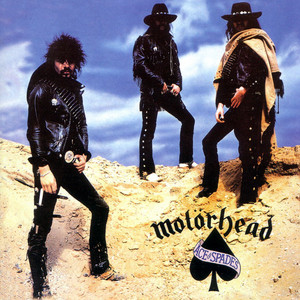
Motörhead was never about subtlety, and 𝘈𝘤𝘦 𝘰𝘧 𝘚𝘱𝘢𝘥𝘦𝘴 proves it: the sound of a warthog with an Iron Cross, charging straight ahead. It’s bass-heavy to the core, with guitars only breaking through the wall of noise from time to time. For someone who usually struggles with heavy metal, this record is surprisingly enjoyable — raw, direct, and almost punk in spirit. The only drawback is its lack of variation, but when the title track hits, none of that really matters. It’s not rock ’n’ roll in the traditional sense, but when Lemmy growled “𝘞𝘦 𝘢𝘳𝘦 𝘔𝘰𝘵ö𝘳𝘩𝘦𝘢𝘥 𝘢𝘯𝘥 𝘸𝘦 𝘱𝘭𝘢𝘺 𝘳𝘰𝘤𝘬 ’𝘯’ 𝘳𝘰𝘭𝘭!” you knew exactly what he meant.
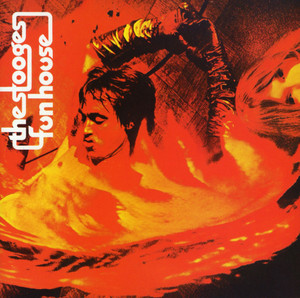
𝘍𝘶𝘯 𝘏𝘰𝘶𝘴𝘦 is one of the rare noisy, indie-feeling records of the 70s: raw proto-punk energy colliding with garage rock and free-jazz chaos. From the primal stomp of 𝘋𝘰𝘸𝘯 𝘰𝘯 𝘵𝘩𝘦 𝘚𝘵𝘳𝘦𝘦𝘵 to the unhinged saxophone blasts on 𝟣𝟫𝟩𝟢 and the total meltdown of 𝘓.𝘈. 𝘉𝘭𝘶𝘦𝘴, it feels less like a rock album and more like a violent, glorious mess caught on tape. Wild, abrasive, and way ahead of its time.
𝘈𝘧𝘵𝘦𝘳 𝘵𝘩𝘦 𝘎𝘰𝘭𝘥 𝘙𝘶𝘴𝘩 is one of the great masterpieces of the Laurel Canyon scene. Neil Young’s fragile, high-pitched voice fits beautifully with the album’s mix of folk, country, and rock — never perfect, but always emotionally direct. Songs like 𝘖𝘯𝘭𝘺 𝘓𝘰𝘷𝘦 𝘊𝘢𝘯 𝘉𝘳𝘦𝘢𝘬 𝘠𝘰𝘶𝘳 𝘏𝘦𝘢𝘳𝘵 and the apocalyptic title track capture both intimacy and urgency, while 𝘚𝘰𝘶𝘵𝘩𝘦𝘳𝘯 𝘔𝘢𝘯 adds political bite. The whole record feels raw yet timeless, a reminder that imperfection can be its own kind of perfection.
𝘊𝘢𝘭𝘪𝘧𝘰𝘳𝘯𝘪𝘢 blends folk, Americana, and proto-slowcore moods, but it doesn’t leave much of a lasting impression. Mark Eitzel’s fragile voice and the hushed arrangements create an atmosphere, yet the songs blur together and never really stand out. Not a terrible record, just one that feels more like a footnote than essential listening.
OutKast’s 𝘚𝘱𝘦𝘢𝘬𝘦𝘳𝘣𝘰𝘹𝘹𝘹/𝘛𝘩𝘦 𝘓𝘰𝘷𝘦 𝘉𝘦𝘭𝘰𝘸 is the rare double album where each half feels like its own world. Big Boi’s 𝘚𝘱𝘦𝘢𝘬𝘦𝘳𝘣𝘰𝘹𝘹𝘹 is a tight, funky hip-hop record that could stand proudly on its own, while André 3000’s 𝘛𝘩𝘦 𝘓𝘰𝘷𝘦 𝘉𝘦𝘭𝘰𝘸 pushes into pop, funk, and jazz with sheer brilliance. Together, they delivered two massive singles — 𝘛𝘩𝘦 𝘞𝘢𝘺 𝘠𝘰𝘶 𝘔𝘰𝘷𝘦 and the unstoppable 𝘏𝘦𝘺 𝘠𝘢!, a song so iconic it practically defined the decade. At over two hours, it runs long, but it remains one of the boldest and most creative albums of its era.
𝘝𝘦𝘴𝘱𝘦𝘳𝘵𝘪𝘯𝘦 is, to me, the björkiest album that could possibly exist. Every detail — icy microbeats, whispered vocals, harp arpeggios, and ethereal choirs — feels intimate and otherworldly, as if Björk had built a fragile winter palace out of sound. The swan imagery on the cover matches perfectly: elegant, strange, and unforgettable. I’ll admit I have a positive bias toward Björk, but even so, this album remains one of the most delicate and singular works in modern music.
𝘏𝘰𝘶𝘯𝘥𝘴 𝘰𝘧 𝘓𝘰𝘷𝘦 is often hailed as Kate Bush’s crowning achievement, but for me it doesn’t quite live up to that reputation. While 𝘙𝘶𝘯𝘯𝘪𝘯𝘨 𝘜𝘱 𝘛𝘩𝘢𝘵 𝘏𝘪𝘭𝘭 stands out as a clear highlight, much of the first half feels more conventional than expected. The second half is more adventurous and atmospheric, showing Bush’s art-pop vision at its strongest. Overall, a good album, but not the masterpiece I was hoping for.
𝘍𝘰𝘰𝘥 & 𝘓𝘪𝘲𝘶𝘰𝘳 is a solid hip hop record, but nothing particularly groundbreaking. While Lupe Fiasco shows skill as a lyricist and storyteller, it’s hard to imagine this album having the revolutionary impact on hip hop that some claim. The 12-minute outro, basically a long thank-you list put to a beat, feels unnecessary and drags down the experience. There are some strong tracks here, but overall it feels more like a competent debut than a classic. In the end, it’s good, just not essential.
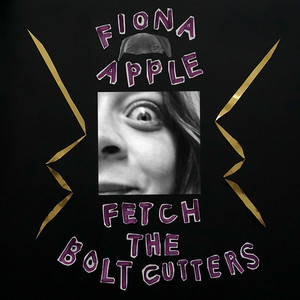
𝘍𝘦𝘵𝘤𝘩 𝘵𝘩𝘦 𝘉𝘰𝘭𝘵 𝘊𝘶𝘵𝘵𝘦𝘳𝘴 is raw, inventive, and deeply personal, with Fiona Apple using unconventional rhythms, clattering percussion, and her commanding voice to create something truly unique. It’s not an easy listen, but its boldness and emotional intensity make it rewarding and memorable. A fascinating work of art that stands apart from mainstream singer-songwriter albums.
𝘞𝘩𝘢𝘵𝘦𝘷𝘦𝘳 𝘗𝘦𝘰𝘱𝘭𝘦 𝘚𝘢𝘺 𝘐 𝘈𝘮, 𝘛𝘩𝘢𝘵’𝘴 𝘞𝘩𝘢𝘵 𝘐’𝘮 𝘕𝘰𝘵 has the swagger and guitars to tick the “indie rock” box, but I’m not convinced it offers much beyond that label. The songs are energetic and capture a slice of 2000s nightlife, yet the hype feels bigger than the music itself. A decent debut, but far from the groundbreaking indie classic it’s often made out to be.
The Scissor Sisters’ debut is flashy, camp, and full of disco-pop energy, with clear nods to glam and Elton John. 𝘛𝘢𝘬𝘦 𝘠𝘰𝘶𝘳 𝘔𝘢𝘮𝘢 is the standout, capturing their mix of cheeky fun and catchy hooks at its best. It’s fun while it lasts, but the songs don’t always hold up beyond the glittery surface. A solid snapshot of early-2000s pop revival, though not something I’d revisit often.
𝘈𝘭𝘭 𝘋𝘪𝘳𝘦𝘤𝘵𝘪𝘰𝘯𝘴 is a strong slice of early-70s funky soul, full of tight grooves and polished production, but it lives in the shadow of its centerpiece. 𝘗𝘢𝘱𝘢 𝘞𝘢𝘴 𝘢 𝘙𝘰𝘭𝘭𝘪𝘯’ 𝘚𝘵𝘰𝘯𝘦 towers over the record with its sweeping orchestral arrangement, hypnotic bassline, and brooding atmosphere, setting a standard that the rest of the album can’t quite reach. The other tracks are solid — well-played and enjoyable — but they feel more like supporting acts than equals. As a whole, the album shows The Temptations’ ambition and willingness to expand beyond Motown formulas, but its uneven impact makes it more memorable for one masterpiece than for the record itself.
𝘉𝘭𝘢𝘤𝘬 𝘔𝘰𝘯𝘬 𝘛𝘪𝘮𝘦 is raw, abrasive, and downright strange, but that’s exactly what makes it so fascinating. With distorted banjo, pounding rhythms, and shouted vocals, the Monks created a proto-punk sound years ahead of its time. It may be too weird for some listeners, but its boldness and energy make it a unique and influential gem of the ’60s underground.
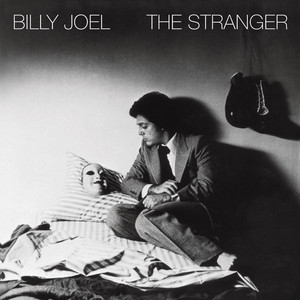
Going into 𝘛𝘩𝘦 𝘚𝘵𝘳𝘢𝘯𝘨𝘦𝘳 with fairly low expectations of Billy Joel, I was surprised by how strong the album actually is. Blending pop, rock, and balladry with slick production and memorable hooks, it shows Joel at his sharpest. Tracks like 𝘔𝘰𝘷𝘪𝘯’ 𝘖𝘶𝘵 and 𝘚𝘤𝘦𝘯𝘦𝘴 𝘧𝘳𝘰𝘮 𝘢𝘯 𝘐𝘵𝘢𝘭𝘪𝘢𝘯 𝘙𝘦𝘴𝘵𝘢𝘶𝘳𝘢𝘯𝘵 prove he could write beyond simple radio fare, making this a surprisingly rewarding listen.
𝘗𝘶𝘣𝘭𝘪𝘤 𝘐𝘮𝘢𝘨𝘦: 𝘍𝘪𝘳𝘴𝘵 𝘐𝘴𝘴𝘶𝘦 isn’t without ideas, but it often teeters on the edge of being unlistenable. John Lydon’s sneering vocals and the jagged, repetitive instrumentation push the post-punk experiment into abrasive territory, making it more interesting historically than enjoyable to hear. As a starting point for post-punk it’s significant, but as an album to sit down and enjoy, it falls short.
𝘉𝘳𝘰𝘸𝘯 𝘚𝘶𝘨𝘢𝘳 is a smooth, soulful debut that shows off D’Angelo’s remarkable voice and effortless sense of groove. Blending classic R&B with a fresh neo-soul vibe, it feels both timeless and forward-looking. A confident start from an artist who would go on to push the genre even further.
𝘗𝘭𝘢𝘺 is an iconic late-’90s electronic album, but for me it lands more in the “decent” category than truly great. The mix of downtempo beats, gospel samples, and ambient textures is pleasant enough, yet it often feels more like background music than something I’d actively return to. Its cultural saturation — everywhere in ads, films, and TV at the time — gave tracks like 𝘞𝘩𝘺 𝘋𝘰𝘦𝘴 𝘔𝘺 𝘏𝘦𝘢𝘳𝘵 𝘍𝘦𝘦𝘭 𝘚𝘰 𝘉𝘢𝘥? a life of their own, but that ubiquity can make the album feel more like a product of its era than a timeless classic.
𝘉𝘶𝘨 captures Dinosaur Jr. at their raw, noisy best — hooky riffs buried under fuzz, J Mascis’ unmistakable drawl, and a sound that bridges indie rock with the coming wave of grunge. Tracks like 𝘍𝘳𝘦𝘢𝘬 𝘚𝘤𝘦𝘯𝘦 prove how effortlessly they balanced chaos and melody. The one misstep is 𝘋𝘰𝘯’𝘵: Lou Barlow’s sole vocal turn, buried in abrasive noise that feels more punishing than powerful. Still, despite that closer, 𝘉𝘶𝘨 remains one of Dinosaur Jr.’s strongest records.
𝘛𝘩𝘪𝘴 𝘠𝘦𝘢𝘳’𝘴 𝘔𝘰𝘥𝘦𝘭 is sharp, nervy, and full of Elvis Costello’s characteristic bite, but for me it doesn’t feel especially distinctive. The Attractions are tight and the songs bristle with energy, yet nothing here really stands out as exceptional. A solid record, but not one that left a lasting impression.
𝘈𝘵 𝘉𝘶𝘥𝘰𝘬𝘢𝘯 captures the moment Cheap Trick went from cult favorites to international stars, thanks largely to their massive popularity in Japan. The live setting gives hits like 𝘐 𝘞𝘢𝘯𝘵 𝘠𝘰𝘶 𝘵𝘰 𝘞𝘢𝘯𝘵 𝘔𝘦 a rawer, more energetic edge, and that energy finally broke them into the U.S. charts. Still, for all the enthusiasm, Cheap Trick often sound like a second-tier hard rock/power pop band — fun and catchy, but never quite on the level of their bigger peers.
𝘔𝘛𝘝 𝘜𝘯𝘱𝘭𝘶𝘨𝘨𝘦𝘥 𝘪𝘯 𝘕𝘦𝘸 𝘠𝘰𝘳𝘬 strips Nirvana down to their rawest form, showing a vulnerability that was often buried under distortion. The setlist is daring — cover-heavy and far from a greatest-hits showcase — and it works beautifully, highlighting Kurt Cobain’s fragile intensity. Knowing that just five months later he would take his own life makes the performance all the more haunting.
𝘔𝘪𝘤𝘳𝘰𝘴𝘩𝘪𝘧𝘵 was my first encounter with Hookworms, and it’s a surprisingly powerful mix of psych-rock, krautrock rhythms, and shimmering electronics. The record balances intensity with atmosphere, pulling you into long, hypnotic grooves without losing momentum. A hidden gem that makes me wonder why I hadn’t heard of this band before.
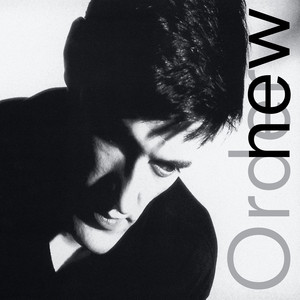
If you treat New Order as a direct continuation of Joy Division, 𝘓𝘰𝘸-𝘓𝘪𝘧𝘦 could easily be seen as their fifth album — the moment when the band finally moved beyond the shadow of Ian Curtis while still carrying his melancholy spirit. The mix of cold electronics, warm melodies, and Peter Hook’s unmistakable basslines shows a group coming fully into its own. A perfect balance of emotion and precision — understated, yet quietly powerful.
𝘛𝘩𝘦 𝘞𝘰𝘳𝘭𝘥 𝘐𝘴 𝘢 𝘎𝘩𝘦𝘵𝘵𝘰 is a smooth, jazzy soul record with some truly great instrumental passages — 𝘊𝘪𝘵𝘺, 𝘊𝘰𝘶𝘯𝘵𝘳𝘺, 𝘊𝘪𝘵𝘺 in particular feels like it could sit comfortably next to Herbie Hancock’s 𝘏𝘦𝘢𝘥 𝘏𝘶𝘯𝘵𝘦𝘳𝘴. The musicianship is top-notch, but the vocal tracks don’t always match the brilliance of the band’s grooves. Still, it’s a fine example of early-’70s fusion between funk, jazz, and soul.
Sure, everyone’s seen the 𝘔𝘰𝘯𝘦𝘺 𝘧𝘰𝘳 𝘕𝘰𝘵𝘩𝘪𝘯𝘨 video — a defining MTV moment — but as an album, 𝘉𝘳𝘰𝘵𝘩𝘦𝘳𝘴 𝘪𝘯 𝘈𝘳𝘮𝘴 just drifts by. It’s beautifully produced and polished to perfection, yet that same smoothness makes it feel distant and sleepy. Technically flawless, emotionally flat.
𝘌𝘷𝘦𝘳𝘺𝘵𝘩𝘪𝘯𝘨 𝘔𝘶𝘴𝘵 𝘎𝘰 marks the rebirth of Manic Street Preachers after the mysterious disappearance of lyricist Richey Edwards. While it’s often lumped in with Britpop, the album really belongs to the Cool Cymru movement — ambitious, emotional, and proudly Welsh. Big, orchestral rock anthems like 𝘈 𝘋𝘦𝘴𝘪𝘨𝘯 𝘧𝘰𝘳 𝘓𝘪𝘧𝘦 carry both mourning and resilience, as if the band were learning how to exist again. Tragic in context, triumphant in sound.
𝘛𝘩𝘦 𝘏𝘰𝘶𝘳 𝘰𝘧 𝘉𝘦𝘸𝘪𝘭𝘥𝘦𝘳𝘣𝘦𝘢𝘴𝘵 is a beautifully odd debut — messy, warm, and full of heart. Badly Drawn Boy blends indie-folk, lo-fi production, and playful experimentation into something that feels deeply personal yet instantly inviting. It’s an album that shouldn’t work on paper, but somehow it all clicks — a little masterpiece of organized chaos.
With 𝘉𝘦𝘨𝘨𝘢𝘳𝘴 𝘉𝘢𝘯𝘲𝘶𝘦𝘵, the Rolling Stones returned to their bluesy core and captured a band rediscovering its true identity. The record feels raw, confident, and steeped in swagger. 𝘚𝘵𝘳𝘦𝘦𝘵 𝘍𝘪𝘨𝘩𝘵𝘪𝘯𝘨 𝘔𝘢𝘯 crackles with political tension, while 𝘚𝘺𝘮𝘱𝘢𝘵𝘩𝘺 𝘧𝘰𝘳 𝘵𝘩𝘦 𝘋𝘦𝘷𝘪𝘭 stands as one of rock’s most iconic and hypnotic songs. A solid album whose strongest moments still define the Stones’ legacy.
𝘚𝘰𝘯𝘨𝘴 𝘰𝘧 𝘓𝘰𝘷𝘦 𝘢𝘯𝘥 𝘏𝘢𝘵𝘦 feels like Leonard Cohen sitting in a dimly lit room, whispering his secrets straight to you. The arrangements are bare, almost fragile — just guitar, a few strings, and that unmistakable, weary voice. It’s a dark record, but not in a dramatic way; more like the quiet ache that settles in after the storm. 𝘍𝘢𝘮𝘰𝘶𝘴 𝘉𝘭𝘶𝘦 𝘙𝘢𝘪𝘯𝘤𝘰𝘢𝘵 still stops time, and 𝘈𝘷𝘢𝘭𝘢𝘯𝘤𝘩𝘦 sounds like it’s carved out of stone. It’s an album that hurts a little, but in the most beautiful way possible.
𝟣𝟫𝟪𝟦 is a flashy, confident record that captures Van Halen at their commercial peak. 𝘑𝘶𝘮𝘱 is an undeniable classic — that synth riff still sounds massive — but the rest of the album doesn’t quite match its spark. The mix of hard rock swagger and shiny 80s production works in parts, yet it feels more like style over substance. Fun, loud, and very much of its time.
𝘉𝘭𝘶𝘦 𝘓𝘪𝘯𝘦𝘴 captures the smoky, late-night pulse of Bristol in the early ’90s — where hip-hop, dub, and soul collided to form something entirely new. Massive Attack created a sound that feels both urban and intimate, smooth yet heavy with atmosphere. 𝘜𝘯𝘧𝘪𝘯𝘪𝘴𝘩𝘦𝘥 𝘚𝘺𝘮𝘱𝘢𝘵𝘩𝘺 remains the centerpiece — lush, emotional, and timeless — while the rest of the album drifts between cool detachment and deep introspection. A landmark debut that still defines what trip hop means.
𝘌𝘭𝘦𝘤𝘵𝘳𝘪𝘤 𝘓𝘢𝘥𝘺𝘭𝘢𝘯𝘥 captures Jimi Hendrix at his creative and technical peak. Across sprawling jams and carefully layered studio work, he pushes the guitar into new dimensions of sound. The extended 𝘝𝘰𝘰𝘥𝘰𝘰 𝘊𝘩𝘪𝘭𝘦 is pure electricity — a masterclass in blues improvisation — while his take on Dylan’s 𝘈𝘭𝘭 𝘈𝘭𝘰𝘯𝘨 𝘵𝘩𝘦 𝘞𝘢𝘵𝘤𝘩𝘵𝘰𝘸𝘦𝘳 remains one of the greatest cover versions ever recorded. Hendrix was the best rock guitarist of his time, and this album is still proof that nobody has quite matched his vision since.
David Lee Roth brings plenty of swagger and charisma, but his performance feels a bit generic for such a landmark debut. The real magic comes from Edward Lodewijk Van Halen, whose dazzling work on 𝘌𝘳𝘶𝘱𝘵𝘪𝘰𝘯 and the sharp solos scattered across the record completely reshaped rock guitar playing. Yet beyond those moments of brilliance, the album sometimes relies more on attitude than depth.
𝘗𝘪𝘯𝘬 𝘍𝘭𝘢𝘨 is a fascinating debut that captures Wire at their most stripped-down and experimental. Across 21 songs in just over half an hour, the band dismantles punk rock into jagged fragments — bursts of melody, rhythm, and attitude that often end just as they start. The musical ideas are strong and forward-thinking, but the constant abrupt endings can be frustrating, as if Wire were allergic to resolution. It’s an album more about possibilities than polish — a clever, influential blueprint for post-punk, even if it sometimes feels incomplete.
𝘙𝘶𝘮𝘰𝘶𝘳𝘴 transforms personal turmoil into pure pop alchemy. Behind its glossy production and sunlit harmonies lies a web of heartbreak, jealousy, and creative tension — yet somehow, every song feels effortless. With 𝘋𝘳𝘦𝘢𝘮𝘴, 𝘎𝘰 𝘠𝘰𝘶𝘳 𝘖𝘸𝘯 𝘞𝘢𝘺, and 𝘛𝘩𝘦 𝘊𝘩𝘢𝘪𝘯, Fleetwood Mac crafted not just soft rock perfection, but a timeless portrait of beauty born from emotional wreckage.
Often hailed as one of the greatest rock albums ever made, this untitled fourth record by Led Zeppelin owes much of its myth to 𝘚𝘵𝘢𝘪𝘳𝘸𝘢𝘺 𝘵𝘰 𝘏𝘦𝘢𝘷𝘦𝘯 — a song that became an anthem, a cliché, and a rite of passage for guitarists everywhere. Still, the rest of the album shows the band at their creative peak: 𝘉𝘭𝘢𝘤𝘬 𝘋𝘰𝘨 and 𝘙𝘰𝘤𝘬 𝘢𝘯𝘥 𝘙𝘰𝘭𝘭 explode with energy, 𝘛𝘩𝘦 𝘉𝘢𝘵𝘵𝘭𝘦 𝘰𝘧 𝘌𝘷𝘦𝘳𝘮𝘰𝘳𝘦 drifts into English folklore, and 𝘞𝘩𝘦𝘯 𝘵𝘩𝘦 𝘓𝘦𝘷𝘦𝘦 𝘉𝘳𝘦𝘢𝘬𝘴 thunders like the apocalypse. It’s easy to understand the legend, even if the worship can feel a little excessive.
A quintessentially 80s synth-pop album that hasn’t aged all that gracefully. 𝘛𝘢𝘪𝘯𝘵𝘦𝘥 𝘓𝘰𝘷𝘦 remains an undeniable classic — sleek, minimal, and instantly memorable — but the rest of 𝘕𝘰𝘯-𝘚𝘵𝘰𝘱 𝘌𝘳𝘰𝘵𝘪𝘤 𝘊𝘢𝘣𝘢𝘳𝘦𝘵 struggles to match its charm, often feeling more like a period curiosity than a timeless record.
𝘚𝘵𝘢𝘳𝘥𝘶𝘴𝘵 shows Willie Nelson’s softer, nostalgic side. His takes on American standards are warm and sincere, though a bit too gentle at times. It’s beautifully sung and easy to enjoy, but feels more like mellow evening listening than one of his truly essential works.
Manu Chao’s 𝘊𝘭𝘢𝘯𝘥𝘦𝘴𝘵𝘪𝘯𝘰 is a colorful, borderless mix of Latin folk, reggae, and worldbeat, stitched together with radio snippets and multilingual lyrics. It captures a restless, global spirit and carries a strong political message about migration and identity. Still, the heavy use of loops and recycled motifs makes the album drag after a while — what starts as hypnotic can become repetitive. Inventive and important, yes, but not quite the masterpiece it’s often made out to be.
𝘈𝘳𝘶𝘭𝘢𝘳 is a bold and inventive debut, where M.I.A. fuses grime, dancehall, hip-hop, and global pop into something uniquely her own. The album radiates political urgency and raw creativity — it sounds like it was made with nothing but a laptop, a vision, and an unshakable sense of rebellion. Tracks like 𝘉𝘶𝘤𝘬𝘺 𝘋𝘰𝘯𝘦 𝘎𝘶𝘯 and 𝘎𝘢𝘭𝘢𝘯𝘨 still feel vibrant, built around clattering beats and hypnotic chants that defined mid-2000s underground pop. Yet, as exciting as it begins, the record can also feel monotonous after a while; the minimal production and looping rhythms sometimes blur the songs together. 𝘈𝘳𝘶𝘭𝘢𝘳 remains a fascinating and era-defining work, but one that’s easier to admire for its attitude than to love for its replay value. 𝘿𝙞𝙨𝙘𝙡𝙖𝙞𝙢𝙚𝙧: While I respect M.I.A.’s influence as an artist, I don’t share or endorse her later political views, including her statements about COVID-19 and support for Donald Trump. My assessment here is focused purely on the musical and cultural aspects of the album.
𝘓𝘢𝘺𝘭𝘢 𝘢𝘯𝘥 𝘖𝘵𝘩𝘦𝘳 𝘈𝘴𝘴𝘰𝘳𝘵𝘦𝘥 𝘓𝘰𝘷𝘦 𝘚𝘰𝘯𝘨𝘴 shows that Eric Clapton can actually write memorable music and lyrics when he wants to, rather than just leaning on his guitar skills. The emotional weight of 𝘓𝘢𝘺𝘭𝘢 still stands out, but much of the credit belongs to Duane Allman, whose slide guitar gives the album its real soul and fire. Clapton may have been called “Slowhand,” but here Allman clearly steals the show. A solid blues-rock record overall — passionate but uneven.
𝘔𝘶𝘴𝘪𝘤 𝘧𝘰𝘳 𝘵𝘩𝘦 𝘔𝘢𝘴𝘴𝘦𝘴 finds Depeche Mode refining their dark, synth-driven sound into something grander and more cinematic. The production is immaculate — icy electronics and heavy atmosphere dominate — but at times it feels a bit too polished, losing some of the raw charm of their earlier records. Tracks like 𝘕𝘦𝘷𝘦𝘳 𝘓𝘦𝘵 𝘔𝘦 𝘋𝘰𝘸𝘯 𝘈𝘨𝘢𝘪𝘯 and 𝘚𝘵𝘳𝘢𝘯𝘨𝘦𝘭𝘰𝘷𝘦 still shine, yet the album as a whole can feel distant and calculated. A solid listen, but not quite as emotionally gripping as it wants to be.
𝘝𝘪𝘷𝘢 𝘏𝘢𝘵𝘦 marks Morrissey’s first step beyond The Smiths, and musically it’s a confident debut. The production is sleek and unmistakably late-’80s, with clean guitars, melodic basslines, and subtle orchestral touches that frame his trademark melancholy and wit. Songs like 𝘚𝘶𝘦𝘥𝘦𝘩𝘦𝘢𝘥 and 𝘌𝘷𝘦𝘳𝘺𝘥𝘢𝘺 𝘐𝘴 𝘓𝘪𝘬𝘦 𝘚𝘶𝘯𝘥𝘢𝘺 remain standouts — beautifully crafted, even when wrapped in irony. Still, the album can feel more like a performance than a confession, with Morrissey’s theatrical detachment sometimes holding the listener at arm’s length. It’s clever, stylish, and occasionally moving, but rarely warm. 𝘿𝙞𝙨𝙘𝙡𝙖𝙞𝙢𝙚𝙧: While I deeply admire the artistry of this record, I find many of Morrissey’s later public statements and political views profoundly disappointing and, at times, indefensible.
Marvin Gaye might just be the greatest soul singer I’ve ever heard. There’s a weight and tenderness in his voice that feels almost otherworldly — every note seems to carry both sorrow and hope. 𝘞𝘩𝘢𝘵’𝘴 𝘎𝘰𝘪𝘯𝘨 𝘖𝘯 is more than an album; it’s a living, breathing statement about love, faith, and humanity. From the opening title track to 𝘔𝘦𝘳𝘤𝘺 𝘔𝘦𝘳𝘤𝘺 𝘔𝘦 and 𝘐𝘯𝘯𝘦𝘳 𝘊𝘪𝘵𝘺 𝘉𝘭𝘶𝘦𝘴, the music flows as one continuous meditation, blending lush orchestration, subtle funk grooves, and Gaye’s deeply emotional delivery. Even over fifty years later, it feels completely timeless — a record that could have been made in 2025 and still speak to the same struggles and questions we face today. It’s soulful, political, spiritual, and profoundly human — one of those rare albums where every second feels essential.
𝘉𝘳𝘪𝘯𝘨𝘪𝘯𝘨 𝘐𝘵 𝘈𝘭𝘭 𝘉𝘢𝘤𝘬 𝘏𝘰𝘮𝘦 marks the moment Dylan stepped out of the folk cafés and into the electric age. The first half crackles with sharp wit and restless energy — 𝘚𝘶𝘣𝘵𝘦𝘳𝘳𝘢𝘯𝘦𝘢𝘯 𝘏𝘰𝘮𝘦𝘴𝘪𝘤𝘬 𝘉𝘭𝘶𝘦𝘴 practically invents a new rhythmic language — while the acoustic second half reminds you why his songwriting mattered in the first place. His voice can still divide listeners, and the harmonica occasionally overstays its welcome, but few albums capture a creative shift this boldly. Dylan sounds caught between two worlds here — and that tension is exactly what makes it so compelling.
A fresh and hopeful record from a time when hip-hop was turning tougher. 𝟥 𝘠𝘦𝘢𝘳𝘴, 𝟧 𝘔𝘰𝘯𝘵𝘩𝘴 𝘢𝘯𝘥 𝟤 𝘋𝘢𝘺𝘴 𝘪𝘯 𝘵𝘩𝘦 𝘓𝘪𝘧𝘦 𝘖𝘧… blends rap, soul, and folk with a warm, down-to-earth energy. Tracks like 𝘛𝘦𝘯𝘯𝘦𝘴𝘴𝘦𝘦 and 𝘔𝘳. 𝘞𝘦𝘯𝘥𝘢𝘭 still feel honest and human, full of rhythm and empathy. Maybe it’s a bit too optimistic for some, but that’s exactly what makes it special — it sounds like hip-hop trying to heal rather than fight.
David Bowie may not be a natural soul singer, but 𝘠𝘰𝘶𝘯𝘨 𝘈𝘮𝘦𝘳𝘪𝘤𝘢𝘯𝘴 is still a fascinating detour in his career. His self-described “plastic soul” phase delivers a sleek, well-produced sound that’s more interesting than genuinely moving. The title track and 𝘍𝘢𝘮𝘦 are standouts, but his take on 𝘈𝘤𝘳𝘰𝘴𝘴 𝘵𝘩𝘦 𝘜𝘯𝘪𝘷𝘦𝘳𝘴𝘦 feels oddly misplaced — even if John Lennon himself didn’t love the Beatles original. It’s a solid experiment, just not one of Bowie’s more convincing reinventions.
Aside from the monumental title track, there’s little here that truly stands out. Don McLean’s songwriting is pleasant enough, but after 𝘈𝘮𝘦𝘳𝘪𝘤𝘢𝘯 𝘗𝘪𝘦 the album drifts into forgettable early-’70s folk-pop. Without its famous opener, this would be just another competent singer-songwriter record from the era.
Norah Jones has a beautiful, warm voice — probably the main reason 𝘊𝘰𝘮𝘦 𝘈𝘸𝘢𝘺 𝘸𝘪𝘵𝘩 𝘔𝘦 became such a phenomenon. The album’s smooth blend of jazz, pop, and folk is easy to like but can feel a bit samey and sleepy over time. Lovely background music, though not something I’d return to often.
𝘓𝘪𝘬𝘦 𝘞𝘢𝘵𝘦𝘳 𝘧𝘰𝘳 𝘊𝘩𝘰𝘤𝘰𝘭𝘢𝘵𝘦 is a solid, well-produced conscious hip-hop record, but I don’t quite understand the massive praise surrounding it. Common’s flow is smooth and the production (especially courtesy of J Dilla) gives the album a warm, organic sound — yet it often feels too polished and predictable for its own good. It’s thoughtful, yes, but rarely surprising. A good record, just not the revelation it’s often made out to be.
A furious, hypnotic masterpiece of Afrobeat. With relentless rhythms, sharp horns, and Fela’s biting political satire, 𝘡𝘰𝘮𝘣𝘪𝘦 turns funk into protest music. The title track alone — mocking Nigeria’s military as mindless “zombies” — is bold, dangerous, and unforgettable. Musically it’s rich and alive; politically it’s explosive. It’s the sound of rebellion you can dance to.
The recording quality is just okay, and it shows the limitations of live recording technology in the early ’60s. Still, James Brown’s stage presence and energy are undeniable — this is an artist who truly had to be 𝘀𝗲𝗲𝗻 to be fully appreciated. It’s a powerful snapshot of his early live magic, even if his later classics like 𝘚𝘦𝘹 𝘔𝘢𝘤𝘩𝘪𝘯𝘦 were still years away.
By the time 𝘚𝘪𝘴𝘵𝘦𝘳 arrived, Sonic Youth had fully found their voice — or rather, their beautiful noise. It’s the perfect bridge between their early no-wave chaos and the structured, art-damaged rock that would define their later years. The guitars sound like they’re pulling gravity in opposite directions, and yet the songs feel strangely tuneful — messy, melodic, and magnetic all at once. Tracks like 𝘚𝘤𝘩𝘪𝘻𝘰𝘱𝘩𝘳𝘦𝘯𝘪𝘢 and 𝘊𝘢𝘵𝘩𝘰𝘭𝘪𝘤 𝘉𝘭𝘰𝘤𝘬 prove that dissonance can be deeply emotional when it’s in the right hands (and the right detuning). I’m probably biased toward Sonic Youth, but 𝘚𝘪𝘴𝘵𝘦𝘳 is exactly why — it’s noisy, fearless, and quietly transcendent.
A polished and easygoing debut that helped define the California country-rock sound of the 1970s. 𝘛𝘢𝘬𝘦 𝘐𝘵 𝘌𝘢𝘴𝘺 is the clear standout — one of those songs everyone has heard at least once, even if they didn’t realize it was by the Eagles. The rest of the album is pleasant and well-played, but it rarely rises above that; everything sounds smooth and competent, yet nothing truly surprises.
Randy Newman’s 𝘚𝘢𝘪𝘭 𝘈𝘸𝘢𝘺 is clever, biting, and beautifully arranged, but it’s also an album that’s easier to admire than to love. Newman’s cynical wit and theatrical delivery shine in tracks like the deceptively sweet title song and the sardonic 𝘗𝘰𝘭𝘪𝘵𝘪𝘤𝘢𝘭 𝘚𝘤𝘪𝘦𝘯𝘤𝘦. The lush orchestrations give the record a timeless sophistication, yet the detached irony can make it feel emotionally distant. It’s smart, sharp, and uniquely Newman — but not always engaging beyond the craft.
An electrifying performance full of grit, humor, and raw honesty. Cash is completely in his element here — charismatic, defiant, and unfiltered — with the prison crowd responding in kind. His gravelly voice, sharp wit, and songs like 𝘈 𝘉𝘰𝘺 𝘕𝘢𝘮𝘦𝘥 𝘚𝘶𝘦 and 𝘍𝘰𝘭𝘴𝘰𝘮 𝘗𝘳𝘪𝘴𝘰𝘯 𝘉𝘭𝘶𝘦𝘴 make this one of the most vivid and unforgettable live recordings in country and rock history. When the audience demands an encore of 𝘚𝘢𝘯 𝘘𝘶𝘦𝘯𝘵𝘪𝘯, Cash obliges with a rebellious grin — turning defiance into pure legend.
A well-crafted and thoughtful album that blends art rock with pop sensibility, 𝘊𝘳𝘪𝘮𝘦 𝘰𝘧 𝘵𝘩𝘦 𝘊𝘦𝘯𝘵𝘶𝘳𝘺 showcases Supertramp’s knack for melody and studio precision. The production is spotless, the arrangements clever, and songs like 𝘚𝘤𝘩𝘰𝘰𝘭, 𝘉𝘭𝘰𝘰𝘥𝘺 𝘞𝘦𝘭𝘭 𝘙𝘪𝘨𝘩𝘵, and 𝘋𝘳𝘦𝘢𝘮𝘦𝘳 still stand out. Yet, despite its polish, the record sometimes feels emotionally distant and overly calculated. Technically impressive, but not always moving — a fine album, just not the masterpiece many claim it to be.
I can see why 𝘗𝘶𝘮𝘱 was such a big success — it’s sharp, confident, and full of big, catchy choruses tailor-made for late-’80s rock radio. But that’s also what turns me off. The ultra-polished production gives everything a glossy, commercial sheen that makes the record feel a bit sterile and overworked. It’s not a bad album by any means, just one that sounds more like a product than a passion project.
With 𝘈 𝘏𝘢𝘳𝘥 𝘋𝘢𝘺’𝘴 𝘕𝘪𝘨𝘩𝘵, the Beatles reached a turning point — their first album of entirely original material and the first time the group’s sound felt distinctly their own. The addition of a four-track machine at Abbey Road gave George Martin and the band more flexibility, so he didn’t have to keep experimenting with limited stereo tricks to achieve balance and depth. The result is a bright, energetic pop record full of tight harmonies and jangly guitars that defined Beatlemania at its peak. Still, these are the “early Beatles” — fun, youthful, and irresistibly catchy, but not yet the innovative studio band that would later reshape popular music.
𝘑𝘰𝘩𝘯 𝘓𝘦𝘯𝘯𝘰𝘯/𝘗𝘭𝘢𝘴𝘵𝘪𝘤 𝘖𝘯𝘰 𝘉𝘢𝘯𝘥 is often described as one of the rawest solo albums ever made by a former Beatle — but its radicalism lies more in its emotional honesty than in musical experimentation. Given Yoko Ono’s avant-garde influence, one might expect something wilder or more abstract, yet Lennon instead strips everything down to voice, piano, bass, and drums. It’s a confessional record where pain, anger, and healing replace melody and charm. Powerful in intent, but not always easy — or entirely engaging — to listen to.
𝘈𝘭𝘪𝘦𝘯 𝘓𝘢𝘯𝘦𝘴 sounds gloriously cheap — and that’s exactly its charm. Recorded for the price of a pizza, it’s a lo-fi masterpiece that embraces tape hiss, rough edges, and sudden song fragments as part of its identity. Guided by Voices feel like the ultimate DIY band, the kind you’d imagine uploading to Bandcamp and curating their own RYM profile if the internet had existed in 1995. Beneath the noise, though, are sharp hooks and genuine songwriting brilliance — proof that great ideas don’t need great budgets.
Franz Ferdinand’s debut still hits with a sharp, nervy energy that made early-2000s guitar rock feel exciting again. The band’s knack for tight, angular riffs and dance-floor rhythms is undeniable, and Alex Kapranos delivers each line with a sly theatrical flair — nowhere more perfectly than the iconic “Ich heiße Super Fantastisch!” on 𝘋𝘢𝘳𝘵𝘴 𝘰𝘧 𝘗𝘭𝘦𝘢𝘴𝘶𝘳𝘦. The full tracklist stays remarkably catchy, stylish, and immediate, and while the formula eventually became overused by others, here it still sounds fresh, confident, and effortlessly cool.
The band shows obvious potential on their debut, but it doesn’t quite click for me. The main weak point is Paul Di’Anno’s vocals, which feel limited and rough in a way that drags several songs down rather than giving them character. Still, there are bright spots — 𝘗𝘩𝘢𝘯𝘵𝘰𝘮 𝘰𝘧 𝘵𝘩𝘦 𝘖𝘱𝘦𝘳𝘢 is by far the standout, the first moment where Iron Maiden’s melodic twin-guitar interplay and dramatic songwriting truly break through. Overall, you can hear the blueprint of what the band would later become, but for now it’s more promise than payoff.
𝘈𝘤𝘵𝘶𝘢𝘭𝘭𝘺 is sleek, polished synth-pop with plenty of hooks and a cool emotional distance that only the Pet Shop Boys can pull off. When it lands, it really lands — 𝘐𝘵’𝘴 𝘢 𝘚𝘪𝘯 and 𝘙𝘦𝘯𝘵 are undeniable highlights. And the duet with Dusty Springfield on 𝘞𝘩𝘢𝘵 𝘏𝘢𝘷𝘦 𝘐 𝘋𝘰𝘯𝘦 𝘵𝘰 𝘋𝘦𝘴𝘦𝘳𝘷𝘦 𝘛𝘩𝘪𝘴? is easily the album’s peak: her warmth cutting beautifully through Neil Tennant’s detached delivery. Still, the album doesn’t sustain that level throughout. Some tracks feel more like exercises in mood than fully engaging songs, and the precision of the production can work against it over a full runtime. A solid, clever record — just not quite the masterpiece its best singles suggest.
𝘛𝘸𝘰 𝘋𝘢𝘯𝘤𝘦𝘳𝘴 is a sleek, shimmering piece of art-pop that feels both sensual and feral, built around tightly interlocked guitars, soft percussion and a kind of nocturnal elegance. The element that will make or break this album for most listeners is Hayden Thorpe’s dramatic countertenor — airy, theatrical, and constantly on the edge of falsetto. For some people that voice is an instant deal-breaker; for me it isn’t, and it actually adds personality and strangeness to music that might otherwise feel too polished. That said, the record doesn’t always land with the weight it seems to promise. The atmosphere is consistent to a fault, and several tracks blur together rather than stand apart. It’s a beautiful listen, but often more mood than revelation. A distinctive and memorable album, just not an essential one — interesting, stylish, and occasionally excellent, but not a masterpiece.
The Cars’ self-titled debut is one of those albums that always seems to appear on “essential” lists, and while I can understand why, I can’t quite share the same level of excitement. The band blend pop, new wave and rock with a sleek, radio-ready polish, and the results are undeniably catchy — 𝘑𝘶𝘴𝘵 𝘞𝘩𝘢𝘵 𝘐 𝘕𝘦𝘦𝘥𝘦𝘥, 𝘔𝘺 𝘉𝘦𝘴𝘵 𝘍𝘳𝘪𝘦𝘯𝘥’𝘴 𝘎𝘪𝘳𝘭, and 𝘎𝘰𝘰𝘥 𝘛𝘪𝘮𝘦𝘴 𝘙𝘰𝘭𝘭 are deserved classics. But beyond those hooks, the album doesn’t fully captivate me; it’s well-constructed, clever and cool, yet emotionally distant and a little too glossy to truly hit hard. I like it — I just don’t love it. A solid, enjoyable listen that feels more like a perfectly engineered product than a record I’ll return to often.
𝘚𝘰𝘮𝘦𝘵𝘩𝘪𝘯𝘨 𝘌𝘭𝘴𝘦 captures The Kinks at their most melodic and thoughtful, steeped in the unmistakable sound of 1967 — baroque pop arrangements, wistful nostalgia, and that distinctly English charm Ray Davies made his trademark. Tracks like 𝘞𝘢𝘵𝘦𝘳𝘭𝘰𝘰 𝘚𝘶𝘯𝘴𝘦𝘵 are timeless, while the rest of the album drifts between music-hall whimsy and gently psychedelic pop in a way that feels both effortless and deeply of its era. Not every moment hits with the same grace, but when it does, it’s gorgeous — a warm, intimate snapshot of a band quietly operating outside the big Beatles–Stones axis and carving out their own uniquely British lane.
A landmark that deserves to be heard by anyone, even people who mostly listen to rock or pop. 𝘐𝘵 𝘛𝘢𝘬𝘦𝘴 𝘢 𝘕𝘢𝘵𝘪𝘰𝘯 𝘰𝘧 𝘔𝘪𝘭𝘭𝘪𝘰𝘯𝘴 𝘵𝘰 𝘏𝘰𝘭𝘥 𝘜𝘴 𝘉𝘢𝘤𝘬 isn’t just a classic hip-hop record — it’s one of the defining albums of modern music, period. The dense production, the political urgency, and the sheer force of Chuck D’s delivery make it impossible to ignore. You don’t have to be a hip-hop fan to feel the impact: without 𝘕𝘢𝘵𝘪𝘰𝘯 𝘰𝘧 𝘔𝘪𝘭𝘭𝘪𝘰𝘯𝘴, it’s hard to understand why the genre exploded in the 1990s and became a global cultural force. Not an easy listen, not a comforting one — but absolutely essential.
𝘗𝘦𝘢𝘤𝘦 𝘚𝘦𝘭𝘭𝘴… 𝘣𝘶𝘵 𝘞𝘩𝘰’𝘴 𝘉𝘶𝘺𝘪𝘯𝘨? delivers a very pure form of 80s thrash metal: fast riffs, aggressive vocals, restless drumming and constant technical intensity. It’s clearly well-executed, but it also feels very typical of the genre. For listeners who aren’t deeply into metal, the songs can blend together, and the album’s trademarks may feel more conventional than exciting. There are standout moments — especially the title track — but they don’t necessarily open the music up beyond its stylistic boundaries. The social and political themes add character, yet they don’t fully change the experience if the core sound isn’t already appealing. A strong example of classic thrash, but not much more than that unless you’re already a fan of the style.
𝘏𝘰𝘵 𝘉𝘶𝘵𝘵𝘦𝘳𝘦𝘥 𝘚𝘰𝘶𝘭 stands out through its luxurious instrumental arrangements and the unmistakable presence of Isaac Hayes’ voice. The extended orchestral passages and smooth grooves give the album a cinematic feel, and instead of rushing through songs, it lets them unfold slowly and confidently. Hayes’ vocals tie everything together — warm, commanding and full of personality — turning long tracks into immersive experiences rather than indulgences. It isn’t flawless, but when the rich instrumentation and powerful voice lock in, the album reaches a unique emotional depth that few soul records attempt at this scale. Stylish, expressive and memorable.
𝘎𝘳𝘦𝘦𝘵𝘪𝘯𝘨𝘴 𝘧𝘳𝘰𝘮 𝘓.𝘈. has a solid musical foundation — the grooves are strong, the arrangements are confident and the instrumentals carry a certain smoky, late-night energy. However, the experience is heavily shaped by Tim Buckley’s vocal delivery, which can feel strange and distracting rather than expressive. His style dominates to the point where it overshadows the otherwise well-crafted tracks, making it difficult to settle into the music. Even though the album has good elements, the unconventional singing prevents them from fully connecting, resulting in an uneven listen rather than a rewarding one.
𝘙𝘦𝘮𝘢𝘪𝘯 𝘪𝘯 𝘓𝘪𝘨𝘩𝘵 thrives on its dense, interlocking polyrhythms. The album layers guitars, bass, keyboards and percussion in repeating patterns that continuously shift, overlap and evolve, creating a hypnotic sense of motion. Instead of traditional verse–chorus structures, the music builds gradually, adding new rhythmic and textural elements until each track becomes almost trance-like. What makes it compelling is how the grooves feel both mechanical and organic — tight enough to sound engineered, yet fluid enough to feel alive. The influence of West African rhythmic concepts is clear, but they’re reinterpreted through a distinctly art-rock perspective, resulting in music that’s experimental without losing its sense of momentum and drive. It’s an album that stays engaging because the further you listen into a track, the more there is happening. The complexity never overwhelms; it pulls the listener deeper. A rare case where intellectual and physical energy work perfectly together.
𝘌𝘯𝘵𝘦𝘳 𝘵𝘩𝘦 𝘞𝘶-𝘛𝘢𝘯𝘨 (𝟥𝟨 𝘊𝘩𝘢𝘮𝘣𝘦𝘳𝘴) is raw, chaotic and full of personality. The production has a gritty, unpolished feel that gives the album a tough underground atmosphere, and the group’s rotating lineup keeps the verses constantly shifting in tone and energy. There’s an unpredictable spark to the record — you never quite know what voice or mood will come in next. At the same time, that same looseness can make the album feel uneven. The rough edges are part of the aesthetic, but they can also make it harder to stay consistently immersed. Some tracks hit hard immediately, while others blur together without leaving as strong an impression. There’s clearly a lot of creativity here, but not every moment lands with the same impact.
𝘠𝘢𝘯𝘬 𝘊𝘳𝘪𝘮𝘦 feels like a record built with absolute intention. Every riff, break and repetition is tightened to the point of tension — not chaotic, not sloppy, but intense by design. The long tracks don’t meander; they push forward with a nervous energy that keeps building instead of resolving, turning pressure into momentum. The album doesn’t rely on hooks or emotional cues to communicate. Its impact comes from structure and friction — guitars grinding against rhythms, patterns locking and unlocking, everything slightly on edge. Once you tune into that logic, it becomes absorbing and surprisingly powerful. It’s the kind of record that would have lived perfectly on Bandcamp if it had existed at the time: niche, uncompromising, and made for listeners who want something built on artistic conviction rather than accessibility.
𝘛𝘩𝘦 𝘚𝘶𝘣𝘶𝘳𝘣𝘴 is a well-crafted album with a clear sense of scale and ambition, but its emotional spark appears only in select moments. The band from Quebec builds a polished sound palette — lush arrangements, strong dynamics and a theme that runs consistently through the record — yet not every track carries the same intensity. Compared to 𝘍𝘶𝘯𝘦𝘳𝘢𝘭, the sense of wonder and urgency feels scattered rather than constant. When the album clicks, it does so beautifully: certain songs capture that sweeping, cathartic Arcade Fire magic, where melody and momentum spill over with feeling. But in between those highlights, the pacing softens and the atmosphere becomes more restrained than gripping, resulting in an uneven listening experience. Good music overall, just not consistently transformative.
𝘚𝘶𝘪𝘤𝘪𝘥𝘦 may be historically important, but that doesn’t make it a satisfying listen. The album relies almost entirely on repetition and looping synth patterns, and instead of building tension in a dynamic way, many tracks stay locked into a single idea without real development. What was meant to feel hypnotic can instead feel monotonous and draining. The emotional outburst on 𝗙𝗿𝗮𝗻𝗸𝗶𝗲 𝗧𝗲𝗮𝗿𝗱𝗿𝗼𝗽 amplifies that effect — the screaming and escalating breakdown don’t feel cathartic if you’re not already in sync with the album’s approach. Rather than unsettling in a deliberate artistic way, it can simply come across as abrasive and unpleasant. Even recognizing its influence on later noise and experimental music doesn’t make the experience more enjoyable. Compared with Sonic Youth’s early albums, which use dissonance and harsh textures to create atmosphere and tension, 𝘚𝘶𝘪𝘤𝘪𝘥𝘦 feels one-dimensional and stuck, focused on provocation more than musical progression.
𝘞𝘢𝘳 captures U2 at a moment of urgency and conviction. The album replaces the dreamlike sound of their early work with sharp guitars, martial drums and an unmistakable sense of confrontation. Rather than using politics as imagery, the songs express how real-world conflict shapes ordinary lives. 𝗦𝘂𝗻𝗱𝗮𝘆 𝗕𝗹𝗼𝗼𝗱𝘆 𝗦𝘂𝗻𝗱𝗮𝘆 directly reflects on the 1972 Bloody Sunday massacre in Derry, voicing shock and exhaustion at the cycle of violence rather than taking a side. 𝗡𝗲𝘄 𝗬𝗲𝗮𝗿’𝘀 𝗗𝗮𝘆 looks outward toward Europe, inspired by the Solidarność movement in Poland and the hope that collective resistance could lead to change. What makes the album striking is that the intensity doesn’t come from anger alone, but from a feeling of moral pressure — as if the band had no choice but to turn turmoil into sound. It’s forceful, emotional and focused, while still grounded in melody.
𝘓𝘢 𝘙𝘦𝘷𝘢𝘯𝘤𝘩𝘢 𝘥𝘦𝘭 𝘛𝘢𝘯𝘨𝘰 introduces electrotango as a distinctive fusion, blending traditional bandoneón lines and tango atmosphere with electronic beats and downtempo production. The concept is refreshing and immediately recognizable, giving the album a strong identity right from the first tracks. While the mixture of old and new creates a stylish mood, the record leans heavily on that formula. The arrangements are smooth and polished, but the songs sometimes feel more like variations on a single idea than a journey with dramatic shifts. The album works excellently as a vibe — cinematic, smoky, and rhythmically elegant — yet doesn’t always evolve enough to stay gripping across its full runtime. A fascinating and unusual sound, even if the novelty becomes the main appeal rather than a fully immersive album experience.
𝘑𝘶𝘯𝘬𝘺𝘢𝘳𝘥 relies on chaos, noise and confrontation as its main tools, but instead of feeling thrilling or purposeful, the album often comes across as messy and grating. The songs lean so heavily on abrasion — frantic guitars, shouted vocals and jagged rhythms — that they leave little room for atmosphere or structure to take hold. The rawness may be intentional, yet it rarely translates into something emotionally or musically rewarding. For a listener not drawn to this kind of aggressive deconstruction, the most notable aspect of the record ends up being that Nick Cave is the frontman, rather than anything the album itself achieves.
𝘏𝘰𝘵 𝘍𝘶𝘴𝘴 delivers the breakout single 𝗠𝗿. 𝗕𝗿𝗶𝗴𝗵𝘁𝘀𝗶𝗱𝗲, a track that deserves its status thanks to its driving momentum and instantly memorable hook. But beyond that highlight, the album leans heavily on familiar post-punk revival tropes — glossy synths, echoing guitars, and dramatic vocal delivery — without pushing the formula into particularly new territory. The songs are polished and catchy enough, yet they feel more like variations on sounds already established by earlier indie and new wave acts rather than something distinct or groundbreaking. The result is a record that has one undeniable anthem but struggles to stand out as a whole.
𝘊𝘰𝘭𝘦𝘴 𝘊𝘰𝘳𝘯𝘦𝘳 is a carefully crafted tribute to classic romantic songwriting, full of warm strings, gentle tempos and an old-fashioned sense of longing. The production is smooth and elegant, and Richard Hawley’s baritone gives the music a consistent mood of late-night nostalgia. At the same time, that consistency can work against the album: once the tone is set, it barely changes, and the songs blend together rather than building toward standout moments. It’s pleasant, tasteful and nicely atmospheric, but doesn’t always leave a strong imprint once the record ends.
𝘊𝘰𝘭𝘰𝘶𝘳 𝘣𝘺 𝘕𝘶𝘮𝘣𝘦𝘳𝘴 thrives on bright pop melodies and smooth grooves, and 𝗞𝗮𝗿𝗺𝗮 𝗖𝗵𝗮𝗺𝗲𝗹𝗲𝗼𝗻 remains the album’s undeniable highlight — instantly catchy and easily the kind of track that would sit on any modern LGBTQIA+ playlist. The blend of pop, soul and light reggae touches is appealing, and the band plays with far more finesse than they often get credit for. Still, the record is dominated by Boy George’s presence, not just vocally but visually and stylistically. His personality and image shape the entire album, sometimes overshadowing the solid musicianship behind him. The result is a polished, enjoyable pop record whose charm lies more in its frontman’s charisma than in band chemistry or deeper musical exploration.
𝘝𝘪𝘭𝘭𝘢𝘨𝘦 𝘎𝘳𝘦𝘦𝘯 𝘗𝘳𝘦𝘴𝘦𝘳𝘷𝘢𝘵𝘪𝘰𝘯 𝘚𝘰𝘤𝘪𝘦𝘵𝘺 feels like a blueprint for the kind of British pop that would later define the Britpop era. Ray Davies builds a whole miniature world out of nostalgia, eccentric characters and small-town memories, all wrapped in warm melodies and understated arrangements. The album rejects 60s rock trends and instead leans into a distinctly English sensibility — gentle, charming, ironic and full of emotional detail. What makes it so striking is how fully formed this vision is: intimate storytelling, sharp observations and music that quietly unfolds rather than competes for attention. As a precursor to bands like Blur and others who later turned everyday British life into art, it’s remarkably ahead of its time and endlessly rewarding.
𝘠𝘰𝘶 𝘞𝘢𝘯𝘵 𝘐𝘵 𝘋𝘢𝘳𝘬𝘦𝘳 sounds like Leonard Cohen shaping his final thoughts with remarkable precision. His voice, weakened by age and illness, has a rough gravity that turns every phrase into something intimate and unguarded. That fragility becomes a strength: the tremble in his delivery feels like part of the album’s truth rather than a limitation. The production is restrained and deeply supportive, built around Adam Cohen’s arrangements, crafted according to his father’s instructions, giving the songs space to breathe and keeping the focus on the voice. It’s also striking how much Cohen accomplished despite his declining health. The fact that he continued recording vocal takes — some later used on 𝘛𝘩𝘢𝘯𝘬𝘴 𝘧𝘰𝘳 𝘵𝘩𝘦 𝘋𝘢𝘯𝘤𝘦 — shows a quiet determination and dedication to his craft. Those late sessions carry not just musical value but a sense of respect for the act of creating itself. Cohen often described writing and recording as a way to steady himself through pain, and this album carries that sense of creation as comfort. Dark but not despairing, it feels like a final dialogue delivered with clarity, dignity, and quiet intensity.
𝘚𝘰𝘭𝘪𝘥 𝘈𝘪𝘳 blends folk warmth with a soft, drifting atmosphere that at times feels close to Nick Drake’s quiet introspection. Martyn’s voice glides between gentle murmurs and soulful phrasing, while the arrangements stay understated, built on fluid guitar work and relaxed, jazz-tinged textures. The album moves with an effortless calm, yet there’s an emotional weight beneath the surface that gives the songs depth without ever forcing it. It’s subtle, immersive and beautifully crafted — a record that settles in slowly but stays with you.
𝘍𝘦𝘢𝘴𝘵 𝘰𝘧 𝘞𝘪𝘳𝘦 delivers atmospheric desert rock with strong moods, but its ideas sometimes blur together. Beautiful in places, uneven as a whole.
𝘋𝘢𝘺𝘥𝘳𝘦𝘢𝘮 𝘕𝘢𝘵𝘪𝘰𝘯 is one of those albums I know so well that it almost feels like part of my internal wiring. I’m aware I have a positive bias toward Sonic Youth, but even with that in mind, this record stands out as something extraordinary — not just within their own catalogue, but within the entire landscape of 1980s indie music. It’s the rare double album where ambition and execution meet perfectly, and where experimentation doesn’t undermine accessibility but deepens it. From the opening seconds of 𝗧𝗲𝗲𝗻 𝗔𝗴𝗲 𝗥𝗶𝗼𝘁, there’s a sense of momentum — a pull forward, like the band is opening a door into a world that runs parallel to everyday reality. A huge part of that energy comes from the interplay between Thurston Moore, Kim Gordon and Lee Ranaldo. Their guitars don’t simply serve roles like lead or rhythm; they weave in and out of each other, forming shifting planes of sound. Moore’s angular drive, Gordon’s grounding presence, and Ranaldo’s abstract flourishes create a three-way conversation that defines the album’s identity as much as any melody or lyric. The long-form songs are where the album’s character really unfolds. Tracks like 𝗦𝗶𝗹𝘃𝗲𝗿 𝗥𝗼𝗰𝗸𝗲𝘁, 𝗧𝗵𝗲 𝗦𝗽𝗿𝗮𝘄𝗹, or 𝗘𝗿𝗶𝗰’𝘀 𝗧𝗿𝗶𝗽 drift between clarity and distortion, calm and escalation, with transitions that feel both unpredictable and inevitable. Steve Shelley’s drumming holds everything together — it doesn’t fight the guitars, but charts the path through them. There’s something exhilarating about how the band stretches time: letting riffs expand, letting feedback breathe, trusting repetition as a narrative tool. Instead of losing focus, these moments become hypnotic. Lyrically, the album works almost like a collage. The words aren’t meant to deliver a message; they create textures and impressions. Street fragments, surreal images, cultural references, half-formed emotions — Sonic Youth treat language the same way they treat guitars: cut it up, rearrange it, let it resonate. Even after dozens of listens, the album still reveals new angles, precisely because it doesn’t lock itself into a single interpretation. The production is another part of why this record stays so alive. It captures the rawness of the band without sacrificing clarity. You can hear the air in the room, the scrape of strings, the subtle shifts in tone as effects flicker in and out. For all its heaviness, 𝘋𝘢𝘺𝘥𝘳𝘦𝘢𝘮 𝘕𝘢𝘵𝘪𝘰𝘯 remains spacious, even airy. It never collapses under its own size; instead, it feels like a document of a band expanding beyond the limits of what indie rock had been. I also can’t ignore how historically rooted the record is. This wasn’t just a step in Sonic Youth’s evolution; it was a statement that reshaped what American underground music could sound like. Bands in the 90s and beyond drew from this album’s willingness to combine noise, melody, structure and abstraction into something coherent and compelling. Calling it 𝘁𝗵𝗲 indie album of the 80s doesn’t feel like hyperbole — it feels like simple accuracy. But beyond all that, there’s a personal element. I know I’m biased because this album has been with me for so long. It’s one of those records I can slip into effortlessly, where every transition feels familiar yet still electric. Even knowing every corner of it doesn’t dull its power; if anything, it strengthens it. 𝘋𝘢𝘺𝘥𝘳𝘦𝘢𝘮 𝘕𝘢𝘵𝘪𝘰𝘯 hasn’t just survived my repeated listens — it has deepened with them. For me, it remains a masterpiece: expansive, restless, visionary, and endlessly rewarding.
Mike Skinner isn’t the strongest rapper among the artists in the 1001 Albums book, and his delivery can feel flat or awkward across a full record. Still, the concept — a loose narrative about the mysterious loss of £1000 and the unraveling of everyday life around it — is clever and gives the album a unique angle. The storytelling stands out more than the actual performances, making the idea more memorable than the execution.
𝘉𝘰𝘴𝘴𝘢𝘯𝘰𝘷𝘢 leans heavily into atmosphere and texture, drifting between surf-inspired guitar lines, sci-fi imagery and loud-quiet dynamics. The songs feel looser and more spacious, often prioritizing mood over sharp hooks or clear payoffs. That approach gives the album a distinctive character, but it also makes parts of it feel unfocused, with tracks blurring together rather than standing out individually. There’s plenty of style and confidence on display, yet the overall experience stays interesting without becoming fully gripping.
𝘈𝘱𝘰𝘤𝘢𝘭𝘺𝘱𝘴𝘦 𝘋𝘶𝘥𝘦𝘴 delivers a loud, swaggering mix of glam, punk and hard-rock attitude, built around big riffs and an exaggerated sense of theatrical excess. The album has solid energy and a few catchy, over-the-top moments, but it doesn’t push far beyond its own formula. Once the initial shock-value humor and stylized bravado settle in, the songs start to feel interchangeable, relying more on attitude than strong writing. Entertaining in bursts, but nothing particularly striking or memorable.
𝘗𝘢𝘳𝘢𝘯𝘰𝘪𝘥 is raw, heavy and direct, without much excess. The riffs are simple but effective, and the album moves quickly from one strong idea to the next. Songs like the title track and 𝗜𝗿𝗼𝗻 𝗠𝗮𝗻 show how little ornamentation is needed when the core ideas are this solid. The mood is dark and anxious, but never theatrical — it feels grounded and blunt rather than dramatic. What stands out is how focused the album is. There’s no filler concept, no attempt to sound bigger than it needs to be. It’s not subtle, but it doesn’t need to be. As a whole, 𝘗𝘢𝘳𝘢𝘯𝘰𝘪𝘥 still feels powerful and influential without relying on complexity.
𝘔𝘪𝘥𝘯𝘪𝘨𝘩𝘵 𝘙𝘪𝘥𝘦 is a fun snapshot of mid-60s American rock, full of punchy riffs and clean, confident playing. The Raiders have a strong sense of pop instinct, and the record moves easily between garage-leaning energy and more polished, radio-ready hooks. Still, as enjoyable as it is, the album doesn’t always push beyond the era’s familiar formulas. The charm is there, but the songwriting doesn’t quite hit the level of the British bands they were often compared to. A solid, lively record — just not a transformative one.
𝘉𝘳𝘪𝘨𝘩𝘵 𝘍𝘭𝘪𝘨𝘩𝘵 leans fully into David Berman’s weary storytelling — dry, funny, sad, and often beautifully resigned. The arrangements stay sparse and unfussy, giving space to his voice and plainspoken delivery, but that also means the album can feel a bit muted if you’re not fully tuned into his lyrical world. There are sharp lines and memorable moments, yet the record moves at such an understated pace that parts of it slip by without leaving much impact. It’s thoughtful and intimate, but not consistently gripping.
𝟥 + 𝟥 shows the Isley Brothers expanding their sound with confidence, blending silky soul, rich harmonies and fluid guitar work into something both polished and warm. The album balances sleek funk grooves with slow-burning ballads, and the addition of younger family members gives the music a fresh dynamic edge. It’s stylish, smooth and surprisingly varied, offering enough personality and craftsmanship to stand above standard ’70s soul records.
𝘚𝘵𝘳𝘢𝘯𝘨𝘦𝘸𝘢𝘺𝘴, 𝘏𝘦𝘳𝘦 𝘞𝘦 𝘊𝘰𝘮𝘦 functions as the final statement of The Smiths — a band already at its breaking point. I’ve never been a fan of Morrissey’s theatrical vocal style, but here it actually works: the exaggeration fits the emotional scale of the songs, and Johnny Marr’s compositions give the album a richness and confidence that frames his performance rather than exposing it. At the same time, the record can’t be separated from the band’s collapse. Morrissey wanted The Smiths to continue, but Marr — the band’s primary composer — left after its completion. Since then, Morrissey has repeatedly claimed he was “fired,” though the split ultimately came from Marr’s decision to walk away. In hindsight, the album feels like both a peak and an ending: Morrissey providing the words, Marr providing the music, and both reaching a point where they could no longer move in the same direction.
𝘞𝘩𝘪𝘵𝘦 𝘓𝘢𝘥𝘥𝘦𝘳 is pleasant enough, built on soft electronics, gentle strumming and an everyman kind of sincerity. The songs flow easily, but that smoothness also flattens the impact — there’s not much that truly sticks once it’s over. A couple of melodies rise above the rest, yet the album mostly settles into a safe, grayscale mood that never fully grabs me. Solid but not exciting.
𝘓𝘦𝘵 𝘓𝘰𝘷𝘦 𝘙𝘶𝘭𝘦 is a solid debut that shows Lenny Kravitz’s talent right from the start. The album blends soul, rock, and a retro 70s sensibility with ease, and the production has a warm, homemade feel that suits his style. While the songwriting isn’t consistently gripping across the entire record, there’s enough personality and musical ability here to make the album stand out. It’s a promising introduction rather than a fully realized statement, but the talent is unmistakable.
𝘙𝘦𝘷𝘰𝘭𝘷𝘦𝘳 is the moment the Beatles stopped being just a great pop band and became something stranger, sharper, and genuinely boundary-pushing. What strikes me most is how casually they mix brilliant pop songwriting with ideas that shouldn’t work together — and somehow do. The songs jump in every direction: a taxman rant, the lonely world of Eleanor Rigby, a cheerful yellow submarine, sunshine optimism, a singing bird, and even a doctor named Robert. It shouldn’t feel cohesive, but the band is so locked into its creative peak that everything fits. John, Paul, George, and Ringo sound fearless here, each track its own little world. And then there’s 𝗧𝗼𝗺𝗼𝗿𝗿𝗼𝘄 𝗡𝗲𝘃𝗲𝗿 𝗞𝗻𝗼𝘄𝘀, which still feels like a transmission from the future — tape loops, drones, and a vocal that sounds more like a mantra than a pop melody. It’s probably the most experimental thing they had ever recorded up to that point, and it blows the album wide open. Even the cover matters: Klaus Voormann’s collage, tied to their early Hamburg days, feels like the perfect visual counterpart — playful but surreal, grounded but already drifting toward psychedelia. For me, 𝘙𝘦𝘷𝘰𝘭𝘷𝘦𝘳 works because it captures both sides of the Beatles at once: the perfect pop craftsmen and the restless experimenters. It’s witty, curious, tuneful, and bold — and easily one of their finest albums.
𝘈𝘭𝘢𝘥𝘥𝘪𝘯 𝘚𝘢𝘯𝘦 feels like Bowie stretching glam rock into stranger, sharper shapes. The album swings between tightly written rock songs and more fractured, experimental moments, with Mike Garson’s explosive piano work giving several tracks an unstable, almost surreal edge. Bowie’s writing balances style and unease: these songs shimmer, but there’s tension underneath them, a sense of someone moving too fast for the world around him. The only real misstep is the Rolling Stones cover, 𝗟𝗲𝘁’𝘀 𝗦𝗽𝗲𝗻𝗱 𝗧𝗵𝗲 𝗡𝗶𝗴𝗵𝘁 𝗧𝗼𝗴𝗲𝘁𝗵𝗲𝗿. It’s flashy but doesn’t blend with the album’s mood, sticking out as something louder and less focused than the surrounding material. Even so, the record holds together as one of Bowie’s boldest glam-era statements — vibrant, theatrical and unpredictable.
𝘞𝘪𝘭𝘥 𝘎𝘪𝘧𝘵 may be well-regarded within punk history, but as a listening experience it feels surprisingly tame. The songs are tight and competent, yet they rarely generate urgency or danger — two qualities that usually give punk its edge. Instead of raw intensity, the album often settles into mid-tempo grooves that come across as restrained rather than confrontational. For a genre built on friction and momentum, 𝘞𝘪𝘭𝘥 𝘎𝘪𝘧𝘵 feels too comfortable, making it more respectable than exciting.
𝘈𝘮𝘯𝘦𝘴𝘪𝘢𝘤 feels like a companion to the more radical shift of 𝘒𝘪𝘥 𝘈, but with its own, slightly more fragmented personality. The album leans into disorientation and blurred emotion, using jazz-tinged textures, uneasy electronics and brittle rhythms to create a world that feels both intimate and alien. 𝘗𝘺𝘳𝘢𝘮𝘪𝘥 𝘚𝘰𝘯𝘨 is the clear centerpiece — a slow, tidal swell of piano and strings that turns weightlessness into something spiritual and devastating. While the record doesn’t have the same unified impact as 𝘒𝘪𝘥 𝘈, its scattered, dreamlike structure is part of its charm. It’s a collection of ideas that feel haunted rather than polished, connected more by mood than by coherence. A weaker sibling to 𝘒𝘪𝘥 𝘈, maybe — but still a deeply compelling one.
𝘔𝘺 𝘓𝘪𝘧𝘦 𝘪𝘯 𝘵𝘩𝘦 𝘉𝘶𝘴𝘩 𝘰𝘧 𝘎𝘩𝘰𝘴𝘵𝘴 plays like a collision of ideas — part atmospheric experimentation in the vein of Bowie’s “𝘏𝘦𝘳𝘰𝘦𝘴”, part rhythm-driven exploration that anticipates the aesthetic of 𝘙𝘦𝘮𝘢𝘪𝘯 𝘪𝘯 𝘓𝘪𝘨𝘩𝘵. Found voices, fragmented samples and restless percussion drive the record forward, but the experience can feel more like a fascinating experiment than a fully cohesive album. The sound world is inventive and influential, yet a bit detached, as if the concept itself matters more than the emotional impact. Interesting, clever, sometimes striking — but not consistently gripping.
Recorded at Hansa Tonstudio, facing the Berlin Wall, “𝘏𝘦𝘳𝘰𝘦𝘴” feels like an album suspended between isolation and possibility. Bowie leans into a colder, more angular sound, yet the record never loses its sense of motion. Robert Fripp’s razor-edged guitar work slices through the mix, giving the music a raw, electric intensity, while Brian Eno shapes the album’s emotional climate — his ambient textures stretch the space around Bowie’s voice, creating a world that feels both industrial and strangely dreamlike. The title track anchors everything: a song built on hope held up by tension, as if the landscape outside the studio seeped into its DNA. The rest of the album moves between sharp rhythms and drifting instrumentals, balancing human urgency with experimental detachment. What makes “𝘏𝘦𝘳𝘰𝘦𝘴” extraordinary is how confidently it fuses art-rock, ambient atmospheres and emotional sincerity without softening their edges. It’s Bowie at his most focused and forward-thinking — a record shaped by a city, a wall, and a moment in time that still sounds timeless.
The idea of a glossy, high-energy Christmas compilation is charming, but the Wall of Sound ends up overwhelming the music. The heavy reverb — Spector’s trademark — turns many of the arrangements into a kind of echoing blur, making the songs feel more crowded than festive. There’s craft here and some undeniably classic performances, but the production is so dense that it becomes hard to enjoy the record on its own terms.
𝘈𝘳𝘵𝘩𝘶𝘳 showcases Ray Davies at his most sharply observant, turning history, class and national identity into vivid, human-scale storytelling. It’s hard to tell where these lyrics even come from — they feel effortlessly detailed, full of empathy and irony, as if Davies is channeling entire lives into a few lines. Compared to 𝘝𝘪𝘭𝘭𝘢𝘨𝘦 𝘎𝘳𝘦𝘦𝘯, the album is noticeably more forceful and rock-driven: heavier guitars, more urgency, and a stronger sense of narrative momentum. While still unmistakably British and character-focused, 𝘈𝘳𝘵𝘩𝘶𝘳 sounds outward-looking and restless, using rock music to examine ambition, disillusionment and social change. A remarkably intelligent album that balances conceptual ambition with raw energy.
𝘛𝘩𝘦 𝘚𝘭𝘪𝘥𝘦𝘳 is glam rock distilled into its most stylish and addictive form. Marc Bolan leans fully into swagger and melody here, shaping songs that feel effortless but unmistakably crafted. The riffs sparkle, the grooves are tight, and Bolan’s voice carries that mix of charm and sly extravagance that defines the album’s mood. It’s playful without being shallow, dreamy without losing momentum, and consistently tuneful from one track to the next. Not every moment is monumental, but the overall shine and confidence make it one of T. Rex’s most satisfying records.
I’m probably a bit biased here, since I’ve liked Adele’s voice ever since 𝟣𝟫, but 𝟤𝟣 feels like the point where everything truly comes together. Her vocals are powerful without feeling forced, and the emotional weight of the songs carries the album from start to finish. The record balances heartbreak, anger and vulnerability in a way that feels direct rather than melodramatic. Even when the arrangements are straightforward, her voice gives them depth and character. For me, this is Adele at her most focused and convincing — and likely her strongest album overall.
Á𝘧𝘳𝘪𝘤𝘢 𝘉𝘳𝘢𝘴𝘪𝘭 is a vibrant showcase of MPB at its most rhythmic and infectious. Jorge Ben blends Brazilian grooves with strong African influences, building songs around driving percussion, hypnotic guitar lines and a deep sense of forward motion. The album feels both rooted in tradition and effortlessly modern, powered by repetition, groove and warmth rather than complexity. It’s confident, joyful music that proves how naturally Brazilian popular music can absorb and transform African elements without losing its own identity.
𝘋𝘪𝘢𝘮𝘰𝘯𝘥 𝘓𝘪𝘧𝘦 is smooth, elegant and effortlessly stylish, with Sade’s voice gliding over polished arrangements of soft jazz, soul and pop. The atmosphere is warm and refined, but also very controlled — the kind of sophistication that can drift into sameness when the mood doesn’t shift much. The songwriting is pleasant rather than gripping, and the album relies more on texture and vibe than on standout moments. It’s classy and easy to enjoy, but its calm surface sometimes works against deeper impact.
𝘋𝘦𝘷𝘰𝘵𝘪𝘰𝘯𝘢𝘭 𝘚𝘰𝘯𝘨𝘴 works as a powerful introduction to Qawwali: long, unfolding performances built on call-and-response vocals, harmonium drones and steady hand-clap rhythms. Nusrat Fateh Ali Khan’s voice is the center of gravity — urgent, elastic and spiritually charged — and the ensemble’s repetitions are meant to build intensity rather than variety. That structure can feel repetitive over time, but when it hits, it creates a deep, meditative pull that’s unlike almost anything in Western music. As an entry point into the tradition, the album shows why Nusrat’s presence was so transformative, even if the extended cycles demand patience.
𝘚𝘶𝘯𝘥𝘢𝘺 𝘢𝘵 𝘵𝘩𝘦 𝘝𝘪𝘭𝘭𝘢𝘨𝘦 𝘝𝘢𝘯𝘨𝘶𝘢𝘳𝘥 is a beautifully intimate live document, but its age shows in the recording quality, and the trio format naturally leaves a lot of open space. The interplay between piano, bass and drums is subtle and refined, yet for someone who gravitates toward jazz with horns, the absence of saxophone or trumpet can make the music feel a bit too soft or restrained. It’s an important performance and a graceful listen, just not fully engaging if piano-trio jazz doesn’t connect on a deeper level.
𝘗𝘩𝘺𝘴𝘪𝘤𝘢𝘭 𝘎𝘳𝘢𝘧𝘧𝘪𝘵𝘪 feels like a sprawling showcase of everything Led Zeppelin could do, but not always with the same level of inspiration. The double-album format gives it range, yet also exposes unevenness: strong ideas sit alongside material that feels more like filler than intention. 𝗞𝗮𝘀𝗵𝗺𝗶𝗿 is the undeniable centerpiece — massive, hypnotic, and enough on its own to justify the album’s reputation — but the surrounding tracks don’t consistently match its focus or power. The record still has its place in the catalog, but it functions more as a broad document of the band’s abilities than as one of their most compelling statements.
𝘞𝘪𝘭𝘭 𝘵𝘩𝘦 𝘊𝘪𝘳𝘤𝘭𝘦 𝘉𝘦 𝘜𝘯𝘣𝘳𝘰𝘬𝘦𝘯 is a remarkable document of country and bluegrass history, bringing together some of the genre’s most respected players in a warm, unforced studio setting. The performances feel genuine and deeply rooted, with the guests adding authenticity and character to every track. The only drawback is the sheer length — the album can feel a bit sprawling, even if almost everything on it has musical or historical value. Still, as a snapshot of a tradition passed between generations, it’s hard not to appreciate.
𝘉𝘢𝘤𝘬 𝘢𝘵 𝘵𝘩𝘦 𝘊𝘩𝘪𝘤𝘬𝘦𝘯 𝘚𝘩𝘢𝘤𝘬 is a great example of how refreshing jazz can sound when the Hammond organ takes the lead. Jimmy Smith’s playing is warm, groovy and full of personality, giving the music a relaxed but deeply rhythmic feel. The band swings effortlessly around him, creating a tight, bluesy atmosphere that’s smooth without ever becoming dull. It’s a distinctive, inviting sound — something a bit different from more traditional jazz setups — and that’s exactly what makes the album so enjoyable.
𝘎𝘳𝘢𝘤𝘦 shows just how astonishingly flexible Jeff Buckley’s voice was — probably the most versatile and emotionally expressive in 90s indie rock. He moves effortlessly between tenderness, intensity and near-operatic soaring, giving the album a sense of unpredictability and depth. The songs range from intimate to explosive, all tied together by his distinctive phrasing and sense of drama. His version of 𝗛𝗮𝗹𝗹𝗲𝗹𝘂𝗷𝗮𝗵 is so fully inhabited and heartfelt that it arguably surpasses Cohen’s original. Listening to 𝘎𝘳𝘢𝘤𝘦 always carries a bittersweet edge: it’s a stunning debut, and it’s hard not to wonder what else he might have created.
𝘓𝘦 𝘛𝘪𝘨𝘳𝘦 is the kind of album that would make your conservative uncle sprint to Facebook to warn that “the kids have gone too far.” Every track feels engineered to short-circuit a MAGA brain: punchy electro-punk beats, feminist slogans, and a level of political confidence that no “antiwoke” warrior could sit through without muttering something about “the downfall of civilization.” The record is loud, clever and gloriously unapologetic — a neon protest sign set to music. It’s irresistible precisely because it doesn’t try to be polite.
𝘛𝘩𝘦 𝘙𝘦𝘢𝘭 𝘛𝘩𝘪𝘯𝘨 fits its era surprisingly well — a moment when grunge, funk metal and alternative rock were all starting to cross-pollinate. The album mixes heaviness, oddball humor and sharp musicianship in a way that feels very late-80s sliding into early-90s. Mike Patton’s voice shifts wildly between styles, and the band’s tight, genre-blurring approach gives the record its character. Their cover of 𝗪𝗮𝗿 𝗣𝗶𝗴𝘀 is a fun reminder of how proudly eclectic they were, even if the overall album sometimes feels more like a snapshot of its time than a fully compelling statement today.
𝘗𝘶𝘳𝘱𝘭𝘦 𝘙𝘢𝘪𝘯 is one of those albums where the ambition and execution line up so perfectly that it feels untouchable. Prince blends rock, pop, funk and drama with complete confidence, shaping a record that’s both wildly accessible and unmistakably his own. The title track alone is a 5/5 — a towering ballad that builds from gentle longing to stadium-sized catharsis without ever losing its emotional clarity. The rest of the album supports it with sharp songwriting, bold production and performances that make the whole thing feel iconic from start to finish. It’s Prince at his peak.
𝘍𝘦𝘢𝘳 𝘰𝘧 𝘔𝘶𝘴𝘪𝘤 pushes the troupe around David Byrne into darker, sharper territory, where rhythm becomes the engine and anxiety sets the tone. The songs feel taut and urban, built on clipped guitar lines, pulsing bass figures and a kind of nervous momentum that never quite settles. Brian Eno’s production adds strange textures and mechanical edges, giving the album its tense, metallic atmosphere. Tracks like 𝗟𝗶𝗳𝗲 𝗗𝘂𝗿𝗶𝗻𝗴 𝗪𝗮𝗿𝘁𝗶𝗺𝗲 capture a paranoid, collapsing world, while 𝗖𝗶𝘁𝗶𝗲𝘀 and 𝗛𝗲𝗮𝘃𝗲𝗻 twist everyday ideas into something uncanny. It’s a fascinating midpoint in their evolution — not as expansive as what would follow, but brilliantly focused in its own restless way.
𝘔𝘢𝘳𝘲𝘶𝘦𝘦 𝘔𝘰𝘰𝘯 is one of those post-punk records that feels both razor-sharp and strangely weightless. The guitars intertwine with a clarity that borders on hypnotic, giving the songs a sense of openness rather than aggression. Tom Verlaine’s wiry vocals and tense phrasing match the angular instrumentation, and the title track stretches out with a confidence that never turns self-indulgent. It’s a landmark for a reason — inventive, cool, and unmistakably its own thing.
I understand why this album matters historically, and Rod Stewart is clearly capable of making strong, characterful music. But 𝘌𝘷𝘦𝘳𝘺 𝘗𝘪𝘤𝘵𝘶𝘳𝘦 𝘛𝘦𝘭𝘭𝘴 𝘢 𝘚𝘵𝘰𝘳𝘺 doesn’t strike me as particularly special anymore. The rough production and the mix of folk, rock, blues and soul feel more like a loose scrapbook than a focused album, and the charm that once defined it doesn’t fully carry over for me. There are moments where everything clicks, but as a whole it feels dated rather than timeless, interesting rather than compelling.
𝘛𝘩𝘦 𝘞𝘪𝘭𝘥𝘦𝘴𝘵! is lively, brassy and full of personality, but vocal jazz just isn’t the style that grabs me. The album’s mix of jump-blues energy, big-band flair and comedy routines has its charm, yet the constant showmanship can feel a bit excessive if you’re not fully into this kind of performance. It’s easy to appreciate the momentum and musicianship, but the record lands more as entertaining background fun than something I’m deeply drawn to.
𝘍𝘶𝘵𝘶𝘳𝘦 𝘋𝘢𝘺𝘴 presents Can at their most serene and immersive, drifting into an ambient, liquid sound world where everything feels carefully blended. It’s bittersweet knowing this was Damo Suzuki’s final album with the band, because his understated presence fits perfectly into this softer, more atmospheric direction. Jaki Liebezeit’s drumming is the quiet marvel of the record — precise, fluid and hypnotic without ever calling attention to itself. While it doesn’t hit the same heights of wild creativity as 𝘛𝘢𝘨𝘰 𝘔𝘢𝘨𝘰, 𝘍𝘶𝘵𝘶𝘳𝘦 𝘋𝘢𝘺𝘴 is still a beautiful, transportive listen that shows just how elegantly Can could evolve.
This album is often held up as a landmark of Americana, but to my ears it leans more toward polished country pop than raw, rootsy storytelling. The songwriting is solid and Williams’ voice has character, yet the production smooths things out in a way that blurs some of the emotional grit the songs seem to aim for. It’s easy to appreciate and well-crafted, but it doesn’t quite deliver the rough-edged authenticity I expect from Americana.
𝘛𝘦𝘦𝘯𝘢𝘨𝘦 𝘏𝘦𝘢𝘥 is easy to appreciate historically but harder for me to enjoy. Its raw, Rolling-Stones-styled blend of garage rock and blues just isn’t a sound I connect with, even though the band plays it with real grit and conviction. Still, the album has genuine interest as an overlooked piece of rock history — one of those records that quietly shaped later punk and garage scenes even if it never broke through at the time. Worth hearing once for context, but not something I’d return to.
𝘔𝘢𝘤𝘩𝘪𝘯𝘦 𝘏𝘦𝘢𝘥 is classic hard rock delivered with precision, grit, and a surprising sense of momentum. Even without relying on its most overplayed hit, the album stands strong — but I can’t resist mentioning the riff that everyone on earth knows: 𝗱𝘂𝘂𝗻-𝗱𝘂𝘂𝗻-𝗱𝘂𝘂𝗻… 𝗱𝘂𝘂𝗻-𝗱𝘂𝘂𝗻-𝗱𝘂𝘂𝘂𝘂𝗻. Beyond that iconic moment, the record shows the band at full power: Ritchie Blackmore playing with a cutting clarity and a sense of controlled fire, Jon Lord’s Hammond roaring like a second guitar, and Ian Paice driving everything with effortless intensity. It’s lean, heavy, and endlessly replayable — a reminder of how tight and inventive Deep Purple could be at their peak.
𝘚𝘶𝘳𝘷𝘪𝘷𝘰𝘳 is a polished, energetic slice of early-2000s R&B, full of tight harmonies, glossy production, and hooks that still land surprisingly well. It’s easy to appreciate how cleanly the album is put together and how confidently the trio delivers each track. Still, even with its strong moments, it’s not the kind of record I feel compelled to revisit — enjoyable in the moment, but not one that really stays with me afterward.
𝘔𝘦𝘳𝘳𝘪𝘸𝘦𝘢𝘵𝘩𝘦𝘳 𝘗𝘰𝘴𝘵 𝘗𝘢𝘷𝘪𝘭𝘪𝘰𝘯 feels like a glimpse of what pop music could sound like in an alternate universe — one where the Beatles kept recording into the 2000s and 2010s and fully embraced psychedelic electronics. The album is overflowing with color and movement: layered harmonies, looping patterns, warm synth swells, and rhythms that seem to stretch and fold around themselves. It’s experimental, but never alienating; joyful, but never shallow. The songs shimmer with this sense of ecstatic possibility, as if the whole record is in constant bloom. For me, it’s one of the rare albums where ambition and accessibility meet perfectly.
Quincy Jones shaped 𝘖𝘧𝘧 𝘵𝘩𝘦 𝘞𝘢𝘭𝘭 into a slick, deeply funky record, and you can hear his fingerprints all over the arrangements — bright horns, tight grooves, and a polished sense of rhythm. Still, while the album is an important step in Michael Jackson’s evolution, it doesn’t feel like his best work to me. The genre range is fairly narrow, especially compared to the stylistic breadth he would reach on 𝘛𝘩𝘳𝘪𝘭𝘭𝘦𝘳. As a showcase of potential, it’s impressive; as the work of someone destined to become the “King of Pop,” it doesn’t yet fully get there — even though the raw talent is obvious.
I still struggle with Dylan’s voice — the nasal bite and jagged phrasing aren’t exactly easy listening for me — but there’s no denying how strong this album is. 𝘏𝘪𝘨𝘩𝘸𝘢𝘺 𝟨𝟣 𝘙𝘦𝘷𝘪𝘴𝘪𝘵𝘦𝘥 is sharp, electric, and full of momentum, with a band sound that feels surprisingly modern for 1965. The writing is dense and vivid, and even when the delivery grates on me, the songs themselves are compelling enough to pull me through. It’s a landmark record, and despite my issues with Dylan’s vocals, I can’t help but admire how well it all holds together.
𝘐𝘭𝘭 𝘊𝘰𝘮𝘮𝘶𝘯𝘪𝘤𝘢𝘵𝘪𝘰𝘯 feels like hip-hop made for people who grew up on fuzzed-out guitars and skate videos — a collision of breakbeats, punk energy, jazz flourishes, and Beastie Boys sarcasm. It’s messy in the best way: loud, loose, and full of personality. The group leans hard into their hybrid identity here, crafting a sound that’s as comfortable with hardcore riffs as with boom-bap rhythms. It’s not pure hip-hop in the traditional sense, but that’s exactly why it works. As a kind of gateway record for rock listeners, it’s surprisingly effective and still a lot of fun.
𝘚𝘦𝘭𝘦𝘤𝘵𝘦𝘥 𝘈𝘮𝘣𝘪𝘦𝘯𝘵 𝘞𝘰𝘳𝘬𝘴 𝟪𝟧–𝟫𝟤 has a warmth and clarity that still feels startlingly fresh. The combination of ambient textures and gentle techno rhythms creates an atmosphere that’s immersive without ever drifting into background music. In many moments, the album could almost pass for a lost Brian Eno project — the same sense of calm, space, and melodic subtlety, just filtered through early-90s bedroom electronics. It’s a deeply inviting record, and even if some tracks are rough around the edges, that rawness is part of its charm.
𝘔𝘺 𝘎𝘦𝘯𝘦𝘳𝘢𝘵𝘪𝘰𝘯 isn’t The Who’s strongest album, but it’s impossible to ignore the impact of its title track. That song alone crystallized the raw frustration and restless energy of 1960s youth in a way few bands ever matched. The rest of the record is uneven but full of hints of what The Who would later become — loud, defiant, and stylistically bold. As a debut it’s historically important, even if it doesn’t stand as their most consistent work.
Folk music certainly existed before The Byrds — Dylan had already reshaped the landscape — but 𝘔𝘳. 𝘛𝘢𝘮𝘣𝘰𝘶𝘳𝘪𝘯𝘦 𝘔𝘢𝘯 marks the moment when folk fused with electrified pop and essentially launched a whole new genre. The bright jangle of the 12-string guitar and the tight vocal harmonies would become foundational for the Laurel Canyon scene and countless bands that followed. And honestly, the title track works far better here than in Dylan’s original form: concise, melodic, and transformed into something shimmering and airborne. The rest of the album may lean heavily on covers, but its impact is undeniable.
𝘗𝘺𝘳𝘰𝘮𝘢𝘯𝘪𝘢 is solid, radio-ready British heavy metal, polished by Mutt Lange into something big, bright, and built for arenas. The riffs hit hard enough, the hooks are undeniable, and the production makes everything feel larger than life. Still, it leans so heavily into its glossy sound that it never quite grabs me the way other early-80s metal does. A strong record, but not essential for me.
𝘔𝘶𝘳𝘮𝘶𝘳 is the quintessential jangly debut — hazy, melodic, and wrapped in Michael Stipe’s famously indistinct vocals. The guitars shimmer in that unmistakable Southern college-rock way, and the songs drift by with a gentle, low-key charm. It’s an important starting point for R.E.M., but its subtlety also means it doesn’t always leave a strong impression on me. Pleasant, foundational, but not quite gripping.
𝘗𝘢𝘤𝘪𝘧𝘪𝘤 𝘖𝘤𝘦𝘢𝘯 𝘉𝘭𝘶𝘦 feels like the great unexpected triumph in the extended Beach Boys universe. Dennis Wilson’s rough, soulful voice and his surprisingly intimate songwriting give the album a depth that none of the other solo Beach Boys projects quite reach. The arrangements are warm, weathered, and quietly ambitious — full of pianos, horns, and that sense of California melancholy he carried so naturally. It’s easy to see why this record is often called the best Beach Boys solo effort: it has heart, character, and a lived-in sincerity that lingers long after it ends.
𝘛𝘩𝘦 𝘓𝘰𝘸 𝘌𝘯𝘥 𝘛𝘩𝘦𝘰𝘳𝘺 is minimalist, smooth, and deeply rooted in jazz — a blueprint for laid-back, thoughtful hip-hop. The interplay between Q-Tip and Phife Dawg is sharp, and the production has that warm, upright-bass pulse that defines the album’s whole aesthetic. Still, as much as I admire its influence and clarity, it doesn’t fully grab me on a personal level. It’s a cool, intelligent record, just not one I’m eager to revisit often.
𝘗𝘦𝘨𝘨𝘺 𝘚𝘶𝘪𝘤𝘪𝘥𝘦 feels like one of those great hidden gems — wildly ambitious, politically charged, and overflowing with Julian Cope’s eccentric charm. The album moves through psych-rock, ambient textures, and groovy, hypnotic jams with an ease that makes its scope genuinely impressive. The only real drawback is the sheer length; it’s a lot to take in at once, and some stretches feel more like mood pieces than essential songs. But even so, the highs are striking, and the album’s personality is unmistakable. A sprawling, rewarding trip.
It’s great to hear a straight-up rock record coming out of Mali, especially one shaped so clearly by displacement and resilience. 𝘔𝘶𝘴𝘪𝘤 𝘪𝘯 𝘌𝘹𝘪𝘭𝘦 blends desert blues with tight, modern guitar work in a way that feels both familiar and refreshing. Still, the album doesn’t hit me as hard as I hoped, and within the context of the 1001 list it feels like part of an overcompensating push to represent African music more heavily. A solid listen, but not a standout for me.
𝘋𝘪𝘴𝘪𝘯𝘵𝘦𝘨𝘳𝘢𝘵𝘪𝘰𝘯 feels less like a collection of songs and more like an entire emotional climate. The Cure stretch everything — melody, texture, time itself — until the music becomes a glowing, slow-motion world you can fall into. What I hear here isn’t really goth rock; it’s unmistakably dream pop, built from vast synth beds, drifting guitar lines, and that weightless sense of melancholy only The Cure seem able to summon. The album moves with a kind of tragic grace, each track deepening the mood rather than breaking it. It’s one of the most fully realized visions of the 80s, and a record that earns its reputation the moment you sink into it.
I expected a straight Americana record, but 𝘠𝘢𝘯𝘬𝘦𝘦 𝘏𝘰𝘵𝘦𝘭 𝘍𝘰𝘹𝘵𝘳𝘰𝘵 turns out to be something far stranger and more experimental. Wilco dissolve their usual songwriting into layers of static, warped guitars, and fragmented arrangements that constantly feel like they’re breaking apart and reforming in real time. Beneath all that noise sits a warm, wounded heart — Jeff Tweedy’s melodies still shine through, just in a more abstract, ghostly way. It’s a challenging listen at first, but a rewarding one, full of subtle beauty hiding behind the distortion.
What else can you really say about Jimi Hendrix? He was simply the best to ever touch a guitar, and 𝘈𝘹𝘪𝘴: 𝘉𝘰𝘭𝘥 𝘢𝘴 𝘓𝘰𝘷𝘦 is another reminder of how effortlessly he could bend sound into something expressive, fluid, and otherworldly. The songs here are warmer and more melodic than you might expect, but the playing remains unreal — full of color, imagination, and emotional precision. Even when the album drifts into its quieter or stranger corners, Hendrix’s presence holds everything together. It may not redefine him, but it absolutely reinforces why he stands alone.
Musically, 𝘔𝘢𝘷𝘦𝘳𝘪𝘤𝘬 𝘢 𝘚𝘵𝘳𝘪𝘬𝘦 isn’t a bad album at all — its blend of late-90s pop, reggae, and trip-hop touches is perfectly serviceable. The problem is that there were already plenty of records exploring this exact mix around that time, often with more character. And Finley Quaye’s voice, which should be a distinguishing feature, ends up being more irritating than engaging. I certainly wouldn’t have handed him a Brit Award for British Male Solo Artist in 1998. Pleasant enough in places, but far from essential.
After the pre-Britpop straightforwardness of 𝘗𝘢𝘣𝘭𝘰 𝘏𝘰𝘯𝘦𝘺, 𝘛𝘩𝘦 𝘉𝘦𝘯𝘥𝘴 is where Radiohead finally lock into the sound that would later strike some listeners as strange and others as quietly revolutionary. The guitars turn atmospheric, the emotions sharpen, and the songwriting becomes far more confident. It’s the first record where the band truly steps into its own identity. A strong 4/5 — not because it lacks anything, but because Radiohead’s most transformative work is still to come.
My rating is based entirely on the 2021 Director’s Cut, since the original 1991 release — like the rest of The KLF’s catalogue — was deleted in 1992 and is now mostly a collector’s item. What stands out immediately is what isn’t here: the big hits (𝗪𝗵𝗮𝘁 𝗧𝗶𝗺𝗲 𝗜𝘀 𝗟𝗼𝘃𝗲? and 𝟯 𝗮.𝗺. 𝗘𝘁𝗲𝗿𝗻𝗮𝗹) are gone. They’re still available elsewhere, of course, but not in this reconstruction. (Congratulations to anyone who still owns an original copy.) This cut focuses on the more atmospheric, conceptual side of The KLF, closer to the album they originally intended. Admirable in idea, but it just doesn’t work for me. I’m not particularly into this branch of dance music, and the Director’s Cut doesn’t change that impression.
𝘗𝘳𝘦𝘵𝘻𝘦𝘭 𝘓𝘰𝘨𝘪𝘤 strikes me as the strongest Steely Dan album I’ve heard so far: concise, smartly arranged, and full of songs that glide by with an easy, understated charm. The blend of pop structure and jazz-infused detail works better here than anywhere else in their catalog, at least for me. Even so, it’s not a record I feel the need to replay immediately — more something I’ll come back to when the right moment arrives.
𝘛𝘩𝘦 𝘗𝘰𝘦𝘵 is a good, confident soul album, but it’s hard not to compare it to 𝘞𝘩𝘢𝘵’𝘴 𝘎𝘰𝘪𝘯𝘨 𝘖𝘯 — and Bobby Womack simply isn’t Marvin Gaye. His voice has grit and character, yet the record never reaches that same emotional or conceptual weight. Still, there’s enough smooth, well-crafted material here to make it a solid listen, even if it falls short of greatness.
I didn’t expect a member of the Velvet Underground to turn out such a refined baroque pop album, but 𝘗𝘢𝘳𝘪𝘴 𝟣𝟫𝟣𝟫 is exactly that: lush, carefully orchestrated, and surprisingly inviting. John Cale sets aside the avant-garde instincts he’s known for and leans into pure craftsmanship — elegant melodies, vivid arrangements, and a sense of grandeur that never feels heavy-handed. It’s a gorgeous, imaginative record and easily one of his most approachable works.
𝘍𝘦𝘢𝘳 𝘰𝘧 𝘢 𝘉𝘭𝘢𝘤𝘬 𝘗𝘭𝘢𝘯𝘦𝘵 is a forceful, sharply produced album, but it doesn’t carry the same explosive impact as 𝘐𝘵 𝘛𝘢𝘬𝘦𝘴 𝘢 𝘕𝘢𝘵𝘪𝘰𝘯 𝘰𝘧 𝘔𝘪𝘭𝘭𝘪𝘰𝘯𝘴. The Bomb Squad’s dense, sample-saturated sound is still impressive, yet the record feels a bit less focused and less urgent. It’s strong, no doubt — just not the knockout its predecessor was.
𝘎𝘰𝘰𝘥𝘣𝘺𝘦 𝘢𝘯𝘥 𝘏𝘦𝘭𝘭𝘰 is a sweeping, ornate take on 60s folk, and what catches me most is how much Tim Buckley’s voice at times resembles his son Jeff’s — the same aching lift, the same delicate intensity. It’s an intriguing listen with flashes of brilliance, but as an album it doesn’t fully hold me. Interesting, occasionally striking, yet not something I feel compelled to revisit soon.
𝘖𝘥𝘦𝘭𝘢𝘺 is one of those albums that leaves me genuinely torn between a 3/5 and a 4/5. It’s messy, inventive, and stitched together from an almost absurd range of influences — yet that unruly charm is exactly what makes it work. The beats, the samples, the weird jokes, the genre collisions: none of it should fit together, but somehow it does. Even when I’m not sure how much of it I truly enjoy, the sheer creativity pulls it upward. In the end, that originality earns it the 4/5.
Sure, the three guys from Oslo landed an enormous hit with 𝗧𝗮𝗸𝗲 𝗢𝗻 𝗠𝗲, complete with one of the most memorable music videos ever. And 𝗧𝗵𝗲 𝗦𝘂𝗻 𝗔𝗹𝘄𝗮𝘆𝘀 𝗦𝗵𝗶𝗻𝗲𝘀 𝗼𝗻 𝗧.𝗩. proved it wasn’t a one-off. But beyond those peaks, 𝘏𝘶𝘯𝘵𝘪𝘯𝘨 𝘏𝘪𝘨𝘩 𝘢𝘯𝘥 𝘓𝘰𝘸 feels a bit underwhelming. It’s a polished synth-pop debut with moments of real charm, yet as a whole it never quite matches the excitement of its biggest singles. A decent album — just not a particularly compelling one.
I doubt 𝘈𝘳𝘳𝘪𝘷𝘢𝘭 will turn me into a full ABBA fan — the meticulous production shaped by Benny and Björn can feel a bit clinical and cool, almost “Nordic” in its precision. But there’s no denying their gift for melody: 𝘈𝘳𝘳𝘪𝘷𝘢𝘭 is full of effortlessly memorable songs and marks the moment when ABBA finally reached full power. After the post-Eurovision awkwardness, this is where Abbamania truly begins. Seen from today, 𝘈𝘳𝘳𝘪𝘷𝘢𝘭 also marks the starting point for a much larger story: the rise of Sweden as a global pop force throughout the 80s and 90s. Acts like Roxette — who broke internationally in the late 80s — and Ace of Base in the early 90s followed the international blueprint ABBA established. That legacy eventually leads to the studio era of producers like Max Martin, who would bring Swedish songwriting to the very top of global charts. 𝘈𝘳𝘳𝘪𝘷𝘢𝘭 isn’t just a strong pop record — it’s a foundation stone for decades of “Made in Sweden” pop success.
A bit unhinged and definitely rough around the edges, the debut has that proto-punk attitude but never hits the same thrilling intensity or wild momentum that 𝘍𝘶𝘯 𝘏𝘰𝘶𝘴𝘦 would later deliver. Interesting in its ragged beginnings, but not as compelling as what they’d soon become.
Otis Redding’s voice is undeniably remarkable — raw, expressive, and instantly gripping. But despite that, 𝘖𝘵𝘪𝘴 𝘉𝘭𝘶𝘦 doesn’t strike me as a particularly special album. It’s a strong showcase for his talent, full of passionate performances, yet it never quite comes together as a cohesive or standout soul statement. Good to hear once, but not an album that stays with me.
𝘏𝘢𝘳𝘥 𝘈𝘨𝘢𝘪𝘯 is exactly the kind of blues record that hits with both grit and joy. There’s a real sense of rebirth here — Muddy sounding energized, playful, and fully in command, pushed along by Johnny Winter’s raw, crackling production and a band that sounds alive in every bar. It’s unpretentious, loud, and full of personality. Sometimes you just need a record that reminds you why the blues keeps surviving.
I still struggle to understand why this album was embraced so enthusiastically in the early 2000s, considering how blatantly problematic many of its lyrics already were. A few tracks stand out, but overall the record doesn’t feel nearly as remarkable as its reputation implies. Dr. Dre’s production is the anchor here — sharp, heavy, and meticulously constructed — giving the album a level of polish it wouldn’t have on its own. But even his work can’t smooth out its more tedious stretches. And 𝗞𝗶𝗺 isn’t just uncomfortable; it’s genuinely unlistenable, functioning more as shock value than music.
𝘒𝘪𝘭𝘪𝘮𝘢𝘯𝘫𝘢𝘳𝘰 is one of those post-punk records that never quite gets the recognition it deserves. It’s vibrant, slightly eccentric, and full of sharp melodic ideas, all carried by Julian Cope’s unmistakable presence. The blend of bright keyboards and tight, nervy rhythms gives the album its own buoyant, off-kilter charm. Quietly overlooked, but absolutely worth celebrating.
𝘌𝘭𝘪𝘮𝘪𝘯𝘢𝘵𝘰𝘳 is ZZ Top at their most gloriously absurd: the beards are monumental, the cars are fast, and the videos look like someone handed MTV a Texas driver’s license and said, “Do whatever you want.” Yet beneath all the 80s gloss and swagger, the band still runs on Billy Gibbons’ guitar tone — a sound so gritty and confident it could probably sandblast a pickup truck. You can joke about the spinning guitars all day, but the man plays like someone who’s been negotiating directly with the blues gods. The synths and drum machines give the record a sleek, unmistakably 80s sheen, but the songs remain punchy, catchy, and weirdly charming. It’s equal parts polish and desert dust — a combination that shouldn’t work this well, but absolutely does.
𝘈𝘣𝘳𝘢𝘹𝘢𝘴 makes it easy to hear why Carlos Santana is sometimes framed as a kind of “Mexican Hendrix” — his guitar tone is warm, fluid, and instantly expressive — though he never quite reaches the same explosive unpredictability. The album has its strengths, but for me it never fully comes together as a great record. 𝗦𝗮𝗺𝗯𝗮 𝗣𝗮 𝗧𝗶 stands out as the clear highlight, a beautifully melodic piece that’s probably his most universally recognized work. The rest is solid, but not essential.
The title track is, unsurprisingly, the centerpiece — a bright, hypnotic electronic voyage that still feels inventive and strangely uplifting. The rest of the album can’t quite match that momentum, though 𝗞𝗼𝗺𝗲𝘁𝗲𝗻𝗺𝗲𝗹𝗼𝗱𝗶𝗲 𝟮 offers a genuinely lovely melody that softens the drop-off. Even with its uneven pacing, 𝘈𝘶𝘵𝘰𝘣𝘢𝘩𝘯 is a compelling early landmark for Kraftwerk, showing the moment when their experimental impulses began to crystallize into something unmistakably their own.
𝘗𝘩𝘢𝘦𝘥𝘳𝘢 is easily the most natural entry point into Tangerine Dream’s labyrinthine discography. Despite being more than half a century old, the album sounds almost outside of time — the analog sequences breathe, drift, and evolve in a way that still feels modern, even inevitable. What impresses me most is how 𝘗𝘩𝘢𝘦𝘥𝘳𝘢 holds tension between structure and atmosphere: it’s experimental without feeling remote, immersive without becoming aimless. The music unfolds slowly but with purpose, as if discovering itself in real time. If there’s one album that shows why Tangerine Dream became a cornerstone of electronic and ambient music, it’s this one.
𝘛𝘪𝘥𝘢𝘭, Fiona Apple’s debut with its understated, almost enigmatic one-word title, is a surprisingly assured introduction. What stands out immediately is how complete her artistic voice already feels: the smoky, flexible vocals, the brooding piano work, and a lyrical sharpness that cuts far deeper than one would expect from a nineteen-year-old. The album moves with a kind of simmering intensity — intimate one moment, volatile the next — yet always grounded in her distinct sense of melody and phrasing. It’s not a flawless record, but it’s a fascinating and confident beginning, one that makes it easy to understand why Fiona Apple became such a singular presence in alternative singer-songwriting.
𝘛𝘩𝘦 𝘓𝘢𝘮𝘣 𝘓𝘪𝘦𝘴 𝘋𝘰𝘸𝘯 𝘰𝘯 𝘉𝘳𝘰𝘢𝘥𝘸𝘢𝘺 marks the end of the Gabriel era, and it’s exactly as ambitious and theatrical as that turning point suggests. The album is a sprawling, surreal journey, driven by Peter Gabriel’s vivid storytelling and the band’s tightly interlocked musicianship. When it clicks, it’s imaginative, strange, and completely absorbing. But the album’s biggest flaw is its scope. At this length, some passages feel more like conceptual obligation than musical inspiration, and a leaner version would almost certainly land with more force. Still, even with the excess, 𝘛𝘩𝘦 𝘓𝘢𝘮𝘣 remains a bold and memorable farewell to one of prog rock’s most distinctive lineups.
𝘋𝘪𝘴𝘳𝘢𝘦𝘭𝘪 𝘎𝘦𝘢𝘳𝘴 feels like blues-rock with the intensity dialed back — you can sense the band’s raw power, but it rarely breaks loose. The one true standout is 𝗦𝘂𝗻𝘀𝗵𝗶𝗻𝗲 𝗼𝗳 𝗬𝗼𝘂𝗿 𝗟𝗼𝘃𝗲, driven by Eric Clapton’s unmistakable riff, a hook so strong it practically carries the album’s legacy on its own. Beyond that, the record is competent and occasionally interesting, but it never quite catches fire.
I’ll admit it: I’m biased. I love Sonic Youth, and 𝘎𝘰𝘰 is one of those albums that makes that bias feel entirely justified. It captures the moment when the band stepped onto a bigger stage — a major label, MTV visibility, mainstream attention — yet somehow became even more themselves in the process. 𝗧𝘂𝗻𝗶𝗰 (𝗦𝗼𝗻𝗴 𝗳𝗼𝗿 𝗞𝗮𝗿𝗲𝗻) is the emotional anchor here, a haunting meditation on Karen Carpenter’s life delivered through Kim Gordon’s stark, empathetic voice. It might be the saddest, most quietly devastating song they ever recorded. 𝗞𝗼𝗼𝗹 𝗧𝗵𝗶𝗻𝗴, on the other hand, is pure attitude: a sly feminist critique, sharpened by Chuck D’s perfectly timed interjections. Even today it feels bold rather than gimmicky — a rock song talking 𝘄𝗶𝘁𝗵 hip-hop, not trying to imitate it. But the deeper cuts are what make 𝘎𝘰𝘰 feel like a complete world. 𝗗𝗶𝗿𝘁𝘆 𝗕𝗼𝗼𝘁𝘀 opens the album with drifting chime and sudden lift-off, ending in a joyous haze of distortion. 𝗠𝗮𝗿𝘆-𝗖𝗵𝗿𝗶𝘀𝘁 yanks the tempo upward with manic, jangling energy. Lee Ranaldo’s 𝗠𝗼𝘁𝗲 is one of his finest contributions — a warm, melancholic song that dissolves into a long, drifting noise passage, the kind of structured chaos that only Sonic Youth can pull off. 𝗗𝗶𝘀𝗮𝗽𝗽𝗲𝗮𝗿𝗲𝗿 floats in suspended melancholy, as if the guitars are hesitating between collapse and lift-off. And 𝗖𝗶𝗻𝗱𝗲𝗿𝗲𝗹𝗹𝗮’𝘀 𝗕𝗶𝗴 𝗦𝗰𝗼𝗿𝗲 quietly holds the mid-album together — a tense, coiled melody constantly straining against the gravitational pull of the band’s detuned guitars. It’s not flashy, but it’s essential, a reminder of how much of Sonic Youth’s power lives in those subtle, shifting foundations. What I love most is the balance: 𝘎𝘰𝘰 is more accessible than their 80s work, but the edges remain sharp. The guitars still bend unpredictably, the rhythms still lurch and glide, and the melodies still feel like they’re being discovered rather than performed. It’s the sound of a band evolving without compromise. For me, 𝘎𝘰𝘰 is one of Sonic Youth’s defining moments — confident, strange, emotional, and endlessly replayable.
I find myself somewhat divided on this album. Ella Fitzgerald sings with her usual clarity and effortless control — she is such a technically assured vocalist that she could probably make almost any material sound convincing. At times, however, it’s the orchestral work of Nelson Riddle and his orchestra that leaves the deeper impression. Instrumental passages like 𝗔𝗺𝗯𝘂𝗹𝗮𝘁𝗼𝗿𝘆 𝗦𝘂𝗶𝘁𝗲 and 𝗧𝗵𝗲 𝗣𝗿𝗲𝗹𝘂𝗱𝗲𝘀 reveal just how rich and carefully crafted the arrangements are. The scale of the project is both impressive and a little overwhelming. With so many songs gathered together, the album can feel more like a grand showcase of the Gershwin catalogue than a cohesive listening experience. Dividing it into two separate volumes might have made it easier to digest. Ultimately, my mixed reaction probably comes down to personal taste as well: vocal jazz has never been my preferred corner of the genre. Still, as a large, meticulously arranged tribute to the music of the Gershwins, the album remains an undeniably ambitious undertaking.
𝘋𝘳𝘶𝘯𝘬 is one of the more intriguing soul-related records of the 2010s — a dizzy blend of funk, jazz, R&B, and Thundercat’s unmistakable sense of humor. The album drifts like a late-night conversation: loose, vulnerable, sometimes absurd, but held together by his effortless bass playing and ear for strange, beautiful harmonies. What makes it work is the balance between playfulness and melancholy. Even at its most chaotic, there’s a real emotional core running through these short, fleeting tracks. It’s an odd album, but a compelling one.
𝘑𝘶𝘫𝘶 is a sharp, atmospheric blend of post-punk tension and early gothic drama. The guitars slash and shimmer, the rhythm section drives everything forward with icy precision, and Siouxsie Sioux delivers her vocals with that unmistakable mix of control and menace. It’s a strong record, but not one that fully grabs me; the mood is consistent, almost to a fault. Still, as a bridge between post-punk and what would soon be called goth rock, it’s an important and intriguing listen.
𝘠𝘰𝘴𝘩𝘪𝘮𝘪 𝘉𝘢𝘵𝘵𝘭𝘦𝘴 𝘵𝘩𝘦 𝘗𝘪𝘯𝘬 𝘙𝘰𝘣𝘰𝘵𝘴 is one of those albums that feels both whimsical and quietly profound. The Flaming Lips wrap big emotions in bright, synthetic textures, letting childlike imagination coexist with melancholy and anxiety. The concept may be loose — robots, battles, a hero named Yoshimi — but the emotional throughline is surprisingly strong. The melodies are warm, the production is lush without being overbearing, and Wayne Coyne sings with that fragile, earnest tone that makes even the strangest imagery feel sincere. It’s a record that manages to be playful and reflective at the same time, and that balance is what makes it endure.
𝘙𝘶𝘣𝘣𝘦𝘳 𝘚𝘰𝘶𝘭 marks the point where the Fab Four from the Mersey begin to move decisively beyond straightforward pop. The melodies are still immediate and tuneful, but the songwriting grows more introspective and subtly experimental. The shift is especially clear on 𝗡𝗼𝗿𝘄𝗲𝗴𝗶𝗮𝗻 𝗪𝗼𝗼𝗱, where George Harrison introduces the sitar — still used almost like a guitar, yet already hinting at the band’s coming psychedelic turn. The familiar love songs of their early years don’t disappear here; instead, they become more abstract and emotionally layered. 𝗚𝗶𝗿𝗹, 𝗠𝗶𝗰𝗵𝗲𝗹𝗹𝗲, and above all 𝗜𝗻 𝗠𝘆 𝗟𝗶𝗳𝗲 show a band rapidly expanding its expressive range. The latter stands as the album’s quiet masterpiece — concise, reflective, and deeply affecting. 𝘙𝘶𝘣𝘣𝘦𝘳 𝘚𝘰𝘶𝘭 still carries traces of their pop origins, but this is where the Beatles truly begin to sound like a band in artistic transition.
The album with the banana on the cover has a reputation for being difficult — even unlistenable to some listeners — but I’ve never really felt that way. Its rough edges, stark arrangements, and unsettling themes are exactly what make it so fascinating. Instead of polishing rock music, the band strips it down and pushes it into darker, stranger territory. In hindsight, it’s easy to hear how influential this record became. The raw directness of 𝗜’𝗺 𝗪𝗮𝗶𝘁𝗶𝗻𝗴 𝗳𝗼𝗿 𝘁𝗵𝗲 𝗠𝗮𝗻, the hypnotic intensity of 𝗛𝗲𝗿𝗼𝗶𝗻, and the eerie atmosphere of 𝗩𝗲𝗻𝘂𝘀 𝗶𝗻 𝗙𝘂𝗿𝘀 would later echo through punk and experimental rock alike. What might have sounded alien in 1967 now feels like the blueprint for an entirely different kind of rock music.
Parts of 𝘛𝘩𝘦 𝘐𝘥𝘪𝘰𝘵 sound strikingly like a David Bowie record — which is hardly surprising. At the time, Iggy Pop was living in Berlin with David Bowie, who also produced the album. The music carries that same cold, mechanical atmosphere that would soon define Bowie’s own Berlin period: sparse arrangements, uneasy rhythms, and a detached, almost industrial mood. It’s an interesting record, but it sometimes feels more like a Bowie-adjacent experiment than a fully distinctive Iggy Pop statement. Still, its stark sound and strange tension make it a notable chapter in Iggy’s career.
𝘔𝘰𝘵𝘩𝘦𝘳𝘴𝘩𝘪𝘱 𝘊𝘰𝘯𝘯𝘦𝘤𝘵𝘪𝘰𝘯 is pure funk spectacle. Led by George Clinton, Parliament turns deep grooves and thick basslines into something larger than life, wrapping their music in a playful sci-fi mythology that became central to the whole P-Funk universe. The rhythms are irresistible, the arrangements loose but confident, and the album never loses its sense of fun. At its core, though, the appeal is simple: it’s just incredibly funky. Few records capture the joy and swagger of 70s funk this effortlessly.
𝘓𝘦𝘵 𝘐𝘵 𝘉𝘭𝘦𝘦𝘥 is a slightly uneven listen for me. At its best, the album reaches extraordinary heights: 𝗚𝗶𝗺𝗺𝗲 𝗦𝗵𝗲𝗹𝘁𝗲𝗿, the title track, and 𝗬𝗼𝘂 𝗖𝗮𝗻’𝘁 𝗔𝗹𝘄𝗮𝘆𝘀 𝗚𝗲𝘁 𝗪𝗵𝗮𝘁 𝗬𝗼𝘂 𝗪𝗮𝗻𝘁 are all outstanding songs and among the most memorable moments in the Stones’ catalogue. Outside those highlights, however, much of the record settles into fairly straightforward blues rock. It’s played with confidence and swagger, but it rarely feels as striking as the album’s strongest material. The peaks are undeniable, yet the rest can feel more workmanlike than inspired.
𝘛𝘦𝘦𝘯 𝘋𝘳𝘦𝘢𝘮 is one of those albums that makes dream pop feel effortless. The songs drift along on warm organ tones, hazy guitars, and the deep, unmistakable voice of Victoria Legrand. Everything moves at an unhurried pace, creating a sound that feels both intimate and expansive at the same time. What makes the album work so well is its consistency. Tracks like 𝗭𝗲𝗯𝗿𝗮, 𝗡𝗼𝗿𝘄𝗮𝘆, and 𝗦𝗶𝗹𝘃𝗲𝗿 𝗦𝗼𝘂𝗹 all share the same dreamy atmosphere without ever becoming dull. Instead, the record feels like one long, glowing mood. It’s simple music in many ways, but the melodies and textures make it surprisingly immersive.
The debut from Tom Petty and the Heartbreakers is solid, straightforward rock — nothing particularly flashy, but competently done. The band leans heavily on jangly guitars and tight, classic songwriting, capturing that late-70s blend of rock, power pop, and a touch of new wave energy. There are a few memorable moments that hint at the band’s future strengths, but overall the album feels more like a promising starting point than a fully realized statement.
𝘚𝘵𝘳𝘦𝘦𝘵 𝘚𝘪𝘨𝘯𝘴 mixes funk, hip hop, and rock with a strong dose of Latin influences. The band clearly plays with energy and skill, but the overall style doesn’t really work for me. The Latin-fusion approach dominates the sound to such an extent that it becomes difficult for me to connect with the album. Since only a couple of tracks were available to me, I can’t fully judge the entire record, but even from those songs it was clear that this musical direction simply isn’t my taste.
Peter Gabriel’s third self-titled album — often referred to as 𝘔𝘦𝘭𝘵 — already shows his growing fascination with non-Western music, particularly African rhythms. The percussion-heavy arrangements and unusual grooves give the record a darker, more experimental character than typical rock albums of the period. The album also features several notable collaborators, and the musicianship throughout is consistently strong. Even so, the record feels more interesting in concept than in execution. It’s clearly an important step in Gabriel’s artistic development, but one that doesn’t fully resonate with me.
𝘓.𝘈. 𝘞𝘰𝘮𝘢𝘯 is a solid blues-rock record, and the band sounds relaxed and confident throughout. The songs have a loose, barroom feel that suits the material well. Still, I struggle with the vocals of Jim Morrison, and that makes it difficult for me to fully enjoy the album despite its strengths. It’s also notable as the last album recorded with Morrison before his death later in 1971, which gives the record a certain historical weight. Even so, while the music itself is good, Morrison’s singing keeps me from connecting with it.
I’m not really a metal fan, but it’s hard to deny the impact of …𝘈𝘯𝘥 𝘑𝘶𝘴𝘵𝘪𝘤𝘦 𝘧𝘰𝘳 𝘈𝘭𝘭. The album is ambitious and uncompromising, filled with long, intricate songs built around razor-sharp riffs and relentless rhythms. At times the music almost feels progressive in its complexity, pushing thrash metal beyond straightforward aggression. Even if this isn’t a style I normally gravitate toward, the precision and intensity of the band are impressive. It’s a demanding listen, but one that makes it clear why many consider this album one of the high points of the genre.
𝘔𝘰𝘴𝘴 𝘚𝘪𝘥𝘦 𝘚𝘵𝘰𝘳𝘺 feels like the soundtrack to a crime film that never existed. Mixing jazz, funk, and cinematic arrangements, Barry Adamson creates a dark and atmospheric record that constantly suggests scenes, characters, and urban landscapes. The concept works remarkably well: the music has a strong film-noir mood, as if it were accompanying a stylish late-night thriller. Even without the imaginary movie, the album stands on its own as a compelling and distinctive listen.
𝘞𝘰𝘰𝘥𝘧𝘢𝘤𝘦 is a well-crafted pop-rock album with polished songwriting and clean production. The band clearly knows how to write melodic, accessible songs, and the musicianship throughout is solid. Still, despite its quality, the record leaves little lasting impression on me. It feels like competent but fairly unremarkable rock from Down Under — pleasant enough while it’s playing, yet not particularly memorable once it’s over.
𝘐𝘧 𝘐 𝘚𝘩𝘰𝘶𝘭𝘥 𝘍𝘢𝘭𝘭 𝘧𝘳𝘰𝘮 𝘎𝘳𝘢𝘤𝘦 𝘸𝘪𝘵𝘩 𝘎𝘰𝘥 is where traditional Irish folk and punk attitude come together most naturally. Fiddles, banjos and whistles collide with the energy of a rock band, creating a sound that feels both chaotic and deeply rooted in folk tradition. At the center is the unmistakable voice of Shane MacGowan, whose rough delivery somehow fits perfectly with the band’s rowdy yet often surprisingly emotional songs. The album jumps between wild drinking anthems and more reflective moments, giving it a lot of character. It’s messy, loud and full of personality — but that’s exactly what makes the record so enjoyable.
I listened to the French version of 𝘊𝘩𝘳𝘪𝘴, which presents a sleek and well-produced take on modern electropop. The album is consistent in tone, built around clean synths, tight rhythms, and a clear artistic vision. Everything is executed with confidence, but it doesn’t quite leave a lasting impression on me. It’s a solid record with a strong sense of style, yet it never fully moves beyond that into something more distinctive.
𝘚𝘦𝘤𝘰𝘯𝘥 𝘛𝘰𝘶𝘨𝘩𝘦𝘴𝘵 𝘪𝘯 𝘵𝘩𝘦 𝘐𝘯𝘧𝘢𝘯𝘵𝘴 sounds polished and immersive, with long, flowing tracks that build gradually and create a strong electronic atmosphere. The production is clearly well-crafted, and the album captures that distinct 90s UK electronic sound. Still, despite its quality, it doesn’t stand out much to me. There are plenty of electronic albums from that era with a similar approach, and this one ends up feeling a bit interchangeable in comparison.
𝘓𝘰𝘯𝘥𝘰𝘯 𝘊𝘢𝘭𝘭𝘪𝘯𝘨 feels like punk opening itself up to the world. The album moves effortlessly between styles — punk, reggae, ska, rockabilly — yet never loses its sense of urgency. That genre mix is exactly what makes it so engaging for me. The songs are varied but consistently strong, and the band sounds both tight and adventurous. Instead of sticking to one sound, they expand their range without losing identity. It’s this balance between experimentation and cohesion that makes the album stand out.
𝘚𝘶𝘳𝘧𝘦𝘳 𝘙𝘰𝘴𝘢 is often seen as a key alternative rock album, but it never fully clicks with me. The band’s loud-quiet dynamics and raw production give the record a distinctive edge, and there’s clearly something influential in how the songs are structured. Still, the overall sound doesn’t quite resonate with me. I can appreciate its importance and ideas, but as a listening experience it doesn’t stand out as much as it does for others.
𝘕𝘰 𝘖𝘵𝘩𝘦𝘳 may come out of the Laurel Canyon scene, but it sounds far more ambitious than the usual singer-songwriter records associated with it. Gene Clark builds a dense, almost mystical atmosphere with rich production, layered vocals, and subtle psychedelic touches. The album was a commercial failure at the time, which is surprising given how fully realized it feels. Over time, its reputation has grown, and for good reason: the songwriting is strong, and the overall sound is immersive and distinctive. It’s one of those albums that clearly deserved more recognition from the start.
𝘔𝘰𝘳𝘦 𝘚𝘰𝘯𝘨𝘴 𝘈𝘣𝘰𝘶𝘵 𝘉𝘶𝘪𝘭𝘥𝘪𝘯𝘨𝘴 𝘢𝘯𝘥 𝘍𝘰𝘰𝘥 is a record that really clicks with me. The band refines their nervous, quirky sound and gives it a stronger rhythmic focus, helped by the crisp production of Brian Eno. The songs are tight, catchy, and slightly off-kilter in a way that keeps them interesting. It’s a confident step forward for the band and an enjoyable listen throughout.
𝟣𝟫𝟫𝟫 highlights Prince’s musicality at its peak, blending funk, pop, and electronic elements into a polished and often infectious sound. The grooves are tight, the arrangements detailed, and there’s a clear sense of creativity running through the album. At the same time, the album feels overly long. Even though the individual tracks are strong, the overall length makes it harder to stay engaged, and I found myself wondering when it would finally end.
𝘛𝘪𝘮𝘦 𝘖𝘶𝘵 is often praised as a landmark jazz album, mainly for its use of unusual time signatures and its accessible, melodic style. The playing is tight and professional, and the compositions are clearly well thought out. Still, it doesn’t stand out to me as much as its reputation suggests. Despite its innovations, the album feels a bit too clean and restrained to leave a stronger impression. It’s good, but not particularly exciting from my perspective.
𝟣𝟫𝟩𝟩 is an enjoyable Britpop record with plenty of energy and catchy moments. The songs are straightforward, melodic, and easy to like, giving the album a light and accessible feel. Still, it doesn’t offer much that sets it apart from other Britpop releases of the time. While it’s pleasant to listen to, it ultimately feels a bit generic and lacks a stronger identity. Nice in the moment, but not something that sticks.
𝘈 𝘕𝘰𝘳𝘵𝘩𝘦𝘳𝘯 𝘚𝘰𝘶𝘭 occupies an awkward middle ground. It leans toward Britpop, yet lacks the immediacy and clear hooks that defined the genre’s biggest albums. At the same time, it’s more varied and less uniform than the band’s later work, even if that comes at the cost of focus. Released at a time when the spotlight was increasingly shifting toward bands like Oasis and Blur, the album struggled to stand out. It neither fully fits into the Britpop wave nor clearly sets itself apart from it. The result is a record that feels somewhat diffuse. There are strong moments and a consistent atmosphere, but not enough contrast or direction to make it fully compelling from start to finish. It’s a solid album with interesting ideas, but one that never quite comes together.
The self-titled debut by Rage Against the Machine often feels like a blueprint for what would later be labeled nu metal, blending heavy riffs with rap-influenced vocals and a strong rhythmic drive. The band sounds focused and powerful, with a clear identity from the very start. At the same time, the relentless intensity can become tiring over the course of the album. The lack of variation makes it harder to stay fully engaged, even if the individual tracks are effective on their own.
𝘗𝘪𝘭𝘭𝘴 ’𝘯’ 𝘛𝘩𝘳𝘪𝘭𝘭𝘴 𝘢𝘯𝘥 𝘉𝘦𝘭𝘭𝘺𝘢𝘤𝘩𝘦𝘴 captures the loose, hedonistic vibe of the Madchester scene, blending dance rhythms with rock elements in a relaxed, groove-oriented way. The album has a distinctive atmosphere and a certain charm, even if it often feels more about mood than strong songwriting. At the same time, it never fully grabs me. The laid-back approach can come across as unfocused, and the songs don’t always leave a lasting impression. It’s enjoyable in the moment, but ultimately a bit underwhelming.
𝘗𝘦𝘢𝘳𝘭 captures Janis Joplin at her most focused and compelling. Her voice is unmistakable — raw, powerful, and deeply expressive — even if it sometimes sounds unpolished, as though shaped more by instinct than formal technique. That rough edge, however, is exactly what gives the album its emotional weight. The songs are strong and direct, allowing her performance to take center stage. At the same time, there’s an unavoidable sense of incompleteness. As her final album, 𝘗𝘦𝘢𝘳𝘭 leaves you wondering how her sound and career might have evolved from here.
𝘉𝘳𝘰𝘵𝘩𝘦𝘳𝘴 opens with a strong run of tracks, where the band’s mix of blues rock and soul feels engaging and well-paced. The grooves are tight, and the sound is cohesive, making for an immediately appealing first half. As the album progresses, though, it starts to lose focus. The later tracks don’t stand out as much, and the overall momentum fades. What begins as a compelling listen gradually turns more repetitive, leaving a less lasting impression.
𝘈 𝘙𝘶𝘴𝘩 𝘰𝘧 𝘉𝘭𝘰𝘰𝘥 𝘵𝘰 𝘵𝘩𝘦 𝘏𝘦𝘢𝘥 refines Coldplay’s post-Britpop sound into something more focused and cohesive. The album leans into a restrained, melancholic atmosphere, with clear, melodic songwriting at its core. Songs like 𝗧𝗵𝗲 𝗦𝗰𝗶𝗲𝗻𝘁𝗶𝘀𝘁 stand out in particular, capturing the album’s strength: simple structures, strong melodies, and a direct emotional pull. It’s not a flashy record, but it works through consistency and mood rather than big gestures. While not every track leaves a lasting impression, the overall flow and a few key highlights make it a compelling listen.
Joan Baez’s debut is defined by its stark simplicity, built almost entirely around voice and acoustic guitar. Her singing is beautiful — clear, controlled, and expressive — and carries the material with ease. However, this stripped-down approach doesn’t fully work for me. I tend to prefer folk with a richer instrumental backing, and here the arrangements feel too sparse to sustain interest over a full album. While the vocal performance is consistently strong, the overall sound lacks a sense of fullness.
𝘛𝘩𝘦 𝘎𝘳𝘢𝘯𝘥 𝘛𝘰𝘶𝘳 is a straightforward country album, rooted in traditional songwriting and emotional delivery. George Jones’s voice carries the material with ease, giving the songs a strong sense of sincerity. At the same time, the album stays very close to genre conventions. While it’s clearly well made, it doesn’t offer much that stands out beyond that. It’s solid country, but not something that leaves a lasting impression on me.
𝘛𝘩𝘦 𝘚𝘤𝘰𝘳𝘦 blends hip-hop with soul and reggae influences in a way that feels both natural and fully realized. The production is rich and varied, and the performances are consistently strong, giving the album a clear identity from start to finish. What stands out most is how effortlessly everything comes together. The songs are memorable on their own, yet the album never loses its flow or cohesion. It’s engaging throughout and avoids the unevenness that often affects records of this length. For me, this might be the best hip-hop album I’ve heard so far.
There’s a certain effortless polish to 𝘈𝘳𝘤 𝘰𝘧 𝘢 𝘋𝘪𝘷𝘦𝘳, but that’s also its biggest problem — it’s almost too smooth. The album drifts along on soft grooves and glossy production, feeling distinctly yacht-adjacent without ever becoming particularly engaging. While Winwood’s musicianship is undeniable, the songs themselves feel oddly weightless, lacking the spark or emotional pull you might expect for an artist of his stature. It’s pleasant in the background, but rarely compelling in the foreground.
An album that feels less like a collection of tracks and more like a half-remembered dream. 𝘔𝘶𝘴𝘪𝘤 𝘏𝘢𝘴 𝘵𝘩𝘦 𝘙𝘪𝘨𝘩𝘵 𝘵𝘰 𝘵𝘩𝘦 𝘊𝘩𝘪𝘭𝘥𝘳𝘦𝘯 wraps analog warmth, hazy melodies, and subtly off-kilter rhythms into something deeply nostalgic without ever becoming sentimental. There’s a strange emotional weight to it — comforting, but also faintly uncanny, like childhood memories viewed through a warped lens. It’s immersive in a way that sneaks up on you, revealing new textures with every listen. Quietly mesmerizing and endlessly replayable.
The idea alone is kind of genius — a fully realized virtual band that blends music, visuals, and attitude into one cohesive project. Gorillaz pull from trip-hop, hip-hop, dub, and alt-rock with an effortless cool, and the album has a distinctive, slightly hazy atmosphere that sets it apart. Still, for all its creativity, it doesn’t quite land for me. The individual tracks feel more like sketches than fully developed songs, and while the vibe is consistent, it rarely grabs hold in a lasting way. I can admire it more than I actually enjoy it.
A really nice blend of indie rock and early 90s dance music. The whole album has this laid-back, almost floaty vibe that works surprisingly well over its full length. It doesn’t always feel super focused, but that’s kind of part of the charm. Some tracks really stand out, others drift by a bit — but overall it’s an easy album to get lost in.
The last Bowie album before the full arrival of Ziggy, 𝘏𝘶𝘯𝘬𝘺 𝘋𝘰𝘳𝘺 feels like the sound of an artist on the verge of becoming something bigger. It’s more restrained than the records that followed, but the songwriting is already sharp and full of personality. Bowie moves easily between theatrical flair, introspection, and playful eccentricity, giving the album a lot of charm throughout. Maybe not quite as iconic as what came next, but it’s easy to hear the greatness taking shape.
Somehow I completely missed this album when it came out, which is a shame because it’s really good. 𝘓𝘗𝟣 feels sleek, intimate, and slightly otherworldly, with production that constantly shifts in unexpected ways without ever losing focus. FKA twigs brings a lot of personality to every track, and the whole thing has a confident, distinct atmosphere that makes it stand out. A great record that definitely deserved my attention sooner.
An enjoyable record, though one that never fully settles into a clear identity. The first half leans into vocal jazz and big band arrangements, while the second shifts toward a lusher, more string-driven take on the R&B and soul style Ray Charles is better known for, giving the album a somewhat split personality. Both styles work well enough on their own, but the contrast can make the overall experience feel a little uneven. One pleasant surprise, though, is the production — despite being an early stereo release, it avoids the exaggerated channel separation that dates so many recordings from the era.
A striking debut that feels raw in a very deliberate way. 𝘏𝘰𝘳𝘴𝘦𝘴 isn’t about polish — it’s about attitude, presence, and a kind of poetic intensity that holds the whole thing together. Patti Smith moves between spoken word and singing almost effortlessly, giving the album a loose, unpredictable feel. Not everything lands equally, but when it works, it’s genuinely powerful.
A key record for what would later become shoegaze, even if it doesn’t quite fit the label itself. 𝘗𝘴𝘺𝘤𝘩𝘰𝘤𝘢𝘯𝘥𝘺 is darker and far more abrasive, with layers of feedback and distortion often swallowing the melodies beneath. That contrast is part of its appeal, but over time it can feel a bit monotonous. There are definitely moments where it clicks, but I tend to gravitate more toward the dreamier, more melodic side of the genre, which is something Cocteau Twins do better for me.
Just a really cool record. 𝘗𝘢𝘳𝘢𝘭𝘭𝘦𝘭 𝘓𝘪𝘯𝘦𝘴 is full of sharp, catchy songs that move effortlessly between punk, new wave, and pop without ever losing momentum. Blondie keep things tight and direct, but there’s enough variety to keep it interesting all the way through. Nothing too complicated — just great songwriting and a lot of style.
This is supposed to be “the most rock ’n’ roll rock ’n’ roll band in the world”? It never really feels that way. 𝘚𝘩𝘢𝘬𝘦 𝘠𝘰𝘶𝘳 𝘔𝘰𝘯𝘦𝘺 𝘔𝘢𝘬𝘦𝘳 sticks so closely to a retro, blues-rock formula that it ends up sounding more studied than spontaneous. It’s not bad, and there are some solid moments, but it rarely has the grit or unpredictability you’d expect. Instead of feeling dangerous or alive, it comes across more like a careful recreation of something that used to be.
Very much a product of its time. 𝘊𝘰𝘱𝘱𝘦𝘳 𝘉𝘭𝘶𝘦 fits right into the early 90s alternative sound, with plenty of crunchy guitars and strong melodic instincts, but it doesn’t really stand out to me. The songwriting is solid throughout, yet it often feels a bit too familiar, like it’s hitting all the right notes without adding much of its own identity. Easy to listen to, but not something that leaves a lasting impression.
Very much in that early 2000s alternative rock mold. 𝘏𝘪𝘨𝘩𝘭𝘺 𝘌𝘷𝘰𝘭𝘷𝘦𝘥 has energy and a handful of genuinely catchy moments, but it rarely pushes beyond its influences. The loud-quiet dynamics and fuzzed-out hooks feel familiar rather than exciting, and the album as a whole doesn’t leave much of a distinct impression. The fact that an Australian band like The Vines was being framed by the British press as the “second coming of Nirvana” makes the whole thing feel even more overblown — there are similarities on the surface, but not the same urgency or weight behind it. Enjoyable in parts, but ultimately pretty forgettable.
The singles are easily the strongest part for me — they give the album most of its memorable moments. 𝗗𝗿𝗶𝘃𝗲 sets the tone well with its slow build and slightly ominous feel. 𝗠𝗮𝗻 𝗼𝗻 𝘁𝗵𝗲 𝗠𝗼𝗼𝗻 is more playful and catchy, but still has that reflective edge. 𝗘𝘃𝗲𝗿𝘆𝗯𝗼𝗱𝘆 𝗛𝘂𝗿𝘁𝘀 is the most direct and emotional moment on the album — simple, but very effective. And 𝗡𝗶𝗴𝗵𝘁𝘀𝘄𝗶𝗺𝗺𝗶𝗻𝗴 is easily one of the highlights, with its stripped-down, almost fragile atmosphere. The rest of the album holds up nicely too. It’s more subdued overall, with a consistent, melancholic mood that ties everything together. Not every track stands out individually, but it works well as a complete listen. A very solid record that I can see myself coming back to.
A bleak, story-driven album that never quite pulls me in. 𝘉𝘦𝘳𝘭𝘪𝘯 aims for something heavy and immersive, but it often feels more distant than affecting. The arrangements are restrained and the pacing is slow, which fits the subject matter, but also makes the album drag at times. I can appreciate the ambition and the atmosphere, yet it rarely becomes truly engaging for me.
I get why this is considered essential, but it just doesn’t work for me. 𝘠𝘰𝘶’𝘷𝘦 𝘊𝘰𝘮𝘦 𝘢 𝘓𝘰𝘯𝘨 𝘞𝘢𝘺, 𝘉𝘢𝘣𝘺 relies a lot on the same kinds of loops and big beats, and after a while it starts to wear me down. A few tracks are fun at first, but over a full album it feels repetitive and kind of annoying. I can see why people like it, just not something I’d want to sit through again.
Honestly, I’ve heard stronger albums from that whole Laurel Canyon-adjacent scene than this. 𝘛𝘢𝘱𝘦𝘴𝘵𝘳𝘺 has a warm, intimate feel, and the songwriting is clearly there, but it doesn’t quite live up to its reputation for me. A lot of it starts to blur together over time. Carole King feels more like a songwriter stepping into the spotlight than a fully compelling performer, which gives the album a certain sincerity, but also makes it less distinctive. Still a good record, just not one I’d return to often.
Rough around the edges, but in a way that really works. This is where Neil Young leans into those long, loose guitar jams, and they carry a lot of the album. The songs themselves are pretty straightforward, but that gives everything room to breathe. It can feel a bit unfocused at times, but the highlights more than make up for it. When it hits, it’s great.
Sandy Denny’s voice really carries this for me — there’s something very natural about it that fits the songs perfectly. The fiddle helps a lot too, giving everything that traditional feel without it coming across as stiff or old-fashioned. It’s very folk-focused, but the band keeps it from getting dull. Not every track sticks, but as a whole it works really well for me.
I’ve definitely heard better hip-hop albums than this. 𝘛𝘩𝘦 𝘚𝘶𝘯 𝘙𝘪𝘴𝘦𝘴 𝘪𝘯 𝘵𝘩𝘦 𝘌𝘢𝘴𝘵 has a clear style and some solid production, but it never really grabs me. The beats feel a bit one-note over time, and while there’s a strong sense of direction, it doesn’t translate into something I’d come back to. Not bad, just not that interesting to me.
Pretty much the sound of the Summer of Love. 𝘚𝘶𝘳𝘳𝘦𝘢𝘭𝘪𝘴𝘵𝘪𝘤 𝘗𝘪𝘭𝘭𝘰𝘸 has that hazy, slightly dreamy psychedelic feel, but it’s still very song-focused. The melodies stick, and the back-and-forth between the vocals keeps things interesting throughout. It’s not perfect all the way through, but the best moments really stand out. Easy to see why it became such a staple of the era.
Is this a lost masterpiece or just something that doesn’t quite work? I’m still undecided. 𝘋𝘰𝘯’𝘵 𝘚𝘵𝘢𝘯𝘥 𝘔𝘦 𝘋𝘰𝘸𝘯 feels very deliberate and personal, but also oddly distant. It’s clearly reaching for something bigger than a typical pop album, yet it rarely pulls me in. It’s not hard to see why it struggled — their label didn’t really get behind it, and there’s nothing here that comes close to a follow-up to 𝗖𝗼𝗺𝗲 𝗢𝗻 𝗘𝗶𝗹𝗲𝗲𝗻. You can almost hear the gap between expectations and what the band actually wanted to make. There are moments where it nearly comes together, but as a whole it never fully clicks for me.
There’s a lot going on here, maybe too much. 𝘋𝘰𝘶𝘣𝘭𝘦 𝘕𝘪𝘤𝘬𝘦𝘭𝘴 𝘰𝘯 𝘵𝘩𝘦 𝘋𝘪𝘮𝘦 moves quickly from one short track to the next, but over time it starts to feel a bit overwhelming. The variety is there, but it doesn’t always translate into something memorable. It ends up feeling longer than it is, and it doesn’t really hold my attention all the way through.
Nothing really stands out here — it’s just Paul Simon doing what he does. The songwriting is consistently solid, but it all feels a bit too familiar to leave much of an impression. It’s an easy listen and well crafted, just not particularly memorable.
I’ve heard stronger albums from David Bowie than this. 𝘚𝘵𝘢𝘵𝘪𝘰𝘯 𝘵𝘰 𝘚𝘵𝘢𝘵𝘪𝘰𝘯 has a distinct atmosphere and some interesting ideas, especially in the longer tracks, but it doesn’t fully come together for me. At times it feels a bit stretched out, and not everything holds my attention. It’s a solid record, just not one I’d rank among his best.
This really feels like something you had to be there for. You can hear flashes of Jerry Lee Lewis’s energy, especially in the piano playing, but the recording struggles to keep up with it. The sound is rough enough to get in the way after a while, which makes it hard to fully connect with what’s happening. I’d much rather see this performance than just hear it. The reputation as one of the greatest rock ’n’ roll live albums feels overstated — there’s clearly something powerful going on, but it never quite comes through in full. You can tell it must have been incredible in the room, but on record it feels more like a document than an experience.
Honestly, this comes across more like a rough rock ’n’ roll record than a proto-punk landmark. 𝘏𝘦𝘳𝘦 𝘈𝘳𝘦 𝘵𝘩𝘦 𝘚𝘰𝘯𝘪𝘤𝘴 has that blown-out, lo-fi sound, but to me it often feels more amateurish than deliberately raw. I get why people point to it as an influence, but it tends to wear thin over a full album. There’s energy here, just not enough to make it consistently engaging.
This just works from start to finish. 𝘈𝘣𝘣𝘦𝘺 𝘙𝘰𝘢𝘥 feels more focused than some of their earlier albums — less all over the place, more confident. Nothing feels forced. It’s just really well put together. 𝗦𝗼𝗺𝗲𝘁𝗵𝗶𝗻𝗴 is an easy highlight. It’s simple, but it hits exactly the way it should. George Harrison really comes into his own here, and it stands comfortably next to anything else on the album. The B-side medley is what really pushes this into 5/5 territory. On paper it shouldn’t work — short pieces stitched together — but it flows surprisingly naturally. It keeps moving without feeling disjointed, and by the end it all comes together in a way that feels earned. The cover is as iconic as it gets. Just four people crossing a street, nothing elaborate or overdesigned, and somehow it became one of the most recognizable images ever. It fits the album perfectly — confident, understated, and instantly memorable. And that’s really the whole album. Nothing feels wasted, nothing drags. It’s not trying to prove anything — it just delivers.
Works fine as a downtempo album, but it doesn’t do much more than that for me. 𝘍𝘦𝘭𝘵 𝘔𝘰𝘶𝘯𝘵𝘢𝘪𝘯 has a moody, almost cinematic feel, and it stays consistent throughout, but it also tends to fade into the background after a while. It’s pleasant and well put together, just not something that really holds my attention from start to finish.
Didn’t expect to like this as much as I did. 𝘉𝘦𝘢𝘶𝘵𝘪𝘧𝘶𝘭 𝘍𝘳𝘦𝘢𝘬 has that slightly scruffy, lo-fi feel, but it never comes across as unfocused. The songs are simple, a bit odd, sometimes even awkward, but that’s exactly what gives them their charm. There’s a mix of melancholy and quiet humor running through it that keeps things interesting. Not every track sticks, but the overall mood really works, and I’d definitely like to hear more in this vein.
You can hear how tight this band already is. 𝘓𝘦𝘥 𝘡𝘦𝘱𝘱𝘦𝘭𝘪𝘯 𝘐𝘐 sounds confident and direct, built around big riffs and strong performances, but the heavy blues influence starts to feel a bit limiting after a while. It hits hard at first, then settles into a pattern that doesn’t change much. There are clear highlights — 𝗪𝗵𝗼𝗹𝗲 𝗟𝗼𝘁𝘁𝗮 𝗟𝗼𝘃𝗲 stands out immediately, and there are stretches where everything just clicks. But in between, it leans a lot on the same ideas, which starts to feel repetitive after a while. Nothing here is badly done — the playing is great throughout — but I don’t find myself that engaged over a full listen. It’s solid, just not something I’d come back to often.
A very focused, almost understated album, especially compared to what came before and after. 𝘞𝘪𝘴𝘩 𝘠𝘰𝘶 𝘞𝘦𝘳𝘦 𝘏𝘦𝘳𝘦 doesn’t try to overwhelm — it builds a mood and sticks with it. The whole thing revolves around absence, distance, and disillusionment, with the presence of former frontman Syd Barrett quietly shaping everything in the background. 𝗦𝗵𝗶𝗻𝗲 𝗢𝗻 𝗬𝗼𝘂 𝗖𝗿𝗮𝘇𝘆 𝗗𝗶𝗮𝗺𝗼𝗻𝗱 (𝗣𝗮𝗿𝘁𝘀 𝗜-𝗩) A slow, patient opening that sets the tone immediately. It takes its time, letting the atmosphere form before anything really happens. When the band finally comes in, it feels earned rather than dramatic. It’s less about progression and more about space and memory. As a tribute to Syd Barrett, it feels respectful without turning sentimental. 𝗪𝗲𝗹𝗰𝗼𝗺𝗲 𝘁𝗼 𝘁𝗵𝗲 𝗠𝗮𝗰𝗵𝗶𝗻𝗲 A sharp contrast. Cold, synthetic, and deliberately uncomfortable. The production does a lot of the work here — the mechanical sounds mirror the lyrics about being shaped and consumed by the music industry. It’s one of the most direct tracks on the album, and it cuts through the more reflective mood without breaking it. 𝗛𝗮𝘃𝗲 𝗮 𝗖𝗶𝗴𝗮𝗿 On the surface, more relaxed and groove-driven, but still pretty biting. The chorus sticks immediately, but the lyrics are all about industry cynicism. The guest vocal adds a bit of distance, which actually works in the song’s favor — it feels like you’re hearing the voice of the system itself. 𝗪𝗶𝘀𝗵 𝗬𝗼𝘂 𝗪𝗲𝗿𝗲 𝗛𝗲𝗿𝗲 The emotional core. Stripped back and direct, almost disarmingly simple after what comes before. It’s probably the most accessible track here, but it doesn’t feel like a concession. Instead, it grounds the album, bringing everything back to something personal. Again, it circles back to Syd Barrett without needing to say it outright. 𝗦𝗵𝗶𝗻𝗲 𝗢𝗻 𝗬𝗼𝘂 𝗖𝗿𝗮𝘇𝘆 𝗗𝗶𝗮𝗺𝗼𝗻𝗱 (𝗣𝗮𝗿𝘁𝘀 𝗩𝗜-𝗜𝗫) Not just a reprise, but a quiet resolution. It doesn’t try to build to a big ending — instead, it gradually lets everything drift away. It feels more distant than the opening section, like looking back rather than reaching out. A very fitting way to close the album. 𝙊𝙫𝙚𝙧𝙖𝙡𝙡 What really stands out is how cohesive it all is. Nothing feels out of place, and nothing feels unnecessary. It’s not trying to be bigger than it needs to be — it just stays consistent, both musically and emotionally. That restraint is exactly what makes it so effective.
It’s easy to hear why Elvis Presley became such a massive figure. Even this early on, there’s a lot of charisma in the performances — he sounds energetic, confident, and completely comfortable blending rhythm & blues, country, and pop into something that felt new at the time. You can definitely hear why people point to this period as one of the starting points of rock music. As an album, though, it’s more interesting historically than musically for me. A lot of the songs feel more like snapshots of Elvis’ early sound than a fully satisfying record on its own. There’s energy and charm throughout, but it can also feel uneven and a bit dated at times. Still, Elvis himself carries a lot of it. Even when the material isn’t especially remarkable, his presence is hard to ignore. You can already hear the blueprint for the kind of rock star that would dominate popular music for decades afterward.
I still don’t fully understand why 2Pac is held in such legendary status, even after hearing albums like this. 𝘔𝘦 𝘈𝘨𝘢𝘪𝘯𝘴𝘵 𝘵𝘩𝘦 𝘞𝘰𝘳𝘭𝘥 is definitely more reflective and personal than I expected, and there’s a constant sense of paranoia and pressure running through it that gives the album its identity. That atmosphere probably hits harder when you place it in the context of the growing East Coast–West Coast feud that would later turn deadly. At the same time, the album itself doesn’t completely grab me. The production is solid and Tupac’s presence is undeniable, but across a full listen it doesn’t leave as strong an impression on me as its reputation suggests. I can appreciate the context and influence more than the music itself.
This is one of those albums where everything feels completely locked in. David Bowie fully disappears into the Ziggy Stardust character, but the album never comes across as just an exercise in image or theatrics. Underneath the glam rock surface are genuinely strong songs, and that’s what keeps the whole thing from feeling dated or gimmicky. The run of tracks here is ridiculously strong. 𝗦𝘁𝗮𝗿𝗺𝗮𝗻 is the obvious highlight, but songs like 𝗠𝗼𝗼𝗻𝗮𝗴𝗲 𝗗𝗮𝘆𝗱𝗿𝗲𝗮𝗺 and 𝗥𝗼𝗰𝗸 ’𝗻’ 𝗥𝗼𝗹𝗹 𝗦𝘂𝗶𝗰𝗶𝗱𝗲 give the album its emotional weight. Bowie sounds charismatic all the way through, while the band keeps everything sharp and energetic without overplaying. Even at its most dramatic, the album still feels controlled and focused. What really stands out is how effortless it sounds. A lot of concept albums feel heavy or overexplained, but 𝘡𝘪𝘨𝘨𝘺 𝘚𝘵𝘢𝘳𝘥𝘶𝘴𝘵 moves naturally from one moment to the next. It creates its own world without losing sight of the songs themselves. More than anything, it just feels cool in a way very few albums do.
This really isn’t for me. 𝘈 𝘕𝘰𝘥’𝘴 𝘈𝘴 𝘎𝘰𝘰𝘥 𝘈𝘴 𝘢 𝘞𝘪𝘯𝘬… 𝘵𝘰 𝘢 𝘉𝘭𝘪𝘯𝘥 𝘏𝘰𝘳𝘴𝘦 has that loose, rowdy pub-rock energy, but the whole thing feels a bit too sloppy and unfocused to hold my attention. I can see the charm the band is going for, just not enough to make it work for me over a full album. And after a while, Rod Stewart’s voice starts to get on my nerves, which makes the album even harder to get into.
There’s something very quiet and understated about this album that I really like. The arrangements are simple, the songwriting is strong, and Suzanne Vega’s voice gives the whole thing its character. It’s very flat and restrained, almost like she’s speaking rather than singing, but somehow that makes the songs feel more personal instead of less expressive. The album never tries too hard to impress you, which is probably why it works. It just settles into its own mood and stays there. Not every track sticks with me, but the overall atmosphere is strong enough that I kept enjoying it anyway.
This album is overflowing with ideas, but somehow it still holds together. 𝗬𝗼𝘂’𝗿𝗲 𝗠𝘆 𝗕𝗲𝘀𝘁 𝗙𝗿𝗶𝗲𝗻𝗱 is pure pop perfection and also a reminder that John Deacon could write genuinely great songs. ’𝟯𝟵 gives Brian May one of the warmest moments on the record, and 𝗜’𝗺 𝗶𝗻 𝗟𝗼𝘃𝗲 𝘄𝗶𝘁𝗵 𝗠𝘆 𝗖𝗮𝗿 is oddly entertaining in a way only Queen could pull off, especially with Roger Taylor singing it. And then there’s 𝗕𝗼𝗵𝗲𝗺𝗶𝗮𝗻 𝗥𝗵𝗮𝗽𝘀𝗼𝗱𝘆, which still sounds completely absurd and completely brilliant at the same time. What makes 𝘈 𝘕𝘪𝘨𝘩𝘵 𝘢𝘵 𝘵𝘩𝘦 𝘖𝘱𝘦𝘳𝘢 special is how naturally it moves between styles. Hard rock, piano ballads, music hall theatrics — it all flows together without losing its identity. A lot of that comes down to Freddie Mercury. No matter how dramatic or over-the-top the album gets, he keeps everything believable through sheer charisma and presence. It’s definitely excessive, sometimes almost ridiculously so, but that’s also part of the charm. The album feels like a band realizing they can do almost anything and actually pulling most of it off.
I honestly don’t really understand why this album is considered essential. 𝘖𝘶𝘳 𝘈𝘪𝘮 𝘐𝘴 𝘵𝘰 𝘚𝘢𝘵𝘪𝘴𝘧𝘺 𝘙𝘦𝘥 𝘚𝘯𝘢𝘱𝘱𝘦𝘳 has a decent groove and a laid-back atmosphere, but I’ve heard plenty of albums in this style that leave a much stronger impression. A lot of it just drifts by without really grabbing me. It’s listenable enough, just not especially interesting or memorable.
I still haven’t fully figured out Kate Bush. 𝘛𝘩𝘦 𝘚𝘦𝘯𝘴𝘶𝘢𝘭 𝘞𝘰𝘳𝘭𝘥 is clearly thoughtful and carefully put together, but it never completely draws me in. The vocals, the arrangements, the whole atmosphere — it all feels very specific to her world, which I can appreciate more than I actually connect with. There are definitely moments that stand out, but as a whole it still keeps me at a bit of a distance.
I know this album means a lot to some people, but I just can’t really get into it. 𝘓𝘦𝘵 𝘐𝘵 𝘉𝘦 has that rough, careless alternative rock sound that probably felt refreshing at the time, but most of it doesn’t leave much of an impression on me. The whole thing feels intentionally loose and messy, which I get is part of the charm, but after a while it just loses me. There are a few moments I like, just not enough to make the album really stick.
My first proper album from PJ Harvey, and I’m still not completely sure what to make of her style. 𝘚𝘵𝘰𝘳𝘪𝘦𝘴 𝘍𝘳𝘰𝘮 𝘵𝘩𝘦 𝘊𝘪𝘵𝘺, 𝘚𝘵𝘰𝘳𝘪𝘦𝘴 𝘍𝘳𝘰𝘮 𝘵𝘩𝘦 𝘚𝘦𝘢 has a clean, direct sound and a really strong atmosphere running through it. A few tracks stand out immediately, and the whole album feels very confident and self-assured. At the same time, a lot of it starts to blur together for me after a while. I can appreciate the mood and songwriting, but I don’t fully connect with it emotionally. Still a good album, just not one that completely wins me over.
Really great indie/alternative/whatever album. 𝘉𝘶𝘣𝘣𝘭𝘦 𝘢𝘯𝘥 𝘚𝘤𝘳𝘢𝘱𝘦 has that loose, lo-fi sound that feels rough around the edges without coming across as careless. At times it almost sounds like a more intimate, stripped-down version of Dinosaur Jr., which isn’t too surprising considering Lou Barlow had already been part of that band before forming his own identity with Sebadoh. What makes the album work for me is how unforced it feels. The songs can be messy, awkward, even unfinished at times, but that’s also where a lot of the charm comes from. It never sounds like it’s trying too hard to be “alternative” or lo-fi — it just naturally is.
For an album with a title like 𝘕𝘰𝘵𝘩𝘪𝘯𝘨’𝘴 𝘚𝘩𝘰𝘤𝘬𝘪𝘯𝘨, not much here really surprises me. The band clearly has energy and attitude, but most of the album just doesn’t leave much of an impression. A lot of it feels more concerned with sounding provocative than actually being memorable. 𝗠𝗼𝘂𝗻𝘁𝗮𝗶𝗻 𝗦𝗼𝗻𝗴 is the big exception. That’s the one moment where everything clicks and the album finally sounds as intense as its reputation suggests. Outside of that track, though, I mostly struggle to stay interested.
This really doesn’t do much for me. 𝘙𝘦𝘨𝘨𝘢𝘵𝘵𝘢 𝘥𝘦 𝘉𝘭𝘢𝘯𝘤 mixes new wave with reggae rhythms, but the combination never sounds fully convincing to my ears. A lot of it comes across as a very stiff, overly controlled take on reggae that loses the looseness and feel the style actually needs. The band is clearly talented, and there are moments where the hooks work, but across a full album it starts to feel repetitive and kind of lifeless. More irritating than interesting for me.
I honestly don’t get all the 1/5 ratings this album gets. 𝘍𝘰𝘭𝘭𝘰𝘸 𝘵𝘩𝘦 𝘓𝘦𝘢𝘥𝘦𝘳 is obviously very rooted in late-90s nu metal, but compared to a lot of albums from that scene, this one at least has some personality. The mix of heavy riffs, strange textures, and hip-hop influences gives it a more distinctive sound than I expected. It still isn’t fully my thing, though. The album drags in places, and I’m generally not that into the whole nu metal style. But even then, I can at least hear why this became such a big record. It feels more ambitious and musically interesting than a lot of its imitators.
(Heard the German version of the album.) You can immediately hear how influential this album was. 𝘛𝘳𝘢𝘯𝘴 𝘌𝘶𝘳𝘰𝘱𝘢 𝘌𝘹𝘱𝘳𝘦𝘴𝘴 has that cold, mechanical precision Kraftwerk are known for, but there’s also something strangely elegant about it. Even decades later, it still sounds futuristic in places. For a while, I was close to giving this a 4/5. The atmosphere is incredibly strong, and when the album locks into a groove, it really works. But the second half becomes a bit too repetitive for me, to the point where the minimalism starts losing its effect. Still a fascinating record, just not one that completely holds my attention from start to finish.
I can see this being a stronger album than 𝘍𝘪𝘳𝘴𝘵 𝘐𝘴𝘴𝘶𝘦. 𝘔𝘦𝘵𝘢𝘭 𝘉𝘰𝘹 sounds more focused and more confident in what it’s trying to do, especially with the heavy basslines and hypnotic repetition. Atmospherically, it’s much more effective, and it’s easy to hear why the album became so influential for post-punk. My main issue is still John Lydon. His vocals constantly make the album harder to connect with for me, to the point where it becomes difficult to really enjoy. There’s clearly a strong idea behind the whole thing, but I end up appreciating it more in theory than in practice.
One of the more interesting electronic albums I’ve heard from the 90s. 𝘌𝘯𝘥𝘵𝘳𝘰𝘥𝘶𝘤𝘪𝘯𝘨….. builds a really distinctive atmosphere entirely out of samples, loops, and beats, but it never feels cold or purely technical. A lot of it has this strange, late-night, almost cinematic mood that makes the album stand out from a lot of other instrumental electronic music from that era. What impressed me most is how cohesive it feels despite being built from so many fragments. You can hear the hip-hop foundation underneath it all, even though the album works more through mood and texture than through traditional songs. At the same time, it doesn’t completely hold my attention all the way through, and some sections start blending together after a while. Still, compared to a lot of 90s electronic music, this feels much more creative and memorable than most.
This really wears me down more than anything else. 𝘉𝘦𝘵𝘵𝘦𝘳 𝘓𝘪𝘷𝘪𝘯𝘨 𝘛𝘩𝘳𝘰𝘶𝘨𝘩 𝘊𝘩𝘦𝘮𝘪𝘴𝘵𝘳𝘺 keeps hammering the same repetitive big beat grooves into the ground until the whole album starts to feel more annoying than exciting. The constant loops and exaggerated energy quickly become exhausting, and after a while it all starts blurring into the same thing. I get why this kind of music had its moment in the 90s, but as a full listen it just doesn’t work for me at all.
Very 80s album. 𝘙𝘪𝘰 is full of catchy synth-pop songs and a ton of style, but after a while it starts to feel a bit too glossy for me. The big singles are good, the production is strong, and the whole thing sounds expensive in that very specific early-80s way. Still, I don’t connect with it that much beyond the hits. It’s enjoyable while it’s on, just not an album I’d come back to often.
𝘊𝘦𝘭𝘦𝘣𝘳𝘪𝘵𝘺 𝘚𝘬𝘪𝘯 sounds like a post-grunge album that’s trying very hard not to get messy. The hooks are strong, the production is huge, and Courtney Love clearly knows how to carry a song, but the whole album feels strangely held back. For music that aims this much at drama and intensity, it rarely sounds truly dangerous or chaotic. That cleaner, more polished sound makes the album easier to get into, but it also takes away some of the edge I was hoping for. There are definitely good songs here, just not enough moments where the album really comes alive for me.
This barely sounds like Britpop to me. 𝘋𝘰𝘨 𝘔𝘢𝘯 𝘚𝘵𝘢𝘳 is far darker and more theatrical than most albums associated with that scene, almost like it’s trying to escape the label altogether. The whole thing has this grand, glamorous atmosphere, but underneath it there’s also something tense and strangely detached. I do admire how committed the album is to its own mood. It never sounds casual or lightweight, and that gives it a strong identity. At the same time, I don’t fully connect with it emotionally, even when the album is clearly reaching for something larger.
𝗦𝗼𝗻𝗴 𝟮 easily stands above the rest for me. The rest of the album isn’t bad, but very little reaches the same level of energy or immediacy. You can clearly hear Blur moving away from classic Britpop here and leaning more into a noisier, American indie rock sound, which at least keeps the album interesting. Still, a lot of the tracks blur together after a while, and outside of a few good moments not much really sticks with me. In the end, 𝗦𝗼𝗻𝗴 𝟮 is still the one track I’d actually come back to.
What I really enjoy about 𝘖𝘶𝘵 𝘰𝘧 𝘵𝘩𝘦 𝘉𝘭𝘶𝘦 is how shamelessly huge it sounds. Electric Light Orchestra throw strings, harmonies, giant hooks, and glossy production into almost every track, but the album somehow never collapses under its own weight. It’s excessive, but in a genuinely fun way. A lot of that comes down to Jeff Lynne. No matter how polished or theatrical the songs become, he keeps them grounded in strong melodies. Even the most overblown moments still sound warm, catchy, and surprisingly sincere. Normally an album this ambitious would start feeling bloated at some point, but 𝘖𝘶𝘵 𝘰𝘧 𝘵𝘩𝘦 𝘉𝘭𝘶𝘦 mostly avoids that because the songs themselves are just so enjoyable. It’s very much a “more is more” record, and honestly, that’s exactly why I like it so much.
The biggest reason to listen to 𝘓𝘢𝘥𝘺 𝘚𝘰𝘶𝘭 is Aretha Franklin herself. Her voice is so effortlessly powerful and expressive that it’s easy to understand why many people consider her the greatest soul singer of all time. Even the weaker moments are elevated simply because she’s singing them. That said, I’m not sure the album itself is quite as remarkable as its reputation. The songs are good, but a lot of them pass by without leaving a lasting impression on me. I never lose interest, but I rarely feel completely drawn in either. In the end, I come away more impressed by Aretha Franklin than by 𝘓𝘢𝘥𝘺 𝘚𝘰𝘶𝘭 as an album.
This is the kind of indie rock album I can appreciate more than I actually enjoy. 𝘝𝘦𝘤𝘬𝘢𝘵𝘪𝘮𝘦𝘴𝘵 is clearly well crafted, with beautiful harmonies, detailed arrangements, and a lot of care put into every song. Everything sounds exactly as it should. The problem is that very little of it really stays with me. The album is pleasant from beginning to end, but it rarely surprises me or gives me a reason to come back. I can hear why people love it, but for me it ends up being a good indie record rather than a great one.
I can see why this album is considered important, but it doesn’t do that much for me personally. 𝘛𝘩𝘦𝘳𝘦’𝘴 𝘢 𝘙𝘪𝘰𝘵 𝘎𝘰𝘪𝘯’ 𝘖𝘯 has a very distinctive sound — murky, weary, and almost deliberately worn down. That gives it a character of its own, but it also makes it a harder listen than I expected. There are moments where the atmosphere really works, yet as a whole the album never fully pulls me in. I don’t dislike it, and I can appreciate what it’s trying to do, but by the end I’m left more impressed by its reputation than by the music itself.
I’d put Stevie Wonder in the same league as Marvin Gaye as a soul singer, even though they approached music very differently. Marvin often sounded smooth and introspective, while Stevie seemed more interested in pushing things forward, blending soul with funk, jazz, pop, and all sorts of other influences. That’s exactly what makes 𝘐𝘯𝘯𝘦𝘳𝘷𝘪𝘴𝘪𝘰𝘯𝘴 so interesting. For a soul album, it feels remarkably ambitious and forward-thinking. The songs are full of ideas, but they never feel complicated for the sake of it. No matter how adventurous the arrangements become, Stevie always brings them back to strong melodies and memorable performances. Even the cover reflects that spirit. It’s striking, symbolic, and a little unconventional, much like the music itself. 𝘐𝘯𝘯𝘦𝘳𝘷𝘪𝘴𝘪𝘰𝘯𝘴 feels like an artist who was already operating beyond the usual boundaries of soul music, and that’s what keeps the album engaging even fifty years later.
On paper, this should be an easy winner. You get three of the biggest and most respected voices in country and folk music, and all of them sound great throughout the album. The harmonies are beautiful, the performances are professional, and there’s never any doubt about the talent involved. The strange thing is that the album itself feels less special than the lineup suggests. Everything is pleasant and well executed, but very little sticks with me once it’s over. I enjoyed listening to it, yet I kept feeling like a collaboration between artists of this caliber should have left a stronger impression.
If I had to pick one Asian Underground album, I’d take 𝘖𝘒 over 𝘉𝘦𝘺𝘰𝘯𝘥 𝘚𝘬𝘪𝘯 by Nitin Sawhney without much hesitation. Talvin Singh does a better job of blending electronic music and Indian influences into something that feels distinctive and genuinely his own. The album has a strong atmosphere and a sense of curiosity that keeps it interesting even when it drifts. I’m still not completely convinced by the genre as a whole, but this is the first album from that scene that made me understand the appeal a little more. It still isn’t a genre I’d seek out very often, but this is one of the better examples I’ve heard.
𝘔𝘪𝘭𝘭𝘪𝘰𝘯𝘴 𝘕𝘰𝘸 𝘓𝘪𝘷𝘪𝘯𝘨 𝘞𝘪𝘭𝘭 𝘕𝘦𝘷𝘦𝘳 𝘋𝘪𝘦 is one of those albums that makes me wish there were more post-rock records in 1001 Albums You Must Hear Before You Die. Bands like Godspeed You! Black Emperor, Mogwai, MONO, or Explosions in the Sky all have albums that would be worth hearing before you die, and Tortoise show another side of what post-rock can be. What I like most about this album is how patient it is. Rather than building toward huge climaxes, Tortoise focus on atmosphere, texture, and subtle changes. At times it feels closer to ambient music than rock, which gives the album a calm, almost hypnotic quality. It’s not the most dramatic post-rock album I’ve heard, but it’s one of the most immersive. The longer it goes on, the more its mood starts to work on me, and by the end I’m completely absorbed in its world.
I can see why so many people love this album. 𝘋𝘪𝘳𝘵 has a huge, oppressive sound, and the vocal interplay between Layne Staley and Jerry Cantrell is easily the strongest part of the record. The atmosphere is there from beginning to end. What keeps me from rating it higher is that the album rarely surprises me. It spends so much time locked into the same dark, grinding mood that, after a while, the songs start to blend together. I kept waiting for a moment that would really pull me in or change the album’s direction, but it never quite arrived. By the end, I was left with a lot of respect for 𝘋𝘪𝘳𝘵, but not much desire to revisit it.
𝘛𝘩𝘦 𝘜𝘯𝘥𝘦𝘳𝘵𝘰𝘯𝘦𝘴 sits somewhere between punk rock and new wave. The songs have the speed and energy of punk, but they’re far more melodic than a lot of bands from that scene. As a result, the album is easy to listen to and generally enjoyable throughout. What stands out most is how straightforward it all is. The band focuses on catchy songs rather than attitude or experimentation, and for the most part that works. Nothing here completely blows me away, but it’s a solid record that knows exactly what it wants to be.
𝘛𝘳𝘢𝘨𝘪𝘤 𝘚𝘰𝘯𝘨𝘴 𝘰𝘧 𝘓𝘪𝘧𝘦 is about as traditional as country music gets. The album lives and dies by the close-harmony singing of the Louvin Brothers, which is either going to be the main attraction or a major hurdle, depending on your taste. Personally, I can appreciate the musicianship and the atmosphere, even if the vocal style doesn’t always click with me. The songs themselves are simple, but the harmonies give them their identity. If you’re curious about traditional country music, this feels like a good place to start.
𝘚𝘩𝘦𝘦𝘳 𝘏𝘦𝘢𝘳𝘵 𝘈𝘵𝘵𝘢𝘤𝘬 feels like a band in the middle of figuring out just how much they could do. There’s no shortage of ambition here, and you can already hear many of the ideas that would define Queen at their best. At times, though, the album feels a little scattered, as if it’s reaching in several directions at once without fully committing to any of them. 𝗞𝗶𝗹𝗹𝗲𝗿 𝗤𝘂𝗲𝗲𝗻 is the obvious exception. It’s one of the sharpest and most memorable songs in the band’s catalogue, and for me it easily stands above everything else on the album. The rest is perfectly enjoyable, but I never shake the feeling that Queen would do this sort of thing even better on later records. For me, 𝘚𝘩𝘦𝘦𝘳 𝘏𝘦𝘢𝘳𝘵 𝘈𝘵𝘵𝘢𝘤𝘬 is an interesting step toward greatness rather than greatness itself.
What I like most about 𝘞𝘩𝘪𝘵𝘦 𝘉𝘭𝘰𝘰𝘥 𝘊𝘦𝘭𝘭𝘴 is how much it does with so little. With just guitar and drums, The White Stripes create an album that feels raw, energetic, and surprisingly varied. There’s nothing fancy about it, but that’s exactly the point. The songs live or die on their riffs, melodies, and attitude, and most of them work. The album also has a looseness that makes it feel alive. Nothing sounds overthought or polished to perfection. Instead, it captures a band that seems completely confident in its simplicity and knows exactly how to make it work. The only thing missing is the truly massive song that would arrive on the next album. Even so, 𝘞𝘩𝘪𝘵𝘦 𝘉𝘭𝘰𝘰𝘥 𝘊𝘦𝘭𝘭𝘴 already sounds like a band on the verge of becoming something much bigger.
I’m probably biased when it comes to 𝘛𝘶𝘣𝘶𝘭𝘢𝘳 𝘉𝘦𝘭𝘭𝘴, but I don’t really care. It’s one of those albums that completely justifies its reputation. The opening of Part One is instantly recognizable, yet it’s only the beginning of a piece that constantly evolves without ever feeling aimless. By the time the famous finale arrives and the instruments are introduced one by one, the album has built an incredible sense of momentum. What impresses me most is how naturally the album moves from one idea to the next. It can be peaceful one moment, strange the next, and somehow it all feels like part of the same journey. The Caveman section remains one of the oddest detours on the album, while the closing Sailor’s Hornpipe feels like Oldfield ending the whole adventure with a grin on his face. Considering that this was the debut album of a young, largely unknown musician, the ambition is remarkable. More importantly, the ambition actually pays off. Even after countless listens, 𝘛𝘶𝘣𝘶𝘭𝘢𝘳 𝘉𝘦𝘭𝘭𝘴 still feels imaginative, unique, and completely unlike anything else.
𝘉𝘢𝘯𝘥 𝘰𝘯 𝘵𝘩𝘦 𝘙𝘶𝘯 is one of the better post-Beatles albums I’ve heard. By this point, Paul McCartney sounds completely comfortable doing his own thing, and the album is packed with the kind of melodies that always seemed to come naturally to him. What stands out is how effortless it all feels. Even the more ambitious songs never sound like they’re trying too hard, and the album remains consistently enjoyable from start to finish. The title track is the obvious highlight, but it’s the overall quality of the songwriting that makes the record work. It’s not quite enough for a 5/5 from me, but it’s an easy recommendation for anyone curious about what the former Beatles did after the breakup.
The first chapter of Bowie’s Berlin Trilogy, and for me not quite as strong as “𝘏𝘦𝘳𝘰𝘦𝘴”. Even so, 𝘓𝘰𝘸 remains one of the most fascinating albums he ever made. The first side is full of short, fragmented songs that feel like Bowie taking apart the usual rules of pop music and rebuilding them in unexpected ways. The second half is where the album truly becomes something special. Tracks like 𝗪𝗮𝗿𝘀𝘇𝗮𝘄𝗮 and 𝗦𝘂𝗯𝘁𝗲𝗿𝗿𝗮𝗻𝗲𝗮𝗻𝘀 are less concerned with songs in the traditional sense and more with atmosphere, texture, and mood. Together with Brian Eno, Bowie creates music that feels distant, mysterious, and strangely moving without relying on conventional hooks or lyrics. 𝗦𝘂𝗯𝘁𝗲𝗿𝗿𝗮𝗻𝗲𝗮𝗻𝘀 in particular is a remarkable closer, bringing the album to an eerie and emotional conclusion. I still prefer “𝘏𝘦𝘳𝘰𝘦𝘴”, but the second side of 𝘓𝘰𝘸 is unlike almost anything else in Bowie’s catalogue and contains some of the best experimental music I’ve heard on a rock album.
Before listening to 𝘚𝘤𝘶𝘮, the only Napalm Death song I really knew was 𝗬𝗼𝘂 𝗦𝘂𝗳𝗳𝗲𝗿, mostly because of how ridiculously short it is. After hearing the full album, I can at least understand why it became so influential. The riffs are often better than I expected, and the sheer intensity of the music was clearly pushing heavy music into new territory. What keeps me from enjoying it more is the vocals. I know they’re an essential part of the album’s appeal, but they rarely do anything for me beyond adding another layer of noise. Combined with the relentless speed and aggression, the album ends up feeling more exhausting than exciting. As a historical document, 𝘚𝘤𝘶𝘮 is fascinating. As something I’d actually want to listen to regularly, not so much.
With a title like 𝘚𝘮𝘰𝘬𝘦𝘳𝘴 𝘋𝘦𝘭𝘪𝘨𝘩𝘵, I expected something memorable. Instead, I got an album that seems content to coast on the same relaxed grooves for nearly an hour without ever developing them into anything particularly interesting. The atmosphere is there, but atmosphere alone isn’t enough. Track after track drifts by in the same hazy mood, and before long everything begins to sound interchangeable. I kept waiting for a moment that would surprise me or pull me back in, but the album never really gives me one. Maybe it works as background music, but as something I’m supposed to actively listen to, I find it painfully monotonous. More than anything, it leaves me wondering why it’s considered essential listening in the first place.
I’m completely biased when it comes to 𝘔𝘰𝘰𝘯 𝘚𝘢𝘧𝘢𝘳𝘪, but some albums make it hard to pretend otherwise. For me, it’s one of the finest electronic albums ever made. From beginning to end, Air create a sound that is warm, elegant, and effortlessly immersive, making the album feel less like a collection of songs and more like a place you can disappear into for an hour. What I love most is how relaxed it is. The album never feels the need to show off or overwhelm the listener. Instead, it lets its melodies, textures, and atmosphere do the work. There’s a softness to 𝘔𝘰𝘰𝘯 𝘚𝘢𝘧𝘢𝘳𝘪 that sets it apart from a lot of electronic music, giving it a timeless quality that still feels fresh decades later. More than anything, it’s an album I never get tired of returning to. Every time I put it on, it creates the same sense of calm and wonder that made me fall in love with it in the first place. For all my bias, it remains one of the best electronic albums I’ve ever heard.
One of the things I kept asking myself while listening to 𝘎𝘳𝘦𝘦𝘯 𝘖𝘯𝘪𝘰𝘯𝘴 was: what exactly is this? Jazz, R&B, soul, or some combination of all three? The album never sits comfortably in a single category, which is both its biggest strength and the reason I find it a little difficult to connect with. The real star of the show is the Hammond organ, which gives the album its unmistakable sound. Combined with the tight rhythm section, it creates grooves that are relaxed, soulful, and instantly recognizable. Even today, the title track sounds effortlessly cool. At the same time, the album never fully pulls me in. I enjoy the playing and the atmosphere, but I often end up admiring the sound more than the songs themselves. Still, there’s something appealing about an album that sits so comfortably between jazz, R&B, and soul without ever fully belonging to any of them.
𝘚𝘱𝘢𝘤𝘦 𝘙𝘪𝘵𝘶𝘢𝘭 is certainly one of the more unusual albums in 1001 Albums You Must Hear Before You Die. Hawkwind fully commit to their space-rock vision, filling the album with repetitive grooves, extended jams, and an almost constant sense of cosmic drift. There’s no mistaking it for anything else. The problem is that the same qualities that make the album distinctive also make it difficult for me to fully enjoy. The hypnotic approach works in places, but just as often it feels like the band is circling the same ideas for too long. I can appreciate the atmosphere, yet my attention starts to wander more than I’d like. What keeps me from rating it lower is that there’s something undeniably fascinating about it. Even when I’m not completely engaged, I can hear why 𝘚𝘱𝘢𝘤𝘦 𝘙𝘪𝘵𝘶𝘢𝘭 became such a cult favourite. In the end, I admire it more than I actually enjoy listening to it.
𝘚ã𝘰 𝘗𝘢𝘶𝘭𝘰 𝘊𝘰𝘯𝘧𝘦𝘴𝘴𝘪𝘰𝘯𝘴 is one of those albums I end up admiring more than enjoying. The blend of electronic music, Brazilian influences, and atmospheric production gives it a distinctive identity, and it’s easy to hear the care that went into its construction. The problem is that, despite all of that, the album rarely leaves a lasting impression on me. It sounds good, it creates a convincing mood, and there’s nothing I actively dislike about it, yet I never feel completely drawn in. I kept waiting for a track that would really stick with me, but that moment never quite arrived. In the end, I find the album more interesting than memorable.
𝘓𝘪𝘷𝘦 𝘢𝘵 𝘵𝘩𝘦 𝘙𝘦𝘨𝘢𝘭 is one of the best early live albums I’ve heard. More than sixty years later, it still captures the excitement of being in the room as B.B. King works his way through the set. His guitar playing is superb, but what really stands out is how effortlessly he connects with the audience. The album never feels like a document of a performance. It feels like a performance. The crowd reacts to every joke, every vocal line, and every guitar phrase, giving the record an energy that many live albums struggle to capture. My only complaint is that it’s far too short. Just as the concert really finds its groove, the album is already over. Still, if you want to hear why B.B. King became one of the defining figures of the blues, 𝘓𝘪𝘷𝘦 𝘢𝘵 𝘵𝘩𝘦 𝘙𝘦𝘨𝘢𝘭 makes a very convincing case.
𝘛𝘩𝘦 𝘕𝘰𝘵𝘰𝘳𝘪𝘰𝘶𝘴 𝘉𝘺𝘳𝘥 𝘉𝘳𝘰𝘵𝘩𝘦𝘳𝘴 is one of the more psychedelic albums I’ve come across from the late 1960s. Even by the standards of the era, the record has a dreamlike quality, blending folk rock, psychedelia, country influences, and studio experimentation into something that feels surprisingly cohesive. What I like most is how subtle much of it is. Rather than overwhelming the listener with effects or lengthy jams, The Byrds weave their psychedelic ideas into concise, melodic songs. The result is an album that feels adventurous without losing its sense of direction. It may not be the first album I think of when discussing psychedelic rock, but it’s one of the most rewarding. The more time I spend with it, the more there seems to be beneath the surface.
On paper, 𝘛𝘩𝘦 𝘉𝘭𝘶𝘦𝘱𝘳𝘪𝘯𝘵 has everything going for it. A legendary reputation, a roster of producers that includes Kanye West, Eminem, and Timbaland, and one of the most celebrated rappers of his generation. Unfortunately, the album never really clicks with me. The production is consistently strong, but I rarely find myself genuinely excited by what I’m hearing. Track after track passes by competently enough, yet very little leaves a lasting impression. I kept waiting for the album to reveal why it’s held in such high regard, but that moment never quite arrived. I can appreciate its influence and understand why so many people consider it a classic. As a listening experience, though, I find it surprisingly dull.
Little Richard may have been small in stature, but few artists loom larger over the early history of rock & roll. 𝘏𝘦𝘳𝘦’𝘴 𝘓𝘪𝘵𝘵𝘭𝘦 𝘙𝘪𝘤𝘩𝘢𝘳𝘥 is packed with the energy and charisma that helped shape the genre, and classics like 𝗧𝘂𝘁𝘁𝗶 𝗙𝗿𝘂𝘁𝘁𝗶 and 𝗟𝗼𝗻𝗴 𝗧𝗮𝗹𝗹 𝗦𝗮𝗹𝗹𝘆 still sound remarkably vibrant today. What stands out most is just how much of rock music is already present here. The pounding piano, the wild vocals, and the relentless momentum would influence countless artists over the following decades. At the same time, the album can be a bit much for me. Little Richard’s trademark whoops and screams are undeniably part of his appeal, but after a while they start to wear me down rather than pull me in. I completely understand why he’s considered one of the architects of rock & roll; I just don’t always enjoy spending an entire album in his company.
Listening to 𝘝𝘪𝘰𝘭𝘦𝘯𝘵 𝘍𝘦𝘮𝘮𝘦𝘴, it’s easy to hear the roots of what would later be called alternative rock. The album doesn’t fit comfortably into any one genre. There are traces of folk, bits of rock & roll, punk energy, and a quirky acoustic sound that feels entirely its own. What I find most interesting is how unusual the album still sounds. Even decades later, it doesn’t really resemble what most people think of as alternative rock. The stripped-down instrumentation and nervous energy give it a personality that sets it apart from many of its contemporaries. I enjoy the album’s originality, but I’m not sure I enjoy the album itself as much. I can hear why it became influential, yet I never feel completely won over by it. In the end, I admire it more than I love it.
𝘗𝘦𝘵 𝘚𝘰𝘶𝘯𝘥𝘴 was the album that proved The Beach Boys could be far more than a group singing about surfing, cars, and the California lifestyle. More than anything, it feels like the work of Brian Wilson, who pushed the band into more ambitious and emotionally complex territory than anyone could have expected from their early records. It’s hard not to notice the parallels with The Beatles. Both bands started with relatively straightforward pop songs before rapidly expanding their musical horizons in the mid-1960s. Whether that similarity was coincidence or the result of the friendly rivalry between the two camps, the comparison feels inevitable. And then there’s 𝗚𝗼𝗱 𝗢𝗻𝗹𝘆 𝗞𝗻𝗼𝘄𝘀. If someone asked me to play a single Beach Boys song, that would probably be the one. Beautifully arranged, emotionally direct, and effortlessly melodic, it’s not only the highlight of the album but one of the strongest songs Brian Wilson ever wrote. For me, 𝘗𝘦𝘵 𝘚𝘰𝘶𝘯𝘥𝘴 isn’t quite a perfect album, but it’s very easy to understand why so many people consider it one of the defining records of the 1960s.
𝘖𝘤𝘦𝘢𝘯 𝘙𝘢𝘪𝘯 was a pleasant surprise. I already expected a strong post-punk album, but I didn’t expect to enjoy its lush, orchestral sound as much as I did. The strings and rich arrangements give the record an almost cinematic atmosphere without ever overshadowing the songs themselves. What impresses me most is how naturally those orchestral elements fit into the band’s sound. Rather than softening the music, they add depth and emotion, giving the album a character that sets it apart from many of its contemporaries. Few post-punk albums of its era sound quite like this. 𝘖𝘤𝘦𝘢𝘯 𝘙𝘢𝘪𝘯 shows that the genre could be ambitious, elegant, and richly orchestrated without losing its identity. It’s a combination I didn’t expect to enjoy as much as I did.
𝘌𝘪𝘵𝘩𝘦𝘳/𝘖𝘳 is an album I respect more than I enjoy. Elliott Smith’s songwriting is intimate, understated, and deeply personal, and it’s easy to hear why he remains such an influential figure in indie folk. My problem is that the album is almost too understated for its own good. The gentle acoustic arrangements and hushed vocals create a beautiful, cohesive atmosphere, but after a while I catch my mind wandering. Rather than drawing me further in, the songs begin to blend into one another. I can appreciate the album’s quiet beauty and emotional honesty, but it never quite connects with me on the same level. In the end, I admire 𝘌𝘪𝘵𝘩𝘦𝘳/𝘖𝘳 more than I actually enjoy listening to it.
𝘓𝘰𝘴𝘵 𝘚𝘰𝘶𝘭𝘴 is an interesting blend of post-Britpop and dream pop. Doves create an album that feels spacious and atmospheric without losing its melodic core, giving the record a distinctive sound from the very first track. What I enjoy most is its understated approach. Rather than relying on big choruses or obvious hooks, the album gradually draws you in through its mood and carefully layered arrangements. The dream-pop influences add a sense of warmth and space that suits the songs perfectly. The album fits comfortably into the British indie scene of the early 2000s, but it has enough character to stand on its own. It may not be the most celebrated record of its era, but it’s one I enjoyed far more than I expected.
𝘐𝘯 𝘖𝘶𝘳 𝘏𝘦𝘢𝘥𝘴 is a perfectly enjoyable electropop album, but it never really rises above that. Hot Chip have a knack for combining warm electronic production with understated pop melodies, making the album easy to listen to from start to finish. What the album lacks, at least for me, is a real sense of surprise. The songs are consistently well crafted, but few of them leave a lasting impression once they’re over. I enjoyed the experience while it lasted, yet I rarely felt compelled to pay closer attention. It’s a good example of modern electropop, just not one that I find especially memorable.
𝘋𝘦𝘦𝘱 𝘗𝘶𝘳𝘱𝘭𝘦 𝘪𝘯 𝘙𝘰𝘤𝘬 has to be one of rock music’s great “Mount Rushmore albums.” The cover is unforgettable, and the music is just as monumental. Sitting somewhere between hard rock and the emerging heavy metal sound, the album captures a band pushing both styles to their limits. What stands out most is the constant interplay between Ritchie Blackmore’s guitar and Jon Lord’s Hammond organ. At times they complement each other, and at others it almost feels like a friendly competition to see who can steal the spotlight. That musical tension gives the album much of its energy and excitement. It’s one of those albums that sits right on the border between hard rock and heavy metal, and that’s part of what makes it so fascinating. Wherever you draw that line, 𝘋𝘦𝘦𝘱 𝘗𝘶𝘳𝘱𝘭𝘦 𝘪𝘯 𝘙𝘰𝘤𝘬 belongs on both sides of it.
𝘔𝘢𝘥𝘮𝘢𝘯 𝘈𝘤𝘳𝘰𝘴𝘴 𝘵𝘩𝘦 𝘞𝘢𝘵𝘦𝘳 is one of the most interesting piano-pop albums I’ve heard. Elton John’s piano is at the centre of everything, but the album never feels limited by it. Rich orchestral arrangements and strong melodies give the songs a sense of scale while still allowing them to feel personal. What I like most is the balance between intimacy and grandeur. One moment the album is quiet and reflective, the next it opens up into something much bigger, yet it never loses its emotional core. The songwriting is consistently strong, and the arrangements always serve the songs rather than overwhelm them. It’s easy to see why this is regarded as one of Elton John’s finest early albums. Beautifully crafted and full of memorable melodies, 𝘔𝘢𝘥𝘮𝘢𝘯 𝘈𝘤𝘳𝘰𝘴𝘴 𝘵𝘩𝘦 𝘞𝘢𝘵𝘦𝘳 is an album I’ll happily return to.
When I reviewed 𝘛𝘩𝘦 𝘝𝘦𝘭𝘷𝘦𝘵 𝘜𝘯𝘥𝘦𝘳𝘨𝘳𝘰𝘶𝘯𝘥 & 𝘕𝘪𝘤𝘰, I joked that it might be unlistenable for some people. 𝘞𝘩𝘪𝘵𝘦 𝘓𝘪𝘨𝘩𝘵/𝘞𝘩𝘪𝘵𝘦 𝘏𝘦𝘢𝘵 somehow manages to be even less accessible. If you made it through the debut, this album is ready to push you even further. The record embraces noise, distortion, and chaos in a way that was almost unimaginable in 1968. At the same time, The Velvet Underground continue writing about subjects that few rock bands were willing to touch, including drugs, homosexuality, and gender nonconformity. It’s an uncompromising album in every sense. And then there’s 𝗦𝗶𝘀𝘁𝗲𝗿 𝗥𝗮𝘆. The story of its recording session has become part of rock folklore, and the track itself fully lives up to its reputation — an extended, noisy jam that seems determined to test the listener’s tolerance for chaos. It certainly isn’t an album I’d recommend to everyone, but I can’t help admiring just how fearless and uncompromising it is. Nearly six decades later, it still sounds like a record that refuses to play by anyone else’s rules.
𝘐’𝘮 𝘠𝘰𝘶𝘳 𝘔𝘢𝘯 finds Leonard Cohen fully embracing the electronic sound of the late 1980s without losing what makes him unique. His unmistakably deep voice remains the centre of the album, delivering lyrics with the same wit, melancholy, and quiet authority that define his best work. What makes this record stand out is the quality of its songwriting. It features some of the finest songs in Cohen’s catalogue, including 𝗙𝗶𝗿𝘀𝘁 𝗪𝗲 𝗧𝗮𝗸𝗲 𝗠𝗮𝗻𝗵𝗮𝘁𝘁𝗮𝗻, 𝗔𝗶𝗻’𝘁 𝗡𝗼 𝗖𝘂𝗿𝗲 𝗳𝗼𝗿 𝗟𝗼𝘃𝗲, 𝗘𝘃𝗲𝗿𝘆𝗯𝗼𝗱𝘆 𝗞𝗻𝗼𝘄𝘀, and the title track, 𝗜’𝗺 𝗬𝗼𝘂𝗿 𝗠𝗮𝗻. Each of them showcases a different side of Cohen while remaining unmistakably his. The synthesizers may place the album firmly in its era, but the songs themselves have aged remarkably well. Strong melodies, sharp lyrics, and Cohen’s commanding vocal presence make 𝘐’𝘮 𝘠𝘰𝘶𝘳 𝘔𝘢𝘯 one of the highlights of his career.
𝘊𝘭𝘰𝘶𝘥 𝘕𝘪𝘯𝘦 captures The Temptations at a fascinating turning point, as they move beyond their classic soul sound and embrace psychedelic influences. The album is ambitious, adventurous, and clearly willing to take risks. While I can appreciate that ambition, the album never fully comes together for me. There are plenty of inventive arrangements and strong performances, but it often feels too scattered to leave a lasting impression. By the time it’s over, very little has stayed with me. I understand why 𝘊𝘭𝘰𝘶𝘥 𝘕𝘪𝘯𝘦 is regarded as a landmark of psychedelic soul, but I admire it more than I actually enjoy listening to it.
𝘚𝘰 𝘔𝘶𝘤𝘩 𝘧𝘰𝘳 𝘵𝘩𝘦 𝘊𝘪𝘵𝘺 is a charming indie album that blends early-2000s guitar pop with touches of folk and a distinctly West Coast-inspired sound. The Thrills create a warm, melodic atmosphere that makes the album an easy and enjoyable listen from start to finish. What I like most is its laid-back character. The songs are catchy without feeling forced, and the folk influences give the record an easygoing charm that suits it well. It’s the kind of album that’s pleasant to put on, even if it rarely demands your full attention. That said, I never felt it reached the level of an essential record. It’s an enjoyable listen with plenty to like, but I don’t hear enough that truly sets it apart. Good, certainly — but not one I would consider indispensable.
𝘉𝘢𝘤𝘬 𝘵𝘰 𝘔𝘺𝘴𝘵𝘦𝘳𝘺 𝘊𝘪𝘵𝘺 makes a strong case for why Hanoi Rocks are often regarded as one of the missing links between glam rock and glam metal. Their mix of punk energy, hard rock, and swagger would go on to influence many bands that found much greater commercial success later in the decade. Unfortunately, that historical importance doesn’t translate into an engaging listening experience for me. The album has plenty of attitude, but the songs rarely leave a lasting impression. I kept waiting for a track that would really stand out, yet by the end very little had stayed with me. I have no trouble appreciating 𝘉𝘢𝘤𝘬 𝘵𝘰 𝘔𝘺𝘴𝘵𝘦𝘳𝘺 𝘊𝘪𝘵𝘺 for its influence, but influence alone isn’t enough. As an album, I find it far more significant than enjoyable.
𝘌𝘭𝘦𝘤𝘵𝘳𝘪𝘤 finds The Cult embracing a stripped-down hard rock sound built around heavy riffs and raw energy. The album is consistently solid, but for me it never rises above being a competent example of late-1980s hard rock. My biggest criticism is that it feels surprisingly generic. The performances are strong, yet few of the songs leave a lasting impression. I kept waiting for a moment that would give the album a more distinctive identity, but it never quite arrived. Even the cover of 𝗕𝗼𝗿𝗻 𝘁𝗼 𝗕𝗲 𝗪𝗶𝗹𝗱 falls a little flat. It captures the spirit of the original without adding much of its own personality. In the end, 𝘌𝘭𝘦𝘤𝘵𝘳𝘪𝘤 is a solid hard rock album, but I never found much that made it stand out from the crowd.
𝘛𝘩𝘦 𝘉𝘰𝘢𝘵𝘮𝘢𝘯’𝘴 𝘊𝘢𝘭𝘭 is one of Nick Cave’s most intimate albums. Stripped back to piano, subtle arrangements, and his unmistakable baritone, the songs place the focus entirely on the lyrics and the emotions behind them. What struck me most is the album’s dark, melancholic atmosphere. Even at its most beautiful, there is a quiet sadness running through these songs that never really disappears. Cave doesn’t rely on dramatic gestures; instead, he lets the music speak through restraint, making the emotional weight feel even stronger. It’s not an album I would describe as easy listening, but it rewards patience. The combination of understated arrangements, thoughtful songwriting, and a lingering sense of melancholy makes 𝘛𝘩𝘦 𝘉𝘰𝘢𝘵𝘮𝘢𝘯’𝘴 𝘊𝘢𝘭𝘭 one of Nick Cave’s most compelling records.
𝘊𝘳𝘰𝘤𝘰𝘥𝘪𝘭𝘦𝘴 is a confident debut that already showcases many of the qualities Echo & the Bunnymen would become known for. The jangly guitars, post-punk energy, and moody atmosphere give the album a distinctive character from the very beginning. At the same time, it feels like a band still developing its sound. The songs are consistently good, but they don’t always leave a lasting impression, and the album occasionally lacks the focus and confidence of a more mature work. Even so, the band’s potential is unmistakable. As debuts go, 𝘊𝘳𝘰𝘤𝘰𝘥𝘪𝘭𝘦𝘴 is an impressive start. It may not be a fully realised statement yet, but it lays a strong foundation for what was to come.
𝘈 𝘋𝘢𝘵𝘦 𝘞𝘪𝘵𝘩 𝘛𝘩𝘦 𝘌𝘷𝘦𝘳𝘭𝘺 𝘉𝘳𝘰𝘵𝘩𝘦𝘳𝘴 is certainly an unusual album title, but it also provides the perfect way to describe my experience. As a first date, it goes rather well. The Everly Brothers’ trademark close harmonies are beautiful, the melodies are consistently pleasant, and the album is easy to enjoy from beginning to end. The problem is that I’m not sure I’d ask for a second date. While the songs are undeniably charming, they begin to blur together after a while, and by the end very little has stayed with me. So yes, I’d happily accept the first date — but I’m not convinced there needs to be a second.
𝘌𝘭𝘢𝘴𝘵𝘪𝘤𝘢 is usually labelled as a Britpop album, but to my ears that only tells part of the story. Its post-punk influences are impossible to miss, and the album’s raw, guitar-driven sound sets it apart from many of its Britpop contemporaries. What I enjoy most is its directness. The songs are short, energetic, and packed with sharp riffs, never wasting a moment. Rather than aiming for grand choruses or polished production, 𝘌𝘭𝘢𝘴𝘵𝘪𝘤𝘢 thrives on attitude, momentum, and simplicity. Maybe that’s why I like it so much. It may have arrived during the Britpop era, but it feels just as indebted to post-punk as it does to Britpop. That combination gives the album a distinctive identity and makes it one of the more interesting British rock records of the 1990s.
𝘋𝘢𝘳𝘬𝘭𝘢𝘯𝘥𝘴 proves that The Jesus and Mary Chain didn’t need walls of feedback to create a compelling album. By scaling back the noise, the band allows its melodies, shimmering guitars, and understated songwriting to take centre stage. What impresses me most is the atmosphere. The album is filled with a quiet melancholy that runs through almost every song, creating a dreamlike mood that never feels forced. Instead of overwhelming the listener, 𝘋𝘢𝘳𝘬𝘭𝘢𝘯𝘥𝘴 gradually draws you into its world. I actually prefer this approach to the band’s noisier side. The songs have more room to breathe, and the album’s subtle, reflective character makes it an even more rewarding listen. For me, 𝘋𝘢𝘳𝘬𝘭𝘢𝘯𝘥𝘴 is one of the finest examples of how atmosphere can be just as powerful as volume.
𝘎𝘰𝘭𝘥𝘦𝘯 𝘏𝘰𝘶𝘳 is a pleasant album, but not quite the country record I was expecting. While there are occasional country touches, the music leans much more heavily towards polished pop, leaving me wishing those roots had played a bigger role. What kept me listening was Kacey Musgraves herself. Her warm, expressive voice is the album’s greatest strength, bringing charm and sincerity even to songs that I found fairly average. As a pop album, 𝘎𝘰𝘭𝘥𝘦𝘯 𝘏𝘰𝘶𝘳 works well enough. As a country album, though, it left me wanting more. In the end, I enjoyed it, but I never felt it rose much above being a solid, if unremarkable, listen.
𝘞𝘢𝘳𝘦𝘩𝘰𝘶𝘴𝘦: 𝘚𝘰𝘯𝘨𝘴 𝘢𝘯𝘥 𝘚𝘵𝘰𝘳𝘪𝘦𝘴 never really clicked with me. At over seventy minutes, the album feels far longer than it needs to be, and I found it difficult to stay engaged from beginning to end. My biggest issue is that Bob Mould’s guitar sound becomes surprisingly repetitive over the course of the album. While the energy rarely lets up, too many songs blur together, making it difficult for individual tracks to stand out. I can appreciate the ambition behind the album, but for me it would have been far more effective with a shorter running time and a little more variety.
𝘎𝘳𝘰𝘰𝘷𝘪𝘯’ is an enjoyable blue-eyed soul album, but it suffers from being released in one of the greatest years in popular music. When placed alongside so many groundbreaking records from 1967, it inevitably feels a little too safe and understated. That doesn’t mean it’s without charm. The (Young) Rascals deliver warm vocal harmonies, effortless grooves, and consistently strong melodies that make the album an easy listen from beginning to end. The performances are polished, and the songwriting is undeniably solid. Even so, I never felt the album reached the same creative heights as many of its contemporaries. 𝘎𝘳𝘰𝘰𝘷𝘪𝘯’ is a thoroughly enjoyable record, but in such an extraordinary musical year, being merely good isn’t always enough to stand out.
𝘓𝘦𝘵’𝘴 𝘎𝘦𝘵 𝘒𝘪𝘭𝘭𝘦𝘥 certainly creates a mood, but it never gives me much reason to pay attention. The album’s blend of beats, samples, and cinematic textures is well crafted, yet I rarely felt engaged by what I was hearing. Rather than drawing me in, the music simply drifted by. I kept waiting for a track or moment that would make me stop and listen more closely, but it never came. By the end, I was left feeling surprisingly indifferent. As background music, it works well enough. As an album to actively sit down and listen to, though, it simply isn’t for me.
𝘛𝘩𝘦 𝘊𝘩𝘳𝘰𝘯𝘪𝘤 is impossible to fault from a production standpoint. Dr. Dre’s G-funk sound is smooth, distinctive, and hugely influential, and it’s easy to hear why the album became a hip-hop classic. Where it loses me is in its lyrical content. The production often keeps me listening, but the themes don’t do much for me and make it difficult to connect with the album as a whole. I was also surprised by how much of the spotlight is taken by Snoop Dogg. He delivers excellent performances, but at times it feels as though 𝘛𝘩𝘦 𝘊𝘩𝘳𝘰𝘯𝘪𝘤 is as much his showcase as it is Dr. Dre’s. I completely understand the album’s reputation and influence. Even so, while I admire its production, it never fully clicks with me as a complete listening experience.
For many listeners, Nico is best known for the three songs she sings on 𝘛𝘩𝘦 𝘝𝘦𝘭𝘷𝘦𝘵 𝘜𝘯𝘥𝘦𝘳𝘨𝘳𝘰𝘶𝘯𝘥 & 𝘕𝘪𝘤𝘰. 𝘊𝘩𝘦𝘭𝘴𝘦𝘢 𝘎𝘪𝘳𝘭 shows that there was far more to her than that. Her unmistakably deep voice and distinctive accent give the album a haunting beauty that sets it apart from the folk-pop records of its time. The orchestral arrangements make the album surprisingly accessible, even if Nico herself famously disliked the added strings and flutes. Their lush sound contrasts beautifully with her detached, almost statuesque vocal delivery, creating an atmosphere that is both elegant and melancholic. In hindsight, 𝘊𝘩𝘦𝘭𝘴𝘦𝘢 𝘎𝘪𝘳𝘭 feels like the closest Nico ever came to becoming a mainstream pop star. Instead, she chose a radically different path, embracing darker and far more experimental music on her later albums. Ironically, it was that uncompromising artistic direction that eventually made her an icon of alternative and art pop, with her influence growing significantly during the 1980s and even more after her death. Looking back, it’s hard not to see Nico as one of the most fascinating figures in the history of pop and rock music.
𝘊𝘶𝘵 is one of the strangest albums I’ve heard from the post-punk era. The Slits blend reggae rhythms with post-punk energy in a way that shouldn’t really work — yet somehow it often does. What I admire most is the band’s willingness to experiment. The fusion of the two styles gives the album a sound all its own, even if it occasionally feels a little odd. I like the idea behind it more than I enjoy every moment of the execution. 𝘊𝘶𝘵 may never become one of my favourite post-punk albums, but I can easily appreciate why it has earned such an influential reputation. Sometimes being different is its greatest strength.
By the time I got to 𝘒𝘪𝘯𝘨𝘴 𝘰𝘧 𝘵𝘩𝘦 𝘞𝘪𝘭𝘥 𝘍𝘳𝘰𝘯𝘵𝘪𝘦𝘳, I felt as though I’d already heard too many new wave albums. While Adam and the Ants certainly have their own distinctive style, this record never did much to change that feeling. The Burundi-inspired drumming and tribal rhythms give the album a unique identity, but the songs themselves rarely held my attention. I can appreciate how original the sound must have been in 1980, yet it never really clicked with me. I understand why 𝘒𝘪𝘯𝘨𝘴 𝘰𝘧 𝘵𝘩𝘦 𝘞𝘪𝘭𝘥 𝘍𝘳𝘰𝘯𝘵𝘪𝘦𝘳 became such an influential record, but despite its originality, it simply isn’t an album I see myself returning to.
If someone had written the script for 𝘛𝘩𝘦 𝘒ö𝘭𝘯 𝘊𝘰𝘯𝘤𝘦𝘳𝘵, nobody would have believed it. You have an exhausted Keith Jarrett battling severe back pain, a still-young ECM Records founder, Manfred Eicher, who had yet to discover that this would become his label’s defining success, and an understandably panicked teenage concert promoter, Vera Brandes, desperately trying to find a playable Bösendorfer grand piano on a January afternoon in Cologne after the wrong instrument had turned up. On paper, every ingredient for a complete disaster was there. In reality, it became one of the greatest improvised piano performances ever recorded. Jarrett somehow turned exhaustion, pain, and an imperfect piano into music of extraordinary beauty. Sometimes the best albums are meticulously planned. Sometimes everything goes spectacularly wrong — and the result is pure magic. 𝘛𝘩𝘦 𝘒ö𝘭𝘯 𝘊𝘰𝘯𝘤𝘦𝘳𝘵 belongs firmly in the second category.
𝘏𝘦𝘢𝘷𝘺 𝘞𝘦𝘢𝘵𝘩𝘦𝘳 finds Weather Report at their creative peak. The musical chemistry between Joe Zawinul, Jaco Pastorius, and Wayne Shorter is extraordinary, with each player complementing the others without ever competing for the spotlight. The result is a jazz fusion album that is as melodic as it is technically accomplished. My only real complaint is 𝗥𝘂𝗺𝗯𝗮 𝗠𝗮𝗺á. It breaks the album’s momentum and, for me, never feels quite as essential as the surrounding tracks. Without it, the record would flow even more naturally. Otherwise, 𝘏𝘦𝘢𝘷𝘺 𝘞𝘦𝘢𝘵𝘩𝘦𝘳 is an outstanding example of jazz fusion at its most accessible and rewarding. Few albums capture the joy of musicians listening and responding to one another quite as effortlessly as this one.
𝘠𝘰𝘶𝘯𝘨𝘦𝘳 𝘛𝘩𝘢𝘯 𝘠𝘦𝘴𝘵𝘦𝘳𝘥𝘢𝘺 finds The Byrds confidently expanding their musical horizons. Folk rock remains at the heart of the album, but it’s enriched by touches of psychedelia, country, jazz, and baroque pop, giving the record a refreshing sense of variety without ever losing its identity. One of the album’s greatest strengths is its songwriting. Every track feels carefully crafted, and the different musical influences come together surprisingly naturally. Rather than sounding like a collection of experiments, 𝘠𝘰𝘶𝘯𝘨𝘦𝘳 𝘛𝘩𝘢𝘯 𝘠𝘦𝘴𝘵𝘦𝘳𝘥𝘢𝘺 remains remarkably cohesive from beginning to end. The Byrds were never content to stand still, and this album is proof of that. It captures a band growing in confidence, broadening its sound, and producing one of the most rewarding folk-rock records of the 1960s.
𝘝𝘶𝘭𝘯𝘪𝘤𝘶𝘳𝘢 is yet another reminder of why I admire Björk as one of the most original artists of her generation. The album is emotionally devastating, while its blend of strings, electronics, and intimate songwriting creates an unmistakably björky atmosphere that nobody else could quite replicate. I wouldn’t necessarily recommend 𝘝𝘶𝘭𝘯𝘪𝘤𝘶𝘳𝘢 as the best entry point into Björk’s catalogue. Personally, I’d suggest exploring some of her earlier work first — even if those albums aren’t included in the 1001 Albums list. That said, 𝘝𝘶𝘭𝘯𝘪𝘤𝘶𝘳𝘢 is a deeply rewarding listen that draws you into Björk’s singular musical world. On a lighter note, I’ve always found Björk’s beautifully rolled r strangely charming. It’s especially noticeable on 𝗕𝗹𝗮𝗰𝗸 𝗟𝗮𝗸𝗲, where it somehow becomes part of the album’s emotional intensity. 𝘝𝘶𝘭𝘯𝘪𝘤𝘶𝘳𝘢 may not be the defining Björk album for me, but it reminds me why almost nobody sounds quite as björky as Björk herself.
Few albums divide opinion quite like 𝘖𝘒 𝘊𝘰𝘮𝘱𝘶𝘵𝘦𝘳. Browse enough reviews and you’ll find every reaction imaginable: “overrated”, “music for crybabies”, “I hate Radiohead” — and plenty that are even less polite. Some listeners can’t stand Thom Yorke’s voice, others never warm to Jonny Greenwood’s unconventional guitar work. And, contrary to popular belief, not everyone who gives this album a perfect score is a devoted Radiohead fan. I’m not interested in settling that debate. All I know is that 𝘖𝘒 𝘊𝘰𝘮𝘱𝘶𝘵𝘦𝘳 does everything I want an album to do. Its songwriting, atmosphere, and musicianship come together so naturally that I never feel the urge to skip a track or question a creative decision. Whether Radiohead are overrated or underrated is a debate I’ll happily leave to everyone else. I only know one thing: once 𝗔𝗶𝗿𝗯𝗮𝗴 begins, I’m staying until the final note of 𝗧𝗵𝗲 𝗧𝗼𝘂𝗿𝗶𝘀𝘁. Every single time.
𝘚𝘦𝘢𝘳𝘤𝘩𝘪𝘯𝘨 𝘧𝘰𝘳 𝘵𝘩𝘦 𝘠𝘰𝘶𝘯𝘨 𝘚𝘰𝘶𝘭 𝘙𝘦𝘣𝘦𝘭𝘴 is a solid debut, but I never found it quite as extraordinary as its reputation suggests. Despite the title, I wouldn’t really call it a soul album. To my ears, it’s much closer to post-punk with strong R&B influences than to soul itself. The album is full of passion, urgency, and energetic performances, and it’s easy to hear why Dexys Midnight Runners quickly developed such a devoted following. Yet, for all its strengths, the songs rarely stayed with me once the album had finished. More than anything, I felt the album was missing that one defining track — the song that instantly lodges itself in your memory and makes you want to come back. 𝘚𝘦𝘢𝘳𝘤𝘩𝘪𝘯𝘨 𝘧𝘰𝘳 𝘵𝘩𝘦 𝘠𝘰𝘶𝘯𝘨 𝘚𝘰𝘶𝘭 𝘙𝘦𝘣𝘦𝘭𝘴 is certainly a good record, but for me it remains more admirable than unforgettable.
𝘌𝘭𝘦𝘤𝘵𝘳𝘪𝘤 𝘞𝘢𝘳𝘳𝘪𝘰𝘳 runs on swagger, hooks, and Marc Bolan’s unmistakable charm. The songs are often built from very simple ingredients, but the fuzzy guitars, loose grooves, and playful vocals make the whole album feel instantly distinctive. It is glamorous without becoming ridiculous and catchy without feeling disposable. Not every song is essential, but the album’s style and confidence carry it a long way.
With 𝘐𝘯 𝘙𝘢𝘪𝘯𝘣𝘰𝘸𝘴, the “greatest band of all time” — at least according to some Radiohead fans — also came up with one of the most talked-about release strategies of its era. For a few weeks, listeners could decide for themselves how much they wanted to pay for the download. For a band this big, that was a genuinely bold move. Musically, 𝘐𝘯 𝘙𝘢𝘪𝘯𝘣𝘰𝘸𝘴 is warmer, more intimate, and more accessible than much of Radiohead’s earlier work. It feels less monumental than 𝘖𝘒 𝘊𝘰𝘮𝘱𝘶𝘵𝘦𝘳 or 𝘒𝘪𝘥 𝘈, but also more relaxed and human. The songs are consistently strong, the production is beautiful, and the album never outstays its welcome. It is not quite one of my absolute Radiohead favourites, but it comes close enough.
𝘙𝘶𝘴𝘵 𝘕𝘦𝘷𝘦𝘳 𝘚𝘭𝘦𝘦𝘱 feels like two albums seamlessly woven into one. The first half is built around intimate acoustic folk songs, while the second bursts into loud, distorted rock, creating a contrast that gives the album much of its character. Listening to 𝗛𝗲𝘆 𝗛𝗲𝘆, 𝗠𝘆 𝗠𝘆 (𝗜𝗻𝘁𝗼 𝘁𝗵𝗲 𝗕𝗹𝗮𝗰𝗸), it’s easy to hear why Neil Young would later earn the nickname “Godfather of Grunge.” The genre was still years away, but the raw guitars, heavy sound, and uncompromising spirit of the song clearly point towards what many grunge bands would embrace a decade later. 𝘙𝘶𝘴𝘵 𝘕𝘦𝘷𝘦𝘳 𝘚𝘭𝘦𝘦𝘱 is a compelling reminder of Neil Young’s versatility. Few artists could move so naturally between quiet introspection and explosive rock while sounding unmistakably like themselves.
𝘹𝘹 is less dreamy than many similar albums from the era, but that works in its favour. The music is sparse, intimate, and built around quiet tension rather than lush atmosphere. The restrained vocals and minimal arrangements take a little time to unfold, but the album remains consistently engaging. It never pushes too hard, yet it has a distinctive mood that kept me listening.
𝘉𝘰𝘯𝘦 𝘔𝘢𝘤𝘩𝘪𝘯𝘦 is deliberately harsh, primitive, and percussion-heavy, but I am not always convinced that this approach brings out the best in Tom Waits’ carefully cultivated persona. His growling voice and cast of broken characters should feel at home in such a grim setting, yet some of the more abrasive tracks strike me as theatrical in a rather forced way. The quieter ballads work much better. They give Waits the space to be strange, vulnerable, and compelling without burying him beneath all the clatter. An interesting album, certainly, but one I admire more often than I enjoy.
𝘐𝘮𝘢𝘨𝘪𝘯𝘦 features one of Phil Spector’s more restrained and tasteful productions. The sound is warm and spacious without being smothered by his usual excess, particularly on 𝗜𝗺𝗮𝗴𝗶𝗻𝗲 and 𝗝𝗲𝗮𝗹𝗼𝘂𝘀 𝗚𝘂𝘆. To my ears, both songs even anticipate some of the soft, hazy qualities we would now associate with dream pop. The title track could easily have belonged on a late Beatles album — under the customary Lennon–McCartney credit, naturally. Unfortunately, the rest of the record never feels quite as timeless. 𝗛𝗼𝘄 𝗗𝗼 𝗬𝗼𝘂 𝗦𝗹𝗲𝗲𝗽? is the clearest low point: a musically effective song weighed down by an attack on Paul McCartney that feels bitter and unnecessary. There is enough beauty here to understand the album’s reputation, but not enough consistency for me to share its highest praise.
Its position at the top of Rate Your Music’s all-time chart suggests that many consider 𝘛𝘰 𝘗𝘪𝘮𝘱 𝘢 𝘉𝘶𝘵𝘵𝘦𝘳𝘧𝘭𝘺 one of the greatest albums ever made. I would not go quite that far, but its ambition is undeniable. The dense mixture of hip-hop, jazz, funk, and spoken word constantly offers something new to discover, and the unusually large cast of guest musicians and vocalists adds even more colour without making the album feel like a compilation. More importantly, it gives me insight into experiences and cultural realities far removed from my own without ever feeling like a history lesson. I may not connect with every moment equally, but this is challenging, imaginative hip-hop that rewards close attention.
𝘛𝘩𝘦 𝘉𝘦𝘢𝘤𝘩 𝘉𝘰𝘺𝘴 𝘛𝘰𝘥𝘢𝘺! is clearly moving towards 𝘗𝘦𝘵 𝘚𝘰𝘶𝘯𝘥𝘴, but it is not there yet. As with the Beatles, I find the earlier albums more interesting as steps in the band’s development than as records I genuinely want to revisit. There are some lovely melodies here, and Brian Wilson’s growing ambition is easy to hear. Unfortunately, his falsetto also wears me down after a while. I know it is one of the Beach Boys’ defining sounds, but that does not mean I have to enjoy it for an entire album. A decent transitional record, but the best was still to come.
How can a voice this nasal remain compelling rather than irritating? How could such a young songwriter already possess so much wit, insight, and confidence? And how can an album built almost entirely around one man, a guitar, and a harmonica already be a masterpiece? The answer, my friend, is blowin’ in the wind.
𝘉𝘦𝘪𝘯𝘨 𝘛𝘩𝘦𝘳𝘦 is an Americana classic: restless, melodic, and packed with excellent songs. Wilco move naturally between country rock, folk, and noisier detours, giving the album both warmth and unpredictability. Unfortunately, it is also a classic double album in the less flattering sense: there is simply too much of it. A tighter version might have been exceptional, but even in its overlong form, the best moments are hard to resist.
𝘛𝘩𝘦 𝘗𝘪𝘱𝘦𝘳 𝘢𝘵 𝘵𝘩𝘦 𝘎𝘢𝘵𝘦𝘴 𝘰𝘧 𝘋𝘢𝘸𝘯 is at its best when Pink Floyd leave conventional song structures behind and disappear completely into space. 𝗔𝘀𝘁𝗿𝗼𝗻𝗼𝗺𝘆 𝗗𝗼𝗺𝗶𝗻é and 𝗜𝗻𝘁𝗲𝗿𝘀𝘁𝗲𝗹𝗹𝗮𝗿 𝗢𝘃𝗲𝗿𝗱𝗿𝗶𝘃𝗲 are the obvious highlights, combining psychedelic atmosphere, strange sounds, and a genuine sense of exploration. These are the moments when the album still feels exciting rather than merely historically interesting. The more whimsical songs are less convincing to me. Syd Barrett’s childlike imagery and playful storytelling certainly give the record its unique personality, but his lyrics can also feel rather naive. What is charming in small doses gradually becomes a little tiresome over the course of the album. There is no shortage of imagination here, and it is fascinating to hear how different this version of Pink Floyd sounds from the band they would later become. Still, I prefer the cosmic experimentation to the nursery-rhyme eccentricity, leaving me with an album I respect more consistently than I enjoy.
𝘛𝘩𝘪𝘴 𝘕𝘢𝘵𝘪𝘰𝘯’𝘴 𝘚𝘢𝘷𝘪𝘯𝘨 𝘎𝘳𝘢𝘤𝘦 is repetitive, abrasive, and oddly addictive. The songs often seem to run on stubborn riffs and Mark E. Smith’s half-spoken sneer, yet the album has far more hooks than its rough surface initially suggests. It is still unmistakably difficult music, but the tension between chaos and catchiness makes it surprisingly enjoyable. Probably the best possible introduction to The Fall.
𝘊𝘢𝘭𝘪𝘧𝘰𝘳𝘯𝘪𝘤𝘢𝘵𝘪𝘰𝘯 is an album I like more for what Flea and John Frusciante are doing than for the songs themselves. Their playing gives the record most of its personality, especially when the band slows down and lets the bass and guitar create some atmosphere. Anthony Kiedis is the part that wears me down. On several of the singles, his nasal delivery, phrasing, and vocal melodies start to feel almost interchangeable, which makes the album more repetitive than it should be. Some of the later tracks break away from that formula and are more interesting because of it. Even then, 𝘊𝘢𝘭𝘪𝘧𝘰𝘳𝘯𝘪𝘤𝘢𝘵𝘪𝘰𝘯 feels oddly ordinary for an alternative-rock album from 1999. There were plenty of records around that time taking bigger risks or developing more distinctive sounds. Flea and Frusciante keep this one afloat, but not enough to make me want to return to it.
There really isn’t much left to say about 𝘚𝘨𝘵. 𝘗𝘦𝘱𝘱𝘦𝘳’𝘴 𝘓𝘰𝘯𝘦𝘭𝘺 𝘏𝘦𝘢𝘳𝘵𝘴 𝘊𝘭𝘶𝘣 𝘉𝘢𝘯𝘥. Its reputation, influence, and ambition have been discussed endlessly, and for once the praise feels completely justified. For me, 𝗔 𝗗𝗮𝘆 𝗶𝗻 𝘁𝗵𝗲 𝗟𝗶𝗳𝗲 is the final argument. It may well be the greatest Beatles song ever committed to an album, and it closes an already extraordinary record in exactly the right way. Sometimes a classic is simply a classic.
𝘐𝘮𝘱𝘦𝘳𝘪𝘢𝘭 𝘉𝘦𝘥𝘳𝘰𝘰𝘮 has moments that remind me of a Paul McCartney solo record: carefully shaped melodies, ornate arrangements, and the occasional orchestral flourish. The craftsmanship is obvious, but that does not automatically make the album engaging. For me, everything feels a little too polished and self-conscious. The songs are clever and the arrangements are ambitious, yet very little actually sticks with me. Instead of being drawn into all the detail, I mostly find myself admiring it from a distance. There is clearly a lot of work and imagination in 𝘐𝘮𝘱𝘦𝘳𝘪𝘢𝘭 𝘉𝘦𝘥𝘳𝘰𝘰𝘮, but surprisingly little of it makes me want to hear the album again.
𝘔𝘶𝘥𝘥𝘺 𝘞𝘢𝘵𝘦𝘳𝘴 𝘢𝘵 𝘕𝘦𝘸𝘱𝘰𝘳𝘵 𝟣𝟫𝟨𝟢 feels like a blueprint for the live blues album. The band is tight, the performances are full of swagger, and Muddy Waters sounds completely in command from the first song onward. Nothing here feels polished for the sake of it; the energy of the performance does most of the work. What makes the album stand out is how immediate it still sounds. You can hear the band pushing each other, the audience reacting, and the songs opening up in ways that a studio recording rarely allows. It captures the blues as something physical and communal rather than merely historical. For an early live album, it holds up remarkably well. If I had to point to one recording as a reference for how electric blues should work on stage, this would be high on the list.
It somehow feels fitting that Buck Owens was never closely associated with the Grand Ole Opry. His music belongs much more to Bakersfield than Nashville: sharper guitars, a leaner sound, and less of the polish usually associated with country’s establishment. Unfortunately, that distinction does not make the album especially memorable for me. After hearing quite a few country records from this era, 𝘐’𝘷𝘦 𝘎𝘰𝘵 𝘢 𝘛𝘪𝘨𝘦𝘳 𝘣𝘺 𝘵𝘩𝘦 𝘛𝘢𝘪𝘭 often feels like familiar territory. It is well played, catchy, and perfectly enjoyable, but very little really stands out once the album is over. A solid example of the Bakersfield sound, just not one that leaves much of a lasting impression on me.
Calling 𝘏𝘦𝘢𝘶𝘹 𝘛𝘢𝘭𝘦𝘴 an EP feels almost misleading. At around half an hour, it has the structure and flow of a proper album rather than something that feels slight or transitional. The music sits firmly in modern R&B, but with enough neo-soul warmth to keep it from sounding too slick. Sullivan’s voice carries the record, while the spoken interludes add personality and help connect the songs. Short, cohesive, and very well put together. Whatever the label says, this feels like a full album to me.
𝘛𝘩𝘦 𝘓𝘦𝘹𝘪𝘤𝘰𝘯 𝘰𝘧 𝘓𝘰𝘷𝘦 has everything you might expect from polished early-80s synth-pop: glossy production, sharp melodies, dramatic arrangements, and no shortage of style. I can easily understand why so many people regard it as one of the era’s standout records. For me, though, the elegance never quite turns into excitement. The album is consistently well made, but it feels a little too polished and self-conscious to really pull me in. A good record, certainly, and an important one for its style — but not one of the great new wave albums for me.
𝘗𝘶𝘯𝘪𝘴𝘩𝘪𝘯𝘨 𝘒𝘪𝘴𝘴 is a wonderfully odd choice for a list like 1001 Albums You Must Hear Before You Die. It sits somewhere between classical music, jazz, cabaret, and art pop, never settling comfortably into any one category. That makes it difficult to classify, but also much more interesting than a conventional pop record. At times, it almost feels like a Divine Comedy album with Ute Lemper taking over the lead vocals. The theatrical arrangements and literate songwriting fit her dramatic voice surprisingly well, giving the whole record a distinctive personality. And naturally, Kurt Weill has to make an appearance. Lemper has built much of her reputation interpreting music from the interwar period, so 𝗧𝗮𝗻𝗴𝗼 𝗕𝗮𝗹𝗹𝗮𝗱 from The Threepenny Opera feels less like an obligatory inclusion and more like a natural part of the album. I enjoyed 𝘗𝘶𝘯𝘪𝘴𝘩𝘪𝘯𝘨 𝘒𝘪𝘴𝘴 enough to give it 4/5, but I still would not have chosen it for an essential-albums canon. Then again, its sheer oddness may be exactly why it is worth hearing.
𝘙𝘦𝘱𝘦𝘢𝘵𝘦𝘳 is the kind of punk album that reminds me why the genre can be so exciting. It has all the urgency and aggression of hardcore, but Fugazi never let that energy become one-dimensional. There is rhythm, tension, space, and enough variation to keep the album constantly engaging. What I like most is how controlled everything feels. The guitars are sharp, the rhythm section is restless, and the songs hit hard without collapsing into pure noise. Every burst of aggression feels deliberate. This is punk with brains as well as muscle. A genuine post-hardcore classic, and pretty close to how I want punk music to sound.
𝘔𝘢𝘯𝘢𝘴𝘴𝘢𝘴 may have Stephen Stills at the centre, but anyone expecting another 𝘋é𝘫à 𝘝𝘶 should lower their expectations. The album is divided into four separately titled sides, which makes it look more varied on paper than it actually sounds. The shifts between rock, folk, country, and blues are there, but they rarely feel distinct enough to justify the structure. There is plenty of strong musicianship and an easygoing West Coast atmosphere, but at nearly 75 minutes the album simply overstays its welcome. What starts out as warm and inviting gradually turns into one long, pleasant blur. By the end, 𝘔𝘢𝘯𝘢𝘴𝘴𝘢𝘴 feels less like four different musical chapters and more like an extended soundtrack to Laurel Canyon life. Nice place to visit, but I would not want to spend quite this long there.
𝘏𝘺𝘱𝘰𝘤𝘳𝘪𝘴𝘺 𝘐𝘴 𝘵𝘩𝘦 𝘎𝘳𝘦𝘢𝘵𝘦𝘴𝘵 𝘓𝘶𝘹𝘶𝘳𝘺 is more interesting for what it has to say than for how it sounds. Musically, it is not one of the strongest hip-hop records of the early 1990s, although its dense, confrontational production occasionally brings Public Enemy to mind. Michael Franti has a powerful, commanding voice, but over a full album his delivery can become a little too monotonous. What holds my attention more is the subject matter. The record is deeply political and very much rooted in 1992, yet some of its criticism has aged remarkably well. Its focus on television as a force shaping public opinion may sound tied to its era, but replace television with social media, algorithms, and online platforms, and much of the argument still feels relevant today. I respect the album’s intelligence and ambition, but I find its ideas more memorable than the music itself.
𝘗𝘰𝘸𝘦𝘳 𝘪𝘯 𝘕𝘶𝘮𝘣𝘦𝘳𝘴 feels surprisingly overlooked for an album this good. Jurassic 5 take a more collective approach to hip-hop, putting chemistry and interplay ahead of individual star power. What appeals to me most is how naturally the MCs trade verses and complement one another. The production is warm and sample-driven, and the whole record feels lively without ever becoming showy. There is a real sense of people enjoying the act of rapping together. That approach works very well for me. 𝘗𝘰𝘸𝘦𝘳 𝘪𝘯 𝘕𝘶𝘮𝘣𝘦𝘳𝘴 may not be one of the first albums people mention when talking about early-2000s hip-hop, but it probably deserves more attention than it gets.
Having already heard the follow-up, I would put 𝘛𝘩𝘦 𝘚𝘱𝘦𝘤𝘪𝘢𝘭𝘴 on roughly the same level. If I had to choose just one of the two, though, I would probably keep this one. What wins me over is the sheer sense of fun in the playing. The rhythms are lively, the band sounds completely locked in, and there is an infectious energy running through the whole record. Even when the songs themselves do not always stick with me, the performance never feels flat. I may not love the album, but I really like the way it moves.
𝘈𝘭𝘭 𝘔𝘰𝘥 𝘊𝘰𝘯𝘴 has plenty going for it: sharp songwriting, brisk tempos, and a distinctly British sense of attitude. Still, I keep coming back to the same problem — the album sounds strangely thin to me. The guitars have plenty of bite, but the overall production lacks the fullness and weight I expect from this kind of rock. Maybe that is partly because The Jam were already moving away from straightforward punk towards a more controlled, melodic new wave and mod sound. The energy is still there, but it feels increasingly restrained. I can appreciate the craft and personality of the record, but that transition from punk rawness to something cleaner and more polished never quite works for me.
Marvin Gaye sounds as good as ever, the band is excellent, and musically there is very little to complain about. What holds the album back for me is the subject matter: turning an entire divorce into a cycle of songs addressed to an ex-wife is certainly personal, but also occasionally uncomfortable. There is plenty of quality here, yet compared with the other Marvin Gaye albums in the list, 𝘏𝘦𝘳𝘦, 𝘔𝘺 𝘋𝘦𝘢𝘳 feels the least essential. A good record, but not the one I would point to first.
𝘎𝘶𝘪𝘵𝘢𝘳 𝘛𝘰𝘸𝘯 still carries that familiar honky-tonk pulse, but here it feels far less mechanical than on many of the older country records I have heard. The production is lean, the guitars have more bite, and the songs move with a roots-rock energy that keeps the album from settling into a predictable groove. Steve Earle brings enough grit and personality to make the traditional country elements feel fresh rather than old-fashioned. Nothing here is especially flashy, but the album is consistently strong and easy to enjoy. One of the more enjoyable country albums I have heard, and one I would gladly return to.
Another folk-rock album, but 𝘈𝘮𝘦𝘳𝘪𝘤𝘢𝘯 𝘉𝘦𝘢𝘶𝘵𝘺 is not quite the record I expected from a band so closely associated with Haight-Ashbury and the San Francisco psychedelic scene. Instead of sounding trippy or chaotic, it is remarkably earthy: acoustic guitars, country influences, warm harmonies, and an almost pastoral atmosphere. That contrast is probably the most interesting thing about the album for me. The songwriting is consistently solid and the relaxed mood is pleasant, but it rarely becomes especially exciting. I enjoy the atmosphere more than I remember the individual songs. A well-crafted record, just much closer to pastoral Americana than the psychedelic San Francisco I had expected.
I liked this so much that I immediately put on 𝘞𝘪𝘭𝘥 𝘗𝘭𝘢𝘯𝘦𝘵 afterwards. That probably says enough. The B-52’s take new wave, garage rock, surf influences, and pure eccentricity and turn them into something completely their own. The biggest part of the appeal is the vocal interplay. Kate Pierson and Cindy Wilson have voices that can sound almost intentionally irritating, yet that very quality becomes part of the charm. Fred Schneider’s dry delivery, the sharp guitars, and the strange but infectious rhythms complete a sound that could only belong to The B-52’s. Weird, funny, catchy, and full of personality. This is new-wave pop at its most distinctive.
𝘝𝘦𝘳𝘺 sounds oddly stranded between decades. The bright synths, programmed beats, and glossy production still feel rooted in the 1980s, but by 1993 that style had started to sound less futuristic and more like a holdover from an earlier pop era. The Pet Shop Boys are still skilled enough to make the songs catchy, but the sound itself wears me down quickly. Against the rapidly changing musical landscape of 1993, 𝘝𝘦𝘳𝘺 feels surprisingly safe and dated rather than forward-looking. There is plenty of craft here, but very little that makes me want to hear it again.
Tennessean, actress, Grand Ole Opry member, Country Music Hall of Fame member, Rock and Roll Hall of Fame member, humanitarian, theme park owner, LGBTQ+ icon, country music icon, and hair model for some slightly questionable but undeniably iconic hairstyles: Dolly Parton was quite a lot of things. By the time 𝘊𝘰𝘢𝘵 𝘰𝘧 𝘔𝘢𝘯𝘺 𝘊𝘰𝘭𝘰𝘳𝘴 arrived, she had already released several solo records and a string of albums with Porter Wagoner, but this feels like the point where Dolly truly stepped into the spotlight on her own terms. The title track shows exactly why she became such a remarkable songwriter: simple language, vivid storytelling, warmth, humour, and emotion without ever feeling overdone. And she was still only getting started. 𝘑𝘰𝘭𝘦𝘯𝘦 would become an even bigger landmark a few years later, but 𝘊𝘰𝘢𝘵 𝘰𝘧 𝘔𝘢𝘯𝘺 𝘊𝘰𝘭𝘰𝘳𝘴 already sounds like the arrival of the Dolly Parton the world would come to know. Dolly, we will always love you.
🏴Waw, cerddoriaeth wych o Gymru!🏴 I had to look up where Super Furry Animals were from, and Cardiff somehow feels exactly right. 𝘙𝘪𝘯𝘨𝘴 𝘈𝘳𝘰𝘶𝘯𝘥 𝘵𝘩𝘦 𝘞𝘰𝘳𝘭𝘥 is the kind of late-90s/early-2000s British indie pop that really works for me: melodic, playful, ambitious, and just strange enough. The album keeps throwing new ideas into the mix without ever sounding unfocused. There are big hooks, psychedelic touches, electronic details, and plenty of unexpected turns, yet it all still feels unmistakably like the same band. Inventive without becoming exhausting and catchy without playing it safe. This is how adventurous UK indie pop should sound.
𝗡𝗼𝘁𝗵𝗶𝗻𝗴 𝗖𝗼𝗺𝗽𝗮𝗿𝗲𝘀 𝟮 𝗨 was such a huge hit that it has almost become shorthand for Sinéad O’Connor’s entire career. For many people, it is probably the only song of hers they could name, which is a shame because the album around it is genuinely strong. O’Connor had a remarkable voice: fragile, intense, and capable of turning very simple arrangements into something emotionally powerful. The record is restrained rather than showy, and even if it never quite reaches the heights of its famous single again, it remains consistently compelling. I sometimes wonder how differently her career might have unfolded if the controversies surrounding her had not so often overshadowed the music. Whatever one thinks of those public battles, her talent was never in doubt.
“The Genius” takes a set of country standards and completely filters them through his own style: big-band arrangements, sweeping strings, gospel feeling, and that unmistakable Ray Charles voice. On paper, the combination sounds unusual; in practice, it feels remarkably natural. That is both the album’s strength and its limitation for me. Ray Charles is so distinctive that the country material quickly becomes secondary, and after a while I mostly hear a very polished Ray Charles record rather than a radical meeting of two musical worlds. It is well made and easy to respect, but ultimately it sounds exactly like what I would expect from “The Genius.”
I still do not quite understand why Rod Stewart needs this much space in an essential-albums list. 𝘎𝘢𝘴𝘰𝘭𝘪𝘯𝘦 𝘈𝘭𝘭𝘦𝘺 has a loose, rootsy sound, and his raspy voice certainly gives the record character, but the songs themselves rarely hold my attention. The mixture of folk, rock, and blues is perfectly competent, yet most of the album simply passes me by. There is nothing particularly bad about it, which may actually be part of the problem: very little stands out enough to make me care. Rod Stewart clearly has personality; this album just does very little for me.
𝘛𝘸𝘦𝘭𝘷𝘦 𝘋𝘳𝘦𝘢𝘮𝘴 𝘰𝘧 𝘋𝘳. 𝘚𝘢𝘳𝘥𝘰𝘯𝘪𝘤𝘶𝘴 sits right on the border between psychedelic rock and early prog, which makes it interesting from the start. The arrangements are colourful, the ideas are ambitious, and the album clearly wants to be more than just another psychedelic rock record of its era. Still, that curiosity does not quite last for the full runtime. After a while, the songs begin to blur together, and the album feels more repetitive than its variety of sounds would suggest. There is plenty here to admire, but not quite enough to keep me fully engaged from beginning to end.
Another singing cowboy, another early-60s country album built from very familiar ingredients. 𝘕𝘪𝘨𝘩𝘵 𝘓𝘪𝘧𝘦 is well played and easy enough to listen to, but by now I have heard this particular combination of twang, shuffle, and heartbreak quite a few times. The most interesting detail is Willie Nelson turning up on bass, which gives the record a nice bit of historical trivia even if it hardly transforms the sound. Ray Price sings with confidence, and the band does exactly what it needs to do. Perfectly solid, but also the kind of country album that gradually blends into all the others from the same era.
𝘕𝘢𝘵𝘵𝘺 𝘋𝘳𝘦𝘢𝘥 has plenty of warmth, groove, and character, but the steady offbeat reggae rhythm starts to wear me down over the course of the album. After a while, several of the songs begin to feel more similar than I would like. 𝗡𝗼 𝗪𝗼𝗺𝗮𝗻, 𝗡𝗼 𝗖𝗿𝘆 is the track that stands out most clearly for me, while the rest remains solid without ever fully pulling me in. Maybe that says as much about my relationship with reggae as it does about the album itself.
I saw The Charlatans described somewhere as an obscure British band, which seems a little odd. Maybe they were obscure in America, but in the UK they had three number-one albums during the 1990s. That is not exactly a minor footnote. 𝘛𝘦𝘭𝘭𝘪𝘯’ 𝘚𝘵𝘰𝘳𝘪𝘦𝘴 is enjoyable enough: catchy, confident, and still carrying traces of the band’s Madchester and psychedelic roots. But while I like the sound, the songs rarely hit me as hard as the best Britpop albums from the same period. So yes, definitely successful, definitely very British, and definitely not obscure. For me, though, it is a good Britpop-era album rather than one of the essential ones.
Ambient music existed before 𝘔𝘶𝘴𝘪𝘤 𝘧𝘰𝘳 𝘈𝘪𝘳𝘱𝘰𝘳𝘵𝘴 — including in Brian Eno’s own earlier work — but few albums defined the idea quite so clearly. For a self-described non-musician, Eno was remarkably good at figuring out how little music actually needed to do. Piano notes drift in and out, voices appear like distant announcements, and almost nothing seems to happen in a conventional sense. It is music designed to exist around you rather than constantly demand your attention — the kind of thing that could make you pleasantly sleepy while waiting at an airport before your flight has even been delayed. And somehow it works. Quiet, spacious, slightly hypnotic, and much more interesting than music this uneventful has any right to be.
𝘋𝘪𝘧𝘧𝘦𝘳𝘦𝘯𝘵 𝘊𝘭𝘢𝘴𝘴 is pretty much the perfect Britpop album for me. Sharp, funny, catchy, unmistakably British, and full of songs that turn everyday life into something far more dramatic than it has any right to be. If anyone needs convincing just how good Pulp were, 𝗖𝗼𝗺𝗺𝗼𝗻 𝗣𝗲𝗼𝗽𝗹𝗲 should be enough. It has everything: a brilliant melody, biting social commentary, Jarvis Cocker’s wonderfully theatrical delivery, and an arrangement that keeps building until the whole thing feels enormous. Thankfully, the rest of 𝘋𝘪𝘧𝘧𝘦𝘳𝘦𝘯𝘵 𝘊𝘭𝘢𝘴𝘴 proves that 𝗖𝗼𝗺𝗺𝗼𝗻 𝗣𝗲𝗼𝗽𝗹𝗲 was no accident. Britpop rarely got better than this.
𝘋𝘶𝘴𝘵 still carries traces of grunge, but by 1996 Screaming Trees had clearly moved beyond the sound most people associate with the genre. The album is more psychedelic, melodic, and rootsy, with Mark Lanegan’s rough voice giving it a darker, more weathered character. That makes the record interesting, but not necessarily memorable. I like the direction the band takes, yet the songs rarely stay with me once the album is over. A good late-grunge record, but one that feels more like an evolution of the genre than a classic example of it.
𝘛𝘩𝘦 𝘈𝘵𝘰𝘮𝘪𝘤 𝘔𝘳. 𝘉𝘢𝘴𝘪𝘦 is exactly what I would expect from a top-class big band: sharp arrangements, powerful brass, and a rhythm section that keeps everything moving with effortless precision. There is very little to criticise from a technical standpoint. The problem is that I admire the playing more than I connect with the music itself. The album sounds polished, confident, and consistently strong, but it rarely surprises me. A very good big-band recording, even if it never becomes much more than that for me.
My Bloody Valentine were never going to get a completely unbiased review from me, and 𝘮 𝘣 𝘷 arrived at exactly the right time: shoegaze was enjoying a major revival, and plenty of newer bands seemed to be asking themselves, “What if we sounded a bit more like My Bloody Valentine or Slowdive?” Then, after twenty-two years, My Bloody Valentine themselves finally turned up again. Among the major shoegaze bands of the original era, MBV were the first to release a proper comeback album, and thankfully 𝘮 𝘣 𝘷 does not sound like a museum piece. It feels like a continuation of the same strange universe: buried vocals, warped melodies, huge guitar textures, and songs that seem to exist somewhere between pop music and controlled structural damage. Kevin Shields’ guitar walls are still the main attraction. I have no idea how long he spent building them, but given his reputation, there is a fair chance some of these sounds took longer to finish than certain bands’ entire careers. The important thing is that they still sound magnificent: dense, shimmering, disorienting, and somehow just as physical as they were on 𝘓𝘰𝘷𝘦𝘭𝘦𝘴𝘴. And that is also the problem. 𝘓𝘰𝘷𝘦𝘭𝘦𝘴𝘴 exists. 𝘮 𝘣 𝘷 is excellent, adventurous, and far better than a twenty-two-year comeback had any right to be, but it never quite reaches that impossible standard. Still, there is something deeply satisfying about MBV returning in the middle of a shoegaze revival they helped inspire and immediately reminding everyone who built the blueprint. As of 2026, it has now been another thirteen years since 𝘮 𝘣 𝘷. Maybe Kevin is working on the next album. Maybe he is still adjusting one guitar layer by half a decibel. Either explanation seems equally plausible.
𝘋𝘦𝘴𝘵𝘳𝘰𝘺 𝘙𝘰𝘤𝘬 & 𝘙𝘰𝘭𝘭 has plenty of good melodies, and Mylo has a real knack for making electronic music sound light, catchy, and immediately accessible. My problem is less with the album itself than with where it sits in the 1001 Albums experience. From the 1990s onward, the list contains so much British electronic music that another polished electronic record inevitably feels a little less special than it might in isolation. So this is enjoyable enough, and occasionally very good, but it never quite convinces me that it needed to be one of the chosen ones.
I’d put this right alongside 𝘛𝘰 𝘗𝘪𝘮𝘱 𝘢 𝘉𝘶𝘵𝘵𝘦𝘳𝘧𝘭𝘺. The appeal is a little different: here, Kendrick’s storytelling grabs me as much as the production. He can sound full of himself one moment and deeply unsure the next, and those shifts make the story more convincing. There’s a person behind the rapping, not just someone determined to impress me. The songs are catchy enough to enjoy individually, but I get much more out of hearing them together. Even the conversations between tracks add something, letting other people interrupt Kendrick’s version of events and giving the story a life beyond his own voice. Its successor casts a long shadow, but this hardly sounds like a warm-up. I like them equally, for different reasons.
𝘈𝘮𝘦𝘳𝘪𝘤𝘢𝘯 𝘐𝘝 gives me the same feeling as Leonard Cohen’s 𝘠𝘰𝘶 𝘞𝘢𝘯𝘵 𝘐𝘵 𝘋𝘢𝘳𝘬𝘦𝘳: an ageing artist singing with a voice that has lost some of its strength but gained something far more important in return. Every crack, breath, and moment of hesitation seems to carry decades of life with it. That is what makes the album so powerful for me. Most of these songs were written by other people, yet Cash rarely sounds like he is simply covering them. He seems to absorb them completely. 𝗛𝘂𝗿𝘁 is the obvious example: in his hands, it becomes less a Nine Inch Nails song than a final reckoning with memory, regret, and mortality. The rest of the album repeatedly achieves something similar. Cash sounds old here. There is no point pretending otherwise, and that is precisely why the record works. His weathered voice against those sparse arrangements gives me genuine goosebumps. When he sings about death, faith, loss, or looking back on a life, none of it feels abstract anymore. 𝘈𝘮𝘦𝘳𝘪𝘤𝘢𝘯 𝘐𝘝 is not great despite Cash’s age. It is great partly because of it. Few albums make the passage of time sound this human.
𝘋𝘦𝘴𝘦𝘳𝘵𝘦𝘳’𝘴 𝘚𝘰𝘯𝘨𝘴 has the dreamy, slightly blurred atmosphere I often associate with shoegaze, but Mercury Rev take a more orchestral route here. The fragile vocals make an interesting contrast with the grand arrangements, giving even the prettiest moments a slightly uneasy feel. What I like most is that there are good songs beneath all that decoration. The melodies are easy to follow, while the arrangements keep taking little detours that catch my attention. I enjoy the quieter passages just as much as the moments when everything swells. The orchestral touches make the album stranger rather than simply prettier, and that’s a big part of its appeal. There’s plenty to get lost in without losing track of the songs.
Christina Aguilera has a beautiful voice, but there’s only so much it can do for songs I find fairly average. I understand that 𝘉𝘢𝘤𝘬 𝘵𝘰 𝘉𝘢𝘴𝘪𝘤𝘴 deliberately looks backwards, yet the retro styling often feels dated rather than inspired. Other pop records from the same period give me much more to get excited about. 𝗛𝘂𝗿𝘁 is one of the exceptions: here, I’m drawn into the song rather than simply impressed by the singer. I wish that happened more often. Much of the R&B material leaves me cold, and I’d have liked more departures from it rather than quite so much of it. The length only makes that problem worse. There are highlights worth keeping, but too much in between that I could happily lose. A beautiful voice deserves good songs, not necessarily two discs’ worth.
𝘈𝘯𝘰𝘵𝘩𝘦𝘳 𝘎𝘳𝘦𝘦𝘯 𝘞𝘰𝘳𝘭𝘥 has one foot in ambient, but to my ears it still feels closer to art rock. The album constantly shifts between conventional songs and short instrumental pieces, making it sound more like Eno experimenting with what a rock album could be than fully committing to the ambient music he would explore later. My main problem is Eno’s singing. His voice simply does not do much for me, and on the vocal tracks I often find the sounds surrounding him more interesting than the singing itself. There is plenty of imagination here, but Eno clearly has a better ear for unusual sounds than he has an unusual voice worth listening to.
I know this is a groove metal classic, but those riffs are a lot to sit through. Pantera are impressively tight, yet the constant hammering wears me down instead of firing me up. The guitars certainly make an impression — unfortunately, it’s mostly a headache. By the end, the title feels less like a boast and more like a warning.
There are some fantastic songs on this album. 𝗖𝗵𝗲𝗿𝘂𝗯 𝗥𝗼𝗰𝗸 and 𝗧𝗼𝗱𝗮𝘆 get the balance between huge guitars and memorable melodies just right, while 𝗗𝗶𝘀𝗮𝗿𝗺 shows how much the band can do without turning everything up. Those songs would make a strong case for the album on their own, but there’s plenty worth hearing beyond them. The guitar sound is a big part of the appeal. It’s thick and fuzzy, sometimes almost swallowing everything around it, yet the melodies still come through. I like the softer, dreamier passages just as much as the heavier ones, particularly when the two meet in a song like 𝗦𝗼𝗺𝗮. That build-up is worth the wait. My problem is less with any particular long song than with how long the whole album takes. By the final stretch, I’m starting to tire of a sound I was thoroughly enjoying earlier. There’s no shortage of good material, but that doesn’t mean it all needed to fit on one record. A little trimming would have made an already very good album even better.
Supergrass make Britpop sound a little less predictable here. The big choruses are there, but the heavier guitars and psychedelic detours give the songs more to offer than a tune to sing along to. I like how something apparently straightforward can suddenly open up into a much stranger arrangement without losing its momentum. There’s also a real pleasure in hearing the band play. They can pile on the detail without sounding stiff, and even the more ambitious passages have a scrappy energy that keeps things fun. For a band supposedly just in it for the money, they certainly seem to be putting in the extra work.
Ah, so this is hard bop. The music swings, but Monk’s angular melodies and unexpected pauses keep catching me off guard. There’s something playful about the way the pieces refuse to go quite where I expect them to. The playing is impressive, but I enjoy the little surprises more than the technical display. 𝗣𝗮𝗻𝗻𝗼𝗻𝗶𝗰𝗮 is my favourite, particularly for Monk’s celesta playing. His tribute to jazz patron Pannonica de Koenigswarter has a tenderness that really appeals to me, and those bell-like notes give it a lovely, unusual colour. It’s a gentler sort of surprise than the twists elsewhere on the album, but just as effective. I came for the hard bop and left wanting more celesta.
𝘛𝘦𝘤𝘩𝘯𝘪𝘲𝘶𝘦 feels further from my idea of New Order than I expected. The bright synths and club rhythms make the strongest impression, while the familiar basslines and bittersweet melodies occasionally bring me back to the band I recognise. Dance music isn’t unfamiliar territory for them, but the balance here takes some getting used to. There are good hooks, and the guitars provide a welcome contrast to the electronics. Still, I enjoy the album in stretches rather than getting carried along by it. I don’t need New Order to make the same record every time, but this particular version of them leaves me with a fairly restrained “not bad.”
This was released in 1986? It barely sounds dated at all. The drums still hit hard, the guitar riffs are huge, and the Beastie Boys bounce off each other with so much energy that the whole album feels immediate rather than historical. 𝗙𝗶𝗴𝗵𝘁 𝗳𝗼𝗿 𝗬𝗼𝘂𝗿 𝗥𝗶𝗴𝗵𝘁 is the obvious highlight for me: loud, stupid in exactly the right way, and almost impossible not to shout along with. But the album has that same reckless charm throughout. It sounds like three guys having far too much fun and somehow turning that into a genuinely great record. For something nearly forty years old, 𝘓𝘪𝘤𝘦𝘯𝘴𝘦𝘥 𝘵𝘰 𝘐𝘭𝘭 still feels ridiculously alive.
𝘔𝘰𝘰𝘯𝘥𝘢𝘯𝘤𝘦 is warm, polished, and easy to like, with a smooth blend of soul, folk, jazz, and R&B. The band sounds excellent, and there are plenty of moments where everything settles into an effortless groove. What I still struggle with is Van Morrison himself. He is clearly a distinctive singer and songwriter, but I rarely connect with him as strongly as his reputation suggests I should. The music is good, sometimes very good, yet it keeps me at a slight distance. A solid album with a lot of craft, but I’m still waiting for Van Morrison to fully click with me.
Joy Division’s final album, before the remaining members started over as New Order. What works best for me on 𝘊𝘭𝘰𝘴𝘦𝘳 is Ian Curtis’ voice. His low, sometimes almost detached delivery fits the cold, uneasy atmosphere remarkably well. He can sound distant without sounding indifferent, and that makes the quieter moments particularly unsettling. I don’t connect with every song, but the combination of voice and music keeps me interested. The darkness feels convincing rather than put on, with Curtis sounding less like someone describing it than someone caught in the middle of it. Not an album that completely wins me over, but his presence makes a real difference.
It still feels strange that Lauryn Hill’s solo studio discography basically begins and ends here, because 𝘛𝘩𝘦 𝘔𝘪𝘴𝘦𝘥𝘶𝘤𝘢𝘵𝘪𝘰𝘯 𝘰𝘧 𝘓𝘢𝘶𝘳𝘺𝘯 𝘏𝘪𝘭𝘭 makes it very obvious how much range she had. She can rap, sing, and move between hip hop and neo soul without making the album feel like it is constantly switching identities. That balance is what I like most. The hip hop side gives the record bite, the neo soul side gives it warmth, and Hill’s voice ties everything together with a lot of personality. The album feels confident and polished, but never so polished that it loses its emotional weight. It is a shame there was never a proper follow-up. One album is not much of a solo catalogue, but this is quite a way to make that one album count.
There’s no shortage of intensity here, but I find myself getting tired of it surprisingly quickly. Harvey’s vocals and the abrasive guitars keep hitting the same nerve until I struggle to distinguish one song from the next. The tracks change; my reaction doesn’t. I don’t need the rough edges smoothed out, but I do need something beyond them to hold my attention. On 𝘙𝘪𝘥 𝘰𝘧 𝘔𝘦, they’re too often all I hear. By the end, I remember the album’s abrasive sound more clearly than any individual song.
𝘛𝘩𝘦 𝘋𝘰𝘸𝘯𝘸𝘢𝘳𝘥 𝘚𝘱𝘪𝘳𝘢𝘭 is harsh, ugly, and surprisingly addictive. The guitars grind, the beats feel mechanical, and Trent Reznor often sounds as if he is barely holding everything together, yet the album never collapses into shapeless noise. What keeps it compelling is the amount of contrast. 𝗖𝗹𝗼𝘀𝗲𝗿 is almost perversely catchy, while the quieter passages make the aggression around them hit even harder. By the time 𝗛𝘂𝗿𝘁 closes the album, the restraint feels more devastating than another wall of distortion ever could. It is not an easy listen, and I would not want every album to sound this miserable. But for something this abrasive, 𝘛𝘩𝘦 𝘋𝘰𝘸𝘯𝘸𝘢𝘳𝘥 𝘚𝘱𝘪𝘳𝘢𝘭 is remarkably good at pulling me in.
Guru’s delivery is so even that I start tuning it out after a few tracks. That wouldn’t bother me as much if the instrumentals gave me something else to follow, but those leave me cold too. The beats change without giving the songs much individual character, and the rapping rarely breaks out of the same measured tone. I don’t need constant fireworks, but I do need something to get attached to. Here, neither the voice nor the production gives me enough. What might sound relaxed to someone else just feels flat to me.
𝘒𝘢𝘭𝘢 leaves me with much the same impression as 𝘈𝘳𝘶𝘭𝘢𝘳. The restless beats, insistent vocals, and constant activity are all familiar, and I struggle to hear what gives this album a character of its own. That doesn’t make it a bad record. There are moments I enjoy, and M.I.A. certainly isn’t short of energy. But whatever the differences between the two albums, they haven’t changed my reaction very much. I’m still interested in parts rather than won over by the whole thing. 𝘿𝙞𝙨𝙘𝙡𝙖𝙞𝙢𝙚𝙧: While I respect M.I.A.’s influence as an artist, I don’t share or endorse her later political views, including her statements about COVID-19 and support for Donald Trump. My assessment here is focused purely on the musical and cultural aspects of the album.
The cover gives a fair warning: Dr. John sounds just as strange as he looks. His gravelly voice, the chanting, and all that percussion make for a murky, slightly unsettling take on psychedelia. It’s an interesting sound, and I like that he never seems tempted to make it more respectable. Whether it holds my attention for a whole album is another matter. Some passages pull me in, but others leave me waiting for something beyond the atmosphere. I remember the character and the mood much more clearly than the individual songs. An interesting encounter with the doctor, though I’m in no hurry to book another appointment.
Those sweeping strings certainly give away the album’s age. Then Billie Holiday starts singing, and suddenly that seems beside the point. Her voice is rough and fragile, but I love how much expression she finds in a single line. Sometimes it’s a word she holds onto; sometimes it’s the way she lets a phrase trail away. I find myself hanging on those little details. The orchestra gives everything a grand, romantic setting, while Billie makes it feel painfully personal. Her voice doesn’t blend neatly into the arrangements, and that contrast is what gets me. I might find all those strings rather sentimental with another singer, but she gives them something much harder to dismiss. Old-fashioned, certainly — but it still gets under my skin.
𝘉𝘳𝘰𝘬𝘦𝘯 𝘌𝘯𝘨𝘭𝘪𝘴𝘩 has a dark, worn-down atmosphere that suits the material well, but Marianne Faithfull’s voice never quite works for me. I understand why its roughness is such a defining part of the album, yet her delivery often feels too flat and limited to keep me engaged. The production is much more interesting, with its cold new-wave edge and electronic touches giving the songs some tension. Unfortunately, I keep wishing the vocals had the same range and movement. A distinctive record, but one where the voice at the centre is also the main reason I struggle with it.
I loved 𝘛𝘩𝘪𝘳𝘥 when I first heard it, and I still do. Portishead could have returned with a safe update of their old sound, but instead they made something harsher, stranger, and more restless. The electronics are rougher, the rhythms feel almost mechanical, and Beth Gibbons sounds as fragile and haunted as ever. What makes the album so good is that all this unease never gets in the way of the songs. There are still strong melodies underneath the noise and tension, and Gibbons’ voice gives the whole record a human core. It sounds unmistakably like Portishead, just pushed into a darker and more abrasive place. It is a shame that Barrow, Gibbons, and Utley never followed it with another full album. 𝘛𝘩𝘪𝘳𝘥 showed that they could disappear for years, come back completely changed, and still sound like themselves. Eighteen years later, I’m still waiting.
For me, the real centre of 𝘐 𝘈𝘮 𝘢 𝘉𝘪𝘳𝘥 𝘕𝘰𝘸 is Anohni’s voice rather than the band around her. The arrangements are tasteful and often beautiful, but they can also feel a little too cautious. I sometimes wish the musicians would take more chances instead of staying so firmly in the background. Anohni, on the other hand, is impossible to ignore. That trembling, fragile delivery gives even the simplest line enormous emotional weight, and I find myself listening closely to every small shift in her voice. The band could give me more, but Anohni gives me more than enough reason to keep listening.
𝘚𝘩𝘢𝘭𝘪𝘮𝘢𝘳 is a filmi album, written for an Indian film rather than conceived purely as a standalone record. There are some interesting melodies and colourful arrangements here, but the recording quality keeps getting in the way for me. Much of it sounds thin, distant, and slightly murky, which takes away some of the impact the music should have. I often get the feeling that the ideas are more appealing than the way they actually reach my ears. As an introduction to Indian film music of the period, it is interesting. As something I would actually want to hear again, much less so.
And suddenly, The Byrds have gone country. After the jangly folk rock and psychedelia of their earlier records, 𝘚𝘸𝘦𝘦𝘵𝘩𝘦𝘢𝘳𝘵 𝘰𝘧 𝘵𝘩𝘦 𝘙𝘰𝘥𝘦𝘰 feels like a genuine break with what came before. The shift is bold and the band commits to it completely, but I still find myself missing the sound I normally associate with The Byrds. The country material is well played and often charming, yet it never pulls me in quite as much as their earlier work. An important change of direction, certainly, but not the Byrds album I would reach for first.
Apple Music note: Look for this debut on the 1998 compilation 𝘐𝘯 𝘢 𝘋𝘰𝘨𝘩𝘰𝘶𝘴𝘦. The jangly guitars and rough-edged indie-pop sound are appealing, and there’s enough going on to make this an enjoyable listen. What’s missing for me is a song that really stays with me once the album ends. I like what I’m hearing without getting particularly attached to it. Perhaps I’ve heard too many similar records by now, but this one doesn’t do much to separate itself from the pack. I don’t need every debut to reinvent guitar music; I’d just like a stronger reason to return to this particular one.
The 13th Floor Elevators put “psychedelic” in the album title, but to my ears the music still sounds closer to raw garage rock than the psychedelia I associate with 1967. The electric jug adds a strange bubbling sound, and the band certainly has energy, but I kept expecting the songs to take me somewhere a little more peculiar. There’s charm in how rough and eager it all sounds. Still, having heard what other bands would do just a year later, I find this less adventurous than the title suggests. That may be an unfair expectation to bring to an early record, but it’s where I end up: happy to hear the beginnings, more excited by what followed.
I sometimes wonder whether Jack White had any idea what he had written when he came up with the riff to 𝗦𝗲𝘃𝗲𝗻 𝗡𝗮𝘁𝗶𝗼𝗻 𝗔𝗿𝗺𝘆. Plenty of songs have great riffs; very few escape the song itself and end up being chanted by entire stadiums. It is hopelessly overplayed by now, but it was also the reason I bought 𝘌𝘭𝘦𝘱𝘩𝘢𝘯𝘵, so I can hardly complain too much. What matters is that the album around it still holds up. The guitars are raw and enormous, the arrangements are stripped down without ever feeling empty, and Jack and Meg manage to make very simple ideas sound exciting. There is enough variation in mood and texture that 𝘌𝘭𝘦𝘱𝘩𝘢𝘯𝘵 never feels like one famous single surrounded by filler. Most importantly, it still sounds to me the way it did when I first bought it: immediate, loud, strange, and ridiculously fun. I came for 𝗦𝗲𝘃𝗲𝗻 𝗡𝗮𝘁𝗶𝗼𝗻 𝗔𝗿𝗺𝘆 and ended up with an album I still love.
I suspect 𝘞𝘦𝘭𝘤𝘰𝘮𝘦 𝘵𝘰 𝘵𝘩𝘦 𝘈𝘧𝘵𝘦𝘳𝘧𝘶𝘵𝘶𝘳𝘦 earned its place on the 1001 Albums list more for its unusual sound and atmosphere than for its individual songs. The murky, futuristic production is intriguing at first, and a handful of tracks made me curious about where Mike Ladd was taking all this. Unfortunately, the longer the album goes on, the less interested I become. What initially feels inventive gradually turns repetitive, and the atmosphere alone isn’t enough to sustain such a lengthy record. There are interesting ideas scattered throughout, but far too much time spent waiting for the next one. The afterfuture might be worth a visit, but I certainly wouldn’t book an extended stay.
When people debate Bob Dylan’s greatest album, his legendary mid-60s records inevitably come up. 𝘉𝘳𝘪𝘯𝘨𝘪𝘯𝘨 𝘐𝘵 𝘈𝘭𝘭 𝘉𝘢𝘤𝘬 𝘏𝘰𝘮𝘦, 𝘏𝘪𝘨𝘩𝘸𝘢𝘺 𝟨𝟣 𝘙𝘦𝘷𝘪𝘴𝘪𝘵𝘦𝘥, and 𝘉𝘭𝘰𝘯𝘥𝘦 𝘰𝘯 𝘉𝘭𝘰𝘯𝘥𝘦 are all understandable choices, but for me, 𝘉𝘭𝘰𝘰𝘥 𝘰𝘯 𝘵𝘩𝘦 𝘛𝘳𝘢𝘤𝘬𝘴 beats them all. The songwriting is extraordinary, full of tangled relationships, painful memories, and emotions that feel more personal and immediate than ever. Dylan’s famously nasal voice is still unmistakably there, but by 1975 it has developed a warmth and maturity that suits these songs beautifully. And then there is the harmonica. On some of his earlier albums, it occasionally tested my patience, but here it fits the music remarkably well. These are probably my favourite harmonica performances of his so far. For once, I’m not waiting for him to put the instrument down. Quite the opposite. His mid-60s masterpieces may have been more revolutionary, but 𝘉𝘭𝘰𝘰𝘥 𝘰𝘯 𝘵𝘩𝘦 𝘛𝘳𝘢𝘤𝘬𝘴 moves me in a way they never quite managed. The melodies, the storytelling, the atmosphere, even that harmonica — everything comes together perfectly. If I could keep only one Dylan album, there would be no contest.
I suspect I’m more forgiving of 𝘛𝘩𝘪𝘳𝘥’s eccentricities than some listeners, simply because experimental rock is familiar territory for me. Soft Machine certainly tests that tolerance right from the start. The opening of 𝗙𝗮𝗰𝗲𝗹𝗶𝗳𝘁 sounds almost deliberately designed to scare people away. Give it some time, though, and the music gradually becomes surprisingly absorbing. And if that opening hasn't frightened you off, the track list might: four pieces, each running for roughly eighteen or nineteen minutes. Not exactly an invitation to casual listening. Fortunately, I rather enjoy this kind of musical exploration. Jazz, improvisation, psychedelia, and progressive rock blend into something unpredictable, with the band occasionally wandering so far from conventional song structures that the distinction between jazz and rock almost disappears. Not every minute is equally fascinating, but I rarely mind the detours. 𝘛𝘩𝘪𝘳𝘥 is demanding, adventurous, and wonderfully eccentric. A fine example of the Canterbury scene, where musical boundaries seem to matter very little. Not exactly easy listening, but that's part of why I like it.
𝘖𝘭𝘺𝘮𝘱𝘪𝘢 64 makes it easy to understand why Jacques Brel was such a captivating performer. I really like his voice and the way he can turn even the simplest line into something intensely dramatic. He doesn't just sing his songs; he practically acts them out, moving between tenderness, anger, and theatrical excess. Still, I suspect some of that magic is lost when experienced through a recording rather than from a seat in the audience. I can hear the passion and energy of the performance, but I don't always feel as involved as I would like. And then there's 𝗔𝗺𝘀𝘁𝗲𝗿𝗱𝗮𝗺. The way Brel builds the song from quiet storytelling into an almost overwhelming climax is extraordinary. For those few minutes, I almost feel as if I'm sitting in the audience myself. A good live album, but above all, a reminder that I would have loved to see Jacques Brel perform in person.
I’d put this right alongside 𝘍𝘪𝘷𝘦 𝘓𝘦𝘢𝘷𝘦𝘴 𝘓𝘦𝘧𝘵. The instrumentation is beautiful, with piano, strings, and brass giving the songs plenty of colour without overwhelming them. I love being able to follow the little details in the arrangements and enjoy them almost as much as the melodies themselves. Then there’s Drake’s voice. He sounds almost as though he’s singing to himself, yet I want to hear every word. There’s a gentleness to his delivery that really appeals to me, and a hint of sadness that remains even when the music around him is bright and lively. That contrast makes the songs all the more affecting. The fuller sound never takes away the intimacy. Instead, it gives that lovely voice a setting worth listening to just as closely. Choosing between these two albums would be difficult; enjoying both is considerably easier.
Muse certainly don’t believe in understatement. On 𝘉𝘭𝘢𝘤𝘬 𝘏𝘰𝘭𝘦𝘴 𝘢𝘯𝘥 𝘙𝘦𝘷𝘦𝘭𝘢𝘵𝘪𝘰𝘯𝘴, everything has to sound monumental: the roaring guitars, the soaring synthesizers, and Matt Bellamy’s theatrical vocals. There’s no denying the ambition or the musicianship, but all that bombast rarely makes the songs as exciting as they seem determined to be. I I keep hearing echoes of Radiohead and Coldplay, only with the drama turned up several notches. That’s not necessarily a bad thing, but Radiohead already give me everything I want from that particular corner of alternative rock. Muse’s more extravagant approach rarely offers me anything I feel I’m missing. The album is full of grand gestures, yet surprisingly little of it stays with me. Muse have certainly mastered the art of sounding enormous. I just wish the songs gave me something equally impressive to hold on to.
This makes a pleasant companion to the Kinks’ 𝘚𝘰𝘮𝘦𝘵𝘩𝘪𝘯𝘨 𝘌𝘭𝘴𝘦, the Small Faces’ 𝘖𝘨𝘥𝘦𝘯𝘴’ 𝘕𝘶𝘵 𝘎𝘰𝘯𝘦 𝘍𝘭𝘢𝘬𝘦, or the Beatles’ 𝘚𝘨𝘵. 𝘗𝘦𝘱𝘱𝘦𝘳. The lovely harmonies, colourful arrangements, and slightly psychedelic touches put it in familiar territory. The Zombies certainly know how to write an appealing melody, and the wistfulness running through the songs gives the album some charm of its own. I just don’t come away with the same enthusiasm. The songs are easy to enjoy, but I don’t get particularly attached to them, and the album doesn’t make the same impression on me as the records it brings to mind. I’m happy to hear more of this kind of British pop; I’m simply not convinced I’ve found another favourite.
At times, this sounds like Herbie Hancock’s 𝘏𝘦𝘢𝘥 𝘏𝘶𝘯𝘵𝘦𝘳𝘴 being repurposed for an aerobics class. There’s plenty of movement, but I’m not convinced we’re getting anywhere. The musicians certainly sound busy; whether I’m enjoying myself is a separate question. I kept wondering: is this jazz-funk? Soul? Am I actually enjoying it, or just nodding along out of politeness? A few passages catch my attention, but I keep losing track of the songs while the grooves carry on perfectly happily without me. And no, I’m not buying the Stevie Wonder comparisons. Jay or Kay — whichever it is — can clearly sing, but I’m missing the warmth and character that make Stevie’s voice so appealing to me. There may be an emergency on planet Earth, but my main concern here is how long we’re going to stay on this particular bassline.
Finally, some reggae beyond Bob Marley — and a record that makes me curious to hear more. The bass has real weight, the horns sound wonderfully mournful, and the rough lead vocals give the songs an urgency I really like. The exchanges with the backing singers are especially good: I find myself waiting for those answering voices to come back in. I’ve found the repetition tiring on other reggae albums, but here it keeps drawing me further into the songs. A repeated phrase gains force instead of simply filling another few bars, and there’s enough feeling in the performances to keep me listening closely. Apparently, the familiar rhythm wasn’t the whole problem. On this record, I’m quite happy for it to keep going.
I thought I’d miss the strings. After loving the arrangements on 𝘍𝘪𝘷𝘦 𝘓𝘦𝘢𝘷𝘦𝘴 𝘓𝘦𝘧𝘵 and 𝘉𝘳𝘺𝘵𝘦𝘳 𝘓𝘢𝘺𝘵𝘦𝘳, I wasn’t sure a much barer Nick Drake record would have the same appeal. It turns out I had nothing to worry about. The guitar playing gives me as much to listen to as those fuller arrangements did. There’s so much movement beneath his gentle singing that the songs never feel empty, and I love being able to hear the two so clearly together. His voice sounds close and unforced, drawing me into lines that might otherwise pass me by. This is quiet music that I have no interest in turning into background music. I still love the orchestral side of his earlier albums, but I don’t spend a moment here wishing the strings would come in. The songs feel complete as they are. Three albums, three different reasons to love Nick Drake.
The Southern-rock twang gives this a little character, but underneath it I mostly hear fairly routine alternative rock. Kings of Leon sound enthusiastic enough; I just wish more of that enthusiasm rubbed off on me. Too many songs lean on the same ideas, and the rough-edged playing isn’t enough to keep them interesting. I don’t need constant reinvention, but a few more distinctive riffs or melodies would help. After a handful of tracks, I feel like I’ve heard most of what the album has to offer. Unfortunately, the album itself hasn’t reached that conclusion yet.
Karen O’s voice is what sells this to me. She yelps, snarls, and stretches the words, then suddenly sings something so gently that I start paying attention in a completely different way. I like that she doesn’t smooth out those odd little edges. They make her much more interesting to listen to. The jagged guitars and restless drumming are a good match for her, giving the songs a scrappy energy without making them all feel the same. There’s a lot of fun in the louder tracks, but the quieter moments give the album more feeling than I initially expected. I came for the strange voice and noisy indie rock; the tenderness was a welcome surprise.