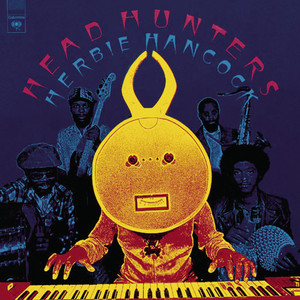
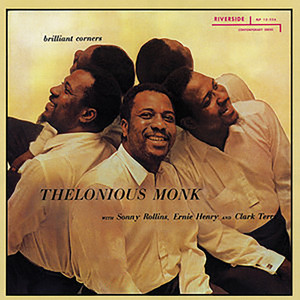
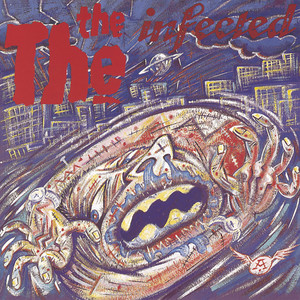
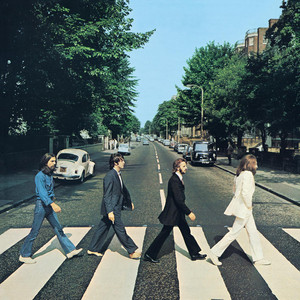
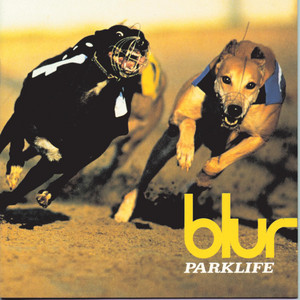
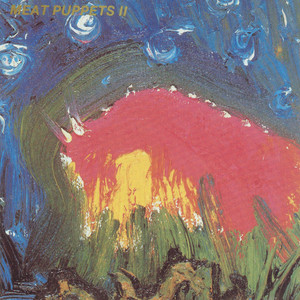
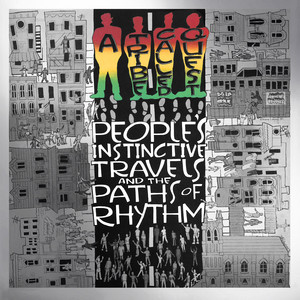
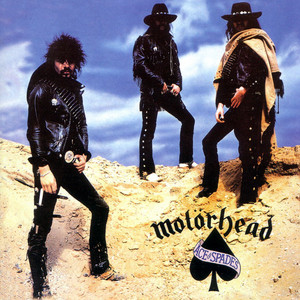
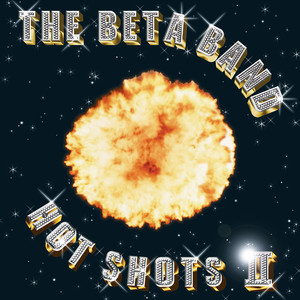
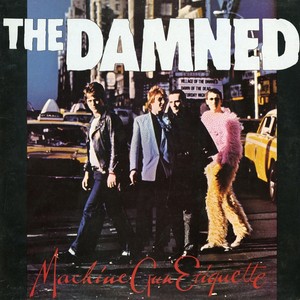
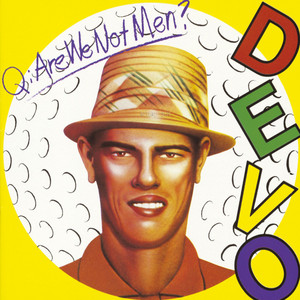
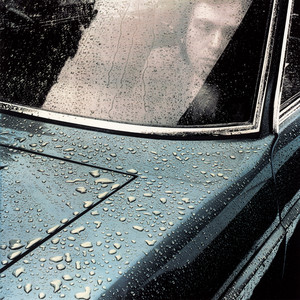
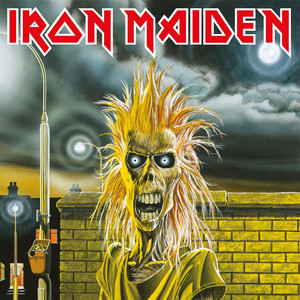
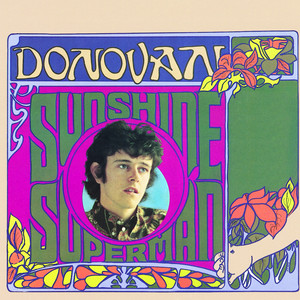
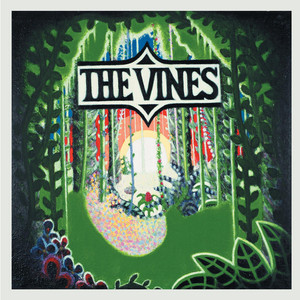
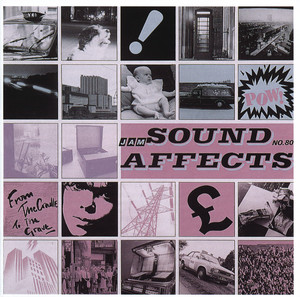
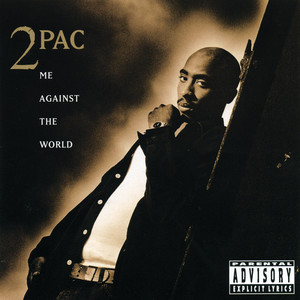
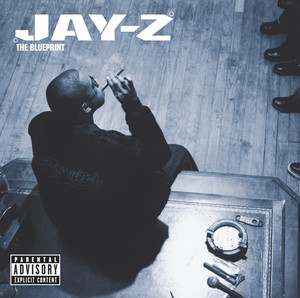
One of my favourite album covers: Michael Parkinson, Kenny Lynch, James Coburn, Clement Freud, Christopher Lee, and John Conteh. Celebs that were ever present when I was growing up.
Sounds like a cross between Sheryl Crow and Alanis Morissette albeit perhaps a bit more introspective and a lot more maudlin. There's not much irony or levity to break the heaviness. I can see the appeal, but it's not for me. However, the song "Criminal" proved something of an earworm.
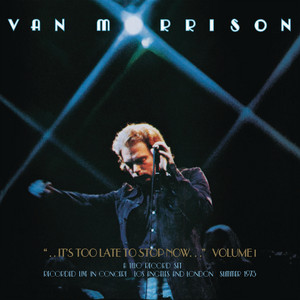
Haven't listened to this in about 30 years. Didn't like it much then and don't like it much now. I want to like Van, I probably should like Van, but I don't (with the exception of **Them**).
Despite being perennially present during my youth I didn't get into **Siouxsie and the Banshees** until much later. My goth fix mainly came from **The Sisters of Mercy**, **The Cult**, **Fields of the Nephilim**, **The Cure**, and **The Mission**. Truth be told I think I had a problem with female lead vocalist and it took a while to see past my youthful prejudices. Although I'm still somewhat picky about female lead vocals.
Anyway, this album starts strong with “Spellbound,” the opening track, which is one of their most famous songs. It sets a high bar for the rest of the album. “Arabian Knights” follows suit, showcasing that distinct blend of Eastern influences and darkwave sensibilities that the Banshees mastered.
However, the album tails off toward the end. After the intensity of the opening tracks, songs like "Head Cut" and “Voodoo Dolly” feel a bit more subdued or repetitive. While they still have that signature atmospheric quality, the energy dips slightly, and the mood becomes a bit too introspective and brooding.
Quintessentially 90s, even though it dropped in 1989! One of a handful of albums from the late 88/89 that would pave the way for the early 90s alternative scene. The way the album blends quiet-loud dynamics, surreal lyrics, and abrasive guitar work set a template that would influence so much of what would come to dominate the early 90s.
In a way, Doolittle was like the bridge between the late 80s and the explosion of alternative rock in the 90s.
It’s fair to say that alongside **Jane’s Addiction’s** *Nothing’s Shocking*, **Faith No More’s** *The Real Thing*, **Nine Inch Nails'** *Pretty Hate Machine**, and the **Soundgarden's** *Louder Than Love* you have five albums that pretty much reframed music for me.
I can't stand **The Smiths**. They are the epitome of everything I hated and hate about mid-80s British indie and jangle-pop. Maudlin self-indulgent nonsense.
They are one of the most overrated bands in music history imho. I'll never understand what people see in them. Absolute tosh.
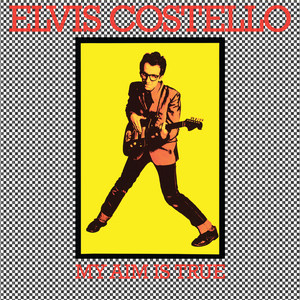
There is a sense that **Elvis Costello** didn’t quite fit into any singular mold of the late 70s or early 80s music scene. His work straddled several musical worlds, blending punk, new wave, pop, and classic rock influences, but always with his own distinctive twist. In that sense, he was both part of the moment and apart from it.
This is the perfect example of how he had a way of blending angular, raw energy with more traditional elements of rock, pop, and even soul, which allowed him to transcend the short-lived trends of the era - to such an extent that this album almost feels like it could’ve been made at any time in rock’s history. This album has a sense of urgency and edge that wouldn't be out of place now. Even the production has aged well. It's almost **Weezer**-esque.
"Pump It Up” is simply an all-timer. It's one of those songs that instantly grabs you and doesn’t let go.
Because Costello's style and output is so eclectic I'm not sure he gets the credit he deserves.
Like a Beatles album in all but name.
Unsurprisingly it feels like a Beatles record at its core - certainly in the melodic sense - but it’s more like the skeleton of one, exposed and stripped of harmony and polish. If the Beatles had continued and allowed Lennon to fully explore this side of himself within the band, this might've been a Beatles album in spirit. But it's more introspective, more personal, more radical than the Beatles would ever have been. It has a raw directness.
It's hard to believe that Lennon was only 30 when he recorded this and had the Beatles' career behind him. It probably contributes to the sense of world-weariness here. It's almost like he’s a man decades older. Extraordinary really.
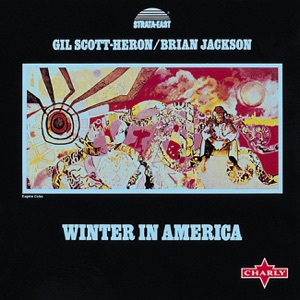
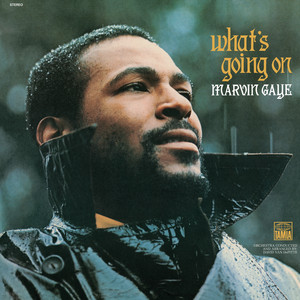
This didn't really land with me at the time of its release. It came across as a bit too lightweight, earnest, and preachy. But listening to it now I realise that more of it sunk in than I thought and I'm conscious that there is more of a jazz-spirit to it with its loose, flowing arrangements:.
There's also a sort of jazz intent in terms of expressing deeper personal and cultural truths. It's a lot more introspective, and spiritually-rooted than I remembered.
It definitely feels closer to jazz than hip hop and revisiting it today with a jazz ear (hearing mood, cadence, space, and social resonance) has opened it up in a whole new way.
This album arrived with a huge bang, heralded as part of that post-punk revival alongside bands like **The Strokes**, **Interpol**, and **Bloc Party**. But now it is just one of those albums you regularly find clogging up charity shops across the country.
At the time I think I even felt it had merit, mainly on the basis of “Take Me Out” with all its self-assured swagger.
Revisiting it now I'm left with the feeling that it is a pedestrian and souless affair. It feels horribly calculated and driven purely by aesthetics. It's a hollow, charmless album with no emotional depth.and a complete lack of sonic diversity. I question it's relevance and right to be on this list. At best it's a reflection of a moment in time, but that doesn't make it essential or a timeless classic.
Not my favourite **Pink Floyd**, actually not even in my Top 5 Floyd albums, but it is responsible for fostering my interest in music with "Another Brick in the Wall (Part 2)" being the first record I ever bought way back in 1979.
As for the album I find it difficult to engage with compared to other Floyd. Essentially I'm more a fan of their psychedelic and experimental output, preferring the atmosphere, abstract textures, and exploratory jams of earlier albums.
*The Wall* is a hard listen that demands attention, but then **Roger Waters** designed the album to be confrontational, inward-looking, and emotionally raw. It’s not about escape or transcendence like earlier Floyd. As a result it's too rigid and claustrophobic for my liking. I'm left admiring the ambition, but largely cold to the content.
Now here's a band that gets nowhere near the amount of credit they are due.
Alongside **Living Colour**, who released *Vivid* in the same year (1988), **Fishbone** played a pivotal role in bringing Black rock artists into the mainstream rock and metal scenes, helping to pave the way for and influence acts like **Faith No More**, **Red Hot Chili Peppers**, **Sublime**, and **Rage Against the Machine**.
A groundbreaking fusion of funk, punk, hard rock/metal, ska, and soul (sometimes within a single song). It's complex, intense, and humourous, while the musicianship is tight and virtuosic.
Despite critical acclaim it struggled commercially. It was too punk for funk audiences, too funky for punk crowds, and generally too political for most audiences. But it created a legacy that contains to be appreciated today.
The album was undoubtedly ahead of its time. A crucial link in the chain leading to the '90s alternative explosion and an undeniable influence on those experimenting with funk, punk, and metal.
For fans of FNM it’s fair to say that *The Real Thing* (1989) might not have sounded the way it did without the influence of *Truth and Soul*.
I only know the hits, which actually I'm not entirely averse to. There's a sense of nostalgia to a certain degree, but I also acknowledge the influence (both direct and non-direct) on some acts that I really do like, including **The Cardigans**, **The Ark**, **Queen**, **The Darkness**, and **Rainbow**. I was also struck by the **Sparks**-esque vibe, although probably not surprising given they operated in similar timeframes and both embraced theatricality and pop sophistication,
I'm always reminded that **Ritchie Blackmore** genuinely said that **ABBA** was “probably my favorite band of all time,” saying their music was “so melodic, and it just worked,”
Melodically, **ABBA** is in a class of their own. Their songs are deceptively complex and I respect them for that.
It wouldn't have endured if it wasn't good on some level. Longevity alone means there's some real substance beneath the surface even if it's not really my thing.
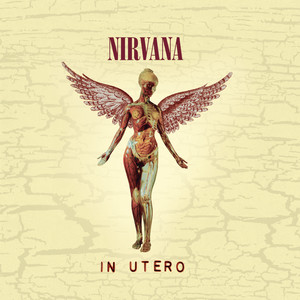
I love the cover art. It's very symbolic and it complements the music - sleek, polished, but with real emotion and grit just under the surface.
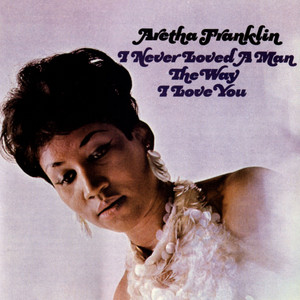
Well, this was a massive surprise. Based on the cover I was expecting some kind of mid-70s Euro folk, but what I got was a lush fusion of soul, R&B, and rock with some amazing **Phil Spector** production.
This is blue-eyed soul in the vein of **Boz Scsggs** and I adore **Boz Scsggs**.
Mostly produced by **Phil Spector**, this album has that signature Wall of Sound, but it’s darker, more introspective, even somber. The arrangements are slick but not overly so, the vocals are soulful, and groove is super smooth.
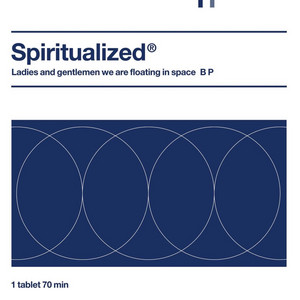
It kind of evokes the emotional grandeur of **The Verve's** *Urban Hymns*, **Embrace's** *The Good Will Out*, or **Spiritualized** *Ladies and Gentlemen...*
Genuinely astounded by this. I loved it so much that I listened to the follow-up **Streetheat** (1976), which was equally good and immediately reminded me of *Silk Degrees* by **Boz Scaggs**. I will absolutely revisit this, I might even buy it.
**Dire Straits** often get reduced to a kind of shorthand for “dad rock”, but that label really undersells what made them great.
They arrived at the height of punk and new wave were, but their stripped-down aesthetic perfectly fit with the pub rock movement and bands like **Brinsley Schwarz** and early **Elvis Costello**. The back-to-basics, anti-glam rock sound was respected by punks who saw it as an early rebellion against the "dinosaur rock" establishment.
It's kind of strange of think **Dire Straits** sharing any philosophical space with the punk movement, but it's true. They were uncompromisingly unglamorous and their authenticity-first ethos was very punk in spirit.
This album very much has a stripped down sound, but **Mark Knopfler's** guitar playing is truly distinctive in terms of its style and tone. His fingerpicking style is clean, lyrical, and expressive, and arguably totally unique in rock music. He’s as melodic as **David Gilmour** but as groove-oriented as **J.J. Cale**. Actually **Cale** is clearly a big influence on this album, particularly in terms of his laid-back groove, tight songwriting, and restrained guitar playing. I also get hints of **Bob Dylan** and **John Prine** in the rootsy minimalism. Perhaps a hint of **Bruce Springsteen** too.
"Sultans of Swing" and "Down to the Waterline" reflect Cale’s minimalism and blues-based feel and anti-establishment by understatement vibe.
You do get the sense that it's a quietly defiant album.